Initial Clinical Data in Myositis and Systemic Sclerosis ACR Convergence | November 9, 2026 NKX019 in Autoimmune Disease
Forward-Looking Statements This presentation contains forward-looking statements, within the meaning of the Private Securities Litigation Reform Act of 1995, regarding future events and the future results of the company that are based on current expectations, estimates, forecasts, and projections about the industry in which the company operates and the future of our business, future plans and strategies, projections, anticipated trends and events, the economy, and other future conditions, and the beliefs and assumptions of the management of the company. These forward-looking statements include, without limitation, statements regarding the potential therapeutic benefits, safety profile, and differentiation of NKX019; the company’s clinical development plans for NKX019, including the expected timing of additional follow-up data, the selection of a registrational dose, planned changes to dosing schedules and dose levels, the potential effects of such changes, the potential durability of clinical responses, and the safety and efficacy of retreatment; the company’s planned interactions with the FDA and the potential registrational path for NKX019 in myositis and systemic sclerosis; the potential market opportunity for NKX019, including estimated patient populations and estimated refractory patient populations; the potential approval of NKX019 in any indication; and the company’s expected cash runway. Words such as “address,” “anticipate,” “believe,” “consider,” “continue,” “could,” “develop,” “estimate,” “expect,” “forecast,” “further,” “goal,” “intend,” “may,” “opportunity,” “plan,” “potential,” “project,” “seek,” “should,” “target,” “will,” “would,” variations of such words, and similar expressions are intended to identify such forward-looking statements. Such statements reflect the current views of the company and its management with respect to future events and are subject to inherent risks, uncertainties, and changes in circumstances that are difficult to predict and may be outside our control. Important factors that could cause actual results to differ materially include, among others: the results of ongoing and future clinical trials of NKX019; whether the FDA agrees with the company’s proposed registrational path and dose; the risk that changes to dosing schedules or dose levels may not achieve the anticipated results or may result in additional safety or tolerability concerns; whether and when NKX019 receives regulatory approval in any indication; the size of the addressable patient populations, including refractory populations, which are based on published estimates and limited primary market research and may be smaller than estimated; pricing, coverage, and reimbursement; market acceptance by physicians and patients; competition; the company’s ability to manufacture and commercialize NKX019; and the risk that the company uses its capital resources sooner than expected. Therefore, you should not rely on any of these forward-looking statements. Should one or more of these risks or uncertainties materialize, or should underlying assumptions prove incorrect, the company’s actual results, performance, or achievements could differ materially from the results expressed in, or implied by, these forward-looking statements. Please see section entitled “Risk Factors” in our annual, quarterly and other filings with the Securities and Exchange Commission for a description of these risks and uncertainties. This presentation has been prepared by the company based on information it has obtained from sources it believes to be reliable. Summaries of documents contained in this presentation may not be complete. The company does not represent that the information herein is complete. Estimates of patient populations and market opportunity in this presentation are based on the company’s internal estimates and research, including third-party publications and primary market research, which the company has not independently verified. These estimates involve assumptions and limitations, are unrisked, and assume regulatory approval, which may not occur. The information in this presentation is current only as of the date on the cover, and the company’s business or financial condition and other information in this presentation may change after that date. The company undertakes no obligation to update any forward-looking statements in order to reflect any event or circumstance occurring after the date of this presentation or currently unknown facts or conditions, except as required by law. Interim data from clinical trials are subject to the risk that one or more of the clinical outcomes may materially change as patient enrollment continues and more data on existing patients become available. The clinical trial programs are ongoing, and the final results may be materially different from those reflected in any interim data the company reports. Further, others, including regulatory agencies, may not accept or agree with the company’s assumptions, estimates, calculations, conclusions or analyses or may interpret or weigh the importance of data differently, which could impact the value of the particular program, the approvability or commercialization of the particular product candidate or product and the value of the company in general. In addition, the information the company chooses to publicly disclose regarding a particular study or clinical trial is typically a summary of extensive information, and you or others may not agree with what the company determines is the material or otherwise appropriate information to include in its disclosure, and any information the company determines not to disclose may ultimately be deemed significant with respect to future decisions, conclusions, views, activities or otherwise regarding a particular product, product candidate or business. Nkarta, the Nkarta logo, and Ntrust are trademarks or service marks of Nkarta, Inc.
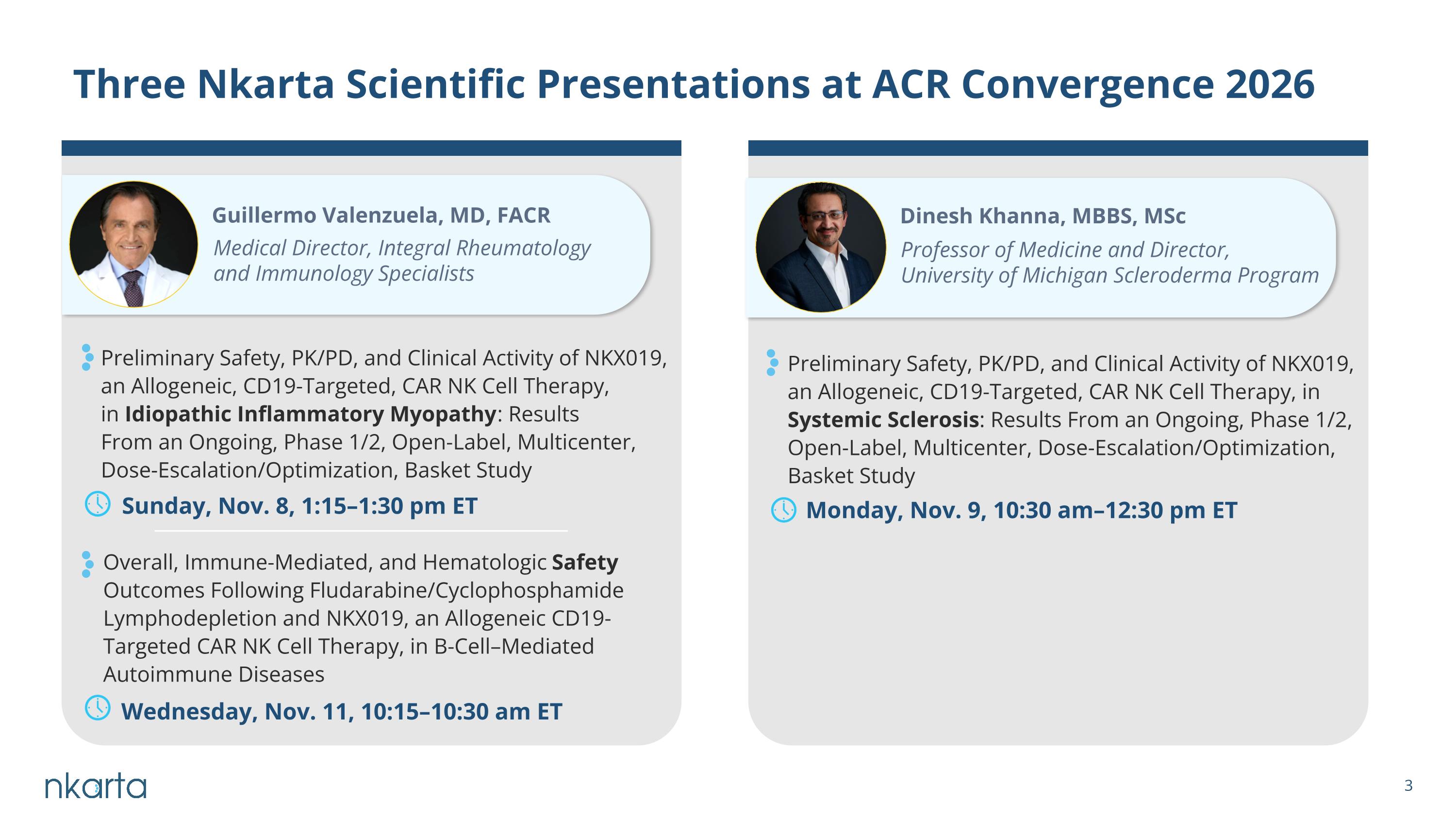
Three Nkarta Scientific Presentations at ACR Convergence 2026 Guillermo Valenzuela, MD, FACR Dinesh Khanna, MBBS, MSc Preliminary Safety, PK/PD, and Clinical Activity of NKX019, an Allogeneic, CD19-Targeted, CAR NK Cell Therapy, in Systemic Sclerosis: Results From an Ongoing, Phase 1/2, Open-Label, Multicenter, Dose-Escalation/Optimization, Basket Study Monday, Nov. 9, 10:30 am–12:30 pm ET Preliminary Safety, PK/PD, and Clinical Activity of NKX019, an Allogeneic, CD19-Targeted, CAR NK Cell Therapy, in Idiopathic Inflammatory Myopathy: Results From an Ongoing, Phase 1/2, Open-Label, Multicenter, Dose-Escalation/Optimization, Basket Study Overall, Immune-Mediated, and Hematologic Safety Outcomes Following Fludarabine/Cyclophosphamide Lymphodepletion and NKX019, an Allogeneic CD19-Targeted CAR NK Cell Therapy, in B-Cell–Mediated Autoimmune Diseases Wednesday, Nov. 11, 10:15–10:30 am ET Sunday, Nov. 8, 1:15–1:30 pm ET Medical Director, Integral Rheumatology and Immunology Specialists Professor of Medicine and Director, University of Michigan Scleroderma Program

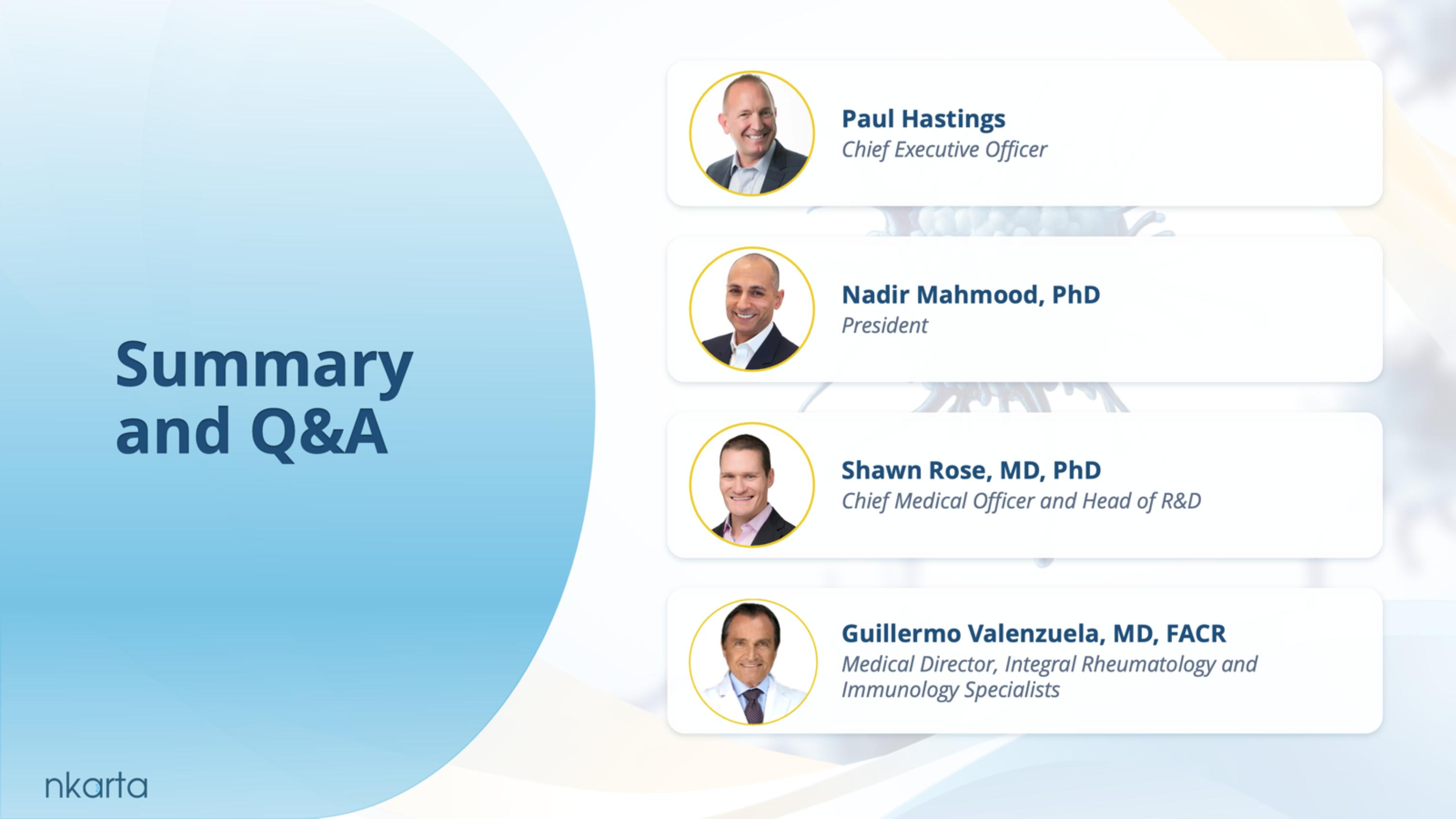
Agenda Introduction & Overview Paul Hastings, CEO Clinical & Translational Data Shawn Rose, MD, PhD, CMO and Head of R&D Opportunity & Next Steps Nadir Mahmood, PhD, President Summary and Q&A Paul Hastings, CEO
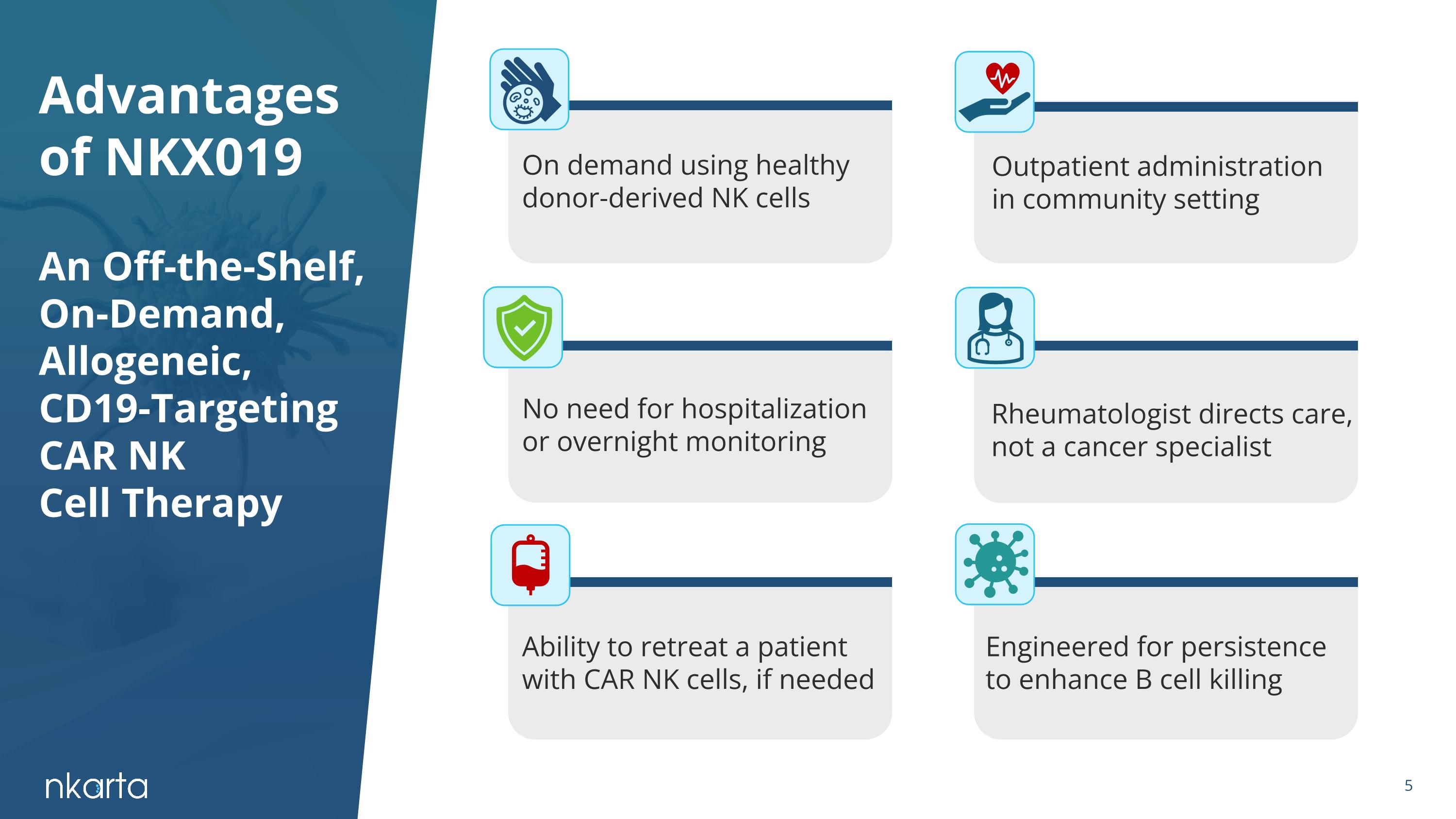
Advantages of NKX019 An Off-the-Shelf, On-Demand, Allogeneic, CD19-Targeting CAR NK Cell Therapy On demand using healthy donor-derived NK cells Outpatient administration in community setting No need for hospitalization or overnight monitoring Rheumatologist directs care, not a cancer specialist Ability to retreat a patient with CAR NK cells, if needed Engineered for persistence to enhance B cell killing
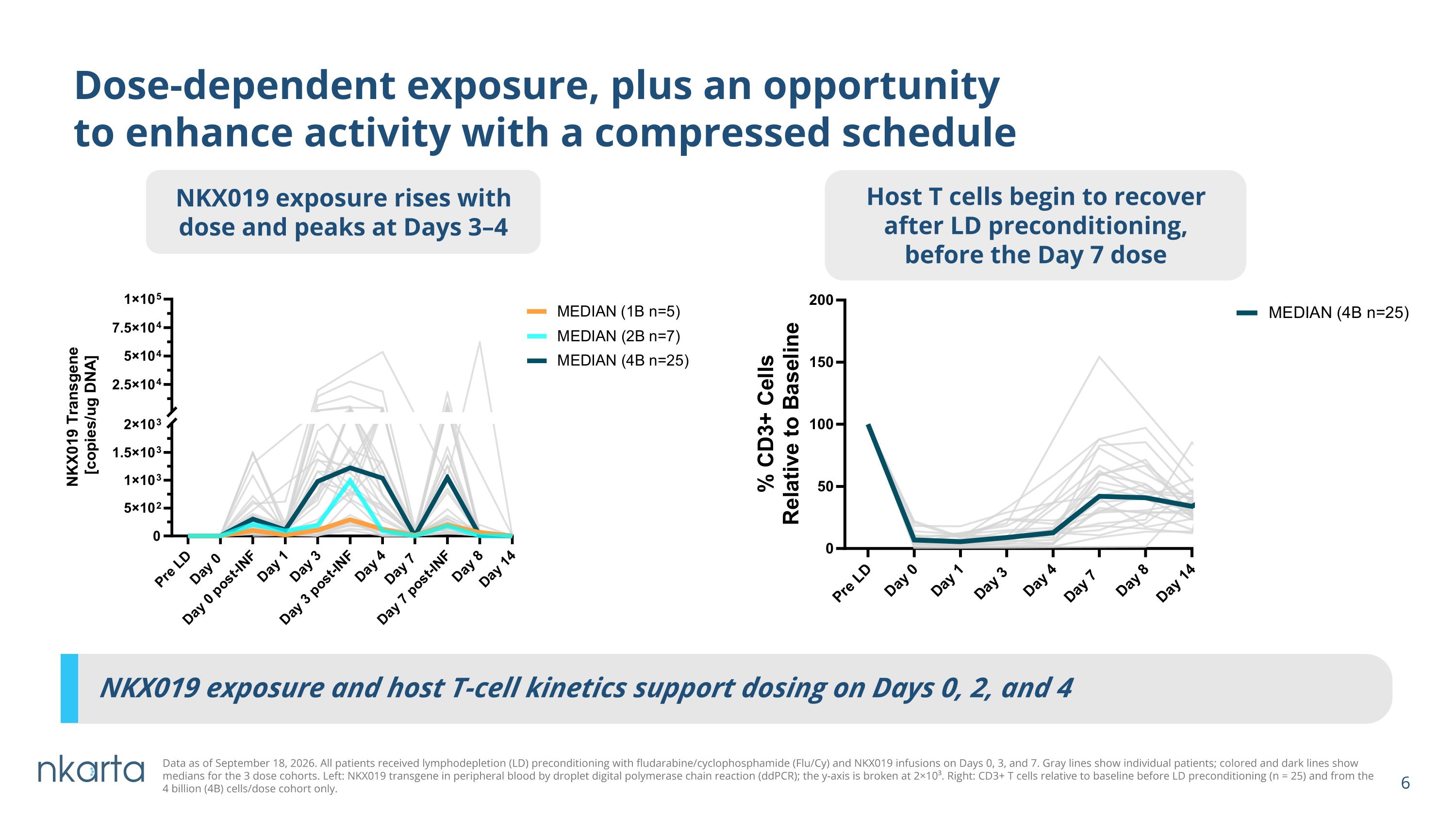
Dose-dependent exposure, plus an opportunity to enhance activity with a compressed schedule Data as of September 18, 2026. All patients received lymphodepletion (LD) preconditioning with fludarabine/cyclophosphamide (Flu/Cy) and NKX019 infusions on Days 0, 3, and 7. Gray lines show individual patients; colored and dark lines show medians for the 3 dose cohorts. Left: NKX019 transgene in peripheral blood by droplet digital polymerase chain reaction (ddPCR); the y-axis is broken at 2×10³. Right: CD3+ T cells relative to baseline before LD preconditioning (n = 25) and from the 4 billion (4B) cells/dose cohort only. NKX019 exposure rises with dose and peaks at Days 3–4 Host T cells begin to recover after LD preconditioning, before the Day 7 dose NKX019 exposure and host T-cell kinetics support dosing on Days 0, 2, and 4
Clinical & Translational Data
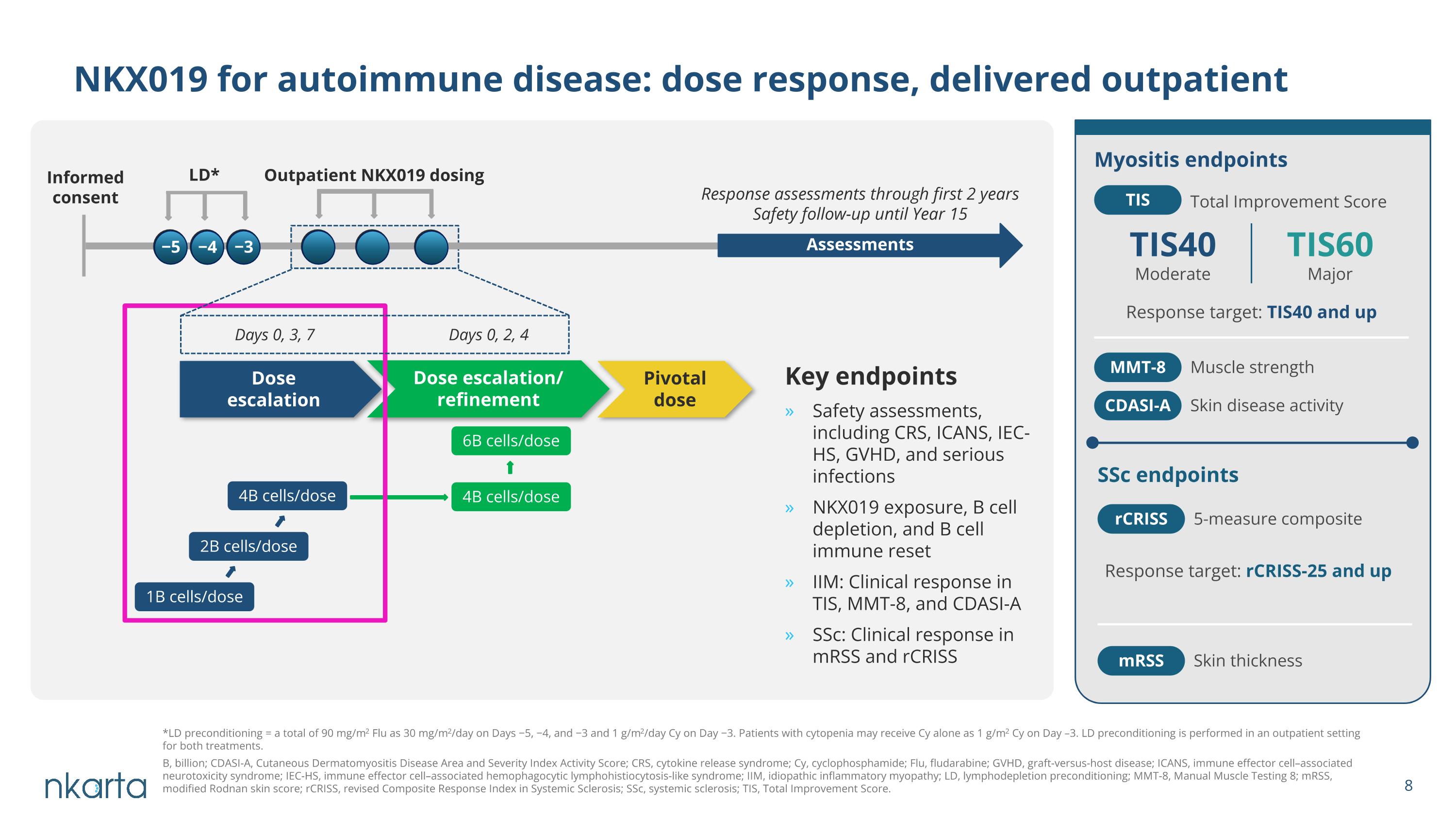
NKX019 for autoimmune disease: dose response, delivered outpatient *LD preconditioning = a total of 90 mg/m2 Flu as 30 mg/m2/day on Days −5, −4, and −3 and 1 g/m2/day Cy on Day −3. Patients with cytopenia may receive Cy alone as 1 g/m2 Cy on Day –3. LD preconditioning is performed in an outpatient setting for both treatments. B, billion; CDASI-A, Cutaneous Dermatomyositis Disease Area and Severity Index Activity Score; CRS, cytokine release syndrome; Cy, cyclophosphamide; Flu, fludarabine; GVHD, graft-versus-host disease; ICANS, immune effector cell–associated neurotoxicity syndrome; IEC-HS, immune effector cell–associated hemophagocytic lymphohistiocytosis-like syndrome; IIM, idiopathic inflammatory myopathy; LD, lymphodepletion preconditioning; MMT-8, Manual Muscle Testing 8; mRSS, modified Rodnan skin score; rCRISS, revised Composite Response Index in Systemic Sclerosis; SSc, systemic sclerosis; TIS, Total Improvement Score. Key endpoints Safety assessments, including CRS, ICANS, IEC-HS, GVHD, and serious infections NKX019 exposure, B cell depletion, and B cell immune reset IIM: Clinical response in TIS, MMT-8, and CDASI-A SSc: Clinical response in mRSS and rCRISS Dose escalation 2B cells/dose Pivotal dose Dose escalation/ refinement Days 0, 3, 7 Days 0, 2, 4 1B cells/dose 4B cells/dose 6B cells/dose 4B cells/dose Myositis endpoints TIS Total Improvement Score Moderate TIS60 Major Response target: TIS40 and up MMT-8 Muscle strength CDASI-A Skin disease activity TIS40 SSc endpoints rCRISS 5-measure composite mRSS Skin thickness Response target: rCRISS-25 and up Informed consent −5 −4 −3 LD* Outpatient NKX019 dosing Assessments Response assessments through first 2 years Safety follow-up until Year 15

Overall Ntrust Safety
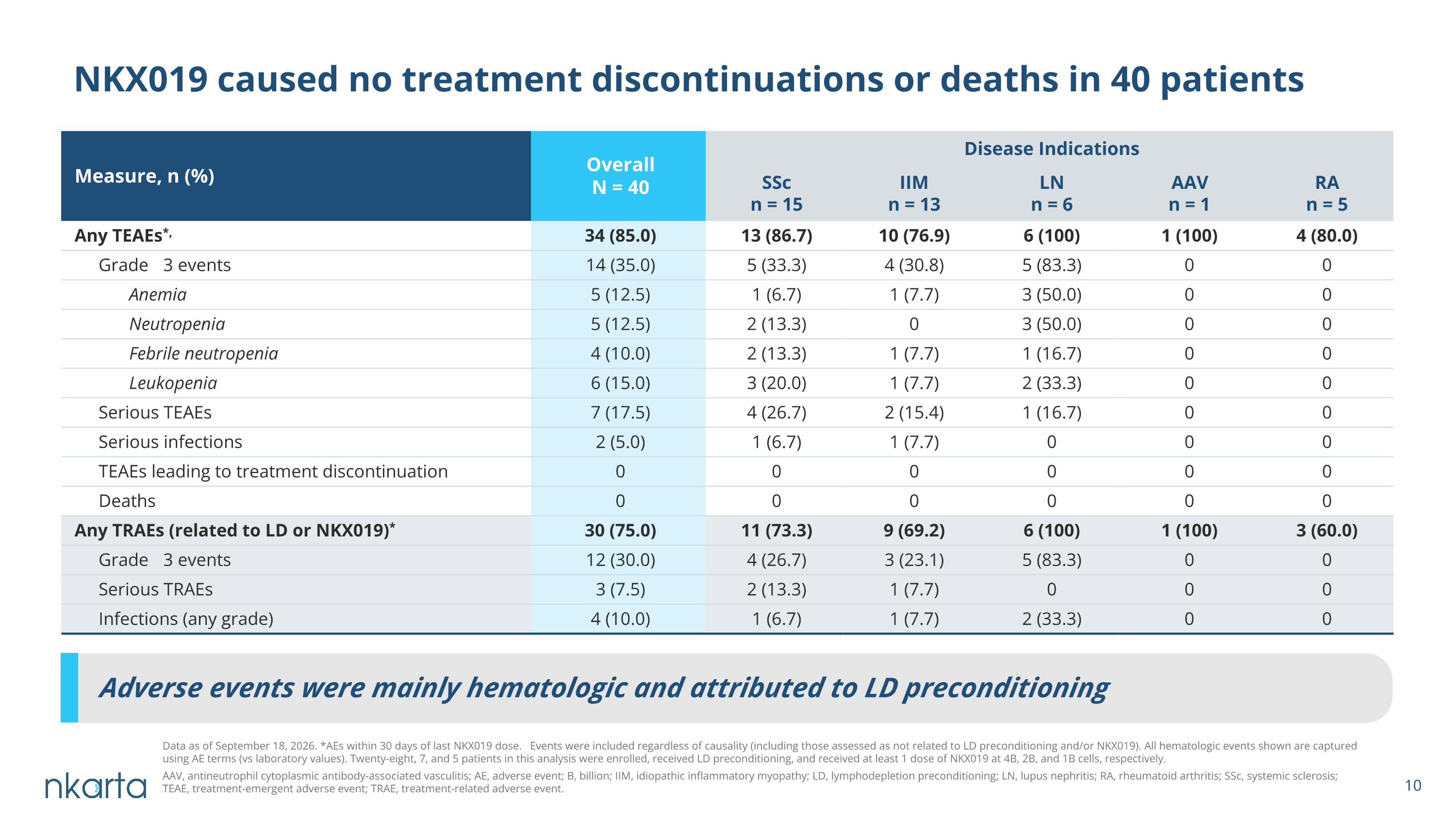
NKX019 caused no treatment discontinuations or deaths in 40 patients Measure, n (%) Overall N = 40 Disease Indications SSc n = 15 IIM n = 13 LN n = 6 AAV n = 1 RA n = 5 Any TEAEs*,† 34 (85.0) 13 (86.7) 10 (76.9) 6 (100) 1 (100) 4 (80.0) Grade ≥3 events 14 (35.0) 5 (33.3) 4 (30.8) 5 (83.3) 0 0 Anemia 5 (12.5) 1 (6.7) 1 (7.7) 3 (50.0) 0 0 Neutropenia 5 (12.5) 2 (13.3) 0 3 (50.0) 0 0 Febrile neutropenia 4 (10.0) 2 (13.3) 1 (7.7) 1 (16.7) 0 0 Leukopenia 6 (15.0) 3 (20.0) 1 (7.7) 2 (33.3) 0 0 Serious TEAEs 7 (17.5) 4 (26.7) 2 (15.4) 1 (16.7) 0 0 Serious infections 2 (5.0) 1 (6.7) 1 (7.7) 0 0 0 TEAEs leading to treatment discontinuation 0 0 0 0 0 0 Deaths 0 0 0 0 0 0 Any TRAEs (related to LD or NKX019)* 30 (75.0) 11 (73.3) 9 (69.2) 6 (100) 1 (100) 3 (60.0) Grade ≥3 events 12 (30.0) 4 (26.7) 3 (23.1) 5 (83.3) 0 0 Serious TRAEs 3 (7.5) 2 (13.3) 1 (7.7) 0 0 0 Infections (any grade) 4 (10.0) 1 (6.7) 1 (7.7) 2 (33.3) 0 0 Data as of September 18, 2026. *AEs within 30 days of last NKX019 dose. †Events were included regardless of causality (including those assessed as not related to LD preconditioning and/or NKX019). All hematologic events shown are captured using AE terms (vs laboratory values). Twenty-eight, 7, and 5 patients in this analysis were enrolled, received LD preconditioning, and received at least 1 dose of NKX019 at 4B, 2B, and 1B cells, respectively. AAV, antineutrophil cytoplasmic antibody-associated vasculitis; AE, adverse event; B, billion; IIM, idiopathic inflammatory myopathy; LD, lymphodepletion preconditioning; LN, lupus nephritis; RA, rheumatoid arthritis; SSc, systemic sclerosis; TEAE, treatment-emergent adverse event; TRAE, treatment-related adverse event. Adverse events were mainly hematologic and attributed to LD preconditioning
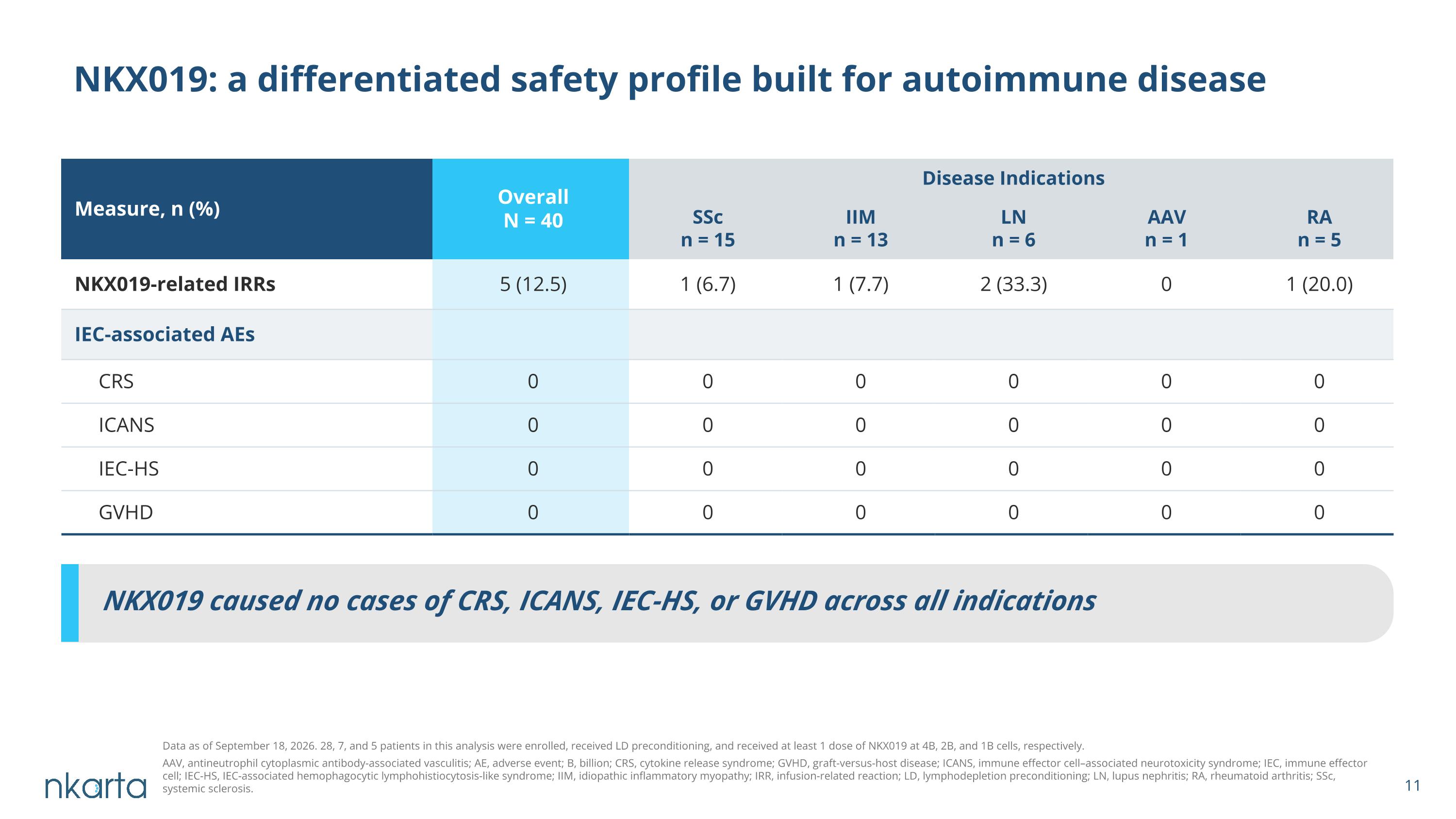
NKX019: a differentiated safety profile built for autoimmune disease NKX019 caused no cases of CRS, ICANS, IEC-HS, or GVHD across all indications Data as of September 18, 2026. 28, 7, and 5 patients in this analysis were enrolled, received LD preconditioning, and received at least 1 dose of NKX019 at 4B, 2B, and 1B cells, respectively. AAV, antineutrophil cytoplasmic antibody-associated vasculitis; AE, adverse event; B, billion; CRS, cytokine release syndrome; GVHD, graft-versus-host disease; ICANS, immune effector cell–associated neurotoxicity syndrome; IEC, immune effector cell; IEC-HS, IEC-associated hemophagocytic lymphohistiocytosis-like syndrome; IIM, idiopathic inflammatory myopathy; IRR, infusion-related reaction; LD, lymphodepletion preconditioning; LN, lupus nephritis; RA, rheumatoid arthritis; SSc, systemic sclerosis. Measure, n (%) Overall N = 40 Disease Indications SSc n = 15 IIM n = 13 LN n = 6 AAV n = 1 RA n = 5 NKX019-related IRRs 5 (12.5) 1 (6.7) 1 (7.7) 2 (33.3) 0 1 (20.0) IEC-associated AEs CRS 0 0 0 0 0 0 ICANS 0 0 0 0 0 0 IEC-HS 0 0 0 0 0 0 GVHD 0 0 0 0 0 0
Myositis Results
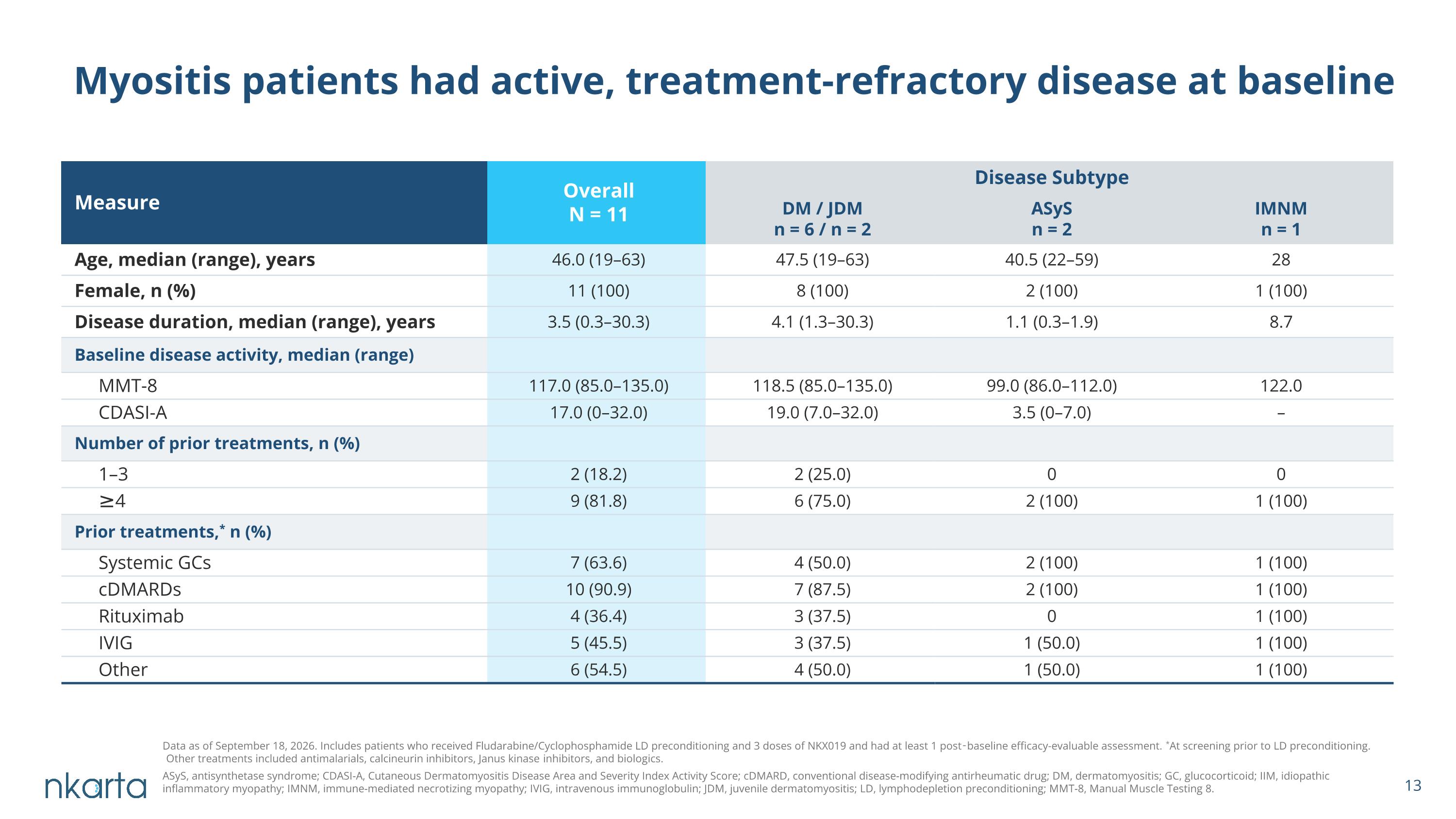
Myositis patients had active, treatment-refractory disease at baseline Data as of September 18, 2026. Includes patients who received Fludarabine/Cyclophosphamide LD preconditioning and 3 doses of NKX019 and had at least 1 post‑baseline efficacy-evaluable assessment. *At screening prior to LD preconditioning. †Other treatments included antimalarials, calcineurin inhibitors, Janus kinase inhibitors, and biologics. ASyS, antisynthetase syndrome; CDASI-A, Cutaneous Dermatomyositis Disease Area and Severity Index Activity Score; cDMARD, conventional disease-modifying antirheumatic drug; DM, dermatomyositis; GC, glucocorticoid; IIM, idiopathic inflammatory myopathy; IMNM, immune-mediated necrotizing myopathy; IVIG, intravenous immunoglobulin; JDM, juvenile dermatomyositis; LD, lymphodepletion preconditioning; MMT-8, Manual Muscle Testing 8. Measure Overall N = 11 Disease Subtype DM / JDM n = 6 / n = 2 ASyS n = 2 IMNM n = 1 Age, median (range), years 46.0 (19–63) 47.5 (19–63) 40.5 (22–59) 28 Female, n (%) 11 (100) 8 (100) 2 (100) 1 (100) Disease duration, median (range), years 3.5 (0.3–30.3) 4.1 (1.3–30.3) 1.1 (0.3–1.9) 8.7 Baseline disease activity, median (range) MMT-8 117.0 (85.0–135.0) 118.5 (85.0–135.0) 99.0 (86.0–112.0) 122.0 CDASI-A 17.0 (0–32.0) 19.0 (7.0–32.0) 3.5 (0–7.0) – Number of prior treatments, n (%) 1–3 2 (18.2) 2 (25.0) 0 0 ≥4 9 (81.8) 6 (75.0) 2 (100) 1 (100) Prior treatments,* n (%) Systemic GCs 7 (63.6) 4 (50.0) 2 (100) 1 (100) cDMARDs 10 (90.9) 7 (87.5) 2 (100) 1 (100) Rituximab 4 (36.4) 3 (37.5) 0 1 (100) IVIG 5 (45.5) 3 (37.5) 1 (50.0) 1 (100) Other† 6 (54.5) 4 (50.0) 1 (50.0) 1 (100)
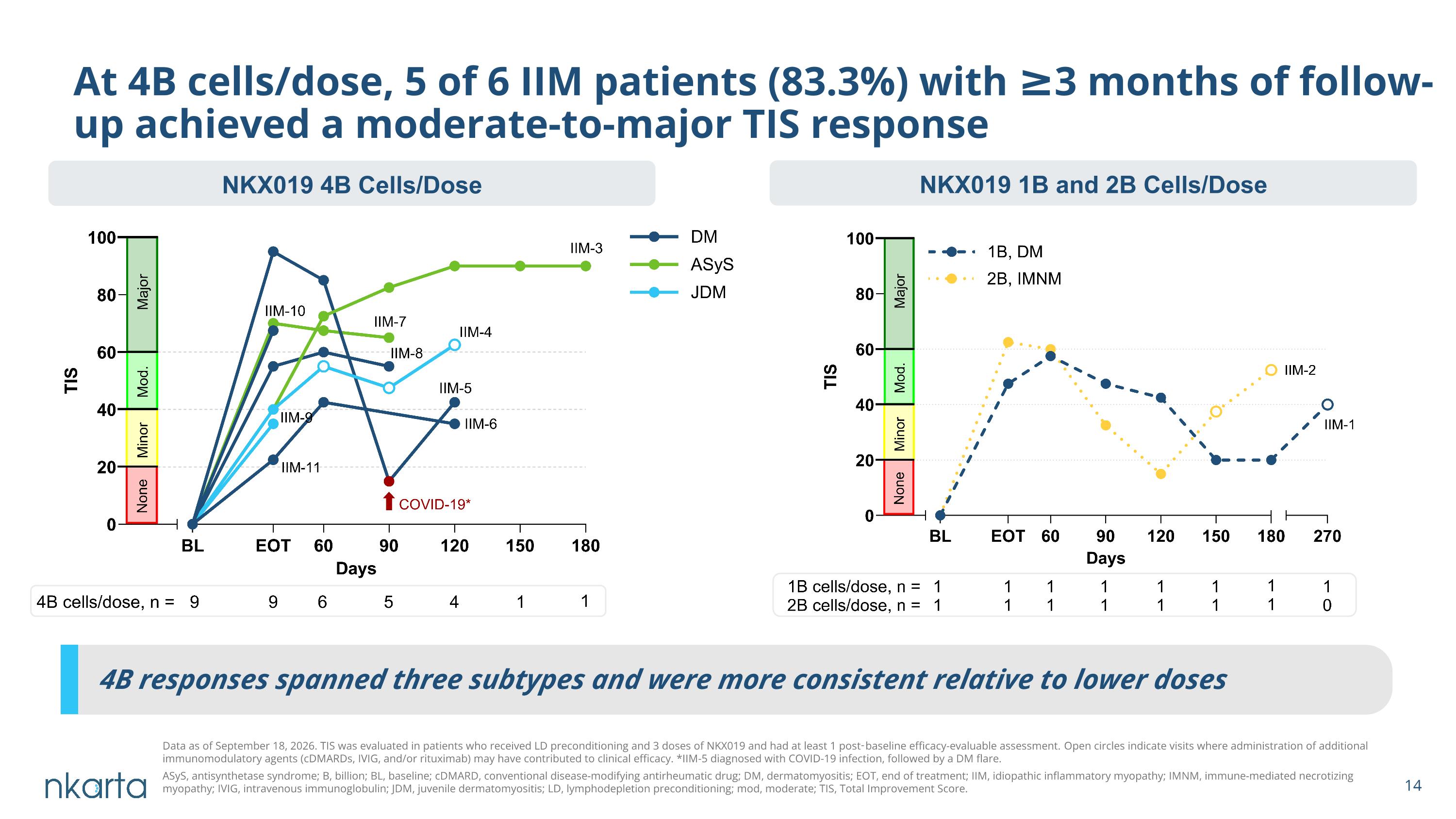
At 4B cells/dose, 5 of 6 IIM patients (83.3%) with ≥3 months of follow-up achieved a moderate-to-major TIS response 4B responses spanned three subtypes and were more consistent relative to lower doses NKX019 4B Cells/Dose NKX019 1B and 2B Cells/Dose Data as of September 18, 2026. TIS was evaluated in patients who received LD preconditioning and 3 doses of NKX019 and had at least 1 post‑baseline efficacy-evaluable assessment. Open circles indicate visits where administration of additional immunomodulatory agents (cDMARDs, IVIG, and/or rituximab) may have contributed to clinical efficacy. *IIM-5 diagnosed with COVID-19 infection, followed by a DM flare. ASyS, antisynthetase syndrome; B, billion; BL, baseline; cDMARD, conventional disease-modifying antirheumatic drug; DM, dermatomyositis; EOT, end of treatment; IIM, idiopathic inflammatory myopathy; IMNM, immune-mediated necrotizing myopathy; IVIG, intravenous immunoglobulin; JDM, juvenile dermatomyositis; LD, lymphodepletion preconditioning; mod, moderate; TIS, Total Improvement Score.
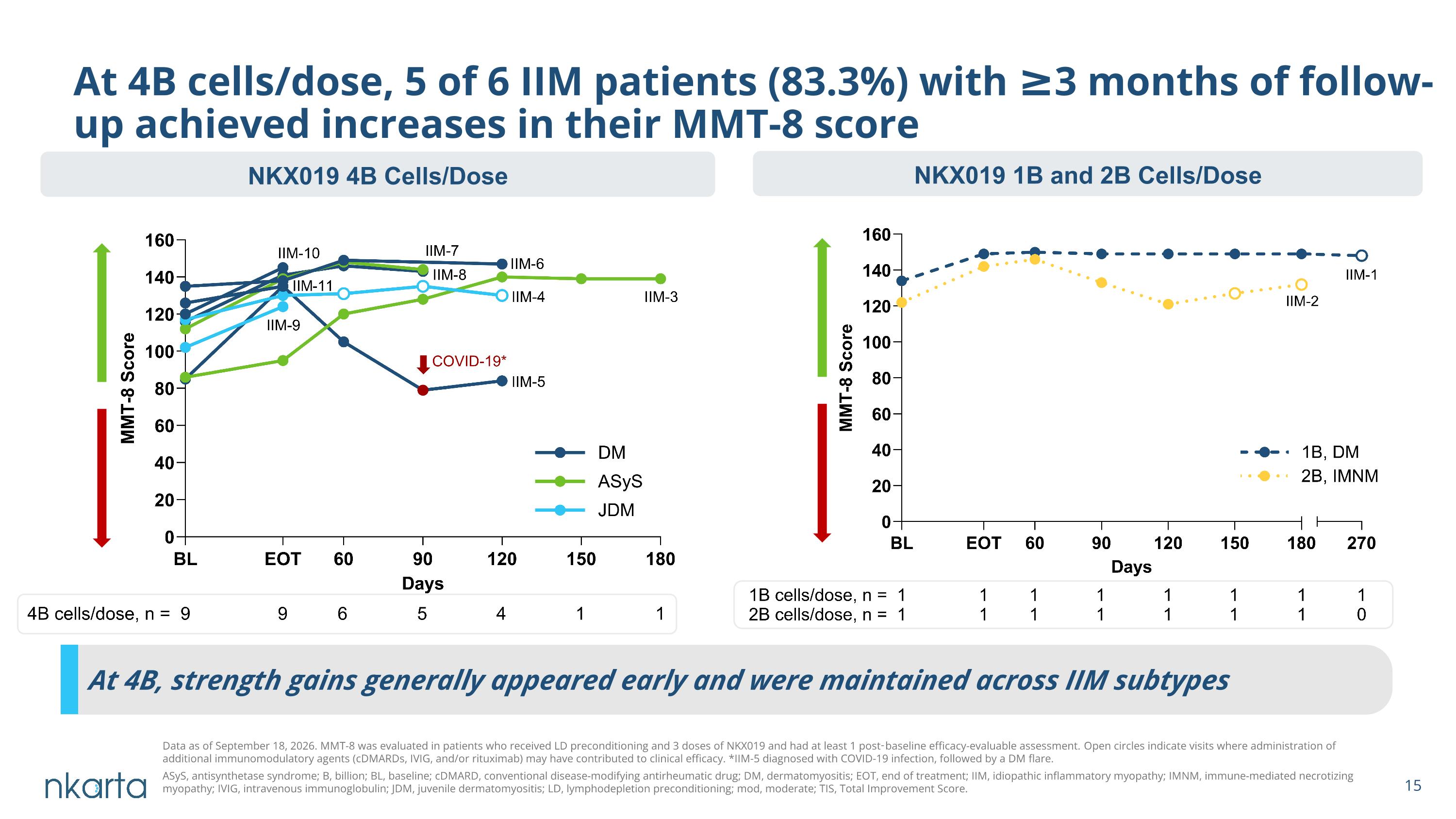
At 4B cells/dose, 5 of 6 IIM patients (83.3%) with ≥3 months of follow-up achieved increases in their MMT-8 score Data as of September 18, 2026. MMT-8 was evaluated in patients who received LD preconditioning and 3 doses of NKX019 and had at least 1 post‑baseline efficacy-evaluable assessment. Open circles indicate visits where administration of additional immunomodulatory agents (cDMARDs, IVIG, and/or rituximab) may have contributed to clinical efficacy. *IIM-5 diagnosed with COVID-19 infection, followed by a DM flare. ASyS, antisynthetase syndrome; B, billion; BL, baseline; cDMARD, conventional disease-modifying antirheumatic drug; DM, dermatomyositis; EOT, end of treatment; IIM, idiopathic inflammatory myopathy; IMNM, immune-mediated necrotizing myopathy; IVIG, intravenous immunoglobulin; JDM, juvenile dermatomyositis; LD, lymphodepletion preconditioning; mod, moderate; TIS, Total Improvement Score. NKX019 4B Cells/Dose NKX019 1B and 2B Cells/Dose At 4B, strength gains generally appeared early and were maintained across IIM subtypes
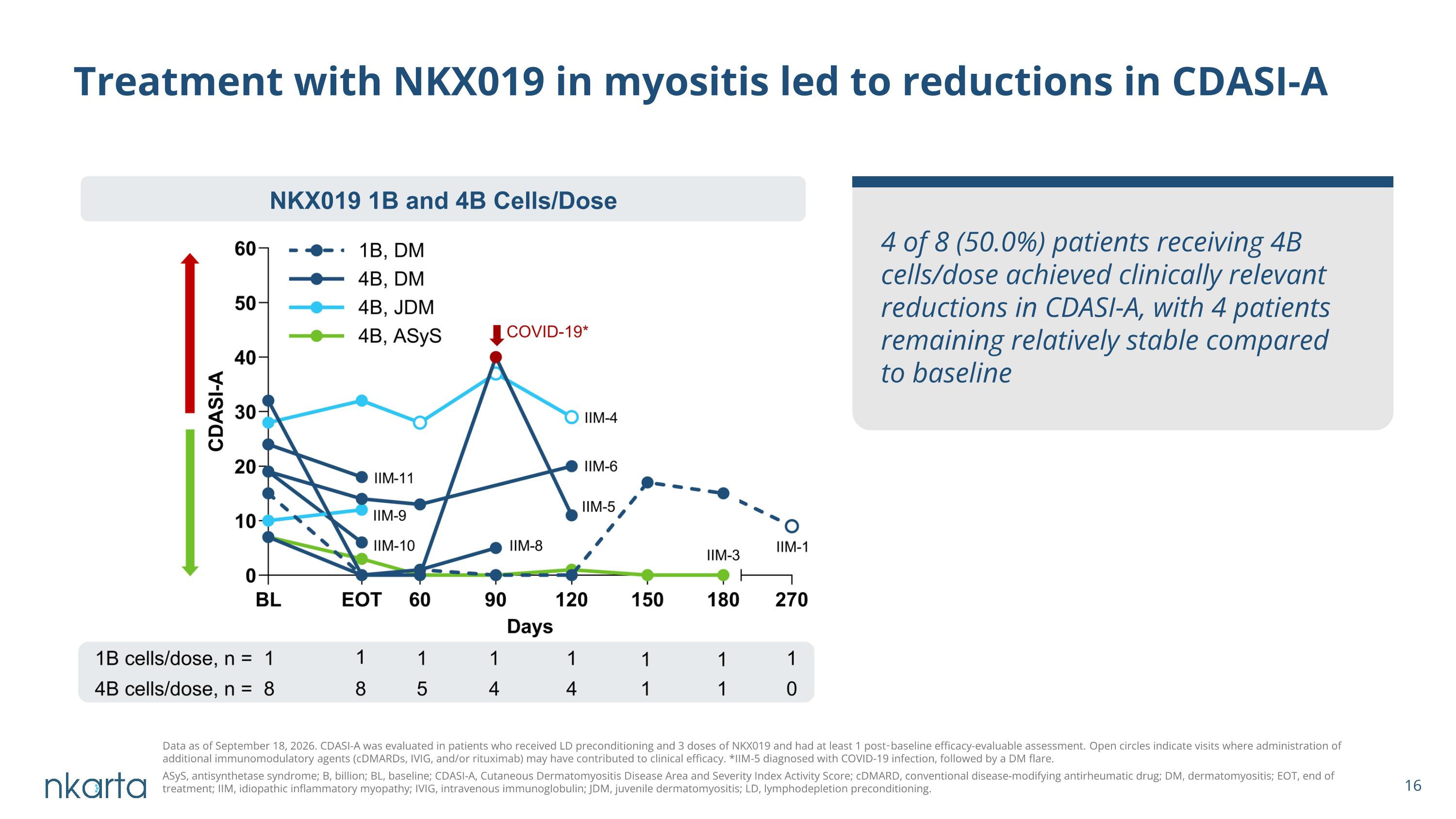
Treatment with NKX019 in myositis led to reductions in CDASI-A NKX019 1B and 4B Cells/Dose 4 of 8 (50.0%) patients receiving 4B cells/dose achieved clinically relevant reductions in CDASI-A, with 4 patients remaining relatively stable compared to baseline Data as of September 18, 2026. CDASI-A was evaluated in patients who received LD preconditioning and 3 doses of NKX019 and had at least 1 post‑baseline efficacy-evaluable assessment. Open circles indicate visits where administration of additional immunomodulatory agents (cDMARDs, IVIG, and/or rituximab) may have contributed to clinical efficacy. *IIM-5 diagnosed with COVID-19 infection, followed by a DM flare. ASyS, antisynthetase syndrome; B, billion; BL, baseline; CDASI-A, Cutaneous Dermatomyositis Disease Area and Severity Index Activity Score; cDMARD, conventional disease-modifying antirheumatic drug; DM, dermatomyositis; EOT, end of treatment; IIM, idiopathic inflammatory myopathy; IVIG, intravenous immunoglobulin; JDM, juvenile dermatomyositis; LD, lymphodepletion preconditioning.
Systemic Sclerosis Results
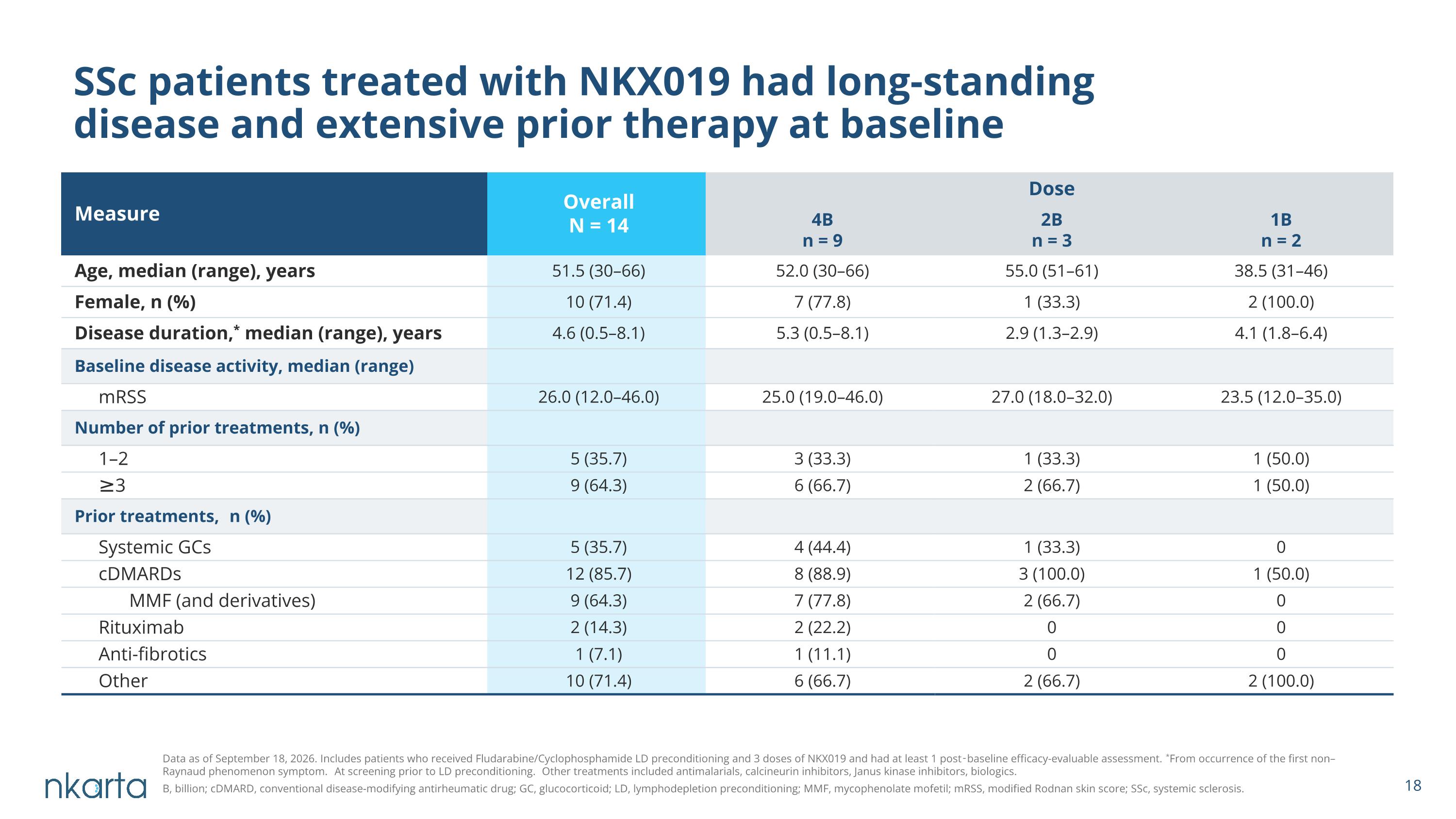
SSc patients treated with NKX019 had long-standing disease and extensive prior therapy at baseline Data as of September 18, 2026. Includes patients who received Fludarabine/Cyclophosphamide LD preconditioning and 3 doses of NKX019 and had at least 1 post‑baseline efficacy-evaluable assessment. *From occurrence of the first non–Raynaud phenomenon symptom. †At screening prior to LD preconditioning. ‡Other treatments included antimalarials, calcineurin inhibitors, Janus kinase inhibitors, biologics. B, billion; cDMARD, conventional disease-modifying antirheumatic drug; GC, glucocorticoid; LD, lymphodepletion preconditioning; MMF, mycophenolate mofetil; mRSS, modified Rodnan skin score; SSc, systemic sclerosis. Measure Overall N = 14 Dose 4B n = 9 2B n = 3 1B n = 2 Age, median (range), years 51.5 (30–66) 52.0 (30–66) 55.0 (51–61) 38.5 (31–46) Female, n (%) 10 (71.4) 7 (77.8) 1 (33.3) 2 (100.0) Disease duration,* median (range), years 4.6 (0.5–8.1) 5.3 (0.5–8.1) 2.9 (1.3–2.9) 4.1 (1.8–6.4) Baseline disease activity, median (range) mRSS 26.0 (12.0–46.0) 25.0 (19.0–46.0) 27.0 (18.0–32.0) 23.5 (12.0–35.0) Number of prior treatments, n (%) 1–2 5 (35.7) 3 (33.3) 1 (33.3) 1 (50.0) ≥3 9 (64.3) 6 (66.7) 2 (66.7) 1 (50.0) Prior treatments,† n (%) Systemic GCs 5 (35.7) 4 (44.4) 1 (33.3) 0 cDMARDs 12 (85.7) 8 (88.9) 3 (100.0) 1 (50.0) MMF (and derivatives) 9 (64.3) 7 (77.8) 2 (66.7) 0 Rituximab 2 (14.3) 2 (22.2) 0 0 Anti-fibrotics 1 (7.1) 1 (11.1) 0 0 Other‡ 10 (71.4) 6 (66.7) 2 (66.7) 2 (100.0)
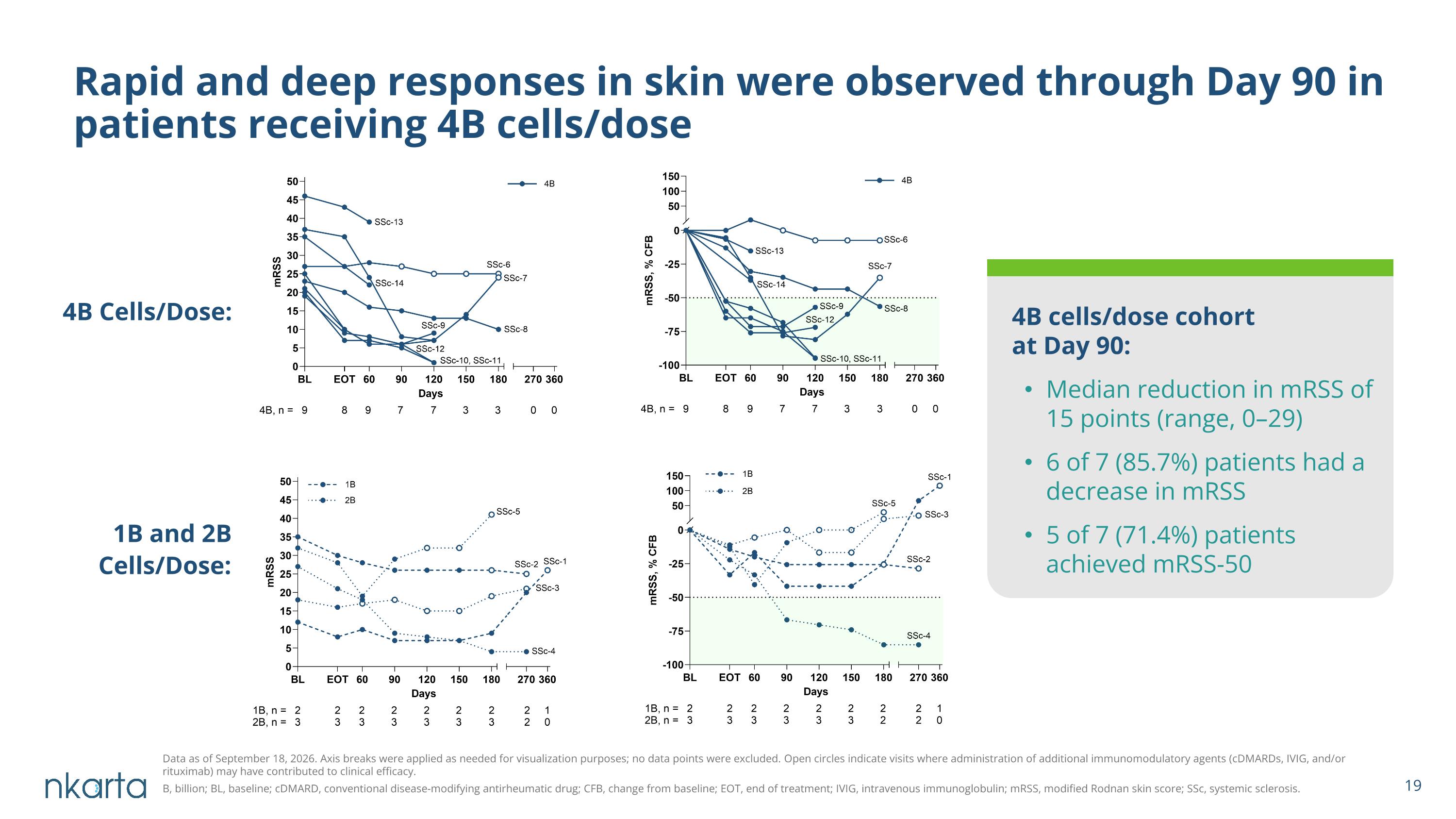
Rapid and deep responses in skin were observed through Day 90 in patients receiving 4B cells/dose Data as of September 18, 2026. Axis breaks were applied as needed for visualization purposes; no data points were excluded. Open circles indicate visits where administration of additional immunomodulatory agents (cDMARDs, IVIG, and/or rituximab) may have contributed to clinical efficacy. B, billion; BL, baseline; cDMARD, conventional disease-modifying antirheumatic drug; CFB, change from baseline; EOT, end of treatment; IVIG, intravenous immunoglobulin; mRSS, modified Rodnan skin score; SSc, systemic sclerosis. 4B Cells/Dose: 1B and 2B Cells/Dose: 4B cells/dose cohort at Day 90: Median reduction in mRSS of 15 points (range, 0–29) 6 of 7 (85.7%) patients had a decrease in mRSS 5 of 7 (71.4%) patients achieved mRSS-50
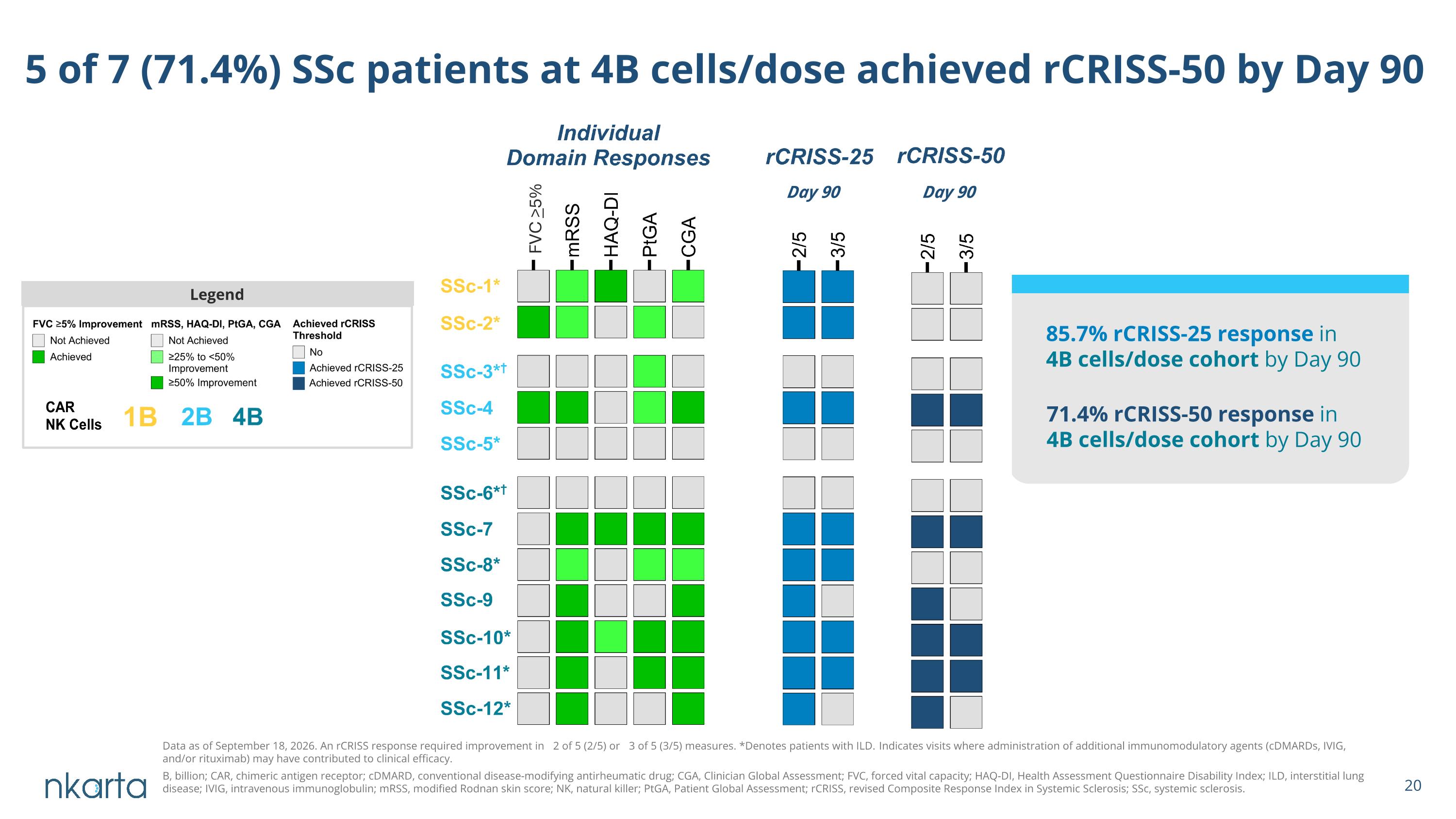
5 of 7 (71.4%) SSc patients at 4B cells/dose achieved rCRISS-50 by Day 90 Data as of September 18, 2026. An rCRISS response required improvement in ≥2 of 5 (2/5) or ≥3 of 5 (3/5) measures. *Denotes patients with ILD. †Indicates visits where administration of additional immunomodulatory agents (cDMARDs, IVIG, and/or rituximab) may have contributed to clinical efficacy. B, billion; CAR, chimeric antigen receptor; cDMARD, conventional disease-modifying antirheumatic drug; CGA, Clinician Global Assessment; FVC, forced vital capacity; HAQ-DI, Health Assessment Questionnaire Disability Index; ILD, interstitial lung disease; IVIG, intravenous immunoglobulin; mRSS, modified Rodnan skin score; NK, natural killer; PtGA, Patient Global Assessment; rCRISS, revised Composite Response Index in Systemic Sclerosis; SSc, systemic sclerosis. 85.7% rCRISS-25 response in 4B cells/dose cohort by Day 90 71.4% rCRISS-50 response in 4B cells/dose cohort by Day 90 Legend Day 90 Day 90 FVC >5%
Translational Data
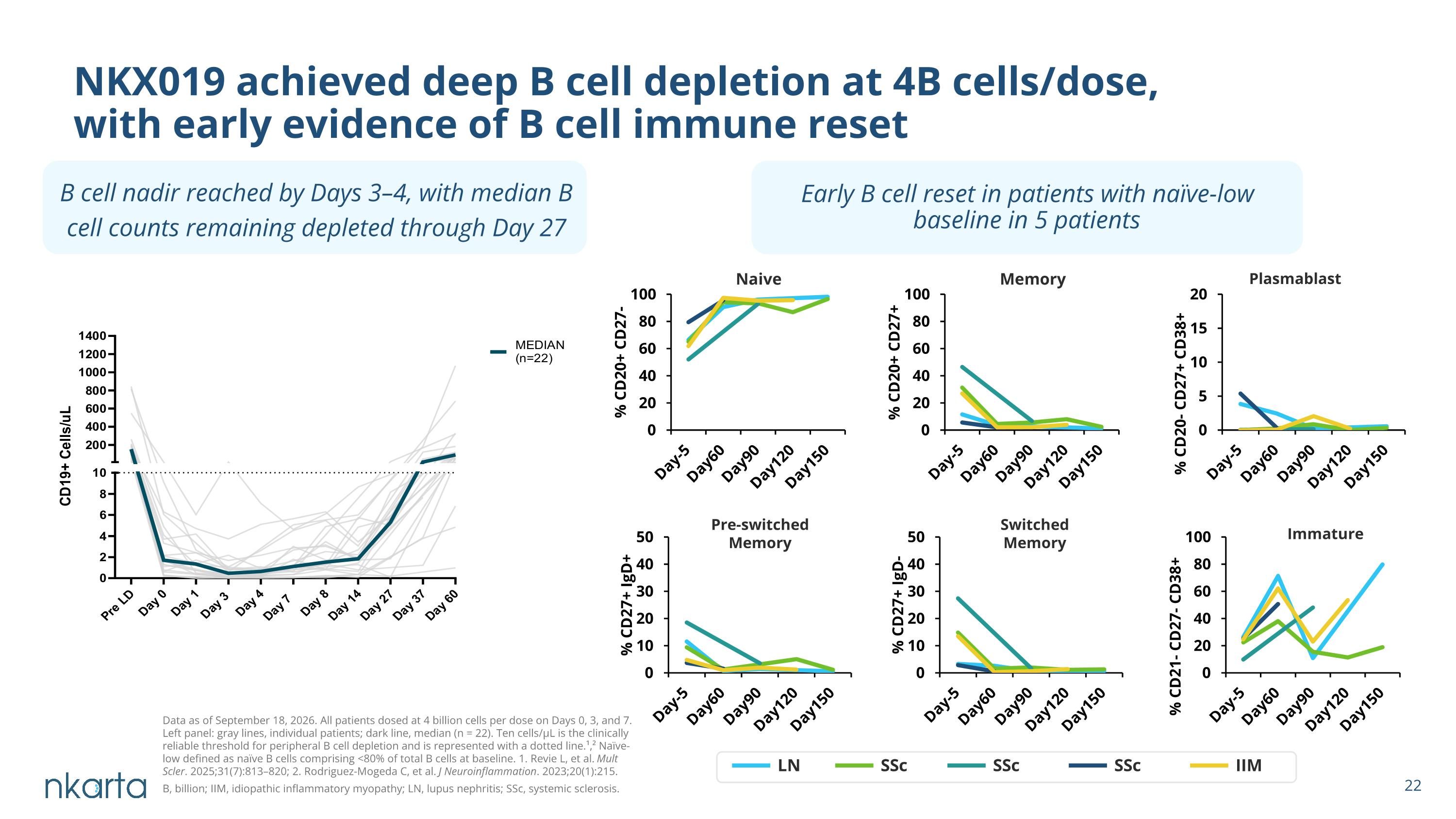
B cell nadir reached by Days 3–4, with median B cell counts remaining depleted through Day 27 NKX019 achieved deep B cell depletion at 4B cells/dose, with early evidence of B cell immune reset Naive Memory Plasmablast Early B cell reset in patients with naïve-low baseline in 5 patients Immature Pre-switched Memory Switched Memory LN SSc SSc SSc IIM Data as of September 18, 2026. All patients dosed at 4 billion cells per dose on Days 0, 3, and 7. Left panel: gray lines, individual patients; dark line, median (n = 22). Ten cells/µL is the clinically reliable threshold for peripheral B cell depletion and is represented with a dotted line.¹,² Naïve-low defined as naïve B cells comprising <80% of total B cells at baseline. 1. Revie L, et al. Mult Scler. 2025;31(7):813–820; 2. Rodriguez-Mogeda C, et al. J Neuroinflammation. 2023;20(1):215. B, billion; IIM, idiopathic inflammatory myopathy; LN, lupus nephritis; SSc, systemic sclerosis.
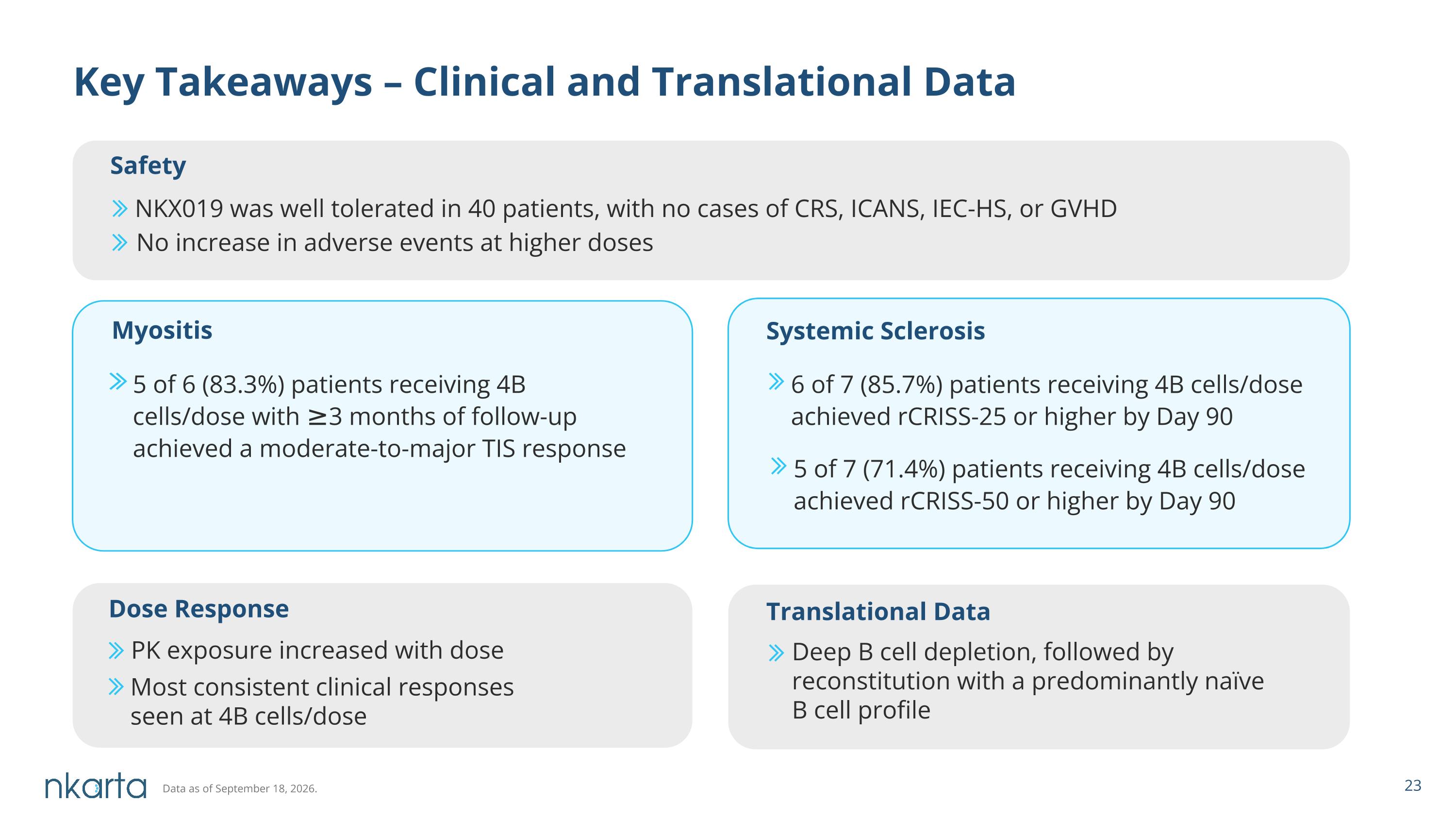
Key Takeaways – Clinical and Translational Data Safety Myositis Systemic Sclerosis 5 of 6 (83.3%) patients receiving 4B cells/dose with ≥3 months of follow-up achieved a moderate-to-major TIS response 6 of 7 (85.7%) patients receiving 4B cells/dose achieved rCRISS-25 or higher by Day 90 5 of 7 (71.4%) patients receiving 4B cells/dose achieved rCRISS-50 or higher by Day 90 NKX019 was well tolerated in 40 patients, with no cases of CRS, ICANS, IEC-HS, or GVHD No increase in adverse events at higher doses Dose Response Translational Data Deep B cell depletion, followed by reconstitution with a predominantly naïve B cell profile PK exposure increased with dose Most consistent clinical responses seen at 4B cells/dose Data as of September 18, 2026.

Opportunity & Next Steps
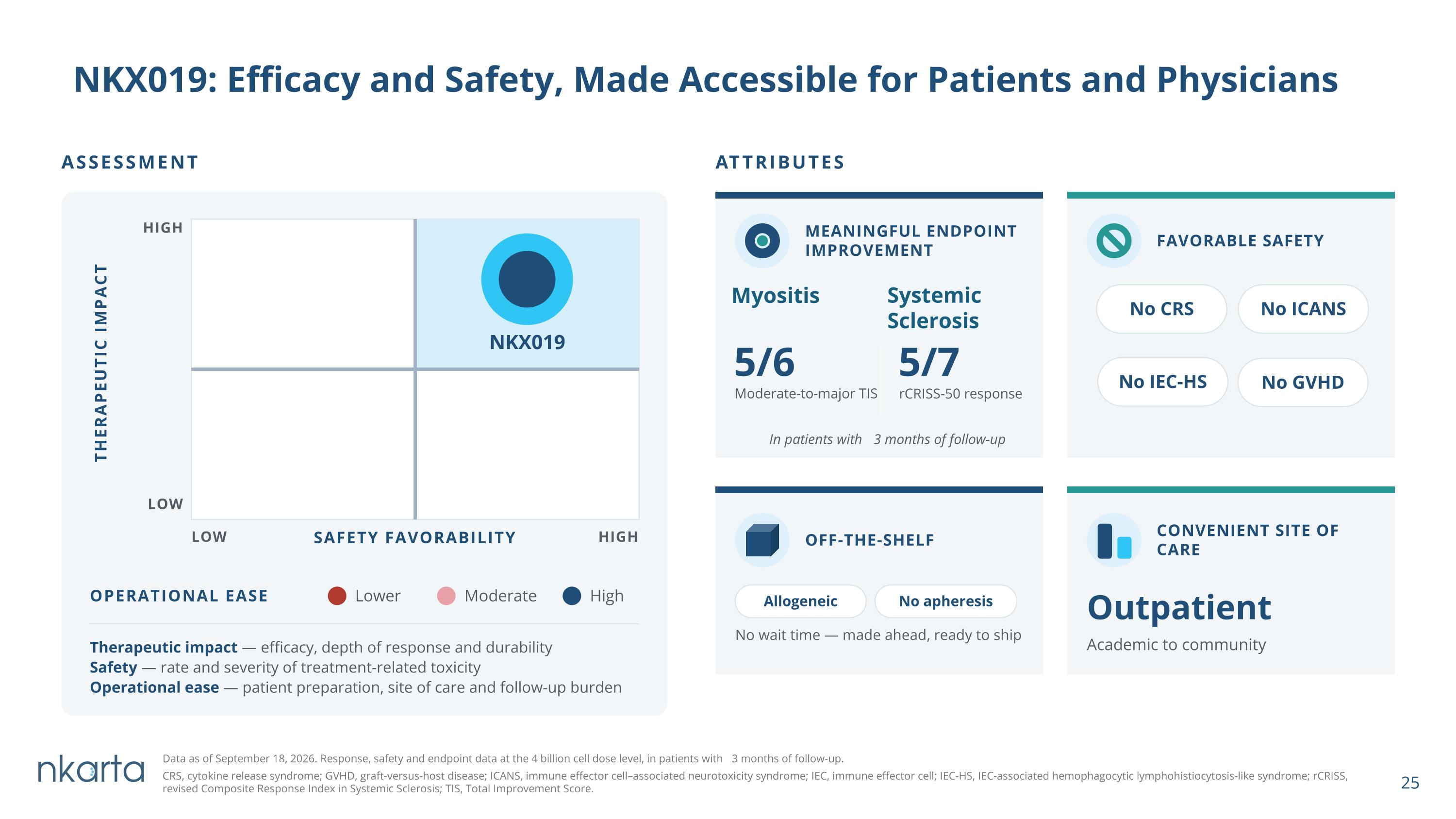
NKX019: Efficacy and Safety, Made Accessible for Patients and Physicians Data as of September 18, 2026. Response, safety and endpoint data at the 4 billion cell dose level, in patients with ≥3 months of follow-up. CRS, cytokine release syndrome; GVHD, graft-versus-host disease; ICANS, immune effector cell–associated neurotoxicity syndrome; IEC, immune effector cell; IEC-HS, IEC-associated hemophagocytic lymphohistiocytosis-like syndrome; rCRISS, revised Composite Response Index in Systemic Sclerosis; TIS, Total Improvement Score. ASSESSMENT ATTRIBUTES NKX019 THERAPEUTIC IMPACT HIGH LOW LOW HIGH SAFETY FAVORABILITY OPERATIONAL EASE Lower Moderate High Therapeutic impact — efficacy, depth of response and durability Safety — rate and severity of treatment-related toxicity Operational ease — patient preparation, site of care and follow-up burden MEANINGFUL ENDPOINT IMPROVEMENT 5/6 Moderate-to-major TIS 5/7 rCRISS-50 response In patients with ≥3 months of follow-up FAVORABLE SAFETY OFF-THE-SHELF Allogeneic No apheresis No wait time — made ahead, ready to ship CONVENIENT SITE OF CARE Outpatient Academic to community No CRS No ICANS No IEC-HS No GVHD Myositis Systemic Sclerosis
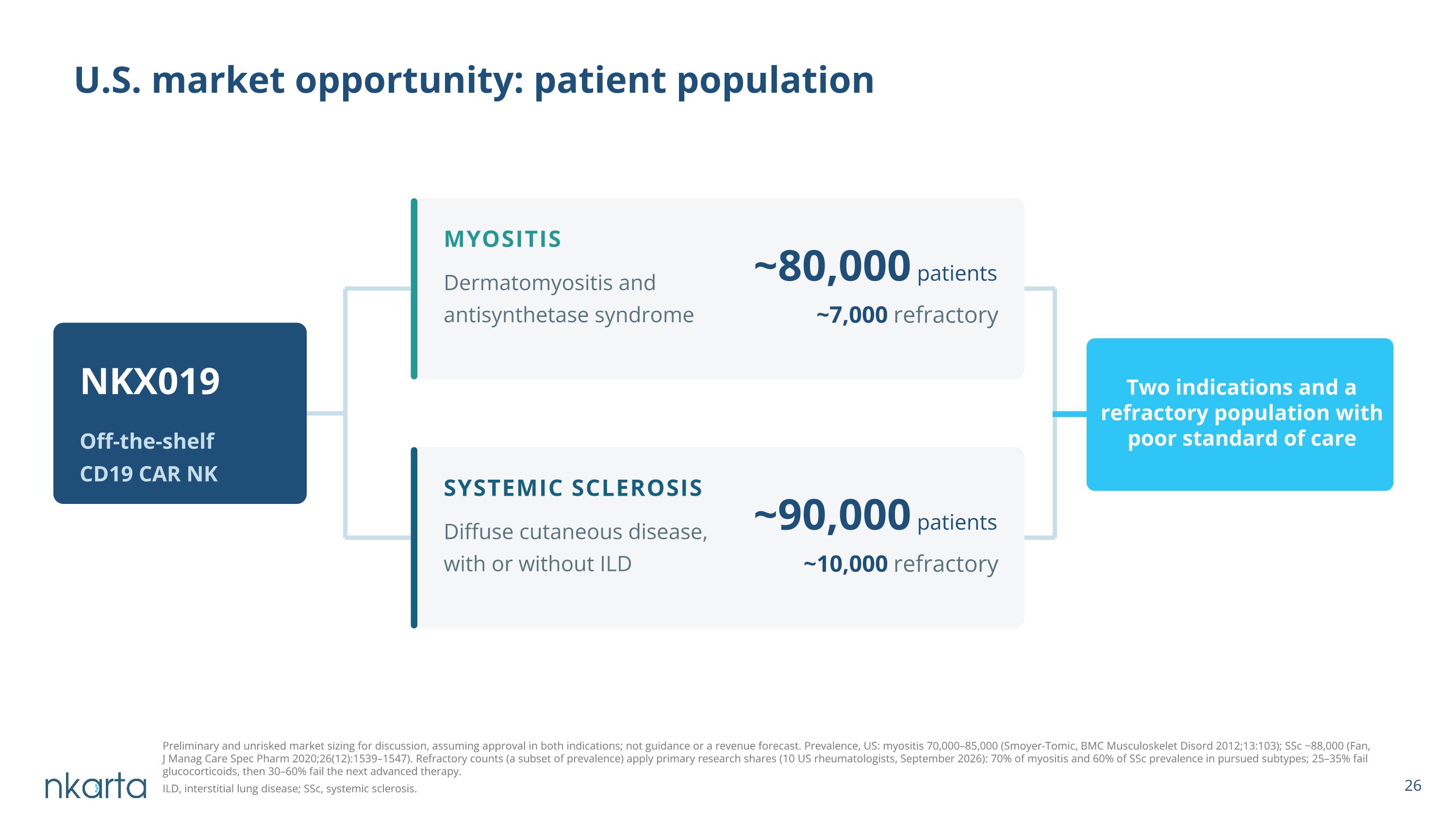
NKX019 Off-the-shelf CD19 CAR NK MYOSITIS Dermatomyositis and antisynthetase syndrome ~7,000 refractory ~80,000 patients SYSTEMIC SCLEROSIS Diffuse cutaneous disease, with or without ILD ~10,000 refractory ~90,000 patients U.S. market opportunity: patient population Preliminary and unrisked market sizing for discussion, assuming approval in both indications; not guidance or a revenue forecast. Prevalence, US: myositis 70,000–85,000 (Smoyer-Tomic, BMC Musculoskelet Disord 2012;13:103); SSc ~88,000 (Fan, J Manag Care Spec Pharm 2020;26(12):1539–1547). Refractory counts (a subset of prevalence) apply primary research shares (10 US rheumatologists, September 2026): 70% of myositis and 60% of SSc prevalence in pursued subtypes; 25–35% fail glucocorticoids, then 30–60% fail the next advanced therapy. ILD, interstitial lung disease; SSc, systemic sclerosis. Two indications and a refractory population with poor standard of care
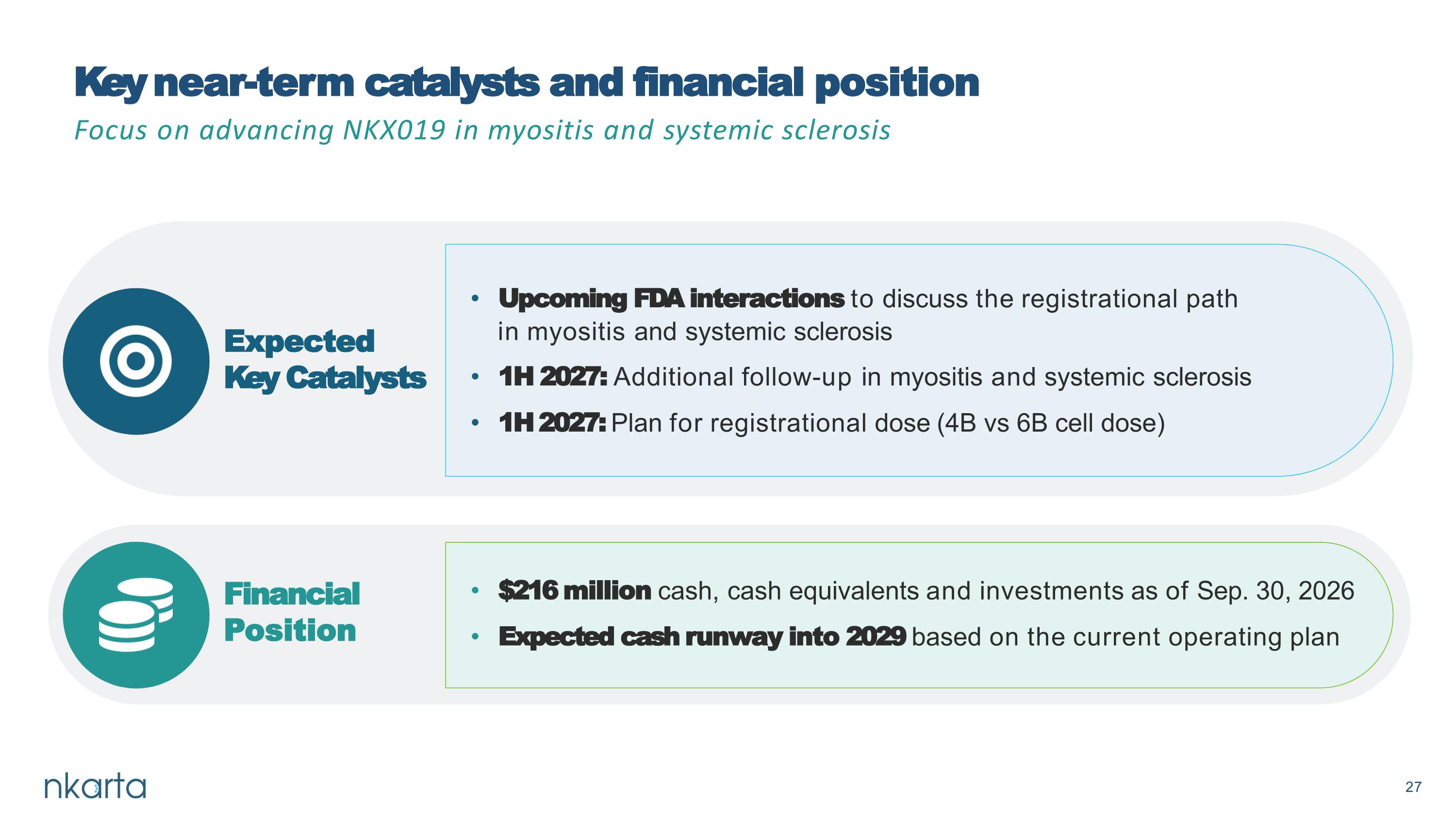
Key near-term catalysts and financial position Focus on advancing NKX019 in myositis and systemic sclerosis Expected Key Catalysts Upcoming FDA interactions to discuss the registrational path in myositis and systemic sclerosis 1H 2027: Additional follow-up in myositis and systemic sclerosis 1H 2027: Plan for registrational dose (4B vs 6B cell dose) Financial Position $216 million cash, cash equivalents and investments as of Sep. 30, 2026 Expected cash runway into 2029 based on the current operating plan 27
Key near-term catalysts and financial position Focus on advancing NKX019 in myositis and systemic sclerosis Expected Key Catalysts Upcoming FDA interactions to discuss the registrational path in myositis and systemic sclerosis 1H 2027: Additional follow-up in myositis and systemic sclerosis 1H 2027: Plan for registrational dose (4B vs 6B cell dose) Financial Position $216 million cash, cash equivalents and investments as of Sep. 30, 2026 Expected cash runway into 2029 based on the current operating plan