
Unique biology Precision therapeutics Broad impact NASDAQ LISTED FHTX November 2026 Exhibit 99.2
| Forward Looking Statements 2 This presentation contains forward-looking statements that are based on management's beliefs and assumptions and on information currently available to management. All statements other than statements of historical facts contained in this presentation are forward- looking statements. In some cases, you can identify forward-looking statements by terms such as “could,” “may,” “might,” “will,” “likely,” “anticipates,” “intends,” “plans,” “seeks,” “believes,” “estimates,” “expects,” “continues,” “projects” or the negative of these terms or other similar expressions, although not all forward-looking statements contain these words. Forward-looking statements include, but are not limited to, statements concerning: the initiation, timing, progress and results of our research and development programs and preclinical studies, the initiation and timing of future clinical trials; our ability to advance product candidates that we may develop and to successfully complete preclinical and clinical studies; our ability to leverage our initial programs to develop additional product candidates using our platform; the impact of exogeneous factors, including macroeconomic and geopolitical circumstances, on our and our potential collaborators’ business operations, including our research and development programs and preclinical studies; developments related to our competitors and our industry; our ability to expand the target populations of our programs and the availability of patients for clinical testing; our ability to obtain regulatory approval for any future product candidates from the FDA and other regulatory authorities; our ability to identify and enter into future license agreements and collaborations; our ability to continue to rely on our CDMOs and CROs for our manufacturing and research needs; regulatory developments in the United States and foreign countries; our ability to attract and retain key scientific and management personnel; the scope of protection we are able to establish, maintain and enforce for intellectual property rights covering our future products and our platform; and our use of proceeds from capital-raising transactions, estimates of our expenses, capital requirements, and needs for additional financing. You should, therefore, not rely on these forward-looking statements as representing our views as of any date subsequent to the date of this presentation. Additional important factors to be considered in connection with forward-looking statements are described in the Company's filings with the Securities and Exchange Commission, including withing the section entitled "Risk Factors" in the Company's Annual Report on Form 10-K for the fiscal year ended December 31, 2025. Any forward-looking statements represent the Company’s views only as of the date of this presentation and should not be relied upon as representing its views as of any subsequent date. The Company explicitly disclaims any obligation to update any forward-looking statements. The Company’s business is subject to substantial risks and uncertainties.
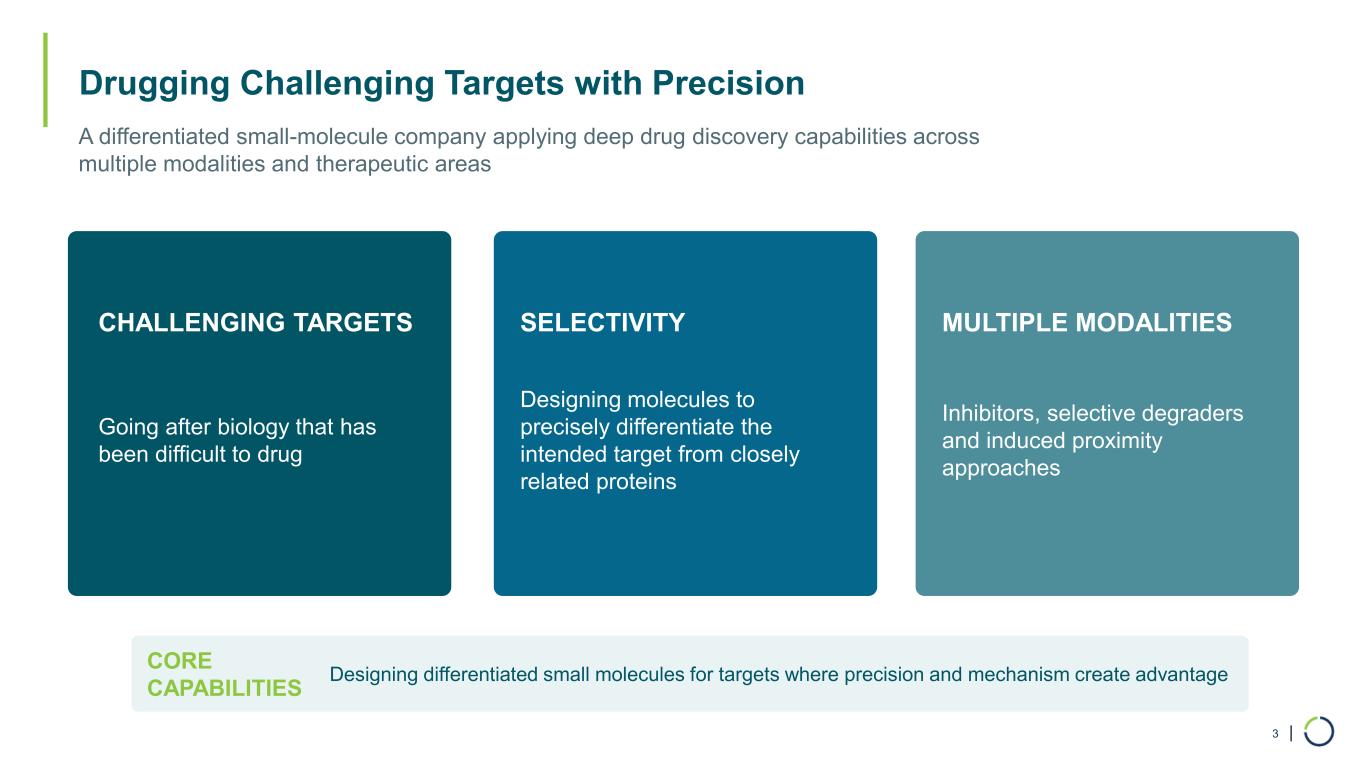
| Drugging Challenging Targets with Precision A differentiated small-molecule company applying deep drug discovery capabilities across multiple modalities and therapeutic areas CHALLENGING TARGETS Going after biology that has been difficult to drug SELECTIVITY Designing molecules to precisely differentiate the intended target from closely related proteins MULTIPLE MODALITIES Inhibitors, selective degraders and induced proximity approaches CORE CAPABILITIES Designing differentiated small molecules for targets where precision and mechanism create advantage 3
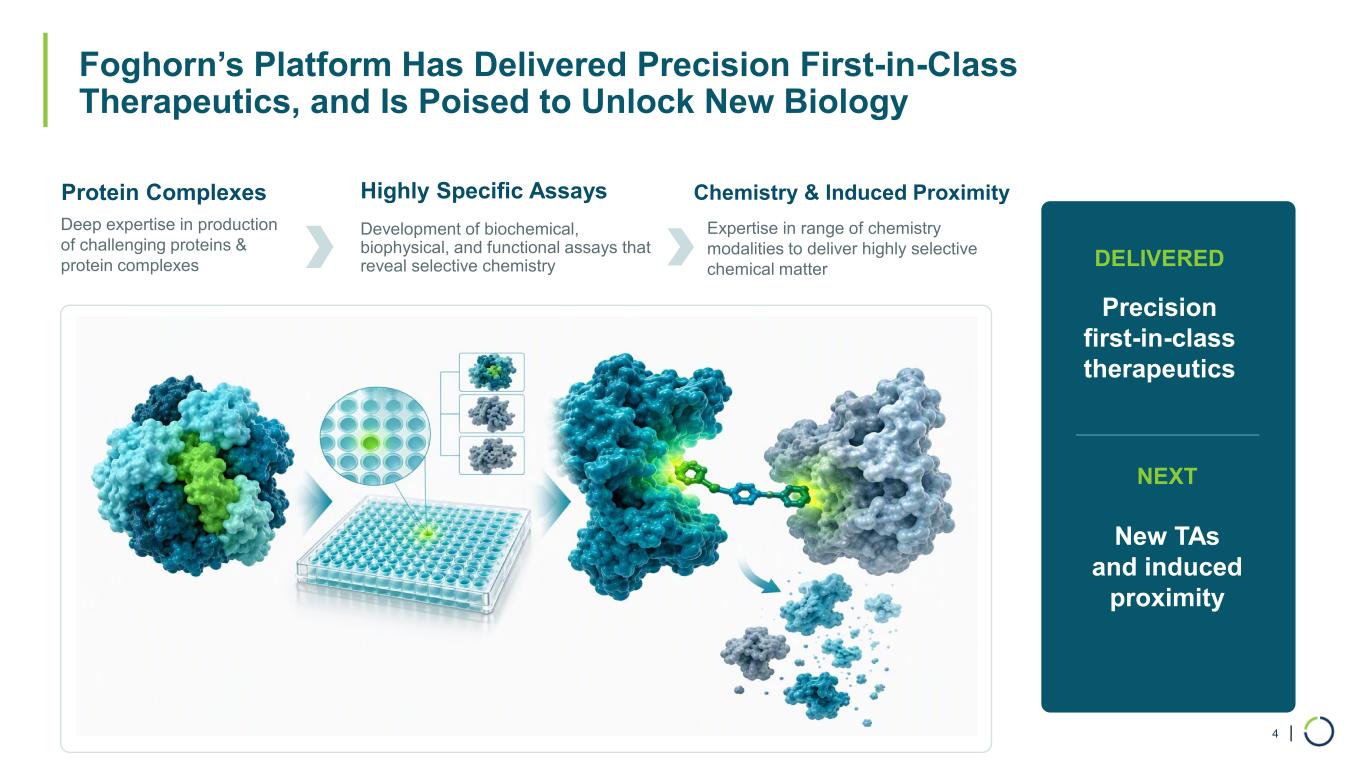
| Foghorn’s Platform Has Delivered Precision First-in-Class Therapeutics, and Is Poised to Unlock New Biology Protein Complexes Deep expertise in production of challenging proteins & protein complexes Highly Specific Assays Development of biochemical, biophysical, and functional assays that reveal selective chemistry Chemistry & Induced Proximity Expertise in range of chemistry modalities to deliver highly selective chemical matter DELIVERED Precision first-in-class therapeutics NEXT New TAs and induced proximity 4
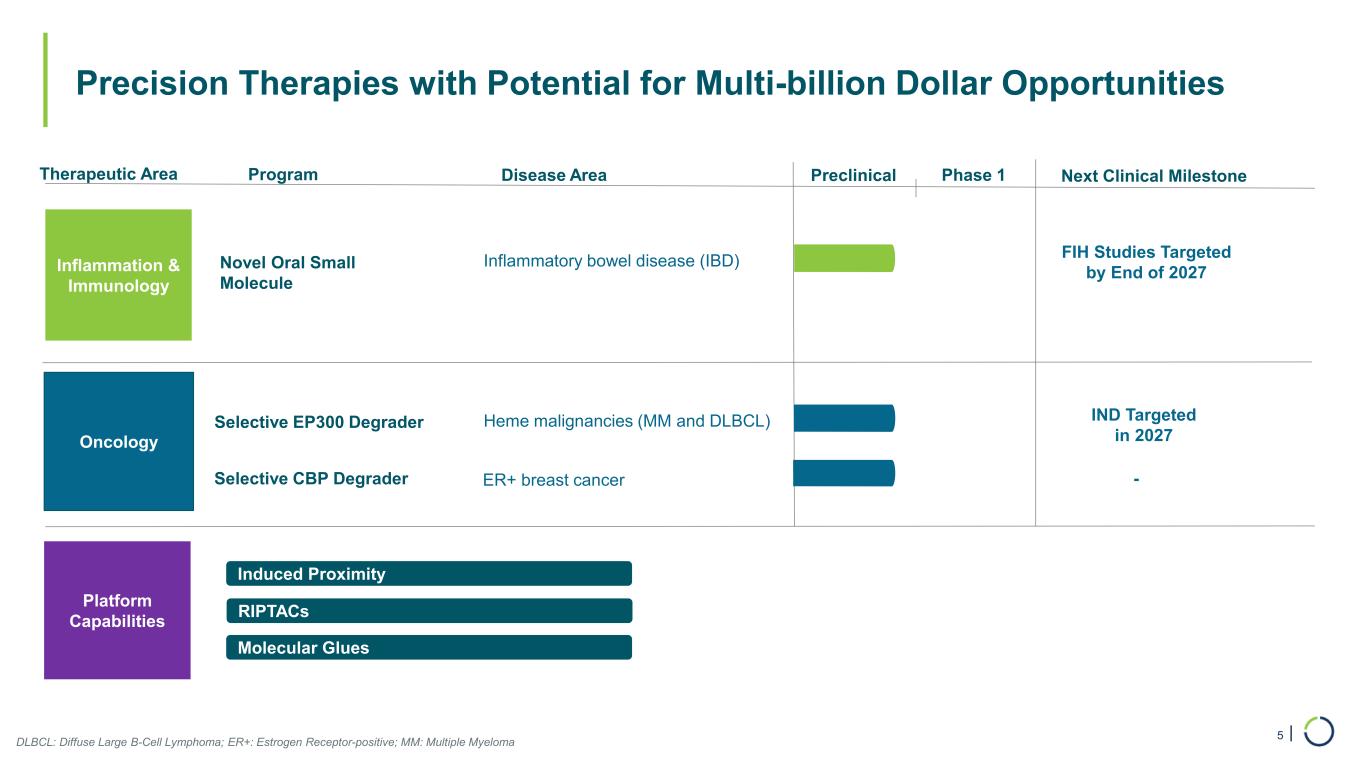
| Precision Therapies with Potential for Multi-billion Dollar Opportunities 5 Therapeutic Area Program Phase 1 Oncology Disease Area Selective CBP Degrader ER+ breast cancer Selective EP300 Degrader Heme malignancies (MM and DLBCL) Preclinical Next Clinical Milestone DLBCL: Diffuse Large B-Cell Lymphoma; ER+: Estrogen Receptor-positive; MM: Multiple Myeloma IND Targeted in 2027 Inflammation & Immunology Novel Oral Small Molecule Inflammatory bowel disease (IBD) FIH Studies Targeted by End of 2027 RIPTACs Induced Proximity Molecular Glues Platform Capabilities -
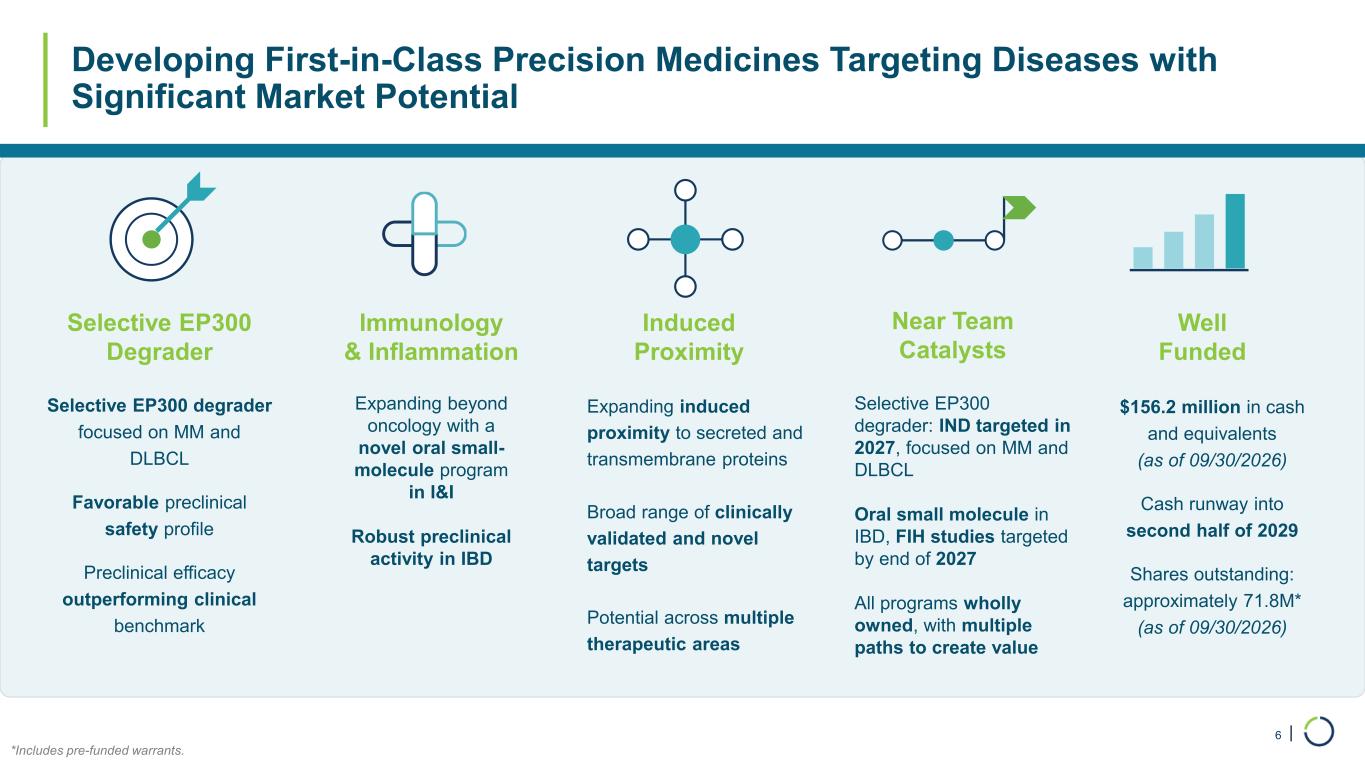
| Developing First-in-Class Precision Medicines Targeting Diseases with Significant Market Potential 6 Immunology & Inflammation Expanding beyond oncology with a novel oral small- molecule program in I&I Robust preclinical activity in IBD Near Team Catalysts Selective EP300 degrader: IND targeted in 2027, focused on MM and DLBCL Oral small molecule in IBD, FIH studies targeted by end of 2027 All programs wholly owned, with multiple paths to create value Induced Proximity $156.2 million in cash and equivalents (as of 09/30/2026) Cash runway into second half of 2029 Shares outstanding: approximately 71.8M* (as of 09/30/2026) Well Funded Selective EP300 Degrader Selective EP300 degrader focused on MM and DLBCL Favorable preclinical safety profile Preclinical efficacy outperforming clinical benchmark *Includes pre-funded warrants. Expanding induced proximity to secreted and transmembrane proteins Broad range of clinically validated and novel targets Potential across multiple therapeutic areas
Selective EP300 Degrader Preclinical data outperforms clinical benchmark 7
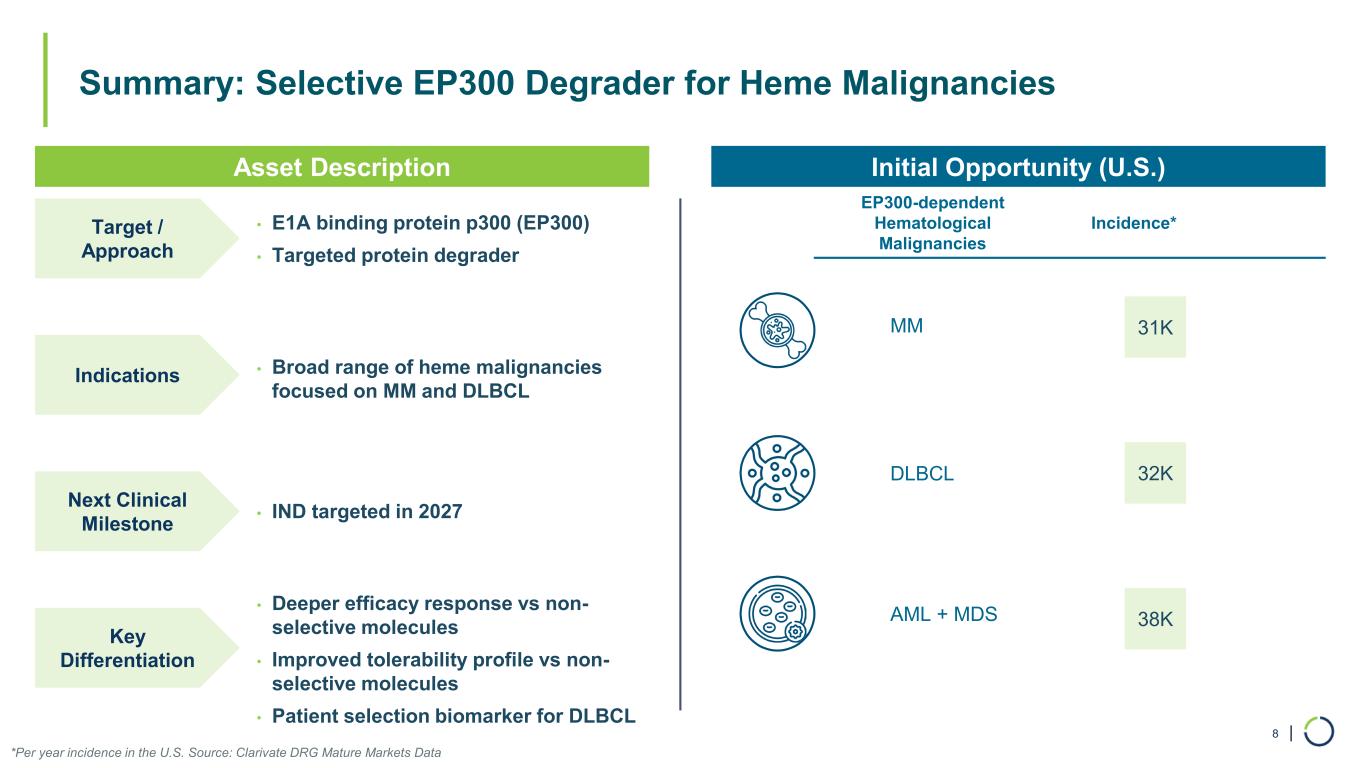
| Summary: Selective EP300 Degrader for Heme Malignancies 8 • E1A binding protein p300 (EP300) • Targeted protein degrader MM AML + MDS DLBCL Target / Approach • IND targeted in 2027Next Clinical Milestone • Deeper efficacy response vs non- selective molecules • Improved tolerability profile vs non- selective molecules • Patient selection biomarker for DLBCL Asset Description Initial Opportunity (U.S.) Incidence* 31K 32K 38K *Per year incidence in the U.S. Source: Clarivate DRG Mature Markets Data EP300-dependent Hematological Malignancies Key Differentiation • Broad range of heme malignancies focused on MM and DLBCL Indications
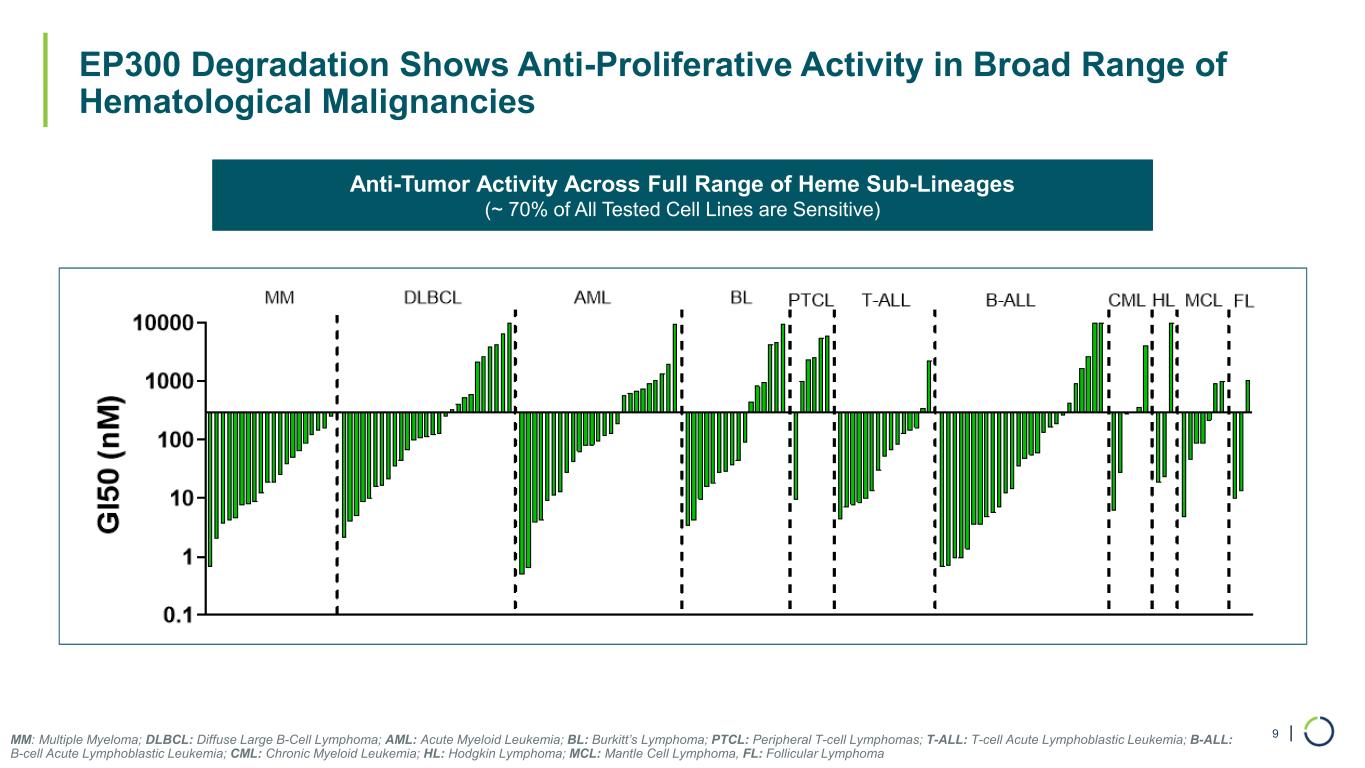
| EP300 Degradation Shows Anti-Proliferative Activity in Broad Range of Hematological Malignancies 9MM: Multiple Myeloma; DLBCL: Diffuse Large B-Cell Lymphoma; AML: Acute Myeloid Leukemia; BL: Burkitt’s Lymphoma; PTCL: Peripheral T-cell Lymphomas; T-ALL: T-cell Acute Lymphoblastic Leukemia; B-ALL: B-cell Acute Lymphoblastic Leukemia; CML: Chronic Myeloid Leukemia; HL: Hodgkin Lymphoma; MCL: Mantle Cell Lymphoma, FL: Follicular Lymphoma Anti-Tumor Activity Across Full Range of Heme Sub-Lineages (~ 70% of All Tested Cell Lines are Sensitive)
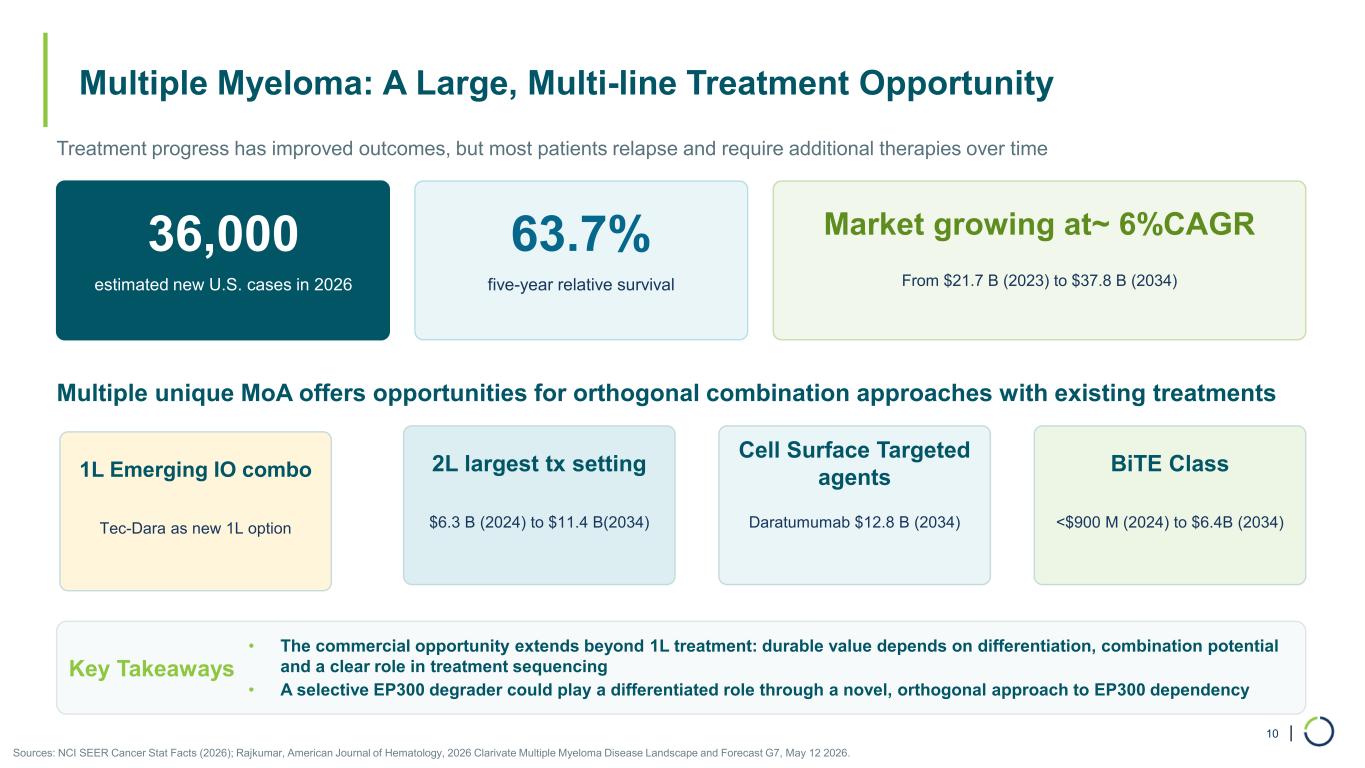
| Multiple Myeloma: A Large, Multi-line Treatment Opportunity 10 Treatment progress has improved outcomes, but most patients relapse and require additional therapies over time 36,000 estimated new U.S. cases in 2026 63.7% five-year relative survival Market growing at~ 6%CAGR From $21.7 B (2023) to $37.8 B (2034) Multiple unique MoA offers opportunities for orthogonal combination approaches with existing treatments 2L largest tx setting $6.3 B (2024) to $11.4 B(2034) Cell Surface Targeted agents Daratumumab $12.8 B (2034) BiTE Class <$900 M (2024) to $6.4B (2034) 1L Emerging IO combo Tec-Dara as new 1L option • The commercial opportunity extends beyond 1L treatment: durable value depends on differentiation, combination potential and a clear role in treatment sequencing • A selective EP300 degrader could play a differentiated role through a novel, orthogonal approach to EP300 dependency Sources: NCI SEER Cancer Stat Facts (2026); Rajkumar, American Journal of Hematology, 2026 Clarivate Multiple Myeloma Disease Landscape and Forecast G7, May 12 2026. Key Takeaways
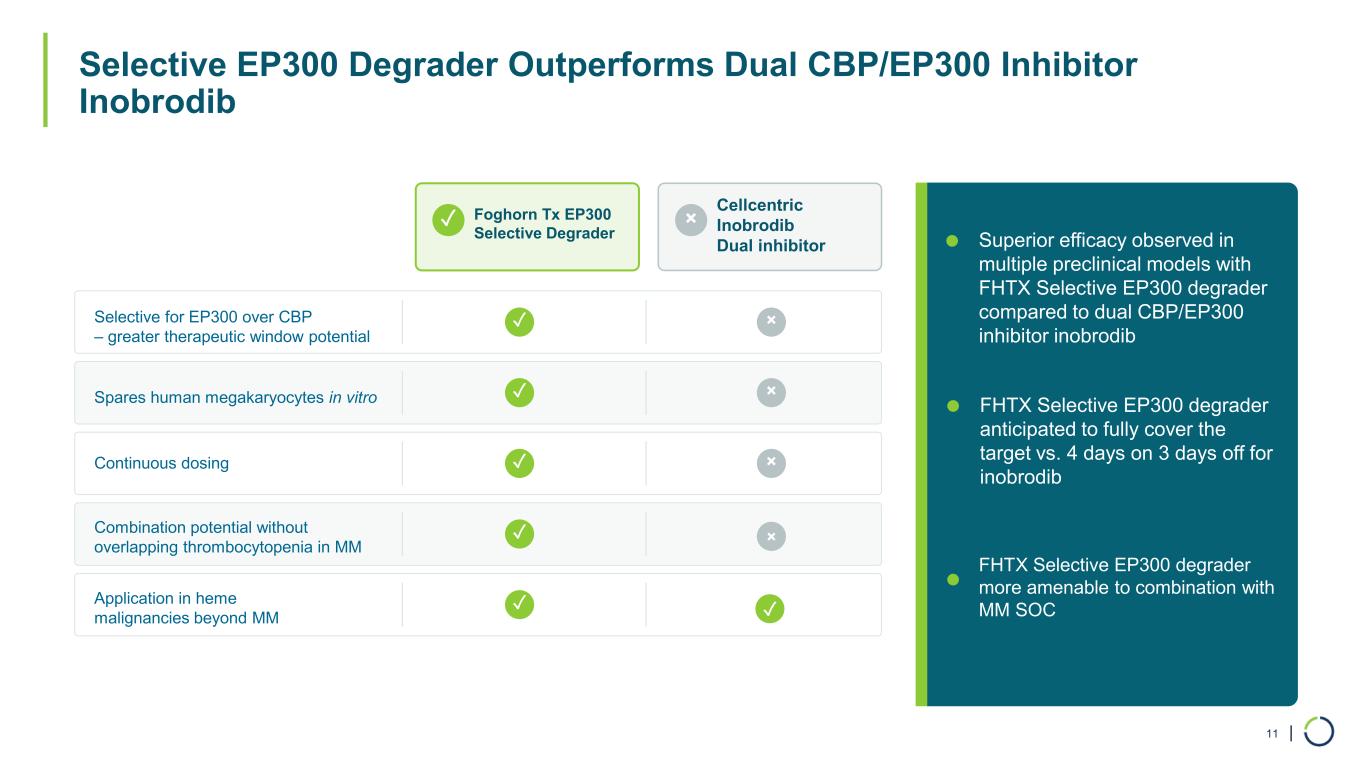
| Selective EP300 Degrader Outperforms Dual CBP/EP300 Inhibitor Inobrodib 11 ✓ Foghorn Tx EP300 Selective Degrader × Cellcentric Inobrodib Dual inhibitor Selective for EP300 over CBP – greater therapeutic window potential ✓ × Spares human megakaryocytes in vitro ✓ × ✓ ×Continuous dosing ✓Combination potential without overlapping thrombocytopenia in MM ✓Application in heme malignancies beyond MM Superior efficacy observed in multiple preclinical models with FHTX Selective EP300 degrader compared to dual CBP/EP300 inhibitor inobrodib FHTX Selective EP300 degrader anticipated to fully cover the target vs. 4 days on 3 days off for inobrodib FHTX Selective EP300 degrader more amenable to combination with MM SOC✓ ×
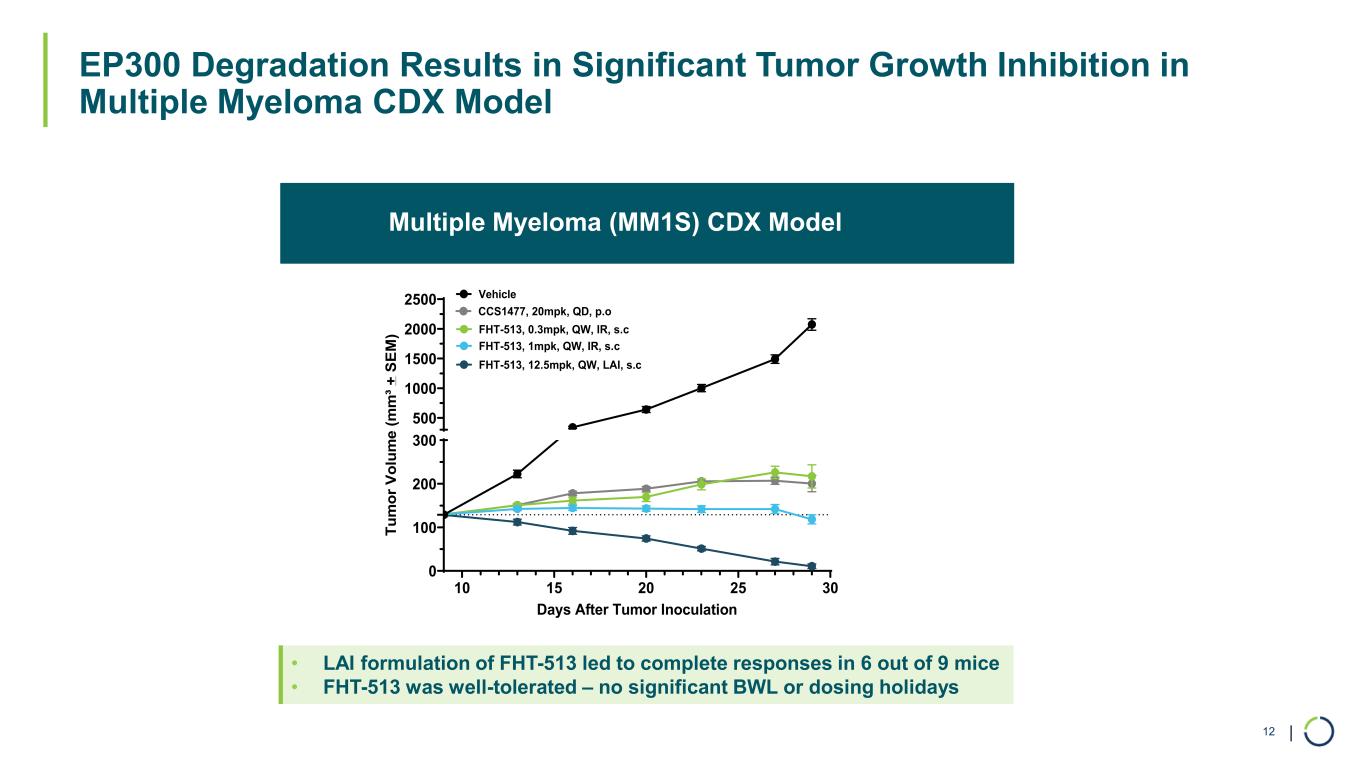
| EP300 Degradation Results in Significant Tumor Growth Inhibition in Multiple Myeloma CDX Model 12 Multiple Myeloma (MM1S) CDX Model 10 15 20 25 30 0 100 200 300 500 1000 1500 2000 2500 Days After Tumor Inoculation Tu m or V ol um e (m m ³+ S EM ) CCS1477, 20mpk, QD, p.o Vehicle FHT-513, 1mpk, QW, IR, s.c FHT-513, 0.3mpk, QW, IR, s.c FHT-513, 12.5mpk, QW, LAI, s.c • LAI formulation of FHT-513 led to complete responses in 6 out of 9 mice • FHT-513 was well-tolerated – no significant BWL or dosing holidays
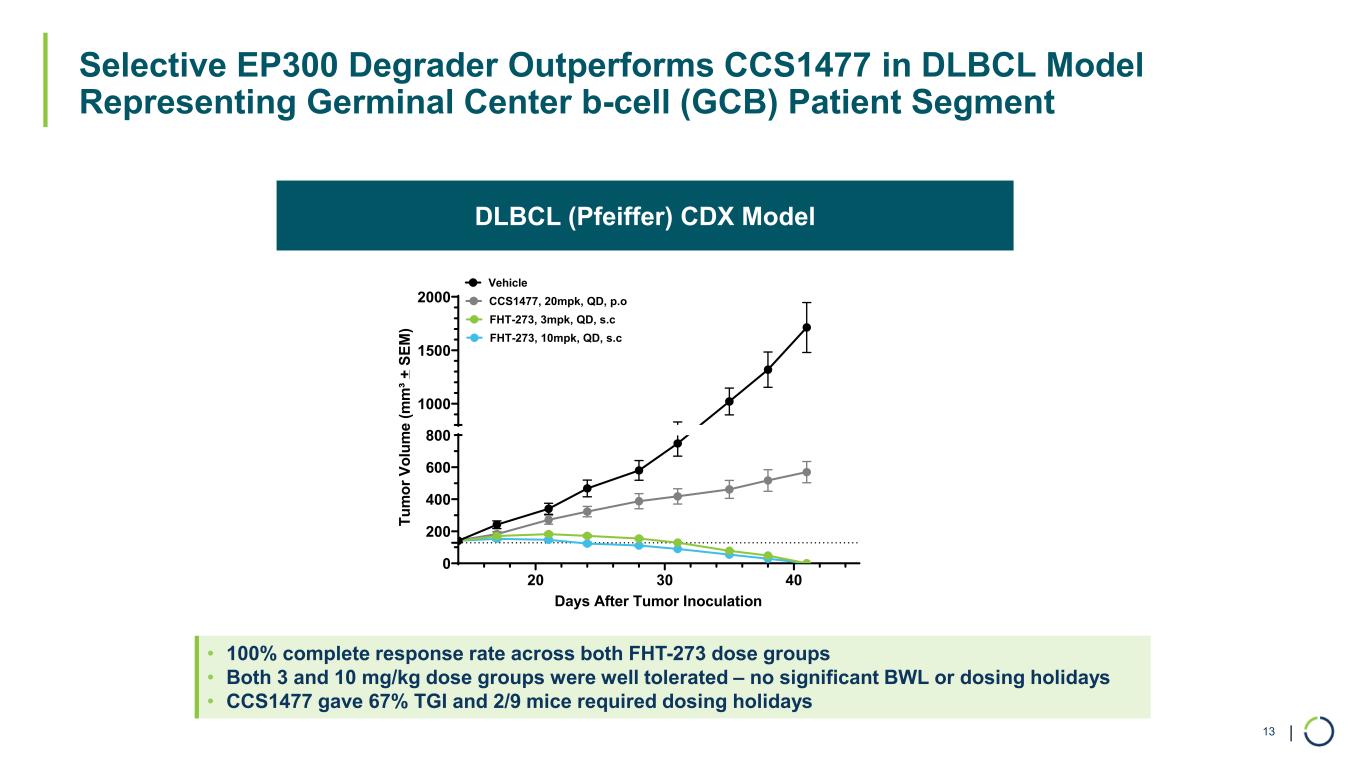
| Selective EP300 Degrader Outperforms CCS1477 in DLBCL Model Representing Germinal Center b-cell (GCB) Patient Segment 13 DLBCL (Pfeiffer) CDX Model 20 30 40 0 200 400 600 800 1000 1500 2000 Days After Tumor Inoculation Tu m or V ol um e (m m ³+ S EM ) Vehicle FHT-273, 10mpk, QD, s.c FHT-273, 3mpk, QD, s.c CCS1477, 20mpk, QD, p.o • 100% complete response rate across both FHT-273 dose groups • Both 3 and 10 mg/kg dose groups were well tolerated – no significant BWL or dosing holidays • CCS1477 gave 67% TGI and 2/9 mice required dosing holidays
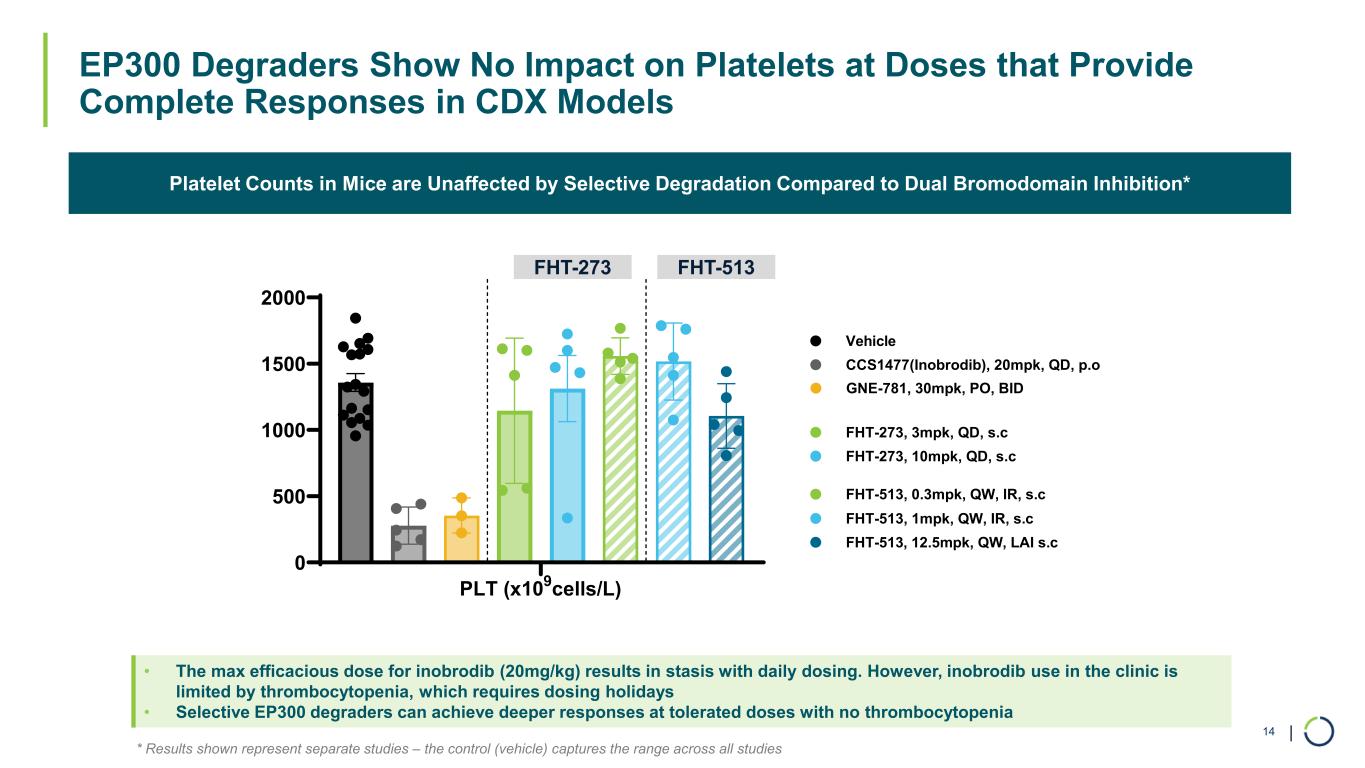
| EP300 Degraders Show No Impact on Platelets at Doses that Provide Complete Responses in CDX Models 14 FHT-513 PLT (x109cells/L) 0 500 1000 1500 2000 Vehicle FHT-273, 10mpk, QD, s.c FHT-273, 3mpk, QD, s.c CCS1477(Inobrodib), 20mpk, QD, p.o FHT-513, 1mpk, QW, IR, s.c FHT-513, 0.3mpk, QW, IR, s.c FHT-513, 12.5mpk, QW, LAI s.c GNE-781, 30mpk, PO, BID • The max efficacious dose for inobrodib (20mg/kg) results in stasis with daily dosing. However, inobrodib use in the clinic is limited by thrombocytopenia, which requires dosing holidays • Selective EP300 degraders can achieve deeper responses at tolerated doses with no thrombocytopenia Platelet Counts in Mice are Unaffected by Selective Degradation Compared to Dual Bromodomain Inhibition* * Results shown represent separate studies – the control (vehicle) captures the range across all studies FHT-273 FHT-513
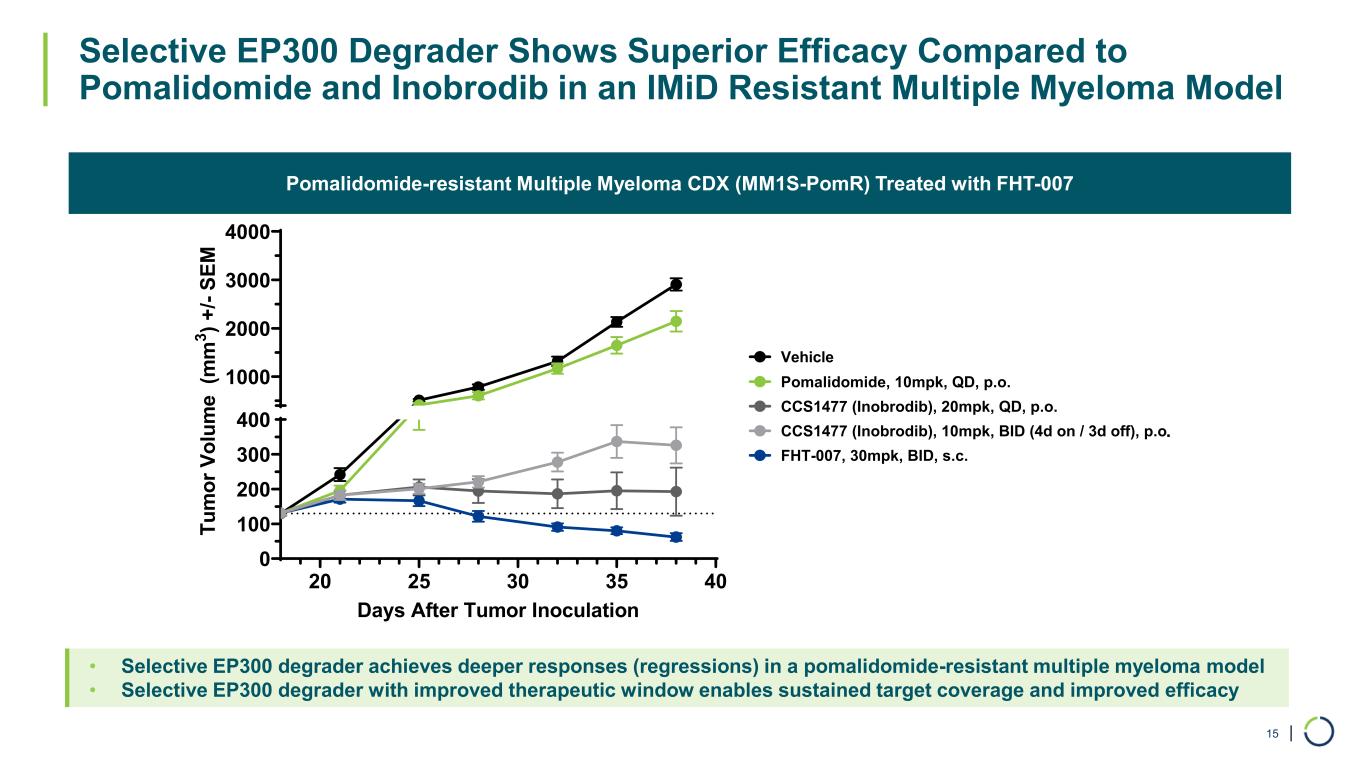
| 20 25 30 35 40 0 100 200 300 400 1000 2000 3000 4000 Days After Tumor Inoculation Tu m or V ol um e (m m 3 ) + /- SE M Vehicle FHT-007, 30mpk, BID, s.c. CCS1477 (Inobrodib), 10mpk, BID (4d on / 3d off), p.o CCS1477 (Inobrodib), 20mpk, QD, p.o. Pomalidomide, 10mpk, QD, p.o. Selective EP300 Degrader Shows Superior Efficacy Compared to Pomalidomide and Inobrodib in an IMiD Resistant Multiple Myeloma Model Pomalidomide-resistant Multiple Myeloma CDX (MM1S-PomR) Treated with FHT-007 15 • Selective EP300 degrader achieves deeper responses (regressions) in a pomalidomide-resistant multiple myeloma model • Selective EP300 degrader with improved therapeutic window enables sustained target coverage and improved efficacy .
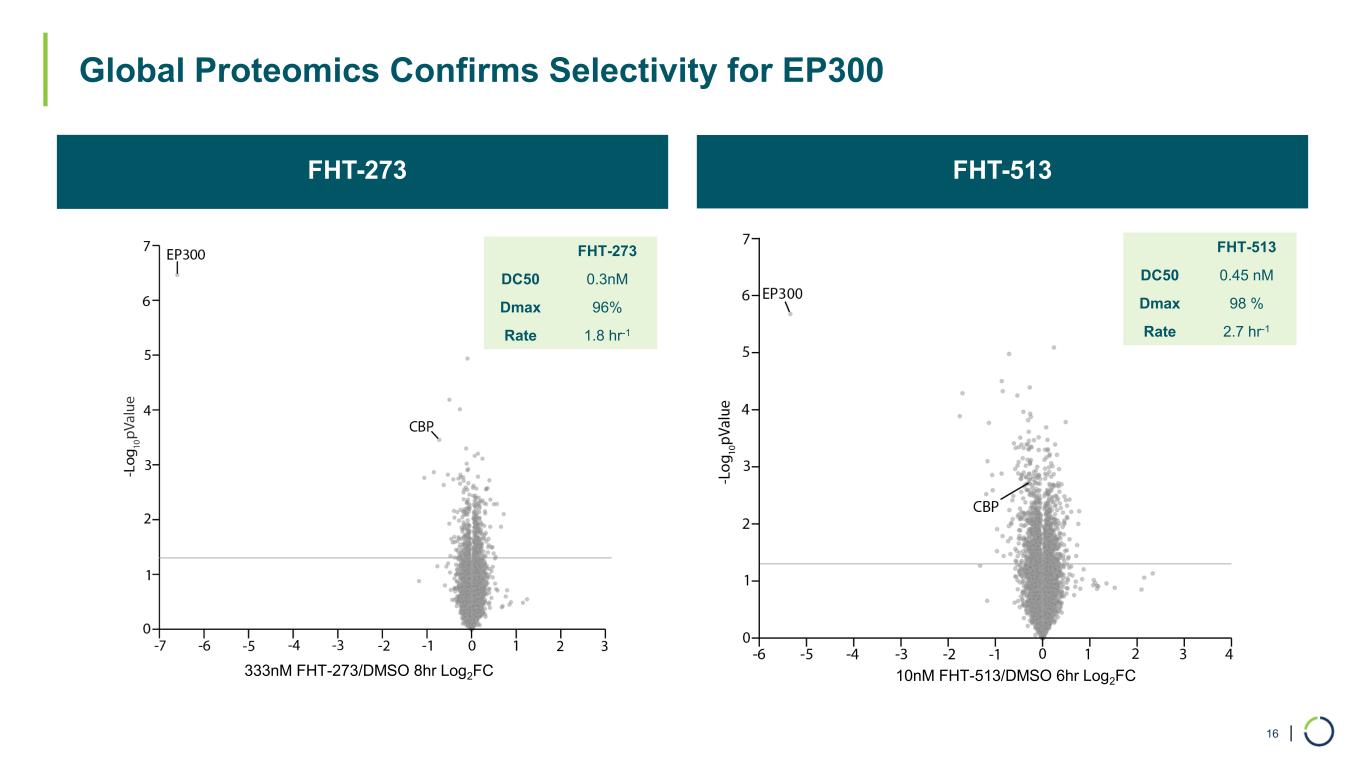
| Global Proteomics Confirms Selectivity for EP300 FHT-273 16 FHT-273 DC50 0.3nM Dmax 96% Rate 1.8 hr-1 FHT-513 FHT-513 DC50 0.45 nM Dmax 98 % Rate 2.7 hr-1 10nM FHT-513/DMSO 6hr Log2FC333nM FHT-273/DMSO 8hr Log2FC
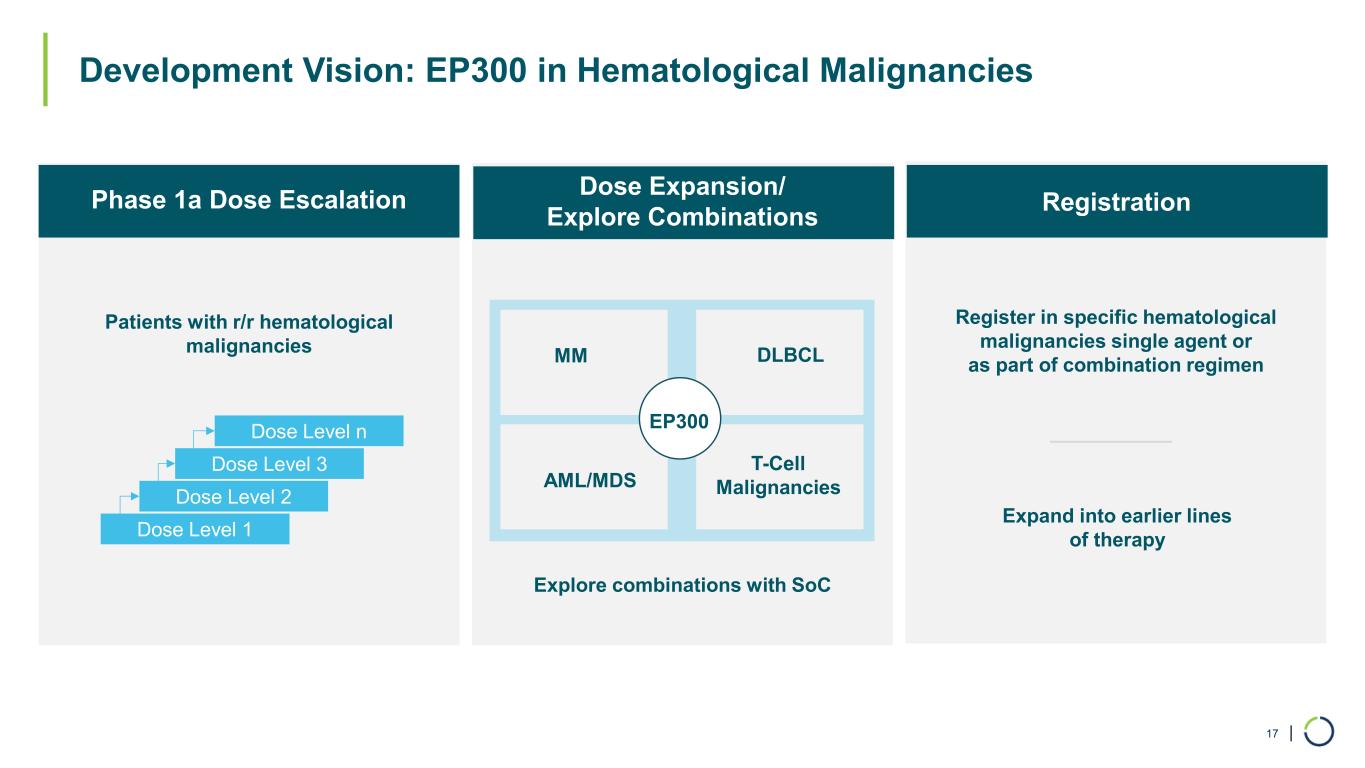
| 17 Development Vision: EP300 in Hematological Malignancies e Patients with r/r hematological malignancies Dose Level 1 Dose Level 2 Dose Level 3 Dose Level n Register in specific hematological malignancies single agent or as part of combination regimen AML/MDS T-Cell Malignancies Expand into earlier lines of therapy MM DLBCL EP300 Explore combinations with SoC Phase 1a Dose Escalation Dose Expansion/ Explore Combinations Registration
Inflammation & Immunology Novel Oral Small Molecule 18
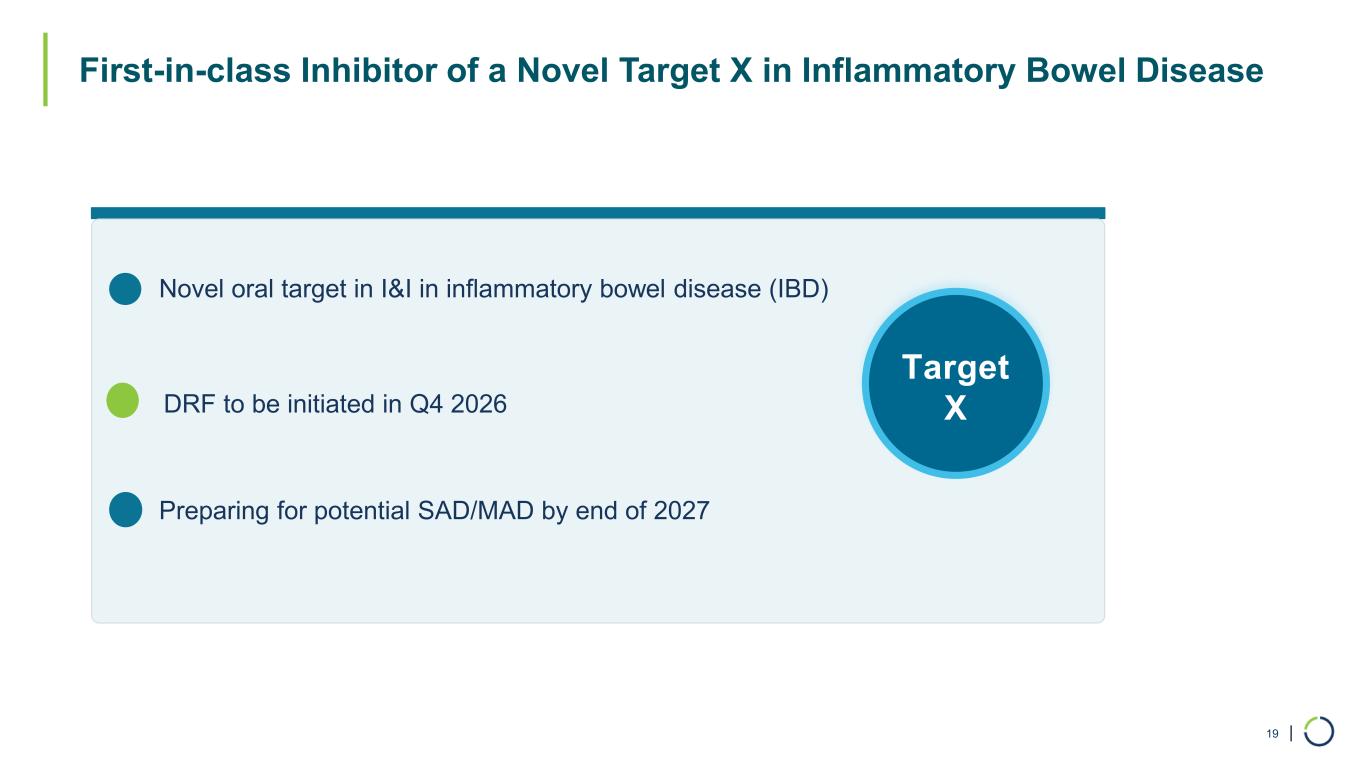
| 19 First-in-class Inhibitor of a Novel Target X in Inflammatory Bowel Disease Novel oral target in I&I in inflammatory bowel disease (IBD) Preparing for potential SAD/MAD by end of 2027 DRF to be initiated in Q4 2026 Target X
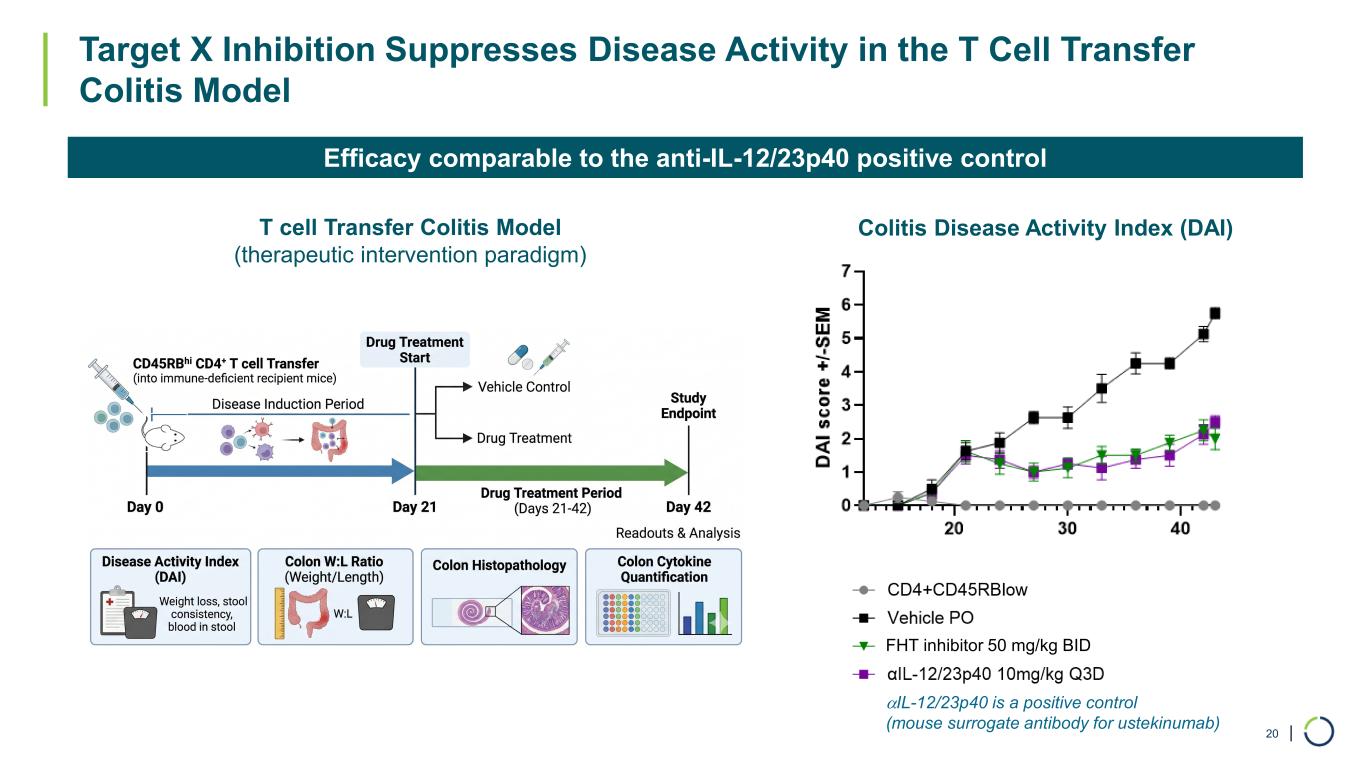
| 20 Target X Inhibition Suppresses Disease Activity in the T Cell Transfer Colitis Model T cell Transfer Colitis Model (therapeutic intervention paradigm) Colitis Disease Activity Index (DAI) αIL-12/23p40 is a positive control (mouse surrogate antibody for ustekinumab) Efficacy comparable to the anti-IL-12/23p40 positive control FHT inhibitor 50 mg/kg BID
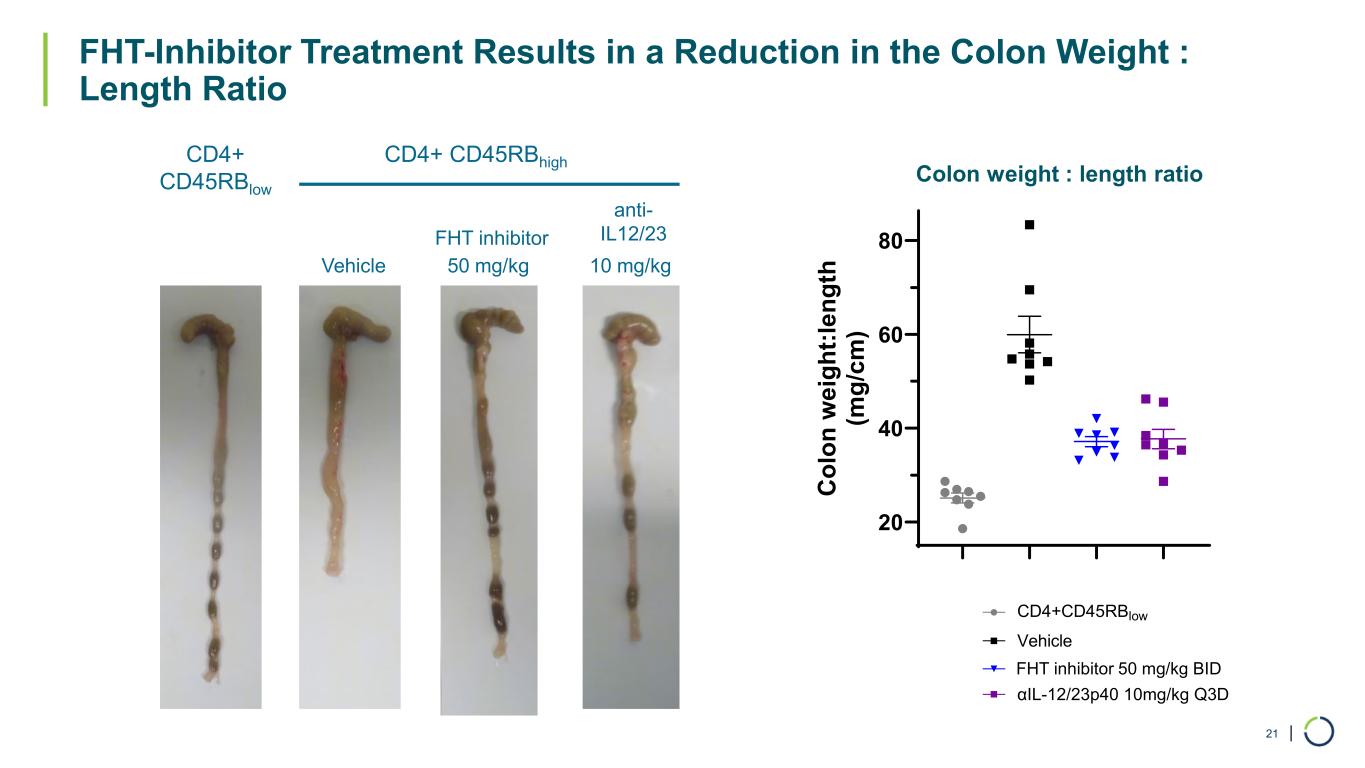
| 21 FHT-Inhibitor Treatment Results in a Reduction in the Colon Weight : Length Ratio CD4+ CD45RBlow CD4+ CD45RBhigh Vehicle 50 mg/kg FHT inhibitor 10 mg/kg anti- IL12/23 20 40 60 80 C ol on w ei gh t:l en gt h (m g/ cm ) Colon weight : length ratio CD4+CD45RBlow Vehicle αIL-12/23p40 10mg/kg Q3D 93192 50mg/kg BIDFHT inhibitor 50 mg/kg BID
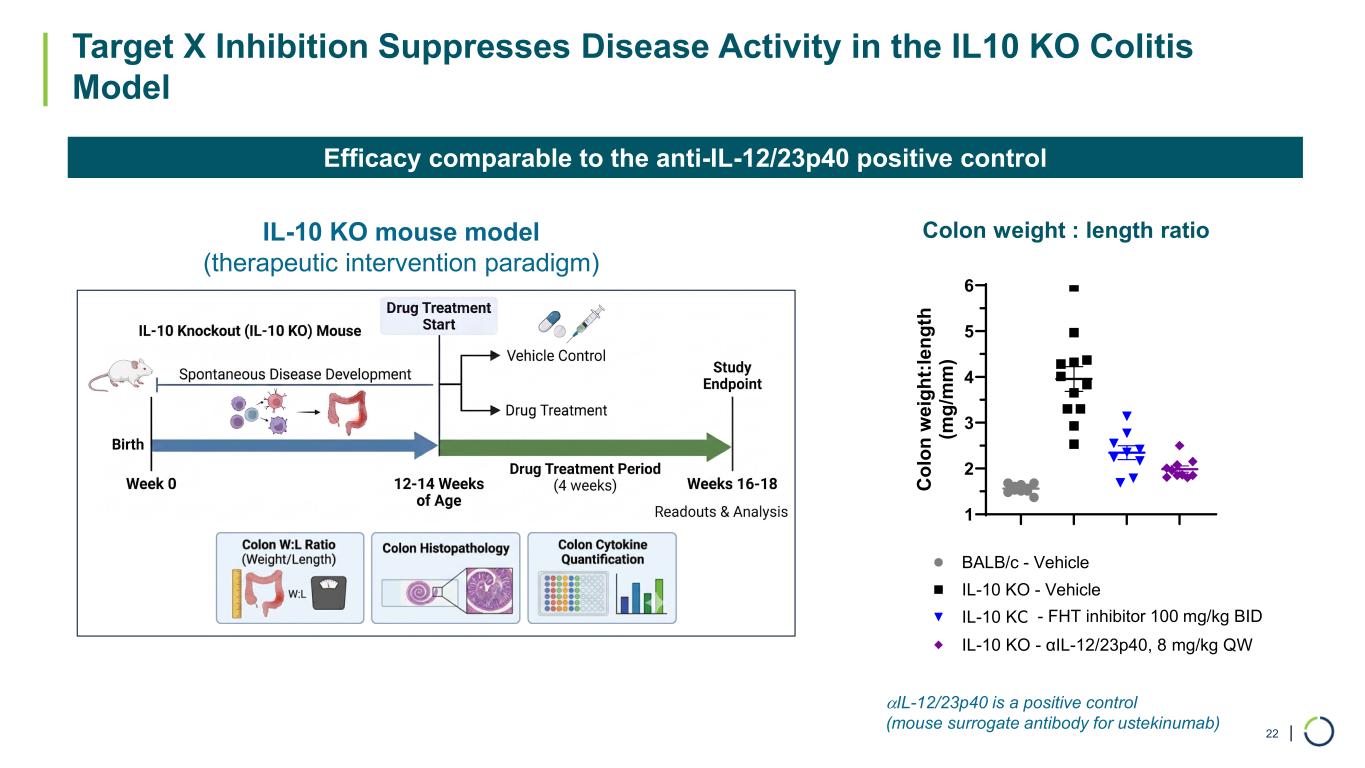
| 22 Target X Inhibition Suppresses Disease Activity in the IL10 KO Colitis Model Colon weight : length ratio αIL-12/23p40 is a positive control (mouse surrogate antibody for ustekinumab) Efficacy comparable to the anti-IL-12/23p40 positive control IL-10 KO mouse model (therapeutic intervention paradigm) 1 2 3 4 5 6 C ol on w ei gh t:l en gt h (m g/ m m ) BALB/c - Vehicle IL-10 KO - Vehicle IL-10 KO - 93192, 100 mg/kg BID IL-10 KO - αIL-12/23p40, 8 mg/kg QW - FHT inhibitor 100 mg/kg BID
Endoplasmic Reticulum Induced Proximity (ERIP) Degrading Secreted and Transmembrane Proteins 23
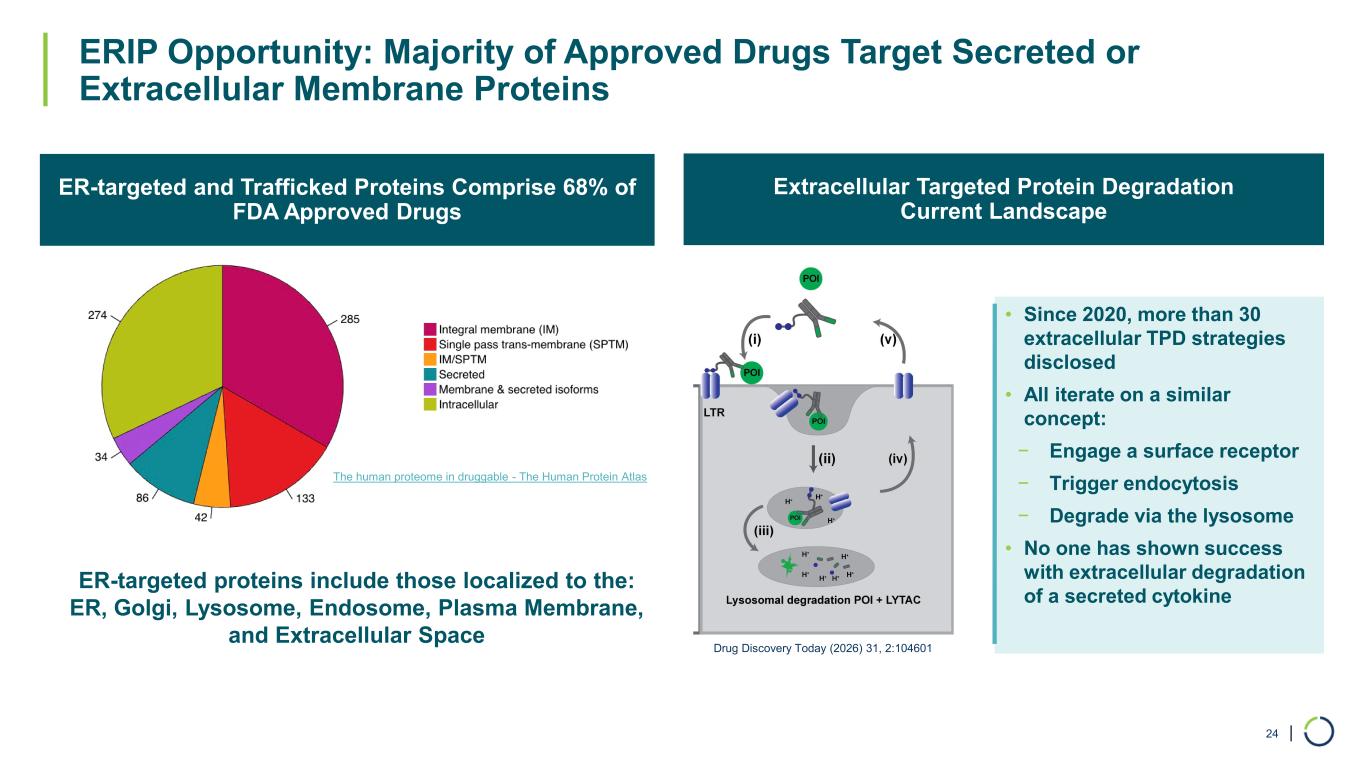
| ERIP Opportunity: Majority of Approved Drugs Target Secreted or Extracellular Membrane Proteins 24 The human proteome in druggable - The Human Protein Atlas ER-targeted proteins include those localized to the: ER, Golgi, Lysosome, Endosome, Plasma Membrane, and Extracellular Space ER-targeted and Trafficked Proteins Comprise 68% of FDA Approved Drugs Extracellular Targeted Protein Degradation Current Landscape • Since 2020, more than 30 extracellular TPD strategies disclosed • All iterate on a similar concept: − Engage a surface receptor − Trigger endocytosis − Degrade via the lysosome • No one has shown success with extracellular degradation of a secreted cytokine Drug Discovery Today (2026) 31, 2:104601
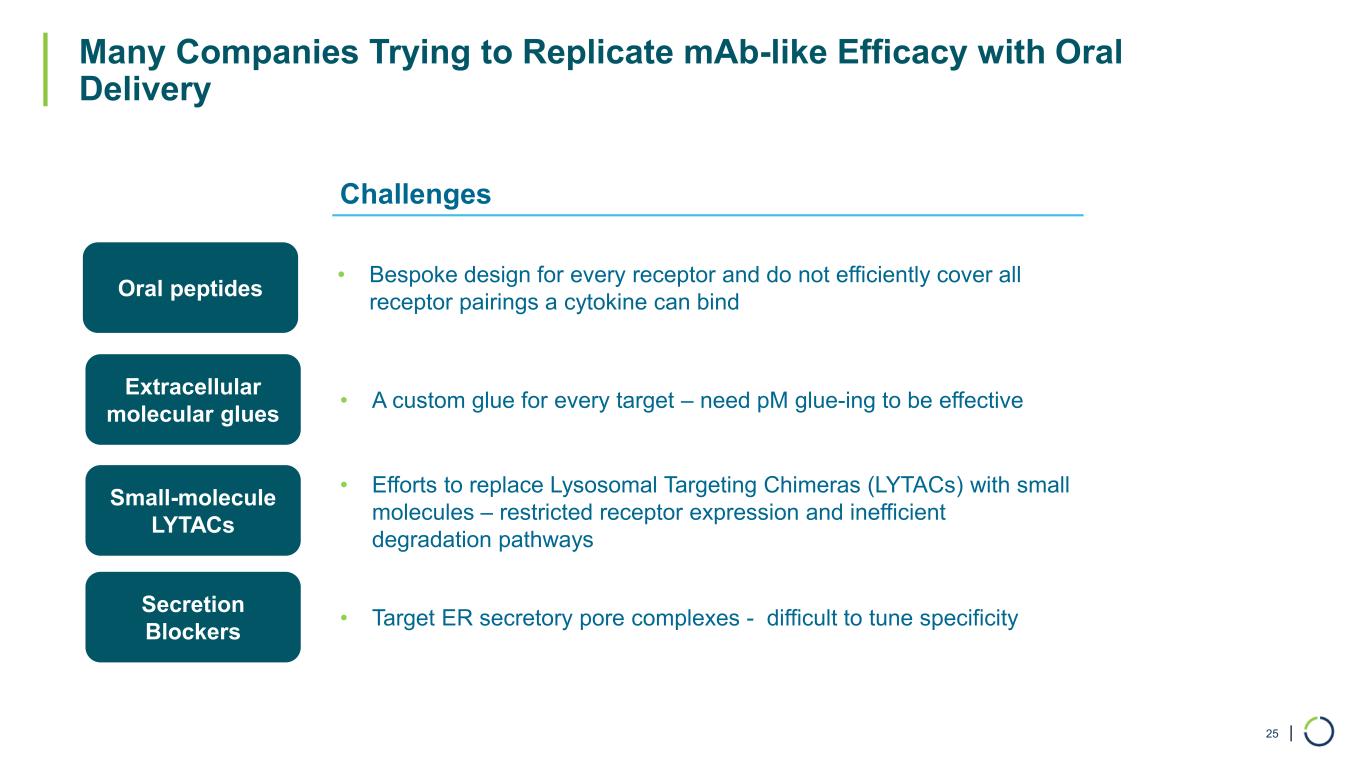
| Many Companies Trying to Replicate mAb-like Efficacy with Oral Delivery 25 • Efforts to replace Lysosomal Targeting Chimeras (LYTACs) with small molecules – restricted receptor expression and inefficient degradation pathways Small-molecule LYTACs • Target ER secretory pore complexes - difficult to tune specificity Secretion Blockers • Bespoke design for every receptor and do not efficiently cover all receptor pairings a cytokine can bind Oral peptides • A custom glue for every target – need pM glue-ing to be effective Extracellular molecular glues Challenges
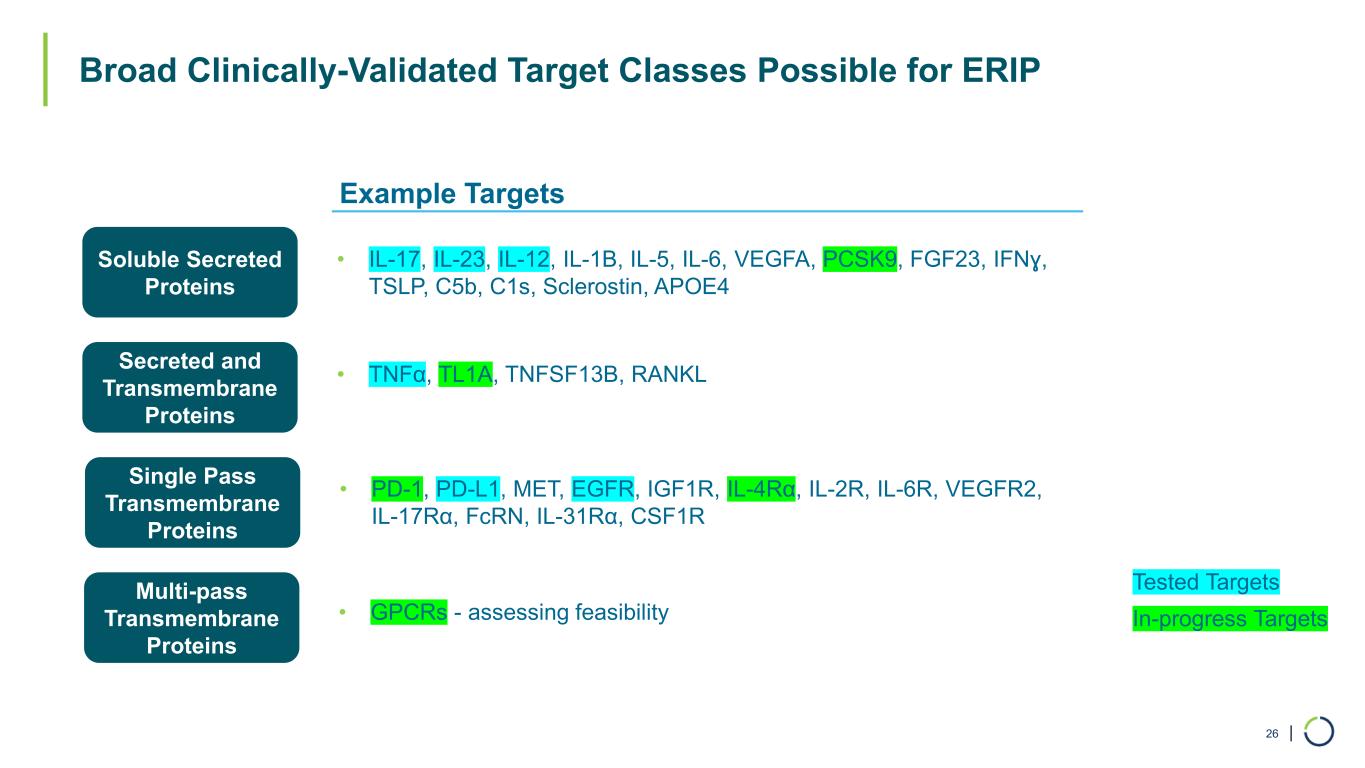
| Broad Clinically-Validated Target Classes Possible for ERIP 26 • IL-17, IL-23, IL-12, IL-1B, IL-5, IL-6, VEGFA, PCSK9, FGF23, IFNɣ, TSLP, C5b, C1s, Sclerostin, APOE4 Soluble Secreted Proteins • GPCRs - assessing feasibility Multi-pass Transmembrane Proteins • TNFα, TL1A, TNFSF13B, RANKL Secreted and Transmembrane Proteins • PD-1, PD-L1, MET, EGFR, IGF1R, IL-4Rα, IL-2R, IL-6R, VEGFR2, IL-17Rα, FcRN, IL-31Rα, CSF1R Single Pass Transmembrane Proteins Example Targets Tested Targets In-progress Targets
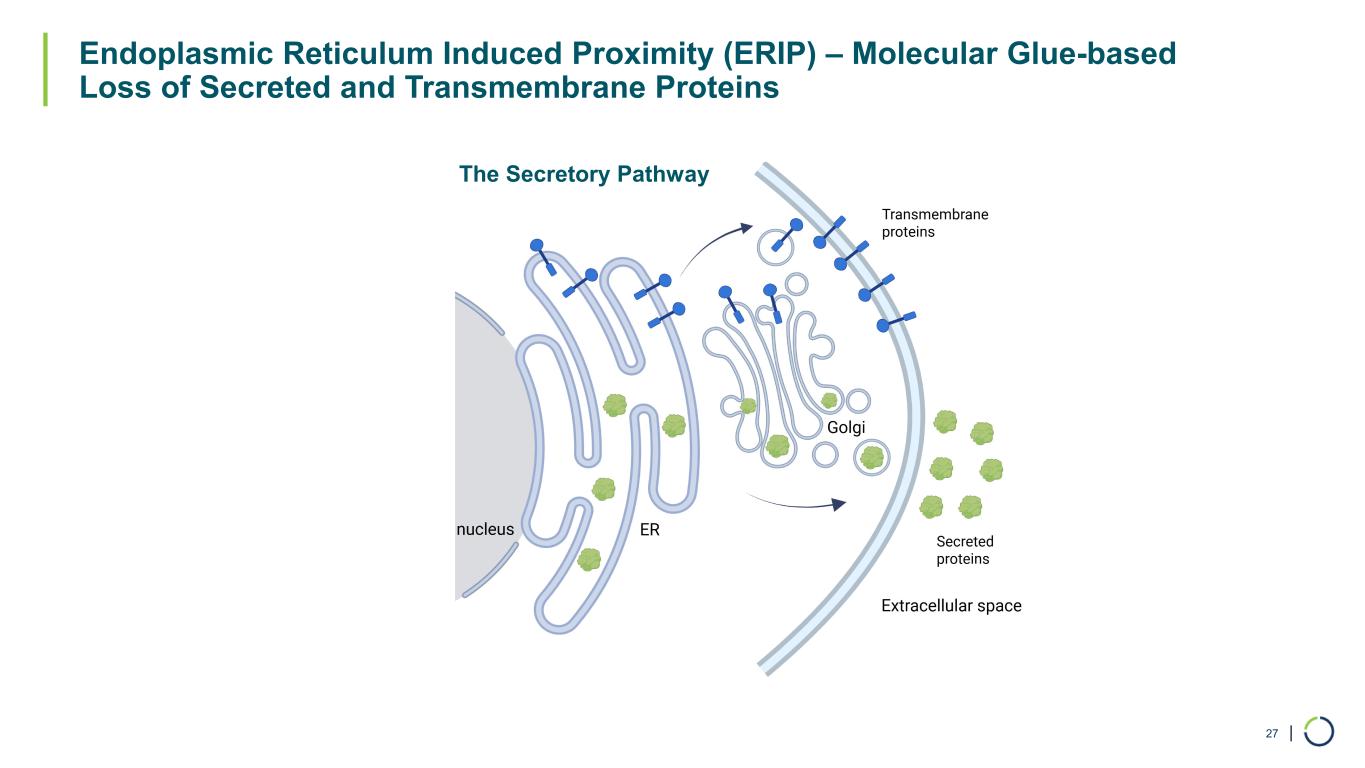
| Endoplasmic Reticulum Induced Proximity (ERIP) – Molecular Glue-based Loss of Secreted and Transmembrane Proteins 27 The Secretory Pathway
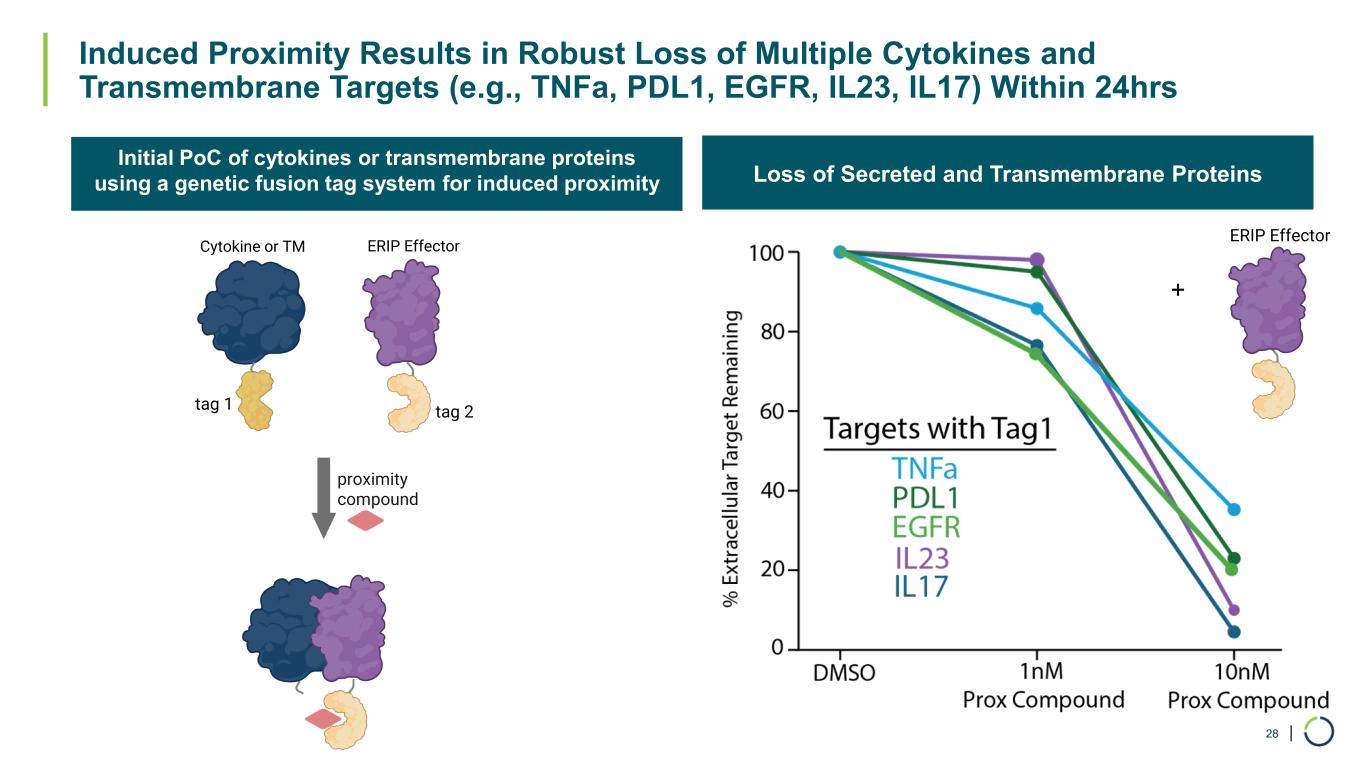
| Initial PoC of cytokines or transmembrane proteins using a genetic fusion tag system for induced proximity Induced Proximity Results in Robust Loss of Multiple Cytokines and Transmembrane Targets (e.g., TNFa, PDL1, EGFR, IL23, IL17) Within 24hrs 28 + Cytokine or TM ERIP Effector proximity compound tag 1 tag 2 ERIP Effector Loss of Secreted and Transmembrane Proteins
Selective CBP Degrader, FHT-171 For ER+ Breast Cancer 29
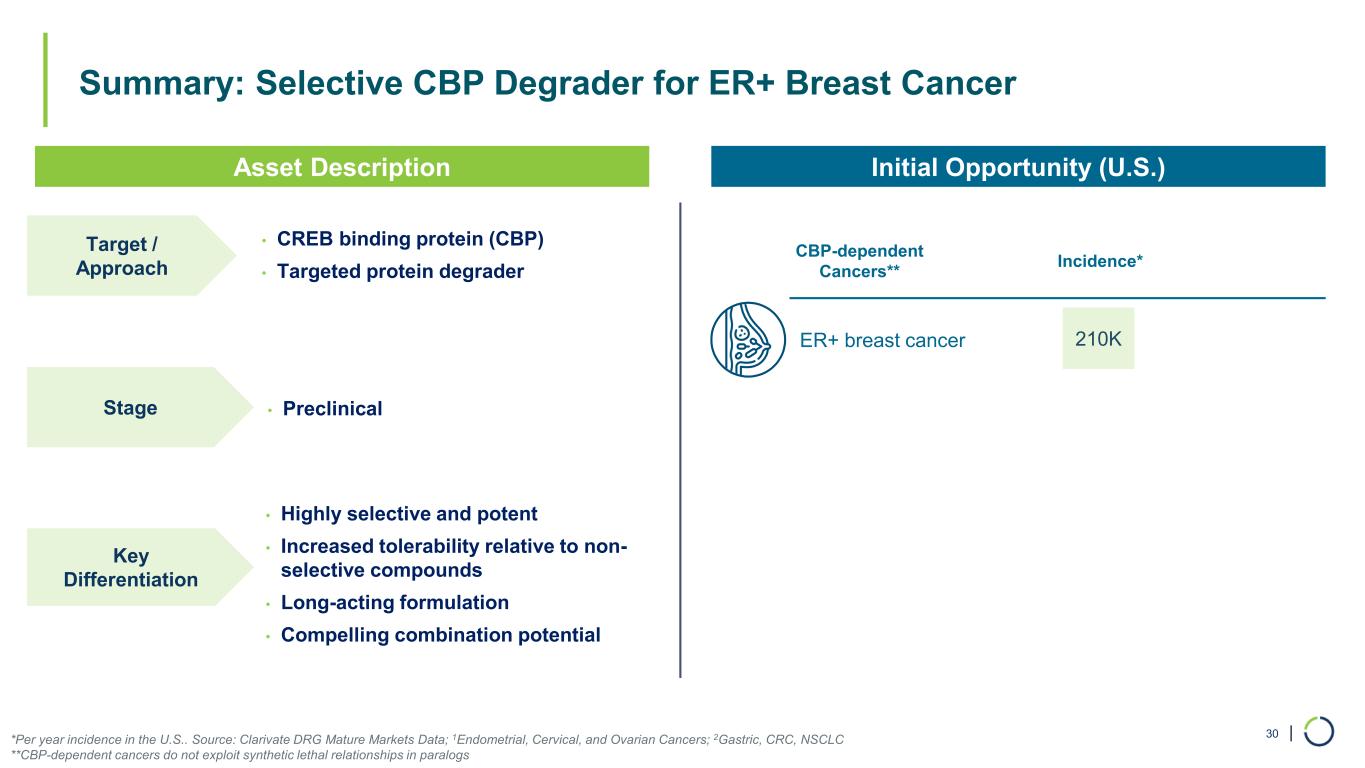
| Summary: Selective CBP Degrader for ER+ Breast Cancer 30 • CREB binding protein (CBP) • Targeted protein degrader ER+ breast cancer Target / Approach • Preclinical Stage • Highly selective and potent • Increased tolerability relative to non- selective compounds • Long-acting formulation • Compelling combination potential Asset Description Initial Opportunity (U.S.) 210K *Per year incidence in the U.S.. Source: Clarivate DRG Mature Markets Data; 1Endometrial, Cervical, and Ovarian Cancers; 2Gastric, CRC, NSCLC **CBP-dependent cancers do not exploit synthetic lethal relationships in paralogs CBP-dependent Cancers** Incidence* Key Differentiation
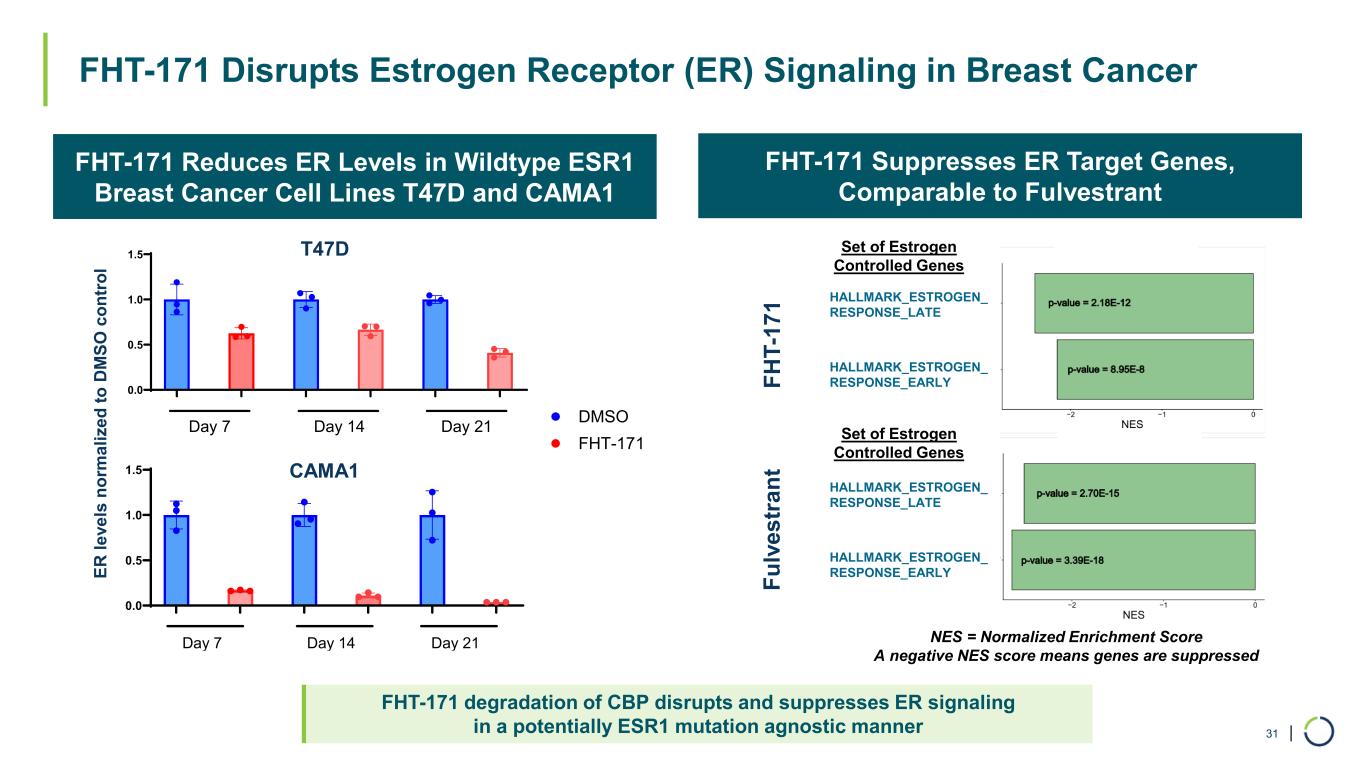
| FHT-171 Reduces ER Levels in Wildtype ESR1 Breast Cancer Cell Lines T47D and CAMA1 FHT-171 degradation of CBP disrupts and suppresses ER signaling in a potentially ESR1 mutation agnostic manner FHT-171 Disrupts Estrogen Receptor (ER) Signaling in Breast Cancer 31 0.0 0.5 1.0 1.5 Day 7 Day 14 Day 21 0.0 0.5 1.0 1.5 Day 7 Day 14 Day 21 ER le ve ls n or m al iz ed to D M SO c on tr ol DMSO FHT-171 HALLMARK_ESTROGEN_ RESPONSE_LATE HALLMARK_ESTROGEN_ RESPONSE_EARLY HALLMARK_ESTROGEN_ RESPONSE_LATE HALLMARK_ESTROGEN_ RESPONSE_EARLY FH T- 17 1 Fu lv es tr an t FHT-171 Suppresses ER Target Genes, Comparable to Fulvestrant NES = Normalized Enrichment Score A negative NES score means genes are suppressed Set of Estrogen Controlled Genes Set of Estrogen Controlled Genes T47D CAMA1
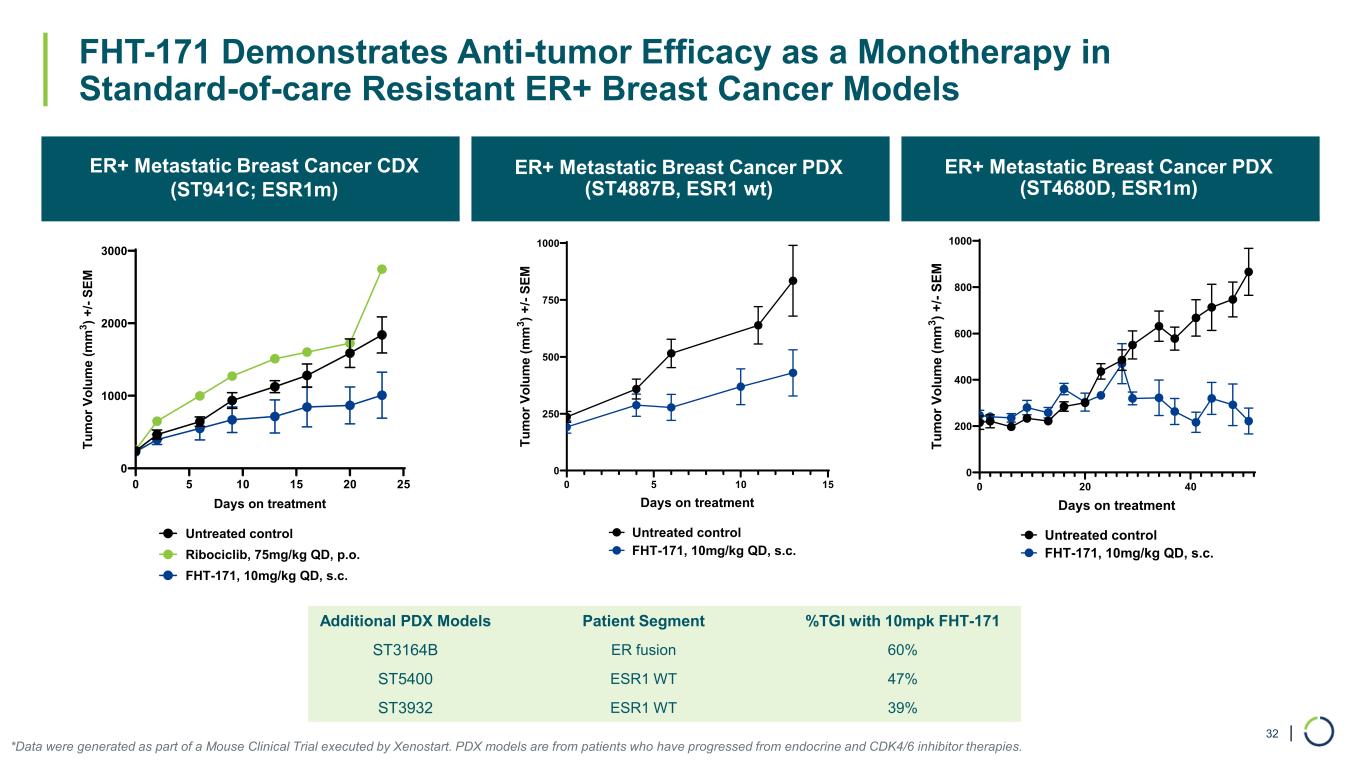
| FHT-171 Demonstrates Anti-tumor Efficacy as a Monotherapy in Standard-of-care Resistant ER+ Breast Cancer Models ER+ Metastatic Breast Cancer CDX (ST941C; ESR1m) ER+ Metastatic Breast Cancer PDX (ST4887B, ESR1 wt) ER+ Metastatic Breast Cancer PDX (ST4680D, ESR1m) 32 0 5 10 15 20 25 0 1000 2000 3000 Days on treatment Tu m or V ol um e (m m 3 ) + /- SE M Untreated control FHT-171, 10mg/kg QD, s.c. Ribociclib, 75mg/kg QD, p.o. *Data were generated as part of a Mouse Clinical Trial executed by Xenostart. PDX models are from patients who have progressed from endocrine and CDK4/6 inhibitor therapies. 0 20 40 0 200 400 600 800 1000 Days on treatment Tu m or V ol um e (m m 3 ) + /- SE M Untreated control FHT-171, 10mg/kg QD, s.c. 0 5 10 15 0 250 500 750 1000 Days on treatment Tu m or V ol um e (m m 3 ) + /- SE M Untreated control FHT-171, 10mg/kg QD, s.c. Additional PDX Models Patient Segment %TGI with 10mpk FHT-171 ST3164B ER fusion 60% ST5400 ESR1 WT 47% ST3932 ESR1 WT 39%
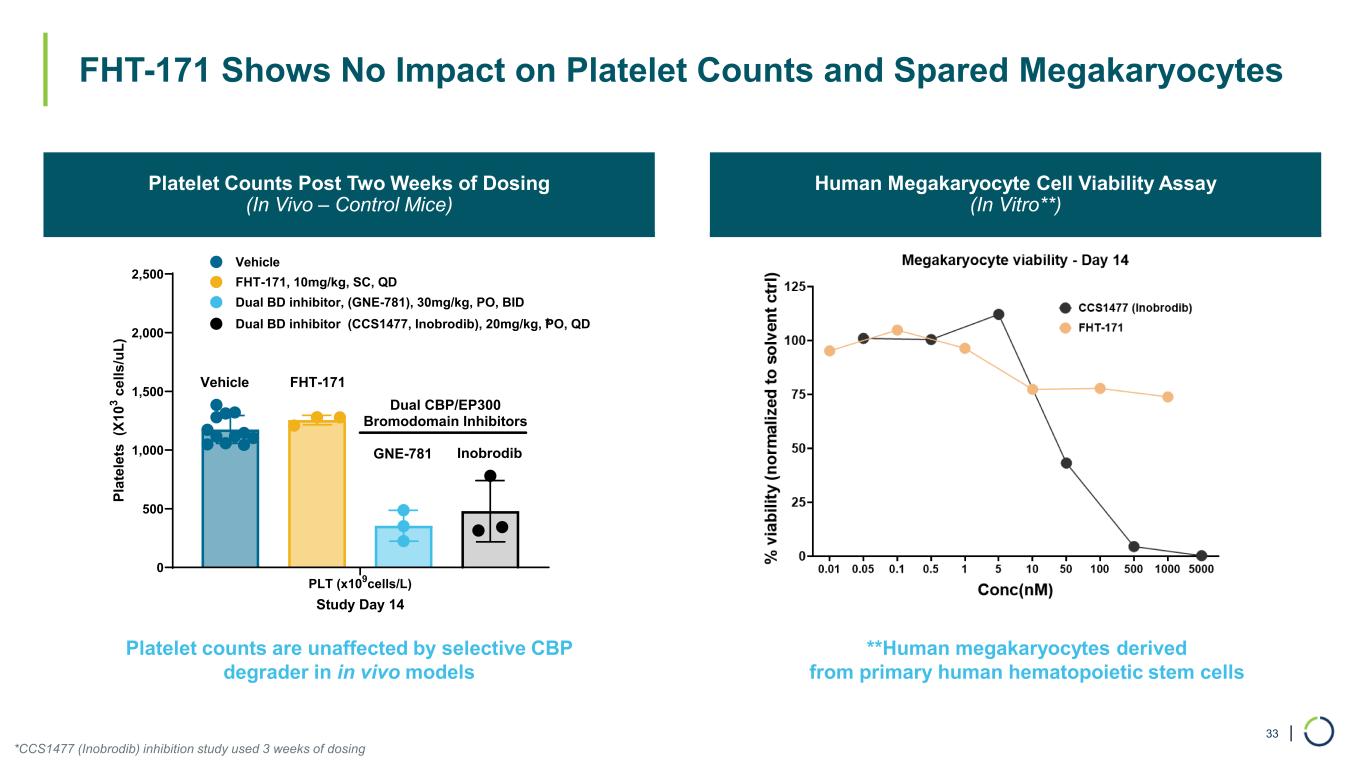
| FHT-171 Shows No Impact on Platelet Counts and Spared Megakaryocytes • C BP Platelet Counts Post Two Weeks of Dosing (In Vivo – Control Mice) Human Megakaryocyte Cell Viability Assay (In Vitro**) *CCS1477 (Inobrodib) inhibition study used 3 weeks of dosing Platelet counts are unaffected by selective CBP degrader in in vivo models **Human megakaryocytes derived from primary human hematopoietic stem cells 33 PLT (x109cells/L) 0 500 1,000 1,500 2,000 2,500 Study Day 14 Pl at el et s (X 10 3 c el ls /u L) Vehicle FHT-171, 10mg/kg, SC, QD Dual BD inhibitor, (GNE-781), 30mg/kg, PO, BID FHT-171 Dual CBP/EP300 Bromodomain Inhibitors Vehicle Dual BD inhibitor (CCS1477, Inobrodib), 20mg/kg, PO, QD GNE-781 Inobrodib *
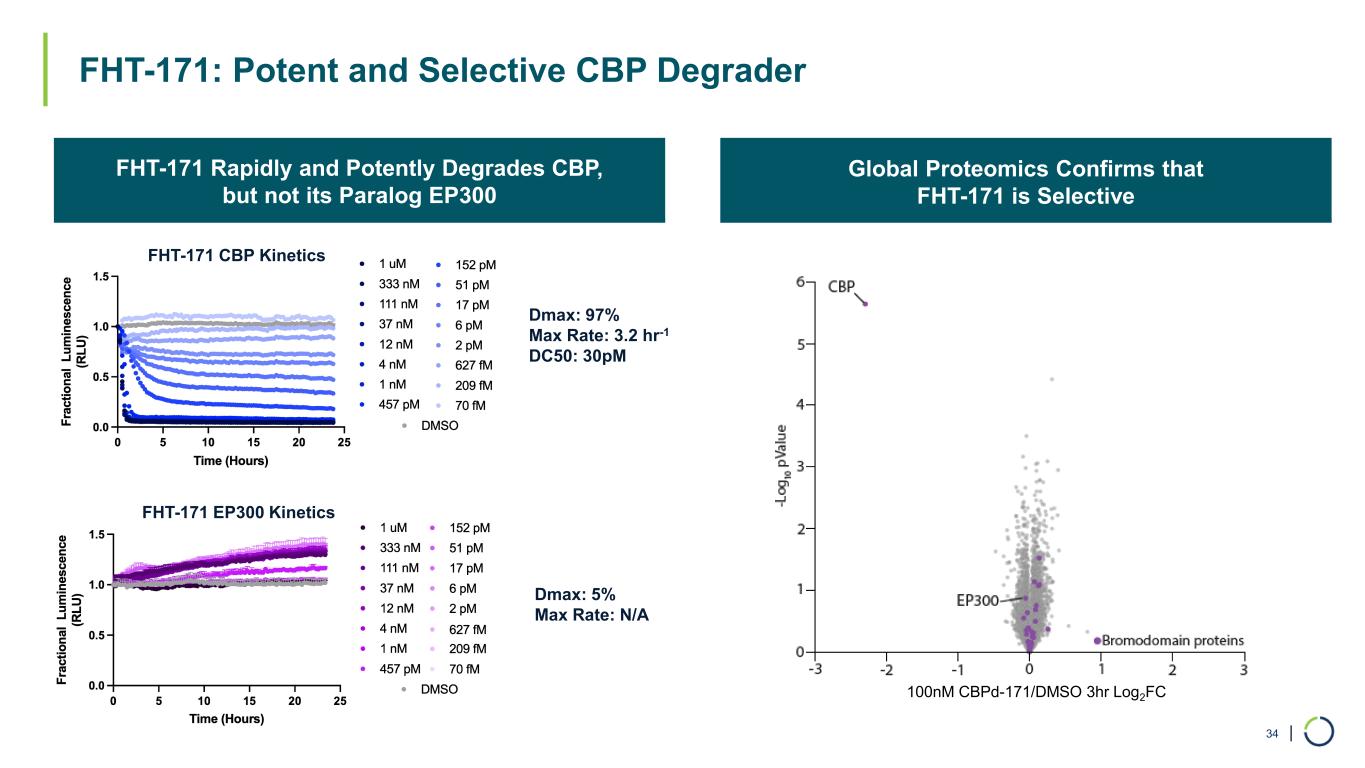
| FHT-171: Potent and Selective CBP Degrader • C BP Global Proteomics Confirms that FHT-171 is Selective 34 FHT-171 Rapidly and Potently Degrades CBP, but not its Paralog EP300 Dmax: 97% Max Rate: 3.2 hr-1 DC50: 30pM Dmax: 5% Max Rate: N/A 100nM CBPd-171/DMSO 3hr Log2FC FHT-171 CBP Kinetics FHT-171 EP300 Kinetics
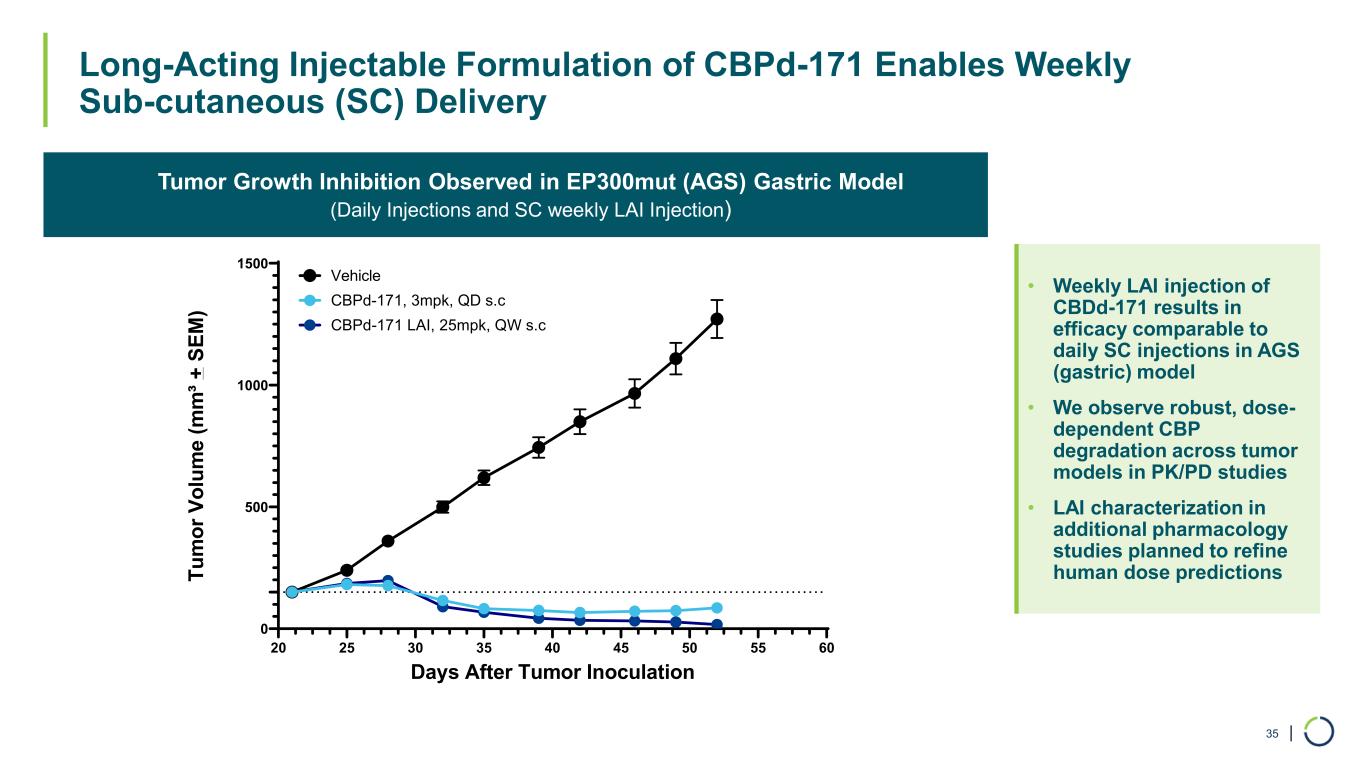
| Long-Acting Injectable Formulation of CBPd-171 Enables Weekly Sub-cutaneous (SC) Delivery 35 Tumor Growth Inhibition Observed in EP300mut (AGS) Gastric Model (Daily Injections and SC weekly LAI Injection) • Weekly LAI injection of CBDd-171 results in efficacy comparable to daily SC injections in AGS (gastric) model • We observe robust, dose- dependent CBP degradation across tumor models in PK/PD studies • LAI characterization in additional pharmacology studies planned to refine human dose predictions 20 25 30 35 40 45 50 55 60 0 500 1000 1500 Days After Tumor Inoculation Tu m or V ol um e (m m ³ + S EM ) CBPd-171, 3mpk, QD s.c Vehicle CBPd-171 LAI, 25mpk, QW s.c
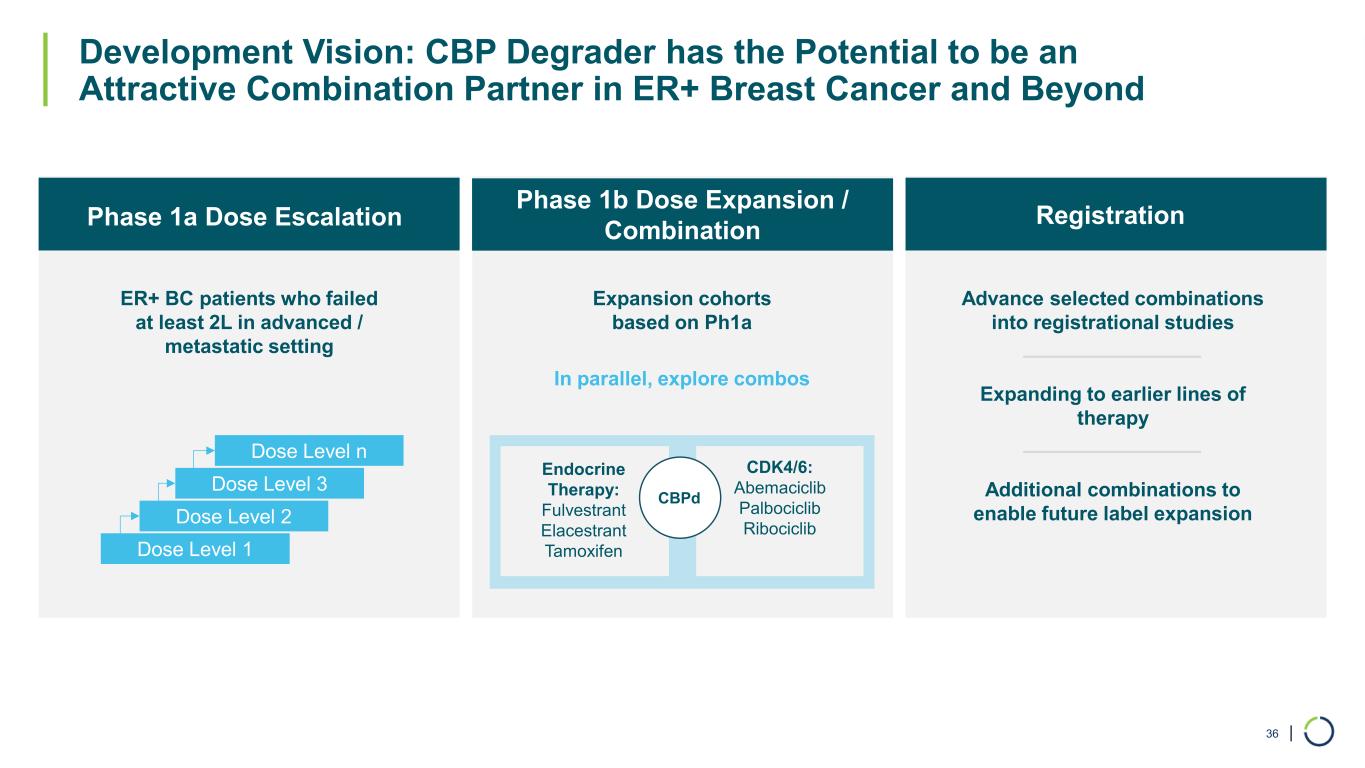
| 36 Development Vision: CBP Degrader has the Potential to be an Attractive Combination Partner in ER+ Breast Cancer and Beyond Phase 1b Dose Expansion / Combination ER+ BC patients who failed at least 2L in advanced / metastatic setting In parallel, explore combos Dose Level 1 Dose Level 2 Dose Level 3 Dose Level n Expansion cohorts based on Ph1a Advance selected combinations into registrational studies Expanding to earlier lines of therapy Additional combinations to enable future label expansion Endocrine Therapy: Fulvestrant Elacestrant Tamoxifen CDK4/6: Abemaciclib Palbociclib Ribociclib CBPd Phase 1a Dose Escalation Registration

Unique biology Precision therapeutics Broad impact 37November 2026