
© 2026 Arvinas. All rights reserved. N A S D A Q A R V N L I S T E D Corporate Presentation November 2026 Exhibit 99.2
This presentation contains forward-looking statements within the meaning of The Private Securities Litigation Reform Act of 1995 that involve substantial risks and uncertainties, including statements regarding: PROteolysis TAargeting Chimera ("PROTAC") protein degraders having potential benefits that may provide advantages over other modalities in oncology and neurology; luxdegalutamide demonstrating signals of efficacy in late-line prostate cancer suggesting the potential for positive efficacy in earlier line-settings; Arvinas’ goal to change treatment paradigms in neurology, immuno-oncology, hematology and new medicines; Arvinas’ plans and expectations related to its clinical trials and preclinical studies and the timings associated therewith with respect to initiation of trials or studies and presentation of data; Arvinas’ assets’ intended differentiation from other therapies; Arvinas’ potential receipt of milestone or other payments from existing partners, including Novartis Pharma AG and Rigel Pharmaceuticals, Inc.; Arvinas' capitalization, and having cash runway into the second half of 2028; the potential for future partnerships to enhance the value of Arvinas’ pipeline; the potential market opportunity for any of Arvinas’ product candidates; the potential for a PROTAC B-cell lymphoma 6 (“BCL6”) degrader to address substantial unmet needs for patients with non-Hodgkin Lymphoma (“NHL”); the potential for ARV-393 to become an attractive combination partner for development of novel treatment approaches for NHL, including all oral or chemotherapy-free options; dose escalation or de-escalation of ARV-393; that a PROTAC expanded polyglutamine androgen receptor degrader may eliminate the root cause of disease for spinal bulbar muscular atrophy; the potential for ARV-6723, an oral hematopoietic progenitor kinase 1 ("HPK1") degrader, to offer sustained anti-tumor immune response as a single agent or in combination with standard of care therapies, and the potential to result in improved clinical benefits over standard of care therapies across a wide range of cancers; that HPK1 degradation may lead to an increase in immune function and immune attack, counter activation of T cell exhaustion, block suppressive tumor microenvironment and reprogram the tumor microenvironment to unleash immune response; the suggestion from preclinical work that an HPK1 degrader could work after anti-programmed death-1 (“αPD-1 ”) progression, in combination with αPD-1, and ahead of αPD-1; Arvinas’ novel PROTAC approach having potential to differentiate from existing and emerging modalities in, and potentially revolutionize the treatment of, neurodegenerative diseases; PROTAC-induced leucine-rich repeat kinase 2 (“LRRK2”) degradation having the potential to differentiate from kinase inhibition; PROTAC-induced LRRK2 degradation as a potential treatment for progressive supranuclear palsy ("PSP"), Parkinson's disease and related diseases; Arvinas' plans with respect to initiation of clinical trials of ARV-102 in patients with PSP, pending regulatory approval, and the timing thereof; and Arvinas’ plans, anticipated milestones, timing and potential impacts of such milestones in connection with ARV-393, ARV-6723, ARV-027 and ARV-102, including statements regarding sharing of data, types of data, initiation and enrollment of clinical trials, sharing or presenting data and any forums for doing so. The words “anticipate,” “believe,” “estimate,” “expect,” “intend,” “may,” “might,” “plan,” “predict,” “project,” “target,” “potential,” “goal,” “will,” “would,” “could,” “should,” “continue,” and similar expressions are intended to identify forward-looking statements, although not all forward-looking statements contain these identifying words. Arvinas may not actually achieve the plans, intentions or expectations disclosed in its forward-looking statements, and you should not place undue reliance on these forward-looking statements. Actual results or events could differ materially from the plans, intentions and expectations disclosed in the forward-looking statements Arvinas makes as a result of various risks and uncertainties, including but not limited to: whether Arvinas will be able to successfully conduct and complete development for its product candidates, including ARV-393, ARV-027, ARV-6723 and ARV-102, including whether Arvinas initiates and completes clinical trials for its product candidates and receives results from its clinical trials on expected timelines, or at all; whether Arvinas will be able to successfully conduct and complete development for its other preclinical or clinical candidates, including whether Arvinas initiates and completes preclinical studies or clinical trials and receives results from such studies or trials on expected timelines, or at all; the potential therapeutic benefits or profile of any of Arvinas’ product or preclinical candidates; the uncertainties inherent in research and development, including preclinical study or clinical trial results; risks related to the potential market opportunity for any of Arvinas’ product candidates; risks related to obtaining marketing approval for any product candidates; Rigel's performance of its obligations under the license agreement with Arvinas, Pfizer and Rigel; the potential demand and market potential and acceptance of any product candidate, including estimates regarding the potential market opportunity; the competitive landscape for any other product candidate; the risk that any regulatory approval may be subject to significant limitations on use or subject to withdrawal or other adverse actions by the applicable regulatory authority; regulatory actions or delays or government regulation generally; Arvinas’ ability to protect its intellectual property portfolio; risks associated with Arvinas' reliance on third parties; risks associated with Arvinas’ collaboration and license agreements; whether Arvinas will be able to raise capital when needed; whether Arvinas’ cash and cash equivalent resources will be sufficient to fund its foreseeable and unforeseeable operating expenses and capital expenditure requirements; and other important factors, any of which could cause Arvinas' actual results to differ from those contained in the forward-looking statements, discussed in the “Risk Factors” sections of Arvinas’ quarterly and annual reports on file with the U.S. Securities and Exchange Commission. The forward-looking statements contained in this presentation reflect Arvinas’ current views as of the date of this presentation with respect to future events, and Arvinas assumes no obligation to update any forward-looking statements, except as required by applicable law. These forward-looking statements should not be relied upon as representing Arvinas’ views as of any date subsequent to the date of this presentation. The Arvinas name and logo are the company’s trademarks. VEPPANU is a registered U.S. trademark owned by Rigel Pharmaceuticals, Inc. The trademarks, trade names and service marks appearing in this presentation are the property of their respective owners. Arvinas has omitted the ® and designations, as applicable, for the trademarks named in this presentation. This presentation may also contain estimates and other statistical data made by independent parties and by Arvinas relating to market size and other data about the company’s industry. This data involves a number of assumptions and limitations, and you are cautioned not to give undue weight to such data and estimates. In addition, projections, assumptions and estimates of the company’s future performance and the future performance of the markets in which the company operates are necessarily subject to a high degree of uncertainty and risk. This presentation is intended for the investor community only. It is not intended to promote the products referenced herein or otherwise influence healthcare prescribing decisions. Cross-trial comparisons are not based on head-to-head studies and no direct comparisons can be made. Safe harbor and forward-looking statements 2

IGNITING A TRANSFORMATIVE CHANGE in the fight for patients with cancer and neurodegenerative diseases
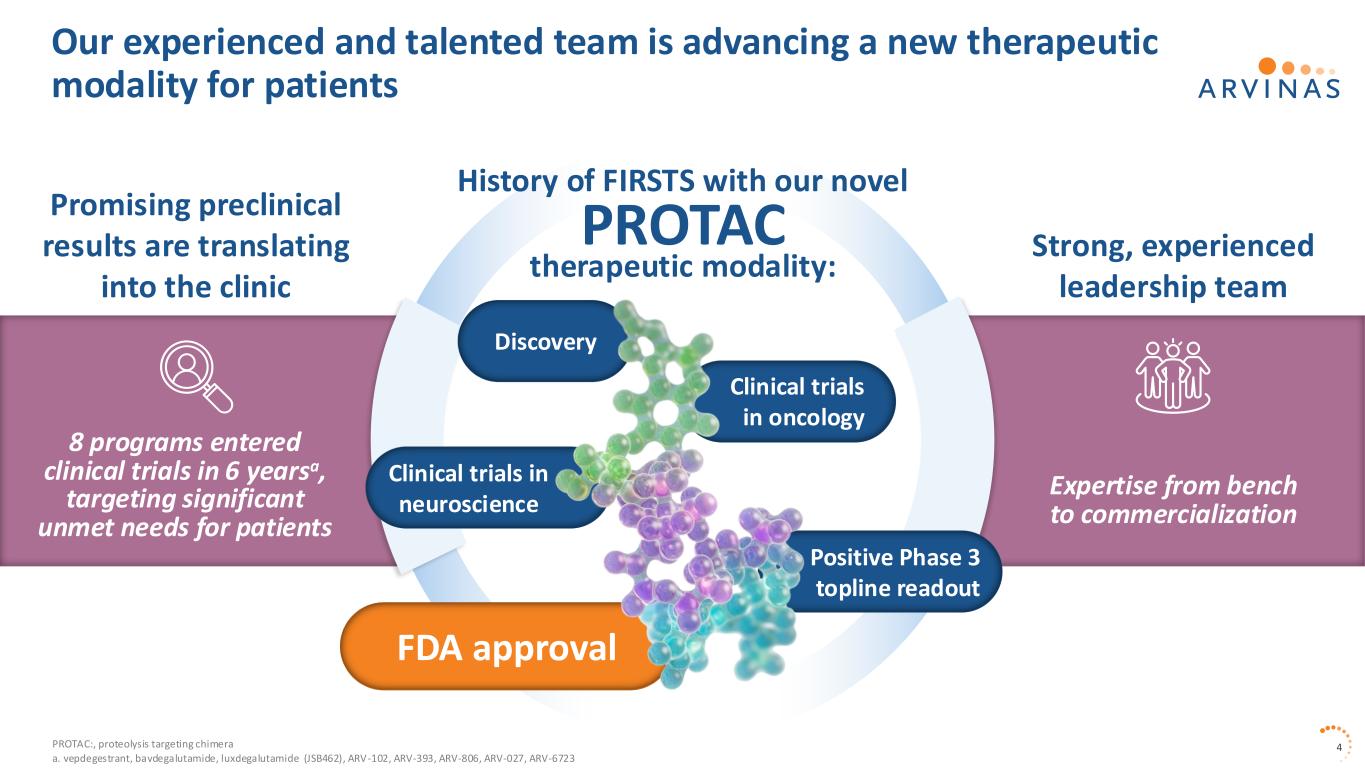
PROTAC:, proteolysis targeting chimera a. vepdegestrant, bavdegalutamide, luxdegalutamide (JSB462), ARV-102, ARV-393, ARV-806, ARV-027, ARV-6723 Our experienced and talented team is advancing a new therapeutic modality for patients 4 History of FIRSTS with our novel Clinical trials in oncology Discovery Clinical trials in neuroscience FDA approval Promising preclinical results are translating into the clinic Expertise from bench to commercialization Strong, experienced leadership team 8 programs entered clinical trials in 6 yearsa, targeting significant unmet needs for patients therapeutic modality: PROTAC Positive Phase 3 topline readout
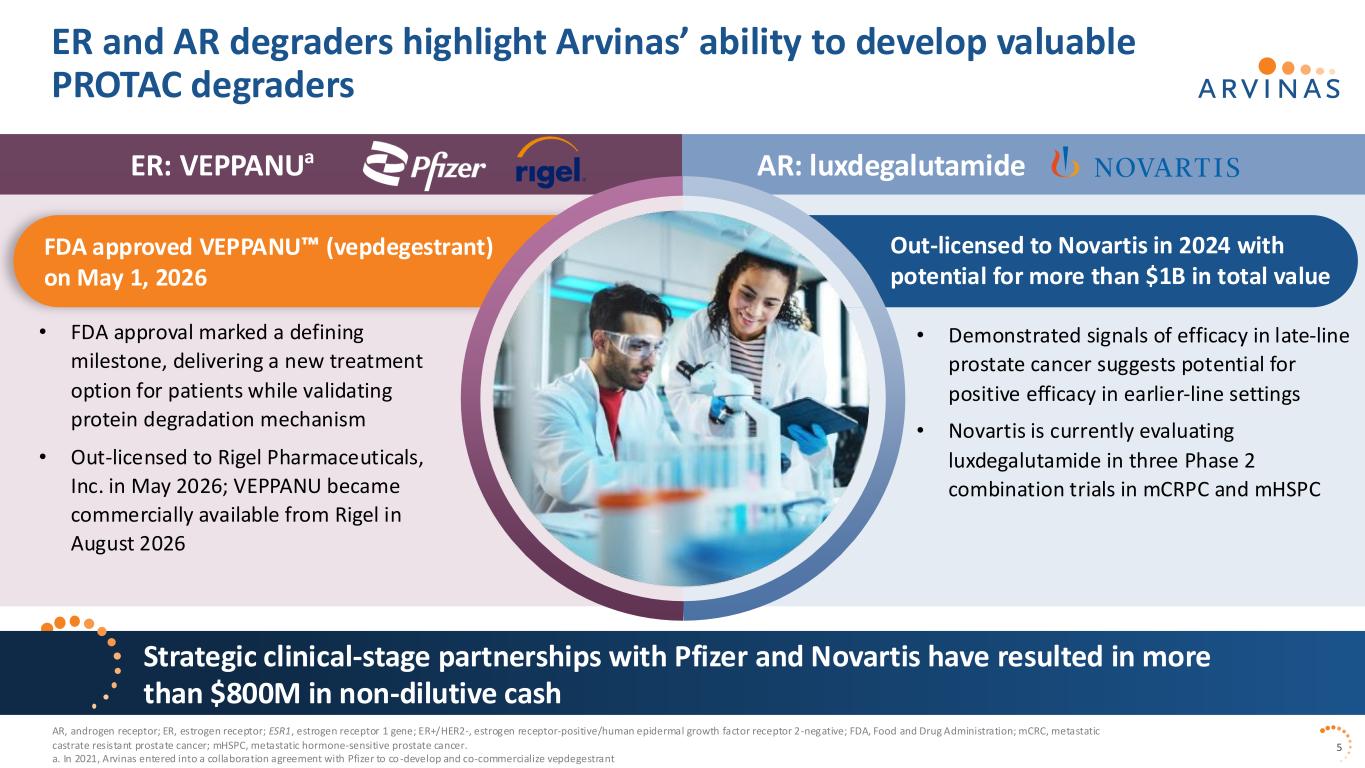
AR, androgen receptor; ER, estrogen receptor; ESR1, estrogen receptor 1 gene; ER+/HER2-, estrogen receptor-positive/human epidermal growth factor receptor 2-negative; FDA, Food and Drug Administration; mCRC, metastatic castrate resistant prostate cancer; mHSPC, metastatic hormone-sensitive prostate cancer. a. In 2021, Arvinas entered into a collaboration agreement with Pfizer to co -develop and co-commercialize vepdegestrant ER and AR degraders highlight Arvinas’ ability to develop valuable PROTAC degraders 5 Strategic clinical-stage partnerships with Pfizer and Novartis have resulted in more than $800M in non-dilutive cash • Demonstrated signals of efficacy in late-line prostate cancer suggests potential for positive efficacy in earlier-line settings • Novartis is currently evaluating luxdegalutamide in three Phase 2 combination trials in mCRPC and mHSPC • FDA approval marked a defining milestone, delivering a new treatment option for patients while validating protein degradation mechanism • Out-licensed to Rigel Pharmaceuticals, Inc. in May 2026; VEPPANU became commercially available from Rigel in August 2026 AR: luxdegalutamideER: VEPPANUa FDA approved VEPPANU (vepdegestrant) on May 1, 2026 Out-licensed to Novartis in 2024 with potential for more than $1B in total value
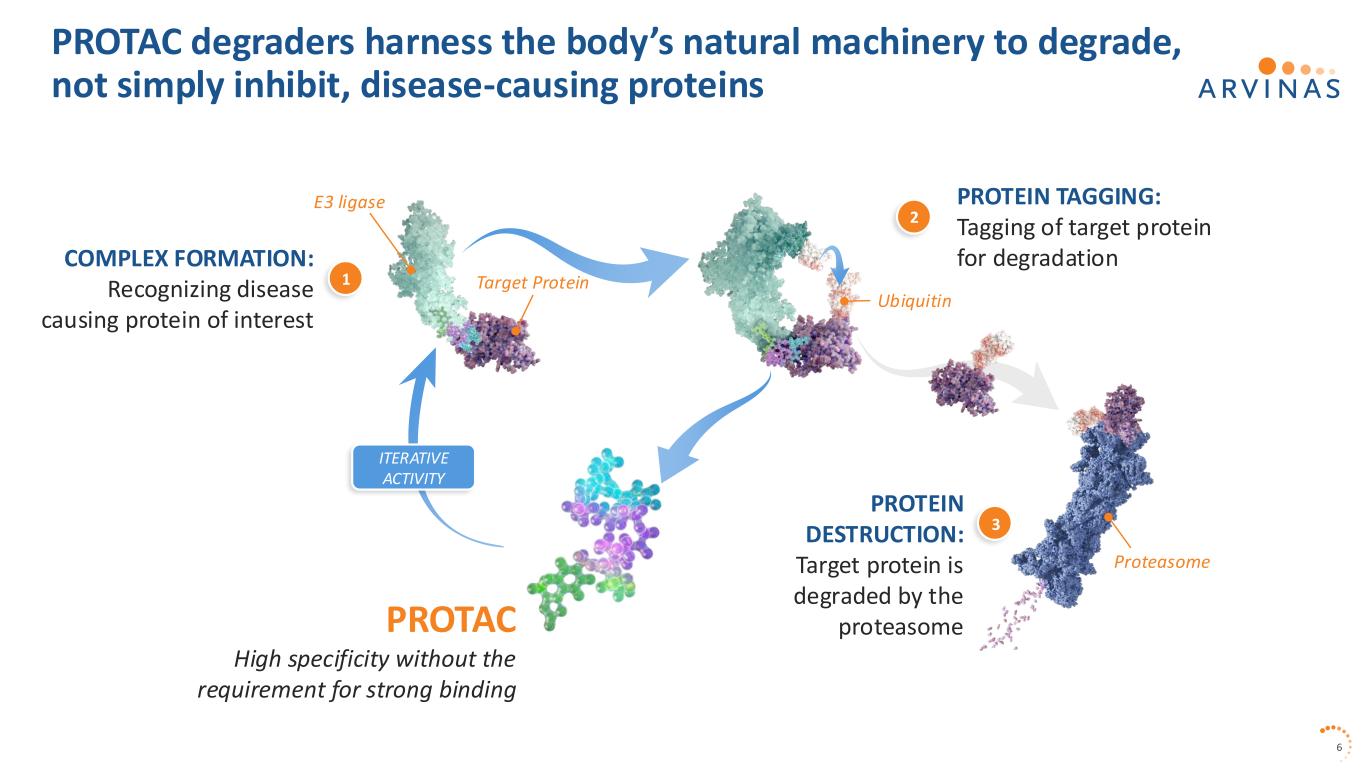
PROTAC degraders harness the body’s natural machinery to degrade, not simply inhibit, disease-causing proteins 6 COMPLEX FORMATION: Recognizing disease causing protein of interest 1 ITERATIVE ACTIVITY E3 ligase Ubiquitin Proteasome PROTEIN TAGGING: Tagging of target protein for degradation 2 PROTEIN DESTRUCTION: Target protein is degraded by the proteasome 3 PROTAC High specificity without the requirement for strong binding Target Protein
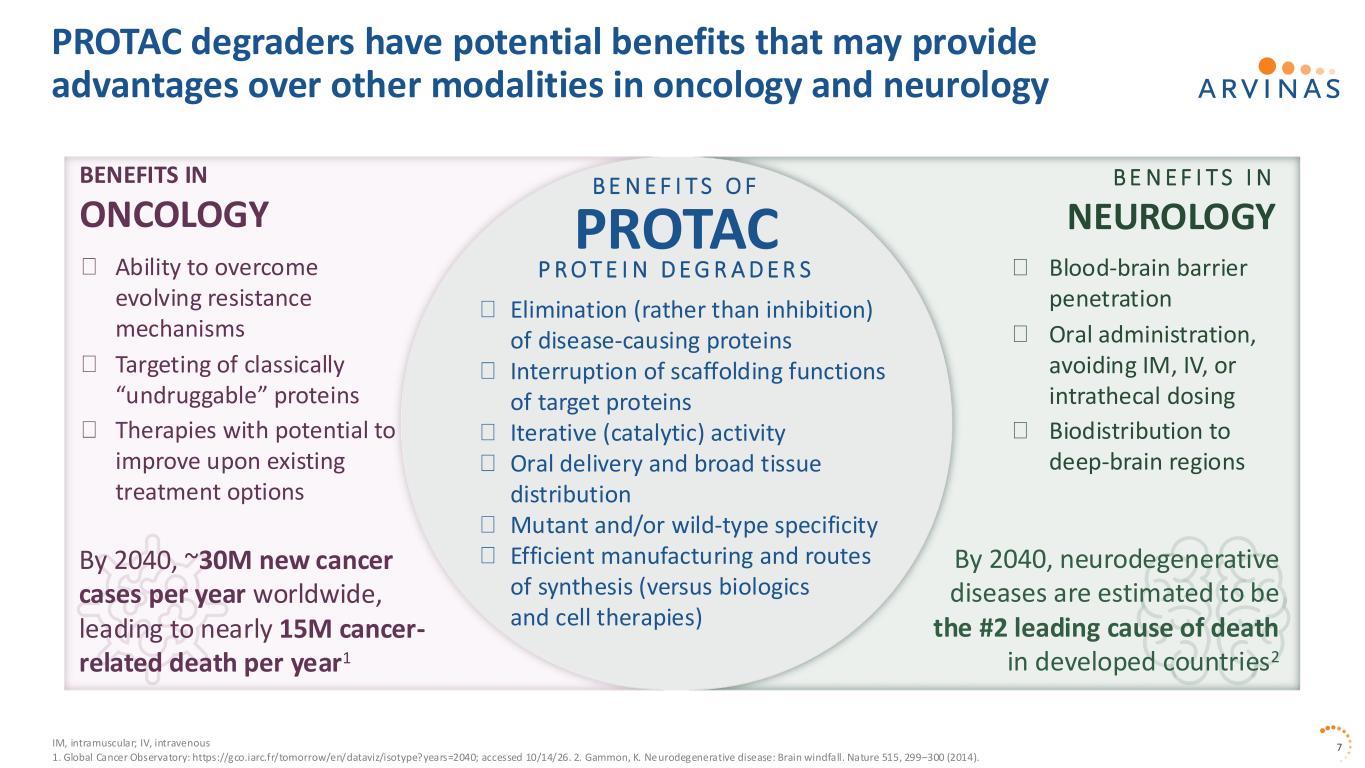
IM, intramuscular; IV, intravenous 1. Global Cancer Observatory: https://gco.iarc.fr/tomorrow/en/dataviz/isotype?years=2040; accessed 10/14/26. 2. Gammon, K. Neurodegenerative disease: Brain windfall. Nature 515, 299–300 (2014). PROTAC degraders have potential benefits that may provide advantages over other modalities in oncology and neurology 7 Elimination (rather than inhibition) of disease-causing proteins Interruption of scaffolding functions of target proteins Iterative (catalytic) activity Oral delivery and broad tissue distribution Mutant and/or wild-type specificity Efficient manufacturing and routes of synthesis (versus biologics and cell therapies) Blood-brain barrier penetration Oral administration, avoiding IM, IV, or intrathecal dosing Biodistribution to deep-brain regions PROTAC Ability to overcome evolving resistance mechanisms Targeting of classically “undruggable” proteins Therapies with potential to improve upon existing treatment options P R O T E I N D E G R A D E R S B E N E F I T S O FBENEFITS IN ONCOLOGY B E N E F I T S I N NEUROLOGY By 2040, ~30M new cancer cases per year worldwide, leading to nearly 15M cancer- related death per year1 By 2040, neurodegenerative diseases are estimated to be the #2 leading cause of death in developed countries2
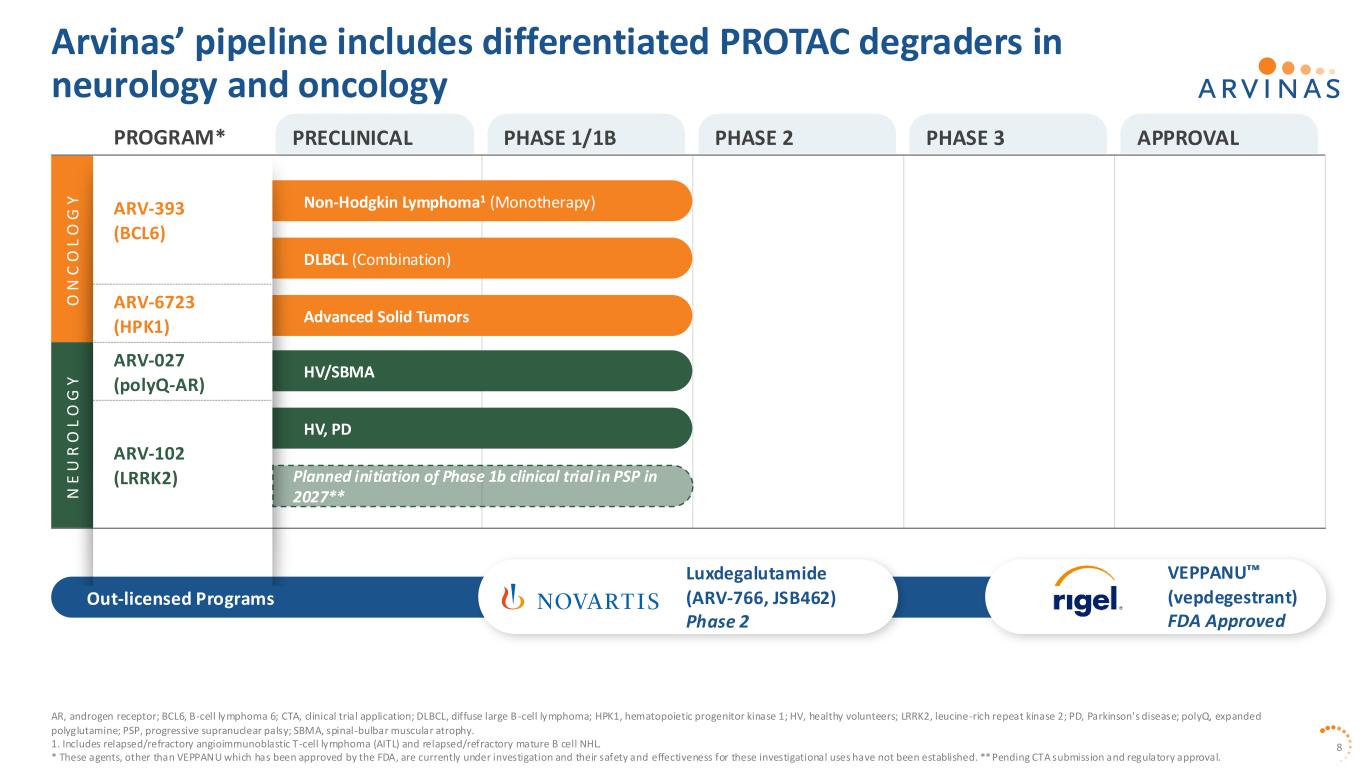
Out-licensed Programs PROGRAM* O N C O L O G Y ARV-393 (BCL6) ARV-6723 (HPK1) N E U R O L O G Y ARV-027 (polyQ-AR) ARV-102 (LRRK2) HV/SBMA HV, PD Arvinas’ pipeline includes differentiated PROTAC degraders in neurology and oncology PRECLINICAL PHASE 1/1B PHASE 2 PHASE 3 APPROVAL 8 AR, androgen receptor; BCL6, B-cell lymphoma 6; CTA, clinical trial application; DLBCL, diffuse large B -cell lymphoma; HPK1, hematopoietic progenitor kinase 1; HV, healthy volunteers; LRRK2, leucine-rich repeat kinase 2; PD, Parkinson's disease; polyQ, expanded polyglutamine; PSP, progressive supranuclear palsy; SBMA, spinal-bulbar muscular atrophy. 1. Includes relapsed/refractory angioimmunoblastic T-cell lymphoma (AITL) and relapsed/refractory mature B cell NHL. * These agents, other than VEPPANU which has been approved by the FDA, are currently under investigation and their safety and effectiveness for these investigational uses have not been established. **Pending CTA submission and regulatory approval. VEPPANU (vepdegestrant) FDA Approved Luxdegalutamide (ARV-766, JSB462) Phase 2 Planned initiation of Phase 1b clinical trial in PSP in 2027** Non-Hodgkin Lymphoma1 (Monotherapy) Advanced Solid Tumors DLBCL (Combination)
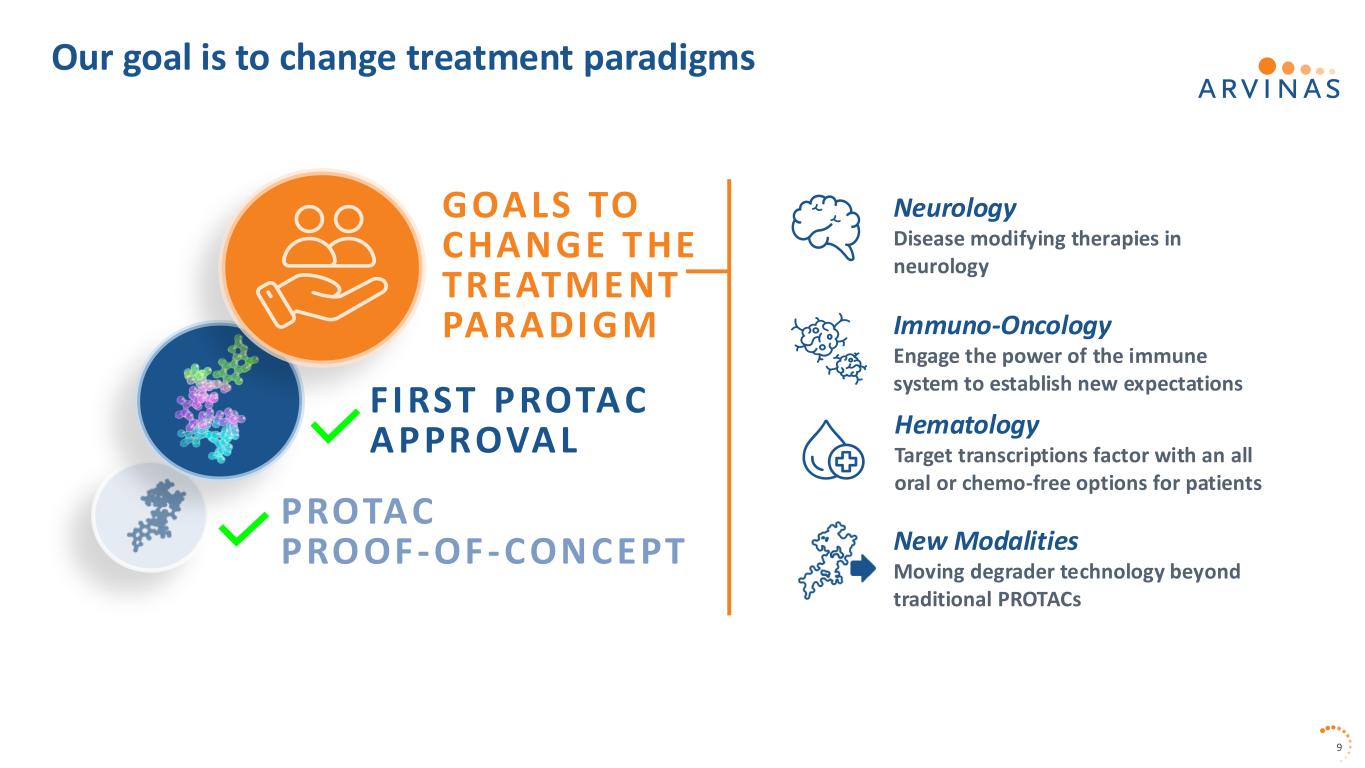
Our goal is to change treatment paradigms Immuno-Oncology Engage the power of the immune system to establish new expectations Hematology Target transcriptions factor with an all oral or chemo-free options for patients Neurology Disease modifying therapies in neurology GOALS TO CHANGE T HE TREATME NT PARADI GM FI RST PROTAC APPROVAL PROTAC PRO OF -OF -CONCEPT New Modalities Moving degrader technology beyond traditional PROTACs 9
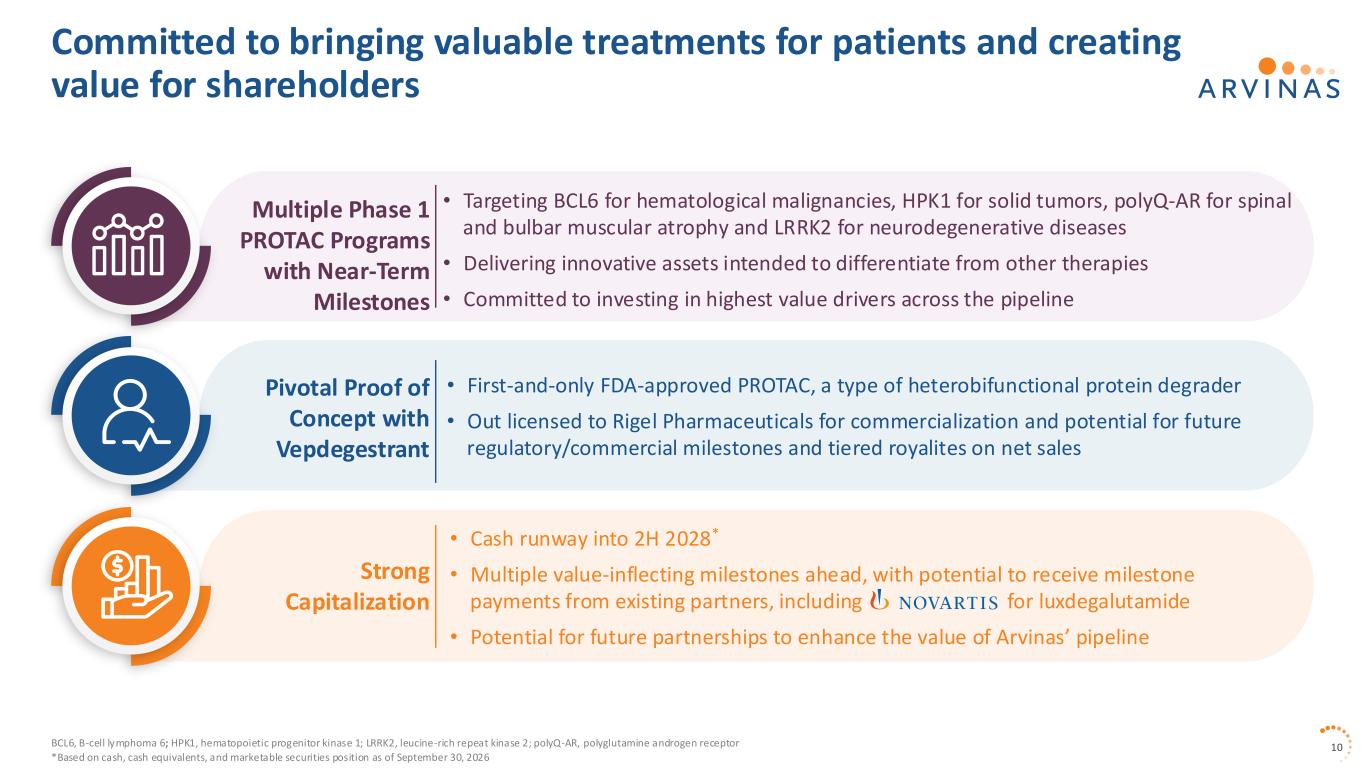
BCL6, B-cell lymphoma 6; HPK1, hematopoietic progenitor kinase 1; LRRK2, leucine-rich repeat kinase 2; polyQ-AR, polyglutamine androgen receptor *Based on cash, cash equivalents, and marketable securities position as of September 30, 2026 Committed to bringing valuable treatments for patients and creating value for shareholders 10 Pivotal Proof of Concept with Vepdegestrant • First-and-only FDA-approved PROTAC, a type of heterobifunctional protein degrader • Out licensed to Rigel Pharmaceuticals for commercialization and potential for future regulatory/commercial milestones and tiered royalites on net sales Strong Capitalization • Cash runway into 2H 2028* • Multiple value-inflecting milestones ahead, with potential to receive milestone payments from existing partners, including for luxdegalutamide • Potential for future partnerships to enhance the value of Arvinas’ pipeline Multiple Phase 1 PROTAC Programs with Near-Term Milestones • Targeting BCL6 for hematological malignancies, HPK1 for solid tumors, polyQ-AR for spinal and bulbar muscular atrophy and LRRK2 for neurodegenerative diseases • Delivering innovative assets intended to differentiate from other therapies • Committed to investing in highest value drivers across the pipeline
ARV-393 PROTAC BCL6 degrader CLINICAL PROGRAMS: Hematology-Oncology ARV-393 is an investigational compound. Its safety and effectiveness have not been established.
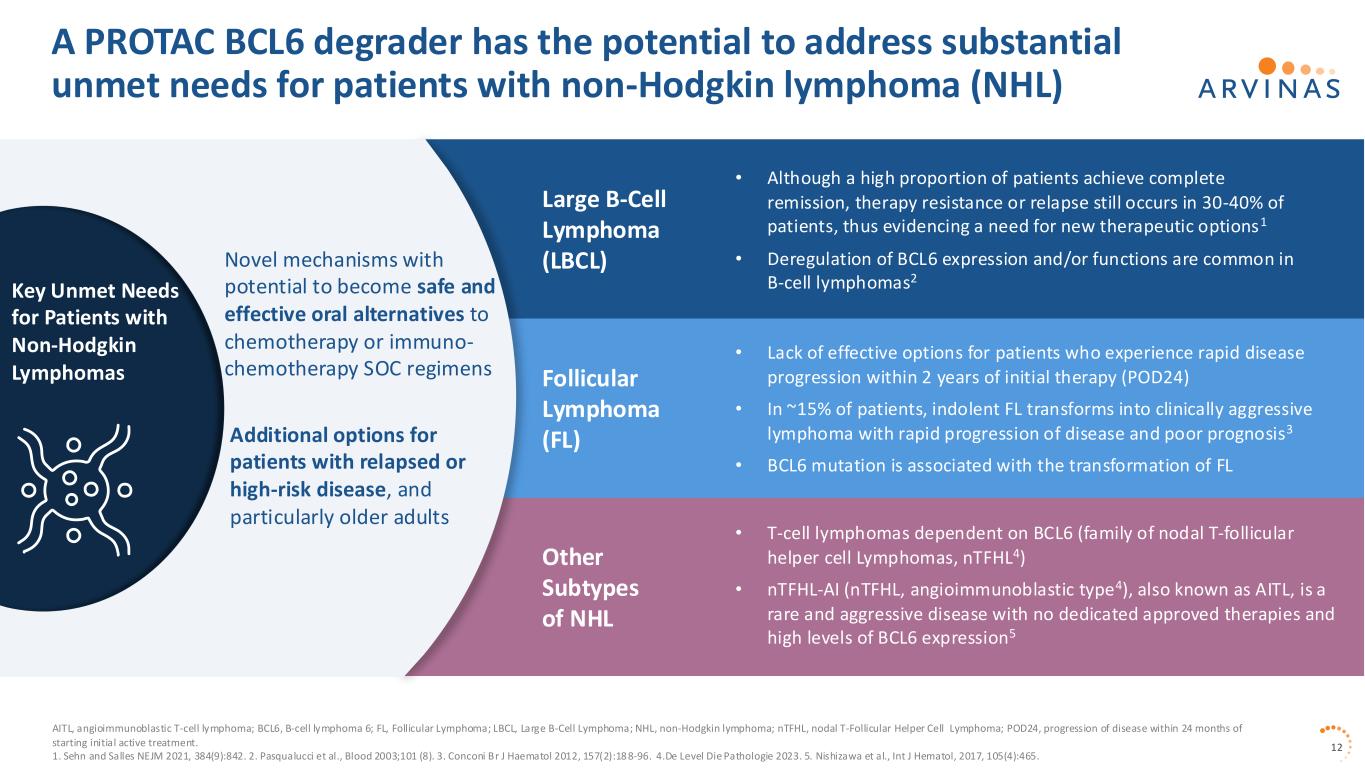
AITL, angioimmunoblastic T-cell lymphoma; BCL6, B-cell lymphoma 6; FL, Follicular Lymphoma; LBCL, Large B-Cell Lymphoma; NHL, non-Hodgkin lymphoma; nTFHL, nodal T-Follicular Helper Cell Lymphoma; POD24, progression of disease within 24 months of starting initial active treatment. 1. Sehn and Salles NEJM 2021, 384(9):842. 2. Pasqualucci et al., Blood 2003;101 (8). 3. Conconi Br J Haematol 2012, 157(2):188-96. 4.De Level Die Pathologie 2023. 5. Nishizawa et al., Int J Hematol, 2017, 105(4):465. A PROTAC BCL6 degrader has the potential to address substantial unmet needs for patients with non-Hodgkin lymphoma (NHL) 12 Key Unmet Needs for Patients with Non-Hodgkin Lymphomas Large B-Cell Lymphoma (LBCL) Follicular Lymphoma (FL) Other Subtypes of NHL • Although a high proportion of patients achieve complete remission, therapy resistance or relapse still occurs in 30-40% of patients, thus evidencing a need for new therapeutic options1 • Deregulation of BCL6 expression and/or functions are common in B-cell lymphomas2 • Lack of effective options for patients who experience rapid disease progression within 2 years of initial therapy (POD24) • In ~15% of patients, indolent FL transforms into clinically aggressive lymphoma with rapid progression of disease and poor prognosis3 • BCL6 mutation is associated with the transformation of FL • T-cell lymphomas dependent on BCL6 (family of nodal T-follicular helper cell Lymphomas, nTFHL4) • nTFHL-AI (nTFHL, angioimmunoblastic type4), also known as AITL, is a rare and aggressive disease with no dedicated approved therapies and high levels of BCL6 expression5 Novel mechanisms with potential to become safe and effective oral alternatives to chemotherapy or immuno- chemotherapy SOC regimens Additional options for patients with relapsed or high-risk disease, and particularly older adults
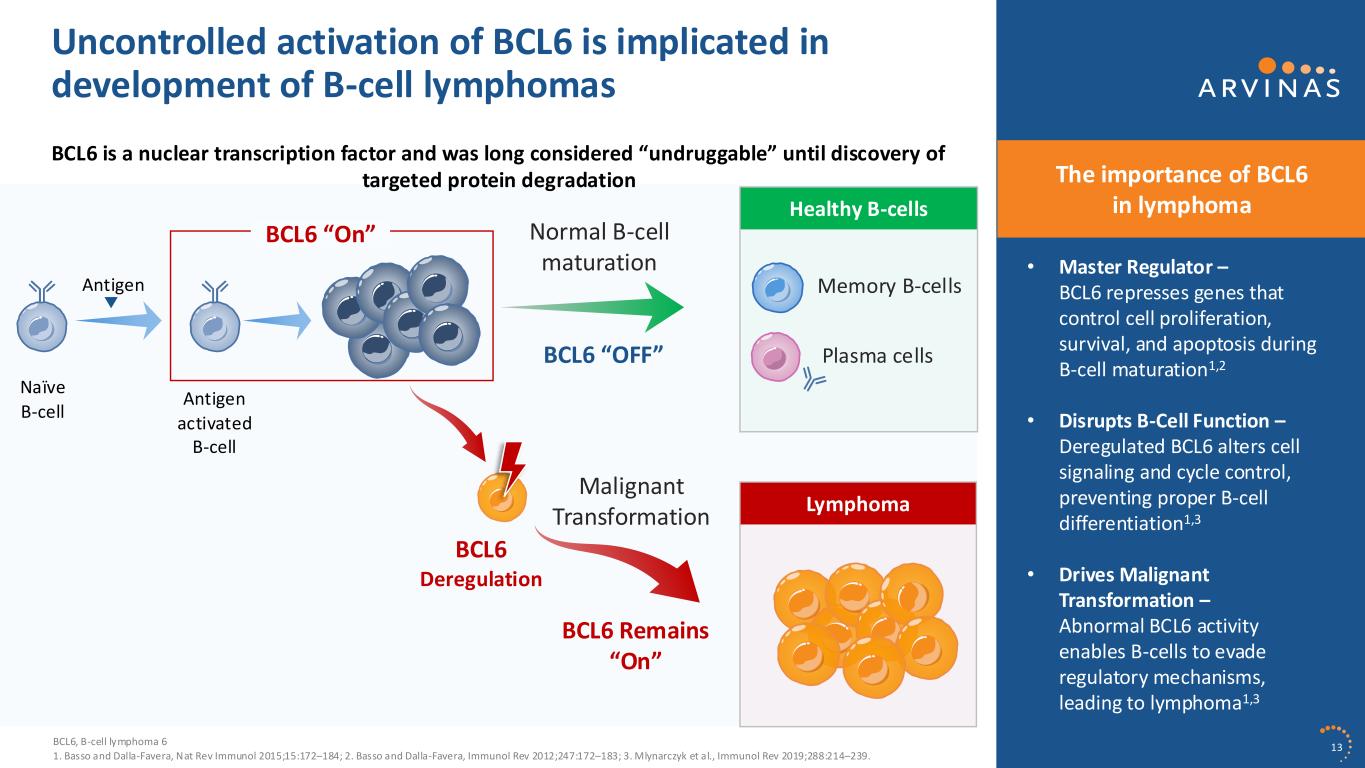
• Master Regulator – BCL6 represses genes that control cell proliferation, survival, and apoptosis during B-cell maturation1,2 • Disrupts B-Cell Function – Deregulated BCL6 alters cell signaling and cycle control, preventing proper B-cell differentiation1,3 • Drives Malignant Transformation – Abnormal BCL6 activity enables B-cells to evade regulatory mechanisms, leading to lymphoma1,3 BCL6, B-cell lymphoma 6 1. Basso and Dalla-Favera, Nat Rev Immunol 2015;15:172–184; 2. Basso and Dalla-Favera, Immunol Rev 2012;247:172–183; 3. Mlynarczyk et al., Immunol Rev 2019;288:214–239. Uncontrolled activation of BCL6 is implicated in development of B-cell lymphomas 13 Antigen Normal B-cell maturation Malignant Transformation Naïve B-cell Antigen activated B-cell BCL6 “OFF” Memory B-cells Plasma cells BCL6 Remains “On” BCL6 Deregulation BCL6 “On” Healthy B-cells Lymphoma The importance of BCL6 in lymphoma BCL6 is a nuclear transcription factor and was long considered “undruggable” until discovery of targeted protein degradation
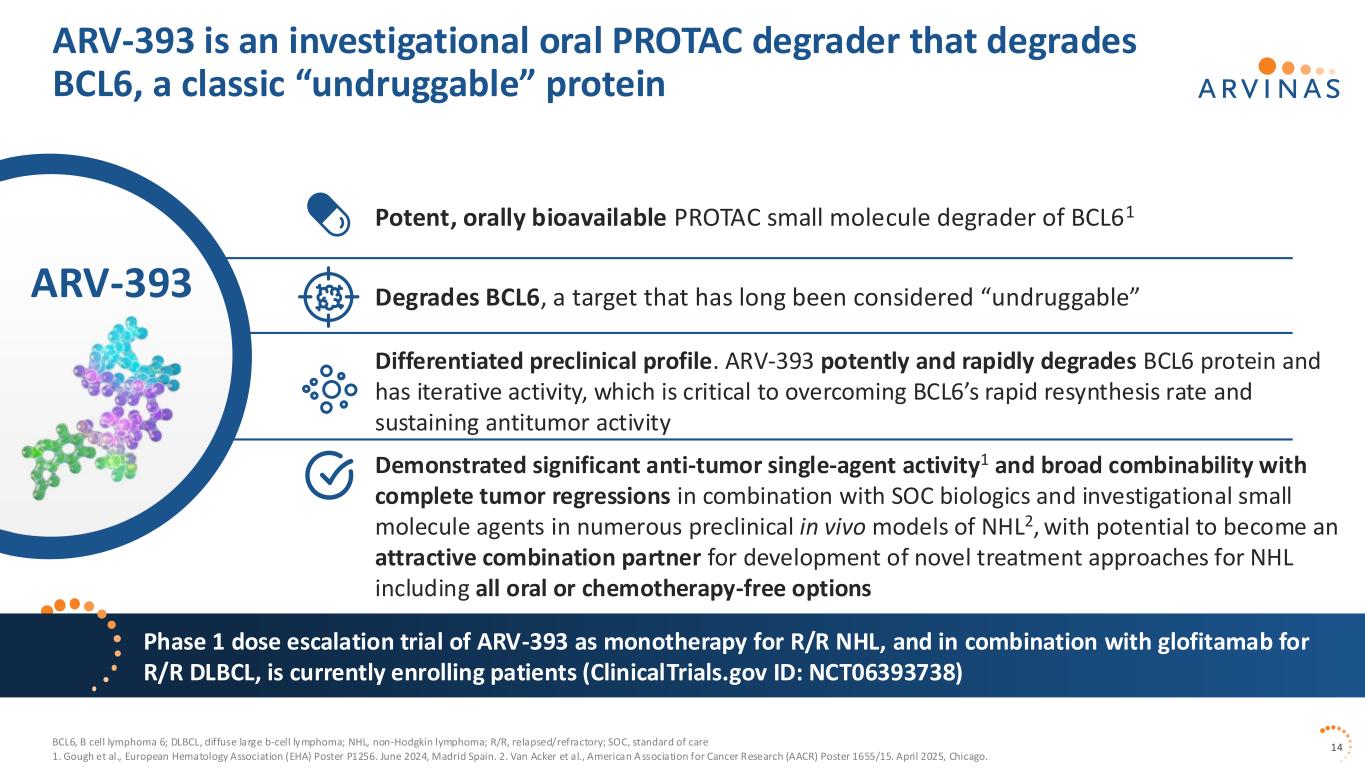
BCL6, B cell lymphoma 6; DLBCL, diffuse large b-cell lymphoma; NHL, non-Hodgkin lymphoma; R/R, relapsed/refractory; SOC, standard of care 1. Gough et al., European Hematology Association (EHA) Poster P1256. June 2024, Madrid Spain. 2. Van Acker et al., American A ssociation for Cancer Research (AACR) Poster 1655/15. April 2025, Chicago. ARV-393 is an investigational oral PROTAC degrader that degrades BCL6, a classic “undruggable” protein 14 ARV-393 Phase 1 dose escalation trial of ARV-393 as monotherapy for R/R NHL, and in combination with glofitamab for R/R DLBCL, is currently enrolling patients (ClinicalTrials.gov ID: NCT06393738) Potent, orally bioavailable PROTAC small molecule degrader of BCL61 Degrades BCL6, a target that has long been considered “undruggable” Differentiated preclinical profile. ARV-393 potently and rapidly degrades BCL6 protein and has iterative activity, which is critical to overcoming BCL6’s rapid resynthesis rate and sustaining antitumor activity Demonstrated significant anti-tumor single-agent activity1 and broad combinability with complete tumor regressions in combination with SOC biologics and investigational small molecule agents in numerous preclinical in vivo models of NHL2, with potential to become an attractive combination partner for development of novel treatment approaches for NHL including all oral or chemotherapy-free options
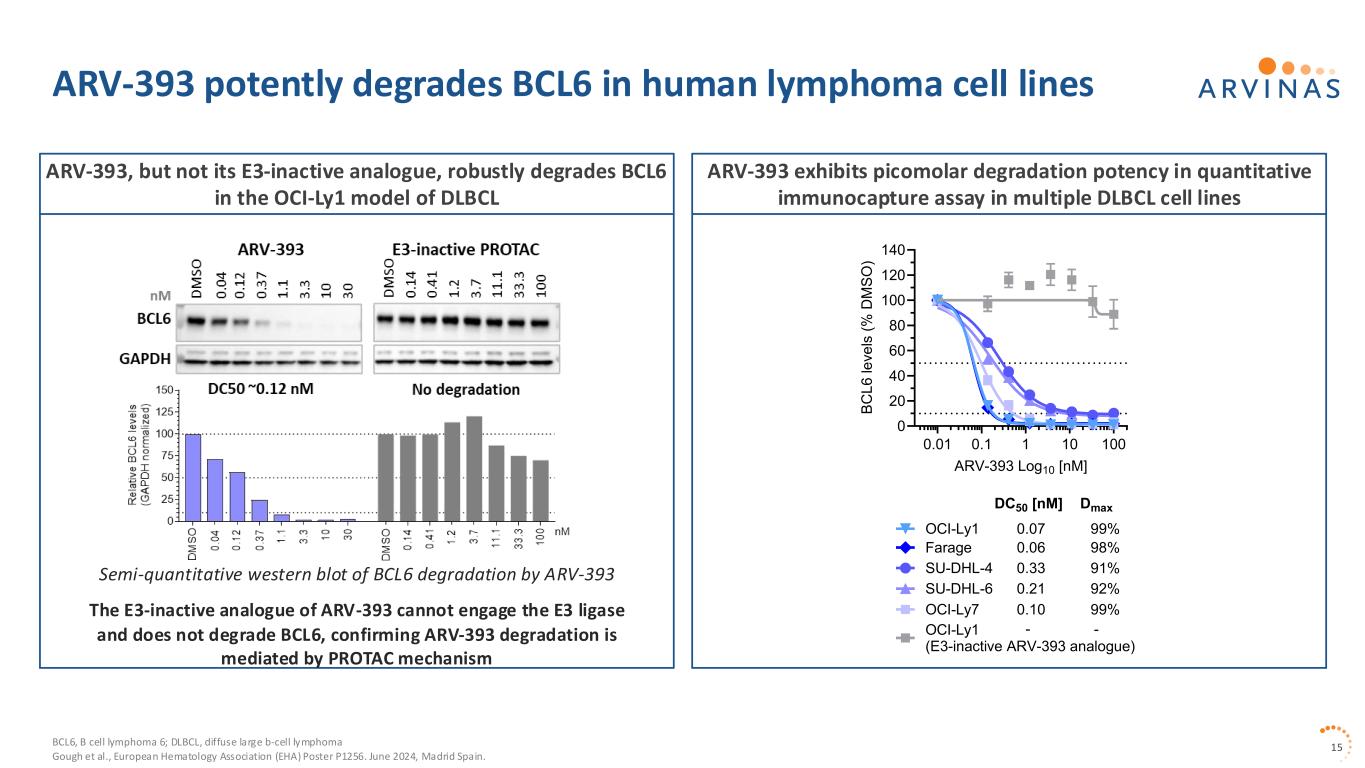
BCL6, B cell lymphoma 6; DLBCL, diffuse large b-cell lymphoma Gough et al., European Hematology Association (EHA) Poster P1256. June 2024, Madrid Spain. ARV-393 potently degrades BCL6 in human lymphoma cell lines 15 ARV-393, but not its E3-inactive analogue, robustly degrades BCL6 in the OCI-Ly1 model of DLBCL ARV-393 exhibits picomolar degradation potency in quantitative immunocapture assay in multiple DLBCL cell lines 0.01 0.1 1 10 100 0 20 40 60 80 100 120 140 ARV-393 Log10 [nM] B C L 6 l e v e ls ( % D M S O ) Farage SU-DHL-4 SU-DHL-6 OCI-Ly7 DC50 [nM] Dmax 0.06 98% 0.33 91% 0.21 92% 0.10 99% OCI-Ly1 OCI-Ly1 (E3-inactive ARV-393 analogue) 0.07 99% - - Semi-quantitative western blot of BCL6 degradation by ARV-393 The E3-inactive analogue of ARV-393 cannot engage the E3 ligase and does not degrade BCL6, confirming ARV-393 degradation is mediated by PROTAC mechanism
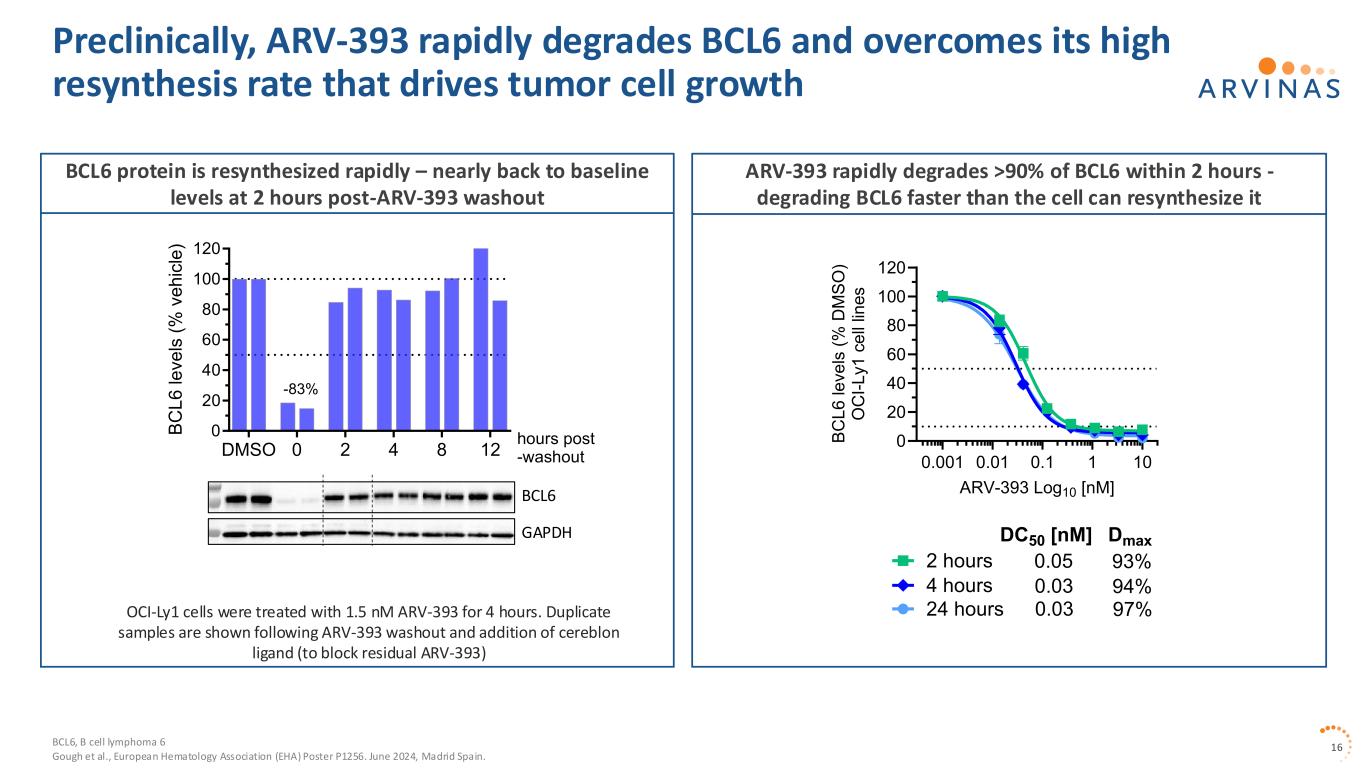
BCL6, B cell lymphoma 6 Gough et al., European Hematology Association (EHA) Poster P1256. June 2024, Madrid Spain. Preclinically, ARV-393 rapidly degrades BCL6 and overcomes its high resynthesis rate that drives tumor cell growth 16 0.001 0.01 0.1 1 10 0 20 40 60 80 100 120 ARV-393 Log10 [nM] B C L 6 l e v e ls ( % D M S O ) O C I- L y 1 c e ll lin e s 2 hours 4 hours 24 hours DC50 [nM] Dmax 0.05 93% 0.03 94% 0.03 97% DMSO 0 2 4 8 12 0 20 40 60 80 100 120 B C L 6 l e v e ls ( % v e h ic le ) -83% hours post -washout BCL6 GAPDH ARV-393 rapidly degrades >90% of BCL6 within 2 hours - degrading BCL6 faster than the cell can resynthesize it BCL6 protein is resynthesized rapidly – nearly back to baseline levels at 2 hours post-ARV-393 washout OCI-Ly1 cells were treated with 1.5 nM ARV-393 for 4 hours. Duplicate samples are shown following ARV-393 washout and addition of cereblon ligand (to block residual ARV-393)
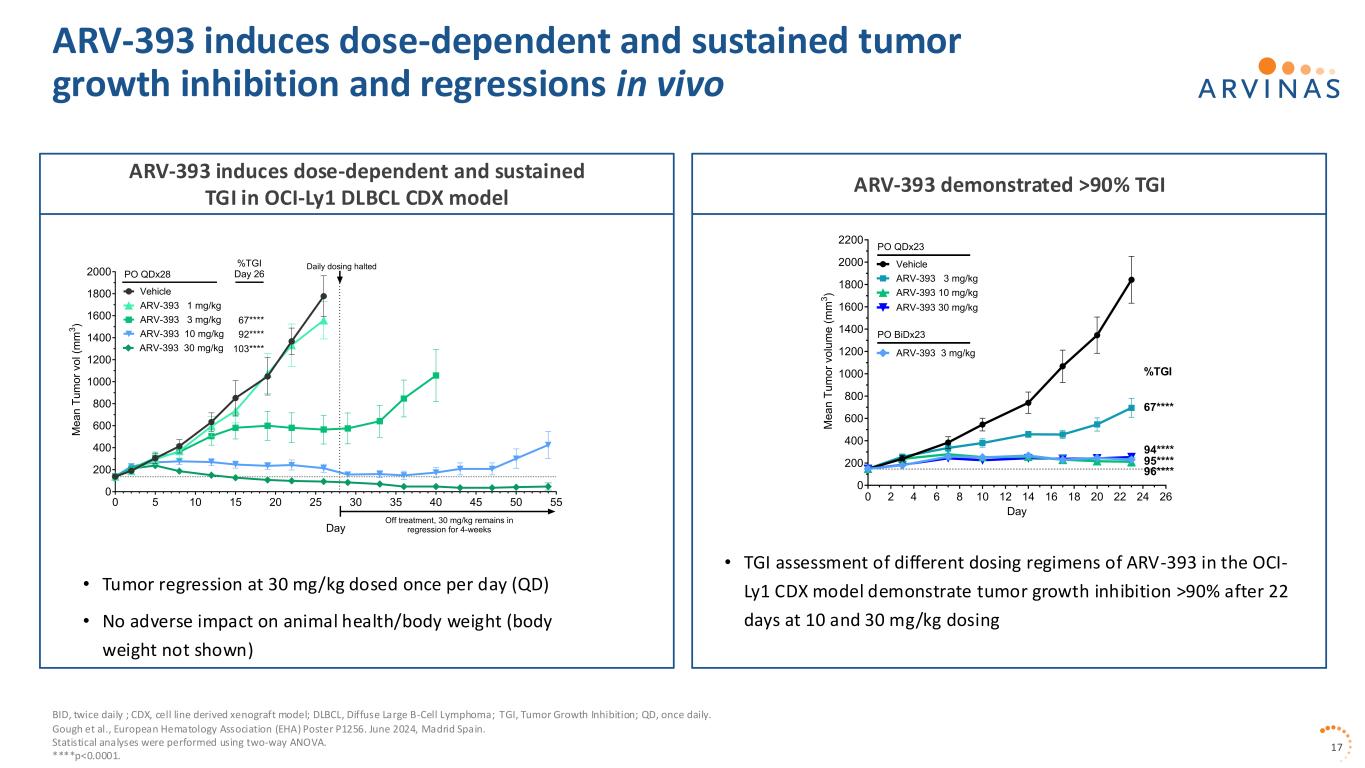
0 5 10 15 20 25 30 35 40 45 50 55 0 200 400 600 800 1000 1200 1400 1600 1800 2000 Day M e a n T u m o r v o l (m m 3 ) Vehicle ARV-393 1 mg/kg ARV-393 3 mg/kg ARV-393 10 mg/kg ARV-393 30 mg/kg PO QDx28 %TGI Day 26 67**** 103**** 92**** Daily dosing halted Off treatment, 30 mg/kg remains in regression for 4-weeks BID, twice daily ; CDX, cell line derived xenograft model; DLBCL, Diffuse Large B-Cell Lymphoma; TGI, Tumor Growth Inhibition; QD, once daily. Gough et al., European Hematology Association (EHA) Poster P1256. June 2024, Madrid Spain. Statistical analyses were performed using two-way ANOVA. ****p<0.0001. ARV-393 induces dose-dependent and sustained tumor growth inhibition and regressions in vivo 17 ARV-393 induces dose-dependent and sustained TGI in OCI-Ly1 DLBCL CDX model ARV-393 demonstrated >90% TGI 0 2 4 6 8 10 12 14 16 18 20 22 24 26 0 200 400 600 800 1000 1200 1400 1600 1800 2000 2200 Day M e a n T u m o r v o lu m e ( m m 3 ) ARV-393 10 mg/kg ARV-393 30 mg/kg ARV-393 3 mg/kg Vehicle ARV-393 3 mg/kg %TGI 67**** 96**** 94**** 95**** PO QDx23 PO BiDx23 • Tumor regression at 30 mg/kg dosed once per day (QD) • No adverse impact on animal health/body weight (body weight not shown) • TGI assessment of different dosing regimens of ARV-393 in the OCI- Ly1 CDX model demonstrate tumor growth inhibition >90% after 22 days at 10 and 30 mg/kg dosing
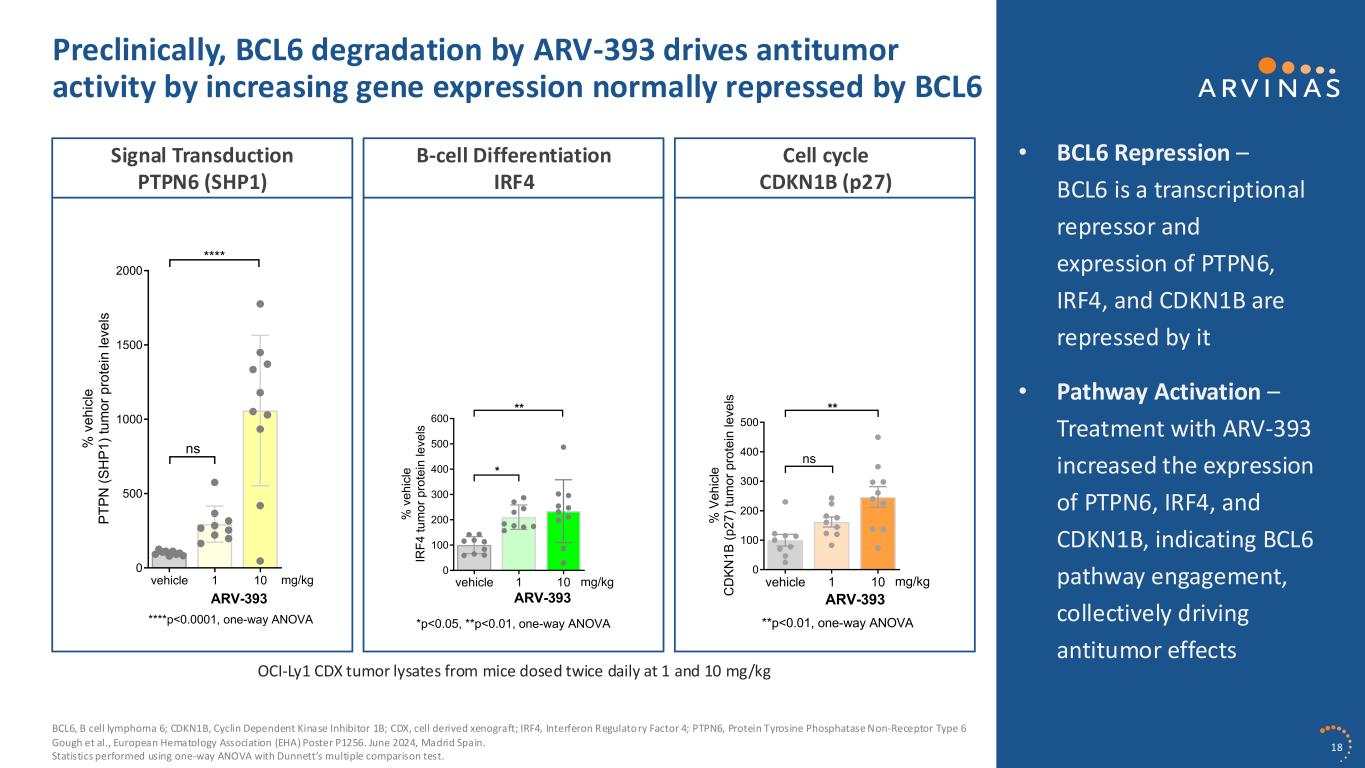
Signal Transduction PTPN6 (SHP1) B-cell Differentiation IRF4 Cell cycle CDKN1B (p27) • BCL6 Repression – BCL6 is a transcriptional repressor and expression of PTPN6, IRF4, and CDKN1B are repressed by it • Pathway Activation – Treatment with ARV-393 increased the expression of PTPN6, IRF4, and CDKN1B, indicating BCL6 pathway engagement, collectively driving antitumor effects BCL6, B cell lymphoma 6; CDKN1B, Cyclin Dependent Kinase Inhibitor 1B; CDX, cell derived xenograft; IRF4, Interferon Regulatory Factor 4; PTPN6, Protein Tyrosine Phosphatase Non-Receptor Type 6 Gough et al., European Hematology Association (EHA) Poster P1256. June 2024, Madrid Spain. Statistics performed using one-way ANOVA with Dunnett’s multiple comparison test. Preclinically, BCL6 degradation by ARV-393 drives antitumor activity by increasing gene expression normally repressed by BCL6 18 OCI-Ly1 CDX tumor lysates from mice dosed twice daily at 1 and 10 mg/kg vehicle 1 10 0 100 200 300 400 500 600 % v e h ic le IR F 4 t u m o r p ro te in l e v e ls mg/kg ARV-393 ** * *p<0.05, **p<0.01, one-way ANOVA vehicle 1 10 0 500 1000 1500 2000 % v e h ic le P T P N ( S H P 1 ) tu m o r p ro te in l e v e ls mg/kg ARV-393 **** ns ****p<0.0001, one-way ANOVA vehicle 1 10 0 100 200 300 400 500 % V e h ic le C D K N 1 B ( p 2 7 ) tu m o r p ro te in l e v e ls mg/kg ARV-393 ** ns **p<0.01, one-way ANOVA
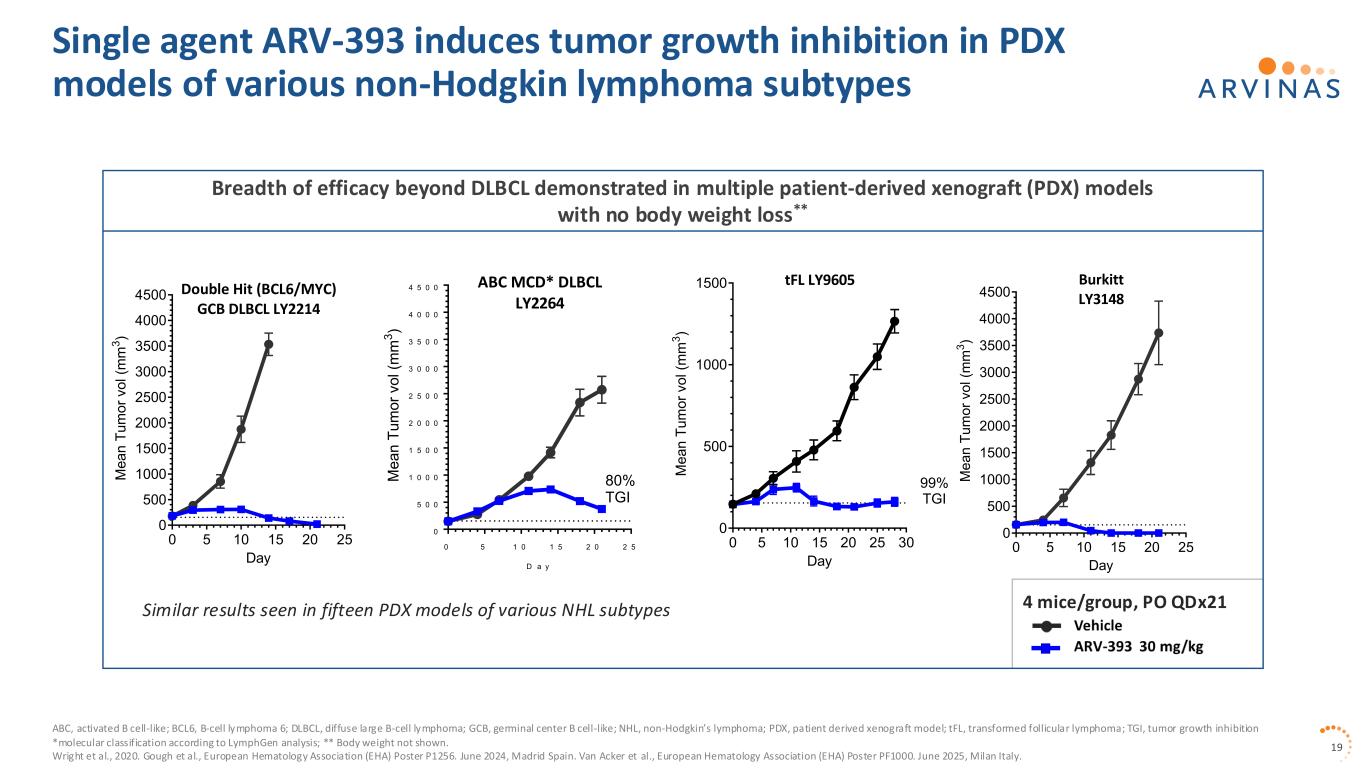
ABC, activated B cell-like; BCL6, B-cell lymphoma 6; DLBCL, diffuse large B-cell lymphoma; GCB, germinal center B cell-like; NHL, non-Hodgkin’s lymphoma; PDX, patient derived xenograft model; tFL, transformed follicular lymphoma; TGI, tumor growth inhibition *molecular classification according to LymphGen analysis; ** Body weight not shown. Wright et al., 2020. Gough et al., European Hematology Association (EHA) Poster P1256. June 2024, Madrid Spain. Van Acker et al., European Hematology Association (EHA) Poster PF1000. June 2025, Milan Italy. Single agent ARV-393 induces tumor growth inhibition in PDX models of various non-Hodgkin lymphoma subtypes 19 4 mice/group, PO QDx21Similar results seen in fifteen PDX models of various NHL subtypes Breadth of efficacy beyond DLBCL demonstrated in multiple patient-derived xenograft (PDX) models with no body weight loss** 0 5 10 15 20 25 0 500 1000 1500 2000 2500 3000 3500 4000 4500 Day M e a n T u m o r v o l (m m 3 ) Double Hit (BCL6/MYC) GCB DLBCL LY2214 0 5 1 0 1 5 2 0 2 5 0 5 0 0 1 0 0 0 1 5 0 0 2 0 0 0 2 5 0 0 3 0 0 0 3 5 0 0 4 0 0 0 4 5 0 0 D a y M e a n T u m o r v o l (m m 3 ) ABC MCD* DLBCL LY2264 80% TGI 0 5 10 15 20 25 30 0 500 1000 1500 Day M e a n T u m o r v o l (m m 3 ) tFL LY9605 99% TGI 0 5 10 15 20 25 0 500 1000 1500 2000 2500 3000 3500 4000 4500 Day M e a n T u m o r v o l (m m 3 ) Burkitt LY3148
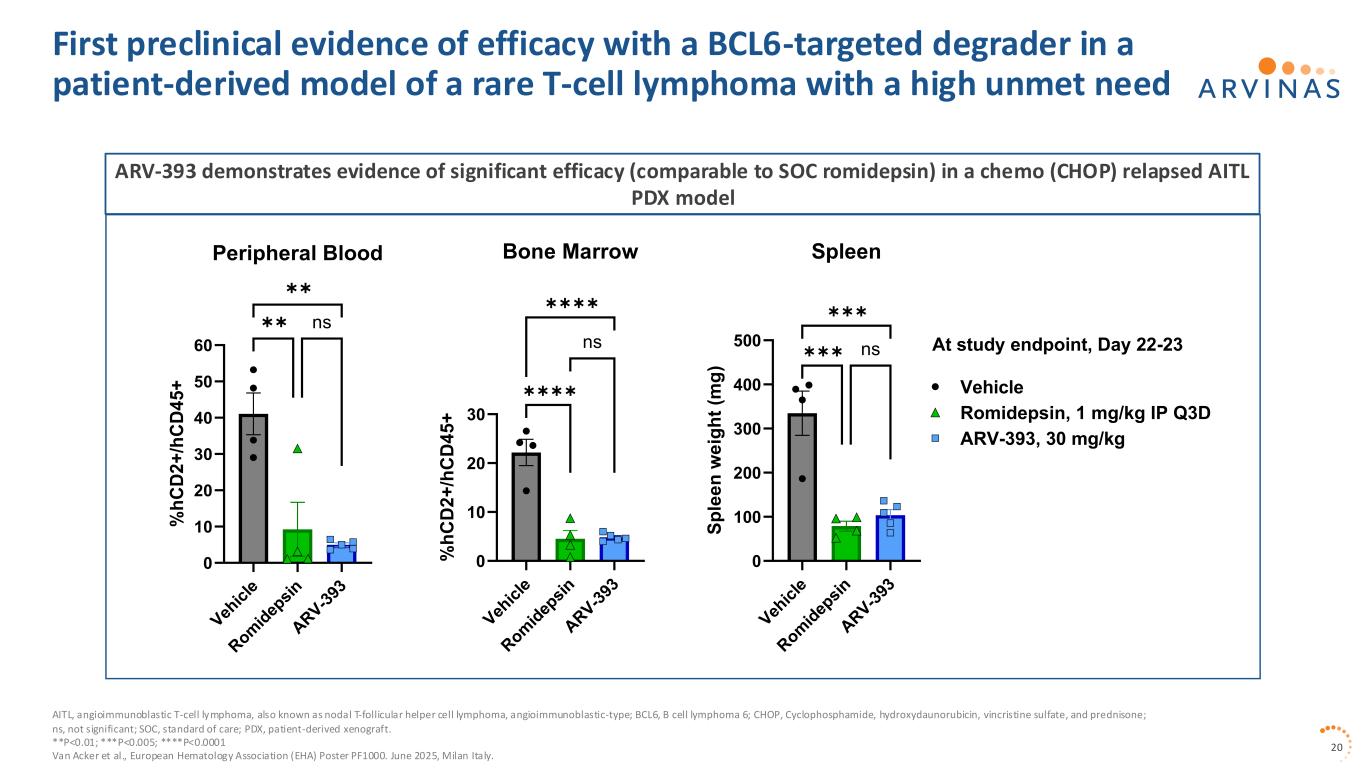
AITL, angioimmunoblastic T-cell lymphoma, also known as nodal T-follicular helper cell lymphoma, angioimmunoblastic-type; BCL6, B cell lymphoma 6; CHOP, Cyclophosphamide, hydroxydaunorubicin, vincristine sulfate, and prednisone; ns, not significant; SOC, standard of care; PDX, patient-derived xenograft. **P<0.01; ***P<0.005; ****P<0.0001 Van Acker et al., European Hematology Association (EHA) Poster PF1000. June 2025, Milan Italy. First preclinical evidence of efficacy with a BCL6-targeted degrader in a patient-derived model of a rare T-cell lymphoma with a high unmet need 20 V eh ic le R om id ep si n A R V -3 93 0 10 20 30 Bone Marrow % h C D 2 + /h C D 4 5 + ✱✱✱✱ ✱✱✱✱ ns V eh ic le R om id ep si n A R V -3 93 0 100 200 300 400 500 Spleen S p le e n w e ig h t (m g ) ✱✱✱ ✱✱✱ ns Romidepsin, 1 mg/kg IP Q3D Vehicle ARV-393, 30 mg/kg At study endpoint, Day 22-23 V eh ic le R om id ep si n A R V -3 93 0 10 20 30 40 50 60 Peripheral Blood % h C D 2 + /h C D 4 5 + ✱✱ ✱✱ ns ARV-393 demonstrates evidence of significant efficacy (comparable to SOC romidepsin) in a chemo (CHOP) relapsed AITL PDX model
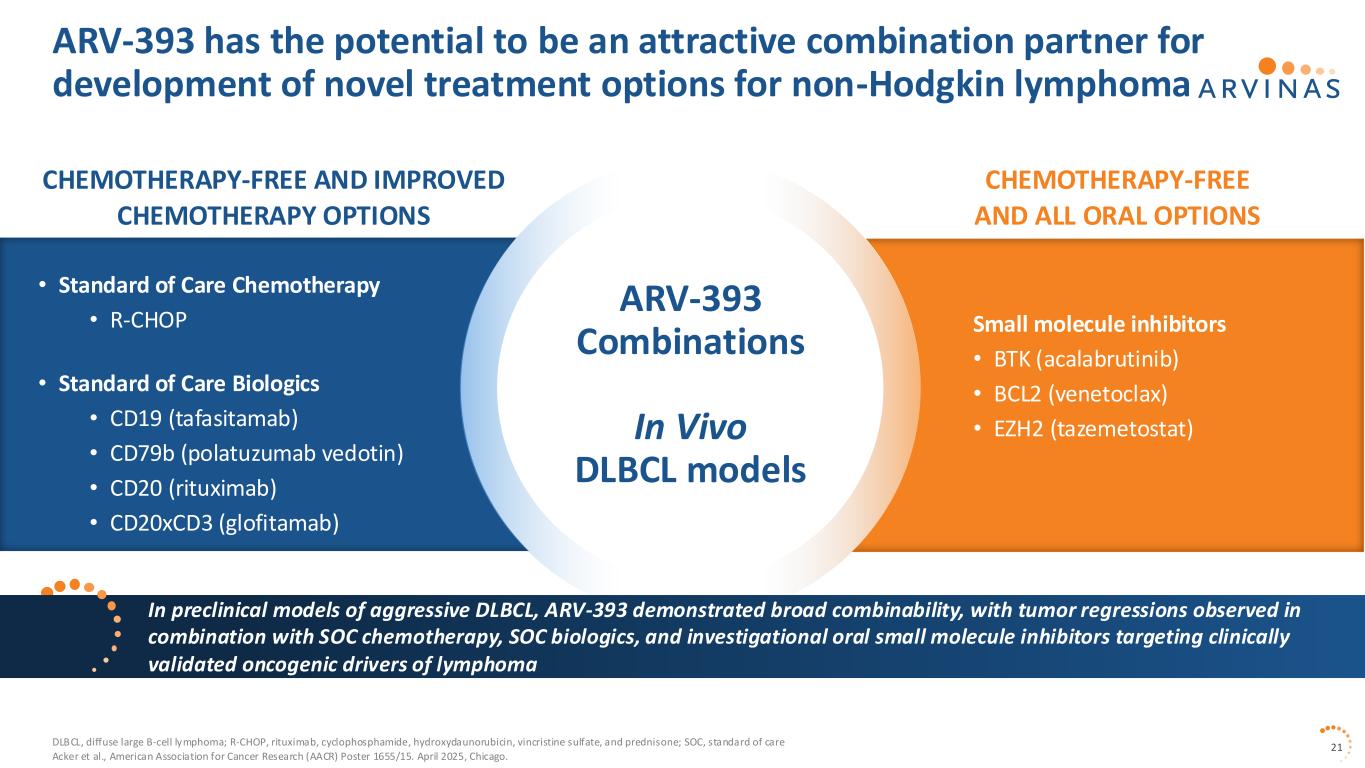
DLBCL, diffuse large B-cell lymphoma; R-CHOP, rituximab, cyclophosphamide, hydroxydaunorubicin, vincristine sulfate, and prednisone; SOC, standard of care Acker et al., American Association for Cancer Research (AACR) Poster 1655/15. April 2025, Chicago. ARV-393 has the potential to be an attractive combination partner for development of novel treatment options for non-Hodgkin lymphoma 21 CHEMOTHERAPY-FREE AND IMPROVED CHEMOTHERAPY OPTIONS • Standard of Care Chemotherapy • R-CHOP • Standard of Care Biologics • CD19 (tafasitamab) • CD79b (polatuzumab vedotin) • CD20 (rituximab) • CD20xCD3 (glofitamab) ARV-393 Combinations In Vivo DLBCL models CHEMOTHERAPY-FREE AND ALL ORAL OPTIONS Small molecule inhibitors • BTK (acalabrutinib) • BCL2 (venetoclax) • EZH2 (tazemetostat) In preclinical models of aggressive DLBCL, ARV-393 demonstrated broad combinability, with tumor regressions observed in combination with SOC chemotherapy, SOC biologics, and investigational oral small molecule inhibitors targeting clinically validated oncogenic drivers of lymphoma
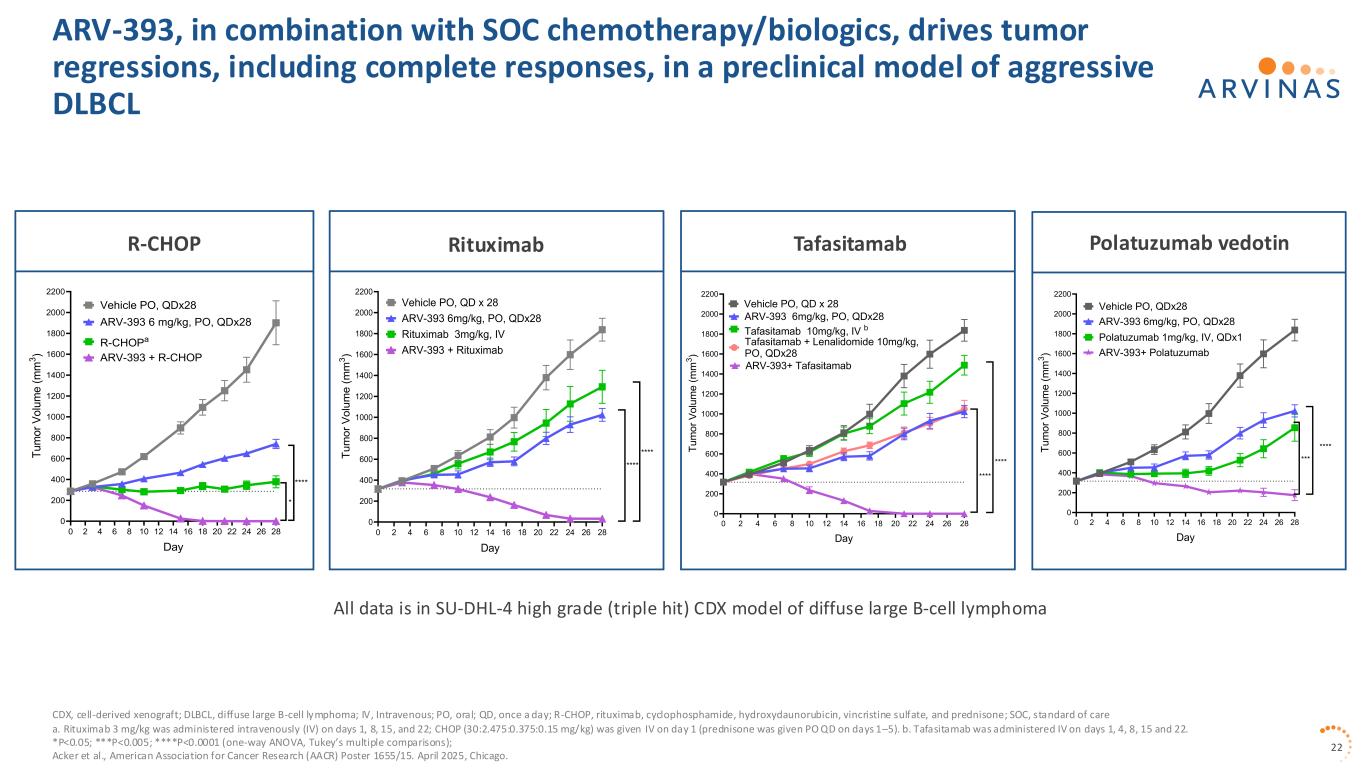
CDX, cell-derived xenograft; DLBCL, diffuse large B-cell lymphoma; IV, Intravenous; PO, oral; QD, once a day; R-CHOP, rituximab, cyclophosphamide, hydroxydaunorubicin, vincristine sulfate, and prednisone; SOC, standard of care a. Rituximab 3 mg/kg was administered intravenously (IV) on days 1, 8, 15, and 22; CHOP (30:2.475:0.375:0.15 mg/kg) was given IV on day 1 (prednisone was given PO QD on days 1–5). b. Tafasitamab was administered IV on days 1, 4, 8, 15 and 22. *P<0.05; ***P<0.005; ****P<0.0001 (one-way ANOVA, Tukey’s multiple comparisons); Acker et al., American Association for Cancer Research (AACR) Poster 1655/15. April 2025, Chicago. ARV-393, in combination with SOC chemotherapy/biologics, drives tumor regressions, including complete responses, in a preclinical model of aggressive DLBCL 22 R-CHOP 0 2 4 6 8 10 12 14 16 18 20 22 24 26 28 0 200 400 600 800 1000 1200 1400 1600 1800 2000 2200 Day T u m o r V o lu m e ( m m 3 ) Vehicle PO, QDx28 ARV-393 6 mg/kg, PO, QDx28 ARV-393 + R-CHOP R-CHOPa * **** Polatuzumab vedotin 0 2 4 6 8 10 12 14 16 18 20 22 24 26 28 0 200 400 600 800 1000 1200 1400 1600 1800 2000 2200 Day T u m o r V o lu m e ( m m 3 ) Vehicle PO, QDx28 ARV-393 6mg/kg, PO, QDx28 Polatuzumab 1mg/kg, IV, QDx1 ARV-393+ Polatuzumab **** *** Tafasitamab 0 2 4 6 8 10 12 14 16 18 20 22 24 26 28 0 200 400 600 800 1000 1200 1400 1600 1800 2000 2200 Day T u m o r V o lu m e ( m m 3 ) Vehicle PO, QD x 28 ARV-393 6mg/kg, PO, QDx28 Tafasitamab 10mg/kg, IV b Tafasitamab + Lenalidomide 10mg/kg, PO, QDx28 ARV-393+ Tafasitamab **** **** Rituximab 0 2 4 6 8 10 12 14 16 18 20 22 24 26 28 0 200 400 600 800 1000 1200 1400 1600 1800 2000 2200 Day T u m o r V o lu m e ( m m 3 ) Vehicle PO, QD x 28 ARV-393 6mg/kg, PO, QDx28 **** **** Rituximab 3mg/kg, IV ARV-393 + Rituximab All data is in SU-DHL-4 high grade (triple hit) CDX model of diffuse large B-cell lymphoma
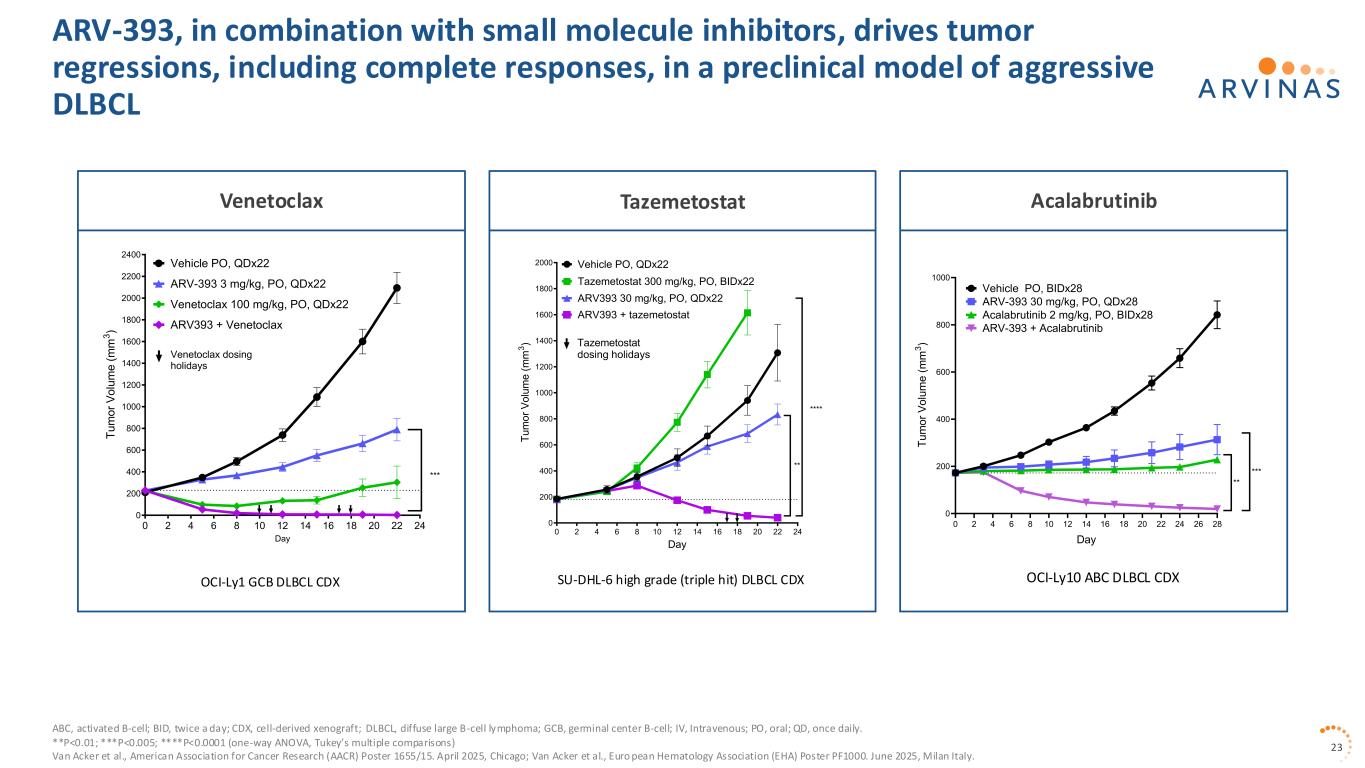
ABC, activated B-cell; BID, twice a day; CDX, cell-derived xenograft; DLBCL, diffuse large B-cell lymphoma; GCB, germinal center B-cell; IV, Intravenous; PO, oral; QD, once daily. **P<0.01; ***P<0.005; ****P<0.0001 (one-way ANOVA, Tukey’s multiple comparisons) Van Acker et al., American Association for Cancer Research (AACR) Poster 1655/15. April 2025, Chicago; Van Acker et al., Euro pean Hematology Association (EHA) Poster PF1000. June 2025, Milan Italy. ARV-393, in combination with small molecule inhibitors, drives tumor regressions, including complete responses, in a preclinical model of aggressive DLBCL 23 AcalabrutinibTazemetostatVenetoclax SU-DHL-6 high grade (triple hit) DLBCL CDX OCI-Ly1 GCB DLBCL CDX OCI-Ly10 ABC DLBCL CDX 0 2 4 6 8 10 12 14 16 18 20 22 24 26 28 0 200 400 600 800 1000 Day T u m o r V o lu m e ( m m 3 ) Vehicle PO, BIDx28 Acalabrutinib 2 mg/kg, PO, BIDx28 ARV-393 + Acalabrutinib ** *** ARV-393 30 mg/kg, PO, QDx28 0 2 4 6 8 10 12 14 16 18 20 22 24 0 200 400 600 800 1000 1200 1400 1600 1800 2000 Day T u m o r V o lu m e ( m m 3 ) Vehicle PO, QDx22 ARV393 30 mg/kg, PO, QDx22 Tazemetostat 300 mg/kg, PO, BIDx22 ARV393 + tazemetostat Tazemetostat dosing holidays ** **** 0 2 4 6 8 10 12 14 16 18 20 22 24 0 200 400 600 800 1000 1200 1400 1600 1800 2000 2200 2400 Day T u m o r V o lu m e ( m m 3 ) Vehicle PO, QDx22 ARV-393 3 mg/kg, PO, QDx22 ARV393 + Venetoclax Venetoclax 100 mg/kg, PO, QDx22 Venetoclax dosing holidays ***
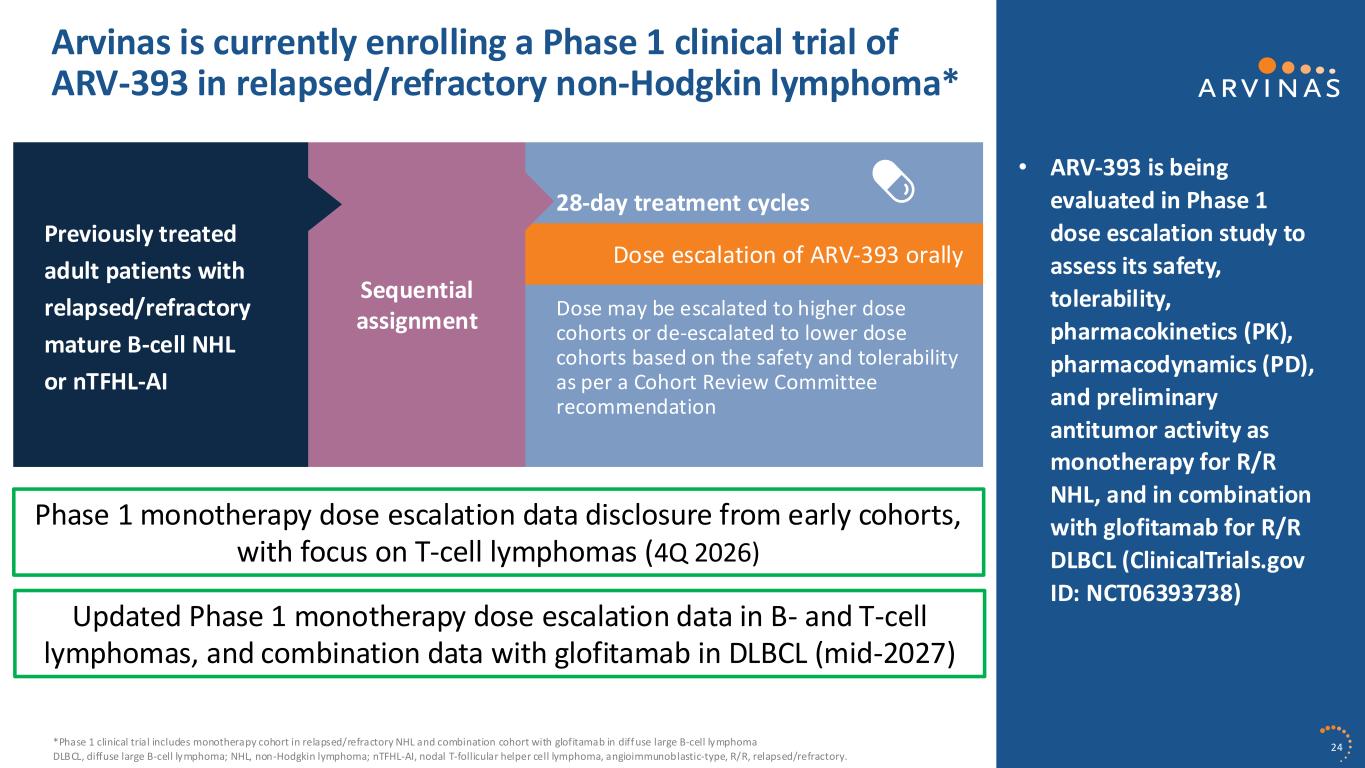
Sequential assignment Previously treated adult patients with relapsed/refractory mature B-cell NHL or nTFHL-AI • ARV-393 is being evaluated in Phase 1 dose escalation study to assess its safety, tolerability, pharmacokinetics (PK), pharmacodynamics (PD), and preliminary antitumor activity as monotherapy for R/R NHL, and in combination with glofitamab for R/R DLBCL (ClinicalTrials.gov ID: NCT06393738) *Phase 1 clinical trial includes monotherapy cohort in relapsed/refractory NHL and combination cohort with glofitamab in diffuse large B-cell lymphoma DLBCL, diffuse large B-cell lymphoma; NHL, non-Hodgkin lymphoma; nTFHL-AI, nodal T-follicular helper cell lymphoma, angioimmunoblastic-type, R/R, relapsed/refractory. Arvinas is currently enrolling a Phase 1 clinical trial of ARV-393 in relapsed/refractory non-Hodgkin lymphoma* 24 28-day treatment cycles Dose may be escalated to higher dose cohorts or de-escalated to lower dose cohorts based on the safety and tolerability as per a Cohort Review Committee recommendation Dose escalation of ARV-393 orally Phase 1 monotherapy dose escalation data disclosure from early cohorts, with focus on T-cell lymphomas (4Q 2026) Updated Phase 1 monotherapy dose escalation data in B- and T-cell lymphomas, and combination data with glofitamab in DLBCL (mid-2027)

ARV-027 PROTAC polyQ-AR degrader CLINICAL PROGRAMS: Neurology ARV-027 is an investigational compound. Its safety and effectiveness have not been established.
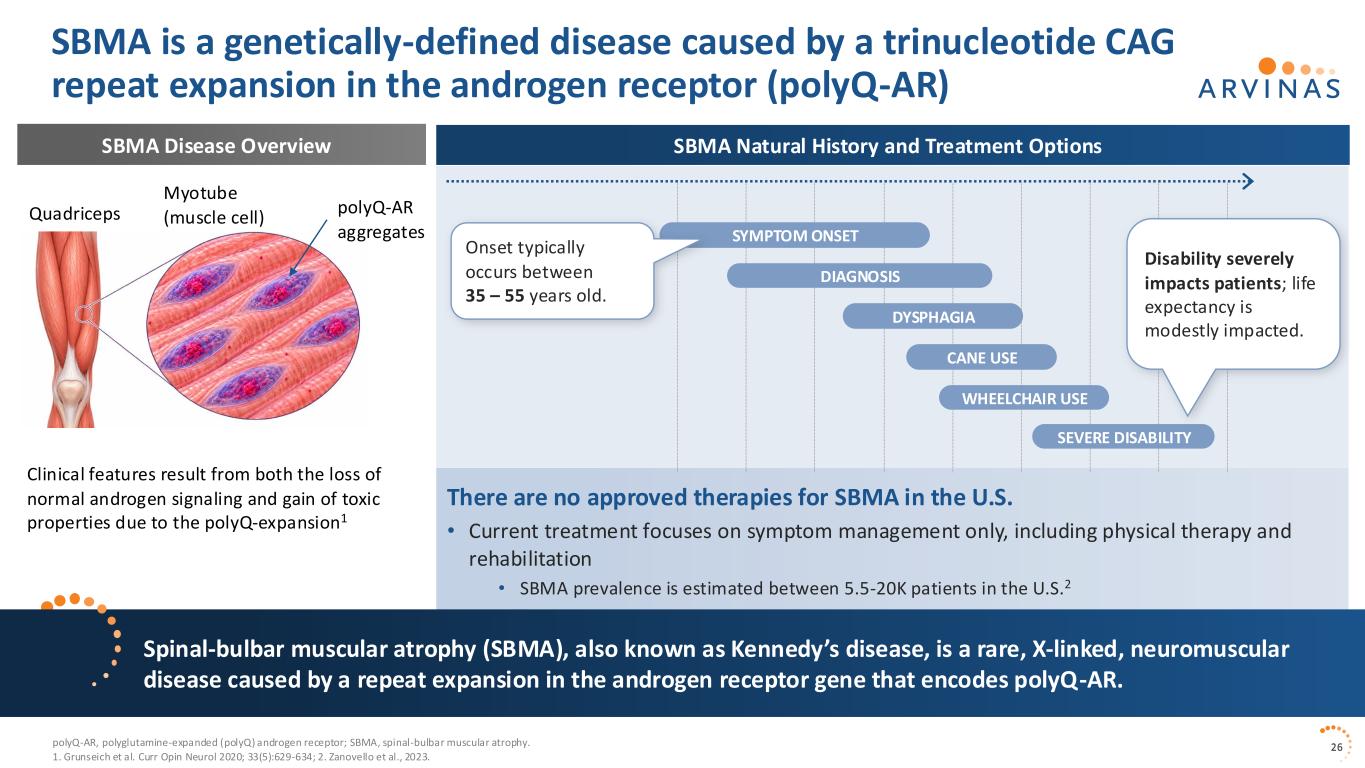
SBMA is a genetically-defined disease caused by a trinucleotide CAG repeat expansion in the androgen receptor (polyQ-AR) 26 SBMA Natural History and Treatment OptionsSBMA Disease Overview There are no approved therapies for SBMA in the U.S. • Current treatment focuses on symptom management only, including physical therapy and rehabilitation • SBMA prevalence is estimated between 5.5-20K patients in the U.S.2 SYMPTOM ONSET DIAGNOSIS DYSPHAGIA CANE USE WHEELCHAIR USE SEVERE DISABILITY Spinal-bulbar muscular atrophy (SBMA), also known as Kennedy’s disease, is a rare, X-linked, neuromuscular disease caused by a repeat expansion in the androgen receptor gene that encodes polyQ-AR. Onset typically occurs between 35 – 55 years old. Disability severely impacts patients; life expectancy is modestly impacted. polyQ-AR, polyglutamine-expanded (polyQ) androgen receptor; SBMA, spinal-bulbar muscular atrophy. 1. Grunseich et al. Curr Opin Neurol 2020; 33(5):629-634; 2. Zanovello et al., 2023. Myotube (muscle cell) Clinical features result from both the loss of normal androgen signaling and gain of toxic properties due to the polyQ-expansion1 Quadriceps polyQ-AR aggregates
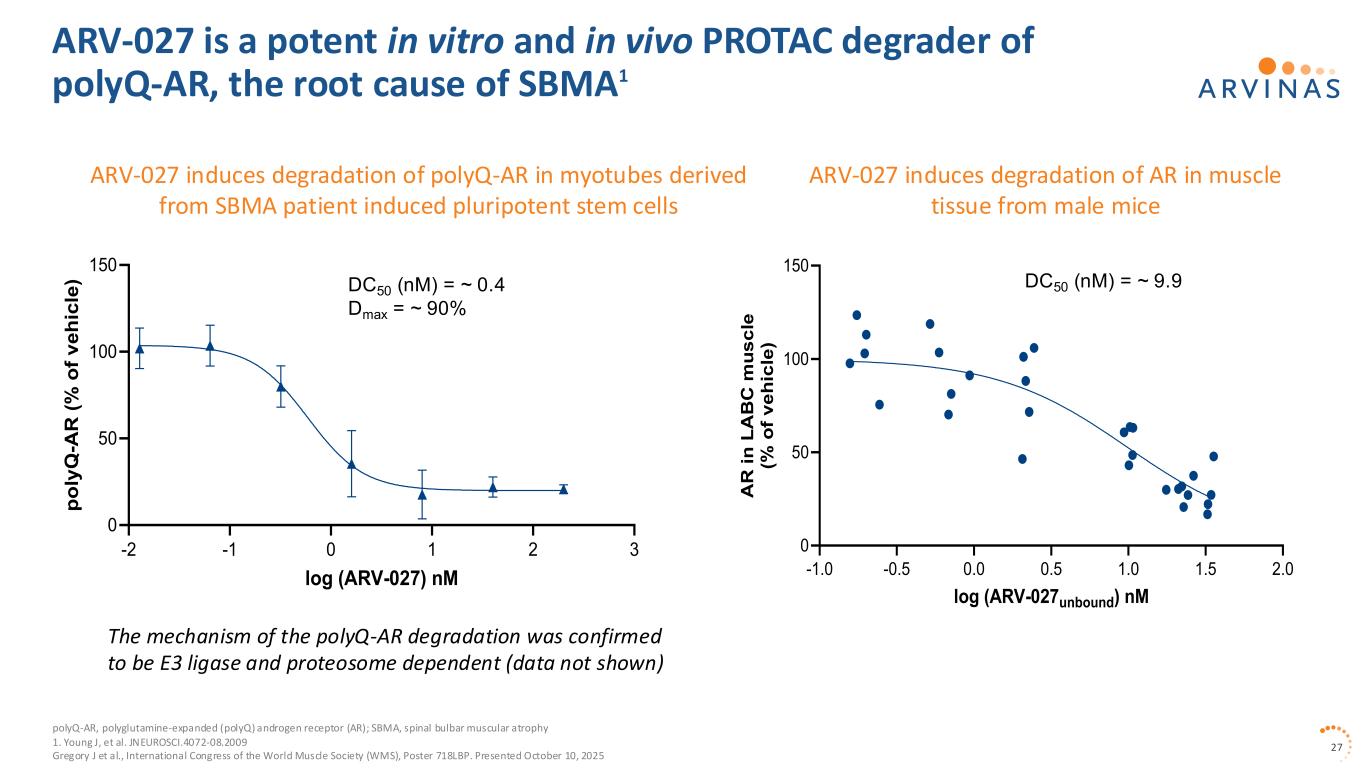
ARV-027 is a potent in vitro and in vivo PROTAC degrader of polyQ-AR, the root cause of SBMA1 27 -2 -1 0 1 2 3 0 50 100 150 log (ARV-027) nM p o ly Q -A R ( % o f v e h ic le ) DC50 (nM) = ~ 0.4 Dmax = ~ 90% ARV-027 induces degradation of polyQ-AR in myotubes derived from SBMA patient induced pluripotent stem cells -1.0 -0.5 0.0 0.5 1.0 1.5 2.0 0 50 100 150 log (ARV-027unbound) nM A R i n L A B C m u s c le (% o f v e h ic le ) ARV-027 induces degradation of AR in muscle tissue from male mice DC50 (nM) = ~ 9.9 The mechanism of the polyQ-AR degradation was confirmed to be E3 ligase and proteosome dependent (data not shown) polyQ-AR, polyglutamine-expanded (polyQ) androgen receptor (AR); SBMA, spinal bulbar muscular atrophy 1. Young J, et al. JNEUROSCI.4072-08.2009 Gregory J et al., International Congress of the World Muscle Society (WMS), Poster 718LBP. Presented October 10, 2025
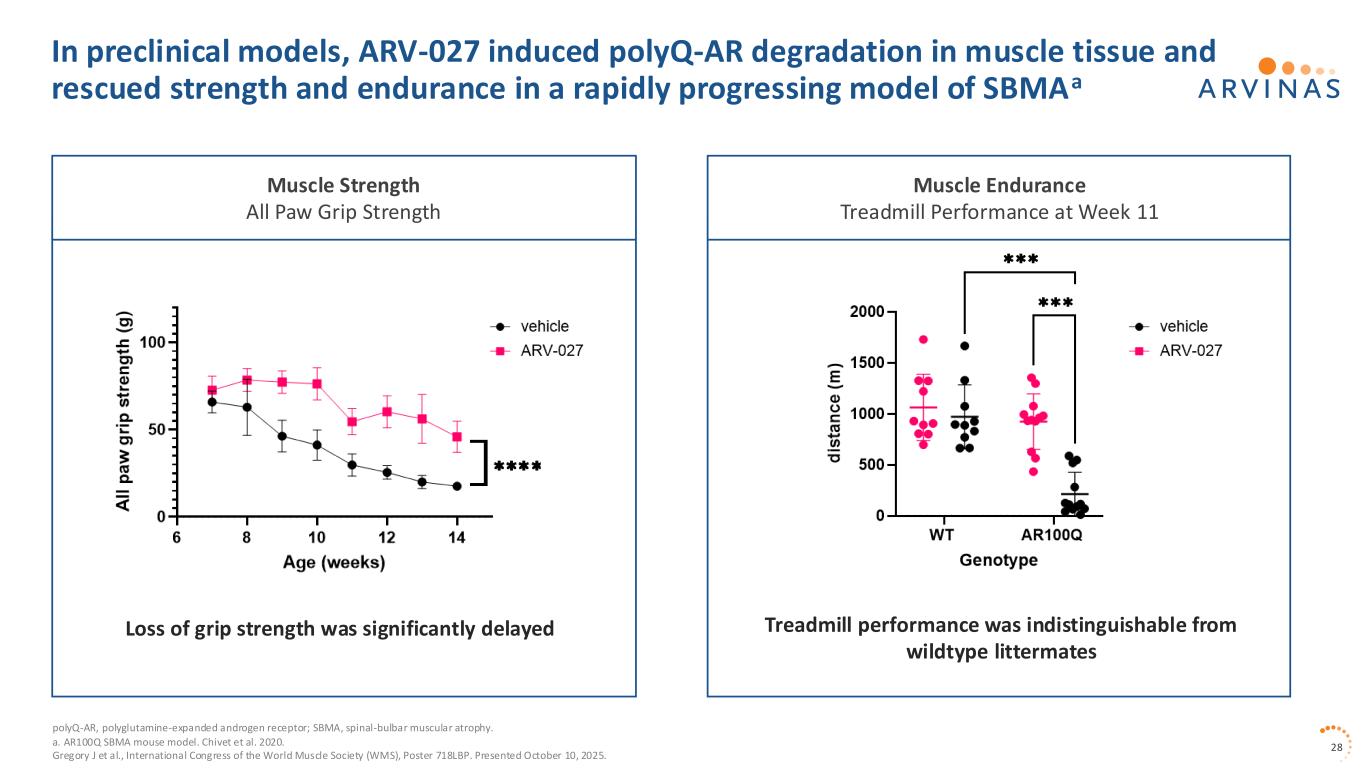
28 In preclinical models, ARV-027 induced polyQ-AR degradation in muscle tissue and rescued strength and endurance in a rapidly progressing model of SBMAa polyQ-AR, polyglutamine-expanded androgen receptor; SBMA, spinal-bulbar muscular atrophy. a. AR100Q SBMA mouse model. Chivet et al. 2020. Gregory J et al., International Congress of the World Muscle Society (WMS), Poster 718LBP. Presented October 10, 2025. Loss of grip strength was significantly delayed Treadmill performance was indistinguishable from wildtype littermates Muscle Endurance Treadmill Performance at Week 11 Muscle Strength All Paw Grip Strength
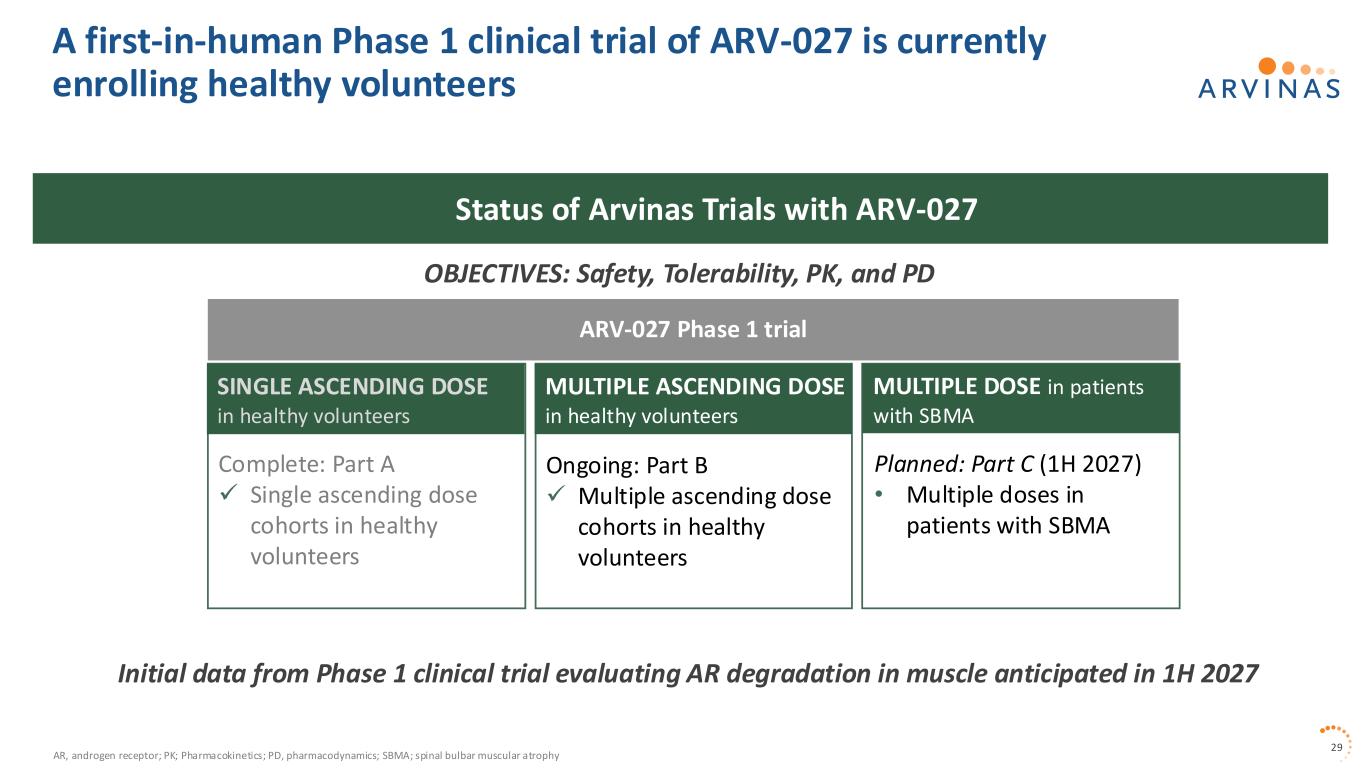
Status of Arvinas Trials with ARV-027 AR, androgen receptor; PK; Pharmacokinetics; PD, pharmacodynamics; SBMA; spinal bulbar muscular atrophy A first-in-human Phase 1 clinical trial of ARV-027 is currently enrolling healthy volunteers 29 OBJECTIVES: Safety, Tolerability, PK, and PD ARV-027 Phase 1 trial SINGLE ASCENDING DOSE in healthy volunteers MULTIPLE ASCENDING DOSE in healthy volunteers MULTIPLE DOSE in patients with SBMA Complete: Part A Single ascending dose cohorts in healthy volunteers Ongoing: Part B Multiple ascending dose cohorts in healthy volunteers Planned: Part C (1H 2027) • Multiple doses in patients with SBMA Initial data from Phase 1 clinical trial evaluating AR degradation in muscle anticipated in 1H 2027

CLINICAL PROGRAMS: Oncology ARV-6723 PROTAC HPK1 degrader ARV-6723 is an investigational compound. Its safety and effectiveness have not been established.
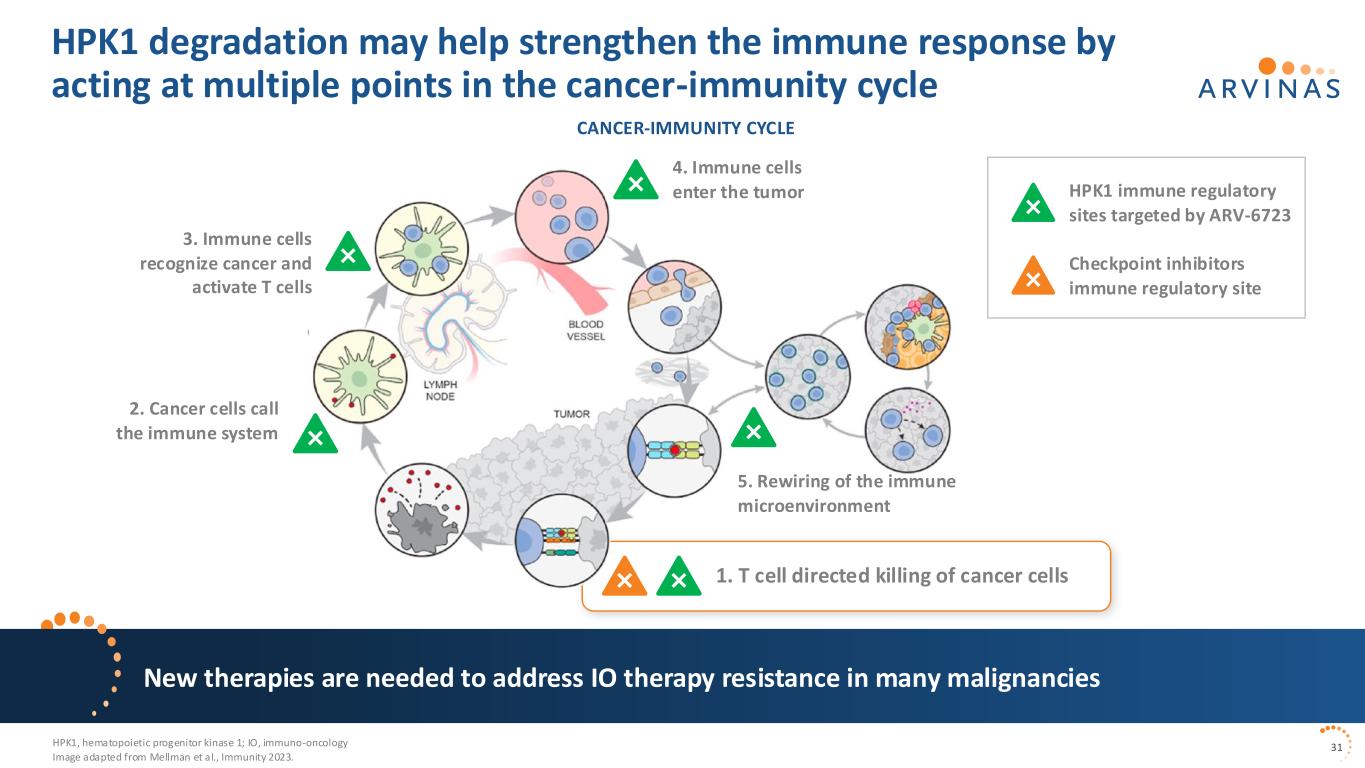
HPK1 degradation may help strengthen the immune response by acting at multiple points in the cancer-immunity cycle 31 3. Immune cells recognize cancer and activate T cells 4. Immune cells enter the tumor 1. T cell directed killing of cancer cells 2. Cancer cells call the immune system 5. Rewiring of the immune microenvironment HPK1 immune regulatory sites targeted by ARV-6723 Checkpoint inhibitors immune regulatory site New therapies are needed to address IO therapy resistance in many malignancies CANCER-IMMUNITY CYCLE HPK1, hematopoietic progenitor kinase 1; IO, immuno-oncology Image adapted from Mellman et al., Immunity 2023.
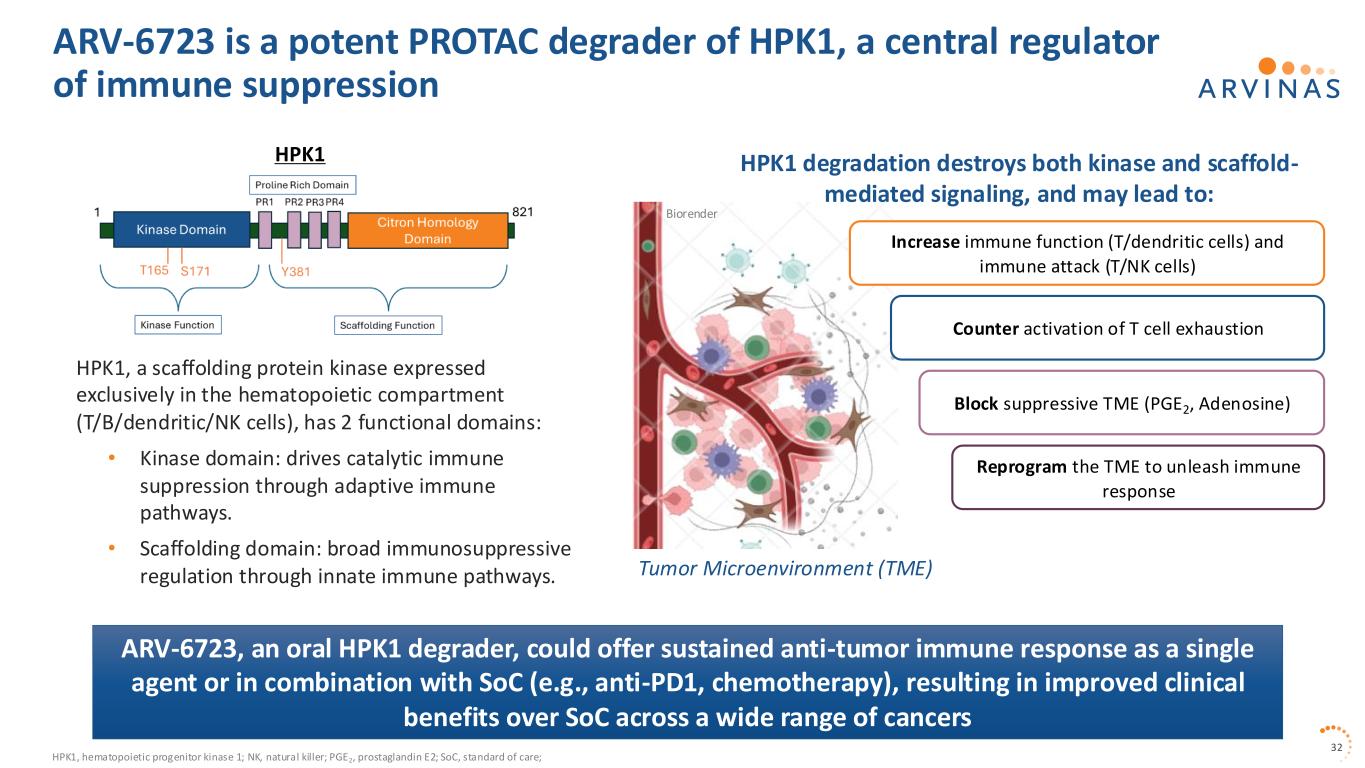
ARV-6723 is a potent PROTAC degrader of HPK1, a central regulator of immune suppression 32 Increase immune function (T/dendritic cells) and immune attack (T/NK cells) Counter activation of T cell exhaustion Block suppressive TME (PGE2, Adenosine) Reprogram the TME to unleash immune response Tumor Microenvironment (TME) HPK1, a scaffolding protein kinase expressed exclusively in the hematopoietic compartment (T/B/dendritic/NK cells), has 2 functional domains: • Kinase domain: drives catalytic immune suppression through adaptive immune pathways. • Scaffolding domain: broad immunosuppressive regulation through innate immune pathways. ARV-6723, an oral HPK1 degrader, could offer sustained anti-tumor immune response as a single agent or in combination with SoC (e.g., anti-PD1, chemotherapy), resulting in improved clinical benefits over SoC across a wide range of cancers HPK1 degradation destroys both kinase and scaffold- mediated signaling, and may lead to: Biorender HPK1, hematopoietic progenitor kinase 1; NK, natural killer; PGE2, prostaglandin E2; SoC, standard of care; HPK1
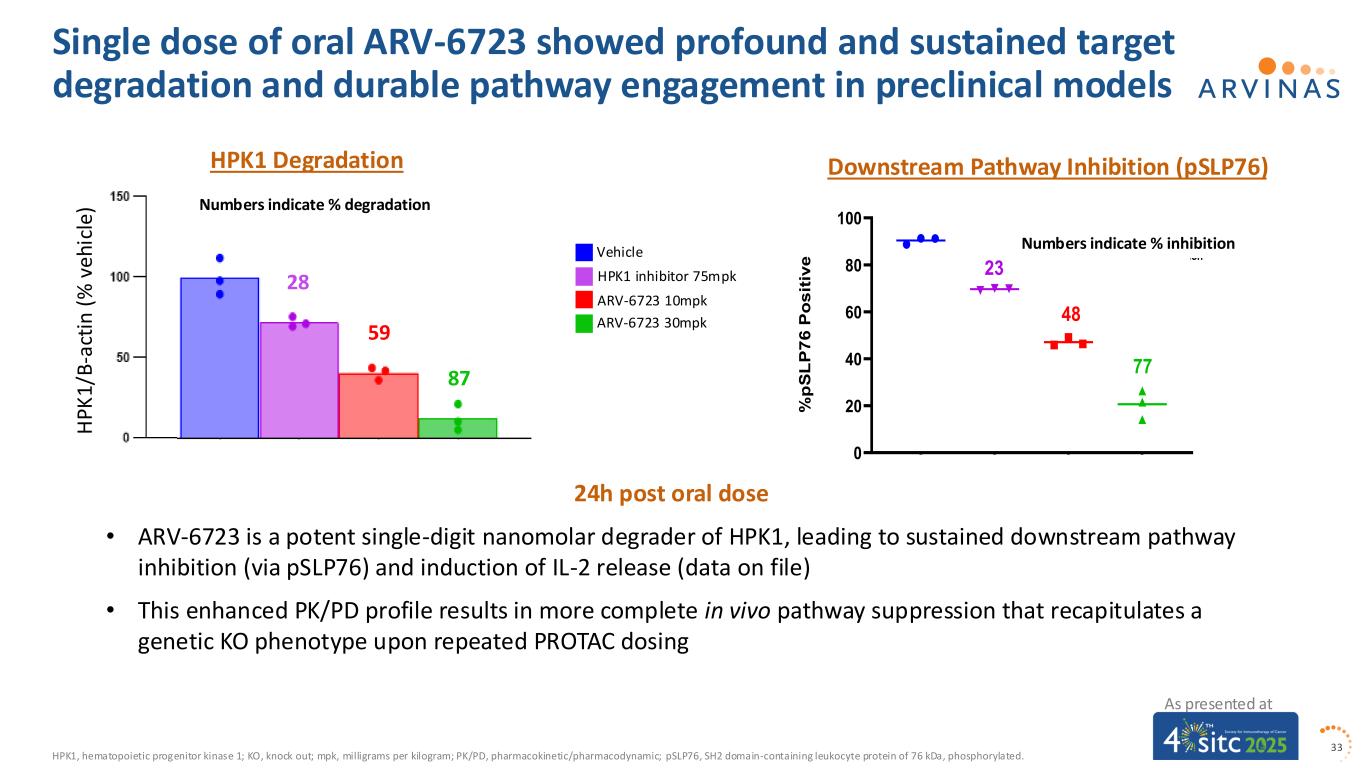
Single dose of oral ARV-6723 showed profound and sustained target degradation and durable pathway engagement in preclinical models 33 V eh ic le H P K 1 In hi bi to r 75 m pk A R V -6 72 3 10 m pk A R V -6 72 3 30 m pk 0 20 40 60 80 100 % p S L P 7 6 P o s it iv e 48 77 23 numbers indicate % inhibition HPK1 Degradation Downstream Pathway Inhibition (pSLP76) 24h post oral dose Numbers indicate % degradation Numbers indicate % inhibition Vehicle HPK1 inhibitor 75mpk ARV-6723 10mpk ARV-6723 30mpk • ARV-6723 is a potent single-digit nanomolar degrader of HPK1, leading to sustained downstream pathway inhibition (via pSLP76) and induction of IL-2 release (data on file) • This enhanced PK/PD profile results in more complete in vivo pathway suppression that recapitulates a genetic KO phenotype upon repeated PROTAC dosing HPK1, hematopoietic progenitor kinase 1; KO, knock out; mpk, milligrams per kilogram; PK/PD, pharmacokinetic/pharmacodynamic; pSLP76, SH2 domain-containing leukocyte protein of 76 kDa, phosphorylated. As presented at 28 59 87 H P K 1 /B -a ct in ( % v eh ic le )
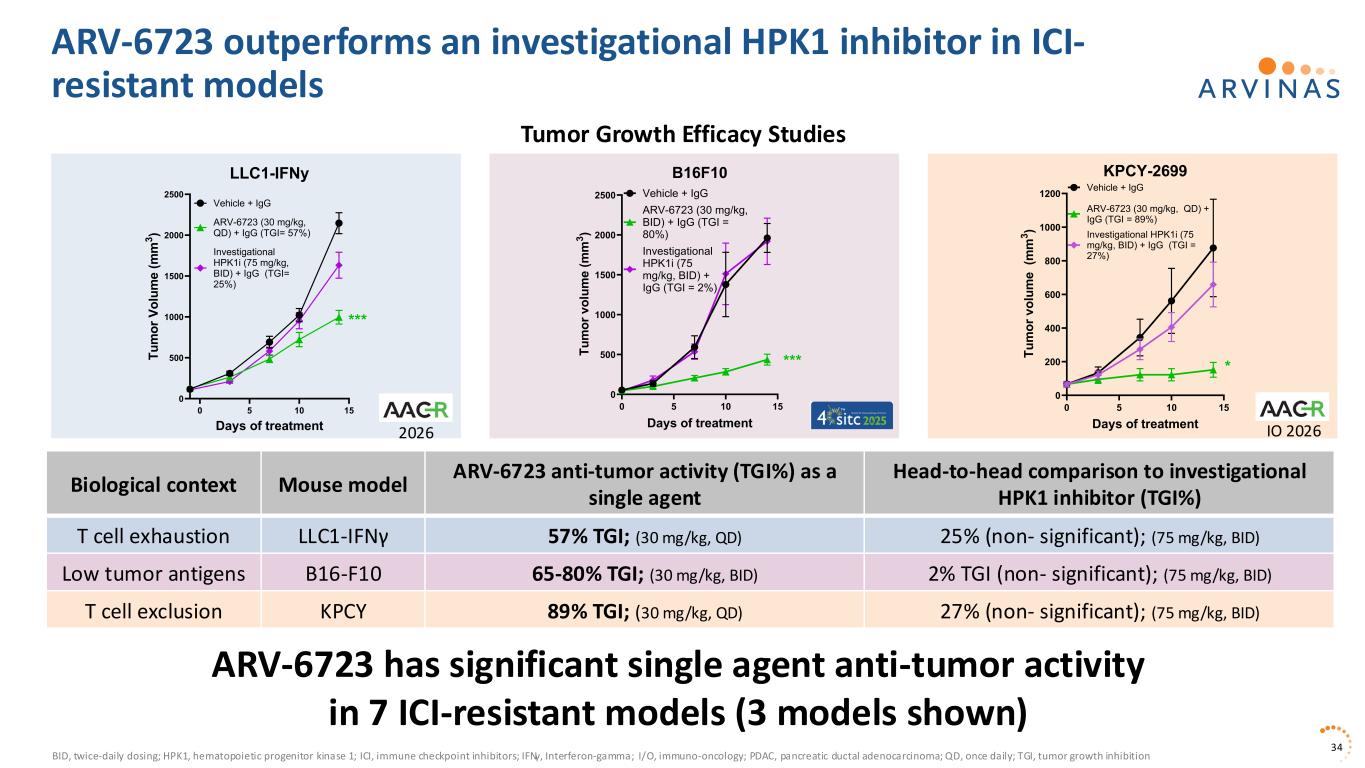
ARV-6723 outperforms an investigational HPK1 inhibitor in ICI- resistant models Arvinas Confidential and Proprietary 34 0 5 10 15 0 500 1000 1500 2000 2500 LLC1-IFNy Days of treatment T u m o r V o lu m e ( m m 3 ) Vehicle + IgG ARV-6723 (30 mg/kg, QD) + IgG (TGI= 57%) Investigational HPK1i (75 mg/kg, BID) + IgG (TGI= 25%) *** 0 5 10 15 0 500 1000 1500 2000 2500 B16F10 Days of treatment T u m o r v o lu m e ( m m 3 ) Vehicle + IgG ARV-6723 (30 mg/kg, BID) + IgG (TGI = 80%) Investigational HPK1i (75 mg/kg, BID) + IgG (TGI = 2%) *** 0 5 10 15 0 200 400 600 800 1000 1200 KPCY-2699 Days of treatment T u m o r v o lu m e (m m 3 ) Vehicle + IgG ARV-6723 (30 mg/kg, QD) + IgG (TGI = 89%) Investigational HPK1i (75 mg/kg, BID) + IgG (TGI = 27%) * Tumor Growth Efficacy Studies Biological context Mouse model ARV-6723 anti-tumor activity (TGI%) as a single agent Head-to-head comparison to investigational HPK1 inhibitor (TGI%) T cell exhaustion LLC1-IFNγ 57% TGI; (30 mg/kg, QD) 25% (non- significant); (75 mg/kg, BID) Low tumor antigens B16-F10 65-80% TGI; (30 mg/kg, BID) 2% TGI (non- significant); (75 mg/kg, BID) T cell exclusion KPCY 89% TGI; (30 mg/kg, QD) 27% (non- significant); (75 mg/kg, BID) ARV-6723 has significant single agent anti-tumor activity in 7 ICI-resistant models (3 models shown) BID, twice-daily dosing; HPK1, hematopoietic progenitor kinase 1; ICI, immune checkpoint inhibitors; IFNγ, Interferon-gamma; I/O, immuno-oncology; PDAC, pancreatic ductal adenocarcinoma; QD, once daily; TGI, tumor growth inhibition IO 20262026
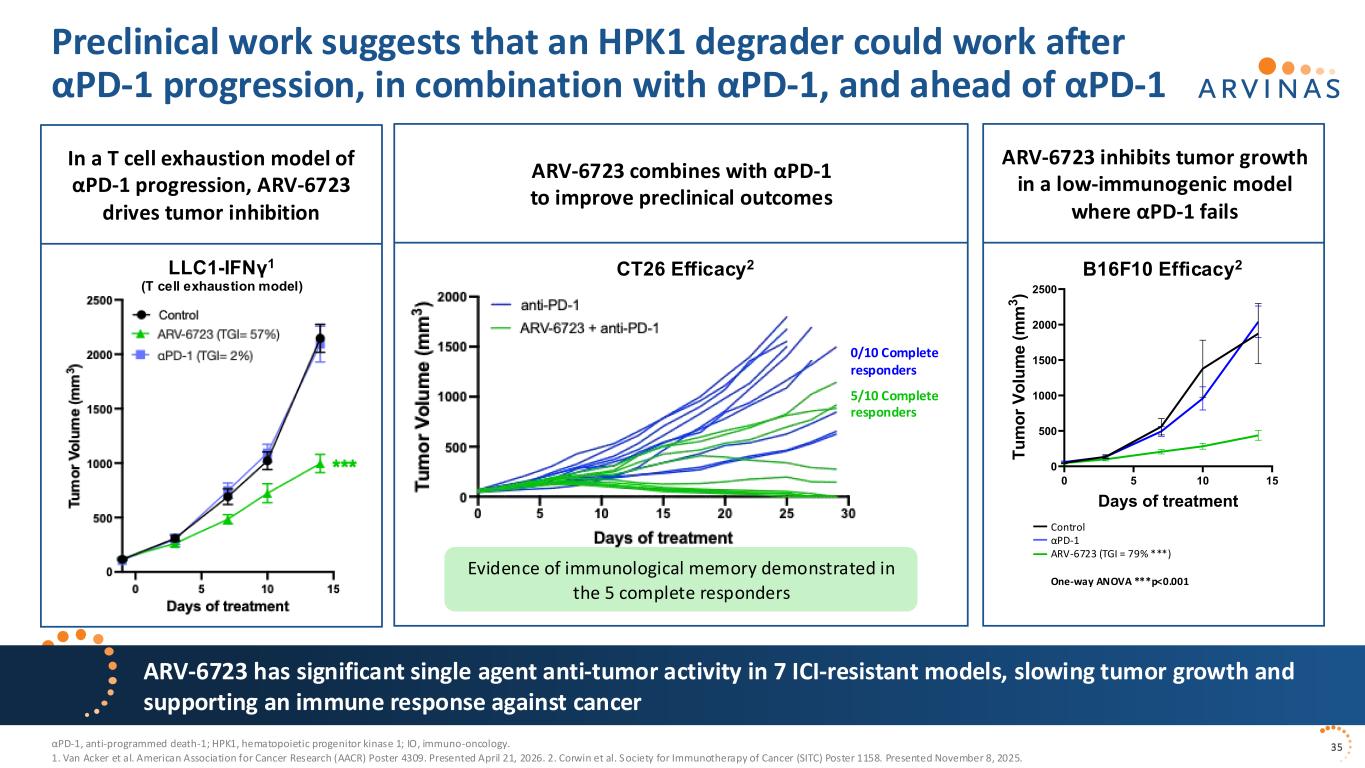
Preclinical work suggests that an HPK1 degrader could work after αPD-1 progression, in combination with αPD-1, and ahead of αPD-1 35αPD-1, anti-programmed death-1; HPK1, hematopoietic progenitor kinase 1; IO, immuno-oncology. 1. Van Acker et al. American Association for Cancer Research (AACR) Poster 4309. Presented April 21, 2026. 2. Corwin et al. Society for Immunotherapy of Cancer (SITC) Poster 1158. Presented November 8, 2025. In a T cell exhaustion model of αPD-1 progression, ARV-6723 drives tumor inhibition ARV-6723 inhibits tumor growth in a low-immunogenic model where αPD-1 fails ARV-6723 combines with αPD-1 to improve preclinical outcomes Control αPD-1 ARV-6723 (TGI = 79% ***) One-way ANOVA ***p<0.001 0 5 10 15 0 500 1000 1500 2000 2500 B16F10 Efficacy Days of treatment T u m o r V o lu m e ( m m 3 ) Evidence of immunological memory demonstrated in the 5 complete responders 0/10 Complete responders 5/10 Complete responders ARV-6723 has significant single agent anti-tumor activity in 7 ICI-resistant models, slowing tumor growth and supporting an immune response against cancer B16F10 Efficacy2CT26 Efficacy2LLC1-IFNγ1 (T cell exhaustion model)
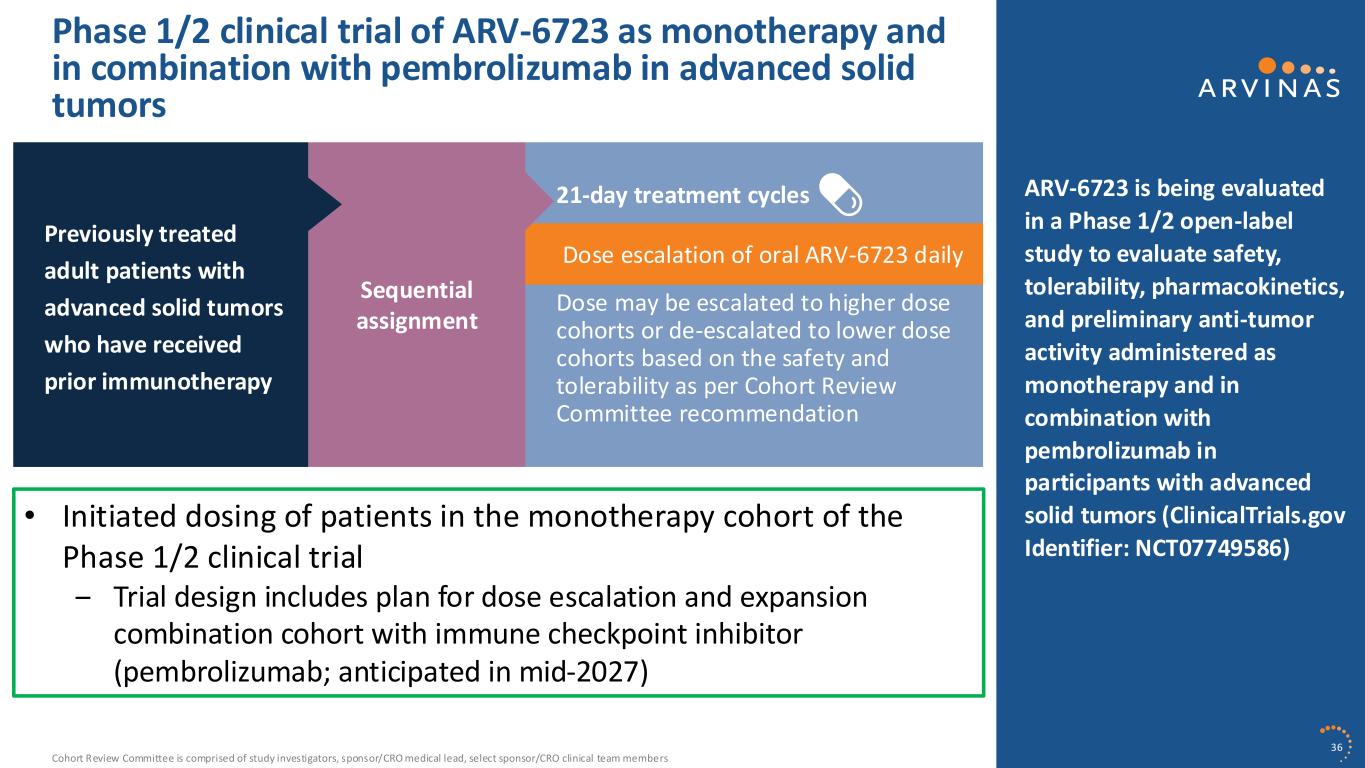
Sequential assignment Previously treated adult patients with advanced solid tumors who have received prior immunotherapy ARV-6723 is being evaluated in a Phase 1/2 open-label study to evaluate safety, tolerability, pharmacokinetics, and preliminary anti-tumor activity administered as monotherapy and in combination with pembrolizumab in participants with advanced solid tumors (ClinicalTrials.gov Identifier: NCT07749586) Cohort Review Committee is comprised of study investigators, sponsor/CRO medical lead, select sponsor/CRO clinical team members Phase 1/2 clinical trial of ARV-6723 as monotherapy and in combination with pembrolizumab in advanced solid tumors 36 21-day treatment cycles Dose may be escalated to higher dose cohorts or de-escalated to lower dose cohorts based on the safety and tolerability as per Cohort Review Committee recommendation Dose escalation of oral ARV-6723 daily • Initiated dosing of patients in the monotherapy cohort of the Phase 1/2 clinical trial ‒ Trial design includes plan for dose escalation and expansion combination cohort with immune checkpoint inhibitor (pembrolizumab; anticipated in mid-2027)

ARV-102 PROTAC LRRK2 degrader CLINICAL PROGRAMS: Neurology ARV-102 is an investigational compound. Its safety and effectiveness have not been established.
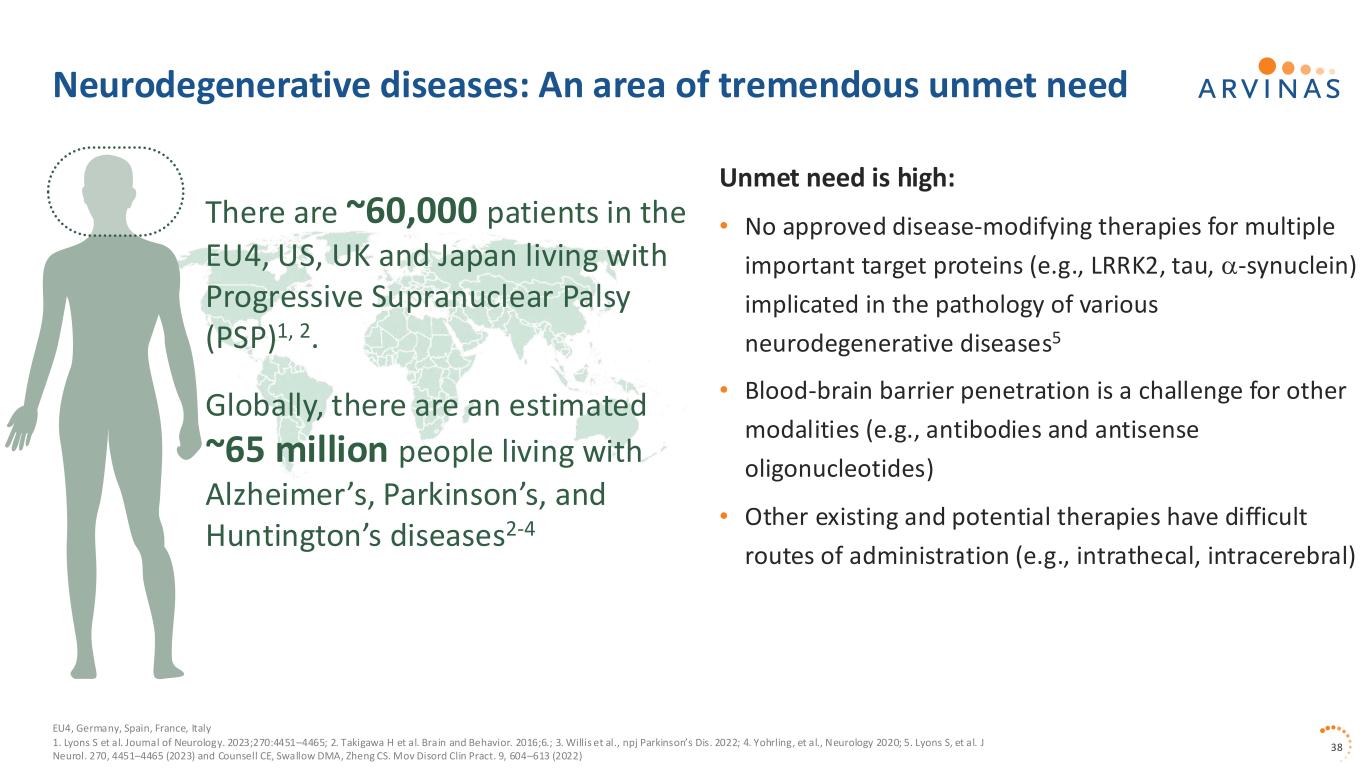
38 There are ~60,000 patients in the EU4, US, UK and Japan living with Progressive Supranuclear Palsy (PSP)1, 2. Globally, there are an estimated ~65 million people living with Alzheimer’s, Parkinson’s, and Huntington’s diseases2-4 Unmet need is high: • No approved disease-modifying therapies for multiple important target proteins (e.g., LRRK2, tau, -synuclein) implicated in the pathology of various neurodegenerative diseases5 • Blood-brain barrier penetration is a challenge for other modalities (e.g., antibodies and antisense oligonucleotides) • Other existing and potential therapies have difficult routes of administration (e.g., intrathecal, intracerebral) EU4, Germany, Spain, France, Italy 1. Lyons S et al. Journal of Neurology. 2023;270:4451–4465; 2. Takigawa H et al. Brain and Behavior. 2016;6.; 3. Willis et al., npj Parkinson’s Dis. 2022; 4. Yohrling, et al., Neurology 2020; 5. Lyons S, et al. J Neurol. 270, 4451–4465 (2023) and Counsell CE, Swallow DMA, Zheng CS. Mov Disord Clin Pract. 9, 604–613 (2022) Neurodegenerative diseases: An area of tremendous unmet need
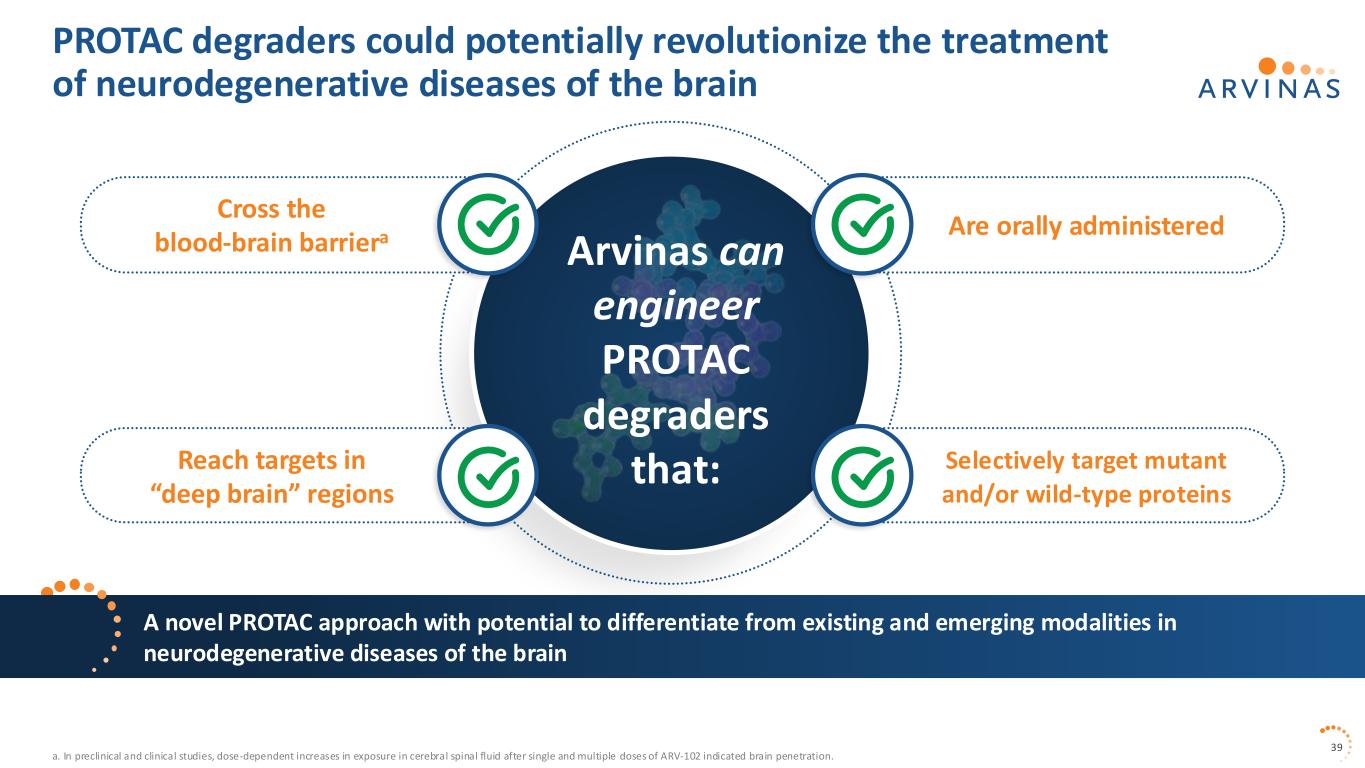
Arvinas can engineer PROTAC degraders that: a. In preclinical and clinical studies, dose-dependent increases in exposure in cerebral spinal fluid after single and multiple doses of ARV-102 indicated brain penetration. PROTAC degraders could potentially revolutionize the treatment of neurodegenerative diseases of the brain 39 Are orally administered Selectively target mutant and/or wild-type proteins Cross the blood-brain barriera Reach targets in “deep brain” regions A novel PROTAC approach with potential to differentiate from existing and emerging modalities in neurodegenerative diseases of the brain
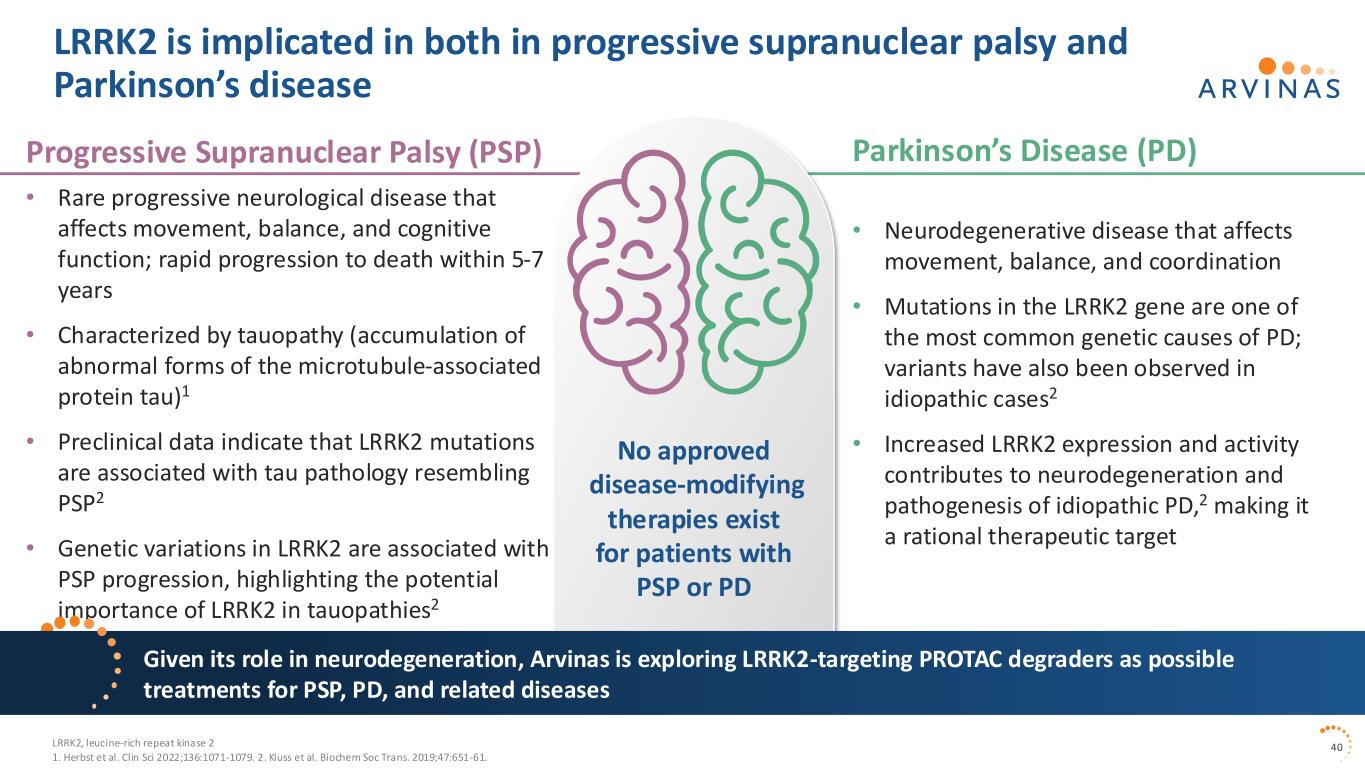
Progressive Supranuclear Palsy (PSP) • Rare progressive neurological disease that affects movement, balance, and cognitive function; rapid progression to death within 5-7 years • Characterized by tauopathy (accumulation of abnormal forms of the microtubule-associated protein tau)1 • Preclinical data indicate that LRRK2 mutations are associated with tau pathology resembling PSP2 • Genetic variations in LRRK2 are associated with PSP progression, highlighting the potential importance of LRRK2 in tauopathies2 LRRK2, leucine-rich repeat kinase 2 1. Herbst et al. Clin Sci 2022;136:1071-1079. 2. Kluss et al. Biochem Soc Trans. 2019;47:651-61. LRRK2 is implicated in both in progressive supranuclear palsy and Parkinson’s disease 40 Given its role in neurodegeneration, Arvinas is exploring LRRK2-targeting PROTAC degraders as possible treatments for PSP, PD, and related diseases No approved disease-modifying therapies exist for patients with PSP or PD Parkinson’s Disease (PD) • Neurodegenerative disease that affects movement, balance, and coordination • Mutations in the LRRK2 gene are one of the most common genetic causes of PD; variants have also been observed in idiopathic cases2 • Increased LRRK2 expression and activity contributes to neurodegeneration and pathogenesis of idiopathic PD,2 making it a rational therapeutic target
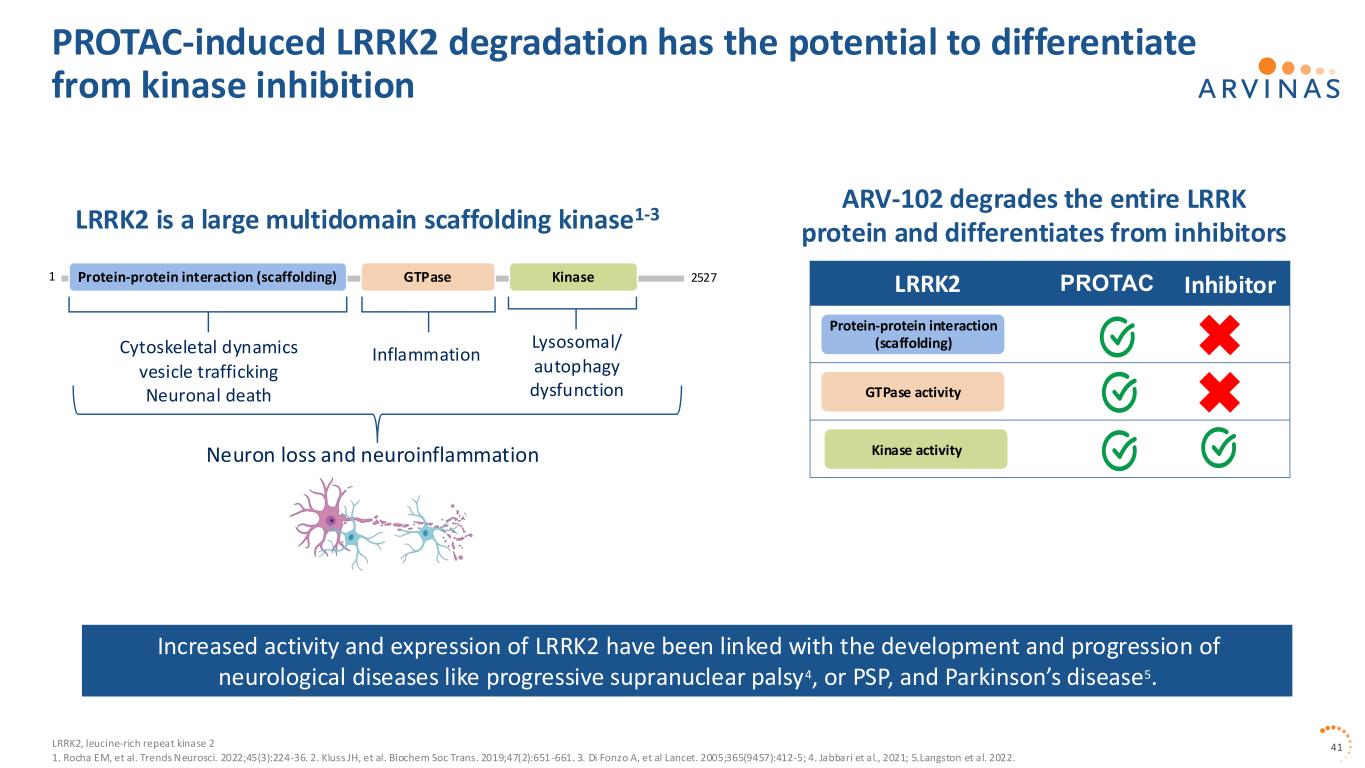
LRRK2 PROTAC Inhibitor PROTAC-induced LRRK2 degradation has the potential to differentiate from kinase inhibition LRRK2 is a large multidomain scaffolding kinase1-3 LRRK2, leucine-rich repeat kinase 2 1. Rocha EM, et al. Trends Neurosci. 2022;45(3):224-36. 2. Kluss JH, et al. Biochem Soc Trans. 2019;47(2):651-661. 3. Di Fonzo A, et al Lancet. 2005;365(9457):412-5; 4. Jabbari et al., 2021; 5.Langston et al. 2022. Neuron loss and neuroinflammation Protein-protein interaction (scaffolding) GTPase Kinase1 2527 Lysosomal/ autophagy dysfunction InflammationCytoskeletal dynamics vesicle trafficking Neuronal death ARV-102 degrades the entire LRRK protein and differentiates from inhibitors 41 Increased activity and expression of LRRK2 have been linked with the development and progression of neurological diseases like progressive supranuclear palsy4, or PSP, and Parkinson’s disease5. Kinase activity GTPase activity Protein-protein interaction (scaffolding)
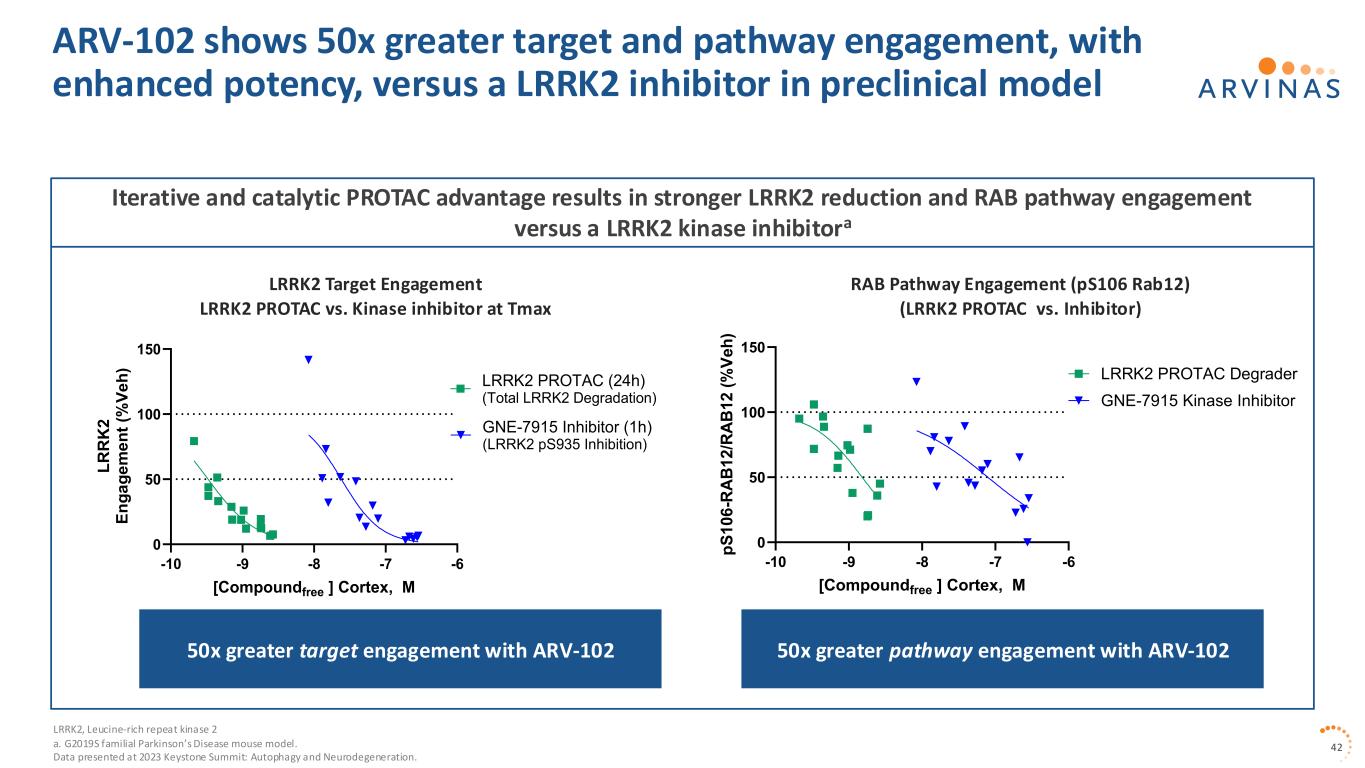
LRRK2, Leucine-rich repeat kinase 2 a. G2019S familial Parkinson’s Disease mouse model. Data presented at 2023 Keystone Summit: Autophagy and Neurodegeneration. ARV-102 shows 50x greater target and pathway engagement, with enhanced potency, versus a LRRK2 inhibitor in preclinical model 42 -10 -9 -8 -7 -6 0 50 100 150 [Compoundfree ] Cortex, M L R R K 2 E n g a g e m e n t (% V e h ) LRRK2 PROTAC (24h) (Total LRRK2 Degradation) GNE-7915 Inhibitor (1h) (LRRK2 pS935 Inhibition) LRRK2 Target Engagement LRRK2 PROTAC vs. Kinase inhibitor at Tmax RAB Pathway Engagement (pS106 Rab12) (LRRK2 PROTAC vs. Inhibitor) -10 -9 -8 -7 -6 0 50 100 150 [Compoundfree ] Cortex, M p S 1 0 6 -R A B 1 2 /R A B 1 2 ( % V e h ) LRRK2 PROTAC Degrader GNE-7915 Kinase Inhibitor Iterative and catalytic PROTAC advantage results in stronger LRRK2 reduction and RAB pathway engagement versus a LRRK2 kinase inhibitora 50x greater target engagement with ARV-102 50x greater pathway engagement with ARV-102
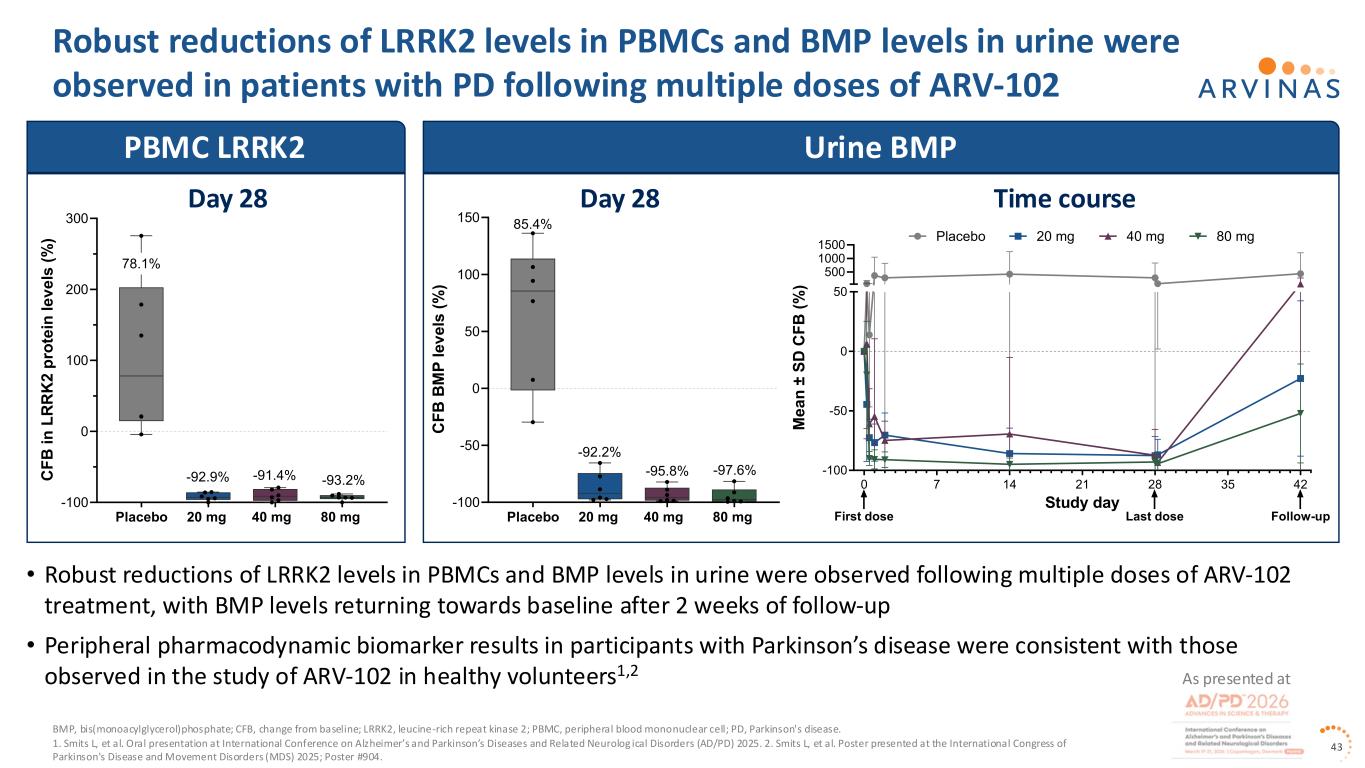
• Robust reductions of LRRK2 levels in PBMCs and BMP levels in urine were observed following multiple doses of ARV-102 treatment, with BMP levels returning towards baseline after 2 weeks of follow-up • Peripheral pharmacodynamic biomarker results in participants with Parkinson’s disease were consistent with those observed in the study of ARV-102 in healthy volunteers1,2 Robust reductions of LRRK2 levels in PBMCs and BMP levels in urine were observed in patients with PD following multiple doses of ARV-102 Placebo 20 mg 40 mg 80 mg -100 -50 0 50 100 150 C F B B M P l e v e ls ( % ) 85.4% -92.2% -95.8% -97.6% Day 28 0 7 14 21 28 35 42 -100 -50 0 50 500 1000 1500 M e a n ± S D C F B ( % ) Placebo 20 mg 40 mg 80 mg Follow-upLast dose Study day First dose Time course Placebo 20 mg 40 mg 80 mg -100 0 100 200 300 C F B i n L R R K 2 p ro te in l e v e ls ( % ) 78.1% -92.9% -91.4% -93.2% Day 28 BMP, bis(monoacylglycerol)phosphate; CFB, change from baseline; LRRK2, leucine-rich repeat kinase 2; PBMC, peripheral blood mononuclear cell; PD, Parkinson's disease. 1. Smits L, et al. Oral presentation at International Conference on Alzheimer’s and Parkinson’s Diseases and Related Neurolog ical Disorders (AD/PD) 2025. 2. Smits L, et al. Poster presented at the International Congress of Parkinson's Disease and Movement Disorders (MDS) 2025; Poster #904. PBMC LRRK2 Urine BMP 43 As presented at
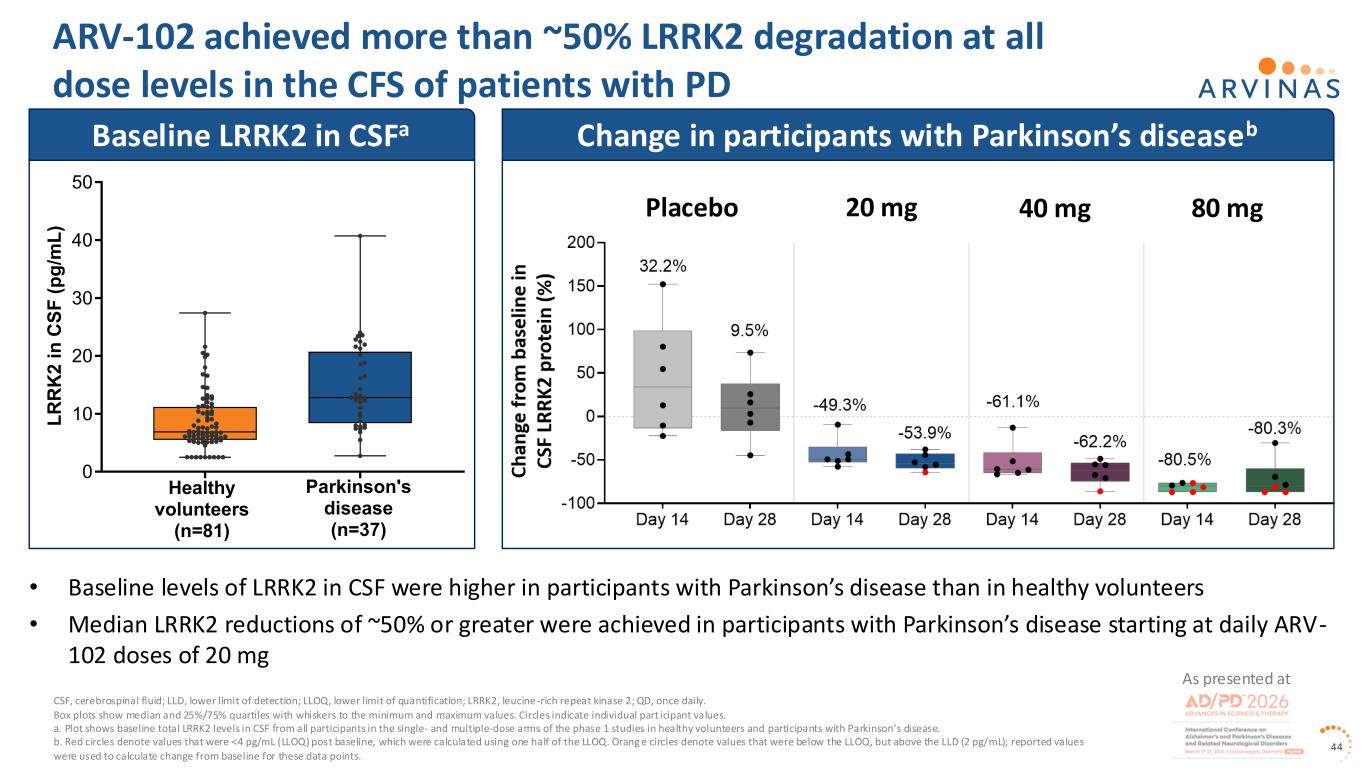
• Baseline levels of LRRK2 in CSF were higher in participants with Parkinson’s disease than in healthy volunteers • Median LRRK2 reductions of ~50% or greater were achieved in participants with Parkinson’s disease starting at daily ARV- 102 doses of 20 mg ARV-102 achieved more than ~50% LRRK2 degradation at all dose levels in the CFS of patients with PD CSF, cerebrospinal fluid; LLD, lower limit of detection; LLOQ, lower limit of quantification; LRRK2, leucine-rich repeat kinase 2; QD, once daily. Box plots show median and 25%/75% quartiles with whiskers to the minimum and maximum values. Circles indicate individual part icipant values. a. Plot shows baseline total LRRK2 levels in CSF from all participants in the single- and multiple-dose arms of the phase 1 studies in healthy volunteers and participants with Parkinson’s disease. b. Red circles denote values that were <4 pg/mL (LLOQ) post baseline, which were calculated using one half of the LLOQ. Orang e circles denote values that were below the LLOQ, but above the LLD (2 pg/mL); reported values were used to calculate change from baseline for these data points. 0 10 20 30 40 50 L R R K 2 i n C S F ( p g /m L ) Healthy volunteers (n=81) Parkinson's disease (n=37) Baseline LRRK2 in CSFa Change in participants with Parkinson’s diseaseb 44 As presented at Placebo 20 mg 40 mg 80 mg
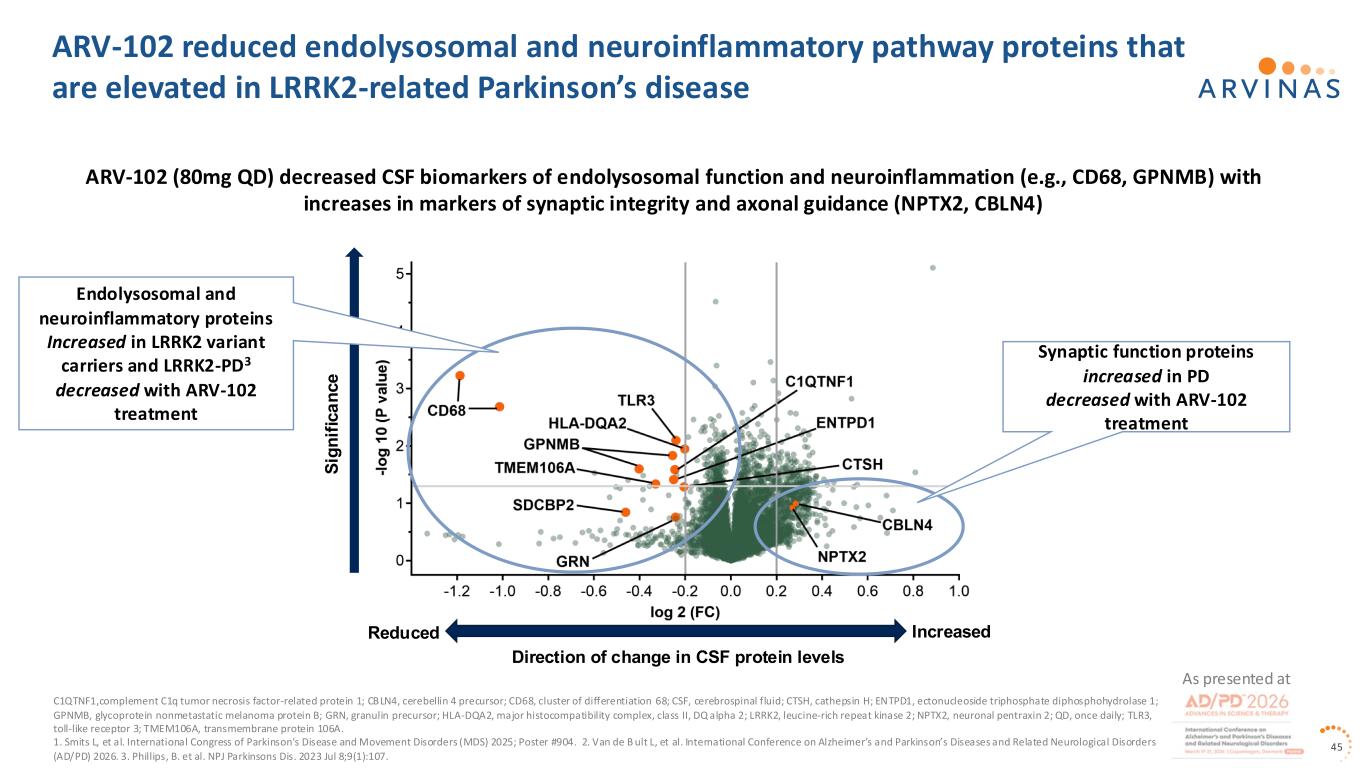
C1QTNF1,complement C1q tumor necrosis factor-related protein 1; CBLN4, cerebellin 4 precursor; CD68, cluster of differentiation 68; CSF, cerebrospinal fluid; CTSH, cathepsin H; ENTPD1, ectonucleoside triphosphate diphosphohydrolase 1; GPNMB, glycoprotein nonmetastatic melanoma protein B; GRN, granulin precursor; HLA-DQA2, major histocompatibility complex, class II, DQ alpha 2; LRRK2, leucine-rich repeat kinase 2; NPTX2, neuronal pentraxin 2; QD, once daily; TLR3, toll-like receptor 3; TMEM106A, transmembrane protein 106A. 1. Smits L, et al. International Congress of Parkinson's Disease and Movement Disorders (MDS) 2025; Poster #904. 2. Van de B ult L, et al. International Conference on Alzheimer’s and Parkinson’s Diseases and Related Neurological Disorders (AD/PD) 2026. 3. Phillips, B. et al. NPJ Parkinsons Dis. 2023 Jul 8;9(1):107. ARV-102 (80mg QD) decreased CSF biomarkers of endolysosomal function and neuroinflammation (e.g., CD68, GPNMB) with increases in markers of synaptic integrity and axonal guidance (NPTX2, CBLN4) ARV-102 reduced endolysosomal and neuroinflammatory pathway proteins that are elevated in LRRK2-related Parkinson’s disease 45 As presented at Direction of change in CSF protein levels IncreasedReduced S ig n if ic a n c e Endolysosomal and neuroinflammatory proteins Increased in LRRK2 variant carriers and LRRK2-PD3 decreased with ARV-102 treatment Synaptic function proteins increased in PD decreased with ARV-102 treatment
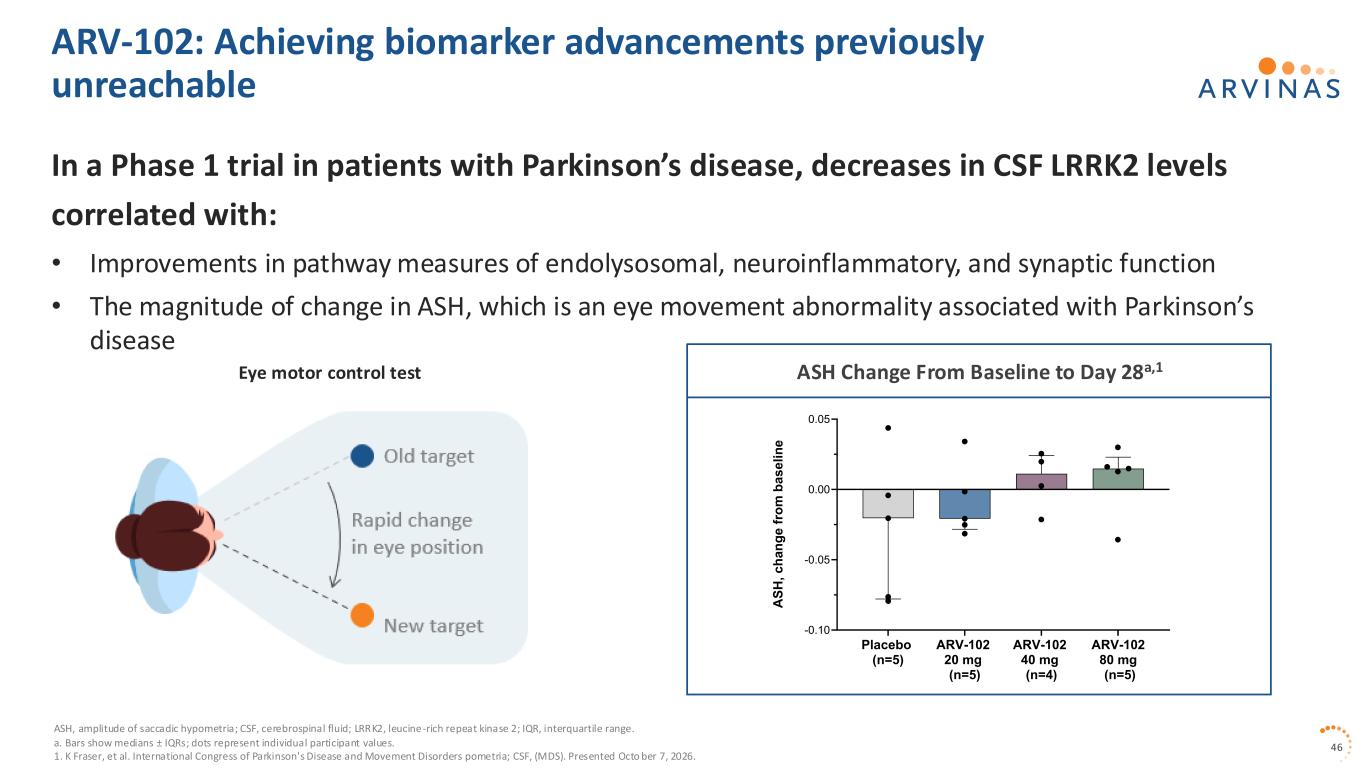
In a Phase 1 trial in patients with Parkinson’s disease, decreases in CSF LRRK2 levels correlated with: • Improvements in pathway measures of endolysosomal, neuroinflammatory, and synaptic function • The magnitude of change in ASH, which is an eye movement abnormality associated with Parkinson’s disease ARV-102: Achieving biomarker advancements previously unreachable 46 ASH Change From Baseline to Day 28a,1Eye motor control test ASH, amplitude of saccadic hypometria; CSF, cerebrospinal fluid; LRRK2, leucine-rich repeat kinase 2; IQR, interquartile range. a. Bars show medians ± IQRs; dots represent individual participant values. 1. K Fraser, et al. International Congress of Parkinson's Disease and Movement Disorders pometria; CSF, (MDS). Presented Octo ber 7, 2026. Placebo (n=5) ARV-102 20 mg (n=5) ARV-102 40 mg (n=4) ARV-102 80 mg (n=5) -0.10 -0.05 0.00 0.05 A S H , c h a n g e f ro m b a s e li n e
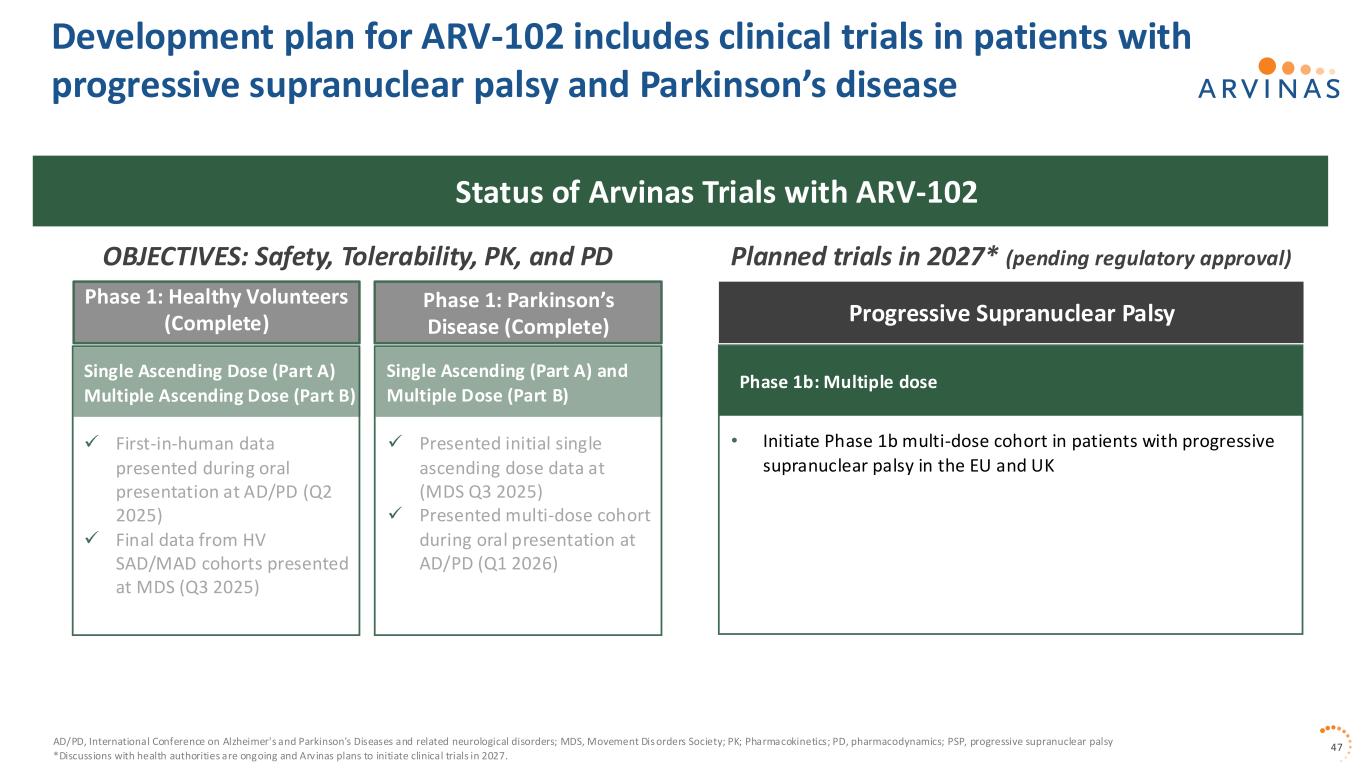
Status of Arvinas Trials with ARV-102 AD/PD, International Conference on Alzheimer's and Parkinson's Diseases and related neurological disorders; MDS, Movement Dis orders Society; PK; Pharmacokinetics; PD, pharmacodynamics; PSP, progressive supranuclear palsy *Discussions with health authorities are ongoing and Arvinas plans to initiate clinical trials in 2027. Development plan for ARV-102 includes clinical trials in patients with progressive supranuclear palsy and Parkinson’s disease 47 OBJECTIVES: Safety, Tolerability, PK, and PD Phase 1: Healthy Volunteers (Complete) Phase 1: Parkinson’s Disease (Complete) Single Ascending Dose (Part A) Multiple Ascending Dose (Part B) Single Ascending (Part A) and Multiple Dose (Part B) First-in-human data presented during oral presentation at AD/PD (Q2 2025) Final data from HV SAD/MAD cohorts presented at MDS (Q3 2025) Presented initial single ascending dose data at (MDS Q3 2025) Presented multi-dose cohort during oral presentation at AD/PD (Q1 2026) Phase 1b: Multiple dose • Initiate Phase 1b multi-dose cohort in patients with progressive supranuclear palsy in the EU and UK Progressive Supranuclear Palsy Planned trials in 2027* (pending regulatory approval)
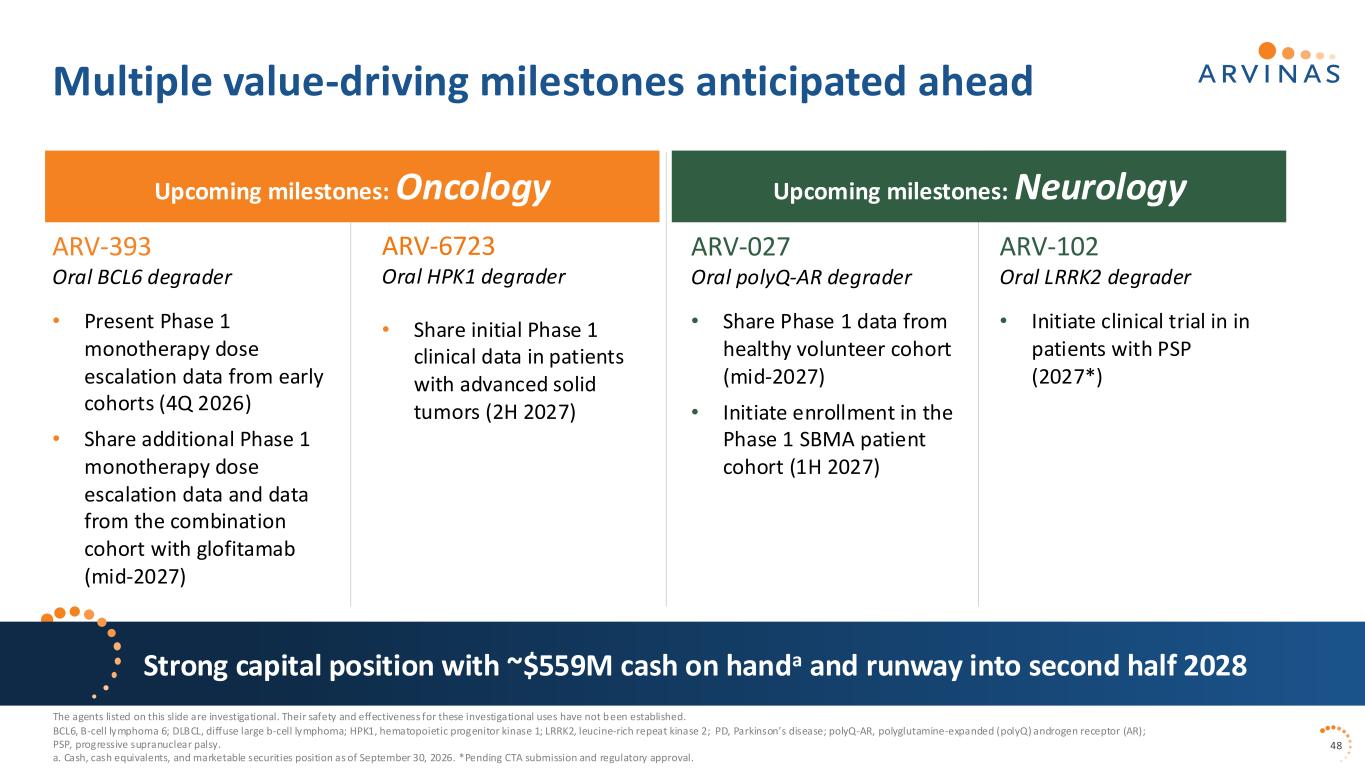
48 The agents listed on this slide are investigational. Their safety and effectiveness for these investigational uses have not been established. BCL6, B-cell lymphoma 6; DLBCL, diffuse large b-cell lymphoma; HPK1, hematopoietic progenitor kinase 1; LRRK2, leucine-rich repeat kinase 2; PD, Parkinson’s disease; polyQ-AR, polyglutamine-expanded (polyQ) androgen receptor (AR); PSP, progressive supranuclear palsy. a. Cash, cash equivalents, and marketable securities position as of September 30, 2026. *Pending CTA submission and regulatory approval. Multiple value-driving milestones anticipated ahead Anticipated milestones: Immuno-oncology ARV-393 Oral BCL6 degrader • Present Phase 1 monotherapy dose escalation data from early cohorts (4Q 2026) • Share additional Phase 1 monotherapy dose escalation data and data from the combination cohort with glofitamab (mid-2027) ARV-6723 Oral HPK1 degrader • Share initial Phase 1 clinical data in patients with advanced solid tumors (2H 2027) Strong capital position with ~$559M cash on handa and runway into second half 2028 Upcoming milestones: Oncology ARV-027 Oral polyQ-AR degrader • Share Phase 1 data from healthy volunteer cohort (mid-2027) • Initiate enrollment in the Phase 1 SBMA patient cohort (1H 2027) Anticipated milestones: NeuromuscularUpcoming milestones: Neurology ARV-102 Oral LRRK2 degrader • Initiate clinical trial in in patients with PSP (2027*)

© 2026 Arvinas. All rights reserved. N A S D A Q A R V N L I S T E D FOR MORE INFORMATION Press/Media | pr@arvinas.com Investors | ir@arvinas.com Business Development | bd@arvinas.com Careers | careers@arvinas.com