
Consolidated Financial Statements
For the years ended July 31, 2026 and 2025
(Expressed in Canadian Dollars)

To the Shareholders of Apex Critical Metals Corp.,
Report on the Audit of the Consolidated Financial Statements
Opinion
We have audited the consolidated financial statements of Apex Critical Metals Corp. (the "Company"), which comprise the consolidated statements of financial position as at July 31, 2026 and 2025 and the consolidated statements of operations and comprehensive loss, changes in equity and cash flows for the years then ended, and notes to the consolidated financial statements, including a summary of material accounting policy information.
In our opinion, the accompanying consolidated financial statements present fairly, in all material respects, the financial position of the Company as at July 31, 2026 and 2025, and its financial performance and its cash flows for the years then ended in accordance with IFRS Accounting Standards ("IFRS").
Basis for Opinion
We conducted our audit in accordance with Canadian generally accepted auditing standards. Our responsibilities under those standards are further described in the Auditor's Responsibilities for the Audit of the Consolidated Financial Statements section of our report. We are independent of the Company in accordance with the ethical requirements that are relevant to our audit of the consolidated financial statements in Canada, and we have fulfilled our ethical responsibilities in accordance with these requirements. We believe that the audit evidence we have obtained is sufficient and appropriate to provide a basis for our opinion.
Material Uncertainty Related to Going Concern
We draw attention to Note 1 in the consolidated financial statements, which indicates that the Company has accumulated losses since inception, has no source of significant revenues and has not yet achieved profitable operations. As stated in Note 1, the Company's ability to continue as a going concern is dependent upon its ability to obtain additional financing to fund the Company's exploration and development programs. These matters, along with other matters as set forth in Note 1, indicate that a material uncertainty exists that may cast significant doubt on the Company's ability to continue as a going concern. Our opinion is not modified in respect of this matter.
Key Audit Matters
Key audit matters are those matters that, in our professional judgment, were of most significance in our audit of the consolidated financial statements of the current period. These matters were addressed in the context of our audit of the consolidated financial statements as a whole, and in forming our opinion thereon, and we do not provide a separate opinion on these matters.
In addition to the matter described in Material Uncertainty Related to Going Concern section, we have determined that there is the following key audit matter to communicate in our auditor's report:
| Key audit matter: | How our audit addressed the key audit matter: |
| Assessment of impairment indicators of Exploration and evaluation assets. |
Our approach to addressing the matter included the following procedures, among others: |
| Refer to: note 3 - Significant accounting judgments, estimates and assumptions; note 4 - Material accounting policy information: Exploration and evaluation costs; and note 7 - Exploration and evaluation assets Management assesses at each reporting period whether there is an indication that the carrying value of exploration and evaluation assets may not be recoverable. Management applies significant judgment in assessing whether indicators of impairment exist that necessitate impairment testing. Internal and external factors, such as (i) a significant decline in the market value of the Company's share price; (ii) changes in the Company's assessment of whether commercially viable quantities of mineral resources exist within the properties; and (iii) changes in metal prices, capital and operating costs, are evaluated by management in determining whether there are any indicators of impairment. We considered this a key audit matter due to (i) the significance of the exploration and evaluation asset balance and (ii) the significant audit effort and subjectivity in applying audit procedures to assess the factors evaluated by management in its assessment of impairment indicators, which required significant management judgement. |
Evaluated the reasonableness of management's assessment of impairment indicators, which included the following:
|
Other Information
Management is responsible for the other information. The other information comprises the information included in "Management's Discussion and Analysis" but does not include the consolidated financial statements and our auditor's report thereon.
Our opinion on the consolidated financial statements does not cover the other information and we do not express any form of assurance conclusion thereon.
In connection with our audit of the consolidated financial statements, our responsibility is to read the other information, and in doing so, consider whether the other information is materially inconsistent with the consolidated financial statements or our knowledge obtained in the audit or otherwise appears to be materially misstated. If, based on the work we have performed, we conclude that there is a material misstatement of this other information, we are required to report that fact. We have nothing to report in this regard.
Responsibilities of Management and Those Charged with Governance for the Consolidated Financial Statements
Management is responsible for the preparation and fair presentation of the consolidated financial statements in accordance with IFRS, and for such internal control as management determines is necessary to enable the preparation of consolidated financial statements that are free from material misstatement, whether due to fraud or error.
In preparing the consolidated financial statements, management is responsible for assessing the Company's ability to continue as a going concern, disclosing, as applicable, matters related to going concern and using the going concern basis of accounting unless management either intends to liquidate the Company or to cease operations, or has no realistic alternative but to do so.
Those charged with governance are responsible for overseeing the Company's financial reporting process.
Auditor's Responsibilities for the Audit of the Consolidated Financial Statements
Our objectives are to obtain reasonable assurance about whether the consolidated financial statements as a whole are free from material misstatement, whether due to fraud or error, and to issue an auditor's report that includes our opinion. Reasonable assurance is a high level of assurance, but is not a guarantee that an audit conducted in accordance with Canadian generally accepted auditing standards will always detect a material misstatement when it exists. Misstatements can arise from fraud or error and are considered material if, individually or in the aggregate, they could reasonably be expected to influence the economic decisions of users taken on the basis of these consolidated financial statements.
As part of an audit in accordance with Canadian generally accepted auditing standards, we exercise professional judgment and maintain professional skepticism throughout the audit. We also:
-
Identify and assess the risks of material misstatement of the consolidated financial statements, whether due to fraud or error, design and perform audit procedures responsive to those risks, and obtain audit evidence that is sufficient and appropriate to provide a basis for our opinion. The risk of not detecting a material misstatement resulting from fraud is higher than for one resulting from error, as fraud may involve collusion, forgery, intentional omissions, misrepresentations, or the override of internal control.
-
Obtain an understanding of internal control relevant to the audit in order to design audit procedures that are appropriate in the circumstances, but not for the purpose of expressing an opinion on the effectiveness of the Company's internal control.
-
Evaluate the appropriateness of accounting policies used and the reasonableness of accounting estimates and related disclosures made by management.
-
Conclude on the appropriateness of management's use of the going concern basis of accounting and, based on the audit evidence obtained, whether a material uncertainty exists related to events or conditions that may cast significant doubt on the Company's ability to continue as a going concern. If we conclude that a material uncertainty exists, we are required to draw attention in our auditor's report to the related disclosures in the consolidated financial statements or, if such disclosures are inadequate, to modify our opinion. Our conclusions are based on the audit evidence obtained up to the date of our auditor's report. However, future events or conditions may cause the Company to cease to continue as a going concern.
-
Evaluate the overall presentation, structure, and content of the consolidated financial statements, including the disclosures, and whether the consolidated financial statements represent the underlying transactions and events in a manner that achieves fair presentation.
-
Plan and perform the group audit to obtain sufficient appropriate audit evidence regarding the financial information of the entities or business units within the Company as a basis for forming an opinion on the group financial statements. We are responsible for the direction, supervision and review of the audit work performed for purposes of the group audit. We remain solely responsible for our audit opinion.
We communicate with those charged with governance regarding, among other matters, the planned scope and timing of the audit and significant audit findings, including any significant deficiencies in internal control that we identify during our audit.
We also provide those charged with governance with a statement that we have complied with relevant ethical requirements regarding independence, and to communicate with them all relationships and other matters that may reasonably be thought to bear on our independence, and where applicable, related safeguards.
From the matters communicated with those charged with governance, we determine those matters that were of most significance in the audit of the consolidated financial statements of the current period and are therefore the key audit matters. We describe these matters in our auditor's report unless law or regulation precludes public disclosure about the matter or when, in extremely rare circumstances, we determine that a matter should not be communicated in our report because the adverse consequences of doing so would reasonably be expected to outweigh the public interest benefits of such communication.
The engagement partner on the audit resulting in this independent auditor's report is William Nichols.
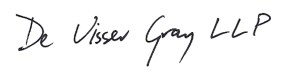
CHARTERED PROFESSIONAL ACCOUNTANTS
October 29, 2026
| Apex Critical Metals Corp. Consolidated Statements of Financial Position As at July 31, 2026 and 2025 (expressed in Canadian dollars) |
| Notes | July 31, 2026 |
July 31, 2025 |
|||||
| Assets | |||||||
| Current | |||||||
| Cash and cash equivalents | 10 | $ | $ | ||||
| Amounts receivable | 9, 10 | ||||||
| Marketable securities | 6 | ||||||
| Prepaid expenses and deposits | 9 | ||||||
| Exploration and evaluation assets | 7, 9 | ||||||
| Reclamation bonds | 7 | ||||||
| $ | $ | ||||||
| Liabilities | |||||||
| Current | |||||||
| Accounts payable and accrued liabilities | $ | $ | |||||
| Due to related parties | 9 | ||||||
| Flow-through share premium liability | 11 | ||||||
| Shareholders' Equity | |||||||
| Share capital | 8 | ||||||
| Reserves | |||||||
| Deficit | ( |
) | ( |
) | |||
| $ | $ |
Nature and continuation of operations (Note 1)
Commitment (Note 12)
Subsequent events (Notes 7, 9, 12, 14)
These consolidated financial statements were authorized for issue by the Audit Committee and Board of Directors on October 29, 2026.
| "Sean Charland" | "Jody Dahrouge" | ||
| Director | Director |
The accompanying notes are an integral part of these consolidated financial statements.
| Apex Critical Metals Corp. Consolidated Statements of Operations and Comprehensive Loss For the years ended July 31, 2026 and 2025 (expressed in Canadian dollars) |
| Year Ended July 31, |
|||||||
| Notes | 2026 | 2025 | |||||
| Expenses | |||||||
| Accounting and audit fees | $ | $ | |||||
| Administrative fees | 9 | ||||||
| Advertising and promotion | 9, 12 | ||||||
| Consulting fees | 9 | ||||||
| Filing, listing, and transfer agent fees | |||||||
| Foreign exchange | |||||||
| Insurance | |||||||
| Legal fees | |||||||
| Office | |||||||
| Salaries | 9 | ||||||
| Stock-based compensation | 8, 9 | ||||||
| Travel and meals | |||||||
| Loss before other items | |||||||
| Flow-through premium recovery | 11 | ( |
) | ( |
) | ||
| Interest income | ( |
) | ( |
) | |||
| Gain on marketable securities | 6 | ( |
) | ( |
) | ||
| Net and Comprehensive Loss for the year | $ | $ | |||||
| Basic and Diluted Loss Per Share | $ | $ | |||||
| Weighted Average Number of Common Shares Outstanding – Basic and Diluted | |||||||
The accompanying notes are an integral part of these consolidated financial statements.
| Apex Critical Metals Corp. Consolidated Statements of Changes in Equity For the years ended July 31, 2026 and 2025 (expressed in Canadian dollars) |
| Share Capital | Share Subscriptions |
Reserves | Deficit | Total | |||||||||||
| $ | $ | $ | $ | $ | |||||||||||
| Balance, July 31, 2024 | ( |
||||||||||||||
| Private placement | - | - | - | ||||||||||||
| Flow-through private placement | ( |
) | - | - | |||||||||||
| Property acquisition | - | - | - | ||||||||||||
| Warrants exercised | - | - | - | ||||||||||||
| Share issuance costs | ( |
) | - | - | - | ( |
) | ||||||||
| Stock-based compensation | - | - | - | ||||||||||||
| Net loss for the year | - | - | - | ( |
) | ( |
) | ||||||||
| Balance, July 31, 2025 | - | ( |
) | ||||||||||||
| Private placement | - | - | - | ||||||||||||
| Flow-through private placement | - | - | - | ||||||||||||
| Brokered private placement | - | - | - | ||||||||||||
| Options exercised | - | ( |
) | - | |||||||||||
| Warrants exercised | - | - | - | ||||||||||||
| Issuance on RSU vesting | - | ( |
) | - | |||||||||||
| Property acquisition | - | - | - | ||||||||||||
| Share issuance costs | ( |
) | - | - | ( |
) | |||||||||
| Stock-based compensation | - | - | - | ||||||||||||
| Net loss for the year | - | - | - | ( |
) | ( |
) | ||||||||
| Balance, July 31, 2026 | - | ( |
) |
The accompanying notes are an integral part of these consolidated financial statements.
| Apex Critical Metals Corp. Consolidated Statements of Cash flows For the years ended July 31, 2026 and 2025 (expressed in Canadian dollars) |
| Year Ended July 31, |
||||||
| 2026 | 2025 | |||||
| CASH FLOWS FROM (USED IN) OPERATING ACTIVITIES: | ||||||
| Net loss for the year: | $ | ( |
) | $ | ( |
) |
| Items not affecting cash: | ||||||
| Flow-through premium recovery | ( |
) | ( |
) | ||
| Stock-based compensation | ||||||
| Gain on marketable securities | ( |
) | ( |
) | ||
| Changes in non-cash working capital items: | ||||||
| Amounts receivable | ( |
) | ( |
) | ||
| Prepaid expenses and deposits | ( |
) | ( |
) | ||
| Accounts payable and accrued liabilities | ||||||
| Due to related parties | ||||||
| Net cash flows used in operating activities | ( |
) | ( |
) | ||
| CASH FLOWS FROM (USED IN) INVESTING ACTIVITIES: | ||||||
| Exploration and evaluation expenditures | ( |
) | ( |
) | ||
| Reclamation bond | ( |
) | ||||
| Mining tax credit | ||||||
| Changes in non-cash working capital items: | ||||||
| Accounts payable and accrued liabilities | ||||||
| Due to related parties | ||||||
| Net cash flows used in investing activities | ( |
) | ( |
) | ||
| CASH FLOWS FROM (USED IN) FINANCING ACTIVITIES: | ||||||
| Issuance of common shares | ||||||
| Cash share issuance costs | ( |
) | ( |
) | ||
| Share subscriptions received | ( |
) | ||||
| Changes in non-cash working capital: | ||||||
| Accounts payable and accrued liabilities | ||||||
| Net cash flows from financing activities | ||||||
| Net increase in cash | ||||||
| Cash and cash equivalents, beginning of year | ||||||
| Cash and cash equivalents, end of year | $ | $ | ||||
The accompanying notes are an integral part of these consolidated financial statements.
Apex Critical Metals Corp.
Notes to the Consolidated Financial Statements
For the years ended July 31, 2026 and 2025
(expressed in Canadian dollars)
1. NATURE AND CONTINUATION OF OPERATIONS
Apex Critical Metals Corp. (“Apex” or the “Company”) was incorporated on August 2, 2018, under the Company Act of British Columbia and is in the business of acquiring, exploring, developing and evaluating mineral resource properties. The Company is in the exploration stage and has interests in properties located in Canada and the United States. The head office, and principal address of the Company are located at 400 – 570 Granville Street, Vancouver, BC, Canada, V6C 3P1, and the registered and records office of the Company is located at Suite 2501 – 550 Burrard Street, Vancouver, BC, V6C 2B5. The Company’s common shares are listed on the Canadian Securities Exchange (“CSE”) under the trading symbol “APXC”, Euronext Access Paris under the trading symbol “MLAPX”, the OTCQX Best Market (“OTCQX”) under the trading symbol “APXCF”, and the Frankfurt Stock Exchange under the trading symbol “KL9”, and the Company’s American Depositary Shares (each representing six common shares) are listed on the Nasdaq Capital Market under the trading symbol “APXC”.
The Company has no source of significant revenues, has not yet achieved profitable operations, has working capital of $
In the future, the Company may raise additional financing through the issuance of share capital or shareholder loans; however, there can be no assurance that it will be successful in its efforts to do so and that the terms will be favourable to the Company. These consolidated financial statements do not include any adjustments that might be necessary to the carrying values of assets and liabilities, the reported expenses and statement of financial position classifications should the Company be unable to realize its assets and settle its liabilities as a going concern in the normal course of operations. There can be no assurance that management’s plan will be successful. If the going concern assumption were not appropriate for these consolidated financial statements, then possible material adjustments would be necessary in the carrying value of assets and liabilities, the reported expenses and the statement of financial position classifications used.
2. BASIS OF PRESENTATION
Statement of Compliance
These consolidated financial statements have been prepared in accordance with IFRS Accounting Standards ("IFRS") issued by the International Accounting Standards Board ("IASB") and interpretations of the International Financial Reporting Interpretations Committee ("IFRIC").
Basis of Measurement
The consolidated financial statements have been prepared on the historical cost basis, except for cash and cash equivalents which are reflected at fair value as set out in the accounting policies below. In addition, these consolidated financial statements have been prepared using the accrual basis of accounting except for cash flow information. The consolidated financial statements include the financial statements of the Company, its wholly owned subsidiary Elk Creek Rare Earths Corp. Subsidiaries consist of entities over which the Company is exposed to, or has rights to, variable returns as well as the ability to affect those returns through the power to direct the relevant activities of the entity. Subsidiaries are fully consolidated from the date control is transferred to the Company and are de-consolidated from the date control ceases. The consolidated financial statements include all the assets, liabilities, revenues, expenses and cash flows of the Company and its subsidiaries after eliminating inter-entity balances and transactions.
Apex Critical Metals Corp.
Notes to the Consolidated Financial Statements
For the years ended July 31, 2026 and 2025
(expressed in Canadian dollars)
3. SIGNIFICANT ACCOUNTING JUDGMENTS, ESTIMATES AND ASSUMPTIONS
Estimates and assumptions
In particular, information about significant areas of estimation uncertainty considered by management in preparing the consolidated financial statements includes:
- The recoverability of the carrying value of the exploration and evaluation assets is dependent on successful development and commercial exploitation, or alternatively, sale of the respective areas of interest;
- Management's assumption that there are currently no decommissioning liabilities is based on the facts and circumstances that have existed during the periods; and
- Determination of fair market value of common shares issued in exchange for exploration and evaluation assets.
Judgments
The critical judgments that the Company’s management has made in the process of applying the Company’s accounting policies from those involving estimations that have the most significant effect on the amounts recognized in the Company’s consolidated financial statements are as follows:
- Economic recoverability and probability of future economic benefits of exploration, evaluation and development costs: Management has determined that exploratory drilling, evaluation, development and related costs incurred which have been capitalized are economically recoverable. Management uses several criteria in its assessments of economic recoverability and probability of future economic benefit including geologic information, scoping and feasibility studies, accessible facilities, existing permits and life of mine plans;
- The assessment of the Company's ability to continue as a going concern involves judgment regarding future funding available for its exploration projects and working capital requirements; and
- The determination of subsidiary’s functional currency often requires significant judgment where the primary economic environment in which they operate may not be clear.
4. MATERIAL ACCOUNTING POLICY INFORMATION
The accounting policies set out below have been applied consistently to all periods presented in these consolidated financial statements.
Foreign currency translation
The Company’s and its subsidiary’s presentation currency and functional currency is the Canadian dollar as this is the principal currency of the economic environment in which it operates.
Transactions in foreign currencies are initially recorded in the Company's functional currency at the exchange rate at the date of the transaction. Monetary assets and liabilities denominated in foreign currencies are retranslated at the functional currency rate of exchange ruling at the end of each reporting period.
Non-monetary items that are measured in terms of historical cost in a foreign currency are translated using the exchange rates as at the dates of the initial transactions and are not subsequently restated. Non-monetary items measured at fair value in a foreign currency are translated using the exchange rates at the date when fair value is determined.
All gains and losses on translation of these foreign currency transactions are included in profit or loss.
Cash and cash equivalents
Cash and cash equivalents consists of balances with its bank and a Guaranteed Investment Certificate (“GIC”) held at a large brokerage firm.
The Company considers all highly liquid instruments which are readily convertible to known amounts of cash, and which are subject to an insignificant risk of changes in fair value to be cash equivalents.
Apex Critical Metals Corp.
Notes to the Consolidated Financial Statements
For the years ended July 31, 2026 and 2025
(expressed in Canadian dollars)
Exploration and evaluation costs
Exploration and evaluation activities involve the search for minerals, the determination of technical feasibility, and the assessment of commercial viability of an identified resource.
Exploration and evaluation costs incurred prior to obtaining licenses are expensed in the period in which they are incurred. Once the legal right to explore has been acquired, exploration and evaluation costs incurred are capitalized. All capitalized exploration and evaluation costs are recorded at acquisition cost and are monitored for indications of impairment. Where there are indications of a potential impairment, an assessment is performed for recoverability. Capitalized costs are charged to the statement of operations and comprehensive loss to the extent that they are not expected to be recovered.
Once the technical feasibility and commercial viability of the extraction of mineral resources in an area of interest are demonstrable, exploration and evaluation assets are tested for impairment and transferred to "Mines under construction". There is no amortization during the exploration and evaluation phase.
Recoverability of the carrying amount of any exploration and evaluation assets is dependent on successful development and commercial exploitation, or alternatively, sale of the respective areas of interest.
Impairment of non-current assets
Non-current assets are evaluated at least annually by management for indicators that carrying value is impaired and may not be recoverable. When indicators of impairment are present the recoverable amount of an asset is evaluated at the level of a cash generating unit (CGU), the smallest identifiable group of assets that generates cash inflows that are largely independent of the cash inflows from other assets or groups of assets, where the recoverable amount of a CGU is the greater of the CGU's fair value less costs to sell and its value in use. An impairment loss is recognized in income to the extent that the carrying amount exceeds the recoverable amount.
In calculating the recoverable amount, the Company uses discounted cash flow techniques to determine fair value when it is not possible to determine fair value either by quotes from an active market or a binding sales agreement. The determination of discounted cash flows is dependent on a number of factors, including future metal prices, the amount of reserves, the cost of bringing the project into production, production schedules, production costs, sustaining capital expenditures, and site closure, restoration and environmental rehabilitation costs. Additionally, the reviews take into account factors such as political, social and legal and environmental regulations. These factors may change due to changing economic conditions or the accuracy of certain assumptions and, hence, affect the recoverable amount. The Company uses its best efforts to fully understand all of the aforementioned to make an informed decision based upon historical and current facts surrounding the projects. Discounted cash flow techniques often require management to make estimates and assumptions concerning reserves and expected future production revenues and expenses.
Apex Critical Metals Corp.
Notes to the Consolidated Financial Statements
For the years ended July 31, 2026 and 2025
(expressed in Canadian dollars)
Mining tax credits
Mining tax credits and mining duties are recorded in the accounts when they are received. If and when received, these mining tax credits are recorded as a reduction of the related deferred exploration expenditures.
Decommissioning liabilities
A legal or constructive obligation to incur restoration, rehabilitation and environmental costs may arise when environmental disturbance is caused by the exploration, development or ongoing production of a mineral property interest. Such costs arising from the decommissioning of plant and other site preparation work, discounted to their net present value, are provided for and capitalized at the start of each project to the carrying amount of the asset, as soon as the obligation to incur such costs arises. A pre-tax discount rate that reflects the time value of money and the risks specific to the liability are used to calculate the net present value of the expected future cash flows. These costs are charged to the statement of loss over the economic life of the related asset, through depreciation expense using either the unit-of-production or the straight-line method as appropriate. The related liability is progressively increased each period as the effect of discounting unwinds, creating an expense recognized in the statement of loss. The liability is assessed at each reporting date for changes to the current market-based discount rate, amount or timing of the underlying cash flows needed to settle the obligation.
Costs for restoration of subsequent site damage which is created on an ongoing basis during production are provided for at their net present values and charged against profits as extraction progresses.
The Company has no material restoration, rehabilitation and environmental costs as the disturbance to date is minimal.
Share capital
The Company records the proceeds from share issuances net of issue costs and any tax effects as share capital.
Flow‑Through Share Arrangements
Flow‑through shares are a financing mechanism available to corporations engaged in eligible resource activities, including mining, oil and gas, and certain renewable energy or energy conservation projects. Under a flow‑through share agreement, the Company agrees to incur qualifying Canadian Exploration Expenses (“CEE”) or Canadian Development Expenses (“CDE”) and to renounce such expenditures to investors. The renunciation allows investors to deduct the qualifying expenditures for Canadian income tax purposes, even though the expenditures are incurred by the Company.
The Company is required to incur qualifying expenditures in an amount equal to the proceeds received from the issuance of flow‑through shares within the period prescribed under the Income Tax Act (Canada). Once the qualifying expenditures are incurred and renounced, the Company is no longer entitled to claim the related tax deductions. The renunciation may give rise to a deferred tax liability for the Company, as the tax benefits associated with the expenditures are transferred to investors.
The issuance of flow‑through shares typically results in the Company recording a premium liability representing the difference between the subscription price of the flow‑through shares and the fair value of the underlying common shares at the date of issuance. This premium is recognized in income as the qualifying expenditures are incurred and renounced to investors.
The Company evaluates its obligations under flow‑through share agreements at each reporting date, including the requirement to incur qualifying expenditures within the prescribed timeframe. If the Company does not incur qualifying expenditures as required, it may be subject to Part XII.6 tax or other penalties under the Income Tax Act (Canada).
Stock-based payments
The Company can grant stock options, RSUs, PSUs, and DSUs to directors, officers and employees.
The fair value of these instruments is measured at grant date, using the Black-Scholes option pricing model, and is recognized over the vesting period of the instruments. The fair value is recognized as an expense with a corresponding increase in reserves. The amount recognized as expense is adjusted to reflect the number of instruments expected to vest.
Apex Critical Metals Corp.
Notes to the Consolidated Financial Statements
For the years ended July 31, 2026 and 2025
(expressed in Canadian dollars)
Where the terms of an instrument are modified, the minimum expense recognized is the expense as if the terms had not been modified. An additional expense is recognized for any modification which increases the total fair value of the stock-based compensation arrangement, or is otherwise beneficial to the employee as measured at the date of modification over the remaining vesting period.
Stock-based payments to non-employees are measured at the fair value of the goods or services received or the fair value of the equity instruments issued, if it is determined the fair value of the goods or services cannot be reliably measured, and are recorded at the date the goods or services are received.
Common shares issued for consideration other than cash, are valued based on their market value of the common shares at the date the shares are issued.
Earnings (loss) per share
The Company presents basic and diluted earnings/loss per share data for its common shares, calculated by dividing the loss attributable to common shareholders of the Company by the weighted average number of common shares outstanding during the period. The Company uses the treasury stock method for calculating diluted earnings (loss) per share. Under this method the dilutive effect on earnings per share is calculated on the use of the proceeds that could be obtained upon exercise of options, warrants and similar instruments. It assumes that the proceeds of such exercise would be used to purchase common shares at the average market price during the period. However, the calculation of diluted loss per share excludes the effects of various conversions and exercise of options and warrants that would be anti-dilutive.
Reclamation deposits
The Company maintains cash deposits as required by regulatory bodies as assurance for the funding of reclamation costs. These funds are restricted to that purpose and are not available to the Company until the reclamation obligations have been fulfilled. Reclamation bonds are classified as non-current assets.
Financial instruments
Financial assets:
The classification of financial assets is based on how the entity manages its financial instruments and contractual cash flow characteristics of the financial asset. Transactions costs with respect to financial instruments classified as fair value through profit or loss are recognized in the statements of operations and comprehensive loss.
Cash and cash equivalents are classified as subsequently measured at amortized cost.
The Company’s financial assets that are classified as and subsequently measured at fair value through profit or loss are marketable securities. Fair values are determined by reference to quoted market prices at the statement of financial position date.
Reclamation deposits are classified as subsequently measured at amortized cost.
Financial liabilities:
Accounts payable and accrued liabilities are subsequently measured at amortized cost. Due to related parties is subsequently measured at amortized cost.
Related party transactions
Parties are considered to be related if one party has the ability, directly or indirectly, to control the other party or exercise significant influence over the other party in making financial and operating decisions. Parties are also considered to be related if they are subject to common control, related parties may be individuals or corporate entities. A transaction is considered to be a related party transaction when there is a transfer of resources or obligations between related parties.
Income taxes
Income tax on the profit or loss for the periods presented comprises current and deferred tax. Income tax is recognized in profit or loss except to the extent that it relates to a business combination or items recognized directly in equity or in other comprehensive income or loss.
Current tax expense is the expected tax payable on the taxable income for the year, using tax rates enacted or substantively enacted at year end, adjusted for amendments to tax payable with regards to previous years.
Deferred tax is provided using the liability method, providing for temporary differences between the carrying amounts of assets and liabilities for financial reporting purposes and the amounts used for taxation purposes. The following temporary differences are not provided for: goodwill not deductible for tax purposes; the initial recognition of assets or liabilities that affect neither accounting nor taxable profit; and differences relating to investments in subsidiaries and associates to the extent that they will probably not reverse in the foreseeable future. The amount of deferred tax provided is based on the expected manner of realization or settlement of the carrying amount of assets and liabilities, using tax rates enacted or substantively enacted at the financial position reporting date applicable to the period of expected realization or settlement.
Apex Critical Metals Corp.
Notes to the Consolidated Financial Statements
For the years ended July 31, 2026 and 2025
(expressed in Canadian dollars)
A deferred tax asset is recognized only to the extent that it is probable that future taxable profits will be available against which the asset can be utilized.
Deferred tax assets and liabilities are offset when there is a legally enforceable right to set off current tax assets against current tax liabilities and when they relate to income taxes levied by the same taxation authority and the Company intends to settle its current tax assets and liabilities on a net basis.
5. RECENT ACCOUNTING PRONOUNCEMENTS
Accounting standards or amendments to existing accounting standards that have been issued but have future effective dates are either not applicable or are not expected to have a significant impact on the Company’s consolidated financial statements, except for IFRS 18 “Presentation and Disclosure in Financial Statements” discussed below.
On April 9, 2024, the IASB issued IFRS 18, which introduced new requirements for improved comparability in the statement of profit or loss, enhanced transparency of management-defined performance measures and more useful grouping of information in the financial statements. The standard is effective for annual reporting periods beginning on or after January 1, 2027. The Company is currently evaluating the impact to the financial statements.
6. MARKETABLE SECURITIES
During the year ended July 31, 2024, the Company received
7. EXPLORATION AND EVALUATION ASSETS
British Columbia, Canada
The Company holds mineral claims in British Columbia under the CAP and Carbo properties comprised of two distinct claim groups within the Rocky Mountain Rare Metal Belt.
CAP property
In February 2019, the Company acquired a
Carbo property
The Company acquired a
Apex Critical Metals Corp.
Notes to the Consolidated Financial Statements
For the years ended July 31, 2026 and 2025
(expressed in Canadian dollars)
Quebec, Canada
West James Bay property
In May 2024, the Company purchased a
In June 2024, the Company entered into an Earn-In Option Agreement, whereby the Company granted the optionee the option to acquire
Lac Le Moyne Carbonatite property
In February 2025, the Company entered into a mineral property acquisition agreement to acquire a
- $
- If a material drill intersection of niobium mineralization is identified on the project, an additional
- The property is subject to a
Ontario, Canada
Bianco property
In November 2024, the Company acquired certain mineral claims, situated approximately 12.5 km southwest of the Kingfisher Lake First Nation and 156 km north of Pickle Lake, Ontario from DG Resource Management Ltd., a company controlled by Jody Dahrouge, a director of the Company, for $
Nebraska, USA
Rift property
During the year ended July 31, 2025, the Company executed agreements with individual landholders to acquire the right to explore for and the option to purchase the mineral and surface rights over
Subsequent to July 31, 2026, the Company optioned a further
Colorado, USA
Iron Hills property
In April 2026, the Company acquired certain mineral claims for $
Reclamation Bonds
The Company's reclamation bonds relate to the following properties:
| As at | As at | |||||
| July 31, 2026 | July 31, 2025 | |||||
| $ | $ | |||||
| CAP property | ||||||
| Rift property | ||||||
| Total |
Apex Critical Metals Corp.
Notes to the Consolidated Financial Statements
For the years ended July 31, 2026 and 2025
(expressed in Canadian dollars)
The following table summarizes exploration and evaluation asset changes during the applicable periods:
| CAP | Carbo |
West James Bay |
Lac Le Moyne |
Bianco | Rift | Iron Hills |
Total property costs |
|||||||||||||||||
| Balance, July 31, 2024 | ||||||||||||||||||||||||
| Acquisition costs - cash |
|
|
||||||||||||||||||||||
| Acquisition costs - shares | ||||||||||||||||||||||||
| Assays | ||||||||||||||||||||||||
| Camp costs | ||||||||||||||||||||||||
| Drilling costs | ||||||||||||||||||||||||
| Geological expenses | ||||||||||||||||||||||||
| Reports and other | ||||||||||||||||||||||||
| Supplies | ||||||||||||||||||||||||
| Travel & transportation |
|
|||||||||||||||||||||||
| Total for the year | ||||||||||||||||||||||||
| Mining tax credits | ( |
) | ( |
) | ||||||||||||||||||||
| Balance, July 31, 2025 | ||||||||||||||||||||||||
| Acquisition costs - cash | ||||||||||||||||||||||||
| Acquisition costs - shares | ||||||||||||||||||||||||
| Acquisition costs - staking | ||||||||||||||||||||||||
| Assays | ||||||||||||||||||||||||
| Camp costs | ||||||||||||||||||||||||
| Drilling costs | ||||||||||||||||||||||||
| Geological expenses | ||||||||||||||||||||||||
| Other costs | ||||||||||||||||||||||||
| Supplies and rentals | ||||||||||||||||||||||||
| Travel & accommodation | ||||||||||||||||||||||||
| Total for the year | ||||||||||||||||||||||||
| Balance, July 31, 2026 |
Apex Critical Metals Corp.
Notes to the Consolidated Financial Statements
For the years ended July 31, 2026 and 2025
(expressed in Canadian dollars)
8. SHARE CAPITAL
a) Authorized:
- Unlimited common shares with no par value.
b) Issued and outstanding
| Common Shares |
Number of Shares* |
$ | ||||
| Balance, July 31, 2024 | $ | |||||
| Private placements (1,3) | ||||||
| Flow-through private placements (2,5) | ||||||
| Property acquisition (4) | ||||||
| Warrants exercised (note 8(c)) | ||||||
| Share issuance costs | - | ( |
) | |||
| Balance, July 31, 2025 | $ | |||||
| Private placement (7) | ||||||
| Flow-through private placement (6) | ||||||
| Brokered private placement (9) | ||||||
| Property acquisition (8) | ||||||
| Warrants exercised (note 8(c)) | ||||||
| Options exercised (note 8(d)) | ||||||
| Issuance on RSU vesting (note 8(d)) | ||||||
| Share issuance costs | - | ( |
) | |||
| Balance, July 31, 2026 | $ |
* On November 7, 2024, the Company completed a forward split of all of its issued and outstanding common shares on the basis of one and one-half new common shares for one old common share. The number of common shares were adjusted for the split. Outstanding stock options and share purchase warrants at the time of the split were also adjusted along with the respective exercise prices.
As of July 31, 2026, the Company has no common shares held in escrow (2025 –
During the year ended July 31, 2025:
(1) On August 16, 2024, the Company completed the second and final tranche of a non-brokered private placement consisting of
(2) On September 24, 2024, the Company completed a non-brokered private placement issuing
(3) On December 30, 2024, the Company completed a non-brokered private placement issuing a total of
Apex Critical Metals Corp.
Notes to the Consolidated Financial Statements
For the years ended July 31, 2026 and 2025
(expressed in Canadian dollars)
(4) On February 12, 2025, the Company issued
(5) On February 21, 2025, the Company completed a non-brokered private placement issuing a total of
During the year ended July 31, 2026:
(6) On October 22, 2025, the Company completed a non-brokered flow-through private placement issuing
(7) On October 30, 2025, the Company completed a non-brokered private placement issuing
(8) On January 28, 2026, the Company issued
(9) On June 2, 2026, the Company closed a brokered private placement, whereby the Company issued
The fair value of the agent’s warrants was calculated using the Black Scholes option pricing model based on the following assumptions: Exercise price - $
Apex Critical Metals Corp.
Notes to the Consolidated Financial Statements
For the years ended July 31, 2026 and 2025
(expressed in Canadian dollars)
c) Warrants
The following is a summary of warrant transactions for the years ended July 31, 2026 and 2025:
| July 31, 2026 | July 31, 2025 | |||||||||||
| Weighted Average | Weighted average | |||||||||||
| Number of | Exercise | Number of | Exercise | |||||||||
| Warrants | Price | Warrants | Price | |||||||||
| Balance, beginning of year | $ | $ | ||||||||||
| Exercised | ( |
) | ( |
) | ||||||||
| Issued | ||||||||||||
| Balance, end of year | $ | $ | ||||||||||
The following warrants were outstanding and exercisable as of July 31, 2026:
| Number of Warrants | Weighted Average | ||||||
| Exercise | Outstanding and | Remaining Contractual | |||||
| Expiry Date | Price | Exercisable | Life (Years) | ||||
| September 24, 2026** | $ |
||||||
| December 30, 2026 | $ |
||||||
| October 22, 2027 | $ |
||||||
| October 30, 2027 | $ |
||||||
| October 30, 2027* | $ |
||||||
| June 2, 2028 | $ |
||||||
| June 2, 2028* | $ |
||||||
| Total |
*Finder's or agent's warrants
**Exercised subsequent to July 31, 2026 (Note 14).
During the year ended July 31, 2025,
During the year ended July 31, 2026,
The weighted average share price on the dates that warrants were exercised during the year ended July 31, 2026 was $
d) Stock-based compensation
Equity Incentive Plan
The Company has an equity compensation plan that includes stock options, restricted share units ("RSU"), deferred share units ("DSU") and performance share units ("PSU"). The total outstanding awards including options, PSUs, DSUs or RSUs, shall not exceed more than
Stock Option Plan
Options are granted with an exercise price determined by the Board of Directors, which may not be less than
RSUs, DSUs, and PSUs under the Plan
A RSU is a unit equivalent in value to a Common Share which entitles the holder to receive one common share for each RSU after a specified vesting period determined by the Company. Upon settlement, RSU holders will receive (a) one fully paid and non-assessable common share in respect of each vested RSU, (b) subject to the approval by the board of directors, a cash payment, or (c) a combination of common shares and cash. The cash payment is determined by multiplying the number of RSUs redeemed for cash by the market price on the date of settlement. RSUs expire by December 31 in the third year after they are granted.
Apex Critical Metals Corp.
Notes to the Consolidated Financial Statements
For the years ended July 31, 2026 and 2025
(expressed in Canadian dollars)
A DSU is a unit equivalent in value to a common share which entitles the holder to receive one common share for each DSU on a future date, generally upon termination of service with the Company. Upon settlement, holders will receive (a) one fully paid and nonassessable common share in respect of each vested DSU, (b) subject to the approval of the board of directors, a cash payment, or (c) a combination of common shares and cash. The cash payment is determined with reference to the market price in the same manner as with RSUs.
A PSU is a unit equivalent in value to a common share which entitles the holder to receive one common share for each PSU on a future date, generally upon the achievement of certain performance goals within the Company. Upon settlement, holders will receive (a) one fully paid and nonassessable common share in respect of each vested PSU, (b) subject to the approval of the board of directors, a cash payment, or (c) a combination of common shares and cash. The cash payment is determined with reference to the market price in the same manner as with RSUs.
The RSUs, DSUs and PSUs granted will vest and be exercisable on a basis determined by the board at the time of the grant and will be exercisable for a period not exceeding ten years.
Stock options
The following is a summary of option transactions under the Company's equity incentive plan for the years ended July 31, 2026 and 2025:
| July 31, 2026 | July 31, 2025 | |||||||||||
| Weighted Average | Weighted average | |||||||||||
| Number of | Exercise | Number of | Exercise | |||||||||
| Options | Price | Options | Price | |||||||||
| Balance, beginning of year | $ | $ | ||||||||||
| Exercised | ( |
) | - | - | ||||||||
| Granted | ||||||||||||
| Balance, end of year | $ | $ | ||||||||||
The following stock options were outstanding and exercisable as at July 31, 2026:
| Number of | Number of | Weighted Average | ||||||||
| Exercise | Options | Options | Remaining Contractual | |||||||
| Expiry Date | Price | Exercisable | Outstanding | Life (Years) | ||||||
| April 26, 2029 | $ |
|||||||||
| May 8, 2029 | $ |
|||||||||
| March 14, 2030 | $ |
|||||||||
| September 8, 2030 | $ |
|||||||||
| October 22, 2027 | $ |
|||||||||
| December 5, 2029 | $ |
|||||||||
| January 30, 2028 | $ |
|||||||||
| May 7, 2031 | $ |
|||||||||
| May 7, 2028 | $ |
|||||||||
| Total |
Stock option granted during the year ended July 31, 2025
- On March 14, 2025, the Company granted
Apex Critical Metals Corp.
Notes to the Consolidated Financial Statements
For the years ended July 31, 2026 and 2025
(expressed in Canadian dollars)
Stock options granted during the year ended July 31, 2026
- On September 8, 2025, the Company granted
- On October 22, 2025, the Company granted
- On December 5, 2025 the Company granted
- On January 30, 2026 the Company granted
- On May 7, 2026 the Company granted
During the year ended July 31, 2026,
The weighted average share price on the dates that options were exercised during the year ended July 31, 2026 was $
Restricted share units
The following is a summary of RSU transactions under the Company's equity incentive plan for the years ended July 31, 2026 and 2025:
| Number of | |||
| RSUs | |||
| Balance, July 31, 2024 and 2025 | |||
| Granted | |||
| Exercised | ( |
) | |
| Balance, July 31, 2026 |
The following RSUs were outstanding and exercisable as at July 31, 2026:
| Number of | Number of | Weighted Average | |||||||
| RSUs | RSUs | Remaining Contractual | |||||||
| Expiry Date | Vested* | Outstanding | Life (Years) | ||||||
| December 31, 2028 | |||||||||
| December 31, 2029 | |||||||||
| Total |
* The grantee has the ability to request the issuance of the related common shares at any time once vested.
Apex Critical Metals Corp.
Notes to the Consolidated Financial Statements
For the years ended July 31, 2026 and 2025
(expressed in Canadian dollars)
RSUs granted during the year ended July 31, 2026
- On September 8, 2025, the Company granted
- On October 22, 2025, the Company granted
- On December 5, 2025, the Company granted
- On January 23, 2026, the Company granted
- On May 7, 2026, the Company granted
During the year ended July 31, 2026,
Stock-based compensation
The following weighted average assumptions were used for the Black-Scholes pricing model calculations for options granted:
| May 7, 2026 | Jan 30, 2026 | Dec 5, 2025 | Oct 22, 2025 | Sept 8, 2025 | Mar 14, 2025 | |
| Risk-free interest rate | ||||||
| Expected stock price volatility | ||||||
| Expected option life in years | ||||||
| Dividend rate |
During the year ended July 31, 2025, $
During the years ended July 31, 2026, $
9. TRANSACTIONS WITH KEY MANAGEMENT AND RELATED PARTIES
Key management personnel include directors and officers who have the authority and responsibility for the planning, directing, and controlling the activities of the Company.
The terms and conditions of these transactions with key management and related parties were no more favourable than those available, or which might reasonably be expected to be available, for similar transactions with an arm's length party.
During the years ended July 31, 2026 and 2025, the Company incurred the following with key management:
Apex Critical Metals Corp.
Notes to the Consolidated Financial Statements
For the years ended July 31, 2026 and 2025
(expressed in Canadian dollars)
| Year ended | Year ended | |||||
| July 31, 2026 | July 31, 2025 | |||||
| $ | $ | |||||
| Administrative fees (1) | ||||||
| Advertising and promotion (1) | ||||||
| Exploration costs (2) | ||||||
| Consulting fees (3) | ||||||
| Property acquisition costs (4) | ||||||
| Wages and benefits (5) | ||||||
| Stock-based compensation (6) | ||||||
| Total |
(1) The Company continues to renew 12-month Management Services Agreements (“MSA”) with Zimtu Capital Corp. (“Zimtu”). Sean Charland is an officer and director of Zimtu, as well as an officer and director of the Company. Jody Bellefleur is an officer of Zimtu, as well as an officer and director of the Company. Under the terms of the MSA, Zimtu provides the Company with administrative and managerial services, including corporate maintenance, continuous disclosure services, rent, and administrative services, at a rate of $
The Company also incurred $
(2) Amounts incurred to Dahrouge Geological Consulting Ltd. (“Dahrouge”) and included in exploration and evaluation assets. Jody Dahrouge is a principal at Dahrouge as well as a director with the Company.
(3) Amounts incurred to Dahrouge, Kaiben Geological Ltd., and EBC Consulting Group Ltd. for consulting services. Jody Dahrouge is a principal at Dahrouge as well as a director with the Company. Darren Smith is a majority owner at Kaiben Geological Ltd. and a director of the Company. Joness Lang is a majority owner at EBC Consulting Group Ltd. and a director and officer of the Company.
(4) Amounts paid to Dahrouge, and included in exploration and evaluation assets. Jody Dahrouge is a principal at Dahrouge as well as a director with the Company.
(5) Salaries paid to Nathan Steinke (year ended July 31, 2026 – $
(6) Non-cash amounts related to options and RSUs granted to directors and officers.
The following table shows amounts due to related parties at the applicable date:
|
July 31, 2026 |
July 31, 2025 |
|||||
| $ | $ | |||||
| Dahrouge | ||||||
| EBC Consulting Group Ltd. | ||||||
| Kaiben Geological Ltd. | ||||||
| Zimtu | ||||||
| Total |
As of July 31, 2026, the Company has prepaid $
As at July 31, 2026, included in amounts receivable was $
The amounts due to related parties are unsecured, non-interest bearing, and have no specific terms of repayment.
Apex Critical Metals Corp.
Notes to the Consolidated Financial Statements
For the years ended July 31, 2026 and 2025
(expressed in Canadian dollars)
Agreements with Key management
Mr. Sean Charland
The Company and Mr. Charland entered into an executive employment agreement dated November 25, 2025, pursuant to which the Company employs Mr. Charland as President and CEO on an indefinite term. Compensation includes a $
If Mr. Charland is terminated without cause, he will be entitled to no less than the minimum entitlements under the Employment Standards Act (British Columbia), plus 12 months' notice or salary in lieu per year of service up to a 36-month cap, with no bonus payable during the notice period.
The agreement provides for a transaction bonus if he leads and completes a sale transaction or other transaction resulting in a change of control,
Mr. Joness Lang
The Company, Mr. Lang and EBC Consulting Group Ltd. ("EBC"), a company owned and controlled by Mr. Lang, entered into an executive services agreement dated February 15, 2026, pursuant to which the Company engaged EBC as a consultant and appointed Mr. Lang as Executive Vice-President, Growth Strategy on an indefinite term. Compensation includes a $
If Mr. Lang is terminated without cause, he will be entitled to 12 months’ notice or fees in lieu per year of service up to a 36‑month cap, with no bonus payable during the notice period.
The agreement provides for a transaction bonus if he leads and completes a sale transaction or other transaction resulting in a change of control,
Mr. Nathan Steinke
The Company and Mr. Steinke entered into an executive employment agreement dated February 1, 2026, pursuant to which the Company employs Mr. Steinke as CFO on an indefinite term. Compensation includes a $
If Mr. Steinke is terminated without cause, he will be entitled to no less than the minimum entitlements under the Employment Standards Act (British Columbia), plus 12 months’ notice or salary in lieu per year of service up to a 36‑month cap, with no bonus payable during the notice period.
10. FINANCIAL INSTRUMENTS
The Company's risk management policies are established to identify and analyze the risks faced by the Company, to set appropriate risk limits and controls, and to monitor risks and adherence to market conditions and the Company's activities. The Company has exposure to credit risk, liquidity risk and market risk as a result of its use of financial instruments. This note presents information about the Company's exposure to each of the above risks and the Company's objectives, policies and processes for measuring and managing these risks. Further quantitative disclosures are included throughout these financial statements.
Apex Critical Metals Corp.
Notes to the Consolidated Financial Statements
For the years ended July 31, 2026 and 2025
(expressed in Canadian dollars)
The Board of Directors has overall responsibility for the establishment and oversight of the Company's risk management framework. The Board has implemented and monitors compliance with risk management policies as set out herein:
a) Credit Risk
Credit risk is the risk of financial loss to the Company if a customer or counterparty to a financial instrument fails to meet its contractual obligations. The Company’s cash and receivables are subject to credit risk for a maximum of the amounts shown on the consolidated statements of financial position. The Company limits its exposure to credit loss by placing its cash with high credit quality financial institutions.
The following table shows the Company’s cash holdings at the applicable dates:
|
July 31, 2026 |
July 31, 2025 |
|||||
| $ | $ | |||||
| Cash at banks | ||||||
| Short-term GIC | ||||||
| Total cash and cash equivalents |
The following table shows the Company’s amounts receivable at the applicable dates:
|
July 31, 2026 |
July 31, 2025 |
|||||
| $ | $ | |||||
| GST/QST due from the Canadian governments | ||||||
| Accrued interest on short-term GIC | ||||||
| Due from related party (note 9) | ||||||
| Total amounts receivable |
The Company considers credit risk on its receivables to be minimal as they are primarily due from Canadian governments and large institutions.
b) Liquidity Risk
Liquidity risk is the risk that the Company will incur difficulties meeting its financial obligations as they are due. The Company's approach to managing liquidity is to ensure, as far as possible, that it will have sufficient liquidity to meet its liabilities when due, under both normal and stressed conditions without incurring unacceptable losses or risking harm to the Company's reputation.
As of July 31, 2026, the Company has total current liabilities of $
c) Market Risk
Market risk consists of currency risk, commodity price risk and interest rate risk. The objective of market risk management is to manage and control market risk exposures within acceptable limits, while maximizing returns.
I. Foreign Currency Risk and Sensitivity Analysis
Foreign currency exchange rate risk is the risk that the fair value or future cash flows will fluctuate as a result of changes in foreign exchange rates.
The Company is exposed to foreign currency risk on fluctuations related to items that are denominated in US dollars. As at July 31, 2026, net financial assets (liabilities) totaling $(
Based on the above net exposure as at July 31, 2026 and assuming all other variables remain constant, a
II. Commodity Price Risk
Commodity price risk is the risk that the fair value of future cash flows will fluctuate as a result of changes in commodity prices. Commodity prices for minerals are impacted by world economic events that dictate the levels of supply and demand as well as the relationship between the Canadian and United States dollar.
As the Company has not yet developed commercial mineral interests, it is not exposed to commodity price risk at this time.
Apex Critical Metals Corp.
Notes to the Consolidated Financial Statements
For the years ended July 31, 2026 and 2025
(expressed in Canadian dollars)
III. Interest Rate Risk
Interest rate risk is the risk that future cash flows will fluctuate as a result of changes in market interest rates.
The Company is not exposed to interest rate risk as the Company had no variable interest rate bearing items as at July 31, 2026.
d) Fair Value
Financial instruments measured at fair value are classified into one of three levels in the fair value hierarchy according to the relative reliability of the inputs used to estimate the fair values. The three levels of the fair value hierarchy are:
- Level 1 - Unadjusted quoted prices in active markets for identical assets or liabilities;
- Level 2 - Inputs other than quoted prices that are observable for the asset or liability either directly or indirectly; and
- Level 3 - Inputs that are not based on observable market data.
The following table summarizes the carrying and hierarchy level for the Company’s financial instruments:
| Item |
Hierarchy valuation level |
July 31, 2026 |
July 31, 2025 |
||||
| Cash | Level 1 | ||||||
| Receivables | Level 1 | ||||||
| Marketable securities | Level 1 | ||||||
| Reclamation bonds | Level 1 | ||||||
| Accounts payable and accrued liabilities | Level 1 | ||||||
| Due to related parties | Level 1 |
e) Capital Management
The Company defines capital as share capital. The Company’s targeted capital structure at July 31, 2026 is
The Company is not subject to any externally imposed capital requirements and there were no changes in the Company’s approach to capital management during the year ended July 31, 2026.
11. FLOW-THROUGH SHARE PREMIUM LIABILITY
On September 24, 2024, the Company issued
Apex Critical Metals Corp.
Notes to the Consolidated Financial Statements
For the years ended July 31, 2026 and 2025
(expressed in Canadian dollars)
On February 21, 2025, the Company issued
On October 22, 2025, the Company issued
The following table shows the liability related to the premium on the flow-through shares issued at the applicable dates:
|
Issued on September 24, 2024 |
Issued on February 21, 2025 |
Total |
|||||||
| $ | $ | $ | |||||||
| Balance, July 31, 2024 | |||||||||
| Liability incurred on flow-through shares issued | |||||||||
| Settlement of flow-through share liability on incurred expenses | ( |
) | ( |
) | ( |
) | |||
| Balance, July 31, 2025 | |||||||||
| Settlement of flow-through share liability on incurred expenses | ( |
) | ( |
) | |||||
| Balance, July 31, 2026 |
12. ADVERTISING AND PROMOTION
In July 2024, the Company engaged an unrelated third party to assist with a significant investor relations campaign with respect to its mining assets. During the year ended July 31, 2026 the Company has incurred $
13. CORPORATE INCOME TAXES
The Company is subject to income taxes in Canada and the United States. The reconciliation of the income tax provision computed at the statutory rate is as follows:
| 2026 | 2025 | |||||
| Rounded to nearest thousand | $ | $ | ||||
| Net loss before tax | ( |
) | ( |
) | ||
| Statutory tax rate | ||||||
| Expected income tax recovery | ( |
) | ( |
) | ||
| Net adjustments for deductible and non-deductible amounts | ||||||
| Flow through expenses renounced | ||||||
| True-up for prior year balance | ( |
) | ||||
| Change in valuation allowance | ( |
) | ||||
| Deferred income tax recovery |
Apex Critical Metals Corp.
Notes to the Consolidated Financial Statements
For the years ended July 31, 2026 and 2025
(expressed in Canadian dollars)
There are no deferred tax assets/(liabilities) presented in the statement of financial position.
Deductible temporary differences, unused tax losses and unused tax credits for which no deferred tax assets/ (liabilities) have been recognized are attributable to the following:
| 2026 | 2025 | |||||
| Rounded to nearest thousand | $ | $ | ||||
| Non-capital loss carry-forwards | ||||||
| Exploration and evaluation assets | ( |
) | ( |
) | ||
| Marketable securities | ( |
) | ( |
) | ||
| Share issue costs | ||||||
| Total |
The Company has non-capital losses available for Canadian income tax purposes which may be carried forward to reduce taxable income in future years. Currently the Company has negligible non-capital losses of $
| Year of Expiry | $ | ||
| 2039 | |||
| 2040 | |||
| 2041 | |||
| 2042 | |||
| 2043 | |||
| 2044 | |||
| 2045 | |||
| 2046 | |||
| Total |
The Company has unclaimed Canadian resource pools at July 31, 2026 of approximately $
The Company has unclaimed United States resource pools at July 31, 2026 of approximately $
14. SUBSEQUENT EVENTS
a) On August 14, 2026, filed and obtained a receipt for a final short form base shelf prospectus dated August 10, 2026 (the “Shelf Prospectus”) with the securities commissions in each of the provinces and territories of Canada, except Québec. A corresponding registration statement on Form F-10 has been filed with the United States Securities and Exchange Commission under the United States Securities Act of 1933, as amended, and the U.S./Canada Multijurisdictional Disclosure System (the “Registration Statement”), which automatically became effective as of August 13, 2026 under the U.S./Canada Multijurisdictional Disclosure System.
The Shelf Prospectus and Registration Statement will allow the Company to offer and issue up to C$
b) On October 23, 2026 the Company closed an underwritten public offering in the United States, and began trading on the Nasdaq Capital Market under the Symbol “APXC”. The offering consisted of
In addition, the Company granted the underwriter a 45-day option to place up to an additional
c) Subsequent to July 31, 2026,