Exhibit 99.1
A Late - stage Ultra - rare Disease Company Treating Refractory Hypoglycemia Corporate Presentation
Forward Looking Statements 2 This presentation, like many written and oral communications presented by Rezolute and our authorized officers, may contain certain forward - looking statements regarding our prospective performance and strategies within the meaning of Section 27 A of the Securities Act and Section 21 E of the Securities Exchange Act of 1934 , as amended . We intend such forward - looking statements to be covered by the safe harbor provisions for forward - looking statements contained in the Private Securities Litigation Reform Act of 1995 and are including this statement for purposes of said safe harbor provisions . Forward - looking statements, which are based on certain assumptions and describe future plans, strategies, and expectations of Rezolute, are generally identified by use of words such as "anticipate," "believe," "estimate," "expect," "intend," "plan," "project," "prove," "potential," "seek," "strive," "try," or future or conditional verbs such as "predict," "could," "may," "likely," "should," "will," "would," or similar expressions . These forward - looking statements include, but are not limited to, statements regarding the design, timing, and results of our studies of ersodetug , including the sunRIZE open - label extension, the upLIFT study, and our Expanded Access Program ; the potential efficacy, safety, and benefits of ersodetug in congenital hyperinsulinism, tumor hyperinsulinism, GI - surgery hypoglycemia, and other potential indications ; our interactions with the U . S . Food and Drug Administration and other regulators, the regulatory pathway for ersodetug , and the timing and potential submission of a reimbursement, payer coverage, guideline inclusion, and market adoption ; and the sufficiency of our cash runway . Our ability to predict results or the actual effects of our plans or strategies is inherently uncertain . Accordingly, actual results may differ materially from anticipated results . Readers are cautioned not to place undue reliance on these forward - looking statements, which speak only as of the date of this release . Except as required by applicable law or regulation, Rezolute undertakes no obligation to update these forward - looking statements to reflect events or circumstances that occur after the date on which such statements were made . Important factors that may cause such a difference include any other factors discussed in our filings with the SEC, including the Risk Factors contained in the Rezolute’s Annual Report on Form 10 - K and Quarterly Reports on Form 10 - Q, which are available at the SEC’s website at www . sec . gov . You are urged to consider these factors carefully in evaluating the forward - looking statements in this release and are cautioned not to place undue reliance on such forward - looking statements, which are qualified in their entirety by this cautionary statement . This presentation shall not constitute an offer to sell or the solicitation of an offer to buy, nor shall there be any sale of these securities in any state or other jurisdiction in which such offer, solicitation or sale would be unlawful prior to registration or qualification under the securities laws of any such state or other jurisdiction . ©2026 Rezolute, Inc. All Rights Reserved.
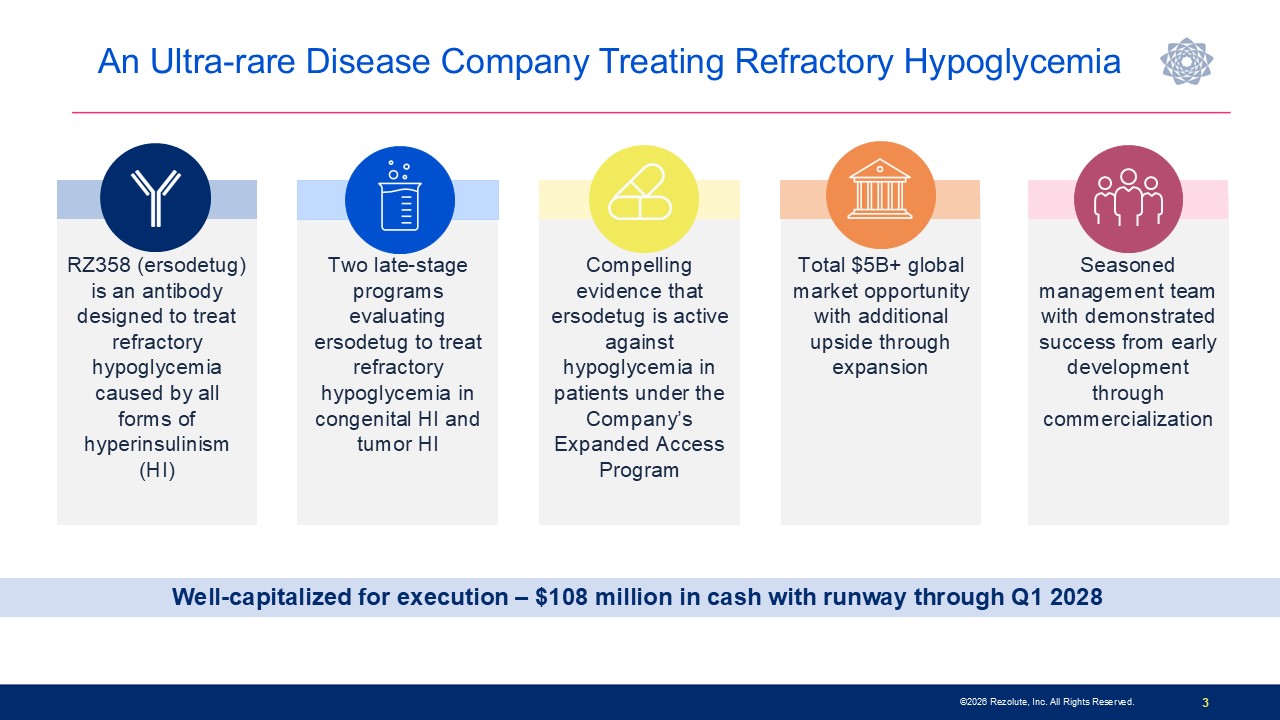
An Ultra - rare Disease Company Treating Refractory Hypoglycemia 3 Well - capitalized for execution – $108 million in cash with runway through Q1 2028 Seasoned management team with demonstrated success from early development through commercialization Total $5B+ global market opportunity with additional upside through expansion Compelling ev idence that ersodetug is active against hypoglycemia in patients under the Company’s Expanded Access Program Two late - stage programs evaluating ersodetug to treat refractory hypoglycemia in congenital HI and tumor HI RZ358 ( ersodetug ) is an antibody designed to treat refractory hypoglycemia caused by all forms of hyperinsulinism (HI) ©2026 Rezolute, Inc. All Rights Reserved.
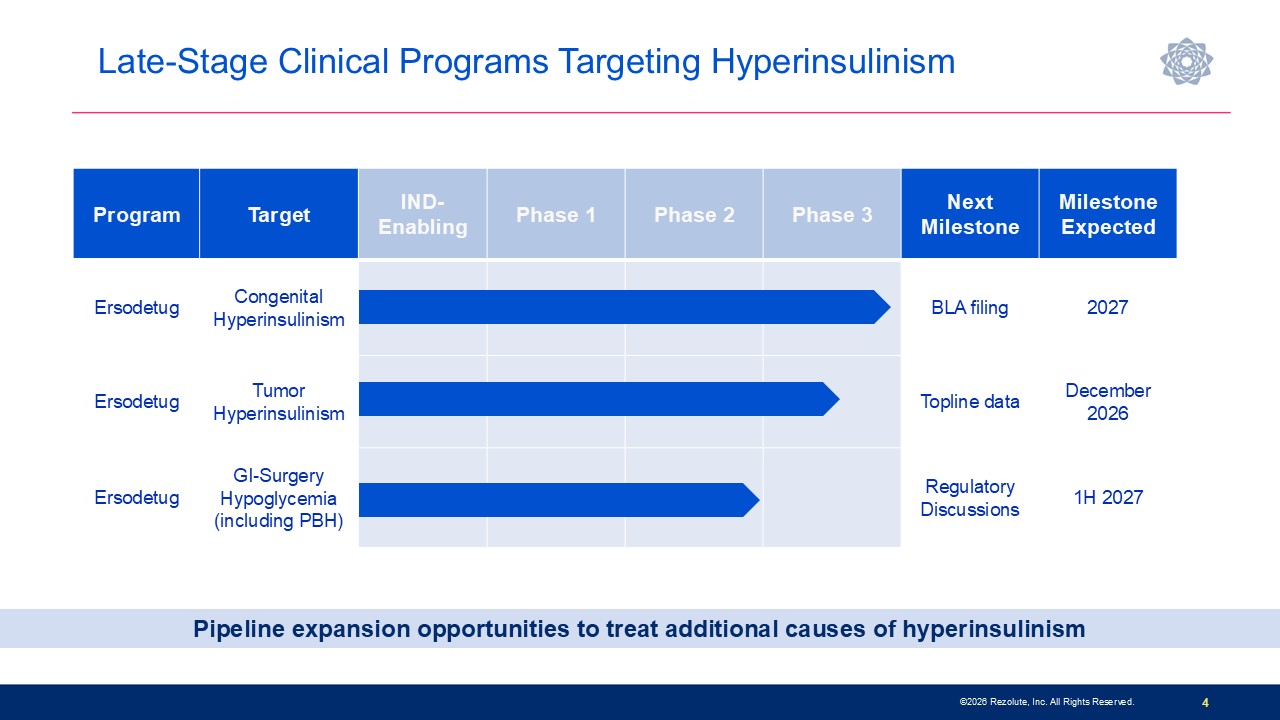
Late - Stage Clinical Programs Targeting Hyperinsulinism 4 Milestone Expected Next Milestone Phase 3 Phase 2 Phase 1 IND - Enabling Target Program 2027 BLA filing Congenital Hyperinsulinism Ersodetug December 2026 Topline data Tumor Hyperinsulinism Ersodetug 1H 2027 Regulatory Discussions GI - Surgery Hypoglycemia (including PBH) Ersodetug Pipeline expansion opportunities to treat additional causes of hyperinsulinism ©2026 Rezolute, Inc. All Rights Reserved.

Ersodetug Treatment for Hyperinsulinism (HI)
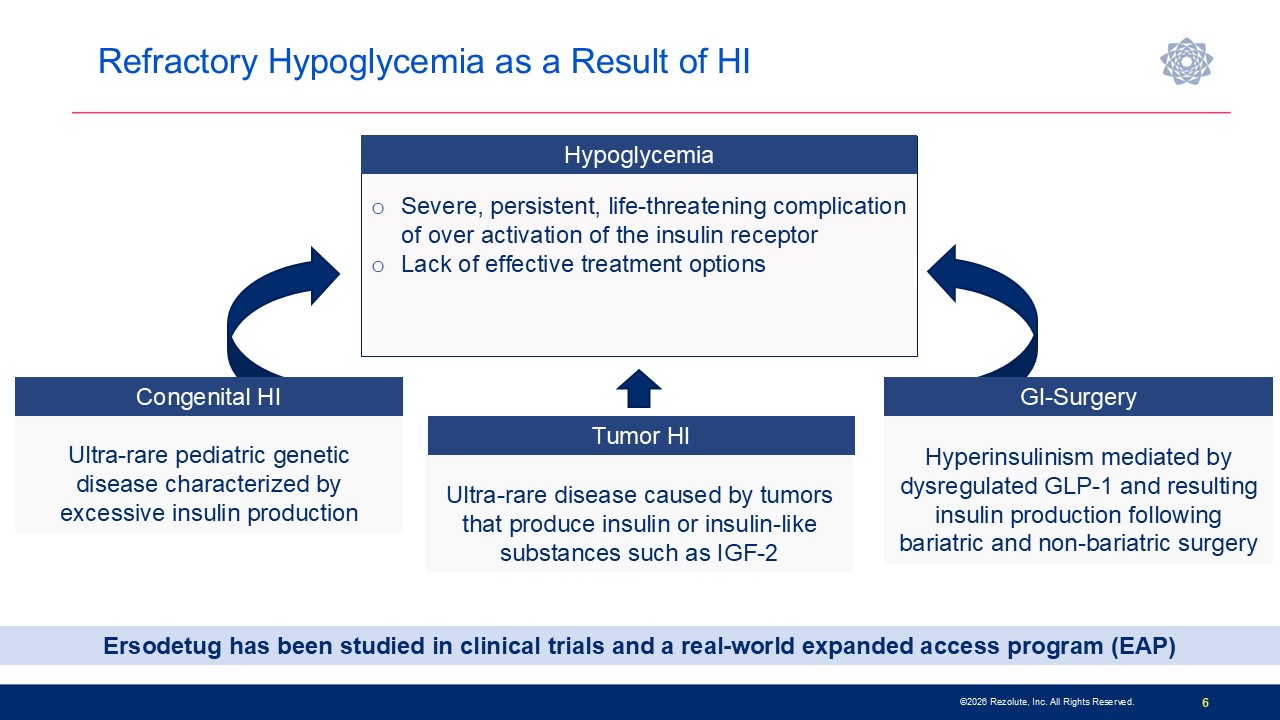
Refractory Hypoglycemia as a Result of HI 6 Ultra - rare disease caused by tumors that produce insulin or insulin - like substances such as IGF - 2 Ultra - rare pediatric genetic disease characterized by excessive insulin production Congenital HI Tumor HI Ersodetug has been studied in clinical trials and a real - world expanded access program (EAP) Hypoglycemia o Severe, persistent, life - threatening complication of over activation of the insulin receptor o Lack of effective treatment options Hyperinsulinism mediated by dysregulated GLP - 1 and resulting insulin production following bariatric and non - bariatric surgery GI - Surgery ©2026 Rezolute, Inc. All Rights Reserved.
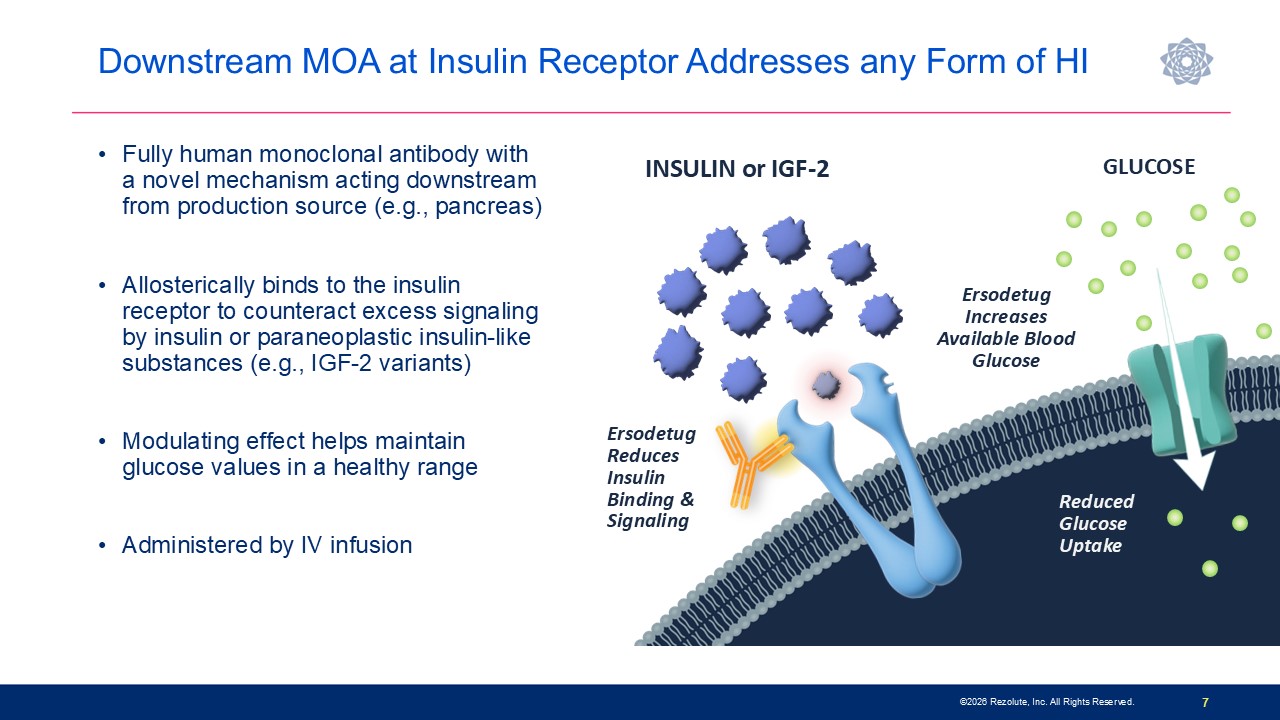
Downstream MOA at Insulin Receptor Addresses any Form of HI 7 INSULIN or IGF - 2 GLUCOSE Ersodetug Reduces Insulin Binding & Signaling Ersodetug Increases Available Blood Glucose Reduced Glucose Uptake • Fully human monoclonal antibody with a novel mechanism acting downstream from production source (e.g., pancreas) • Allosterically binds to the insulin receptor to counteract excess signaling by insulin or paraneoplastic insulin - like substances (e.g., IGF - 2 variants) • Modulating effect helps maintain glucose values in a healthy range • Administered by IV infusion ©2026 Rezolute, Inc. All Rights Reserved.

Congenital HI
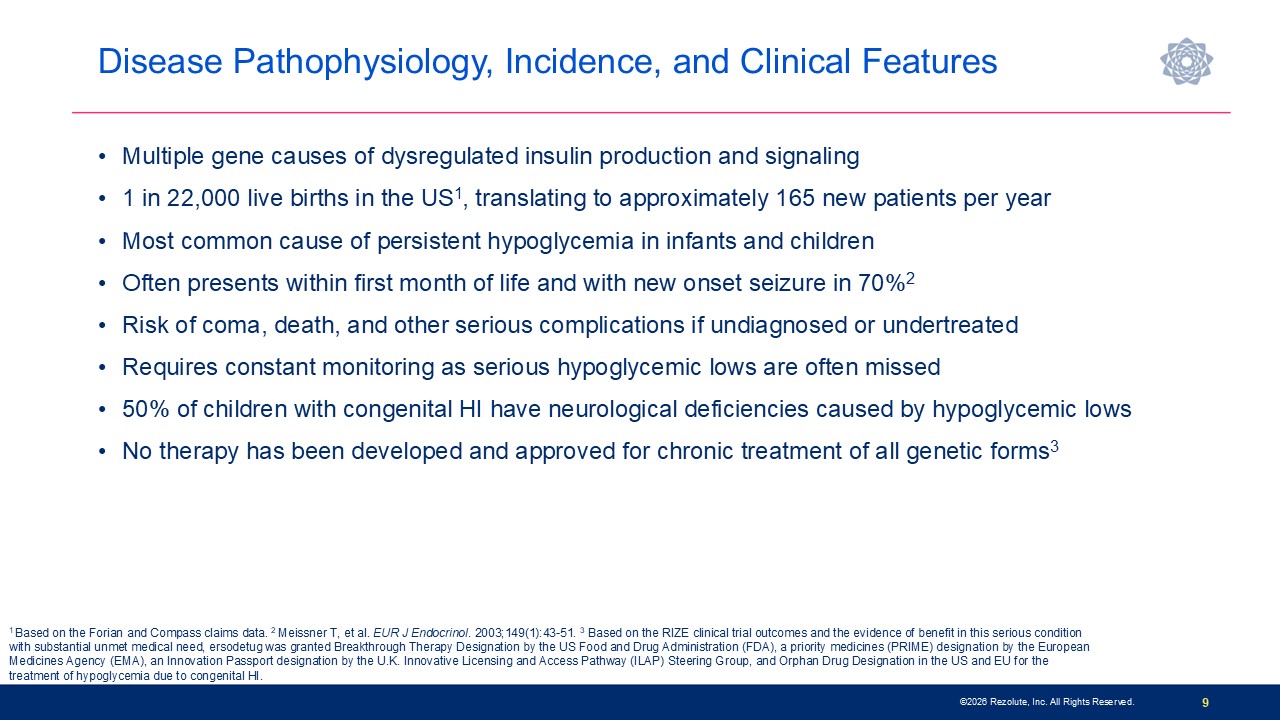
Disease Pathophysiology, Incidence, and Clinical Features 9 • Multiple gene causes of dysregulated insulin production and signaling • 1 in 22,000 live births in the US 1 , translating to approximately 165 new patients per year • Most common cause of persistent hypoglycemia in infants and children • Often presents within first month of life and with new onset seizure in 70% 2 • Risk of coma, death, and other serious complications if undiagnosed or undertreated • Requires constant monitoring as serious hypoglycemic lows are often missed • 50% of children with congenital HI have neurological deficiencies caused by hypoglycemic lows • No therapy has been developed and approved for chronic treatment of all genetic forms 3 1 Based on the Forian and Compass claims data. 2 Meissner T, et al. EUR J Endocrinol . 2003;149(1):43 - 51. 3 Based on the RIZE clinical trial outcomes and the evidence of benefit in this serious condition with substantial unmet medical need, ersodetug was granted Breakthrough Therapy Designation by the US Food and Drug Administration (FDA), a priority medicines (PRIME) desig na tion by the European Medicines Agency (EMA), an Innovation Passport designation by the U.K. Innovative Licensing and Access Pathway (ILAP) Steerin g G roup, and Orphan Drug Designation in the US and EU for the treatment of hypoglycemia due to congenital HI. ©2026 Rezolute, Inc. All Rights Reserved.
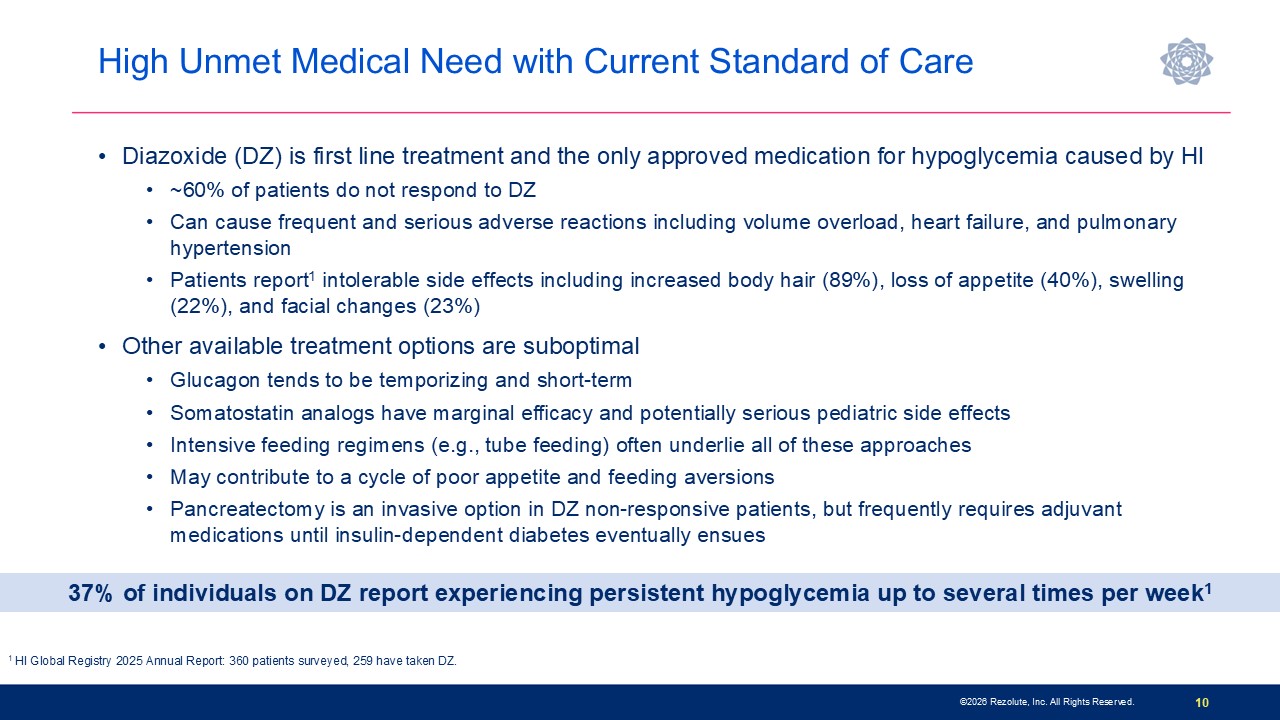
High Unmet Medical Need with Current Standard of Care 10 • Diazoxide (DZ) is first line treatment and the only approved medication for hypoglycemia caused by HI • ~60% of patients do not respond to DZ • Can cause frequent and serious adverse reactions including volume overload, heart failure, and pulmonary hypertension • Patients report 1 intolerable side effects including increased body hair (89%), loss of appetite (40%), swelling (22%), and facial changes (23%) • Other available treatment options are suboptimal • Glucagon tends to be temporizing and short - term • Somatostatin analogs have marginal efficacy and potentially serious pediatric side effects • Intensive feeding regimens (e.g., tube feeding) often underlie all of these approaches • May contribute to a cycle of poor appetite and feeding aversions • Pancreatectomy is an invasive option in DZ non - responsive patients, but frequently requires adjuvant medications until insulin - dependent diabetes eventually ensues 1 HI Global Registry 2025 Annual Report: 360 patients surveyed, 259 have taken DZ. ©2026 Rezolute, Inc. All Rights Reserved. 37% of individuals on DZ report experiencing persistent hypoglycemia up to several times per week 1
Phase 3 sunRIZE Study Highlights 11 • Study status • Phase 3 pivotal study completed; open - label extension (OLE) ongoing • 100% roll - over to OLE and very high retention rate • Significant number of patients have stopped other therapies and remain on ersodetug as monotherapy • Efficacy (Pivotal, RCT period) • Primary endpoint (SMBG weekly hypoglycemia events) not met due to confounding placebo/study effect caused by functional unblinding of the endpoint • Several CGM outcomes showed consistent and clinically meaningful reductions in hypoglycemia at both doses • Safety • Reassuring safety profile • 2% systemic hypersensitivity reactions; mild hypertrichosis observed • Long - term experience • Significant exposure experience with continued glycemic benefit • More than 100 patient years of exposure to date • FDA reviewed additional study data provided by the Company at the Agency’s request • Encouraged us to request a Type B pre - BLA meeting as a precursor to submitting a BLA for congenital HI ©2026 Rezolute, Inc. All Rights Reserved.
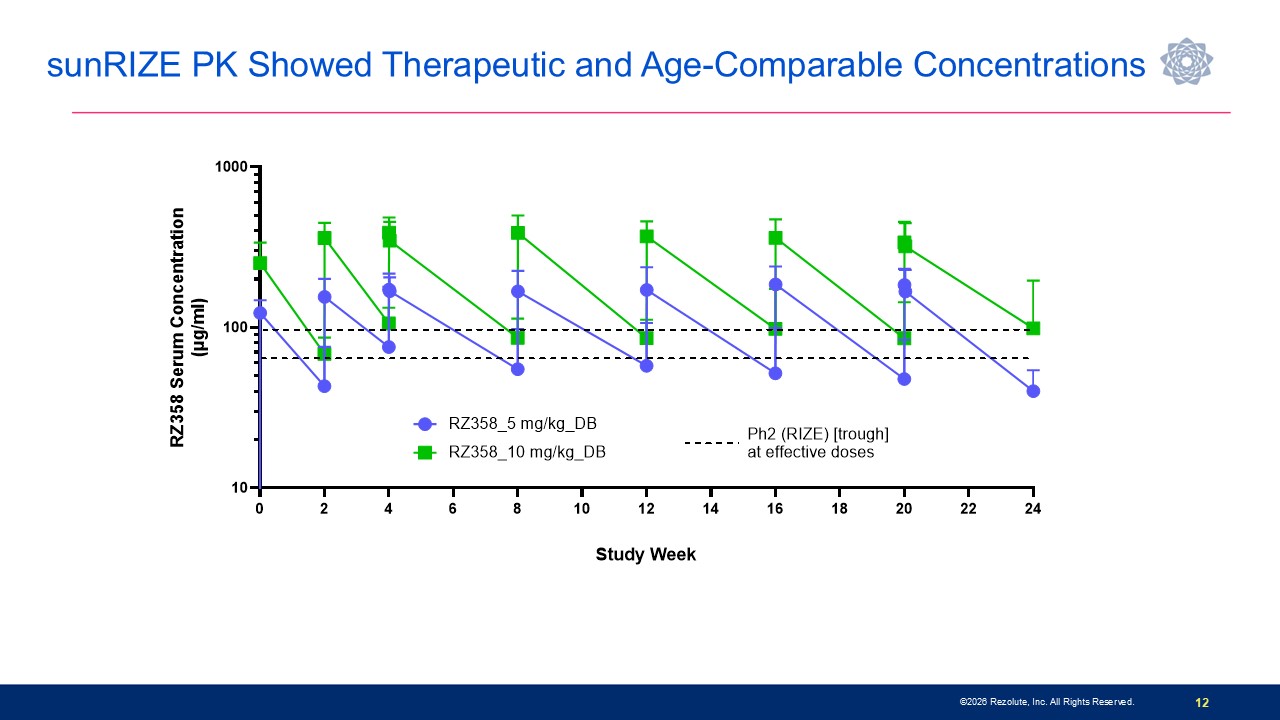
sunRIZE PK Showed Therapeutic and Age - Comparable Concentrations 12 0 2 4 6 8 10 12 14 16 18 20 22 24 10 100 1000 Study Week R Z 3 5 8 S e r u m C o n c e n t r a t i o n ( μ g / m l ) RZ358_10 mg/kg_DB RZ358_5 mg/kg_DB Ph2 (RIZE) [trough] at effective doses ©2026 Rezolute, Inc. All Rights Reserved.
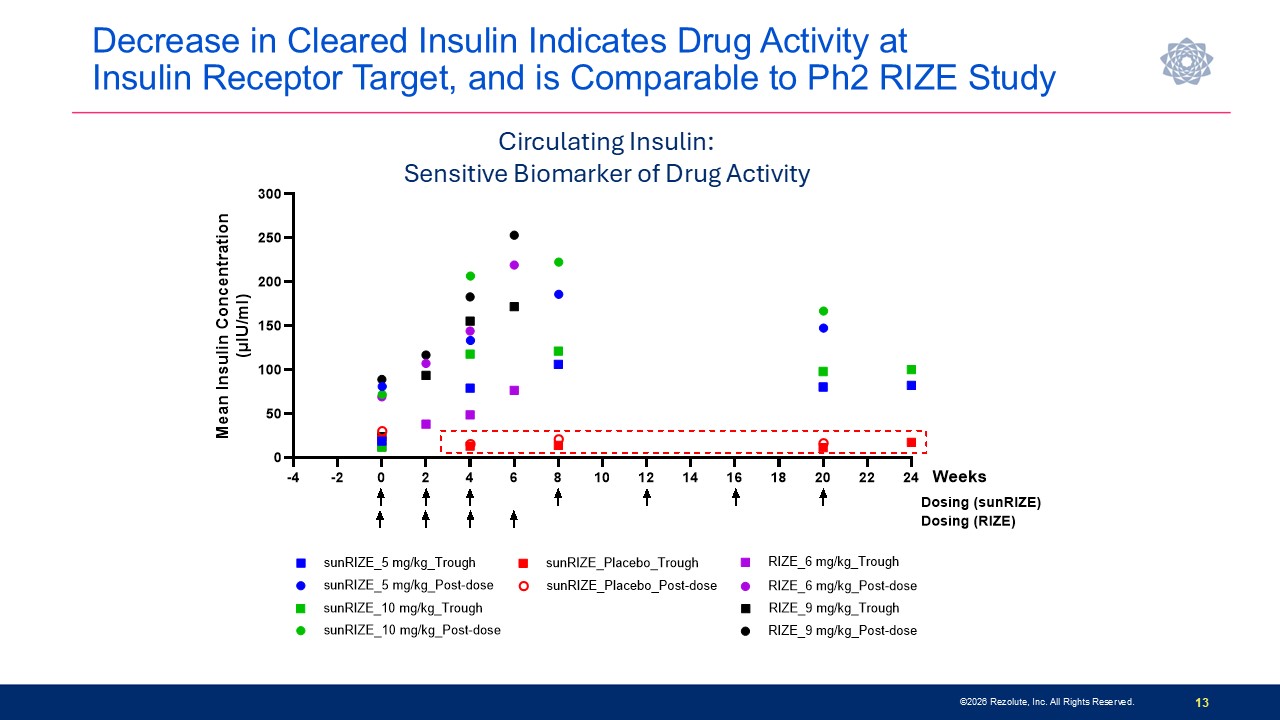
Decrease in Cleared Insulin Indicates Drug Activity at Insulin Receptor Target, and is Comparable to Ph2 RIZE Study 13 Circulating Insulin: Sensitive Biomarker of Drug Activity -4 -2 0 2 4 6 8 10 12 14 16 18 20 22 24 0 50 100 150 200 250 300 M e a n I n s u l i n C o n c e n t r a t i o n ( μ I U / m l ) Weeks sunRIZE_5 mg/kg_Trough sunRIZE_10 mg/kg_Trough sunRIZE_Placebo_Trough Dosing (sunRIZE) sunRIZE_5 mg/kg_Post-dose sunRIZE_10 mg/kg_Post-dose sunRIZE_Placebo_Post-dose RIZE_6 mg/kg_Trough RIZE_6 mg/kg_Post-dose RIZE_9 mg/kg_Trough RIZE_9 mg/kg_Post-dose Dosing (RIZE) ©2026 Rezolute, Inc. All Rights Reserved.
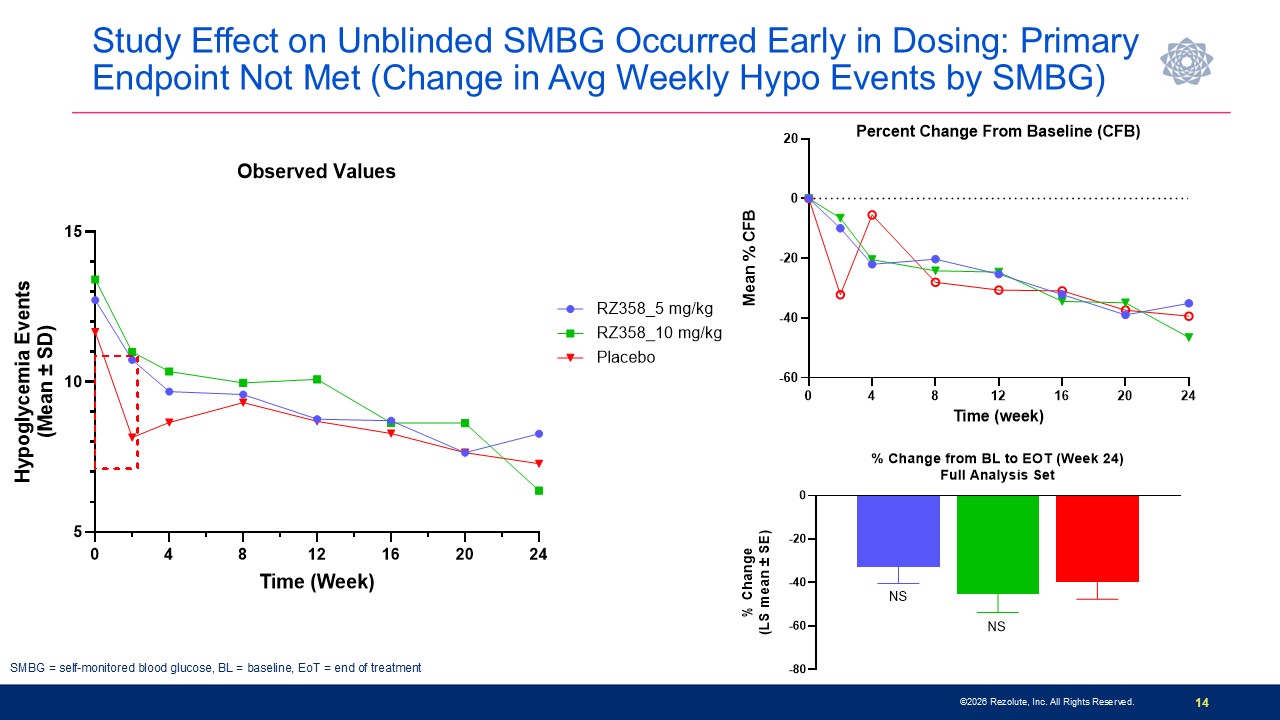
-80 -60 -40 -20 0 % Change from BL to EOT (Week 24) Full Analysis Set % C h a n g e ( L S m e a n ± S E ) NS NS 0 4 8 12 16 20 24 5 10 15 Observed Values Time (Week) H y p o g l y c e m i a E v e n t s ( M e a n ± S D ) RZ358_5 mg/kg RZ358_10 mg/kg Placebo 0 4 8 12 16 20 24 -60 -40 -20 0 20 Percent Change From Baseline (CFB) Time (week) M e a n % C F B 14 Study Effect on Unblinded SMBG Occurred Early in Dosing: Primary Endpoint Not Met (Change in Avg Weekly Hypo Events by SMBG) SMBG = self - monitored blood glucose, BL = baseline, EoT = end of treatment ©2026 Rezolute, Inc. All Rights Reserved.
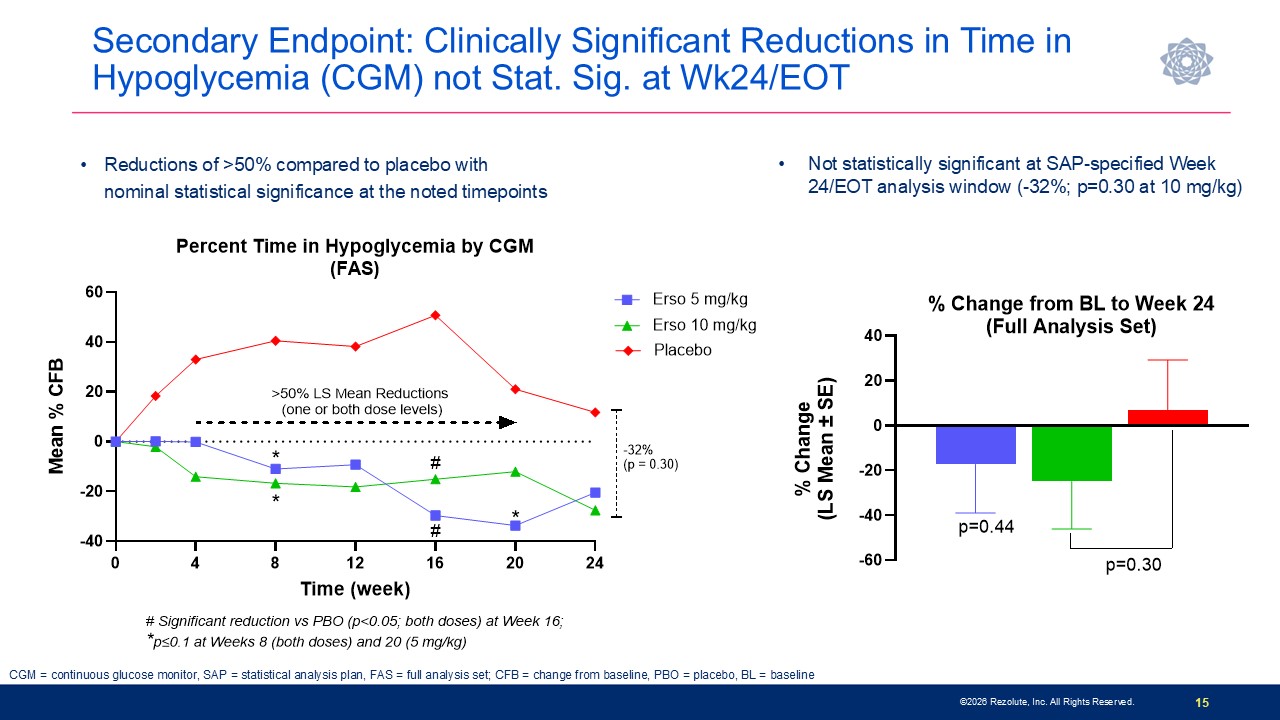
-60 -40 -20 0 20 40 % Change from BL to Week 24 (Full Analysis Set) % C h a n g e ( L S M e a n ± S E ) p=0.44 p=0.30 0 4 8 12 16 20 24 -40 -20 0 20 40 60 Percent Time in Hypoglycemia by CGM (FAS) Time (week) M e a n % C F B # Significant reduction vs PBO (p<0.05; both doses) at Week 16; *p≤0.1 at Weeks 8 (both doses) and 20 (5 mg/kg) # # * * * Erso 5 mg/kg Erso 10 mg/kg Placebo >50% LS Mean Reductions (one or both dose levels) -32% (p = 0.30) • Reductions of >50% compared to placebo with nominal statistical significance at the noted timepoints • Not statistically significant at SAP - specified Week 24/EOT analysis window ( - 32%; p=0.30 at 10 mg/kg) CGM = continuous glucose monitor, SAP = statistical analysis plan, FAS = full analysis set; CFB = change from baseline, PBO = pl acebo, BL = baseline 15 Secondary Endpoint: Clinically Significant Reductions in Time in Hypoglycemia (CGM) not Stat. Sig. at Wk24/EOT ©2026 Rezolute, Inc. All Rights Reserved.
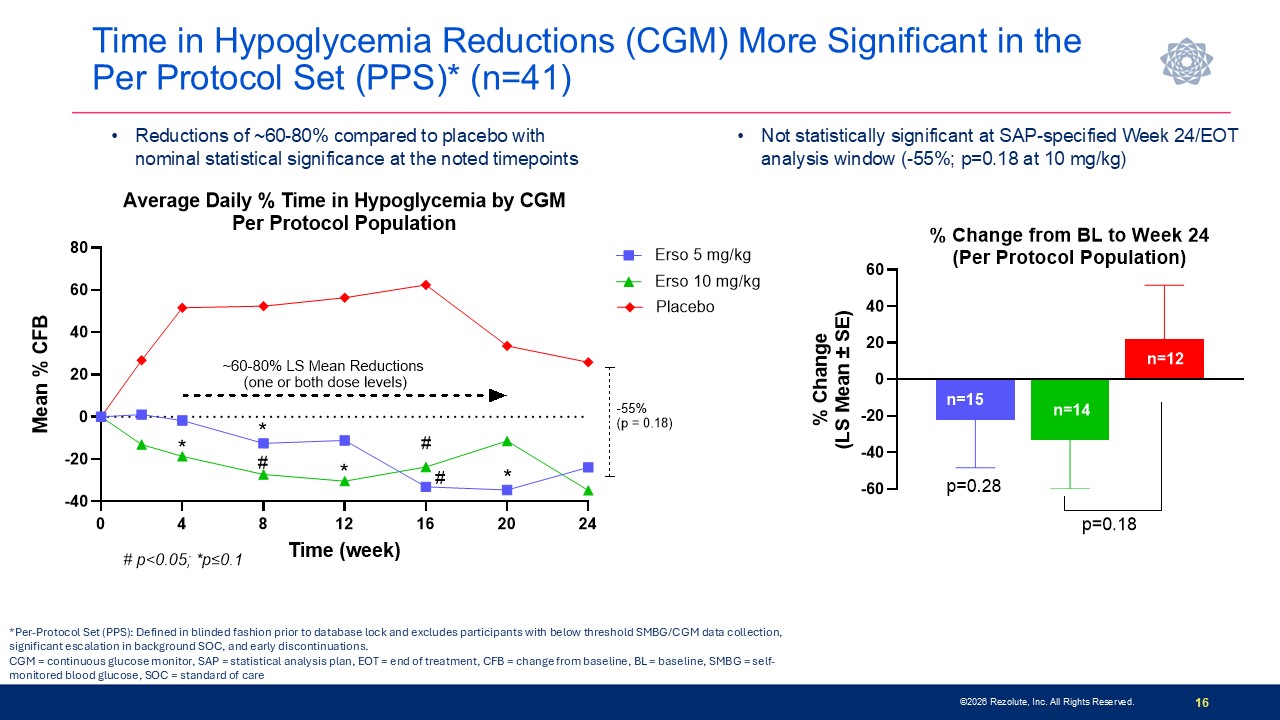
• Reductions of ~60 - 80% compared to placebo with nominal statistical significance at the noted timepoints 16 0 4 8 12 16 20 24 -40 -20 0 20 40 60 80 Average Daily % Time in Hypoglycemia by CGM Per Protocol Population Time (week) M e a n % C F B # p<0.05; *p≤0.1 # # * * Erso 5 mg/kg Erso 10 mg/kg Placebo * # * ~60-80% LS Mean Reductions (one or both dose levels) -55% (p = 0.18) -60 -40 -20 0 20 40 60 % Change from BL to Week 24 (Per Protocol Population) % C h a n g e ( L S M e a n ± S E ) p=0.28 p=0.18 n=15 n=14 n=12 • Not statistically significant at SAP - specified Week 24/EOT analysis window ( - 55%; p=0.18 at 10 mg/kg) *Per - Protocol Set (PPS): Defined in blinded fashion prior to database lock and excludes participants with below threshold SMBG/C GM data collection, significant escalation in background SOC, and early discontinuations. CGM = continuous glucose monitor, SAP = statistical analysis plan, EOT = end of treatment, CFB = change from baseline, BL = b ase line, SMBG = self - monitored blood glucose, SOC = standard of care Time in Hypoglycemia Reductions (CGM) More Significant in the Per Protocol Set (PPS)* (n=41) ©2026 Rezolute, Inc. All Rights Reserved.
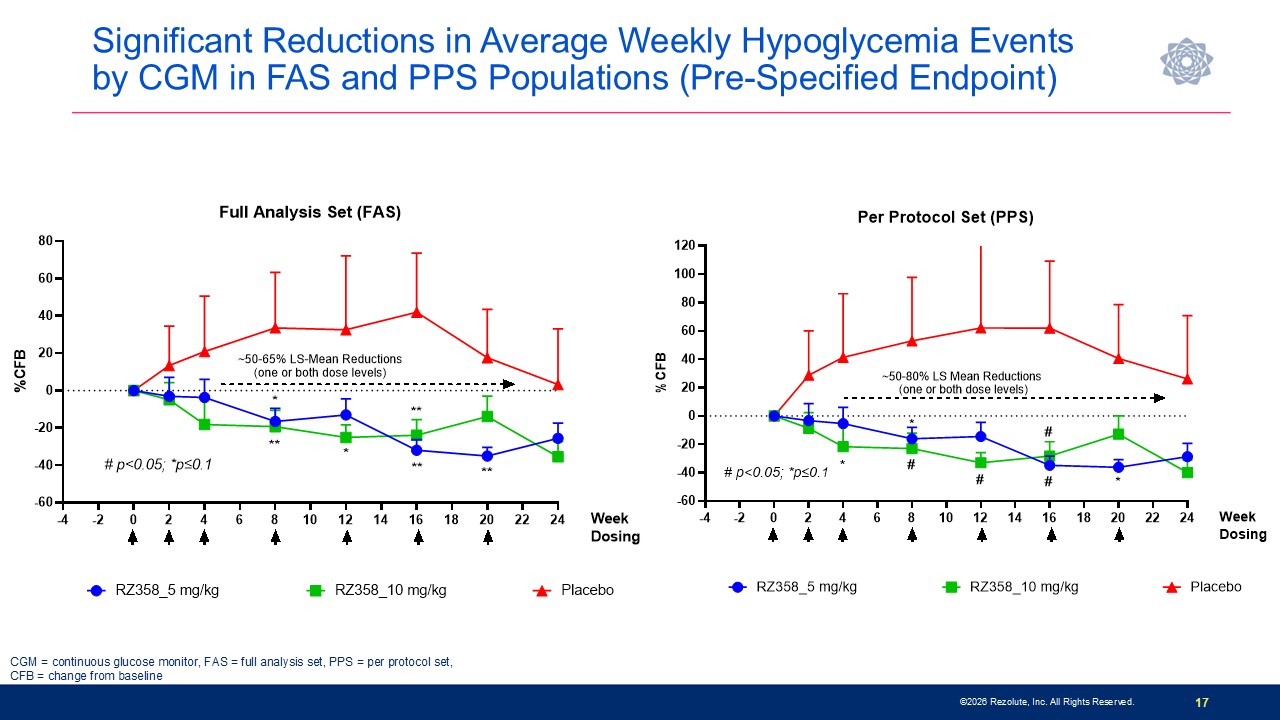
-4 -2 0 2 4 6 8 10 12 14 16 18 20 22 24 -60 -40 -20 0 20 40 60 80 Full Analysis Set (FAS) % C F B RZ358_5 mg/kg RZ358_10 mg/kg Placebo Dosing Week ~50-65% LS-Mean Reductions (one or both dose levels) ** ** ** * * ** # p<0.05; *p≤0.1 -4 -2 0 2 4 6 8 10 12 14 16 18 20 22 24 -60 -40 -20 0 20 40 60 80 100 120 Per Protocol Set (PPS) % C F B RZ358_5 mg/kg RZ358_10 mg/kg Placebo Dosing Week * # * * # # # # p<0.05; *p≤0.1 ~50-80% LS Mean Reductions (one or both dose levels) CGM = continuous glucose monitor, FAS = full analysis set, PPS = per protocol set, CFB = change from baseline 17 Significant Reductions in Average Weekly Hypoglycemia Events by CGM in FAS and PPS Populations (Pre - Specified Endpoint) ©2026 Rezolute, Inc. All Rights Reserved.
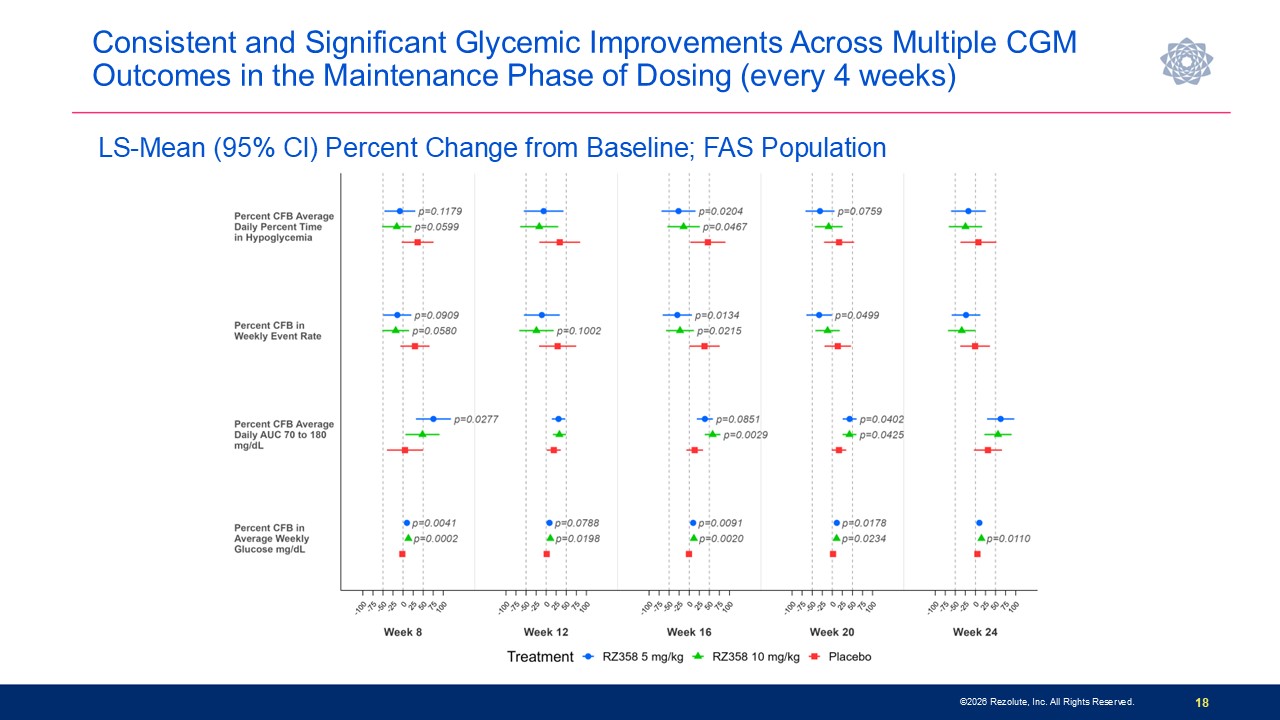
18 Consistent and Significant Glycemic Improvements Across Multiple CGM Outcomes in the Maintenance Phase of Dosing (every 4 weeks) LS - Mean (95% CI) Percent Change from Baseline; FAS Population ©2026 Rezolute, Inc. All Rights Reserved.
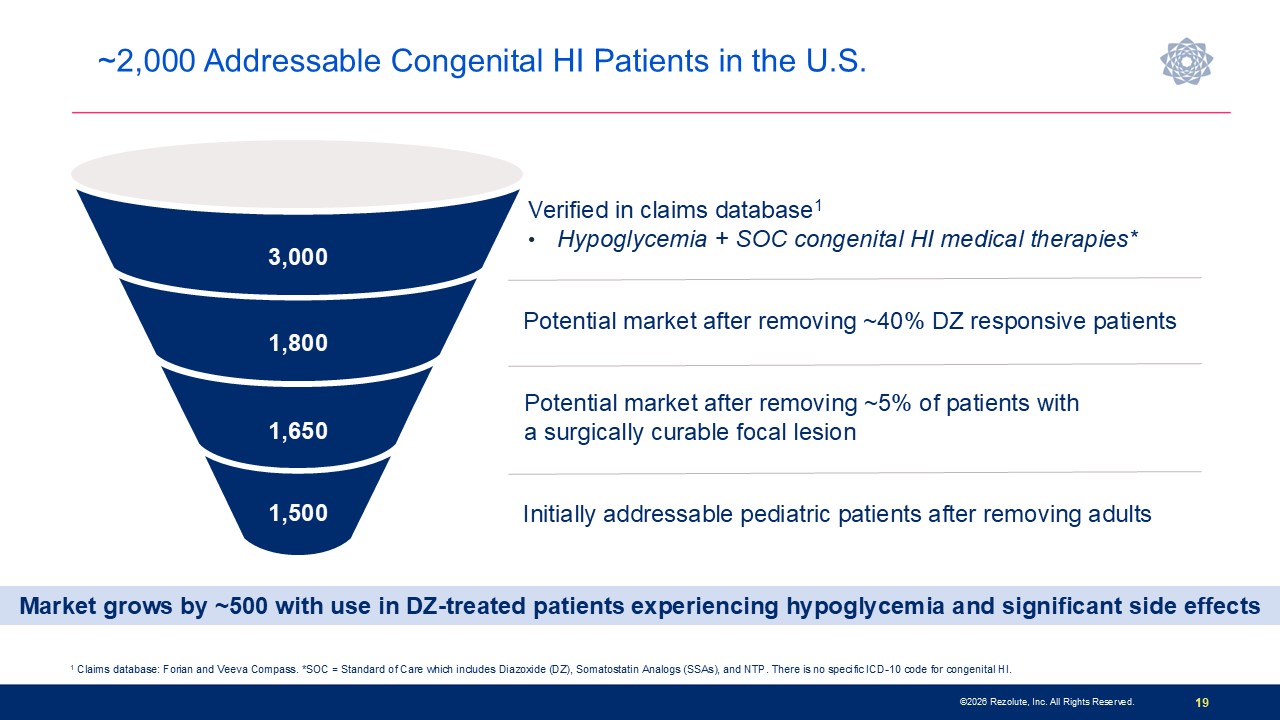
19 Verified in claims database 1 • Hypoglycemia + SOC congenital HI medical therapies* 1 Claims database: Forian and Veeva Compass. *SOC = Standard of Care which includes Diazoxide (DZ), Somatostatin Analogs (SSAs), and NTP. There is no s pe cific ICD - 10 code for congenital HI. 1,500 1,650 1,800 3,000 Potential m arket after removing ~5% of patients with a surgically curable focal lesion Potential m arket after removing ~40% DZ responsive patients Initially addressable pediatric patients after removing adults ~ 2,000 Addressable Congenital HI Patients in the U.S. M arket grows by ~500 with use in DZ - treated patients experiencing hypoglycemia and significant side effects ©2026 Rezolute, Inc. All Rights Reserved.
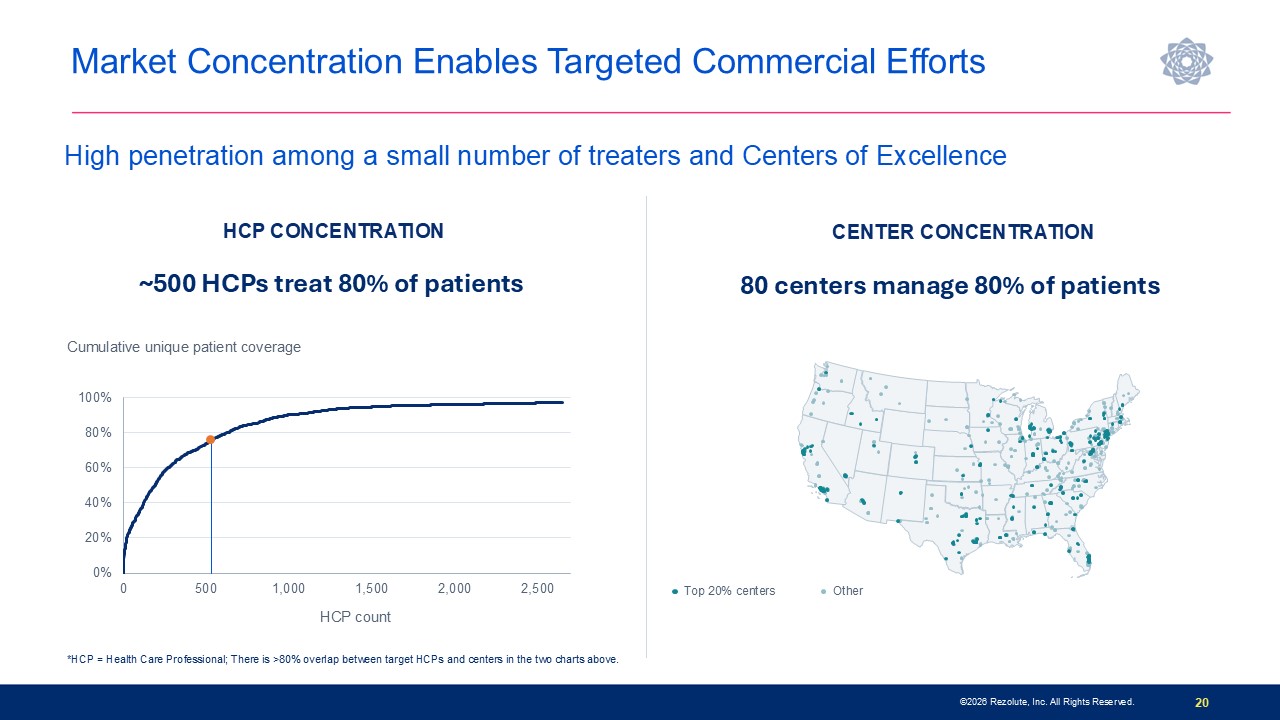
20 ©2026 Rezolute, Inc. All Rights Reserved. Market Concentration Enables Targeted Commercial Efforts High penetration among a small number of treaters and Centers of Excellence HCP CONCENTRATION 0% 20% 40% 60% 80% 100% 0 500 1,000 1,500 2,000 2,500 HCP count Top 20% centers Other ~500 HCPs treat 80% of patients CENTER CONCENTRATION 80 centers manage 80% of patients Cumulative unique patient coverage *HCP = Health Care Professional; There is >80% overlap between target HCPs and centers in the two charts above.

Tumor HI
Pathophysiology and Clinical Presentation 22 • Hypoglycemia caused by two distinct tumor categories: • Islet Cell Tumors (ICT) • Excessive secretion of insulin • Malignant insulinomas are the most common ICTs that cause hypoglycemia • Non - Islet Cell Tumors (NICT) • Produce and secrete insulin - like paraneoplastic substances such as IGF - 2 that over activate the insulin receptor • Hepatocellular carcinomas (HCC) are the most common NICTs that cause hypoglycemia in addition to several other tumor types including fibrosarcomas and mesotheliomas • Significant unmet need across both tumor types • Resulting hypoglycemia is often severe and may have serious adverse outcomes • Limited treatment options with poor efficacy and safety profiles • High morbidity and mortality rates • Frequent prolonged hospitalization • Leads to frequent deferral of tumor treatment • Significant adverse impact on patient quality of life ©2026 Rezolute, Inc. All Rights Reserved.
High Unmet Medical Need with Current Standard of Care 23 • Significant unmet need to directly treat hypoglycemia over the entire course of the patient cancer journey • Therapies to treat hypoglycemia caused by malignant insulinoma are often ineffective or poorly tolerated • Diazoxide (DZ) is the only approved treatment but has suboptimal response rates and serious side effects • Somatostatin analogs (SSAs) are used off - label with limited success, and may cause paradoxical worsening of hypoglycemia • mTOR - inhibitors are used off - label and have potentially serious side effects • Limited and often ineffective treatment options for NICTH • DZ and SSAs do not work in NICTs because HI is not mediated by insulin ICT: islet - cell tumor. NICT: non - islet cell tumor. SOC: standard of care. ©2026 Rezolute, Inc. All Rights Reserved.
Real - world Patient Benefit in Expanded Access Program of Ersodetug 24 • Multiple tumor HI patients with severe refractory hypoglycemia • Hospitalized and life - threatening or hospice - bound condition • Required continuous high volume / concentration parenteral glucose • Tumor - directed therapies (e.g., embolization, radio therapy, chemotherapy) deferred because of hypoglycemia • Physician - requested use of ersodetug • Administration of ersodetug through EAP has resulted in: • Substantial hypoglycemia improvement with no significant side effects 1 • Complete discontinuation of IV dextrose/total parenteral nutrition (TPN) in 75% of patients 2 • Discharge from inpatient to outpatient care • Ability to resume regular daily activities (e.g., driving) • Resumption of tumor - directed therapies 1 Based on real - world patient benefit demonstrated in Expanded Access Program the US Food and Drug Administration (FDA) granted Or phan Drug Designation to ersodetug for the treatment of hypoglycemia due to tumor HI. Sources: n engl j med 389;8 Aug24,2023 - https://www.nejm.org/doi/full/10.1056/NEJMc2307576?query=TOC&cid=NEJM+eToc%2C+August+24%2C+2023+DM2279684_NEJM_Non_Subscriber &bi d=1754093795 ; Jonathan Stosberg et al. The Journal of Clinical Ednocrinology & Metabolism - https://academic.oup.com/jcem/article/111/11/e2382/8752955?login=false 2 Mary Elizabeth Patti, MD et al. A Case Series on the Compassionate Use of Ersodetug , an Insulin Receptor Modulating Antibody, in Patients with Refractory Hypoglycemia Due to Malignant Insulin - Secreting Tumors. Poster #087. ENDO 2026, Chicago ©2026 Rezolute, Inc. All Rights Reserved.
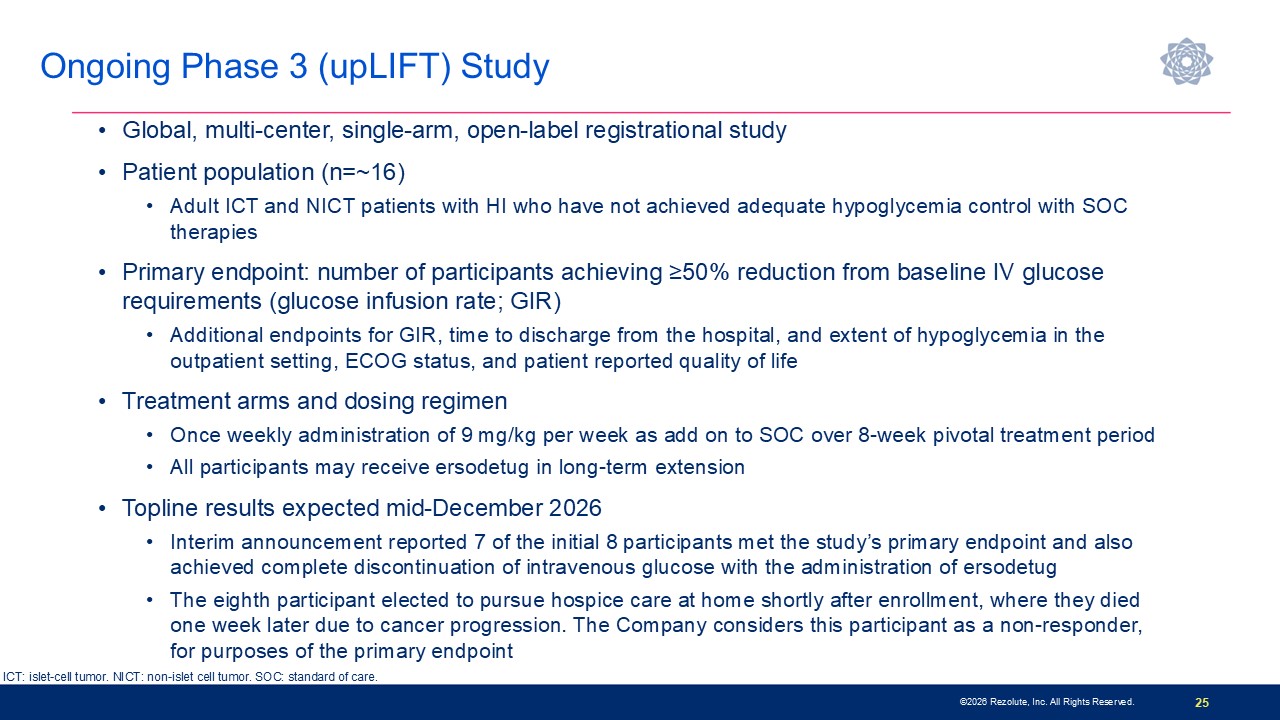
Ongoing Phase 3 ( upLIFT ) Study 25 • Global, multi - center, single - arm, open - label registrational study • Patient population (n=~16) • Adult ICT and NICT patients with HI who have not achieved adequate hypoglycemia control with SOC therapies • Primary endpoint: number of participants achieving ≥50% reduction from baseline IV glucose requirements (glucose infusion rate; GIR) • Additional endpoints for GIR, time to discharge from the hospital, and extent of hypoglycemia in the outpatient setting, ECOG status, and patient reported quality of life • Treatment arms and dosing regimen • Once weekly administration of 9 mg/kg per week as add on to SOC over 8 - week pivotal treatment period • All participants may receive ersodetug in long - term extension • Topline results expected mid - December 2026 • Interim announcement reported 7 of the initial 8 participants met the study’s primary endpoint and also achieved complete discontinuation of intravenous glucose with the administration of ersodetug • The eighth participant elected to pursue hospice care at home shortly after enrollment, where they died one week later due to cancer progression. The Company considers this participant as a non - responder, for purposes of the primary endpoint ICT: islet - cell tumor. NICT: non - islet cell tumor. SOC: standard of care. ©2026 Rezolute, Inc. All Rights Reserved.
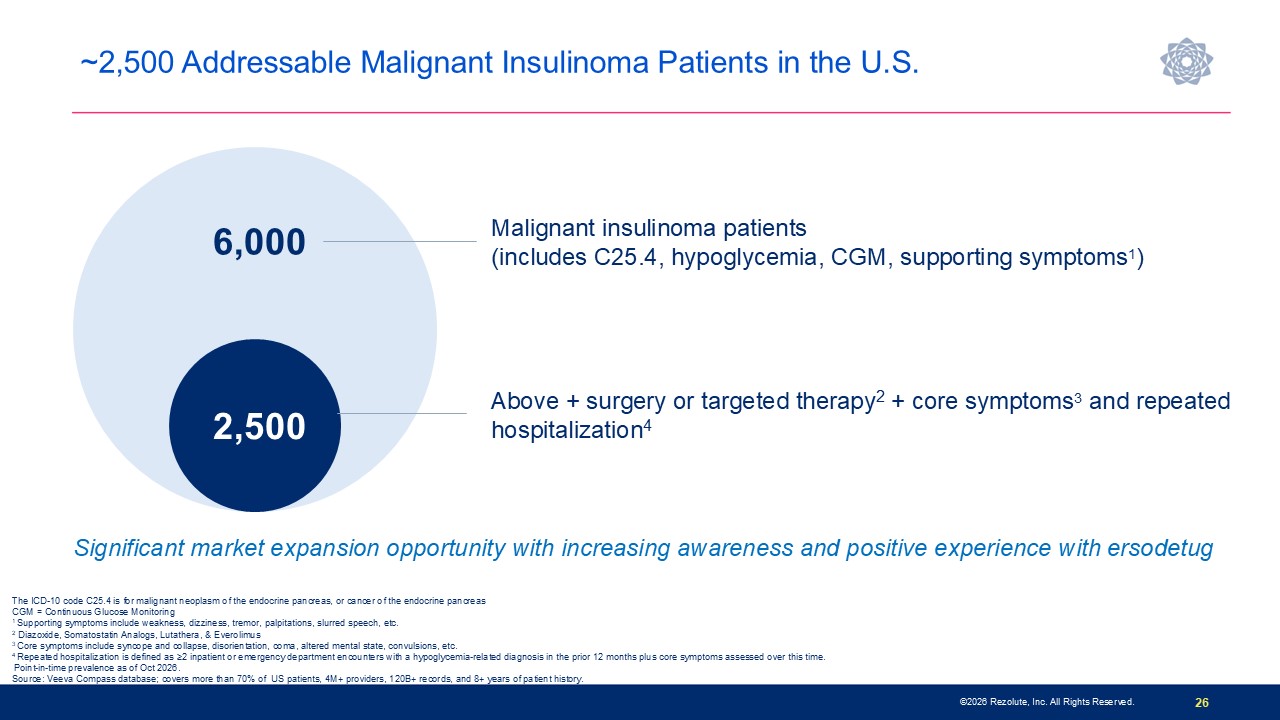
©2026 Rezolute, Inc. All Rights Reserved. 26 M alignant insulinoma patients (includes C25.4, hypoglycemia, CGM, supporting symptoms 1 ) Above + surgery or targeted therapy 2 + core symptoms 3 and repeated hospitalization 4 The ICD - 10 code C25.4 is for malignant neoplasm of the endocrine pancreas, or cancer of the endocrine pancreas CGM = Continuous Glucose Monitoring 1 Supporting symptoms include weakness, dizziness, tremor, palpitations, slurred speech, etc. 2 Diazoxide, Somatostatin Analogs, Lutathera , & Everolimus 3 Core symptoms include syncope and collapse, disorientation, coma, altered mental state, convulsions, etc. 4 R epeated hospitalization is defined as ≥2 inpatient or emergency department encounters with a hypoglycemia - related diagnosis in the prio r 12 months plus core symptoms assessed over this time. Point - in - time prevalence as of Oct 2026. Source: Veeva Compass database; covers more than 70% of US patients, 4M+ providers, 120B+ records, and 8+ years of patient hist ory. ~2,500 Addressable Malignant Insulinoma Patients in the U.S. 6,000 2,500 Significant market expansion opportunity with increasing awareness and positive experience with ersodetug
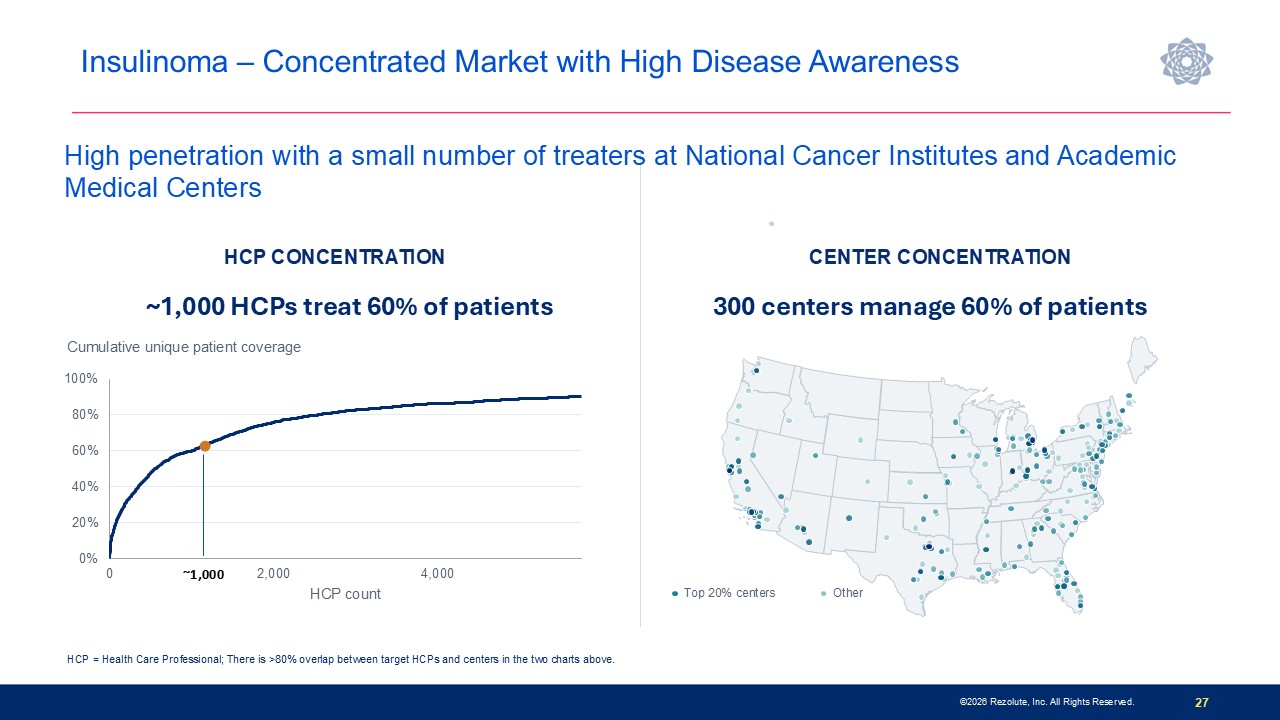
27 Insulinoma – Concentrated Market with High Disease Awareness Cumulative unique patient coverage 0% 20% 40% 60% 80% 100% 0 2,000 4,000 HCP count HCP = Health Care Professional; There is >80% overlap between target HCPs and centers in the two charts above. ~1,000 HCP CONCENTRATION ~1,000 HCPs treat 60% of patients CENTER CONCENTRATION 300 centers manage 60% of patients High penetration with a small number of treaters at National Cancer Institutes and Academic Medical Centers Top 20% centers Other ©2026 Rezolute, Inc. All Rights Reserved.
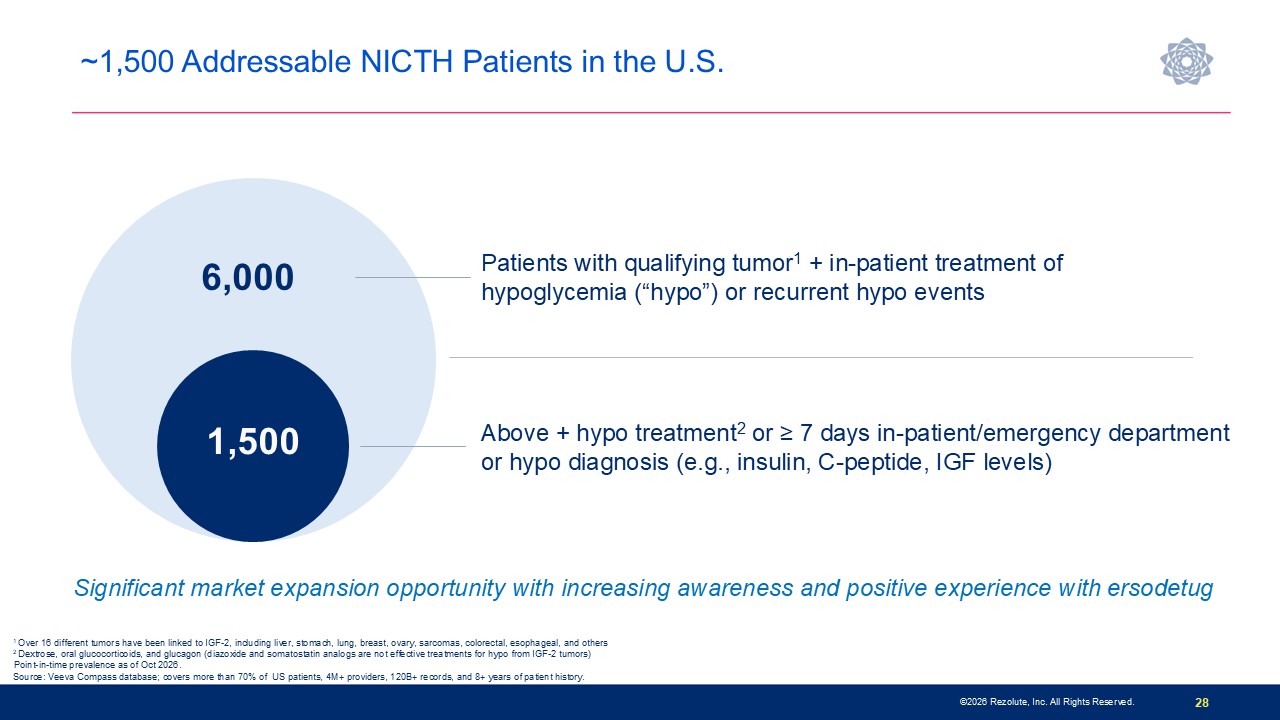
28 Patients with qualifying tumor 1 + i n - patient treatment of hypoglycemia (“hypo”) or recurrent hypo events Above + hypo treatment 2 o r ≥ 7 days in - patient/emergency department or hypo diagnosis (e.g., insulin, C - peptide, IGF levels) ~1,500 Addressable NICTH Patients in the U.S. 6,000 1,500 1 Over 16 different tumors have been linked to IGF - 2, including liver, stomach, lung, breast, ovary, sarcomas, colorectal, esophag eal, and others 2 Dextrose, oral glucocorticoids, and glucagon (diazoxide and somatostatin analogs are not effective treatments for hypo from IGF - 2 tumors) Point - in - time prevalence as of Oct 2026. Source: Veeva Compass database; covers more than 70% of US patients, 4M+ providers, 120B+ records, and 8+ years of patient hist ory. ©2026 Rezolute, Inc. All Rights Reserved. Significant market expansion opportunity with increasing awareness and positive experience with ersodetug
Strong Foundation for High Penetration and Continued Market Expansion • Insulinoma • Well - understood disease with established guidelines on hypoglycemia management • NANETS (North American Neuroendocrine Tumor Society) and NCF (Neuroendocrine Cancer Foundation) dedicated advocacy groups • Claims analysis supports a significant patient pool • High confidence in the patient identification • NICTH • Widely recognized as a severe condition • Awareness of hypoglycemia management low due to lack of targeted therapies and IGF2 testing • Patient identification will increase over time with awareness and positive experience • Upside potential • Peri - operative management of solitary / benign tumors • Solitary/benign tumors where surgery may not be ideal (e.g., contraindications or inability to localize) • Potential increase in survival, as hypoglycemia - stabilized patients get anti - tumor treatment • Inclusion in the NCCN guidelines helps patient identification and payer reimbursement ©2026 Rezolute, Inc. All Rights Reserved. 29
Combined Commercial Opportunity in Congenital and Tumor HI Indications
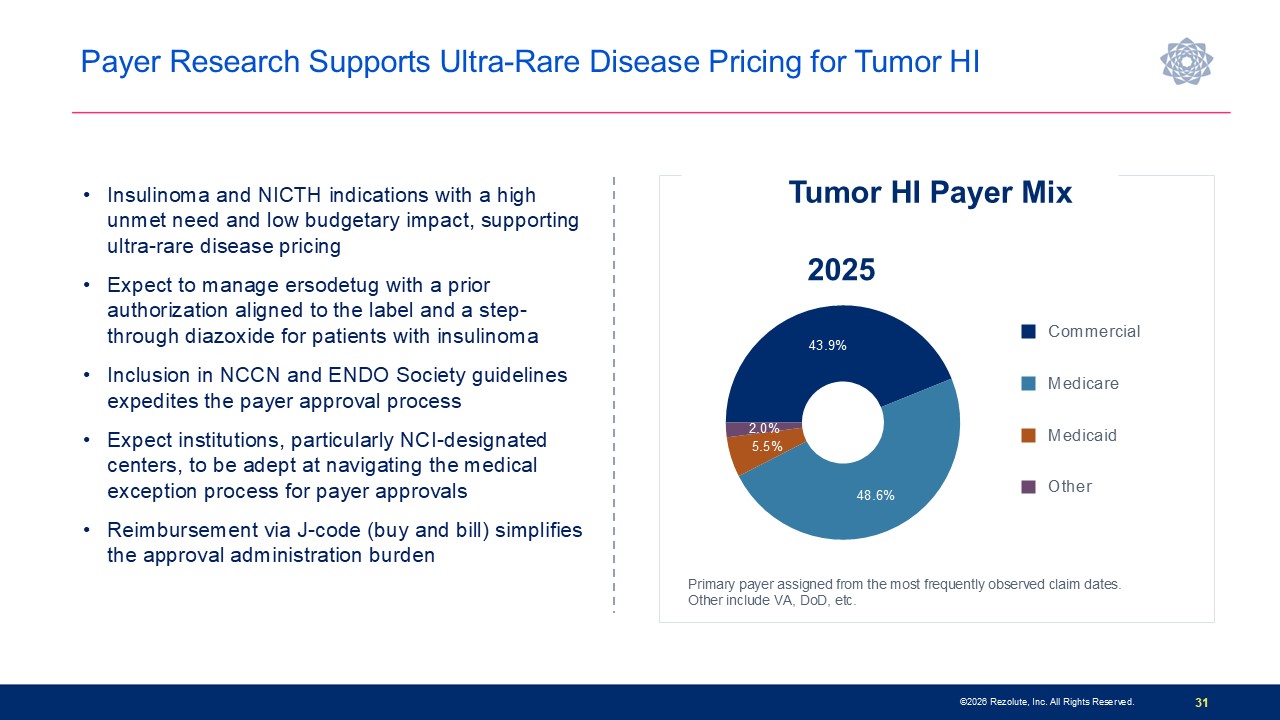
©2026 Rezolute, Inc. All Rights Reserved. 31 Payer Research Supports Ultra - Rare Disease Pricing for Tumor HI • Insulinoma and NICTH indications with a high unmet need and low budgetary impact, supporting ultra - rare disease pricing • Expect to manage ersodetug with a prior authorization aligned to the label and a step - through diazoxide for patients with insulinoma • Inclusion in NCCN and ENDO Society guidelines expedites the payer approval process • Expect institutions, particularly NCI - designated centers, to be adept at navigating the medical exception process for payer approvals • Reimbursement via J - code (buy and bill) simplifies the approval administration burden Tumor HI P ayer M ix 43.9% 48.6% 5.5% 2.0% 2025 Commercial Medicare Medicaid Other Primary payer assigned from the most frequently observed claim dates. Other include VA, DoD, etc.
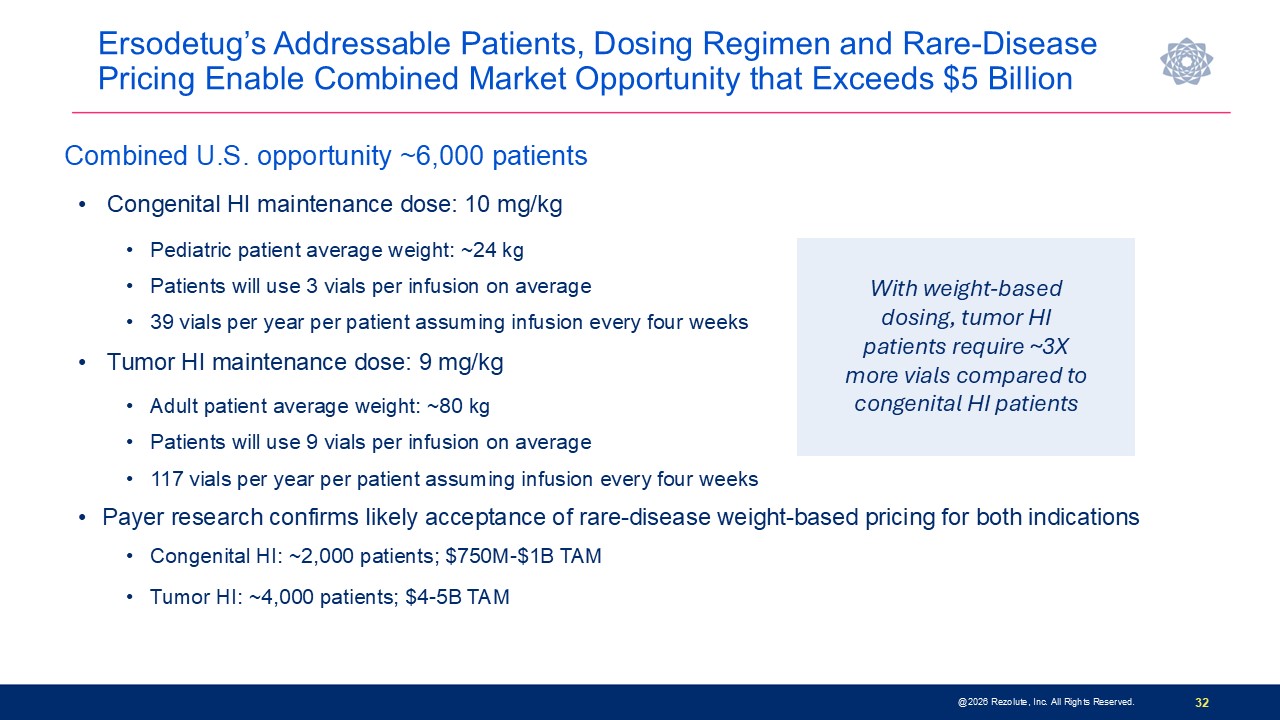
32 • Congenital HI maintenance dose: 10 mg/kg • Pediatric patient average weight: ~24 kg • Patients will use 3 vials per infusion on average • 39 vials per year per patient assuming infusion every four weeks • Tumor HI maintenance dose: 9 mg/kg • Adult patient average weight: ~80 kg • Patients will use 9 vials per infusion on average • 117 vials per year per patient assuming infusion every four weeks • Payer research confirms likely acceptance of rare - disease weight - based pricing for both indications • Congenital HI: ~2,000 patients; $750M - $1B TAM • Tumor HI: ~4,000 patients; $4 - 5B TAM Ersodetug’s Addressable Patients, Dosing Regimen and Rare - Disease Pricing Enable Combined Market Opportunity that Exceeds $5 Billion @2026 Rezolute, Inc. All Rights Reserved. Combined U.S. opportunity ~6,000 patients With weight - based dosing, tumor HI patients require ~3X more vials compared to congenital HI patients
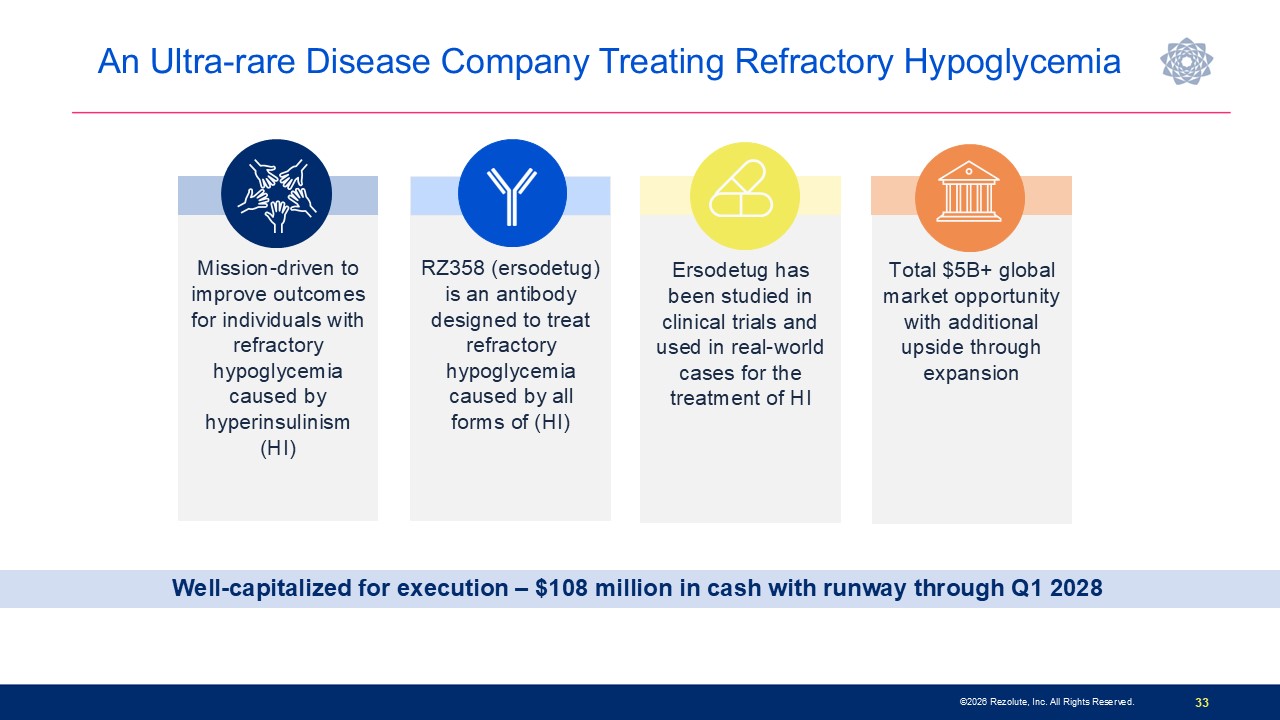
An Ultra - rare Disease Company Treating Refractory Hypoglycemia 33 Well - capitalized for execution – $108 million in cash with runway through Q1 2028 Total $5B+ global market opportunity with additional upside through expansion RZ358 ( ersodetug ) is an antibody designed to treat refractory hypoglycemia caused by all forms of (HI) Mission - driven to improve outcomes for individuals with refractory hypoglycemia caused by hyperinsulinism (HI) Ersodetug has been studied in clinical trials and used in real - world cases for the treatment of HI ©2026 Rezolute, Inc. All Rights Reserved.

Rezolutebio.com