
MGC026 Clinical Update (ESMO) October 23, 2026
2 October 23, 2026 Legal Notices The information in this slide deck is current as of October 23, 2026, unless otherwise noted, and is qualified in its entirety by reference to MacroGenics’ Annual, Quarterly and Current Reports filed with the SEC. MacroGenics undertakes no obligation to update any of the information herein. Cautionary Note on Forward-Looking Statements Any statements in this slide presentation about future expectations, plans and prospects for MacroGenics (“Company”), including statements about the Company’s strategy, future operations, clinical development of and regulatory plans for the Company’s therapeutic candidates, expected timing of the release of clinical updates and safety and efficacy data for the Company’s ongoing clinical trials, anticipated cash runway and other statements containing the words “subject to”, "believe", “anticipate”, “plan”, “expect”, “intend”, “estimate”, “potential”, “project”, “may”, “will”, “should”, “would”, “could”, “can”, the negatives thereof, variations thereon and similar expressions, or by discussions of strategy, including our ability to execute on our key strategic priorities for 2026, constitute forward-looking statements within the meaning of Section 27A of the Securities Act of 1933 and Section 21E of the Securities Exchange Act of 1934. Actual results may differ materially from those indicated by such forward-looking statements as a result of various important factors, including: risks related to the reproducibility of any results initially seen in any product candidate including the results for MGC026 discussed herein; risks that any product candidate’s revenue, expenses and costs may not be as expected; risks relating any other product candidate’s market acceptance, competition, reimbursement and regulatory actions; future data updates for MGC026 or any other product candidates, including timing and results of efficacy and safety data with respect to MGC026 or any other product candidates in ongoing clinical trials; the uncertainties inherent in the initiation and enrollment of future clinical trials; the availability of financing to fund the internal development of our product candidates; expectations regarding the expansion of ongoing clinical trials; expectations for the timing and steps required in the regulatory review process; expectations for regulatory approvals; expectations of future milestone payments; the impact of competitive products; our ability to enter into agreements with strategic partners and other matters that could affect the availability or commercial potential of the Company's product candidates; business, economic or political disruptions due to catastrophes or other events, including natural disasters, terrorist attacks, civil unrest and actual or threatened armed conflict, or public health crises; costs of litigation and the failure to successfully defend lawsuits and other claims against us; risks related to the transition of the CDMO operations to the purchaser following the sale of our CDMO operations; and other risks described in the Company's filings with the Securities and Exchange Commission. In addition, the forward-looking statements included in this slide presentation represent the Company's views only as of the date hereof. The Company anticipates that subsequent events and developments will cause the Company's views to change. However, while the Company may elect to update these forward-looking statements at some point in the future, the Company specifically disclaims any obligation to do so, except as may be required by law. These forward-looking statements should not be relied upon as representing the Company's views as of any date subsequent to the date hereof. Trademarks DART, TRIDENT, MacroGenics, and the MacroGenics logo are trademarks or registered trademarks of MacroGenics, Inc. All third-party trademarks used herein are registered trademarks of their respective owners. Investigational Agents The safety and efficacy of investigational agents and/or investigational uses of approved products have not been established.

MGC026 Program Update
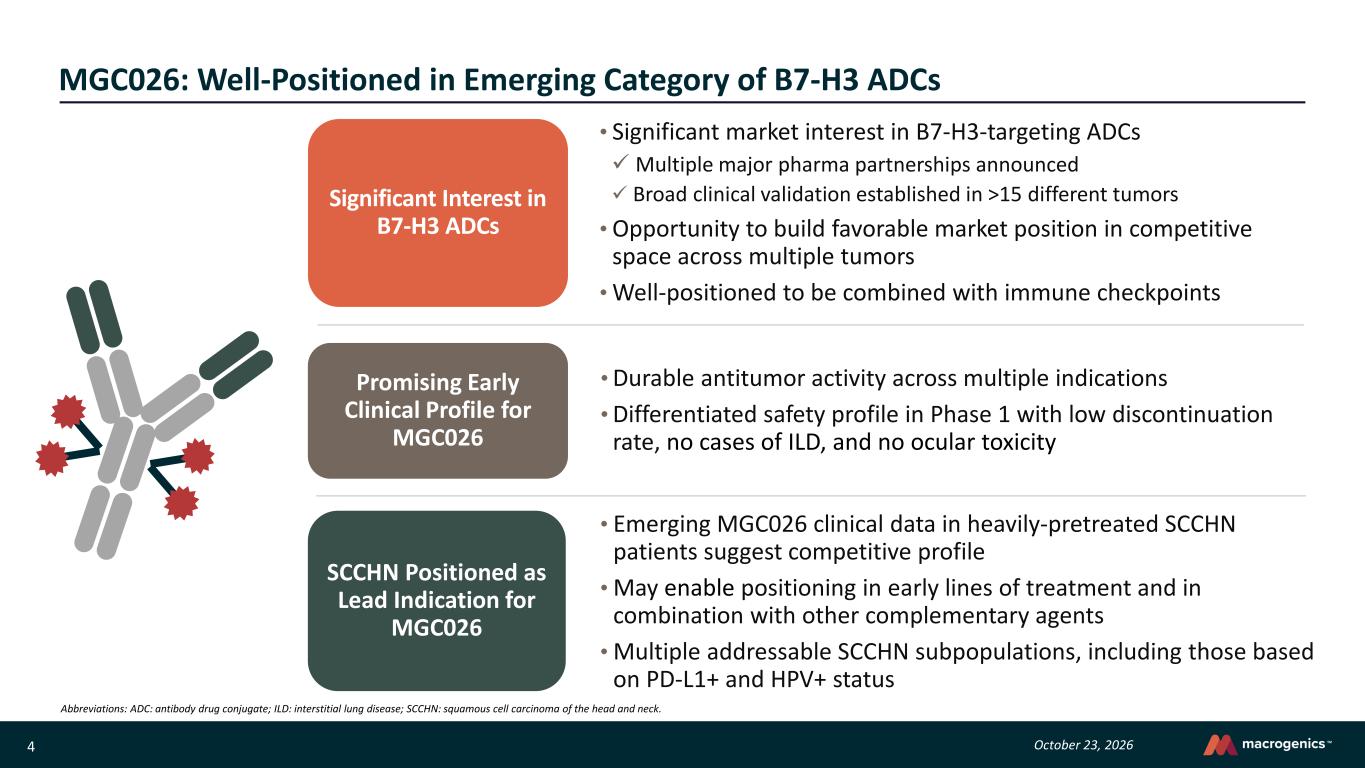
4 October 23, 2026 Significant Interest in B7-H3 ADCs • Significant market interest in B7-H3-targeting ADCs Multiple major pharma partnerships announced Broad clinical validation established in >15 different tumors • Opportunity to build favorable market position in competitive space across multiple tumors • Well-positioned to be combined with immune checkpoints Promising Early Clinical Profile for MGC026 • Durable antitumor activity across multiple indications • Differentiated safety profile in Phase 1 with low discontinuation rate, no cases of ILD, and no ocular toxicity MGC026: Well-Positioned in Emerging Category of B7-H3 ADCs SCCHN Positioned as Lead Indication for MGC026 • Emerging MGC026 clinical data in heavily-pretreated SCCHN patients suggest competitive profile • May enable positioning in early lines of treatment and in combination with other complementary agents • Multiple addressable SCCHN subpopulations, including those based on PD-L1+ and HPV+ status Abbreviations: ADC: antibody drug conjugate; ILD: interstitial lung disease; SCCHN: squamous cell carcinoma of the head and neck.
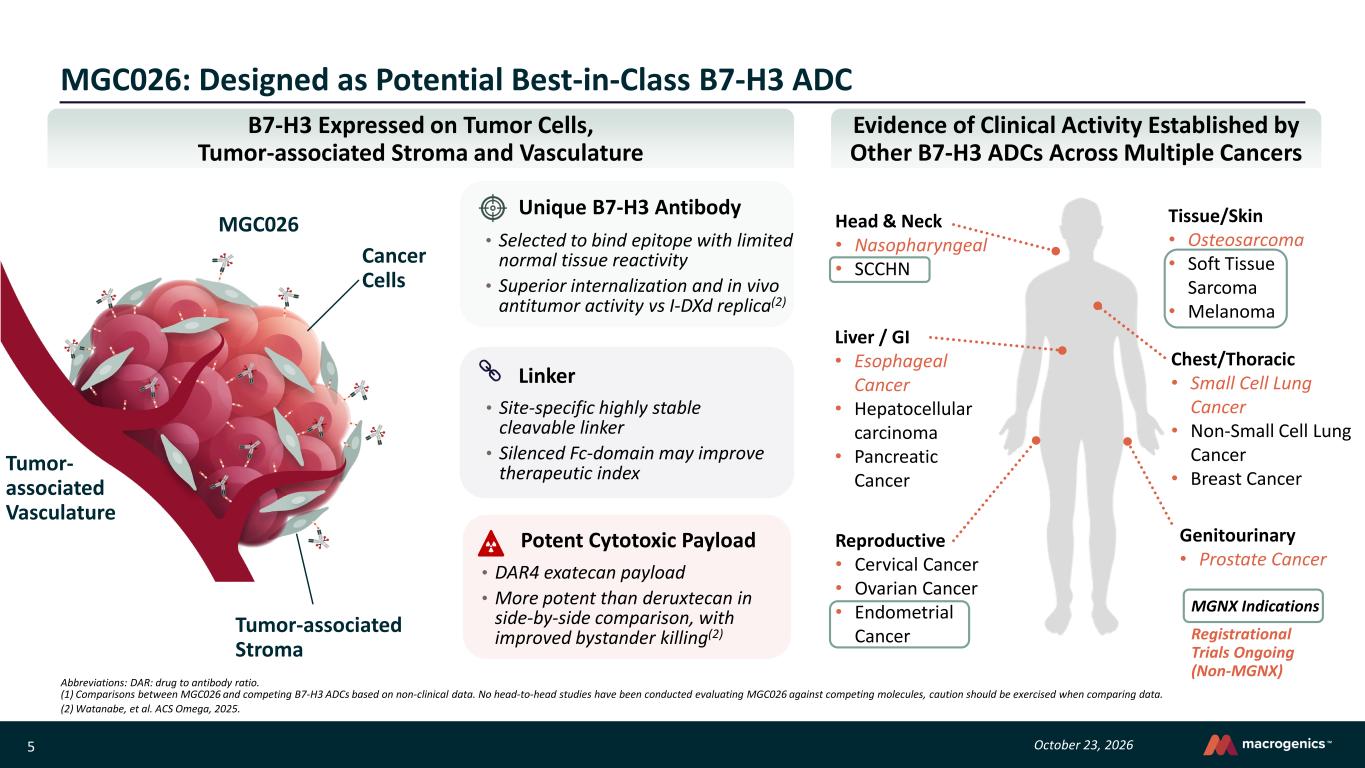
5 October 23, 2026 MGC026: Designed as Potential Best-in-Class B7-H3 ADC Abbreviations: DAR: drug to antibody ratio. (1) Comparisons between MGC026 and competing B7-H3 ADCs based on non-clinical data. No head-to-head studies have been conducted evaluating MGC026 against competing molecules, caution should be exercised when comparing data. (2) Watanabe, et al. ACS Omega, 2025. Unique B7-H3 Antibody • Selected to bind epitope with limited normal tissue reactivity • Superior internalization and in vivo antitumor activity vs I-DXd replica(2) Linker • Site-specific highly stable cleavable linker • Silenced Fc-domain may improve therapeutic index Potent Cytotoxic Payload • DAR4 exatecan payload • More potent than deruxtecan in side-by-side comparison, with improved bystander killing(2) Tumor- associated Vasculature Cancer Cells Tumor-associated Stroma B7-H3 Expressed on Tumor Cells, Tumor-associated Stroma and Vasculature Evidence of Clinical Activity Established by Other B7-H3 ADCs Across Multiple Cancers MGC026 Genitourinary • Prostate Cancer Head & Neck • Nasopharyngeal • SCCHN Tissue/Skin • Osteosarcoma • Soft Tissue Sarcoma • Melanoma Reproductive • Cervical Cancer • Ovarian Cancer • Endometrial Cancer Liver / GI • Esophageal Cancer • Hepatocellular carcinoma • Pancreatic Cancer Registrational Trials Ongoing (Non-MGNX) MGNX Indications Chest/Thoracic • Small Cell Lung Cancer • Non-Small Cell Lung Cancer • Breast Cancer
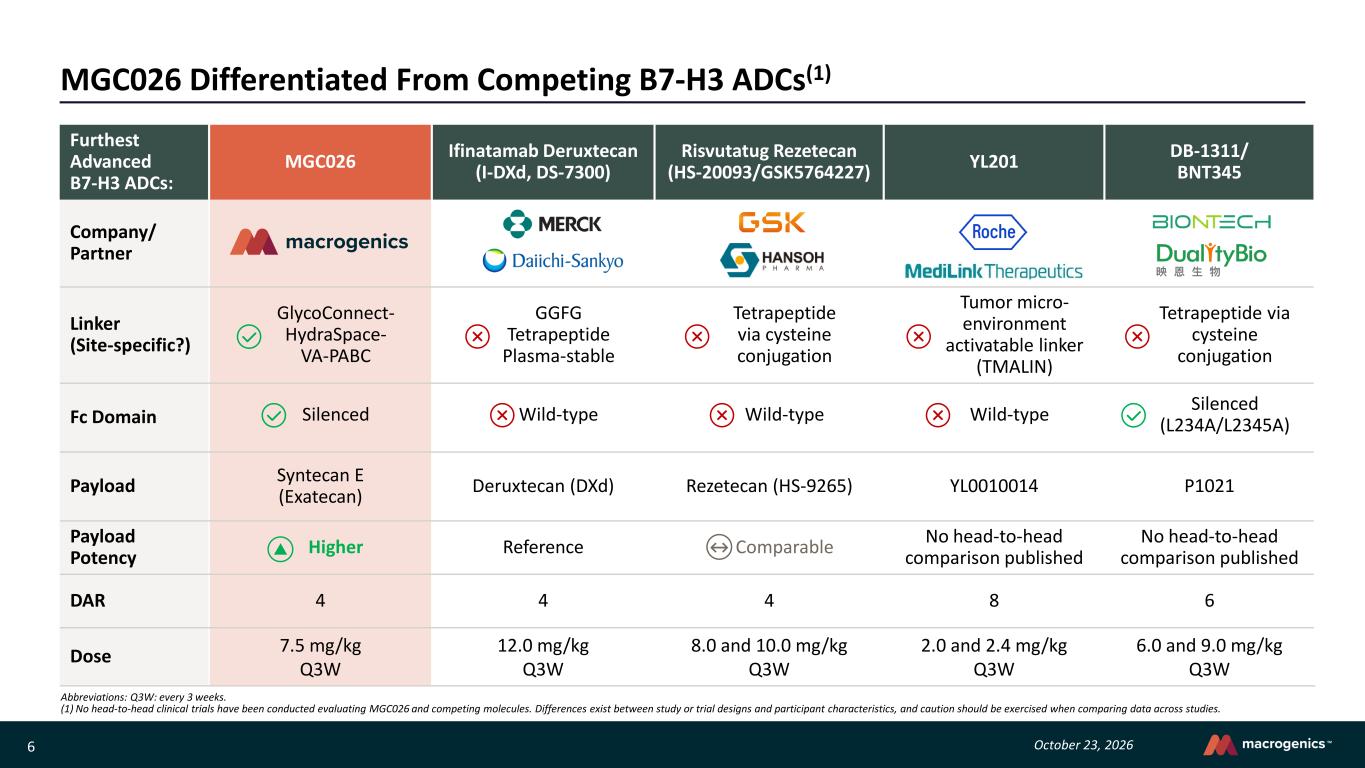
6 October 23, 2026 MGC026 Differentiated From Competing B7-H3 ADCs(1) Furthest Advanced B7-H3 ADCs: MGC026 Ifinatamab Deruxtecan (I-DXd, DS-7300) Risvutatug Rezetecan (HS-20093/GSK5764227) YL201 DB-1311/ BNT345 Company/ Partner Linker (Site-specific?) GlycoConnect- HydraSpace- VA-PABC GGFG Tetrapeptide Plasma-stable Tetrapeptide via cysteine conjugation Tumor micro- environment activatable linker (TMALIN) Tetrapeptide via cysteine conjugation Fc Domain Silenced Wild-type Wild-type Wild-type Silenced (L234A/L2345A) Payload Syntecan E (Exatecan) Deruxtecan (DXd) Rezetecan (HS-9265) YL0010014 P1021 Payload Potency Higher Reference Comparable No head-to-head comparison published No head-to-head comparison published DAR 4 4 4 8 6 Dose 7.5 mg/kg Q3W 12.0 mg/kg Q3W 8.0 and 10.0 mg/kg Q3W 2.0 and 2.4 mg/kg Q3W 6.0 and 9.0 mg/kg Q3W Abbreviations: Q3W: every 3 weeks. (1) No head-to-head clinical trials have been conducted evaluating MGC026 and competing molecules. Differences exist between study or trial designs and participant characteristics, and caution should be exercised when comparing data across studies.
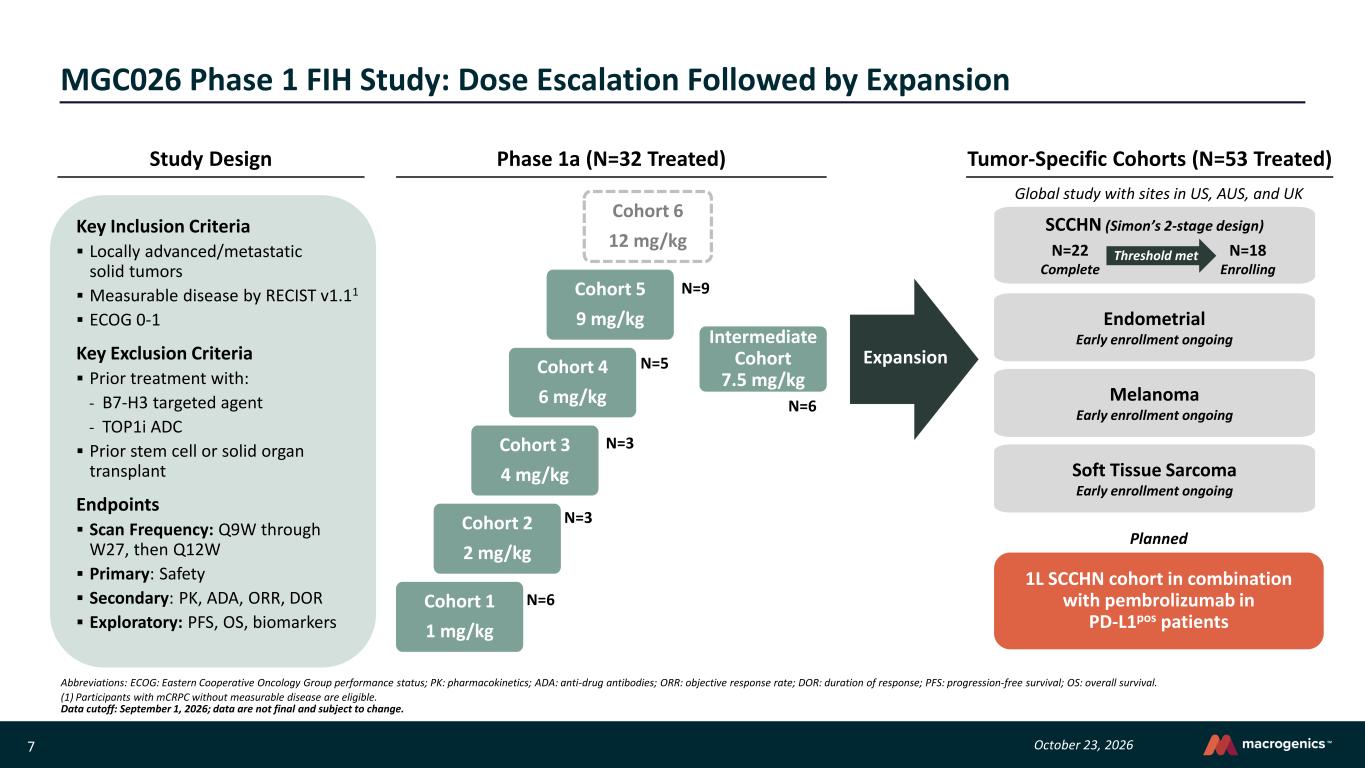
7 October 23, 2026 Key Inclusion Criteria Locally advanced/metastatic solid tumors Measurable disease by RECIST v1.11 ECOG 0-1 Key Exclusion Criteria Prior treatment with: - B7-H3 targeted agent - TOP1i ADC Prior stem cell or solid organ transplant Endpoints Scan Frequency: Q9W through W27, then Q12W Primary: Safety Secondary: PK, ADA, ORR, DOR Exploratory: PFS, OS, biomarkers MGC026 Phase 1 FIH Study: Dose Escalation Followed by Expansion SCCHN (Simon’s 2-stage design) Melanoma Early enrollment ongoing Endometrial Early enrollment ongoing Soft Tissue Sarcoma Early enrollment ongoing Phase 1a (N=32 Treated) Tumor-Specific Cohorts (N=53 Treated) Cohort 1 1 mg/kg Cohort 2 2 mg/kg Cohort 3 4 mg/kg Cohort 4 6 mg/kg Cohort 5 9 mg/kg Cohort 6 12 mg/kg N=6 N=3 N=3 N=5 N=9 Intermediate Cohort 7.5 mg/kg N=6 Abbreviations: ECOG: Eastern Cooperative Oncology Group performance status; PK: pharmacokinetics; ADA: anti-drug antibodies; ORR: objective response rate; DOR: duration of response; PFS: progression-free survival; OS: overall survival. (1) Participants with mCRPC without measurable disease are eligible. Data cutoff: September 1, 2026; data are not final and subject to change. Study Design Expansion N=22 Complete N=18 Enrolling Threshold met Global study with sites in US, AUS, and UK 1L SCCHN cohort in combination with pembrolizumab in PD-L1pos patients Planned
Interim Phase 1 Clinical Study Results Data cutoff: September 1, 2026
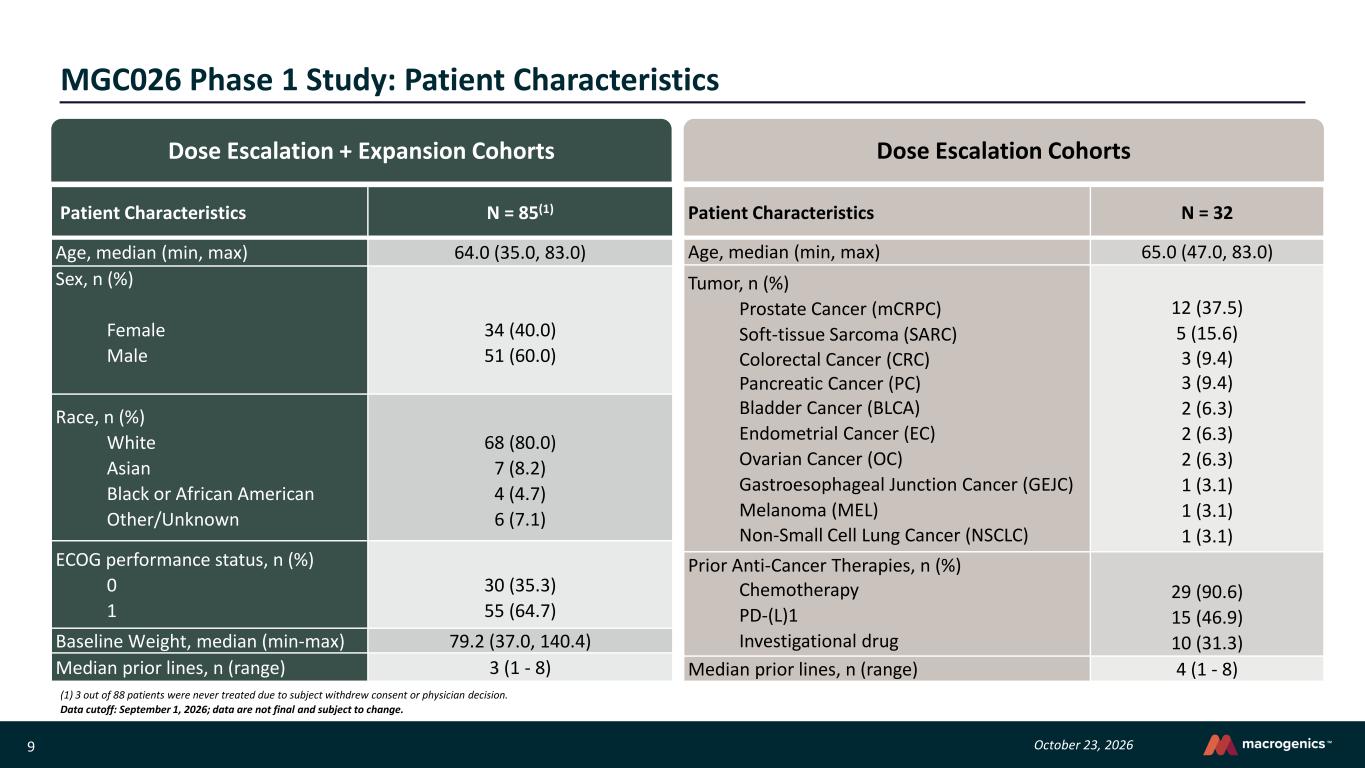
9 October 23, 2026 MGC026 Phase 1 Study: Patient Characteristics (1) 3 out of 88 patients were never treated due to subject withdrew consent or physician decision. Data cutoff: September 1, 2026; data are not final and subject to change. Patient Characteristics N = 85(1) Age, median (min, max) 64.0 (35.0, 83.0) Sex, n (%) Female Male 34 (40.0) 51 (60.0) Race, n (%) White Asian Black or African American Other/Unknown 68 (80.0) 7 (8.2) 4 (4.7) 6 (7.1) ECOG performance status, n (%) 0 1 30 (35.3) 55 (64.7) Baseline Weight, median (min-max) 79.2 (37.0, 140.4) Median prior lines, n (range) 3 (1 - 8) Prior therapy table or graph Patient Characteristics N = 32 Age, median (min, max) 65.0 (47.0, 83.0) Tumor, n (%) Prostate Cancer (mCRPC) Soft-tissue Sarcoma (SARC) Colorectal Cancer (CRC) Pancreatic Cancer (PC) Bladder Cancer (BLCA) Endometrial Cancer (EC) Ovarian Cancer (OC) Gastroesophageal Junction Cancer (GEJC) Melanoma (MEL) Non-Small Cell Lung Cancer (NSCLC) 12 (37.5) 5 (15.6) 3 (9.4) 3 (9.4) 2 (6.3) 2 (6.3) 2 (6.3) 1 (3.1) 1 (3.1) 1 (3.1) Prior Anti-Cancer Therapies, n (%) Chemotherapy PD-(L)1 Investigational drug 29 (90.6) 15 (46.9) 10 (31.3) Median prior lines, n (range) 4 (1 - 8) Dose Escalation + Expansion Cohorts Dose Escalation Cohorts
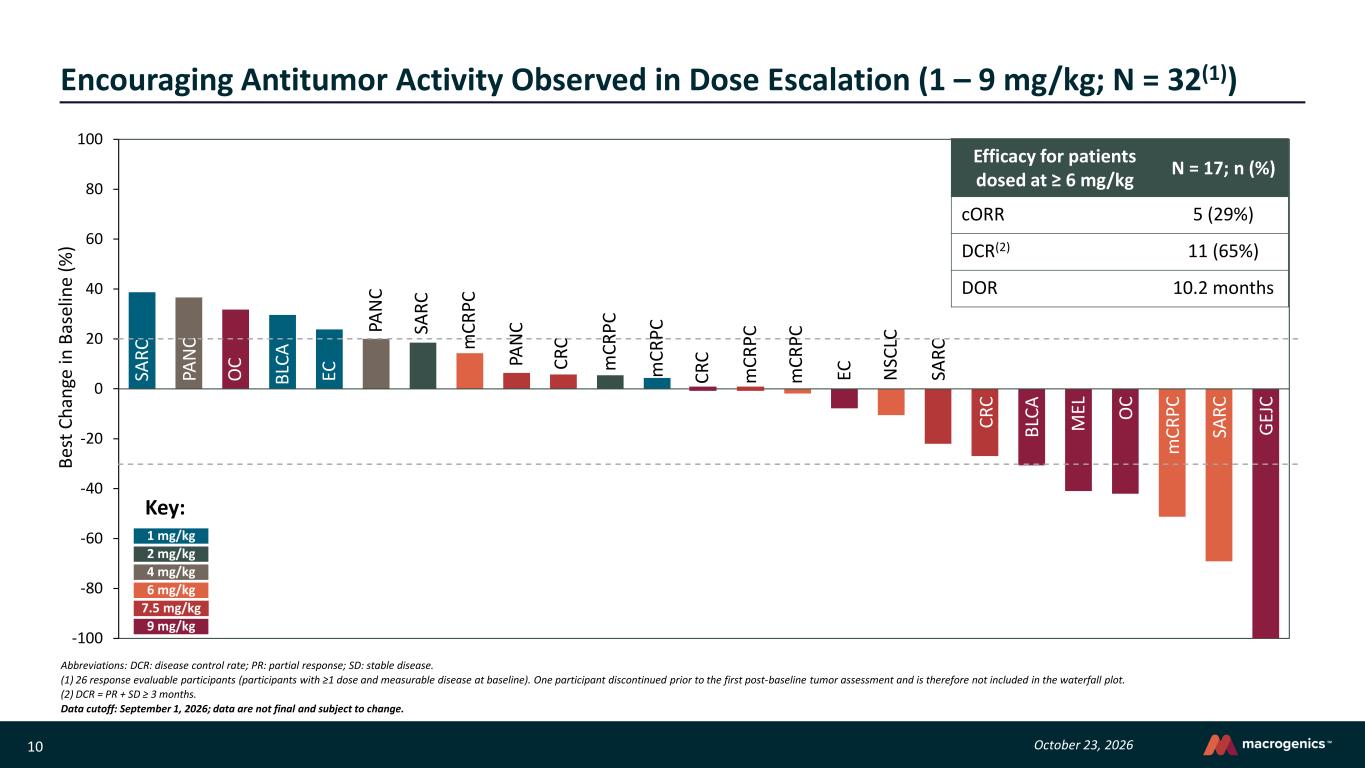
10 October 23, 2026 -100 -80 -60 -40 -20 0 20 40 60 80 100 Encouraging Antitumor Activity Observed in Dose Escalation (1 – 9 mg/kg; N = 32(1)) Abbreviations: DCR: disease control rate; PR: partial response; SD: stable disease. (1) 26 response evaluable participants (participants with ≥1 dose and measurable disease at baseline). One participant discontinued prior to the first post-baseline tumor assessment and is therefore not included in the waterfall plot. (2) DCR = PR + SD ≥ 3 months. Data cutoff: September 1, 2026; data are not final and subject to change. Efficacy for patients dosed at ≥ 6 mg/kg N = 17; n (%) cORR 5 (29%) DCR(2) 11 (65%) DOR 10.2 months 1 mg/kg 4 mg/kg 9 mg/kg 2 mg/kg 7.5 mg/kg 6 mg/kg Key: SA RC PA N C O C BL CA EC PA N C SA RC m CR PC PA N C CR C m CR PC m CR PC CR C m CR PC m CR PC EC N SC LC SA RC CR C BL CA M EL O C m CR PC SA RC G EJ C Be st C ha ng e in B as el in e (% )
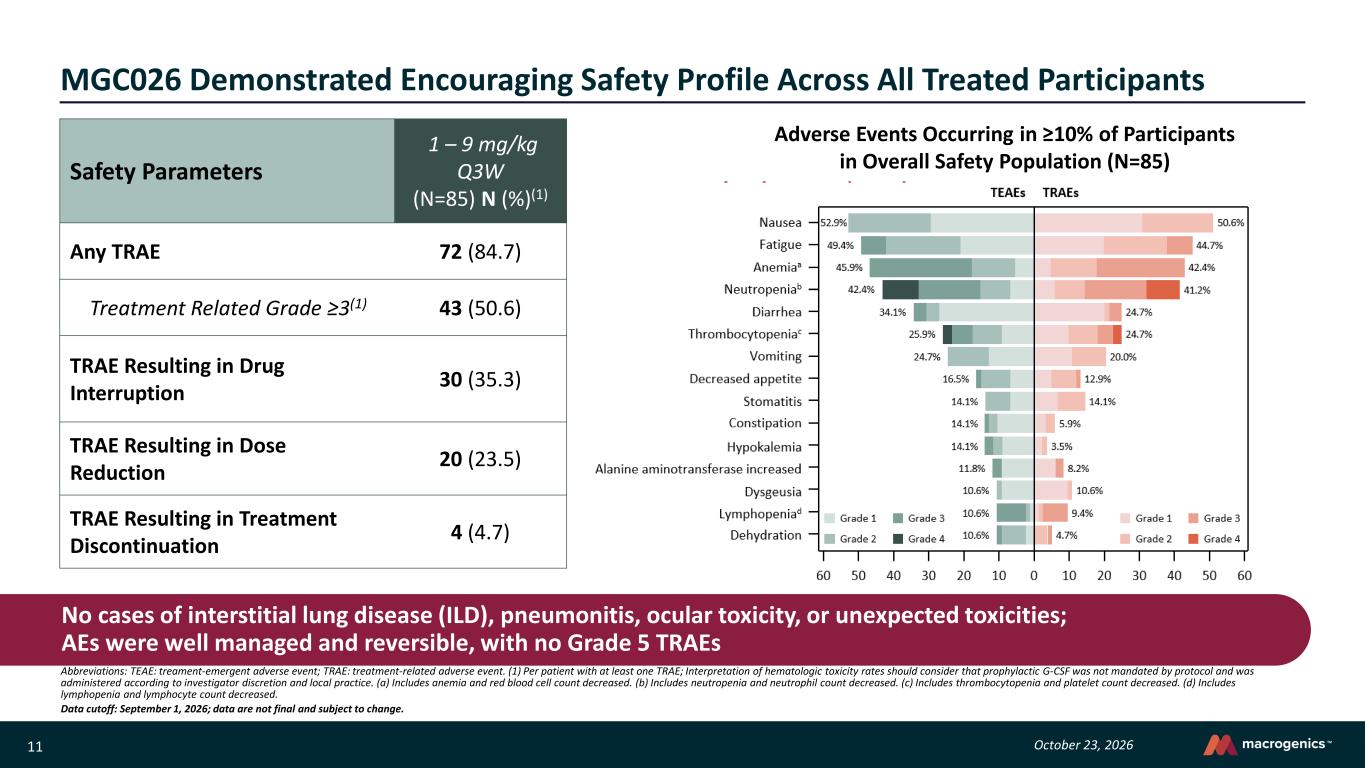
11 October 23, 2026 MGC026 Demonstrated Encouraging Safety Profile Across All Treated Participants Abbreviations: TEAE: treament-emergent adverse event; TRAE: treatment-related adverse event. (1) Per patient with at least one TRAE; Interpretation of hematologic toxicity rates should consider that prophylactic G-CSF was not mandated by protocol and was administered according to investigator discretion and local practice. (a) Includes anemia and red blood cell count decreased. (b) Includes neutropenia and neutrophil count decreased. (c) Includes thrombocytopenia and platelet count decreased. (d) Includes lymphopenia and lymphocyte count decreased. Data cutoff: September 1, 2026; data are not final and subject to change. No cases of interstitial lung disease (ILD), pneumonitis, ocular toxicity, or unexpected toxicities; AEs were well managed and reversible, with no Grade 5 TRAEs Adverse Events Occurring in ≥10% of Participants in Overall Safety Population (N=85)Safety Parameters 1 – 9 mg/kg Q3W (N=85) N (%)(1) Any TRAE 72 (84.7) Treatment Related Grade ≥3(1) 43 (50.6) TRAE Resulting in Drug Interruption 30 (35.3) TRAE Resulting in Dose Reduction 20 (23.5) TRAE Resulting in Treatment Discontinuation 4 (4.7)
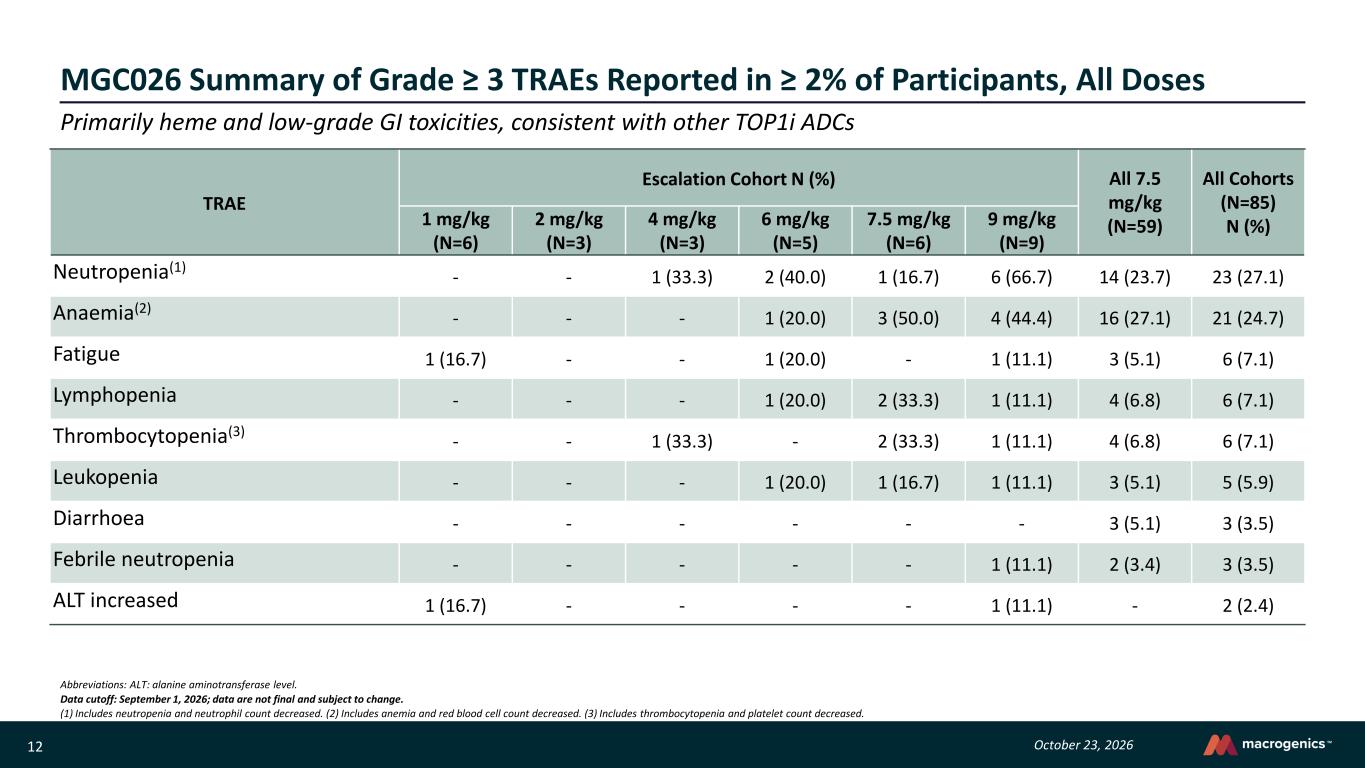
12 October 23, 2026 MGC026 Summary of Grade ≥ 3 TRAEs Reported in ≥ 2% of Participants, All Doses Primarily heme and low-grade GI toxicities, consistent with other TOP1i ADCs TRAE Escalation Cohort N (%) All 7.5 mg/kg (N=59) All Cohorts (N=85) N (%)1 mg/kg (N=6) 2 mg/kg (N=3) 4 mg/kg (N=3) 6 mg/kg (N=5) 7.5 mg/kg (N=6) 9 mg/kg (N=9) Neutropenia(1) - - 1 (33.3) 2 (40.0) 1 (16.7) 6 (66.7) 14 (23.7) 23 (27.1) Anaemia(2) - - - 1 (20.0) 3 (50.0) 4 (44.4) 16 (27.1) 21 (24.7) Fatigue 1 (16.7) - - 1 (20.0) - 1 (11.1) 3 (5.1) 6 (7.1) Lymphopenia - - - 1 (20.0) 2 (33.3) 1 (11.1) 4 (6.8) 6 (7.1) Thrombocytopenia(3) - - 1 (33.3) - 2 (33.3) 1 (11.1) 4 (6.8) 6 (7.1) Leukopenia - - - 1 (20.0) 1 (16.7) 1 (11.1) 3 (5.1) 5 (5.9) Diarrhoea - - - - - - 3 (5.1) 3 (3.5) Febrile neutropenia - - - - - 1 (11.1) 2 (3.4) 3 (3.5) ALT increased 1 (16.7) - - - - 1 (11.1) - 2 (2.4) Abbreviations: ALT: alanine aminotransferase level. Data cutoff: September 1, 2026; data are not final and subject to change. (1) Includes neutropenia and neutrophil count decreased. (2) Includes anemia and red blood cell count decreased. (3) Includes thrombocytopenia and platelet count decreased.
Interim Phase 1 SCCHN Expansion Cohort Results Data cutoff: September 1, 2026
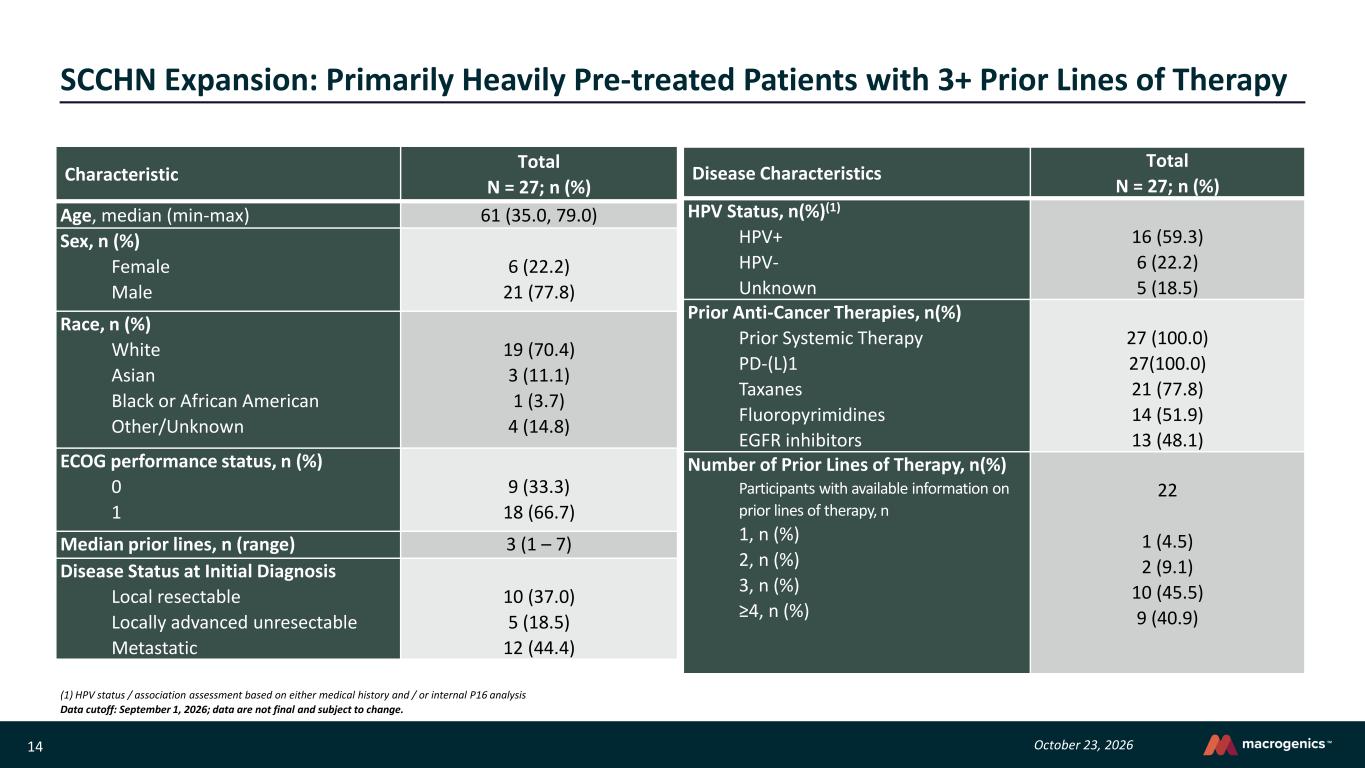
14 October 23, 2026 SCCHN Expansion: Primarily Heavily Pre-treated Patients with 3+ Prior Lines of Therapy Characteristic Total N = 27; n (%) Age, median (min-max) 61 (35.0, 79.0) Sex, n (%) Female Male 6 (22.2) 21 (77.8) Race, n (%) White Asian Black or African American Other/Unknown 19 (70.4) 3 (11.1) 1 (3.7) 4 (14.8) ECOG performance status, n (%) 0 1 9 (33.3) 18 (66.7) Median prior lines, n (range) 3 (1 – 7) Disease Status at Initial Diagnosis Local resectable Locally advanced unresectable Metastatic 10 (37.0) 5 (18.5) 12 (44.4) Disease Characteristics Total N = 27; n (%) HPV Status, n(%)(1) HPV+ HPV- Unknown 16 (59.3) 6 (22.2) 5 (18.5) Prior Anti-Cancer Therapies, n(%) Prior Systemic Therapy PD-(L)1 Taxanes Fluoropyrimidines EGFR inhibitors 27 (100.0) 27(100.0) 21 (77.8) 14 (51.9) 13 (48.1) Number of Prior Lines of Therapy, n(%) Participants with available information on prior lines of therapy, n 1, n (%) 2, n (%) 3, n (%) ≥4, n (%) 22 1 (4.5) 2 (9.1) 10 (45.5) 9 (40.9) (1) HPV status / association assessment based on either medical history and / or internal P16 analysis Data cutoff: September 1, 2026; data are not final and subject to change.
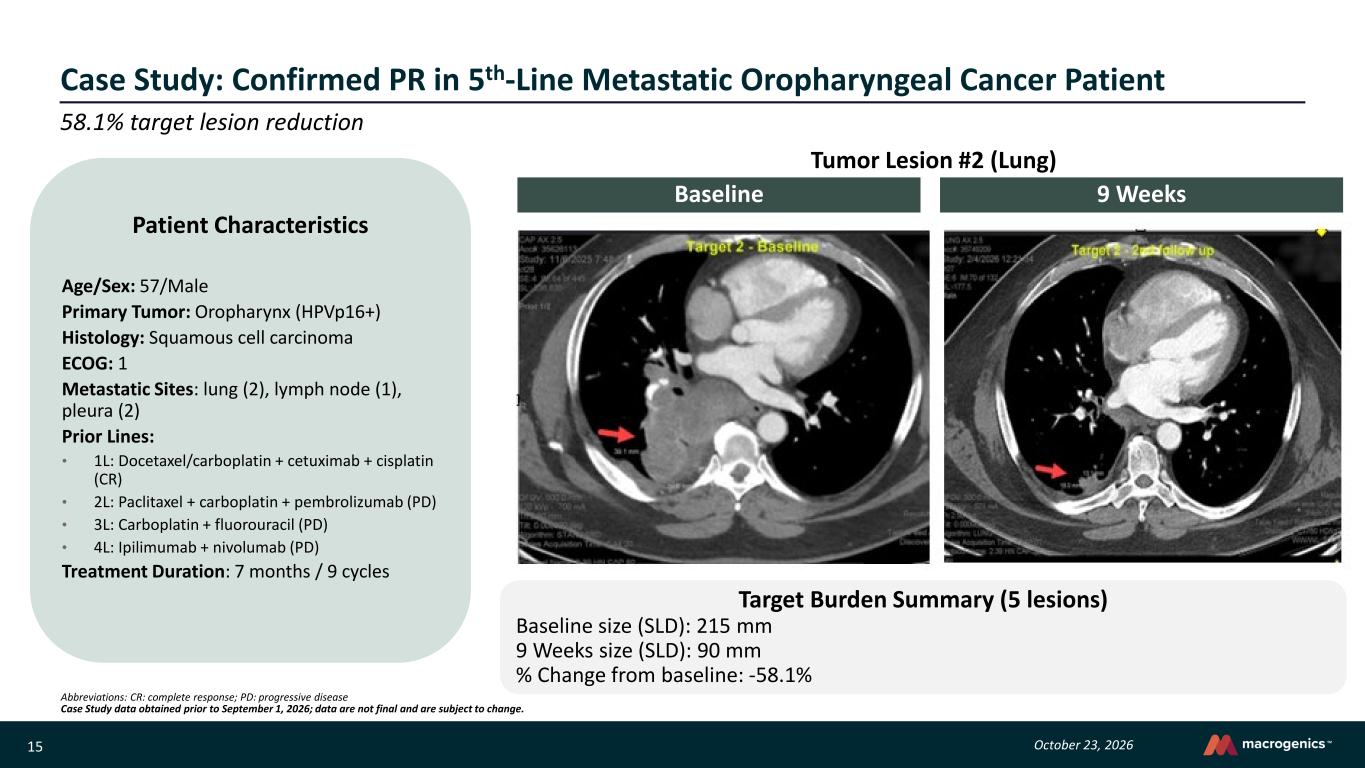
15 October 23, 2026 Case Study: Confirmed PR in 5th-Line Metastatic Oropharyngeal Cancer Patient 58.1% target lesion reduction Target Burden Summary (5 lesions) Baseline size (SLD): 215 mm 9 Weeks size (SLD): 90 mm % Change from baseline: -58.1% Baseline 9 Weeks Abbreviations: CR: complete response; PD: progressive disease Case Study data obtained prior to September 1, 2026; data are not final and are subject to change. Tumor Lesion #2 (Lung) Patient Characteristics Age/Sex: 57/Male Primary Tumor: Oropharynx (HPVp16+) Histology: Squamous cell carcinoma ECOG: 1 Metastatic Sites: lung (2), lymph node (1), pleura (2) Prior Lines: • 1L: Docetaxel/carboplatin + cetuximab + cisplatin (CR) • 2L: Paclitaxel + carboplatin + pembrolizumab (PD) • 3L: Carboplatin + fluorouracil (PD) • 4L: Ipilimumab + nivolumab (PD) Treatment Duration: 7 months / 9 cycles
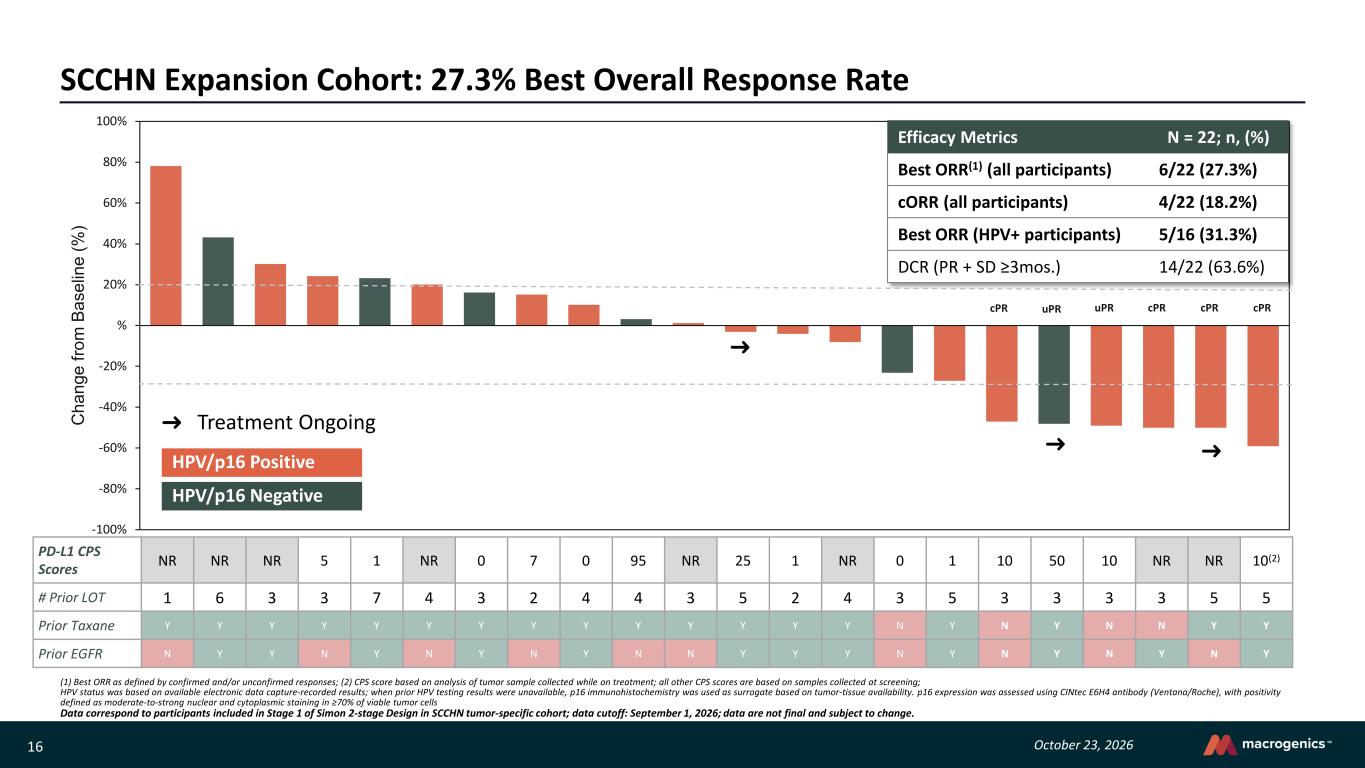
16 October 23, 2026 SCCHN Expansion Cohort: 27.3% Best Overall Response Rate (1) Best ORR as defined by confirmed and/or unconfirmed responses; (2) CPS score based on analysis of tumor sample collected while on treatment; all other CPS scores are based on samples collected at screening; HPV status was based on available electronic data capture-recorded results; when prior HPV testing results were unavailable, p16 immunohistochemistry was used as surrogate based on tumor-tissue availability. p16 expression was assessed using CINtec E6H4 antibody (Ventana/Roche), with positivity defined as moderate-to-strong nuclear and cytoplasmic staining in ≥70% of viable tumor cells Data correspond to participants included in Stage 1 of Simon 2-stage Design in SCCHN tumor-specific cohort; data cutoff: September 1, 2026; data are not final and subject to change. -100% -80% -60% -40% -20% % 20% 40% 60% 80% 100% C ha ng e fro m B as el in e (% ) Efficacy Metrics N = 22; n, (%) Best ORR(1) (all participants) 6/22 (27.3%) cORR (all participants) 4/22 (18.2%) Best ORR (HPV+ participants) 5/16 (31.3%) DCR (PR + SD ≥3mos.) 14/22 (63.6%) HPV/p16 Positive HPV/p16 Negative Treatment Ongoing➜ ➜ ➜ ➜ cPR uPR uPR cPR cPR cPR PD-L1 CPS Scores NR NR NR 5 1 NR 0 7 0 95 NR 25 1 NR 0 1 10 50 10 NR NR 10(2) # Prior LOT 1 6 3 3 7 4 3 2 4 4 3 5 2 4 3 5 3 3 3 3 5 5 Prior Taxane Y Y Y Y Y Y Y Y Y Y Y Y Y Y N Y N Y N N Y Y Prior EGFR N Y Y N Y N Y N Y N N Y Y Y N Y N Y N Y N Y
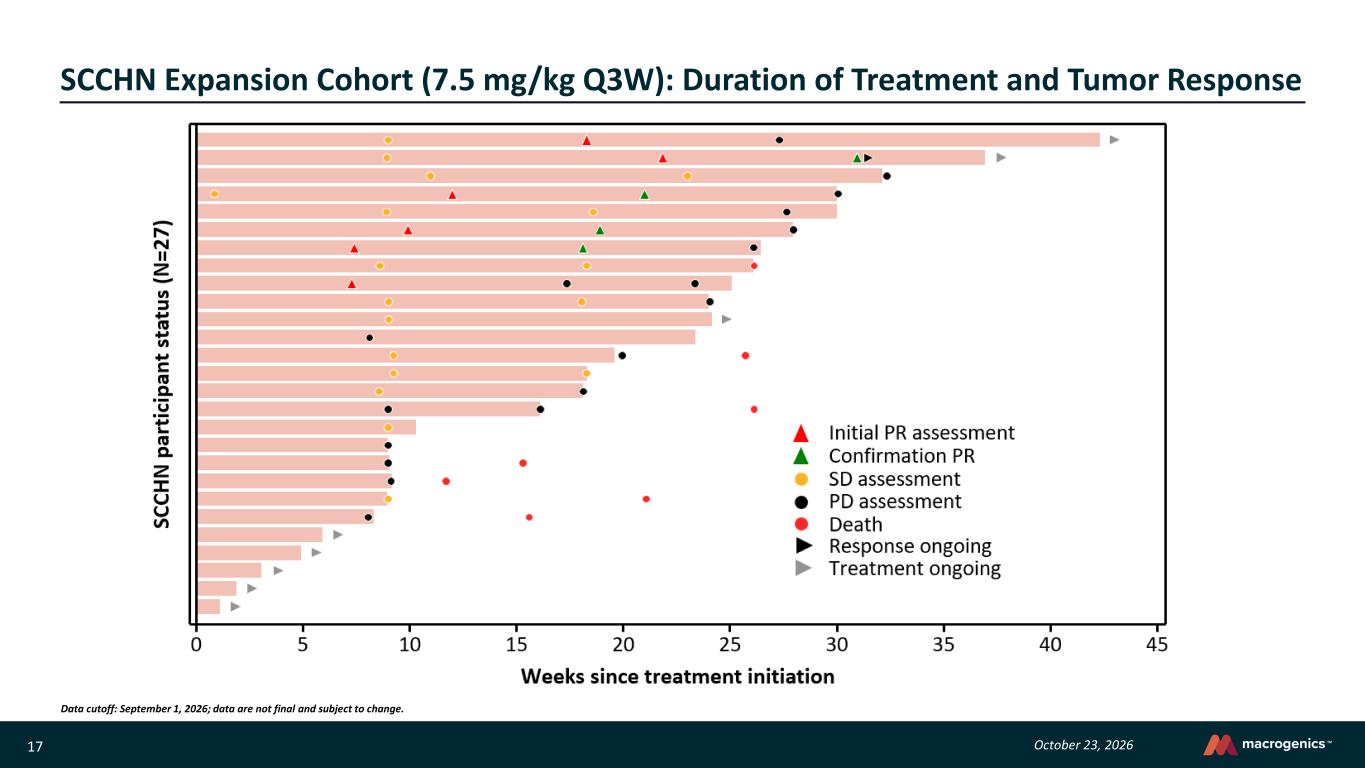
17 October 23, 2026 SCCHN Expansion Cohort (7.5 mg/kg Q3W): Duration of Treatment and Tumor Response Data cutoff: September 1, 2026; data are not final and subject to change.
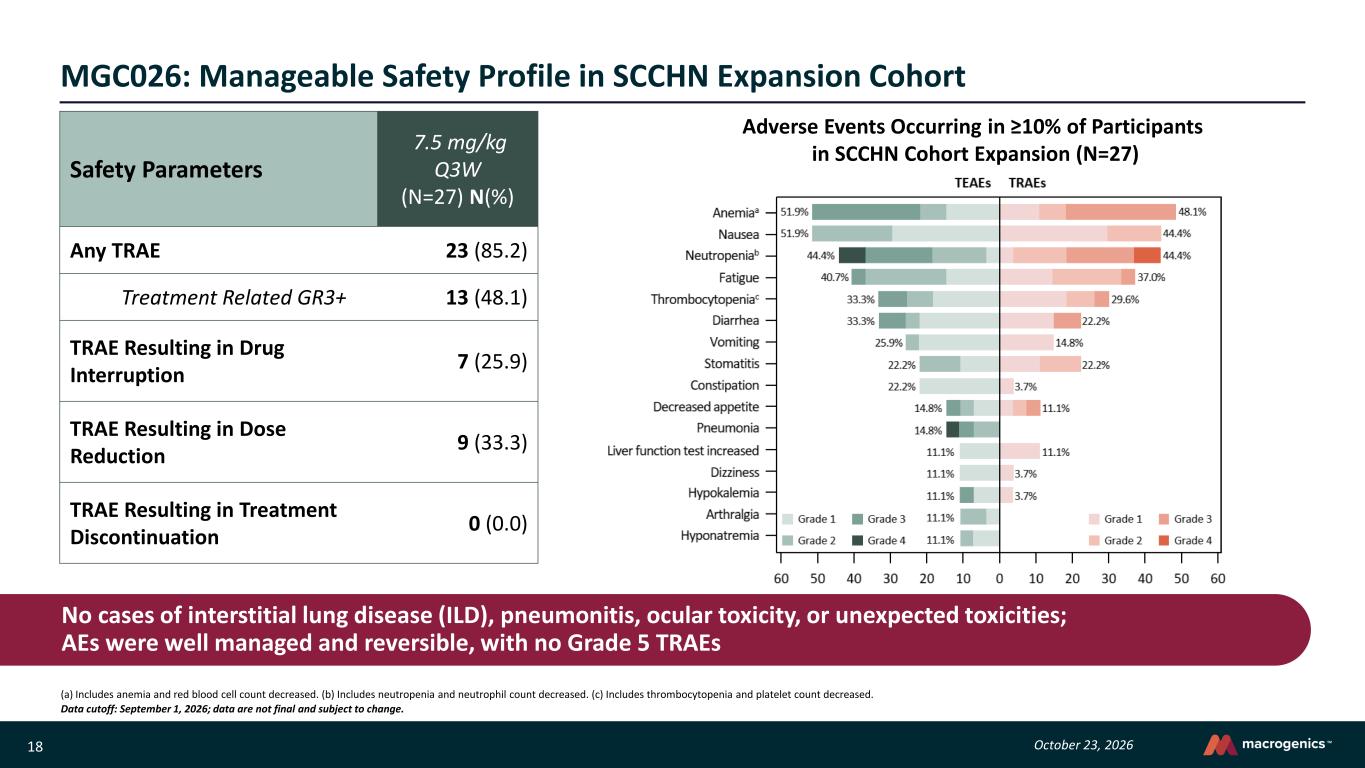
18 October 23, 2026 MGC026: Manageable Safety Profile in SCCHN Expansion Cohort Safety Parameters 7.5 mg/kg Q3W (N=27) N(%) Any TRAE 23 (85.2) Treatment Related GR3+ 13 (48.1) TRAE Resulting in Drug Interruption 7 (25.9) TRAE Resulting in Dose Reduction 9 (33.3) TRAE Resulting in Treatment Discontinuation 0 (0.0) (a) Includes anemia and red blood cell count decreased. (b) Includes neutropenia and neutrophil count decreased. (c) Includes thrombocytopenia and platelet count decreased. Data cutoff: September 1, 2026; data are not final and subject to change. No cases of interstitial lung disease (ILD), pneumonitis, ocular toxicity, or unexpected toxicities; AEs were well managed and reversible, with no Grade 5 TRAEs Adverse Events Occurring in ≥10% of Participants in SCCHN Cohort Expansion (N=27)

Opportunity in Head and Neck Cancer
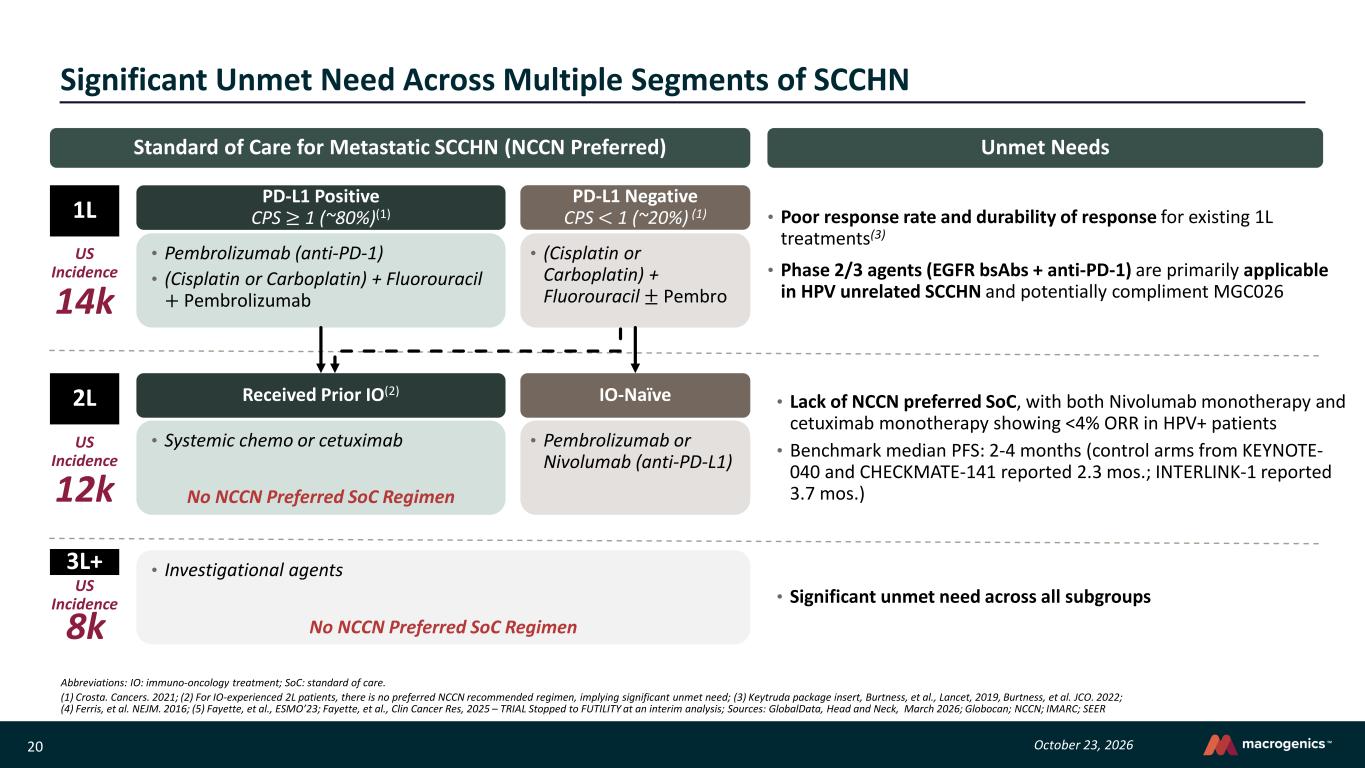
20 October 23, 2026 Significant Unmet Need Across Multiple Segments of SCCHN Abbreviations: IO: immuno-oncology treatment; SoC: standard of care. (1) Crosta. Cancers. 2021; (2) For IO-experienced 2L patients, there is no preferred NCCN recommended regimen, implying significant unmet need; (3) Keytruda package insert, Burtness, et al., Lancet, 2019, Burtness, et al. JCO. 2022; (4) Ferris, et al. NEJM. 2016; (5) Fayette, et al., ESMO’23; Fayette, et al., Clin Cancer Res, 2025 – TRIAL Stopped to FUTILITY at an interim analysis; Sources: GlobalData, Head and Neck, March 2026; Globocan; NCCN; IMARC; SEER Standard of Care for Metastatic SCCHN (NCCN Preferred) Unmet Needs • Pembrolizumab (anti-PD-1) • (Cisplatin or Carboplatin) + Fluorouracil + Pembrolizumab • (Cisplatin or Carboplatin) + Fluorouracil ± Pembro PD-L1 Positive CPS ≥ 1 (~80%)(1) PD-L1 Negative CPS < 1 (~20%) (1) Received Prior IO(2) IO-Naïve • Systemic chemo or cetuximab • Pembrolizumab or Nivolumab (anti-PD-L1) • Investigational agents • Poor response rate and durability of response for existing 1L treatments(3) • Phase 2/3 agents (EGFR bsAbs + anti-PD-1) are primarily applicable in HPV unrelated SCCHN and potentially compliment MGC026 • Lack of NCCN preferred SoC, with both Nivolumab monotherapy and cetuximab monotherapy showing <4% ORR in HPV+ patients • Benchmark median PFS: 2-4 months (control arms from KEYNOTE- 040 and CHECKMATE-141 reported 2.3 mos.; INTERLINK-1 reported 3.7 mos.) • Significant unmet need across all subgroups 14k US Incidence 1L 8k US Incidence 3L+ 12k US Incidence 2L No NCCN Preferred SoC Regimen No NCCN Preferred SoC Regimen
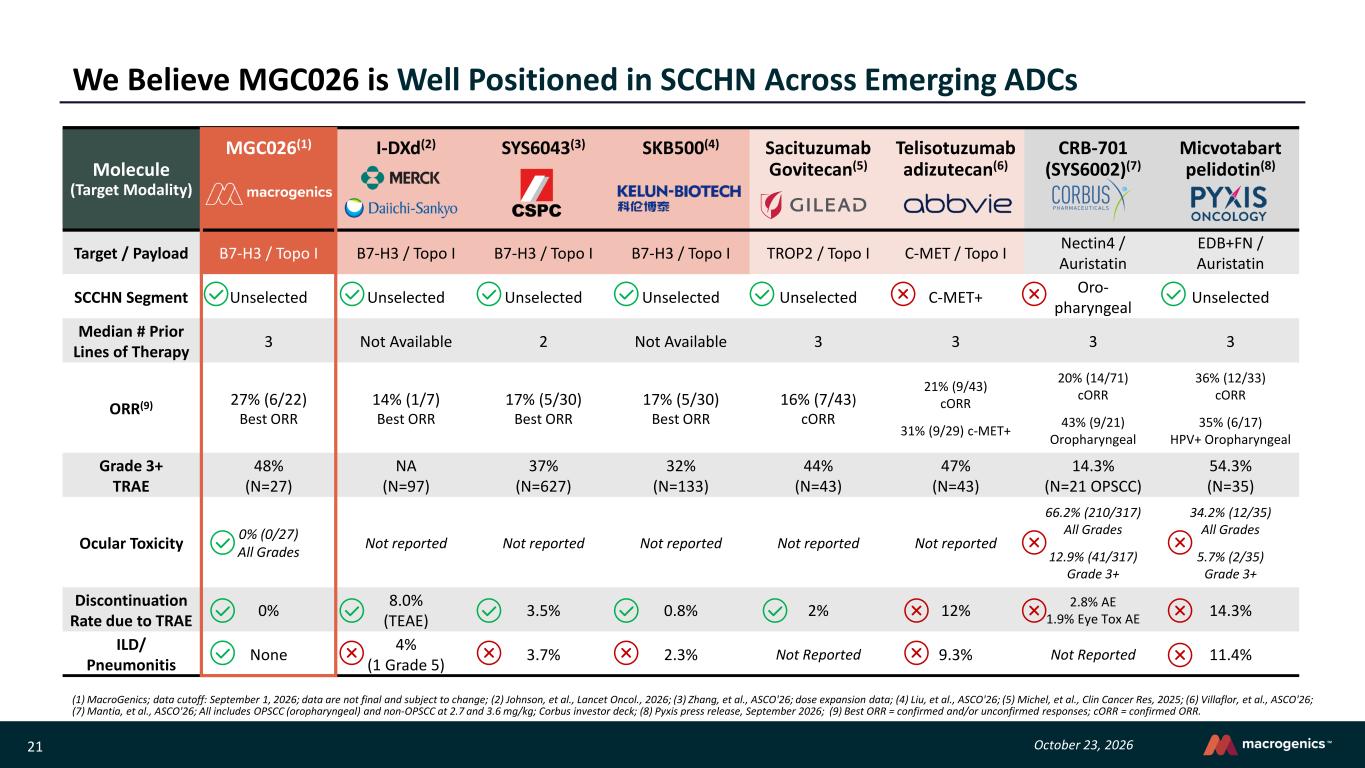
21 October 23, 2026 We Believe MGC026 is Well Positioned in SCCHN Across Emerging ADCs (1) MacroGenics; data cutoff: September 1, 2026; data are not final and subject to change; (2) Johnson, et al., Lancet Oncol., 2026; (3) Zhang, et al., ASCO'26; dose expansion data; (4) Liu, et al., ASCO'26; (5) Michel, et al., Clin Cancer Res, 2025; (6) Villaflor, et al., ASCO'26; (7) Mantia, et al., ASCO'26; All includes OPSCC (oropharyngeal) and non-OPSCC at 2.7 and 3.6 mg/kg; Corbus investor deck; (8) Pyxis press release, September 2026; (9) Best ORR = confirmed and/or unconfirmed responses; cORR = confirmed ORR. Molecule (Target Modality) MGC026(1) I-DXd(2) SYS6043(3) SKB500(4) Sacituzumab Govitecan(5) Telisotuzumab adizutecan(6) CRB-701 (SYS6002)(7) Micvotabart pelidotin(8) Target / Payload B7-H3 / Topo I B7-H3 / Topo I B7-H3 / Topo I B7-H3 / Topo I TROP2 / Topo I C-MET / Topo I Nectin4 / Auristatin EDB+FN / Auristatin SCCHN Segment Unselected Unselected Unselected Unselected Unselected C-MET+ Oro- pharyngeal Unselected Median # Prior Lines of Therapy 3 Not Available 2 Not Available 3 3 3 3 ORR(9) 27% (6/22) Best ORR 14% (1/7) Best ORR 17% (5/30) Best ORR 17% (5/30) Best ORR 16% (7/43) cORR 21% (9/43) cORR 31% (9/29) c-MET+ 20% (14/71) cORR 43% (9/21) Oropharyngeal 36% (12/33) cORR 35% (6/17) HPV+ Oropharyngeal Grade 3+ TRAE 48% (N=27) NA (N=97) 37% (N=627) 32% (N=133) 44% (N=43) 47% (N=43) 14.3% (N=21 OPSCC) 54.3% (N=35) Ocular Toxicity 0% (0/27) All Grades Not reported Not reported Not reported Not reported Not reported 66.2% (210/317) All Grades 12.9% (41/317) Grade 3+ 34.2% (12/35) All Grades 5.7% (2/35) Grade 3+ Discontinuation Rate due to TRAE 0% 8.0% (TEAE) 3.5% 0.8% 2% 12% 2.8% AE 1.9% Eye Tox AE 14.3% ILD/ Pneumonitis None 4% (1 Grade 5) 3.7% 2.3% Not Reported 9.3% Not Reported 11.4%
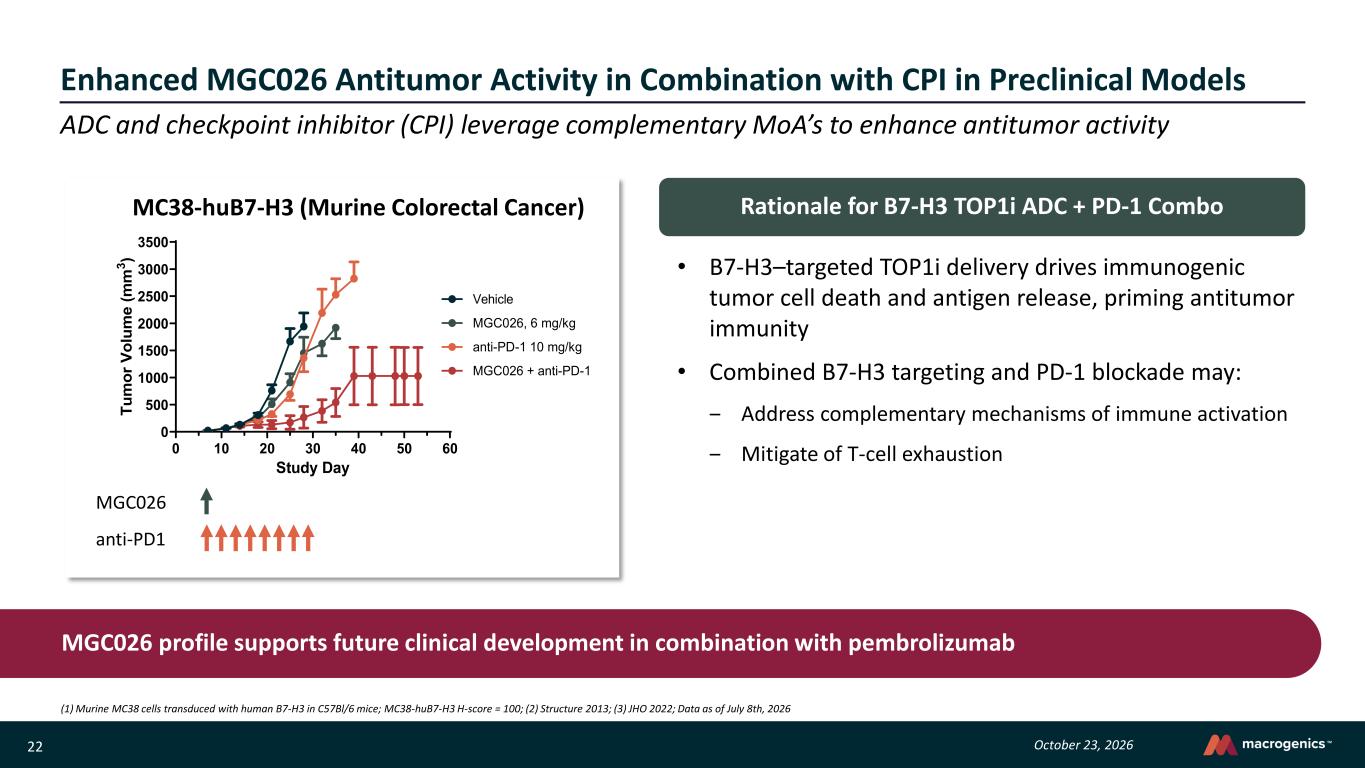
22 October 23, 2026 0 10 20 30 40 50 60 0 500 1000 1500 2000 2500 3000 3500 Vehicle MGC026, 6 mg/kg Study Day Tu m or V ol um e (m m 3 ) anti-PD-1 10 mg/kg MGC026 + anti-PD-1 MGC026 anti-PD1 Enhanced MGC026 Antitumor Activity in Combination with CPI in Preclinical Models MGC026 profile supports future clinical development in combination with pembrolizumab ADC and checkpoint inhibitor (CPI) leverage complementary MoA’s to enhance antitumor activity (1) Murine MC38 cells transduced with human B7-H3 in C57Bl/6 mice; MC38-huB7-H3 H-score = 100; (2) Structure 2013; (3) JHO 2022; Data as of July 8th, 2026 MC38-huB7-H3 (Murine Colorectal Cancer) • B7-H3–targeted TOP1i delivery drives immunogenic tumor cell death and antigen release, priming antitumor immunity • Combined B7-H3 targeting and PD-1 blockade may: ‒ Address complementary mechanisms of immune activation ‒ Mitigate of T-cell exhaustion Rationale for B7-H3 TOP1i ADC + PD-1 Combo
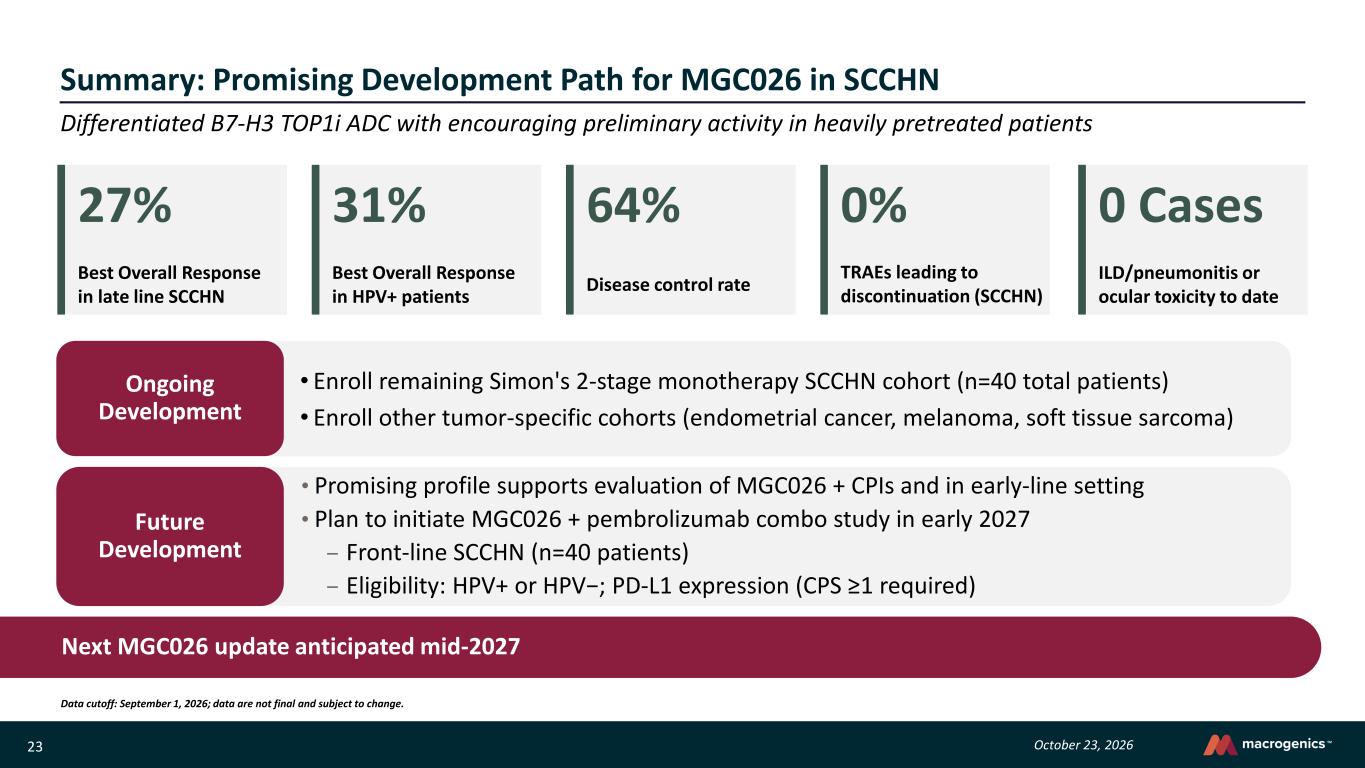
23 October 23, 2026 Summary: Promising Development Path for MGC026 in SCCHN 0% TRAEs leading to discontinuation (SCCHN) 27% Best Overall Response in late line SCCHN 31% Best Overall Response in HPV+ patients 64% Disease control rate 0 Cases ILD/pneumonitis or ocular toxicity to date Differentiated B7-H3 TOP1i ADC with encouraging preliminary activity in heavily pretreated patients • Enroll remaining Simon's 2-stage monotherapy SCCHN cohort (n=40 total patients) • Enroll other tumor-specific cohorts (endometrial cancer, melanoma, soft tissue sarcoma) Ongoing Development • Promising profile supports evaluation of MGC026 + CPIs and in early-line setting • Plan to initiate MGC026 + pembrolizumab combo study in early 2027 ‒ Front-line SCCHN (n=40 patients) ‒ Eligibility: HPV+ or HPV−; PD-L1 expression (CPS ≥1 required) Future Development Data cutoff: September 1, 2026; data are not final and subject to change. Next MGC026 update anticipated mid-2027

24 October 23, 2026 Thank You! Investor Relations Inquiries Jim Karrels – SVP, Chief Financial Officer karrelsj@macrogenics.com Argot Partners macrogenics@argotpartners.com www.macrogenics.com Link to our latest presentations: http://ir.macrogenics.com/events.cfm Business Development Inquiries Harish Krishnaswamy – SVP, Business Development & Portfolio Planning krishnaswamyh@macrogenics.com