
September 28, 2026 Prula-cel Clinical Data Update
Forward-Looking Statements This presentation contains “forward-looking statements” of Adicet within the meaning of the Private Securities Litigation Reform Act of 1995 relating to the business and operations of Adicet. The words “anticipate,” “believe,” “continue,” “could,” “estimate,” “expect,” “intend,” “may,” “plan,” “potential,” “predict,” “project,” “should,” “target,” “would” and similar expressions are intended to identify forward-looking statements, although not all forward-looking statements contain these identifying words. These forward-looking statements include, but are not limited to, express or implied statements regarding: clinical development of Adicet’s product candidates, including future plans or expectations for prula-cel in autoimmune diseases and the potential safety, tolerability and efficacy for the treatment of autoimmune diseases and cancer as well as expectations to achieve a complete immune reset; expectations regarding future alignment with the FDA on regulatory path to approval and discussions to date; timing and success of the Phase 1 clinical trial of prula-cel in multiple autoimmune indications, including timing and expectations for enrollment and future data releases; expectations regarding the timing and initiation of a pivotal study for prula-cel in SLE patients with or without LN and potential expansion to include non-renal lupus; expectations regarding prula-cel’s potential to transform treatment for patients with lupus; expectations regarding the suitability of prula-cel for outpatient administration; expectations regarding the scalability of the Company’s off-the-shelf manufacturing platform; expectations regarding the pace of enrollment in the pivotal study for prula-cel in SLE patients with or without LN; expectations regarding prula-cel’s competitive positioning in lupus with and without nephritis; and estimates for the addressable patient population and commercial opportunity for prula-cel in LN and SLE. Any forward-looking statements in this presentation are based on management’s current expectations and beliefs of future events, and are subject to a number of risks and uncertainties that could cause actual results to differ materially and adversely from those set forth in or implied by such forward-looking statements, including without limitation, the effect of global economic conditions and public health emergencies on Adicet’s business and financial results, including with respect to disruptions to our preclinical and clinical studies, business operations, employee hiring and retention, and ability to raise additional capital; Adicet’s ability to execute on its strategy including obtaining the requisite regulatory approvals on the expected timeline, if at all; that positive results, including interim results, from a preclinical or clinical study may not necessarily be predictive of the results of future or ongoing studies; clinical studies may fail to demonstrate adequate safety and efficacy of Adicet’s product candidates, which would prevent, delay, or limit the scope of regulatory approval and commercialization; and regulatory approval processes of the U.S. Food and Drug Administration and comparable foreign regulatory authorities are lengthy, time-consuming, and inherently unpredictable; and Adicet’s ability to meet production and product release expectations. For a discussion of these and other risks and uncertainties, and other important factors, any of which could cause Adicet’s actual results to differ from those contained in the forward-looking statements, see the section titled “Risk Factors” in Adicet’s most recent annual report on Form 10-K, as well as discussions of potential risks, uncertainties, and other important factors in Adicet’s other filings with the U.S. Securities and Exchange Commission, including its quarterly report on Form 10-Q. All information in this presentation is as of the date of the release, and Adicet undertakes no duty to update this information unless required by law. Industry and Market Information Information regarding market share, market position and industry data pertaining to Adicet’s business contained in this presentation consists of estimates based on data and reports compiled by industry professional organizations and analysts and Adicet’s knowledge of their industry. Although Adicet believes the industry and market data to be reliable, this information could prove to be inaccurate. You should carefully consider the inherent risks and uncertainties associated with the market and other industry data contained in this presentation. Forward-looking information obtained from third-party sources is subject to the same qualifications and the additional uncertainties as the other forward-looking statements in this presentation.
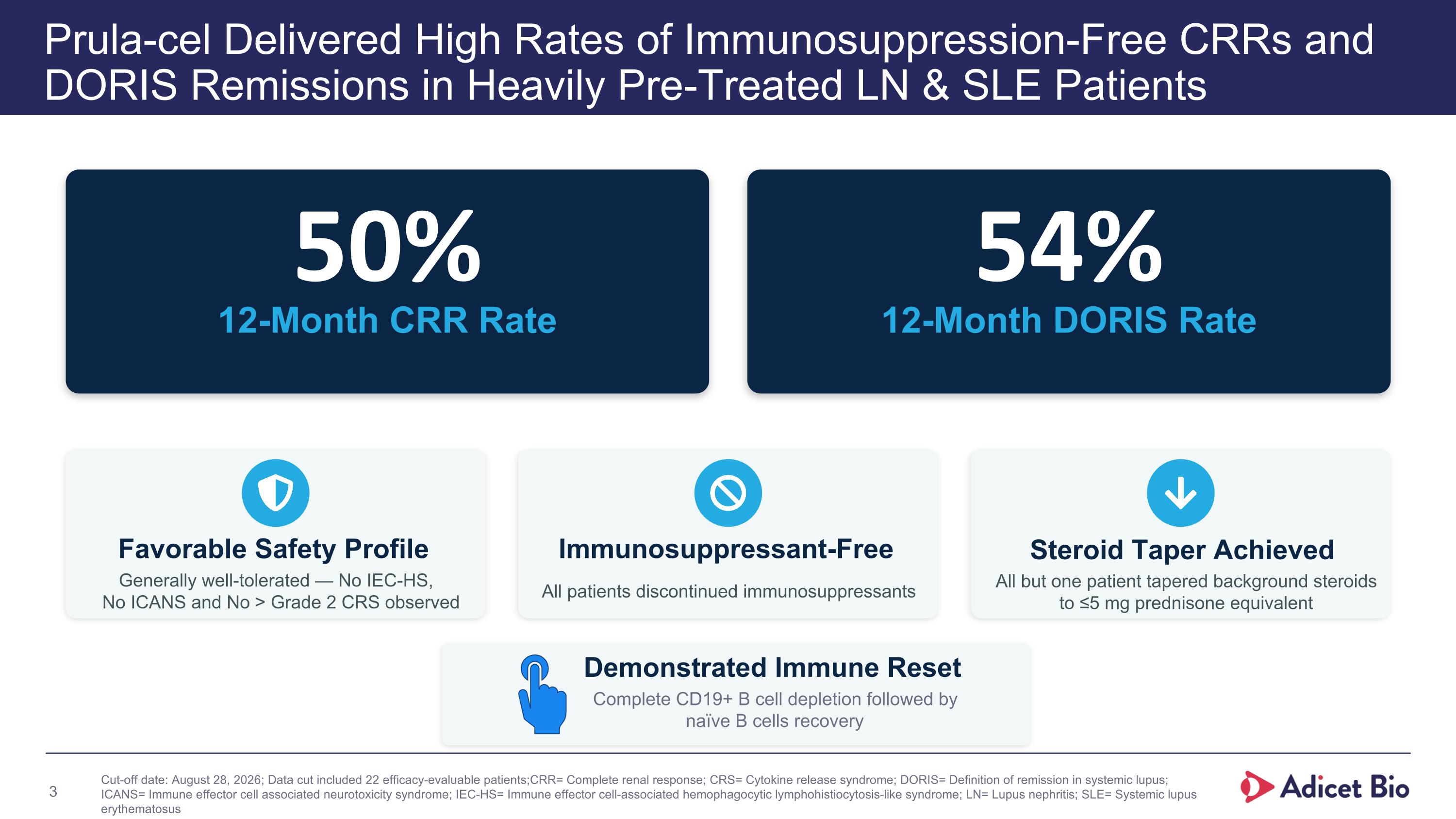
Prula-cel Delivered High Rates of Immunosuppression-Free CRRs and DORIS Remissions in Heavily Pre-Treated LN & SLE Patients 50% 12-Month CRR Rate 54% 12-Month DORIS Rate Favorable Safety Profile Generally well-tolerated — No IEC-HS, No ICANS and No > Grade 2 CRS observed Immunosuppressant-Free All patients discontinued immunosuppressants Steroid Taper Achieved All but one patient tapered background steroids to ≤5 mg prednisone equivalent Cut-off date: August 28, 2026; Data cut included 22 efficacy-evaluable patients; CRR= Complete renal response; CRS= Cytokine release syndrome; DORIS= Definition of remission in systemic lupus; ICANS= Immune effector cell associated neurotoxicity syndrome; IEC-HS= Immune effector cell-associated hemophagocytic lymphohistiocytosis-like syndrome; LN= Lupus nephritis; SLE= Systemic lupus erythematosus Demonstrated Immune Reset Complete CD19+ B cell depletion followed by naïve B cells recovery
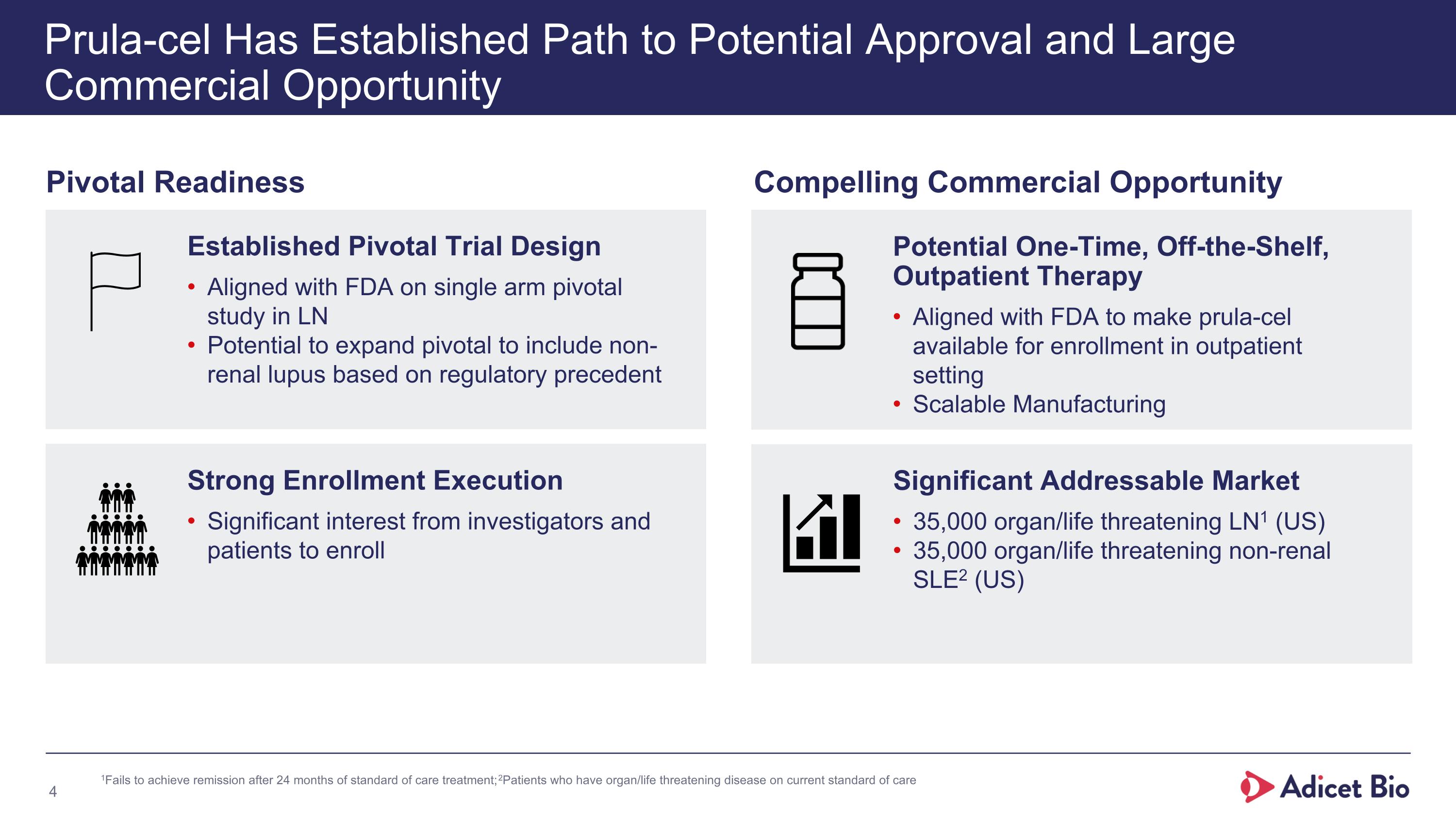
Potential One-Time, Off-the-Shelf, Outpatient Therapy Aligned with FDA to make prula-cel available for enrollment in outpatient setting Scalable Manufacturing Significant Addressable Market 35,000 organ/life threatening LN1 (US) 35,000 organ/life threatening non-renal SLE2 (US) Strong Enrollment Execution Significant interest from investigators and patients to enroll Established Pivotal Trial Design Aligned with FDA on single arm pivotal study in LN Potential to expand pivotal to include non-renal lupus based on regulatory precedent Prula-cel Has Established Path to Potential Approval and Large Commercial Opportunity 1Fails to achieve remission after 24 months of standard of care treatment; 2Patients who have organ/life threatening disease on current standard of care Pivotal Readiness Compelling Commercial Opportunity
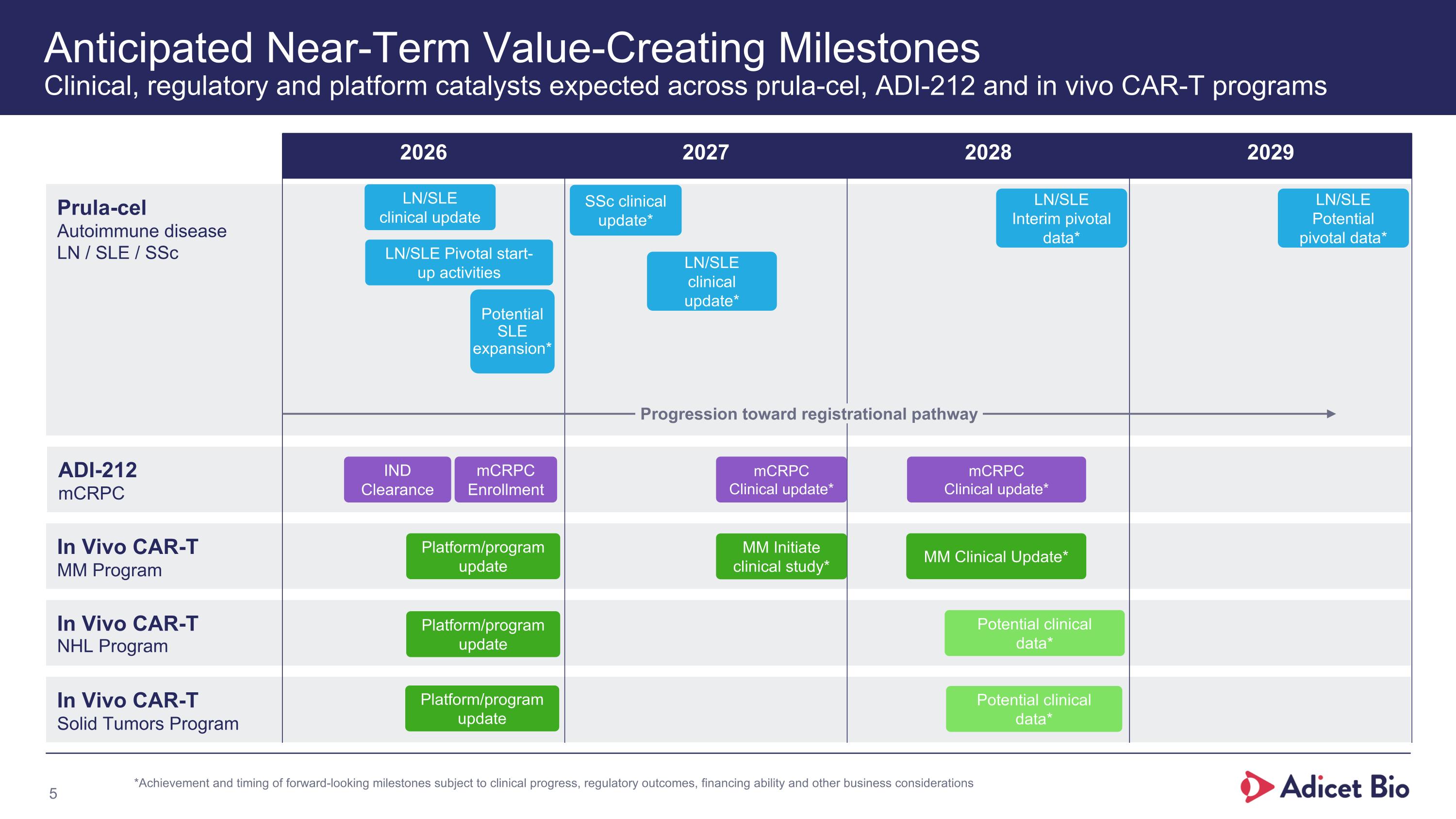
Anticipated Near-Term Value-Creating Milestones Clinical, regulatory and platform catalysts expected across prula-cel, ADI-212 and in vivo CAR-T programs Prula-cel Autoimmune disease LN / SLE / SSc ADI-212 mCRPC In Vivo CAR-T MM Program In Vivo CAR-T NHL Program In Vivo CAR-T Solid Tumors Program 2026 2027 2028 2029 Progression toward registrational pathway Potential clinical data* Potential clinical data* MM Initiate clinical study* mCRPC Clinical update* SSc clinical update* LN/SLE clinical update LN/SLE clinical update* LN/SLE Pivotal start-up activities mCRPC Enrollment Potential SLE expansion* IND Clearance LN/SLE Interim pivotal data* LN/SLE Potential pivotal data* *Achievement and timing of forward-looking milestones subject to clinical progress, regulatory outcomes, financing ability and other business considerations Platform/program update Platform/program update Platform/program update MM Clinical Update* mCRPC Clinical update*
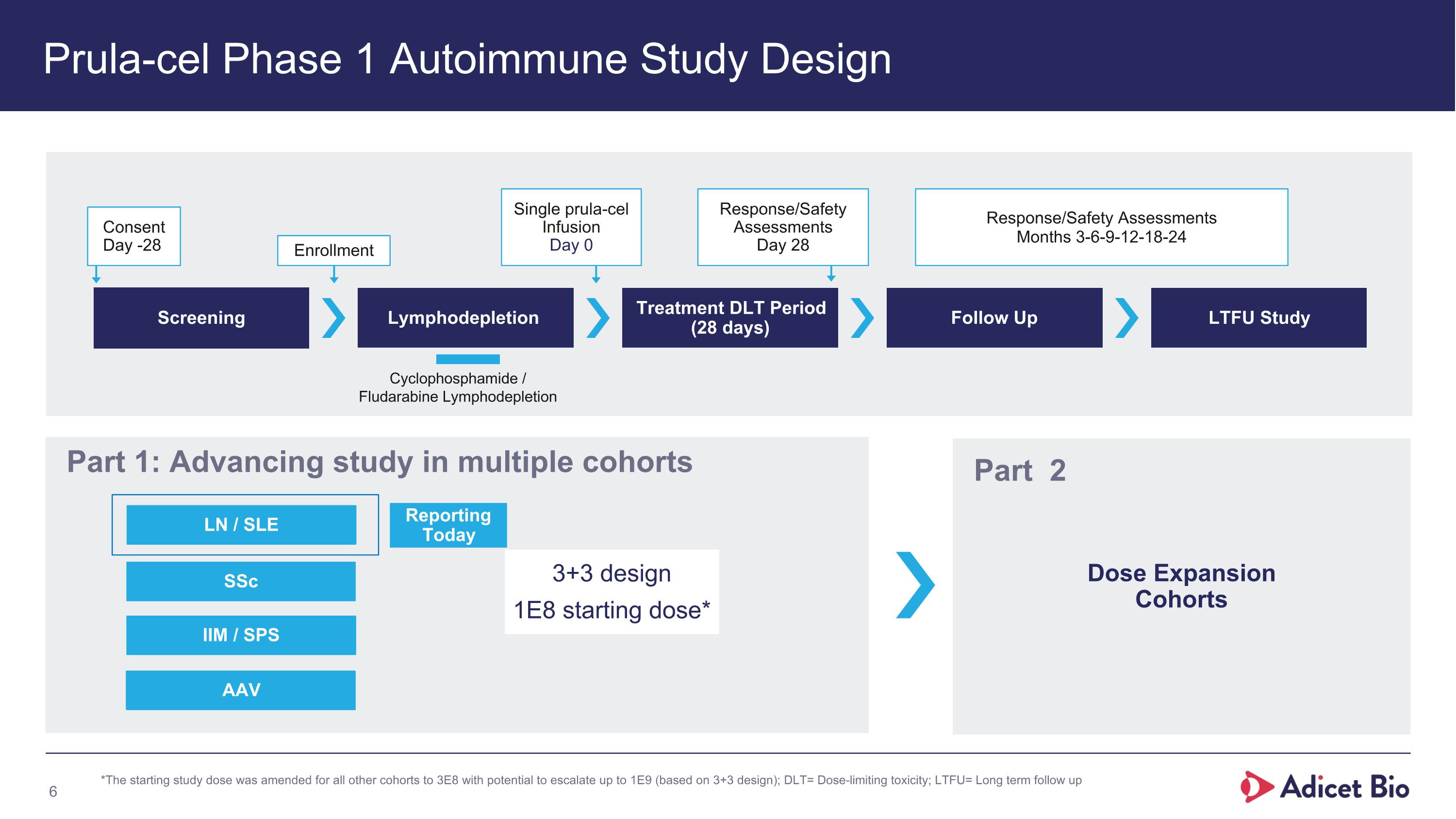
Prula-cel Phase 1 Autoimmune Study Design Screening Lymphodepletion Treatment DLT Period (28 days) Follow Up LTFU Study Consent Day -28 Enrollment Single prula-cel Infusion Day 0 Response/Safety Assessments Day 28 Response/Safety Assessments Months 3-6-9-12-18-24 Cyclophosphamide / Fludarabine Lymphodepletion SSc LN / SLE Part 1: Advancing study in multiple cohorts Dose Expansion Cohorts Part 2 *The starting study dose was amended for all other cohorts to 3E8 with potential to escalate up to 1E9 (based on 3+3 design); DLT= Dose-limiting toxicity; LTFU= Long term follow up 3+3 design 1E8 starting dose* IIM / SPS AAV Reporting Today
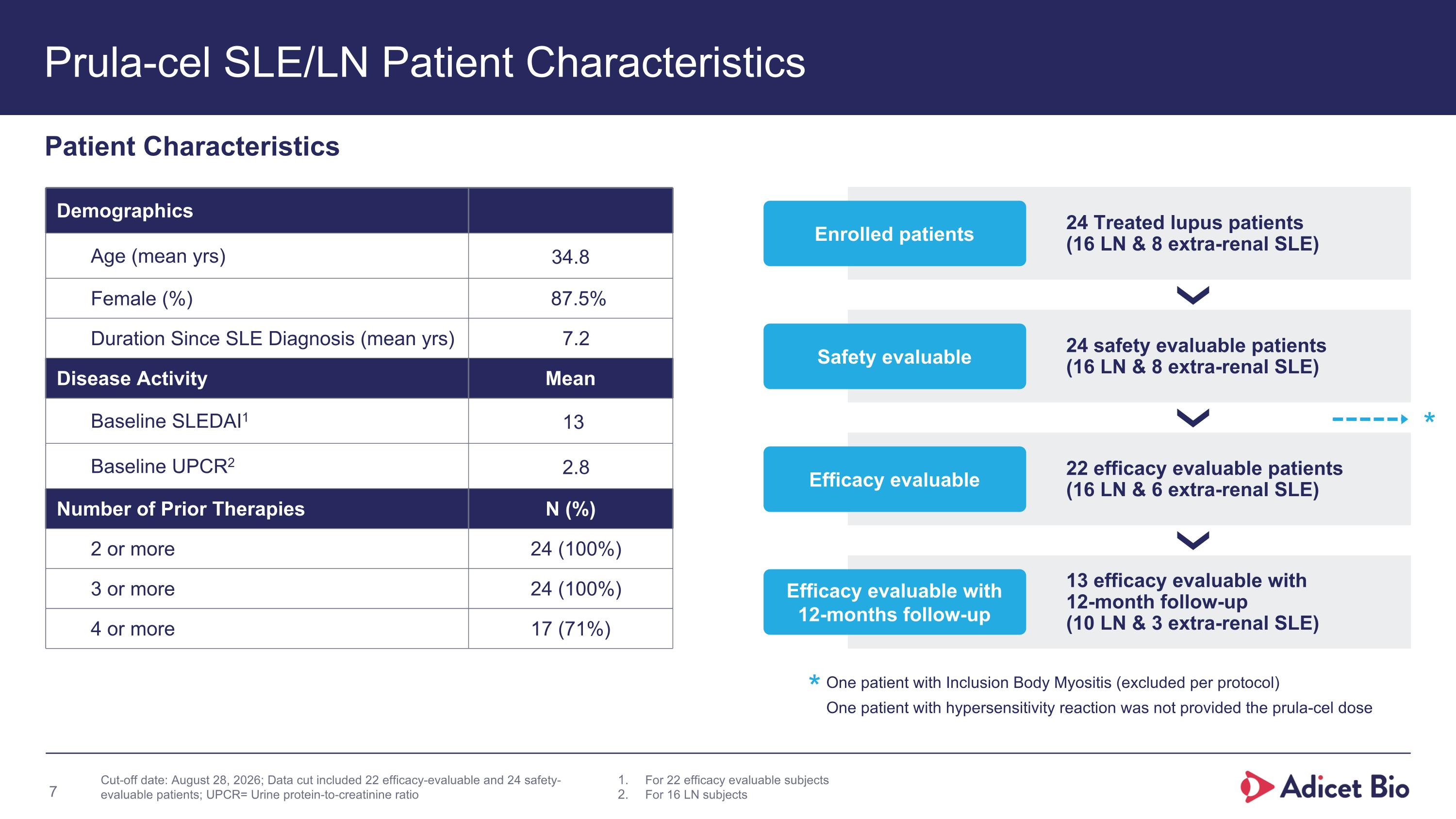
Prula-cel SLE/LN Patient Characteristics 24 Treated lupus patients (16 LN & 8 extra-renal SLE) Enrolled patients 24 safety evaluable patients (16 LN & 8 extra-renal SLE) Safety evaluable 22 efficacy evaluable patients (16 LN & 6 extra-renal SLE) Efficacy evaluable 13 efficacy evaluable with 12-month follow-up (10 LN & 3 extra-renal SLE) Efficacy evaluable with 12-months follow-up Patient Characteristics For 22 efficacy evaluable subjects For 16 LN subjects One patient with Inclusion Body Myositis (excluded per protocol) One patient with hypersensitivity reaction was not provided the prula-cel dose * * Cut-off date: August 28, 2026; Data cut included 22 efficacy-evaluable and 24 safety-evaluable patients; UPCR= Urine protein-to-creatinine ratio Demographics Age (mean yrs) 34.8 Female (%) 87.5% Duration Since SLE Diagnosis (mean yrs) 7.2 Disease Activity Mean Baseline SLEDAI1 13 Baseline UPCR2 2.8 Number of Prior Therapies N (%) 2 or more 24 (100%) 3 or more 24 (100%) 4 or more 17 (71%)
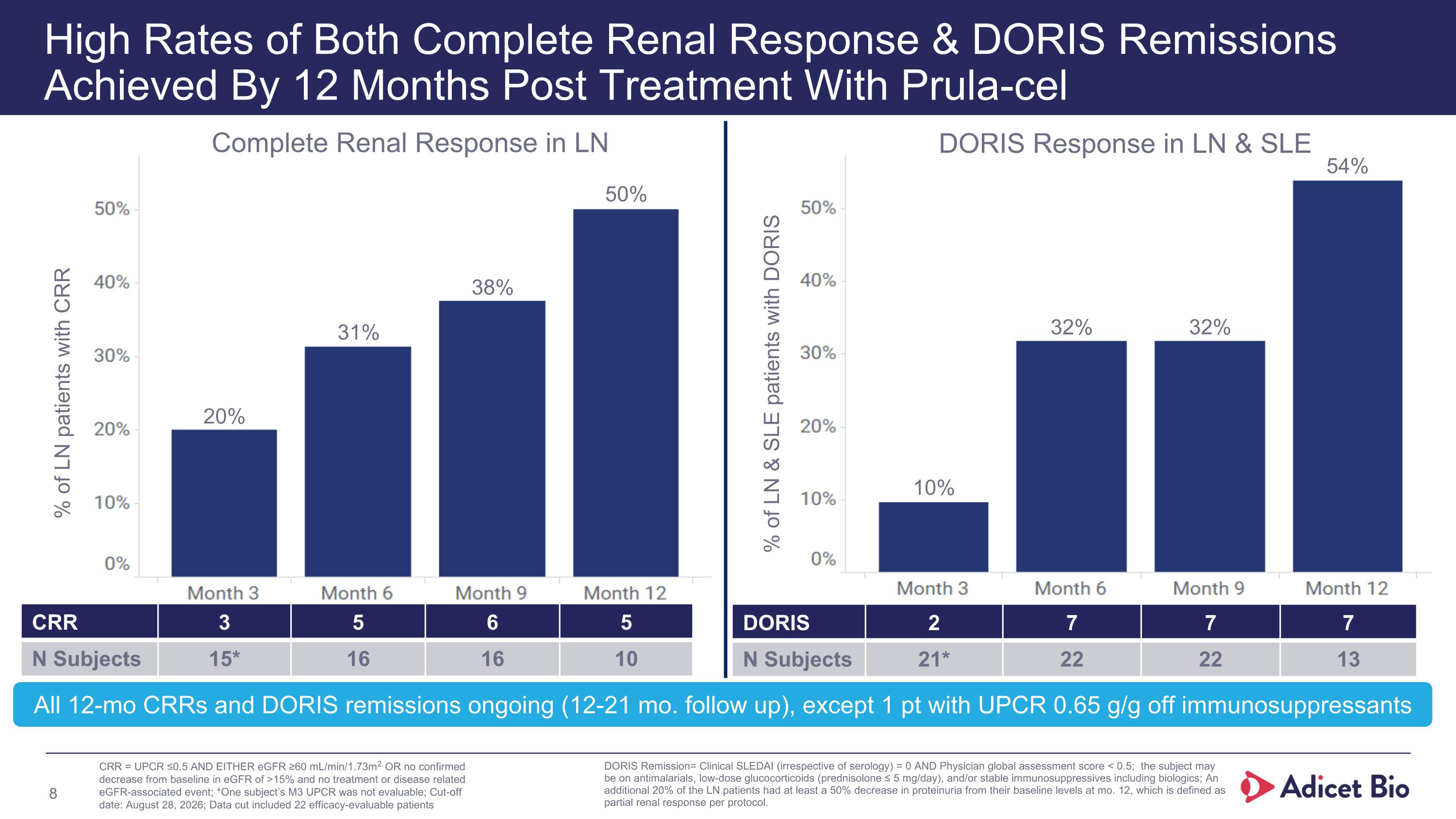
High Rates of Both Complete Renal Response & DORIS Remissions Achieved By 12 Months Post Treatment With Prula-cel CRR 3 5 6 5 N Subjects 15* 16 16 10 DORIS 2 7 7 7 N Subjects 21* 22 22 13 DORIS Response in LN & SLE Complete Renal Response in LN % of LN patients with CRR % of LN & SLE patients with DORIS CRR = UPCR ≤0.5 AND EITHER eGFR ≥60 mL/min/1.73m2 OR no confirmed decrease from baseline in eGFR of >15% and no treatment or disease related eGFR-associated event; *One subject’s M3 UPCR was not evaluable; Cut-off date: August 28, 2026; Data cut included 22 efficacy-evaluable patients DORIS Remission= Clinical SLEDAI (irrespective of serology) = 0 AND Physician global assessment score < 0.5; the subject may be on antimalarials, low-dose glucocorticoids (prednisolone ≤ 5 mg/day), and/or stable immunosuppressives including biologics; An additional 20% of the LN patients had at least a 50% decrease in proteinuria from their baseline levels at mo. 12, which is defined as partial renal response per protocol. 50% 38% 31% 20% 54% 32% 32% 10% All 12-mo CRRs and DORIS remissions ongoing (12-21 mo. follow up), except 1 pt with UPCR 0.65 g/g off immunosuppressants
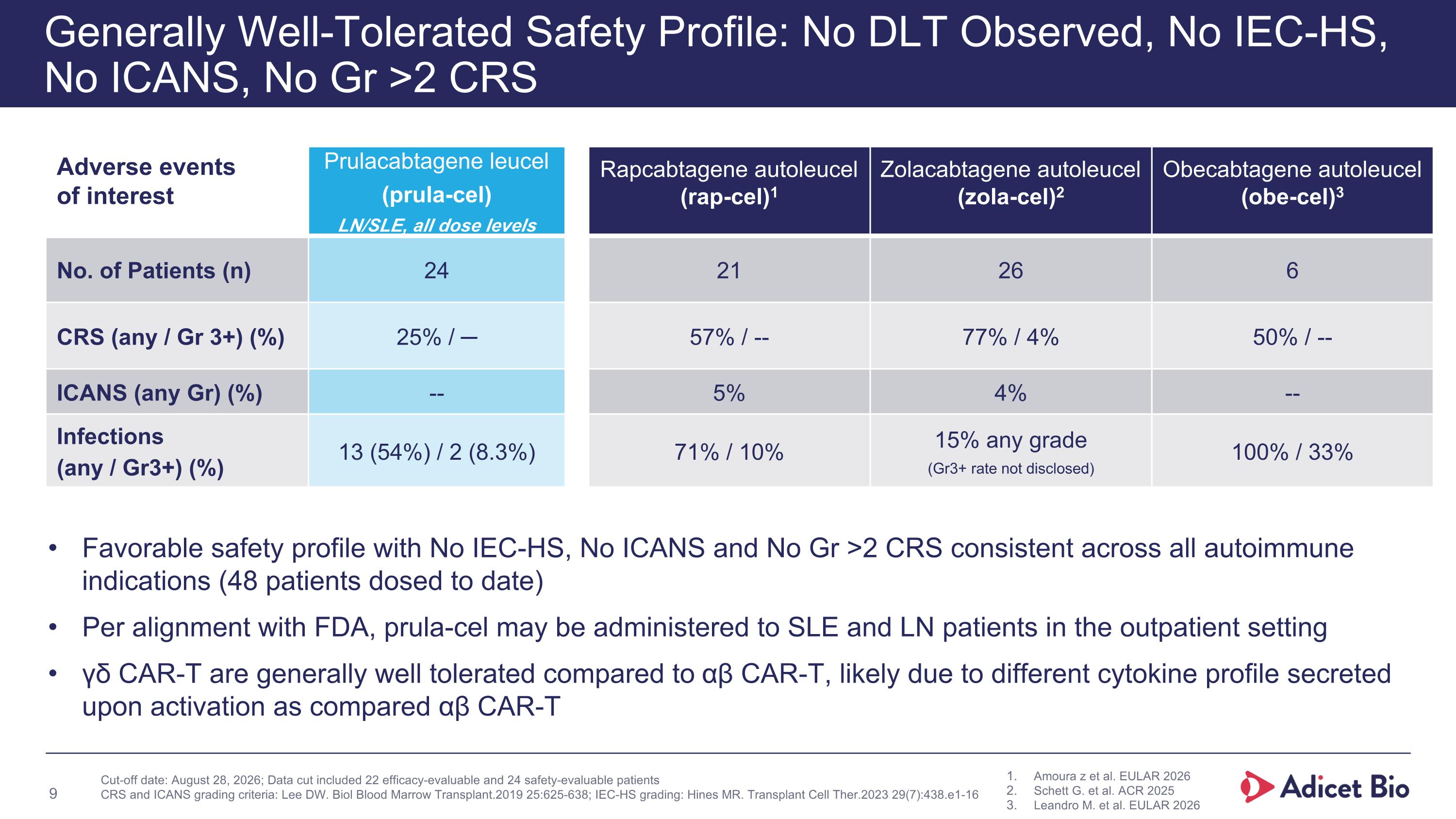
Prulacabtagene leucel (prula-cel) LN/SLE, all dose levels Rapcabtagene autoleucel (rap-cel)1 Zolacabtagene autoleucel (zola-cel)2 Obecabtagene autoleucel (obe-cel)3 No. of Patients (n) 24 21 26 6 CRS (any / Gr 3+) (%) 25% / ─ 57% / -- 77% / 4% 50% / -- ICANS (any Gr) (%) -- 5% 4% -- Infections (any / Gr3+) (%) 13 (54%) / 2 (8.3%) 71% / 10% 15% any grade (Gr3+ rate not disclosed) 100% / 33% Generally Well-Tolerated Safety Profile: No DLT Observed, No IEC-HS, No ICANS, No Gr >2 CRS Adicet Bio Confidential Information Adverse events of interest Favorable safety profile with No IEC-HS, No ICANS and No Gr >2 CRS consistent across all autoimmune indications (48 patients dosed to date) Per alignment with FDA, prula-cel may be administered to SLE and LN patients in the outpatient setting γδ CAR-T are generally well tolerated compared to αβ CAR-T, likely due to different cytokine profile secreted upon activation as compared αβ CAR-T 9 Amoura z et al. EULAR 2026 Schett G. et al. ACR 2025 Leandro M. et al. EULAR 2026 Cut-off date: August 28, 2026; Data cut included 22 efficacy-evaluable and 24 safety-evaluable patients CRS and ICANS grading criteria: Lee DW. Biol Blood Marrow Transplant.2019 25:625-638; IEC-HS grading: Hines MR. Transplant Cell Ther.2023 29(7):438.e1-16
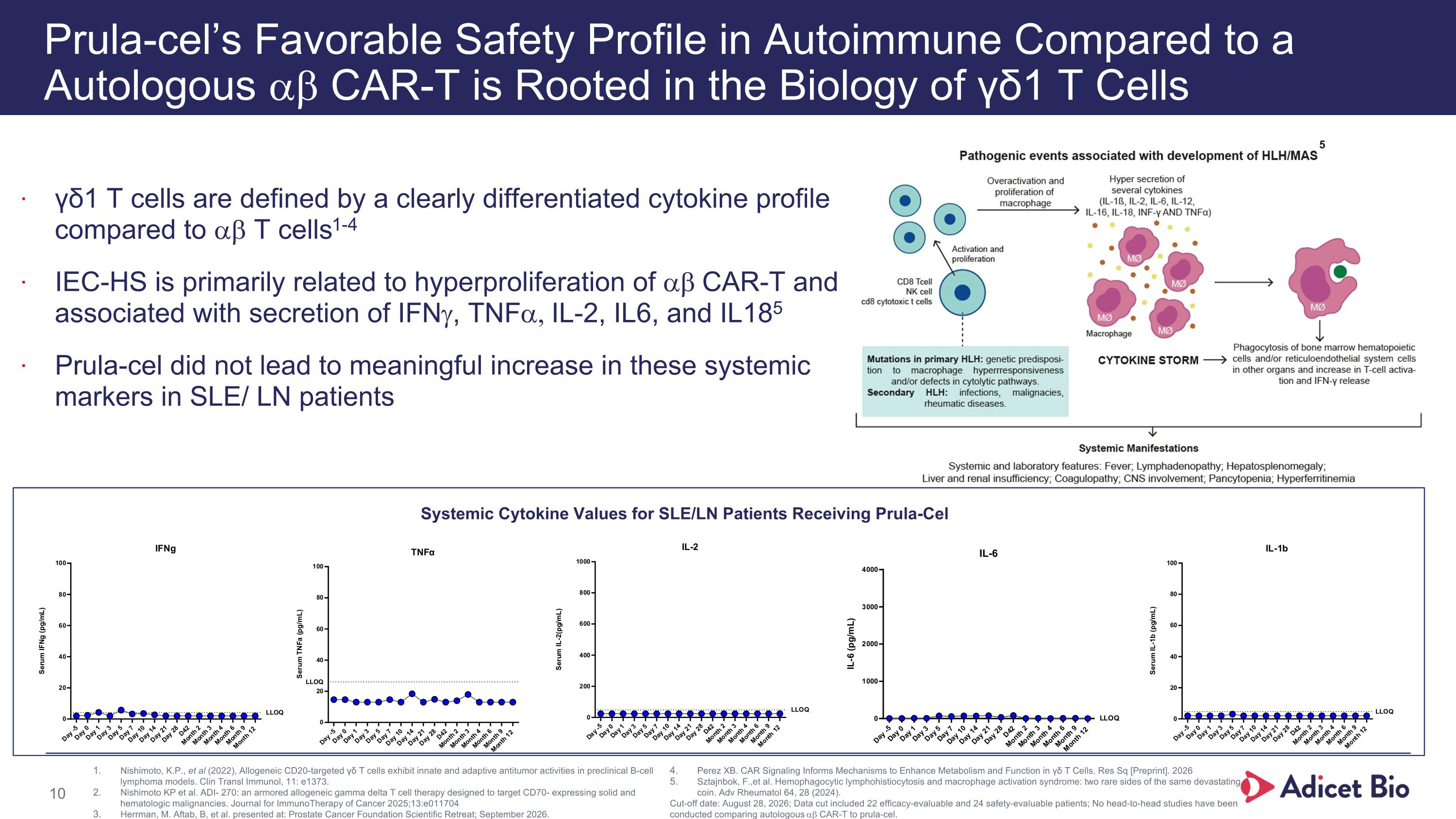
Prula-cel’s Favorable Safety Profile in Autoimmune Compared to a Autologous ab CAR-T is Rooted in the Biology of γδ1 T Cells γδ1 T cells are defined by a clearly differentiated cytokine profile compared to ab T cells1-4 IEC-HS is primarily related to hyperproliferation of ab CAR-T and associated with secretion of IFNg, TNFa, IL-2, IL6, and IL185 Prula-cel did not lead to meaningful increase in these systemic markers in SLE/ LN patients Nishimoto, K.P., et al (2022), Allogeneic CD20-targeted γδ T cells exhibit innate and adaptive antitumor activities in preclinical B-cell lymphoma models. Clin Transl Immunol, 11: e1373. Nishimoto KP et al. ADI- 270: an armored allogeneic gamma delta T cell therapy designed to target CD70- expressing solid and hematologic malignancies. Journal for ImmunoTherapy of Cancer 2025;13:e011704 Herrman, M. Aftab, B, et al. presented at: Prostate Cancer Foundation Scientific Retreat; September 2026. Perez XB. CAR Signaling Informs Mechanisms to Enhance Metabolism and Function in γδ T Cells. Res Sq [Preprint]. 2026 Sztajnbok, F.,et al. Hemophagocytic lymphohistiocytosis and macrophage activation syndrome: two rare sides of the same devastating coin. Adv Rheumatol 64, 28 (2024). Cut-off date: August 28, 2026; Data cut included 22 efficacy-evaluable and 24 safety-evaluable patients; No head-to-head studies have been conducted comparing autologous ab CAR-T to prula-cel. 5 Systemic Cytokine Values for SLE/LN Patients Receiving Prula-Cel 10
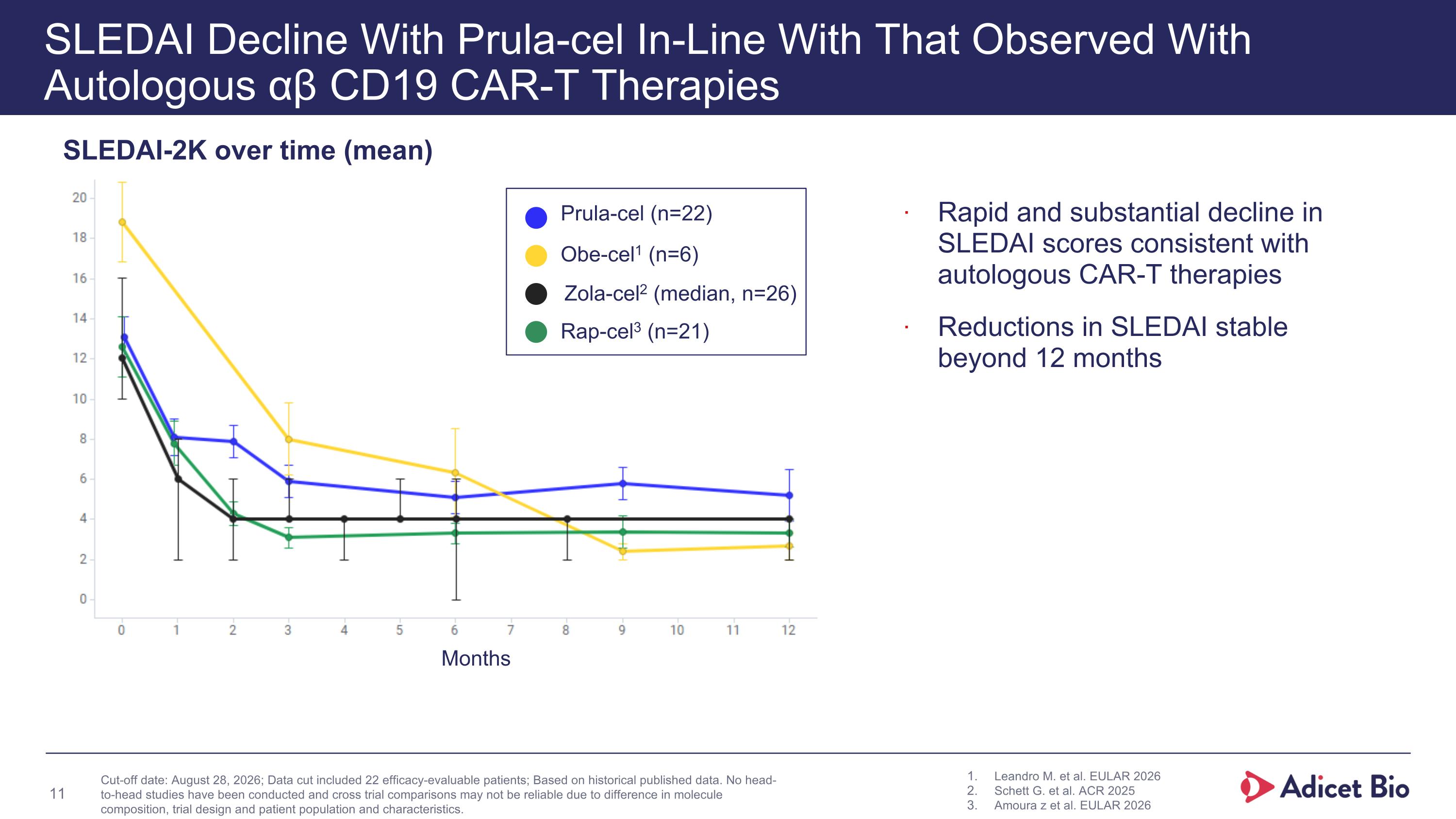
* Months SLEDAI Decline With Prula-cel In-Line With That Observed With Autologous αβ CD19 CAR-T Therapies Rapid and substantial decline in SLEDAI scores consistent with autologous CAR-T therapies Reductions in SLEDAI stable beyond 12 months SLEDAI-2K over time (mean) Leandro M. et al. EULAR 2026 Schett G. et al. ACR 2025 Amoura z et al. EULAR 2026 Cut-off date: August 28, 2026; Data cut included 22 efficacy-evaluable patients; Based on historical published data. No head-to-head studies have been conducted and cross trial comparisons may not be reliable due to difference in molecule composition, trial design and patient population and characteristics. 11 Zola-cel2 (median, n=26) Prula-cel (n=22) Obe-cel1 (n=6) Rap-cel3 (n=21)
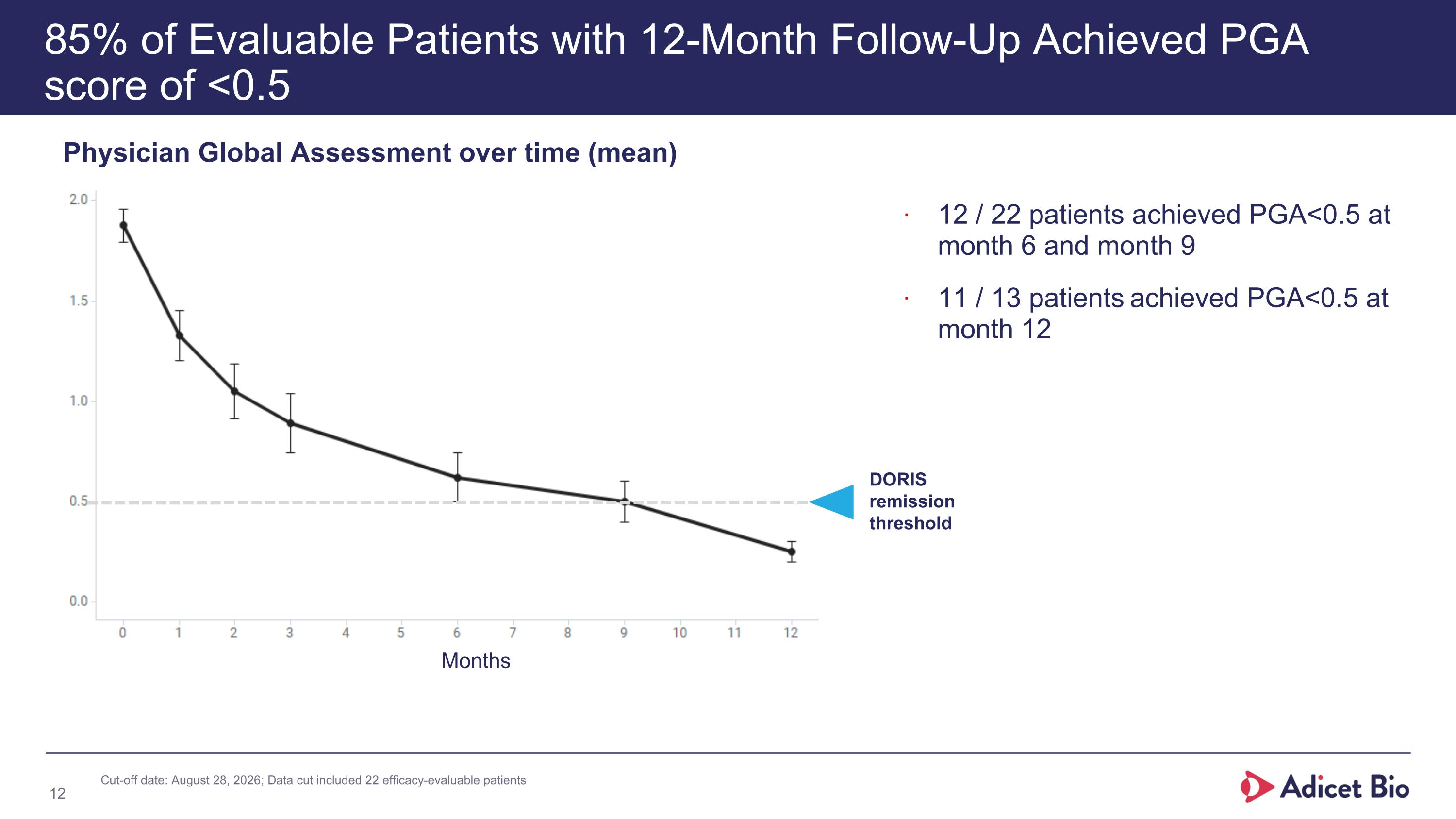
* Months 85% of Evaluable Patients with 12-Month Follow-Up Achieved PGA score of <0.5 12 / 22 patients achieved PGA<0.5 at month 6 and month 9 11 / 13 patients achieved PGA<0.5 at month 12 Physician Global Assessment over time (mean) 12 DORIS remission threshold Cut-off date: August 28, 2026; Data cut included 22 efficacy-evaluable patients
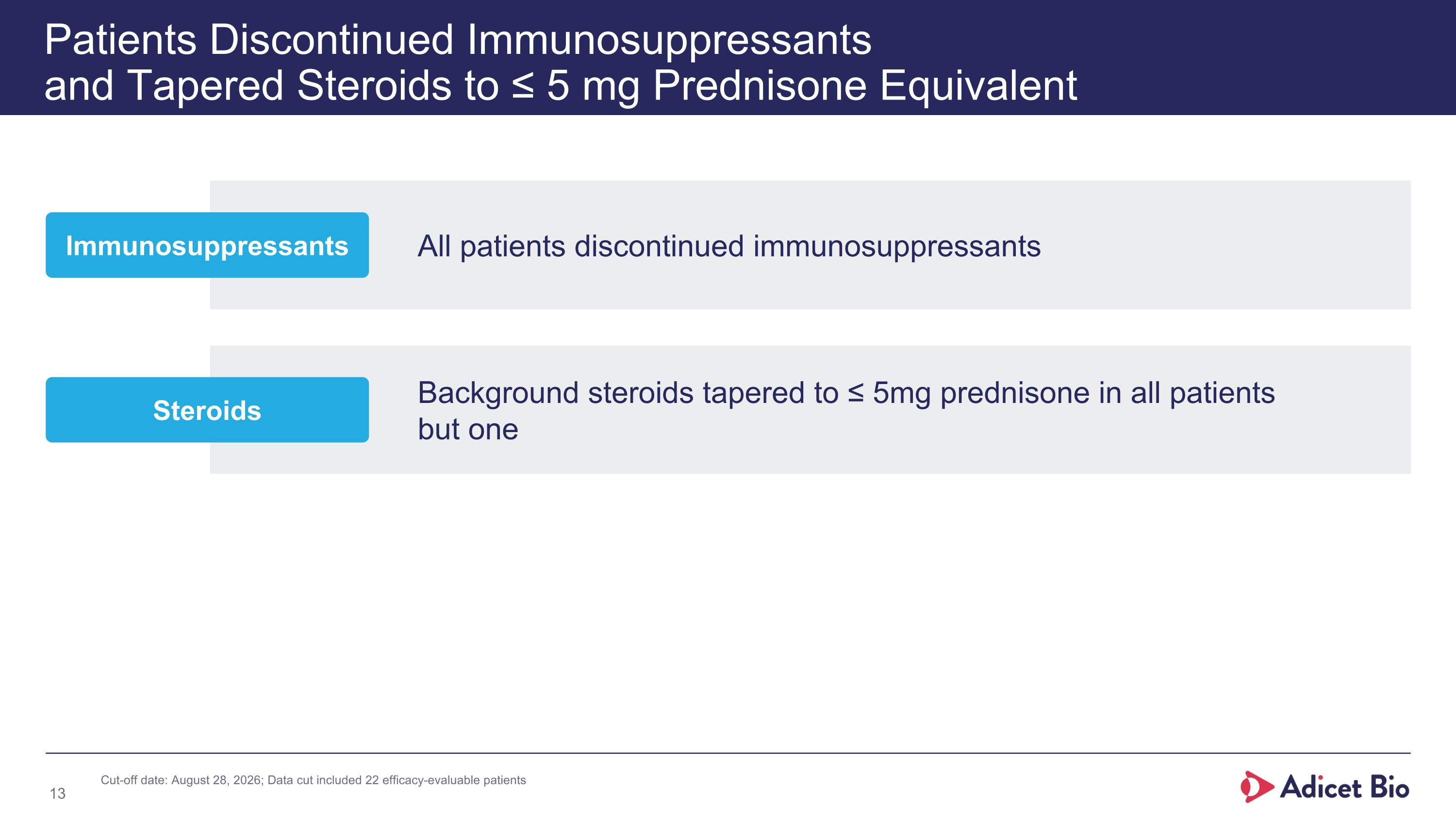
Patients Discontinued Immunosuppressants and Tapered Steroids to ≤ 5 mg Prednisone Equivalent All patients discontinued immunosuppressants Immunosuppressants Background steroids tapered to ≤ 5mg prednisone in all patients but one Steroids 13 Cut-off date: August 28, 2026; Data cut included 22 efficacy-evaluable patients
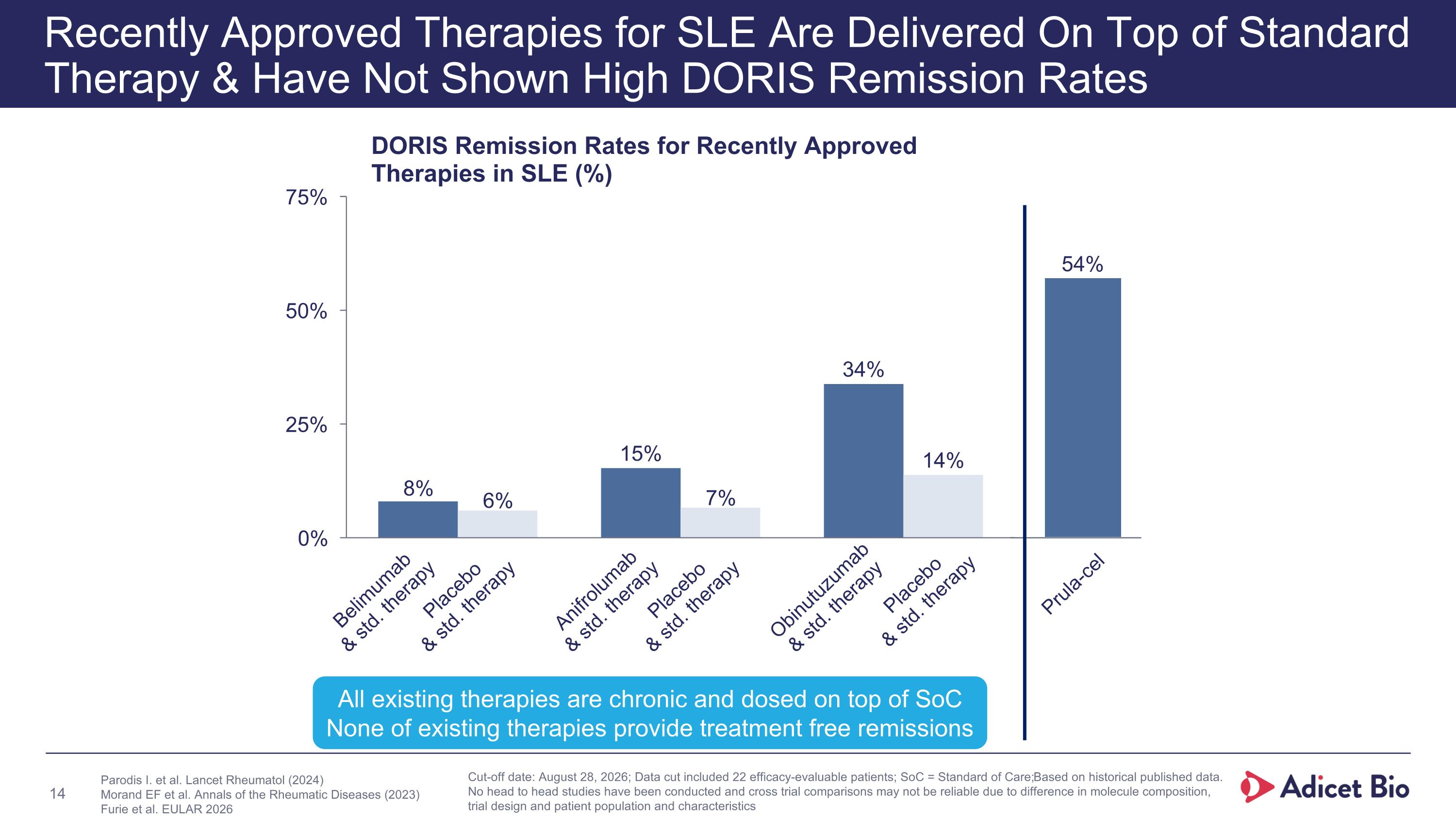
Recently Approved Therapies for SLE Are Delivered On Top of Standard Therapy & Have Not Shown High DORIS Remission Rates DORIS Remission Rates for Recently Approved Therapies in SLE (%) Belimumab & std. therapy Placebo & std. therapy Anifrolumab & std. therapy Placebo & std. therapy Obinutuzumab & std. therapy Placebo & std. therapy Parodis I. et al. Lancet Rheumatol (2024) Morand EF et al. Annals of the Rheumatic Diseases (2023) Furie et al. EULAR 2026 All existing therapies are chronic and dosed on top of SoC None of existing therapies provide treatment free remissions Prula-cel 54% 14 Cut-off date: August 28, 2026; Data cut included 22 efficacy-evaluable patients; SoC = Standard of Care; Based on historical published data. No head to head studies have been conducted and cross trial comparisons may not be reliable due to difference in molecule composition, trial design and patient population and characteristics
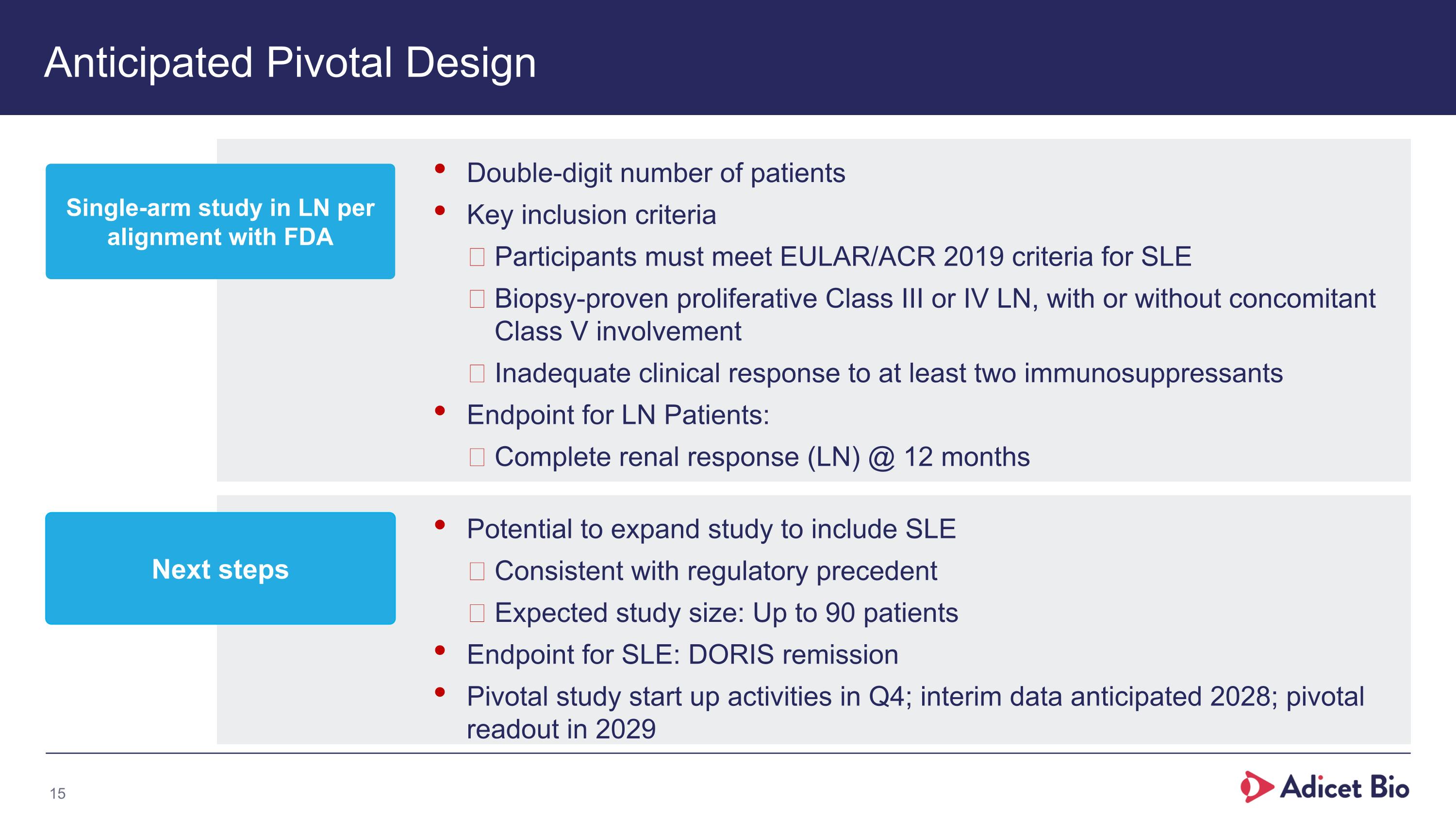
Anticipated Pivotal Design Double-digit number of patients Key inclusion criteria Participants must meet EULAR/ACR 2019 criteria for SLE Biopsy-proven proliferative Class III or IV LN, with or without concomitant Class V involvement Inadequate clinical response to at least two immunosuppressants Endpoint for LN Patients: Complete renal response (LN) @ 12 months Single-arm study in LN per alignment with FDA Potential to expand study to include SLE Consistent with regulatory precedent Expected study size: Up to 90 patients Endpoint for SLE: DORIS remission Pivotal study start up activities in Q4; interim data anticipated 2028; pivotal readout in 2029 Next steps 15
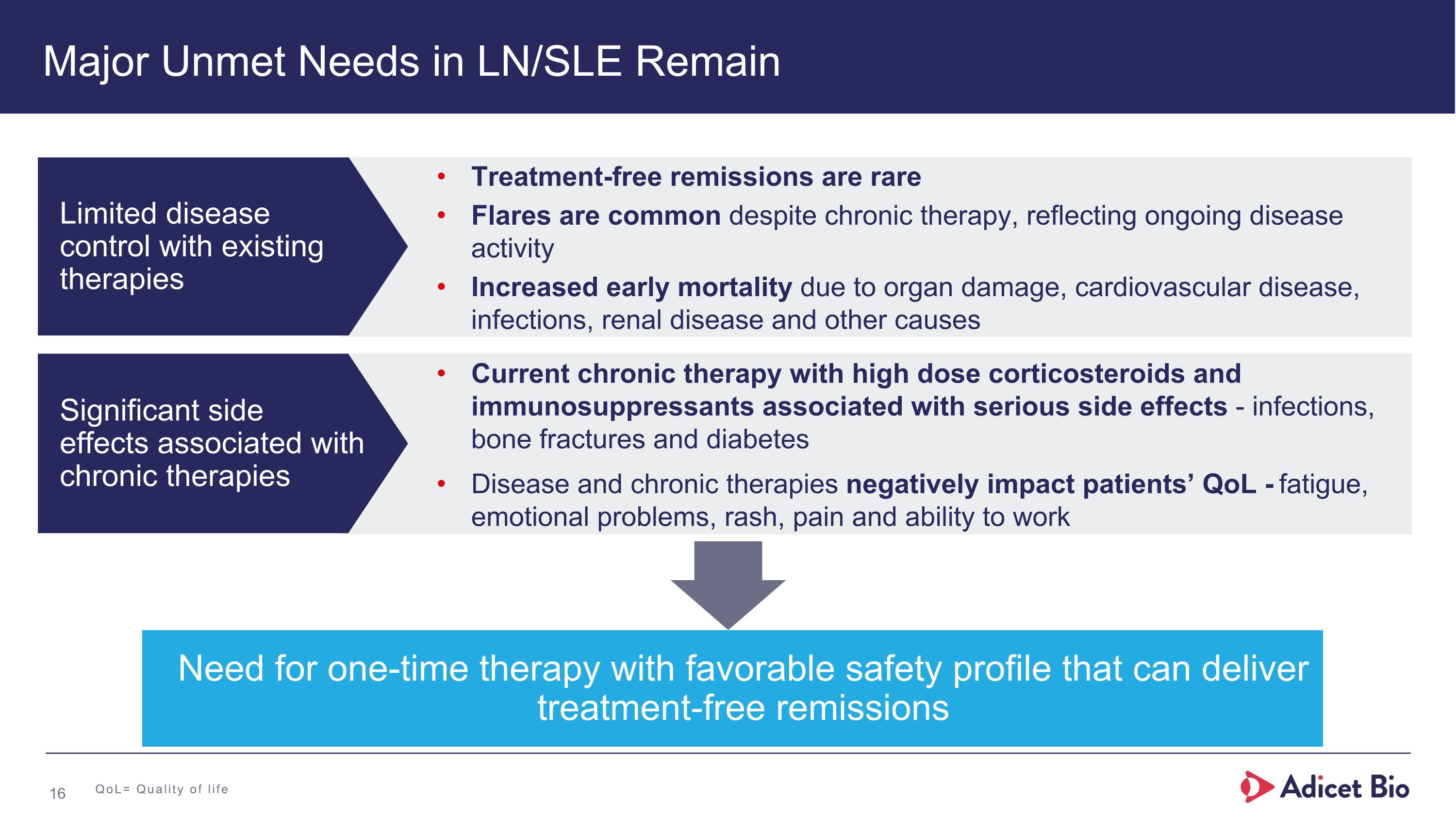
Major Unmet Needs in LN/SLE Remain Treatment-free remissions are rare Flares are common despite chronic therapy, reflecting ongoing disease activity Increased early mortality due to organ damage, cardiovascular disease, infections, renal disease and other causes Need for one-time therapy with favorable safety profile that can deliver treatment-free remissions Current chronic therapy with high dose corticosteroids and immunosuppressants associated with serious side effects - infections, bone fractures and diabetes Disease and chronic therapies negatively impact patients’ QoL - fatigue, emotional problems, rash, pain and ability to work Limited disease control with existing therapies Significant side effects associated with chronic therapies QoL= Quality of life 16
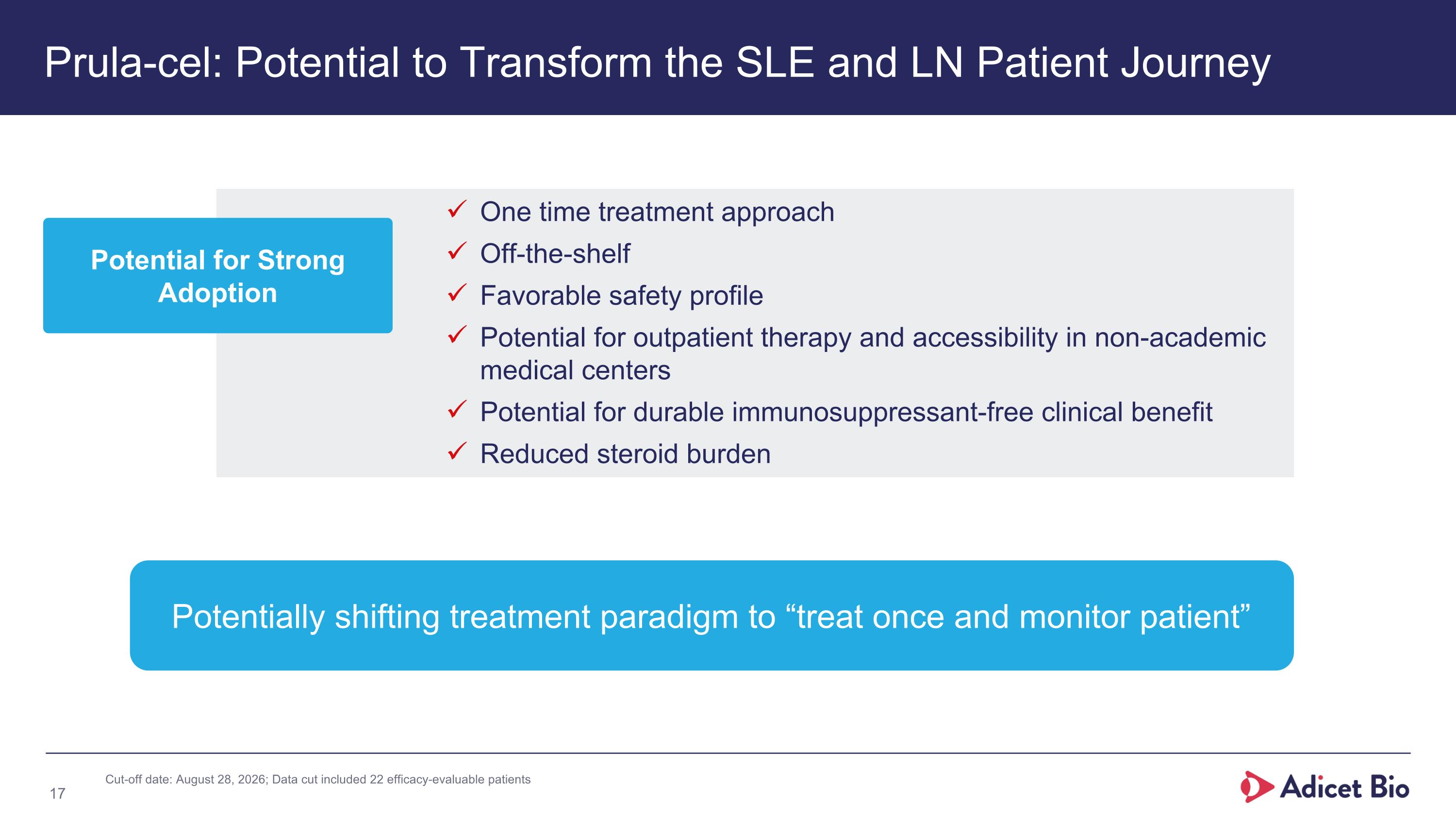
Prula-cel: Potential to Transform the SLE and LN Patient Journey One time treatment approach Off-the-shelf Favorable safety profile Potential for outpatient therapy and accessibility in non-academic medical centers Potential for durable immunosuppressant-free clinical benefit Reduced steroid burden Potentially shifting treatment paradigm to “treat once and monitor patient” 17 Cut-off date: August 28, 2026; Data cut included 22 efficacy-evaluable patients Potential for Strong Adoption
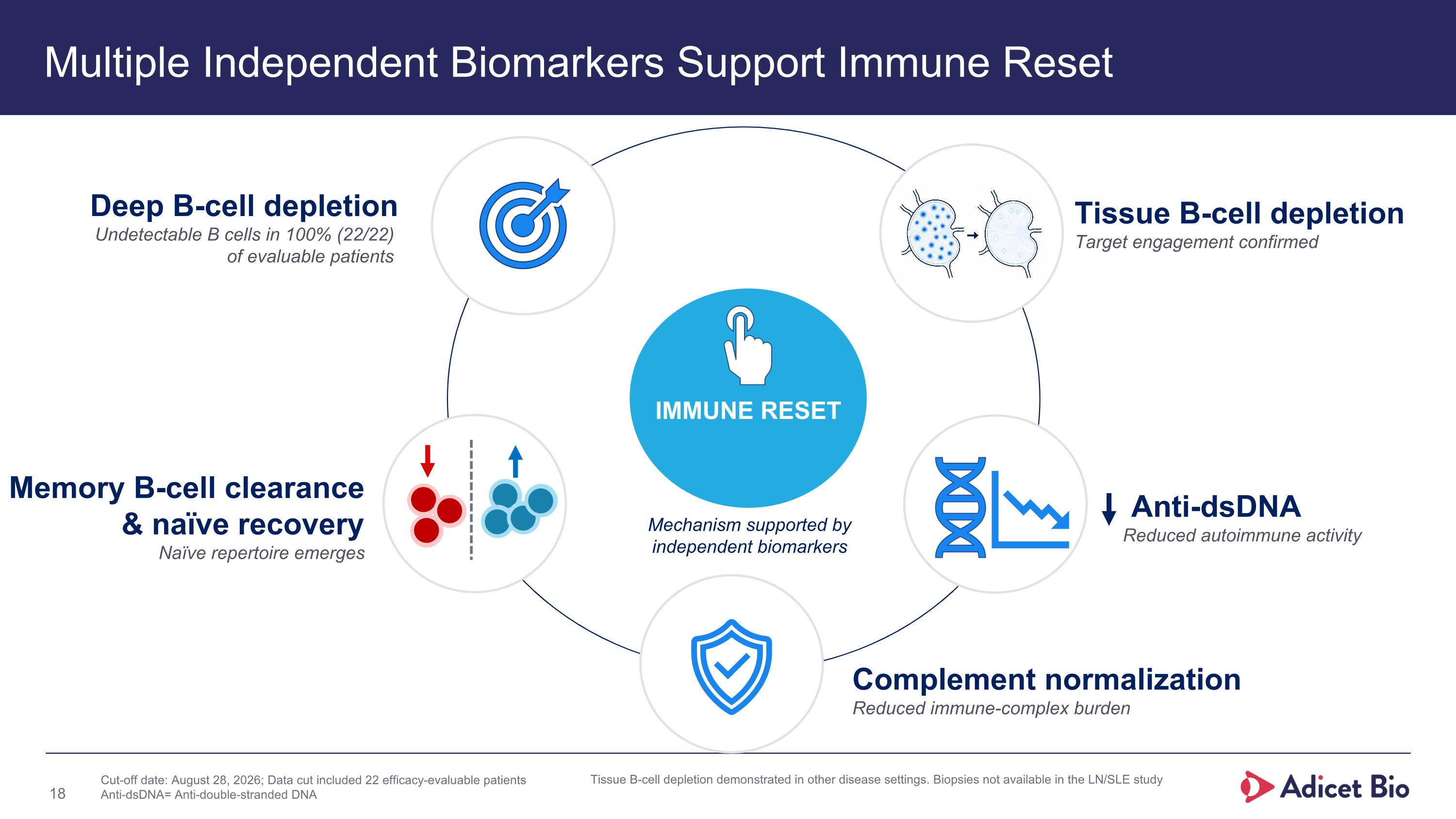
Multiple Independent Biomarkers Support Immune Reset IMMUNE RESET Memory B-cell clearance & naïve recovery Naïve repertoire emerges Deep B-cell depletion Undetectable B cells in 100% (22/22) of evaluable patients Tissue B-cell depletion Target engagement confirmed Complement normalization Reduced immune-complex burden Mechanism supported by independent biomarkers Anti-dsDNA Reduced autoimmune activity Cut-off date: August 28, 2026; Data cut included 22 efficacy-evaluable patients Anti-dsDNA= Anti-double-stranded DNA Tissue B-cell depletion demonstrated in other disease settings. Biopsies not available in the LN/SLE study 18
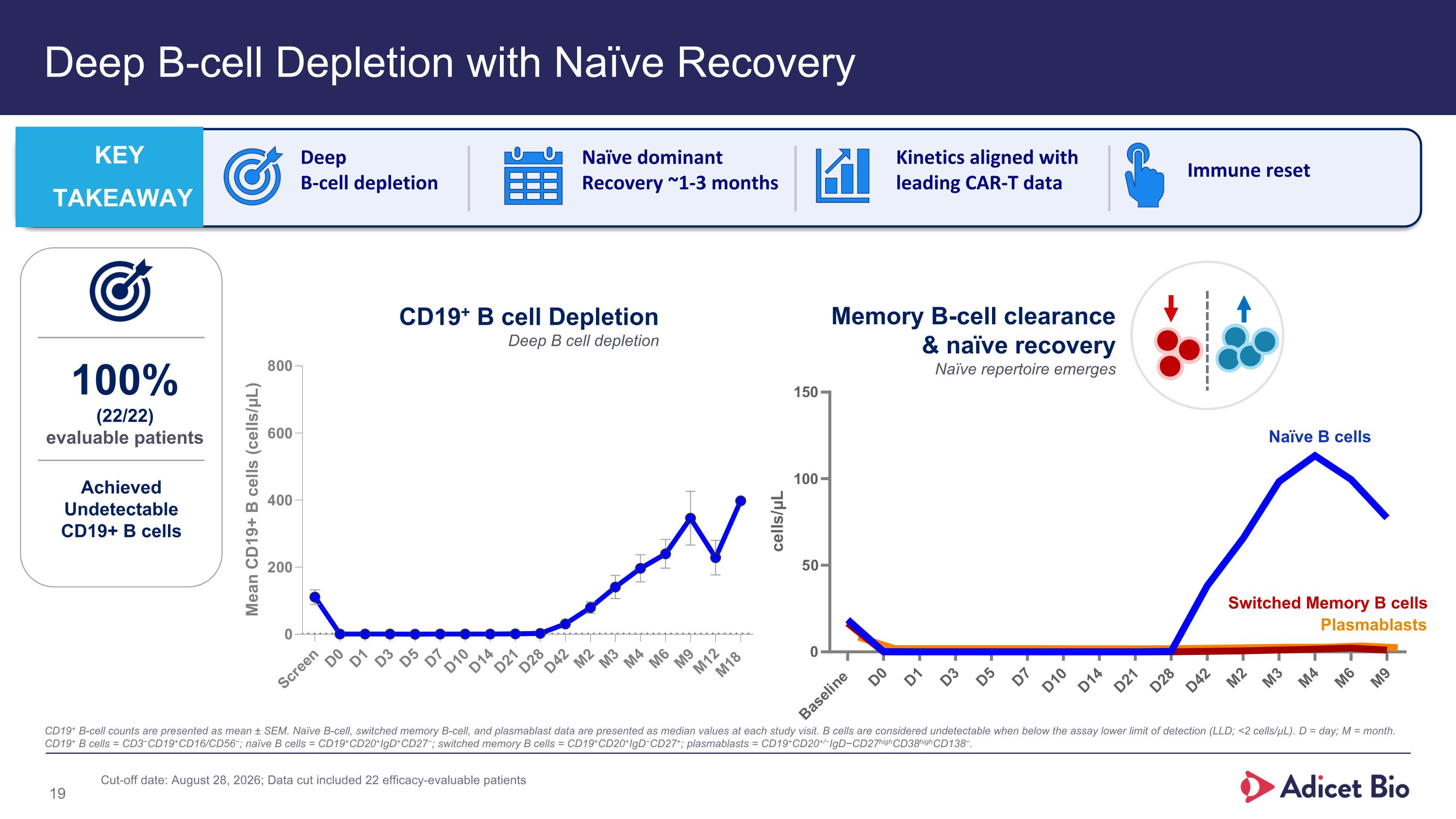
Deep B-cell Depletion with Naïve Recovery CD19+ B-cell counts are presented as mean ± SEM. Naïve B-cell, switched memory B-cell, and plasmablast data are presented as median values at each study visit. B cells are considered undetectable when below the assay lower limit of detection (LLD; <2 cells/µL). D = day; M = month. CD19+ B cells = CD3−CD19+CD16/CD56−; naïve B cells = CD19+CD20+IgD+CD27−; switched memory B cells = CD19+CD20+IgD−CD27+; plasmablasts = CD19+CD20+/−IgD−CD27highCD38highCD138−. Deep B-cell depletion KEY TAKEAWAY Naïve dominant Recovery ~1-3 months Kinetics aligned with leading CAR-T data Immune reset 100% (22/22) evaluable patients Achieved Undetectable CD19+ B cells Naïve B cells Memory B-cell clearance & naïve recovery Naïve repertoire emerges Switched Memory B cells Plasmablasts CD19+ B cell Depletion Deep B cell depletion 19 Cut-off date: August 28, 2026; Data cut included 22 efficacy-evaluable patients
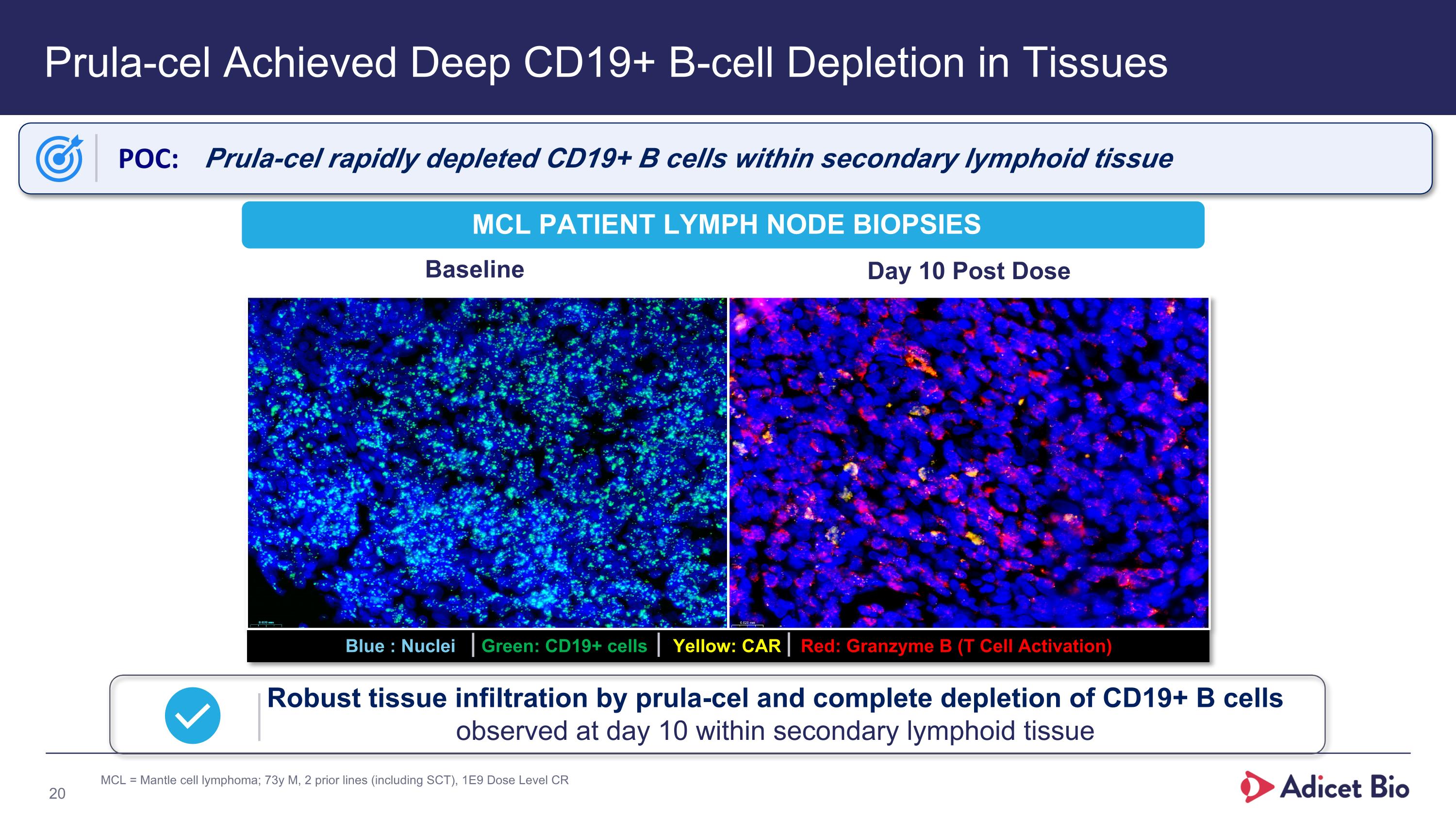
Prula-cel Achieved Deep CD19+ B-cell Depletion in Tissues Baseline Day 10 Post Dose Blue : Nuclei Green: CD19+ cells Yellow: CAR Red: Granzyme B (T Cell Activation) MCL Patient Lymph Node Biopsies POC: Prula-cel rapidly depleted CD19+ B cells within secondary lymphoid tissue Robust tissue infiltration by prula-cel and complete depletion of CD19+ B cells observed at day 10 within secondary lymphoid tissue 20 MCL = Mantle cell lymphoma; 73y M, 2 prior lines (including SCT), 1E9 Dose Level CR
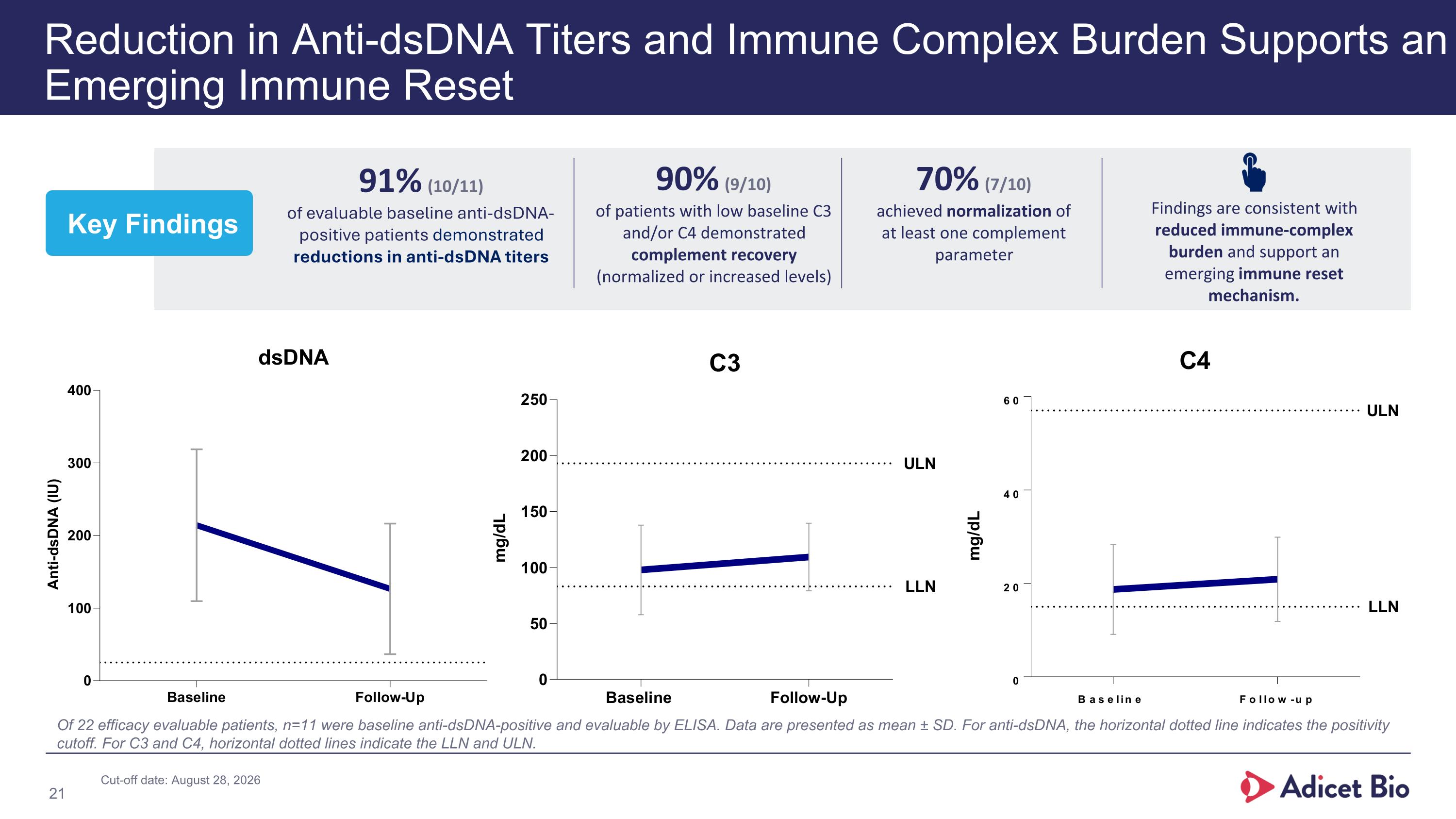
Reduction in Anti-dsDNA Titers and Immune Complex Burden Supports an Emerging Immune Reset Of 22 efficacy evaluable patients, n=11 were baseline anti-dsDNA-positive and evaluable by ELISA. Data are presented as mean ± SD. For anti-dsDNA, the horizontal dotted line indicates the positivity cutoff. For C3 and C4, horizontal dotted lines indicate the LLN and ULN. 90% (9/10) of patients with low baseline C3 and/or C4 demonstrated complement recovery (normalized or increased levels) 70% (7/10) achieved normalization of at least one complement parameter Findings are consistent with reduced immune-complex burden and support an emerging immune reset mechanism. 21 Key Findings 91% (10/11) of evaluable baseline anti-dsDNA-positive patients demonstrated reductions in anti-dsDNA titers Cut-off date: August 28, 2026
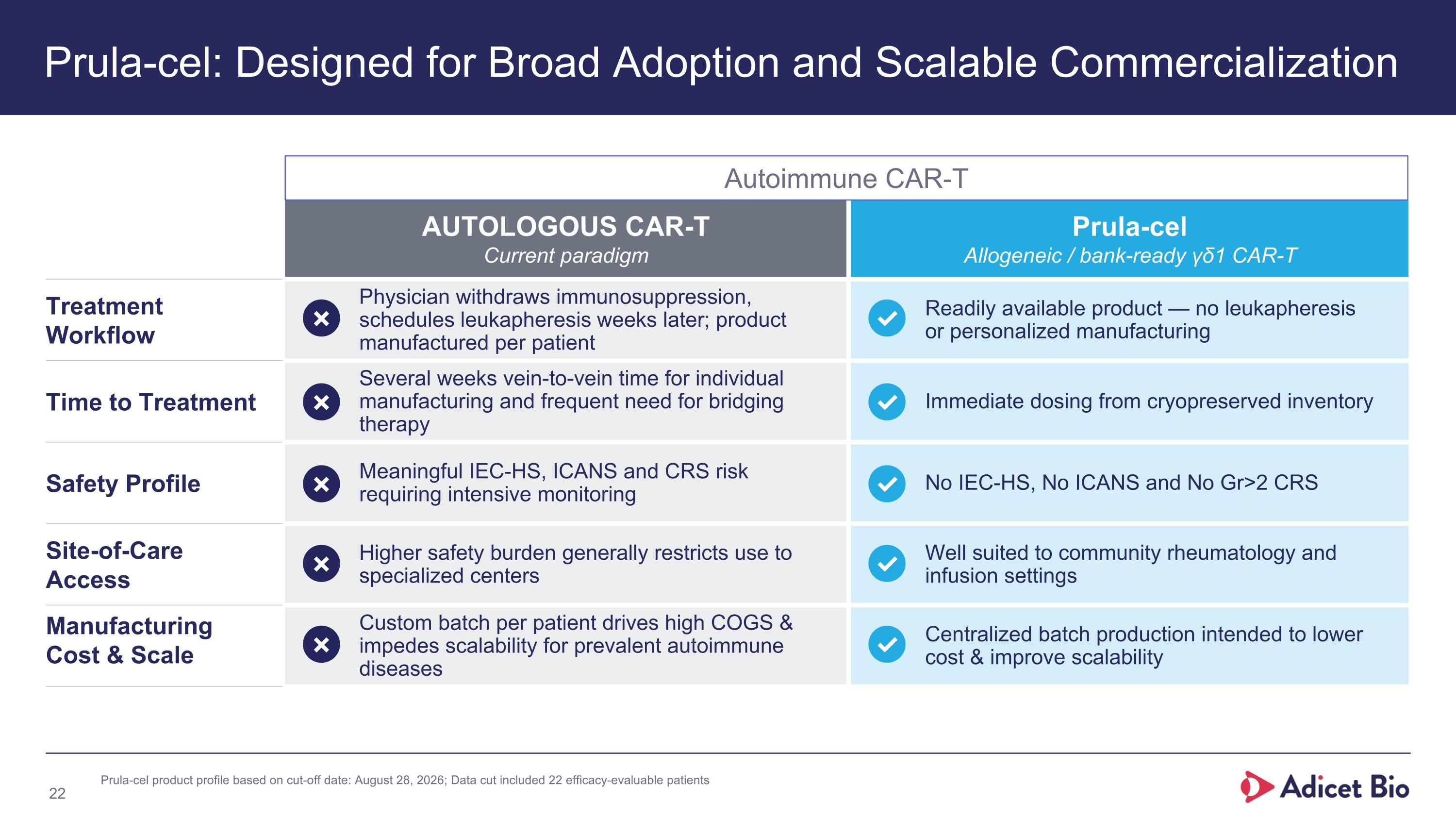
Prula-cel: Potentially First Off-the-Shelf, Easy to Administer, One-Time Therapy With Efficacy Comparable to Autologous CAR-T & Favorable Safety AUTOLOGOUS CAR-T Current paradigm Prula-cel Allogeneic / bank-ready γδ1 CAR-T Treatment Workflow Physician withdraws immunosuppression, schedules leukapheresis weeks later; product manufactured per patient Readily available product — no leukapheresis or personalized manufacturing Time to Treatment Several weeks vein-to-vein time for individual manufacturing and frequent need for bridging therapy Immediate dosing from cryopreserved inventory Safety Profile Meaningful IEC-HS, ICANS and CRS risk requiring intensive monitoring No IEC-HS, No ICANS and No Gr>2 CRS Site-of-Care Access Higher safety burden generally restricts use to specialized centers Well suited to community rheumatology and infusion settings Manufacturing Cost & Scale Custom batch per patient drives high COGS & impedes scalability for prevalent autoimmune diseases Centralized batch production intended to lower cost & improve scalability Prula-cel: Designed for Broad Adoption and Scalable Commercialization ✗ ✓ ✗ ✓ ✗ ✓ ✗ ✓ ✗ ✓ Autoimmune CAR-T Prula-cel product profile based on cut-off date: August 28, 2026; Data cut included 22 efficacy-evaluable patients 22
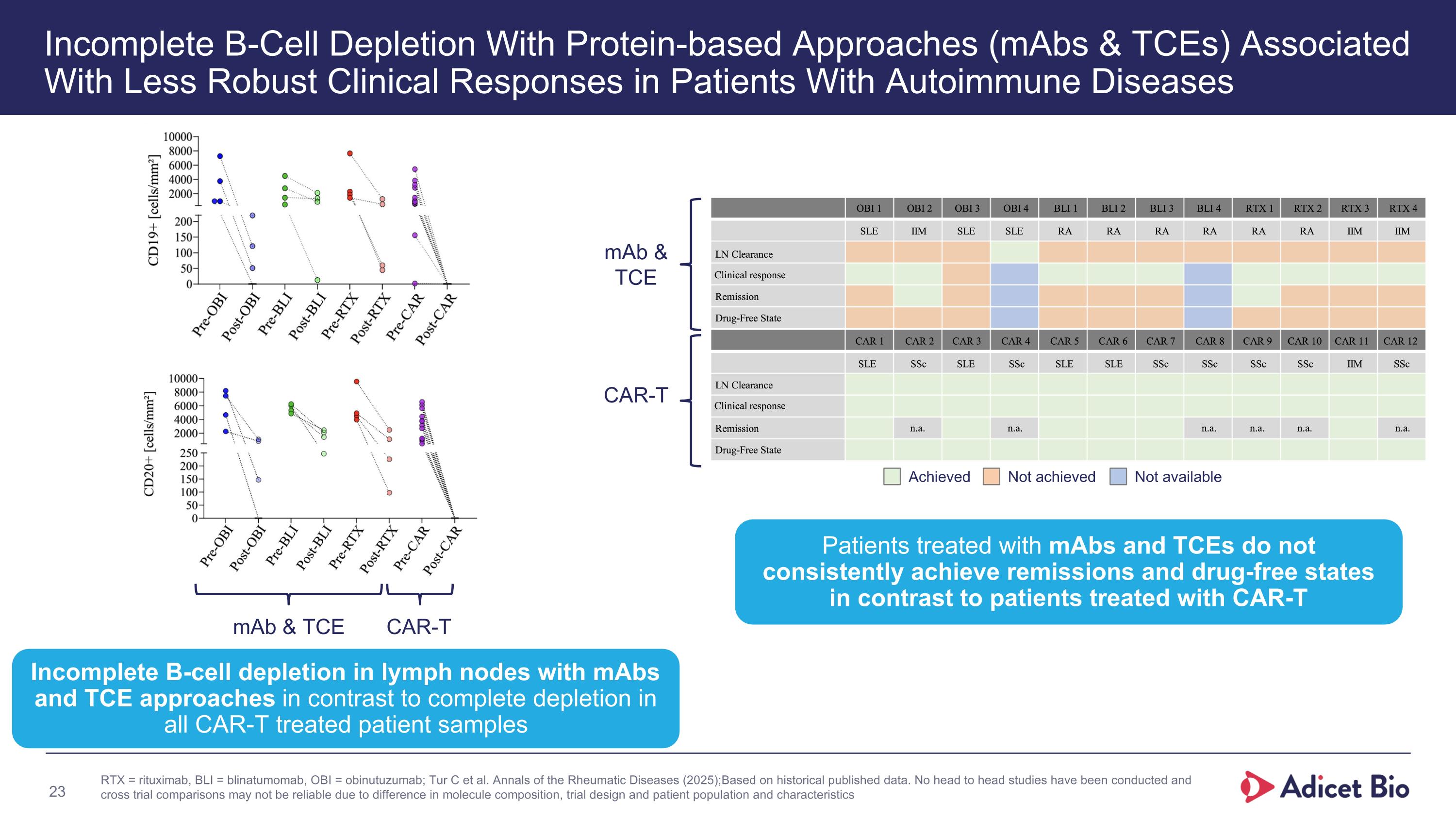
Incomplete B-Cell Depletion With Protein-based Approaches (mAbs & TCEs) Associated With Less Robust Clinical Responses in Patients With Autoimmune Diseases Incomplete B-cell depletion in lymph nodes with mAbs and TCE approaches in contrast to complete depletion in all CAR-T treated patient samples Patients treated with mAbs and TCEs do not consistently achieve remissions and drug-free states in contrast to patients treated with CAR-T mAb & TCE CAR-T mAb & TCE CAR-T Achieved Not achieved Not available RTX = rituximab, BLI = blinatumomab, OBI = obinutuzumab; Tur C et al. Annals of the Rheumatic Diseases (2025); Based on historical published data. No head to head studies have been conducted and cross trial comparisons may not be reliable due to difference in molecule composition, trial design and patient population and characteristics 23
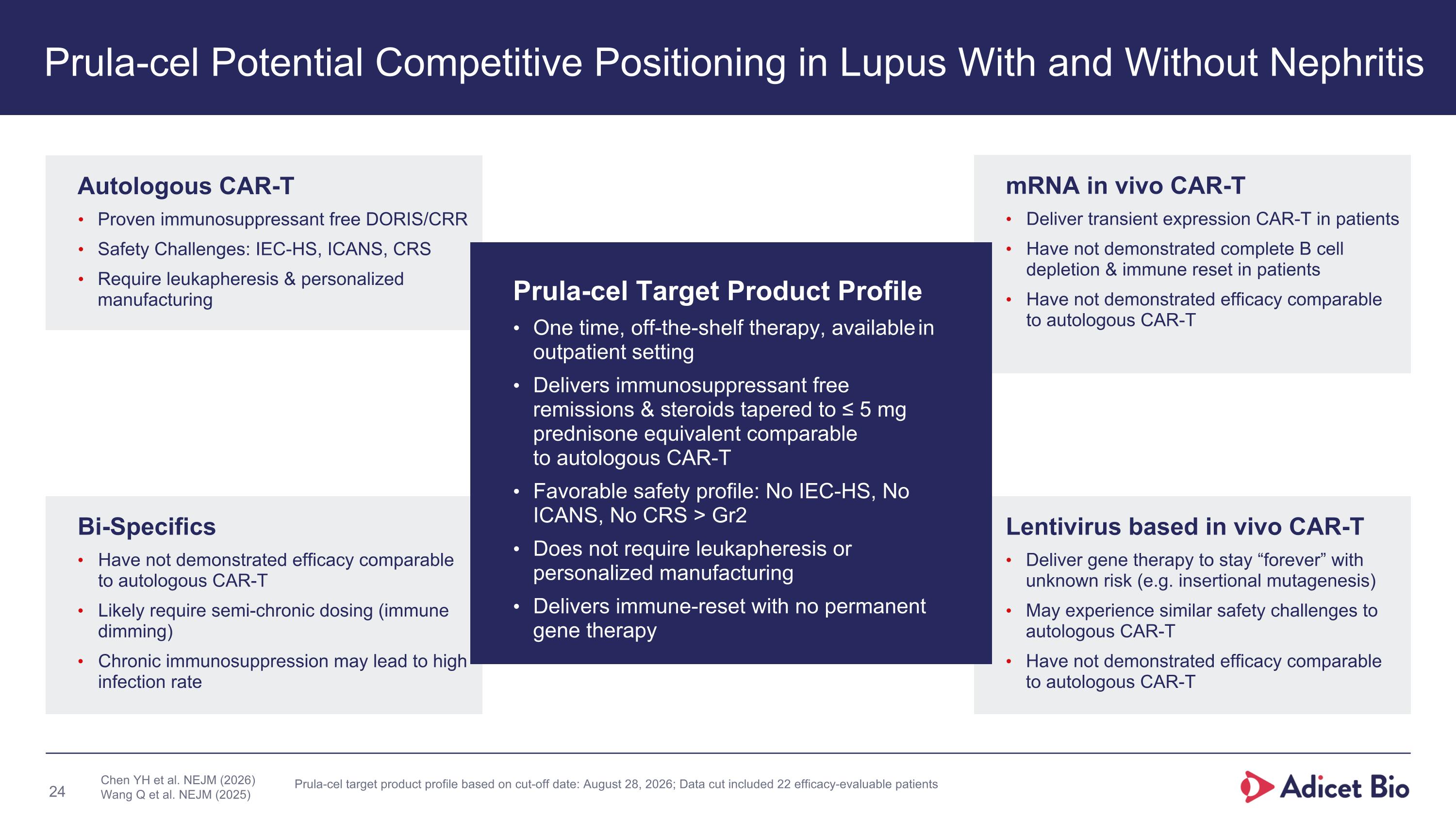
Prula-cel Potential Competitive Positioning in Lupus With and Without Nephritis Autologous CAR-T Proven immunosuppressant free DORIS/CRR Safety Challenges: IEC-HS, ICANS, CRS Require leukapheresis & personalized manufacturing Chen YH et al. NEJM (2026) Wang Q et al. NEJM (2025) Bi-Specifics Have not demonstrated efficacy comparable to autologous CAR-T Likely require semi-chronic dosing (immune dimming) Chronic immunosuppression may lead to high infection rate mRNA in vivo CAR-T Deliver transient expression CAR-T in patients Have not demonstrated complete B cell depletion & immune reset in patients Have not demonstrated efficacy comparable to autologous CAR-T Lentivirus based in vivo CAR-T Deliver gene therapy to stay “forever” with unknown risk (e.g. insertional mutagenesis) May experience similar safety challenges to autologous CAR-T Have not demonstrated efficacy comparable to autologous CAR-T Prula-cel Target Product Profile One time, off-the-shelf therapy, available in outpatient setting Delivers immunosuppressant free remissions & steroids tapered to ≤ 5 mg prednisone equivalent comparable to autologous CAR-T Favorable safety profile: No IEC-HS, No ICANS, No CRS > Gr2 Does not require leukapheresis or personalized manufacturing Delivers immune-reset with no permanent gene therapy Prula-cel target product profile based on cut-off date: August 28, 2026; Data cut included 22 efficacy-evaluable patients
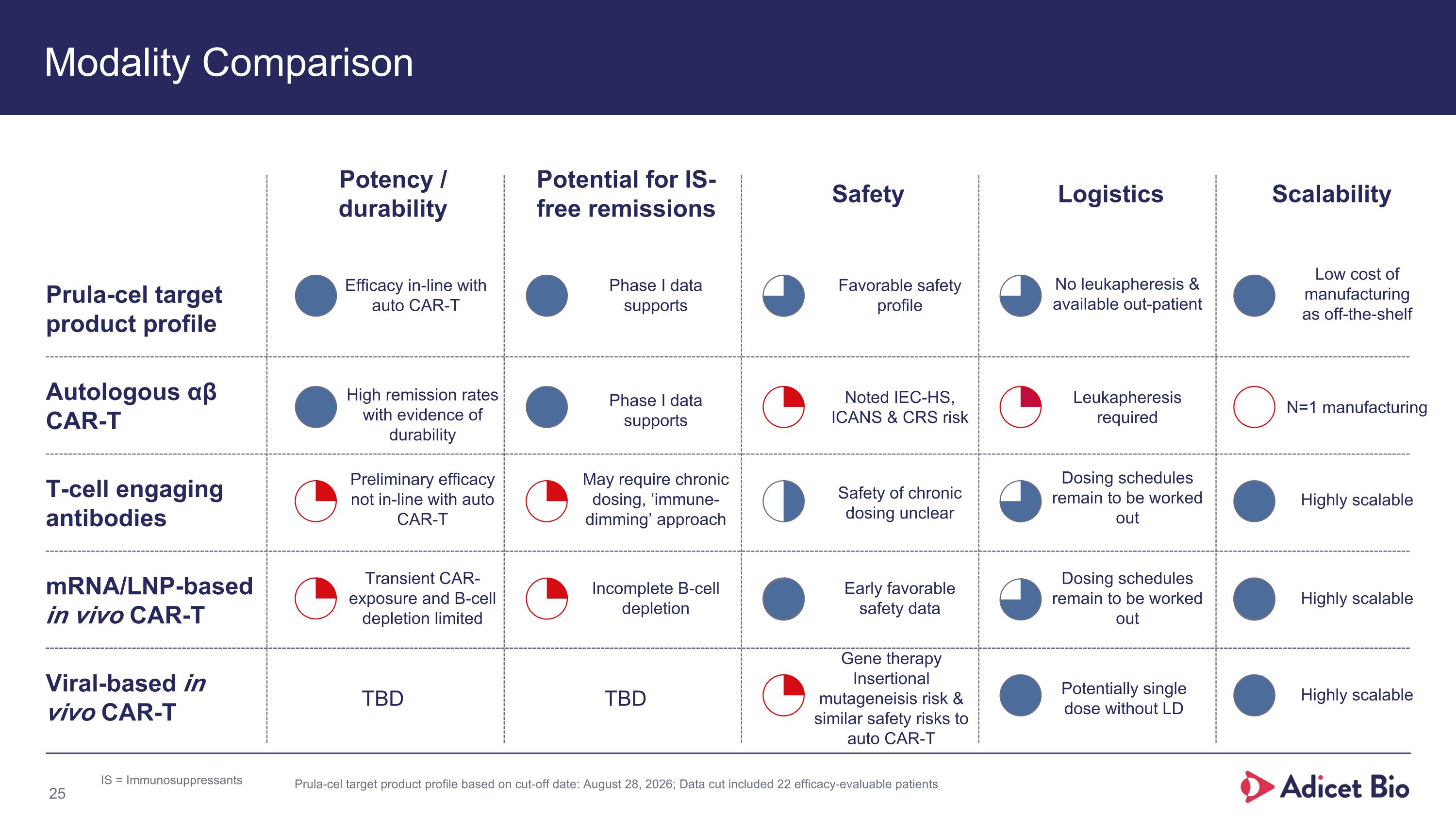
Modality Comparison 25 Prula-cel target product profile Autologous αβ CAR-T T-cell engaging antibodies mRNA/LNP-based in vivo CAR-T Viral-based in vivo CAR-T Potency / durability Safety Logistics Scalability Potential for IS-free remissions Efficacy in-line with auto CAR-T Favorable safety profile Noted IEC-HS, ICANS & CRS risk Leukapheresis required N=1 manufacturing No leukapheresis & available out-patient Phase I data supports Low cost of manufacturing as off-the-shelf May require chronic dosing, ‘immune-dimming’ approach Preliminary efficacy not in-line with auto CAR-T High remission rates with evidence of durability Transient CAR-exposure and B-cell depletion limited Gene therapy Insertional mutageneisis risk & similar safety risks to auto CAR-T Incomplete B-cell depletion Phase I data supports Safety of chronic dosing unclear TBD TBD Early favorable safety data Dosing schedules remain to be worked out Dosing schedules remain to be worked out Highly scalable Highly scalable Highly scalable IS = Immunosuppressants Potentially single dose without LD Prula-cel target product profile based on cut-off date: August 28, 2026; Data cut included 22 efficacy-evaluable patients
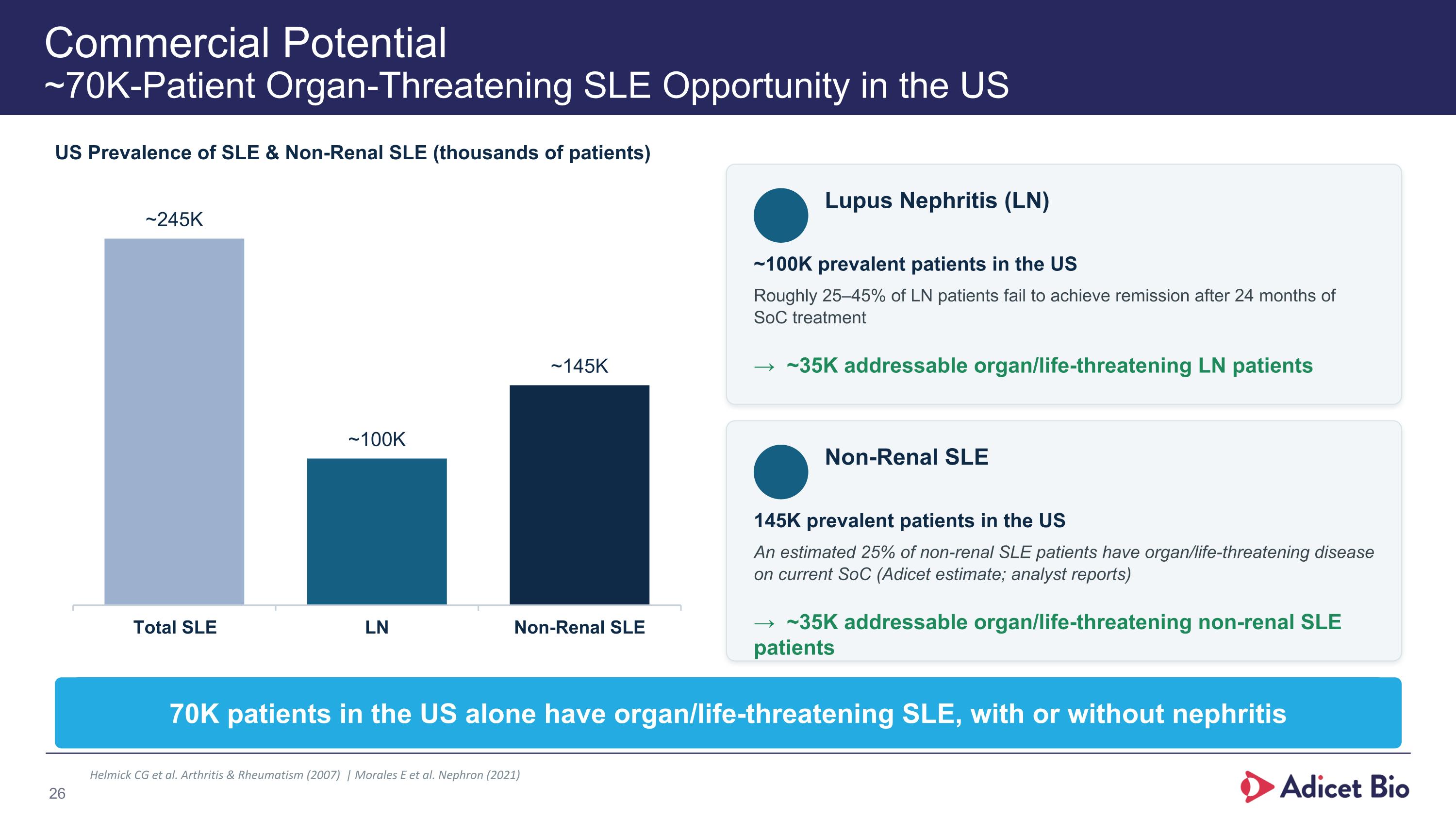
Commercial Potential ~70K-Patient Organ-Threatening SLE Opportunity in the US US Prevalence of SLE & Non-Renal SLE (thousands of patients) Lupus Nephritis (LN) ~100K prevalent patients in the US Roughly 25–45% of LN patients fail to achieve remission after 24 months of SoC treatment → ~35K addressable organ/life-threatening LN patients Non-Renal SLE 145K prevalent patients in the US An estimated 25% of non-renal SLE patients have organ/life-threatening disease on current SoC (Adicet estimate; analyst reports) → ~35K addressable organ/life-threatening non-renal SLE patients 70K patients in the US alone have organ/life-threatening SLE, with or without nephritis Helmick CG et al. Arthritis & Rheumatism (2007) | Morales E et al. Nephron (2021) 26
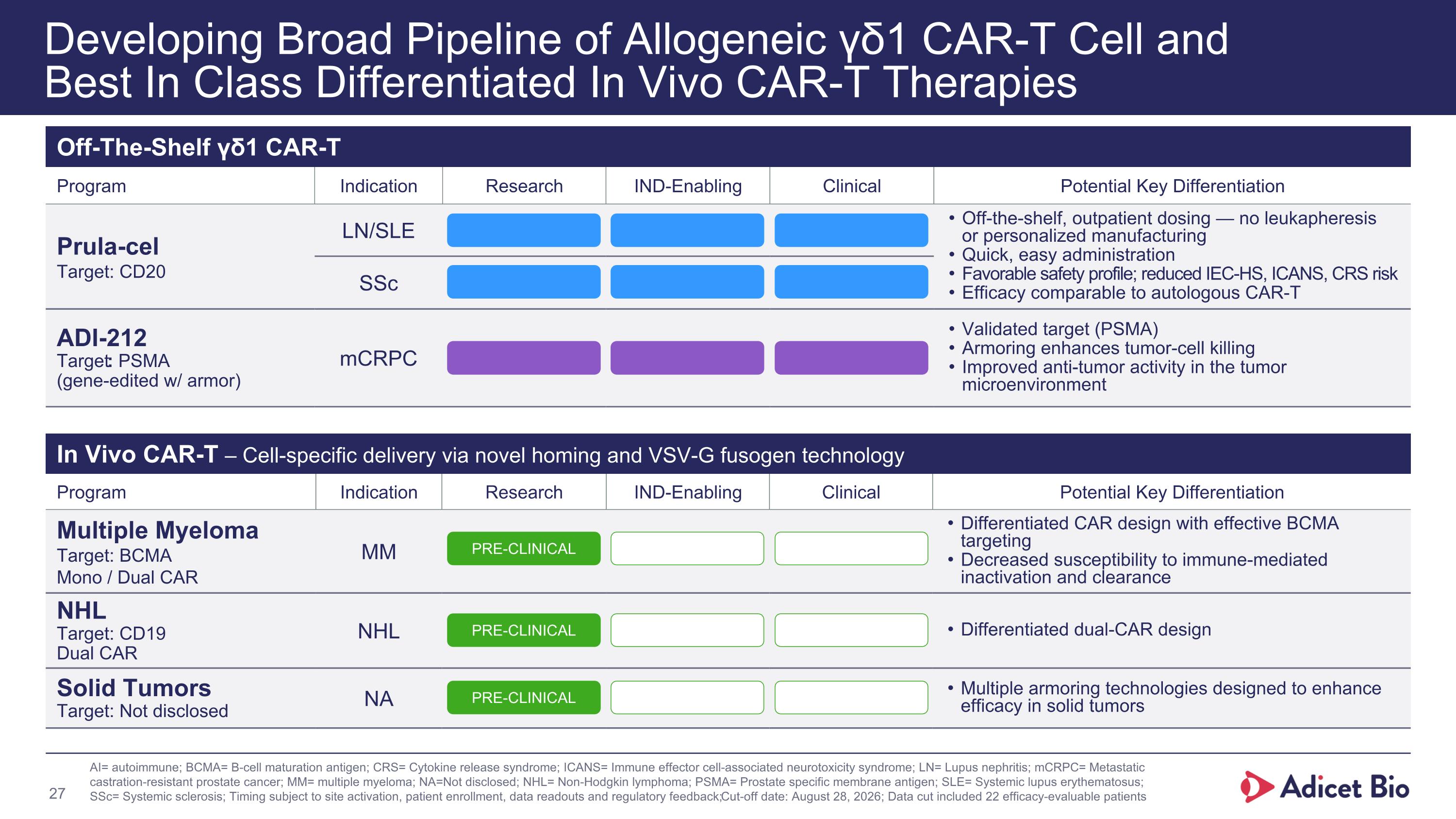
Program Indication Research IND-Enabling Clinical Potential Key Differentiation Prula-cel Target: CD20 LN/SLE Off-the-shelf, outpatient dosing — no leukapheresis or personalized manufacturing Quick, easy administration Favorable safety profile; reduced IEC-HS, ICANS, CRS risk Efficacy comparable to autologous CAR-T SSc ADI-212 Target: PSMA (gene-edited w/ armor) mCRPC Validated target (PSMA) Armoring enhances tumor-cell killing Improved anti-tumor activity in the tumor microenvironment Developing Broad Pipeline of Allogeneic γδ1 CAR-T Cell and Best In Class Differentiated In Vivo CAR-T Therapies Off-The-Shelf γδ1 CAR-T Program Indication Research IND-Enabling Clinical Potential Key Differentiation Multiple Myeloma Target: BCMA Mono / Dual CAR MM Differentiated CAR design with effective BCMA targeting Decreased susceptibility to immune-mediated inactivation and clearance NHL Target: CD19 Dual CAR NHL Differentiated dual-CAR design Solid Tumors Target: Not disclosed NA Multiple armoring technologies designed to enhance efficacy in solid tumors In Vivo CAR-T – Cell-specific delivery via novel homing and VSV-G fusogen technology PRE-CLINICAL PRE-CLINICAL PRE-CLINICAL AI= autoimmune; BCMA= B-cell maturation antigen; CRS= Cytokine release syndrome; ICANS= Immune effector cell-associated neurotoxicity syndrome; LN= Lupus nephritis; mCRPC= Metastatic castration-resistant prostate cancer; MM= multiple myeloma; NA=Not disclosed; NHL= Non-Hodgkin lymphoma; PSMA= Prostate specific membrane antigen; SLE= Systemic lupus erythematosus; SSc= Systemic sclerosis; Timing subject to site activation, patient enrollment, data readouts and regulatory feedback; Cut-off date: August 28, 2026; Data cut included 22 efficacy-evaluable patients 27
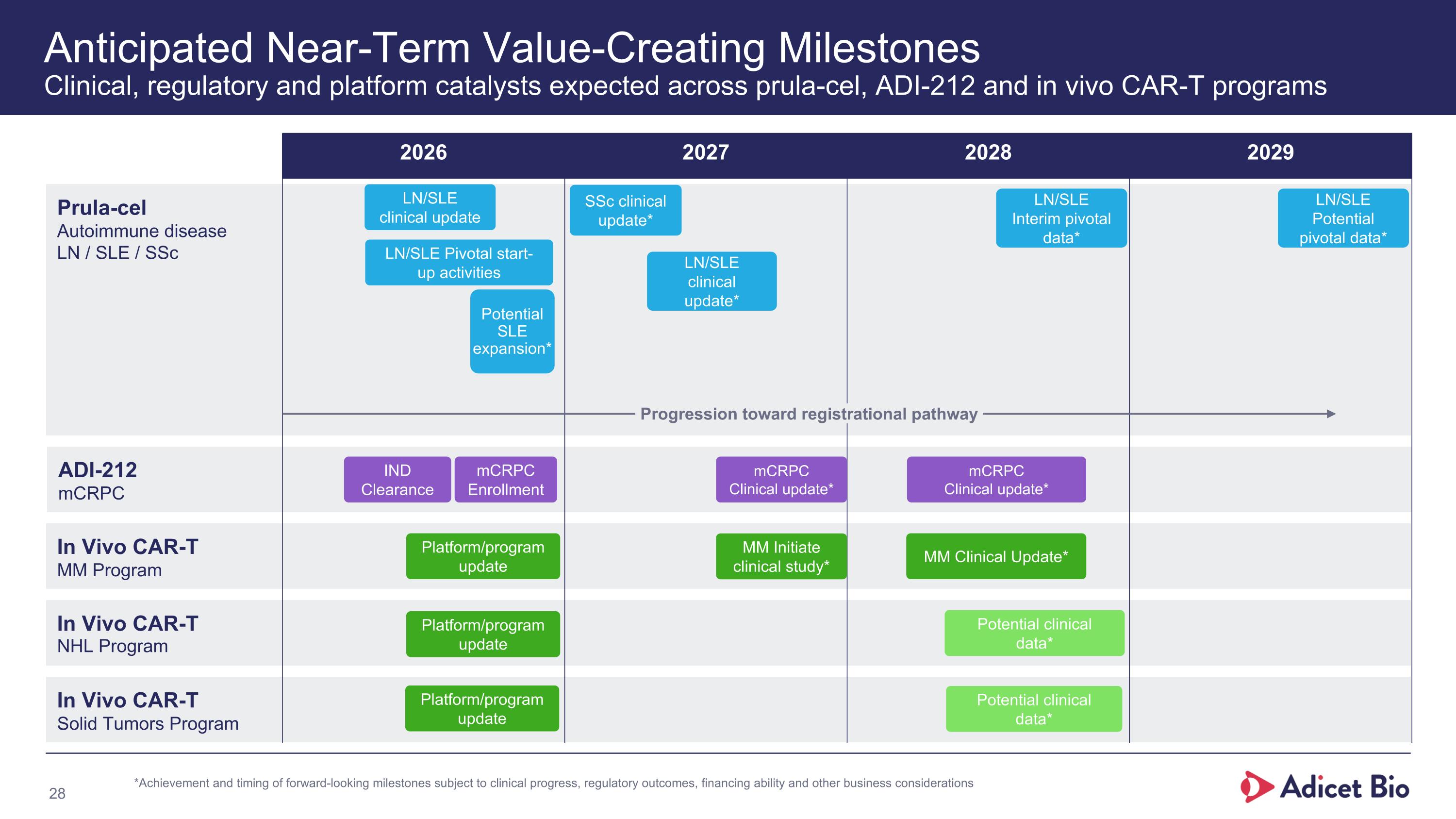
Anticipated Near-Term Value-Creating Milestones Clinical, regulatory and platform catalysts expected across prula-cel, ADI-212 and in vivo CAR-T programs Prula-cel Autoimmune disease LN / SLE / SSc ADI-212 mCRPC In Vivo CAR-T MM Program In Vivo CAR-T NHL Program In Vivo CAR-T Solid Tumors Program 2026 2027 2028 2029 Progression toward registrational pathway Potential clinical data* Potential clinical data* MM Initiate clinical study* mCRPC Clinical update* SSc clinical update* LN/SLE clinical update LN/SLE clinical update* LN/SLE Pivotal start-up activities mCRPC Enrollment Potential SLE expansion* IND Clearance LN/SLE Interim pivotal data* LN/SLE Potential pivotal data* *Achievement and timing of forward-looking milestones subject to clinical progress, regulatory outcomes, financing ability and other business considerations Platform/program update Platform/program update Platform/program update MM Clinical Update* mCRPC Clinical update*
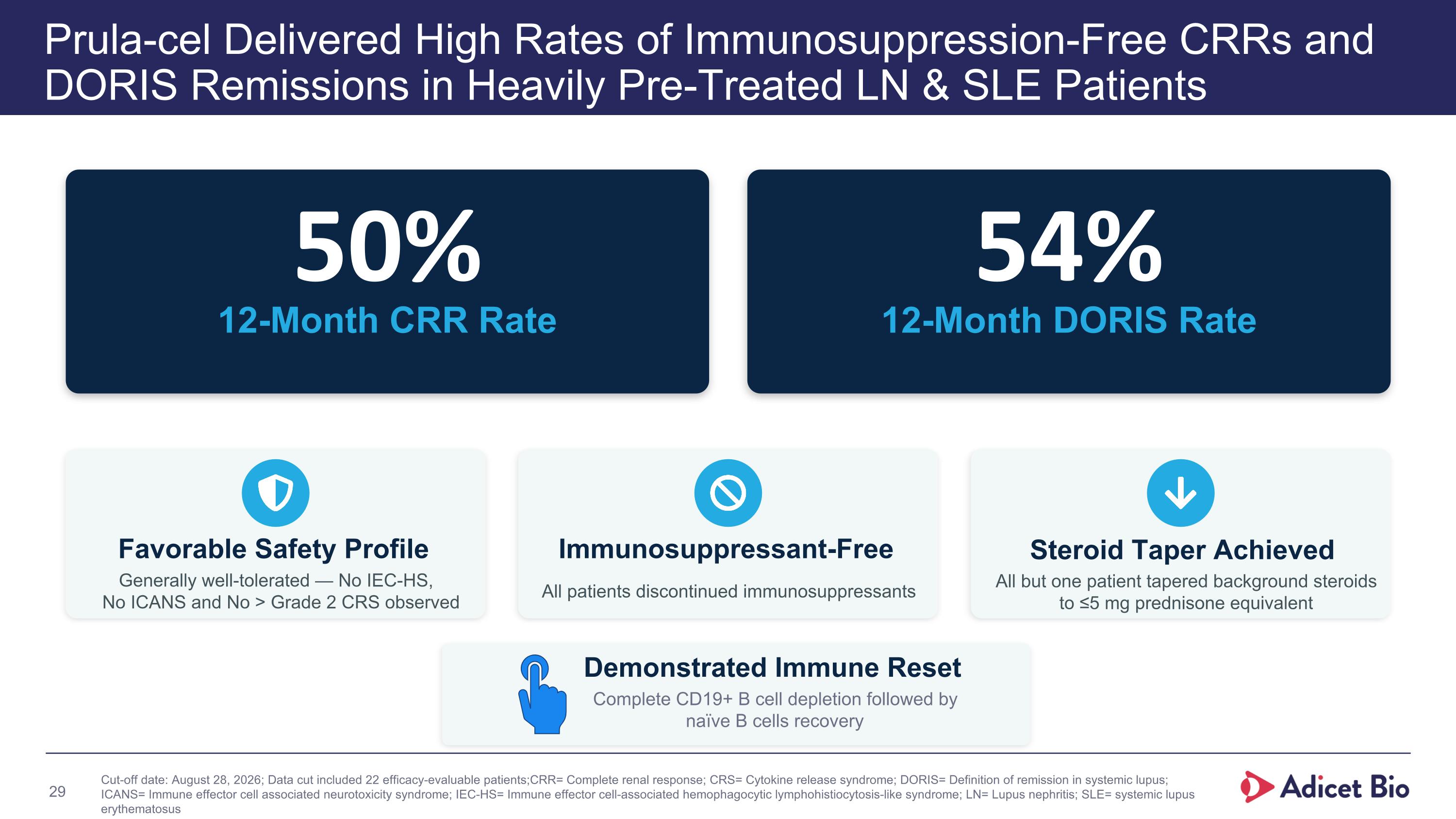
Prula-cel Delivered High Rates of Immunosuppression-Free CRRs and DORIS Remissions in Heavily Pre-Treated LN & SLE Patients 50% 12-Month CRR Rate 54% 12-Month DORIS Rate Favorable Safety Profile Generally well-tolerated — No IEC-HS, No ICANS and No > Grade 2 CRS observed Immunosuppressant-Free All patients discontinued immunosuppressants Steroid Taper Achieved All but one patient tapered background steroids to ≤5 mg prednisone equivalent Cut-off date: August 28, 2026; Data cut included 22 efficacy-evaluable patients; CRR= Complete renal response; CRS= Cytokine release syndrome; DORIS= Definition of remission in systemic lupus; ICANS= Immune effector cell associated neurotoxicity syndrome; IEC-HS= Immune effector cell-associated hemophagocytic lymphohistiocytosis-like syndrome; LN= Lupus nephritis; SLE= systemic lupus erythematosus Demonstrated Immune Reset Complete CD19+ B cell depletion followed by naïve B cells recovery