Exhibit 99.3
| H1 2026 Financial Report September 28, 2026 |

| Forward-Looking Statements This presentation contains “forward-looking statements” within the meaning of the safe harbor provisions of the Private Securities Litigation Reform Act of 1995. Words such as “believe,” “anticipate,” “expect,” “intend,” “plan,” “seek,” “estimate,” “may,” “will,” “could,” “should,” “designed,” “hope,” “target,” “potential,” “opportunity,” “possible,” “aim,” and “continue” or similar expressions are intended to identify forward-looking statements. All statements, other than statements of historical fact, included in this presentation are forward-looking statements. These statements include, but are not limited to, statements concerning the potential therapeutic benefit of lanifibranor, the expected availability and timing of results from NATiV3, the timing of potential regulatory submissions, approvals and commercialization of lanifibranor, the potential market opportunity for lanifibranor, Inventiva’s cash resources and expenses and ability to obtain additional financial resources, including assumptions and conditions relating thereto, and Inventiva's future activities, expectations, plans, growth and prospects. Although Inventiva’s management believes that the expectations reflected in such forward-looking statements are reasonable, investors are cautioned that such forward-looking information and statements are subject to various risks, contingencies and uncertainties, many of which are difficult to predict and generally beyond the control of Inventiva, that could cause actual results and developments to differ materially from those expressed in, or implied or projected by, the forward-looking information and statements. These risks, contingencies and uncertainties include, among other things, uncertainties inherent in research and development, clinical data and analysis and decisions by regulatory authorities, such as the FDA or the EMA, regarding whether and when to approve any product candidates, as well as their decisions regarding labelling and other matters that could affect the availability or commercial potential of such product candidates; Inventiva’s reliance on licensors, collaborators, contract research organizations, suppliers and other business partners; Inventiva’s ability to achieve milestones; Inventiva’s ability to obtain adequate financing to fund its operations and continue as a going concern, including Inventiva’s ability to enter into potential transactions on the expected timing or at all, Inventiva’s ability to comply with and satisfy the terms and conditions of its financing documents and whether, when and to what extent the securities issued in connection with Inventiva’s financing documents and other dilutive instruments, including the Tranche 3 warrants, may be exercised; Inventiva’s ability to execute on its strategy, including with respect to commercialization, marketing and manufacturing; potential negative impacts on Inventiva from changes in laws and regulations, unfavorable conditions in its industry, geopolitical events, and ongoing conflicts, health epidemics, and macroeconomic conditions, including developments in international trade policies, global inflation, financial and credit market fluctuations, tariffs and other trade barriers; and the other risks and uncertainties described in Inventiva’s Annual Report on Form 20-F for the year ended December 31, 2025 filed with the SEC on April 8, 2026 and Inventiva’s Half-Year Report for the fiscal period ended June 30, 2026, filed on Form 6-K on September 28, 2026, including those described under the caption "Risk Factors", and in future filings with the SEC. All forward-looking statements contained in this presentation speak only as of the date on which they were made. Inventiva disclaims any obligation to update these forward-looking statements, forecasts or estimates to reflect any subsequent changes that Inventiva becomes aware of, except as required by law. This presentation discusses lanifibranor, a product candidate that is under clinical study and that has not yet been approved for marketing by the U.S. Food and Drug Administration or other regulatory agencies. No representation is made as to the safety or effectiveness of this product candidate for the therapeutic use for which such product candidate is being studied. This presentation does not constitute an offer to sell or the solicitation of an offer to buy securities in any jurisdiction, and shall not constitute an offer, solicitation or sale in any jurisdiction in which such offer, solicitation or sale would be unlawful prior to registration or qualification under the securities laws of that jurisdiction. 2 |
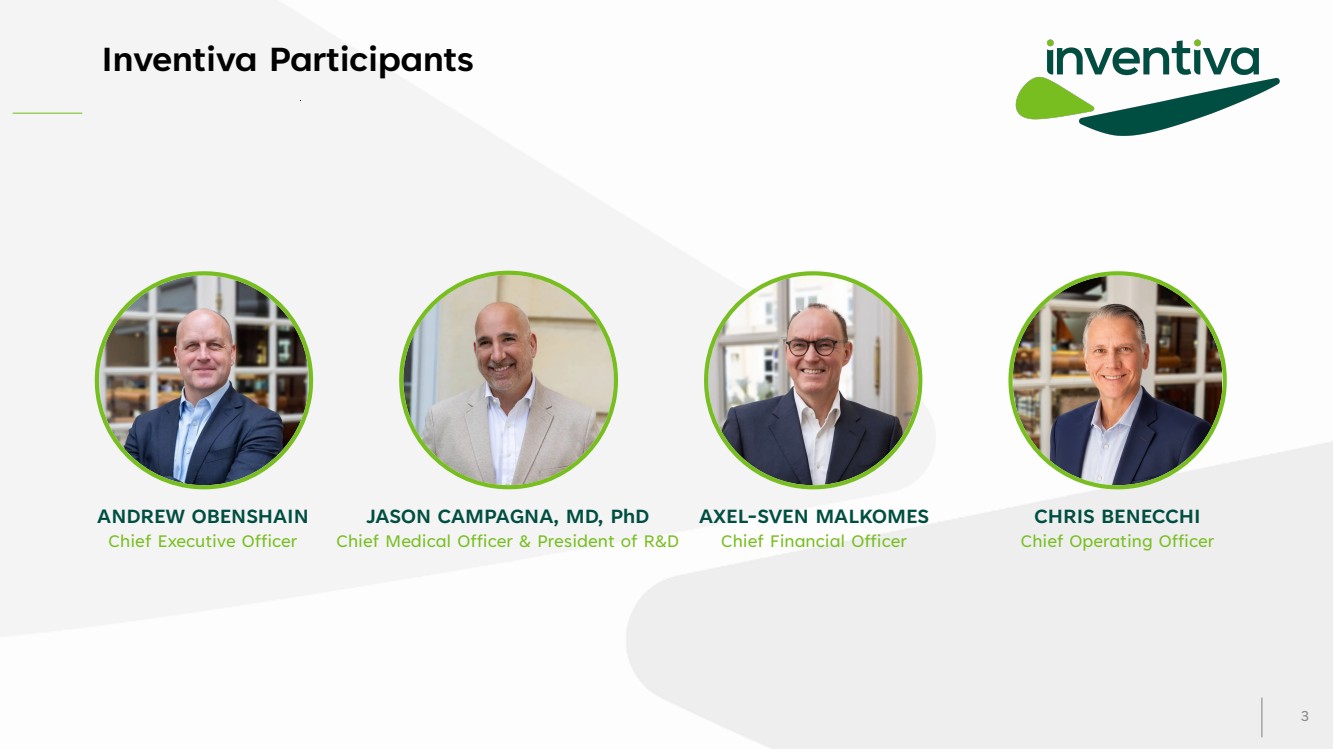
| ANDREW OBENSHAIN Chief Executive Officer AXEL-SVEN MALKOMES Chief Financial Officer CHRIS BENECCHI Chief Operating Officer JASON CAMPAGNA, MD, PhD Chief Medical Officer & President of R&D 3 Inventiva Participants |
| Agenda 1. Corporate Overview 2. Lanifibranor Clinical Program Update 3. H1 2026 Highlights 4. Q&A 4 |
| One molecule with differentiated potential. And a company built to deliver it. Two Drivers of MASH Designed to act on intra- and extra-hepatic drivers in a single, once-daily oral therapy, lanifibranor showed improvements across all histological endpoints in Phase 2b. 01 DIFFERENTIATION Phase 3 Builds on Phase 2b Same doses, histological endpoints used in Phase 2b, in F2/F3 patients. Powered at 90% on assumptions assuming higher placebo response and lower efficacy. 02 ADVANCING TO VALIDATION MASH - A Validated Market Potential to be well positioned as a differentiated option with the goal to address the multiple drivers of disease across patients with moderate to advanced fibrosis as well as high risk of progression. 03 MARKET OPPORTUNITY 18% FIBROSIS IMPROVEMENT Q4 2026 NATiV3 TOPLINE 1,009 PATIENTS 72-WEEK >$15 Billion EXPECTED MARKET SIZE BY 20351; THE FIRST APPROVED ORAL APPROACHED $1B IN ITS FIRST FULL YEAR Why Lanifibranor? Why Now? 26% MASH RESOLUTION 24% BOTH ENDPOINTS ACHIEVED 5 Lanifibranor is an investigational medicine and has not been approved for use by any regulatory authority. Its safety and efficacy have not been established. NATIVE Phase 2b, NEJM 2021. NATiV3 design per company disclosures. Market: public company reporting and sell-side consensus. 1) DataM Intelligence November 2025 |
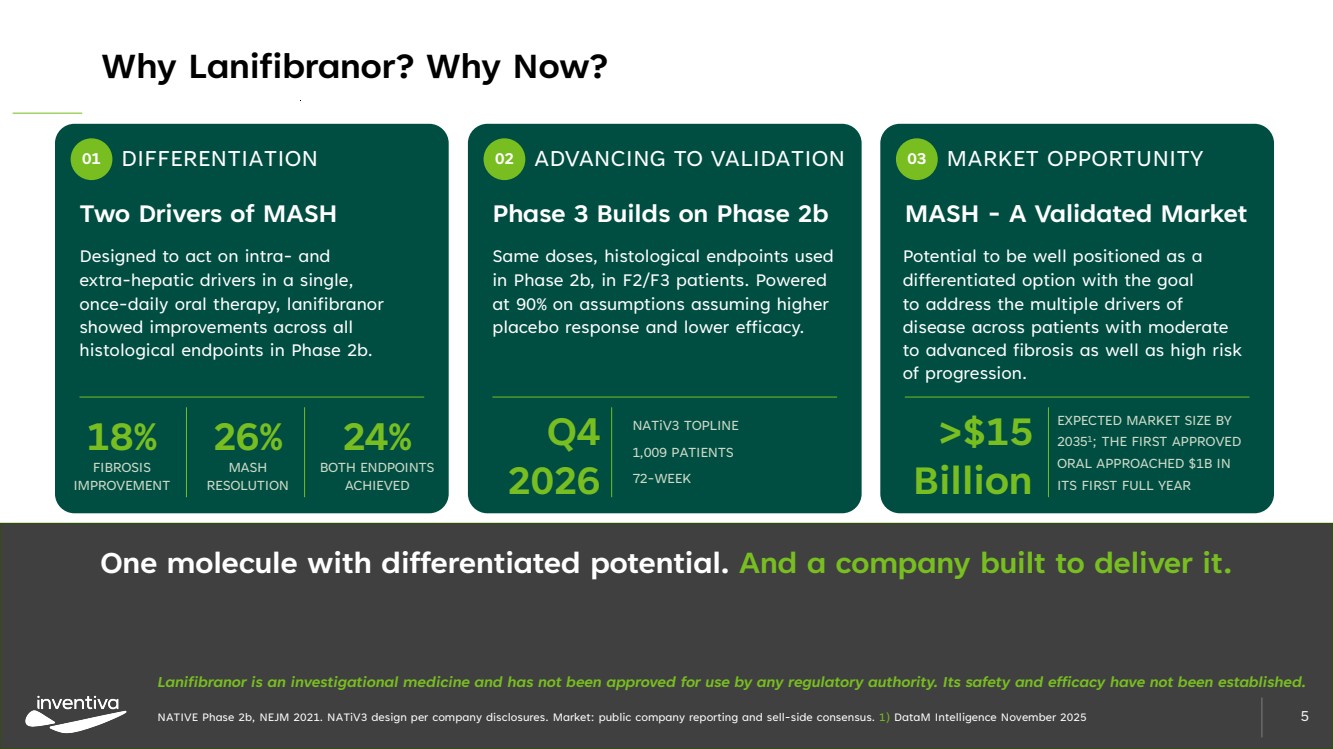
| EXTRA-HEPATIC DRIVERS INTRA-HEPATIC DRIVERS Adipose Dysfunction Metabolic · Adipocyte Insulin Resistance Metabolic · Muscle And Systemic Hepatic Steatosis Metabolic · Hepatocyte Inflammation Inflammatory · Hepatic Macrophage Fibrogenesis Fibrotic · Hepatic Stellate Cell 01 02 Atherogenic Dyslipidemia Metabolic · ApoB Triglycerides Free Fatty Acid Flux MASH: One Disease, Two Drivers An opportunity for a next-generation treatment to target more than just the liver. 6 |
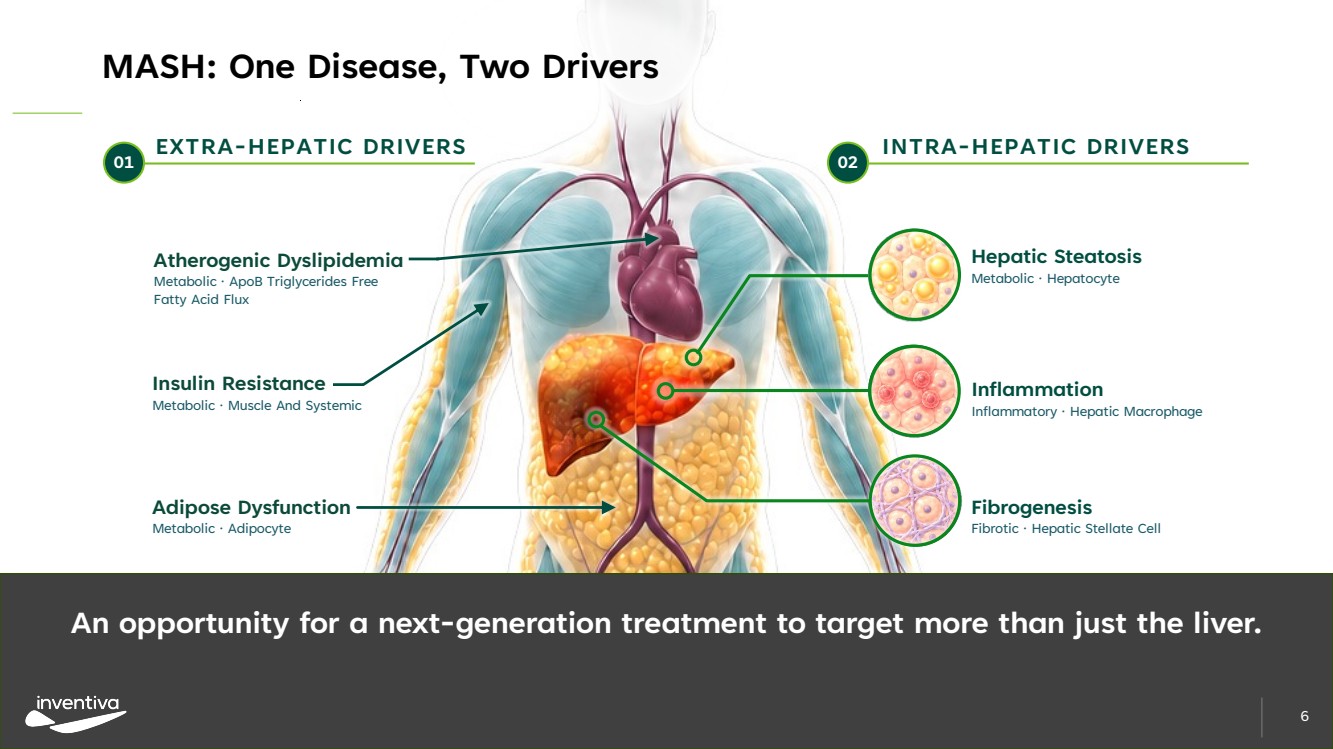
| 01 Atherogenic Dyslipidemia Cardiovbascular System Insulin Resistance Muscle and Systemic Adipose Dysfunction Adipocyte Hepatic Macrophage Fibrogenesis Hepatic Stellate Cell Hepatic Steatosis Hepatocyte INTRA-HEPATIC DRIVERS 02 Designed to Target Intra- and Extra-hepatic Drivers, Lanifibranor Showed Improvements Across Key MASH Endpoints in Phase 2b 24% COMPOSITE ENDPOINT MASH resolution and fibrosis ≥1 stage 18% FIBROSIS IMPROVEMENT ≥1 stage without worsening of MASH 26% MASH RESOLUTION without worsening of fibrosis Phase 3, NATiV3, evaluates the same doses, 800 mg and 1,200 mg, over 72-week with 1,009 patients, and powered at 90%. 7 Inflammation EXTRA-HEPATIC DRIVERS PAN-PPAR (Lanifibranor: Phase 2b – 6 Months) Direct PPARγ Direct PPARγ/δ Direct PPARα Direct PPARα/δ Direct PPARδ/γ Direct PPARγ Lanifibranor is an investigational medicine and has not been approved for use by any regulatory authority. Its safety and efficacy have not been established. Lanifibranor: NATIVE Phase 2b (N=247, 6 mo), high-dose arm, effect size = active − placebo. Sources: NATIVE NEJM 2021. For discussion; not investment advice. |
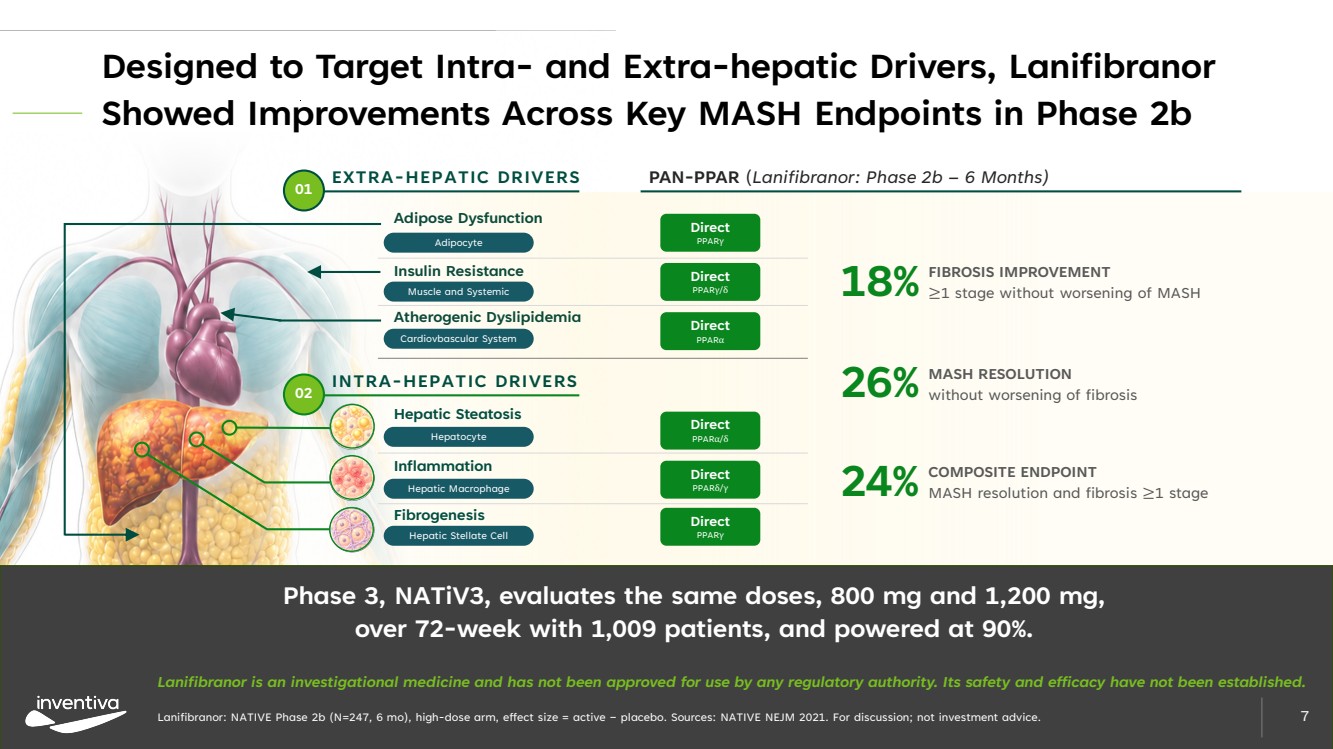
| MASH market evolving toward broader diagnosis and treatment – creating a potential opportunity for lanifibranor’s differentiated multi-pathway profile if approved. A Growing Market with Remaining High Unmet Need 8 ~18M AMERICANS WITH MASH1 +20-25% GROWTH IN DIAGNOSED & F2–F3 POOLS VS 2024 >$15B EXPECTED F2/F3 MASH MARKET BY 20353 ~1.9M Diagnosed MASH Population2 910K Diagnosed F2 / F3 MASH Population2 ~374K F2 / F3 & Under Treater Care2 1) Estes. 2018. Hepatology; 2) Analysis conducted by Forian using CHRONOS™ ©2025 Forian Inc. and its licensors. All Rights Reserved; 3) DataM Intelligence November 2025 Lanifibranor is an investigational medicine and has not been approved for use by any regulatory authority. Its safety and efficacy have not been established. |
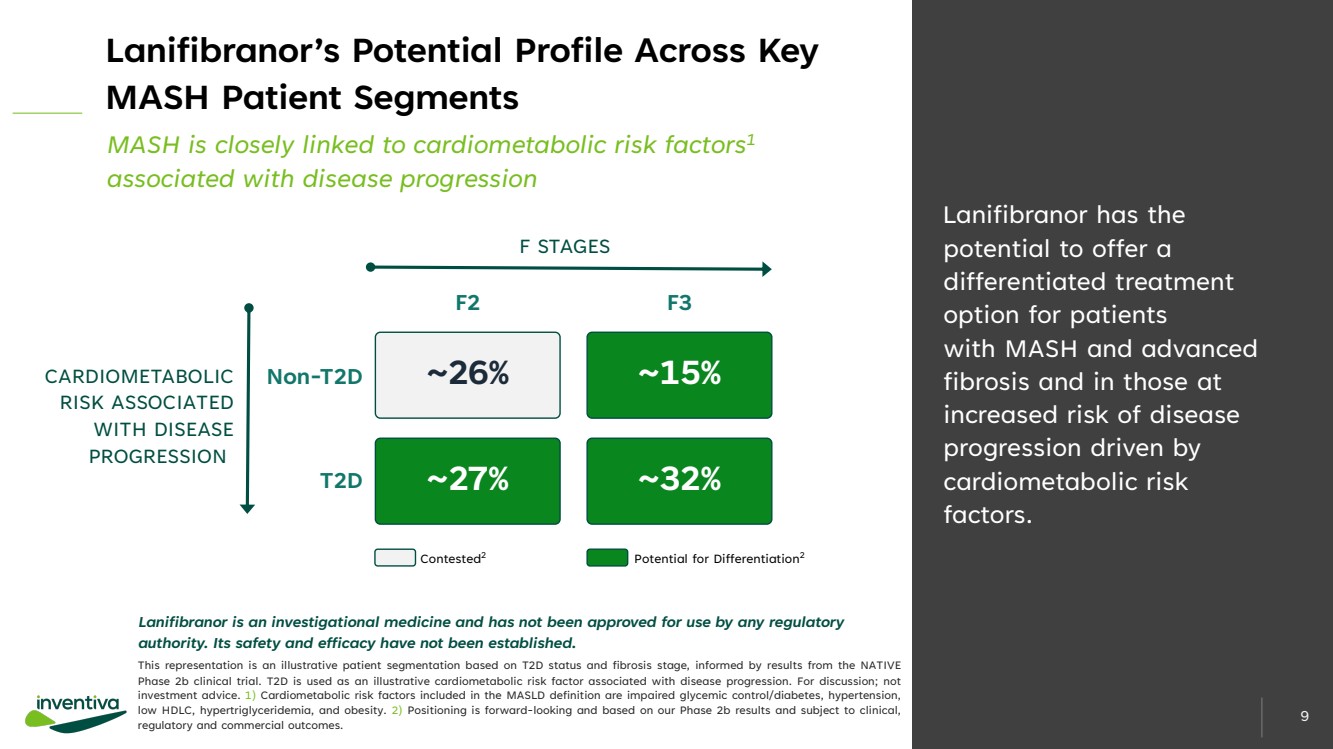
| F2 F3 Non-T2D ~26% ~15% T2D ~27% ~32% Lanifibranor has the potential to offer a differentiated treatment option for patients with MASH and advanced fibrosis and in those at increased risk of disease progression driven by cardiometabolic risk factors. F STAGES CARDIOMETABOLIC RISK ASSOCIATED WITH DISEASE PROGRESSION Lanifibranor’s Potential Profile Across Key MASH Patient Segments 9 MASH is closely linked to cardiometabolic risk factors1 associated with disease progression Contested2 Potential for Differentiation2 This representation is an illustrative patient segmentation based on T2D status and fibrosis stage, informed by results from the NATIVE Phase 2b clinical trial. T2D is used as an illustrative cardiometabolic risk factor associated with disease progression. For discussion; not investment advice. 1) Cardiometabolic risk factors included in the MASLD definition are impaired glycemic control/diabetes, hypertension, low HDLC, hypertriglyceridemia, and obesity. 2) Positioning is forward-looking and based on our Phase 2b results and subject to clinical, regulatory and commercial outcomes. Lanifibranor is an investigational medicine and has not been approved for use by any regulatory authority. Its safety and efficacy have not been established. |
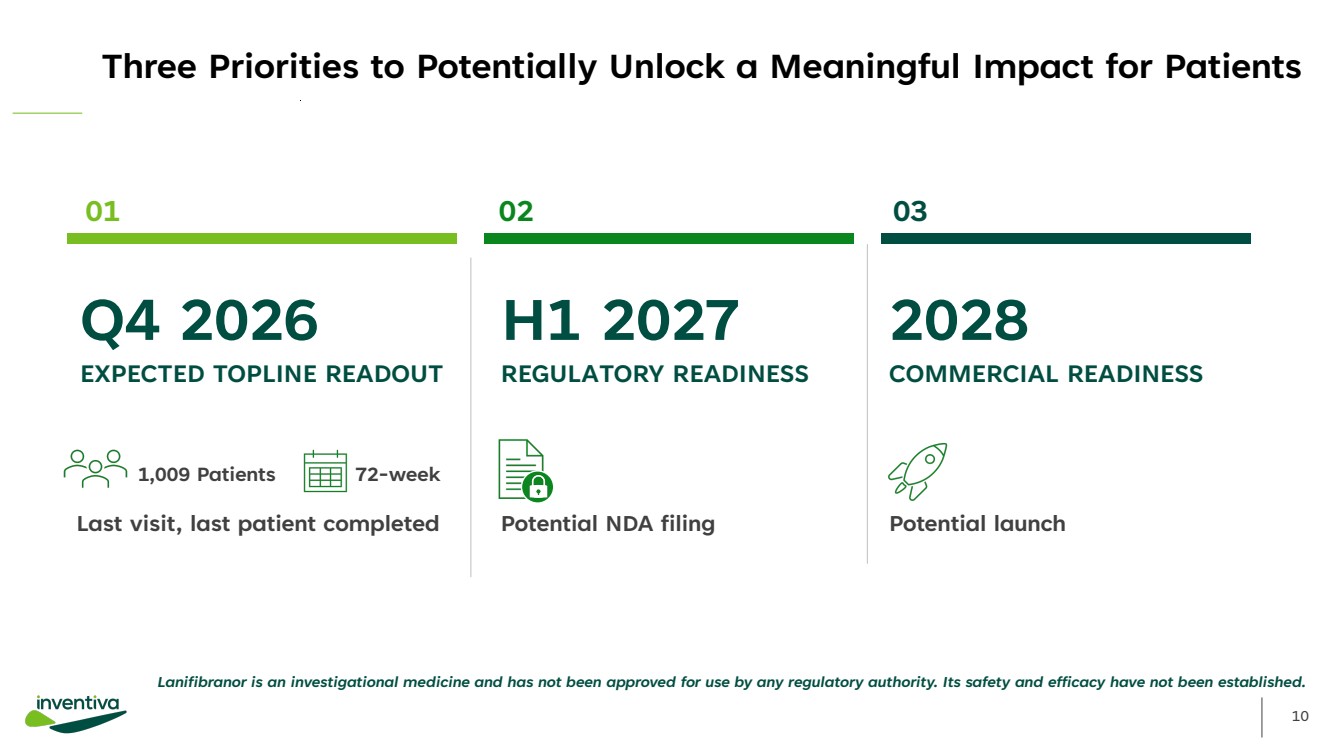
| Three Priorities to Potentially Unlock a Meaningful Impact for Patients 10 Last visit, last patient completed EXPECTED TOPLINE READOUT 01 Q4 2026 1,009 Patients 72-week Potential NDA filing REGULATORY READINESS 02 H1 2027 03 COMMERCIAL READINESS 2028 Potential launch Lanifibranor is an investigational medicine and has not been approved for use by any regulatory authority. Its safety and efficacy have not been established. |
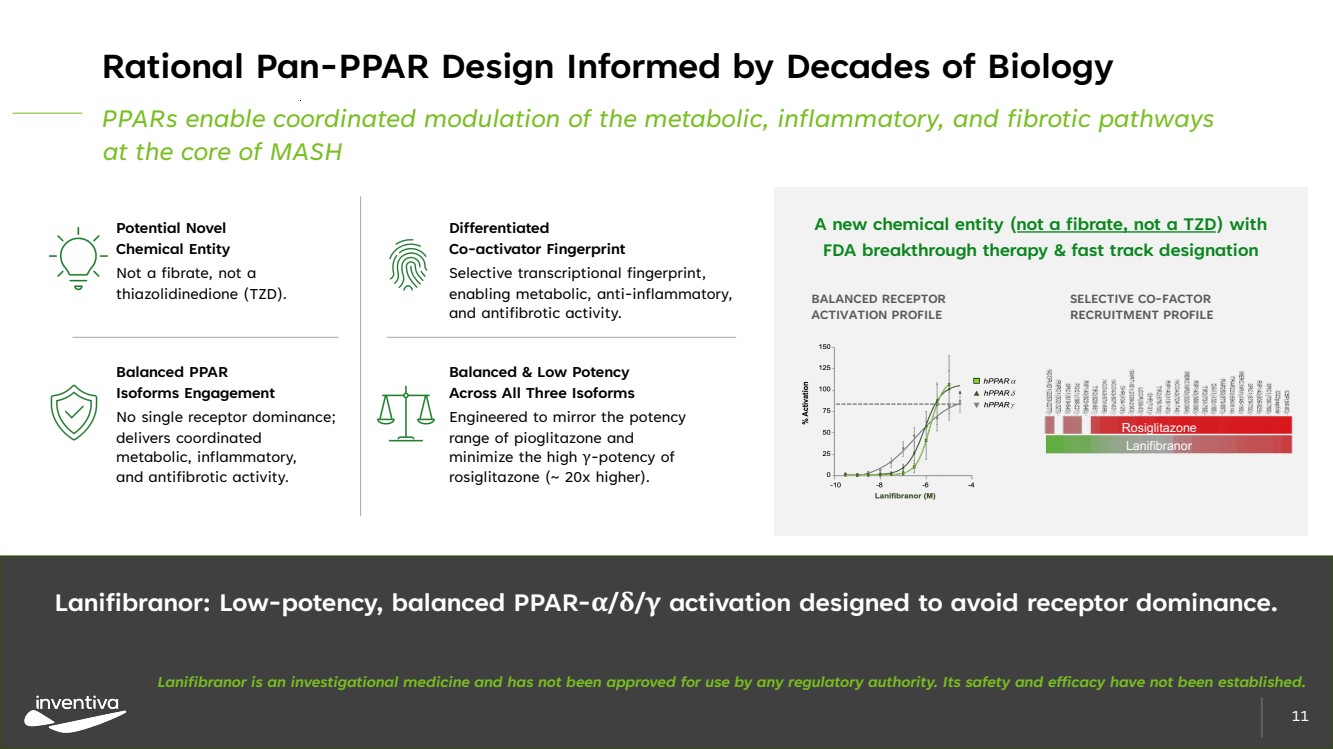
| Lanifibranor: Low-potency, balanced PPAR-α/δ/γ activation designed to avoid receptor dominance. Rational Pan-PPAR Design Informed by Decades of Biology PPARs enable coordinated modulation of the metabolic, inflammatory, and fibrotic pathways at the core of MASH Potential Novel Chemical Entity Not a fibrate, not a thiazolidinedione (TZD). Balanced & Low Potency Across All Three Isoforms Engineered to mirror the potency range of pioglitazone and minimize the high γ-potency of rosiglitazone (~ 20x higher). Balanced PPAR Isoforms Engagement No single receptor dominance; delivers coordinated metabolic, inflammatory, and antifibrotic activity. Differentiated Co-activator Fingerprint Selective transcriptional fingerprint, enabling metabolic, anti-inflammatory, and antifibrotic activity. A new chemical entity (not a fibrate, not a TZD) with FDA breakthrough therapy & fast track designation Rosiglitazone Lanifibranor BALANCED RECEPTOR ACTIVATION PROFILE SELECTIVE CO-FACTOR RECRUITMENT PROFILE 11 Lanifibranor is an investigational medicine and has not been approved for use by any regulatory authority. Its safety and efficacy have not been established. |
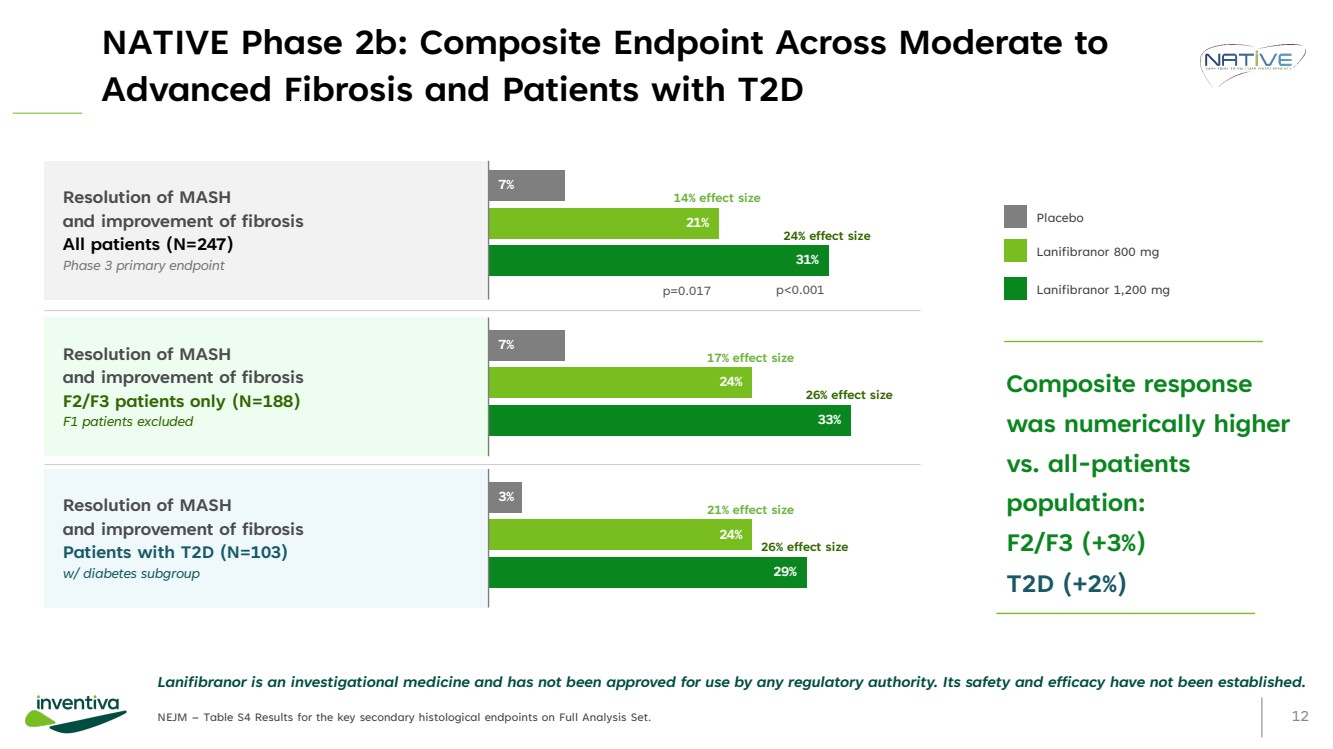
| NATIVE Phase 2b: Composite Endpoint Across Moderate to Advanced Fibrosis and Patients with T2D 7% 21% 31% 7% 24% 33% p=0.017 p<0.001 14% effect size 24% effect size 17% effect size 26% effect size 3% 24% 29% 21% effect size 26% effect size Resolution of MASH and improvement of fibrosis All patients (N=247) Phase 3 primary endpoint Resolution of MASH and improvement of fibrosis F2/F3 patients only (N=188) F1 patients excluded Composite response was numerically higher vs. all-patients population: F2/F3 (+3%) T2D (+2%) Resolution of MASH and improvement of fibrosis Patients with T2D (N=103) w/ diabetes subgroup Placebo Lanifibranor 800 mg Lanifibranor 1,200 mg NEJM – Table S4 Results for the key secondary histological endpoints on Full Analysis Set. 12 Lanifibranor is an investigational medicine and has not been approved for use by any regulatory authority. Its safety and efficacy have not been established. |
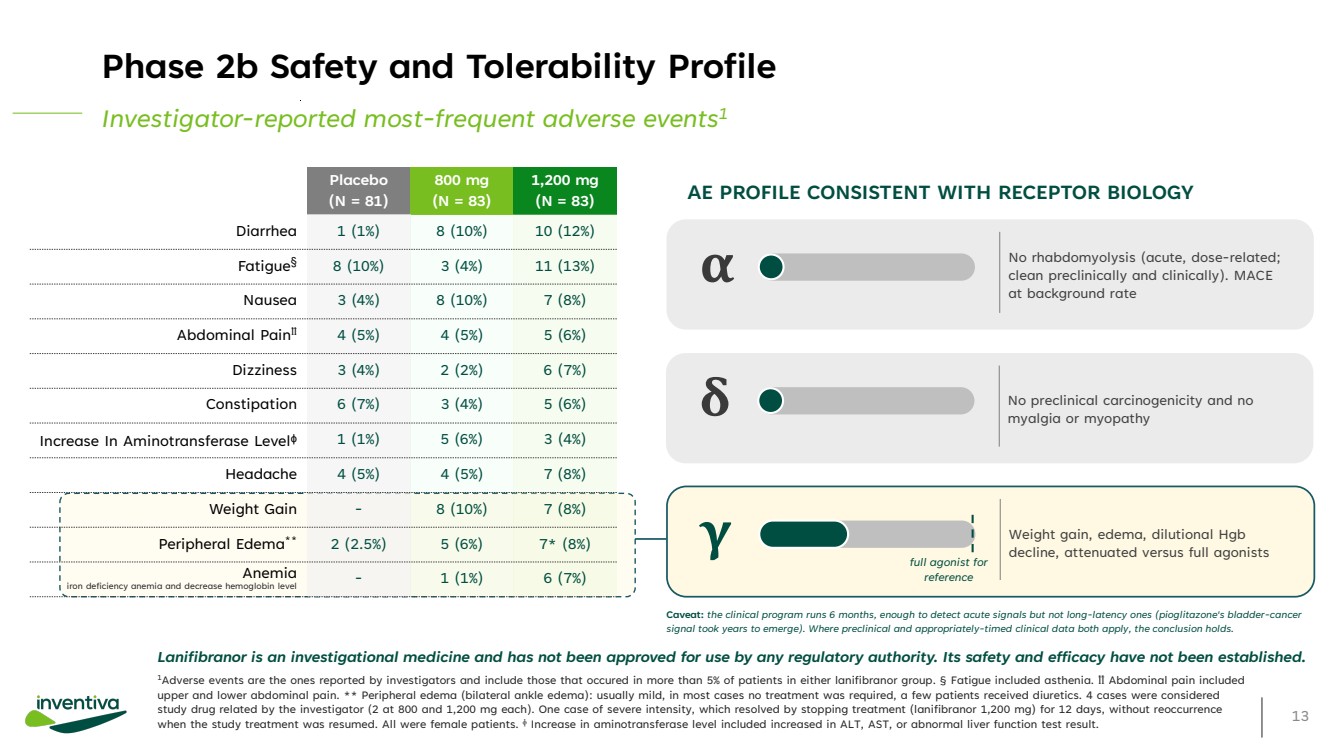
| Placebo (N = 81) 800 mg (N = 83) 1,200 mg (N = 83) Diarrhea 1 (1%) 8 (10%) 10 (12%) Fatigue§ 8 (10%) 3 (4%) 11 (13%) Nausea 3 (4%) 8 (10%) 7 (8%) Abdominal Painỻ 4 (5%) 4 (5%) 5 (6%) Dizziness 3 (4%) 2 (2%) 6 (7%) Constipation 6 (7%) 3 (4%) 5 (6%) Increase In Aminotransferase Levelᶲ 1 (1%) 5 (6%) 3 (4%) Headache 4 (5%) 4 (5%) 7 (8%) Weight Gain - 8 (10%) 7 (8%) Peripheral Edema** 2 (2.5%) 5 (6%) 7* (8%) Anemia iron deficiency anemia and decrease hemoglobin level - 1 (1%) 6 (7%) Phase 2b Safety and Tolerability Profile Investigator-reported most-frequent adverse events1 1Adverse events are the ones reported by investigators and include those that occured in more than 5% of patients in either lanifibranor group. § Fatigue included asthenia. ỻ Abdominal pain included upper and lower abdominal pain. ** Peripheral edema (bilateral ankle edema): usually mild, in most cases no treatment was required, a few patients received diuretics. 4 cases were considered study drug related by the investigator (2 at 800 and 1,200 mg each). One case of severe intensity, which resolved by stopping treatment (lanifibranor 1,200 mg) for 12 days, without reoccurrence when the study treatment was resumed. All were female patients. ᶲ Increase in aminotransferase level included increased in ALT, AST, or abnormal liver function test result. Caveat: the clinical program runs 6 months, enough to detect acute signals but not long-latency ones (pioglitazone's bladder-cancer signal took years to emerge). Where preclinical and appropriately-timed clinical data both apply, the conclusion holds. AE PROFILE CONSISTENT WITH RECEPTOR BIOLOGY α No rhabdomyolysis (acute, dose-related; clean preclinically and clinically). MACE at background rate δ No preclinical carcinogenicity and no myalgia or myopathy γ Weight gain, edema, dilutional Hgb decline, attenuated versus full agonists full agonist for reference 13 Lanifibranor is an investigational medicine and has not been approved for use by any regulatory authority. Its safety and efficacy have not been established. |
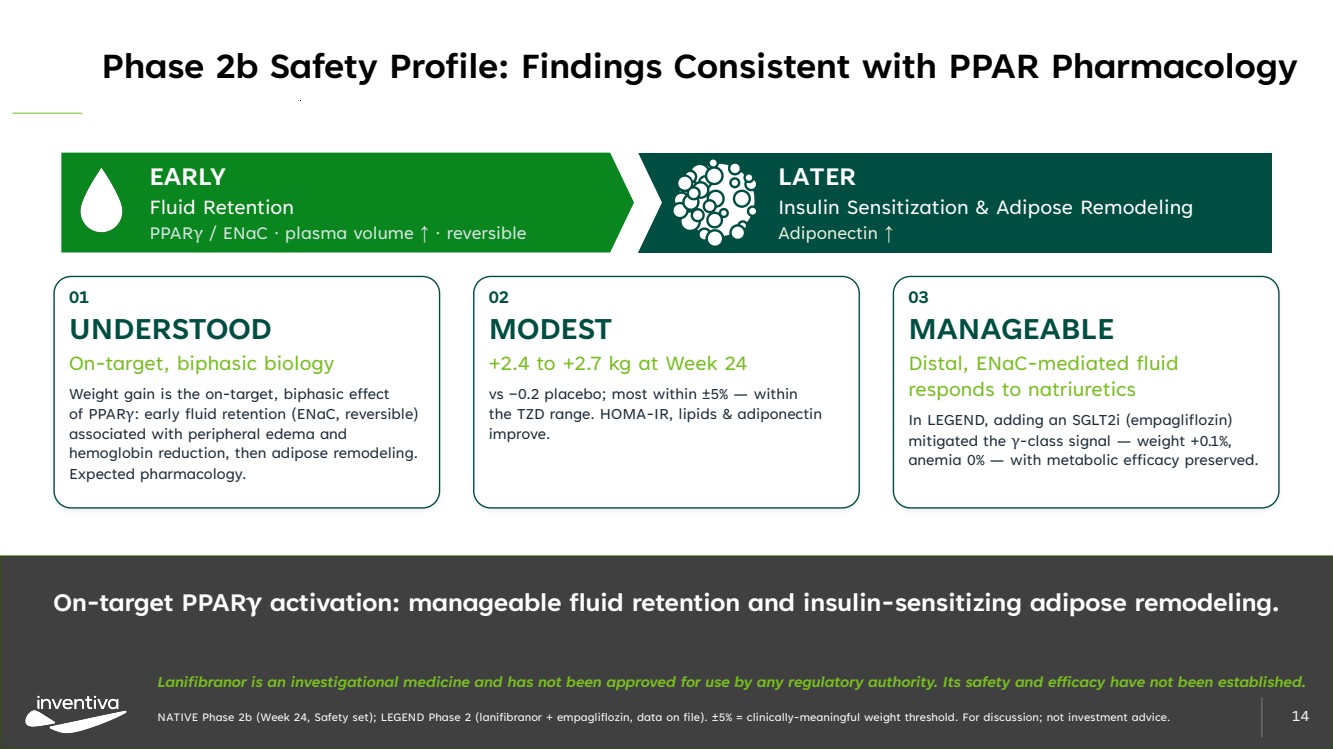
| On-target PPARγ activation: manageable fluid retention and insulin-sensitizing adipose remodeling. 01 UNDERSTOOD On-target, biphasic biology Weight gain is the on-target, biphasic effect of PPARγ: early fluid retention (ENaC, reversible) associated with peripheral edema and hemoglobin reduction, then adipose remodeling. Expected pharmacology. Phase 2b Safety Profile: Findings Consistent with PPAR Pharmacology EARLY Fluid Retention PPARγ / ENaC · plasma volume ↑ · reversible LATER Insulin Sensitization & Adipose Remodeling Adiponectin ↑ 02 MODEST +2.4 to +2.7 kg at Week 24 vs −0.2 placebo; most within ±5% — within the TZD range. HOMA-IR, lipids & adiponectin improve. 03 MANAGEABLE Distal, ENaC-mediated fluid responds to natriuretics In LEGEND, adding an SGLT2i (empagliflozin) mitigated the γ-class signal — weight +0.1%, anemia 0% — with metabolic efficacy preserved. 14 Lanifibranor is an investigational medicine and has not been approved for use by any regulatory authority. Its safety and efficacy have not been established. NATIVE Phase 2b (Week 24, Safety set); LEGEND Phase 2 (lanifibranor + empagliflozin, data on file). ±5% = clinically-meaningful weight threshold. For discussion; not investment advice. |
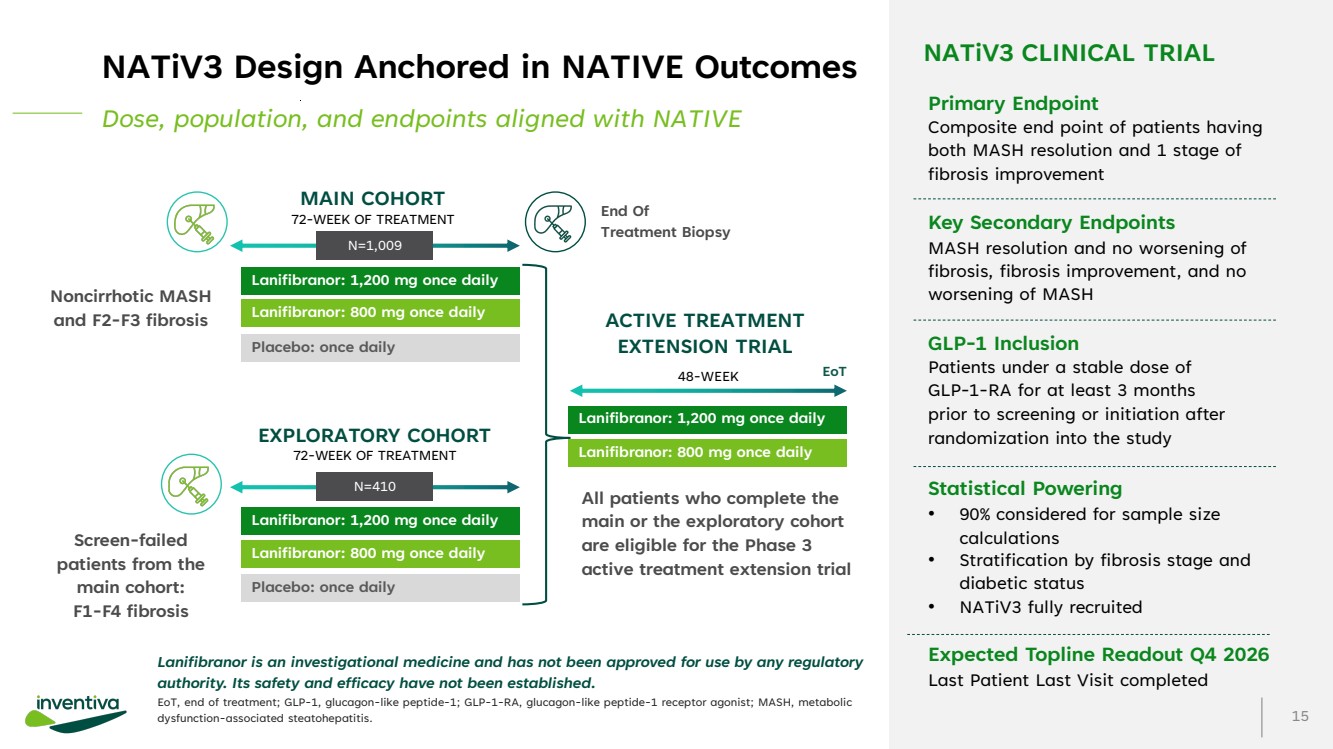
| NATiV3 Design Anchored in NATIVE Outcomes Dose, population, and endpoints aligned with NATIVE 48-WEEK EoT Lanifibranor: 1,200 mg once daily Lanifibranor: 800 mg once daily 72-WEEK OF TREATMENT Lanifibranor: 1,200 mg once daily Lanifibranor: 800 mg once daily Placebo: once daily N=1,009 Lanifibranor: 1,200 mg once daily Lanifibranor: 800 mg once daily Placebo: once daily N=410 EXPLORATORY COHORT MAIN COHORT ACTIVE TREATMENT EXTENSION TRIAL 72-WEEK OF TREATMENT All patients who complete the main or the exploratory cohort are eligible for the Phase 3 active treatment extension trial End Of Treatment Biopsy Noncirrhotic MASH and F2-F3 fibrosis Screen-failed patients from the main cohort: F1-F4 fibrosis NATiV3 CLINICAL TRIAL Primary Endpoint Composite end point of patients having both MASH resolution and 1 stage of fibrosis improvement Key Secondary Endpoints MASH resolution and no worsening of fibrosis, fibrosis improvement, and no worsening of MASH GLP-1 Inclusion Patients under a stable dose of GLP-1-RA for at least 3 months prior to screening or initiation after randomization into the study Statistical Powering • 90% considered for sample size calculations • Stratification by fibrosis stage and diabetic status • NATiV3 fully recruited Expected Topline Readout Q4 2026 Last Patient Last Visit completed 15 EoT, end of treatment; GLP-1, glucagon-like peptide-1; GLP-1-RA, glucagon-like peptide-1 receptor agonist; MASH, metabolic dysfunction-associated steatohepatitis. Lanifibranor is an investigational medicine and has not been approved for use by any regulatory authority. Its safety and efficacy have not been established. |
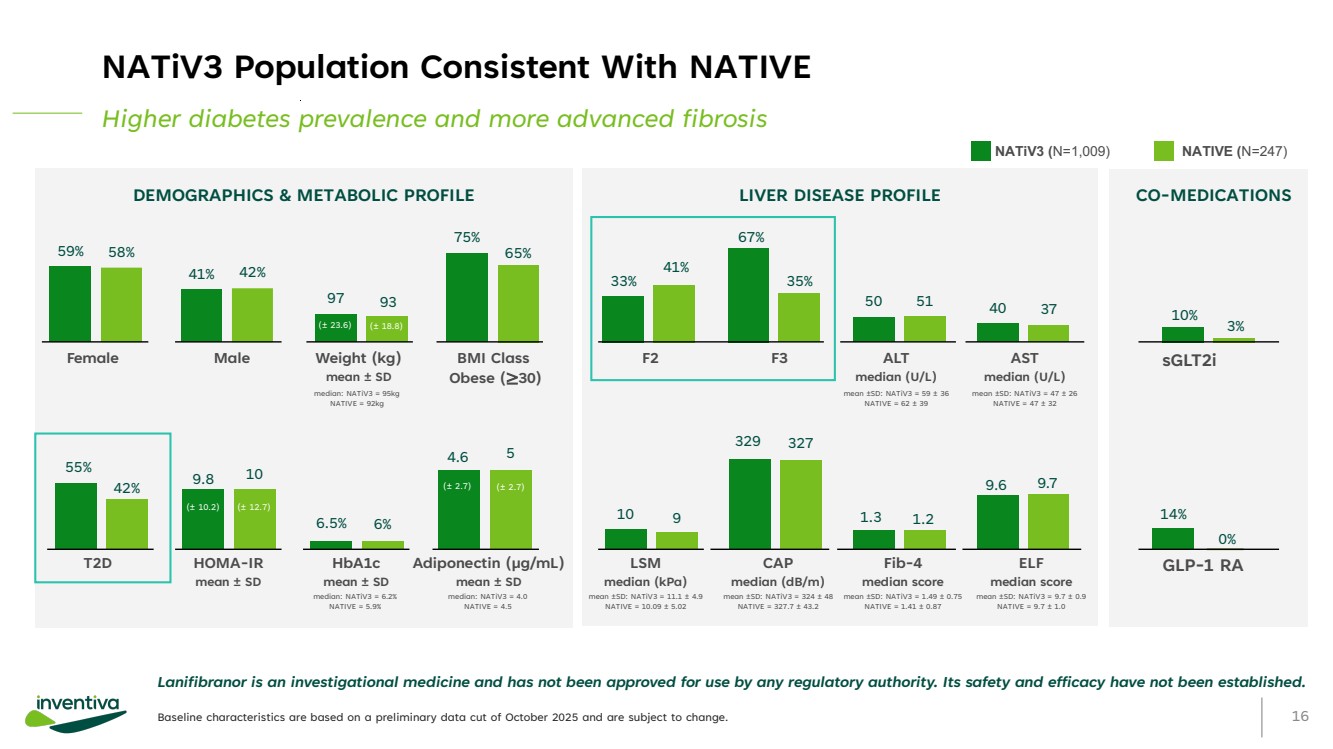
| 59% 41% 58% 42% 6.5% 6% NATiV3 Population Consistent With NATIVE Higher diabetes prevalence and more advanced fibrosis 10% 3% sGLT2i GLP-1 RA 14% 0% Female Male 97 93 Weight (kg) mean ± SD (± 23.6) (± 18.8) median: NATiV3 = 95kg NATIVE = 92kg 75% 65% BMI Class Obese (≥30) 55% 42% T2D 9.8 10 HOMA-IR mean ± SD (± 10.2) (± 12.7) median: NATiV3 = 6.2% NATIVE = 5.9% HbA1c mean ± SD 4.6 5 Adiponectin (µg/mL) mean ± SD (± 2.7) (± 2.7) median: NATiV3 = 4.0 NATIVE = 4.5 33% 41% F2 F3 1.3 1.2 Fib-4 median score 10 9 LSM median (kPa) 329 327 CAP median (dB/m) 50 51 ALT median (U/L) 9.6 9.7 ELF median score 40 37 AST median (U/L) mean ±SD: NATiV3 = 11.1 ± 4.9 NATIVE = 10.09 ± 5.02 mean ±SD: NATiV3 = 324 ± 48 NATIVE = 327.7 ± 43.2 mean ±SD: NATiV3 = 59 ± 36 NATIVE = 62 ± 39 mean ±SD: NATiV3 = 47 ± 26 NATIVE = 47 ± 32 mean ±SD: NATiV3 = 1.49 ± 0.75 NATIVE = 1.41 ± 0.87 mean ±SD: NATiV3 = 9.7 ± 0.9 NATIVE = 9.7 ± 1.0 67% 35% DEMOGRAPHICS & METABOLIC PROFILE LIVER DISEASE PROFILE CO-MEDICATIONS NATiV3 (N=1,009) NATIVE (N=247) Baseline characteristics are based on a preliminary data cut of October 2025 and are subject to change. 16 Lanifibranor is an investigational medicine and has not been approved for use by any regulatory authority. Its safety and efficacy have not been established. |
| Lanifibranor is Designed to Target Core Pathophysiology Underlying MASH and cACLD PPARγ inactivates hepatic stellate cells; restores quiescence PPAR-α/δ normalize mitochondrial function and lipid flux; reduce lipotoxic stress Adipose–liver axis: ↑ adiponectin → antifibrotic, anti-inflammatory, endothelial benefits Broad reduction of systemic inflammation across macrophage and vascular beds Portal pressure biology: Preclinical models showed improved sinusoidal tone and vascular remodeling Planned Confirmatory Trial In patients with cACLD due to MASH designed to confirm clinical benefits: • Prevention of progression of the underlying liver disease physiology • Prevention or reduction of associated clinical outcomes: risk of hepatic decompensation, liver transplant, death Potential for an oral to address highest unmet medical need Aiming to Confirm Potential Clinical Benefit In Compensated Advanced Chronic Liver Disease Due To MASH Planned Regulatory Filing Intended filing for Accelerated Approval (FDA) and Conditional Approval (EMA), subject to positive Phase 3 histology results cACLD: compensated Advanced Chronic Liver Disease 17 Lanifibranor is an investigational medicine and has not been approved for use by any regulatory authority. Its safety and efficacy have not been established. |
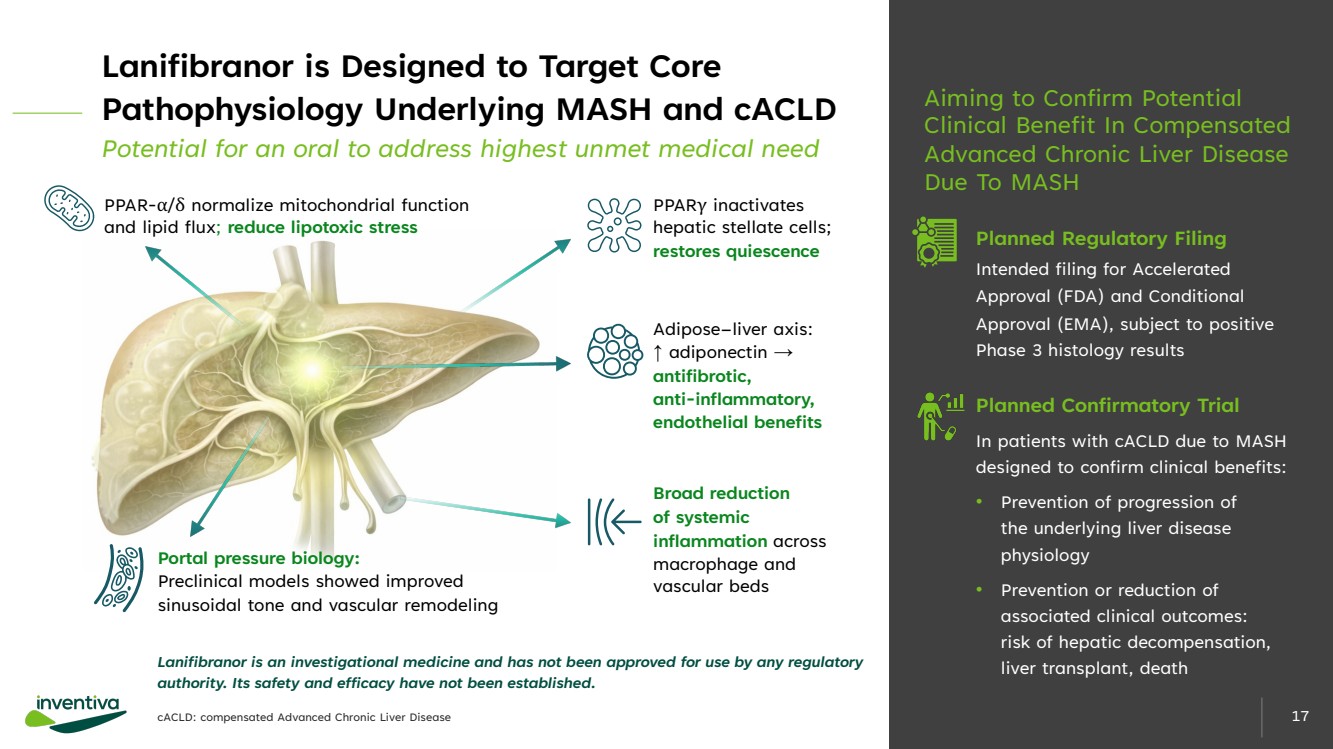
| Highlights of First Half of 2026 Financial Results Six Months Ended (in thousands of euros) June 30, 2026 June 30, 2025 Revenues 20 4,454 Other income 1,286 1,156 Research and development expenses (46,238) (44,890) Marketing – business development expenses (2,589) (746) General and administrative expenses (22,247) (14,713) Other operating income (expenses) (619) (8,202) Net Operating Loss (70,388) (62,940) Net Financial Income 907 (113,224) Share of net loss - Equity method 117 (220) Income tax (104) 503 Net Loss for the Period (69,467) (175,882) Basic/diluted loss per share (euros/share) (0.25) (1.62) Weighted average number of outstanding shares used for computing basic/diluted loss per share 273,582,870 108,839,636 €233.9M in combined cash, cash equivalents, and short-term deposits as of June 30, 2026. Cash runway until the end of Q2 20271. Extending to the start of Q1 20282 assuming full exercise of the Tranche 3 warrants issued in the Structured Financing of up to €116M and successful completion of Tranche C of the Debt Financing €55M. 18 1) Based on the Company’s existing cash and cash equivalents and short-term deposits, together with the net proceeds from the completed Equity Offering, the completed EIB Transactions and the issuance of Tranches A and B under the Debt Financing Transaction. 2) Cf press release of July 30, 2026. |
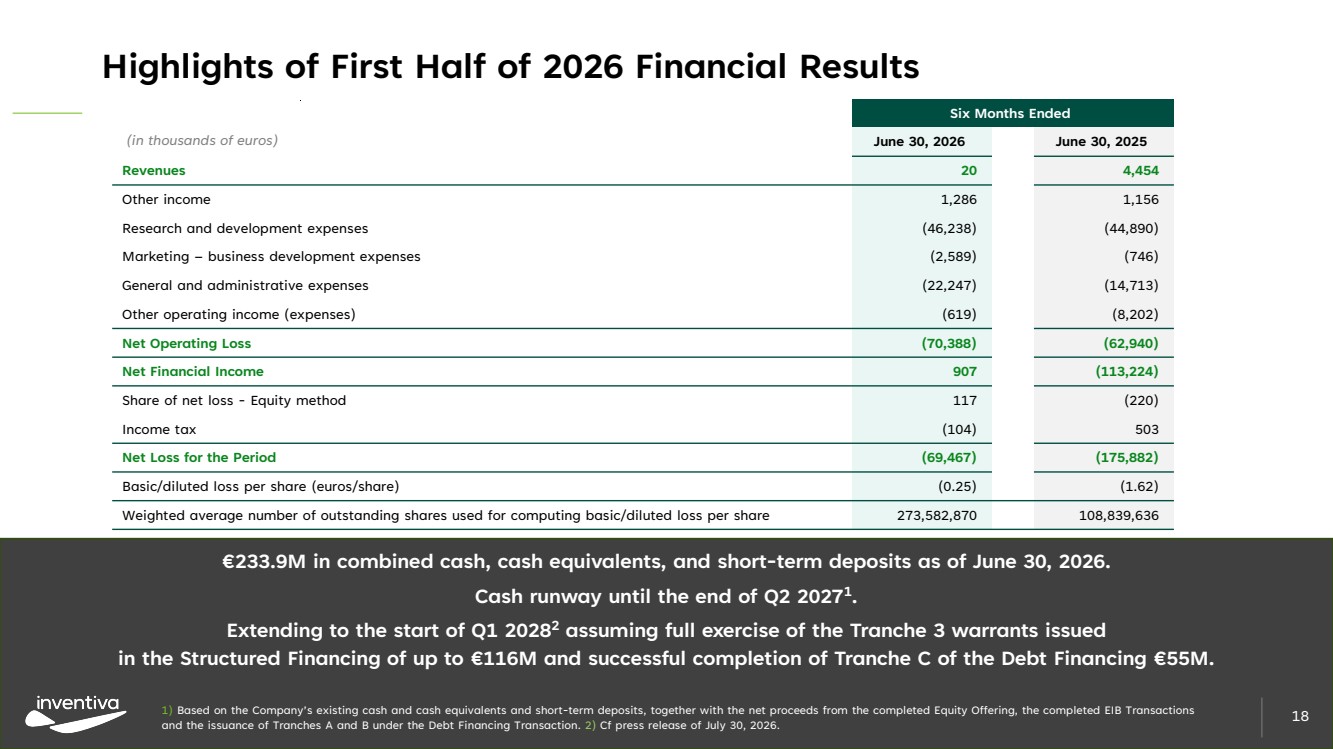
| Potential Value-Creating Milestones, Starting Q4 2026 Q4 2026 H1 2027 2027 2028 NATiV3 Topline Phase 3 results in F2/F3 MASH POTENTIAL VALUE UNLOCKED Confirms efficacy at pivotal scale and enables regulatory filing, if positive Planned U.S. Regulatory Filing E.U. submission to follow POTENTIAL VALUE UNLOCKED Opens the path to approval Planned Outcome Study Initiation cACLD outcomes trial initiation POTENTIAL VALUE UNLOCKED May enable expansion of the addressable population Potential U.S. Launch Commercial launch into the F2/F3 core POTENTIAL VALUE UNLOCKED May expand treatment options for patients and convert to a revenue-generating asset 19 Lanifibranor is an investigational medicine and has not been approved for use by any regulatory authority. Its safety and efficacy have not been established. Sources: Company guidance and disclosures, 2025-2026. All timelines are targets and are anticipated, not committed, subject to data, regulatory review and capital. |
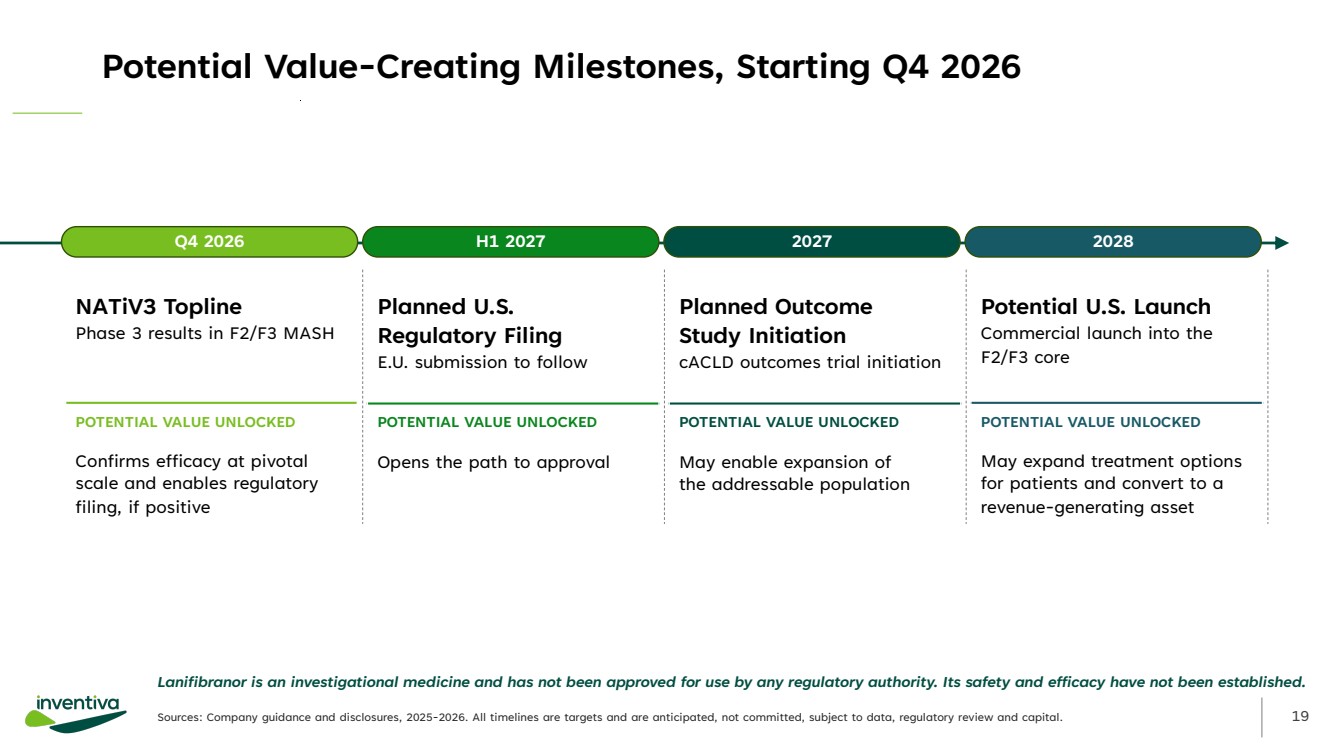
| Q4 2026 The Pivotal Readout Pivotal trial powered on conservative assumptions—with filing, outcomes trial and launch preparations aligned behind topline readout. >$15B Expected Market by 2035 First MASH launches validate the opportunity: ~18M Americans affected, fewer than 400K treated, and diagnosis growing 25% annually1. INTRA-HEPATIC DRIVERS EXTRA-HEPATIC DRIVERS POTENTIAL DIFFERENTIATED ORAL THERAPY FOR MASH Designed to address the broad spectrum of disease. One Disease. Two Disease Drivers. One Oral Medicine. 20 An Oral Investigational Medicine Designed to Target Both Drivers of MASH 2028 Structured to Deliver Integrated clinical, regulatory and commercial expertise positions Inventiva for best-in-disease potential launch. 1) Estes. 2018. Hepatology; Analysis conducted by Forian using CHRONOS™ ©2025 Forian Inc. and its licensors. All Rights Reserved; DataM Intelligence November 2025 Lanifibranor is an investigational medicine and has not been approved for use by any regulatory authority. Its safety and efficacy have not been established. |
| inventivapharma.com |
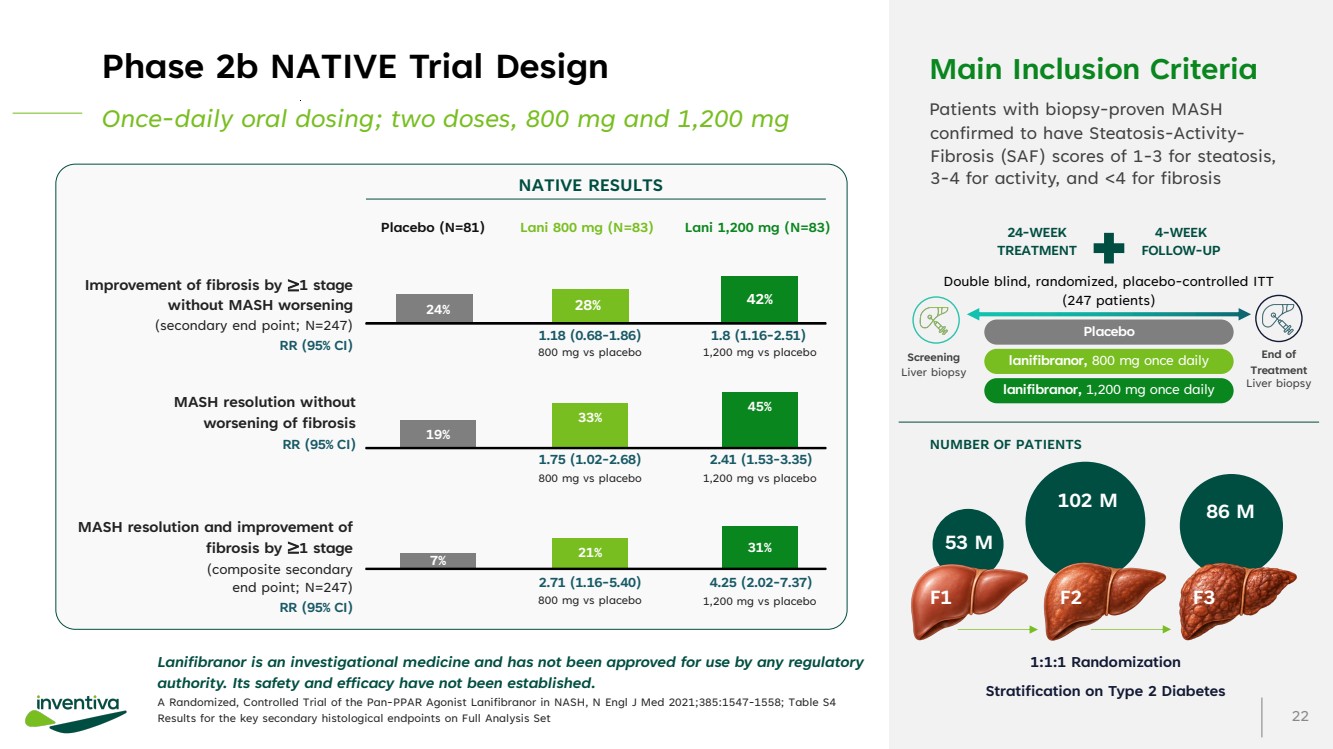
| Main Inclusion Criteria Patients with biopsy-proven MASH confirmed to have Steatosis-Activity-Fibrosis (SAF) scores of 1-3 for steatosis, 3-4 for activity, and <4 for fibrosis Phase 2b NATIVE Trial Design 22 Once-daily oral dosing; two doses, 800 mg and 1,200 mg 1:1:1 Randomization Stratification on Type 2 Diabetes F1 F2 F3 53 M 102 M 86 M NUMBER OF PATIENTS 24-WEEK TREATMENT 4-WEEK FOLLOW-UP Double blind, randomized, placebo-controlled ITT (247 patients) lanifibranor, 800 mg once daily lanifibranor, 1,200 mg once daily Placebo Screening Liver biopsy End of Treatment Liver biopsy NATIVE RESULTS Placebo (N=81) Lani 800 mg (N=83) Lani 1,200 mg (N=83) Improvement of fibrosis by ≥1 stage without MASH worsening (secondary end point; N=247) RR (95% CI) 24% 28% 42% 1.18 (0.68-1.86) 1.8 (1.16-2.51) 800 mg vs placebo 1,200 mg vs placebo 7% 21% 31% 800 mg vs placebo 1,200 mg vs placebo 2.71 (1.16-5.40) 4.25 (2.02-7.37) MASH resolution and improvement of fibrosis by ≥1 stage (composite secondary end point; N=247) RR (95% CI) 19% 33% 45% 800 mg vs placebo 1,200 mg vs placebo 1.75 (1.02-2.68) 2.41 (1.53-3.35) MASH resolution without worsening of fibrosis RR (95% CI) A Randomized, Controlled Trial of the Pan-PPAR Agonist Lanifibranor in NASH, N Engl J Med 2021;385:1547-1558; Table S4 Results for the key secondary histological endpoints on Full Analysis Set Lanifibranor is an investigational medicine and has not been approved for use by any regulatory authority. Its safety and e:cacy have not been established. |
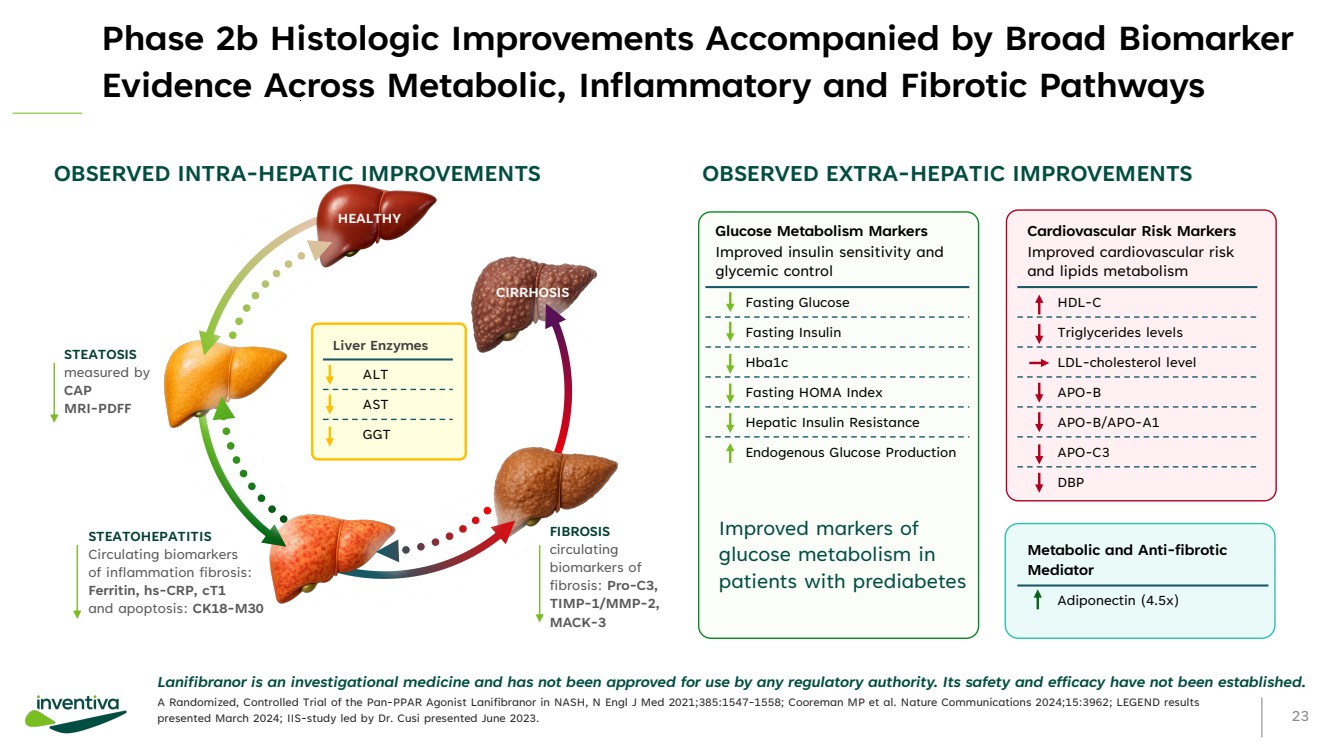
| Phase 2b Histologic Improvements Accompanied by Broad Biomarker Evidence Across Metabolic, Inflammatory and Fibrotic Pathways A Randomized, Controlled Trial of the Pan-PPAR Agonist Lanifibranor in NASH, N Engl J Med 2021;385:1547-1558; Cooreman MP et al. Nature Communications 2024;15:3962; LEGEND results presented March 2024; IIS-study led by Dr. Cusi presented June 2023. OBSERVED INTRA-HEPATIC IMPROVEMENTS OBSERVED EXTRA-HEPATIC IMPROVEMENTS STEATOSIS measured by CAP MRI-PDFF STEATOHEPATITIS Circulating biomarkers of inflammation fibrosis: Ferritin, hs-CRP, cT1 and apoptosis: CK18-M30 FIBROSIS circulating biomarkers of fibrosis: Pro-C3, TIMP-1/MMP-2, MACK-3 HEALTHY CIRRHOSIS Liver Enzymes ALT AST GGT Glucose Metabolism Markers Improved insulin sensitivity and glycemic control Fasting Glucose Fasting Insulin Hba1c Fasting HOMA Index Hepatic Insulin Resistance Endogenous Glucose Production Improved markers of glucose metabolism in patients with prediabetes Metabolic and Anti-fibrotic Mediator Adiponectin (4.5x) Cardiovascular Risk Markers Improved cardiovascular risk and lipids metabolism HDL-C Triglycerides levels LDL-cholesterol level APO-B APO-B/APO-A1 APO-C3 DBP 23 Lanifibranor is an investigational medicine and has not been approved for use by any regulatory authority. Its safety and efficacy have not been established. |
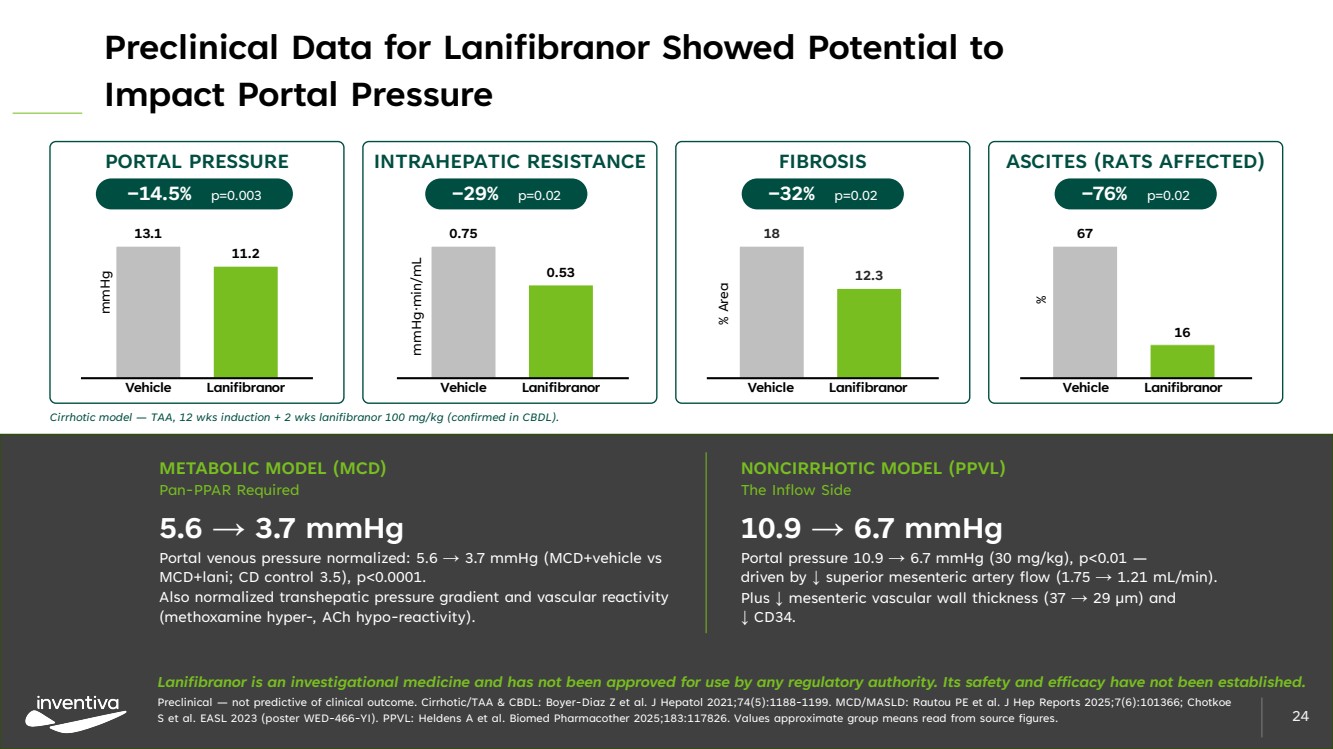
| Preclinical Data for Lanifibranor Showed Potential to Impact Portal Pressure PORTAL PRESSURE INTRAHEPATIC RESISTANCE FIBROSIS ASCITES (RATS AFFECTED) −14.5% p=0.003 13.1 Vehicle 11.2 Lanifibranor mmHg 0.75 0.53 mmHg·min/mL −29% p=0.02 Vehicle Lanifibranor −32% p=0.02 18 12.3 % Area −76% p=0.02 67 16 % Cirrhotic model — TAA, 12 wks induction + 2 wks lanifibranor 100 mg/kg (confirmed in CBDL). METABOLIC MODEL (MCD) Pan-PPAR Required 5.6 → 3.7 mmHg Portal venous pressure normalized: 5.6 → 3.7 mmHg (MCD+vehicle vs MCD+lani; CD control 3.5), p<0.0001. Also normalized transhepatic pressure gradient and vascular reactivity (methoxamine hyper-, ACh hypo-reactivity). NONCIRRHOTIC MODEL (PPVL) The Inflow Side 10.9 → 6.7 mmHg Portal pressure 10.9 → 6.7 mmHg (30 mg/kg), p<0.01 — driven by ↓ superior mesenteric artery flow (1.75 → 1.21 mL/min). Plus ↓ mesenteric vascular wall thickness (37 → 29 µm) and ↓ CD34. Vehicle Lanifibranor Vehicle Lanifibranor 24 Preclinical — not predictive of clinical outcome. Cirrhotic/TAA & CBDL: Boyer-Diaz Z et al. J Hepatol 2021;74(5):1188-1199. MCD/MASLD: Rautou PE et al. J Hep Reports 2025;7(6):101366; Chotkoe S et al. EASL 2023 (poster WED-466-YI). PPVL: Heldens A et al. Biomed Pharmacother 2025;183:117826. Values approximate group means read from source figures. Lanifibranor is an investigational medicine and has not been approved for use by any regulatory authority. Its safety and efficacy have not been established. |
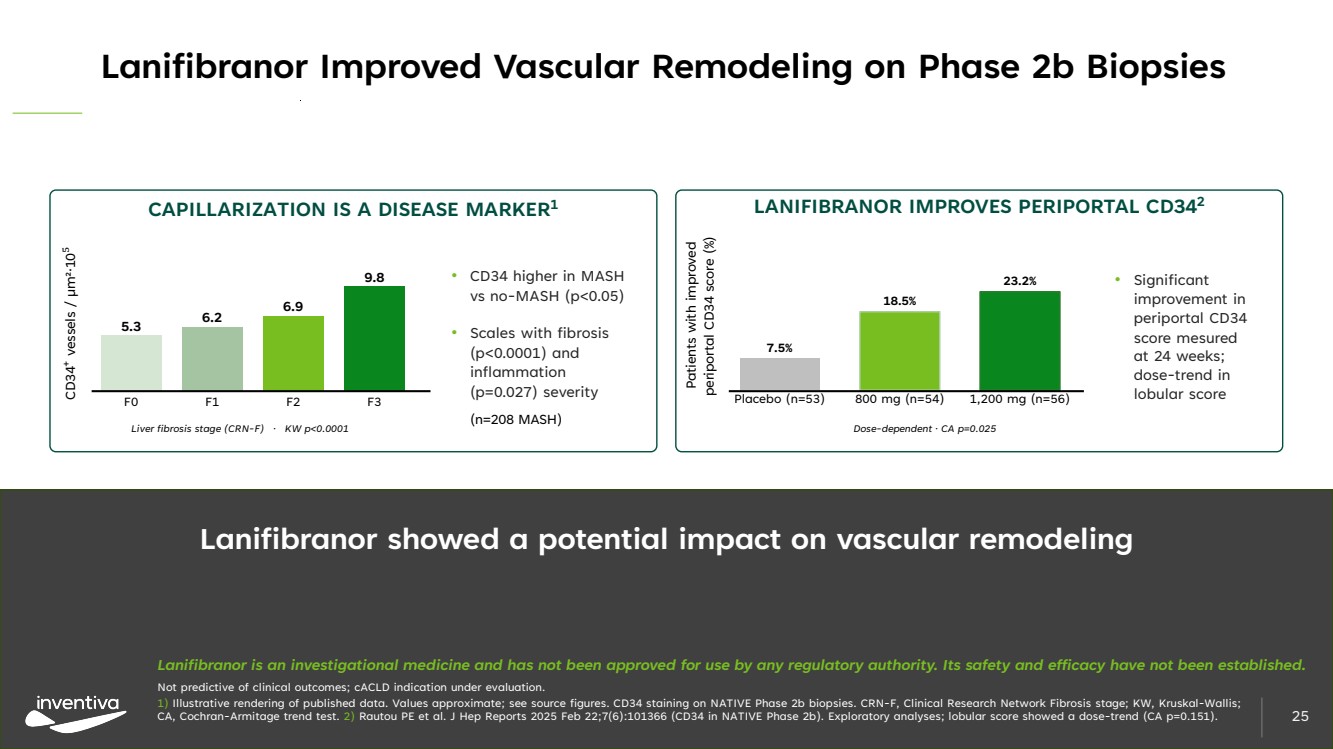
| Lanifibranor showed a potential impact on vascular remodeling LANIFIBRANOR IMPROVES PERIPORTAL CD342 Lanifibranor Improved Vascular Remodeling on Phase 2b Biopsies CAPILLARIZATION IS A DISEASE MARKER1 5.3 F0 6.2 F1 6.9 F2 9.8 F3 CD34⁺ vessels / µm²·10⁵ Liver fibrosis stage (CRN-F) · KW p<0.0001 • CD34 higher in MASH vs no-MASH (p<0.05) • Scales with fibrosis (p<0.0001) and inflammation (p=0.027) severity (n=208 MASH) 7.5% Placebo (n=53) 18.5% 800 mg (n=54) 23.2% 1,200 mg (n=56) Patients with improved periportal CD34 score (%) Dose-dependent · CA p=0.025 • Significant improvement in periportal CD34 score mesured at 24 weeks; dose-trend in lobular score 25 Lanifibranor is an investigational medicine and has not been approved for use by any regulatory authority. Its safety and efficacy have not been established. Not predictive of clinical outcomes; cACLD indication under evaluation. 1) Illustrative rendering of published data. Values approximate; see source figures. CD34 staining on NATIVE Phase 2b biopsies. CRN-F, Clinical Research Network Fibrosis stage; KW, Kruskal-Wallis; CA, Cochran-Armitage trend test. 2) Rautou PE et al. J Hep Reports 2025 Feb 22;7(6):101366 (CD34 in NATIVE Phase 2b). Exploratory analyses; lobular score showed a dose-trend (CA p=0.151). |
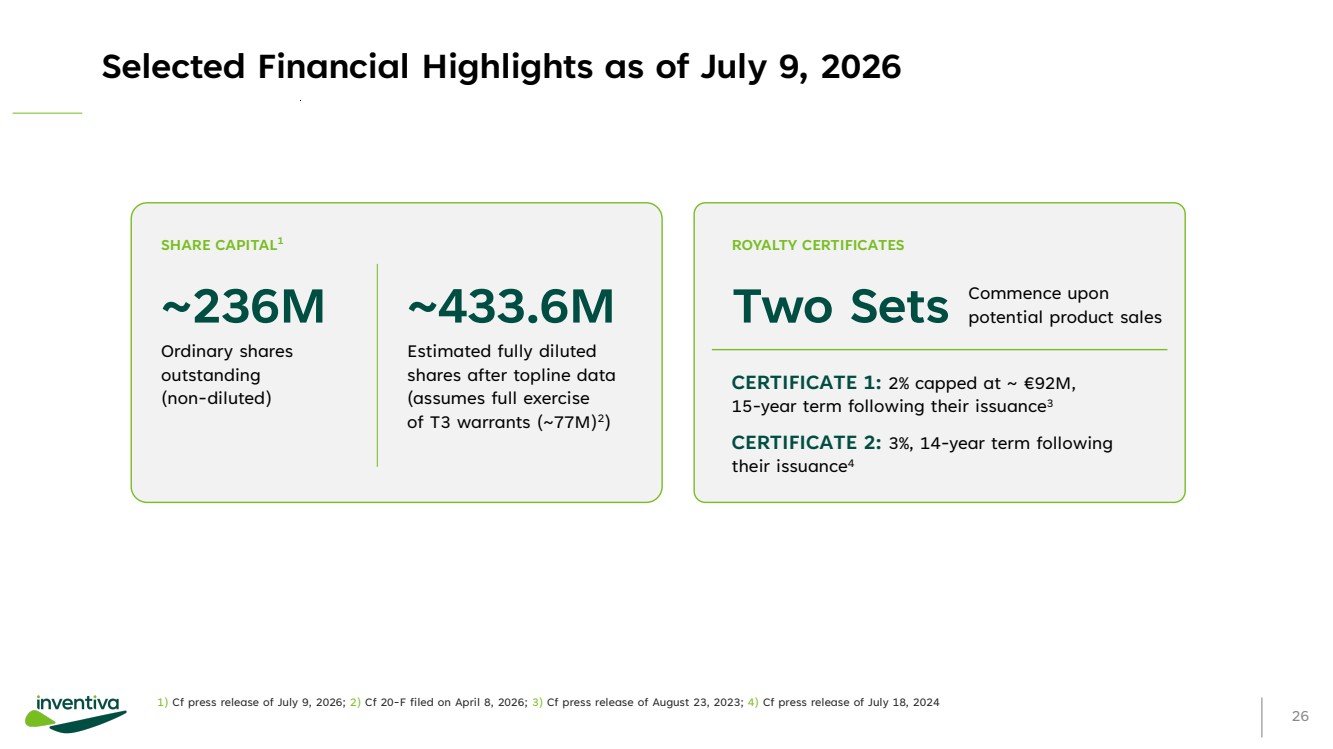
| Selected Financial Highlights as of July 9, 2026 SHARE CAPITAL1 ~236M Ordinary shares outstanding (non-diluted) ~433.6M Estimated fully diluted shares after topline data (assumes full exercise of T3 warrants (~77M)2) 26 Commence upon potential product sales ROYALTY CERTIFICATES Two Sets CERTIFICATE 1: 2% capped at ~ €92M, 15-year term following their issuance3 CERTIFICATE 2: 3%, 14-year term following their issuance4 1) Cf press release of July 9, 2026; 2) Cf 20-F filed on April 8, 2026; 3) Cf press release of August 23, 2023; 4) Cf press release of July 18, 2024 |