Marea TherapeuticsTransformative cardioendocrine therapies Confidential
Forward Looking Statements & Disclaimers Confidential This presentation has
been prepared by the Company based on information and data which the Company considers reliable, but no reliance shall be placed on, and no representation or warranty, express or implied, whatsoever is or will be given by the Company or any of
its affiliates, directors, officers, employees or advisers or any other person as to the truth, accuracy, completeness, fairness, and reasonableness of the contents of this presentation. This presentation may not be all-inclusive and does not
purport to contain all of the information that may be required to evaluate a possible investment decision with respect to the Company. The recipient agrees and acknowledges that (i) this presentation is not intended to form the basis of any
investment decision by the recipient and does not constitute investment, tax or legal advice, and (ii) the information contained in this presentation is subject to change, and any such changes may be material. Any liability in respect of the
contents of or any omission from this presentation is expressly excluded. Forward-Looking Statements This presentation contains forward-looking statements. Such statements include, but are not limited to, statements regarding our research,
preclinical and clinical development activities, plans and projected timelines for our product candidates, plans regarding regulatory filings, our expectations regarding the relative benefits of our product candidates versus competitive
therapies, our expectations regarding the therapeutics and commercial potential of our product candidates, our expectations regarding the completion of the Private Placement and the anticipated use of proceeds from the Private Placement. The
words “believe,” “may,” should,” “will,” “estimate,” “promise,” “plan,” “continue,” “anticipate,” “intend,” “expect,” “potential” and similar expressions including the negative thereof) are intended to identify forward-looking statements.
Because such statements are subject to risks and uncertainties, actual results may differ materially from those expressed or implied by such forward-looking statements. Risks that contribute to the uncertain nature of the forward-looking
statements include: our preclinical studies and clinical trials may not be successful; the U.S. Food and Drug Administration may not agree with our interpretation of the data from clinical trials of our product candidates; we may experience
delays in the commencement, enrollment, completion or analysis of clinical testing for our product candidates, or in the reporting of data from such clinical testing; significant issues regarding the adequacy of our clinical trial designs or
the execution of our clinical trials may arise, which could result in increased costs and delays, or limit our ability to obtain regulatory approval; our product candidates may not receive regulatory approval or be successfully commercialized;
unexpected adverse side effects or inadequate therapeutic efficacy of our product candidates could delay or prevent regulatory approval or commercialization; and we may not be able to obtain additional financing. Additional risks and
uncertainties may emerge from time to time, and it is not possible for our management to predict all risks and uncertainties. All forward-looking statements contained in this presentation speak only as of the date on which they were made. We
undertake no obligation to update such statements to reflect events that occur or circumstances that exist after the date on which they were made. Use of Trademarks, Trade Names and other Marks All service marks, trademarks and trade names
appearing in this presentation are the property of their respective owners. Solely for convenience, the trademarks and trade names referred to in this presentation appear without the ® and TM symbols, but those references are not intended to
indicate, in any way, that we will assert, to the fullest extent under applicable law, our rights, or the right of the applicable licensor to these trademarks and trade names. The information herein is for informational purposes only and
represents the current view of Marea as of the date of this presentation (or as of an earlier date if specifically noted). Disclaimers This presentation is strictly confidential and being made to you solely as a prospective investor in the
proposed private placement (the “Private Placement") of securities of Lisata Therapeutics, Inc. in connection with their contemplated merger transaction with Marea Therapeutics, Inc. ("we," "us," "our" or the "Company"). The securities have not
been and will not be registered under the U.S. Securities Act of 1933 (as amended, the "Securities Act") or any state securities laws or the laws of any foreign jurisdiction. The securities are being offered only to persons in reliance upon the
exemption from securities registration for transactions not involving any public offering afforded by Section 4(a)(2) of the Securities Act. The securities have not been approved or disapproved by the United States Securities and Exchange
Commission, or any other securities regulating body or agency, nor has any such authority, commission, or body passed on the accuracy or adequacy of this presentation. Any representation to the contrary is a criminal offense. By accepting this
presentation, you will be deemed to represent that you are an accredited investor, have the capacity to protect your own interests in connection with the Private Placement, and have sufficient knowledge and experience in investing in
investments similar to the securities to properly evaluate the merits and risks of the investment in the securities. This presentation is meant only for the intended recipient based on its representations regarding such qualifications. This
presentation shall not constitute an offer to sell or the solicitation of an offer to buy, nor shall there be any sale of these securities in any state or other jurisdiction in which such offer, solicitation or sale would be unlawful prior to
registration or qualification under the securities laws of any such state or other jurisdiction. This presentation is for informational purposes only and only a summary of certain information related to the Company. It does not purport to be
complete and does not contain all information that an investor may need to consider in making an investment decision. You may not take away, reproduce, or distribute this presentation, in whole or in part, and you may not disclose any of the
contents of this presentation to any other person. Acceptance of this presentation constitutes an agreement to be bound by the terms set forth herein. The information contained herein does not constitute investment, legal, accounting,
regulatory, taxation or other advice, and the information does not take into account your investment objectives or legal, accounting, regulatory, taxation or financial situation or particular needs. Investors must conduct their own
investigation of the investment opportunity and evaluate the risks of acquiring the securities based solely upon such investor's independent examination and judgment as to the prospects of the Company as determined from information in the
possession of such investor or obtained by such investor from the Company, including the merits and risks involved. Statements in this presentation are made as of the date hereof unless stated otherwise herein, and neither the delivery of
this presentation at any time, nor any sale of securities, shall under any circumstances create an implication that the information contained herein is correct as of any time subsequent to such date. The Company is under no obligation to update
or keep current the information contained in this document. No representation or warranty, express or implied, is made as to, and no reliance should be placed on, the fairness, accuracy, completeness or correctness of the information or
opinions contained herein, and any reliance you place on them will be at your sole risk. The Company, its affiliates and advisors do not accept any liability whatsoever for any loss howsoever arising, directly or indirectly, from the use of
this document or its contents, or otherwise arising in connection with the Private Placement.
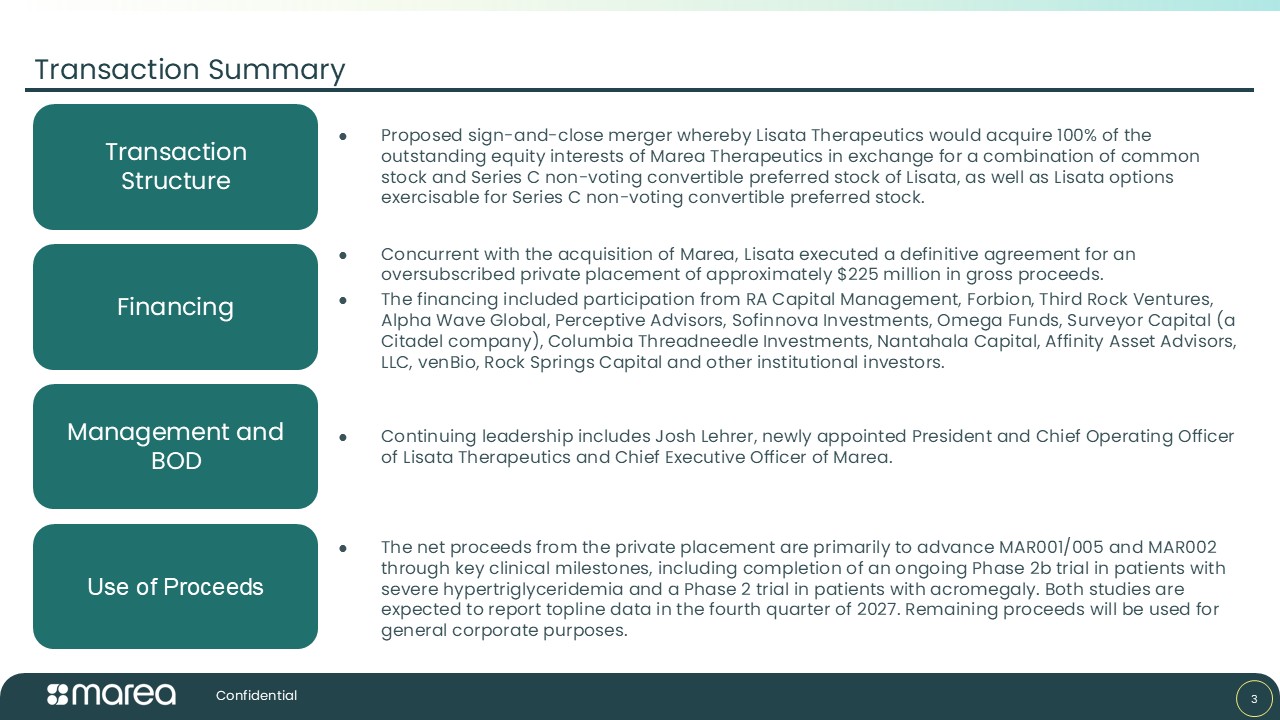
Transaction Summary Transaction Structure Proposed sign-and-close merger whereby
Lisata Therapeutics would acquire 100% of the outstanding equity interests of Marea Therapeutics in exchange for a combination of common stock and Series C non-voting convertible preferred stock of Lisata, as well as Lisata options exercisable
for Series C non-voting convertible preferred stock. Financing Concurrent with the acquisition of Marea, Lisata executed a definitive agreement for an oversubscribed private placement of approximately $225 million in gross proceeds. The
financing included participation from RA Capital Management, Forbion, Third Rock Ventures, Alpha Wave Global, Perceptive Advisors, Sofinnova Investments, Omega Funds, Surveyor Capital (a Citadel company), Columbia Threadneedle Investments,
Nantahala Capital, Affinity Asset Advisors, LLC, venBio, Rock Springs Capital and other institutional investors. Management and BOD Continuing leadership includes Josh Lehrer, newly appointed President and Chief Operating Officer of Lisata
Therapeutics and Chief Executive Officer of Marea. Use of Proceeds The net proceeds from the private placement are primarily to advance MAR001/005 and MAR002 through key clinical milestones, including completion of an ongoing Phase 2b trial
in patients with severe hypertriglyceridemia and a Phase 2 trial in patients with acromegaly. Both studies are expected to report topline data in the fourth quarter of 2027. Remaining proceeds will be used for general corporate
purposes. Confidential
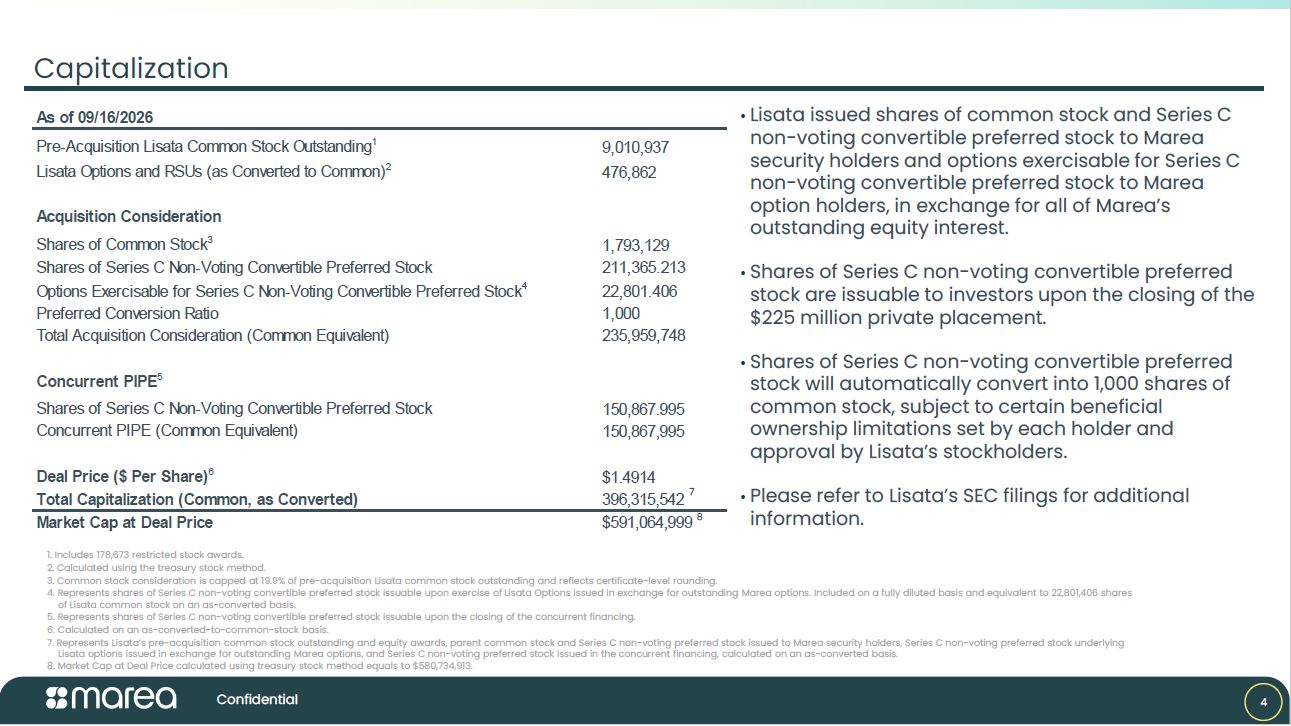
Capitalization Lisata issued shares of common stock and Series C non-voting
convertible preferred stock to Marea security holders and options exercisable for Series C non-voting convertible preferred stock to Marea option holders, in exchange for all of Marea’s outstanding equity interest. Shares of Series C
non-voting convertible preferred stock are issuable to investors upon the closing of the $225 million private placement. Shares of Series C non-voting convertible preferred stock will automatically convert into 1,000 shares of common stock,
subject to certain beneficial ownership limitations set by each holder and approval by Lisata’s stockholders. Please refer to Lisata’s SEC filings for additional information. 1. Includes 178,673 restricted stock awards. 2. Calculated using
the treasury stock method. 3. Common stock consideration is capped at 19.9% of pre-acquisition Lisata common stock outstanding and reflects certificate-level rounding. 4. Represents shares of Series C non-voting convertible preferred stock
issuable upon exercise of Lisata Options issued in exchange for outstanding Marea options. Included on a fully diluted basis and equivalent to 22,801,406 shares of Lisata common stock on an as-converted basis. 5. Represents shares of Series C
non-voting convertible preferred stock issuable upon the closing of the concurrent financing. 6. Calculated on an as-converted-to-common-stock basis. 7. Represents Lisata’s pre-acquisition common stock outstanding and equity awards, parent
common stock and Series C non-voting preferred stock issued to Marea security holders, Series C non-voting preferred stock underlying Lisata options issued in exchange for outstanding Marea options, and Series C non-voting preferred stock
issued in the concurrent financing, calculated on an as-converted basis. 8. Market Cap at Deal Price calculated using treasury stock method equals to $580,734,913. Confidential 8
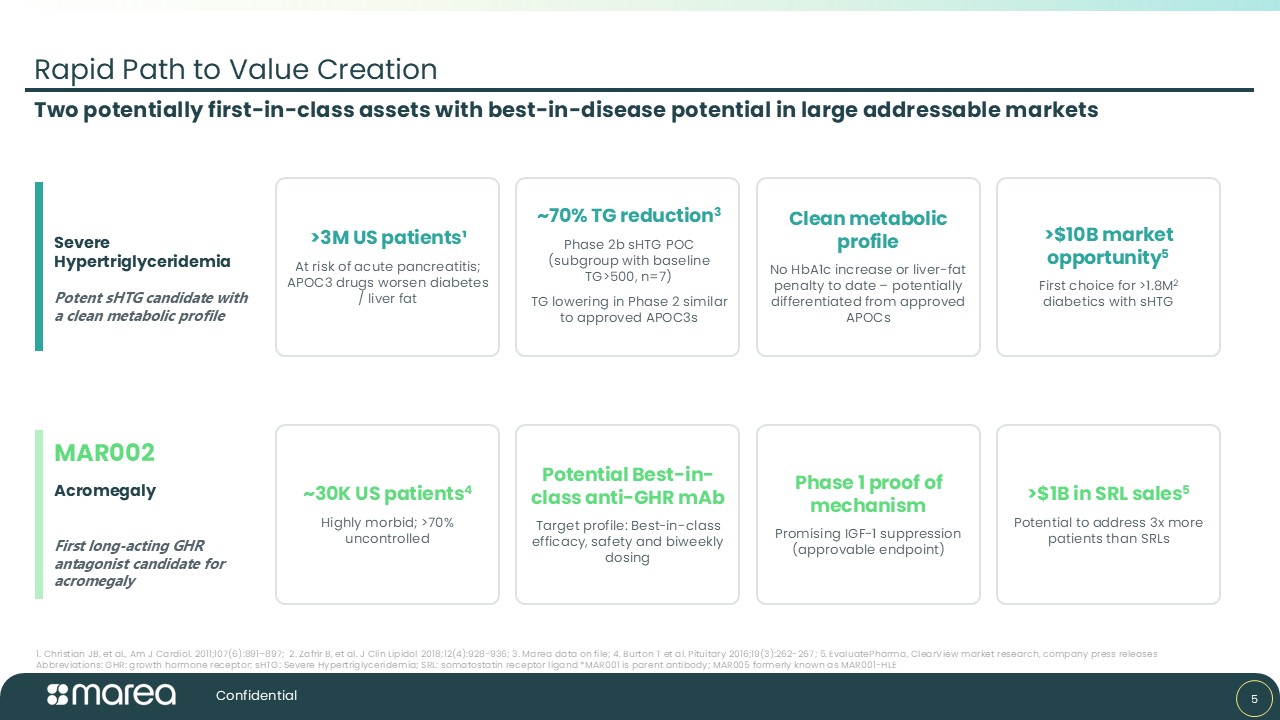
Rapid Path to Value Creation 1. Christian JB, et al., Am J Cardiol.
2011;107(6):891–897; 2. Zafrir B, et al. J Clin Lipidol 2018;12(4):928-936; 3. Marea data on file; 4. Burton T et al. Pituitary 2016;19(3):262-267; 5. EvaluatePharma, ClearView market research, company press releases Abbreviations: GHR: growth
hormone receptor; sHTG: Severe Hypertriglyceridemia; SRL: somatostatin receptor ligand *MAR001 is parent antibody; MAR005 formerly known as MAR001-HLE Two potentially first-in-class assets with best-in-disease potential in large addressable
markets Confidential Severe Hypertriglyceridemia Potent sHTG candidate with a clean metabolic profile >3M US patients¹ At risk of acute pancreatitis; APOC3 drugs worsen diabetes / liver fat ~70% TG reduction3 Phase 2b sHTG POC
(subgroup with baseline TG>500, n=7) TG lowering in Phase 2 similar to approved APOC3s >$10B market opportunity5 First choice for >1.8M2 diabetics with sHTG Clean metabolic profile No HbA1c increase or liver-fat penalty to date –
potentially differentiated from approved APOCs MAR002 Acromegaly First long-acting GHR antagonist candidate for acromegaly ~30K US patients4 Highly morbid; >70% uncontrolled Potential Best-in-class anti-GHR mAb Target profile:
Best-in-class efficacy, safety and biweekly dosing Phase 1 proof of mechanism Promising IGF-1 suppression (approvable endpoint) >$1B in SRL sales5 Potential to address 3x more patients than SRLs
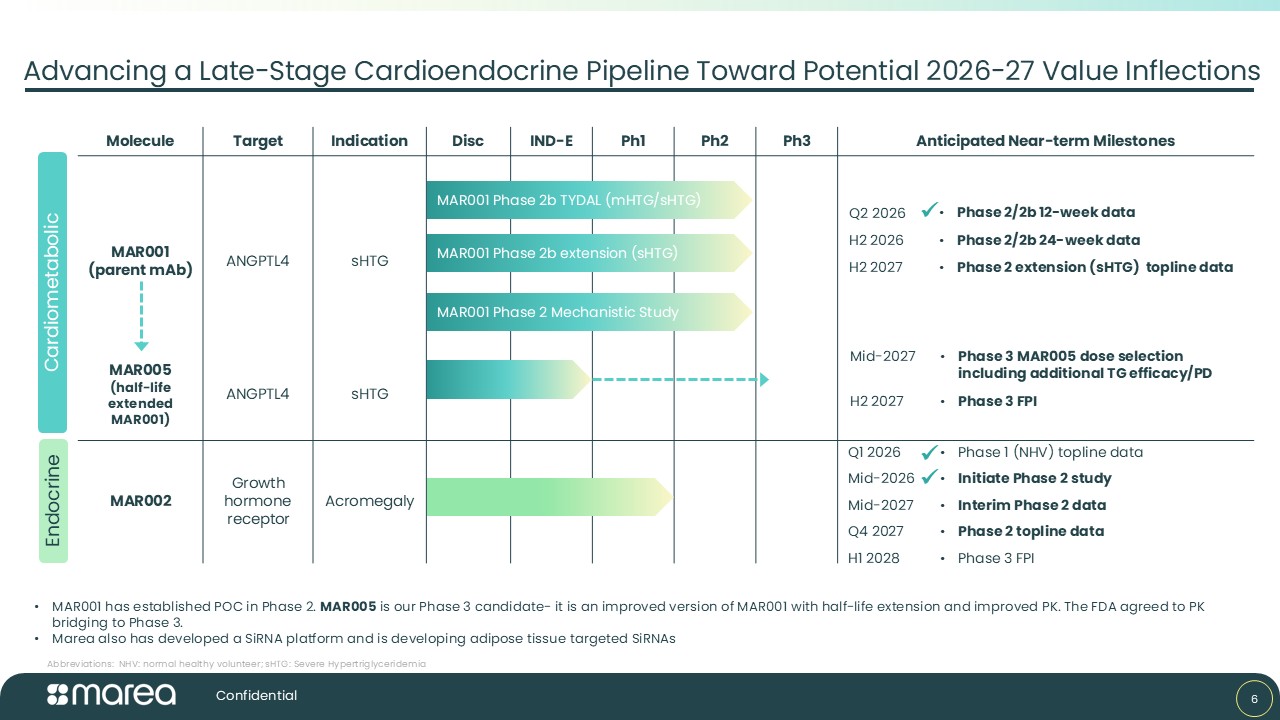
Molecule Target Indication Disc IND-E Ph1 Ph2 Ph3 Anticipated Near-term
Milestones MAR001 (parent mAb) ANGPTL4 sHTG MAR005 (half-life extended MAR001) ANGPTL4 sHTG MAR002 Growth hormone receptor Acromegaly Advancing a Late-Stage Cardioendocrine Pipeline Toward Potential 2026-27 Value Inflections MAR001
Phase 2b TYDAL (mHTG/sHTG) Abbreviations: NHV: normal healthy volunteer; sHTG: Severe Hypertriglyceridemia Q2 2026 Phase 2/2b 12-week data H2 2026 Phase 2/2b 24-week data H2 2027 Phase 2 extension (sHTG) topline data Q1 2026 Phase 1
(NHV) topline data Mid-2026 Initiate Phase 2 study Mid-2027 Interim Phase 2 data Q4 2027 Phase 2 topline data H1 2028 Phase 3 FPI MAR001 Phase 2 Mechanistic Study Endocrine Cardiometabolic Mid-2027 Phase 3 MAR005 dose selection
including additional TG efficacy/PD H2 2027 Phase 3 FPI MAR001 Phase 2b extension (sHTG) MAR001 has established POC in Phase 2. MAR005 is our Phase 3 candidate- it is an improved version of MAR001 with half-life extension and
improved PK. The FDA agreed to PK bridging to Phase 3. Marea also has developed a SiRNA platform and is developing adipose tissue targeted SiRNAs Confidential
MAR005 for sHTG Potent sHTG candidate with a clean metabolic profile Section
IV Confidential
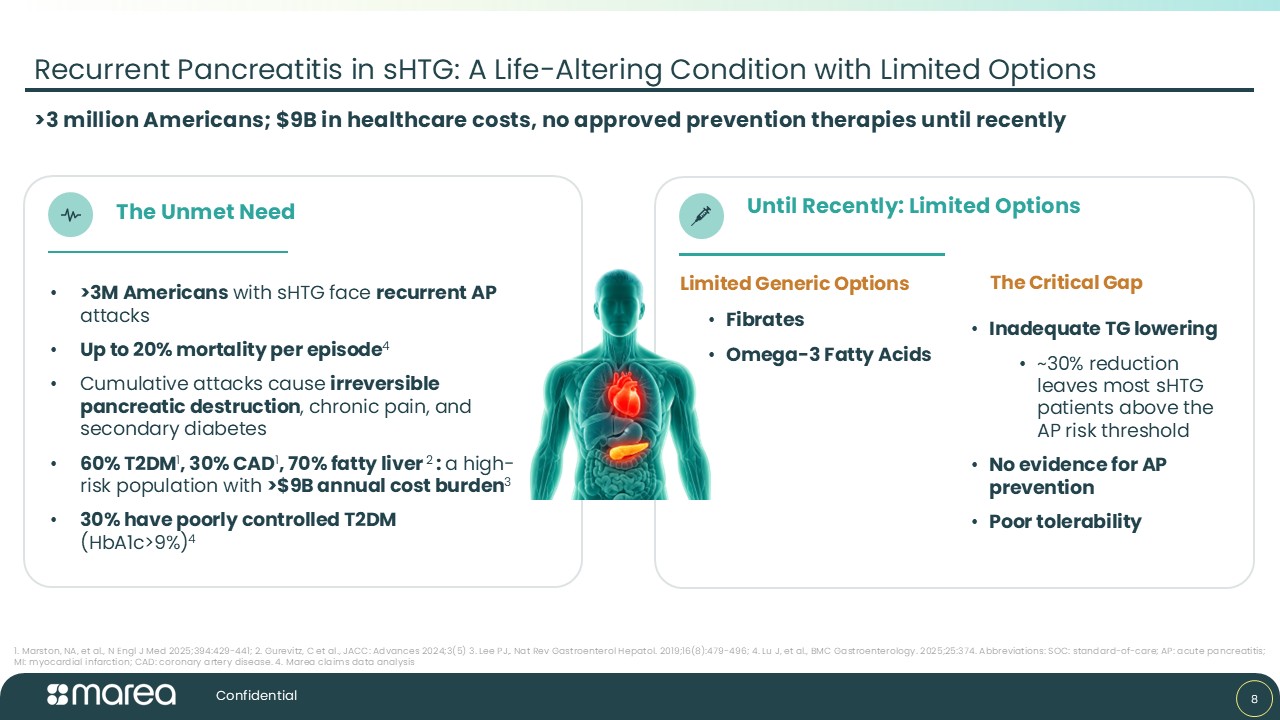
Recurrent Pancreatitis in sHTG: A Life-Altering Condition with Limited
Options >3 million Americans; $9B in healthcare costs, no approved prevention therapies until recently The Unmet Need Limited Generic Options The Critical Gap Inadequate TG lowering ~30% reduction leaves most sHTG patients above the AP
risk threshold No evidence for AP prevention Poor tolerability 1. Marston, NA, et al., N Engl J Med 2025;394:429-441; 2. Gurevitz, C et al., JACC: Advances 2024;3(5) 3. Lee PJ,. Nat Rev Gastroenterol Hepatol. 2019;16(8):479-496; 4. Lu J, et
al., BMC Gastroenterology. 2025;25:374. Abbreviations: SOC: standard-of-care; AP: acute pancreatitis; MI: myocardial infarction; CAD: coronary artery disease. 4. Marea claims data analysis Until Recently: Limited Options >3M Americans with
sHTG face recurrent AP attacks Up to 20% mortality per episode4 Cumulative attacks cause irreversible pancreatic destruction, chronic pain, and secondary diabetes 60% T2DM1, 30% CAD1, 70% fatty liver 2 : a high-risk population with >$9B
annual cost burden3 30% have poorly controlled T2DM (HbA1c>9%)4 Fibrates Omega-3 Fatty Acids Confidential
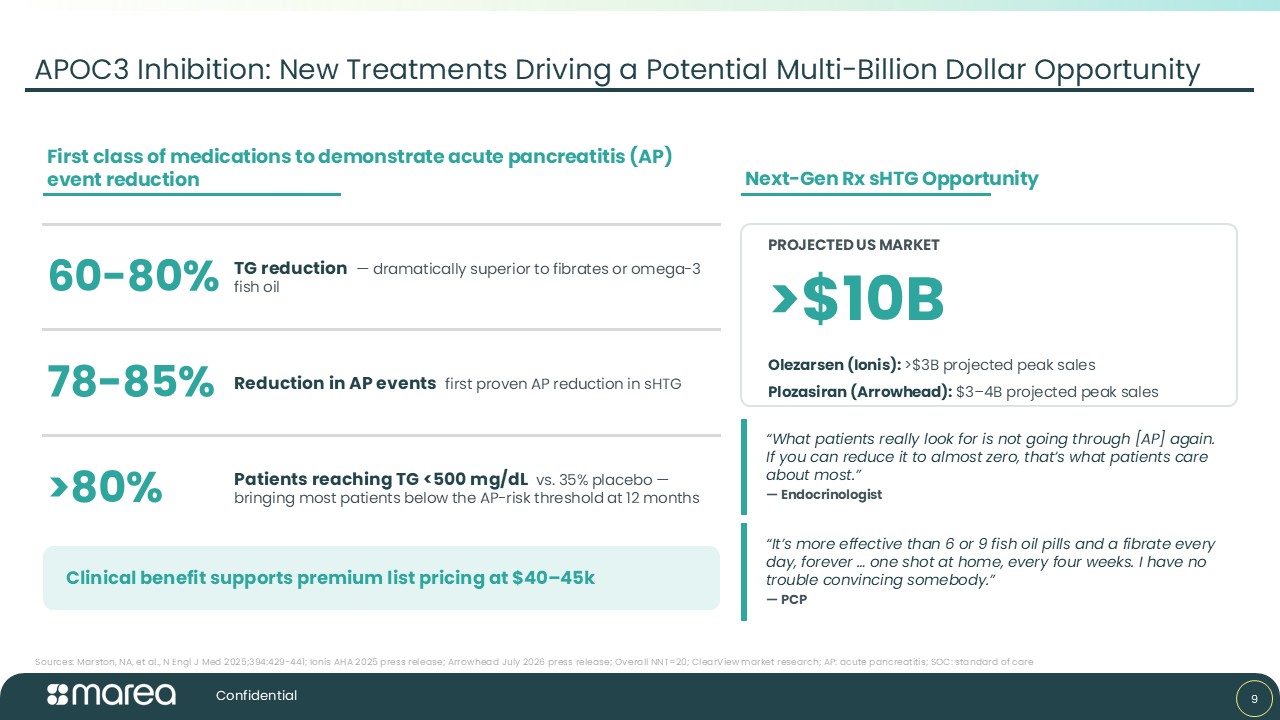
APOC3 Inhibition: New Treatments Driving a Potential Multi-Billion Dollar
Opportunity Sources: Marston, NA, et al., N Engl J Med 2025;394:429-441; Ionis AHA 2025 press release; Arrowhead July 2026 press release; Overall NNT=20; ClearView market research; AP: acute pancreatitis; SOC: standard of care First class of
medications to demonstrate acute pancreatitis (AP) event reduction Next-Gen Rx sHTG Opportunity 60-80% TG reduction — dramatically superior to fibrates or omega-3 fish oil 78-85% Reduction in AP events first proven AP reduction in
sHTG >80% Patients reaching TG <500 mg/dL vs. 35% placebo — bringing most patients below the AP-risk threshold at 12 months Clinical benefit supports premium list pricing at $40–45k PROJECTED US MARKET >$10B Olezarsen (Ionis):
>$3B projected peak sales Plozasiran (Arrowhead): $3–4B projected peak sales “What patients really look for is not going through [AP] again. If you can reduce it to almost zero, that’s what patients care about most.” —
Endocrinologist “It’s more effective than 6 or 9 fish oil pills and a fibrate every day, forever … one shot at home, every four weeks. I have no trouble convincing somebody.” — PCP Confidential
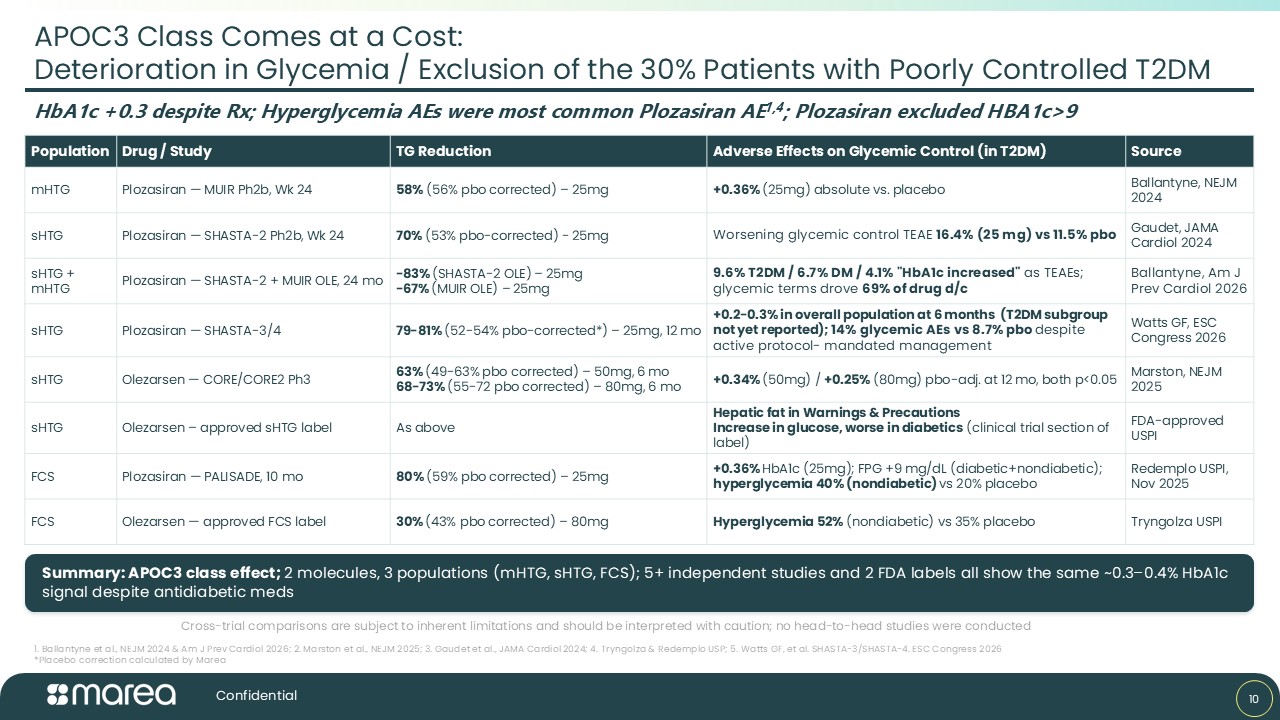
HbA1c +0.3 despite Rx; Hyperglycemia AEs were most common Plozasiran AE1,4;
Plozasiran excluded HBA1c>9 Population Drug / Study TG Reduction Adverse Effects on Glycemic Control (in T2DM) Source mHTG Plozasiran — MUIR Ph2b, Wk 24 58% (56% pbo corrected) – 25mg +0.36% (25mg) absolute vs. placebo Ballantyne,
NEJM 2024 sHTG Plozasiran — SHASTA-2 Ph2b, Wk 24 70% (53% pbo-corrected) - 25mg Worsening glycemic control TEAE 16.4% (25 mg) vs 11.5% pbo Gaudet, JAMA Cardiol 2024 sHTG + mHTG Plozasiran — SHASTA-2 + MUIR OLE, 24 mo −83% (SHASTA-2 OLE)
– 25mg −67% (MUIR OLE) – 25mg 9.6% T2DM / 6.7% DM / 4.1% "HbA1c increased" as TEAEs; glycemic terms drove 69% of drug d/c Ballantyne, Am J Prev Cardiol 2026 sHTG Plozasiran — SHASTA-3/4 79-81% (52-54% pbo-corrected*) – 25mg, 12
mo +0.2-0.3% in overall population at 6 months (T2DM subgroup not yet reported); 14% glycemic AEs vs 8.7% pbo despite active protocol- mandated management Watts GF, ESC Congress 2026 sHTG Olezarsen — CORE/CORE2 Ph3 63% (49-63% pbo
corrected) – 50mg, 6 mo 68-73% (55-72 pbo corrected) – 80mg, 6 mo +0.34% (50mg) / +0.25% (80mg) pbo-adj. at 12 mo, both p<0.05 Marston, NEJM 2025 sHTG Olezarsen – approved sHTG label As above Hepatic fat in Warnings & Precautions
Increase in glucose, worse in diabetics (clinical trial section of label) FDA-approved USPI FCS Plozasiran — PALISADE, 10 mo 80% (59% pbo corrected) – 25mg +0.36% HbA1c (25mg); FPG +9 mg/dL (diabetic+nondiabetic); hyperglycemia 40%
(nondiabetic) vs 20% placebo Redemplo USPI, Nov 2025 FCS Olezarsen — approved FCS label 30% (43% pbo corrected) – 80mg Hyperglycemia 52% (nondiabetic) vs 35% placebo Tryngolza USPI Summary: APOC3 class effect; 2 molecules, 3 populations
(mHTG, sHTG, FCS); 5+ independent studies and 2 FDA labels all show the same ~0.3–0.4% HbA1c signal despite antidiabetic meds 1. Ballantyne et al., NEJM 2024 & Am J Prev Cardiol 2026; 2. Marston et al., NEJM 2025; 3. Gaudet et al., JAMA
Cardiol 2024; 4. Tryngolza & Redemplo USP; 5. Watts GF, et al. SHASTA-3/SHASTA-4. ESC Congress 2026 *Placebo correction calculated by Marea APOC3 Class Comes at a Cost:Deterioration in Glycemia / Exclusion of the 30% Patients with Poorly
Controlled T2DM Confidential Cross-trial comparisons are subject to inherent limitations and should be interpreted with caution; no head-to-head studies were conducted
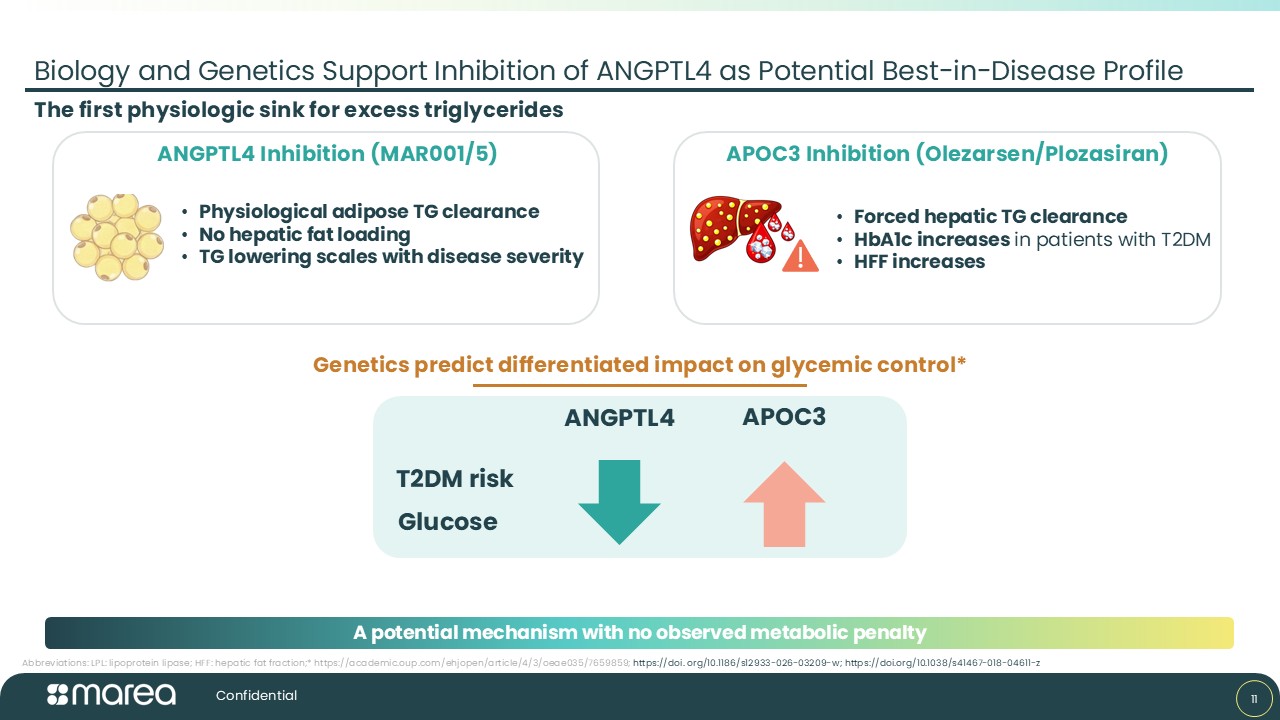
Biology and Genetics Support Inhibition of ANGPTL4 as Potential Best-in-Disease
Profile The first physiologic sink for excess triglycerides Genetics predict differentiated impact on glycemic control* APOC3 Inhibition (Olezarsen/Plozasiran) ANGPTL4 Inhibition (MAR001/5) Abbreviations: LPL: lipoprotein lipase; HFF:
hepatic fat fraction;* https://academic.oup.com/ehjopen/article/4/3/oeae035/7659859; https://doi. org/10.1186/s12933-026-03209-w; https://doi.org/10.1038/s41467-018-04611-z A potential mechanism with no observed metabolic penalty Forced
hepatic TG clearance HbA1c increases in patients with T2DM HFF increases Physiological adipose TG clearance No hepatic fat loading TG lowering scales with disease severity APOC3 ANGPTL4 T2DM risk Glucose Confidential
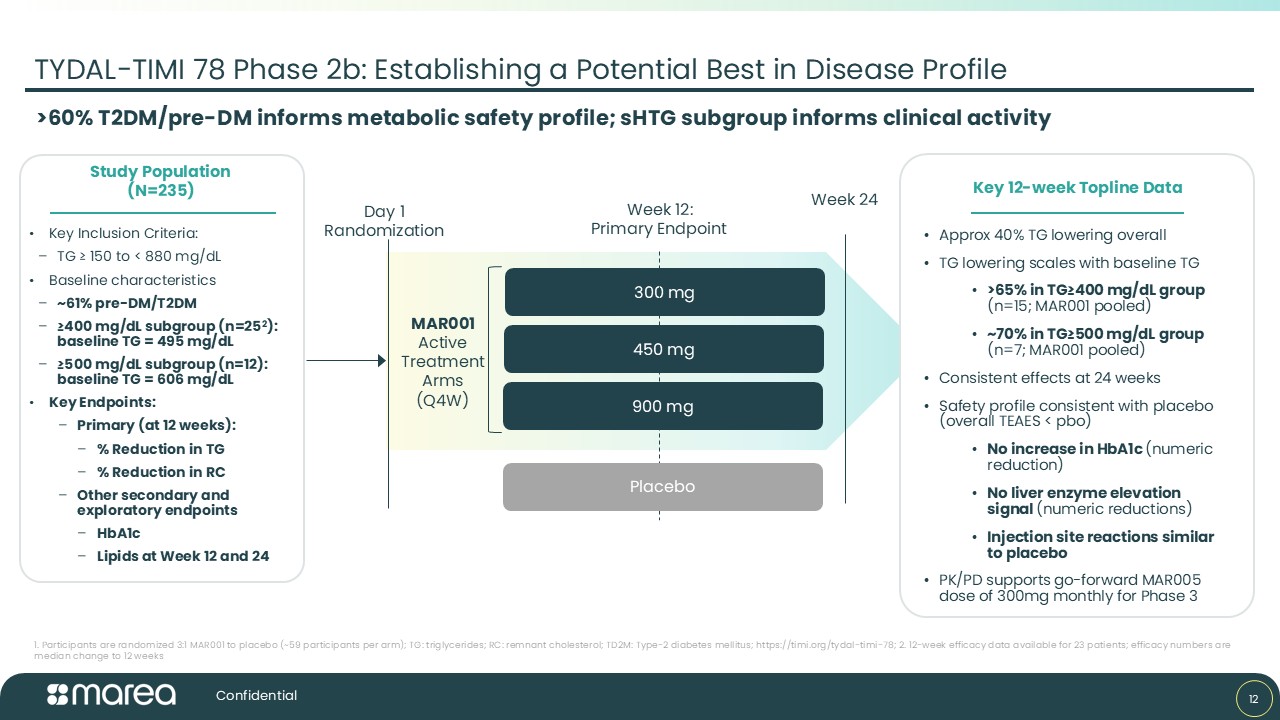
TYDAL-TIMI 78 Phase 2b: Establishing a Potential Best in Disease Profile >60%
T2DM/pre-DM informs metabolic safety profile; sHTG subgroup informs clinical activity Pre-read 1. Participants are randomized 3:1 MAR001 to placebo (~59 participants per arm); TG: triglycerides; RC: remnant cholesterol; TD2M: Type-2 diabetes
mellitus; https://timi.org/tydal-timi-78; 2. 12-week efficacy data available for 23 patients; efficacy numbers are median change to 12 weeks Day 1 Randomization Week 12: Primary Endpoint 300 mg 450 mg 900
mg Placebo MAR001 Active Treatment Arms (Q4W) Week 24 Confidential Study Population (N=235) Key Inclusion Criteria: TG ≥ 150 to < 880 mg/dL Baseline characteristics ~61% pre-DM/T2DM ≥400 mg/dL subgroup (n=252): baseline TG =
495 mg/dL ≥500 mg/dL subgroup (n=12): baseline TG = 606 mg/dL Key Endpoints: Primary (at 12 weeks): % Reduction in TG % Reduction in RC Other secondary and exploratory endpoints HbA1c Lipids at Week 12 and 24 Key 12-week Topline
Data Approx 40% TG lowering overall TG lowering scales with baseline TG >65% in TG≥400 mg/dL group (n=15; MAR001 pooled) ~70% in TG≥500 mg/dL group (n=7; MAR001 pooled) Consistent effects at 24 weeks Safety profile consistent with
placebo (overall TEAES < pbo) No increase in HbA1c (numeric reduction) No liver enzyme elevation signal (numeric reductions) Injection site reactions similar to placebo PK/PD supports go-forward MAR005 dose of 300mg monthly for Phase 3
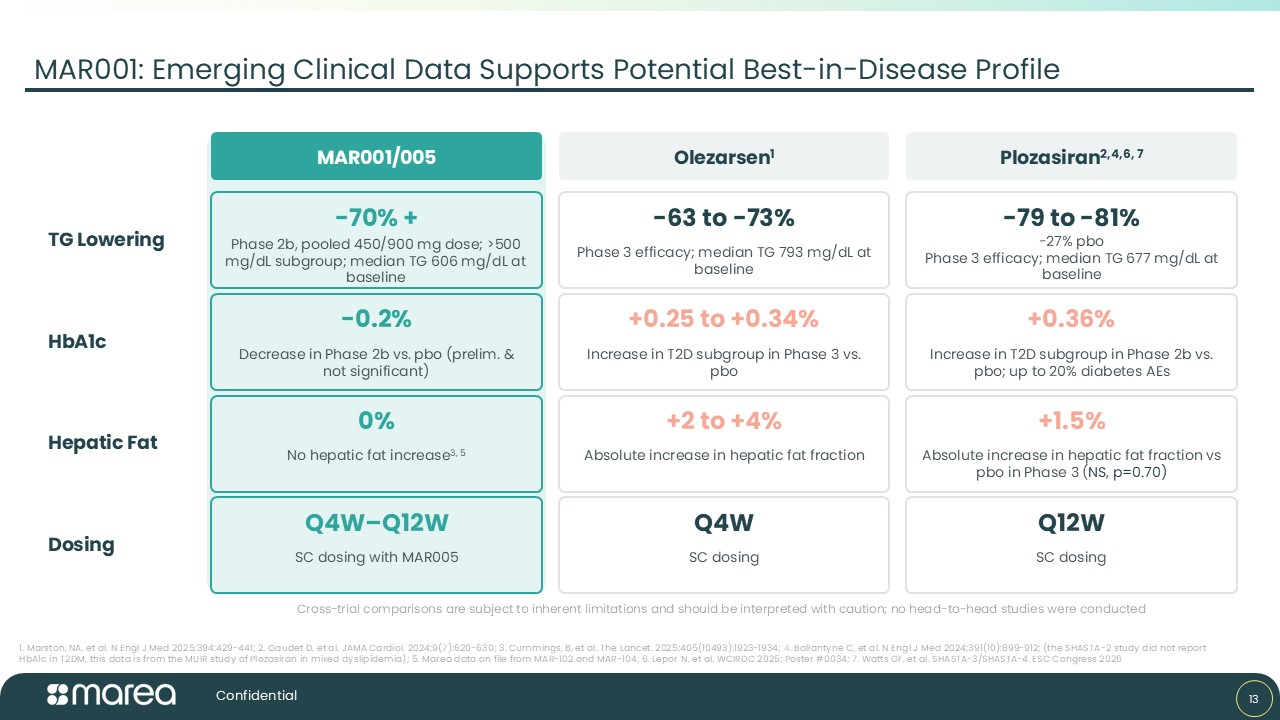
MAR001: Emerging Clinical Data Supports Potential Best-in-Disease Profile 1.
Marston, NA, et al. N Engl J Med 2025;394:429-441; 2. Gaudet D, et al. JAMA Cardiol. 2024;9(7):620-630; 3. Cummings, B, et al. The Lancet. 2025;405(10493):1923-1934; 4. Ballantyne C, et al. N Engl J Med 2024;391(10):899-912; (the SHASTA-2 study
did not report HbA1c in T2DM, this data is from the MUIR study of Plozasiran in mixed dyslipidemia); 5. Marea data on file from MAR-102 and MAR-104; 6. Lepor N, et al. WCIRDC 2025; Poster #0034; 7. Watts GF, et al. SHASTA-3/SHASTA-4. ESC
Congress 2026 Confidential MAR001/005 Olezarsen1 Plozasiran2,4,6, 7 TG Lowering HbA1c Hepatic Fat Dosing -70% + Phase 2b, pooled 450/900 mg dose; >500 mg/dL subgroup; median TG 606 mg/dL at baseline -63 to -73% Phase 3 efficacy;
median TG 793 mg/dL at baseline -79 to -81% -27% pbo Phase 3 efficacy; median TG 677 mg/dL at baseline -0.2% Decrease in Phase 2b vs. pbo (prelim. & not significant) +0.25 to +0.34% Increase in T2D subgroup in Phase 3 vs.
pbo +0.36% Increase in T2D subgroup in Phase 2b vs. pbo; up to 20% diabetes AEs 0% No hepatic fat increase3, 5 +2 to +4% Absolute increase in hepatic fat fraction +1.5% Absolute increase in hepatic fat fraction vs pbo in Phase 3 (NS,
p=0.70) Q4W–Q12W SC dosing with MAR005 Q4W SC dosing Q12W SC dosing Cross-trial comparisons are subject to inherent limitations and should be interpreted with caution; no head-to-head studies were conducted
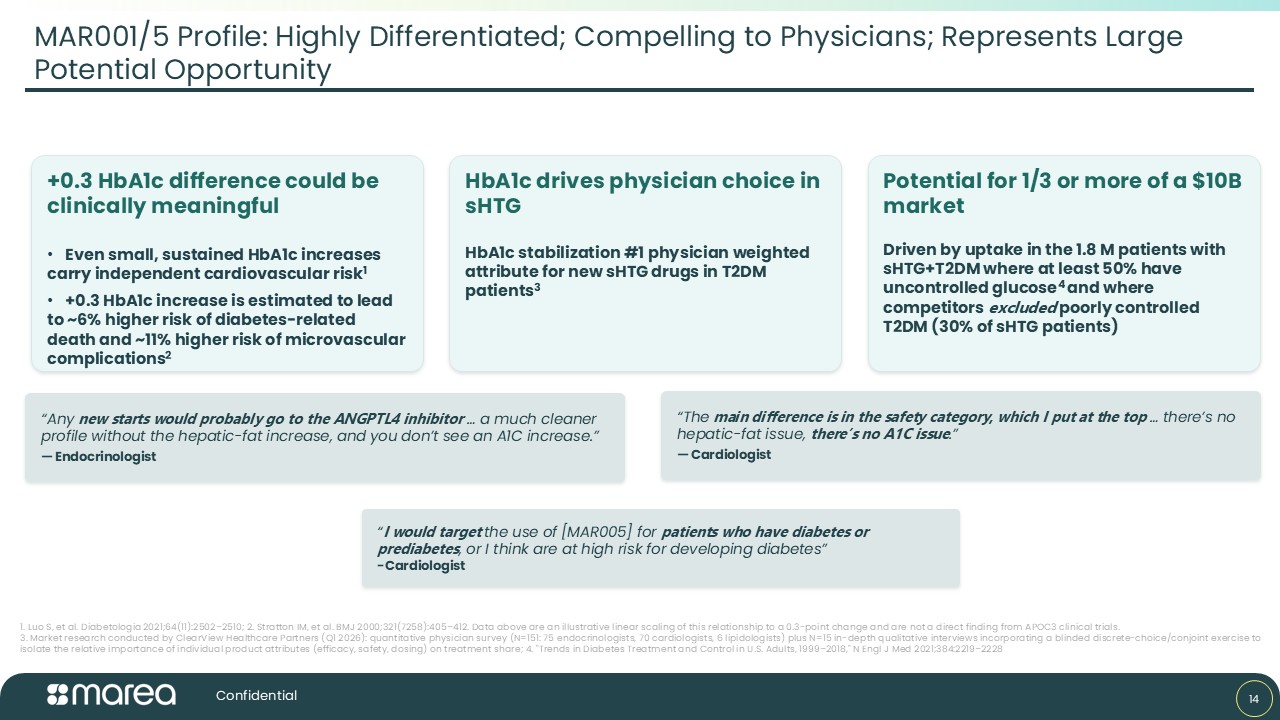
+0.3 HbA1c difference could be clinically meaningful Even small, sustained HbA1c
increases carry independent cardiovascular risk1 +0.3 HbA1c increase is estimated to lead to ~6% higher risk of diabetes-related death and ~11% higher risk of microvascular complications2 HbA1c drives physician choice in sHTG HbA1c
stabilization #1 physician weighted attribute for new sHTG drugs in T2DM patients3 Potential for 1/3 or more of a $10B market Driven by uptake in the 1.8 M patients with sHTG+T2DM where at least 50% have uncontrolled glucose4 and where
competitors excluded poorly controlled T2DM (30% of sHTG patients) “Any new starts would probably go to the ANGPTL4 inhibitor … a much cleaner profile without the hepatic-fat increase, and you don’t see an A1C increase.” —
Endocrinologist “The main difference is in the safety category, which I put at the top … there’s no hepatic-fat issue, there’s no A1C issue.” — Cardiologist 1. Luo S, et al. Diabetologia 2021;64(11):2502–2510; 2. Stratton IM, et al. BMJ
2000;321(7258):405–412. Data above are an illustrative linear scaling of this relationship to a 0.3-point change and are not a direct finding from APOC3 clinical trials. 3. Market research conducted by ClearView Healthcare Partners (Q1 2026):
quantitative physician survey (N=151: 75 endocrinologists, 70 cardiologists, 6 lipidologists) plus N=15 in-depth qualitative interviews incorporating a blinded discrete-choice/conjoint exercise to isolate the relative importance of individual
product attributes (efficacy, safety, dosing) on treatment share; 4. "Trends in Diabetes Treatment and Control in U.S. Adults, 1999–2018," N Engl J Med 2021;384:2219–2228 “I would target the use of [MAR005] for patients who have diabetes or
prediabetes, or I think are at high risk for developing diabetes” -Cardiologist Confidential MAR001/5 Profile: Highly Differentiated; Compelling to Physicians; Represents Large Potential Opportunity
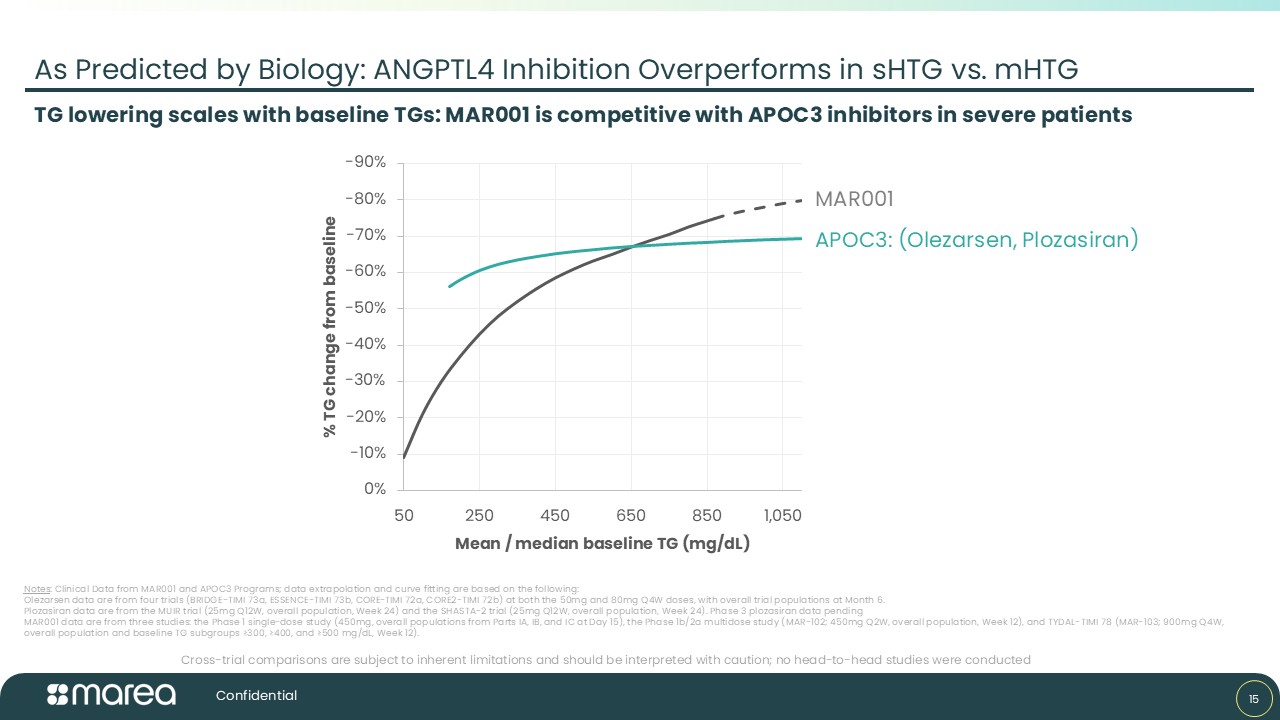
As Predicted by Biology: ANGPTL4 Inhibition Overperforms in sHTG vs. mHTG TG
lowering scales with baseline TGs: MAR001 is competitive with APOC3 inhibitors in severe patients Notes: Clinical Data from MAR001 and APOC3 Programs; data extrapolation and curve fitting are based on the following: Olezarsen data are from
four trials (BRIDGE-TIMI 73a, ESSENCE-TIMI 73b, CORE-TIMI 72a, CORE2-TIMI 72b) at both the 50mg and 80mg Q4W doses, with overall trial populations at Month 6. Plozasiran data are from the MUIR trial (25mg Q12W, overall population, Week 24) and
the SHASTA-2 trial (25mg Q12W, overall population, Week 24). Phase 3 plozasiran data pending MAR001 data are from three studies: the Phase 1 single-dose study (450mg, overall populations from Parts IA, IB, and IC at Day 15), the Phase 1b/2a
multidose study (MAR-102; 450mg Q2W, overall population, Week 12), and TYDAL-TIMI 78 (MAR-103; 900mg Q4W, overall population and baseline TG subgroups ≥300, ≥400, and ≥500 mg/dL, Week 12). Confidential APOC3: (Olezarsen,
Plozasiran) MAR001 Cross-trial comparisons are subject to inherent limitations and should be interpreted with caution; no head-to-head studies were conducted
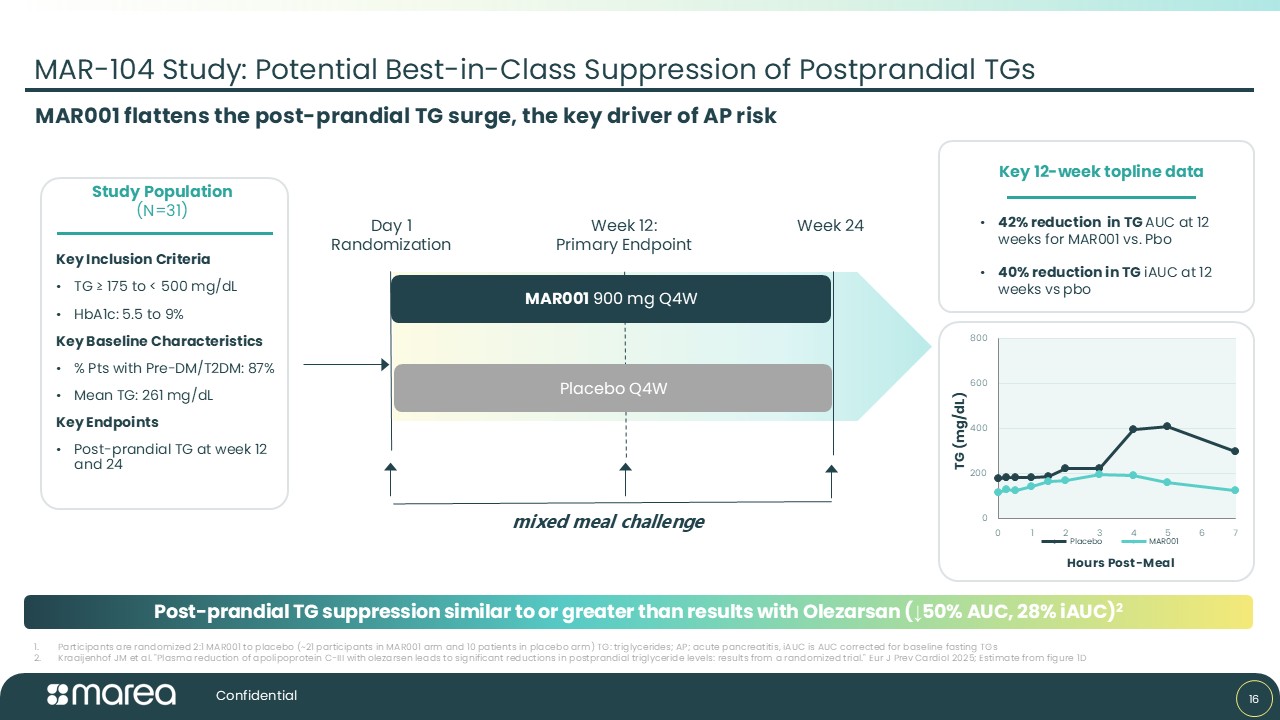
MAR-104 Study: Potential Best-in-Class Suppression of Postprandial TGs MAR001
flattens the post-prandial TG surge, the key driver of AP risk Participants are randomized 2:1 MAR001 to placebo (~21 participants in MAR001 arm and 10 patients in placebo arm) TG: triglycerides; AP; acute pancreatitis, iAUC is AUC corrected
for baseline fasting TGs Kraaijenhof JM et al. "Plasma reduction of apolipoprotein C-III with olezarsen leads to significant reductions in postprandial triglyceride levels: results from a randomized trial." Eur J Prev Cardiol 2025; Estimate
from figure 1D Post-prandial TG suppression similar to or greater than results with Olezarsan (↓50% AUC, 28% iAUC)2 Study Population (N=31) Key Inclusion Criteria TG ≥ 175 to < 500 mg/dL HbA1c: 5.5 to 9% Key Baseline
Characteristics % Pts with Pre-DM/T2DM: 87% Mean TG: 261 mg/dL Key Endpoints Post-prandial TG at week 12 and 24 Day 1 Randomization Week 12: Primary Endpoint MAR001 900 mg Q4W Placebo Q4W Week 24 Key 12-week topline data 42%
reduction in TG AUC at 12 weeks for MAR001 vs. Pbo 40% reduction in TG iAUC at 12 weeks vs pbo Confidential mixed meal challenge TG (mg/dL) Hours Post-Meal
MAR002 for Acromegaly First long-acting GHR antagonist candidate for
acromegaly Section IV Confidential
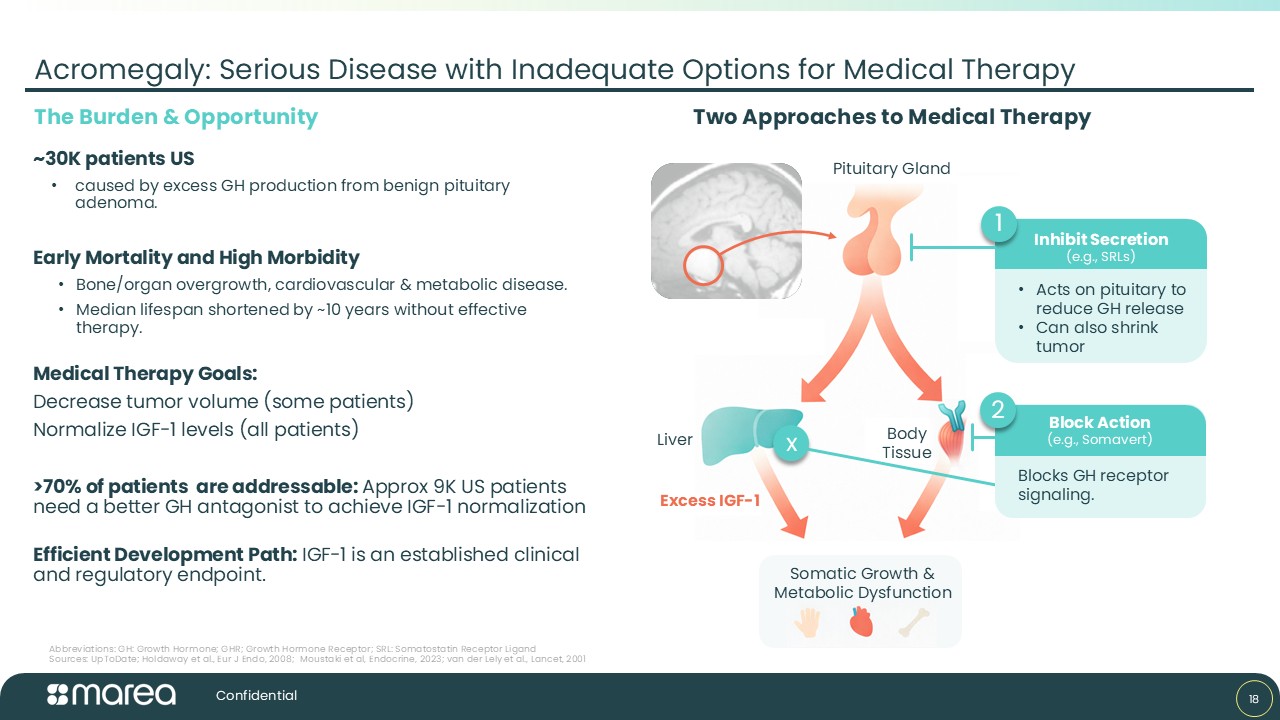
Acromegaly: Serious Disease with Inadequate Options for Medical Therapy ~30K
patients US caused by excess GH production from benign pituitary adenoma. Early Mortality and High Morbidity Bone/organ overgrowth, cardiovascular & metabolic disease. Median lifespan shortened by ~10 years without effective
therapy. Medical Therapy Goals: Decrease tumor volume (some patients) Normalize IGF-1 levels (all patients) >70% of patients are addressable: Approx 9K US patients need a better GH antagonist to achieve IGF-1 normalization Efficient
Development Path: IGF-1 is an established clinical and regulatory endpoint. Abbreviations: GH: Growth Hormone; GHR; Growth Hormone Receptor; SRL: Somatostatin Receptor Ligand Sources: UpToDate; Holdaway et al., Eur J Endo, 2008; Moustaki et
al, Endocrine, 2023; van der Lely et al., Lancet, 2001 The Burden & Opportunity Pituitary Gland Liver Body Tissue Excess IGF-1 Somatic Growth & Metabolic Dysfunction Inhibit Secretion (e.g., SRLs) Acts on pituitary to reduce GH
release Can also shrink tumor 1 x Block Action (e.g., Somavert) Blocks GH receptor signaling. 2 Two Approaches to Medical Therapy Confidential
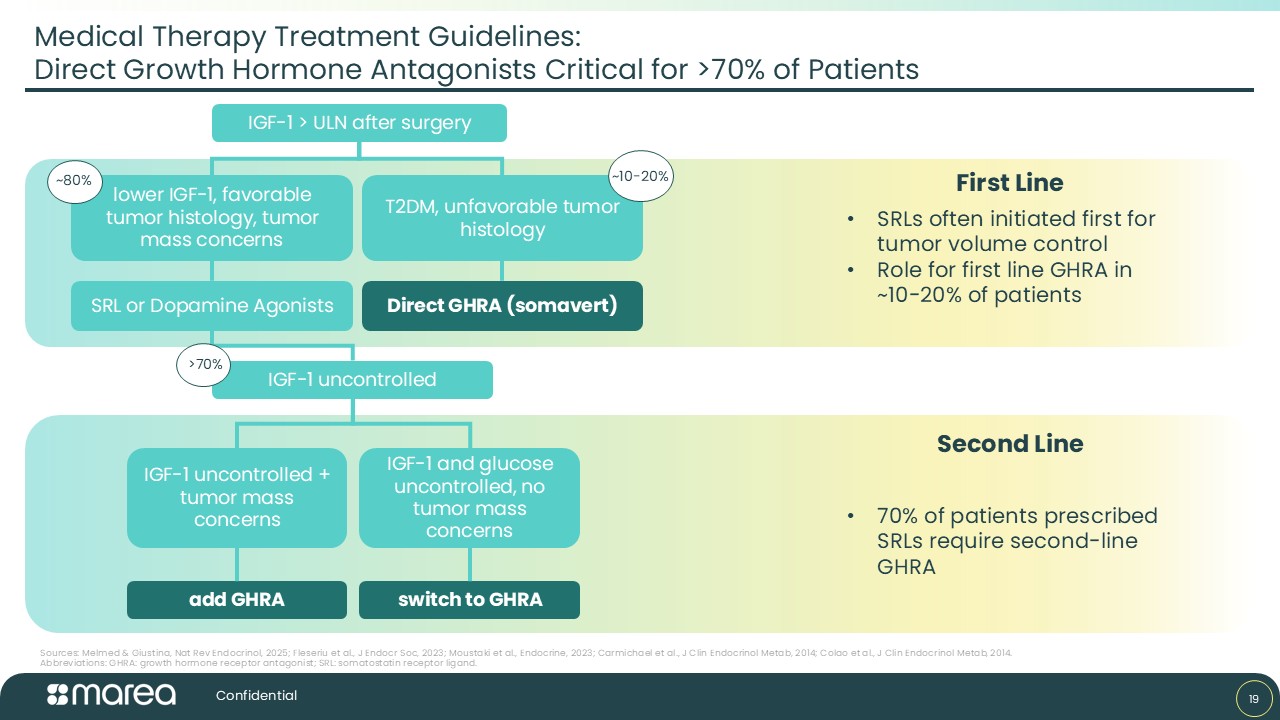
Medical Therapy Treatment Guidelines: Direct Growth Hormone Antagonists Critical
for >70% of Patients IGF-1 > ULN after surgery T2DM, unfavorable tumor histology lower IGF-1, favorable tumor histology, tumor mass concerns Direct GHRA (somavert) SRL or Dopamine Agonists IGF-1 uncontrolled add GHRA IGF-1 and
glucose uncontrolled, no tumor mass concerns switch to GHRA IGF-1 uncontrolled + tumor mass concerns ~80% ~10-20% >70% SRLs often initiated first for tumor volume control Role for first line GHRA in ~10-20% of patients 70% of
patients prescribed SRLs require second-line GHRA First Line Second Line Sources: Melmed & Giustina, Nat Rev Endocrinol, 2025; Fleseriu et al., J Endocr Soc, 2023; Moustaki et al., Endocrine, 2023; Carmichael et al., J Clin Endocrinol
Metab, 2014; Colao et al., J Clin Endocrinol Metab, 2014. Abbreviations: GHRA: growth hormone receptor antagonist; SRL: somatostatin receptor ligand. Confidential
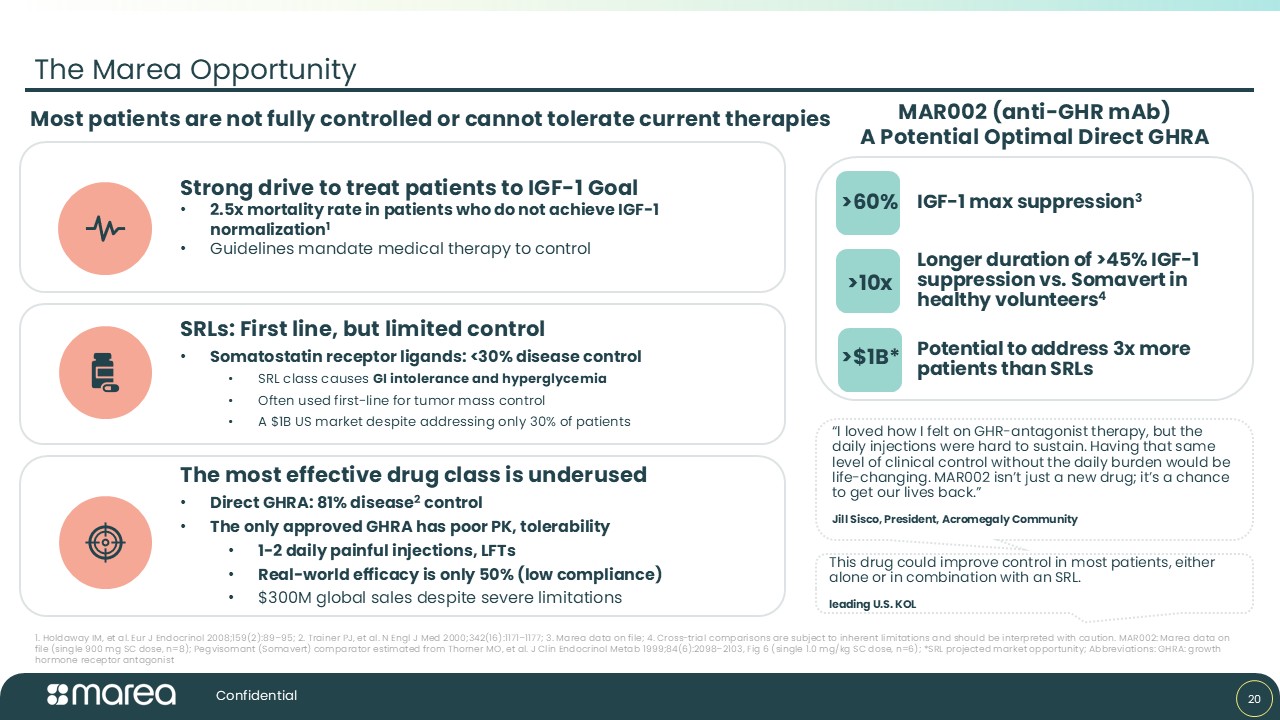
The Marea Opportunity Most patients are not fully controlled or cannot tolerate
current therapies MAR002 (anti-GHR mAb) A Potential Optimal Direct GHRA SRLs: First line, but limited control Somatostatin receptor ligands: <30% disease control SRL class causes GI intolerance and hyperglycemia Often used first-line
for tumor mass control A $1B US market despite addressing only 30% of patients The most effective drug class is underused Direct GHRA: 81% disease2 control The only approved GHRA has poor PK, tolerability 1-2 daily painful injections,
LFTs Real-world efficacy is only 50% (low compliance) $300M global sales despite severe limitations Strong drive to treat patients to IGF-1 Goal 2.5x mortality rate in patients who do not achieve IGF-1 normalization1 Guidelines mandate
medical therapy to control 1. Holdaway IM, et al. Eur J Endocrinol 2008;159(2):89–95; 2. Trainer PJ, et al. N Engl J Med 2000;342(16):1171–1177; 3. Marea data on file; 4. Cross-trial comparisons are subject to inherent limitations and should
be interpreted with caution. MAR002: Marea data on file (single 900 mg SC dose, n=8); Pegvisomant (Somavert) comparator estimated from Thorner MO, et al. J Clin Endocrinol Metab 1999;84(6):2098–2103, Fig 6 (single 1.0 mg/kg SC dose, n=6); *SRL
projected market opportunity; Abbreviations: GHRA: growth hormone receptor antagonist IGF-1 max suppression3 >60% >10x Longer duration of >45% IGF-1 suppression vs. Somavert in healthy volunteers4 >$1B* Potential to address 3x
more patients than SRLs “I loved how I felt on GHR-antagonist therapy, but the daily injections were hard to sustain. Having that same level of clinical control without the daily burden would be life-changing. MAR002 isn’t just a new drug;
it’s a chance to get our lives back.” Jill Sisco, President, Acromegaly Community This drug could improve control in most patients, either alone or in combination with an SRL. leading U.S. KOL Confidential
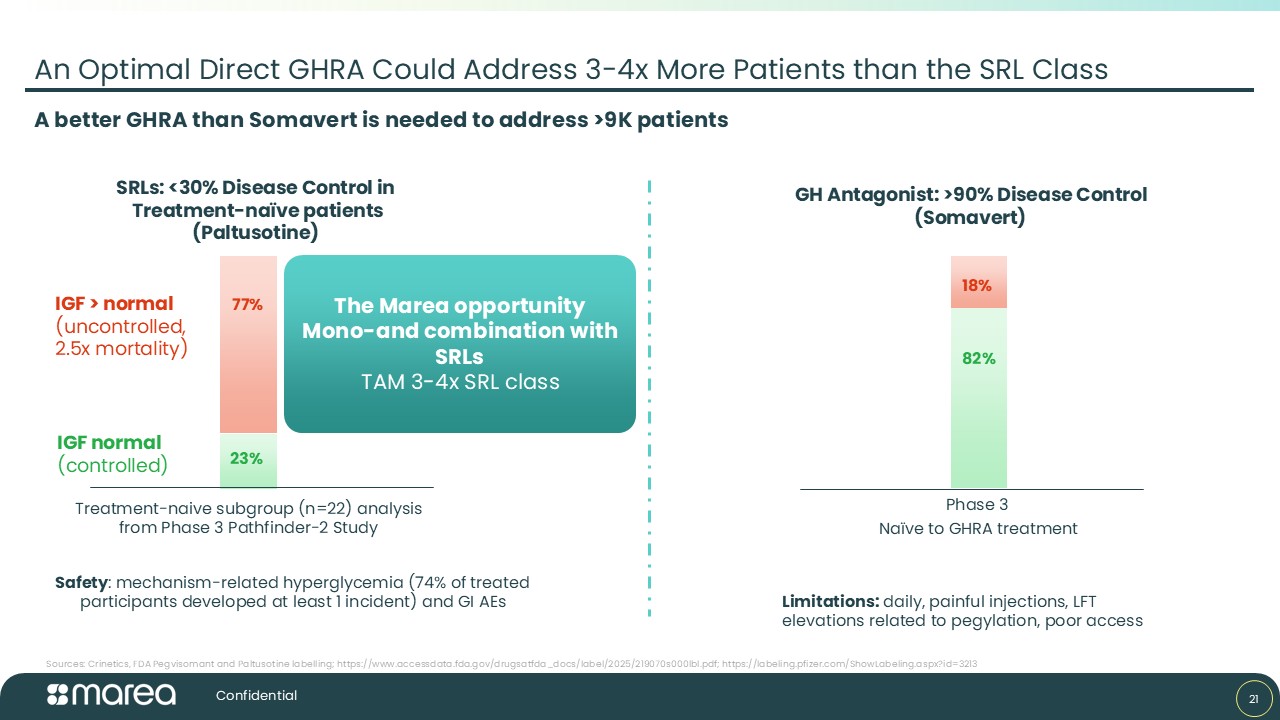
An Optimal Direct GHRA Could Address 3-4x More Patients than the SRL Class A
better GHRA than Somavert is needed to address >9K patients Sources: Crinetics, FDA Pegvisomant and Paltusotine labelling; https://www.accessdata.fda.gov/drugsatfda_docs/label/2025/219070s000lbl.pdf;
https://labeling.pfizer.com/ShowLabeling.aspx?id=3213 SRLs: <30% Disease Control in Treatment-naïve patients (Paltusotine) GH Antagonist: >90% Disease Control (Somavert) Treatment-naive subgroup (n=22) analysis from Phase 3
Pathfinder-2 Study Safety: mechanism-related hyperglycemia (74% of treated participants developed at least 1 incident) and GI AEs Limitations: daily, painful injections, LFT elevations related to pegylation, poor access IGF >
normal (uncontrolled, 2.5x mortality) 77% IGF normal (controlled) Naïve to GHRA treatment 18% 23% 82% Phase 3 The Marea opportunity Mono-and combination with SRLs TAM 3-4x SRL class Confidential
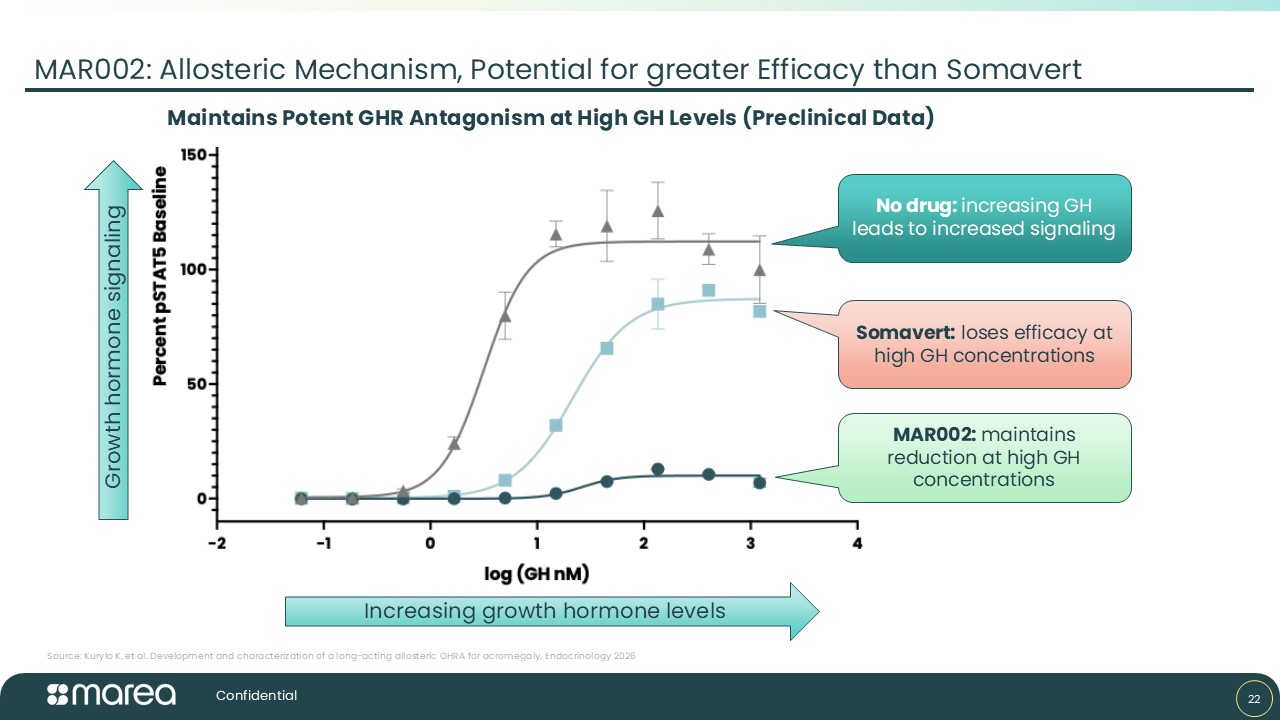
MAR002: Allosteric Mechanism, Potential for greater Efficacy than
Somavert Maintains Potent GHR Antagonism at High GH Levels (Preclinical Data) Confidential Somavert: loses efficacy at high GH concentrations MAR002: maintains reduction at high GH concentrations Increasing growth hormone levels Growth
hormone signaling No drug: increasing GH leads to increased signaling Source: Kurylo K, et al. Development and characterization of a long-acting allosteric GHRA for acromegaly. Endocrinology 2026
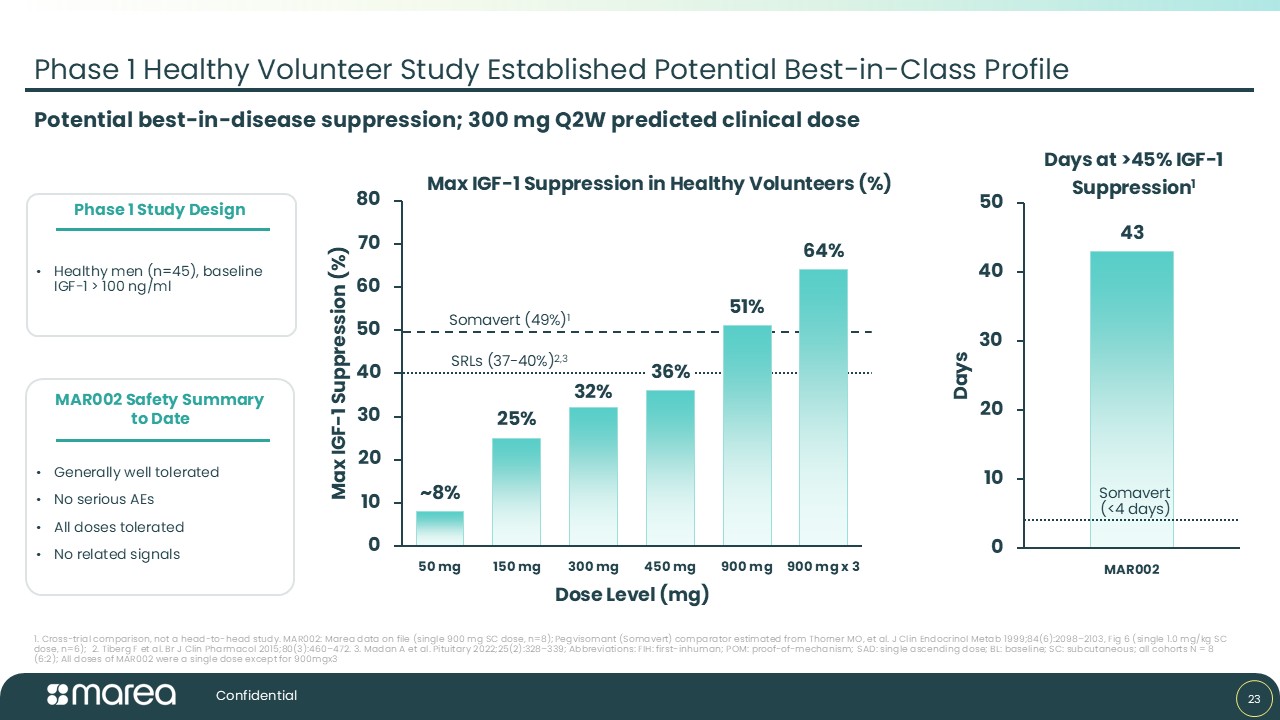
Phase 1 Healthy Volunteer Study Established Potential Best-in-Class
Profile Potential best-in-disease suppression; 300 mg Q2W predicted clinical dose 1. Cross-trial comparison, not a head-to-head study. MAR002: Marea data on file (single 900 mg SC dose, n=8); Pegvisomant (Somavert) comparator estimated from
Thorner MO, et al. J Clin Endocrinol Metab 1999;84(6):2098–2103, Fig 6 (single 1.0 mg/kg SC dose, n=6); 2. Tiberg F et al. Br J Clin Pharmacol 2015;80(3):460–472. 3. Madan A et al. Pituitary 2022;25(2):328–339; Abbreviations: FIH:
first-inhuman; POM: proof-of-mechanism; SAD: single ascending dose; BL: baseline; SC: subcutaneous; all cohorts N = 8 (6:2); All doses of MAR002 were a single dose except for 900mgx3 Confidential Phase 1 Study Design Healthy men (n=45),
baseline IGF-1 > 100 ng/ml MAR002 Safety Summary to Date Generally well tolerated No serious AEs All doses tolerated No related signals Somavert (49%)1 SRLs (37-40%)2,3 Somavert (<4 days)
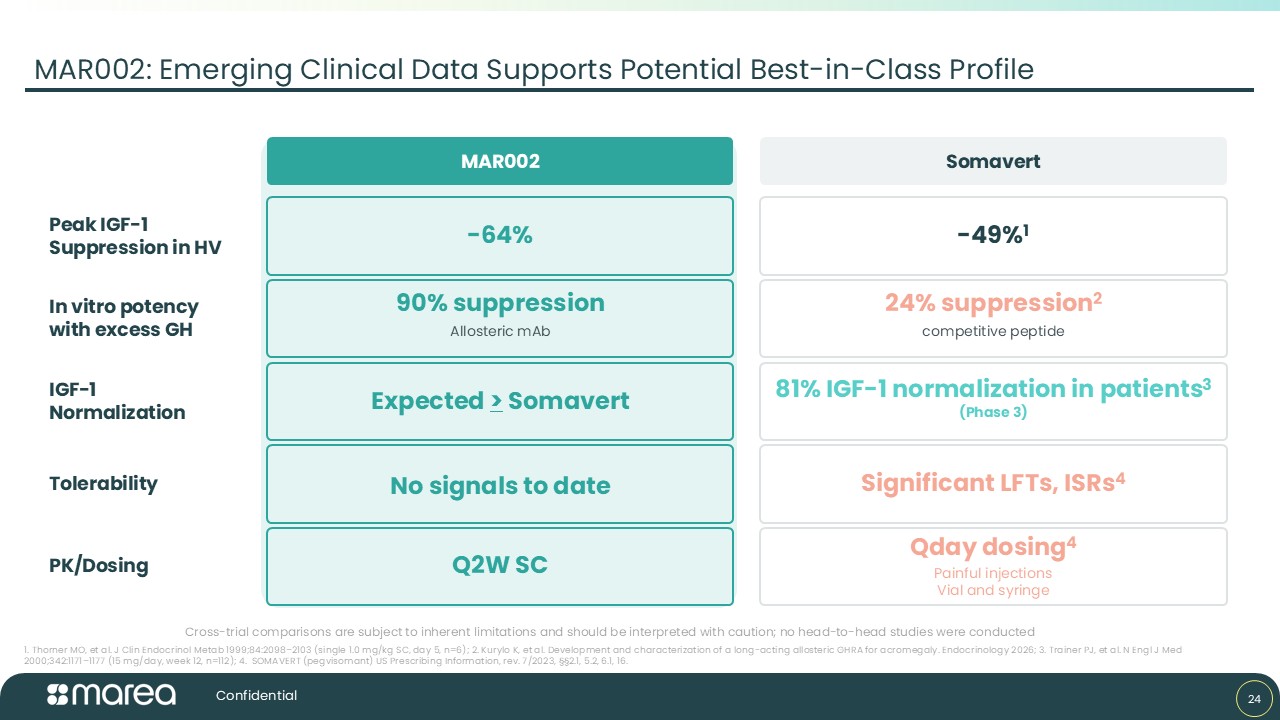
MAR002: Emerging Clinical Data Supports Potential Best-in-Class
Profile Confidential MAR002 Somavert Peak IGF-1 Suppression in HV In vitro potency with excess GH IGF-1 Normalization PK/Dosing -64% -49%1 90% suppression 24% suppression2 competitive peptide Expected > Somavert 81% IGF-1
normalization in patients3 (Phase 3) Q2W SC Qday dosing4 Painful injections Vial and syringe Allosteric mAb Tolerability No signals to date Significant LFTs, ISRs4 1. Thorner MO, et al. J Clin Endocrinol Metab 1999;84:2098–2103 (single
1.0 mg/kg SC, day 5, n=6); 2. Kurylo K, et al. Development and characterization of a long-acting allosteric GHRA for acromegaly. Endocrinology 2026; 3. Trainer PJ, et al. N Engl J Med 2000;342:1171–1177 (15 mg/day, week 12, n=112); 4. SOMAVERT
(pegvisomant) US Prescribing Information, rev. 7/2023, §§2.1, 5.2, 6.1, 16. Cross-trial comparisons are subject to inherent limitations and should be interpreted with caution; no head-to-head studies were conducted
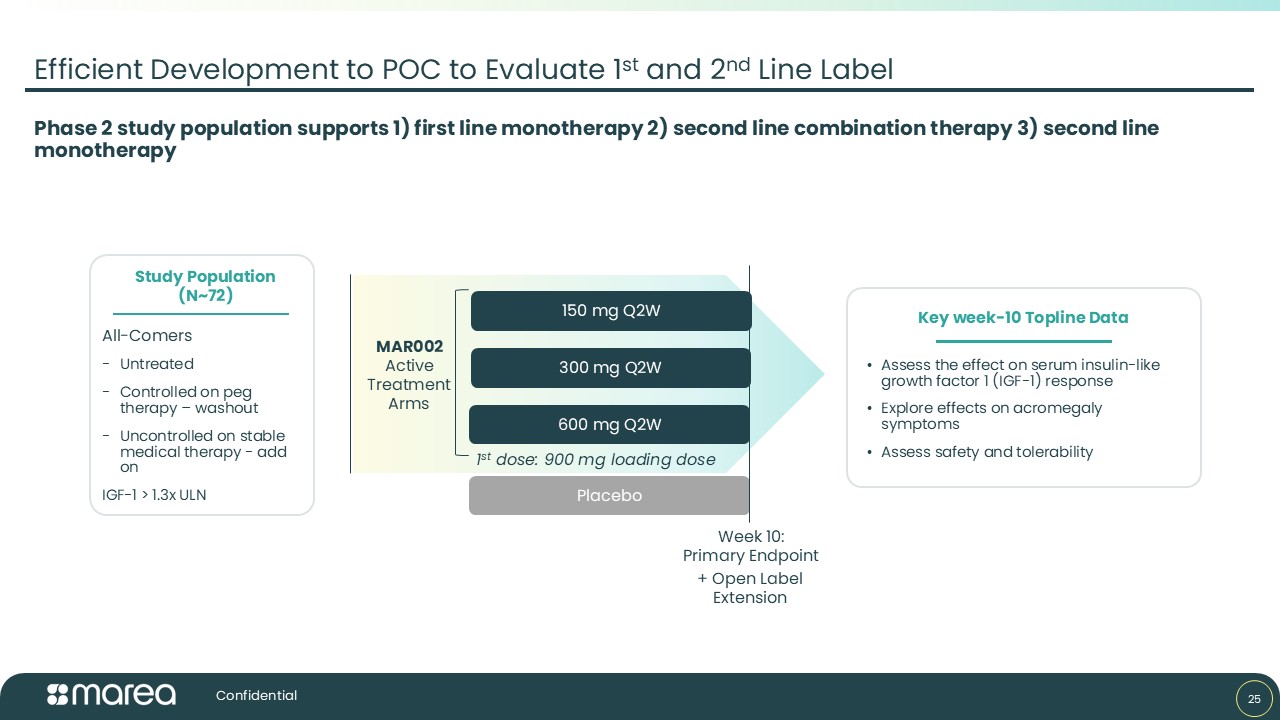
Efficient Development to POC to Evaluate 1st and 2nd Line Label Phase 2 study
population supports 1) first line monotherapy 2) second line combination therapy 3) second line monotherapy Week 10: Primary Endpoint 150 mg Q2W 300 mg Q2W 600 mg Q2W Placebo + Open Label Extension MAR002 Active Treatment Arms Study
Population (N~72) All-Comers Untreated Controlled on peg therapy – washout Uncontrolled on stable medical therapy - add on IGF-1 > 1.3x ULN 1st dose: 900 mg loading dose Key week-10 Topline Data Assess the effect on serum
insulin-like growth factor 1 (IGF-1) response Explore effects on acromegaly symptoms Assess safety and tolerability Confidential
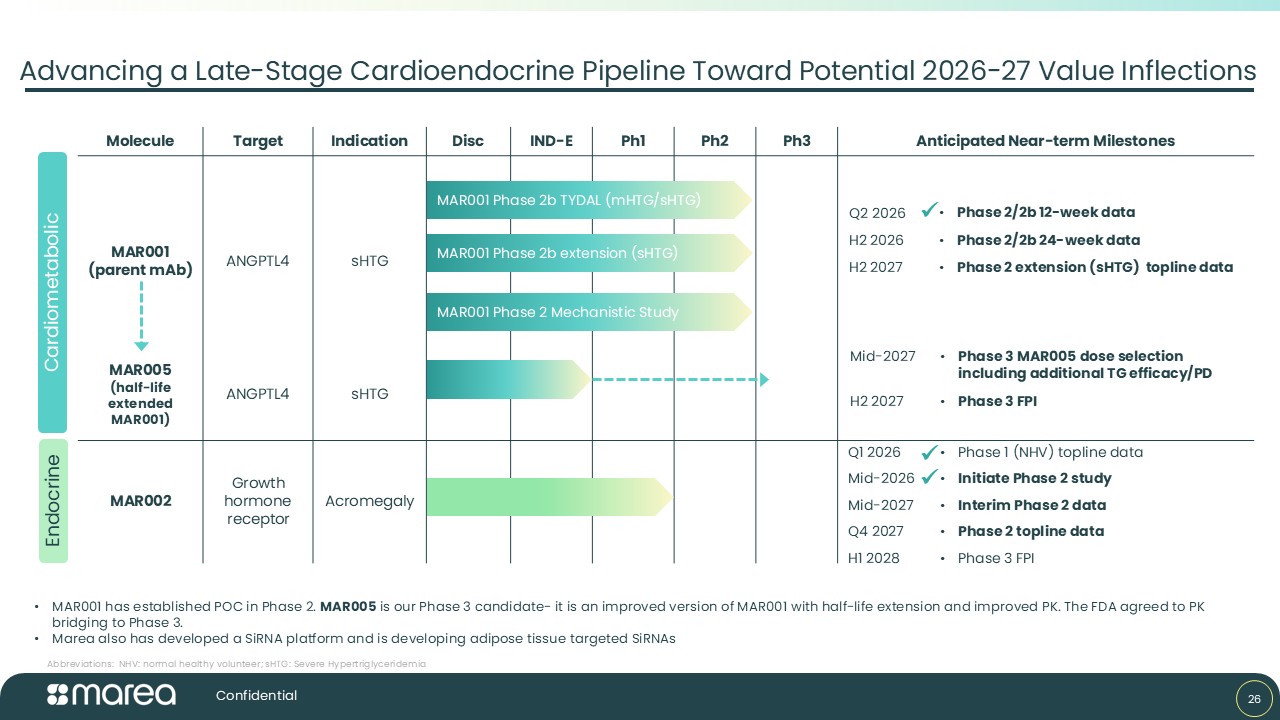
Molecule Target Indication Disc IND-E Ph1 Ph2 Ph3 Anticipated Near-term
Milestones MAR001 (parent mAb) ANGPTL4 sHTG MAR005 (half-life extended MAR001) ANGPTL4 sHTG MAR002 Growth hormone receptor Acromegaly Advancing a Late-Stage Cardioendocrine Pipeline Toward Potential 2026-27 Value Inflections MAR001
Phase 2b TYDAL (mHTG/sHTG) Abbreviations: NHV: normal healthy volunteer; sHTG: Severe Hypertriglyceridemia Q2 2026 Phase 2/2b 12-week data H2 2026 Phase 2/2b 24-week data H2 2027 Phase 2 extension (sHTG) topline data Q1 2026 Phase 1
(NHV) topline data Mid-2026 Initiate Phase 2 study Mid-2027 Interim Phase 2 data Q4 2027 Phase 2 topline data H1 2028 Phase 3 FPI MAR001 Phase 2 Mechanistic Study Endocrine Cardiometabolic Mid-2027 Phase 3 MAR005 dose selection
including additional TG efficacy/PD H2 2027 Phase 3 FPI MAR001 Phase 2b extension (sHTG) MAR001 has established POC in Phase 2. MAR005 is our Phase 3 candidate- it is an improved version of MAR001 with half-life extension and
improved PK. The FDA agreed to PK bridging to Phase 3. Marea also has developed a SiRNA platform and is developing adipose tissue targeted SiRNAs Confidential

Experienced Team; Strong Investor Base MANAGEMENT TEAM Josh Lehrer,
MD CEO Caitlin Murray, Esq Fractional GC Ian Clements, PhD CFO Ethan Weiss, MD CSO, Scientific Founder Shishir Gadam, PhD CTO Max Zeiberg SVP, Corp Dev Rebecca Juliano, PhD CDO SCIENTIFIC FOUNDERS Joshua Rabinowitz, MD,
PhD Professor of Chemistry, Princeton University Sir Stephen O’Rahilly, MD, FRS Professor of Clinical Biochemistry & Medicine, University of Cambridge Charles Homcy, MD Founder: Myokardia, GBT, BridgeBio, Portola,
Maze, Pliant INVESTORS Confidential
©2026 Marea Therapeutics, Inc. All rights reserved. Confidential