
Corporate Presentation September 2026 Exhibit 99.2
This presentation contains “forward-looking” statements within the meaning of the “safe harbor” provisions of the Private Securities Litigation Reform Act of 1995, including, but not limited to, anticipated discovery, preclinical and clinical development activities for Prelude’s product candidates and milestones, the potential safety, efficacy, benefits and addressable market for Prelude Therapeutics Incorporated's (the "Company") product candidates. Any statements contained herein or provided orally that are not statements of historical fact may be deemed to be forward-looking statements. In some cases, you can identify forward-looking statements by such terminology as ‘‘believe,’’ ‘‘may,’’ ‘‘will,’’ ‘‘potentially,’’ ‘‘estimate,’’ ‘‘continue,’’ ‘‘anticipate,’’ “aim,” “associated,” ‘‘intend,’’ ‘‘could,’’ ‘‘would,’’ ‘‘project,’’ ‘‘plan,’’ ‘‘expect’’ and similar expressions that convey uncertainty of future events or outcomes, although not all forward-looking statements contain these words. Statements, including forward-looking statements, speak only to the date they are provided (unless an earlier date is indicated). These forward-looking statements are based on the beliefs of our management as well as assumptions made by and information currently available to us. Although we believe the expectations reflected in such forward-looking statements are reasonable, we can give no assurance that such expectations will prove to be correct. If such assumptions do not fully materialize or prove incorrect, the events or circumstances referred to in the forward-looking statements may not occur. We undertake no obligation to update publicly any forward-looking statements for any reason after the date of this presentation to conform these statements to actual results or to changes in our expectations, except as required by law. Accordingly, readers are cautioned not to place undue reliance on these forward-looking statements. Additional risks and uncertainties that could affect our business are included under the caption “Risk Factors” in our filings with the Securities and Exchange Commission, including our Annual Report on Form 10-K for the year ended December 31, 2025. This presentation also contains estimates and other statistical data made by independent parties and by us relating to product growth and other data about our industry. This data involves a number of assumptions and limitations, and you are cautioned not to give undue weight to such estimates. In addition, projections, assumptions, and estimates of our future performance and the future performance of the markets in which we operate are necessarily subject to a high degree of uncertainty and risk. This presentation concerns drugs that are under clinical investigation and which have not yet been approved for marketing by the U.S. Food and Drug Administration (the "FDA"). They are currently limited by Federal law to investigational use, and no representation is made as to their safety or effectiveness for the purposes for which they are being investigated. Forward Looking Statements & Disclaimers

Target first, modality flexible approach to cancer drug discovery focused on validated biologic pathways Fully resourced to deliver key data catalysts across multiple programs over the next 12-24 months 3 Patients Living with Cancer Deserve Better Therapies Our mission is to deliver practice-changing cancer medicines Experienced management team with a track record of clinical and commercial success

Kris Vaddi, PhD Chief Executive Officer Andrew Combs, PhD Chief Chemistry Officer Sean Brusky, MBA Chief Business & Strategy Officer Peggy Scherle, PhD Chief Scientific Officer Bryant Lim, J.D. Chief Financial Officer, Chief Legal Officer, Secretary Experienced Leadership Team With Proven Track Record Charles Morris, MD Chief Medical Officer
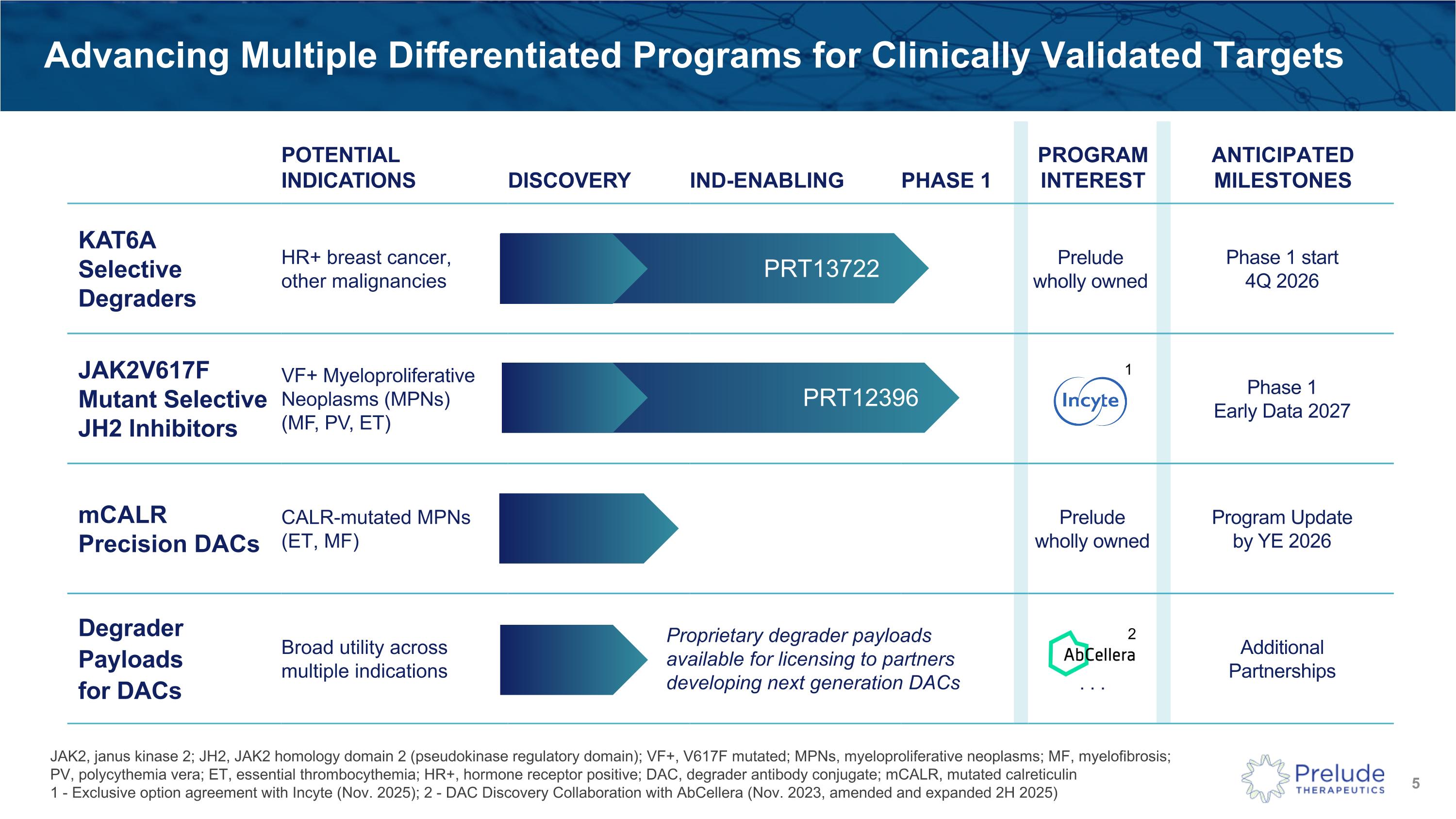
POTENTIAL INDICATIONS DISCOVERY IND-ENABLING PHASE 1 PROGRAM INTEREST ANTICIPATED MILESTONES KAT6A Selective Degraders HR+ breast cancer, other malignancies Phase 1 start 4Q 2026 JAK2V617F Mutant Selective JH2 Inhibitors VF+ Myeloproliferative Neoplasms (MPNs) (MF, PV, ET) Phase 1 Early Data 2027 mCALR Precision DACs CALR-mutated MPNs (ET, MF) Prelude wholly owned Program Update by YE 2026 Degrader Payloads for DACs Broad utility across multiple indications . . . Additional Partnerships Advancing Multiple Differentiated Programs for Clinically Validated Targets JAK2, janus kinase 2; JH2, JAK2 homology domain 2 (pseudokinase regulatory domain); VF+, V617F mutated; MPNs, myeloproliferative neoplasms; MF, myelofibrosis; PV, polycythemia vera; ET, essential thrombocythemia; HR+, hormone receptor positive; DAC, degrader antibody conjugate; mCALR, mutated calreticulin 1 - Exclusive option agreement with Incyte (Nov. 2025); 2 - DAC Discovery Collaboration with AbCellera (Nov. 2023, amended and expanded 2H 2025) Proprietary degrader payloads available for licensing to partners developing next generation DACs 1 2 PRT12396 PRT13722 Prelude wholly owned
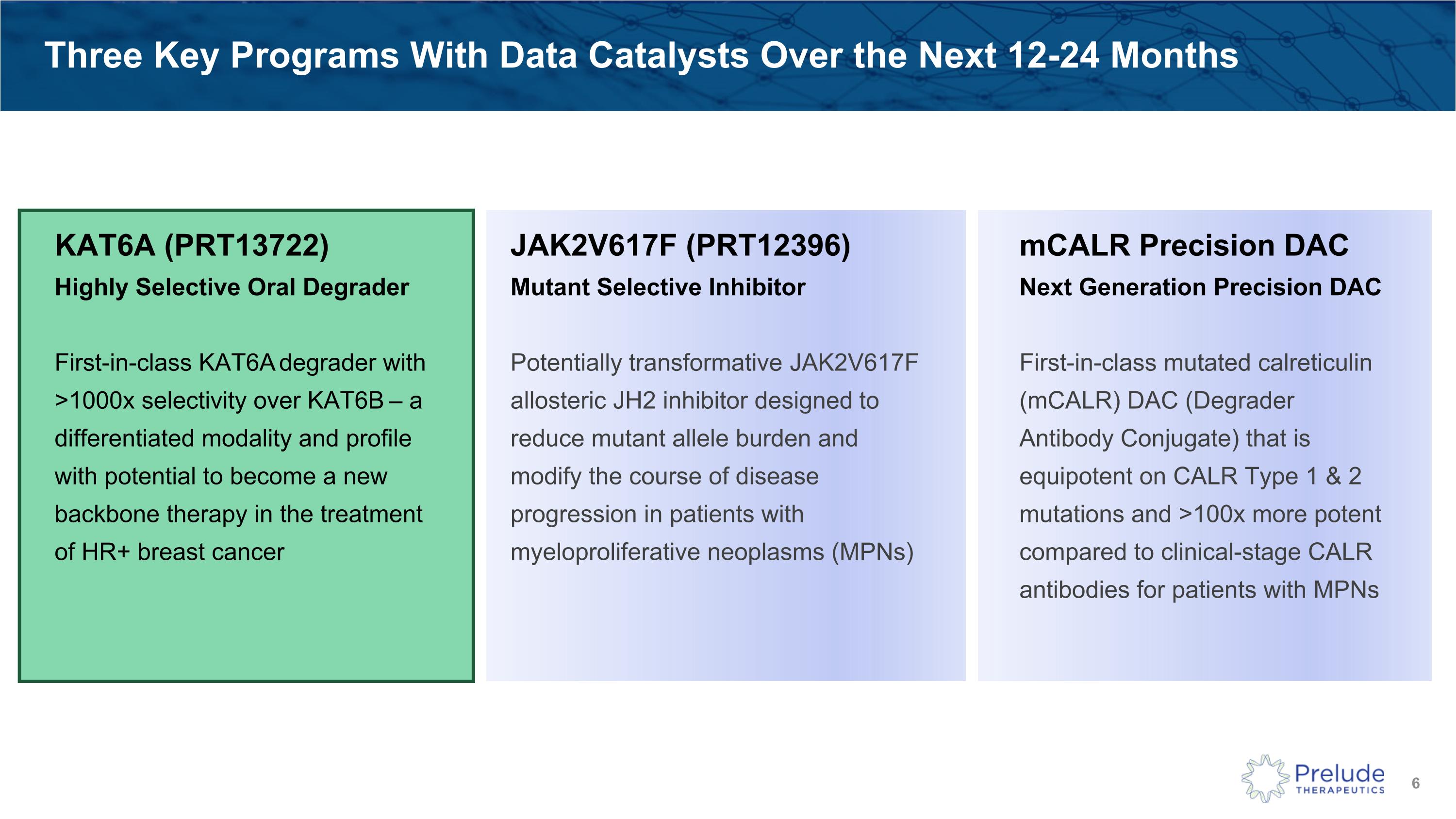
Three Key Programs With Data Catalysts Over the Next 12-24 Months JAK2V617F (PRT12396) Mutant Selective Inhibitor Potentially transformative JAK2V617F allosteric JH2 inhibitor designed to reduce mutant allele burden and modify the course of disease progression in patients with myeloproliferative neoplasms (MPNs) KAT6A (PRT13722) Highly Selective Oral Degrader First-in-class KAT6A degrader with >1000x selectivity over KAT6B – a differentiated modality and profile with potential to become a new backbone therapy in the treatment of HR+ breast cancer mCALR Precision DAC Next Generation Precision DAC First-in-class mutated calreticulin (mCALR) DAC (Degrader Antibody Conjugate) that is equipotent on CALR Type 1 & 2 mutations and >100x more potent compared to clinical-stage CALR antibodies for patients with MPNs
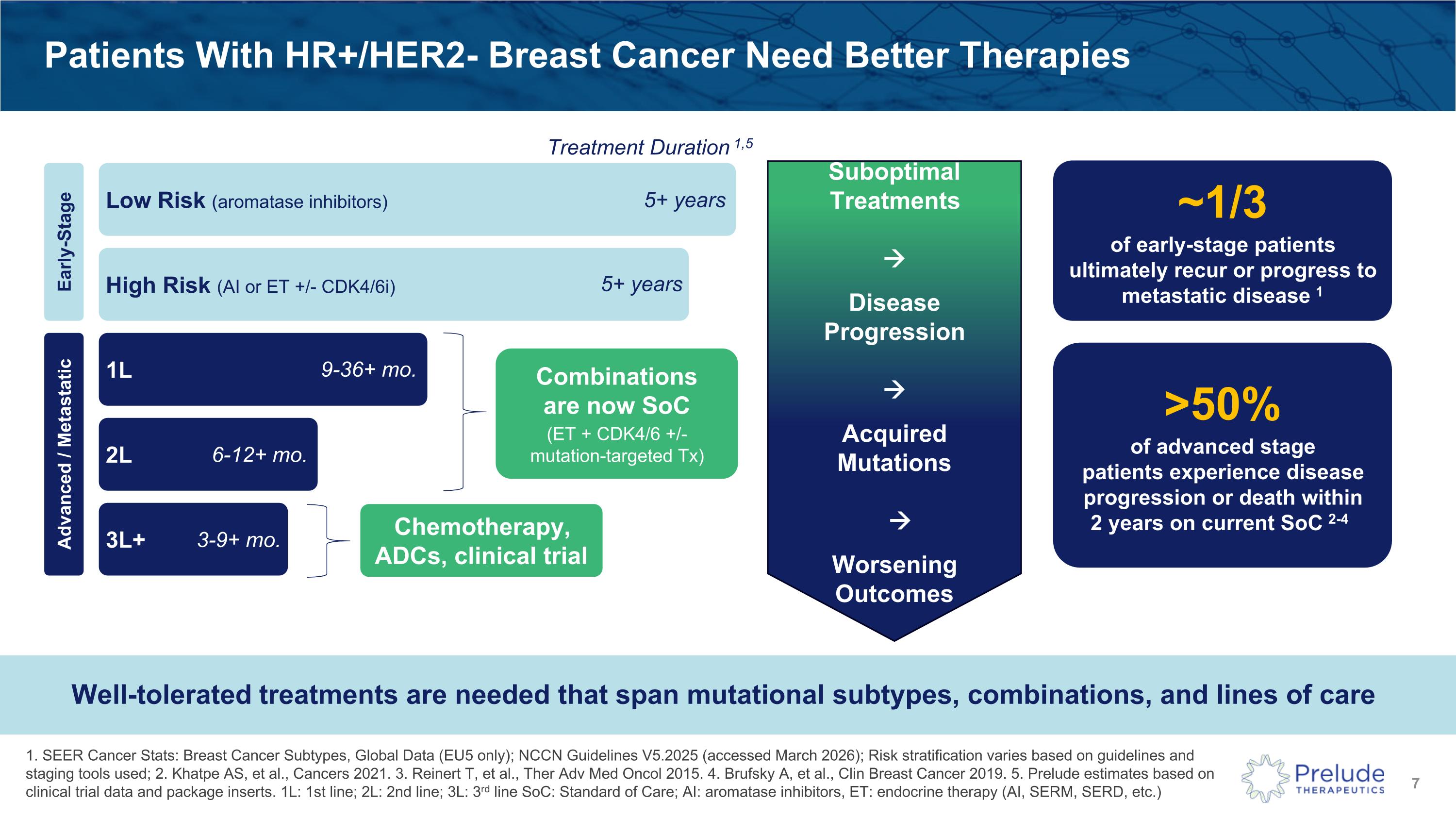
Patients With HR+/HER2- Breast Cancer Need Better Therapies 1. SEER Cancer Stats: Breast Cancer Subtypes, Global Data (EU5 only); NCCN Guidelines V5.2025 (accessed March 2026); Risk stratification varies based on guidelines and staging tools used; 2. Khatpe AS, et al., Cancers 2021. 3. Reinert T, et al., Ther Adv Med Oncol 2015. 4. Brufsky A, et al., Clin Breast Cancer 2019. 5. Prelude estimates based on clinical trial data and package inserts. 1L: 1st line; 2L: 2nd line; 3L: 3rd line SoC: Standard of Care; AI: aromatase inhibitors, ET: endocrine therapy (AI, SERM, SERD, etc.) Suboptimal Treatments Disease Progression Acquired Mutations Worsening Outcomes Well-tolerated treatments are needed that span mutational subtypes, combinations, and lines of care Early-Stage Advanced / Metastatic Low Risk (aromatase inhibitors) High Risk (AI or ET +/- CDK4/6i) 1L 2L 3L+ ~1/3 of early-stage patients ultimately recur or progress to metastatic disease 1 >50% of advanced stage patients experience disease progression or death within 2 years on current SoC 2-4 Combinations are now SoC (ET + CDK4/6 +/- mutation-targeted Tx) Treatment Duration 1,5 5+ years 5+ years 9-36+ mo. 6-12+ mo. 3-9+ mo. Chemotherapy, ADCs, clinical trial
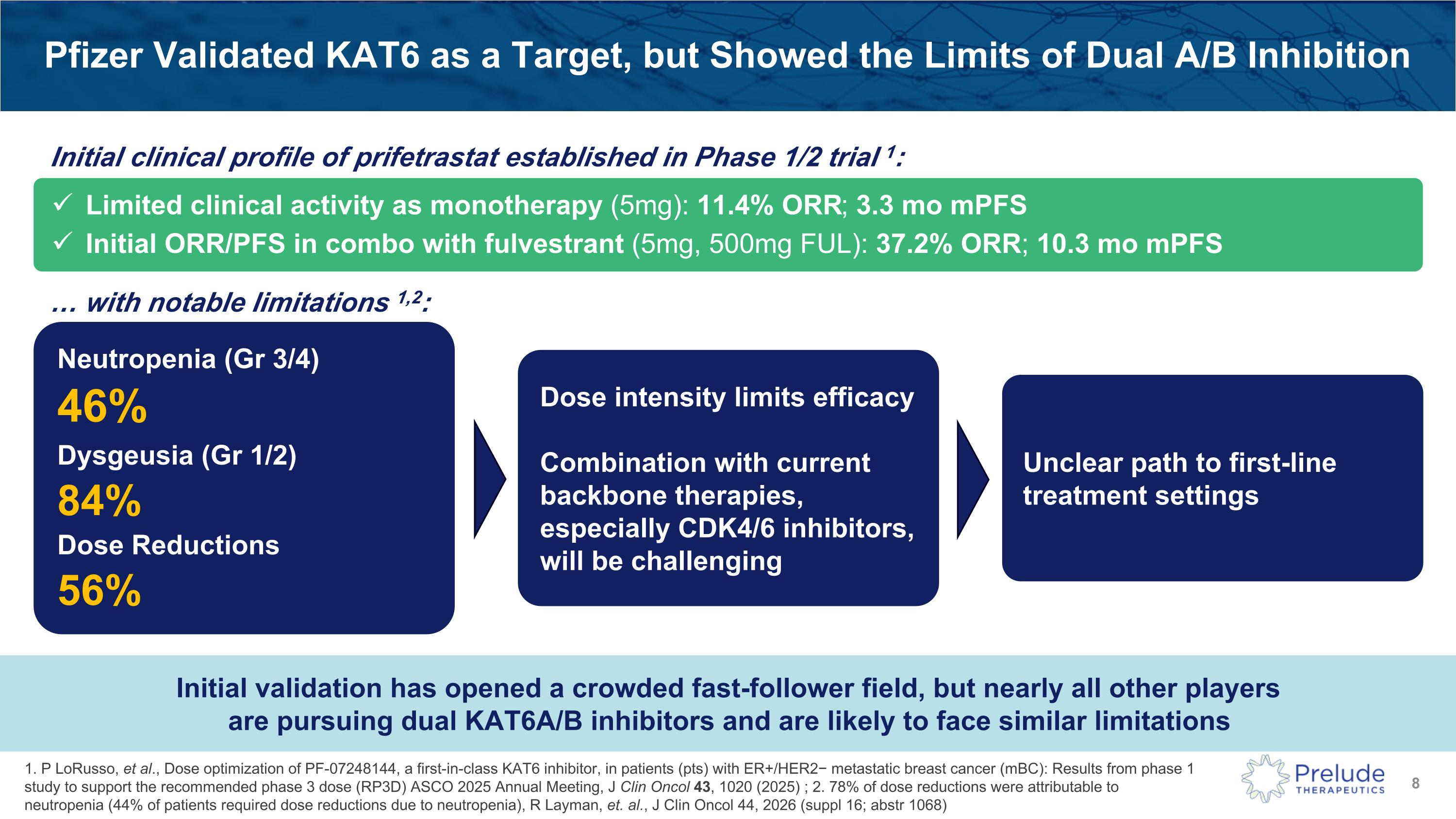
Pfizer Validated KAT6 as a Target, but Showed the Limits of Dual A/B Inhibition Limited clinical activity as monotherapy (5mg): 11.4% ORR; 3.3 mo mPFS Initial ORR/PFS in combo with fulvestrant (5mg, 500mg FUL): 37.2% ORR; 10.3 mo mPFS … with notable limitations 1,2: Neutropenia (Gr 3/4) 46% Dysgeusia (Gr 1/2) 84% Dose Reductions 56% Dose intensity limits efficacy Combination with current backbone therapies, especially CDK4/6 inhibitors, will be challenging Unclear path to first-line treatment settings Initial validation has opened a crowded fast-follower field, but nearly all other players are pursuing dual KAT6A/B inhibitors and are likely to face similar limitations 1. P LoRusso, et al., Dose optimization of PF-07248144, a first-in-class KAT6 inhibitor, in patients (pts) with ER+/HER2− metastatic breast cancer (mBC): Results from phase 1 study to support the recommended phase 3 dose (RP3D) ASCO 2025 Annual Meeting, J Clin Oncol 43, 1020 (2025) ; 2. 78% of dose reductions were attributable to neutropenia (44% of patients required dose reductions due to neutropenia), R Layman, et. al., J Clin Oncol 44, 2026 (suppl 16; abstr 1068) Initial clinical profile of prifetrastat established in Phase 1/2 trial 1:
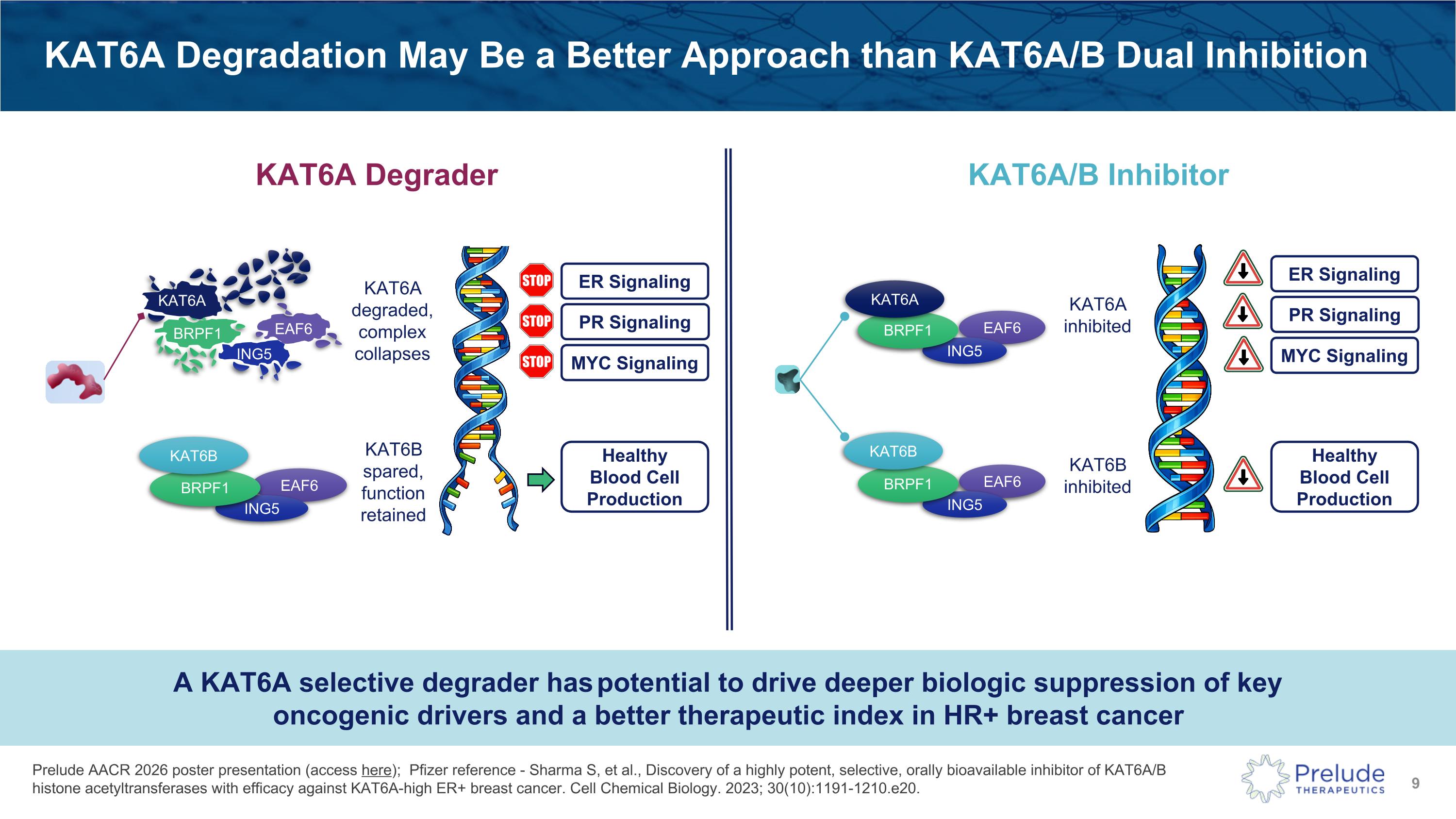
Prelude AACR 2026 poster presentation (access here); Pfizer reference - Sharma S, et al., Discovery of a highly potent, selective, orally bioavailable inhibitor of KAT6A/B histone acetyltransferases with efficacy against KAT6A-high ER+ breast cancer. Cell Chemical Biology. 2023; 30(10):1191-1210.e20. KAT6A Degradation May Be a Better Approach than KAT6A/B Dual Inhibition A KAT6A selective degrader has potential to drive deeper biologic suppression of key oncogenic drivers and a better therapeutic index in HR+ breast cancer KAT6A/B Inhibitor KAT6A Degrader EAF6 ING5 BRPF1 EAF6 ING5 BRPF1 KAT6B KAT6A degraded, complex collapses EAF6 ING5 BRPF1 KAT6B KAT6B spared, function retained KAT6A ER Signaling PR Signaling MYC Signaling Healthy Blood Cell Production ER Signaling PR Signaling MYC Signaling KAT6A inhibited KAT6B inhibited Healthy Blood Cell Production ING5 EAF6 KAT6A BRPF1
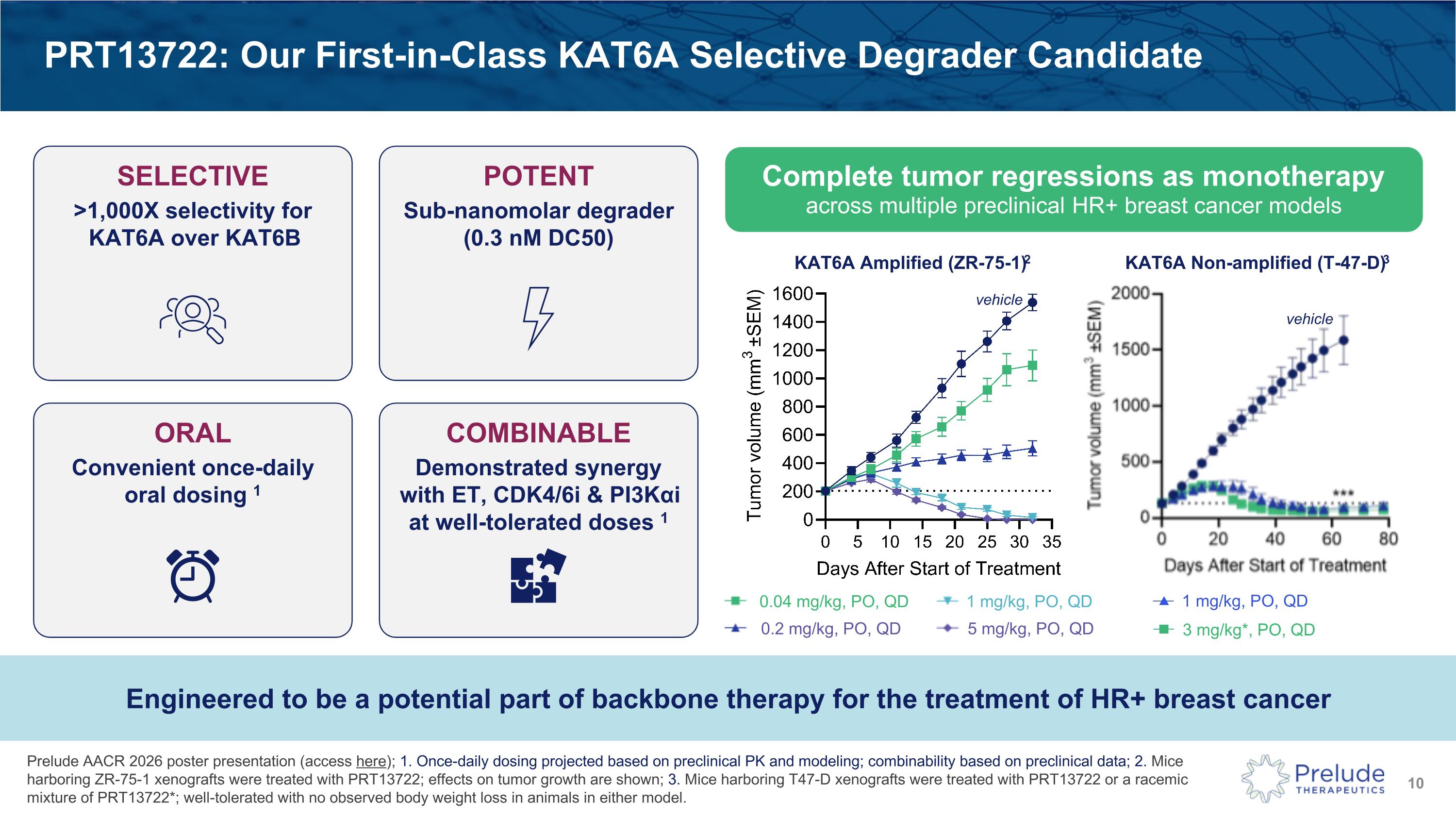
Prelude AACR 2026 poster presentation (access here); 1. Once-daily dosing projected based on preclinical PK and modeling; combinability based on preclinical data; 2. Mice harboring ZR-75-1 xenografts were treated with PRT13722; effects on tumor growth are shown; 3. Mice harboring T47-D xenografts were treated with PRT13722 or a racemic mixture of PRT13722*; well-tolerated with no observed body weight loss in animals in either model. PRT13722: Our First-in-Class KAT6A Selective Degrader Candidate SELECTIVE >1,000X selectivity for KAT6A over KAT6B POTENT Sub-nanomolar degrader (0.3 nM DC50) ORAL Convenient once-daily oral dosing 1 COMBINABLE Demonstrated synergy with ET, CDK4/6i & PI3Kαi at well-tolerated doses 1 Complete tumor regressions as monotherapy across multiple preclinical HR+ breast cancer models KAT6A Amplified (ZR-75-1)2 KAT6A Non-amplified (T-47-D)3 3 mg/kg*, PO, QD 1 mg/kg, PO, QD Engineered to be a potential part of backbone therapy for the treatment of HR+ breast cancer 0.04 mg/kg, PO, QD 0.2 mg/kg, PO, QD 1 mg/kg, PO, QD 5 mg/kg, PO, QD vehicle vehicle
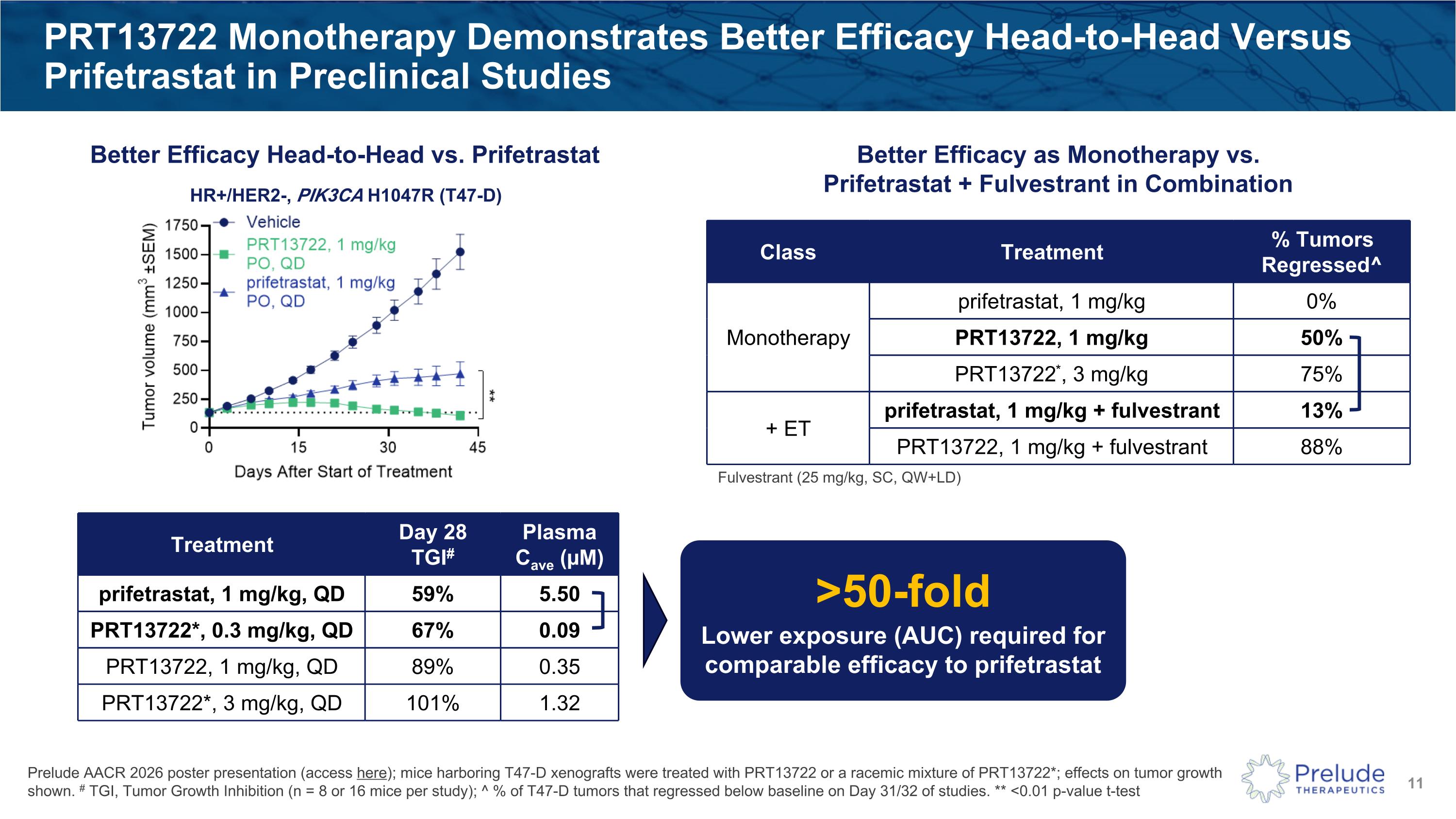
PRT13722 Monotherapy Demonstrates Better Efficacy Head-to-Head Versus Prifetrastat in Preclinical Studies Prelude AACR 2026 poster presentation (access here); mice harboring T47-D xenografts were treated with PRT13722 or a racemic mixture of PRT13722*; effects on tumor growth shown. # TGI, Tumor Growth Inhibition (n = 8 or 16 mice per study); ^ % of T47-D tumors that regressed below baseline on Day 31/32 of studies. ** <0.01 p-value t-test Better Efficacy as Monotherapy vs. Prifetrastat + Fulvestrant in Combination Class Treatment % Tumors Regressed^ Monotherapy prifetrastat, 1 mg/kg 0% PRT13722, 1 mg/kg 50% PRT13722*, 3 mg/kg 75% + ET prifetrastat, 1 mg/kg + fulvestrant 13% PRT13722, 1 mg/kg + fulvestrant 88% Fulvestrant (25 mg/kg, SC, QW+LD) >50-fold Lower exposure (AUC) required for comparable efficacy to prifetrastat Better Efficacy Head-to-Head vs. Prifetrastat Treatment Day 28 TGI# Plasma Cave (µM) prifetrastat, 1 mg/kg, QD 59% 5.50 PRT13722*, 0.3 mg/kg, QD 67% 0.09 PRT13722, 1 mg/kg, QD 89% 0.35 PRT13722*, 3 mg/kg, QD 101% 1.32 HR+/HER2-, PIK3CA H1047R (T47-D)
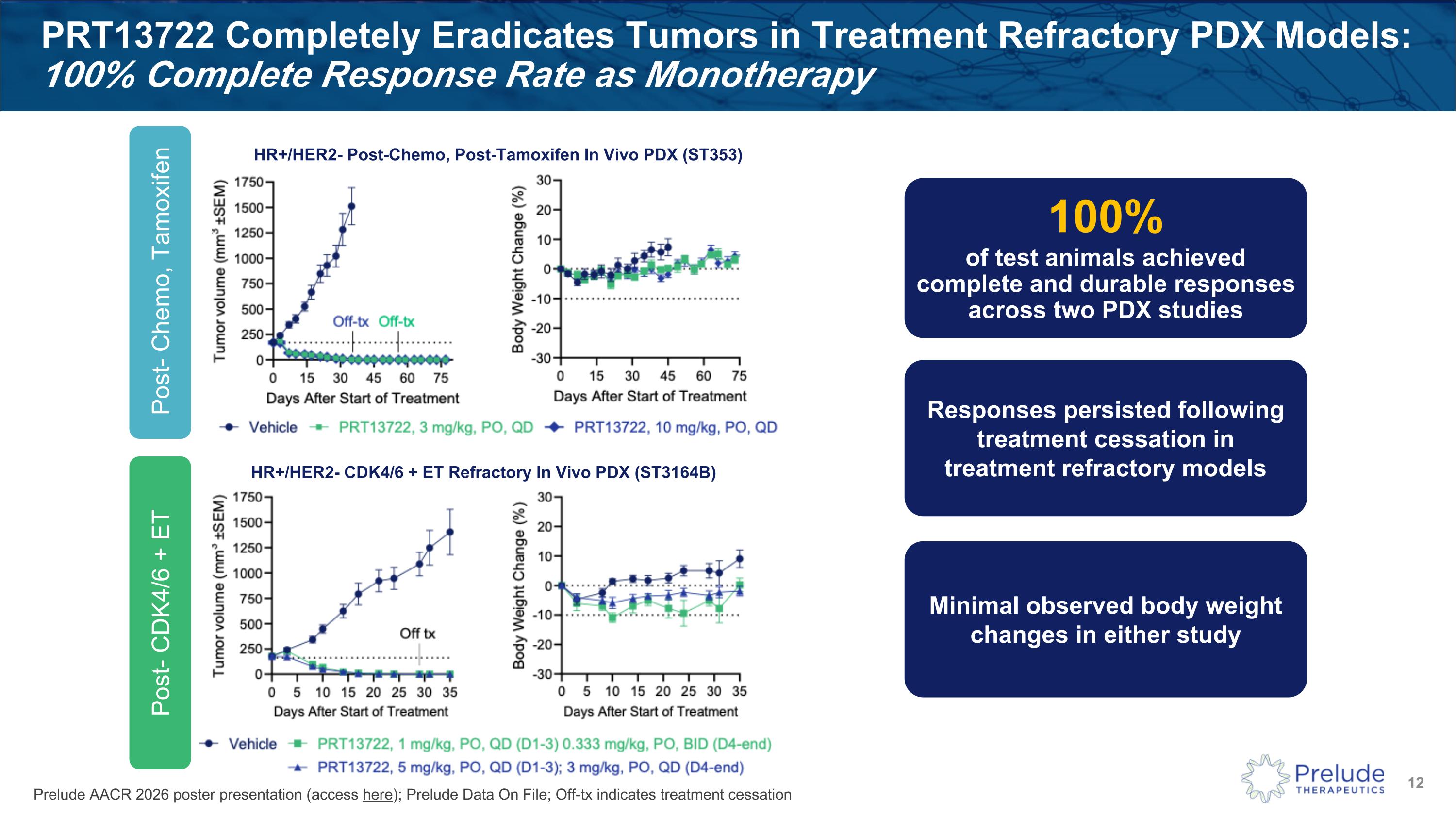
PRT13722 Completely Eradicates Tumors in Treatment Refractory PDX Models: 100% Complete Response Rate as Monotherapy Prelude AACR 2026 poster presentation (access here); Prelude Data On File; Off-tx indicates treatment cessation HR+/HER2- CDK4/6 + ET Refractory In Vivo PDX (ST3164B) 100% of test animals achieved complete and durable responses across two PDX studies Responses persisted following treatment cessation in treatment refractory models Minimal observed body weight changes in either study HR+/HER2- Post-Chemo, Post-Tamoxifen In Vivo PDX (ST353) Post- CDK4/6 + ET Post- Chemo, Tamoxifen
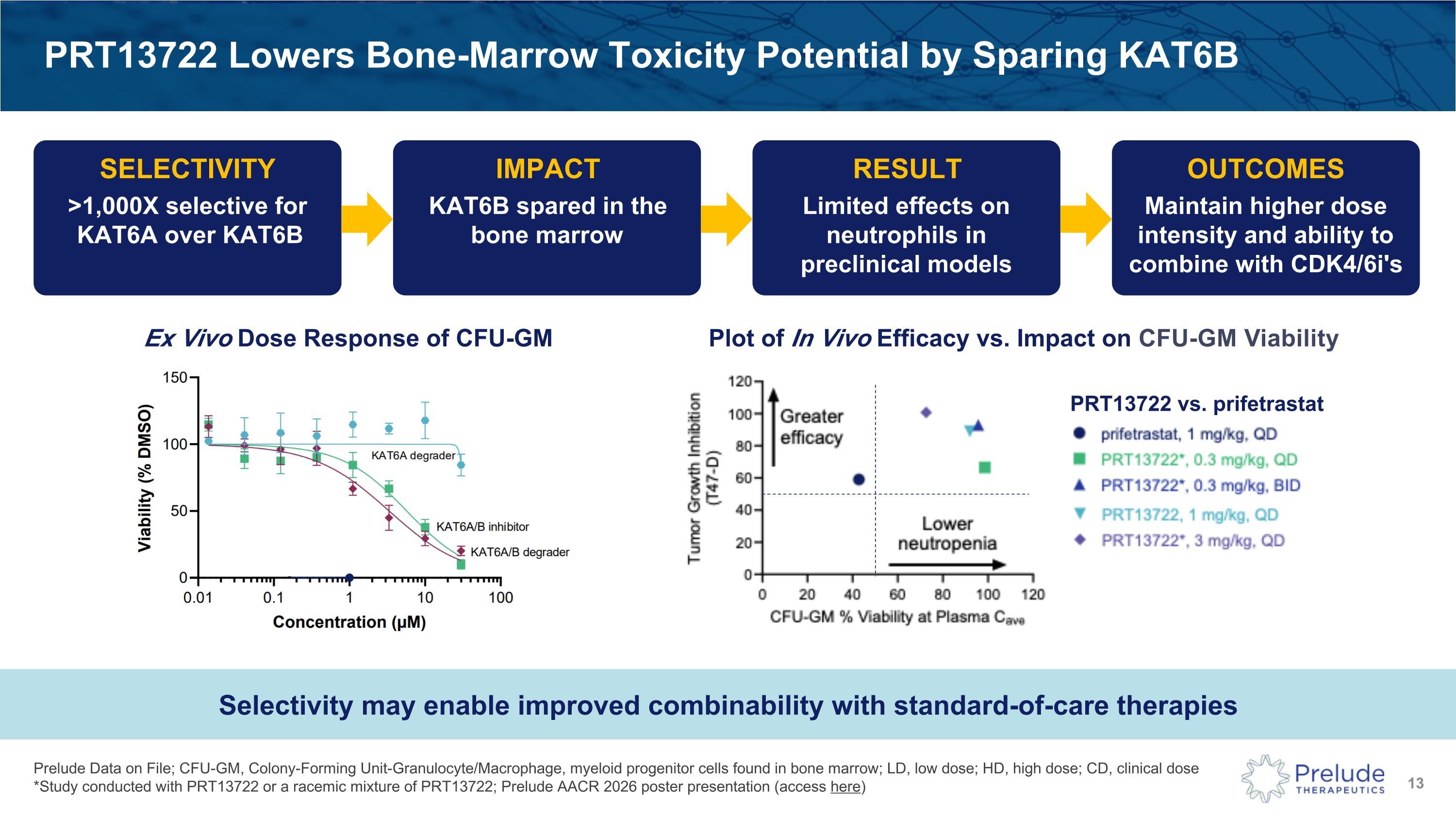
Prelude Data on File; CFU-GM, Colony-Forming Unit-Granulocyte/Macrophage, myeloid progenitor cells found in bone marrow; LD, low dose; HD, high dose; CD, clinical dose *Study conducted with PRT13722 or a racemic mixture of PRT13722; Prelude AACR 2026 poster presentation (access here) PRT13722 Lowers Bone-Marrow Toxicity Potential by Sparing KAT6B SELECTIVITY >1,000X selective for KAT6A over KAT6B IMPACT KAT6B spared in the bone marrow RESULT Limited effects on neutrophils in preclinical models OUTCOMES Maintain higher dose intensity and ability to combine with CDK4/6i's Ex Vivo Dose Response of CFU-GM Selectivity may enable improved combinability with standard-of-care therapies Plot of In Vivo Efficacy vs. Impact on CFU-GM Viability PRT13722 vs. prifetrastat
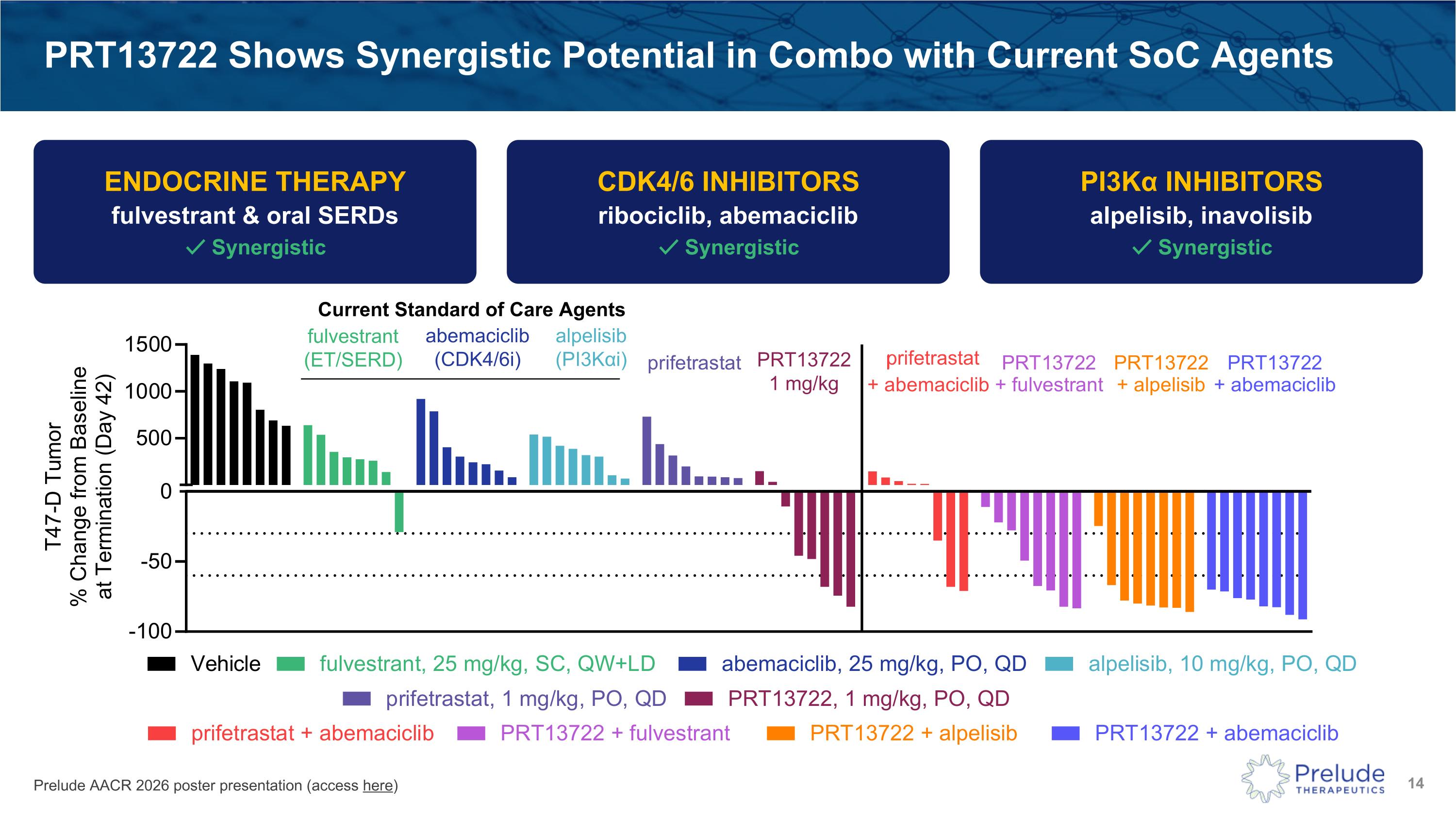
Prelude AACR 2026 poster presentation (access here) PRT13722 Shows Synergistic Potential in Combo with Current SoC Agents ENDOCRINE THERAPY fulvestrant & oral SERDs ✓ Synergistic CDK4/6 INHIBITORS ribociclib, abemaciclib ✓ Synergistic PI3Kα INHIBITORS alpelisib, inavolisib ✓ Synergistic prifetrastat Current Standard of Care Agents fulvestrant (ET/SERD) abemaciclib (CDK4/6i) alpelisib (PI3Kαi) PRT13722 1 mg/kg
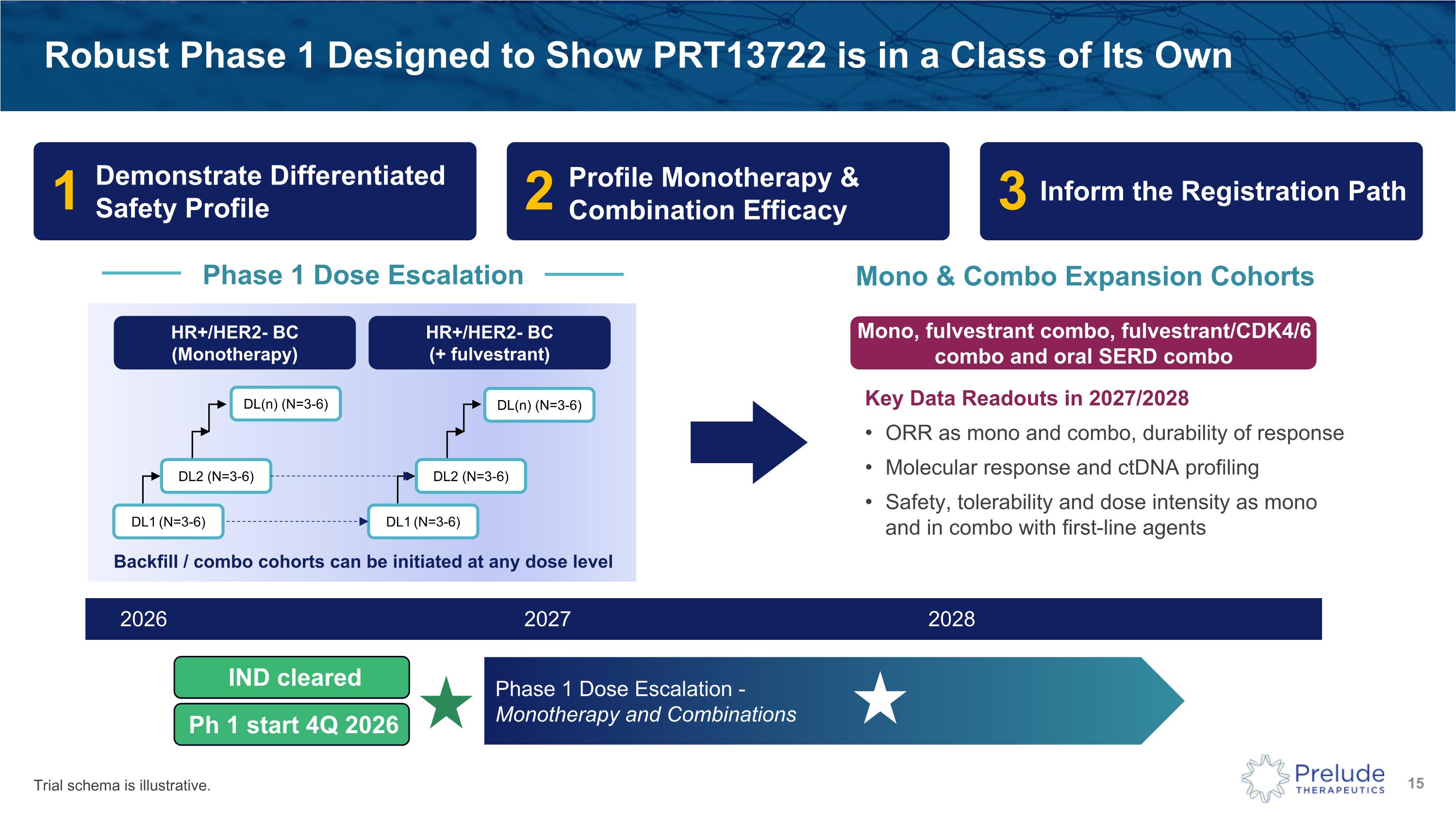
Robust Phase 1 Designed to Show PRT13722 is in a Class of Its Own 1 2 3 2026 2027 2028 Phase 1 Dose Escalation - Monotherapy and Combinations IND cleared Ph 1 start 4Q 2026 HR+/HER2- BC (Monotherapy) Phase 1 Dose Escalation Mono & Combo Expansion Cohorts DL(n) (N=3-6) DL1 (N=3-6) DL2 (N=3-6) Mono, fulvestrant combo, fulvestrant/CDK4/6 combo and oral SERD combo Key Data Readouts in 2027/2028 ORR as mono and combo, durability of response Molecular response and ctDNA profiling Safety, tolerability and dose intensity as mono and in combo with first-line agents HR+/HER2- BC (+ fulvestrant) DL(n) (N=3-6) DL1 (N=3-6) DL2 (N=3-6) Demonstrate Differentiated Safety Profile Profile Monotherapy & Combination Efficacy Inform the Registration Path Backfill / combo cohorts can be initiated at any dose level Trial schema is illustrative.
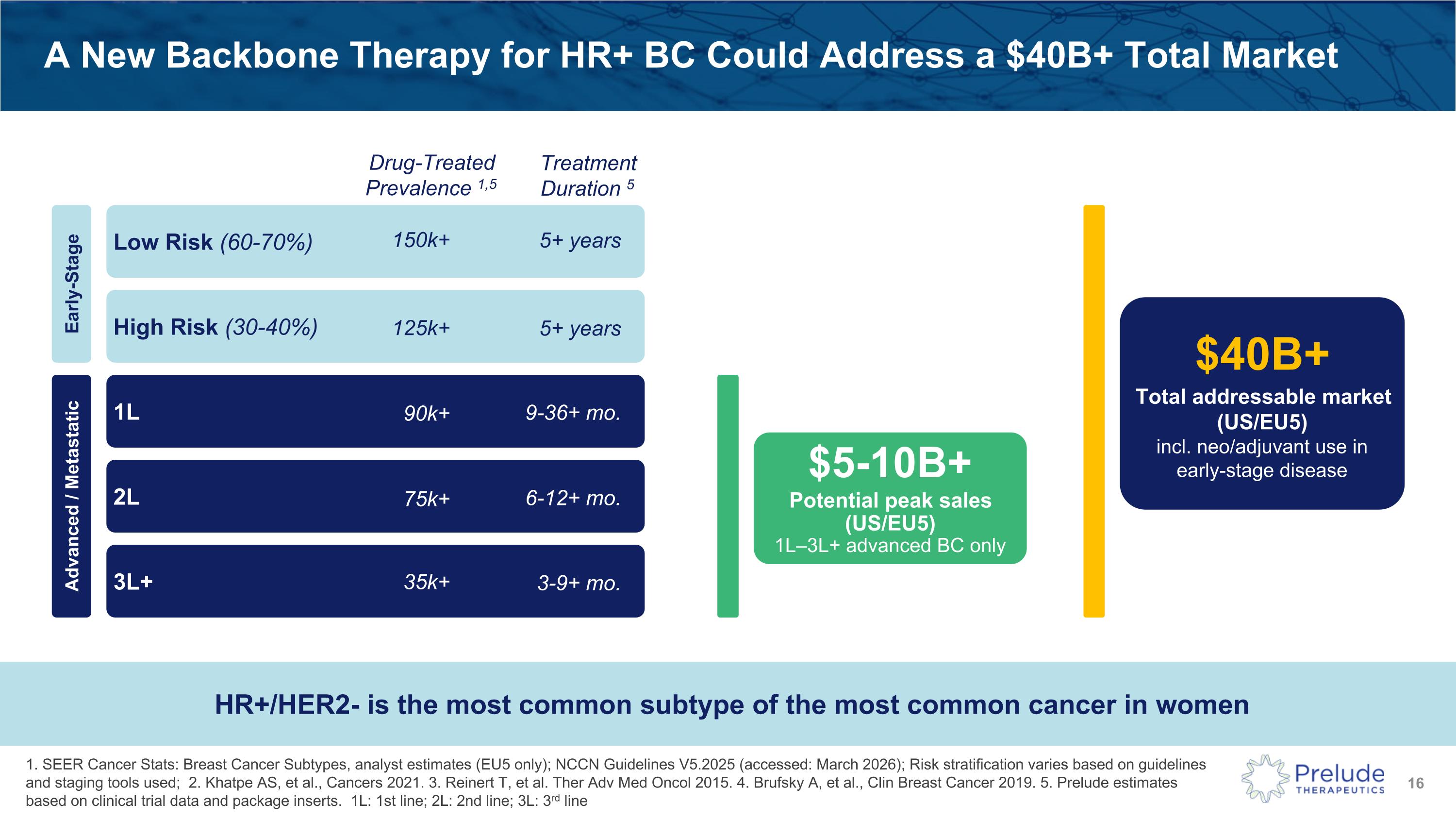
A New Backbone Therapy for HR+ BC Could Address a $40B+ Total Market Early-Stage Advanced / Metastatic Low Risk (60-70%) High Risk (30-40%) 1L 2L 3L+ $5-10B+ Potential peak sales (US/EU5) 1L–3L+ advanced BC only $40B+ Total addressable market (US/EU5) incl. neo/adjuvant use in early-stage disease Drug-Treated Prevalence 1,5 150k+ 125k+ 90k+ 75k+ 35k+ Treatment Duration 5 5+ years 5+ years 9-36+ mo. 6-12+ mo. 3-9+ mo. 1. SEER Cancer Stats: Breast Cancer Subtypes, analyst estimates (EU5 only); NCCN Guidelines V5.2025 (accessed: March 2026); Risk stratification varies based on guidelines and staging tools used; 2. Khatpe AS, et al., Cancers 2021. 3. Reinert T, et al. Ther Adv Med Oncol 2015. 4. Brufsky A, et al., Clin Breast Cancer 2019. 5. Prelude estimates based on clinical trial data and package inserts. 1L: 1st line; 2L: 2nd line; 3L: 3rd line HR+/HER2- is the most common subtype of the most common cancer in women
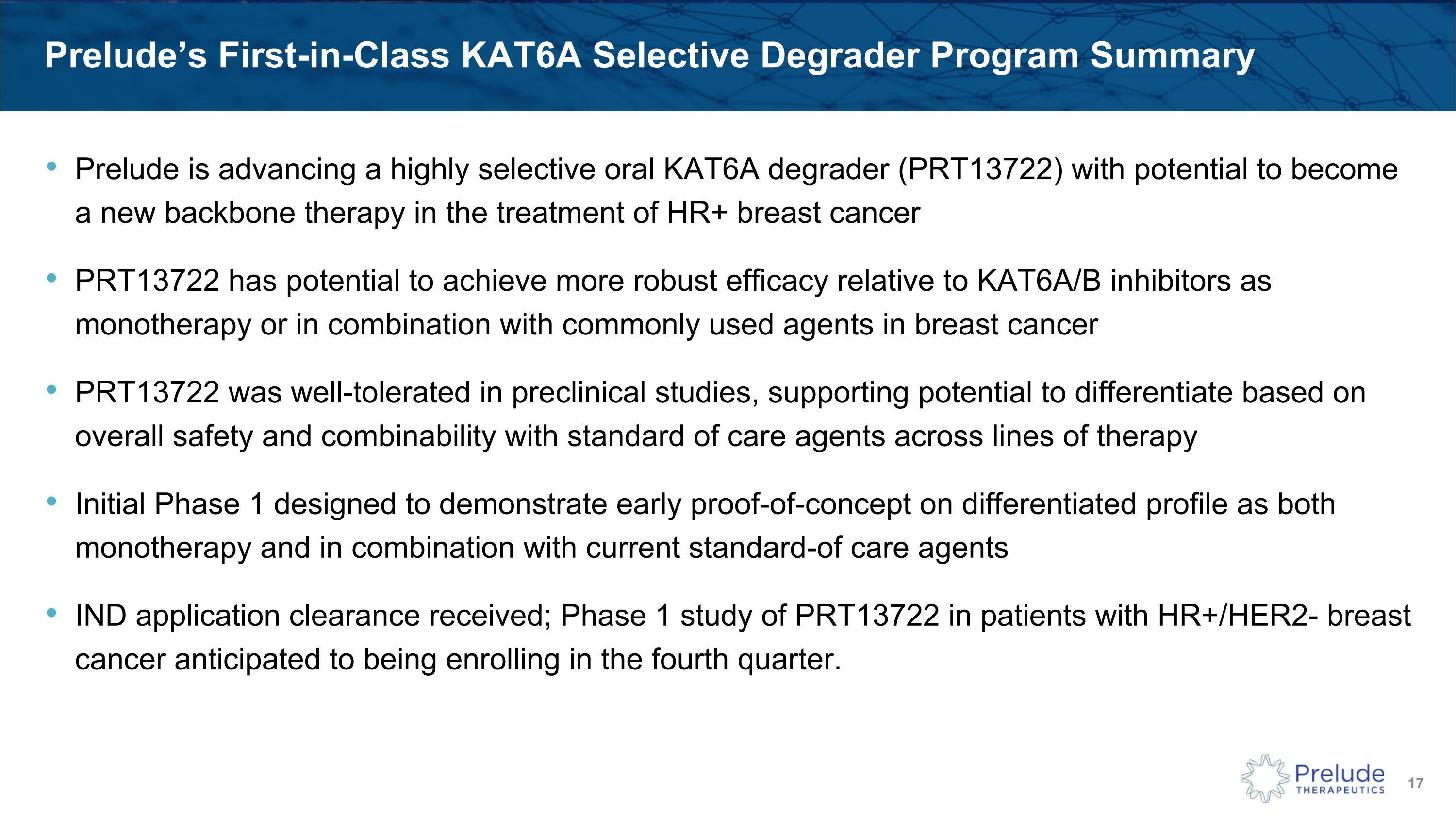
Prelude is advancing a highly selective oral KAT6A degrader (PRT13722) with potential to become a new backbone therapy in the treatment of HR+ breast cancer PRT13722 has potential to achieve more robust efficacy relative to KAT6A/B inhibitors as monotherapy or in combination with commonly used agents in breast cancer PRT13722 was well-tolerated in preclinical studies, supporting potential to differentiate based on overall safety and combinability with standard of care agents across lines of therapy Initial Phase 1 designed to demonstrate early proof-of-concept on differentiated profile as both monotherapy and in combination with current standard-of care agents IND application clearance received; Phase 1 study of PRT13722 in patients with HR+/HER2- breast cancer anticipated to being enrolling in the fourth quarter. Prelude’s First-in-Class KAT6A Selective Degrader Program Summary
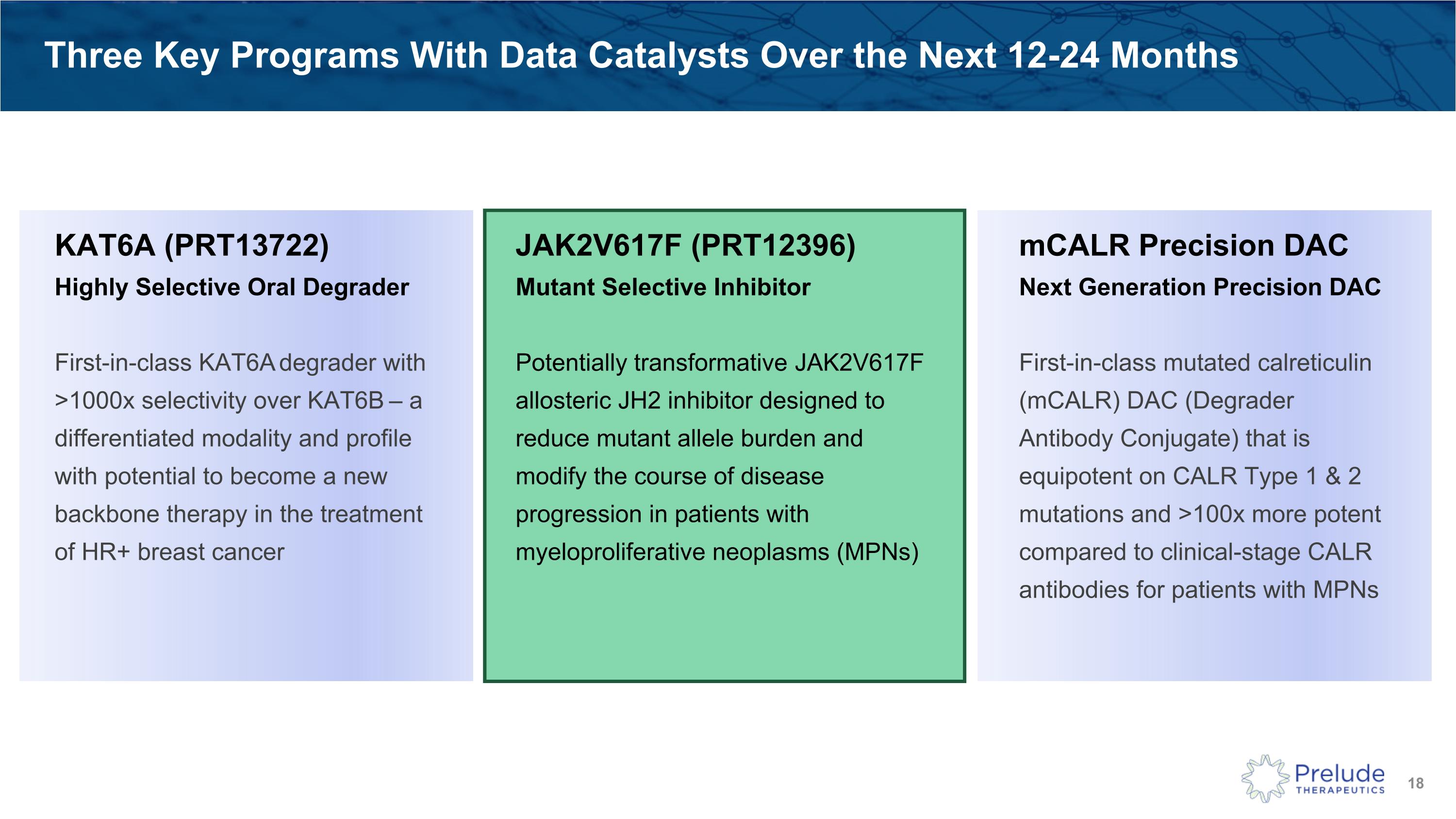
Three Key Programs With Data Catalysts Over the Next 12-24 Months JAK2V617F (PRT12396) Mutant Selective Inhibitor Potentially transformative JAK2V617F allosteric JH2 inhibitor designed to reduce mutant allele burden and modify the course of disease progression in patients with myeloproliferative neoplasms (MPNs) KAT6A (PRT13722) Highly Selective Oral Degrader First-in-class KAT6A degrader with >1000x selectivity over KAT6B – a differentiated modality and profile with potential to become a new backbone therapy in the treatment of HR+ breast cancer mCALR Precision DAC Next Generation Precision DAC First-in-class mutated calreticulin (mCALR) DAC (Degrader Antibody Conjugate) that is equipotent on CALR Type 1 & 2 mutations and >100x more potent compared to clinical-stage CALR antibodies for patients with MPNs
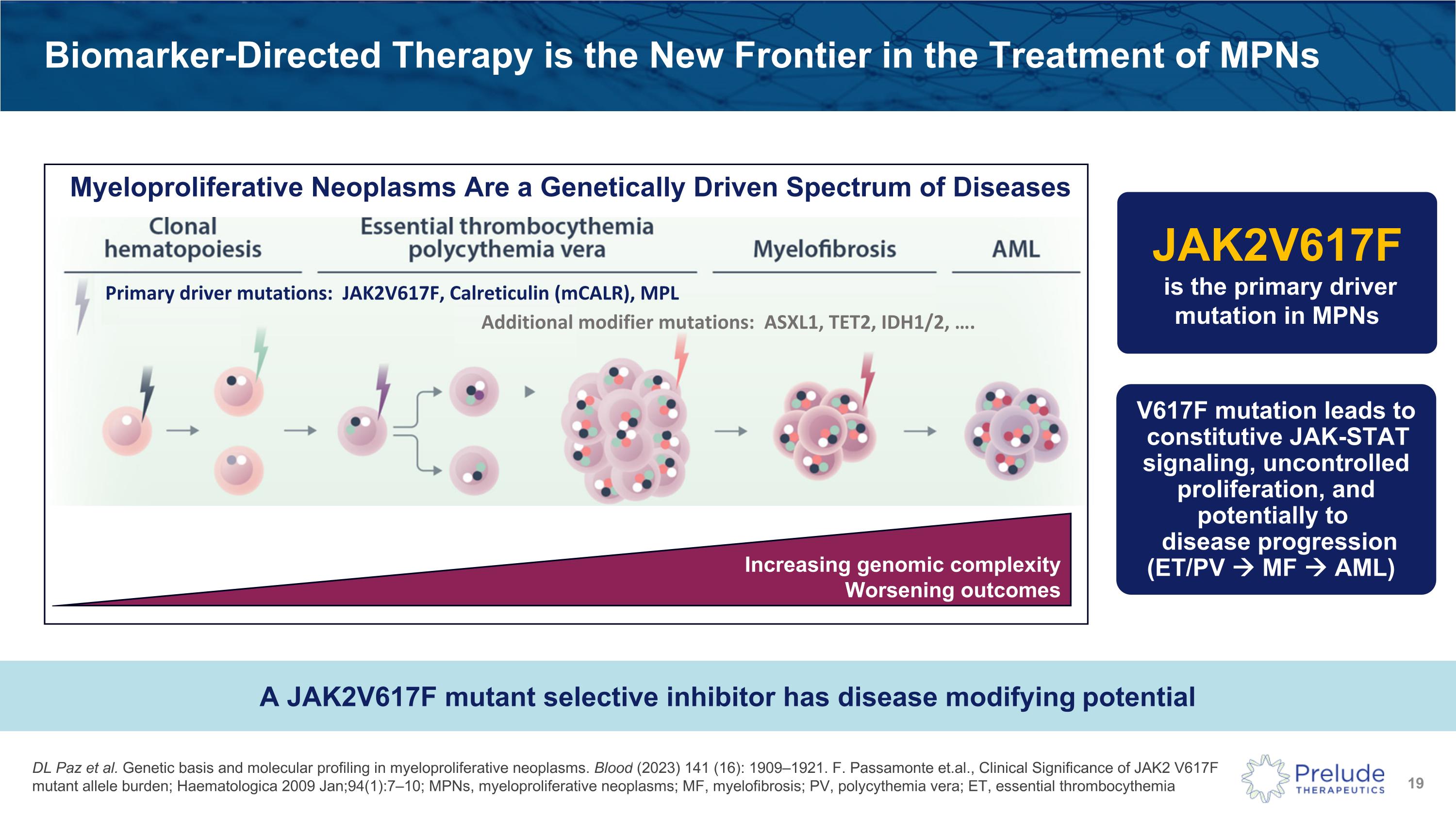
DL Paz et al. Genetic basis and molecular profiling in myeloproliferative neoplasms. Blood (2023) 141 (16): 1909–1921. F. Passamonte et.al., Clinical Significance of JAK2 V617F mutant allele burden; Haematologica 2009 Jan;94(1):7–10; MPNs, myeloproliferative neoplasms; MF, myelofibrosis; PV, polycythemia vera; ET, essential thrombocythemia Biomarker-Directed Therapy is the New Frontier in the Treatment of MPNs Myeloproliferative Neoplasms Are a Genetically Driven Spectrum of Diseases A JAK2V617F mutant selective inhibitor has disease modifying potential Increasing genomic complexity Worsening outcomes V617F mutation leads to constitutive JAK-STAT signaling, uncontrolled proliferation, and potentially to disease progression (ET/PV MF AML) JAK2V617F is the primary driver mutation in MPNs Primary driver mutations: JAK2V617F, Calreticulin (mCALR), MPL Additional modifier mutations: ASXL1, TET2, IDH1/2, ….
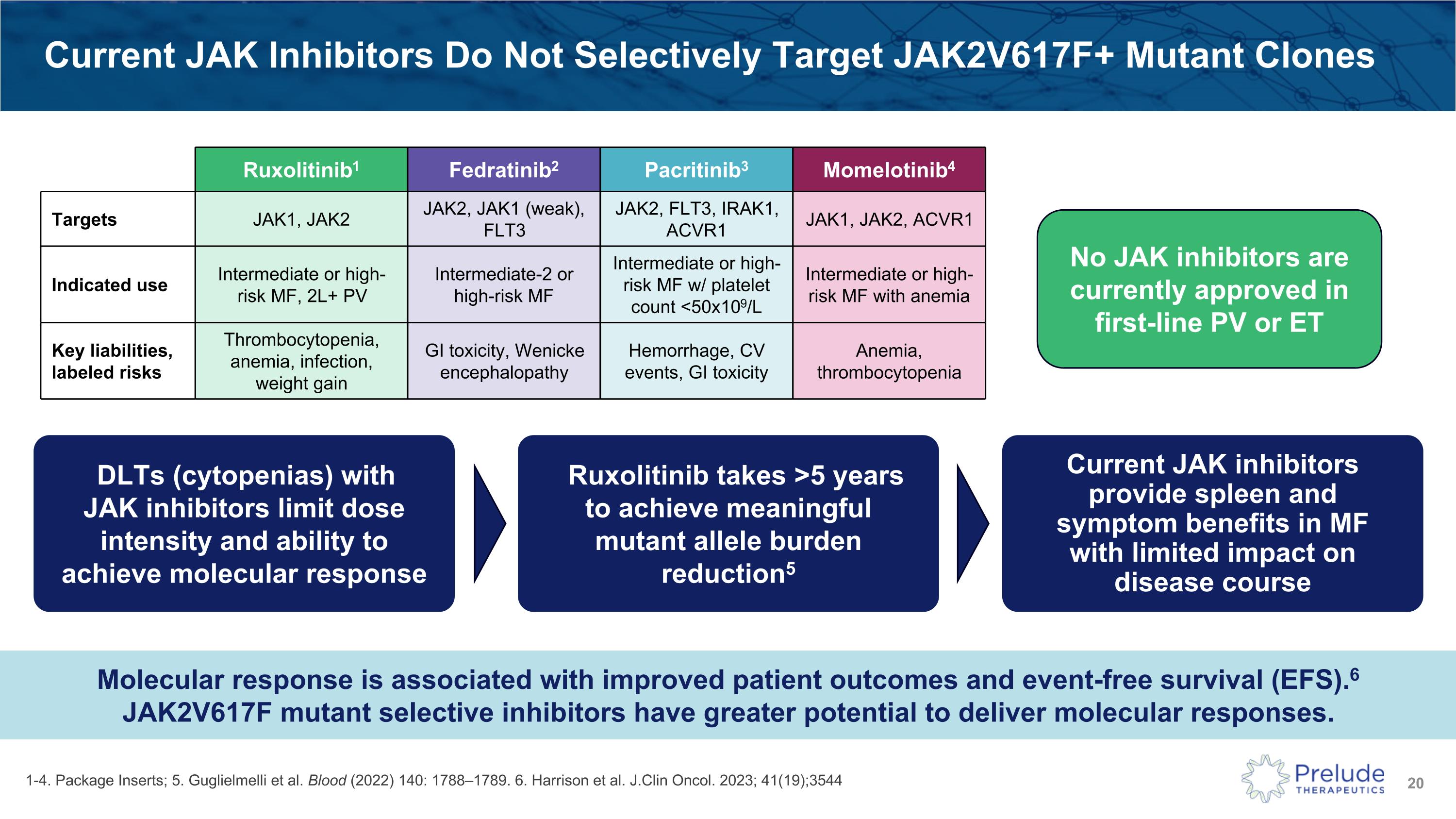
Current JAK Inhibitors Do Not Selectively Target JAK2V617F+ Mutant Clones 1-4. Package Inserts; 5. Guglielmelli et al. Blood (2022) 140: 1788–1789. 6. Harrison et al. J.Clin Oncol. 2023; 41(19);3544 Molecular response is associated with improved patient outcomes and event-free survival (EFS).6 JAK2V617F mutant selective inhibitors have greater potential to deliver molecular responses. No JAK inhibitors are currently approved in first-line PV or ET DLTs (cytopenias) with JAK inhibitors limit dose intensity and ability to achieve molecular response Ruxolitinib takes >5 years to achieve meaningful mutant allele burden reduction5 Current JAK inhibitors provide spleen and symptom benefits in MF with limited impact on disease course Ruxolitinib1 Fedratinib2 Pacritinib3 Momelotinib4 Targets JAK1, JAK2 JAK2, JAK1 (weak), FLT3 JAK2, FLT3, IRAK1, ACVR1 JAK1, JAK2, ACVR1 Indicated use Intermediate or high-risk MF, 2L+ PV Intermediate-2 or high-risk MF Intermediate or high-risk MF w/ platelet count <50x109/L Intermediate or high-risk MF with anemia Key liabilities, labeled risks Thrombocytopenia, anemia, infection, weight gain GI toxicity, Wenicke encephalopathy Hemorrhage, CV events, GI toxicity Anemia, thrombocytopenia
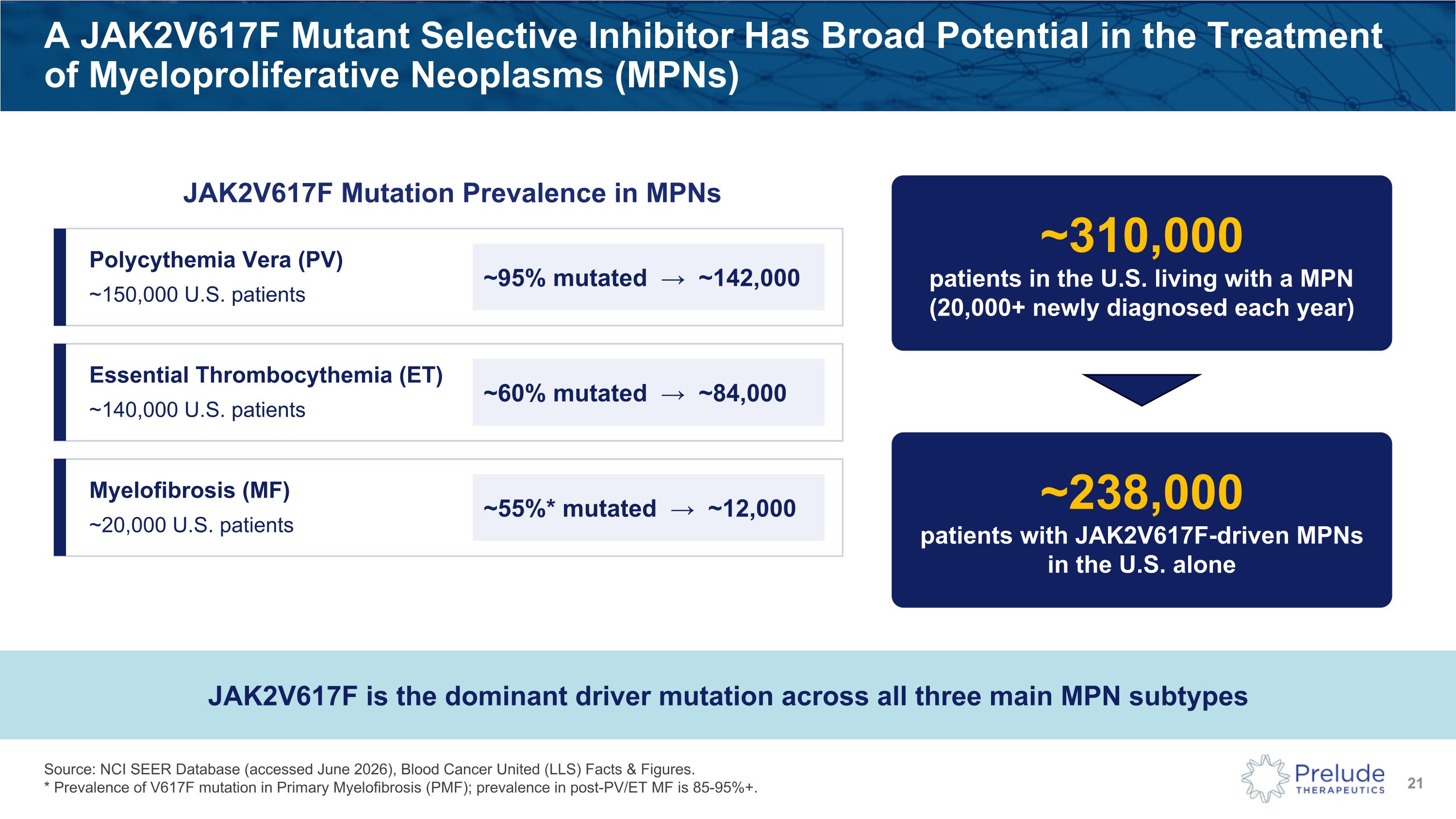
Source: NCI SEER Database (accessed June 2026), Blood Cancer United (LLS) Facts & Figures. * Prevalence of V617F mutation in Primary Myelofibrosis (PMF); prevalence in post-PV/ET MF is 85-95%+. A JAK2V617F Mutant Selective Inhibitor Has Broad Potential in the Treatment of Myeloproliferative Neoplasms (MPNs) Polycythemia Vera (PV) ~150,000 U.S. patients ~95% mutated → ~142,000 Essential Thrombocythemia (ET) ~140,000 U.S. patients ~60% mutated → ~84,000 Myelofibrosis (MF) ~20,000 U.S. patients ~55%* mutated → ~12,000 JAK2V617F is the dominant driver mutation across all three main MPN subtypes ~238,000 patients with JAK2V617F-driven MPNs in the U.S. alone ~310,000 patients in the U.S. living with a MPN (20,000+ newly diagnosed each year) JAK2V617F Mutation Prevalence in MPNs
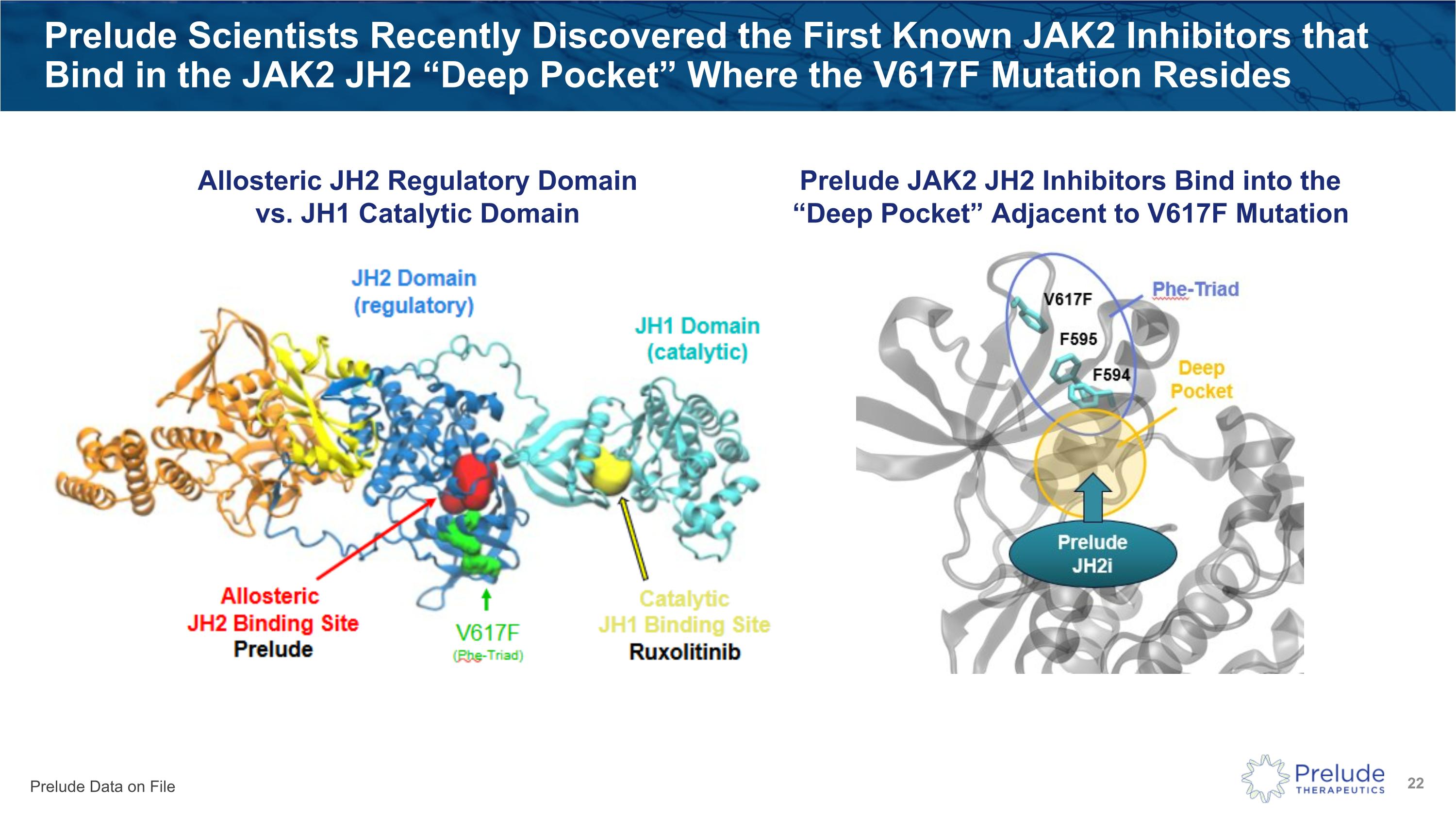
Prelude Scientists Recently Discovered the First Known JAK2 Inhibitors that Bind in the JAK2 JH2 “Deep Pocket” Where the V617F Mutation Resides Prelude JAK2 JH2 Inhibitors Bind into the “Deep Pocket” Adjacent to V617F Mutation Allosteric JH2 Regulatory Domain vs. JH1 Catalytic Domain Prelude Data on File
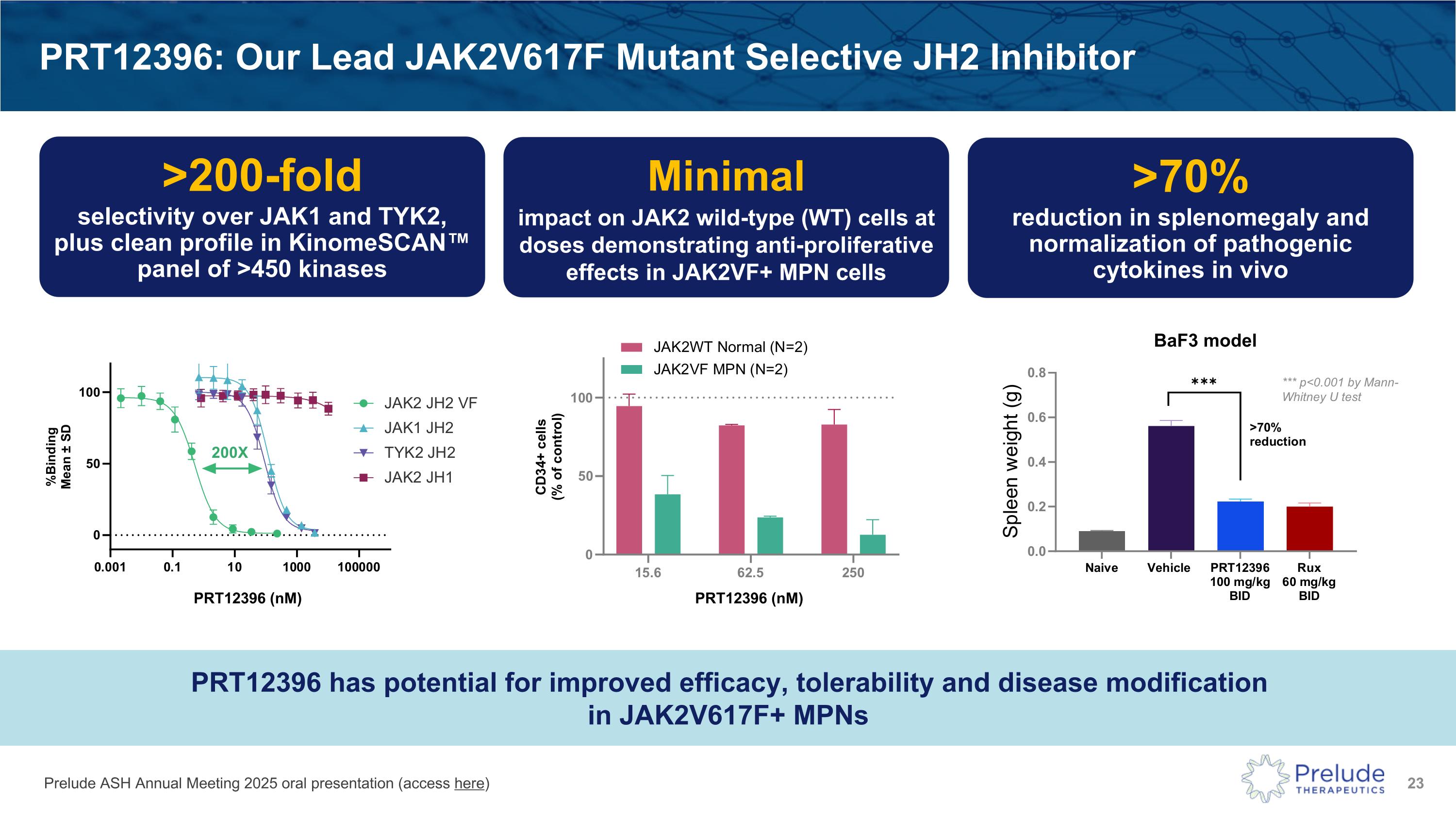
PRT12396: Our Lead JAK2V617F Mutant Selective JH2 Inhibitor *** p<0.001 by Mann-Whitney U test BaF3 model Prelude ASH Annual Meeting 2025 oral presentation (access here) Equivalent or better efficacy to ruxolitinib in preclinical in vivo models at well-tolerated doses PRT12396 has potential for improved efficacy, tolerability and disease modification in JAK2V617F+ MPNs >200-fold selectivity over JAK1 and TYK2, plus clean profile in KinomeSCAN™ panel of >450 kinases Minimal impact on JAK2 wild-type (WT) cells at doses demonstrating anti-proliferative effects in JAK2VF+ MPN cells >70% reduction in splenomegaly and normalization of pathogenic cytokines in vivo PRT12396 (nM) PRT12396 (nM)
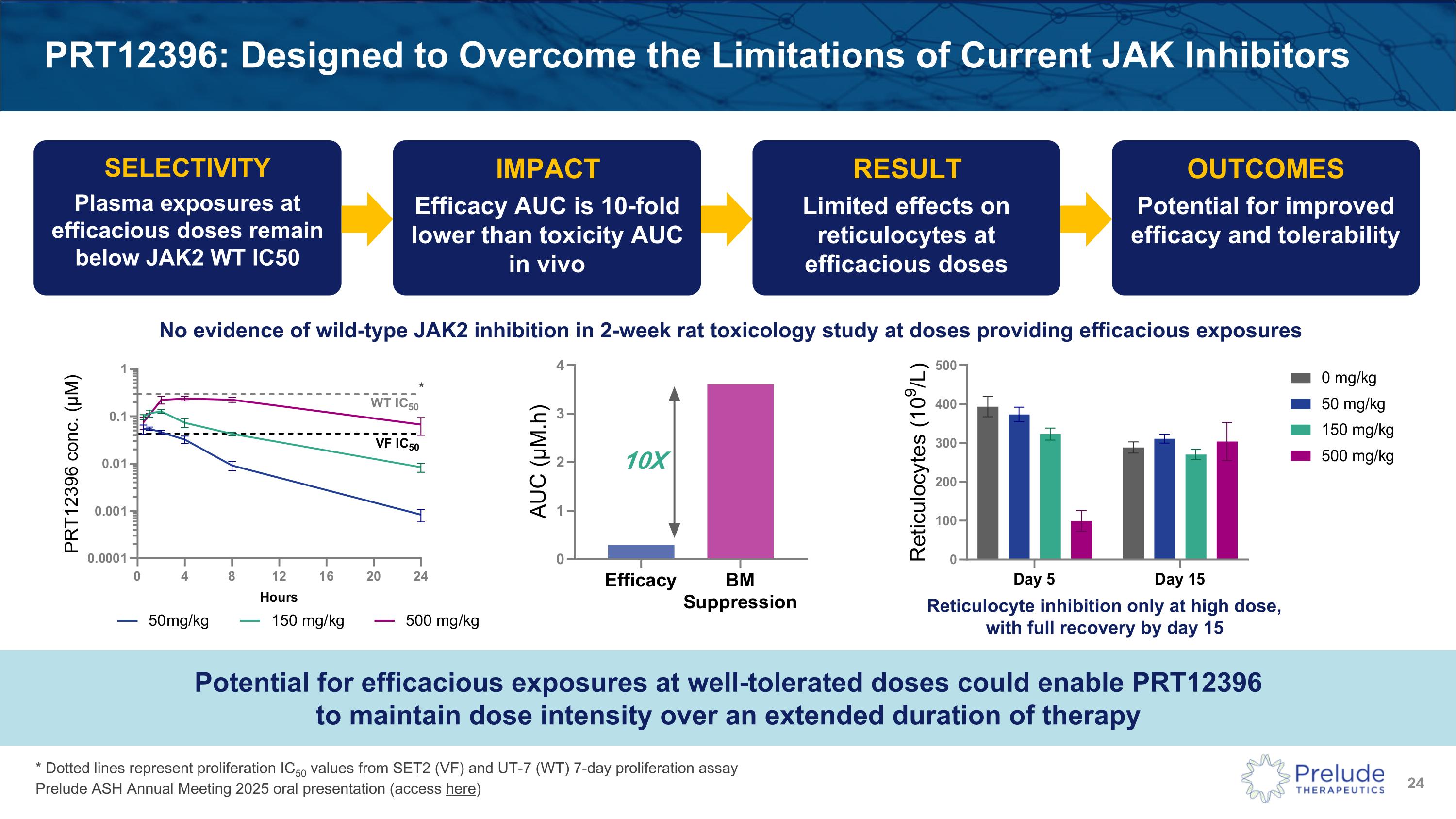
PRT12396: Designed to Overcome the Limitations of Current JAK Inhibitors * Dotted lines represent proliferation IC50 values from SET2 (VF) and UT-7 (WT) 7-day proliferation assay Prelude ASH Annual Meeting 2025 oral presentation (access here) SELECTIVITY Plasma exposures at efficacious doses remain below JAK2 WT IC50 IMPACT Efficacy AUC is 10-fold lower than toxicity AUC in vivo RESULT Limited effects on reticulocytes at efficacious doses Potential for efficacious exposures at well-tolerated doses could enable PRT12396 to maintain dose intensity over an extended duration of therapy OUTCOMES Potential for improved efficacy and tolerability No evidence of wild-type JAK2 inhibition in 2-week rat toxicology study at doses providing efficacious exposures * Reticulocyte inhibition only at high dose, with full recovery by day 15
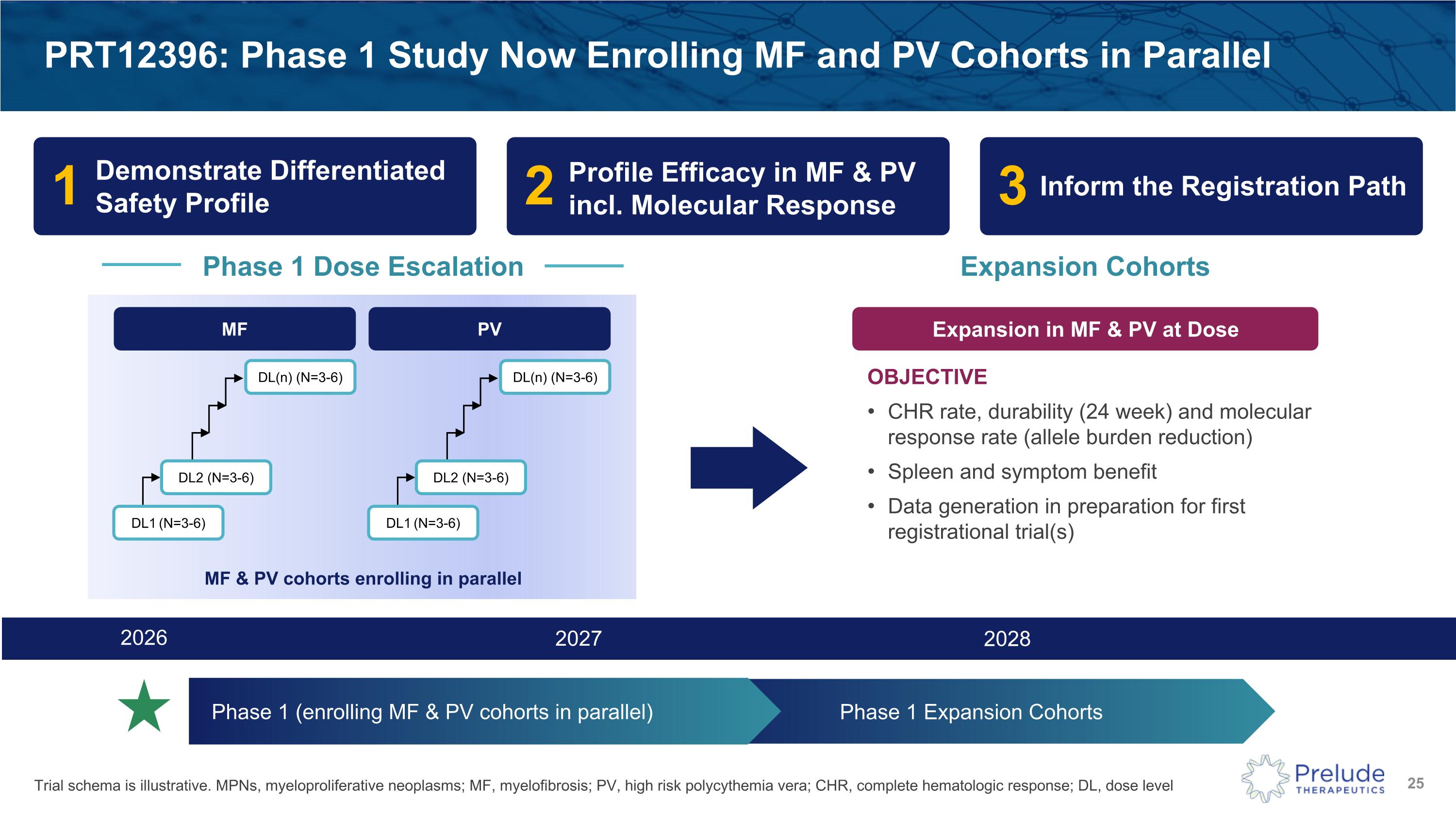
PRT12396: Phase 1 Study Now Enrolling MF and PV Cohorts in Parallel MF 2026 2027 2028 Phase 1 Expansion Cohorts Phase 1 (enrolling MF & PV cohorts in parallel) Phase 1 Dose Escalation Expansion Cohorts DL(n) (N=3-6) DL1 (N=3-6) DL2 (N=3-6) Expansion in MF & PV at Dose OBJECTIVE CHR rate, durability (24 week) and molecular response rate (allele burden reduction) Spleen and symptom benefit Data generation in preparation for first registrational trial(s) Trial schema is illustrative. MPNs, myeloproliferative neoplasms; MF, myelofibrosis; PV, high risk polycythemia vera; CHR, complete hematologic response; DL, dose level PV DL(n) (N=3-6) DL1 (N=3-6) DL2 (N=3-6) MF & PV cohorts enrolling in parallel 1 2 3 Demonstrate Differentiated Safety Profile Profile Efficacy in MF & PV incl. Molecular Response Inform the Registration Path
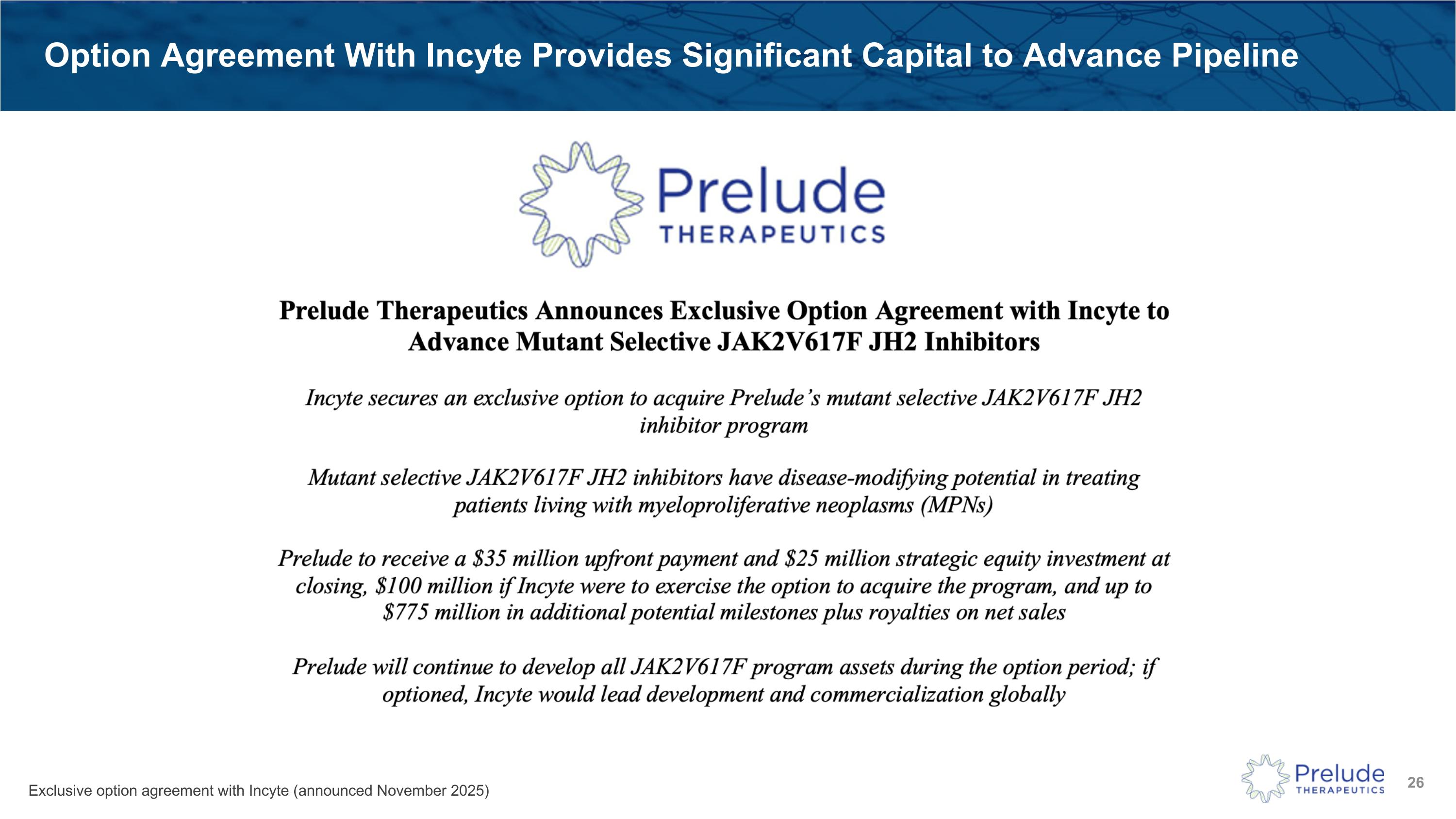
Exclusive option agreement with Incyte (announced November 2025) Option Agreement With Incyte Provides Significant Capital to Advance Pipeline
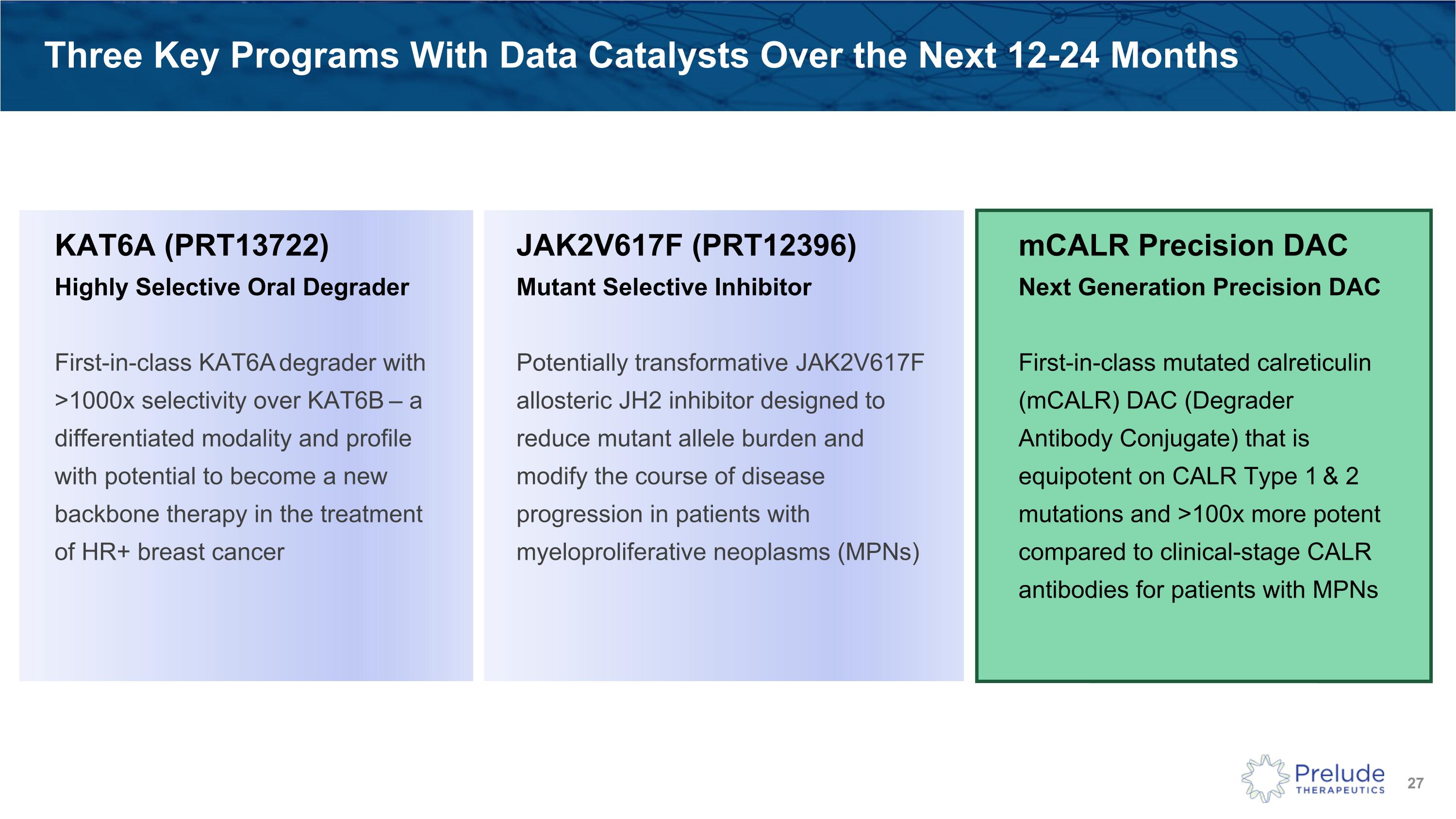
Three Key Programs With Data Catalysts Over the Next 12-24 Months JAK2V617F (PRT12396) Mutant Selective Inhibitor Potentially transformative JAK2V617F allosteric JH2 inhibitor designed to reduce mutant allele burden and modify the course of disease progression in patients with myeloproliferative neoplasms (MPNs) KAT6A (PRT13722) Highly Selective Oral Degrader First-in-class KAT6A degrader with >1000x selectivity over KAT6B – a differentiated modality and profile with potential to become a new backbone therapy in the treatment of HR+ breast cancer mCALR Precision DAC Next Generation Precision DAC First-in-class mutated calreticulin (mCALR) DAC (Degrader Antibody Conjugate) that is equipotent on CALR Type 1 & 2 mutations and >100x more potent compared to clinical-stage CALR antibodies for patients with MPNs
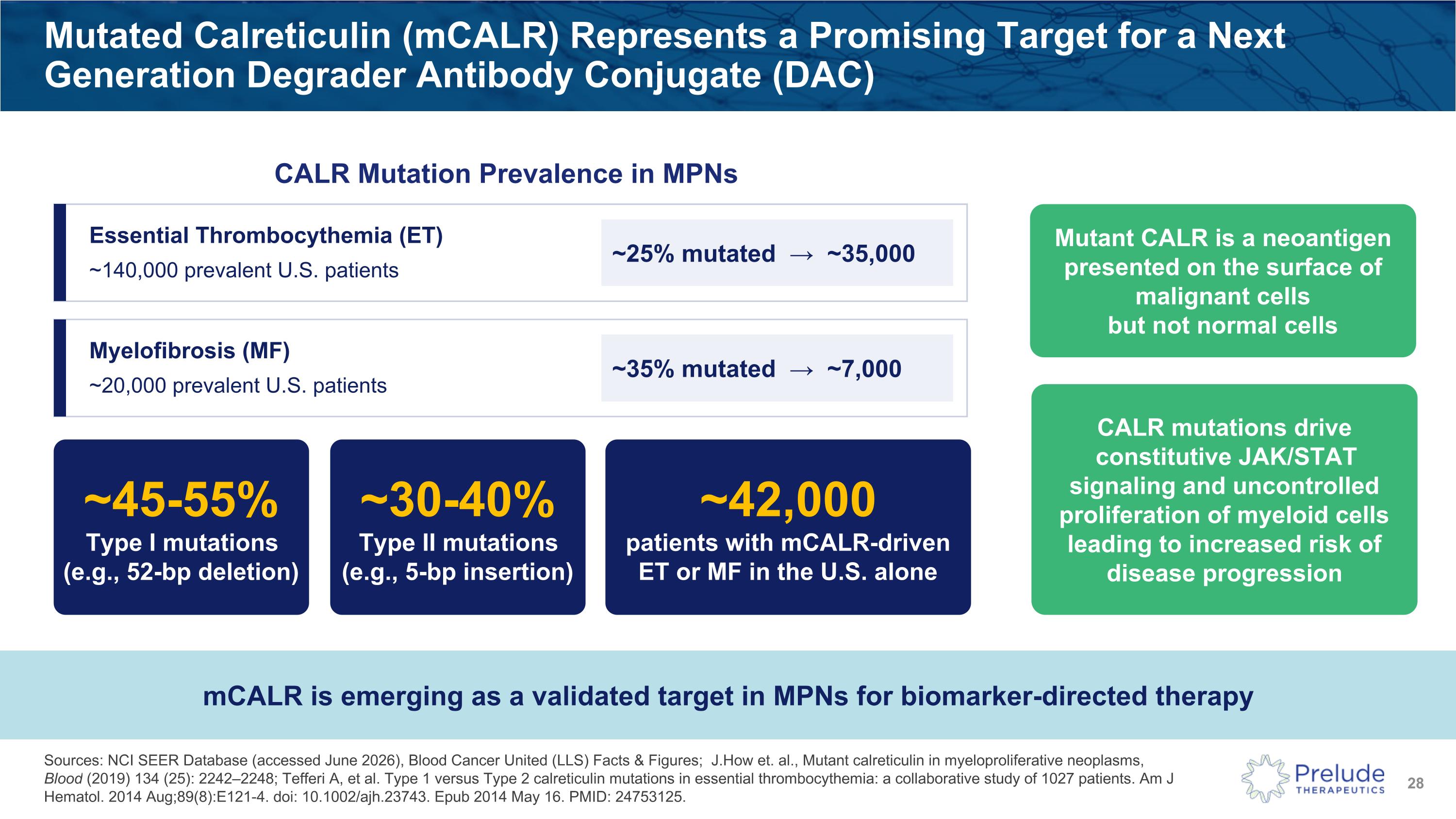
Sources: NCI SEER Database (accessed June 2026), Blood Cancer United (LLS) Facts & Figures; J.How et. al., Mutant calreticulin in myeloproliferative neoplasms, Blood (2019) 134 (25): 2242–2248; Tefferi A, et al. Type 1 versus Type 2 calreticulin mutations in essential thrombocythemia: a collaborative study of 1027 patients. Am J Hematol. 2014 Aug;89(8):E121-4. doi: 10.1002/ajh.23743. Epub 2014 May 16. PMID: 24753125. Mutated Calreticulin (mCALR) Represents a Promising Target for a Next Generation Degrader Antibody Conjugate (DAC) Essential Thrombocythemia (ET) ~140,000 prevalent U.S. patients ~25% mutated → ~35,000 Myelofibrosis (MF) ~20,000 prevalent U.S. patients ~35% mutated → ~7,000 mCALR is emerging as a validated target in MPNs for biomarker-directed therapy ~42,000 patients with mCALR-driven ET or MF in the U.S. alone CALR Mutation Prevalence in MPNs Mutant CALR is a neoantigen presented on the surface of malignant cells but not normal cells ~45-55% Type I mutations (e.g., 52-bp deletion) ~30-40% Type II mutations (e.g., 5-bp insertion) CALR mutations drive constitutive JAK/STAT signaling and uncontrolled proliferation of myeloid cells leading to increased risk of disease progression
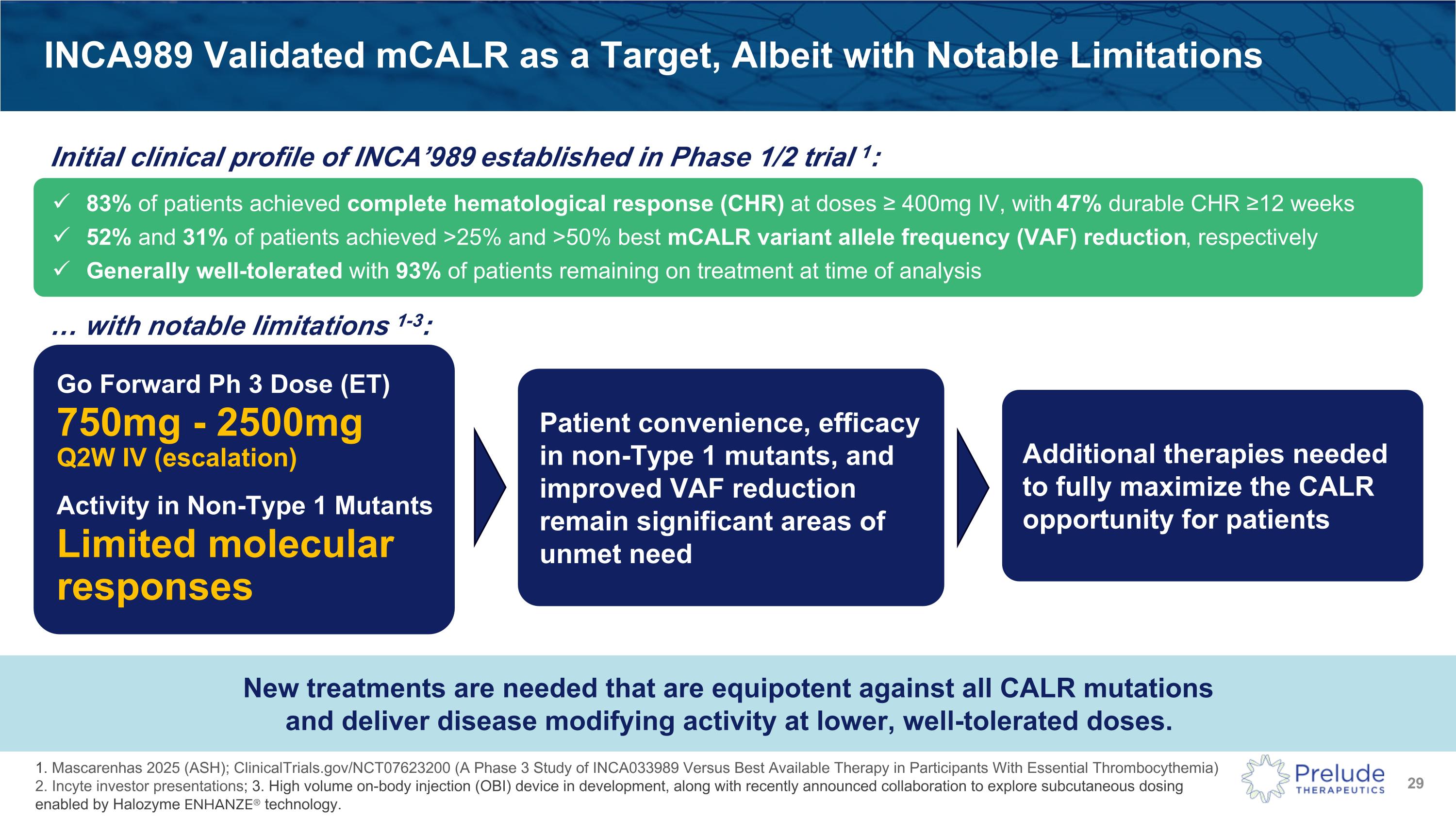
INCA989 Validated mCALR as a Target, Albeit with Notable Limitations 83% of patients achieved complete hematological response (CHR) at doses ≥ 400mg IV, with 47% durable CHR ≥12 weeks 52% and 31% of patients achieved >25% and >50% best mCALR variant allele frequency (VAF) reduction, respectively Generally well-tolerated with 93% of patients remaining on treatment at time of analysis … with notable limitations 1-3: Go Forward Ph 3 Dose (ET) 750mg - 2500mg Q2W IV (escalation) Activity in Non-Type 1 Mutants Limited molecular responses Patient convenience, efficacy in non-Type 1 mutants, and improved VAF reduction remain significant areas of unmet need Additional therapies needed to fully maximize the CALR opportunity for patients New treatments are needed that are equipotent against all CALR mutations and deliver disease modifying activity at lower, well-tolerated doses. 1. Mascarenhas 2025 (ASH); ClinicalTrials.gov/NCT07623200 (A Phase 3 Study of INCA033989 Versus Best Available Therapy in Participants With Essential Thrombocythemia) 2. Incyte investor presentations; 3. High volume on-body injection (OBI) device in development, along with recently announced collaboration to explore subcutaneous dosing enabled by Halozyme ENHANZE® technology. Initial clinical profile of INCA’989 established in Phase 1/2 trial 1:
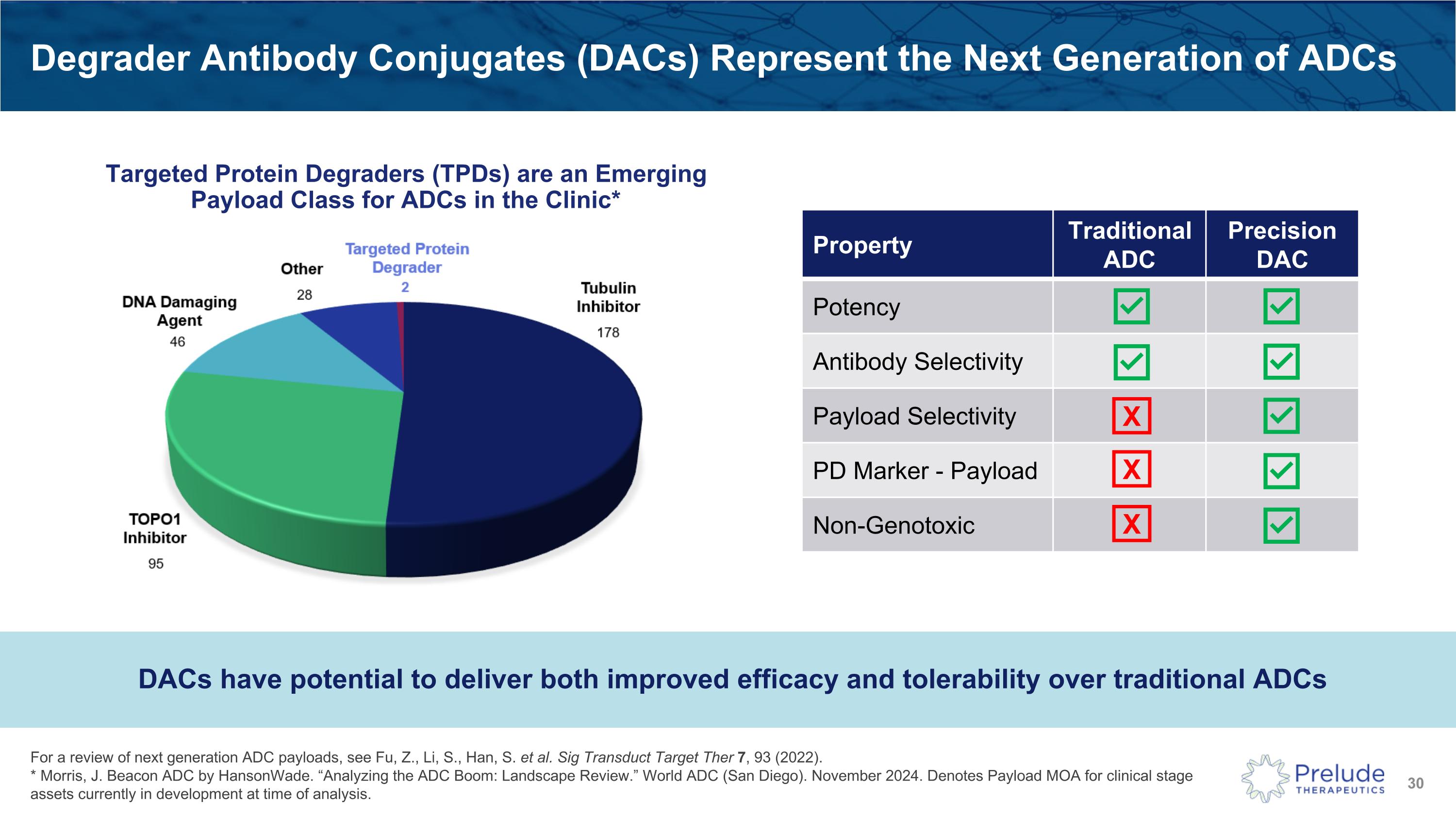
Degrader Antibody Conjugates (DACs) Represent the Next Generation of ADCs For a review of next generation ADC payloads, see Fu, Z., Li, S., Han, S. et al. Sig Transduct Target Ther 7, 93 (2022). Property Traditional ADC Precision DAC Potency Antibody Selectivity Payload Selectivity PD Marker - Payload Non-Genotoxic X X X Targeted Protein Degraders (TPDs) are an Emerging Payload Class for ADCs in the Clinic* * Morris, J. Beacon ADC by HansonWade. “Analyzing the ADC Boom: Landscape Review.” World ADC (San Diego). November 2024. Denotes Payload MOA for clinical stage assets currently in development at time of analysis. DACs have potential to deliver both improved efficacy and tolerability over traditional ADCs
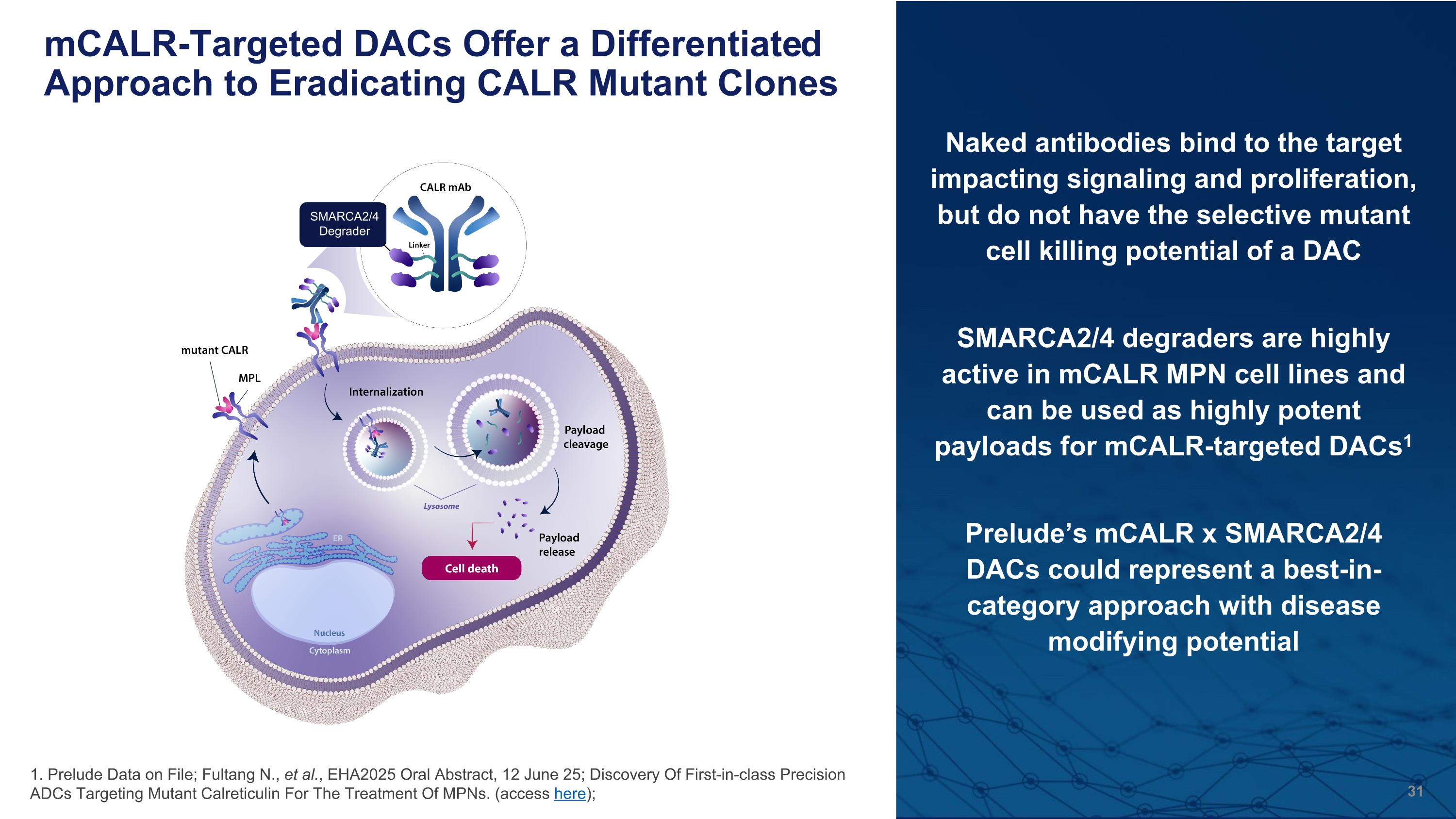
mCALR-Targeted DACs Offer a Differentiated Approach to Eradicating CALR Mutant Clones SMARCA2/4 Degrader Naked antibodies bind to the target impacting signaling and proliferation, but do not have the selective mutant cell killing potential of a DAC SMARCA2/4 degraders are highly active in mCALR MPN cell lines and can be used as highly potent payloads for mCALR-targeted DACs1 Prelude’s mCALR x SMARCA2/4 DACs could represent a best-in-category approach with disease modifying potential 1. Prelude Data on File; Fultang N., et al., EHA2025 Oral Abstract, 12 June 25; Discovery Of First-in-class Precision ADCs Targeting Mutant Calreticulin For The Treatment Of MPNs. (access here);
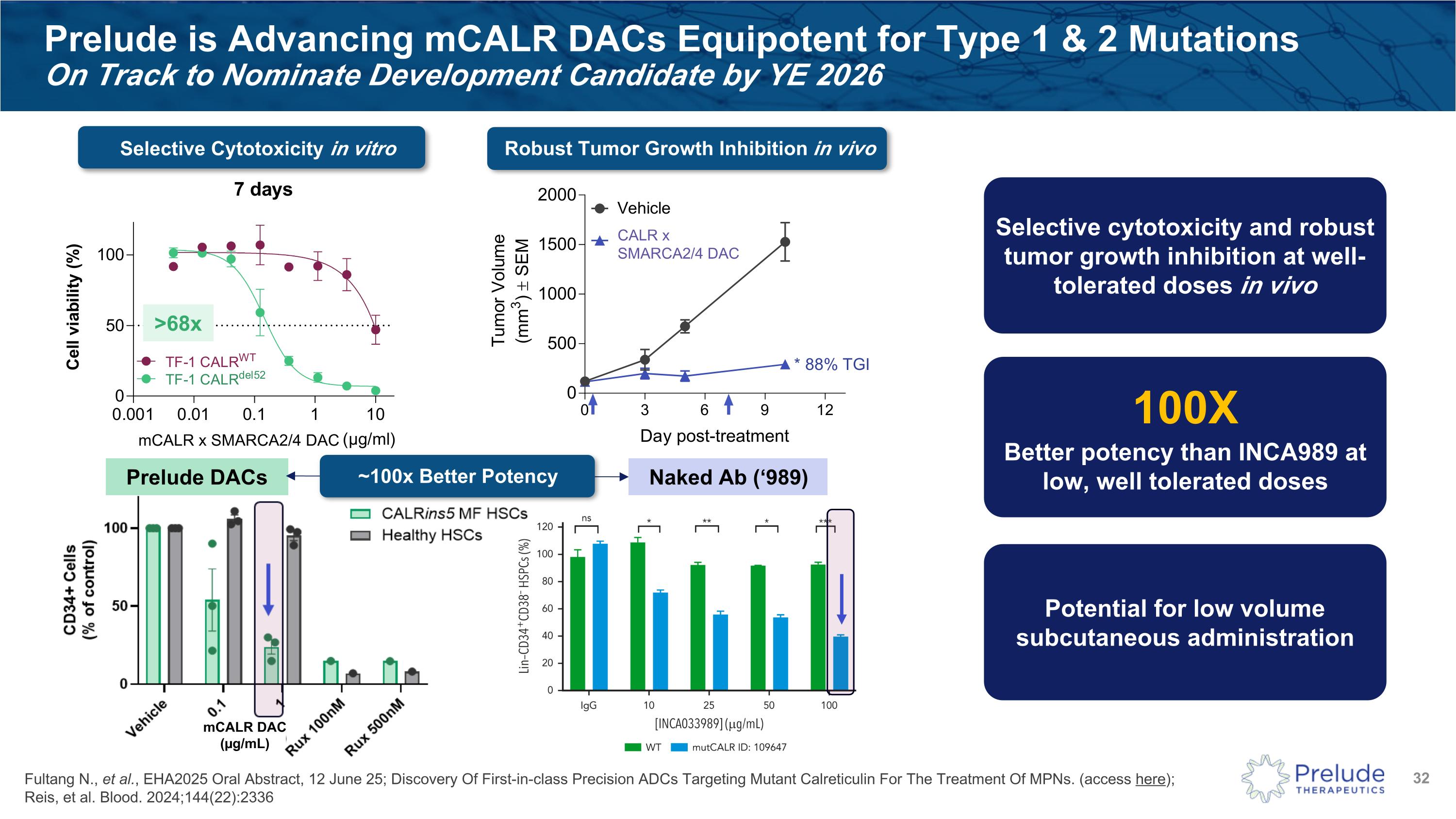
Prelude is Advancing mCALR DACs Equipotent for Type 1 & 2 Mutations On Track to Nominate Development Candidate by YE 2026 >68x Selective Cytotoxicity in vitro Robust Tumor Growth Inhibition in vivo Fultang N., et al., EHA2025 Oral Abstract, 12 June 25; Discovery Of First-in-class Precision ADCs Targeting Mutant Calreticulin For The Treatment Of MPNs. (access here); Reis, et al. Blood. 2024;144(22):2336 CALR x SMARCA2/4 DAC mCALR x SMARCA2/4 DAC Prelude DACs Naked Ab (‘989) ~100x Better Potency 100X Better potency than INCA989 at low, well tolerated doses Selective cytotoxicity and robust tumor growth inhibition at well-tolerated doses in vivo Potential for low volume subcutaneous administration mCALR DAC (µg/mL)
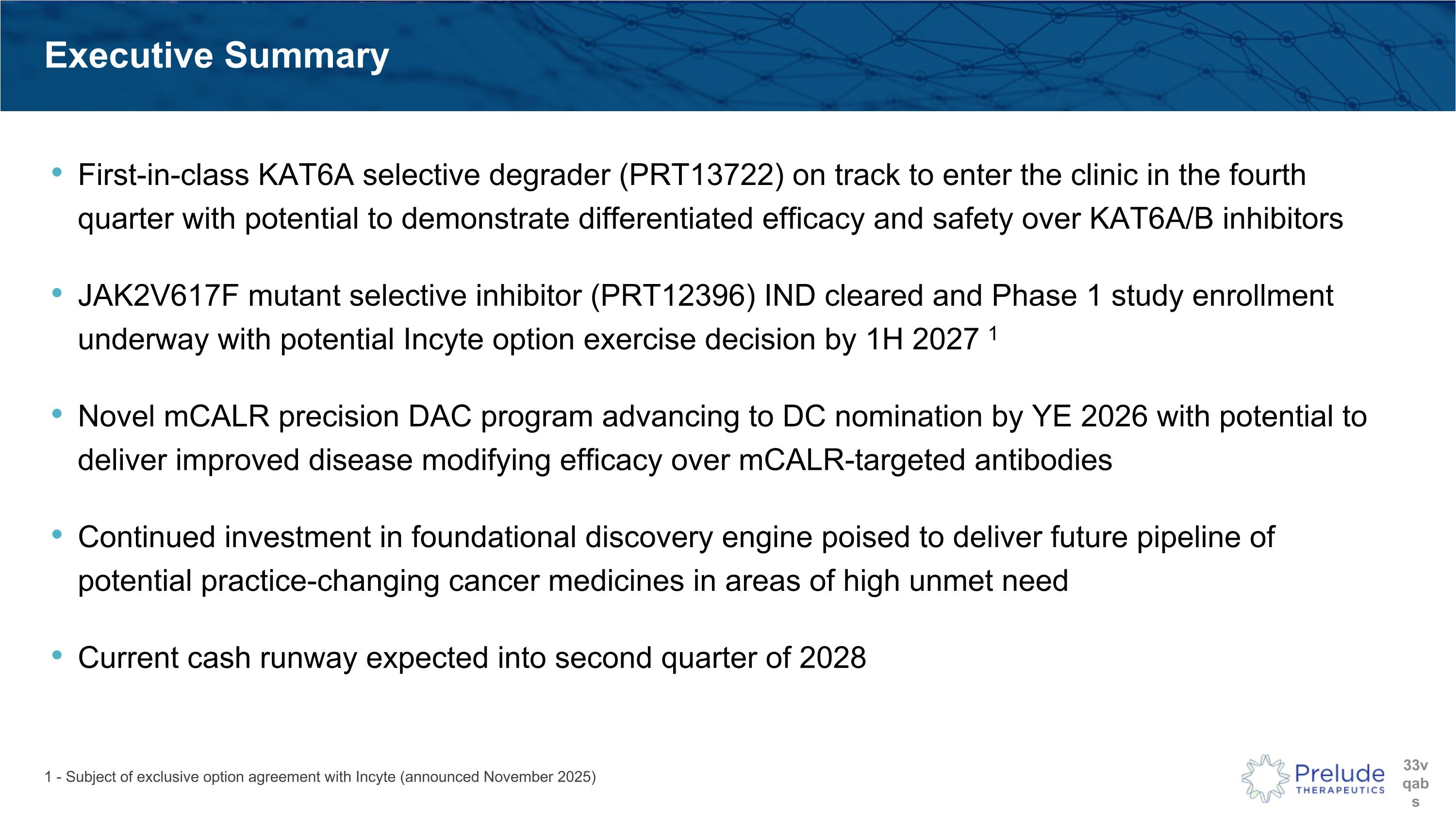
Executive Summary First-in-class KAT6A selective degrader (PRT13722) on track to enter the clinic in the fourth quarter with potential to demonstrate differentiated efficacy and safety over KAT6A/B inhibitors JAK2V617F mutant selective inhibitor (PRT12396) IND cleared and Phase 1 study enrollment underway with potential Incyte option exercise decision by 1H 2027 1 Novel mCALR precision DAC program advancing to DC nomination by YE 2026 with potential to deliver improved disease modifying efficacy over mCALR-targeted antibodies Continued investment in foundational discovery engine poised to deliver future pipeline of potential practice-changing cancer medicines in areas of high unmet need Current cash runway expected into second quarter of 2028 1 - Subject of exclusive option agreement with Incyte (announced November 2025)

Thank You Contact Us: Robert Doody SVP, Investor Relations rdoody@preludetx.com