
September 2026 Investor Overview
Forward-Looking Statements This presentation contains “forward-looking statements” of Adicet within the meaning of the Private Securities Litigation Reform Act of 1995 relating to the business and operations of Adicet. The words “anticipate,” “believe,” “continue,” “could,” “estimate,” “expect,” “intend,” “may,” “plan,” “potential,” “predict,” “project,” “should,” “target,” “would” and similar expressions are intended to identify forward-looking statements, although not all forward-looking statements contain these identifying words. These forward-looking statements include, but are not limited to, express or implied statements regarding: clinical development of Adicet’s product candidates, including future plans or expectations for prula-cel in autoimmune diseases and the potential safety, tolerability and efficacy for the treatment of autoimmune diseases and cancer; expectations regarding future alignment with the FDA on regulatory path to approval and discussions to date; timing and success of the Phase 1 clinical trial of prula-cel in multiple autoimmune indications, including timing and expectations for enrollment and future data releases; expectations regarding the timing and initiation of a pivotal study for prula-cel in LN or LN and SLE patients; the preclinical and clinical development of ADI-212, including the timing of regulatory filings, clinical startup activities, clinical updates and future data releases; the timing of initiation of enrollment of a Phase 1 trial for ADI-212 in mCRPC; expectations regarding the potential potency of ADI-212; timing of updates to the Company’s in vivo CAR T platform pipeline; ongoing preclinical programs and activities relating to autoimmune diseases, hematological malignancies and solid tumors; and expectations regarding Adicet’s uses of capital, expenses and financial results, including the expected cash runway. Any forward-looking statements in this presentation are based on management’s current expectations and beliefs of future events, and are subject to a number of risks and uncertainties that could cause actual results to differ materially and adversely from those set forth in or implied by such forward-looking statements, including without limitation, the effect of global economic conditions and public health emergencies on Adicet’s business and financial results, including with respect to disruptions to our preclinical and clinical studies, business operations, employee hiring and retention, and ability to raise additional capital; Adicet’s ability to execute on its strategy including obtaining the requisite regulatory approvals on the expected timeline, if at all; that positive results, including interim results, from a preclinical or clinical study may not necessarily be predictive of the results of future or ongoing studies; clinical studies may fail to demonstrate adequate safety and efficacy of Adicet’s product candidates, which would prevent, delay, or limit the scope of regulatory approval and commercialization; and regulatory approval processes of the U.S. Food and Drug Administration and comparable foreign regulatory authorities are lengthy, time-consuming, and inherently unpredictable; and Adicet’s ability to meet production and product release expectations. For a discussion of these and other risks and uncertainties, and other important factors, any of which could cause Adicet’s actual results to differ from those contained in the forward-looking statements, see the section titled “Risk Factors” in Adicet’s most recent annual report on Form 10-K, as well as discussions of potential risks, uncertainties, and other important factors in Adicet’s other filings with the U.S. Securities and Exchange Commission, including its quarterly report on Form 10-Q. All information in this presentation is as of the date of the release, and Adicet undertakes no duty to update this information unless required by law. Industry and Market Information Information regarding market share, market position and industry data pertaining to Adicet’s business contained in this presentation consists of estimates based on data and reports compiled by industry professional organizations and analysts and Adicet’s knowledge of their industry. Although Adicet believes the industry and market data to be reliable, this information could prove to be inaccurate. You should carefully consider the inherent risks and uncertainties associated with the market and other industry data contained in this presentation. Forward-looking information obtained from third-party sources is subject to the same qualifications and the additional uncertainties as the other forward-looking statements in this presentation.
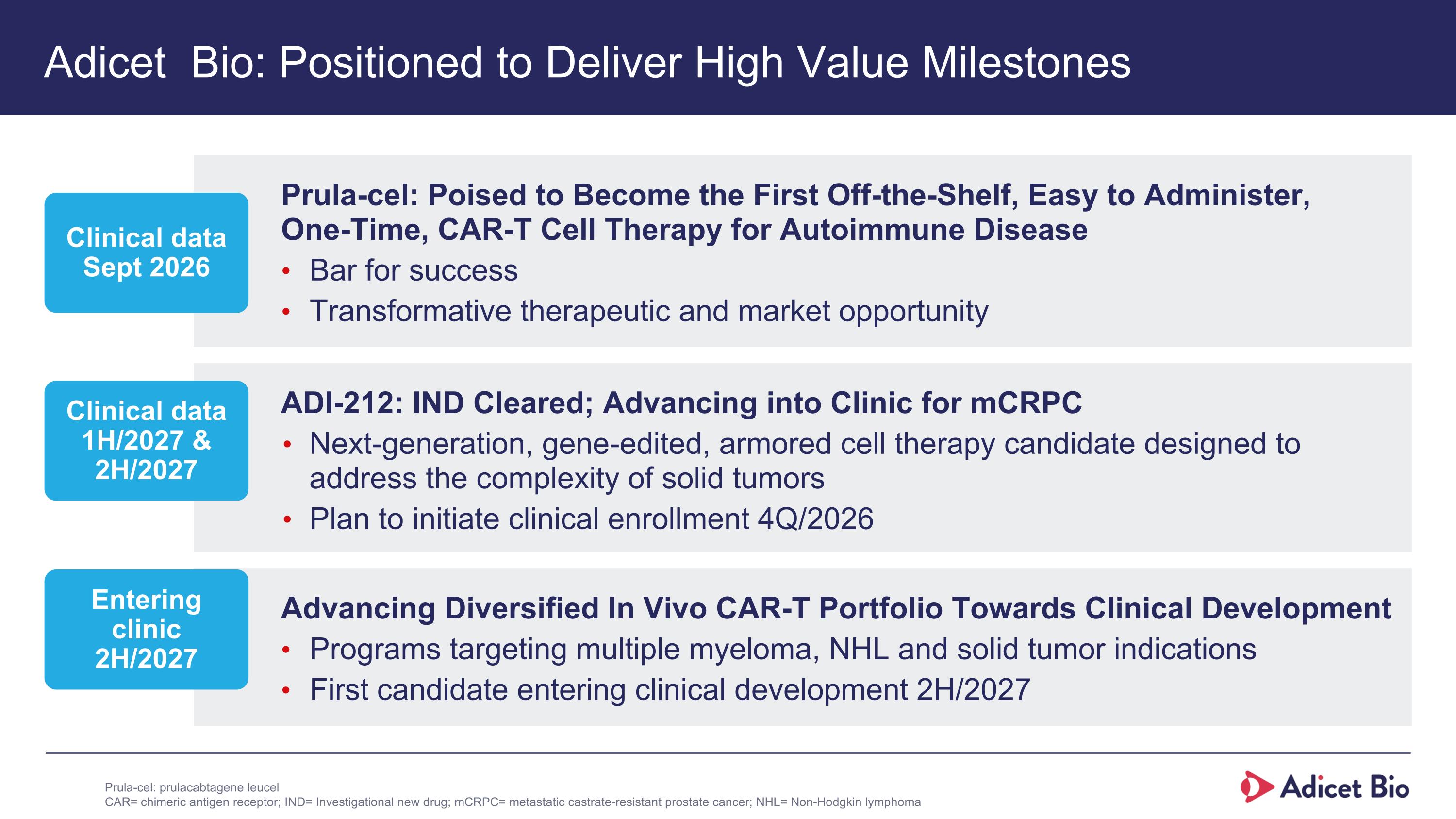
Adicet Bio: Positioned to Deliver High Value Milestones Prula-cel: Poised to Become the First Off-the-Shelf, Easy to Administer, One-Time, CAR-T Cell Therapy for Autoimmune Disease Bar for success Transformative therapeutic and market opportunity Advancing Diversified In Vivo CAR-T Portfolio Towards Clinical Development Programs targeting multiple myeloma, NHL and solid tumor indications First candidate entering clinical development 2H/2027 ADI-212: IND Cleared; Advancing into Clinic for mCRPC Next-generation, gene-edited, armored cell therapy candidate designed to address the complexity of solid tumors Plan to initiate clinical enrollment 4Q/2026 Clinical data Sept 2026 Clinical data 1H/2027 & 2H/2027 Entering clinic 2H/2027 Prula-cel: prulacabtagene leucel CAR= chimeric antigen receptor; IND= Investigational new drug; mCRPC= metastatic castrate-resistant prostate cancer; NHL= Non-Hodgkin lymphoma
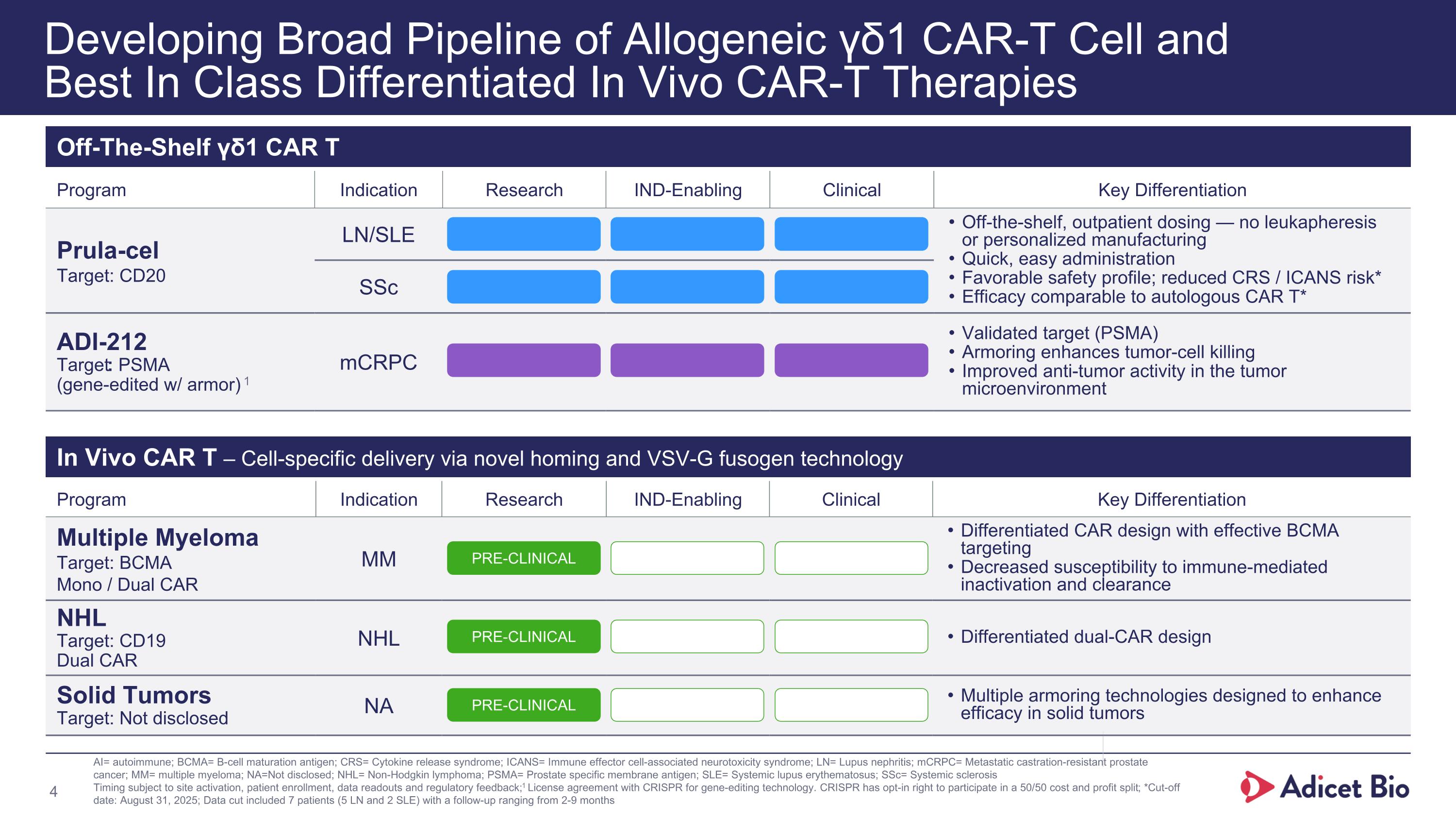
Program Indication Research IND-Enabling Clinical Key Differentiation Prula-cel Target: CD20 LN/SLE Off-the-shelf, outpatient dosing — no leukapheresis or personalized manufacturing Quick, easy administration Favorable safety profile; reduced CRS / ICANS risk* Efficacy comparable to autologous CAR T* SSc ADI-212 Target: PSMA (gene-edited w/ armor) 1 mCRPC Validated target (PSMA) Armoring enhances tumor-cell killing Improved anti-tumor activity in the tumor microenvironment Developing Broad Pipeline of Allogeneic γδ1 CAR-T Cell and Best In Class Differentiated In Vivo CAR-T Therapies Off-The-Shelf γδ1 CAR T Program Indication Research IND-Enabling Clinical Key Differentiation Multiple Myeloma Target: BCMA Mono / Dual CAR MM Differentiated CAR design with effective BCMA targeting Decreased susceptibility to immune-mediated inactivation and clearance NHL Target: CD19 Dual CAR NHL Differentiated dual-CAR design Solid Tumors Target: Not disclosed NA Multiple armoring technologies designed to enhance efficacy in solid tumors In Vivo CAR T – Cell-specific delivery via novel homing and VSV-G fusogen technology PRE-CLINICAL PRE-CLINICAL PRE-CLINICAL AI= autoimmune; BCMA= B-cell maturation antigen; CRS= Cytokine release syndrome; ICANS= Immune effector cell-associated neurotoxicity syndrome; LN= Lupus nephritis; mCRPC= Metastatic castration-resistant prostate cancer; MM= multiple myeloma; NA=Not disclosed; NHL= Non-Hodgkin lymphoma; PSMA= Prostate specific membrane antigen; SLE= Systemic lupus erythematosus; SSc= Systemic sclerosis Timing subject to site activation, patient enrollment, data readouts and regulatory feedback;1 License agreement with CRISPR for gene-editing technology. CRISPR has opt-in right to participate in a 50/50 cost and profit split; *Cut-off date: August 31, 2025; Data cut included 7 patients (5 LN and 2 SLE) with a follow-up ranging from 2-9 months
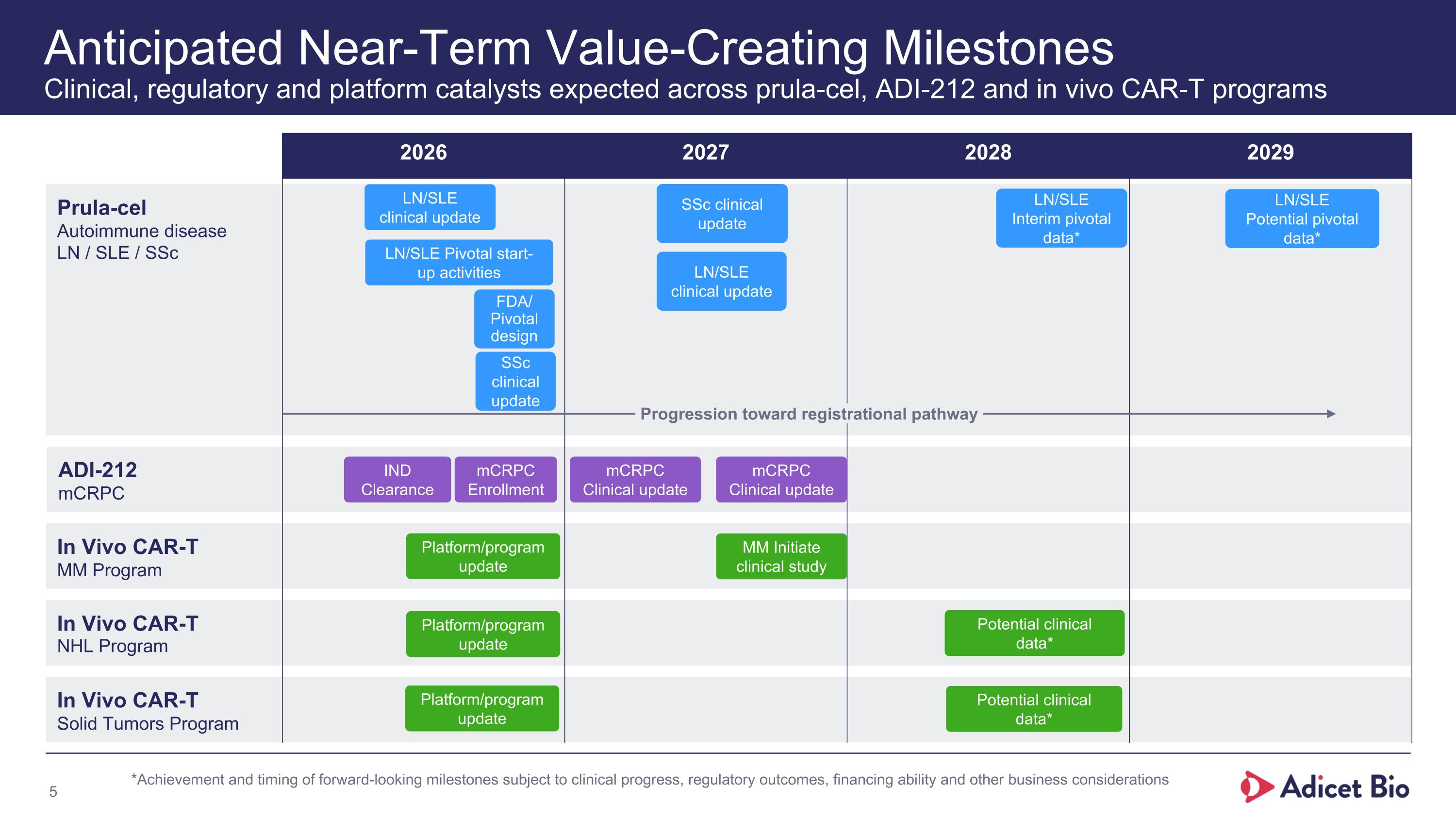
Prula-cel Autoimmune disease LN / SLE / SSc ADI-212 mCRPC In Vivo CAR-T MM Program In Vivo CAR-T NHL Program In Vivo CAR-T Solid Tumors Program Anticipated Near-Term Value-Creating Milestones Clinical, regulatory and platform catalysts expected across prula-cel, ADI-212 and in vivo CAR-T programs 2026 2027 2028 2029 Progression toward registrational pathway Potential clinical data* Potential clinical data* MM Initiate clinical study mCRPC Clinical update mCRPC Clinical update SSc clinical update LN/SLE clinical update SSc clinical update LN/SLE clinical update LN/SLE Pivotal start-up activities mCRPC Enrollment FDA/ Pivotal design IND Clearance LN/SLE Interim pivotal data* LN/SLE Potential pivotal data* *Achievement and timing of forward-looking milestones subject to clinical progress, regulatory outcomes, financing ability and other business considerations Platform/program update Platform/program update Platform/program update
Prula-cel Bar for success to generate transformative market opportunity in patients with SLE with or without lupus nephritis Autoimmune Indications
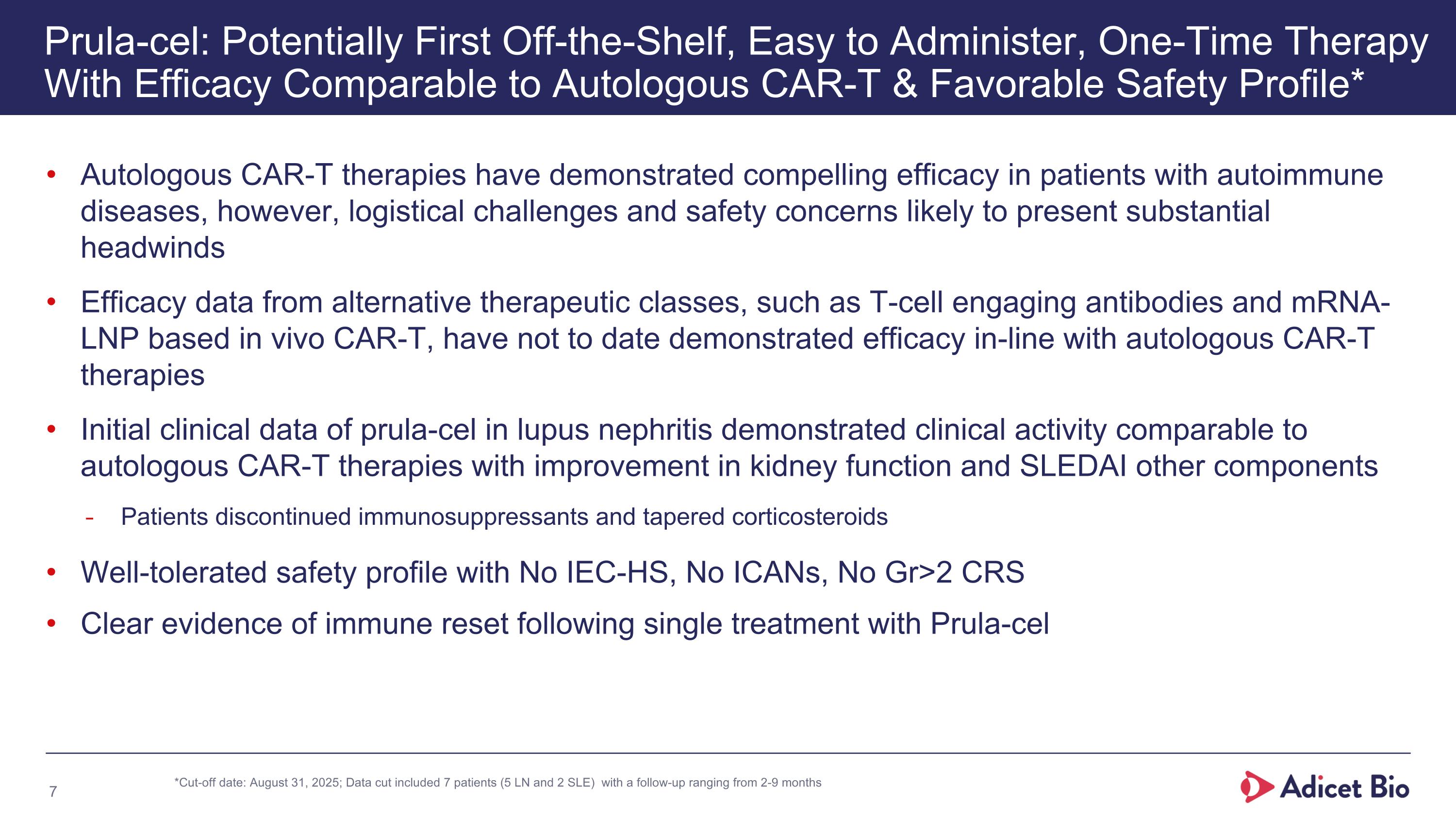
Prula-cel: Potentially First Off-the-Shelf, Easy to Administer, One-Time Therapy With Efficacy Comparable to Autologous CAR-T & Favorable Safety Profile* Autologous CAR-T therapies have demonstrated compelling efficacy in patients with autoimmune diseases, however, logistical challenges and safety concerns likely to present substantial headwinds Efficacy data from alternative therapeutic classes, such as T-cell engaging antibodies and mRNA-LNP based in vivo CAR-T, have not to date demonstrated efficacy in-line with autologous CAR-T therapies Initial clinical data of prula-cel in lupus nephritis demonstrated clinical activity comparable to autologous CAR-T therapies with improvement in kidney function and SLEDAI other components Patients discontinued immunosuppressants and tapered corticosteroids Well-tolerated safety profile with No IEC-HS, No ICANs, No Gr>2 CRS Clear evidence of immune reset following single treatment with Prula-cel *Cut-off date: August 31, 2025; Data cut included 7 patients (5 LN and 2 SLE) with a follow-up ranging from 2-9 months
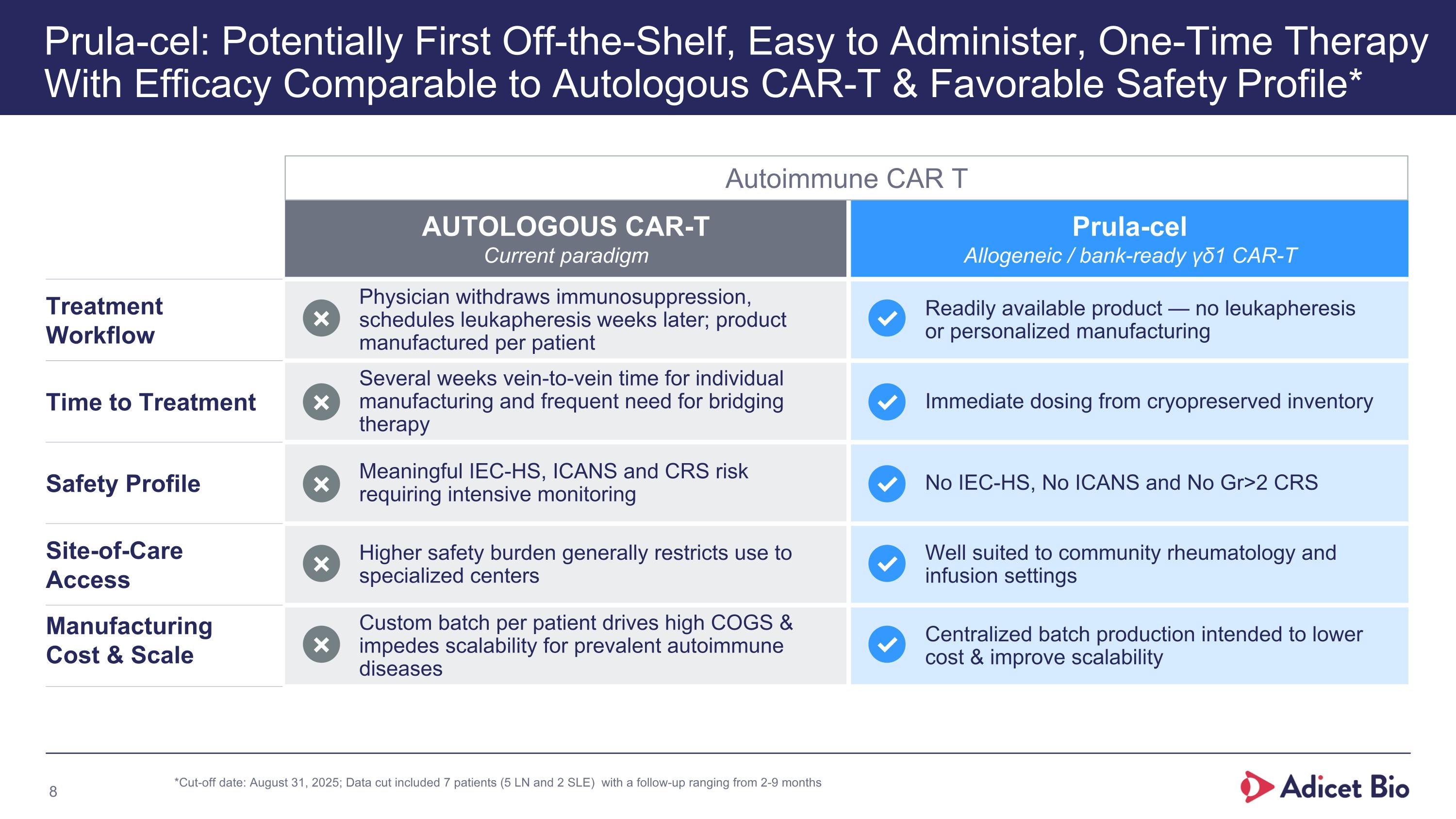
Prula-cel: Potentially First Off-the-Shelf, Easy to Administer, One-Time Therapy With Efficacy Comparable to Autologous CAR-T & Favorable Safety AUTOLOGOUS CAR-T Current paradigm Prula-cel Allogeneic / bank-ready γδ1 CAR-T Treatment Workflow Physician withdraws immunosuppression, schedules leukapheresis weeks later; product manufactured per patient Readily available product — no leukapheresis or personalized manufacturing Time to Treatment Several weeks vein-to-vein time for individual manufacturing and frequent need for bridging therapy Immediate dosing from cryopreserved inventory Safety Profile Meaningful IEC-HS, ICANS and CRS risk requiring intensive monitoring No IEC-HS, No ICANS and No Gr>2 CRS Site-of-Care Access Higher safety burden generally restricts use to specialized centers Well suited to community rheumatology and infusion settings Manufacturing Cost & Scale Custom batch per patient drives high COGS & impedes scalability for prevalent autoimmune diseases Centralized batch production intended to lower cost & improve scalability Prula-cel: Potentially First Off-the-Shelf, Easy to Administer, One-Time Therapy With Efficacy Comparable to Autologous CAR-T & Favorable Safety Profile* ✗ ✓ ✗ ✓ ✗ ✓ ✗ ✓ ✗ ✓ Autoimmune CAR T *Cut-off date: August 31, 2025; Data cut included 7 patients (5 LN and 2 SLE) with a follow-up ranging from 2-9 months
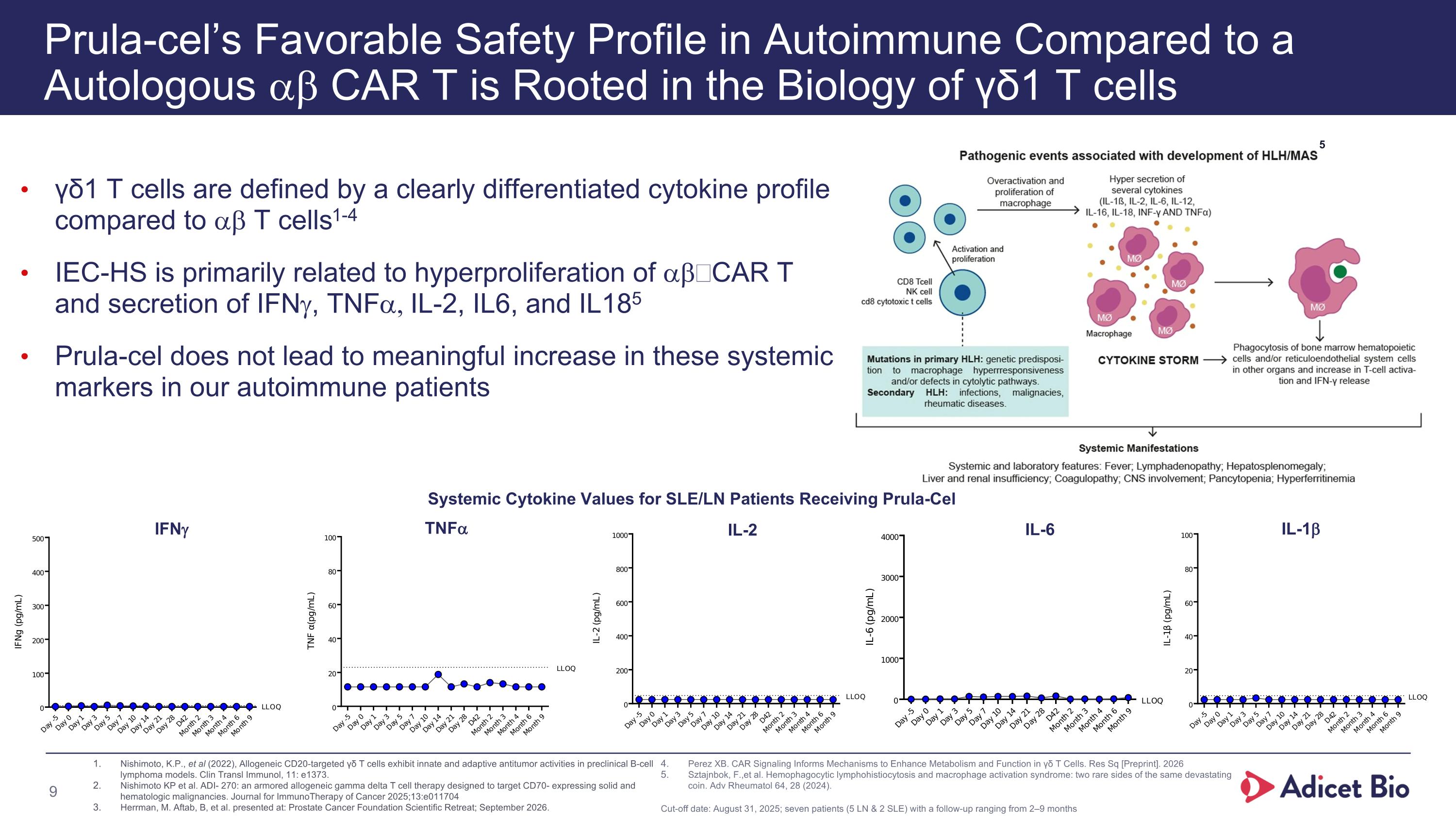
Prula-cel’s Favorable Safety Profile in Autoimmune Compared to a Autologous ab CAR T is Rooted in the Biology of γδ1 T cells γδ1 T cells are defined by a clearly differentiated cytokine profile compared to ab T cells1-4 IEC-HS is primarily related to hyperproliferation of ab CAR T and secretion of IFNg, TNFa, IL-2, IL6, and IL185 Prula-cel does not lead to meaningful increase in these systemic markers in our autoimmune patients Nishimoto, K.P., et al (2022), Allogeneic CD20-targeted γδ T cells exhibit innate and adaptive antitumor activities in preclinical B-cell lymphoma models. Clin Transl Immunol, 11: e1373. Nishimoto KP et al. ADI- 270: an armored allogeneic gamma delta T cell therapy designed to target CD70- expressing solid and hematologic malignancies. Journal for ImmunoTherapy of Cancer 2025;13:e011704 Herrman, M. Aftab, B, et al. presented at: Prostate Cancer Foundation Scientific Retreat; September 2026. Perez XB. CAR Signaling Informs Mechanisms to Enhance Metabolism and Function in γδ T Cells. Res Sq [Preprint]. 2026 Sztajnbok, F.,et al. Hemophagocytic lymphohistiocytosis and macrophage activation syndrome: two rare sides of the same devastating coin. Adv Rheumatol 64, 28 (2024). 5 IFNg TNFa IL-2 IL-6 IL-1b Systemic Cytokine Values for SLE/LN Patients Receiving Prula-Cel Cut-off date: August 31, 2025; seven patients (5 LN & 2 SLE) with a follow-up ranging from 2–9 months
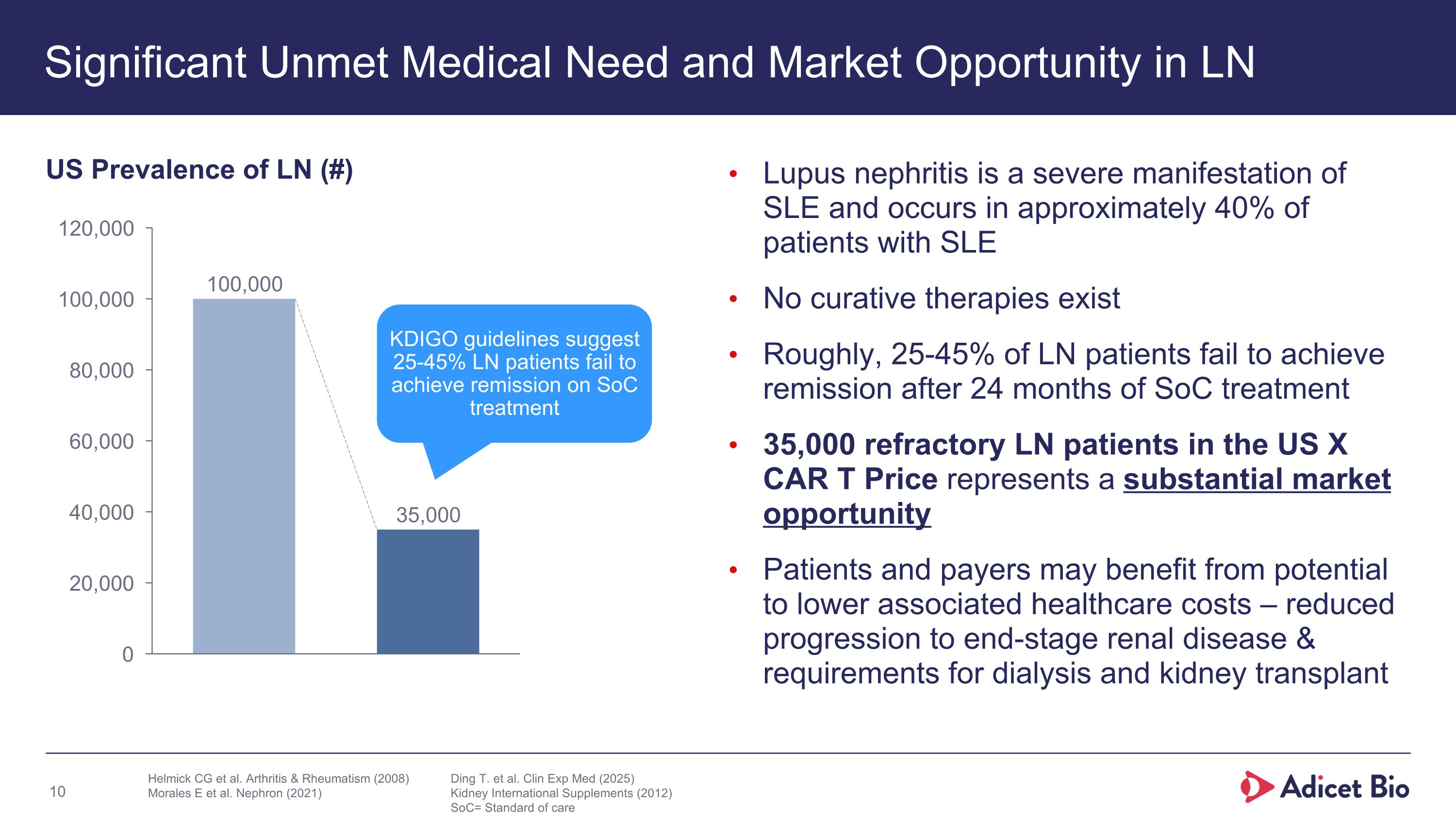
Significant Unmet Medical Need and Market Opportunity in LN Lupus nephritis is a severe manifestation of SLE and occurs in approximately 40% of patients with SLE No curative therapies exist Roughly, 25-45% of LN patients fail to achieve remission after 24 months of SoC treatment 35,000 refractory LN patients in the US X CAR T Price represents a substantial market opportunity Patients and payers may benefit from potential to lower associated healthcare costs – reduced progression to end-stage renal disease & requirements for dialysis and kidney transplant US Prevalence of LN (#) KDIGO guidelines suggest 25-45% LN patients fail to achieve remission on SoC treatment Helmick CG et al. Arthritis & Rheumatism (2008) Morales E et al. Nephron (2021) Ding T. et al. Clin Exp Med (2025) Kidney International Supplements (2012) SoC= Standard of care
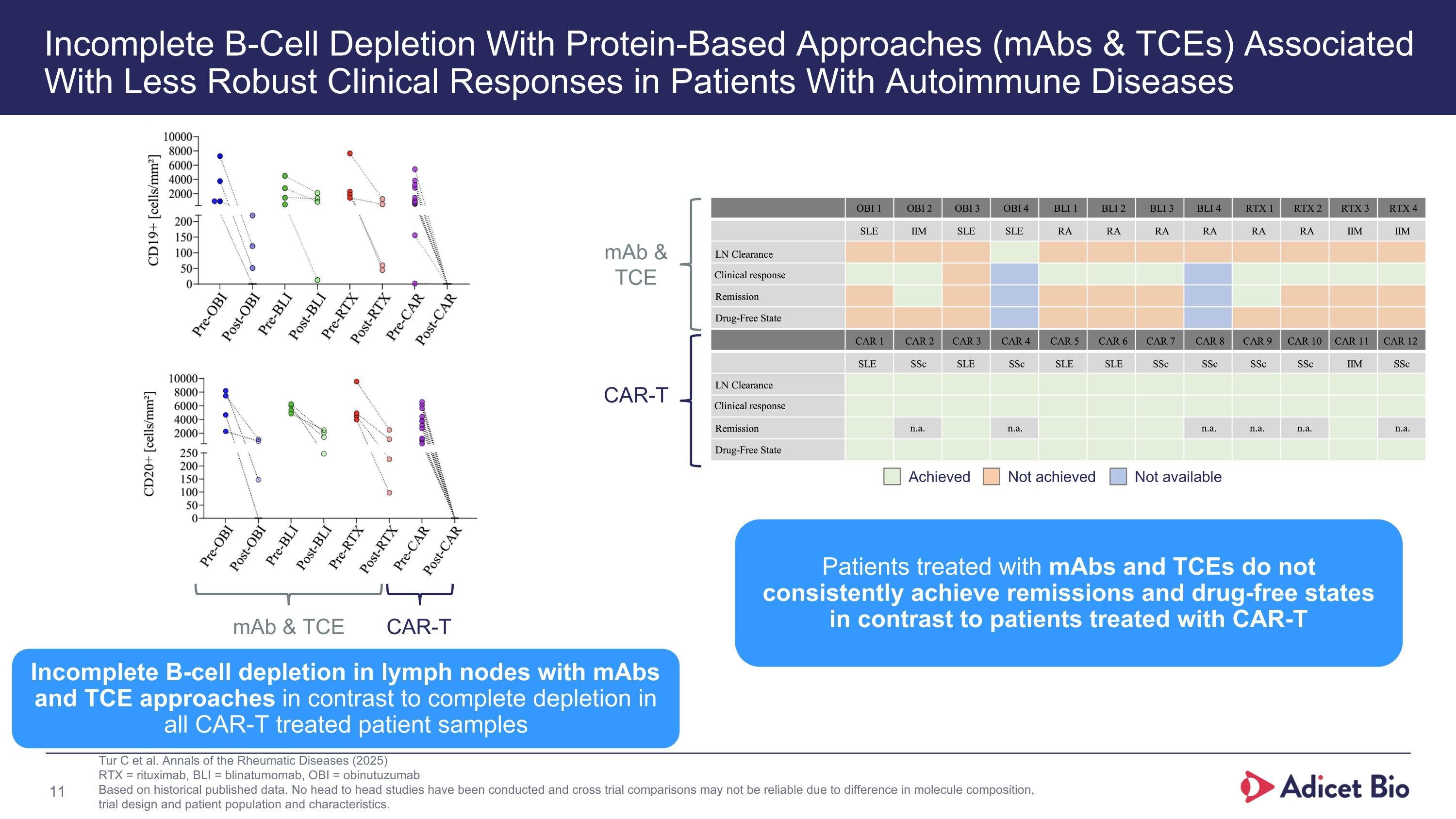
Incomplete B-Cell Depletion With Protein-Based Approaches (mAbs & TCEs) Associated With Less Robust Clinical Responses in Patients With Autoimmune Diseases Tur C et al. Annals of the Rheumatic Diseases (2025) RTX = rituximab, BLI = blinatumomab, OBI = obinutuzumab Based on historical published data. No head to head studies have been conducted and cross trial comparisons may not be reliable due to difference in molecule composition, trial design and patient population and characteristics. Incomplete B-cell depletion in lymph nodes with mAbs and TCE approaches in contrast to complete depletion in all CAR-T treated patient samples Patients treated with mAbs and TCEs do not consistently achieve remissions and drug-free states in contrast to patients treated with CAR-T mAb & TCE CAR-T mAb & TCE CAR-T Achieved Not achieved Not available
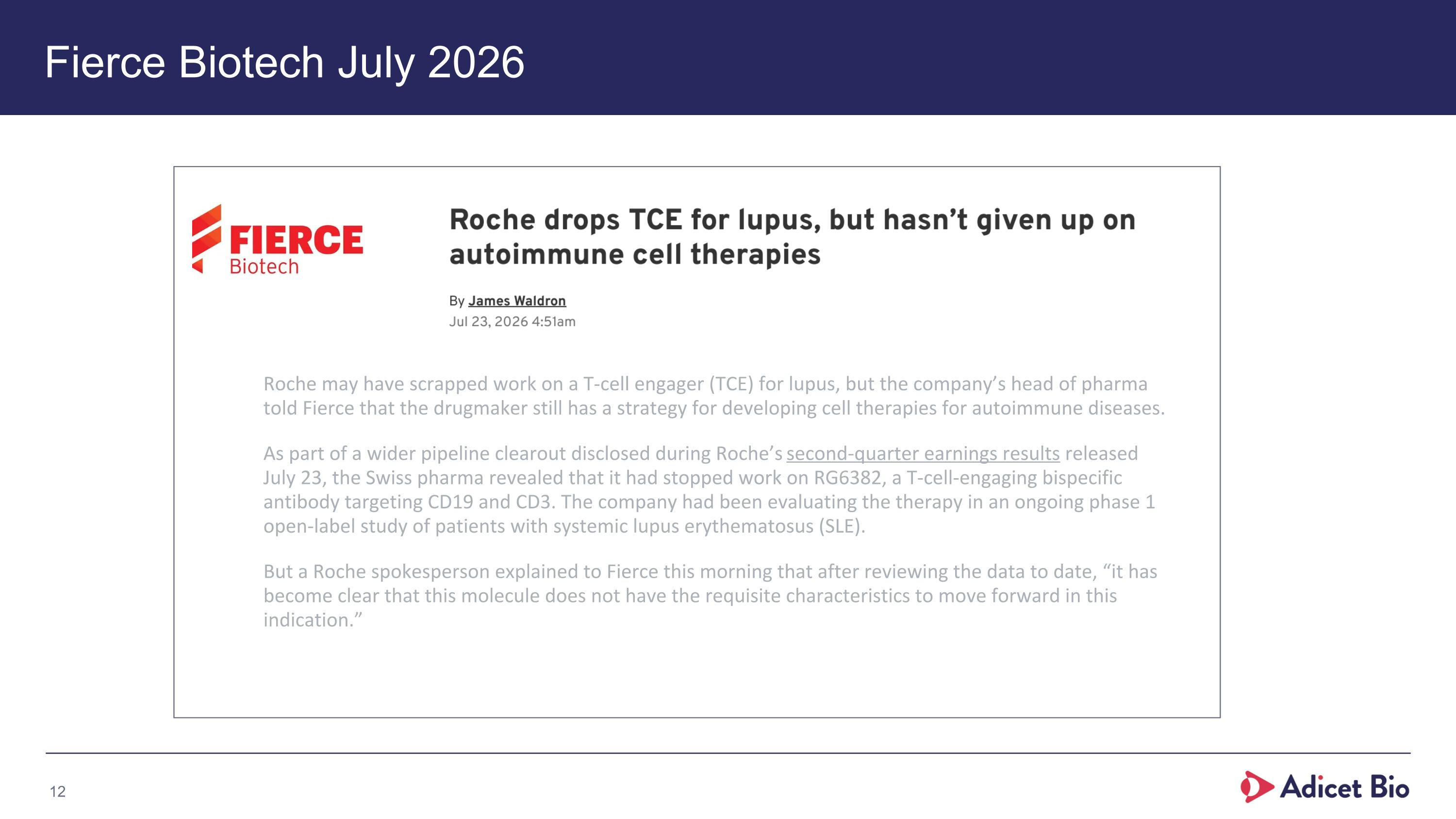
Fierce Biotech July 2026 Roche may have scrapped work on a T-cell engager (TCE) for lupus, but the company’s head of pharma told Fierce that the drugmaker still has a strategy for developing cell therapies for autoimmune diseases. As part of a wider pipeline clearout disclosed during Roche’s second-quarter earnings results released July 23, the Swiss pharma revealed that it had stopped work on RG6382, a T-cell-engaging bispecific antibody targeting CD19 and CD3. The company had been evaluating the therapy in an ongoing phase 1 open-label study of patients with systemic lupus erythematosus (SLE). But a Roche spokesperson explained to Fierce this morning that after reviewing the data to date, “it has become clear that this molecule does not have the requisite characteristics to move forward in this indication.”
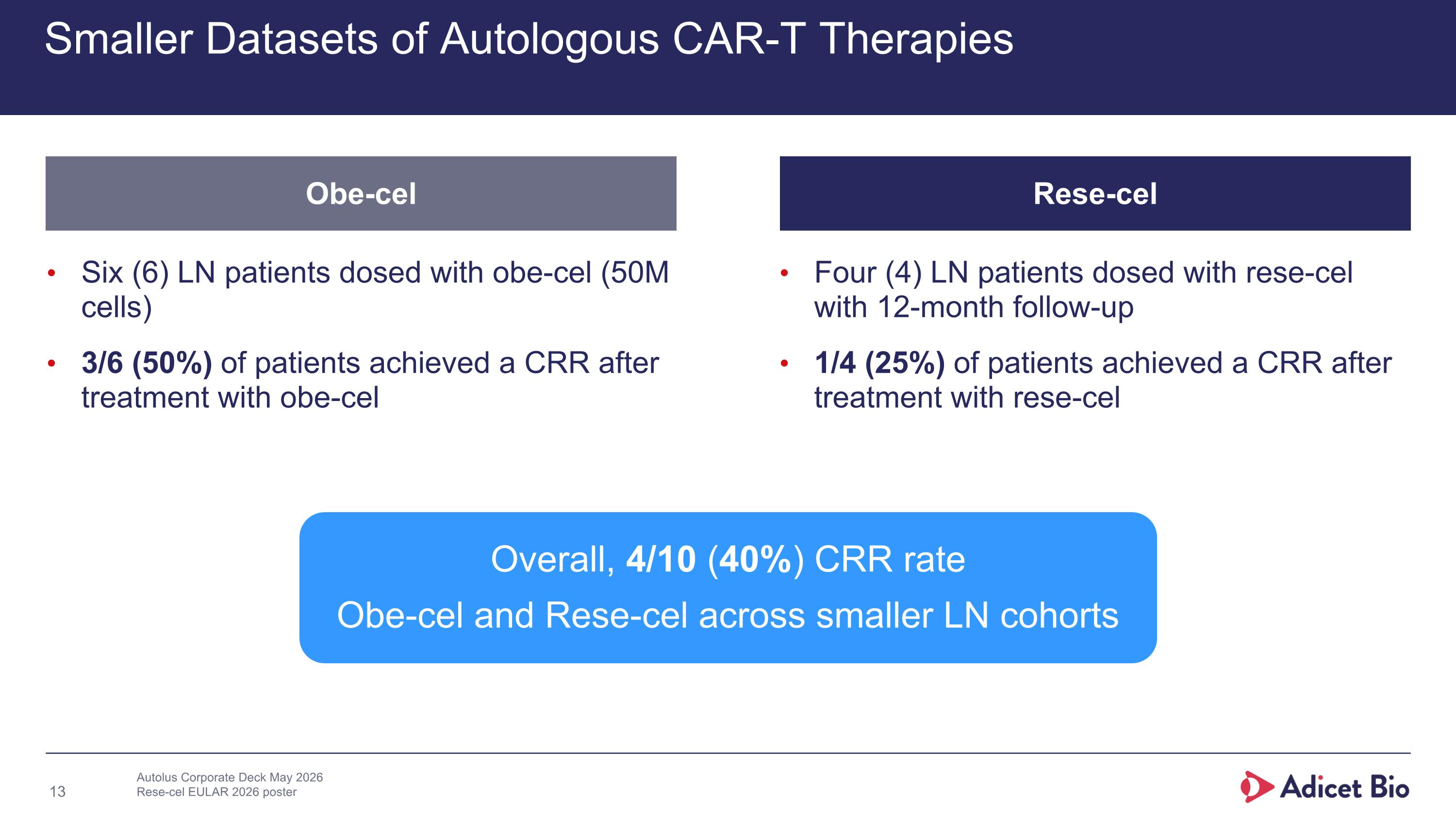
Smaller Datasets of Autologous CAR-T Therapies Four (4) LN patients dosed with rese-cel with 12-month follow-up 1/4 (25%) of patients achieved a CRR after treatment with rese-cel Autolus Corporate Deck May 2026 Rese-cel EULAR 2026 poster Overall, 4/10 (40%) CRR rate Obe-cel and Rese-cel across smaller LN cohorts Six (6) LN patients dosed with obe-cel (50M cells) 3/6 (50%) of patients achieved a CRR after treatment with obe-cel Rese-cel Obe-cel
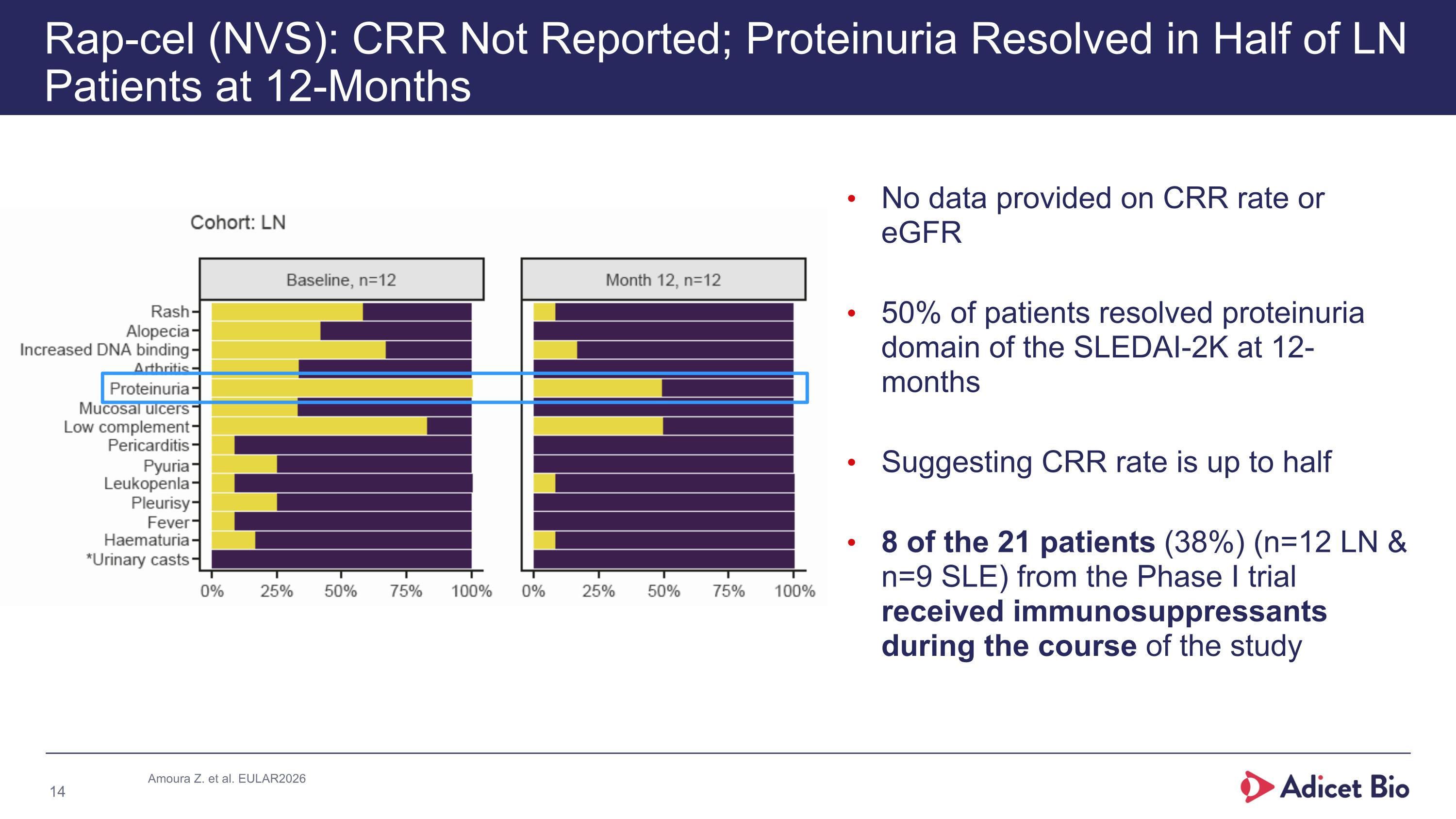
Rap-cel (NVS): CRR Not Reported; Proteinuria Resolved in Half of LN Patients at 12-Months No data provided on CRR rate or eGFR 50% of patients resolved proteinuria domain of the SLEDAI-2K at 12-months Suggesting CRR rate is up to half 8 of the 21 patients (38%) (n=12 LN & n=9 SLE) from the Phase I trial received immunosuppressants during the course of the study Amoura Z. et al. EULAR2026
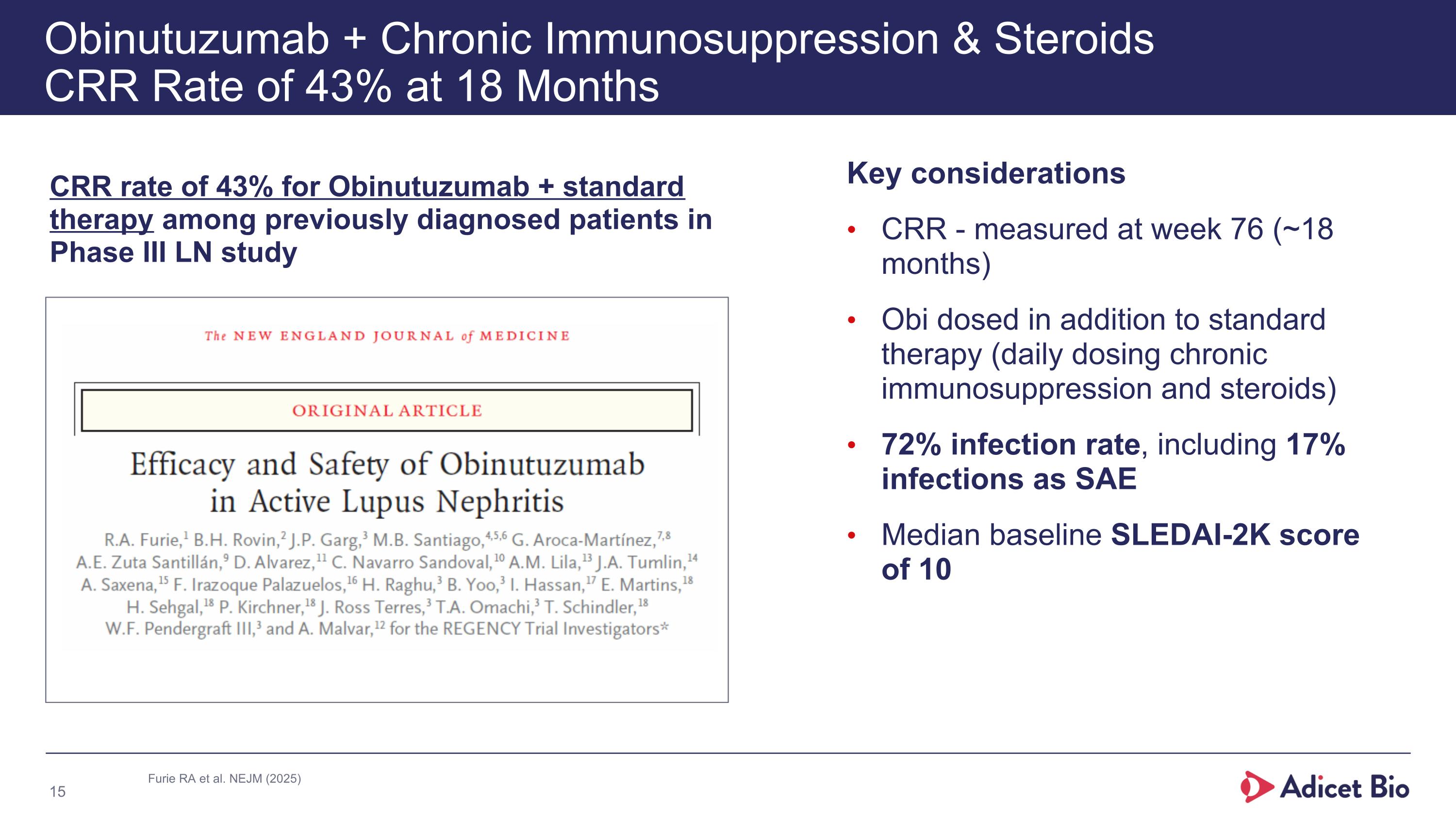
Obinutuzumab + Chronic Immunosuppression & Steroids CRR Rate of 43% at 18 Months Key considerations CRR - measured at week 76 (~18 months) Obi dosed in addition to standard therapy (daily dosing chronic immunosuppression and steroids) 72% infection rate, including 17% infections as SAE Median baseline SLEDAI-2K score of 10 Furie RA et al. NEJM (2025) CRR rate of 43% for Obinutuzumab + standard therapy among previously diagnosed patients in Phase III LN study
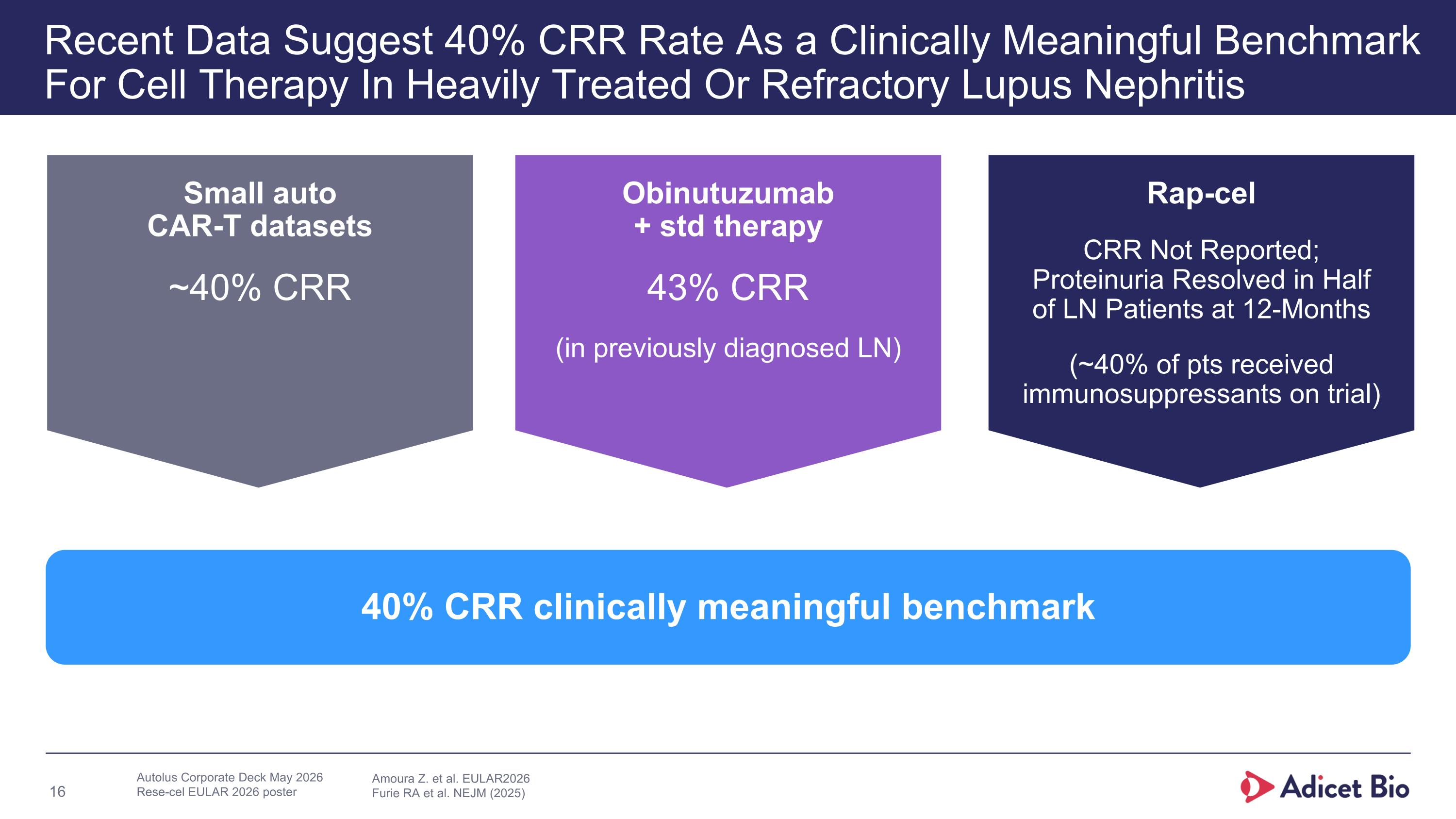
Recent Data Suggest 40% CRR Rate As a Clinically Meaningful Benchmark For Cell Therapy In Heavily Treated Or Refractory Lupus Nephritis 40% CRR clinically meaningful benchmark Rap-cel CRR Not Reported; Proteinuria Resolved in Half of LN Patients at 12-Months (~40% of pts received immunosuppressants on trial) Obinutuzumab + std therapy 43% CRR (in previously diagnosed LN) Small auto CAR-T datasets ~40% CRR Autolus Corporate Deck May 2026 Rese-cel EULAR 2026 poster Amoura Z. et al. EULAR2026 Furie RA et al. NEJM (2025)
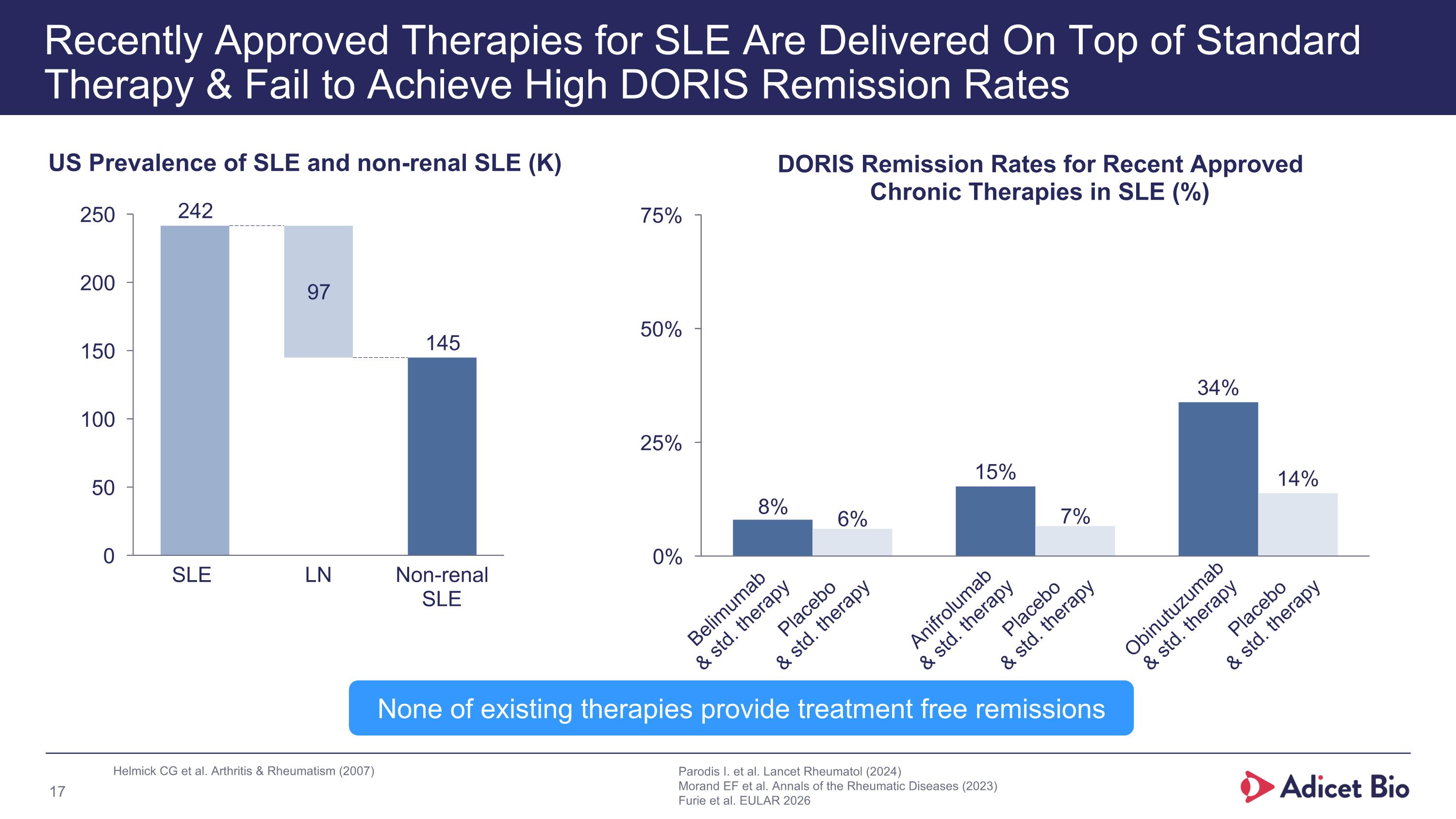
Recently Approved Therapies for SLE Are Delivered On Top of Standard Therapy & Fail to Achieve High DORIS Remission Rates Helmick CG et al. Arthritis & Rheumatism (2007) DORIS Remission Rates for Recent Approved Chronic Therapies in SLE (%) Belimumab & std. therapy Placebo & std. therapy Anifrolumab & std. therapy Placebo & std. therapy Obinutuzumab & std. therapy Placebo & std. therapy SLE LN Non-renal SLE US Prevalence of SLE and non-renal SLE (K) Parodis I. et al. Lancet Rheumatol (2024) Morand EF et al. Annals of the Rheumatic Diseases (2023) Furie et al. EULAR 2026 None of existing therapies provide treatment free remissions
ADI-212 Next-Generation, Gene-Edited, Armored Cell Therapy Candidate Designed to Address the Complexity of Solid Tumors mCRPC
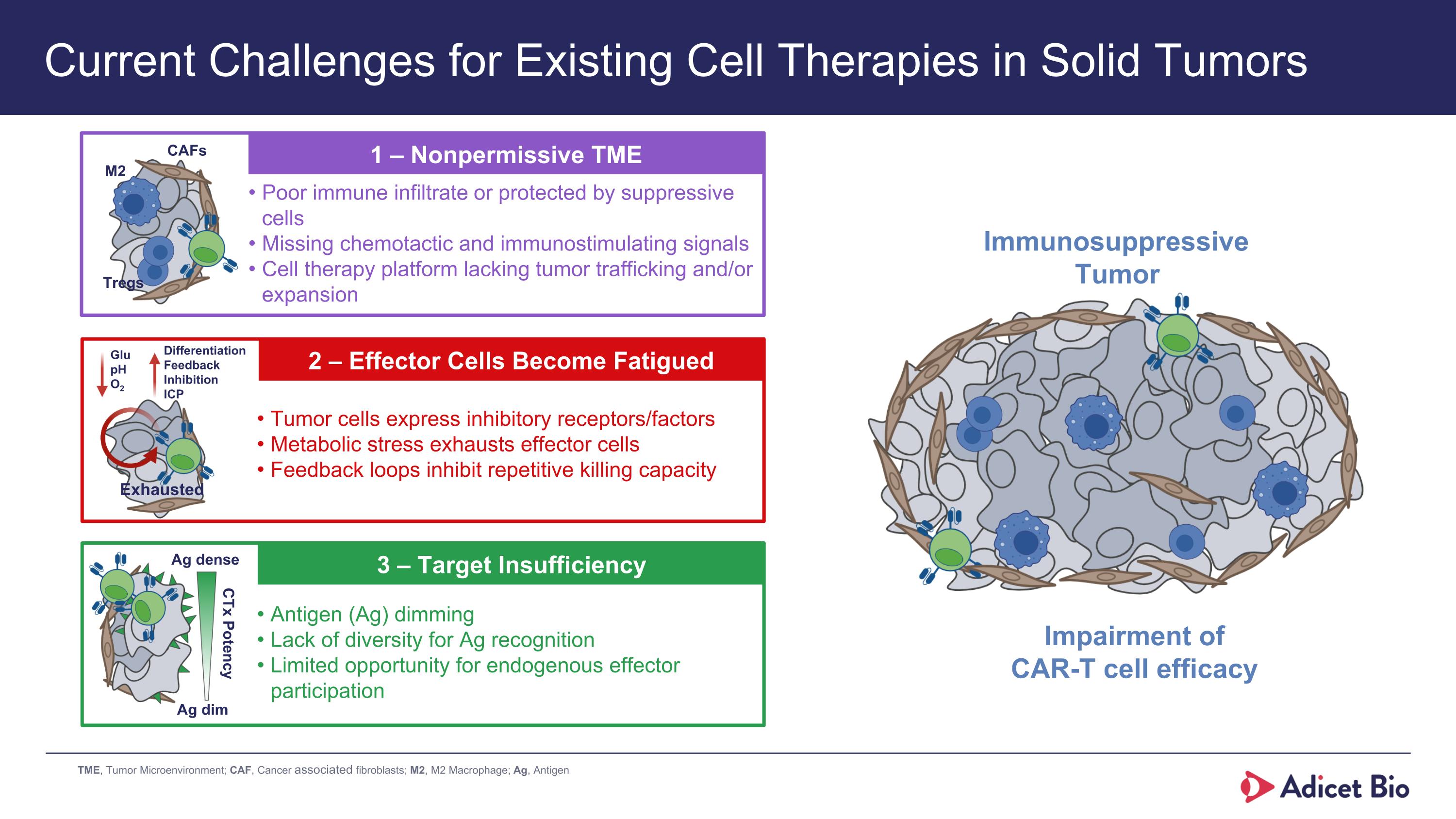
Current Challenges for Existing Cell Therapies in Solid Tumors 1 – Nonpermissive TME 2 – Effector Cells Become Fatigued 3 – Target Insufficiency Poor immune infiltrate or protected by suppressive cells Missing chemotactic and immunostimulating signals Cell therapy platform lacking tumor trafficking and/or expansion Tumor cells express inhibitory receptors/factors Metabolic stress exhausts effector cells Feedback loops inhibit repetitive killing capacity Antigen (Ag) dimming Lack of diversity for Ag recognition Limited opportunity for endogenous effector participation Glu pH O2 Exhausted M2 Tregs CAFs CTx Potency Ag dim Ag dense Differentiation Feedback Inhibition ICP Immunosuppressive Tumor Impairment of CAR-T cell efficacy TME, Tumor Microenvironment; CAF, Cancer associated fibroblasts; M2, M2 Macrophage; Ag, Antigen
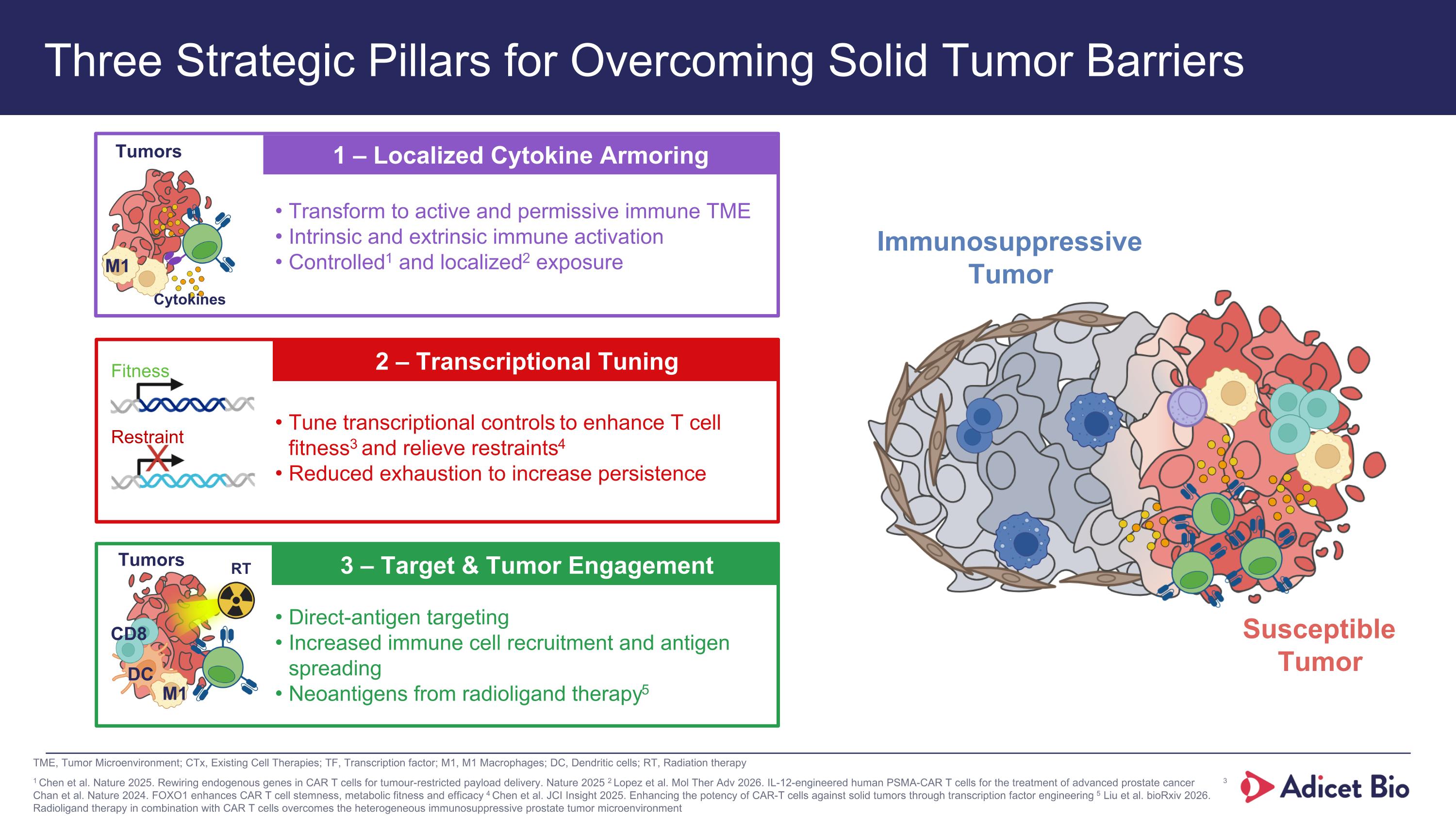
Three Strategic Pillars for Overcoming Solid Tumor Barriers 1 – Localized Cytokine Armoring 2 – Transcriptional Tuning 3 – Target & Tumor Engagement Transform to active and permissive immune TME Intrinsic and extrinsic immune activation Controlled1 and localized2 exposure M1 Cytokines Tune transcriptional controls to enhance T cell fitness3 and relieve restraints4 Reduced exhaustion to increase persistence Restraint Fitness Direct-antigen targeting Increased immune cell recruitment and antigen spreading Neoantigens from radioligand therapy5 M1 DC RT Tumors CD8 Susceptible Tumor Tumors Immunosuppressive Tumor 1 Chen et al. Nature 2025. Rewiring endogenous genes in CAR T cells for tumour-restricted payload delivery. Nature 2025 2 Lopez et al. Mol Ther Adv 2026. IL-12-engineered human PSMA-CAR T cells for the treatment of advanced prostate cancer 3 Chan et al. Nature 2024. FOXO1 enhances CAR T cell stemness, metabolic fitness and efficacy 4 Chen et al. JCI Insight 2025. Enhancing the potency of CAR-T cells against solid tumors through transcription factor engineering 5 Liu et al. bioRxiv 2026. Radioligand therapy in combination with CAR T cells overcomes the heterogeneous immunosuppressive prostate tumor microenvironment TME, Tumor Microenvironment; CTx, Existing Cell Therapies; TF, Transcription factor; M1, M1 Macrophages; DC, Dendritic cells; RT, Radiation therapy
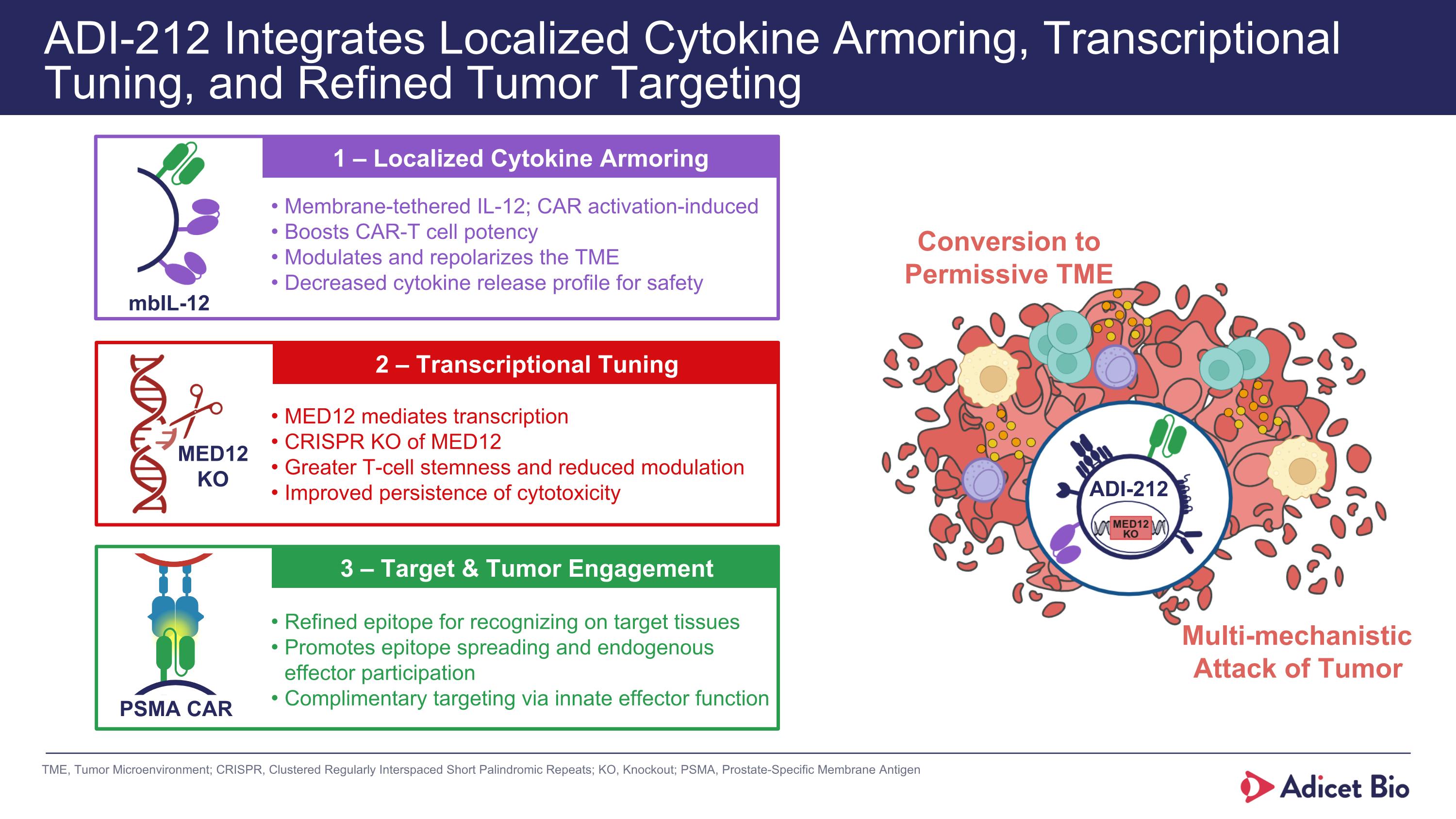
mbIL-12 ADI-212 Integrates Localized Cytokine Armoring, Transcriptional Tuning, and Refined Tumor Targeting 1 – Localized Cytokine Armoring 2 – Transcriptional Tuning 3 – Target & Tumor Engagement MED12 KO PSMA CAR Membrane-tethered IL-12; CAR activation-induced Boosts CAR-T cell potency Modulates and repolarizes the TME Decreased cytokine release profile for safety MED12 mediates transcription CRISPR KO of MED12 Greater T-cell stemness and reduced modulation Improved persistence of cytotoxicity Refined epitope for recognizing on target tissues Promotes epitope spreading and endogenous effector participation Complimentary targeting via innate effector function Multi-mechanistic Attack of Tumor Conversion to Permissive TME ADI-212 TME, Tumor Microenvironment; CRISPR, Clustered Regularly Interspaced Short Palindromic Repeats; KO, Knockout; PSMA, Prostate-Specific Membrane Antigen
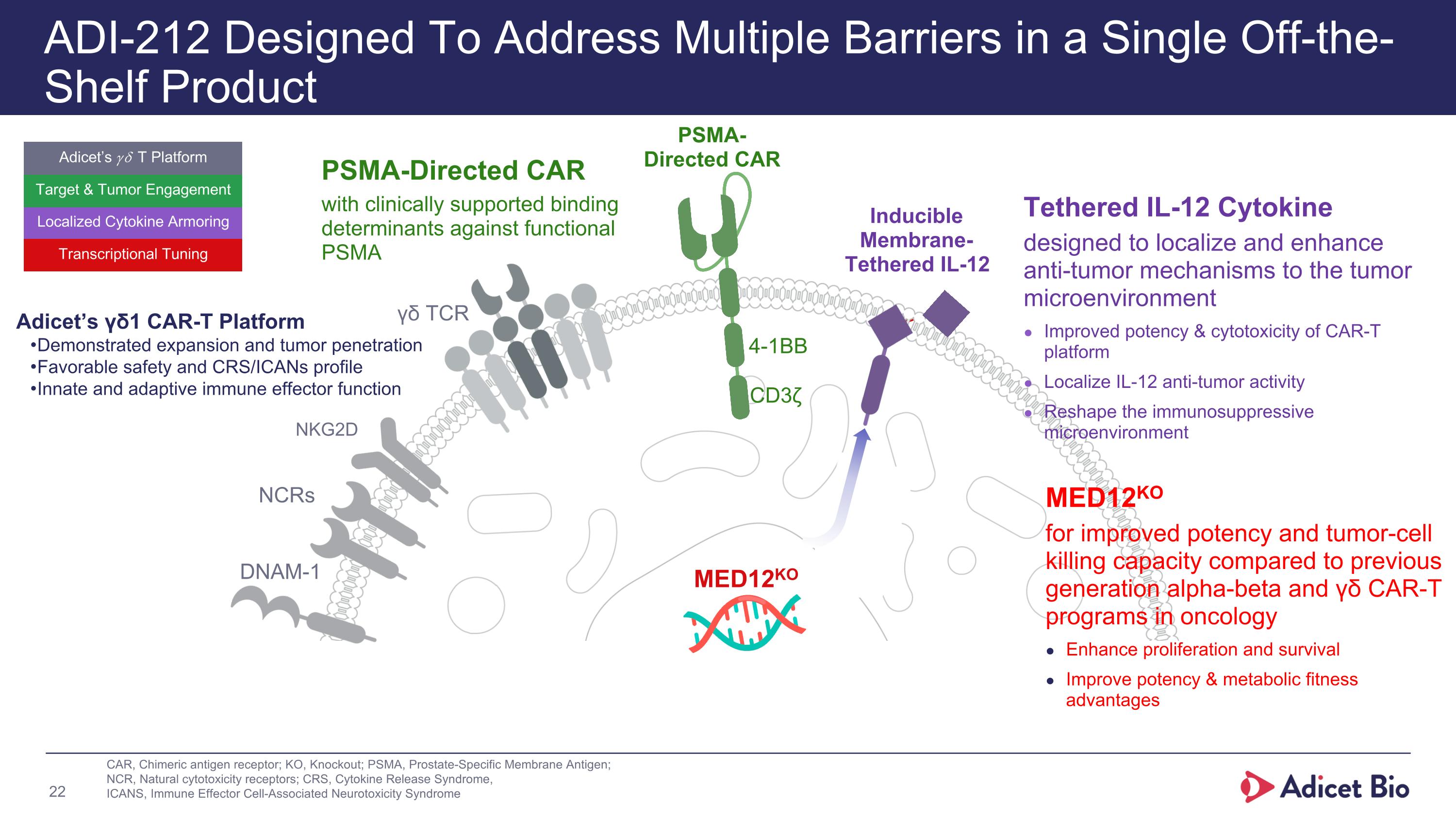
ADI-212 Designed To Address Multiple Barriers in a Single Off-the-Shelf Product DNAM-1 Inducible Membrane-Tethered IL-12 PSMA-Directed CAR CD3ζ 4-1BB MED12KO PSMA-Directed CAR with clinically supported binding determinants against functional PSMA Tethered IL-12 Cytokine designed to localize and enhance anti-tumor mechanisms to the tumor microenvironment Improved potency & cytotoxicity of CAR-T platform Localize IL-12 anti-tumor activity Reshape the immunosuppressive microenvironment MED12KO for improved potency and tumor-cell killing capacity compared to previous generation alpha-beta and γδ CAR-T programs in oncology Enhance proliferation and survival Improve potency & metabolic fitness advantages NKG2D NCRs γδ TCR Adicet’s γδ1 CAR-T Platform Demonstrated expansion and tumor penetration Favorable safety and CRS/ICANs profile Innate and adaptive immune effector function CAR, Chimeric antigen receptor; KO, Knockout; PSMA, Prostate-Specific Membrane Antigen; NCR, Natural cytotoxicity receptors; CRS, Cytokine Release Syndrome, ICANS, Immune Effector Cell-Associated Neurotoxicity Syndrome Localized Cytokine Armoring Transcriptional Tuning Target & Tumor Engagement Adicet’s 𝛾𝛿 T Platform
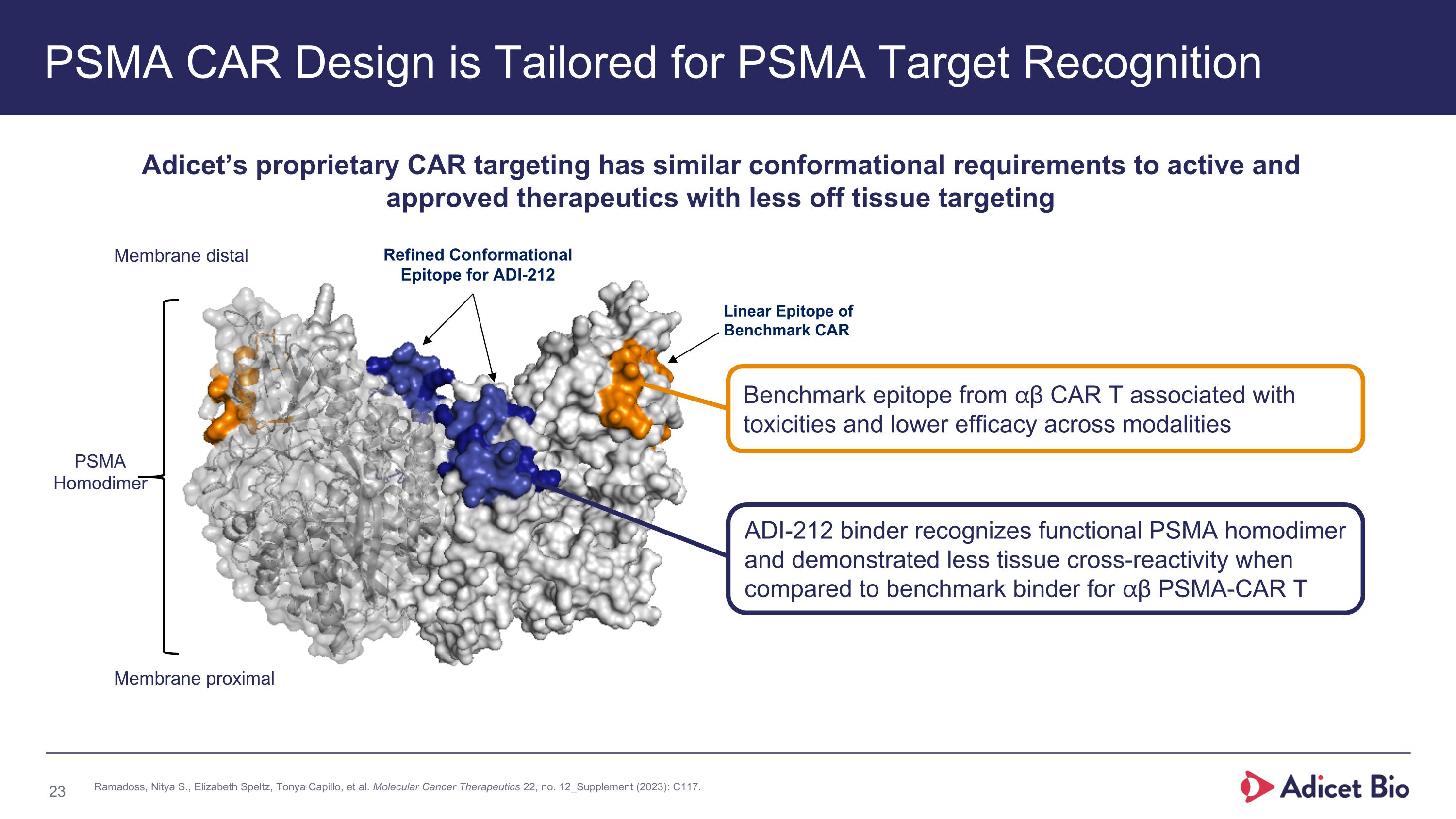
PSMA CAR Design is Tailored for PSMA Target Recognition Refined Conformational Epitope for ADI-212 Linear Epitope of Benchmark CAR PSMA Homodimer Membrane proximal Membrane distal Adicet’s proprietary CAR targeting has similar conformational requirements to active and approved therapeutics with less off tissue targeting Benchmark epitope from ⍺β CAR T associated with toxicities and lower efficacy across modalities ADI-212 binder recognizes functional PSMA homodimer and demonstrated less tissue cross-reactivity when compared to benchmark binder for ⍺β PSMA-CAR T Ramadoss, Nitya S., Elizabeth Speltz, Tonya Capillo, et al. Molecular Cancer Therapeutics 22, no. 12_Supplement (2023): C117.
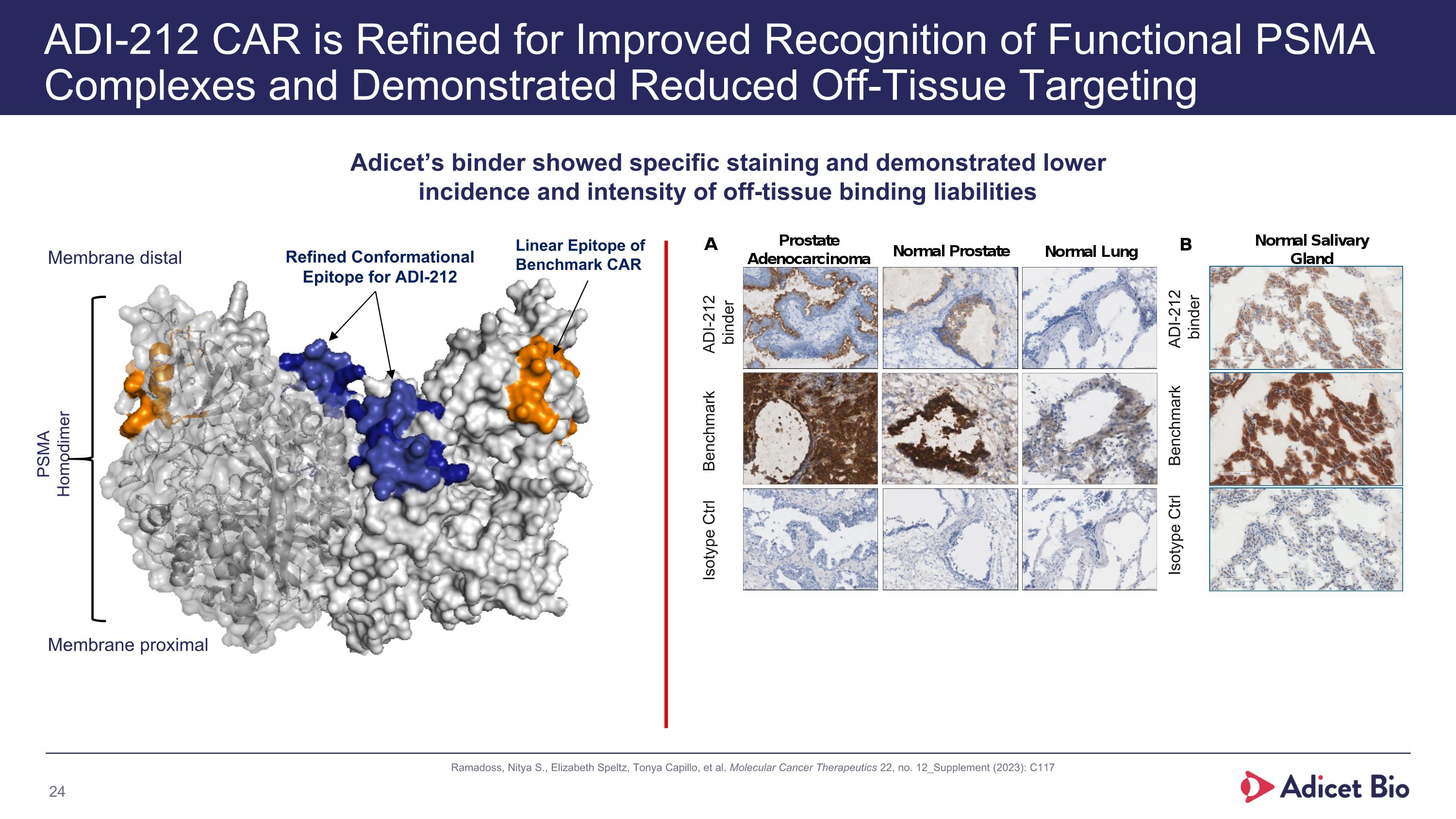
ADI-212 CAR is Refined for Improved Recognition of Functional PSMA Complexes and Demonstrated Reduced Off-Tissue Targeting Adicet’s binder showed specific staining and demonstrated lower incidence and intensity of off-tissue binding liabilities Refined Conformational Epitope for ADI-212 Linear Epitope of Benchmark CAR PSMA Homodimer Membrane proximal Membrane distal Isotype Ctrl Benchmark ADI-212 binder Isotype Ctrl Benchmark ADI-212 binder Ramadoss, Nitya S., Elizabeth Speltz, Tonya Capillo, et al. Molecular Cancer Therapeutics 22, no. 12_Supplement (2023): C117
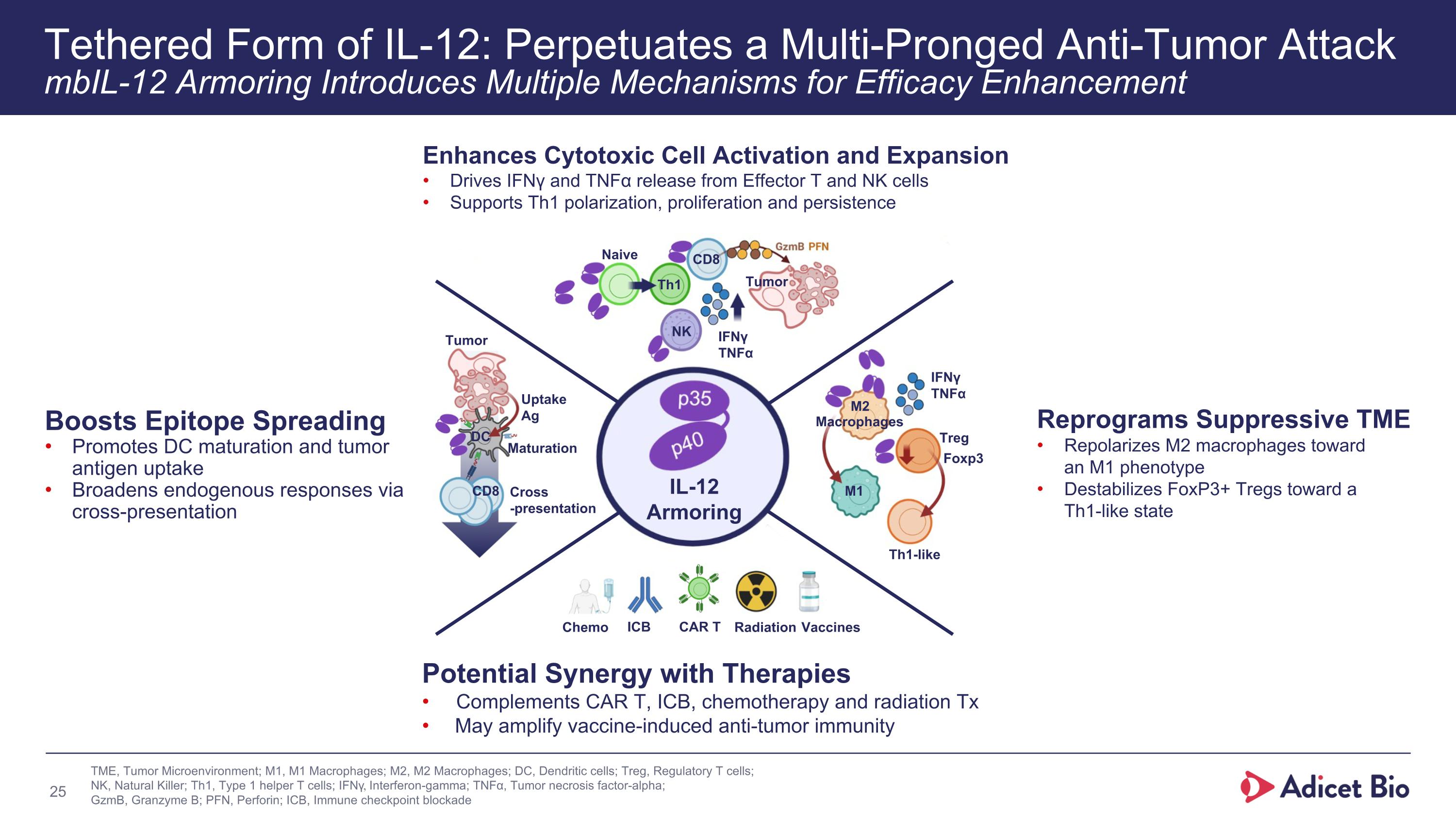
Tethered Form of IL-12: Perpetuates a Multi-Pronged Anti-Tumor Attack mbIL-12 Armoring Introduces Multiple Mechanisms for Efficacy Enhancement Enhances Cytotoxic Cell Activation and Expansion Drives IFNγ and TNFα release from Effector T and NK cells Supports Th1 polarization, proliferation and persistence Potential Synergy with Therapies Complements CAR T, ICB, chemotherapy and radiation Tx May amplify vaccine-induced anti-tumor immunity Boosts Epitope Spreading Promotes DC maturation and tumor antigen uptake Broadens endogenous responses via cross-presentation Reprograms Suppressive TME Repolarizes M2 macrophages toward an M1 phenotype Destabilizes FoxP3+ Tregs toward a Th1-like state IFNγ TNFα Th1 Naive NK Tumor CD8 M2 M1 Treg Foxp3 Th1-like IFNγ TNFα Macrophages Chemo ICB CAR T Radiation Vaccines Tumor Uptake Ag Cross -presentation Maturation DC CD8 IL-12 Armoring TME, Tumor Microenvironment; M1, M1 Macrophages; M2, M2 Macrophages; DC, Dendritic cells; Treg, Regulatory T cells; NK, Natural Killer; Th1, Type 1 helper T cells; IFNγ, Interferon-gamma; TNFα, Tumor necrosis factor-alpha; GzmB, Granzyme B; PFN, Perforin; ICB, Immune checkpoint blockade
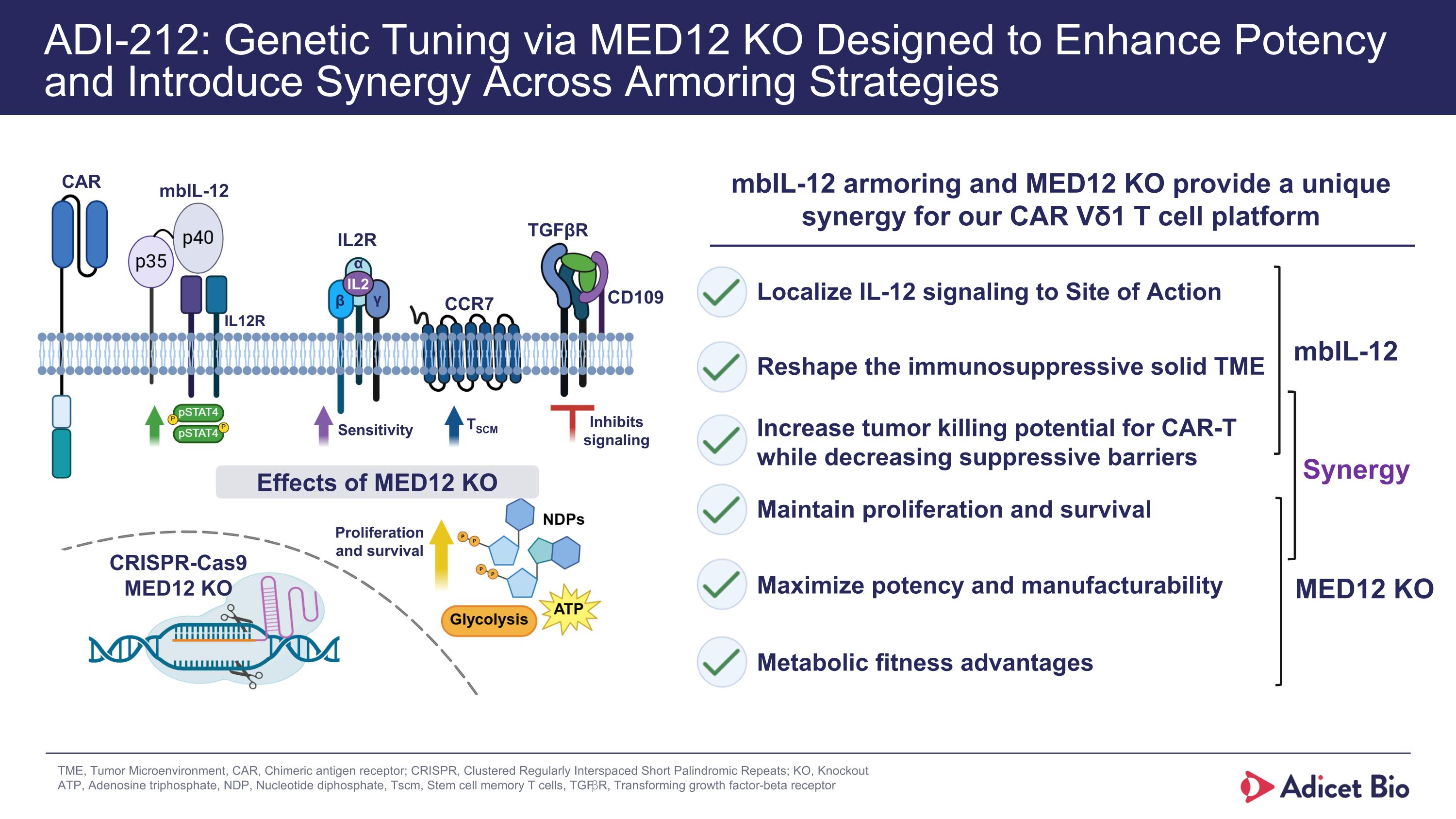
ADI-212: Genetic Tuning via MED12 KO Designed to Enhance Potency and Introduce Synergy Across Armoring Strategies Localize IL-12 signaling to Site of Action mbIL-12 armoring and MED12 KO provide a unique synergy for our CAR Vδ1 T cell platform Maximize potency and manufacturability Maintain proliferation and survival Increase tumor killing potential for CAR-T while decreasing suppressive barriers Reshape the immunosuppressive solid TME Metabolic fitness advantages mbIL-12 MED12 KO Synergy TME, Tumor Microenvironment, CAR, Chimeric antigen receptor; CRISPR, Clustered Regularly Interspaced Short Palindromic Repeats; KO, Knockout ATP, Adenosine triphosphate, NDP, Nucleotide diphosphate, Tscm, Stem cell memory T cells, TGFꞵR, Transforming growth factor-beta receptor TGFβR CRISPR-Cas9 MED12 KO Sensitivity TSCM CCR7 IL2R CAR CD109 Inhibits signaling Proliferation and survival mbIL-12 IL2 γ β α IL12R Effects of MED12 KO
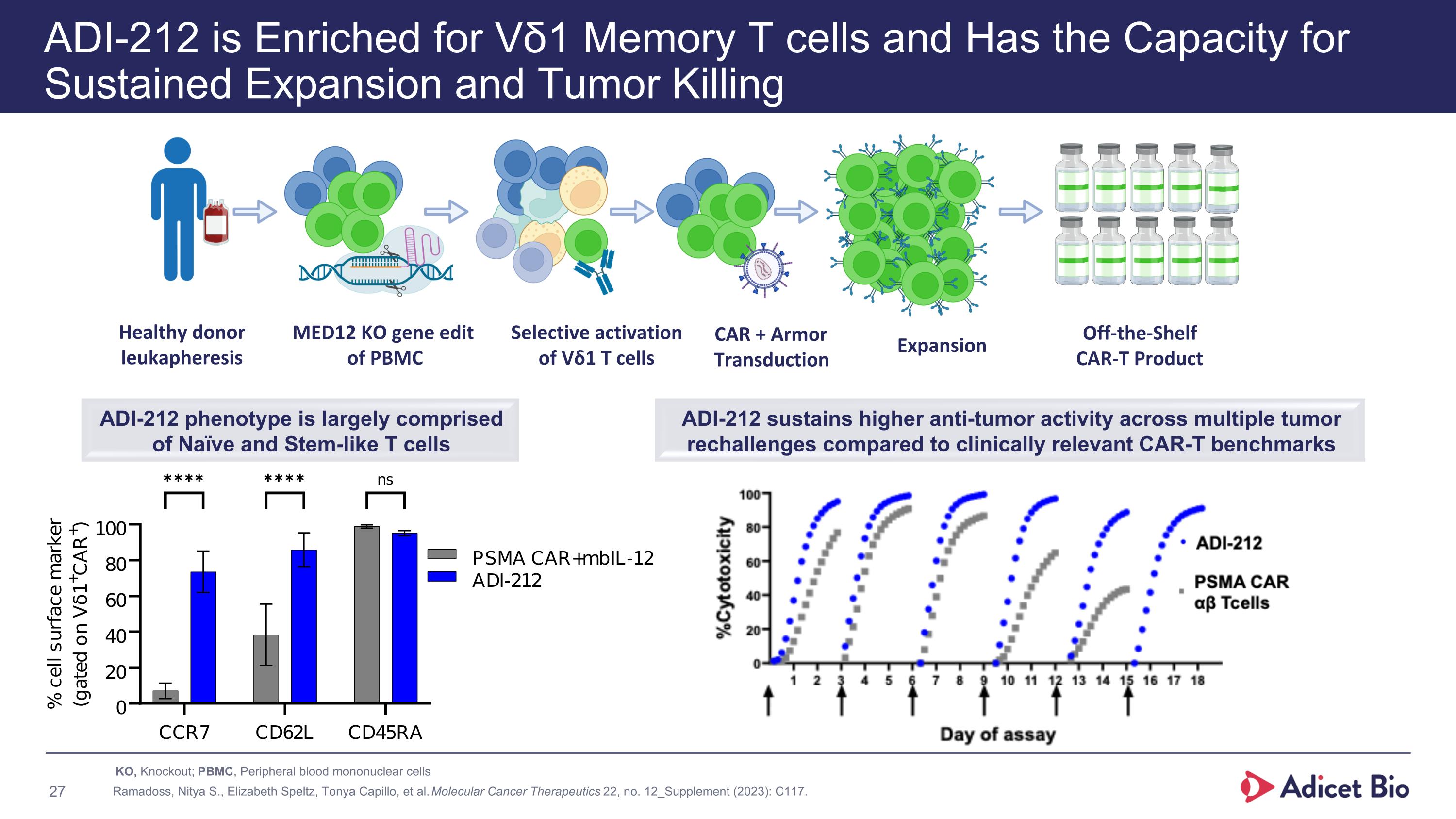
ADI-212 is Enriched for Vδ1 Memory T cells and Has the Capacity for Sustained Expansion and Tumor Killing ADI-212 phenotype is largely comprised of Naïve and Stem-like T cells % cells positive ADI-212 sustains higher anti-tumor activity across multiple tumor rechallenges compared to clinically relevant CAR-T benchmarks Selective activation of Vδ1 T cells Healthy donor leukapheresis Expansion Off-the-Shelf CAR-T Product CAR + Armor Transduction MED12 KO gene edit of PBMC KO, Knockout; PBMC, Peripheral blood mononuclear cells Ramadoss, Nitya S., Elizabeth Speltz, Tonya Capillo, et al. Molecular Cancer Therapeutics 22, no. 12_Supplement (2023): C117.
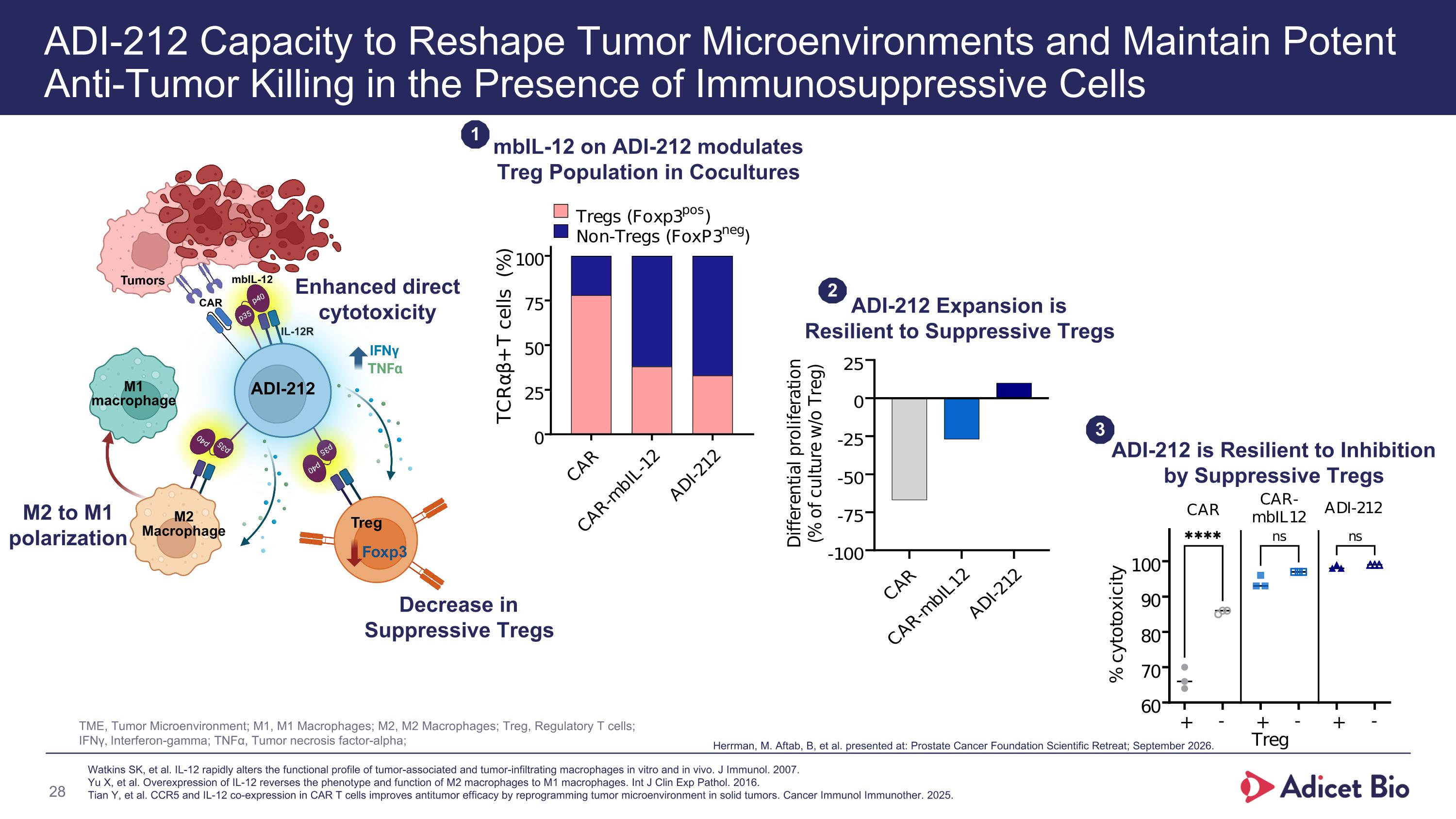
ADI-212 Capacity to Reshape Tumor Microenvironments and Maintain Potent Anti-Tumor Killing in the Presence of Immunosuppressive Cells ADI-212 Expansion is Resilient to Suppressive Tregs ADI-212 is Resilient to Inhibition by Suppressive Tregs mbIL-12 on ADI-212 modulates Treg Population in Cocultures Decrease in Suppressive Tregs M2 to M1 polarization Enhanced direct cytotoxicity Watkins SK, et al. IL-12 rapidly alters the functional profile of tumor-associated and tumor-infiltrating macrophages in vitro and in vivo. J Immunol. 2007. Yu X, et al. Overexpression of IL-12 reverses the phenotype and function of M2 macrophages to M1 macrophages. Int J Clin Exp Pathol. 2016. Tian Y, et al. CCR5 and IL-12 co-expression in CAR T cells improves antitumor efficacy by reprogramming tumor microenvironment in solid tumors. Cancer Immunol Immunother. 2025. 1 2 3 TME, Tumor Microenvironment; M1, M1 Macrophages; M2, M2 Macrophages; Treg, Regulatory T cells; IFNγ, Interferon-gamma; TNFα, Tumor necrosis factor-alpha; Herrman, M. Aftab, B, et al. presented at: Prostate Cancer Foundation Scientific Retreat; September 2026.
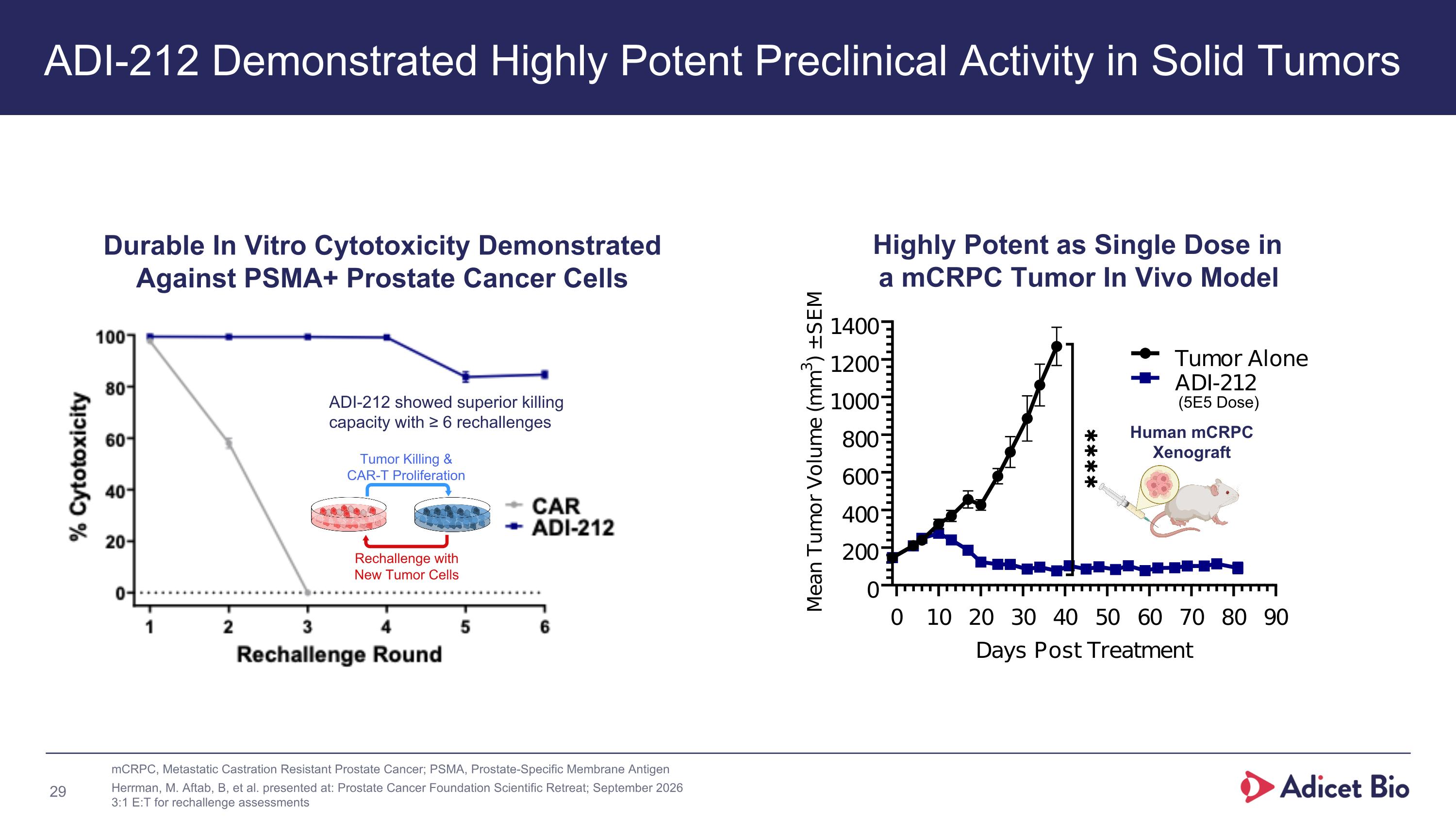
ADI-212 Demonstrated Highly Potent Preclinical Activity in Solid Tumors Durable In Vitro Cytotoxicity Demonstrated Against PSMA+ Prostate Cancer Cells ADI-212 showed superior killing capacity with ≥ 6 rechallenges Highly Potent as Single Dose in a mCRPC Tumor In Vivo Model (5E5 Dose) Human mCRPC Xenograft Tumor Killing & CAR-T Proliferation Rechallenge with New Tumor Cells mCRPC, Metastatic Castration Resistant Prostate Cancer; PSMA, Prostate-Specific Membrane Antigen Herrman, M. Aftab, B, et al. presented at: Prostate Cancer Foundation Scientific Retreat; September 2026 3:1 E:T for rechallenge assessments
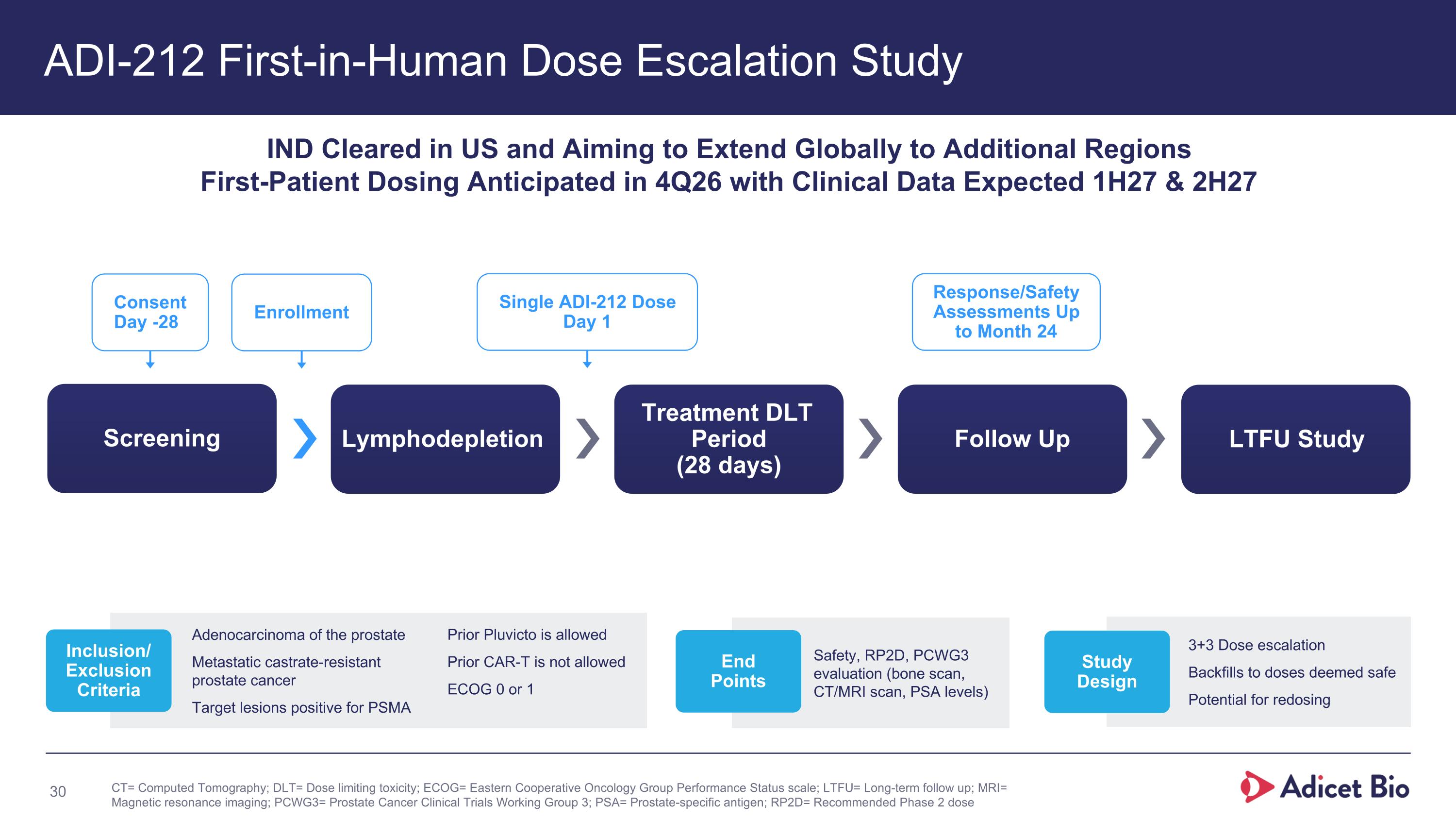
ADI-212 First-in-Human Dose Escalation Study Safety, RP2D, PCWG3 evaluation (bone scan, CT/MRI scan, PSA levels) Screening Lymphodepletion Treatment DLT Period (28 days) Follow Up LTFU Study Consent Day -28 Enrollment Single ADI-212 Dose Day 1 Response/Safety Assessments Up to Month 24 IND Cleared in US and Aiming to Extend Globally to Additional Regions First-Patient Dosing Anticipated in 4Q26 with Clinical Data Expected 1H27 & 2H27 Adenocarcinoma of the prostate Metastatic castrate-resistant prostate cancer Target lesions positive for PSMA Inclusion/ Exclusion Criteria Prior Pluvicto is allowed Prior CAR-T is not allowed ECOG 0 or 1 End Points 3+3 Dose escalation Backfills to doses deemed safe Potential for redosing Study Design CT= Computed Tomography; DLT= Dose limiting toxicity; ECOG= Eastern Cooperative Oncology Group Performance Status scale; LTFU= Long-term follow up; MRI= Magnetic resonance imaging; PCWG3= Prostate Cancer Clinical Trials Working Group 3; PSA= Prostate-specific antigen; RP2D= Recommended Phase 2 dose
In Vivo CAR-T Portfolio Differentiated in vivo CAR-T approach and pipeline designed to address significant unmet needs Hematologic malignancies and solid tumors
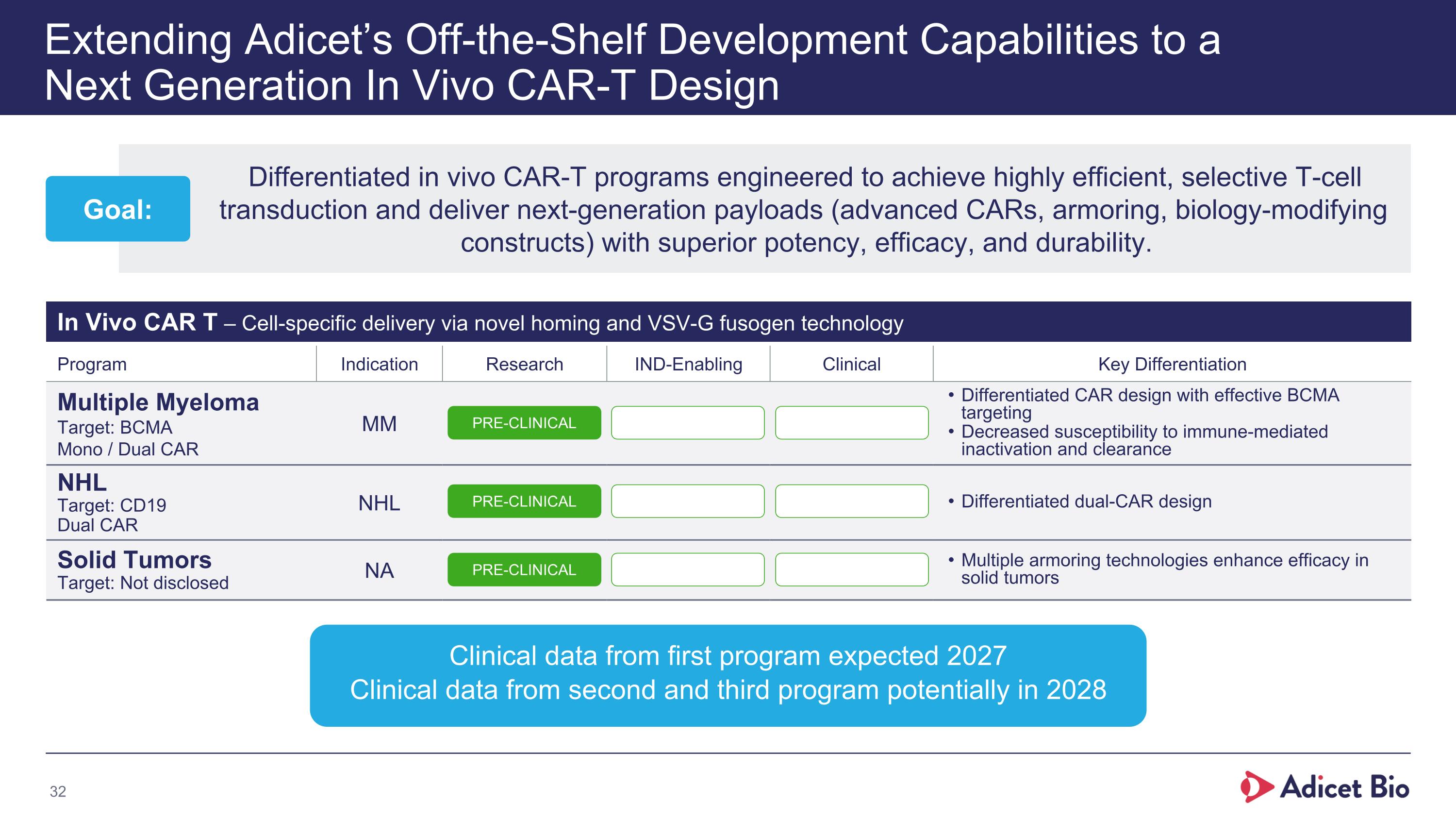
Developing Best In Class In Vivo CAR-T Programs for Oncology and AI indications Program Indication Research IND-Enabling Clinical Key Differentiation Multiple Myeloma Target: BCMA Mono / Dual CAR MM Differentiated CAR design with effective BCMA targeting Decreased susceptibility to immune-mediated inactivation and clearance NHL Target: CD19 Dual CAR NHL Differentiated dual-CAR design Solid Tumors Target: Not disclosed NA Multiple armoring technologies enhance efficacy in solid tumors In Vivo CAR T – Cell-specific delivery via novel homing and VSV-G fusogen technology PRE-CLINICAL PRE-CLINICAL PRE-CLINICAL Clinical data from first program expected 2027 Clinical data from second and third program potentially in 2028 Extending Adicet’s Off-the-Shelf Development Capabilities to a Next Generation In Vivo CAR-T Design Differentiated in vivo CAR-T programs engineered to achieve highly efficient, selective T-cell transduction and deliver next-generation payloads (advanced CARs, armoring, biology-modifying constructs) with superior potency, efficacy, and durability. Goal:
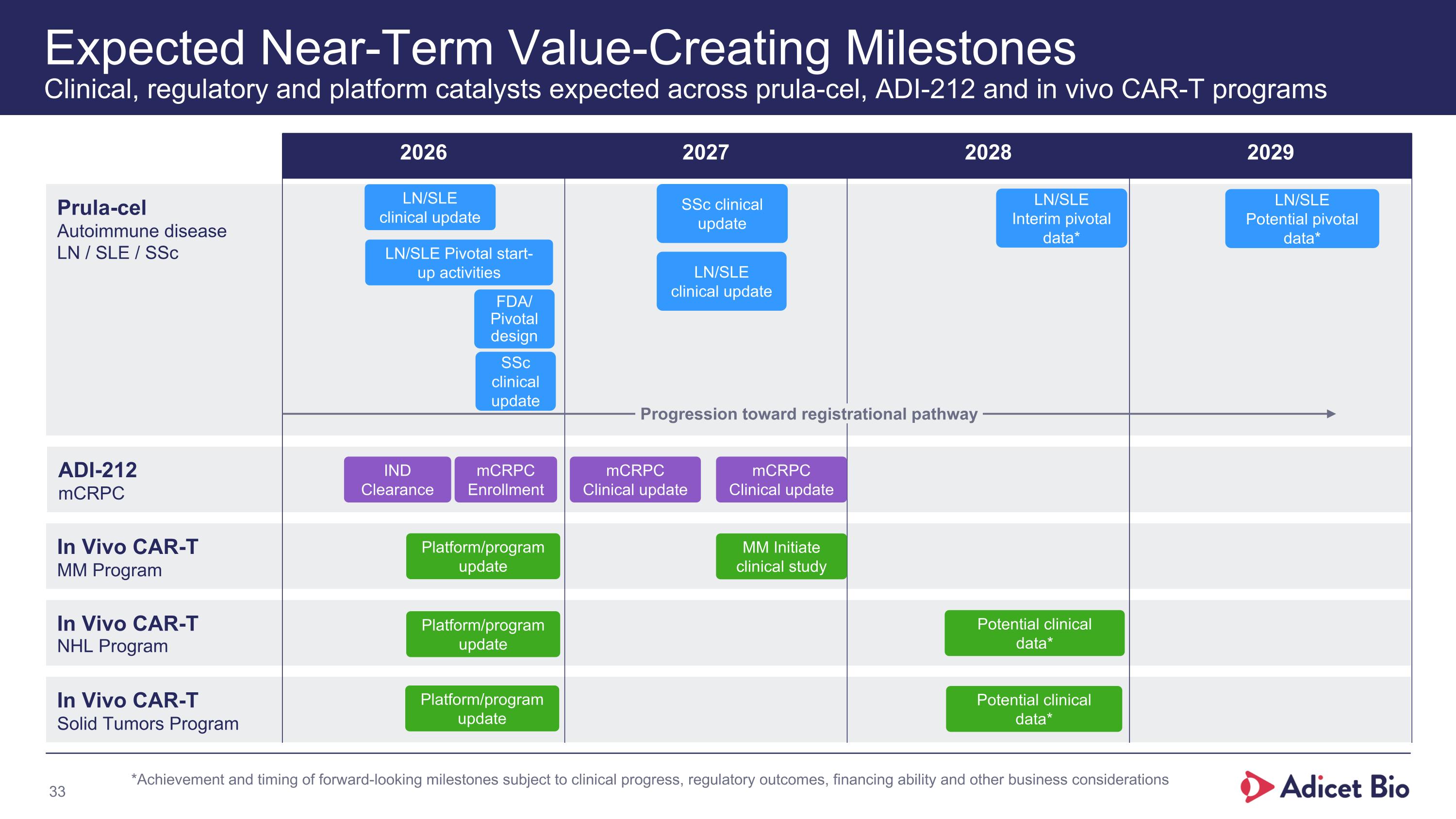
Prula-cel Autoimmune disease LN / SLE / SSc ADI-212 mCRPC In Vivo CAR-T MM Program In Vivo CAR-T NHL Program In Vivo CAR-T Solid Tumors Program Expected Near-Term Value-Creating Milestones Clinical, regulatory and platform catalysts expected across prula-cel, ADI-212 and in vivo CAR-T programs 2026 2027 2028 2029 Progression toward registrational pathway Potential clinical data* Potential clinical data* MM Initiate clinical study mCRPC Clinical update mCRPC Clinical update SSc clinical update LN/SLE clinical update SSc clinical update LN/SLE clinical update LN/SLE Pivotal start-up activities mCRPC Enrollment FDA/ Pivotal design IND Clearance LN/SLE Interim pivotal data* LN/SLE Potential pivotal data* *Achievement and timing of forward-looking milestones subject to clinical progress, regulatory outcomes, financing ability and other business considerations Platform/program update Platform/program update Platform/program update

September 2026 Investor Overview