Corporate Presentation September 2026 Exhibit 99.2
Disclaimers and forward-looking statements This presentation and the accompanying discussion contain forward-looking statements within the meaning of the Private Securities Litigation Reform Act of 1995, including, but not limited to, express or implied statements regarding TScan Therapeutics, Inc.'s (the "Company") plans, progress, and timing relating to the Company’s clinical programs and the presentation of data, the Company’s current and future research and development plans or expectations, the structure, timing and success of the Company’s planned preclinical development, submission of INDs, manufacturing, and clinical trials, the potential benefits of any of the Company’s proprietary platforms or current or future product candidates in treating patients, the potential commercial opportunities of any of the Company’s proprietary platforms or current or future product candidates, the Company's ability to fund its operating expenses and capital expenditure requirements with its existing cash and cash equivalents, and the Company’s goals and strategy. The Company intends such forward-looking statements to be covered by the safe harbor provisions for forward-looking statements contained in Section 21E of the Securities Exchange Act of 1934 and the Private Securities Litigation Reform Act of 1995. In some cases, you can identify forward-looking statements by terms such as, but not limited to, “may,” “might,” “will,” “objective,” “intend,” “should,” “could,” “can,” “would,” “expect,” “believe,” “anticipate,” “project,” “target,” “design,” “estimate,” “predict,” “potential,” “plan,” “on track,” or similar expressions or the negative of those terms. Such forward-looking statements are based upon current expectations that involve risks, changes in circumstances, assumptions, and uncertainties. The express or implied forward-looking statements included in this presentation are only predictions and are subject to a number of risks, uncertainties and assumptions, including, without limitation: the beneficial characteristics, safety, efficacy, therapeutic effects and potential advantages of the Company’s TCR-T therapy candidates; the Company’s expectations regarding its preclinical studies being predictive of clinical trial results; the timing of the initiation, progress and expected results of the Company’s preclinical studies, clinical trials and its research and development programs; the Company’s plans relating to developing and commercializing its TCR-T therapy candidates, if approved, including sales strategy; estimates of the size of the addressable market for the Company’s TCR-T therapy candidates; the Company’s manufacturing capabilities and the scalable nature of its manufacturing process; the Company’s estimates regarding expenses, future milestone payments and revenue, capital requirements and needs for additional financing; the Company’s expectations regarding competition; TScan’s anticipated growth strategies; the Company’s ability to attract or retain key personnel; the Company’s ability to establish and maintain development partnerships and collaborations; the Company’s expectations regarding federal, state and foreign regulatory requirements; the Company’s ability to obtain and maintain intellectual property protection for its proprietary platform technology and our product candidates; the sufficiency of the Company’s existing capital resources to fund its future operating expenses and capital expenditure requirements; and other factors that are described in the “Risk Factors” and “Management’s Discussion and Analysis of Financial Condition and Results of Operations” sections of the Company’s most recent Annual Report on Form 10-K and any other filings that the Company has made or may make with the SEC in the future. Any forward-looking statements contained in this presentation represent the Company’s views only as of the date hereof and should not be relied upon as representing its views as of any subsequent date. Except as required by law, the Company explicitly disclaims any obligation to update any forward-looking statements.
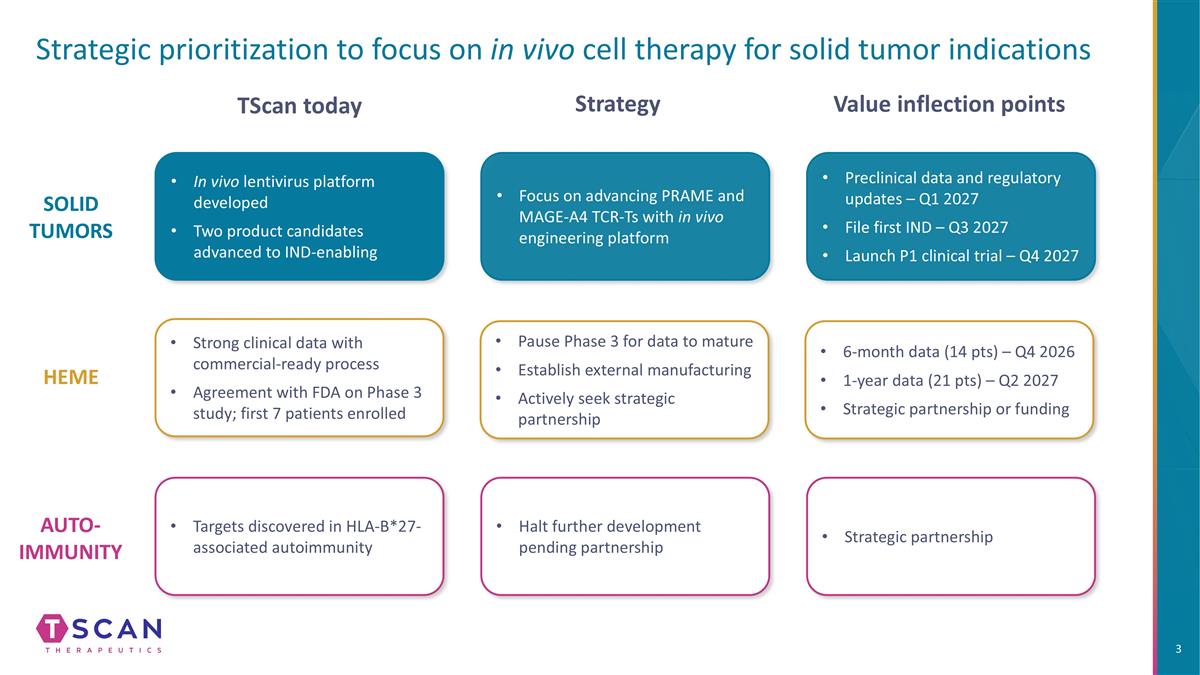
Strategic prioritization to focus on in vivo cell therapy for solid tumor indications In vivo lentivirus platform developed Two product candidates advanced to IND-enabling Preclinical data and regulatory updates – Q1 2027 File first IND – Q3 2027 Launch P1 clinical trial – Q4 2027 SOLID TUMORS HEME AUTO- IMMUNITY Focus on advancing PRAME and MAGE-A4 TCR-Ts with in vivo engineering platform Strong clinical data with commercial-ready process Agreement with FDA on Phase 3 study; first 7 patients enrolled Pause Phase 3 for data to mature Establish external manufacturing Actively seek strategic partnership 6-month data (14 pts) – Q4 2026 1-year data (21 pts) – Q2 2027 Strategic partnership or funding Targets discovered in HLA-B*27-associated autoimmunity Halt further development pending partnership TScan today Strategy Value inflection points Strategic partnership
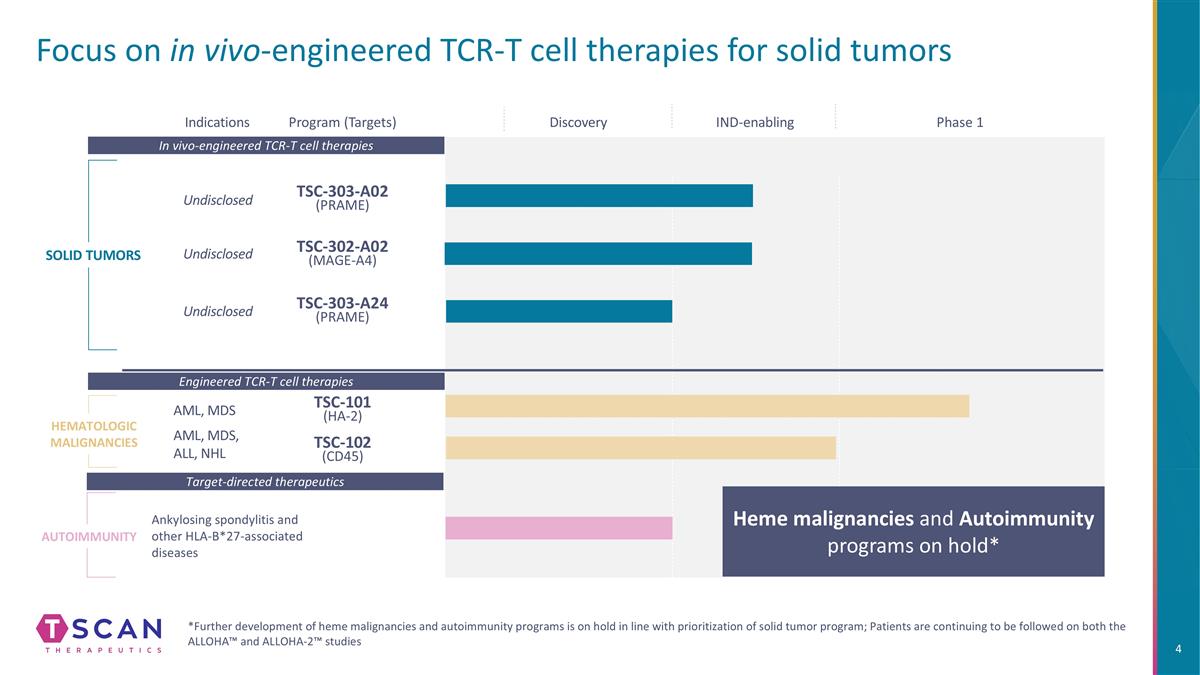
Focus on in vivo-engineered TCR-T cell therapies for solid tumors Indications Program (Targets) SOLID TUMORS Autoimmunity IND-enabling Phase 1 Target-directed therapeutics In vivo-engineered TCR-T cell therapies Ankylosing spondylitis and other HLA-B*27-associated diseases Discovery TSC-303-A02 (PRAME) TSC-101 (HA-2) HEMATOLOGIC MALIGNANCIES AML, MDS TSC-102 (CD45) Heme malignancies and Autoimmunity programs on hold* *Further development of heme malignancies and autoimmunity programs is on hold in line with prioritization of solid tumor program; Patients are continuing to be followed on both the ALLOHA™ and ALLOHA-2™ studies Engineered TCR-T cell therapies TSC-302-A02 (MAGE-A4) TSC-303-A24 (PRAME) Undisclosed Undisclosed Undisclosed AML, MDS, ALL, NHL
Solid Tumors Developing in vivo-engineered TCR-T cell therapy for solid tumor indications
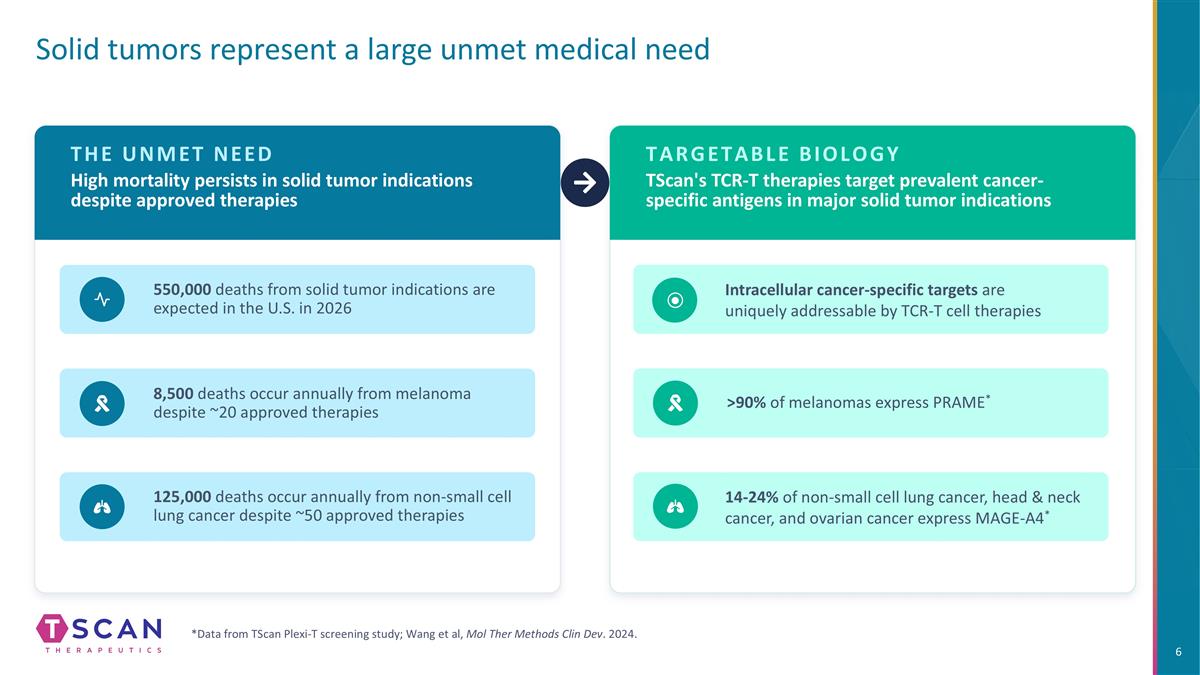
THE UNMET NEED High mortality persists in solid tumor indications despite approved therapies 550,000 deaths from solid tumor indications are expected in the U.S. in 2026 125,000 deaths occur annually from non-small cell lung cancer despite ~50 approved therapies TARGETABLE BIOLOGY TScan's TCR-T therapies target prevalent cancer-specific antigens in major solid tumor indications >90% of melanomas express PRAME* 14-24% of non-small cell lung cancer, head & neck cancer, and ovarian cancer express MAGE-A4* 8,500 deaths occur annually from melanoma despite ~20 approved therapies *Data from TScan Plexi-T screening study; Wang et al, Mol Ther Methods Clin Dev. 2024. Solid tumors represent a large unmet medical need Intracellular cancer-specific targets are uniquely addressable by TCR-T cell therapies
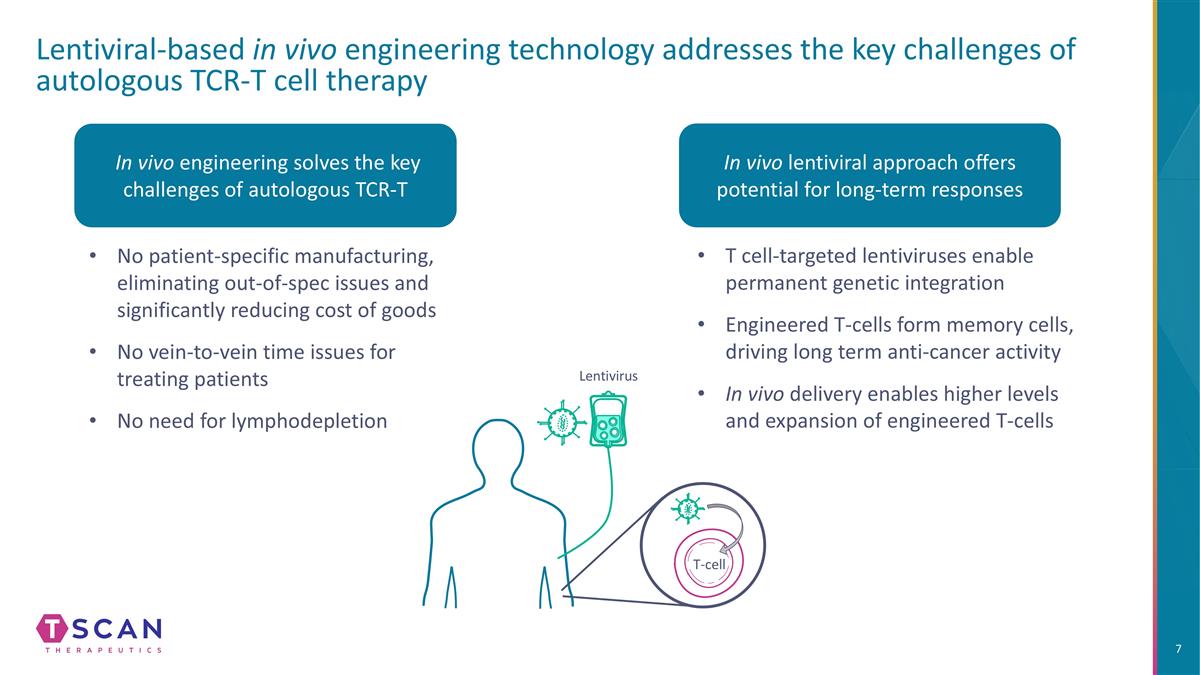
Lentivirus Lentiviral-based in vivo engineering technology addresses the key challenges of autologous TCR-T cell therapy In vivo engineering solves the key challenges of autologous TCR-T No patient-specific manufacturing, eliminating out-of-spec issues and significantly reducing cost of goods No vein-to-vein time issues for treating patients No need for lymphodepletion In vivo lentiviral approach offers potential for long-term responses T cell-targeted lentiviruses enable permanent genetic integration Engineered T-cells form memory cells, driving long term anti-cancer activity In vivo delivery enables higher levels and expansion of engineered T-cells T-cell
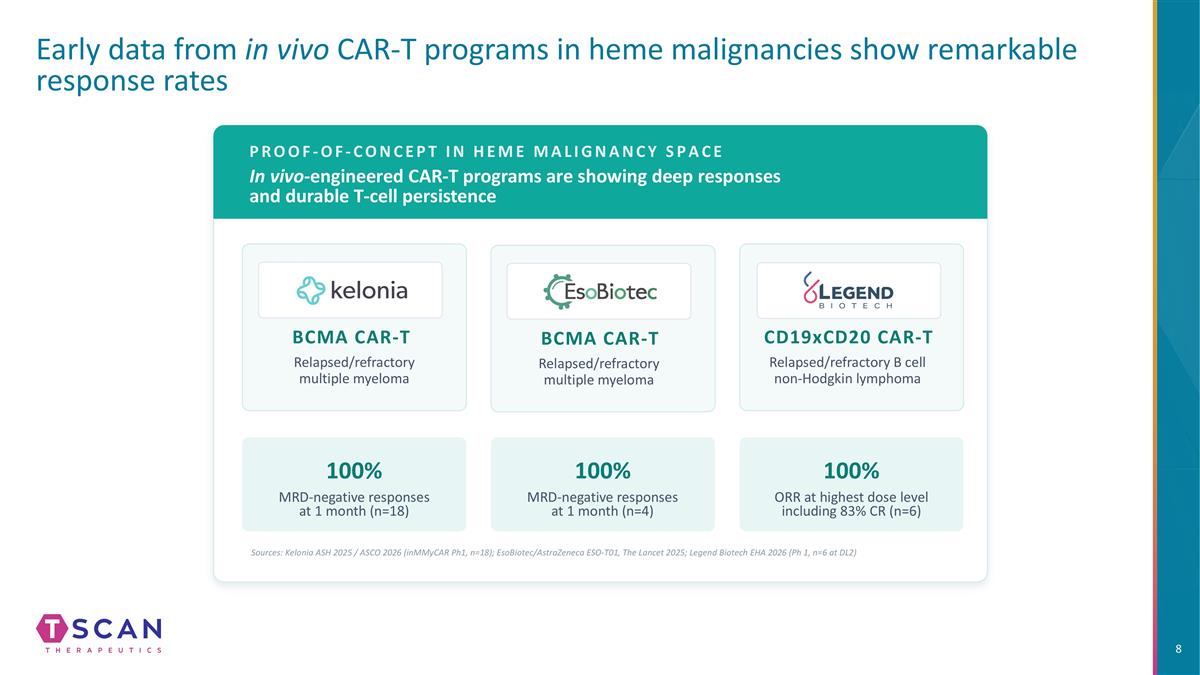
Early data from in vivo CAR-T programs in heme malignancies show remarkable response rates PROOF-OF-CONCEPT IN HEME MALIGNANCY SPACE In vivo-engineered CAR-T programs are showing deep responses and durable T-cell persistence 100% MRD-negative responses at 1 month (n=18) 100% MRD-negative responses at 1 month (n=4) 100% ORR at highest dose level including 83% CR (n=6) BCMA CAR-T Relapsed/refractory multiple myeloma BCMA CAR-T Relapsed/refractory multiple myeloma CD19xCD20 CAR-T Relapsed/refractory B cell non-Hodgkin lymphoma Sources: Kelonia ASH 2025 / ASCO 2026 (inMMyCAR Ph1, n=18); EsoBiotec/AstraZeneca ESO-T01, The Lancet 2025; Legend Biotech EHA 2026 (Ph 1, n=6 at DL2)
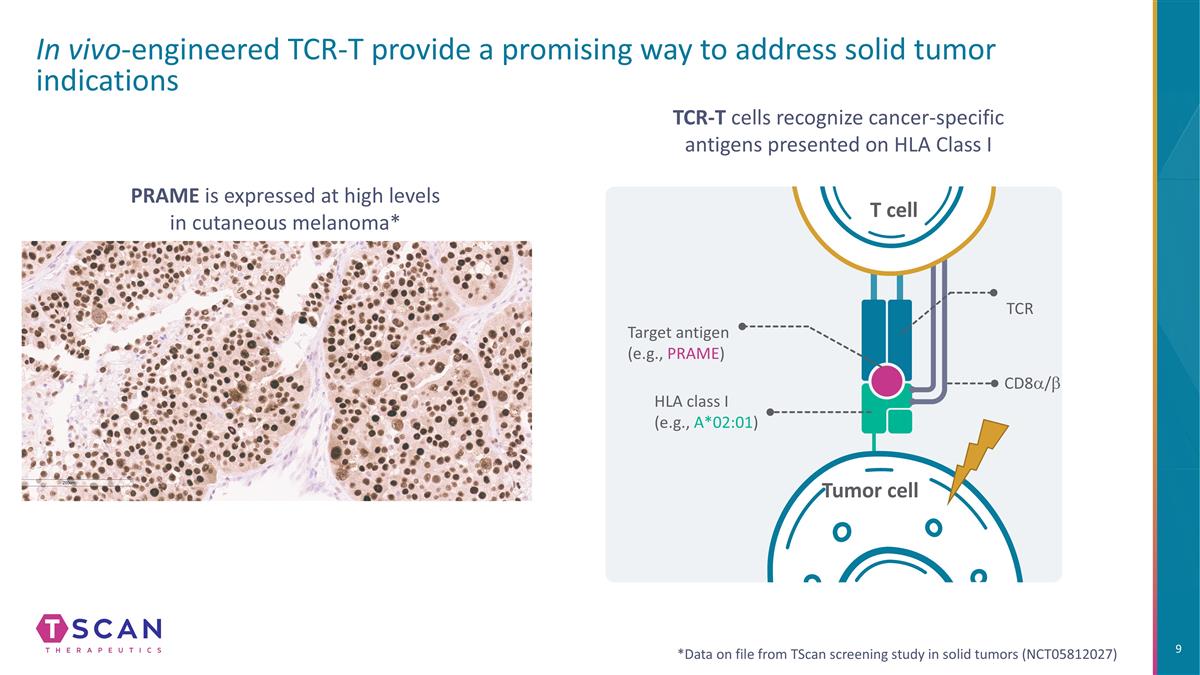
In vivo-engineered TCR-T provide a promising way to address solid tumor indications Tumor cell T cell HLA class I (e.g., A*02:01) Target antigen (e.g., PRAME) CD8a/b TCR PRAME is expressed at high levels in cutaneous melanoma* *Data on file from TScan screening study in solid tumors (NCT05812027) TCR-T cells recognize cancer-specific antigens presented on HLA Class I
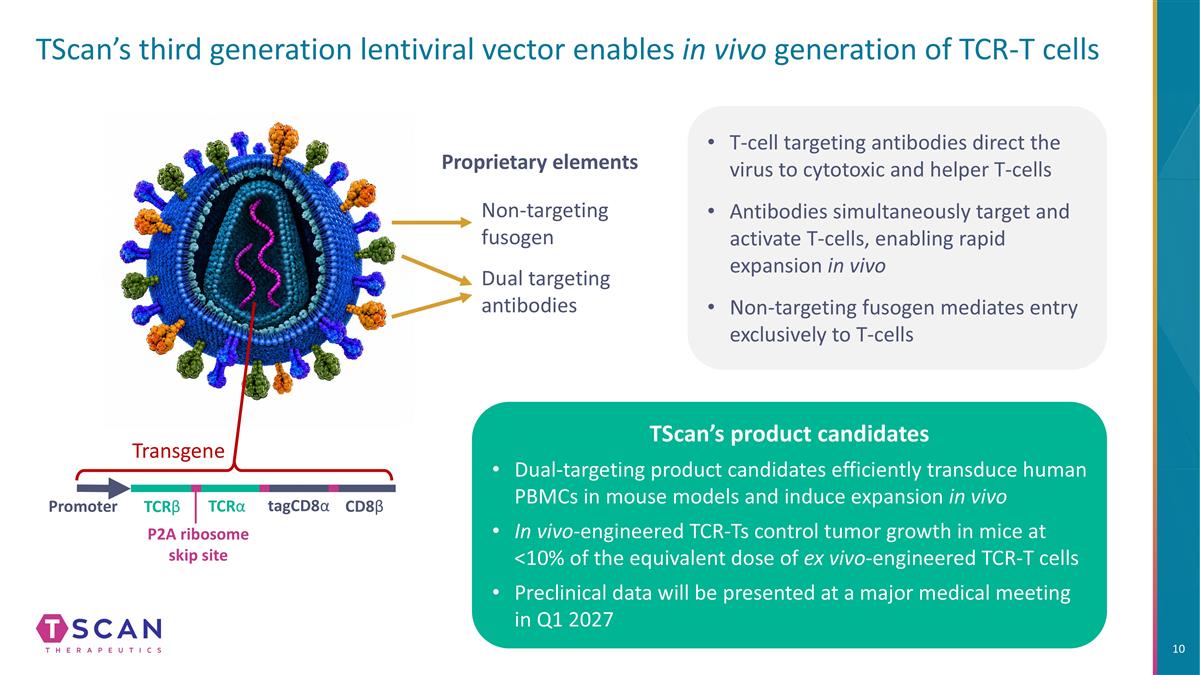
T-cell targeting antibodies direct the virus to cytotoxic and helper T-cells Antibodies simultaneously target and activate T-cells, enabling rapid expansion in vivo Non-targeting fusogen mediates entry exclusively to T-cells TScan’s third generation lentiviral vector enables in vivo generation of TCR-T cells Dual targeting antibodies Non-targeting fusogen Transgene Promoter TCRβ TCRα tagCD8α CD8β P2A ribosome skip site Proprietary elements TScan’s product candidates Dual-targeting product candidates efficiently transduce human PBMCs in mouse models and induce expansion in vivo In vivo-engineered TCR-Ts control tumor growth in mice at <10% of the equivalent dose of ex vivo-engineered TCR-T cells Preclinical data will be presented at a major medical meeting in Q1 2027
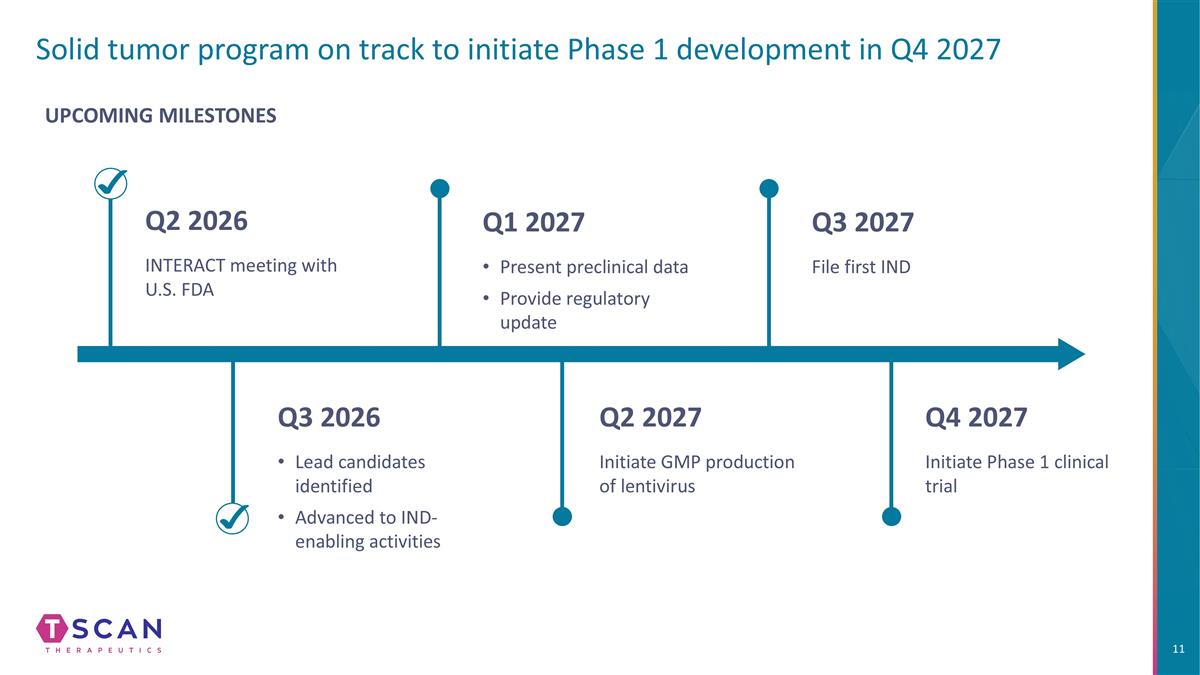
Solid tumor program on track to initiate Phase 1 development in Q4 2027 UPCOMING MILESTONES Q2 2026 INTERACT meeting with U.S. FDA Q1 2027 Present preclinical data Provide regulatory update Q3 2027 File first IND Q3 2026 Lead candidates identified Advanced to IND-enabling activities Q2 2027 Initiate GMP production of lentivirus Q4 2027 Initiate Phase 1 clinical trial
Heme Malignancies Targeting residual disease to prevent relapse in patients undergoing allogeneic HCT
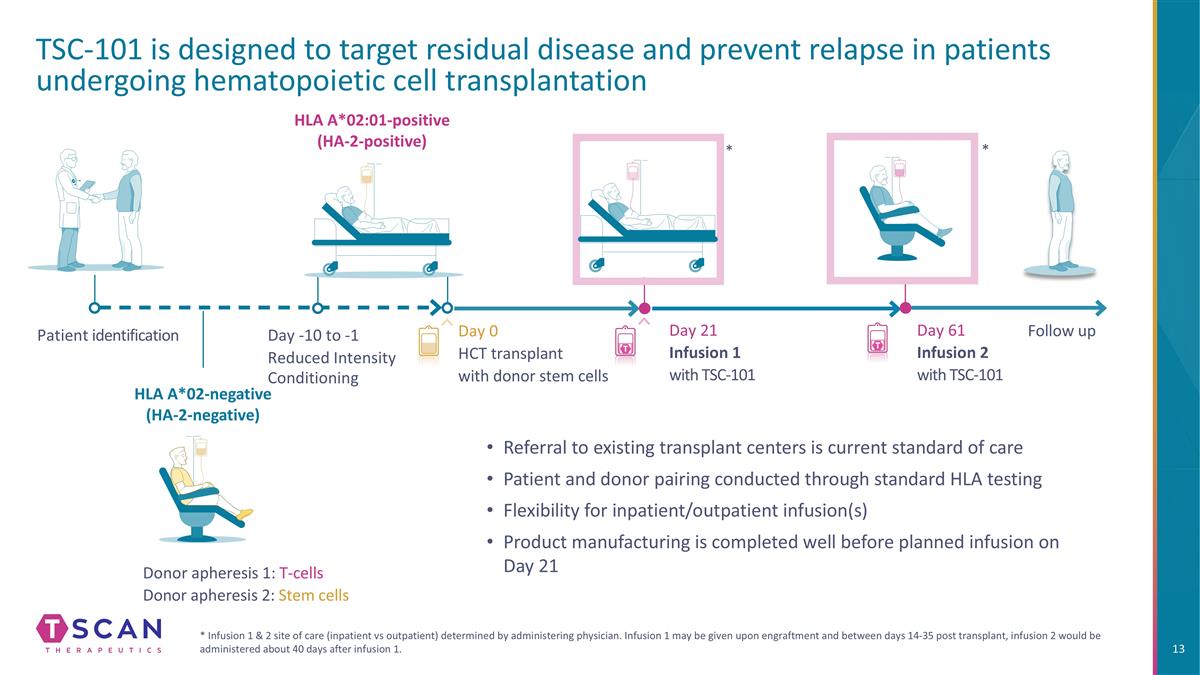
TSC-101 is designed to target residual disease and prevent relapse in patients undergoing hematopoietic cell transplantation * Infusion 1 & 2 site of care (inpatient vs outpatient) determined by administering physician. Infusion 1 may be given upon engraftment and between days 14-35 post transplant, infusion 2 would be administered about 40 days after infusion 1. Patient identification Day 0 HCT transplant with donor stem cells Donor apheresis 1: T-cells Donor apheresis 2: Stem cells Day 21 Infusion 1 with TSC-101 Day 61 Infusion 2 with TSC-101 Follow up Day -10 to -1 Reduced Intensity Conditioning * * HLA A*02:01-positive (HA-2-positive) HLA A*02-negative (HA-2-negative) Referral to existing transplant centers is current standard of care Patient and donor pairing conducted through standard HLA testing Flexibility for inpatient/outpatient infusion(s) Product manufacturing is completed well before planned infusion on Day 21
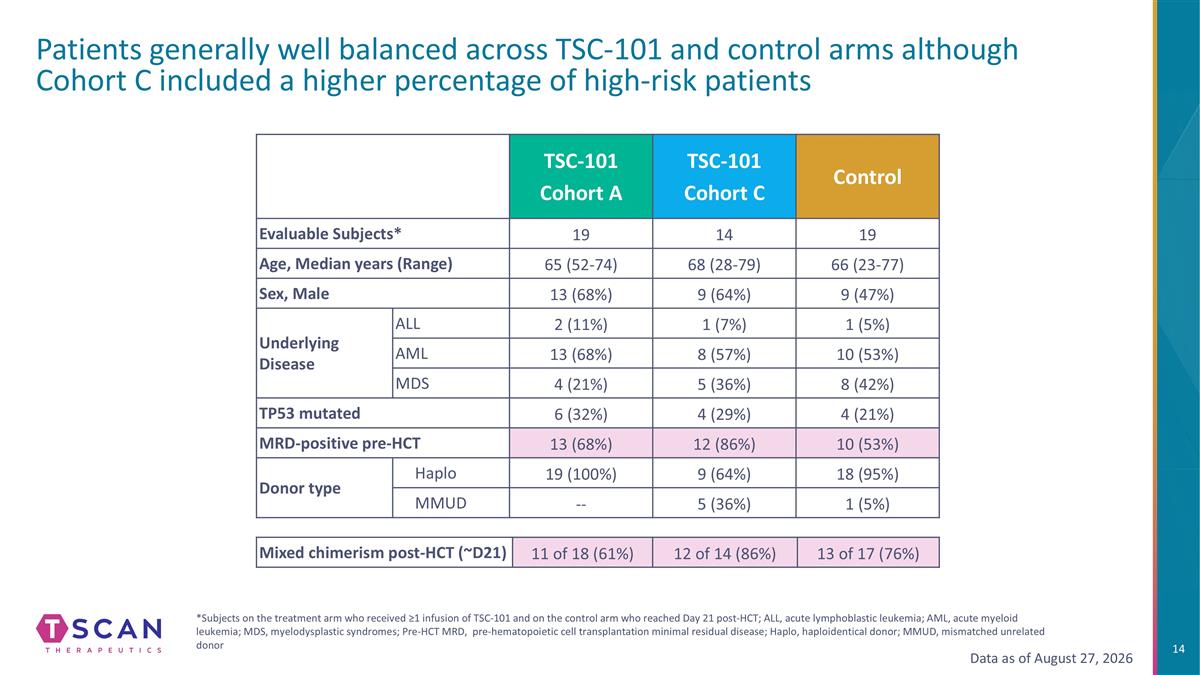
Patients generally well balanced across TSC-101 and control arms although Cohort C included a higher percentage of high-risk patients TSC-101 Cohort A TSC-101 Cohort C Control Evaluable Subjects* 19 14 19 Age, Median years (Range) 65 (52-74) 68 (28-79) 66 (23-77) Sex, Male 13 (68%) 9 (64%) 9 (47%) Underlying Disease ALL 2 (11%) 1 (7%) 1 (5%) AML 13 (68%) 8 (57%) 10 (53%) MDS 4 (21%) 5 (36%) 8 (42%) TP53 mutated 6 (32%) 4 (29%) 4 (21%) MRD-positive pre-HCT 13 (68%) 12 (86%) 10 (53%) Donor type Haplo 19 (100%) 9 (64%) 18 (95%) MMUD -- 5 (36%) 1 (5%) *Subjects on the treatment arm who received ≥1 infusion of TSC-101 and on the control arm who reached Day 21 post-HCT; ALL, acute lymphoblastic leukemia; AML, acute myeloid leukemia; MDS, myelodysplastic syndromes; Pre-HCT MRD, pre-hematopoietic cell transplantation minimal residual disease; Haplo, haploidentical donor; MMUD, mismatched unrelated donor Mixed chimerism post-HCT (~D21) 11 of 18 (61%) 12 of 14 (86%) 13 of 17 (76%) Data as of August 27, 2026
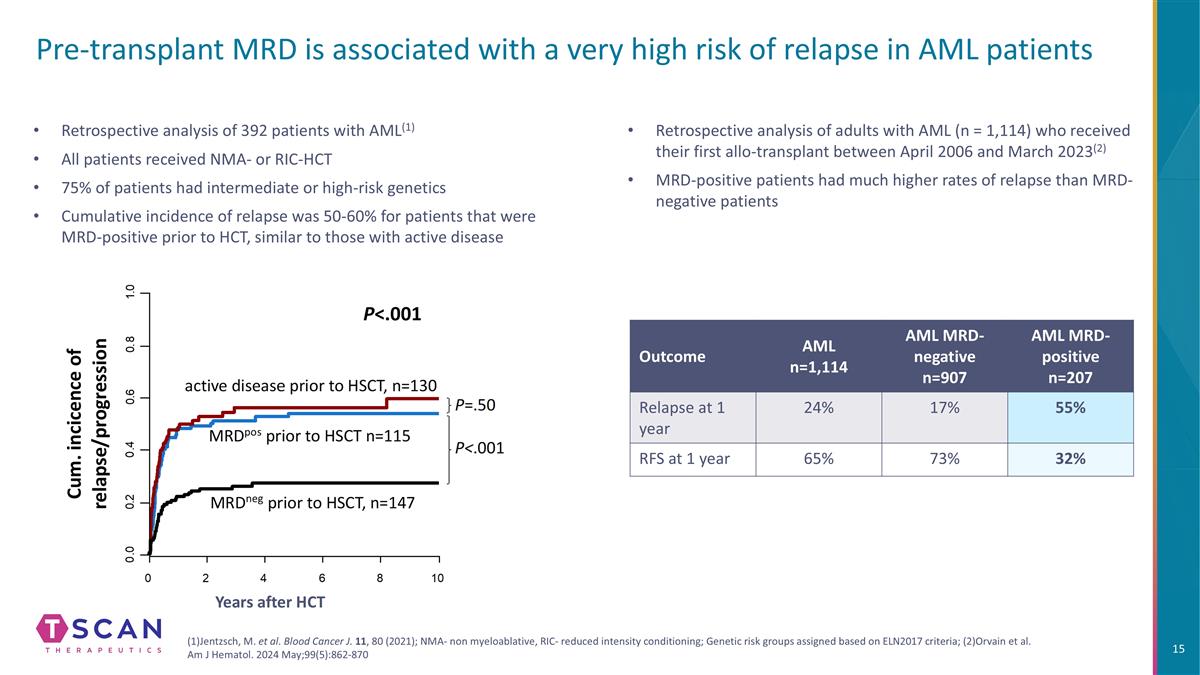
Pre-transplant MRD is associated with a very high risk of relapse in AML patients Retrospective analysis of 392 patients with AML(1) All patients received NMA- or RIC-HCT 75% of patients had intermediate or high-risk genetics Cumulative incidence of relapse was 50-60% for patients that were MRD-positive prior to HCT, similar to those with active disease Years after HCT Retrospective analysis of adults with AML (n = 1,114) who received their first allo-transplant between April 2006 and March 2023(2) MRD-positive patients had much higher rates of relapse than MRD-negative patients (1)Jentzsch, M. et al. Blood Cancer J. 11, 80 (2021); NMA- non myeloablative, RIC- reduced intensity conditioning; Genetic risk groups assigned based on ELN2017 criteria; (2)Orvain et al. Am J Hematol. 2024 May;99(5):862-870 Outcome AML n=1,114 AML MRD-negative n=907 AML MRD-positive n=207 Relapse at 1 year 24% 17% 55% RFS at 1 year 65% 73% 32%
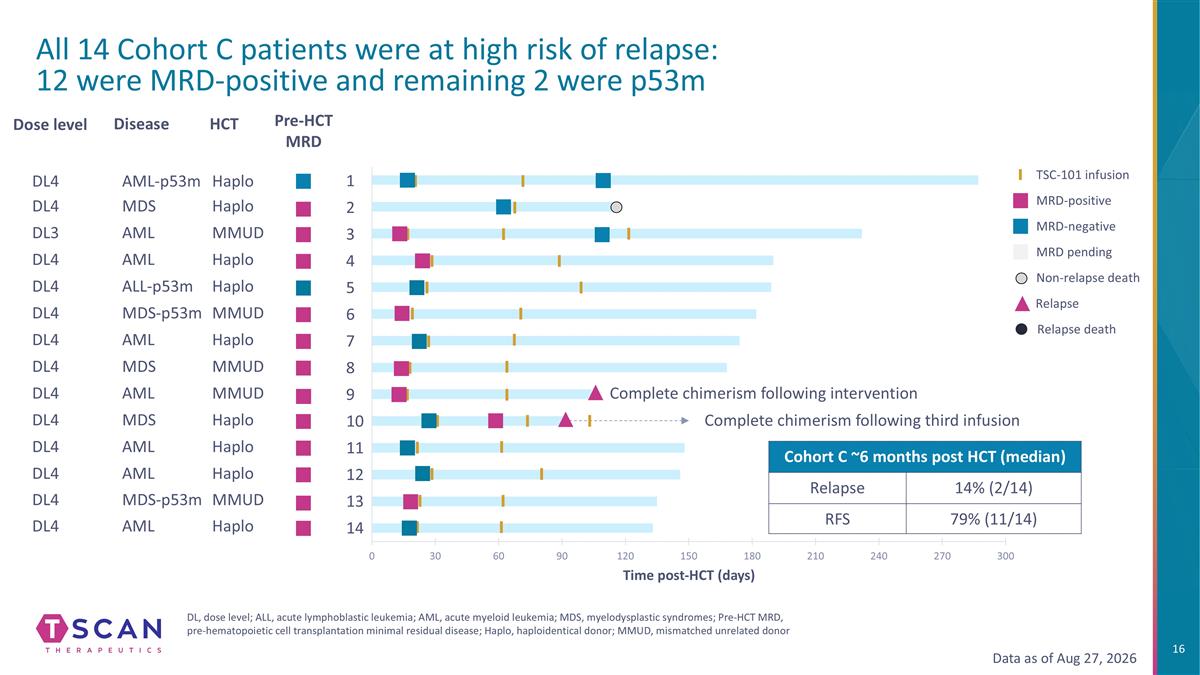
All 14 Cohort C patients were at high risk of relapse: 12 were MRD-positive and remaining 2 were p53m Disease Time post-HCT (days) MRD-positive MRD-negative MRD pending TSC-101 infusion Pre-HCT MRD Dose level HCT DL3AMLMMUD DL4MDSHaplo DL4AMLHaplo DL4ALL-p53mHaplo DL4MDS-p53mMMUD DL4AMLHaplo DL4MDSMMUD DL4AMLMMUD DL4MDSHaplo DL4AMLHaplo DL4AMLHaplo DL4MDS-p53mMMUD DL4AMLHaplo Non-relapse death DL, dose level; ALL, acute lymphoblastic leukemia; AML, acute myeloid leukemia; MDS, myelodysplastic syndromes; Pre-HCT MRD, pre-hematopoietic cell transplantation minimal residual disease; Haplo, haploidentical donor; MMUD, mismatched unrelated donor DL4AML-p53mHaplo 1 2 3 4 5 6 7 8 9 10 11 12 13 14 Relapse Data as of Aug 27, 2026 Complete chimerism following third infusion Relapse death Complete chimerism following intervention Cohort C ~6 months post HCT (median) Relapse 14% (2/14) RFS 79% (11/14)
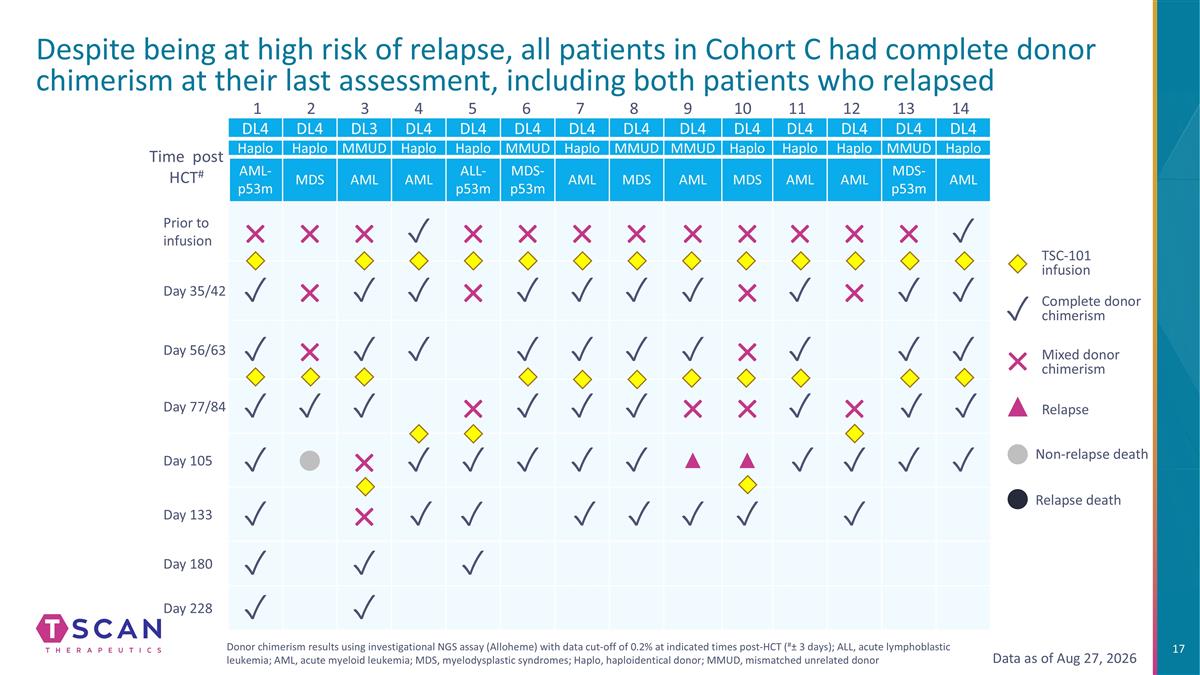
04-022 07-012 13-014 14-003 25-016 13-016 14-004 13-018 13-021 07-013 27-004 16-003 13-017 13-019 1 2 3 4 5 6 7 8 9 10 11 12 13 14 Despite being at high risk of relapse, all patients in Cohort C had complete donor chimerism at their last assessment, including both patients who relapsed DL4 DL4 DL3 DL4 DL4 DL4 DL4 DL4 DL4 DL4 DL4 DL4 DL4 DL4 Haplo Haplo MMUD Haplo Haplo MMUD Haplo MMUD MMUD Haplo Haplo Haplo MMUD Haplo AML-p53m MDS AML AML ALL-p53m MDS-p53m AML MDS AML MDS AML AML MDS-p53m AML Prior to infusion × × × ✓ × × × × × × × × × ✓ Day 35/42 ✓ × ✓ ✓ × ✓ ✓ ✓ ✓ × ✓ × ✓ ✓ Day 56/63 ✓ × ✓ ✓ ✓ ✓ ✓ ✓ × ✓ ✓ ✓ Day 77/84 ✓ ✓ ✓ × ✓ ✓ ✓ × × ✓ × ✓ ✓ Day 105 ✓ ● × ✓ ✓ ✓ ✓ ✓ ▲ ▲ ✓ ✓ ✓ ✓ Day 133 ✓ × ✓ ✓ ✓ ✓ ✓ ✓ ✓ Day 180 ✓ ✓ ✓ Day 228 ✓ ✓ Time post HCT# TSC-101 infusion Complete donor chimerism Mixed donor chimerism × ✓ ● Non-relapse death ● Relapse Relapse death Data as of Aug 27, 2026 Donor chimerism results using investigational NGS assay (Alloheme) with data cut-off of 0.2% at indicated times post-HCT (#± 3 days); ALL, acute lymphoblastic leukemia; AML, acute myeloid leukemia; MDS, myelodysplastic syndromes; Haplo, haploidentical donor; MMUD, mismatched unrelated donor
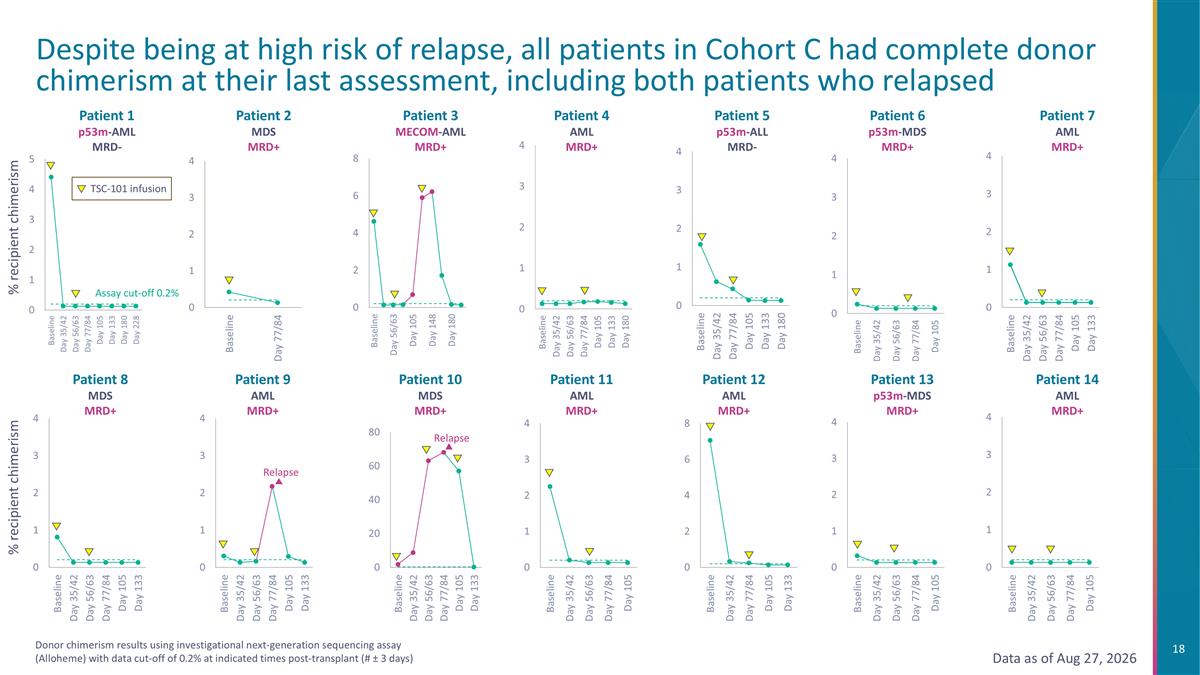
Despite being at high risk of relapse, all patients in Cohort C had complete donor chimerism at their last assessment, including both patients who relapsed % recipient chimerism % recipient chimerism Donor chimerism results using investigational next-generation sequencing assay (Alloheme) with data cut-off of 0.2% at indicated times post-transplant (# ± 3 days) Assay cut-off 0.2% Patient 1 p53m-AML MRD- Patient 2 MDS MRD+ Patient 3 MECOM-AML MRD+ Patient 4 AML MRD+ Patient 5 p53m-ALL MRD- Patient 6 p53m-MDS MRD+ Patient 7 AML MRD+ Patient 8 MDS MRD+ Patient 9 AML MRD+ Patient 10 MDS MRD+ Patient 11 AML MRD+ Patient 12 AML MRD+ Patient 13 p53m-MDS MRD+ Patient 14 AML MRD+ TSC-101 infusion Data as of Aug 27, 2026 Relapse Relapse
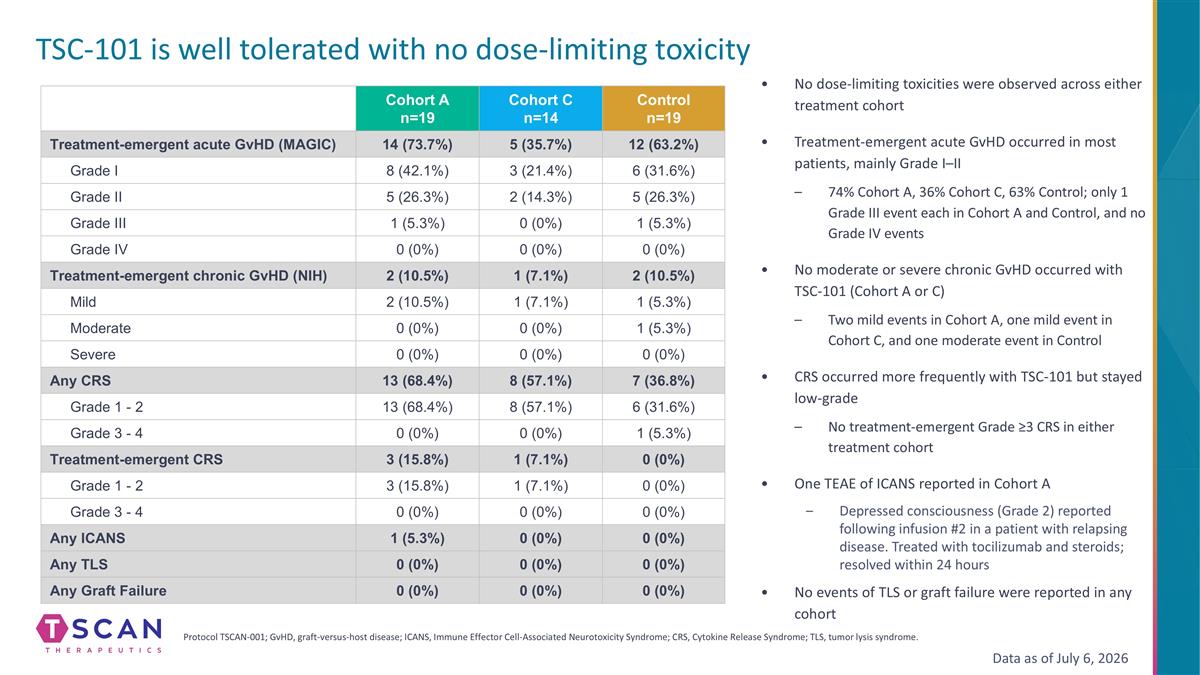
No dose-limiting toxicities were observed across either treatment cohort Treatment-emergent acute GvHD occurred in most patients, mainly Grade I–II 74% Cohort A, 36% Cohort C, 63% Control; only 1 Grade III event each in Cohort A and Control, and no Grade IV events No moderate or severe chronic GvHD occurred with TSC-101 (Cohort A or C) Two mild events in Cohort A, one mild event in Cohort C, and one moderate event in Control CRS occurred more frequently with TSC-101 but stayed low-grade No treatment-emergent Grade ≥3 CRS in either treatment cohort One TEAE of ICANS reported in Cohort A Depressed consciousness (Grade 2) reported following infusion #2 in a patient with relapsing disease. Treated with tocilizumab and steroids; resolved within 24 hours No events of TLS or graft failure were reported in any cohort Protocol TSCAN-001; GvHD, graft-versus-host disease; ICANS, Immune Effector Cell-Associated Neurotoxicity Syndrome; CRS, Cytokine Release Syndrome; TLS, tumor lysis syndrome. TSC-101 is well tolerated with no dose-limiting toxicity Cohort A n=19 Cohort C n=14 Control n=19 Treatment-emergent acute GvHD (MAGIC) 14 (73.7%) 5 (35.7%) 12 (63.2%) Grade I 8 (42.1%) 3 (21.4%) 6 (31.6%) Grade II 5 (26.3%) 2 (14.3%) 5 (26.3%) Grade III 1 (5.3%) 0 (0%) 1 (5.3%) Grade IV 0 (0%) 0 (0%) 0 (0%) Treatment-emergent chronic GvHD (NIH) 2 (10.5%) 1 (7.1%) 2 (10.5%) Mild 2 (10.5%) 1 (7.1%) 1 (5.3%) Moderate 0 (0%) 0 (0%) 1 (5.3%) Severe 0 (0%) 0 (0%) 0 (0%) Any CRS 13 (68.4%) 8 (57.1%) 7 (36.8%) Grade 1 - 2 13 (68.4%) 8 (57.1%) 6 (31.6%) Grade 3 - 4 0 (0%) 0 (0%) 1 (5.3%) Treatment-emergent CRS 3 (15.8%) 1 (7.1%) 0 (0%) Grade 1 - 2 3 (15.8%) 1 (7.1%) 0 (0%) Grade 3 - 4 0 (0%) 0 (0%) 0 (0%) Any ICANS 1 (5.3%) 0 (0%) 0 (0%) Any TLS 0 (0%) 0 (0%) 0 (0%) Any Graft Failure 0 (0%) 0 (0%) 0 (0%) Data as of July 6, 2026
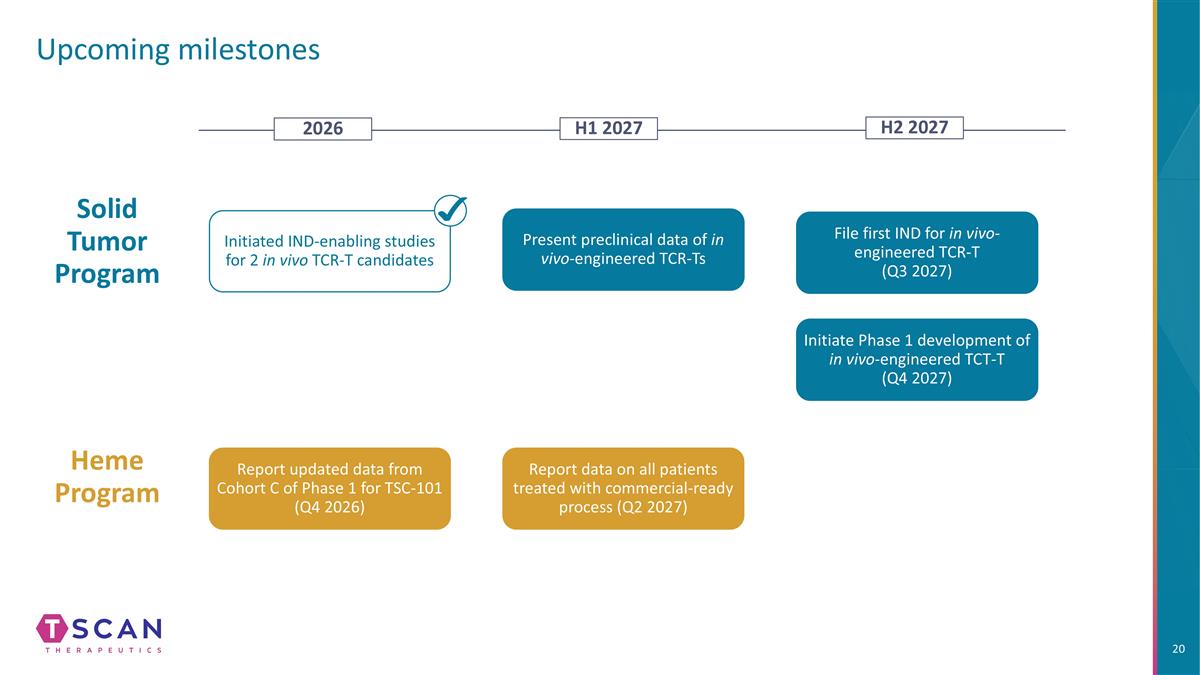
Upcoming milestones Solid Tumor Program 2026 H1 2027 Initiated IND-enabling studies for 2 in vivo TCR-T candidates H2 2027 File first IND for in vivo-engineered TCR-T (Q3 2027) Heme Program Report updated data from Cohort C of Phase 1 for TSC-101 (Q4 2026) Report data on all patients treated with commercial-ready process (Q2 2027) Present preclinical data of in vivo-engineered TCR-Ts Initiate Phase 1 development of in vivo-engineered TCT-T (Q4 2027)

THANK YOU