Corporate Presentation August 2026 Exhibit 99.2
This presentation and the accompanying slides (this “Presentation”) have been prepared by Ambros Therapeutics, Inc. (“Ambros”) for informational purposes only, and shall not form the basis for, or be relied on in connection with, any investment decision. This Presentation has been prepared based on information Ambros considers reliable, but no representation or warranty, express or implied, is given by Ambros, its affiliates, directors, officers, employees or advisers or any other person as to the truth, accuracy, completeness, fairness or reasonableness of the contents hereof. This Presentation may not be all-inclusive, does not purport to contain all information required to evaluate a possible investment decision, does not constitute investment, tax or legal advice, and is provided for informational purposes only. Each recipient should consult with its own legal, tax, accounting and investment advisors as to the matters discussed herein and should conduct its own independent investigation and analysis of Ambros. The information contained herein is subject to change, and any liability in respect of its contents or any omission therefrom is expressly excluded. This Presentation contains forward-looking statements. Such statements include, but are not limited to, statements about Ambros, clinical development activities, plans, key clinical milestones and projected timelines for Ambros’ product candidate, plans regarding regulatory filings, expectations regarding the relative benefits of the product candidate versus competitive therapies, and expectations regarding the therapeutic and commercial potential of the product candidate. The words “believe,” “may,” “will,” “estimate,” “plan”, “continue,” “anticipate,” “expect,” “potential” and similar expressions (including the negative thereof) are intended to identify forward-looking statements. Because such statements are subject to risks and uncertainties, actual results may differ materially from those expressed or implied by such forward-looking statements. Risks that contribute to the uncertain nature of the forward-looking statements include: clinical trials may not be successful; the U.S. Food and Drug Administration (“FDA”) may not agree with interpretations of the data from clinical trials of the product candidate; delays in the commencement, enrollment, completion or analysis of clinical testing for the product candidate, or in the reporting of data from such clinical testing; significant issues regarding the adequacy of clinical trial designs or the execution of clinical trials may arise, which could result in increased costs and delays, or limit the ability to obtain regulatory approval; the product candidate may not receive regulatory approval or be successfully commercialized; unexpected adverse side effects or inadequate therapeutic efficacy of the product candidate could delay or prevent regulatory approval or commercialization; and Ambros may not be able to obtain additional financing. Additional risks and uncertainties may emerge from time to time, and it is not possible for management to predict all risks and uncertainties. All forward-looking statements contained in this Presentation speak only as of the date on which they were made, and Ambros undertakes no obligation to update such statements to reflect events that occur or circumstances that exist after the date on which they were made. This Presentation includes certain preliminary estimated selected unaudited financial results for the quarter ended June 30, 2026. Ambros’ closing procedures for the quarter ended June 30, 2026 are not yet complete, and therefore these results are preliminary and subject to change, and there is a possibility that Ambros’ actual results may differ materially from these preliminary estimates. These estimates are based on the information available to Ambros as of the date of this Presentation. These preliminary estimated results for the quarter ended June 30, 2026 are subject to the completion of Ambros’ financial reporting, including all the customary reviews and approvals, and the completion by Ambros’ independent registered public accounting firm of its review of such financial statements for the quarter ended June 30, 2026. These preliminary estimated results should not be viewed as a substitute for financial statements prepared in accordance with U.S. GAAP. Ambros’ independent registered public accounting firm has not conducted a review of, and does not express an opinion or any other form of assurance with respect to, these preliminary estimated results. It is possible that Ambros or its independent registered public accounting firm may identify items that would require Ambros to make adjustments to the preliminary estimates set forth below as Ambros completes its financial statements and that its actual results may differ materially from these preliminary estimates. Accordingly, undue reliance should not be placed on these preliminary estimates. These preliminary estimates are not necessarily indicative of any future period. This Presentation may contain trademarks, service marks, trade names and copyrights of third parties, which are the property of their respective owners. The absence of the trademarks, service marks, trade names and copyrights referred to in this Presentation may be listed without the TM, SM, © or ® symbols does not constitute a waiver of the applicable owner’s rights therein. This Presentation contains estimates and statistical data made by independent parties and Ambros relating to Ambros’ unaudited pro forma cash, cash equivalents and short-term marketable securities, market size and other industry data; such data involves assumptions and limitations, and no representation is made as to its accuracy. This Presentation also discusses a product candidate under clinical study that has not been approved by the FDA or other regulatory authorities; no representation is made as to its safety or effectiveness, and data from multiple clinical trials should be considered with caution given differences in study design, phase, population, sample size, and other factors. This Presentation does not constitute an offer to sell or the solicitation of an offer to buy any securities nor a solicitation of any vote or approval with respect to the proposed transactions herein or otherwise. No offering of securities shall be made except by means of a prospectus meeting the requirements of Section 10 of the Securities Act of 1933, as amended, and otherwise in accordance with applicable law. Disclaimers
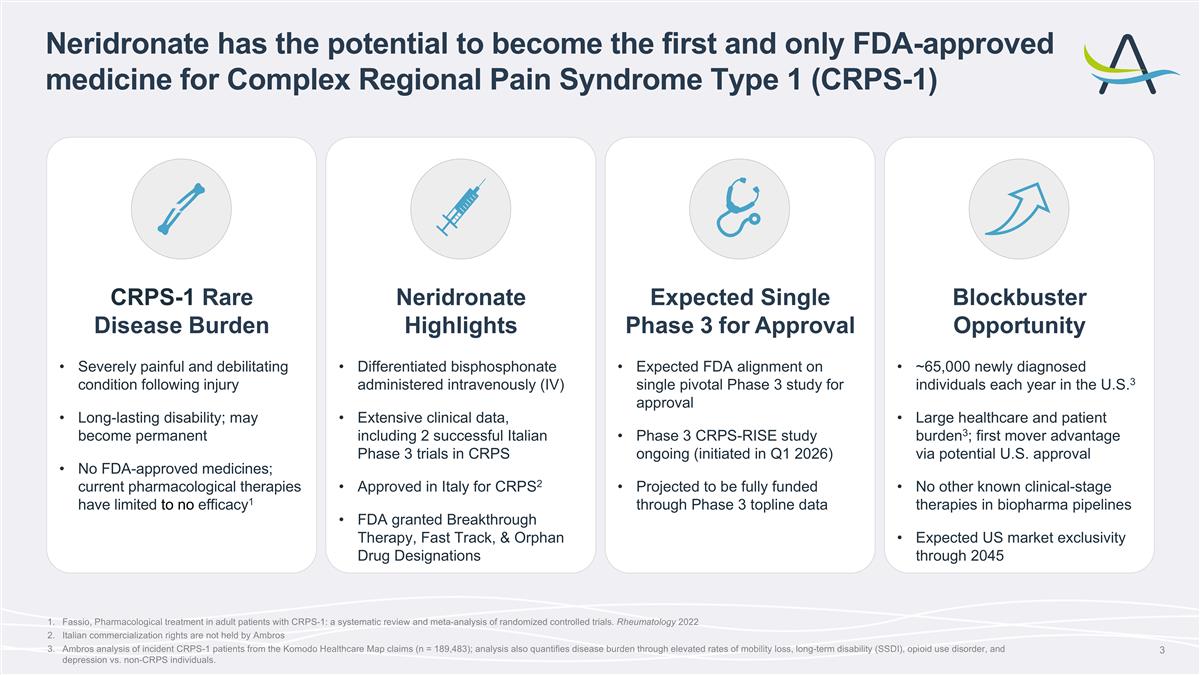
Neridronate has the potential to become the first and only FDA-approved medicine for Complex Regional Pain Syndrome Type 1 (CRPS-1) CRPS-1 Rare Disease Burden Severely painful and debilitating condition following injury Long-lasting disability; may become permanent No FDA-approved medicines; current pharmacological therapies have limited to no efficacy1 Neridronate Highlights Expected Single Phase 3 for Approval Blockbuster Opportunity Differentiated bisphosphonate administered intravenously (IV) Extensive clinical data, including 2 successful Italian Phase 3 trials in CRPS Approved in Italy for CRPS2 FDA granted Breakthrough Therapy, Fast Track, & Orphan Drug Designations Expected FDA alignment on single pivotal Phase 3 study for approval Phase 3 CRPS-RISE study ongoing (initiated in Q1 2026) Projected to be fully funded through Phase 3 topline data ~65,000 newly diagnosed individuals each year in the U.S.3 Large healthcare and patient burden3; first mover advantage via potential U.S. approval No other known clinical-stage therapies in biopharma pipelines Expected US market exclusivity through 2045 Fassio, Pharmacological treatment in adult patients with CRPS-1: a systematic review and meta-analysis of randomized controlled trials. Rheumatology 2022 Italian commercialization rights are not held by Ambros Ambros analysis of incident CRPS-1 patients from the Komodo Healthcare Map claims (n = 189,483); analysis also quantifies disease burden through elevated rates of mobility loss, long‑term disability (SSDI), opioid use disorder, and depression vs. non‑CRPS individuals.

Backed by leading investors and partners: Experienced Leadership Team Keith Katkin Chairman CEO of Urovant CEO of Avanir Pharmaceuticals Board of Directors at Eledon Pharmaceuticals (chairman)*, Emergent BioSolutions*, and Syndax Pharmaceuticals* Jay Hagan President & CEO CEO of Regulus Therapeutics CFO/CBO of Orexigen Therapeutics Managing Director of Amgen Ventures Gail Cawkwell, MD, PhD Chief Medical Officer CMO of Aclaris Therapeutics SVP of Medical Affairs at Intercept Pharmaceuticals CMO of Purdue Pharma VP of Medical Affairs, R&D at Pfizer Cris Calsada Chief Financial Officer CFO of Regulus Therapeutics CFO of SANIFIT Therapeutics COO of Ambrx Biopharma Kunal Kishnani SVP Corporate Development President of Rare Disease at Kriya Therapeutics Founder & CEO of Warden Bio Co-Founder and Head of Operations Genevant * Indicates ongoing roles. All other mentioned roles are former appointments.
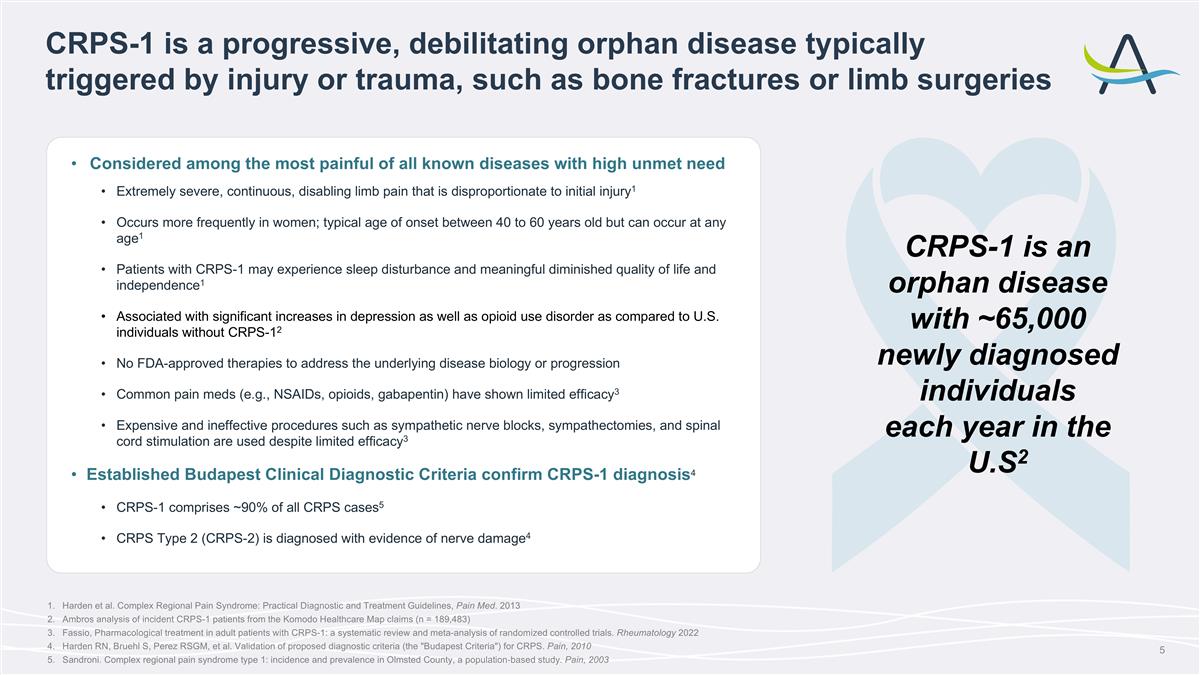
CRPS-1 is an orphan disease with ~65,000 newly diagnosed individuals each year in the U.S2 CRPS-1 is a progressive, debilitating orphan disease typically triggered by injury or trauma, such as bone fractures or limb surgeries Considered among the most painful of all known diseases with high unmet need Extremely severe, continuous, disabling limb pain that is disproportionate to initial injury1 Occurs more frequently in women; typical age of onset between 40 to 60 years old but can occur at any age1 Patients with CRPS-1 may experience sleep disturbance and meaningful diminished quality of life and independence1 Associated with significant increases in depression as well as opioid use disorder as compared to U.S. individuals without CRPS-12 No FDA-approved therapies to address the underlying disease biology or progression Common pain meds (e.g., NSAIDs, opioids, gabapentin) have shown limited efficacy3 Expensive and ineffective procedures such as sympathetic nerve blocks, sympathectomies, and spinal cord stimulation are used despite limited efficacy3 Established Budapest Clinical Diagnostic Criteria confirm CRPS-1 diagnosis4 CRPS-1 comprises ~90% of all CRPS cases5 CRPS Type 2 (CRPS-2) is diagnosed with evidence of nerve damage4 Harden et al. Complex Regional Pain Syndrome: Practical Diagnostic and Treatment Guidelines, Pain Med. 2013 Ambros analysis of incident CRPS-1 patients from the Komodo Healthcare Map claims (n = 189,483) Fassio, Pharmacological treatment in adult patients with CRPS-1: a systematic review and meta-analysis of randomized controlled trials. Rheumatology 2022 Harden RN, Bruehl S, Perez RSGM, et al. Validation of proposed diagnostic criteria (the "Budapest Criteria") for CRPS. Pain, 2010 Sandroni. Complex regional pain syndrome type 1: incidence and prevalence in Olmsted County, a population-based study. Pain, 2003
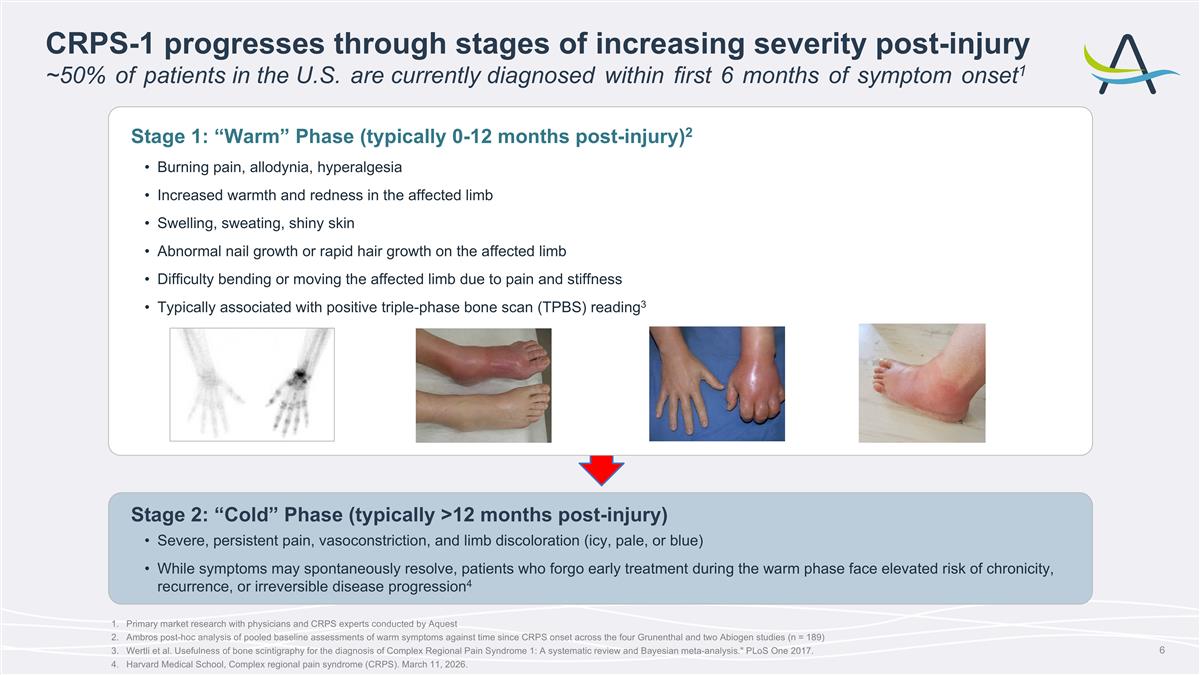
CRPS-1 progresses through stages of increasing severity post-injury ~50% of patients in the U.S. are currently diagnosed within first 6 months of symptom onset1 Stage 1: “Warm” Phase (typically 0-12 months post-injury)2 Burning pain, allodynia, hyperalgesia Increased warmth and redness in the affected limb Swelling, sweating, shiny skin Abnormal nail growth or rapid hair growth on the affected limb Difficulty bending or moving the affected limb due to pain and stiffness Typically associated with positive triple-phase bone scan (TPBS) reading3 Stage 2: “Cold” Phase (typically >12 months post-injury) Severe, persistent pain, vasoconstriction, and limb discoloration (icy, pale, or blue) While symptoms may spontaneously resolve, patients who forgo early treatment during the warm phase face elevated risk of chronicity, recurrence, or irreversible disease progression4 Primary market research with physicians and CRPS experts conducted by Aquest Ambros post-hoc analysis of pooled baseline assessments of warm symptoms against time since CRPS onset across the four Grunenthal and two Abiogen studies (n = 189) Wertli et al. Usefulness of bone scintigraphy for the diagnosis of Complex Regional Pain Syndrome 1: A systematic review and Bayesian meta-analysis." PLoS One 2017. Harvard Medical School, Complex regional pain syndrome (CRPS). March 11, 2026.
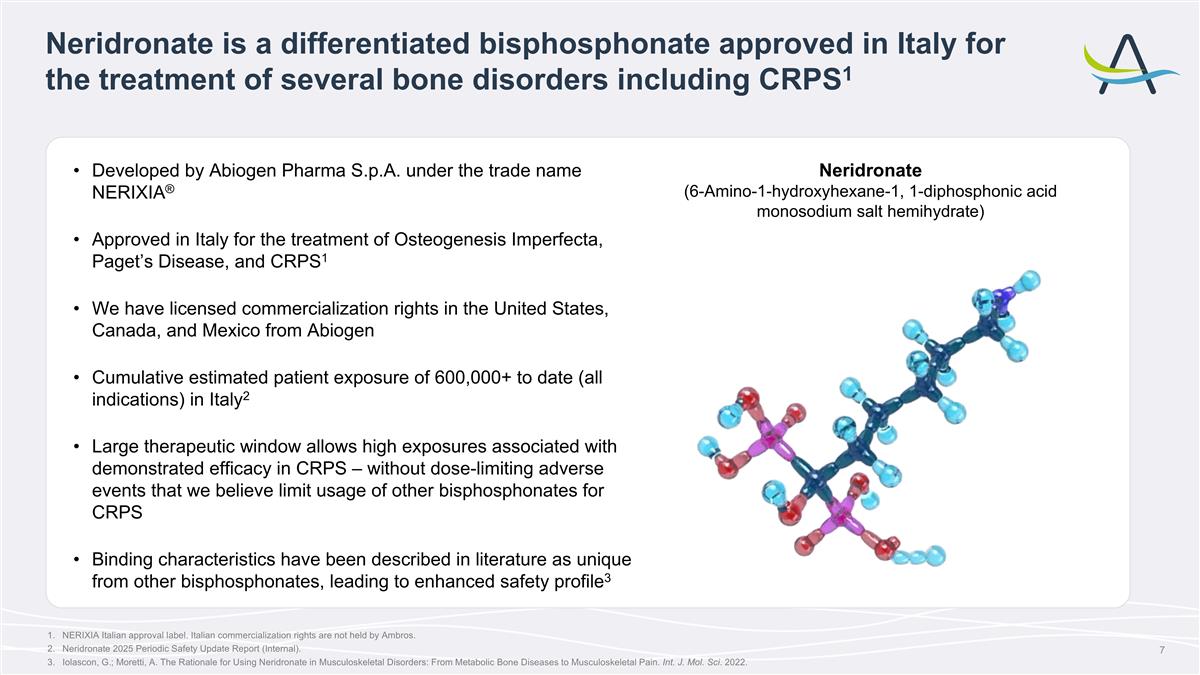
Neridronate is a differentiated bisphosphonate approved in Italy for the treatment of several bone disorders including CRPS1 Developed by Abiogen Pharma S.p.A. under the trade name NERIXIA® Approved in Italy for the treatment of Osteogenesis Imperfecta, Paget’s Disease, and CRPS1 We have licensed commercialization rights in the United States, Canada, and Mexico from Abiogen Cumulative estimated patient exposure of 600,000+ to date (all indications) in Italy2 Large therapeutic window allows high exposures associated with demonstrated efficacy in CRPS – without dose-limiting adverse events that we believe limit usage of other bisphosphonates for CRPS Binding characteristics have been described in literature as unique from other bisphosphonates, leading to enhanced safety profile3 Neridronate (6-Amino-1-hydroxyhexane-1, 1-diphosphonic acid monosodium salt hemihydrate) NERIXIA Italian approval label. Italian commercialization rights are not held by Ambros. Neridronate 2025 Periodic Safety Update Report (Internal). Iolascon, G.; Moretti, A. The Rationale for Using Neridronate in Musculoskeletal Disorders: From Metabolic Bone Diseases to Musculoskeletal Pain. Int. J. Mol. Sci. 2022.
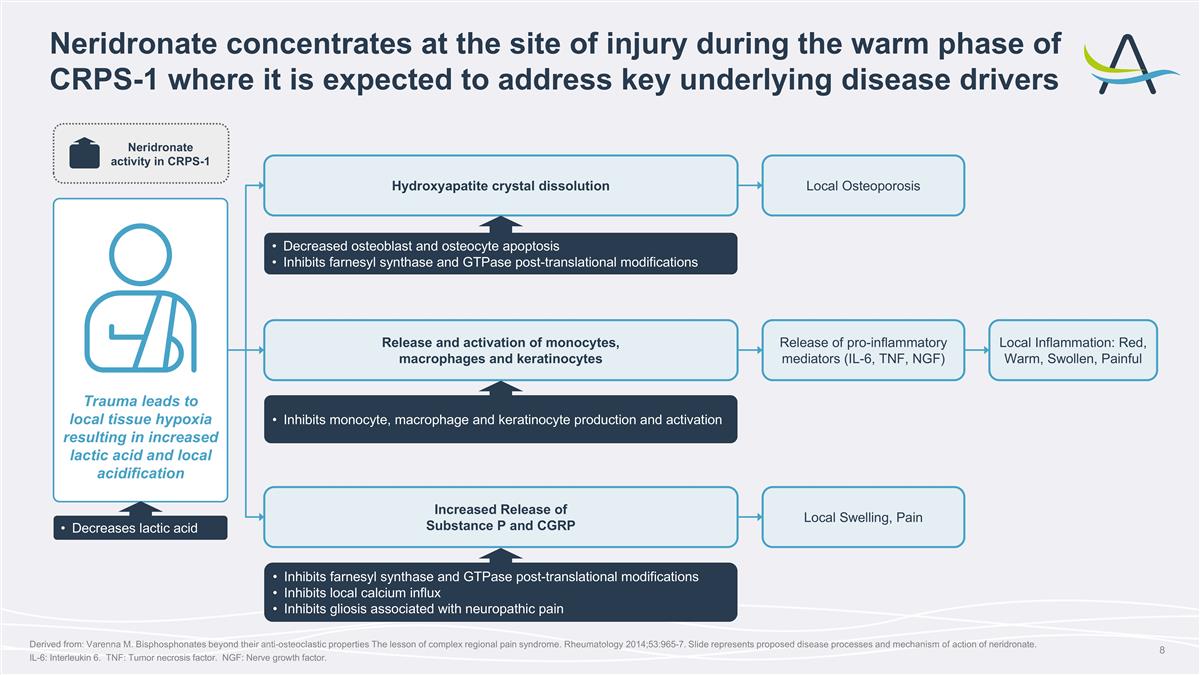
Derived from: Varenna M. Bisphosphonates beyond their anti-osteoclastic properties The lesson of complex regional pain syndrome. Rheumatology 2014;53:965-7. Slide represents proposed disease processes and mechanism of action of neridronate. IL-6: Interleukin 6. TNF: Tumor necrosis factor. NGF: Nerve growth factor. Neridronate concentrates at the site of injury during the warm phase of CRPS-1 where it is expected to address key underlying disease drivers Trauma leads to local tissue hypoxia resulting in increased lactic acid and local acidification Hydroxyapatite crystal dissolution Local Osteoporosis Release and activation of monocytes, macrophages and keratinocytes Release of pro-inflammatory mediators (IL-6, TNF, NGF) Local Inflammation: Red, Warm, Swollen, Painful Increased Release of Substance P and CGRP Local Swelling, Pain Decreases lactic acid Decreased osteoblast and osteocyte apoptosis Inhibits farnesyl synthase and GTPase post-translational modifications Inhibits monocyte, macrophage and keratinocyte production and activation Inhibits farnesyl synthase and GTPase post-translational modifications Inhibits local calcium influx Inhibits gliosis associated with neuropathic pain Neridronate activity in CRPS-1
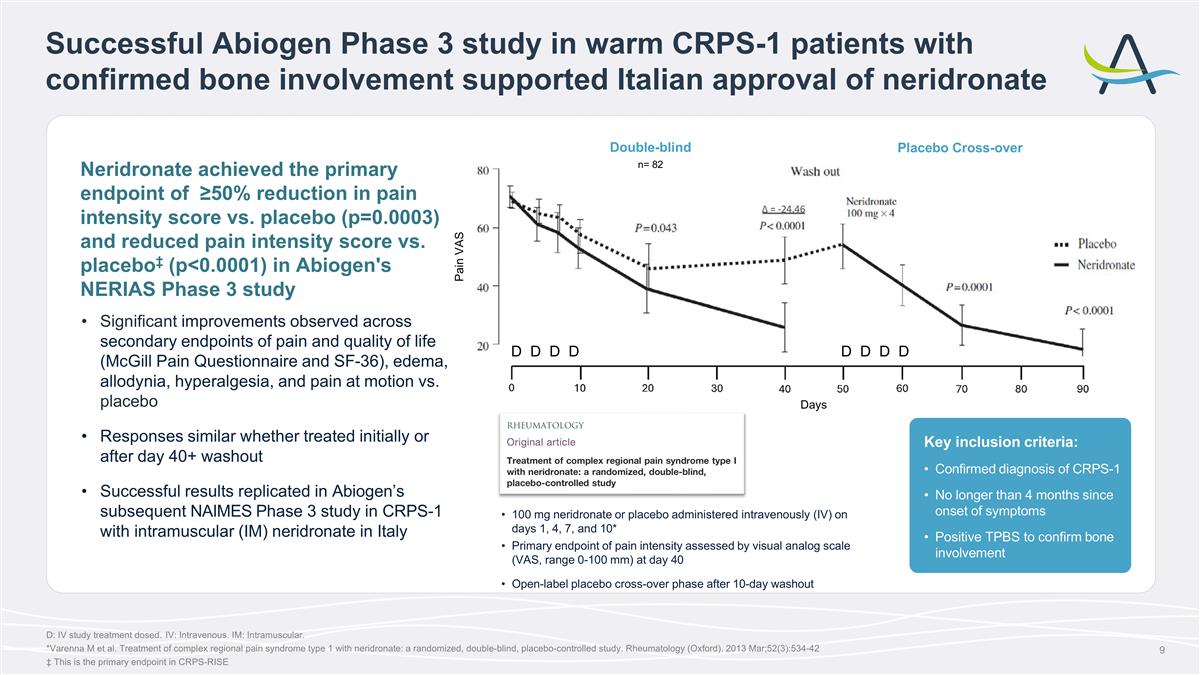
100 mg neridronate or placebo administered intravenously (IV) on days 1, 4, 7, and 10* Primary endpoint of pain intensity assessed by visual analog scale (VAS, range 0-100 mm) at day 40 Open-label placebo cross-over phase after 10-day washout Key inclusion criteria: Confirmed diagnosis of CRPS-1 No longer than 4 months since onset of symptoms Positive TPBS to confirm bone involvement Successful Abiogen Phase 3 study in warm CRPS-1 patients with confirmed bone involvement supported Italian approval of neridronate Neridronate achieved the primary endpoint of ≥50% reduction in pain intensity score vs. placebo (p=0.0003) and reduced pain intensity score vs. placebo‡ (p<0.0001) in Abiogen's NERIAS Phase 3 study Significant improvements observed across secondary endpoints of pain and quality of life (McGill Pain Questionnaire and SF-36), edema, allodynia, hyperalgesia, and pain at motion vs. placebo Responses similar whether treated initially or after day 40+ washout Successful results replicated in Abiogen’s subsequent NAIMES Phase 3 study in CRPS-1 with intramuscular (IM) neridronate in Italy Placebo Cross-over Pain VAS Days Double-blind n= 82 D D D D D D D D D: IV study treatment dosed.IV: Intravenous. IM: Intramuscular. *Varenna M et al. Treatment of complex regional pain syndrome type 1 with neridronate: a randomized, double-blind, placebo-controlled study. Rheumatology (Oxford). 2013 Mar;52(3):534-42 ‡ This is the primary endpoint in CRPS-RISE
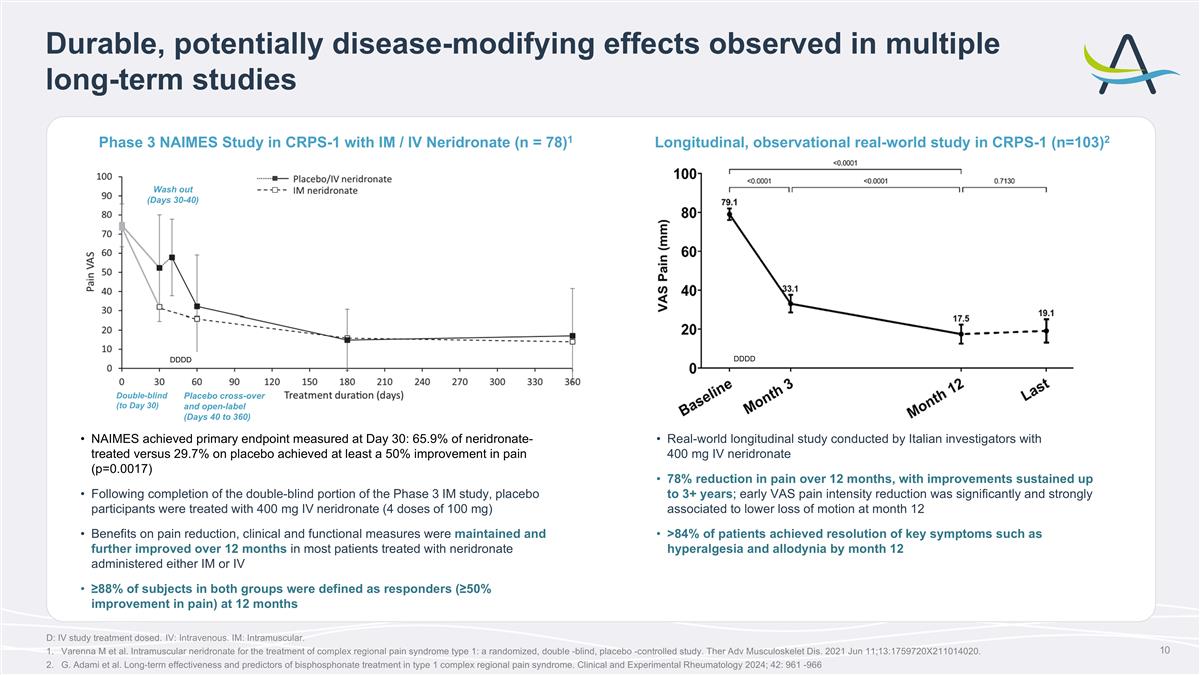
NAIMES achieved primary endpoint measured at Day 30: 65.9% of neridronate-treated versus 29.7% on placebo achieved at least a 50% improvement in pain (p=0.0017) Following completion of the double-blind portion of the Phase 3 IM study, placebo participants were treated with 400 mg IV neridronate (4 doses of 100 mg) Benefits on pain reduction, clinical and functional measures were maintained and further improved over 12 months in most patients treated with neridronate administered either IM or IV ≥88% of subjects in both groups were defined as responders (≥50% improvement in pain) at 12 months Durable, potentially disease-modifying effects observed in multiple long-term studies D: IV study treatment dosed.IV: Intravenous. IM: Intramuscular. Varenna M et al. Intramuscular neridronate for the treatment of complex regional pain syndrome type 1: a randomized, double -blind, placebo -controlled study. Ther Adv Musculoskelet Dis. 2021 Jun 11;13:1759720X211014020. G. Adami et al. Long-term effectiveness and predictors of bisphosphonate treatment in type 1 complex regional pain syndrome. Clinical and Experimental Rheumatology 2024; 42: 961 -966 Phase 3 NAIMES Study in CRPS-1 with IM / IV Neridronate (n = 78)1 Real-world longitudinal study conducted by Italian investigators with 400 mg IV neridronate 78% reduction in pain over 12 months, with improvements sustained up to 3+ years; early VAS pain intensity reduction was significantly and strongly associated to lower loss of motion at month 12 >84% of patients achieved resolution of key symptoms such as hyperalgesia and allodynia by month 12 **** DDDD Longitudinal, observational real-world study in CRPS-1 (n=103)2 DDDD Double-blind (to Day 30) Placebo cross-over and open-label (Days 40 to 360) Wash out (Days 30-40)
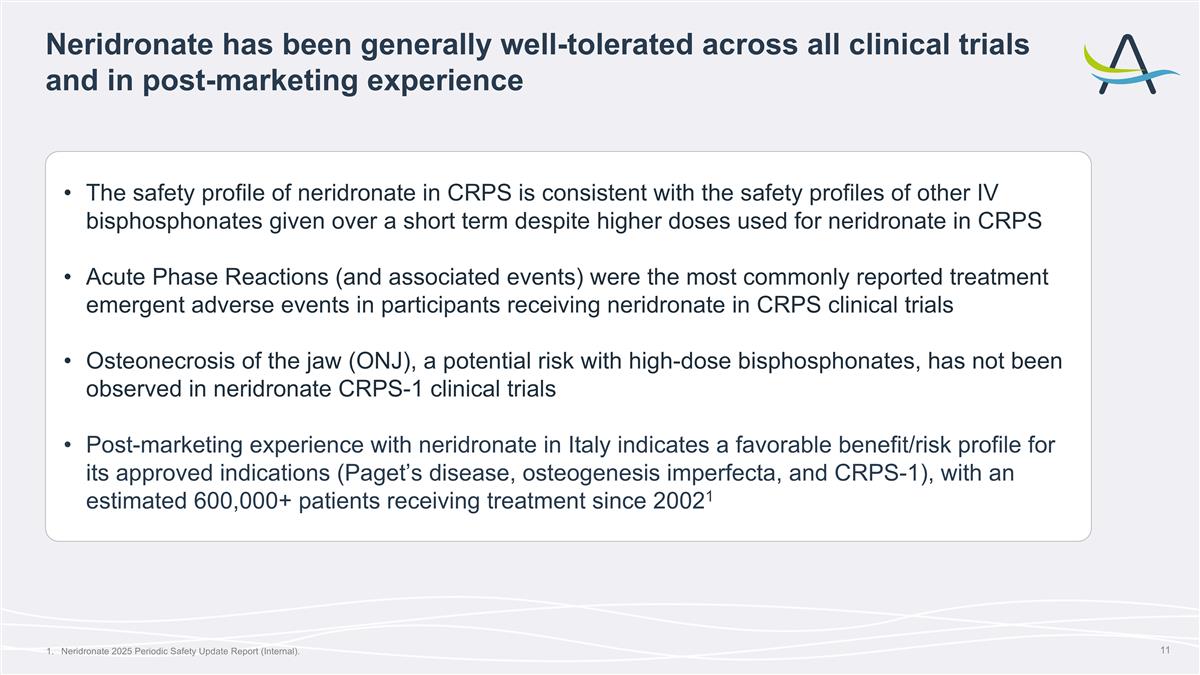
Neridronate has been generally well-tolerated across all clinical trials and in post-marketing experience The safety profile of neridronate in CRPS is consistent with the safety profiles of other IV bisphosphonates given over a short term despite higher doses used for neridronate in CRPS Acute Phase Reactions (and associated events) were the most commonly reported treatment emergent adverse events in participants receiving neridronate in CRPS clinical trials Osteonecrosis of the jaw (ONJ), a potential risk with high-dose bisphosphonates, has not been observed in neridronate CRPS-1 clinical trials Post-marketing experience with neridronate in Italy indicates a favorable benefit/risk profile for its approved indications (Paget’s disease, osteogenesis imperfecta, and CRPS-1), with an estimated 600,000+ patients receiving treatment since 20021 Neridronate 2025 Periodic Safety Update Report (Internal).
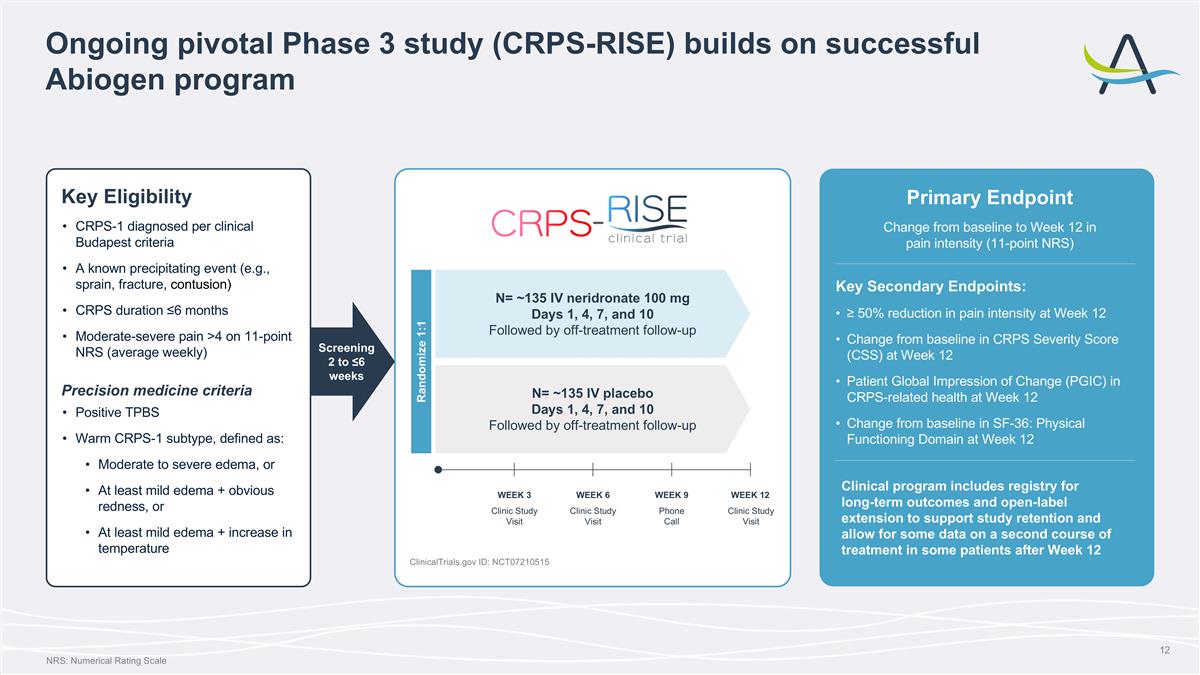
Ongoing pivotal Phase 3 study (CRPS-RISE) builds on successful Abiogen program Key Eligibility CRPS-1 diagnosed per clinical Budapest criteria A known precipitating event (e.g., sprain, fracture, contusion) CRPS duration ≤6 months Moderate-severe pain >4 on 11-point NRS (average weekly) Precision medicine criteria Positive TPBS Warm CRPS-1 subtype, defined as: Moderate to severe edema, or At least mild edema + obvious redness, or At least mild edema + increase in temperature Primary Endpoint Change from baseline to Week 12 in pain intensity (11-point NRS) Key Secondary Endpoints: ≥ 50% reduction in pain intensity at Week 12 Change from baseline in CRPS Severity Score (CSS) at Week 12 Patient Global Impression of Change (PGIC) in CRPS-related health at Week 12 Change from baseline in SF-36: Physical Functioning Domain at Week 12 Screening 2 to ≤6 weeks Clinical program includes registry for long-term outcomes and open-label extension to support study retention and allow for some data on a second course of treatment in some patients after Week 12 Randomize 1:1 N= ~135 IV neridronate 100 mg Days 1, 4, 7, and 10 Followed by off-treatment follow-up N= ~135 IV placebo Days 1, 4, 7, and 10 Followed by off-treatment follow-up ClinicalTrials.gov ID: NCT07210515 WEEK 3 WEEK 6 WEEK 9 WEEK 12 Clinic Study Visit Clinic Study Visit Clinic Study Visit Phone Call NRS: Numerical Rating Scale
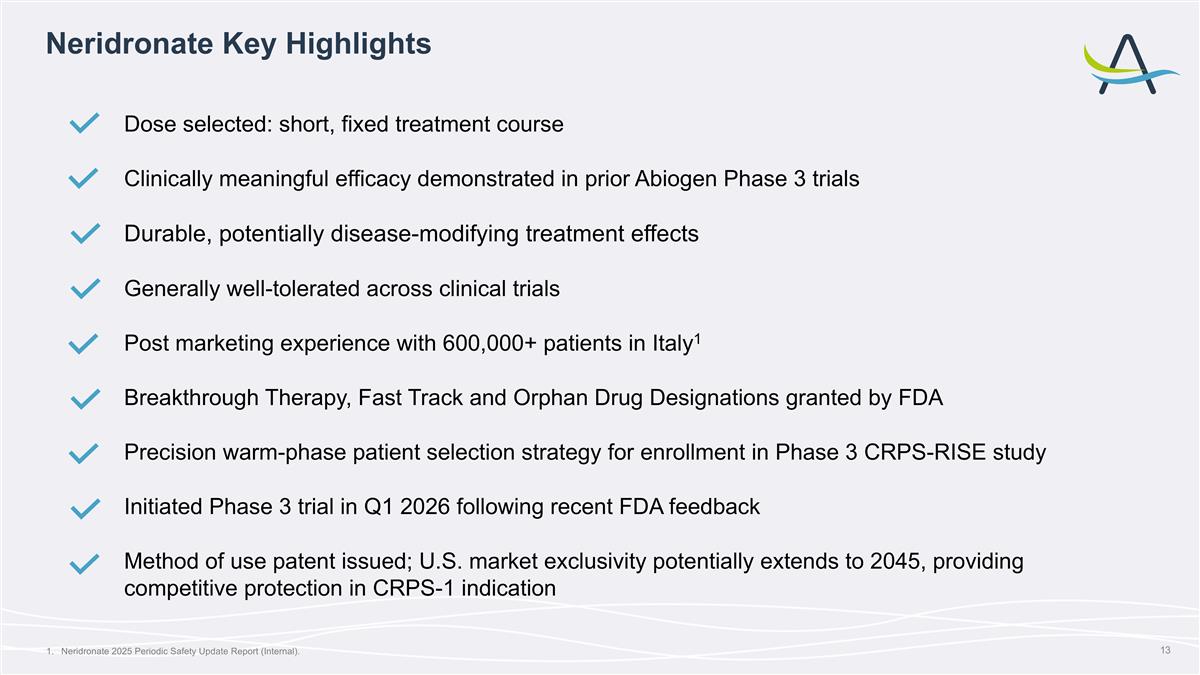
Dose selected: short, fixed treatment course Clinically meaningful efficacy demonstrated in prior Abiogen Phase 3 trials Durable, potentially disease-modifying treatment effects Generally well-tolerated across clinical trials Post marketing experience with 600,000+ patients in Italy1 Breakthrough Therapy, Fast Track and Orphan Drug Designations granted by FDA Precision warm-phase patient selection strategy for enrollment in Phase 3 CRPS-RISE study Initiated Phase 3 trial in Q1 2026 following recent FDA feedback Method of use patent issued; U.S. market exclusivity potentially extends to 2045, providing competitive protection in CRPS-1 indication Neridronate Key Highlights Neridronate 2025 Periodic Safety Update Report (Internal).
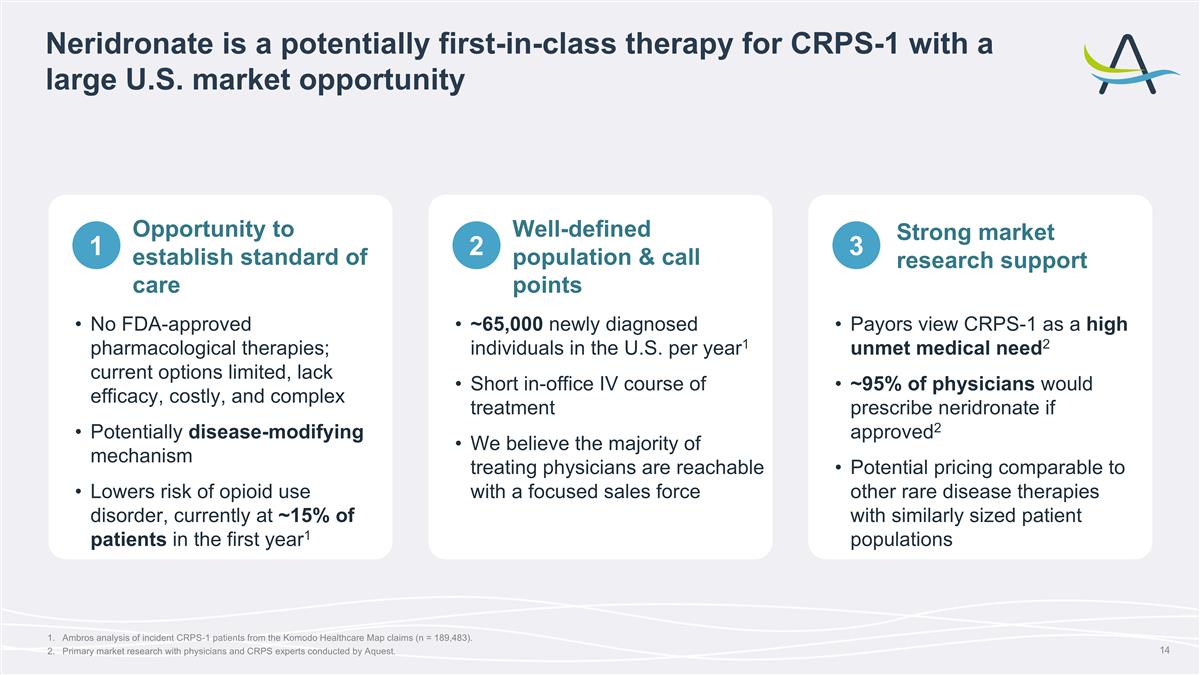
Neridronate is a potentially first-in-class therapy for CRPS-1 with a large U.S. market opportunity 1 Opportunity to establish standard of care No FDA-approved pharmacological therapies; current options limited, lack efficacy, costly, and complex Potentially disease-modifying mechanism Lowers risk of opioid use disorder, currently at ~15% of patients in the first year1 2 Well-defined population & call points ~65,000 newly diagnosed individuals in the U.S. per year1 Short in-office IV course of treatment We believe the majority of treating physicians are reachable with a focused sales force 3 Strong market research support Payors view CRPS-1 as a high unmet medical need2 ~95% of physicians would prescribe neridronate if approved2 Potential pricing comparable to other rare disease therapies with similarly sized patient populations Ambros analysis of incident CRPS‑1 patients from the Komodo Healthcare Map claims (n = 189,483). Primary market research with physicians and CRPS experts conducted by Aquest.
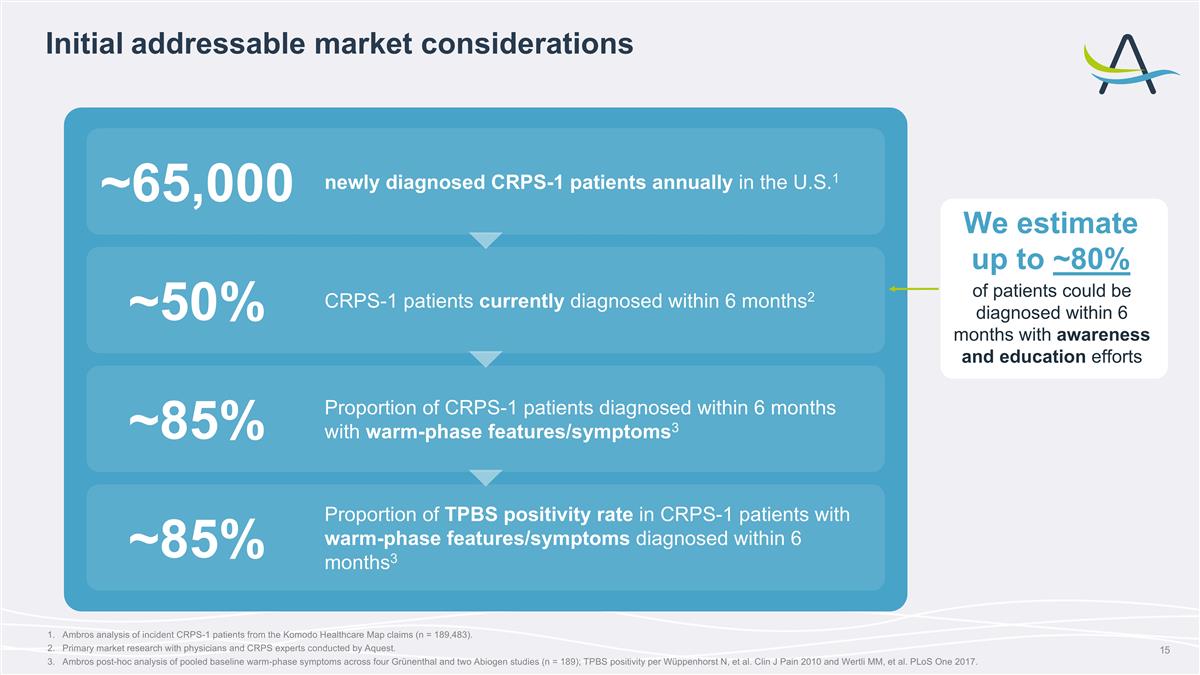
Initial addressable market considerations ~65,000 newly diagnosed CRPS-1 patients annually in the U.S.1 ~50% CRPS-1 patients currently diagnosed within 6 months2 ~85% Proportion of CRPS-1 patients diagnosed within 6 months with warm-phase features/symptoms3 ~85% Proportion of TPBS positivity rate in CRPS-1 patients with warm-phase features/symptoms diagnosed within 6 months3 We estimate up to ~80% of patients could be diagnosed within 6 months with awareness and education efforts Ambros analysis of incident CRPS‑1 patients from the Komodo Healthcare Map claims (n = 189,483). Primary market research with physicians and CRPS experts conducted by Aquest. Ambros post‑hoc analysis of pooled baseline warm‑phase symptoms across four Grünenthal and two Abiogen studies (n = 189); TPBS positivity per Wüppenhorst N, et al. Clin J Pain 2010 and Wertli MM, et al. PLoS One 2017.
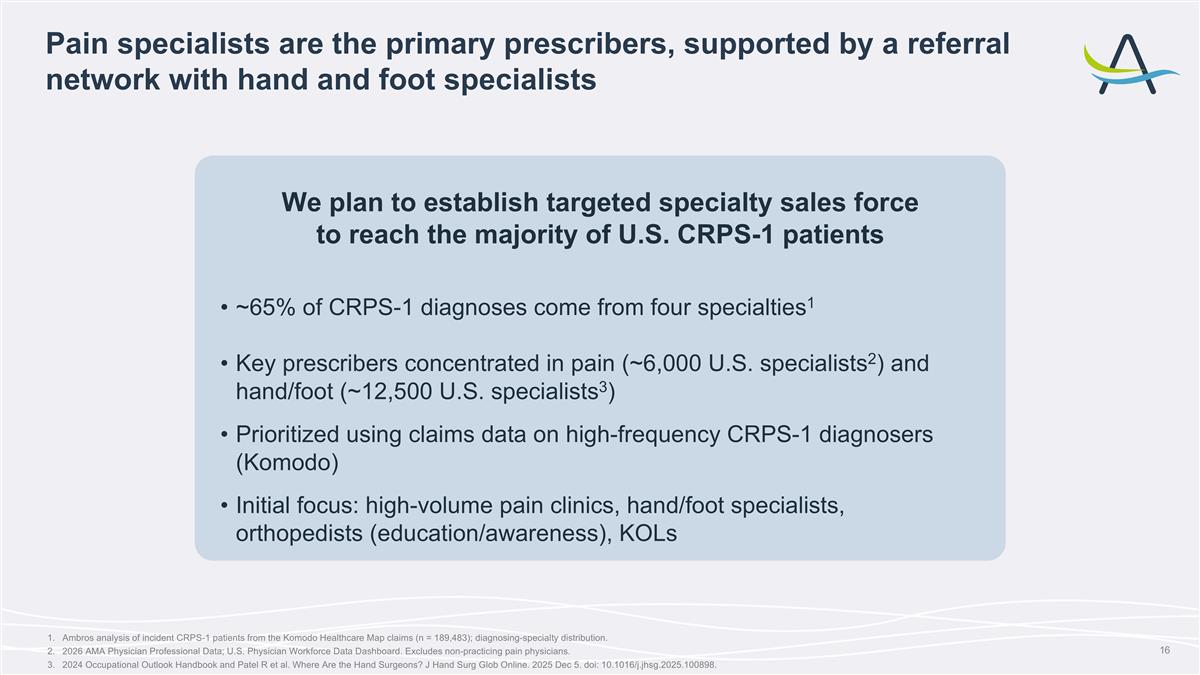
Pain specialists are the primary prescribers, supported by a referral network with hand and foot specialists We plan to establish targeted specialty sales force to reach the majority of U.S. CRPS-1 patients ~65% of CRPS-1 diagnoses come from four specialties1 Key prescribers concentrated in pain (~6,000 U.S. specialists2) and hand/foot (~12,500 U.S. specialists3) Prioritized using claims data on high-frequency CRPS-1 diagnosers (Komodo) Initial focus: high-volume pain clinics, hand/foot specialists, orthopedists (education/awareness), KOLs Ambros analysis of incident CRPS‑1 patients from the Komodo Healthcare Map claims (n = 189,483); diagnosing-specialty distribution. 2026 AMA Physician Professional Data; U.S. Physician Workforce Data Dashboard. Excludes non-practicing pain physicians. 2024 Occupational Outlook Handbook and Patel R et al. Where Are the Hand Surgeons? J Hand Surg Glob Online. 2025 Dec 5. doi: 10.1016/j.jhsg.2025.100898.
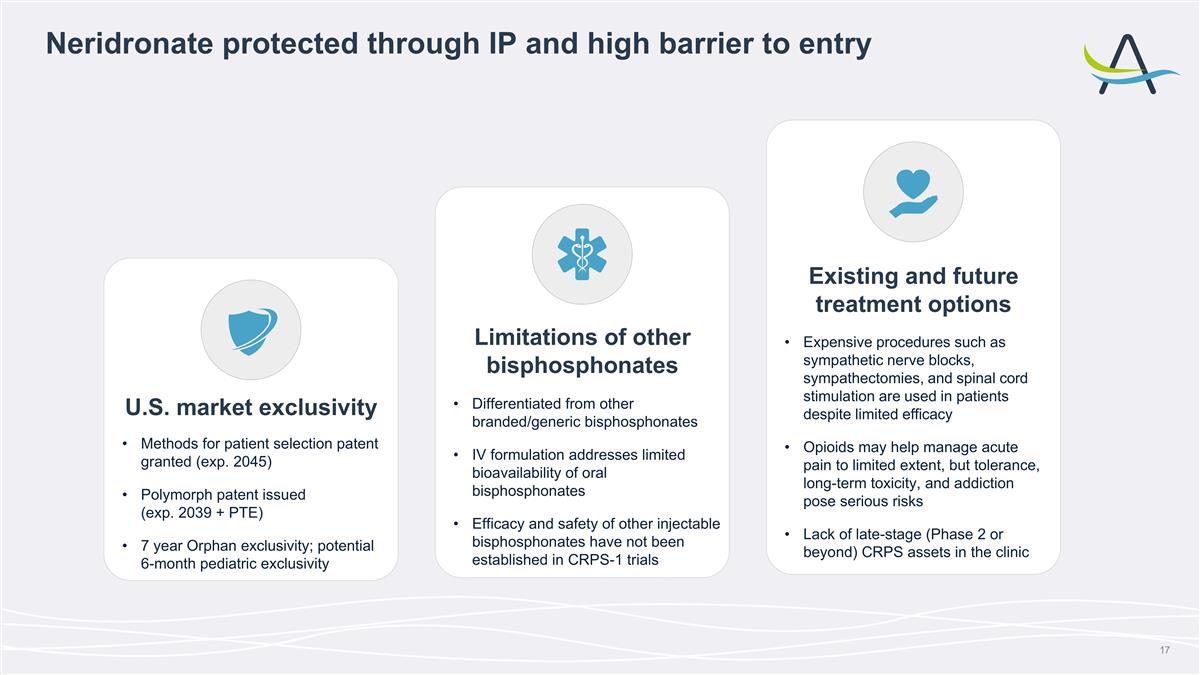
Neridronate protected through IP and high barrier to entry U.S. market exclusivity Methods for patient selection patent granted (exp. 2045) Polymorph patent issued (exp. 2039 + PTE) 7 year Orphan exclusivity; potential 6-month pediatric exclusivity Limitations of other bisphosphonates Differentiated from other branded/generic bisphosphonates IV formulation addresses limited bioavailability of oral bisphosphonates Efficacy and safety of other injectable bisphosphonates have not been established in CRPS-1 trials Existing and future treatment options Expensive procedures such as sympathetic nerve blocks, sympathectomies, and spinal cord stimulation are used in patients despite limited efficacy Opioids may help manage acute pain to limited extent, but tolerance, long-term toxicity, and addiction pose serious risks Lack of late-stage (Phase 2 or beyond) CRPS assets in the clinic
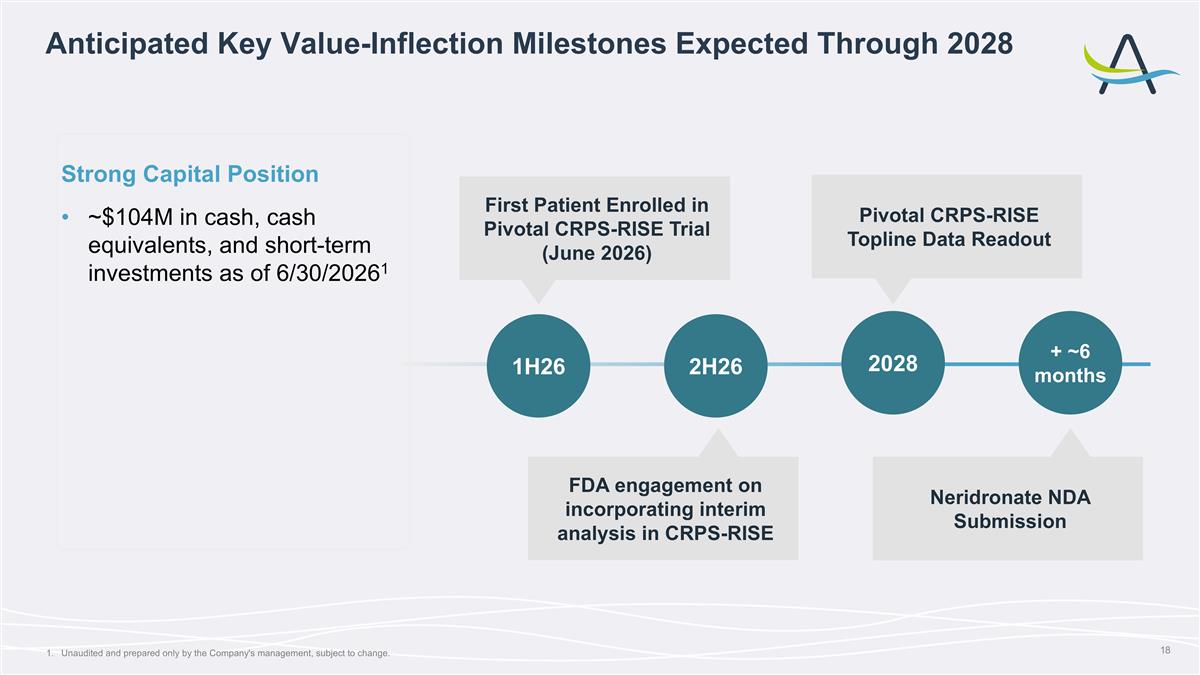
Strong Capital Position ~$104M in cash, cash equivalents, and short-term investments as of 6/30/20261 FDA engagement on incorporating interim analysis in CRPS-RISE First Patient Enrolled in Pivotal CRPS-RISE Trial (June 2026) 2028 Pivotal CRPS-RISE Topline Data Readout Neridronate NDA Submission 1H26 2H26 + ~6 months Unaudited and prepared only by the Company's management, subject to change. Anticipated Key Value-Inflection Milestones Expected Through 2028
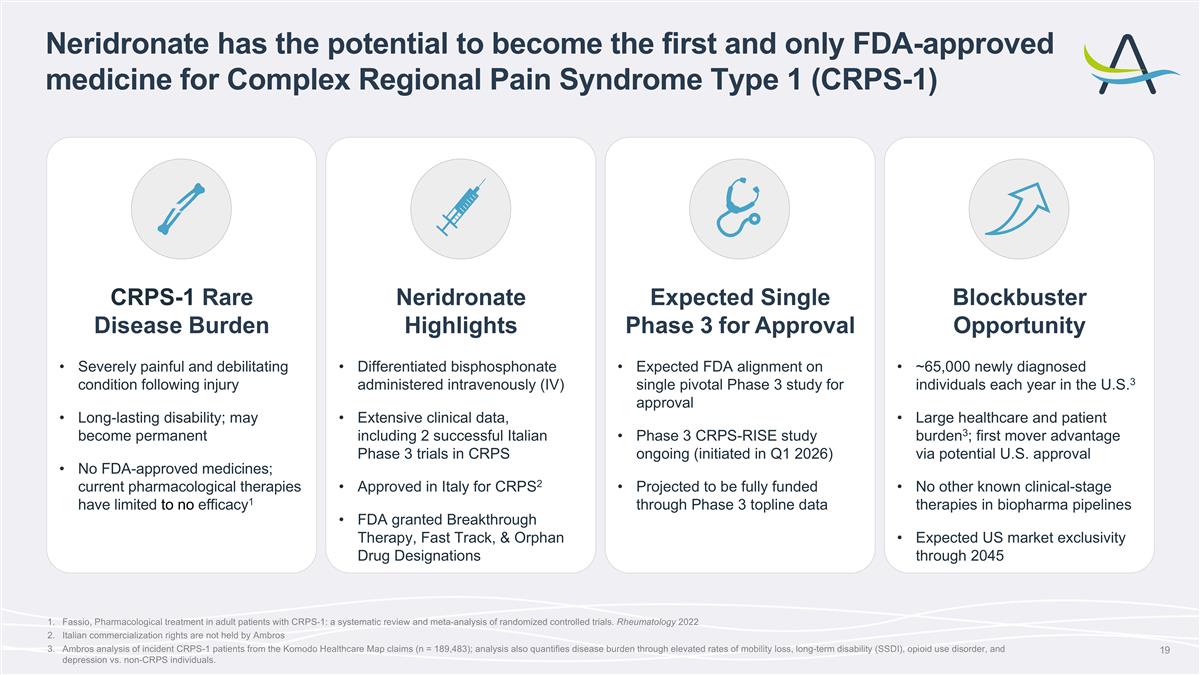
Neridronate has the potential to become the first and only FDA-approved medicine for Complex Regional Pain Syndrome Type 1 (CRPS-1) CRPS-1 Rare Disease Burden Severely painful and debilitating condition following injury Long-lasting disability; may become permanent No FDA-approved medicines; current pharmacological therapies have limited to no efficacy1 Neridronate Highlights Expected Single Phase 3 for Approval Blockbuster Opportunity Differentiated bisphosphonate administered intravenously (IV) Extensive clinical data, including 2 successful Italian Phase 3 trials in CRPS Approved in Italy for CRPS2 FDA granted Breakthrough Therapy, Fast Track, & Orphan Drug Designations Expected FDA alignment on single pivotal Phase 3 study for approval Phase 3 CRPS-RISE study ongoing (initiated in Q1 2026) Projected to be fully funded through Phase 3 topline data ~65,000 newly diagnosed individuals each year in the U.S.3 Large healthcare and patient burden3; first mover advantage via potential U.S. approval No other known clinical-stage therapies in biopharma pipelines Expected US market exclusivity through 2045 Fassio, Pharmacological treatment in adult patients with CRPS-1: a systematic review and meta-analysis of randomized controlled trials. Rheumatology 2022 Italian commercialization rights are not held by Ambros Ambros analysis of incident CRPS-1 patients from the Komodo Healthcare Map claims (n = 189,483); analysis also quantifies disease burden through elevated rates of mobility loss, long‑term disability (SSDI), opioid use disorder, and depression vs. non‑CRPS individuals.
Appendix
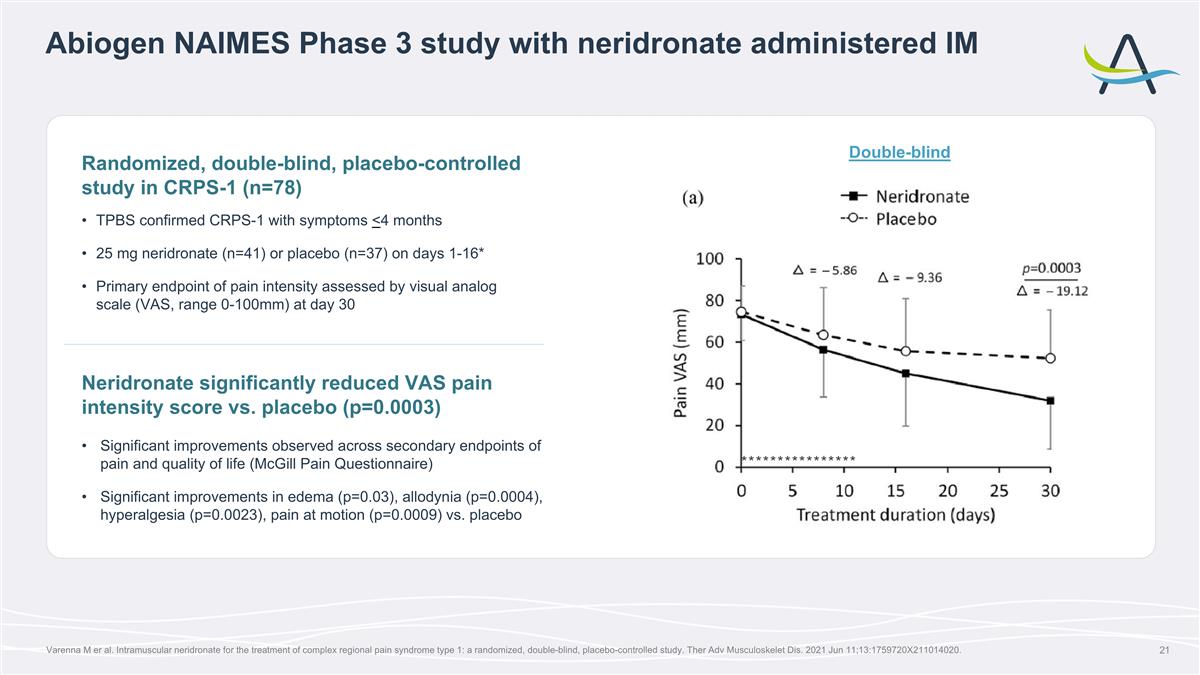
Abiogen NAIMES Phase 3 study with neridronate administered IM **************** Varenna M er al. Intramuscular neridronate for the treatment of complex regional pain syndrome type 1: a randomized, double-blind, placebo-controlled study. Ther Adv Musculoskelet Dis. 2021 Jun 11;13:1759720X211014020. Randomized, double-blind, placebo-controlled study in CRPS-1 (n=78) TPBS confirmed CRPS-1 with symptoms <4 months 25 mg neridronate (n=41) or placebo (n=37) on days 1-16* Primary endpoint of pain intensity assessed by visual analog scale (VAS, range 0-100mm) at day 30 Neridronate significantly reduced VAS pain intensity score vs. placebo (p=0.0003) Significant improvements observed across secondary endpoints of pain and quality of life (McGill Pain Questionnaire) Significant improvements in edema (p=0.03), allodynia (p=0.0004), hyperalgesia (p=0.0023), pain at motion (p=0.0009) vs. placebo Double-blind
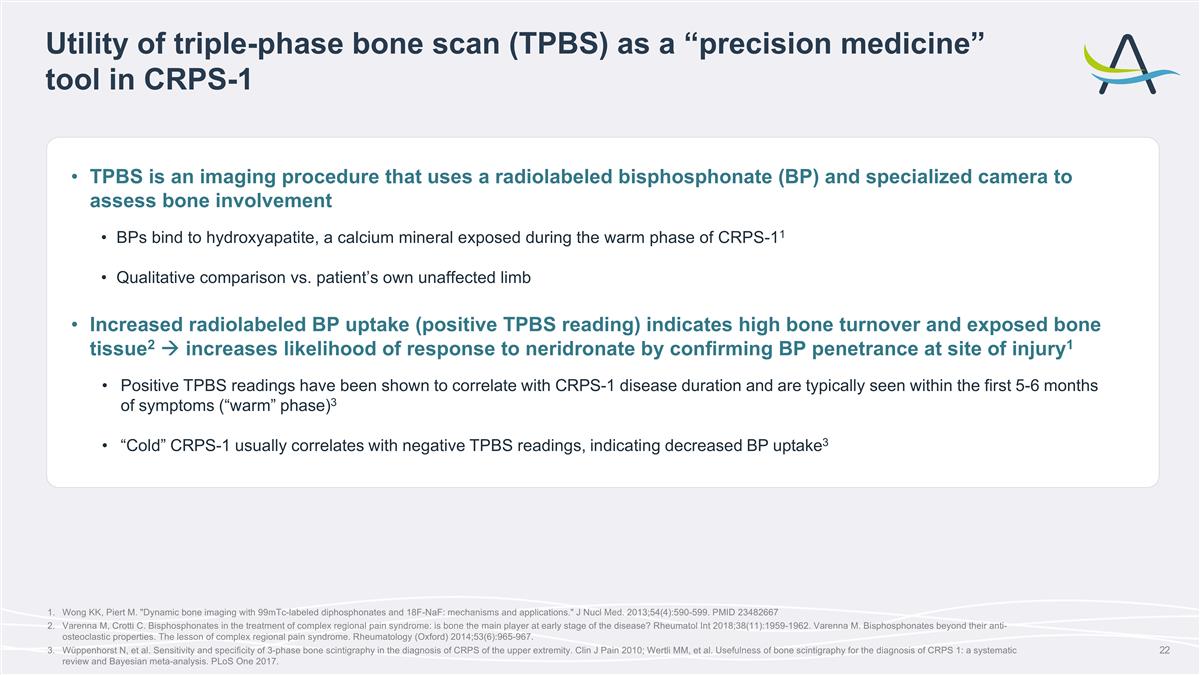
Utility of triple-phase bone scan (TPBS) as a “precision medicine” tool in CRPS-1 TPBS is an imaging procedure that uses a radiolabeled bisphosphonate (BP) and specialized camera to assess bone involvement BPs bind to hydroxyapatite, a calcium mineral exposed during the warm phase of CRPS-11 Qualitative comparison vs. patient’s own unaffected limb Increased radiolabeled BP uptake (positive TPBS reading) indicates high bone turnover and exposed bone tissue2 à increases likelihood of response to neridronate by confirming BP penetrance at site of injury1 Positive TPBS readings have been shown to correlate with CRPS-1 disease duration and are typically seen within the first 5-6 months of symptoms (“warm” phase)3 “Cold” CRPS-1 usually correlates with negative TPBS readings, indicating decreased BP uptake3 Wong KK, Piert M. "Dynamic bone imaging with 99mTc-labeled diphosphonates and 18F-NaF: mechanisms and applications." J Nucl Med. 2013;54(4):590-599. PMID 23482667 Varenna M, Crotti C. Bisphosphonates in the treatment of complex regional pain syndrome: is bone the main player at early stage of the disease? Rheumatol Int 2018;38(11):1959-1962. Varenna M. Bisphosphonates beyond their anti-osteoclastic properties. The lesson of complex regional pain syndrome. Rheumatology (Oxford) 2014;53(6):965-967. Wüppenhorst N, et al. Sensitivity and specificity of 3‑phase bone scintigraphy in the diagnosis of CRPS of the upper extremity. Clin J Pain 2010; Wertli MM, et al. Usefulness of bone scintigraphy for the diagnosis of CRPS 1: a systematic review and Bayesian meta‑analysis. PLoS One 2017.
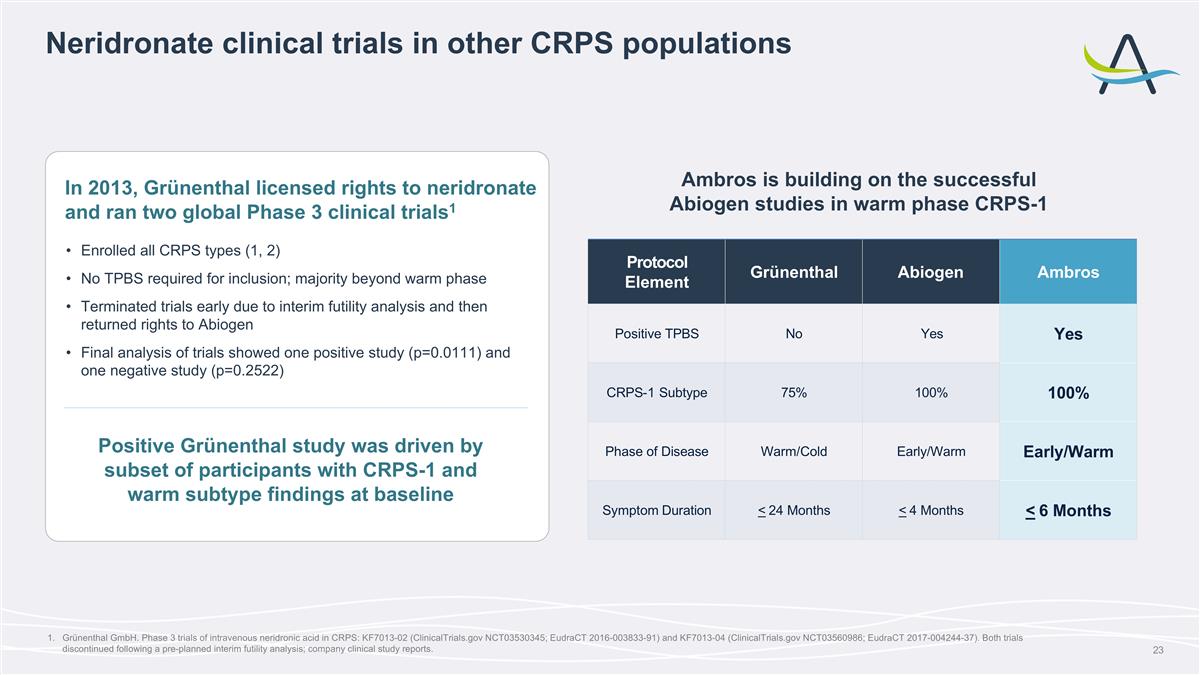
In 2013, Grünenthal licensed rights to neridronate and ran two global Phase 3 clinical trials1 Positive Grünenthal study was driven by subset of participants with CRPS-1 and warm subtype findings at baseline Ambros is building on the successful Abiogen studies in warm phase CRPS-1 Enrolled all CRPS types (1, 2) No TPBS required for inclusion; majority beyond warm phase Terminated trials early due to interim futility analysis and then returned rights to Abiogen Final analysis of trials showed one positive study (p=0.0111) and one negative study (p=0.2522) Protocol Element Grünenthal Abiogen Ambros Positive TPBS No Yes Yes CRPS -1 Subtype 75% 100% 100% Phase of Disease Warm/Cold Early/Warm Early/Warm Symptom Duration < 24 Months < 4 Months < 6 Months Grünenthal GmbH. Phase 3 trials of intravenous neridronic acid in CRPS: KF7013-02 (ClinicalTrials.gov NCT03530345; EudraCT 2016-003833-91) and KF7013-04 (ClinicalTrials.gov NCT03560986; EudraCT 2017-004244-37). Both trials discontinued following a pre-planned interim futility analysis; company clinical study reports. Neridronate clinical trials in other CRPS populations
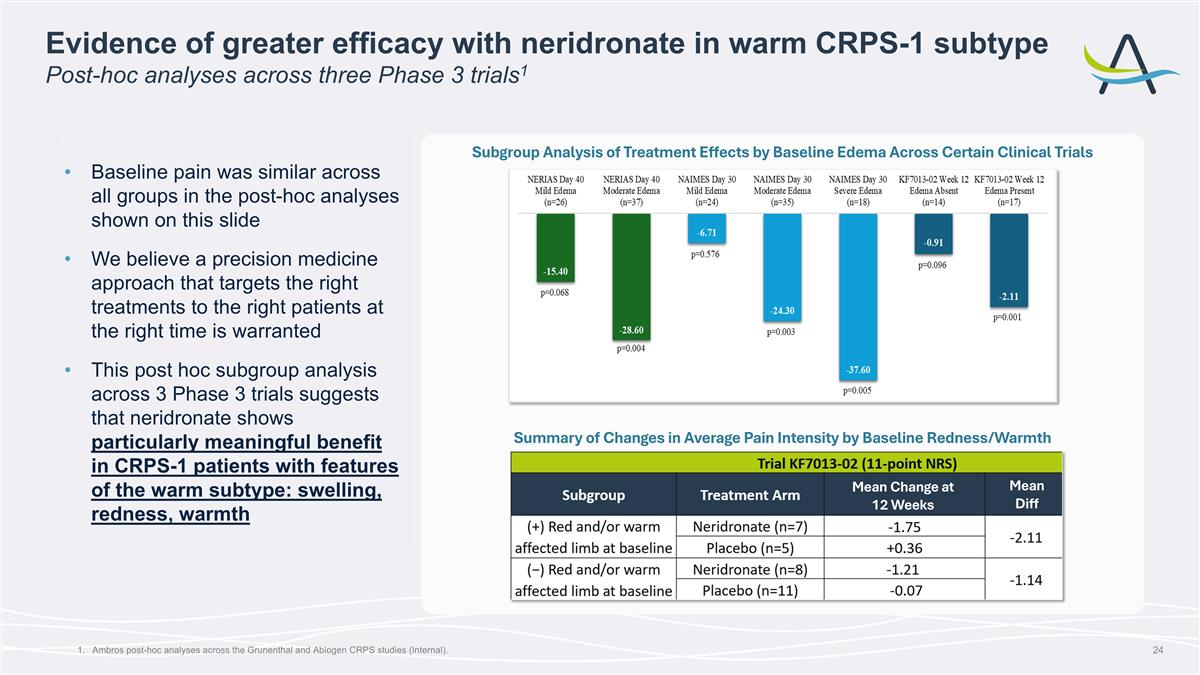
Baseline pain was similar across all groups in the post-hoc analyses shown on this slide We believe a precision medicine approach that targets the right treatments to the right patients at the right time is warranted This post hoc subgroup analysis across 3 Phase 3 trials suggests that neridronate shows particularly meaningful benefit in CRPS-1 patients with features of the warm subtype: swelling, redness, warmth Summary of Changes in Average Pain Intensity by Baseline Redness/Warmth Subgroup Analysis of Treatment Effects by Baseline Edema Across Certain Clinical Trials Mean Change at 12 Weeks Mean Diff Evidence of greater efficacy with neridronate in warm CRPS-1 subtype Post-hoc analyses across three Phase 3 trials1 Ambros post-hoc analyses across the Grunenthal and Abiogen CRPS studies (Internal).