
August 2026 NASDAQ: STRO Exhibit 99.2 Sutro Biopharma Logo
This presentation and the accompanying oral presentation contain “forward-looking” statements that are based on our management’s beliefs and assumptions and on information currently available to management. Forward-looking statements include all statements other than statements of historical fact contained in this presentation, including information concerning our future financial performance; business plans and objectives; anticipated preclinical and clinical development activities, including enrollment and site activation; timing of announcements of clinical results, trial initiation, and regulatory filings; outcome of regulatory decisions; and our expectations about our cash runway; potential benefits of our product candidates and platform; potential expansion into other indications and combinations, including the timing and development activities related to such expansion; potential growth opportunities, financing plans, potential future milestone and royalty payments, competitive position, industry environment and potential market opportunities for our product candidates. Forward-looking statements are subject to known and unknown risks, uncertainties, assumptions and other factors, including risks and uncertainties related to our cash forecasts, our and our collaborators’ ability to advance our product candidates, the receipt, feedback and timing of potential regulatory submissions, designations, approvals and commercialization of product candidates and the design, timing and results of preclinical and clinical trials and our ability to fund development activities and achieve development goals. It is not possible for our management to predict all risks, nor can we assess the impact of all factors on our business or the extent to which any factor, or combination of factors, may cause actual results to differ materially from those contained in any forward-looking statements we may make. These factors, together with those that may be described in greater detail under the heading “Risk Factors” contained in our most recent Annual Report on Form 10-K, Quarterly Report on Form 10-Q and other reports the company files from time to time with the Securities and Exchange Commission, may cause our actual results, performance or achievements to differ materially and adversely from those anticipated or implied by our forward-looking statements. You should not rely upon forward-looking statements as predictions of future events. Although our management believes that the expectations reflected in our forward-looking statements are reasonable, we cannot guarantee that the future results, levels of activity, performance or events and circumstances described in the forward-looking statements will be achieved or occur. Moreover, neither we nor our management assume responsibility for the accuracy and completeness of the forward-looking statements. We undertake no obligation to publicly update any forward-looking statements for any reason after the date of this presentation to conform these statements to actual results or to changes in our expectations, except as required by law. This presentation also contains estimates and other statistical data made by independent parties and by us relating to market size and growth and other data about our industry. This data involves a number of assumptions and limitations, and you are cautioned not to give undue weight to such estimates. In addition, projections, assumptions, and estimates of our future performance and the future performance of the markets in which we operate are necessarily subject to a high degree of uncertainty and risk. Forward-Looking Statements NON-Confidential
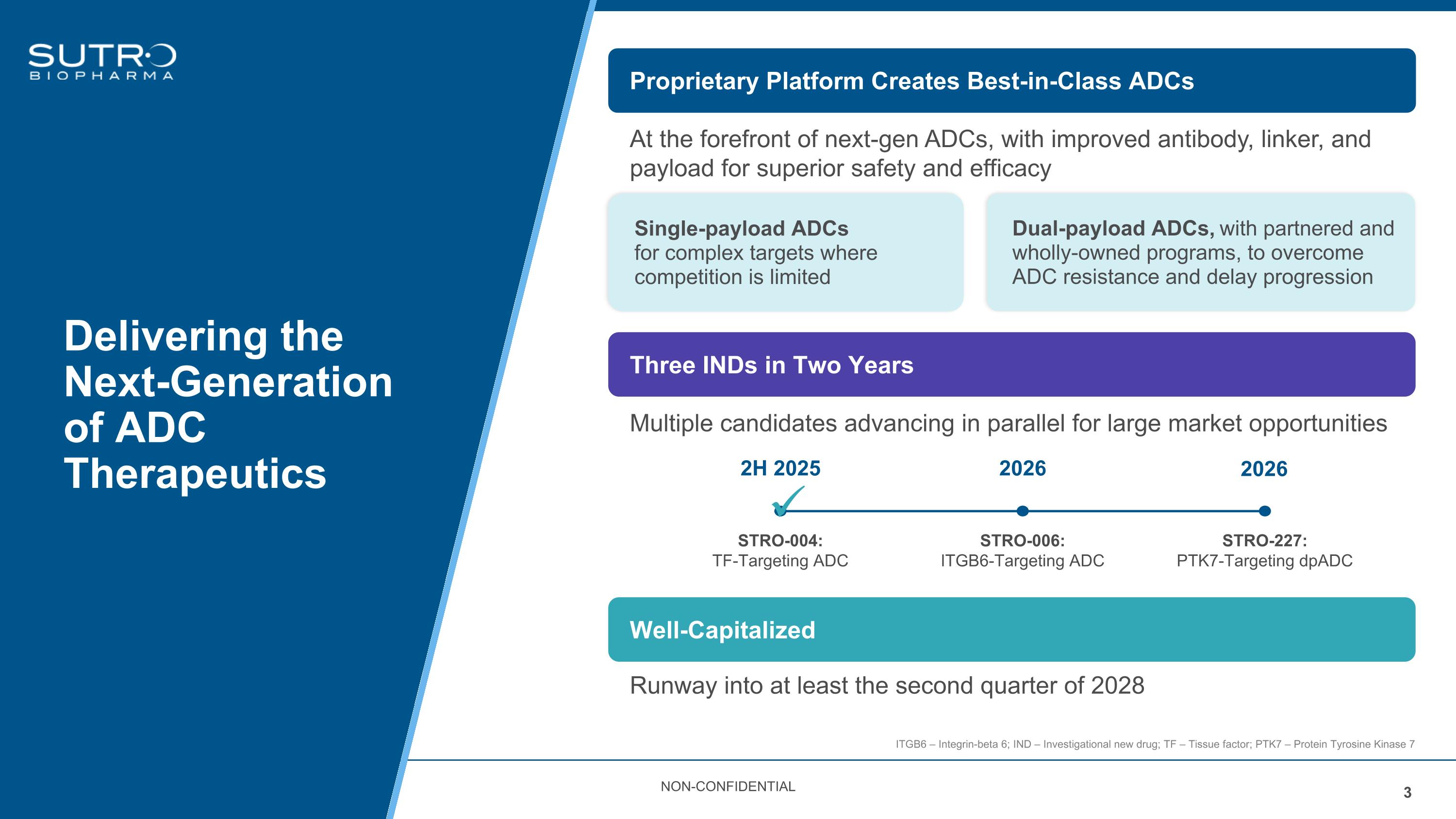
Delivering the Next-Generation of ADC Therapeutics Proprietary Platform Creates Best-in-Class ADCs At the forefront of next-gen ADCs, with improved antibody, linker, and payload for superior safety and efficacy Single-payload ADCs for complex targets where competition is limited Dual-payload ADCs, with partnered and wholly-owned programs, to overcome ADC resistance and delay progression Well-Capitalized Runway into at least the second quarter of 2028 NON-Confidential ITGB6 – Integrin-beta 6; IND – Investigational new drug; TF – Tissue factor; PTK7 – Protein Tyrosine Kinase 7 2H 2025 2026 2026 STRO-004: TF-Targeting ADC STRO-006: ITGB6-Targeting ADC STRO-227: PTK7-Targeting dpADC Three INDs in Two Years Multiple candidates advancing in parallel for large market opportunities
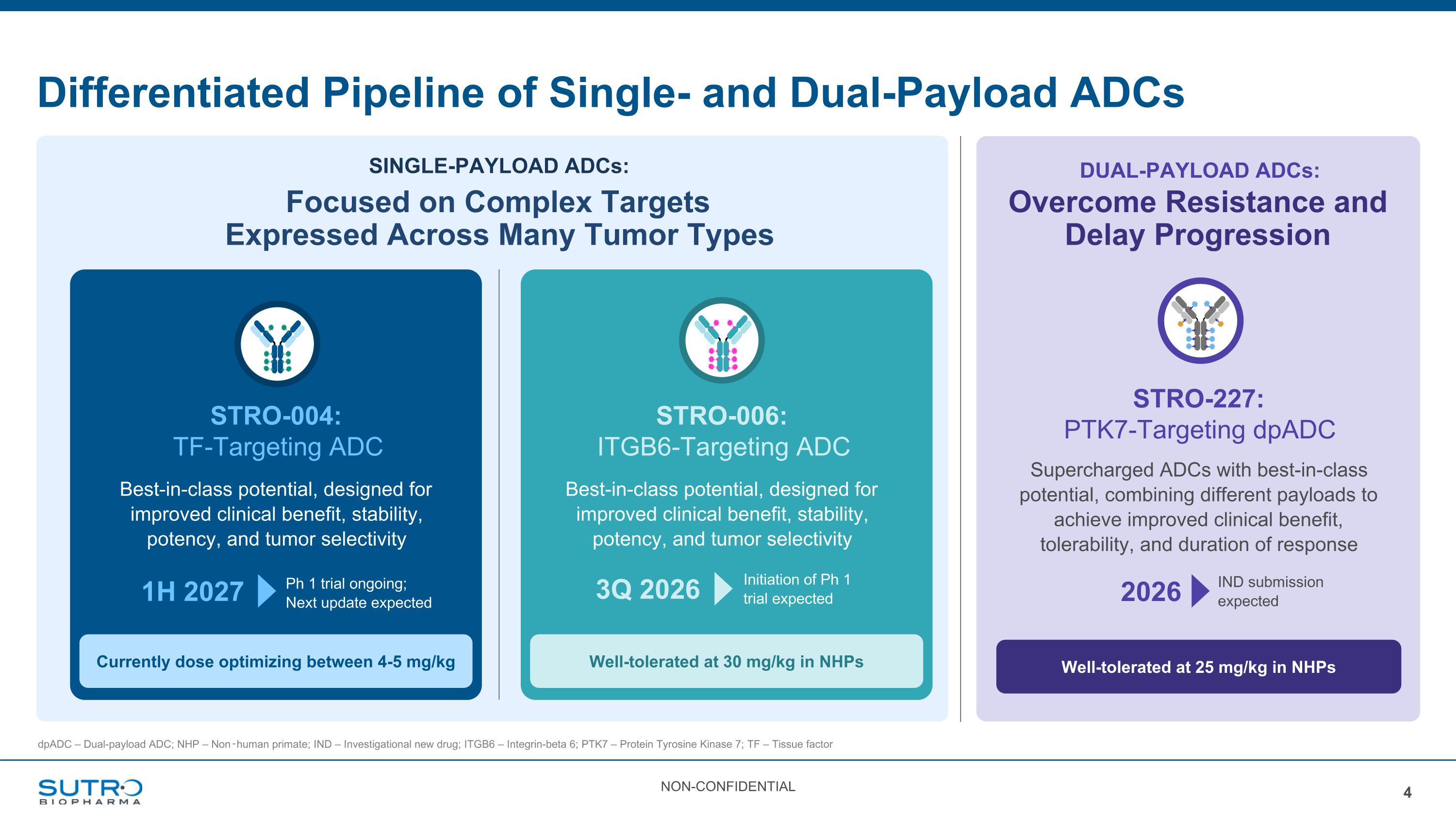
Differentiated Pipeline of Single- and Dual-Payload ADCs NON-Confidential SINGLE-PAYLOAD ADCs: dpADC – Dual-payload ADC; NHP – Non‑human primate; IND – Investigational new drug; ITGB6 – Integrin-beta 6; PTK7 – Protein Tyrosine Kinase 7; TF – Tissue factor Overcome Resistance and Delay Progression DUAL-PAYLOAD ADCs: STRO-227: PTK7-Targeting dpADC Supercharged ADCs with best-in-class potential, combining different payloads to achieve improved clinical benefit, tolerability, and duration of response 2026 IND submission expected Well-tolerated at 25 mg/kg in NHPs Focused on Complex Targets Expressed Across Many Tumor Types STRO-006: ITGB6-Targeting ADC Best-in-class potential, designed for improved clinical benefit, stability, potency, and tumor selectivity Well-tolerated at 30 mg/kg in NHPs Initiation of Ph 1 trial expected 3Q 2026 STRO-004: TF-Targeting ADC Ph 1 trial ongoing; Next update expected 1H 2027 Best-in-class potential, designed for improved clinical benefit, stability, potency, and tumor selectivity Currently dose optimizing between 4-5 mg/kg

Next-Generation ADCs Enabled by Sutro’s Proprietary Platform
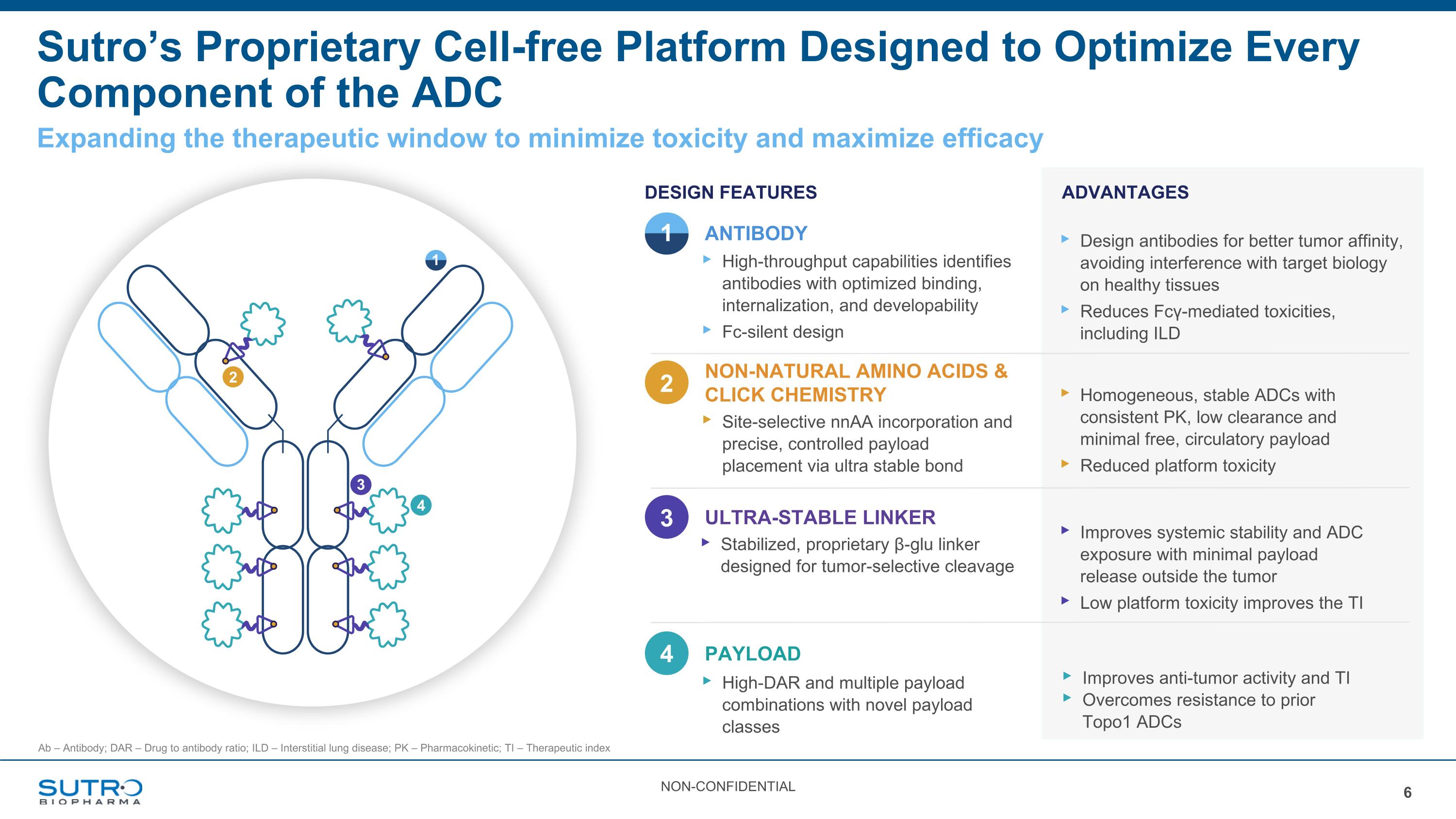
Sutro’s Proprietary Cell-free Platform Designed to Optimize Every Component of the ADC Expanding the therapeutic window to minimize toxicity and maximize efficacy Ab – Antibody; DAR – Drug to antibody ratio; ILD – Interstitial lung disease; PK – Pharmacokinetic; TI – Therapeutic index NON-Confidential 4 1 3 4 1 3 2 2 DESIGN FEATURES ADVANTAGES ANTIBODY High-throughput capabilities identifies antibodies with optimized binding, internalization, and developability Fc-silent design Design antibodies for better tumor affinity, avoiding interference with target biology on healthy tissues Reduces Fcγ-mediated toxicities, including ILD NON-NATURAL AMINO ACIDS & CLICK CHEMISTRY Site-selective nnAA incorporation and precise, controlled payload placement via ultra stable bond Homogeneous, stable ADCs with consistent PK, low clearance and minimal free, circulatory payload Reduced platform toxicity ULTRA-STABLE LINKER Stabilized, proprietary β-glu linker designed for tumor-selective cleavage Improves systemic stability and ADC exposure with minimal payload release outside the tumor Low platform toxicity improves the TI PAYLOAD High-DAR and multiple payload combinations with novel payload classes Improves anti-tumor activity and TI Overcomes resistance to prior Topo1 ADCs
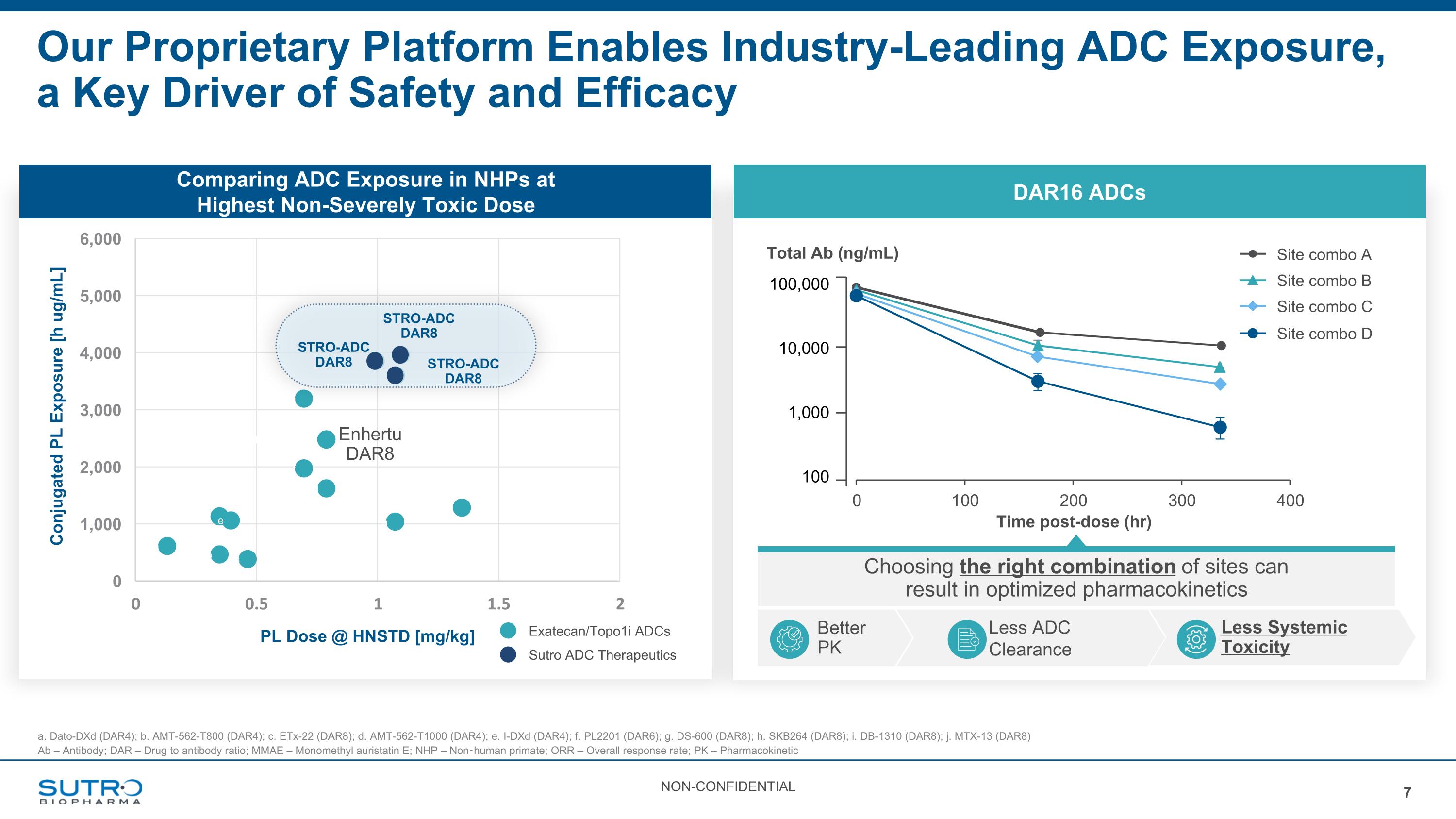
Our Proprietary Platform Enables Industry-Leading ADC Exposure, a Key Driver of Safety and Efficacy a b c d e f g h i j STRO-ADC DAR8 Enhertu DAR8 STRO-ADC DAR8 STRO-ADC DAR8 NON-Confidential a. Dato-DXd (DAR4); b. AMT-562-T800 (DAR4); c. ETx-22 (DAR8); d. AMT-562-T1000 (DAR4); e. I-DXd (DAR4); f. PL2201 (DAR6); g. DS-600 (DAR8); h. SKB264 (DAR8); i. DB-1310 (DAR8); j. MTX-13 (DAR8) Ab – Antibody; DAR – Drug to antibody ratio; MMAE – Monomethyl auristatin E; NHP – Non‑human primate; ORR – Overall response rate; PK – Pharmacokinetic Exatecan/Topo1i ADCs Sutro ADC Therapeutics Better PK Less ADC Clearance Less Systemic Toxicity Choosing the right combination of sites can result in optimized pharmacokinetics Site combo A Site combo B Site combo C Site combo D Total Ab (ng/mL) Time post-dose (hr) 100,000 10,000 1,000 100 Conjugated PL Exposure [h ug/mL] PL Dose @ HNSTD [mg/kg] DAR16 ADCs Comparing ADC Exposure in NHPs at Highest Non-Severely Toxic Dose
STRO-004 Potential Best-in-Class Exatecan ADC Targeting Tissue Factor
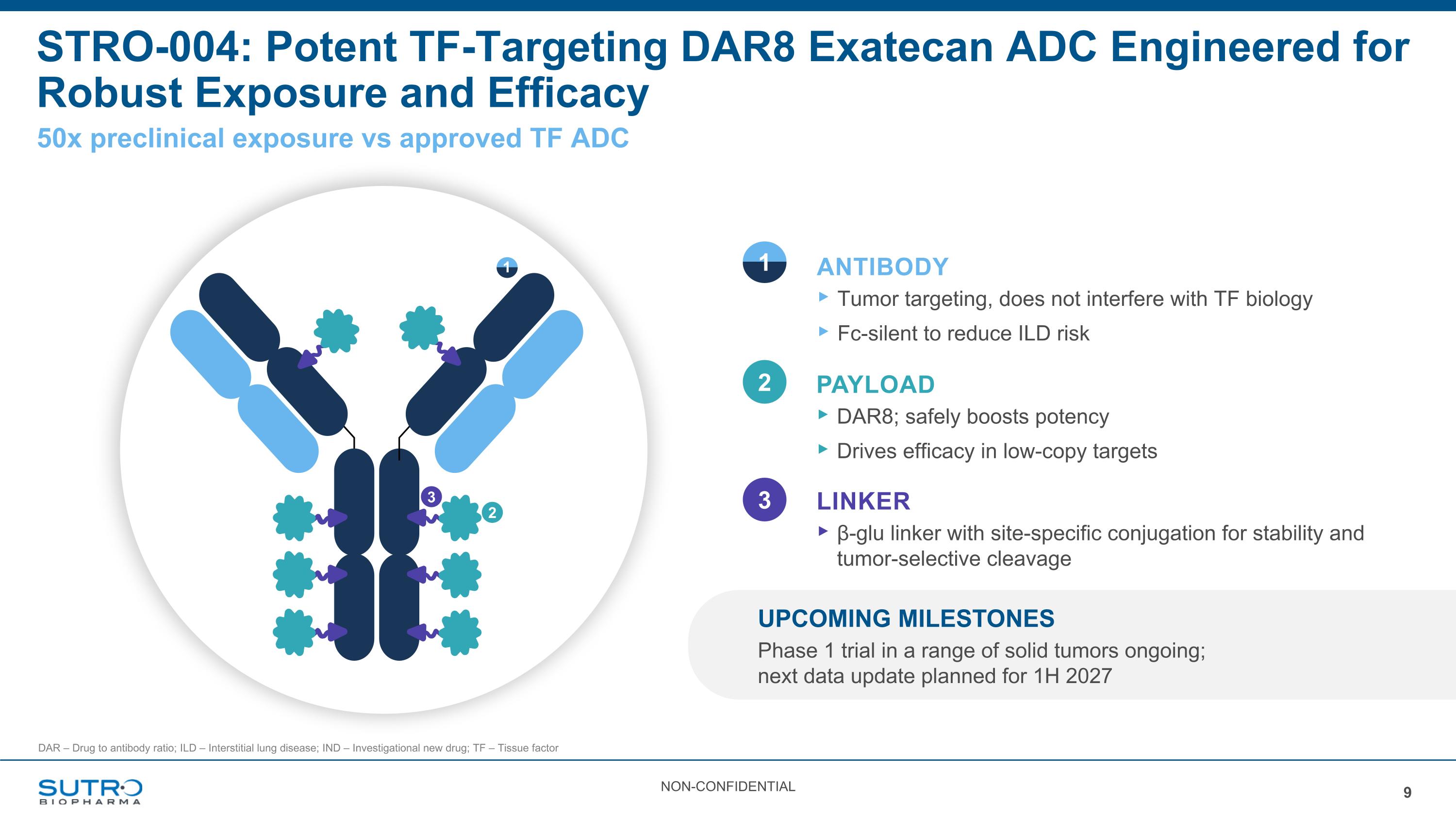
STRO-004: Potent TF-Targeting DAR8 Exatecan ADC Engineered for Robust Exposure and Efficacy 50x preclinical exposure vs approved TF ADC LINKER β-glu linker with site-specific conjugation for stability and tumor-selective cleavage 3 2 Payload DAR8; safely boosts potency Drives efficacy in low-copy targets Antibody Tumor targeting, does not interfere with TF biology Fc-silent to reduce ILD risk 1 Upcoming milestones Phase 1 trial in a range of solid tumors ongoing; next data update planned for 1H 2027 2 3 1 NON-Confidential DAR – Drug to antibody ratio; ILD – Interstitial lung disease; IND – Investigational new drug; TF – Tissue factor
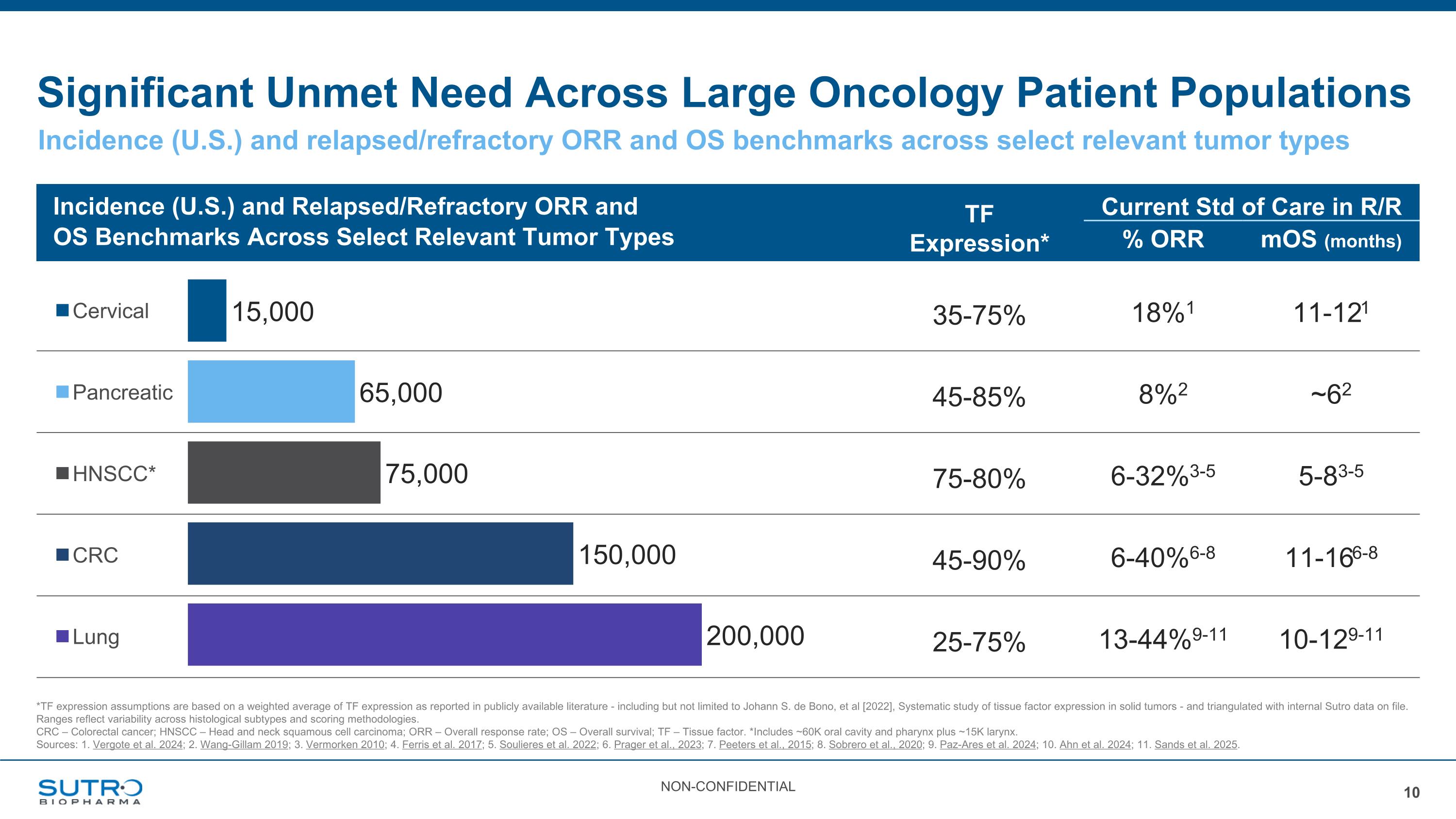
TF Expression* 35-75% 45-85% 75-80% 45-90% 25-75% Current Std of Care in R/R % ORR mOS (months) 18%1 11-121 8%2 ~62 6-32%3-5 5-83-5 6-40%6-8 11-166-8 13-44%9-11 10-129-11 Significant Unmet Need Across Large Oncology Patient Populations NON-CONFIDENTIAL *TF expression assumptions are based on a weighted average of TF expression as reported in publicly available literature - including but not limited to Johann S. de Bono, et al [2022], Systematic study of tissue factor expression in solid tumors - and triangulated with internal Sutro data on file. Ranges reflect variability across histological subtypes and scoring methodologies. CRC – Colorectal cancer; HNSCC – Head and neck squamous cell carcinoma; ORR – Overall response rate; OS – Overall survival; TF – Tissue factor. *Includes ~60K oral cavity and pharynx plus ~15K larynx. Sources: 1. Vergote et al. 2024; 2. Wang-Gillam 2019; 3. Vermorken 2010; 4. Ferris et al. 2017; 5. Soulieres et al. 2022; 6. Prager et al., 2023; 7. Peeters et al., 2015; 8. Sobrero et al., 2020; 9. Paz-Ares et al. 2024; 10. Ahn et al. 2024; 11. Sands et al. 2025. Incidence (U.S.) and Relapsed/Refractory ORR and OS Benchmarks Across Select Relevant Tumor Types Incidence (U.S.) and relapsed/refractory ORR and OS benchmarks across select relevant tumor types
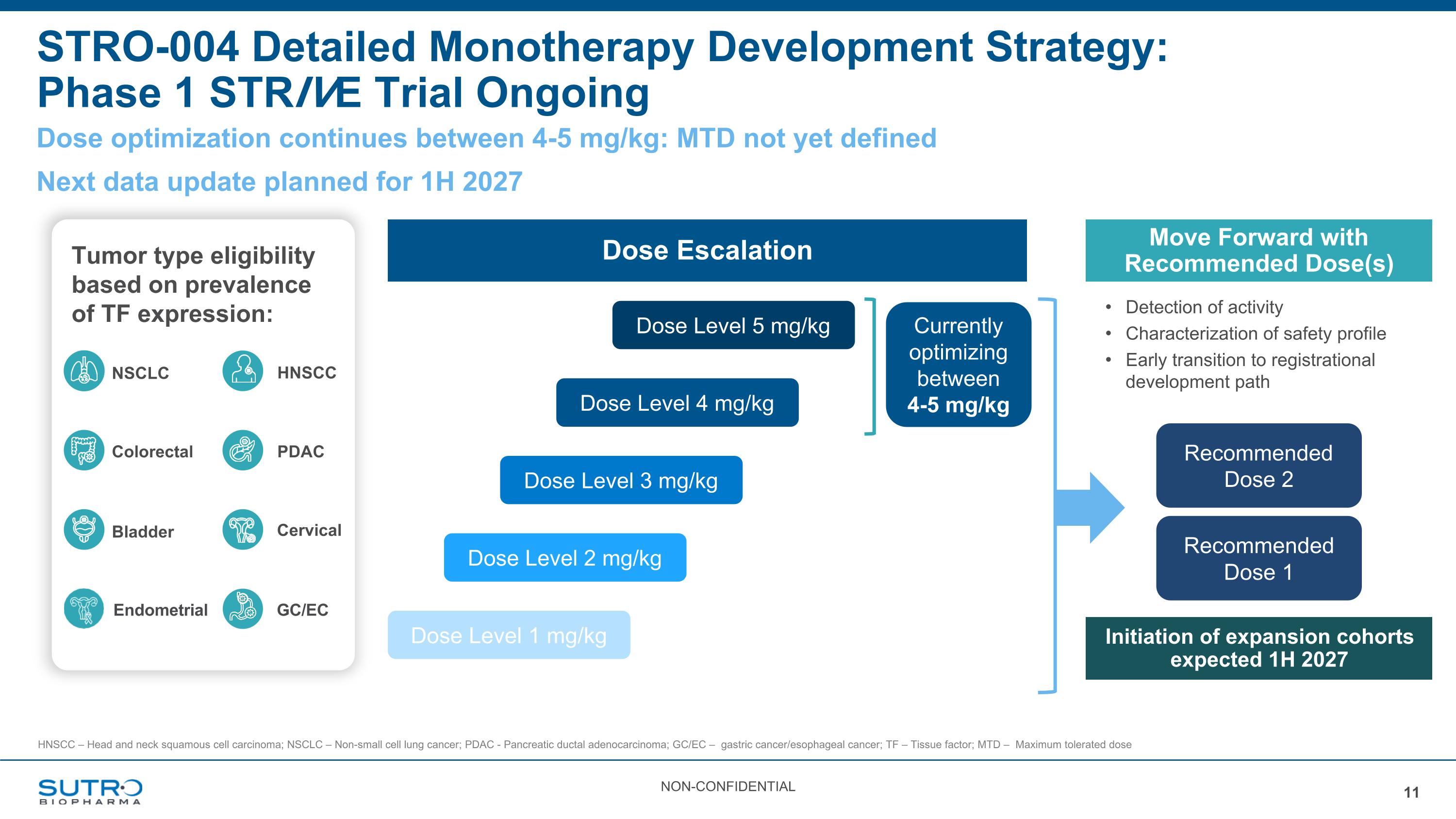
Dose Level 1 mg/kg Dose Escalation Dose Level 5 mg/kg Dose Level 2 mg/kg Dose Level 3 mg/kg Dose Level 4 mg/kg Detection of activity Characterization of safety profile Early transition to registrational development path Recommended Dose 1 Recommended Dose 2 Move Forward with Recommended Dose(s) HNSCC – Head and neck squamous cell carcinoma; NSCLC – Non-small cell lung cancer; PDAC - Pancreatic ductal adenocarcinoma; GC/EC – gastric cancer/esophageal cancer; TF – Tissue factor; MTD – Maximum tolerated dose NON-Confidential STRO-004 Detailed Monotherapy Development Strategy: Phase 1 STRIVE Trial Ongoing Dose optimization continues between 4-5 mg/kg: MTD not yet defined Next data update planned for 1H 2027 Tumor type eligibility based on prevalence of TF expression: Colorectal Cervical NSCLC HNSCC Bladder PDAC Endometrial GC/EC Currently optimizing between 4-5 mg/kg Initiation of expansion cohorts expected 1H 2027
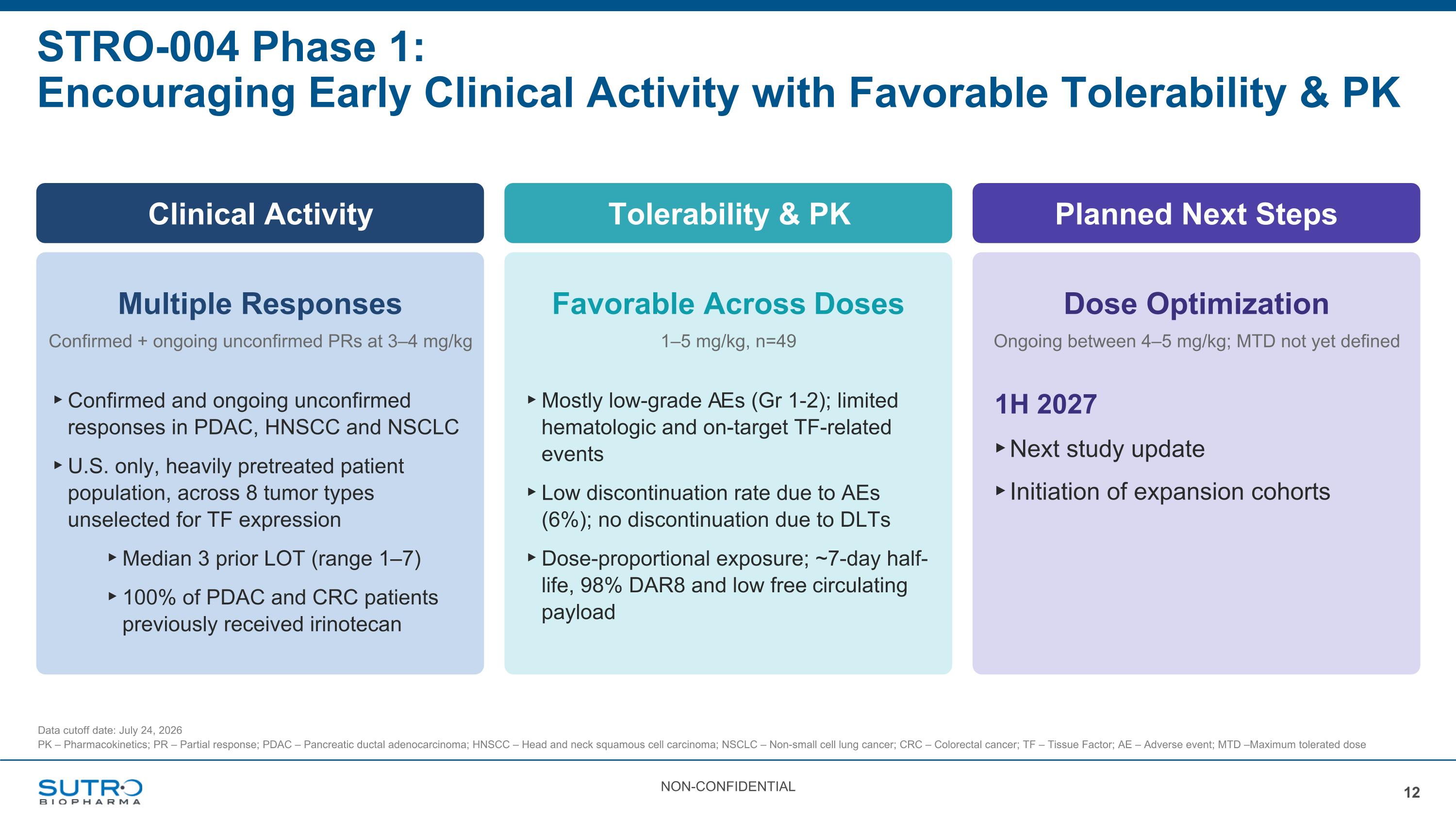
Data cutoff date: July 24, 2026 PK – Pharmacokinetics; PR – Partial response; PDAC – Pancreatic ductal adenocarcinoma; HNSCC – Head and neck squamous cell carcinoma; NSCLC – Non-small cell lung cancer; CRC – Colorectal cancer; TF – Tissue Factor; AE – Adverse event; MTD –Maximum tolerated dose NON-Confidential STRO-004 Phase 1: Encouraging Early Clinical Activity with Favorable Tolerability & PK Clinical Activity Multiple Responses Confirmed and ongoing unconfirmed responses in PDAC, HNSCC and NSCLC U.S. only, heavily pretreated patient population, across 8 tumor types unselected for TF expression Median 3 prior LOT (range 1–7) 100% of PDAC and CRC patients previously received irinotecan Tolerability & PK Mostly low-grade AEs (Gr 1-2); limited hematologic and on-target TF-related events Low discontinuation rate due to AEs (6%); no discontinuation due to DLTs Dose-proportional exposure; ~7-day half-life, 98% DAR8 and low free circulating payload Planned Next Steps 1H 2027 Next study update Initiation of expansion cohorts Confirmed + ongoing unconfirmed PRs at 3–4 mg/kg Favorable Across Doses 1–5 mg/kg, n=49 Dose Optimization Ongoing between 4–5 mg/kg; MTD not yet defined
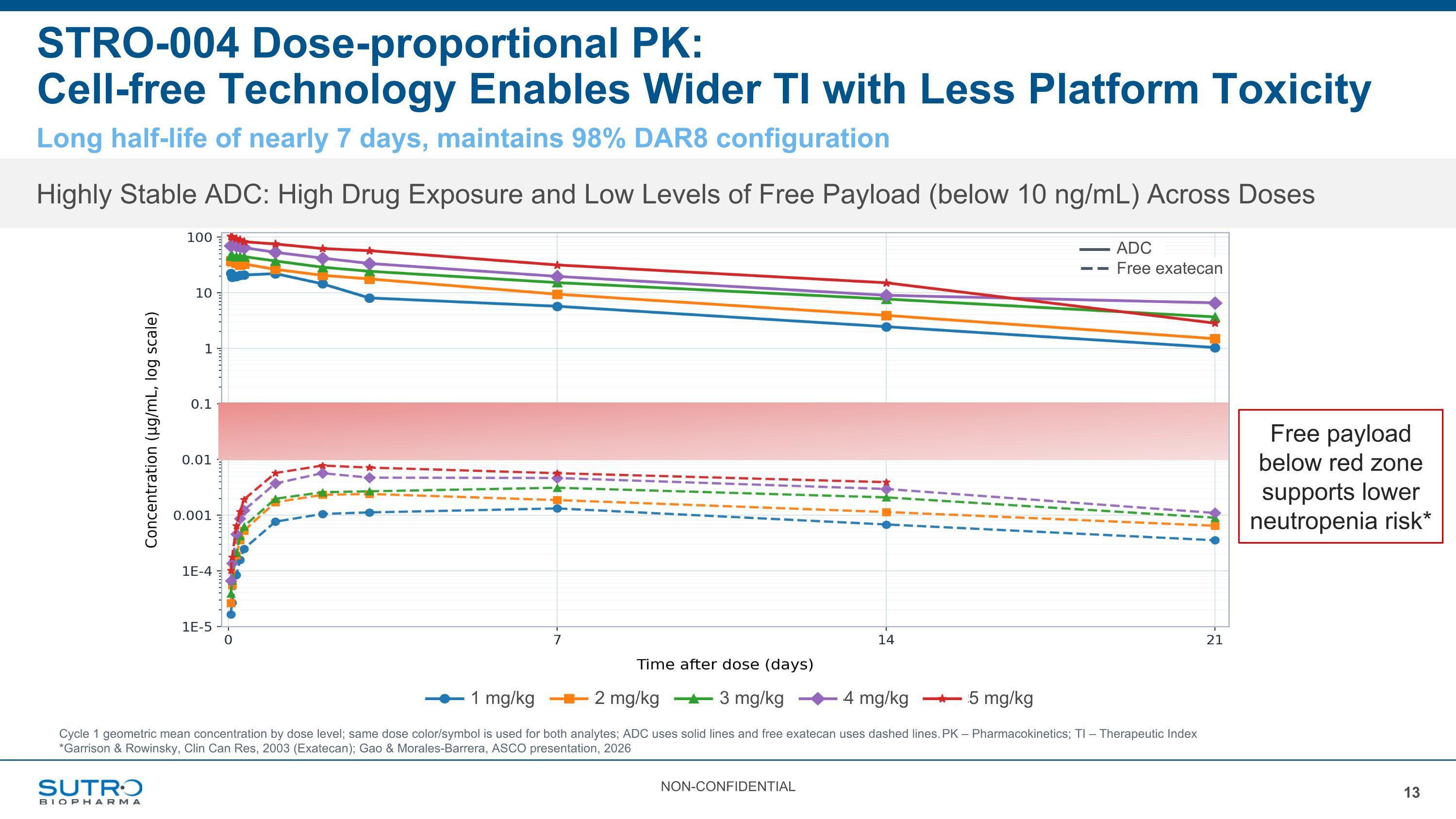
NON-Confidential STRO-004 Dose-proportional PK: Cell-free Technology Enables Wider TI with Less Platform Toxicity Cycle 1 geometric mean concentration by dose level; same dose color/symbol is used for both analytes; ADC uses solid lines and free exatecan uses dashed lines. PK – Pharmacokinetics; TI – Therapeutic Index *Garrison & Rowinsky, Clin Can Res, 2003 (Exatecan); Gao & Morales-Barrera, ASCO presentation, 2026 Long half-life of nearly 7 days, maintains 98% DAR8 configuration Free payload below red zone supports lower neutropenia risk* ADC Free exatecan 1 mg/kg 2 mg/kg 3 mg/kg 4 mg/kg 5 mg/kg Highly Stable ADC: High Drug Exposure and Low Levels of Free Payload (below 10 ng/mL) Across Doses
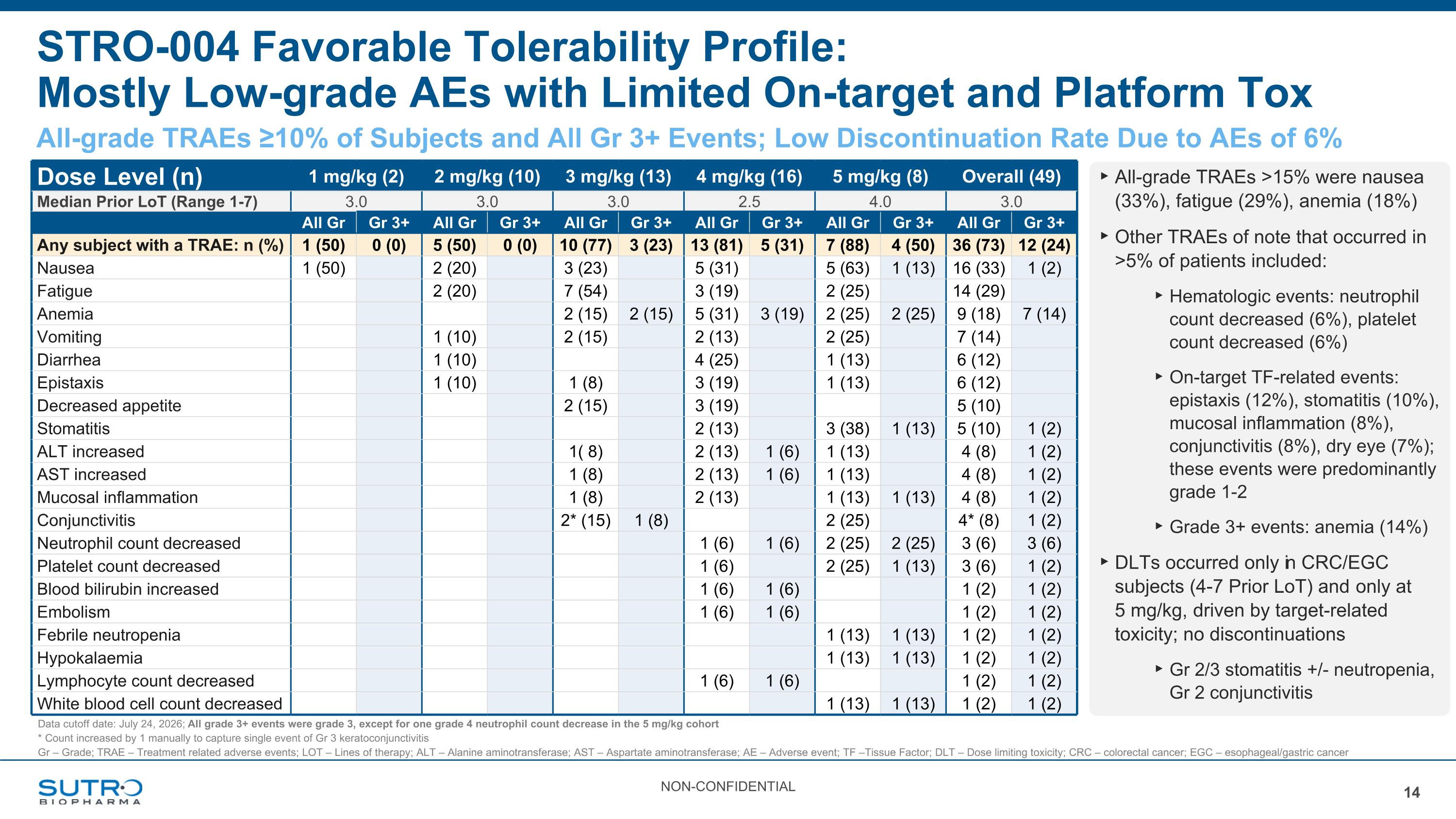
NON-Confidential STRO-004 Favorable Tolerability Profile: Mostly Low-grade AEs with Limited On-target and Platform Tox All-grade TRAEs ≥10% of Subjects and All Gr 3+ Events; Low Discontinuation Rate Due to AEs of 6% Dose Level (n) 1 mg/kg (2) 2 mg/kg (10) 3 mg/kg (13) 4 mg/kg (16) 5 mg/kg (8) Overall (49) Median Prior LoT (Range 1-7) 3.0 3.0 3.0 2.5 4.0 3.0 All Gr Gr 3+ All Gr Gr 3+ All Gr Gr 3+ All Gr Gr 3+ All Gr Gr 3+ All Gr Gr 3+ Any subject with a TRAE: n (%) 1 (50) 0 (0) 5 (50) 0 (0) 10 (77) 3 (23) 13 (81) 5 (31) 7 (88) 4 (50) 36 (73) 12 (24) Nausea 1 (50) 2 (20) 3 (23) 5 (31) 5 (63) 1 (13) 16 (33) 1 (2) Fatigue 2 (20) 7 (54) 3 (19) 2 (25) 14 (29) Anemia 2 (15) 2 (15) 5 (31) 3 (19) 2 (25) 2 (25) 9 (18) 7 (14) Vomiting 1 (10) 2 (15) 2 (13) 2 (25) 7 (14) Diarrhea 1 (10) 4 (25) 1 (13) 6 (12) Epistaxis 1 (10) 1 (8) 3 (19) 1 (13) 6 (12) Decreased appetite 2 (15) 3 (19) 5 (10) Stomatitis 2 (13) 3 (38) 1 (13) 5 (10) 1 (2) ALT increased 1( 8) 2 (13) 1 (6) 1 (13) 4 (8) 1 (2) AST increased 1 (8) 2 (13) 1 (6) 1 (13) 4 (8) 1 (2) Mucosal inflammation 1 (8) 2 (13) 1 (13) 1 (13) 4 (8) 1 (2) Conjunctivitis 2* (15) 1 (8) 2 (25) 4* (8) 1 (2) Neutrophil count decreased 1 (6) 1 (6) 2 (25) 2 (25) 3 (6) 3 (6) Platelet count decreased 1 (6) 2 (25) 1 (13) 3 (6) 1 (2) Blood bilirubin increased 1 (6) 1 (6) 1 (2) 1 (2) Embolism 1 (6) 1 (6) 1 (2) 1 (2) Febrile neutropenia 1 (13) 1 (13) 1 (2) 1 (2) Hypokalaemia 1 (13) 1 (13) 1 (2) 1 (2) Lymphocyte count decreased 1 (6) 1 (6) 1 (2) 1 (2) White blood cell count decreased 1 (13) 1 (13) 1 (2) 1 (2) All-grade TRAEs >15% were nausea (33%), fatigue (29%), anemia (18%) Other TRAEs of note that occurred in >5% of patients included: Hematologic events: neutrophil count decreased (6%), platelet count decreased (6%) On-target TF-related events: epistaxis (12%), stomatitis (10%), mucosal inflammation (8%), conjunctivitis (8%), dry eye (7%); these events were predominantly grade 1-2 Grade 3+ events: anemia (14%) DLTs occurred only in CRC/EGC subjects (4-7 Prior LoT) and only at 5 mg/kg, driven by target-related toxicity; no discontinuations Gr 2/3 stomatitis +/- neutropenia, Gr 2 conjunctivitis Data cutoff date: July 24, 2026; All grade 3+ events were grade 3, except for one grade 4 neutrophil count decrease in the 5 mg/kg cohort * Count increased by 1 manually to capture single event of Gr 3 keratoconjunctivitis Gr – Grade; TRAE – Treatment related adverse events; LOT – Lines of therapy; ALT – Alanine aminotransferase; AST – Aspartate aminotransferase; AE – Adverse event; TF –Tissue Factor; DLT – Dose limiting toxicity; CRC – colorectal cancer; EGC – esophageal/gastric cancer

STRO-006 Potential Best-in-Class Exatecan ADC Targeting Integrin-Beta 6
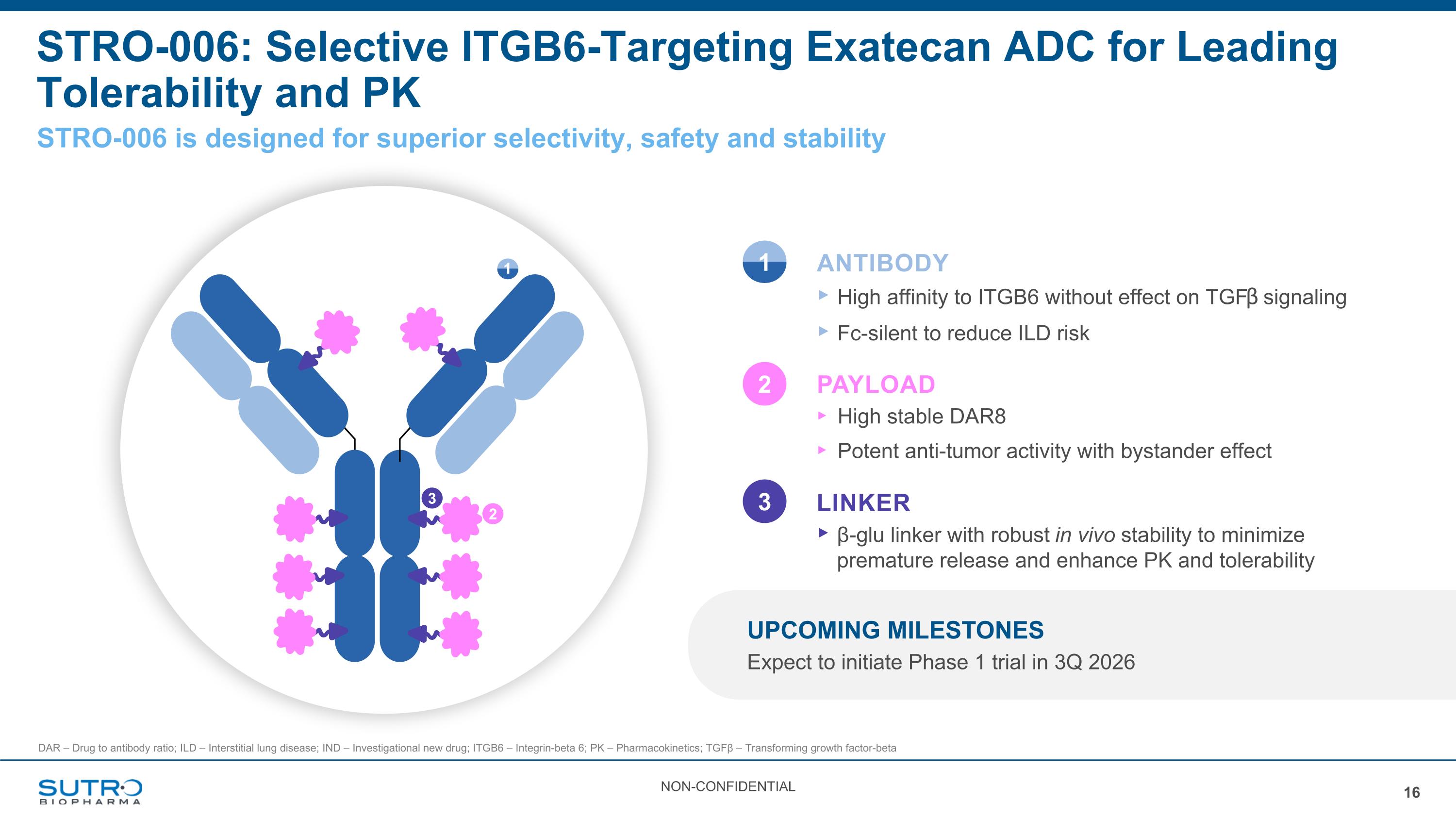
LINKER β-glu linker with robust in vivo stability to minimize premature release and enhance PK and tolerability 3 Payload High stable DAR8 Potent anti-tumor activity with bystander effect 2 Antibody High affinity to ITGB6 without effect on TGFβ signaling Fc-silent to reduce ILD risk 1 Upcoming milestones Expect to initiate Phase 1 trial in 3Q 2026 2 3 1 STRO-006: Selective ITGB6-Targeting Exatecan ADC for Leading Tolerability and PK STRO-006 is designed for superior selectivity, safety and stability NON-Confidential DAR – Drug to antibody ratio; ILD – Interstitial lung disease; IND – Investigational new drug; ITGB6 – Integrin-beta 6; PK – Pharmacokinetics; TGFβ – Transforming growth factor-beta
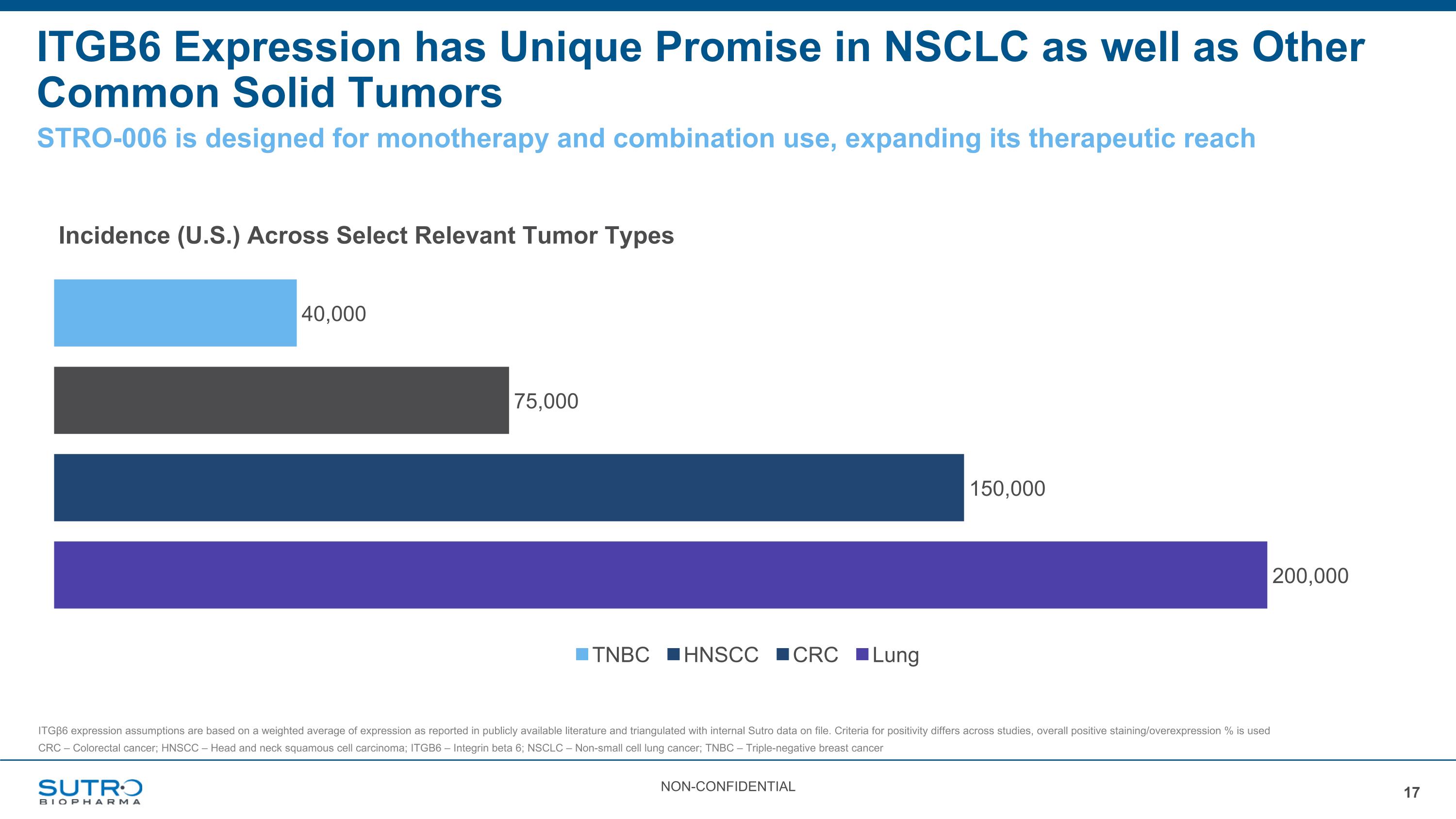
ITGB6 Expression has Unique Promise in NSCLC as well as Other Common Solid Tumors STRO-006 is designed for monotherapy and combination use, expanding its therapeutic reach NON-Confidential ITGβ6 expression assumptions are based on a weighted average of expression as reported in publicly available literature and triangulated with internal Sutro data on file. Criteria for positivity differs across studies, overall positive staining/overexpression % is used CRC – Colorectal cancer; HNSCC – Head and neck squamous cell carcinoma; ITGB6 – Integrin beta 6; NSCLC – Non-small cell lung cancer; TNBC – Triple-negative breast cancer
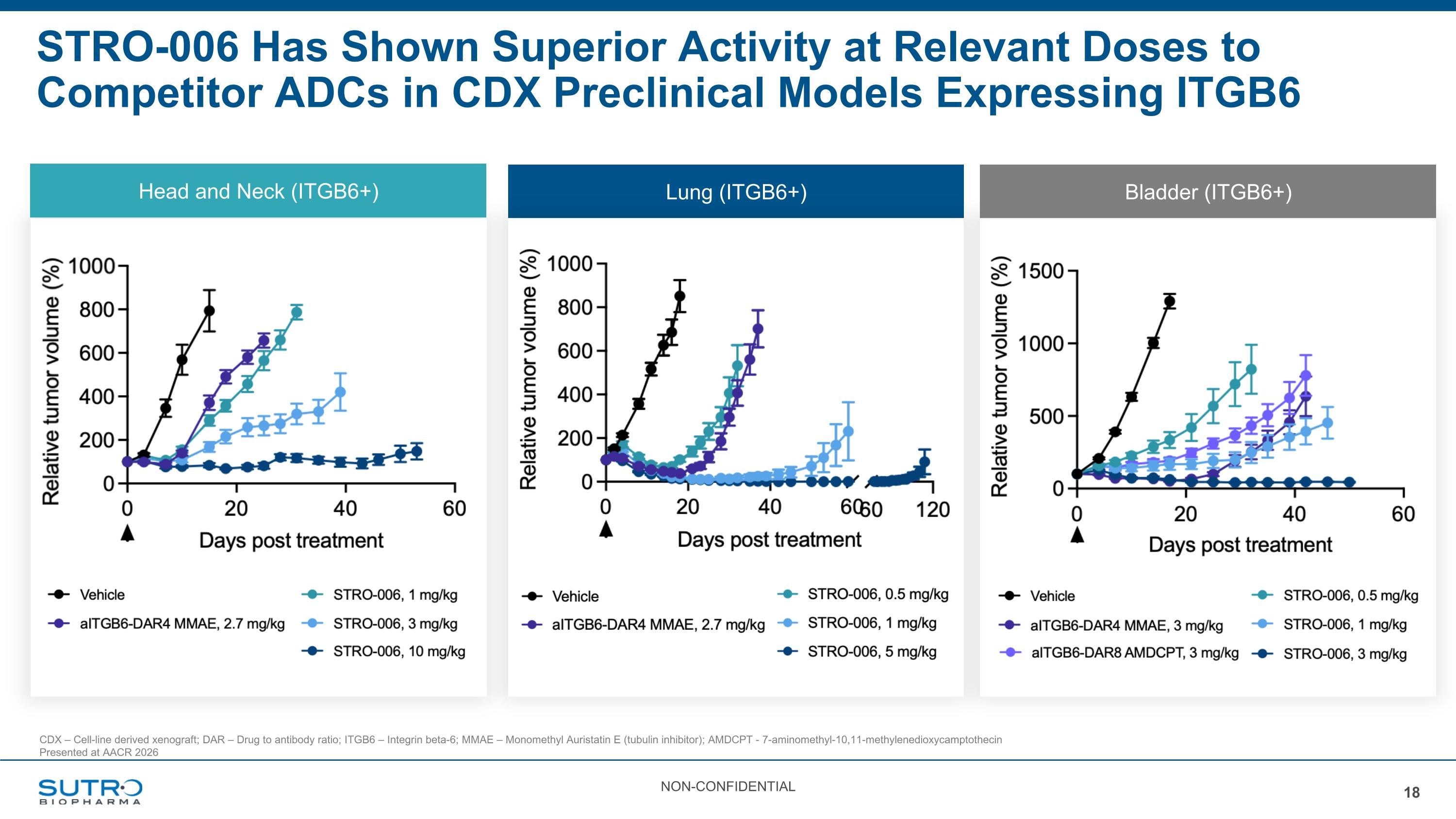
STRO-006 Has Shown Superior Activity at Relevant Doses to Competitor ADCs in CDX Preclinical Models Expressing ITGB6 NON-CONFIDENTIAL Head and Neck (ITGB6+) Lung (ITGB6+) Bladder (ITGB6+) CDX – Cell-line derived xenograft; DAR – Drug to antibody ratio; ITGB6 – Integrin beta-6; MMAE – Monomethyl Auristatin E (tubulin inhibitor); AMDCPT - 7-aminomethyl-10,11-methylenedioxycamptothecin Presented at AACR 2026
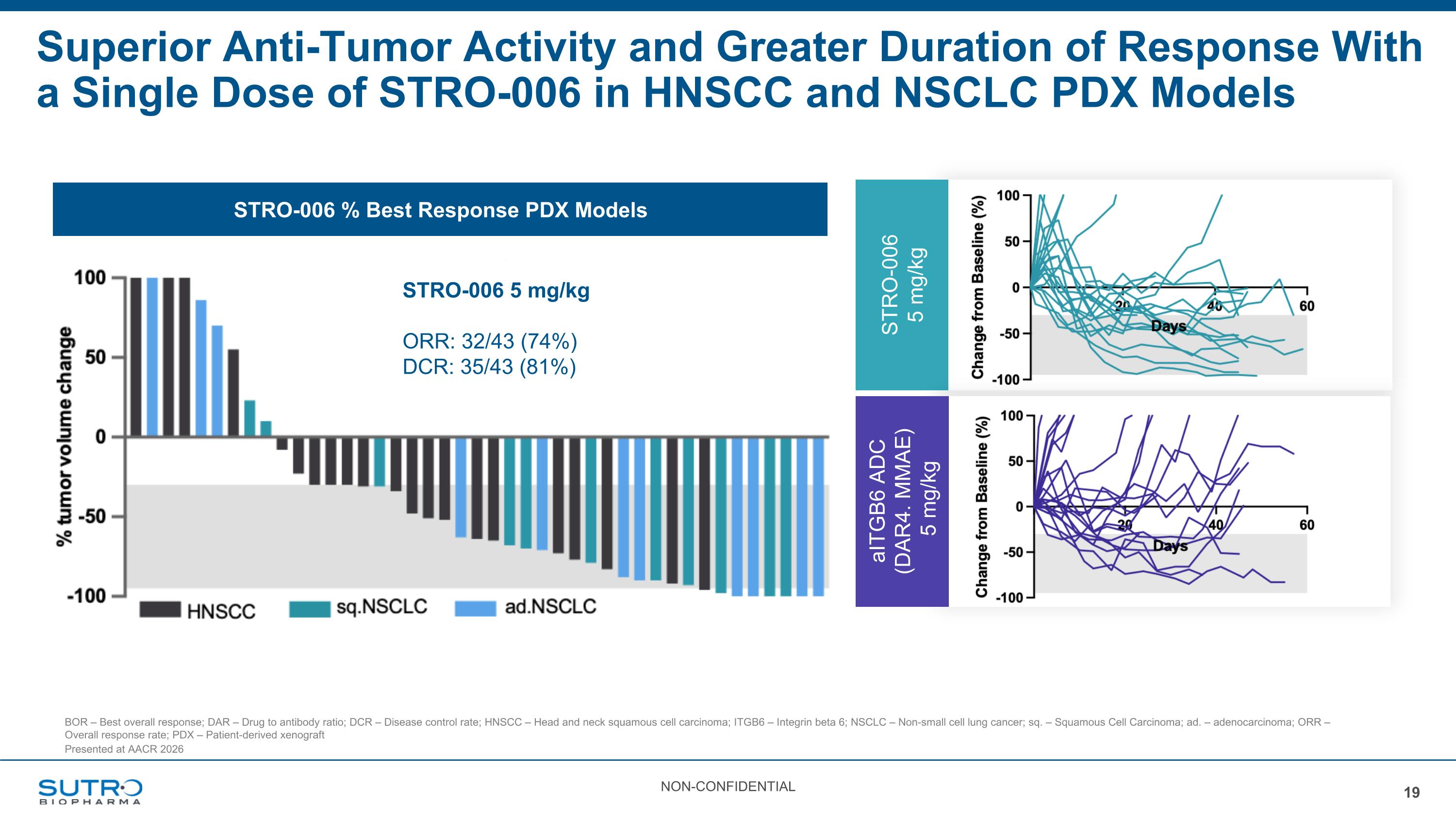
Superior Anti-Tumor Activity and Greater Duration of Response With a Single Dose of STRO-006 in HNSCC and NSCLC PDX Models STRO-006 % Best Response PDX Models NON-Confidential BOR – Best overall response; DAR – Drug to antibody ratio; DCR – Disease control rate; HNSCC – Head and neck squamous cell carcinoma; ITGB6 – Integrin beta 6; NSCLC – Non-small cell lung cancer; sq. – Squamous Cell Carcinoma; ad. – adenocarcinoma; ORR – Overall response rate; PDX – Patient-derived xenograft Presented at AACR 2026 STRO-006 5 mg/kg 19 aITGB6 ADC (DAR4. MMAE) 5 mg/kg STRO-006 5 mg/kg ORR: 32/43 (74%) DCR: 35/43 (81%)

Delivering Dual-Payloads: The Next Revolution in ADCs
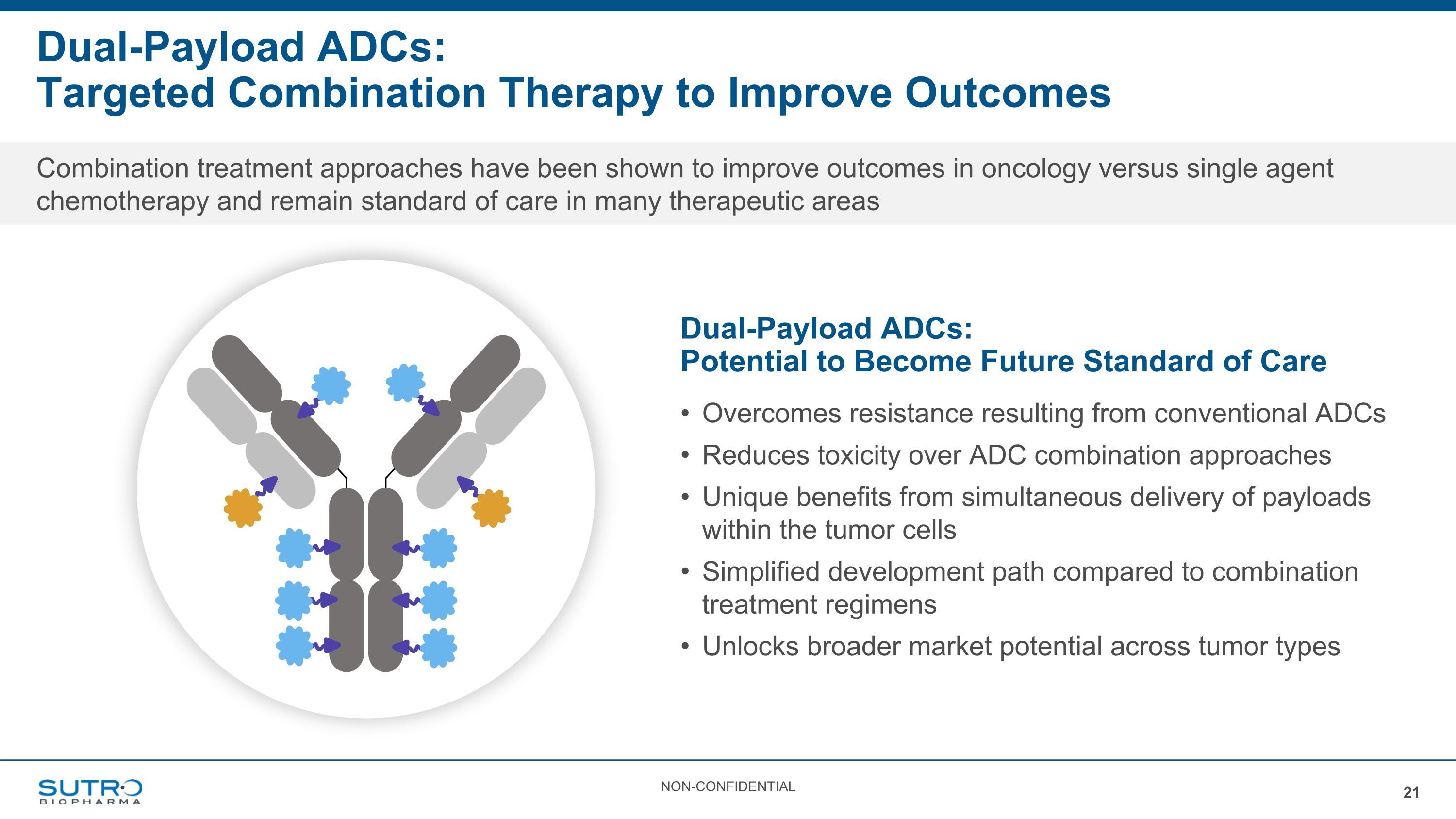
Dual-Payload ADCs: Potential to Become Future Standard of Care Overcomes resistance resulting from conventional ADCs Reduces toxicity over ADC combination approaches Unique benefits from simultaneous delivery of payloads within the tumor cells Simplified development path compared to combination treatment regimens Unlocks broader market potential across tumor types Combination treatment approaches have been shown to improve outcomes in oncology versus single agent chemotherapy and remain standard of care in many therapeutic areas Dual-Payload ADCs: Targeted Combination Therapy to Improve Outcomes NON-Confidential
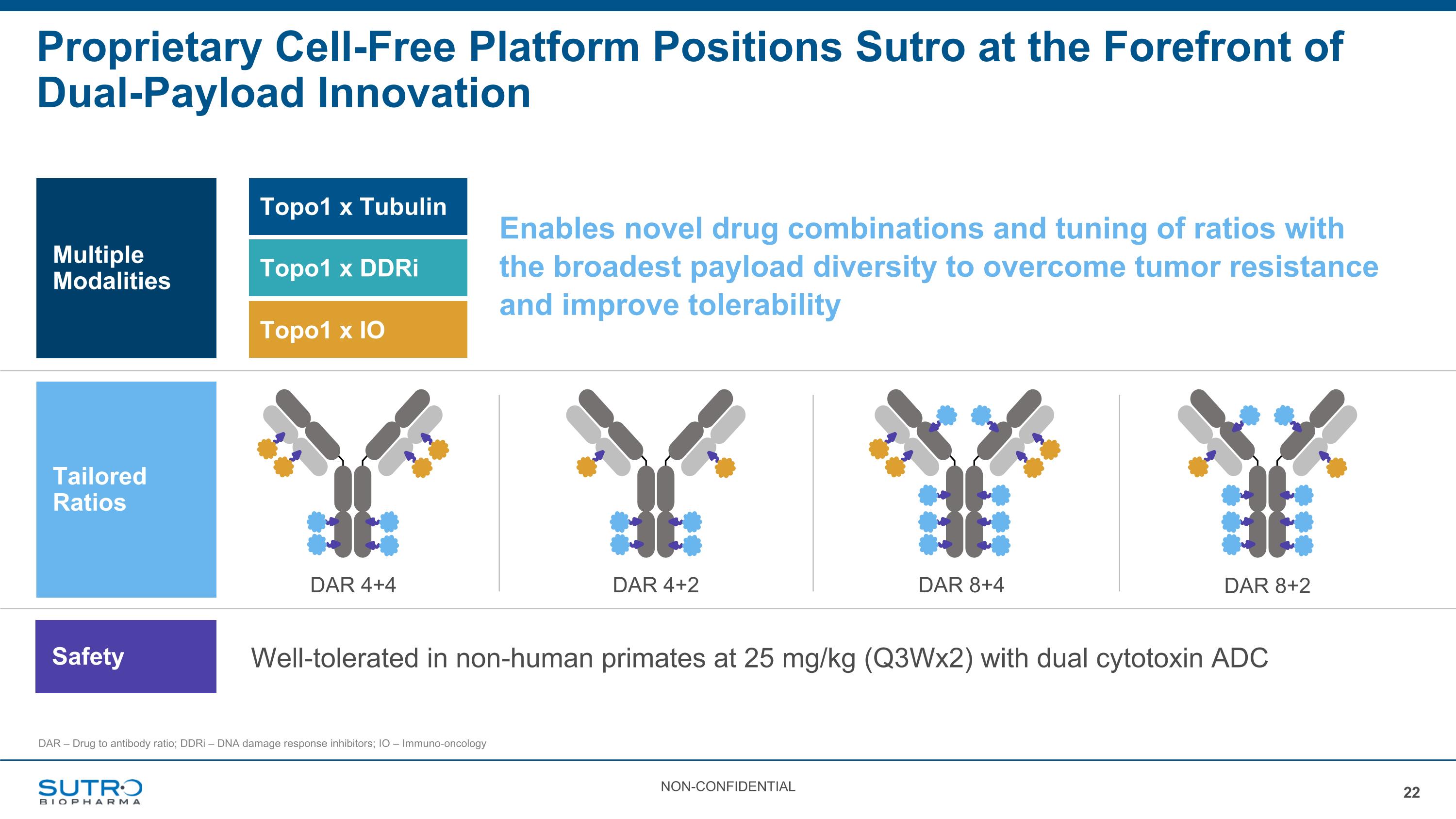
Tailored Ratios Proprietary Cell-Free Platform Positions Sutro at the Forefront of Dual-Payload Innovation NON-Confidential Enables novel drug combinations and tuning of ratios with the broadest payload diversity to overcome tumor resistance and improve tolerability Multiple Modalities Well-tolerated in non-human primates at 25 mg/kg (Q3Wx2) with dual cytotoxin ADC Safety Topo1 x Tubulin Topo1 x DDRi Topo1 x IO DAR 4+4 DAR 4+2 DAR 8+4 DAR 8+2 DAR – Drug to antibody ratio; DDRi – DNA damage response inhibitors; IO – Immuno-oncology
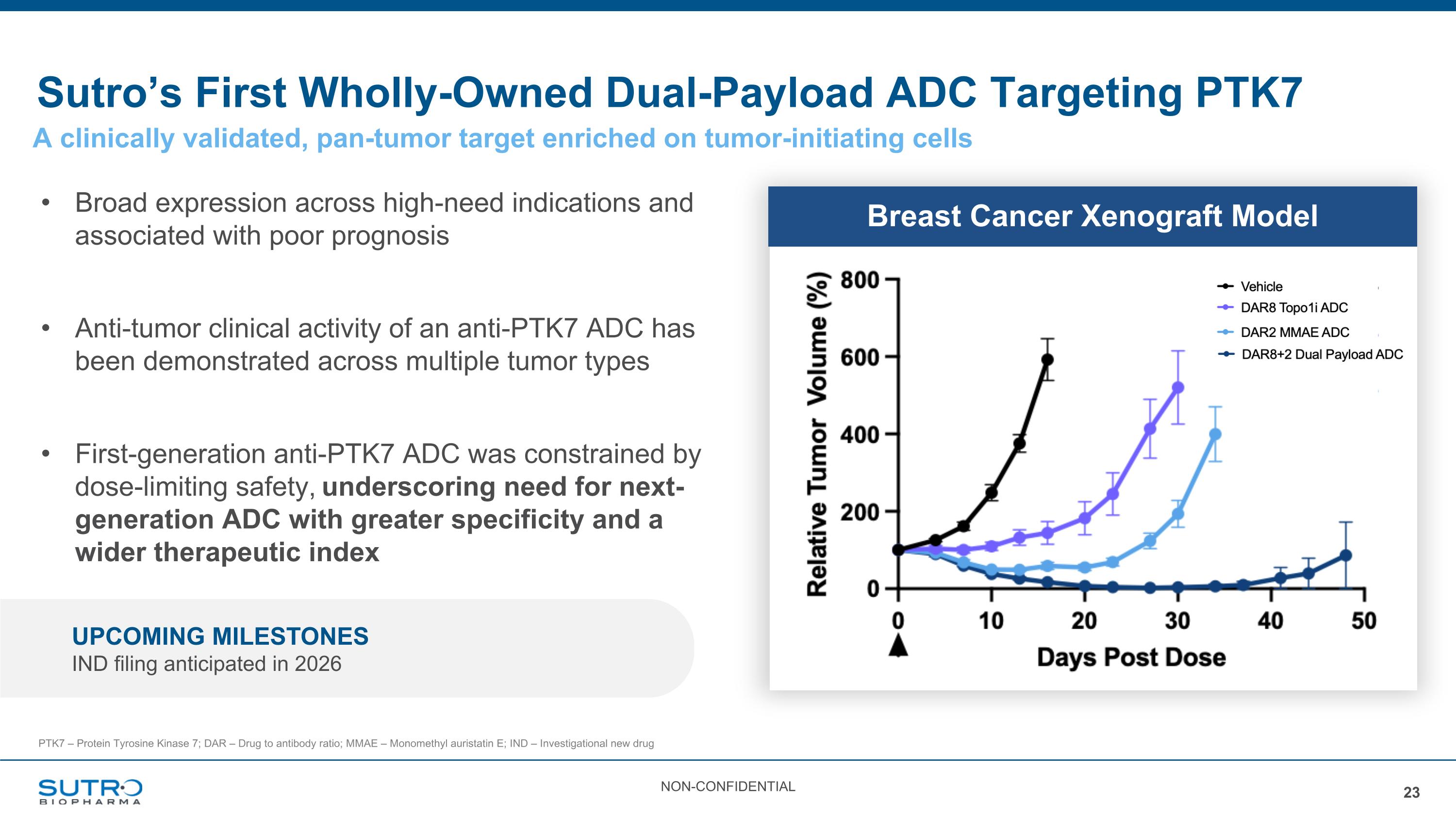
Sutro’s First Wholly-Owned Dual-Payload ADC Targeting PTK7 Broad expression across high-need indications and associated with poor prognosis Anti-tumor clinical activity of an anti-PTK7 ADC has been demonstrated across multiple tumor types First-generation anti-PTK7 ADC was constrained by dose-limiting safety, underscoring need for next-generation ADC with greater specificity and a wider therapeutic index NON-Confidential Breast Cancer Xenograft Model Upcoming milestones IND filing anticipated in 2026 A clinically validated, pan-tumor target enriched on tumor-initiating cells PTK7 – Protein Tyrosine Kinase 7; DAR – Drug to antibody ratio; MMAE – Monomethyl auristatin E; IND – Investigational new drug
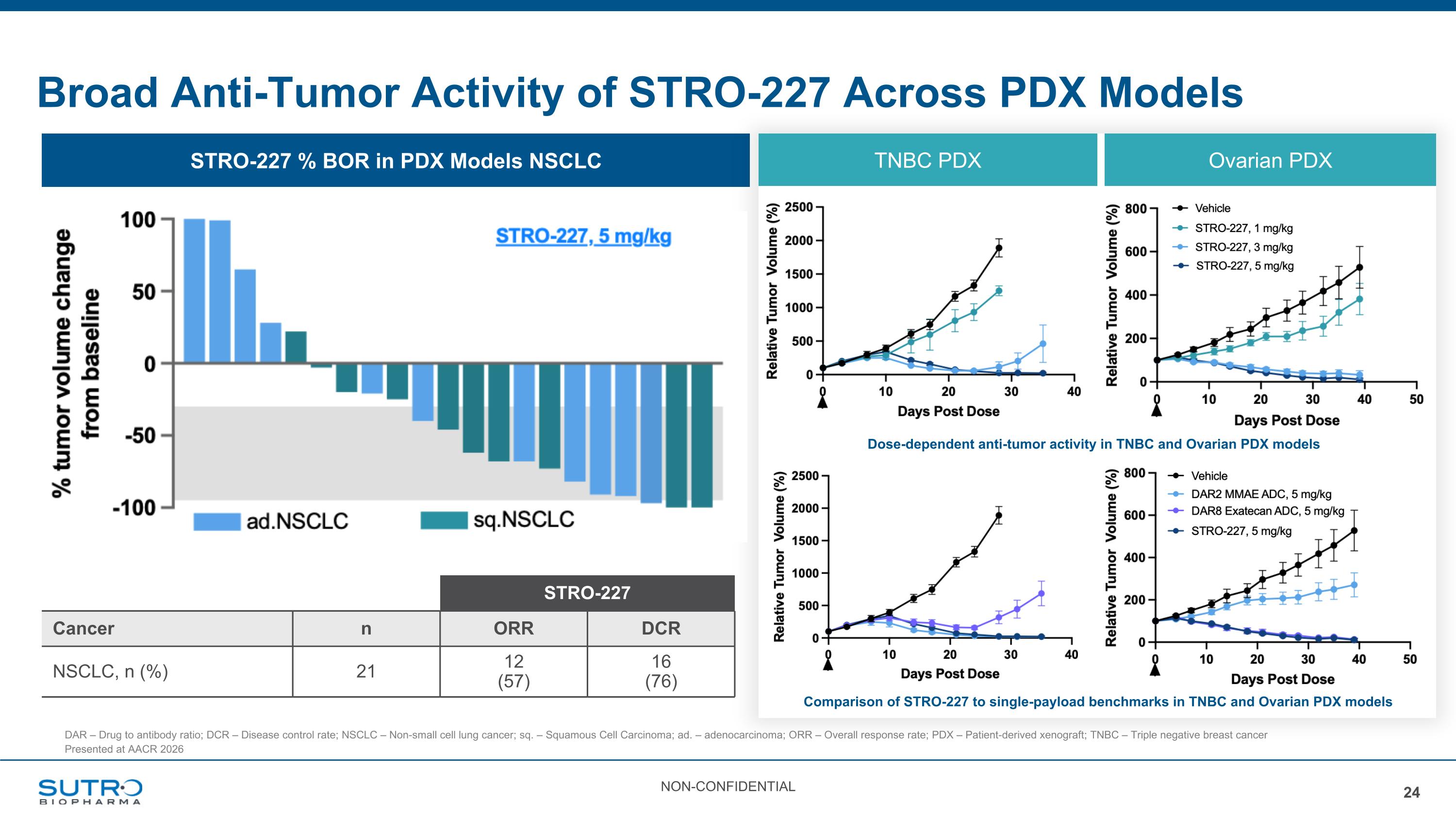
Broad Anti-Tumor Activity of STRO-227 Across PDX Models STRO-227 % BOR in PDX Models NSCLC STRO-227 Cancer n ORR DCR NSCLC, n (%) 21 12 (57) 16 (76) NON-Confidential DAR – Drug to antibody ratio; DCR – Disease control rate; NSCLC – Non-small cell lung cancer; sq. – Squamous Cell Carcinoma; ad. – adenocarcinoma; ORR – Overall response rate; PDX – Patient-derived xenograft; TNBC – Triple negative breast cancer Presented at AACR 2026 TNBC PDX STRO-227 5 mg/kg Ovarian PDX Dose-dependent anti-tumor activity in TNBC and Ovarian PDX models Comparison of STRO-227 to single-payload benchmarks in TNBC and Ovarian PDX models
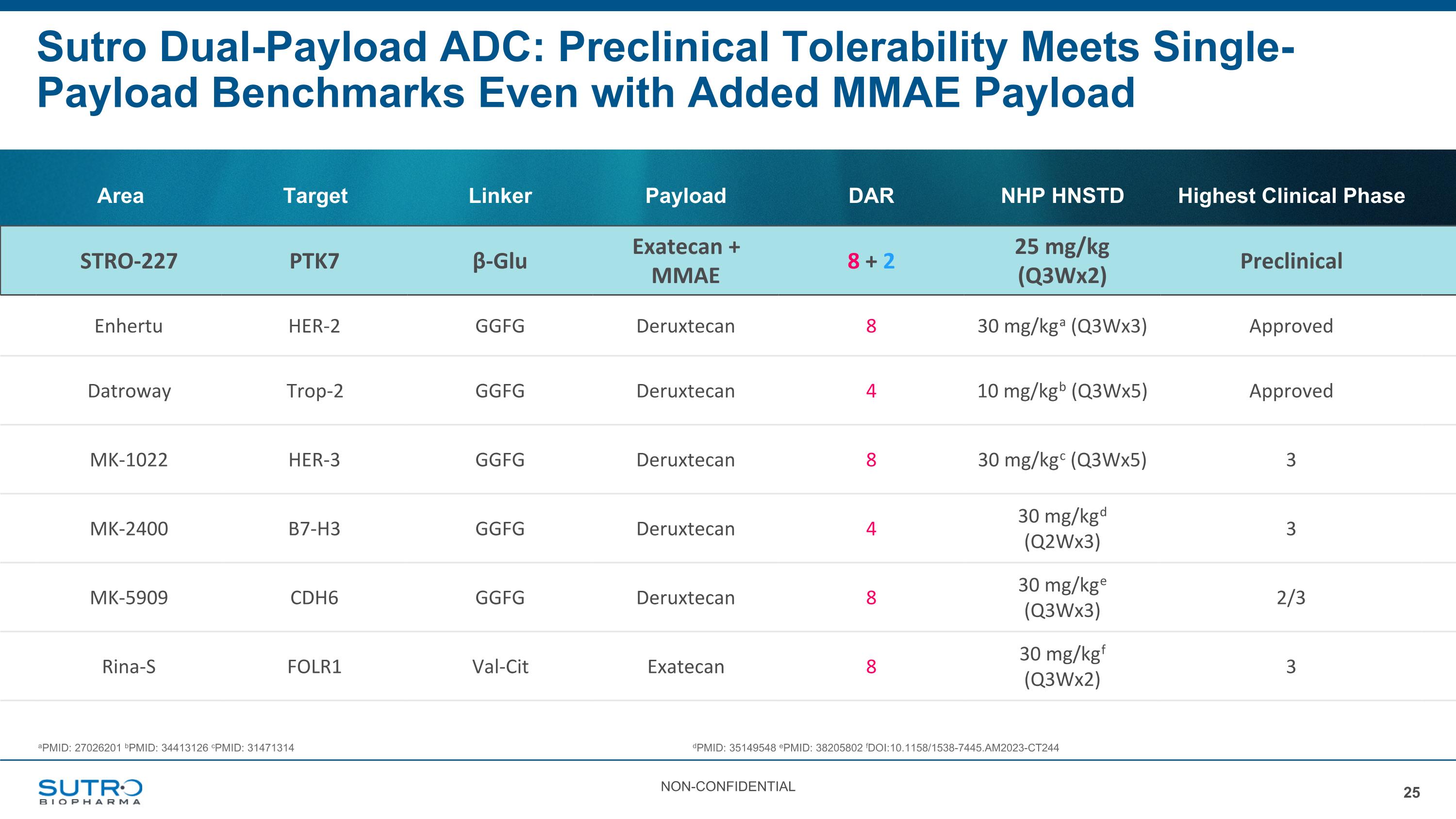
Area Target Linker Payload DAR NHP HNSTD Highest Clinical Phase STRO-227 PTK7 β-Glu Exatecan + MMAE 8 + 2 25 mg/kg (Q3Wx2) Preclinical Enhertu HER-2 GGFG Deruxtecan 8 30 mg/kga (Q3Wx3) Approved Datroway Trop-2 GGFG Deruxtecan 4 10 mg/kgb (Q3Wx5) Approved MK-1022 HER-3 GGFG Deruxtecan 8 30 mg/kgc (Q3Wx5) 3 MK-2400 B7-H3 GGFG Deruxtecan 4 30 mg/kgd (Q2Wx3) 3 MK-5909 CDH6 GGFG Deruxtecan 8 30 mg/kge (Q3Wx3) 2/3 Rina-S FOLR1 Val-Cit Exatecan 8 30 mg/kgf (Q3Wx2) 3 aPMID: 27026201 bPMID: 34413126 cPMID: 31471314 dPMID: 35149548 ePMID: 38205802 fDOI:10.1158/1538-7445.AM2023-CT244 Sutro Dual-Payload ADC: Preclinical Tolerability Meets Single-Payload Benchmarks Even with Added MMAE Payload NON-Confidential
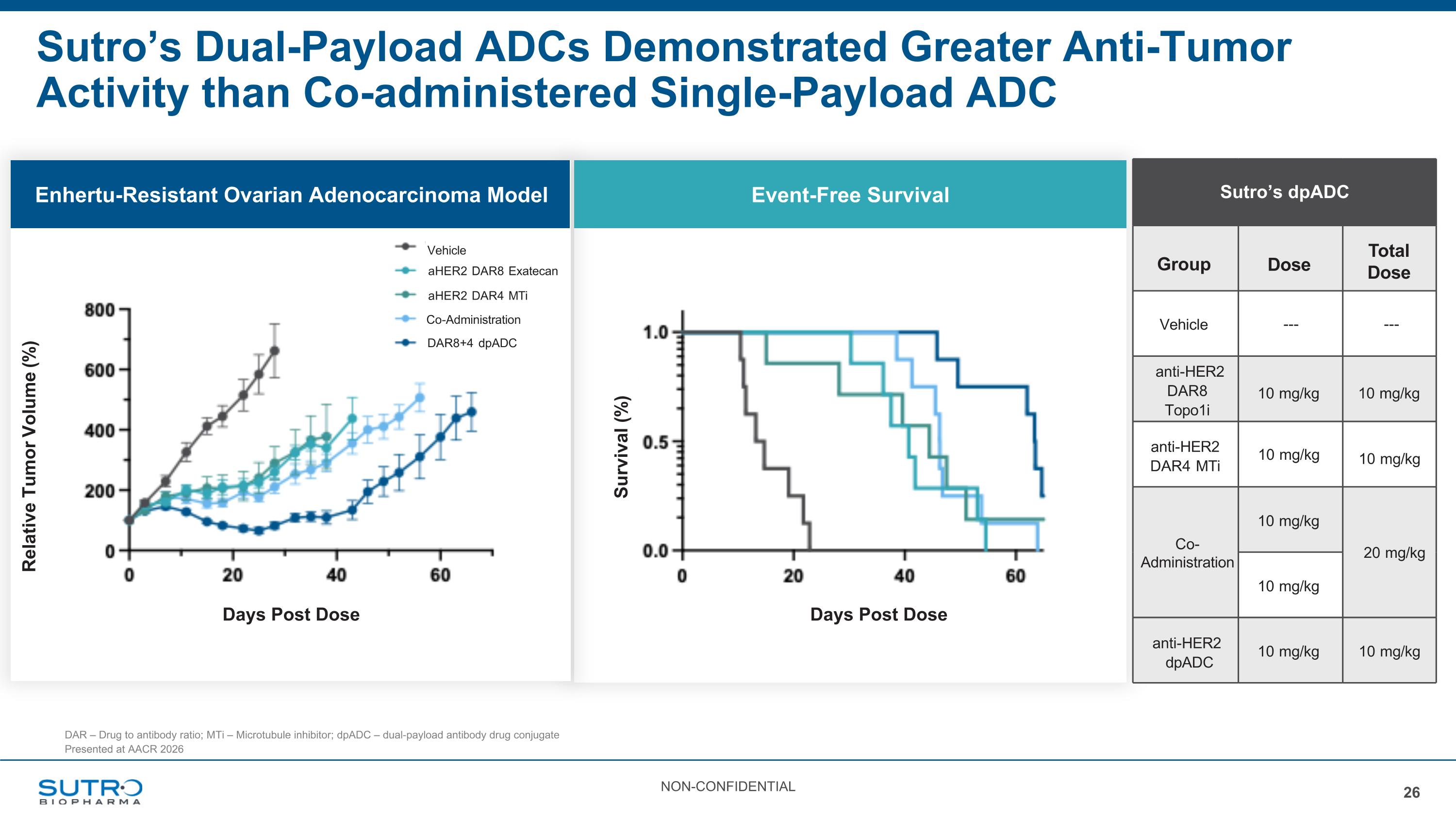
Enhertu-Resistant Ovarian Adenocarcinoma Model Sutro’s dpADC Group Dose Total Dose Vehicle --- --- anti-HER2 DAR8 Topo1i 10 mg/kg 10 mg/kg anti-HER2 DAR4 MTi 10 mg/kg 10 mg/kg Co-Administration 10 mg/kg 20 mg/kg 10 mg/kg anti-HER2 dpADC 10 mg/kg 10 mg/kg NON-Confidential DAR – Drug to antibody ratio; MTi – Microtubule inhibitor; dpADC – dual-payload antibody drug conjugate Presented at AACR 2026 Event-Free Survival DAR8+4 dpADC aHER2 DAR8 Exatecan aHER2 DAR4 MTi Co-Administration Vehicle Days Post Dose Relative Tumor Volume (%) Days Post Dose Sutro’s Dual-Payload ADCs Demonstrated Greater Anti-Tumor Activity than Co-administered Single-Payload ADC Survival (%)
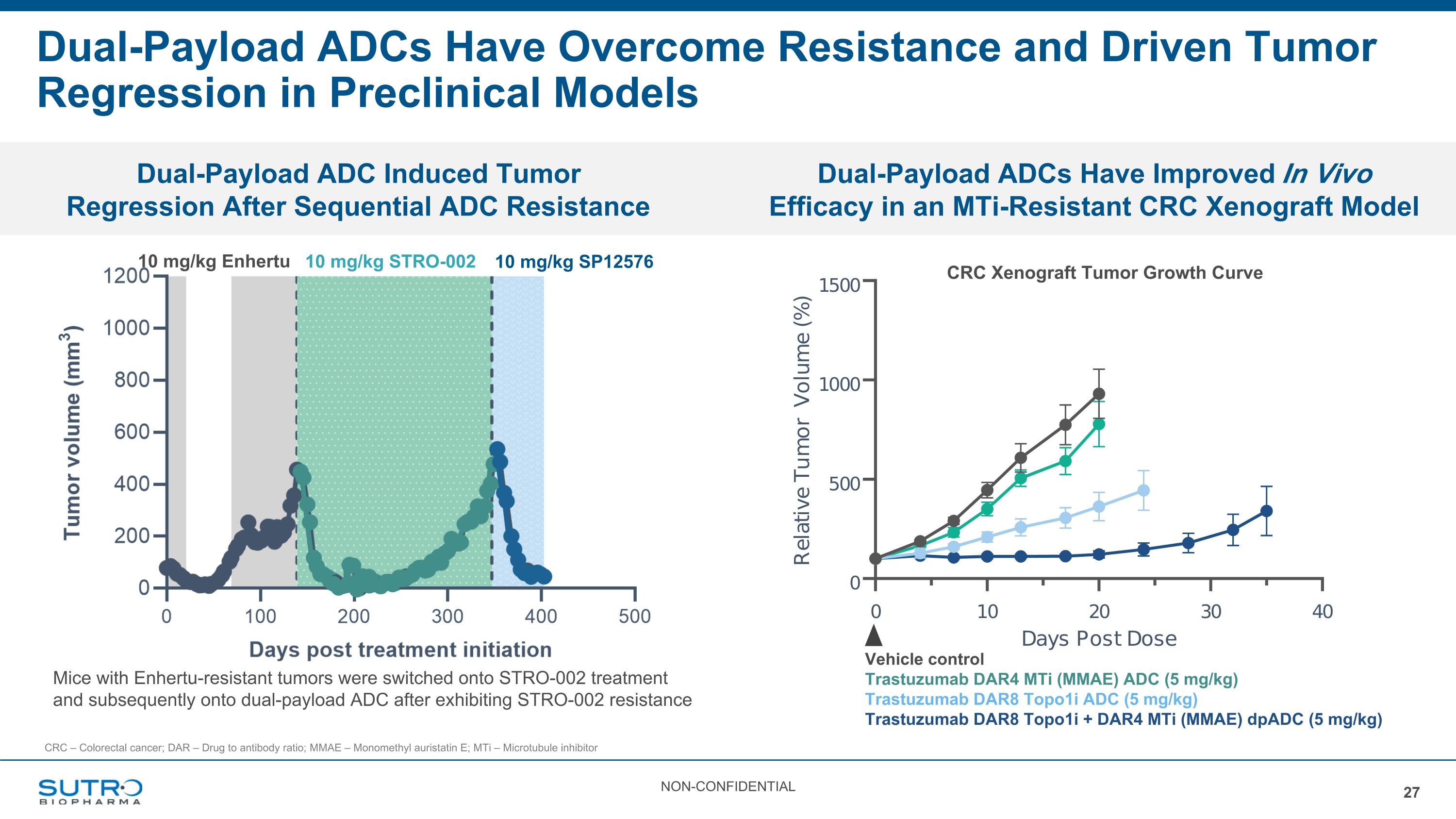
Vehicle control Trastuzumab DAR4 MTi (MMAE) ADC (5 mg/kg) Trastuzumab DAR8 Topo1i ADC (5 mg/kg) Trastuzumab DAR8 Topo1i + DAR4 MTi (MMAE) dpADC (5 mg/kg) CRC Xenograft Tumor Growth Curve Mice with Enhertu-resistant tumors were switched onto STRO-002 treatment and subsequently onto dual-payload ADC after exhibiting STRO-002 resistance Dual-Payload ADCs Have Overcome Resistance and Driven Tumor Regression in Preclinical Models 10 mg/kg Enhertu 10 mg/kg STRO-002 10 mg/kg SP12576 NON-Confidential Dual-Payload ADC Induced Tumor Regression After Sequential ADC Resistance Dual-Payload ADCs Have Improved In Vivo Efficacy in an MTi-Resistant CRC Xenograft Model CRC – Colorectal cancer; DAR – Drug to antibody ratio; MMAE – Monomethyl auristatin E; MTi – Microtubule inhibitor
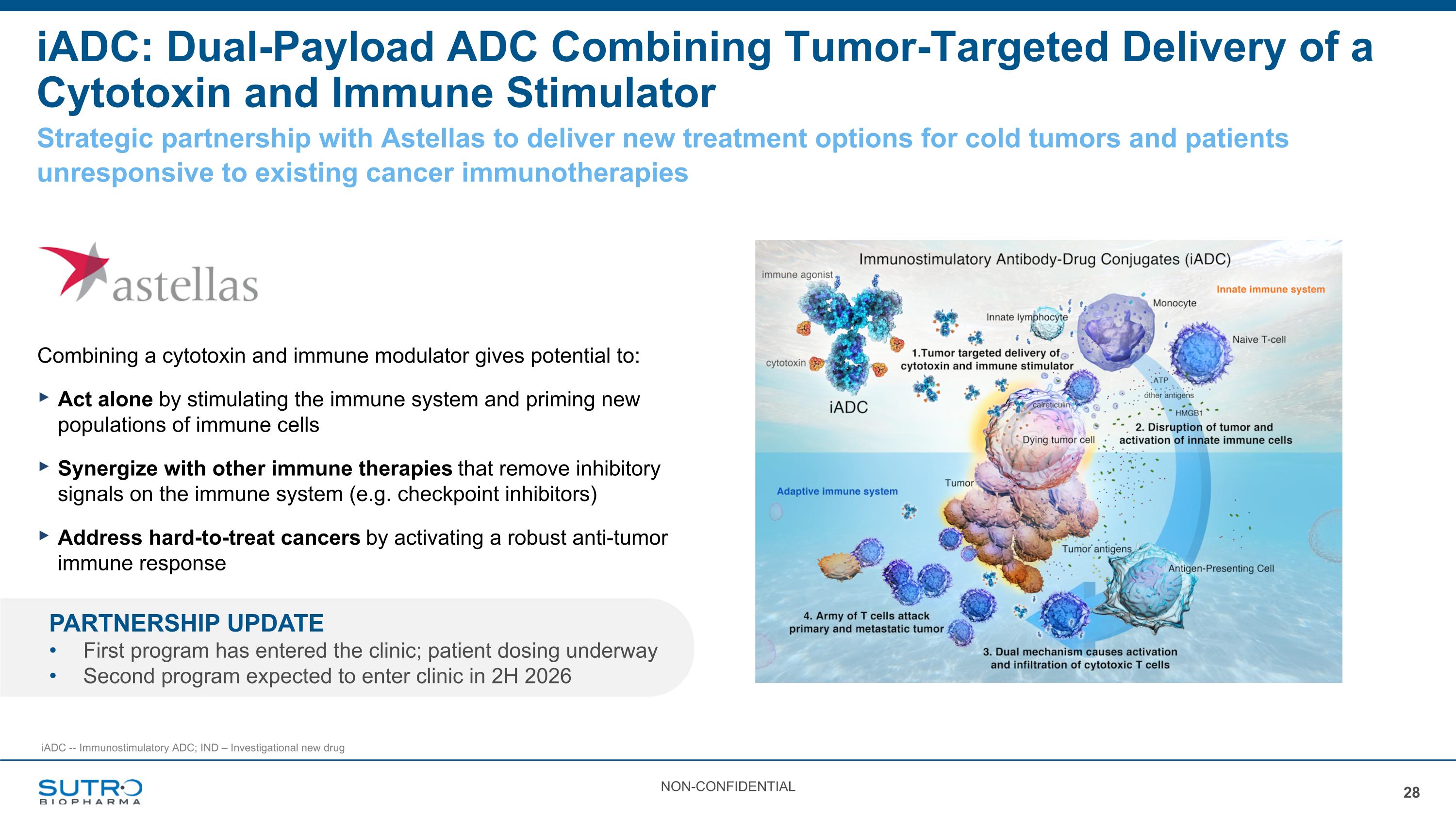
iADC: Dual-Payload ADC Combining Tumor-Targeted Delivery of a Cytotoxin and Immune Stimulator Strategic partnership with Astellas to deliver new treatment options for cold tumors and patients unresponsive to existing cancer immunotherapies Combining a cytotoxin and immune modulator gives potential to: Act alone by stimulating the immune system and priming new populations of immune cells Synergize with other immune therapies that remove inhibitory signals on the immune system (e.g. checkpoint inhibitors) Address hard-to-treat cancers by activating a robust anti-tumor immune response NON-Confidential Partnership Update First program has entered the clinic; patient dosing underway Second program expected to enter clinic in 2H 2026 iADC -- Immunostimulatory ADC; IND – Investigational new drug
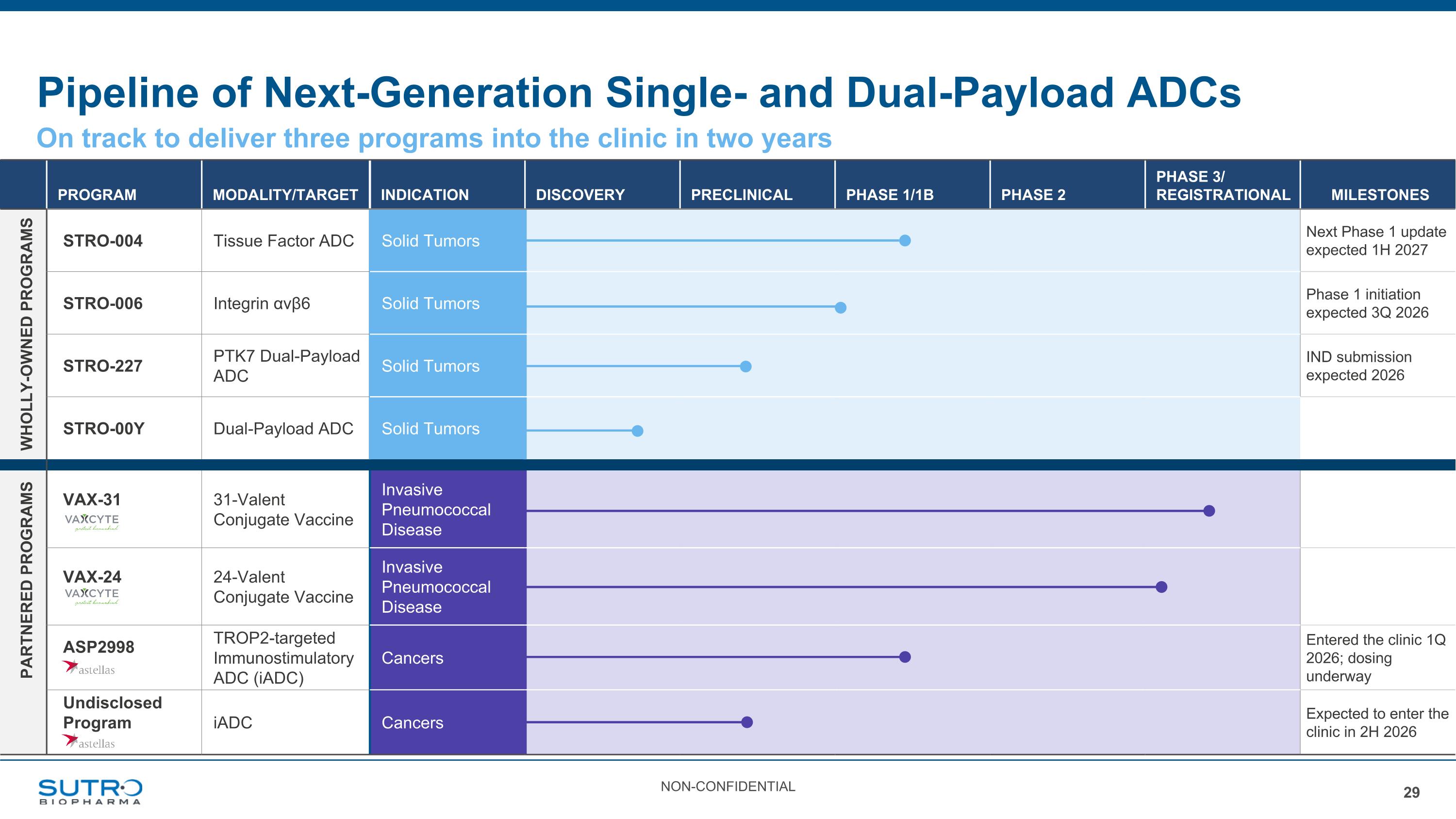
Pipeline of Next-Generation Single- and Dual-Payload ADCs PROGRAM MODALITY/TARGET INDICATION DISCOVERY PRECLINICAL PHASE 1/1B PHASE 2 PHASE 3/ REGISTRATIONAL MILESTONES WHOLLY-OWNED PROGRAMS STRO-004 Tissue Factor ADC Solid Tumors Next Phase 1 update expected 1H 2027 STRO-006 Integrin αvβ6 Solid Tumors Phase 1 initiation expected 3Q 2026 STRO-227 PTK7 Dual-Payload ADC Solid Tumors IND submission expected 2026 STRO-00Y Dual-Payload ADC Solid Tumors PARTNERED PROGRAMS VAX-31 31-Valent Conjugate Vaccine Invasive Pneumococcal Disease VAX-24 24-Valent Conjugate Vaccine Invasive Pneumococcal Disease ASP2998 TROP2-targeted Immunostimulatory ADC (iADC) Cancers Entered the clinic 1Q 2026; dosing underway Undisclosed Program iADC Cancers Expected to enter the clinic in 2H 2026 NON-Confidential On track to deliver three programs into the clinic in two years