August 2026 Exhibit 99.2
Legal Disclosure This presentation contains forward-looking statements, all of which are qualified in their entirety by this cautionary statement. Many of the forward-looking statements contained herein can be identified by the use of forward-looking words such as "may", "anticipate", "believe", "could', "expect", "should", "plan", "intend", "estimate", "will", "potential" and "ongoing", among others, although not all forward-looking statements contain these identifying words. These forward-looking statements include statements about the initiation, timing, progress, results and cost of our research and development programs and our current and future nonclinical, preclinical studies and clinical trials, including statements regarding the timing of initiation and completion of studies or trials and related preparatory work, the period during which the results of the trials will become available and our research and development programs; our ability to efficiently develop our existing product candidates and discover new product candidates; our ability to successfully manufacture our drug substances and product candidates for preclinical use, for clinical trials and on a larger scale for commercial use, if approved; the ability and willingness of our third-party strategic collaborators to continue research and development activities relating to our development candidates and product candidates; our ability to commercialize our products, if approved; our ability to obtain funding for our operations necessary to complete further development and commercialization of our product candidates; our ability to obtain and maintain regulatory approval of our product candidates; statements regarding our beliefs and expectations for the high unmet medical need for an effective local treatment in ocular oncology to preserve organ function; the size and growth potential of the markets for our product candidates and our ability to serve those markets; our financial performance; our expected cash runway into the first half of 2029; and the implementation of our business model, including strategic plans for our business and product candidates. Except as otherwise noted, these forward-looking statements speak only as of the date of this presentation, and we undertake no obligation to update or revise any of such statements to reflect events or circumstances occurring after this presentation. Because forward-looking statements are inherently subject to risks and uncertainties, some of which cannot be predicted or quantified and some of which are beyond our control, you should not rely on these forward-looking statements as predictions of future events. For a discussion of these and other risks and uncertainties, and other important factors, any of which could cause our actual results to differ from those contained in the forward-looking statements, see the section entitled "Risk Factors" in our most recent Annual Report on Form 10-K and Quarterly Report on Form 10-Q filed with the Securities and Exchange Commission (SEC), as well as discussions of potential risks, uncertainties, and other important factors in our other subsequent filings with the SEC, which are available on the SEC's website at www.sec.gov. The events and circumstances reflected in our forward-looking statements may not be achieved or occur and actual results could differ materially from those projected in the forward-looking statements. We caution you not to place undue reliance on the forward-looking statements contained in this presentation. This presentation discusses product candidates that are under preclinical or clinical evaluation and that have not yet been approved for marketing by the U.S. Food and Drug Administration (FDA) or any other regulatory authority. Until finalized in a clinical study report, clinical trial data presented herein remain subject to adjustment as a result of clinical site audits and other review processes. No representation is made as to the safety or effectiveness of these product candidates for the use for which such product candidates are being studied. This presentation shall not constitute an offer to sell or the solicitation of an offer to buy, nor shall there be any sale of these securities in any state or other jurisdiction in which such offer, solicitation or sale would be unlawful prior to registration or qualification under the securities laws of any such state or other jurisdiction.
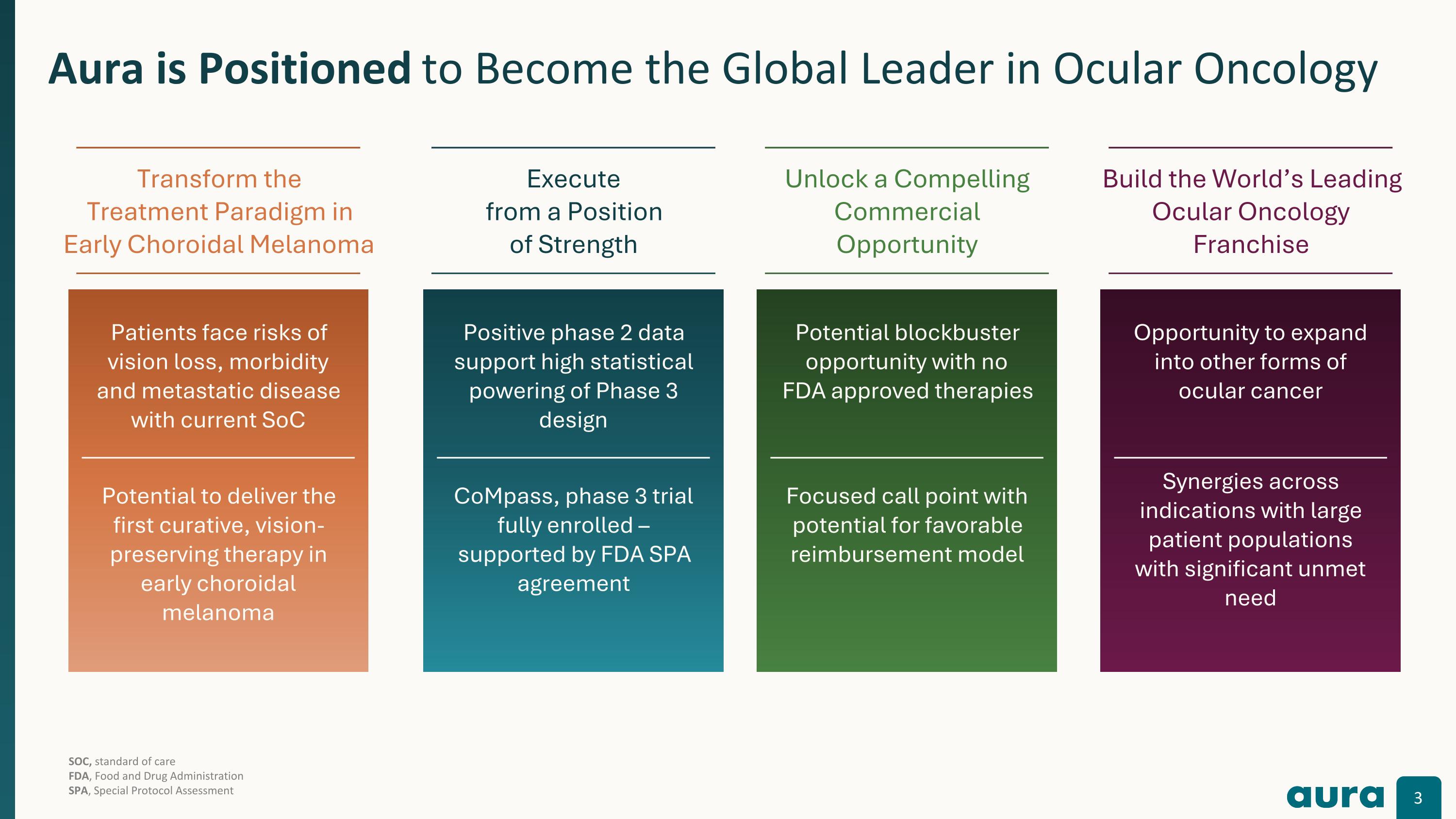
Aura is well-positioned to become the leader in ocular oncology Aura is Positioned to Become the Global Leader in Ocular Oncology Transform the Treatment Paradigm in Early Choroidal Melanoma Potential to deliver the first curative, vision-preserving therapy in early choroidal melanoma Patients face risks of vision loss, morbidity and metastatic disease with current SoC Execute from a Position of Strength CoMpass, phase 3 trial fully enrolled – supported by FDA SPA agreement Positive phase 2 data support high statistical powering of Phase 3 design Unlock a Compelling Commercial Opportunity Potential blockbuster opportunity with no FDA approved therapies Focused call point with potential for favorable reimbursement model Build the World’s Leading Ocular Oncology Franchise Synergies across indications with large patient populations with significant unmet need Opportunity to expand into other forms of ocular cancer SOC, standard of care FDA, Food and Drug Administration SPA, Special Protocol Assessment
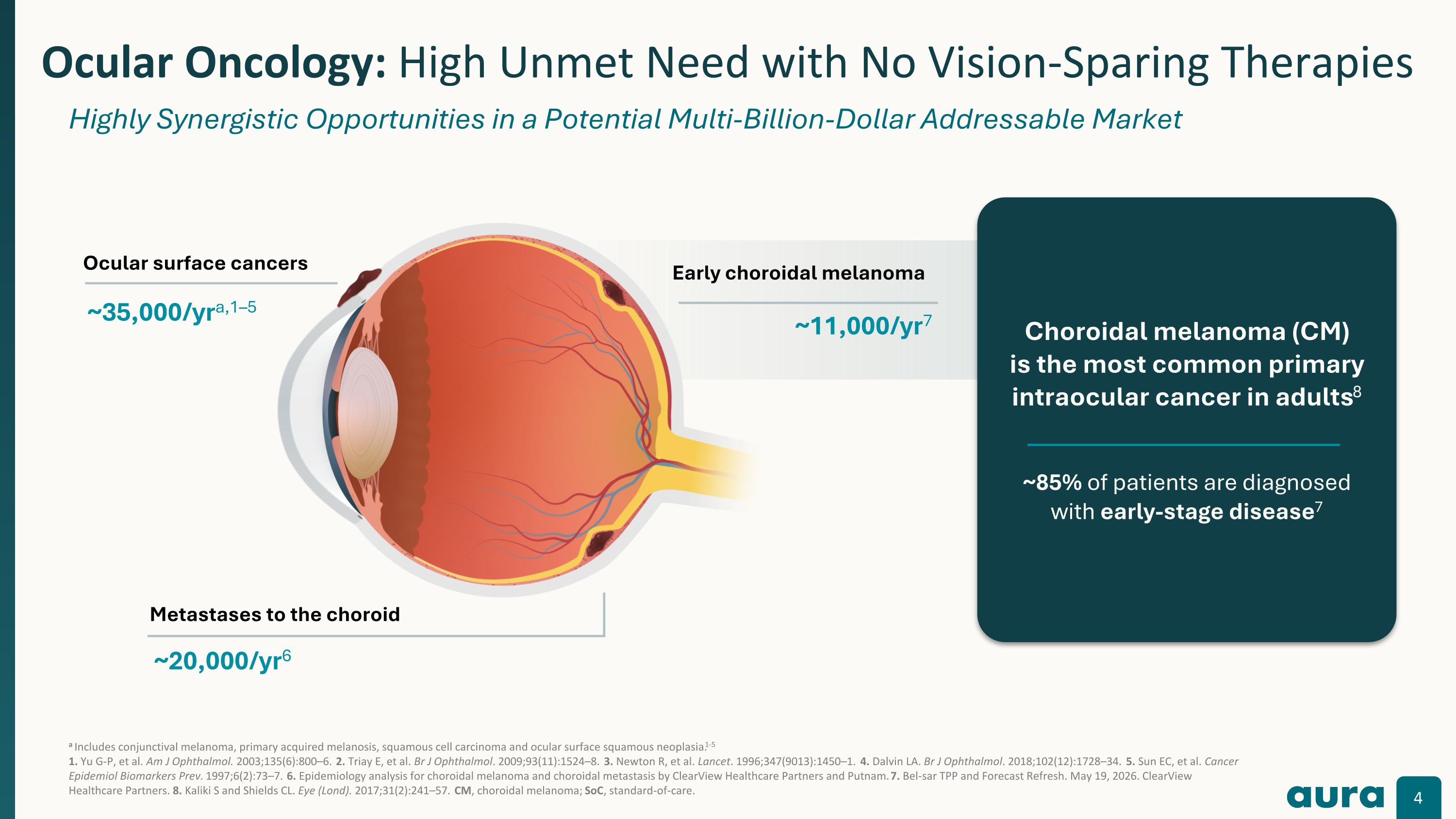
a Includes conjunctival melanoma, primary acquired melanosis, squamous cell carcinoma and ocular surface squamous neoplasia.1-5 1. Yu G-P, et al. Am J Ophthalmol. 2003;135(6):800–6. 2. Triay E, et al. Br J Ophthalmol. 2009;93(11):1524–8. 3. Newton R, et al. Lancet. 1996;347(9013):1450–1. 4. Dalvin LA. Br J Ophthalmol. 2018;102(12):1728–34. 5. Sun EC, et al. Cancer Epidemiol Biomarkers Prev. 1997;6(2):73–7. 6. Epidemiology analysis for choroidal melanoma and choroidal metastasis by ClearView Healthcare Partners and Putnam. 7. Bel-sar TPP and Forecast Refresh. May 19, 2026. ClearView Healthcare Partners. 8. Kaliki S and Shields CL. Eye (Lond). 2017;31(2):241–57. CM, choroidal melanoma; SoC, standard-of-care. Ocular Oncology: High Unmet Need with No Vision-Sparing Therapies Highly Synergistic Opportunities in a Potential Multi-Billion-Dollar Addressable Market Ocular surface cancers ~35,000/yra,1–5 Early choroidal melanoma ~11,000/yr7 Metastases to the choroid ~20,000/yr6 Choroidal melanoma (CM) is the most common primary intraocular cancer in adults8 ~85% of patients are diagnosed with early-stage disease7
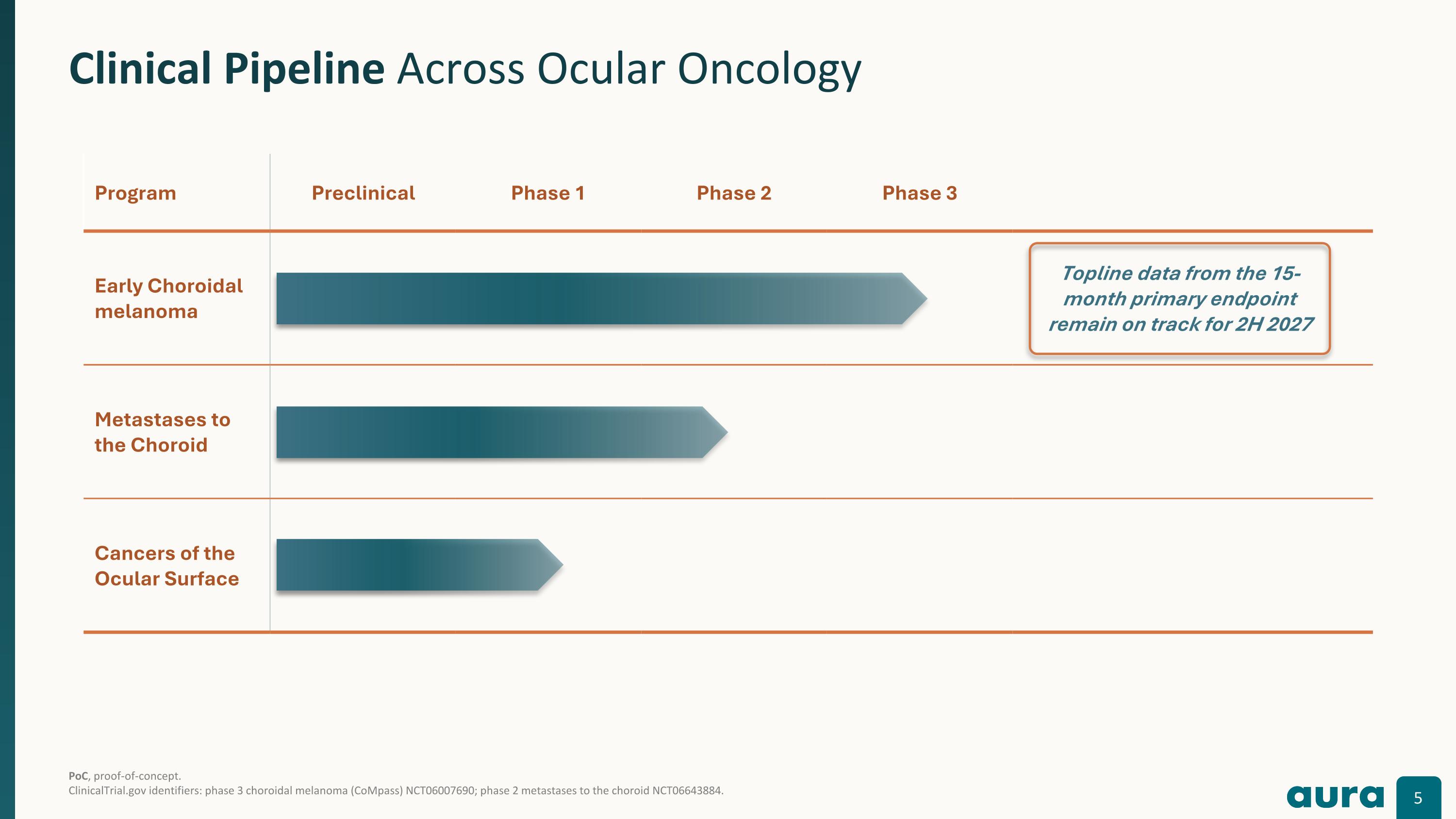
PoC, proof-of-concept. ClinicalTrial.gov identifiers: phase 3 choroidal melanoma (CoMpass) NCT06007690; phase 2 metastases to the choroid NCT06643884. Clinical Pipeline Across Ocular Oncology Program Preclinical Phase 1 Phase 2 Phase 3 Early Choroidal melanoma Metastases to the Choroid Cancers of the Ocular Surface Topline data from the 15-month primary endpoint remain on track for 2H 2027
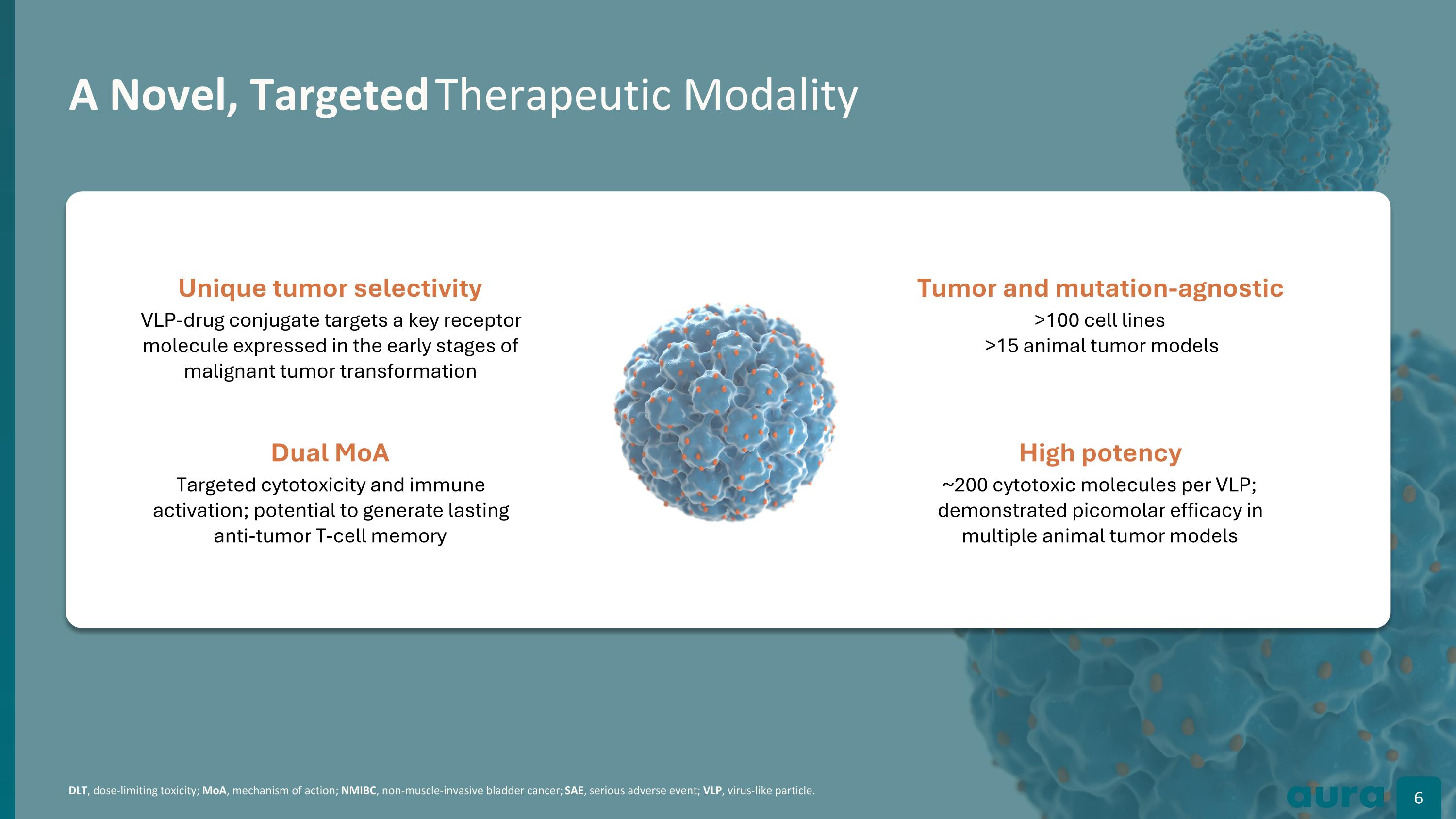
DLT, dose-limiting toxicity; MoA, mechanism of action; NMIBC, non-muscle-invasive bladder cancer; SAE, serious adverse event; VLP, virus-like particle. A Novel, Targeted Therapeutic Modality Unique tumor selectivity VLP-drug conjugate targets a key receptor molecule expressed in the early stages of malignant tumor transformation Dual MoA Targeted cytotoxicity and immune activation; potential to generate lasting anti-tumor T-cell memory Tumor and mutation-agnostic >100 cell lines >15 animal tumor models High potency ~200 cytotoxic molecules per VLP; demonstrated picomolar efficacy in multiple animal tumor models
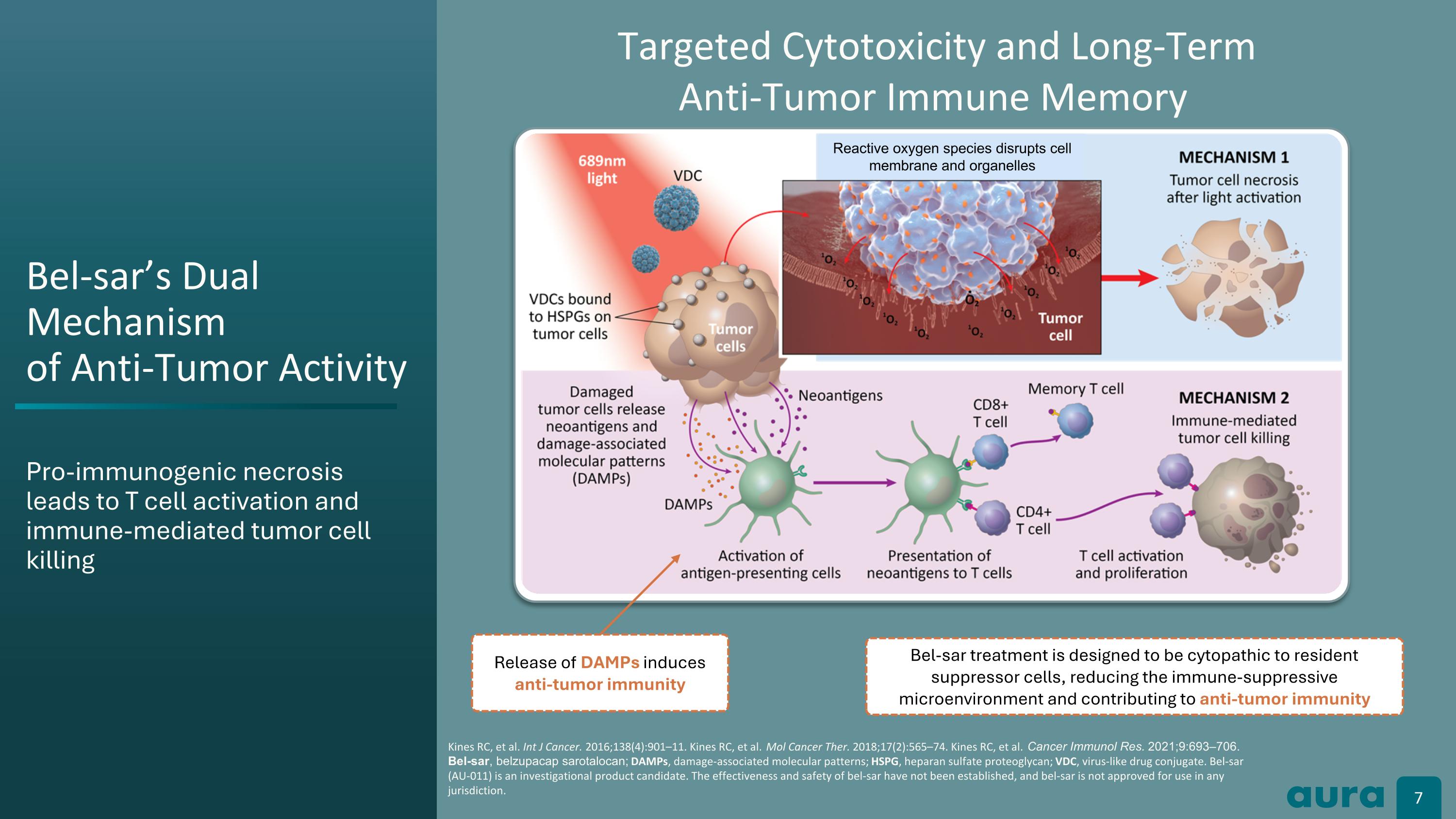
Bel-sar’s Dual Mechanism of Anti-Tumor Activity Pro-immunogenic necrosis leads to T cell activation and immune-mediated tumor cell killing Kines RC, et al. Int J Cancer. 2016;138(4):901–11. Kines RC, et al. Mol Cancer Ther. 2018;17(2):565–74. Kines RC, et al. Cancer Immunol Res. 2021;9:693–706. Bel-sar, belzupacap sarotalocan; DAMPs, damage-associated molecular patterns; HSPG, heparan sulfate proteoglycan; VDC, virus-like drug conjugate. Bel-sar (AU-011) is an investigational product candidate. The effectiveness and safety of bel-sar have not been established, and bel-sar is not approved for use in any jurisdiction. Release of DAMPs induces anti-tumor immunity Bel-sar treatment is designed to be cytopathic to resident suppressor cells, reducing the immune-suppressive microenvironment and contributing to anti-tumor immunity Reactive oxygen species disrupts cell membrane and organelles Targeted Cytotoxicity and Long-Term Anti-Tumor Immune Memory
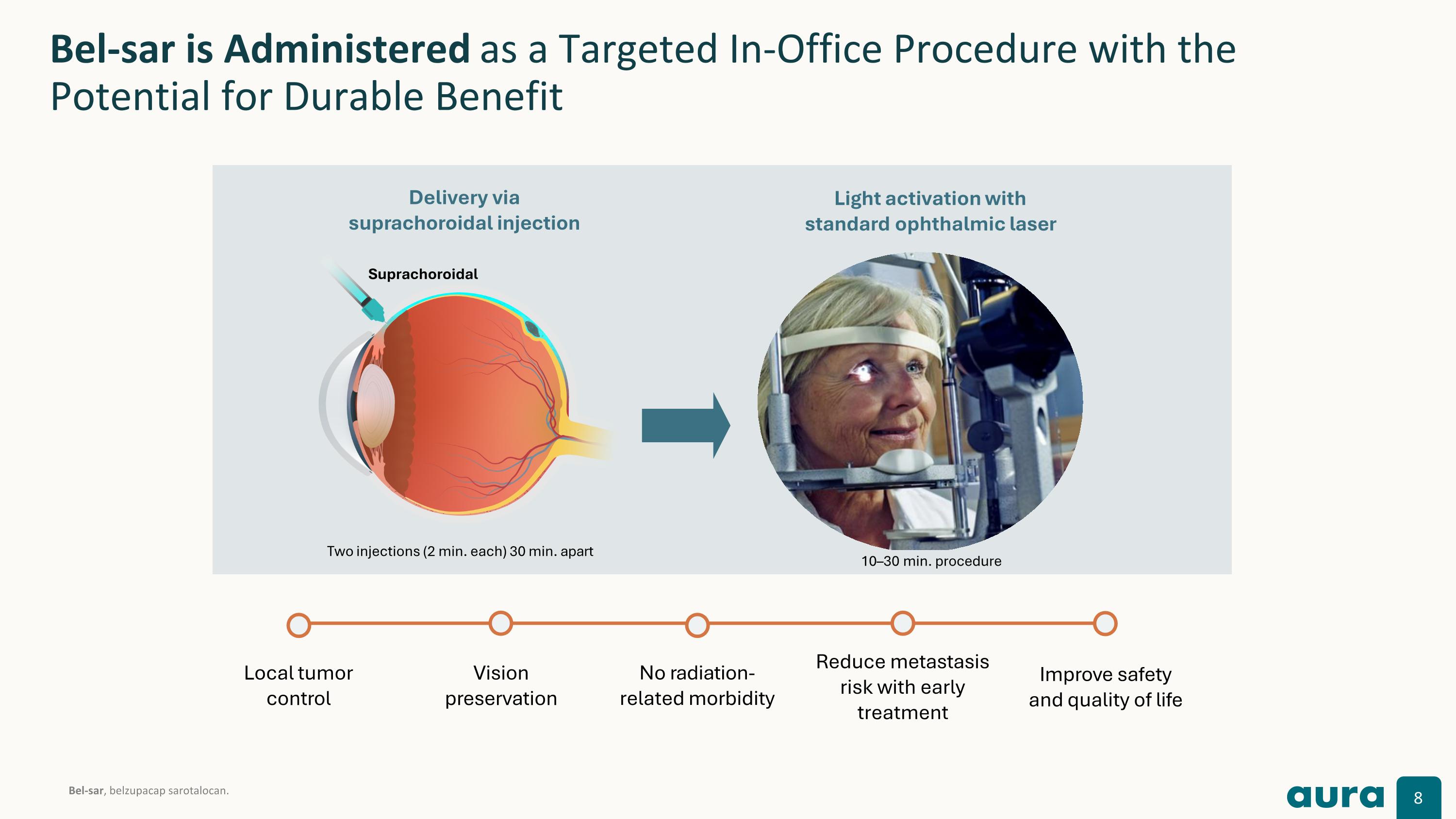
Bel-sar is Administered as a Targeted In-Office Procedure with the Potential for Durable Benefit Bel-sar, belzupacap sarotalocan. No radiation- related morbidity Vision preservation Local tumor control Reduce metastasis risk with early treatment Improve safety and quality of life Two injections (2 min. each) 30 min. apart 10–30 min. procedure Delivery via suprachoroidal injection Light activation with standard ophthalmic laser Suprachoroidal
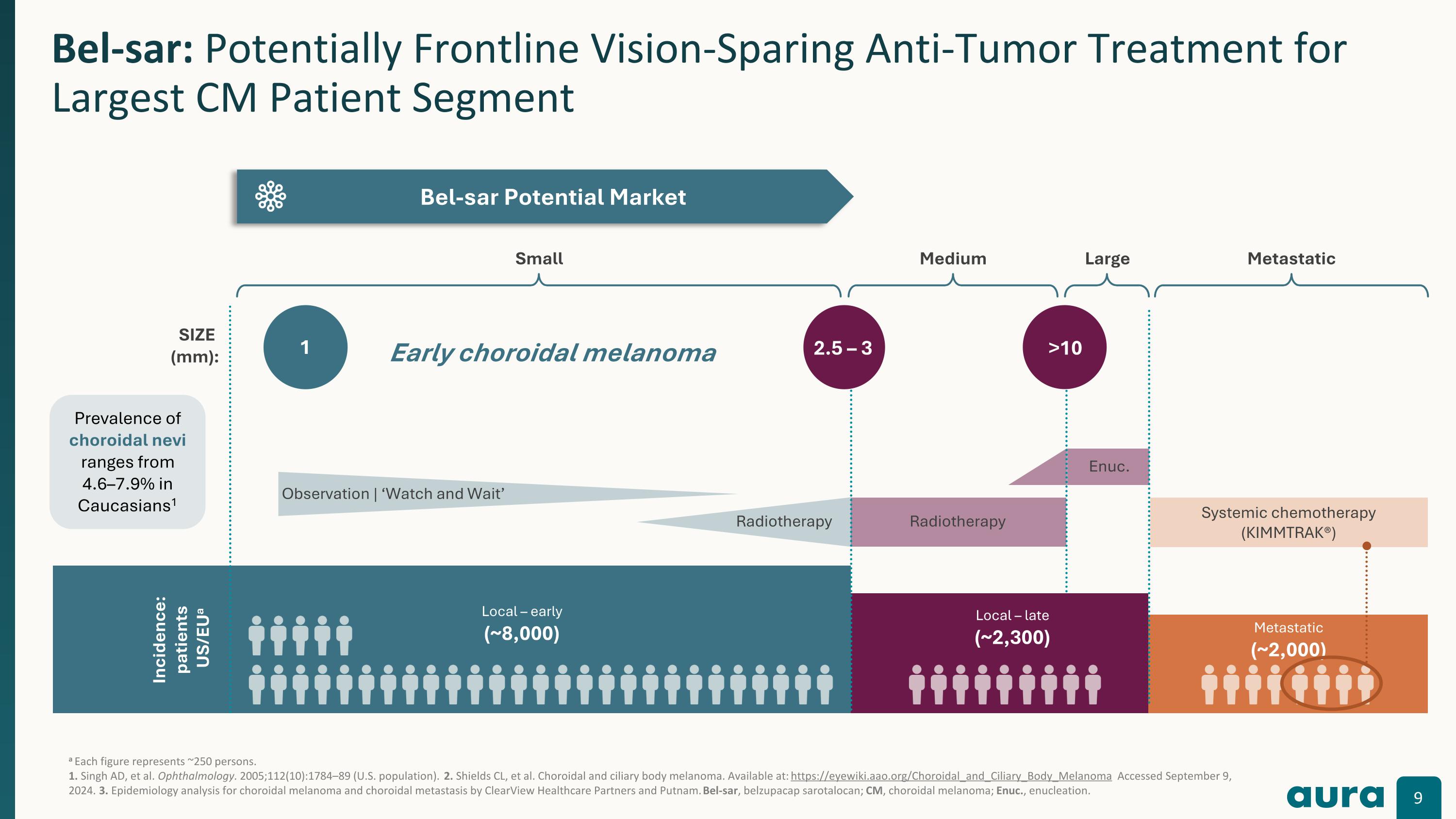
a Each figure represents ~250 persons. 1. Singh AD, et al. Ophthalmology. 2005;112(10):1784–89 (U.S. population). 2. Shields CL, et al. Choroidal and ciliary body melanoma. Available at: https://eyewiki.aao.org/Choroidal_and_Ciliary_Body_Melanoma Accessed September 9, 2024. 3. Epidemiology analysis for choroidal melanoma and choroidal metastasis by ClearView Healthcare Partners and Putnam. Bel-sar, belzupacap sarotalocan; CM, choroidal melanoma; Enuc., enucleation. Bel-sar: Potentially Frontline Vision-Sparing Anti-Tumor Treatment for Largest CM Patient Segment Observation | ‘Watch and Wait’ Incidence: patients US/EUa Local – early (~8,000) Local – late (~2,300) Metastatic (~2,000) SIZE (mm): Small Medium Large Metastatic Radiotherapy Radiotherapy 1 2.5 – 3 >10 Enuc. Systemic chemotherapy (KIMMTRAK®) Prevalence of choroidal nevi ranges from 4.6–7.9% in Caucasians1 Early choroidal melanoma Bel-sar Potential Market
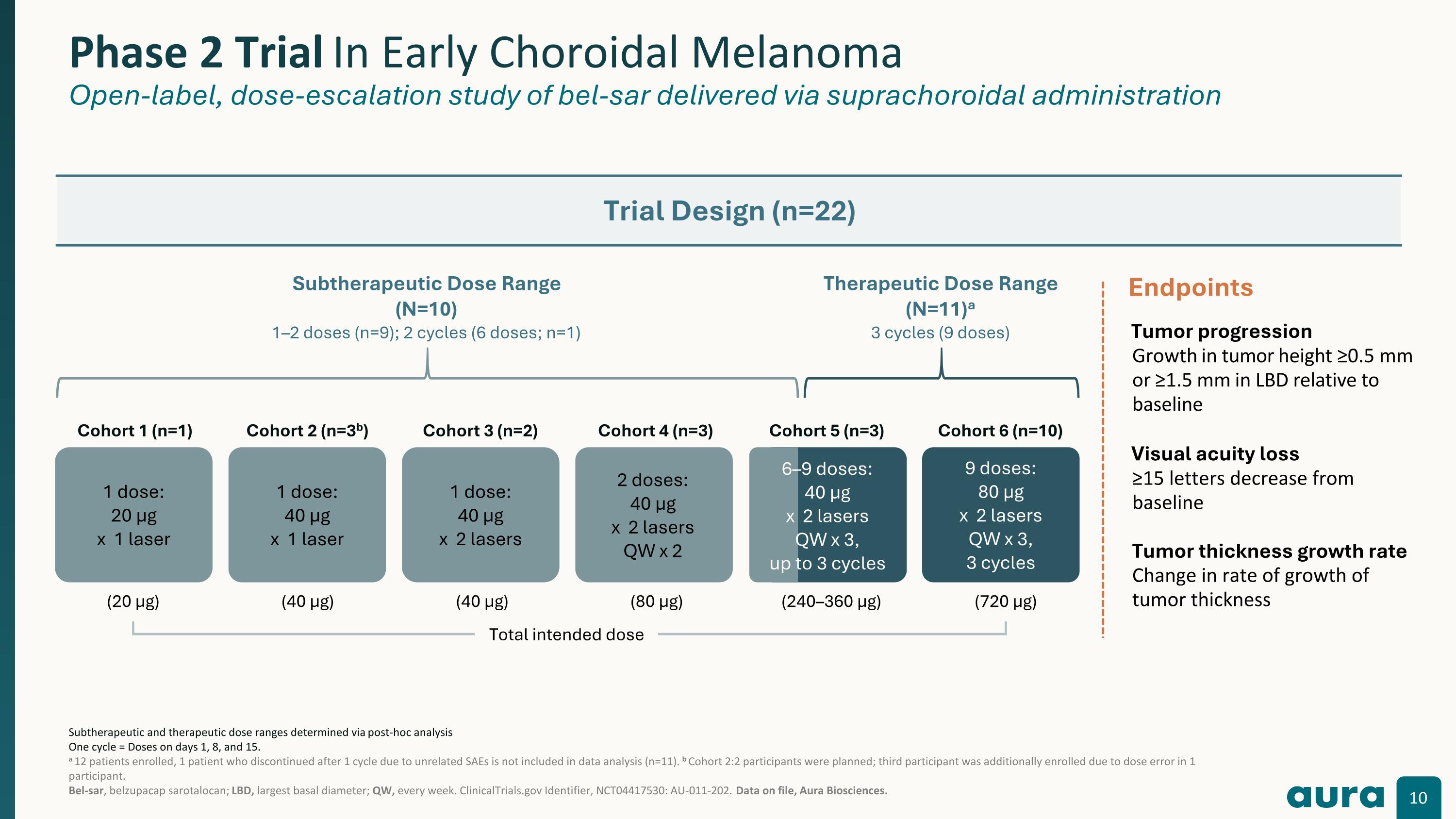
Subtherapeutic and therapeutic dose ranges determined via post-hoc analysis One cycle = Doses on days 1, 8, and 15. a 12 patients enrolled, 1 patient who discontinued after 1 cycle due to unrelated SAEs is not included in data analysis (n=11). b Cohort 2:2 participants were planned; third participant was additionally enrolled due to dose error in 1 participant. Bel-sar, belzupacap sarotalocan; LBD, largest basal diameter; QW, every week. ClinicalTrials.gov Identifier, NCT04417530: AU-011-202. Data on file, Aura Biosciences. Phase 2 Trial In Early Choroidal Melanoma Open-label, dose-escalation study of bel-sar delivered via suprachoroidal administration Trial Design (n=22) Endpoints Tumor progression Growth in tumor height ≥0.5 mm or ≥1.5 mm in LBD relative to baseline Visual acuity loss ≥15 letters decrease from baseline Tumor thickness growth rate Change in rate of growth of tumor thickness 1 dose: 20 μg x 1 laser 1 dose: 40 μg x 1 laser 1 dose: 40 μg x 2 lasers 2 doses: 40 μg x 2 lasers QW x 2 9 doses: 80 μg x 2 lasers QW x 3, 3 cycles Subtherapeutic Dose Range (N=10) 1–2 doses (n=9); 2 cycles (6 doses; n=1) Therapeutic Dose Range (N=11)a 3 cycles (9 doses) Cohort 1 (n=1) Cohort 2 (n=3b) Cohort 3 (n=2) Cohort 4 (n=3) Cohort 5 (n=3) Cohort 6 (n=10) 6–9 doses: 40 μg x 2 lasers QW x 3, up to 3 cycles (20 µg) (40 µg) (40 µg) (80 µg) (240–360 µg) (720 µg) Total intended dose
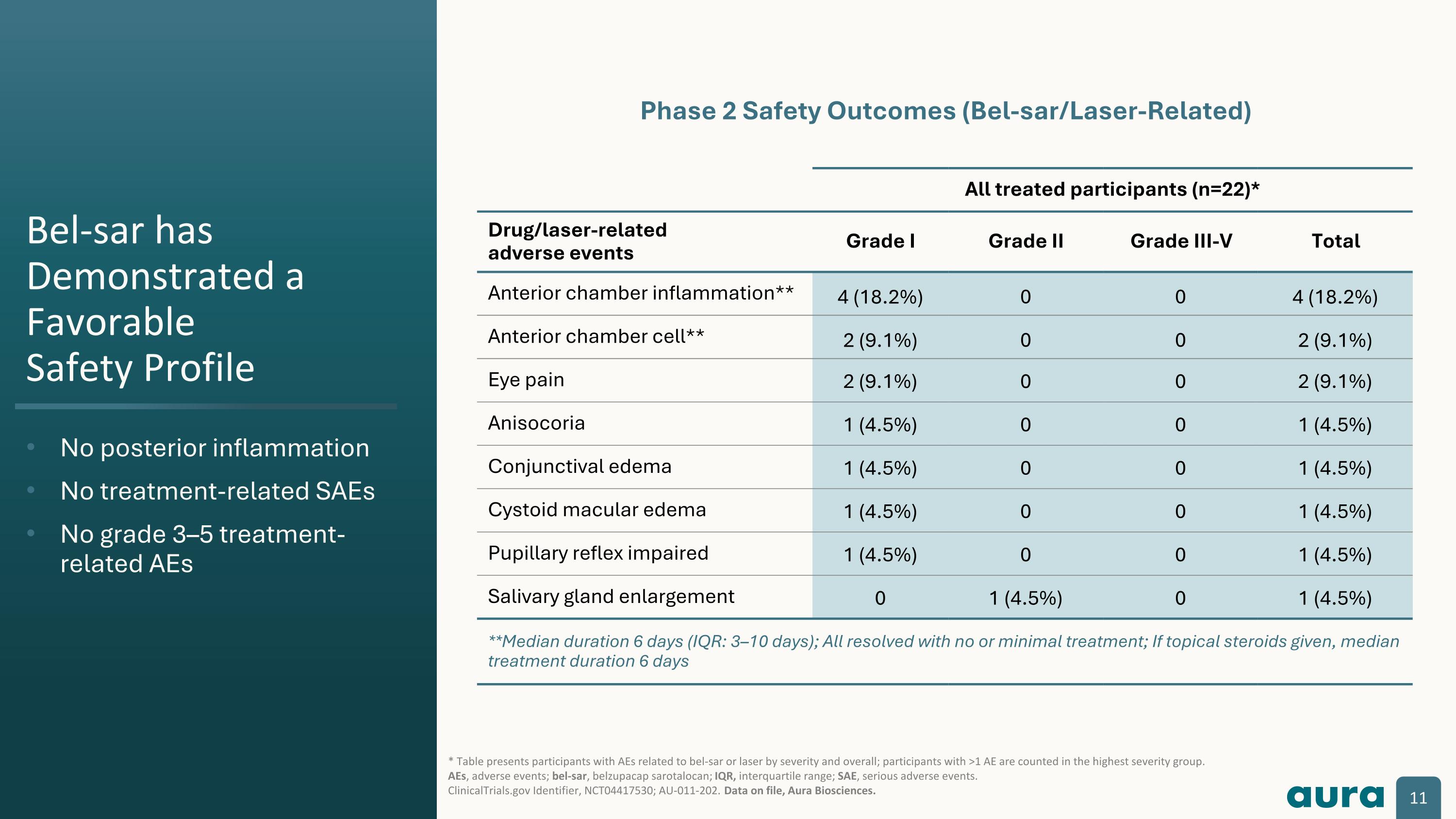
Bel-sar has Demonstrated a Favorable Safety Profile No posterior inflammation No treatment-related SAEs No grade 3–5 treatment-related AEs * Table presents participants with AEs related to bel-sar or laser by severity and overall; participants with >1 AE are counted in the highest severity group. AEs, adverse events; bel-sar, belzupacap sarotalocan; IQR, interquartile range; SAE, serious adverse events. ClinicalTrials.gov Identifier, NCT04417530; AU-011-202. Data on file, Aura Biosciences. All treated participants (n=22)* Drug/laser-related adverse events Grade I Grade II Grade III-V Total Anterior chamber inflammation** 4 (18.2%) 0 0 4 (18.2%) Anterior chamber cell** 2 (9.1%) 0 0 2 (9.1%) Eye pain 2 (9.1%) 0 0 2 (9.1%) Anisocoria 1 (4.5%) 0 0 1 (4.5%) Conjunctival edema 1 (4.5%) 0 0 1 (4.5%) Cystoid macular edema 1 (4.5%) 0 0 1 (4.5%) Pupillary reflex impaired 1 (4.5%) 0 0 1 (4.5%) Salivary gland enlargement 0 1 (4.5%) 0 1 (4.5%) **Median duration 6 days (IQR: 3–10 days); All resolved with no or minimal treatment; If topical steroids given, median treatment duration 6 days Phase 2 Safety Outcomes (Bel-sar/Laser-Related)
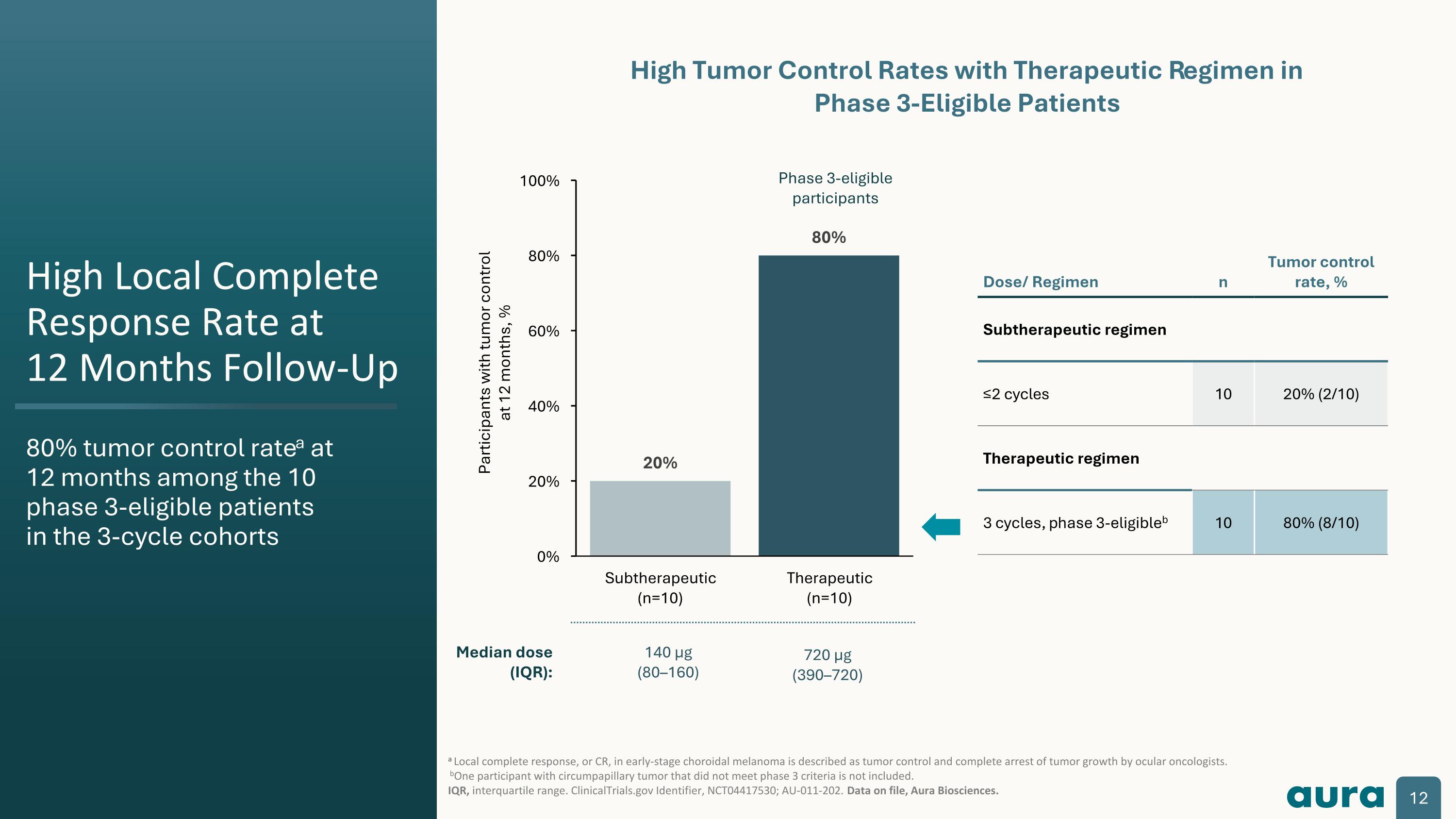
High Local Complete Response Rate at 12 Months Follow-Up 80% tumor control ratea at 12 months among the 10 phase 3-eligible patients in the 3-cycle cohorts a Local complete response, or CR, in early-stage choroidal melanoma is described as tumor control and complete arrest of tumor growth by ocular oncologists. bOne participant with circumpapillary tumor that did not meet phase 3 criteria is not included. IQR, interquartile range. ClinicalTrials.gov Identifier, NCT04417530; AU-011-202. Data on file, Aura Biosciences. Participants with tumor control at 12 months, % Dose/ Regimen n Tumor control rate, % Subtherapeutic regimen ≤2 cycles 10 20% (2/10) Therapeutic regimen 3 cycles, phase 3-eligibleb 10 80% (8/10) Phase 3-eligible participants High Tumor Control Rates with Therapeutic Regimen in Phase 3-Eligible Patients Median dose (IQR): 720 µg (390–720) 140 µg (80–160)
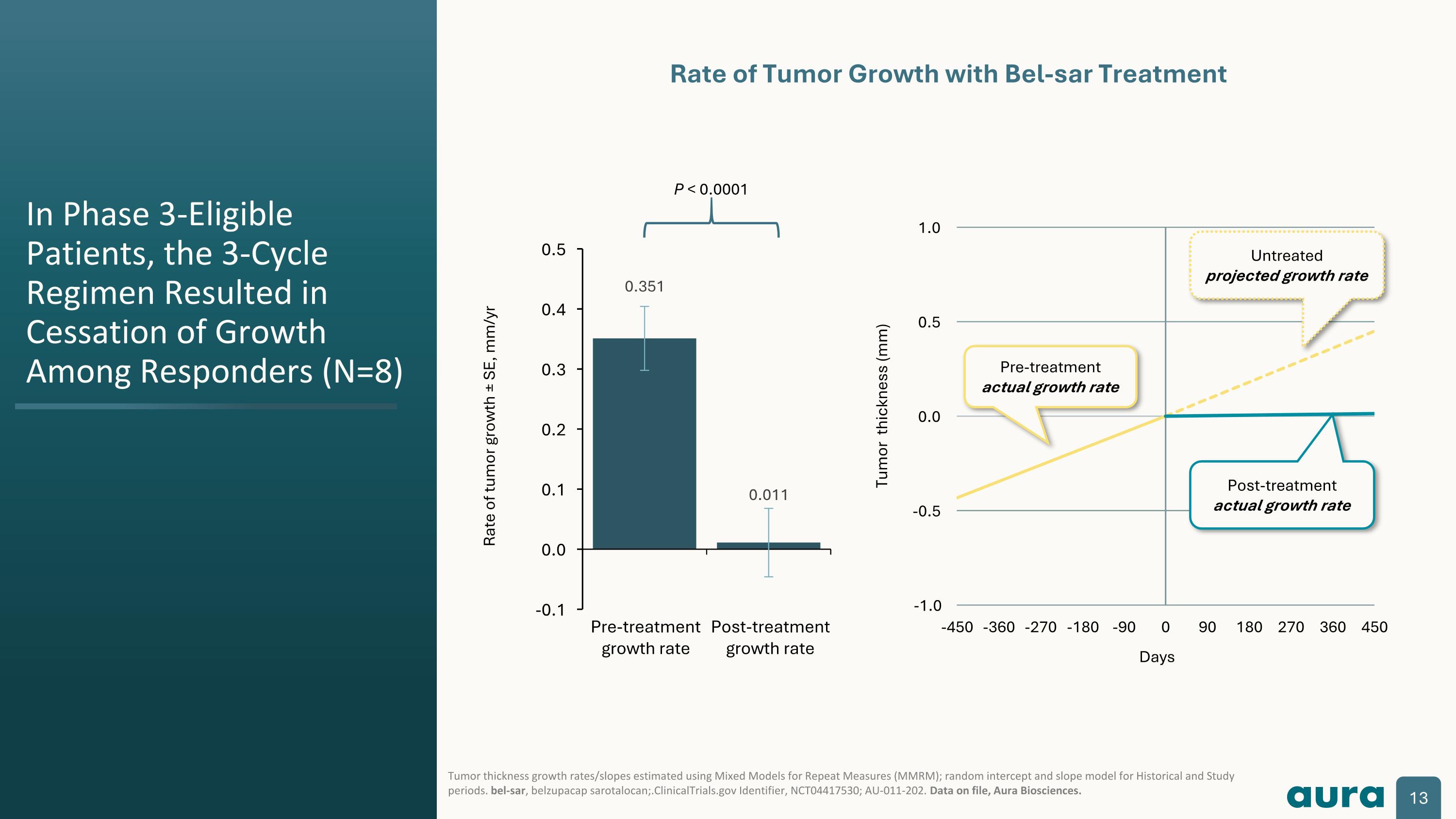
Rate of tumor growth ± SE, mm/yr P < 0.0001 Rate of Tumor Growth with Bel-sar Treatment In Phase 3-Eligible Patients, the 3-Cycle Regimen Resulted in Cessation of Growth Among Responders (N=8) Tumor thickness growth rates/slopes estimated using Mixed Models for Repeat Measures (MMRM); random intercept and slope model for Historical and Study periods. bel-sar, belzupacap sarotalocan;.ClinicalTrials.gov Identifier, NCT04417530; AU-011-202. Data on file, Aura Biosciences. Post-treatment actual growth rate Untreated projected growth rate Pre-treatment actual growth rate
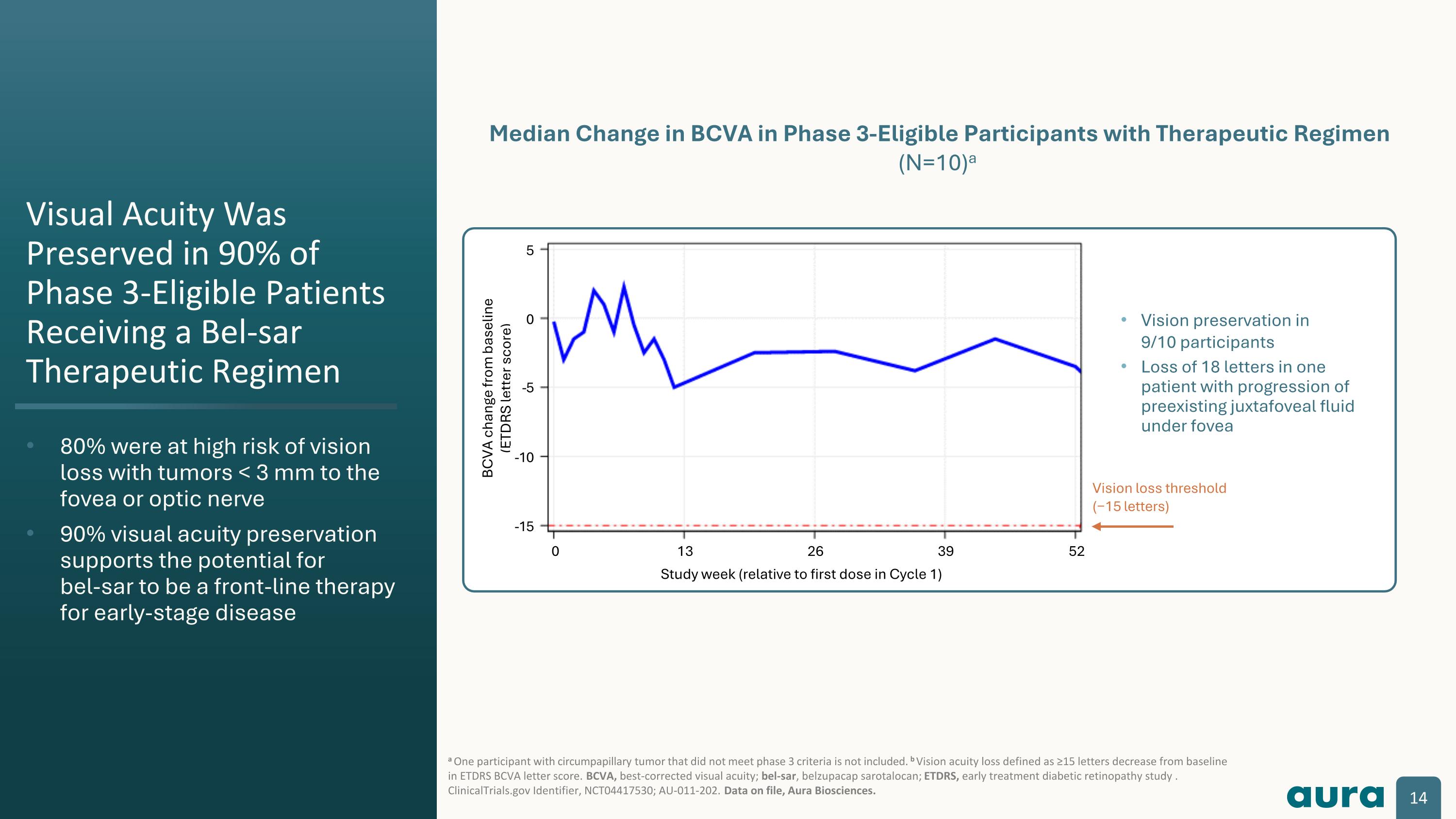
Median Change in BCVA in Phase 3-Eligible Participants with Therapeutic Regimen (N=10)a Visual Acuity Was Preserved in 90% of Phase 3-Eligible Patients Receiving a Bel-sar Therapeutic Regimen 80% were at high risk of vision loss with tumors < 3 mm to the fovea or optic nerve 90% visual acuity preservation supports the potential for bel-sar to be a front-line therapy for early-stage disease a One participant with circumpapillary tumor that did not meet phase 3 criteria is not included. b Vision acuity loss defined as ≥15 letters decrease from baseline in ETDRS BCVA letter score. BCVA, best-corrected visual acuity; bel-sar, belzupacap sarotalocan; ETDRS, early treatment diabetic retinopathy study . ClinicalTrials.gov Identifier, NCT04417530; AU-011-202. Data on file, Aura Biosciences. Vision loss threshold (−15 letters) BCVA change from baseline (ETDRS letter score) Study week (relative to first dose in Cycle 1) Vision preservation in 9/10 participants Loss of 18 letters in one patient with progression of preexisting juxtafoveal fluid under fovea -5 0 5 -5 -10 -15 0 13 26 39 52
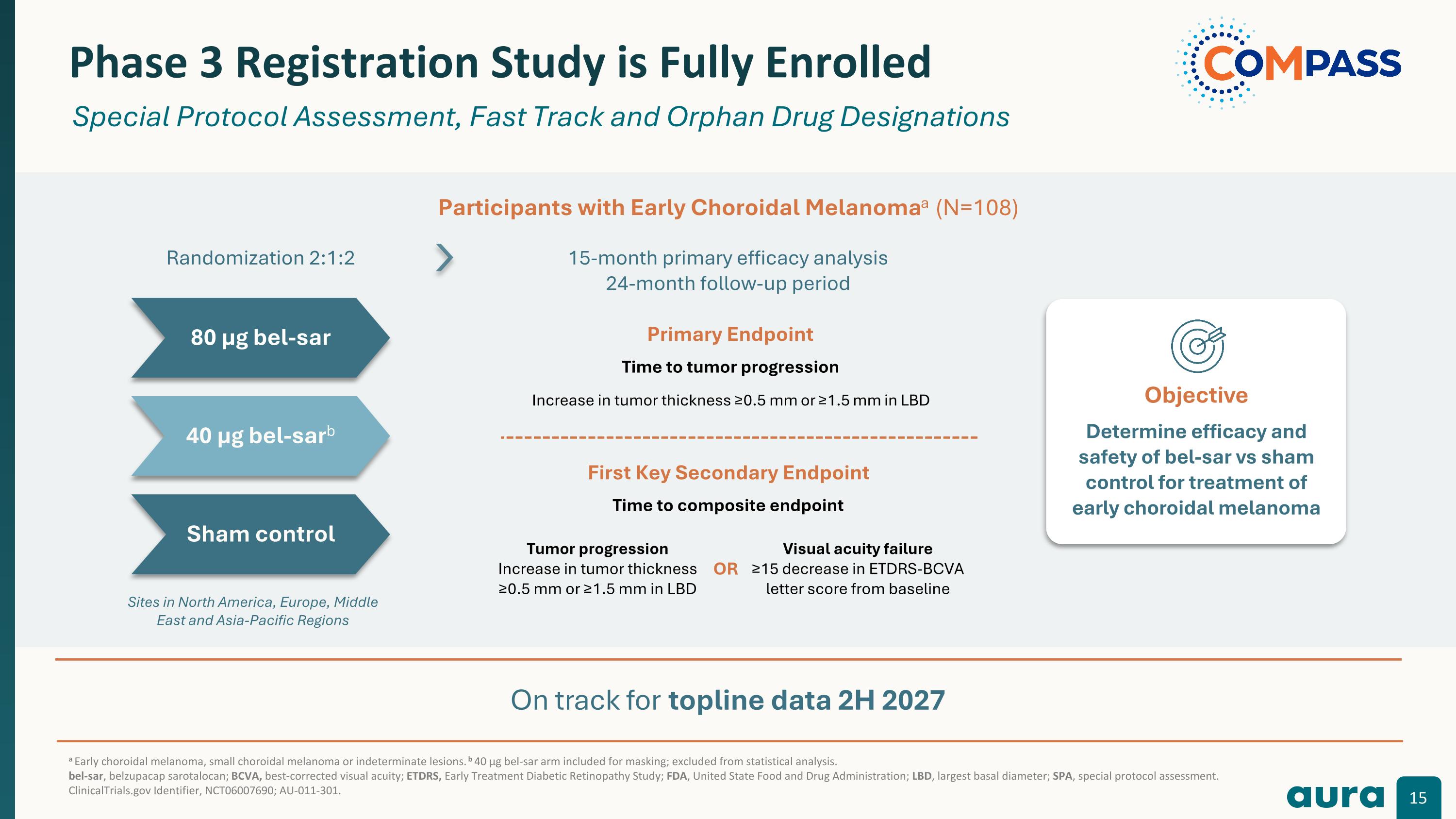
a Early choroidal melanoma, small choroidal melanoma or indeterminate lesions. b 40 µg bel-sar arm included for masking; excluded from statistical analysis. bel-sar, belzupacap sarotalocan; BCVA, best-corrected visual acuity; ETDRS, Early Treatment Diabetic Retinopathy Study; FDA, United State Food and Drug Administration; LBD, largest basal diameter; SPA, special protocol assessment. ClinicalTrials.gov Identifier, NCT06007690; AU-011-301. Phase 3 Registration Study is Fully Enrolled Special Protocol Assessment, Fast Track and Orphan Drug Designations 80 µg bel-sar 40 µg bel-sarb Sham control Participants with Early Choroidal Melanomaa (N=108) Sites in North America, Europe, Middle East and Asia-Pacific Regions Randomization 2:1:2 15-month primary efficacy analysis 24-month follow-up period First Key Secondary Endpoint Time to composite endpoint Primary Endpoint Time to tumor progression Increase in tumor thickness ≥0.5 mm or ≥1.5 mm in LBD Tumor progression Increase in tumor thickness ≥0.5 mm or ≥1.5 mm in LBD Visual acuity failure ≥15 decrease in ETDRS-BCVA letter score from baseline OR Objective Determine efficacy and safety of bel-sar vs sham control for treatment of early choroidal melanoma On track for topline data 2H 2027
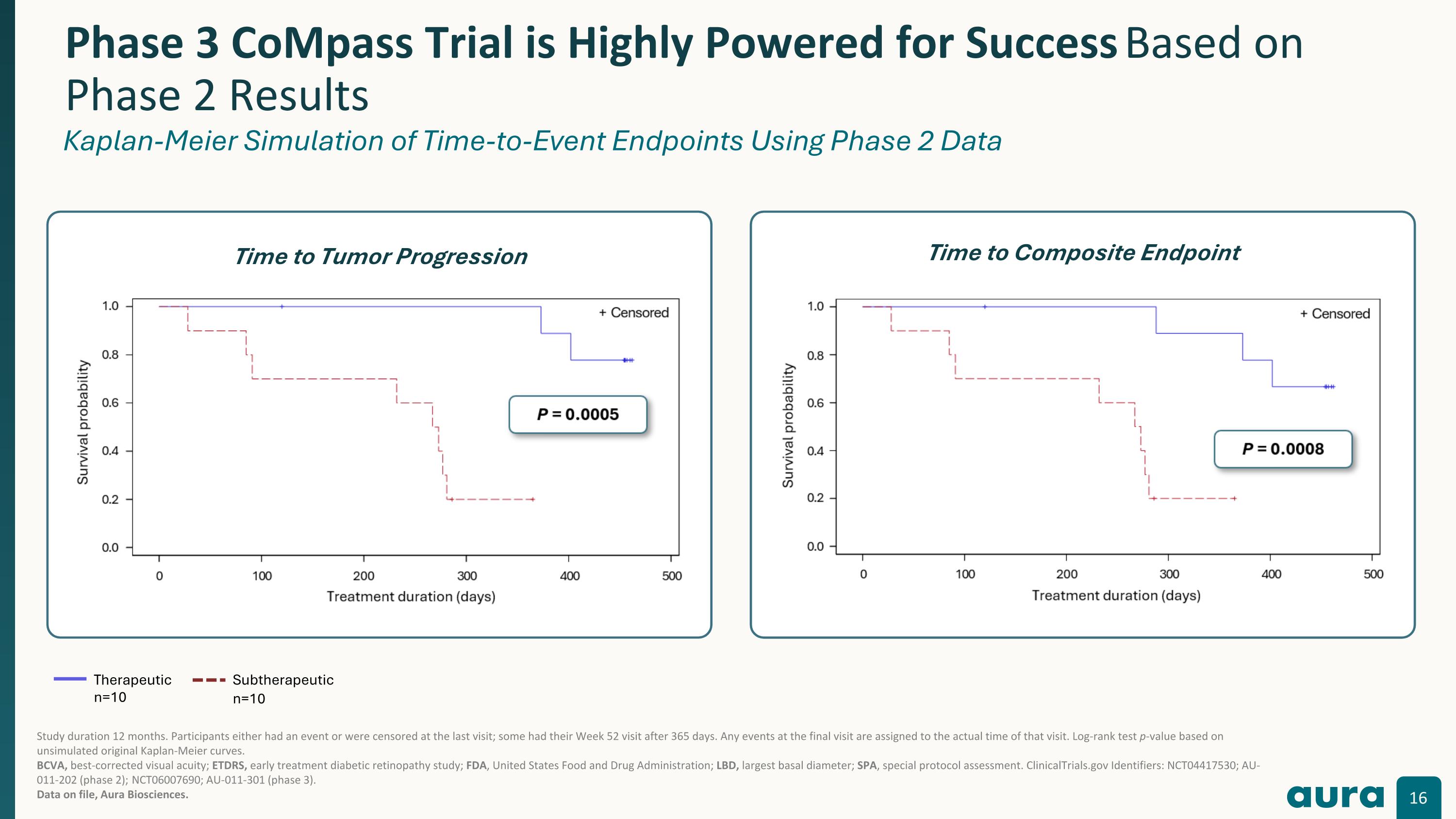
Phase 3 CoMpass Trial is Highly Powered for Success Based on Phase 2 Results Kaplan-Meier Simulation of Time-to-Event Endpoints Using Phase 2 Data Study duration 12 months. Participants either had an event or were censored at the last visit; some had their Week 52 visit after 365 days. Any events at the final visit are assigned to the actual time of that visit. Log-rank test p-value based on unsimulated original Kaplan-Meier curves. BCVA, best-corrected visual acuity; ETDRS, early treatment diabetic retinopathy study; FDA, United States Food and Drug Administration; LBD, largest basal diameter; SPA, special protocol assessment. ClinicalTrials.gov Identifiers: NCT04417530; AU-011-202 (phase 2); NCT06007690; AU-011-301 (phase 3). Data on file, Aura Biosciences. Therapeutic n=10 Subtherapeutic n=10 Time to Tumor Progression Time to Composite Endpoint
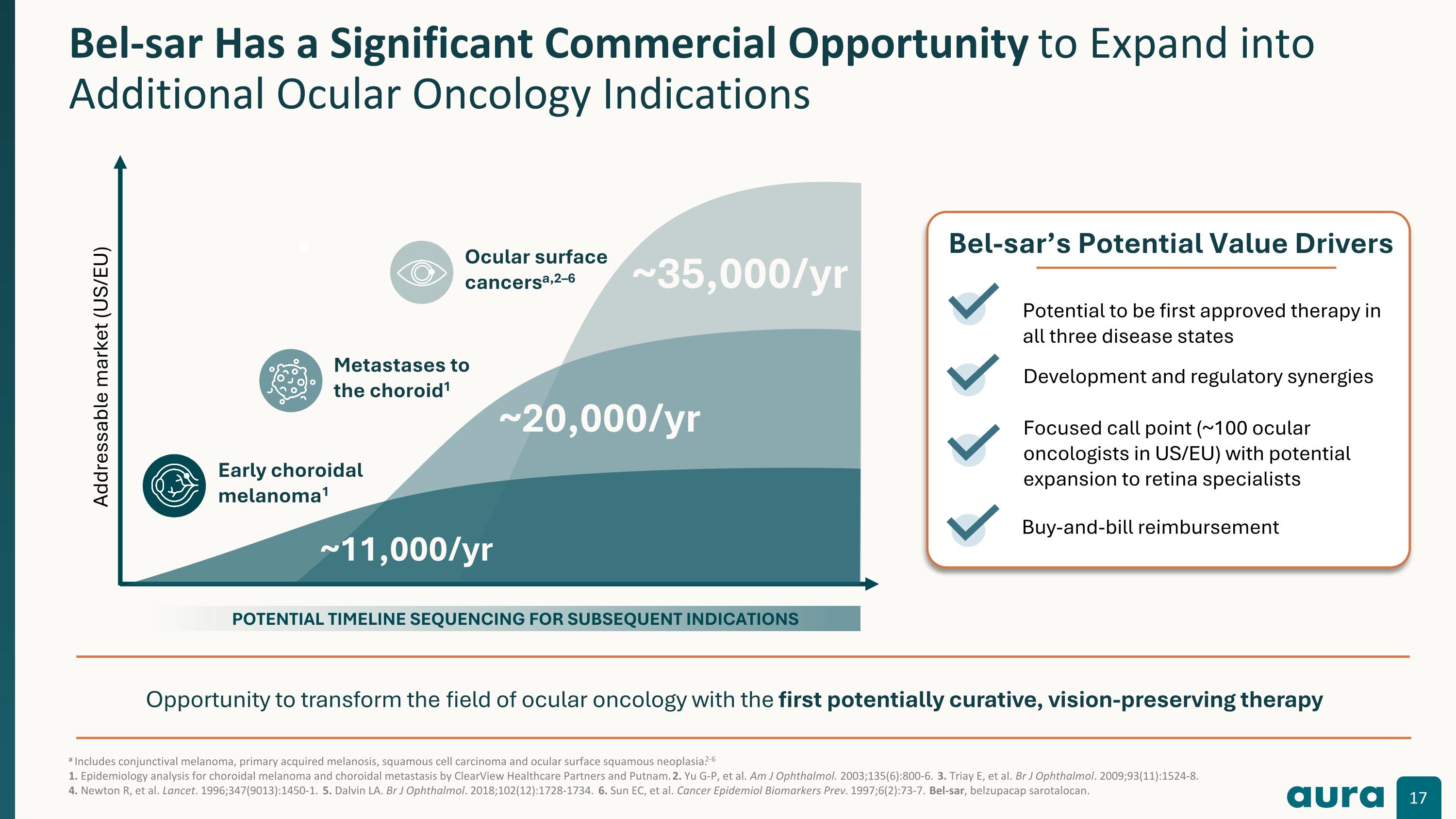
a Includes conjunctival melanoma, primary acquired melanosis, squamous cell carcinoma and ocular surface squamous neoplasia.2-6 1. Epidemiology analysis for choroidal melanoma and choroidal metastasis by ClearView Healthcare Partners and Putnam. 2. Yu G-P, et al. Am J Ophthalmol. 2003;135(6):800-6. 3. Triay E, et al. Br J Ophthalmol. 2009;93(11):1524-8. 4. Newton R, et al. Lancet. 1996;347(9013):1450-1. 5. Dalvin LA. Br J Ophthalmol. 2018;102(12):1728-1734. 6. Sun EC, et al. Cancer Epidemiol Biomarkers Prev. 1997;6(2):73-7. Bel-sar, belzupacap sarotalocan. Bel-sar Has a Significant Commercial Opportunity to Expand into Additional Ocular Oncology Indications ~35,000/yr Opportunity to transform the field of ocular oncology with the first potentially curative, vision-preserving therapy Addressable market (US/EU) ~20,000/yr Early choroidal melanoma1 Metastases to the choroid1 POTENTIAL TIMELINE SEQUENCING FOR SUBSEQUENT INDICATIONS ~11,000/yr Bel-sar’s Potential Value Drivers Potential to be first approved therapy in all three disease states Development and regulatory synergies Focused call point (~100 ocular oncologists in US/EU) with potential expansion to retina specialists Buy-and-bill reimbursement Ocular surface cancersa,2–6
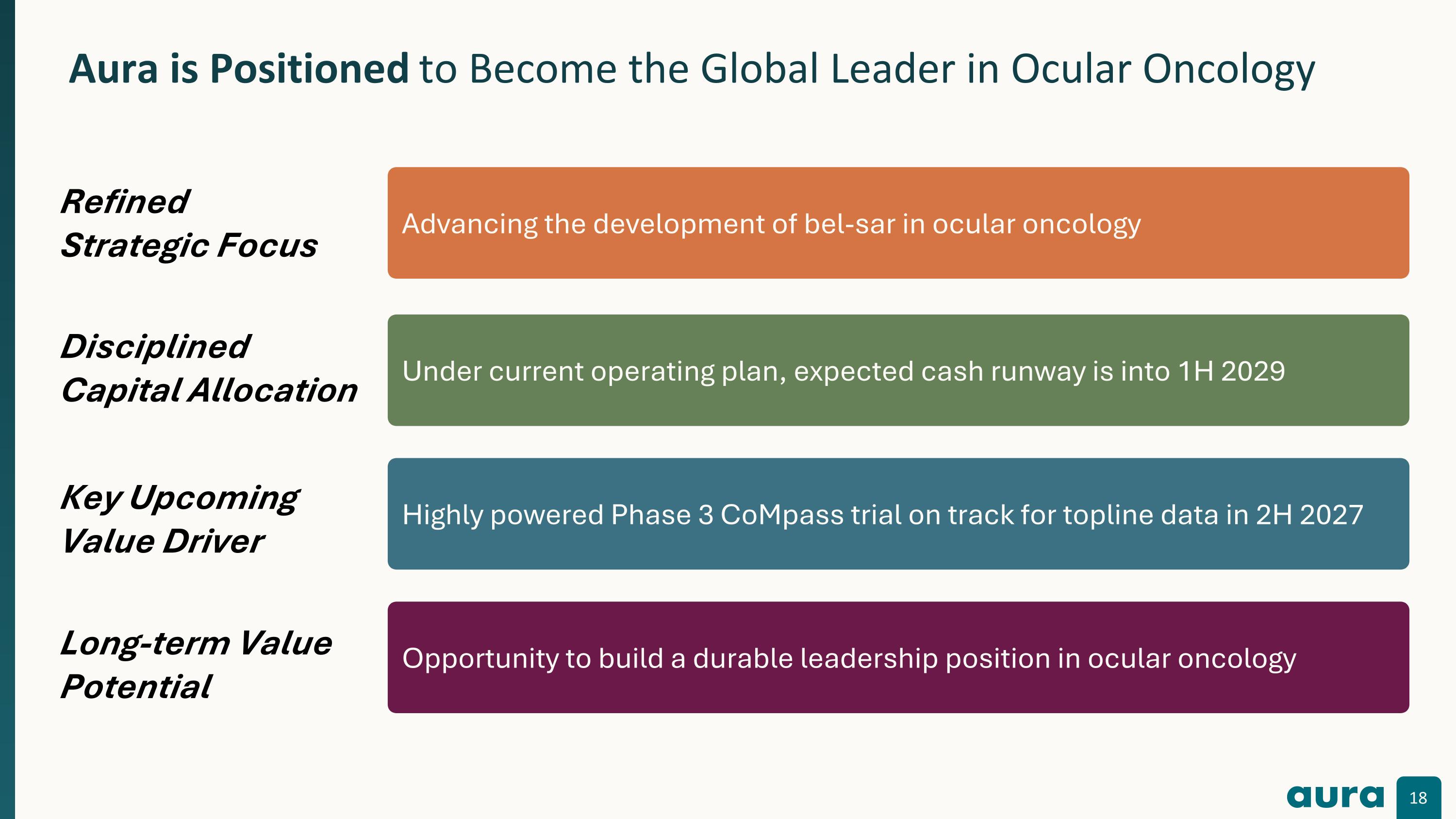
Aura is well-positioned to become the leader in ocular oncology Aura is Positioned to Become the Global Leader in Ocular Oncology Advancing the development of bel-sar in ocular oncology Under current operating plan, expected cash runway is into 1H 2029 Opportunity to build a durable leadership position in ocular oncology Highly powered Phase 3 CoMpass trial on track for topline data in 2H 2027 Refined Strategic Focus Key Upcoming Value Driver Disciplined Capital Allocation Long-term Value Potential

Appendix
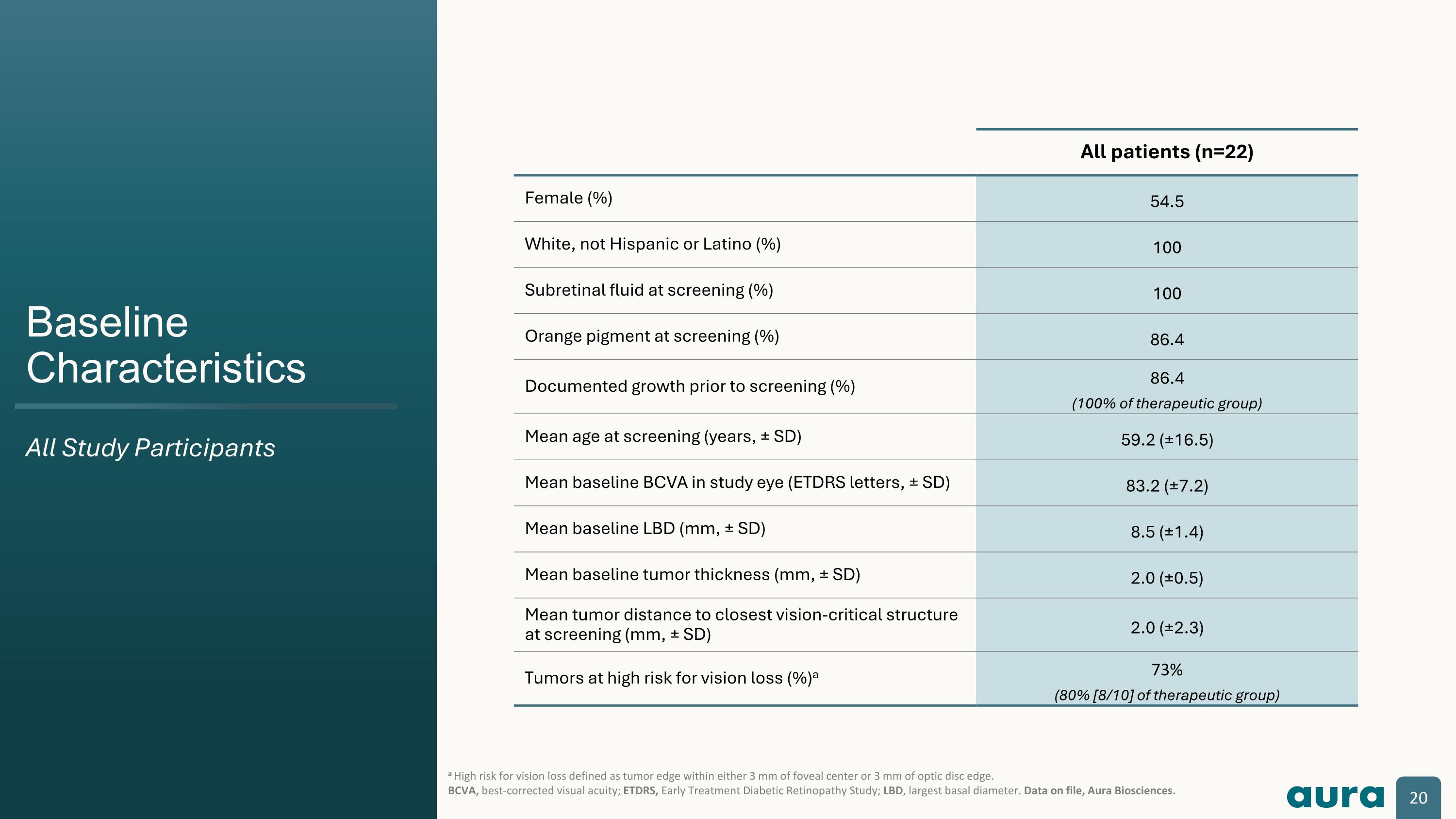
Baseline Characteristics All Study Participants a High risk for vision loss defined as tumor edge within either 3 mm of foveal center or 3 mm of optic disc edge. BCVA, best-corrected visual acuity; ETDRS, Early Treatment Diabetic Retinopathy Study; LBD, largest basal diameter. Data on file, Aura Biosciences. All patients (n=22) Female (%) 54.5 White, not Hispanic or Latino (%) 100 Subretinal fluid at screening (%) 100 Orange pigment at screening (%) 86.4 Documented growth prior to screening (%) 86.4 (100% of therapeutic group) Mean age at screening (years, ± SD) 59.2 (±16.5) Mean baseline BCVA in study eye (ETDRS letters, ± SD) 83.2 (±7.2) Mean baseline LBD (mm, ± SD) 8.5 (±1.4) Mean baseline tumor thickness (mm, ± SD) 2.0 (±0.5) Mean tumor distance to closest vision-critical structure at screening (mm, ± SD) 2.0 (±2.3) Tumors at high risk for vision loss (%)a 73% (80% [8/10] of therapeutic group)
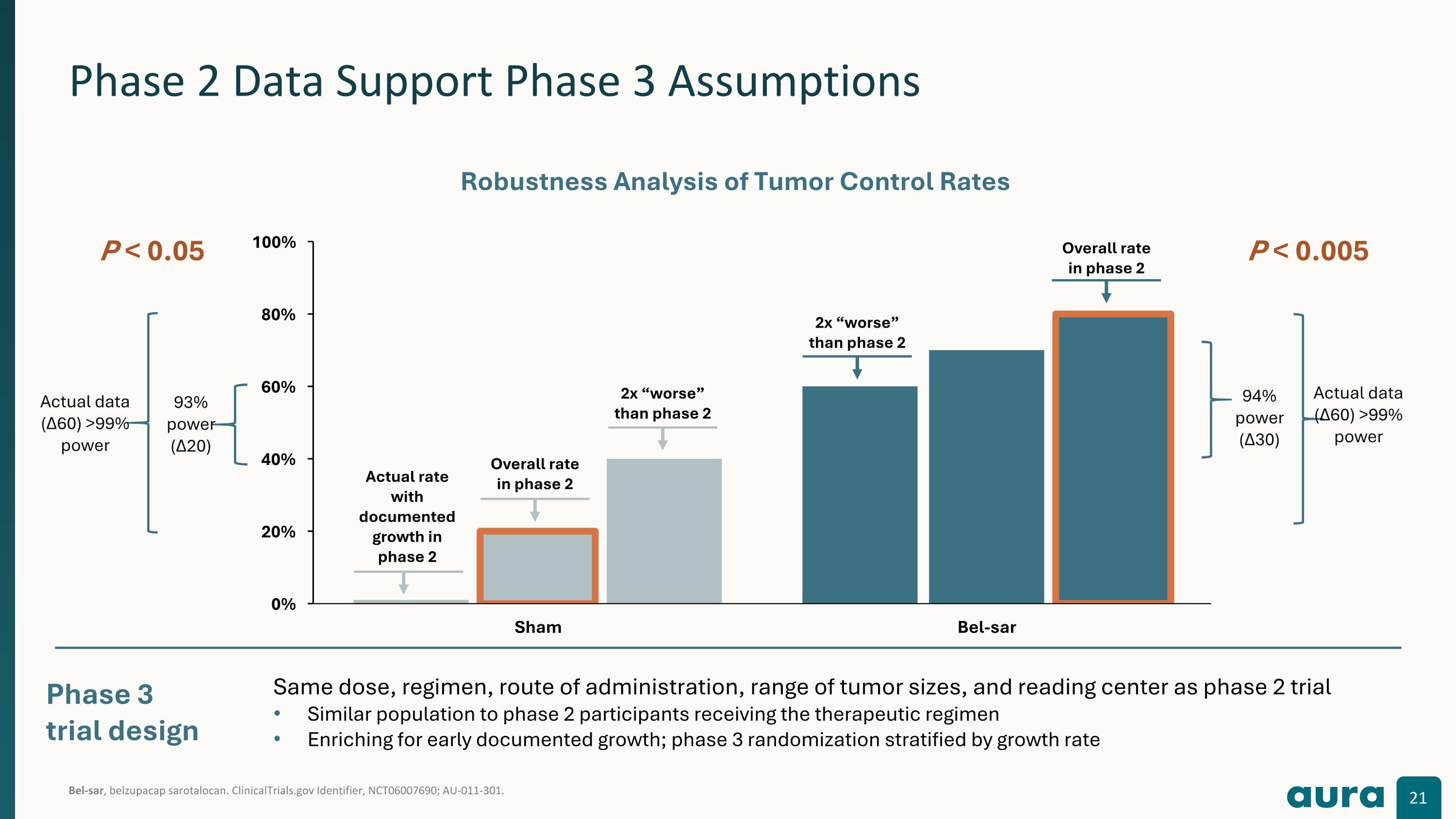
Bel-sar, belzupacap sarotalocan. ClinicalTrials.gov Identifier, NCT06007690; AU-011-301. Phase 2 Data Support Phase 3 Assumptions Phase 3 trial design P < 0.005 93% power (Δ20) Actual data (Δ60) >99% power P < 0.05 Robustness Analysis of Tumor Control Rates Overall rate in phase 2 2x “worse” than phase 2 2x “worse” than phase 2 Actual rate with documented growth in phase 2 Overall rate in phase 2 94% power (Δ30) Actual data (Δ60) >99% power Same dose, regimen, route of administration, range of tumor sizes, and reading center as phase 2 trial Similar population to phase 2 participants receiving the therapeutic regimen Enriching for early documented growth; phase 3 randomization stratified by growth rate