
Pioneering Precision Peptides for Endocrine and Metabolic Diseases August 2026 Corporate Presentation
Disclaimer This presentation includes forward looking statements. All statements other than statements of historical facts contained in this presentation, including statements regarding our product candidates, preclinical study and/or clinical trial timelines, including projected data announcements, future results of operations and financial position, strategy and plans, industry environment, potential growth opportunities, and our expectations for future operations, are forward looking statements The words “ believe,” “ may,” “will,” “ estimate,” “ continue,” “ anticipate,” “ design,” “ “ expect,” “ could,” “ plan,” “ potential,” “ predict,” “ seek,” “ should,” “would,” or the negative version of these words and similar expressions are intended to identify forward looking statements. We have based these forward-looking statements on our current expectations and projections about future events and trends that we believe may affect our financial condition, results of operations, strategy, short- and long-term business operations and objectives, and financial needs. These forward-looking statements are subject to a number of risks, uncertainties and assumptions, including but not limited to, our ability to develop and advance our programs and product candidates, our regulatory approvals and filings, and other risks, uncertainties and assumptions identified in our filings with the Securities and Exchange Commission. Moreover, we operate in a very competitive and rapidly changing environment. New risks emerge from time to time, and it is not possible for our management to predict all risks, nor can we assess the impact of all factors on our business or the extent to which any factor, or combination of factors, may cause actual results to differ materially from those contained in any forward looking statements we may make. In light of these risks, uncertainties and assumptions, the forward-looking events and circumstances discussed in this presentation may not occur and actual results could differ materially and adversely from those anticipated or implied in the forward-looking statements. You should not rely upon forward looking statements as predictions of future events. Although we believe that the expectations reflected in the forward-looking statements are reasonable, we cannot guarantee that the future results, levels of activity, performance or events and circumstances reflected in the forward-looking statements will be achieved or occur. Moreover, except as required by law, neither we nor any other person assumes responsibility for the accuracy and completeness of the forward-looking statements. We undertake no obligation to update publicly any forward-looking statements for any reason after the date of this presentation to conform these statements to actual results or to changes in our expectations, unless required by law. This presentation contains estimates and other information concerning our industry, our business and the markets for our product candidates. Information that is based on estimates, market research or similar methodologies, including prevalence studies which are extrapolated to broader populations, is inherently subject to uncertainties, and actual events or circumstances may differ materially from events and circumstances that are assumed in this information. Unless otherwise expressly stated, we obtained this industry, business, market and other data from our own internal estimates and research as well as from reports, research surveys, studies and similar data prepared by market research firms and other third parties, industry, medical and general publications, government data and similar sources. Industry publications and surveys generally state that the information contained therein has been obtained from sources believed to be reliable. Although we believe the industry and market data to be reliable as of the date of this presentation, this information could prove to be inaccurate. Industry and market data could be wrong because of the method by which sources obtained their data and because information cannot always be verified with complete certainty due to the limits on the availability and reliability of raw data, the voluntary nature of the data gathering process and other limitations and uncertainties. While we are responsible for the accuracy of such information and believe our internal company research as to such matters is reliable and the market definitions are appropriate, neither such research nor these definitions have been verified by any independent source.
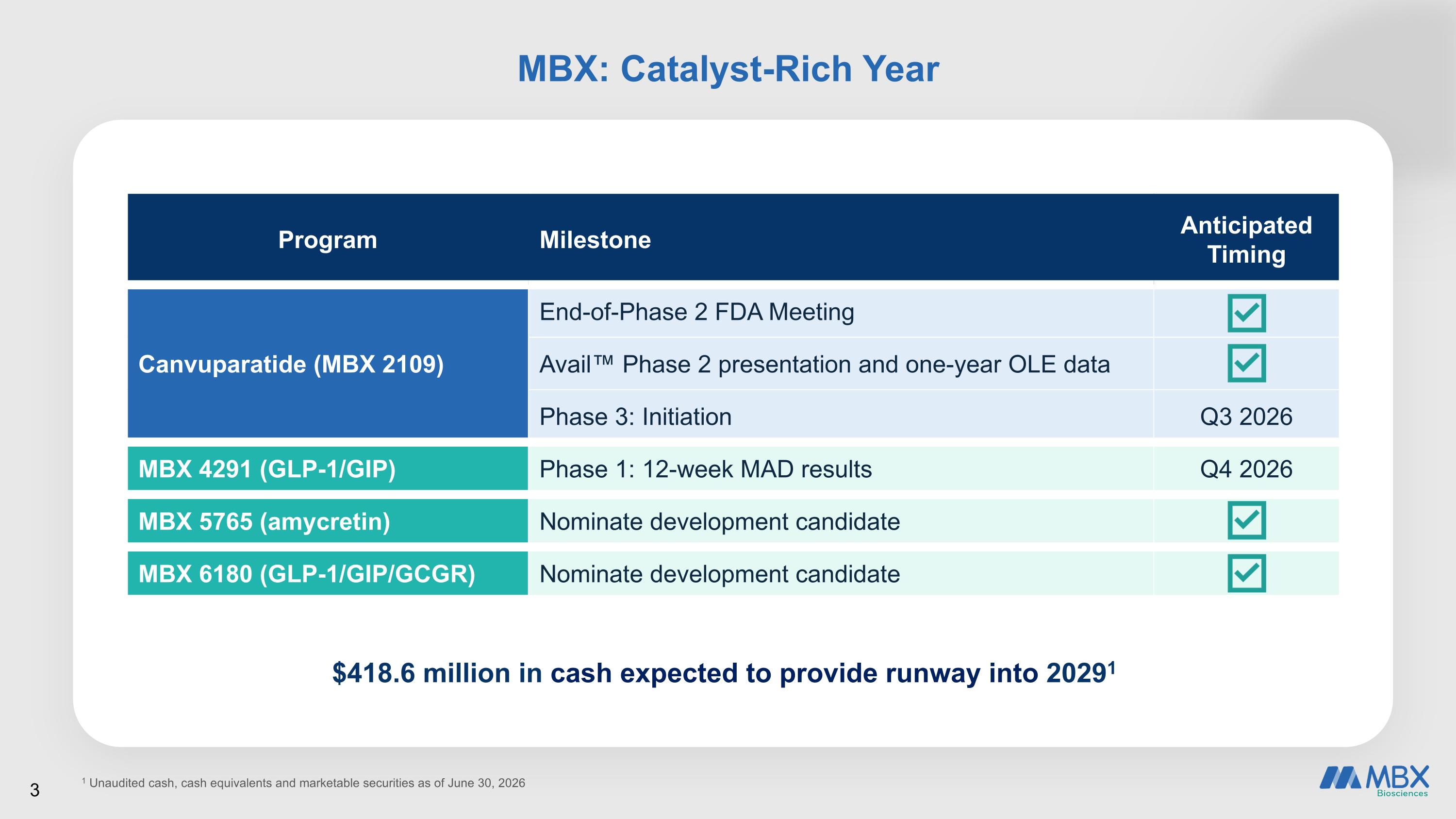
$418.6 million in cash expected to provide runway into 20291 Program Milestone Anticipated Timing Canvuparatide (MBX 2109) End-of-Phase 2 FDA Meeting Avail™ Phase 2 presentation and one-year OLE data Phase 3: Initiation Q3 2026 MBX 4291 (GLP-1/GIP) Phase 1: 12-week MAD results Q4 2026 MBX 5765 (amycretin) Nominate development candidate MBX 6180 (GLP-1/GIP/GCGR) Nominate development candidate 1 Unaudited cash, cash equivalents and marketable securities as of June 30, 2026 MBX: Catalyst-Rich Year 3
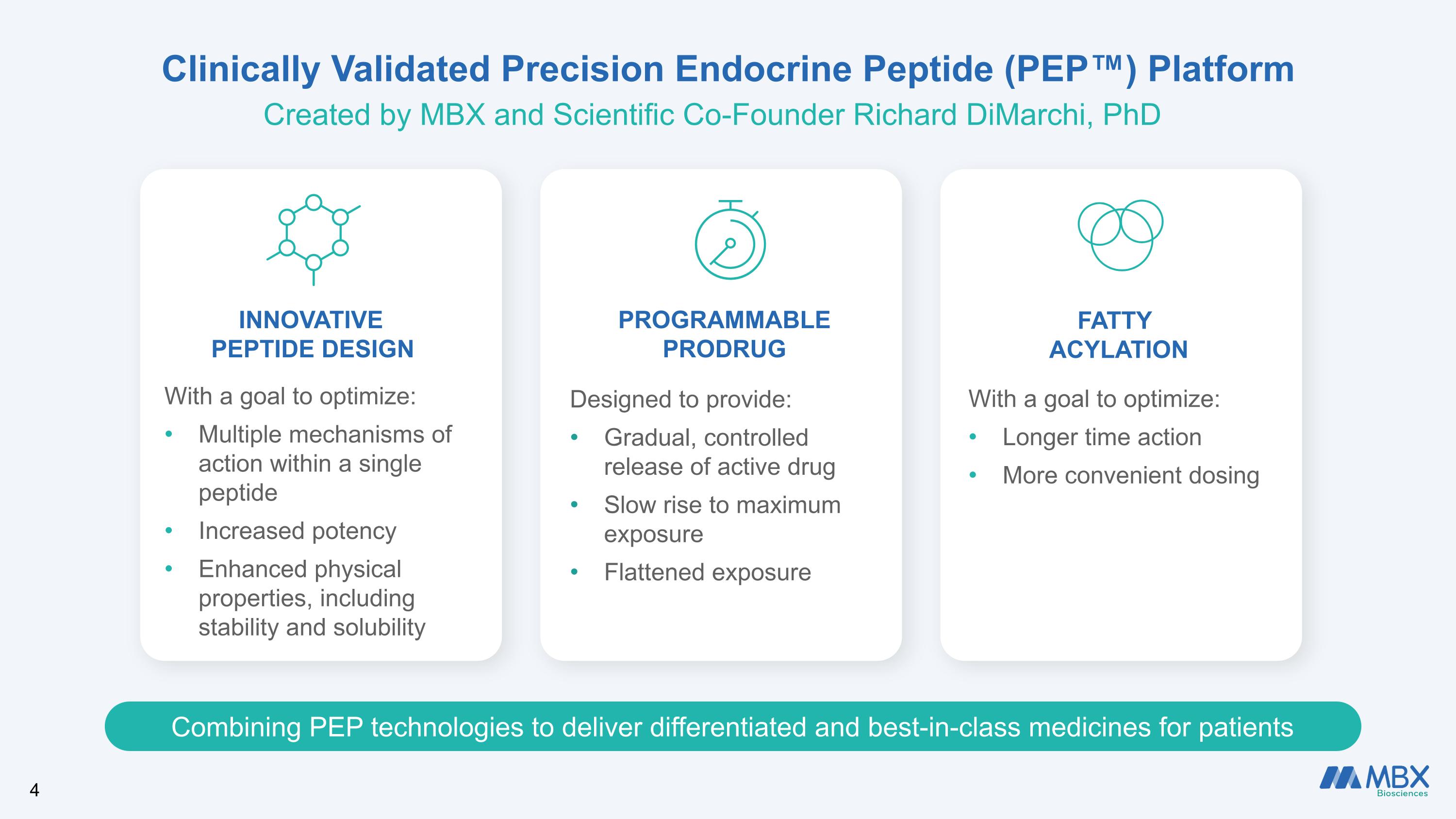
Clinically Validated Precision Endocrine Peptide (PEP™) Platform Created by MBX and Scientific Co-Founder Richard DiMarchi, PhD INNOVATIVE PEPTIDE DESIGN With a goal to optimize: Multiple mechanisms of action within a single peptide Increased potency Enhanced physical properties, including stability and solubility PROGRAMMABLE PRODRUG Designed to provide: Gradual, controlled release of active drug Slow rise to maximum exposure Flattened exposure Fatty Acylation With a goal to optimize: Longer time action More convenient dosing Combining PEP technologies to deliver differentiated and best-in-class medicines for patients 4

Canvuparatide Investigational Once-Weekly PTH Replacement Therapy for Hypoparathyroidism
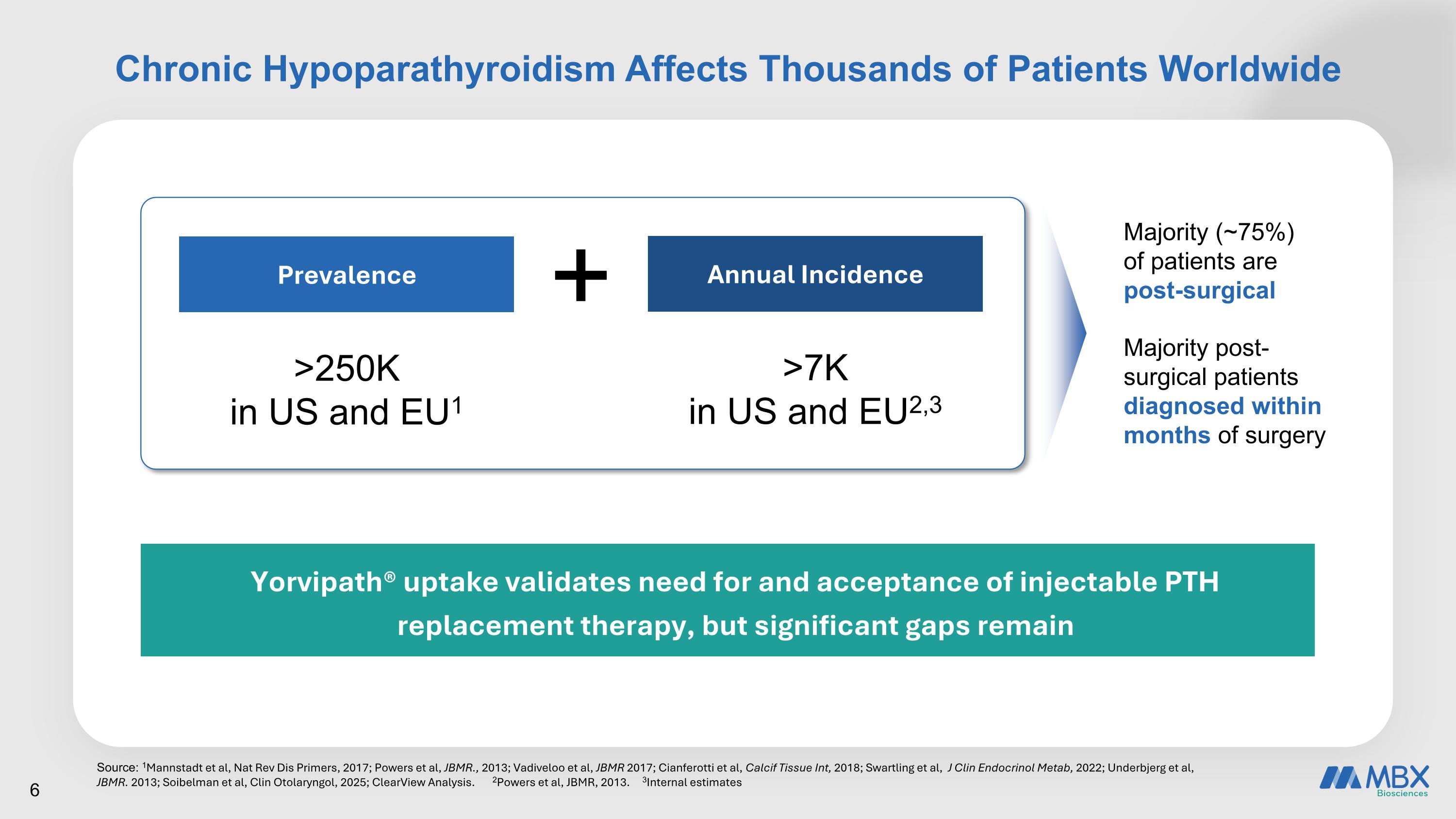
Chronic Hypoparathyroidism Affects Thousands of Patients Worldwide Source: 1Mannstadt et al, Nat Rev Dis Primers, 2017; Powers et al, JBMR., 2013; Vadiveloo et al, JBMR 2017; Cianferotti et al, Calcif Tissue Int, 2018; Swartling et al, J Clin Endocrinol Metab, 2022; Underbjerg et al, JBMR. 2013; Soibelman et al, Clin Otolaryngol, 2025; ClearView Analysis. 2Powers et al, JBMR, 2013. 3Internal estimates + Prevalence >250K in US and EU1 Annual Incidence >7K in US and EU2,3 Yorvipath® uptake validates need for and acceptance of injectable PTH replacement therapy, but significant gaps remain Majority (~75%) of patients are post-surgical Majority post-surgical patients diagnosed within months of surgery 6
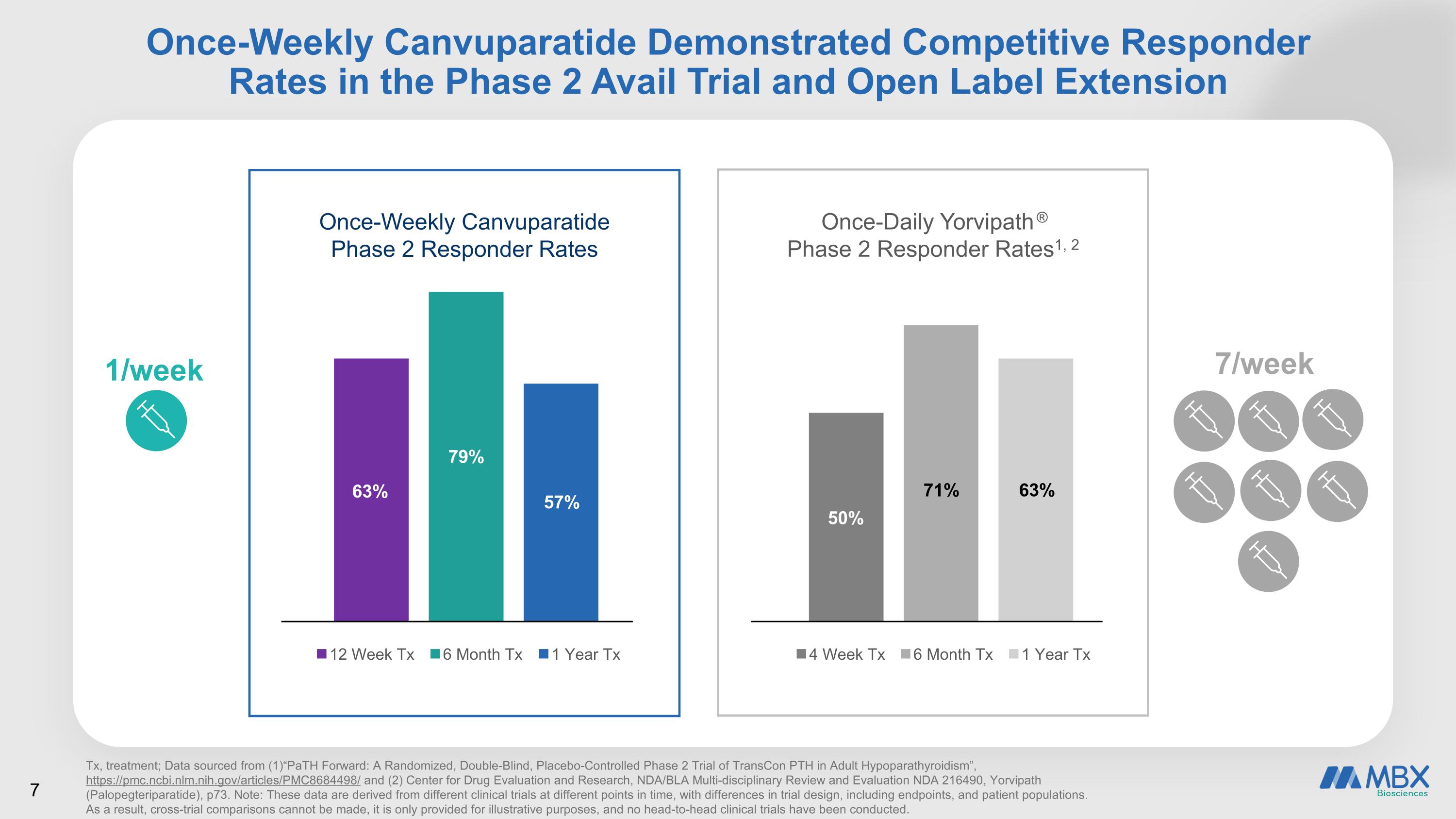
Once-Weekly Canvuparatide Demonstrated Competitive Responder Rates in the Phase 2 Avail Trial and Open Label Extension Tx, treatment; Data sourced from (1)“PaTH Forward: A Randomized, Double-Blind, Placebo-Controlled Phase 2 Trial of TransCon PTH in Adult Hypoparathyroidism”, https://pmc.ncbi.nlm.nih.gov/articles/PMC8684498/ and (2) Center for Drug Evaluation and Research, NDA/BLA Multi-disciplinary Review and Evaluation NDA 216490, Yorvipath (Palopegteriparatide), p73. Note: These data are derived from different clinical trials at different points in time, with differences in trial design, including endpoints, and patient populations. As a result, cross-trial comparisons cannot be made, it is only provided for illustrative purposes, and no head-to-head clinical trials have been conducted. 63% 57% Once-Weekly Canvuparatide Phase 2 Responder Rates 79% 63% 50% Once-Daily Yorvipath® Phase 2 Responder Rates1, 2 71% 7/week 1/week 7
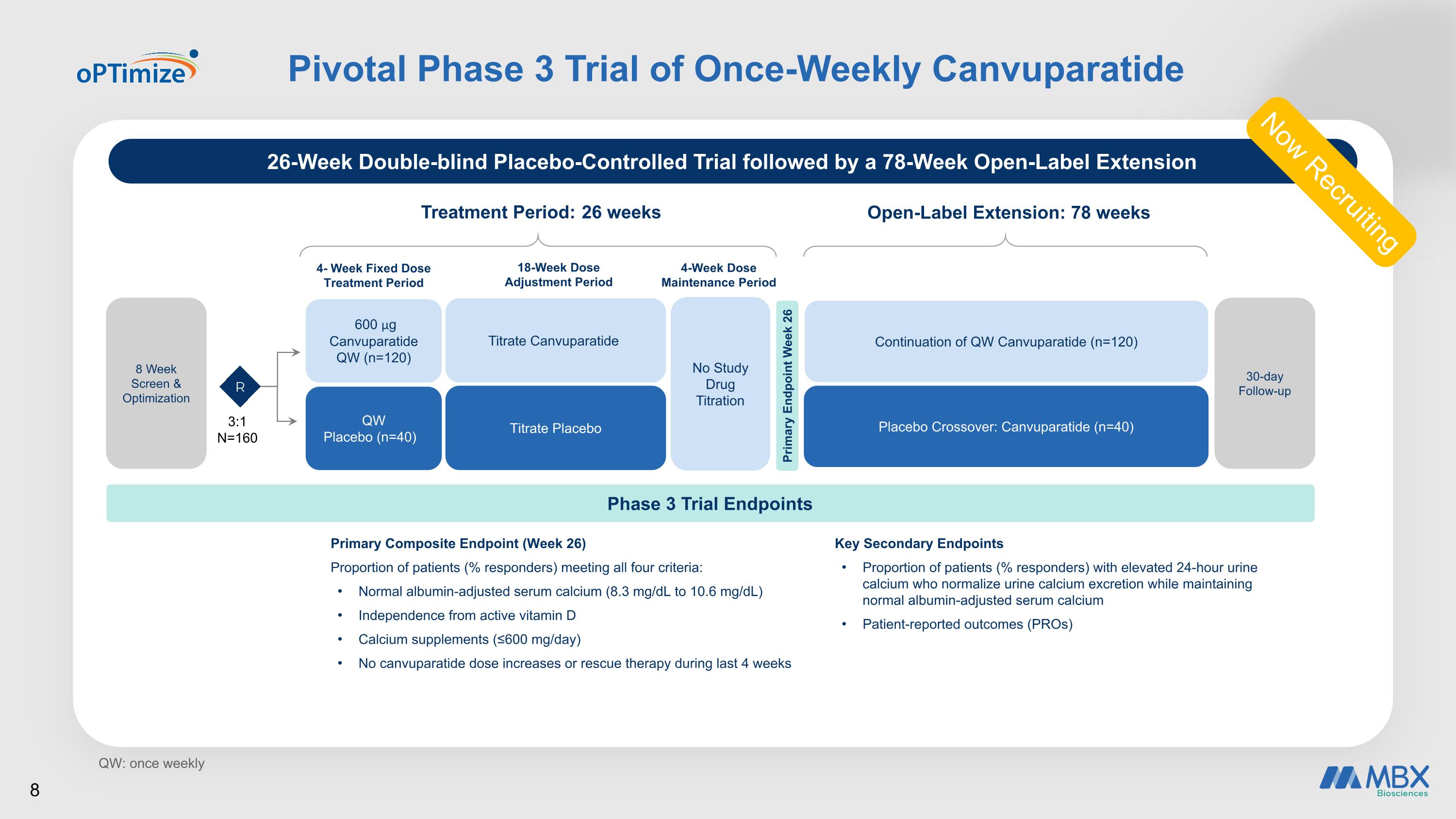
Pivotal Phase 3 Trial of Once-Weekly Canvuparatide QW: once weekly Phase 3 Trial Endpoints Treatment Period: 26 weeks 4- Week Fixed Dose Treatment Period 18-Week Dose Adjustment Period 3:1 N=160 600 μg Canvuparatide QW (n=120) QW Placebo (n=40) Titrate Canvuparatide Titrate Placebo Open-Label Extension: 78 weeks Placebo Crossover: Canvuparatide (n=40) Continuation of QW Canvuparatide (n=120) Primary Endpoint Week 26 Primary Composite Endpoint (Week 26) Proportion of patients (% responders) meeting all four criteria: Normal albumin-adjusted serum calcium (8.3 mg/dL to 10.6 mg/dL) Independence from active vitamin D Calcium supplements (≤600 mg/day) No canvuparatide dose increases or rescue therapy during last 4 weeks Key Secondary Endpoints Proportion of patients (% responders) with elevated 24-hour urine calcium who normalize urine calcium excretion while maintaining normal albumin-adjusted serum calcium Patient-reported outcomes (PROs) 26-Week Double-blind Placebo-Controlled Trial followed by a 78-Week Open-Label Extension 4-Week Dose Maintenance Period No Study Drug Titration 8 Week Screen & Optimization 30-day Follow-up R 8 Now Recruiting
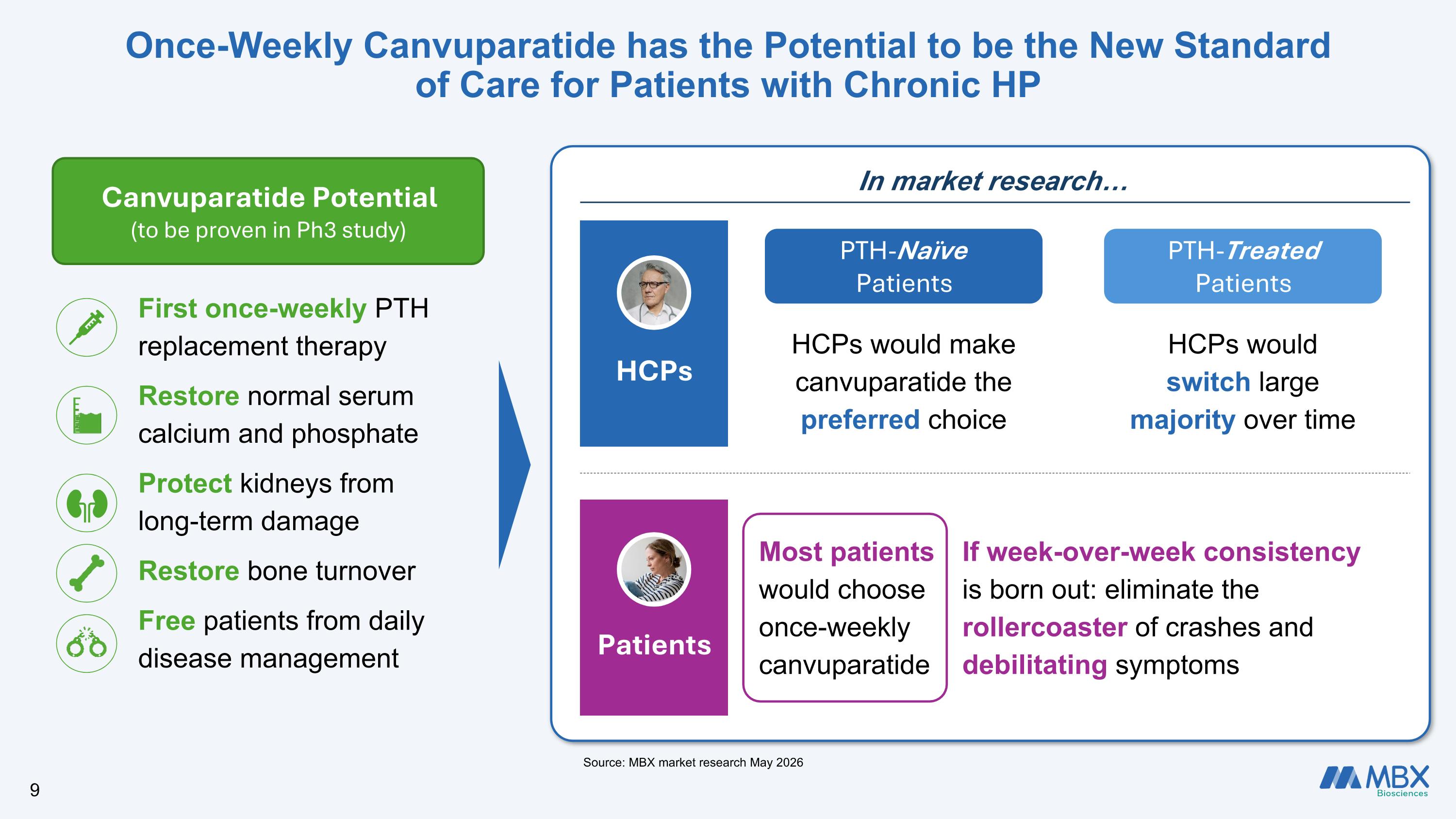
Once-Weekly Canvuparatide has the Potential to be the New Standard of Care for Patients with Chronic HP Source: MBX market research May 2026 First once-weekly PTH replacement therapy Restore normal serum calcium and phosphate Protect kidneys from long-term damage Restore bone turnover Free patients from daily disease management Canvuparatide Potential (to be proven in Ph3 study) Patients HCPs would make canvuparatide the preferred choice PTH-Naïve Patients HCPs would switch large majority over time PTH-Treated Patients If week-over-week consistency is born out: eliminate the rollercoaster of crashes and debilitating symptoms Most patients would choose once-weekly canvuparatide HCPs In market research… 9

Obesity Portfolio
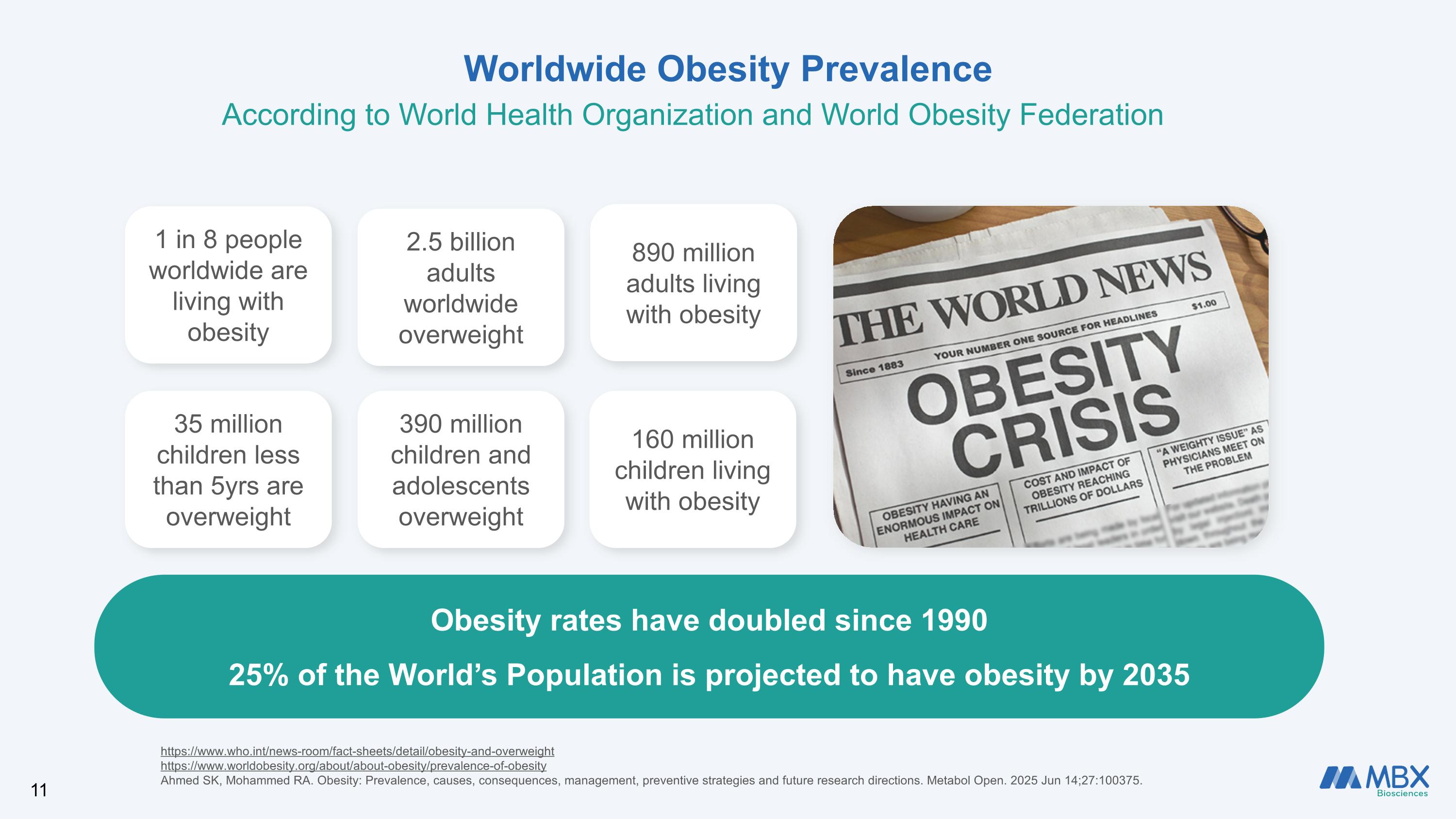
Worldwide Obesity Prevalence Obesity rates have doubled since 1990 25% of the World’s Population is projected to have obesity by 2035 390 million children and adolescents overweight 1 in 8 people worldwide are living with obesity 160 million children living with obesity 890 million adults living with obesity 2.5 billion adults worldwide overweight According to World Health Organization and World Obesity Federation https://www.who.int/news-room/fact-sheets/detail/obesity-and-overweight https://www.worldobesity.org/about/about-obesity/prevalence-of-obesity Ahmed SK, Mohammed RA. Obesity: Prevalence, causes, consequences, management, preventive strategies and future research directions. Metabol Open. 2025 Jun 14;27:100375. 35 million children less than 5yrs are overweight
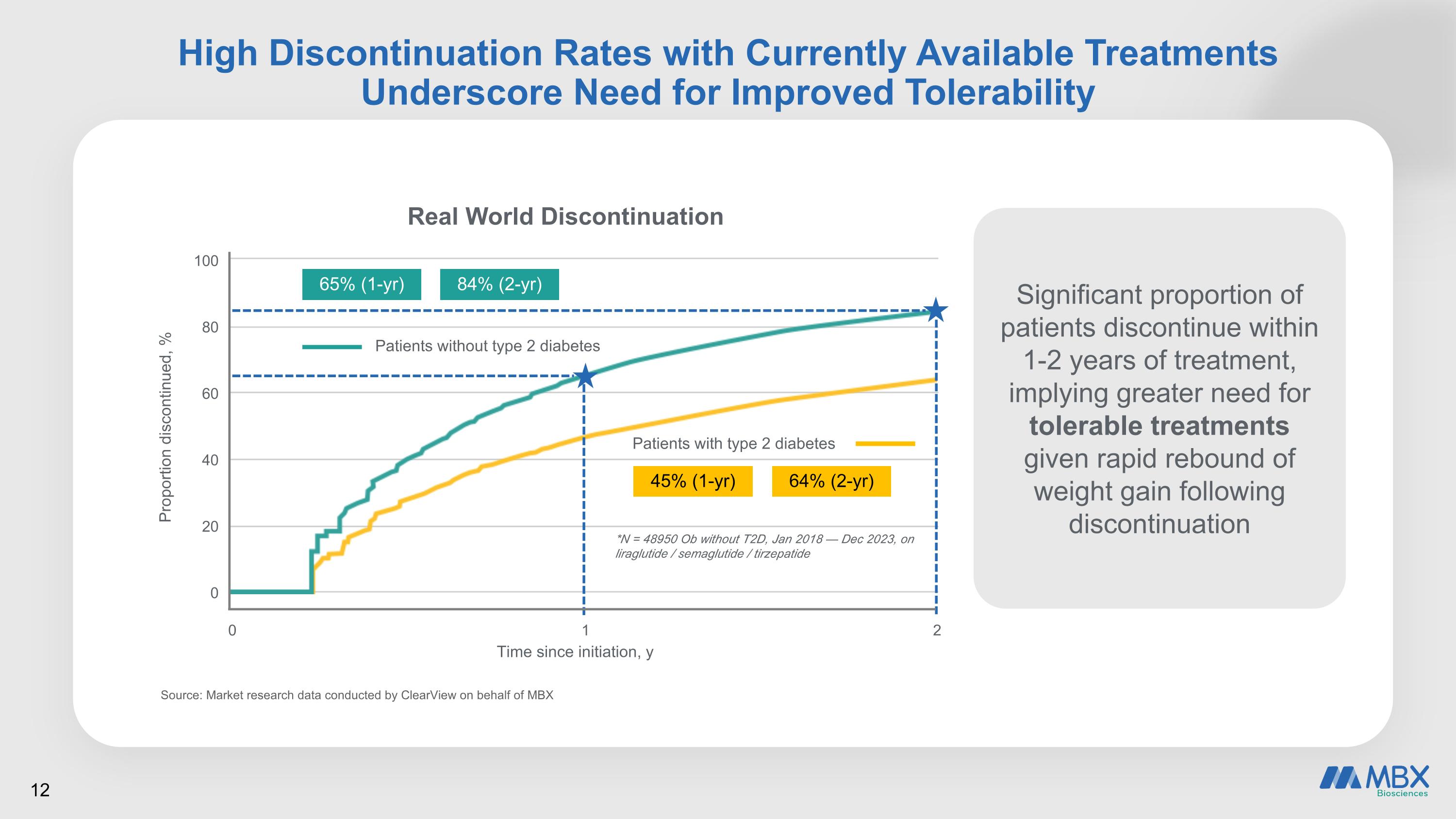
High Discontinuation Rates with Currently Available Treatments Underscore Need for Improved Tolerability Source: Market research data conducted by ClearView on behalf of MBX Proportion discontinued, % 100 80 60 40 20 0 0 1 2 Time since initiation, y Real World Discontinuation 65% (1-yr) 84% (2-yr) Patients without type 2 diabetes Patients with type 2 diabetes 45% (1-yr) 64% (2-yr) *N = 48950 Ob without T2D, Jan 2018 — Dec 2023, on liraglutide / semaglutide / tirzepatide Significant proportion of patients discontinue within 1-2 years of treatment, implying greater need for tolerable treatments given rapid rebound of weight gain following discontinuation
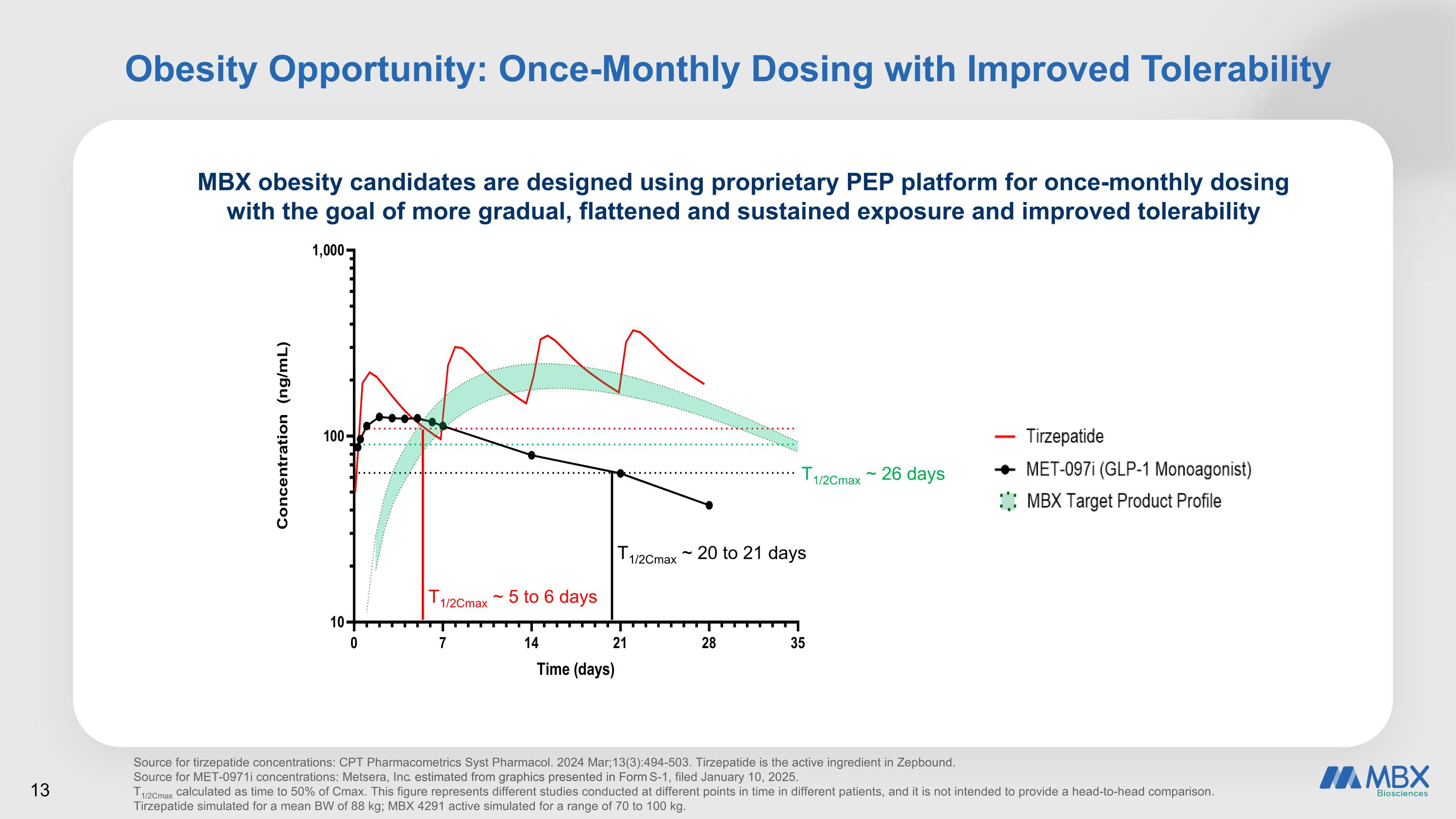
Obesity Opportunity: Once-Monthly Dosing with Improved Tolerability MBX obesity candidates are designed using proprietary PEP platform for once-monthly dosing with the goal of more gradual, flattened and sustained exposure and improved tolerability Source for tirzepatide concentrations: CPT Pharmacometrics Syst Pharmacol. 2024 Mar;13(3):494-503. Tirzepatide is the active ingredient in Zepbound. Source for MET-0971i concentrations: Metsera, Inc. estimated from graphics presented in Form S-1, filed January 10, 2025. T1/2Cmax calculated as time to 50% of Cmax. This figure represents different studies conducted at different points in time in different patients, and it is not intended to provide a head-to-head comparison. Tirzepatide simulated for a mean BW of 88 kg; MBX 4291 active simulated for a range of 70 to 100 kg. T1/2Cmax ~ 5 to 6 days T1/2Cmax ~ 20 to 21 days T1/2Cmax ~ 26 days
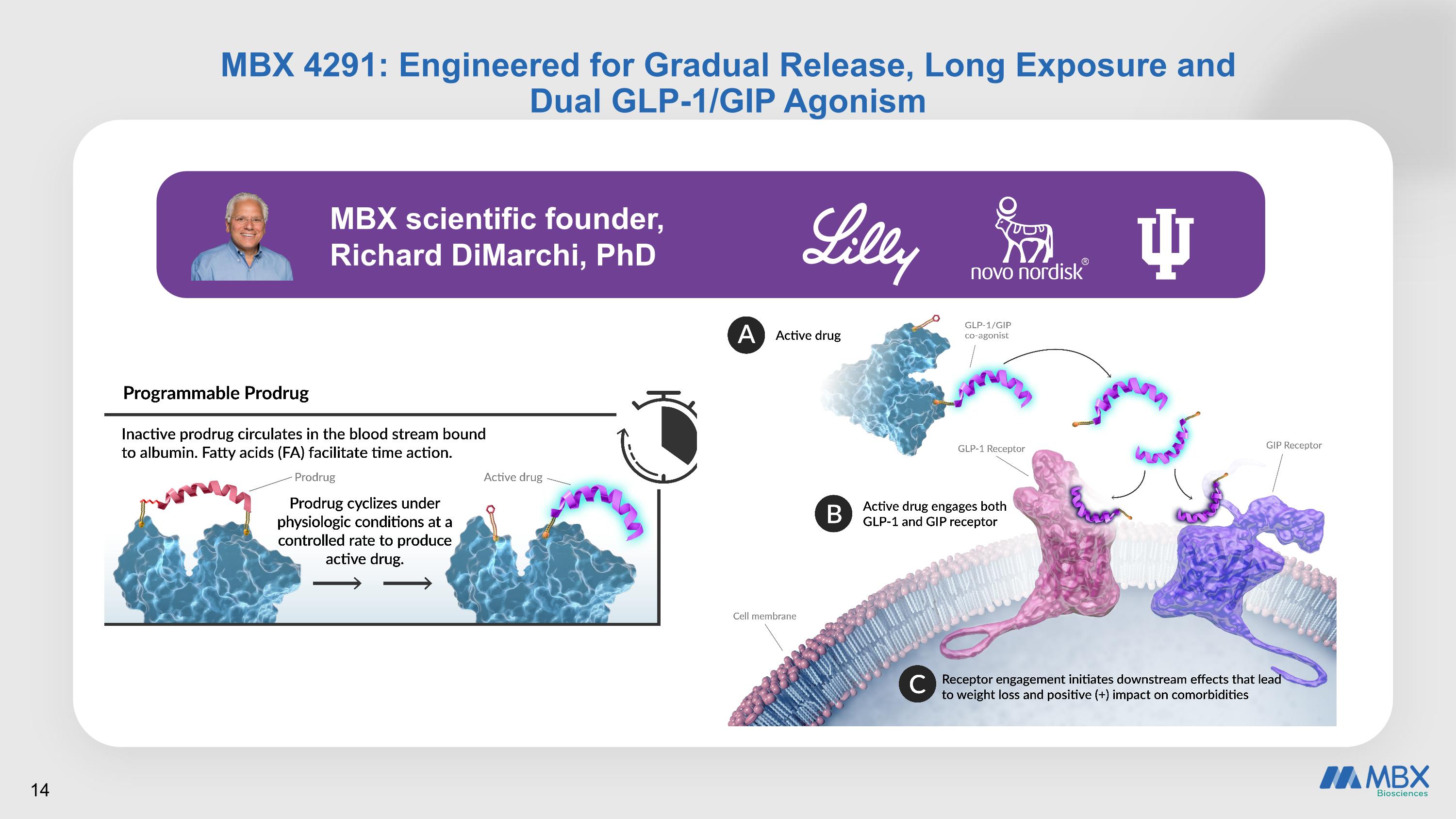
MBX 4291: Engineered for Gradual Release, Long Exposure and Dual GLP-1/GIP Agonism MBX scientific founder, Richard DiMarchi, PhD 14
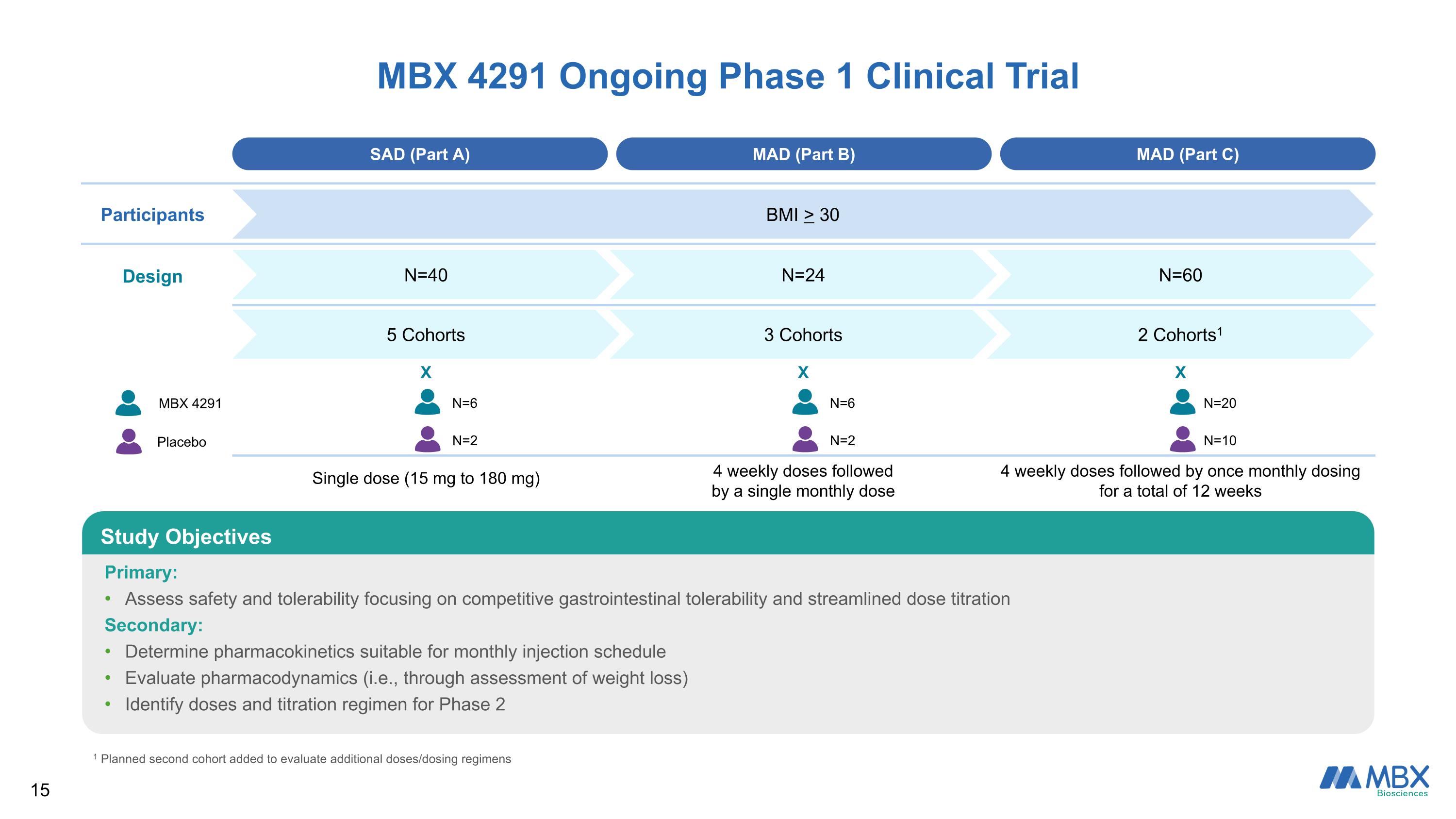
SAD (Part A) MAD (Part B) MAD (Part C) Participants BMI > 30 Design N=40 N=24 N=60 5 Cohorts 3 Cohorts 2 Cohorts1 X X X Single dose (15 mg to 180 mg) 4 weekly doses followed by a single monthly dose 4 weekly doses followed by once monthly dosing for a total of 12 weeks MBX 4291 Ongoing Phase 1 Clinical Trial Primary: Assess safety and tolerability focusing on competitive gastrointestinal tolerability and streamlined dose titration Secondary: Determine pharmacokinetics suitable for monthly injection schedule Evaluate pharmacodynamics (i.e., through assessment of weight loss) Identify doses and titration regimen for Phase 2 Study Objectives MBX 4291 Placebo N=6 N=2 N=6 N=2 N=20 N=10 1 Planned second cohort added to evaluate additional doses/dosing regimens
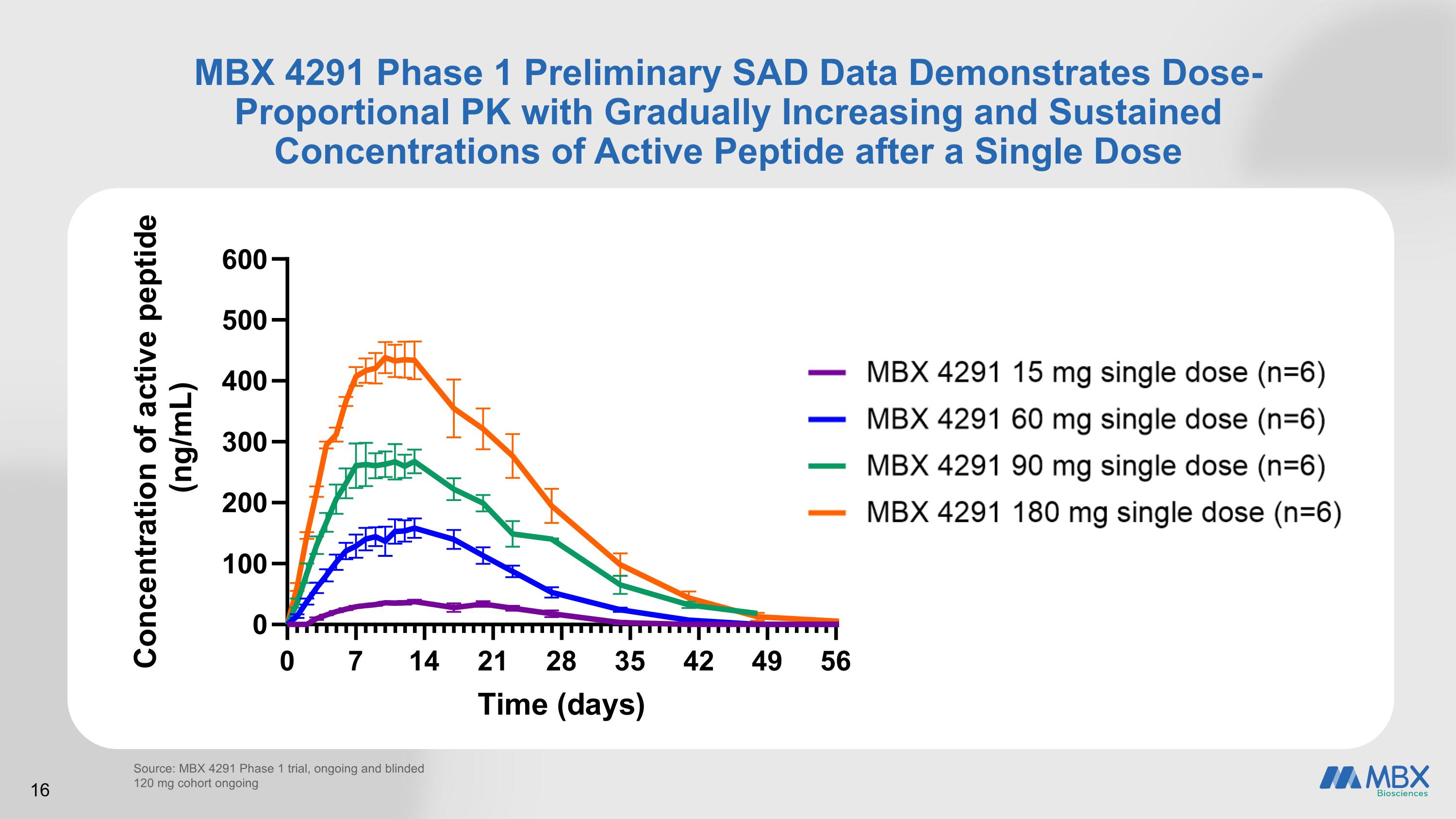
MBX 4291 Phase 1 Preliminary SAD Data Demonstrates Dose-Proportional PK with Gradually Increasing and Sustained Concentrations of Active Peptide after a Single Dose Source: MBX 4291 Phase 1 trial, ongoing and blinded 120 mg cohort ongoing
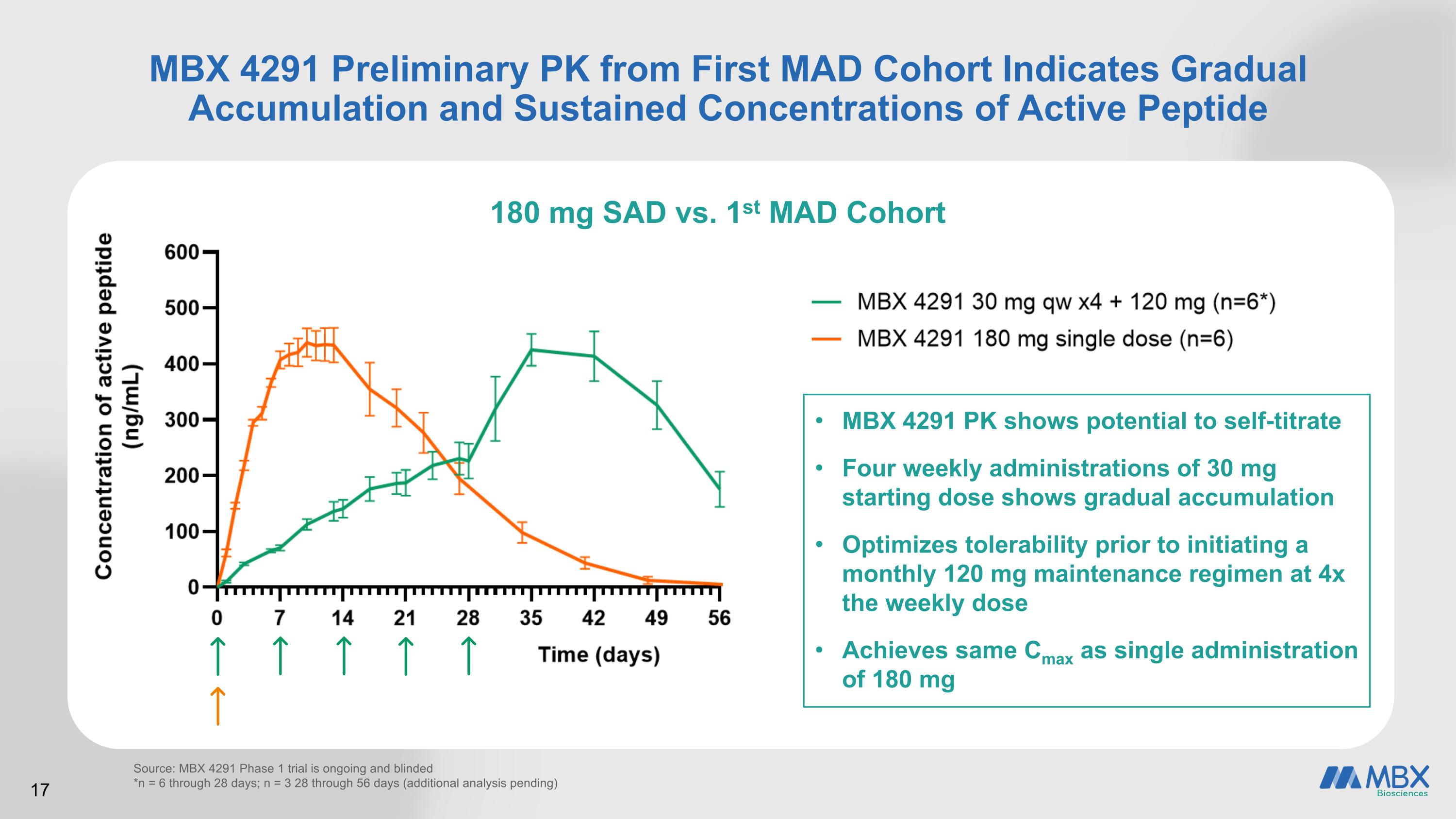
MBX 4291 Preliminary PK from First MAD Cohort Indicates Gradual Accumulation and Sustained Concentrations of Active Peptide Source: MBX 4291 Phase 1 trial is ongoing and blinded *n = 6 through 28 days; n = 3 28 through 56 days (additional analysis pending) 180 mg SAD vs. 1st MAD Cohort 17 MBX 4291 PK shows potential to self-titrate Four weekly administrations of 30 mg starting dose shows gradual accumulation Optimizes tolerability prior to initiating a monthly 120 mg maintenance regimen at 4x the weekly dose Achieves same Cmax as single administration of 180 mg
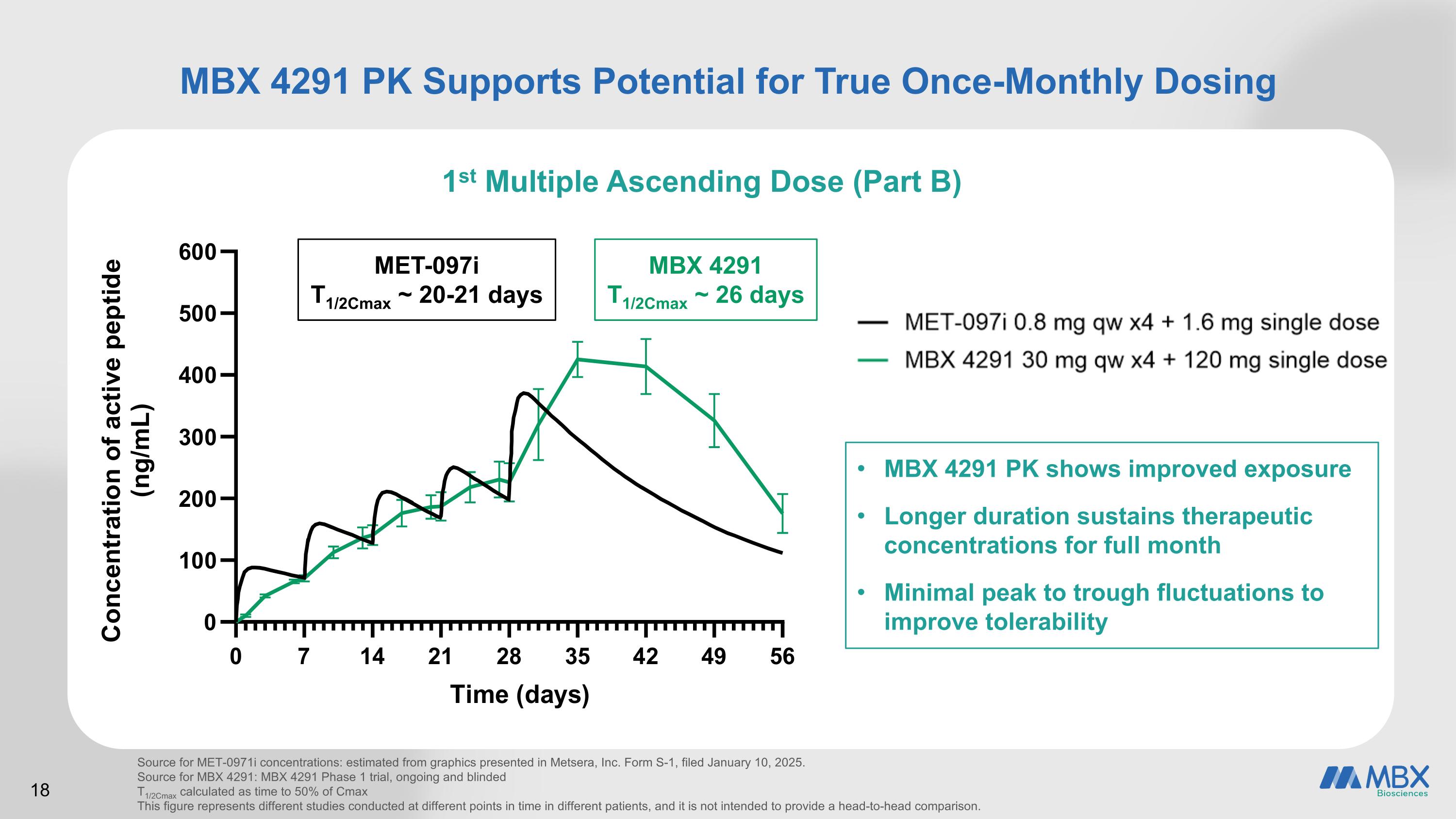
MBX 4291 PK Supports Potential for True Once-Monthly Dosing 1st Multiple Ascending Dose (Part B) Source for MET-0971i concentrations: estimated from graphics presented in Metsera, Inc. Form S-1, filed January 10, 2025. Source for MBX 4291: MBX 4291 Phase 1 trial, ongoing and blinded T1/2Cmax calculated as time to 50% of Cmax This figure represents different studies conducted at different points in time in different patients, and it is not intended to provide a head-to-head comparison. MET-097i T1/2Cmax ~ 20-21 days MBX 4291 T1/2Cmax ~ 26 days MBX 4291 PK shows improved exposure Longer duration sustains therapeutic concentrations for full month Minimal peak to trough fluctuations to improve tolerability 18
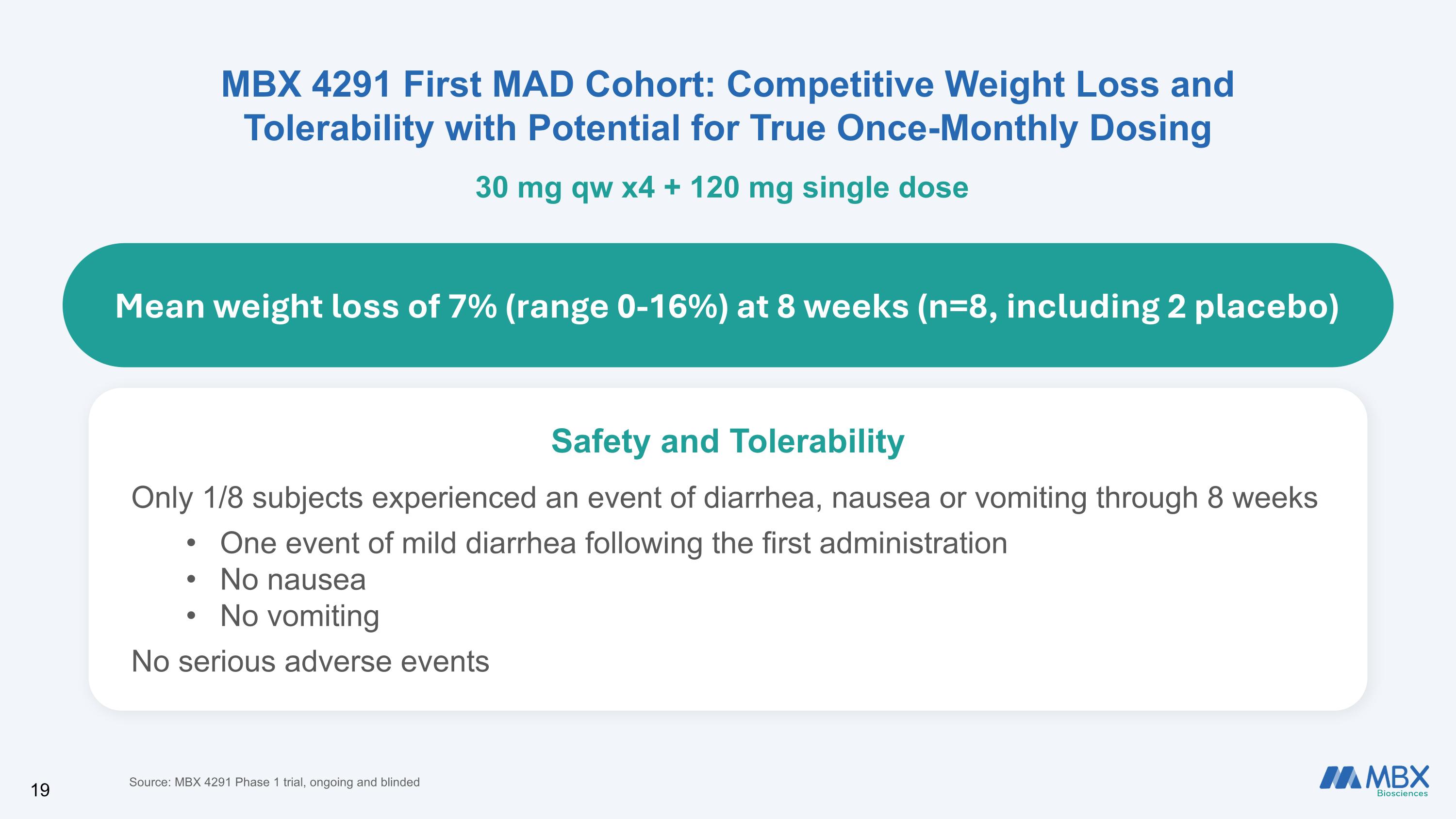
Mean weight loss of 7% (range 0-16%) at 8 weeks (n=8, including 2 placebo) MBX 4291 First MAD Cohort: Competitive Weight Loss and Tolerability with Potential for True Once-Monthly Dosing 30 mg qw x4 + 120 mg single dose Safety and Tolerability Only 1/8 subjects experienced an event of diarrhea, nausea or vomiting through 8 weeks One event of mild diarrhea following the first administration No nausea No vomiting No serious adverse events Source: MBX 4291 Phase 1 trial, ongoing and blinded
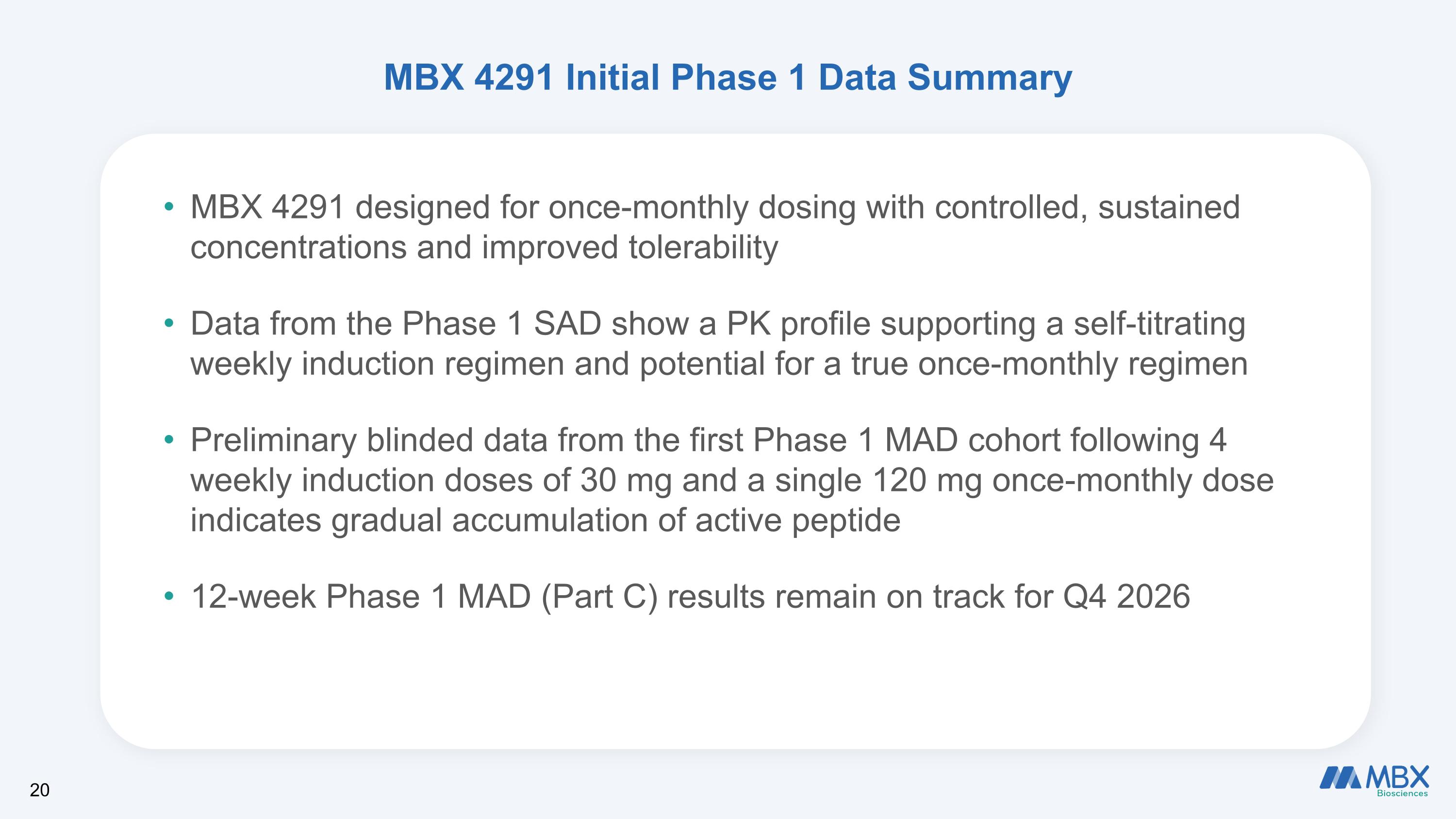
MBX 4291 Initial Phase 1 Data Summary MBX 4291 designed for once-monthly dosing with controlled, sustained concentrations and improved tolerability Data from the Phase 1 SAD show a PK profile supporting a self-titrating weekly induction regimen and potential for a true once-monthly regimen Preliminary blinded data from the first Phase 1 MAD cohort following 4 weekly induction doses of 30 mg and a single 120 mg once-monthly dose indicates gradual accumulation of active peptide 12-week Phase 1 MAD (Part C) results remain on track for Q4 2026
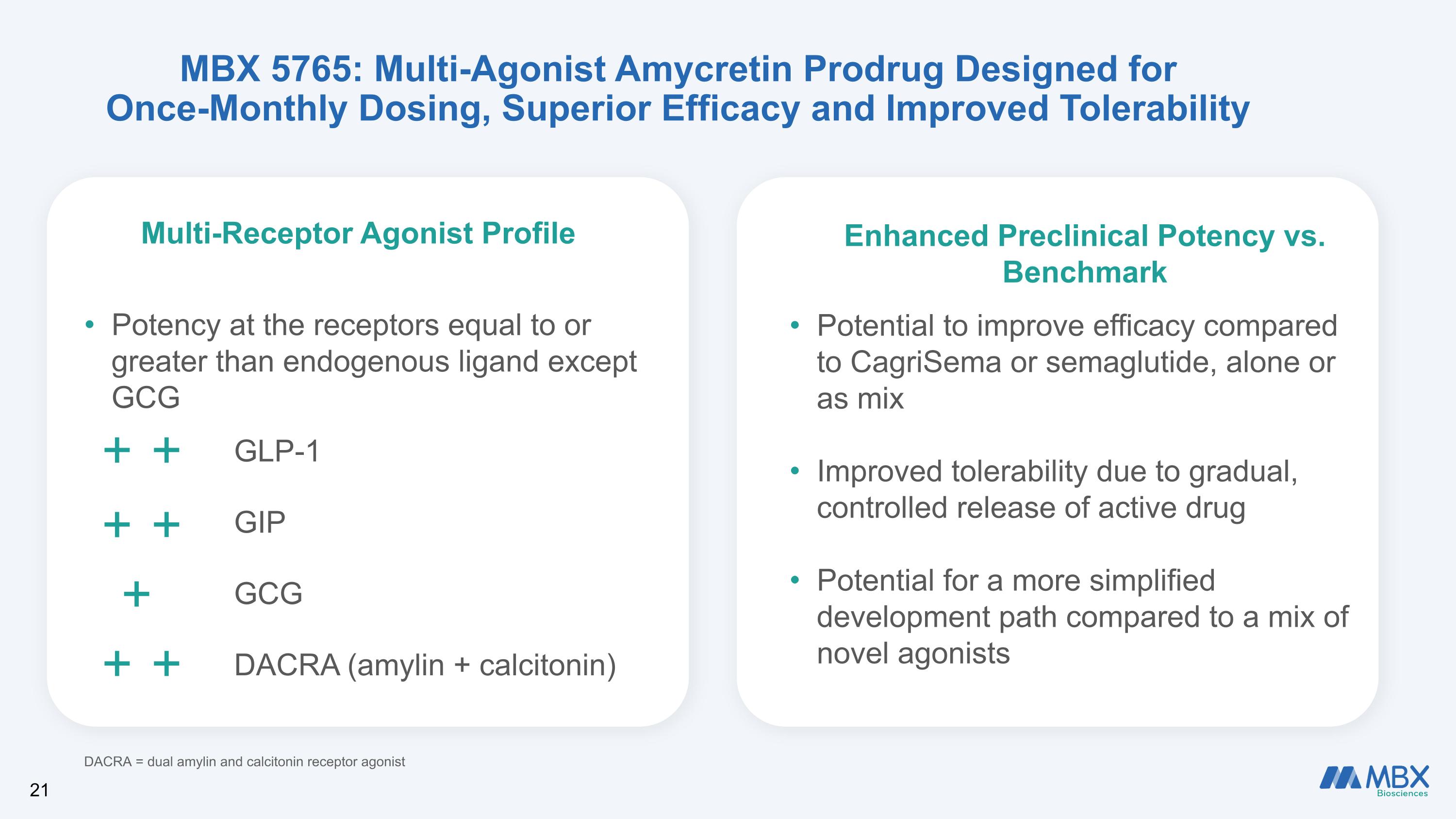
GLP-1 GIP GCG DACRA (amylin + calcitonin) Potential to improve efficacy compared to CagriSema or semaglutide, alone or as mix Improved tolerability due to gradual, controlled release of active drug Potential for a more simplified development path compared to a mix of novel agonists MBX 5765: Multi-Agonist Amycretin Prodrug Designed for Once-Monthly Dosing, Superior Efficacy and Improved Tolerability Potency at the receptors equal to or greater than endogenous ligand except GCG DACRA = dual amylin and calcitonin receptor agonist Multi-Receptor Agonist Profile Enhanced Preclinical Potency vs. Benchmark 21
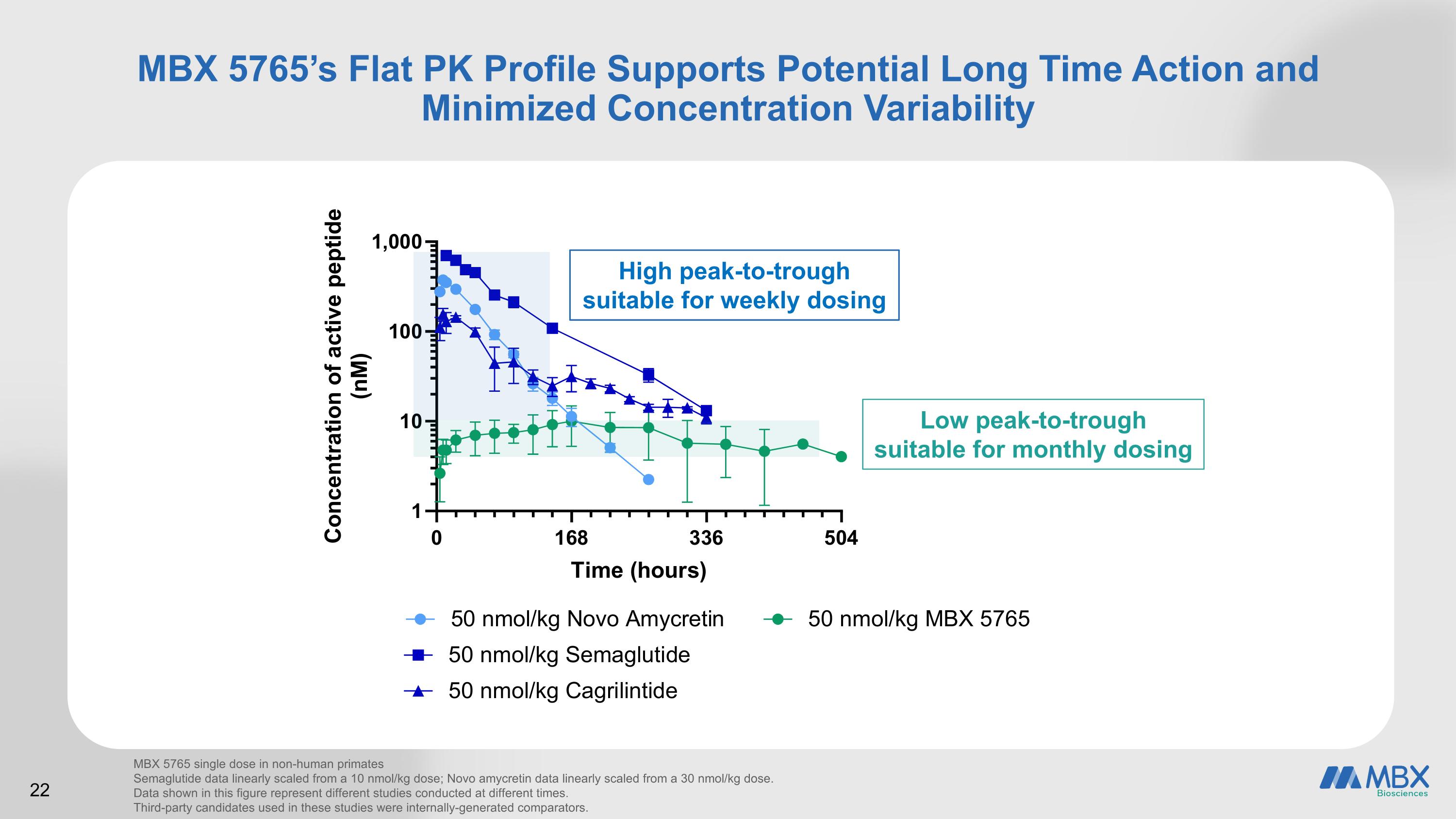
22 we MBX 5765’s Flat PK Profile Supports Potential Long Time Action and Minimized Concentration Variability MBX 5765 single dose in non-human primates Semaglutide data linearly scaled from a 10 nmol/kg dose; Novo amycretin data linearly scaled from a 30 nmol/kg dose. Data shown in this figure represent different studies conducted at different times. Third-party candidates used in these studies were internally-generated comparators. High peak-to-trough suitable for weekly dosing Low peak-to-trough suitable for monthly dosing
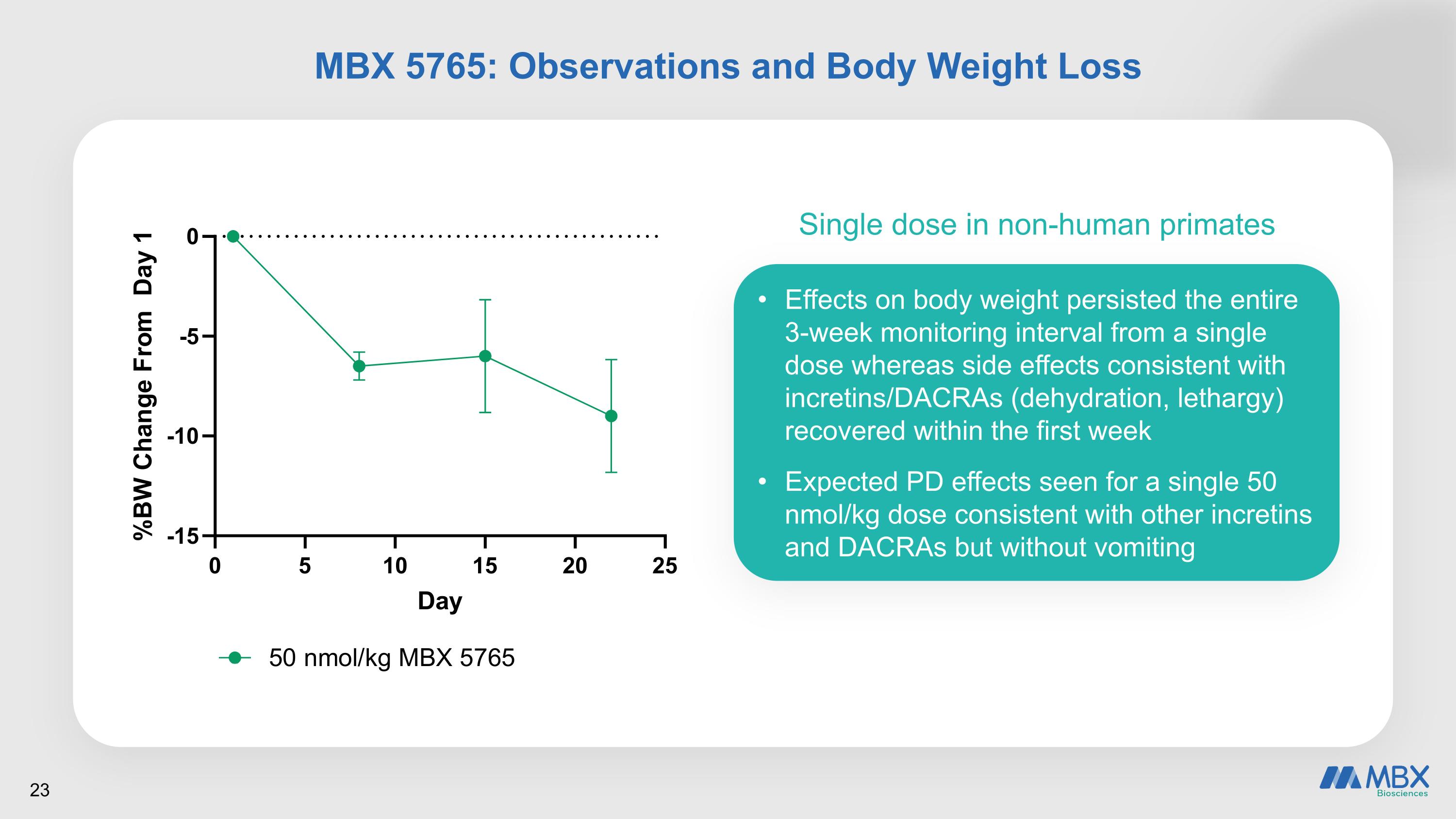
MBX 5765: Observations and Body Weight Loss Effects on body weight persisted the entire 3-week monitoring interval from a single dose whereas side effects consistent with incretins/DACRAs (dehydration, lethargy) recovered within the first week Expected PD effects seen for a single 50 nmol/kg dose consistent with other incretins and DACRAs but without vomiting 23 Single dose in non-human primates
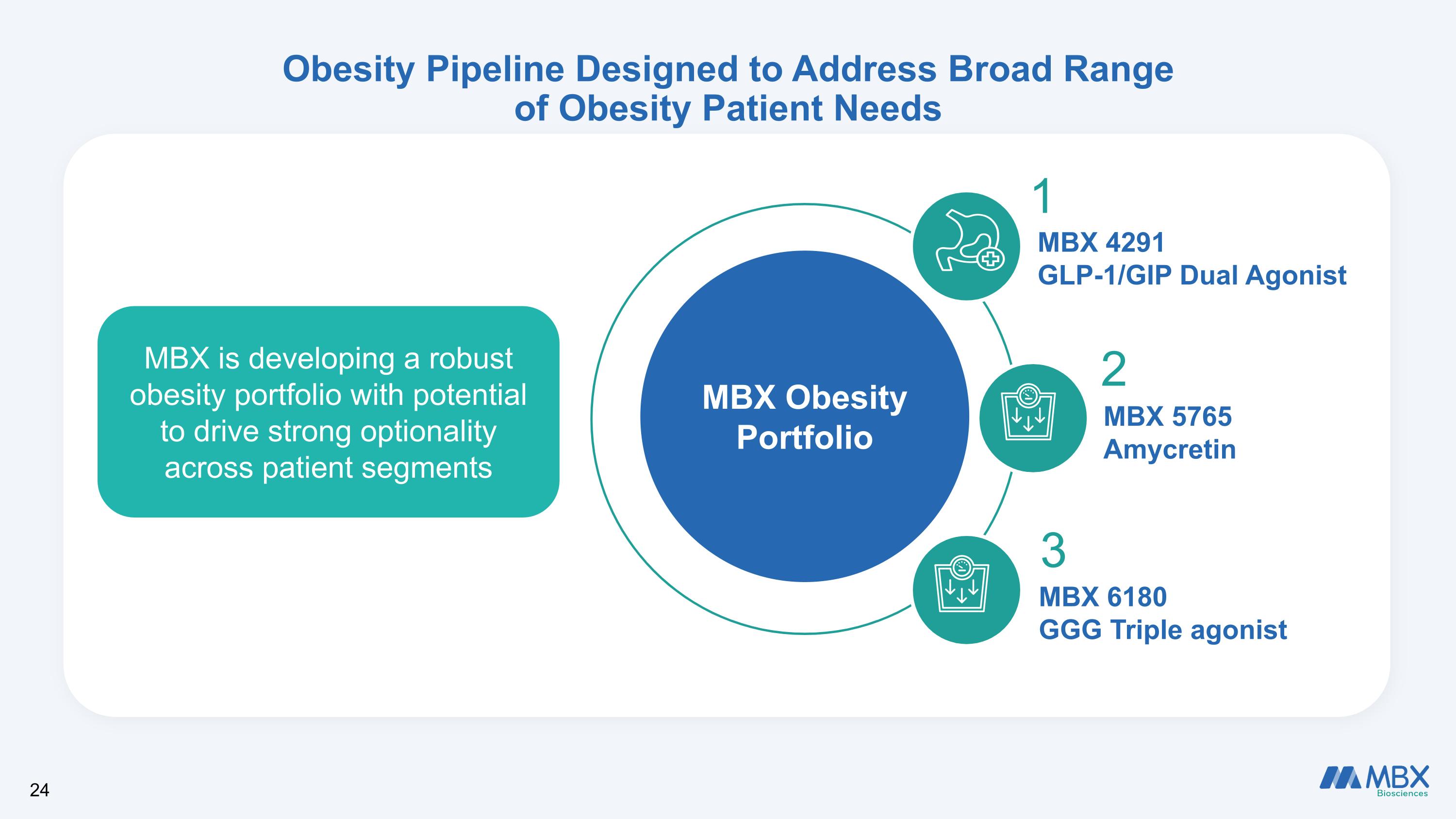
Obesity Pipeline Designed to Address Broad Range of Obesity Patient Needs MBX Obesity Portfolio MBX 4291 GLP-1/GIP Dual Agonist MBX 5765 Amycretin MBX 6180 GGG Triple agonist 1 2 3 MBX is developing a robust obesity portfolio with potential to drive strong optionality across patient segments 24
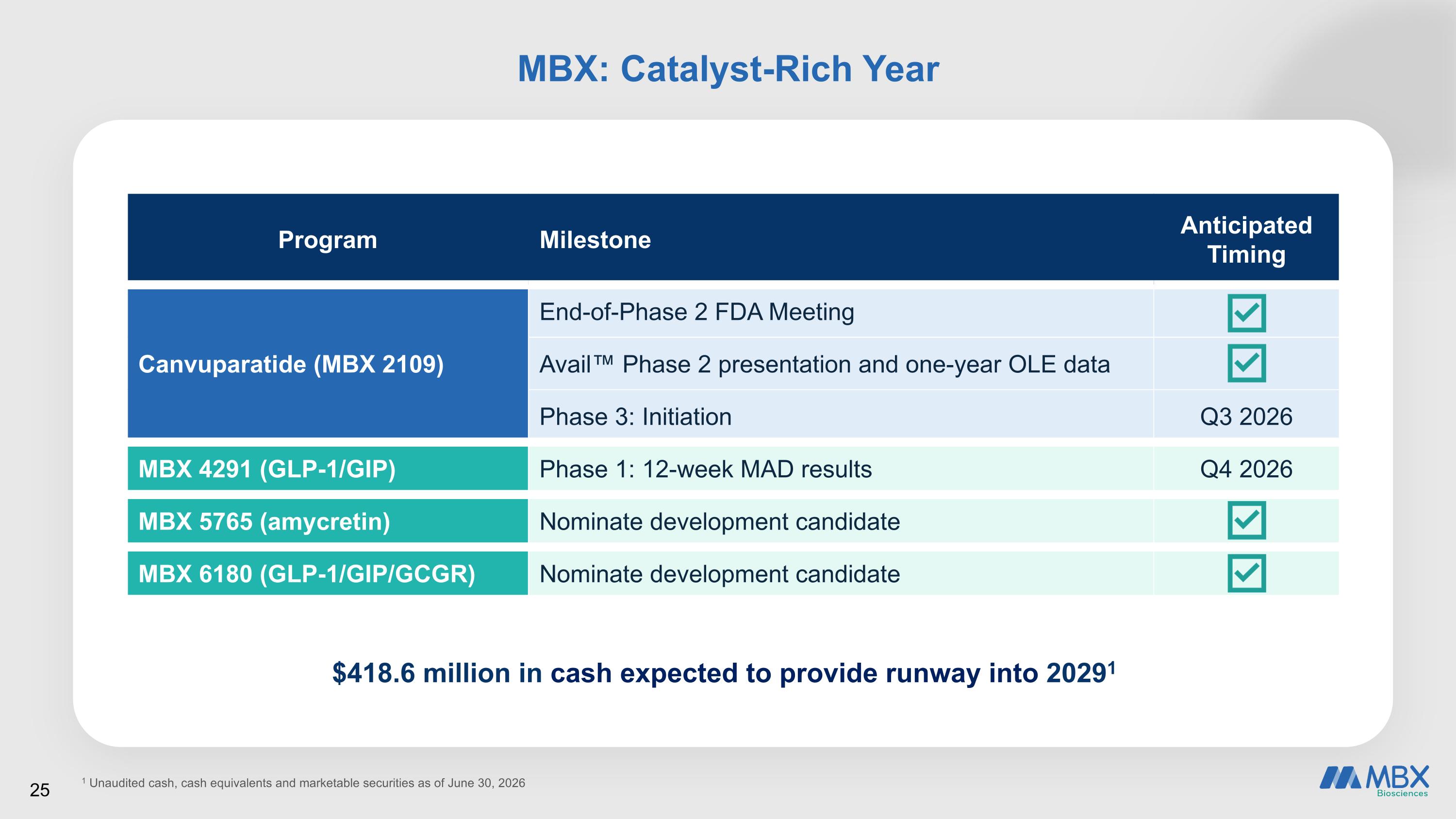
$418.6 million in cash expected to provide runway into 20291 Program Milestone Anticipated Timing Canvuparatide (MBX 2109) End-of-Phase 2 FDA Meeting Avail™ Phase 2 presentation and one-year OLE data Phase 3: Initiation Q3 2026 MBX 4291 (GLP-1/GIP) Phase 1: 12-week MAD results Q4 2026 MBX 5765 (amycretin) Nominate development candidate MBX 6180 (GLP-1/GIP/GCGR) Nominate development candidate 1 Unaudited cash, cash equivalents and marketable securities as of June 30, 2026 MBX: Catalyst-Rich Year 25

Transforming the Lives of People Impacted by Endocrine and Metabolic Diseases through Precision Peptides Our Mission