| CC-1 Vusolimogene oderparepvec-wtpg (TUDRIQEV ) in Combination with Nivolumab for the Treatment of Adults with Unresectable Advanced Cutaneous Melanoma July 30, 2026 United States Food and Drug Administration Cellular, Tissue and Gene Therapies Advisory Committee |
| CC-2 Introduction Kari Jeschke, MA Senior Vice President, Regulatory Affairs, Replimune, Inc. |
| CC-3 Melanoma Community Support for Urgent Access to RP1 |
| CC-4 TUDRIQEV is indicated in combination with nivolumab for the treatment of adults with unresectable advanced cutaneous melanoma who experienced disease progression with an anti-programmed death receptor-1 (PD-1) based regimen Proposed Indication Statement |
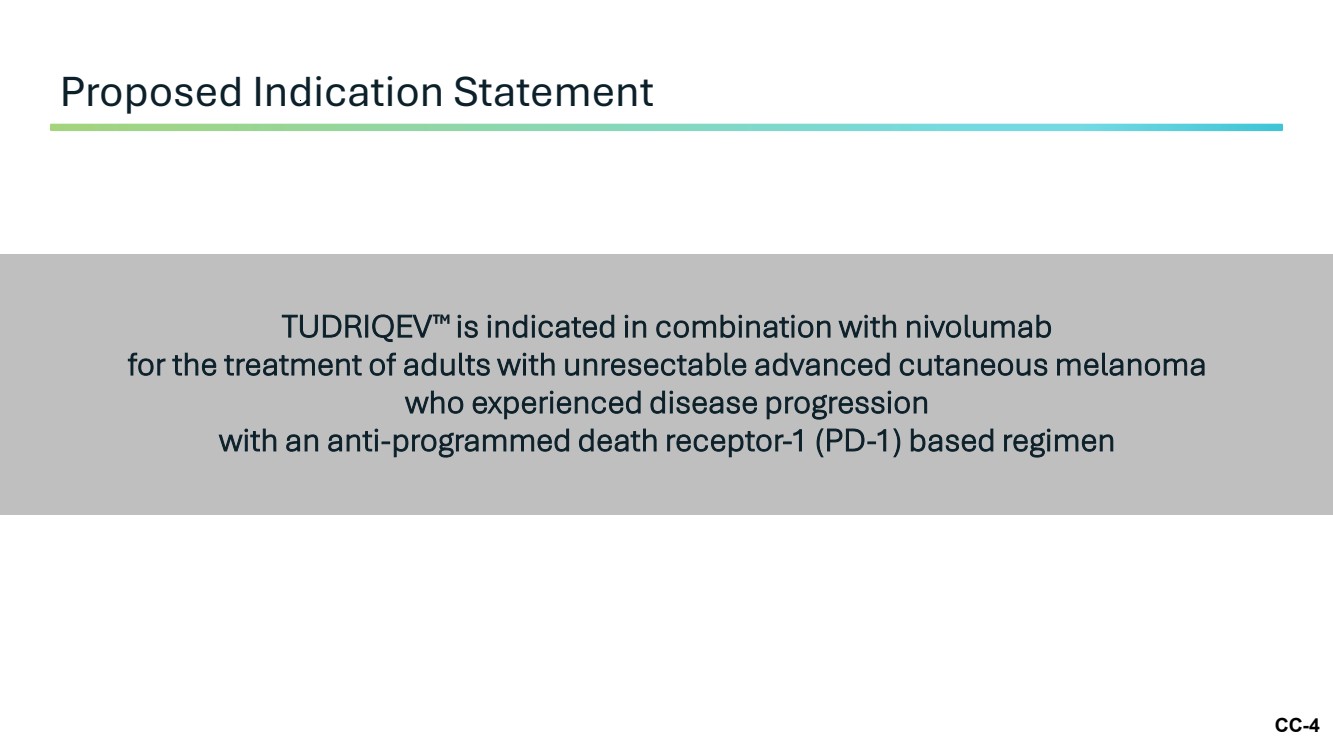
| CC-5 Favorable Benefit-Risk for Accelerated Approval IGNYTE-3 randomized confirmatory trial ongoing with OS data expected in 2030 UNMET NEED: SERIOUS, LIFE-THREATENING DISEASE EFFICACY Adequate and Well-controlled Trial Supporting Evidence IGNYTE ORR: 33.6% (95% CI: 25.8, 42) DoR: 24.8 months (95% CI: 14.1, NE) MOA/Biological Plausibility Preclinical Biomarkers Well-tolerated Safety Profile IGNYTE Mainly Grade 1 and 2 No treatment-related Grade 5 SAFETY |
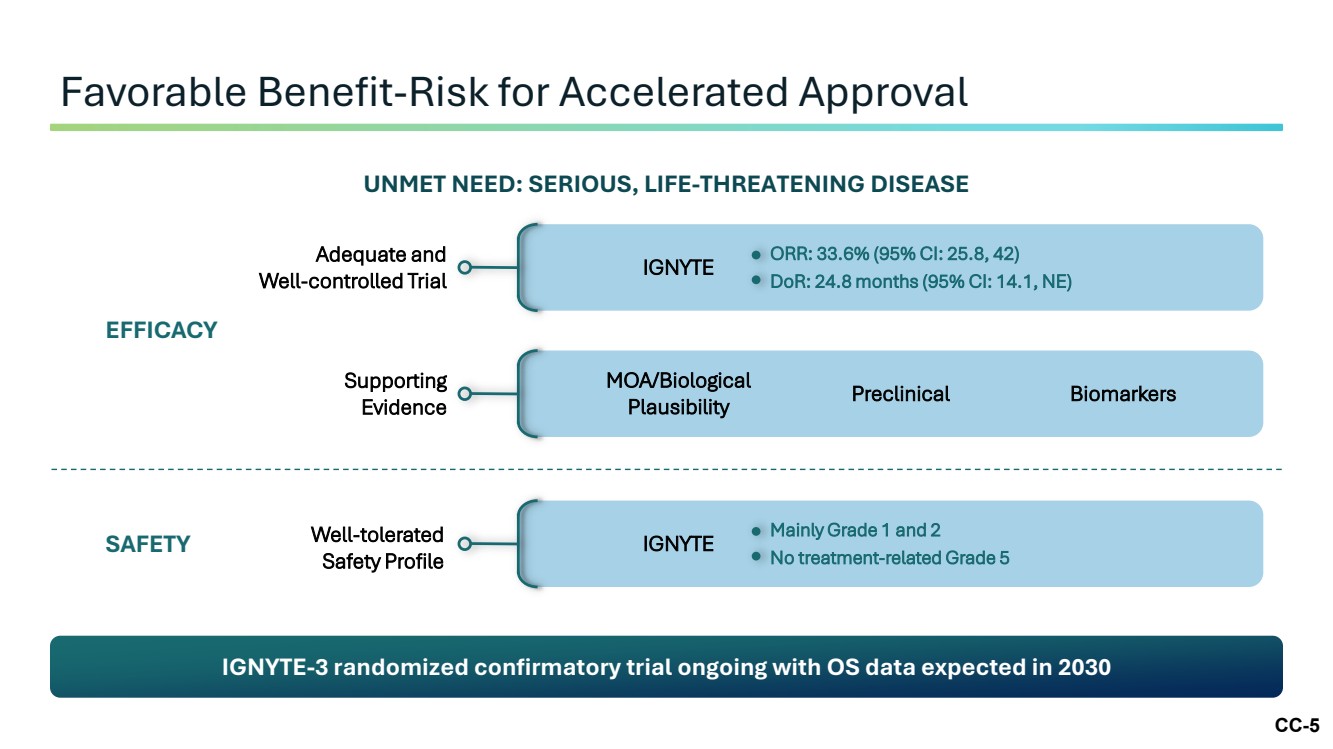
| CC-6 Melanoma Approvals Since Initiation of IGNYTE Study 1. NCCN Guidelines Version 2.2026 Melanoma: Cutaneous. MELSYS 2 of 10. 2. Ascierto PA, et al. J Clin Oncol. 2023 May 20;41(15):2724-35. 3. AMTAGVI USPI. 2024 Iovance Biotherapeutics, Inc. Recent FDA Approvals Year Basis of Approval Relevance to RP1 Relatlimab + Nivolumab (OPDUALAG) 2022 • Randomized controlled trial • First-line treatment-naive patients • Now included in NCCN guidelines1 for second line (ORR 9-12%)2 • Approved post IGNYTE • >95% selected option for IGNYTE-3 control arm Lifileucel (AMTAGVI) + IL-2 regimen 2024 • Single arm • Previously treated with anti-PD-1 • ORR (31.5%, n=73); combination regimen with 7.5% mortality (n=160)3 • Precedent in similar setting (PD-1 failed melanoma) with single arm data |
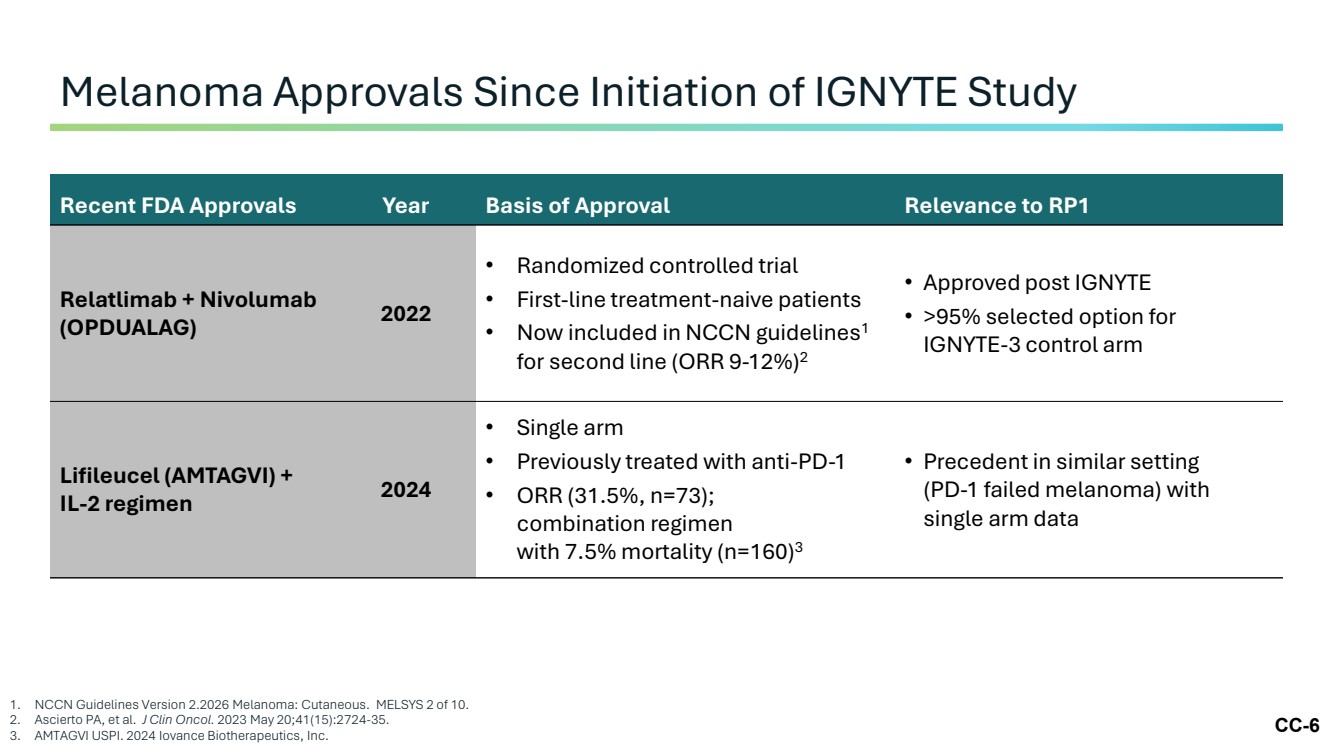
| CC-13 Ongoing Collaboration with FDA through 2025 2021 2022 2023 2024 2025 Key alignments with FDA: • Potential flexibility on single trial, pending compelling evidence (2021) • Enroll real-world population (2021) • RECIST 1.1 (2023) • Analysis of all injected and non-injected lesions (2023) • Literature to support contribution of effect (2023) • IGNYTE-3 design (2023) • SAP and Independent review charter for response assessment (2024) Key alignments with FDA: Type B Meeting - IGNYTE: Study design (March) Type C Meeting - IGNYTE: Preliminary results & IGNYTE-3 design (September) Pre BLA Meeting (September) Breakthrough therapy designation (November) Productive review cycle >50 information requests and near final label (Jan-July) Priority review designation (January) |
| CC-14 Initial FDA Clinical Review: Basis for Approval FDA BLA Clinical Review and Evaluation, July 15 2025 (obtained by Replimune through Freedom of Information Act) “…The reviewers acknowledge that the clinical benefit of VO in combination with nivolumab is based on results from a single arm trial with inherited biases including potential patient selection bias, like all single arm trials. However, with over 30 clinical information requests including 27 efficacy related clinical information requests with over 136 questions, the reviewers did not find any study conduct or data integrity issues. The IGNYTE trial (RPL-001-16) Phase 2 portion is an adequate and well-controlled trial which provides substantial evidence of effectiveness…” |
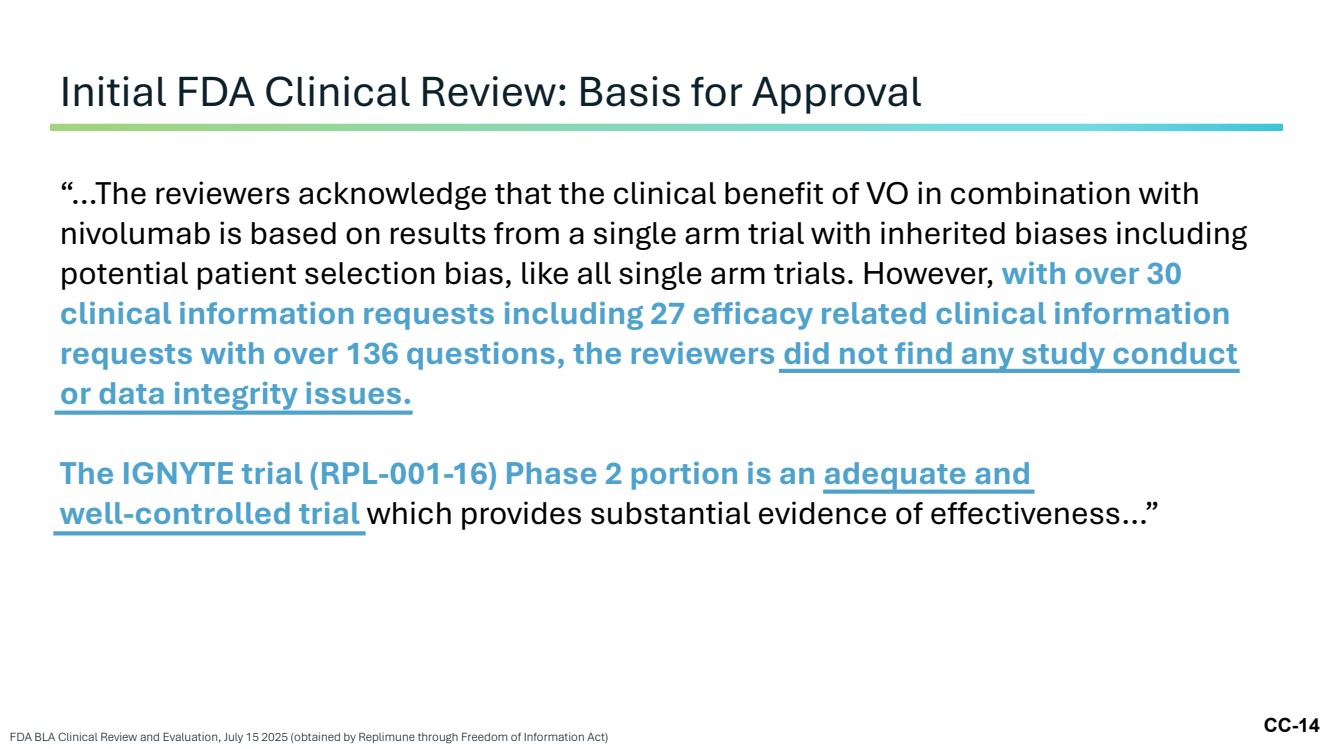
| CC-15 Initial FDA Clinical Review: Recommended RP1 for Approval FDA BLA Clinical Review and Evaluation, July 15 2025 (obtained by Replimune through Freedom of Information Act) “…Based on the IGNYTE trial results, a comprehensive literature review, the life-threatening condition of the intended patient population, the absence of treatment with proven clinical benefit in the standard of care setting, and the precedent cases using durable ORR to support drug approvals in this population, the reviewers conclude that the efficacy and safety results from the IGNYTE trial have demonstrated substantial evidence of effectiveness of VO. The benefits of VO, used in combination with nivolumab, outweigh risks, representing an improvement over standard of care. The benefit over risk profile of VO in combination with nivolumab is superior to lifileucel treatment which is a multi-component regimen (preconditioning chemotherapy with cyclophosphamide and fludarabine followed by infusions of lifileucel and up to 6 doses of high dose IL-2) that is associated with high risks. Therefore, the reviewers recommend for accelerated approval of VO, used in combinations with nivolumab, for adult patients with confirmed disease progression on anti-PD-1 based therapy…” |
| CC-16 Regulatory Topics |

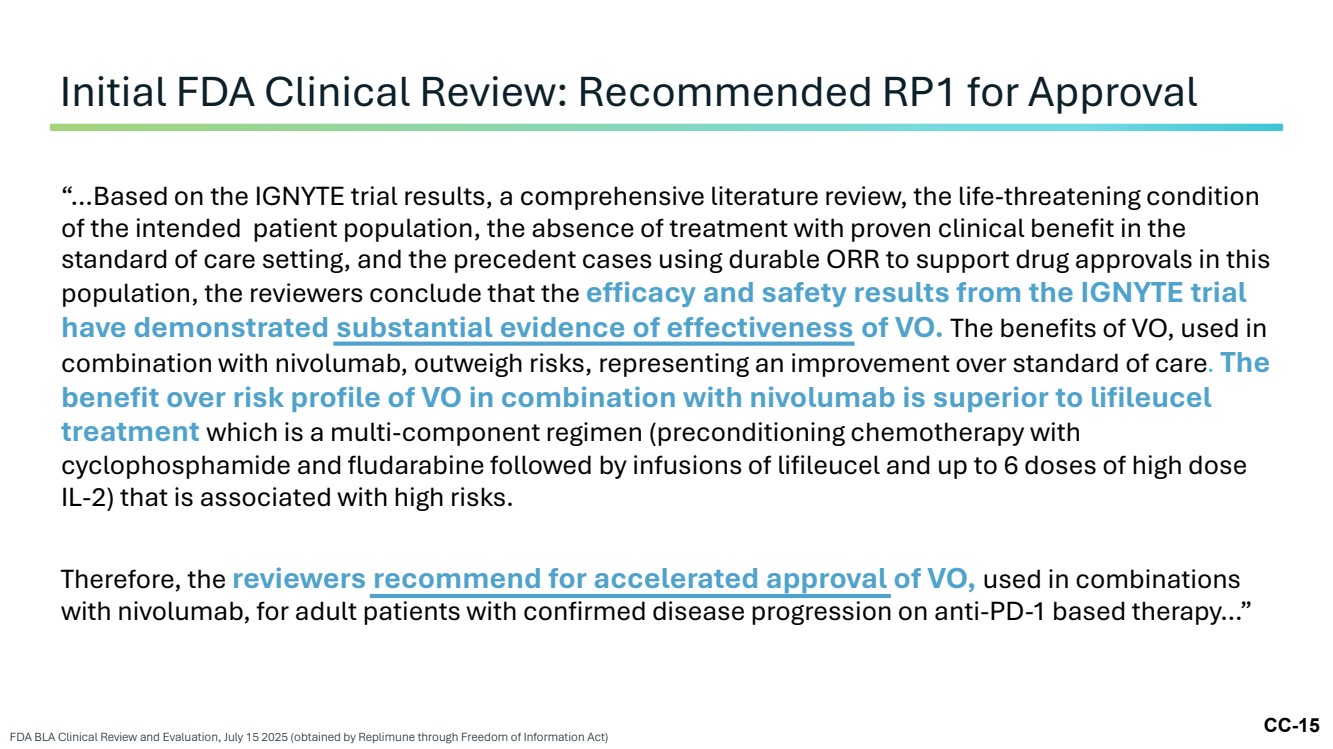
| CC-17 Relevance of MOA to Response Assessment LOCAL IMMUNE EFFECT SYSTEMIC IMMUNE EFFECT • Direct oncolytic virus-mediated tumor lysis attracts antigen-presenting cells • Antigen-presenting cells internalize tumor antigens, leading to T cell activation • Activated T cells traffic systemically, driving long-term durable responses in both injected and non-injected tumors |
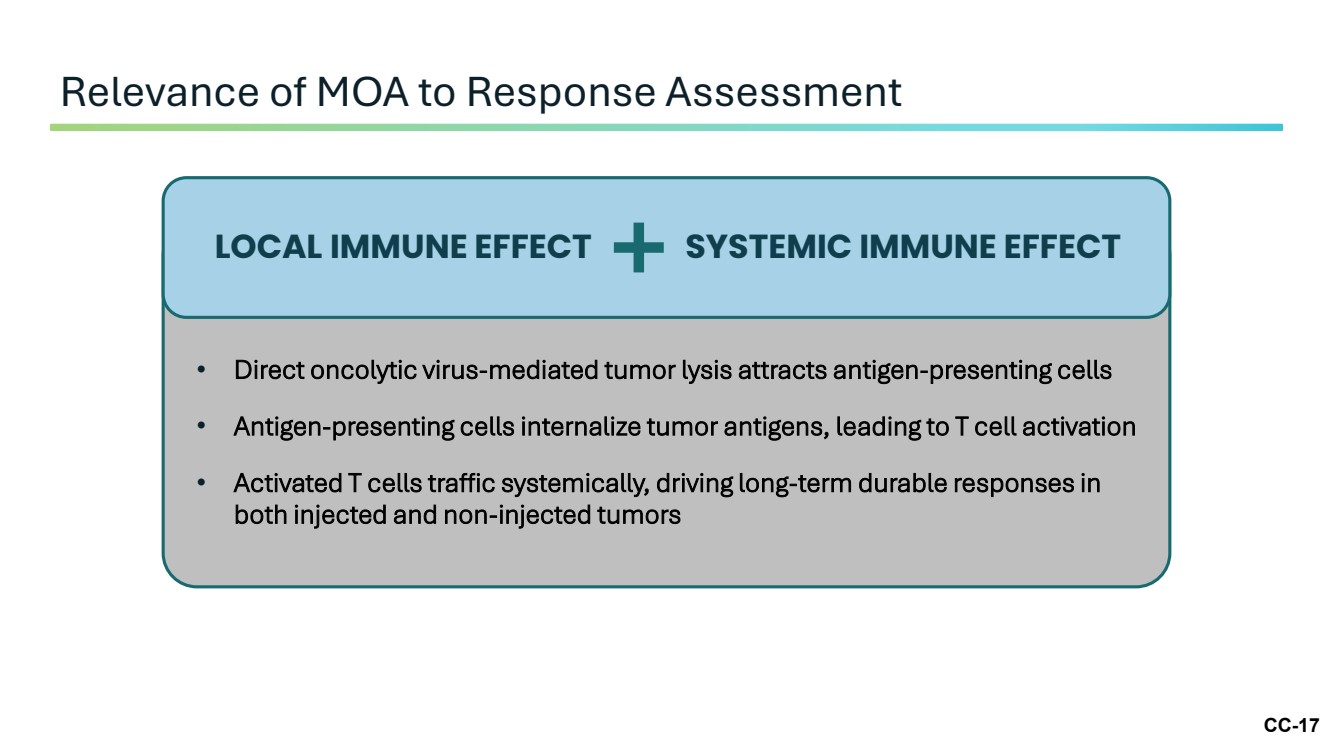
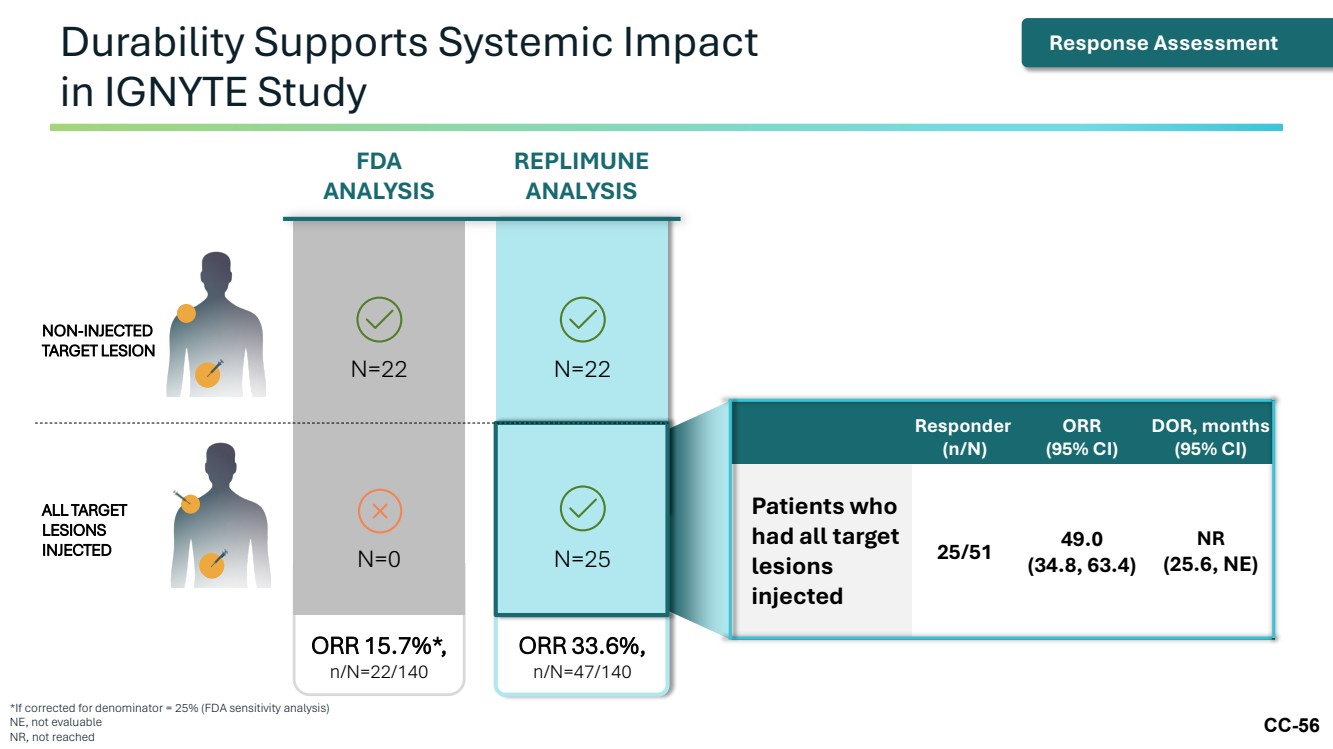
| CC-18 RECIST 1.1: Replimune vs. FDA Response Rate Analysis *If corrected for denominator = 25% (FDA sensitivity analysis) FDA ANALYSIS N=22 N=0 ORR 15.7%*, n/N=22/140 REPLIMUNE ANALYSIS N=22 N=25 ORR 33.6%, n/N=47/140 NON-INJECTED TARGET LESION ALL TARGET LESIONS INJECTED Patients with all target lesions injected should be included |
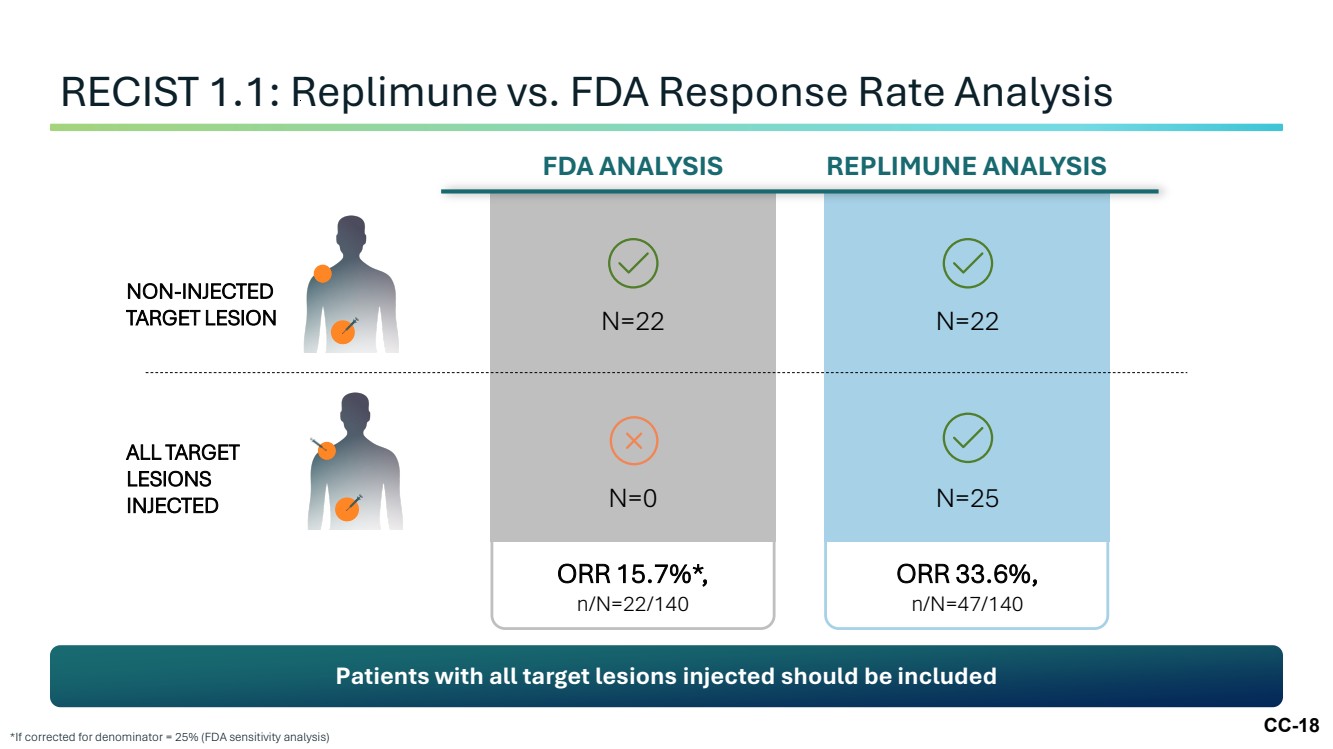
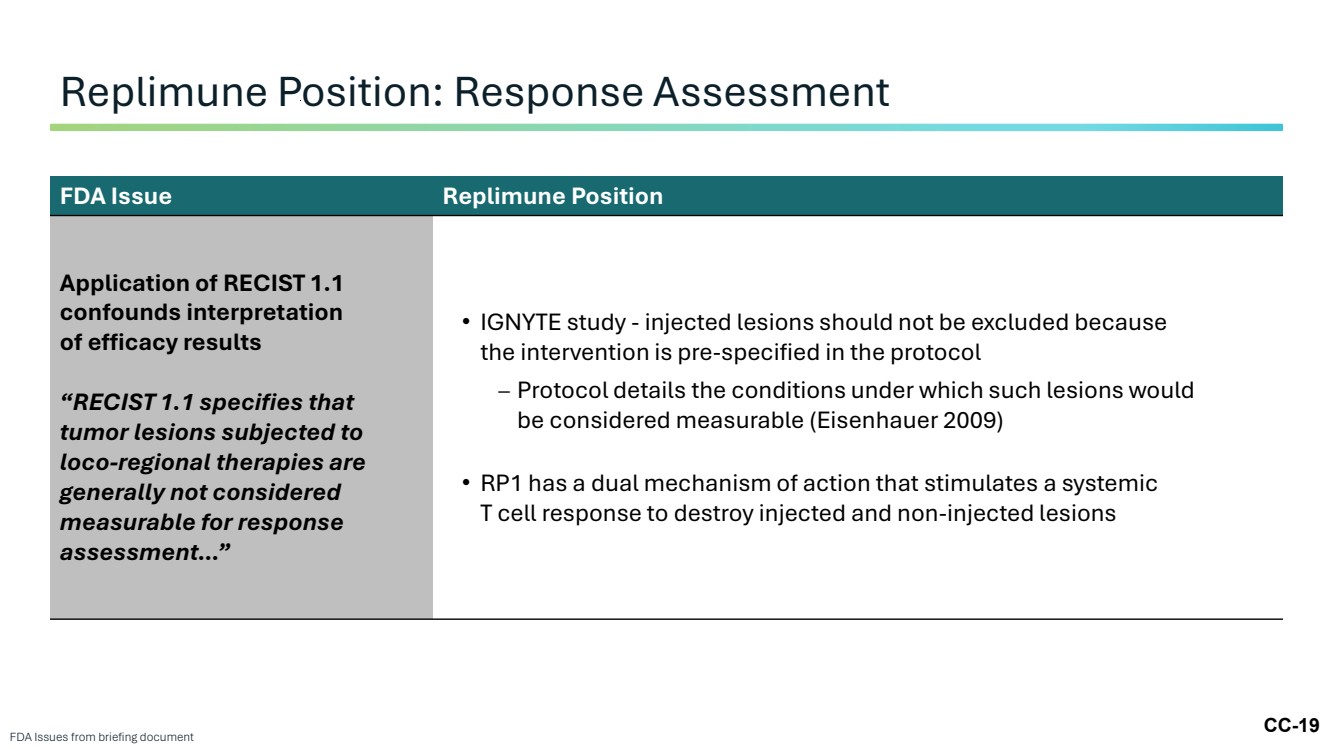
| CC-19 Replimune Position: Response Assessment FDA Issues from briefing document FDA Issue Replimune Position Application of RECIST 1.1 confounds interpretation of efficacy results “RECIST 1.1 specifies that tumor lesions subjected to loco-regional therapies are generally not considered measurable for response assessment…” • IGNYTE study - injected lesions should not be excluded because the intervention is pre-specified in the protocol – Protocol details the conditions under which such lesions would be considered measurable (Eisenhauer 2009) • RP1 has a dual mechanism of action that stimulates a systemic T cell response to destroy injected and non-injected lesions |
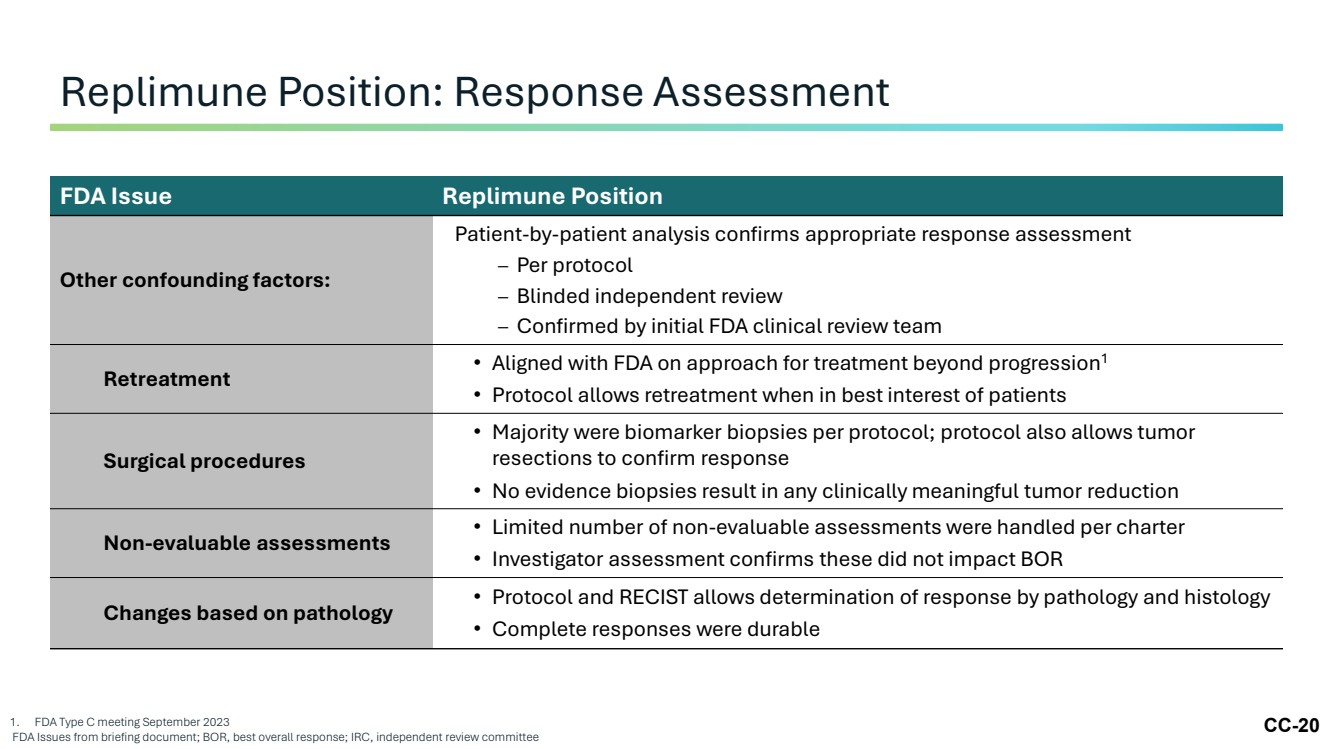
| CC-20 Replimune Position: Response Assessment 1. FDA Type C meeting September 2023 FDA Issues from briefing document; BOR, best overall response; IRC, independent review committee FDA Issue Replimune Position Other confounding factors: Patient-by-patient analysis confirms appropriate response assessment – Per protocol – Blinded independent review – Confirmed by initial FDA clinical review team Retreatment • Aligned with FDA on approach for treatment beyond progression1 • Protocol allows retreatment when in best interest of patients Surgical procedures • Majority were biomarker biopsies per protocol; protocol also allows tumor resections to confirm response • No evidence biopsies result in any clinically meaningful tumor reduction Non-evaluable assessments • Limited number of non-evaluable assessments were handled per charter • Investigator assessment confirms these did not impact BOR Changes based on pathology • Protocol and RECIST allows determination of response by pathology and histology • Complete responses were durable |
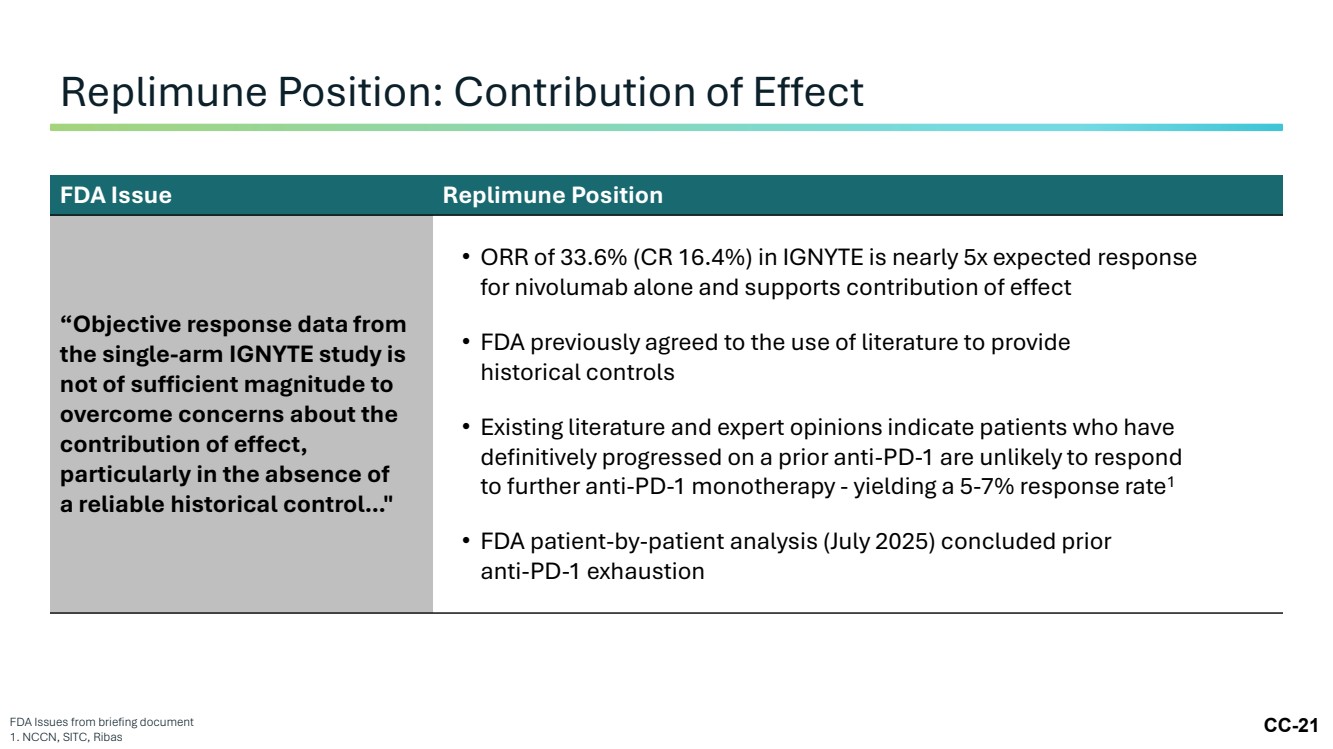
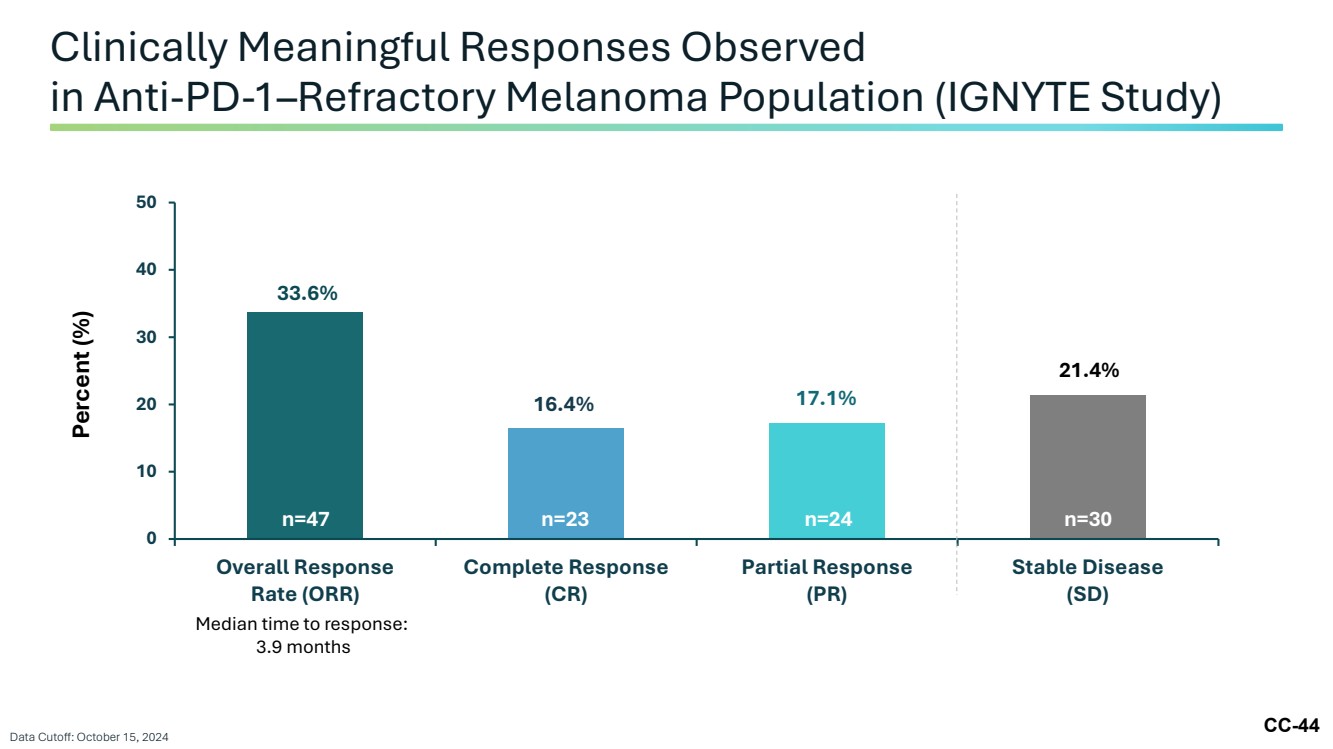
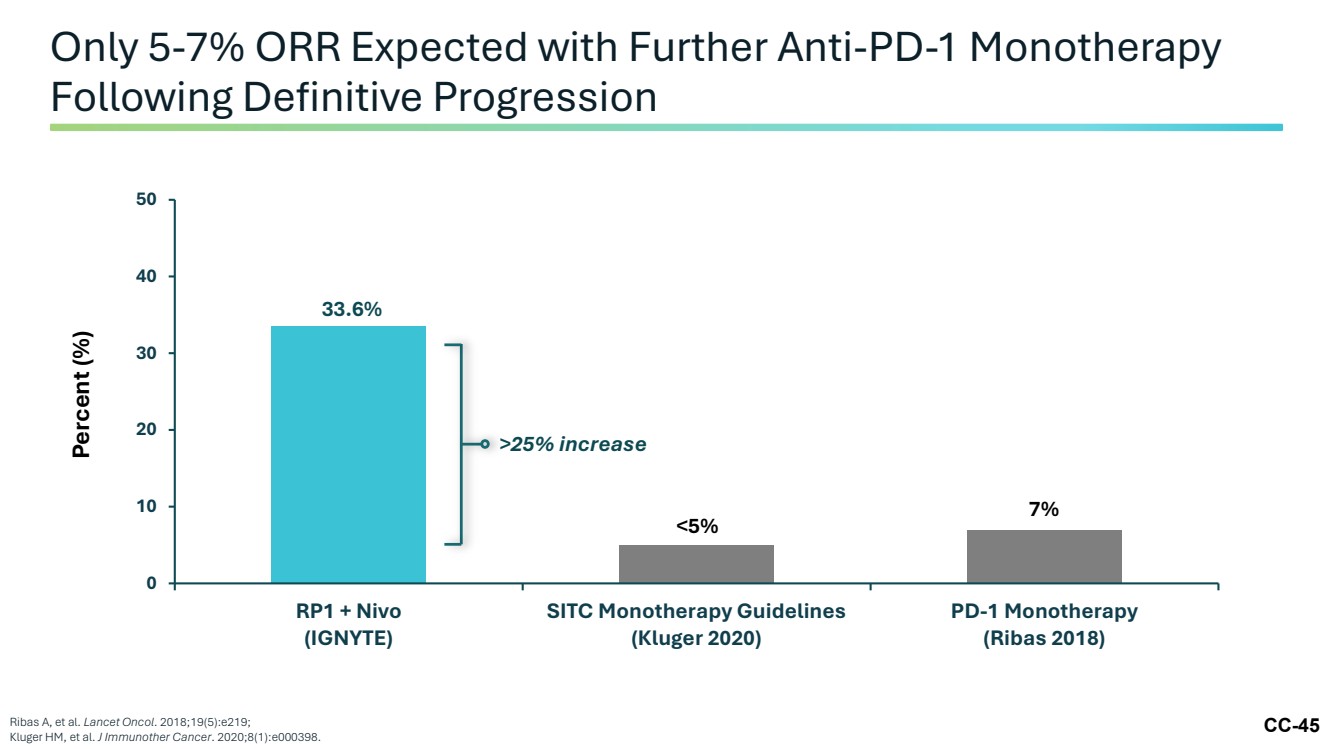
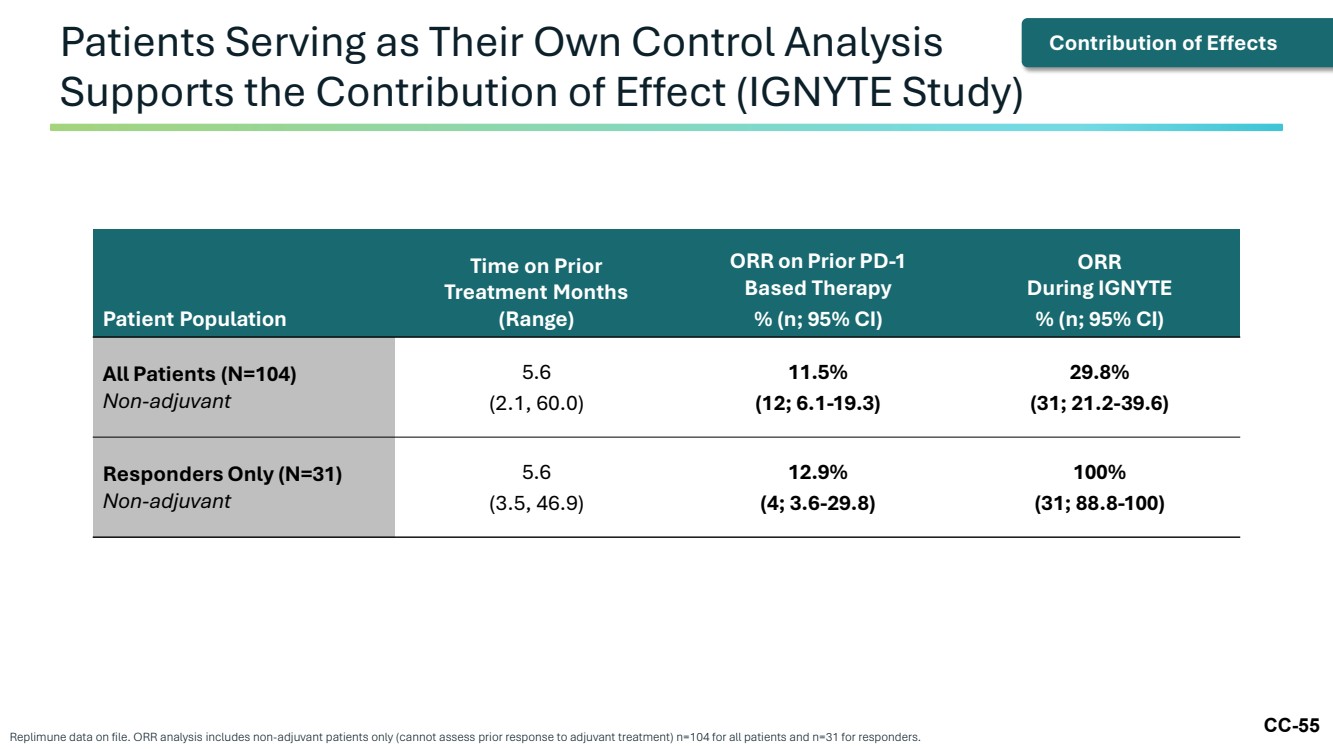
| CC-21 Replimune Position: Contribution of Effect FDA Issues from briefing document 1. NCCN, SITC, Ribas FDA Issue Replimune Position “Objective response data from the single-arm IGNYTE study is not of sufficient magnitude to overcome concerns about the contribution of effect, particularly in the absence of a reliable historical control…" • ORR of 33.6% (CR 16.4%) in IGNYTE is nearly 5x expected response for nivolumab alone and supports contribution of effect • FDA previously agreed to the use of literature to provide historical controls • Existing literature and expert opinions indicate patients who have definitively progressed on a prior anti-PD-1 are unlikely to respond to further anti-PD-1 monotherapy - yielding a 5-7% response rate1 • FDA patient-by-patient analysis (July 2025) concluded prior anti-PD-1 exhaustion |
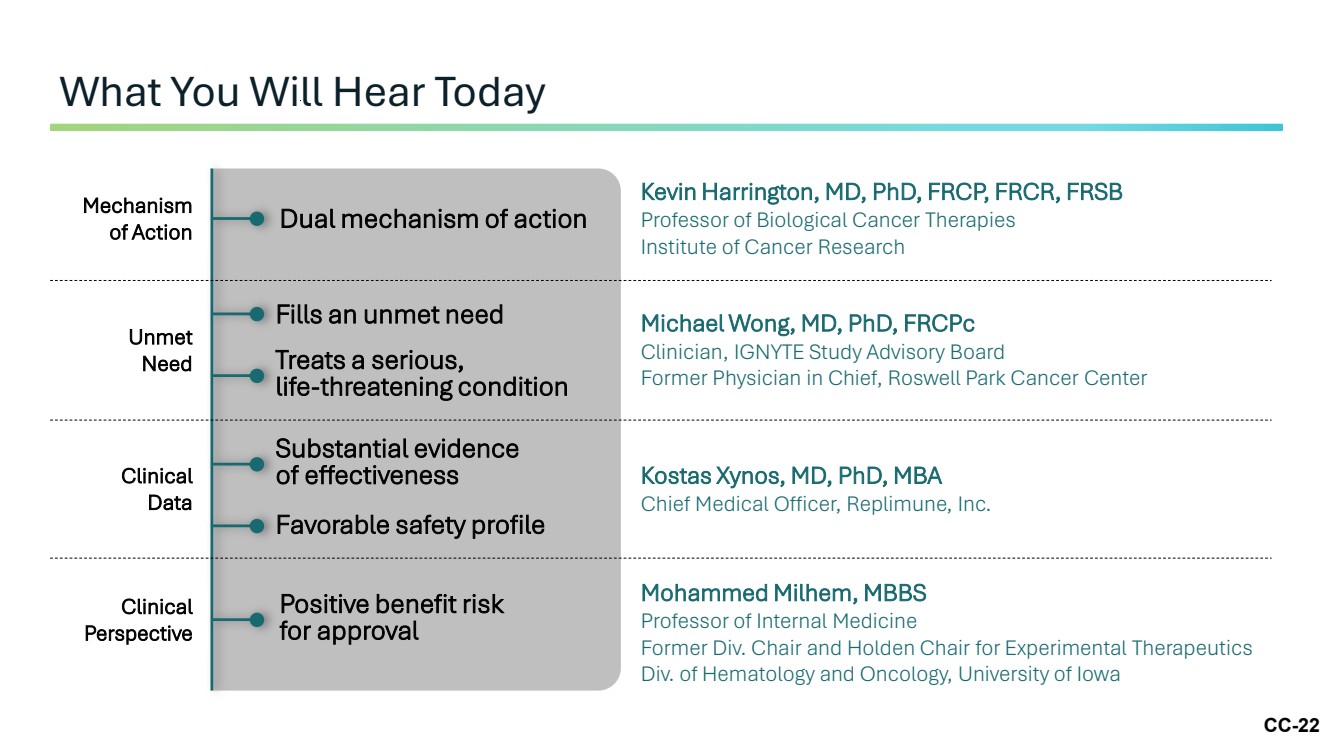
| CC-22 What You Will Hear Today Dual mechanism of action Kevin Harrington, MD, PhD, FRCP, FRCR, FRSB Professor of Biological Cancer Therapies Institute of Cancer Research Mechanism of Action Michael Wong, MD, PhD, FRCPc Clinician, IGNYTE Study Advisory Board Former Physician in Chief, Roswell Park Cancer Center Unmet Need Fills an unmet need Treats a serious, life-threatening condition Kostas Xynos, MD, PhD, MBA Chief Medical Officer, Replimune, Inc. Clinical Data Substantial evidence of effectiveness Favorable safety profile Mohammed Milhem, MBBS Professor of Internal Medicine Former Div. Chair and Holden Chair for Experimental Therapeutics Div. of Hematology and Oncology, University of Iowa Positive benefit risk for approval Clinical Perspective |
| CC-23 Additional Experts RECIST/ itRECIST Greg Goldmacher Chief Scientific & Medical Officer, Perceptive Inc. Melanoma Oncologist Nikhil Khushalani Vice Chair for the Department of Cutaneous Oncology, Moffitt Cancer Center Melanoma Oncologist Yana Najjar Associate Professor of Medicine and Director of the Clinical and Translational Research Center, UPMC Hillman Cancer Center IGNYTE Response Assessment Steven Soignet Medical Director, Clario Senior Biostatistician Martin Roessner Corporate Vice President Biostatistics, Parexel International |
| CC-24 RP1 Mechanism of Action and Biological Plausibility Kevin Harrington, MD, PhD, FRCP, FRCR, FRSB Professor of Biological Cancer Therapies Institute of Cancer Research |
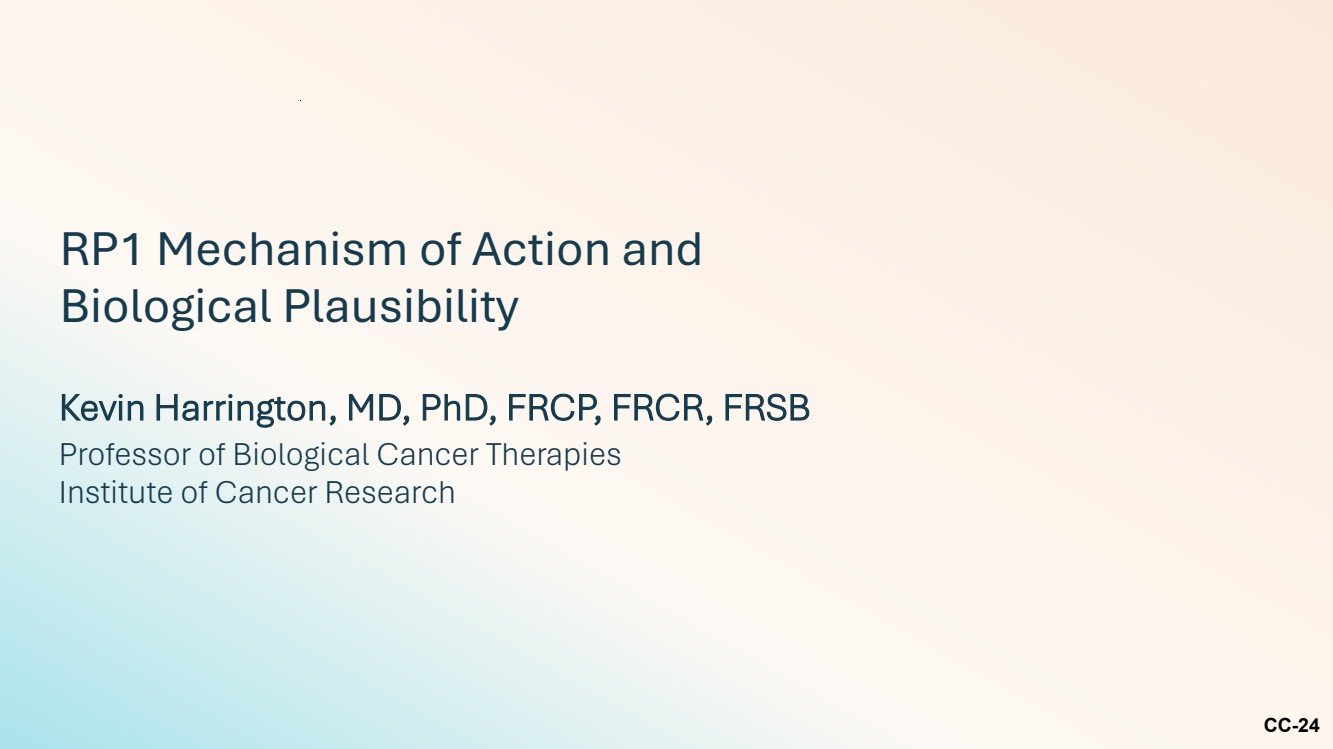
| CC-25 Dual MOA Drives Local and Systemic Antitumor Immune Responses 1. Thomas S, et al. J Immunother Cancer. 2019;7(1):214. RP1 is an HSV-1 based oncolytic viral immunotherapy that expresses GM-CSF and a fusogenic glycoprotein GALV-GP-R1 1LOCAL IMMUNE EFFECT 2 SYSTEMIC IMMUNE EFFECT Oncolytic Immunotherapy Dysregulated host antiviral response allows robust virus replication and tumor lysis recruits antigen-presenting cells that migrate to draining lymph nodes to prime T cells Healthy tissue Tumor tissue Local inflammation Altering of tumor microenvironment Tumor cell death and release of tumor antigens Release of virus progeny Infection of more tumor cells T cell infiltration and killing of distant, non-injected tumors Generating a strong and durable systemic antitumor immune response Enhanced T cell priming and activation Dendritic cell T cell |
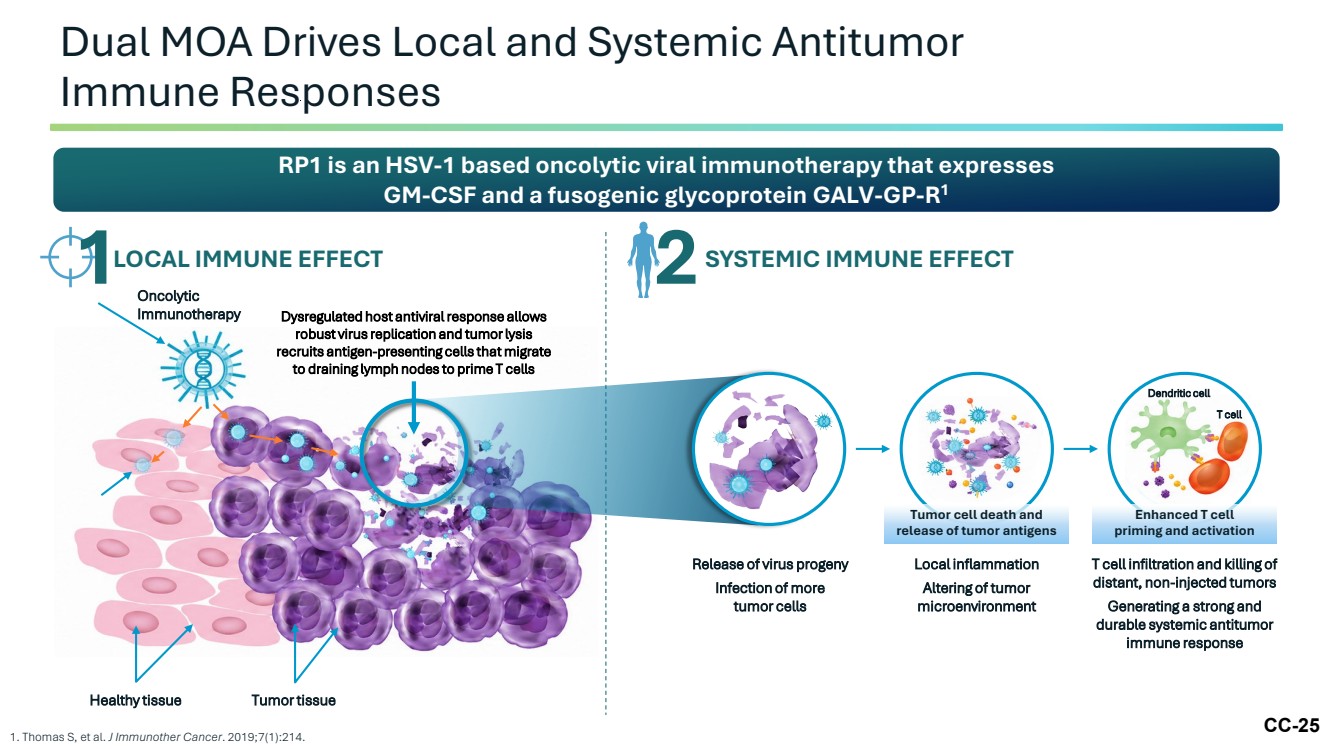
| CC-26 RP1 Combined with Anti-PD-1 Enhances Systemic Anti-tumor Activity mRP1=mouse RP1 Thomas et al. JITC 2019 Injected Tumor Un-injected Tumor Tumor Diameter (mm) Vehicle Anti-PD1 0/10 regress 0/10 regress 0/10 regress 0/10 regress 20 15 10 5 0 0 5 10 15 20 25 30 35 40 20 15 10 5 0 0 5 10 15 20 25 30 35 40 20 15 10 5 0 0 5 10 15 20 25 30 35 40 20 15 10 5 0 0 5 10 15 20 25 30 35 40 Study Day Study Day Virus 16 (mRP1) 5 x 10⁶ pfu Virus 16 (mRP1) 5 x 10⁶ pfu +anti-PD-1 5/10 regress 8/10 regress 6/10 regress 7/10 regress 20 15 10 5 0 0 5 10 15 20 25 30 35 40 20 15 10 5 0 0 5 10 15 20 25 30 35 40 20 15 10 5 0 0 5 10 15 20 25 30 35 40 20 15 10 5 0 0 5 10 15 20 25 30 35 40 Study Day Study Day Anti-PD1-insensitive A20 Lymphoma Mouse Model |
| CC-27 • Lack of T cell, PD-L1 expression and IFN gamma are known to be the resistance mechanisms of anti-PD-1 treatment1 • Patients who have drug holiday before progression on anti-PD-1: retreatment may be effective – Tumor microenvironment may still be immunologically active/sensitive – Memory CD8+ T cells can be reactivated • Patients who progress while on anti–PD-1: retreatment is minimally effective – Tumor microenvironment is immune-suppressive, with low or absent T cell infiltration and PD-L1 expression – Low IFN-γ signature – Low antigen presentation Mechanisms of Resistance to Anti-PD-1: Why Further Treatment is Minimally Effective PMID: 29360728; 1. Nowiciki et al. Cancer J 2018 IGNYTE trial enrolled patients who progressed while on treatment with anti-PD-1 |
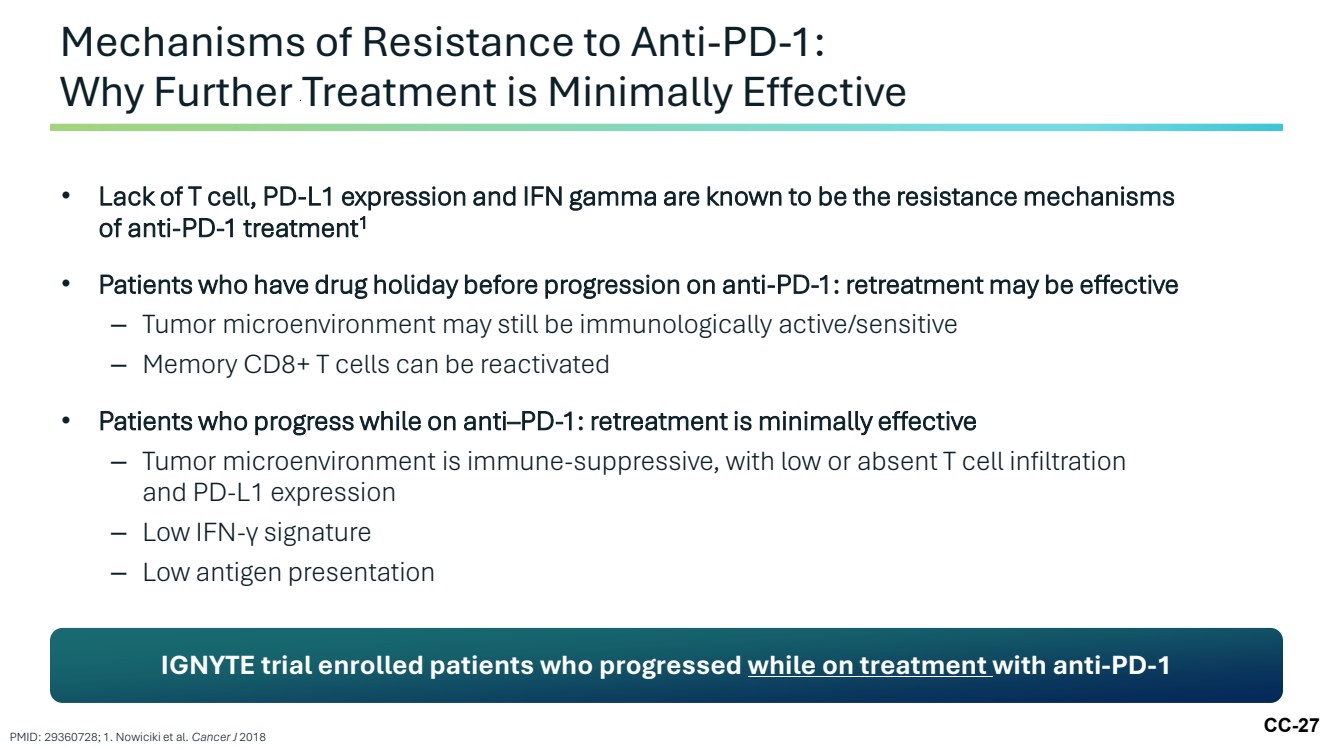
| CC-28 RP1+Nivolumab Increases CD8+ T Cells and PD-L1 Levels in IGNYTE Patients 1. Data on file Additional analysis confirmed responding lesions exhibit significantly higher CD8+ and PD-L1 at Day 43 vs. screening (compared to lesions that do not respond)1 1. Data on file Patient 2 (Responder) SCREENING DAY 43 Reversal of immune exclusion CD8+ T cell (1x) PD-L1 (1x) Reversal of immune desert CD8+ T cell PD-L1 Patient 1 (Responder) |
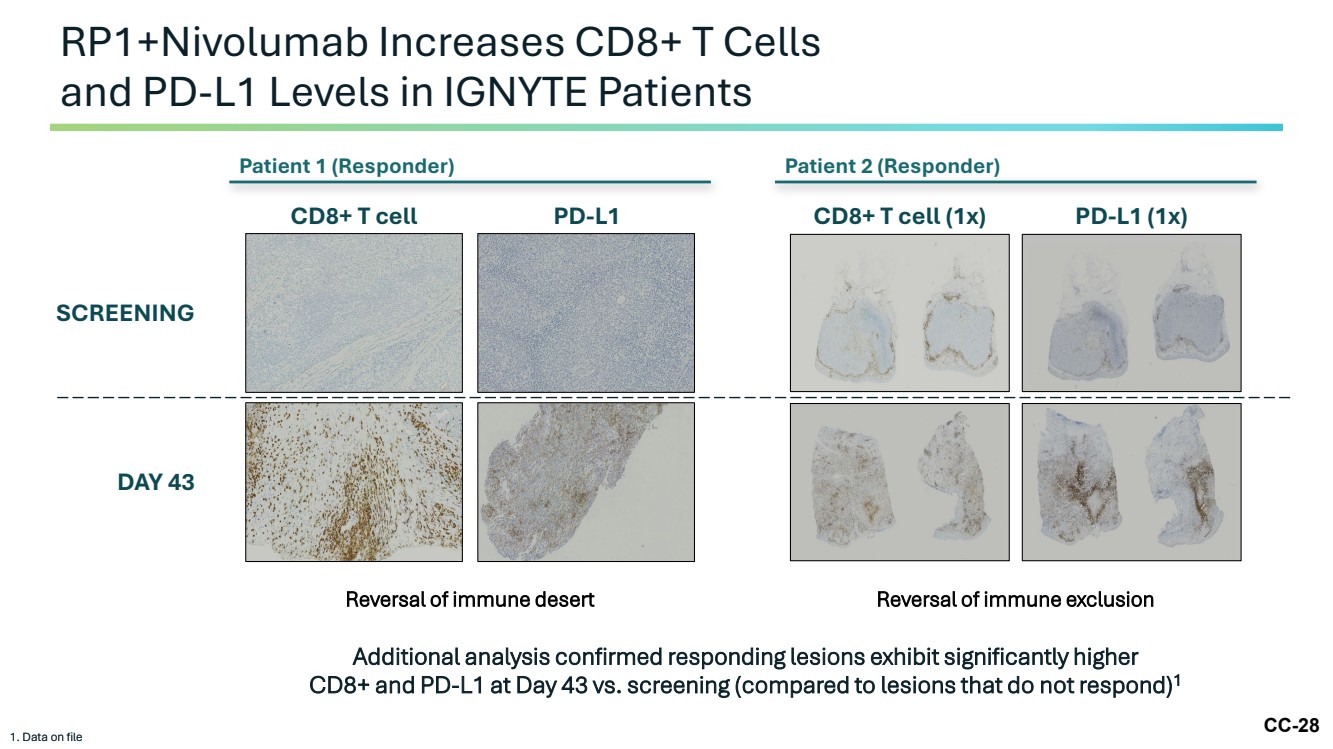
| CC-29 RP1 + Nivolumab Reprograms the Tumor Microenvironment (TME) in IGNYTE Melanoma Patients P Value by Mann-Whitney U Test (Wilcoxon rank-sum test). D, day; DAPI, 4′,6-diamidino-2-phenylindole; FOXP3, forkhead box P3; nivo, nivolumab; PD-1, programmed cell death protein 1; PD-L1, programmed death-ligand 1; Scr, screening; SOX10, SRY-box transcription factor 10; TME, tumor microenvironment. Screening: Day 43: SOX10 FOXP3 DAPI PD-L1 CD8 PD-1 CD68 8 paired biopsies SCR D43 Cell percentage (%) Visit 40 30 20 10 0 SCR D43 H-score Visit 300 200 100 0 SCR D43 H-score Visit 100 80 60 20 0 40 PD-L1 total cells in tumor SCR D43 H-score Visit 200 150 100 50 0 CD8+ T cells in tumor PD-L1, CD8+ T cells in tumor PD-L1, CD68+ in tumor p=0.001 p=0.001 p=0.064 p=0.001 |
| CC-30 Melanoma: Unmet Need and Treatment Paradigm Michael Wong, MD, PhD, FRCPc Clinician, IGNYTE Study Advisory Board Former Physician in Chief, Roswell Park Cancer Center |
| CC-31 • In the US, 110,000 new melanoma cases with ~8,500 related deaths projected in 20261 • 50% of advanced melanoma patients progress in the first 12 months2,3 • Real-world 5-year OS among patients with distant metastatic disease is only 35%1 Significant Unmet Need Exists for Advanced Melanoma 1. American Cancer Society 2026 2. Tawbi 2022 3. Robert 2015 |
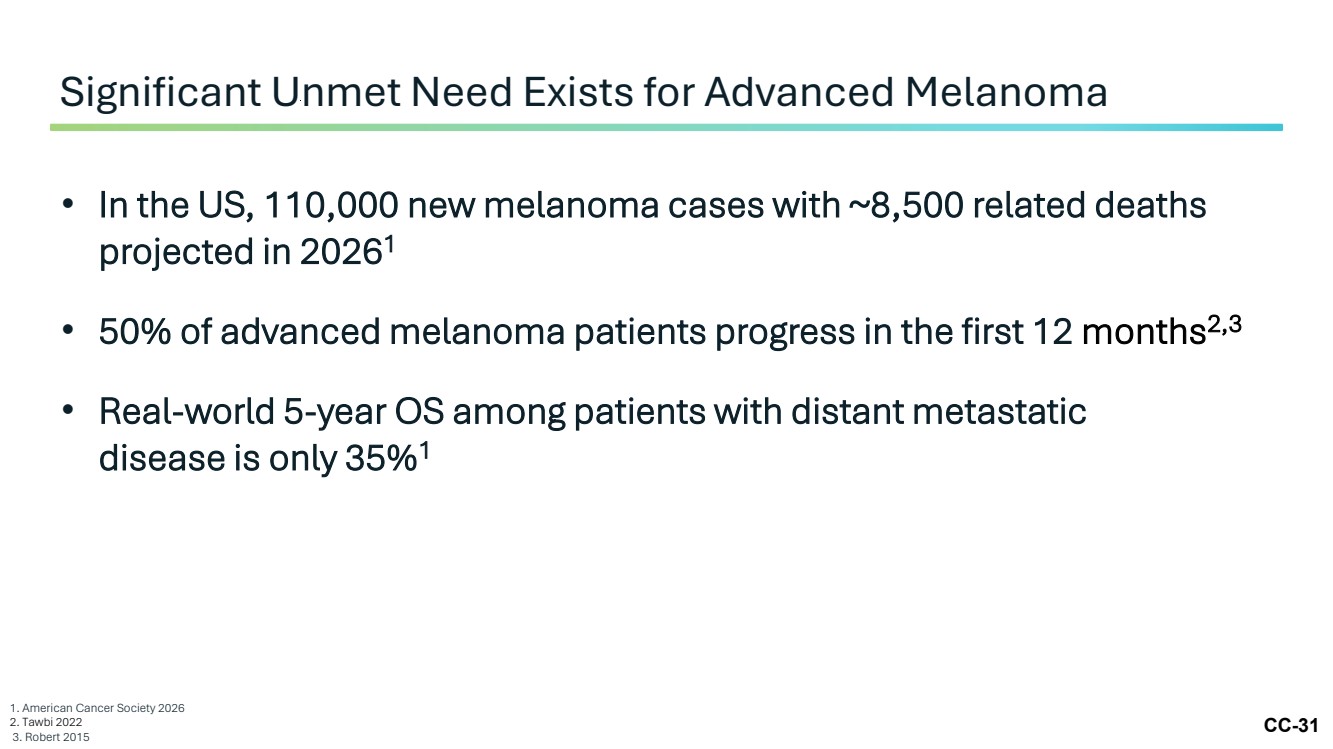
| CC-32 Limited Options Post Immune Checkpoint Inhibitor (ICI) Progression in Advanced Melanoma Neoadjuvant/ Adjuvant/ First line • Pembrolizumab (Keytruda) • Nivolumab (Opdivo) • Ipilimumab (Yervoy) • Ipilimumab + Nivolumab • Relatlimab/Nivolumab (Opdualag) Monotherapy Combinations |
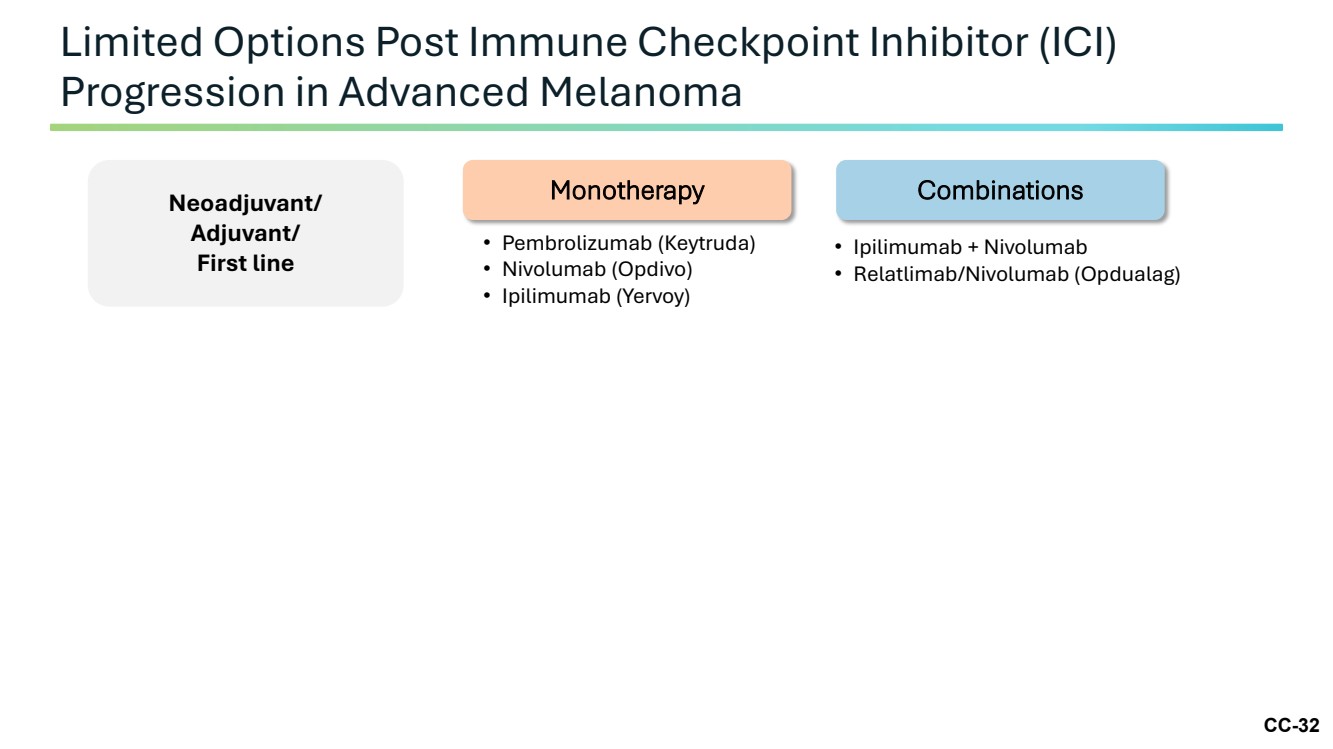
| CC-33 Limited Options Post Immune Checkpoint Inhibitor (ICI) Progression in Advanced Melanoma Neoadjuvant/ Adjuvant/ First line • Pembrolizumab (Keytruda) • Nivolumab (Opdivo) • Ipilimumab (Yervoy) • Ipilimumab + Nivolumab • Relatlimab/Nivolumab (Opdualag) Monotherapy Combinations Progression on Anti-PD-1 Based Regimen Lifileucel (AMTAGVI) + IL-2 is the only “FDA approved” treatment for anti-PD-1 failed therapy. Other combination treatments per NCCN Combinations On progression |
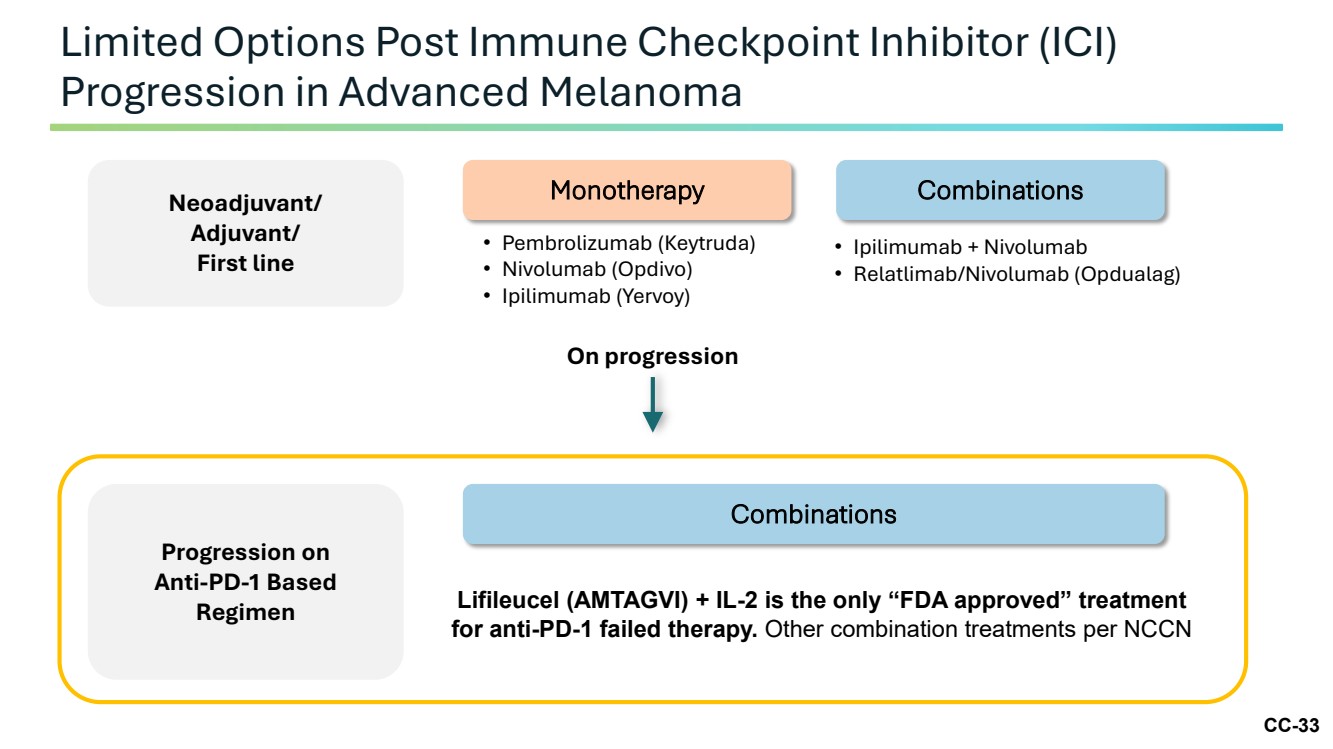
| CC-34 Lifileucel (AMTAGVI) is the Only FDA Approved Agent for Anti-PD-1 Failed Melanoma AMTAGVI (lifileucel) [package insert]; initial approval 2024 Lifileucel (AMTAGVI) Efficacy (ORR) • 31.5% (4.1% CR) • (n=73, primary efficacy data set) Safety (Gr3+) • 7.5% treatment-related mortality (n=160) Considerations • Multi-component approach: involving surgery, chemotherapy (fludarabine + cyclophosphamide), TIL infusion, high-dose IL-2 • Average time to TIL generation ~34 days (1 month) |
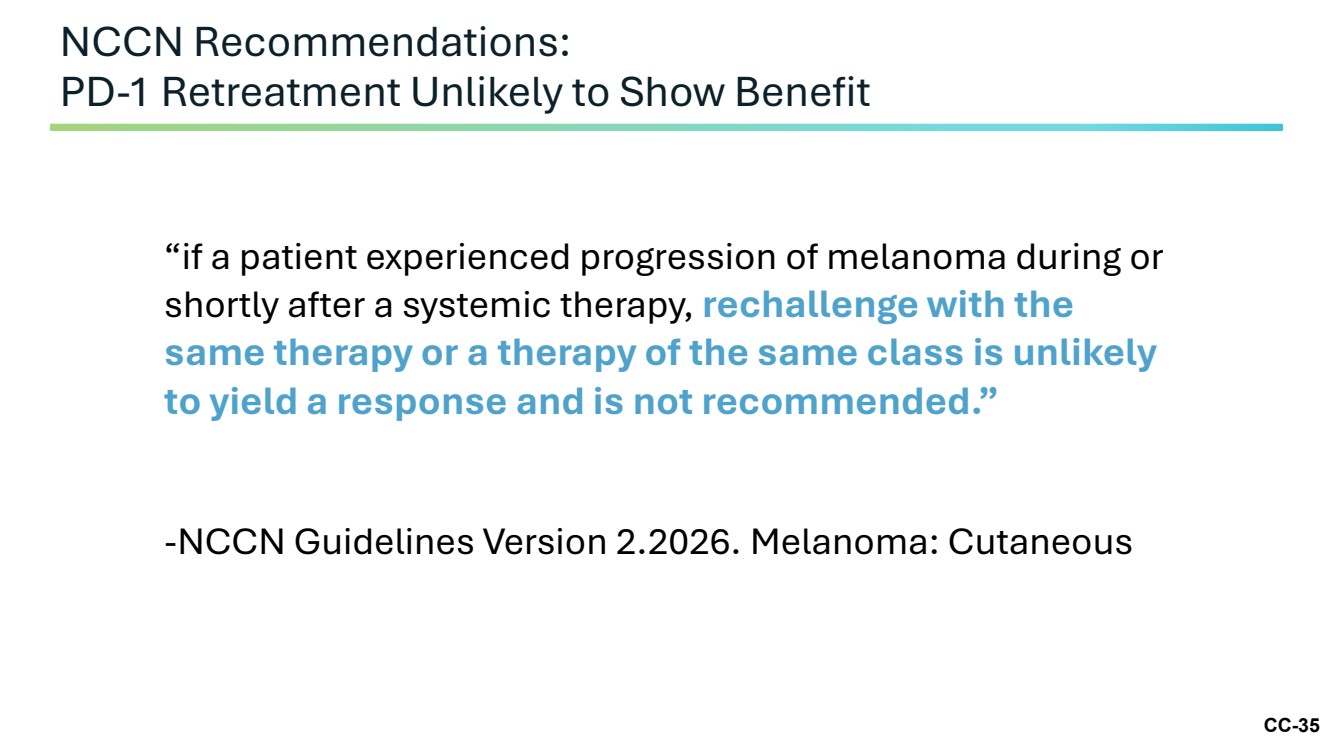
| CC-35 NCCN Recommendations: PD-1 Retreatment Unlikely to Show Benefit “if a patient experienced progression of melanoma during or shortly after a systemic therapy, rechallenge with the same therapy or a therapy of the same class is unlikely to yield a response and is not recommended.” -NCCN Guidelines Version 2.2026. Melanoma: Cutaneous |
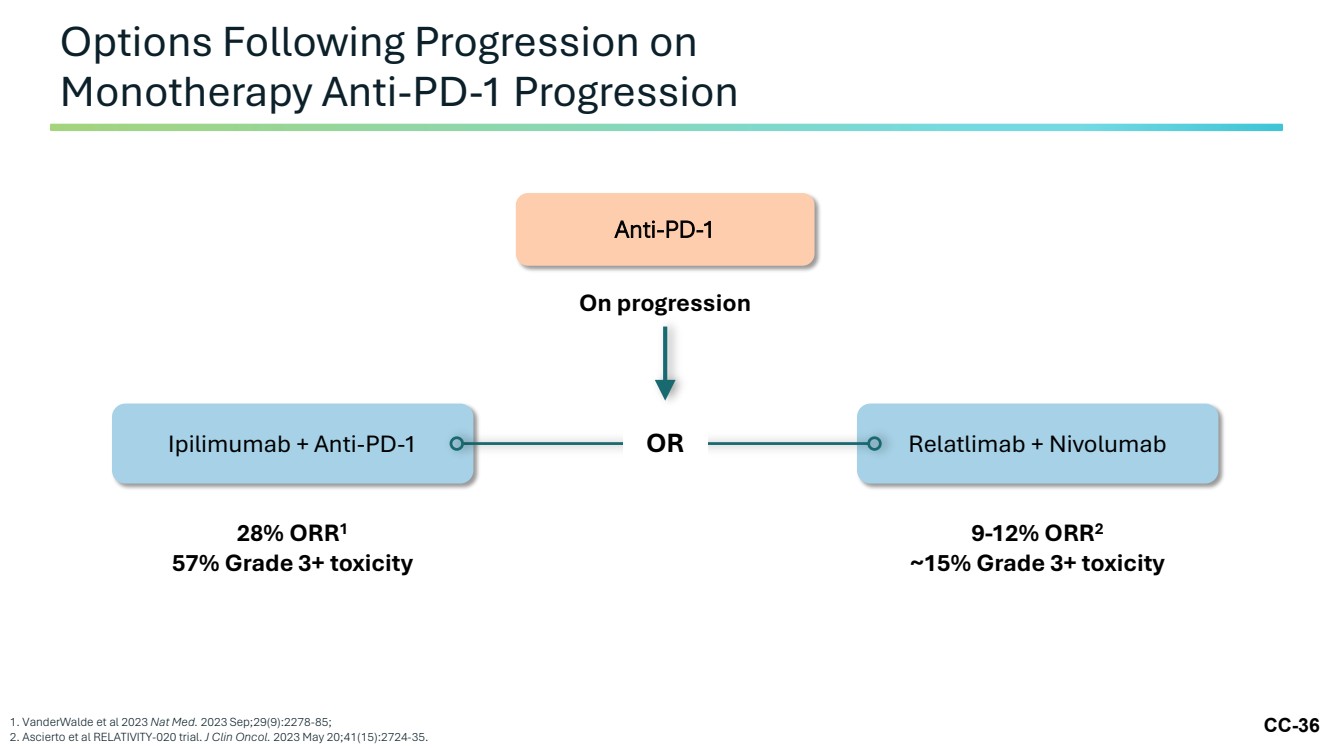
| CC-36 Options Following Progression on Monotherapy Anti-PD-1 Progression 1. VanderWalde et al 2023 Nat Med. 2023 Sep;29(9):2278-85; 2. Ascierto et al RELATIVITY-020 trial. J Clin Oncol. 2023 May 20;41(15):2724-35. On progression 28% ORR1 57% Grade 3+ toxicity 9-12% ORR2 ~15% Grade 3+ toxicity Anti-PD-1 Ipilimumab + Anti-PD-1 OR Relatlimab + Nivolumab |
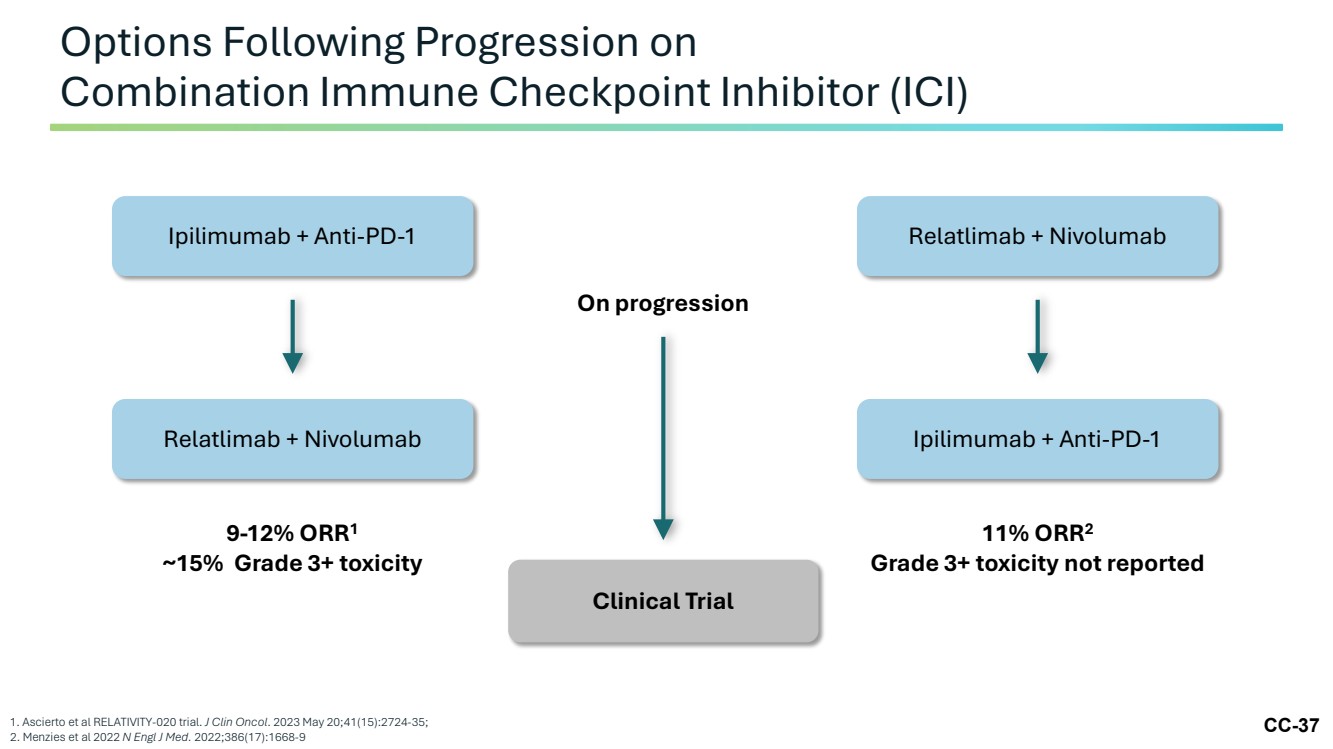
| CC-37 Options Following Progression on Combination Immune Checkpoint Inhibitor (ICI) 1. Ascierto et al RELATIVITY-020 trial. J Clin Oncol. 2023 May 20;41(15):2724-35; 2. Menzies et al 2022 N Engl J Med. 2022;386(17):1668-9 Ipilimumab + Anti-PD-1 Relatlimab + Nivolumab 9-12% ORR1 ~15% Grade 3+ toxicity Relatlimab + Nivolumab Ipilimumab + Anti-PD-1 11% ORR2 Grade 3+ toxicity not reported On progression Clinical Trial |
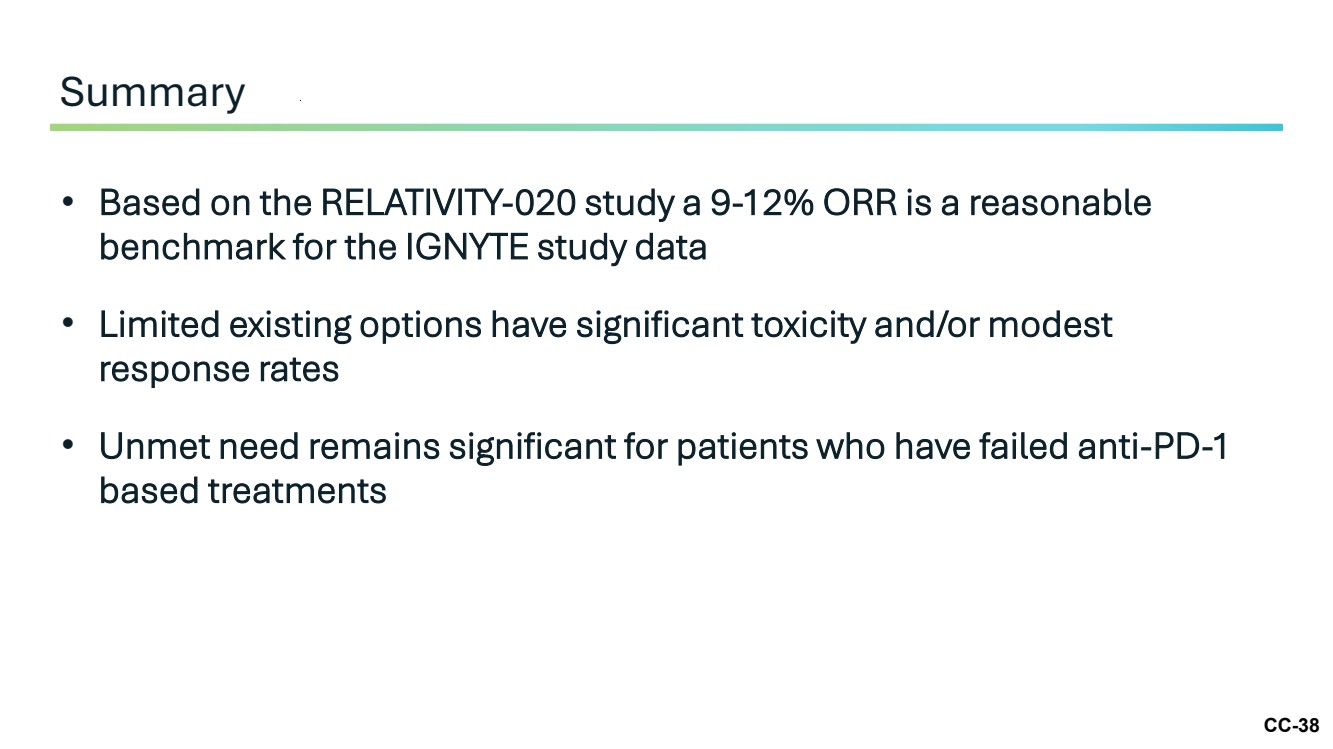
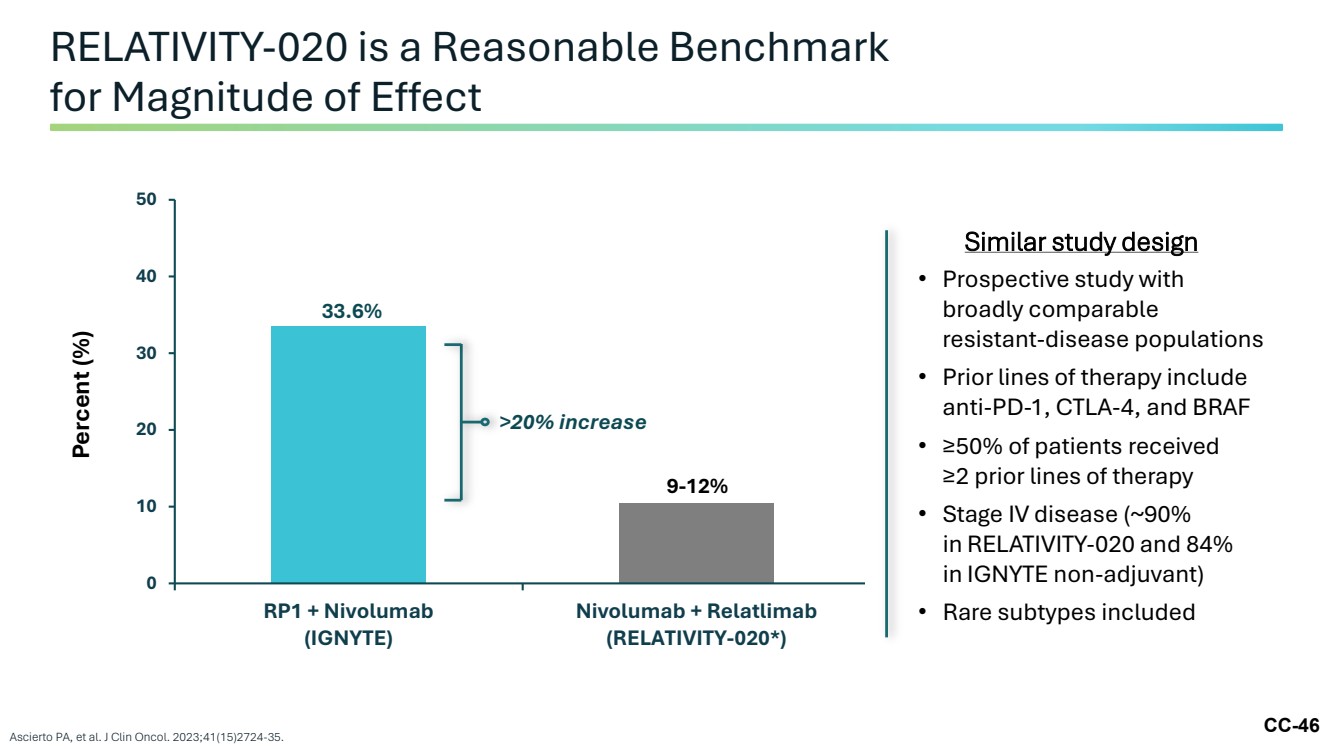
| CC-38 • Based on the RELATIVITY-020 study a 9-12% ORR is a reasonable benchmark for the IGNYTE study data • Limited existing options have significant toxicity and/or modest response rates • Unmet need remains significant for patients who have failed anti-PD-1 based treatments Summary |
| CC-39 IGNYTE Study: Anti-PD-1 Failed Cutaneous Melanoma Kostas Xynos, MD, PhD, MBA Chief Medical Officer, Replimune, Inc. |
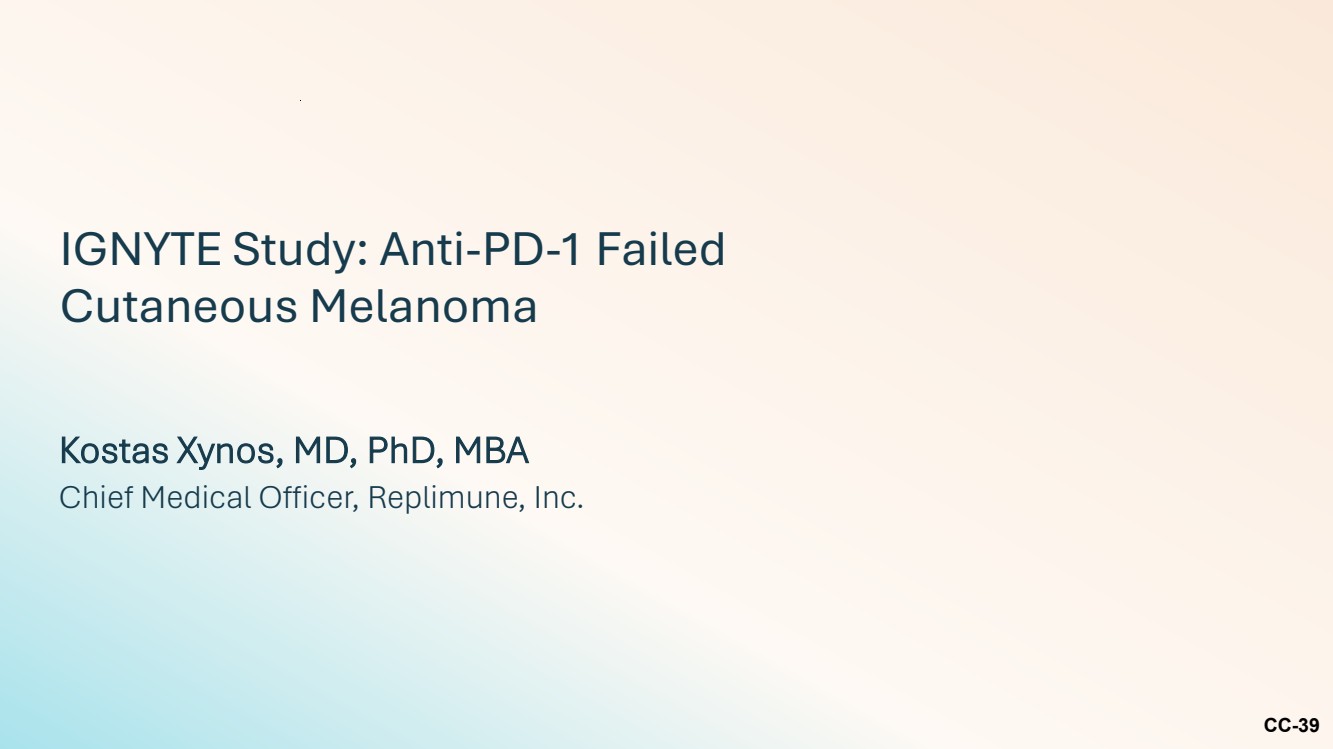
| CC-40 IGNYTE Phase 2 Study Design: Anti–PD-1 Failed Cutaneous Melanoma Cohort CRR, complete response rate; DCR, disease control rate; DOR, duration of response; ECOG, Eastern Cooperative Oncology Group; ORR, objective response rate; OS, overall survival; PD-1, programmed cell death protein-1; PFS, progression-free survival; PFU, plaque-forming units; Q4W, every 4 weeks; RECIST, Response Evaluation Criteria in Solid Tumors. a. Nivolumab was given every 2 weeks (Q2W) from Cycle 2-9. b. RP1 can be reinitiated beyond 8 cycles if protocol-specified criteria are met. Anti–PD-1–failed cutaneous melanoma cohort N=140 • Anti–PD-1–failed advanced melanoma • Measurable disease • Adequate organ function • No prior oncolytic therapy • ECOG performance status 0–1 Screening First dose RP1 1×10⁶ pfu/mL RP1+nivolumaba 1×10⁷ pfu/mL, 240 mg Nivolumab 240 mg Nivolumab 480 mg (Q4W) 100-day safety follow-up Cycle 1 Cycles 2–8 Cycle 9 Cycles 10–30b Tumor response assessment: Radiographic imaging (CT) at baseline and every 8 weeks from first dose Biopsy assessment: Day 1 and Day 43 biomarker analysis and confirmation of response were allowed Primary endpoint: • ORR by Independent Review per RECIST 1.1 (conducted when all patient had potential for at least 12 months follow up) Secondary endpoints: • DOR, CRR, DCR, PFS, and OS 2 Weeks 2 Weeks 2 Weeks 3-year follow-up from last patient enrolled 28 Days |
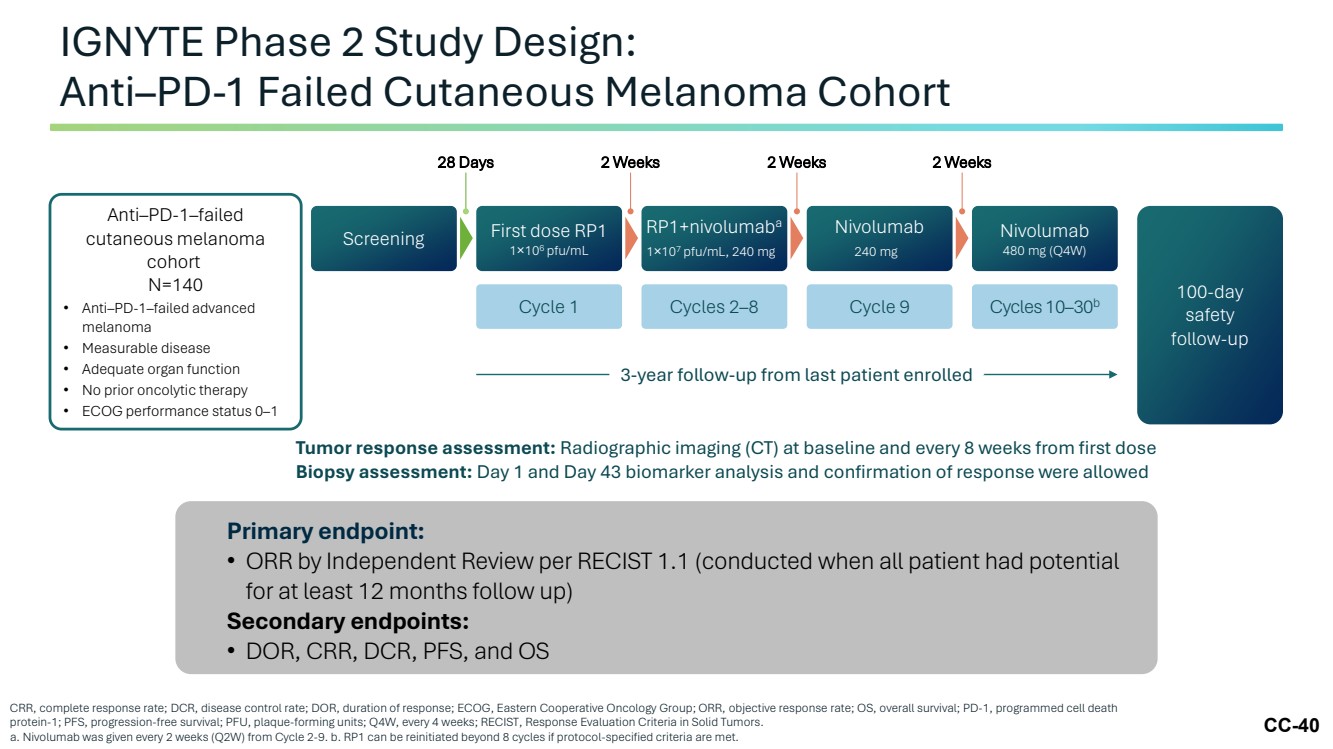
| CC-41 Strict Criteria to Ensure Patients who are Enrolled Definitively Failed Anti–PD-1 Therapy 1. FDA clinical review, July 15, 2025 • Minimum exposure requirement: ≥8 weeks; 96% of patients received ≥12 weeks • Anti–PD-1 therapy required as the immediate prior line of treatment • Confirmed progression while on anti-PD-1 treatment • Confirmation based on two assessments ≥4 weeks apart FDA and Sponsor concurred that patients had sufficient exposure and exhaustion to prior anti-PD-1 therapy1 Adequate Prior Exposure to Anti-PD-1 Therapy Confirmation of Disease Progression |
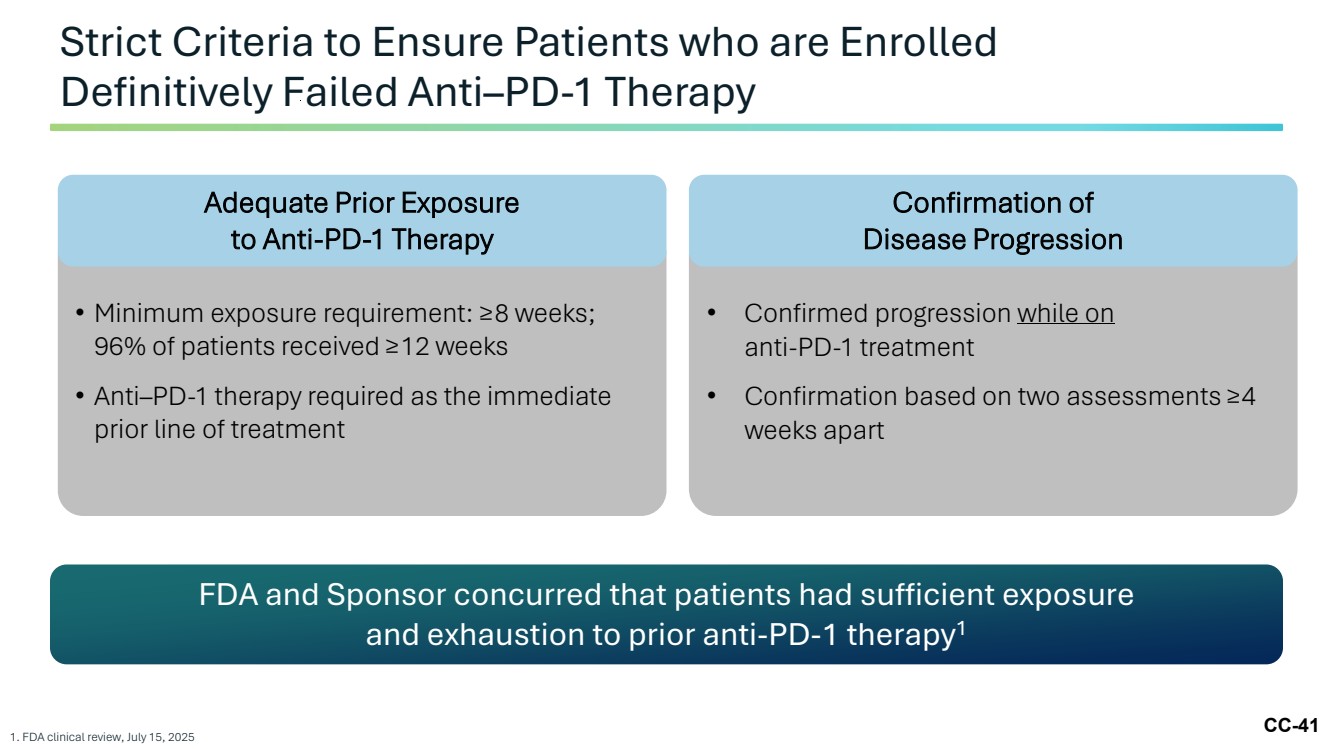
| CC-42 Baseline Clinical Characteristics: A Real-World Population Data cutoff: October 15, 2024. a Primary resistance: immediate prior anti-PD-1 exposure ≥6 weeks and best response of PD or SD for <6 months. b Secondary resistance: immediate prior anti-PD-1 exposure ≥6 months and best response of CR, PR, or SD for >6 months . CTLA-4, cytotoxic T-lymphocyte antigen 4; LDH, lactate dehydrogenase; PD-1, programmed cell death protein 1; PD-L1, programmed death-ligand 1; ULN, upper limit of normal. Patients N=140 n (%) Age, median (range), years 62 (21–91) Sex Female 45 (32.1) Male 95 (67.9) Stage IIIB/IIIC/IVM1a 72 (51.4) IVM1b/c/d 68 (48.6) BRAF status Wild-type 87 (62.1) Mutant 53 (37.9) LDH level LDH ≤ULN 92 (65.7) LDH >ULN 47 (33.6) Unknown 1 (0.7) Patients N=140 n (%) PD-L1 tumor expression Positive (≥1%) 45 (32.1) Negative (<1%) 78 (55.7) Undetermined or missing 17 (12.1) Prior therapy Anti–PD-1 Anti–PD-1 only as adjuvant therapy 36 (25.7) Anti–PD-1 as advanced/metastatic therapy 104 (74.3) Anti–CTLA-4 Anti–PD-1 combined with anti–CTLA-4 61 (43.6) Anti–PD-1 treated with anti–CTLA-4 sequentially 4 (2.9) BRAF/MEK therapy 17 (12.1) Anti–PD-1 resistance category by SITC Primary resistancea 100 (71.4) Secondary resistanceb 40 (28.6) |
| CC-43 Efficacy |

| CC-44 Clinically Meaningful Responses Observed in Anti-PD-1–Refractory Melanoma Population (IGNYTE Study) 0 10 20 30 40 50 Overall Response Rate (ORR) Complete Response (CR) Partial Response (PR) Stable Disease (SD) Percent (%) 33.6% 16.4% 17.1% 21.4% n=47 n=23 n=24 n=30 Data Cutoff: October 15, 2024 Median time to response: 3.9 months |
| CC-45 Only 5-7% ORR Expected with Further Anti-PD-1 Monotherapy Following Definitive Progression Ribas A, et al. Lancet Oncol. 2018;19(5):e219; Kluger HM, et al. J Immunother Cancer. 2020;8(1):e000398. 0 10 20 30 40 50 RP1 + Nivo (IGNYTE) SITC Monotherapy Guidelines (Kluger 2020) PD-1 Monotherapy (Ribas 2018) Percent (%) <5% 7% 33.6% >25% increase |
| CC-46 RELATIVITY-020 is a Reasonable Benchmark for Magnitude of Effect Ascierto PA, et al. J Clin Oncol. 2023;41(15)2724-35. ≤5% 0 10 20 30 40 50 RP1 + Nivolumab (IGNYTE) Nivolumab + Relatlimab (RELATIVITY-020*) Percent (%) >20% increase 33.6% 9-12% Similar study design • Prospective study with broadly comparable resistant-disease populations • Prior lines of therapy include anti-PD-1, CTLA-4, and BRAF • ≥50% of patients received ≥2 prior lines of therapy • Stage IV disease (~90% in RELATIVITY-020 and 84% in IGNYTE non-adjuvant) • Rare subtypes included |
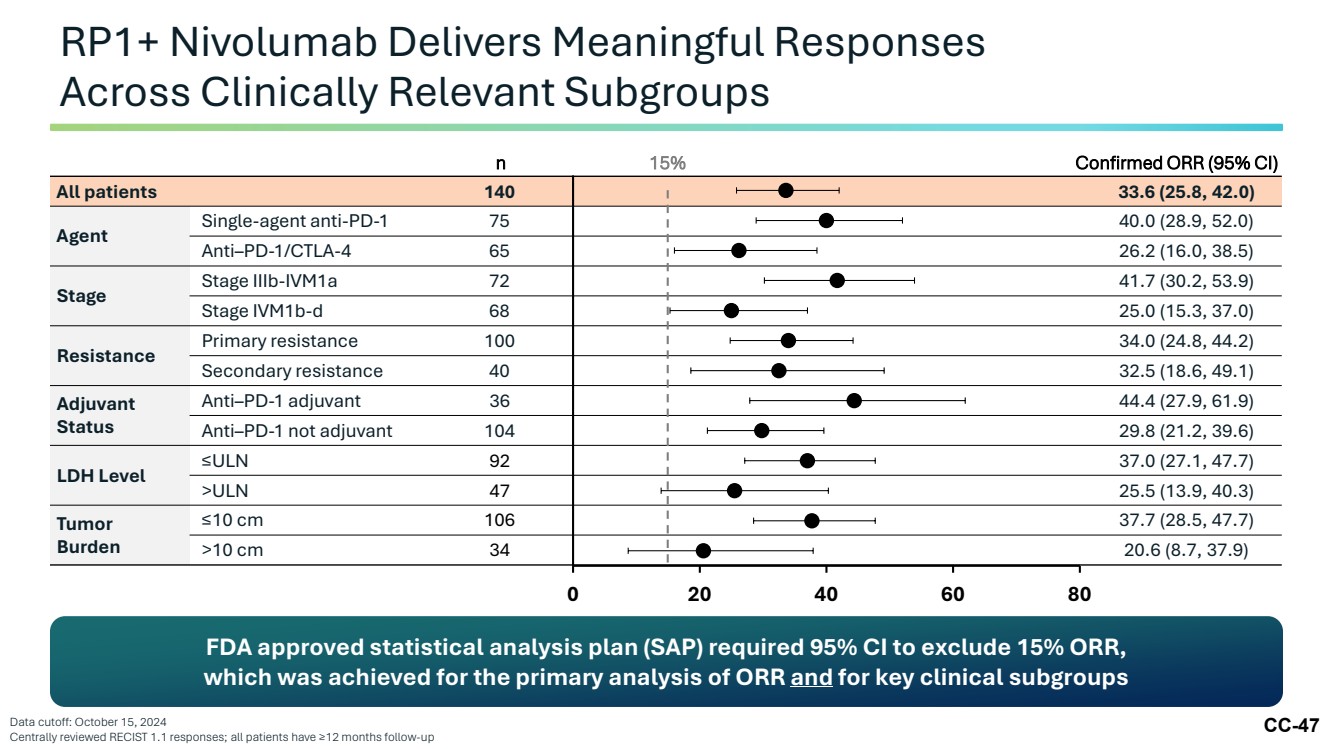
| CC-47 RP1+ Nivolumab Delivers Meaningful Responses Across Clinically Relevant Subgroups Data cutoff: October 15, 2024 Centrally reviewed RECIST 1.1 responses; all patients have ≥12 months follow-up All patients 140 33.6 (25.8, 42.0) Agent Single-agent anti-PD-1 75 40.0 (28.9, 52.0) Anti–PD-1/CTLA-4 65 26.2 (16.0, 38.5) Stage Stage IIIb-IVM1a 72 41.7 (30.2, 53.9) Stage IVM1b-d 68 25.0 (15.3, 37.0) Resistance Primary resistance 100 34.0 (24.8, 44.2) Secondary resistance 40 32.5 (18.6, 49.1) Adjuvant Status Anti–PD-1 adjuvant 36 44.4 (27.9, 61.9) Anti–PD-1 not adjuvant 104 29.8 (21.2, 39.6) LDH Level ≤ULN 92 37.0 (27.1, 47.7) >ULN 47 25.5 (13.9, 40.3) Tumor Burden ≤10 cm 106 37.7 (28.5, 47.7) >10 cm 34 20.6 (8.7, 37.9) 0 20 40 60 80 15% FDA approved statistical analysis plan (SAP) required 95% CI to exclude 15% ORR, which was achieved for the primary analysis of ORR and for key clinical subgroups n Confirmed ORR (95% CI) |
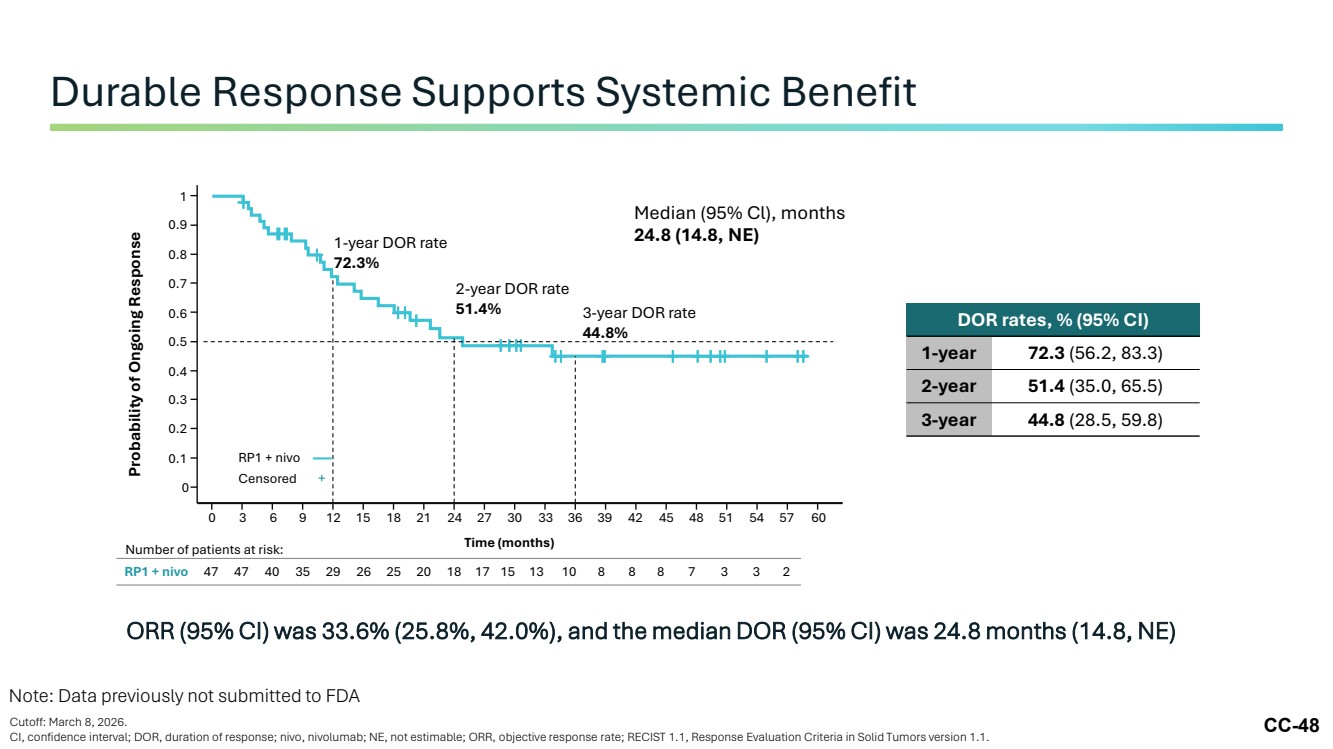
| CC-48 ORR (95% CI) was 33.6% (25.8%, 42.0%), and the median DOR (95% CI) was 24.8 months (14.8, NE) Durable Response Supports Systemic Benefit Cutoff: March 8, 2026. CI, confidence interval; DOR, duration of response; nivo, nivolumab; NE, not estimable; ORR, objective response rate; RECIST 1.1, Response Evaluation Criteria in Solid Tumors version 1.1. DOR rates, % (95% CI) 1-year 72.3 (56.2, 83.3) 2-year 51.4 (35.0, 65.5) 3-year 44.8 (28.5, 59.8) RP1 + nivo 47 47 40 35 29 26 25 20 18 17 15 13 10 8 8 8 7 3 3 2 0 3 6 9 12 15 18 21 24 27 30 33 36 39 42 45 48 51 54 57 60 0 0.1 0.2 0.3 0.4 0.5 0.6 0.7 0.8 0.9 1 Probability of Ongoing Response Median (95% Cl), months 24.8 (14.8, NE) Time (months) Number of patients at risk: 1-year DOR rate 72.3% 2-year DOR rate 51.4% 3-year DOR rate 44.8% RP1 + nivo Censored + Note: Data previously not submitted to FDA |
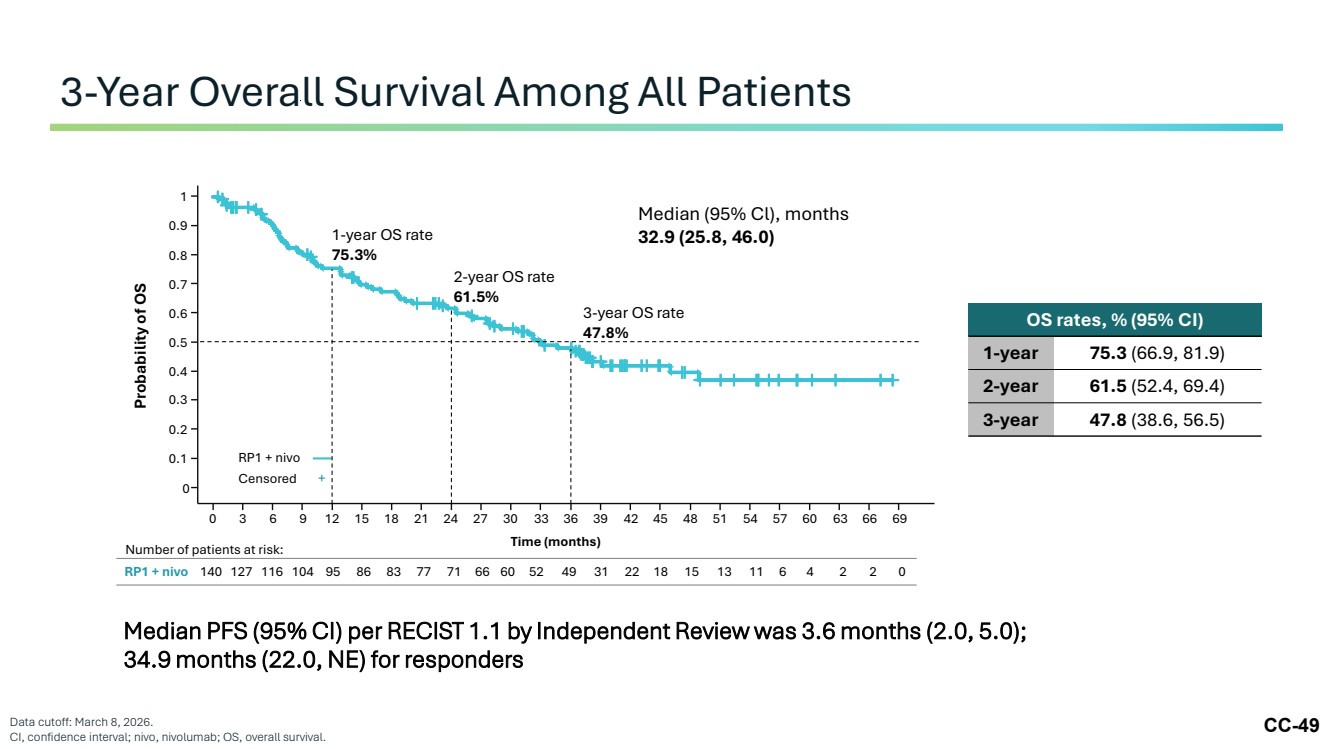
| CC-49 3-Year Overall Survival Among All Patients Data cutoff: March 8, 2026. CI, confidence interval; nivo, nivolumab; OS, overall survival. RP1 + nivo Censored + Probability of OS 0 0.1 0.2 0.3 0.4 0.5 0.6 0.7 0.8 0.9 1 Time (months) 0 3 6 9 12 15 18 21 24 27 30 33 36 39 42 45 48 51 54 57 60 63 66 69 1-year OS rate 75.3% 2-year OS rate 61.5% 3-year OS rate 47.8% Median (95% Cl), months 32.9 (25.8, 46.0) OS rates, % (95% CI) 1-year 75.3 (66.9, 81.9) 2-year 61.5 (52.4, 69.4) 3-year 47.8 (38.6, 56.5) Number of patients at risk: RP1 + nivo 140 127 116 104 95 86 83 77 71 66 60 52 49 31 22 18 15 13 11 6 4 2 2 0 Median PFS (95% CI) per RECIST 1.1 by Independent Review was 3.6 months (2.0, 5.0); 34.9 months (22.0, NE) for responders |
| CC-50 Clinical Safety Data |

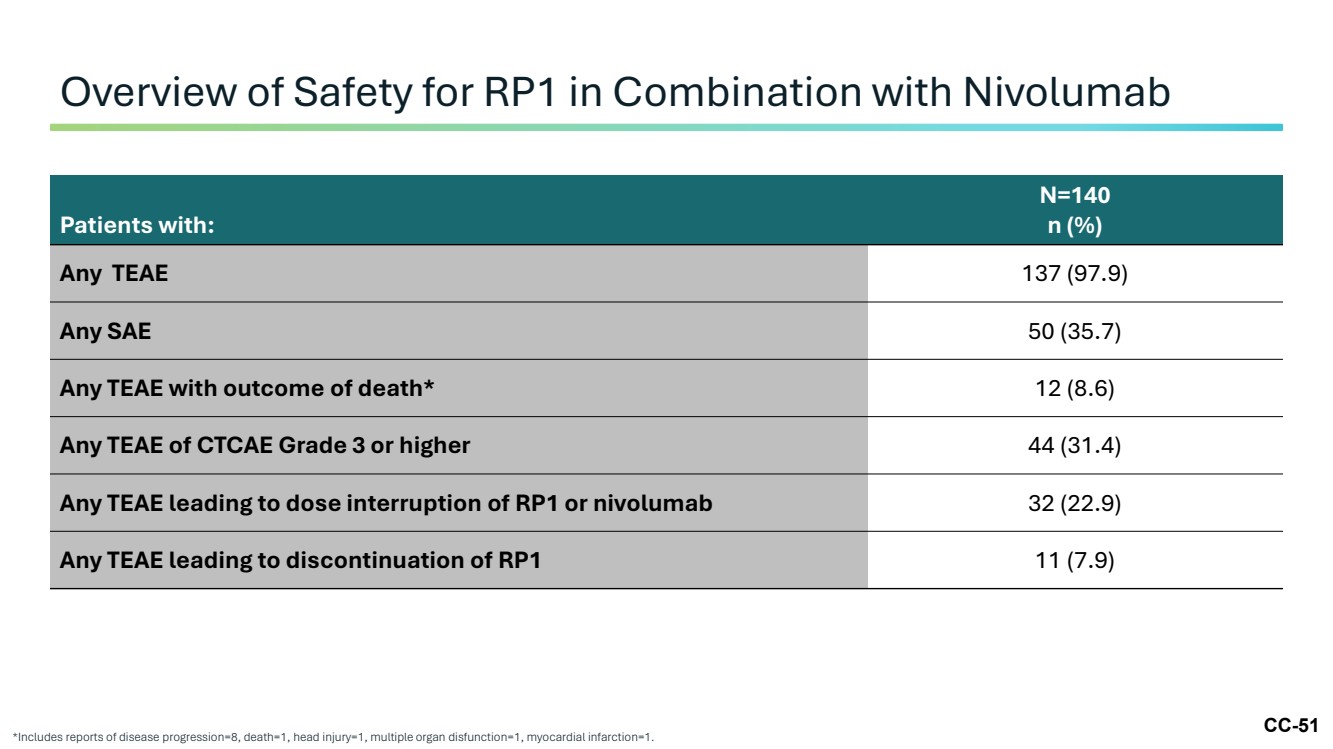
| CC-51 Overview of Safety for RP1 in Combination with Nivolumab *Includes reports of disease progression=8, death=1, head injury=1, multiple organ disfunction=1, myocardial infarction=1. Patients with: N=140 n (%) Any TEAE 137 (97.9) Any SAE 50 (35.7) Any TEAE with outcome of death* 12 (8.6) Any TEAE of CTCAE Grade 3 or higher 44 (31.4) Any TEAE leading to dose interruption of RP1 or nivolumab 32 (22.9) Any TEAE leading to discontinuation of RP1 11 (7.9) |
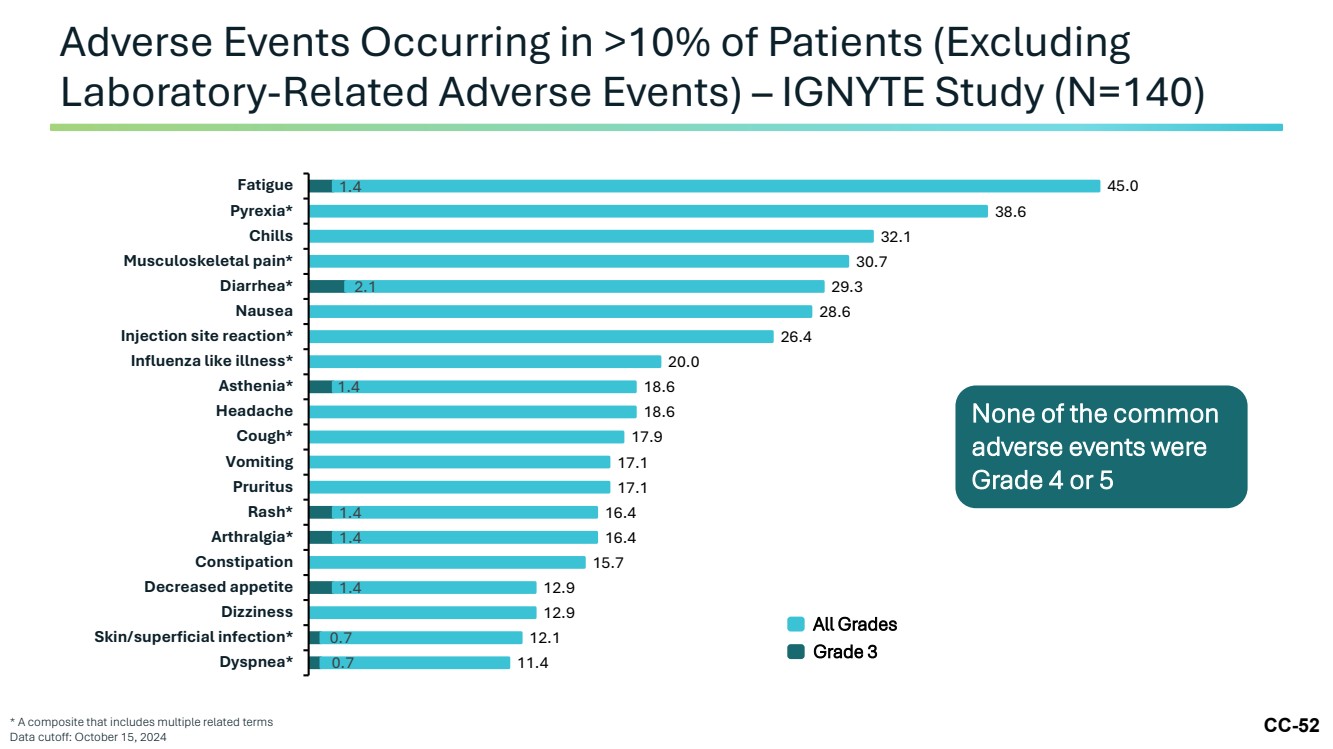
| CC-52 Adverse Events Occurring in >10% of Patients (Excluding Laboratory-Related Adverse Events) – IGNYTE Study (N=140) * A composite that includes multiple related terms Data cutoff: October 15, 2024 None of the common adverse events were Grade 4 or 5 0.7 0.7 1.4 1.4 1.4 1.4 2.1 1.4 11.4 12.1 12.9 12.9 15.7 16.4 16.4 17.1 17.1 17.9 18.6 18.6 20.0 26.4 28.6 29.3 30.7 32.1 38.6 45.0 Dyspnea* Skin/superficial infection* Dizziness Decreased appetite Constipation Arthralgia* Rash* Pruritus Vomiting Cough* Headache Asthenia* Influenza like illness* Injection site reaction* Nausea Diarrhea* Musculoskeletal pain* Chills Pyrexia* Fatigue All Grades Grade 3 |
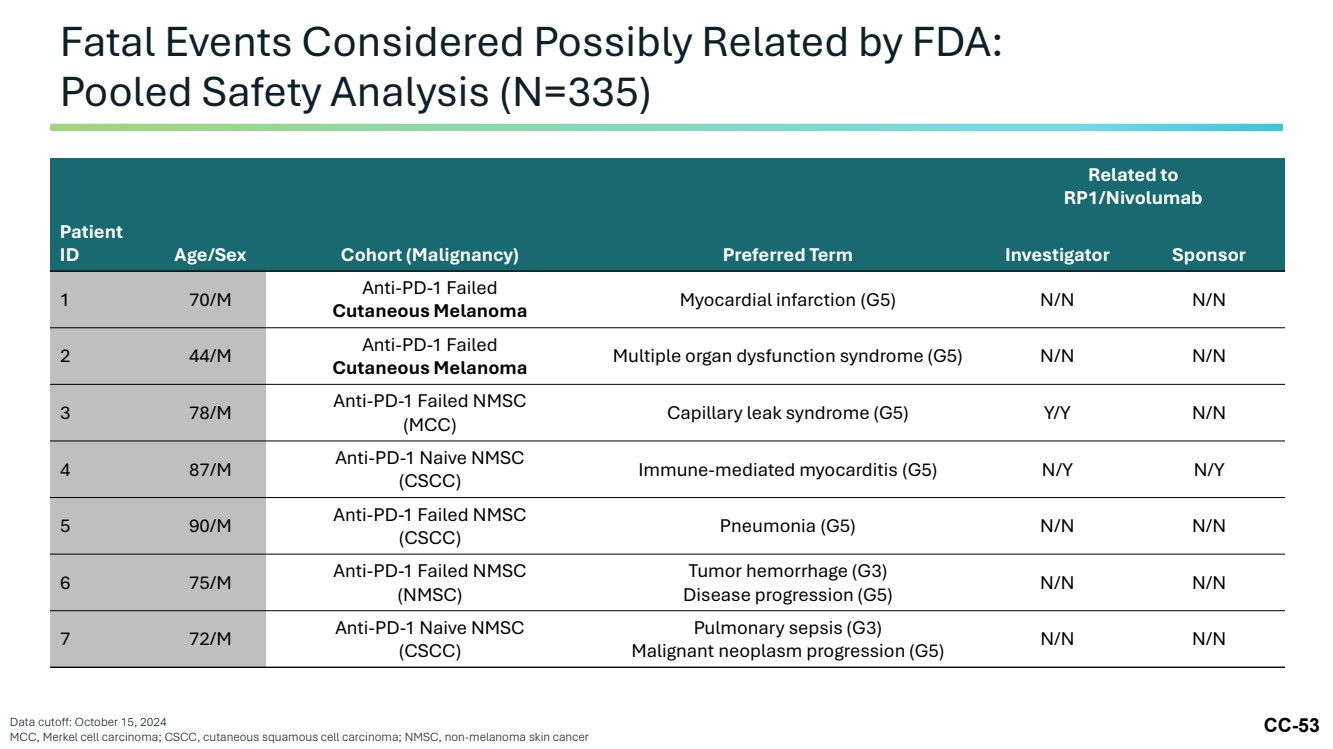
| CC-53 Fatal Events Considered Possibly Related by FDA: Pooled Safety Analysis (N=335) Data cutoff: October 15, 2024 MCC, Merkel cell carcinoma; CSCC, cutaneous squamous cell carcinoma; NMSC, non-melanoma skin cancer Related to RP1/Nivolumab Patient ID Age/Sex Cohort (Malignancy) Preferred Term Investigator Sponsor 1 70/M Anti-PD-1 Failed Cutaneous Melanoma Myocardial infarction (G5) N/N N/N 2 44/M Anti-PD-1 Failed Cutaneous Melanoma Multiple organ dysfunction syndrome (G5) N/N N/N 3 78/M Anti-PD-1 Failed NMSC (MCC) Capillary leak syndrome (G5) Y/Y N/N 4 87/M Anti-PD-1 Naive NMSC (CSCC) Immune-mediated myocarditis (G5) N/Y N/Y 5 90/M Anti-PD-1 Failed NMSC (CSCC) Pneumonia (G5) N/N N/N 6 75/M Anti-PD-1 Failed NMSC (NMSC) Tumor hemorrhage (G3) Disease progression (G5) N/N N/N 7 72/M Anti-PD-1 Naive NMSC (CSCC) Pulmonary sepsis (G3) Malignant neoplasm progression (G5) N/N N/N |
| CC-54 Assessment of Topics of Interest • Contribution of Effect • Response Assessment |
| CC-55 Patients Serving as Their Own Control Analysis Supports the Contribution of Effect (IGNYTE Study) Replimune data on file. ORR analysis includes non-adjuvant patients only (cannot assess prior response to adjuvant treatment) n=104 for all patients and n=31 for responders. Patient Population Time on Prior Treatment Months (Range) ORR on Prior PD-1 Based Therapy % (n; 95% CI) ORR During IGNYTE % (n; 95% CI) All Patients (N=104) Non-adjuvant 5.6 (2.1, 60.0) 11.5% (12; 6.1-19.3) 29.8% (31; 21.2-39.6) Responders Only (N=31) Non-adjuvant 5.6 (3.5, 46.9) 12.9% (4; 3.6-29.8) 100% (31; 88.8-100) Contribution of Effects |
| CC-56 Durability Supports Systemic Impact in IGNYTE Study *If corrected for denominator = 25% (FDA sensitivity analysis) NE, not evaluable NR, not reached Responder (n/N) ORR (95% CI) DOR, months (95% CI) Patients who had all target lesions injected 25/51 49.0 (34.8, 63.4) NR (25.6, NE) FDA ANALYSIS N=22 N=0 ORR 15.7%*, n/N=22/140 REPLIMUNE ANALYSIS N=22 N=25 ORR 33.6%, n/N=47/140 NON-INJECTED TARGET LESION ALL TARGET LESIONS INJECTED Response Assessment |
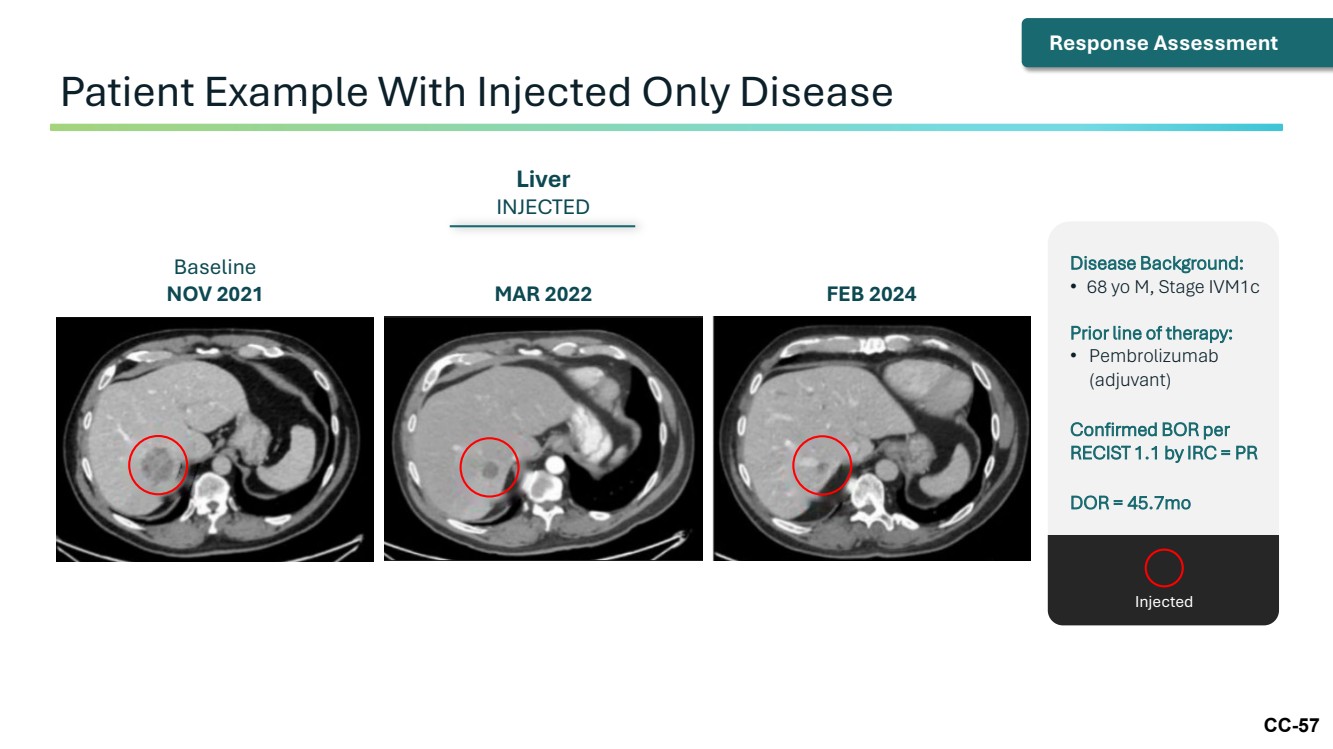
| CC-57 Patient Example With Injected Only Disease Baseline NOV 2021 MAR 2022 FEB 2024 Liver INJECTED Response Assessment Disease Background: • 68 yo M, Stage IVM1c Prior line of therapy: • Pembrolizumab (adjuvant) Confirmed BOR per RECIST 1.1 by IRC = PR DOR = 45.7mo Injected |
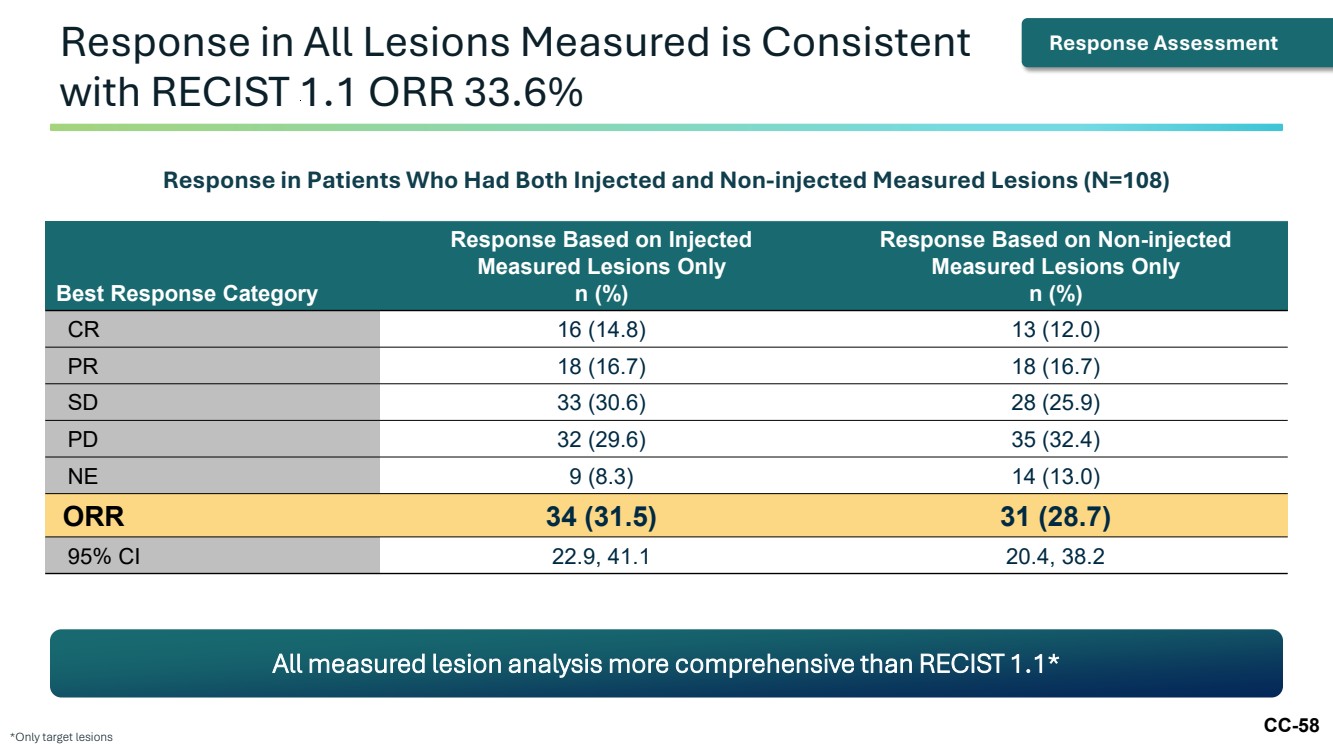
| CC-58 Response in All Lesions Measured is Consistent with RECIST 1.1 ORR 33.6% *Only target lesions Best Response Category Response Based on Injected Measured Lesions Only n (%) Response Based on Non-injected Measured Lesions Only n (%) CR 16 (14.8) 13 (12.0) PR 18 (16.7) 18 (16.7) SD 33 (30.6) 28 (25.9) PD 32 (29.6) 35 (32.4) NE 9 (8.3) 14 (13.0) ORR 34 (31.5) 31 (28.7) 95% CI 22.9, 41.1 20.4, 38.2 All measured lesion analysis more comprehensive than RECIST 1.1* Response in Patients Who Had Both Injected and Non-injected Measured Lesions (N=108) Response Assessment |
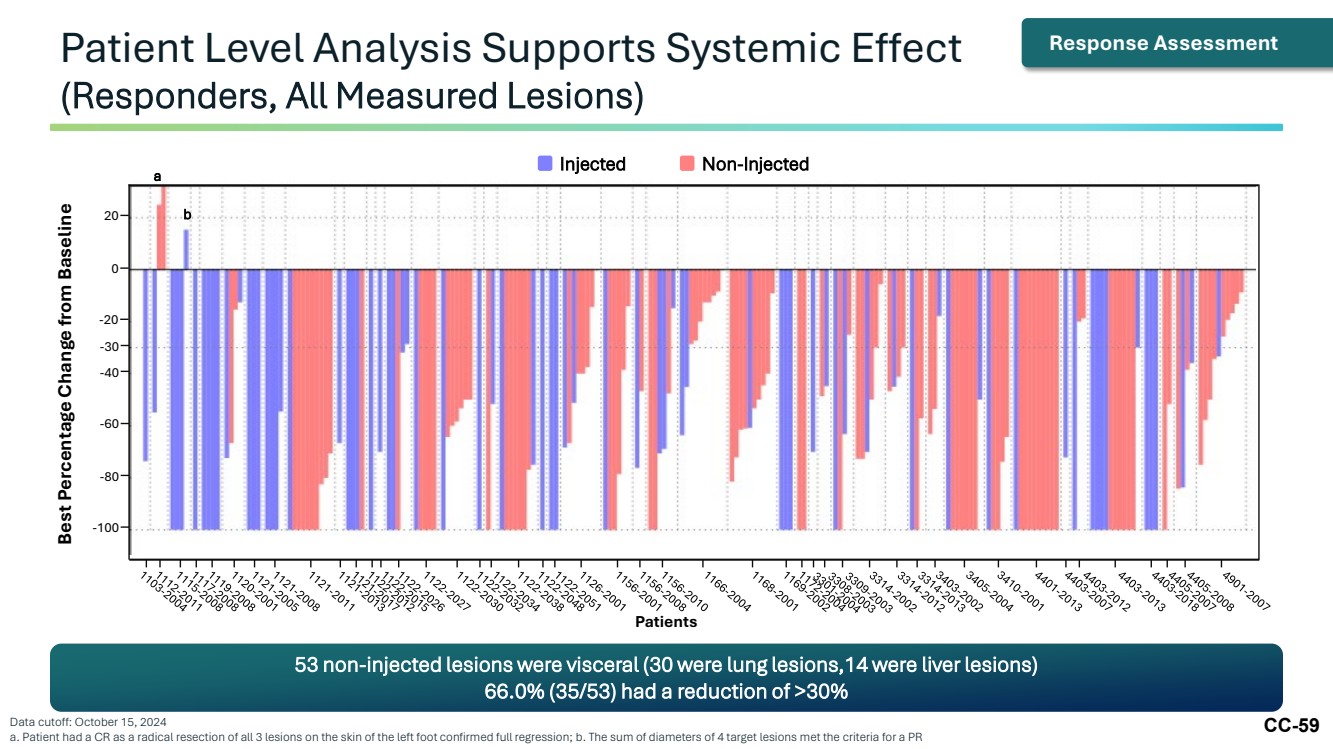
| CC-59 Patient Level Analysis Supports Systemic Effect (Responders, All Measured Lesions) Data cutoff: October 15, 2024 a. Patient had a CR as a radical resection of all 3 lesions on the skin of the left foot confirmed full regression; b. The sum of diameters of 4 target lesions met the criteria for a PR Injected Non-Injected Patients a b -100 -80 -60 -40 -30 Best Percentage Change from Baseline -20 0 20 Response Assessment 53 non-injected lesions were visceral (30 were lung lesions,14 were liver lesions) 66.0% (35/53) had a reduction of >30% |
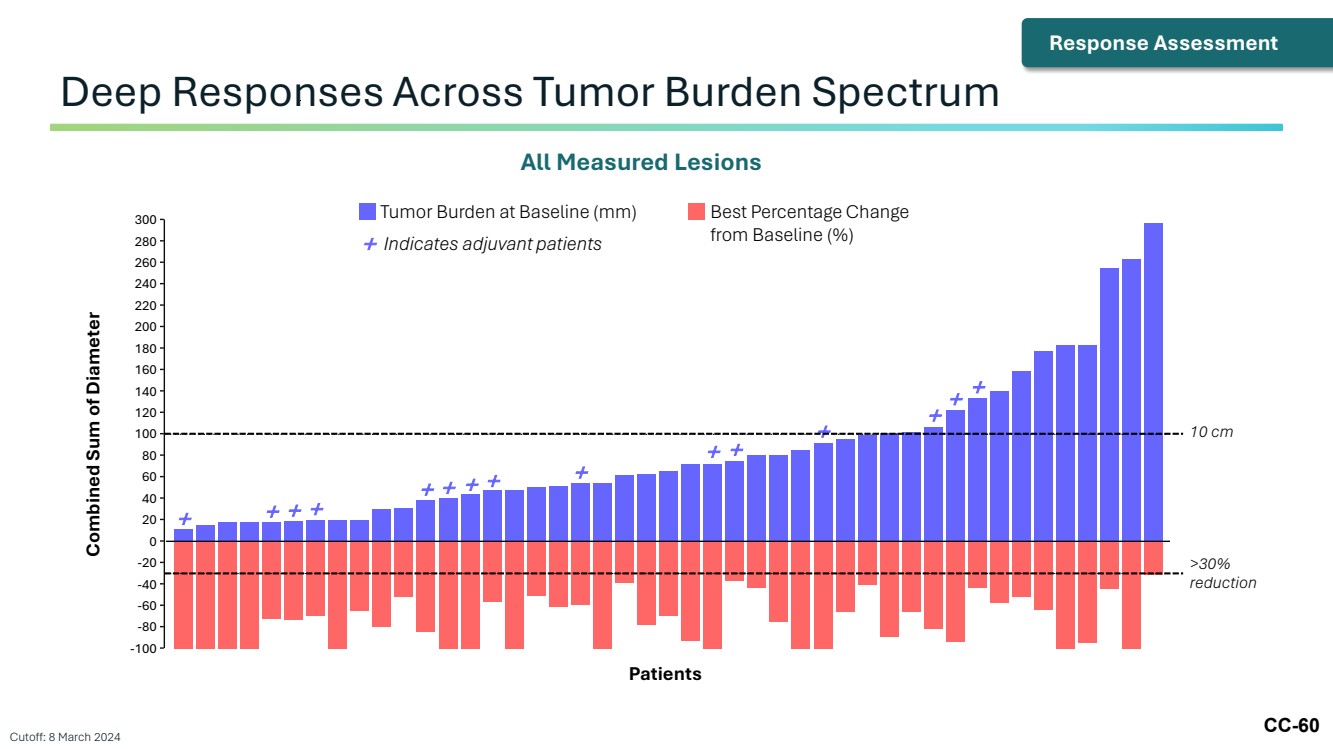
| CC-60 Deep Responses Across Tumor Burden Spectrum Cutoff: 8 March 2024 All Measured Lesions Baseline (mm) Patients with Adjuvant Therapy: + Combined Sum of Diameter 0 -100 -80 -60 -40 -20 300 200 220 240 260 280 180 80 100 120 140 160 60 20 40 Patients + + + + + + + + + + + + + + + Tumor Burden at Baseline (mm) Best Percentage Change from Baseline (%) + Indicates adjuvant patients 10 cm >30% reduction Response Assessment |
| CC-61 Summary |

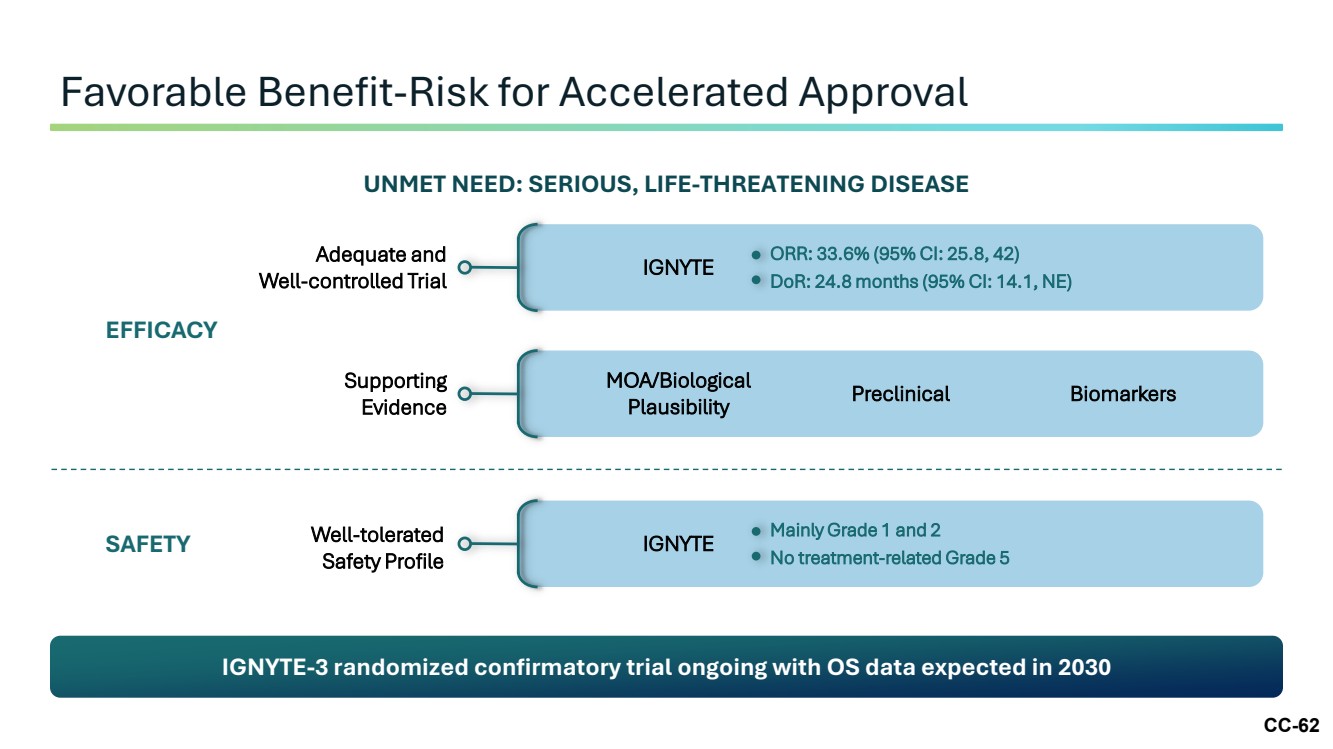
| CC-62 Favorable Benefit-Risk for Accelerated Approval IGNYTE-3 randomized confirmatory trial ongoing with OS data expected in 2030 UNMET NEED: SERIOUS, LIFE-THREATENING DISEASE EFFICACY Adequate and Well-controlled Trial Supporting Evidence IGNYTE ORR: 33.6% (95% CI: 25.8, 42) DoR: 24.8 months (95% CI: 14.1, NE) MOA/Biological Plausibility Preclinical Biomarkers Well-tolerated Safety Profile IGNYTE Mainly Grade 1 and 2 No treatment-related Grade 5 SAFETY |
| CC-63 Mohammed Milhem, MBBS Professor of Internal Medicine Former Division Chair and Holden Chair for Experimental Therapeutics Division of Hematology and Oncology, University of Iowa Clinical Perspective and Case Studies |
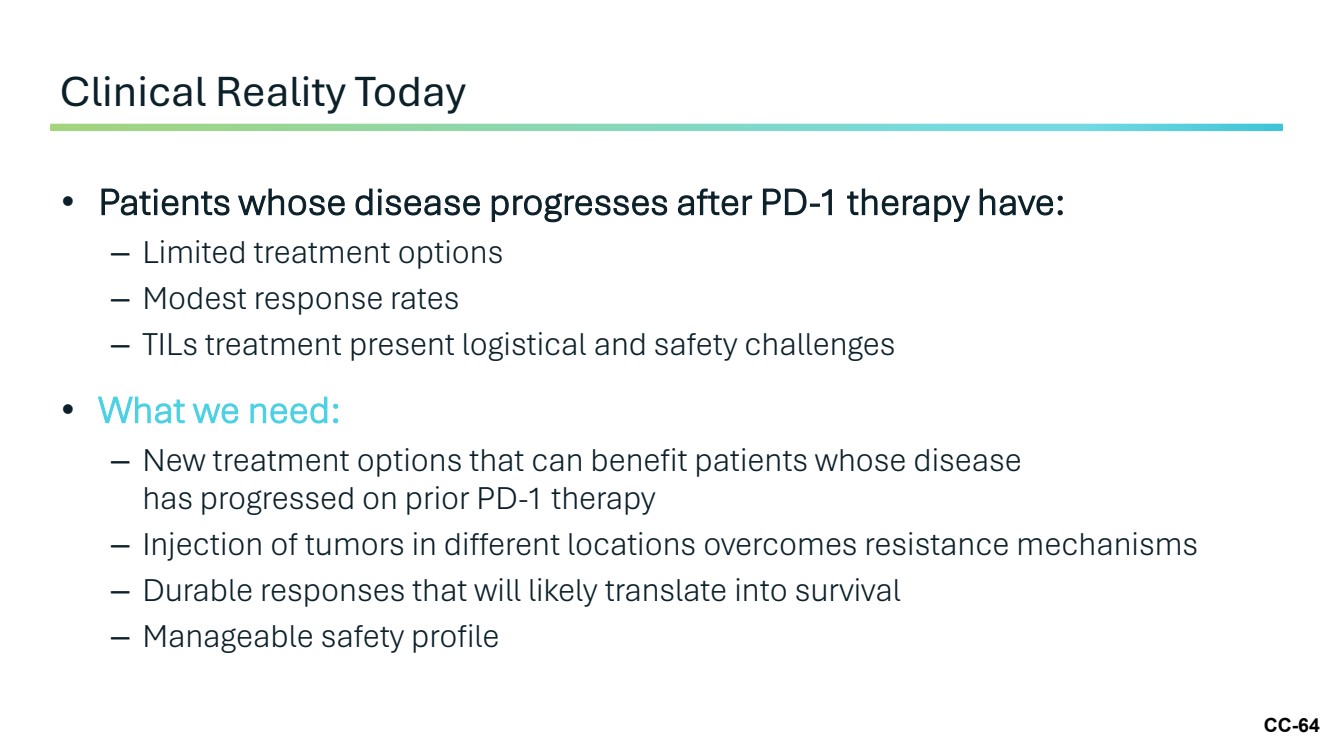
| CC-64 • Patients whose disease progresses after PD-1 therapy have: – Limited treatment options – Modest response rates – TILs treatment present logistical and safety challenges • What we need: – New treatment options that can benefit patients whose disease has progressed on prior PD-1 therapy – Injection of tumors in different locations overcomes resistance mechanisms – Durable responses that will likely translate into survival – Manageable safety profile Clinical Reality Today |
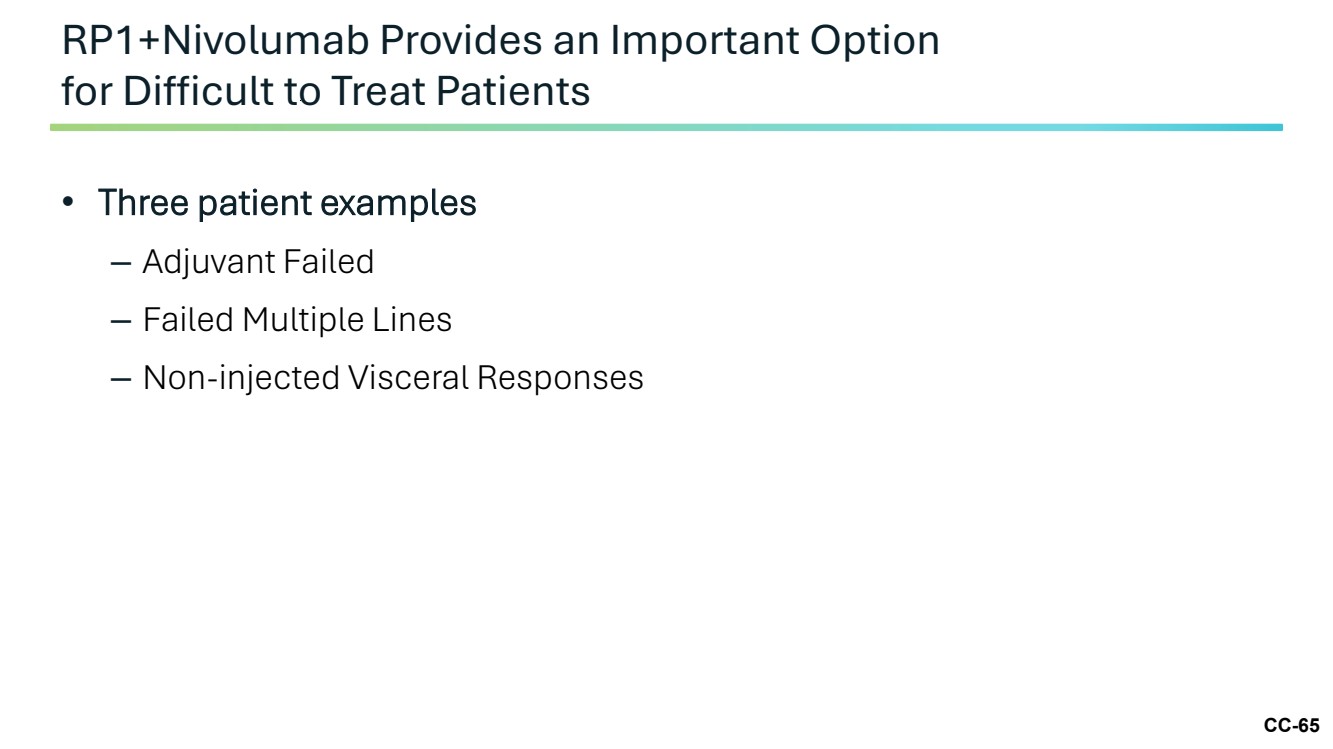
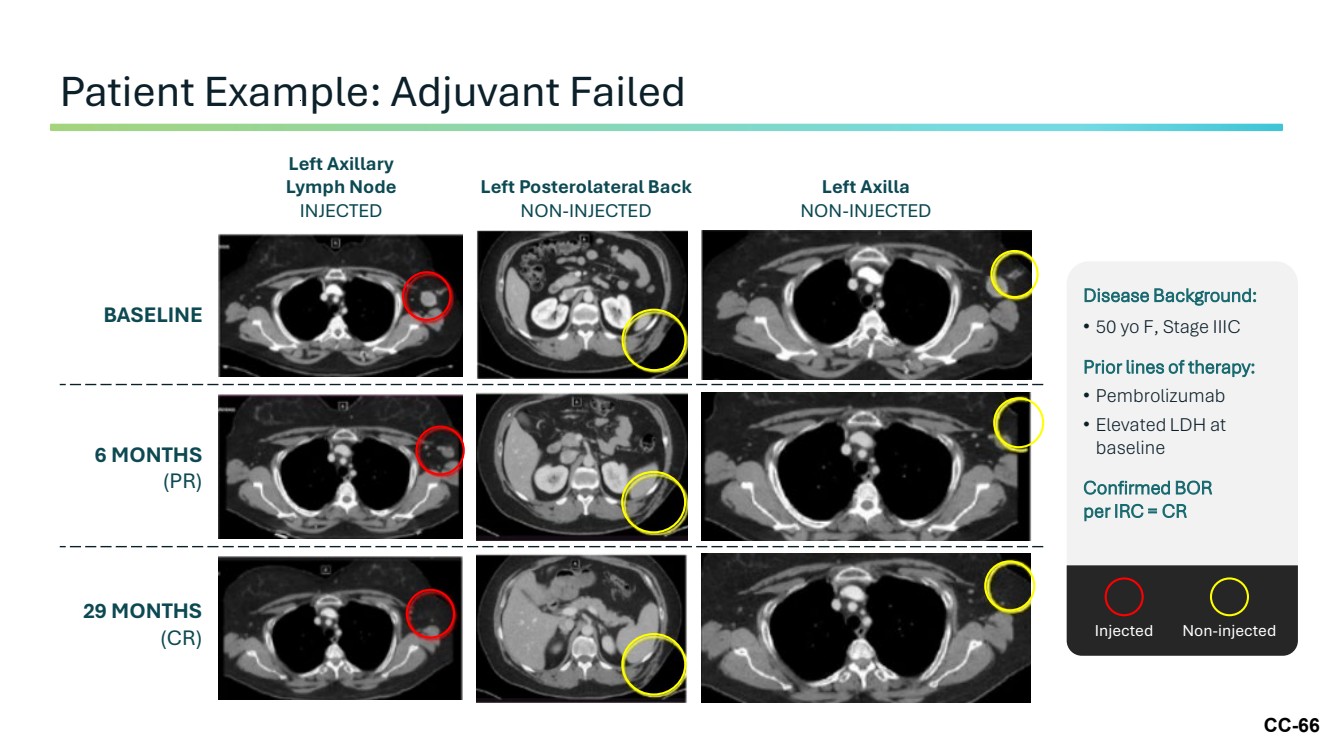
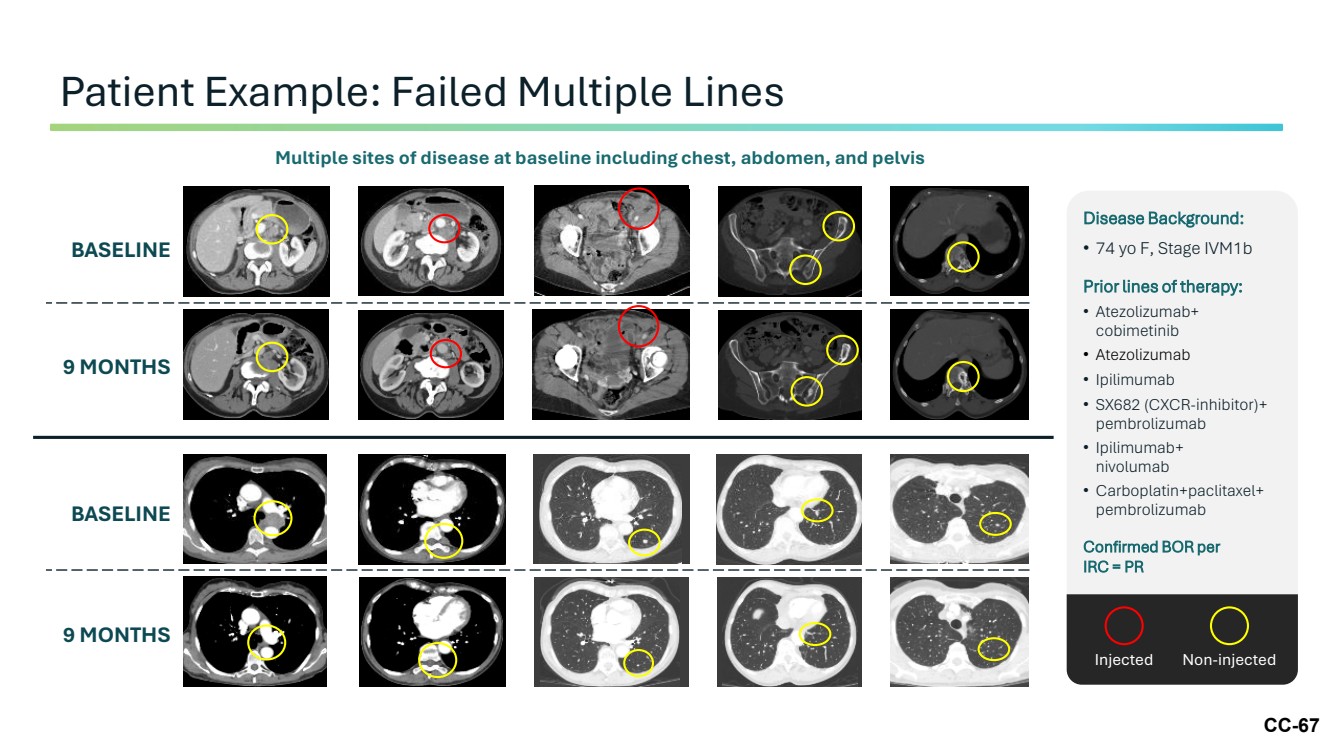
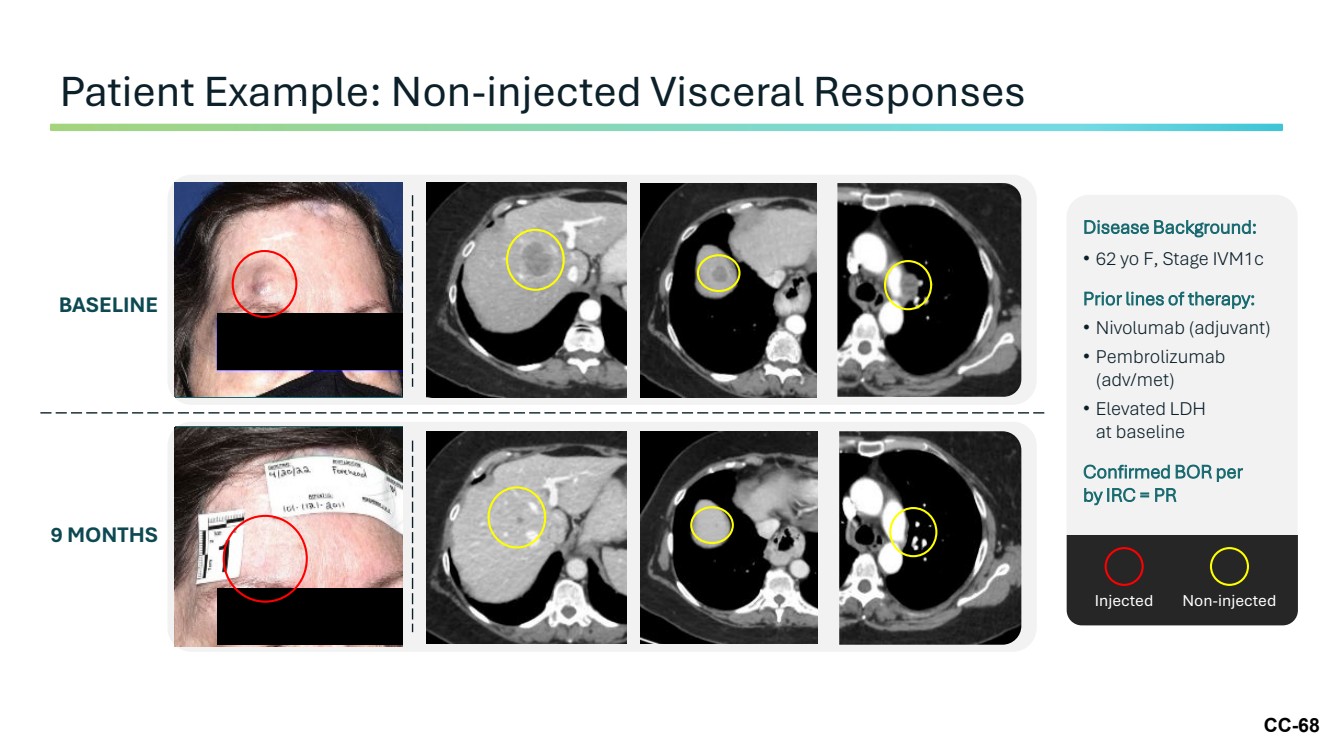
| CC-65 • Three patient examples – Adjuvant Failed – Failed Multiple Lines – Non-injected Visceral Responses RP1+Nivolumab Provides an Important Option for Difficult to Treat Patients |
| CC-66 Patient Example: Adjuvant Failed Left Posterolateral Back NON-INJECTED Left Axillary Lymph Node INJECTED Left Axilla NON-INJECTED BASELINE 6 MONTHS (PR) 29 MONTHS (CR) Disease Background: • 50 yo F, Stage IIIC Prior lines of therapy: • Pembrolizumab • Elevated LDH at baseline Confirmed BOR per IRC = CR Injected Non-injected |
| CC-67 Patient Example: Failed Multiple Lines Multiple sites of disease at baseline including chest, abdomen, and pelvis BASELINE 9 MONTHS BASELINE 9 MONTHS Disease Background: • 74 yo F, Stage IVM1b Prior lines of therapy: • Atezolizumab+ cobimetinib • Atezolizumab • Ipilimumab • SX682 (CXCR-inhibitor)+ pembrolizumab • Ipilimumab+ nivolumab • Carboplatin+paclitaxel+ pembrolizumab Confirmed BOR per IRC = PR Injected Non-injected |
| CC-68 Patient Example: Non-injected Visceral Responses BASELINE 9 MONTHS Disease Background: • 62 yo F, Stage IVM1c Prior lines of therapy: • Nivolumab (adjuvant) • Pembrolizumab (adv/met) • Elevated LDH at baseline Confirmed BOR per by IRC = PR Injected Non-injected |
| CC-69 • Urgent unmet need remains • RP1 has a positive clinical benefit risk – Compelling efficacy – Favorable safety profile • Innovative modalities require creative and pragmatic approaches to advance the field RP1 Needed for Patients Now |
| CC-70 Vusolimogene oderparepvec-wtpg (TUDRIQEV ) in combination with nivolumab for the treatment of adults with unresectable advanced cutaneous melanoma July 30, 2026 United States Food and Drug Administration Cellular, Tissue and Gene Therapies Advisory Committee |