Lazard Global Code of
Business Conduct and
Ethics
Personal Trading Policies and Procedures (Appendix A)
1
Lazard Code of Ethics
A Message from Chris Hogbin, Chief Executive Officer of Lazard Asset Management
Client trust is at the center of everything we do. It is the cornerstone of our firm – earned slowly, through years of doing
the right thing, often when no one is watching and it can be lost far more quickly than it was built. That is the responsibility we carry.
As fiduciaries, our obligation is clear: client interests come first — in every investment decision, every engagement, every action we take.
The Code of Business Conduct and Ethics sets out the principles governing how every colleague, officer, consultant, and director is expected to conduct themselves. It does not cover every rule or regulation that applies to our business. Rather, it
establishes guiding principles to be read alongside, and supplemented by, our Compliance Manual and related policies.
When you’re
uncertain, ask. When you see something that troubles you, speak up. Our culture depends on each of us exercising good judgment, speaking up when something concerns us, and supporting one another in doing the right thing.
I count on each of you to uphold these standards with the same care and commitment that have long defined Lazard’s reputation.
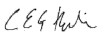
Chris Hogbin
2
Lazard Code of Ethics
Table of Contents
|
|
|
|
|
| Section |
|
|
Page |
|
|
|
| 1. Purpose and Scope |
|
|
4 |
|
|
|
| 2. Lazard’s Fiduciary Culture |
|
|
5 |
|
|
|
| 3. Compliance with Applicable Laws and Regulations |
|
|
5 |
|
|
|
| 4. Policy Against Discrimination and Unlawful Harassment |
|
|
6 |
|
|
|
| 5. Conflicts of Interest |
|
|
6 |
|
|
|
| 6. Insider Trading Prohibitions |
|
|
7 |
|
|
|
| 7. Personal Trading: Summary of Restrictions |
|
|
8 |
|
|
|
| 8. Outside Directorships and Other Outside Activities |
|
|
9 |
|
|
|
| 9. Gifts, Entertainment, and Business Courtesies |
|
|
10 |
|
|
|
| 10. Compliance with Anti-Corruption Laws |
|
|
11 |
|
|
|
| 11. Political Contributions and Activities |
|
|
11 |
|
|
|
| 12. Confidentiality and Information Barriers |
|
|
12 |
|
|
|
| 13. Use of Client Relationships |
|
|
13 |
|
|
|
| 14. Corporate Opportunities and Resources |
|
|
14 |
|
|
|
| 15. Antitrust and Fair Dealing |
|
|
14 |
|
|
|
| 16. Recordkeeping and Retention |
|
|
14 |
|
|
|
| 17. Improper Influence on Conduct of Audits |
|
|
15 |
|
|
|
| 18. Accuracy of Disclosure |
|
|
15 |
|
|
|
| 19. Anti-Money Laundering and Sanctions Compliance |
|
|
15 |
|
|
|
| 20. Data Protection and Privacy |
|
|
16 |
|
|
|
| 21. Protection and Proper Use of Lazard Assets |
|
|
16 |
|
|
|
| 22. Policy on Intellectual Property |
|
|
17 |
|
|
|
| 23. Exceptions from the Code |
|
|
17 |
|
|
|
| 24. Regulatory Inquiries, Investigations and Litigation |
|
|
18 |
|
|
|
| 25. Reporting Violations and Whistleblower Protections |
|
|
18 |
|
|
|
| 26. Disciplinary Actions and Consequences |
|
|
19 |
|
|
|
| 27. Annual Acknowledgment Requirement |
|
|
19 |
|
|
|
| Appendix A: Personal Trading Policies and Procedures |
|
|
20 |
|
3
Lazard Code of Ethics
1. Purpose and Scope
1.1 This Code of Business Conduct and Ethics (the “Code”) establishes the values, principles, and standards of business conduct that govern
the activities of Lazard Asset Management, Lazard Freres Gestion, and their asset management affiliates (“the firm,” “we,” or “us”), as well as the U.S.-registered investment companies advised, managed, or
sponsored by Lazard that have adopted this Code (the “Lazard Funds”).
1.2 The Code applies to all employees and officers of Lazard,
including part-time employees and consultants who may be designated as subject to this Code by the Chief Compliance Officer (collectively, “Covered Persons”). All Covered Persons are required to adhere to this Code as well as all laws
and regulations applicable to Lazard’s business activities. Adherence to this Code is a fundamental condition of employment and service with Lazard.
1.3 Lazard is an investment adviser and provides discretionary and non-discretionary asset management services to
a wide range of clients, including governments, corporations, financial institutions, pension funds, endowments, foundations, high net worth individuals, and registered investment companies. In this capacity, the firm and its employees serve as
fiduciaries. The fiduciary relationship demands adherence to the highest standards of conduct and integrity, requiring that the interests of clients take priority over the personal investment objectives and other personal interests of Lazard
personnel.
1.4 All Covered Persons must conduct themselves in a manner consistent with the requirements and procedures set forth in this Code.
Specifically:
| |
● |
|
Covered Persons must work to mitigate or eliminate any conflict, or appearance of a conflict, between the self-interest
of any individual subject to this Code and his or her responsibility to clients or to the firm. |
| |
● |
|
Covered Persons must never improperly use their position with Lazard for personal gain, whether for themselves, their
families, or any other person. |
| |
● |
|
Covered Persons must comply with applicable local conduct, accountability, licensing, fitness and probity, market
conduct, and regulatory reporting obligations. |
1.5 This Code is designed to comply with the regulations in the jurisdictions in
which we operate. In particular, the Personal Trading Policies and Procedures set forth in Appendix A contain provisions reasonably necessary to prevent Covered Persons from engaging in fraudulent conduct, including insider trading, and to prevent
short-term trading or “market timing” practices.
1.6 This Code does not constitute an exhaustive list of all internal policies,
procedures, regulations, or legal requirements that apply to Covered Persons. Lazard maintains more detailed policies and procedures addressing many of the topics covered in the Code including those set forth in the Lazard Compliance Manual. Covered
Persons are also bound by the Lazard Code of Business Conduct and Ethics. All Covered Persons are responsible for knowing and abiding by the relevant policies.
4
Lazard Code of Ethics
2. Lazard’s Fiduciary Culture
2.1 The primary objective of Lazard’s business is to deliver value, through investment advisory and related financial services, to a broad range
of institutional and individual clients. Lazard and its employees serve as fiduciaries to these clients, and this fiduciary relationship requires Lazard and Covered Persons to adhere to the highest standards of ethical conduct and seek to avoid even
the appearance of improper behavior.
2.2 Lazard requires that all dealings with, and on behalf of, existing and prospective clients be handled with
honesty, integrity, and high ethical standards, and that such dealings adhere to the letter and spirit of applicable laws, regulations, and contractual obligations. As a fiduciary, Lazard owes its clients a duty of undivided loyalty and a duty of
care, and each Covered Person has a responsibility to act in a manner consistent with these duties. Covered Persons must place the interest of clients first and avoid activities, interests, and relationships that might interfere with the duty to
make decisions in the clients’ best interests.
2.3 When dealing with or on behalf of a client, every Covered Person must act solely in the
best interests of that client. Various comprehensive statutory and regulatory structures, including the 1940 Act, the Advisers Act, the Employee Retirement Income Security Act (“ERISA”), and, for the firm’s global operations, the
Markets in Financial Instruments Directive (“MiFID II”) and the Alternative Investment Fund Managers Directive (“AIFMD”), impose specific responsibilities governing the behavior of personnel in fulfilling their duties. Lazard
and its Covered Persons must comply fully with these rules and regulations. Where Lazard acts as a fiduciary to pension plan clients subject to ERISA, additional duties apply, including the duty to act prudently and solely in the interest of plan
participants and beneficiaries, the duty to diversify plan investments so as to minimize the risk of large losses, and the duty to follow the plan documents to the extent consistent with ERISA. Covered Persons who manage or service ERISA accounts
must be familiar with these heightened obligations. The Legal and Compliance Department is available to assist Covered Persons in meeting these requirements.
2.4 All Covered Persons are expected to adhere to the high standards associated with Lazard’s fiduciary duty, including care and loyalty to
clients, competency, diligence and thoroughness, and trust and accountability. All Covered Persons must actively work to avoid the possibility that the advice or services provided to clients is, or gives the appearance of being, based on the
self-interests of Lazard or its employees rather than the clients’ best interests.
2.5 Lazard’s fiduciary responsibilities extend to a
broad range of investment and related activities, including sales and marketing, portfolio management, securities trading, allocation of investment opportunities, client service, operations support, performance measurement and reporting, and new
product development, as well as Covered Persons’ personal investing activities. These obligations include the duty to avoid material conflicts of interest (and, where avoidance is not possible, to provide full and fair disclosure to clients),
to keep accurate books and records, and to supervise personnel appropriately.
3. Compliance with Applicable Laws and Regulations
3.1 Lazard has a long-standing commitment to conducting its business in compliance with applicable laws and regulations and in accordance
with the highest ethical principles. All Covered Persons are required to comply with all such laws and regulations. All U.S.-based employees, as
5
Lazard Code of Ethics
well as non-U.S. employees who act on behalf of U.S. clients or
funds, are required to comply with the U.S. federal securities laws. These laws include the 1940 Act, the Advisers Act, ERISA, the Securities Act of 1933, the Securities Exchange Act of 1934, the Sarbanes-Oxley Act of 2002, Title V of the
Gramm-Leach-Bliley Act, the Bank Secrecy Act as applicable to our activities, and any rules adopted by the SEC, the Department of the Treasury, or the Department of Justice. Lazard’s non-U.S. affiliates
are subject to additional laws and regulatory mandates in their respective jurisdictions, including MiFID II, AIFMD, and applicable local regulations, which must be fully complied with.
3.2 Our obligation to comply with all applicable laws, rules, and regulations, and to act in an honest and ethical manner, supersedes all other
considerations, including the commercial interests of the firm or its clients. Policies referenced in this Code provide additional details and requirements to support compliance. A violation of any of these policies may be deemed a violation of this
Code.
4. Policy Against Discrimination and Unlawful Harassment
4.1 Lazard is committed to providing a working environment free from all forms of discrimination and harassment on the basis of race, color, religion,
creed, ancestry, national origin, sex, age, disability, marital status, citizenship status, sexual orientation, gender identity or expression, military or veteran status, or any other basis protected by applicable law. Harassment or discrimination
by any Covered Person will not be tolerated.
4.2 Lazard’s policies on nondiscrimination and unlawful harassment and the procedures for
reporting instances of such conduct are set forth in the Employee Handbook. All Covered Persons are responsible for knowing and abiding by these policies. Anyone who reports in good faith an incident of discrimination or harassment will not be
subject to reprisals. Anyone found to have engaged in conduct inconsistent with these policies will be subject to appropriate disciplinary action, up to and including termination of employment.
5. Conflicts of Interest
5.1 A “conflict of interest” may exist when a person’s private interests are contrary to, or inconsistent with, the interests of
Lazard’s clients or of the firm itself. A conflict situation can arise when a Covered Person takes actions or has interests (business, financial, or otherwise) that may make it difficult to perform his or her work objectively and effectively.
Conflicts of interest may arise, for example, when a Covered Person, or a member of his or her family, receives improper personal benefits as a result of his or her position at Lazard or gains personal enrichment or benefits through access to
confidential information.
5.2 Conflicts may also arise when a Covered Person, or a member of his or her family, holds a significant financial
interest in a company that conducts business with Lazard, has outside business interests that may result in divided loyalties or compromise independent judgment, or engages in personal securities transactions that conflict with client activity.
Conflicts of interest can also arise because of personal relationships with others within or outside Lazard (such as family relationships, romantic relationships, or close friendships) that may compromise objectivity and independent judgment.
5.3 Lazard has adopted policies, procedures, and controls designed to manage conflicts of interest. These are set forth in the Lazard Compliance Manual
and/or the various firmwide
6
Lazard Code of Ethics
compliance policies. Identified and approved conflicts, together with the applicable controls, will be
recorded in accordance with local laws and regulations.
5.4 Conflicts of interest can arise in many common situations. This Code does not attempt to
identify all possible conflicts. Literal compliance with each specific procedure will not shield any Covered Person from liability for conduct that violates fiduciary duties owed to clients. All Covered Persons are encouraged to seek clarification
of, and discuss questions about, potential conflicts. If you have questions about a particular situation or become aware of a conflict or potential conflict, you should bring it to the attention of your supervisor, the Chief Compliance Officer, or a
representative of the Legal and Compliance Department.
5.5 In addition to the specific prohibitions in this Code, all Covered Persons are subject to
a general prohibition against engaging in any act or practice that would defraud any client. This general prohibition includes:
(a) Making any
untrue statement of a material fact or employing any device, scheme, or artifice to defraud a client;
(b) Omitting to state a material fact, or
failing to provide any information necessary to properly clarify any statements made (considering the circumstances), creating a materially misleading impression;
(c) Accepting any compensation for the purchase or sale of any property to or for a fund or other client account;
(d) Making investment decisions, changes in research assessments, and trading decisions other than exclusively for the benefit of, and in the best
interest of, clients;
(e) Using information about investment or trading decisions or changes in research assessments (whether considered, proposed,
or made) to benefit or avoid economic injury to any person other than clients;
(f) Taking, delaying, or omitting to take any action with respect to
any investment or trading decision for a client to avoid economic injury to any person other than clients;
(g) Purchasing or selling a security on
the basis of knowledge of a possible trade by or for a client with the intent of personally profiting from personal holdings in the same or related securities (commonly known as “front-running”);
(h) Revealing to any other person (except in the normal course of duties on behalf of a client) any information regarding securities transactions by any
client or the consideration by any client of any such securities transactions; or
(i) Engaging in any act, practice, or course of business that
operates or would operate as a fraud or deceit on a client, or engaging in any manipulative practice with respect to any client.
5.6 Lazard requires
all Covered Persons to disclose any conflicts of interest upon joining Lazard or as they arise during the course of employment. These disclosures must be made to the Legal and Compliance Department.
6. Insider Trading Prohibitions
6.1 There are instances where Lazard Covered Persons may come into possession of confidential “inside” information about Lazard, Lazard,
Inc., or its affiliates, about a company with which Lazard does business, or about a company in which Lazard may invest on behalf of clients, that is not known to the investing public. Covered Persons must maintain the confidentiality of all such
7
Lazard Code of Ethics
information. If a reasonable investor would consider this information significant in reaching an
investment decision, the Covered Person in possession of this information must not buy or sell securities of any of the companies in question or provide this information to another person who might trade in such securities. No transaction may be
made in violation of the Material Non-Public Information Policies and Procedures as outlined in the Lazard Compliance Manual.
6.2 Lazard has adopted detailed insider trading policies that address: (a) the prohibition on trading while in possession of material, non-public information; (b) the prohibition on “tipping,” or communicating such information to others who may trade on it; and (c) the Lazard Information Barrier policies designed to prevent
the flow of material non-public information across different parts of the Lazard organization. Copies of these policies are maintained on the Legal and Compliance Department intranet. All Covered Persons are
required to be familiar with these policies and to abide by them.
6.3 The prohibition on insider trading applies regardless of whether a Covered
Person has satisfied all other requirements of this Code or the Personal Trading Policies and Procedures. Covered Persons must never trade in a security while in possession of material, non-public information
about the issuer or the market for those securities.
6.4 The subject of insider trading is addressed in various compliance training programs and
materials. Covered Persons are required to complete all assigned training and to direct any questions to the Legal and Compliance Department.
7. Personal Trading: Summary of Restrictions
7.1 Lazard recognizes the importance to its Covered Persons of being able to
manage and develop their own and their dependents’ financial resources through long-term investments and strategies. At the same time, because of the potential conflicts of interest inherent in our business, the firm has implemented standards
and limitations designed to minimize these conflicts and help ensure that the firm’s focus remains on meeting its fiduciary duties to clients. As a general matter, Lazard discourages personal investments by Covered Persons in individual
securities and encourages personal investments in managed collective vehicles, such as mutual funds.
7.2 Lazard senior management believes it is
important for employees to align their own personal interests with the interests of clients. Accordingly, Covered Persons are permitted to invest in the mutual fund products and services offered by Lazard, where available and appropriate.
7.3 The policies and procedures for personal trading are set forth in full detail in the Lazard Personal Trading Policies and Procedures, included in
this Code as Appendix A. The following is a summary of the principal requirements and restrictions:
(a) Covered Persons must disclose all of their
Personal Securities Accounts to the Legal and Compliance Department within ten (10) calendar days of joining Lazard.
(b) Covered Persons must pre-clear all securities trades through the Compliance Science System (or directly by the Legal and Compliance Department where access to the System is not possible) prior to placing trades with their broker-dealer.
(c) Subject to the exceptions set forth in Appendix A, no security may be purchased or sold in any Personal Securities Account seven
(7) calendar days before or after a Lazard client account trades in the same security (the “Blackout Period”).
(d) Securities
transactions must be for investment purposes rather than for speculation. Covered Persons and their Related Persons may not purchase and sell the same securities within ninety (90) calendar days, calculated on a First In, First Out basis (the
“90 Day Hold”). Profits from sales
8
Lazard Code of Ethics
that occur within the 90 Day Hold are subject to disgorgement or other sanctions. If you are a Covered
Person affiliated with Lazard Japan Asset Management, you and your Related Persons are subject to a six (6)-month minimum holding period for shares and share-equivalent instruments under applicable Japanese requirements.
(e) Employees are limited to twenty (20) trades in single-name securities on a quarterly basis.
(f) Covered Persons may not participate in initial public offerings or secondary offerings of securities.
(g) Securities offered pursuant to a private placement (including hedge funds, private equity funds, or any other pooled investment vehicle offered in a
private placement) may not be purchased or sold without the prior approval of Lazard’s Chief Compliance Officer or his or her designee.
(h)
Covered Persons are prohibited from engaging directly in short sales of any security.
(i) Covered Persons and their Related Persons are prohibited
from trading in securities of leveraged ETFs or ETNs in their Personal Securities Accounts, as these financial instruments are inconsistent with the long-term investment orientation of this Code.
(j) All trading in shares of Lazard, Inc. (“LAZ”) by Covered Persons or Related Persons must be
pre-cleared, and trading in LAZ shares is subject to special trading prohibitions, the dates and conditions of which are determined by Lazard senior management. Covered Persons are prohibited from entering
into options contracts related to LAZ shares.
(k) No security on the Lazard Global Restricted List may be purchased or sold in any Personal
Securities Account.
(l) Covered Persons and Related Persons may not acquire any security, directly or indirectly, for purposes of obtaining control
of the issuer.
(m) Covered Persons must submit initial and annual holdings reports, disclosing all securities held in Personal Securities Accounts,
and must on a quarterly basis submit or confirm reports identifying all transactions in securities in Personal Securities Accounts.
(n) The Legal
and Compliance Department has the authority to deny any personal trade by a Covered Person if the security is being considered for purchase or sale in a client account, appears on the Lazard Global Restricted List, or if there are open orders for
the security on any trading desk.
(o) Additional restrictions and blackout periods apply to persons acting in the capacity of investment
professionals, as more fully described in Appendix A.
7.4 This summary should not be considered a substitute for reading, understanding, and
complying with the detailed restrictions and requirements that appear in the Personal Trading Policies and Procedures, included as Appendix A to this Code.
8. Outside Directorships and Other Outside Activities and Interests
8.1 Although activities outside of Lazard are not necessarily a conflict of interest, a conflict may exist depending upon the Covered Person’s
position within Lazard and Lazard’s relationship with the particular activity in question. Outside activities may also create a potential conflict of interest if they cause a Covered Person to choose between that interest and the interests of
Lazard or any client.
9
Lazard Code of Ethics
8.2 Covered Persons are generally not permitted to serve on the board of directors or trustees or in
any other management capacity of any public company (other than a related Lazard entity) without the prior approval of Lazard’s Chief Executive Officer and Chief Compliance Officer and/or General Counsel.
8.3 A Covered Person may serve on any board of directors or trustees or in any other management capacity of any private company (including not-for-profit organizations) with prior written approval from the Covered Person’s supervisor and the Legal and Compliance Department. The decision as to whether to
grant authorization will be based on a determination that such service would not be inconsistent with the interests of any client, as well as an analysis of the time commitment and potential personal liabilities associated with the outside
affiliation.
8.4 Lazard discourages employees from accepting secondary employment, particularly where it poses any conflict with the
employee’s ability to fulfill all job requirements and business needs. Before accepting a second job, a Covered Person must submit an outside business activity request through the Legal and Compliance Department, ensure that Lazard’s
business takes priority, ensure that no conflict of interest exists, and require no special accommodation for scheduling matters associated with the secondary employment.
8.5 New employees with pre-existing relationships are required to ensure that their outside affiliations conform
to these restrictions and must obtain the requisite approvals. On a periodic basis, Covered Persons will be required to confirm that the circumstances of approved activities have not changed.
8.6 Given the rapid evolution of technology and the proliferation of new financial instruments and trading platforms outside of our business, Covered
Persons are reminded that we are held to the highest ethical standards. The use of proprietary information, including client investment strategies, research developed for the benefit of clients, or any other confidential firm information, for
personal gain is strictly prohibited. All Covered Persons must manage these risks in their personal lives by maintaining compliance with applicable laws and regulations and ensuring that no non-public or
proprietary information obtained through their professional roles is exploited for personal benefit.
8.7 As prediction markets continue to
proliferate and become increasingly accessible, Covered Persons may not participate in online prediction markets or event contract platforms (such as Polymarket, Kalshi, or similar services) where the contract relates to (a) any current,
former, or prospective Lazard client or engagement known to the employee or about which the employee reasonably should be aware, (b) any matter about which the employee possesses Lazard proprietary information or other material non-public information obtained through employment at Lazard, or (c) any other matter where trading could create an actual or apparent conflict of interest with Lazard or its clients. Employees who have
questions about whether a particular platform or activity falls within this prohibition should contact the Legal and Compliance Department before engaging in any such activity.
9. Gifts, Entertainment, and Business Courtesies
9.1 Business gifts and entertainment are designed to build goodwill and productive working relationships among business partners. Under certain
circumstances, however, gifts, entertainment, favors, benefits, and job offers may be, or appear to be, attempts to improperly influence business decisions. Accepting or offering such inducements could raise doubts about a Covered Person’s
ability to make independent business judgments in the best interests of clients or the firm. A problem would arise if (i) the receipt by a Covered Person of a gift, entertainment, or other inducement would compromise, or could be reasonably
viewed as compromising, that
10
Lazard Code of Ethics
individual’s ability to make objective and fair business decisions on behalf of Lazard or its
clients, or (ii) the offering by a Covered Person of a gift, entertainment, or other inducement appears to be an attempt to obtain business through improper means.
9.2 These situations can arise in many different circumstances, including with current or prospective suppliers and clients. Covered Persons should be
aware that certain types of inducements may constitute illegal bribes, payoffs, or kickbacks. The rules of various securities regulators place specific constraints on the activities of persons involved in the sales and marketing of securities.
Lazard has adopted restrictions on the provision and receipt of gifts and business entertainment, as set forth in the Gifts and Entertainment Policy. Covered Persons must familiarize themselves with this policy and comply with its requirements,
which include reporting the acceptance of most business meals, gifts, and entertainment to the Legal and Compliance Department.
9.3 Each Covered
Person must use good judgment to ensure there is no violation of these principles. If you have any question or uncertainty about whether any gifts, entertainment, or other types of inducements are appropriate, please contact your supervisor or a
representative of the Legal and Compliance Department.
10. Compliance with Anti-Corruption Laws
10.1 Lazard strictly prohibits the acceptance, offer, payment, or authorization, whether directly or through a third party, of any bribe or any other
form of corruption, whether involving a government official or an employee of any public or private entity. It is the responsibility of all Covered Persons to adhere to all applicable anti-corruption laws and regulations in the jurisdictions in
which they do business, including the U.S. Foreign Corrupt Practices Act, the U.K. Bribery Act, and similar international laws regulating payments to public and private sector individuals (collectively, the “Anti-Corruption Laws”).
Lazard has adopted policies requiring adherence to local anti-bribery and anti-corruption laws, including the FCPA.
10.2 Lazard expects all Covered
Persons to refuse to make or accept questionable or improper payments. No Covered Person may give money, gifts, or anything else of value (including providing jobs or internships) to any official or employee of a governmental or commercial entity if
doing so could reasonably be construed as an attempt to provide Lazard with an improper business advantage. Any proposed payment or gift to a government official, including employees of government-owned or controlled enterprises (e.g., sovereign
wealth and pension funds, public utilities, and central banks), must be reviewed in advance by a representative of the Legal and Compliance Department, even if such payment is common in the country in question.
10.3 Covered Persons should be aware that they do not actually have to make a payment to violate firm policy and the law: merely offering, promising, or
authorizing it will be considered a violation. No entertainment or gifts may be offered to, or travel or hotel expenses paid for, any public official under any circumstances without the express prior written approval of the General Counsel, Chief
Compliance Officer, or their designees.
11. Political Contributions and Activities
11.1 Election laws in many jurisdictions generally prohibit or restrict political contributions by corporations to candidates. In accordance with these
laws, Lazard does not make direct contributions to any candidates for national or local offices where applicable laws make such
11
Lazard Code of Ethics
contributions illegal. Contributions to political campaigns must not be, nor appear to be, made with or
reimbursed by Lazard assets or resources.
11.2 Lazard assets and resources include (but are not limited to) Lazard facilities, personnel, office
supplies, letterhead, telephones, electronic communication systems, and fax machines. Lazard office facilities may not be used to host receptions or other events for political candidates or parties that include any fund-raising activities or
solicitations. In limited circumstances, Lazard office facilities may be used to host events for public officeholders as a public service, but only where steps have been taken to avoid the facilitation of fund-raising or solicitations, and where the
event has been pre-approved in writing by the General Counsel or Chief Compliance Officer.
11.3 Covered
Persons who hold or seek to hold political office must do so on their own time, whether through vacation, after work hours, or on weekends. The Covered Person must submit an outside business activity request for review and approval to ensure that
there are no conflicts of interest with Lazard business.
11.4 Covered Persons may make personal political contributions in accordance with all
applicable laws and the guidelines in the Lazard Compliance Manual. In the US, all Covered Persons must pre-clear with the Legal and Compliance Department all personal political contributions (including those
of their spouses and dependent children) made to, or solicited on behalf of, any U.S. federal, state, or local candidate, political party, or political entity, in compliance with SEC rules and applicable “pay-to-play” restrictions. Outside the United States, the disclosure and pre-clearance requirements described in this section apply only to the extent
permitted by applicable local law. Where local law restricts an employer’s ability to require disclosure of political activities or the personal data of family members, the local Legal and Compliance representative will advise on the
applicable scope.
12. Confidentiality and Information Barriers
12.1 Subject to Section 25 (Reporting Violations and Whistleblower Protections), Covered Persons must maintain the confidentiality of sensitive non-public and other confidential information entrusted to them by Lazard, its clients, or its vendors, and must not disclose such information to any persons except when disclosure is authorized by Lazard or
mandated by regulation or law. However, disclosure may be made to (1) other Lazard employees who have a bona fide “need to know” in connection with their duties, (2) persons outside Lazard (such as attorneys, accountants, or
other advisers) who need to know in connection with a specific mandate or engagement from Lazard and who have executed appropriate confidentiality agreements, or (3) regulators pursuant to an appropriate written request.
12.2 Confidential information includes all non-public information that might be of use to competitors, or harmful
to Lazard, its clients, or its vendors, if disclosed. The identity of certain clients may also be confidential. Intellectual property, trade secrets, business and marketing plans, databases, records, salary information, unpublished financial data
and reports, and information that joint venture partners, suppliers, or clients have entrusted to the firm are also considered confidential. The obligation to preserve confidential information continues even after employment with Lazard ends.
12.3 To safeguard confidential information, Covered Persons should observe at least the following procedures: (a) special confidentiality
arrangements may be required for certain parties seeking access to confidential information; (b) papers relating to non-public matters should be appropriately safeguarded; (c) appropriate controls
for the reception and oversight of visitors to sensitive areas should be implemented and maintained; (d) document control procedures should be used where appropriate; (e) if a Covered Person is out of the office in connection with a
material
12
Lazard Code of Ethics
non-public transaction, staff members should use caution in
disclosing the Covered Person’s location; (f) sensitive business conversations, whether in person or on the telephone, should be avoided in public places, and care should be taken when using portable computers and similar devices in
public places; and (g) electronic communications and attachments containing material non-public information should be treated with similar discretion, including encryption where appropriate.
12.4 Lazard has established and maintains a formal information barrier (the “Lazard Information Barrier”) between Lazard Asset Management LLC
and Lazard Frères & Co. LLC. This barrier is designed to prevent the flow of material non-public information between the investment management and investment banking functions of the broader
Lazard organization. All Covered Persons are required to respect this separation scrupulously and to refrain from sharing, requesting, or otherwise communicating material non-public information across the
barrier without express authorization from the Legal and Compliance Department. If the information barrier is properly maintained, Lazard’s investment management activities may continue notwithstanding the knowledge of material non-public information by employees engaged in different parts of the Lazard enterprise. Covered Persons must familiarize themselves with the Lazard Information Barrier policies and abide by them at all times. Any
questions concerning the scope or application of the Information Barrier should be directed immediately to the Legal and Compliance Department.
12.5
Nothing in this Code, or in any contractual confidentiality provision to which any Covered Person is subject, prohibits employees from reporting possible violations of law or regulation to any governmental agency or entity, or self-regulatory
authority, or from making other disclosures that are protected under the whistleblower provisions of state or federal law or regulation. Covered Persons do not need Lazard’s prior authorization to make any such reports or disclosures and are
not required to notify Lazard that they have made such reports or disclosures.
13. Use of Client Relationships
13.1 Lazard owes fiduciary duties to each of its clients. These duties require that actions with respect to client assets or vendor relationships be
based solely on the clients’ best interests and avoid any appearance of being based on the firm’s own self-interest.
13.2 Lazard
regularly acquires services directly for itself and indirectly on behalf of its clients (e.g., brokerage, investment research, custody, administration, auditing, accounting, printing, and legal services). Using the existence of these relationships
to obtain discounts or favorable pricing on items purchased directly for Lazard may create conflicts of interest. Business relationships maintained on behalf of clients may not be used to leverage pricing for Lazard when acting for its own account
unless all pricing discounts and arrangements are shared ratably with those clients whose existing relationships were used to negotiate the arrangement, and the arrangement is otherwise appropriate under relevant legal and regulatory guidelines. On
the other hand, vendor and service provider relationships with Lazard may be used to leverage pricing on behalf of clients.
13.3 While efforts to
leverage the firm’s buying power are acceptable business practice, efforts to obtain a benefit for Lazard as a result of vendor relationships that the firm structures or maintains on behalf of clients may create conflicts that should be
escalated to the responsible supervisor and the Legal and Compliance Department for review.
13
Lazard Code of Ethics
14. Corporate Opportunities and Resources
14.1 Covered Persons owe a duty to Lazard to advance the firm’s legitimate interests when the opportunity to do so arises and to use corporate
resources exclusively for that purpose. Corporate opportunities and resources must not be taken or used for personal gain. Covered Persons are prohibited from: (a) taking for themselves personally opportunities discovered using company
property, information, or their position; (b) using company property, information, resources, or their position for personal gain; (c) creating personal websites related to the financial services industry that promote themselves and their
skills based on responsibilities at Lazard; (d) using company property, information, or their position on social media platforms or other marketing channels in a way that is inconsistent with the firm’s social media policies; and
(e) competing with Lazard directly or indirectly.
15. Antitrust and Fair Dealing
15.1 Lazard believes that the welfare of consumers is best served by vigorous economic competition. The firm’s policy is to compete aggressively
and successfully in all markets in which it operates, at all times in compliance with applicable antitrust, competition, and fair dealing laws. Lazard seeks to excel through honest and ethical conduct, never through taking unfair advantage of
others. Each Covered Person should endeavor to deal fairly with Lazard’s clients, suppliers, competitors, and other employees. No one should take unfair advantage through manipulation, concealment, abuse of privileged information,
misrepresentation of material facts, or any other unfair dealing practices.
15.2 Because antitrust and competition laws are complex and vary across
jurisdictions, Covered Persons involved in marketing, sales, purchasing, contracts, or discussions with competitors are urged to seek advice from the General Counsel or Chief Compliance Officer if questions arise.
16. Recordkeeping and Retention
16.1 Properly maintaining and retaining company records is of the utmost importance. Covered Persons are responsible for ensuring that Lazard’s
business records are properly maintained and retained in accordance with applicable laws and regulations. All records relating to personal securities transactions and other records meeting the requirements of applicable law, including a copy of this
Code and any other policies covering the subject matter hereof, shall be maintained in the manner and to the extent required by applicable law. The Legal and Compliance Department has responsibility for maintaining records created under this Code.
16.2 As Lazard onboards new electronic communications platforms, Covered Persons are required to comply with applicable electronic communications
policies. Additional information on Lazard’s requirements around electronic communications is available in the Lazard Compliance Manual.
14
Lazard Code of Ethics
17. Improper Influence on Conduct of Audits
17.1 Covered Persons, and persons acting under their direction, are prohibited from taking any action to coerce, manipulate, mislead, hinder, obstruct,
or fraudulently influence any external auditor, internal auditor, or regulator engaged in the performance of an audit or review of Lazard’s financial statements or procedures. All Covered Persons are required to cooperate fully with any such
audit or review.
17.2 The following is a non-exhaustive list of actions that might constitute improper
influence: (a) offering or paying bribes or other financial incentives to an auditor, including offering future employment or contracts; (b) knowingly providing an internal or external auditor or regulator with inaccurate or misleading
data or information; (c) threatening to cancel or canceling existing engagements if the auditor objects to the firm’s accounting; (d) seeking to have a partner or other team member removed from the audit engagement;
(e) knowingly altering, tampering, or destroying company documents; (f) knowingly withholding pertinent information; or (g) knowingly providing incomplete information.
17.3 Under the Sarbanes-Oxley Act and in most other jurisdictions, any false statement, or any attempt to deceive an investigator, may result in criminal
prosecution or other legal consequences under applicable law.
18. Accuracy of Disclosure
18.1 Securities and other laws impose public disclosure requirements on Lazard and Lazard, Inc. and require the regular filing of reports and financial
information and other submissions with various regulators. Such reports and submissions must comply with all applicable legal requirements and may not contain misstatements or omit material facts.
18.2 Covered Persons who are directly or indirectly involved in preparing such reports and submissions, or who regularly communicate with the press,
investors, or analysts concerning the firm, must ensure within the scope of their job activities that such reports, submissions, and communications are full, fair, timely, accurate, and understandable, and meet applicable legal requirements. This
applies to all public disclosures, oral statements, visual presentations, press conferences, and media calls concerning Lazard or Lazard, Inc., the firm’s financial performance, and similar matters.
19. Anti-Money Laundering and Sanctions Compliance
19.1 Lazard is committed to full compliance with all applicable anti-money laundering (“AML”) laws and regulations, including the Bank
Secrecy Act, the USA PATRIOT Act, and related rules promulgated by the Financial Crimes Enforcement Network (“FinCEN”), as well as any comparable AML laws and regulations in the jurisdictions in which Lazard’s affiliates operate.
Covered Persons are required to complete all assigned AML training and to familiarize themselves with the firm’s AML policies and procedures.
19.2 Lazard maintains a risk-based AML compliance program designed to detect and report suspicious activity, conduct customer due diligence and enhanced
due diligence as appropriate, and identify and verify the identity of clients in accordance with applicable regulations. Covered Persons who become aware of any transaction or activity that they believe to be suspicious, unusual, or potentially
indicative of money laundering or terrorist financing must promptly report such activity to the firm’s designated AML Compliance Officer or the Legal and Compliance
15
Lazard Code of Ethics
Department. Covered Persons must not inform the client or any third party that a suspicious activity
report has been or may be filed.
19.3 Lazard is also committed to compliance with all economic sanctions programs administered by the U.S.
Department of the Treasury’s Office of Foreign Assets Control (“OFAC”) and with any similar sanctions regimes in the jurisdictions in which the firm or its affiliates operate, including EU and UK sanctions programs. Covered Persons
are prohibited from engaging in any transaction or business relationship involving sanctioned countries, entities, or individuals, unless specifically authorized by OFAC or the relevant sanctions authority. Any questions concerning the applicability
of sanctions to a particular transaction or relationship should be directed to the Legal and Compliance Department.
20. Data
Protection and Privacy
20.1 Lazard is committed to safeguarding the personal information of its clients, employees, and other individuals in
accordance with all applicable data protection and privacy laws. For U.S. clients, the firm maintains policies and procedures designed to comply with Regulation S-P under the federal securities laws, which
governs the collection, use, and safeguarding of non-public personal information. All Covered Persons are responsible for handling client information in accordance with these policies and for protecting such
information from unauthorized access, disclosure, or misuse.
20.2 For clients and individuals located in the European Union, the United Kingdom,
United Arab Emirates and Saudi Arabia, Lazard and its applicable affiliates maintain data protection practices designed to comply with the General Data Protection Regulation (“GDPR”) and related local implementing legislation, as well as
the UK GDPR, and relevant local data protections and regulations for the United Arab Emirates and Saudi Arabia. These practices address lawful bases for data processing, individual rights regarding personal data, data breach notification procedures,
and cross-border data transfer requirements. Covered Persons who handle personal data of EU or UK individuals must be familiar with, and adhere to, these requirements.
20.3 Covered Persons must pay particular attention to data confidentiality and the prevention of information leaks. In particular, Covered Persons must
strictly comply with the rules established jointly with IT security regarding information sharing and data transfers outside Lazard’s environment, including when sending external emails. Any external data transfer must be legitimate and
carried out using the data security measures implemented within Lazard. Any breach of these rules may result in disciplinary action against the Covered Persons.
20.4 Covered Persons must promptly report to the Legal and Compliance Department any known or suspected data security incident, breach, or unauthorized
disclosure of personal information. Covered persons must also report cyber incidents, information and communications technology (ICT) disruption, operational resilience, and third-party technology risk. Additional information regarding the
firm’s privacy practices is available in the Lazard Compliance Manual and on the Legal and Compliance Department intranet.
21. Protection and Proper Use of Lazard Assets
21.1 Covered Persons have a responsibility to safeguard and make proper and efficient use of Lazard’s property. Every Covered Person also has an
obligation to protect the firm’s property from loss, fraud, damage, misuse, theft, embezzlement, or destruction. Acts of fraud, theft, loss,
16
Lazard Code of Ethics
misuse, carelessness, and waste of assets may have a direct impact on the firm’s profitability.
Any situations or incidents that could lead to theft, loss, fraudulent or other misuse or waste of Lazard property should be reported to your supervisor or a representative of the Legal and Compliance Department as soon as they come to your
attention.
22. Policy on Intellectual Property
22.1 Overview. Ideas, inventions, discoveries, and other forms of intellectual property are increasingly important to our business. Financial services
companies have been applying for and obtaining patents on financial product offerings and business methods for both offensive and defensive purposes. The primary goals of Lazard’s policy on intellectual property are to preserve the
firm’s ability to use its own proprietary business methods, protect its intellectual property investments, and reduce potential risks and liabilities.
22.2 Employee Responsibilities. (a) New Products and Methods: Covered Persons must maintain detailed records and all work papers related to the
development of new products and methods in a safe and secure location. (b) Trademarks: Clearance must be obtained from the Legal and Compliance Department before any new word, phrase, or slogan considered proprietary and in need of trademark
protection is adopted or used in any written materials.
22.3 Firm Policies and Practices. (a) Ownership: Covered Persons acknowledge that any
discoveries, inventions, or improvements made or conceived in connection with, and during the course of, their employment belong and are automatically assigned to Lazard to the extent permitted by applicable law. The Firm may keep any such
inventions as trade secrets or include them in patent applications, and Covered Persons will assist Lazard in doing so. (b) Use of Third-Party Materials: In performing work for or on behalf of Lazard, Covered Persons will not knowingly
disclose, make available, or incorporate anything that is proprietary to a third party without obtaining appropriate permission. (c) Potential Infringements: Any concern regarding copyright, trademark, or patent infringement should be
immediately communicated to the Legal and Compliance Department.
22.4 By certifying in accordance with Section 27 of this Code, each Covered
Person agrees to comply with the firm’s policies and practices related to intellectual property as described in this Section 22.
23. Exceptions from the Code
23.1 In addition to the exceptions contained within specific provisions of the Code, the
General Counsel or Chief Compliance Officer (or their designee) may, in very limited circumstances, grant other exceptions under any Section of this Code on a
case-by-case basis. In these situations, the following may be required as deemed necessary:
(a) The individual seeking the exception may need to furnish to the Chief Compliance Officer a written statement detailing the request or efforts made to
comply with the requirement from which the exception is sought;
(b) A written statement containing a representation and warranty that compliance
with the requirement would impose a severe undue hardship and that the exception would not, in any manner or degree, harm or defraud a client, violate the general principles of this Code, or compromise the individual’s or Lazard’s
fiduciary duty to any client; and
17
Lazard Code of Ethics
(c) Any supporting documentation that the Chief Compliance Officer may require.
23.2 The Chief Compliance Officer (or designee) may conduct an interview with the individual or take such other steps deemed appropriate to determine
whether granting the exception is consistent with the firm’s fiduciary obligations, and shall maintain all written statements and supporting documentation, as well as documentation of the basis for granting the exception.
24. Regulatory Inquiries, Investigations, and Litigation
24.1 Requests for Information. Governmental agencies and regulatory organizations may from time to time conduct surveys or make inquiries that request
information about Lazard, its clients, or other matters that would generally be considered confidential or proprietary. All regulatory inquiries concerning Lazard are to be handled by the Chief Compliance Officer or General Counsel. Covered Persons
receiving such inquiries should refer such matters immediately to the Legal and Compliance Department.
24.2 Types of Inquiries. Regulatory inquiries
may be received by mail, email, telephone, or personal visit. In the case of a personal visit, the visitor should be asked to wait while the Legal and Compliance Department is contacted for guidance. In the case of a telephone inquiry, the caller
should be referred to the Chief Compliance Officer or General Counsel, or informed that the call will be promptly returned. Letter or email inquiries should be forwarded promptly to the Chief Compliance Officer or General Counsel.
24.3 Responding to Information Requests. Under no circumstances should any documents or materials be released to a regulator without prior approval of
the Chief Compliance Officer or General Counsel. No Covered Person should have substantive discussions with any regulatory personnel without prior consultation with either of these individuals.
24.4 Use of Outside Counsel. It is the responsibility of the Chief Compliance Officer or General Counsel to retain and provide information to outside
counsel in those instances deemed appropriate and necessary.
24.5 Regulatory Investigations. Any Covered Person who is notified that they are the
subject of a regulatory investigation, whether in connection with activities at Lazard or at a previous employer, must immediately notify the Chief Compliance Officer or General Counsel.
24.6 Litigation. Any receipt of service or other notification of a pending or threatened action against the firm should be brought to the immediate
attention of the General Counsel or Chief Compliance Officer. These individuals also should be informed of any instance in which a Covered Person is sued in a matter involving his or her activities on behalf of Lazard. Notice also should be given
upon receipt of a subpoena for information from Lazard relating to any matter in litigation or receipt of a garnishment, lien, or judgment against the firm or any of its clients or employees.
25. Reporting Violations and Whistleblower Protections
25.1 No code can address all specific situations. Accordingly, each Covered Person is responsible for applying the principles set forth in this Code in
a responsible fashion with the exercise of good judgment. Whenever uncertainty arises, a Covered Person should seek guidance from an appropriate supervisor or a representative of the Legal and Compliance Department before proceeding.
18
Lazard Code of Ethics
25.2 All Covered Persons should promptly report any practices or actions the employee believes to be
inappropriate or inconsistent with any provisions of this Code. All Covered Persons must promptly report any actual violations of the Code to the General Counsel, the Chief Compliance Officer, or a designee. Ensuring compliance with the firm’s
policies and applicable laws is the responsibility of every Covered Person. Lazard employees are required to report suspected violations to their supervisors or the Lazard Legal and Compliance Department.
25.3 As a matter of policy, Lazard will not retaliate against individuals who report suspected violations in good faith. Any person reporting a violation
in good faith, or asserting any right provided by law, will be protected against reprisals. These protections extend to reports made to the SEC or other governmental agencies under applicable whistleblower laws or regulations.
25.4 Nothing in this Code, or in any contractual confidentiality provision to which any Covered Person is subject, prohibits employees from reporting
possible violations of law or regulation to any governmental agency or entity, or self-regulatory authority, or competent external authority, or from making other disclosures that are protected under the whistleblower provisions of state or federal
law or other applicable regulations. Covered Persons do not need Lazard’s prior authorization to make any such reports or disclosures and are not required to notify Lazard that they have made such reports or disclosures.
26. Disciplinary Actions and Consequences
26.1 The Legal and Compliance Department shall track all violations of this Code and may impose appropriate sanctions, including without limitation
written warnings, disgorgement of trading profits to charity, and suspension of personal trading privileges.
26.2 The Legal and Compliance
Department shall report all material violations to Lazard’s Chief Executive Officer or General Counsel, who may impose such sanctions as deemed appropriate, including among other things a letter of censure, fines, suspension, or termination of
the violator’s employment.
26.3 Covered Persons who fail to comply with this Code may also be violating U.S. federal securities laws or other
applicable laws and regulations and may be subject to civil or criminal liability independent of any sanctions imposed by the Firm.
27. Annual Acknowledgment Requirement
27.1 Each Covered Person must certify at least annually via the Compliance Management System that he or she has (i) read and understands this Code
and recognizes that he or she is subject to its terms and conditions, (ii) complied with the requirements of this Code during the applicable period, and (iii) disclosed or reported all Personal Securities Accounts, securities transactions,
conflicts of interest, and other items required to be disclosed or reported pursuant to this Code.
27.2 Lazard will maintain a copy of this Code on
the intranet accessible to all Covered Persons, and its annual certification request will identify the location of the Code. Amendments to the Code, if any, will be transmitted to Covered Persons electronically.
27.3 Within ten (10) days of becoming a Covered Person, each new Covered Person must submit to the Legal and Compliance Department an acknowledgment
that they have received a copy of this Code, and that they have read and understood its provisions.
27.4 The Chief Compliance Officer may require
interim certifications for significant changes to this Code.
19
|
| Appendix A
Global
Personal Trading Policy
|
1. Purpose and Scope
This Global Personal Trading Policy (the “Policy”) governs personal securities trading by all personnel of Lazard Asset Management LLC, Lazard Asset
Management Securities LLC, Compagnie Financière Lazard Frères (including Lazard Frères Gestion, its affiliates and Lazard Frères Banque), and their global asset management and broker-dealer affiliates (collectively,
“Lazard”). It is designed to prevent fraudulent or manipulative practices, including front-running, market timing, and trading on material nonpublic information, and to minimize conflicts between the personal investment activities of
Lazard personnel and the interests of Lazard’s clients.
All provisions apply equally to the Covered Person’s Related Persons, as defined below, unless
otherwise stated or unless local regulatory requirements differ. This Policy is intended to comply with the applicable regulations in each jurisdiction where Lazard operates. Where a conflict exists between this Policy and local legal or regulatory
requirements, the local requirements prevail, but you must contact your local Legal and Compliance Department representative before deviating from any provision of this Policy.
Adherence to this Policy is a fundamental condition of service and employment with Lazard.
2. Definitions
The
following definitions apply for purposes of this Policy; additional definitions are contained in the text itself.
| |
1. |
“Approved Broker-Dealer” means a broker-dealer approved by the Legal and Compliance Department that
electronically transmits Personal Securities Account information to the compliance management system. A current list of Approved Broker-Dealers is maintained by the Legal and Compliance Department and published on LazardOne. |
| |
2. |
“Beneficial Ownership” means any direct or indirect pecuniary interest in a Security, interpreted
consistently with Section 16 of the Securities Exchange Act of 1934 or equivalent local law concepts. A person has a pecuniary interest if the person has the opportunity, directly or indirectly, to profit or share in any profit from a
transaction in the Security. Examples of indirect pecuniary interests include Securities held by immediate family |
20
Lazard Code of Ethics
| |
members sharing the same household, a general partner’s interest in partnership Securities, and a manager-member’s interest in Securities held by a limited liability company. Beneficial Ownership of
Securities held by a trust arises where the person is a trustee and the person or an immediate family member is a beneficiary, or where the person is a beneficiary with investment control, or where the person is a settlor of a revocable trust with
investment control. |
| |
3. |
“Blackout Period” means the period beginning seven calendar days before and ending seven calendar days
after a Lazard client account trades in the same Security. |
| |
4. |
“Client” means any person or entity, including a Lazard Fund, for which Lazard serves as investment
manager or adviser. |
| |
5. |
“Compliance System” means the firm’s electronic compliance management system used for pre-clearance requests, account disclosure, transaction reporting, and other compliance functions under this Policy. |
| |
6. |
“Covered Person” means every Lazard employee globally, including employees who serve as fund officers
or directors, and long-term, on-premises consultants (generally those providing services to Lazard for six months or more), or other consultants designated as such by the Chief Compliance Officer.
|
| |
7. |
“Investment Personnel” means any Lazard employee who, in connection with regular functions or duties,
makes or participates in making recommendations or investment decisions regarding the purchase or sale of Securities for Lazard client accounts, or any natural person who controls Lazard and obtains information concerning such recommendations.
|
| |
8. |
“Lazard Funds” means the U.S.-registered investment companies advised, managed, or sponsored by Lazard
that have adopted this Policy. |
| |
9. |
“Personal Securities Account” means any account through which a Security can be purchased or sold,
including brokerage accounts, custody accounts, bank accounts, individual retirement accounts, 401(k) accounts permitting investment in individual Securities, and variable annuity or variable life insurance policies permitting investment in
individual Securities. Personal Securities Accounts include accounts in the Covered Person’s name, accounts of the Covered Person’s spouse, accounts of minor children, accounts of other relatives or individuals living with the Covered
Person or for whose support the Covered Person is wholly or partially responsible, and any account in which the Covered Person or a Related Person controls or participates in investment decisions. |
| |
10. |
“Related Person” means a Covered Person’s spouse, minor children (whether or not living with the
Covered Person), and relatives or other individuals living with the Covered Person or for whose support the Covered Person is wholly or partially responsible. |
| |
11. |
“Sub-Advised Funds” means any mutual fund for which Lazard
serves as a sub-adviser. |
| |
12. |
“Security” means any instrument defined in Section 2(a)(36) of the Investment Company Act of 1940
(or for non-U.S. jurisdictions, the equivalent instrument under applicable local securities law), including stocks, corporate bonds, closed-end funds, exchange-traded
funds, exchange-traded notes, unit investment trusts, shares of open-end mutual funds (including Lazard Funds and sub-advised funds), interests in hedge funds and
private equity funds, limited partnerships, private placements, debentures, investment or commodity or futures contracts, and all derivative instruments such as swaps, options, warrants, and structured securities. |
Excluded Instruments. The following are not Securities for purposes of this Policy: money market mutual funds; U.S. Treasury obligations (including state and
municipal securities collateralized by U.S. Treasury obligations); Japanese Government Bonds, mortgage pass-throughs that are direct obligations of the U.S. government; bankers’ acceptances; bank certificates of deposit; commercial paper;
high-quality short-term debt instruments (maturity under 366 days, rated in the two highest categories by a nationally recognized statistical rating
21
Lazard Code of Ethics
organization); decentralized cryptocurrency (e.g. Bitcoin, Ethereum)
1; and Lazard-sponsored employee securities company funds (“ESC Funds”).
3. Requirements and Restrictions: All Covered Persons
The following standards must be observed by all Covered Persons.
a. General Standards
Covered Persons have an obligation to conduct
their personal investing activities and related Securities transactions lawfully and in a manner that avoids actual or potential conflicts between their own interests and the interests of Lazard and its Clients. Covered Persons must carefully
consider the nature of their Lazard responsibilities, and the type of information that they might be deemed to possess in light of any particular securities transaction, before engaging in any investment-related activity or transaction.
It is the responsibility of each Covered Person to ensure that all Securities transactions in Personal Securities Accounts are made in strict compliance with the
restrictions and procedures in this Policy and otherwise comply with all applicable legal and regulatory requirements.
b. Disclosure of Personal
Securities Accounts
All Covered Persons must disclose every Personal Securities Account (including those of Related Persons) to the Legal and Compliance Department
through the firm’s compliance management system. New Covered Persons must disclose all accounts within ten calendar days of joining Lazard. Existing Covered Persons must disclose new accounts promptly, before any trading occurs.
Do not assume that the broker-dealer will automatically arrange for this information to be set up and forwarded correctly.
Accounts Exempt from Trading Restrictions. The following accounts are exempt from the pre-clearance, trade limit, holding
period, and blackout requirements of this Policy, provided the applicable conditions are met:
| |
● |
|
(a) Estate or trust accounts in which the Covered Person has a beneficial interest but no investment control, and fully
discretionary accounts managed by a registered investment adviser or approved person, so long as no communication regarding investment decisions occurs before execution and the Legal and Compliance Department has approved the exclusion;
|
| |
● |
|
(b) Other accounts over which the Covered Person has no direct or indirect influence or control, with consent from the
Legal and Compliance Department; |
| |
● |
|
(c) 401(k) or similar retirement accounts that permit investment only in open-end
mutual funds, provided the Covered Person does not invest in Lazard Funds or sub-advised funds; |
| |
● |
|
(d) Accounts where the Covered Person or Related Person agrees not to invest in any Lazard Funds or sub-advised funds; and |
| |
● |
|
(e) Qualified state tuition programs (529 plans). |
1 For the avoidance of doubt, securities that are linked to digital assets, and exchange-traded
products linked to digital assets, remain subject to this Policy.
22
Lazard Code of Ethics
Please note that Investment Personnel are also subject to additional restrictions in Section 4 (Additional
Restrictions: Investment Personnel).
c. Approved Broker-Dealer Requirement
All U.S. and Canadian Covered Persons and their Related Persons must maintain Personal Securities Accounts at an Approved Broker-Dealer that transmits account data
electronically to the compliance management system. A list of Approved Broker-Dealers is maintained by the Legal and Compliance Department and published on LazardOne.
Under limited circumstances, the Chief Compliance Officer may permit a Covered Person to maintain an account at a non-approved
broker, including where a Related Person must maintain accounts at a specific firm by reason of their employment or where an Approved Broker-Dealer does not offer a particular product or service, provided duplicate trade confirmations and account
statements are submitted through the firm’s compliance management system, and that Covered Persons submit quarterly account statements through the compliance management system for review.
Covered Persons outside the U.S. and Canada must comply with local affiliate broker requirements and disclose all accounts to their local Legal and Compliance team, who
will coordinate with the global compliance management system.
IMPORTANT NOTE: Covered Persons and their Related Persons are prohibited from maintaining
Personal Securities Accounts on the Robinhood Financial LLC platform. Fintech applications offered by Approved Broker-Dealers are permitted.
d. Pre-Clearance Requirement
Covered Persons and their Related Persons may not purchase or sell, directly or indirectly, any
Security in a Personal Securities Account unless the Covered Person obtains prior approval from the Legal and Compliance Department through the compliance management system. To obtain pre-clearance, the
Covered Person must electronically complete and sign a trade request in the compliance management system, providing all required information accurately.
Trade
approvals are valid only for the business day on which they are issued. If the trade is not executed that day, the request must be resubmitted. All approved trades must be executed as approved; Covered Persons may execute fewer shares than approved,
but any increase in the number of shares requires a new pre-clearance request.
Pre-clearance requests are processed each business day from approximately 8:30 a.m. ET through 3:45 p.m. ET. Requests received
late in the day may not be processed until the following business day. If the compliance management system is unavailable, pre-clearance may be obtained directly from the Legal and Compliance Department by
email or other documented means. Covered Persons must not execute a trade without documented pre-clearance, regardless of system availability.
The Legal and Compliance Department will maintain an electronic log of all pre-clearance requests and indicate the approval or
denial of the request in the log.
IMPORTANT NOTE: When a Security is Being Considered for Purchase or Sale for a Client, or is being purchased or sold for a
Client following the approval on the same day of a personal trading request for the same Security, the Legal and Compliance Department is authorized to cancel the personal order if it has not been executed or if the Legal and Compliance Department
23
Lazard Code of Ethics
determines, after consulting with the trading desk, that the order could have an adverse impact on a Client or on a
Client’s ability to purchase or sell the Security.
The following transactions are exempt from the pre-clearance
requirement:
| |
● |
|
Transactions in accounts excluded under Section 3(b) above; |
| |
● |
|
Transactions made pursuant to an Automatic Investment Plan; |
| |
● |
|
Non-volitional Transactions; |
| |
● |
|
Transactions in non-levered broad-based ETFs and ETNs (except sales in response
to a margin call, which remain subject to pre-clearance); and Transactions in open-end mutual funds other than Lazard Funds or
Sub-Advised Funds. |
See also the consolidated Exemptions Matrix in Section 6
e. Limitation on the Number of Trades
No more than an aggregate of twenty
(20) transactions in single-name securities may occur in a Covered Person’s Personal Securities Accounts during any calendar quarter.
Trades in excess
of this limit will not be approved absent exceptional circumstances and prior written approval of the Chief Compliance Officer or designee.
f. Short-Term Trading
Covered Persons must always conduct their personal trading activities lawfully, properly, and responsibly, and are encouraged to adopt long-term investment
strategies that are consistent with their financial resources and objectives. Lazard discourages short-term trading strategies, and Covered Persons are cautioned that such strategies may inherently carry a higher risk of regulatory and other
scrutiny.
Covered Persons may not purchase and sell the same Security within 90 calendar days (a Security acquired may be sold on the 91st day). This is calculated
on a first-in, first-out basis. Profits from sales occurring within the holding period are subject to disgorgement.
IMPORTANT NOTE: By regulation in Japan, Covered Persons may not purchase and sell the same Security within 180 calendar days (a Security acquired may be sold on the
181st day).
Exceptions to the 90-day holding period:
| |
● |
|
Transactions in accounts excluded under Section 3(b) above; |
| |
● |
|
Transactions made pursuant to an Automatic Investment Plan; |
| |
● |
|
Non-volitional Transactions; |
| |
● |
|
Tax-loss harvesting sales (which require
pre-clearance but are exempt from the 90-day holding period and Blackout Period); |
| |
● |
|
Corporate actions (mergers, tender offers, stock splits, spin-offs); |
| |
● |
|
Purchases through direct investment programs (e.g., dividend reinvestment plans), provided the timing and size are
established by a pre-arranged schedule and the Covered Person obtains pre-clearance before enrolling; and |
| |
● |
|
Transactions without Covered Person control, including deferred compensation vestings and pro rata exercise of
Security-related rights. |
See also the consolidated Exemptions Matrix in Section 6
24
Lazard Code of Ethics
Trades made in violation of this section shall be unwound, or, if that is not practicable, all profits from the
short-term trading will be disgorged.
g. Short Sales
Covered Persons may not
directly engage in short sales of any Security. Buying or taking a long position in a put option without holding the underlying stock is also prohibited, as it can result in a short sale at expiration. Investment in a permitted hedge fund or other
Security that itself engages in short selling is not prohibited.
h. Trading in Lazard, Inc. (LAZ) Shares and Lazard Funds
All trading in LAZ shares by Covered Persons or Related Persons requires pre-clearance. This
pre-clearance requirement does not apply to transactions in LAZ shares conducted by Lazard on behalf of Covered Persons or Related Persons through company-administered equity compensation programs (e.g.,
restricted stock unit vestings, deferred compensation distributions, or similar programs). Trading in LAZ is subject to special blackout periods, typically beginning two weeks before each calendar quarter end through two business days after the
public earnings announcement. Covered Persons may not enter into options contracts related to LAZ shares.
Investments in Lazard Funds and Sub-Advised Funds remain subject to the Blackout Period, pre-clearance requirement, and 90-day holding period.
i. Securities on the Restricted or Watch List
The Legal and Compliance Department
maintains a Restricted List and, where applicable, a Watch List of Securities. No Covered Person may trade in a Security appearing on the Restricted List. When a Security is added to the Restricted List, existing positions in that Security held in
Personal Securities Accounts are frozen; no purchases or sales may be made until the Security is removed from the list or the Legal and Compliance Department grants an exception . Securities may be placed on these lists for reasons including
possession of MNPI by Lazard, pending corporate transactions, or other regulatory considerations. The existence of a Security on a list, and the reason for its inclusion, is confidential. Covered Persons must not disclose the contents of any list to
any person outside the Legal and Compliance Department.
j. Insider Trading
No
transaction may be made while in possession of material, nonpublic information (“MNPI”) about the issuer or the market for its securities, regardless of whether all other requirements of this Policy have been satisfied. This prohibition
extends to “shadow trading” (using inside knowledge about one’s own firm to trade securities of another firm) and betting markets through third-party websites based on MNPI.
Any Covered Person who believes they have been exposed to MNPI must escalate directly to the Legal and Compliance Department. Do not disclose MNPI to managers, team
members, or any unauthorized person. Do not attempt to determine whether information is material.
As prediction markets continue to proliferate and become
increasingly accessible, Covered Persons are reminded that the use of Lazard proprietary information, including client investment strategies, research acquired or developed for the benefit of clients, or any other confidential firm information, for
personal gain is strictly prohibited.
k. Initial Public Offerings
25
Lazard Code of Ethics
No transaction in Securities sold in an initial public offering or secondary offering may be made for any Personal
Securities Account.
l. Private Placements and Private Funds
Securities
offered in a private placement (including hedge funds, private equity funds, and other pooled vehicles) may not be purchased or sold without prior approval of the Chief Compliance Officer or designee through the compliance management system. The
Legal and Compliance Department will prepare a report analyzing any potential conflict of interest. Any Covered Person who receives approval to acquire a privately placed Security must disclose that investment when participating in any subsequent
consideration of an investment in that issuer for a Lazard client, and the client investment decision will be subject to independent review by Investment Personnel with no personal interest in the issuer.
The Chief Compliance Officer or designee will review the fund’s offering memorandum, subscription documents, and governing documents before approving any
investment in a hedge fund. Where the fund is on Lazard’s approved list or Lazard is interested in investing client assets and the fund is capacity-constrained, the Covered Person’s request will be denied to prioritize client investment.
m. Levered ETFs and ETNs
Covered Persons may not trade in levered ETFs or
ETNs. These instruments are designed for short-term holding and invite speculative trading inconsistent with this Policy.
n. Control of Issuer
Covered Persons may not acquire any Security, directly or indirectly, for purposes of obtaining control of the issuer.
o. External Directorships
Covered Persons may not serve on the board of any
corporation or entity (other than a Lazard entity) without prior approval of the Chief Compliance Officer or General Counsel. The approval of Lazard’s CEO is required before joining boards of non-Lazard
companies and other for-profit entities.
4. Additional Restrictions: Investment Personnel
In addition to the requirements and restrictions on Covered Person trading in Section 3 of this Policy, the following restrictions apply to all persons
classified as Investment Personnel, including portfolio managers, traders, and research analysts.
a. Coverage Universe Restriction
Portfolio managers, traders, and research analysts may not personally trade any Security that is included in their coverage universe. This restriction applies to the
Covered Person’s Personal Securities Accounts and those of their Related Persons.
b. Blackout Periods
26
Lazard Code of Ethics
No Security may be purchased or sold in any Personal Securities Account seven calendar days before or after a Lazard
client account trades in the same Security.
No Investment Personnel shall delay or accelerate a Client trade due to a previous purchase or sale of a Security in a
Personal Securities Account. In the event that Investment Personnel determine that it is in the best interest of a Client to buy or sell a Security for the account of the Client within seven days of the purchase or sale of the same Security in a
Personal Securities Account, the Investment Personnel must contact the Chief Compliance Officer or their designee immediately, who may direct that the trade in the Personal Securities Account be canceled, grant an exception, or take other
appropriate action.
c. Conflict Disclosure
No Investment Personnel may
recommend or execute any transaction for a Lazard client account without first disclosing any direct or indirect personal interest in the Security or issuer (including interests held by Related Persons) through the compliance management system or in
writing to the Chief Compliance Officer (or their designee).
Similarly, no Investment Personnel may execute a transaction in a Personal Securities Account without
disclosing any interest that client accounts under their management may have in the same Security or issuer. Disclosable interests include: beneficial ownership of Securities of the issuer; contemplated transactions in such Securities; any position
with the issuer or its affiliates; and any present or proposed business relationship between the issuer and the Investment Personnel or a party in which they have a significant interest.
5. Business Unit and Role-Specific Restrictions
Certain Lazard offices and business units may be subject to additional personal trading restrictions imposed by local regulation or by the Legal and Compliance
Department based on the nature of the office’s activities or applicable regulatory requirements. Investment professionals and other high-risk roles, as designated by the Chief Compliance Officer, may be subject to heightened restrictions
beyond those set forth in this Policy. The Legal and Compliance Department will notify affected Covered Persons of any supplemental restrictions applicable to their office or role. Covered Persons are responsible for complying with both this Policy
and any supplemental restrictions that apply to them.
Paris Employee Restrictions. Covered Persons in Paris may not personally trade any single-name
securities.
6. Exceptions to the Personal Trading Policy
In addition to the exceptions contained within the specific provisions of this Policy, the Chief Compliance Officer or designee may grant other exceptions on a case-by-case basis. Requests for exceptions will be reviewed for any potential conflicts and may require business review and approval before the request can be granted.
Below is a list of situations where exemptions may apply:
a. Open-End Mutual Funds (Non-Lazard)
27
Lazard Code of Ethics
Investments in open-end mutual funds other than Lazard Funds or Sub-Advised Funds are exempt from pre-clearance, the Blackout Period, and the 90-day holding period. Covered Persons must trade such
fund shares in compliance with the applicable prospectus.
b. Non-Levered Broad-Based ETFs and ETNs
Investments in non-levered broad-based ETFs and ETNs are exempt from pre-clearance, the
Blackout Period, and the 90-day holding period. Sales of ETFs or ETNs in response to a margin call remain subject to pre-clearance.
c. Tax-Loss Harvesting
Sales attributable
to tax-loss harvesting require pre-clearance but are exempt from the 90-day holding period and the Blackout Period.
d. Corporate Actions
Transactions in connection with corporate actions (mergers,
tender offers, stock splits, spin-offs) are exempt from pre-clearance, the Blackout Period, and, as applicable, the 90-day holding period.
e. Direct Investment Programs
Purchases through direct investment programs (e.g.,
dividend reinvestment plans) are exempt from the Blackout Period and the 90-day holding period, provided the timing and size of purchases are established by a
pre-arranged schedule and the Covered Person obtains pre-clearance before enrolling.
f. Transactions Without Covered Person Control
The
pre-clearance requirement, Blackout Period, and 90-day holding period generally do not apply where the Covered Person does not have, or has relinquished, control.
Examples include deferred compensation vestings, pro rata exercise of Security-related rights, and pre-arranged commitments to trade predetermined amounts of a Security on a specific future date (pre-arranged trades are exempt from the Blackout Period only).
g. De Minimis Exemption from Blackout Period
The Blackout Period does not apply to:
| |
● |
|
(a) Equity transactions not exceeding $50,000 in aggregate where the issuer’s market capitalization exceeds
$5 billion; |
| |
● |
|
(b) Equity transactions not exceeding $25,000 in aggregate where the issuer’s market capitalization is between
$500 million and $5 billion; and |
| |
● |
|
(c) Fixed income transactions involving up to $25,000 face value where the issuer’s equity market capitalization
exceeds $5 billion. |
h. Independent Fund Director Exemption.
Each director of a Lazard Fund who is not an interested person (as defined in the Investment Company Act of 1940) and who would be required to provide reports under
this Policy solely by reason of being a director is exempted from the reporting requirements of this Section, except that the director must make a quarterly report to the Legal and Compliance Department of
28
Lazard Code of Ethics
transactions in Securities if the director knew or, in the ordinary course of fulfilling official duties as a director,
should have known that during the 15-day period immediately before or after the director’s transaction, a Lazard Fund on whose board the director serves purchased or sold the same Security, or the Lazard
Fund or Lazard considered purchasing or selling the Security. The publication or availability of a Lazard Fund’s portfolio holdings does not impart actual or constructive knowledge of the Fund’s portfolio transactions on an independent
director.
i. Discretionary Exemptions
The Chief Compliance Officer or
designee may grant an exemption from the Blackout Period where a transaction is determined unlikely to have any material negative economic impact on or give rise to an appearance of impropriety with respect to any client account.
IMPORTANT NOTE: No exemption applies to trades in any Security on the Restricted List or to LAZ shares during a corporate trading prohibition.
Notwithstanding any exemption above, all Securities transactions subject to an exemption must still be included on the quarterly transaction reports and annual holdings
reports required under this Policy. Exemptions relieve the applicable trading restriction but do not eliminate reporting obligations.
Exemptions Matrix. The
following table consolidates the transaction-type exemptions referenced throughout this Policy. Each exemption relieves only the trading restriction indicated; all transactions (including exempt ones) must still be reported under Section 7.
|
|
|
|
|
|
|
|
|
|
Transaction or Instrument Type |
|
Pre-Clearance |
|
Blackout
Period |
|
90-Day Hold |
|
Trade Limit |
| |
|
|
|
|
| Accounts with no investment
control (Section 3(b)) |
|
Exempt |
|
Exempt |
|
Exempt |
|
Exempt |
| |
|
|
|
|
| Automatic Investment Plan
transactions |
|
Exempt |
|
Exempt |
|
Exempt |
|
Exempt |
| |
|
|
|
|
|
Non-volitional transactions |
|
Exempt |
|
Exempt |
|
Exempt |
|
Exempt |
| |
|
|
|
|
|
Open-end mutual funds (non-Lazard,
non-Sub-Advised) |
|
Exempt |
|
Exempt |
|
Exempt |
|
Exempt |
| |
|
|
|
|
|
Non-levered broad-based ETFs and ETNs |
|
Exempt |
|
Exempt |
|
Exempt |
|
Exempt |
| |
|
|
|
|
| Corporate actions (mergers,
tender offers, splits, spin-offs) |
|
Exempt |
|
Exempt |
|
Exempt |
|
Exempt |
| |
|
|
|
|
| Transactions without Covered
Person control (vestings, pro rata rights) |
|
Exempt |
|
Exempt |
|
Exempt |
|
Exempt |
| |
|
|
|
|
| Lazard Funds
|
|
Applies |
|
Applies |
|
Applies |
|
Exempt |
| |
|
|
|
|
|
Tax-loss harvesting sales |
|
Applies |
|
Exempt |
|
Exempt |
|
Applies |
| |
|
|
|
|
| Direct investment programs
(e.g., DRIPs) with pre-arranged schedule |
|
Applies at enrollment |
|
Exempt |
|
Exempt |
|
Exempt |
| |
|
|
|
|
| Sales of ETFs/ETNs in
response to margin call |
|
Applies |
|
Exempt |
|
Exempt |
|
Exempt |
Legend:
|
|
|
|
|
|
Exempt = restriction does not
apply |
|
Applies = rule applies |
|
See Section 6 for de minimis + other
narrative exemptions |
29
Lazard Code of Ethics
|
| |
|
IMPORTANT NOTE. No exemption in this matrix applies to Securities on the Restricted List, to LAZ shares during a corporate
trading prohibition, or to any Security that an Investment Personnel is restricted from trading under the coverage-universe rules in Section 4. |
7. Reporting Requirements
a. Initial Certification
Within ten calendar days of becoming a
Covered Person, the individual must acknowledge receipt of this Policy and certify that they have read and understood it.
b. Initial Holdings Reports
Within ten calendar days of becoming a Covered Person, the individual must submit a statement of all Securities in which the Covered Person has any direct or indirect
Beneficial Ownership, including the title, number of shares and principal amount of each Security, and the name of each broker, dealer, insurance company, or bank with which the Covered Person maintains an account. Holdings information must be
current as of a date no more than 45 days prior to the date of employment.
Covered Persons must then take all necessary actions to bring their accounts into
compliance with the Approved Broker-Dealer guidelines detailed in Section 3(c) of this Policy.
c. Quarterly Transaction Reports
Within 30 calendar days after the end of each calendar quarter, each Covered Person must report all Securities transactions executed during the quarter and any new
Personal Securities Accounts established during the quarter, through the compliance management system.
For each such Security, the report must contain the
following information: the date of the transaction; the title and, as applicable, the exchange ticker symbol or CUSIP number, interest rate and maturity date, number of shares, and principal amount of each Security involved; the nature of the
transaction; the price at which the transaction was effected; the name of the broker or other financial institution through which the transaction was effected; and the date the Covered Person submits the report.
d. Annual Holdings Reports
Within 45 calendar days after the end of each calendar
year, each Covered Person must submit a holdings report showing all Securities held for the direct or indirect benefit of the Covered Person or Related Persons as of the end of the calendar year, including investments in any direct investment
program.
In the event that Lazard already maintains a record of the required information via duplicate copies of broker trade confirmations and account statements
received from the Covered Person’s broker-dealer, a Covered Person may satisfy this requirement by confirming in writing (which may include e-mail) the accuracy of the record on at least an annual basis and recording the date of the
confirmation.
30
Lazard Code of Ethics
e. Annual Certification
All Covered Persons must certify annually that they have: (a) read and understood this Policy; (b) complied with its requirements during the period; and
(c) disclosed or reported all Personal Securities Accounts and transactions required under this Policy.
The Chief Compliance Officer may require interim
certifications for significant changes to the Policy.
f. Report and Certification to Fund Boards
The Chief Compliance Officer shall provide to the Board of Directors of each Lazard Fund, on a quarterly basis, a written report regarding activity under this Policy,
and at least annually, a written report and certification meeting applicable regulatory requirements.
Such report shall include:
| |
● |
|
A certification on behalf of Lazard that Lazard has adopted procedures reasonably necessary to prevent Covered Persons from
violating this Policy; |
| |
● |
|
A summary of existing procedures concerning personal investing and any changes in procedures made during the past year; and
|
| |
● |
|
A description of any issues arising under this Policy or procedures since the last report to the Board, including
information about material violations and sanctions imposed in response. |
Lazard shall also submit any material changes to this Policy to each
Fund’s Board at the next regular board meeting during the quarter following the change.
g. Maintenance of Reports
All records relating to personal securities transactions and other records meeting the requirements of applicable law shall be maintained in the manner and to the
extent required by applicable law, including Rule 17j-1 under the Investment Company Act and Rules 204-2 and 204A-1 under the
Advisers Act in the US, and equivalent recordkeeping requirements in other jurisdictions. Where applicable data protection laws impose retention limits or data minimization obligations, records will generally be retained only for the period
permitted by the applicable regulatory framework.
All reports furnished pursuant to this Policy will be kept confidential, subject to the rights of inspection and
review by the General Counsel, the Chief Compliance Officer and their designees, regulators, and other parties as required by applicable law. Access to duplicate confirmations and account statements will be restricted to those persons who are
assigned to perform review functions.
Report Representations. Any Initial or Annual Holdings Report or Quarterly Transaction Report may contain a statement that
the report is not to be construed as an admission by the person making the report that they have any direct or indirect Beneficial Ownership in the Security to which the report relates.
8. Consequences of Violations
Upon learning
of a violation of this Policy, the Legal and Compliance Department, with the advice of the Compliance Committee, may impose such sanctions as deemed appropriate, including, among other things, written warnings, additional mandatory training,
disgorgement of
31
Lazard Code of Ethics
trading profits to charity, and suspension of personal trading privileges. All violations will be reported to
Lazard’s Compliance Committee. Material violations may result in additional sanctions, including suspension of employment or termination of employment.
Covered Persons who fail to comply with this Policy may also be violating the U.S. federal securities laws or other federal, state, or local laws within their
particular jurisdictions.
9. Conclusion
Any questions concerning this policy should be directed to the Legal and Compliance Department.
32