Exhibit 99.2
Corporate Presentation July 2026 Active Immunotherapy Ready For Prime Time
2 Disclaimer This communication contains "forward-looking statements" within the meaning of the "safe harbor" provisions of the Private Securities Litigation Reform Act of 1995. Words such as "may", "will", "believe", "expect", "plan", "anticipate", "estimate", "continue" and similar expressions (as well as other words or expressions referencing future events or circumstances) are intended to identify forward-looking statements. All statements, other than statements of historical facts, included in this presentation are forward-looking statements. These statements include, but are not limited to, express or implied statements regarding the estimated market size and patient population for the product candidates of Scancell Holdings plc ("Scancell"); the growth opportunities for Scancell's product candidates, expected clinical benefits and availability of Scancell's product candidates; the potential benefits and advantages that Scancell's product candidates will provide for patients, alone or in combination with other therapies; the design, objectives, initiation, timing, enrollment, progress, funding and results of current and future preclinical studies and clinical trials of Scancell's product candidates; the expected timing of program updates and data disclosures; the timing and sufficiency of clinical trial outcomes to support potential approval of Scancell's product candidates; the timing and likelihood of seeking regulatory approval for Scancell's product candidates and Scancell's ability to obtain regulatory approval, including the timing thereof; the anticipated benefits of regulatory designations, including Fast Track Designation, and the availability and pursuit of accelerated approval pathways based on surrogate endpoints; expectations regarding the sufficiency of Scancell's cash resources and anticipated cash runway to fund its operations and planned development activities; expectations regarding the potential value of, and milestone payments and royalties under, existing licensing and collaboration agreements; and Scancell's estimates regarding expenses, future revenue, and capital requirements. These forward-looking statements are made as of the date they were first issued, and were based on the then-current expectations, estimates, forecasts, and projections, as well as the beliefs and assumptions of management. Forward-looking statements are subject to a number of risks and uncertainties, many of which involve factors or circumstances that are beyond Scancell's control. Any forward-looking statements are based on Scancell's management's current expectations and beliefs of future events and are subject to a number of risks and uncertainties that could cause actual events or results to differ materially and adversely from those set forth in or implied by such forward-looking statements, many of which are beyond Scancell's control. These risks and uncertainties include, but are not limited to, uncertainties as to the consummation, timing and anticipated benefits of the proposed merger with Neuphoria Therapeutics Inc. and related financing transactions; the impact of worsening macroeconomic conditions on Scancell's business, financial position, strategy and anticipated milestones, including Scancell's ability to conduct ongoing and planned clinical trials; Scancell's ability to obtain a clinical supply of current or future product candidates or commercial supply of any future approved products; Scancell's ability to obtain and maintain regulatory approval of its product candidates; Scancell's ability to establish a commercial infrastructure and to successfully launch, market and sell any future approved products; the delay of any current or planned clinical trials, whether due to patient enrollment delays or otherwise; Scancell's ability to successfully demonstrate the safety and efficacy of its product candidates and gain approval of its product candidates on a timely basis, if at all; competition with respect to market opportunities; unexpected safety or efficacy data observed during preclinical studies or clinical trials; actions of regulatory agencies, which may affect the initiation, timing and progress of clinical trials or future regulatory approval; Scancell's need for and ability to obtain additional funding, on favorable terms or at all, including as a result of worsening macroeconomic conditions, including changes in inflation and interest rates and unfavorable general market conditions, and the impacts thereon of the war in Ukraine, the conflict in the Middle East, and global geopolitical tension; Scancell's ability to obtain, maintain and enforce intellectual property protection for its product candidates; and the success of Scancell's current and future collaborations, partnerships or licensing arrangements. Actual results and the timing of events could differ materially from those anticipated in such forward-looking statements as a result of these risks and uncertainties. You should not place undue reliance on these forward-looking statements, which are made only as of the date hereof and should not be relied upon as representing Scancell's views as of any subsequent date. Except to the extent required by law, Scancell undertakes no obligation to update such statements to reflect events that occur or circumstances that exist after the date on which they were made. Certain information contained in this presentation relates to or is based on studies, publications, surveys, and other data obtained from third party sources and Scancell's own internal estimates and research. While Scancell believes these third party sources to be reliable as of the date of this presentation, it has not independently verified, and makes no representation as to the adequacy, fairness, accuracy, or completeness of, any information obtained from third party sources. This presentation contains trademarks, services marks, trade names and copyrights of Scancell and other companies, which are the property of their respective owners. The use or display of third parties' trademarks, service marks, trade name or products in this presentation is not intended to, and does not imply, a relationship with Scancell, or an endorsement of sponsorship by Scancell. Solely for convenience, the trademarks, service marks and trade names referred to in this presentation may appear with the ®, TM or SM symbols, but such references are not intended to indicate, in any way, that the company will not assert, to the fullest extent under applicable law, their rights or the right of the applicable licensor to these trademarks, service marks and trade name. No Offer or Solicitation This communication does not constitute an offer to sell or the solicitation of an offer to buy any securities nor a solicitation of any vote or approval at a general meeting of shareholders. No offering of securities shall be made except by means of a prospectus meeting the requirements of Section 10 of the U S. Securities Act of 1933, as amended, and otherwise in accordance with applicable law.
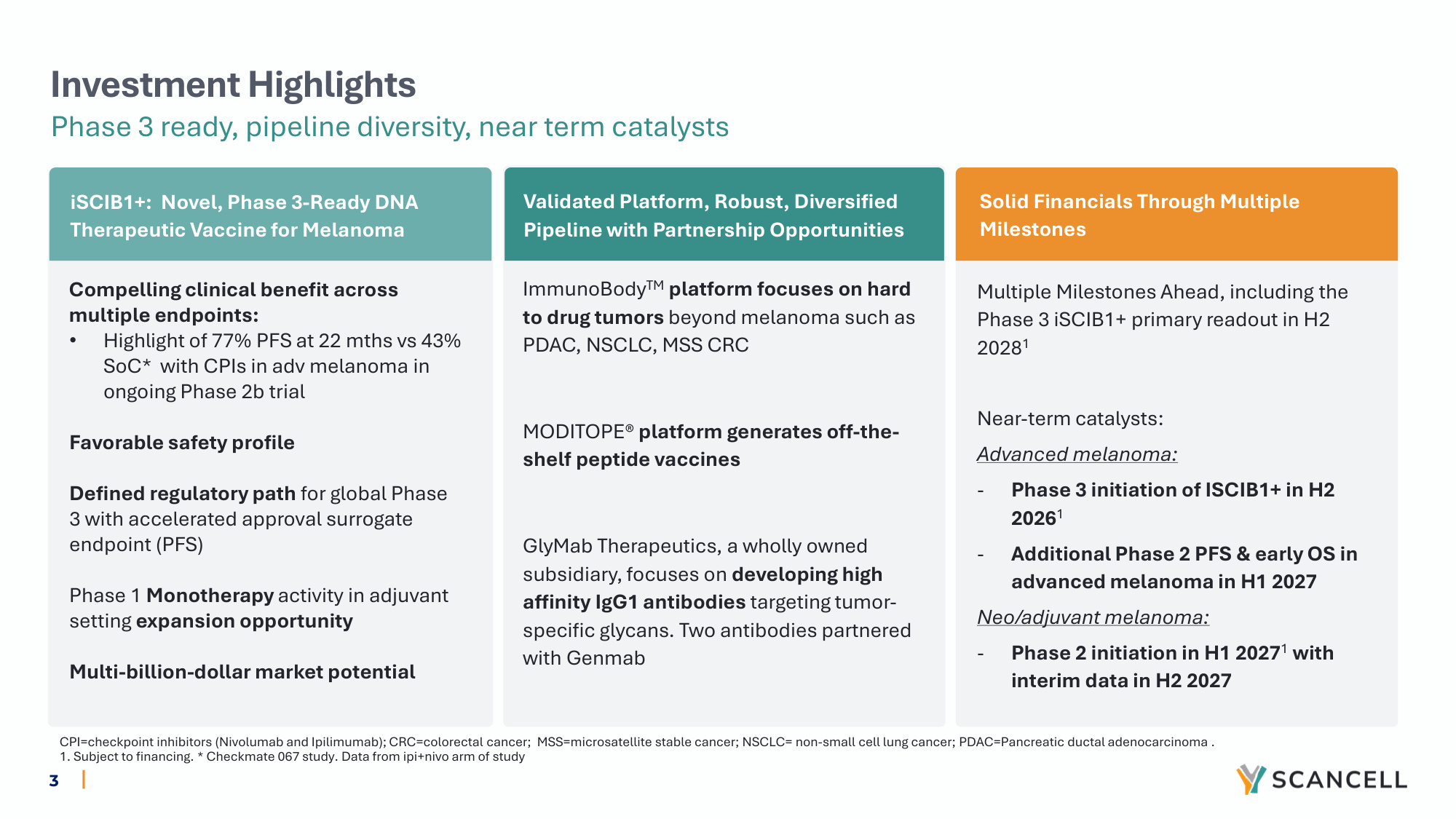
3 Investment Highlights Phase 3 ready, pipeline diversity, near term catalysts CPI=checkpoint inhibitors (Nivolumab and Ipilimumab); CRC=colorectal cancer; MSS=microsatellite stable cancer; NSCLC= non-small cell lung cancer; PDAC=Pancreatic ductal adenocarcinoma . 1. Subject to financing. * Checkmate 067 study. Data from ipi+nivo arm of study ImmunoBodyTM platform focuses on hard to drug tumors beyond melanoma such as PDAC, NSCLC, MSS CRC MODITOPE® platform generates off-the- shelf peptide vaccines GlyMab Therapeutics, a wholly owned subsidiary, focuses on developing high affinity IgG1 antibodies targeting tumor- specific glycans. Two antibodies partnered with Genmab Multiple Milestones Ahead, including the Phase 3 iSCIB1+ primary readout in H2 20281 Near-term catalysts: Advanced melanoma: - Phase 3 initiation of ISCIB1+ in H2 20261 - Additional Phase 2 PFS & early OS in advanced melanoma in H1 2027 Neo/adjuvant melanoma: - Phase 2 initiation in H1 20271 with interim data in H2 2027 Validated Platform, Robust, Diversified Pipeline with Partnership Opportunities iSCIB1+: Novel, Phase 3-Ready DNA Therapeutic Vaccine for Melanoma Solid Financials Through Multiple Milestones Compelling clinical benefit across multiple endpoints: • Highlight of 77% PFS at 22 mths vs 43% SoC* with CPIs in adv melanoma in ongoing Phase 2b trial Favorable safety profile Defined regulatory path for global Phase 3 with accelerated approval surrogate endpoint (PFS) Phase 1 Monotherapy activity in adjuvant setting expansion opportunity Multi-billion-dollar market potential
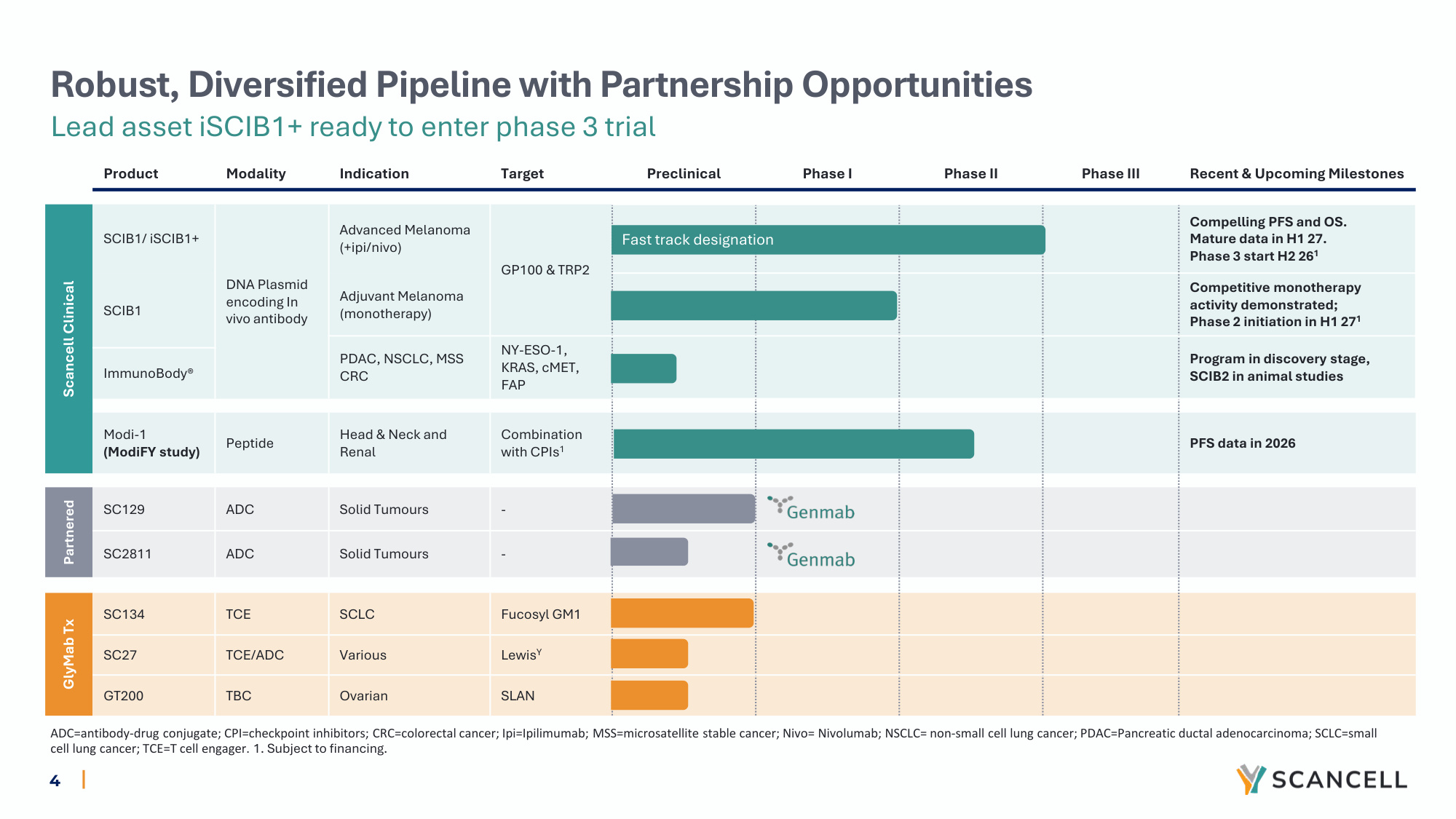
4 Robust, Diversified Pipeline with Partnership Opportunities Lead asset iSCIB1+ ready to enter phase 3 trial ADC=antibody-drug conjugate; CPI=checkpoint inhibitors; CRC=colorectal cancer; Ipi=Ipilimumab; MSS=microsatellite stable cancer; Nivo= Nivolumab; NSCLC= non-small cell lung cancer; PDAC=Pancreatic ductal adenocarcinoma; SCLC=small cell lung cancer; TCE=T cell engager. 1. Subject to financing. Product Modality Indication Target Preclinical Phase I Phase II Phase III Recent & Upcoming Milestones Scancell Clinical SCIB1/ iSCIB1+ DNA Plasmid encoding In vivo antibody Advanced Melanoma (+ipi/nivo) GP100 & TRP2 Compelling PFS and OS. Mature data in H1 27. Phase 3 start H2 261 SCIB1 Adjuvant Melanoma (monotherapy) Competitive monotherapy activity demonstrated; Phase 2 initiation in H1 271 PDAC, NSCLC, MSS CRC NY-ESO-1, KRAS, cMET, FAP Program in discovery stage, SCIB2 in animal studies ImmunoBody® Modi-1 (ModiFY study) Peptide Head & Neck and Renal Combination with CPIs1 PFS data in 2026 Partnered SC129 ADC Solid Tumours - SC2811 ADC Solid Tumours - GlyMab Tx SC134 TCE SCLC Fucosyl GM1 SC27 TCE/ADC Various LewisY GT200 TBC Ovarian SLAN Fast track designation
5 SCIB/iSCIB1+ Program in First Line Advanced Melanoma
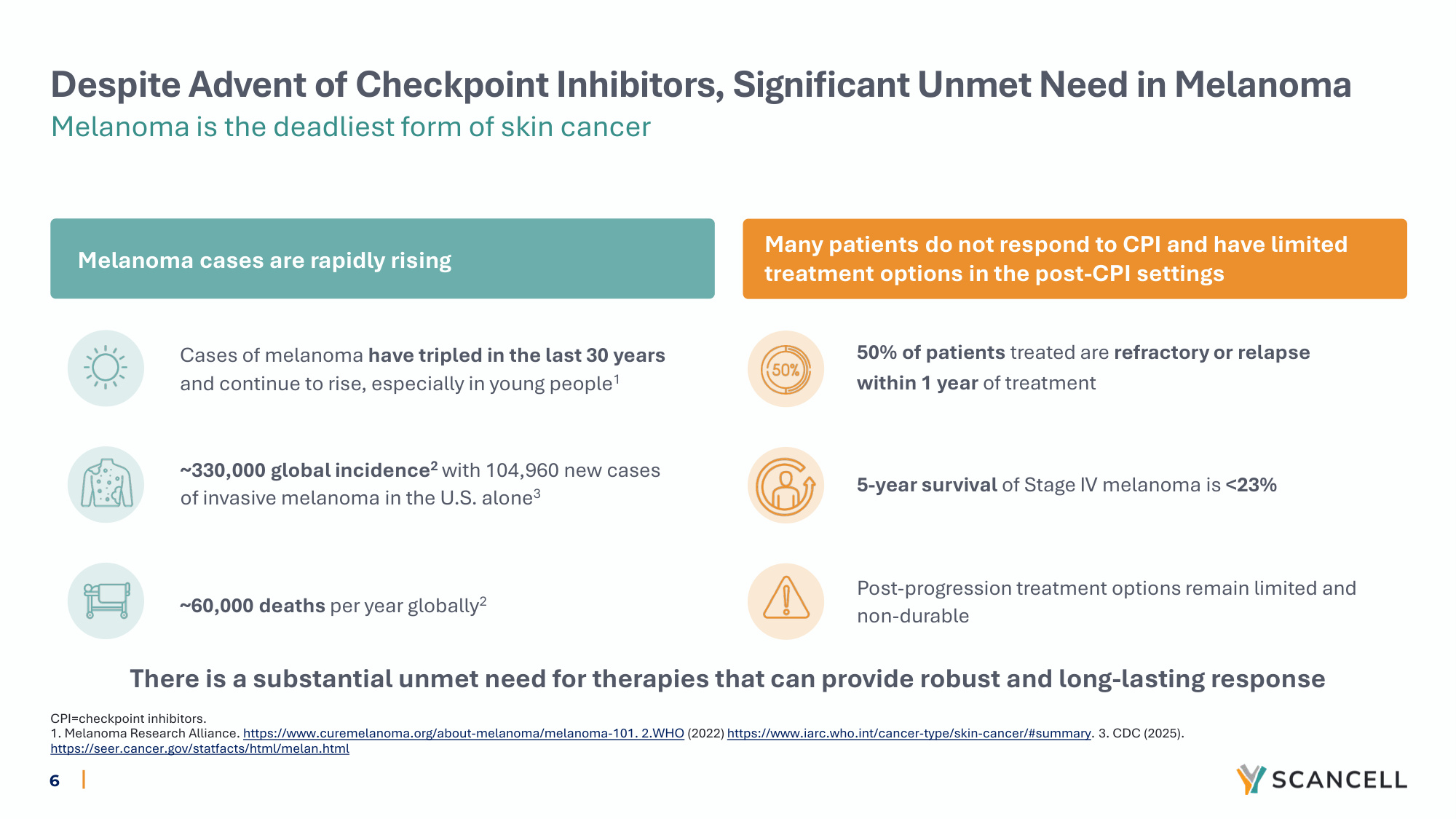
6 Despite Advent of Checkpoint Inhibitors, Significant Unmet Need in Melanoma Melanoma is the deadliest form of skin cancer CPI=checkpoint inhibitors. 1. Melanoma Research Alliance. https://www.curemelanoma.org/about-melanoma/melanoma-101. 2.WHO (2022) https://www.iarc.who.int/cancer-type/skin-cancer/#summary. 3. CDC (2025). https://seer.cancer.gov/statfacts/html/melan.html Cases of melanoma have tripled in the last 30 years and continue to rise, especially in young people1 ~330,000 global incidence2 with 104,960 new cases of invasive melanoma in the U.S. alone3 ~60,000 deaths per year globally2 Post-progression treatment options remain limited and non-durable Many patients do not respond to CPI and have limited treatment options in the post-CPI settings There is a substantial unmet need for therapies that can provide robust and long-lasting response Melanoma cases are rapidly rising 50% of patients treated are refractory or relapse within 1 year of treatment 5-year survival of Stage IV melanoma is <23%
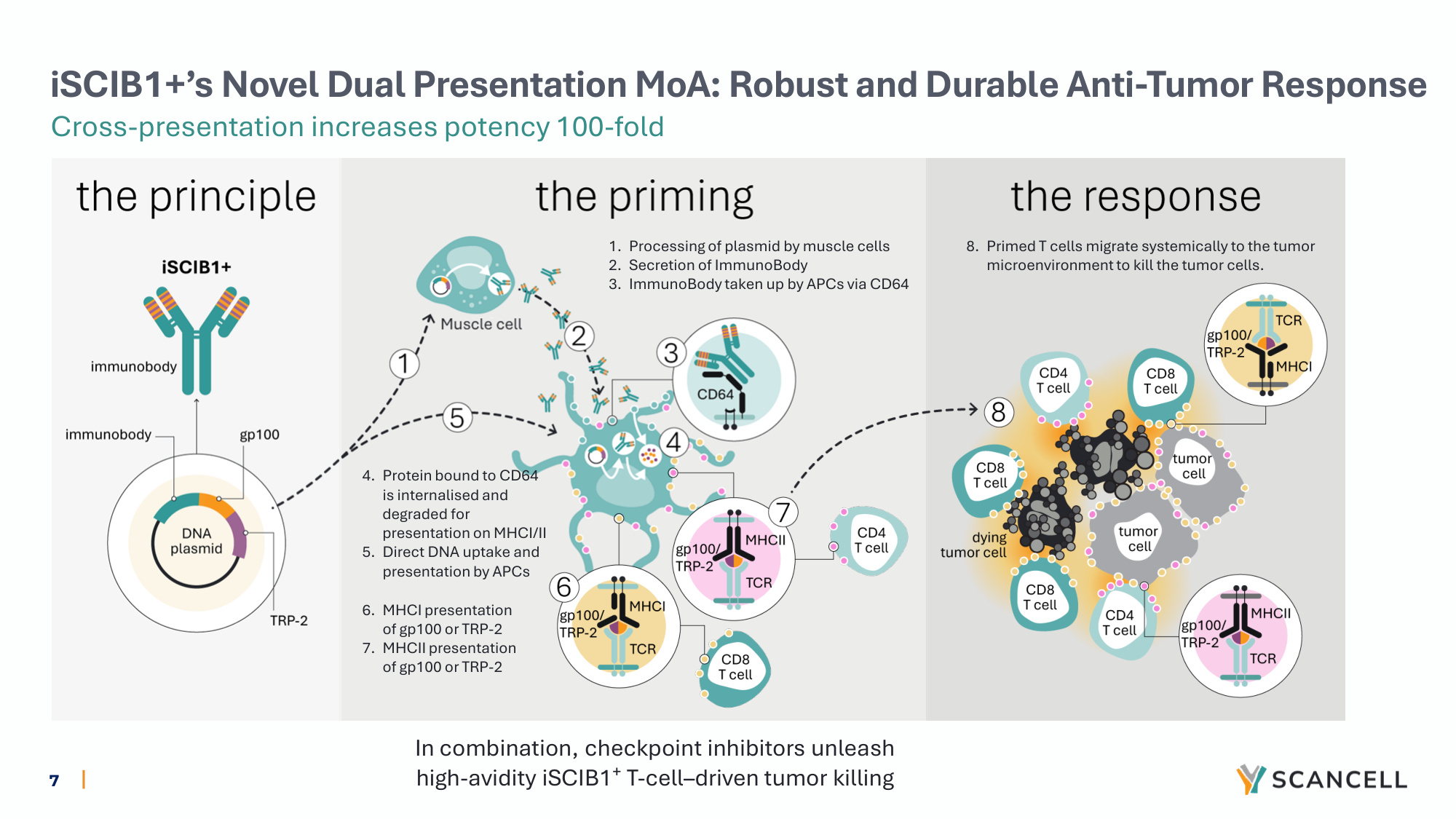
7 iSCIB1+'s Novel Dual Presentation MoA: Robust and Durable Anti-Tumor Response Cross-presentation increases potency 100-fold In combination, checkpoint inhibitors unleash high-avidity iSCIB1⁺ T-cell–driven tumor killing 1. Processing of plasmid by muscle cells 2. Secretion of ImmunoBody 3. ImmunoBody taken up by APCs via CD64 4. Protein bound to CD64 is internalised and degraded for presentation on MHCI/II 5. Direct DNA uptake and presentation by APCs 6. MHCI presentation of gp100 or TRP-2 7. MHCII presentation of gp100 or TRP-2 8. Primed T cells migrate systemically to the tumor microenvironment to kill the tumor cells.
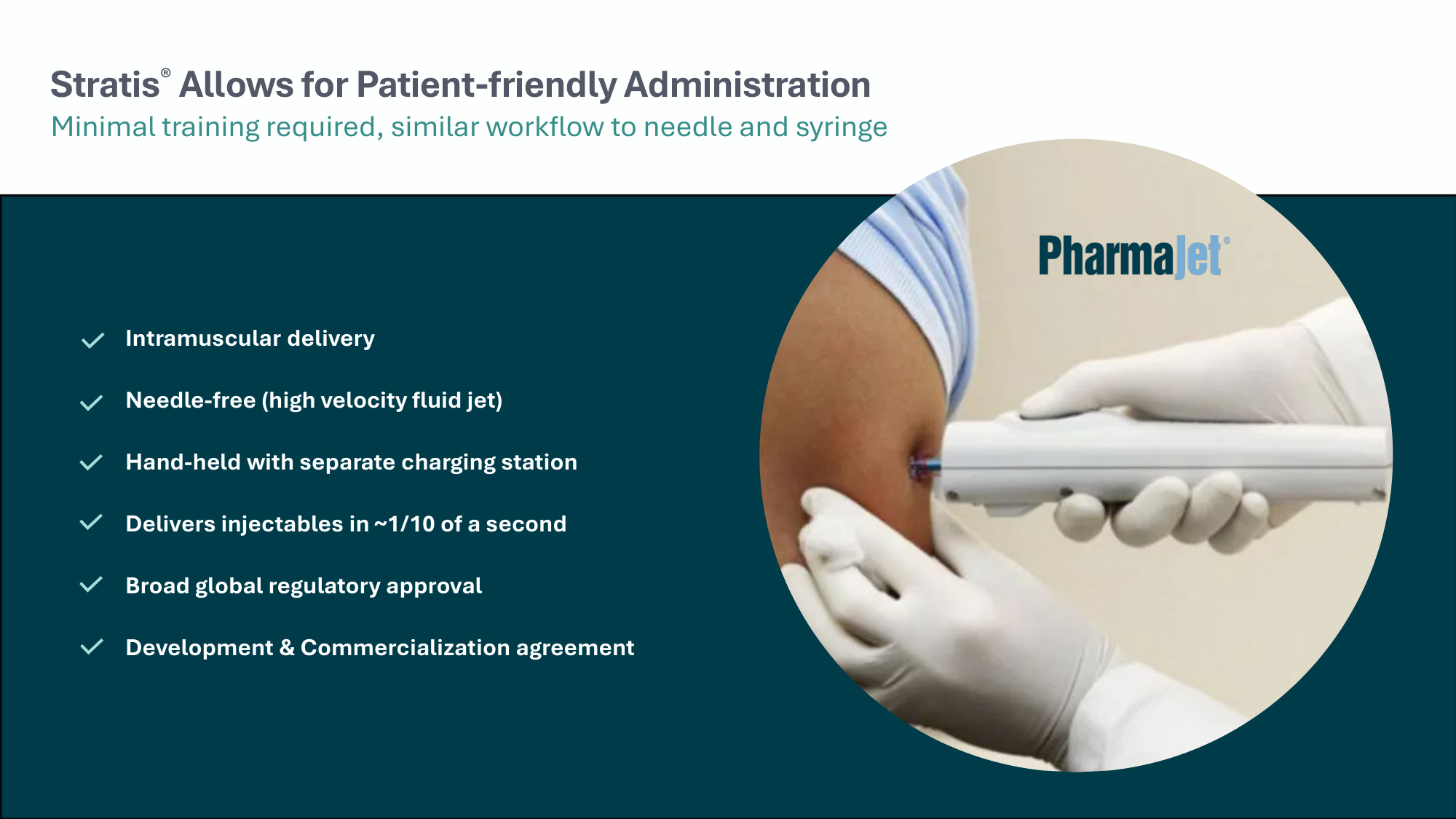
8 Stratis® Allows for Patient-friendly Administration Minimal training required, similar workflow to needle and syringe Intramuscular delivery Needle-free (high velocity fluid jet) Hand-held with separate charging station Delivers injectables in ~1/10 of a second Broad global regulatory approval Development & Commercialization agreement
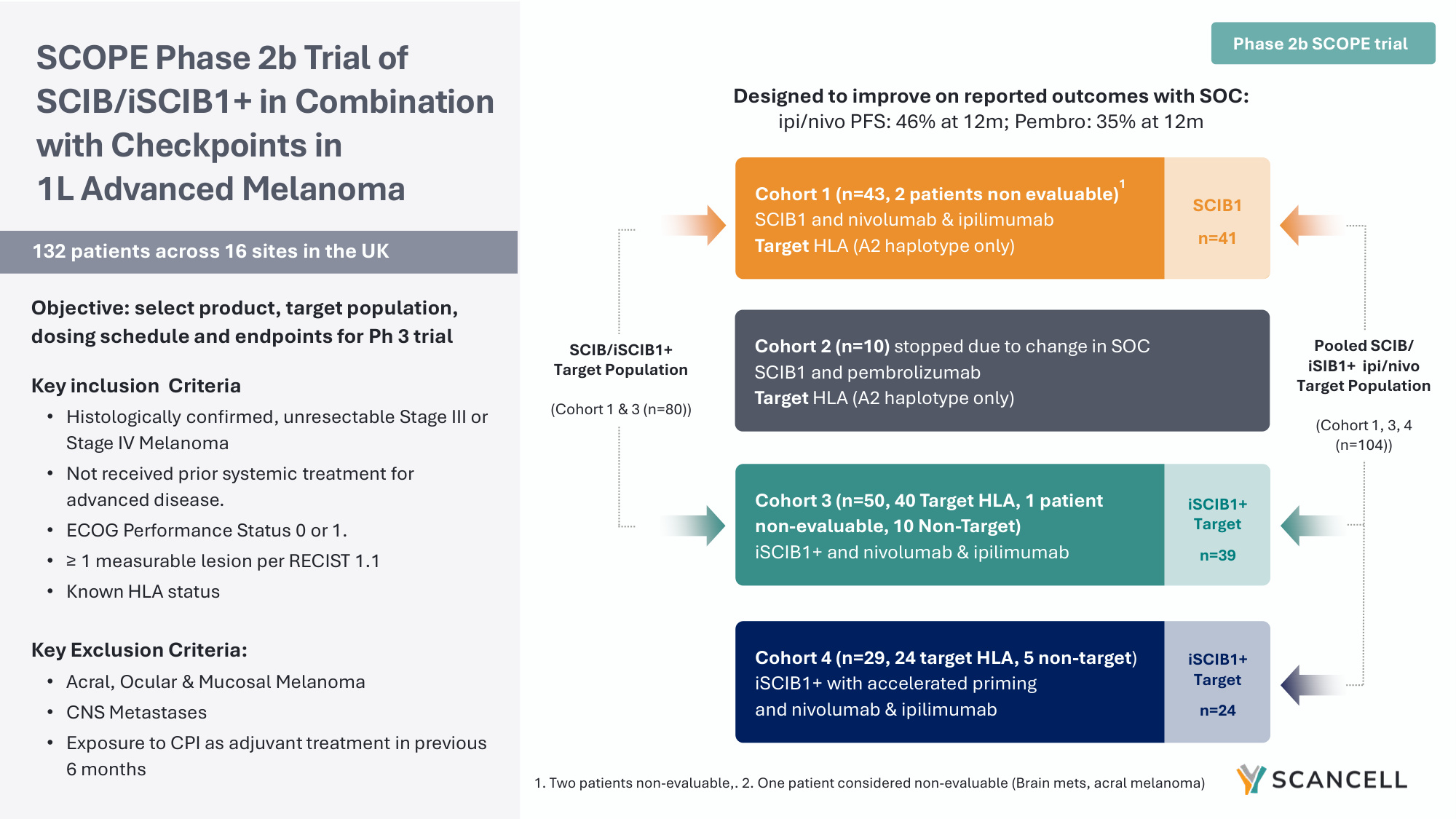
9 Cohort 3 (n=50, 40 Target HLA, 1 patient non-evaluable, 10 Non-Target) iSCIB1+ and nivolumab & ipilimumab Cohort 1 (n=43, 2 patients non evaluable) 1 SCIB1 and nivolumab & ipilimumab Target HLA (A2 haplotype only) Cohort 2 (n=10) stopped due to change in SOC SCIB1 and pembrolizumab Target HLA (A2 haplotype only) Cohort 4 (n=29, 24 target HLA, 5 non-target) iSCIB1+ with accelerated priming and nivolumab & ipilimumab SCOPE Phase 2b Trial of SCIB/iSCIB1+ in Combination with Checkpoints in 1L Advanced Melanoma Objective: select product, target population, dosing schedule and endpoints for Ph 3 trial Key inclusion Criteria • Histologically confirmed, unresectable Stage III or Stage IV Melanoma • Not received prior systemic treatment for advanced disease. • ECOG Performance Status 0 or 1. • ≥ 1 measurable lesion per RECIST 1.1 • Known HLA status Key Exclusion Criteria: • Acral, Ocular & Mucosal Melanoma • CNS Metastases • Exposure to CPI as adjuvant treatment in previous 6 months 132 patients across 16 sites in the UK 1. Two patients non-evaluable,. 2. One patient considered non-evaluable (Brain mets, acral melanoma) Phase 2b SCOPE trial Designed to improve on reported outcomes with SOC: ipi/nivo PFS: 46% at 12m; Pembro: 35% at 12m SCIB1 n=41 iSCIB1+ Target n=39 iSCIB1+ Target n=24 SCIB/iSCIB1+ Target Population (Cohort 1 & 3 (n=80)) Pooled SCIB/ iSIB1+ ipi/nivo Target Population (Cohort 1, 3, 4 (n=104))
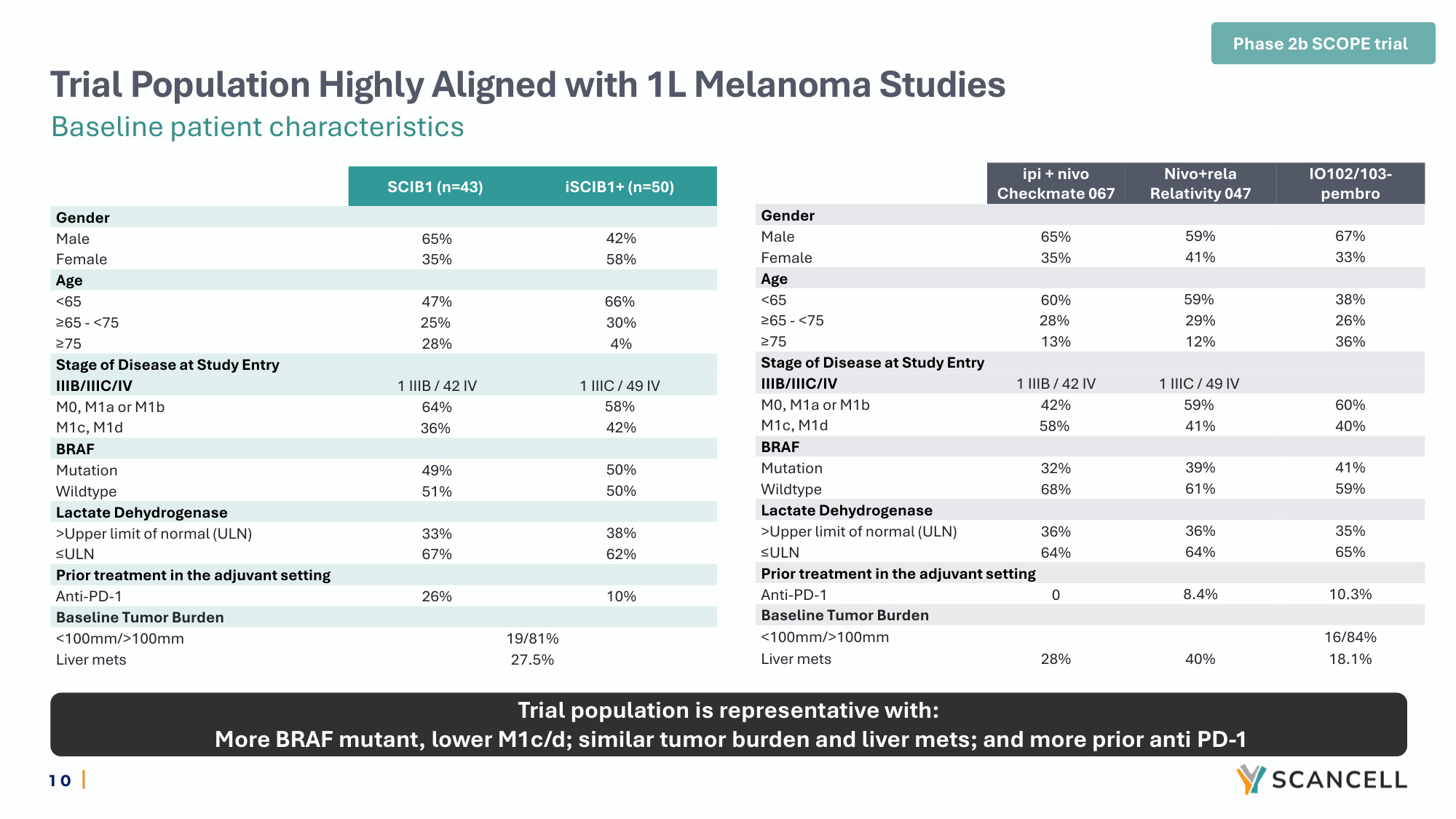
1 0 Trial Population Highly Aligned with 1L Melanoma Studies Baseline patient characteristics Phase 2b SCOPE trial SCIB1 (n=43) iSCIB1+ (n=50) Gender Male 65% 42% Female 35% 58% Age <65 47% 66% ≥65 - <75 25% 30% ≥75 28% 4% Stage of Disease at Study Entry IIIB/IIIC/IV 1 IIIB / 42 IV 1 IIIC / 49 IV M0, M1a or M1b 64% 58% M1c, M1d 36% 42% BRAF Mutation 49% 50% Wildtype 51% 50% Lactate Dehydrogenase >Upper limit of normal (ULN) 33% 38% ≤ULN 67% 62% Prior treatment in the adjuvant setting Anti-PD-1 26% 10% Baseline Tumor Burden <100mm/>100mm 19/81% Liver mets 27.5% ipi + nivo Checkmate 067 Nivo+rela Relativity 047 IO102/103- pembro Gender Male 65% 59% 67% Female 35% 41% 33% Age <65 60% 59% 38% ≥65 - <75 28% 29% 26% ≥75 13% 12% 36% Stage of Disease at Study Entry IIIB/IIIC/IV 1 IIIB / 42 IV 1 IIIC / 49 IV M0, M1a or M1b 42% 59% 60% M1c, M1d 58% 41% 40% BRAF Mutation 32% 39% 41% Wildtype 68% 61% 59% Lactate Dehydrogenase >Upper limit of normal (ULN) 36% 36% 35% ≤ULN 64% 64% 65% Prior treatment in the adjuvant setting Anti-PD-1 0 8.4% 10.3% Baseline Tumor Burden <100mm/>100mm 16/84% Liver mets 28% 40% 18.1% Trial population is representative with: More BRAF mutant, lower M1c/d; similar tumor burden and liver mets; and more prior anti PD-1
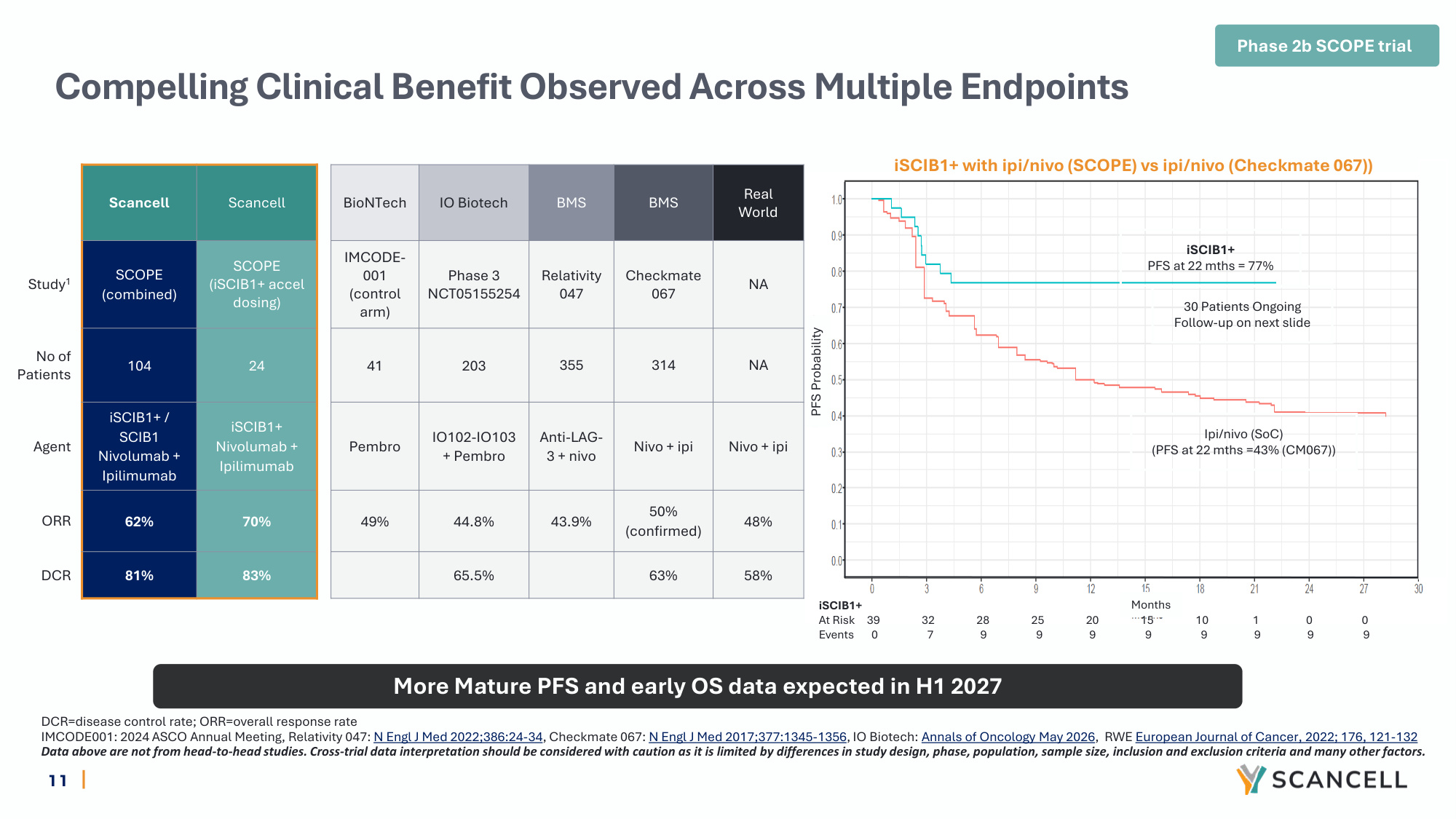
1 1 DCR=disease control rate; ORR=overall response rate IMCODE001: 2024 ASCO Annual Meeting, Relativity 047: N Engl J Med 2022;386:24-34, Checkmate 067: N Engl J Med 2017;377:1345-1356, IO Biotech: Annals of Oncology May 2026, RWE European Journal of Cancer, 2022; 176, 121-132 Data above are not from head-to-head studies. Cross-trial data interpretation should be considered with caution as it is limited by differences in study design, phase, population, sample size, inclusion and exclusion criteria and many other factors. Scancell Scancell Study1 SCOPE (combined) SCOPE (iSCIB1+ accel dosing) No of Patients 104 24 Agent iSCIB1+ / SCIB1 Nivolumab + Ipilimumab iSCIB1+ Nivolumab + Ipilimumab ORR 62% 70% DCR 81% 83% Compelling Clinical Benefit Observed Across Multiple Endpoints Phase 2b SCOPE trial More Mature PFS and early OS data expected in H1 2027 *30 Patients Ongoing in SCOPE study 30 Patients Ongoing Follow-up on next slide Months PFS Probability BioNTech IO Biotech BMS BMS Real World IMCODE- 001 (control arm) Phase 3 NCT05155254 Relativity 047 Checkmate 067 NA 41 203 355 314 NA Pembro IO102-IO103 + Pembro Anti-LAG- 3 + nivo Nivo + ipi Nivo + ipi 49% 44.8% 43.9% 50% (confirmed) 48% 65.5% 63% 58% iSCIB1+ PFS at 22 mths = 77% Ipi/nivo (SoC) (PFS at 22 mths =43% (CM067)) iSCIB1+ with ipi/nivo (SCOPE) vs ipi/nivo (Checkmate 067)) iSCIB1+ At Risk 39 32 28 25 20 15 10 1 0 0 Events 0 7 9 9 9 9 9 9 9 9
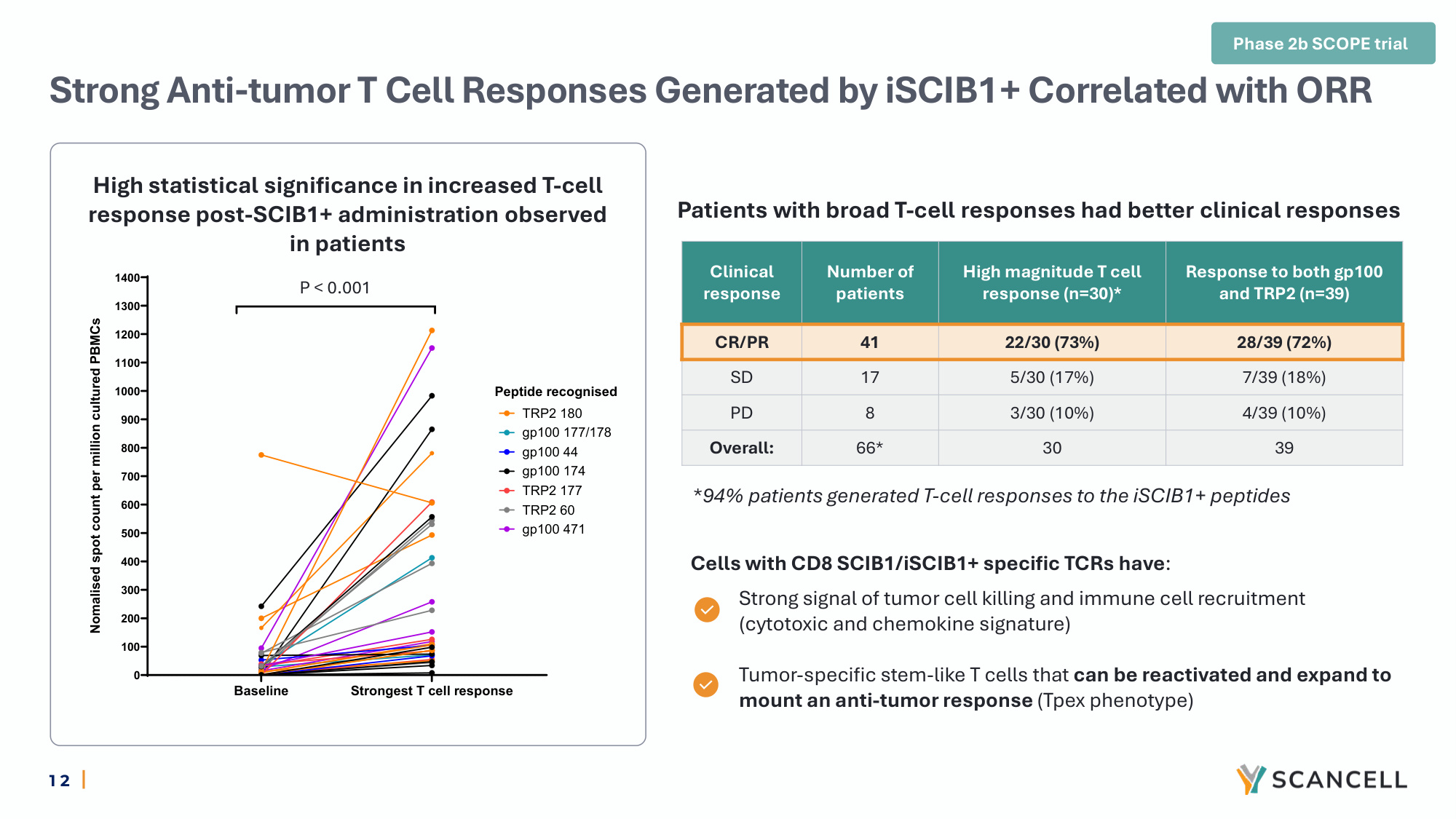
1 2 Strong Anti-tumor T Cell Responses Generated by iSCIB1+ Correlated with ORR Baseline Strongest T cell response 0 100 200 300 400 500 600 700 800 900 1000 1100 1200 1300 1400 Nomalised spot count per million cultured PBMCs <0.0001 Peptide recognised TRP2 180 gp100 174 gp100 471 TRP2 177 TRP2 60 gp100 177/178 gp100 44 High statistical significance in increased T-cell response post-SCIB1+ administration observed in patients P < 0.001 Clinical response Number of patients High magnitude T cell response (n=30)* Response to both gp100 and TRP2 (n=39) CR/PR 41 22/30 (73%) 28/39 (72%) SD 17 5/30 (17%) 7/39 (18%) PD 8 3/30 (10%) 4/39 (10%) Overall: 66* 30 39 Patients with broad T-cell responses had better clinical responses *94% patients generated T-cell responses to the iSCIB1+ peptides Cells with CD8 SCIB1/iSCIB1+ specific TCRs have: Strong signal of tumor cell killing and immune cell recruitment (cytotoxic and chemokine signature) Tumor-specific stem-like T cells that can be reactivated and expand to mount an anti-tumor response (Tpex phenotype) Phase 2b SCOPE trial
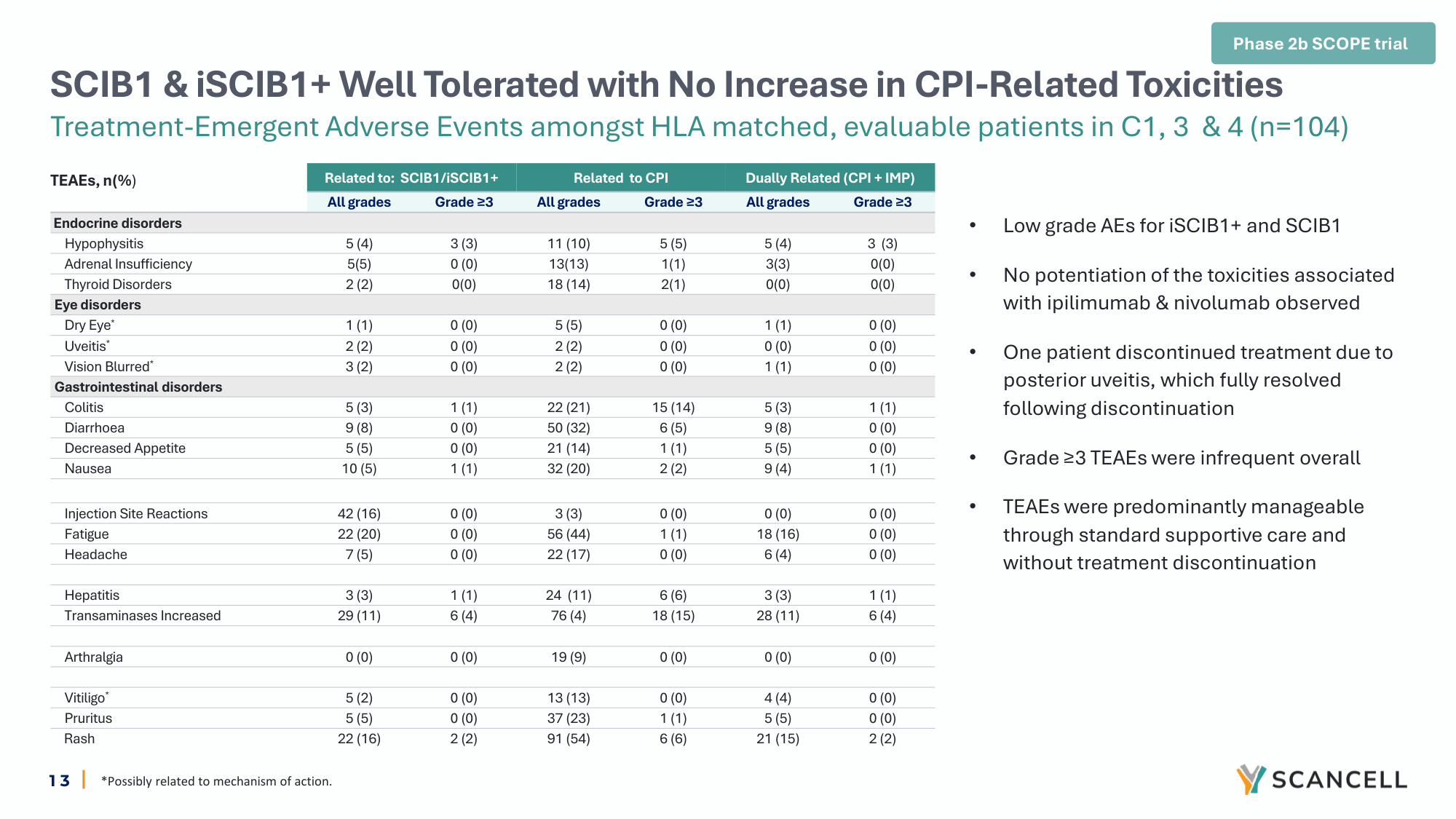
1 3 SCIB1 & iSCIB1+ Well Tolerated with No Increase in CPI-Related Toxicities Treatment-Emergent Adverse Events amongst HLA matched, evaluable patients in C1, 3 & 4 (n=104) *Possibly related to mechanism of action. TEAEs, n(%) Related to: SCIB1/iSCIB1+ Related to CPI Dually Related (CPI + IMP) All grades Grade ≥3 All grades Grade ≥3 All grades Grade ≥3 Endocrine disorders Hypophysitis 5 (4) 3 (3) 11 (10) 5 (5) 5 (4) 3 (3) Adrenal Insufficiency 5(5) 0 (0) 13(13) 1(1) 3(3) 0(0) Thyroid Disorders 2 (2) 0(0) 18 (14) 2(1) 0(0) 0(0) Eye disorders Dry Eye* 1 (1) 0 (0) 5 (5) 0 (0) 1 (1) 0 (0) Uveitis* 2 (2) 0 (0) 2 (2) 0 (0) 0 (0) 0 (0) Vision Blurred* 3 (2) 0 (0) 2 (2) 0 (0) 1 (1) 0 (0) Gastrointestinal disorders Colitis 5 (3) 1 (1) 22 (21) 15 (14) 5 (3) 1 (1) Diarrhoea 9 (8) 0 (0) 50 (32) 6 (5) 9 (8) 0 (0) Decreased Appetite 5 (5) 0 (0) 21 (14) 1 (1) 5 (5) 0 (0) Nausea 10 (5) 1 (1) 32 (20) 2 (2) 9 (4) 1 (1) Injection Site Reactions 42 (16) 0 (0) 3 (3) 0 (0) 0 (0) 0 (0) Fatigue 22 (20) 0 (0) 56 (44) 1 (1) 18 (16) 0 (0) Headache 7 (5) 0 (0) 22 (17) 0 (0) 6 (4) 0 (0) Hepatitis 3 (3) 1 (1) 24 (11) 6 (6) 3 (3) 1 (1) Transaminases Increased 29 (11) 6 (4) 76 (4) 18 (15) 28 (11) 6 (4) Arthralgia 0 (0) 0 (0) 19 (9) 0 (0) 0 (0) 0 (0) Vitiligo* 5 (2) 0 (0) 13 (13) 0 (0) 4 (4) 0 (0) Pruritus 5 (5) 0 (0) 37 (23) 1 (1) 5 (5) 0 (0) Rash 22 (16) 2 (2) 91 (54) 6 (6) 21 (15) 2 (2) • Low grade AEs for iSCIB1+ and SCIB1 • No potentiation of the toxicities associated with ipilimumab & nivolumab observed • One patient discontinued treatment due to posterior uveitis, which fully resolved following discontinuation • Grade ≥3 TEAEs were infrequent overall • TEAEs were predominantly manageable through standard supportive care and without treatment discontinuation Phase 2b SCOPE trial
1 4 iSCIB1+ Defined Regulatory Path Forward
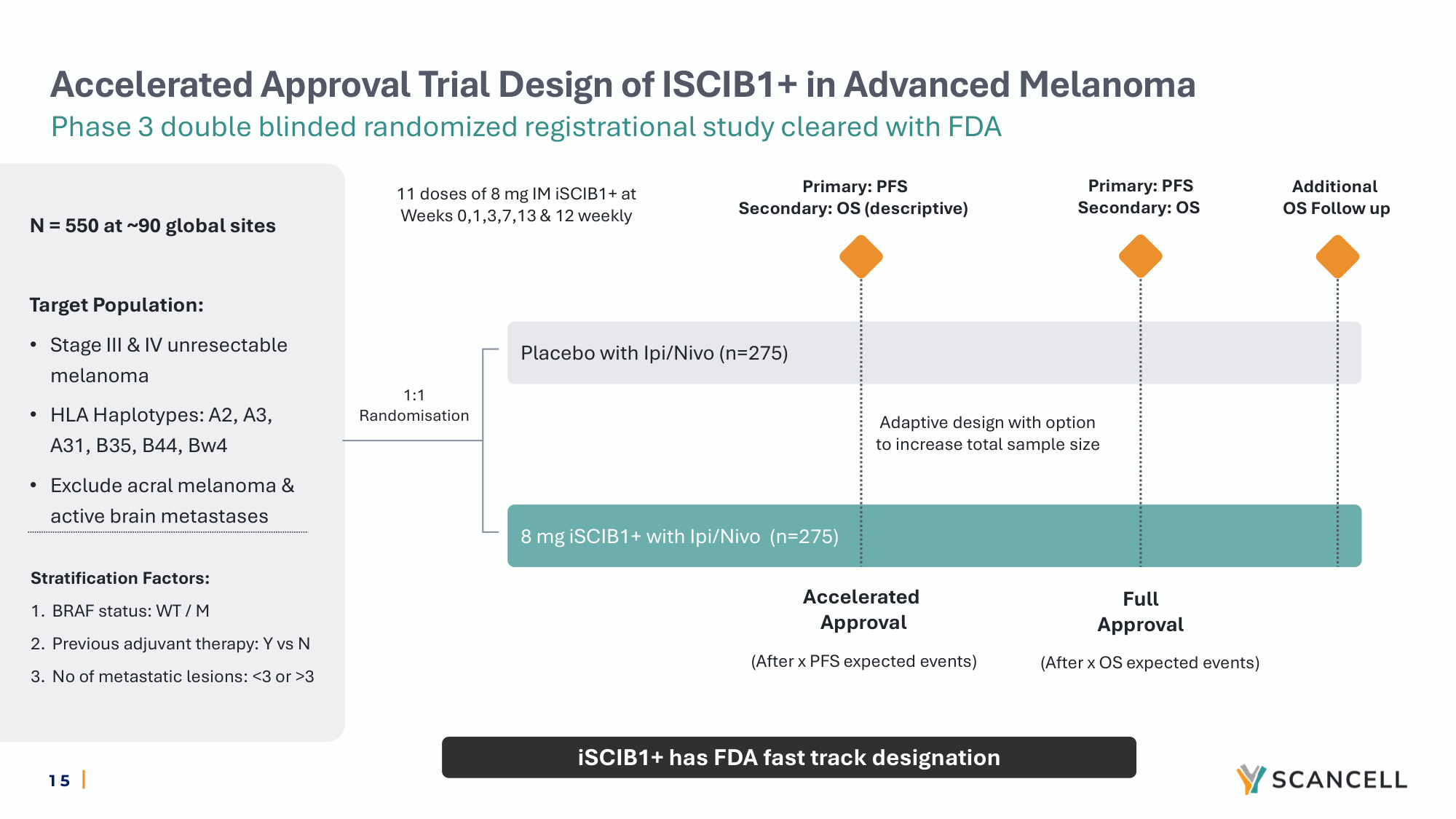
1 5 Accelerated Approval Trial Design of ISCIB1+ in Advanced Melanoma Phase 3 double blinded randomized registrational study cleared with FDA N = 550 at ~90 global sites Target Population: • Stage III & IV unresectable melanoma • HLA Haplotypes: A2, A3, A31, B35, B44, Bw4 • Exclude acral melanoma & active brain metastases 1:1 Randomisation Placebo with Ipi/Nivo (n=275) 8 mg iSCIB1+ with Ipi/Nivo (n=275) Primary: PFS Secondary: OS (descriptive) Accelerated Approval Adaptive design with option to increase total sample size Full Approval Primary: PFS Secondary: OS Additional OS Follow up (After x PFS expected events) (After x OS expected events) Stratification Factors: 1. BRAF status: WT / M 2. Previous adjuvant therapy: Y vs N 3. No of metastatic lesions: <3 or >3 11 doses of 8 mg IM iSCIB1+ at Weeks 0,1,3,7,13 & 12 weekly iSCIB1+ has FDA fast track designation
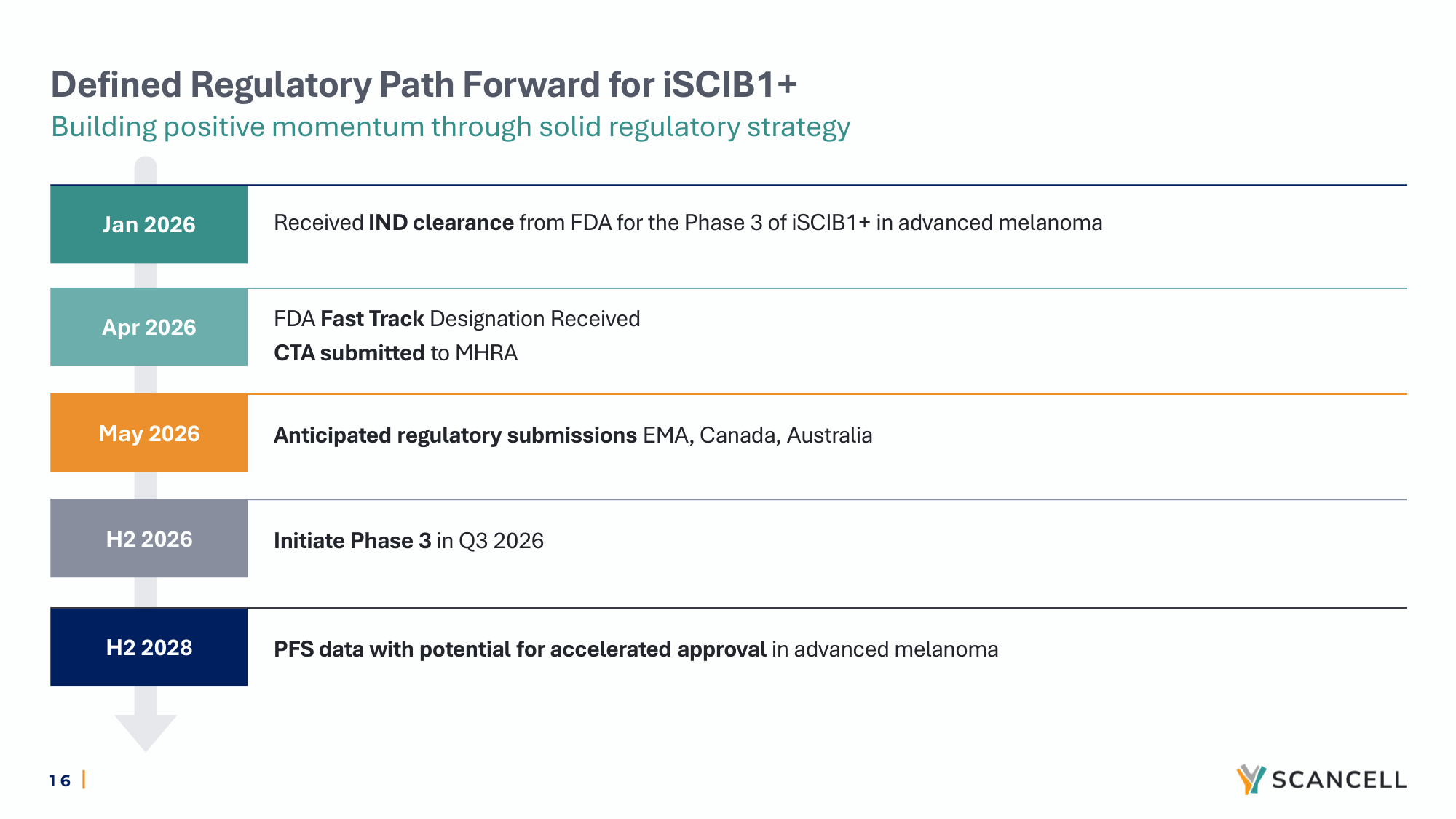
1 6 Defined Regulatory Path Forward for iSCIB1+ Building positive momentum through solid regulatory strategy Received IND clearance from FDA for the Phase 3 of iSCIB1+ in advanced melanoma Jan 2026 FDA Fast Track Designation Received CTA submitted to MHRA Apr 2026 Anticipated regulatory submissions EMA, Canada, Australia May 2026 Initiate Phase 3 in Q3 2026 H2 2026 PFS data with potential for accelerated approval in advanced melanoma H2 2028
1 7 iSCIB1+ Program in Neoadjuvant/ adjuvant melanoma
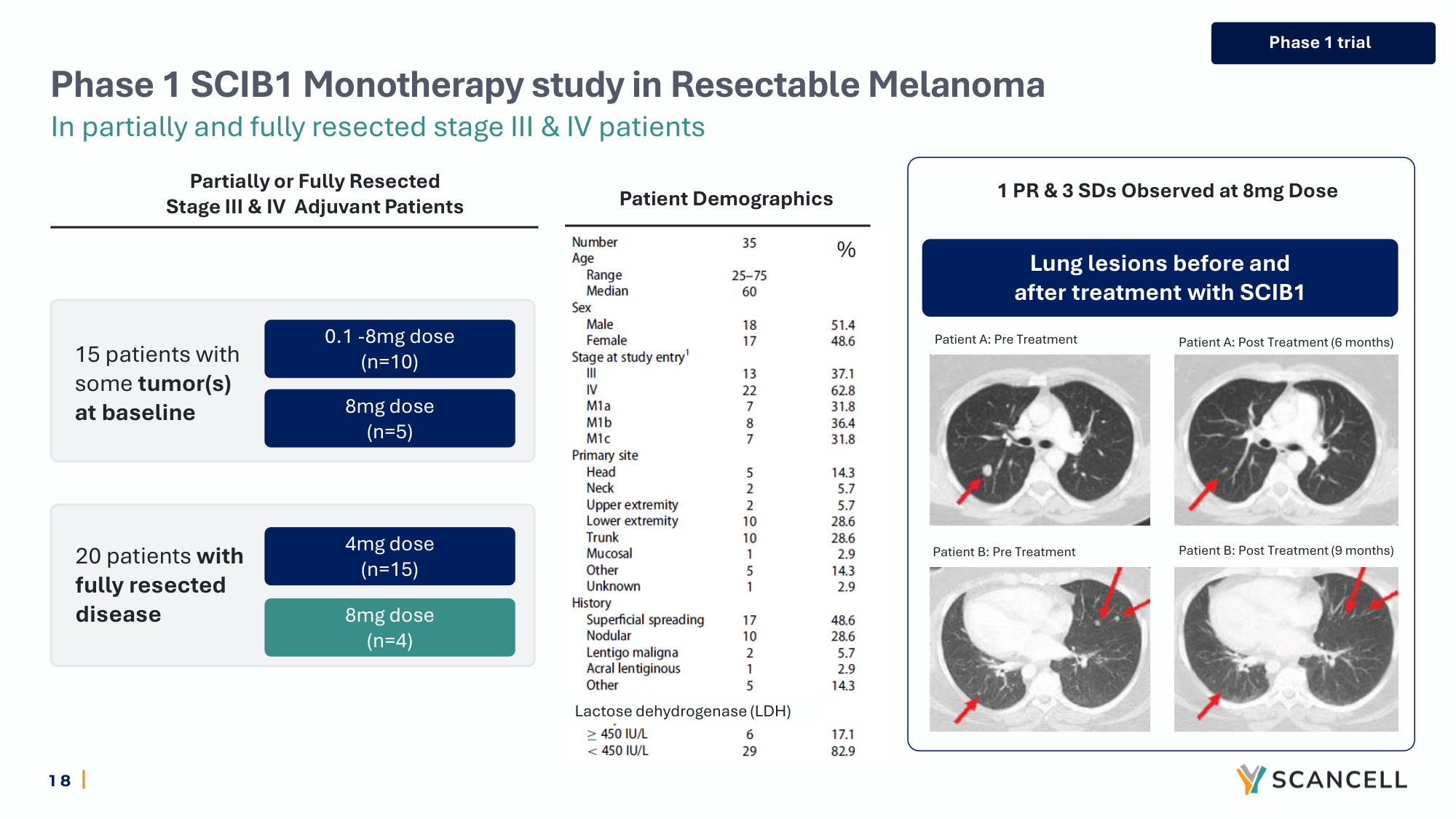
1 8 Partially or Fully Resected Stage III & IV Adjuvant Patients 1 PR & 3 SDs Observed at 8mg Dose 8mg dose (n=5) 0.1 -8mg dose (n=10) 4mg dose (n=15) 8mg dose (n=4) Lactose dehydrogenase (LDH) % Patient Demographics Phase 1 SCIB1 Monotherapy study in Resectable Melanoma In partially and fully resected stage III & IV patients Patient A: Pre Treatment Patient A: Post Treatment (6 months) Patient B: Pre Treatment Patient B: Post Treatment (9 months) Lung lesions before and after treatment with SCIB1 15 patients with some tumor(s) at baseline 20 patients with fully resected disease Phase 1 trial
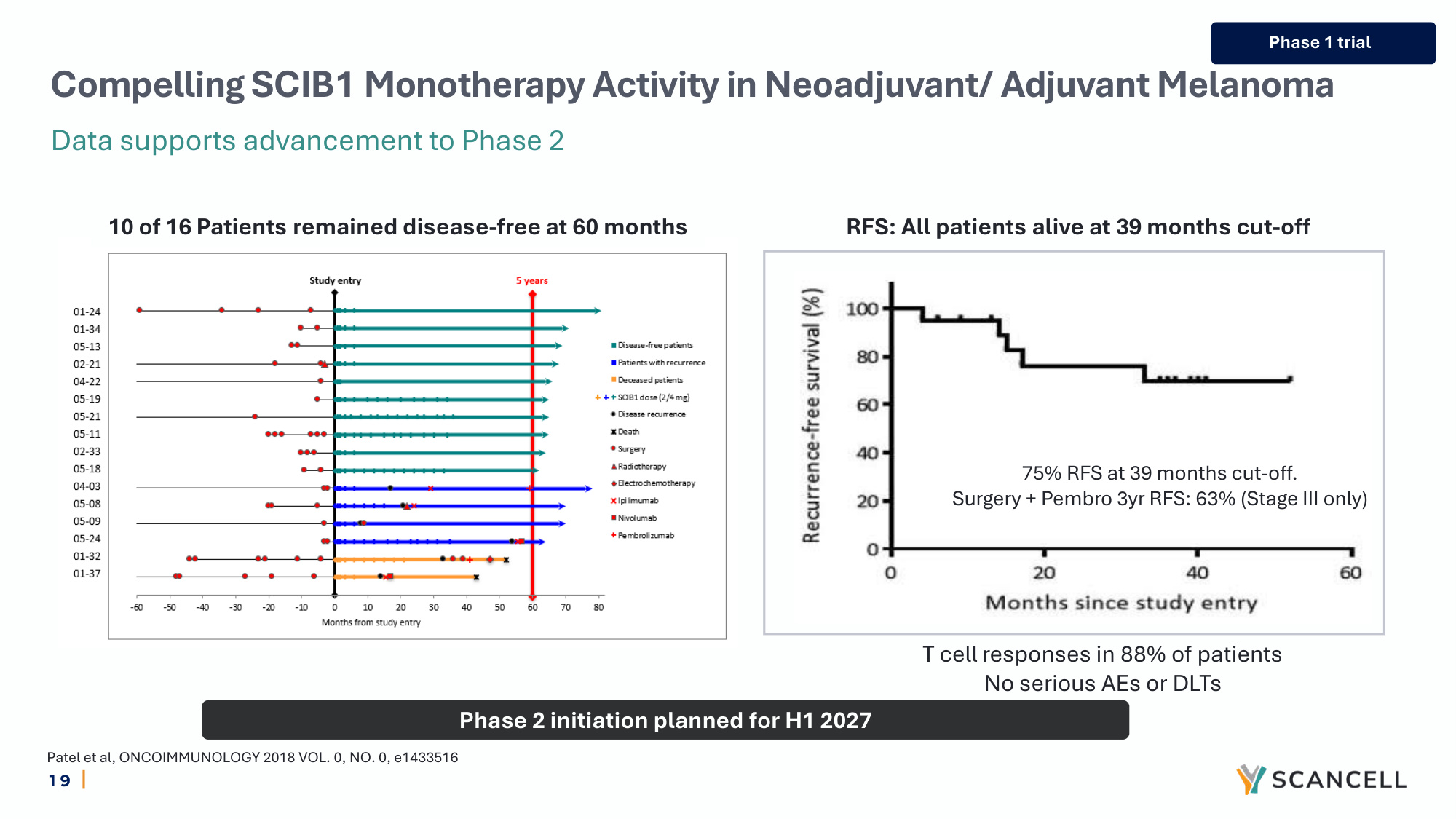
1 9 Compelling SCIB1 Monotherapy Activity in Neoadjuvant/ Adjuvant Melanoma Data supports advancement to Phase 2 10 of 16 Patients remained disease-free at 60 months RFS: All patients alive at 39 months cut-off Patel et al, ONCOIMMUNOLOGY 2018 VOL. 0, NO. 0, e1433516 75% RFS at 39 months cut-off. Surgery + Pembro 3yr RFS: 63% (Stage III only) T cell responses in 88% of patients No serious AEs or DLTs Phase 2 initiation planned for H1 2027 Phase 1 trial
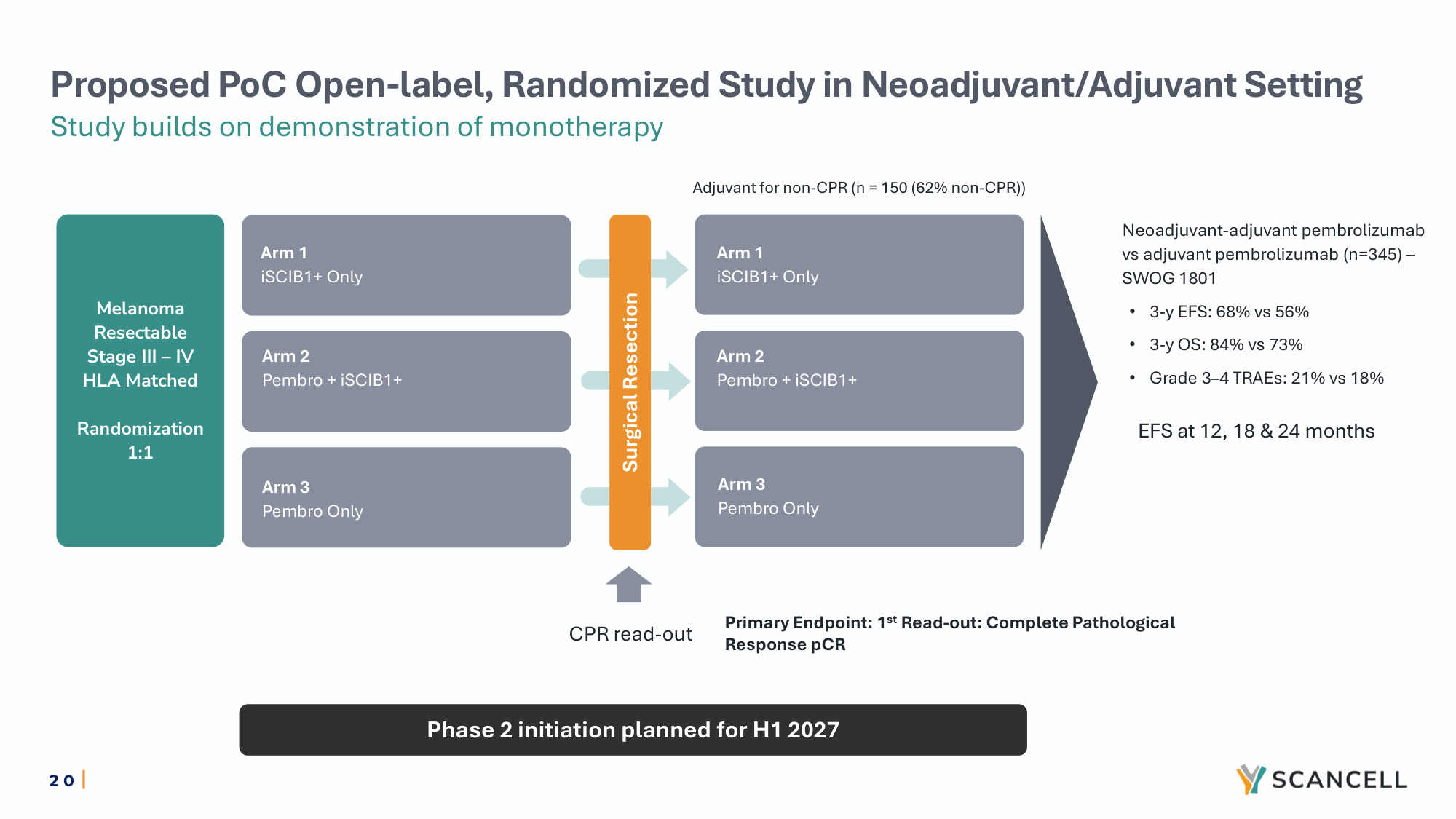
2 0 Proposed PoC Open-label, Randomized Study in Neoadjuvant/Adjuvant Setting Study builds on demonstration of monotherapy Melanoma Resectable Stage III – IV HLA Matched Randomization 1:1 Arm 1 iSCIB1+ Only Adjuvant for non-CPR (n = 150 (62% non-CPR)) EFS at 12, 18 & 24 months Neoadjuvant-adjuvant pembrolizumab vs adjuvant pembrolizumab (n=345) – SWOG 1801 • 3-y EFS: 68% vs 56% • 3-y OS: 84% vs 73% • Grade 3–4 TRAEs: 21% vs 18% Surgical Resection Arm 2 Pembro + iSCIB1+ Arm 3 Pembro Only Arm 1 iSCIB1+ Only Arm 2 Pembro + iSCIB1+ Arm 3 Pembro Only CPR read-out Phase 2 initiation planned for H1 2027 Primary Endpoint: 1st Read-out: Complete Pathological Response pCR
2 1 iSCIB1+ Commercial Opportunity
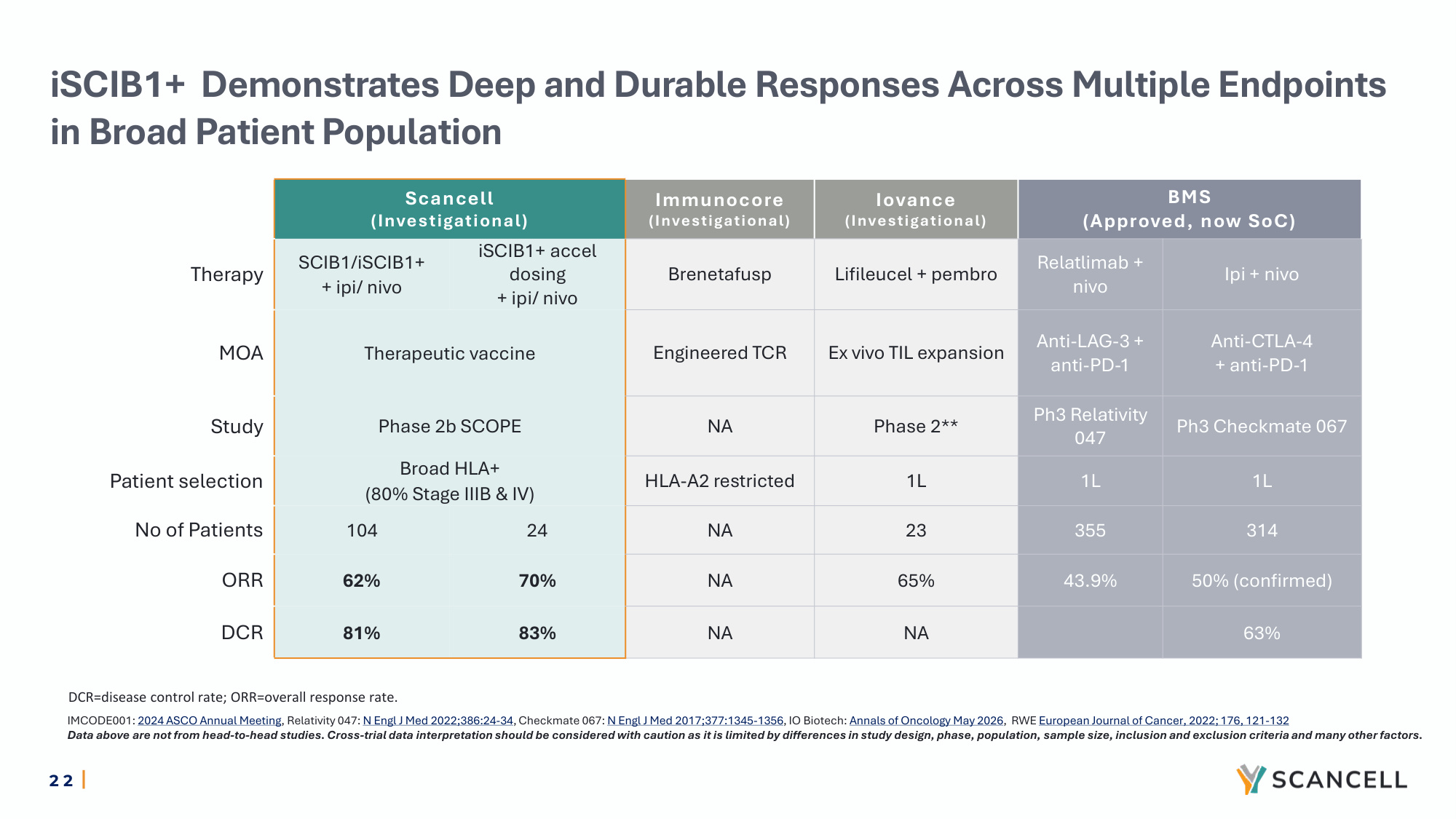
2 2 iSCIB1+ Demonstrates Deep and Durable Responses Across Multiple Endpoints in Broad Patient Population Scancell (Investigational) Immunocore (Investigational) Iovance (Investigational) BMS (Approved, now SoC) Therapy SCIB1/iSCIB1+ + ipi/ nivo iSCIB1+ accel dosing + ipi/ nivo Brenetafusp Lifileucel + pembro Relatlimab + nivo Ipi + nivo MOA Therapeutic vaccine Engineered TCR Ex vivo TIL expansion Anti-LAG-3 + anti-PD-1 Anti-CTLA-4 + anti-PD-1 Study Phase 2b SCOPE NA Phase 2** Ph3 Relativity 047 Ph3 Checkmate 067 Patient selection Broad HLA+ (80% Stage IIIB & IV) HLA-A2 restricted 1L 1L 1L No of Patients 104 24 NA 23 355 314 ORR 62% 70% NA 65% 43.9% 50% (confirmed) DCR 81% 83% NA NA 63% DCR=disease control rate; ORR=overall response rate. IMCODE001: 2024 ASCO Annual Meeting, Relativity 047: N Engl J Med 2022;386:24-34, Checkmate 067: N Engl J Med 2017;377:1345-1356, IO Biotech: Annals of Oncology May 2026, RWE European Journal of Cancer, 2022; 176, 121-132 Data above are not from head-to-head studies. Cross-trial data interpretation should be considered with caution as it is limited by differences in study design, phase, population, sample size, inclusion and exclusion criteria and many other factors.
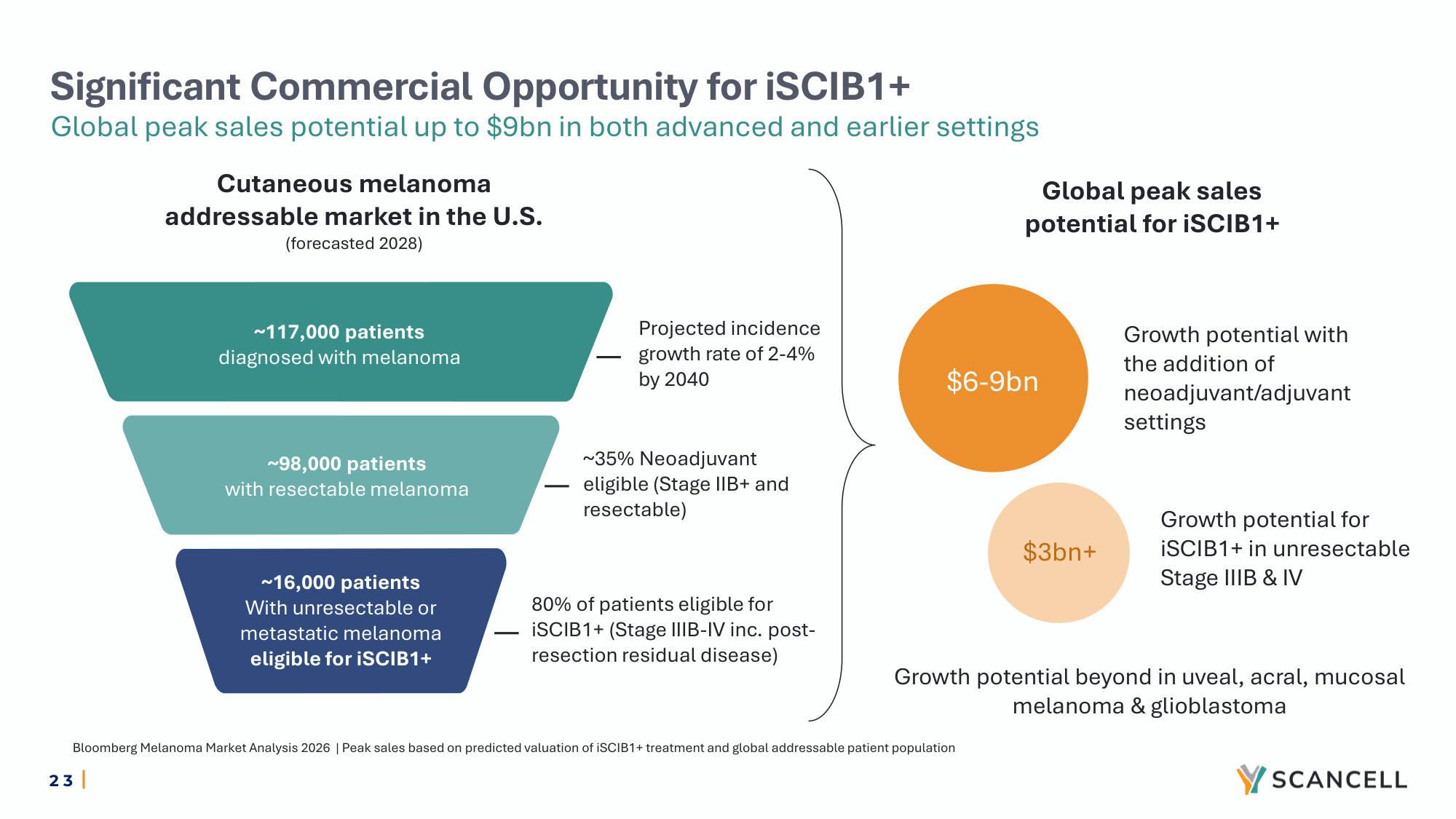
2 3 Significant Commercial Opportunity for iSCIB1+ Global peak sales potential up to $9bn in both advanced and earlier settings Bloomberg Melanoma Market Analysis 2026 | Peak sales based on predicted valuation of iSCIB1+ treatment and global addressable patient population Global peak sales potential for iSCIB1+ Growth potential with the addition of neoadjuvant/adjuvant settings Growth potential for iSCIB1+ in unresectable Stage IIIB & IV $6-9bn $3bn+ ~98,000 patients with resectable melanoma ~117,000 patients diagnosed with melanoma Projected incidence growth rate of 2-4% by 2040 ~35% Neoadjuvant eligible (Stage IIB+ and resectable) ~16,000 patients With unresectable or metastatic melanoma eligible for iSCIB1+ 80% of patients eligible for iSCIB1+ (Stage IIIB-IV inc. post- resection residual disease) Cutaneous melanoma addressable market in the U.S. (forecasted 2028) Growth potential beyond in uveal, acral, mucosal melanoma & glioblastoma

2 4 Strong Execution
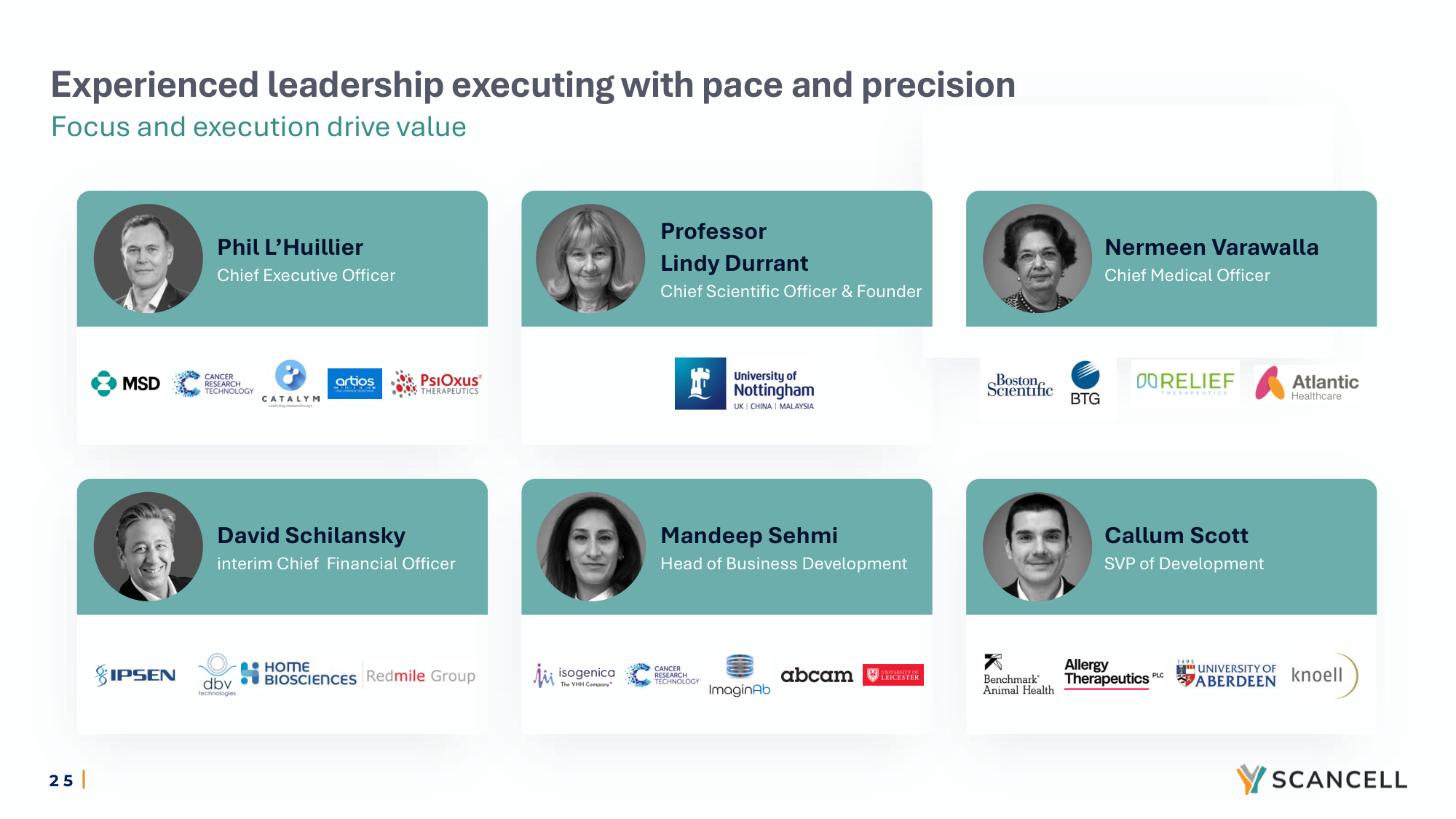
2 5 Experienced leadership executing with pace and precision Focus and execution drive value Phil L'Huillier Chief Executive Officer Professor Lindy Durrant Chief Scientific Officer & Founder Nermeen Varawalla Chief Medical Officer David Schilansky interim Chief Financial Officer Mandeep Sehmi Head of Business Development Callum Scott SVP of Development
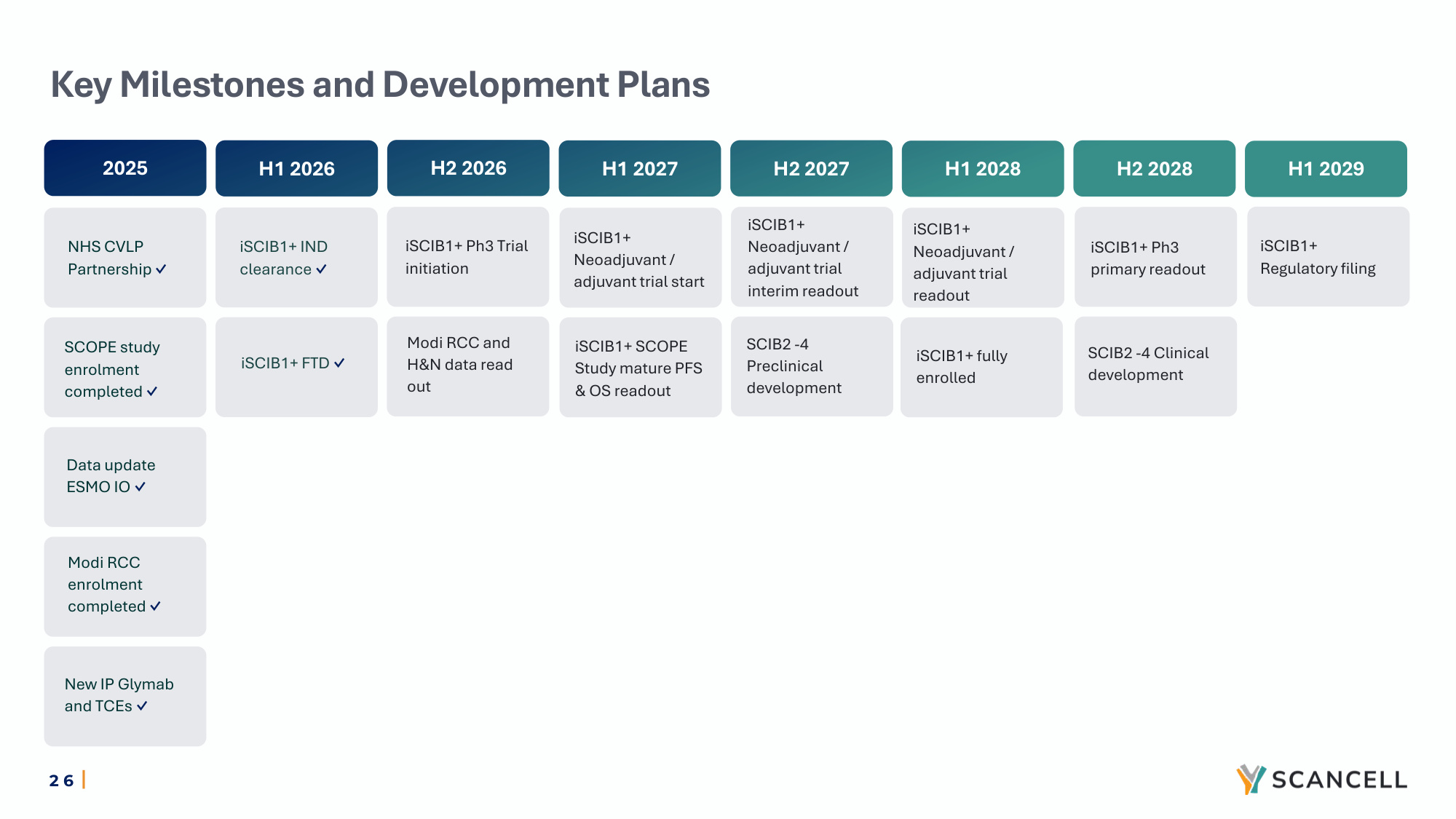
2 6 Key Milestones and Development Plans NHS CVLP Partnership ✓ iSCIB1+ IND clearance ✓ iSCIB1+ Ph3 Trial initiation iSCIB1+ Neoadjuvant / adjuvant trial start iSCIB1+ Neoadjuvant / adjuvant trial interim readout iSCIB1+ Neoadjuvant / adjuvant trial readout iSCIB1+ Ph3 primary readout iSCIB1+ Regulatory filing 2025 H1 2026 H2 2026 H1 2027 H2 2027 H1 2028 H2 2028 H1 2029 New IP Glymab and TCEs ✓ SCOPE study enrolment completed ✓ Data update ESMO IO ✓ Modi RCC enrolment completed ✓ iSCIB1+ FTD ✓ Modi RCC and H&N data read out iSCIB1+ SCOPE Study mature PFS & OS readout SCIB2 -4 Preclinical development iSCIB1+ fully enrolled SCIB2 -4 Clinical development
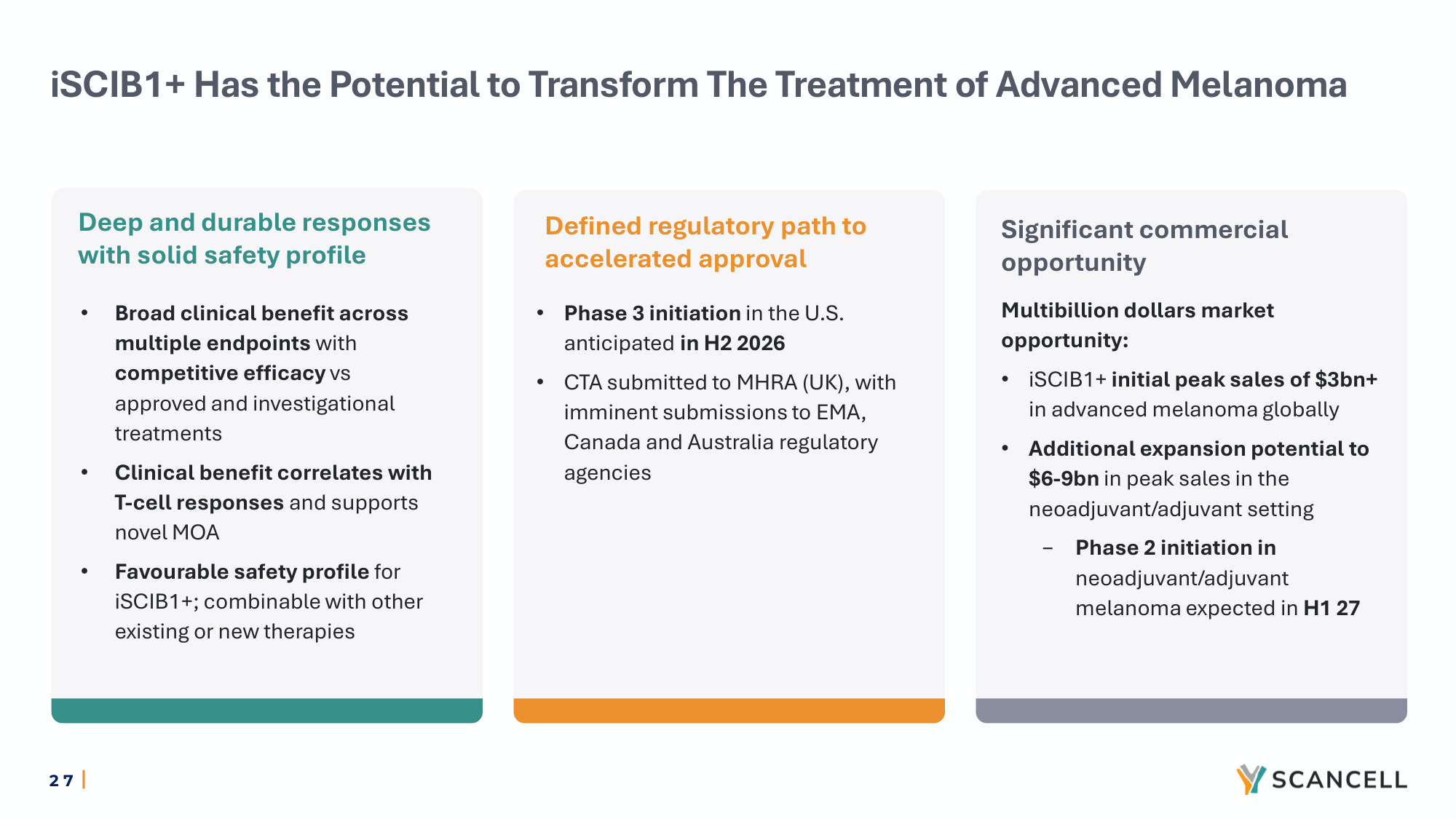
2 7 iSCIB1+ Has the Potential to Transform The Treatment of Advanced Melanoma • Phase 3 initiation in the U.S. anticipated in H2 2026 • CTA submitted to MHRA (UK), with imminent submissions to EMA, Canada and Australia regulatory agencies Multibillion dollars market opportunity: • iSCIB1+ initial peak sales of $3bn+ in advanced melanoma globally • Additional expansion potential to $6-9bn in peak sales in the neoadjuvant/adjuvant setting − Phase 2 initiation in neoadjuvant/adjuvant melanoma expected in H1 27 Defined regulatory path to accelerated approval • Broad clinical benefit across multiple endpoints with competitive efficacy vs approved and investigational treatments • Clinical benefit correlates with T-cell responses and supports novel MOA • Favourable safety profile for iSCIB1+; combinable with other existing or new therapies Deep and durable responses with solid safety profile Significant commercial opportunity

2 8 Additional Pipeline
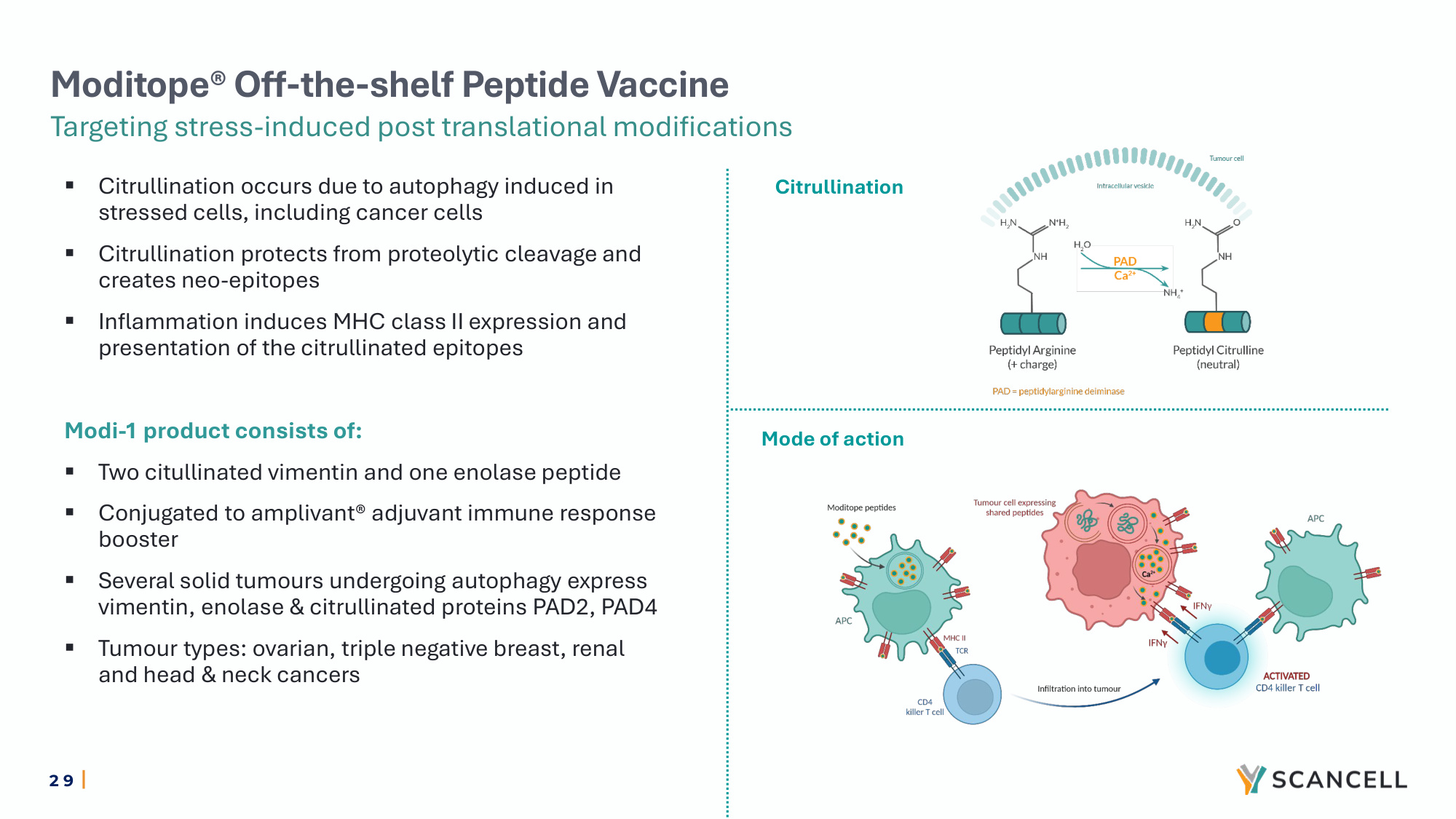
2 9 Moditope® Off-the-shelf Peptide Vaccine Targeting stress-induced post translational modifications Citrullination occurs due to autophagy induced in stressed cells, including cancer cells Citrullination protects from proteolytic cleavage and creates neo-epitopes Inflammation induces MHC class II expression and presentation of the citrullinated epitopes Modi-1 product consists of: Two citullinated vimentin and one enolase peptide Conjugated to amplivant® adjuvant immune response booster Several solid tumours undergoing autophagy express vimentin, enolase & citrullinated proteins PAD2, PAD4 Tumour types: ovarian, triple negative breast, renal and head & neck cancers Mode of action Citrullination
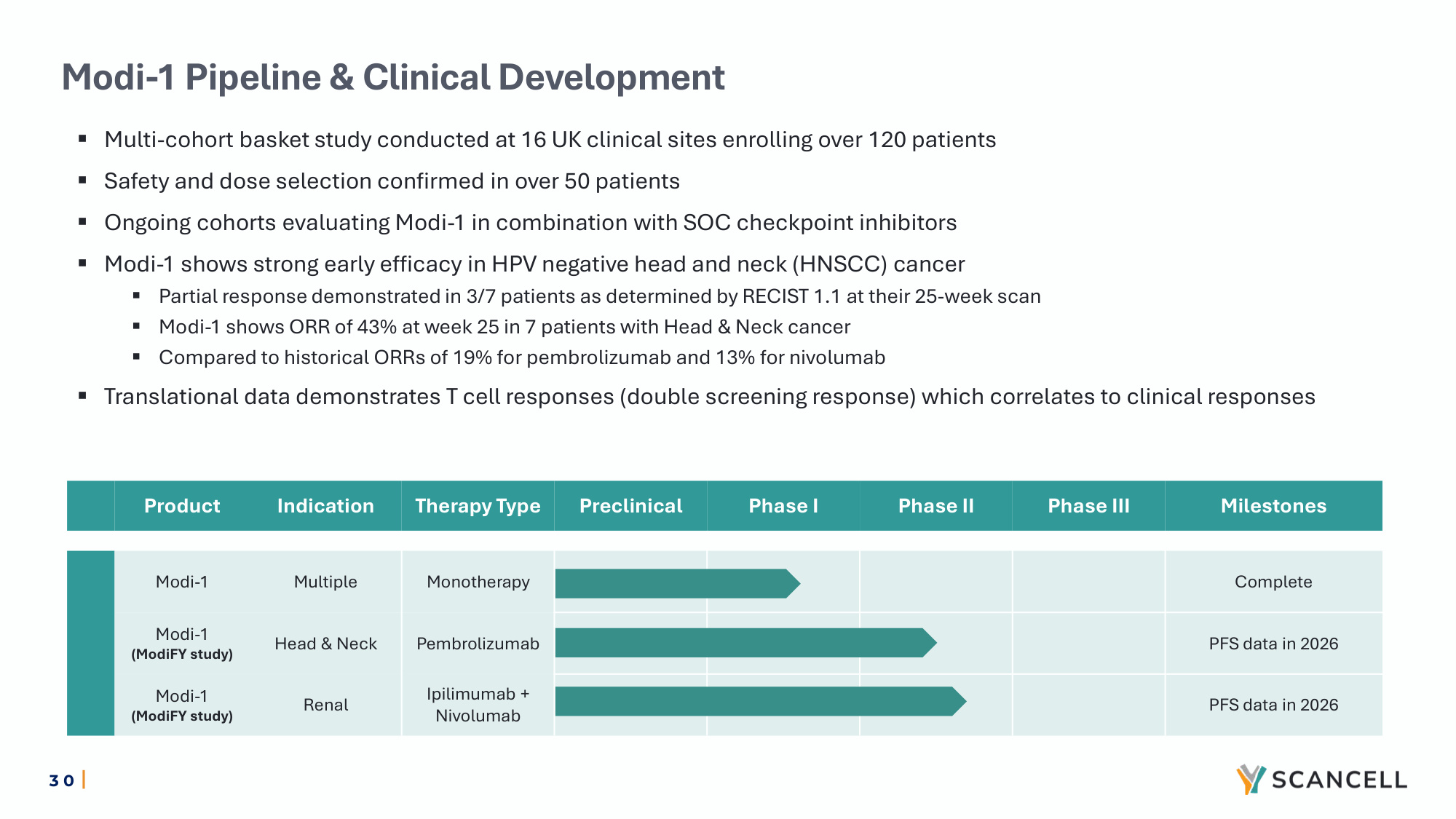
3 0 Modi-1 Pipeline & Clinical Development Multi-cohort basket study conducted at 16 UK clinical sites enrolling over 120 patients Safety and dose selection confirmed in over 50 patients Ongoing cohorts evaluating Modi-1 in combination with SOC checkpoint inhibitors Modi-1 shows strong early efficacy in HPV negative head and neck (HNSCC) cancer Partial response demonstrated in 3/7 patients as determined by RECIST 1.1 at their 25-week scan Modi-1 shows ORR of 43% at week 25 in 7 patients with Head & Neck cancer Compared to historical ORRs of 19% for pembrolizumab and 13% for nivolumab Translational data demonstrates T cell responses (double screening response) which correlates to clinical responses Product Indication Therapy Type Preclinical Phase I Phase II Phase III Milestones Modi-1 Multiple Monotherapy Complete Modi-1 (ModiFY study) Head & Neck Pembrolizumab PFS data in 2026 Modi-1 (ModiFY study) Renal Ipilimumab + Nivolumab PFS data in 2026
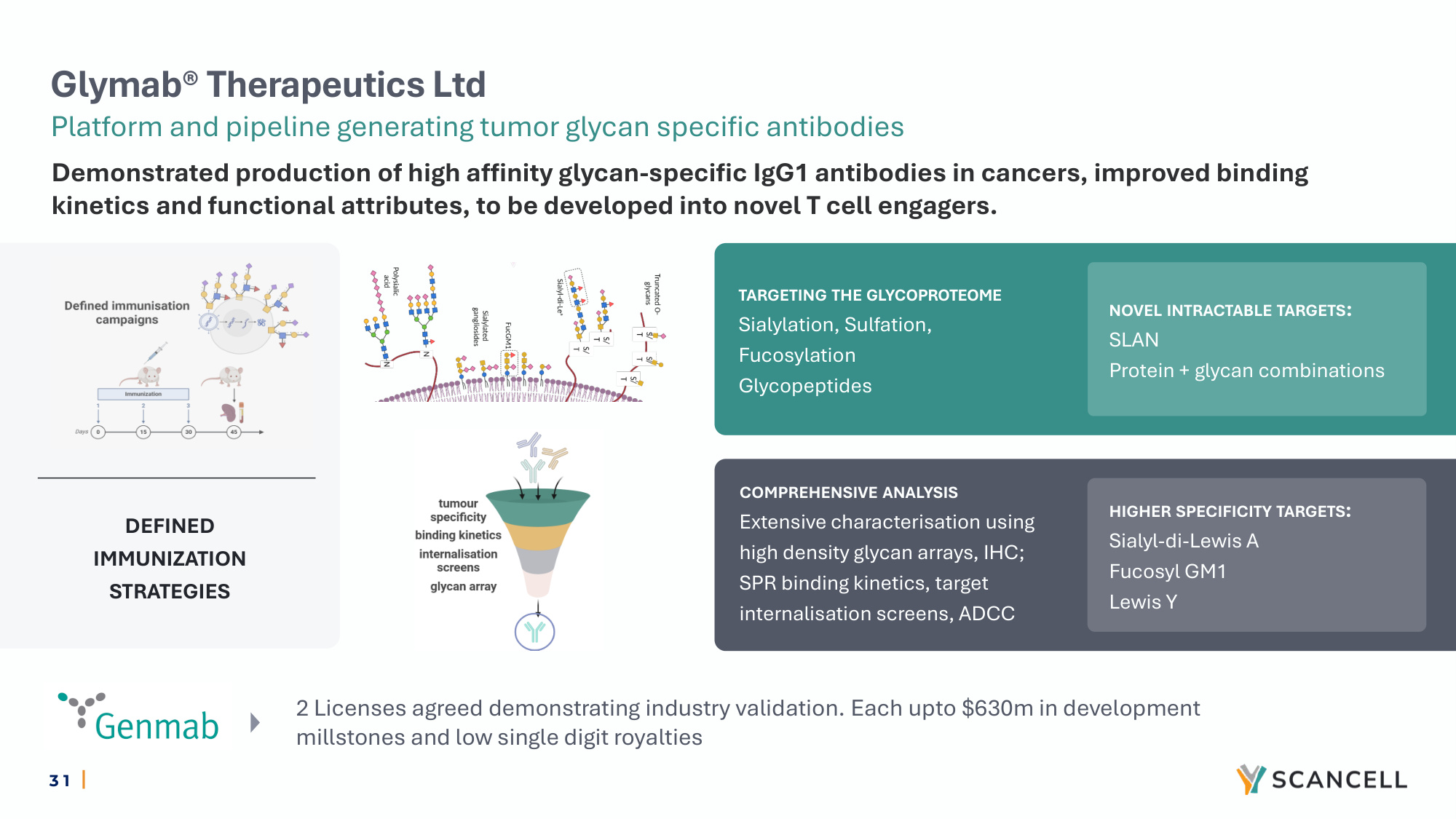
3 1 TARGETING THE GLYCOPROTEOME Sialylation, Sulfation, Fucosylation Glycopeptides COMPREHENSIVE ANALYSIS Extensive characterisation using high density glycan arrays, IHC; SPR binding kinetics, target internalisation screens, ADCC NOVEL INTRACTABLE TARGETS: SLAN Protein + glycan combinations HIGHER SPECIFICITY TARGETS: Sialyl-di-Lewis A Fucosyl GM1 Lewis Y Demonstrated production of high affinity glycan-specific IgG1 antibodies in cancers, improved binding kinetics and functional attributes, to be developed into novel T cell engagers. 2 Licenses agreed demonstrating industry validation. Each upto $630m in development millstones and low single digit royalties Glymab® Therapeutics Ltd Platform and pipeline generating tumor glycan specific antibodies DEFINED IMMUNIZATION STRATEGIES
Thank You

3 3 Appendices
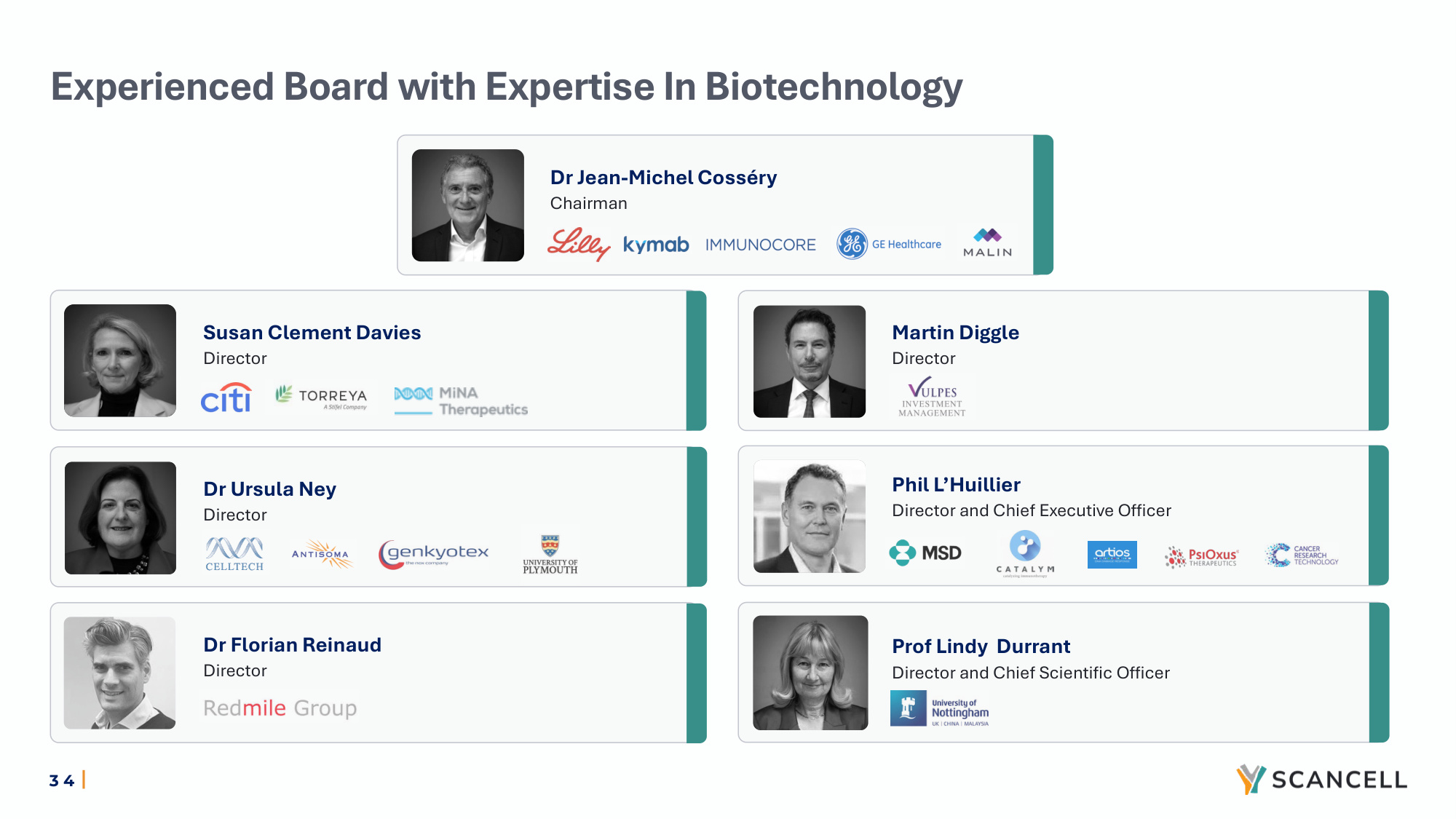
3 4 Experienced Board with Expertise In Biotechnology Dr Jean-Michel Cosséry Chairman Susan Clement Davies Director Dr Ursula Ney Director Dr Florian Reinaud Director Martin Diggle Director Phil L'Huillier Director and Chief Executive Officer Prof Lindy Durrant Director and Chief Scientific Officer
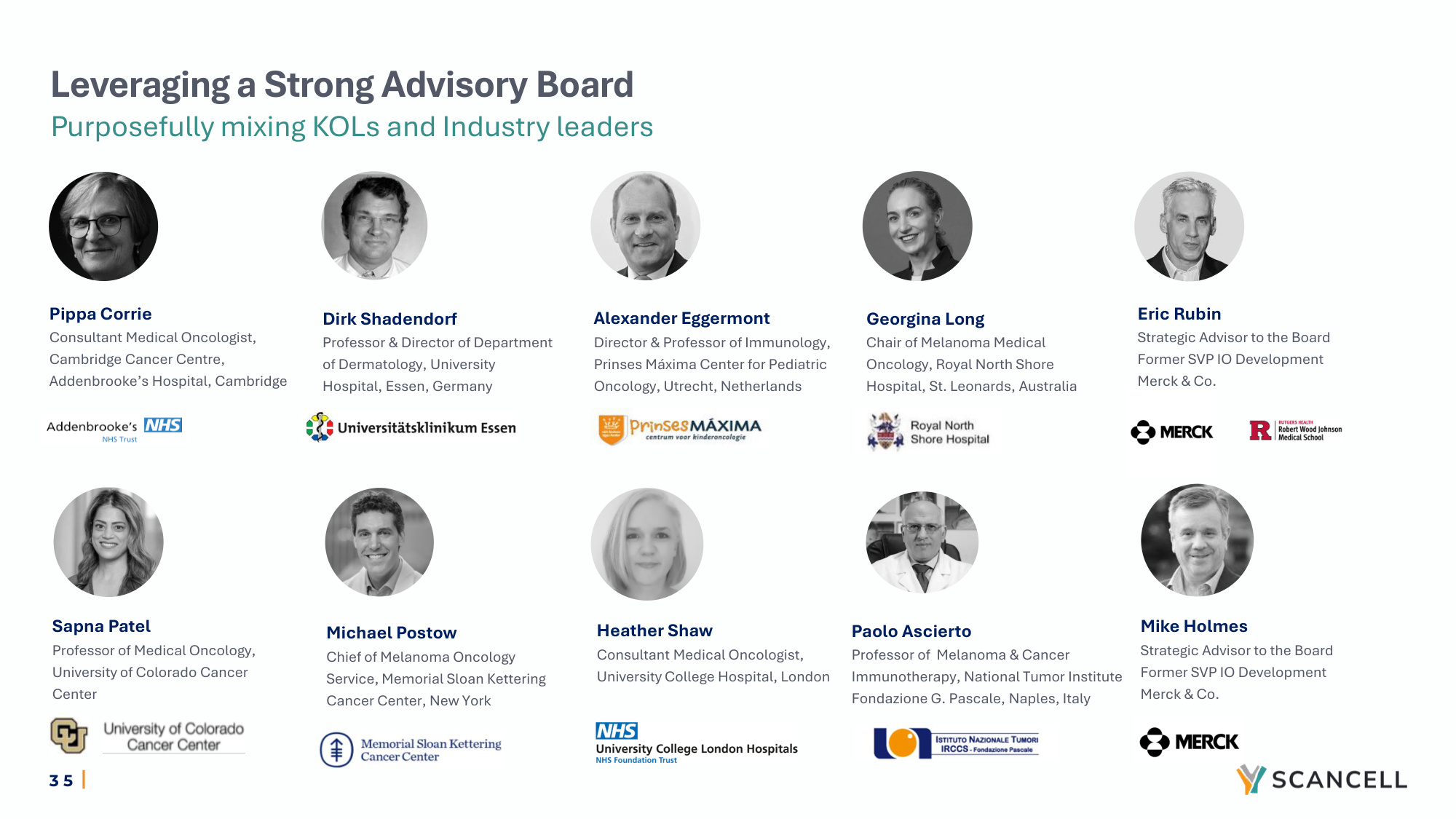
3 5 Leveraging a Strong Advisory Board Purposefully mixing KOLs and Industry leaders Pippa Corrie Consultant Medical Oncologist, Cambridge Cancer Centre, Addenbrooke's Hospital, Cambridge Dirk Shadendorf Professor & Director of Department of Dermatology, University Hospital, Essen, Germany Alexander Eggermont Director & Professor of Immunology, Prinses Máxima Center for Pediatric Oncology, Utrecht, Netherlands Georgina Long Chair of Melanoma Medical Oncology, Royal North Shore Hospital, St. Leonards, Australia Eric Rubin Strategic Advisor to the Board Former SVP IO Development Merck & Co. Sapna Patel Professor of Medical Oncology, University of Colorado Cancer Center Michael Postow Chief of Melanoma Oncology Service, Memorial Sloan Kettering Cancer Center, New York Heather Shaw Consultant Medical Oncologist, University College Hospital, London Paolo Ascierto Professor of Melanoma & Cancer Immunotherapy, National Tumor Institute Fondazione G. Pascale, Naples, Italy Mike Holmes Strategic Advisor to the Board Former SVP IO Development Merck & Co.