Corporate Presentation July 2026 Exhibit 99.3
This presentation contains “forward-looking statements” within the meaning of the Private Securities Litigation Reform Act of 1995, including statements regarding future expectations, plans and prospects for the Company; the ability to successfully achieve and execute on the Company’s goals, priorities and preclinical and clinical milestones; the Company’s expectations regarding the potential therapeutic benefits of SP001; the potential benefits from the Company’s current or future arrangements with third parties, including the anticipated benefits from the in-license of SP001; the Company’s expectations for clinical and pre-clinical development, trial design, additional Investigational New Drug (IND) filings, expansion into additional indications and geographies, the enrollment in clinical trials, and availability of clinical trial data; and other statements containing the words “anticipate,” “believe,” “continue,” “could,” “estimate,” “expect,” “intend,” “may,” “plan,” “potential,” “predict,” “project,” “should,” “target,” “would,” “working” and similar expressions. Any forward-looking statements are based on management’s current expectations of future events and are subject to a number of risks and uncertainties that could cause actual results to differ materially and adversely from those set forth in, or implied by, such forward-looking statements. These risks and uncertainties include, but are not limited to, risks associated with the Company’s ability to advance SP001 on the timelines expected or at all; obtain and maintain necessary and desirable approvals from the U.S. Food and Drug Administration (FDA) and other regulatory authorities; implement the clinical plan for SP001, which is largely based on data generated by the licensor, Innovent Biologics, Inc., and may change based on data we observe which may be materially and adversely different compared to the results Innovent provided to the Company; compete successfully with other companies that are seeking to develop IgG4-related disease and Sjögren’s disease; raise the substantial additional capital needed, on the timeline necessary, to support development efforts and ongoing operations; manage expenses; maintain and defend our intellectual property rights for SP001 or any other product candidate; and the anticipated benefits of the non-recourse non-dilutive royalty-backed financing, including the anticipated use of proceeds. For a discussion of other risks and uncertainties, and other important factors, any of which could cause the Company’s actual results to differ materially from those contained in the forward-looking statements, see the “Risk Factors” section, as well as discussions of potential risks, uncertainties and other important factors, in the Company’s most recent filings with the Securities and Exchange Commission. In addition, the forward-looking statements included in this presentation represent the Company’s views as of the date hereof and should not be relied upon as representing the Company’s views as of any date subsequent to the date hereof. The Company anticipates that subsequent events and developments will cause the Company’s views to change. However, while the Company may elect to update these forward-looking statements at any point in the future, the Company specifically disclaims any obligation to do so. This presentation contains estimates and other statistical data made by independent parties and by us relating to market size and other data about our industry. This data involves a number of assumptions and limitations, and you are cautioned not to give undue weight to such data and estimates. The Company has not independently verified the accuracy and completeness of the information obtained by third parties included in this presentation. In addition, projections, assumptions and estimates of our future performance and the future performance of the markets in which we operate are necessarily subject to a high degree of uncertainty and risk. SP001 is known as IBI 355 prior to the closing of the in-licensing agreement with Innovent. Cautionary Note Regarding Forward Looking Statements and Disclaimer
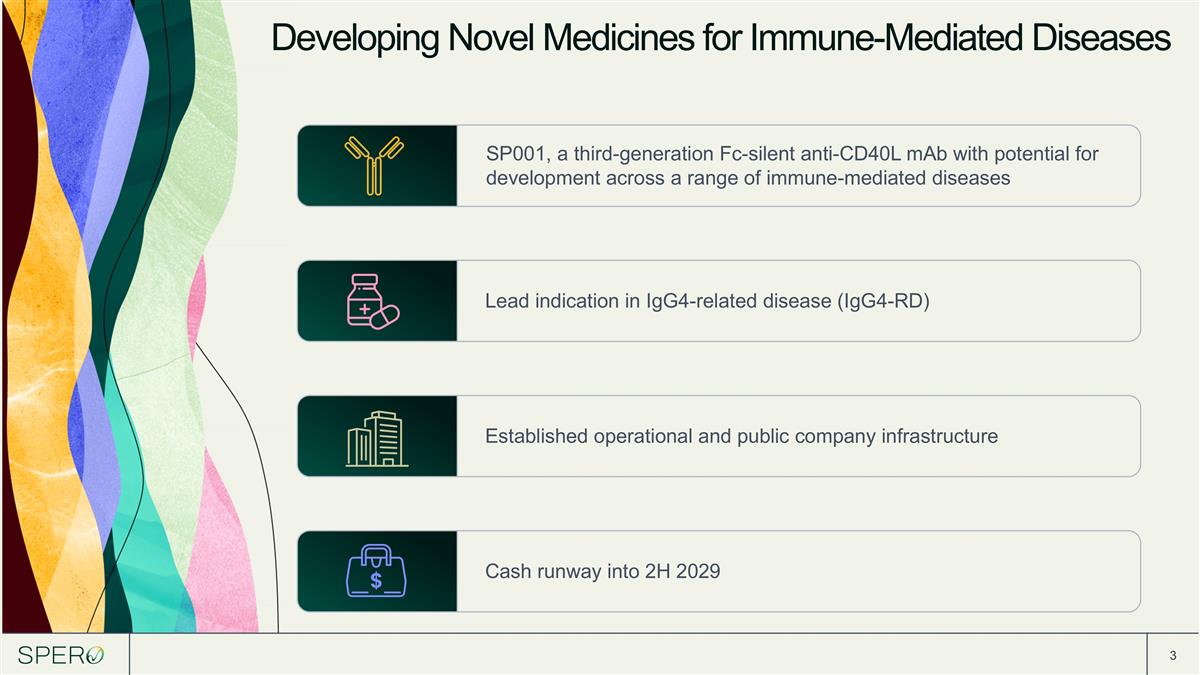
Developing Novel Medicines for Immune-Mediated Diseases Established operational and public company infrastructure SP001, a third-generation Fc-silent anti-CD40L mAb with potential for development across a range of immune-mediated diseases Cash runway into 2H 2029 Lead indication in IgG4-related disease (IgG4-RD)
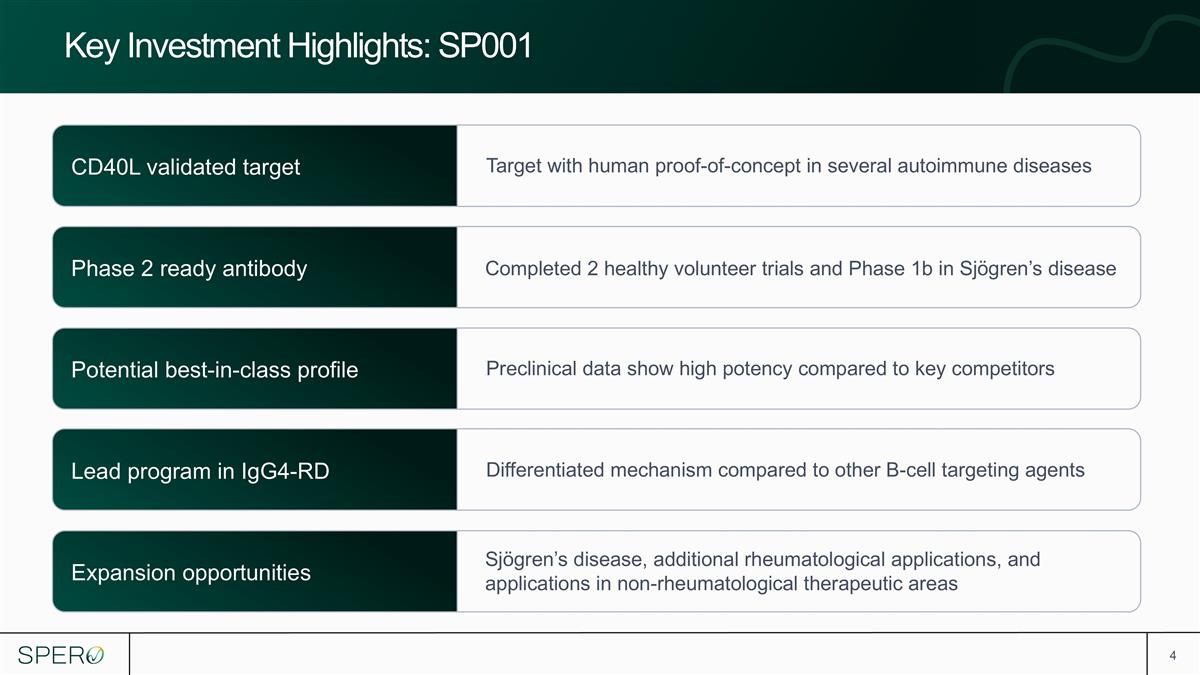
Key Investment Highlights: SP001 Sjögren’s disease, additional rheumatological applications, and applications in non-rheumatological therapeutic areas Target with human proof-of-concept in several autoimmune diseases Differentiated mechanism compared to other B-cell targeting agents Preclinical data show high potency compared to key competitors Completed 2 healthy volunteer trials and Phase 1b in Sjögren’s disease Expansion opportunities Lead program in IgG4-RD Phase 2 ready antibody Potential best-in-class profile CD40L validated target
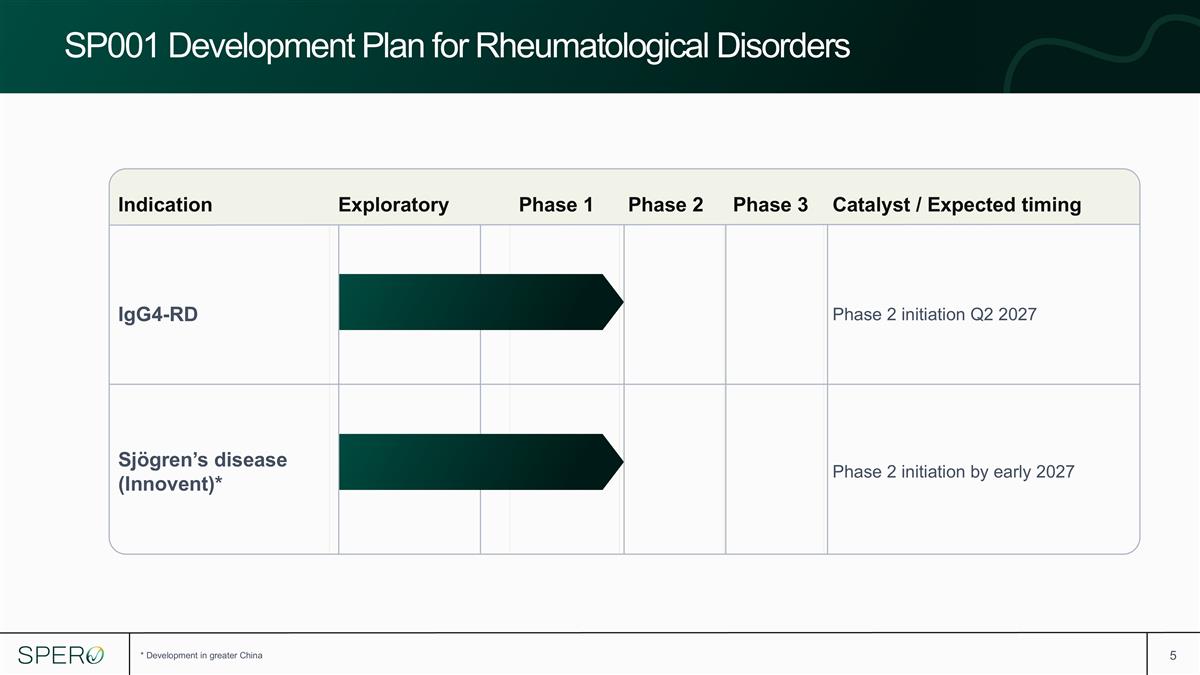
Indication Exploratory Phase 1 Phase 2 Phase 3 Catalyst / Expected timing IgG4-RD Phase 2 initiation Q2 2027 Sjögren’s disease (Innovent)* Phase 2 initiation by early 2027 * Development in greater China SP001 Development Plan for Rheumatological Disorders
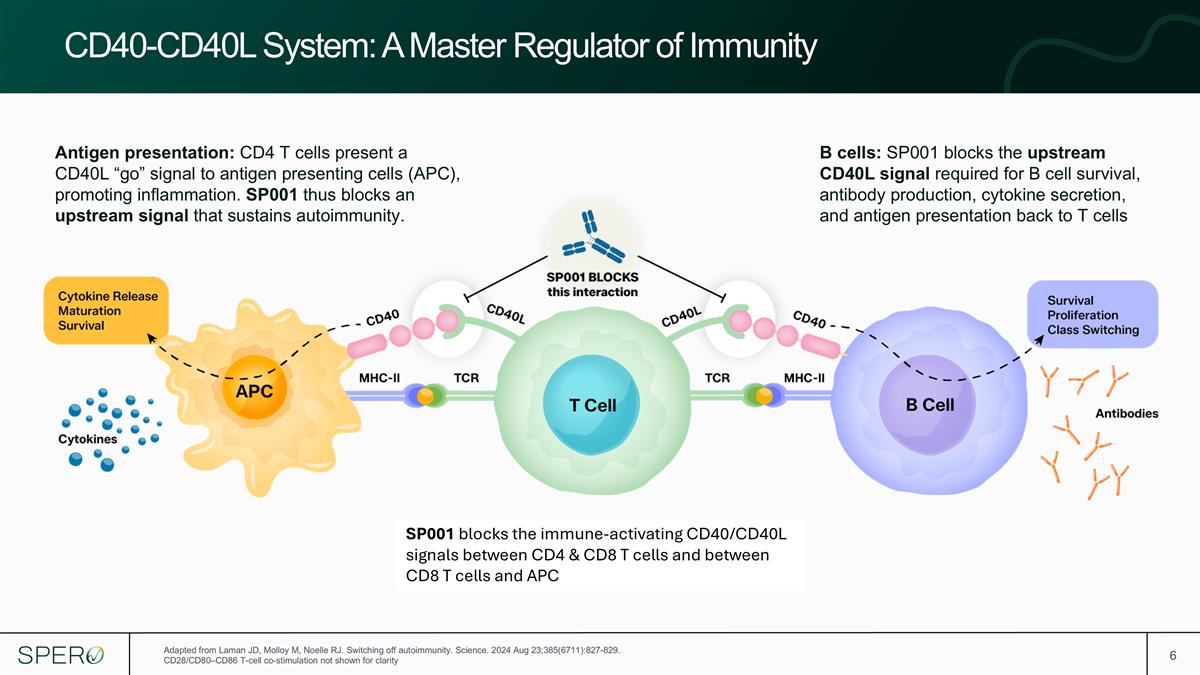
Adapted from Laman JD, Molloy M, Noelle RJ. Switching off autoimmunity. Science. 2024 Aug 23;385(6711):827-829. CD28/CD80–CD86 T-cell co-stimulation not shown for clarity CD40-CD40L System: A Master Regulator of Immunity Antigen presentation: CD4 T cells present a CD40L “go” signal to antigen presenting cells (APC), promoting inflammation. SP001 thus blocks an upstream signal that sustains autoimmunity. B cells: SP001 blocks the upstream CD40L signal required for B cell survival, antibody production, cytokine secretion, and antigen presentation back to T cells SP001 blocks the immune-activating CD40/CD40L signals between CD4 & CD8 T cells and between CD8 T cells and APC
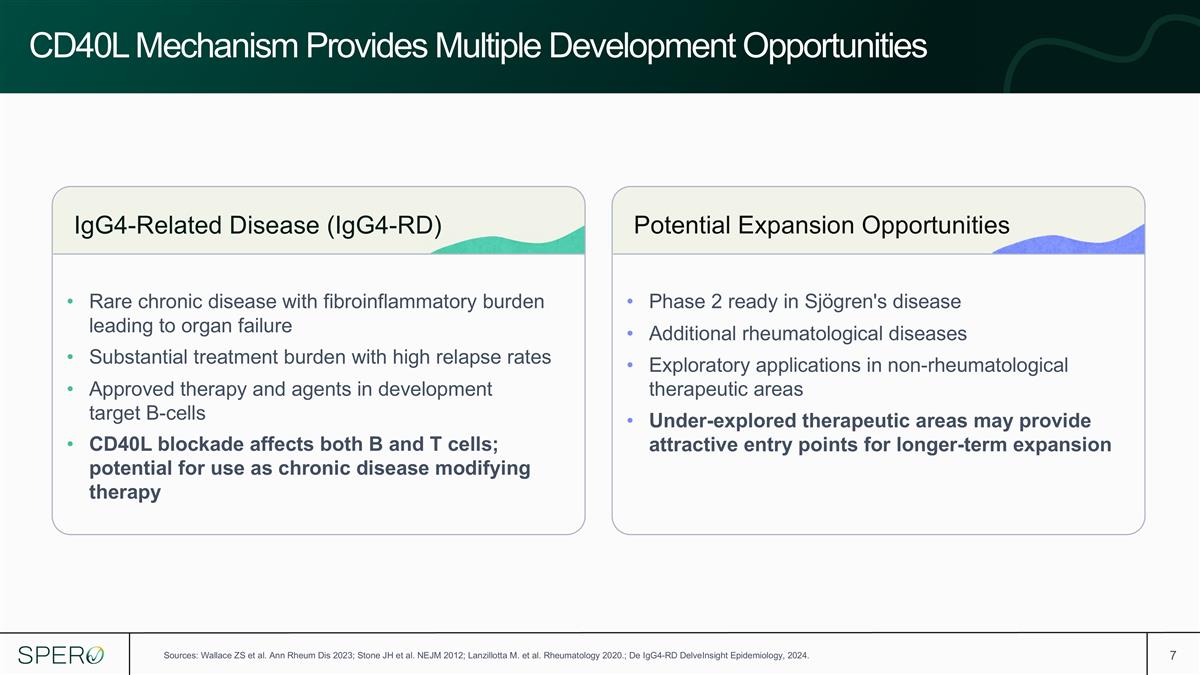
Sources: Wallace ZS et al. Ann Rheum Dis 2023; Stone JH et al. NEJM 2012; Lanzillotta M. et al. Rheumatology 2020.; De IgG4-RD DelveInsight Epidemiology, 2024. CD40L Mechanism Provides Multiple Development Opportunities Phase 2 ready in Sjögren's disease Additional rheumatological diseases Exploratory applications in non-rheumatological therapeutic areas Under-explored therapeutic areas may provide attractive entry points for longer-term expansion Rare chronic disease with fibroinflammatory burden leading to organ failure Substantial treatment burden with high relapse rates Approved therapy and agents in development target B-cells CD40L blockade affects both B and T cells; potential for use as chronic disease modifying therapy IgG4-Related Disease (IgG4-RD) Potential Expansion Opportunities
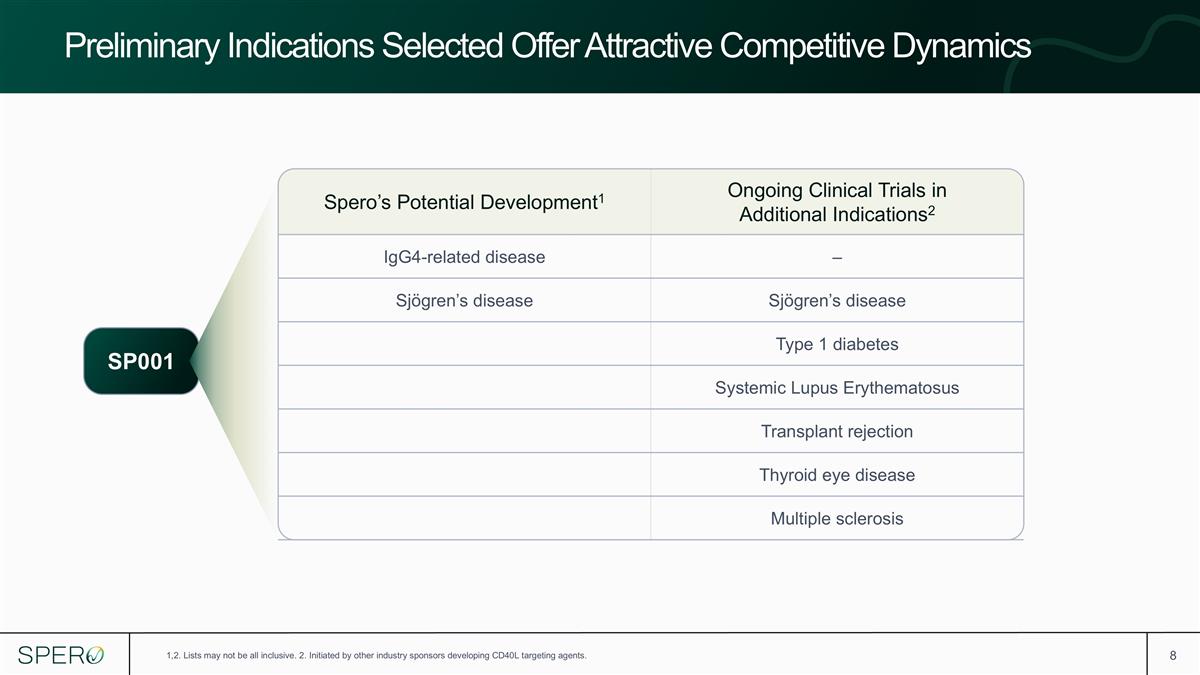
SP001 1,2. Lists may not be all inclusive. 2. Initiated by other industry sponsors developing CD40L targeting agents. Preliminary Indications Selected Offer Attractive Competitive Dynamics Spero’s Potential Development1 Ongoing Clinical Trials in Additional Indications2 IgG4-related disease – Sjögren’s disease Sjögren’s disease Type 1 diabetes Systemic Lupus Erythematosus Transplant rejection Thyroid eye disease Multiple sclerosis

SP001 Overview
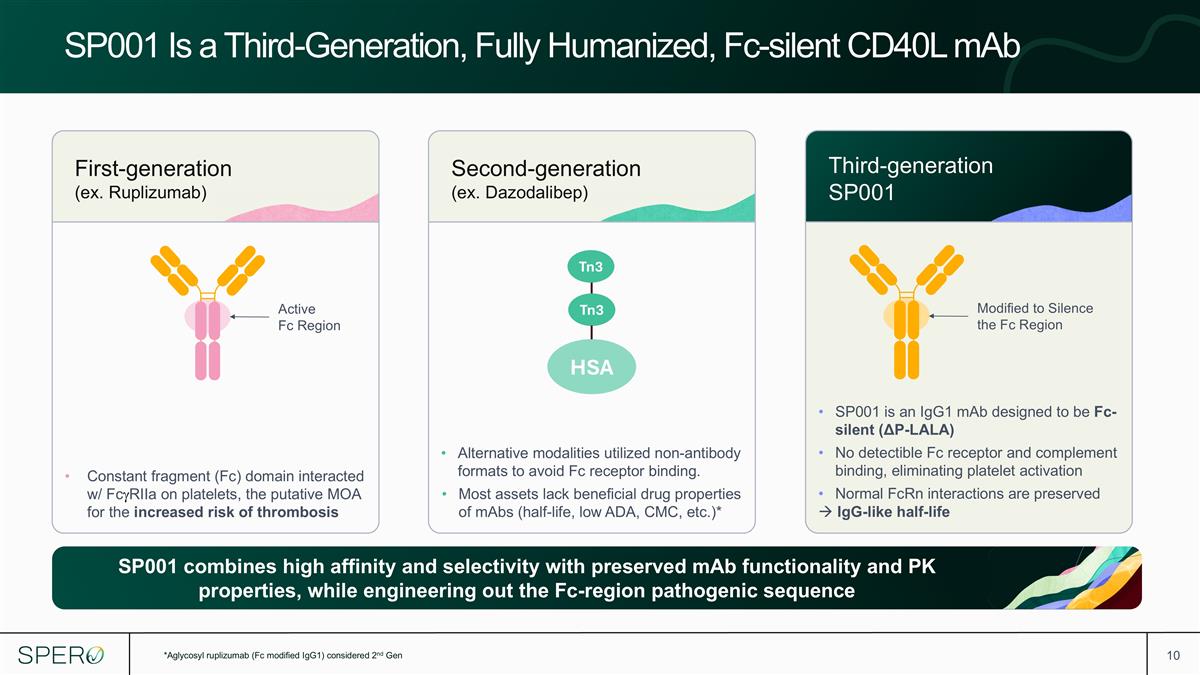
SP001 is an IgG1 mAb designed to be Fc-silent (ΔP-LALA) No detectible Fc receptor and complement binding, eliminating platelet activation Normal FcRn interactions are preserved à IgG-like half-life Constant fragment (Fc) domain interacted w/ FcgRIIa on platelets, the putative MOA for the increased risk of thrombosis First-generation (ex. Ruplizumab) Second-generation (ex. Dazodalibep) Third-generation SP001 SP001 Is a Third-Generation, Fully Humanized, Fc-silent CD40L mAb Modified to Silence the Fc Region SP001 combines high affinity and selectivity with preserved mAb functionality and PK properties, while engineering out the Fc-region pathogenic sequence Alternative modalities utilized non-antibody formats to avoid Fc receptor binding. Most assets lack beneficial drug properties of mAbs (half-life, low ADA, CMC, etc.)* Active Fc Region Tn3 Tn3 HSA *Aglycosyl ruplizumab (Fc modified IgG1) considered 2nd Gen
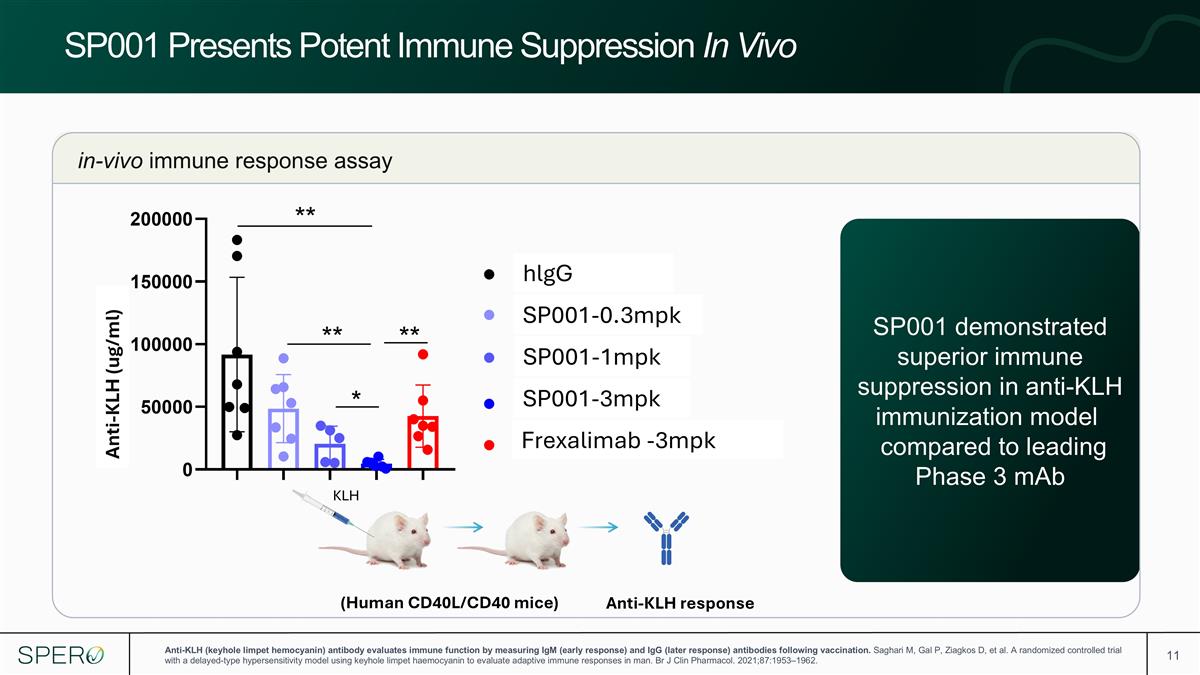
SP001 demonstrated superior immune suppression in anti-KLH immunization model compared to leading Phase 3 mAb Anti-KLH (keyhole limpet hemocyanin) antibody evaluates immune function by measuring IgM (early response) and IgG (later response) antibodies following vaccination. Saghari M, Gal P, Ziagkos D, et al. A randomized controlled trial with a delayed-type hypersensitivity model using keyhole limpet haemocyanin to evaluate adaptive immune responses in man. Br J Clin Pharmacol. 2021;87:1953–1962. SP001 Presents Potent Immune Suppression In Vivo in-vivo immune response assay hlgG SP001-0.3mpk SP001-1mpk SP001-3mpk Frexalimab -3mpk Anti-KLH (ug/ml) (Human CD40L/CD40 mice) Anti-KLH response KLH
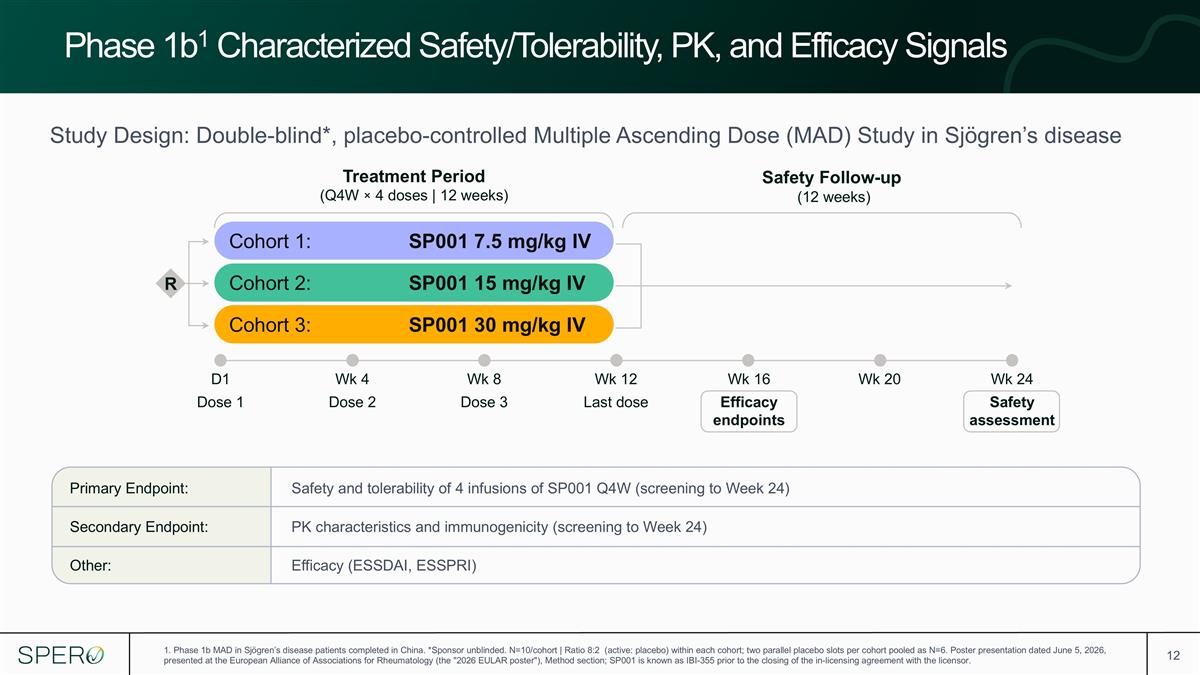
1. Phase 1b MAD in Sjögren’s disease patients completed in China. *Sponsor unblinded. N=10/cohort | Ratio 8:2 (active: placebo) within each cohort; two parallel placebo slots per cohort pooled as N=6. Poster presentation dated June 5, 2026, presented at the European Alliance of Associations for Rheumatology (the "2026 EULAR poster"), Method section; SP001 is known as IBI-355 prior to the closing of the in-licensing agreement with the licensor. Phase 1b1 Characterized Safety/Tolerability, PK, and Efficacy Signals R Treatment Period (Q4W × 4 doses | 12 weeks) Safety Follow-up (12 weeks) Cohort 1:SP001 7.5 mg/kg IV Cohort 2:SP001 15 mg/kg IV Cohort 3:SP001 30 mg/kg IV D1 Dose 1 Wk 4 Dose 2 Wk 8 Dose 3 Wk 12 Last dose Wk 16 Efficacy endpoints Wk 20 Wk 24 Safety assessment Primary Endpoint: Safety and tolerability of 4 infusions of SP001 Q4W (screening to Week 24) Secondary Endpoint: PK characteristics and immunogenicity (screening to Week 24) Other: Efficacy (ESSDAI, ESSPRI) Study Design: Double-blind*, placebo-controlled Multiple Ascending Dose (MAD) Study in Sjögren’s disease
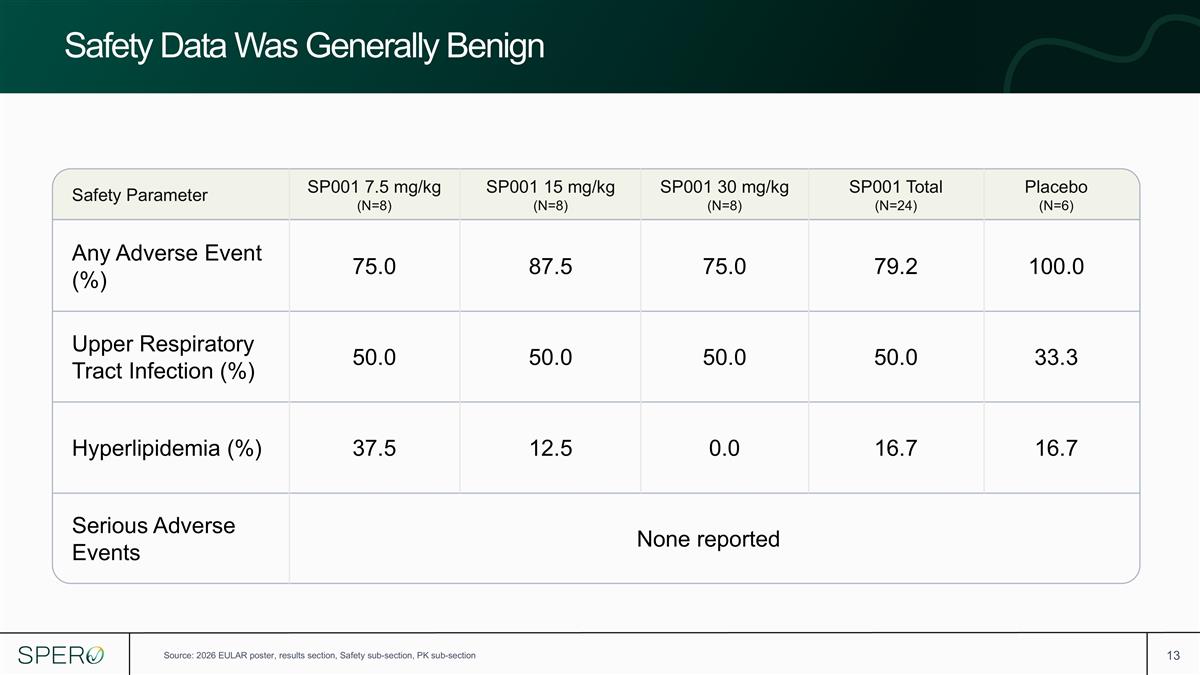
Safety Parameter SP001 7.5 mg/kg (N=8) SP001 15 mg/kg (N=8) SP001 30 mg/kg (N=8) SP001 Total (N=24) Placebo (N=6) Any Adverse Event (%) 75.0 87.5 75.0 79.2 100.0 Upper Respiratory Tract Infection (%) 50.0 50.0 50.0 50.0 33.3 Hyperlipidemia (%) 37.5 12.5 0.0 16.7 16.7 Serious Adverse Events None reported Source: 2026 EULAR poster, results section, Safety sub-section, PK sub-section Safety Data Was Generally Benign
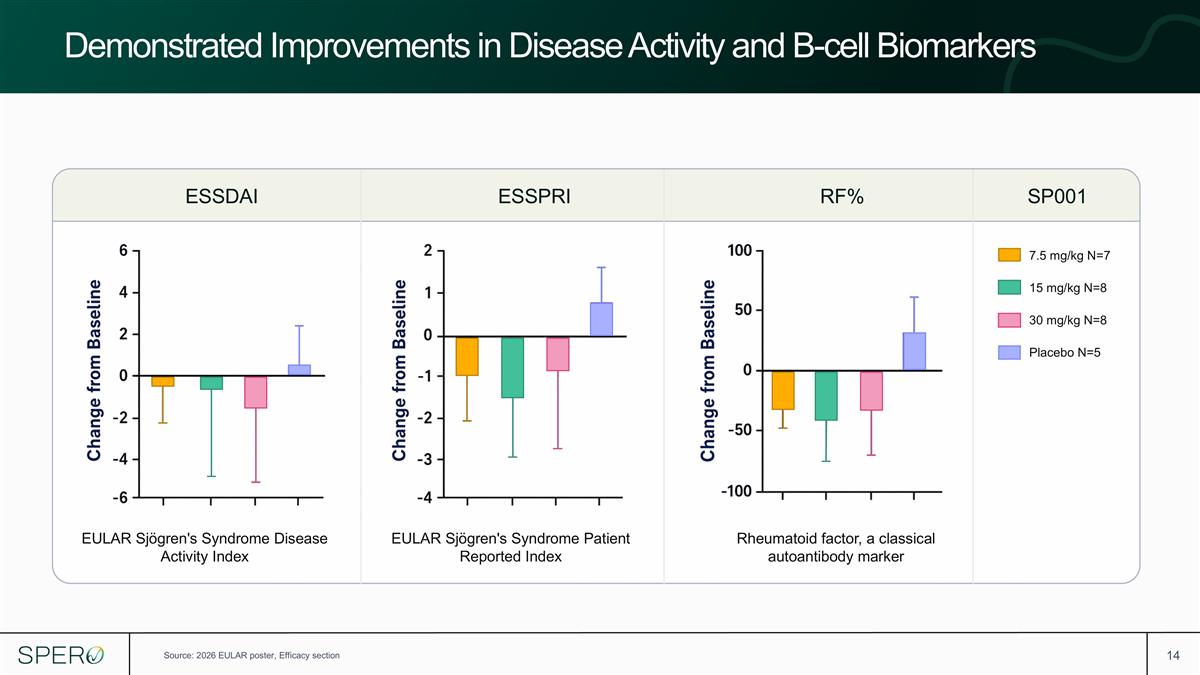
Source: 2026 EULAR poster, Efficacy section Demonstrated Improvements in Disease Activity and B-cell Biomarkers Rheumatoid factor, a classical autoantibody marker EULAR Sjögren's Syndrome Patient Reported Index EULAR Sjögren's Syndrome Disease Activity Index ESSDAI ESSPRI RF% 7.5 mg/kg N=7 15 mg/kg N=8 30 mg/kg N=8 Placebo N=5 SP001
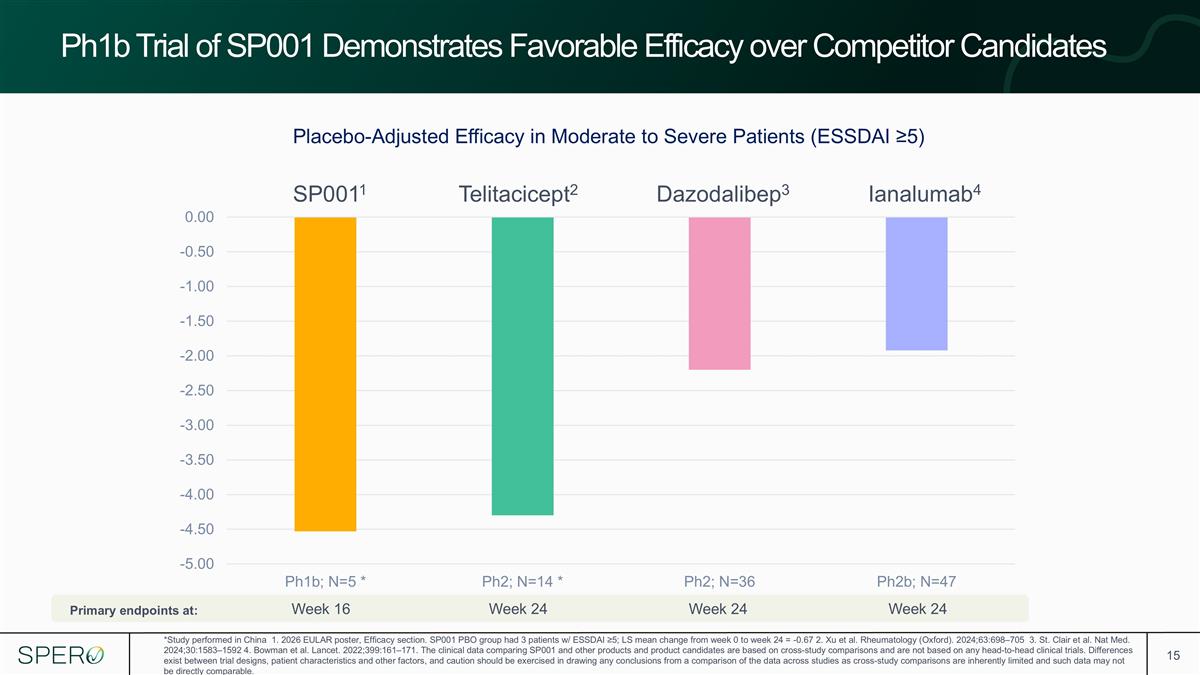
*Study performed in China 1. 2026 EULAR poster, Efficacy section. SP001 PBO group had 3 patients w/ ESSDAI ≥5; LS mean change from week 0 to week 24 = -0.67 2. Xu et al. Rheumatology (Oxford). 2024;63:698–705 3. St. Clair et al. Nat Med. 2024;30:1583–1592 4. Bowman et al. Lancet. 2022;399:161–171. The clinical data comparing SP001 and other products and product candidates are based on cross-study comparisons and are not based on any head-to-head clinical trials. Differences exist between trial designs, patient characteristics and other factors, and caution should be exercised in drawing any conclusions from a comparison of the data across studies as cross-study comparisons are inherently limited and such data may not be directly comparable. Ph1b Trial of SP001 Demonstrates Favorable Efficacy over Competitor Candidates Placebo-Adjusted Efficacy in Moderate to Severe Patients (ESSDAI ≥5) SP0011 Telitacicept2 Dazodalibep3 Ianalumab4 Primary endpoints at: Week 16 Week 24 Week 24 Week 24
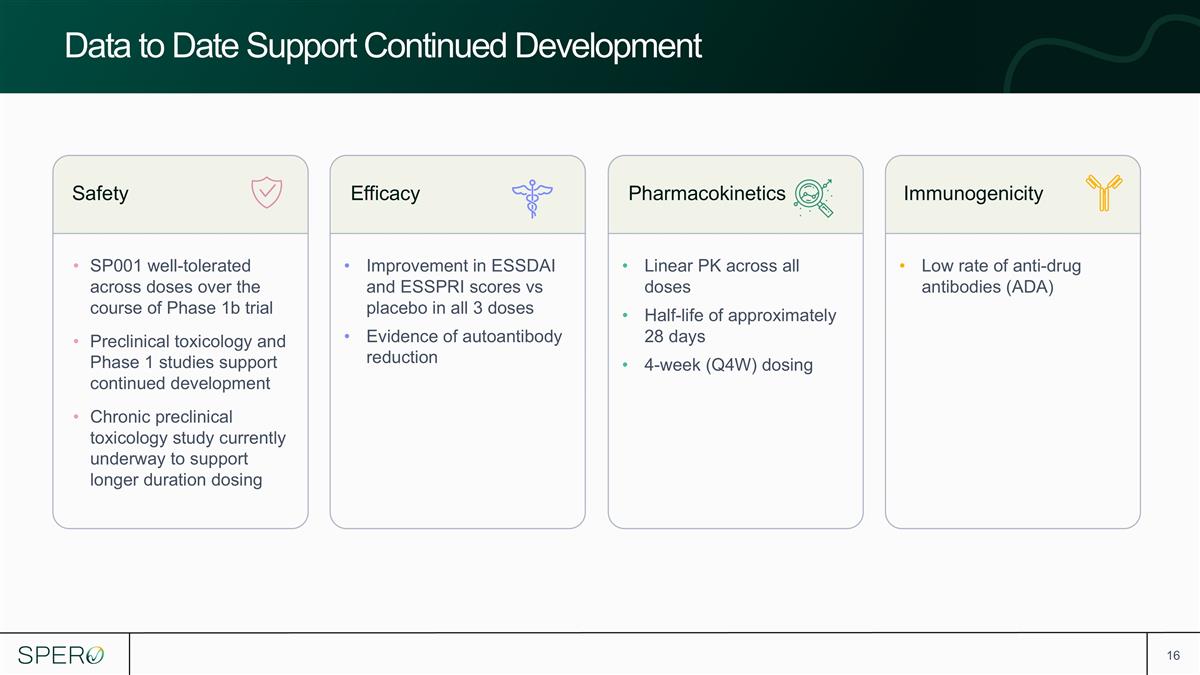
Data to Date Support Continued Development Low rate of anti-drug antibodies (ADA) SP001 well-tolerated across doses over the course of Phase 1b trial Preclinical toxicology and Phase 1 studies support continued development Chronic preclinical toxicology study currently underway to support longer duration dosing Safety Immunogenicity Linear PK across all doses Half-life of approximately 28 days 4-week (Q4W) dosing Pharmacokinetics Improvement in ESSDAI and ESSPRI scores vs placebo in all 3 doses Evidence of autoantibody reduction Efficacy
IgG4-Related Disease
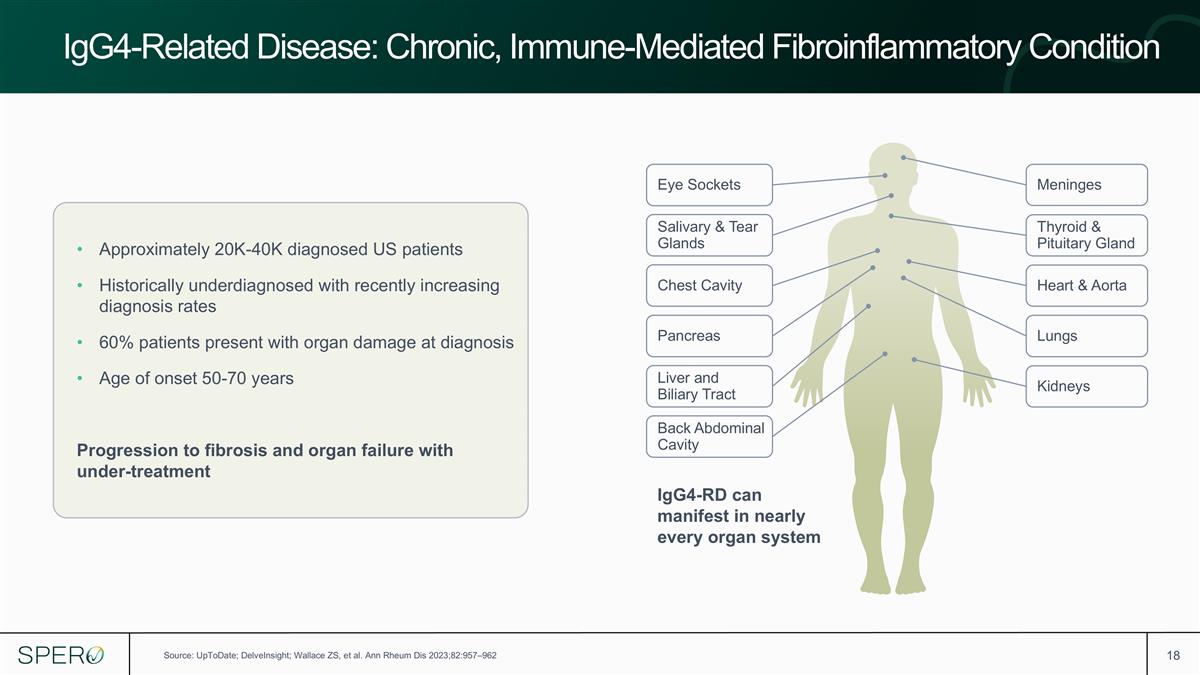
Source: UpToDate; DelveInsight; Wallace ZS, et al. Ann Rheum Dis 2023;82:957–962 IgG4-Related Disease: Chronic, Immune-Mediated Fibroinflammatory Condition Back Abdominal Cavity Thyroid & Pituitary Gland Chest Cavity Pancreas Lungs Kidneys Liver and Biliary Tract Heart & Aorta Meninges Eye Sockets Salivary & Tear Glands IgG4-RD can manifest in nearly every organ system Approximately 20K-40K diagnosed US patients Historically underdiagnosed with recently increasing diagnosis rates 60% patients present with organ damage at diagnosis Age of onset 50-70 years Progression to fibrosis and organ failure with under-treatment
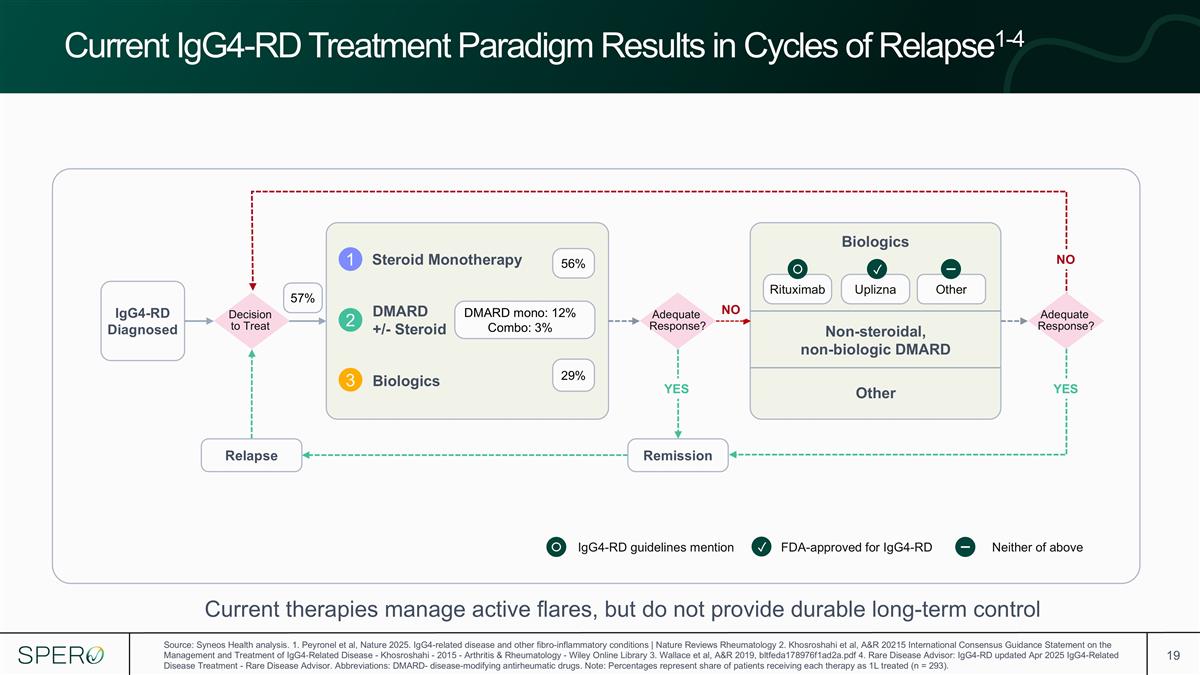
IgG4-RD Diagnosed Source: Syneos Health analysis. 1. Peyronel et al, Nature 2025. IgG4-related disease and other fibro-inflammatory conditions | Nature Reviews Rheumatology 2. Khosroshahi et al, A&R 20215 International Consensus Guidance Statement on the Management and Treatment of IgG4‐Related Disease - Khosroshahi - 2015 - Arthritis & Rheumatology - Wiley Online Library 3. Wallace et al, A&R 2019, bltfeda178976f1ad2a.pdf 4. Rare Disease Advisor: IgG4-RD updated Apr 2025 IgG4-Related Disease Treatment - Rare Disease Advisor. Abbreviations: DMARD- disease-modifying antirheumatic drugs. Note: Percentages represent share of patients receiving each therapy as 1L treated (n = 293). Current IgG4-RD Treatment Paradigm Results in Cycles of Relapse1-4 Biologics Other Non-steroidal, non-biologic DMARD Decision to Treat 57% Steroid Monotherapy 56% Biologics 29% DMARD +/- Steroid DMARD mono: 12% Combo: 3% Adequate Response? NO YES Adequate Response? FDA-approved for IgG4-RD IgG4-RD guidelines mention Neither of above 1 2 3 Relapse Remission YES NO Rituximab Uplizna Other ✓ ✓ Current therapies manage active flares, but do not provide durable long-term control
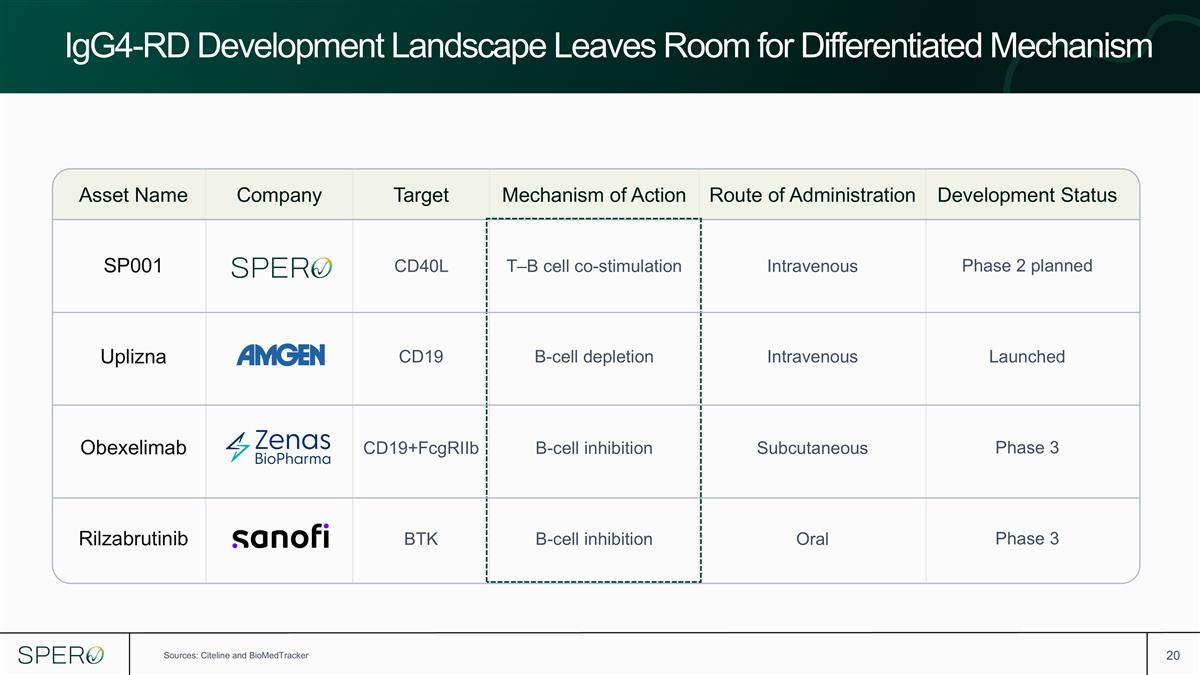
Asset Name Company Target Mechanism of Action Route of Administration Development Status SP001 CD40L T–B cell co-stimulation Intravenous Phase 2 planned Uplizna CD19 B-cell depletion Intravenous Launched Obexelimab CD19+FcgRIIb B-cell inhibition Subcutaneous Phase 3 Rilzabrutinib BTK B-cell inhibition Oral Phase 3 Sources: Citeline and BioMedTracker IgG4-RD Development Landscape Leaves Room for Differentiated Mechanism
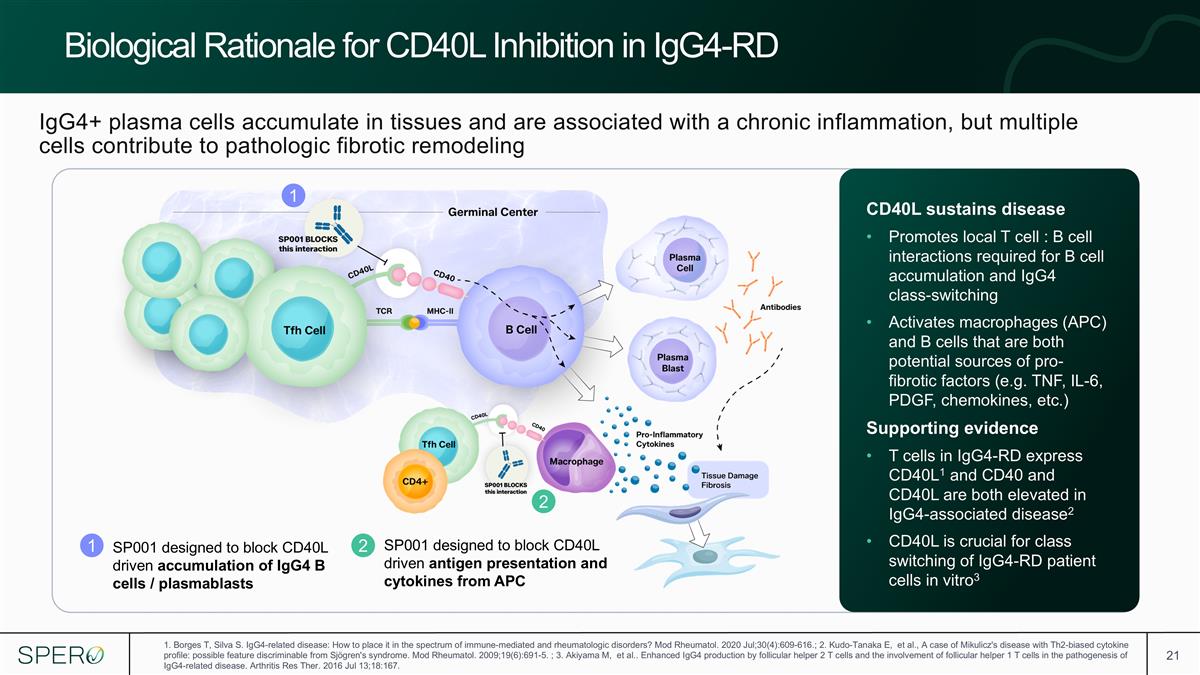
1. Borges T, Silva S. IgG4-related disease: How to place it in the spectrum of immune-mediated and rheumatologic disorders? Mod Rheumatol. 2020 Jul;30(4):609-616.; 2. Kudo-Tanaka E, et al., A case of Mikulicz's disease with Th2-biased cytokine profile: possible feature discriminable from Sjögren's syndrome. Mod Rheumatol. 2009;19(6):691-5. ; 3. Akiyama M, et al.. Enhanced IgG4 production by follicular helper 2 T cells and the involvement of follicular helper 1 T cells in the pathogenesis of IgG4-related disease. Arthritis Res Ther. 2016 Jul 13;18:167. Biological Rationale for CD40L Inhibition in IgG4-RD CD40L sustains disease Promotes local T cell : B cell interactions required for B cell accumulation and IgG4 class-switching Activates macrophages (APC) and B cells that are both potential sources of pro-fibrotic factors (e.g. TNF, IL-6, PDGF, chemokines, etc.) Supporting evidence T cells in IgG4-RD express CD40L1 and CD40 and CD40L are both elevated in IgG4-associated disease2 CD40L is crucial for class switching of IgG4-RD patient cells in vitro3 SP001 designed to block CD40L driven antigen presentation and cytokines from APC 1 2 SP001 designed to block CD40L driven accumulation of IgG4 B cells / plasmablasts 1 2 IgG4+ plasma cells accumulate in tissues and are associated with a chronic inflammation, but multiple cells contribute to pathologic fibrotic remodeling
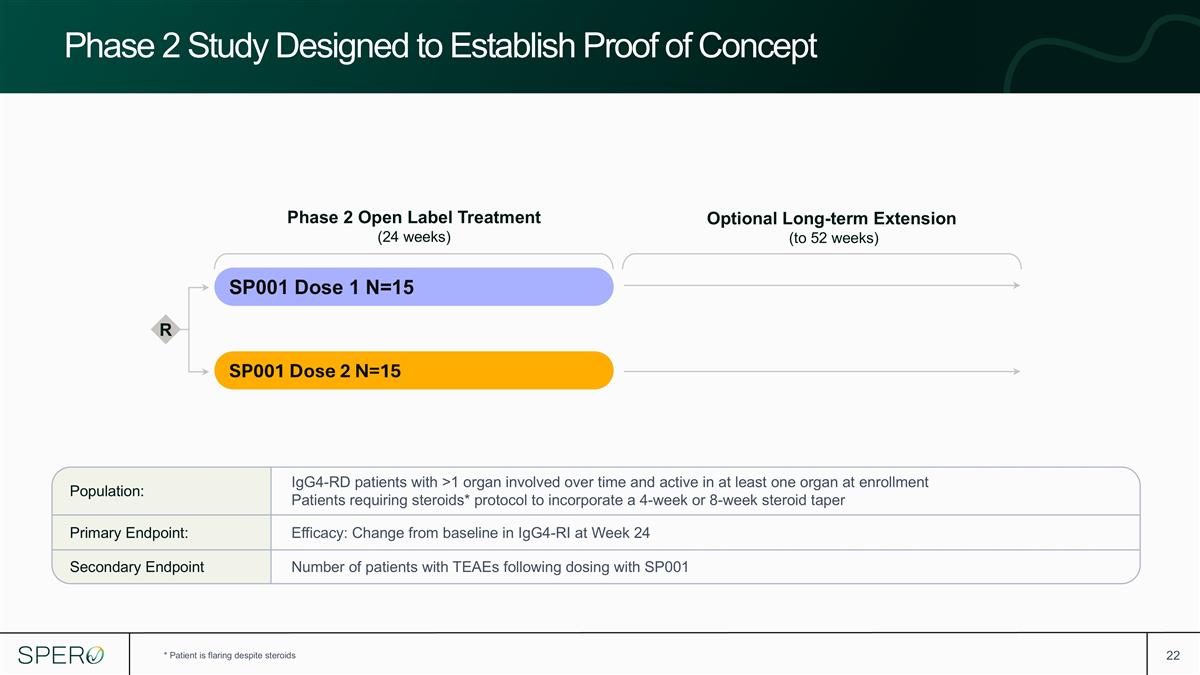
* Patient is flaring despite steroids Phase 2 Study Designed to Establish Proof of Concept Phase 2 Open Label Treatment (24 weeks) Optional Long-term Extension (to 52 weeks) SP001 Dose 1 N=15 SP001 Dose 2 N=15 R Population: IgG4-RD patients with >1 organ involved over time and active in at least one organ at enrollment Patients requiring steroids* protocol to incorporate a 4-week or 8-week steroid taper Primary Endpoint: Efficacy: Change from baseline in IgG4-RI at Week 24 Secondary Endpoint Number of patients with TEAEs following dosing with SP001

Expansion Opportunities
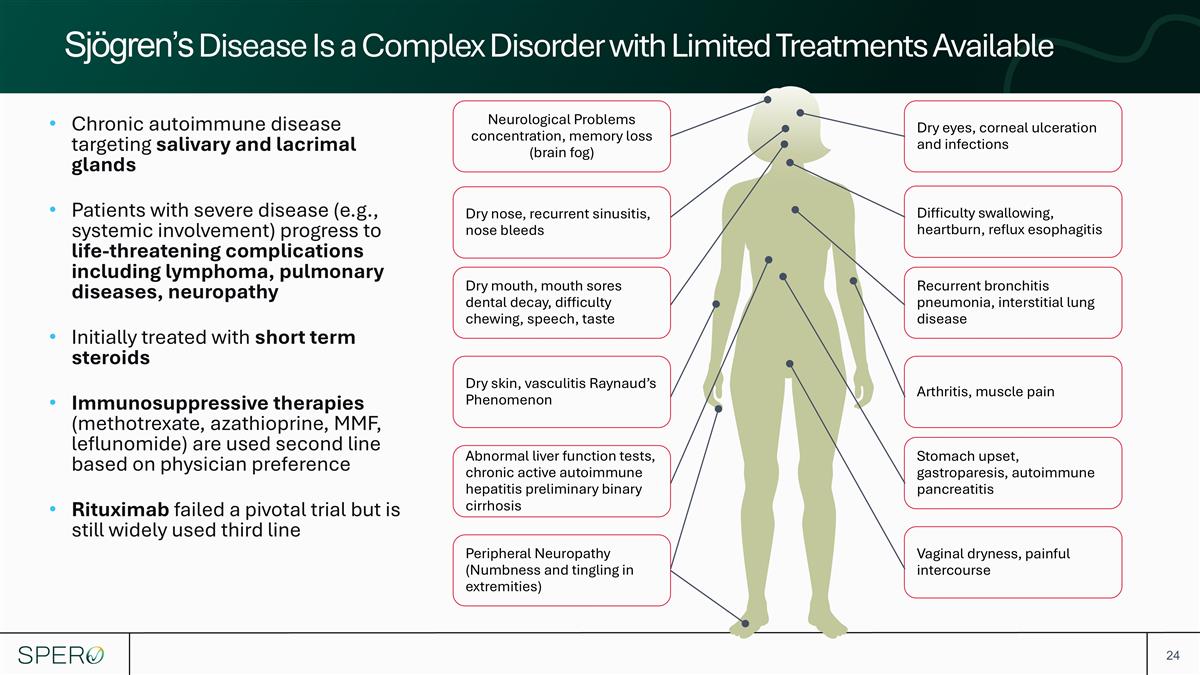
Neurological Problems concentration, memory loss (brain fog) Dry nose, recurrent sinusitis, nose bleeds Dry mouth, mouth sores dental decay, difficulty chewing, speech, taste Dry eyes, corneal ulceration and infections Difficulty swallowing, heartburn, reflux esophagitis Recurrent bronchitis pneumonia, interstitial lung disease Dry skin, vasculitis Raynaud’s Phenomenon Abnormal liver function tests, chronic active autoimmune hepatitis preliminary binary cirrhosis Peripheral Neuropathy (Numbness and tingling in extremities) Arthritis, muscle pain Stomach upset, gastroparesis, autoimmune pancreatitis Vaginal dryness, painful intercourse Sjögren’s Disease Is a Complex Disorder with Limited Treatments Available Chronic autoimmune disease targeting salivary and lacrimal glands Patients with severe disease (e.g., systemic involvement) progress to life-threatening complications including lymphoma, pulmonary diseases, neuropathy Initially treated with short term steroids Immunosuppressive therapies (methotrexate, azathioprine, MMF, leflunomide) are used second line based on physician preference Rituximab failed a pivotal trial but is still widely used third line
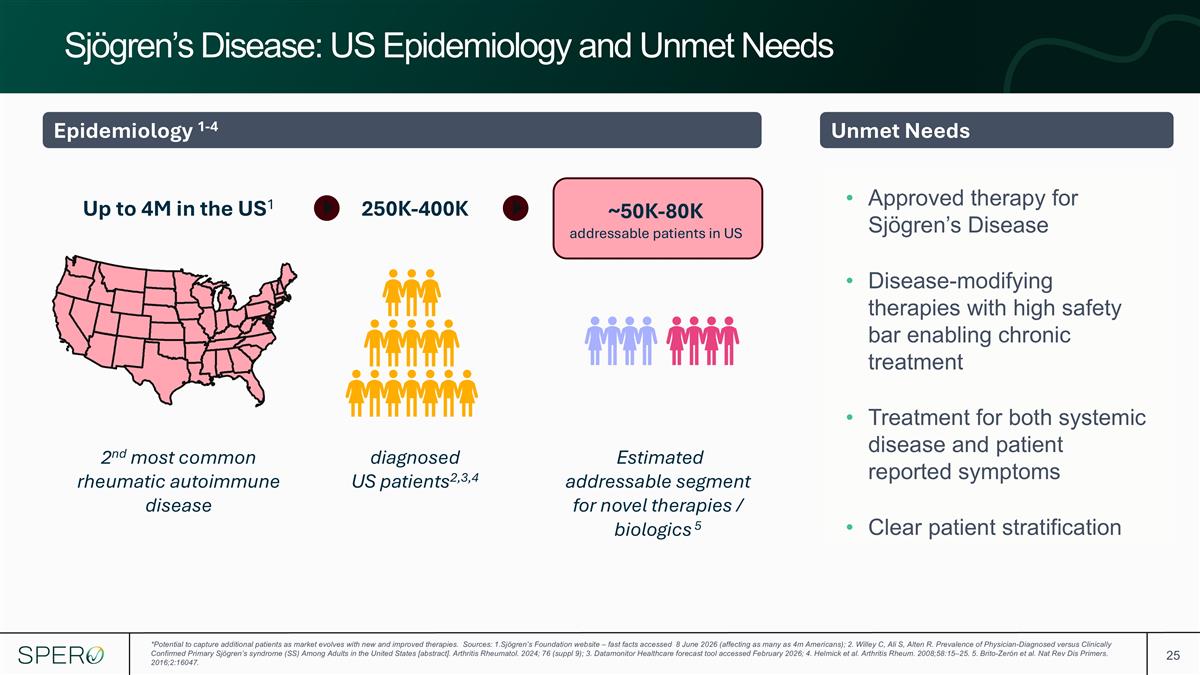
Epidemiology 1-4 *Potential to capture additional patients as market evolves with new and improved therapies. Sources: 1.Sjögren’s Foundation website – fast facts accessed 8 June 2026 (affecting as many as 4m Americans); 2. Willey C, Ali S, Alten R. Prevalence of Physician-Diagnosed versus Clinically Confirmed Primary Sjögren’s syndrome (SS) Among Adults in the United States [abstract]. Arthritis Rheumatol. 2024; 76 (suppl 9); 3. Datamonitor Healthcare forecast tool accessed February 2026; 4. Helmick et al. Arthritis Rheum. 2008;58:15–25. 5. Brito-Zerón et al. Nat Rev Dis Primers. 2016;2:16047. Sjögren’s Disease: US Epidemiology and Unmet Needs Unmet Needs 2nd most common rheumatic autoimmune disease Up to 4M in the US1 Estimated addressable segment for novel therapies / biologics 5 ~50K-80K addressable patients in US diagnosed US patients2,3,4 250K-400K Approved therapy for Sjögren’s Disease Disease-modifying therapies with high safety bar enabling chronic treatment Treatment for both systemic disease and patient reported symptoms Clear patient stratification
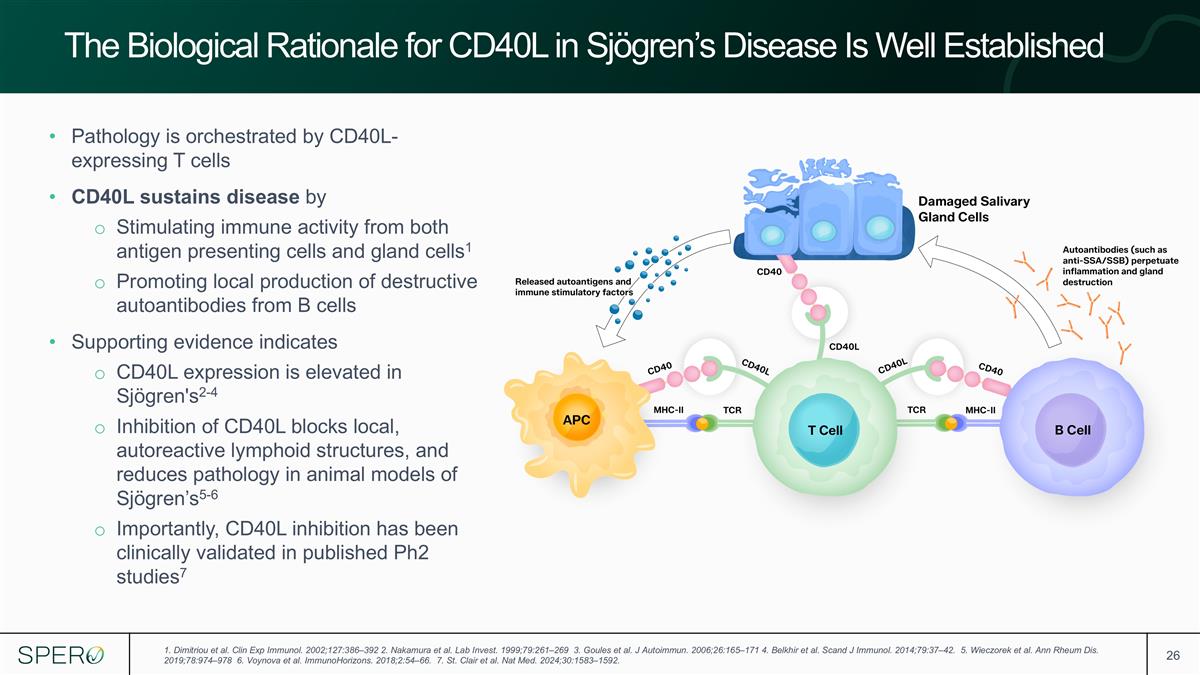
The Biological Rationale for CD40L in Sjögren’s Disease Is Well Established 1. Dimitriou et al. Clin Exp Immunol. 2002;127:386–392 2. Nakamura et al. Lab Invest. 1999;79:261–269 3. Goules et al. J Autoimmun. 2006;26:165–171 4. Belkhir et al. Scand J Immunol. 2014;79:37–42. 5. Wieczorek et al. Ann Rheum Dis. 2019;78:974–978 6. Voynova et al. ImmunoHorizons. 2018;2:54–66. 7. St. Clair et al. Nat Med. 2024;30:1583–1592. Pathology is orchestrated by CD40L-expressing T cells CD40L sustains disease by Stimulating immune activity from both antigen presenting cells and gland cells1 Promoting local production of destructive autoantibodies from B cells Supporting evidence indicates CD40L expression is elevated in Sjögren's2-4 Inhibition of CD40L blocks local, autoreactive lymphoid structures, and reduces pathology in animal models of Sjögren’s5-6 Importantly, CD40L inhibition has been clinically validated in published Ph2 studies7
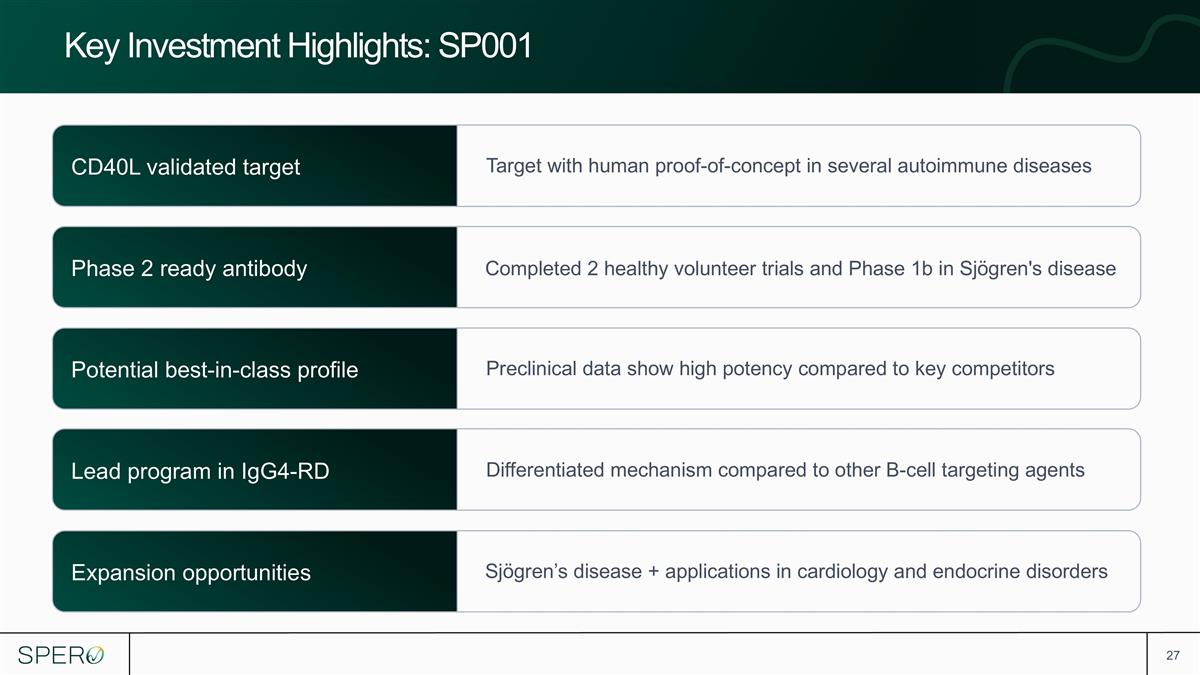
Key Investment Highlights: SP001 Sjögren’s disease + applications in cardiology and endocrine disorders Target with human proof-of-concept in several autoimmune diseases Differentiated mechanism compared to other B-cell targeting agents Preclinical data show high potency compared to key competitors Completed 2 healthy volunteer trials and Phase 1b in Sjögren's disease Expansion opportunities Lead program in IgG4-RD Phase 2 ready antibody Potential best-in-class profile CD40L validated target
Thank You Spero Therapeutics www.sperotx.com