Forte FB102 Phase 1b Vitiligo Data July 9, 2026 Exhibit 99.2
Cautionary Note Regarding Forward-Looking Statements Certain statements contained in this presentation regarding matters that are not historical facts, are forward-looking statements within the meaning of Section 2IE of the Securities and Exchange Act of 1934, as amended, and the Private Securities Litigation Act of 1995, known as the PSLRA. These include statements regarding management's intention, plans, beliefs, expectations or forecasts for the future, and, therefore, you are cautioned not to place undue reliance on them. No forward-looking statement can be guaranteed, and actual results may differ materially from those projected. Forte Biosciences, Inc. ("we", the "Company" or "Forte") undertakes no obligation to publicly update any forward-looking statement, whether as a result of new information, future events or otherwise, except to the extent required by law. We use words such as "anticipates," "believes," "plans," "expects," "projects," "intends," "may," "will," "should," "could," "estimates," "predicts," "potential," "continue," "guidance," and similar expressions to identify these forward-looking statements that are intended to be covered by the safe-harbor provisions of the PSLRA. Such forward-looking statements are based on our expectations and involve risks and uncertainties; consequently, actual results may differ materially from those expressed or implied in the statements due to a number of factors, including, but not limited to, risks relating to the business and prospects of the Company; Forte's plans to develop and potentially commercialize its product candidates, including FB102; the risk that results from preclinical studies and early-clinical trials, including any interim results of Forte’s ongoing clinical trials, completed by Forte and third parties may not be predictive of results from later-stage clinical trials; the timing of initiation of Forte's planned clinical trials; expectations for patient enrollment and timing of clinical data readouts, any interim result of our ongoing clinical trials; the timing of any planned investigational new drug application or new drug application; Forte's plans to research, develop and commercialize its current and future product candidates; Forte's projections of the size of the market in certain indications for FB102; the clinical utility, potential benefits and market acceptance of Forte's product candidates: Forte's commercialization, marketing and manufacturing capabilities and strategy; developments and projections relating to Forte's competitors and its industry; the impact of government laws and regulations; Forte's ability to protect its intellectual property position; Forte's estimates regarding future revenue, expenses, capital requirements and need for additional financing; and the impact of global events on the Company, the Company's industry or the economy generally. Forte has based these forward-looking statements largely on its current expectations and projections about future events and trends that it believes may affect its financial condition, results of operations, business strategy and financial needs, and these statements represent our views as of the date of this presentation. Forte may not actually achieve the plans, intentions or expectations disclosed in these forward-looking statements, and you should not place undue reliance on these forward-looking statements. Forward-looking statements are inherently subject to risks and uncertainties, some of which cannot be predicted or quantified. Information regarding certain risks, uncertainties and assumptions may be found in Forte’s filings with the Securities and Exchange Commission, including under the caption "Risk Factors" and elsewhere in Forte’s Annual Report on Form 10-K for the year ending December 31, 2025, and other filings with the Securities and Exchange Commission. New risk factors emerge from time to time and it is not possible for Forte’s management team to predict all risk factors or assess the impact of all factors on the business or the extent to which any factor, or combination of factors, may cause actual results to differ materially from those contained in, or implied by, any forward-looking statements. While Forte may elect to update these forward-looking statements at some point in the future, Forte specifically disclaims any obligation to do so. These forward-looking statements should not be relied upon as representing our views as of any date subsequent to the date of this presentation.
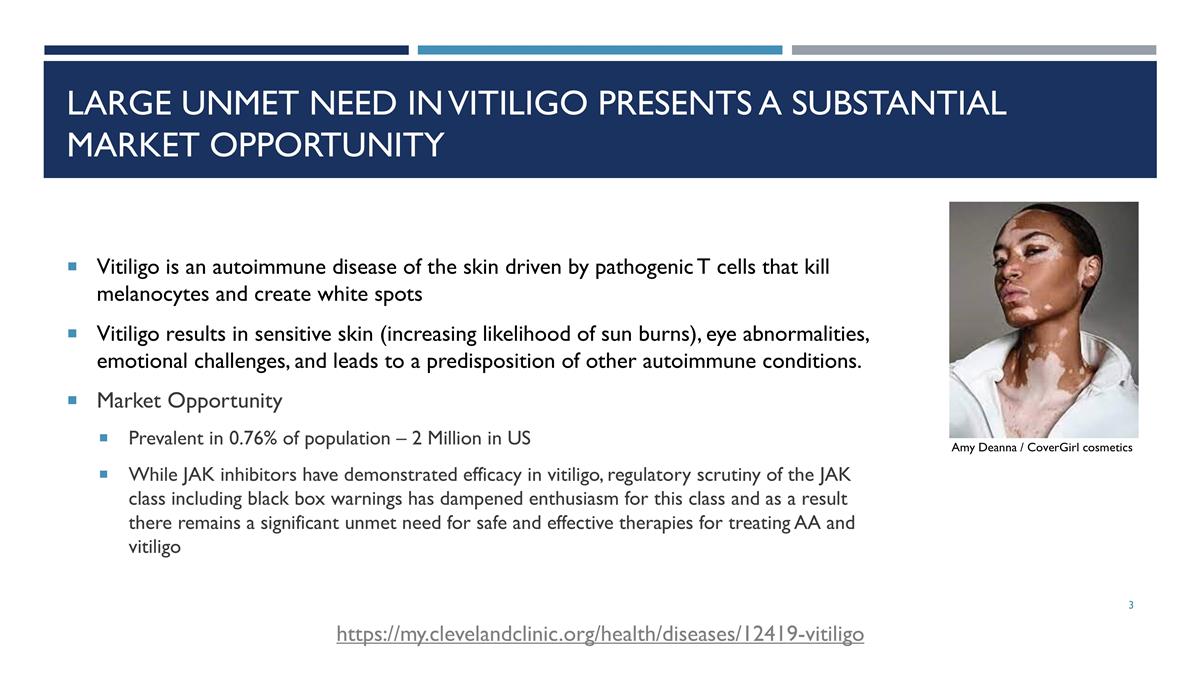
Large unmet need in vitiligo presents a SUBSTANTIAL MARKET opportunity Vitiligo is an autoimmune disease of the skin driven by pathogenic T cells that kill melanocytes and create white spots Vitiligo results in sensitive skin (increasing likelihood of sun burns), eye abnormalities, emotional challenges, and leads to a predisposition of other autoimmune conditions. Market Opportunity Prevalent in 0.76% of population – 2 Million in US While JAK inhibitors have demonstrated efficacy in vitiligo, regulatory scrutiny of the JAK class including black box warnings has dampened enthusiasm for this class and as a result there remains a significant unmet need for safe and effective therapies for treating AA and vitiligo https://my.clevelandclinic.org/health/diseases/12419-vitiligo Amy Deanna / CoverGirl cosmetics
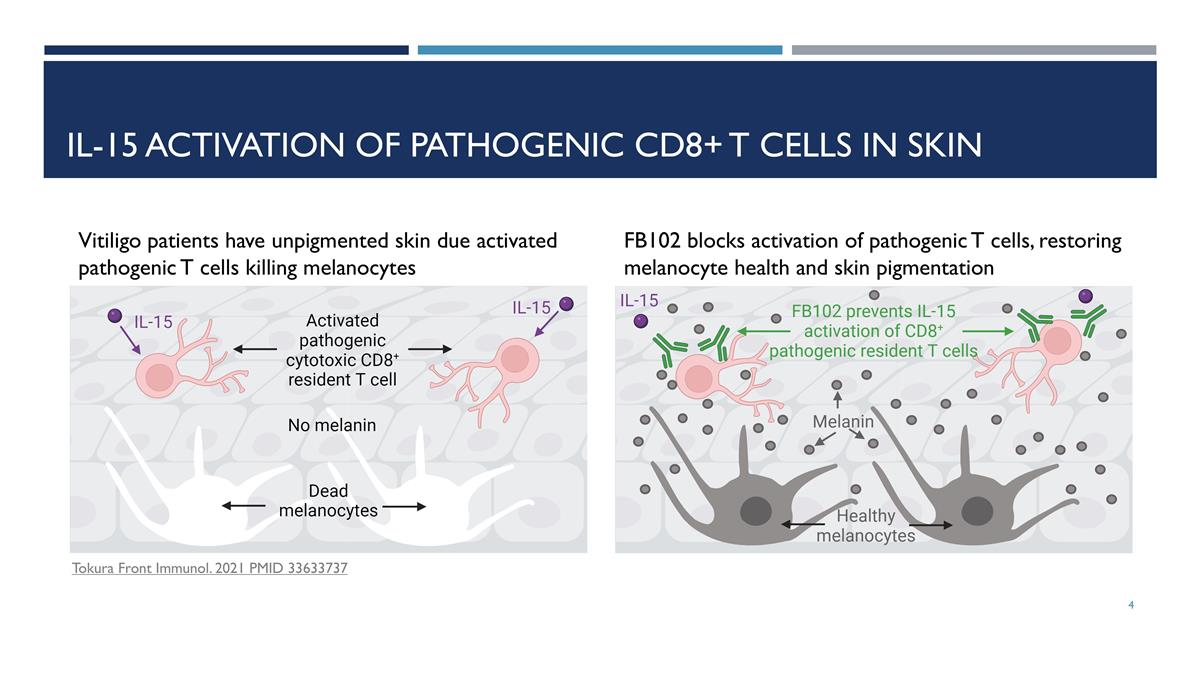
IL-15 activation of pathogenic CD8+ T cells in skin Vitiligo patients have unpigmented skin due activated pathogenic T cells killing melanocytes FB102 blocks activation of pathogenic T cells, restoring melanocyte health and skin pigmentation Tokura Front Immunol. 2021 PMID 33633737
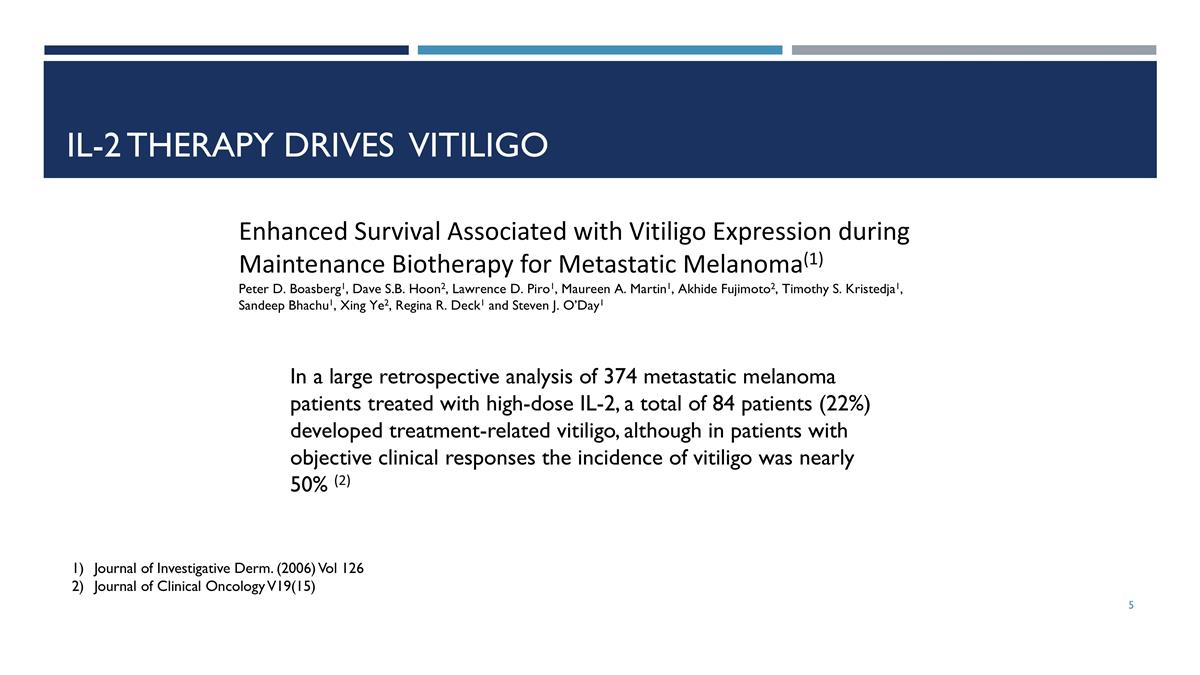
IL-2 Therapy drives vitiligo Journal of Investigative Derm. (2006) Vol 126 Journal of Clinical Oncology V19(15) Enhanced Survival Associated with Vitiligo Expression during Maintenance Biotherapy for Metastatic Melanoma(1) Peter D. Boasberg1, Dave S.B. Hoon2, Lawrence D. Piro1, Maureen A. Martin1, Akhide Fujimoto2, Timothy S. Kristedja1, Sandeep Bhachu1, Xing Ye2, Regina R. Deck1 and Steven J. O’Day1 In a large retrospective analysis of 374 metastatic melanoma patients treated with high-dose IL-2, a total of 84 patients (22%) developed treatment-related vitiligo, although in patients with objective clinical responses the incidence of vitiligo was nearly 50% (2)
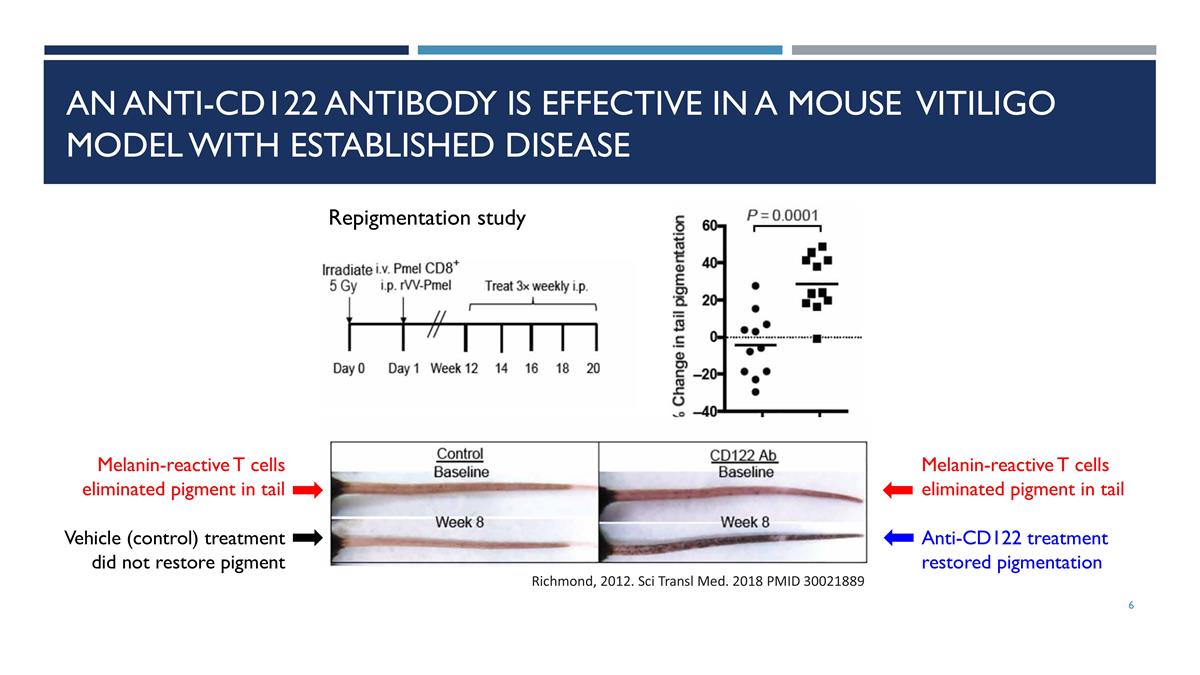
An anti-cd122 antibody is effective in a mouse vitiligo model with established disease Repigmentation study Richmond, 2012. Sci Transl Med. 2018 PMID 30021889 Melanin-reactive T cells eliminated pigment in tail Anti-CD122 treatment restored pigmentation Vehicle (control) treatment did not restore pigment Melanin-reactive T cells eliminated pigment in tail
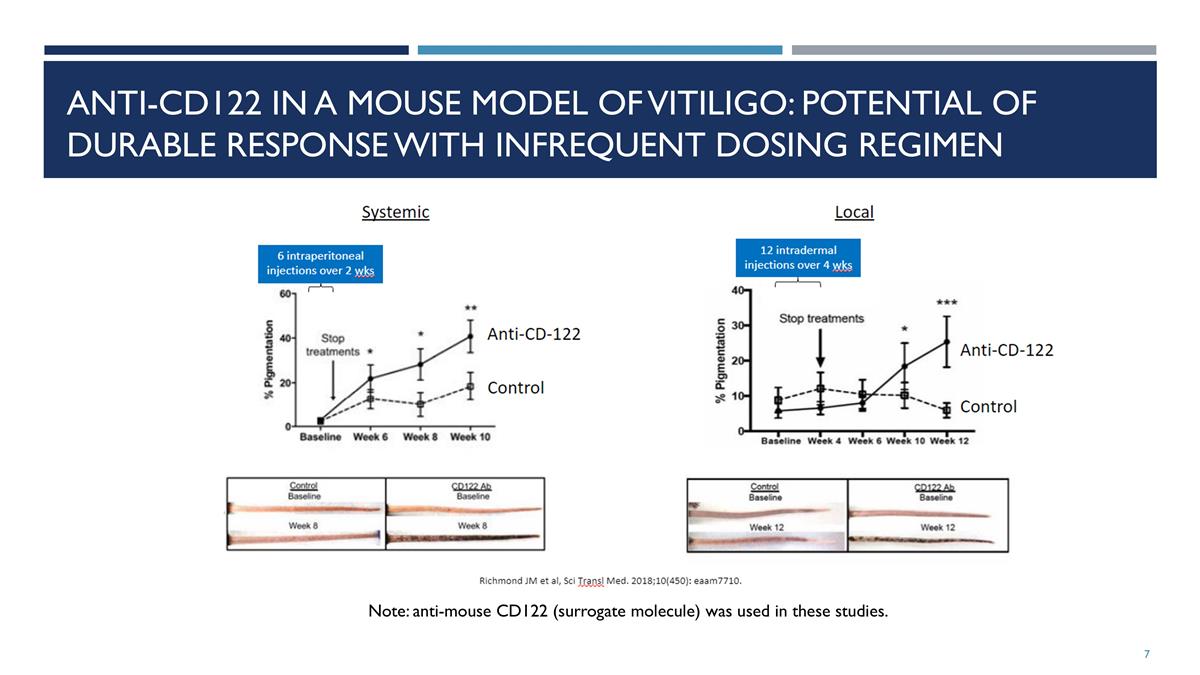
Anti-CD122 in a Mouse Model of Vitiligo: Potential of durable response with Infrequent Dosing Regimen Note: anti-mouse CD122 (surrogate molecule) was used in these studies.
FB102 Placebo Controlled Phase IB ViTIligo
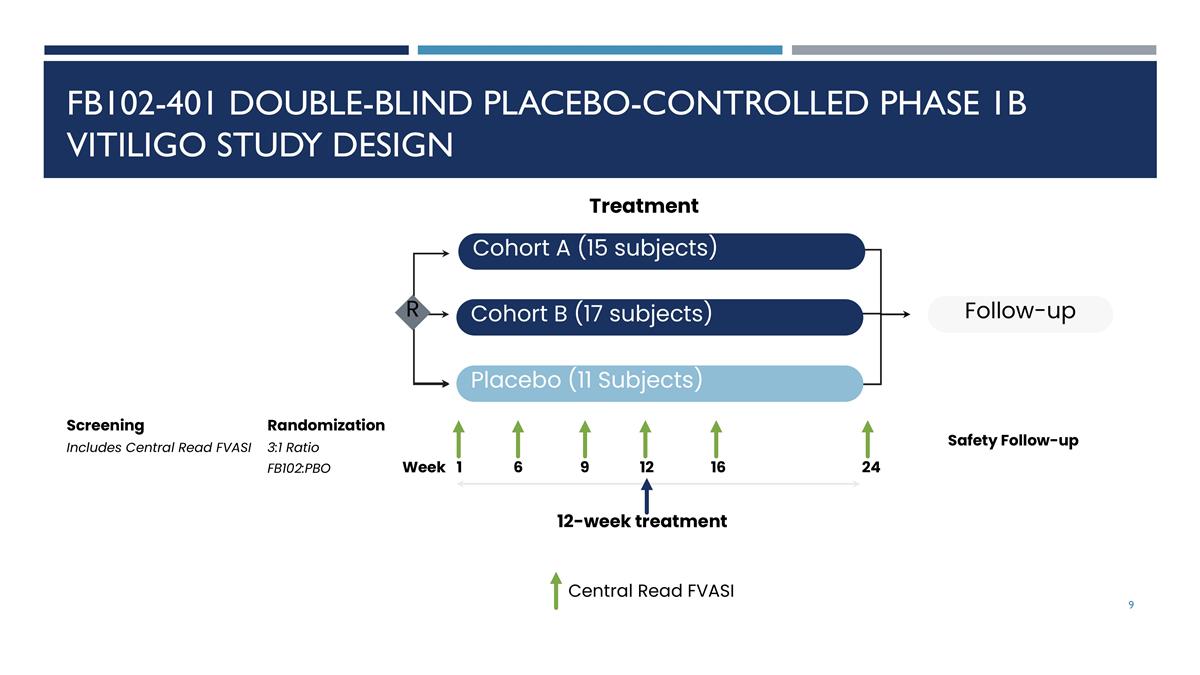
FB102-401 DOUBLE-BLIND PLACEBO-CONTROLLED Phase 1b Vitiligo STUDY DESIGN Screening Includes Central Read FVASI Randomization 3:1 Ratio FB102:PBO Safety Follow-up Treatment Week 1 6 9 12 16 24 Follow-up Cohort B (17 subjects) Placebo (11 Subjects) R Cohort A (15 subjects) Central Read FVASI 12-week treatment
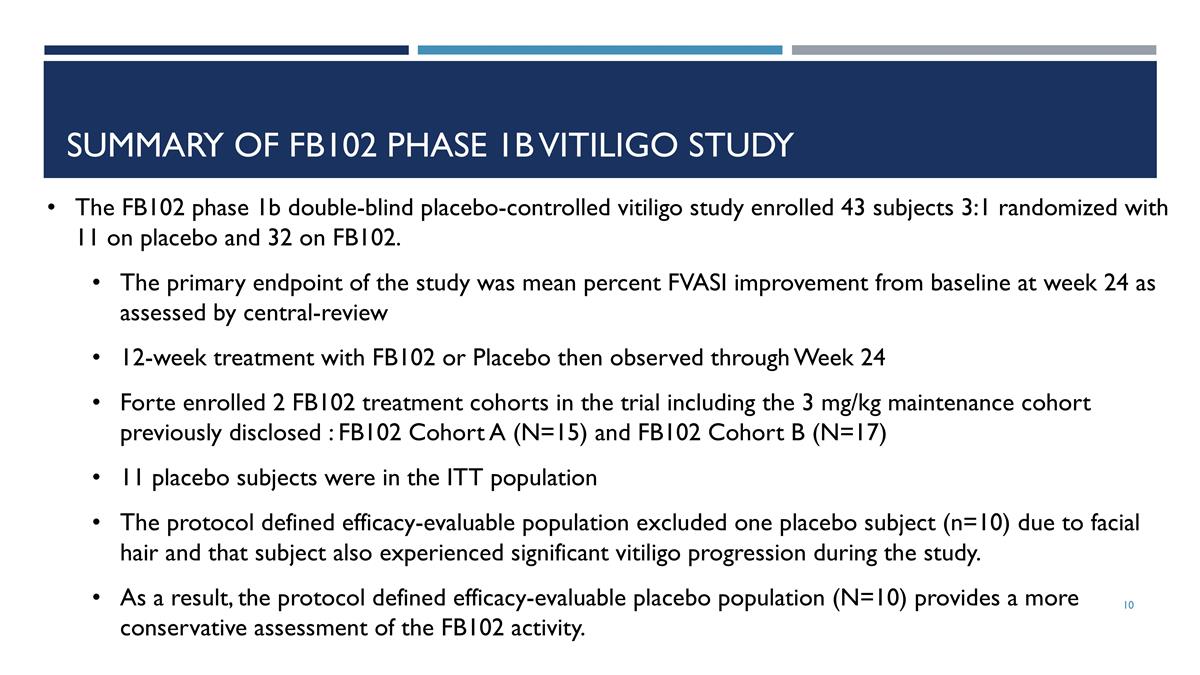
Summary of FB102 Phase 1b Vitiligo STUDY The FB102 phase 1b double-blind placebo-controlled vitiligo study enrolled 43 subjects 3:1 randomized with 11 on placebo and 32 on FB102. The primary endpoint of the study was mean percent FVASI improvement from baseline at week 24 as assessed by central-review 12-week treatment with FB102 or Placebo then observed through Week 24 Forte enrolled 2 FB102 treatment cohorts in the trial including the 3 mg/kg maintenance cohort previously disclosed : FB102 Cohort A (N=15) and FB102 Cohort B (N=17) 11 placebo subjects were in the ITT population The protocol defined efficacy-evaluable population excluded one placebo subject (n=10) due to facial hair and that subject also experienced significant vitiligo progression during the study. As a result, the protocol defined efficacy-evaluable placebo population (N=10) provides a more conservative assessment of the FB102 activity.
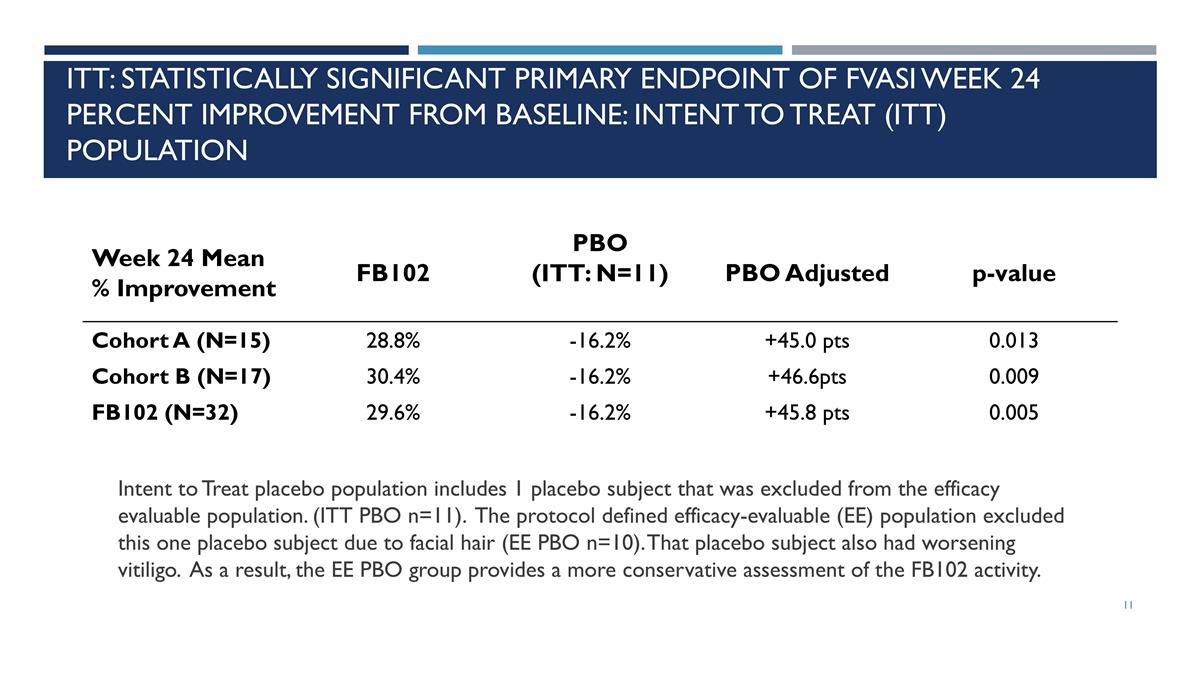
ITT: STATISTICALLY SIGNIFICANT PRIMARY ENDPOINT OF Fvasi week 24 percent improvement from baseline: Intent to treat (ITT) population Week 24 Mean % Improvement FB102 PBO (ITT: N=11) PBO Adjusted p-value Cohort A (N=15) 28.8% -16.2% +45.0 pts 0.013 Cohort B (N=17) 30.4% -16.2% +46.6pts 0.009 FB102 (N=32) 29.6% -16.2% +45.8 pts 0.005 Intent to Treat placebo population includes 1 placebo subject that was excluded from the efficacy evaluable population. (ITT PBO n=11). The protocol defined efficacy-evaluable (EE) population excluded this one placebo subject due to facial hair (EE PBO n=10). That placebo subject also had worsening vitiligo. As a result, the EE PBO group provides a more conservative assessment of the FB102 activity.
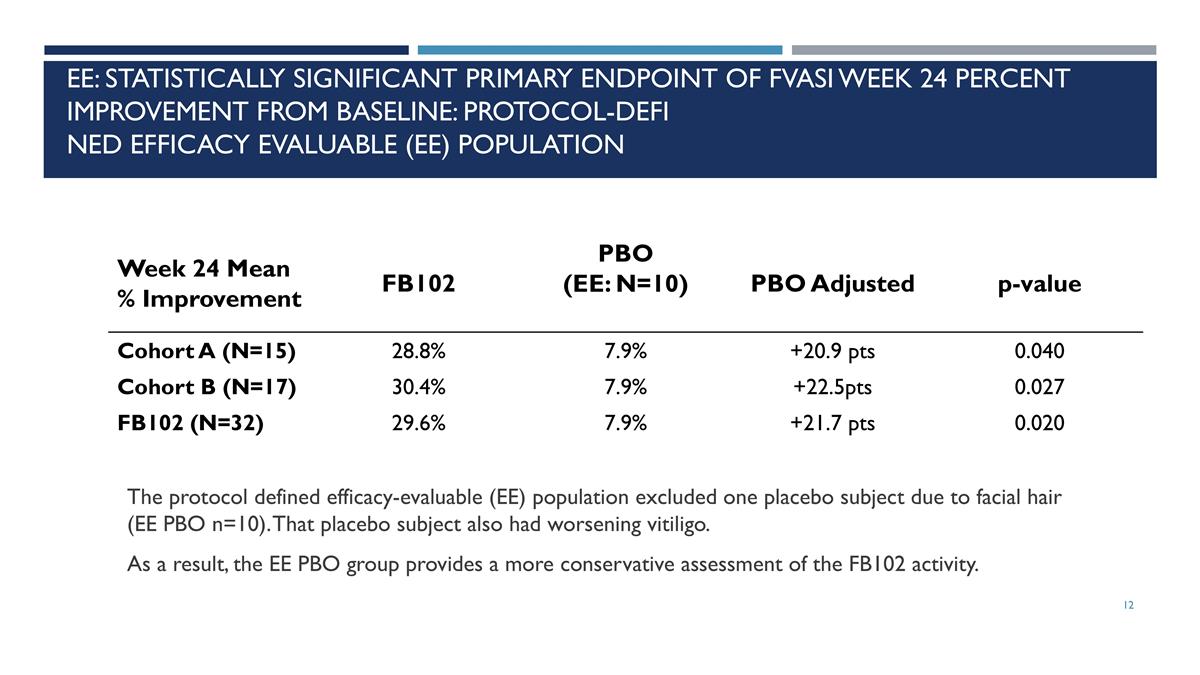
EE: STATISTICALLY SIGNIFICANT PRIMARY ENDPOiNT OF FVASI week 24 percent improvement from baseline: PROTOCOL-DEFI NED Efficacy evaluable (EE) population Week 24 Mean % Improvement FB102 PBO (EE: N=10) PBO Adjusted p-value Cohort A (N=15) 28.8% 7.9% +20.9 pts 0.040 Cohort B (N=17) 30.4% 7.9% +22.5pts 0.027 FB102 (N=32) 29.6% 7.9% +21.7 pts 0.020 The protocol defined efficacy-evaluable (EE) population excluded one placebo subject due to facial hair (EE PBO n=10). That placebo subject also had worsening vitiligo. As a result, the EE PBO group provides a more conservative assessment of the FB102 activity.
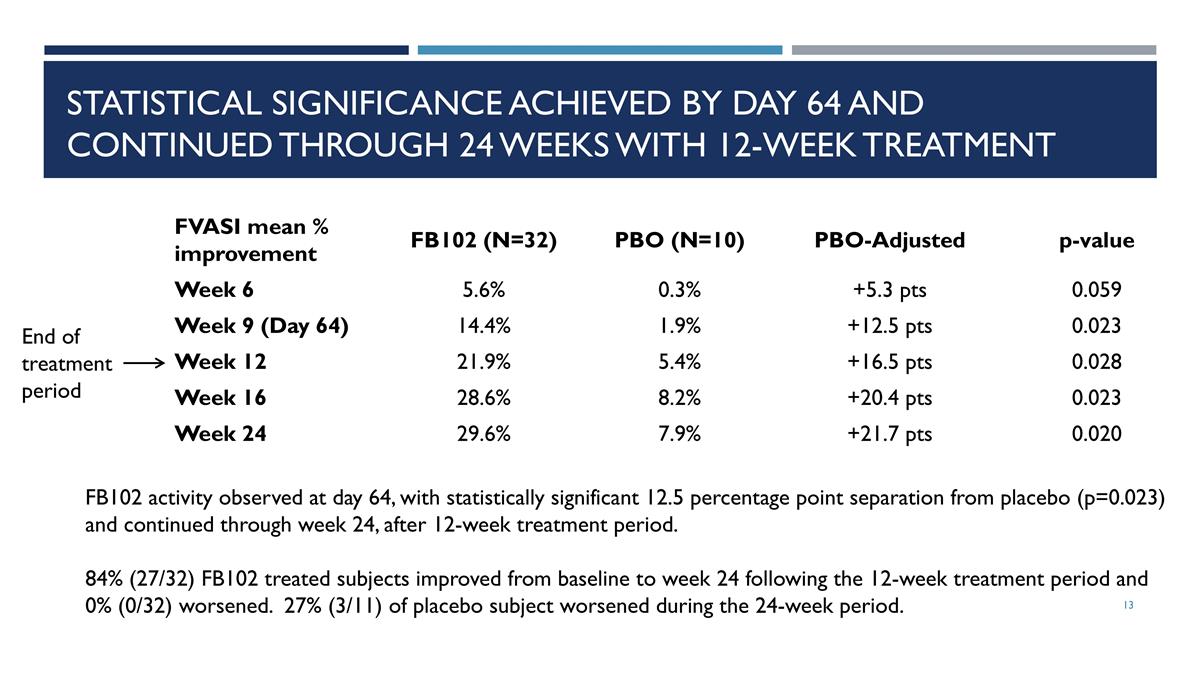
STATISTICAL SIGNIFICANCE ACHIEVED BY DAY 64 and continued through 24 weeks with 12-Week TREATMENT FVASI mean % improvement FB102 (N=32) PBO (N=10) PBO-Adjusted p-value Week 6 5.6% 0.3% +5.3 pts 0.059 Week 9 (Day 64) 14.4% 1.9% +12.5 pts 0.023 Week 12 21.9% 5.4% +16.5 pts 0.028 Week 16 28.6% 8.2% +20.4 pts 0.023 Week 24 29.6% 7.9% +21.7 pts 0.020 End of treatment period FB102 activity observed at day 64, with statistically significant 12.5 percentage point separation from placebo (p=0.023) and continued through week 24, after 12-week treatment period. 84% (27/32) FB102 treated subjects improved from baseline to week 24 following the 12-week treatment period and 0% (0/32) worsened. 27% (3/11) of placebo subject worsened during the 24-week period.
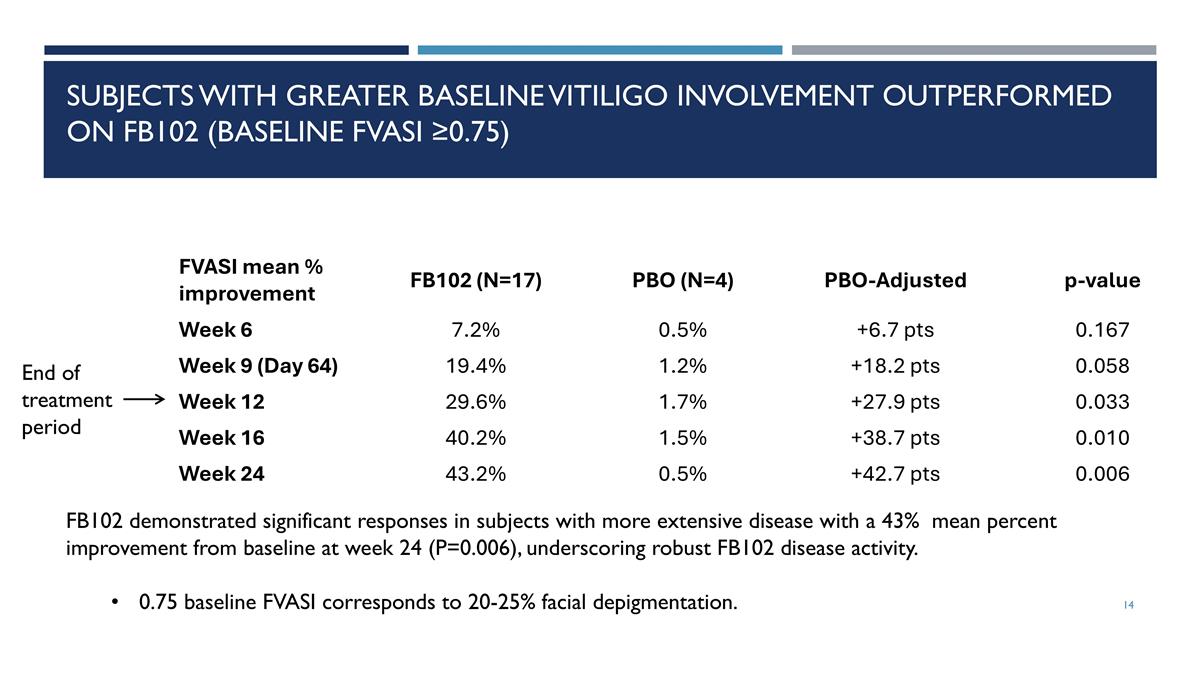
SUBJECTs WITH GREATER BASELINE VITILIGO INVOLVEMENT OUTPERFORMED ON FB102 (baseline FVASI ≥0.75) FVASI mean % improvement FB102 (N=17) PBO (N=4) PBO-Adjusted p-value Week 6 7.2% 0.5% +6.7 pts 0.167 Week 9 (Day 64) 19.4% 1.2% +18.2 pts 0.058 Week 12 29.6% 1.7% +27.9 pts 0.033 Week 16 40.2% 1.5% +38.7 pts 0.010 Week 24 43.2% 0.5% +42.7 pts 0.006 End of treatment period FB102 demonstrated significant responses in subjects with more extensive disease with a 43% mean percent improvement from baseline at week 24 (P=0.006), underscoring robust FB102 disease activity. 0.75 baseline FVASI corresponds to 20-25% facial depigmentation.
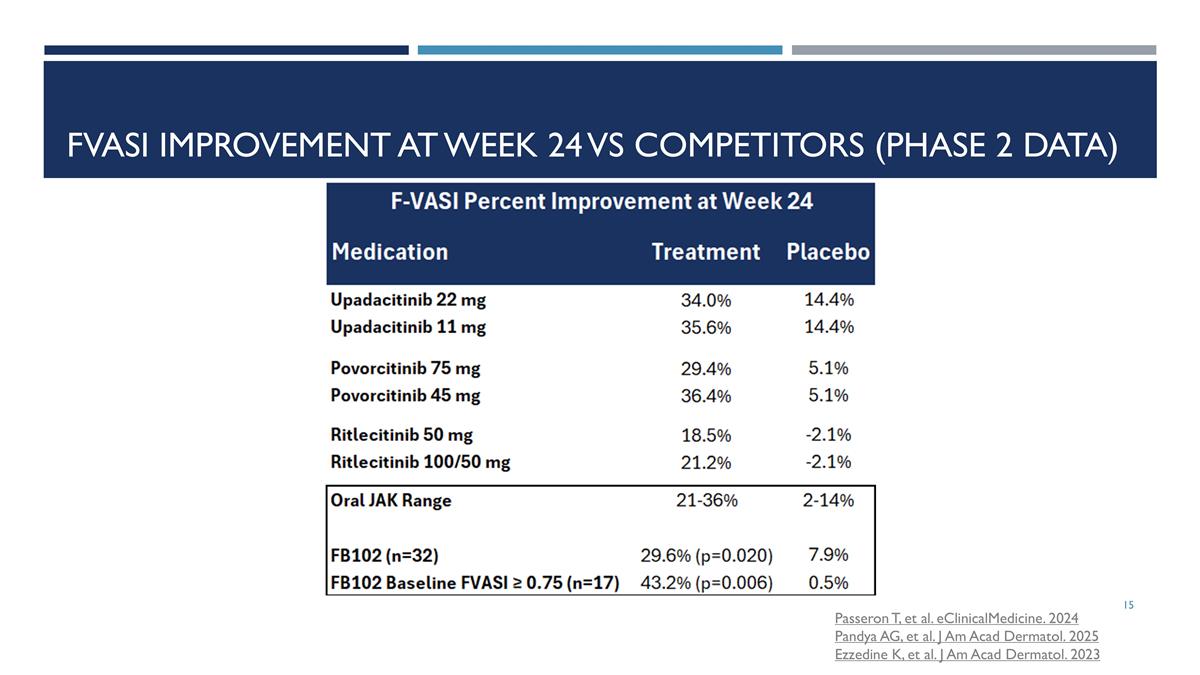
Fvasi improvement at week 24 vs competitors (Phase 2 data) 5 Passeron T, et al. eClinicalMedicine. 2024 Pandya AG, et al. J Am Acad Dermatol. 2025 Ezzedine K, et al. J Am Acad Dermatol. 2023
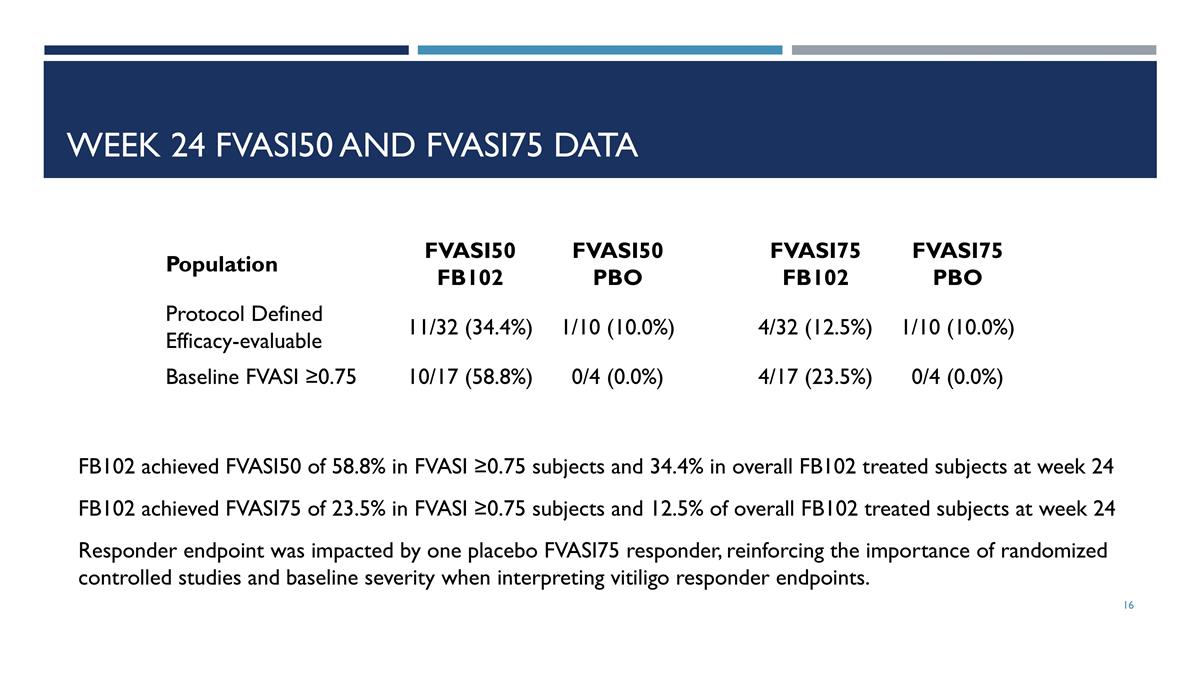
Week 24 Fvasi50 and fvasi75 data Population FVASI50 FB102 FVASI50 PBO FVASI75 FB102 FVASI75 PBO Protocol Defined Efficacy-evaluable 11/32 (34.4%) 1/10 (10.0%) 4/32 (12.5%) 1/10 (10.0%) Baseline FVASI ≥0.75 10/17 (58.8%) 0/4 (0.0%) 4/17 (23.5%) 0/4 (0.0%) FB102 achieved FVASI50 of 58.8% in FVASI ≥0.75 subjects and 34.4% in overall FB102 treated subjects at week 24 FB102 achieved FVASI75 of 23.5% in FVASI ≥0.75 subjects and 12.5% of overall FB102 treated subjects at week 24 Responder endpoint was impacted by one placebo FVASI75 responder, reinforcing the importance of randomized controlled studies and baseline severity when interpreting vitiligo responder endpoints.
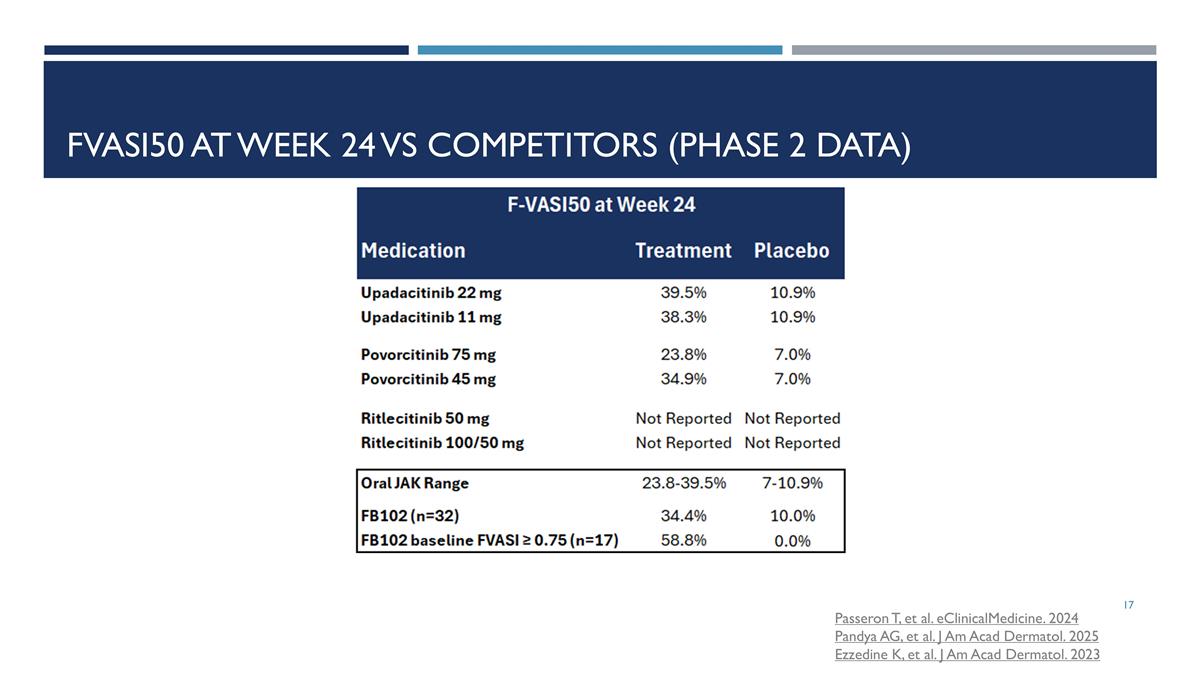
Fvasi50 at week 24 vs competitors (Phase 2 Data) Passeron T, et al. eClinicalMedicine. 2024 Pandya AG, et al. J Am Acad Dermatol. 2025 Ezzedine K, et al. J Am Acad Dermatol. 2023
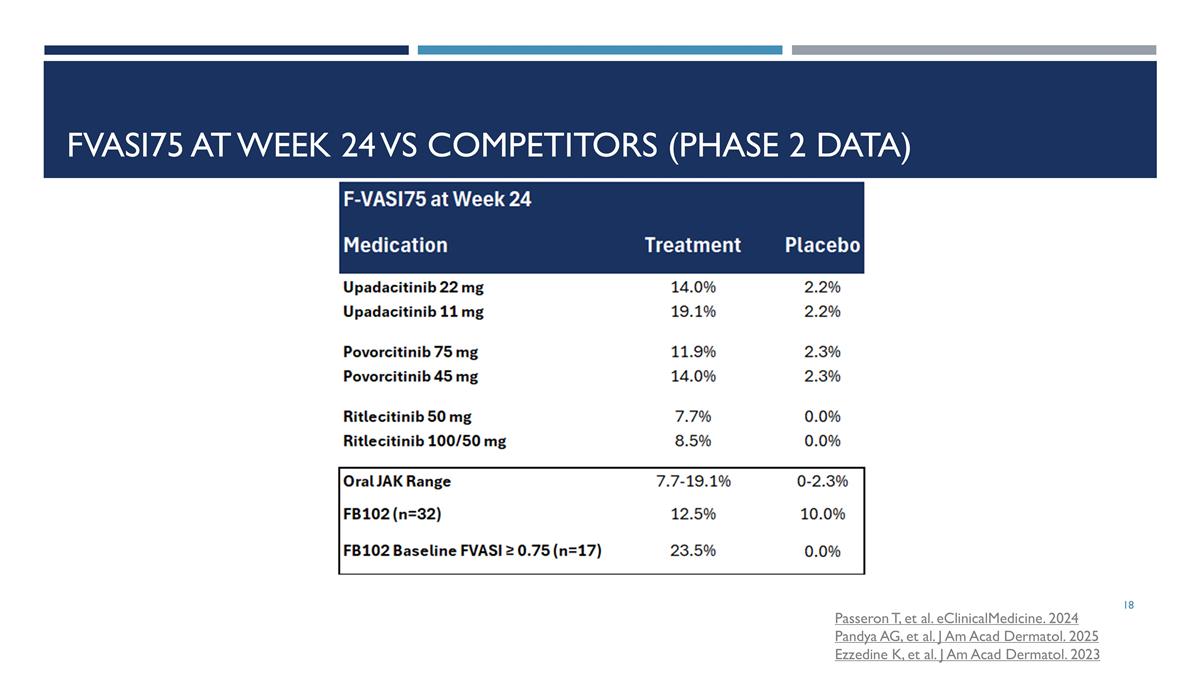
Fvasi75 at week 24 vs competitors (Phase 2 data) Passeron T, et al. eClinicalMedicine. 2024 Pandya AG, et al. J Am Acad Dermatol. 2025 Ezzedine K, et al. J Am Acad Dermatol. 2023
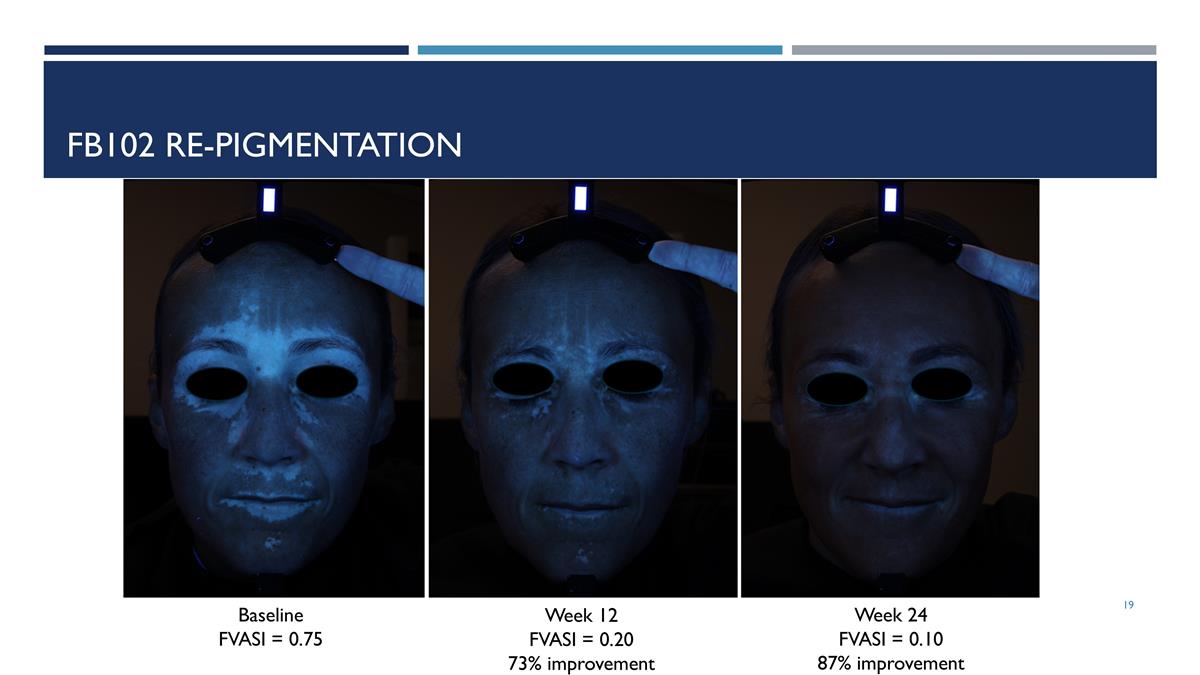
FB102 re-pigmentation Baseline FVASI = 0.75 Week 12 FVASI = 0.20 73% improvement Week 24 FVASI = 0.10 87% improvement
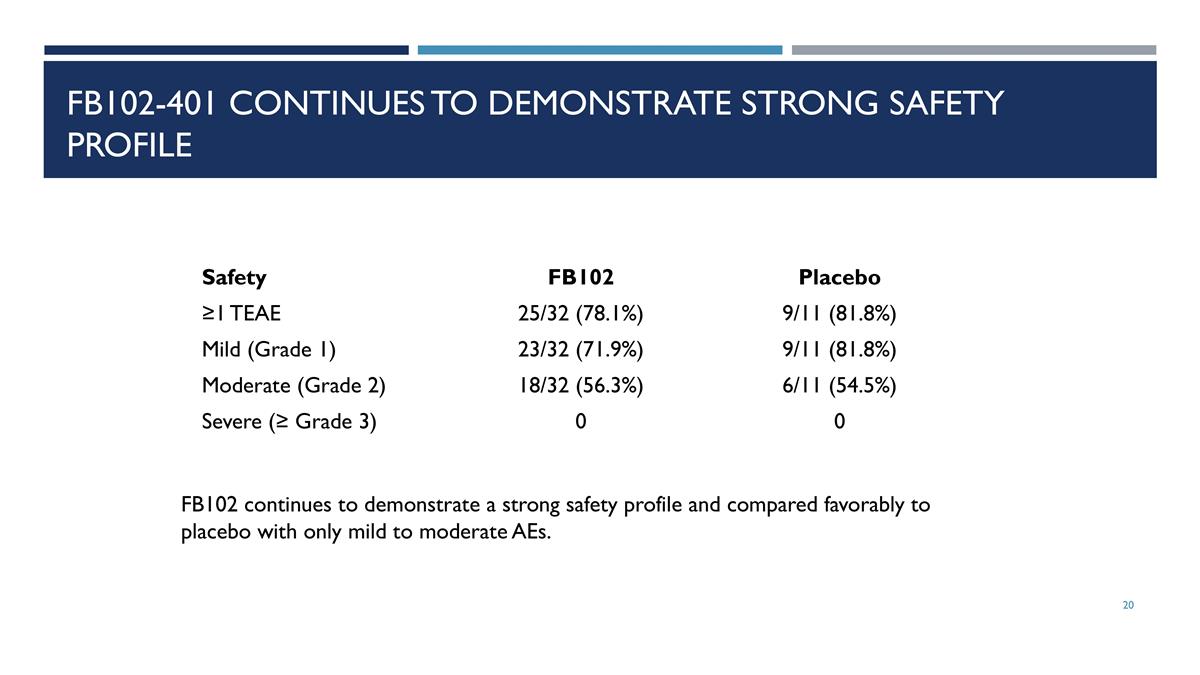
FB102-401 CONTINUES TO DEMONSTRATE STRONG Safety PROFILE Safety FB102 Placebo ≥1 TEAE 25/32 (78.1%) 9/11 (81.8%) Mild (Grade 1) 23/32 (71.9%) 9/11 (81.8%) Moderate (Grade 2) 18/32 (56.3%) 6/11 (54.5%) Severe (≥ Grade 3) 0 0 FB102 continues to demonstrate a strong safety profile and compared favorably to placebo with only mild to moderate AEs.
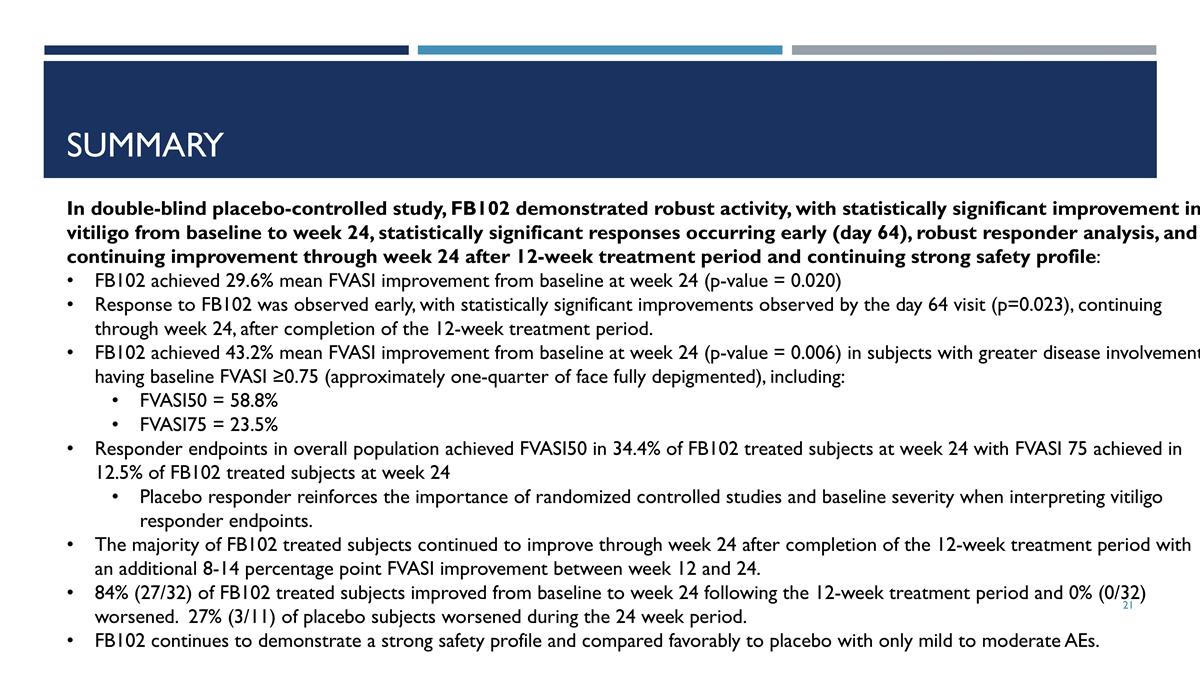
SummaRY In double-blind placebo-controlled study, FB102 demonstrated robust activity, with statistically significant improvement in vitiligo from baseline to week 24, statistically significant responses occurring early (day 64), robust responder analysis, and continuing improvement through week 24 after 12-week treatment period and continuing strong safety profile: FB102 achieved 29.6% mean FVASI improvement from baseline at week 24 (p-value = 0.020) Response to FB102 was observed early, with statistically significant improvements observed by the day 64 visit (p=0.023), continuing through week 24, after completion of the 12-week treatment period. FB102 achieved 43.2% mean FVASI improvement from baseline at week 24 (p-value = 0.006) in subjects with greater disease involvement having baseline FVASI ≥0.75 (approximately one-quarter of face fully depigmented), including: FVASI50 = 58.8% FVASI75 = 23.5% Responder endpoints in overall population achieved FVASI50 in 34.4% of FB102 treated subjects at week 24 with FVASI 75 achieved in 12.5% of FB102 treated subjects at week 24 Placebo responder reinforces the importance of randomized controlled studies and baseline severity when interpreting vitiligo responder endpoints. The majority of FB102 treated subjects continued to improve through week 24 after completion of the 12-week treatment period with an additional 8-14 percentage point FVASI improvement between week 12 and 24. 84% (27/32) of FB102 treated subjects improved from baseline to week 24 following the 12-week treatment period and 0% (0/32) worsened. 27% (3/11) of placebo subjects worsened during the 24 week period. FB102 continues to demonstrate a strong safety profile and compared favorably to placebo with only mild to moderate AEs.