Exhibit 99.D

DESCRIPTION OF THE REPUBLIC OF THE PHILIPPINES

TABLE OF CONTENTS


     Page  

CERTAIN DEFINED TERMS AND CONVENTIONS

     D-2  

SUMMARY REPUBLIC OF THE PHILIPPINES

     D-4  

REPUBLIC OF THE PHILIPPINES

     D-7  

DEBT TABLES OF THE REPUBLIC OF THE PHILIPPINES

     D-119  


D-1


CERTAIN DEFINED TERMS AND CONVENTIONS

Statistical information included in this annual report is the latest official data publicly available at the date of this annual report. Financial data provided in this annual report may be subsequently revised in accordance with the Republic’s ongoing maintenance of its economic data, and that revised data will not be distributed by the Republic to any holder of the Republic’s securities. As used in this annual report, the term “N/A” identifies statistical or financial data that is not available.

All references in this annual report (a) to the “Republic” or the “Philippines” are to the Republic of the Philippines, (b) to the “Government” are to the national government of the Philippines and (c) to “Bangko Sentral” are to Bangko Sentral ng Pilipinas, the central bank of the Philippines.

The fiscal year of the Government commences on January 1 of each year and ends on December 31 of such year.

Unless otherwise indicated, all references in this annual report to “Philippine Pesos,” “pesos” or “₱” are to the lawful national currency of the Philippines, those to “dollars,” “U.S. dollars” or “$” are to the lawful currency of the United States of America, those to “euro” and “€” are to the currency introduced on January 1, 1999 at the start of the third stage on European Economic and Monetary Union and those to “Japanese yen,” “yen” or “JPY” are to the lawful national currency of Japan. References to “SDR” are to Special Drawing Rights of the International Monetary Fund (the “IMF”).

This annual report contains translations of some peso amounts into U.S. dollars for the convenience of the reader. Unless otherwise specified, the translations were made at the exchange rate as stated in the Bangko Sentral Reference Exchange Rate Bulletin published by the Treasury Department of the Bangko Sentral on the relevant date. No representation is made that the peso amounts actually represent the U.S. dollar amounts or could have been converted into U.S. dollars at the rates indicated, at any particular rate or at all.

Economists show Gross Domestic Product (“GDP”) and Gross National Income (“GNI”) in both current and constant market prices. GDP and GNI at current market prices value a country’s output using the actual prices for each year, whereas GDP and GNI at constant market prices (also referred to as “real” GDP and GNI) value output using the prices from a base year, thereby eliminating the distorting effects of inflation and deflation. In the first quarter of 2011, the standards under the Philippine System of National Accounts (the “PSNA”) for the calculation of GDP and GNI (known as gross national product (“GNP”) prior to the 2011 revisions) were revised, changing the constant base year for these calculations from 1985 to 2000. In April 2020, the PSNA further revised the PSNA standards, changing the constant base year for GDP and GNI calculations from 2000 to 2018. See “— GDP and Major Financial Indicators.” In this annual report, unless otherwise specified, data has been presented on the basis of the PSNA standards as revised in 2020. Unless otherwise specified, growth figures for GDP and GNI in this annual report and any annual report supplement are period-on-period comparisons of real GDP and GNI, respectively, using the year ended December 31, 2018 as the base year. In March 2020, the Government stopped reporting GDP and GNI figures based on the year ended December 31, 2000.

The balance of payments statistics released by the Bangko Sentral are based on the trade-in-goods statistics compiled by the National Statistics Office (the “NSO”). In March 2013, the Bangko Sentral adopted the sixth edition of the IMF’s Balance of Payments Manual (“BPM6”) framework covering balance of payments statistics for 2011 onwards, pursuant to which the property income and expense accounts have been revised. Unless otherwise specified, balance of payments statistics in this annual report and any annual report supplement are presented on a BPM6 basis. As a result, these statistics may be different from data previously reported by the Republic.


D-2


In July 2013, the Bangko Sentral adopted a system for compiling and reporting monetary statistics called the Standardized Report Forms (the “SRF”) format as part of the Bangko Sentral’s adherence to international best practices in statistical compilation. The SRF is a unified international framework for reporting monetary and financial statistics to the IMF. Under the SRF, foreign and domestic assets reported by the Bangko Sentral are no longer presented net of liabilities; rather, liabilities are reported separately. The presentation of general Government assets, however, remains net of liabilities. The adoption of the SRF system did not result in any change to overall monetary balances. However, the Bangko Sentral has, in connection with the adoption of the SRF, also implemented certain recommendations from the IMF pertaining to the inclusion of unsecured subordinated debt and accrued interest expense, which has given rise to minor changes in amounts previously reported.

Any discrepancies in the tables included herein between the amounts listed and the totals thereof are due to rounding.


D-3


SUMMARY REPUBLIC OF THE PHILIPPINES

General

The Philippine archipelago has over 7,000 islands with a total land area of approximately 300,000 square kilometers. The islands are grouped into three geographic regions: Luzon, the largest island, in the north, covering an area of 141,395 square kilometers; Visayas in the central region, covering an area of 56,606 square kilometers; and Mindanao in the south, covering an area of 101,999 square kilometers. Manila is the Republic’s capital. As of the 2024 Census of Population and Housing (the “2024 Census”) conducted by the NSO, the Republic’s population was estimated at approximately 112.7 million.

Government and Politics

The Republic’s current constitution (the “Constitution”) was adopted by plebiscite in 1987. The ratification of the Constitution in 1987 restored a presidential form of government consisting of three branches: executive, legislative and judiciary. Executive power is vested in the President, who is elected by direct popular vote and who may serve one term of six years. Legislative authority is vested in the Congress of the Philippines, which consists of the Senate and the House of Representatives. Judicial power is vested in the Supreme Court and in various lower courts.

Economy

The Philippines has a mixed economy in which the Government is directly engaged in certain economic activities through government financial institutions (“GFIs”) and government-owned and controlled corporations (“GOCCs”), which are corporations of which at least 51% of the capital stock is owned by the Government either directly or indirectly through its instrumentalities. The Government actively encourages domestic and foreign private investment. The Philippines has undertaken liberalization of trade and investment in tandem with the deregulation of the financial system, foreign exchange liberalization, tax reforms, acceleration of privatization, enhancement of competition in the provision and operation of public utilities, and deregulation of the oil and power industries.


D-4


Selected Economic Information of the Republic of the Philippines


    2021     2022     2023     2024(1)     2025(4)     2026(6)  
    ( in billions, except as indicated)  

GDP (at then-current market prices)

    19,410.6     22,028.3     24,313.6     26,436.8     28,009.9       6,933.9  

GDP (at constant 2018 prices)

    18,540.1     19,945.6     21,046.4     22,249.1     23,228.6       5,627.0  

GDP per capita, PPP concept (in $ at then- current market
prices)(2)

    9,101     10,406     11,288     12,123     12,900       13,366 (14) 

GDP growth rate (%) (at constant 2018 prices)

    5.7     7.6     5.5     5.7     4.4       2.8  

Consumer price inflation rate (2018 CPI basket)(3)

    3.9     5.8     6.0     3.2     1.7     4.1  

Government surplus/(deficit) as % of GDP (at then-current market prices)

    (8.6 )     (7.3 )     (6.2 )     (5.7 )     (5.6     N/A  

Government debt at end of period as % of GDP (at then-current market prices)

    60.4     60.9     60.1     60.7     63.2       N/A  

Public sector borrowing requirement(5)

    (1,619.3 )     (1,556.6 )     (1,420.2 )     (1,418.0 )     (1,485.9 )     N/A  

Consolidated public sector financial position(7)

    (1,092.0 )     (804.9 )     (777.5 )     (730.3 )     (603.8 )     N/A  

Current account surplus/(deficit) as % of GDP (at then-current market prices)

    (1.5 )     (4.5 )     (2.8 )     (4.0 )     (3.3 )     N/A  

Overall balance of payments position at end of period as % of GDP (at then-current market prices)(8)

    0.3     (1.8 )     0.8     0.1     (1.1 )     N/A  

Direct domestic debt of the Government (in million ₱)(9)(10)

    8,170,414       9,208,387       10,017,930       10,930,415       12,116,253       12,415,390 (15) 

Direct external debt of the Government (in million $)(10)(11)

    69,803     75,436     82,976     88,525     95,111       98,395 (15) 

Public sector domestic debt(12)

    7,315.0     8,538.9     9,753.3     10,741.6     N/A       N/A  

Public sector external debt(11)(12)

    3,939.8     4,606.1     4,961.4     5,412.1     N/A       N/A  

Unemployment rate (%)

    7.8     5.4     4.4     3.8     4.2       5.0  

Gross international reserves (in billion $)(10)(13)

    108.8     96.1     103.8     106.3     110.8       104.0 (16) 
 

Sources: Philippine Statistics Authority; Bureau of the Treasury; Department of Finance; Bangko Sentral.

Notes:


(1)

Preliminary data as of and for the year ended December 31, 2024, unless otherwise stated.

(2)

Figure represents annualized per capita GDP, PPP concept. Amounts in pesos have been translated into U.S. dollars using the average Bangko Sentral reference exchange rates for the applicable period.

(3)

Effective February 4, 2022, the base year of the Consumer Price Index (“CPI”) was updated from 2012 to 2018. The rebasing of the CPI is done periodically (1) to ensure that the CPI market basket continues to capture goods and services commonly purchased by households over time; (2) to update expenditure patterns of households; and (3) to synchronize its base year with the 2018 base year of the GDP and other indices. 2022 figures are based on preliminary data as of July 31, 2022. 2022 data is an average of monthly inflation figures.


D-5


(4)

Preliminary data as of and for the year ended December 31, 2025, unless otherwise stated.

(5)

Represents the aggregate deficit or surplus of the Government, the Central Bank-Board of Liquidation (the “CB-BOL”), the Oil Price Stabilization Fund and the major GOCCs (as defined below), the debt of which comprises virtually all the debt incurred by GOCCs.

(6)

Preliminary data as of and for the three months ended March 31, 2026, unless otherwise stated.

(7)

Comprises the aggregated deficit or surplus of the Government, the CB-BOL’s accounts, the major GOCCs, the Social Security System, the Government Service Insurance System, Bangko Sentral, the GFIs and local government units.

(8)

Overall balance of payments has been revised to reflect late reports, post-audit adjustments and final data from companies. See “Balance of Payments—Revisions” for a more detailed discussion of recent and pending revisions to previously reported data.

(9)

Represents debt of the Government only and does not include other public sector debt. Includes direct debt obligations of the Government, the proceeds of which are on-lent to GOCCs and other public sector entities, but excludes debt guaranteed by the Government and debt originally guaranteed by other public sector entities for which the guarantee has been assumed by the Government.

(10)

Amounts in original currencies were translated into U.S. dollars or pesos, as applicable, using the Bangko Sentral reference exchange rates at the end of each applicable period.

(11)

Represents debt of the Government, the major GOCCs, the CB-BOL, Bangko Sentral and the GFIs.

(12)

Includes public sector debt, whether or not guaranteed by the Government.

(13)

Comprises the holdings by Bangko Sentral of gold reserves, foreign investments, foreign exchange and SDRs, including Bangko Sentral’s reserve position in the IMF.

(14)

Annualized.

(15)

Preliminary data as of April 30, 2026.

(16)

Preliminary data as of May 31, 2026.


D-6


REPUBLIC OF THE PHILIPPINES

History, Land and People

History

Spain governed the Philippines as a colony from 1521 until 1898. On June 12, 1898, during the Spanish-American War, the Filipinos declared their independence. The United States claimed sovereignty over the Philippines under the 1898 Treaty of Paris, which ended the Spanish-American War, and governed the Philippines as a colony until 1935, when the Philippines became a self-governing commonwealth. On July 4, 1946, the Philippines became an independent republic.

Geography and General Information

The Philippine archipelago, located in Southeast Asia, comprises over 7,000 islands and a total land area of approximately 300,000 square kilometers. The Republic groups the islands into three geographic regions: Luzon in the north, covering an area of 141,395 square kilometers, Visayas in the center, covering an area of 56,606 square kilometers, and Mindanao in the south, covering an area of 101,999 square kilometers. The Republic is also divided into 18 administrative regions.


LOGO


Note: For a discussion of territorial disputes over certain islands in the West Philippine Sea, see “—Government—Territorial Dispute over the West Philippine Sea”.


D-7


2020 Census and 2024 Census

The Republic’s population was 109.0 million according to the 2020 Census of Population and Housing (the “2020 Census”), representing an increase of 9.4% or 8.1 million people as compared to the 2015 Census and an increase of 18.1% or 16.7 million people as compared to the 2010 Census. The Republic’s population increased by 1.6% annually, on average, during the period from 2015 to 2020, which was lower than the 1.7% average annual growth rate during the period from 2010 to 2015. Of the Republic’s 18 administrative regions, Region IV-A (Calabarzon) had the largest population in 2020 at 16.2 million, followed by the National Capital Region with 13.5 million and Region III (Central Luzon) with 12.4 million. The combined population of these three regions accounted for approximately 38.6% of the Republic’s population in 2020. The Bangsamoro Autonomous Region of Muslim Mindanao (“BARMM”), formerly known as the Autonomous Region in Muslim Mindanao (the “ARMM”), was the fastest growing region during the period from 2015 to 2020, with an average annual population growth rate of 3.1%. Of the Republic’s 81 provinces, Cavite was the most populous in 2020 at 4.3 million, followed by Bulacan at 3.7 million and Laguna at 3.4 million. In total, 29 provinces had populations in excess of 1.0 million.

The Republic’s population was 112.7 million according to the 2024 Census, representing an increase of 3.4% or 3.7 million people compared to the 2020 Census of Population and Housing and an increase of 11.6% or 11.7 million people compared to the 2015 Census. The Republic’s population increased by 0.8% annually, on average, during the period from 2020 to 2024, which was lower than the 1.6% average annual growth rate during the period from 2015 to 2020. Of the Republic’s 18 administrative regions, Region IV-A (CALABARZON) had the largest population in 2024 at 16.9 million, followed by the National Capital Region with 14.0 million, and Region III (Central Luzon) with 13.0 million. The combined population of these three regions accounted for approximately 39.0% of the Republic’s population in 2024. The BARMM was the fastest growing region during the period from 2020 to 2024, with an average annual population growth rate of 3.4%. Of the Republic’s 82 provinces, Cavite was the most populous in 2024 at 4.6 million, followed by Bulacan at 3.9 million, and Laguna at 3.7 million. In total, 29 provinces had populations in excess of 1.0 million.

The Republic has a relatively young population, with about 40% of the population under the age of 20 and a median age of 25.3, according to the 2020 Census.

The following table shows the population of the Republic, by age group, according to the 2020 Census.

2020 Household Population by Age


Age group

   Total household
population
     Percentage of total
population in age
group
 

Under 5

     11,069,479      10.2 %

5 – 9

     11,270,637      10.3 %

10 – 14

     11,091,362      10.2 %

15 – 19

     10,482,815      9.6 %

20 – 24

     10,024,753      9.2 %

25 – 29

     9,229,288      8.5 %

30 – 34

     8,171,423      7.5 %

35 – 39

     7,221,785      6.6 %

40 – 44

     6,528,846      6.0 %

45 – 49

     5,598,765      5.1 %

50 – 54

     4,964,629      4.6 %

55 – 59

     4,137,342      3.8 %

60 – 64

     3,375,290      3.1 %

65 – 69

     2,398,116      2.2 %


D-8


Age group

   Total household
population
     Percentage of total
population in age
group
 

70 – 74

     1,578,185      1.4 %

75 – 79

     932,231      0.9 %

80 and over

     958,299      0.9 %


Total

     108,667,043      100.0


Median Age

     25.3     
 

Source: Philippine Statistics Authority, 2020 Census.

The majority of Filipinos have Malay ethnic origins. Filipino culture also includes strong Spanish, Chinese, and American influences.

Filipino is the national language, but English is the primary language used in business, government and education. The population speaks over 80 other dialects and languages, including Chinese and Spanish. As of 2019, the Republic’s functional literacy rate was 91.6%.

Christianity, primarily Roman Catholicism, is the predominant religion in the Philippines. A significant Muslim minority lives in Mindanao.

Government

Governmental Structure

Since 1935, the Republic has had three constitutions. The country adopted the current Constitution by plebiscite in February 1987 after Ferdinand E. Marcos, who had ruled for 20 years, was ousted a year earlier in favor of Corazon Aquino (who opposed Marcos in the 1986 presidential election) following a people’s uprising. The Constitution restored a presidential form of government composed of three branches: executive, legislative, and judicial.

The principal features of each branch are as follows:


Executive—The President, elected by popular vote for a single, six-year term, exercises executive power. If the President dies, becomes permanently disabled, is removed from office, or resigns, the Vice President acts as President for the remainder of the term. If the Vice President cannot serve, the President of the Senate or, if he or she cannot serve, the Speaker of the House of Representatives acts as President until the election and qualification of a new President or Vice President. The person acting as President for any remaining term may, if elected, serve a six-year term as President. President Ferdinand “Bongbong” R. Marcos Jr. commenced serving his six-year term on July 1, 2022, and his term will end on June 30, 2028.


Legislative—The Congress, comprising the Senate and the House of Representatives, exercises the Republic’s legislative authority. The Constitution mandates a Senate of 24 members and a House of Representatives of not more than 250 members (excluding sectoral representatives), all elected by popular vote. Senators serve for a term of six years and members of the House of Representatives for a term of three years. Senate and House of Representatives seats are subject to two consecutive term and three consecutive term limits, respectively.


Judicial—The Supreme Court and any lower courts established by law exercise the Republic’s judicial authority. The Republic’s court system is a multi-tiered system of courts of general jurisdiction that includes the Supreme Court and the Court of Appeals. Below these are the Regional Trial Courts, Metropolitan Trial Courts, Municipal Trial Courts and Municipal Circuit Trial Courts, which are all courts of original jurisdiction.


D-9


Elections

On May 9, 2022, national and local elections were held throughout the Philippines, including the election of the president and vice president of the Republic, and elections for 12 senators and all members of the House of Representatives. President Ferdinand “Bongbong” R. Marcos, Jr. of the Partido Federal ng Pilipinas and Vice President Sara Z. Duterte of Lakas-CMD were elected and took office on July 1, 2022, marking the end of former President Rodrigo R. Duterte’s six-year term.

In October 2023, the Republic held the local Barangay and Sangguniang Kabataan Elections.

In May 2025, elections were held for 12 Senators and all members of the House of Representatives, who, together with the 12 Senators who did not face re-election, constitute the 20th Congress of the Republic.

Corruption Investigations and Other Proceedings

In the last few years, a number of current and past officials of the Government have been investigated or indicted for graft, corruption, plunder, extortion, bribery, or usurpation of authority. For example, there have been three impeachment complaints filed against the current vice president, impeachment proceedings against two then presidents, as well as one then chief justice of the Supreme Court.

Political Violence

Political violence is not uncommon in the Republic. As of September 2019, more than 20 mayors and vice-mayors in the Philippines have been killed, some of these officials were alleged to have been involved in the illegal drug trade. In December 2019, a special court convicted eight members of the Ampatuan family, members of which governed the southern province of Maguindanao for decades, along with 20 other defendants on multiple counts of murder for their roles in a 2009 ambush on an election motorcade, which killed 57 people, including political opponents of the Ampatuan family and 30 journalists. As of June 2023, at least 38 deaths were recorded in cases involving violence and killings directed towards local government officials.

Impeachment of the Vice President

On February 5, 2025, the House of Representatives impeached Vice President Sara Z. Duterte on charges of misuse of public funds, unexplained wealth, and threats against the President; however, the Supreme Court unanimously declared those proceedings unconstitutional on July 25, 2025, barring refiling until February 6, 2026. Following the filing of new complaints in February 2026, 257 members of the House of Representatives voted on May 11, 2026 to impeach the Vice President a second time on substantially similar charges. The Senate formally convened as an impeachment court on May 18, 2026, and the Senate trial on the merits is expected to commence on or about July 6, 2026.

Efforts Against the Illegal Drug Trade

Former President Duterte made fighting the illegal drug trade a central focus of his administration. Since July 1, 2016, the Philippine National Police (“PNP”) arrested more than 345,000 individuals allegedly involved in illegal drugs, including more than 15,000 high-value targets over the course of more than 239,000 drug operations. Representatives of certain international organizations and foreign nations, including the Office of the High Commissioner for Human Rights of the United Nations and the United States, have expressed concern over reports of extrajudicial killings in the Republic in connection with these operations. In December 2019, lawmakers in the United States proposed legislation that would impose travel restrictions and financial sanctions on officials found to be involved in extrajudicial killings and the imprisonment of former Philippine Senator De Lima, a prominent critic of the Duterte administration’s operations against illegal drugs. In September 2021, the International Criminal Court (“ICC”) opened an investigation of whether or not the crime against humanity of


D-10


murder was committed between November 1, 2011 and March 16, 2019 in the context of the “war on drugs”. On March 11, 2025, former President Duterte was arrested and placed in government custody following an arrest warrant issued by the ICC for crimes against humanity. On March 12, 2025, he was transferred to the custody of the ICC. On March 14, 2025, former President Duterte appeared in the first hearing via video link, as authorized by the Chamber. The confirmation of charges hearing took place from February 23, 2026 to February 27, 2026. On April 23, 2026, Pre-Trial Chamber I unanimously confirmed all the charges comprised of three counts of crimes against humanity brought by the Prosecutor against former President Duterte and committed him to trial before a Trial Chamber. On November 6, 2025, the ICC issued a secret arrest warrant against Philippine Senator Ronald “Bato” dela Rosa, the former Davao City Police Director and later Chief of the Philippine National Police, for the crime against humanity of murder committed in connection with the “war on drugs.” The warrant was unsealed and then publicly confirmed by the ICC on May 11, 2026. On May 20, 2026, the Supreme Court rejected Dela Rosa’s petition to block enforcement of the warrant, and relevant government officials have since stated that he will be arrested.

In November 2022, the Government launched its anti-drug campaign, Buhay Ingatan, Droga’y Ayawan or BIDA program, that aims to focus on prevention, demand reduction and rehabilitation in communities. The Marcos administration intends to continue efforts against illegal drugs.

Administrative Organization

As of December 31, 2025, the Republic had 18 administrative regions and 43,734 local government units (“LGUs”). LGUs included 82 provinces, 149 cities, 1,493 municipalities (subdivisions of provinces), and 42,010 barangays. Highly urbanized cities function independently of any province, while other cities are subject to the administrative supervision of the provinces in which they are located.

The Government is organized primarily around the various departments and department-equivalent agencies of the executive branch, which implement the various programs and projects of the Government. The departments and department-equivalent agencies are grouped into the following five sectors.


Sector


Major

Department

Social services

   Health; Education, Culture and Sports; Labor and Employment; Social Welfare and Development; Migrant Workers

Economic services

   Agriculture; Agrarian Reform; Energy; Environment and Natural Resources; Tourism; Trade and Industry; Public Works and Highways; Transportation and Communications; Science and Technology

Defense

   National Defense

General public services

   Foreign Affairs; Finance; Budget and Management; Interior and Local Government; Justice; National Economic and Development Authority; Office of the Press Secretary; BARMM; Cordillera Administrative Region

Constitutional offices

   General Public Services (Elections, Audit, Civil Service, Public Order and Safety, Office of the Ombudsman); Social Services (Human Rights)

Devolution of Certain Executive Branch Functions

On June 1, 2021, then President Duterte signed Executive Order No. 138, which directs the full devolution of certain national government functions to local government units. National government functions expected to


D-11


be devolved to local governments include, among others, those related to local infrastructure, health care, livelihood, agriculture, and social welfare. Under Executive Order No. 138, national government agencies would instead assume more strategic and steering functions going forward to address persistent development issues.

The Government is currently studying issues pertaining to the operationalization of the devolution to local governments and decentralization of functions of the national government so as to provide clearer parameters on the functions, services, and facilities that are to be devolved.

Government Corporations

The Government owns or controls a number of corporations that provide essential goods and services to the public and work with the private sector to encourage economic growth and development. Originally restricted to basic public services and national monopolies, the number of government-owned and controlled corporations (“GOCCs”) grew from 13 in the 1930s to 301 by 1984. GOCCs are fiscally significant as major contributors to government revenue or as recipients of direct and indirect support from government revenue. At the height of the COVID-19 pandemic in 2020, GOCCs contributed over ₱100.0 billion through dividend remittances to the Government, which was used to fund social and health related expenditures, as well as to provide financial relief for industries severely impacted by the COVID-19 pandemic.

As of December 31, 2025, there were 112 GOCCs, including government financial institutions (“GFIs”), which currently account for a significant proportion of the public sector’s domestic and external debt. The Government closely monitors the contribution to the Consolidated Public Sector Fiscal Position (“CPSFP”) and other financial indicators of two GFIs that provide credit to enterprises in support of public policies: Land Bank of the Philippines (“LBP”) and Development Bank of the Philippines (“DBP”). As of December 31, 2025, DBP and LBP had an aggregate domestic and external debt of around ₱115.68 billion, which represented 27.97% of the debt owed by 24 major GOCCs, which form part of the CPSFP.

The Government has implemented a general policy to improve the corporate governance and financial performance of GOCCs by encouraging adequate contribution by these GOCCs to the Government’s fiscal consolidation efforts, integrity, efficient and effective delivery of public services, sustainability, transparency, and accountability. Further to its privatization strategies, the Government has also sought decreased intervention in the business affairs of other GOCCs in view of its policy objective for GOCCs to be self-sustaining; however, in certain instances, the Government supports the transactions of such corporations by acting as guarantor for obligations and providing such other assistance as it deems necessary and as may be allowable under law. Since 2011, several GOCCs have either been privatized or abolished by the Government, or have been classified as inactive, non-operational, or otherwise disposed of by the Government.

Marcos Administration Policy

In his fourth State of the Nation Address on July 28, 2025, President Marcos presented a candid assessment of the country’s challenges while outlining his administration’s priorities for the remainder of his term. The address focused on food security, social services, infrastructure, education, healthcare, energy, and government accountability.

On agriculture and food security, President Marcos emphasized the administration’s efforts to increase agricultural production and strengthen support for farmers and fisherfolk. He highlighted initiatives aimed at improving food affordability, including the nationwide rollout of subsidized rice through KADIWA centers and the continued implementation of programs to enhance food security and agricultural productivity.

The President also underscored the importance of improving access to basic services, particularly water and electricity. He discussed ongoing efforts to expand energy access, improve public utilities, and ensure that essential services reach underserved communities.


D-12


Infrastructure remained a key pillar of the administration’s development agenda. President Marcos reported progress in transport, digital, and energy infrastructure projects while stressing the need for quality and accountability in public works. He notably ordered a review of flood control projects and vowed to hold accountable officials and contractors involved in substandard or anomalous infrastructure projects. The administration likewise reaffirmed its commitment to enhancing regional connectivity and supporting economic development through continued infrastructure investments.

In the education sector, President Marcos acknowledged persistent learning gaps among Filipino students, particularly in reading, mathematics, and science. He pledged reforms to address the country’s learning crisis, improve educational outcomes, expand digital connectivity, and provide internet access to public schools. The President reiterated that education remains among the administration’s highest priorities.

On health and social welfare, the President highlighted ongoing efforts to improve healthcare delivery and access to essential services. He emphasized the need for government programs to respond more efficiently to the needs of Filipino families, particularly in the areas of healthcare, nutrition, and poverty alleviation.

Regarding employment and economic development, President Marcos reiterated the administration’s commitment to creating jobs, supporting small enterprises, attracting investments, and sustaining economic growth. He emphasized that economic gains must translate into tangible improvements in the lives of ordinary Filipinos through affordable food, quality employment, and accessible public services.

President Marcos concluded by reaffirming his commitment to deliver concrete results during the remaining years of his administration, emphasizing efficient governance, accountability, and the need to address the everyday concerns of Filipino families while sustaining the country’s long-term development and resilience.

Philippine Development Plan and Barangay Development Plan

The Philippine Development Plan for 2023 to 2028 was approved by the National Economic and Development Agency (“NEDA”) Board, which is headed by the President, on December 16, 2022, following a series of Cabinet-level and technical inter-agency discussions and stakeholder consultation. The updated Philippine Development Plan 2023-2028 fleshes out the 8-point socioeconomic agenda of the Marcos administration that seeks to address the Republic’s short-term issues and medium-term constraints to growth and inclusion. It provides a comprehensive roadmap containing actionable policies and programs, and legislative priorities that will enable the Republic to reach its desired development outcome of economic and social transformation.

Under the Marcos administration, the Barangay Development Program (“BDP”) has also been established to prevent the resurgence of communist insurgency groups in geographically isolated communities by addressing underlying factors to the conflict such as poverty. Communities which receive the BDP are classified as those who were former strongholds or under the influence of CPP-NPA-NDF fronts and are now ripe for development intervention. The BDP pursues this aim through the implementation of socio-economic development projects designed to encourage development and social inclusivity such as the construction of farm-to-market roads, school buildings, water and sanitation systems, health stations, and livelihood programs. In 2023, approximately 1,254 eligible projects were identified for planned implementation under the BDP.

Credit Ratings

In April 2026, Moody’s Investors Service (“Moody’s”) affirmed the Republic’s “Baa2” credit rating with a stable outlook, while noting rising risks to the economy from the Middle East conflict. Moody’s raised its inflation forecasts and lowered its growth outlook, now expecting real GDP growth of 4.9% in 2026 (down from 5.5%), citing elevated energy and import costs that are expected to squeeze household incomes, dampen consumption, and weigh on industrial activity, compounded by the earlier slowdown stemming from a domestic corruption scandal involving flood-control projects.


D-13


In April 2026, Fitch Ratings revised its outlook on the Republic to negative from stable while affirming the Republic’s “BBB” rating, citing rising risks to the Philippines’ strong medium-term growth prospects from recent disruptions to public investment, exacerbated in the near term by the country’s elevated exposure to the ongoing global energy shock. Fitch noted that these challenges could narrow the Republic’s GDP growth outperformance relative to peers amid higher post-pandemic government debt and a gradual deterioration in its external finance position, and projects GDP growth of 4.6% in 2026 as public spending recovers only gradually and higher energy costs weigh on household consumption.

In April 2026, S&P Global Ratings (“S&P”) revised its outlook on the Republic from positive to stable and affirmed the Republic’s “BBB+” long-term and “A-2” short-term sovereign credit ratings, citing increased risks to the trajectory of the country’s external and fiscal metrics arising from the war in the Middle East. S&P noted that elevated energy prices would widen the Republic’s current account deficit and reduce buffers in its net external asset position, and that it is unlikely external and fiscal support will improve sufficiently over the next two to three years to meaningfully augment support for the sovereign ratings.

Internal Conflict with Rebel Groups and Peace Negotiations

For more than four decades, the Philippines has faced internal armed conflicts involving both ideologically driven insurgents and separatist movements. The Communist Party of the Philippines–New People’s Army–National Democratic Front (“CPP-NPA-NDF”) has waged a protracted armed struggle rooted in Marxist-Leninist ideology, while the Moro National Liberation Front (“MNLF”) and its splinter group, the Moro Islamic Liberation Front (“MILF”), have historically sought autonomy for Muslim-majority areas in Mindanao. Other extremist factions, such as the Abu Sayyaf Group and Islamic State of Iraq and Syria (“ISIS”)-linked cells, have engaged in terrorism, kidnappings, and bombings, particularly in southern provinces.

The government’s security framework continues to be anchored on Oplan Kapayapaan, launched in 2017, which combines counterterrorism operations with community support. The Anti-Terrorism Act of 2020, upheld by the Supreme Court in 2021 with limited modifications, remains in force, empowering the Anti-Terrorism Council to designate individuals and organizations as terrorists. Alongside these measures, the government has expanded reintegration programs through the Enhanced Comprehensive Local Integration Program (E-CLIP), offering livelihood, housing, and psychosocial support to former rebels.

Recent years have seen significant progress in the peace process. The MILF, now the dominant Muslim separatist group, continues to implement the Comprehensive Agreement on the Bangsamoro. The transition of the Bangsamoro Autonomous Region in Muslim Mindanao (BARMM) is ongoing, with the first regular BARMM elections rescheduled to September 2026, ensuring stability during the transition. The government has emphasized unity among BARMM local government units (“LGUs”), urging collaboration to end internal conflict and consolidate peace gains.

Meanwhile, the MNLF remains engaged in dialogue and reintegration initiatives, while the CPP-NPA-NDF has seen a significant demobilization effort. As of early 2026, more than 13,600 members of the CPP-NPA-NDF and its affiliated organizations have applied for amnesty, marking the largest reintegration effort to date. Other groups, such as the Revolutionary Proletarian Army–Alex Boncayao Brigade (RPA-ABB/Kapatiran), have also participated, with hundreds of members transitioning into community-based peace partners. In total, over 16,000 former rebels and ex-combatants have formally applied for amnesty, signaling broad trust in the government’s peace agenda.

The reintegration of former combatants is now linked to broader nation-building efforts. Accredited FR-led People’s Organizations (POs) are being connected to government development programs, while ex-combatants are increasingly involved in disaster preparedness and climate resilience initiatives. These measures reflect a whole-of-nation approach, ensuring that peacebuilding is sustained through socio-economic development and inclusive governance.


D-14


On the Moro Islamic Liberation Front (MILF)

The peace process between the Government of the Philippines and the MILF has reached a critical juncture in 2026, with major political milestones achieved but normalization efforts still facing delays. The Bangsamoro Organic Law, ratified in 2019, established the Bangsamoro Autonomous Region in Muslim Mindanao (“BARMM”), replacing the Autonomous Region in Muslim Mindanao. Territorial adjustments have since been made, including the exclusion of Sulu in 2024 following a Supreme Court ruling, which transferred the province to Region IX in 2025. The Bangsamoro Transition Authority continues to serve as the interim government, currently led by Interim Chief Minister Abdulraof Macacua since March 2025. The Bangsamoro Transition Authority has enacted six priority legislations, though the Bangsamoro Revenue Code remains pending. The first Bangsamoro Parliamentary Elections are scheduled for September 14, 2026, under Republic Act No. 12317, marking the end of the transition period and the culmination of the political track of the Comprehensive Agreement on the Bangsamoro.

On the normalization track, progress has been uneven. Out of an estimated 40,000 MILF combatants, 26,145 have been decommissioned along with 4,625 firearms across Phases 1 to 3, with Phase 4 still pending. Integration into the Philippine National Police (“PNP”) has advanced, with over 7,145 MILF and MNLF members passing the National Police Commission Special Qualifying Eligibility exam, and 392 completing PNP training by 2025. Recruitment has been extended until June 2027 to accommodate more applicants. Efforts to dismantle private armed groups have also been ongoing, with 15 private armed groups and 37 potential private armed groups neutralized by 2023. Meanwhile, the Small Arms and Light Weapons Program had enrolled 9,588 firearms as of April 2026, with livelihood assistance provided to those who surrendered weapons.

Socioeconomic reintegration remains a challenge. The Task Force for Decommissioned Combatants and their Communities continues to provide transitional cash assistance and livelihood support, but the Third-Party Monitoring Team has noted delays compared to the political track. Camps transformation programs under the Camps Transformation Investment Program 2023–2028 are ongoing, focusing on 36 priority barangays across six (6) acknowledged MILF camps, though implementation has been slower than expected.

Recent developments highlight the urgency of accelerating normalization. In April 2026, newly appointed Office of the Presidential Adviser on Peace, Reconciliation and Unity (“OPAPRU”) Secretary Mel Senen Sarmiento met with MILF leaders to reaffirm the government’s commitment to fast-track normalization and sustain peace dividends. The Third-Party Monitoring Team’s 9th report, released in May 2026, emphasized that while political reforms are advancing, normalization, particularly socioeconomic development and transitional justice, remains behind schedule. The upcoming September 2026 elections are expected to be a decisive milestone, providing democratic legitimacy to the Bangsamoro Parliament and formally ending the transition period of the BARMM.

On the Moro National Liberation Front (MNLF)

The Government continues to pursue transformation with the MNLF in parallel with the normalization process with the MILF under the Comprehensive Agreement on the Bangsamoro. Anchored on the 1996 Final Peace Agreement (“FPA”), the MNLF process is guided by two complementary tracks: the Political Track and the Transformation Track. The Political Track focuses on completing the remaining commitments under the FPA, particularly the establishment of the Bangsamoro Development Assistance Fund and the Tripartite Implementation Monitoring Committee. These mechanisms are expected to be fully operationalized by 2028, with the Organization of Islamic Cooperation playing a vital role as a third-party facilitator. Meanwhile, the Transformation Track, launched in 2023, aims to support the transition of MNLF combatants into peaceful and productive civilian life, complementing the MILF Normalization Program and contributing to long-term stability in the Bangsamoro.

Since 2023, the Government has engaged both the Misuari and Sema/Jikiri factions of the MNLF through separate committees and convergence platforms. Peace Implementing Committee for Misuari Group and


D-15


Management Committee for Sema Group. These engagements have resulted in consensus to anchor the Transformation Program on Article 20a of the 1996 FPA, which provides for the integration of MNLF members into the Armed Forces of the Philippines (“AFP”), the PNP, and other government agencies, alongside socio-economic, cultural, and educational programs for those not absorbed. Political milestones have also been achieved, including the appointment of ten MNLF members to the BTA in March 2024, equally representing the Misuari and Sema groups. MNLF leaders have likewise assumed significant roles in the Bangsamoro Parliament and ministries, such as Deputy Speakers Omar Yasser Sema, Hatimil Hassan, and Abdulkarim Misuari, and Ministerial posts held by Muslimin Sema and Abu Amri Taddik. These developments underscore the growing political participation of the MNLF in the governance of the BARMM.

The Transformation Program/Track comprises four components: Peace and Security; Socio-Economic Development for Individuals, Families, and Communities; Confidence-Building Measures; and Community Healing and Reconciliation. These components recorded notable accomplishments between FY 2023 and 2025. Under the Peace and Security component, 2,442 combatants were verified, and 2,533 firearms were documented. Meanwhile, the Socio-Economic component provided 2,442 combatants with transitory cash assistance worth PhP. 45,000 each. Additionally, 1,947 individuals benefited from cash-for-work programs, 1,141 secured civil registration papers, and 686 students accessed educational assistance. All verified combatants were enrolled in PhilHealth and received E-Konsulta interventions. At the community level, 139 projects addressing infrastructure, livelihood, and social protection needs were implemented across 63 communities.

The Community Healing and Reconciliation component trained 45 women mediators in mediation and conflict resolution skills across MNLF priority communities. Furthermore, women-focused initiatives—such as the pathway formulation sessions of the Bangsamoro Sagip Kabuhayan Program—represent a transformative shift in the peace process. Moving beyond simple cash transfers, these initiatives focus on creating a sustainable micro- entrepreneurial class among 96 MNLF women, with plans to support 3,000 more through seed capital, capacity building, and mediation training. Finally, Confidence-Building Measures have also advanced: as of March 2026, the Amnesty Program has assisted 646 MNLF applicants, and solidarity activities for Eid’l Fitr and Eid’l Adha benefited 5,000 individuals across 15 MNLF communities between 2023 and 2025.

Structured into three (3) phases—Phase I: Settling-In and Transition, Phase II: Transforming, and Phase III: Stabilizing. The TP ensures a gradual and sustainable reintegration of MNLF combatants into civilian life. These accomplishments highlight the Government’s commitment to completing the 1996 FPA and ensuring that MNLF combatants and communities are fully integrated into peaceful, resilient, and economically developed societies. Together, these efforts reinforce the broader peace process in Mindanao and contribute to the long-term stability of the Bangsamoro region.

On the Abu Sayyaf Group

As of 2026, Abu Sayyaf has been largely weakened through sustained military and law enforcement operations, with most of its remaining members either killed, arrested, or having surrendered. The group is no longer considered an active peace table under OPAPRU, as its activities are treated strictly as a counterterrorism and security matter rather than a negotiation track.

Abu Sayyaf, designated as a foreign terrorist organization by the United States and the European Union in 2002, has long been associated with kidnappings, bombings, and violent attacks in Mindanao. For years, the AFP, with support from international partners such as the U.S. conducted joint military exercises and counterterrorism operations to weaken the group.

Throughout the 2010s and early 2020s, Abu Sayyaf continued to carry out violent incidents, including the 2019 Jolo Cathedral bombing that killed 23 people and the 2020 twin suicide bombings in Jolo that left 14 dead and 75 injured. These attacks underscored the group’s affiliation with ISIS and its role as a local extremist proxy.


D-16


By 2021–2023, intensified AFP and PNP operations led to the neutralization of key leaders such as Majan Sahidjuan in Tawi-Tawi and the rescue of foreign hostages. Sustained campaigns also resulted in the arrest and surrender of dozens of members, alongside the seizure of firearms and explosives.

A major legal milestone was reached in October 2024, when the Taguig City Regional Trial Court convicted 17 Abu Sayyaf members for 21 counts of kidnapping and serious illegal detention with ransom related to the 2000 Sipadan Island abductions. Each was sentenced to life imprisonment for every count, marking one of the strongest judicial actions against the group. Later that year, in December 2024, the last four Abu Sayyaf members in Basilan, along with four followers, surrendered to the military, signaling the near-total dismantling of the group’s operational presence in the province.

Marawi Siege

As of May 2026, the Marawi Siege remains a defining conflict in Mindanao’s history, with rehabilitation efforts still ongoing. While PhP. 3.85 billion in compensation has been released to over 2,280 claimants and 392 permanent housing units were recently awarded, civil society groups warn that thousands of internally displaced persons continue to face unresolved land disputes, livelihood challenges, and delayed payouts.

The Marawi Siege began on May 23, 2017, when government forces attempted to capture Abu Sayyaf leader Isnilon Hapilon, who was then recognized as ISIS’ commander in Southeast Asia. Reinforced by the Maute Group, militants launched a violent takeover of Marawi City, leading to over 1,200 deaths and the displacement of more than 350,000 residents. The siege lasted nearly six (6) months, marked by urban warfare, hostage-taking, and widespread destruction. In response, then President Rodrigo Duterte declared martial law across Mindanao, which remained in effect until December 2019. The state of emergency was formally lifted only in July 2023 through Proclamation No. 298, ending six (6) years of heightened military rule in the region.

Rehabilitation efforts were spearheaded by Task Force Bangon Marawi, focusing on transitory shelters, infrastructure rebuilding, and livelihood support. A landmark development was the passage of the Marawi Siege Victims Compensation Act of 2022, which created the Marawi Compensation Board to provide reparations for lost residential and commercial properties. Since beginning operations in July 2023, the Marawi Compensation Board has processed thousands of claims. By early 2026, it had disbursed PhP. 3.85 billion to 2,280 beneficiaries, though civil society groups continue to highlight delays, strict documentation requirements, and insufficient funding as major obstacles for internally displaced persons.

On the housing front, the National Housing Authority turned over 392 permanent housing units in Barangays Kilala and Mipantao-Gadongan during the Marawi Week of Peace in May 2026, under the Pamayandeg Ranaw Residences project. This milestone was celebrated as a step toward sustainable resettlement nearly a decade after the siege.

Infrastructure rehabilitation remains a challenge. President Ferdinand Marcos Jr. has ordered the acceleration of the Reconstruction and Development Plan for a Greater Marawi Stage 2, which covers 26.59 kilometers of roads, bridges, drainage systems, and slope protection works5. As of January 2026, progress stood at only 19.61 percent, with completion now projected for March 2028. Completed projects include the Marawi City General Hospital, Port of Marawi, Dansalan Integrated School, Central Fire Station, and Grand Padian Market, while ongoing works cover bulk water supply and additional road networks.

Despite these gains, tens of thousands of internally displaced persons remain in precarious conditions, facing unresolved land disputes, livelihood challenges, and trauma recovery needs. Civil society organizations (CSOs) emphasize that rehabilitation must go beyond physical reconstruction to address transitional justice and survivor-centered recovery, warning that without these, the promise of rebuilding Marawi risks being incomplete.


D-17


Communist Party of the Philippines-New People’s Army-National Democratic Front (CPP-NPA-NDF)

The communist insurgency in the Philippines, led by the CPP-NPA-NDF, remains one of the longest-running conflicts in Asia. After decades of intermittent negotiations and localized peace efforts, the Marcos administration has revived national-level peace talks while simultaneously strengthening reintegration programs for former rebels.

In November 2023, exploratory talks between the Government and the National Democratic Front of the Philippines resumed in Oslo, Norway, facilitated by the Royal Norwegian Government. Both parties signed a joint statement expressing their commitment to address the roots of armed conflict and pursue transformation of the CPP-NPA-NDF. However, the government rejected preconditions such as ceasefires, prisoner releases, and the dismantling of the National Task Force to End Local Communist Armed Conflict (“NTF-ELCAC”), signaling its intent to negotiate while maintaining military pressure. By late 2024, Presidential Adviser Carlito Galvez Jr. noted that a comprehensive peace agreement could be finalized after the May 2025 midterm elections, with the administration aiming to complete and implement such an agreement within its term.

Parallel to national talks, localized peacebuilding continues under Executive Order No. 70, which institutionalized the “Whole-of-Nation Approach” through the NTF-ELCAC. The Localized Peace Engagement framework and the Transformation Program/Track have been cascaded to 42 provinces through participatory planning workshops. These workshops identified persistent issues such as arson, extortion, agrarian disputes, landlessness, and limited access to education, health, and livelihood services. To institutionalize reintegration, provincial Peace and Development Centers have been established, including Kagawasan 143 in Agusan del Norte and Dangpanan in Surigao del Norte, serving as hubs for reconciliation, livelihood support, and community development.

Complementing these efforts, President Marcos issued presidential proclamations in November 2023 granting amnesty to qualified former members of the CPP-NPA-NDF and affiliated groups. This legal reintegration pathway, combined with localized development programs, aims to transform rebel communities and promote sustainable peace. The OPAPRU has expanded assistance programs, including scholarships for “Peace Scholars” and livelihood support for rebel returnees.

Overall, the government’s dual-track strategy, reviving national peace talks while reinforcing localized reintegration programs, reflects a pragmatic approach to ending the insurgency. Sustained military operations continue to weaken the NPA’s armed capacity, while inclusive development and reconciliation initiatives seek to address the socioeconomic grievances that fuel rebellion. The success of this approach will depend on whether national negotiations can overcome decades of mistrust and whether localized programs can deliver lasting improvements in governance, livelihood, and community resilience.

International Relations

The Philippines places a high priority on expanding global trade through a multilateral framework of principles and rules that respect individual countries’ policy objectives and levels of economic development. The Republic’s participation in various international organizations, such as the World Trade Organization, the International Monetary Fund (“IMF”), the World Bank (“WB”) and the ADB, allows it to encourage liberalized trade and investment and to discuss global issues that affect the Republic’s economy.

The following table shows the Republic’s capital participation in, and loans obtained from, major international financial organizations.


D-18


Membership in International Financial Organization


Membership in International Financial Organization


Name of Organization

   Date of Admission      Subscribed     Capital
Share
    Capital
Paid In
    Loans
Outstanding
 
     (in millions, except for percentages or otherwise stated)  

International Monetary Fund

     December 27, 1945        SDR2,042.9       0.43 %   $ 1,525.00      

International Bank for Reconstruction and Development

     December 27, 1945        1,188.7 (1)      0.43 %(1)   $ 102.1 (1)    $ 19,612 (2) 

Asian Development Bank (“ADB”)(3)

     December 22, 1966      $ 3.47 billion       2.38 %   $ 173.4   $ 15.1 billion  

Asian Infrastructure Investment Bank (“AIIB”)

     December 28, 2016      $ 979.1       1.01 %   $ 195.8   $ 3,001.4 (4) 
 

Sources: The IMF; the WB; the ADB; the AIIB; Bureau of the Treasury.

Notes:


(1)

As of April 16, 2026.

(2)

As of June 30, 2025.

(3)

As of December 31, 2025.

(4)

As of January 20, 2025.

The Philippines also promotes its economic interests through membership in the following regional organizations:


The Association of Southeast Asian Nations (“ASEAN”);


ASEAN Free Trade Area;


Southeast Asia, New Zealand and Australia Central Banks;


Southeast Asian Central Banks;


Asia-Pacific Economic Cooperation; and


Executives Meeting of East Asia and Pacific Central Banks.

Relationship with the IMF

Previously, the IMF maintained relations with the Republic within the context of a regular IMF program monitoring arrangement and a subsequent post-program monitoring arrangement. Under its regular program monitoring arrangement, the IMF was allowed to influence the Republic’s fiscal policies through stabilization and structural adjustment programs. In contrast, the post-program monitoring arrangement involved program assessments based on a regular review of economic developments and policies rather than the attainment of specific quantitative targets and did not include a financing component.

On October 1, 2025, the IMF team concluded the 2025 Article IV Mission (the “2025 Mission”) to the Philippines. The IMF team recognized that the Philippine economy has achieved successful disinflation and that growth has been resilient despite external headwinds, supported by strong public consumption and investment. The 2025 Mission expected growth to slow to 5.1% in 2025 as increasing global tariffs weigh on exports and investment, before picking up moderately to 5.6% in 2026, a downward revision relative to previous forecasts. The IMF team noted that downside risks to the outlook stem from prolonged global trade policy uncertainty and rising trade barriers, geopolitical tensions, disruptive financial market corrections, and more frequent and intense climate shocks on the domestic front.


D-19


The IMF team observed that inflation declined amid a restrictive monetary policy stance and concerted government efforts to reduce food prices, with headline inflation averaging 1.7% in 2025 as of October, and was projected to pick up to 2.8% in 2026 as negative base effects recede. The 2025 Mission noted that the monetary policy stance should remain accommodative amid elevated downside risks to growth and well-anchored inflation expectations, and that the exchange rate should continue to play its role as a shock absorber. The 2025 Mission emphasized that gradual fiscal consolidation over the medium term will help reinforce fiscal space and should be supported by concrete and durable tax revenue mobilization and expenditure reforms to limit the need for restraint in priority spending, with efforts to enhance public financial management and raise spending efficiency remaining critical.

The 2025 Mission further noted that while overall systemic financial risks remain moderate, close monitoring is warranted of vulnerabilities in the real estate sector, interconnectedness between banks and complex conglomerate structures, and fast-growing consumer credit including through non-bank financial institutions and digital finance. The IMF team advised the authorities to enhance the macroprudential policy framework to help preempt the build-up of vulnerabilities and raise buffers. The IMF team also welcomed the Philippines’ successful exit from the Financial Action Task Force grey list while noting that advancing Anti-Money Laundering/Combating the Financing of Terrorism (“AML/CFT”) efforts should remain a priority.

The IMF team supported accelerating structural and governance reforms to boost investor confidence, raise fiscal multipliers and potential growth, and recommended reducing infrastructure and energy gaps, promoting foreign direct investment and productivity, strengthening governance and the rule of law, reducing corruption vulnerabilities, and enhancing human capital and workforce skills. The 2025 Mission highlighted the importance of greater trade integration, including through negotiating deep trade agreements and reducing non-tariff barriers, to enhance global value chain integration and resilience in an increasingly challenging external environment.

On November 24, 2025, the Executive Board of the IMF concluded the 2025 Article IV consultation with the Republic, whereby the IMF’s executive directors endorsed the IMF team’s appraisal on the Republic from the 2025 Article IV Mission.

World Bank Financing and Projects

In 2025, the World Bank approved the financing of the following projects in the Philippines: (i) USD454.9 million loan for the Mindanao Transport Connectivity Improvement Project, which aims to improve transport services to the Cagayan de Oro-Davao-General Santos corridor (main corridor) and its catchment area; (ii) USD495.60 million loan for the Philippines Health System Resilience Project, which will provide improved utilization and quality of health services, and enhance health emergency prevention, preparedness and response in the project provinces; (iii) USD700 million loan for the Philippines Community Resilience Project – Pagkilos, which aims to strengthen community capacities for participatory resilience planning and increase access to resilient investments in vulnerable areas; (iv) USD67.34 million loan for the Philippines Civil Service Modernization Project, which aims to modernize the human resource management functions of the government by improving the efficiency and quality of HRM and payroll management in selected National Government Agencies in the Philippine civil service; and (v) USD800 million loan for the Philippines First Energy Transition and Climate Resilience Development Policy Loan which aims to (i) scale up the adoption of clean energy technologies; (ii) increase the security, flexibility and competition of electricity markets; and (iii) improve water management across water uses.

Asian Development Bank Financing and Projects

In 2025, the ADB approved: (i) $500 million loan for the Second Disaster Resilience Improvement Program aimed at supporting the government in strengthening its policies and institutional frameworks on disaster risk reduction and management to help the Philippines adopt an anticipatory approach to disaster response and achieve long-term resilience by addressing underlying sources of risks in its systems; (ii) $500 million loan for


D-20


the Business and Employment Recovery Program—Subprogram 2 aimed at supporting the government in building a business environment that fosters sustainable, high-quality jobs, particularly in the aftermath of COVID-19 and focused on bridging the gap between skills training and employment, (iii) $400 million loan for the Insurance Reform Program, Subprogram 1 aimed at supporting comprehensive reforms to develop a stable and efficient insurance sector, with the expected outcome of enhancing the efficiency of the insurance sector and strengthening disaster resiliency; (iv) $400 million loan for the Business Environment Strengthening with Technology Program, Subprogram 1 aimed at fostering a more enabling environment to allow job-generating businesses and industries to grow; (v) $500 million for the Marine Ecosystems for Blue Economy Development Program, Subprogram 1 aimed at improving the management of fisheries, coastal resources, and aquaculture, enhancing solid waste management and circularity, and increasing planning, budgeting, and investment in nature, ecosystems, and blue carbon; (vi) $400 million loan for the Reducing Food Insecurity and Undernutrition with Electronic Vouchers Project aimed at increasing access of poor and vulnerable people, particularly women and children, to affordable and nutritious food; and (vii) $1,450 million loan for the Malolos Clark Railway Project, Tranche 2 which forms part of the North South Commuter Railway Project.

Territorial Dispute over the West Philippine Sea

In the first eight months of 2011, tensions rose in relation to long-standing territorial disputes involving the Republic, other Southeast Asian nations (including Vietnam, Malaysia and Brunei) and China over certain islands in the West Philippine Sea, also known as the South China Sea. The increased tensions were brought about by allegations of more aggressive measures being taken by certain nations to assert their claims in these disputes. In July 2011, representatives of the claimant nations, along with other members of ASEAN, met in Bali, Indonesia to discuss how to advance the negotiations with respect to the competing claims. At this meeting, these nations, including China, agreed on basic guidelines for drafting the Code of Conduct to implement the 2002 ASEAN-China Declaration on the Conduct of Parties in the South China Sea. The Republic maintains that its claim over the disputed territories is supported by recognized principles of international law consistent with the 1982 United Nations Convention on the Law of the Sea (the “UNCLOS”).

The Republic reiterated its position in November 2011 during the ASEAN and East Asia summits in Bali, Indonesia, where China, the United States and representatives from a number of Asian countries were in attendance. The Republic also proposed a new peace plan for the disputed waters, which it labeled the “Zone of Peace, Freedom, Friendship and Cooperation.” The plan aims to clearly define the territorial claims of different countries in the region and then to cooperate in respecting those parts of the region where certain countries have undisputed claims, leaving the disputed territories for later resolution. No agreement has been reached to implement this plan.

On January 22, 2013, the Republic submitted a “Notification and State of Claim against China” to an arbitral tribunal in The Hague pursuant to Article 287 and Annex VII of the UNCLOS in order to achieve a peaceful solution to the dispute over the West Philippine Sea. Despite China’s decision not to participate in the proceedings, a five-member arbitral tribunal has been constituted (the “Tribunal”). On August 27, 2013, the Tribunal released its “Rules of Procedure and Procedural Order No. 1,” setting a timetable for the submission of written arguments by each of China and the Republic. The Republic submitted its written arguments on March 30, 2014, in which it addressed matters relating to jurisdiction, admissibility and the merits of the disputes. On March 16, 2015, the Republic submitted a supplemental written submission, responding to questions posed by the Tribunal relating to issues concerning the Tribunal’s jurisdiction over and the merits of the Republic’s claims. Between July 7 and 13, 2015, the Republic participated in oral hearings on the Tribunal’s jurisdiction over and admissibility of the Republic’s claim against China, and on July 23, 2015, the Republic filed a written submission responding to questions posed by the Tribunal at the hearing. On October 29, 2015, the Tribunal unanimously ruled that it has jurisdiction to consider the Republic’s claims and that such claims are admissible to arbitration. In addition, the Tribunal ruled that China’s decision not to participate in these proceedings does not deprive the Tribunal of jurisdiction and that the Republic’s decision to commence arbitration unilaterally was not an abuse of the UNCLOS’ s dispute settlement procedure. The Republic also


D-21


continues to pursue the conclusion of the Code of Conduct to implement the 2002 ASEAN-China Declaration on the Conduct of Parties in the South China Sea as a complementary approach to the arbitral proceedings.

On May 10, 2013, the Republic formally lodged a protest with China concerning vessels that arrived on or around May 8, 2013 escorting a fleet of 30 fishing boats in another disputed area — the Second Thomas Shoal. The Second Thomas Shoal is near the Spratly Islands, a chain of resource-rich islands, islets and reefs which are claimed in part or in whole by each of China, Brunei, Malaysia, the Republic, Taiwan and Vietnam.

On March 30, 2014, the Republic submitted a memorial to the Tribunal regarding these actions, and the Tribunal set December 15, 2014 as the deadline for China’s submission of its Counter-Memorial. On December 16, 2014, a spokesman for the Chinese foreign ministry announced that China would not participate in the arbitration. On April 4, 2014, the Philippines Department of Foreign Affairs also lodged a protest with China regarding these actions. The Republic also raised these issues at the ASEAN summit meeting, held in May 2014 in Myanmar.

In August 2014, the Republic proposed a “triple-action plan” which sought a moratorium on activities that could escalate tensions in the West Philippine Sea while pushing for a speedy conclusion of a code of conduct in the West Philippine Sea and urging that disputes be resolved through arbitration under international law.

On July 12, 2016, the Tribunal issued its decision pursuant to the dispute settlement procedures established under the UNCLOS. The Tribunal determined that as between the Republic and China, the UNCLOS defines the scope of maritime entitlements in the West Philippine Sea and that such entitlements may not extend beyond the limits imposed therein. Accordingly, the Tribunal determined that China’s claims to historic rights, or other sovereign rights or jurisdiction, with respect to the relevant maritime areas of the West Philippine Sea are contrary to UNCLOS and without lawful effect to the extent that they exceed the geographic and substantive limits of China’s maritime entitlements under the UNCLOS. The Tribunal concluded that the UNCLOS superseded any historic rights or other sovereign rights or jurisdiction in excess of the limits imposed under the UNCLOS.

The Tribunal classified the shoals and reefs in the West Philippine Sea according to their natural condition at high tide and low tide. It was determined that although Scarborough Shoal, Johnson Reef, Cuarteron Reef, Fiery Cross Reef, Gaven Reef (north), McKennan Reef and the Spratly Islands all contain features that remain above water during high tide, these high tide features cannot sustain human habitation or economic life and thus are not entitled to an exclusive economic zone or continental shelf under the UNCLOS. Similarly, it was determined that Mischief Reef and Second Thomas Shoal are both low tide elevations that generate no maritime zones of their own. Accordingly, in respect of the foregoing, there is no possible entitlement by China to any maritime zone. Finally, the Tribunal found that both Mischief Reef and Second Thomas Shoal are located within 200 nautical miles of the Republic’s coast on the island of Palawan and are located in an area that is not overlapped by the entitlements generated by maritime features claimed by China; therefore, Mischief Reef and Second Thomas Shoal form part of the exclusive economic zone and continental shelf of the Republic.

Regarding interference in the Republic’s exclusive economic zone, the Tribunal found that China has, through the operation of its marine surveillance vessels, breached Article 77 of the UNCLOS with respect to the Republic’s sovereign rights over its continental shelf, and that China has, by promulgating its 2012 moratorium on fishing in the West Philippine Sea, without exception for areas of the West Philippine Sea falling within the exclusive economic zone of the Republic and without limiting the moratorium to Chinese flagged vessels, breached Article 56 of the UNCLOS with respect to the Republic’s sovereign rights over the living resources of its exclusive economic zone. Similarly, the Tribunal found that in failing to prevent fishing by Chinese-flagged vessels at Mischief Reef and Second Thomas Shoal in May 2013 and its failure to prevent Chinese fishing vessels from engaging in harmful harvesting activities of endangered species at Scarborough Shoal, Second Thomas Shoal and other features in the Spratly Islands, China had breached its obligations under Articles 58(3), 192 and 194(5) of UNCLOS, and that China unlawfully prevented Filipino fishermen from engaging in traditional fishing at Scarborough Shoal from May 2012 onwards.


D-22


Regarding the island-building activities by China at Cuarteron Reef, Fiery Cross Reef, Gaven Reef (north), Johnson Reef, Hughes Reef, Subi Reef and Mischief Reef, the Tribunal also found that China had breached Articles 192, 194(1), 194(5), 197, 123 and 206 of the UNCLOS in failing to protect and preserve the marine environment. Moreover, the Tribunal found that in constructing installations and artificial islands at Mischief Reef without the authorization of the Republic, China had breached Articles 60 and 80 of the UNCLOS with respect to the Philippines’ sovereign rights in its exclusive economic zone and continental shelf.

Finally, regarding clashes between Chinese and Filipino vessels in the West Philippine Sea, the Tribunal found that China has, by virtue of the conduct of Chinese law enforcement vessels in the vicinity of Scarborough Shoal, created serious risk of collision and danger to Philippine vessels and personnel. The Tribunal found that China has violated Rules 2, 6, 7, 8, 15 and 16 of the Convention on the International Regulations for Preventing Collisions at Sea and, as a consequence, is in breach of Article 94 of the UNCLOS.

Immediately following the arbitral award, the Republic reiterated its abiding commitment to efforts to pursue the peaceful resolution and management of disputes with a view to promoting and enhancing peace and stability in the region. In a statement published on July 12, 2016, China declared that it considers the award null and void and without binding force. China reiterated its positions that the arbitration initiated by the Republic was in violation of earlier agreements between China and the Republic to resolve the relevant disputes in the West Philippine Sea through negotiations and that the Tribunal has no jurisdiction over the dispute.

From October 18 to 21, 2016, then President Duterte undertook a state visit to China, at which the West Philippine Sea was discussed, among other matters. In a joint statement following the visit, both sides committed to enhance cooperation between their respective coast guards to address maritime emergency incidents, as well as humanitarian and environmental concerns in the West Philippine Sea in accordance with universally recognized principles of international law including the UNCLOS. Both sides affirmed that contentious issues are not the sum total of the Philippines- China bilateral relationship and reaffirmed the importance of maintaining and promoting peace and stability, freedom of navigation in and over-flight above the West Philippine Sea, addressing their territorial and jurisdictional disputes by peaceful means, without resorting to the threat or use of force, through friendly consultations and negotiations by sovereign states directly concerned. Both sides also committed to the full and effective implementation of the 2002 Declaration on the Conduct of Parties in the South China Sea and to work substantively toward the early conclusion of a Code of Conduct in the West Philippine Sea based on consensus.

In August 2017, the 50th ASEAN Foreign Ministers’ Meeting was held in Manila and a Joint Communique was issued in relation to the West Philippine Sea. The Joint Communique emphasized the importance of non-militarization and self-restraint in the conduct of all activities by claimants and all other states. It also encouraged an improved cooperation between ASEAN and China, including the adoption of the Code of Conduct framework.

In a meeting held in Vietnam in November 2017, then President Duterte and Chinese President Xi Jinping agreed to handle the West Philippine Sea conflict through bilateral talks and reaffirmed the importance of peace in the West Philippine Sea. A few days later, at the 31st ASEAN Summit and the 20th ASEAN-China Summit, ASEAN members and China announced an agreement to begin discussion on a Code of Conduct in the West Philippine Sea to implement the 2002 ASEAN-China Declaration on the Conduct of Parties based on a negotiating framework signed in August 2017.

Over the years, the Republic continued to assert its rights against Chinese incursions into the West Philippine Sea by, among others, issuing diplomatic protests, protesting “provocative acts” including those directed by China against Philippine authorities patrolling Philippine waters as well as against a Chinese fishing ban that encroached on the Republic’s territory and exclusive economic zone and lodging notes verbales against China in relation to various maritime incidents against Philippine vessels, resulting in injury to crew and/or collisions in certain instances.


D-23


Negotiations between ASEAN and China on a Code of Conduct resumed in May 2022 after being stalled due to the COVID-19 pandemic. On July 13, 2023, the ASEAN and China adopted Guidelines to accelerate negotiations for a Code of Conduct at a meeting in Jakarta.

A confrontation occurred on June 17, 2024, between the Chinese Coast Guard and the Armed Forces of the Philippines near the Ayungin Shoal. The incident at the disputed Second Thomas Shoal resulted in a Filipino sailor sustaining a severed thumb and underscored escalating tensions between the two nations. On July 2, 2024, the Republic and China held their first formal dialogue since the incident, convening the 9th Meeting of their Bilateral Consultation Mechanism on the South China Sea in Manila. Discussions focused on their respective positions on Ayungin Shoal and affirmed their commitment to de-escalating tensions. On August 8, 2024, the Philippine military reported that the Chinese Air Force executed “dangerous and provocative actions” over the West Philippine Sea. Two People’s Liberation Army aircraft dropped flares and performed hazardous maneuvers while a Philippine Air Force patrol was over Scarborough Shoal. On September 27, 2024, two Chinese missile vessels chased Philippine civilian vessels near the First Thomas Shoal (also known as Bulig Shoal) in the West Philippine Sea, the first time that a missile vessel chased a civilian boat during maritime patrols. The Philippine civilian boats, which are under the Bureau of Fisheries and Aquatic Resources, were enroute to Hasa-Hasa Shoal (also known as Half Moon Shoal) to provide food and other aid to Filipino fisherman in the area. On November 8, 2024, the President signed into law Republic Act No. 12064 or the Philippine Maritime Zones Act and Republic Act No. 12065 or the Philippine Archipelagic Sea Lanes Act. The Philippine Maritime Zones Act sets the rights and entitlements of the Philippines over its maritime zones, or the extent of the Philippines’ maritime and exclusive economic zones where it has the exclusive right to exploit and the responsibility to care for natural resources, among others. The Philippine Archipelagic Sea Lanes Act, meanwhile, identifies the Philippines’ sea lanes and the air routes through which foreign ships and aircraft pass through, among others.

These developments have not had any immediate effect on the Philippine economy or on economic relations between the Philippines and China. However, should the territorial dispute in the West Philippine Sea escalate or continue, the Republic’s interests in fishing, trade and offshore drilling may be adversely affected. The Kalayaan Island Group, in the West Philippine Sea, is rich in marine and energy resources and serves as an important source of food, livelihood and foreign exchange earnings. The discovery of oil and natural gas in commercial quantities in the region has also been important in supporting the Republic’s energy needs. One of the petroleum service contracts awarded by the Republic is located in this area. A total of approximately 880 thousand hectares are covered by this service contract. This service contract is aimed at developing an estimated 1.4 to 4.6 trillion cubic feet of natural gas.

In addition, should tensions with China escalate due to the dispute in the West Philippine Sea or other reasons, the volume of trade between the Republic and China may be adversely affected. The Republic meets a significant amount of its steel requirements from Chinese imports, thus the supply of steel available to the Republic may be reduced, which, among other things, may affect infrastructure development in the Republic. Bilateral trade between the Republic and China increased steadily from 2010 to 2025, except in 2015 and 2020, when it recorded declines. In 2025, exports to China accounted for 11.0% of the Republic’s total exports in 2025 and 12.9% in 2024. Imports from China accounted for 28.6% of the Republic’s total imports in 2025, an increase from 25.7% in 2024. In the past few years, China has been one of the Republic’s largest trading partners.

The Republic is committed to resolving disputes in the West Philippine Sea through peaceful and rules-based means and diplomatic solutions, without threat or use of force, and in accordance with international law, specifically the UNCLOS. The Republic continues to abide by the ruling of the West Philippine Sea Arbitration, and continually urges China to likewise abide by the same ruling. Several countries, such as Australia, the U.S., Germany, France, the United Kingdom, Indonesia, and Vietnam, have likewise officially stated their positions echoing the arbitral ruling or reflecting key points thereof, and calling on China to respect and be bound by the arbitral award.

The Republic continues to pursue dialogue and diplomacy with China. On 17 January 2024, the Philippines and China convened the 8th Bilateral Consultation Mechanism on the South China Sea in Shanghai pursuant to


D-24


the agreement reached between President Ferdinand Marcos Jr. and President Xi Jinping in San Francisco in November 2023 to ease and manage tensions in the South China Sea and the telephone call between Philippine Secretary for Foreign Affairs Enrique Manalo and Chinese Foreign Minister Wang Yi in December 2023. During the said meeting, the Republic agreed with China that continuous dialogue is important to keep peace and stability at sea. Both sides presented their respective positions on the Ayungin Shoal and assured each other of their mutual commitment to avoid escalation of tensions. They agreed to improve maritime communication mechanisms in the South China Sea, including communications between foreign ministries and coast guards of the two countries. They also agreed to initiate talks on possible academic exchanges on marine scientific research between Filipino and Chinese scientists.

While firm in its defense of its sovereignty, sovereign rights, and jurisdiction in the West Philippine Sea, the Republic continues to remain open to addressing difficult issues with China through dialogue and diplomacy.

U.S. Mutual Defense Treaty

The Mutual Defense Treaty between the Republic and the United States (“U.S. Mutual Defense Treaty”) was signed on August 30, 1951. Under the U.S. Mutual Defense Treaty, the United States will come to the assistance of the Republic if the Republic’s metropolitan territory is attacked or if the armed forces of the Republic is attacked in the Pacific Ocean area.

In May 2023, the United States and the Republic established the Bilateral Defense Guidelines which reaffirmed the mutual defense commitments under Articles IV and V of the U.S. Mutual Defense Treaty.

Visiting Forces Agreement

The Visiting Forces Agreement (“VFA”) is a bilateral agreement between the Republic and the United States, which provides the terms under which U.S. military forces are allowed to temporarily operate in the Philippines. On February 11, 2020, the Government sent the United States a notice terminating the VFA. The termination of the VFA was set to take effect on August 9, 2020, 180 days from the date of the notice of termination.

However, on June 1, 2020, the Government suspended its termination of the VFA. On July 30, 2021, then President Duterte announced the withdrawal of the abrogation of the VFA. The Republic continues to value its decades-old partnership with the United States as its lone mutual defense treaty ally and continues to maintain robust relations with United States.

Enhanced Defense Cooperation Agreement

On April 28, 2014, the Republic and the United States signed the Enhanced Defense Cooperation Agreement (the “EDCA”) as a supplemental agreement to the U.S. Mutual Defense Treaty and the VFA. The EDCA has the goal of advancing the implementation of the Philippine—U.S. Mutual Defense Treaty, through the promotion of interoperability, capacity-building towards AFP modernization, strengthening the AFP for external defense, maritime security, maritime domain awareness and humanitarian assistance and disaster response. In 2015, the United States requested access to eight military bases to rotate troops, aircraft and ships. In April 2018, construction began on the first facility in the Basa Air Base in Pampanga in northern Luzon and was completed in January 2019. The site is intended to be used as a humanitarian assistance and disaster-relief facility. On April 3, 2023, the United States announced plans to expand into new military sites in the Republic under the EDCA. The four new sites are Naval Base Camilo Osias in Santa Ana, Cagayan, Camp Melchor Dela Cruz in Gamu, Isabela, Balabac Island in Palawan and Lal-lo Airport in Cagayan.


D-25


Natural Disasters

Climate Change

Climate change has been identified as a threat to the Philippine economy, as it is dependent on climate sensitive sectors such as agriculture, tourism and energy. A change in the climate may have several consequences, including lower agriculture productivity, damage to coastal infrastructure, fragile ecosystems, impact on health and biodiversity, financial market disruption, lower GDP and altered migration matters. Increased frequency or severity of natural disasters may lead to casualties, the destruction of crops and livestock, the outbreak of waterborne disease and the destruction of infrastructure, such as roads and bridges. Droughts may negatively affect the supply of agricultural commodities, the food supply in general and the generation of hydroelectric power.

Typhoons and Flooding

Frequent regional typhoons and intense rainfall, in part due to climate change, make regions of the Republic susceptible to flash floods and landslides. In urban areas such as Metro Manila, clogging and siltation of drainage laterals and waterways caused by improper disposal of solid waste, obstructions and the presence of informal settlements along open waterways contribute to flooding. Low lying urban and rural areas, which serve as catch basins of rainwater within a watershed or river basin, also suffer from problems posed by unplanned and unregulated developments such as temporary housing and infrastructure projects and the presence of industrial operations along upstream waterways. Flooding, including as a result of Typhoon “Yolanda” in 2013, has affected hundreds of thousands of Filipinos and resulted in numerous fatalities. In addition, flooding in the Philippines has resulted in and may continue to result in significant damage to rice and other agricultural production, infrastructure and private property. Flooding and other natural disasters continue to pose a threat to other sectors such as transportation and health, and the economy as a whole. In addition to direct damage, natural disasters also inhibit social and economic development because funds must be reallocated from existing programs to finance relief and reconstruction assistance.

The transportation sector is heavily affected by floods and other natural disasters that damage roads and bridges. If a natural disaster destroys critical transportation infrastructure, roads and bridges must be repaired before other disaster-related damage can be addressed. As a result, damage to transportation infrastructure can compound the effect that floods have on other sectors. For instance, the impact of flooding and other natural disasters on the health sector is mostly seen in the disruption of the delivery of health services. Damaged roads and bridges hinder the efficient transport of patients to hospitals and medical facilities in cities and reduce the capacity of the Government to deliver timely medical services to affected populations in rural areas.

Flooding also adversely affects agricultural production by damaging crops, livestock, poultry and fisheries, as well as destroying fishing boats, farming equipment, inventory and agricultural infrastructure such as irrigation channels, spillways and farm-to-market roads. In urban areas, the manufacturing, construction, wholesale and retail, restaurant and real estate industries are also impacted by the damage caused by flooding.

In November 2013, Typhoon “Yolanda” (also known as Typhoon “Haiyan”), the Philippines’ worst typhoon on record, made landfall in Eastern Samar, sustaining winds of 270 to 312 km/h while passing over the Philippines. The impact of Typhoon “Yolanda” was centered on Regions VI, VII, and VIII. A State of National Calamity was declared in Samar, Leyte, Cebu, Iloilo, Capiz, Aldan, and Palawan, and 6,300 people were reported dead from the storm, 1,061 persons were reported missing and 28,689 persons had been injured. Estimated damages had reached ₱89.6 billion, comprising an estimated ₱55.1 billion to the social sector, ₱21.8 billion to the productive sector, ₱9.6 billion to infrastructure and ₱3.1 billion in cross-sectoral damages in the regions affected by the storm.

In December 2021, Typhoon “Odette” (also known as Typhoon “Rai”), a category 5 super typhoon, hit the Philippines. Typhoon “Odette” caused an estimated ₱24.6 billion in damage to crops, public infrastructure, and


D-26


private property, and destroyed more than 1.7 million houses in eight provinces. Rehabilitation efforts are ongoing throughout the affected areas through programs led by the national and local governments.

In late September 2022, category 3 Typhoon “Noru” (also known as Super Typhoon “Karding”) made its way across the island of Luzon in the Philippines after having made landfall northeast of Manila. The state weather agency reported sustained winds of 175 km/h and gusts of up to 290 km/h on the island. Nearly 8,400 people were pre-emptively evacuated from the path of Typhoon “Noru”, which left communities and farmland submerged due to heavy flooding across several northern provinces. Typhoon “Noru” caused an estimated ₱1.29 billion in damage to crops, impacting more than 141,000 hectares of agricultural land and 82,000 farmers and fisherfolk. It is estimated that 12.7 million people live in the areas affected by Typhoon “Noru”, with approximately 6.8 million people, of which approximately 689,000 are vulnerable, living in the worst affected areas. The cost to rebuild in the worst affected areas is estimated at approximately ₱31.9 billion.

In October 2024 and November 2024, the Philippines was hit by six different typhoons with varying degrees of severity. On October 24, 2024, Typhoon “Kristine” (also known as Typhoon “Trami”) made landfall in northern Philippines, with sustained winds of 95 km/h and gustiness of up to 160 km/h. It brought widespread, torrential rains to other parts of the Philippines even before it hit land, inundating entire towns with severe flooding and triggering deadly landslides. On October 31, 2024, Typhoon “Leon” (also known as Typhoon “Kong-rey”) made landfall over southeastern Taiwan but affected northern Philippines with sustained winds of 155 km/h and gustiness of up to 255 km/h. On November 7, 2024, Typhoon “Marce” (also known as Typhoon “Yinxing”) made landfall in northern Philippines, with sustained winds of 175 km/h and gustiness of up to 240 km/h and brought torrential rain, storm surges and landslides. On November 11, 2024, Typhoon “Nika” (also known as Typhoon “Toraji”), made landfall in northern Philippines, with sustained winds of 130 km/h and gustiness of up to 180 km/h. On November 14, 2024, Typhoon “Ofel” (also known as Typhoon “Usagi”), made landfall in northern Philippines, with sustained winds of 175 km/h and gustiness of up to 240 km/h. On November 17, 2024, Typhoon Pepito (also known as Typhoon “Man-yi”) made two landfalls in northern Philippines, with sustained winds of 185km/h and gustiness of up to 305 km/h. According to preliminary data from the National Disaster Risk Reduction and Management Council, as of December 4, 2024, Typhoons Nika, Ofel and Pepito affected 1,170,975 families and resulted in damage to agriculture and infrastructure estimated at ₱699 million and ₱3.0 billion, respectively.

Typhoons, Flood Control Projects and Corruption Allegations

In 2025, the Philippines was hit by numerous typhoons of varying degrees of severity, which brought widespread torrential rains, severe flooding and landslides. In the context of these disasters and those in the prior year, there have been protests and media focus centered on irregularities in government-funded flood control infrastructure projects. Public discussion has focused on claims of overpricing, sub-standard works, delayed implementation, incorrectly placed infrastructure, ghost projects, and misallocation of government funding relating to such projects. President Marcos has stated his resolve to hold erring officials to account, and the Senate of the Philippines, the Independent Commission for Infrastructure and the Department of Public Works and Highways, together with other responsible agencies, are conducting investigations on flood control infrastructure project issues. These investigations remain ongoing. Certain Department of Public Works and Highways officials have been charged, dismissed, relieved or reassigned, and certain contractors and public officials have been implicated, with some facing project suspension or termination, blacklisting or administrative, civil and criminal liability if evidence warrants. The Philippines has pledged to protect the public interest, but has stressed the need to continue with flood control infrastructure projects, which remain a national priority.

Earthquakes and Volcanic Eruptions

The Philippines is located in the “Pacific Ring of Fire” and along a complex system of fault lines, which geologists refer to as the “Philippine Mobile Belt.” As a consequence, the Republic is susceptible to volcanic eruptions and periodic seismic activity, such as the magnitude 7.8 earthquake on Luzon Island in 1990, one of the


D-27


strongest earthquakes to hit the country, and the eruption of Mount Pinatubo in 1991, one of the largest volcanic eruptions in the 20th century. In January 2020, Taal Volcano entered into a period of intense unrest beginning with phreatic or steam-driven activity in several points inside Taal Volcano’s main crater that progressed into magmatic eruption. The Philippine Institute of Volcanology and Seismology (“PHILVOCS”) raised the alert level to alert level 4 on January 12, 2020, which meant that hazardous explosive eruption is possible with hours to days. Pursuant to such events, PHILVOCS ordered the total evacuation of the Volcano Island and high-risk areas within a 14-kilometer radius from Taal Volcano’s main crater. PHILVOCS has since lowered the alert level covering Taal Volcano to Level 1. These natural disasters have resulted in loss of life, the displacement of people and destruction of property.

In 2024, the Kanlaon volcano in Negros island erupted twice in June and December, displacing close to 50,000 individuals or over 11,000 families in 32 barangays in Western Visayas and Central Visayas.

On May 2, 2026, Mayon volcano spewed heavy ash flow, affecting 55,590 families across 124 barangays in Albay. As of June 2026, Mayon volcano was at Alert Level 3, Kanlaon volcano at Alert Level 2, and Taal volcano at Alert Level 1.

Philippine Economy

COVID-19

COVID-19, an infectious disease that was first reported to have been transmitted to humans in late 2019, has spread globally over the course of 2020, and in March 2020 it was declared as a pandemic by the World Health Organization. On January 30, 2020, the Philippines reported its first confirmed case of COVID-19. The subsequent spread of the disease has since resulted in 3,901,033 confirmed cases and the death of 62,249 people in the Philippines as of September 9, 2022, according to the Philippine Department of Health. The Government, on a national and local level, has implemented a number of measures in varying degrees to contain the spread of COVID-19, including, among others, social distancing measures, implementation of self-isolation and community quarantine measures, closure of schools, suspension of mass public transport facilities, restrictions on public gatherings, suspension of operations of non-essential businesses and travel restrictions.

On March 27, 2021, following a sharp spike in COVID-19 infections, the Government announced that the National Capital Region and the surrounding provinces of Bulacan, Laguna, and Rizal (“NCR Plus”), as well as other parts of the Philippines, would be placed under enhanced community quarantine (“ECQ”) from March 29 to April 11, and under modified ECQ until May 14, 2021. Following this, the restrictions were eased, and the areas comprising NCR Plus were placed under a general community quarantine. This status continued until June, which saw an increase in COVID-19 cases in other provinces outside the greater Manila region notwithstanding the Government’s vaccination efforts, and which led to the provinces of Cagayan, Apayao, Ifugao, Bataan, Iloilo, Negros Oriental, Zamboanga Sibugay, Zamboanga del Sur, Zamboanga del Norte, Agusan del Sur, Dinagat Islands, Surigao del Sur and the cities of Santiago, Lucena, Puerto Princesa, Naga, Iloilo, Davao, Butuan, Cagayan de Oro, and Zamboanga City being placed under modified enhanced community quarantine until the end of June 2021.

In 2023, the Republic was able to sustain sufficient capacity within its health care system with low hospitalization rates among COVID-19 cases. COVID-19 infection rates have been decreasing since July 2023 with the Republic experiencing an average daily case rate of below 400, with the average daily case rate of August 2023 dipping to 118. Given this improvement, the Government lifted the state of public health emergency through Proclamation No. 297. Nonetheless, the Government continued its efforts to increase vaccination uptake including the promotion of bivalent vaccines.

Legislative Efforts to Combat COVID-19

Former President Duterte’s emergency powers under Republic Act No. 11494, otherwise known as the “Bayanihan to Recover as One Act”, lapsed on December 19, 2020.


D-28


On December 29, 2020, then President Duterte signed Republic Act No. 11519 and Republic Act No. 11520 into law. Republic Act No. 11519 extended the availability of funds appropriated through the Bayanihan to Recover as One Act until June 30, 2021. Republic Act No. 11520 extended the availability of the 2020 budget until December 31, 2021, which enabled government agencies to spend or release unused funds under the 2020 budget during the course of 2021, rather than expiring at the end of 2020, which would have otherwise been the case.

Republic Act No. 11523, the Financial Institutions Strategic Transfer (FIST) Act (the “FIST Act”) was signed into law on February 16, 2021, and became effective on February 17, 2021. The FIST Act is intended to assist banks and other financial institutions by enabling them to sell their non-performing assets and bad loans to asset management companies, referred to as FIST corporations. It aims to strengthen the banking industry’s risk- bearing capacity, and free up capital for productive uses in the economy rather than the management of non-performing loans.

The Corporate Recovery and Tax Incentives for Enterprise (“CREATE”) Act was passed into law on March 26, 2021. The CREATE Act allows businesses to recover from the effects of the COVID-19 pandemic and aims to improve the Republic’s capacity to attract investments by lowering the corporate income tax rate and rationalizing the Republic’s tax incentives system by making it targeted, time-bound, and performance-based. Certain temporary measures under CREATE were lifted through the issuance of Revenue Memorandum Circular No. 69-2023 which became effective on July 1, 2023.

COVID-19 Vaccination and Related Efforts

In January 2021, the Department of Health unveiled its Philippine National Deployment and Vaccination Plan for COVID-19 Vaccines. As part of this plan, the Government secured initial doses of vaccines from various manufacturers and participated in the World Health Organization’s COVAX facility in order to increase the Republic’s access to vaccine supplies.

In February 2021, the IATF adopted a vaccination priority framework conceived by the Interim National Immunization Technical Advisory Group to promote the effective deployment of the Republic’s vaccination efforts in light of the limited supply of vaccines. On February 26, 2021 then President Duterte signed into law the COVID-19 Vaccination Program Act of 2021, which authorized local government units to undertake negotiated procurement of COVID-19 vaccines, and also authorized private entities, including the Philippine Red Cross, to procure vaccines in coordination with the Government.

On March 1, 2021, the Government began its vaccination drive, with vaccines being administered to frontline health care professionals followed by eligible senior citizens, persons with comorbidities, frontline personnel in essential sectors, and indigent persons, before the vaccines were opened to the rest of the population in October 2021. As of June 25, 2021, the Philippine Food and Drug Administration (“FDA”) had granted emergency use authorization to eight COVID-19 vaccines. The Government has ramped up its COVID-19 vaccination efforts to include children aged 12 to 17 with effect from November 3, 2021, and the FDA on December 23, 2021 approved emergency use of some vaccines for children aged five to 11.

The Philippine FDA amended its emergency use authorization for certain COVID-19 vaccines to make way for a booster program. On November 16, 2021, the National Task Force Against COVID-19 issued interim operational guidelines on the administration of COVID-19 booster doses to essential workers and frontline health service providers. On November 19, 2021, the task force issued additional interim guidelines, expanding the coverage of the booster program to senior citizens aged 60 and above, and to adults with comorbidities. On December 23, 2021, the FDA announced that it had approved a shorter administration interval between the primary doses and booster shots, making around 19 million fully-vaccinated adults eligible to receive booster doses.


D-29


On July 26, 2022, the Marcos administration, together with various local government units, launched the “PinasLakas” campaign, a vaccination drive that aims to vaccinate 90% of the country’s senior citizens and to administer booster doses to 50% of the target population during the first 100 days of the Marcos administration.

In addition to the vaccine program, the Philippine FDA also granted emergency use authorization to an anti-COVID pill for use in treating adults with mild to moderate symptoms, as well as those at risk of developing severe illnesses such as senior citizens and individuals with comorbidities.

Economic Impacts

The uncertainty due to the COVID-19 pandemic, including possible delays in the delivery of vaccines and the emergence of new variants of concern, continue to pose downside risks to the Republic’s economic recovery. Nonetheless, the Government consistently monitors developments to assess the potential impact of the COVID-19 pandemic and implement appropriate policies to mitigate the associated risks. To ensure the continued safety of the economy’s gradual reopening, the Government intends to continue to accelerate vaccination, and implement a risk-based approach to restrictions through the rollout of the alert level system in the Republic.

Maharlika Investment Fund

In July 2023, President Marcos signed into law Republic Act No. 11954 which established the Maharlika Investment Fund, the Republic’s first sovereign wealth fund, to support the Government’s economic goals laid out in the Medium-Term Fiscal Framework (“MTFF”), the 8-point Socioeconomic Agenda and the Philippine Development Plan 2023-2028. In November 2023, the Maharlika Investment Corporation was established to govern and manage the Maharlika Investment Fund.

Medium-Term Fiscal Framework

In 2023, the Marcos administration launched the Republic’s MTFF. The Republic’s MTFF aims to reduce fiscal deficit, promote fiscal sustainability, and enable robust economic growth. The priority measures under the MTFF are aimed at (1) promoting efficient tax administration through digitalization, (2) implementing measures to help tax system catch up in the digital economy, (3) introducing tax measures to promote environmental sustainability to address climate change and (4) pursuing remaining tax reform packages.

The New Government Procurement Act

On July 20, 2024, President Marcos signed into law Republic Act No. 12009, or the New Government Procurement Act. This law is aimed to enhance the existing procurement systems through (i) fit- for-purpose modalities to achieve value for money, (ii) strengthening procurement planning of procuring entities with mandatory market scoping and strategies to be used, (iii) modernizing procurement processes with the use of emerging technologies and innovative solutions, (iv) institutionalizing sustainable public procurement principles and practices with environmental, social and economic considerations, life cycle, gender parity, poverty alleviation, and fair opportunities to vulnerable and marginalized sectors, (v) enhancing transparency and ensuring greater accountability with open government, participatory procurement and use of beneficial ownership information in procurement, and (vi) professionalizing procurement practitioners to foster a skilled and competent workforce dedicated to excellence in government procurement.

Value-Added Tax on Digital Transactions

On October 2, 2024, President Marcos signed into law Republic Act No. 12023, which imposes a 12% Value-Added Tax (“VAT”) on digital services performed or rendered in the Philippines, which includes online search engine, online marketplace, cloud services, online media and advertising, online platform and digital goods.


D-30


The CREATE MORE Act

On November 11, 2024, President Marcos signed into law Republic Act No. 12066, or the Corporate Recovery and Tax Incentives for Enterprises to Maximize Opportunities for Reinvigorating the Economy Act (“CREATE MORE Act”). The CREATE MORE Act aims to provide ease of doing business by simplifying local taxation, clarifying the process for VAT and duty incentives, and expanding support to non-registered exporters and high- value domestic market enterprises. It is also believed to improve the tax regime by, among others, lowering the corporate income tax from 25% to 20%, doubling the power expenses deductions from 50% to 100%, adding a 50% deduction for tourism and trade fairs, and extending the maximum period of incentives to up to 27 years. Furthermore, the threshold for entities required to obtain approval from the Fiscal Incentives Review Board is increased from ₱1 billion to ₱15 billion in investment capital, which is hoped to create a more efficient approval process.

Overview

Like many developing countries after World War II, the Philippines protected local industry from foreign competition through measures such as import tariffs and quotas, and hoped to replace imported finished goods with domestically produced goods over time. Successive administrations also intervened in domestic economic affairs by imposing quantitative trade barriers, price controls and subsidies. Initially, the economy grew rapidly, with GNI growing at an average rate of 5.7% per annum from 1970 to 1980, largely due to increased exports and Government investments. Infrastructure spending increased, and state ownership and nationalization of commercial enterprises became more prevalent. By the early 1980s, however, the Republic began to face increasing budget deficits, growing levels of foreign and domestic borrowing, rising inflation, climbing interest rates, a depreciating peso, declining investment capital and slowing economic growth or, at times, a contraction in GNI. The Republic’s unstable political situation during that period, highlighted by the assassination of opposition leader Benign Aquino in 1983, exacerbated its economic problems.

The general optimism brought about by the peaceful removal of the unpopular Marcos administration in 1986 helped economic recovery. GNI grew by 3.4% in 1986, increasing to a growth of 6.8% in 1988 before reversing to a decline of 0.6% in 1991. The economic contraction in the early 1990s was caused principally by underlying macroeconomic imbalances, compounded by supply bottlenecks, natural disasters, political instability, a global recession and the Persian Gulf crisis of 1990 to 1991.

The government of then President Corazon Aquino, who came to power in 1986, embarked on a stabilization program aimed at preventing an upsurge in inflation, controlling the fiscal deficit and improving the external current account position. The economy responded favorably to these measures, posting increases in GNI, investments, private consumption and imports in 1992. The Corazon Aquino administration also recognized that the Republic’s economic difficulties in large part resulted from its protectionist policies. The Corazon Aquino administration therefore initiated reforms to open the economy to market forces and reduce the size and role of the government in the Philippine economy. The government of then President Fidel Ramos, who assumed office in 1992, accelerated the reform efforts initiated by the Corazon Aquino administration. Following a review of a number of the policies and programs initiated by previous administrations, the Estrada administration continued many of the financial policies and market-oriented reforms of the Corazon Aquino and Ramos administrations.

After the onset of the Asian economic crisis in mid-1997, the Philippines experienced economic turmoil characterized by currency depreciation, a decline in the performance of the banking sector, interest rate volatility, a significant decline in share prices on the local stock market and a reduction of foreign currency reserves. These factors led to a slowdown in the Philippine economy in 1997 and 1998. In response, the Government adopted a number of policies to address the effects of the Asian economic crisis by strengthening the country’s economic fundamentals.

The Philippines was not as severely affected by the Asian financial crisis as many of its neighbors, aided in part by remittances from Overseas Filipino Workers (“OFWs”). With the exception of 1998, when agricultural


D-31


harvests were negatively impacted by poor weather and drought, the Republic had recorded positive real GDP growth every year since the Asian financial crisis. After a 0.6% decline in 1998, GDP growth increased to 3.1% in 1999 and 4.4% in 2000 before slowing down to 2.9% in 2001. In the early 2000s, the Government pursued economic strategies to improve infrastructure, implement changes to the tax system, support deregulation and privatization of the economy, and further develop trade ties within Asia. GDP growth increased to 3.7% in 2002 and 5.0% in 2003 notwithstanding the impact of the Iraq War, the SARS epidemic and credit ratings downgrades. GDP growth accelerated to 6.7% in 2004 before leveling off to 4.8% in 2005 and 5.2% in 2006.

Against the backdrop of the global financial crisis which began in the second half of 2007, the Republic experienced limited exposure to subprime assets and bankrupt financial institutions. Nonetheless, in 2008, the Republic experienced slower growth rates, a weakening of equity prices, a lower exchange rate for the peso against major currencies and increasing inflation. In 2009, the Republic’s economy began to exhibit indications of a recovery, although certain of the Republic’s economic recovery policies had yet to result in positive effects. In 2010, the Republic continued its recovery despite an erratic economic recovery globally.

Between 2012 and 2015, the Republic was largely spared from the economic fallout of the European sovereign debt crisis due primarily to minimal trade and financial linkages with the affected nations, but the Republic nevertheless sought through its financial regulatory framework and monetary policy to mitigate the impact on the Republic of the European sovereign debt crisis and the resulting economic slowdown in Europe.

In January 2020, the IMF world economic outlook update projected that the Republic would see economic growth at 6.3% in 2020, underpinned by an increase in government spending and monetary policy easing. In April 2020, however, against the backdrop of the COVID-19 outbreak, the IMF world economic outlook update revised downwards its economic growth forecasts for the Republic to 0.6%.

The Government initially expected the Republic’s GDP to contract by 2% to 3.4% due to the economic effects of the COVID-19 outbreak and the resulting domestic shutdowns, border controls, reduced tourism, disrupted trade and manufacturing and financial market spillovers.

On May 7, 2020, the NEDA reported that the Philippine economy had slowed down for the first time in 22 years, contracting 0.2% in the first quarter of 2020, from a 5.6% growth rate in the first quarter of 2019. In June 2020, the IMF world economic outlook update further revised its economic growth forecasts downwards, projecting the Republic’s GDP to contract by 3.6% in 2020. The Bangko Sentral had also projected that Philippine GDP for the second quarter of 2020 would decline by 5.7% to 6.7%. However, on August 7, 2020, the Philippine Statistics Authority announced that the Republic’s second quarter GDP contracted by 16.5%, primarily as a result of the lockdowns in April and May 2020.

In 2021, quarantine restrictions and other responses by the Government affected employment and productivity of the economy. The Government’s economic managers reported that the unemployment rate moderately increased from 7.1% in March 2021 to an estimated 7.4% in October 2021, an effect attributed to the re-imposition of enhanced community quarantine restrictions, the continued imposition of strict quarantine measures, and weather disturbances that affected agriculture, most notably Typhoon Jolina which affected some 30,000 hectares of agricultural land across the regions of Central Luzon, Calabarzon, MIMAROPA, Bicol, Western Visayas, Central Visayas, and Eastern Visayas. The NEDA noted that as restrictions eased in favor of more granular lockdowns, labor outcomes are expected to improve.

The NEDA also cautioned that it estimated that the impact of the COVID-19 pandemic would cost the Philippine economy ₱41.4 trillion over the next 40 years.

In 2024, GDP grew by 5.7%, with the wholesale and retail trade; repair of motor vehicles and motorcycles, financial and insurance activities and construction sectors as the main contributors to such growth. However, continuing geopolitical tensions, such as the conflict between Russia and Ukraine, resulted in trade disruptions in


D-32


key industries, which may have contributed to accelerated inflation. The Republic believes that domestic liquidity remains adequate to meet the demand for financing to support economic growth in the Philippines; however, there can be no assurance that a contraction in liquidity in the international financial markets will not adversely impact the financial condition of the Republic or of Philippine companies generally.

Recent Economic Indicators

The following table sets out the performance of certain of the Republic’s principal economic indicators for the specified periods.

Years 2021 – 2026


     2021      2022     2023     2024     2025(1)     2026(2)  

GDP growth (constant 2018 prices) (%)

     5.7        7.6       5.5       5.7       4.4       2.8  

GNI growth (constant 2018 prices) (%)

     1.7        9.9       10.4       7.7       6.1     3.0  

Inflation rate (2018 CPI basket)(%)

     3.9        5.8       6.0       3.2       1.7     4.1  

Unemployment rate

     7.8        5.4       4.4       3.8       4.2     5.0  

91-day T-bill rate (%)

     1.1        1.9       5.4       5.7       5.2     5.0 (3)  

External position


Balance of payments ($ million)

     1,345        (7,263     3,672       609       (5,661 )     N/A  

Export growth(5) (%)

     12.5        6.4       (4.3     (0.4 )     15.2     N/A  

Import growth(5) (%)

     30.5        19.0       (4.8 )     2.2     5.0     N/A  

External debt ($ billion)

     106.4        111.3       125.4       137.6       147.7       N/A  

International reserves


Gross ($ billion)

     108.8        96.1       103.8       106.3       110.8     104.0 (4) 

Net ($ billion)

     108.8        96.1       103.7       106.2       110.8     104.0 (4) 

Months of retained imports(6)

     9.7        7.2       7.6       7.3       7.3     6.9 (4) 

Domestic credit growth (%)

     8.2        12.7       9.3       10.4       10.5     N/A  
 

Sources: Philippine Statistics Authority; Bangko Sentral.

Notes:


(1)

Preliminary data as of and for the year ended December 31, 2025, unless otherwise stated.

(2)

Preliminary data as of and for the three months ended March 31, 2026, unless otherwise stated.

(3)

For May 2026.

(4)

Preliminary data as of May 31, 2026.

(5)

Goods export growth and goods import growth.

(6)

Number of months of average imports of goods and payment of services and primary income that can be financed by reserves.

GDP and Major Financial Indicators

Periodic Revisions to Philippine National Accounts

Economists show gross domestic product (“GDP”) and gross national income (“GNI”) in both current and constant market prices. Presentations of GDP and GNI at current market prices value a country’s output using the actual prices for each year, whereas GDP and GNI at constant market prices (also referred to as “real” GDP and GNI) value output using the prices from a specified base year, thereby eliminating the distorting effects of inflation and deflation.

The Philippine Statistics Authority (“PSA”) releases quarterly data on the Republic’s national accounts, which include GDP and GNI data. Under PSA policy, GDP and GNI data for a particular quarter are revised the


D-33


following quarter, while annual data are released together with first quarter data and are revised thereafter in May of each year. GDP and GNI estimates are considered “final” after three years. However, the PSA may still revise the “final” estimates whenever it undertakes an overall revision of the national accounts.

Revisions in the Republic’s national accounts are normally due to the availability of new or more complete data, receipt of revised data from original sources, and inclusion or exclusion of emerging or closed industries. The PSA has traditionally followed the 1968 revision of the United Nations System of National Accounts.

In the first quarter of 2011, the standards under the Philippine System of National Accounts (the “PSNA”) for the calculation of GDP and GNI (known as gross national product prior to the 2011 revisions) were revised, changing the constant base year for these calculations from 1985 to 2000. In April 2020, the PSNA further revised the PSNA standards, changing the constant base year for GDP calculations from 2000 to 2018.

Gross Domestic Product

Gross domestic product, or GDP, measures the market value of all final goods and services produced within a country during a given period. By comparison, gross national income, or GNI, measures the market value of all final goods and services produced by a country’s residents during a given period, whether or not the production occurred within the country.

In 2021, GDP grew by 5.7%, compared with a contraction of 9.5% in 2020. The largest contributor to growth in 2021 was the improved management of the COVID-19 pandemic, driven by industry sector growth of 8.5% in 2021 compared with a contraction of 13.1% in 2020, as a result of the COVID-19 pandemic. The services sector also grew by 5.4% in 2021 compared to a contraction of 9.1% in 2020. GNI in 2021 grew by 1.7% compared to a contraction of 11.5% in 2020. Net primary income contracted by 51.6% in 2021 compared to a contraction of 31.1% in 2020.

In 2022, GDP grew by 7.6%, compared with growth of 5.7% in 2021. The largest contributor was the gradual reopening of the economy which saw the services sector record 9.2% growth in 2022 compared to 5.4% in 2021. GNI grew by 9.9% in 2022 compared to a growth of 1.7% in 2021. Net primary income grew by 77.3% in 2022 compared to a contraction of 51.6% in 2021.

In 2023, GDP grew by 5.5%, compared with growth of 7.6% in 2022. The largest contributors in 2023 were the wholesale and retail trade sector, which recorded growth of 5.5% in 2023, and the financial and insurance activities sector, which recorded growth of 8.8% in 2023. This was partially offset by a decrease in the rate of growth in the industry sector, from growth of 6.5% in 2022 to growth of 3.6% in 2023. GNI in 2023 grew by 10.4%, compared to growth of 9.9% in 2022. The growth in net primary income of 96.6% in 2023 represented an increase from the 77.3% growth in 2022.

In 2024, GDP grew by 5.7%, compared with growth of 5.5% in 2023. The largest contributors in 2024 were the wholesale and retail trade; repair of motor vehicles and motorcycles sector, which recorded growth of 5.6% in 2024, the financial and insurance activities sector, which recorded growth of 9.0% in 2024, and the construction sector, which recorded growth of 10.3% in 2024. This was partially offset by a decline in the agriculture, forestry and fishing sector, from a growth of 1.2% in 2023 to a decline of 1.6% in 2024. GNI in 2024 grew by 7.7%, compared to a growth of 10.4% in 2023. The growth in net primary income of 26.1% in 2024 represented a decline compared to the 96.6% growth in 2023.

In 2025, GDP grew by 4.4%, compared with growth of 5.7% in 2024. The largest contributors in 2025 were the wholesale and retail trade; repair of motor vehicles and motorcycles sector, which recorded growth of 5.3% in 2025, the financial and insurance activities sector, which recorded growth of 5.9% in 2025, and the manufacturing sector, which recorded growth of 2.5% in 2025. GNI in 2025 grew by 6.1%, compared to a growth of 7.7% in 2024. The growth in net primary income of 19.7% in 2025 represented a decline compared to the 26.1% growth in 2024.


D-34


In the first quarter of 2026, GDP growth moderated to 2.8%, compared with 5.4% in the same quarter last year. Growth was mainly weighed down by the slower growth in manufacturing sector, which recorded growth of 0.5% in the first quarter of 2026; wholesale and retail trade, repair of motor vehicles, and motorcycles, which recorded growth of 4.6%; and the financial and insurance activities sector, which recorded growth of 3.4%, as well as the sustained decline in construction at 2.8% in the first quarter of 2026. GNI grew by 3.0% in the first quarter of 2026, compared with 7.2% in the first quarter of 2025. Net primary income grew by 4.5% in the first quarter of 2026 compared to growth of 22.2% during the same period in 2025.

The following table shows GDP by sector, net primary income and GNI at current market prices for the specified periods.


    Gross Domestic Product by Major Sector
(at current market prices)
    Percentage
of GDP
 
    2021     2022     2023     2024     2025     2026(1)     2021     2026(1)  
    ( in millions, except as indicated)     (%)  

Agriculture, forestry and fishing sector

    1,954,487       2,104,090       2,285,564       2,403,539       2,406,532       618,405       10.1       8.9  

Industry sector


Mining and quarrying

    185,371       280,249       232,171       234,167       265,083       89,355       1.0       1.3  

Manufacturing

    3,424,049       3,795,335       3,946,171       4,145,218       4,294,019       1,175,331       17.6       17.0  

Electricity, steam, water, and waste management

    650,961       746,104       844,196       897,394       931,646       255,528       3.4       3.7  

Construction

    1,347,309       1,615,247       1,833,309       2,045,728       2,069,068       395,510       6.9       5.7  


Total

    5,607,689       6,436,935       6,855,847       7,322,507       7,559,816       1,915,724       28.9       27.6  

Service sector


Wholesale and retail trade; repair of motor vehicles and motorcycles

    3,502,794       3,987,550       4,445,383       4,875,124       5,197,837       1,155,588       18.0       16.7  

Transport and storage

    605,204       807,323       977,712       1,074,832       1,156,230       291,576       3.1       4.2  

Accommodation and food service activities

    285,187       396,144       510,209       587,383       636,066       192,713       1.5       2.8  

Information and communication

    640,034       696,022       732,461       770,319       805,368       192,750       3.3       2.8  

Financial and insurance activities

    1,963,148       2,224,675       2,565,066       2,887,463       3,106,421       857,298       10.1       12.4  

Real estate and ownership of dwellings

    1,139,221       1,246,861       1,369,416       1,488,186       1,584,965       401,606       5.9       5.8  

Professional and business services

    1,222,489       1,350,881       1,488,722       1,643,967       1,769,273       410,981       6.3       5.9  

Public administration and defense; compulsory social activities

    1,027,079       1,119,710       1,189,235       1,285,812       1,419,814       280,298       5.3       4.0  

Education

    796,472       880,390       969,550       1,055,564       1,182,922       305,764       4.1       4.4  

Human health and social work activities

    385,750       411,577       459,896       527,792       610,298       150,217       2.0       2.2  

Other services

    281,061       366,118       464,502       526,955       574,392       161,013       1.4       2.3  


Total

    11,848,438       13,487,251       15,172,152       16,723,397       18,043,587       4,399,803       61.0       63.5  


Total GDP

    19,410,614       22,028,276       24,313,563       26,449,443       28,009,935       6,933,932       100.0       100.0  


Net primary income

    690,388       1,294,379       2,664,590       3,433,178       4,188,900       1,016,477      

Total GNI

    20,101,002       23,322,655       26,978,153       29,882,621       32,198,834       7,950,409      

Total GDP ($ billions)(2)

    394.1       404.4       437.1       461.7       487.1       116.7      

Per capita GDP, PPP concept ($)(3)

    9,101       10,406       11,288       12,123       12,900       13,366      
 

Source: Philippine Statistics Authority.


D-35


Notes:


(1)

Preliminary data for the first three months of 2026.

(2)

Calculated using the average exchange rate for the period indicated. See “—Monetary System-Foreign Exchange System.”

(3)

The 2026 figure represents annualized per capita GDP, PPP concept, based on preliminary data for the first three months of 2026.

The following table shows GDP by sector, net primary income and GNI at constant 2018 market prices for the specified periods.


    Gross Domestic Product by Major Sector
(at constant market prices)
    Percentage
of GDP
 
    2021     2022     2023     2024     2025     2026(1)     2021     2026(1)  
    ( in millions, except as indicated)     (%)  

Agriculture, forestry and fishing sector

    1,775,210       1,783,735       1,805,217       1,777,999       1,832,888       455,741       9.6       8.1  

Industry sector


Mining and quarrying

    144,498       152,183       155,251       157,272       161,095       46,036       0.8       0.8  

Manufacturing

    3,556,426       3,729,157       3,780,868       3,920,535       4,019,777       1,084,678       19.2       19.3  

Electricity, steam, water, and waste management

    615,591       647,222       684,753       734,893       740,790       171,560       3.3       3.0  

Construction

    1,235,106       1,385,186       1,507,364       1,660,532       1,662,025       314,616       6.7       5.6  


Total

    5,551,622       5,913,748       6,128,235       6,473,232       6,583,687       1,616,890       29.9       28.7  

Service sector


Wholesale and retail trade; repair of motor vehicles and motorcycles

    3,413,864       3,710,785       3,914,600       4,133,192       4,350,644       947,473       18.4       16.8  

Transport and storage

    547,807       679,371       767,806       835,322       890,921       235,278       3.0       4.2  

Accommodation and food service activities

    248,404       329,124       404,674       447,812       473,995       134,030       1.3       2.4  

Information and communication

    638,971       690,072       718,703       752,429       782,460       188,284       3.4       3.3  

Financial and insurance activities

    1,854,248       1,987,008       2,160,827       2,353,733       2,491,818       661,404       10.0       11.8  

Real estate and ownership of dwellings

    1,054,235       1,108,167       1,151,914       1,212,253       1,267,382       309,861       5.7       5.5  

Professional and business services

    1,136,507       1,240,353       1,324,886       1,425,800       1,495,423       321,883       6.1       5.7  

Public administration and defense; compulsory social activities

    959,685       1,003,397       1,025,233       1,072,145       1,145,387       245,543       5.2       4.4  

Education

    744,159       796,154       844,718       885,724       954,461       253,614       4.0       4.5  

Human health and social work activities

    351,472       364,223       390,510       432,756       483,135       128,303       1.9       2.3  

Other services

    263,899       339,470       409,071       446,744       476,436       128,656       1.4       2.3  


Total

    11,213,252       12,248,122       13,112,940       13,997,909       14,812,061       3,554,330       60.5       63.2  


Total GDP

    18,540,084       19,945,605       21,046,393       22,249,140       23,228,637       5,626,961       100.0       100.0  


Net primary income

    639,322       1,130,111       2,221,265       2,801,259       3,352,716       828,926      

Total GNI

    19,179,406       21,075,715       23,267,658       25,050,400       26,581,353       6,455,887      
 

Source: Philippine Statistics Authority.

Notes:


(1)

Preliminary data for the first three months of 2026.


D-36


Principal Sectors of the Economy

Agriculture, Forestry and Fishing Sector

The agriculture, forestry, and fishing sector’s share to GDP was approximately 8.1% in the first quarter of 2026, compared to approximately 9.6% in 2021.

The Republic’s principal agricultural products include cereals, such as rice and corn, both of which are cultivated primarily for domestic use, and other crops, such as coconuts, sugar cane and bananas, produced for both the domestic market and export. The Philippines’ diverse agricultural system contains many coconut plantations farmed by agricultural tenants and workers, sugar haciendas farmed either under labor administration or by tenants, and large “agro-business” plantations devoted mainly to crops for export such as bananas and pineapples. Rice, corn and coconuts each account for approximately a quarter of the country’s cultivated area. Fishing production is divided into commercial, municipal and aquaculture fishing.

The country’s forests, one of the Philippines’ main natural resources, contain a large quantity of hardwood trees. Over the years, population growth, shifting cultivation, illegal logging and inadequate reforestation have depleted the forests, leading to Government-imposed bans on nearly all logging activity in old growth virgin forests and in second growth residual forests.

Production in the agriculture, forestry and fishing sector contracted by 0.3% in 2021, from a previous contraction of 0.2% in 2020. The increased contraction was caused by a contraction in the manufacturing of abaca by 11.1%, compared to a contraction of 1.7% in 2020, as well as a 17.3% contraction in livestock production, compared to a contraction of 6.9% in 2020.

Production in the agriculture, forestry, and fishing sector grew by 0.5% in 2022, compared to a contraction of 0.3% in 2021. Poultry and egg production was the main contributor to the increase with a 6.7% growth in 2022, compared to a contraction of 0.3% in 2021. This was followed by production of abaca with a 6.9% growth and other animal production with a 4.2% growth, compared with contraction of 11.1% and lower growth of 0.9% in 2021, respectively. This was partially offset by a reversal in sugarcane including muscovado-making in the farm at 17.5% in 2022, compared to growth of 8.0% in 2021.

Production in the agriculture, forestry, and fishing sector grew by 1.2% in 2023, compared to a growth of 0.5% in 2022. Tobacco production was the main contributor to the increase with 16.7% growth in 2023, compared to a contraction of 0.7% in 2022. This was followed by mango production with a 10.2% growth and support activities to agriculture, forestry and fishing with a 4.6% growth in 2023, compared with a contraction of 4.2% and a growth of 4.1% in 2022, respectively. This was partially offset by a contraction in the growth of forestry and logging of 18.8% in 2023, compared to a contraction of 0.1% in 2022.

Production in the agriculture, forestry, and fishing sector contracted by 1.5% in 2024, compared to a growth of 1.2% in 2023. Palay production was the main contributor to the decrease with a contraction of 4.8% in 2024, compared to a growth of 1.7% in 2023. This was followed by production of livestock with a contraction of 4.0% in 2024, compared to a growth of 3.0% in 2023. This decline was partially offset by an increase in the growth of poultry and egg production of 6.5% in 2024, compared to an increase of 4.0% in 2023.

Production in the agriculture, forestry, and fishing sector grew by 3.1% in 2025, compared to a contraction of 1.5% in 2024. The main contributors to this growth were sugarcane (including muscovado sugar-making in the farm), poultry and egg production, and palay, which increased by 56.4%, 9.1% and 3.3%, respectively, in 2025, compared to a contraction of 9.4%, a growth of 6.5%, and a contraction of 4.8%, respectively, in 2024. These growths were partially offset by a contraction of 5.6% in mango production in 2025, compared to a contraction of 2.0% in 2024.


D-37


Industry Sector

The industry sector consists of the mining and quarrying, manufacturing, construction, and electricity, steam, water and waste management subsectors. The industry sector’s share to GDP in the first quarter of 2026 was approximately 28.7%, compared to approximately 29.9% in 2021.

In 2021, the industry sector grew by 8.5%, from a contraction of 13.1% in 2020 primarily on account of easing restrictions, which allowed more industries to operate at limited capacity. This resulted in a growth of 10.1% in the construction sector, 8.9% growth in manufacturing, 5.1% growth in mining and quarrying, and 4.5% growth in electricity, steam, and waste management, respectively in 2021, versus contractions of 25.5%, 9.8%, 18.6%, and 0.4%, respectively, in 2020.

In 2022, the industry sector grew by 6.5%, compared with growth of 8.5% in 2021. The lower rate of growth was primarily a result of lower growth in the manufacturing subsectors. Manufacturing grew by 4.9% in 2022, compared to a higher growth of 8.9% in 2021. This was partially offset by an increase in construction subsector from growth of 10.1% in 2021 to growth of 12.1% in 2022.

In 2023, the industry sector grew by 3.6%, compared with growth of 6.5% in 2022. The lower rate of growth was primarily a result of lower growth in the manufacturing and mining and quarrying subsectors. Manufacturing grew by 1.3% in 2023, compared to a higher growth of 4.9% in 2022. Mining and quarrying grew by 2.0% in 2023, compared to a higher growth of 5.3% in 2022.

In 2024, the industry sector grew by 5.6%, compared with growth of 3.6% in 2023. The higher rate of growth was primarily a result of higher growth in the manufacturing and electricity, steam, water and waste management subsectors. Manufacturing grew by 3.7% in 2024, compared to a lower growth of 1.3% in 2023. Electricity, steam, water and waste management grew by 7.3% in 2024, compared to a lower growth of 5.8% in 2023.

In 2025, the industry sector grew by 1.7%, compared with growth of 5.6% in 2024. The lower rate of growth was primarily a result of lower growth in the manufacturing, electricity, steam, water and waste management, and construction subsectors. Manufacturing grew by 2.5% in 2025, compared to a higher growth of 3.7% in 2024. Electricity, steam, water and waste management grew by 0.8% in 2025, compared to a higher growth of 7.3% in 2023. Construction grew by 0.1% in 2025, compared to a higher growth of 10.2% in 2024. Their effects are partially offset by mining and quarrying, which grew by 2.4% in 2025, compared to a growth of 1.3% in 2024.

Manufacturing Subsector

The Republic’s manufacturing subsector comprises three major industry groups:


consumer goods, including the food, footwear and garment industries;


intermediate goods, including the petroleum, chemical and chemical product industries; and


capital goods, including the electrical machinery and electronics industries.

In 2021, the manufacturing subsector grew by 8.9%, compared to a contraction of 9.8% in 2020. The largest contributors to the subsector’s growth were 37.9% growth in the manufacture of other non-metallic mineral products in 2021 as compared to a contraction of 24.1% in 2020, 23.5% growth in the manufacture of textiles in 2021 as compared to a contraction of 35.8% in 2020, and 11.1% growth in the manufacture of coke and refined petroleum products in 2021 as compared to a contraction of 48.1% in 2020.

In 2022, the manufacturing subsector grew by 4.9%, compared to growth of 8.9% in 2021. The largest contributor to the subsector’s lower rate of growth was the manufacture of basic metals, which contracted by 3.5% in 2022, compared to a 21.9% growth in 2021. This was partially offset by an increased growth of 4.8% in the manufacture of food products in 2022, compared to a growth of 4.4% in 2021.


D-38


In 2023, the manufacturing subsector grew by 1.4%, compared to growth of 4.9% in 2022. The largest contributors to the subsector’s lower rate of growth were the manufacture of machinery and equipment except electrical, the manufacture of wood, bamboo, cane, rattan articles and related products, and the manufacture of textiles, which contracted by 5.6%, 5.8% and 11.8%, respectively, in 2023, compared to growth of 22.9%, 23.7% and 9.9%, respectively, in 2022. These were partially offset by higher growth in the manufacture of coke and refined petroleum products from 0.4% in 2022 to 35.8% in 2023 and a reversal in the manufacture of basic metals from a contraction of 3.5% in 2022 to 4.0% growth in 2023.

In 2024, the manufacturing subsector grew by 3.7%, compared to growth of 1.4% in 2023. The largest contributors to the subsector’s higher rate of growth were 4.4% growth in the manufacture of food products in 2024, as compared to a growth of 2.7% in 2023, 5.7% growth in the manufacture of beverages in 2024, as compared to a growth of 0.2% in 2023, and 6.0% growth in the manufacture of chemical and chemical products in 2024, as compared to a contraction of 0.4% in 2023.

In 2025, the manufacturing subsector grew by 2.5%, compared with growth of 3.7% in 2024. The largest contributors to the subsector’s lower rate of growth was the manufacture of coke and refined petroleum products, the manufacture of chemical and chemical products, and the manufacture of basic metals, which contracted by 8.5%, 9.2% and 33.1%, respectively, in 2025, compared to growth of 8.9%, growth of 5.3% and contraction of 8.0%, respectively, in 2024. These declines were partially offset by higher growth in the manufacture of food products, which expanded by 8.7% in 2025, compared to growth of 4.4% in 2024, and a reversal in the manufacture of textiles from a contraction of 3.8% in 2024 to growth of 7.8% in 2025.

The Electric Power Industry

The Republic’s electric power industry comprises four sectors: generation, transmission, distribution, and supply.

In recent years, the Government has sought to implement measures designed to establish a more competitive power market. These measures include the privatization of the National Power Corporation (“NPC”) owned power generation facilities and Independent Power Producer Contracts (“IPP”), and the grant of a concession to operate transmission facilities. Through the Electric Power Industry Reform Act of 2001 (the “EPIRA”), the Government began to institute major reforms with the goal of fully privatizing all aspects of the power industry. The major aspects of the reforms include the (1) restructuring of the entire power industry to introduce competition in the generation sector, (2) change from government to private ownership, and (3) introduction of a stable regulatory framework for the electricity sector. The EPIRA also created the Power Sector Assets and Liabilities Management Corporation (“PSALM”), which is in the process of privatizing the remaining NPC power generation assets, as many of them have been privatized, and the National Transmission Corporation (“Transco”), which is wholly owned by PSALM and is the owner of the electrical transmission system of the government.

PSALM has been privatizing NPC’s generation assets through public bidding processes since the last quarter of 2003. PSALM successfully privatized the Government’s transmission business in 2009 and its operation and management was turned-over to the winning concessionaire on January 15, 2009.

As of December 31, 2025, total proceeds from privatizing power assets were approximately ₱959.6 billion, of which ₱888.7 billion had been collected. The privatization proceeds have been used and will continue to be used to service PSALM’s financial obligations.

Under the EPIRA, PSALM’s original statutory mandate was set to expire in 2026. In 2025, new legislation extended PSALM’s corporate life for an additional ten years from its original expiration date. Accordingly, PSALM will continue to exist until June 26, 2036, after which all its assets and outstanding debts will revert to and be assumed by the national government. This extension prevents the premature reversion of unresolved


D-39


liabilities to the national government and enables PSALM to complete its mandate under EPIRA consistent with prevailing market conditions. Privatization efforts under EPIRA, therefore, remain ongoing. PSALM continues to undertake the sale and disposition of remaining NPC generation assets, real estate holdings, and all other disposable assets, as well as the management of IPP obligations. These activities include the privatization of major power assets such as the Caliraya–Botocan–Kalayaan Hydroelectric Power Plant Complex, which was successfully privatized in December 2025, underscoring continued investor interest and PSALM’s central role in implementing EPIRA’s privatization program.

Service Sector

The service sector includes wholesale and retail trade; repair of motor vehicles and motorcycles; transportation and storage; accommodation and food service activities; information and communication; financial and insurance activities; real estate and ownership of dwellings; professional and business services; public administration and defense; compulsory social activities; education; human health and social work activities; and other services subsectors. The service sector’s share to GDP is the largest at 63.2% in the first quarter of 2026, an increase from 60.5% in 2021.

The service sector grew by 5.4% in 2021, from a contraction of 9.1% in 2020. Notwithstanding the gradual reopening of the economy, growth in wholesale and retail trade; repair of motor vehicles and motorcycles increased to 4.2% from contraction of 6.1% in 2020. Real estate and ownership of dwellings recorded growth of 2.2% in 2021, compared to contraction of 16.7% in 2020, and growth in financial and insurance services declined from growth of 5.6% in 2020 to 4.8% in 2021.

In 2022, the service sector grew by 9.2% compared to growth of 5.4% in 2021. In 2022, growth was recorded across the service sector, with other services at 28.6%, transportation and storage at 24.0%, and accommodation and food service activities at 32.5%, compared to lower growth rates of 2.0%, 6.3% and 7.2%, respectively, in 2021.

In 2023, the service sector grew by 7.1% compared to growth of 9.2% in 2022. In 2023, growth was recorded across the service sector, with growth in accommodation and food services at 23.2%, other services at 20.8%, and transportation and storage at 13.0%, compared to growth rates of 32.5%, 28.6% and 24.0%, respectively, in 2022.

In 2024, the service sector grew by 6.7% compared to growth of 7.1% in 2023. In 2024, growth was recorded across the service sector, with growth in wholesale and retail trade; repair of motor vehicles and motorcycle at 5.6%, financial and insurance activities at 9.0%, real estate and ownership of dwellings at 5.0%, and professional and business services at 7.9%, compared to growth rates of 5.5%, 8.8%, 4.0% and 6.7%, respectively, in 2023.

In 2025, the service sector grew by 5.8% compared to growth of 6.7% in 2024. In 2025, growth was recorded across the service sector, with growth in wholesale and retail trade; repair of motor vehicles and motorcycles at 5.3%, financial and insurance activities at 5.9%, accommodation and food service activities at 5.8%, and professional and business services at 4.9%, compared to growth rates of 5.6%, 8.9%, 10.7% and 7.6%, respectively, in 2024.

The service sector, which accounts for more than 60% of GDP, remains the primary driver of the economy. The Philippine government is actively transforming the service industry through the Philippine Development Plan 2023–2028. Key measures include liberalizing foreign investment, driving digital transformation, modernizing infrastructure, and upgrading workforce skills to shift the sector toward higher-value, globally competitive services. Additionally, in November 2024, the Government enacted the CREATE MORE Act which enhanced fiscal incentives for export-oriented enterprises, including income tax holidays and a reduced 5 percent special corporate income tax rate, to strengthen the country’s competitiveness as a global services hub. See “— The CREATE MORE Act.”


D-40


Transport, Storage and Communications Subsector

The geographically diverse nature of the Philippines makes it important to have well developed road, air and sea transportation systems. The Government has encouraged the private sector to provide basic transportation services and strengthen inter-regional and urban links. The Government has expressed its commitment to prioritizing the acceleration of infrastructure development. To this end, the Government continues to invest in key infrastructure through its “Build, Better, More” Program, which supersedes the “Build Build Build” program under the Duterte administration and focuses on both social and physical infrastructure. As of the first quarter of 2026, there were 201 infrastructure flagship projects (“IFPs”) worth approximately US$174.1 billion at various stages of implementation under the “Build, Better, More” Program, with physical connectivity projects—including roads, bridges, rail, airports, maritime, and urban transport—accounting for the largest share, being 133 projects. The IFPs are financed through various sources, including national government allocations, official development assistance, and public-private partnerships. The Philippine road network is the most important transportation system in the nation. Traffic remains congested in the Manila metropolitan area, despite traffic management and various engineering measures. To ease traffic congestion, the Government has built and continues to promote alternative road networks and mass rapid urban-transit-rail.

Use of Philippine rail facilities has declined largely because of the outdated facilities of the Philippine National Railways. To promote the use of rail facilities, the Government approved several public transportation projects, including the Metro Manila Subway Project, a 33.103-kilometer underground rail system in Manila with 17 stations. The Government also continues to develop the North-South Commuter Railway, a 163-kilometer urban rail transit system connecting Central Luzon and Southern Luzon.

Faced with historical shortages of telephone lines and long waits for basic telephone service, especially outside the Manila metropolitan area, the Government liberalized the telecommunications industry in 1993 to intensify competition with the goal of substantially increasing the number of telephone lines and interconnections. The Government has continued to implement programs designed to provide telephone and mobile services to underserved regions of the country. On August 24, 2025, the Konektadong Pinoy Act (Republic Act No. 12234) became effective, introducing an open-access framework for the data transmission sector. The Konektadong Pinoy Act eliminates the requirement for data transmission industry participants to obtain a congressional franchise, replacing it with a streamlined administrative registration process, and promotes infrastructure sharing and fair competition among service providers.

As of October 31, 2021, eight international airports and 79 other facilities throughout the Republic helped meet the Republic’s air transport needs. The Government continues to construct, rehabilitate and upgrade airports to modernize air navigation and communications operations in the Republic, with more regional airports capable of accommodating night flights. In line with the Duterte administration’s “Build Build Build” program, 28 airport projects for construction, rehabilitation or upgrade were listed in the Department of Transportation’s priority agenda. The Marcos administration has stated its intent to build on the “Build Build Build” agenda of the previous administration to improve the country’s railways, roads, and airports in order to spur economic activity and growth.

To this end, the Government continues to invest in key infrastructure through its “Build, Better, More” Program. The “Build, Better, More” Program supersedes the “Build Build Build” program under the Duterte administration and focuses on both social and physical infrastructure. As of December 2024, there were 186 infrastructure flagship projects that are at various stages of implementation under the “Build, Better, More” Program.

Open skies agreements generally allow operating and traffic rights to be granted to foreign air carriers without restrictions on capacity, frequency or type of aircraft. The United States and the Philippines do not have an open skies agreement in place. In February 2016, the Philippines ratified the ASEAN Open Skies agreement with other member nations of the ASEAN bloc. Manila was restricted from participation under the ASEAN Open Skies agreement due infrastructure concerns, including challenges in managing increased air traffic.


D-41


In 2017, the International Civil Aviation Organization (“ICAO”) performed safety oversight audits within the framework of its Universal Safety Oversight Audit Programme to determine the Republic’ safety capabilities and the status of implementation of all safety-relevant ICAO Standards and Recommended Practices, associated procedures, guidance material, and best safety practices. In June 2017, the Philippines received approval from the International Civil Aviation Organization, signaling that the country’s aviation sector is compliant with global standards in terms of air safety regulations.

In response to the COVID-19 pandemic, the Government placed restrictions on international flights from and to the Philippines and limited the number of international routes and flights each airline in the Philippines could operate. The Government has adopted a color-coding risk scheme for countries of origin through IATF Resolution No. 144-A to have a more targeted approach to restrictions. Pursuant to Proclamation No. 297 by the President of the Philippines, the state of public health emergency throughout the Philippines has been lifted effective from July 21, 2023.

Net Primary Income

Net primary income is a component of GNI but is not included in GDP. Net primary income is a significant factor in the Philippine economy, largely driven by OFW remittances. Net primary income includes estimates of the amount of compensation of OFWs, as well as investment income of OFWs from their properties. According to the latest figures from the PSA for years 2021, 2022, 2023, 2024 and 2025, net primary income accounted for 3.3%, 5.4%, 9.6%, 11.2% and 12.6% of GNI, respectively.

In 2021, net primary income contracted by 51.6%, compared to a 31.1% contraction the year before, based on constant 2018 market prices. This higher contraction was primarily due to a 48.2% decrease in inflows arising from compensation compared to a 29.3% decrease in 2020, compared to an increase of 18.1% in outflows from compensation in 2020.

In 2022, net primary income grew by 77.3% compared to a 51.6% contraction in 2021, based on constant 2018 market prices. This reversal was primarily due to a decrease of 26.4% in the outflows in investment income in 2022, compared to an increase of 23.8% in the outflow in investment income in 2021.

In 2023, net primary income grew by 96.6% compared to growth of 77.3% in 2022, based on constant 2018 market prices. This increase in growth was primarily due to increased growth in inflows arising from compensation from 47.2% in 2022 to 86.8% in 2023 and increased growth in inflows arising from property income from 42.0% in 2022 to 71.0% in 2023. This was partially offset by a reversal in the outflows arising from compensation, from contraction of 52.9% in 2022 to growth of 170.2% in 2023.

In 2024, net primary income grew by 26.1% compared to growth of 96.6% in 2023, based on constant 2018 market prices. This decrease in rate of growth was primarily due to decreased growth in inflows arising from compensation from 86.8% in 2023 to 23.7% in 2024 and decreased growth in inflows arising from property income from 70.0% in 2023 to 11.8% in 2024. This was partially offset by a decreased growth in outflows arising from property expense from 42.1% in 2023 to 8.2% in 2024.

In 2025, net primary income grew by 19.7% compared to growth of 26.1% in 2024, based on constant 2018 market prices. This decrease in rate of growth was primarily due to decreased growth in inflows arising from compensation from 23.7% in 2024 to 18.2% in 2025 and the reversal of growth of 11.8% in inflows arising from property income in 2024 to contraction of 3.5% in 2025. These changes were partially offset by a greater contraction in outflows arising from compensation from 14.0% in 2024 to 51.7% in 2025, and the reversal of growth of 8.2% in outflows arising from property expense in 2024 to contraction of 0.4% in 2025.


D-42


Prices, Employment and Wages

Inflation

The Philippines reports inflation as the annual percentage change in the consumer price index (“CPI”), which measures the average price of a standard “basket” of goods and services used by a typical consumer. The National Statistics Office (“NSO”) conducts a nationwide Family Income and Expenditure Survey every three years. The Family Income and Expenditure Survey 2018 was released in February 2020. In January 2022, the PSA announced that it was rebasing the CPI to base year 2018, and that it would start reporting figures based on the 2018 CPI basket in February 2022. The Government stopped reporting inflation figures based on the 2012 CPI basket in January 2022.

The following table sets out the principal components of the 2018 CPI basket and their weights.


Category

   2018
CPI Basket
 
     (%)  

Food and non-alcoholic beverages

     37.75  

Alcoholic beverages and tobacco

     2.16  

Clothing and footwear

     3.14  

Housing, water, electricity, gas and other fuels

     21.38  

Furnishings, household equipment, and routine household maintenance

     3.22  

Health

     2.89  

Transport

     9.03  

Information and communication

     3.41  

Recreation, sport, and culture

     0.96  

Education services

     1.96  

Restaurants and accommodation services

     9.62  

Financial services

     0.03  

Personal care and miscellaneous goods and services

     4.46  

The following table sets out the CPI and inflation rate. Figures are based on the 2018 CPI basket.


     Changes in Consumer Price Index  
     2021     2022     2023     2024     2025     2026(1)  

Consumer price index

     108.9       115.3       122.2       126.1       128.2       135.8  

Inflation rate

     3.9 %     5.8 %     6.0 %     3.2 %     1.7 %     6.8 %
 

Sources: Bangko Sentral; Philippine Statistics Authority.

Note:


(1)

Preliminary data as of May 31, 2026.

Consumer Price Index

The discussion below is based on the 2018 CPI basket.

The average inflation rate for 2021 was 3.9%, higher than the average inflation rate of 2.4% in 2020. The higher rate of inflation in 2021 was due mainly to increases in the rates of inflation for food and non-alcoholic beverages, transport, and housing, water, electricity, gas, and other fuels from 2.9%, 1.5%, and 0.7%, respectively, in 2020 to 4.2%, 9.3%, and 2.5%, respectively, for 2021.

The average inflation rate for 2022 was 5.8%, higher than the average of 3.9% for 2021. The upward trend was due mainly to the higher annual growth rate in the price index for transport at 12.9%, alcoholic beverages


D-43


and tobacco at 7.9%, and food and non-alcoholic beverages at 5.9%. The following increases in price indices in 2022 also contributed to the increase in average inflation rate in 2022: housing, water, electricity, gas and other fuels, 6.4%; clothing and footwear, 2.6%; furnishings, household equipment and routine household maintenance, 3.2%; recreation, sport and culture, 2.3%; restaurants and accommodation services, 4.1%; information and communication, 0.6% and personal care and miscellaneous goods and services, 3.0%.

The average inflation rate for 2023 was 6.0%, higher than the average inflation rate of 5.8% for 2022. The higher rate of inflation in 2023 was due mainly to increases in the rates of inflation for food and non-alcoholic beverages and inflation for alcoholic beverages and tobacco from 5.9% and 7.9%, respectively, in 2022 to 7.9% and 10.7%, respectively, for 2023.

The average inflation rate in 2024 was 3.2%, lower than the average inflation rate of 6.0% in 2023. The lower rate of inflation in 2024 was due mainly to decreases in the rates of inflation for food and non-alcoholic beverages from 7.9% in 2023 compared to 4.4% in 2024.

The average inflation rate for 2025 was 1.7%, lower than the average inflation rate of 3.2% for 2024. The lower rate of inflation in 2025 was due to lower inflation in majority of the commodity groups, particularly food and non-alcoholic beverages, clothing and footwear, and restaurants and accommodation services. Average inflation rates for these commodity groups were 1.2%, 1.8% and 2.4%, respectively, in 2025, compared to 4.4%, 3.2% and 4.8%, respectively, in 2024.

The inflation rate as of May 2026 was 6.8%, higher than the inflation rate of 1.3% as of May 2025. The higher rate of inflation in May 2026 was due to higher inflation in almost all the commodity groups, particularly food and non-alcoholic beverages, housing, water, electricity, gas and other fuels, transport, and restaurants and accommodation services. Inflation rates for these commodity groups were 5.7%, 7.8%, 16.2% and 6.7%, respectively, as of May 2026, compared to 0.9%, 2.3%, (2.4)% and 2.0%, respectively, as of May 2025.

Producer Price Index (“PPI”)

In January 2021, the 2018 PPI basket was released. The PSA rebased 2019 and 2020 PPI to base year 2018.

In 2021, the producer price index recorded an average deflation of 1.8%, compared to average deflation of 4.6% in 2020. Manufacture of coke and refined petroleum products posted an average inflation of 5.0% compared to deflation of 21.8% in 2020.

In 2022, the producer price index recorded an average inflation of 6.5%, compared to average deflation of 1.8% in 2021. This was primarily attributable to increases in the price indices for the manufacture of coke and refined petroleum products and the manufacture of chemical and chemical products, which registered an average inflation of 16.7% and 9.0%, respectively. The producer price indices for most other major industry groups likewise increased during this period.

In 2023, the producer price index recorded an average inflation of 1.4%, compared to average inflation of 6.5% in 2022. This was primarily attributable to decreases in the price indices of the manufacture of basic metals and the manufacture of coke and refined petroleum products, which registered an average deflation of 3.8% and 3.7%, respectively. This was partially offset by increases in the price indices of the manufacture of leather and related products, including footwear, and manufacture of beverages, which posted an average inflation of 4.4% and 10.6%, respectively.

In 2024, the producer price index recorded an average deflation of 0.7%, compared to average inflation of 1.4% in 2023. This was primarily attributable to decreases in the price indices of the manufacture of food products and the manufacture of beverages, which registered average inflation of 1.1% and 3.7% in 2024, respectively, as compared to average inflation of 3.0% and 9.4% in 2023, respectively.


D-44
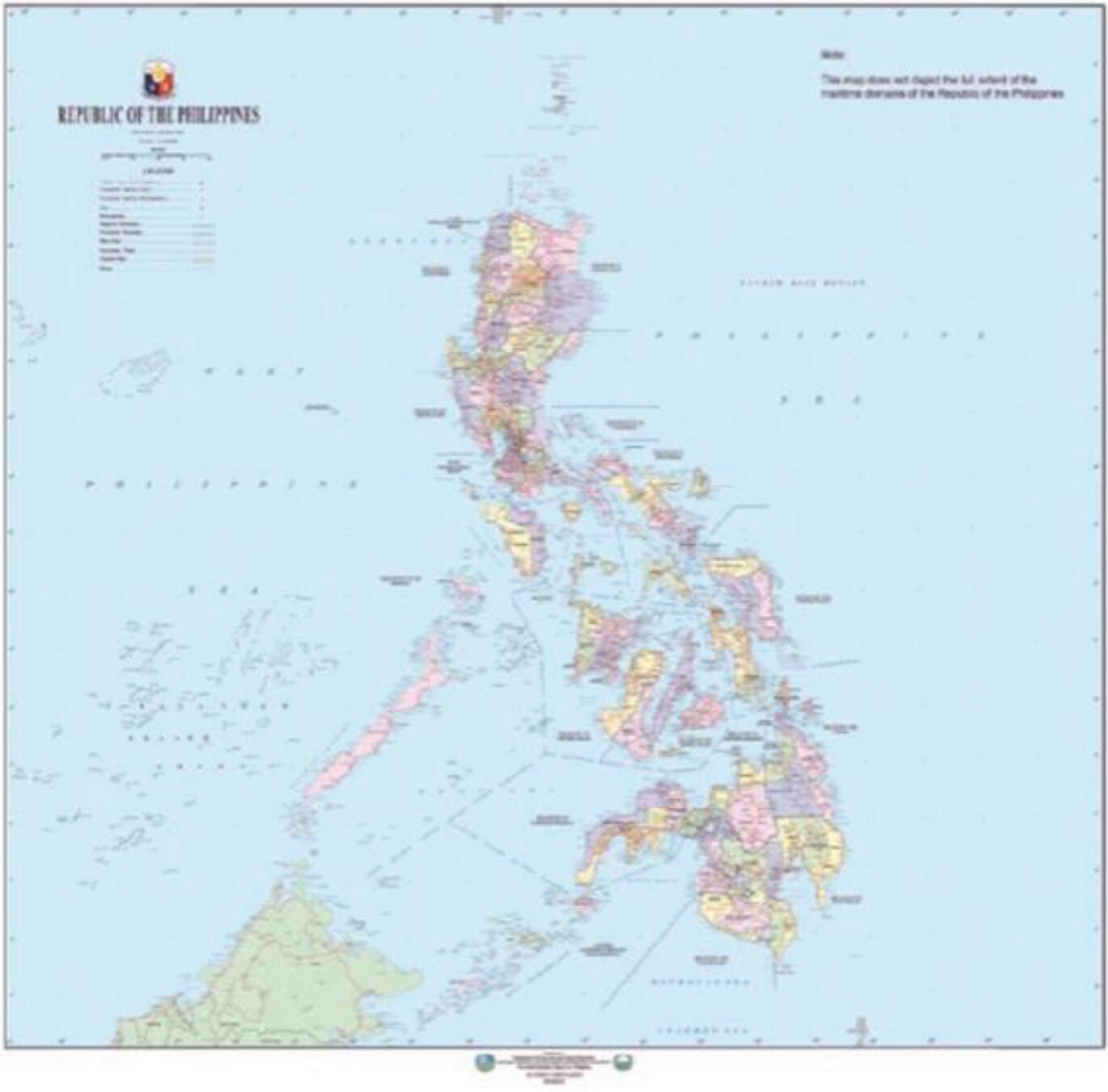

In 2025, the producer price index recorded an average inflation of 0.5%, compared to average deflation of 0.7% in 2024. This was primarily attributable to increases in the price indices of manufacture of coke and refined petroleum products, and manufacture of basic metals, which registered average inflation of 4.3% and 1.3%, respectively, in 2025, compared to average deflation of 1.5% and 0.1%, respectively, in 2024.

The producer price index as of April 2026 recorded an inflation of 2.4%, compared to inflation of 0.2% as of April 2025. This was primarily attributable to increases in the price indices of Manufacture of computer, electronic and optical products, manufacture of coke and refined petroleum products, and Manufacture of food products, which registered inflation of 4.3%, 5.3% and 1.4%, respectively, as of April 2026, compared to deflation of 1.4%, inflation of 4.5% and inflation of 0.7%, respectively, as of April 2025.

Employment and Wages

The following table presents selected employment estimates for various sectors of the economy.


     Selected Employment Information  
     2021(1)      2022(2)      2023(3)      2024(4)      2025(5)      2026(6)  
     (all figures in percentages except as indicated)  

Employed persons (in thousands)(7)

     43,988        46,887        48,178        48,841        49,013        49,069  

Unemployment rate(8)

     7.8        5.4        4.4        3.8        4.2        5.0  

Employment share by sector:


Agriculture, forestry and fishing sector

     25.6        24.0        23.2        20.6        20.5        19.1  

Industry sector


Mining and quarrying

     0.4        0.3        0.4        0.5        0.4        0.7  

Manufacturing

     8.0        7.7        7.3        7.5        7.1        7.2  

Construction

     9.1        8.8        9.4        9.9        9.9        9.6  

Water supply, sewerage, waste management and remediation activities

     0.2        0.1        0.1        0.2        0.1        0.2  

Electricity, gas, steam and air conditioning supply

     0.1        0.2        0.2        0.2        0.2        0.2  


Total industry sector

     17.8        17.1        17.5        18.3        17.8        17.9  

Service sector


Transportation and storage

     6.5        6.7        7.3        7.7        7.7        8.3  

Wholesale and retail trade; repair of motor vehicles and motorcycles

     21.5        22.3        21.0        20.7        20.5        20.2  

Finance and housing(9)

     8.2        7.6        7.8        8.0        8.2        7.8  

Other services(10)

     20.4        22.2        23.2        24.7        25.4        26.8  


Total service sector

     56.6        58.9        59.3        61.1        61.7        63.0  


Total employed

     100.0        100.0        100.0        100.0        100.0        100.0  


Sources: Philippine Statistics Authority; Annual Labor and Employment Status; Labor Force Survey.

Notes:


(1)

Annual estimates were based on the final results of the 2021 Labor Force Survey.

(2)

Annual estimates were based on the final results of the 2022 Labor Force Survey.

(3)

Annual estimates were based on the final results of the 2023 Labor Force Survey.

(4)

Annual estimates were based on the final results of the 2024 Labor Force Survey.

(5)

Annual estimates were based on the preliminary results of the 2025 Labor Force Survey.

(6)

Preliminary results as of March 2026 based on the March 2026 Labor Force Survey.

(7)

Does not include OFWs.

(8)

Annual unemployment rate for 2021, 2022, 2023, 2024 and 2025. Monthly unemployment rate for March 2026.

(9)

Sum of financial and insurance activities, real estate activities and public administration and defense; compulsory social security subsectors.


D-45


(10)

Sum of all other service sectors excluding transport and storage, wholesale and retail trade; repair of motor vehicles and motorcycles, finance and housing.

Regional tripartite bodies consisting of representatives of Government, businesses and workers establish minimum wage adjustments, which vary based on region and industry. Under Philippine law, minimum wage adjustments may only be increased once in any 12-month period. However, petitions for a minimum wage increase may be entertained when there is a supervening condition, such as an extraordinary increase in the prices of petroleum products and/or basic goods and services. The minimum wages for workers in Metro Manila and the surrounding areas are the highest in the country. As of May 2026, the minimum wage for non-agricultural workers in the Metro Manila, was ₱695 per day, while for agricultural workers, the minimum wage was ₱658 per day. In other regions of the Republic, the minimum wage for non-agricultural workers ranges from ₱386 to ₱600 per day, while for agricultural workers, the minimum wage ranges from ₱366 to ₱570 per day.

The Government defines unemployment to include all persons at least 15 years old without work who are seeking work and are also immediately available for work (excluding, for example, students seeking work who would not be able to immediately take on new employment). A person may still be considered unemployed despite not seeking work if he/she did not look for work due to any of the following reasons: (a) tired/believe no work is available, (b) awaiting results of previous job application, (c) temporary illness/disability, (d) bad weather, or (e) waiting for rehire/job recall.

In 2021, the total number of employed persons in the Republic, excluding OFWs, was estimated at 44.0 million. The unemployment rate was 7.8% in 2021, lower than the 10.3% unemployment rate recorded in 2020. The rate of labor force participation and the rate of underemployment were 63.3% and 15.9% respectively, representing an increase from 59.5% in 2020, and a decrease from 16.2%, in 2020, respectively. In 2021, workers in the Republic were primarily employed in the service sector, representing 56.6% of the total employed population in the Republic, of which workers in the wholesale and retail trade and repair of motor vehicles and motorcycles made up 21.5% of the total employed. Workers in the agriculture, forestry and fishing sector and the industry sector comprised 25.6% and 17.8%, respectively, of the total employed in 2021.

In 2022, the total number of employed persons in the Republic, excluding OFWs, was estimated at 46.9 million. The unemployment rate was 5.4% in 2022, lower than the 7.8% unemployment rate in 2021. The rate of labor force participation was 64.7% in 2022, higher than 63.3% in 2021. In 2022, workers in the Republic were primarily employed in the service sector, representing 58.9% of the total employed population in the Republic, of which workers in the wholesale and retail trade and repair of motor vehicles and motorcycles comprised 22.3% of the total employed. Workers in the agriculture, forestry and fishing sector and the industry sector comprised 24.0% and 17.1%, respectively, of the total employed in 2022, compared to 25.6% and 17.8%, respectively, of the total employed 2021.

In 2023, the total number of employed persons in the Republic, excluding OFWs, was estimated at 48.2 million. The unemployment rate was 4.4% in 2023, lower than the 5.4% unemployment rate in 2022. The rate of labor force participation was 64.9% in 2023, higher than 64.7% in 2022. In 2023, workers in the Republic were primarily employed in the service sector, representing 59.3% of the total employed population in the Republic, of which workers in the wholesale and retail trade and repair of motor vehicles and motorcycles comprised 21.0% of the total employed. Workers in the agriculture, forestry and fishing sector and the industry sector comprised 23.2% and 17.5%, respectively, of the total employed in 2023, compared to 23.1% and 18.2%, respectively, of the total employed in 2022.

In 2024, the total number of employed persons in the Republic, excluding OFWs, was estimated at 48.8 million. The unemployment rate was 3.8% in 2024 based on preliminary data, lower than the 4.4% unemployment rate in 2023. The rate of labor force participation was 64.4% in 2024, lower than 64.9% in 2023. In 2024, workers in the Republic were primarily employed in the service sector, representing 61.1% of the total employed population in the Republic, of which workers in the wholesale and retail trade and repair of motor


D-46


vehicles and motorcycles comprised 20.7% of the total employed. Workers in the agriculture, forestry and fishing sector and the industry sector comprised 20.6 % and 18.3%, respectively, of the total employed in 2024, compared to 23.2% and 17.5%, respectively, of the total employed in 2023.

Based on preliminary data, the total number of employed persons in the Republic, excluding OFWs, was estimated at 49.0 million in 2025. The unemployment rate was 4.2% based on preliminary data, higher than the 3.8% unemployment rate recorded in 2024. The rate of labor force participation was 64.1%, lower than 64.4% in 2024. Based on preliminary 2025 data, workers in the Republic were primarily employed in the service sector, representing 61.7% of the total employed population in the Republic, of which workers in the wholesale and retail trade and repair of motor vehicles and motorcycles comprised 20.5% of the total employed. Workers in the agriculture, forestry and fishing sector and the industry sector comprised 20.5% and 17.8%, respectively, of the total employed, compared to 20.6% and 18.3%, respectively, of the total employed in 2024.

As of March 2026, based on preliminary data, the total number of employed persons in the Republic, excluding OFWs, was estimated at 49.1 million. The unemployment rate was 5.0% as of March 2026 based on preliminary data, higher than the 3.9% unemployment rate as of March 2025. The rate of labor force participation was 63.3% as of March 2026, higher than 62.9% as of March 2025. As of March 2026, workers in the Republic were primarily employed in the service sector, representing 63.0% of the total employed population in the Republic, of which workers in the wholesale and retail trade and repair of motor vehicles and motorcycles comprised 20.2% of the total employed. Workers in the agriculture, forestry and fishing sector and the industry sector comprised 19.1% and 17.9%, respectively, of the total employed as of March 2026, compared to 20.7% and 16.9%, respectively, as of March 2025.

The following tables present employment information in the Republic by gender and by age group:


     Percentage Distribution of
Population 15 Years Old and
over by Employment
Status, by Age Group
 
     March 2025      March 2026  
     (Unemployed)  
     (all figures in percentages)  

Both sexes 15 – 24

     33.7        32.1  

25 – 34

     38.7        38.9  

35 – 44

     12.1        12.5  

45 – 54

     10.0        10.2  

55 – 64

     4.2        5.3  

65 and over

     1.3        0.9  


Total for all ages

     100.0        100.0  


Sources: Philippine Statistics Authority; March 2026 Labor Force Survey.


D-47


     Percentage Distribution of
Labor Force by Sex
 
     March 2025      March 2026  
     (all figures in percentages)  

Labor Force


Male

     58.3        58.5  

Female

     41.7        41.5  

Total

     100.0        100.0  

Employed


Male

     58.4        58.4  

Female

     41.6        41.6  

Total

     100.0        100.0  

Unemployed


Male

     57.9        60.5  

Female

     42.1        39.5  


Total

     100.0        100.0  


Sources: Philippine Statistics Authority; March 2026 Labor Force Survey.

As of March 2026, 32.1% of the total unemployed population consisted of young people aged 15 to 24 years old, lower than 33.7% recorded as of March 2025. In terms of gender, the female population represented 41.6% and 39.5% of the employed and unemployed workforce, respectively, as of March 2026, whereas the male population represented 58.4% and 60.5% of the employed and unemployed workforce, respectively, as of March 2026.

The PSA publishes statistics on poverty in the Republic measured in terms of a Government-determined per capita poverty threshold, which is the minimum income required for a family or individual to meet basic food and non-food requirements and a per capita subsistence threshold, which is the minimum income required for a family or individual to meet basic food requirements. According to the PSA, the poverty incidence among families was 13.2% in 2021, an increase from 12.1% recorded in 2018. According to NEDA, the effects of the COVID-19 pandemic, including income and employment losses, caused the poverty incidence rate to rise, accompanied by difficulties for poor families caused by restrictions on mobility and low earning capacity. In 2023, the poverty incidence among families was 10.9%, a decrease from 13.2% in 2021.

Overseas Employment

OFW remittances are a significant source of income for the Philippine economy. The Republic accounts for estimates of the amount of compensation of OFWs, as well as investment income of OFWs from their properties as net primary income, and net primary income accounted for 3.3%, 5.4%, 9.6%, 11.2% and 12.6% of GNI in 2021, 2022, 2023, 2024 and 2025, respectively, according to the PSA.

Cash inflows from OFWs increased by 3.3% to $35.6 billion in 2025 as compared to $34.5 billion in 2024, according to preliminary data. According to the PSA’s 2024 Survey on Overseas Filipinos, there were approximately 2.19 million OFWs, approximately 42.8% of which were males and 57.2% of which were females.


D-48


The following table presents the geographical distribution of OFWs.


     Geographical Distribution of OFWs  
     By Place of Work as of
2024(1)
     Total Cash Remittances for
the nine months ended
September 30, 2024(2)
     Average Cash Remittance per
OFW for the nine months ended
September 30, 2024(2)
 
      (%)      ( in millions)      ( in thousands)  

Africa

     1.3        2,963        106  

Asia

     74.5        133,084        91  

East Asia(3)

     17.7                

Southeast and South-Central Asia(4)

     7.8                

Western Asia(5)

     49.0                

Australia

     4.4        14,440        178  

Europe

     10.6        29,425        149  

North and South America

     9.2        34,395        203  


Total

     100.0        214,307        111  


Source: Philippine Statistics Authority-2023 Survey on Overseas Filipinos.

Notes:


(1)

Estimates cover overseas Filipinos whose departure occurred within the last five years ended September 30, 2024 and who were working or had worked abroad during the six months from April 1, 2024 to September 30, 2024.

(2)

Estimates cover remittances during six months prior to survey of overseas Filipinos whose departure occurred within the last five years ended September 30, 2024 and who were working or had worked abroad during the six months from April 1, 2024 to September 30, 2024.

(3)

Includes Hong Kong, Japan, Taiwan, the People’s Republic of China and South Korea, among others.

(4)

Includes Malaysia, Singapore, Brunei, Cambodia and Indonesia, among others.

(5)

Includes Kuwait, Qatar, Saudi Arabia, United Arab Emirates, Bahrain, Israel, Lebanon and Jordan, among others.

The following table presents the occupational distribution of OFWs.


     Occupational
Distribution of
OFWs
 
     By Occupation as of
2024(1)
 
     (%)  

Managers

     2.0  

Professionals

     8.9  

Technicians and associate professionals

     6.5  

Clerical support workers

     3.0  

Service and sales workers

     12.7  

Skilled agricultural forestry and fishery workers

     0.7  

Craft and related trades workers

     7.2  

Plant and machine operators and assemblers

     15.4  

Elementary occupations

     43.6  


Total

     100.0  


Source: Philippine Statistics Authority-2024 Survey on Overseas Filipinos.

Note:


(1)

Estimates cover overseas Filipinos whose departure occurred within the last five years ended September 30, 2024 and who were working or had worked abroad during the six months from April 1, 2024 to September 30, 2024.


D-49


The following table presents the gender and age distribution of OFWs.


     Age Distribution of OFWs as of
2024(1)
 
     Both sexes      Male      Female  
     (%)  

15 – 24

     1.7        1.6        1.9  

25 – 29

     15.1        13.8        16.1  

30 – 34

     21.3        18.6        23.3  

35 – 39

     19.2        16.7        21.0  

40 – 44

     16.9        18.5        15.7  

45 and over

     25.8        30.8        22.0  


Total for all ages

     100.0        100.0        100.0  


Source: Philippine Statistics Authority-2023 Survey on Overseas Filipinos.

Note:


(1)

Estimates cover overseas Filipinos whose departure occurred within the last five years ended September 30, 2024 and who were working or had worked abroad during the six months from April 1, 2024 to September 30, 2024.

While the COVID-19 pandemic caused a significant drop in OFW deployment, demand for Filipino workers abroad has since gradually recovered.

According to preliminary data from the Department of Migrant Workers, the total deployment of OFWs has increased by 3.5% from 2.30 million in 2023 to 2.38 million in 2024, and further increased by 15.4% to 2.74 million in 2025.

Social Security System and Government Service Insurance System

The Republic does not pay any unemployment compensation or make any general welfare payments other than through the Social Security System and the Government Service Insurance System. The Social Security System provides private sector employees, including self-employed persons and their families, with protection against decreases in income due to disability, sickness, old age and death. Monthly contributions by covered employees and their employers, and investment income of the Social Security System, fund the system. The Social Security System invests its funds in Government securities and in domestic equity securities.

The Government Service Insurance System administers social security benefits for Government employees, including retirement benefits, life insurance, medical care and sickness and disability benefits. It also administers the self-insurance program for Government properties, such as buildings and equipment. The Government Service Insurance System also oversees loan programs, including housing loans for Government employees. Monthly contributions by covered employees and their employers fund the system. Government agencies must include in their annual appropriations the amounts needed to cover their share of the contributions and any additional premium required based on the hazardous nature of the work. The Government Service Insurance System invests its funds in a manner similar to the Social Security System.


D-50


National Savings

The following table sets out gross savings and gross domestic savings as a percentage of GDP.


     National Savings  
Item    2020      2021      2022      2023      2024  
     (%)  

Gross savings (% of GDP)

     24.8        20.2        22.5        27.3        29.2  


Gross domestic savings (% of GDP)

     9.7        9.2        9.1        9.3        9.4  


Source: World Bank national accounts data.

Sustainable Finance Framework

In January 2022, the Republic published its Sustainable Finance Framework (the “Framework”) to support its sustainability commitments. The Framework solidifies its commitment to implementing the United Nations Sustainable Development Goals (“UN SDGs”) set by the United Nations General Assembly in 2015 for the year 2030. The Framework sets out how the Republic intends to raise green, social or sustainability bonds, loans and other debt instruments in the international capital markets. The Republic’s Framework and eligible expenditures portfolio under the Framework are aligned with the four core components of the Green Bond Principles 2021, Social Bond Principles 2021, and Sustainability Bond Guidelines 2021 published by the International Capital Market Association, as well as Green Loan Principles 2021 and Social Loan Principles 2021 published by the Loan Market Association and the ASEAN Green Bond Standards issued by the ASEAN Capital Markets Forum in October 2018.

With any financing raised under the Framework, the Republic intends to contribute to the development of the sustainable financing market domestically in the Philippines. The Framework lays out the process that will be used to ensure transparency and disclosure of the use of proceeds, as well as the expected environmental and social impact of eligible green and social projects, in keeping with international best practices.

Proceeds of financings raised under the Framework will be used to support projects that reflect the Republic’s commitment toward sustainable development and the UN SDGs, in line with the Philippine Development Plan 2017-2022 and Public Investment Program 2017-2022. The issuance of sustainable financing instruments will also support the Republic’s climate change commitments under its National Framework Strategy on Climate Change, including the Republic’s Nationally Determined Contribution in accordance with Decision 1/CP.21 of the Conference of Parties of the United Nations Framework Convention on Climate Change, which has the objective to reduce greenhouse gas emissions by 75% by 2030. Eligible social expenditures, and/or eligible green expenditures under the Framework can include direct or indirect investments, subsidies, support schemes, incentive mechanisms or tax foregone (or a combination of such expenditures) and selected operational expenditures. Such eligible social projects and/or eligible green projects exclude any contributions from other stakeholders.

The Republic has also endeavored to follow the United Nations Environment Programme’s Sustainable Blue Economy Finance Principles in respect of asset categories in relation to a sustainable blue economy. The following are the four core components of these principles (i) Use of Proceeds, (ii) Process for Project Evaluation and Selection, (iii) Management of Proceeds and (iv) Reporting; including a reference to external reviews. Sustainable financing instruments issued under the Framework will be standard recourse-to-the-issuer obligations and investors will not bear the credit risk of the underlying allocated eligible asset exposures. The Republic expects to publish an allocation and impact report for any outstanding sustainable financing instrument issued under the Framework on an annual basis on the Department of Finance and Bureau of Treasury’s publicly available websites.

The Framework has been evaluated by an independent rating and research agency based in France, which has so indicated in a second party opinion (“Opinion”) delivered to the Republic stating that the Framework is


D-51


aligned with the International Capital Market Association’s Green Bond Principles and Social Bond Principles (each as adopted in 2021), and the Loan Market Association’s Green Loan Principles and Social Loan Principles (each as adopted in 2021). The Opinion provides opinions on certain environmental and related considerations and is not intended to address any credit, market, or other aspects of an investment in any securities, including without limitation market price, marketability, investor preference, or suitability of any security. The Opinion is a statement of opinion, not a statement of fact. The Opinion is not, nor should be deemed to be, a recommendation by the Republic to buy, sell or hold any securities. No representation or assurance is given by the Republic as to the suitability or reliability of the Opinion or any other opinion or certification of any third party made available in connection with any sustainable financing instrument, including any global bonds, issued by the Republic under the Framework or otherwise, nor is any such opinion or certification a recommendation by the Republic to buy, sell or hold any such securities.

The Framework and the Opinion are available on the Republic’s publicly available website. The contents of any publicly available website referred to herein, the Framework, the Opinion and any practices contemplated under these documents are not incorporated into this annual report, or the terms of the global bonds. They do not establish enforceable contractual obligations of the Republic. These documents speak only as of their respective dates, and are subject to change without notice and the Republic does not assume any responsibility or obligation to update or revise such documents, regardless of whether such documents are affected by the results of new information, future events or otherwise. Although the Framework contemplates certain practices with respect to reporting and use of proceeds, any failure by the Republic to conform to these practices does not constitute or give rise to a breach or an event of default under the global bonds. The Republic does not accept any responsibility for any losses howsoever arising, directly or indirectly, from the Framework, the Opinion or their respective contents. Accordingly, investors are cautioned not to place undue reliance on these documents.

Balance of Payments

Overview

Balance of payments figures measure the relative flow of goods, services, and capital into and out of the country as represented in the current account and the capital and financial account. The current account tracks a country’s trade-in-goods, services, income and current transfer transactions. The capital and financial account includes the capital account, which covers all transactions involving capital transfers and acquisition or disposal of non-produced, non-financial assets, and the financial account, which covers all transactions associated with changes of ownership in the foreign financial assets and liabilities of an economy. A balance of payments surplus indicates a net inflow of foreign currencies, thereby increasing demand for and strengthening the local currency. A balance of payments deficit indicates a net outflow of foreign currencies, thereby decreasing demand for and weakening the local currency.

Revisions

The balance of payments statistics released by the Bangko Sentral are based on the trade-in-goods statistics compiled by the NSO. However, for purposes of inclusion in the overall balance of payments, the trade-in-goods statistics reported by the NSO are adjusted by the Bangko Sentral to exclude temporary exports and imports and returned goods. In March 2013, the Bangko Sentral adopted the IMF’s BPM6 framework covering balance of payments statistics for 2011 onwards, pursuant to which the property income and expense accounts have been revised. Concurrently with the releases of the latest balance of payments data, the Bangko Sentral often releases revisions to the balance of payments data previously reported adjusting for any updated data received from various departments and any change in reporting methodology. The balance of payments data presented below reflects the latest data published by the Bangko Sentral as of the date of this annual report.


D-52


The following table sets out the balance of payments of the Republic for the periods indicated.


     Balance of Payments  
     2021     2022     2023(1)     2024(1)     2025(2)  
     ($ in millions)  

Current account(3)

     (5,943     (18,261     (12,387     (18,565     (16,291

Exports

     130,082       143,234       152,172       156,157       166,415  

Imports

     136,024       161,495       164,559       174,723       182,706  

Goods, Services, and Primary Income

     (35,444     (48,857     (43,511     (50,252     (48,972

Total exports

     99,630       111,856       119,956       123,281       132,579  

Total imports

     135,074       160,714       163,467       173,533       181,551  

Goods and Services

     (38,767     (53,806     (47,853     (54,991     (53,424

Exports

     87,798       98,832       103,588       105,728       114,898  

Imports

     126,565       152,638       151,441       160,719       168,321  

Goods

     (52,806     (69,701     (66,036     (68,863     (66,670

Exports

     54,228       57,710       55,257       55,056       63,411  

Imports

     107,034       127,412       121,292       123,920       130,081  

Services

     14,039       15,895       18,183       13,872       13,246  

Exports

     33,570       41,122       48,332       50,671       51,486  

Imports

     19,531       25,226       30,149       36,799       38,240  

Primary Income

     3,323       4,949       4,342       4,739       4,451  

Receipts

     11,832       13,024       16,367       17,553       17,682  

Payments

     8,509       8,076       12,025       12,814       13,230  

Secondary Income

     29,501       30,596       31,124       31,687       32,682  

Receipts

     30,452       31,378       32,217       32,877       33,836  

Payments

     950       781       1,092       1,190       1,154  

Capital account(3)

     80       23       74       63       89  

Receipts

     99       86       88       73       101  

Payments

     19       62       14       10       13  

Financial account(4)

     (6,433     (13,885     (13,606     (19,064     (10,887

Net acquisition of financial assets(5)

     10,261       2,533       4,147       4,517       5,839  

Net incurrence of liabilities(5)

     16,694       16,419       17,753       23,581       16,725  

Direct investment

     (9,732     (5,631     (5,400     (6,700     (6,189

Net acquisition of financial assets(5)

     2,251       3,861       3,525       2,699       1,602  

Net incurrence of liabilities(5)

     11,983       9,492       8,925       9,398       7,791  

Portfolio investment

     10,237       (1,684     3,544       (3,528     1,297  

Net acquisition of financial assets(5)

     7,809       (281     3,463       960       4,958  

Net incurrence of liabilities(5)

     (2,428     1,402       (81     4,488       3,661  

Financial derivatives

     49       (48     (115     (271     25  

Net acquisition of financial assets(5)

     (449     (632     (779     (1,023     (943

Net incurrence of liabilities(5)

     (498     (584     (664     (753     (968

Other investment

     (6,987     (6,523     (11,635     (8,566     (6,020

Net acquisition of financial assets(5)

     649       (415     (2,062     1,881       221  

Net incurrence of liabilities(5)

     7,636       6,108       9,573       10,447       6,241  

Net unclassified items(6)

     774       (2,911     2,378       47       (346

Overall balance of payments position(7)

     1,345       (7,263     3,672       609       (5,661
 

Sources: Department of Economic Statistics; Bangko Sentral.

Notes:


(1)

Revised data.

(2)

Preliminary data.

(3)

Balances in the current and capital accounts are derived by deducting debit entries from credit entries.


D-53


(4)

Balances in the financial account are derived by deducting net incurrence of liabilities from net acquisition of financial assets.

(5)

Negative values of Net Acquisition of Financial Assets indicate withdrawal/disposal of financial assets; negative values of Net Incurrence of Liabilities indicate repayment of liabilities.

(6)

Net unclassified items is an offsetting account to the overstatement or understatement in either receipts or payments of the recorded balance of payments components relative to the overall balance of payments position.

(7)

The overall balance of payments position is calculated as the change in the country’s net international reserves, less non-economic transactions (revaluation and gold monetization/demonetization). Alternatively, it can be derived by adding the current and capital account balances less financial account plus net unclassified items.

Overall Balance of Payments Performance

In 2021, the overall balance of payments position of the Republic recorded a surplus of $1.3 billion compared to the $16.0 billion surplus in 2020. The change was primarily the result of a deficit in the current account, as well as a higher deficit in the financial account. The current account recorded a deficit of $5.9 billion in 2021, a reversal from the surplus of $11.6 billion recorded in 2020. The financial account recorded net outflows of $6.4 billion in 2021, as compared to net outflows of $6.9 billion in 2020.

In 2022, the overall balance of payments position of the Republic recorded a deficit of $7.3 billion compared to the surplus of $1.3 billion in 2021. The change was primarily the result of a deficit in the current account, as well as a higher deficit in the financial account. The current account recorded a deficit of $18.3 billion in 2022 which exceeds the deficit of $5.9 billion recorded in 2021. The financial account recorded net outflows of $13.9 billion in 2022, as compared to net outflows of $6.4 billion in 2021.

In 2023, based on revised data, the overall balance of payments position of the Republic recorded a surplus of $3.7 billion, compared to a deficit of $7.3 billion in 2022. The change was primarily a result of a decreased deficit in the current account, as well as an increased surplus in trade in services. The current account recorded a deficit of $12.4 billion in 2023, compared to a deficit of $18.3 billion in 2022. Trade in services recorded net inflows of $18.2 billion in 2023, compared to net inflows of $15.9 billion in 2022.

In 2024, based on revised data, the overall balance of payments position of the Republic recorded a surplus of $0.6 billion, compared to a surplus of $3.7 billion in 2023. The change was primarily a result of an increased outflow in financial account from net outflows of $13.6 billion in 2023 to net outflows of $19.1 billion in 2024.

In 2025, based on preliminary data, the overall balance of payments position of the Republic recorded a deficit of $5.7 billion, compared to a surplus of $0.6 billion in 2024. The change was primarily a result of a decrease in net inflows in the financial account from $19.1 billion in 2024 to $10.9 billion in 2025. This was partially offset by an improvement in the current account deficit, which narrowed from $18.6 billion in 2024 to $16.3 billion in 2025.

Current Account

In 2021, the current account recorded a deficit of $5.9 billion, a reversal from the surplus of $11.6 billion recorded in 2020. This deficit was primarily due to a 56.3% increase in the trade-in-goods deficit from $33.8 billion in 2020 to $52.8 billion in 2021, and a 19.0% decrease in the primary income surplus from $4.1 billion in 2020 to $3.3 billion in 2021. These effects were partially offset by a 7.7% increase in the secondary income surplus from $27.4 billion in 2020 to $29.5 billion in 2021.

In 2022, the current account recorded a deficit of $18.3 billion, compared to a deficit of $5.9 billion in 2021. This deficit was primarily due to a 32.0% increase in the trade-in-goods deficit from $52.8 billion in the 2021 to


D-54


$69.7 billion in 2022. This was partially offset by a 13.2% increase in the trade-in-services surplus from $14.0 billion in 2021 to $15.9 billion in 2022, a 48.9% increase in primary income surplus from $3.3 billion in 2021 to $4.9 billion in 2022, and a 3.7% increase in secondary income surplus from $29.5 billion in 2021 to $30.6 billion in 2022.

In 2023, according to revised data, the current account recorded a deficit of $12.4 billion, compared to a deficit of $18.3 billion in 2022. The lower deficit was primarily due to a 5.3% decrease in the trade-in-goods deficit from $69.7 billion in 2022 to $66.0 billion in 2023, a 14.4% increase in the trade-in-services surplus from $15.9 billion in 2022 to $18.2 billion in 2023 and a 1.7% increase in secondary income surplus from $30.6 billion in 2022 to $31.1 billion in 2023. However, this was partially offset by a 12.3% decrease in primary income surplus from $4.9 billion in 2022 to $4.3 billion in 2023.

In 2024, according to preliminary data, the current account recorded a deficit of $18.6 billion, compared to a deficit of $12.4 billion in 2023. The higher deficit was primarily the result of a 23.7% decrease in trade-in-services surplus from $18.2 billion in 2023 to $13.9 billion in 2024. This was partially offset by a 9.1% increase in primary income surplus from $4.3 billion in 2023 to $4.7 billion in 2024.

In 2025, according to preliminary data, the current account recorded a deficit of $16.3 billion, compared to a deficit of $18.6 billion in 2024. The lower deficit was primarily due to a 3.2% decrease in the trade-in-goods deficit from $68.9 billion in 2024 to $66.7 billion in 2025 and a 3.1% increase in secondary income surplus from $31.7 billion in 2024 to $32.7 billion in 2025. However, this was partially offset by a 4.5% decrease in trade-in-services surplus from $13.9 billion in 2024 to $13.2 billion in 2025 and a 6.1% decrease in primary income surplus from $4.7 billion in 2024 to $4.5 billion in 2025.

Goods Trade

Trading in goods significantly affects the Philippine economy. A significant proportion of exports depends on imported raw materials or other inputs, rendering the country’s exports vulnerable to any import decline resulting from a peso depreciation. See “—Monetary System—Foreign Exchange System.”

In 2021, the trade-in-goods deficit increased by 56.3% to $52.8 billion, compared to $33.8 billion in 2020. The increase in trade-in-goods deficit was primarily the result of an increase in imports, which increased by 30.5% in 2021 to $107.0 billion, compared to $82.0 billion recorded in 2020. This was partially offset by an increase in the exports of goods by 12.5% to $54.2 billion in 2021, compared to $48.2 billion in 2020. This was caused by the recovery in imports of goods which continued to outpace that of exports due to increased trade and commerce as COVID-19 restrictions continued to ease globally.

In 2022, the trade-in-goods deficit increased by 32.0% to $69.7 billion, compared to $52.8 billion in 2021. The increase in trade-in-goods deficit was primarily the result of an increase in imports, which increased by 19.0% in 2022 to $127.4 billion, compared to $107.0 billion recorded in 2021. This was partially offset by an increase in exports of goods by 6.4% to $57.7 billion in 2022, compared to $54.2 billion in 2021. This was caused by the recovery in imports of goods which continued to outpace that of exports due to increased trade and commerce as COVID-19 restrictions continued to ease globally.

In 2023, according to preliminary data, the trade-in-goods deficit decreased by 5.3% to $66.0 billion, compared to $69.7 billion in 2022. The lower deficit was primarily the result of a 4.8% decrease in imports, which decreased to $121.3 billion in 2023 compared to $127.4 billion in 2022. This was partially offset by a 4.1% decrease in exports, which decreased to $55.3 billion in 2023 compared to $57.7 billion in 2022. This decline in exports was due mainly to lower commodity prices against the backdrop of slower global economic growth.

In 2024, according to preliminary data, the trade-in-goods deficit increased by 4.3% to $68.9 billion, compared to $66.0 billion in 2023. The higher deficit was primarily a result of an increase in imports, which


D-55


increased by 2.2% to $123.9 billion in 2024 compared to $121.3 billion in 2023, and a 0.4% decrease in exports, which decreased to $55.1 billion in 2024 compared to $55.3 billion in 2023. The decline in exports was mainly due to a combination of various factors, including contraction in global demand and geopolitical uncertainties such as the prolonged Russia-Ukraine and Israel-Hamas conflicts.

In 2025, according to preliminary data, the trade-in-goods deficit decreased by 3.2% to $66.7 billion, compared to $68.9 billion in 2024. The lower deficit was primarily the result of a 15.2% increase in exports, which increased to $63.4 billion in 2025 compared to $55.1 billion in 2024. This was partially offset by a 5.0% increase in imports, which increased to $130.1 billion in 2025 compared to $123.9 billion in 2024.


D-56


Exports of Goods

The following table sets out the Republic’s exports of goods by major commodity group, as reported by the PSA.


    Exports by Major Commodity Groups  
    Annual     Growth
Rates
    January-April     Growth
Rates
    Percentage of
Total Exports
 
    2021     2022     2023     2024     2025(1)     2025(1)     2025(1)     2026(1)     2026(1)     2021     2026(1)  
          (%)           (%)     (%)  
    ($ in millions, except percentages)  

Agricultural products


Coconut products

    1,947     2,563       1,549       2,659       3,597       34.4       1,185       1,328       12.1       2.6       4.4  

Sugar and products

    76     6       5       18       49       165.7       1       28       x       0.1       0.1  

Fruits and vegetables

    2,248     2,199       2,278       2,362       2,948       24.5       890       1,055       18.5       3.0       3.5  

Other agro-based products

    1,000     1,123       956       923       884       (4.9     304       294       (3.1     1.3       1.0  

Total agricultural based products

    5,271     5,891       4,787       5,963       7,476       24.8       2,381       2,705       13.6       7.1       9.0  

Forest products

    377     357       270       194       214       10.4       65       93       44.0       0.5       0.3  

Mineral products

    6,721     7,268       7,142       7,016       7,393       1.6       2,081       3,044       46.3       9.0       10.2  

Petroleum products

    6     7       7       187       359       87.1       127       104       (18.1     0.0       0.3  

Manufacturing


Electronic products

    42,496     46,155       41,909       39,095       45,888       17.6       13,891       16,500       18.8       56.9       55.1  

Other electronics

    3,432     3,504       3,744       3,659       3,686       0.7       1,226       1,273       3.8       4.6       4.3  

Garments

    742     854       706       663       700       5.7       206       204       (1.1     1.0       0.7  

Textile yarns/fabrics

    294     291       249       257       310       19.5       92       106       15.1       0.4       0.4  

Footwear

    111     108       82       91       145       59.8       22       58       161.0       0.1       0.2  

Travel goods and handbags

    647       706       567       546       557       1.9       162       173       6.9       0.9       0.6  

Wood manufacturing

    205     167       70       76       61       (19.6     19       29       50.0       0.3       0.1  

Furniture and fixtures

    381     309       289       280       369       31.9       113       152       33.8       0.5       0.5  

Chemicals

    1,939     1,880       1,771       2,011       1,898       (5.7     677       663       (2.0     2.6       2.2  

Non-metallic mineral manufacturing

    296     309       287       365       414       13.3       134       142       5.8       0.4       0.5  

Machinery and transport equipment

    2,371     2,215       2,399       2,644       3,641       34.3       1,004       1,646       63.9       3.2       5.5  

Processed food and beverages

    1,465     1,404       1,311       1,517       1,469       (3.8     476       471       (1.1     2.0       1.6  

Iron and steel

    67     133       143       147       218       43.3       98       44       (55.0     0.1       0.1  

Baby carriages, toys, games and sporting goods

    294     325       283       258       263       1.7       70       74       4.5       0.4       0.2  

Basketwork, wickerwork, and other articles of plaiting materials

    63     45       39       36       33       (10.0     12       12       (1.2     0.1       0.0  

Miscellaneous

    1,018     885       690       752       743       (1.2     261       210       (19.5     1.4       0.7  

Others

    5,232     5,361       5,334       5,991       7,201       21.4       3,383       1,750       (48.3     7.0       5.8  

Total Manufacturing

    61,053     64,651       59,870       58,386       67,594       15.8       21,847       23,506       7.6       81.7       78.6  

Special transactions

    1,265       1,400       1,541       1,523       1,442       8.2       427       479       12.1       1.7       1.6  

Total exports

    74,693       79,574       73,617       73,269       84,480       15.2       26,927       29,931       11.2       100.0       100.0  
 

Sources: Philippine Statistics Authority; Bangko Sentral.

Notes:


(1)

Preliminary data.

x

Growth rate is more than 1,000%.


D-57


The Republic aims to diversify its export markets and increase its exports to other countries, particularly ASEAN countries. The Republic is a party to the ASEAN Free Trade Agreement, which provides for reduced tariffs among ASEAN nations, as well as plans for intra-regional investments, industrial linkages and banking and financial integration. Under ASEAN, the Philippines has preferential trade agreements with China, Hong Kong, India, Japan, South Korea, and Australia and New Zealand.

In 2008, the Republic and Japan entered into the Philippines-Japan Economic Partnership Agreement, covering, among others, trade in goods, trade in services, investments, movement of natural persons, intellectual property, customs procedures, improvement of the business environment, and government procurement. In addition, in 2016, the Republic entered into an agreement with the European Free Trade Association to improve market access for Philippine exporters to the European market. The Republic has also entered into the ASEAN-Hong Kong, China Free Trade Agreement in November 2017, which is aimed at facilitating trade in goods and services in the region. In 2020, the Republic entered into the Regional Comprehensive Economic Partnership (“RCEP”) Agreement with 14 Asia Pacific countries aimed at further lowering trade barriers and securing improved market access for goods and services for businesses. The RCEP entered into force on June 2, 2023.

In September 2023, the Republic and the Republic of Korea signed the Korea-Philippines Free Trade Agreement, covering, among others, trade in goods, trade remedies, rules of origin, customs procedures, trade facilitation, economic and technical cooperation, competition, and legal and institutional matters. The free trade agreement between the Republic and South Korea entered into force on December 31, 2024.

In March 2024, the Republic and the European Union announced the resumption of negotiations for a free trade agreement. As of March 2026, five rounds of negotiations have been completed, with chapters on transparency, micro, small and medium-sized enterprises, anti-fraud, sustainable food systems, good regulatory practices, trade and sustainable development, and mutual administrative assistance substantially concluded.

In 2025, the Republic concluded negotiations on a Comprehensive Economic Partnership Agreement (“CEPA”) with the United Arab Emirates, the Republic’s first trade agreement with a Middle Eastern state. The Republic is also pursuing a CEPA with Chile, which would be its first free trade agreement with a Latin American country. In addition, on December 5, 2024, Canada and the Republic announced exploratory discussions for a potential bilateral free trade agreement, and Canada tabled a Notice of Intent to enter into negotiations on November 5, 2025.


D-58


The following table sets out the Republic’s exports of goods by destination, as reported by the PSA.


     Export of Goods by Destination  

Country/Region

   2020      2021      2022      2023  
     ($ millions)  

North America(1)

     10,971        13,053        14,562        13,037  

United States

     10,018        11,852        13,072        11,548  

Europe(2)

     7,584        9,315        10,006        9,609  

European Union(3)

     6,536        8,062        8,709        8,377  

Asia(4)

     45,629        50,972        53,560        49,556  

Japan

     10,034        10,739        11,123        10,456  

People’s Republic of China

     9,830        11,562        10,980        10,925  

Hong Kong

     9,226        9,932        10,364        8,844  

South Korea

     2,855        2,576        3,125        3,534  

Singapore

     3,775        4,196        4,915        3,528  

Taiwan

     2,121        2,526        2,983        2,638  

Southeast Asia(5)

     6,469        7,962        8,563        7,692  

Oceania(6)

     463        632        690        684  

Middle East(7)

     629        570        642        715  

Others(8)

     569        721        757        731  


Total

     65,215        74,693        79,574        73,617  


Sources: Philippine Statistics Authority; Bangko Sentral.

Notes:


(1)

Includes the United States, Canada, and others.

(2)

Includes the European Union, Switzerland, the Russian Federation, and others.

(3)

Includes Austria, Belgium, Bulgaria, Croatia, Cyprus, Czech Republic, Denmark, Estonia, France, Federal Republic of Germany, Finland, Greece, Hungary, Ireland, Italy, Latvia, Lithuania, Luxembourg, Malta, the Netherlands, Poland, Portugal, Slovak Republic, Slovenia, Spain, Sweden and Romania.

(4)

Includes Japan, the People’s Republic of China, Hong Kong, South Korea, Singapore, Taiwan, Indonesia, Malaysia, Thailand, Brunei Darussalam, Vietnam, Myanmar, Laos, Bangladesh. Nepal, Pakistan, Sri Lanka, India, and others.

(5)

Includes only Malaysia, Indonesia, Thailand, Brunei Darussalam, Cambodia, Vietnam, Myanmar and Laos.

(6)

Includes Australia, New Zealand, Pacific Island, and others.

(7)

Includes Iran, Iraq, Kuwait, Saudi Arabia, the United Arab Emirates (including Abu Dhabi), and others.

(8)

Includes countries in Central America, South America (including Brazil), Africa, and others.


D-59


     Export of Goods by Destination(1)  
     Annual  
     2024      2025(2)      Growth
Rate
 
     ($ millions)      (%)      ($ millions)      (%)      (%)  

Country


United States of America

     12,144.5        16.6        13,436.8        15.9        10.6  

Hong Kong

     9,605.3        13.1        12,323.7        14.6        28.3  

Japan

     10,330.4        14.1        11,566.5        13.7        12.0  

People’s Republic of China

     9,444.7        12.9        9,297.6        11.0        (1.6

Singapore

     2,942.6        4.0        3,527.3        4.2        19.9  

Netherlands

     2,867.9        3.9        3,596.3        4.3        25.4  

Republic of China (Taiwan)

     2,689.1        3.7        3,283.9        3.9        22.1  

Germany

     2,458.2        3.4        3,354.8        4.0        36.5  

Republic of Korea

     3,570.3        4.9        3,291.0        3.9        (7.8

Thailand

     2,956.1        4.0        2,901.7        3.4        (1.8

Malaysia

     2,226.5        3.0        2,690.3        3.2        20.8  

Vietnam

     1,657.6        2.3        1,526.2        1.8        (7.9

Switzerland

     612.4        0.8        768.1        0.9        25.4  

India

     1,097.0        1.5        1,467.2        1.7        33.7  

Mexico

     881.5        1.2        1,143.0        1.4        29.7  

Indonesia

     1,052.2        1.4        965.0        1.1        (8.3

Australia

     547.3        0.7        1,718.7        2.0        214.0  

Canada

     550.6        0.8        1,306.0        1.5        137.2  

United Arab Emirates

     390.4        0.5        462.5        0.5        18.5  

Poland

     256.6        0.4        342.9        0.4        33.6  

Others

     4,987.3        6.8        5,435.8        6.4        9.0  


Total

     73,268.7        100.0        84,405.4        100.0        15.2  


Sources: Philippine Statistics Authority.

Notes:


(1)

Beginning September 1, 2024, the BSP will only publish BSP generated statistics, except for certain major indicators. As such, previously published selected non-BSP-produced statistics, such as those from other government agencies, will no longer be published by the BSP.

(2)

Preliminary data.


D-60


     Export of Goods by Destination(1)  
     January – April  
     2025(2)      2026(2)      Growth
Rate
 
     ($ millions)      (%)      ($ millions)      (%)      (%)  

Country


United States of America

     4,274.8        15.9        5,308.0        17.7        24.2  

People’s Republic of China

     2,790.1        10.4        3,257.7        10.9        16.8  

Japan

     3,794.1        14.1        3,758.6        12.6        (0.9

Hong Kong

     3,537.0        13.1        4,516.0        15.1        27.7  

Singapore

     1,058.8        3.9        1,257.1        4.2        18.7  

Netherlands

     1,157.7        4.3        1,256.6        4.2        8.5  

Republic of Korea

     1,007.3        3.7        1,305.6        4.4        29.6  

Malaysia

     854.8        3.2        1,046.0        3.5        22.4  

Germany

     1,022.9        3.8        1,234.5        4.1        20.7  

Republic of China (Taiwan)

     946.7        3.5        1,260.4        4.2        33.1  

Thailand

     922.8        3.4        936.8        3.1        1.5  

Indonesia

     245.8        0.9        400.3        1.3        62.8  

India

     554.2        2.1        445.0        1.5        (19.7

Mexico

     332.1        1.2        403.7        1.3        21.6  

Vietnam

     571.6        2.1        486.8        1.6        (14.8

Switzerland

     203.9        0.8        346.2        1.2        69.8  

Canada

     660.1        2.5        235.3        0.8        (64.4

Italy

     99.4        0.4        150.0        0.5        50.9  

Czech Republic (Czechoslovakia)

     92.6        0.3        187.6        0.6        102.7  

Australia

     984.3        3.7        191.4        0.6        (80.6

Others

     1,815.7        6.7        1,947.3        6.5        7.2  


Total

     26,926.8        100.0        29,930.9        100.0        11.2  


Sources: Philippine Statistics Authority.

Notes:


(1)

Beginning September 1, 2024, the BSP will only publish BSP generated statistics, except for certain major indicators. As such, previously published selected non-BSP-produced statistics, such as those from other government agencies, will no longer be published by the BSP.

(2)

Preliminary data.

In 2021, according to PSA data, total exports of goods increased by 14.5% to $74.7 billion, from the $65.2 billion recorded in 2020. This was primarily a result of the relative easing of COVID-19 containment measures in effect during most of the period, which resulted in a 13.5% increase in exports of manufactured goods from $53.8 billion in 2020 to $61.1 billion in 2021, and a 32.3% increase in the exports of mineral products from $5.1 billion in 2020 to $6.7 billion in 2021. The 10.2% increase in exports of agricultural products from $4.8 billion in 2020 to $5.3 billion in 2021 also contributed to the increase in total export of goods.

In 2022, according to PSA data, total exports of goods increased by 6.5% to $79.6 billion, from the $74.7 billion recorded in 2021. This was primarily a result of the relative easing of COVID-19 containment measures in effect during most of the period, which resulted in a 5.9% increase in exports of manufactured goods from $61.1 billion in 2021 to $64.7 billion in 2022, a 11.8% increase in the export of total agricultural based products from $5.3 billion in 2021 to $5.9 billion in 2022, and an 8.1% increase in the export of mineral products from $6.7 billion in 2021 to $7.3 billion in 2022.

In 2023, according to PSA data, total exports of goods decreased by 7.5% to $73.6 billion, from the $79.6 billion recorded in 2022. This was primarily a result of lower commodity prices against the backdrop of


D-61


slower global economic growth, which resulted in an 18.7% decrease in exports of total agricultural based products from $5.9 billion in 2022 to $4.8 billion in 2023, a 7.4% decrease in the export of manufactured goods from $64.7 billion in 2022 to $59.9 billion in 2023, and a 1.7% decrease in the export of mineral products from $7.3 billion in 2022 to $7.1 billion in 2023.

In 2024, according to PSA data, total exports of goods decreased by 0.5% to $73.3 billion, from the $73.6 billion recorded in 2023. This was primarily a result of a decrease in exports of manufactured goods, which comprised a 2.5% decrease in the export of manufactured goods from $59.9 billion in 2023 to $58.4 billion in 2024.

In 2025, according to preliminary PSA data, total exports of goods increased by 15.2% to $84.4 billion, from the $73.3 billion recorded in 2024. This was primarily a result of a 15.8% increase in exports of manufactured goods from $58.4 billion in 2024 to $67.6 billion in 2025, a 24.8% increase in the export of total agricultural based products from $6.0 billion in 2024 to $7.4 billion in 2025, and a 1.6% increase in the export of mineral products from $7.0 billion in 2024 to $7.1 billion in 2025.

In the first four months of 2026, according to preliminary PSA data, total exports of goods increased by 11.2% to $29.9 billion, from the $26.9 billion recorded in the first four months of 2025. This was primarily a result of a 46.3% increase in exports of mineral products from $2.1 billion in the first four months of 2025 to $3.0 billion in the first four months of 2026, a 13.6% increase in the export of total agricultural based products from $2.4 billion in the first four months of 2025 to $2.7 billion in the first four months of 2026, and a 7.6% increase in exports of manufactured goods from $21.8 billion in the first four months of 2025 to $23.5 billion in the first four months of 2026.

Imports of Goods

The following table sets out the sources of the Philippines’ imports of goods by commodity group.


    Imports by Major Commodity Groups  
    Annual     Growth
Rates
    January - April     Growth
Rates
    Percentage of
Total
Imports
 

Commodities

  2021     2022     2023(1)     2024(1)     2025(2)     2025(2)     2025(2)     2026(2)     2025(2)     2021     2026(2)  
                                  (%)                 (%)     (%)  
    ($ in millions, except percentages)  

Capital goods

    35,461       37,917       35,717       35,729       40,452       13.2       12,609       14,861       17.9       30.3       30.2  

Raw materials and Intermediate goods


Unprocessed raw materials

    4,400       6,078       6,848       6,619       4,555       (31.2     1,715       1,520       (11.4     3.8       3.1  

Semi-processed raw materials

    43,583       46,250       38,612       39,852       43,652       9.5       14,197       16,648       17.3       37.3       33.8  

Total raw materials and intermediate goods

    47,984       52,328       45,461       46,471       48,207       3.7       15,912       18,168       14.2       41.1       36.9  

Mineral fuels and lubricants

    13,625       23,795       20,110       19,064       16,690       (12.5     5,749       7,339       27.7       11.7       14.9  

Consumer goods


Durable

    9,027       10,617       12,432       12,421       13,886       11.8       4,417       4,125       (6.6     7.7       8.4  

Non-durable

    9,842       11,758       12,009       13,402       13,820       3.1       4,524       4,521       (0.1     8.4       9.2  

Total consumer goods

    18,868       22,375       24,441       25,823       27,706       7.3       8,941       8,647       (3.3     16.1       17.6  

Special transactions

    947       805       479       510       517       1.4       154       200       29.9       0.8       0.4  


Total imports

    116,885       137,221       126,209       127,597       133,571       4.7       43,365       49,215       13.5       100.0       100.0  


Sources: Philippine Statistics Authority; Bangko Sentral.


D-62


Notes:


(1)

Revised data.

(2)

Preliminary data.


     Imports of Goods by Source/Origin  

Country/Region

   2020      2021      2022      2023(1)  
     ($ millions)  

North America(2)

     7,555        8,749        9,809        9,678  

United States

     6,922        7,751        8,917        8,418  

Europe(3)

     8,052        9,638        10,100        9,409  

European Union(4)

     6,036        7,673        7,796        7,794  

Asia(5)

     69,460        91,244        110,782        100,550  

Japan

     8,616        11,108        12,353        10,288  

People’s Republic of China

     20,868        26,799        28,217        29,392  

Hong Kong

     2,784        3,268        3,102        2,011  

South Korea

     6,895        9,351        12,321        8,488  

Singapore

     5,622        6,948        8,118        7,095  

Taiwan

     4,683        5,763        6,800        4,686  

Southeast Asia(6)

     18,153        25,483        32,109        30,581  

Oceania(7)

     1,443        2,310        3,599        4,225  

Middle East(8)

     1,867        3,965        5,344        5,545  

Others(9)

     1,592        1,974        3,391        2,348  


Total

     89,812        116,885        137,221        126,209  


Sources: Philippine Statistics Authority; Bangko Sentral.

Note:


(1)

Preliminary data.

(2)

Includes the United States, Canada, and others.

(3)

Includes the European Union, Switzerland, the Russian Federation, and others.

(4)

Includes Austria, Belgium, Bulgaria, Croatia, Cyprus, Czech Republic, Denmark, Estonia, France, Federal Republic of Germany, Finland, Greece, Hungary, Ireland, Italy, Latvia, Lithuania, Luxembourg, Malta, the Netherlands, Poland, Portugal, Slovak Republic, Slovenia, Spain, Sweden and Romania.

(5)

Includes Japan, the People’s Republic of China, Hong Kong, South Korea, Singapore, Taiwan, Indonesia, Malaysia, Thailand, Brunei Darussalam, Vietnam, Myanmar, Laos, Bangladesh. Nepal, Pakistan, Sri Lanka, India, and others.

(6)

Includes only Malaysia, Indonesia, Thailand, Brunei Darussalam, Cambodia, Vietnam, Myanmar and Laos.

(7)

Includes Australia, New Zealand, Pacific Island, and others.

(8)

Includes Iran, Iraq, Kuwait, Saudi Arabia, the United Arab Emirates (including Abu Dhabi), and others.

(9)

Includes countries in Central America, South America (including Brazil), Africa, and others.


D-63


     Import of Goods by Source/Origin(1)  
     Annual  
     2024      2025(2)      Growth
Rate
 
     ($ millions)      (%)      ($ millions)      (%)      (%)  

Country


People’s Republic of China

     32,832.7        25.7        38,220.6        28.6        16.4  

Republic of Korea

     9,633.0        7.5        10,576.4        7.9        9.8  

Indonesia

     10,640.2        8.3        10,164.1        7.6        (4.5

Japan

     10,108.8        7.9        10,515.1        7.9        4.0  

United States of America

     8,167.1        6.4        8,109.2        6.1        (0.7

Thailand

     7,521.9        5.9        7,547.5        5.7        0.3  

Singapore

     5,785.2        4.5        5,731.4        4.3        (0.9

Malaysia

     5,965.5        4.7        5,601.6        4.2        (6.1

Republic of China (Taiwan)

     3,978.2        3.1        4,719.7        3.5        18.6  

Vietnam

     5,468.5        4.3        5,618.3        4.2        2.7  

France

     1,137.7        0.9        1,550.4        1.2        36.3  

Saudi Arabia

     1,999.5        1.6        1,771.6        1.3        (11.4

Germany

     2,159.4        1.7        2,172.2        1.6        0.6  

Brazil

     2,030.2        1.6        1,801.6        1.3        (11.3

India

     2,232.6        1.7        2,073.2        1.6        (7.1

Australia

     2,740.7        2.1        2,353.5        1.8        (14.1

United Arab Emirates

     1,442.6        1.1        1,469.6        1.1        1.9  

Hong Kong

     2,044.0        1.6        1,886.8        1.4        (7.7

Italy

     990.5        0.8        1,063.7        0.8        7.4  

Bulgaria

     44.9        0.0        103.6        0.1        130.8  

Others

     10,673.3        8.4        10,521.0        7.9        (1.4

Total

     127,596.6        100.0        133,571.1        100.0        4.7  
 

Sources: Philippine Statistics Authority.

Notes:


(1)

Beginning September 1, 2024, the BSP will only publish BSP generated statistics, except for certain major indicators. As such, previously published selected non-BSP-produced statistics, such as those from other government agencies, will no longer be published by the BSP.

(2)

Preliminary data.


D-64


     Import of Goods by Source/Origin(1)  
     January – April  
     2025      2026(2)      Growth
Rate
 
     ($ millions)      (%)      ($ millions)      (%)      (%)  

Country


People’s Republic of China

     12,169.7        28.1        14,156.5        28.8        16.3  

Republic of Korea

     3,231.1        7.5        5,698.3        11.6        76.4  

Japan

     3,637.2        8.4        4,030.3        8.2        10.8  

Malaysia

     1,855.5        4.3        2,447.8        5.0        31.9  

Indonesia

     3,431.6        7.9        3,294.5        6.7        (4.0

Singapore

     1,850.5        4.3        2,242.4        4.6        21.2  

United States of America

     2,622.7        6.0        2,875.9        5.8        9.7  

Vietnam

     1,951.8        4.5        1,937.5        3.9        (0.7

Thailand

     2,475.0        5.7        2,125.5        4.3        (14.1

Republic of China (Taiwan)

     1,305.6        3.0        1,467.7        3.0        12.4  

United Arab Emirates

     524.9        1.2        575.6        1.2        9.6  

Egypt Arab Republic

     8.9        0.0        278.1        0.6        b  

India

     695.0        1.6        769.0        1.6        10.6  

Australia

     929.9        2.1        829.6        1.7        (10.8

Germany

     611.9        1.4        788.6        1.6        28.9  

Hong Kong

     619.7        1.4        631.2        1.3        1.9  

Brazil

     462.8        1.1        655.6        1.3        41.7  

Canada

     328.2        0.8        329.7        0.7        0.5  

Italy

     340.2        0.8        397.3        0.8        16.8  

France

     382.0        0.9        424.4        0.9        11.1  

Others

     3,930.8        9.1        3,259.7        6.6        (17.1

Total

     43,365.0        100.0        49,215.1        100.0        13.5  
 

Sources: Philippine Statistics Authority.

Notes:


(1)

Beginning September 1, 2024, the BSP will only publish BSP generated statistics, except for certain major indicators. As such, previously published selected non-BSP-produced statistics, such as those from other government agencies, will no longer be published by the BSP.

(2)

Preliminary data.

In 2021, according to PSA data, total imports of goods increased by 30.1% to $116.9 billion, from the $89.8 billion recorded in 2020. This was primarily a result of the relative easing of COVID-19 containment measures in effect during most of the period, which resulted in increases in capital goods, raw materials and intermediate goods, mineral fuels and lubricants, and consumer goods by 19.0%, 32.6%, 79.3% and 22.5% to $35.5 billion, $48.0 billion, $13.6 billion, and $18.9 billion in 2021, respectively, from $29.8 billion, $36.2 billion, $7.6 billion, and $15.4 billion in 2020, respectively.

In 2022, according to PSA data, total imports of goods increased by 17.4% to $137.2 billion, from the $116.9 billion recorded in 2021. This was primarily a result of the relative easing of COVID-19 containment measures in effect during most of the period, which resulted in increases in imports of capital goods, mineral fuels and lubricants, raw materials and intermediate goods and consumer goods by 6.9%, 74.6%, 9.1% and 18.6% to $37.9 billion, $23.8 billion, $52.3 billion and $22.4 billion in 2022, respectively, from $35.5 billion, $13.6 billion, $48.0 billion and $18.9 billion in 2021, respectively.

In 2023, according to revised PSA data, total imports of goods decreased by 8.0% to $126.2 billion, from the $137.2 billion recorded in 2022. This was primarily a result of the decline in commodity prices, which


D-65


resulted in decreases in semi-processed raw materials, mineral fuels and lubricants, and raw materials and intermediate goods by 16.5%, 15.5% and 13.1% to $38.6 billion, $20.1 billion and $45.5 billion in 2023, respectively, from $46.3 billion, $23.8 billion and $52.3 billion in 2022, respectively. However, this was offset by a 9.2% increase in the import of consumer goods from $22.4 billion in 2022 to $24.4 billion in 2023.

In 2024, according to preliminary PSA data, total imports of goods increased by 1.1% to $127.6 billion, from the $126.2 billion recorded in 2023. This increase was primarily attributable to an increase in imports of raw materials and intermediate goods as well as consumer goods. Imports of raw materials and intermediate goods increased by 2.2% to $46.5 billion in 2024, compared to the $45.5 billion in 2023. Imports of consumer goods increased by 5.7% to $25.8 billion in 2024, compared to the $24.4 billion in 2023. These increases were offset by a 5.2% decrease in mineral fuels and lubricants to $19.1 billion in 2024, compared to $20.1 billion in 2023.

In 2025, according to preliminary PSA data, total imports of goods increased by 4.7% to $133.6 billion, from the $127.6 billion recorded in 2024. This increase was primarily attributable to an increase in capital goods and consumer goods. Particularly, imports of capital goods increased by 13.2% to $40.5 billion in 2025, compared to the $35.7 billion in 2024; imports of consumer goods increased by 7.3% to $27.7 billion in 2025, compared to the $25.8 billion in 2024; and imports of raw materials and intermediate goods increased by 3.7% to $48.2 billion in 2025, compared to the $46.5 billion in 2024. These increases were partially offset by a 12.5% decrease in mineral fuels and lubricants to $16.7 billion in 2025, compared to $19.1 billion in 2024.

In the first four months of 2026, according to preliminary PSA data, total imports of goods increased by 13.5% to $49.2 billion, from the $43.4 billion recorded in the first four months of 2025. This increase was primarily attributable to an increase in imports of raw materials and intermediate goods as well as capital goods. Particularly, imports of mineral fuels and lubricants increased by 27.7% to $7.3 billion in the first four months of 2026, compared to the $5.7 billion in the first four months of 2025; imports of capital goods increased by 17.9% to $14.9 billion in the first four months of 2026, compared to the $12.6 billion in the first four months of 2025; and imports of raw materials and intermediate goods increased by 14.2% to $18.2 billion in the first four months of 2026, compared to the $15.9 billion in the first four months of 2025. These increases were partially offset by a 3.3% decrease in consumer goods to $8.6 billion in the first four months of 2026, compared to $8.9 billion in the first four months of 2025.


D-66


Services

The following table sets out the Republic’s services by sector for the periods indicated.


     Service Trade  
     2021     2022     2023(1)     2024(1)     2025(2)  
     ($ in millions)  

Total services

     14,039       15,895       18,183       13,872       13,246  

Exports

     33,570       41,122       48,332       50,671       51,486  

Imports

     19,531       25,226       30,149       36,799       38,240  

Manufacturing services on physical inputs owned by others

     5,033       5,443       4,920       4,912       4,909  


Exports

     5,033       5,443       4,920       4,912       4,909  

Imports

     0       0       0       0       0  

Maintenance and repair services

     (8 )     (70 )     (153 )     (201 )     (13


Exports

     42       112       100       108       131  

Imports

     50       181       253       309       144  

Transport

     (3,493 )     (3,967 )     (4,380 )     (4,500 )     (4,674


Exports

     1,568       2,688       3,063       2,768       2,692  

Imports

     5,060       6,655       7,443       7,268       7,366  

of which: Passenger

     163       520       314       218       43  

Exports

     353       1,065       1,501       1,481       1,376  

Imports

     190       544       1,187       1,263       1,334  

of which: Freight

     (3,989 )     (4,986 )     (4,982 )     (4,851 )     (4,744 )

Exports

     672       760       629       613       692  

Imports

     4,661       5,746       5,611       5,464       5,436  

of which: Other

     333       498       287       133       27  

Exports

     542       863       932       674       623  

Imports

     209       364       645       542       596  

Travel

     (2,661 )     (744 )     2,465       (3,465     (6,365 )


Exports

     600       4,174       9,118       9,318       8,719  

Imports

     3,262       4,918       6,653       12,784       15,084  

Construction services

     41       16       (300     (134 )     (92 )


Exports

     88       74       125       45       56  

Imports

     47       57       425       178       148  

Insurance and pension services

     (1,749 )     (1,893 )     (1,904 )     (1,909 )     (2,050 )


Exports

     101       100       86       121       80  

Imports

     1,850       1,993       1,989       2,030       2,130  

Financial services

     (211 )     (752 )     (1,330 )     (1,562 )     (1,458 )


Exports

     194       244       304       387       473  

Imports

     405       996       1,633       1,949       1,931  

Charges for the use of intellectual property

     (590 )     (539 )     (421 )     (415 )     (358 )


Exports

     33       12       30       28       24  

Imports

     623       551       452       443       382  

Telecommunications, computer, and information services

     4,179       4,591       5,163       5,931       6,641  


Exports

     6,300       6,673       7,098       8,085       8,828  

Imports

     2,121       2,082       1,935       2,155       2,186  

Other business services

     13,986       14,188       14,413       15,553       17,094  


Exports

     19,478       21,456       23,293       24,666       25,368  

Imports

     5,492       7,268       8,881       9,113       8,274  

Personal, cultural and recreational services

     (103 )     (28 )     42       62       49  


Exports

     112       127       169       203       176  

Imports

     214       155       126       141       127  

Government services

     (385 )     (351 )     (332 )     (399 )     (436 )


Exports

     22       21       26       29       32  

Imports

     407       372       358       428       468  
 

Source: Bangko Sentral.


D-67


Note:


(1)

Revised data.

(2)

Preliminary data.

In 2021, the trade-in-services account showed a 1.2% growth from a $13.9 billion surplus recorded in 2020 to a $14.0 billion surplus. This was primarily a result of the relative easing of COV1D-19 containment measures during most of the period, which resulted in a 9.1% increase in the surplus from other business services, from $12.8 billion in 2020 to $14.0 billion in 2021, and a 21.2% increase in manufacturing services on physical inputs, from $4.2 billion in 2020 to $5.0 billion in 2021.

In 2022, the trade-in-services account showed a 13.2% growth from a $14.0 billion surplus recorded in 2021 to a $15.9 billion surplus. This was primarily a result of the 9.9% increase in the surplus from telecommunications, computer and information services, from $4.2 billion in 2021 to $4.6 billion in 2022 and a 72.0% decrease in deficit for travel from $2.7 billion in 2021 to $744 million in 2022. However, this decrease in deficit was offset by a 13.6% and 8.2% increase in the deficit in transport and insurance and pension services, which grew from $3.5 billion and $1.7 billion in 2021 to $4.0 billion and $1.9 billion in 2022, respectively.

In 2023, according to revised data, the trade-in-services account showed a 14.4% growth from a $15.9 billion surplus in 2022 to an $18.2 billion surplus. The higher surplus was mainly attributable to a 431.2% change in travel, from a deficit of $0.7 billion in 2022 to a surplus of $2.5 billion in 2023 and a 12.4% increase in surplus for telecommunications, computer, and information services from $4.6 billion in 2022 to $5.2 billion in 2023.

In 2024, according to revised data, the trade-in-services account showed a 23.7% decline from an $18.2 billion surplus in 2023 to a $13.9 billion surplus. This was primarily a result of a 240.6% decline in the surplus from travel, from a surplus of $2.5 billion in 2023 to a deficit of $3.5 billion in 2024. This was also the result of a 17.5% increase in deficit for financial services from a deficit of $1.3 billion in 2023 to $1.6 billion in 2024.

In 2025, according to preliminary data, the trade-in-services account showed a 4.5% decline from a $13.9 billion surplus in 2024 to a $13.2 billion surplus. The lower surplus was primarily attributable to an 83.7% increase in the travel deficit, from a deficit of $3.5 billion in 2024 to a deficit of $6.4 billion in 2025. This was partially offset by a 12.0% increase in the surplus from telecommunications, computer, and information services from $5.9 billion in 2024 to $6.6 billion in 2025, and a 9.9% increase in the surplus from other business services from $15.6 billion in 2024 to $17.1 billion in 2025.

Primary Income

The following table sets out the Republic’s primary income for the periods indicated.


     Primary Income  
     2021     2022     2023(1)     2024(1)     2025(2)  
     ($ in millions)  

Total Primary Income

     3,323     4,949       4,342       4,739       4,451  


Receipts

     11,832     13,024       16,367       17,553       17,682  

Payments

     8,509     8,076       12,025       12,814       12,777  

Compensation of employees

     8,662     8,878       9,070       9,326       9,619  


Receipts

     8,825     9,067       9,289       9,474       9,784  

Payments

     163     189       219       148       165  

Investment income

     (5,339 )     (3,930 )     (4,728 )     (4,587 )     (5,168 )


D-68


     Primary Income  
     2021     2022     2023(1)     2024(1)     2025(2)  
     ($ in millions)  

Receipts

     3,007     3,957       7,078       8,080       7,897  

Payments

     8,346     7,887       11,806       12,666       12,630  

Direct investment

     (4,123 )     (3,136 )     (4,087 )     (3,469 )     (4,054 )

Receipts

     872     1,280       2,945       3,127       2,901  

Payments

     4,995     4,416       7,032       6,596       6,955  

Income on equity and investment fund

     (4,647 )     (2,904 )     (3,837 )     (3,000 )     (3,330 )

Receipts

     234     57       257       237       500  

Payments

     4,881     2,961       4,094       3,237       3,830  

Dividends and withdrawals from income of quasi-corporations

     (3,530 )     (1,494 )     (2,414 )     (1,653 )     (1,942 )

Receipts

     253       181       368       414       689  

Payments

     3,784       1,675       2,783       2,067       2,631  

Reinvested earnings

     (1,117 )     (1,410 )     (1,423 )     (1,347 )     (1,388 )

Receipts

     (20       (125 )     (112 )     (177 )     (189 )

Payments

     1,097       1,286       1,311       1,170       1,198  

Interest

     524       (232       (250 )     (469 )     (724 )

Receipts

     639       1,223       2,688       2,890       2,401  

Payments

     115       1,455       2,938       3,359       3,125  

Portfolio investment

     (2,264 )     (2,393 )     (2,102 )     (2,926 )     (3,006 )


Receipts

     693       389       425       433       513  

Payments

     2,957       2,782       2,526       3,359       3,519  

Income on equity and investment fund shares

     (846 )     (901 )     (805 )     (1,460 )     (1,373 )

Receipts

     6       1       12       6       6  

Payments

     852       902       817       1,466       1,379  

Dividends on equity excluding investment fund shares

     (846 )     (901 )     (805 )     (1,460 )     (1,373 )

Receipts

     6       1       12       6       6  

Payments

     852       902       817       1,466       1,466  

Interest

     (1,418 )     (1,492 )     (1,297 )     (1,466 )     (1,633 )

Receipts

     687       388       413       426       507  

Payments

     2,105       1,880       1,710       1,893       2,139  

Short term

     (385 )     (276 )     (63 )     (14 )     47  

Receipts

     133       12       10       0       60  

Payments

     518       288       73       14       14  

Long term

     (1,033 )     (1,216 )     (1,234 )     (1,452 )     (1,680 )

Receipts

     555       376       403       426       446  

Payments

     1,587       1,592       1,637       1,879       1,853  

Central Banks

     (12 )     (10 )     (8 )     (8 )     (8 )

Deposit-taking corporation, except the central bank

     (145 )     (161 )     (135 )     (141 )     (175 )

General government

     (1,261 )     (1,196 )     (1,333 )     (1,580 )     (1,766 )

Other sectors

     384       151       242       276       287  

Receipts

     555       376       403       426       446  

Payments

     171       226       160       150       159  

Other investment income

     (258 )     (151 )     (983 )     (1,302 )     (1,338 )

Receipts

     135       538       1,264       1,410       1,253  

Payments

     393       689       2,247       2,711       2,592  

Central banks

     (1 )     (28 )     (134 )     (149 )     (115 )

Receipts

     0       0       0       0       0  

Payments

     1       28       134       149       115  


D-69


     Primary Income  
     2021     2022     2023(1)     2024(1)     2025(2)  
     ($ in millions)  

Deposit-taking corporation, except the central bank

     60       367       613       609       546  

Receipts

     115       447       808       867       754  

Payments

     55       80       194       258       208  

General government

     (210 )     (439 )     (1,545 )     (1,838 )     (1,852 )

Other sectors

     (107 )     (51 )     83       75       82  

Receipts

     21       91       456       542       499  

Payments

     127       142       374       467       417  
 

Source: Bangko Sentral.

Note:


(1)

Revised data.

(2)

Preliminary data.

In 2021, the primary income account recorded a surplus of $3.3 billion, a 21.4% decrease from the $4.1 billion surplus recorded in 2020. The lower surplus was primarily the result of a 27.2% increase in payments for income on equity and investment fund shares, from $3.8 billion recorded in 2020 to $4.9 billion recorded in 2021.

In 2022, the primary income account recorded a surplus of $4.9 billion, representing a 48.9% increase from the surplus of $3.3 billion recorded in 2021. The increased surplus was primarily the result of a 26.4% decrease in net payments of investment income from $5.3 billion in 2021 to $3.9 billion in 2022.

In 2023, according to revised data, the primary income account recorded a surplus of $4.4 billion, representing a 10.8% decrease from the surplus of $4.9 billion recorded in 2022. The decreased surplus was primarily the result of a 18.4% increase in net payment of investment income from $3.9 billion in 2022 to $4.6 billion in 2023.

In 2024, according to revised data, the primary income account recorded a surplus of $4.7 billion, representing a 9.1% increase from the surplus of $4.3 billion recorded in 2023. The increased surplus was primarily the result of a 14.2% increase in net receipts from investment income from $7.1 billion in 2023 to $8.1 billion in 2024 and a 2.8% increase in compensation of employees account surplus from $9.1 billion in 2023 to $9.3 billion in 2024.

In 2025, according to preliminary data, the primary income account recorded a surplus of $4.5 billion, representing a 6.1% decrease from the surplus of $4.7 billion recorded in 2024. The decreased surplus was primarily the result of a 12.7% increase in net payments of investment income from $4.6 billion in 2024 to $5.2 billion in 2025. This was partially offset by a 3.1% increase in the compensation of employees account surplus from $9.3 billion in 2024 to $9.6 billion in 2025. The changes mainly reflected higher dividend payments to direct investors and increased interest payments on non-residents’ portfolio investments. On the receipts side, gains were recorded from increased compensation inflows of short-term resident overseas Filipinos (workers mostly sea-based) along with higher dividend earnings from residents’ direct investments abroad and stronger investment income from reserve assets.


D-70


Secondary Income

The following table sets out the Republic’s secondary income for the periods indicated.


     Secondary Income  
     2021      2022      2023(1)      2024(1)      2025(2)  
     ($ in millions)  

Total Secondary Income

     29,501        30,596        31,124        31,687        32,682  

Receipts

     30,452        31,378        32,217        32,877        33,836  

Payments

     950        781        1,092        1,190        1,154  

General Government

     720        550        597        516        417  

Receipts

     760        590        634        553        453  

Payments

     39        41        37        36        36  

Financial corporations, nonfinancial corporations, households and non-profit institutions serving households

     28,781        30,047        30,528        31,171        32,264  

Receipts

     29,692        30,788        31,583        32,324        33,383  

Payments

     911        741        1,055        1,153        1,118  

Personal transfers

     27,767        28,873        29,716        30,685        31,647  

Receipts

     27,860        28,982        29,807        30,806        31,775  

Payments

     93        109        91        121        128  

Other current transfers

     1,014        1,174        812        486        617  

Credit

     1,832        1,806        1,775        1,518        1,607  

Debit

     818        632        964        1,032        990  
 

Source: Bangko Sentral.

Note:


(1)

Revised data.

(2)

Preliminary data.

In 2021, according to preliminary data, the secondary income account recorded a surplus of $29.5 billion, 7.6% higher than the $27.4 billion recorded in 2020. This higher surplus was due mainly to a 5.7% increase in personal transfers, consisting mainly of remittance inflows from non-resident OFWs, from the $26.3 billion recorded in 2020 to $27.8 billion in 2021.

In 2022, the secondary income account recorded a surplus of $30.6 billion, 3.7% higher than the $29.5 billion recorded in 2021. This higher surplus was due mainly to a 4.0% increase in personal transfers, consisting mainly of remittance inflows from non-resident OFWs, from the $27.8 billion recorded in 2021 to $28.9 billion in 2022.

In 2023, the secondary income account recorded a surplus of $31.0 billion, 1.5% higher than the $30.6 billion recorded in 2022. This higher surplus was due mainly to a 2.8% increase in personal transfers, consisting mainly of remittance inflows from non-resident OFWs, from $28.9 billion in 2022 to $29.7 billion in 2023.

In 2024, according to preliminary data, the secondary income account recorded a surplus of $31.7 billion, 1.8% higher than the 31.1 billion recorded in 2023. This higher surplus was due mainly to a 2.1% increase in financial corporations, nonfinancial corporations, households, and non-profit institutions serving households account surplus, from $30.5 billion in 2023 to $31.2 billion in 2024. This is anchored by the steady non-resident overseas Filipino workers’ remittance inflows, which grew by 3.2 percent to US$29.8 billion in 2024 from US$28.9 billion in 2023.

In 2025, according to preliminary data, the secondary income account recorded a surplus of $32.7 billion, 3.1% higher than the $31.7 billion recorded in 2024. This higher surplus was due mainly to a 3.1% increase in


D-71


personal transfers, consisting mainly of remittance inflows from non-resident OFWs, from $30.7 billion in 2024 to $31.6 billion in 2025. This is anchored by the increase in non-resident overseas Filipino workers’ remittance inflows to US$30.8 billion in 2025 from US$29.8 billion in 2024.

Financial Account

The financial account is divided into four categories: direct investments, portfolio investments, financial derivative investments and other investments.

The following table sets out the Republic’s direct investments for the periods indicated.


     Direct Investments  
     2021     2022     2023(1)     2024(1)     2025(2)  
     ($ in millions)  

Total direct investment

     (9,732 )     (5,631 )     (5,400 )     (6,700 )     (6,189 )


Net acquisition of financial assets

     2,251       3,861       3,525       2,699       1,602  


Direct investor in direct investment enterprises

     285       563       667       2,595       1,694  

Placements

     501       748       787       2,786       1,863  

Withdrawals

     216       185       120       191       169  

Reinvestment of earnings

     (20 )     (125 )     (112 )     (177 )     (189 )

Debt instruments

     1,986       3,423       2,969       281       98  

Direct investor in direct investment enterprises

     401       101       375       464       749  

Direct investment enterprises in direct investor

     1,584       3,322       2,595       (183 )     (651 )

Net incurrence of liabilities

     11,983       9,492       8,925       9,398       7,791  


Equity and investment fund shares

     4,476       3,243       2,393       2,177       2,523  

Direct investor in direct investment enterprises

     3,379       1,957       1,081       1,008       1,324  

Placements

     3,934       2,206       2,080       2,580       1,984  

Withdrawals

     555       249       998       1,572       660  

Reinvestment of earnings

     1,097       1,286       1,311       1,170       1,198  

Debt instruments

     7,507       6,250       6,533       7,221       5,269  

Direct investor in direct investment enterprises

     7,333       6,019       6,655       7,048       5,829  

Direct investment enterprises in direct investor

     174       231       (122 )     173       (561 )
 

Source: Bangko Sentral.

Note:


(1)

Revised data.

(2)

Preliminary data.


D-72


The following table sets out the Republic’s portfolio investments for the periods indicated.


     Portfolio Investments  
     2021     2022     2023(1)     2024(1)     2025(2)  
     ($ in millions)  

Portfolio investment

     10,237       (1,684 )     3,544       (3,528 )     1,297  

Net acquisition of financial assets

     7,809       (281 )     3,463       960       4,958  

Equity and investment fund shares

     1,786       (529 )     1,714       531       344  

Central banks

     0       0       0       0       0  

Deposit-taking corporations, except the central bank

     (35 )     (3 )     (40 )     15       (23 )

Other sectors

     1,821       (525 )     1,754       516       367  

Debt securities

     6,023       247       1,749       430       4,615  

Central bank

     3,414       97       91       58       (764 )

Deposit-taking corporations, except the central bank

     (1,414 )     (656 )     (819 )     3,602       3,385  

Other sectors

     4,024       806       2,476       (3,230 )     1,994  

Net incurrence of liabilities

     (2,428 )     1,402       (81 )     4,488 )     3,661  

Equity and investment fund shares

     (975 )     (488 )     (444 )     (87 )     (614 )

Deposit-taking corporations, except the central bank

     803       645       304       243       243  

Other sectors

     (1,778 )     (1,133 )     (748 )     (330 )     (358 )

Debt securities

     (1,452 )     1,890       363       4,575       4,275  

Central bank

     (7 )     (8 )     (14 )     (9 )     (11 )

Deposit-taking corporations, except the central bank

     (1,069 )     156       (1,645 )     483       1,026  

General government

     225       2,945       1,932       4,867       3,780  

Other sectors

     (601 )     (1,202 )     90       765       519  
 

Source: Bangko Sentral. Note:

Note:


(1)

Revised data.

(2)

Preliminary data.

From 2021 to 2025, the Government did not engage in derivative transactions with non-resident counterparties for either hedging or speculative purposes. However, the Bangko Sentral occasionally engages in derivative instrument transactions such as options, forwards and swaps for purposes of managing risk and enhancing yield.


D-73


The following table sets out the Republic’s other investments for the periods indicated.


     Other Investments  
     2021     2022     2023(1)     2024(1)     2025(2)  
     ($ in millions)  

Total other investment

     (6,987 )     (6,523 )     (11,635 )     (8,566 )     (6,020

Net acquisition of financial assets

     649       (415 )     (2,062 )     1,881 )     221  

Currency and deposits

     (631 )     21       (1,489     1,358       219  

Deposit-taking corporations, except the central bank

     184       (629 )     (753 )     441       (165 )

Other sectors

     (815       650       (736       917       384  

Loans

     1,165       (520 )     (744 )     401       (21 )

Deposit-taking corporations, except the central bank

     1,165       (520 )     (744 )     401       401  


Trade credits and advances(3)

     141       94       92       56       29  

Other accounts receivable

     (26 )     (11 )     79       66       (7 )

Net incurrence of liabilities

     7,636       6,108       9,573       10,447       6,241  


Currency and deposits

     380       479       (141 )     (534 )     756  

Loans

     4,421       5,242       9,624       10,501       5,332  

Deposit-taking corporations, except the central bank

     (1,166 )     28       2,087       4,419       (518 )

Long-term

     —        —        —        —        —   

Short-term

     (1,166 )     28       2,087       4,419       (518 )

General government

     4,450       3,757       4,792       5,042       4,391  

Long-term drawings

     5,642       4,795       6,088       6,742       6,098  

Long-term repayments

     1,192       1,038       1,295       1,700       1,707  

Other sectors

     1,137       1,457       2,745       1,040       1,458  

Long-term

     704       1,518       3,049       600       929  

Drawings

     2,602       3,354       6,723       4,190       2,384  

Repayments

     1,898       1,837       3,674       3,590       1,455  

Short-term

     432       (61 )     (304 )     440       529  

Trade credits and advances

     265       510       (66 )     35       37  

Other accounts payable—other

     (202 )     (123 )     155       445       445  
 

Source: Bangko Sentral.

Notes:


(1)

Revised data.

(2)

Preliminary data.

(3)

All trade credits are short-term credits in non-governmental sectors.

The financial account recorded a net inflow of $6.4 billion in 2021, slightly lower than the net inflow of $6.9 billion in 2020. This decrease was primarily a result of a decrease in portfolio investments from a net inflow of $1.7 billion in 2020 to a net outflow of $10.2 billion in 2021. This was offset by an increase in the net inflows of direct investments from $3.3 billion in 2020 to $9.7 billion in 2021, as well as an increase in the net inflows from other investments from $1.8 billion in 2020 to $7.0 billion in 2021.

The financial account recorded a net inflow of $13.9 billion in 2022, higher than the net inflow of $6.4 billion in 2021. This increase was primarily a result of an increase in portfolio investment, from a net outflow of $10.2 billion in 2021 to a net inflow of $1.7 billion in 2022. This was offset by a decrease in the net inflow of direct investments, from $9.7 billion in 2021 to $5.6 billion in 2022, and a decrease in other investments from an inflow of $7.0 billion in 2021 to an inflow of $6.5 billion in 2022.


D-74


According to revised data, the financial account recorded a net outflow of $13.6 billion in 2023, higher than the net outflow of $12.9 billion in 2022. This increase was primarily a result of a 78.5% increase in the net outflow of other investment, from $6.5 billion in 2022 to $11.6 billion in 2023. This was partially offset by a 305.9% increase in portfolio investment from a net outflow of $1.7 billion in 2022 to a net inflow of $3.5 billion in 2023.

According to revised data, the financial account recorded a net outflow of $19.1 billion in 2024, higher than the net outflow of $13.6 billion in 2023. This increase in net outflow was primarily a result of a decrease in portfolio investment from a net inflow of $3.5 billion in 2023 to a net outflow of $3.5 billion in 2024, and a decrease in other investments from a net inflow of $11.6 billion in 2023 to a net inflow of $8.6 billion in 2024.

According to preliminary data, the financial account recorded a net outflow of $10.9 billion in 2025, lower than the net outflow of $19.1 billion in 2024. This decrease in net outflow was primarily a result of a reversal in portfolio investment from a net outflow of $3.5 billion in 2024 to a net inflow of $1.3 billion in 2025, as well as a decrease in other investments from a net inflow of $8.6 billion in 2024 to a net inflow of $6.0 billion in 2025. This was partially offset by a decrease in direct investment inflows from $6.7 billion in 2024 to $6.2 billion in 2025.

Foreign Direct Investment

Domestic macroeconomic policies and structural reforms have significantly affected the flow of foreign investment into the Philippines. The Foreign Investment Act of 1991, as amended (the “Foreign Investment Act”), introduced a more favorable investment environment to the Philippines. The Foreign Investment Act permits foreigners to own 100% of Philippine enterprises, except in certain specified areas included in a “negative list” with respect to which the Constitution or applicable statute limits foreign ownership. The negative list includes two sub-lists: list A, comprising sectors in which foreign ownership is limited or prohibited by mandate of the Constitution and specific laws, and list B, comprising sectors in which foreign ownership is limited for reasons of security, defense, risk to health and morals and protection of small- and medium-scale enterprises.

Section 8 of the Foreign Investment Act permits amendments to sub-list A of the negative list to be promulgated at any time to reflect changes in specific laws and amendments to sub-list B of the negative list to be promulgated not more often than once every two years, in each case by way of presidential proclamation. The 13th Regular Foreign Investment Negative List was promulgated on April 13, 2026 pursuant to Executive Order No.113 (2026). The following table presents a summary of the sectors in which foreign ownership is limited under the 13th Regular Foreign Investment Negative List.


List A: Foreign Ownership Limited by Mandate of the Constitution and
Specific Laws


List B: Foreign Ownership Limited for Reasons of Security, Defense, Risk
to Health and Morals and Protection of Small-and Medium-Scale
Enterprises

Up to 40% Foreign Equity(1)

   Up to 40% Foreign Equity

Retail trade enterprise with paid-up capital of less than PHP 25,000,000.00 (1)

Exploration, development, and utilization of natural resources including the appropriation of water direct from a natural source (2), except: a) agreements entered into with the President, involving either technical or financial assistance for large-scale exploration, development, and utilization of minerals, petroleum, and other mineral oils; and b) renewable energy, such as solar wind, hydro, and ocean or tidal energy, where full foreign participation is allowed (3)


Manufacture, repair, storage, and/or distribution of products and/or ingredients requiring Philippine National Police (PNP) clearance:

a.   Firearms (handguns to shotguns), parts of firearms and ammunition therefore, instruments or implements used or intended to be used in the manufacture of firearms;

b.  Gunpowder;

c.   Dynamite;

d.  Blasting supplies;


D-75


List A: Foreign Ownership Limited by Mandate of the Constitution and
Specific Laws


List B: Foreign Ownership Limited for Reasons of Security, Defense, Risk
to Health and Morals and Protection of Small-and Medium-Scale
Enterprises

Ownership of private lands (Section 7, Article XII of the Constitution; Section 22 of CA No. 141; and Section 4 of RA No. 9182 or the “Special Purpose Vehicle Act of 2002”), except a natural-born citizen who has lost his/her Philippine citizenship and who has the legal capacity to enter into a contract under Philippine laws (Section 8, Article XII of the Constitution; and Section 5 of RA No. 8179);

Operation of public utilities (Section 11, Article XII of the Constitution; and Section 13 of CA No. 146 or the “Public Service Act,” as amended by Section 4 of RA No. 11659); (4), (5)

Educational institutions other than those established by religious groups and mission boards, for foreign diplomatic personnel and their dependents, and other foreign temporary residents (Section 4(2), Article XIV of the Constitution; and Section 9 of RA No. 11448 or the “Transnational Higher Education Act”) or for short-term high level skills development that do not form part of the formal education system as defined in Section 20 of Batas Pambansa Blg. 232: (6)

Culture, production, milling, processing, and trading, except retailing, of rice and corn, and acquiring, by barter, purchase, or otherwise, rice and corn and the by-products thereof (Section 5 of PD No. 194) subject to period of divestment (National Food Authority (NFA) Council Resolution No. 193 (s. 1998)); (7)

Government procurement of goods; (8), (9), (10)

Government procurement of infrastructure projects; (11) in cases where the structures to be built require the application of techniques or technologies which are not adequately possessed by Filipino entities, foreign ownership or interest is allowed up to 75%; (12)

Government procurement of consulting services; (13), (14)

Operation of commercial fishing vessels (Section 27 of RA No. 8550 or the “Philippine Fisheries Code of 1998,” as amended by RA No. 10654); and

Ownership of condominium units (Section 5 of RA No. 4726 or the “Condominium Act”).


e.   Ingredients used in making explosives:

i.   Chlorates of potassium and sodium;

ii.  Nitrates of ammonium, potassium, sodium barium, copper (11), lead (11), calcium, and cuprite;

iii.   Nitric acid;

iv.   Nitrocellulose;

v.  Perchlorates of ammonium, potassium and sodium;

vi.   Dinitrocellulose;

vii.  Glycerol;

viii.  Amorphousphosphorus;

ix.   Hydrogen peroxide;

x.  Strontium nitrate powder;

xi.   Toluene; and

f.   Telescopic sights, sniper scope, and other similar devices.

However, the manufacture and repair of these items may be specifically authorized by the Chief of the PNP to non-Philippine nationals (15)

Development, production, manufacturing, assembly, servicing or operation of materiel(16) by an in-country enterprise

Distribution and manufacture of dangerous drugs as authorized by law

Sauna and steam bathhouses, massage clinics, and other like activities regulated by law because of risks posed to public health and morals

All forms of gambling (RA No. 7042, as amended) except those covered by investment agreements with the Philippine Amusement and Gaming Corporation

Micro and small domestic market enterprises with paid-in equity capital of less than the equivalent of US$200,000

Micro and small domestic market enterprises that: (i) involve advanced technology as determined by the Department of Science and Technology (DOST); endorsed as startup or startup enablers by the lead host agencies, namely the Department of Trade and Industry, Department of Information and Communications Technology, and


D-76


List A: Foreign Ownership Limited by Mandate of the Constitution and
Specific Laws


List B: Foreign Ownership Limited for Reasons of Security, Defense, Risk
to Health and Morals and Protection of Small-and Medium-Scale
Enterprises

   DOST (RA No. 11337 or the “Innovative Startup Act”); or (iii) with a majority of their direct employees are Filipinos, but in no case shall the number of Filipino employees be less than fifteen (15), with paid-in equity capital of less than the equivalent of US$100,000.00 (RA No. 7042, as amended).

Up to 30% Foreign Equity


Advertising


Up to 25% Foreign Equity


Private recruitment, whether for local or overseas employment

Contracts for the construction of defense-related structures


Notes:

(1)

Foreign-owned partnerships, associations, and corporations are allowed to engage or invest in retail trade provided, that: (a) the foreign retailer shall have a minimum paid-up capital of P25 Million; (b) the foreign retailer’s country of origin does not prohibit entry of Filipino retailers; and (c) the foreign retailer with more than one (1) physical store must have at least P10 Million minimum investment per store (Section 2 of RA No. 11595).

(2)

Article 15 of PD No. 1067 or the “Water Code of the Philippines,” in relation to IDEALS vs. PSALM, G.R. No. 192088, 9 October 2012, DOJ Opinion No. 21 (s. 2022), and Department of Energy (DOE) Department Circular No. DC2022-11-0034.

(3)

DOJ Opinion No. 21 states that “considering that solar, wind, hydro, and ocean or tidal energy sources are beyond the ambit of the term ‘natural resources’ in Section 2, Article XII of the Constitution and that the term ‘all forces of potential energy’ is to be understood in its technical sense, which necessarily excludes kinetic energy, we believe that the exploration, development, and utilization of solar, wind, hydro, and ocean or tidal energy should not be subject to the forty percent (40%) foreign equity limitation under Section 2.”

(4)

The participation of foreign investors in the governing body of any public utility enterprise shall be limited to their proportionate share in its capital, and all the executive and managing officers of such corporation or association must be citizens of the Philippines (Section 11, Article XII of the Constitution).

(5)

Public Utility refers to a public service that operates, manages or controls for public use any of the following: (1) distribution of electricity; (2) transmission of electricity; (3) petroleum and petroleum products pipeline transmission systems; (4) water pipeline distribution systems and wastewater pipeline systems, including sewerage pipeline systems; (5) seaports; and (6) public utility vehicles. No other person shall be deemed a public utility unless otherwise subsequently provided by law (Section 13 of CA No. 146, as amended by Section 4 of RA No. 11659).

(6)

Control and administration of educational institutions shall be vested to Filipino citizens (Section 4(2), Article XIV of the Constitution).

(7)

Full foreign participation is allowed provided that within the 30-year period from actual operation of the business, the foreign investor shall divest a minimum of 60% of their equity to Filipino citizens (Section 5 of PD No. 194; NFA Council Resolution No. 193 (s. 1998)).

(8)

Section 52.4.1.1 (b), (c), and (e) of the IRR of RA No. 12009 or the “New Government Procurement Act.”

(9)

Foreign bidders may be eligible to participate under any of the following circumstances: (i) when provided for under any treaty or international or executive agreement; (ii) when the foreign supplier is a citizen, corporation, or association of a country, the laws or regulations of which grant reciprocal rights or privileges


D-77


  to citizens, corporations, or associations of the Philippines; (iii) when the goods sought to be procured are not available for local suppliers; or (iv) when there is a need to prevent situations that defeat competition or restrain trade (Section 52.4.1.2 of the IRR of RA No. 12009).
(10)

Section 12 of RA No. 11981 or the “Tatak Pinoy (Proudly Filipino) Act.”

(11)

Section 52.4.2.1 (b), (c), and (e) of the IRR of RA No. 12009.

(12)

Section 52.4.2.1 (e) of the IRR of RA No. 12009.

(13)

Section 52.4.3.1 (b), (c), and (e) of the IRR of RA No. 12009.

(14)

Foreign consultants may be hired in the event Filipino consultants do not have the sufficient expertise and capability to render the services required under the project, as determined by the Head of the Procuring Entity (Section 52.4.3.3 of the IRR of RA No. 12009).

(15)

The extent of foreign equity ownership allowed shall be specified in the PNP authority/clearance.

(16)

Materiel refers to military technology, weapons systems, arms, ammunition, combat clothing, armor, vehicles, and other similar military equipment, and materials (Section 3(g) of RA No. 12024 or the “Self-Reliant Defense Posture Revitalization Act”).

In March 2000, the Retail Trade Liberalization Act was enacted. The law aims to promote efficiency and competition among domestic industries and foreign competitors and better service and lower prices for consumers. Prior to its enactment, only citizens of the Philippines and corporations wholly owned by Filipino citizens could own a retail business in the Philippines. The law was amended in January 2022. Under the amended law, a foreign-owned partnership, association, or corporation may engage or invest in the retail trade business, provided it has a minimum paid-up capital of ₱25 million, its country of origin does not prohibit the entry of Filipino retailers, and where it is engaged in retail trade through more than one physical store, it makes a minimum investment of ₱10 million per store.

The Republic’s Board of Investments coordinates with national agencies, local governments and the private sector on the development of investment policies. In May 2020, the Board of Investments submitted its proposed 2020 Investment Priorities Plan (“2020 IPP”) to then President Duterte for approval. The 2020 IPP provides a transition for the implementation of the CREATE tax law, and integrates investment incentives (including income tax holidays and exemption from tax and duty on imports of capital equipment) for rural development, as well as COVID-19 pandemic- mitigating activities, such as the manufacture of COVID-19 essential goods and personal protective equipment. Following this, in March 2022, the Board of Investments submitted its proposed 2022 Strategic Investment Priorities Plan (“2022 SIPP”) to then President Duterte for approval. The 2022 SIPP builds on the 2020 IPP, and is aligned with the Philippine Development Plan 2017-2022, the Inclusive Innovation Industrial Strategy of the Department of Trade and Industry, and the Pagtanaw 2050 program of the Department of Science and Technology. It lists investments eligible for tax incentives, including activities under the 2020 IPP, and these include activities such as the development of green ecosystems and others that will help build a more competitive economy and boost the Philippines’ industrial value chains, and technology research and development investments. Further to the 2022 SIPP, the Board of Investments formulated its 2026 Strategic Investment Priorities Plan (“2026 SIPP”) which is aligned with the policies of the National Government embodied in the AmBisyon Natin 2040, PAGTANAW 2050, Trabaho Para sa Bayan Plan, and the Philippine Development Plan 2023-2028. It expands government support for innovation, technological advancement, and future-oriented industries, including data science and artificial intelligence technologies, quantum computing, cybersecurity, and advanced renewable energy. The 2026 SIPP was approved by President Marcos under Memorandum Order No. 47, which was signed on 21 May 2026 and published in the Official Gazette on 2 June 2026.

In July 2023, President Marcos led the launch of the Green Lanes for Strategic Investments, established through Executive Order No. 18 which he signed in February 2023. With its launch, the green lanes for strategic investments are now running in national government agencies and local government units where the securing of licenses and permits for strategic projects will be expedited. As of March 2026, a total of 244 projects valued at ₱6.43 trillion had been granted Green Lane certification, with projects largely concentrated in renewable energy,


D-78


public-private partnership infrastructure, digital infrastructure, and food security. Of these, 19 projects valued at ₱266.85 billion were already operational.

The following table sets out foreign direct investments in the Philippines by industry.


     Net Foreign Direct Investment by Industry(1)  

Industry

   2021     2022      2023     2024     2025(2)     2026(3)  
     ($ in millions)  

Total equity other than reinvestment of earnings, net

     3,379.4       1,957.1        1,081.2       1,007.7       1,324.2       171.5  

Agriculture, forestry and fishing

     0.4       3.7        5.2       0.2       2.9       0.0  

Mining and quarrying

     6.0       5.0        7.1       (3.3     1.2       0.0  

Manufacturing

     550.6       737.5        894.8       1,221.7       729.4       90.1  

Electricity, gas, steam and air conditioning supply

     2,042.3       51.5        (9.2     (101.2     (292.6     5.8  

Water supply, sewerage, waste management and remediation activities

     (8.5     0.0        0.0       0.0       1.4       0.0  

Construction

     51.5       160.9        69.7       53.7       (31.4     (0.1

Wholesale and retail trade and repair of motor vehicles and motorcycles

     16.2       107.1        (244.7     (138.5     390.4       6.1  

Transportation and storage

     72.6       30.5        17.5       13.0       24.7       0.6  

Accommodation and food service activities

     10.2       16.6        21.1       18.9       12.8       0.1  

Information and communication

     56.5       177.4        112.2       121.3       32.7       2.4  

Financial and insurance activities

     362.2       255.9        (90.1     (515.7     244.0       37.9  

Real estate activities

     137.1       353.8        220.3       98.1       130.3       21.1  

Professional, scientific and technical activities

     48.1       33.6        (27.5     35.4       17.6       1.4  

Administrative and support service activities

     15.3       11.5        12.0       188.6       54.0       5.4  

Public administration and defense; compulsory social security

     0.0       0.0        0.1       0.2       0.4       0.0  

Education

     7.3       0.9        2.2       2.0       1.9       0.3  

Human health and social work activities

     8.0       3.4        89.6       2.3       1.9       0.1  

Arts, entertainment and recreation

     3.3       0.9        0.1       10.3       2.9       0.4  

Other service activities

     0.3       6.9        0.7       0.6       0.1       0.0  

Others, not elsewhere classified(4)

     0.0       0.0        0.0       0.0       0.0       0.0  

Reinvestment of earnings

     1,097.1       1,285.5        1,311.4       1,169.7       1,198.4       128.0  

Debt instruments, net

     7,506.9       6,249.6        6,532.6       7,221.0       5,268.8       733.6  

Total

     11,983.4       9,492.2        8,925.1       9,398.3       7,791.4       1,033.1  
 

Source: Bangko Sentral.

Notes:


(1)

Data restated using the 2009 Philippine Standard Industrial Classification and in accordance with the BPM6 framework. Pursuant to BPM6, net FDI flows refers to non-residents’ net equity capital (calculated as placements less withdrawals plus reinvestment of earnings plus debt instruments (i.e., net intercompany borrowings)).

(2)

Preliminary data.

(3)

Preliminary data for the first two months of 2026.

(4)

Covers non-residents’ investments in non-banks sourced from the Cross-Border Transactions Survey and in local banks and other non-residents’ investments wherein industry breakdown statistics are not available.


D-79


The following table sets out foreign direct investments in the Philippines by geographical region.


     Net Foreign Direct Investment by Geographical Region(1)(2)  
     2021     2022      2023     2024     2025(3)     2026(4)  
     ($ in millions)  

Geographical Region


Total equity other than reinvestment of earnings, net

     3,379.4       1,957.1        1,081.2       1,007.7       1,324.2       171.5  

Asia

     3,326.2       1,585.9        1,302.5       886.7       1,268.1       98.8  

ASEAN(5)

     2,582.0       673.1        321.6       163.0       218.9       0.6  

Middle East(6)

     6.3       45.8        (2.9     0.3       11.4       1.2  

Other Asia

     737.9       867.0        983.8       723.4       1,037.8       97.0  

Americas

     157.1       260.0        56.5       (499.5     180.6       64.3  

Oceania

     (8.2     6.4        6.3       0.5       3.0       0.3  

Europe

     (96.8     104.3        (285.1     616.9       (129.1     8.1  

European Union(7)(8)

     (121.3     29.2        (288.0     (268.9     (122.8     6.7  

Other Europe

     24.5       75.1        2.9       885.8       (6.2     1.4  

Africa

     1.0       0.5        0.7       3.0       1.0       0.0  

Others(9)

     0.0       0.1        0.2       0.2       0.7       0.0  

International organization

     0.0       0.0        0.0       0.0       0.0       0.0  

Reinvestment of earnings(10)

     1,097.1       1,285.5        1,311.4       1,169.7       1,198.4       128.0  

Debt instruments(10)

     7,506.9       6,249.6        6,532.6       7,221.0       5,268.8       733.6  

Total

     11,983.4       9,492.2        8,925.1       9,398.3       7,791.4       1,033.1  
 

Source: Bangko Sentral.

Notes:


(1)

Data restated using the 2009 Philippine Standard Industrial Classification and in accordance with the BPM6 framework. Pursuant to BPM6, net FDI flows refers to non-residents’ net equity capital (calculated as placements less withdrawals plus reinvestment of earnings plus debt instruments (i.e., net intercompany borrowings)).

(2)

Effective July 17, 2023, the BSP adopted the country list based on the ISO 3166 Country Codes and the country classification based on Continental Grouping (Asia, America, Oceania, Europe, and Africa). For comparability across periods, the data for 2018-2023 were revised to reflect the updated totals by continental group.

(3)

Preliminary data.

(4)

Preliminary data for the first two months of 2026.

(5)

Includes Brunei Darussalam, Cambodia, Indonesia, Lao PDR, Malaysia, Myanmar, Singapore, Thailand and Viet Nam.

(6)

Includes Bahrain, Egypt, the Islamic Republic of Iran, Iraq, Israel, Jordan, Kuwait, Lebanon, Libya, Oman, Palestinian Territory, Qatar, Saudi Arabia, the Syrian Arab Republic (Syria), United Arab Emirates and Yemen.

(7)

Includes Austria, Belgium, Bulgaria, Croatia, Cyprus, Czech Republic, Denmark, Estonia, Finland, France, Germany, Greece, Hungary, Ireland, Italy, Latvia, Lithuania, Luxembourg, Malta, Netherlands, Poland, Portugal, Romania, Slovakia, Slovenia, Spain and Sweden.

(8)

The United Kingdom left the European Union effective January 1, 2021.

(9)

Other countries not specified.

(10)

Country breakdowns statistics are not available.

In 2021, net inflows of foreign direct investment were $12.0 billion, 75.7% higher than the $6.8 billion recorded in 2020. The higher inflows were mainly due to an 80.0% increase in net debt instruments, from $4.2 billion in 2020 to $7.5 billion in 2021. Net investments in electricity, gas, steam, and air conditioning supply reversed from a net outflow of $38.3 million in 2020 to a net inflow of $2.0 billion in 2021. Net investments in


D-80


financial and insurance activities increased from a net inflow of $230.5 million in 2020 to a net inflow of $362.2 million in 2021. These were partially offset by a decrease in net investments in manufacturing activities from a net inflow of $754.0 million in 2020 to a net inflow of $550.6 million in 2021.

The contribution of new equity investments to net inflows of foreign direct investment in 2021 increased to $3.4 billion, 98.1% higher than $1.7 billion in 2020. Foreign direct investment increased primarily as a result of increases in new equity investments of foreign direct investment from ASEAN to an inflow of $2.6 billion in 2021 from $295.8 million in 2020. These were partially offset by decreases in net inflows from the European Union from a net inflow of $278.7 million in 2020 to a net outflow of $121.3 million in 2021. Reinvestment of earnings in the Republic increased to $1.1 billion in 2021, compared with $944.2 million in 2020.

In 2022, net inflows of foreign direct investment were $9.5 billion, 20.8% lower than the $12.0 billion recorded in 2021. The lower inflows were mainly due to a decrease in net debt instruments from $7.5 billion in 2021 to $6.2 billion in 2022, and a decrease in net investments in electricity, gas, steam and air conditioning supply from $2.0 billion in 2021 to $51.5 million in 2022, and in financial and insurance activities from $362.2 million in 2021 to $255.9 million in 2022. However, this was offset by an increase in net investments in manufacturing activities from a net inflow of $550.6 million to $737.5 million, construction from a net inflow of $51.5 million in 2021 to a net inflow of $160.9 million in 2022, as well as agriculture, forestry and fishing from a net inflow of $0.4 million in 2021 to a net inflow of $3.7 million in 2022.

The contribution of new equity investments to net inflows of foreign direct investment decreased to $2.0 billion in 2022 from $3.4 billion in 2021. Foreign direct investment decreased primarily as a result of decreases in new equity investments of foreign direct investment from the ASEAN countries and other Asian countries to net inflows of $673.1 million and $867.0 million, respectively, in 2022 from net inflows of $2.6 billion and $737.9 million, respectively, in 2021. These were partially offset by increases in net inflows from the European Union and the Americas, from a net outflow of $121.3 million and inflow of $157.1 million in 2021, to a net inflow of $29.2 million and $260.0 million in 2022, respectively. Reinvestment of earnings in the Republic increased to $1.3 billion in 2022, compared with $1.1 billion in 2021.

In 2023, net inflows of foreign direct investment were $8.9 billion, 6.0% lower than the $9.5 billion recorded in 2022. The lower inflows were mainly due to a decrease in inflows for net equity other than reinvestment of earnings, which decreased from $2.0 billion in 2022 to $1.1 billion in 2023, and in the financial and insurance activities industry, from an inflow of $255.9 million for 2022 to an outflow of $90.1 million for 2023. This decrease was similarly observed for the construction industry, which had a decreased net inflow from $160.9 million for 2022 to $69.7 million for 2023, as well as for real estate activities, which inflows decreased from $353.8 million for 2022, to $220.3 million for 2023. However, these were slightly offset by an increase in net inflows for manufacturing activities, which increased from $737.5 million in 2022 to $894.8 million in 2023.

In 2023, the contribution of new equity investments to net inflows of foreign direct investment decreased to $1.1 billion in 2023 from $2.0 billion in 2022. Foreign direct investment decreased primarily as a result of decreases in new equity investments of foreign direct investment from the ASEAN countries and the Americas to net inflows of $321.6 million and $56.5 million, respectively, in 2023 from net inflows of $673.1 million and $260.0 million, respectively, in 2022. Reinvestment of earnings in the Republic increased to $1,311.4 million in 2023, compared with $1,285.5 million in 2022.

In 2024, net inflows of foreign direct investment were $9.4 billion, 5.3% higher than the $8.9 billion recorded in 2023. The higher inflows were mainly due to an increase in net debt instruments from $6.5 billion in 2023 to $7.2 billion in 2024. However, net equity other than reinvestment of earnings decreased from $1.1 billion in 2023 to $1.0 billion in 2024. Net investments in manufacturing activities increased from $894.8 million in 2023 to $1,221.7 million in 2024, and administrative and support service activities increased from $12.0 million in 2023 to $188.6 million in 2024. These were partially offset by a widening of net outflows in financial and insurance activities from $90.1 million in 2023 to $515.7 million in 2024.


D-81


In 2024, the contribution of new equity investments to net inflows of foreign direct investment decreased to an inflow of $1.0 billion in 2024 from an inflow of $1.1 billion in 2023. By geographical region, new equity investments from Europe reversed from a net outflow of $285.1 million in 2023 to a net inflow of $616.9 million in 2024. This was partially offset by decreases in new equity investments of foreign direct investment from the Americas, which reversed from a net inflow of $56.5 million in 2023 to a net outflow of $499.5 million in 2024, and from ASEAN countries, which decreased from a net inflow of $321.6 million in 2023 to a net inflow of $163.0 million in 2024. Reinvestment of earnings in the Republic decreased to $1,169.7 million in 2024, compared with $1,311.4 million in 2023.

In 2025, according to preliminary data, net inflows of foreign direct investment were $7.8 billion, 17.1% lower than the $9.4 billion recorded in 2024. The lower inflows were mainly due to a decrease in net debt instruments from $7.2 billion in 2024 to $5.3 billion in 2025. Net investments in manufacturing decreased from $1,221.7 million in 2024 to $729.4 million in 2025, and net outflows in electricity, gas, steam and air conditioning supply widened from $101.2 million in 2024 to $292.6 million in 2025. These were partially offset by a reversal in wholesale and retail trade from a net outflow of $138.5 million in 2024 to a net inflow of $390.4 million in 2025, and a reversal in financial and insurance activities from a net outflow of $515.7 million in 2024 to a net inflow of $244.0 million in 2025.

In 2025, according to preliminary data, the contribution of new equity investments to net inflows of foreign direct investment increased to $1.3 billion in 2025 from $1.0 billion in 2024. By geographical region, new equity investments from Asia increased from $886.7 million in 2024 to $1,268.1 million in 2025, driven by an increase from other Asian countries from $723.4 million to $1,037.8 million. New equity investments from the Americas reversed from a net outflow of $499.5 million in 2024 to a net inflow of $180.6 million in 2025. These were partially offset by a reversal in new equity investments from Europe, from a net inflow of $616.9 million in 2024 to a net outflow of $129.1 million in 2025. Reinvestment of earnings in the Republic increased to $1,198.4 million in 2025, compared with $1,169.7 million in 2024.

In the first two months of 2026, according to preliminary data, net inflows of foreign direct investment were $1.0 billion, 34.8% lower than the $1.6 billion recorded in the first two months of 2025. The lower inflows were mainly due to a 38.8% decrease in net debt instruments from $1.2 billion in the first two months of 2025 to $733.6 million in the first two months of 2026, and a 32.3% decrease in reinvestment of earnings from $188.9 million to $128.0 million. The contribution of new equity investments decreased by 12.5% to $171.5 million in the first two months of 2026 from $195.9 million in the first two months of 2025. By geographical region, new equity investments from Asia decreased by 37.1%, while net inflows from the Americas increased by 202.5%. Net inflows from Europe decreased by 54.9%.


D-82


International Reserves

The following table sets out the gross international reserves of the Bangko Sentral, compiled in a manner consistent with the revised balance of payments framework and the treatment of IMF accounts in the depository corporations survey published in the IMF’s International Financial Statistics.


     Gross International Reserves of Bangko Sentral  
     As of December 31,  
     2021      2022      2023      2024      2025      2026(1)  
     ($ in millions, except months and percentages)  

Sector


Reserve position in the IMF(2)

     801.6        789.8        760.9        675.6        727.3        712.2  

Gold

     9,332.8        9,282.3        10,557.2        11,005.7        18,577.5        19,480.3  

Special drawing rights (“SDR”)

     3,938.9        3,764.8        3,809.6        3,760.7        3,943.2        3,951.7  

Foreign investments

     91,624.5        81,369.5        87,854.8        89,476.0        86,926.4        79,246.8  

Foreign currency and deposits(3)

     3,096.6        942.8        770.7        1,366.5        659.0        583.0  


Gross international reserves

     108,794.4        96,149.2        103,753.2        106,256.5        110,833.4        103,973.9  


Import cover(4)

     9.7        7.2        7.6        7.3        7.3        6.9  

Short-term debt cover (percentage)


Residual maturity(5)

     552.2        394.4        401.2        407.9        415.2        363.4  
 

Source: Bangko Sentral.

Notes:


(1)

Preliminary data as of May 31, 2026.

(2)

The reserve position in the IMF refers to the country’s claim on the IMF’s General Resources Account. It is an asset of the Government but is treated as part of the gross international reserves.

(3)

Foreign currency and deposits refers to foreign currency–denominated assets, including demand deposits, cash holdings, amounts due from/to brokers, and accrued interest receivables.

(4)

Number of months of average imports of goods and payment of services and primary income that can be financed by reserves.

(5)

Refers to adequacy of reserves to cover outstanding short-term external debt based on original maturity plus principal payments on medium- and long-term external loans of the public and private sectors falling due in the next 12 months. Figures reflect data based on debt service schedule on outstanding external debt as of December 31, 2025, and outstanding short-term external debt as of February 28, 2026.

The gross international reserves controlled by the Bangko Sentral constitute substantially all of the Philippines’ official international reserves. The Bangko Sentral occasionally enters into options with respect to gold, foreign exchange and foreign securities for purposes of managing yield or market risk. It also enters into financial swap contracts to optimize yield on its gold reserves.

As of December 31, 2021, gross international reserves were $108.8 billion, a decrease from the $110.1 billion recorded as of December 31, 2020. This decrease was mainly due to a decrease of $2.0 billion in foreign investments to $91.6 billion as of December 31, 2021 from $93.6 billion as of December 31, 2020. The level of gross international reserves as of December 31, 2021 was sufficient to cover approximately 9.7 months of imports of goods and payments of services and income, and was equivalent to 7.2 times the Republic’s short-term debt based on original maturity and 5.5 times based on residual maturity. Net international reserves at the end of December 2021 were $108.8 billion.

As of December 31, 2022, gross international reserves were $96.1 billion, a decrease from the $108.8 billion recorded as of December 31, 2021. This decrease was mainly due to a decrease of $10.3 billion in foreign investments to $81.4 billion as of December 31, 2022 from $91.6 billion as of December 31, 2021. The level of


D-83


gross international reserves as of December 31, 2022 was sufficient to cover approximately 7.2 months of imports of goods and payments of services and income, and was equivalent to 5.8 times the Republic’s short-term debt based on original maturity and 3.9 times based on residual maturity. Net international reserves at the end of December 2022 were $96.1 billion.

As of December 31, 2023, gross international reserves were $103.8 billion, an increase from the $96.1 billion recorded as of December 31, 2022. This increase was mainly due to an increase of $6.5 billion in foreign investments to $87.9 billion as of December 31, 2023 from $81.4 billion as of December 31, 2022. The level of gross international reserves as of December 31, 2023 was sufficient to cover approximately 7.6 months of imports of goods and payments of services and income, and was equivalent to 6.1 times the Republic’s short-term debt based on original maturity and 4.0 times based on residual maturity. Net international reserves at the end of December 2023 were $103.7 billion.

As of December 31, 2024, gross international reserves were $106.3 billion, an increase from the $103.8 billion recorded as of December 31, 2023. This increase was mainly due to an increase of $1.6 billion in foreign investments to $89.5 billion as of December 31, 2024 from $87.9 billion as of December 31, 2023. The level of gross international reserves as of December 31, 2024 was sufficient to cover approximately 7.3 months of imports of goods and payments of services and income, and was equivalent to 5.0 times the Republic’s short-term debt based on original maturity and 4.1 times based on residual maturity. Net international reserves at the end of December 2024 were $106.2 billion.

As of December 31, 2025, gross international reserves were $110.8 billion, an increase from the $106.3 billion recorded as of December 31, 2024. This increase was mainly due to an increase of $7.6 billion in gold holdings to $18.6 billion as of December 31, 2025 from $11.0 billion as of December 31, 2024, partially offset by a decrease of $2.5 billion in foreign investments to $86.9 billion as of December 31, 2025 from $89.5 billion as of December 31, 2024. The level of gross international reserves as of December 31, 2025 was sufficient to cover approximately 7.3 months of imports of goods and payments of services and income, and was equivalent to 4.2 times the Republic’s short-term debt based on residual maturity. Net international reserves at the end of December 2025 were approximately $110.8 billion.

As of May 31, 2026, based on preliminary data, gross international reserves were $104.0 billion, a decrease from the $110.8 billion recorded as of December 31, 2025. This decrease was mainly due to a decrease of $7.7 billion in foreign investments to $79.2 billion as of May 31, 2026 from $86.9 billion as of December 31, 2025, partially offset by an increase of $0.9 billion in gold holdings to $19.5 billion. The level of gross international reserves as of May 31, 2026 was sufficient to cover approximately 6.9 months of imports of goods and payments of services and income, and was equivalent to 3.6 times the Republic’s short-term debt based on residual maturity.

Monetary System

Monetary Policy

In 1993, the Government established the Bangko Sentral, the Republic’s central bank, pursuant to the New Central Bank Act. The Bangko Sentral replaced the old Central Bank of the Philippines. The Bangko Sentral functions as an independent central monetary authority responsible for policies in the areas of money, banking and credit, as authorized under the New Central Bank Act. The New Central Bank Act prohibits the Bangko Sentral from engaging in quasi-fiscal activities, commercial banking or development banking or financing, all of which had contributed to substantial deficits at the old Central Bank of the Philippines.

The Bangko Sentral’s primary objectives are to maintain price stability, monetary stability and the convertibility of the peso. To achieve its price stability objective, the Bangko Sentral undertakes monetary management mainly through adjustments to policy rates and the conduct of open market operations, including the purchase and sale of Government securities, rediscounting transactions and adjustments in reserve requirements.


D-84


The Bangko Sentral’s functions include:


conducting monetary policy;


issuing the national currency;


managing foreign currency reserves;


acting as depository for the Government, its political subdivisions and instrumentalities and GOCCs; and


regulating banks and quasi-banks in the Philippines.

The Government owns all of the capital stock of the Bangko Sentral. A seven-member Monetary Board consisting of the Bangko Sentral’s Governor, a member of the Cabinet designated by the President, and five full-time private sector representatives governs the Bangko Sentral. The President appoints each of the seven Monetary Board members, except the Cabinet representative, to six-year terms.

Philippine law requires the Bangko Sentral to maintain international reserves adequate to meet any foreseeable net demands for foreign currencies.

On February 14, 2019, then President Duterte signed Republic Act No. 11211, a law amending the New Central Bank Act by, among others, increasing the capitalization, as well as the powers of the Bangko Sentral. Under this law, the Bangko Sentral’s capitalization was increased from ₱50 billion to ₱200 billion, a measure that provides more funds either for absorbing losses or for investment. The law also expands the Bangko Sentral’s supervisory powers to cover more types of financial institutions, including money service businesses, credit granting businesses and payment system operators.

In addition, the Bangko Sentral is empowered to demand the forfeiture of profits from unauthorized financial transactions, as well as impose additional administrative and criminal sanctions. Finally, the Bangko Sentral was given the authority to issue debt papers for more flexibility in determining the timing and size of its monetary operations.

As of December 31, 2021, Bangko Sentral, according to restated audited financial information, had total assets of ₱7,575.9 billion, of which international reserves accounted for ₱5,505.4 billion. Bangko Sentral’s remaining assets consisted mainly of domestic securities, loans and advances, bank premises and other fixed assets and other assets, and its liabilities consisted mainly of currency in circulation and deposits from banks and quasi- banks.

As of December 31, 2022, Bangko Sentral, according to audited financial information, had total assets of ₱7,227.9 billion, of which international reserves accounted for ₱5,322.7 billion. Bangko Sentral’s remaining assets consisted mainly of domestic securities, loans and advances, bank premises and other fixed assets and other assets, and its liabilities consisted mainly of currency in circulation and deposits from banks and quasi-banks.

As of December 31, 2023, Bangko Sentral, according to audited financial information, had total assets of ₱7,546.4 billion, of which international reserves accounted for ₱5,707.6 billion. Bangko Sentral’s remaining assets consisted mainly of domestic securities, loans and advances, bank premises and other fixed assets and other assets, and its liabilities consisted mainly of currency in circulation and deposits from banks and quasi-banks.

As of December 31, 2024, according to audited financial information, Bangko Sentral, had total assets of ₱7,810.2 billion, of which international reserves accounted for ₱6,107.5 billion. Bangko Sentral’s remaining assets consisted mainly of domestic securities, loans and advances, bank premises and other fixed assets and other assets, and its liabilities consisted mainly of currency in circulation and deposits from banks and quasi-banks.


D-85


As of December 31, 2025, according to unaudited preliminary financial information, Bangko Sentral, had total assets of ₱8,003.2 billion, of which international reserves accounted for ₱6,473.1 billion. Bangko Sentral’s remaining assets consisted mainly of domestic securities, loans and advances, bank premises and other fixed assets and other assets, and its liabilities consisted mainly of currency in circulation and deposits from banks and quasi-banks.

Money Supply

The following table presents certain information regarding the Philippines’ money supply. In July 2013, the Bangko Sentral adopted a new system for compiling and reporting monetary statistics called the Standardized Reporting Forms (“SRF”) format as part of the Bangko Sentral’s adherence to international best practices in statistical compilation. The adoption of the SRF system did not result in any change to overall monetary balances. However, the Bangko Sentral has, in connection with the adoption of the SRF, also implemented certain recommendations from the IMF pertaining to the inclusion of unsecured subordinated debt and accrued interest expense, which has given rise to minor changes in amounts previously reported.


     Money Supply (SRF-based)  
     As of December 31,  
     2021     2022     2023     2024     2025(1)     2026(2)  
     ( in billions, except percentages)  

M1(3)


Currency in circulation

     1,876.8       2,020.0       2,115.9       2,366.8       2,515.5       2,442.1  

Current account deposits

     4,323.3       4,603.3       4,750.0       5,027.3       5,407.4       5,469.3  

Total

     6,200.1       6,623.3       6,865.9       7,394.1       7,922.9       7,911.5  

percentage increase(4)

     13.6 %     6.8 %     3.7 %     7.7 %     7.2 %     8.6 %

M2(5)

     14,769.5       15,918.1       16,948.8       18,334.2       19,754.8       19,799.2  

percentage increase(4)

     8.9 %     7.8 %     6.5 %     8.2 %     7.7 %     11.2 %

M3(6)

     15,343.4       16,405.9       17,441.3       18,790.1       20,151.9       20,348.0  

percentage increase(4)

     7.9 %     6.9 %     6.3 %     7.7 %     7.2 %     12.2 %
 

Sources: Department of Economic Statistics; Bangko Sentral.

Notes:


(1)

Preliminary data.

(2)

Preliminary data as of April 30, 2026.

(3)

Consists of currency in circulation and demand deposits.

(4)

Year-on-year changes.

(5)

Consists of M1, savings deposits and time deposits.

(6)

Consists of M2 and deposit substitutes.

As of December 31, 2021, the Republic’s money supply (M3) was ₱15.3 trillion, an increase of 7.9% from the ₱.2 trillion as of December 31, 2020. This growth in money supply was driven mainly by the increase in domestic claims, which increased by 8.2% compared to the level as of December 31, 2020. This increase was primarily driven by an increase in net claims on Central Government, which increased by 21.9% compared to the level as of December 31, 2020. The Bangko Sentral’s net foreign asset position increased by 6.5% to ₱6.5 trillion as of December 31, 2021 and the net foreign asset position of other depository corporations also increased by 15.9% to ₱0.9 trillion as of December 31, 2021.

As of December 31, 2022, according to preliminary data, the Republic’s money supply (M3) was ₱16.4 trillion, an increase of 6.9% from the ₱15.3 trillion as of December 31, 2021. This growth in money supply was driven mainly by the increase in domestic claims, which increased by 12.8% compared to the level as of December 31, 2021. This increase was primarily driven by an increase in net claims on Central Government, which increased by 20.8% compared to the level as of December 31, 2021. The Bangko Sentral’s net foreign


D-86


asset position decreased by 3.5% to ₱.3 trillion as of December 31, 2022 and the net foreign asset position of other depository corporations decreased by 4.1% to ₱0.9 trillion as of December 31, 2022.

As of December 31, 2023, according to preliminary data, the Republic’s money supply (M3) was ₱17.4 trillion, an increase of 6.3% from the ₱16.4 trillion as of December 31, 2022. This growth in money supply was mainly driven by the increase in domestic claims, which increased by 11.5% compared to the level as of December 31, 2022. This increase was primarily driven by an increase in net claims on Central Government, which increased by 16.5% compared to the level as of December 31, 2022. The Bangko Sentral’s net foreign asset position decreased by 1.0% to ₱6.5 trillion as of December 31, 2023 and the net foreign asset position of other depository corporations decreased by 6.0% to ₱775.1 billion as of December 31, 2023.

As of December 31, 2024, according to preliminary data, the Republic’s money supply (M3) was ₱18.8 trillion, an increase of 7.7% from the ₱17.4 trillion as of December 31, 2023. This growth in money supply was mainly driven by the increase in domestic claims, which increased by 10.4% compared to the level as of December 31, 2023. This increase was primarily driven by an increase in net claims on other sectors, which increased by 11.6% compared to the level as of December 31, 2023. The Bangko Sentral’s net foreign asset position increased by 6.0% to ₱6.9 trillion as of December 31, 2024 and the net foreign asset position of other depository corporations decreased by 0.4% to ₱771.6 billion as of December 31, 2024.

As of December 31, 2025, according to preliminary data, the Republic’s money supply (M3) was ₱20.2 trillion, an increase of 7.2% from the ₱18.8 trillion as of December 31, 2024. This growth in money supply was mainly driven by the increase in domestic claims, which increased by 10.5% compared to the level as of December 31, 2024. This increase was primarily driven by an increase in net claims on Central Government, which increased by 10.8% compared to the level as of December 31, 2024. The Bangko Sentral’s net foreign asset position increased by 5.3% to ₱6.5 trillion as of December 31, 2025 and the net foreign asset position of other depository corporations increased by 10.8% to ₱855.4 billion as of December 31, 2025.

As of April 30, 2026, according to preliminary data, the Republic’s money supply (M3) was ₱20.3 trillion, an increase of 12.2% from the ₱18.1 trillion as of April 30, 2025. This growth in money supply was mainly driven by the increase in domestic claims, which increased by 12.7% compared to the level as of April 30, 2025. This increase was primarily driven by an increase in net claims on Central Government, which increased by 15.1% compared to the level as of April 30, 2025. The Bangko Sentral’s net foreign asset position increased by 7.9% to ₱6.4 trillion as of April 30, 2026 and the net foreign asset position of other depository corporations increased by 17.2% to ₱875.7 billion as of April 30, 2026.

The following table presents information regarding domestic interest and deposit rates.

Domestic Interest and Deposit Rates


     Domestic Interest and Deposit Rates  
     2021     2022     2023     2024     2025     2026  
    

(weighted averages per period)

(%)


91-day Treasury bill rates

     1.1       1.9       5.4       5.7       5.2       5.0 (1) 

Bank average lending rates

     6.1 (2)      6.0 (2)      7.6 (2)      7.9 (2)      7.8 (2)      7.1 (3) 
 

Source: Bangko Sentral.

Notes:


(1)

For May 2026.

(2)

Preliminary data.

(3)

Preliminary data for February 2026.


D-87


Monetary Regulation

The Bangko Sentral formally adopted inflation targeting as the framework for monetary policy in January 2002. This policy move is aimed at providing the Bangko Sentral with a more focused and forward-looking approach in the pursuit of its primary mandate, which is to ensure price stability. This approach involves the announcement of an explicit inflation target that the Bangko Sentral seeks to achieve over a given time period. The target inflation rate is set and announced jointly by the Bangko Sentral and the Government through an interagency body. Although the responsibility of achieving the target rests primarily with the Bangko Sentral, this joint announcement reflects active Government participation in achieving the goal of price stability and the inflation target. The Bangko Sentral also created an Advisory Committee which deliberates, discusses and recommends to the Monetary Board the appropriate monetary policy stance that will enable the Bangko Sentral to achieve the desired inflation target.

On June 3, 2016, the Bangko Sentral adopted an interest rate corridor (“IRC”) system in its monetary operations. The primary aim of the adoption of the IRC system was to improve the transmission of monetary policy. By helping to ensure that money market rates move within a reasonably close range around the Monetary Board’s policy rate, the IRC system is expected to help enhance the link between the stance of the Bangko Sentral monetary policy and financial markets and, thereby, impact the real economy. The IRC system consists of the following instruments: standing liquidity facilities, namely, the overnight lending facility and the overnight deposit facility; the overnight reverse repurchase facility; and a term deposit auction facility. The interest rates for the standing liquidity facilities form the upper and lower bound of the corridor while the overnight reverse repurchase rate is set at the middle of the corridor. The interest rates applied on the overnight lending facility and reverse repurchase facility signal the stance of the Bangko Sentral’s monetary policy, while the term deposit facility serves as the main tool for absorbing liquidity.

In connection with the establishment of the IRC system, on June 3, 2016, the Monetary Board set a new overnight lending facility rate of 3.5% (a reduction of the interest rate for the upper bound of the corridor from the previous overnight lending facility rate of 6.0%), adjusted the reverse repurchase rate to 3.0% (a reduction from the previous 4.0%) and set a new overnight deposit facility rate of 2.5% (consistent with the previous Special Deposit Account rate). In doing so, the Monetary Board noted that the shift to the IRC system does not represent a change in the Bangko Sentral’s stance on monetary policy. The IRC reforms are primarily operational in nature and have not materially affected prevailing monetary policy settings upon implementation. In particular, the weighted rate for monetary operations will remain broadly the same as before the implementation of the IRC system. Moreover, the interest rate at the floor of the corridor, where the bulk of the Bangko Sentral’s liquidity absorption with the market currently takes place, is being kept steady at the launch of the IRC system. At the same time, short-term liquidity conditions have remained broadly unchanged as funds continued to be absorbed through monetary operations under the new IRC system.

The Monetary Board reviews interest rates on a regular basis.

On February 11, 2021, March 25, 2021, May 12, 2021, June 24, 2021, August 12, 2021, September 23, 2021, November 18, 2021 and December 16, 2021, the Monetary Board decided to maintain the interest rate on the Bangko Sentral’s overnight reverse repurchase facility at 2.0%, citing a manageable inflation environment and that the prevailing monetary policy settings remain appropriate to support the Government’s broader efforts to facilitate the recovery of the economy. The interest rates on the overnight deposit and lending facilities were likewise kept at 1.5% and 2.5%, respectively.

On March 24, 2022, the Monetary Board decided to maintain the interest rate on the Bangko Sentral’s overnight reverse repurchase facility at 2.0%. The interest rates on the overnight deposit and lending facilities were likewise kept at 1.5% and 2.5%, respectively. On May 19, 2022, the Monetary Board decided to raise the interest rate on the Bangko Sentral’s overnight reverse repurchase facility by 25 basis points to 2.25%, effective on May 20, 2022. The increases in the interest rates since May 2022 aim to anchor inflation expectations and


D-88


temper mounting risks to the inflation outlook, including easing depreciation pressures on the peso. Accordingly, the interest rates on the overnight deposit and lending facilities were raised to 1.75% and 2.75%, respectively. On June 23, 2022, the Monetary Board decided to raise the interest rate on the Bangko Sentral’s overnight reverse repurchase facility by 25 basis points to 2.5%, effective on June 24, 2022. Accordingly, the interest rates on the overnight deposit and lending facilities were raised to 2.0% and 3.0%, respectively. On July 14, 2022, the Monetary Board decided to raise the interest rate on the Bangko Sentral’s overnight reverse repurchase facility by 75 basis points to 3.25%, effective on July 14, 2022. Accordingly, the interest rates on the overnight deposit and lending facilities were raised to 2.75% and 3.75%, respectively. On August 18, 2022, the Monetary Board decided to raise the interest rate on the Bangko Sentral’s overnight reverse repurchase facility by 50 basis points to 3.75%, effective on August 19, 2022. Accordingly, the interest rates on the overnight deposit and lending facilities were raised to 3.25% and 4.25%, respectively. The Monetary Board decided to raise the interest rate on the Bangko Sentral’s overnight reverse repurchase facility by 50 basis points to 5.5%, effective on December 16, 2022. Accordingly, the interest rates on the overnight deposit and lending facilities were raised to 5.0% and 6.0%, respectively.

On February 16, 2023, the Monetary Board decided to raise the interest rate on the Bangko Sentral’s overnight reverse repurchase facility by 50 basis points to 6.0%, effective February 17, 2023. Accordingly, the interest rates on the overnight deposit and lending facilities were set to 5.5% and 6.5%, respectively. On March 23, 2023, the Monetary Board decided to raise the interest rate on the Bangko Sentral’s overnight reverse repurchase facility by 25 basis points to 6.25%, effective March 24, 2023. Accordingly, the interest rates on the overnight deposit and lending facilities were set to 5.75% and 6.75%, respectively. On May 18, 2023, June 22, 2023, August 17, 2023 and September 21, 2023, the Monetary Board decided to maintain the interest rate on the Bangko Sentral’s overnight reverse repurchase facility at 6.25% citing emerging upside risks to the inflation outlook. Accordingly, the interest rates on the overnight deposit and lending facilities were retained at 5.75% and 6.75%, respectively. On October 26, 2023, the Monetary Board decided to take off-cycle action to raise the Bangko Sentral’s overnight reverse repurchase facility by 25 basis points to 6.50%, effective October 27, 2023. Accordingly, the interest rates on the overnight deposit and lending facilities were set to 6.0% and 7.0%, respectively. On November 16, 2023 and December 14, 2023, the Monetary Board decided to maintain the interest rate on the Bangko Sentral’s overnight reverse repurchase facility at 6.50%. Accordingly, the interest rates on the overnight deposit and lending facilities were maintained at 6.0% and 7.0%, respectively.

On February 15, 2024, April 8, 2024, May 16, 2024 and June 27, 2024, the Monetary Board decided to maintain the interest rate on the Bangko Sentral’s overnight reverse repurchase facility at 6.50%. Accordingly, the interest rates on the overnight deposit and lending facilities were maintained at 6.0% and 7.0%, respectively. On August 15, 2024, the Monetary Board decided to reduce the Bangko Sentral’s overnight reverse repurchase facility by 25 basis points to 6.25%. Accordingly, the interest rates on the overnight deposit and lending facilities were accordingly adjusted to 5.75% and 6.75%, respectively. On October 16, 2024, the Monetary Board decided to further reduce the interest rate on the Bangko Sentral’s overnight reverse repurchase facility by 25 basis points to 6.0%. Accordingly, the interest rates on the overnight deposit and lending facilities were adjusted to 5.5% and 6.5%, respectively. On December 19, 2024, the Monetary Board decided to reduce the interest rate on the Bangko Sentral’s overnight reverse repurchase facility by 25 basis points to 5.75%. Accordingly, the interest rates on the overnight deposit and lending facilities were adjusted to 5.25% and 6.25%, respectively.

On February 13, 2025, the Monetary Board decided to maintain the interest rate on the Bangko Sentral’s overnight reverse repurchase facility at 5.75%. Accordingly, the interest rates on the overnight deposit and lending facilities remained at 5.25% and 6.25%, respectively. On April 10, 2025, the Monetary Board decided to reduce the interest rate on the Bangko Sentral’s overnight reverse repurchase facility by 25 basis points to 5.50%. Accordingly, the interest rates on the overnight deposit and lending facilities were adjusted to 5.00% and 6.00%, respectively. On June 19, 2025, the Monetary Board decided to reduce the interest rate on the Bangko Sentral’s overnight reverse repurchase facility by 25 basis points to 5.25%. Accordingly, the interest rates on the overnight deposit and lending facilities were adjusted to 4.75% and 5.75%, respectively. On August 28, 2025, the Monetary Board decided to reduce the interest rate on the Bangko Sentral’s overnight reverse repurchase facility by 25


D-89


basis points to 5.00%. Accordingly, the interest rates on the overnight deposit and lending facilities were adjusted to 4.50% and 5.50%, respectively. On October 9, 2025, the Monetary Board decided to reduce the interest rate on the Bangko Sentral’s overnight reverse repurchase facility by 25 basis points to 4.75%. Accordingly, the interest rates on the overnight deposit and lending facilities were adjusted to 4.25% and 5.25%, respectively. On December 11, 2025, the Monetary Board decided to reduce the interest rate on the Bangko Sentral’s overnight reverse repurchase facility by 25 basis points to 4.50%, signaling that the easing cycle was nearing its end. Accordingly, the interest rates on the overnight deposit and lending facilities were adjusted to 4.00% and 5.00%, respectively.

On February 19, 2026, the Monetary Board decided to reduce the interest rate on the Bangko Sentral’s overnight reverse repurchase facility by 25 basis points to 4.25%. Accordingly, the interest rates on the overnight deposit and lending facilities were adjusted to 3.75% and 4.75%, respectively. On March 23, 2026, the Monetary Board held an off-cycle meeting and decided to maintain the interest rate on the Bangko Sentral’s overnight reverse repurchase facility at 4.25%, citing fast-changing developments and uncertain economic conditions. Accordingly, the interest rates on the overnight deposit and lending facilities remained at 3.75% and 4.75%, respectively. On April 23, 2026, the Monetary Board decided to raise the interest rate on the Bangko Sentral’s overnight reverse repurchase facility by 25 basis points to 4.50%, citing a worsening inflation outlook driven by rising global oil and fertilizer prices amid the ongoing Middle East conflict. Accordingly, the interest rates on the overnight deposit and lending facilities were adjusted to 4.00% and 5.00%, respectively.

Foreign Exchange System

The Republic maintains a floating exchange rate system under which market forces determine the exchange rate for the peso. The Bangko Sentral may, however, intervene in the market to maintain orderly market conditions and limit sharp fluctuations in the exchange rate.

The following table sets out exchange rate information between the peso and the U.S. dollar.


     Exchange Rates of Peso
per U.S. Dollar
 

Year

   Period
End
     Period
Average(1)
 

2021

     50.774        49.255  

2022

     56.120        54.478  

2023

     55.567        55.630  

2024

     58.014        57.291  

2025

     58.805        57.505  

2026(2)

     61.654        59.716  
 

Sources: Reference Exchange Rate Bulletin; Treasury Department; Bangko Sentral.

Notes:


(1)

The average of the monthly average exchange rates for each month of the applicable period.

(2)

Preliminary data for the five-month period ended May 31, 2026.

Foreign exchange may be freely sold and purchased outside the banking system and deposited in foreign currency accounts. Both residents and non-residents may maintain foreign currency deposit accounts with authorized banks in the Philippines, and residents may maintain deposits overseas without restriction. However, foreign exchange may not be purchased from the domestic banking system for deposit in these overseas accounts.

Payments related to foreign loans registered with the Bangko Sentral and foreign investments approved by or registered with the Bangko Sentral may be serviced with foreign exchange purchased from authorized agent banks in the Philippines. The Bangko Sentral must approve and register all outgoing investments by residents


D-90


exceeding $60 million per investor per year if the funds will be sourced from the Philippine banking system. For a discussion of the Bangko Sentral’s loan approval regime, see “The Philippine Financial System—Foreign Currency Loans.”

While the Government imposes no currency requirements for outgoing payments, all exchange proceeds from exports, services and investments must be obtained in any of 22 prescribed currencies. Authorized agent banks may convert the acceptable currencies to pesos.

Individual or corporate non-residents may open peso bank accounts without the Bangko Sentral’s approval. The export or electronic transfer out of the Philippines of peso amounts exceeding ₱50,000 requires prior authorization from the Bangko Sentral.

Since it allowed the free float of the peso on July 11, 1997, the Bangko Sentral has intervened minimally in the foreign exchange market. It has, however, adopted measures related to foreign exchange trading aimed to reduce currency speculation and combat money laundering and has issued and may continue to issue regulations to support foreign exchange liberalization.

In 2021, the average exchange rate was ₱49.255 per U.S. dollar, compared to ₱49.624 per U.S. dollar in 2020. The appreciation of the peso against the U.S. dollar in 2021 was primarily attributable to prospects of earlier U.S. monetary policy normalization, as well as uncertainties in growth outlook due to the ongoing health crisis.

In 2022, the average exchange rate was ₱54.478 per U.S. dollar, compared to ₱49.255 per U.S. dollar in 2021. The depreciation of the peso against the U.S. dollar in 2022 was primarily attributable to the strengthening of the U.S. dollar against all other currencies following changes to U.S. monetary policy.

In 2023, the average exchange rate was ₱55.630 per U.S. dollar, compared to ₱54.478 per U.S. dollar in 2022. The depreciation of the peso against the U.S. dollar in 2023 was primarily attributable to certain changes to domestic monetary policy, as well as a decline in domestic inflation.

In 2024, the average exchange rate was ₱57.291 per U.S. dollar, compared to ₱55.630 per U.S. dollar in 2023. The depreciation of the peso against the U.S. dollar in 2024 was primarily attributable to the broad strengthening of the U.S. dollar amid expected delays in the policy easing cycle of the U.S. Federal Reserve due to inflation concerns.

In 2025, the average exchange rate was ₱57.505 per U.S. dollar, compared to ₱57.291 per U.S. dollar in 2024. The depreciation of the peso against the U.S. dollar in 2025 was primarily attributable to a strong U.S. dollar supported by US economic data and safe-haven demand, concerns over weakening domestic economic growth amid the infrastructure spending controversy, as well as depreciation pressures from the Bangko Sentral’s monetary policy easing.

In the five months ended May 31, 2026, the average exchange rate was ₱59.716 per U.S. dollar, compared to ₱57.277 per U.S. dollar in the five months ended May 31, 2025. The depreciation of the peso against the U.S. dollar in the five months ended May 31, 2026 was primarily attributable to the escalation of the Middle East conflict, which drove global oil prices sharply higher and widened the Philippines’ current account deficit, as well as rising inflation expectations and increased global risk aversion.


D-91


The Philippine Financial System

Composition

The following table sets out the total resources of the Philippine financial system by category of financial institution.


     Total Resources of the Financial System(1)  
     As of December 31,  
     2021      2022      2023(2)      2024(3)      2025(3)      2026(4)  
     ( in billions)  

Banks


Universal/Commercial banks

     19,761        22,376        24,316        26,438        28,590        28,871  

Thrift banks

     1,338        1,028        1,104        1,170        1,460        1,478  

Digital banks

     —         —         91        122        173        189  

Rural and cooperative banks(5)

     341        403        446        527        565        565  

Total banks

     21,440        23,807        25,957        28,256        30,788        31,103  

Non-bank financial institutions(5)

     4,917        5,236        5,561        5,917        6,347        6,347  


Total assets

     26,357        28,864        31,518        34,173        37,134        37,450  


Source: Department of Economic Statistics; Bangko Sentral.

Notes:


(1)

Excludes assets of the Bangko Sentral ng Pilipinas.

(2)

Preliminary data.

(3)

Preliminary and revised data.

(4)

Preliminary data as of March 31, 2026.

(5)

Based on the Financial Reporting Package; assets are reported gross of allowance for probable losses and depreciation.

(6)

Include BSP-supervised investment houses, financing companies, investment companies, securities dealers/brokers, pawnshops, lending investors, non-stock savings and loan associations (NSSLAs), credit card companies, government non-bank financial institutions, and authorized agent banks forex corporations, wherein assets are reported gross of allowance for probable losses and net of depreciation. Data on non-bank financial institutions are based on Consolidated Statement of Condition, except for NSSLAs which is based on the Financial Reporting Package. Non-bank financial institutions also include Social Security System, Government Service Insurance System, and private insurance companies, wherein assets are reported net of allowance for probable losses and depreciation.

The Philippine financial system consists of banks and non-bank financial institutions. Banks include all financial institutions that lend funds obtained from the public primarily through the receipt of deposits and deposit substitutes. Non-banks include financial institutions other than banks which lend, invest or place funds, or at which evidences of indebtedness or equity are deposited with or acquired by them, either for their own account or for the account of others. Non-bank financial institutions may have quasi-banking functions. Quasi-banking functions include borrowing money to relend or purchase receivables and other obligations by issuing, endorsing or accepting debt or other instruments or by entering into repurchase agreements with 20 or more lenders at any one time.

The Bangko Sentral, through its supervision and examination sector, supervises all banks and non-banks with quasi-banking functions or those with trust authorities such as investment management activities. This includes subsidiaries and affiliates of banks and quasi-banks engaged in related activities and those non-bank financial institutions placed under the effective supervision of the Bangko Sentral through special laws such as pawnshops and non-stock savings and loan associations. The Monetary Board serves as the main policy-making body and has the ultimate supervisory authority.


D-92


Structure of the Financial System

The Philippine financial system consists of universal banks, commercial banks, thrift banks, rural banks, cooperative banks, Islamic banks, digital banks, and non-bank financial institutions. Each type of bank participates in distinct business activities and geographic markets.

Commercial banks may:


accept drafts and issue letters of credit;


discount and negotiate promissory notes, drafts, bills of exchange and other evidence of indebtedness;


accept or create demand deposits;


receive other types of deposits and deposit substitutes;


buy and sell foreign exchange and gold or silver bullion;


acquire marketable bonds and other debt securities; and


lend money on a secured or unsecured basis.

Expanded commercial banks, otherwise known as universal banks, in addition to regular commercial banking activities, may also engage in investment banking activities, invest in non-allied enterprises and own up to 100% of the equity in a thrift bank, a rural bank, a financial allied enterprise or a non-financial allied enterprise. In the case of a publicly listed universal bank, it may also own up to 100% of the voting stock of only one other universal bank or commercial bank.

As of April 30, 2026, according to preliminary data, the Republic had 44 operating universal and commercial banks.

The following table sets out the outstanding loans of universal and commercial banks classified by sector and their percentages by sector are net of Bangko Sentral’s Reverse Repurchase Agreements.


    Universal and Commercial Banks’ Outstanding; Loans by Sector (1)  
    As of December 31,  
    2021     2022     2023     2024     2025     2026(1)  
    ( in
billions)
    (%)     ( in
billions)
    (%)     ( in
billions)
    (%)     ( in
billions)
    (%)     ( in
billions)
    (%)     ( in
billions)
    (%)  

Total

    9,892.2       100.0       11,206.2       100.0       12,283.6       100.0       13,518.4       100.0       14,970.7       100.0       15,068.8       100.0  

Agriculture, Forestry and Fishing

    200.6       2.0       207.1       1.9       214.8       1.7       232.4       1.7       252.8       1.7       261.5       1.7  

Mining and Quarrying

    37.3       0.4       39.3       0.4       44.9       0.4       55.8       0.4       70.8       0.5       73.1       0.5  

Manufacturing

    1,088.8       11.0       1,260.4       11.5       1,271.6       10.4       1,365.5       10.1       1,238.5       8.3       1,216.0       8.1  

Electricity, Gas, Steam and Air conditioning Supply

    1,046.4       10.6       1,197.7       11.0       1,273.4       10.4       1,454.6       10.8       1,846.3       12.3       2,013.2       13.4  

Water Supply, Sewerage, Waste Management and Remediation Activities

    109.7       1.1       135.8       1.2       177.1       1.4       205.5       1.5       226.4       1.5       265.3       1.8  

Construction

    383.5       3.9       448.0       4.1       492.4       4.0       554.4       4.1       524.8       3.5       488.6       3.2  

Wholesale and Retail Trade and Repair of Motor Vehicles and Motorcycles

    1,125.8       11.4       1,269.7       11.6       1,371.4       11.2       1,509.6       11.2       1,676.7       11.2       1,624.3       10.8  

Accommodation and Food Service Activities

    150.7       1.5       149.8       1.4       151.5       1.2       167.4       1.2       188.2       1.3       198.8       1.3  

Transportation and Storage

    330.0       3.3       347.4       3.2       381.9       3.1       493.5       3.7       583.8       3.9       596.4       4.0  

Information and Communication

    482.0       4.9       589.0       5.4       630.9       5.1       685.1       5.1       722.7       4.8       720.8       4.8  

Financial and Insurance Activities

    970.6       9.8       1,039.0       9.5       987.2       8.0       1,060.4       7.8       1,106.7       7.4       1,134.4       7.5  


D-93


    Universal and Commercial Banks’ Outstanding; Loans by Sector (1)  
    As of December 31,  
    2021     2022     2023     2024     2025     2026(1)  
    ( in
billions)
    (%)     ( in
billions)
    (%)     ( in
billions)
    (%)     ( in
billions)
    (%)     ( in
billions)
    (%)     ( in
billions)
    (%)  

Real Estate Activities

    1,930.9       19.5       2,187.9       20.0       2,428.3       19.8       2,651.0       19.6       2,883.6       19.3       2,897.3       19.2  

Professional, Scientific and Technical Activities

    57.8       0.6       42.4       0.4       37.7       0.3       56.5       0.4       72.3       0.5       70.8       0.5  

Administrative and Support Service Activities

    31.1       0.3       39.9       0.4       43.9       0.4       47.4       0.4       49.6       0.3       47.7       0.3  

Public Administration and Defense; Compulsory Social Security

    152.6       1.5       170.3       1.6       192.7       1.6       212.1       1.6       240.5       1.6       240.1       1.6  

Education

    34.8       0.4       33.9       0.3       31.0       0.3       31.7       0.2       30.9       0.2       30.3       0.2  

Human Health and Social Work Activities

    93.2       0.9       96.7       0.9       101.8       0.8       101.3       0.7       105.4       0.7       106.0       0.7  

Arts, Entertainment and Recreation

    162.4       1.6       174.2       1.6       173.3       1.4       226.3       1.7       227.9       1.5       231.5       1.5  

Other Service Activities

    67.8       0.7       84.3       0.8       95.1       0.8       89.3       0.7       84.1       0.6       82.5       0.5  

Activities of Households as Employers, Undifferentiated Goods & Services Producing Activities of Households for Own Use

    67.3       0.7       69.2       0.6       18.4       0.1       16.8       0.1       30.2       0.2       23.6       0.2  

Others(3)

    1,368.8       13.8       1,624.4       12.2       2,164.4       17.6       2,301.9       17.0       2,808.4       18.7       2,746.6       18.2  
 

Source: Bangko Sentral.

Notes:


(1)

Net of amortization.

(2)

Preliminary data as of March 31, 2026.

(3)

Includes loans to individuals for household consumption purposes, loans under the Bangko Sentral’s reverse repurchase arrangement and loans to non-residents.

Rural and cooperative banks extend credit in the rural areas on reasonable terms to meet the normal credit needs of farmers, fishermen, cooperatives and merchants and, in general, the people in the rural communities. As of April 30, 2026, according to preliminary data, the Republic had 370 operating rural and cooperative banks.

As of April 30, 2026, according to preliminary data, the Republic had 42 operating thrift banks (including microfinance-oriented banks).

Thrift banks invest their capital and the savings of depositors in:


financing for homebuilding and home development;


readily marketable debt securities;


commercial papers and accounts receivables, drafts, bills of exchange, acceptances or notes arising out of commercial transactions; or


short-term working capital and medium and long-term loans to small and medium-sized businesses and individuals engaged in agriculture, services, industry, housing and other financial and allied services in its market.

As of December 31, 2025, there were 139 microfinance-oriented branches of rural banks and 15 microfinance-oriented branches of thrift banks, totaling 154 microfinance-oriented branches in the country. Microfinance-oriented banks are required at all times to hold at least 50% of their gross loan portfolio in microfinance loans. Micro finance loans are loans with principal amounts of up to ₱150,000. The loan ceiling can be further increased to ₱300,000 in the case of loans to growing microenterprises, or “Microfinance Plus,” and housing microfinance loans.

The specialized Government banks are Al-Amanah Islamic Investment Bank of the Philippines (AIIBP), Development Bank of the Philippines, and Land Bank of the Philippines. AIIBP promotes the development of the


D-94


Autonomous Region in Muslim Mindanao (ARMM) by offering banking, financing and investment services based on Islamic banking principles and rulings. LBP was founded in 1963 in conjunction with the passage of the Agricultural Land Reform Code to finance the acquisition and distribution of agricultural estates for division and resale to small landholders. Currently, it focuses on providing financing for countryside development and poverty alleviation while striving to operate in a sustainable manner with no budgetary support from the Government. To achieve this goal, LBP maintains commercial banking operations, the profits of which are reinvested in the bank’s developmental programs and initiatives. LBP’s loan portfolio prioritizes farmers and fishermen, small and medium enterprises and microenterprises, livelihood loans and agribusiness, agri-infrastructure and other agri-and environment-related projects, socialized housing, schools and hospitals.

DBP, originally founded in 1935 as the National Loan and Investment Board and reorganized into DBP in 1958, is the primary development financial institution in the Republic. Under its charter updated in 1998, DBP is classified as a development bank and may perform all the other functions of a thrift bank. Its mission is to raise the level of competitiveness of the Republic’s economy for sustainable growth and to support infrastructure development, responsible entrepreneurship, efficient social services and protection of the environment. DBP provides banking services that cater to the medium- and long-term needs of agricultural and industrial enterprises in the Republic with an emphasis on small- and medium-scale industries.

Meanwhile, digital banks were recognized in Bangko Sentral Circular No. 1105 dated December 2, 2020 as a separate and distinct class from the existing bank classifications. They offer financial products and services that are processed end-to-end through a digital platform and/or electronic channels with no physical branches/ sub-branches or branch-lite units offering financial products and services. To date, the Bangko Sentral has approved a total of six digital banks — two of which are converting banks while the rest are new market players. All of the approved digital banks have already commenced operations in 2022 after they were issued a Certificate of Authority to Operate by the Bangko Sentral. The Bangko Sentral has issued a moratorium on the grant of additional digital bank licenses. This will allow the Bangko Sentral to closely monitor the banks’ performance and impact on the banking system including their contribution to increasing competition and expanding financial inclusion. Nonetheless, the limit on the number of digital bank licenses may be modified or lifted at any point, subject to review and approval of the Monetary Board. The Monetary Board lifted the moratorium on new digital banking licenses effective January 1, 2025 and increased the allowable number of digital banks in the Philippines from six to ten. The BSP accepted applications for up to four additional digital bank licenses before imposing a new moratorium on digital bank licensing effective December 1, 2025 pending evaluation of submitted applications. As of December 31, 2025, there were six digital banks in the Philippines.

Non-bank financial institutions are primarily long-term financing institutions, though they also facilitate short-term placements in other financial institutions. As of December 31, 2025, according to preliminary data, the Bangko Sentral regulated or supervised 2,296 non-bank financial institutions, out of which 19 were non-bank financial institutions with quasi-banking functions.

Non-Performing Loans

In view of the effects of the COVID-19 pandemic, the Bayanihan to Heal As One Act mandated, among other things, the grant of debt repayment moratorium to borrowers in the Republic. As a result of the Bayanihan to Heal as One Act and the disruptive economic impact of the COVID-19 pandemic, the Philippine banking industry experienced a significant increase in non-performing loans (“NPLs”) between December 31, 2019 and December 31, 2021. The full implementation of the Financial Institutions Strategic Transfer (“FIST”) Act in February 2021 is intended to reinforce banks’ capital and liquidity position by allowing them to dispose non-performing assets to FIST Corporations, special purpose vehicles and eligible individuals. Moreover, the FIST Act is expected to enhance the financial institutions’ risk-bearing capacity and strengthen their capability to provide financial services to productive sectors of the economy.


D-95


The following table provides information regarding NPLs for universal and commercial banks for the periods indicated.


     Total Loans (Gross) and Non-Performing Loans by type of Bank(1)  
     As of December 31, (unless otherwise stated)  
     2021     2022     2023     2024     2025     2026(2)  
     ( in billions, except percentages)        

Private Domestic Universal banks


Total loans

     8,061.1       9,260.2       9,983.6       11,331.7       12,599.0       12,891.5  

Non-performing loans

     290.8       233.5       251.3       274.5       297.1       318.3  

Ratio of non-performing loans to total loans

     3.6 %     2.5 %     2.5 %     2.4 %     2.4 %     2.5 %

Other Private Commercial banks


Total loans

     387.0       238.7       265.3       150.2       160.3       152.6  

Non-performing loans

     19.7       13.2       14.9       11.2       10.6       11.4  

Ratio of non-performing loans to total loans

     5.1 %     5.5 %     5.6 %     7.4 %     6.6 %     7.5 %

Government banks(3)


Total loans

     1,434.5       1,748.8       2,033.6       2,158.8       2,336.1       2,163.8  

Non-performing loans

     55.1       86.7       106.9       132.4       127.2       145.5  

Ratio of non-performing loans to total loans

     3.9 %     5.0 %     5.3 %     6.1 %     5.4 %     6.7 %

Foreign banks(4)


Total loans

     574.5       554.9       568.9       561.7       703.1       735.8  

Non-performing loans

     6.1       3.1       6.6       6.7       7.3       6.7  

Ratio of non-performing loans to total loans

     1.1 %     0.6 %     1.2 %     1.2 %     1.0 %     0.9 %

Total loans

     10,457.1       11,802.5       12,851.5       14,202.3       15,798.5       15,943.7  

Total non-performing loans

     371.6       336.5       379.8       424.7       442.3       481.9  

Ratio of non-performing loans to total loans

     3.6 %     2.9 %     3.0 %     3.0 %     2.8 %     3.0 %
 

Source: Bangko Sentral.

Notes:


(1)

Include transactions of local banks’ foreign offices but exclude banks under liquidation. Non-performing loans in this table refer to gross non-performing loans, not net non-performing loans.

(2)

Preliminary data as of March 31, 2026.

(3)

Consist of Land Bank of the Philippines, Development Bank of the Philippines and Al-Amanah Islamic Investment Bank of the Philippines.

(4)

Consist of foreign banks, excluding foreign banks’ subsidiaries.

As of December 31, 2021, the gross non-performing loan ratio was 3.6%, which was higher than the ratio of 3.1% recorded as of December 31, 2020. Non-performing loans increased by 20.3% to ₱371.6 billion as of December 31, 2021 from the ₱308.8 billion recorded as of December 31, 2020, primarily due to the effects of the then ongoing global COV1D-19 pandemic and the resulting domestic shutdowns, border controls, reduced tourism, disrupted trade and manufacturing and financial market spillovers which resulted in declining asset quality and tempered credit growth. The U/KB industry’s total loan portfolio increased by 5.4% to ₱10,457.1 billion as of December 31, 2021 from the ₱,919.5 billion recorded as of December 31, 2020.

As of December 31, 2022, the gross non-performing loan ratio was 2.9%, which was lower than the ratio of 3.6% recorded as of December 31, 2021. Non-performing loans decreased by 10.4% to ₱336.5 billion as of December 31, 2022 from the ₱371.6 billion recorded as of December 31, 2021, primarily due to easing of the


D-96


effects of the then ongoing global COVID-19 pandemic and the gradual reopening of the economy. The U/KB industry’s total loan portfolio increased by 12.9% to ₱11,802.5 billion as of December 31, 2022 from the ₱10,457.1 billion recorded as of December 31, 2021.

As of December 31, 2023, the gross non-performing loan ratio was 3.0%, which was higher than the ratio of 2.9% recorded as of December 31, 2022. Non-performing loans increased by 12.9% to ₱379.8 billion as of December 31, 2023 from the ₱336.5 billion recorded as of December 31, 2022, primarily due to inflation and rising interest rates which weighed down borrowers’ capacity to pay. The U/KB industry’s total loan portfolio increased by 8.9% to ₱12,851.5 billion as of December 31, 2023 from the ₱11,802.5 billion recorded as of December 31, 2022.

As of December 31, 2024, according to preliminary data, the gross non-performing loan ratio was 3.0%, which was the same as the ratio of 3.0% recorded as of December 31, 2023. Non-performing loans increased by 11.8% to ₱424.7 billion as of December 31, 2024 from the ₱379.8 billion recorded as of December 31, 2023, primarily due to inflation and rising interest rates which weighed down borrowers’ capacity to pay. The U/KB industry’s total loan portfolio increased by 10.5% to ₱14,202.3 billion as of December 31, 2024 from the ₱12,851.5 billion recorded as of December 31, 2023.

As of December 31, 2025, according to preliminary data, the gross non-performing loan ratio was 2.8%, which was lower than the ratio of 3.0% recorded as of December 31, 2024. Non-performing loans increased by 4.1% to ₱442.3 billion as of December 31, 2025 from the ₱424.7 billion recorded as of December 31, 2024, primarily due to continued challenges in select economic sectors. The U/KB industry’s total loan portfolio increased by 11.2% to ₱15,798.5 billion as of December 31, 2025 from the ₱14,202.3 billion recorded as of December 31, 2024.

As of March 31, 2026, according to preliminary data, the gross non-performing loan ratio was 3.0%, which was higher than the ratio of 2.8% recorded as of December 31, 2025. Non-performing loans increased by 9.0% to ₱481.9 billion as of March 31, 2026 from the ₱442.3 billion recorded as of December 31, 2025. The U/KB industry’s total loan portfolio increased by 0.9% to ₱15,943.7 billion as of March 31, 2026 from the ₱15,798.5 billion recorded as of December 31, 2025.

Financial Sector Reforms

The Government has undertaken a number of reforms in the financial sector intended to reduce bank holdings of non-performing assets and improve the health of the banking industry in general.

The Bangko Sentral continues to build on its existing regulatory framework to align with international standards and best practices while considering domestic conditions in the Republic.

In November 2017, as part of the Bangko Sentral’s strategic initiatives to modernize the Republic’s retail payment system, increase the adoption of greater use of e-payments and to shift the Republic from a cash-heavy country to a cash-lite country, the Bangko Sentral launched the Philippine EFT System and Operations Network (“PESONet”). PESONet is an automated clearing house to allow businesses, the Government and individuals to conveniently initiate electronic funds transfers and recurring payments from accounts maintained in the Bangko Sentral supervised financial institutions.

On August 22, 2019, Republic Act No. 11439 (“Islamic Banking Act”) was signed into law. The Islamic Banking Act provides for the organization, regulation and powers of Islamic banks to be established in the Philippines. On December 27, 2019, the Bangko Sentral issued the preliminary implementing regulations under the Islamic Banking Act consisting of (a) Circular No. 1069 on the Guidelines on the Establishment of Islamic Banks and Islamic Banking Units (IB/IBUs), and (b) Circular No. 1070 on the Shari’ah Governance Framework. Moreover, the Bangko Sentral Task Force on Islamic Banking continues to conduct policy studies to implement the provisions covering prudential reporting, liquidity and capital adequacy framework, leverage ratio framework and customized training modules for Islamic banks until 2021.


D-97


On May 25, 2021, the Bangko Sentral issued Circular No. 1116 on the Guidelines on the Management of Liquidity Risk by Islamic Banks and Islamic Banking Units. On March 23, 2022, the Bangko Sentral issued Circular No. 1139 on the Guidelines for Reporting Islamic Banking and Finance Transactions/Arrangements. On April 19, 2023, the Bangko Sentral issued Circular No. 1173 on the Modified Minimum Capitalization of Conventional Banks with Islamic Banking Unit. In line with the foregoing, the Bureau of Internal Revenue issued Revenue Regulations No. 17-2020 which implemented the tax neutrality provisions of the Islamic Banking Act. Under the issuance, Islamic banking transactions must have a parity of tax treatment of equivalent conventional banking transactions with the provisions of the National Internal Revenue Code, as amended, such that Islamic banking transactions are taxed no more heavily (and no more lightly) than conventional banking transactions.

Amid the COVID-19 pandemic, the Bangko Sentral issued monetary, as well as regulatory and operational relief measures to assist the Bangko Sentral supervised financial institutions endure the effects of the COVID-19 crisis, as well as to continue their support to households and business enterprises. These time-bound measures provide incentives for the Bangko Sentral supervised financial institutions to extend financial relief to their borrowers, make credit available to consumers and particularly micro, small and medium enterprises, promote continued access to credit/financial services, support continued delivery of financial services to enable consumers to complete financial transactions during the ECQ period, and support the level of domestic liquidity.

Cognizant of the risks posed by climate-related and sustainability issues to the stability of the financial system, as well as the inherent role of the Bangko Sentral as the regulator to “lead by example”, the Sustainable Central Banking Program was pursued as part of Bangko Sentral’s Strategy Map for 2020-2023. The Bangko Sentral rolled out a two-pronged approach to sustainable finance: (1) by increasing capacity building and awareness initiatives; and (2) by mainstreaming sustainable finance through the issuance of enabling regulations. In particular, the Sustainable Finance Framework was issued which sets out the expectations of the Bangko Sentral on the integration of sustainability principles, including environmental and social risk areas, in the corporate governance and risk management frameworks, and in the strategic objectives and operations of banks.

Through its Digital Payments Transformation Roadmap 2020-2023, the Bangko Sentral is also focused on fostering an efficient, inclusive, safe and secure digital payments ecosystem. This roadmap identifies two key strategic objectives: (1) converting 50% of the total volume of retail payments into digital form and expanding the number of the financially included individuals in the Republic to 70% of all Filipino adults by 2023, and (2) increasing the availability of more innovative digital financial products and services designed to be responsive to the needs of Filipino consumers. Further, the roadmap is anchored on (1) digital payments streams, (2) digital finance infrastructure and (3) digital governance standards.

In line with this, the Bangko Sentral, under Circular No. 1105 dated December 2, 2020, introduced digital banks as a new bank classification distinct from the existing categories of banks (i.e., universal bank, commercial bank, thrift banks, rural banks, cooperative banks, and Islamic Banks). The said circular embodied the guidelines on the establishment of digital banks. The regulatory framework for digital banks is seen to support the expansion of the adoption and use of digital financial services in the Republic. This is included among the priority policy initiatives under the three-year Digital Payments Transformation Roadmap.

In June 2021, the Financial Action Task Force (“FATF”), an intergovernmental body developing and promoting policies to combat money laundering and terrorist financing, placed the Philippines on its list of jurisdictions with strategic deficiencies in their anti-money laundering (“AML”) and combating terrorism financing (“CFT”) legal and regulatory framework, also commonly referred to as the FATF’s “gray list”. On February 21, 2025, the FATF removed the Philippines from the “gray list”, noting its progress in improving its anti-money laundering and counter-terrorism financing regime.

On May 30, 2024, BSP Circular No. 1195 titled “Consumer Redress Mechanism Standards for Account-to-Account Electronic Fund Transfers under the National Retail Payment System Framework”, was approved by the


D-98


Monetary Board. This circular establishes an effective consumer redress mechanism specifically for account-to-account electronic fund transfers, and mandates that all supervised institutions offering electronic fund transfers provide timely consumer recourse mechanisms for issues raised by consumers. The initial transitory period for compliance was set to end on December 31, 2024, but was extended to March 31, 2025, to provide financial institutions with additional time to align their systems and processes with the new standards.

On July 20, 2024, the Anti-Financial Account Scamming Act (“AFASA”) was passed into law. The law aims to combat financial cybercrimes, safeguard the interests of financial consumers, and uphold the integrity of the financial system. AFASA authorizes the Bangko Sentral to investigate cases involving violations of the law, apply for cybercrime warrants and orders, and request the assistance of the National Bureau of Investigation and the Philippine National Police in the investigation of cases. It includes limited authority for Bangko Sentral to examine and investigate bank accounts, e-wallets, and other financial accounts involved in the prohibited acts. Responsible institutions are also given the authority to hold disputed funds in financial accounts under certain conditions; as well as initiate a coordinated verification process to validate the disputed transactions.

Foreign Currency Loans

Bangko Sentral imposes a combination of prior approval, registration and reporting requirements on all non-peso denominated loans. The regime is as follows:


Type of Loan


Requirements

Public sector loans, except short-term foreign currency deposit loans for trade financing and short-term normal interbank borrowings.


Prior approval and reporting requirements.

Private sector loans guaranteed by government corporations and/or governmental financial institutions or covered by foreign exchange guarantees issued by authorized agent banks.


Loans with maturities exceeding one year to be obtained by private non-bank financial institutions intended for relending to public or private sector enterprises.


Other loans if to be serviced using foreign exchange purchased from an authorized agent bank or its subsidiary/affiliate foreign exchange corporation.


Private sector loans which are specifically exempt from the prior approval requirement, and which will be serviced with foreign exchange purchased from the banking system.


Subsequent registration and reporting requirements.

All private sector loans of resident borrowers from banks operating in the Philippines, provided that the obligations (i) are not publicly- guaranteed; and (ii) are reported by the creditor bank to the Bangko Sentral using the prescribed forms to be serviced with foreign exchange not purchased from the banking system.


Reporting requirements.


D-99


The Philippine Securities Markets

History and Development

The securities industry in the Philippines began with the opening of the Manila Stock Exchange in 1927. In 1936, the Government established the Philippine SEC to oversee the industry and protect investors. Subsequently, the Makati Stock Exchange opened in 1963 and merged with the Manila Stock Exchange to form the Philippine Stock Exchange in 1994.

In June 1998, the Philippine SEC granted the Philippine Stock Exchange self-regulatory organization status, empowering it to supervise and discipline its members, including by examining a member’s books of account and conducting audits.

To broaden the range of securities eligible for listing, the Philippine Stock Exchange established a board for small- and medium-sized enterprises with an authorized capital of ₱20.0 million to ₱99.9 million of which at least 25% must be subscribed and fully paid.

In August 2001, the Philippine Stock Exchange completed its conversion to a publicly held stock corporation. As its first shareholders, each of the 184 member-brokers subscribed and fully paid for 50,000 shares. The listing of its shares on the Philippine Stock Exchange took effect in December 2003 and 40% of the unissued shares were sold through a private placement in February 2004.

As of December 31, 2025, the Philippine Stock Exchange had 282 listed companies and 121 active trading participants.

In addition to the Philippine Stock Exchange, the Philippine Dealing and Exchange Corporation (“PDEX”), which deals mainly with trading of foreign exchange and fixed-income securities, was granted self-regulatory organization status by the Philippine SEC in 2006. The PDEX registered a trading volume of ₱4.9 trillion of both Government and corporate securities in 2022, a 6.7% decrease from the ₱5.2 trillion registered in 2021.

For 2023, 2024 and 2025, the PDEX registered a trading volume of ₱6.0 trillion, ₱9.9 trillion and ₱15.9 trillion of both Government and corporate securities, respectively.

The PSEi closed at 6,052.92 points on December 29, 2025.

Government Securities Market

The Bureau of the Treasury currently conducts weekly public offerings of treasury bills with maturities of 91 days, 182 days and 364 days, as well as treasury bonds with maturities ranging from two years to 28.5 years.

As of December 31, 2020, outstanding Government securities amounted to ₱6.7 trillion, 51.2% of which were issuances of treasury bills and fixed rate treasury bonds. The remaining issuances of Government securities consisted of retail treasury bonds, benchmark bonds and onshore dollar bonds, among others.

As of December 31, 2021, outstanding Government securities amounted to ₱8.2 trillion, 50.3% of which were issuances of treasury bills and fixed rate treasury bonds. The remaining issuances of Government securities consisted of retail treasury bonds, benchmark bonds and onshore dollar bonds, among others.

As of December 31, 2022, outstanding Government securities amounted to ₱9.2 trillion, 49.7% of which were issuances of treasury bills and fixed rate treasury bonds. The remaining issuances of Government securities consisted of retail treasury bonds, benchmark bonds and onshore dollar bonds, among others.

As of December 31, 2023, outstanding Government securities amounted to ₱10.0 trillion, 54.4% of which were issuances of treasury bills and fixed rate treasury bonds. The remaining issuances of Government securities consisted of retail treasury bonds, benchmark bonds and onshore dollar bonds, among others.


D-100


As of December 31, 2024, outstanding Government securities amounted to ₱10.9 trillion, 59.3% of which were issuances of treasury bills and fixed rate treasury bonds. The remaining issuances of Government securities consisted of retail treasury bonds, benchmark bonds and onshore dollar bonds, among others.

As of December 31, 2025, outstanding Government securities amounted to ₱12.1 trillion, 61.4% of which were issuances of treasury bills and fixed rate treasury bonds. The remaining issuances of Government securities consisted of retail treasury bonds, benchmark bonds and onshore dollar bonds, among others.

As of April 30, 2026, outstanding Government securities amounted to ₱12.4 trillion, 59.2% of which were issuances of treasury bills and fixed rate treasury bonds. The remaining issuances of Government securities consisted of retail treasury bonds, benchmark bonds and onshore dollar bonds, among others.

Public Finance

The Consolidated Financial Position

The consolidated public sector financial position measures the overall financial standing of the Republic’s public sector. It consists of the public sector borrowing requirement and the aggregate deficit or surplus of the Social Security System and the Government Service Insurance System, the Bangko Sentral, the GFIs and the local government units. The public sector borrowing requirement reflects the aggregate deficit or surplus of the Government, the Central Bank-Board of Liquidation’s accounts, the Oil Price Stabilization Fund and the major GOCCs.

The following table sets out the consolidated financial position on a cash basis for the periods indicated.


     Consolidated Public Sector Financial Position of the Republic  
     As of December 31,  
     2020     2021     2022     2023     2024(1)     2025(2)  
     ( in billions, except percentages)  

Public sector borrowing requirement:


National Government

     (1,371.4     (1,670.1     (1,614.1     (1,512.1     (1,484.3     (1,537.7

CB Restructuring

     (0.0     (0.0     0.0       0.0       0.0       0.0  

Monitored Government-owned corporations

     (1.5     37.2       31.9       64.1       37.7       23.1  

Adjustment of net lending and equity to GOCCs

     22.1       16.4       25.6       27.8       28.7       28.7  

Other adjustments

     0.0       0.0       0.0       0.0       0.0       0.0  


Total public sector borrowing requirement

     (1,350.8     (1,616.4     (1,556.6     (1,420.2     (1,418.0     (1,485.9


As a percentage of GDP

     (7.5 )%     (8.3 )%     (7.1 )%     (5.8 )%     (5.4 )%     (5.2 )%

Other public sector:


Social Security System and Government Service Insurance System

     84.1       190.6       226.0       273.1       319.5       360.7  

Bangko Sentral(3)

     (7.9     19.8       47.2       (5.4     1.0       1.0  

Government financial institutions

     25.9       29.5       45.1       49.9       56.5       64.4  

Local government units

     272.3       284.6       433.3       325.0       310.6       456.0  

Timing adjustment of interest payments to the Bangko Sentral

     0.0       0.0       0.0       0.0       0.0       0.0  

Other adjustments

     0.0       0.0       0.0       0.0       0.0       0.0  


Total other public sector

     374.4       524.4       751.7       642.7       687.6       882.0  


Consolidated public sector financial position

     (976.4     (1,092.0     (804.9     (777.5     (730.3     (603.8


As a percentage of GDP

     (5.4 )%     (5.6 )%     (3.7 )%     (3.2 )%     (2.8 )%     (2.1 )%
 

Sources: Fiscal Policy and Planning Office; Department of Finance.


D-101


Notes:


(1)

Adjusted.

(2)

Projection.

(3)

Amounts are net of interest rebates, dividends and other amounts remitted to the Government and the Central Bank-Board of Liquidation.

In 2019, the consolidated public sector financial position of the Republic recorded a deficit of ₱196.4 billion, an increase from the deficit of ₱155.3 billion recorded in 2018. The increase in deficit was largely due to an increase in the National Government’s borrowing requirements, which borrowing requirement increased from ₱558.3 billion in 2018 to ₱660.2 billion in 2019. The deficit in 2019 was equivalent to 1.0% of the Republic’s GDP in 2019 at current prices.

In 2020, the consolidated public sector financial position of the Republic recorded a deficit of ₱976.4 billion, a significant increase from the ₱196.4 billion deficit recorded in 2019. The increase in the public sector deficit was largely due to a significant increase in expenditures and decrease in tax revenues, primarily due to the then ongoing global COVID-19 pandemic. This increased the National Government’s borrowing requirements, which borrowing requirement increased from ₱660.2 billion in 2019 to ₱1,371.4 billion in 2020. The deficit in 2020 was equivalent to 5.4% of the Republic’s GDP in 2020 at current prices.

In 2021, the consolidated public sector financial position of the Republic recorded a deficit of ₱1,092.0 billion, an increase from the ₱976.4 billion deficit recorded in 2020. The increase in the public sector deficit was largely due to a significant increase in expenditures and decrease in tax revenues, primarily due to the then ongoing global COVID-19 pandemic. This increased the National Government’s borrowing requirements, which borrowing requirement increased from ₱1,371.4 billion in 2020 to ₱1,670.1 billion in 2021. The deficit in 2021 was equivalent to 5.5% of the Republic’s GDP in 2021 at current prices.

In 2022, the consolidated public sector financial position of the Republic recorded a deficit of ₱804.9 billion, a decrease from the ₱1,092.0 billion deficit recorded in 2021. The decrease in the public sector deficit was largely due to an increase in inflows from local government units and a decrease in the National Government’s borrowing requirements, which borrowing requirement decreased from ₱1,670.1 billion in 2021 to ₱1,614.1 billion in 2022 respectively. The deficit in 2022 was equivalent to 3.8% of the Republic’s GDP in 2022 at current prices.

In 2023, the consolidated public sector financial position of the Republic recorded a deficit of ₱777.5 billion, a decrease from the ₱804.9 billion deficit recorded in 2022. The decrease in the public sector deficit was largely due to an increase in inflows from the Social Security System and Government Service Insurance System and a decrease in the National Government’s borrowing requirements, which borrowing requirement decreased from ₱1,614.1 billion in 2022 to ₱1,512.1 billion in 2023, respectively. The deficit in 2023 was equivalent to 3.2% of the Republic’s GDP in 2023 at current prices.

In 2024, according to preliminary and adjusted information, the consolidated public sector financial position of the Republic recorded a deficit of ₱730.3 billion, a decrease from the ₱777.5 billion deficit recorded in 2023. The decrease in the public sector deficit was largely due to an increase in inflows from the Social Security System and Government Service Insurance System and a decrease in the National Government’s borrowing requirements, which borrowing requirement decreased from ₱1,512.1 billion in 2023 to ₱1,484.3 billion in 2024, respectively. The deficit in 2024 was equivalent to 2.8% of the Republic’s GDP in 2024 at current prices.

In 2025, the consolidated public sector financial position of the Republic is projected to record a deficit of ₱603.8 billion, a decrease from the ₱730.3 billion deficit recorded in 2024. The projected decrease in the public sector deficit is largely due to a significant increase in inflows from local government units, the Social Security System and Government Service Insurance System, and government financial institutions, which are expected to


D-102


more than offset the projected increase in the National Government’s borrowing requirements from ₱1,484.3 billion in 2024 to ₱1,537.7 billion in 2025. The projected deficit in 2025 is equivalent to 2.1% of the Republic’s GDP in 2025 at current prices.

Government Revenues and Expenditures

The following table sets out Government revenues and expenditures for the periods indicated.


    Government Revenues and Expenditures(1)  
    Actual     Budget  
    2021     2022     2023     2024     2025     2026(2)     2024     2025  
    ( in billions, except percentages)  

Cash Revenues


Tax revenues:


Bureau of Internal Revenue

    2,078.1       2,335.7       2,517.0       2,851.6       3,109.8       1,141.4       2,848.9       3,219.5  

Bureau of Customs

    643.6       862.4       883.2       916.7       932.7       325.7       939.7       958.7  

Others Government offices(3)

    24.0       21.7       29.1       32.4       34.7       13.1       31.7       35.8  


Total tax revenues

    2,745.7       3,219.8       3,429.3       3,800.7       4,077.2       1,480.2       3,820.3       4,214.0  

As a percentage of GDP (at current market prices)

    14.1 %     14.6 %     14.1 %     14.4 %     14.6 %     N/A       14.42 %     15.04 %

Non-tax revenues:


Bureau of the Treasury income

    125.3       154.8       227.6       283.4       233.2       142.8       187.0       179.2  

Fees and charges

    31.7       46.4       56.3       65.2       56.5       16.7       73.0       50.2  

Privatizations

    0.3       1.6       0.9       3.3       2.0       0.7       42.1       5.0  

Others (including Foreign grants)

    102.5       122.9       110.0       266.5       84.6       31.7       147.5       72.0  


Total non-tax revenues

    259.9       325.7       394.8       618.3       376.3       192.0       449.6       306.5  


Total revenues

    3,005.5       3,545.5       3,824.1       4,419.0       4,453.4       1,672.1       4,269.9       4,520.4  


Expenditures


Allotment to local government units

    892.7       1,103.3       926.1       1,024.1       1,151.9       489.0       1,012.1       1,128.3  

Interest payments


Foreign

    96.1       119.4       192.6       223.5       229.3       89.2       219.5       231.8  

Domestic

    333.3       383.5       435.7       539.8       634.8       247.5       544.0       616.3  


Total interest payments

    429.4       502.9       628.3       763.3       864.1       336.7       763.4       848.0  


Tax expenditures

    36.7       39.8       31.7       51.1       50.4       5.7       14.5       14.5  

Subsidy

    184.8       200.4       163.5       138.8       106.9       93.1       199.1       135.5  

Equity and net lending

    65.4       38.4       27.3       8.0       4.5       1.7       62.4       30.5  

Others

    3,066.6       3,275.0       3,559.3       3,940.2       3,852.3       1,070.1       3,702.7       3,925.3  


Total expenditures

    4,675.6       5,159.6       5,336.2       5,925.4       6,030.3       1,996.2       5,754.3       6,082.1  


Surplus/(Deficit)

    (1,670.1 )     (1,614.1 )     (1,512.1 )     (1,506.4 )     (1,576.8 )     (324.1     (1,484.3     (1,561.7

Financing


Net domestic borrowings

    1,473.1       1,027.3       811.7       905.3       1,176.8       223.0       903.4       1,124.8  

Gross domestic borrowings

    2,010.6       1,643.4       1,634.2       1,923.3       2,110.6       853.4       1,923.9       2,111.8  

Less: Amortization

    537.5       616.1       822.5       1,018.0       933.8       630.4       1,020.5       987.1  

Net foreign borrowings

    331.5       389.6       437.9       401.9       319.6       195.2       403.4       269.1  


Total net financing requirement

    1,804.6       1,417.0       1,249.7       1,307.2       1,496.4       418.2       1,306.8       1,393.9  


Change in cash

    134.5       (197.2 )     (262.4 )     (199.2 )     (80.5 )     94.2       177.6       167.8  
 

Sources: Bureau of the Treasury; Department of Finance; Department of Budget and Management.


D-103


Notes:


(1)

Follows the GFSM 2014 concept wherein reporting of debt amortization reflects the actual principal repayments to the creditor including those serviced by the Bond Sinking Fund. Financing includes gross proceeds of liability management transactions such as bond exchanges.

(2)

Preliminary data for the first four months of 2026.

(3)

Represents tax revenues of the Department of Environment and Natural Resources, Bureau of Immigration and Deportation, Land Transportation Office and other Government entities.

(4)

Revised data.

Revenues

Sources

The Government derives its revenues from both tax and non-tax sources. The main sources of revenue include income taxes, value-added taxes, excise taxes and customs duties. The main sources of non-tax revenue consist of interest on deposits, amounts earned from GOCCs and privatization receipts.

Total Government revenues in 2021 were ₱3,005.5 billion, a 5.2% increase over the ₱2,856.0 billion recorded in 2020. This was primarily the result of higher actual collection by the BIR against its program targets. In 2021, Bureau of Internal Revenue collections were ₱2,078.1 billion, a 6.5% increase from the ₱1,951.0 billion recorded in 2020. The Bureau of Customs recorded collections of ₱643.6 billion in 2021, a 19.7% increase from the ₱537.7 billion recorded in 2020. Other tax revenues were ₱24.0 billion in 2021, a 29.7% increase from the ₱18.5 billion recorded in 2020. Non-tax revenues were ₱259.9 billion in 2021, a 25.5% decrease from the ₱348.7 billion recorded in 2020.

Total Government revenues in 2022 were ₱3,545.5 billion, an 18.0% increase over the ₱3,005.5 billion recorded in 2021. In 2022, Bureau of Internal Revenue collections were ₱2,335.7 billion, a 12.4% increase from the ₱2,078.1 billion recorded in 2021. The Bureau of Customs recorded collections of ₱862.4 billion in 2022, a 34.0% increase from the ₱643.6 billion recorded in 2021. Non-tax revenues were ₱325.7 billion in 2022, a 25.3% increase from the ₱259.9 billion recorded in 2021.

Total Government revenues in 2023 were ₱3,824.1 billion, a 7.9% increase over the ₱3,545.5 billion recorded in 2022. In 2023, Bureau of Internal Revenue collections were ₱2,517.0 billion, a 7.8% increase from the ₱2,335.7 billion recorded in 2022. The Bureau of Customs recorded collections of ₱883.2 billion in 2023, a 2.4% increase from the ₱862.4 billion recorded in 2022. Non-tax revenues were ₱394.8 billion in 2023, a 21.2% increase from the ₱325.7 billion recorded in 2022.

Total Government revenues in 2024 were ₱4,419.0 billion, a 15.6% increase over the ₱3,824.1 billion recorded in 2023. In 2024, Bureau of Internal Revenue collections were ₱2,851.6 billion, a 13.3% increase from the ₱2,517.0 billion recorded in 2023. The Bureau of Customs recorded collections of ₱916.7 billion in 2024, a 3.8% increase from the ₱883.2 billion recorded in 2023. Non-tax revenues were ₱618.3 billion in 2024, a 56.6% increase from the ₱394.8 billion recorded in 2023.

Total Government revenues in 2025 were ₱4,453.4 billion, a 0.8% increase over the ₱4,419.0 billion recorded in 2024. In 2025, Bureau of Internal Revenue collections were ₱3,109.8 billion, a 9.1% increase from the ₱2,851.6 billion recorded in 2024. The Bureau of Customs recorded collections of ₱932.7 billion in 2025, a 1.7% increase from the ₱916.7 billion recorded in 2024. Non-tax revenues were ₱376.3 billion in 2025, a 39.1% decrease from the ₱618.3 billion recorded in 2024, primarily due to lower income from Malampaya and other non-tax sources.

Total Government revenues in the first four months of 2026 were ₱1,672.1 billion, a 10.0% increase over the ₱1,520.2 billion recorded in the first four months of 2025. In the first four months of 2026, Bureau of


D-104


Internal Revenue collections were ₱1,141.4 billion, a 2.7% increase from the ₱1,110.9 billion recorded in the first four months of 2025. The Bureau of Customs recorded collections of ₱325.7 billion in the first four months of 2026, a 6.4% increase from the ₱306.1 billion recorded in the first four months of 2025. Non-tax revenues were ₱192.0 billion in the first four months of 2026, a 111.6% increase from the ₱90.7 billion recorded in the first four months of 2025, primarily due to higher Bureau of the Treasury income.

Expenditures

Total Government expenditures in 2021 were ₱4,675.6 billion, a 10.6% increase over the ₱4,227.4 billion recorded in 2020. This increase was primarily due to higher disbursements relating to the Government’s efforts to contain the COVID-19 pandemic.

Total Government expenditures in the 2022 were ₱5,159.6 billion, a 10.4% increase over the ₱4,675.6 billion recorded in 2021. This increase was primarily due to higher disbursements relating to the Government’s efforts to address the effects of the COVID-19 pandemic.

Total Government expenditures in 2023 were ₱5,336.2 billion, a 3.4% increase over the ₱5,159.6 billion recorded in 2022. This increase was primarily due to higher disbursements in allotment to local government units and other national Government expenditures. Total expenditures in 2023 were 2.1% higher than the program target of ₱5,228.4 billion for the year.

Total Government expenditures in 2024 were ₱5,925.4 billion, an 11.0% increase over the ₱5,336.2 billion recorded in 2023. This increase was primarily due to higher interest payments and other national Government expenditures.

Total Government expenditures in 2025 were ₱6,030.3 billion, a 1.8% increase over the ₱5,925.4 billion recorded in 2024. This increase was primarily due to higher allotment to local government units and interest payments. Total expenditures in 2025 were 0.9% lower than the program target of ₱6,082.1 billion for the year.

Total Government expenditures in the first four months of 2026 were ₱1,996.2 billion, a 5.1% increase over the ₱1,899.0 billion recorded in the first four months of 2025. This increase was primarily due to higher allotment to local government units and subsidy disbursements.

The Government Budget

The Budget Process

The Administrative Code of 1987 requires the Government to formulate and implement a national budget. The President submits the budget to Congress within 30 days of the opening of each regular session of Congress, which occurs on the fourth Monday of each July. The House of Representatives reviews the budget and transforms it into a general appropriations bill. The Senate then reviews the budget. A conference committee composed of members of both houses of Congress then formulates a common version of the bill. Once both houses approve the budget, the bill goes to the President for signing as a general appropriations act.

Prior to fiscal year 2019, the Government formulated budgets with an obligation-based appropriations system. Obligation-based appropriations authorize the delivery of goods and services, as well as the payment of obligations for so long as there is an existing valid contract. There is no time limit within which the appropriation must be spent, or the goods/services provided. As a consequence, the Government must provide funds to pay the supplier upon acceptance of deliveries even beyond the validity of the appropriation.

Starting in fiscal year 2019, the Government adopted a cash-based appropriations system in order to encourage the timely completion of projects.


D-105


Cash-based appropriations authorize agencies to incur contractual obligations and disburse payments for goods delivered and services rendered and inspected only within the fiscal year.

2026 Budget

On January 5, 2026, President Marcos signed into law Republic Act No. 12314, or the General Appropriations Act for 2026. The 2026 budget sets program expenditures at ₱6.793 trillion, 7.4% higher than the ₱6.326 trillion 2025 budget. This budget is anchored on the Philippine Development Plan 2023–2028 and AmBisyon Natin 2040, representing a pivotal shift toward a people-centered economy that prioritizes long-term human capital development and broadens opportunities for Filipinos. The 2026 budget is the Republic’s main fiscal instrument to sustain momentum in education reform, health protection, food security, social protection, and job creation, with education receiving the highest allocation at ₱1.345 trillion (equivalent to 4.36% of GDP, meeting the UNESCO Education 2030 Framework benchmark), healthcare receiving a record ₱448.125 billion to advance Universal Health Care, and agriculture allocated ₱297.102 billion to strengthen food security—while also upholding fiscal discipline, as the President vetoed ₱92.5 billion worth of unprogrammed appropriations to tighten safeguards on public spending and ensure that the 2026 budget supports the administration’s goal of reducing poverty to single-digit levels by 2028.

Debt

External Debt

For foreign borrowings by the private sector, Bangko Sentral approval is required if the loans (i) are guaranteed by the public sector; or (ii) will be serviced with foreign exchange from the Philippine banking system.

The following table sets out the total outstanding Bangko Sentral-approved and registered external debt.


     Bangko Sentral Approved External Debt
As of December 31,
 
     2020     2021     2022     2023     2024     2025(1)  
     ($ in millions, except percentages)  

By Maturity:


Short-term(2)

     14,209       15,090       16,619       17,096       20,945       20,233  

Medium and long-term

     84,279       91,339       94,649       108,298       116,683       127,417  


Total

     98,488       106,428       111,268       125,394       137,628       147,651  


By Debtor(3)


Banking system

     21,559       23,539       23,673       24,239       28,280       28,976  

Public sector(4)

     76,929       82,889       87,596       101,154       109,348       118,675  


Total

     98,488       106,428       111,268       125,394       137,628       147,651  


By Creditor Type:


Banks and financial institutions

     24,006       23,695       25,446       28,664       31,218       31,610  

Suppliers

     3,136       3,687       3,994       4,328       4,525       4,121  

Multilateral

     21,407       27,125       29,375       33,105       37,499       41,393  

Bilateral

     12,752       12,508       12,835       15,196       16,619       18,849  

Bond holders/note holders

     35,028       36,940       36,817       40,946       45,109       48,946  

Others

     2,160       2,474       2,802       3,154       2,659       2,731  


Total

     98.488       106,428       111,268       125,394       137,628       147,651  


Ratios:


Debt service burden to exports of goods, and services & primary income

     6.7 %     7.5 %     6.3 %     10.2 %     11.5 %     8.3 %(6)


D-106


     Bangko Sentral Approved External Debt
As of December 31,
 
     2020     2021     2022     2023     2024     2025(1)  
     ($ in millions, except percentages)  

Debt service burden to GNI(5)

     1.9 %     2.2 %     2.0 %     3.0 %     3.3 %     2.4 %

External debt to GNI(5)

     25.3 %     26.1 %     26.0 %     25.8 %     26.4 %     26.4 %
 

Source: Bangko Sentral.

Notes:


(1)

Preliminary data as of December 31, 2025.

(2)

Debt with original maturity of one year or less.

(3)

Classification by debtor is based on the primary obligor under the relevant loan or rescheduling documentation.

(4)

Includes public sector debt whether or not guaranteed by the Government; does not include public banks.

(5)

For comparability with annual figures, GNI and GDP were annualized by taking the sum over the past four quarters of the GNI and GDP, respectively.

(6)

Preliminary data from BSP website.

Government Financing Initiatives

The following are the major program loans approved by creditor agencies or availed of by the Government from 2020 to December 2025.


Program Loan


Creditor


Amount


Date Signed


($) unless

otherwise

specified

    
COVID-19 Active Response and Expenditure Support Program    ADB    1,500 million    April 2020
Third Disaster Risk Management DPL    WB-IBRD    500 million    April 2020
Support to Capital Market Generated Infrastructure Financing, Subprogram 1    ADB    400 million    June 2020
Expanded Social Assistance Program    ADB    500 million    June 2020
COVID-19 Active Response and Expenditure Support Program    AIIB    750 million    June 2020
Expanding Private Participation in Infrastructure Program, Subprogram 2   

Agence Française de

Développement

   EUR 150 million    June 2020
Inclusive Finance Development Program, Subprogram 2   

Agence Française de

Développement

   EUR 100 million    June 2020
Emergency COVID-19 Response DPL    WB-IBRD    500 million    June 2020
COVID-19 Crisis Response Emergency Support Loan    JICA    JPY 50 billion    July 2020
Competitive and Inclusive Agriculture Development Program, Subprogram 1    ADB    400 million    August 2020
Inclusive Development Program, Subprogram 2    ADB    300 million    August 2020
Disaster Resilience Improvement Program    ADB    500 million    September 2020
Post Disaster Stand-by Loan (Phase 2)    JICA    JPY 50 billion    September 2020
Program Loan for COVID-19 Emergency Response Program    KEXIM-EDCF    100 million    October 2020
Promoting Competitiveness and Enhancing Resilience to Natural Disasters Subprogram 2 DPL    WB-IBRD    600 million    December 2020


D-107


Program Loan


Creditor


Amount


Date Signed


($) unless

otherwise

specified

    
Philippines First Financial Sector Reform DPL    WB-IBRD    400 million    December 2020
Facilitating Youth School-to-Work Transition Program, Subprogram 3    ADB    400 million    December 2020
Second Health System Enhancement to Address and Limit COVID-19 under the Asia Pacific Vaccine Access Facility    AIIB    300 million    March 2021
Philippines First Financial Sector Reform DPL    WB-IBRD    400 million    July 2021
Facilitating Youth School to Work Program, Subprogram 3    ADB    400 million    August 2021
Local Governance Reform Program, Subprogram 2    ADB    400 million    November 2021
Philippines Fourth Disaster Risk Management DPL with a Catastrophe- Deferred Drawdown Option    WB-IBRD    500 million    November 2021
Disaster Risk Reduction Enhancement At Local Level Program   

Agence Française de

Developpement

   EUR 250 million    December 2021
Build Universal Health Care Program, Subprogram 1    ADB    600 million    December 2021
Promoting Competitiveness and Enhancing Resilience to Natural Disasters Subprogram 3 DPL    WB-IBRD    600 million    December 2021
Program Loan for COVID-19 Emergency Response Program (II) – Vaccination Program    KEXIM-EDCF    100 million    December 2021
Second Health System Enhancement to Address and Limit COVID-19 under the Asia Pacific Vaccine Access Facility – Additional Financing    AIIB    250 million    December 2021
COVID-19 Crisis Response Emergency Support Loan (Phase 2)    JICA    JPY 30 billion    April 2022
Climate Change Action Program, Subprogram 1    ADB    250 million    June 2022
Support to Capital Market Generated Infrastructure Financing, Subprogram 2    ADB    400 million    June 2022
Climate Change Action Program, Subprogram 1    Agence Française de Développement    EUR 150 million    December 2022
Competitive and Inclusive Agriculture Development Program, Subprogram 2    ADB    500 million    February 2023
Post-COVID-19 Business and Employment Recovery Program, Subprogram 1    ADB    500 million    February 2023
Second Philippines Financial Sector Reform DPL    WB-IBRD    600 million    February 2023
Post-COVID-19 Business and Employment Recovery Program, Subprogram 1    AIIB    500 million    May 2023
Philippines First Sustainable Recovery DPL    WB-IBRD    750 million    June 2023


D-108


Program Loan


Creditor


Amount


Date Signed


($) unless

otherwise

specified

    
Post Disaster Stand-by Loan (Phase 3) (PDSL 3)    JICA    JPY 30 billion    August 2023
Inclusive Finance Development Program, Subprogram 3    ADB    300 million    November 2023
Philippines First Digital Transformation DPL    WB-IBRD    600 million    November 2023
Domestic Resource Mobilization Program, Subprogram 1    ADB    400 million    December 2023
Build Universal Health Care Program, Subprogram 2    ADB   

EUR equivalent of

450 million

   December 2023
Inclusive Finance Development Program, Subprogram 3    AIIB    300 million    December 2023
Domestic Resource Mobilization, Subprogram 1    AIIB    400 million    December 2023
Philippines Disaster Risk Management and Climate DPL with a Catastrophe Deferred Drawdown Option    WB-IBRD    500 million    December 2023
Philippines First Digital Transformation DPL    AIIB   

EUR equivalent of

USD400 million

   January 2024
Build Universal Health Care Program, Subprogram 2    AIIB   

EUR equivalent of

USD400 million

   January 2024
Philippines Second Sustainable Recovery DPL    WB-IBRD   

EUR equivalent of

USD750 million

   August 2024
Philippines Second Digital Transformation DPL    WB-IBRD   

EUR equivalent of

USD750 million

   November 2024
Climate Change Action Program—Subprogram 2    ADB   

EUR equivalent of

USD 500 million

   December 2024
Public Financial Management Reform Program - Subprogram 1    ADB    USD 500 million    December 2024
Second Disaster Resilience Improvement Program    ADB    USD 500 million    February 2025

Business and Employment Recovery Program,

Subprogram 2

   ADB    USD 500 million    March 2025
Climate Change Action Program, Subprogram 2 (CCAP 2)    JICA    JPY 35 billion    March 2025
Build Universal Health Care Program (Subprogram 2) (BUHC 2)    JICA    JPY 30 billion    March 2025
Philippines First Energy Transition and Climate Resilience DPL (ETCR DPL1)    WB-IBRD    USD 800 million    April 2025
Climate Change Action Program, Subprogram 2    AFD    EUR 250 million    April 2025
Insurance Reform Program, Subprogram 1    ADB    JPY equivalent of USD 400 million    November 2025
Business Environment Strengthening with Technology Program, SP1    ADB   

JPY equivalent of

USD 400 million

   December 2025
Marine Ecosystems for Blue Economy Development Program, SP1    ADB   

JPY equivalent of

USD 500 million

   December 2025

Source: International Finance Group, Department of Finance. As of December 31, 2025.


D-109


Public Sector Debt

The following table presents the Republic’s outstanding consolidated public sector debt as of the dates indicated.


     Outstanding Consolidated Public Sector Debt(1)  
     2019      2020      2021      2022      2023      2024(2)  
     ( in billions, except percentages)  

Outstanding Consolidated non-financial public sector debt:


Domestic

     4,280.4        5,771.3        7,097.2        8,021.7        8,711.5        9,472.1  

Foreign

     2,728.9        3,201.7        3,592.9        4,226.6        4,609.2        5,060.4  

Total

     7,009.3        8,973.0        10,690.1        12,248.3        13,320.7        14,532.5  

Financial public corporations


Bangko Sentral:(3)


Domestic

     3,868.3        4,868.7        4,673.1        4,564.9        4,754.5        4,819.7  

Foreign

     193.2        183.5        322.1        337.6        340.9        351.6  


Total

     4,061.5        5,052.3        4,995.2        4,902.5        5,095.4        5,171.3  


GFIs:(4)


Domestic

     33.1        56.0        43.6        30.2        23.6        31.1  

Foreign

     130.7        113.9        104.2        117.7        85.2        67.0  


Total

     163.8        169.9        147.8        147.9        108.9        98.0  


Domestic

     3,901.4        4,924.7        4,716.7        4,595.1        4,778.1        4,850.8  

Foreign

     323.9        297.4        426.3        455.2        426.1        418.6  


Total

     4,225.3        5,222.1        5,143.0        5,050.4        5,204.3        5,269.4  


Less: Intrasector-debt holdings


Domestic:


Government securities held by GFIs and Bangko Sentral

     908.7        2,131.5        2,539.1        2,640.8        2,481.0        2,396.0  

Government deposits at Bangko Sentral

     159.9        798.6        907.6        431.8        379.8        318.7  

GFIs deposits at Bangko Sentral

     502.7        740.1        698.6        638.2        484.1        434.1  

GOCC deposits at Bangko Sentral

     0.2        0.0        0.0        0.0        1.42        0.1  

GOCC loans/other debt held by GFIs

     161.2        183.6        189.4        195.4        184.7        179.4  

GFIs loans/other debt held by Bangko Sentral

     53.6        36.0        36.0        27.6        27.3        27.0  

Local governments debt held by GFIs

     87.8        93.9        120.0        160.0        188.3        219.2  


Total

     1,874.1        3,983.7        4,490.6        4,093.9        3,746.7        3,574.6  


Foreign


Government’s securities held by Bangko Sentral

     85.9        92.4        87.5        78.6        78.7        70.8  


Total

     1,960.0        4,076.1        4,578.1        4,1272.5        3,825.4        3,645.4  


Total public sector


Domestic

     6,307.7        6,720.2        7,323.3        8,522.9        9,743.0        10,748.2  

Foreign

     2,966.9        3,402.1        3,931.7        4,603.3        4,956.7        5,408.2  


Total

     9,274.6        10,122.3        11,255.0        13,126.2        14,699.7        16,156.4  


Sources: Fiscal Policy and Planning Office; Department of Finance.


D-110


Note:


(1)

The consolidated public sector comprises the general government sector, non-financial public corporations, and financial public corporations, after elimination of intra-debt holdings among these sectors.

(2)

Preliminary data. Data as of December 31, 2025 is not yet available.

(3)

Comprises all liabilities of Bangko Sentral (including currency issues) except for allocation of SDRs and revaluation of international reserves. Reclassified Other Foreign Currency Deposits from foreign debt to domestic debt based on findings of Bangko Sentral ng Pilipinas – International Operations Department (BSP-IOD) on February 2026.

(4)

Comprises all liabilities of DBP, LBP, and Trade & Investment Development Corporation.

The following table presents the Republic’s outstanding consolidated non-financial public sector debt as of the dates indicated.


     Outstanding Consolidated Non-financial
Public Sector Debt(1)
As of December 31,
 
     2019     2020     2021     2022     2023     2024  
     ( in billions, except percentages)  

Total(3)

     7,009.3       8,973.0       10,690.1       12,248.3       13,320.7       14,532.5  

Domestic

     4,280.4       5,771.3       7,097.2       8,021.7       8,711.5       9,472.1  

Foreign

     2,728.9       3,201.7       3,592.9       4,226.6       4,609.2       5,060.4  

National Government

     7,731.3       9,795.0       11,728.5       13,418.9       14,616.3       16,051.3  

Domestic

     5,127.6       6,694.7       8,170.4       9,208.4       10,017.9       10,930.4  

Foreign

     2,603.7       3,100.3       3,558.1       4,210.5       4,598.3       5,120.9  

Non-financial public corporations (major GOCCs)(4)

     430.2       399.7       367.3       347.4       301.4       297.9  

Domestic(4)

     236.7       234.2       246.7       236.7       192.6       253.4  

Foreign(4)

     193.6       165.5       120.6       110.7       108.7       44.5  

Extrabudgetary: NIA and PNR

     1.2       1.1       1.0       0.9       0.8       0.6  

Domestic

     0.1       0.0       0.0       0.0       0.0       0.0  

Foreign

     1.2       1.0       1.0       0.9       0.8       0.6  

Local government units(5)

     107.2       113.1       136.6       174.5       200.9       231.0  

Domestic

     107.2       113.1       136.6       174.5       200.9       231.0  

Foreign

     0.0       0.0       0.0       0.0       0.0       0.0  

Less: Government debt held by Bond Sinking Funds)(6)

     562.0       640.0       698.6       706.3       696.8       727.3  

Domestic

     497.4       579.5       616.7       616.3       603.6       627.4  

Foreign

     64.6       60.5       81.9       90.0       93.3       100.0  

Intra-sector debt holdings (domestic)

     623.4       638.2       801.2       952.5       1,084.6       1,306.4  

Government debt held by SSIs

     613.9       628.6       791.9       943.8       1,076.9       1,298.7  

Government debt held by LGUs

     0.01       0.01       0.00       0.0       0.0       0.0  

LGU loans held by MDFO

     9.5       9.6       9.3       8.7       7.7       7.7  

Government debt held by GOCCs

     25.1       11.2       9.7       8.8       2.4       1.1  

Onlending from National Government to GOCCs

     45.3       41.8       28.9       20.3       9.4       7.8  

Infra-sector debt holdings (external)

     4.9       4.7       4.9       5.4       5.4       5.6  

GOCCs debt held by National Government

     4.9       4.7       4.9       5.4       5.4       5.6  

Total (as % of GDP)

     47.5 %     56.4 %     58.0 %     59.6 %     60.5 %     61.1 %

Domestic (as % of GDP)

     32.3 %     37.4 %     37.7 %     38.7 %     40.1 %     40.6 %

Foreign (as % of GDP)

     15.2 %     19.0 %     20.3 %     20.9 %     20.4 %     20.5 %
 

Sources: Fiscal Policy and Planning Office; Department of Finance.


D-111


Notes:


(1)

The consolidated non-financial public sector comprises the general government sector and non-financial public corporations. The consolidated non-financial public sector does not include financial public corporations.

(2)

Preliminary data. Data as of December 31, 2025 is not yet available.

(3)

Government debt under the revised methodology excludes contingent obligations.

(4)

Excludes extrabudgetary items ((National Irrigation Authority (NIA) and Philippine National Railways (PNR)).

(5)

Borrowings from private banks guaranteed by the LGUs since the fourth quarter of 2016.

(6)

Including Securities Stabilization Fund and adjustment in the Government debt held by the Bond Sinking Fund.

As of December 31, 2020, the outstanding consolidated public sector debt was 10.1 trillion, equivalent to 56.4% of the Republic’s GDP, compared with a public sector-debt-to-GDP ratio of 47.5% as of December 31, 2019. As of December 31, 2020, total outstanding consolidated General Government (“GG”) debt was 8.6 trillion, reflecting a 29.7% increase over the 6.7 trillion recorded as of December 31, 2019. Total domestic GG debt increased by 35.9% to 5.6 trillion as of December 31, 2020 from 4.1 trillion as of December 31, 2019. Foreign GG debt increased by 2.0% to 3.0 trillion as of December 31, 2019 from 2.5 trillion as of December 31, 2019. The overall increase in Government debt was attributed to an increase in borrowings and issuances of securities by the Government during the period from December 31, 2019 to December 31, 2020.

As of December 31, 2021, the outstanding consolidated public sector debt was 11.3 trillion, equivalent to 58.0% of the Republic’s GDP, compared with a public sector-debt-to-GDP ratio of 56.4% as of December 31, 2020. As of December 31, 2021, total outstanding consolidated GG debt was 10.4 trillion, reflecting a 20.1% increase over the 8.6 trillion recorded as of December 31, 2020. Total domestic GG debt increased by 23.2% to 6.9 trillion as of December 31, 2021 from 5.6 trillion as of December 31, 2020. Foreign GG debt increased by 14.4% to 3.5 trillion as of December 31, 2021 from .0 trillion as of December 31, 2020. The overall increase in Government debt was attributed to an increase in borrowings and issuances of securities by the Government during the period from December 31, 2020 to December 31, 2021.

As of December 31, 2022, the outstanding consolidated public sector debt was 13.1 trillion, equivalent to 59.7% of the Republic’s GDP, compared with a public sector-debt-to-GDP ratio of 58.0% as of December 31, 2021. As of December 31, 2022, total outstanding consolidated GG debt was 11.9 trillion, reflecting a 15.1% increase over the 10.4 trillion recorded as of December 31, 2021. Total domestic GG debt increased by 13.4% to 7.8 trillion as of December 31, 2022 from 6.9 trillion as of December 31, 2021. Foreign GG debt increased by 18.5% to 4.1 trillion as of December 31, 2022 from 3.5 trillion as of December 31, 2021.

As of December 31, 2023, the outstanding consolidated public sector debt was 14.7 trillion, equivalent to 60.5% of the Republic’s GDP, compared with a public sector-debt-to-GDP ratio of 59.6% as of December 31, 2022. As of December 31, 2023, total outstanding consolidated GG debt was 13.0 trillion, reflecting an 8.8% increase over the 11.9 trillion recorded as of December 31, 2022. Total domestic GG debt increased by 9.0% to 8.5 trillion as of December 31, 2023 from 7.8 trillion as of December 31, 2022. Foreign GG debt increased by 12.2% to 5.0 trillion as of December 31, 2023 from 4.1 trillion as of December 31, 2022.

As of December 31, 2024, the outstanding consolidated public sector debt was 16.2 trillion, equivalent to 61.1% of the Republic’s GDP, compared with a public sector-debt-to-GDP ratio of 60.5% as of December 31, 2023. As of December 31, 2024, total outstanding consolidated GG debt was 14.2 trillion, reflecting a 9.3% increase over the 13.0 trillion recorded as of December 31, 2023. Total domestic GG debt increased by 8.2% to 9.2 trillion as of December 31, 2024 from 8.5 trillion as of December 31, 2023. Foreign GG debt increased by 11.4% to 5.0 trillion as of December 31, 2024 from 4.5 trillion as of December 31, 2023.


D-112


Direct Debt of the Republic

The following table summarizes the outstanding direct debt of the Republic as of the dates indicated.


     Outstanding Direct Debt of the Republic(1)(2)  
     As of December 31,  
     2021      2022      2023      2024      2025      2026(3)  
     ( in millions, except as otherwise indicated)  

Medium/long-term debt(4)

     10,932,406        13,008,499        14,071,375        15,297,134        16,797,346        17,476,559  

Domestic

     7,374,271        8,798,026        9,473,038        10,176,247        11,205,785        11,421,331  

External (U.S.$ million)

     69,803        75,436        82,976        88,525        95,111        98,395  

Short-term debt(5)


Domestic

     796,143        410,361        544,892        754,168        910,468        994,059  


Total debt

     11,728,549        13,418,860        14,616,267        16,051,302        17,707,814        18,470,618  


Sources: Bureau of the Treasury; Department of Finance.

Notes:


(1)

Includes Government debt that is on-lent to GOCCs and other public sector entities. Excludes debt guaranteed by the Government and debt originally guaranteed by other public sector entities for which the guarantee has been assumed by the Government. The table reflects debt of the Government only and does not include any other public sector debt.

(2)

Amounts in original currencies were translated into U.S. dollars or pesos, using the Bangko Sentral’s reference exchange rates at the end of each period.

(3)

Preliminary data as of April 30, 2026.

(4)

Debt with original maturities of one year or longer.

(5)

Debt with original maturities of less than one year.

Direct Domestic Debt of the Republic

The following table summarizes the outstanding direct domestic debt of the Republic as of the dates indicated.


     Outstanding Direct Domestic Debt of the Republic(1)(2)  
     As of December 31,  
     2021      2022      2023      2024      2025      2026(3)  
     ( in millions)  

Loans


Direct

     156        156        156        156        156        156  

Assumed(4)

     792        0        0        0        0        0  

Total loans

     948        156        156        156        156        156  

Securities


Treasury bills

     949,478        796,143        410,361        754,168        910,468        994,059  

Treasury notes/bonds

     5,744,261        7,374,115        8,797,870        10,176,090        11,205,629        11,421,175  


Total securities

     6,693,739        8,170,258        9,208,231        10,930,258        12,116,097        12,415,234  


Total debt

     9,795,006        11,728,549        13,418,860        16,051,302        17,707,814        18,470,595  


Sources: Bureau of the Treasury; Department of Finance.

Notes:


(1)

Includes Government debt that is on-lent to GOCCs and other public sector entities. Excludes debt guaranteed by the Government and debt originally guaranteed by other public sector entities for which the


D-113


  guarantee has been assumed by the Government. The table reflects debt of the Government only, and does not include any other public sector debt.
(2)

Amounts in original currencies were translated into U.S. dollars or pesos, as applicable, using the Bangko Sentral’s reference exchange rates at the end of each period.

(3)

Preliminary data as of April 30, 2026. Amounts in original currencies were translated into U.S. dollars or pesos, as applicable, using Bangko Sentral’s reference exchange rates as of May 4, 2026, which was the next business day following the end of the period indicated.

(4)

Assumed loans of Development Bank of the Philippines, the National Development Company and the Philippine National Bank.

The following table sets out the direct domestic debt service requirements of the Republic for the years indicated.


     Direct Domestic Debt Service Requirements of the Republic(1)  
     Principal
Repayments
     Interest
Payments
     Total(2)  
     ( in millions)      ( in millions)      ($ in millions)  

2021

     537,450        333,335        870,785        17,150  

2022

     659,834        383,452        1,043,286        18,590  

2023

     854,165        435,742        1,289,907        23,214  

2024

     1,018,036        539,829        1,557,865        26,853  

2025

     1,015,363        634,846        1,650,209        28,070  

2026(3)

     889,338        707,477        1,596,815        28,014  

Sources: Bureau of the Treasury; Department of Finance.

Notes:


(1)

Excludes debt service in respect of Government debt that is on-lent to GOCCs and other public sector entities guaranteed by the Government and debt originally guaranteed by other public sector entities for which the guarantee has been assumed by the Government.

(2)

Amounts in pesos were translated into U.S. dollars using the applicable Bangko Sentral reference exchange rates at the end of each period.

(3)

Projection based on Budget of Expenditures and Sources of Financing FY 2026. Amounts in pesos were translated into U.S dollar using the exchange rate (₱57.0/USD-midpoint) approved by the Development Budget Coordination Committee. Principal payment includes settlement of promissory note to BSP for advances made in 2016 to cover increase in IMF quota subscription.


D-114


Direct External Debt of the Republic

The following table summarizes the outstanding direct external debt of the Republic as of the dates indicated.


     Outstanding Direct External Debt of the Republic(1)(2)
As of December 31,
 
     2021      2022      2023      2024      2025(3)      2026(4)  
     ($ in millions)  

Loans


Multilateral

     22,574        25,155        28,890        33,212        36,638        37,979  

Bilateral

     8,308        8,581        9,254        8,949        10,464        10,750  

Commercial

     1        1        0        0        0        0  


Total loans

     30,883        33,737        38,144        42,161        47,102        48,729  

Securities:


Euro Bonds

     4,609        4,320        3,811        3,573        4,463        4,462  

Yen Bonds

     1,687        1,787        1,615        966        967        967  

Philippine Peso Global Bonds

     1,679        981        988        947        932        890  

Chinese Yuan Bonds

     392        0        0        0        0        0  

U.S. Dollar Bonds

     30,553        34,611        37,418        39,878        40,647        42,348  

Islamic Certificates

     0        0        1,000        1,000        1,000        1,000  


Total securities

     38,920        41,699        44,832        46,364        48,009        49,666  


Total

     69,803        75,436        82,976        88,525        95,111        98,395  


Sources: Bureau of the Treasury; Department of Finance.

Notes:


(1)

Includes Government debt that is on-lent to GOCCs and other public sector entities. Excludes debt guaranteed by the Government and debt originally guaranteed by other public sector entities for which the guarantee has been assumed by the Government. The table reflects debt of the Government only, and does not include any other public sector debt.

(2)

Amounts in original currencies were translated into U.S. dollars using the applicable Bangko Sentral reference exchange rates at the end of each period.

(3)

Preliminary data as of December 31, 2025.

(4)

Preliminary data as of April 30, 2026.

The following table sets out, by designated currency and the equivalent amount in U.S. dollars, the outstanding direct external debt of the Republic as of the date indicated.


     Summary of Outstanding Direct External
Debt of the Republic by Currency(1) As
of December 31, 2025
 
     Amount in
Original
Currency
     Equivalent
Amount in
$(2)
     % of
Total
 
     (in millions, unless otherwise indicated,
except percentages)
 

U.S. dollar

     74,868        74,868        78.72 %

Japanese yen

     1,411,703        9,011        9.47 %

Euro

     8,246        9,686        10.18 %

Peso

     54,770        932        0.98 %

Other currencies

     —         614        0.65 %


Total

     —         95,111        100.0 %


Sources: Bureau of the Treasury; Department of Finance.


D-115


Notes:


(1)

Includes Government debt that is on-lent to GOCCs and other public sector entities. Excludes debt guaranteed by the Government and debt originally guaranteed by other public sector entities for which the guarantee has been assumed by the Government. The table reflects debt of the Government only and does not include any other public sector debt.

(2)

Amounts in original currencies were translated into U.S. dollars using Bangko Sentral’s reference exchange rates as of January 2, 2026, which was the next business day following the end of the period indicated.

The following table sets out the direct external debt service requirements of the Republic for the years indicated.


     Direct External Debt Service
Requirements of the Republic(1)
 

Year

   Principal
Repayments
     Interest
Payments
     Total  
     ($ in millions)  

2021(2)

     4,671        1,893        6,564  

2022(2)

     2,325        2,128        4,453  

2023(2)

     2,180        3,466        5,646  

2024(2)

     4,125        3,852        7,977  

2025(2)

     3,910        3,935        7,845  

2026(2)(3)

     2,917        4,255        7,172  
 

Sources: Bureau of the Treasury; Department of Finance.

Notes:


(1)

Excludes debt service in respect of Government debt that is on-lent to GOCCs and other public sector entities or guaranteed by the Government and debt originally guaranteed by other public sector entities for which the guarantee has been assumed by the Government.

(2)

Amounts in original currencies were translated into U.S. dollars using the applicable Bangko Sentral reference exchange rates at the end of each period.

(3)

Projection based on Budget of Expenditures and Sources of Financing FY 2026. Amounts in pesos were translated into U.S dollar using the exchange rate (P57.0/USD-midpoint) approved by the Development Budget Coordination Committee.

Government-Guaranteed Debt

The following table sets out guarantees of indebtedness by the Republic, including guarantees assumed by the Government, as of the dates indicated.


     Summary of Outstanding Guarantees of the Republic(1)(2)
As of December 31,
 
     2021      2022      2023      2024      2025      2026(4)  
     (in billions)  

Total (₱)

     423.9        399.0        349.4        346.7        344.5        383.2  

Domestic (₱)

     195.1        205.8        181.8        255.5        256.7        293.2  

External (₱)

     228.8        193.3        167.7        91.2        87.8        90.0  

External ($)(3)

     4.5        3.5        3.0        1.6        1.5        1.5  
 

Sources: Bureau of the Treasury; Department of Finance.

Notes:


(1)

Includes debt originally guaranteed by the Government and debt guaranteed by other public sector entities for which the guarantee has been assumed by the Government.


D-116


(2)

Amounts in original currencies were translated into U.S. dollars or pesos, as applicable, using Bangko Sentral’s reference exchange rates at the end of each period.

(3)

Amounts in original currencies were translated into U.S. dollars using the applicable Bangko Sentral reference exchange rates as of the next business day following the end of the period indicated.

(4)

Preliminary data as of April 30, 2026.

The Government monitors and manages contractual contingent liabilities, which broadly comprise debt guarantees issued to GOCCs and contractual obligations stipulated under the Republic’s public-private partnership initiative. The Government, through the Bureau of the Treasury, in its financial statements, discloses with regards to contingent liabilities only the outstanding amount of Government direct guaranteed and assumed GFI guaranteed debts, broken down on a monthly basis.

Contingent liabilities corresponding to projects under the public-private partnership initiative are excluded from the disclosure described above partly because the extent of the Government’s exposure cannot yet be established in the absence of complete data regarding these projects.

In relation to the above, reporting of contingent liabilities exist in various levels of the Government. For example, the Public-Private Partnership Center reports those liabilities related to projects that the Government has carried out through the public-private partnership initiative. Other contingent liability amounts that originate from various sources are disclosed by other entities. For example, the Home Guaranty Corporation discloses the amount of guarantees it has issued, the Philippine Deposit Insurance Corporation discloses liabilities for the deposit insurance fund and social security institutions disclose unfunded pension liabilities.

The Government publishes annually a Fiscal Risks Statement (the “FRS”) that includes a more thorough discussion of contingent liabilities. It includes potential fiscal risks stemming not only from potential calls on the guarantees described above, but also from potential claims arising from other sources of contingent liabilities such as Public-Private Partnership (“PPP”) contracts. According to the FRS for 2026, contingent liabilities arising from certain public-private partnership contracts that the FRS analyzed for 2025 is estimated to be about ₱16.64 billion.

Payment History of Foreign Debt

The Republic has in the past engaged in various debt restructuring, as well as debt buyback, debt-to-equity, debt-for-debt, debt-for-nature and other debt reduction arrangements to reduce its debt. The Republic intends to maintain various efforts to manage its debt portfolio to improve yield and maturity profiles. The Republic may utilize proceeds from debt issues for the purpose of repurchasing outstanding debt through a variety of methods, including public auctions and repurchases of debt securities in the open markets.

While there have been a number of rescheduling of the Republic’s debt to its bilateral creditors in the past few years, the Republic has not defaulted on, and has not attempted to restructure, the payment of principal or interest on any of its external securities in the last 20 years.


D-117


The following table sets out the outstanding foreign-currency bonds issued by the Republic as of the dates indicated.


     Foreign Currency Bonds Issued by the Republic(1)  
     Original
Balance as of
Issue Date(2)
     Outstanding
Balance as of
December 31,
2024(3)
     Outstanding
Balance as of
December 31,
2025(4)
     Outstanding
Balance as of
April 30,
2026(5)
 
     ($ in millions)  

U.S. dollar bonds

     71,420.1        39,878        40,647        42,348  

Chinese Yuan Bond

     556.2        0        0        0  

Euro Bonds

     8,275.3        3,573        4,463        4,462  

Japanese yen bonds

     4,013.3        966        967        967  

Islamic Certificates

     1,000        1,000        1,000        1,000  


Total foreign-currency bonds

     85,164.9        45,417        47,077        48,777  


Sources: Bureau of the Treasury; Department of Finance

Notes:


(1)

Excludes debt securities of GOCCs and other public sector entities guaranteed by the Government.

(2)

Represents the aggregate of the original balances as of the issue dates of foreign currency bonds outstanding as of October 31, 2025. Amounts in original currencies were translated into U.S. dollars using the applicable Bangko Sentral reference exchange rates prevailing on the date of issuance.

(3)

Amounts in original currencies were translated into U.S. dollars using Bangko Sentral’s reference exchange rates as of January 2, 2025, which was the next business day following the end of the period indicated.

(4)

Amounts in original currencies were translated into U.S. dollars using Bangko Sentral’s reference exchange rates as of January 2, 2026, which was the next business day following the end of the period indicated.

(5)

Amounts in original currencies were translated into U.S. dollars using Bangko Sentral’s reference exchange rates as of May 4, 2026, which was the next business day following the end of the period indicated.


D-118


DEBT TABLES OF THE REPUBLIC OF THE PHILIPPINES


As of December 31, 2025


External Guaranteed Debt of the Republic of the Philippines

     D-120  

External Debt of the Republic of the Philippines

     D-123  

Domestic Government Securities of the Philippines

     D-137  

Domestic Debt of the Republic of the Philippines (Other than Securities)

     D-139  

Guaranteed Domestic Debt of the Republic of the Philippines (Other than Securities)

     D-140  


D-119


EXTERNAL GUARANTEED DEBT OF THE REPUBLIC OF THE PHILIPPINES

AS OF 31 DECEMBER 2025


INTEREST

     INTEREST
RATE +
SPREAD

(per annum)
     DATE
CONTRACTED
     DATE OF
MATURITY
     ORIGINAL
AMOUNT CONTRACTED
     OUTSTANDING BALANCE  
   

RATE BASIS

   SPREAD      RATE      (IN ORIG.
CURR)
     (IN US
DOLLAR) 1/
     (IN ORIG.
CURR)
     (IN US
DOLLAR) 1/
 

 GRAND TOTAL


                    3,510,644,582.59           1,494,128,683.38  


  I. NG-GUARANTEED DEBT


                    3,425,118,688.92           1,408,602,789.71  


  A. LOANS


                    3,125,118,688.92           1,108,602,789.71  


 EURO


                    154,444,449.22           68,003,493.45  


  FIXED            0.400        10.11.2004        31.03.2032        13,500,000.00        15,857,100.00        1,441,609.00        1,693,313.93  
  FIXED            0.400        10.11.2004        31.03.2032              45,514.00        53,460.74  
  FIXED            0.400        10.11.2004        31.03.2033              436,020.00        512,149.09  
  FIXED            0.400        10.11.2004        30.06.2033              797,055.00        936,220.80  
  FIXED            0.400        10.11.2004        30.09.2033              871,024.00        1,023,104.79  
  FIXED            0.400        10.11.2004        31.12.2033              248,176.00        291,507.53  
  FIXED            0.400        10.11.2004        31.03.2034              491,266.00        577,041.04  
  FIXED            0.400        10.11.2004        30.06.2034              118,456.00        139,138.42  
  FIXED            0.400        10.11.2004        30.09.2034              196,290.00        230,562.23  
  FIXED            0.400        10.11.2004        30.12.2034              179,316.00        210,624.57  
  FIXED            0.400        10.11.2004        30.06.2035              511,081.00        600,315.74  
  FIXED            0.750        17.09.1991        31.12.2031        8,819,784.95        10,359,719.40        277,467.38        325,913.18  
  FIXED            0.750        30.12.2003        31.12.2039        25,564,594.06        30,028,172.18        5,969,844.11        7,012,178.89  
  FIXED            0.750        27.12.1996        30.12.2036        4,703,885.30        5,525,183.67        1,731,234.23        2,033,507.73  
  FIXED            0.750        21.12.2004        30.12.2044        5,112,918.81        6,005,634.43        3,242,918.81        3,809,132.43  
  FIXED            0.750        21.12.2004        30.12.2045        5,287,649.52        6,210,873.13        3,527,649.52        4,143,577.13  
  FIXED            0.750        08.11.1999        30.12.2039        14,699,641.58        17,266,199.00        6,862,559.66        8,060,762.58  
  FIXED            0.750        30.06.2009        30.06.2049        10,200,000.00        11,980,920.00        2,708,490.71        3,181,393.19  
  FIXED            0.750        04.12.2000        30.12.2040        9,356,641.43        10,990,311.02        4,678,320.83        5,495,155.65  
  FIXED            0.750        15.03.2004        30.12.2043        7,500,000.00        8,809,500.00        4,500,000.00        5,285,700.00  
  FIXED            0.750        29.12.2005        30.12.2045        15,000,000.00        17,619,000.00        10,000,000.00        11,746,000.00  
  FIXED            0.750        20.12.2007        30.12.2047        4,741,730.27        5,569,636.38        3,477,730.27        4,084,941.98  
  FIXED            0.750        07.04.2010        30.06.2050        7,000,000.00        8,222,200.00        5,583,000.00        6,557,791.80  

 JAPANESE YEN


                    2,035,537,616.17           733,752,455.76  


  VARIABLE      0.600        4.000        4.600        15.05.2002        15.08.2026        3,676,050,000.00        23,464,227.15        45,491,911.00        290,374.87  
  VARIABLE      0.200        -0.018        0.182        27.04.2009        15.09.2040        4,520,780,200.00        28,856,140.02        1,374,631,484.00        8,774,272.76  
  VARIABLE      0.330        4.000        4.330        03.10.2006        15.06.2026        11,710,000,000.00        74,744,930.00        293,112,827.00        1,870,939.17  
  FIXED            2.700        29.03.1996        20.03.2026        24,712,000,000.00        157,736,696.00        356,894,000.00        2,278,054.40  
  FIXED            2.300        29.03.1996        20.03.2026              145,211,000.00        926,881.81  
  FIXED            2.700        29.05.1996        20.03.2026        10,494,000,000.00        66,983,202.00        249,756,000.00        1,594,192.55  
  FIXED            2.300        29.05.1996        20.03.2026              6,098,000.00        38,923.53  
  FIXED            2.500        29.03.1996        20.03.2026        5,158,000,000.00        32,923,514.00        119,523,000.00        762,915.31  
  FIXED            2.100        29.03.1996        20.03.2026              3,852,000.00        24,587.32  
  FIXED            2.300        18.03.1997        20.03.2027        876,000,000.00        5,591,508.00        36,792,000.00        234,843.34  
  FIXED            2.500        18.03.1997        20.03.2027        7,228,000,000.00        46,136,324.00        204,480,000.00        1,305,195.84  


D-120


EXTERNAL GUARANTEED DEBT OF THE REPUBLIC OF THE PHILIPPINES

AS OF 31 DECEMBER 2025


INTEREST

     INTEREST
RATE +
SPREAD

(per annum)
     DATE
CONTRACTED
     DATE OF
MATURITY
     ORIGINAL
AMOUNT CONTRACTED
     OUTSTANDING BALANCE  
   

RATE BASIS

   SPREAD      RATE      (IN ORIG.
CURR)
     (IN US
DOLLAR) 1/
     (IN ORIG.
CURR)
     (IN US
DOLLAR) 1/
 
  FIXED            2.100        18.03.1997        20.03.2027              104,487,000.00        666,940.52  
  FIXED            2.500        18.03.1997        20.03.2027        1,034,000,000.00        6,600,022.00        21,357,000.00        136,321.73  
  FIXED            2.100        18.03.1997        20.03.2027              37,017,000.00        236,279.51  
  FIXED            2.500        18.03.1997        20.03.2027        2,746,000,000.00        17,527,718.00        25,911,000.00        165,389.91  
  FIXED            2.100        18.03.1997        20.03.2027              13,212,000.00        84,332.20  
  FIXED            2.200        10.09.1998        20.09.2028        14,555,000,000.00        92,904,565.00        1,943,298,000.00        12,404,071.13  
  FIXED            0.750        10.09.1998        20.09.2038              435,058,000.00        2,776,975.21  
  FIXED            2.200        10.09.1998        20.09.2028        19,990,000,000.00        127,596,170.00        2,776,584,000.00        17,722,935.67  
  FIXED            0.750        10.09.1998        20.09.2038              174,772,000.00        1,115,569.68  
  FIXED            2.200        10.09.1998        20.09.2028        6,072,000,000.00        38,757,576.00        72,516,000.00        462,869.63  
  FIXED            1.700        10.09.1998        20.09.2028              513,930,000.00        3,280,415.19  
  FIXED            0.750        10.09.1998        20.09.2038              878,332,000.00        5,606,393.16  
  FIXED            0.750        28.12.1999        20.12.2039        35,350,000,000.00        225,639,050.00        16,185,008,000.00        103,308,906.06  
  FIXED            0.750        28.12.1999        20.12.2039        20,529,000,000.00        131,036,607.00        9,423,092,000.00        60,147,596.24  
  FIXED            0.950        31.08.2000        20.08.2040        16,450,000,000.00        105,000,350.00        6,987,150,000.00        44,598,978.45  
  FIXED            0.750        31.08.2000        20.08.2040              719,550,000.00        4,592,887.65  
  FIXED            0.950        14.09.2001        20.09.2041        59,037,000,000.00        376,833,171.00        28,735,456,000.00        183,418,415.65  
  FIXED            0.750        14.09.2001        20.09.2041              1,763,328,000.00        11,255,322.62  
  FIXED            1.400        30.09.2008        20.09.2038        24,846,000,000.00        158,592,018.00        4,819,490,000.00        30,762,804.67  
  FIXED            0.650        30.09.2008        20.09.2048              12,819,648,000.00        81,827,813.18  
  FIXED            0.010        30.09.2008        20.09.2048              161,552,000.00        1,031,186.42  
  FIXED            1.400        25.12.2009        20.11.2039        14,608,000,000.00        93,242,864.00        2,198,084,000.00        14,030,370.17  
  FIXED            0.650        25.12.2009        20.11.2049              5,563,728,000.00        35,513,275.82  
  FIXED            0.010        25.12.2009        20.11.2049              169,680,000.00        1,083,067.44  
  FIXED            1.400        09.11.2009        20.11.2039        30,380,000,000.00        193,915,540.00        13,190,576,000.00        84,195,446.61  
  FIXED            0.010        09.11.2009        20.11.2039              57,624,000.00        367,813.99  
  FIXED            1.400        12.01.2017        20.01.2042        4,928,000,000.00        31,455,424.00        2,327,886,000.00        14,858,896.34  

 KOREAN WON


                    22,999,977.00           9,773,270.20  


  FIXED            2.500        07.05.2004        20.05.2034        33,189,000,000.00        22,999,977.00        14,102,843,000.00        9,773,270.20  

 UNITED STATES DOLLAR


                    912,136,646.54           297,073,570.30  


  FIXED            3.000        07.01.2010        21.01.2030        116,602,000.00        116,602,000.00        34,599,081.03        34,599,081.03  
  FIXED            2.000        20.11.2018        21.01.2039        211,214,646.54        211,214,646.54        67,592,477.10        67,592,477.10  
  SOFR      0.500        4.432        4.932        27.05.2016        15.03.2041        123,300,000.00        123,300,000.00        55,773,337.68        55,773,337.68  
  SOFR      0.500        4.623        5.123        19.05.2016        15.03.2041        60,000,000.00        60,000,000.00        29,455,693.00        29,455,693.00  
  SOFR      0.500        4.000        4.500        13.10.2020        01.02.2045        126,020,000.00        126,020,000.00        20,941,981.49        20,941,981.49  
  SOFR      1.140        4.000        5.140        31.05.2012        15.05.2037        275,000,000.00        275,000,000.00        88,711,000.00        88,711,000.00  

  B. BONDS


              300,000,000.00           300,000,000.00  


 UNITED STATES DOLLAR


                    300,000,000.00           300,000,000.00  


  FIXED            9.625        05.05.1998        15.05.2028        300,000,000.00        300,000,000.00        300,000,000.00        300,000,000.00  


D-121


EXTERNAL GUARANTEED DEBT OF THE REPUBLIC OF THE PHILIPPINES

AS OF 31 DECEMBER 2025


INTEREST

     INTEREST
RATE +
SPREAD

(per annum)
     DATE
CONTRACTED
     DATE OF
MATURITY
     ORIGINAL
AMOUNT CONTRACTED
     OUTSTANDING BALANCE  
   

RATE BASIS

   SPREAD      RATE      (IN ORIG.
CURR)
     (IN US
DOLLAR) 1/
     (IN ORIG.
CURR)
     (IN US
DOLLAR) 1/
 

  II. GFI GUARANTEE ASSUMED BY NATIONAL GOVERNMENT


     85,525,893.67           85,525,893.67  


 CANADIAN DOLLAR


                    195,137.84           195,137.84  


  INTEREST FREE               30.06.1986        31.12.2026        267,807.00        195,137.84        267,807.00        195,137.84  

 EURO


                    382,020.78           382,020.78  


  INTEREST FREE               30.06.1986        31.12.2026        325,234.79        382,020.78        325,234.79        382,020.78  

 BRITISH POUND


                    363.83           363.83  


  INTEREST FREE               30.06.1986        31.12.2026        270.00        363.83        270.00        363.83  

 JAPANESE YEN


                    17,497.08           17,497.08  


  INTEREST FREE               30.06.1986        31.12.2026        2,741,200.00        17,497.08        2,741,200.00        17,497.08  

 SAUDI RIYAL


                    7,289,304.16           7,289,304.16  


  INTEREST FREE               30.06.1986        31.12.2026        5,918,966.00        1,578,351.47        5,918,966.00        1,578,351.47  
  INTEREST FREE               30.06.1986        31.12.2026        18,456,608.00        4,921,639.09        18,456,608.00        4,921,639.09  
  INTEREST FREE               30.06.1986        31.12.2026        2,960,000.00        789,313.60        2,960,000.00        789,313.60  

 UNITED STATES DOLLAR


                    77,641,569.98           77,641,569.98  


  INTEREST FREE               30.06.1986        31.12.2026        7,511,546.63        7,511,546.63        7,511,546.63        7,511,546.63  
  INTEREST FREE               30.06.1986        31.12.2026        717,440.00        717,440.00        717,440.00        717,440.00  
  INTEREST FREE               30.06.1986        31.12.2026        2,180,000.00        2,180,000.00        2,180,000.00        2,180,000.00  
  INTEREST FREE               30.06.1986        31.12.2026        33,088,000.00        33,088,000.00        33,088,000.00        33,088,000.00  
  INTEREST FREE               30.06.1986        31.12.2026        18,598,000.00        18,598,000.00        18,598,000.00        18,598,000.00  
  INTEREST FREE               30.06.1986        31.12.2026        509,091.00        509,091.00        509,091.00        509,091.00  
  INTEREST FREE               30.06.1986        31.12.2026        5,215,433.52        5,215,433.52        5,215,433.52        5,215,433.52  
  INTEREST FREE               30.06.1986        31.12.2026        8,333,333.32        8,333,333.32        8,333,333.32        8,333,333.32  
  INTEREST FREE               30.06.1986        31.12.2026        974,200.00        974,200.00        974,200.00        974,200.00  
  INTEREST FREE               30.06.1986        31.12.2026        514,525.51        514,525.51        514,525.51        514,525.51  
 
1/

Original currencies converted using BSP reference rate prevailing on 2 January 2026


D-122


EXTERNAL DIRECT DEBT OF THE REPUBLIC OF THE PHILIPPINES

AS OF 31 DECEMBER 2025


INTEREST

     INTEREST
RATE +
SPREAD

(per annum)
     DATE
CONTRACTED
     DATE OF
MATURITY
     ORIGINAL
AMOUNT CONTRACTED
     OUTSTANDING BALANCE  
   

RATE BASIS

   SPREAD      RATE      (IN ORIG.
CURR)
     (IN US
DOLLAR) 1/
     (IN ORIG.
CURR)
     (IN US
DOLLAR) 1/
 

  GRAND TOTAL


                    122,297,027,914.98           95,110,752,020.18  


  I. NG DIRECT EXTERNAL LOANS


              71,603,589,391.00           47,101,164,496.19  


  A. AVAILED BY GOVERNMENT AGENCIES


              71,082,086,991.16           46,961,315,284.13  


 CHINA YUAN


                    604,041,648.88           145,383,101.01  


  FIXED            2.000        11.05.2006        20.06.2026        400,000,000.00        57,192,000.00        13,307,104.35        1,902,649.78  
  FIXED            2.000        15.01.2007        21.09.2026        800,000,000.00        114,384,000.00        53,333,333.24        7,625,599.99  
  FIXED            2.000        31.05.2022        21.03.2042        2,340,814,593.53        334,689,670.58        847,590,253.85        121,188,454.50  
  FIXED            1.500        04.01.2023        21.09.2042        405,759,294.82        58,015,463.97        60,863,894.22        8,702,319.60  
  FIXED            1.500        04.01.2023        21.09.2042        278,084,447.65        39,760,514.32        41,712,667.15        5,964,077.15  

 EURO

                       6,658,318,827.82           5,218,503,075.83  


  FIXED            0.313        23.04.2020        15.04.2030        231,632,000.00        272,074,947.20        193,074,720.27        226,785,566.43  
  VARIABLE      0.550        2.295        2.845        22.12.2023        01.12.2038        421,743,000.00        495,379,327.80        421,743,000.00        495,379,327.80  
  VARIABLE      0.620        2.256        2.876        11.12.2024        15.11.2039        449,115,000.00        527,530,479.00        449,115,000.00        527,530,479.00  
  VARIABLE      1.250        2.170        3.420        22.08.2024        15.06.2053        699,105,000.00        821,168,733.00        699,105,000.00        821,168,733.00  
  VARIABLE      1.250        2.130        3.380        25.11.2024        01.11.2053        676,926,000.00        795,117,279.60        676,926,000.00        795,117,279.60  
  VARIABLE      1.280        2.230        3.510        11.12.2024        15.09.2053        268,222,000.00        315,053,561.20        125,943.00        147,932.65  
  VARIABLE      1.280        2.130        3.410        04.04.2025        15.02.2054        476,080,000.00        559,203,568.00        850,000.00        998,410.00  
  FIXED            0.750        14.02.2002        30.06.2042        6,828,167.68        8,020,365.76        3,696,167.68        4,341,518.56  
  FIXED            0.750        26.06.2002        30.06.2042        7,464,861.47        8,768,226.28        4,063,861.47        4,773,411.68  
  FIXED            0.750        20.12.2007        30.12.2047        10,000,000.00        11,746,000.00        7,212,536.60        8,471,845.49  
  FIXED            0.750        24.12.2008        30.12.2048        4,000,000.00        4,698,400.00        3,075,663.86        3,612,674.77  
  VARIABLE      0.000        3.900        3.900        26.10.2015        01.05.2034        22,800,000.00        26,780,880.00        7,673,769.09        9,013,609.17  
  VARIABLE      0.000        3.900        3.900        26.10.2015        01.11.2033        27,310,000.00        32,078,326.00        9,169,323.39        10,770,287.25  
  VARIABLE      0.000        3.900        3.900        10.07.2024        15.04.2051        55,500,000.00        65,190,300.00        1,425,491.00        1,674,381.73  
  VARIABLE      0.000        3.900        3.900        10.07.2024        15.04.2051        23,120,000.00        27,156,752.00        590,626.00        693,749.30  
  FIXED            0.750        25.09.2000        15.01.2040        7,304,424.00        8,579,776.43        3,549,287.62        4,168,993.24  
  FIXED            0.750        29.11.2000        15.01.2040        5,478,318.00        6,434,832.32        3,044,726.04        3,576,335.21  
  FIXED            1.400        13.09.1994        31.12.2028        15,568,940.42        18,287,277.42        98,309.87        115,474.77  
  FIXED            1.500        18.12.1995        31.03.2026        3,099,676.12        3,640,879.57        24,776.00        29,101.89  
  FIXED            1.500        18.12.1995        31.12.2026              4,550.01        5,344.44  
  FIXED            1.500        18.12.1995        30.06.2027              1,290.00        1,515.23  
  FIXED            1.500        18.12.1995        30.09.2027              4,316.00        5,069.57  
  FIXED            1.500        18.12.1995        31.12.2027              2,184.00        2,565.33  
  FIXED            1.500        18.12.1995        30.09.2029              22,000.00        25,841.20  
  FIXED            1.500        18.12.1995        31.12.2029              166,128.00        195,133.95  
  FIXED            1.500        15.01.1997        31.03.2026        5,497,311.79        6,457,142.43        1,351.00        1,586.88  
  FIXED            1.500        15.01.1997        30.06.2026              9,463.00        11,115.24  
  FIXED            0.470        22.01.1998        31.12.2029        3,298,662.49        3,874,608.96        191,514.87        224,953.37  
  FIXED            0.470        22.01.1998        30.06.2030              15,184.23        17,835.40  
  FIXED            0.470        22.01.1998        30.09.2030              937.00        1,100.60  


D-123


EXTERNAL DIRECT DEBT OF THE REPUBLIC OF THE PHILIPPINES

AS OF 31 DECEMBER 2025


INTEREST

     INTEREST
RATE +
SPREAD

(per annum)
     DATE
CONTRACTED
     DATE OF
MATURITY
     ORIGINAL
AMOUNT CONTRACTED
     OUTSTANDING BALANCE  
   

RATE BASIS

   SPREAD    RATE      (IN ORIG.
CURR)
     (IN US
DOLLAR) 1/
     (IN ORIG.
CURR)
     (IN US
DOLLAR) 1/


FIXED

           0.470        22.01.1998        31.12.2031              494,736.00        581,116.91  
 

FIXED

           0.470        22.01.1998        31.03.2032              19,669.00        23,103.21  
 

FIXED

           0.470        22.01.1998        30.06.2032              119,208.48        140,022.28  
 

FIXED

           0.470        22.01.1998        30.09.2032              47,348.00        55,614.96  
 

FIXED

           0.470        22.01.1998        31.12.2029        741,169.01        870,577.12        44,469.13        52,233.44  
 

FIXED

           0.470        22.01.1998        31.03.2030              24,174.00        28,394.78  
 

FIXED

           0.470        22.01.1998        30.06.2030              17,800.77        20,908.78  
 

FIXED

           0.470        22.01.1998        30.09.2030              15,583.00        18,303.79  
 

FIXED

           0.470        22.01.1998        31.12.2030              29,260.00        34,368.80  
 

FIXED

           0.470        22.01.1998        31.03.2031              5,742.00        6,744.55  
 

FIXED

           0.470        22.01.1998        30.06.2031              11,308.00        13,282.38  
 

FIXED

           0.470        22.01.1998        30.09.2031              11,928.00        14,010.63  
 

FIXED

           0.470        22.01.1998        30.06.2032              16,583.33        19,478.78  
 

FIXED

           0.300        06.11.2009        10.02.2040        15,708,268.88        18,450,932.63        15,184,414.87        17,835,613.71  
 

VARIABLE

   1.100      2.115        3.215        15.02.2010        30.11.2029        150,000,000.00        176,190,000.00        40,000,000.00        46,984,000.00  
 

FIXED

           1.000        12.01.2012        28.01.2031        20,493,740.00        24,071,947.00        8,051,111.98        9,456,836.13  
 

FIXED

           0.150        10.02.2011        11.04.2034        26,190,016.00        30,762,792.79        11,768,742.18        13,823,564.56  
 

FIXED

           2.210        16.04.2014        31.03.2034        110,269,793.43        129,522,899.36        72,099,480.33        84,688,049.60  
 

FIXED

           1.440        26.02.2015        31.03.2041        50,893,963.00        59,780,048.94        2,583,333.35        3,034,383.35  
 

INTEREST FREE

              01.04.2016        14.06.2039        20,493,740.00        24,071,947.00        17,849,355.08        20,965,852.48  
 

FIXED

           0.940        04.04.2016        30.09.2035        50,000,000.00        58,730,000.00        35,714,285.68        41,949,999.96  
 

FIXED

           1.820        27.10.2017        01.09.2037        100,000,000.00        117,460,000.00        85,714,285.72        100,680,000.01  
 

FIXED

           0.250        09.06.2020        31.03.2040        150,000,000.00        176,190,000.00        150,000,000.00        176,190,000.00  
 

FIXED

           0.250        09.06.2020        31.03.2040        100,000,000.00        117,460,000.00        100,000,000.00        117,460,000.00  
 

VARIABLE

   0.350      2.115        2.465        14.12.2021        30.11.2031        250,000,000.00        293,650,000.00        214,285,714.28        251,699,999.99  
 

VARIABLE

   0.350      2.123        2.473        29.12.2022        31.12.2033        150,000,000.00        176,190,000.00        150,000,000.00        176,190,000.00  
 

VARIABLE

   0.000      3.250        3.250        08.01.2024        15.11.2052        378,200,000.00        444,233,720.00        378,200,000.00        444,233,720.00  
 

VARIABLE

   0.000      4.000        4.000        08.01.2024        15.12.2049        425,500,000.00        499,792,300.00        425,500,000.00        499,792,300.00  
 

VARIABLE

   0.350      2.085        2.435        15.04.2025        31.01.2035        250,000,000.00        293,650,000.00        250,000,000.00        293,650,000.00  

 JAPANESE YEN

                       16,208,596,942.95           7,907,606,454.07  


FIXED

           2.500        29.03.1996        20.03.2026        6,911,000,000.00        44,112,913.00        145,268,000.00        927,245.64  
 

FIXED

           2.100        29.03.1996        20.03.2026              23,286,000.00        148,634.54  
 

FIXED

           2.300        29.03.1996        20.03.2026        305,000,000.00        1,946,815.00        5,541,000.00        35,368.20  
 

FIXED

           2.700        18.03.1997        20.03.2027        5,746,000,000.00        36,676,718.00        247,923,000.00        1,582,492.51  
 

FIXED

           2.300        18.03.1997        20.03.2027              54,165,000.00        345,735.20  
 

FIXED

           2.700        18.03.1997        20.03.2027        7,683,000,000.00        49,040,589.00        455,823,000.00        2,909,518.21  
 

FIXED

           2.300        18.03.1997        20.03.2027              90,057,000.00        574,833.83  
 

FIXED

           2.700        18.03.1997        20.03.2027        6,339,868,462.00        40,467,380.39        422,025,000.00        2,693,785.58  
 

FIXED

           2.300        18.03.1997        20.03.2027              41,862,000.00        267,205.15  
 

FIXED

           2.500        18.03.1997        20.03.2027        9,411,000,000.00        60,070,413.00        586,890,000.00        3,746,118.87  
 

FIXED

           2.100        18.03.1997        20.03.2027              66,006,000.00        421,316.30  
 

FIXED

           2.500        18.03.1997        20.03.2027        7,979,000,000.00        50,929,957.00        454,806,000.00        2,903,026.70  
 

FIXED

           2.100        18.03.1997        20.03.2027              79,389,000.00        506,739.99  
 

FIXED

           2.700        18.03.1997        20.03.2027        11,122,000,000.00        70,991,726.00        509,472,000.00        3,251,959.78  


D-124


EXTERNAL DIRECT DEBT OF THE REPUBLIC OF THE PHILIPPINES

AS OF 31 DECEMBER 2025


INTEREST

     INTEREST
RATE +
SPREAD

(per annum)
     DATE
CONTRACTED
     DATE OF
MATURITY
     ORIGINAL
AMOUNT CONTRACTED
     OUTSTANDING BALANCE  
   

RATE BASIS

   SPREAD    RATE      (IN ORIG.
CURR)
     (IN US
DOLLAR) 1/
     (IN ORIG.
CURR)
     (IN US
DOLLAR) 1/


FIXED

           2.300        18.03.1997        20.03.2027              190,113,000.00        1,213,491.28  
 

FIXED

           2.200        10.09.1998        20.09.2028        5,849,000,000.00        37,334,167.00        616,416,000.00        3,934,583.33  
 

FIXED

           0.750        10.09.1998        20.09.2038              376,740,000.00        2,404,731.42  
 

FIXED

           2.200        10.09.1998        20.09.2028        13,564,000,000.00        86,579,012.00        1,431,336,000.00        9,136,217.69  
 

FIXED

           0.750        10.09.1998        20.09.2038              848,458,000.00        5,415,707.41  
 

FIXED

           2.200        10.09.1998        20.09.2028        5,728,000,000.00        36,561,824.00        271,782,000.00        1,734,784.51  
 

FIXED

           0.750        10.09.1998        20.09.2038              203,450,000.00        1,298,621.35  
 

FIXED

           2.200        10.09.1998        20.09.2028        4,328,000,000.00        27,625,624.00        345,408,000.00        2,204,739.26  
 

FIXED

           0.750        10.09.1998        20.09.2038              263,328,000.00        1,680,822.62  
 

FIXED

           1.700        10.09.1998        20.09.2028        458,000,000.00        2,923,414.00        3,834,000.00        24,472.42  
 

FIXED

           0.750        10.09.1998        20.09.2038              133,172,000.00        850,036.88  
 

FIXED

           1.700        10.09.1998        20.09.2028        6,734,000,000.00        42,983,122.00        724,830,000.00        4,626,589.89  
 

FIXED

           0.750        10.09.1998        20.09.2038              560,898,000.00        3,580,211.93  
 

FIXED

           1.700        10.09.1998        20.09.2028        3,201,000,000.00        20,431,983.00        5,304,000.00        33,855.43  
 

FIXED

           0.750        10.09.1998        20.09.2038              920,192,000.00        5,873,585.54  
 

FIXED

           2.200        10.09.1998        20.09.2028        14,136,000,000.00        90,230,088.00        1,478,268,000.00        9,435,784.64  
 

FIXED

           0.750        10.09.1998        20.09.2038              610,246,000.00        3,895,200.22  
 

FIXED

           1.700        10.09.1998        20.09.2028        2,428,000,000.00        15,497,924.00        163,092,000.00        1,041,016.24  
 

FIXED

           0.750        10.09.1998        20.09.2038              162,162,000.00        1,035,080.05  
 

FIXED

           0.750        10.03.1999        20.03.2039        36,300,000,000.00        231,702,900.00        16,067,187,000.00        102,556,854.62  
 

FIXED

           1.800        28.12.1999        20.12.2029        7,210,000,000.00        46,021,430.00        963,880,000.00        6,152,446.04  
 

FIXED

           0.750        28.12.1999        20.12.2039              704,900,000.00        4,499,376.70  
 

FIXED

           1.300        28.12.1999        20.12.2029        951,000,000.00        6,070,233.00        20,480,000.00        130,723.84  
 

FIXED

           0.750        28.12.1999        20.12.2039              155,092,000.00        989,952.24  
 

FIXED

           1.800        28.12.1999        20.12.2029        6,078,000,000.00        38,795,874.00        1,059,912,000.00        6,765,418.30  
 

FIXED

           0.750        28.12.1999        20.12.2039              266,980,000.00        1,704,133.34  
 

FIXED

           1.800        28.12.1999        20.12.2029        16,990,000,000.00        108,447,170.00        2,097,152,000.00        13,386,121.22  
 

FIXED

           1.300        28.12.1999        20.12.2029              42,216,000.00        269,464.73  
 

FIXED

           0.750        28.12.1999        20.12.2039              628,572,000.00        4,012,175.08  
 

FIXED

           1.800        28.12.1999        20.12.2029        15,384,000,000.00        98,196,072.00        2,565,608,000.00        16,376,275.86  
 

FIXED

           0.750        28.12.1999        20.12.2039              964,936,000.00        6,159,186.49  
 

FIXED

           1.800        28.12.1999        20.12.2029        5,852,000,000.00        37,353,316.00        908,488,000.00        5,798,878.90  
 

FIXED

           0.750        28.12.1999        20.12.2039              397,376,000.00        2,536,451.01  
 

FIXED

           1.800        28.12.1999        20.12.2029        7,434,000,000.00        47,451,222.00        1,285,472,000.00        8,205,167.78  
 

FIXED

           0.750        28.12.1999        20.12.2039              387,856,000.00        2,475,684.85  
 

FIXED

           1.800        28.12.1999        20.12.2029        5,068,000,000.00        32,349,044.00        612,232,000.00        3,907,876.86  
 

FIXED

           0.750        28.12.1999        20.12.2039              297,360,000.00        1,898,048.88  
 

FIXED

           0.750        28.12.1999        20.12.2039        4,714,000,000.00        30,089,462.00        115,332,000.00        736,164.16  
 

FIXED

           1.300        28.12.1999        20.12.2029        9,013,000,000.00        57,529,979.00        1,314,264,000.00        8,388,947.11  
 

FIXED

           0.750        28.12.1999        20.12.2039              411,852,000.00        2,628,851.32  
 

FIXED

           0.750        28.12.1999        20.12.2039        1,167,000,000.00        7,448,961.00        443,044,000.00        2,827,949.85  
 

FIXED

           1.000        07.04.2000        20.04.2040        8,929,000,000.00        56,993,807.00        3,644,256,000.00        23,261,286.05  
 

FIXED

           0.750        07.04.2000        20.04.2040              532,672,000.00        3,400,045.38  
 

FIXED

           0.950        31.08.2000        20.08.2040        14,724,000,000.00        93,983,292.00        6,334,080,000.00        40,430,432.64  
 

FIXED

           0.750        31.08.2000        20.08.2040              709,560,000.00        4,529,121.48  


D-125


EXTERNAL DIRECT DEBT OF THE REPUBLIC OF THE PHILIPPINES

AS OF 31 DECEMBER 2025


INTEREST

     INTEREST
RATE +
SPREAD

(per annum)
     DATE
CONTRACTED
     DATE OF
MATURITY
     ORIGINAL
AMOUNT CONTRACTED
     OUTSTANDING BALANCE  
   

RATE BASIS

   SPREAD    RATE      (IN ORIG.
CURR)
     (IN US
DOLLAR) 1/
     (IN ORIG.
CURR)
     (IN US
DOLLAR) 1/


FIXED

           0.950        31.08.2000        20.08.2040        3,549,000,000.00        22,653,267.00        1,449,300,000.00        9,250,881.90  
 

FIXED

           0.750        31.08.2000        20.08.2040              275,040,000.00        1,755,580.32  
 

FIXED

           2.200        30.05.2001        20.05.2031        8,294,000,000.00        52,940,602.00        1,679,931,000.00        10,722,999.57  
 

FIXED

           0.750        30.05.2001        20.05.2041              767,963,000.00        4,901,907.83  
 

FIXED

           0.750        30.05.2001        20.05.2041        5,543,000,000.00        35,380,969.00        145,948,000.00        931,586.08  
 

FIXED

           2.200        30.05.2001        20.05.2031        11,743,000,000.00        74,955,569.00        1,524,501,000.00        9,730,889.88  
 

FIXED

           0.750        30.05.2001        20.05.2041              308,326,000.00        1,968,044.86  
 

FIXED

           2.200        30.05.2001        20.05.2031        6,205,000,000.00        39,606,515.00        917,235,000.00        5,854,711.01  
 

FIXED

           0.750        30.05.2001        20.05.2041              526,690,000.00        3,361,862.27  
 

FIXED

           2.200        30.05.2001        20.05.2031        5,210,000,000.00        33,255,430.00        771,210,000.00        4,922,633.43  
 

FIXED

           0.750        30.05.2001        20.05.2041              454,026,000.00        2,898,047.96  
 

FIXED

           2.200        30.05.2001        20.05.2031        6,515,000,000.00        41,585,245.00        1,242,714,000.00        7,932,243.46  
 

FIXED

           0.750        30.05.2001        20.05.2041              500,991,000.00        3,197,825.55  
 

FIXED

           1.700        30.05.2001        20.05.2031        2,789,000,000.00        17,802,187.00        705,265,000.00        4,501,706.50  
 

FIXED

           0.750        30.05.2001        20.05.2041              75,051,000.00        479,050.53  
 

FIXED

           1.700        30.05.2001        20.05.2031        6,309,000,000.00        40,270,347.00        1,388,101,000.00        8,860,248.68  
 

FIXED

           0.750        30.05.2001        20.05.2041              570,214,000.00        3,639,675.96  
 

FIXED

           0.750        30.05.2001        20.05.2041        2,034,000,000.00        12,983,022.00        993,829,000.00        6,343,610.51  
 

FIXED

           2.200        28.03.2002        20.03.2032        6,723,000,000.00        42,912,909.00        1,847,170,000.00        11,790,486.11  
 

FIXED

           0.750        28.03.2002        20.03.2042              431,871,000.00        2,756,632.59  
 

FIXED

           1.700        28.03.2002        20.03.2032        6,790,000,000.00        43,340,570.00        1,707,472,000.00        10,898,793.78  
 

FIXED

           0.750        28.03.2002        20.03.2042              726,792,000.00        4,639,113.34  
 

FIXED

           0.950        28.03.2002        20.03.2042        18,488,000,000.00        118,008,904.00        8,820,405,000.00        56,300,645.12  
 

FIXED

           0.750        28.03.2002        20.03.2042              1,096,986,000.00        7,002,061.64  
 

FIXED

           2.200        28.03.2002        20.03.2032        22,049,000,000.00        140,738,767.00        4,391,334,846.00        28,029,890.32  
 

FIXED

           1.800        28.03.2002        20.03.2032              1,183,164,745.00        7,552,140.57  
 

FIXED

           2.200        28.03.2002        20.03.2032        3,224,000,000.00        20,578,792.00        730,041,000.00        4,659,851.70  
 

FIXED

           0.750        28.03.2002        20.03.2042              371,811,000.00        2,373,269.61  
 

FIXED

           2.200        11.12.2003        20.12.2033        2,365,097,269.00        15,096,415.87        922,304,000.00        5,887,066.43  
 

FIXED

           2.200        30.03.2004        20.03.2034        6,223,000,000.00        39,721,409.00        1,712,359,000.00        10,929,987.50  
 

FIXED

           2.200        16.12.2003        20.12.2033        3,717,000,000.00        23,725,611.00        1,235,392,000.00        7,885,507.14  
 

FIXED

           0.750        27.02.2007        20.02.2047        8,529,000,000.00        54,440,607.00        6,425,275,000.00        41,012,530.33  
 

FIXED

           1.500        18.12.2007        20.12.2037        7,604,000,000.00        48,536,332.00        3,727,872,000.00        23,795,006.98  
 

FIXED

           0.010        18.12.2007        20.12.2037              634,128,000.00        4,047,639.02  
 

FIXED

           1.500        18.12.2007        20.12.2037        11,802,000,000.00        75,332,166.00        5,759,520,000.00        36,763,016.16  
 

FIXED

           0.750        18.12.2007        20.12.2047              221,320,000.00        1,412,685.56  
 

FIXED

           0.010        18.12.2007        20.12.2037              756,024,000.00        4,825,701.19  
 

FIXED

           1.400        20.03.2009        20.03.2039        9,293,000,000.00        59,317,219.00        6,119,766,000.00        39,062,466.38  
 

FIXED

           1.400        15.03.2010        20.03.2040        9,220,000,000.00        58,851,260.00        6,521,462,000.00        41,626,491.95  
 

FIXED

           0.010        26.05.2010        20.05.2050        9,912,000,000.00        63,268,296.00        6,533,807,000.00        41,705,290.08  
 

FIXED

           1.400        31.03.2011        20.03.2036        40,847,000,000.00        260,726,401.00        20,472,627,000.00        130,676,778.14  
 

FIXED

           0.010        31.03.2011        20.03.2036              694,869,000.00        4,435,348.83  
 

FIXED

           0.300        30.03.2012        20.03.2052        9,244,000,000.00        59,004,452.00        7,919,260,000.00        50,548,636.58  
 

FIXED

           0.010        30.03.2012        20.03.2052              39,538,000.00        252,371.05  
 

FIXED

           1.400        30.03.2012        20.03.2042        22,796,000,000.00        145,506,868.00        16,972,857,000.00        108,337,746.23  


D-126


EXTERNAL DIRECT DEBT OF THE REPUBLIC OF THE PHILIPPINES

AS OF 31 DECEMBER 2025


INTEREST

     INTEREST
RATE +
SPREAD

(per annum)
     DATE
CONTRACTED
     DATE OF
MATURITY
     ORIGINAL
AMOUNT CONTRACTED
     OUTSTANDING BALANCE  
   

RATE BASIS

   SPREAD    RATE      (IN ORIG.
CURR)
     (IN US
DOLLAR) 1/
     (IN ORIG.
CURR)
     (IN US
DOLLAR) 1/


FIXED

           0.010        30.03.2012        20.03.2042              807,246,000.00        5,152,651.22  
 

FIXED

           1.400        30.03.2012        20.03.2042        4,591,000,000.00        29,304,353.00        3,192,057,000.00        20,374,899.83  
 

FIXED

           0.010        30.03.2012        20.03.2042              311,058,000.00        1,985,483.21  
 

FIXED

           1.400        30.03.2012        20.03.2042        6,063,000,000.00        38,700,129.00        4,162,620,000.00        26,570,003.46  
 

FIXED

           0.010        30.03.2012        20.03.2042              540,804,000.00        3,451,951.93  
 

FIXED

           0.200        30.03.2012        20.03.2052        11,836,000,000.00        75,549,188.00        9,351,055,000.00        59,687,784.07  
 

FIXED

           0.010        30.03.2012        20.03.2052              879,800,000.00        5,615,763.40  
 

FIXED

           1.400        30.03.2012        20.03.2042        7,546,000,000.00        48,166,118.00        5,012,733,000.00        31,996,274.74  
 

FIXED

           0.010        30.03.2012        20.03.2042              1,018,281,000.00        6,499,687.62  
 

FIXED

           1.400        30.03.2012        20.03.2042        6,187,000,000.00        39,491,621.00        3,273,666,000.00        20,895,810.08  
 

FIXED

           0.010        30.03.2012        20.03.2042              658,350,000.00        4,202,248.05  
 

FIXED

           1.400        10.10.2012        20.10.2042        7,775,000,000.00        49,627,825.00        6,447,556,000.00        41,154,749.95  
 

FIXED

           0.200        27.03.2013        20.03.2053        43,252,000,000.00        276,077,516.00        30,944,179,502.00        197,516,697.76  
 

FIXED

           0.010        27.03.2013        20.03.2053              3,137,092,251.00        20,024,059.84  
 

FIXED

           0.200        27.03.2013        20.03.2053        10,782,000,000.00        68,821,506.00        8,471,760,000.00        54,075,244.08  
 

FIXED

           0.010        27.03.2013        20.03.2053              1,249,655,000.00        7,976,547.87  
 

FIXED

           0.100        14.12.2013        20.12.2053        18,732,000,000.00        119,566,356.00        11,840,228,000.00        75,576,175.32  
 

FIXED

           0.010        14.12.2013        20.12.2053              201,259,218.00        1,284,637.59  
 

FIXED

           0.010        31.01.2014        20.03.2054        50,000,000,000.00        319,150,000.00        14,016,357,000.00        89,466,406.73  
 

FIXED

           0.010        31.01.2014        20.08.2054              9,508,172,000.00        60,690,661.88  
 

FIXED

           0.010        31.01.2014        20.02.2055              24,180,324,000.00        154,343,008.09  
 

FIXED

           0.010        26.03.2015        20.03.2055        7,929,000,000.00        50,610,807.00        386,745,000.00        2,468,593.34  
 

FIXED

           0.300        26.03.2015        20.03.2055        11,576,000,000.00        73,889,608.00        9,899,787,000.00        63,190,340.42  
 

FIXED

           0.010        26.03.2015        20.03.2055              1,111,206,000.00        7,092,827.90  
 

FIXED

           0.010        25.08.2015        20.08.2055        9,783,000,000.00        62,444,889.00        394,318,393.00        2,516,934.30  
 

FIXED

           0.100        25.08.2015        20.08.2055        23,906,000,000.00        152,591,998.00        14,003,409,364.00        89,383,761.97  
 

FIXED

           0.010        25.08.2015        20.08.2055              1,607,521,834.00        10,260,811.87  
 

FIXED

           0.100        27.11.2015        20.11.2055        241,991,000,000.00        1,544,628,553.00        155,843,721,640.00        994,750,475.23  
 

FIXED

           0.010        27.11.2015        20.11.2055              15,507,214,352.00        98,982,549.21  
 

FIXED

           0.100        26.10.2016        20.10.2056        16,455,000,000.00        105,032,265.00        14,636,876,000.00        93,427,179.51  
 

FIXED

           0.010        26.10.2016        20.10.2056              403,829,070.00        2,577,640.95  
 

FIXED

           0.300        13.11.2017        20.11.2057        15,928,000,000.00        101,668,424.00        8,313,686,513.00        53,066,261.01  
 

FIXED

           0.010        13.11.2017        20.11.2057              1,468,831,917.00        9,375,554.13  
 

FIXED

           1.500        28.02.2018        20.02.2048        9,399,000,000.00        59,993,817.00        6,927,590,332.00        44,218,809.09  
 

FIXED

           0.010        28.02.2018        20.02.2048              590,660,011.00        3,770,182.85  
 

FIXED

           0.100        16.03.2018        20.03.2058        104,530,000,000.00        667,214,990.00        95,287,470,000.00        608,219,921.01  
 

FIXED

           0.010        16.03.2018        20.03.2058              9,138,000,000.00        58,327,854.00  
 

FIXED

           0.100        08.10.2018        20.10.2058        4,376,000,000.00        27,932,008.00        3,697,924,616.00        23,603,852.82  
 

FIXED

           0.010        08.10.2018        20.10.2058              241,967,078.00        1,544,475.86  
 

FIXED

           0.100        08.11.2018        20.11.2058        38,101,000,000.00        243,198,683.00        36,593,872,848.00        233,578,690.39  
 

FIXED

           0.010        08.11.2018        20.11.2058              1,377,491,373.00        8,792,527.43  
 

FIXED

           0.100        21.01.2019        20.01.2059        167,199,000,000.00        1,067,231,217.00        55,680,768,998.00        355,410,348.51  
 

FIXED

           0.010        21.01.2019        20.01.2059              31,059,820,610.00        198,254,834.95  
 

FIXED

           0.100        21.01.2019        20.01.2059        37,905,000,000.00        241,947,615.00        34,136,290,514.00        217,891,942.35  
 

FIXED

           0.010        21.01.2019        20.01.2059              1,312,052,663.00        8,374,832.15  


D-127


EXTERNAL DIRECT DEBT OF THE REPUBLIC OF THE PHILIPPINES

AS OF 31 DECEMBER 2025


INTEREST

     INTEREST
RATE +
SPREAD

(per annum)
     DATE
CONTRACTED
     DATE OF
MATURITY
     ORIGINAL
AMOUNT CONTRACTED
     OUTSTANDING BALANCE  
   

RATE BASIS

   SPREAD    RATE      (IN ORIG.
CURR)
     (IN US
DOLLAR) 1/
     (IN ORIG.
CURR)
     (IN US
DOLLAR) 1/


FIXED

           0.100        30.03.2020        20.03.2060        4,409,000,000.00        28,142,647.00        1,483,282,538.00        9,467,792.44  
 

FIXED

           0.010        01.07.2020        20.07.2035        50,000,000,000.00        319,150,000.00        43,478,260,000.00        277,521,733.58  
 

FIXED

           0.100        16.06.2020        20.06.2060        34,830,000,000.00        222,319,890.00        7,946,673,859.00        50,723,619.24  
 

FIXED

           0.010        16.06.2020        20.06.2060              389,336,521.00        2,485,135.01  
 

FIXED

           0.010        16.06.2020        20.06.2060        119,225,000,000.00        761,013,175.00        707,783,894.00        4,517,784.60  
 

FIXED

           0.010        15.09.2020        20.10.2060        50,000,000,000.00        319,150,000.00        10,000,000,000.00        63,830,000.00  
 

FIXED

           0.010        15.09.2020        20.01.2061              10,000,000,000.00        63,830,000.00  
 

FIXED

           0.010        15.09.2020        20.06.2061              20,000,000,000.00        127,660,000.00  
 

FIXED

           0.010        15.09.2020        20.08.2061              10,000,000,000.00        63,830,000.00  
 

FIXED

           0.100        10.02.2022        20.02.2062        253,307,000,000.00        1,616,858,581.00        142,934,388,990.00        912,350,204.92  
 

FIXED

           0.010        10.02.2022        20.02.2062              5,033,000,000.00        32,125,639.00  
 

FIXED

           0.010        25.04.2022        20.04.2037        30,000,000,000.00        191,490,000.00        29,970,000,000.00        191,298,510.00  
 

FIXED

           0.100        09.02.2023        20.02.2063        107,017,000,000.00        683,089,511.00        18,347,646,866.00        117,113,029.95  
 

FIXED

           0.010        09.02.2023        20.02.2063              567,466,172.00        3,622,136.58  
 

FIXED

           0.100        09.02.2023        20.02.2063        270,000,000,000.00        1,723,410,000.00        33,882,821,691.00        216,274,050.85  
 

FIXED

           0.100        26.05.2023        20.05.2063        17,399,900,000.00        111,063,561.70        14,997,484,885.00        95,728,946.02  
 

FIXED

           0.010        26.05.2023        20.05.2063              213,429,270.00        1,362,319.03  
 

FIXED

           0.200        26.03.2024        20.03.2064        150,000,000,000.00        957,450,000.00        3,331,591,364.00        21,265,547.68  
 

FIXED

           1.500        24.03.2025        20.03.2040        35,000,000,000.00        223,405,000.00        35,000,000,000.00        223,405,000.00  
 

FIXED

           1.500        24.03.2025        20.03.2040        30,000,000,000.00        191,490,000.00        30,000,000,000.00        191,490,000.00  
 

FIXED

           1.430        26.08.2009        25.09.2029        23,554,524,203.00        150,348,527.99        4,051,676,219.00        25,861,849.31  

 KOREAN WON

                       705,872,029.91           414,061,004.70  


FIXED

           2.500        24.02.1998        20.12.2030        21,172,000,000.00        14,672,196.00        5,762,321,010.00        3,993,288.46  
 

FIXED

           1.500        15.12.2005        20.12.2035        23,041,000,000.00        15,967,413.00        11,306,920,000.00        7,835,695.56  
 

INTEREST FREE

              13.07.2009        20.07.2049        14,953,000,000.00        10,362,429.00        1,116,432,000.00        773,687.38  
 

FIXED

           0.100        13.07.2009        20.07.2049              8,728,080,000.00        6,048,559.44  
 

INTEREST FREE

              13.07.2009        20.07.2049        32,274,000,000.00        22,365,882.00        2,907,024,000.00        2,014,567.63  
 

FIXED

           0.100        13.07.2009        20.07.2049              14,486,880,000.00        10,039,407.84  
 

FIXED

           0.150        13.10.2011        20.10.2051        14,323,000,000.00        9,925,839.00        10,574,096,000.00        7,327,848.53  
 

INTEREST FREE

              23.08.2012        20.08.2052        77,117,000,000.00        53,442,081.00        4,919,994,000.00        3,409,555.84  
 

FIXED

           0.100        23.08.2012        20.08.2052              65,478,024,000.00        45,376,270.63  
 

INTEREST FREE

              09.08.2012        20.08.2052        235,988,000,000.00        163,539,684.00        15,941,982,430.00        11,047,793.82  
 

FIXED

           0.075        09.08.2012        20.08.2052              138,592,661,700.00        96,044,714.56  
 

INTEREST FREE

              19.08.2013        20.08.2053        22,424,000,000.00        15,539,832.00        2,707,152,000.00        1,876,056.34  
 

FIXED

           0.075        19.08.2013        20.08.2053              18,219,320,000.00        12,625,988.76  
 

INTEREST FREE

              17.10.2013        20.10.2053        89,144,000,000.00        61,776,792.00        6,549,872,000.00        4,539,061.30  
 

FIXED

           0.075        17.10.2013        20.10.2053              76,644,792,000.00        53,114,840.86  
 

INTEREST FREE

              28.04.2016        20.04.2056        120,536,000,000.00        83,531,448.00        5,553,216,450.00        3,848,379.00  
 

FIXED

           0.075        28.04.2016        20.04.2056              114,858,901,980.00        79,597,219.07  
 

INTEREST FREE

              04.06.2018        20.06.2058        239,846,000,000.00        166,213,278.00        3,219,065,730.00        2,230,812.55  
 

FIXED

           0.075        04.06.2018        20.06.2058              42,388,995,040.00        29,375,573.56  
 

INTEREST FREE

              23.01.2020        20.01.2060        58,207,217,690.00        40,337,601.86        7,366,822,500.00        5,105,207.99  
 

INTEREST FREE

              23.01.2020        20.01.2060              2,042,136,420.00        1,415,200.54  
 

INTEREST FREE

              18.04.2022        20.04.2062        69,549,140,050.00        48,197,554.05        38,125,938,010.00        26,421,275.04  


D-128


EXTERNAL DIRECT DEBT OF THE REPUBLIC OF THE PHILIPPINES

AS OF 31 DECEMBER 2025


INTEREST

     INTEREST
RATE +
SPREAD

(per annum)
     DATE
CONTRACTED
     DATE OF
MATURITY
     ORIGINAL
AMOUNT CONTRACTED
     OUTSTANDING BALANCE  
   

RATE BASIS

   SPREAD    RATE      (IN ORIG.
CURR)
     (IN US
DOLLAR) 1/
     (IN ORIG.
CURR)
     (IN US
DOLLAR) 1/
 

 SPECIAL DRAWING RIGHTS


              179,599,819.82           54,830,627.81  


FIXED

           1.000        24.04.1986        15.05.2026        39,807,621.26        54,516,537.32        1,136,021.26        1,555,781.12  
 

FIXED

           0.750        06.03.1996        15.09.2035        6,150,000.00        8,422,425.00        1,311,748.96        1,796,440.20  
 

FIXED

           0.750        29.04.1998        15.03.2038        11,000,000.00        15,064,500.00        4,095,660.91        5,609,007.62  
 

FIXED

           0.750        08.04.2002        01.10.2041        11,600,000.00        15,886,200.00        4,947,681.68        6,775,850.06  
 

FIXED

           0.750        04.06.2008        15.04.2048        16,150,000.00        22,117,425.00        11,620,013.73        15,913,608.80  
 

SOFR

   0.500      1.740        2.240        02.09.2009        15.10.2028        10,685,000.00        14,633,107.50        1,718,384.65        2,353,327.78  
 

SOFR

   0.500      1.740        2.240        12.04.2013        01.11.2032        13,250,000.00        18,145,875.00        3,851,862.49        5,275,125.68  
 

FIXED

           0.750        08.05.1996        01.01.2036        10,150,000.00        13,900,425.00        3,446,365.53        4,719,797.59  
 

FIXED

           0.750        11.11.2005        15.04.2045        12,350,000.00        16,913,325.00        7,909,228.89        10,831,688.96  

 UNITED STATES DOLLAR


              46,725,657,721.78           33,220,931,020.72  


SOFR

   0.970      3.678        4.648        10.01.2005        15.11.2030        13,000,000.00        13,000,000.00        5,707,493.44        5,707,493.44  
 

SOFR

   0.970      3.678        4.648        28.03.2007        15.11.2031        33,800,000.00        33,800,000.00        10,917,231.21        10,917,231.21  
 

SOFR

   0.570      3.683        4.253        08.12.2008        15.11.2033        45,144,750.20        45,144,750.20        29,792,546.06        29,792,546.06  
 

SOFR

   0.570      4.096        4.666        02.03.2009        15.08.2033        31,100,000.00        31,100,000.00        15,506,915.95        15,506,915.95  
 

SOFR

   0.670      3.967        4.637        14.09.2010        01.09.2035        400,000,000.00        400,000,000.00        290,560,722.70        290,560,722.70  
 

SOFR

   0.770      3.632        4.402        13.01.2012        01.12.2026        300,000,000.00        300,000,000.00        40,425,942.00        40,425,942.00  
 

SOFR

   0.770      3.650        4.420        12.03.2012        01.12.2036        62,000,000.00        62,000,000.00        47,452,575.88        47,452,575.88  
 

SOFR

   0.770      3.807        4.577        04.07.2012        15.04.2027        350,000,000.00        350,000,000.00        69,074,680.50        69,074,680.50  
 

SOFR

   0.870      4.096        4.966        22.03.2013        15.08.2032        100,000,000.00        100,000,000.00        42,165,847.56        42,165,847.56  
 

SOFR

   0.770      3.648        4.418        27.09.2013        01.12.2032        300,000,000.00        300,000,000.00        11,090,224.08        11,090,224.08  
 

SOFR

   0.970      3.650        4.620        23.12.2013        01.12.2045        500,000,000.00        500,000,000.00        420,000,000.00        420,000,000.00  
 

FIXED

           0.250        27.09.2013        01.12.2052        100,000,000.00        100,000,000.00        6,967,489.84        6,967,489.84  
 

SOFR

   0.970      4.261        5.231        26.03.2014        15.12.2045        372,103,895.00        372,103,895.00        272,899,472.82        272,899,472.82  
 

SOFR

   0.770      4.158        4.928        14.02.2014        01.02.2029        250,000,000.00        250,000,000.00        161,663,325.00        161,663,325.00  
 

SOFR

   0.870      3.649        4.519        12.02.2015        01.12.2029        350,000,000.00        350,000,000.00        244,112,256.50        244,112,256.50  
 

SOFR

   0.870      3.649        4.519        10.02.2015        01.12.2034        300,000,000.00        300,000,000.00        182,305,156.06        182,305,156.06  
 

SOFR

   0.870      3.912        4.782        07.12.2015        15.09.2030        300,000,000.00        300,000,000.00        234,019,899.00        234,019,899.00  
 

SOFR

   0.870      3.912        4.782        07.12.2015        15.09.2030        300,000,000.00        300,000,000.00        234,019,899.00        234,019,899.00  
 

SOFR

   1.070      3.651        4.721        29.04.2016        01.12.2040        400,000,000.00        400,000,000.00        358,351,276.00        358,351,276.00  
 

SOFR

   0.870      3.650        4.520        15.12.2016        01.12.2031        250,000,000.00        250,000,000.00        210,631,467.50        210,631,467.50  
 

SOFR

   0.870      3.679        4.549        06.11.2017        15.05.2032        300,000,000.00        300,000,000.00        260,336,268.00        260,336,268.00  
 

SOFR

   0.870      3.703        4.573        06.12.2017        01.11.2032        300,000,000.00        300,000,000.00        266,926,275.00        266,926,275.00  
 

SOFR

   0.970      3.804        4.774        08.11.2017        15.10.2042        100,000,000.00        100,000,000.00        72,396,812.33        72,396,812.33  
 

SOFR

   1.070      3.675        4.745        10.01.2018        15.11.2047        380,000,000.00        380,000,000.00        238,085,333.15        238,085,333.15  
 

SOFR

   0.870      3.679        4.549        28.08.2018        15.05.2033        300,000,000.00        300,000,000.00        272,656,716.00        272,656,716.00  
 

SOFR

   1.070      3.677        4.747        17.12.2018        15.11.2050        300,000,000.00        300,000,000.00        300,000,000.00        300,000,000.00  
 

SOFR

   1.070      3.677        4.747        17.12.2018        15.11.2050        100,000,000.00        100,000,000.00        19,393,891.28        19,393,891.28  
 

SOFR

   0.870      3.679        4.549        09.10.2018        15.05.2033        300,000,000.00        300,000,000.00        272,656,716.00        272,656,716.00  
 

SOFR

   1.070      3.677        4.747        03.06.2019        15.05.2044        300,000,000.00        300,000,000.00        215,702,885.03        215,702,885.03  
 

SOFR

   1.070      3.853        4.923        11.07.2019        01.04.2049        1,300,000,000.00        1,300,000,000.00        1,300,000,000.00        1,300,000,000.00  
 

SOFR

   0.870      3.703        4.573        20.11.2019        01.11.2034        300,000,000.00        300,000,000.00        285,740,604.00        285,740,604.00  
 

SOFR

   0.870      4.261        5.131        13.12.2019        15.06.2034        400,000,000.00        400,000,000.00        375,963,660.00        375,963,660.00  


D-129


EXTERNAL DIRECT DEBT OF THE REPUBLIC OF THE PHILIPPINES

AS OF 31 DECEMBER 2025


INTEREST

     INTEREST
RATE +
SPREAD

(per annum)
     DATE
CONTRACTED
     DATE OF
MATURITY
     ORIGINAL
AMOUNT CONTRACTED
     OUTSTANDING BALANCE  
   

RATE BASIS

   SPREAD    RATE      (IN ORIG.
CURR)
     (IN US
DOLLAR) 1/
     (IN ORIG.
CURR)
     (IN US
DOLLAR) 1/


SOFR

   1.070      3.678        4.748        13.12.2019        01.12.2047        200,000,000.00        200,000,000.00        128,732,810.87        128,732,810.87  
 

SOFR

   1.070      3.679        4.749        13.12.2019        15.11.2047        23,300,000.00        23,300,000.00        9,490,433.19        9,490,433.19  
 

SOFR

   1.010      3.787        4.797        23.04.2020        15.04.2030        250,000,000.00        250,000,000.00        208,385,197.50        208,385,197.50  
 

SOFR

   1.070      3.807        4.877        28.04.2020        15.04.2049        200,000,000.00        200,000,000.00        200,000,000.00        200,000,000.00  
 

SOFR

   0.870      3.807        4.677        04.06.2020        15.04.2035        400,000,000.00        400,000,000.00        385,356,004.00        385,356,004.00  
 

SOFR

   1.070      3.701        4.771        15.06.2020        01.05.2049        500,000,000.00        500,000,000.00        500,000,000.00        500,000,000.00  
 

SOFR

   1.070      4.244        5.314        01.07.2020        15.06.2048        26,532,604.00        26,532,604.00        12,525,970.46        12,525,970.46  
 

SOFR

   0.870      4.096        4.966        20.08.2020        15.02.2035        400,000,000.00        400,000,000.00        385,356,004.00        385,356,004.00  
 

SOFR

   0.870      4.096        4.966        27.08.2020        15.08.2035        300,000,000.00        300,000,000.00        291,866,046.00        291,866,046.00  
 

SOFR

   1.070      4.091        5.161        08.09.2020        15.08.2049        125,000,000.00        125,000,000.00        103,796,435.27        103,796,435.27  
 

SOFR

   0.870      3.966        4.836        15.09.2020        01.09.2036        500,000,000.00        500,000,000.00        445,833,333.34        445,833,333.34  
 

SOFR

   0.870      3.966        4.836        19.03.2021        01.03.2031        400,000,000.00        400,000,000.00        359,716,321.90        359,716,321.90  
 

SOFR

   0.870      4.234        5.104        13.08.2021        15.07.2036        400,000,000.00        400,000,000.00        395,330,344.00        395,330,344.00  
 

SOFR

   0.870      4.096        4.966        19.11.2021        15.08.2036        400,000,000.00        400,000,000.00        395,330,344.00        395,330,344.00  
 

SOFR

   0.870      3.679        4.549        16.12.2021        15.11.2036        600,000,000.00        600,000,000.00        592,995,516.00        592,995,516.00  
 

SOFR

   1.070      3.694        4.764        16.12.2021        01.12.2049        175,100,000.00        175,100,000.00        8,906,784.42        8,906,784.42  
 

SOFR

   0.870      3.679        4.549        01.06.2022        15.05.2037        400,000,000.00        400,000,000.00        397,828,068.00        397,828,068.00  
 

SOFR

   0.870      3.679        4.549        01.06.2022        15.05.2037        250,000,000.00        250,000,000.00        248,642,542.50        248,642,542.50  
 

SOFR

   1.070      3.662        4.732        16.06.2022        01.06.2050        1,750,000,000.00        1,750,000,000.00        820,340,604.99        820,340,604.99  
 

SOFR

   1.070      3.112        4.182        15.12.2022        01.12.2050        100,000,000.00        100,000,000.00        4,172,990.23        4,172,990.23  
 

SOFR

   0.870      3.651        4.521        06.02.2023        01.12.2037        500,000,000.00        500,000,000.00        500,000,000.00        500,000,000.00  
 

SOFR

   0.870      3.651        4.521        06.02.2023        01.06.2037        500,000,000.00        500,000,000.00        497,285,085.00        497,285,085.00  
 

SOFR

   1.070      3.608        4.678        01.07.2023        01.06.2051        1,014,690,000.00        1,014,690,000.00        35,210,505.09        35,210,505.09  
 

SOFR

   1.070      3.909        4.979        21.09.2023        01.09.2051        303,240,000.00        303,240,000.00        18,381,790.78        18,381,790.78  
 

SOFR

   0.870      3.966        4.836        03.11.2023        01.09.2038        300,000,000.00        300,000,000.00        300,000,000.00        300,000,000.00  
 

SOFR

   0.870      3.703        4.573        15.12.2023        01.11.2038        400,000,000.00        400,000,000.00        400,000,000.00        400,000,000.00  
 

SOFR

   1.070      3.651        4.721        15.12.2023        01.06.2051        200,000,000.00        200,000,000.00        5,735,706.86        5,735,706.86  
 

SOFR

   1.070      3.698        4.768        11.11.2024        15.10.2052        1,188,748,184.00        1,188,748,184.00        143,405,835.03        143,405,835.03  
 

SOFR

   0.870      3.651        4.521        20.12.2024        01.12.2039        500,000,000.00        500,000,000.00        500,000,000.00        500,000,000.00  
 

SOFR

   1.070      3.678        4.748        27.12.2024        01.12.2052        30,000,000.00        30,000,000.00        2,665,276.93        2,665,276.93  
 

SOFR

   0.870      3.678        4.548        25.02.2025        01.12.2055        500,000,000.00        500,000,000.00        200,000,000.00        200,000,000.00  
 

SOFR

   0.870      3.651        4.521        11.03.2025        01.12.2039        500,000,000.00        500,000,000.00        500,000,000.00        500,000,000.00  
 

SOFR

   0.870      4.076        4.946        30.04.2025        15.03.2053        1,450,000,000.00        1,450,000,000.00        166,452,098.54        166,452,098.54  
 

SOFR

   0.500      0.000        0.500        28.08.2025        01.08.2053        400,000,000.00        400,000,000.00        182,107,000.00        182,107,000.00  
 

FIXED

           5.130        07.01.2010        01.10.2034        405,000,000.00        405,000,000.00        243,162,000.48        243,162,000.48  
 

FIXED

           5.540        23.01.2007        15.11.2026        250,000,000.00        250,000,000.00        20,650,000.00        20,650,000.00  
 

FIXED

           4.910        29.08.2007        15.05.2027        50,000,000.00        50,000,000.00        310,750.00        310,750.00  
 

FIXED

           4.440        29.08.2007        15.05.2027              186,450.00        186,450.00  
 

FIXED

           3.730        29.08.2007        15.05.2027              124,300.00        124,300.00  
 

FIXED

           4.160        29.08.2007        15.05.2027              665,404.73        665,404.73  
 

FIXED

           4.100        29.08.2007        15.05.2027              311,588.46        311,588.46  
 

FIXED

           3.350        29.08.2007        15.05.2027              299,303.81        299,303.81  
 

FIXED

           3.600        29.08.2007        15.05.2027              621,131.45        621,131.45  
 

FIXED

           2.580        29.08.2007        15.05.2027              92,295.28        92,295.28  
 

FIXED

           2.350        29.08.2007        15.05.2027              528,395.35        528,395.35  


D-130


EXTERNAL DIRECT DEBT OF THE REPUBLIC OF THE PHILIPPINES

AS OF 31 DECEMBER 2025


INTEREST

     INTEREST
RATE +
SPREAD

(per annum)
     DATE
CONTRACTED
     DATE OF
MATURITY
     ORIGINAL
AMOUNT CONTRACTED
     OUTSTANDING BALANCE  
   

RATE BASIS

   SPREAD    RATE      (IN ORIG.
CURR)
     (IN US
DOLLAR) 1/
     (IN ORIG.
CURR)
     (IN US
DOLLAR) 1/


FIXED

           1.940        29.08.2007        15.05.2027              1,768,263.56        1,768,263.56  
 

FIXED

           2.280        29.08.2007        15.05.2027              929,424.17        929,424.17  
 

FIXED

           2.900        29.08.2007        15.05.2027              357,832.33        357,832.33  
 

FIXED

           2.750        29.08.2007        15.05.2027              19,842.96        19,842.96  
 

FIXED

           4.870        16.12.2008        15.11.2033        200,000,000.00        200,000,000.00        106,760,000.00        106,760,000.00  
 

FIXED

           3.670        24.10.2008        15.11.2032        232,000,000.00        232,000,000.00        270,976.00        270,976.00  
 

FIXED

           4.170        24.10.2008        15.11.2032              1,401,600.00        1,401,600.00  
 

FIXED

           4.140        24.10.2008        15.11.2032              17,009.39        17,009.39  
 

FIXED

           3.510        24.10.2008        15.11.2032              925,267.68        925,267.68  
 

FIXED

           3.730        24.10.2008        15.11.2032              3,193,336.94        3,193,336.94  
 

FIXED

           2.660        24.10.2008        15.11.2032              2,833,194.81        2,833,194.81  
 

FIXED

           2.470        24.10.2008        15.11.2032              4,346,040.53        4,346,040.53  
 

FIXED

           2.090        24.10.2008        15.11.2032              5,975,094.70        5,975,094.70  
 

FIXED

           2.530        24.10.2008        15.11.2032              10,897,293.24        10,897,293.24  
 

FIXED

           3.230        24.10.2008        15.11.2032              6,727,602.04        6,727,602.04  
 

FIXED

           2.980        24.10.2008        15.11.2032              8,281,236.34        8,281,236.34  
 

FIXED

           2.710        24.10.2008        15.11.2032              7,465,288.89        7,465,288.89  
 

FIXED

           2.520        24.10.2008        15.11.2032              5,608,172.93        5,608,172.93  
 

FIXED

           2.410        24.10.2008        15.11.2032              7,077,907.11        7,077,907.11  
 

FIXED

           1.880        24.10.2008        15.11.2032              6,327,667.45        6,327,667.45  
 

FIXED

           2.290        24.10.2008        15.11.2032              7,059,617.59        7,059,617.59  
 

FIXED

           2.550        24.10.2008        15.11.2032              7,132,898.13        7,132,898.13  
 

FIXED

           2.600        24.10.2008        15.11.2032              1,563,345.93        1,563,345.93  
 

FIXED

           6.100        12.05.2009        15.09.2033        10,000,000.00        10,000,000.00        4,785,812.41        4,785,812.41  
 

FIXED

           5.380        30.03.2007        15.11.2026        11,000,000.00        11,000,000.00        8,260.00        8,260.00  
 

FIXED

           4.890        30.03.2007        15.11.2026              20,247.38        20,247.38  
 

FIXED

           4.430        30.03.2007        15.11.2026              4,228.15        4,228.15  
 

FIXED

           3.710        30.03.2007        15.11.2026              3,013.75        3,013.75  
 

FIXED

           4.120        30.03.2007        15.11.2026              9,632.03        9,632.03  
 

FIXED

           4.060        30.03.2007        15.11.2026              41,397.63        41,397.63  
 

FIXED

           3.290        30.03.2007        15.11.2026              52,284.58        52,284.58  
 

FIXED

           3.540        30.03.2007        15.11.2026              25,989.54        25,989.54  
 

FIXED

           2.530        30.03.2007        15.11.2026              94,243.40        94,243.40  
 

FIXED

           2.300        30.03.2007        15.11.2026              32,157.91        32,157.91  
 

FIXED

           1.890        30.03.2007        15.11.2026              91,147.44        91,147.44  
 

FIXED

           2.220        30.03.2007        15.11.2026              112,231.07        112,231.07  
 

FIXED

           2.820        30.03.2007        15.11.2026              58,860.30        58,860.30  
 

FIXED

           5.380        03.05.2007        15.11.2026        83,752,000.00        83,752,000.00        41,300.00        41,300.00  
 

FIXED

           4.890        03.05.2007        15.11.2026              165,200.00        165,200.00  
 

FIXED

           4.430        03.05.2007        15.11.2026              28,910.00        28,910.00  
 

FIXED

           3.710        03.05.2007        15.11.2026              139,594.00        139,594.00  
 

FIXED

           4.120        03.05.2007        15.11.2026              237,018.59        237,018.59  
 

FIXED

           4.060        03.05.2007        15.11.2026              201,421.10        201,421.10  
 

FIXED

           3.290        03.05.2007        15.11.2026              172,828.84        172,828.84  
 

FIXED

           3.540        03.05.2007        15.11.2026              376,967.68        376,967.68  


D-131


EXTERNAL DIRECT DEBT OF THE REPUBLIC OF THE PHILIPPINES

AS OF 31 DECEMBER 2025


INTEREST

     INTEREST
RATE +
SPREAD

(per annum)
     DATE
CONTRACTED
     DATE OF
MATURITY
     ORIGINAL
AMOUNT CONTRACTED
     OUTSTANDING BALANCE  
   

RATE BASIS

   SPREAD    RATE      (IN ORIG.
CURR)
     (IN US
DOLLAR) 1/
     (IN ORIG.
CURR)
     (IN US
DOLLAR) 1/


FIXED

           2.530        03.05.2007        15.11.2026              380,399.23        380,399.23  
 

FIXED

           2.300        03.05.2007        15.11.2026              714,156.23        714,156.23  
 

FIXED

           1.890        03.05.2007        15.11.2026              770,593.68        770,593.68  
 

FIXED

           2.220        03.05.2007        15.11.2026              974,010.82        974,010.82  
 

FIXED

           2.820        03.05.2007        15.11.2026              782,476.93        782,476.93  
 

FIXED

           2.690        03.05.2007        15.11.2026              539,164.48        539,164.48  
 

FIXED

           2.530        03.05.2007        15.11.2026              568,429.04        568,429.04  
 

FIXED

           2.370        03.05.2007        15.11.2026              486,196.97        486,196.97  
 

FIXED

           6.180        03.10.2006        15.06.2026        200,000,000.00        200,000,000.00        103,493.79        103,493.79  
 

FIXED

           5.200        03.10.2006        15.06.2026              371,395.70        371,395.70  
 

FIXED

           5.240        03.10.2006        15.06.2026              1,477,332.89        1,477,332.89  
 

FIXED

           3.240        03.10.2006        15.06.2026              994,989.67        994,989.67  
 

FIXED

           4.750        03.10.2006        15.06.2026              360,259.70        360,259.70  
 

FIXED

           4.170        03.10.2006        15.06.2026              1,166,019.75        1,166,019.75  
 

FIXED

           3.800        03.10.2006        15.06.2026              1,089,660.30        1,089,660.30  
 

FIXED

           3.730        03.10.2006        15.06.2026              754,947.52        754,947.52  
 

FIXED

           3.310        03.10.2006        15.06.2026              123,617.21        123,617.21  
 

FIXED

           2.460        03.10.2006        15.06.2026              1,183,144.55        1,183,144.55  
 

FIXED

           2.110        03.10.2006        15.06.2026              32,274.69        32,274.69  
 

FIXED

           1.950        03.10.2006        15.06.2026              382,176.99        382,176.99  
 

FIXED

           2.440        03.10.2006        15.06.2026              140,687.70        140,687.70  
 

FIXED

           6.180        03.10.2006        15.06.2026        110,000,000.00        110,000,000.00        11,247.50        11,247.50  
 

FIXED

           5.200        03.10.2006        15.06.2026              262,155.14        262,155.14  
 

FIXED

           3.240        03.10.2006        15.06.2026              475,978.56        475,978.56  
 

FIXED

           4.170        03.10.2006        15.06.2026              803,781.59        803,781.59  
 

FIXED

           3.730        03.10.2006        15.06.2026              15,835.16        15,835.16  
 

FIXED

           3.310        03.10.2006        15.06.2026              1,301,300.30        1,301,300.30  
 

FIXED

           2.110        03.10.2006        15.06.2026              1,264,483.30        1,264,483.30  
 

FIXED

           1.950        03.10.2006        15.06.2026              148,184.57        148,184.57  
 

FIXED

           4.980        28.06.2010        15.05.2035        250,000,000.00        250,000,000.00        158,425,000.00        158,425,000.00  
 

FIXED

           4.950        31.08.2010        01.05.2035        30,000,000.00        30,000,000.00        18,588,224.65        18,588,224.65  
 

FIXED

           5.920        07.08.2009        01.05.2034        70,360,000.00        70,360,000.00        32,900,848.45        32,900,848.45  
 

FIXED

           5.320        03.12.2010        01.05.2035        59,124,000.00        59,124,000.00        36,306,632.12        36,306,632.12  
 

SOFR

   1.120      4.284        5.404        12.05.2011        01.01.2036        10,000,000.00        10,000,000.00        1,731,613.96        1,731,613.96  
 

FIXED

           5.290        15.06.2011        01.10.2036        250,000,000.00        250,000,000.00        177,325,000.00        177,325,000.00  
 

SOFR

   1.130      3.807        4.937        23.09.2011        15.10.2036        500,000,000.00        500,000,000.00        1,834,000.00        1,834,000.00  
 

FIXED

           5.310        23.09.2011        15.10.2036              364,966,000.00        364,966,000.00  
 

FIXED

           5.310        30.01.2013        15.07.2037        100,000,000.00        100,000,000.00        80,019,999.94        80,019,999.94  
 

FIXED

           5.390        02.04.2014        15.02.2039        479,000,000.00        479,000,000.00        387,530,707.52        387,530,707.52  
 

FIXED

           5.300        20.04.2013        15.05.2038        300,000,000.00        300,000,000.00        241,860,000.00        241,860,000.00  
 

FIXED

           5.390        23.12.2013        01.12.2038        500,000,000.00        500,000,000.00        433,400,000.00        433,400,000.00  
 

FIXED

           5.390        10.04.2014        15.03.2039        300,000,000.00        300,000,000.00        265,709,520.00        265,709,520.00  
 

FIXED

           5.290        08.09.2014        15.04.2044        501,250,000.00        501,250,000.00        287,421,833.62        287,421,833.62  
 

FIXED

           5.260        14.10.2014        15.05.2039        116,000,000.00        116,000,000.00        23,893,726.44        23,893,726.44  
 

SOFR

   1.130      3.732        4.862        14.10.2014        15.05.2039              13,029,548.16        13,029,548.16  


D-132


EXTERNAL DIRECT DEBT OF THE REPUBLIC OF THE PHILIPPINES

AS OF 31 DECEMBER 2025


INTEREST

     INTEREST
RATE +
SPREAD

(per annum)
     DATE
CONTRACTED
     DATE OF
MATURITY
     ORIGINAL
AMOUNT CONTRACTED
     OUTSTANDING BALANCE  
   

RATE BASIS

   SPREAD    RATE      (IN ORIG.
CURR)
     (IN US
DOLLAR) 1/
     (IN ORIG.
CURR)
     (IN US
DOLLAR) 1/


FIXED

           5.400        14.10.2014        15.05.2039        300,000,000.00        300,000,000.00        270,030,000.00        270,030,000.00  
 

SOFR

   1.430      3.807        5.237        20.01.2016        15.10.2041        500,000,000.00        500,000,000.00        2,500,000.00        2,500,000.00  
 

FIXED

           5.830        20.01.2016        15.10.2043              496,256,250.00        496,256,250.00  
 

SOFR

   1.630      3.807        5.437        20.01.2016        15.04.2044              3,110.00        3,110.00  
 

SOFR

   1.630      3.807        5.437        20.01.2016        15.04.2044              1,240,640.00        1,240,640.00  
 

FIXED

           5.560        29.04.2016        15.01.2041        450,000,000.00        450,000,000.00        450,000,000.00        450,000,000.00  
 

FIXED

           5.480        02.03.2018        15.05.2041        170,000,000.00        170,000,000.00        154,197,446.23        154,197,446.23  
 

FIXED

           5.570        19.12.2017        15.04.2042        207,603,205.00        207,603,205.00        32,908,702.03        32,908,702.03  
 

SOFR

   1.430      3.802        5.232        19.12.2017        15.10.2041              82,433,232.19        82,433,232.19  
 

SOFR

   1.320      3.911        5.231        14.02.2019        15.03.2042        40,700,000.00        40,700,000.00        101,750.00        101,750.00  
 

FIXED

           5.550        02.04.2019        15.10.2037        450,000,000.00        450,000,000.00        450,000,000.00        450,000,000.00  
 

FIXED

           5.700        28.11.2019        15.05.2044        300,000,000.00        300,000,000.00        300,000,000.00        300,000,000.00  
 

FIXED

           5.470        19.12.2019        15.12.2038        400,000,000.00        400,000,000.00        400,000,000.00        400,000,000.00  
 

FIXED

           5.760        10.04.2020        01.04.2049        500,000,000.00        500,000,000.00        500,000,000.00        500,000,000.00  
 

FIXED

           5.750        28.04.2020        15.04.2049        100,000,000.00        100,000,000.00        86,681,834.57        86,681,834.57  
 

SOFR

   1.630      3.807        5.437        28.04.2020        15.04.2049              3,057,489.09        3,057,489.09  
 

FIXED

           5.770        03.06.2020        15.05.2049        500,000,000.00        500,000,000.00        500,000,000.00        500,000,000.00  
 

FIXED

           5.750        14.07.2020        15.06.2049        370,000,000.00        370,000,000.00        126,347,020.47        126,347,020.47  
 

SOFR

   1.630      3.665        5.295        14.07.2020        15.06.2049              65,977,311.97        65,977,311.97  
 

FIXED

           5.770        10.11.2020        15.09.2049        600,000,000.00        600,000,000.00        349,505,226.00        349,505,226.00  
 

SOFR

   1.620      3.909        5.529        10.11.2020        15.09.2049              248,149,827.32        248,149,827.32  
 

FIXED

           5.750        03.12.2020        15.10.2049        88,280,000.00        88,280,000.00        106,132.78        106,132.78  
 

FIXED

           5.120        21.12.2020        15.06.2031        600,000,000.00        600,000,000.00        600,000,000.00        600,000,000.00  
 

FIXED

           5.760        21.12.2020        01.12.2049        300,000,000.00        300,000,000.00        267,070,980.55        267,070,980.55  
 

SOFR

   1.630      3.694        5.324        21.12.2020        01.12.2049              12,680,073.54        12,680,073.54  
 

FIXED

           5.330        19.03.2021        01.09.2039        500,000,000.00        500,000,000.00        465,710,228.80        465,710,228.80  
 

SOFR

   1.170      3.938        5.108        19.03.2021        01.09.2039              3,697,042.79        3,697,042.79  
 

FIXED

           5.620        19.07.2021        15.06.2046        280,000,000.00        280,000,000.00        157,020,984.01        157,020,984.01  
 

SOFR

   1.480      3.452        4.932        19.07.2021        15.06.2046              90,546,980.60        90,546,980.60  
 

FIXED

           5.350        19.07.2021        15.12.2039        400,000,000.00        400,000,000.00        400,000,000.00        400,000,000.00  
 

FIXED

           5.690        08.09.2021        15.03.2050        300,000,000.00        300,000,000.00        30,000,000.00        30,000,000.00  
 

SOFR

   1.620      3.808        5.428        08.09.2021        15.03.2050              32,979,546.26        32,979,546.26  
 

SOFR

   1.180      3.732        4.912        29.11.2021        15.11.2039        500,000,000.00        500,000,000.00        2,500,000.00        2,500,000.00  
 

FIXED

           5.340        29.11.2021        15.11.2039              80,000,000.00        80,000,000.00  
 

FIXED

           5.270        29.11.2021        15.11.2039              120,000,000.00        120,000,000.00  
 

FIXED

           5.480        29.11.2021        15.11.2040              297,500,000.00        297,500,000.00  
 

FIXED

           5.340        16.12.2021        01.06.2040        600,000,000.00        600,000,000.00        600,000,000.00        600,000,000.00  
 

FIXED

           5.610        25.06.2022        15.02.2047        178,100,000.00        178,100,000.00        46,724,135.82        46,724,135.82  
 

SOFR

   1.470      4.104        5.574        25.06.2022        15.02.2047              90,491,028.42        90,491,028.42  
 

FIXED

           5.340        08.02.2023        15.06.2041        600,000,000.00        600,000,000.00        600,000,000.00        600,000,000.00  
 

SOFR

   1.630      3.724        5.354        25.06.2023        15.05.2052        176,020,000.00        176,020,000.00        37,085,771.02        37,085,771.02  
 

SOFR

   1.480      3.671        5.151        26.06.2023        15.06.2048        110,000,000.00        110,000,000.00        7,989,081.00        7,989,081.00  
 

SOFR

   1.630      3.807        5.437        25.06.2023        15.04.2052        100,000,000.00        100,000,000.00        26,844,842.46        26,844,842.46  
 

SOFR

   1.180      3.732        4.912        25.06.2023        15.11.2041        750,000,000.00        750,000,000.00        750,000,000.00        750,000,000.00  
 

SOFR

   1.630      3.665        5.295        07.07.2023        15.06.2052        600,000,000.00        600,000,000.00        110,496,525.93        110,496,525.93  


D-133


EXTERNAL DIRECT DEBT OF THE REPUBLIC OF THE PHILIPPINES

AS OF 31 DECEMBER 2025


INTEREST

     INTEREST
RATE +
SPREAD

(per annum)
     DATE
CONTRACTED
     DATE OF
MATURITY
     ORIGINAL
AMOUNT CONTRACTED
     OUTSTANDING BALANCE  
   

RATE BASIS

   SPREAD    RATE      (IN ORIG.
CURR)
     (IN US
DOLLAR) 1/
     (IN ORIG.
CURR)
     (IN US
DOLLAR) 1/


SOFR

   1.620      3.912        5.532        08.11.2023        15.09.2052        600,000,000.00        600,000,000.00        600,000,000.00        600,000,000.00  
 

SOFR

   1.630      3.718        5.348        15.12.2023        15.10.2053        500,000,000.00        500,000,000.00        500,000,000.00        500,000,000.00  
 

SOFR

   1.620      3.912        5.532        30.04.2025        15.03.2054        800,000,000.00        800,000,000.00        800,000,000.00        800,000,000.00  
 

SOFR

   1.630      3.673        5.303        08.09.2025        01.06.2054        700,000,000.00        700,000,000.00        168,547,023.00        168,547,023.00  
 

SOFR

   1.478      3.671        5.149        18.06.2019        10.06.2044        202,040,000.00        202,040,000.00        58,880,279.21        58,880,279.21  
 

FIXED

           1.000        09.08.2001        31.12.2031        40,000,000.00        40,000,000.00        5,450,636.47        5,450,636.47  
 

FIXED

           1.000        09.08.2001        27.01.2032              4,336,445.22        4,336,445.22  
 

FIXED

           1.000        11.07.2002        27.12.2032        20,000,000.00        20,000,000.00        3,917,638.44        3,917,638.44  
 

FIXED

           1.000        11.07.2002        13.02.2033              1,671,365.69        1,671,365.69  
 

FIXED

           1.000        17.07.2003        31.12.2033        40,000,000.00        40,000,000.00        11,655,414.74        11,655,414.74  
 

FIXED

           1.000        17.07.2003        14.01.2034              733,758.04        733,758.04  
 

FIXED

           1.000        09.08.2004        31.12.2034        20,000,000.00        20,000,000.00        2,288,001.52        2,288,001.52  
 

FIXED

           1.000        09.08.2004        03.03.2035              5,148,244.31        5,148,244.31  
 

FIXED

           1.000        16.08.2005        21.03.2036        20,000,000.00        20,000,000.00        8,218,249.26        8,218,249.26  
 

FIXED

           1.000        14.07.2006        31.12.2037        20,000,000.00        20,000,000.00        4,390,847.33        4,390,847.33  
 

FIXED

           1.000        14.07.2006        14.01.2038              5,192,402.17        5,192,402.17  
 

INTEREST FREE

              21.04.1978        15.12.2027        28,000,000.00        28,000,000.00        1,291,212.37        1,291,212.37  
 

INTEREST FREE

              27.06.1979        01.06.2029        40,000,000.00        40,000,000.00        3,383,437.91        3,383,437.91  
 

SOFR

   3.823      1.710        5.533        02.11.2017        15.10.2035        10,333,000.00        10,333,000.00        4,950,057.17        4,950,057.17  
 

FIXED

           4.000        17.12.2008        15.07.2028        30,000,000.00        30,000,000.00        382,496.93        382,496.93  
 

FIXED

           4.000        17.12.2008        15.07.2028        10,000,000.00        10,000,000.00        2,000,080.00        2,000,080.00  
 

FIXED

           4.200        20.07.2012        15.01.2032        30,000,000.00        30,000,000.00        12,020,479.90        12,020,479.90  
 

SOFR

   3.820      1.710        5.530        06.05.2019        15.04.2037        62,900,000.00        62,900,000.00        32,842,522.69        32,842,522.69  
 

FIXED

           1.500        05.07.1996        17.03.2027        25,753,878.00        25,753,878.00        1,884,430.32        1,884,430.32  
 

FIXED

           1.000        22.09.2000        26.02.2031        7,014,271.00        7,014,271.00        1,881,877.60        1,881,877.60  
 

FIXED

           0.300        28.05.2002        10.09.2032        4,398,146.88        4,398,146.88        1,501,806.39        1,501,806.39  
 

FIXED

           0.300        28.05.2002        10.09.2032        6,779,174.50        6,779,174.50        2,314,840.33        2,314,840.33  
 

FIXED

           0.300        28.05.2002        10.09.2032        18,558,684.00        18,558,684.00        6,337,111.86        6,337,111.86  
 

FIXED

           0.300        12.12.2002        10.03.2033        12,937,310.99        12,937,310.99        4,733,162.57        4,733,162.57  
 

FIXED

           0.200        31.05.2006        15.09.2042        13,495,424.00        13,495,424.00        9,176,888.32        9,176,888.32  
 

FIXED

           3.000        09.11.2009        21.01.2030        89,153,766.00        89,153,766.00        26,652,907.67        26,652,907.67  
 

SOFR

   1.828      3.804        5.632        19.12.2017        15.04.2042        207,603,205.00        207,603,205.00        115,256,258.24        115,256,258.24  
 

FIXED

           2.000        10.04.2018        21.01.2038        62,086,837.82        62,086,837.82        59,698,882.50        59,698,882.50  
 

SOFR

   0.960      3.732        4.692        05.06.2020        15.05.2032        750,000,000.00        750,000,000.00        541,500,000.00        541,500,000.00  
 

FIXED

           2.000        29.08.2019        21.07.2040        219,776,242.63        219,776,242.63        38,064,042.66        38,064,042.66  
 

FIXED

           1.500        29.10.2020        20.10.2050        100,000,000.00        100,000,000.00        100,000,000.00        100,000,000.00  
 

SOFR

   1.060      3.912        4.972        26.03.2021        15.03.2033        300,000,000.00        300,000,000.00        282,058,344.00        282,058,344.00  
 

FIXED

           1.500        17.12.2021        20.12.2051        100,000,000.00        100,000,000.00        100,000,000.00        100,000,000.00  
 

FIXED

           2.500        04.01.2023        21.01.2043        58,508,945.16        58,508,945.16        8,776,341.77        8,776,341.77  
 

FIXED

           2.500        04.01.2023        21.01.2043        42,370,197.60        42,370,197.60        6,355,529.64        6,355,529.64  
 

SOFR

   1.060      3.694        4.754        06.03.2023        01.12.2037        500,000,000.00        500,000,000.00        500,000,000.00        500,000,000.00  
 

SOFR

   1.160      3.851        5.011        23.12.2023        01.10.2038        300,000,000.00        300,000,000.00        300,000,000.00        300,000,000.00  
 

SOFR

   1.240      4.000        5.240        23.12.2023        15.12.2038        400,000,000.00        400,000,000.00        400,000,000.00        400,000,000.00  
 

INTEREST FREE

              27.06.1979        15.02.2029        22,000,000.00        22,000,000.00        2,017,852.94        2,017,852.94  


D-134


EXTERNAL DIRECT DEBT OF THE REPUBLIC OF THE PHILIPPINES

AS OF 31 DECEMBER 2025


INTEREST

     INTEREST
RATE +
SPREAD

(per annum)
     DATE
CONTRACTED
     DATE OF
MATURITY
     ORIGINAL
AMOUNT CONTRACTED
     OUTSTANDING BALANCE  
   

RATE BASIS

   SPREAD    RATE      (IN ORIG.
CURR)
     (IN US
DOLLAR) 1/
     (IN ORIG.
CURR)
     (IN US
DOLLAR) 1/
 

 B. ON-LENT TO GOCCs/GFIs


           521,502,399.84           139,849,212.06  


 EURO


              7,415,579.84           3,581,838.69  


INTEREST FREE

              04.08.2004        31.12.2038        6,313,280.98        7,415,579.84        3,049,411.45        3,581,838.69  

JAPANESE YEN

                       514,086,820.00           136,267,373.37  


FIXED

           2.700        18.03.1997        20.03.2027        26,344,000,000.00        168,153,752.00        1,881,213,000.00        12,007,782.58  
 

FIXED

           2.300        18.03.1997        20.03.2027              29,064,000.00        185,515.51  
 

FIXED

           0.750        10.09.1998        20.09.2038        23,668,000,000.00        151,072,844.00        5,743,972,000.00        36,663,773.28  
 

FIXED

           1.000        07.04.2000        20.04.2040        22,262,000,000.00        142,098,346.00        8,893,923,000.00        56,769,910.51  
 

FIXED

           0.750        07.04.2000        20.04.2040              871,102,000.00        5,560,244.07  
 

FIXED

           1.000        07.04.2000        20.04.2040        8,266,000,000.00        52,761,878.00        3,534,549,000.00        22,561,026.27  
 

FIXED

           0.750        07.04.2000        20.04.2040              394,661,000.00        2,519,121.16  

 II. NG-ISSUED EXTERNAL DEBT SECURITIES


           50,693,438,523.98           48,009,587,523.98  


 EURO

                       4,463,480,000.00           4,463,480,000.00  


FIXED

           0.875        17.05.2019        17.05.2027        750,000,000.00        880,950,000.00        750,000,000.00        880,950,000.00  
 

FIXED

           0.700        03.02.2020        03.02.2029        600,000,000.00        704,760,000.00        600,000,000.00        704,760,000.00  
 

FIXED

           1.200        28.04.2021        28.04.2033        650,000,000.00        763,490,000.00        650,000,000.00        763,490,000.00  
 

FIXED

           1.750        28.04.2021        28.04.2041        800,000,000.00        939,680,000.00        800,000,000.00        939,680,000.00  
 

FIXED

           3.625        04.02.2025        04.02.2032        1,000,000,000.00        1,174,600,000.00        1,000,000,000.00        1,174,600,000.00  

 JAPANESE YEN


                 967,024,500.00           967,024,500.00  


FIXED

           0.990        15.08.2018        15.08.2028        40,800,000,000.00        260,426,400.00        40,800,000,000.00        260,426,400.00  
 

FIXED

           0.430        15.08.2019        14.08.2026        17,900,000,000.00        114,255,700.00        17,900,000,000.00        114,255,700.00  
 

FIXED

           0.590        15.08.2019        15.08.2029        22,700,000,000.00        144,894,100.00        22,700,000,000.00        144,894,100.00  
 

FIXED

           0.760        22.04.2022        22.04.2027        52,000,000,000.00        331,916,000.00        52,000,000,000.00        331,916,000.00  
 

FIXED

           0.950        22.04.2022        20.04.2029        5,000,000,000.00        31,915,000.00        5,000,000,000.00        31,915,000.00  
 

FIXED

           1.220        22.04.2022        22.04.2032        7,100,000,000.00        45,319,300.00        7,100,000,000.00        45,319,300.00  
 

FIXED

           1.830        22.04.2022        22.04.2042        6,000,000,000.00        38,298,000.00        6,000,000,000.00        38,298,000.00  

 PHILIPPINE PESO


                 931,621,023.98           931,621,023.98  


FIXED

           6.250        14.01.2011        14.01.2036        54,770,000,000.00        931,621,023.98        54,770,000,000.00        931,621,023.98  

 UNITED STATES DOLLAR


                 44,331,313,000.00           41,647,462,000.00  


FIXED

           9.500        02.02.2005        02.02.2030        1,500,000,000.00        1,500,000,000.00        1,500,000,000.00        1,500,000,000.00  
 

FIXED

           9.500        16.05.2005        02.02.2030        500,000,000.00        500,000,000.00        500,000,000.00        500,000,000.00  
 

FIXED

           7.750        11.01.2006        14.01.2031        1,500,000,000.00        1,500,000,000.00        859,940,000.00        859,940,000.00  
 

FIXED

           7.750        14.07.2006        14.01.2031        450,000,000.00        450,000,000.00        450,000,000.00        450,000,000.00  
 

FIXED

           7.750        25.09.2006        14.01.2031        434,506,000.00        434,506,000.00        434,506,000.00        434,506,000.00  
 

FIXED

           6.375        15.01.2007        15.01.2032        1,000,000,000.00        1,000,000,000.00        522,248,000.00        522,248,000.00  
 

FIXED

           6.375        05.02.2008        15.01.2032        500,000,000.00        500,000,000.00        500,000,000.00        500,000,000.00  
 

FIXED

           6.375        23.10.2009        23.10.2034        1,000,000,000.00        1,000,000,000.00        53,324,000.00        53,324,000.00  


D-135


EXTERNAL DIRECT DEBT OF THE REPUBLIC OF THE PHILIPPINES

AS OF 31 DECEMBER 2025


INTEREST

     INTEREST
RATE +
SPREAD

(per annum)
     DATE
CONTRACTED
     DATE OF
MATURITY
     ORIGINAL
AMOUNT CONTRACTED
     OUTSTANDING BALANCE  
   

RATE BASIS

   SPREAD    RATE      (IN ORIG.
CURR)
     (IN US
DOLLAR) 1/
     (IN ORIG.
CURR)
     (IN US
DOLLAR) 1/


FIXED

           6.375        13.01.2010        23.10.2034        850,000,000.00        850,000,000.00        850,000,000.00        850,000,000.00  
 

FIXED

           6.375        06.10.2010        23.10.2034        946,807,000.00        946,807,000.00        946,807,000.00        946,807,000.00  
 

FIXED

           5.500        30.03.2011        30.03.2026        1,500,000,000.00        1,500,000,000.00        1,049,678,000.00        1,049,678,000.00  
 

FIXED

           6.375        23.10.2011        23.10.2034        50,000,000.00        50,000,000.00        50,000,000.00        50,000,000.00  
 

FIXED

           5.000        13.01.2012        13.01.2037        1,500,000,000.00        1,500,000,000.00        1,330,959,000.00        1,330,959,000.00  
 

FIXED

           3.950        20.01.2015        20.01.2040        2,000,000,000.00        2,000,000,000.00        2,000,000,000.00        2,000,000,000.00  
 

FIXED

           3.700        01.03.2016        01.03.2041        2,000,000,000.00        2,000,000,000.00        2,000,000,000.00        2,000,000,000.00  
 

FIXED

           3.700        02.02.2017        02.02.2042        2,000,000,000.00        2,000,000,000.00        2,000,000,000.00        2,000,000,000.00  
 

FIXED

           3.000        01.02.2018        01.02.2028        2,000,000,000.00        2,000,000,000.00        2,000,000,000.00        2,000,000,000.00  
 

FIXED

           3.750        14.01.2019        14.01.2029        1,500,000,000.00        1,500,000,000.00        1,500,000,000.00        1,500,000,000.00  
 

FIXED

           2.457        05.05.2020        05.05.2030        1,000,000,000.00        1,000,000,000.00        1,000,000,000.00        1,000,000,000.00  
 

FIXED

           2.950        05.05.2020        05.05.2045        1,350,000,000.00        1,350,000,000.00        1,350,000,000.00        1,350,000,000.00  
 

FIXED

           2.650        10.12.2020        10.12.2045        1,500,000,000.00        1,500,000,000.00        1,500,000,000.00        1,500,000,000.00  
 

FIXED

           1.648        10.12.2020        10.06.2031        1,250,000,000.00        1,250,000,000.00        1,250,000,000.00        1,250,000,000.00  
 

FIXED

           1.950        06.07.2021        06.01.2032        750,000,000.00        750,000,000.00        750,000,000.00        750,000,000.00  
 

FIXED

           3.200        06.07.2021        06.07.2046        2,250,000,000.00        2,250,000,000.00        2,250,000,000.00        2,250,000,000.00  
 

FIXED

           3.229        29.03.2022        29.03.2027        500,000,000.00        500,000,000.00        500,000,000.00        500,000,000.00  
 

FIXED

           3.556        29.03.2022        29.03.2032        750,000,000.00        750,000,000.00        750,000,000.00        750,000,000.00  
 

FIXED

           4.200        29.03.2022        29.03.2047        1,000,000,000.00        1,000,000,000.00        1,000,000,000.00        1,000,000,000.00  
 

FIXED

           5.170        13.10.2022        13.10.2027        500,000,000.00        500,000,000.00        500,000,000.00        500,000,000.00  
 

FIXED

           5.609        13.10.2022        13.04.2033        750,000,000.00        750,000,000.00        750,000,000.00        750,000,000.00  
 

FIXED

           5.950        13.10.2022        13.10.2047        750,000,000.00        750,000,000.00        750,000,000.00        750,000,000.00  
 

FIXED

           4.625        17.01.2023        17.07.2028        500,000,000.00        500,000,000.00        500,000,000.00        500,000,000.00  
 

FIXED

           5.000        17.01.2023        17.07.2033        1,250,000,000.00        1,250,000,000.00        1,250,000,000.00        1,250,000,000.00  
 

FIXED

           5.500        17.01.2023        17.01.2048        1,250,000,000.00        1,250,000,000.00        1,250,000,000.00        1,250,000,000.00  
 

FIXED

           5.250        14.05.2024        14.05.2034        1,000,000,000.00        1,000,000,000.00        1,000,000,000.00        1,000,000,000.00  
 

FIXED

           5.600        14.05.2024        14.05.2049        1,000,000,000.00        1,000,000,000.00        1,000,000,000.00        1,000,000,000.00  
 

FIXED

           4.375        05.09.2024        05.03.2030        500,000,000.00        500,000,000.00        500,000,000.00        500,000,000.00  
 

FIXED

           4.750        05.09.2024        05.03.2035        1,100,000,000.00        1,100,000,000.00        1,100,000,000.00        1,100,000,000.00  
 

FIXED

           5.175        05.09.2024        05.09.2049        900,000,000.00        900,000,000.00        900,000,000.00        900,000,000.00  
 

FIXED

           5.900        04.02.2025        04.02.2050        1,000,000,000.00        1,000,000,000.00        1,000,000,000.00        1,000,000,000.00  
 

FIXED

           5.500        04.02.2025        04.02.2035        1,250,000,000.00        1,250,000,000.00        1,250,000,000.00        1,250,000,000.00  
 

FIXED

           5.045        06.12.2023        06.06.2029        1,000,000,000.00        1,000,000,000.00        1,000,000,000.00        1,000,000,000.00  
 
1/

Original currencies converted using BSP reference rate prevailing on 2 January 2026


D-136


DOMESTIC GOVERNMENT SECURITIES(1)

As of December 31, 2025

(In Million Pesos)


INTEREST RATE BASIS

   INTEREST
RATE
(PER ANNUM)
    YEAR
CONTRACTED
    YEAR OF
MATURITY
    ORIGINAL
AMOUNT
ISSUED
    OUTSTANDING
AS OF
31-DEC-25
       

ACTUAL OBLIGATIONS

             12,116,097.33    


A. TREASURY BILLS

             910,468.30    


Action

     Various       2025       2026       735,900.00       735,900.00    

CB-BOL

     Various       2025       2026       174,568.30       174,568.30    

B. FIXED RATE T-BONDS

           6,555,773.17       6,525,101.94    


3 Years

           111,187.00       111,187.00    


  Fixed rate      6.2500     2023       2026       21,187.00       21,187.00       PH0000057473  
  Fixed rate      6.0000     2024       2027       30,000.00       30,000.00       PH0000058109  
  Fixed rate      6.0000     2024       2027       30,000.00       30,000.00       PH0000058109  
  Fixed rate      6.0000     2024       2027       30,000.00       30,000.00       PH0000058109  

3.5 Years

           45,000.00       40,011.59    


  Fixed rate      5.2500     2022       2026       45,000.00       40,011.59       PIBD0326H014  

5 Years

           312,188.00       312,188.00    


  Fixed rate      3.3750     2021       2026       35,000.00       35,000.00       PIBD0526D772  
  Fixed rate      3.3750     2021       2026       50,000.00       50,000.00       PIBD0526D772  
  Fixed rate      3.3750     2021       2026       35,000.00       35,000.00       PIBD0526D772  
  Fixed rate      3.3750     2021       2026       35,000.00       35,000.00       PIBD0526D772  
  Fixed rate      3.3750     2021       2026       35,000.00       35,000.00       PIBD0526D772  
  Fixed rate      3.3750     2022       2026       22,126.00       22,126.00       PIBD0526D772  
  Fixed rate      3.3750     2022       2026       35,000.00       35,000.00       PIBD0526D772  
  Fixed rate      3.3750     2022       2026       13,035.00       13,035.00       PIBD0526D772  
  Fixed rate      3.3750     2022       2026       22,027.00       22,027.00       PIBD0526D772  
  Fixed rate      6.1250     2024       2029       30,000.00       30,000.00       PH0000058117  

7 Years

           1,871,512.00       1,845,829.18    


  Fixed rate      6.2500     2019       2026       30,000.00       4,317.18       PIBD0726B627  
  Fixed rate      6.2500     2019       2026       20,000.00       20,000.00       PIBD0726B627  
  Fixed rate      6.2500     2019       2026       20,000.00       20,000.00       PIBD0726B627  
  Fixed rate      6.2500     2019       2026       20,000.00       20,000.00       PIBD0726B627  
  Fixed rate      6.2500     2019       2026       10,399.00       10,399.00       PIBD0726B627  
  Fixed rate      6.2500     2019       2026       20,000.00       20,000.00       PIBD0726B627  
  Fixed rate      6.2500     2020       2026       27,203.00       27,203.00       PIBD0726B627  
  Fixed rate      6.2500     2022       2026       25,189.00       25,189.00       PIBD0726B627  
  Fixed rate      6.2500     2022       2026       35,000.00       35,000.00       PIBD0726B627  
  Fixed rate      6.2500     2023       2026       25,000.00       25,000.00       PIBD0726B627  
  Fixed rate      3.6250     2021       2028       60,000.00       60,000.00       PIBD0728D649  
  Fixed rate      3.6250     2021       2028       45,000.00       45,000.00       PIBD0728D649  
  Fixed rate      3.6250     2021       2028       42,000.00       42,000.00       PIBD0728D649  
  Fixed rate      3.6250     2021       2028       52,971.00       52,971.00       PIBD0728D649  
  Fixed rate      3.6250     2021       2028       61,000.00       61,000.00       PIBD0728D649  
  Fixed rate      3.6250     2025       2028       15,000.00       15,000.00       PIBD0728D649  
  Fixed rate      3.6250     2025       2028       10,400.00       10,400.00       PIBD0728D649  
  Fixed rate      3.6250     2025       2028       15,000.00       15,000.00       PIBD0728D649  
  Fixed rate      3.6250     2025       2028       20,000.00       20,000.00       PIBD0728D649  
  Fixed rate      3.6250     2025       2028       20,000.00       20,000.00       PIBD0728D649  
  Fixed rate      3.6250     2025       2028       10,000.00       10,000.00       PIBD0728D649  
  Fixed rate      3.6250     2025       2028       10,000.00       10,000.00       PIBD0728D649  
  Fixed rate      3.6250     2025       2028       15,000.00       15,000.00       PIBD0728D649  
  Fixed rate      3.6250     2025       2028       20,000.00       20,000.00       PIBD0728D649  
  Fixed rate      3.7500     2021       2028       55,000.00       55,000.00       PIBD0728H654  
  Fixed rate      3.7500     2021       2028       40,000.00       40,000.00       PIBD0728H654  
  Fixed rate      3.7500     2021       2028       40,000.00       40,000.00       PIBD0728H654  
  Fixed rate      3.7500     2021       2028       35,578.00       35,578.00       PIBD0728H654  
  Fixed rate      3.7500     2021       2028       19,315.00       19,315.00       PIBD0728H654  
  Fixed rate      3.7500     2022       2028       35,000.00       35,000.00       PIBD0728H654  
  Fixed rate      3.7500     2022       2028       15,699.00       15,699.00       PIBD0728H654  
  Fixed rate      3.7500     2022       2028       35,000.00       35,000.00       PIBD0728H654  
  Fixed rate      6.5000     2022       2029       20,108.00       20,108.00       PIBD0729E673  
  Fixed rate      6.5000     2022       2029       19,551.00       19,551.00       PIBD0729E673  
  Fixed rate      6.5000     2022       2029       35,000.00       35,000.00       PIBD0729E673  
  Fixed rate      6.5000     2023       2029       30,000.00       30,000.00       PIBD0729E673  
  Fixed rate      6.5000     2023       2029       25,000.00       25,000.00       PIBD0729E673  
  Fixed rate      6.5000     2024       2029       30,000.00       30,000.00       PIBD0729E673  
  Fixed rate      6.5000     2024       2029       30,000.00       30,000.00       PIBD0729E673  
  Fixed rate      6.5000     2024       2029       30,000.00       30,000.00       PIBD0729E673  
  Fixed rate      6.5000     2024       2029       15,000.00       15,000.00       PIBD0729E673  
  Fixed rate      6.5000     2024       2029       15,000.00       15,000.00       PIBD0729E673  
  Fixed rate      7.0000     2022       2029       24,125.00       24,125.00       PIBD0729J687  
  Fixed rate      7.0000     2023       2029       37,675.00       37,675.00       PIBD0729J687  
  Fixed rate      7.0000     2023       2029       30,000.00       30,000.00       PIBD0729J687  
  Fixed rate      7.0000     2023       2029       30,000.00       30,000.00       PIBD0729J687  
  Fixed rate      7.0000     2023       2029       23,629.00       23,629.00       PIBD0729J687  
  Fixed rate      7.0000     2023       2029       20,000.00       20,000.00       PIBD0729J687  
  Fixed rate      6.0000     2023       1930       25,000.00       25,000.00       PIBD0730D690  
  Fixed rate      6.0000     2023       1930       25,000.00       25,000.00       PIBD0730D690  
  Fixed rate      6.3750     2023       1930       24,793.00       24,793.00       PH0000057218  
  Fixed rate      6.3750     2023       1930       9,877.00       9,877.00       PH0000057218  
  Fixed rate      6.3750     2023       1930       30,000.00       30,000.00       PH0000057218  
  Fixed rate      6.3750     2023       1930       30,000.00       30,000.00       PH0000057218  
  Fixed rate      6.3750     2024       1930       30,000.00       30,000.00       PH0000057218  
  Fixed rate      6.3750     2025       1930       30,000.00       30,000.00       PH0000057218  
  Fixed rate      6.3750     2025       1930       40,000.00       40,000.00       PH0000057218  
  Fixed rate      6.3750     2025       1930       30,000.00       30,000.00       PH0000057218  
  Fixed rate      6.3750     2025       1930       37,000.00       37,000.00       PH0000057218  
  Fixed rate      6.3750     2025       1930       30,000.00       30,000.00       PH0000057218  
  Fixed rate      6.3750     2025       1930       35,000.00       35,000.00       PH0000057218  
  Fixed rate      6.3750     2025       1930       30,000.00       30,000.00       PH0000057218  
  Fixed rate      6.3750     2025       1930       30,000.00       30,000.00       PH0000057218  
  Fixed rate      6.3750     2025       1930       20,000.00       20,000.00       PH0000057218  
  Fixed rate      6.1250     2024       1931       35,000.00       35,000.00       PH0000058125  
  Fixed rate      6.1250     2024       1931       30,000.00       30,000.00       PH0000058125  
  Fixed rate      6.1250     2024       1931       30,000.00       30,000.00       PH0000058125  

10 Years

           2,495,685.00       2,495,685.00    


  Fixed rate      4.7500     2017       2027       9,723.00       9,723.00       PIBD1027E617  
  Fixed rate      4.7500     2017       2027       15,000.00       15,000.00       PIBD1027E617  
  Fixed rate      4.7500     2017       2027       15,000.00       15,000.00       PIBD1027E617  
  Fixed rate      4.7500     2017       2027       15,000.00       15,000.00       PIBD1027E617  
  Fixed rate      4.7500     2017       2027       10,213.00       10,213.00       PIBD1027E617  
  Fixed rate      4.7500     2020       2027       40,000.00       40,000.00       PIBD1027E617  
  Fixed rate      4.7500     2021       2027       40,000.00       40,000.00       PIBD1027E617  
  Fixed rate      4.7500     2021       2027       49,000.00       49,000.00       PIBD1027E617  
  Fixed rate      4.7500     2021       2027       55,000.00       55,000.00       PIBD1027E617  
  Fixed rate      4.7500     2022       2027       25,100.00       25,100.00       PIBD1027E617  
  Fixed rate      6.2500     2018       2028       7,990.00       7,990.00       PIBD1028C635  
  Fixed rate      6.2500     2018       2028       10,000.00       10,000.00       PIBD1028C635  
  Fixed rate      6.2500     2018       2028       4,080.00       4,080.00       PIBD1028C635  
  Fixed rate      6.2500     2018       2028       15,000.00       15,000.00       PIBD1028C635  
  Fixed rate      6.2500     2018       2028       38,136.00       38,136.00       PIBD1028C635  
  Fixed rate      6.2500     2023       2028       25,000.00       25,000.00       PIBD1028C635  
  Fixed rate      6.2500     2023       2028       26,606.00       26,606.00       PIBD1028C635  
  Fixed rate      6.8750     2019       2029       40,000.00       40,000.00       PIBD1029A644  
  Fixed rate      6.8750     2019       2029       20,000.00       20,000.00       PIBD1029A644  
  Fixed rate      6.8750     2019       2029       20,000.00       20,000.00       PIBD1029A644  
  Fixed rate      6.8750     2019       2029       20,000.00       20,000.00       PIBD1029A644  
  Fixed rate      6.8750     2019       2029       20,000.00       20,000.00       PIBD1029A644  
  Fixed rate      6.8750     2019       2029       20,000.00       20,000.00       PIBD1029A644  
  Fixed rate      6.8750     2020       2029       45,000.00       45,000.00       PIBD1029A644  
  Fixed rate      6.8750     2022       2029       40,000.00       40,000.00       PIBD1029A644  
  Fixed rate      6.8750     2022       2029       45,000.00       45,000.00       PIBD1029A644  
  Fixed rate      6.8750     2023       2029       25,000.00       25,000.00       PIBD1029A644  
  Fixed rate      6.8750     2023       2029       30,000.00       30,000.00       PIBD1029A644  
  Fixed rate      6.8750     2023       2029       30,000.00       30,000.00       PIBD1029A644  
  Fixed rate      2.8750     2020       1930       30,000.00       30,000.00       PIBD1030G655  
  Fixed rate      2.8750     2020       1930       30,000.00       30,000.00       PIBD1030G655  
  Fixed rate      2.8750     2021       1930       30,000.00       30,000.00       PIBD1030G655  
  Fixed rate      2.8750     2021       1930       30,000.00       30,000.00       PIBD1030G655  
  Fixed rate      2.8750     2021       1930       45,000.00       45,000.00       PIBD1030G655  
  Fixed rate      4.0000     2021       1931       40,000.00       40,000.00       PIBD1031G662  
  Fixed rate      4.0000     2021       1931       42,000.00       42,000.00       PIBD1031G662  
  Fixed rate      4.0000     2021       1931       35,000.00       35,000.00       PIBD1031G662  
  Fixed rate      4.0000     2021       1931       37,950.00       37,950.00       PIBD1031G662  
  Fixed rate      4.0000     2021       1931       35,000.00       35,000.00       PIBD1031G662  
  Fixed rate      4.0000     2024       1931       15,000.00       15,000.00       PIBD1031G662  
  Fixed rate      4.8750     2022       1932       40,000.00       40,000.00       PIBD1032A675  
  Fixed rate      4.8750     2022       1932       35,000.00       35,000.00       PIBD1032A675  
  Fixed rate      4.8750     2022       1932       35,000.00       35,000.00       PIBD1032A675  
  Fixed rate      4.8750     2022       1932       17,559.00       17,559.00       PIBD1032A675  
  Fixed rate      4.8750     2022       1932       35,000.00       35,000.00       PIBD1032A675  
  Fixed rate      7.2500     2022       1932       34,892.00       34,892.00       PIBD1032F689  
  Fixed rate      7.2500     2022       1932       55,000.00       55,000.00       PIBD1032F689  
  Fixed rate      7.2500     2022       1932       50,000.00       50,000.00       PIBD1032F689  
  Fixed rate      6.7500     2022       1932       45,000.00       45,000.00       PIBD1032I695  
  Fixed rate      6.7500     2023       1932       35,000.00       35,000.00       PIBD1032I695  
  Fixed rate      6.7500     2023       1932       35,000.00       35,000.00       PIBD1032I695  
  Fixed rate      6.7500     2023       1932       25,000.00       25,000.00       PIBD1032I695  
  Fixed rate      6.7500     2023       1932       25,000.00       25,000.00       PIBD1032I695  
  Fixed rate      6.7500     2023       1932       25,000.00       25,000.00       PIBD1032I695  
  Fixed rate      6.7500     2023       1932       25,000.00       25,000.00       PIBD1032I695  
  Fixed rate      6.7500     2023       1932       25,000.00       25,000.00       PIBD1032I695  
  Fixed rate      6.7500     2023       1932       23,586.00       23,586.00       PIBD1032I695  
  Fixed rate      6.7500     2025       1932       30,000.00       30,000.00       PIBD1032I695  
  Fixed rate      6.7500     2025       1932       35,000.00       35,000.00       PIBD1032I695  
  Fixed rate      6.7500     2025       1932       37,000.00       37,000.00       PIBD1032I695  
  Fixed rate      6.7500     2025       1932       30,000.00       30,000.00       PIBD1032I695  
  Fixed rate      6.7500     2025       1932       30,000.00       30,000.00       PIBD1032I695  
  Fixed rate      6.7500     2025       1932       30,000.00       30,000.00       PIBD1032I695  
  Fixed rate      6.7500     2025       1932       30,000.00       30,000.00       PIBD1032I695  


D-137


INTEREST RATE BASIS

   INTEREST
RATE
(PER ANNUM)
    YEAR
CONTRACTED
    YEAR OF
MATURITY
    ORIGINAL
AMOUNT
ISSUED
    OUTSTANDING
AS OF
31-DEC-25
       
  Fixed rate      6.7500     2025       1932       20,000.00       20,000.00       PIBD1032I695  
  Fixed rate      6.7500     2025       1932       20,000.00       20,000.00       PIBD1032I695  
  Fixed rate      7.5000     2022       1932       35,000.00       35,000.00       PIBD1032J701  
  Fixed rate      6.6250     2023       1933       30,000.00       30,000.00       PH0000057374  
  Fixed rate      6.6250     2023       1933       30,000.00       30,000.00       PH0000057374  
  Fixed rate      6.6250     2023       1933       30,000.00       30,000.00       PH0000057374  
  Fixed rate      6.6250     2023       1933       30,000.00       30,000.00       PH0000057374  
  Fixed rate      6.6250     2023       1933       20,000.00       20,000.00       PH0000057374  
  Fixed rate      6.2500     2024       1934       35,000.00       35,000.00       PH0000058133  
  Fixed rate      6.2500     2024       1934       30,000.00       30,000.00       PH0000058133  
  Fixed rate      6.2500     2024       1934       20,625.00       20,625.00       PH0000058133  
  Fixed rate      6.2500     2024       1934       30,000.00       30,000.00       PH0000058133  
  Fixed rate      6.2500     2024       1934       26,225.00       26,225.00       PH0000058133  
  Fixed rate      6.2500     2024       1934       60,000.00       60,000.00       PH0000058133  
  Fixed rate      6.2500     2024       1934       35,000.00       35,000.00       PH0000058133  
  Fixed rate      6.2500     2024       1934       15,000.00       15,000.00       PH0000058133  
  Fixed rate      6.2500     2024       1934       15,000.00       15,000.00       PH0000058133  
  Fixed rate      6.2500     2025       1934       40,000.00       40,000.00       PH0000058133  
  Fixed rate      6.2500     2025       1934       30,000.00       30,000.00       PH0000058133  
  Fixed rate      6.2500     2025       1934       30,000.00       30,000.00       PH0000058133  

13 Years

           44,475.00       44,475.00    


  Fixed rate      6.2500     2023       1936       19,475.00       19,475.00       PIBD1336D016  
  Fixed rate      6.2500     2023       1936       25,000.00       25,000.00       PIBD1336D016  

15 Years

           30,000.00       30,000.00    


  Fixed rate      7.0000     2023       1938       30,000.00       30,000.00       PH0000057200  

20 Years

           1,109,641.51       1,109,641.51    


  Fixed rate      10.2500     2006       2026       7,977.73       7,977.73       PIBD2026A122  
  Fixed rate      8.0000     2006       2026       12,072.25       12,072.25       PIBD2026L139  
  Fixed rate      8.6250     2007       2027       7,521.93       7,521.93       PIBD2027I140  
  Fixed rate      8.6250     2022       2027       30,640.00       30,640.00       PIBD2027I140  
  Fixed rate      8.6250     2022       2027       22,969.00       22,969.00       PIBD2027I140  
  Fixed rate      8.6250     2024       2027       30,000.00       30,000.00       PIBD2027I140  
  Fixed rate      8.6250     2024       2027       30,000.00       30,000.00       PIBD2027I140  
  Fixed rate      9.5000     2008       2028       17,032.29       17,032.29       PIBD2028L151  
  Fixed rate      8.7500     2010       1930       72,412.57       72,412.57       PIBD2030E166  
  Fixed rate      5.8750     2012       1932       35,530.27       35,530.27       PIBD2032B183  
  Fixed rate      5.7500     2012       1932       20,254.12       20,254.12       PIBD2032I195  
  Fixed rate      3.6250     2013       1933       89,250.35       89,250.35       PIBD2033C206  
  Fixed rate      3.6250     2021       1933       38,090.00       38,090.00       PIBD2033C206  
  Fixed rate      5.2500     2017       1937       15,000.00       15,000.00       PIBD2037E214  
  Fixed rate      5.2500     2017       1937       15,000.00       15,000.00       PIBD2037E214  
  Fixed rate      6.5000     2018       1938       8,853.00       8,853.00       PIBD2038B224  
  Fixed rate      6.5000     2018       1938       4,260.00       4,260.00       PIBD2038B224  
  Fixed rate      6.5000     2018       1938       4,120.00       4,120.00       PIBD2038B224  
  Fixed rate      6.5000     2023       1938       25,000.00       25,000.00       PIBD2038B224  
  Fixed rate      6.7500     2019       1939       31,504.00       31,504.00       PIBD2039A232  
  Fixed rate      6.7500     2019       1939       20,000.00       20,000.00       PIBD2039A232  
  Fixed rate      6.7500     2019       1939       20,000.00       20,000.00       PIBD2039A232  
  Fixed rate      6.7500     2019       1939       12,271.00       12,271.00       PIBD2039A232  
  Fixed rate      6.7500     2023       1939       20,000.00       20,000.00       PIBD2039A232  
  Fixed rate      6.7500     2024       1939       11,528.00       11,528.00       PIBD2039A232  
  Fixed rate      6.7500     2024       1939       24,003.00       24,003.00       PIBD2039A232  
  Fixed rate      6.7500     2024       1939       25,000.00       25,000.00       PIBD2039A232  
  Fixed rate      6.7500     2025       1939       19,758.00       19,758.00       PIBD2039A232  
  Fixed rate      5.1250     2021       1941       16,799.00       16,799.00       PIBD2041G241  
  Fixed rate      8.1250     2022       1942       27,597.00       27,597.00       PIBD2042K253  
  Fixed rate      8.1250     2023       1942       49,000.00       49,000.00       PIBD2042K253  
  Fixed rate      8.1250     2023       1942       25,000.00       25,000.00       PIBD2042K253  
  Fixed rate      6.2500     2024       1944       30,000.00       30,000.00       PH0000058240  
  Fixed rate      6.2500     2024       1944       30,000.00       30,000.00       PH0000058240  
  Fixed rate      6.2500     2024       1944       16,633.00       16,633.00       PH0000058240  
  Fixed rate      6.8750     2024       1944       22,717.00       22,717.00       PH0000058786  
  Fixed rate      6.8750     2024       1944       30,000.00       30,000.00       PH0000058786  
  Fixed rate      6.8750     2024       1944       25,000.00       25,000.00       PH0000058786  
  Fixed rate      6.8750     2024       1944       25,000.00       25,000.00       PH0000058786  
  Fixed rate      6.8750     2024       1944       25,000.00       25,000.00       PH0000058786  
  Fixed rate      6.8750     2024       1944       15,000.00       15,000.00       PH0000058786  
  Fixed rate      6.8750     2025       1944       25,000.00       25,000.00       PH0000058786  
  Fixed rate      6.8750     2025       1944       25,000.00       25,000.00       PH0000058786  
  Fixed rate      6.8750     2025       1944       20,000.00       20,000.00       PH0000058786  
  Fixed rate      6.8750     2025       1944       16,848.00       16,848.00       PH0000058786  
  Fixed rate      6.8750     2025       1944       15,000.00       15,000.00       PH0000058786  

25 Years

           536,084.66       536,084.66    


  Fixed rate      12.5000     2005       1930       5,665.24       5,665.24       PIBD2530G029  
  Fixed rate      11.2500     2005       1930       100.20       100.20       TEBD2530G029  
  Fixed rate      11.2500     2006       1931       11,044.89       11,044.89       PIBD2531A032  
  Fixed rate      10.1250     2006       1931       255.00       255.00       TEBD2531A032  
  Fixed rate      9.3750     2006       1931       6,175.06       6,175.06       PIBD2531J042  
  Fixed rate      8.5000     2007       1932       46,008.30       46,008.30       PIBD2532K057  
  Fixed rate      9.2500     2009       1934       28,054.60       28,054.60       PIBD2534K062  
  Fixed rate      9.2500     2022       1934       40,000.00       40,000.00       PIBD2534K062  
  Fixed rate      9.2500     2022       1934       35,000.00       35,000.00       PIBD2534K062  
  Fixed rate      8.0000     2010       1935       62,220.40       62,220.40       PIBD2535I071  
  Fixed rate      8.0000     2022       1935       26,139.00       26,139.00       PIBD2535I071  
  Fixed rate      8.0000     2023       1935       40,000.00       40,000.00       PIBD2535I071  
  Fixed rate      8.0000     2023       1935       35,000.00       35,000.00       PIBD2535I071  
  Fixed rate      8.0000     2023       1935       25,000.00       25,000.00       PIBD2535I071  
  Fixed rate      7.6250     2011       1936       32,186.37       32,186.37       PIBD2536I097  
  Fixed rate      5.7500     2012       1937       38,159.60       38,159.60       PIBD2537H103  
  Fixed rate      6.3750     2025       1950       25,000.00       25,000.00       PH0000059891  
  Fixed rate      6.3750     2025       1950       25,000.00       25,000.00       PH0000059891  
  Fixed rate      6.3750     2025       1950       15,076.00       15,076.00       PH0000059891  
  Fixed rate      6.3750     2025       1950       25,000.00       25,000.00       PH0000059891  
  Fixed rate      6.3750     2025       1950       15,000.00       15,000.00       PH0000059891  

C. Floating Rate T-Bonds

           59,174.17       59,174.17    


  10 Yr. AR Bonds      Floating Rate       Various       Various       9,174.17       9,174.17    
  25 Years P50 B CB-BoL Tbonds      Floating rate       2018       1943       50,000.00       50,000.00       PISD2543L027  


D. Retail Treasury Bonds

           3,121,799.17       3,121,799.17    


  Fixed rate      4.8750     2022       2027       457,798.87       457,798.87       PIID0527C159  
  Fixed rate      6.2500     2024       2029       584,861.26       584,861.26       PH0000058281  
  Fixed rate      6.0000     2025       1930       507,156.78       507,156.78       PH0000060907  
  Fixed rate      4.6250     2021       2027       360,025.37       360,025.37       PIID0527L140  
  Fixed rate      5.7500     2022       2028       420,448.62       420,448.62       PIID0528I160  
  Fixed rate      6.1250     2023       2028       283,763.66       283,763.66       PIID0528B176  
  Fixed rate      3.5000     2016       2026       100,125.71       100,125.71       PIID1026I057  
  Fixed rate      6.2500     2011       2026       53,270.55       53,270.55       PIID1526J019  
  Fixed rate      5.3750     2012       2027       42,534.69       42,534.69       PIID1527C023  
  Fixed rate      5.8750     2012       1932       132,682.04       132,682.04       PIID2032C014  
  Fixed rate      6.1250     2012       1937       179,131.62       179,131.62       PIID2537J015  

E. Benchmark Bonds

           1,331,690.69       1,331,690.69    


  Fixed rate      6.3750     2025       1935       300,000.00       300,000.00       PH0000060345  
  Fixed rate      6.3750     2025       2035       40,000.00       40,000.00       PH0000060345  
  Fixed rate      6.3750     2025       2035       27,603.00       27,603.00       PH0000060345  
  Fixed rate      6.3750     2025       2035       25,000.00       25,000.00       PH0000060345  
  Fixed rate      6.3750     2025       2035       25,000.00       25,000.00       PH0000060345  
  Fixed rate      6.3750     2025       2035       25,000.00       25,000.00       PH0000060345  
  Fixed rate      6.3750     2025       2035       20,000.00       20,000.00       PH0000060345  
  Fixed rate      6.3750     2025       2035       15,000.00       15,000.00       PH0000060345  
  Fixed rate      6.3750     2025       2035       15,000.00       15,000.00       PH0000060345  
  Fixed rate      8.0000     2011       1931       255,837.15       255,837.15       PIBD2031G171  
  Fixed rate      8.0000     2024       2031       27,476.00       27,476.00       PIBD2031G171  
  Fixed rate      8.0000     2024       2031       30,000.00       30,000.00       PIBD2031G171  
  Fixed rate      8.0000     2024       2031       40,000.00       40,000.00       PIBD2031G171  
  Fixed rate      8.0000     2024       2031       30,000.00       30,000.00       PIBD2031G171  
  Fixed rate      8.0000     2025       2031       30,000.00       30,000.00       PIBD2031G171  
  Fixed rate      8.1250     2010       1935       163,216.53       163,216.53       PIBD2535L086  
  Fixed rate      8.1250     2022       2035       45,000.00       45,000.00       PIBD2535L086  
  Fixed rate      4.6250     2015       1940       142,558.01       142,558.01       PIBD2540I116  
  Fixed rate      4.6250     2021       2040       40,000.00       40,000.00       PIBD2540I116  
  Fixed rate      4.6250     2021       2040       35,000.00       35,000.00       PIBD2540I116  

F.  Retail Dollar Bonds (2)

           167,863.06       167,863.06    


  Fixed rate      1.3750     2021       2026       65,474.95       65,474.95       RODB1031J014  
  Fixed rate      5.7500     2023       2029       74,184.66       74,184.66       PH0000057598  
  Fixed rate      2.2500     2021       1931       28,203.45       28,203.45       RODB1031J014  

Note:


(1)

Excludes government securities issued offshore by the Republic.

(2)

Retail dollar bonds converted to Pesos using BSP reference rate as of January 02, 2026: 1 US$ = ₱58.790


D-138


DOMESTIC DEBT OF THE REPUBLIC OF THE PHILIPPINES (OTHER THAN SECURITIES) 1/

AS OF 31 DECEMBER 2025


INTEREST

     INTEREST
RATE +
SPREAD

(per annum)
                   ORIGINAL
AMOUNT CONTRACTED
     OUTSTANDING BALANCE  
   

RATE BASIS

   SPREAD      RATE      DATE
CONTRACTED
     DATE OF
MATURITY
     (IN ORIG.
CURR)
     (IN US
DOLLAR) 1/
     (IN ORIG.
CURR)
     (IN US
DOLLAR) 1/
 
TOTAL                             156,295,719.74        2,658,542.60  


I. NATIONAL GOVERNMENT DIRECT DOMESTIC DEBT


        156,295,719.74        2,658,542.60  


PHILIPPINE PESO


                 156,295,719.74        2,658,542.60  


  INTEREST FREE               1953        Upon Demand              79,145,577.96        1,346,242.18  
  INTEREST FREE               1953        Upon Demand              48,146,311.86        818,954.11  
  INTEREST FREE               1953        Upon Demand              29,003,829.92        493,346.32  
 
1/

Excludes government securities and debt guaranteed by the Republic

2/

Original currencies converted using BSP reference rate prevailing on 2 January 2026


D-139


GUARANTEED DOMESTIC DEBT OF THE REPUBLIC OF THE PHILIPPINES (OTHER THAN SECURITIES) 1/

AS OF 31 DECEMBER 2025


    INTEREST     INTEREST RATE +
SPREAD

(per annum)
    DATE
CONTRACTED
    DATE OF
MATURITY
    ORIGINAL AMOUNT
CONTRACTED
    OUTSTANDING BALANCE  
    RATE BASIS     SPREAD     RATE    


    (IN ORIG.
CURR)
    (IN US
DOLLAR) 1/
    (IN ORIG.
CURR)
    (IN US
DOLLAR) 1/
 

TOTAL

                  387,119,820,000.00       6,584,790,270.45       256,732,047,634.39       4,366,738,303.54  


I. NG-GUARANTEED DOMESTIC DEBT


        386,900,000,000.00       6,581,051,199.18       256,595,978,259.61       4,364,619,463.51  


PHILIPPINE PESO


      386,900,000,000.00       6,581,051,199.18       256,595,978,259.61       4,364,619,463.51  


FLOATING


    5.095       2018       2026       PHP       3,000,000,000.00       51,029,086.58       750,000,000.00       12,757,271.64  

FLOATING


    5.171       2018       2026       PHP       14,000,000,000.00       238,135,737.37       4,200,000,000.00       71,440,721.21  

FLOATING


    4.893       2021       2026       PHP       48,000,000,000.00       816,465,385.27       11,520,000,000.00       195,951,692.46  

FLOATING


    6.500       2022       2026       PHP       53,000,000,000.00       901,513,862.90       21,200,000,000.00       360,605,545.16  

FLOATING


    4.934       2023       2026       PHP       43,000,000,000.00       731,416,907.64       22,360,000,000.00       380,336,791.97  

FLOATING


    6.500       2024       2026       PHP       110,000,000,000.00       1,871,066,507.91       110,000,000,000.00       1,871,066,507.91  

FLOATING


    4.926       2025       2035       PHP       100,000,000,000.00       1,700,969,552.65       63,000,000,000.00       1,071,610,818.17  

FLOATING


    5.926       2025       2026       PHP       900,000,000.00       15,308,725.97       900,000,000.00       15,308,725.97  

FIXED


    4.000           PHP           9,660,978,259.61       164,330,298.68  

FLOATING


    3-month BVAL + 0.18%       2023       2026       PHP       15,000,000,000.00       255,145,432.90       13,005,000,000.00       221,211,090.32  

II. NG-GUARANTEED DOMESTIC LIABILITIES ASSUMED PER PROC. 50


      219,820,000.00       3,739,071.27       136,069,374.78       2,118,840.03  


PHILIPPINE PESO


      219,820,000.00       3,739,071.27       136,069,374.78       2,118,840.03  


INTEREST FREE


    1986       Upon Demand       PHP       6,830,000.00       116,176.22       6,826,408.78       116,115.13  

INTEREST FREE


    1986       Upon Demand       PHP       30,000,000.00       510,290.87       30,000,000.00       510,290.87  

INTEREST FREE


    1986       Upon Demand       PHP       12,340,000.00       209,899.64       12,344,259.00       209,972.09  

INTEREST FREE


    1986       Upon Demand       PHP       17,410,000.00       296,138.80       17,411,986.00       57,996.40  

INTEREST FREE


    1986       Upon Demand       PHP       35,440,000.00       602,823.61       14,523,999.00       247,048.80  

INTEREST FREE


    1986       Upon Demand       PHP       6,620,000.00       112,604.18       6,622,014.00       112,638.44  

INTEREST FREE


    1986       Upon Demand       PHP       6,260,000.00       106,480.69       6,264,525.00       106,557.66  

INTEREST FREE


    1986       Upon Demand       PHP       5,200,000.00       88,450.42       5,200,323.00       88,455.91  

INTEREST FREE


    1986       Upon Demand       PHP       3,440,000.00       58,513.35       3,442,320.00       58,552.82  

INTEREST FREE


    1986       Upon Demand       PHP       1,120,000.00       19,050.86       1,121,733.00       19,080.34  

INTEREST FREE


    1986       Upon Demand       PHP       19,190,000.00       326,416.06       19,186,222.00       326,351.79  

INTEREST FREE


    1986       Upon Demand       PHP       31,970,000.00       543,799.97       910,000.00       57,996.40  

INTEREST FREE


    1986       Upon Demand       PHP       32,300,000.00       549,413.17       4,710,883.00       80,130.69  

INTEREST FREE


    1986       Upon Demand       PHP       7,690,000.00       130,804.56       3,490,677.00       59,375.35  

INTEREST FREE


    1986       Upon Demand       PHP       4,010,000.00       68,208.88       4,014,025.00       68,277.34  
 
1/

Excludes securities issued by GOCCs

2/

Original currencies converted using BSP reference rate prevailing on 2 January 2026


D-140