
pro June 2026 Larimar Therapeutics Nomlabofusp Program Update
Forward-Looking Statements This presentation contains forward-looking statements that are based on Larimar’s management’s beliefs and assumptions and on information currently available to management. All statements contained in this presentation other than statements of historical fact are forward-looking statements, including but not limited to statements regarding Larimar’s ability to develop and commercialize nomlabofusp and any other planned product candidates, Larimar’s planned research and development efforts, including the timing of its nomlabofusp clinical trials including the dosing of the first participant in a global confirmatory study, interactions and filings with the FDA, the safety and therapeutic potential of nomlabofusp, expectations regarding the timing of the completion of the BLA submission, the expectations of the timing of, and potential for, accelerated approval or accelerated access, time to launch and market and overall development plans and other matters regarding Larimar’s business strategies, ability to raise capital, use of capital, results of operations and financial position, and plans and objectives for future operations. In some cases, you can identify forward-looking statements by the words “may,” “will,” “could,” “would,” “should,” “expect,” “intend,” “plan,” “anticipate,” “believe,” “estimate,” “predict,” “project,” “potential,” “continue,” “ongoing” or the negative of these terms or other comparable terminology, although not all forward-looking statements contain these words. These statements involve risks, uncertainties and other factors that may cause actual results, performance, or achievements to be materially different from the information expressed or implied by these forward-looking statements. These risks, uncertainties and other factors include, among others, the success, cost and timing of Larimar’s product development activities, nonclinical studies and clinical trials, including nomlabofusp clinical milestones and continued interactions with the FDA; that preliminary clinical trial results may differ from final clinical trial results, that earlier non-clinical and clinical data and testing of nomlabofusp may not be predictive of the results or success of later non-clinical or clinical trials, and assessments; delays in patient recruitment, including as a result of changes in clinical protocols and adverse events; that the FDA may not ultimately agree with Larimar’s nomlabofusp development strategy; Larimar’s ability to submit BLA modules on the intended timeline; Larimar’s ability to realize the benefits of Breakthrough Therapy Designation; the potential impact of public health crises on Larimar’s future clinical trials, manufacturing, regulatory, nonclinical study timelines and operations, and general economic conditions; Larimar’s ability and the ability of third-party manufacturers Larimar engages, to optimize and scale nomlabofusp’s manufacturing process; Larimar’s ability to obtain regulatory approvals for nomlabofusp and future product candidates; Larimar’s ability to develop sales and marketing capabilities, whether alone or with potential future collaborators, and to successfully commercialize any approved product candidates; Larimar’s ability to raise the necessary capital to conduct its product development activities; and other risks described in the filings made by Larimar with the Securities and Exchange Commission (SEC), including but not limited to Larimar’s periodic reports, including the annual report on Form 10-K, quarterly reports on Form 10-Q and current reports on Form 8-K, filed with or furnished to the SEC and available at www.sec.gov. These forward-looking statements are based on a combination of facts and factors currently known by Larimar and its projections of the future, about which it cannot be certain. As a result, the forward-looking statements may not prove to be accurate. The forward-looking statements in this presentation represent Larimar’s management’s views only as of the date hereof. Larimar undertakes no obligation to update any forward-looking statements for any reason, except as required by law.
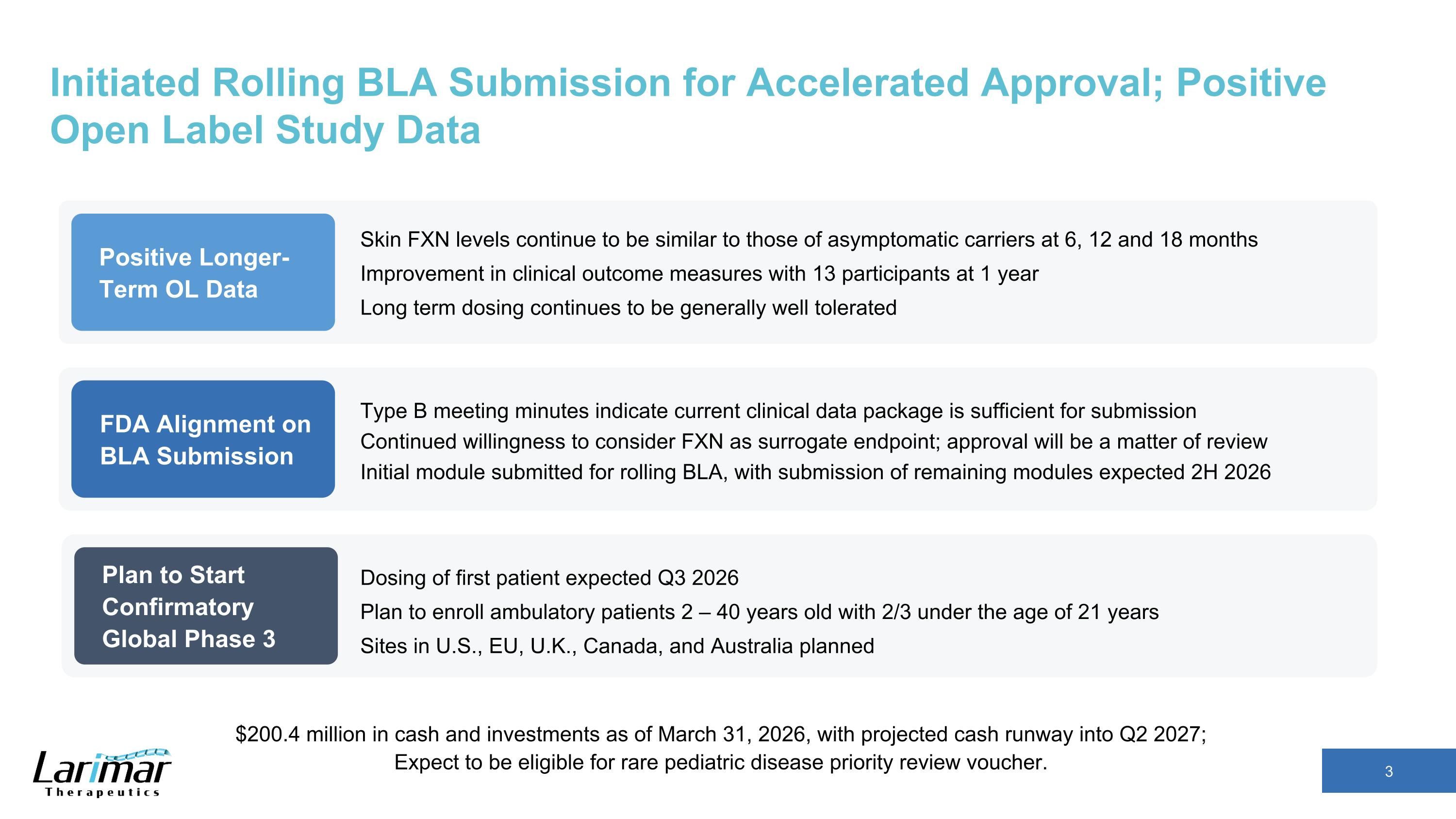
Initiated Rolling BLA Submission for Accelerated Approval; Positive Open Label Study Data Positive Longer-Term OL Data Skin FXN levels continue to be similar to those of asymptomatic carriers at 6, 12 and 18 months Improvement in clinical outcome measures with 13 participants at 1 year Long term dosing continues to be generally well tolerated FDA Alignment on BLA Submission Type B meeting minutes indicate current clinical data package is sufficient for submission Continued willingness to consider FXN as surrogate endpoint; approval will be a matter of review Initial module submitted for rolling BLA, with submission of remaining modules expected 2H 2026 $200.4 million in cash and investments as of March 31, 2026, with projected cash runway into Q2 2027; Expect to be eligible for rare pediatric disease priority review voucher. Plan to Start Confirmatory Global Phase 3 Dosing of first patient expected Q3 2026 Plan to enroll ambulatory patients 2 – 40 years old with 2/3 under the age of 21 years Sites in U.S., EU, U.K., Canada, and Australia planned
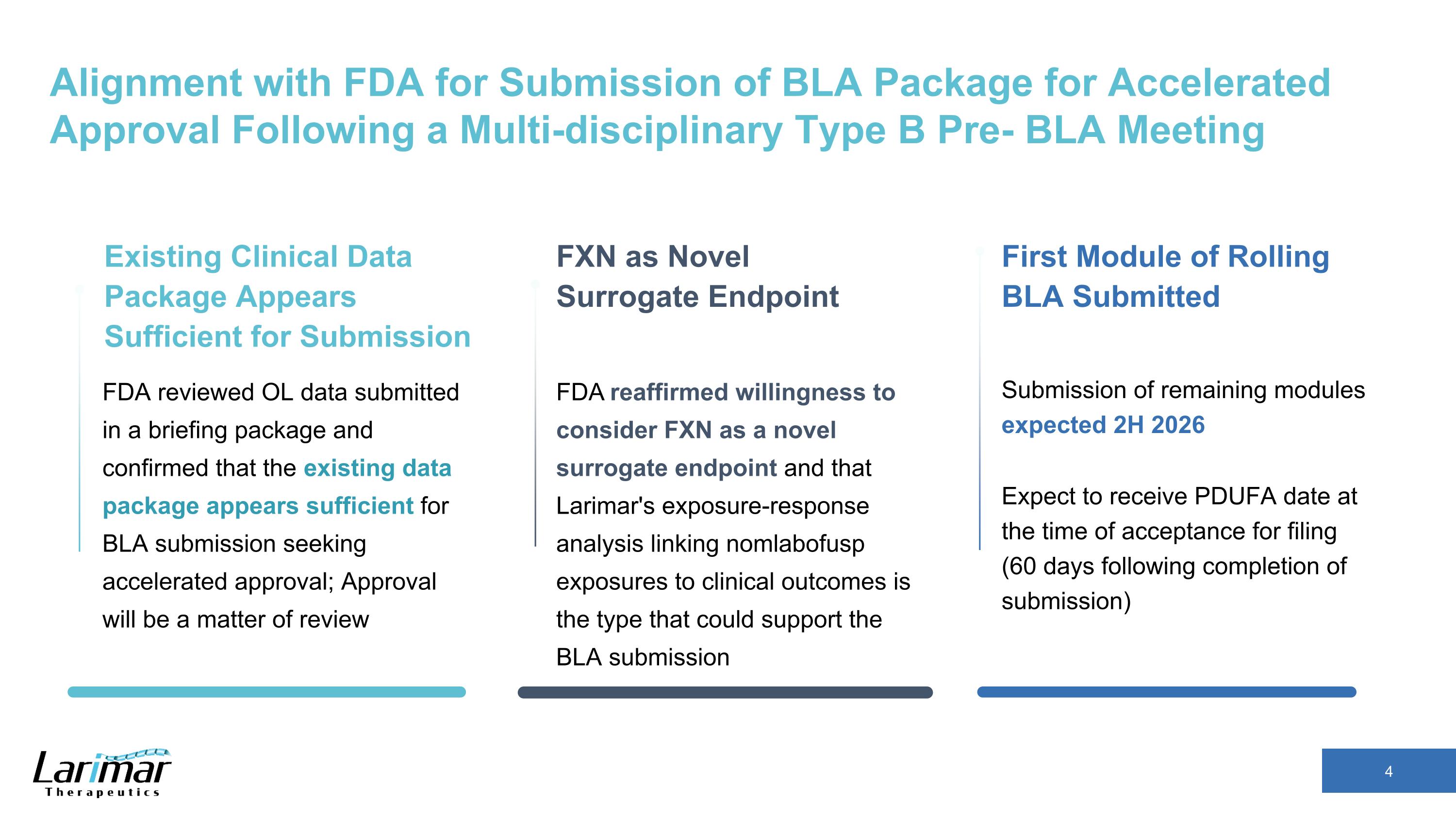
Alignment with FDA for Submission of BLA Package for Accelerated Approval Following a Multi-disciplinary Type B Pre- BLA Meeting FXN as Novel Surrogate Endpoint FDA reaffirmed willingness to consider FXN as a novel surrogate endpoint and that Larimar's exposure-response analysis linking nomlabofusp exposures to clinical outcomes is the type that could support the BLA submission Existing Clinical Data Package Appears Sufficient for Submission FDA reviewed OL data submitted in a briefing package and confirmed that the existing data package appears sufficient for BLA submission seeking accelerated approval; Approval will be a matter of review First Module of Rolling BLA Submitted Submission of remaining modules expected 2H 2026 Expect to receive PDUFA date at the time of acceptance for filing (60 days following completion of submission)
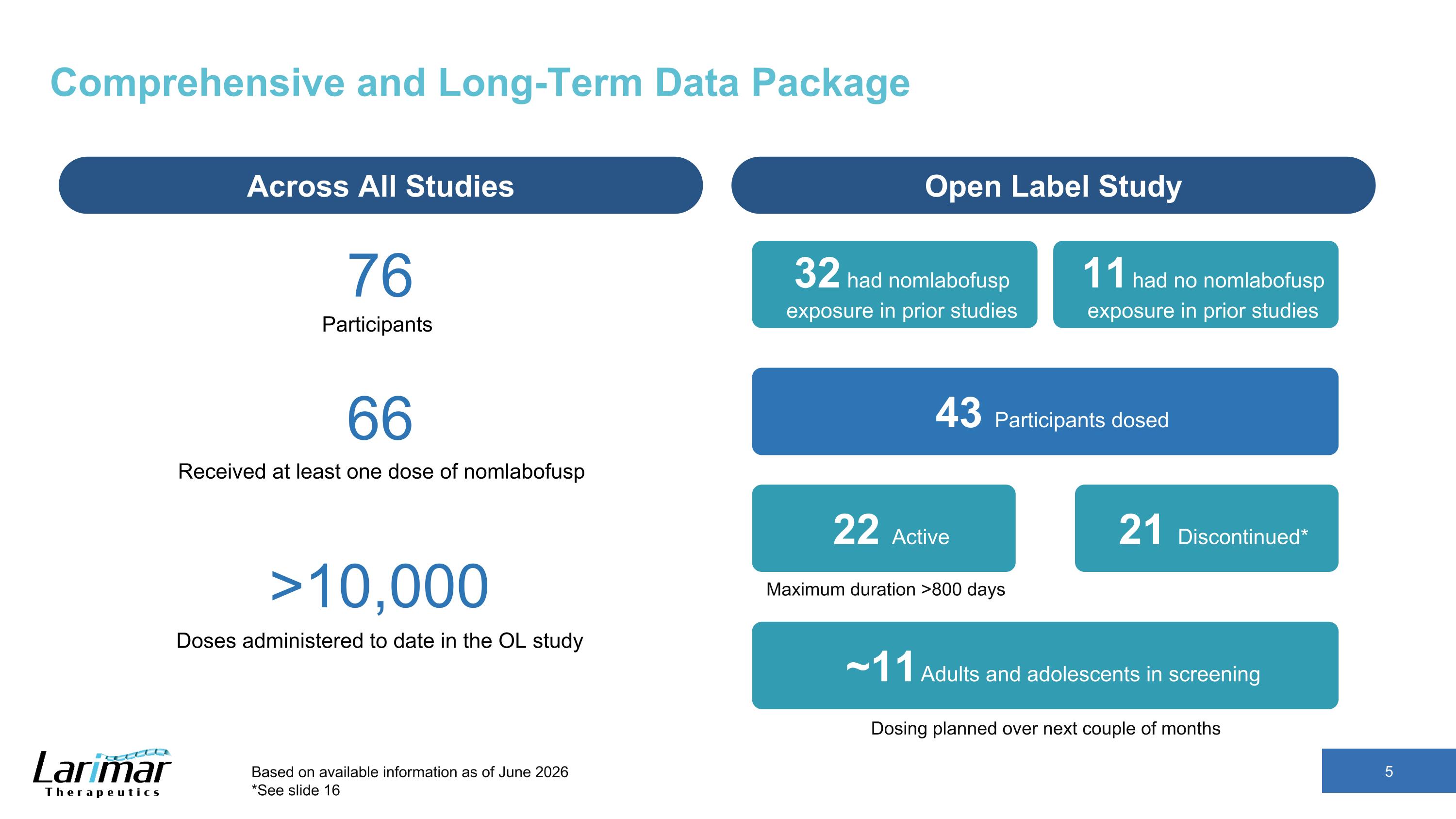
Comprehensive and Long-Term Data Package Across All Studies Open Label Study 76 Participants >10,000 Doses administered to date in the OL study 66 Received at least one dose of nomlabofusp 43 Participants dosed 22 Active 21 Discontinued* Maximum duration >800 days ~11 Adults and adolescents in screening Dosing planned over next couple of months 32 had nomlabofusp exposure in prior studies 11 had no nomlabofusp exposure in prior studies Based on available information as of June 2026 *See slide 16
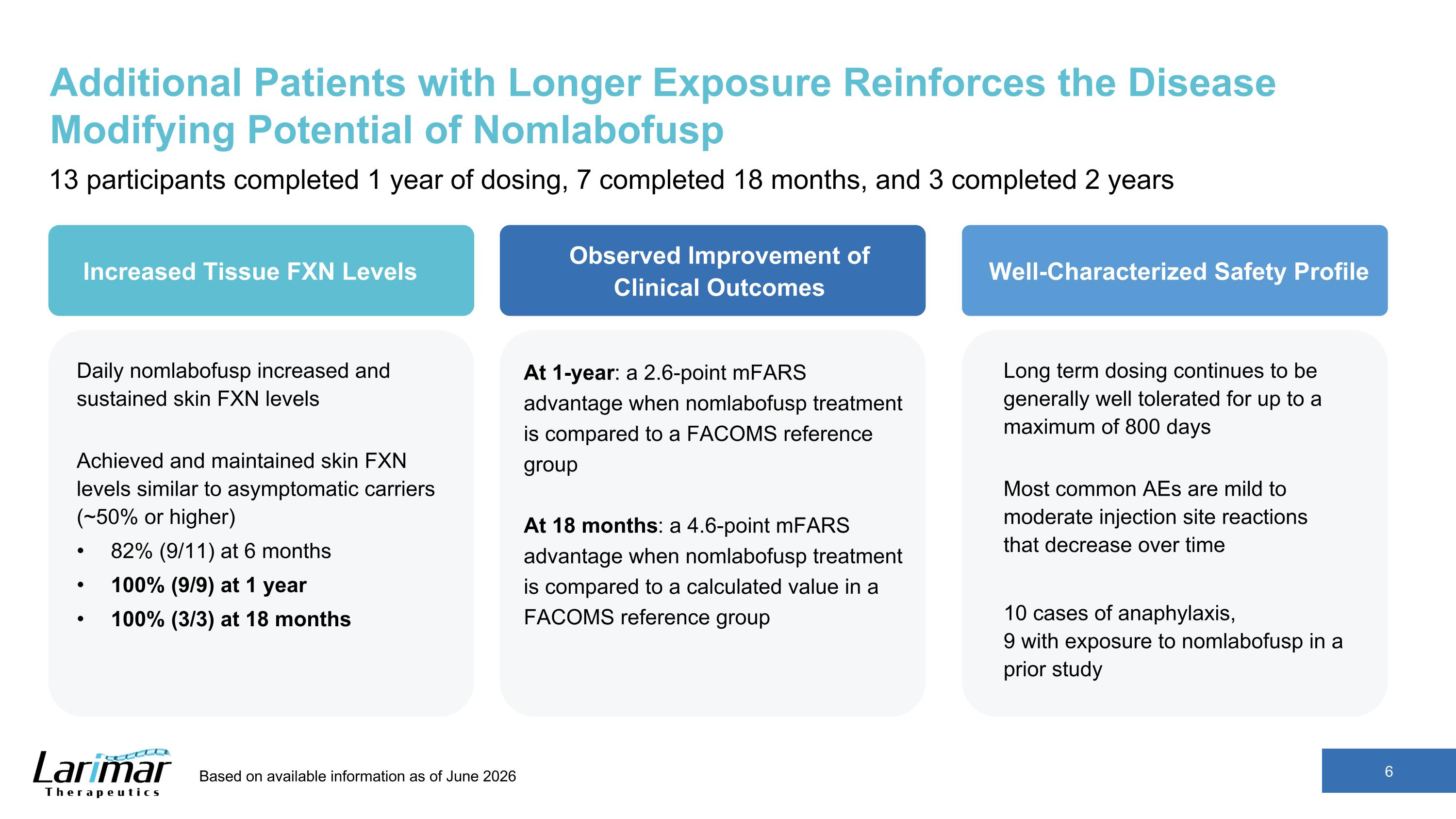
Additional Patients with Longer Exposure Reinforces the Disease Modifying Potential of Nomlabofusp 13 participants completed 1 year of dosing, 7 completed 18 months, and 3 completed 2 years Well-Characterized Safety Profile Increased Tissue FXN Levels Observed Improvement of Clinical Outcomes Daily nomlabofusp increased and sustained skin FXN levels Achieved and maintained skin FXN levels similar to asymptomatic carriers (~50% or higher) 82% (9/11) at 6 months 100% (9/9) at 1 year 100% (3/3) at 18 months At 1-year: a 2.6-point mFARS advantage when nomlabofusp treatment is compared to a FACOMS reference group At 18 months: a 4.6-point mFARS advantage when nomlabofusp treatment is compared to a calculated value in a FACOMS reference group Long term dosing continues to be generally well tolerated for up to a maximum of 800 days Most common AEs are mild to moderate injection site reactions that decrease over time 10 cases of anaphylaxis, 9 with exposure to nomlabofusp in a prior study Based on available information as of June 2026
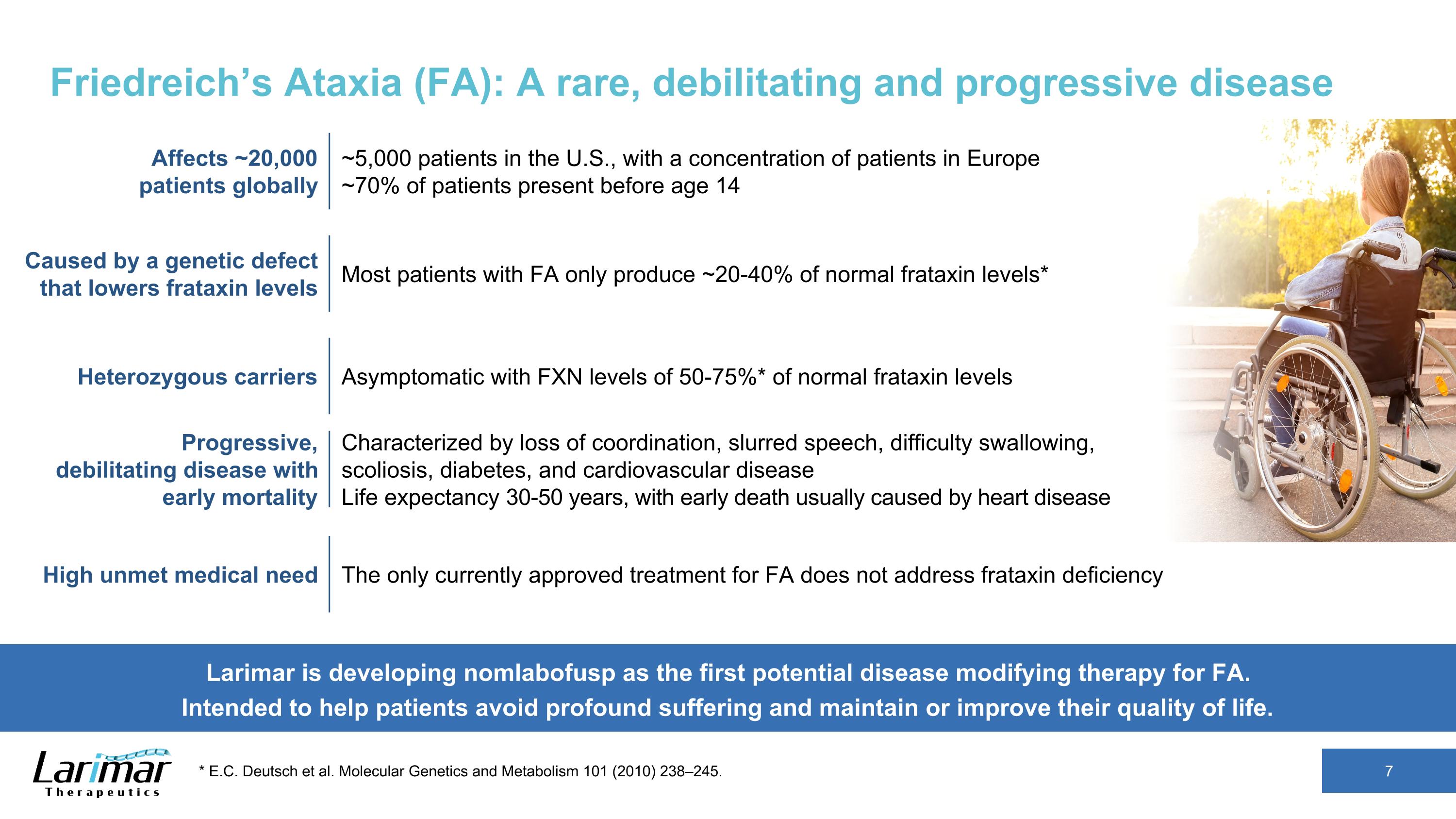
Friedreich’s Ataxia (FA): A rare, debilitating and progressive disease 7 * E.C. Deutsch et al. Molecular Genetics and Metabolism 101 (2010) 238–245. Larimar is developing nomlabofusp as the first potential disease modifying therapy for FA. Intended to help patients avoid profound suffering and maintain or improve their quality of life. Affects ~20,000 patients globally ~5,000 patients in the U.S., with a concentration of patients in Europe ~70% of patients present before age 14 Caused by a genetic defect that lowers frataxin levels Most patients with FA only produce ~20-40% of normal frataxin levels* Heterozygous carriers Asymptomatic with FXN levels of 50-75%* of normal frataxin levels High unmet medical need The only currently approved treatment for FA does not address frataxin deficiency Progressive, debilitating disease with early mortality Characterized by loss of coordination, slurred speech, difficulty swallowing, scoliosis, diabetes, and cardiovascular disease Life expectancy 30-50 years, with early death usually caused by heart disease
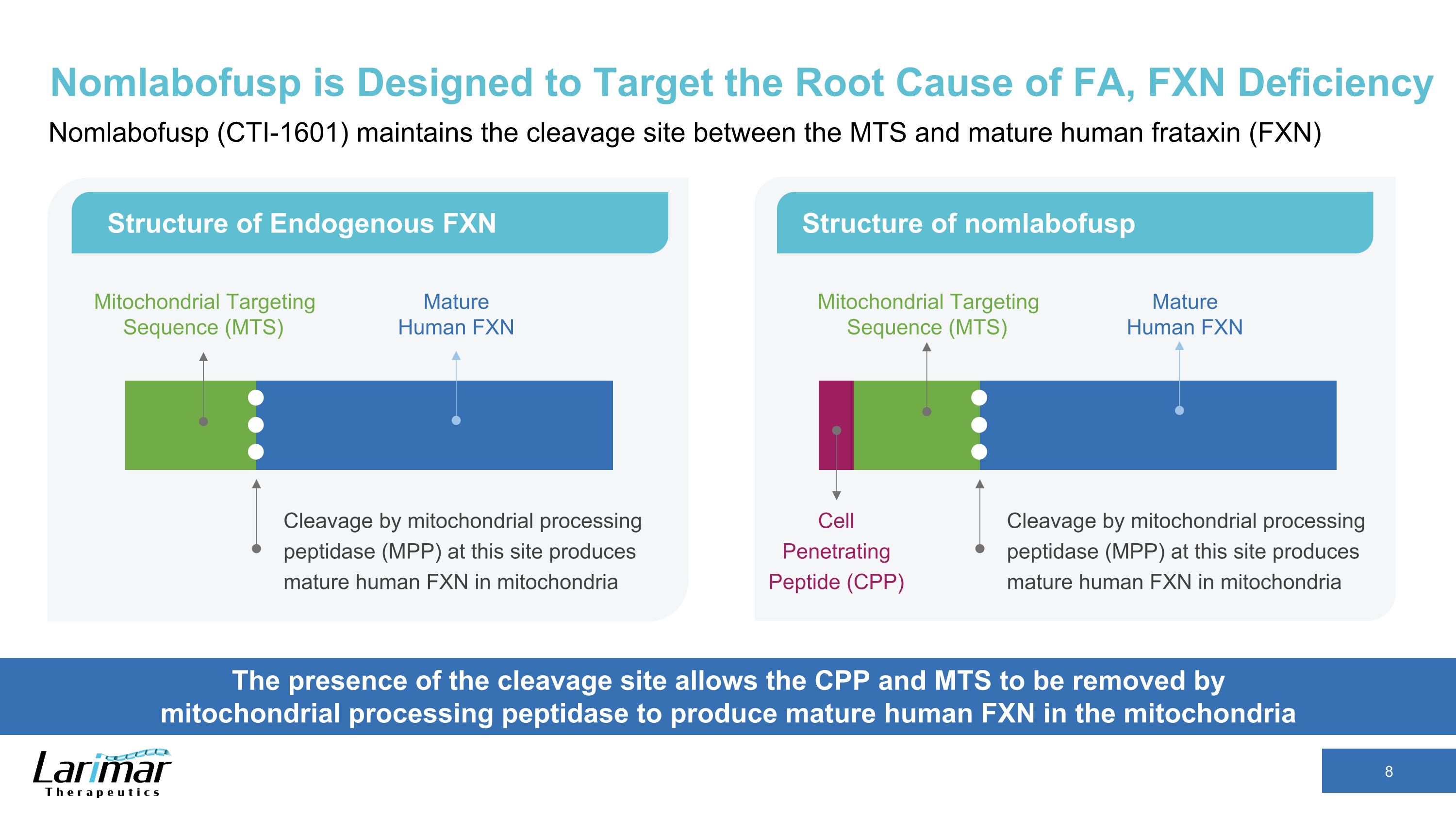
Nomlabofusp is Designed to Target the Root Cause of FA, FXN Deficiency Nomlabofusp (CTI-1601) maintains the cleavage site between the MTS and mature human frataxin (FXN) The presence of the cleavage site allows the CPP and MTS to be removed by mitochondrial processing peptidase to produce mature human FXN in the mitochondria Structure of Endogenous FXN Structure of nomlabofusp Cleavage by mitochondrial processing peptidase (MPP) at this site produces mature human FXN in mitochondria Mitochondrial Targeting Sequence (MTS) Mature Human FXN Cleavage by mitochondrial processing peptidase (MPP) at this site produces mature human FXN in mitochondria Mature Human FXN Cell Penetrating Peptide (CPP) Mitochondrial Targeting Sequence (MTS)
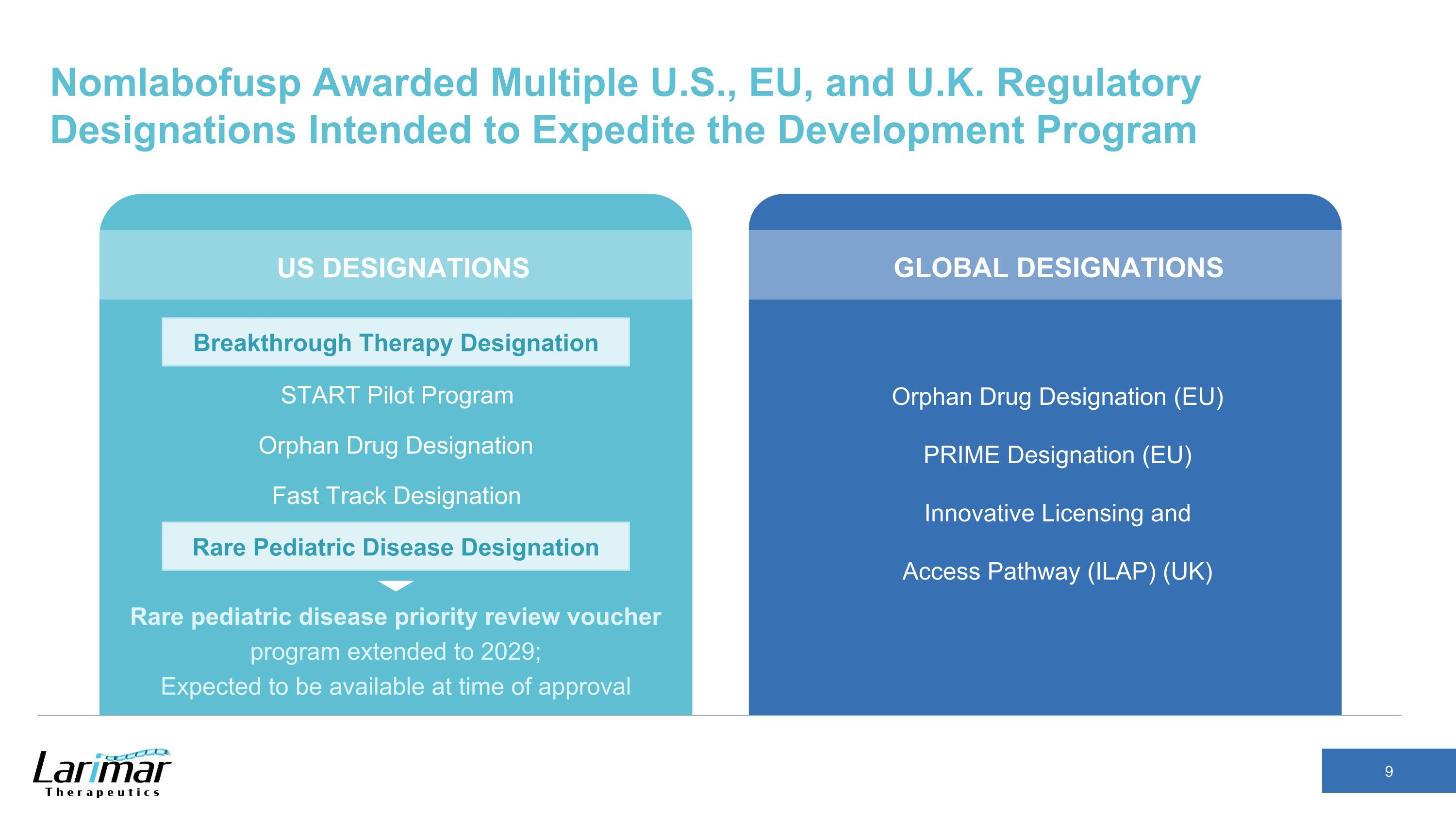
Nomlabofusp Awarded Multiple U.S., EU, and U.K. Regulatory Designations Intended to Expedite the Development Program Orphan Drug Designation (EU) PRIME Designation (EU) Innovative Licensing and Access Pathway (ILAP) (UK) Breakthrough Therapy Designation START Pilot Program Orphan Drug Designation Fast Track Designation Rare Pediatric Disease Designation Rare pediatric disease priority review voucher program extended to 2029; Expected to be available at time of approval GLOBAL DESIGNATIONS US DESIGNATIONS Rare Pediatric Disease Designation Breakthrough Therapy Designation
Nomlabofusp Long-term Open Label Study (Ongoing)
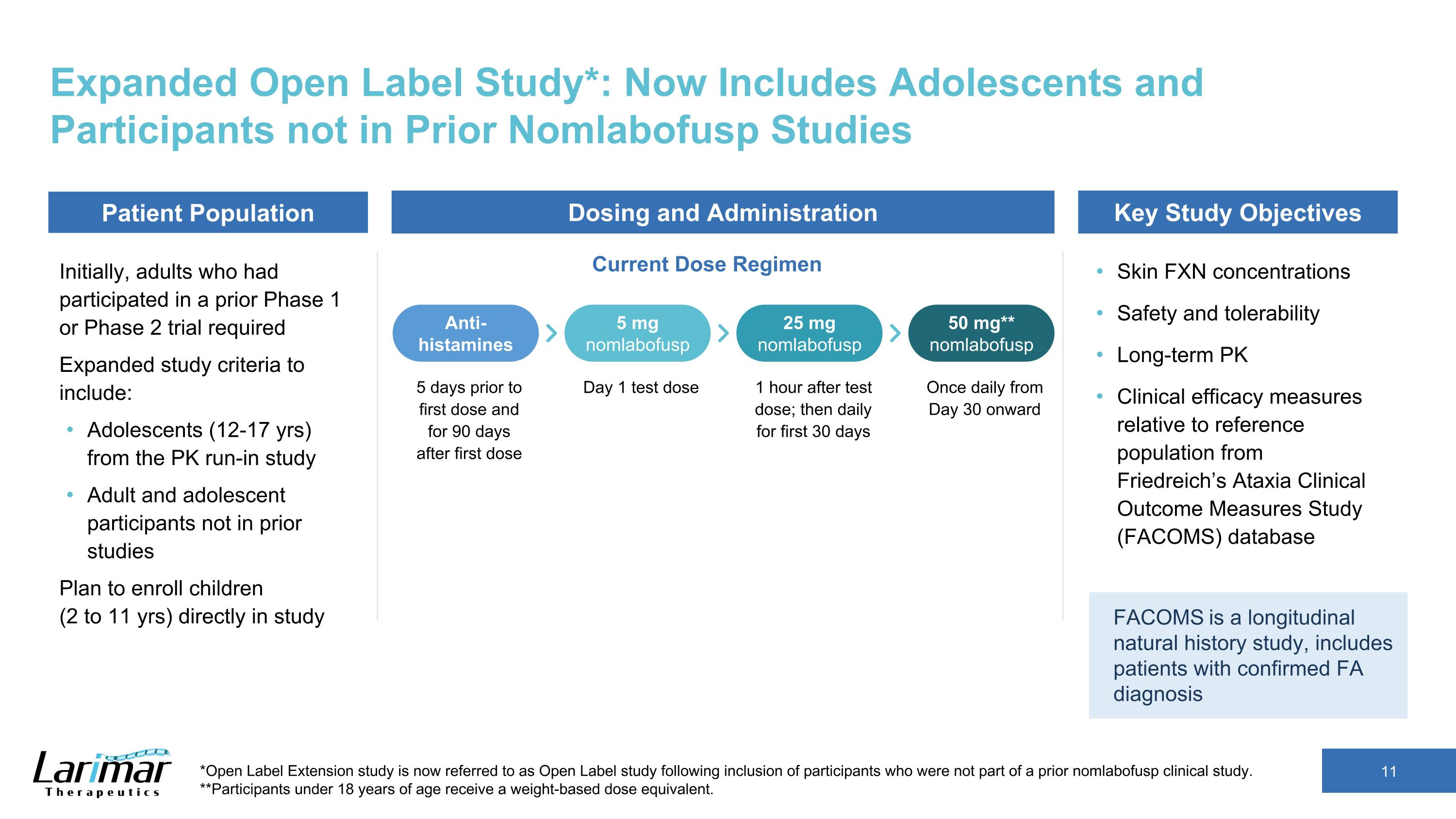
Expanded Open Label Study*: Now Includes Adolescents and Participants not in Prior Nomlabofusp Studies Initially, adults who had participated in a prior Phase 1 or Phase 2 trial required Expanded study criteria to include: Adolescents (12-17 yrs) from the PK run-in study Adult and adolescent participants not in prior studies Plan to enroll children (2 to 11 yrs) directly in study Skin FXN concentrations Safety and tolerability Long-term PK Clinical efficacy measures relative to reference population from Friedreich’s Ataxia Clinical Outcome Measures Study (FACOMS) database *Open Label Extension study is now referred to as Open Label study following inclusion of participants who were not part of a prior nomlabofusp clinical study. **Participants under 18 years of age receive a weight-based dose equivalent. Patient Population Current Dose Regimen Dosing and Administration Key Study Objectives 5 days prior to first dose and for 90 days after first dose Anti-histamines 5 mg nomlabofusp 25 mg nomlabofusp 50 mg** nomlabofusp Day 1 test dose 1 hour after test dose; then daily for first 30 days Once daily from Day 30 onward FACOMS is a longitudinal natural history study, includes patients with confirmed FA diagnosis
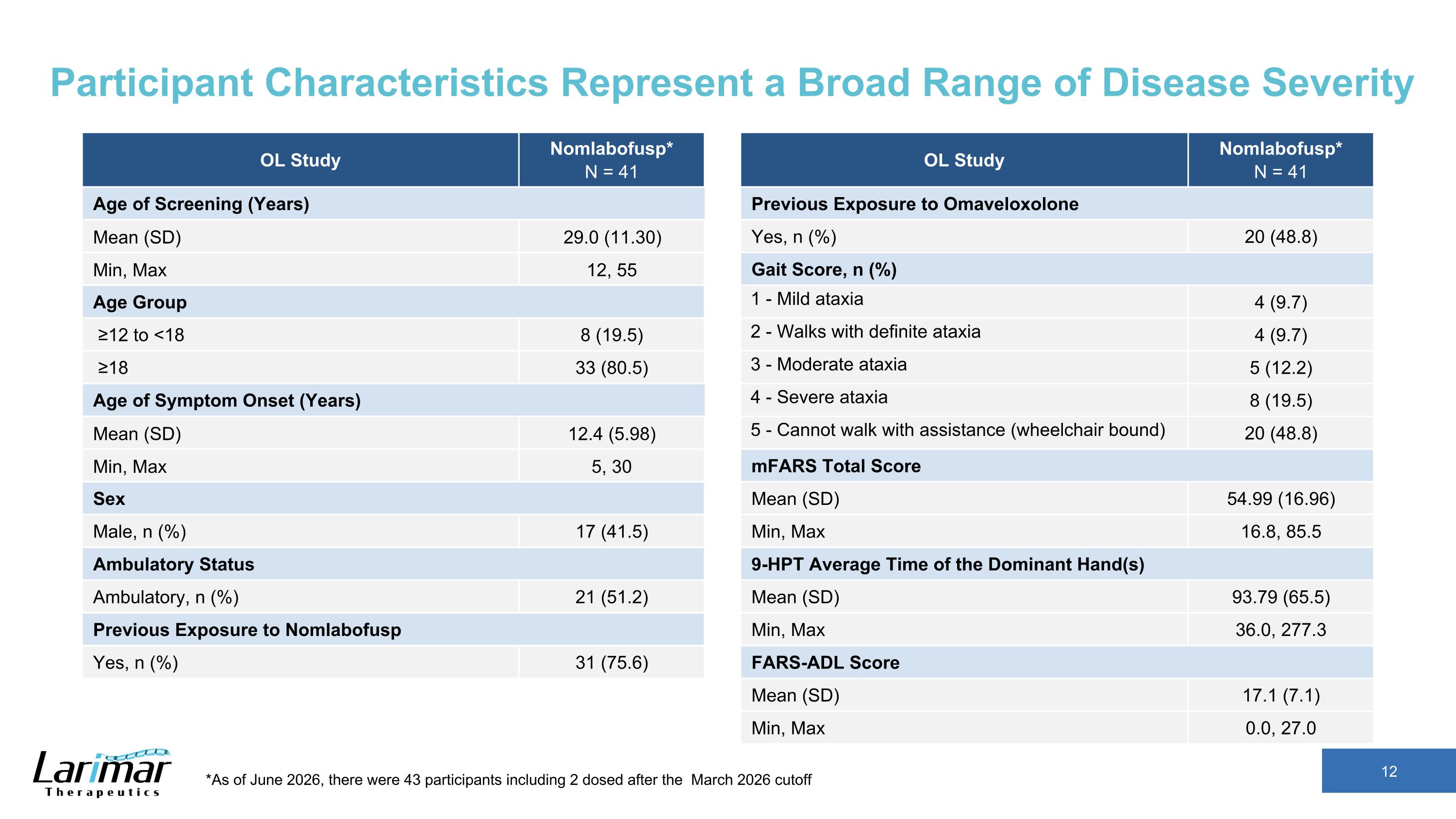
Participant Characteristics Represent a Broad Range of Disease Severity *As of June 2026, there were 43 participants including 2 dosed after the March 2026 cutoff OL Study Nomlabofusp* N = 41 Age of Screening (Years) Mean (SD) 29.0 (11.30) Min, Max 12, 55 Age Group ≥12 to <18 8 (19.5) ≥18 33 (80.5) Age of Symptom Onset (Years) Mean (SD) 12.4 (5.98) Min, Max 5, 30 Sex Male, n (%) 17 (41.5) Ambulatory Status Ambulatory, n (%) 21 (51.2) Previous Exposure to Nomlabofusp Yes, n (%) 31 (75.6) OL Study Nomlabofusp* N = 41 Previous Exposure to Omaveloxolone Yes, n (%) 20 (48.8) Gait Score, n (%) 1 - Mild ataxia 4 (9.7) 2 - Walks with definite ataxia 4 (9.7) 3 - Moderate ataxia 5 (12.2) 4 - Severe ataxia 8 (19.5) 5 - Cannot walk with assistance (wheelchair bound) 20 (48.8) mFARS Total Score Mean (SD) 54.99 (16.96) Min, Max 16.8, 85.5 9-HPT Average Time of the Dominant Hand(s) Mean (SD) 93.79 (65.5) Min, Max 36.0, 277.3 FARS-ADL Score Mean (SD) 17.1 (7.1) Min, Max 0.0, 27.0
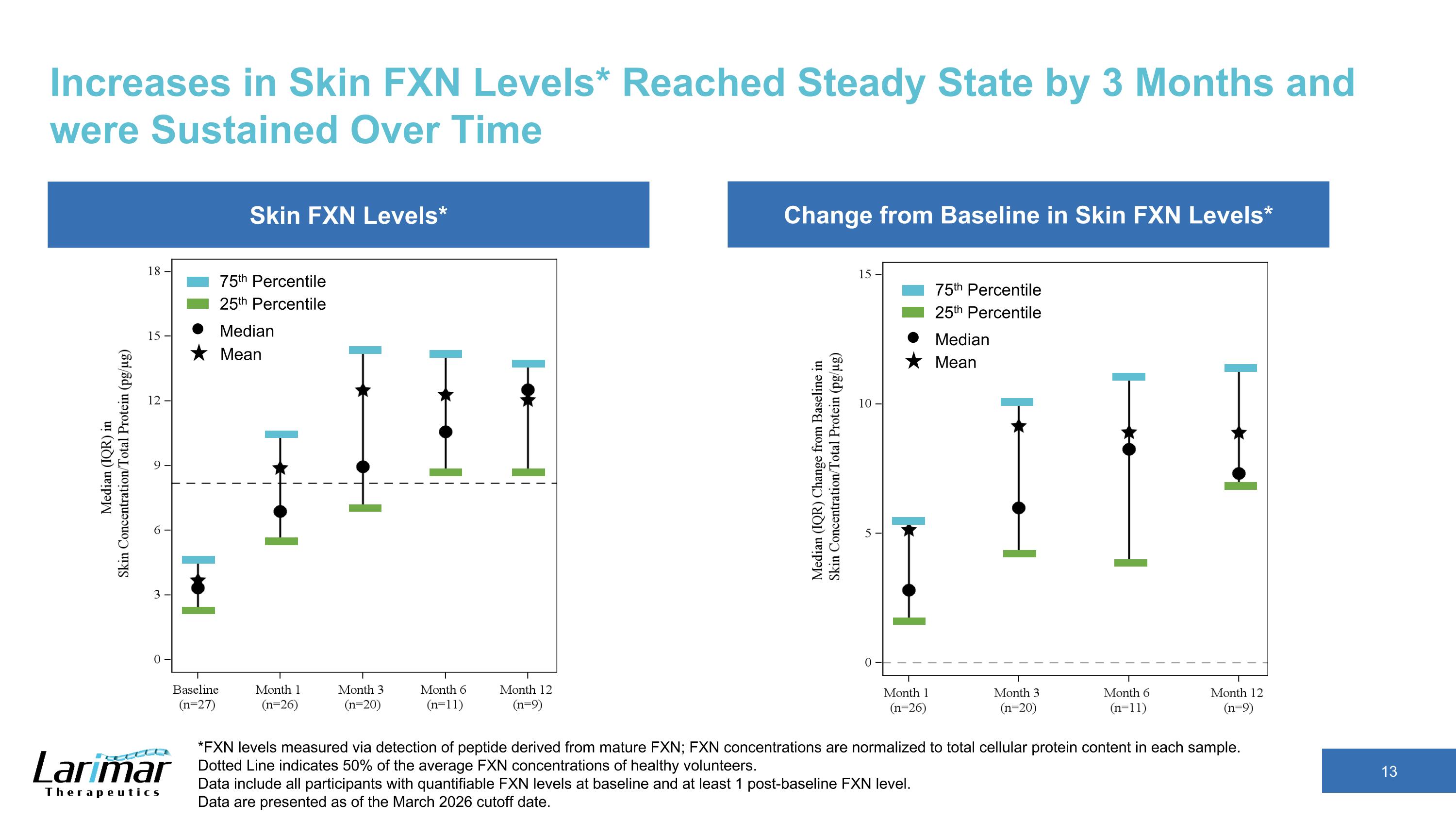
Change from Baseline in Skin FXN Levels* Skin FXN Levels* Increases in Skin FXN Levels* Reached Steady State by 3 Months and were Sustained Over Time *FXN levels measured via detection of peptide derived from mature FXN; FXN concentrations are normalized to total cellular protein content in each sample. Dotted Line indicates 50% of the average FXN concentrations of healthy volunteers. Data include all participants with quantifiable FXN levels at baseline and at least 1 post-baseline FXN level. Data are presented as of the March 2026 cutoff date. 25th Percentile 75th Percentile Median 25th Percentile 75th Percentile Median Mean Mean
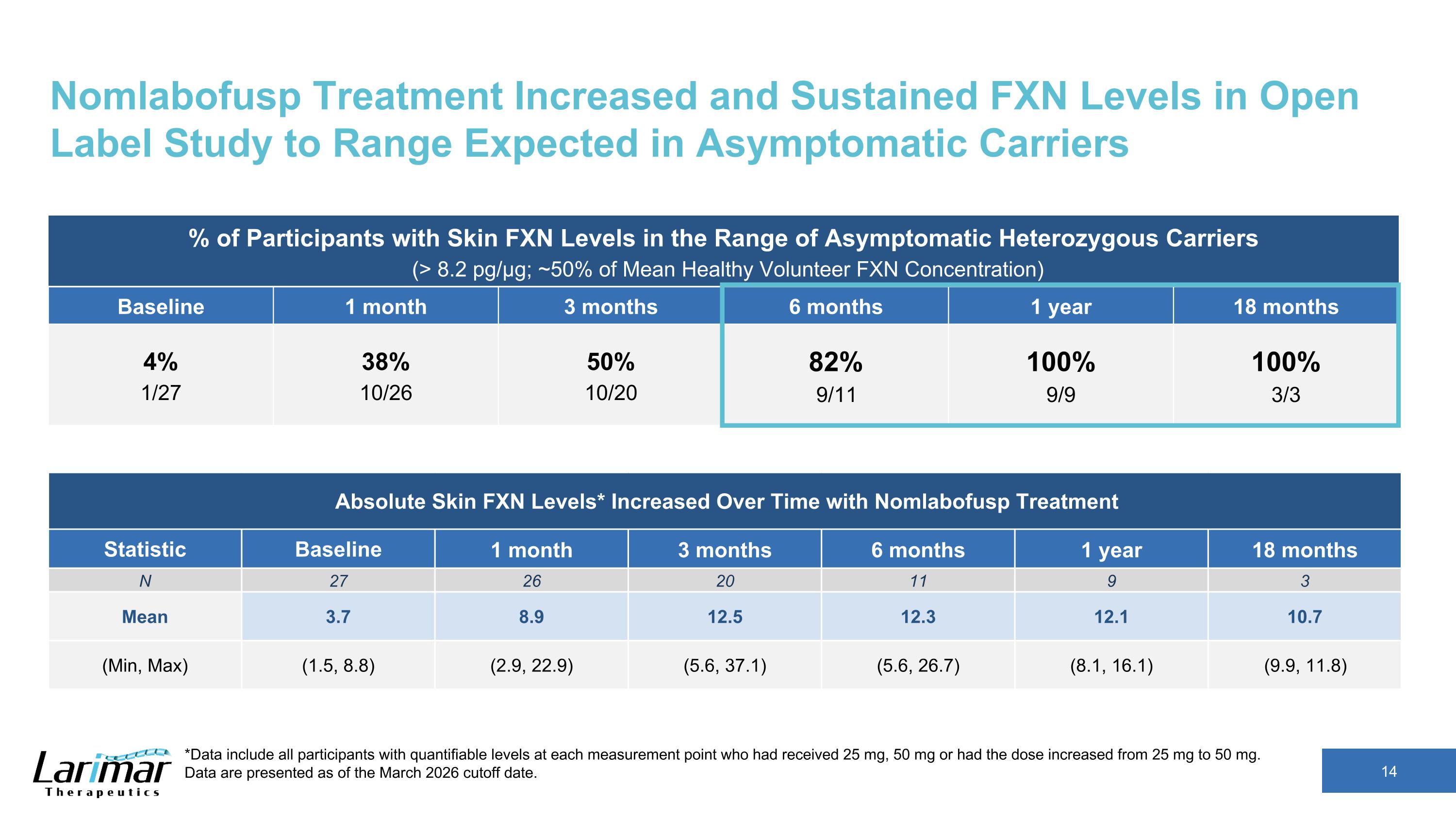
Nomlabofusp Treatment Increased and Sustained FXN Levels in Open Label Study to Range Expected in Asymptomatic Carriers % of Participants with Skin FXN Levels in the Range of Asymptomatic Heterozygous Carriers (> 8.2 pg/µg; ~50% of Mean Healthy Volunteer FXN Concentration) Baseline 1 month 3 months 6 months 1 year 18 months 4% 1/27 38% 10/26 50% 10/20 82% 9/11 100% 9/9 100% 3/3 *Data include all participants with quantifiable levels at each measurement point who had received 25 mg, 50 mg or had the dose increased from 25 mg to 50 mg. Data are presented as of the March 2026 cutoff date. Absolute Skin FXN Levels* Increased Over Time with Nomlabofusp Treatment Statistic Baseline 1 month 3 months 6 months 1 year 18 months N 27 26 20 11 9 3 Mean 3.7 8.9 12.5 12.3 12.1 10.7 (Min, Max) (1.5, 8.8) (2.9, 22.9) (5.6, 37.1) (5.6, 26.7) (8.1, 16.1) (9.9, 11.8)
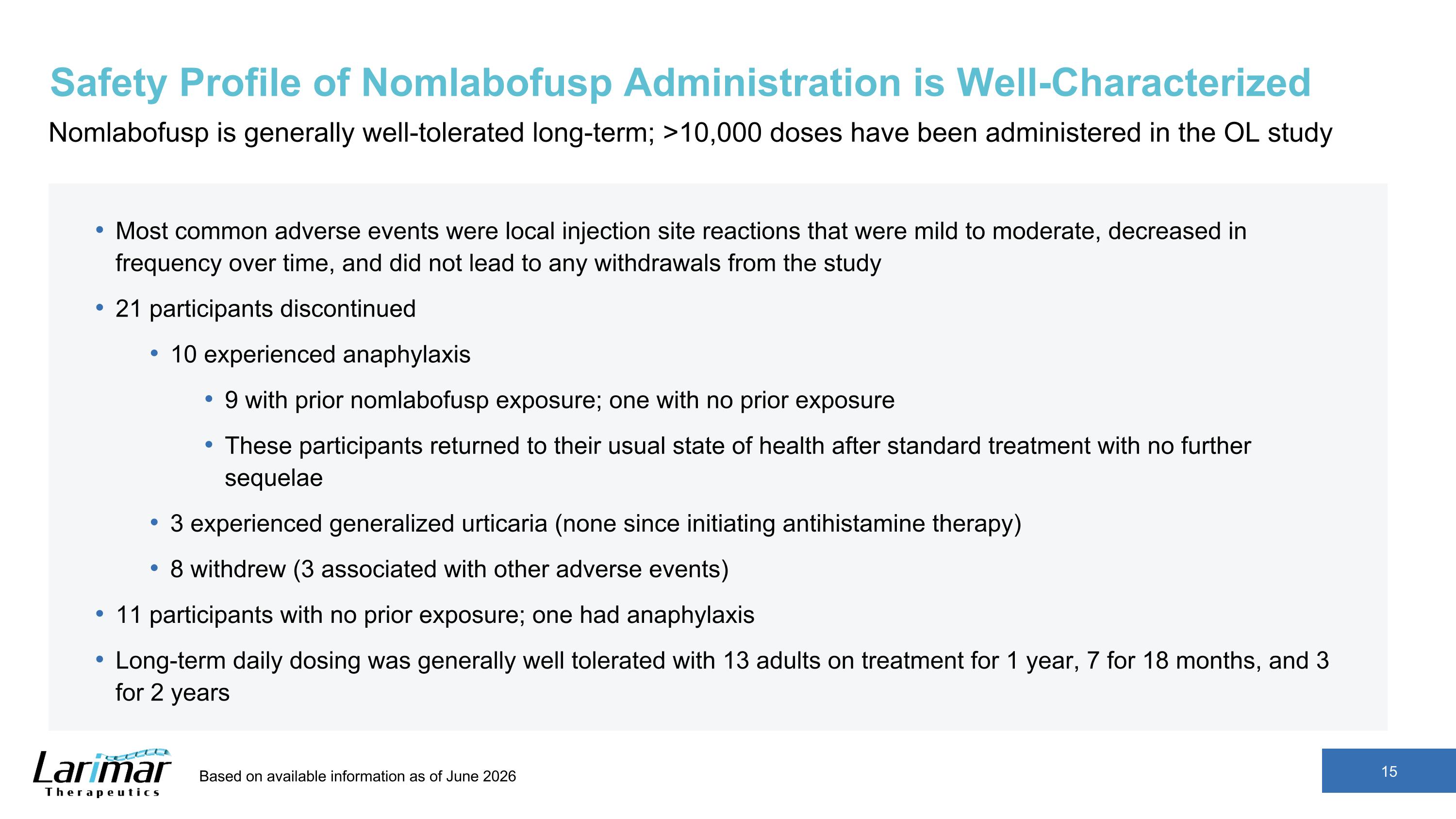
Safety Profile of Nomlabofusp Administration is Well-Characterized Nomlabofusp is generally well-tolerated long-term; >10,000 doses have been administered in the OL study Most common adverse events were local injection site reactions that were mild to moderate, decreased in frequency over time, and did not lead to any withdrawals from the study 21 participants discontinued 10 experienced anaphylaxis 9 with prior nomlabofusp exposure; one with no prior exposure These participants returned to their usual state of health after standard treatment with no further sequelae 3 experienced generalized urticaria (none since initiating antihistamine therapy) 8 withdrew (3 associated with other adverse events) 11 participants with no prior exposure; one had anaphylaxis Long-term daily dosing was generally well tolerated with 13 adults on treatment for 1 year, 7 for 18 months, and 3 for 2 years Based on available information as of June 2026
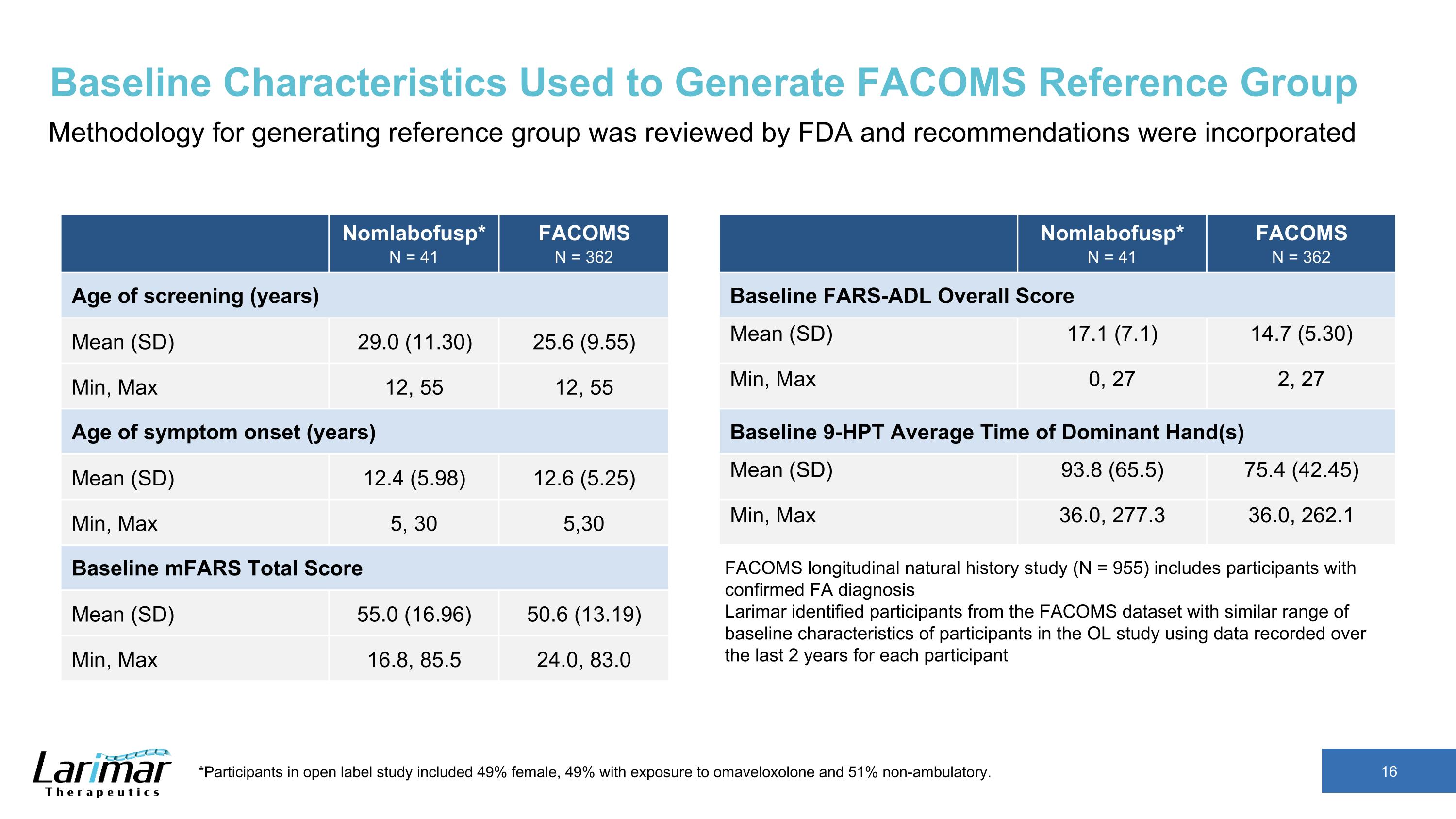
Baseline Characteristics Used to Generate FACOMS Reference Group Methodology for generating reference group was reviewed by FDA and recommendations were incorporated FACOMS longitudinal natural history study (N = 955) includes participants with confirmed FA diagnosis Larimar identified participants from the FACOMS dataset with similar range of baseline characteristics of participants in the OL study using data recorded over the last 2 years for each participant *Participants in open label study included 49% female, 49% with exposure to omaveloxolone and 51% non-ambulatory. Nomlabofusp* N = 41 FACOMS N = 362 Age of screening (years) Mean (SD) 29.0 (11.30) 25.6 (9.55) Min, Max 12, 55 12, 55 Age of symptom onset (years) Mean (SD) 12.4 (5.98) 12.6 (5.25) Min, Max 5, 30 5,30 Baseline mFARS Total Score Mean (SD) 55.0 (16.96) 50.6 (13.19) Min, Max 16.8, 85.5 24.0, 83.0 Nomlabofusp* N = 41 FACOMS N = 362 Baseline FARS-ADL Overall Score Mean (SD) 17.1 (7.1) 14.7 (5.30) Min, Max 0, 27 2, 27 Baseline 9-HPT Average Time of Dominant Hand(s) Mean (SD) 93.8 (65.5) 75.4 (42.45) Min, Max 36.0, 277.3 36.0, 262.1
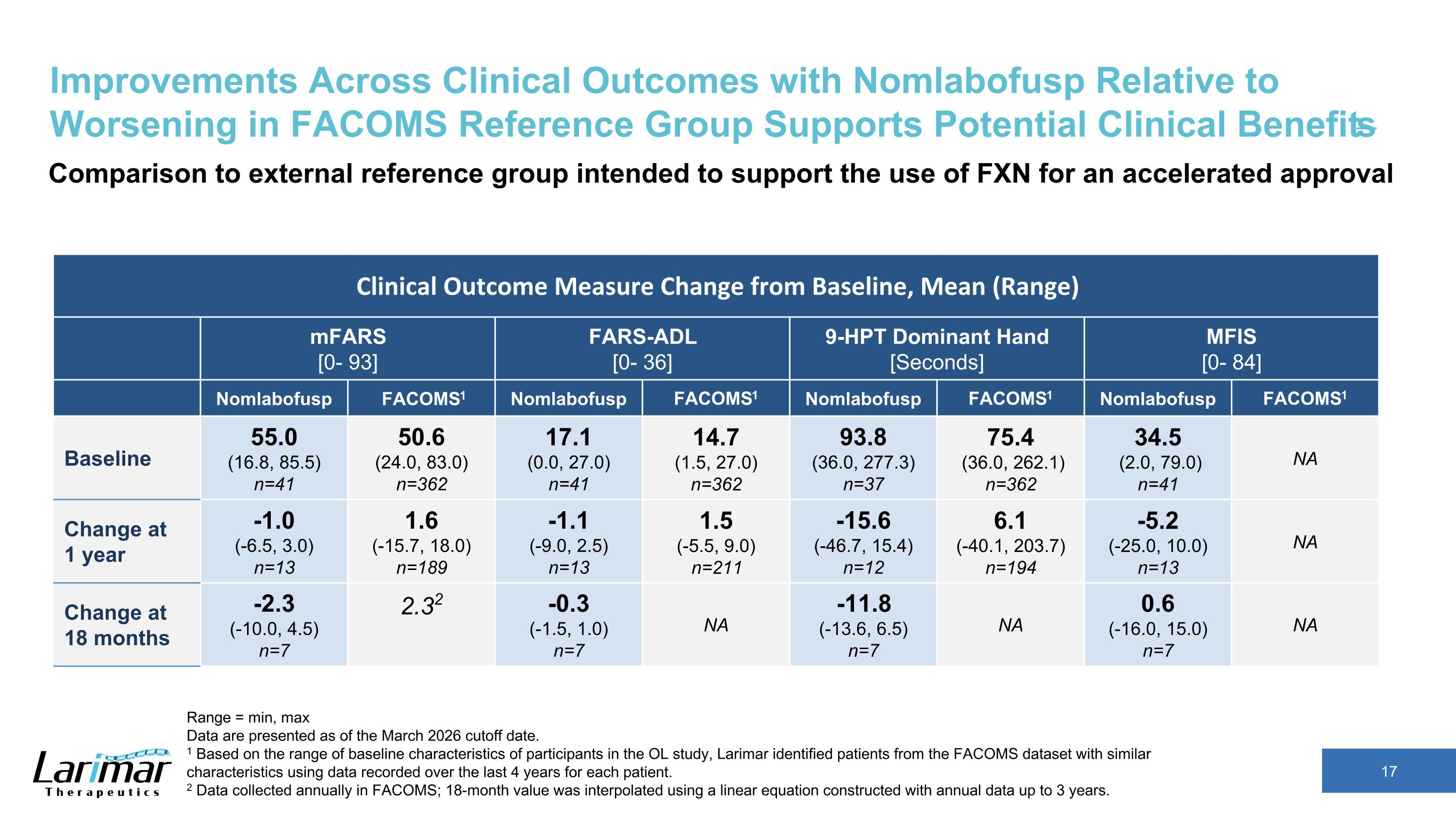
Improvements Across Clinical Outcomes with Nomlabofusp Relative to Worsening in FACOMS Reference Group Supports Potential Clinical Benefits Range = min, max Data are presented as of the March 2026 cutoff date. 1 Based on the range of baseline characteristics of participants in the OL study, Larimar identified patients from the FACOMS dataset with similar characteristics using data recorded over the last 4 years for each patient. 2 Data collected annually in FACOMS; 18-month value was interpolated using a linear equation constructed with annual data up to 3 years. Clinical Outcome Measure Change from Baseline, Mean (Range) mFARS [0- 93] FARS-ADL [0- 36] 9-HPT Dominant Hand [Seconds] MFIS [0- 84] Nomlabofusp FACOMS1 Nomlabofusp FACOMS1 Nomlabofusp FACOMS1 Nomlabofusp FACOMS1 Baseline 55.0 (16.8, 85.5) n=41 50.6 (24.0, 83.0) n=362 17.1 (0.0, 27.0) n=41 14.7 (1.5, 27.0) n=362 93.8 (36.0, 277.3) n=37 75.4 (36.0, 262.1) n=362 34.5 (2.0, 79.0) n=41 NA Change at 1 year -1.0 (-6.5, 3.0) n=13 1.6 (-15.7, 18.0) n=189 -1.1 (-9.0, 2.5) n=13 1.5 (-5.5, 9.0) n=211 -15.6 (-46.7, 15.4) n=12 6.1 (-40.1, 203.7) n=194 -5.2 (-25.0, 10.0) n=13 NA Change at 18 months -2.3 (-10.0, 4.5) n=7 2.32 -0.3 (-1.5, 1.0) n=7 NA -11.8 (-13.6, 6.5) n=7 NA 0.6 (-16.0, 15.0) n=7 NA Comparison to external reference group intended to support the use of FXN for an accelerated approval
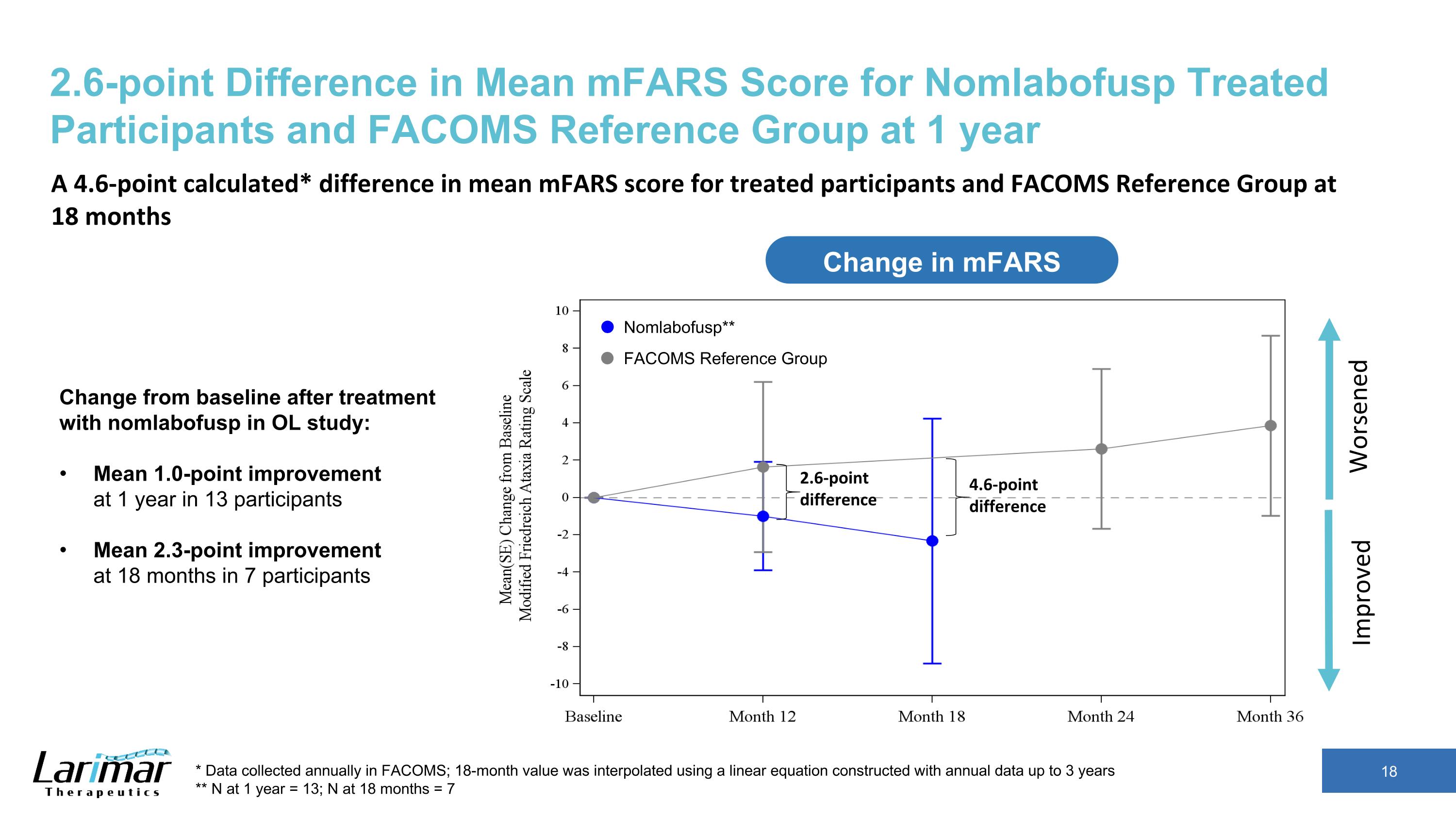
2.6-point Difference in Mean mFARS Score for Nomlabofusp Treated Participants and FACOMS Reference Group at 1 year Change in mFARS Change from baseline after treatment with nomlabofusp in OL study: Mean 1.0-point improvement at 1 year in 13 participants Mean 2.3-point improvement at 18 months in 7 participants A 4.6-point calculated* difference in mean mFARS score for treated participants and FACOMS Reference Group at 18 months Improved Worsened Nomlabofusp** FACOMS Reference Group 2.6-point difference 4.6-point difference * Data collected annually in FACOMS; 18-month value was interpolated using a linear equation constructed with annual data up to 3 years ** N at 1 year = 13; N at 18 months = 7
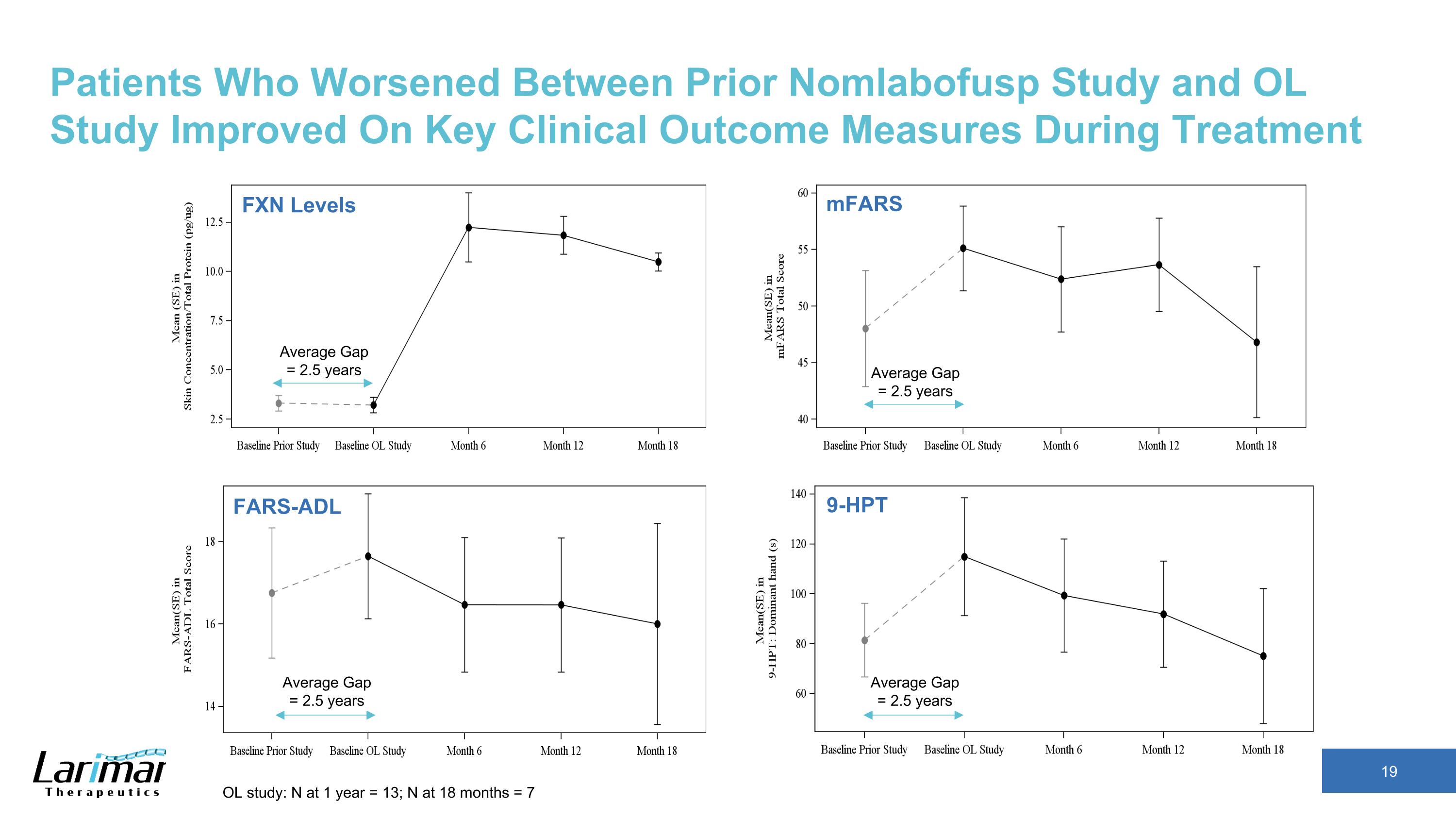
Patients Who Worsened Between Prior Nomlabofusp Study and OL Study Improved On Key Clinical Outcome Measures During Treatment Average Gap = 2.5 years Average Gap = 2.5 years Average Gap = 2.5 years Average Gap = 2.5 years FXN Levels mFARS FARS-ADL 9-HPT OL study: N at 1 year = 13; N at 18 months = 7
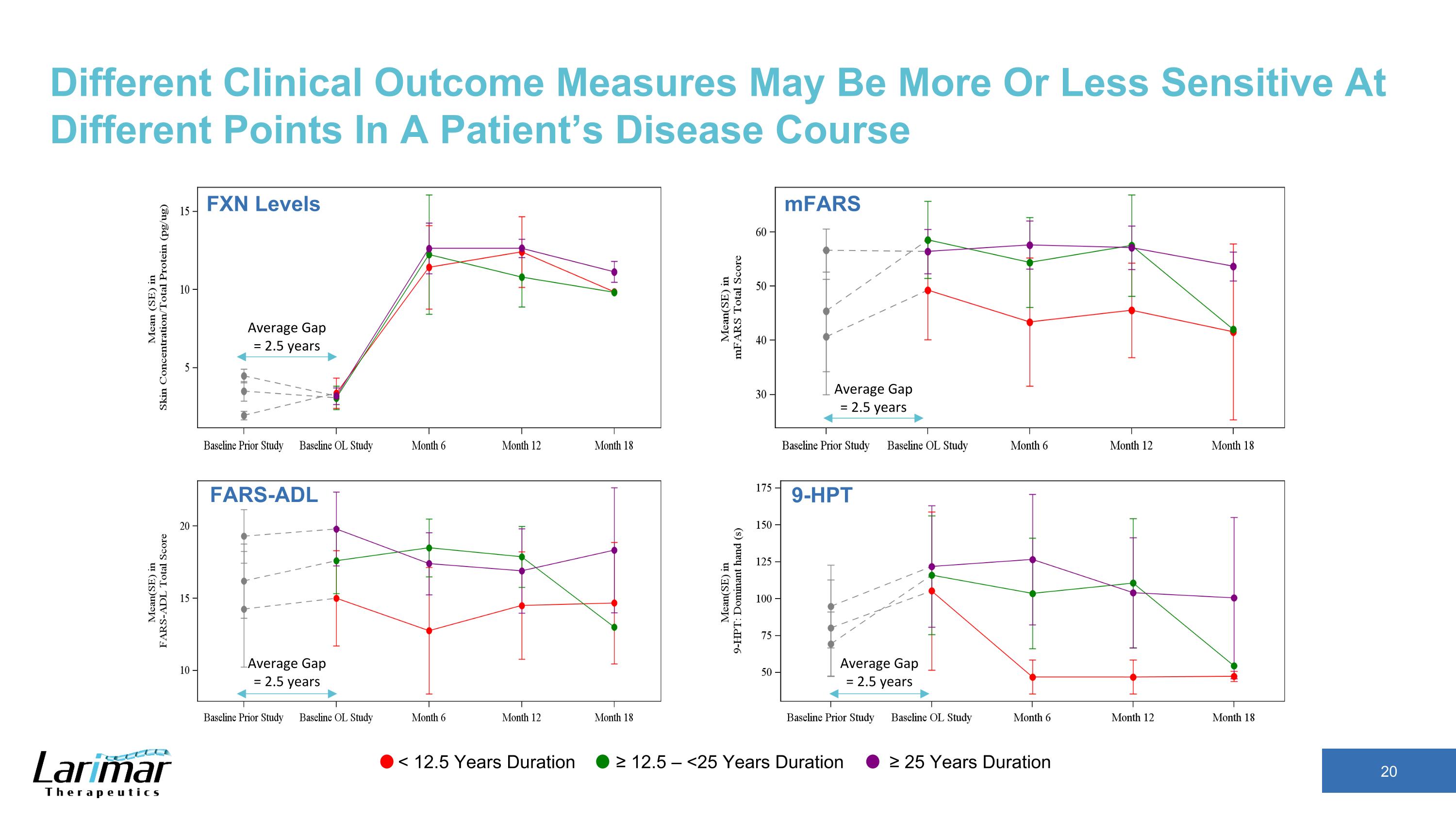
Different Clinical Outcome Measures May Be More Or Less Sensitive At Different Points In A Patient’s Disease Course Average Gap = 2.5 years Average Gap = 2.5 years Average Gap = 2.5 years Average Gap = 2.5 years FXN Levels mFARS FARS-ADL 9-HPT < 12.5 Years Duration ≥ 12.5 – <25 Years Duration ≥ 25 Years Duration
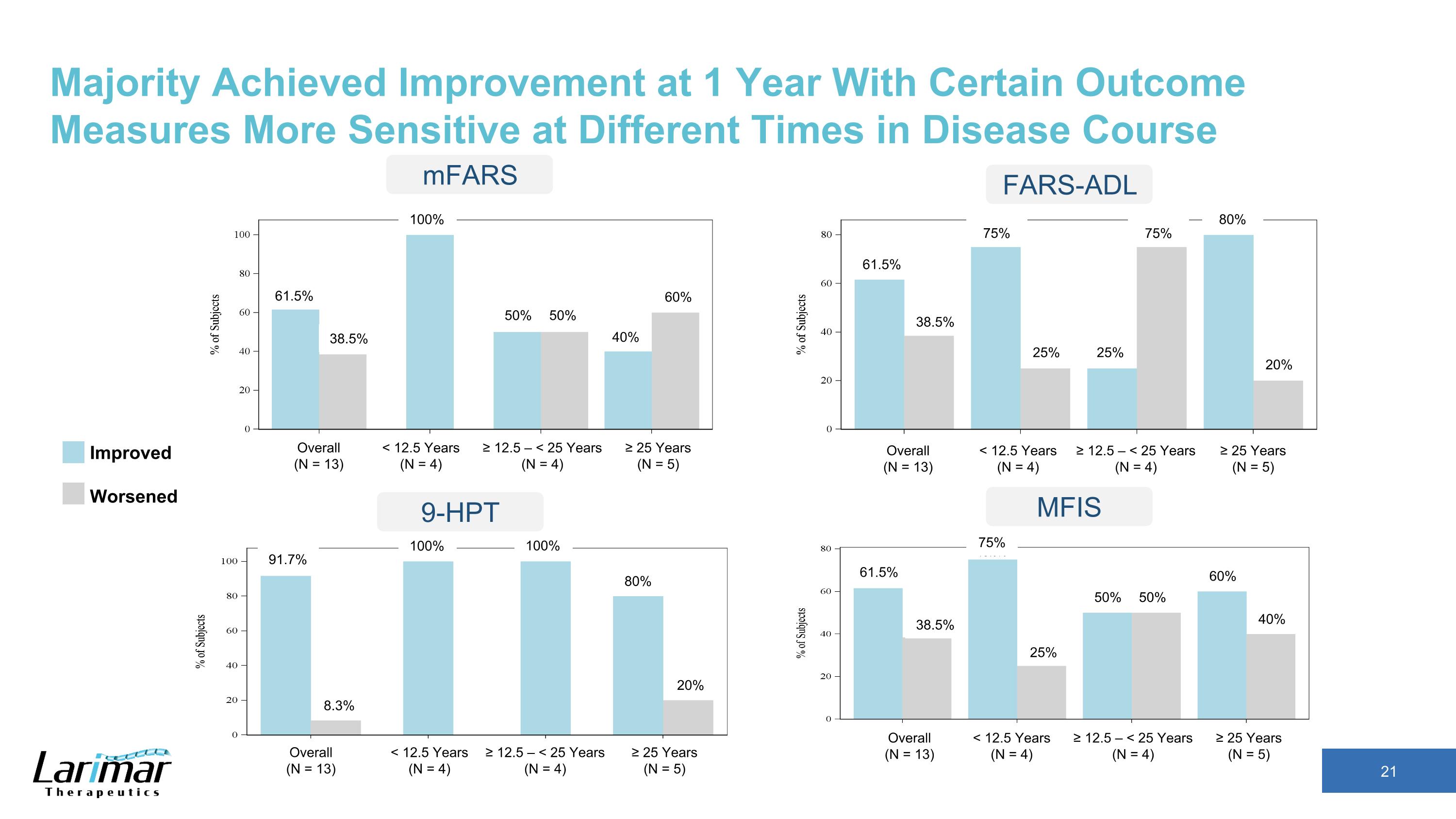
Majority Achieved Improvement at 1 Year With Certain Outcome Measures More Sensitive at Different Times in Disease Course mFARS FARS-ADL Improved Worsened MFIS 9-HPT 61.5% 38.5% 100% 50% 50% 40% 60% 100% 100% 61.5% 61.5% 38.5% 60% 40% 50% 50% 80% 20% 38.5% 75% 25% 25% 25% 20% 75% 75% 80% 91.7% 8.3% ≥ 12.5 – < 25 Years (N = 4) < 12.5 Years (N = 4) Overall (N = 13) ≥ 25 Years (N = 5) ≥ 12.5 – < 25 Years (N = 4) < 12.5 Years (N = 4) Overall (N = 13) ≥ 25 Years (N = 5) ≥ 12.5 – < 25 Years (N = 4) < 12.5 Years (N = 4) Overall (N = 13) ≥ 25 Years (N = 5) ≥ 12.5 – < 25 Years (N = 4) < 12.5 Years (N = 4) Overall (N = 13) ≥ 25 Years (N = 5)
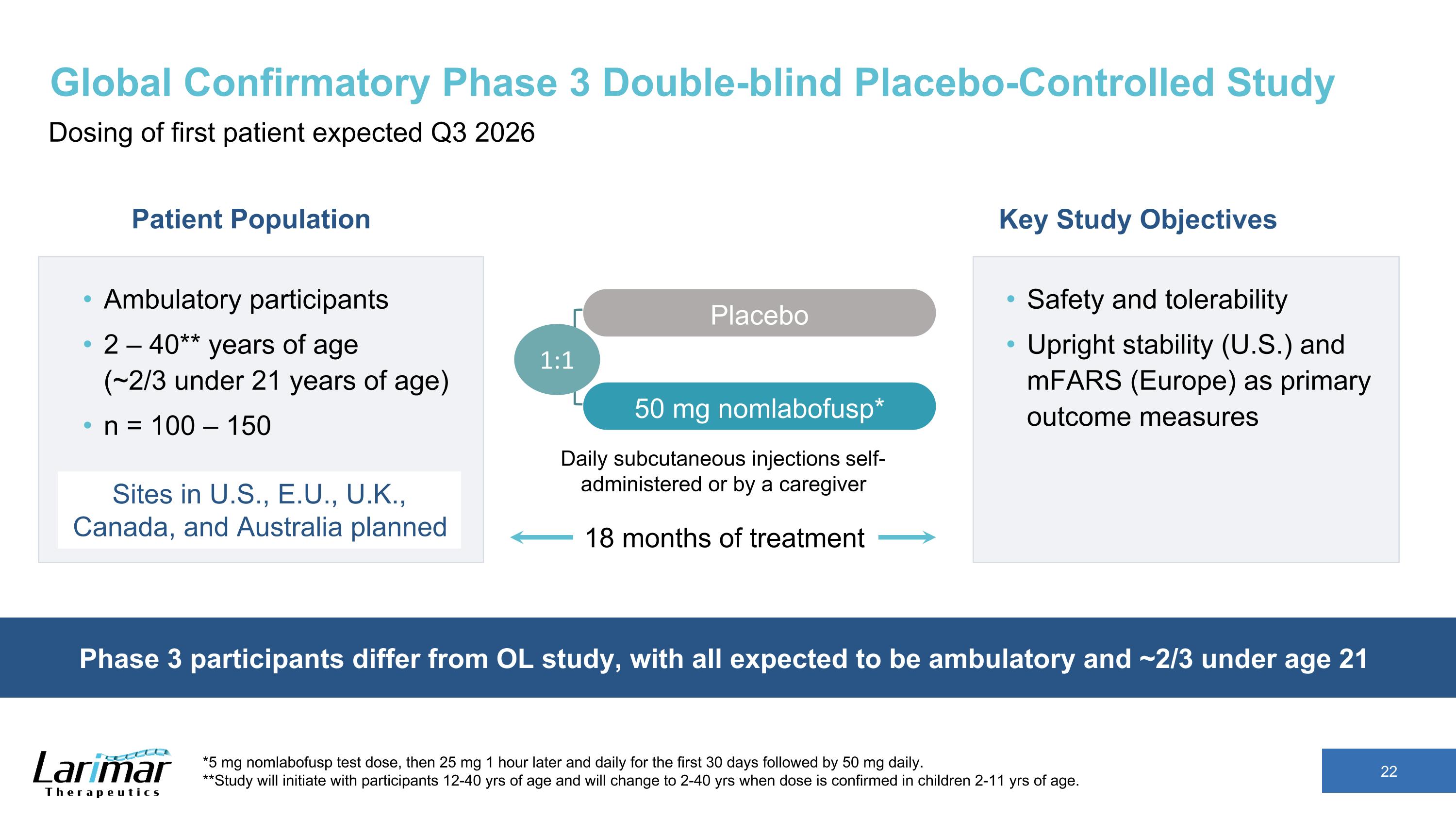
Global Confirmatory Phase 3 Double-blind Placebo-Controlled Study Dosing of first patient expected Q3 2026 18 months of treatment Ambulatory participants 2 – 40** years of age (~2/3 under 21 years of age) n = 100 – 150 Key Study Objectives Safety and tolerability Upright stability (U.S.) and mFARS (Europe) as primary outcome measures Daily subcutaneous injections self-administered or by a caregiver Placebo 50 mg nomlabofusp* Patient Population *5 mg nomlabofusp test dose, then 25 mg 1 hour later and daily for the first 30 days followed by 50 mg daily. **Study will initiate with participants 12-40 yrs of age and will change to 2-40 yrs when dose is confirmed in children 2-11 yrs of age. 1:1 Phase 3 participants differ from OL study, with all expected to be ambulatory and ~2/3 under age 21 Sites in U.S., E.U., U.K., Canada, and Australia planned
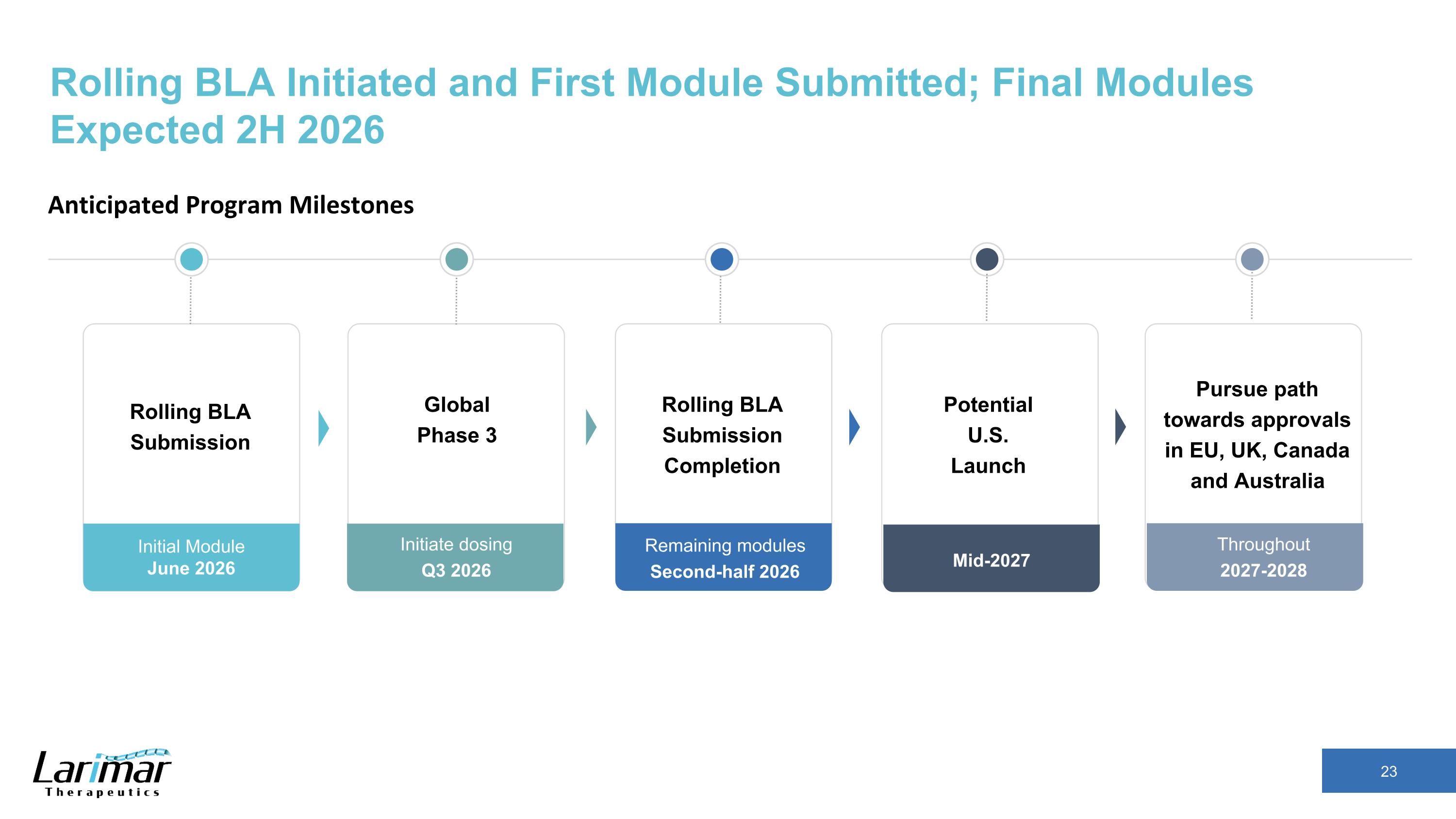
Rolling BLA Initiated and First Module Submitted; Final Modules Expected 2H 2026 Rolling BLA Submission Global Phase 3 Rolling BLA Submission Completion Potential U.S. Launch Pursue path towards approvals in EU, UK, Canada and Australia Initial Module June 2026 Initiate dosing Q3 2026 Remaining modules Second-half 2026 Mid-2027 Throughout 2027-2028 Anticipated Program Milestones
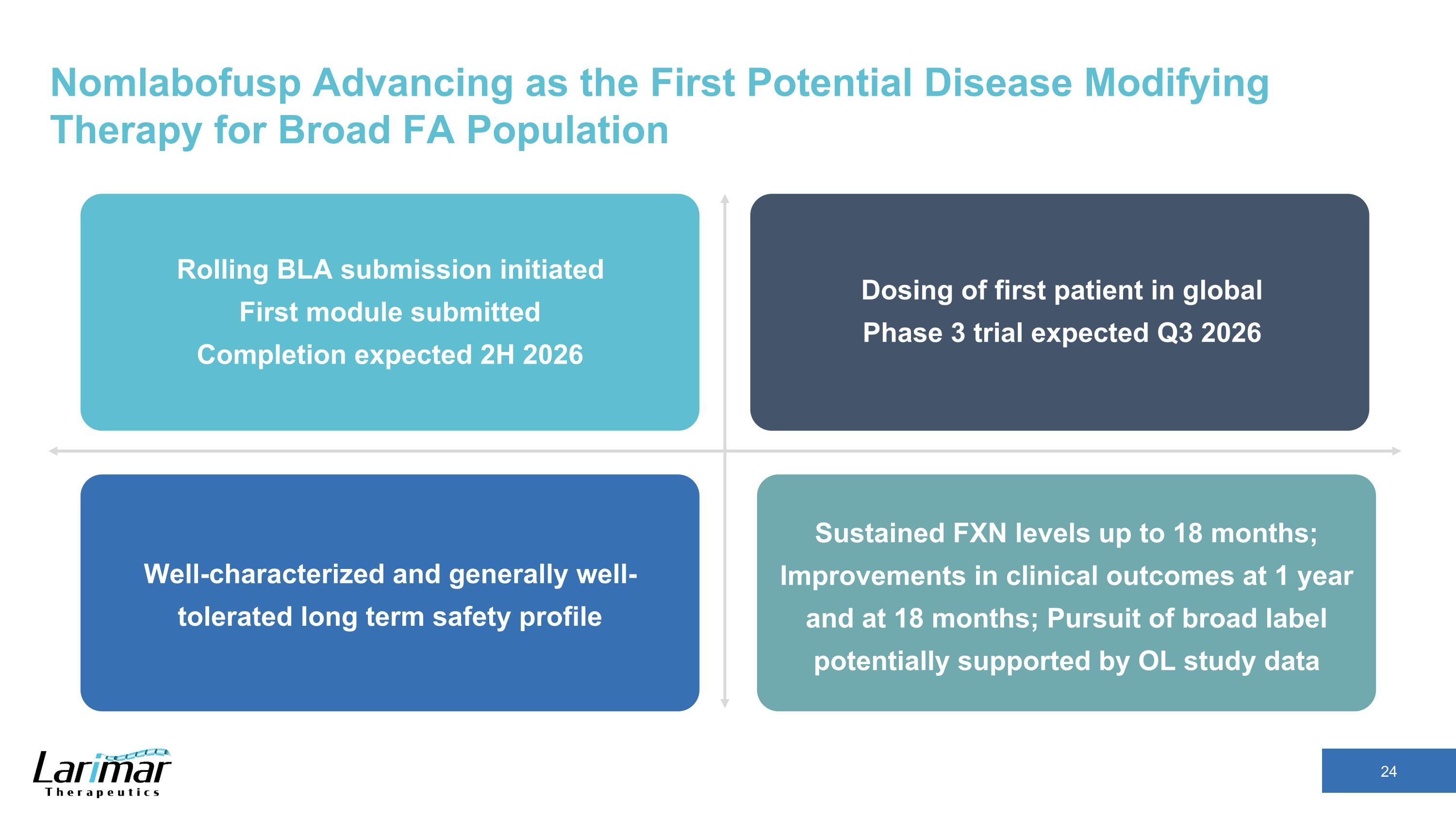
Nomlabofusp Advancing as the First Potential Disease Modifying Therapy for Broad FA Population Rolling BLA submission initiated First module submitted Completion expected 2H 2026 Dosing of first patient in global Phase 3 trial expected Q3 2026 Sustained FXN levels up to 18 months; Improvements in clinical outcomes at 1 year and at 18 months; Pursuit of broad label potentially supported by OL study data Well-characterized and generally well-tolerated long term safety profile
Appendix
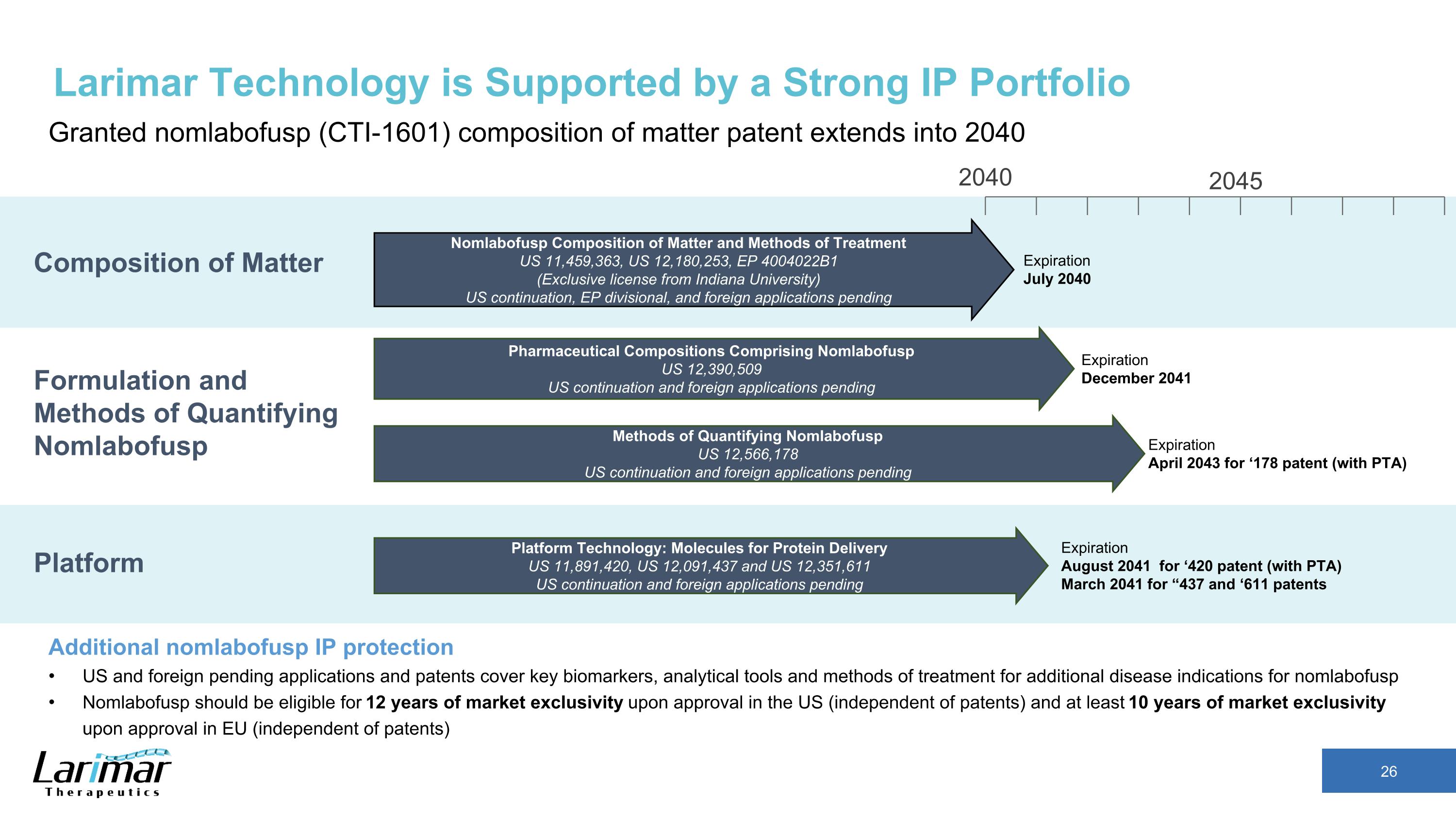
2040 Nomlabofusp Composition of Matter and Methods of Treatment US 11,459,363, US 12,180,253, EP 4004022B1 (Exclusive license from Indiana University) US continuation, EP divisional, and foreign applications pending Expiration July 2040 Composition of Matter Larimar Technology is Supported by a Strong IP Portfolio Granted nomlabofusp (CTI-1601) composition of matter patent extends into 2040 Additional nomlabofusp IP protection US and foreign pending applications and patents cover key biomarkers, analytical tools and methods of treatment for additional disease indications for nomlabofusp Nomlabofusp should be eligible for 12 years of market exclusivity upon approval in the US (independent of patents) and at least 10 years of market exclusivity upon approval in EU (independent of patents) Platform Formulation and Methods of Quantifying Nomlabofusp Platform Technology: Molecules for Protein Delivery US 11,891,420, US 12,091,437 and US 12,351,611 US continuation and foreign applications pending Pharmaceutical Compositions Comprising Nomlabofusp US 12,390,509 US continuation and foreign applications pending Methods of Quantifying Nomlabofusp US 12,566,178 US continuation and foreign applications pending Expiration December 2041 Expiration April 2043 for ‘178 patent (with PTA) Expiration August 2041 for ‘420 patent (with PTA) March 2041 for “437 and ‘611 patents 2045