Investor Update June 2026 Exhibit 99.3
Forward-Looking Statements This presentation contains forward-looking statements which include, but are not limited to, statements regarding CalciMedica’s business strategy and clinical development plans; the design and potential benefits of CalciMedica’s product candidates; CalciMedica’s ongoing and planned clinical trials; expected Intellectual Property (IP) protections; the timing for CalciMedica’s receipt and announcement of data from its clinical trials and other clinical and regulatory milestones, including expectations regarding the timing for regulatory approvals; the estimated patient populations and addressable market for CalciMedica’s product candidates; and expectations regarding CalciMedica’s financial position, capital requirements, and anticipated cash runway. These forward-looking statements are subject to the safe harbor provisions under the Private Securities Litigation Reform Act of 1995. CalciMedica’s expectations and beliefs regarding these matters may not materialize. Actual outcomes and results may differ materially from those contemplated by these forward-looking statements as a result of uncertainties, risks, and changes in circumstances, including but not limited to risks and uncertainties related to: the impact of fluctuations in global financial markets on CalciMedica’s business and the actions it may take in response thereto; CalciMedica’s ability to execute its plans and strategies; the ability to obtain and maintain regulatory approval for CalciMedica’s product candidates; results from clinical trials may not be indicative of results that may be observed in the future; potential safety and other complications from CalciMedica’s product candidates; economic, business, competitive, and/or regulatory factors affecting the business of CalciMedica generally; CalciMedica’s ability to protect its intellectual property position; expected length of IP protection for CalciMedica’s product candidates; the impact of government laws and regulations; and CalciMedica’s cash runway and need for additional capital. Additional risks and uncertainties that could cause actual outcomes and results to differ materially from those contemplated by the forward-looking statements are included under the caption “Risk Factors” in CalciMedica’s most recently filed periodic report, and subsequent periodic reports filed by CalciMedica, under the Securities Exchange Act of 1934, as amended, from time to time and available at www.sec.gov. These documents can be accessed on CalciMedica’s web page at calcimedica.com. These forward-looking statements are based on information available to, and expectations of, CalciMedica of the date of this presentation. CalciMedica disclaims any obligation to update these forward-looking statements, except as may be required by law.
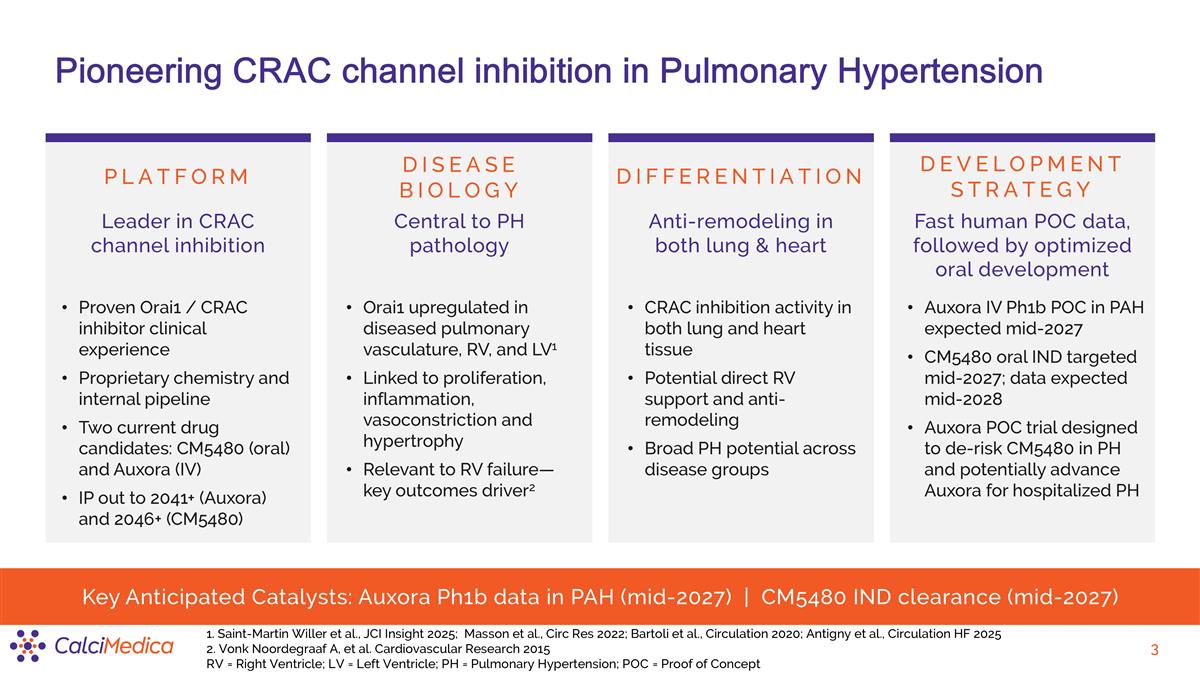
Pioneering CRAC channel inhibition in Pulmonary Hypertension PLATFORM Leader in CRAC channel inhibition Proven Orai1 / CRAC inhibitor clinical experience Proprietary chemistry and internal pipeline Two current drug candidates: CM5480 (oral) and Auxora (IV) IP out to 2041+ (Auxora) and 2046+ (CM5480) DISEASE BIOLOGY Central to PH pathology Orai1 upregulated in diseased pulmonary vasculature, RV, and LV1 Linked to proliferation, inflammation, vasoconstriction and hypertrophy Relevant to RV failure—key outcomes driver2 DIFFERENTIATION Anti-remodeling in both lung & heart CRAC inhibition activity in both lung and heart tissue Potential direct RV support and anti-remodeling Broad PH potential across disease groups DEVELOPMENT STRATEGY Fast human POC data, followed by optimized oral development Auxora IV Ph1b POC in PAH expected mid-2027 CM5480 oral IND targeted mid-2027; data expected mid-2028 Auxora POC trial designed to de-risk CM5480 in PH and potentially advance Auxora for hospitalized PH Key Anticipated Catalysts: Auxora Ph1b data in PAH (mid-2027) | CM5480 IND clearance (mid-2027) 1. Saint-Martin Willer et al., JCI Insight 2025; Masson et al., Circ Res 2022; Bartoli et al., Circulation 2020; Antigny et al., Circulation HF 2025 2. Vonk Noordegraaf A, et al. Cardiovascular Research 2015 RV = Right Ventricle; LV = Left Ventricle; PH = Pulmonary Hypertension; POC = Proof of Concept
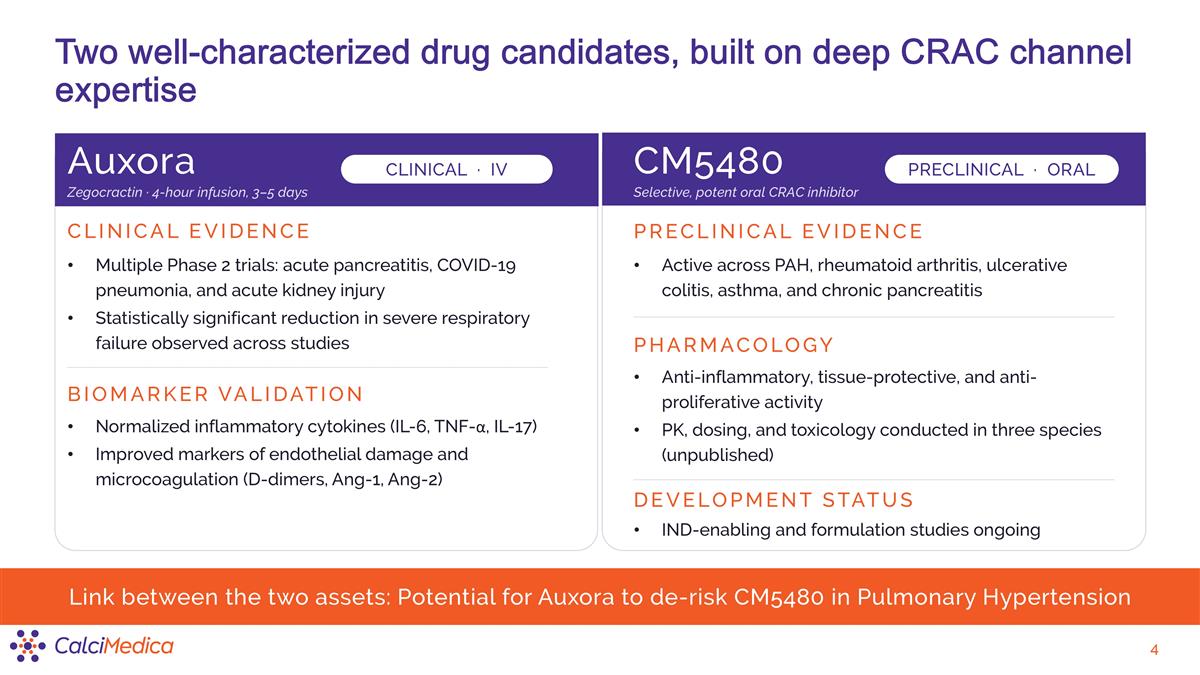
Two well-characterized drug candidates, built on deep CRAC channel expertise CLINICAL · IV Auxora Zegocractin · 4-hour infusion, 3–5 days CLINICAL EVIDENCE Multiple Phase 2 trials: acute pancreatitis, COVID-19 pneumonia, and acute kidney injury Statistically significant reduction in severe respiratory failure observed across studies BIOMARKER VALIDATION Normalized inflammatory cytokines (IL-6, TNF-α, IL-17) Improved markers of endothelial damage and microcoagulation (D-dimers, Ang-1, Ang-2) PRECLINICAL · ORAL CM5480 Selective, potent oral CRAC inhibitor PRECLINICAL EVIDENCE Active across PAH, rheumatoid arthritis, ulcerative colitis, asthma, and chronic pancreatitis PHARMACOLOGY Anti-inflammatory, tissue-protective, and anti-proliferative activity PK, dosing, and toxicology conducted in three species (unpublished) DEVELOPMENT STATUS IND-enabling and formulation studies ongoing Link between the two assets: Potential for Auxora to de-risk CM5480 in Pulmonary Hypertension
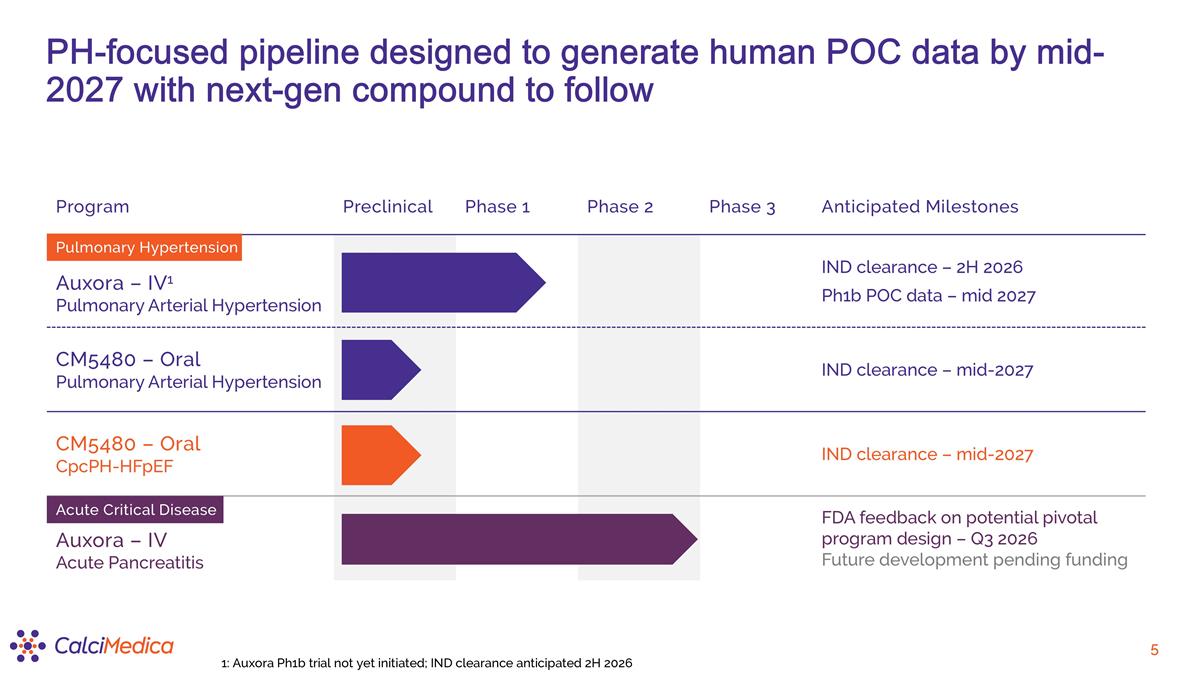
PH-focused pipeline designed to generate human POC data by mid-2027 with next-gen compound to follow Program Preclinical Phase 1 Phase 2 Phase 3 Anticipated Milestones Auxora – IV1 Pulmonary Arterial Hypertension IND clearance – 2H 2026 Ph1b POC data – mid 2027 CM5480 – Oral Pulmonary Arterial Hypertension IND clearance – mid-2027 CM5480 – Oral CpcPH-HFpEF IND clearance – mid-2027 Auxora – IV Acute Pancreatitis FDA feedback on potential pivotal program design – Q3 2026 Future development pending funding Pulmonary Hypertension Acute Critical Disease 1: Auxora Ph1b trial not yet initiated; IND clearance anticipated 2H 2026
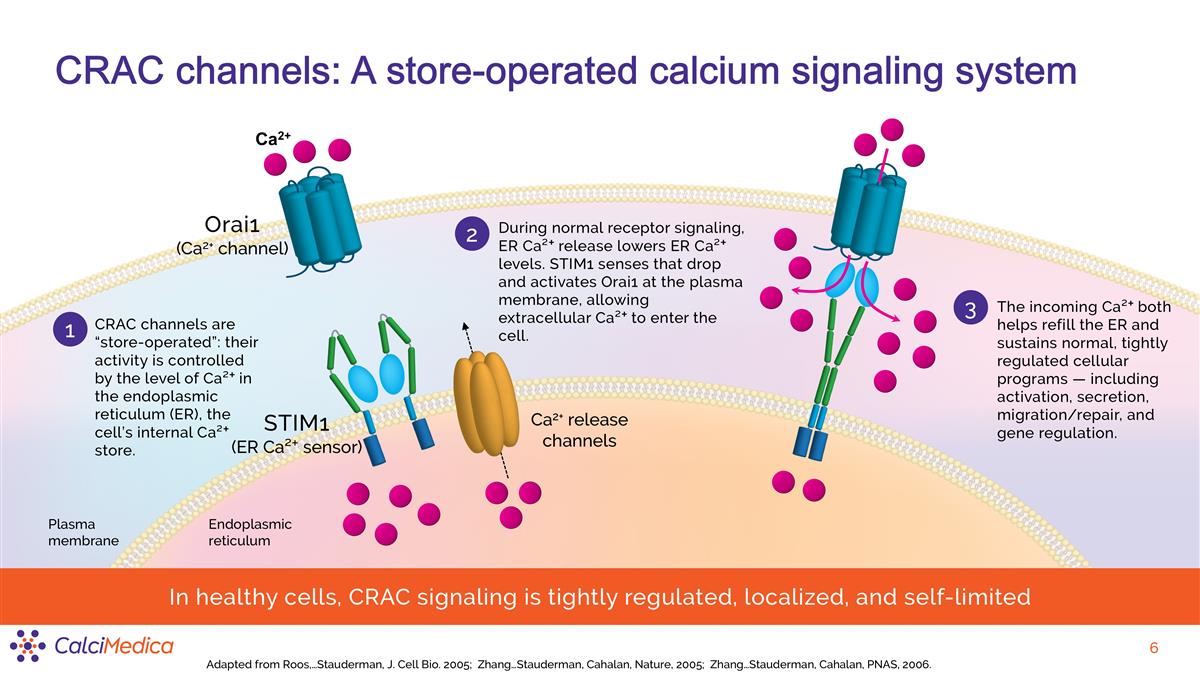
CRAC channels: A store-operated calcium signaling system STIM1 (ER Ca²⁺ sensor) Endoplasmic reticulum Plasma membrane Ca2+ release channels Orai1 (Ca2+ channel) Ca2+ CRAC channels are “store-operated”: their activity is controlled by the level of Ca²⁺ in the endoplasmic reticulum (ER), the cell’s internal Ca²⁺ store. During normal receptor signaling, ER Ca²⁺ release lowers ER Ca²⁺ levels. STIM1 senses that drop and activates Orai1 at the plasma membrane, allowing extracellular Ca²⁺ to enter the cell. 1 2 3 The incoming Ca²⁺ both helps refill the ER and sustains normal, tightly regulated cellular programs — including activation, secretion, migration/repair, and gene regulation. Adapted from Roos,…Stauderman, J. Cell Bio. 2005; Zhang…Stauderman, Cahalan, Nature, 2005; Zhang…Stauderman, Cahalan, PNAS, 2006. In healthy cells, CRAC signaling is tightly regulated, localized, and self-limited
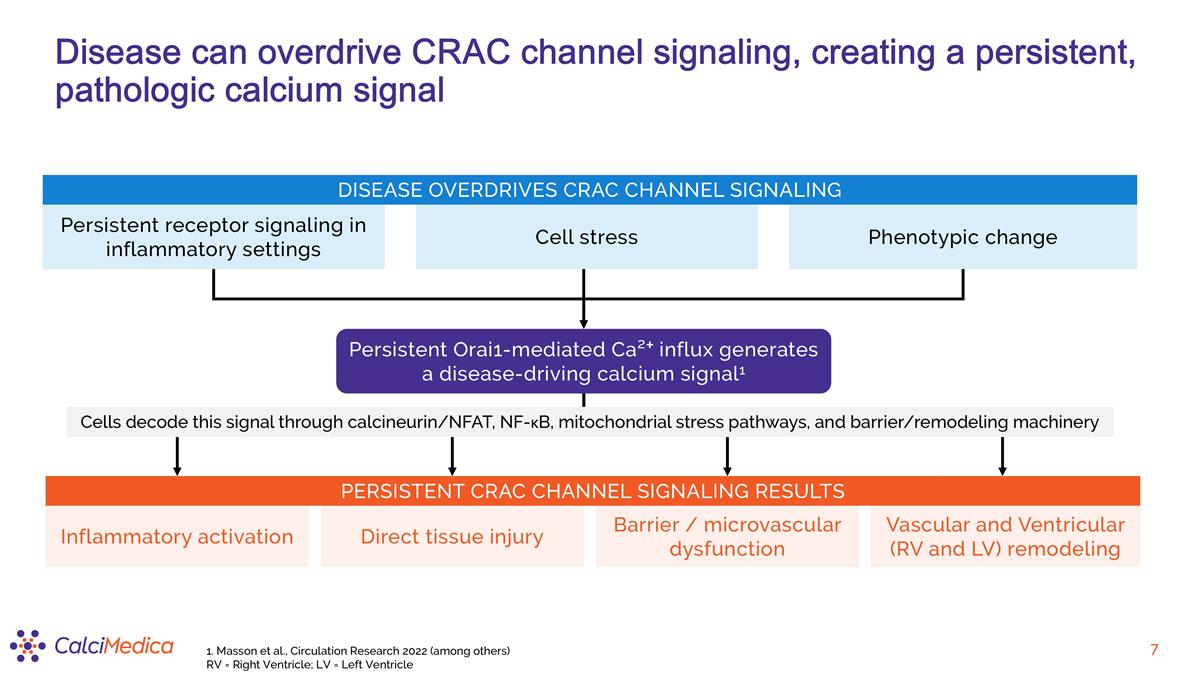
Disease can overdrive CRAC channel signaling, creating a persistent, pathologic calcium signal Persistent receptor signaling in inflammatory settings Cell stress Phenotypic change Persistent Orai1-mediated Ca²⁺ influx generates a disease-driving calcium signal1 Inflammatory activation Direct tissue injury Barrier / microvascular dysfunction Vascular and Ventricular (RV and LV) remodeling Cells decode this signal through calcineurin/NFAT, NF-κB, mitochondrial stress pathways, and barrier/remodeling machinery DISEASE OVERDRIVES CRAC CHANNEL SIGNALING PERSISTENT CRAC CHANNEL SIGNALING RESULTS 1. Masson et al., Circulation Research 2022 (among others) RV = Right Ventricle; LV = Left Ventricle
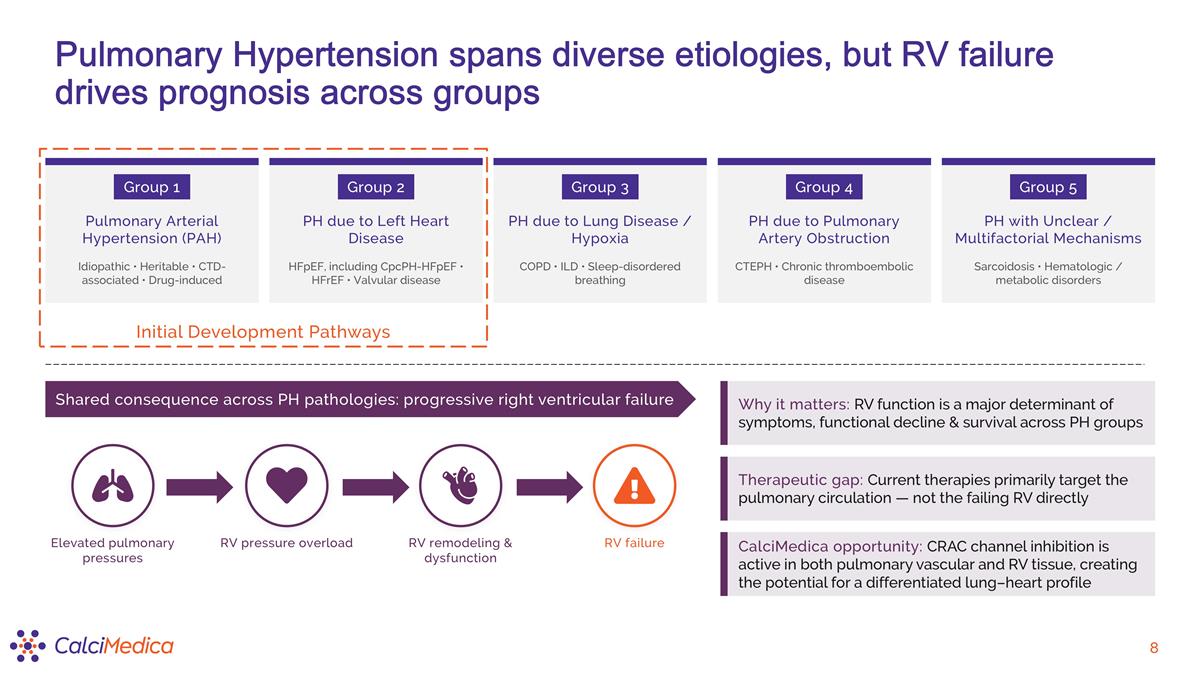
Pulmonary Hypertension spans diverse etiologies, but RV failure drives prognosis across groups Group 1 Pulmonary Arterial Hypertension (PAH) Idiopathic • Heritable • CTD-associated • Drug-induced Group 2 PH due to Left Heart Disease HFpEF, including CpcPH-HFpEF • HFrEF • Valvular disease Group 3 PH due to Lung Disease / Hypoxia COPD • ILD • Sleep-disordered breathing Group 4 PH due to Pulmonary Artery Obstruction CTEPH • Chronic thromboembolic disease Group 5 PH with Unclear / Multifactorial Mechanisms Sarcoidosis • Hematologic / metabolic disorders Why it matters: RV function is a major determinant of symptoms, functional decline & survival across PH groups Therapeutic gap: Current therapies primarily target the pulmonary circulation — not the failing RV directly CalciMedica opportunity: CRAC channel inhibition is active in both pulmonary vascular and RV tissue, creating the potential for a differentiated lung–heart profile Shared consequence across PH pathologies: progressive right ventricular failure Elevated pulmonary pressures RV pressure overload RV remodeling & dysfunction RV failure Initial Development Pathways
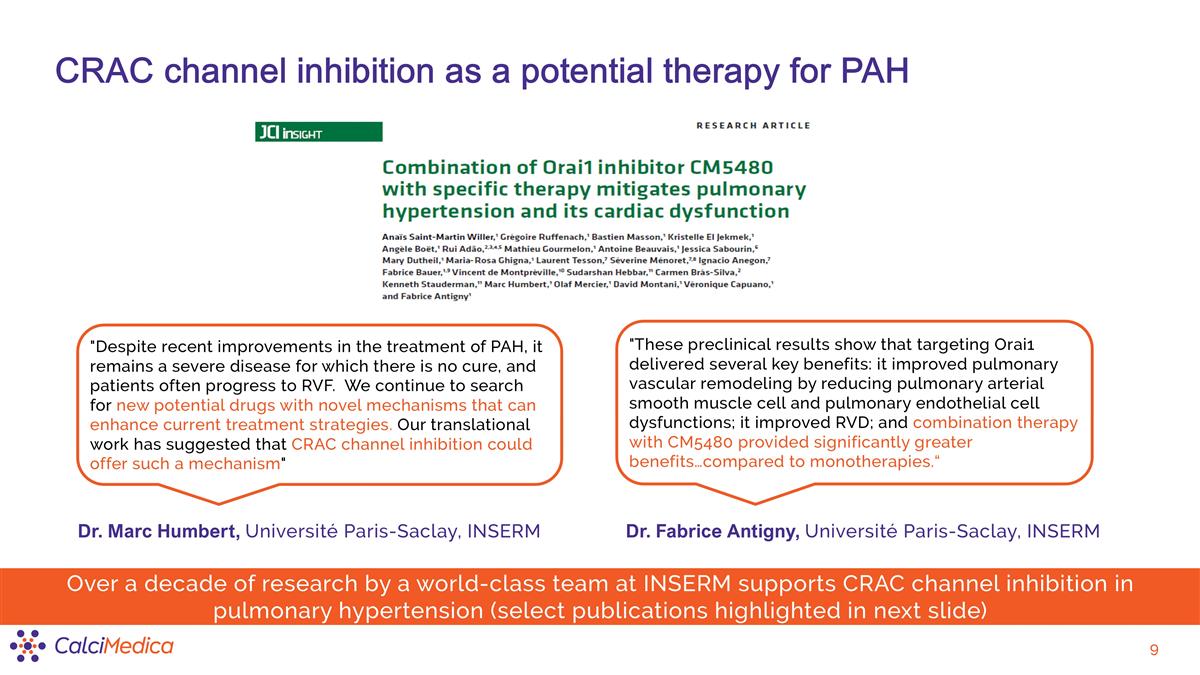
CRAC channel inhibition as a potential therapy for PAH "These preclinical results show that targeting Orai1 delivered several key benefits: it improved pulmonary vascular remodeling by reducing pulmonary arterial smooth muscle cell and pulmonary endothelial cell dysfunctions; it improved RVD; and combination therapy with CM5480 provided significantly greater benefits…compared to monotherapies.“ "Despite recent improvements in the treatment of PAH, it remains a severe disease for which there is no cure, and patients often progress to RVF. We continue to search for new potential drugs with novel mechanisms that can enhance current treatment strategies. Our translational work has suggested that CRAC channel inhibition could offer such a mechanism" Dr. Marc Humbert, Université Paris-Saclay, INSERM Dr. Fabrice Antigny, Université Paris-Saclay, INSERM Over a decade of research by a world-class team at INSERM supports CRAC channel inhibition in pulmonary hypertension (select publications highlighted in next slide)
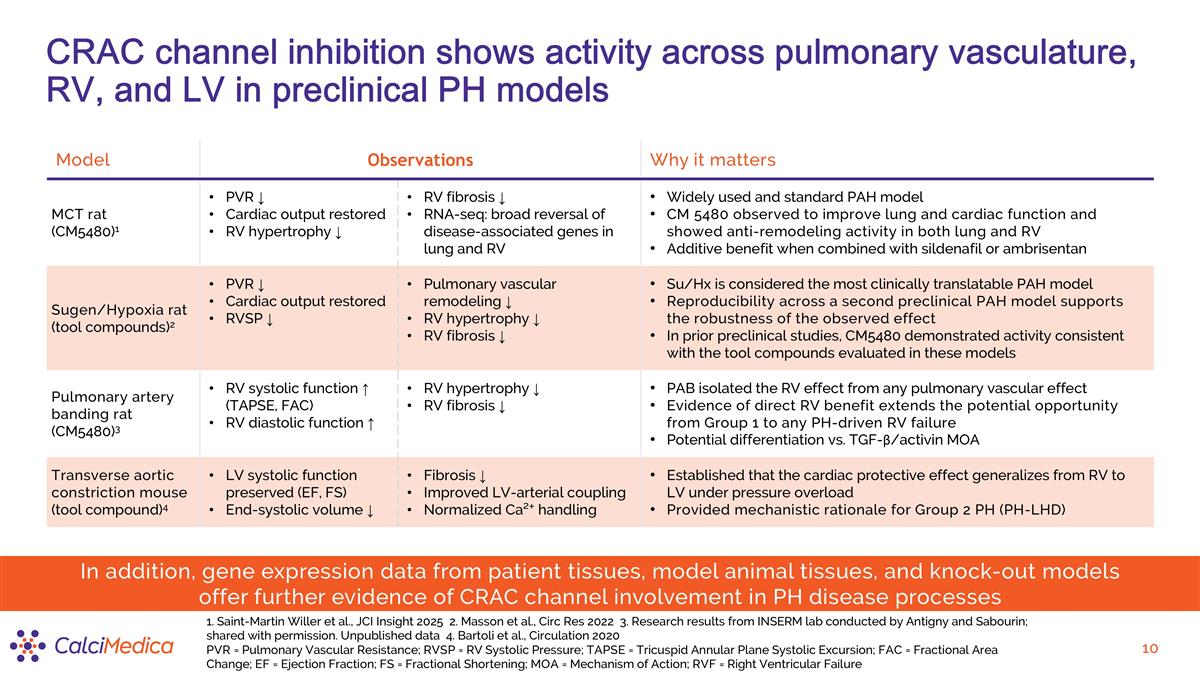
CRAC channel inhibition shows activity across pulmonary vasculature, RV, and LV in preclinical PH models 1. Saint-Martin Willer et al., JCI Insight 2025 2. Masson et al., Circ Res 2022 3. Research results from INSERM lab conducted by Antigny and Sabourin; shared with permission. Unpublished data 4. Bartoli et al., Circulation 2020 PVR = Pulmonary Vascular Resistance; RVSP = RV Systolic Pressure; TAPSE = Tricuspid Annular Plane Systolic Excursion; FAC = Fractional Area Change; EF = Ejection Fraction; FS = Fractional Shortening; MOA = Mechanism of Action; RVF = Right Ventricular Failure Model Observations Why it matters MCT rat (CM5480)1 PVR ↓ Cardiac output restored RV hypertrophy ↓ RV fibrosis ↓ RNA-seq: broad reversal of disease-associated genes in lung and RV Widely used and standard PAH model CM 5480 observed to improve lung and cardiac function and showed anti-remodeling activity in both lung and RV Additive benefit when combined with sildenafil or ambrisentan Sugen/Hypoxia rat (tool compounds)2 PVR ↓ Cardiac output restored RVSP ↓ Pulmonary vascular remodeling ↓ RV hypertrophy ↓ RV fibrosis ↓ Su/Hx is considered the most clinically translatable PAH model Reproducibility across a second preclinical PAH model supports the robustness of the observed effect In prior preclinical studies, CM5480 demonstrated activity consistent with the tool compounds evaluated in these models Pulmonary artery banding rat (CM5480)3 RV systolic function ↑ (TAPSE, FAC) RV diastolic function ↑ RV hypertrophy ↓ RV fibrosis ↓ PAB isolated the RV effect from any pulmonary vascular effect Evidence of direct RV benefit extends the potential opportunity from Group 1 to any PH-driven RV failure Potential differentiation vs. TGF-β/activin MOA Transverse aortic constriction mouse (tool compound)4 LV systolic function preserved (EF, FS) End-systolic volume ↓ Fibrosis ↓ Improved LV-arterial coupling Normalized Ca²⁺ handling Established that the cardiac protective effect generalizes from RV to LV under pressure overload Provided mechanistic rationale for Group 2 PH (PH-LHD) In addition, gene expression data from patient tissues, model animal tissues, and knock-out models offer further evidence of CRAC channel involvement in PH disease processes
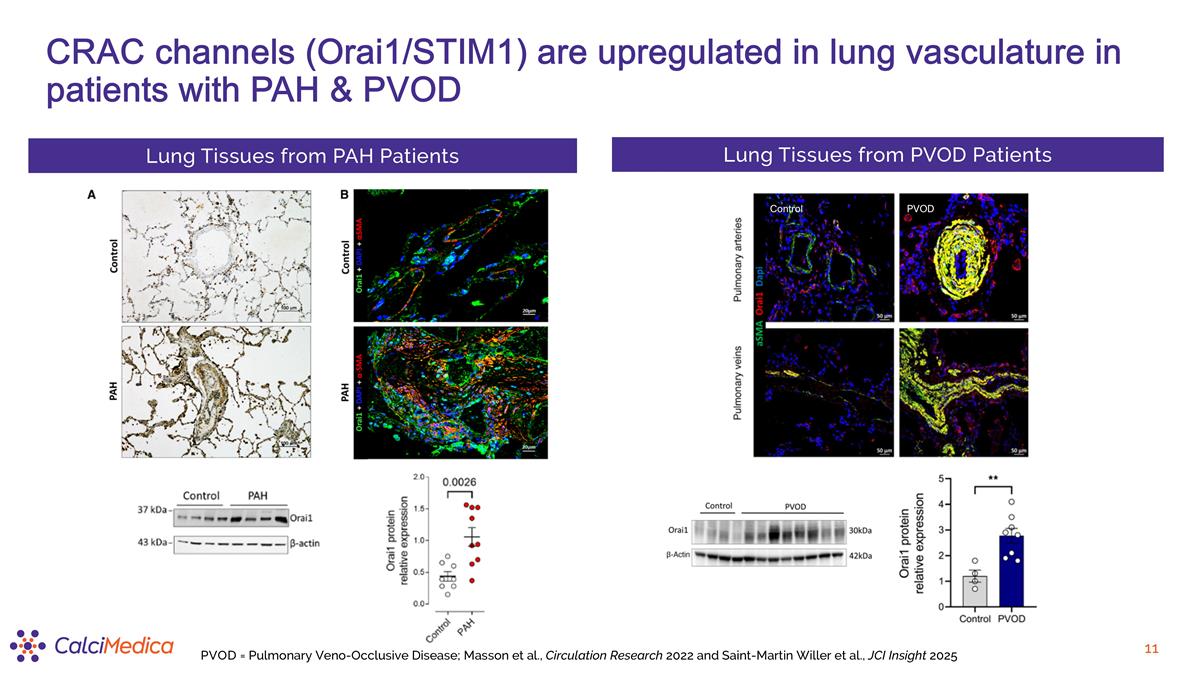
CRAC channels (Orai1/STIM1) are upregulated in lung vasculature in patients with PAH & PVOD PVOD = Pulmonary Veno-Occlusive Disease; Masson et al., Circulation Research 2022 and Saint-Martin Willer et al., JCI Insight 2025 Lung Tissues from PAH Patients Lung Tissues from PVOD Patients Control PVOD
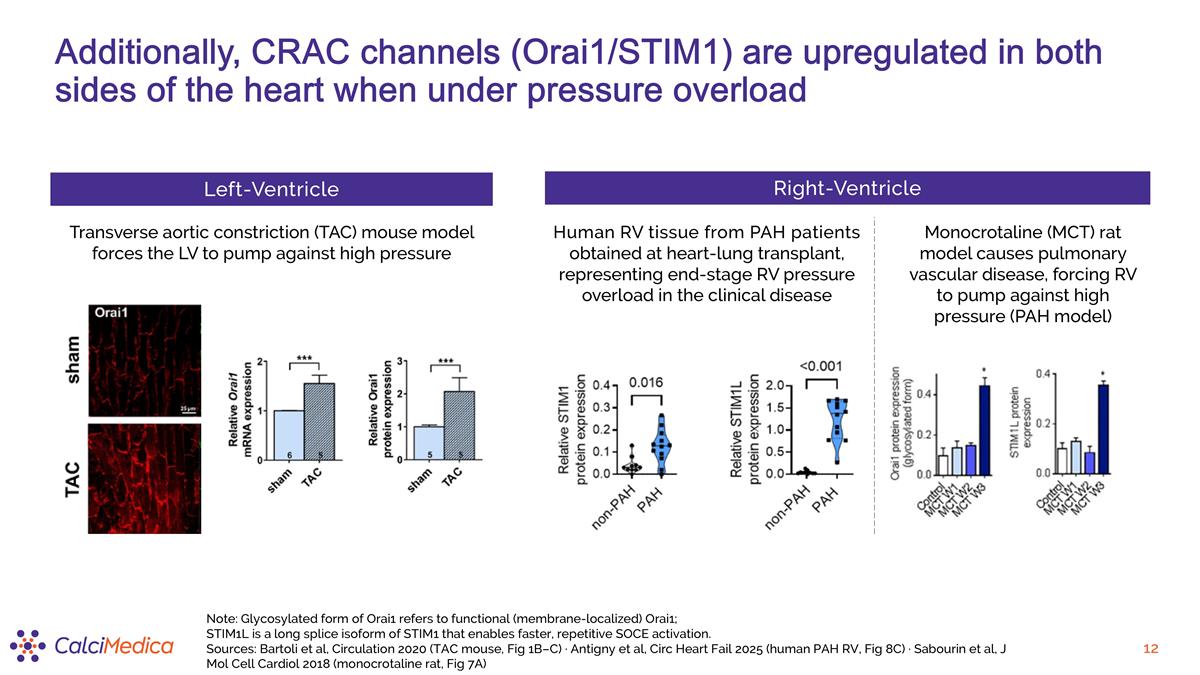
Additionally, CRAC channels (Orai1/STIM1) are upregulated in both sides of the heart when under pressure overload Note: Glycosylated form of Orai1 refers to functional (membrane-localized) Orai1; STIM1L is a long splice isoform of STIM1 that enables faster, repetitive SOCE activation. Sources: Bartoli et al, Circulation 2020 (TAC mouse, Fig 1B–C) · Antigny et al, Circ Heart Fail 2025 (human PAH RV, Fig 8C) · Sabourin et al, J Mol Cell Cardiol 2018 (monocrotaline rat, Fig 7A) Right-Ventricle Left-Ventricle Transverse aortic constriction (TAC) mouse model forces the LV to pump against high pressure Monocrotaline (MCT) rat model causes pulmonary vascular disease, forcing RV to pump against high pressure (PAH model) Human RV tissue from PAH patients obtained at heart-lung transplant, representing end-stage RV pressure overload in the clinical disease
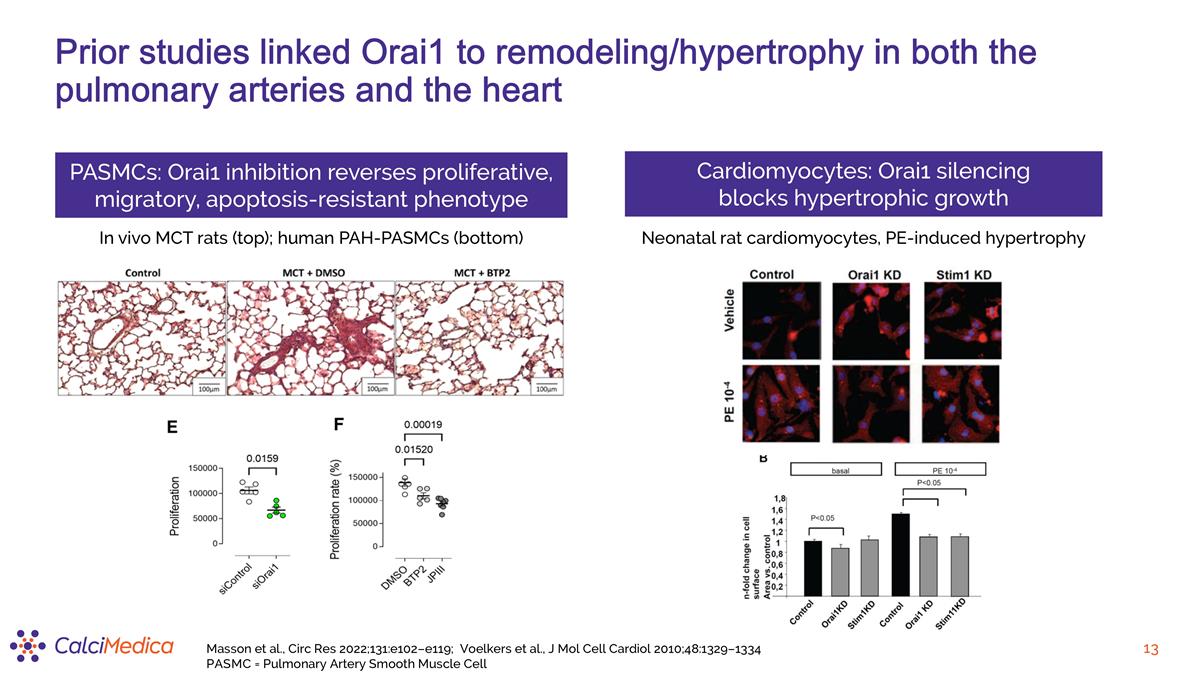
Prior studies linked Orai1 to remodeling/hypertrophy in both the pulmonary arteries and the heart Masson et al., Circ Res 2022;131:e102–e119; Voelkers et al., J Mol Cell Cardiol 2010;48:1329–1334 PASMC = Pulmonary Artery Smooth Muscle Cell PASMCs: Orai1 inhibition reverses proliferative, migratory, apoptosis-resistant phenotype Cardiomyocytes: Orai1 silencing blocks hypertrophic growth In vivo MCT rats (top); human PAH-PASMCs (bottom) Neonatal rat cardiomyocytes, PE-induced hypertrophy
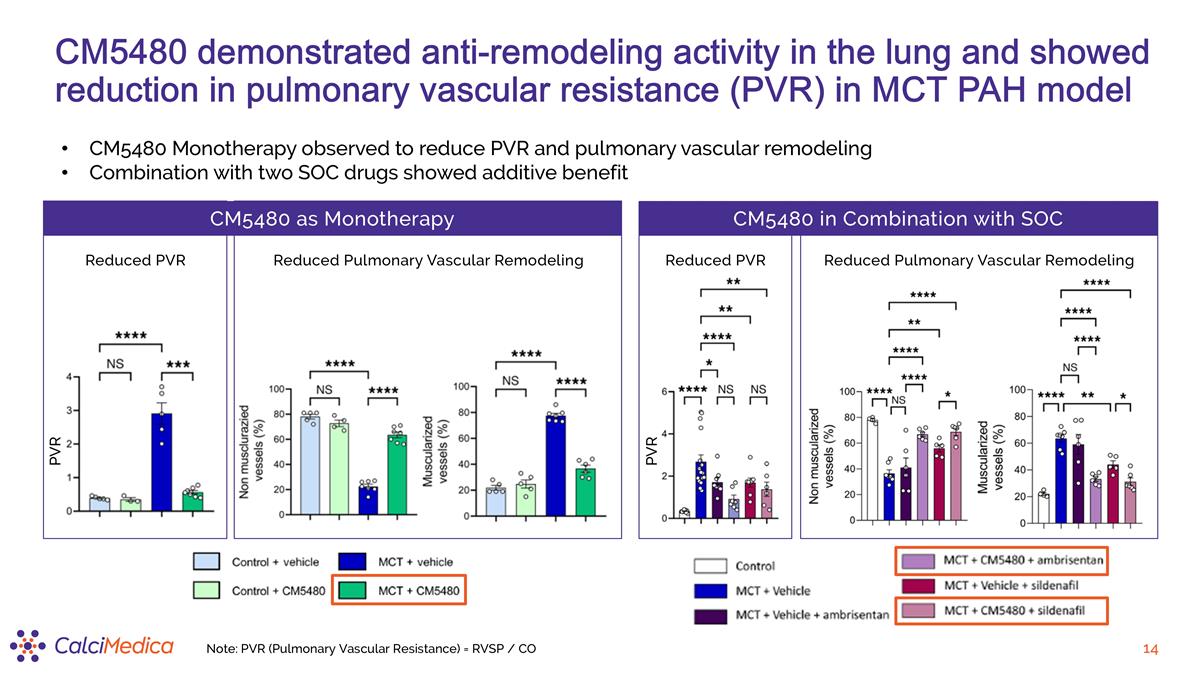
CM5480 demonstrated anti-remodeling activity in the lung and showed reduction in pulmonary vascular resistance (PVR) in MCT PAH model Note: PVR (Pulmonary Vascular Resistance) = RVSP / CO CM5480 as Monotherapy Reduced PVR CM5480 in Combination with SOC Reduced Pulmonary Vascular Remodeling PVR Reduced PVR Reduced Pulmonary Vascular Remodeling PVR CM5480 Monotherapy observed to reduce PVR and pulmonary vascular remodeling Combination with two SOC drugs showed additive benefit
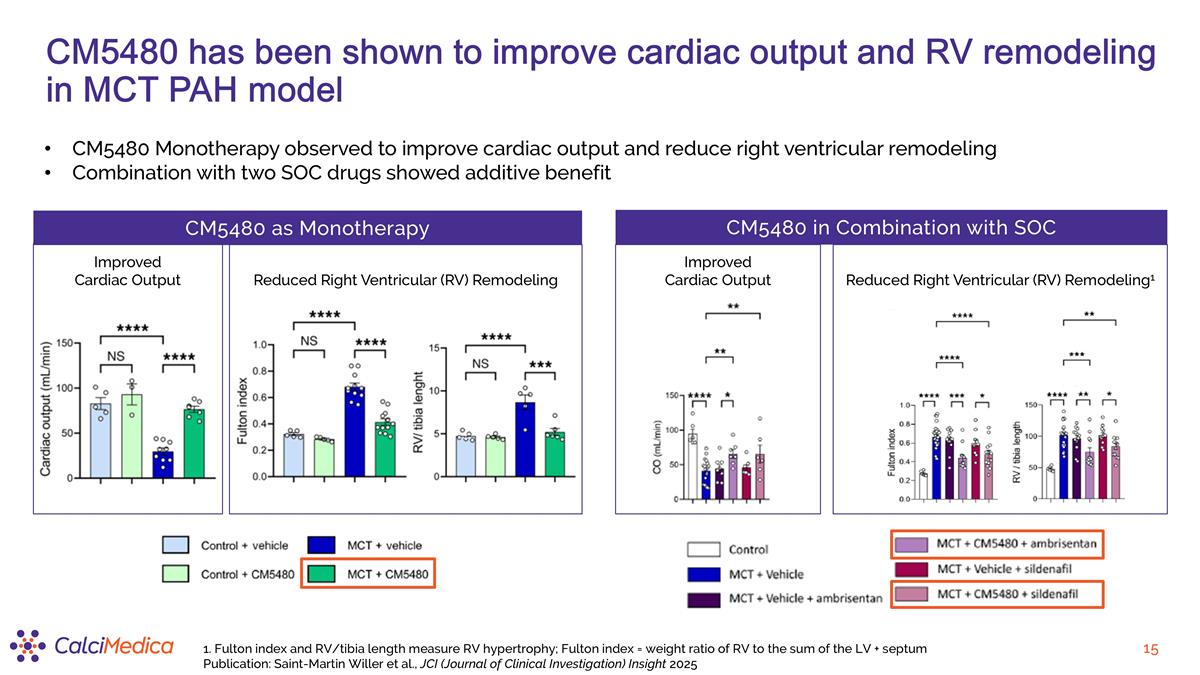
CM5480 has been shown to improve cardiac output and RV remodeling in MCT PAH model 1. Fulton index and RV/tibia length measure RV hypertrophy; Fulton index = weight ratio of RV to the sum of the LV + septum Publication: Saint-Martin Willer et al., JCI (Journal of Clinical Investigation) Insight 2025 Reduced Right Ventricular (RV) Remodeling Improved Cardiac Output CM5480 as Monotherapy CM5480 in Combination with SOC Reduced Right Ventricular (RV) Remodeling1 Improved Cardiac Output CM5480 Monotherapy observed to improve cardiac output and reduce right ventricular remodeling Combination with two SOC drugs showed additive benefit
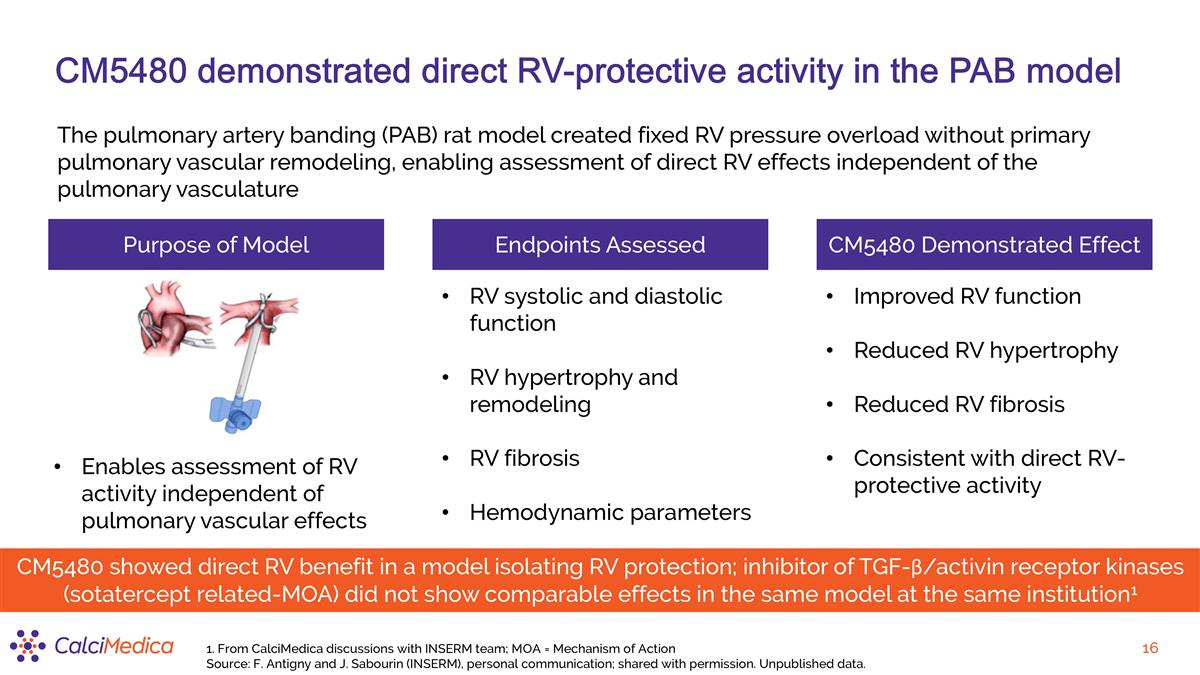
CM5480 demonstrated direct RV-protective activity in the PAB model 1. From CalciMedica discussions with INSERM team; MOA = Mechanism of Action Source: F. Antigny and J. Sabourin (INSERM), personal communication; shared with permission. Unpublished data. Purpose of Model Endpoints Assessed CM5480 Demonstrated Effect Enables assessment of RV activity independent of pulmonary vascular effects RV systolic and diastolic function RV hypertrophy and remodeling RV fibrosis Hemodynamic parameters Improved RV function Reduced RV hypertrophy Reduced RV fibrosis Consistent with direct RV-protective activity CM5480 showed direct RV benefit in a model isolating RV protection; inhibitor of TGF-β/activin receptor kinases (sotatercept related-MOA) did not show comparable effects in the same model at the same institution1 The pulmonary artery banding (PAB) rat model created fixed RV pressure overload without primary pulmonary vascular remodeling, enabling assessment of direct RV effects independent of the pulmonary vasculature
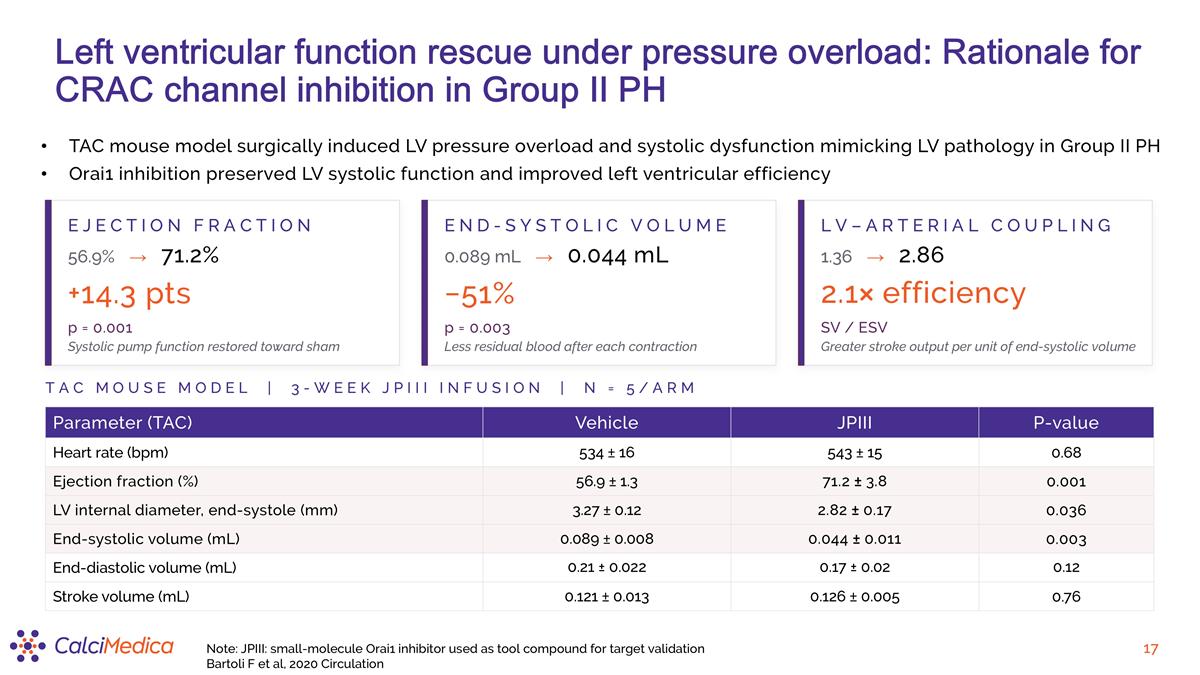
Left ventricular function rescue under pressure overload: Rationale for CRAC channel inhibition in Group II PH TAC mouse model surgically induced LV pressure overload and systolic dysfunction mimicking LV pathology in Group II PH Orai1 inhibition preserved LV systolic function and improved left ventricular efficiency EJECTION FRACTION 56.9% → 71.2% +14.3 pts p = 0.001 Systolic pump function restored toward sham END-SYSTOLIC VOLUME 0.089 mL → 0.044 mL −51% p = 0.003 Less residual blood after each contraction LV–ARTERIAL COUPLING 1.36 → 2.86 2.1× efficiency SV / ESV Greater stroke output per unit of end-systolic volume TAC MOUSE MODEL | 3-WEEK JPIII INFUSION | N = 5/ARM Parameter (TAC) Vehicle JPIII P-value Heart rate (bpm) 534 ± 16 543 ± 15 0.68 Ejection fraction (%) 56.9 ± 1.3 71.2 ± 3.8 0.001 LV internal diameter, end-systole (mm) 3.27 ± 0.12 2.82 ± 0.17 0.036 End-systolic volume (mL) 0.089 ± 0.008 0.044 ± 0.011 0.003 End-diastolic volume (mL) 0.21 ± 0.022 0.17 ± 0.02 0.12 Stroke volume (mL) 0.121 ± 0.013 0.126 ± 0.005 0.76 Note: JPIII: small-molecule Orai1 inhibitor used as tool compound for target validation Bartoli F et al, 2020 Circulation
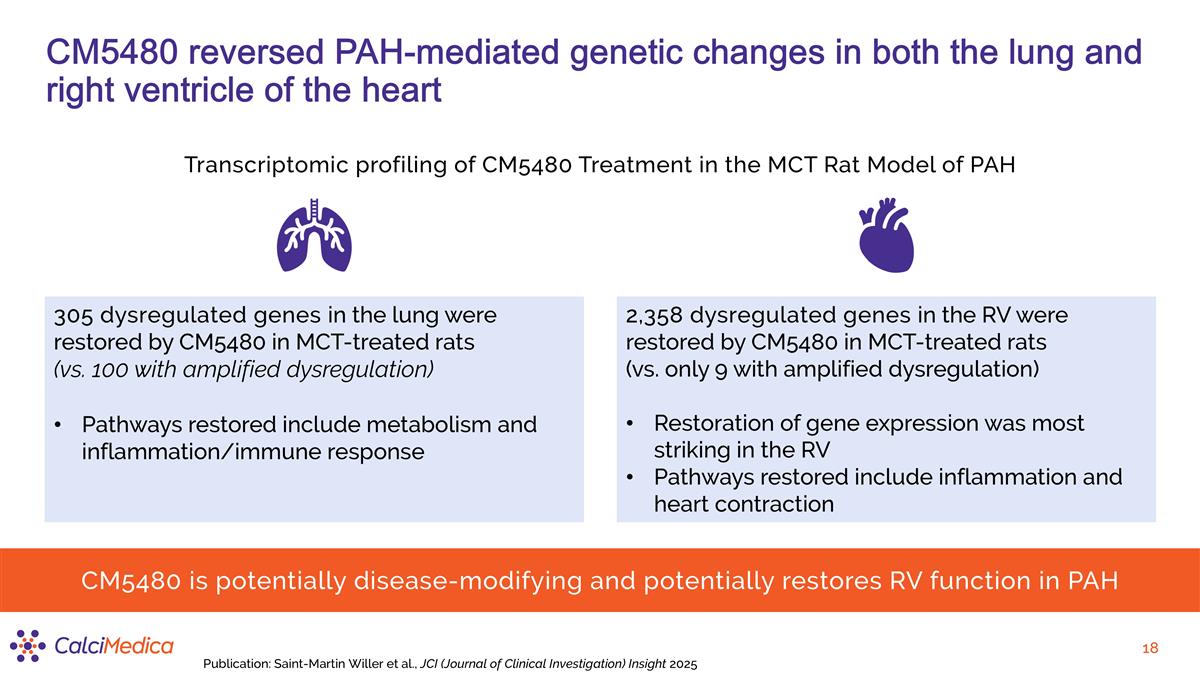
CM5480 reversed PAH-mediated genetic changes in both the lung and right ventricle of the heart Publication: Saint-Martin Willer et al., JCI (Journal of Clinical Investigation) Insight 2025 CM5480 is potentially disease-modifying and potentially restores RV function in PAH Transcriptomic profiling of CM5480 Treatment in the MCT Rat Model of PAH 305 dysregulated genes in the lung were restored by CM5480 in MCT-treated rats (vs. 100 with amplified dysregulation) Pathways restored include metabolism and inflammation/immune response 2,358 dysregulated genes in the RV were restored by CM5480 in MCT-treated rats (vs. only 9 with amplified dysregulation) Restoration of gene expression was most striking in the RV Pathways restored include inflammation and heart contraction
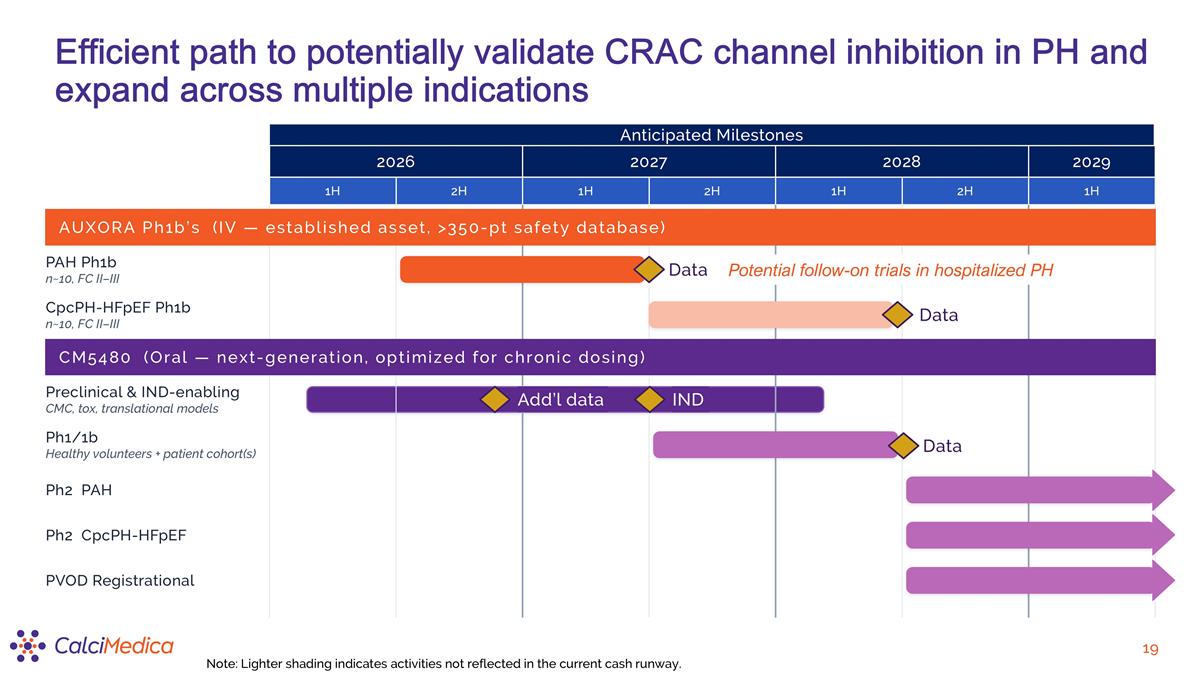
Efficient path to potentially validate CRAC channel inhibition in PH and expand across multiple indications Note: Lighter shading indicates activities not reflected in the current cash runway. 2025 2H Preclinical & IND-enabling CMC, tox, translational models Ph1/1b Healthy volunteers + patient cohort(s) Ph2 PAH Ph2 CpcPH-HFpEF PVOD Registrational 2026 2027 2028 2029 1H 2H 1H 2H 1H 2H 1H IND CM5480 (Oral — next-generation, optimized for chronic dosing) Data PAH Ph1b n~10, FC II–III CpcPH-HFpEF Ph1b n~10, FC II–III Data Data AUXORA Ph1b’s (IV — established asset, >350-pt safety database) Potential follow-on trials in hospitalized PH Anticipated Milestones Add’l data
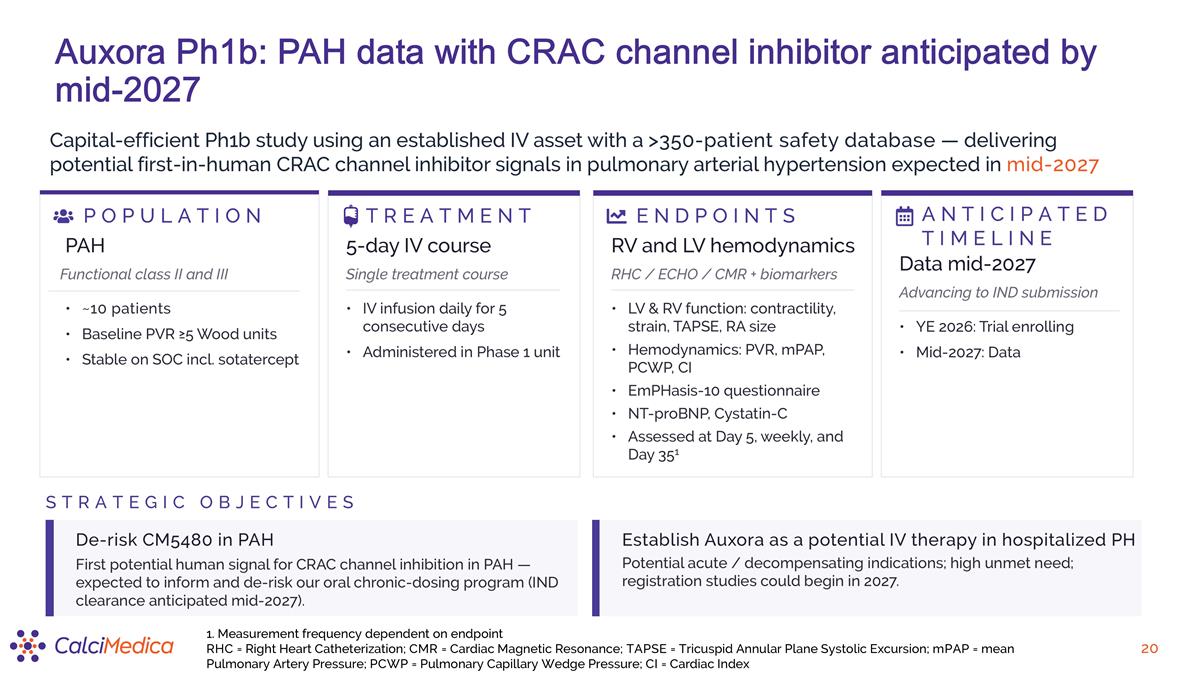
Auxora Ph1b: PAH data with CRAC channel inhibitor anticipated by mid-2027 1. Measurement frequency dependent on endpoint RHC = Right Heart Catheterization; CMR = Cardiac Magnetic Resonance; TAPSE = Tricuspid Annular Plane Systolic Excursion; mPAP = mean Pulmonary Artery Pressure; PCWP = Pulmonary Capillary Wedge Pressure; CI = Cardiac Index Capital-efficient Ph1b study using an established IV asset with a >350-patient safety database — delivering potential first-in-human CRAC channel inhibitor signals in pulmonary arterial hypertension expected in mid-2027 STRATEGIC OBJECTIVES De-risk CM5480 in PAH First potential human signal for CRAC channel inhibition in PAH — expected to inform and de-risk our oral chronic-dosing program (IND clearance anticipated mid-2027). Establish Auxora as a potential IV therapy in hospitalized PH Potential acute / decompensating indications; high unmet need; registration studies could begin in 2027. POPULATION PAH Functional class II and III ~10 patients Baseline PVR ≥5 Wood units Stable on SOC incl. sotatercept TREATMENT 5-day IV course Single treatment course IV infusion daily for 5 consecutive days Administered in Phase 1 unit ENDPOINTS RV and LV hemodynamics RHC / ECHO / CMR + biomarkers LV & RV function: contractility, strain, TAPSE, RA size Hemodynamics: PVR, mPAP, PCWP, CI EmPHasis-10 questionnaire NT-proBNP, Cystatin-C Assessed at Day 5, weekly, and Day 351 ANTICIPATEDTIMELINE Data mid-2027 Advancing to IND submission YE 2026: Trial enrolling Mid-2027: Data
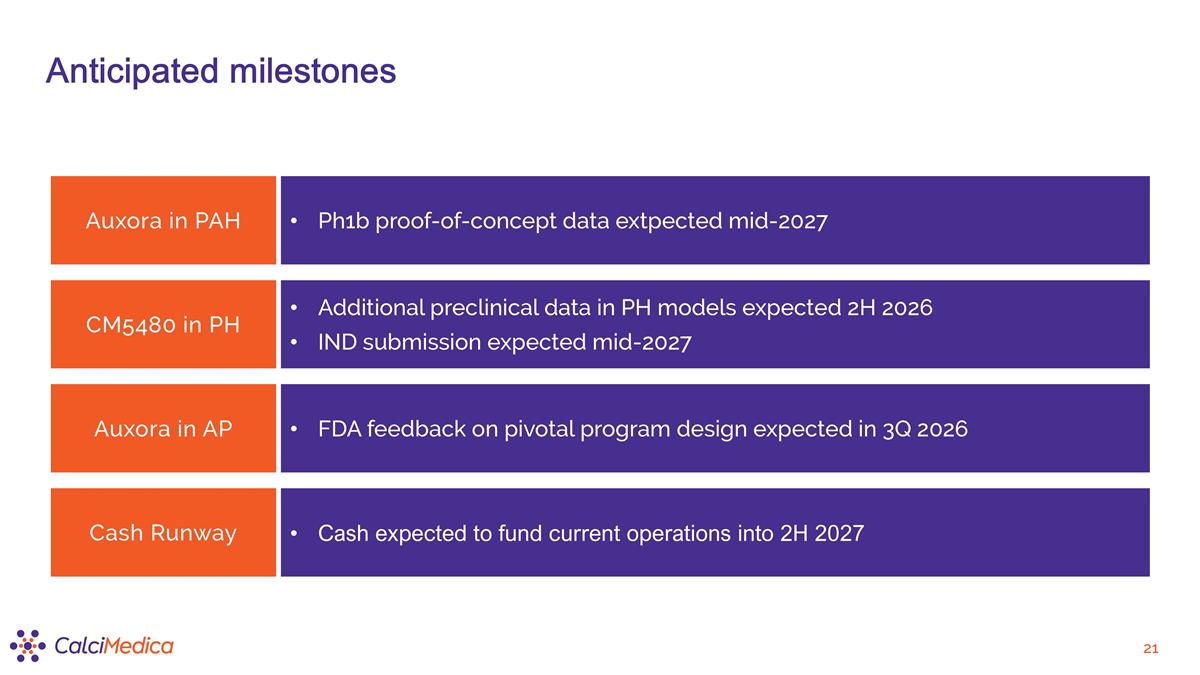
Anticipated milestones Auxora in PAH Ph1b proof-of-concept data extpected mid-2027 CM5480 in PH Additional preclinical data in PH models expected 2H 2026 IND submission expected mid-2027 Cash Runway Cash expected to fund current operations into 2H 2027 Auxora in AP FDA feedback on pivotal program design expected in 3Q 2026
Appendix: Auxora for Acute Pancreatitis (AP)
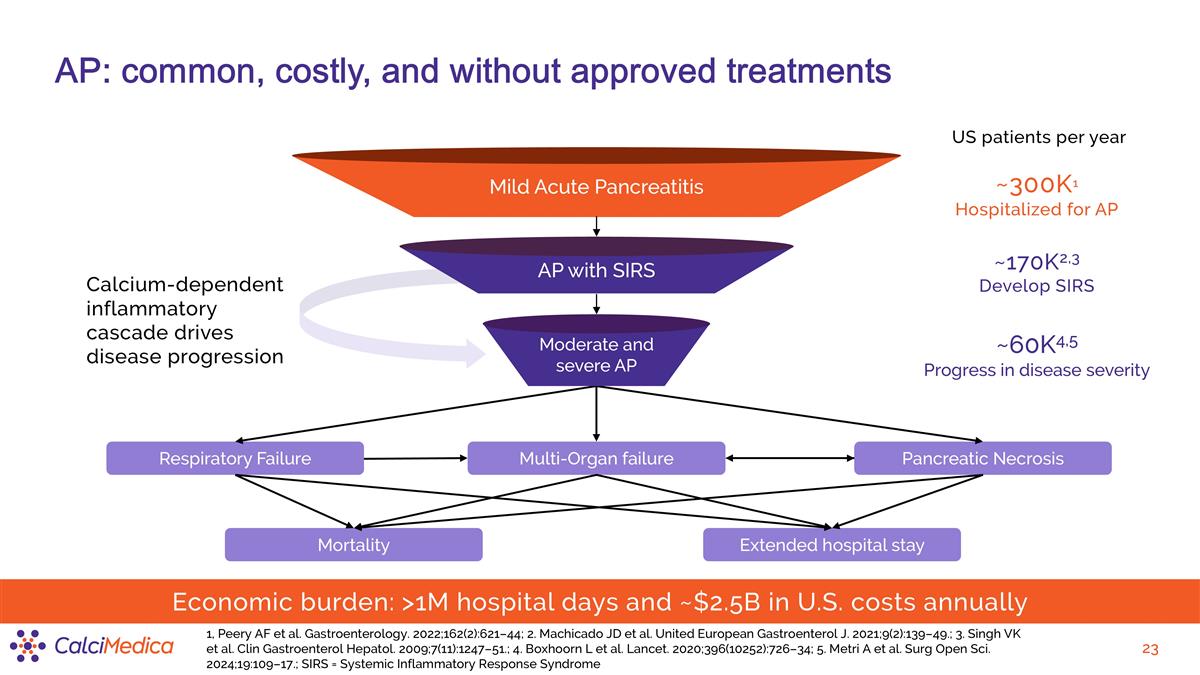
AP: common, costly, and without approved treatments 1, Peery AF et al. Gastroenterology. 2022;162(2):621–44; 2. Machicado JD et al. United European Gastroenterol J. 2021;9(2):139–49.; 3. Singh VK et al. Clin Gastroenterol Hepatol. 2009;7(11):1247–51.; 4. Boxhoorn L et al. Lancet. 2020;396(10252):726–34; 5. Metri A et al. Surg Open Sci. 2024;19:109–17.; SIRS = Systemic Inflammatory Response Syndrome Respiratory Failure Multi-Organ failure Pancreatic Necrosis Mortality Extended hospital stay US patients per year ~60K4,5 Progress in disease severity Moderate and severe AP ~300K1 Hospitalized for AP Mild Acute Pancreatitis ~170K2,3 Develop SIRS AP with SIRS Economic burden: >1M hospital days and ~$2.5B in U.S. costs annually Calcium-dependent inflammatory cascade drives disease progression
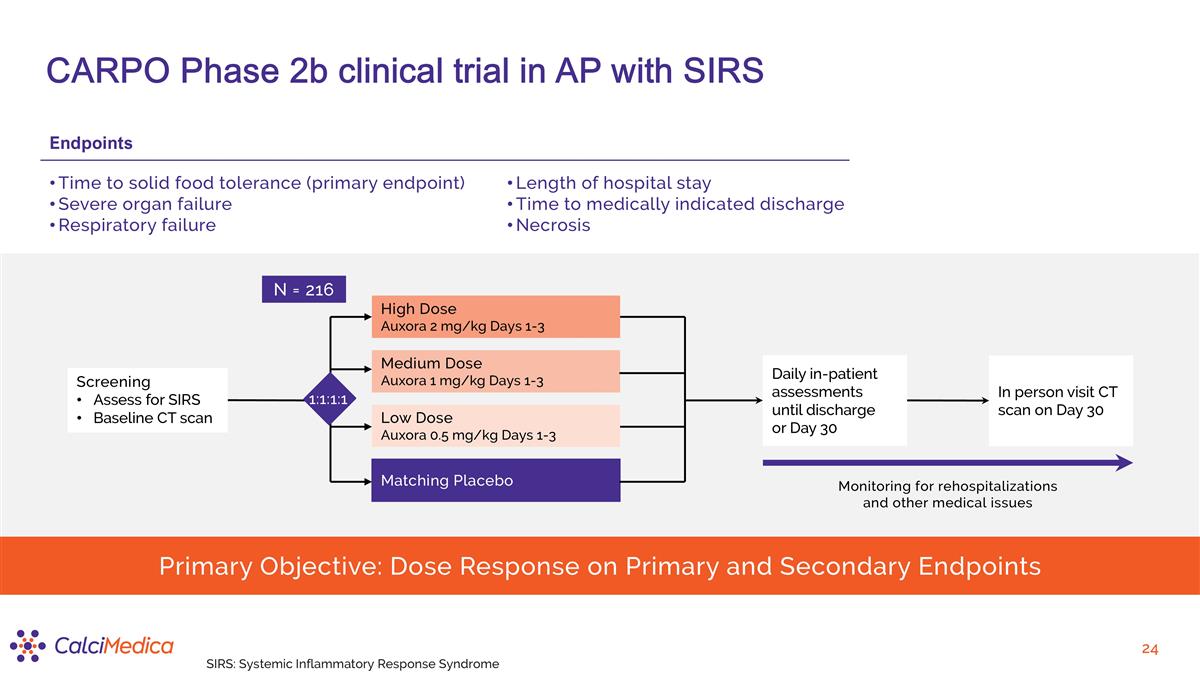
CARPO Phase 2b clinical trial in AP with SIRS Endpoints Time to solid food tolerance (primary endpoint) Severe organ failure Respiratory failure Length of hospital stay Time to medically indicated discharge Necrosis Primary Objective: Dose Response on Primary and Secondary Endpoints Daily in-patient assessments until discharge or Day 30 In person visit CT scan on Day 30 Monitoring for rehospitalizations and other medical issues Screening Assess for SIRS Baseline CT scan 1:1:1:1 N = 216 High Dose Auxora 2 mg/kg Days 1-3 Medium Dose Auxora 1 mg/kg Days 1-3 Low Dose Auxora 0.5 mg/kg Days 1-3 Matching Placebo SIRS: Systemic Inflammatory Response Syndrome
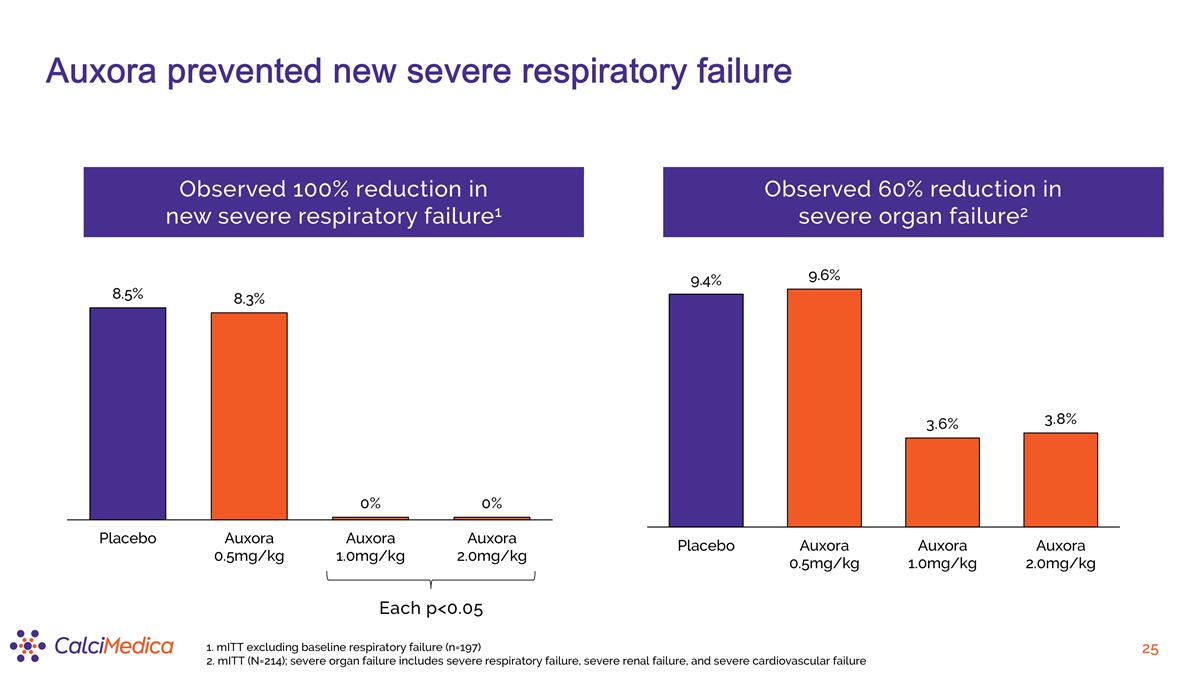
Auxora prevented new severe respiratory failure Observed 100% reduction in new severe respiratory failure1 Observed 60% reduction in severe organ failure2 1. mITT excluding baseline respiratory failure (n=197) 2. mITT (N=214); severe organ failure includes severe respiratory failure, severe renal failure, and severe cardiovascular failure Each p<0.05
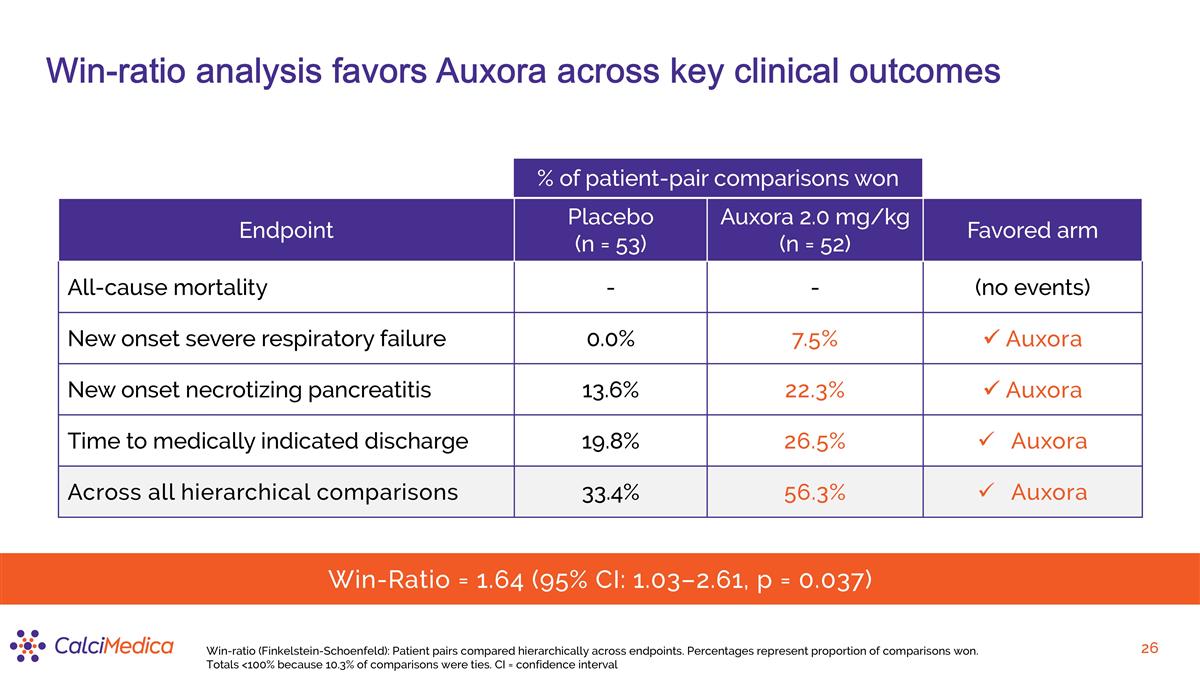
Win-ratio analysis favors Auxora across key clinical outcomes Win-ratio (Finkelstein-Schoenfeld): Patient pairs compared hierarchically across endpoints. Percentages represent proportion of comparisons won. Totals <100% because 10.3% of comparisons were ties. CI = confidence interval Endpoint Placebo (n = 53) Auxora 2.0 mg/kg (n = 52) Favored arm All-cause mortality - - (no events) New onset severe respiratory failure 0.0% 7.5% ü Auxora New onset necrotizing pancreatitis 13.6% 22.3% ü Auxora Time to medically indicated discharge 19.8% 26.5% Auxora Across all hierarchical comparisons 33.4% 56.3% Auxora Win-Ratio = 1.64 (95% CI: 1.03–2.61, p = 0.037) % of patient-pair comparisons won
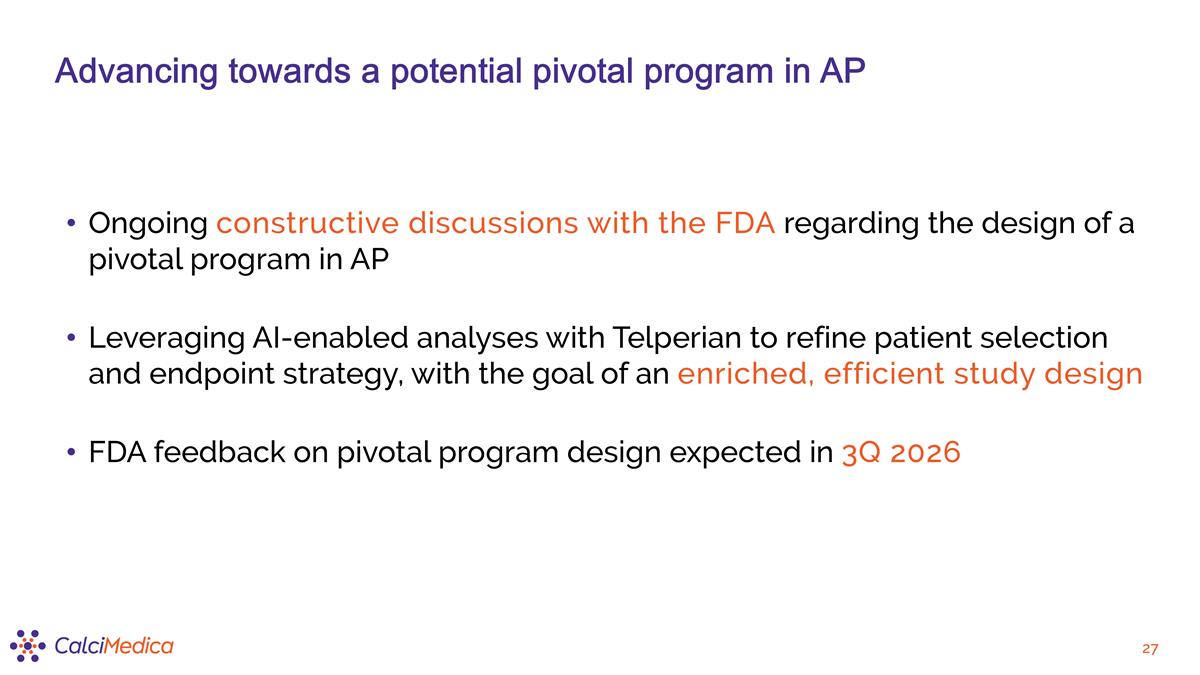
Advancing towards a potential pivotal program in AP Ongoing constructive discussions with the FDA regarding the design of a pivotal program in AP Leveraging AI-enabled analyses with Telperian to refine patient selection and endpoint strategy, with the goal of an enriched, efficient study design FDA feedback on pivotal program design expected in 3Q 2026
Appendix: Additional Slides
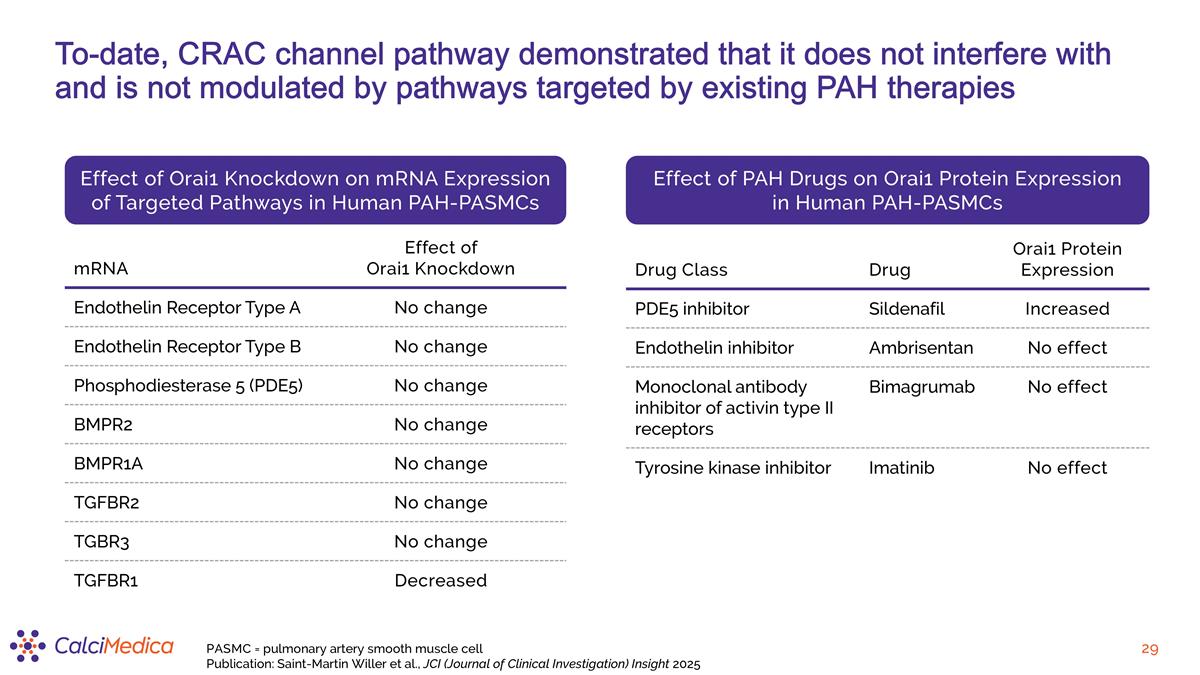
To-date, CRAC channel pathway demonstrated that it does not interfere with and is not modulated by pathways targeted by existing PAH therapies PASMC = pulmonary artery smooth muscle cell Publication: Saint-Martin Willer et al., JCI (Journal of Clinical Investigation) Insight 2025 Drug Class Drug Orai1 Protein Expression PDE5 inhibitor Sildenafil Increased Endothelin inhibitor Ambrisentan No effect Monoclonal antibody inhibitor of activin type II receptors Bimagrumab No effect Tyrosine kinase inhibitor Imatinib No effect mRNA Effect of Orai1 Knockdown Endothelin Receptor Type A No change Endothelin Receptor Type B No change Phosphodiesterase 5 (PDE5) No change BMPR2 No change BMPR1A No change TGFBR2 No change TGBR3 No change TGFBR1 Decreased Effect of Orai1 Knockdown on mRNA Expression of Targeted Pathways in Human PAH-PASMCs Effect of PAH Drugs on Orai1 Protein Expression in Human PAH-PASMCs