AMPLIFY-7P Defining the Path Forward for ELI-002 7P in Metastatic mKRAS PDAC JUNE 24, 2026
Disclaimers No Representation or Warranty We do not make and hereby expressly disclaim any representation or warranty, express or implied, as to the reasonableness of the assumptions made in the Presentation or the accuracy or completeness or the information contained in or incorporated by reference into the Presentation. We will not have any liability for any representations or warranties, express or implied, contained in, or omissions from, the Presentation. The data contained herein is derived from various internal and external sources. We do not assume any obligation to provide the recipient with access to any additional information or to update the information in the Presentation. Industry and Market Data The Presentation contains certain market data and other statistical information such as the size, growth and share of the industries and the market segments we operate in, which are based on information from independent industry organizations and other third-party sources, industry publications, surveys and forecasts. Such data may include projections based upon a number of assumptions. Neither we nor any third parties that provide information to us guarantee the accuracy, completeness, timeliness or availability of any information. We are not responsible for any errors or omissions (negligent or otherwise), regardless of the cause, or the results obtained from the use of such content. We do not give any express or implied warranties, including, but not limited to, any warranties of merchantability or fitness for a particular purpose or use, and we expressly disclaim any responsibility or liability for direct, indirect, incidental, exemplary, compensatory, punitive, special or consequential damages, costs, expenses, legal fees or losses (including lost income or profits and opportunity costs) in connection with the use of the information herein. The industry may not grow at the rate projected by market data, or at all. Failure of our industries to grow at the projected rate may have a material adverse effect on our business and the market price of our securities. In addition, if any one or more of the assumptions underlying the market data are later found to be incorrect, actual results may differ from the projections based upon these assumptions. You should not place undue reliance on these forward-looking statements Forward-Looking Statements This presentation contains forward-looking statements as that term is defined in Section 27A of the Securities Act of 1933, as amended, Section 21E of the Securities Exchange Act of 1934, as amended, and the Private Securities Litigation Reform Act of 1995, known as the PSLRA. Statements in this presentation that are not purely historical are forward- looking statements. Such forward-looking statements include, among other things, statements regarding our planned clinical programs, including the timing and outcome of planned clinical trials, including the planned Phase 1 study evaluating ELI-002 7P in combination with checkpoint inhibition in metastatic PDAC; the potential validation of the combination in a Phase 1 study; the potential of our product candidates, including the potential of ELI-002 7P; the potential for the Phase 1 study to provide a rapid development pathway for ELI-002 7P; the potential for the Phase 1 study to inform future metastatic PDAC and Phase 3 adjuvant PDAC development; the potential for ELI-002-induced immune priming to synergize with other therapies to enable tumor eradication; the potential for future expansion of ELI-002 to other mPDAC combinations or indications, including in mKRAS positive lung cancer and other mKRAS positive cancers; the potential benefits and effectiveness of off-the-shelf immunotherapy approaches; and other statements regarding management’s intentions, plans, beliefs, expectations or forecasts for the future and, therefore, you are cautioned not to place undue reliance on them. No forward-looking statement can be guaranteed and actual results may differ materially from those projected. We undertake no obligation to publicly update any forward- looking statement, whether as a result of new information, future events or otherwise, except to the extent required by law. We use words such as “anticipates,” “believes,” “plans,” “expects,” “projects,” “future,” “intends,” “may,” “will,” “should,” “could,” “estimates,” “predicts,” “potential,” “continue,” “guidance,” and similar expressions to identify these forward-looking statements that are intended to be covered by the safe-harbor provisions of the PSLRA. Such forward-looking statements are based on our expectations and involve risks and uncertainties; consequently, actual results may differ materially from those expressed or implied in the statements due to a number of factors, including, but not limited to, our plans to develop and commercialize our product candidates, including ELI-002 7P; the timing of initiation of our planned clinical trials; the timing of the availability of data from our planned clinical trials; the timing of any planned investigational new drug application or new drug application; our plans to research, develop and commercialize our current and future product candidates; and our estimates regarding future revenue, expenses, capital requirements and need for additional financing. New factors emerge from time to time, and it is not possible for us to predict all such factors, nor can we assess the impact of each such factor on the business or the extent to which any factor, or combination of factors, may cause actual results to differ materially from those contained in any forward-looking statements. These risks are more fully discussed in our Annual Report on Form 10-K filed with the SEC on March 12, 2026, under the heading “Risk Factors”, and any subsequent reports and other documents filed from time to time with the SEC. Forward-looking statements included in this Presentation are based on information available to us as of the date of this Presentation. We do not undertake any obligation to update such forward-looking statements to reflect events or circumstances after the date of this Presentation, except to the extent required by law. 2 | Elicio Therapeutics
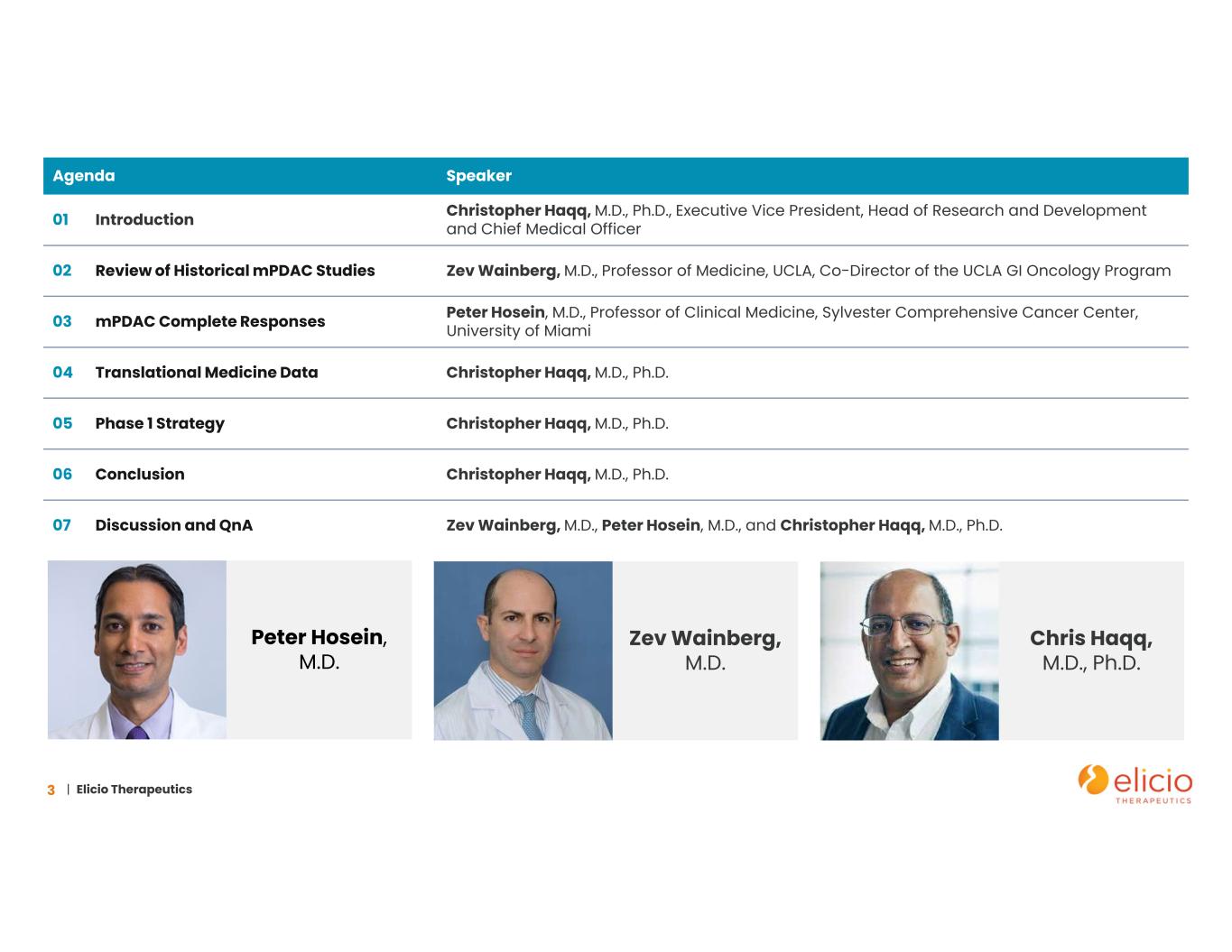
SpeakerAgenda Christopher Haqq, M.D., Ph.D., Executive Vice President, Head of Research and Development and Chief Medical OfficerIntroduction01 Zev Wainberg, M.D., Professor of Medicine, UCLA, Co-Director of the UCLA GI Oncology ProgramReview of Historical mPDAC Studies02 Peter Hosein, M.D., Professor of Clinical Medicine, Sylvester Comprehensive Cancer Center, University of MiamimPDAC Complete Responses03 Christopher Haqq, M.D., Ph.D.Translational Medicine Data04 Christopher Haqq, M.D., Ph.D.Phase 1 Strategy05 Christopher Haqq, M.D., Ph.D.Conclusion 06 Zev Wainberg, M.D., Peter Hosein, M.D., and Christopher Haqq, M.D., Ph.D.Discussion and QnA07 3 Peter Hosein, M.D. Zev Wainberg, M.D. Chris Haqq, M.D., Ph.D. | Elicio Therapeutics

Christopher Haqq, M.D., Ph.D., Executive Vice President, Head of Research and Development and Chief Medical Officer
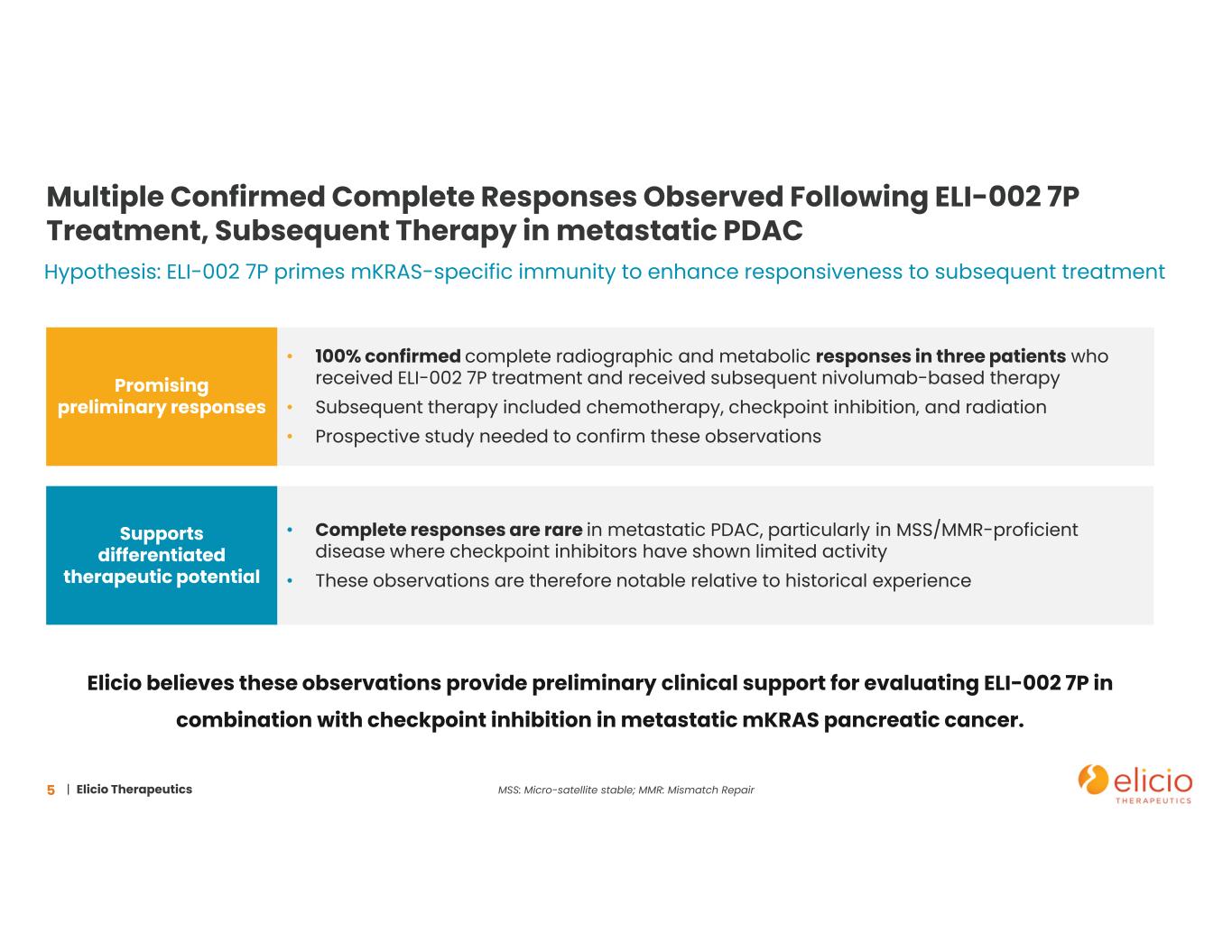
Multiple Confirmed Complete Responses Observed Following ELI-002 7P Treatment, Subsequent Therapy in metastatic PDAC 5 Hypothesis: ELI-002 7P primes mKRAS-specific immunity to enhance responsiveness to subsequent treatment Elicio believes these observations provide preliminary clinical support for evaluating ELI-002 7P in combination with checkpoint inhibition in metastatic mKRAS pancreatic cancer. • 100% confirmed complete radiographic and metabolic responses in three patients who received ELI-002 7P treatment and received subsequent nivolumab-based therapy • Subsequent therapy included chemotherapy, checkpoint inhibition, and radiation • Prospective study needed to confirm these observations Promising preliminary responses • Complete responses are rare in metastatic PDAC, particularly in MSS/MMR-proficient disease where checkpoint inhibitors have shown limited activity • These observations are therefore notable relative to historical experience Supports differentiated therapeutic potential | Elicio Therapeutics MSS: Micro-satellite stable; MMR: Mismatch Repair

Zev Wainberg, M.D., Professor of Medicine, UCLA, Co-Director of the UCLA GI Oncology Program
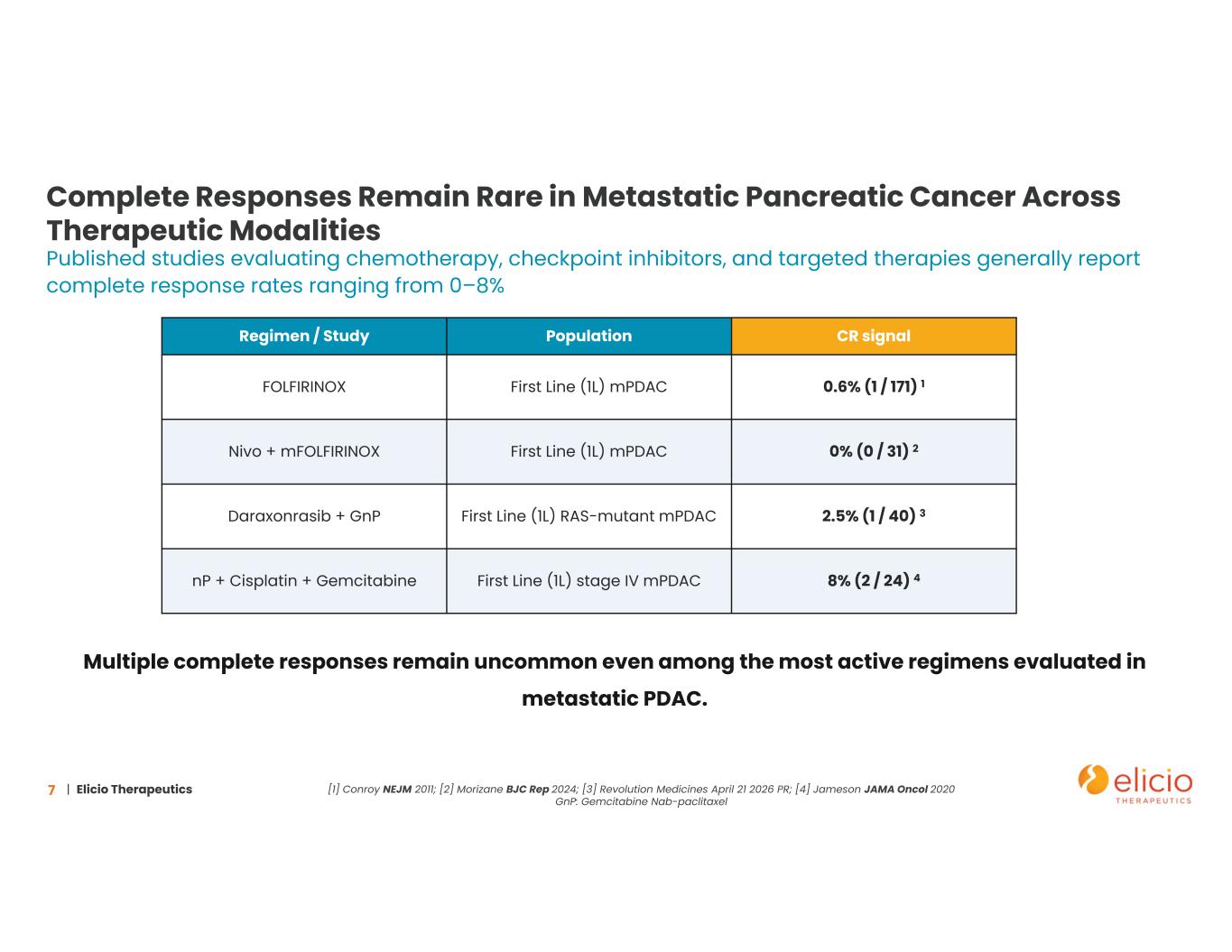
Complete Responses Remain Rare in Metastatic Pancreatic Cancer Across Therapeutic Modalities 7 | Elicio Therapeutics Published studies evaluating chemotherapy, checkpoint inhibitors, and targeted therapies generally report complete response rates ranging from 0–8% CR signalPopulationRegimen / Study 0.6% (1 / 171) 1First Line (1L) mPDACFOLFIRINOX 0% (0 / 31) 2First Line (1L) mPDACNivo + mFOLFIRINOX 2.5% (1 / 40) 3First Line (1L) RAS-mutant mPDACDaraxonrasib + GnP 8% (2 / 24) 4First Line (1L) stage IV mPDACnP + Cisplatin + Gemcitabine [1] Conroy NEJM 2011; [2] Morizane BJC Rep 2024; [3] Revolution Medicines April 21 2026 PR; [4] Jameson JAMA Oncol 2020 GnP: Gemcitabine Nab-paclitaxel Multiple complete responses remain uncommon even among the most active regimens evaluated in metastatic PDAC.
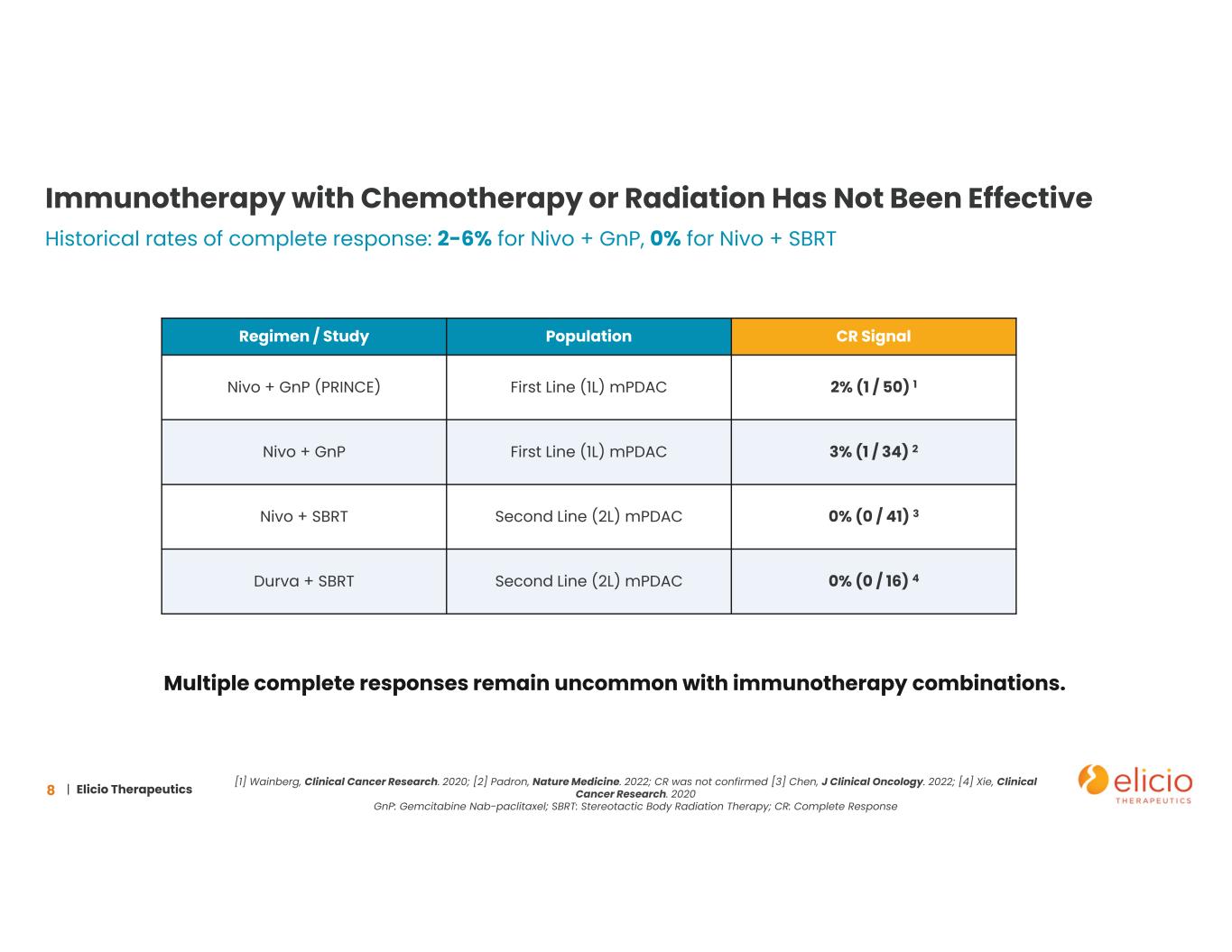
Immunotherapy with Chemotherapy or Radiation Has Not Been Effective 8 | Elicio Therapeutics Historical rates of complete response: 2-6% for Nivo + GnP, 0% for Nivo + SBRT CR SignalPopulationRegimen / Study 2% (1 / 50) 1First Line (1L) mPDACNivo + GnP (PRINCE) 3% (1 / 34) 2First Line (1L) mPDACNivo + GnP 0% (0 / 41) 3Second Line (2L) mPDACNivo + SBRT 0% (0 / 16) 4Second Line (2L) mPDACDurva + SBRT [1] Wainberg, Clinical Cancer Research. 2020; [2] Padron, Nature Medicine. 2022; CR was not confirmed [3] Chen, J Clinical Oncology. 2022; [4] Xie, Clinical Cancer Research. 2020 GnP: Gemcitabine Nab-paclitaxel; SBRT: Stereotactic Body Radiation Therapy; CR: Complete Response Multiple complete responses remain uncommon with immunotherapy combinations.

Peter Hosein, M.D., Professor of Clinical Medicine, Sylvester Comprehensive Cancer Center, University of Miami
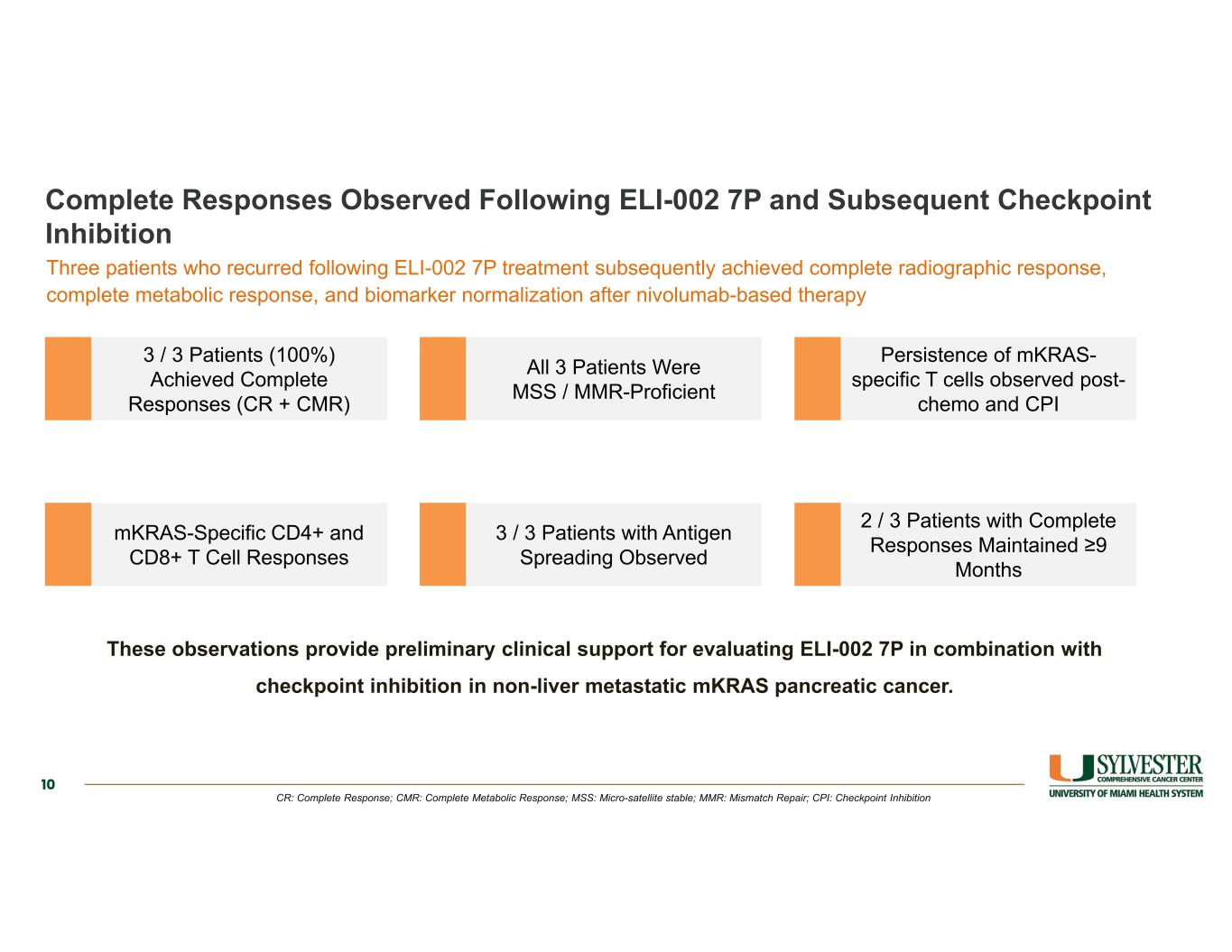
10 Three patients who recurred following ELI-002 7P treatment subsequently achieved complete radiographic response, complete metabolic response, and biomarker normalization after nivolumab-based therapy These observations provide preliminary clinical support for evaluating ELI-002 7P in combination with checkpoint inhibition in non-liver metastatic mKRAS pancreatic cancer. 3 / 3 Patients (100%) Achieved Complete Responses (CR + CMR) All 3 Patients Were MSS / MMR-Proficient Persistence of mKRAS- specific T cells observed post- chemo and CPI mKRAS-Specific CD4+ and CD8+ T Cell Responses 3 / 3 Patients with Antigen Spreading Observed 2 / 3 Patients with Complete Responses Maintained ≥9 Months CR: Complete Response; CMR: Complete Metabolic Response; MSS: Micro-satellite stable; MMR: Mismatch Repair; CPI: Checkpoint Inhibition Complete Responses Observed Following ELI-002 7P and Subsequent Checkpoint Inhibition
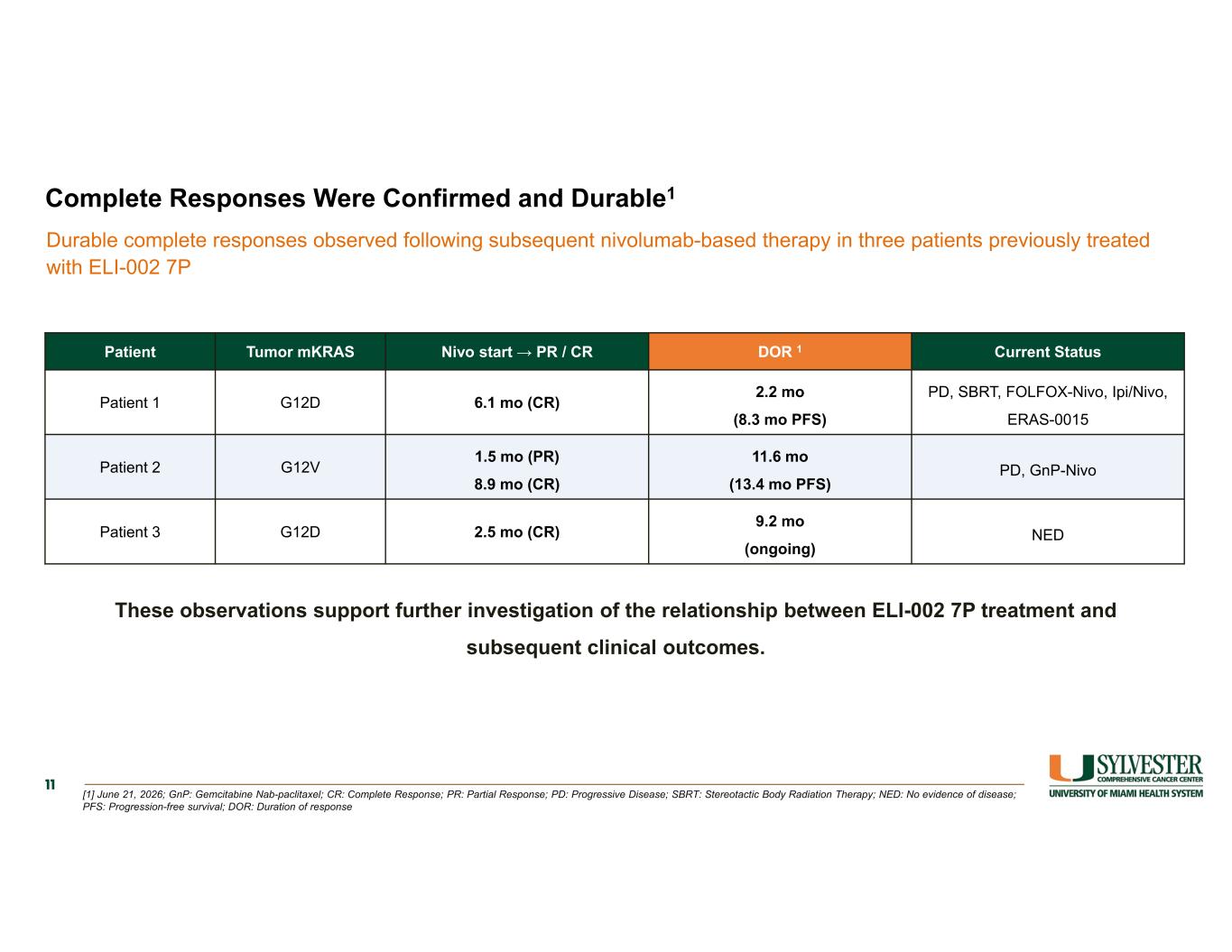
11 [1] June 21, 2026; GnP: Gemcitabine Nab-paclitaxel; CR: Complete Response; PR: Partial Response; PD: Progressive Disease; SBRT: Stereotactic Body Radiation Therapy; NED: No evidence of disease; PFS: Progression-free survival; DOR: Duration of response Current StatusDOR 1Nivo start → PR / CR Tumor mKRASPatient PD, SBRT, FOLFOX-Nivo, Ipi/Nivo, ERAS-0015 2.2 mo (8.3 mo PFS) 6.1 mo (CR)G12DPatient 1 PD, GnP-Nivo 11.6 mo (13.4 mo PFS) 1.5 mo (PR) 8.9 mo (CR) G12VPatient 2 NED 9.2 mo (ongoing) 2.5 mo (CR)G12DPatient 3 Durable complete responses observed following subsequent nivolumab-based therapy in three patients previously treated with ELI-002 7P These observations support further investigation of the relationship between ELI-002 7P treatment and subsequent clinical outcomes. Complete Responses Were Confirmed and Durable1
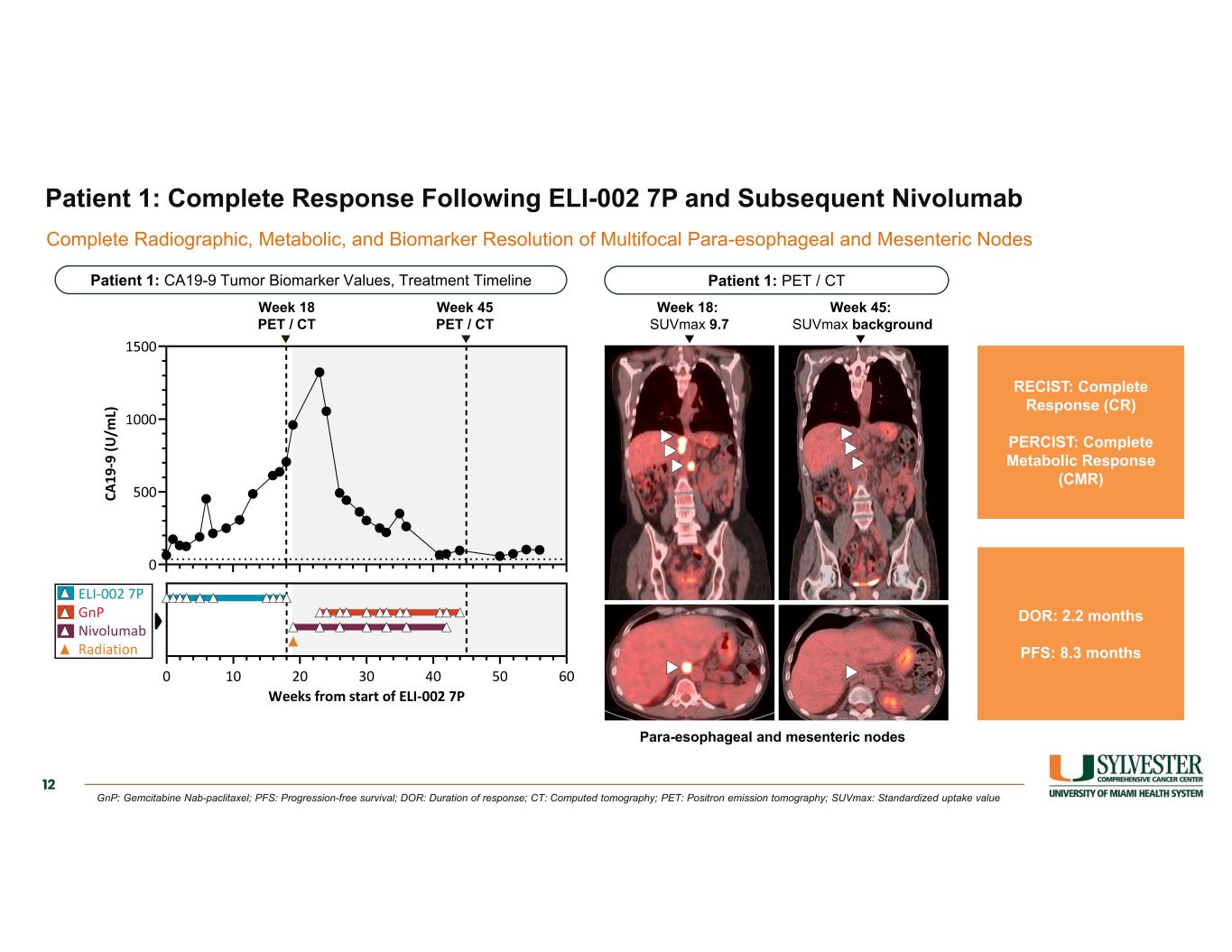
12 GnP: Gemcitabine Nab-paclitaxel; PFS: Progression-free survival; DOR: Duration of response; CT: Computed tomography; PET: Positron emission tomography; SUVmax: Standardized uptake value RECIST: Complete Response (CR) PERCIST: Complete Metabolic Response (CMR) Complete Radiographic, Metabolic, and Biomarker Resolution of Multifocal Para-esophageal and Mesenteric Nodes 0 10 20 30 40 50 60 Weeks from start of ELI-002 7P CA 19 -9 (U /m L) ELI-002 7P GnP Nivolumab Radiation Week 18: SUVmax 9.7 Week 45: SUVmax background Patient 1: CA19-9 Tumor Biomarker Values, Treatment Timeline Patient 1: PET / CT Week 18 PET / CT Week 45 PET / CT Para-esophageal and mesenteric nodes DOR: 2.2 months PFS: 8.3 months Patient 1: Complete Response Following ELI-002 7P and Subsequent Nivolumab
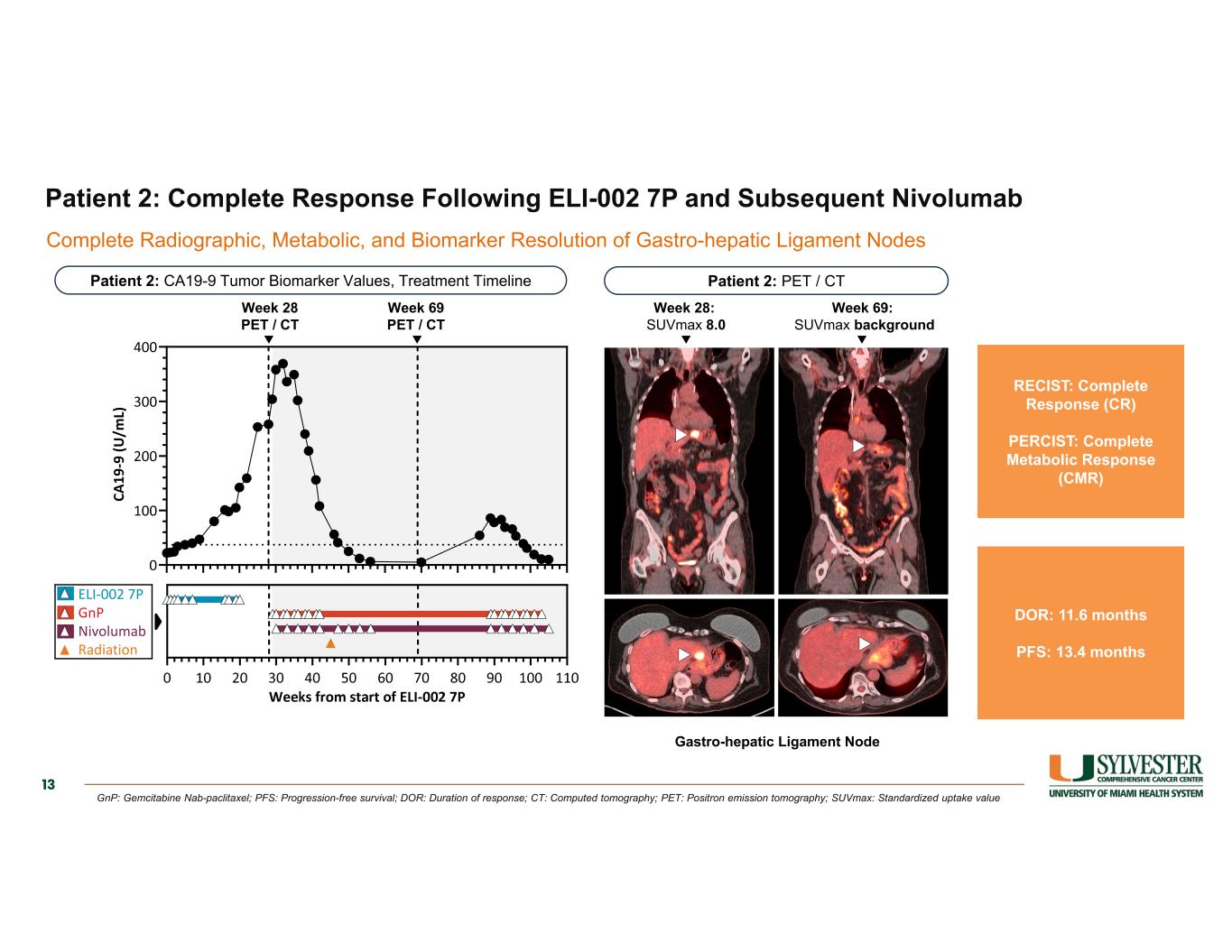
13 Complete Radiographic, Metabolic, and Biomarker Resolution of Gastro-hepatic Ligament Nodes Week 28: SUVmax 8.0 Week 69: SUVmax background Patient 2: CA19-9 Tumor Biomarker Values, Treatment Timeline Patient 2: PET / CT Week 28 PET / CT Week 69 PET / CT Gastro-hepatic Ligament Node CA 19 -9 (U /m L) ELI-002 7P GnP Nivolumab Radiation RECIST: Complete Response (CR) PERCIST: Complete Metabolic Response (CMR) DOR: 11.6 months PFS: 13.4 months Patient 2: Complete Response Following ELI-002 7P and Subsequent Nivolumab GnP: Gemcitabine Nab-paclitaxel; PFS: Progression-free survival; DOR: Duration of response; CT: Computed tomography; PET: Positron emission tomography; SUVmax: Standardized uptake value
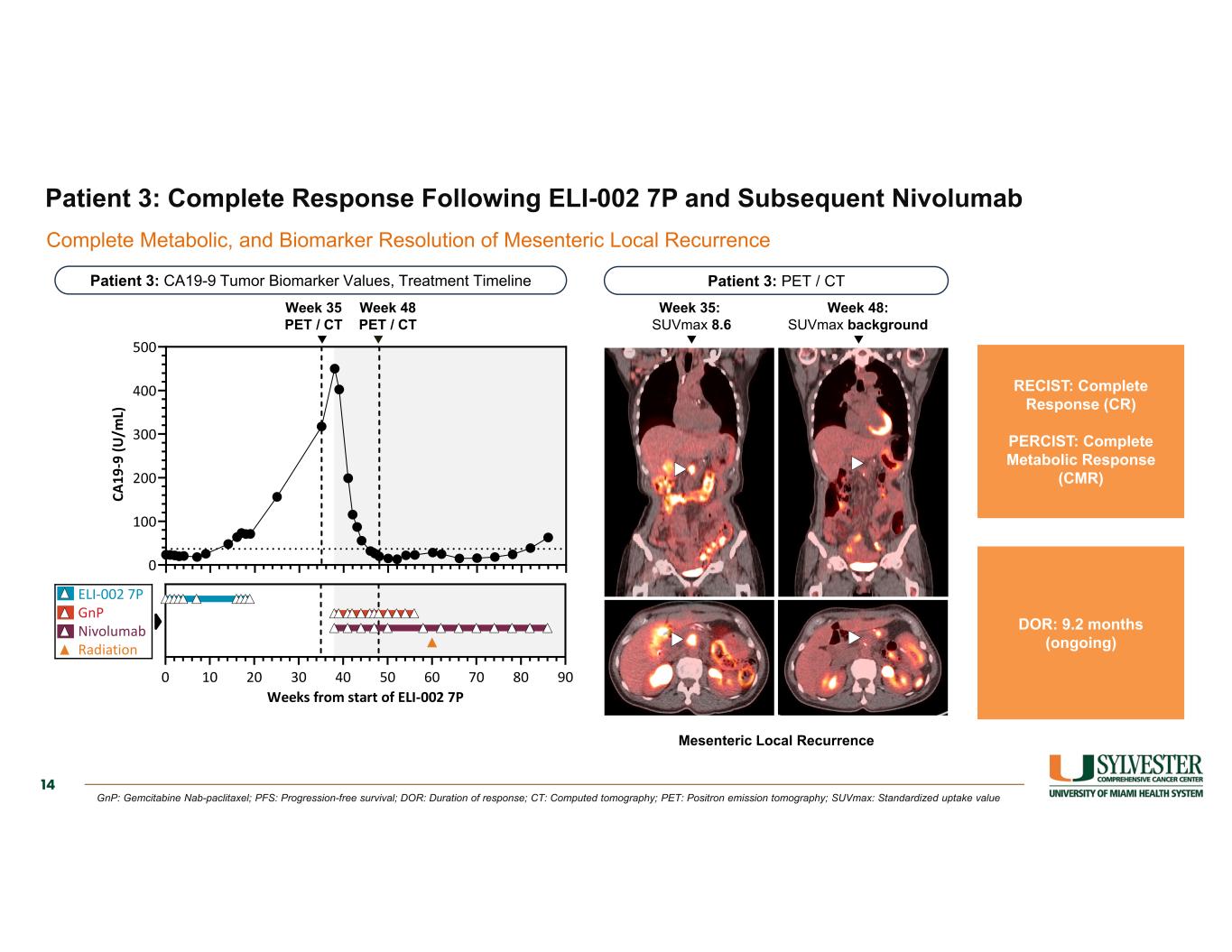
14 Complete Metabolic, and Biomarker Resolution of Mesenteric Local Recurrence CA 19 -9 (U /m L) Week 35: SUVmax 8.6 Week 48: SUVmax background Patient 3: CA19-9 Tumor Biomarker Values, Treatment Timeline Patient 3: PET / CT Week 35 PET / CT Week 48 PET / CT Mesenteric Local Recurrence 0 10 20 30 40 50 60 70 80 90 Weeks from start of ELI-002 7P ELI-002 7P GnP Nivolumab Radiation RECIST: Complete Response (CR) PERCIST: Complete Metabolic Response (CMR) DOR: 9.2 months (ongoing) Patient 3: Complete Response Following ELI-002 7P and Subsequent Nivolumab GnP: Gemcitabine Nab-paclitaxel; PFS: Progression-free survival; DOR: Duration of response; CT: Computed tomography; PET: Positron emission tomography; SUVmax: Standardized uptake value
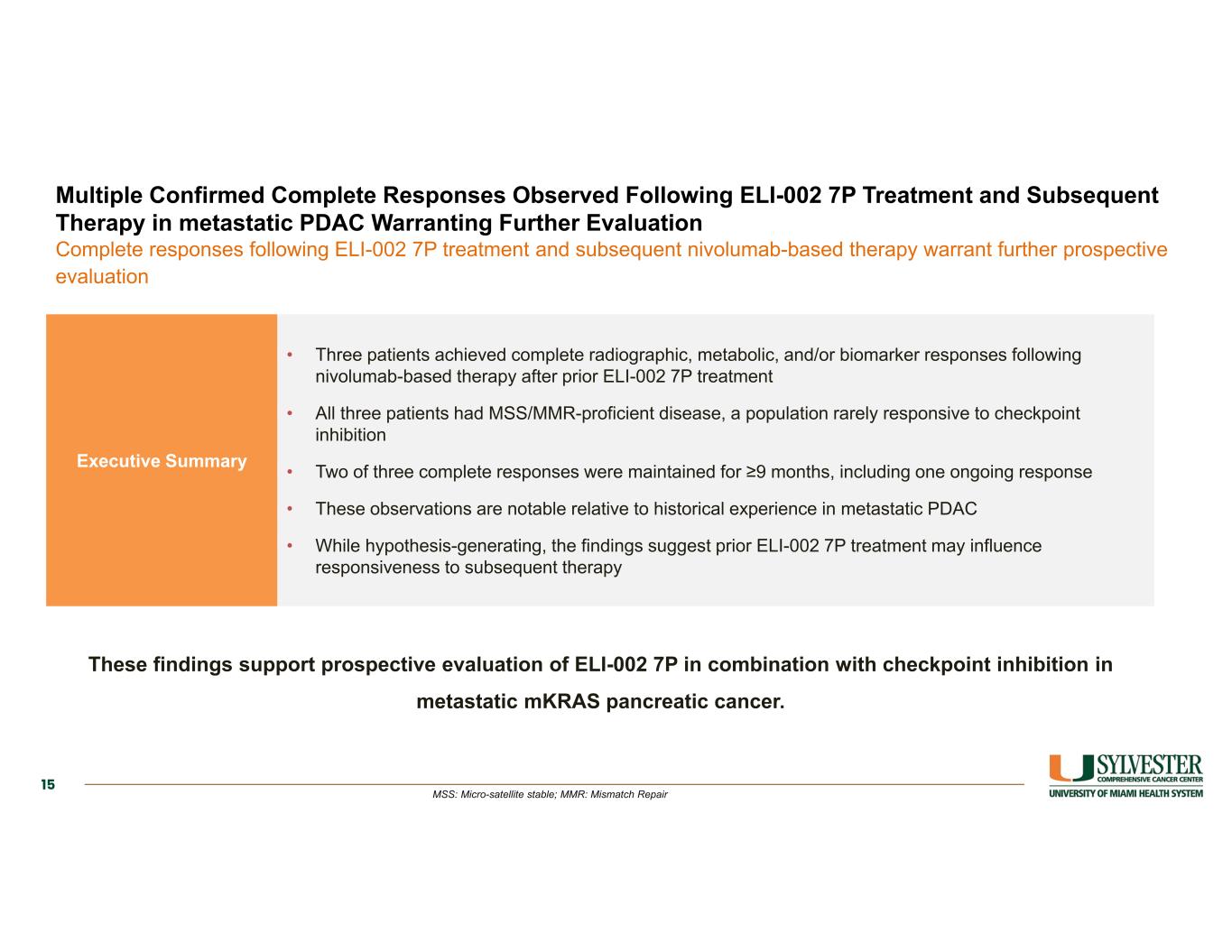
15 MSS: Micro-satellite stable; MMR: Mismatch Repair Multiple Confirmed Complete Responses Observed Following ELI-002 7P Treatment and Subsequent Therapy in metastatic PDAC Warranting Further Evaluation Complete responses following ELI-002 7P treatment and subsequent nivolumab-based therapy warrant further prospective evaluation These findings support prospective evaluation of ELI-002 7P in combination with checkpoint inhibition in metastatic mKRAS pancreatic cancer. • Three patients achieved complete radiographic, metabolic, and/or biomarker responses following nivolumab-based therapy after prior ELI-002 7P treatment • All three patients had MSS/MMR-proficient disease, a population rarely responsive to checkpoint inhibition • Two of three complete responses were maintained for ≥9 months, including one ongoing response • These observations are notable relative to historical experience in metastatic PDAC • While hypothesis-generating, the findings suggest prior ELI-002 7P treatment may influence responsiveness to subsequent therapy Executive Summary
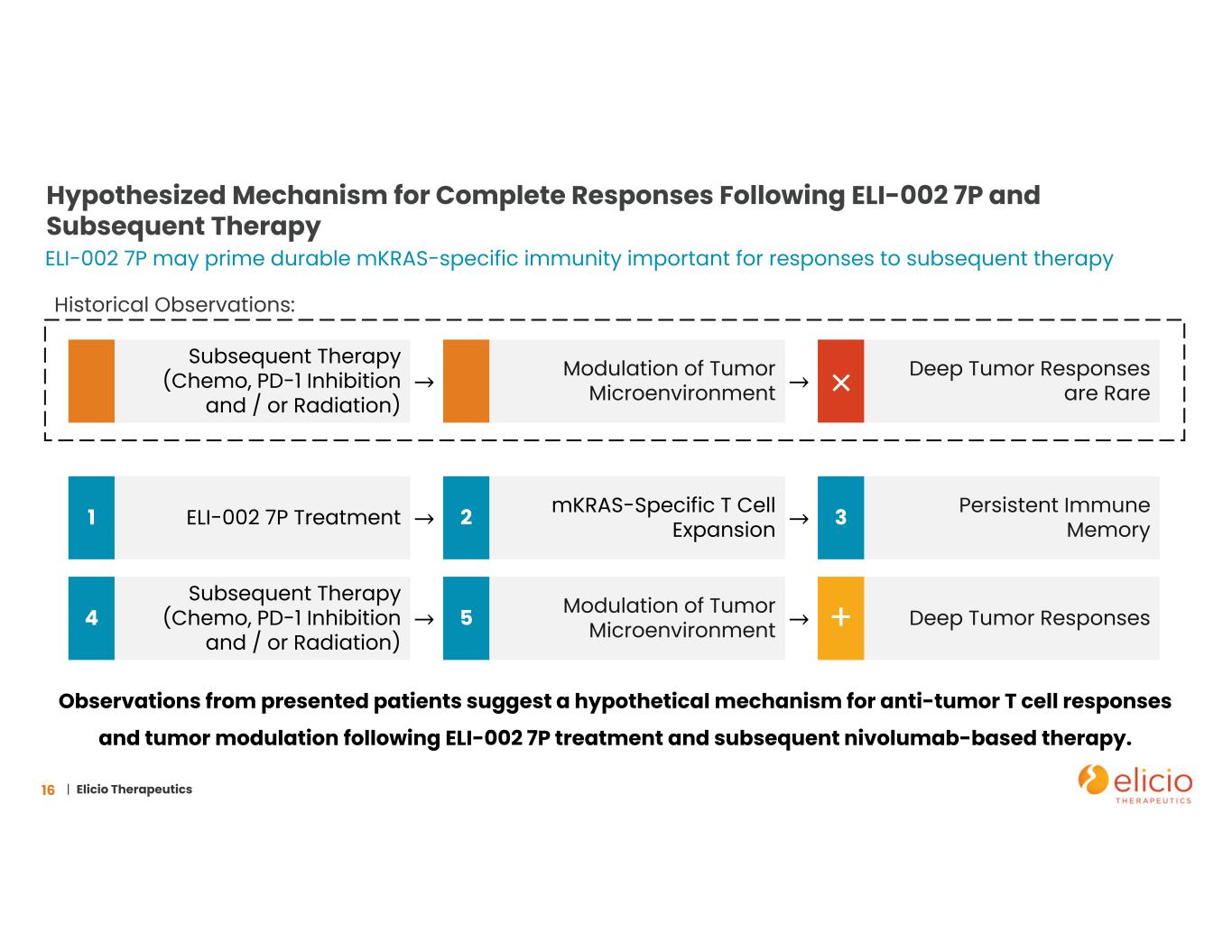
Hypothesized Mechanism for Complete Responses Following ELI-002 7P and Subsequent Therapy 16 Observations from presented patients suggest a hypothetical mechanism for anti-tumor T cell responses and tumor modulation following ELI-002 7P treatment and subsequent nivolumab-based therapy. ELI-002 7P may prime durable mKRAS-specific immunity important for responses to subsequent therapy →ELI-002 7P Treatment1 →mKRAS-Specific T Cell Expansion2 Persistent Immune Memory3 →Subsequent Therapy (Chemo, PD-1 Inhibition and / or Radiation) →Modulation of Tumor Microenvironment Deep Tumor Responses are Rare× | Elicio Therapeutics Historical Observations: →Subsequent Therapy (Chemo, PD-1 Inhibition and / or Radiation) 4 →Modulation of Tumor Microenvironment 5 Deep Tumor Responses+
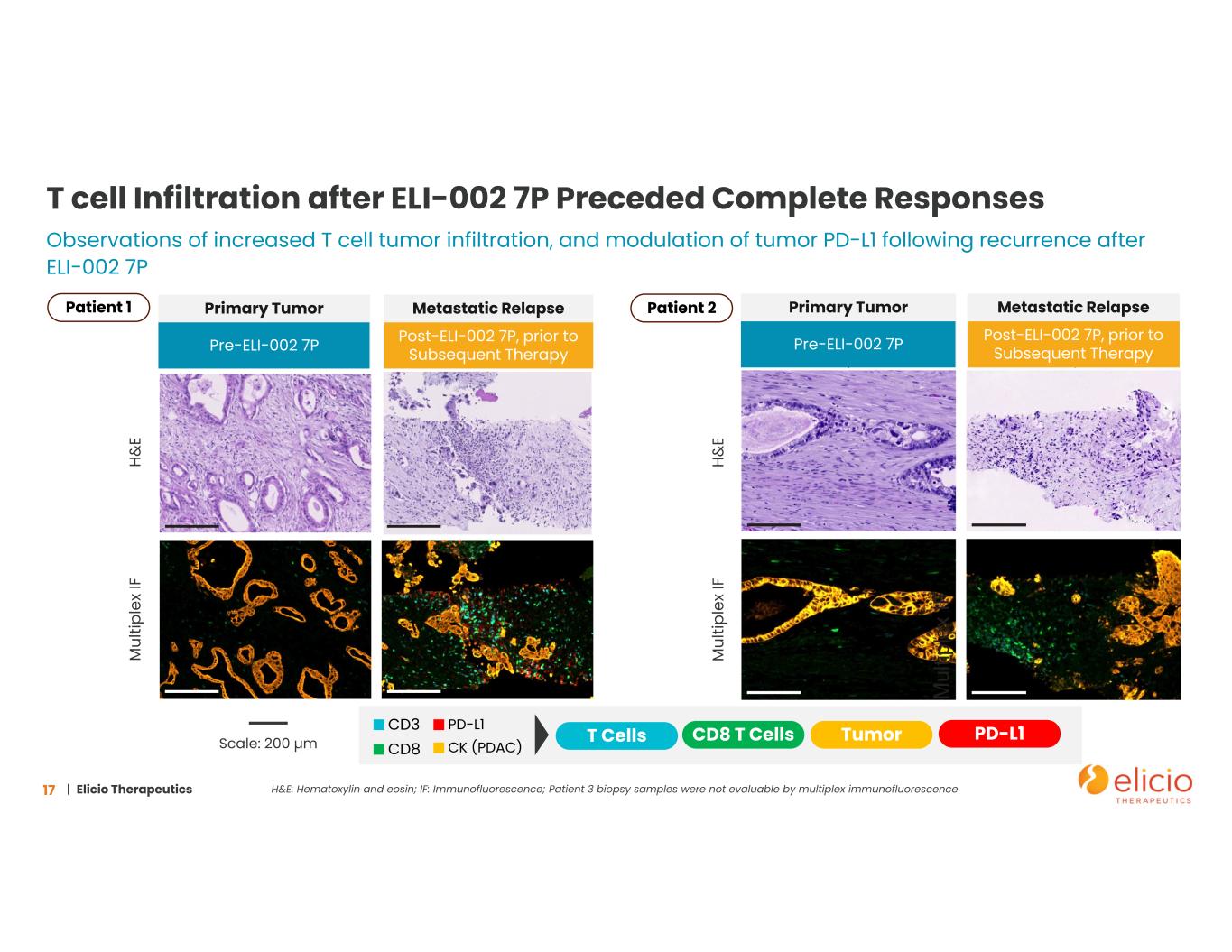
T cell Infiltration after ELI-002 7P Preceded Complete Responses 17 Observations of increased T cell tumor infiltration, and modulation of tumor PD-L1 following recurrence after ELI-002 7P CD3 CD8 PD-L1 CK (PDAC) H& E M ul tip le x IF Scale: 200 µm Patient 1 Patient 2 H&E: Hematoxylin and eosin; IF: Immunofluorescence; Patient 3 biopsy samples were not evaluable by multiplex immunofluorescence T Cells CD8 T Cells Tumor PD-L1 | Elicio Therapeutics Metastatic RelapsePrimary Tumor Post-ELI-002 7P, prior to Subsequent TherapyPre-ELI-002 7P Metastatic RelapsePrimary Tumor Post-ELI-002 7P, prior to Subsequent TherapyPre-ELI-002 7P H& E M ul tip le x IF
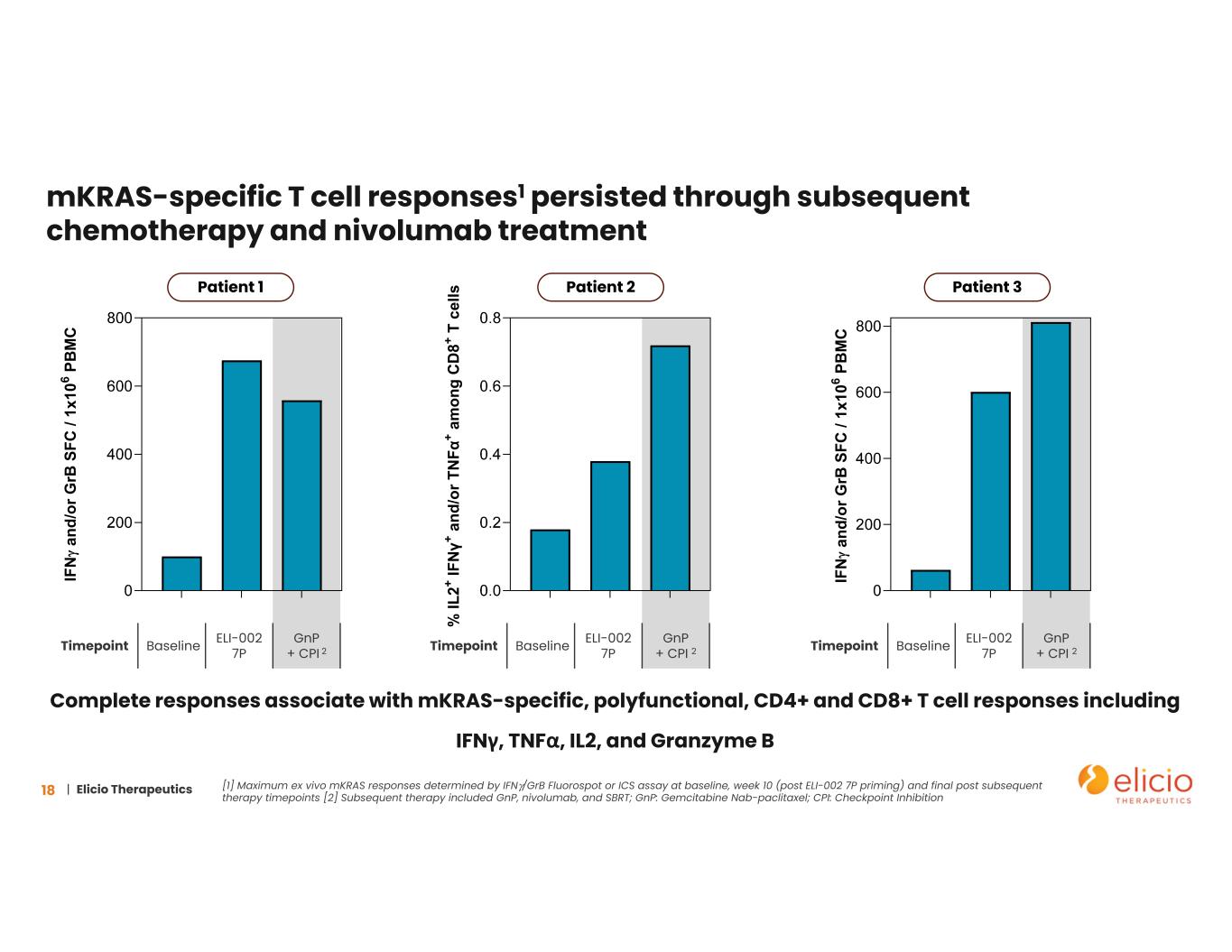
GnP + CPI 2 ELI-002 7PBaselineTimepoint GnP + CPI 2 ELI-002 7PBaselineTimepointGnP + CPI 2 ELI-002 7PBaselineTimepoint IF N a nd /o r G rB S FC / 1x 10 6 P B M C % IL 2+ IF Nγ + a nd /o r T N Fα + a m on g C D 8+ T c el ls IF N a nd /o r G rB S FC / 1x 10 6 P BM C mKRAS-specific T cell responses1 persisted through subsequent chemotherapy and nivolumab treatment 18 Patient 1 Patient 3Patient 2 [1] Maximum ex vivo mKRAS responses determined by IFNγ/GrB Fluorospot or ICS assay at baseline, week 10 (post ELI-002 7P priming) and final post subsequent therapy timepoints [2] Subsequent therapy included GnP, nivolumab, and SBRT; GnP: Gemcitabine Nab-paclitaxel; CPI: Checkpoint Inhibition Complete responses associate with mKRAS-specific, polyfunctional, CD4+ and CD8+ T cell responses including IFNγ, TNFα, IL2, and Granzyme B | Elicio Therapeutics
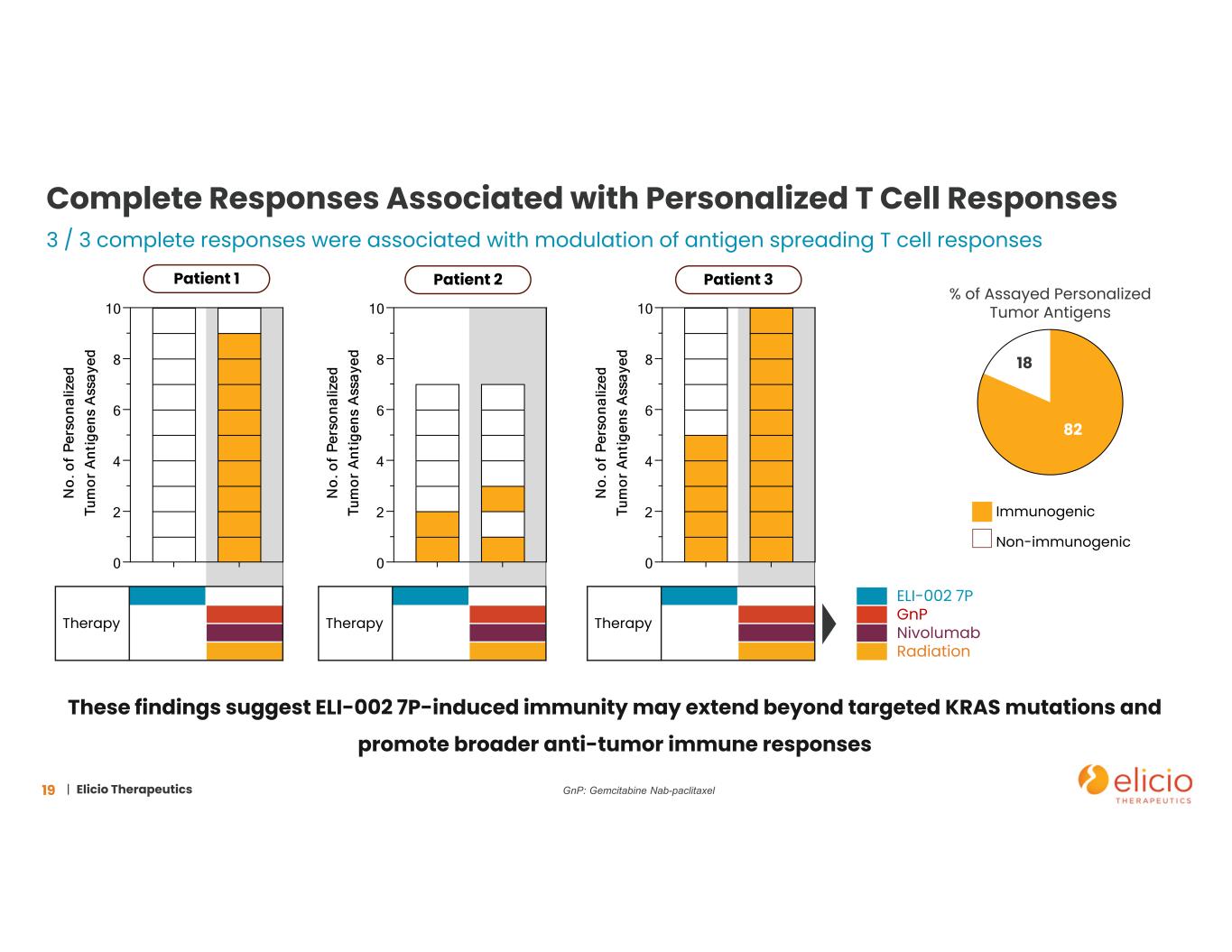
Therapy Complete Responses Associated with Personalized T Cell Responses 19 3 / 3 complete responses were associated with modulation of antigen spreading T cell responses Therapy Immunogenic Non-immunogenic % of Assayed Personalized Tumor Antigens 82 18 ELI-002 7P GnP Nivolumab Radiation These findings suggest ELI-002 7P-induced immunity may extend beyond targeted KRAS mutations and promote broader anti-tumor immune responses 0 2 4 6 8 10 Therapy 0 2 4 6 8 10 0 2 4 6 8 10 Patient 1 Patient 3Patient 2 | Elicio Therapeutics GnP: Gemcitabine Nab-paclitaxel
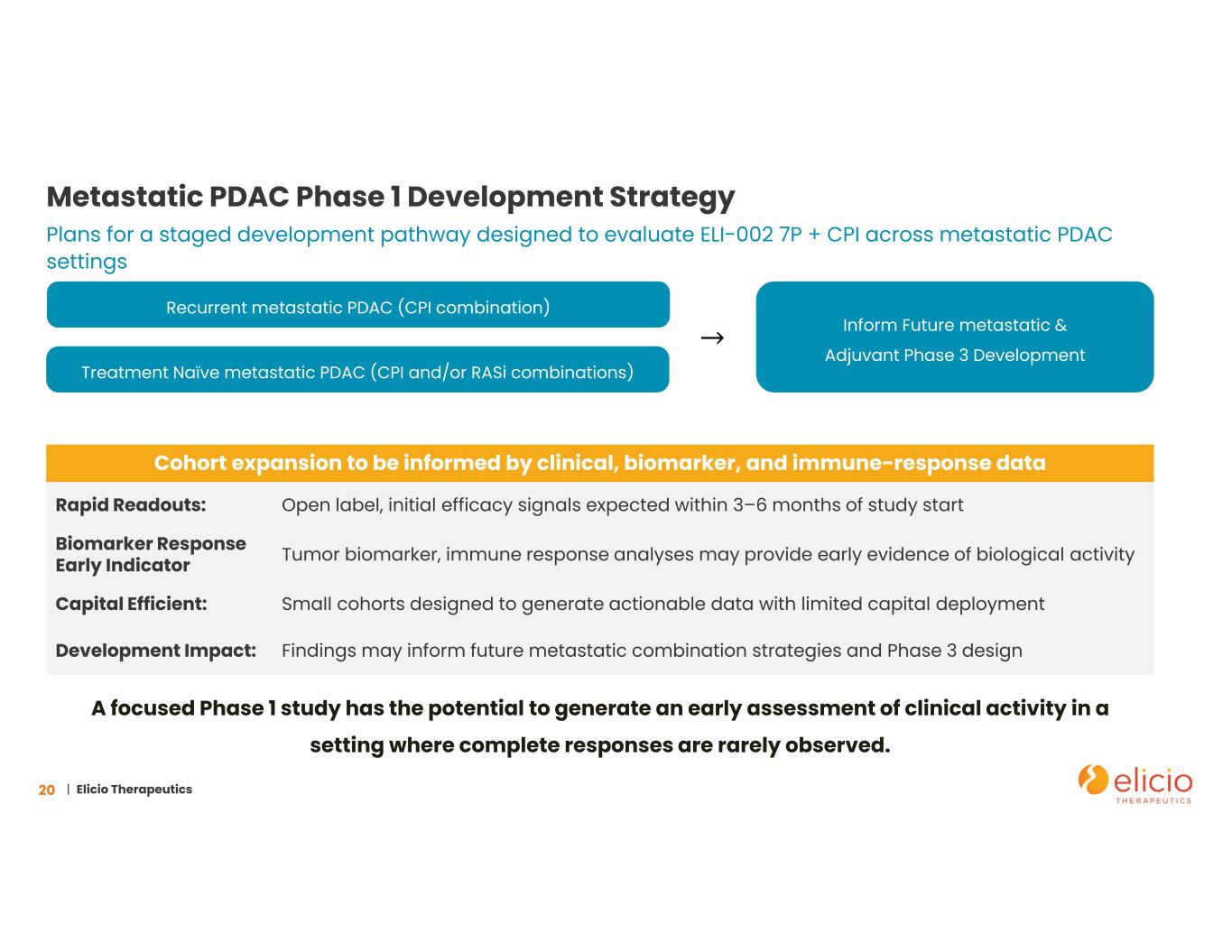
Metastatic PDAC Phase 1 Development Strategy 20 Plans for a staged development pathway designed to evaluate ELI-002 7P + CPI across metastatic PDAC settings | Elicio Therapeutics →Recurrent metastatic PDAC (CPI combination) Treatment Naïve metastatic PDAC (CPI and/or RASi combinations) Inform Future metastatic & Adjuvant Phase 3 Development A focused Phase 1 study has the potential to generate an early assessment of clinical activity in a setting where complete responses are rarely observed. Cohort expansion to be informed by clinical, biomarker, and immune-response data Open label, initial efficacy signals expected within 3–6 months of study startRapid Readouts: Tumor biomarker, immune response analyses may provide early evidence of biological activityBiomarker Response Early Indicator Small cohorts designed to generate actionable data with limited capital deploymentCapital Efficient: Findings may inform future metastatic combination strategies and Phase 3 designDevelopment Impact:
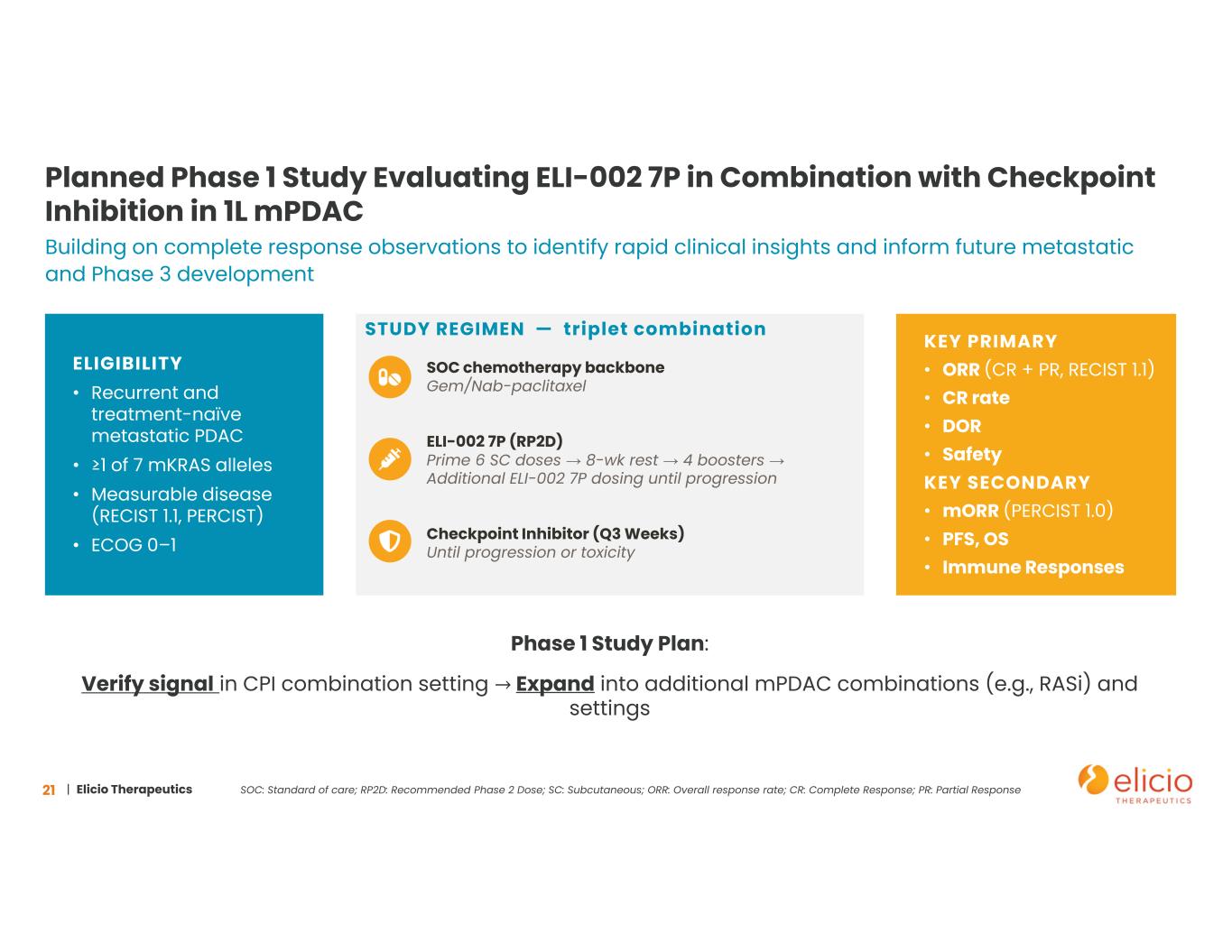
Planned Phase 1 Study Evaluating ELI-002 7P in Combination with Checkpoint Inhibition in 1L mPDAC 21 Building on complete response observations to identify rapid clinical insights and inform future metastatic and Phase 3 development ELIGIBILITY • Recurrent and treatment-naïve metastatic PDAC • ≥1 of 7 mKRAS alleles • Measurable disease (RECIST 1.1, PERCIST) • ECOG 0–1 STUDY REGIMEN — triplet combination SOC chemotherapy backbone Gem/Nab-paclitaxel ELI-002 7P (RP2D) Prime 6 SC doses → 8-wk rest → 4 boosters → Additional ELI-002 7P dosing until progression Checkpoint Inhibitor (Q3 Weeks) Until progression or toxicity KEY PRIMARY • ORR (CR + PR, RECIST 1.1) • CR rate • DOR • Safety KEY SECONDARY • mORR (PERCIST 1.0) • PFS, OS • Immune Responses | Elicio Therapeutics SOC: Standard of care; RP2D: Recommended Phase 2 Dose; SC: Subcutaneous; ORR: Overall response rate; CR: Complete Response; PR: Partial Response Phase 1 Study Plan: Verify signal in CPI combination setting → Expand into additional mPDAC combinations (e.g., RASi) and settings
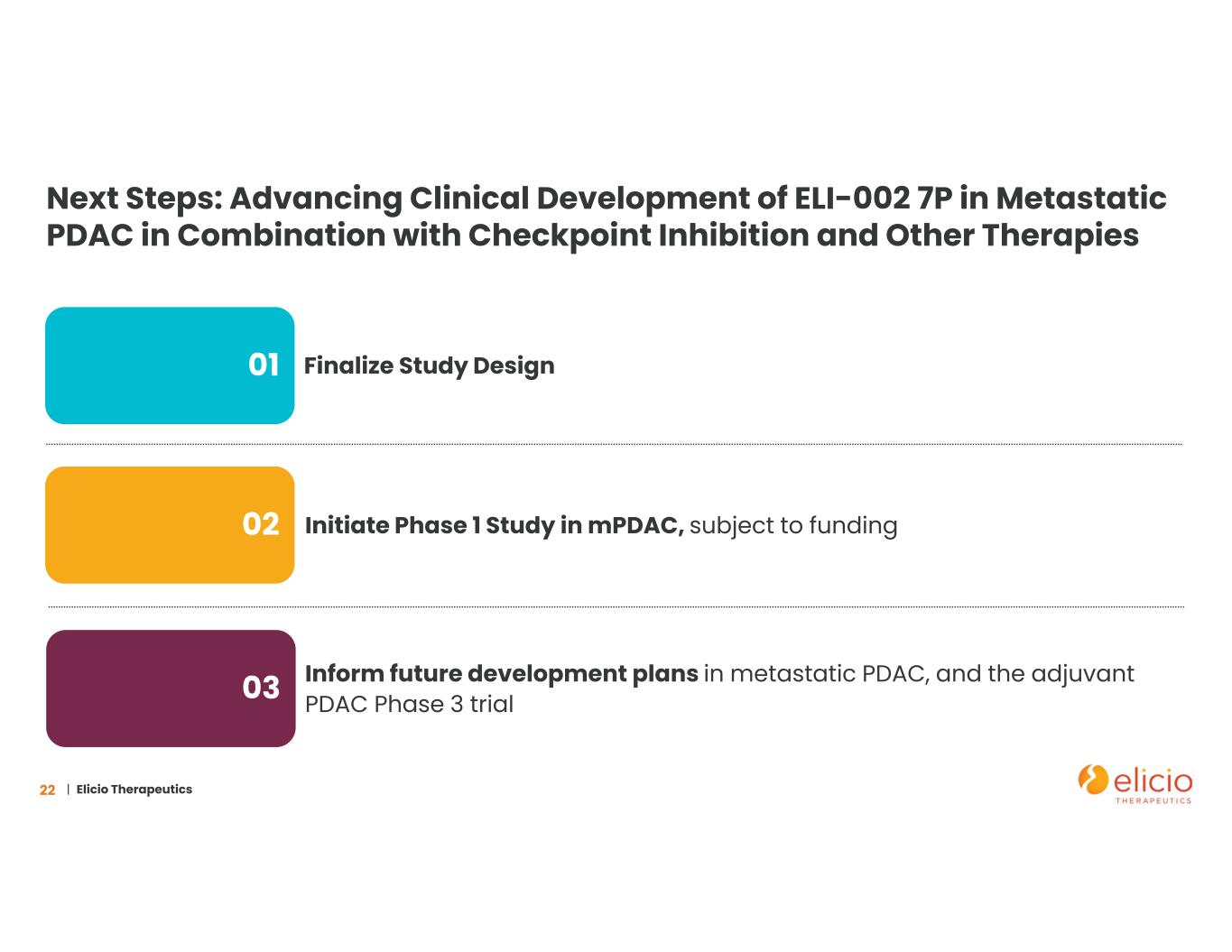
Next Steps: Advancing Clinical Development of ELI-002 7P in Metastatic PDAC in Combination with Checkpoint Inhibition and Other Therapies 22 01 02 Finalize Study Design Initiate Phase 1 Study in mPDAC, subject to funding | Elicio Therapeutics 03 Inform future development plans in metastatic PDAC, and the adjuvant PDAC Phase 3 trial

23