
June 2026 Corporate Presentation EXHIBIT 99.1
Forward-Looking Statements The information contained in this presentation is being supplied and communicated to you solely for your information and may not be reproduced, further distributed to any other person or published, in whole or in part, for any purpose. The distribution of this presentation in certain jurisdictions may be restricted by law, and persons into whose possession this presentation comes should inform themselves about, and observe, any such restrictions. Although reasonable care has been taken to ensure that the facts stated in this presentation are accurate and that the opinions expressed are fair and reasonable, the contents of this presentation have not been verified by Silence Therapeutics plc (the “Company”) or any other person. Accordingly no representation or warranty, express or implied, is made as to the fairness, accuracy, completeness or correctness of the information and opinions contained in this presentation and no reliance should be placed on such information or opinions. None of the Company, or any of its respective members, directors, officers or employees nor any other person accepts any liability whatsoever for any loss howsoever arising from any use of such information or opinions or otherwise arising in connection with this presentation. No part of this presentation, or the fact of its distribution, should form the basis of or be relied upon in connection with any contract or commitment or investment decision whatsoever. This presentation does not form part of any offer of securities, or constitute a solicitation of any offer to purchase or subscribe for securities or an inducement to enter into any investment activity. Recipients of this presentation are not to construe its contents, or any prior or subsequent communications from or with the Company or its representatives as investment, legal or tax advice. In addition, this presentation does not purport to be all-inclusive or to contain all of the information that may be required to make a full analysis of any transaction. Further, the information in this presentation is not complete and may be changed. Recipients of this presentation should each make their own independent evaluation of the information and of the relevance and adequacy of the information in this document and should make such other investigations as they deem necessary. This presentation may contain forward-looking statements that reflect the Company’s current views and expectations regarding future events. In particular certain statements with regard to management’s strategic vision, aims and objectives, the conduct of clinical trials, the filing dates for product license applications and the anticipated launch of specified products in various markets, the Company’s ability to find partners for the development and commercialization of its products as well as the terms for such partnerships, anticipated levels of demand for the Company’s products (including in development), the effect of competition, anticipated efficiencies, trends in results of operations, margins, the market and exchange rates, are all forward-looking in nature. Forward-looking statements involve risks and uncertainties that could cause actual results to differ materially from those expressed or implied by the forward looking statements. Although not exhaustive, the following factors could cause actual results to differ materially from those the Company expects: difficulties inherent in the discovery and development of new products and the design and implementation of pre-clinical and clinical studies, trials and investigations, delays in and results from such studies, trials and investigations that are inconsistent with previous results and the Company’s expectations, the failure to obtain and maintain required regulatory approvals, product and pricing initiatives by the Company’s competitors, inability of the Company to market existing products effectively and the failure of the Company to agree beneficial terms with potential partners for any of its products or the failure of the Company’s existing partners to perform their obligations, the ability of the Company to obtain additional financing for its operations and the market conditions affecting the availability and terms of such financing, the successful integration of completed mergers and acquisitions and achievement of expected synergies from such transactions, and the ability of the Company to identify and consummate suitable strategic and business combination transactions and the risks described in our most recent Admission Document. By participating in this presentation and/or accepting any copies hereof you agree to be bound by the foregoing restrictions and the other terms of this disclaimer.

Silencing diseases through precision engineered medicines created with proprietary siRNA technology
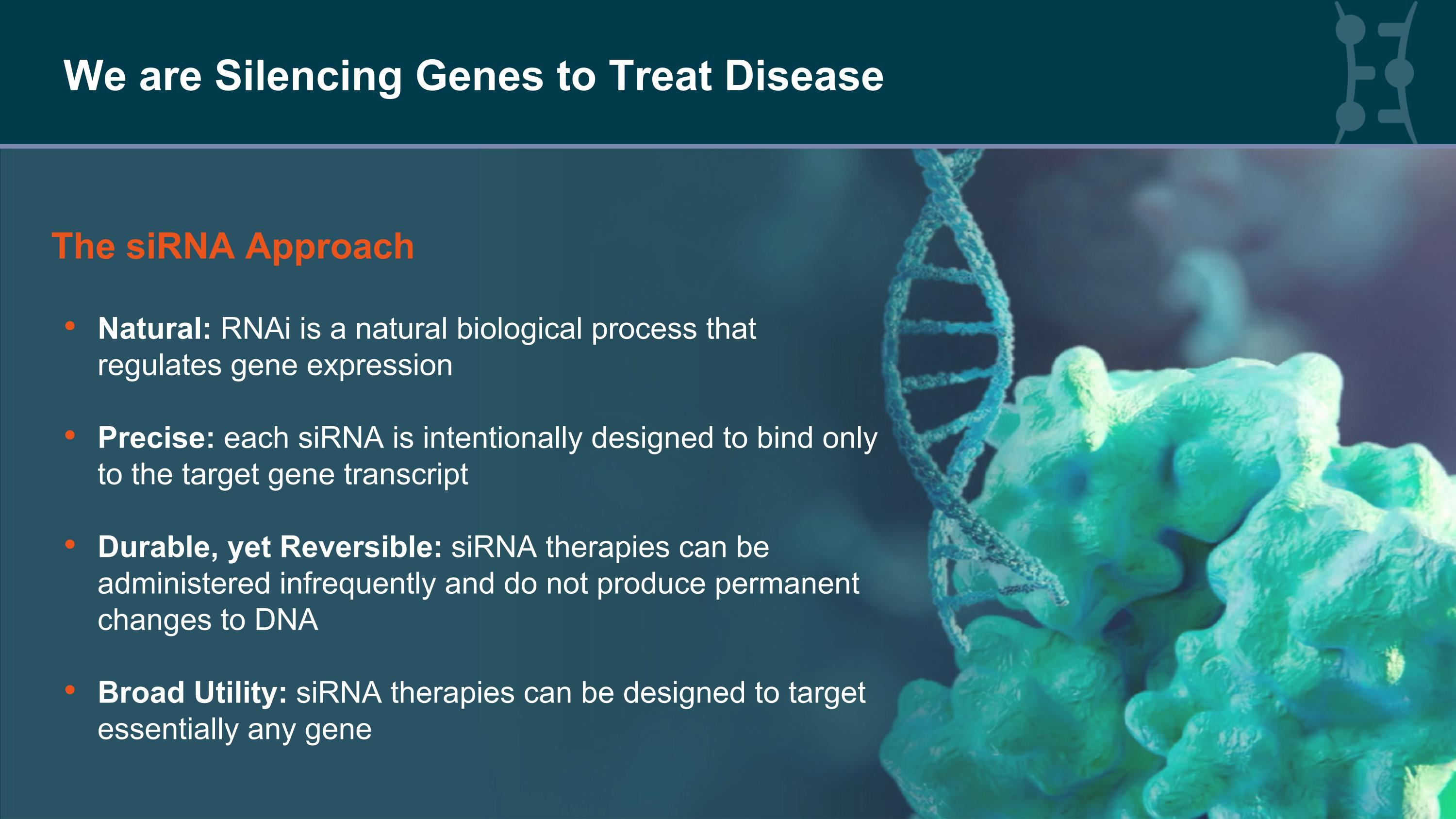
We are Silencing Genes to Treat Disease Natural: RNAi is a natural biological process that regulates gene expression Precise: each siRNA is intentionally designed to bind only to the target gene transcript Durable, yet Reversible: siRNA therapies can be administered infrequently and do not produce permanent changes to DNA Broad Utility: siRNA therapies can be designed to target essentially any gene The siRNA Approach
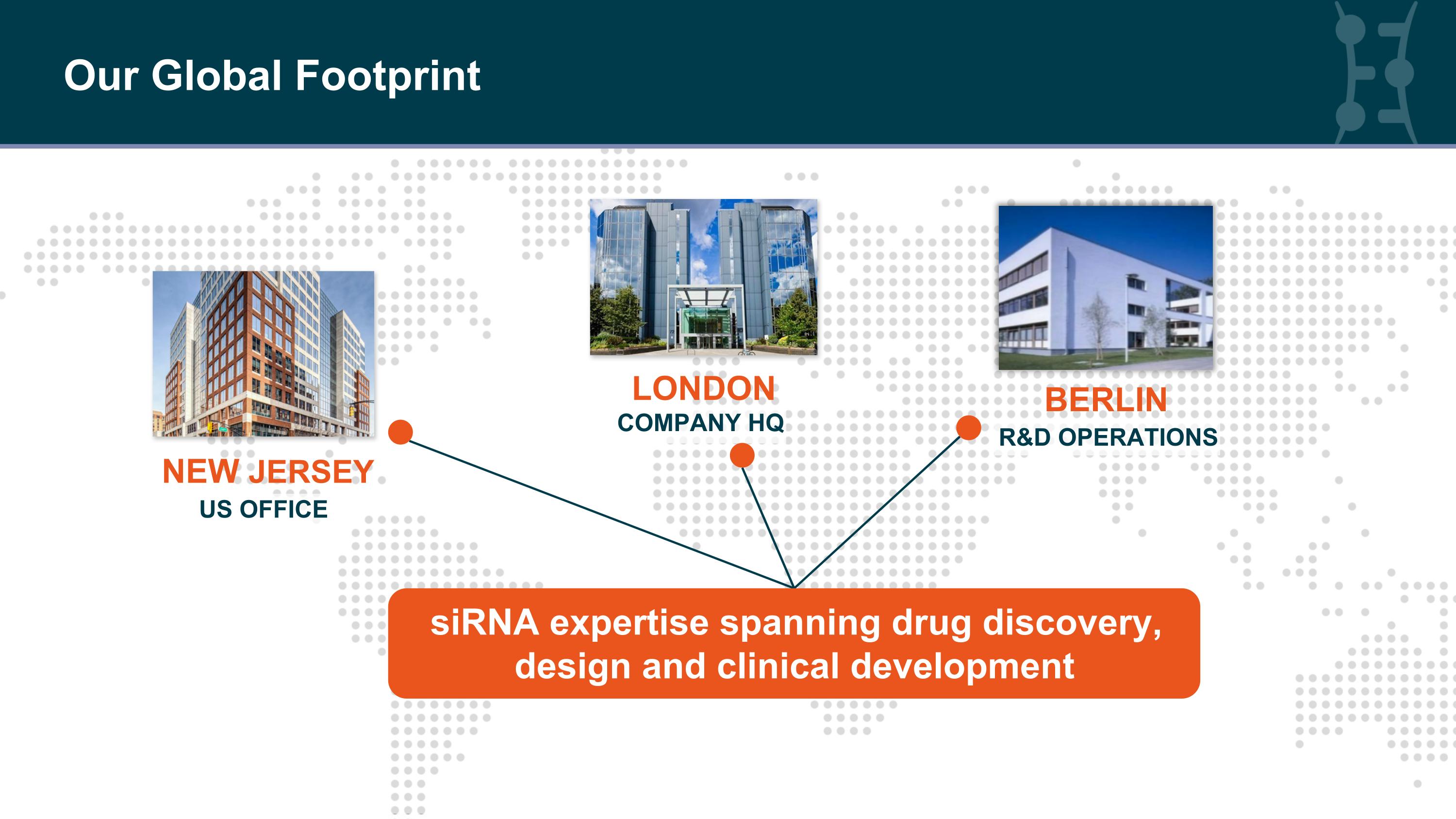
Our Global Footprint US OFFICE R&D OPERATIONS COMPANY HQ NEW JERSEY LONDON BERLIN siRNA expertise spanning drug discovery, design and clinical development
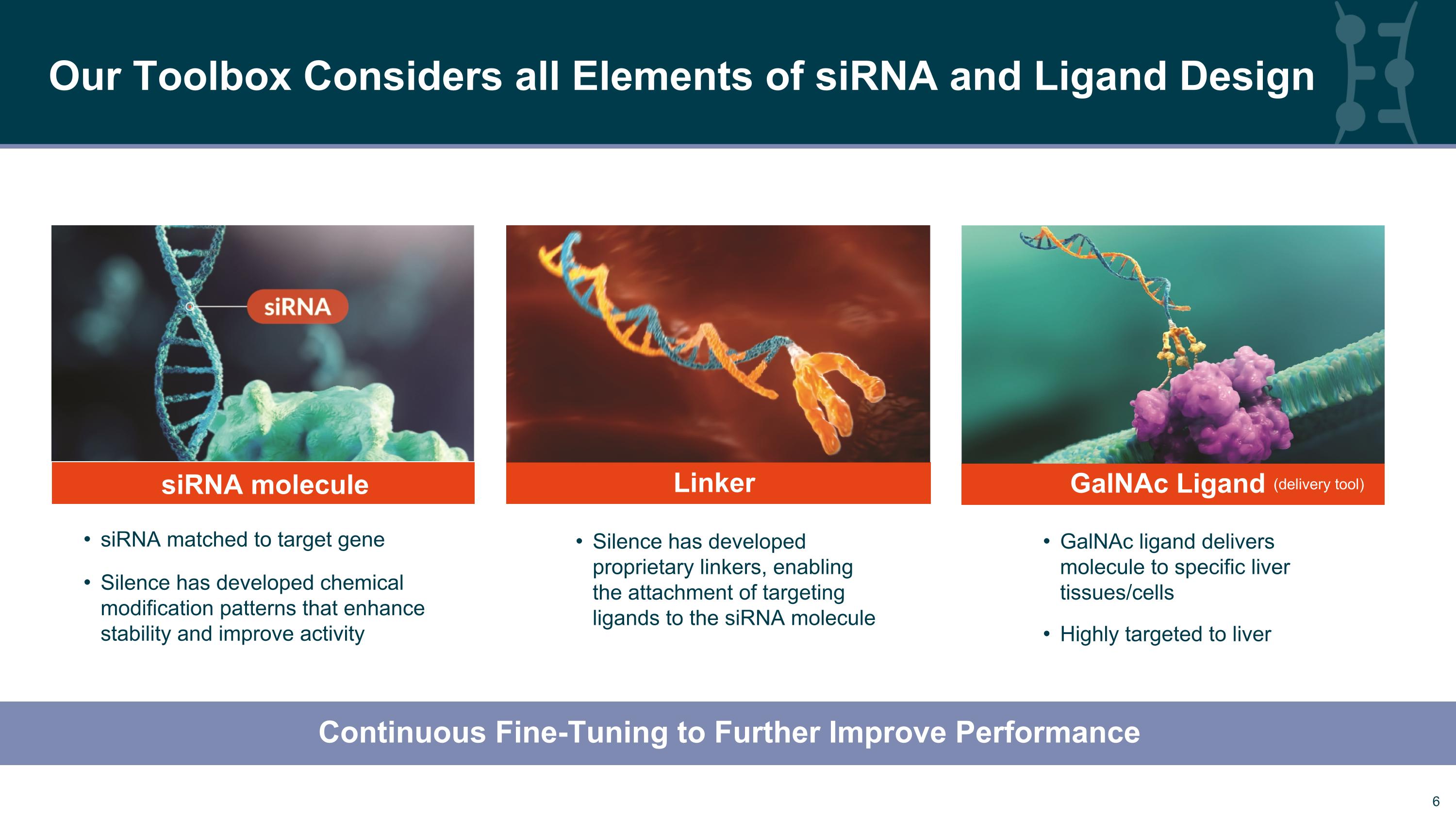
Our Toolbox Considers all Elements of siRNA and Ligand Design siRNA matched to target gene Silence has developed chemical modification patterns that enhance stability and improve activity Silence has developed proprietary linkers, enabling the attachment of targeting ligands to the siRNA molecule GalNAc ligand delivers molecule to specific liver tissues/cells Highly targeted to liver Continuous Fine-Tuning to Further Improve Performance siRNA molecule Linker GalNAc Ligand (delivery tool)
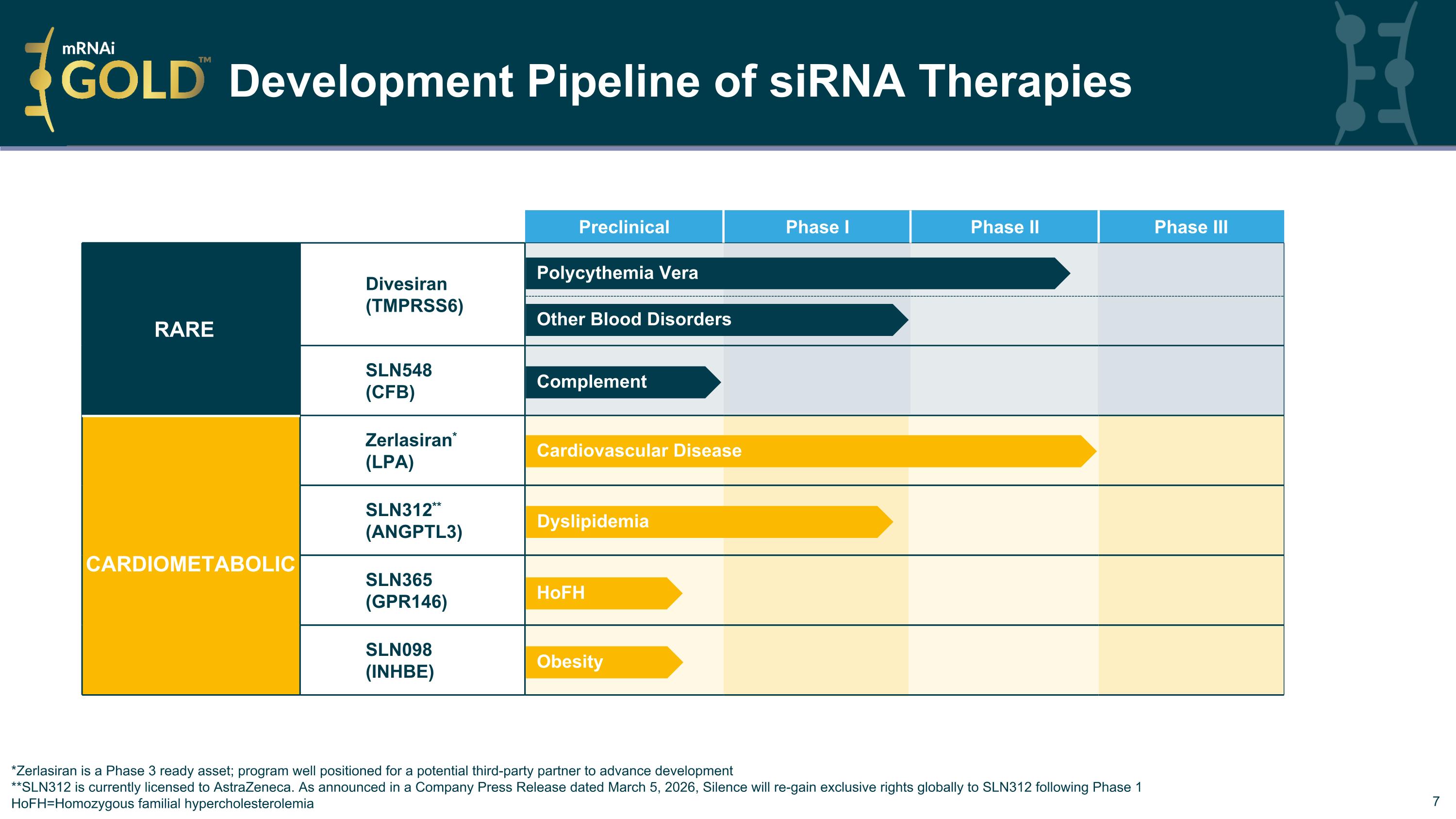
Development Pipeline of siRNA Therapies Preclinical Phase I Phase II Phase III Divesiran (TMPRSS6) SLN548 (CFB) Zerlasiran* (LPA) SLN312** (ANGPTL3) SLN365 (GPR146) SLN098 (INHBE) Other Blood Disorders Complement Polycythemia Vera HoFH Obesity RARE CARDIOMETABOLIC Dyslipidemia Cardiovascular Disease *Zerlasiran is a Phase 3 ready asset; program well positioned for a potential third-party partner to advance development **SLN312 is currently licensed to AstraZeneca. As announced in a Company Press Release dated March 5, 2026, Silence will re-gain exclusive rights globally to SLN312 following Phase 1 HoFH=Homozygous familial hypercholesterolemia

Divesiran (TMPRSS6) Rare Disease
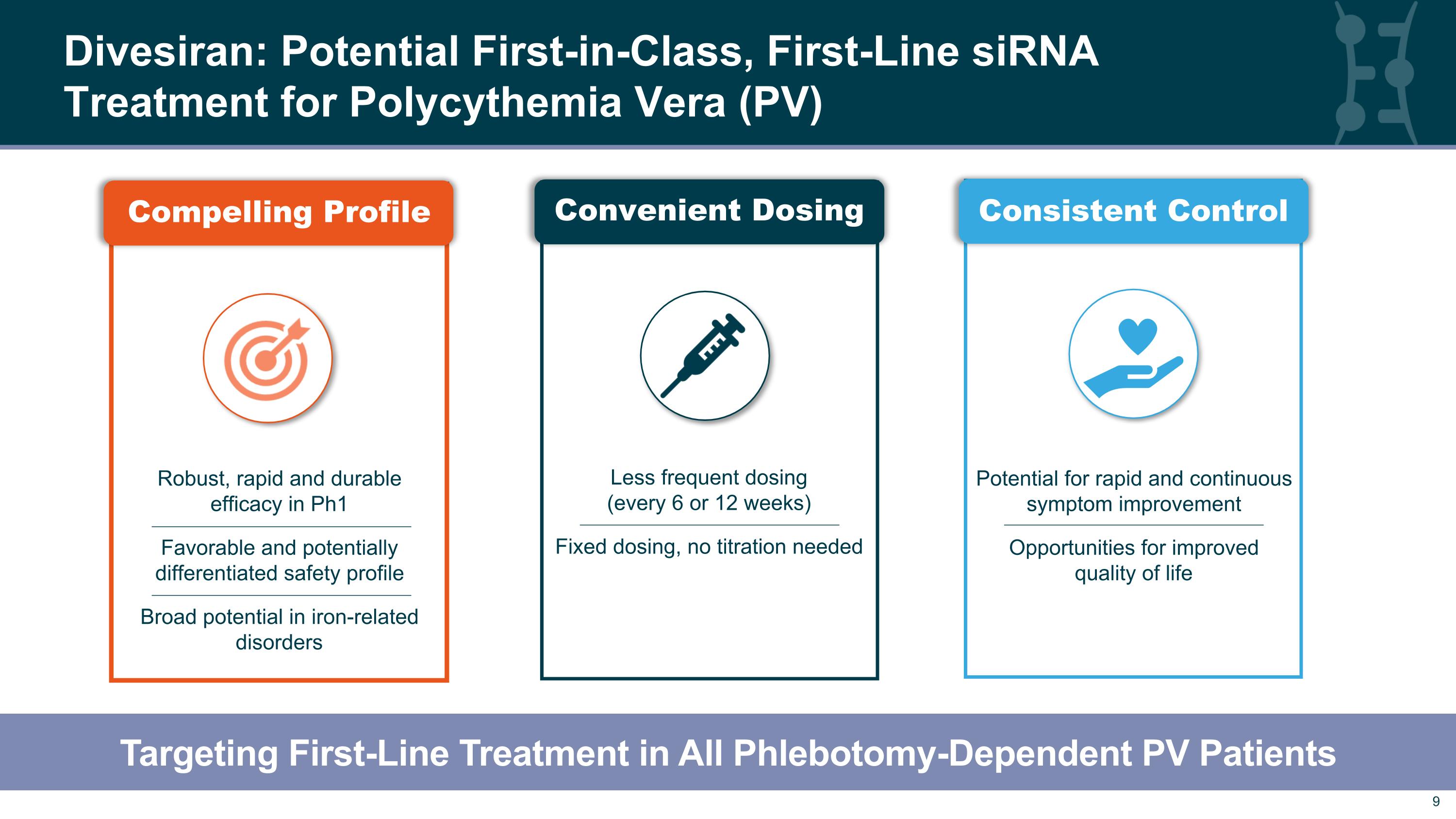
Divesiran: Potential First-in-Class, First-Line siRNA Treatment for Polycythemia Vera (PV) Robust, rapid and durable efficacy in Ph1 Favorable and potentially differentiated safety profile Broad potential in iron-related disorders Less frequent dosing (every 6 or 12 weeks) Fixed dosing, no titration needed Potential for rapid and continuous symptom improvement Opportunities for improved quality of life Compelling Profile Convenient Dosing Consistent Control Targeting First-Line Treatment in All Phlebotomy-Dependent PV Patients
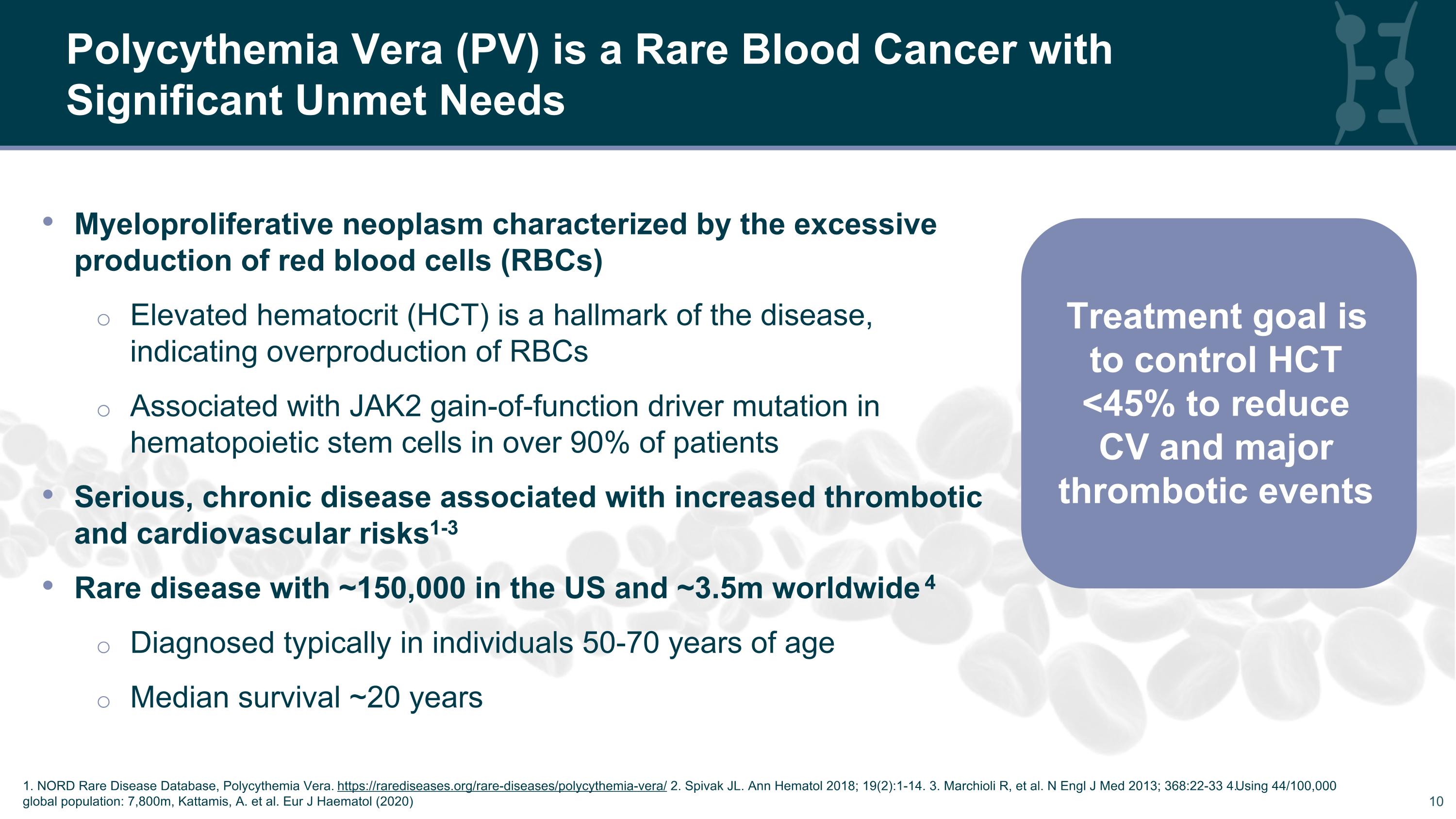
Myeloproliferative neoplasm characterized by the excessive production of red blood cells (RBCs) Elevated hematocrit (HCT) is a hallmark of the disease, indicating overproduction of RBCs Associated with JAK2 gain-of-function driver mutation in hematopoietic stem cells in over 90% of patients Serious, chronic disease associated with increased thrombotic and cardiovascular risks1-3 Rare disease with ~150,000 in the US and ~3.5m worldwide 4 Diagnosed typically in individuals 50-70 years of age Median survival ~20 years Polycythemia Vera (PV) is a Rare Blood Cancer with Significant Unmet Needs Treatment goal is to control HCT <45% to reduce CV and major thrombotic events 1. NORD Rare Disease Database, Polycythemia Vera. https://rarediseases.org/rare-diseases/polycythemia-vera/ 2. Spivak JL. Ann Hematol 2018; 19(2):1-14. 3. Marchioli R, et al. N Engl J Med 2013; 368:22-33 4.Using 44/100,000 global population: 7,800m, Kattamis, A. et al. Eur J Haematol (2020)
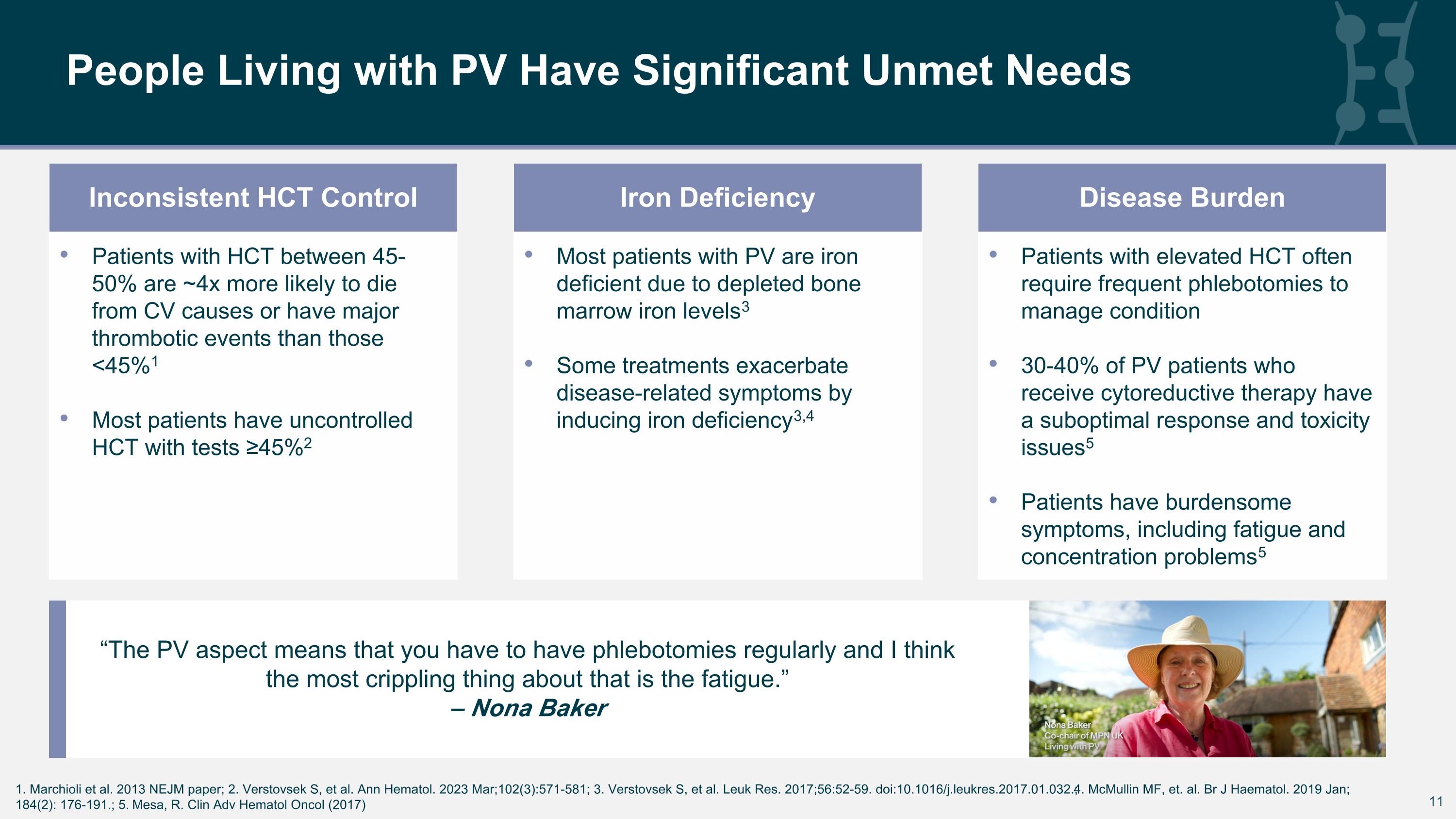
People Living with PV Have Significant Unmet Needs Inconsistent HCT Control Patients with HCT between 45-50% are ~4x more likely to die from CV causes or have major thrombotic events than those <45%1 Most patients have uncontrolled HCT with tests ≥45%2 Iron Deficiency Most patients with PV are iron deficient due to depleted bone marrow iron levels3 Some treatments exacerbate disease-related symptoms by inducing iron deficiency3,4 Disease Burden Patients with elevated HCT often require frequent phlebotomies to manage condition 30-40% of PV patients who receive cytoreductive therapy have a suboptimal response and toxicity issues5 Patients have burdensome symptoms, including fatigue and concentration problems5 1. Marchioli et al. 2013 NEJM paper; 2. Verstovsek S, et al. Ann Hematol. 2023 Mar;102(3):571-581; 3. Verstovsek S, et al. Leuk Res. 2017;56:52-59. doi:10.1016/j.leukres.2017.01.032.;4. McMullin MF, et. al. Br J Haematol. 2019 Jan; 184(2): 176-191.; 5. Mesa, R. Clin Adv Hematol Oncol (2017) “The PV aspect means that you have to have phlebotomies regularly and I think the most crippling thing about that is the fatigue.” – Nona Baker
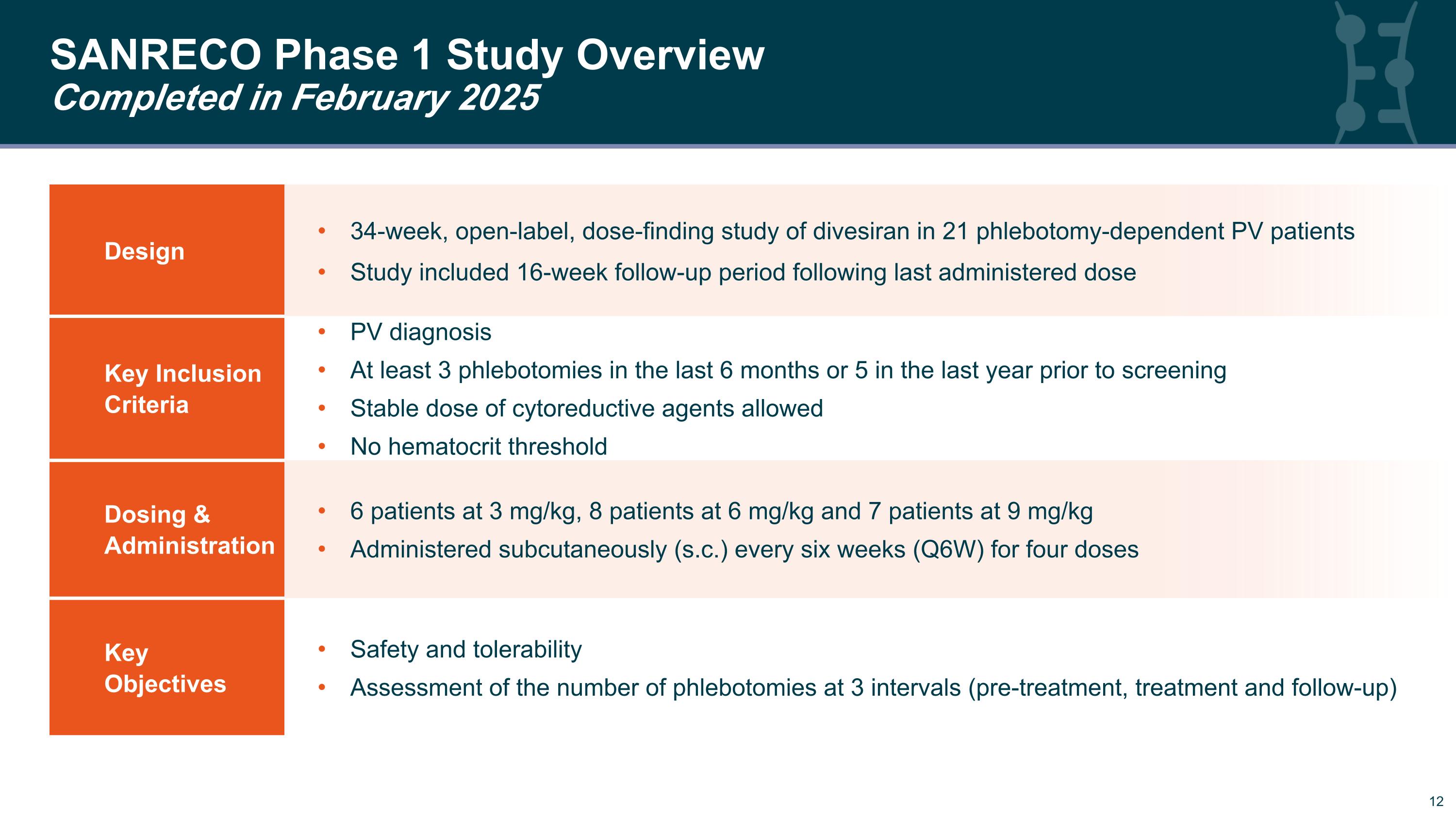
SANRECO Phase 1 Study Overview Completed in February 2025 Design 34-week, open-label, dose-finding study of divesiran in 21 phlebotomy-dependent PV patients Study included 16-week follow-up period following last administered dose Key Inclusion Criteria PV diagnosis At least 3 phlebotomies in the last 6 months or 5 in the last year prior to screening Stable dose of cytoreductive agents allowed No hematocrit threshold Dosing & Administration 6 patients at 3 mg/kg, 8 patients at 6 mg/kg and 7 patients at 9 mg/kg Administered subcutaneously (s.c.) every six weeks (Q6W) for four doses Key Objectives Safety and tolerability Assessment of the number of phlebotomies at 3 intervals (pre-treatment, treatment and follow-up)
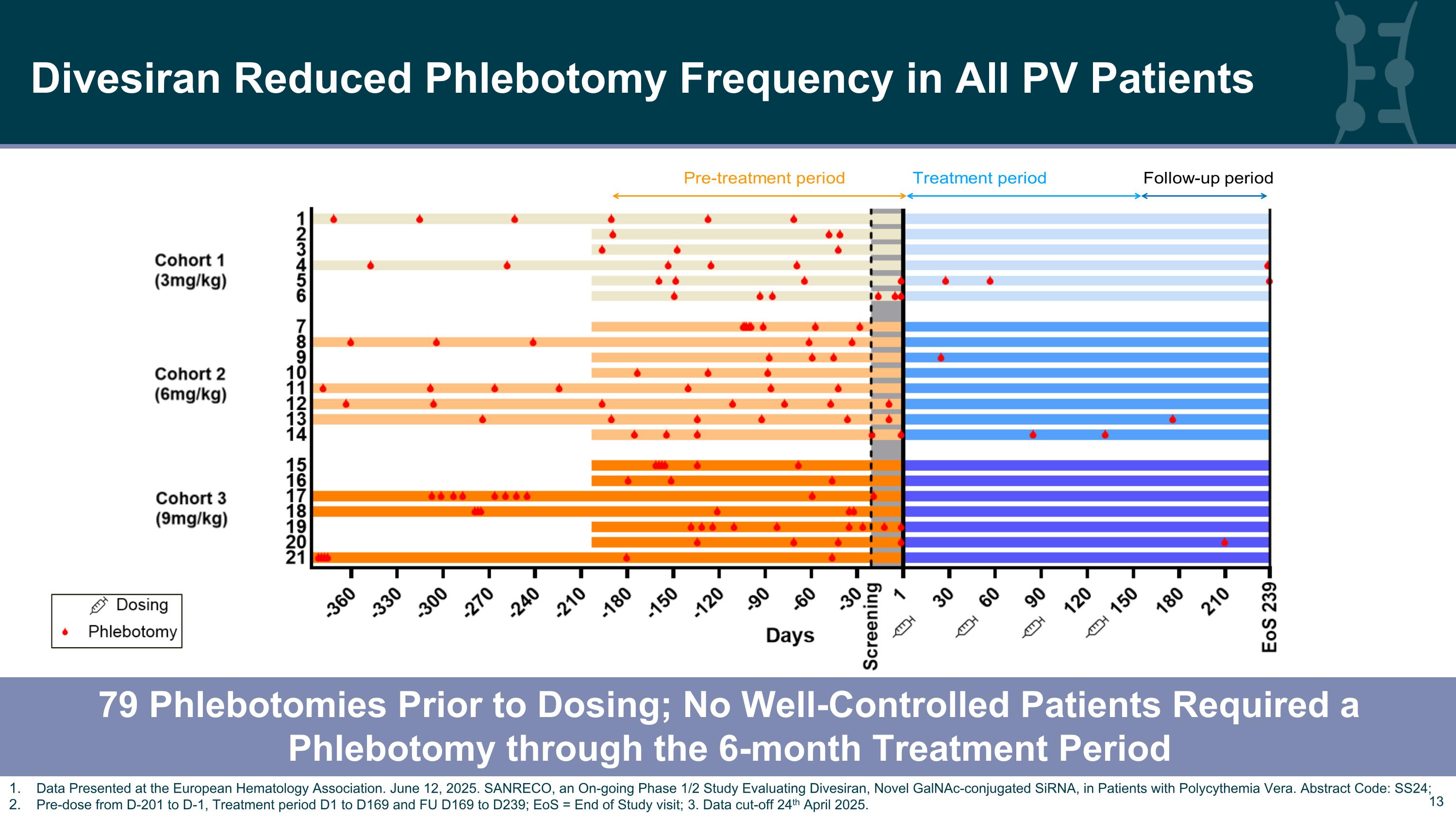
Divesiran Reduced Phlebotomy Frequency in All PV Patients Data Presented at the European Hematology Association. June 12, 2025. SANRECO, an On-going Phase 1/2 Study Evaluating Divesiran, Novel GalNAc-conjugated SiRNA, in Patients with Polycythemia Vera. Abstract Code: SS24; Pre-dose from D-201 to D-1, Treatment period D1 to D169 and FU D169 to D239; EoS = End of Study visit; 3. Data cut-off 24th April 2025. 79 Phlebotomies Prior to Dosing; No Well-Controlled Patients Required a Phlebotomy through the 6-month Treatment Period
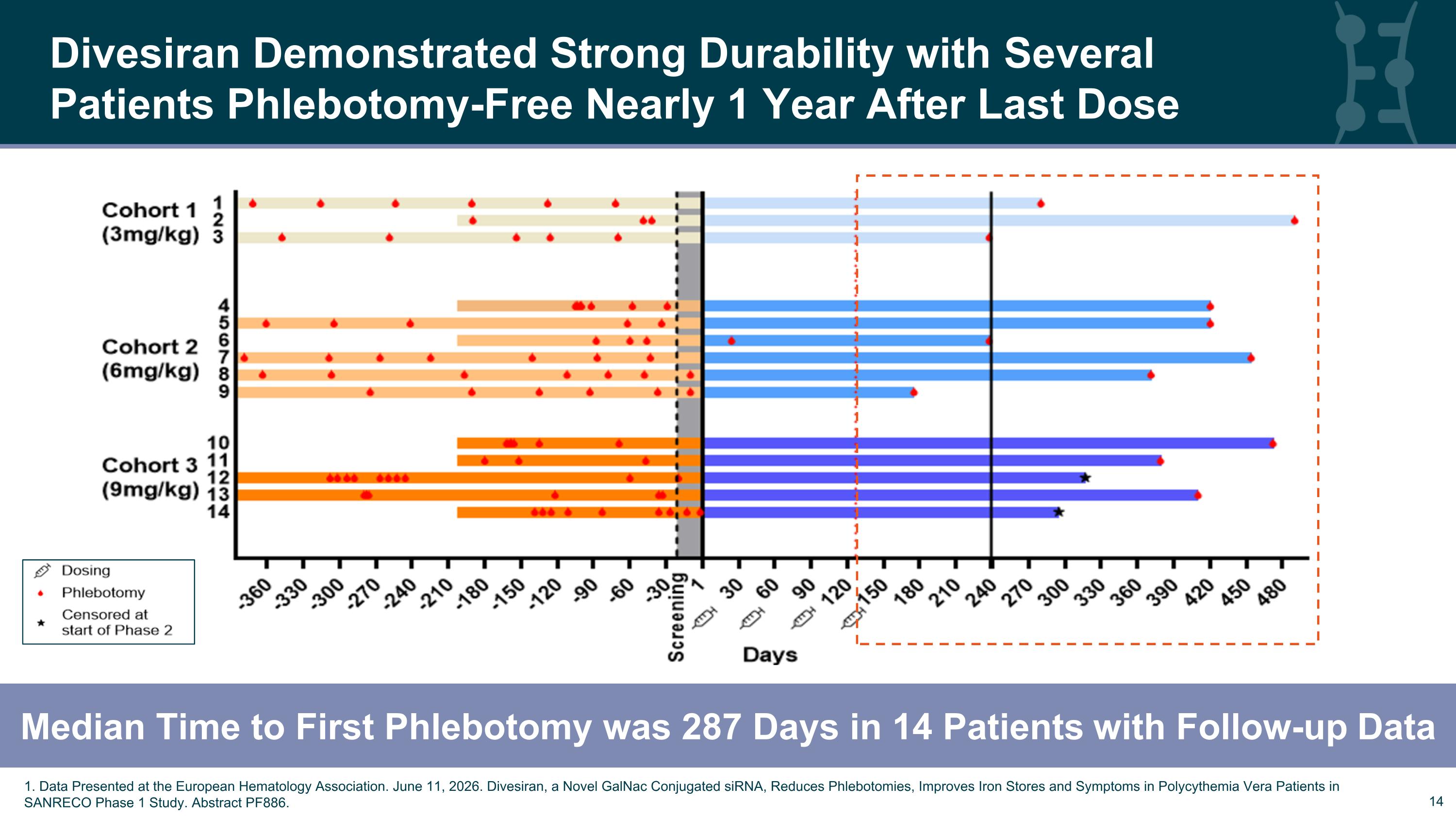
Median Time to First Phlebotomy was 287 Days in 14 Patients with Follow-up Data Divesiran Demonstrated Strong Durability with Several Patients Phlebotomy-Free Nearly 1 Year After Last Dose 1. Data Presented at the European Hematology Association. June 11, 2026. Divesiran, a Novel GalNac Conjugated siRNA, Reduces Phlebotomies, Improves Iron Stores and Symptoms in Polycythemia Vera Patients in SANRECO Phase 1 Study. Abstract PF886.
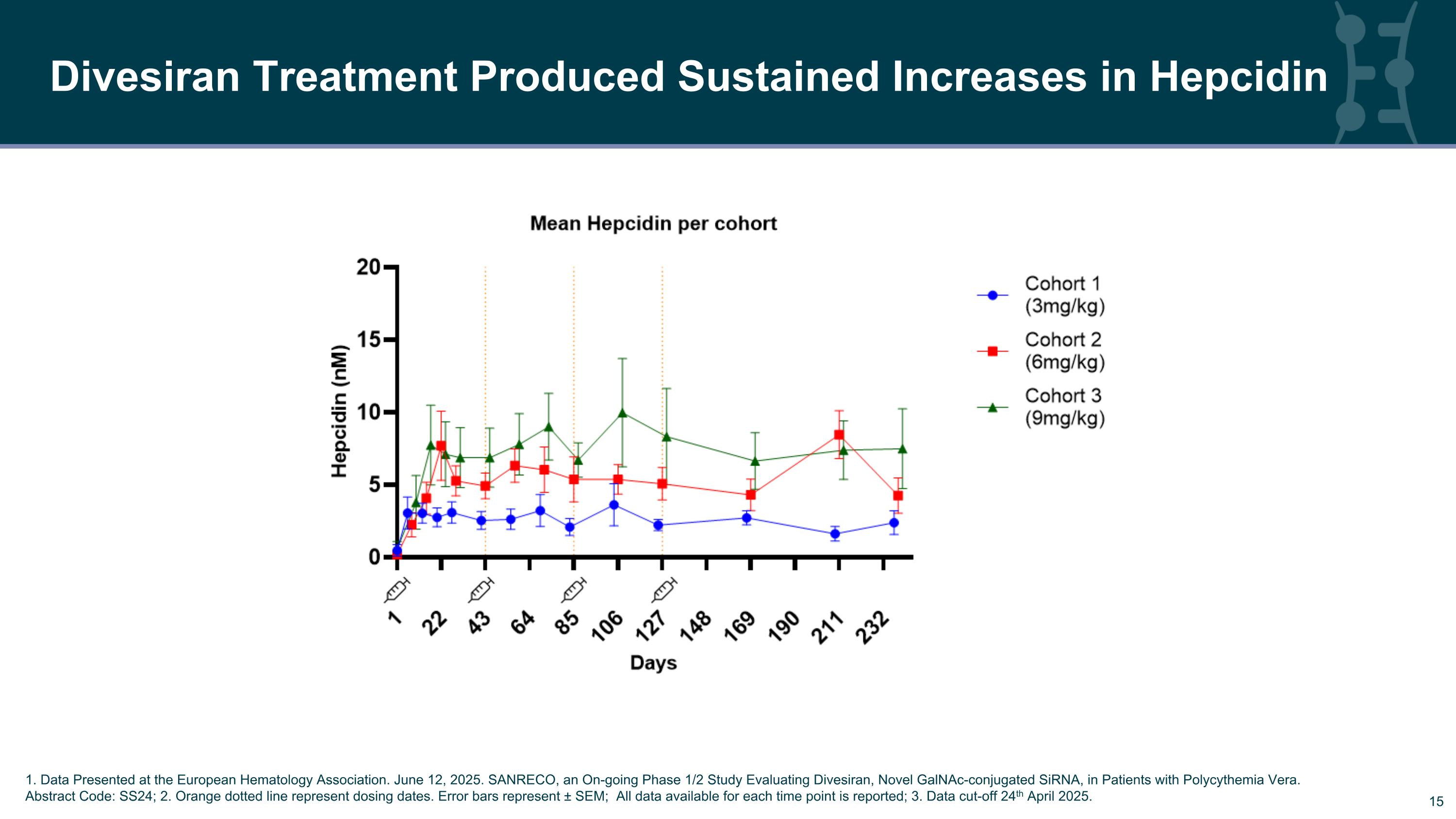
1. Data Presented at the European Hematology Association. June 12, 2025. SANRECO, an On-going Phase 1/2 Study Evaluating Divesiran, Novel GalNAc-conjugated SiRNA, in Patients with Polycythemia Vera. Abstract Code: SS24; 2. Orange dotted line represent dosing dates. Error bars represent ± SEM; All data available for each time point is reported; 3. Data cut-off 24th April 2025. Divesiran Treatment Produced Sustained Increases in Hepcidin
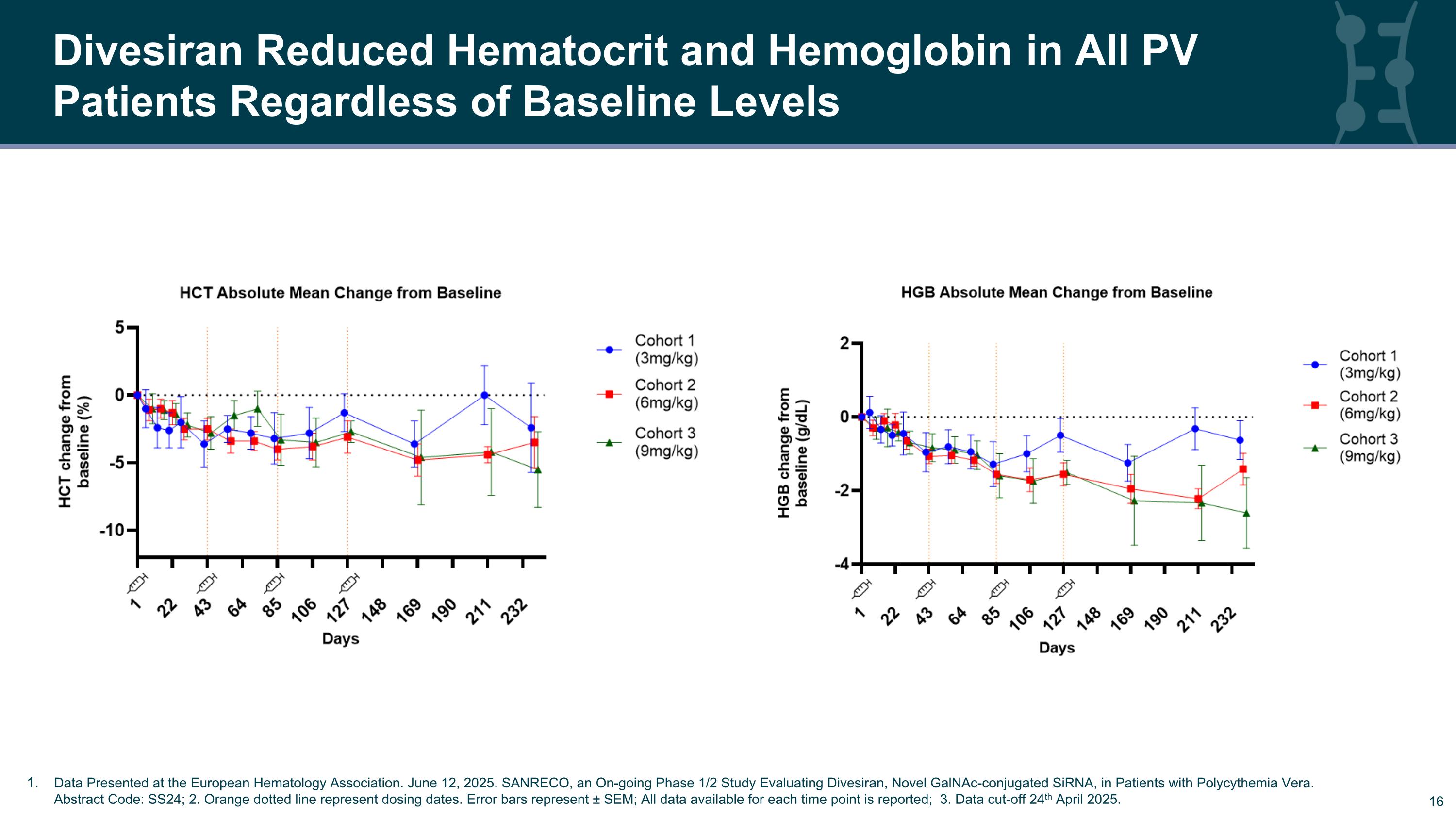
Divesiran Reduced Hematocrit and Hemoglobin in All PV Patients Regardless of Baseline Levels Data Presented at the European Hematology Association. June 12, 2025. SANRECO, an On-going Phase 1/2 Study Evaluating Divesiran, Novel GalNAc-conjugated SiRNA, in Patients with Polycythemia Vera. Abstract Code: SS24; 2. Orange dotted line represent dosing dates. Error bars represent ± SEM; All data available for each time point is reported; 3. Data cut-off 24th April 2025.
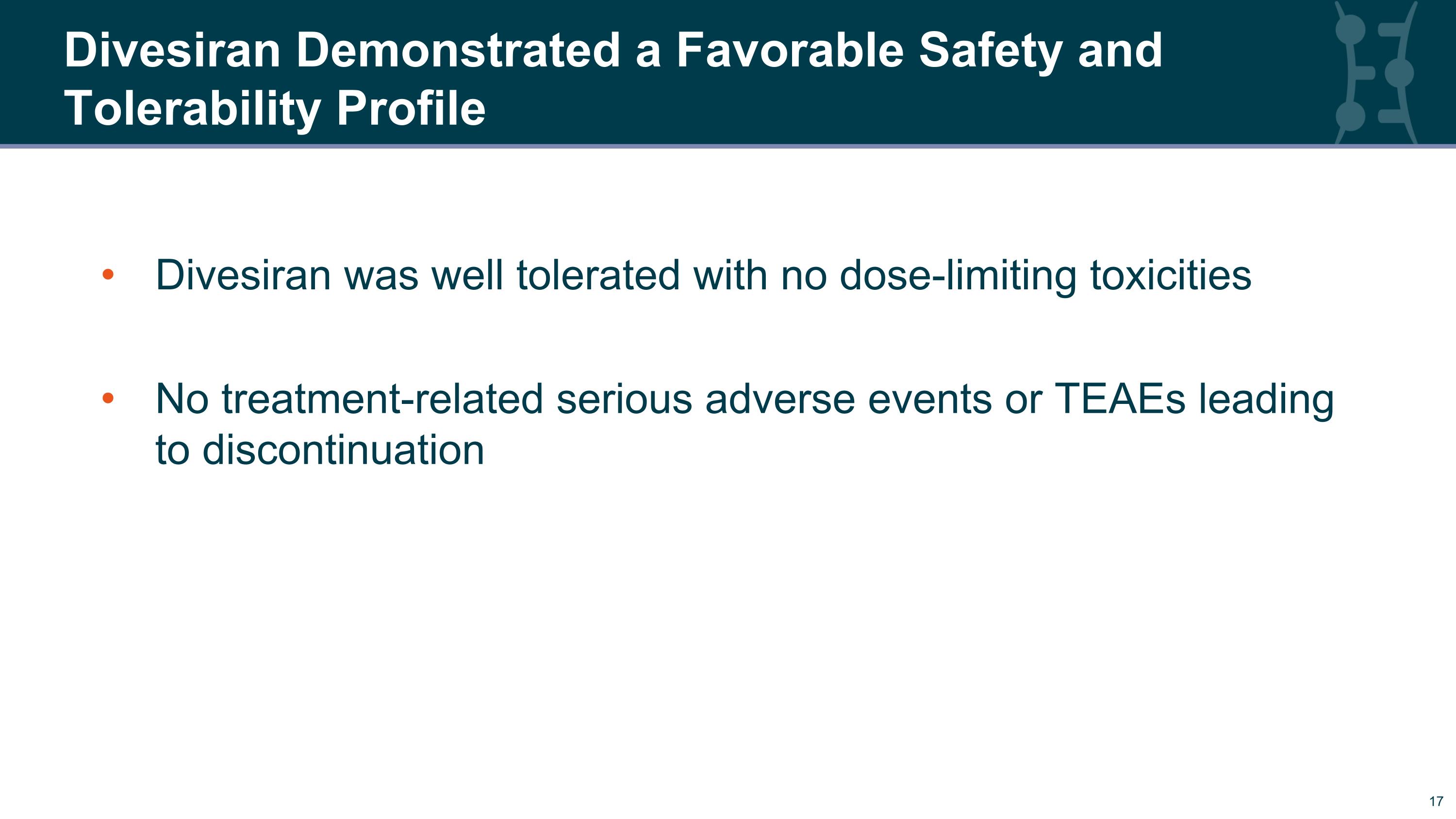
Divesiran Demonstrated a Favorable Safety and Tolerability Profile Divesiran was well tolerated with no dose-limiting toxicities No treatment-related serious adverse events or TEAEs leading to discontinuation
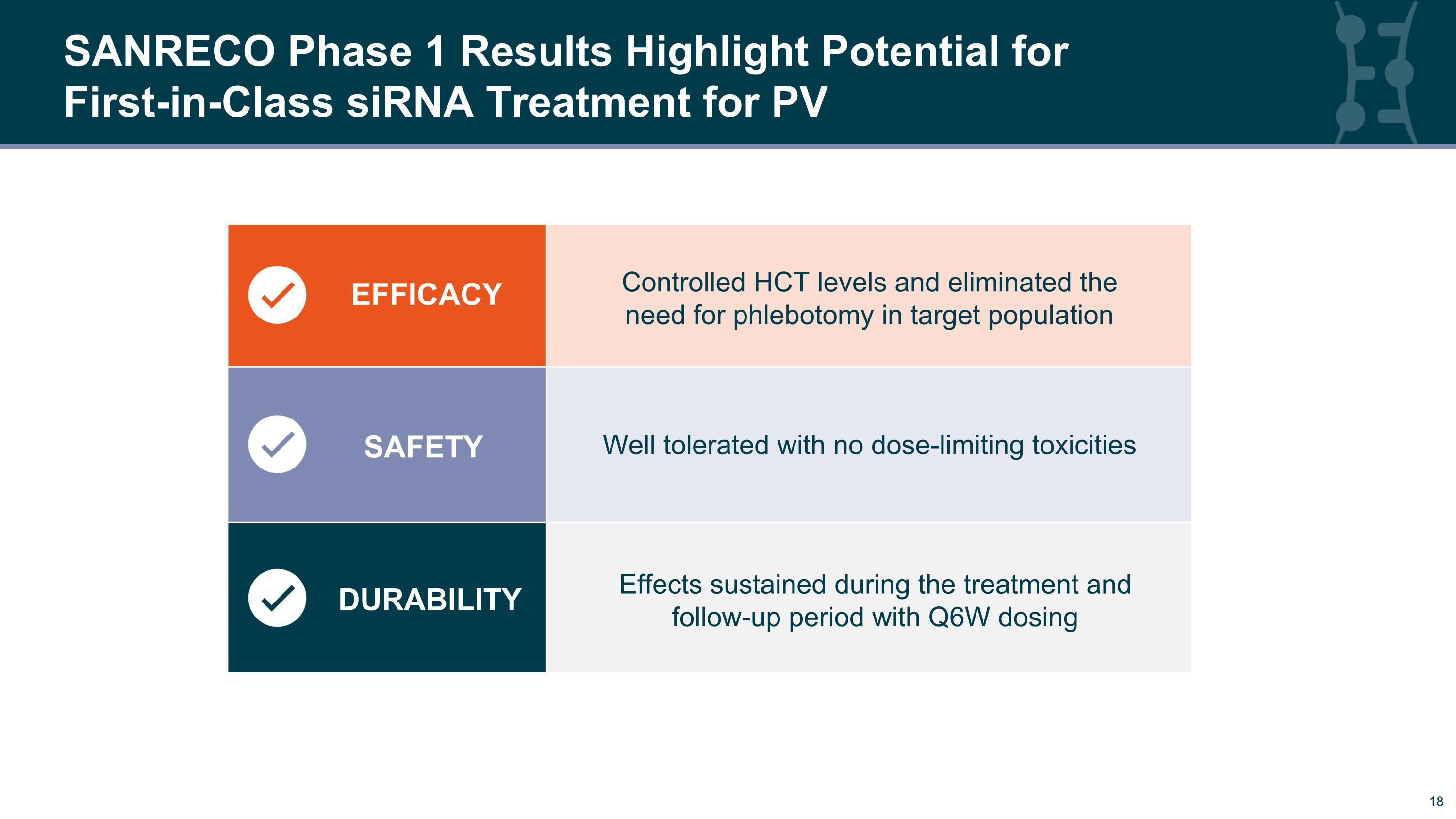
SANRECO Phase 1 Results Highlight Potential for First-in-Class siRNA Treatment for PV EFFICACY SAFETY DURABILITY Controlled HCT levels and eliminated the need for phlebotomy in target population Effects sustained during the treatment and follow-up period with Q6W dosing Well tolerated with no dose-limiting toxicities
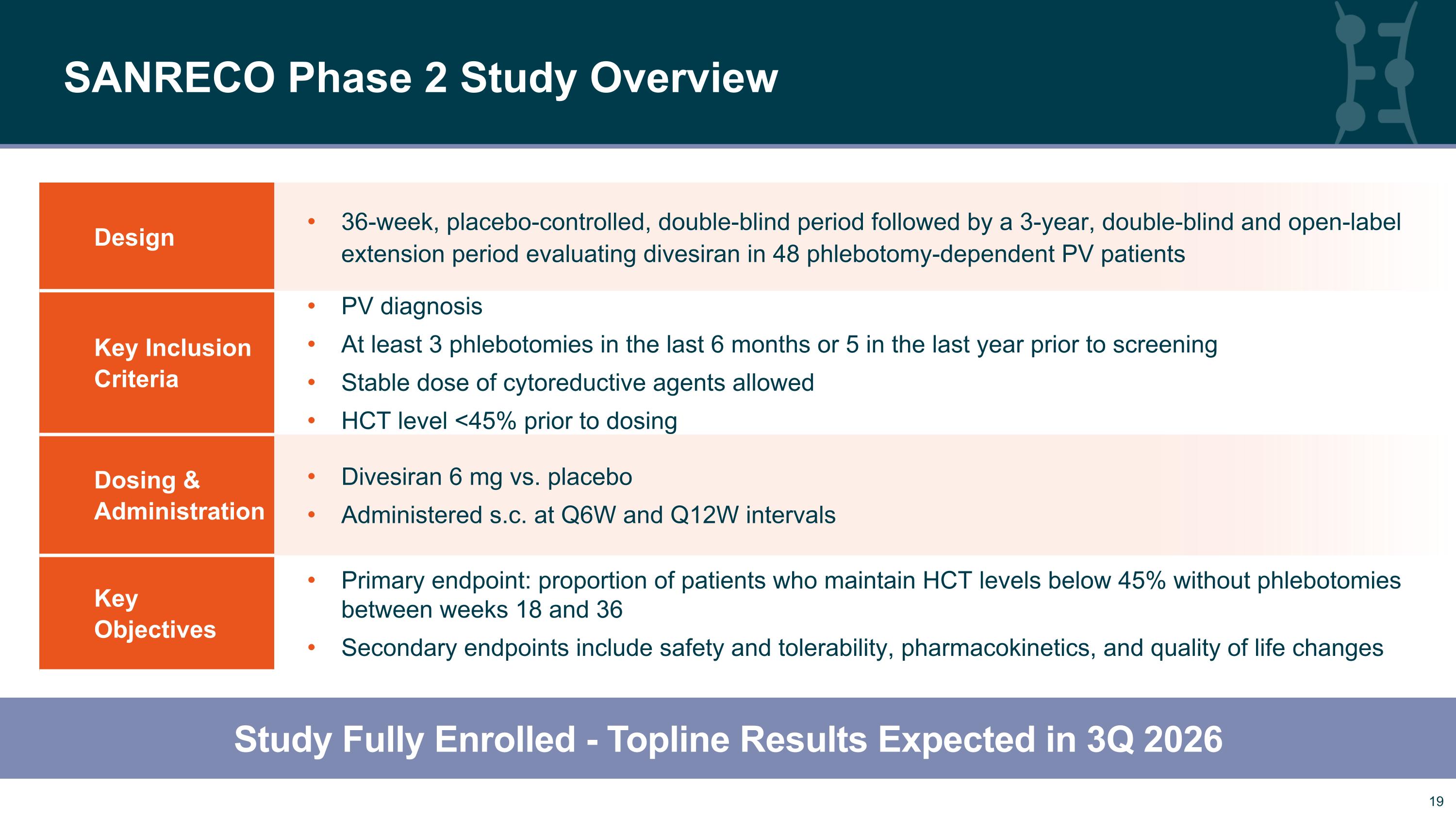
SANRECO Phase 2 Study Overview Design 36-week, placebo-controlled, double-blind period followed by a 3-year, double-blind and open-label extension period evaluating divesiran in 48 phlebotomy-dependent PV patients Key Inclusion Criteria PV diagnosis At least 3 phlebotomies in the last 6 months or 5 in the last year prior to screening Stable dose of cytoreductive agents allowed HCT level <45% prior to dosing Dosing & Administration Divesiran 6 mg vs. placebo Administered s.c. at Q6W and Q12W intervals Key Objectives Primary endpoint: proportion of patients who maintain HCT levels below 45% without phlebotomies between weeks 18 and 36 Secondary endpoints include safety and tolerability, pharmacokinetics, and quality of life changes Study Fully Enrolled - Topline Results Expected in 3Q 2026
SLN312 (ANGPTL3) Cardiometabolic Disease
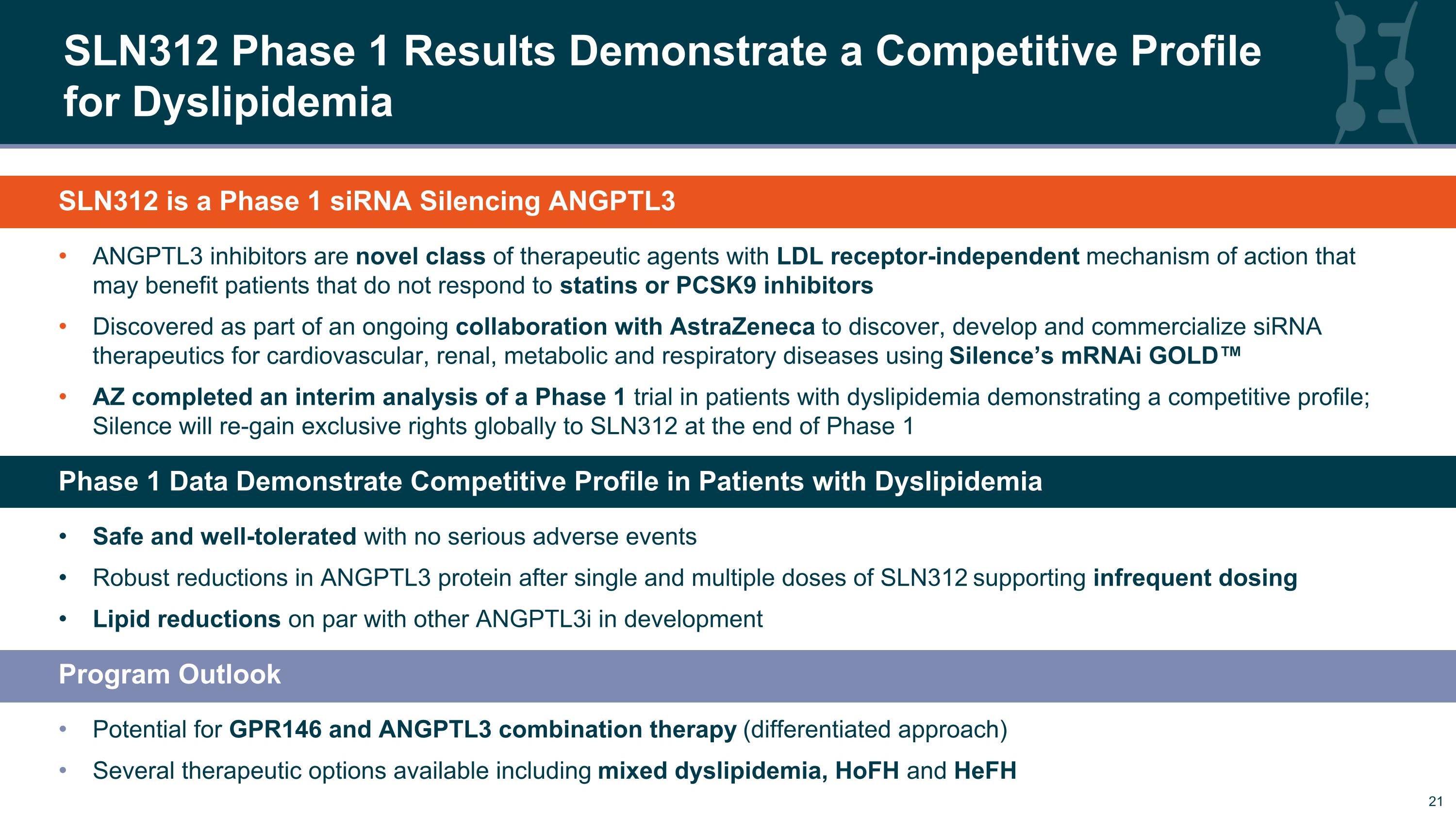
SLN312 Phase 1 Results Demonstrate a Competitive Profile for Dyslipidemia SLN312 is a Phase 1 siRNA Silencing ANGPTL3 ANGPTL3 inhibitors are novel class of therapeutic agents with LDL receptor-independent mechanism of action that may benefit patients that do not respond to statins or PCSK9 inhibitors Discovered as part of an ongoing collaboration with AstraZeneca to discover, develop and commercialize siRNA therapeutics for cardiovascular, renal, metabolic and respiratory diseases using Silence’s mRNAi GOLD™ AZ completed an interim analysis of a Phase 1 trial in patients with dyslipidemia demonstrating a competitive profile; Silence will re-gain exclusive rights globally to SLN312 at the end of Phase 1 Phase 1 Data Demonstrate Competitive Profile in Patients with Dyslipidemia Safe and well-tolerated with no serious adverse events Robust reductions in ANGPTL3 protein after single and multiple doses of SLN312 supporting infrequent dosing Lipid reductions on par with other ANGPTL3i in development Program Outlook Potential for GPR146 and ANGPTL3 combination therapy (differentiated approach) Several therapeutic options available including mixed dyslipidemia, HoFH and HeFH
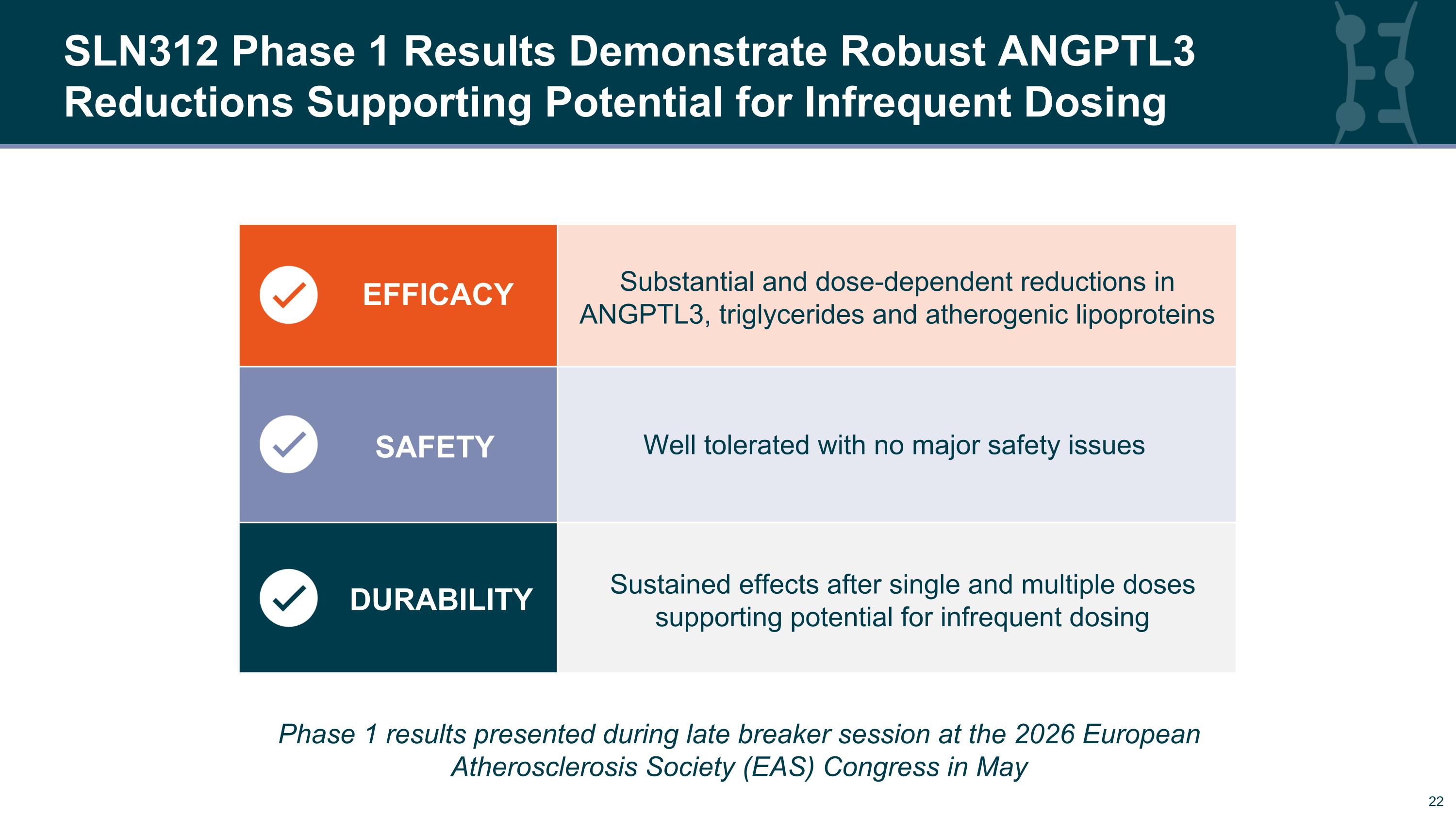
SLN312 Phase 1 Results Demonstrate Robust ANGPTL3 Reductions Supporting Potential for Infrequent Dosing EFFICACY SAFETY DURABILITY Substantial and dose-dependent reductions in ANGPTL3, triglycerides and atherogenic lipoproteins Sustained effects after single and multiple doses supporting potential for infrequent dosing Well tolerated with no major safety issues Phase 1 results presented during late breaker session at the 2026 European Atherosclerosis Society (EAS) Congress in May

SLN365 (GPR146) Cardiometabolic Disease
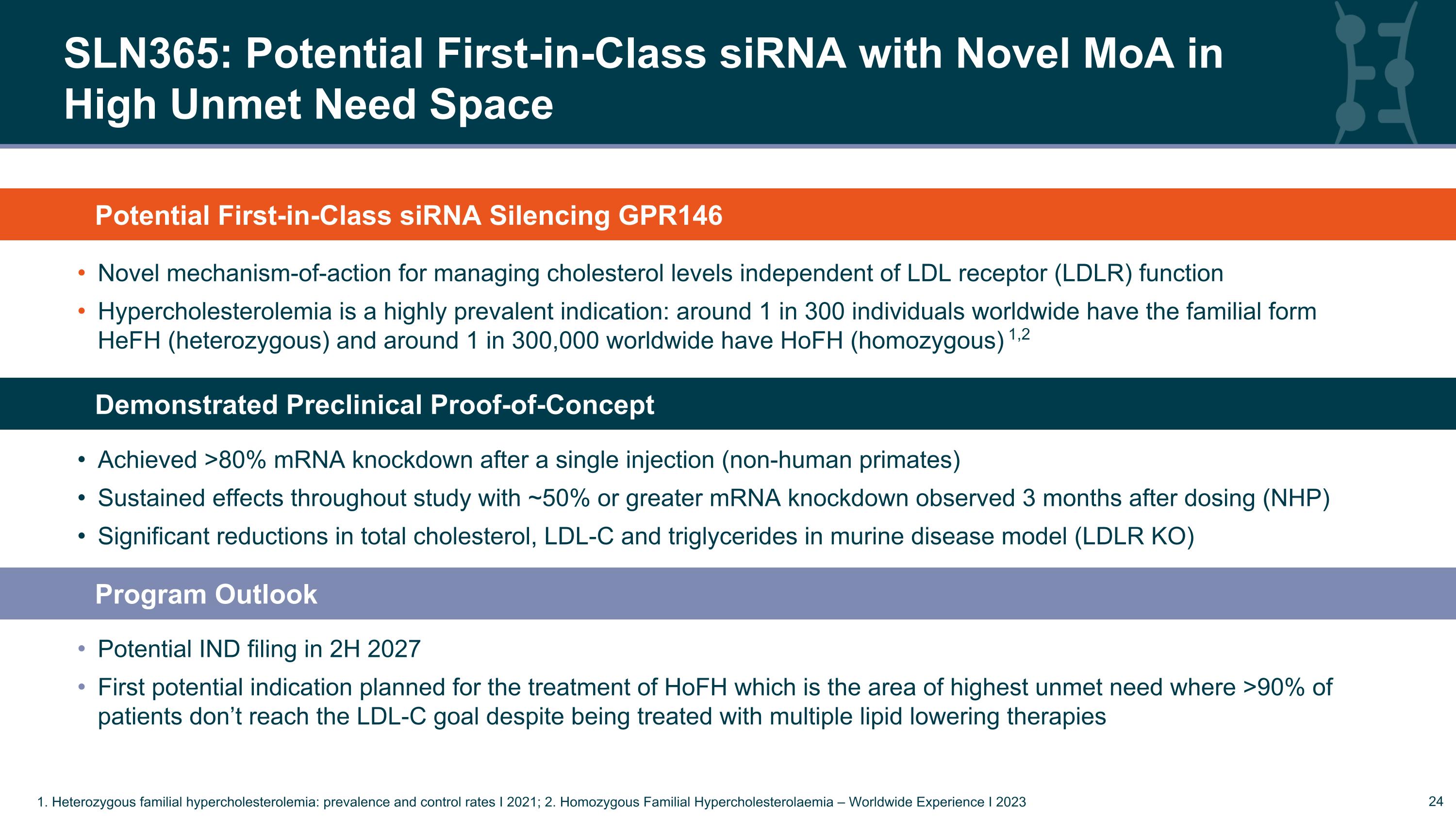
SLN365: Potential First-in-Class siRNA with Novel MoA in High Unmet Need Space Novel mechanism-of-action for managing cholesterol levels independent of LDL receptor (LDLR) function Hypercholesterolemia is a highly prevalent indication: around 1 in 300 individuals worldwide have the familial form HeFH (heterozygous) and around 1 in 300,000 worldwide have HoFH (homozygous) Achieved >80% mRNA knockdown after a single injection (non-human primates) Sustained effects throughout study with ~50% or greater mRNA knockdown observed 3 months after dosing (NHP) Significant reductions in total cholesterol, LDL-C and triglycerides in murine disease model (LDLR KO) Potential IND filing in 2H 2027 First potential indication planned for the treatment of HoFH which is the area of highest unmet need where >90% of patients don’t reach the LDL-C goal despite being treated with multiple lipid lowering therapies 1. Heterozygous familial hypercholesterolemia: prevalence and control rates I 2021; 2. Homozygous Familial Hypercholesterolaemia – Worldwide Experience I 2023 1,2 Program Outlook Potential First-in-Class siRNA Silencing GPR146 Demonstrated Preclinical Proof-of-Concept
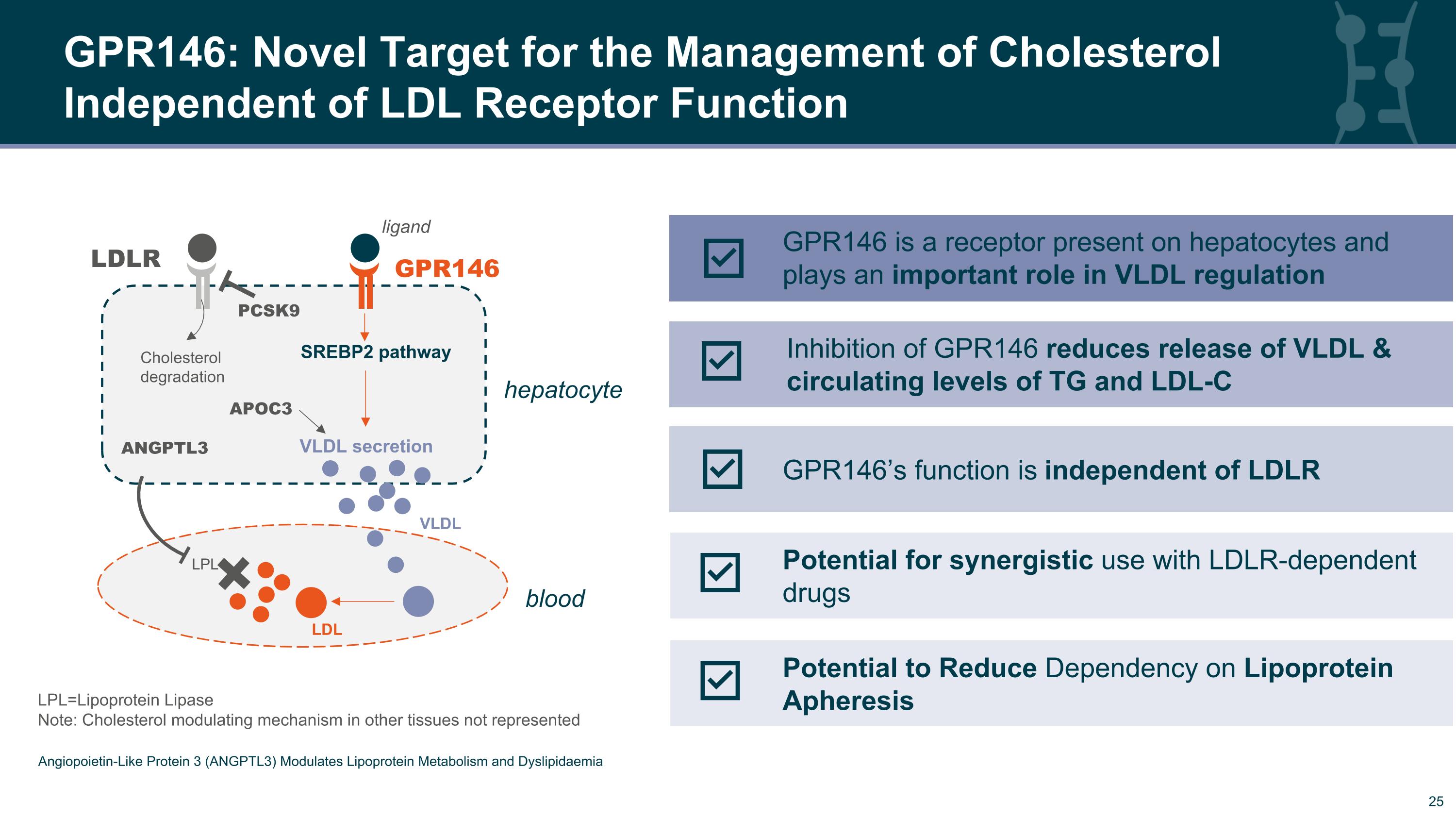
GPR146: Novel Target for the Management of Cholesterol Independent of LDL Receptor Function LPL=Lipoprotein Lipase Note: Cholesterol modulating mechanism in other tissues not represented VLDL hepatocyte blood GPR146 ligand SREBP2 pathway VLDL secretion LDL ANGPTL3 PCSK9 LDLR Cholesterol degradation LPL APOC3 Angiopoietin-Like Protein 3 (ANGPTL3) Modulates Lipoprotein Metabolism and Dyslipidaemia Inhibition of GPR146 reduces release of VLDL & circulating levels of TG and LDL-C GPR146’s function is independent of LDLR Potential for synergistic use with LDLR-dependent drugs GPR146 is a receptor present on hepatocytes and plays an important role in VLDL regulation Potential to Reduce Dependency on Lipoprotein Apheresis
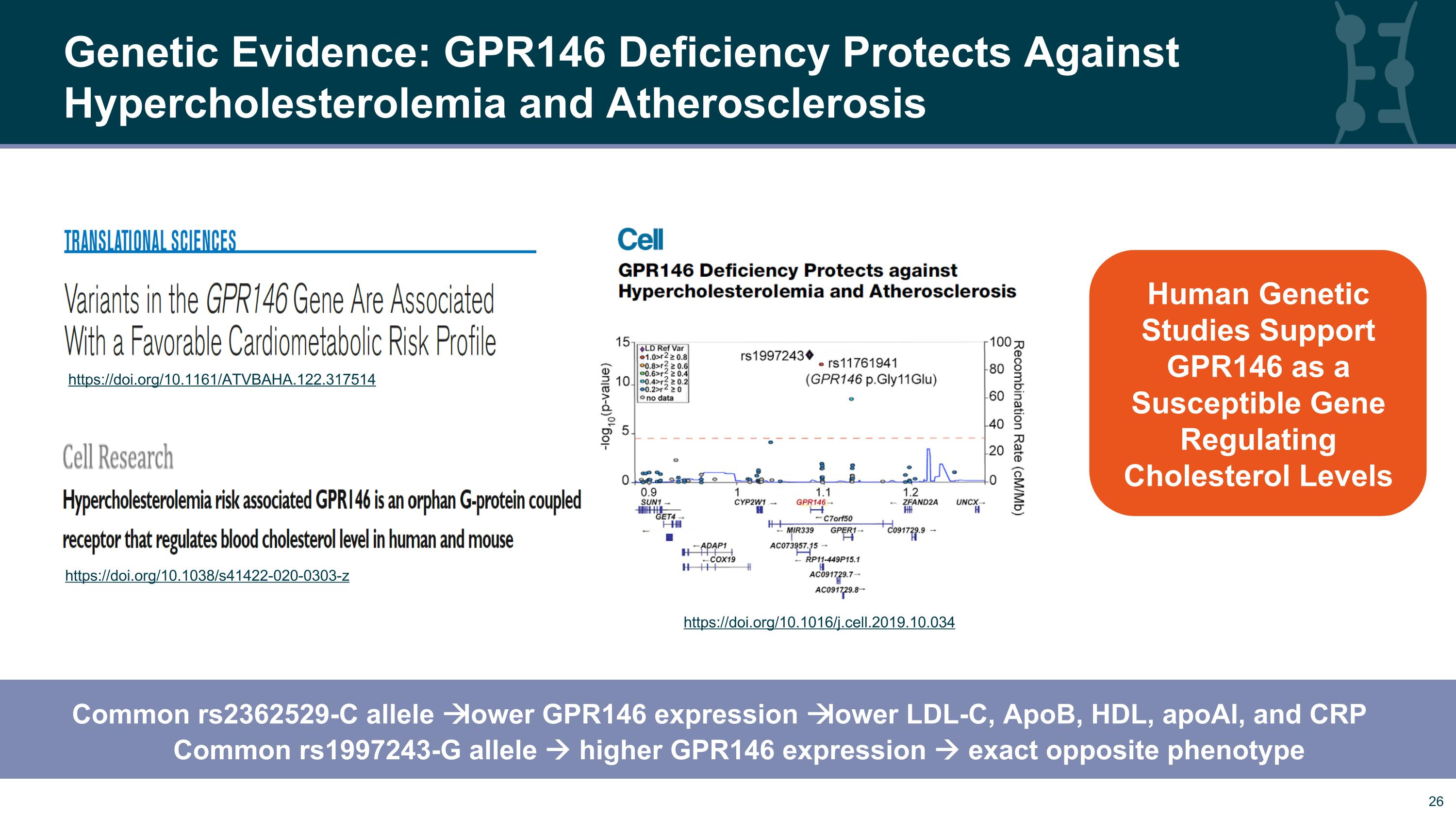
Genetic Evidence: GPR146 Deficiency Protects Against Hypercholesterolemia and Atherosclerosis Common rs2362529-C allele lower GPR146 expression lower LDL-C, ApoB, HDL, apoAI, and CRP Common rs1997243-G allele higher GPR146 expression exact opposite phenotype Human Genetic Studies Support GPR146 as a Susceptible Gene Regulating Cholesterol Levels https://doi.org/10.1161/ATVBAHA.122.317514 https://doi.org/10.1038/s41422-020-0303-z https://doi.org/10.1016/j.cell.2019.10.034
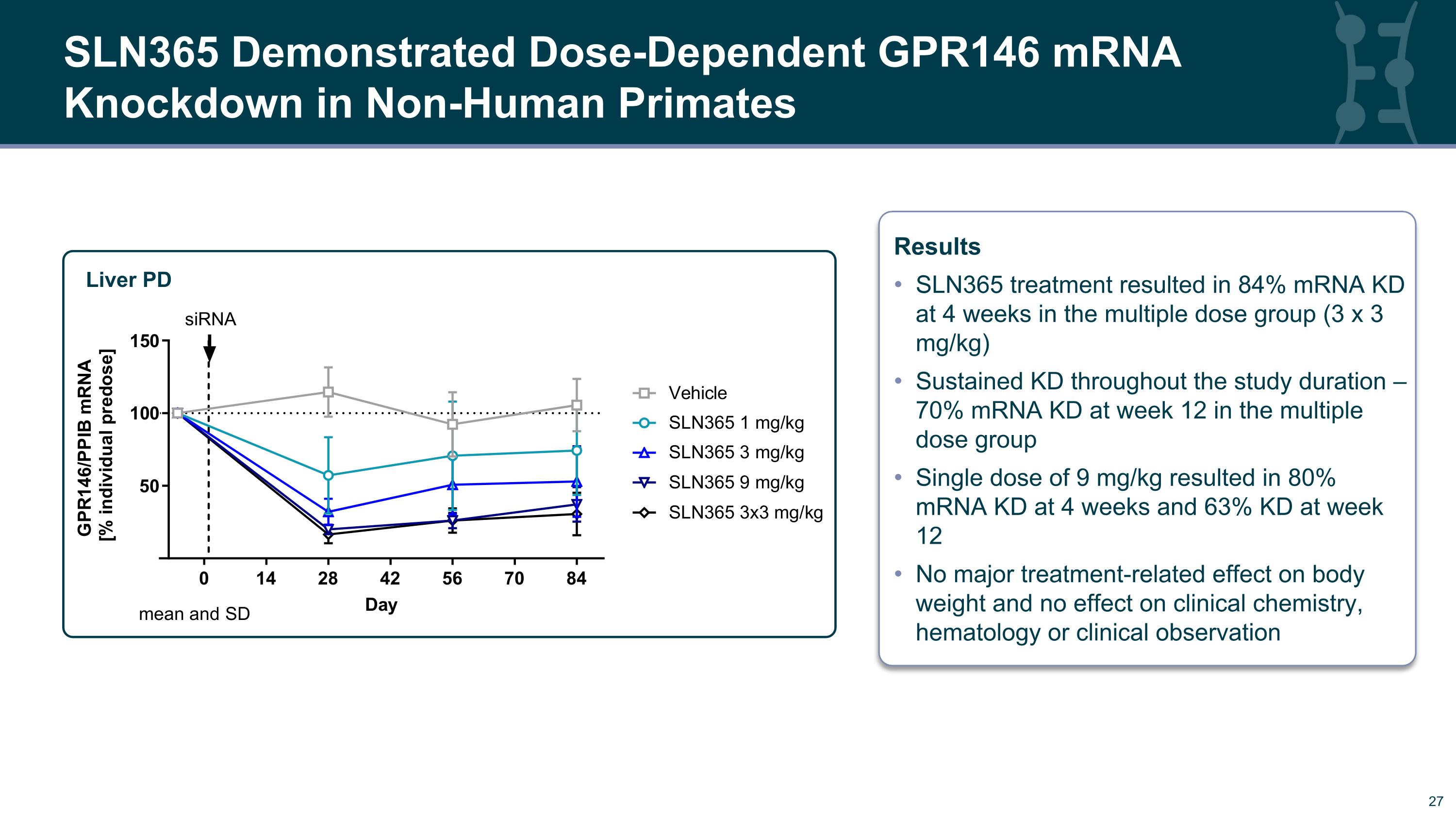
Results SLN365 treatment resulted in 84% mRNA KD at 4 weeks in the multiple dose group (3 x 3 mg/kg) Sustained KD throughout the study duration – 70% mRNA KD at week 12 in the multiple dose group Single dose of 9 mg/kg resulted in 80% mRNA KD at 4 weeks and 63% KD at week 12 No major treatment-related effect on body weight and no effect on clinical chemistry, hematology or clinical observation Liver PD SLN365 Demonstrated Dose-Dependent GPR146 mRNA Knockdown in Non-Human Primates
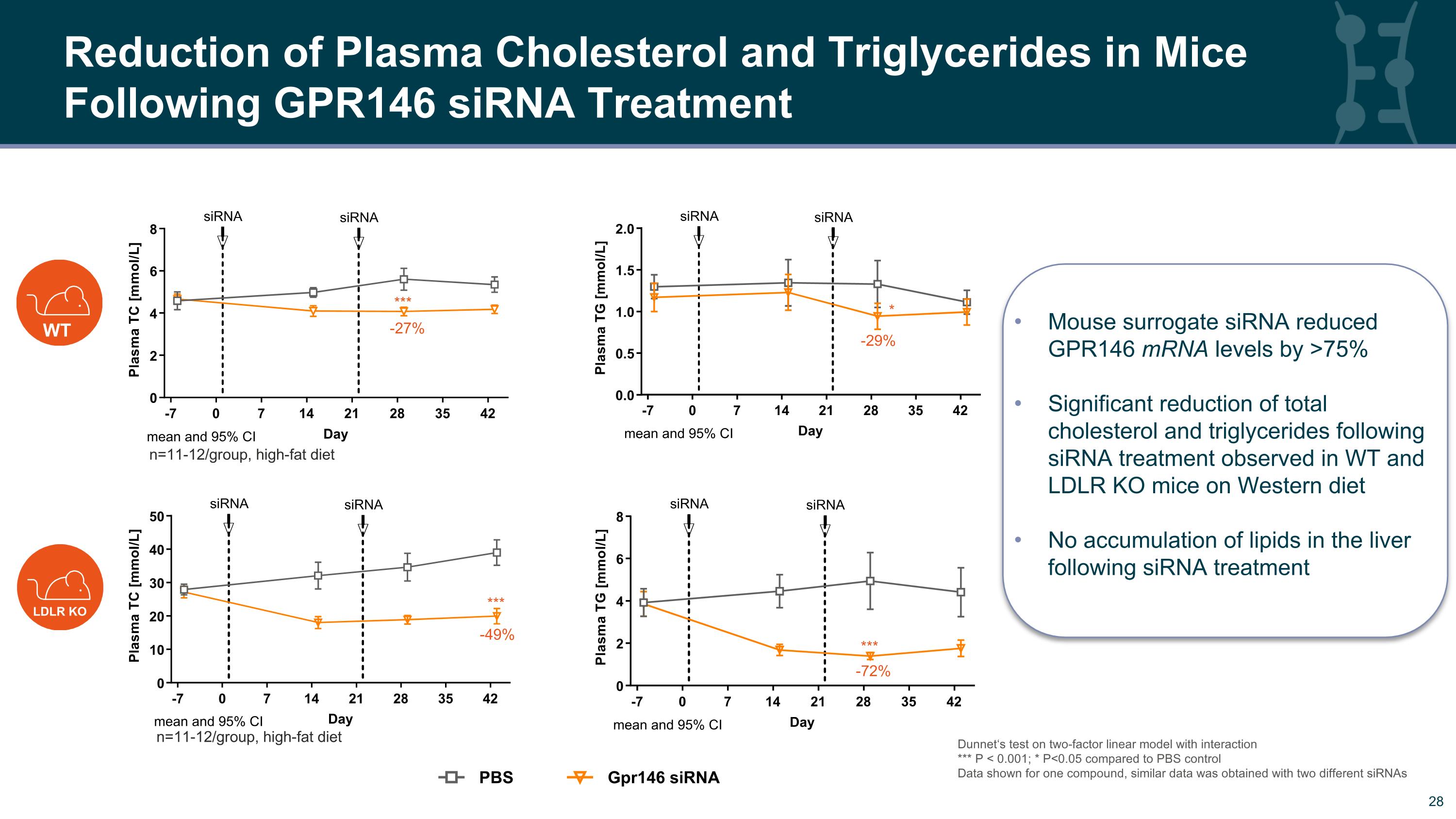
LDLR KO Reduction of Plasma Cholesterol and Triglycerides in Mice Following GPR146 siRNA Treatment WT Mouse surrogate siRNA reduced GPR146 mRNA levels by >75% Significant reduction of total cholesterol and triglycerides following siRNA treatment observed in WT and LDLR KO mice on Western diet No accumulation of lipids in the liver following siRNA treatment n=11-12/group, high-fat diet n=11-12/group, high-fat diet -49% *** -72% *** -29% * -27% *** -7 0 7 14 21 28 35 42 0 2 4 6 8 Day P l a s m a T C [ m m o l / L ] siRNA siRNA mean and 95% CI -7 0 7 14 21 28 35 42 0.0 0.5 1.0 1.5 2.0 Day P l a s m a T G [ m m o l / L ] siRNA siRNA mean and 95% CI -7 0 7 14 21 28 35 42 0 10 20 30 40 50 Day P l a s m a T C [ m m o l / L ] siRNA siRNA mean and 95% CI -7 0 7 14 21 28 35 42 0 2 4 6 8 Day P l a s m a T G [ m m o l / L ] siRNA siRNA mean and 95% CI PBS Gpr146 siRNA Dunnet‘s test on two-factor linear model with interaction *** P < 0.001; * P<0.05 compared to PBS control Data shown for one compound, similar data was obtained with two different siRNAs

SLN098 (INHBE) Cardiometabolic Disease
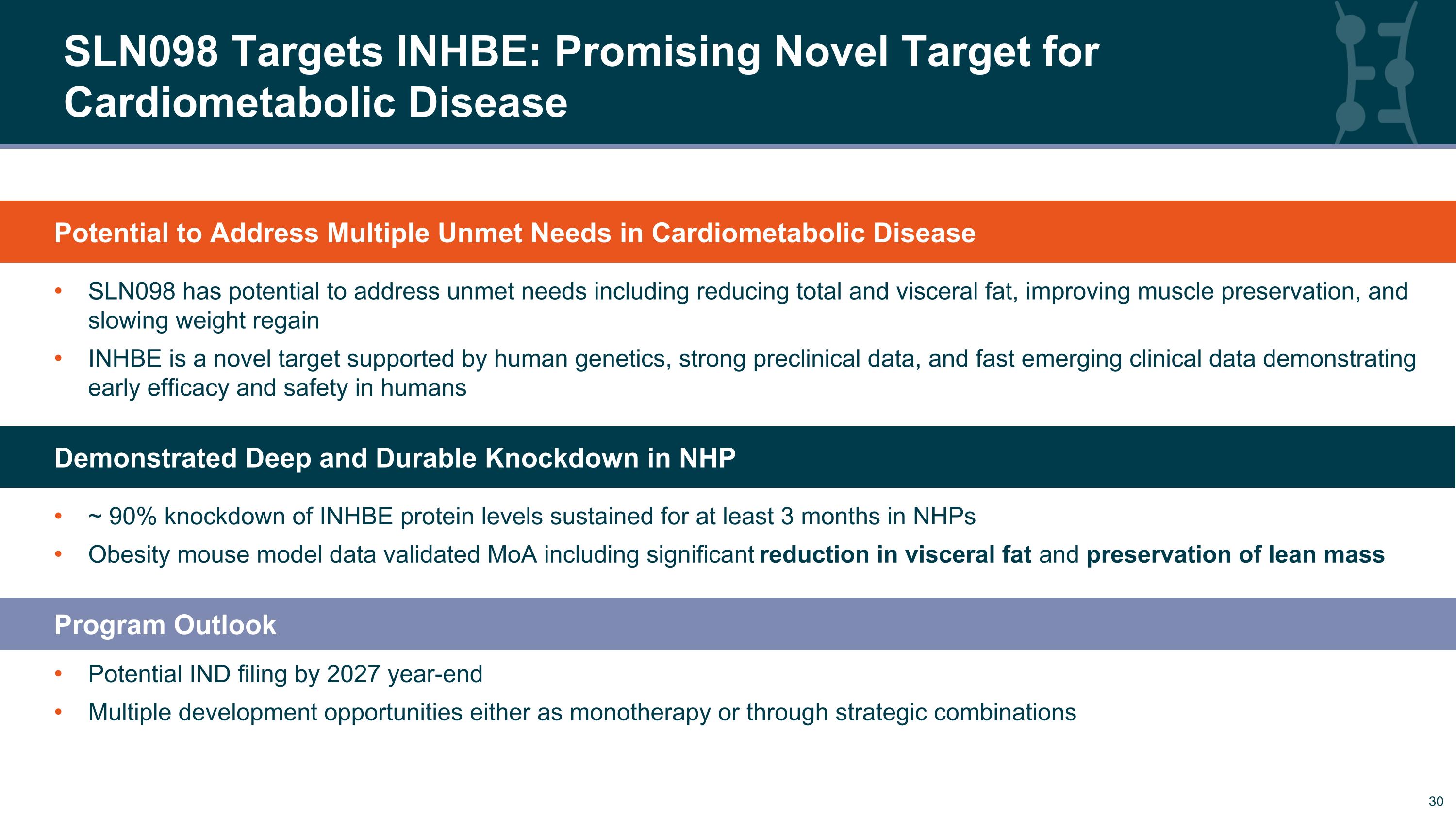
SLN098 Targets INHBE: Promising Novel Target for Cardiometabolic Disease Potential to Address Multiple Unmet Needs in Cardiometabolic Disease SLN098 has potential to address unmet needs including reducing total and visceral fat, improving muscle preservation, and slowing weight regain INHBE is a novel target supported by human genetics, strong preclinical data, and fast emerging clinical data demonstrating early efficacy and safety in humans Demonstrated Deep and Durable Knockdown in NHP ~ 90% knockdown of INHBE protein levels sustained for at least 3 months in NHPs Obesity mouse model data validated MoA including significant reduction in visceral fat and preservation of lean mass Program Outlook Potential IND filing by 2027 year-end Multiple development opportunities either as monotherapy or through strategic combinations
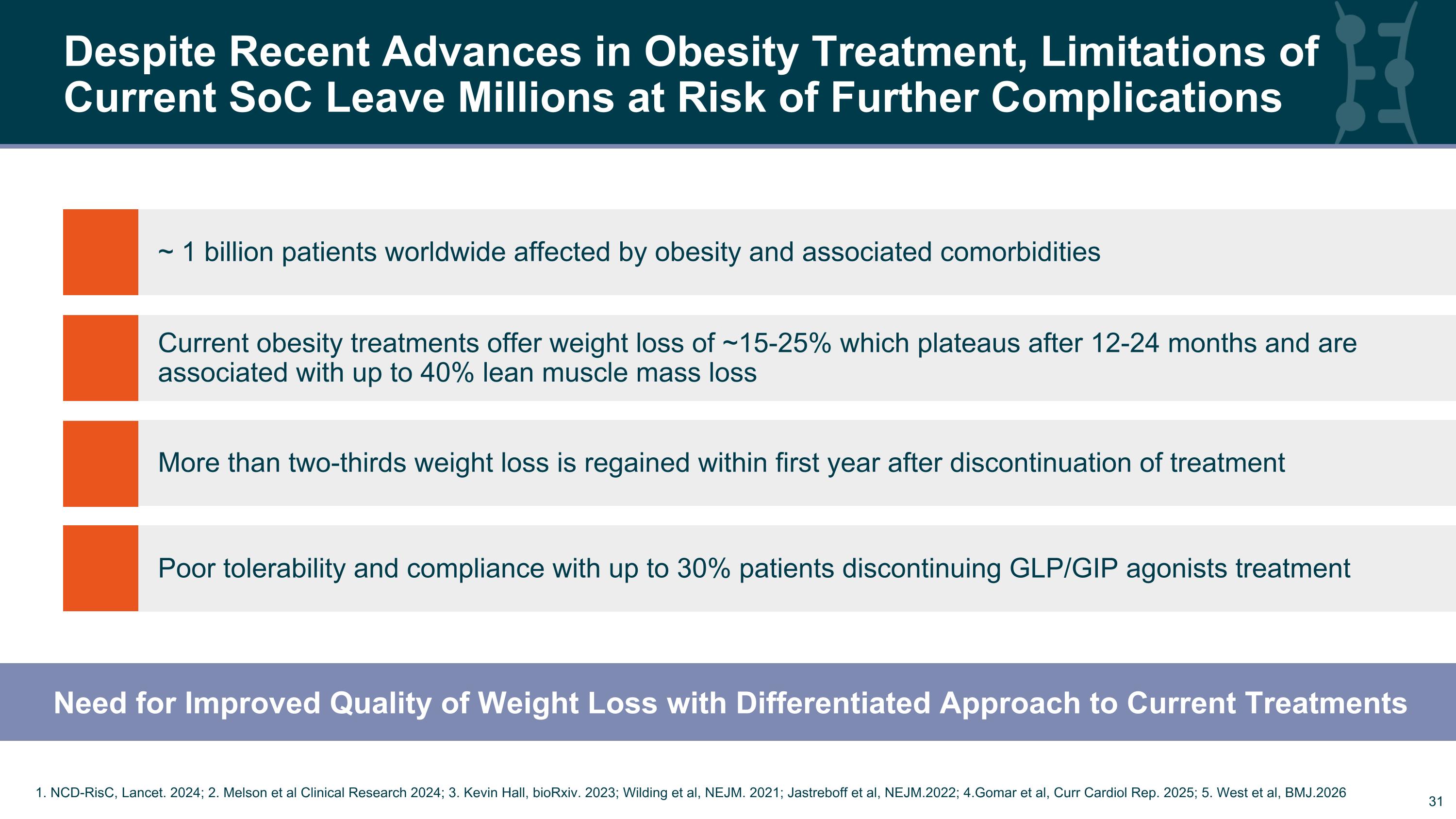
Despite Recent Advances in Obesity Treatment, Limitations of Current SoC Leave Millions at Risk of Further Complications Need for Improved Quality of Weight Loss with Differentiated Approach to Current Treatments Current obesity treatments offer weight loss of ~15-25% which plateaus after 12-24 months and are associated with up to 40% lean muscle mass loss More than two-thirds weight loss is regained within first year after discontinuation of treatment ~ 1 billion patients worldwide affected by obesity and associated comorbidities Poor tolerability and compliance with up to 30% patients discontinuing GLP/GIP agonists treatment 1. NCD-RisC, Lancet. 2024; 2. Melson et al Clinical Research 2024; 3. Kevin Hall, bioRxiv. 2023; Wilding et al, NEJM. 2021; Jastreboff et al, NEJM.2022; 4.Gomar et al, Curr Cardiol Rep. 2025; 5. West et al, BMJ.2026
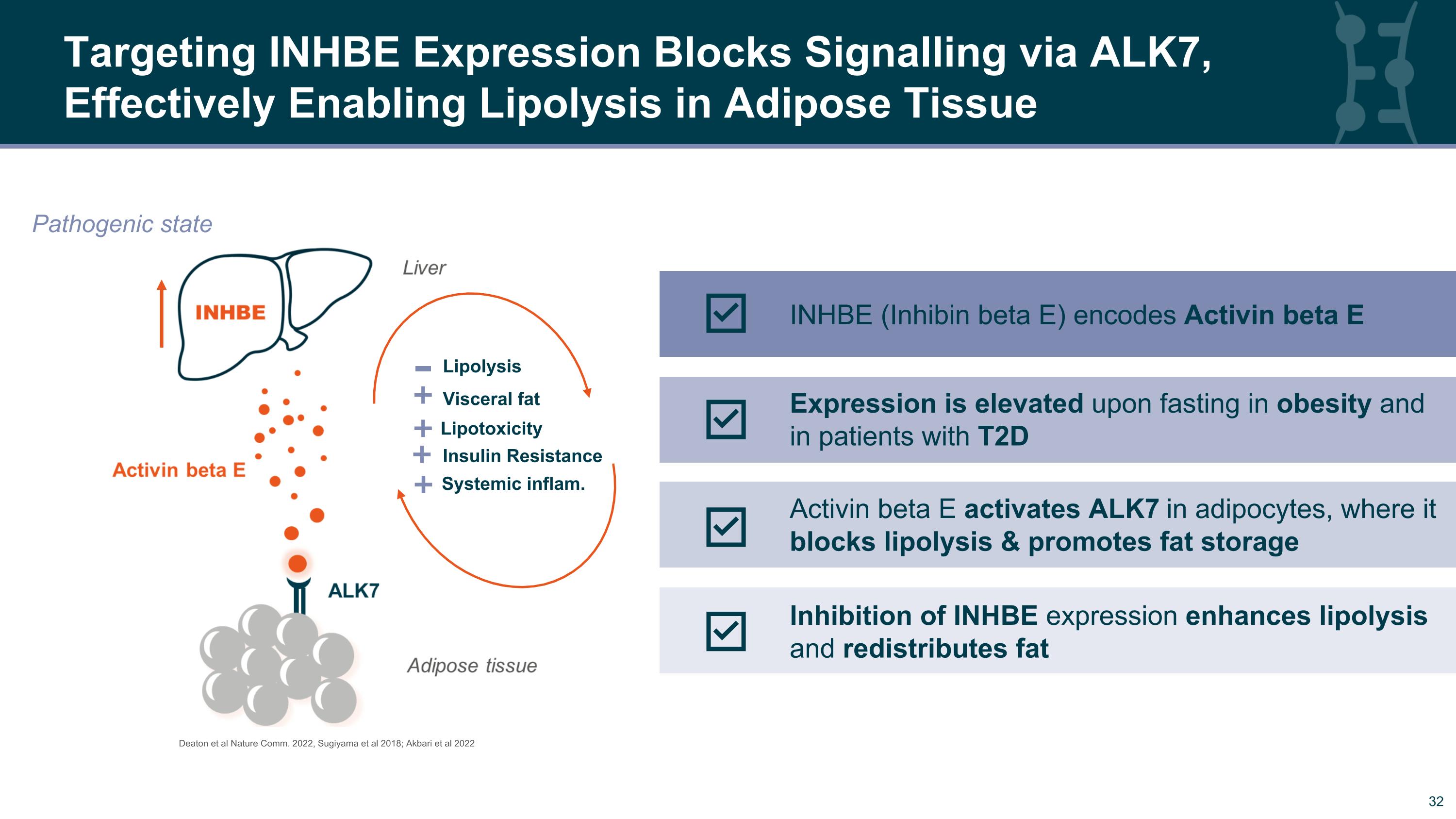
Targeting INHBE Expression Blocks Signalling via ALK7, Effectively Enabling Lipolysis in Adipose Tissue INHBE (Inhibin beta E) encodes Activin beta E Expression is elevated upon fasting in obesity and in patients with T2D Activin beta E activates ALK7 in adipocytes, where it blocks lipolysis & promotes fat storage Inhibition of INHBE expression enhances lipolysis and redistributes fat Lipolysis Visceral fat Systemic inflam. Insulin Resistance Lipotoxicity Deaton et al Nature Comm. 2022, Sugiyama et al 2018; Akbari et al 2022 Pathogenic state
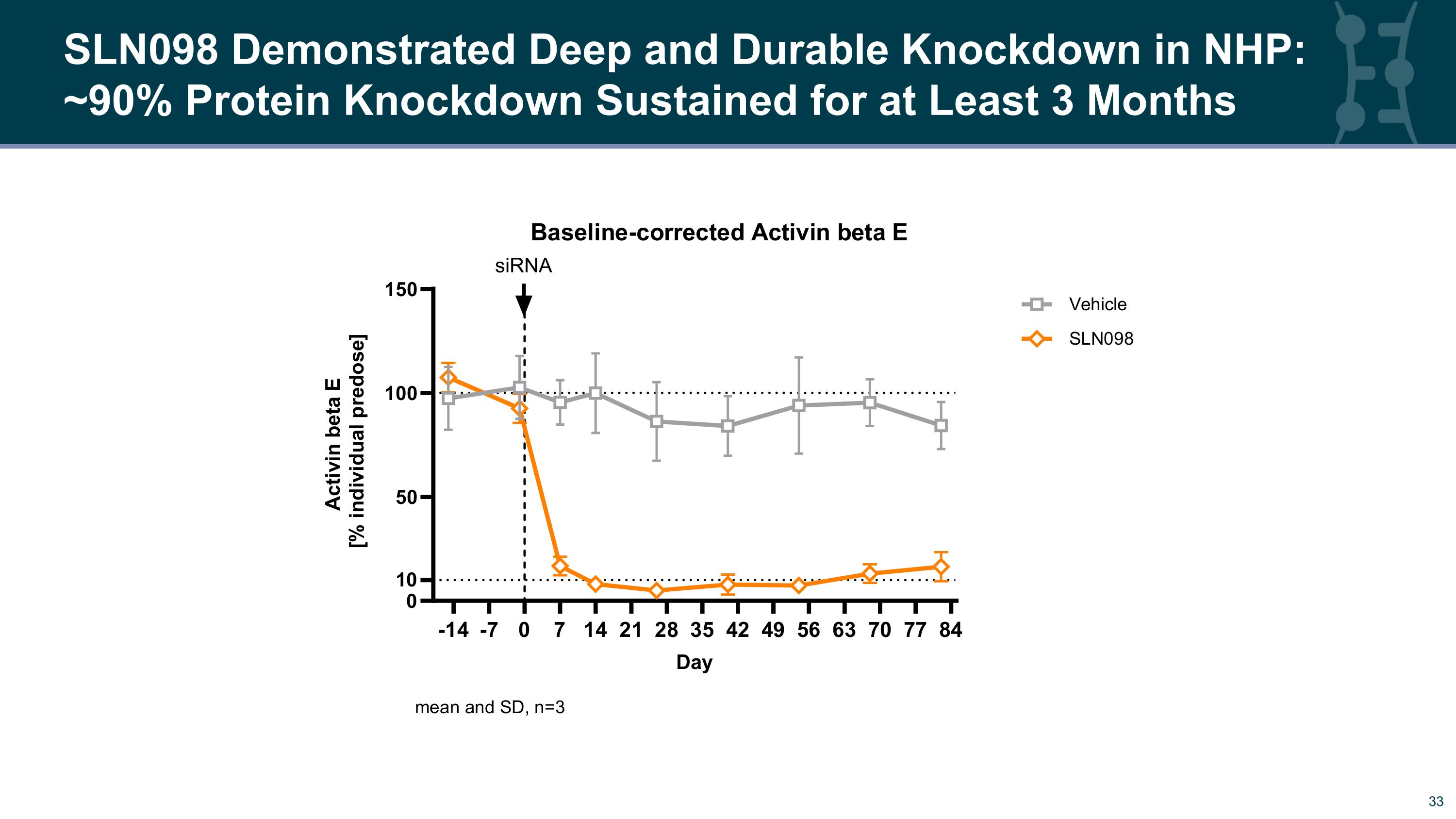
SLN098 Demonstrated Deep and Durable Knockdown in NHP: ~90% Protein Knockdown Sustained for at Least 3 Months
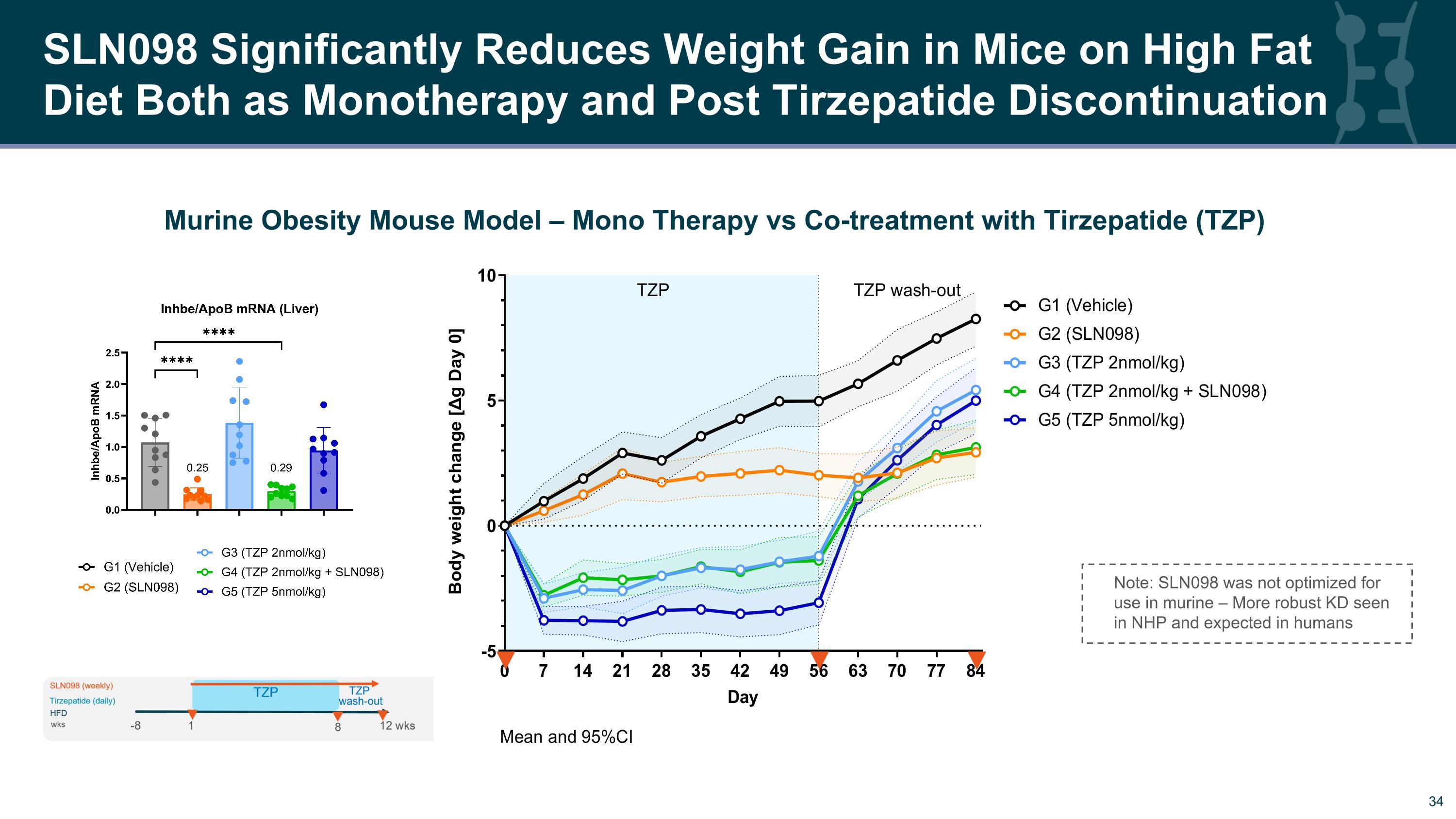
SLN098 Significantly Reduces Weight Gain in Mice on High Fat Diet Both as Monotherapy and Post Tirzepatide Discontinuation Murine Obesity Mouse Model – Mono Therapy vs Co-treatment with Tirzepatide (TZP) Note: SLN098 was not optimized for use in murine – More robust KD seen in NHP and expected in humans
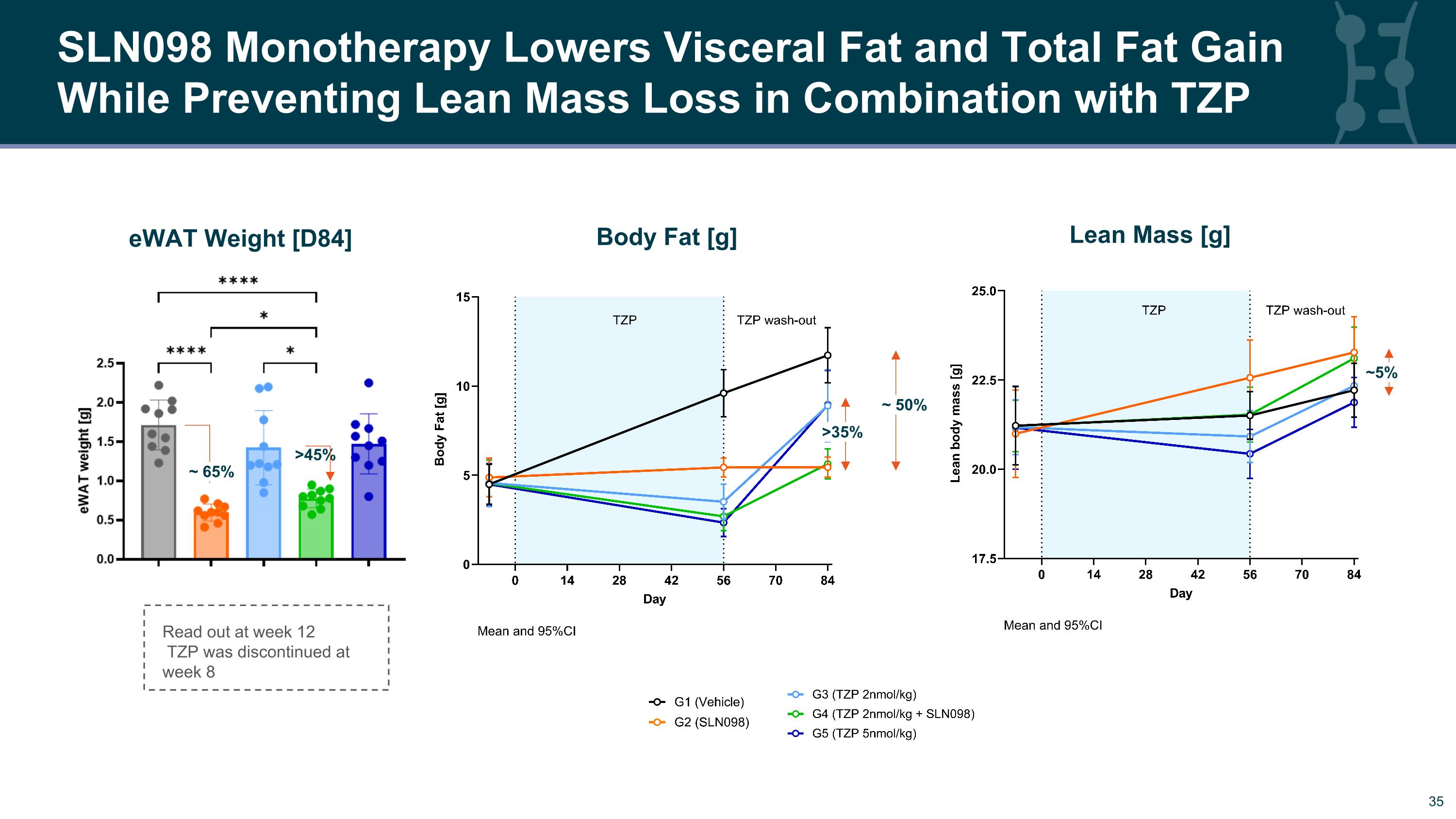
SLN098 Monotherapy Lowers Visceral Fat and Total Fat Gain While Preventing Lean Mass Loss in Combination with TZP Read out at week 12 TZP was discontinued at week 8 ~ 65% >45% eWAT Weight [D84] Body Fat [g] ~ 50% >35% Lean Mass [g] ~5%
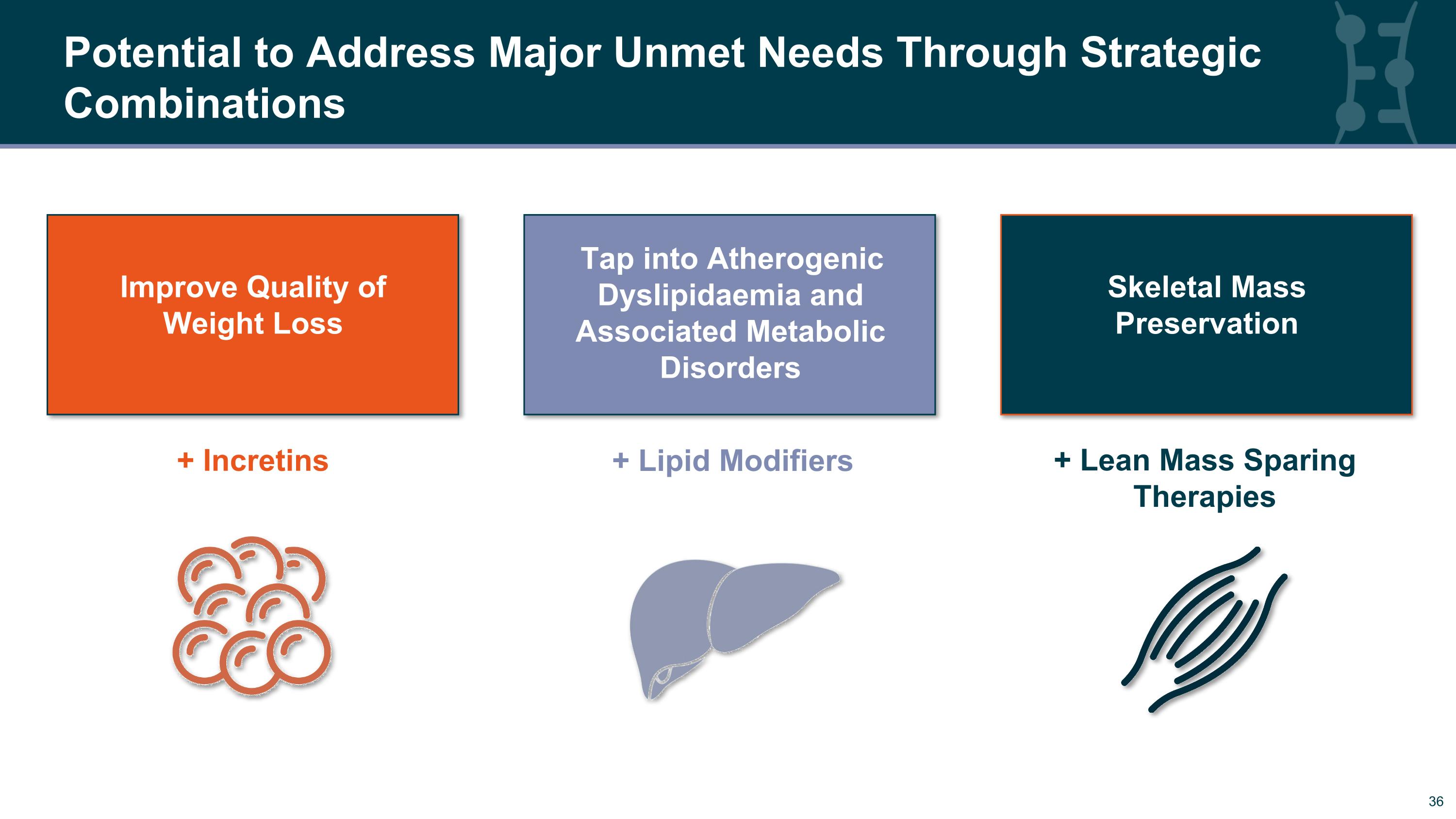
Potential to Address Major Unmet Needs Through Strategic Combinations Improve Quality of Weight Loss Tap into Atherogenic Dyslipidaemia and Associated Metabolic Disorders Skeletal Mass Preservation + Incretins + Lipid Modifiers + Lean Mass Sparing Therapies
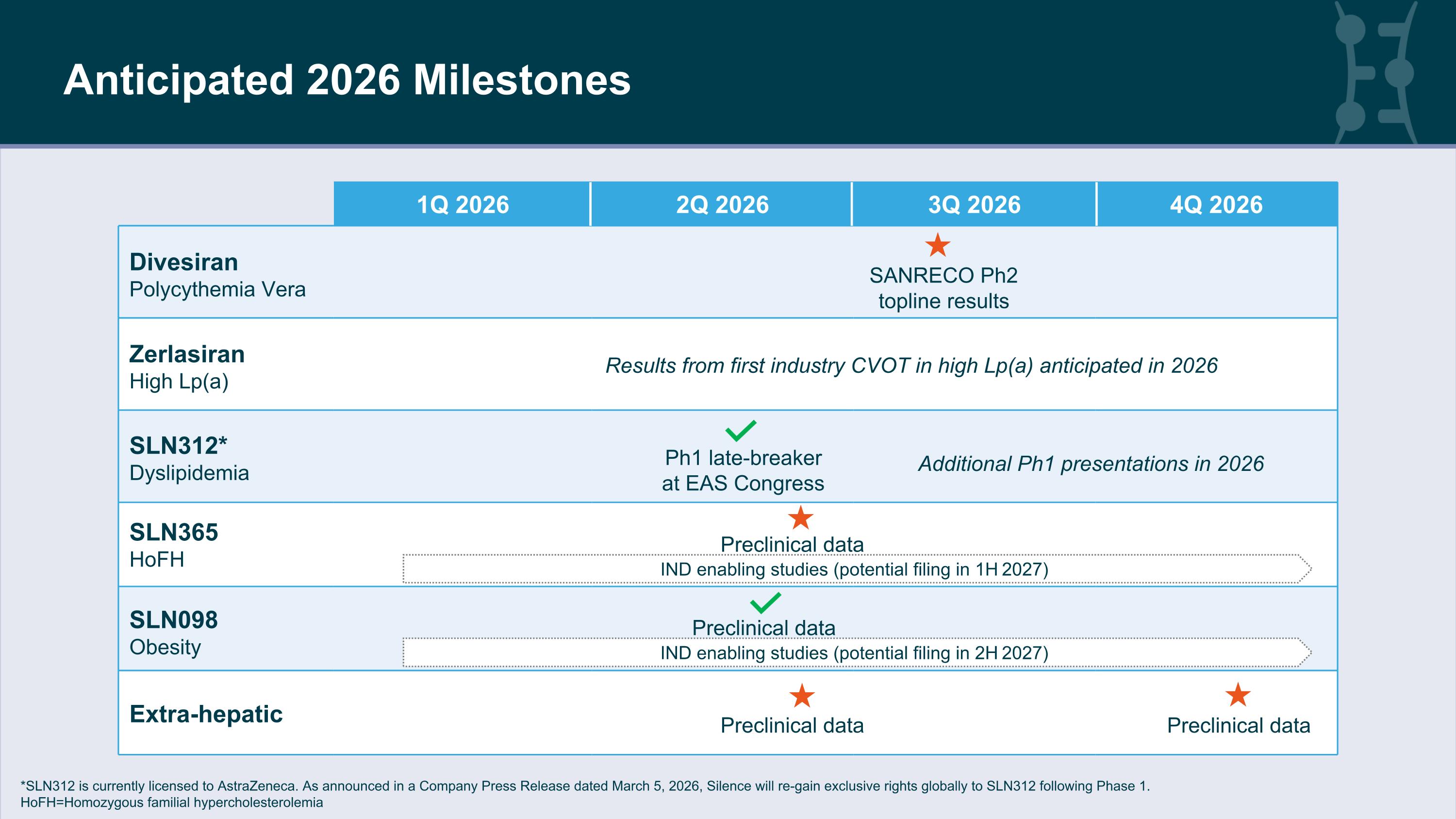
Anticipated 2026 Milestones 1Q 2026 2Q 2026 3Q 2026 4Q 2026 SANRECO Ph2 topline results Divesiran Polycythemia Vera SLN098 Obesity Extra-hepatic Preclinical data Results from first industry CVOT in high Lp(a) anticipated in 2026 Preclinical data SLN365 HoFH Zerlasiran High Lp(a) IND enabling studies (potential filing in 1H 2027) IND enabling studies (potential filing in 2H 2027) Preclinical data Preclinical data SLN312* Dyslipidemia *SLN312 is currently licensed to AstraZeneca. As announced in a Company Press Release dated March 5, 2026, Silence will re-gain exclusive rights globally to SLN312 following Phase 1. HoFH=Homozygous familial hypercholesterolemia Ph1 late-breaker at EAS Congress Additional Ph1 presentations in 2026
Silencing diseases through precision engineered medicines created with proprietary siRNA technology