June 15, 2026 Phase 1 Interim Results CTIM-76: A Novel CLDN6 x CD3 TCE
Important Notice and Disclaimers This presentation contains “forward-looking statements” within the meaning of the Private Securities Litigation Reform Act of 1995. All statements other than statements of historical fact, including statements regarding the Company’s strategy, future operations, prospects, and plans and objectives of management, are forward-looking statements. These statements may be identified by words such as “may,” “will,” “expect,” “believe,” “could,” “estimate,” “potential,” “anticipate,” “look forward,” “plan,” “intend,” and similar expressions. Forward-looking statements in this presentation include, without limitation, statements regarding (i) the Company’s business strategy, cash flows, cash runway and funding status, (ii) potential growth opportunities, (iii) clinical development activities, (iv) the timing and results of preclinical research, clinical trials and potential regulatory approval and commercialization of product candidates, (v) estimates of potential market size and opportunity, and (vi) other non-historical statements. These forward-looking statements involve substantial risks and uncertainties that could cause actual results to differ materially from those expressed or implied, and the Company cannot assure that its plans, intentions, expectations, or strategies will be achieved. These risks and uncertainties include, without limitation: (i) uncertainties regarding the Company’s expectations, projections, and estimates of future costs and expenses, capital requirements, the availability of additional financing and the Company’s capital requirements; (ii) the timing, progress, and results of the Company’s discovery, preclinical and clinical development activities; (iii) clinical trial site activation and enrollment; (iv) unexpected safety or efficacy data observed during preclinical studies or clinical trials; (v) the risk that results from nonclinical or clinical studies may not be predictive of future results, and that interim data are subject to further analysis; (vi) uncertainties related to the regulatory approval process; (vii) the Company’s reliance on third parties; (viii) macroeconomic conditions; and (ix) whether the Company has sufficient funding to meet future operating expenses and capital expenditure requirements. Additional factors that may cause actual results to differ materially from those expressed or implied in the forward-looking statements in this presentation are described under the heading “Risk Factors” in the Company’s Annual Report on Form 10-K for the year ended December 31, 2025, as filed with the U.S. Securities and Exchange Commission (the “SEC”), and in the Company’s other filings with the SEC, including future reports. Except as required by law, the Company undertakes no obligation to update or revise any forward- looking statements, which speak only as of the date of this presentation, whether as a result of new information, future events or otherwise. Certain information contained in this presentation relates to or is based on studies, publications, surveys and other data obtained from third-party sources and the Company's own internal estimates and research. While the Company believes these third-party sources to be reliable as of the date of this presentation, it has not independently verified any information obtained from third- party sources. In addition, all of the market data included in this presentation involves a number of assumptions and limitations. References in this presentation to research reports or to articles and publications should not be construed as depicting the complete findings of the entire referenced report or article. This presentation discusses product candidates that are under preclinical and clinical study, and which have not yet been approved for marketing by the U.S. Food and Drug Administration. No representation is made as to the safety or effectiveness of these product candidates for the use for which such product candidates are being studied. While the Company believes its internal research is reliable, such research has not been verified by any independent source. All the scientific, preclinical and clinical data presented within this presentation are – by definition prior to completion of the clinical trial and a clinical study report – preliminary in nature and subject to further quality checks including customary source data verification. The trademarks included herein are the property of the owners thereof and are used for reference purposes only. Such use should not be construed as an endorsement of such products. Forward Looking Statement Executive Summary CTIM-76 Phase 1 Interim Results2

On Today’s Call CTIM-76 Phase 1 Interim Results3 Executive Summary Pipeline Overview Martin Lehr Chief Executive Officer CTIM-76 Development Karen Chagin, MD Chief Medical Officer Corporate and Financials Jennifer Minai Chief Financial Officer

Introduction Martin Lehr CEO, Context Therapeutics CTIM-76 Phase 1 Interim Results4
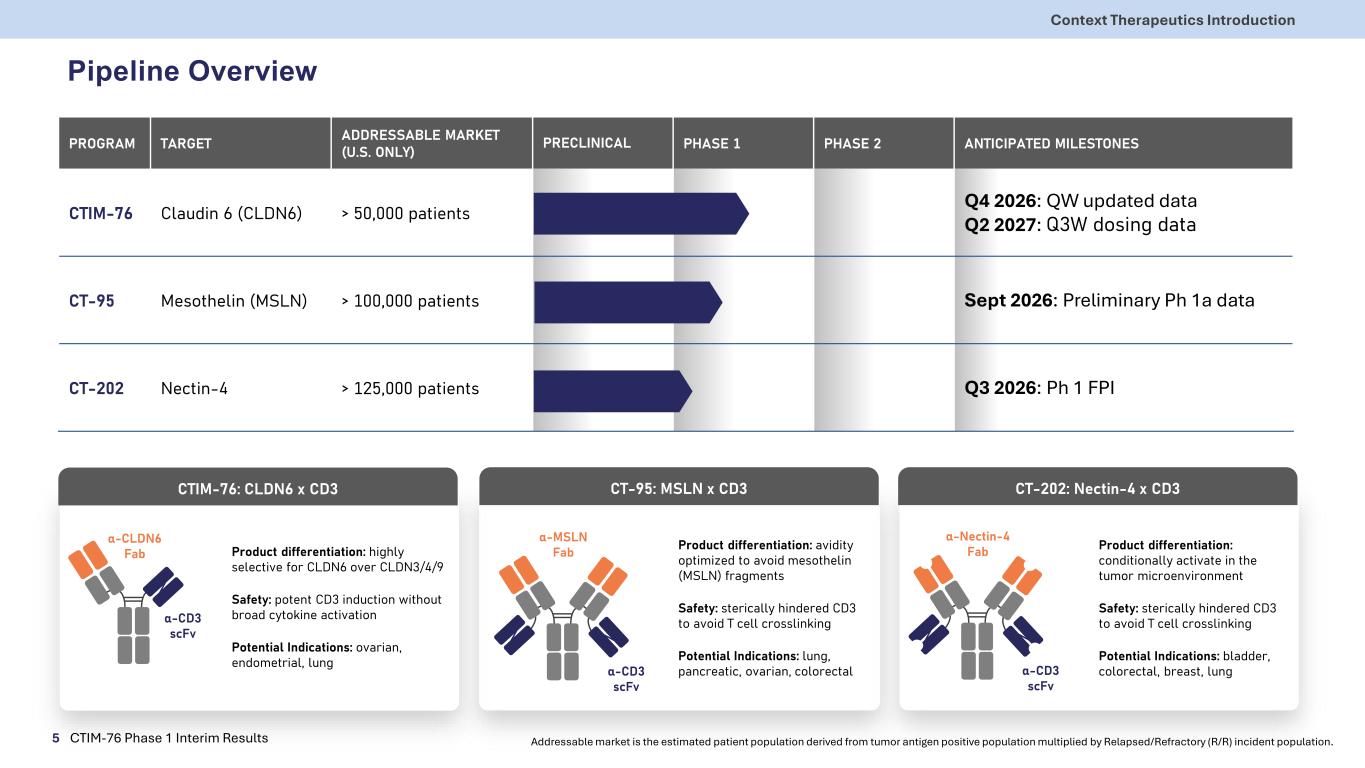
Context Therapeutics Introduction Pipeline Overview 5 PROGRAM TARGET ADDRESSABLE MARKET (U.S. ONLY) PRECLINICAL PHASE 1 PHASE 2 ANTICIPATED MILESTONES CTIM-76 Claudin 6 (CLDN6) > 50,000 patients Q4 2026: QW updated data Q2 2027: Q3W dosing data CT-95 Mesothelin (MSLN) > 100,000 patients Sept 2026: Preliminary Ph 1a data CT-202 Nectin-4 > 125,000 patients Q3 2026: Ph 1 FPI CTIM-76: CLDN6 x CD3 CT-95: MSLN x CD3 Product differentiation: highly selective for CLDN6 over CLDN3/4/9 Safety: potent CD3 induction without broad cytokine activation Potential Indications: ovarian, endometrial, lung α-CLDN6 Fab α-CD3 scFv α-MSLN Fab α-CD3 scFv CT-202: Nectin-4 x CD3 Product differentiation: avidity optimized to avoid mesothelin (MSLN) fragments Safety: sterically hindered CD3 to avoid T cell crosslinking Potential Indications: lung, pancreatic, ovarian, colorectal Product differentiation: conditionally activate in the tumor microenvironment Safety: sterically hindered CD3 to avoid T cell crosslinking Potential Indications: bladder, colorectal, breast, lung α-Nectin-4 Fab α-CD3 scFv CTIM-76 Phase 1 Interim Results Addressable market is the estimated patient population derived from tumor antigen positive population multiplied by Relapsed/Refractory (R/R) incident population.
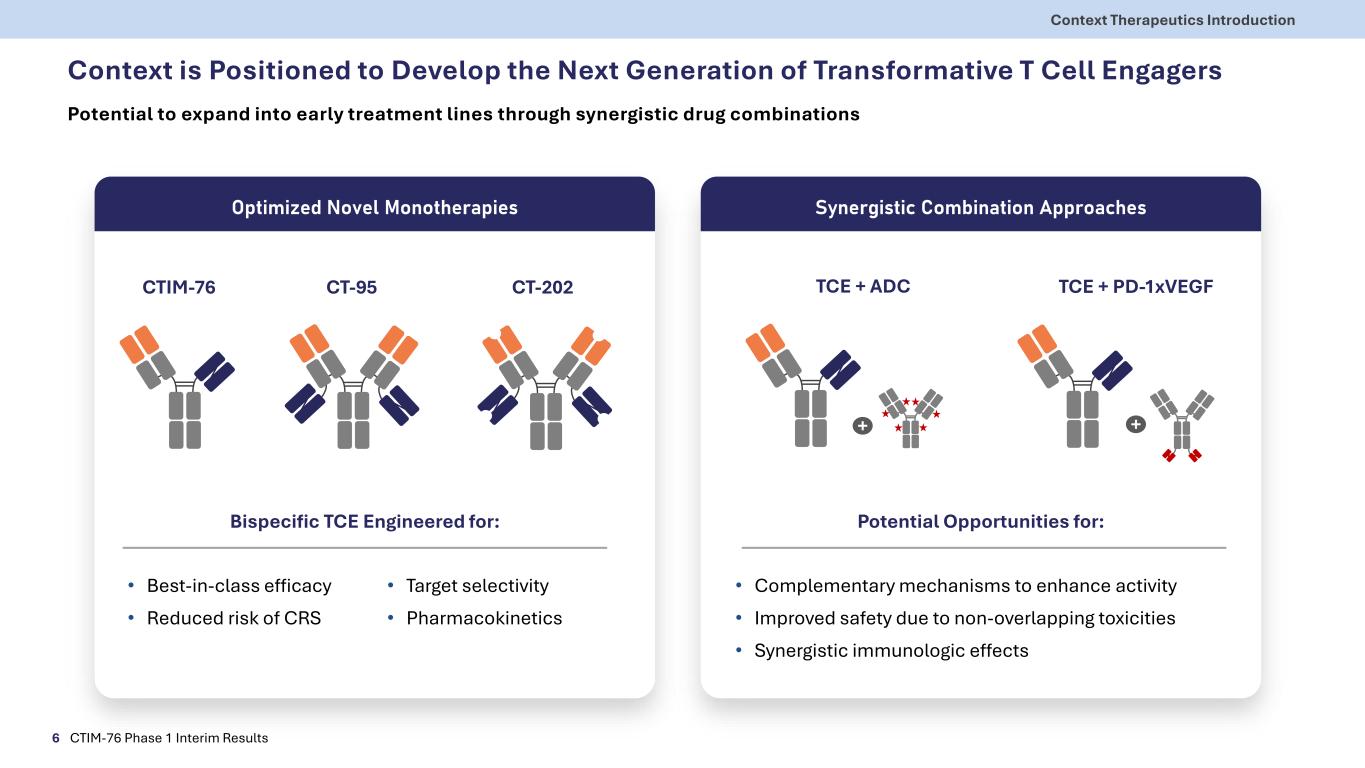
Context is Positioned to Develop the Next Generation of Transformative T Cell Engagers Potential to expand into early treatment lines through synergistic drug combinations Context Therapeutics Introduction CTIM-76 Phase 1 Interim Results6 Synergistic Combination ApproachesOptimized Novel Monotherapies CTIM-76 CT-95 CT-202 Bispecific TCE Engineered for: Potential Opportunities for: • Best-in-class efficacy • Reduced risk of CRS • Target selectivity • Pharmacokinetics • Complementary mechanisms to enhance activity • Improved safety due to non-overlapping toxicities • Synergistic immunologic effects TCE + ADC TCE + PD-1xVEGF + +
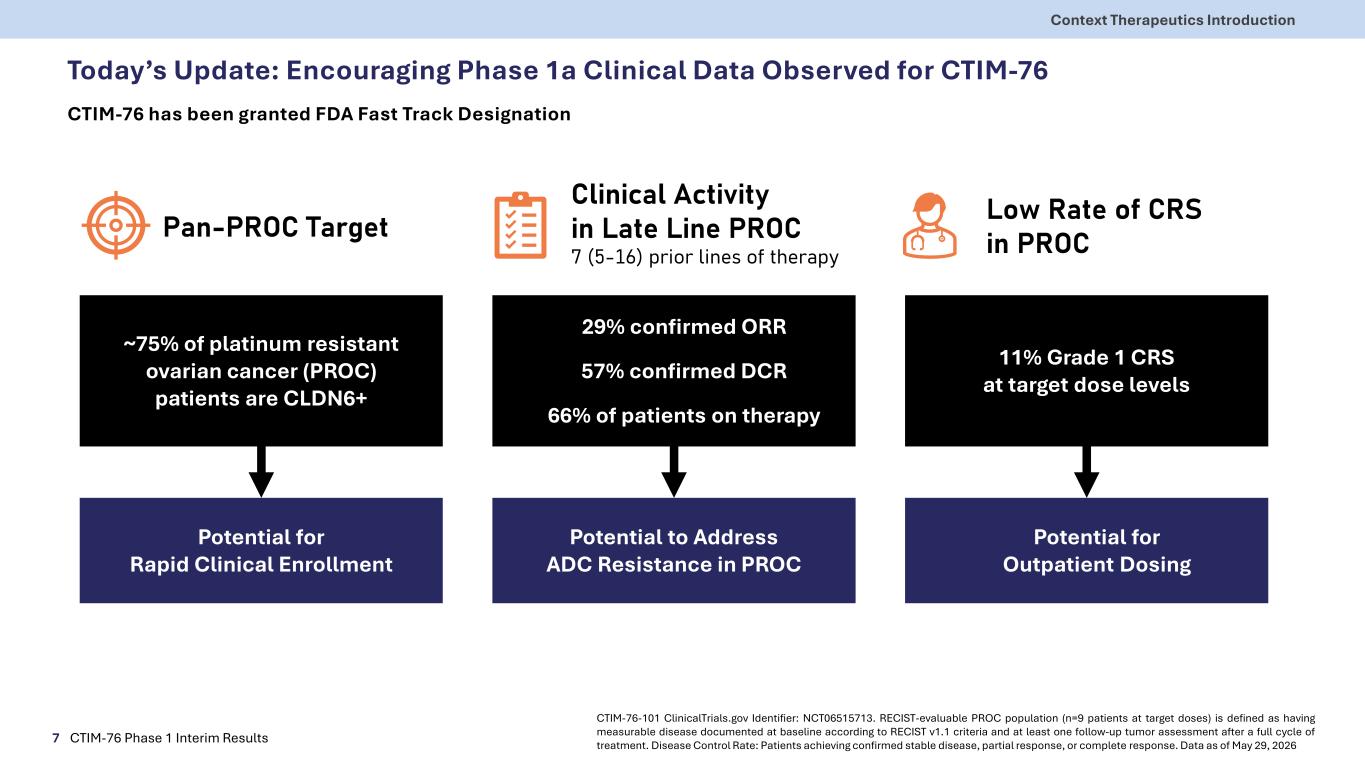
Today’s Update: Encouraging Phase 1a Clinical Data Observed for CTIM-76 CTIM-76 has been granted FDA Fast Track Designation Context Therapeutics Introduction CTIM-76 Phase 1 Interim Results7 Pan-PROC Target Clinical Activity in Late Line PROC 7 (5-16) prior lines of therapy Low Rate of CRS in PROC ~75% of platinum resistant ovarian cancer (PROC) patients are CLDN6+ Potential for Rapid Clinical Enrollment 29% confirmed ORR 57% confirmed DCR 66% of patients on therapy Potential to Address ADC Resistance in PROC 11% Grade 1 CRS at target dose levels Potential for Outpatient Dosing CTIM-76-101 ClinicalTrials.gov Identifier: NCT06515713. RECIST-evaluable PROC population (n=9 patients at target doses) is defined as having measurable disease documented at baseline according to RECIST v1.1 criteria and at least one follow-up tumor assessment after a full cycle of treatment. Disease Control Rate: Patients achieving confirmed stable disease, partial response, or complete response. Data as of May 29, 2026

Claudin 6 (CLDN6) Target Overview Martin Lehr CEO, Context Therapeutics CTIM-76 Phase 1 Interim Results8
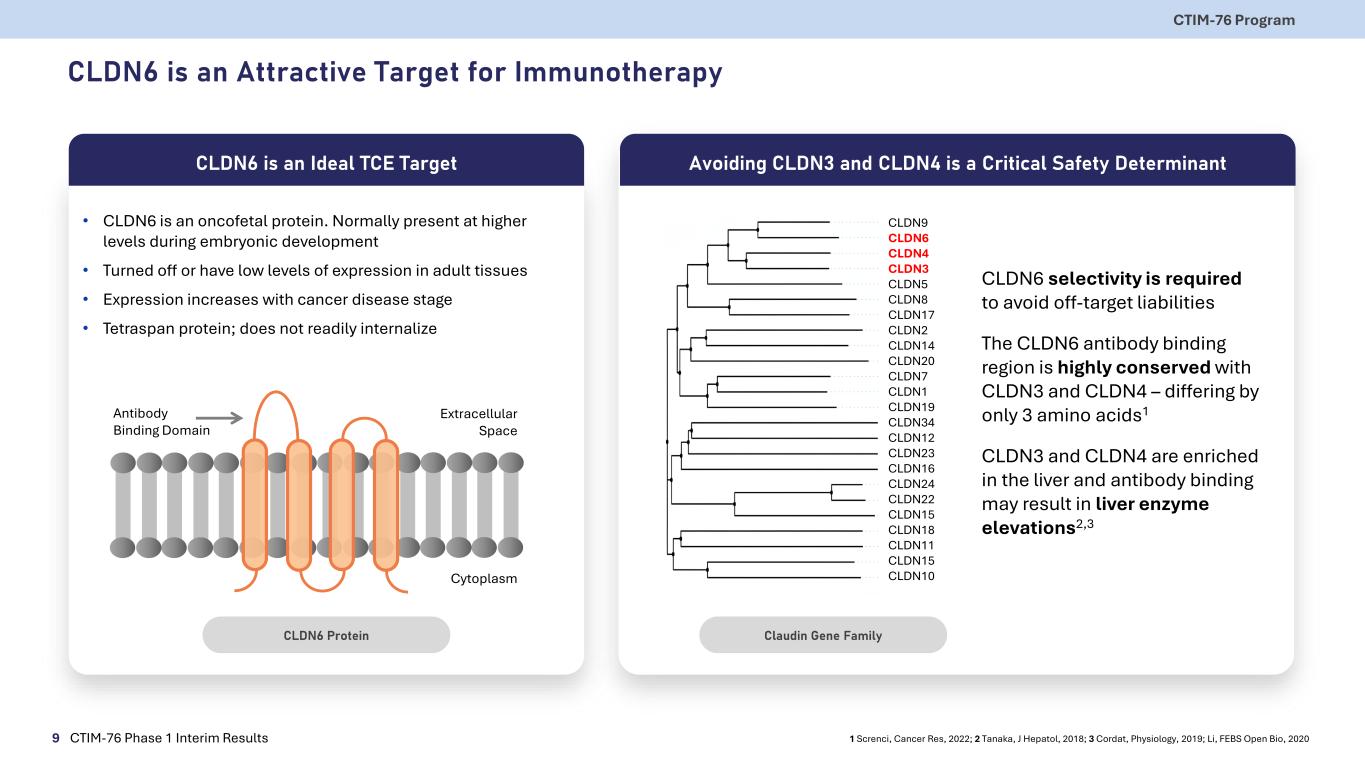
CLDN6 is an Attractive Target for Immunotherapy • CLDN6 is an oncofetal protein. Normally present at higher levels during embryonic development • Turned off or have low levels of expression in adult tissues • Expression increases with cancer disease stage • Tetraspan protein; does not readily internalize CTIM-76 Program CTIM-76 Phase 1 Interim Results9 CLDN6 is an Ideal TCE Target 1 Screnci, Cancer Res, 2022; 2 Tanaka, J Hepatol, 2018; 3 Cordat, Physiology, 2019; Li, FEBS Open Bio, 2020 CLDN6 selectivity is required to avoid off-target liabilities The CLDN6 antibody binding region is highly conserved with CLDN3 and CLDN4 – differing by only 3 amino acids1 CLDN3 and CLDN4 are enriched in the liver and antibody binding may result in liver enzyme elevations2,3 Avoiding CLDN3 and CLDN4 is a Critical Safety Determinant CLDN6 Protein Claudin Gene Family Extracellular Space Cytoplasm Antibody Binding Domain CLDN9 CLDN6 CLDN4 CLDN3 CLDN5 CLDN8 CLDN17 CLDN2 CLDN14 CLDN20 CLDN7 CLDN1 CLDN19 CLDN34 CLDN12 CLDN23 CLDN16 CLDN24 CLDN22 CLDN15 CLDN18 CLDN11 CLDN15 CLDN10
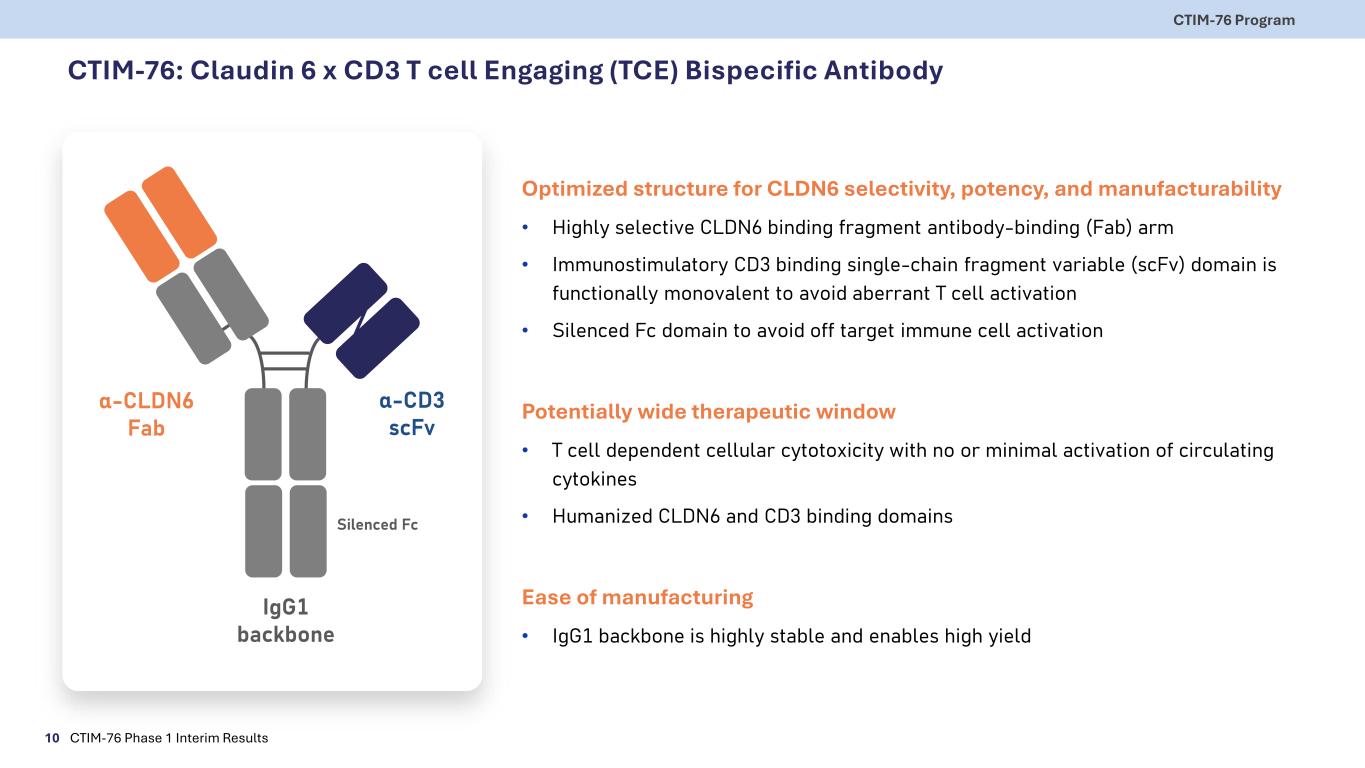
CTIM-76: Claudin 6 x CD3 T cell Engaging (TCE) Bispecific Antibody Optimized structure for CLDN6 selectivity, potency, and manufacturability • Highly selective CLDN6 binding fragment antibody-binding (Fab) arm • Immunostimulatory CD3 binding single-chain fragment variable (scFv) domain is functionally monovalent to avoid aberrant T cell activation • Silenced Fc domain to avoid off target immune cell activation Potentially wide therapeutic window • T cell dependent cellular cytotoxicity with no or minimal activation of circulating cytokines • Humanized CLDN6 and CD3 binding domains Ease of manufacturing • IgG1 backbone is highly stable and enables high yield CTIM-76 Program CTIM-76 Phase 1 Interim Results10 α-CLDN6 Fab α-CD3 scFv IgG1 backbone Silenced Fc
CTIM-76 Phase 1 Interim Results Karen Chagin, MD Chief Medical Officer, Context Therapeutics CTIM-76 Phase 1 Interim Results11
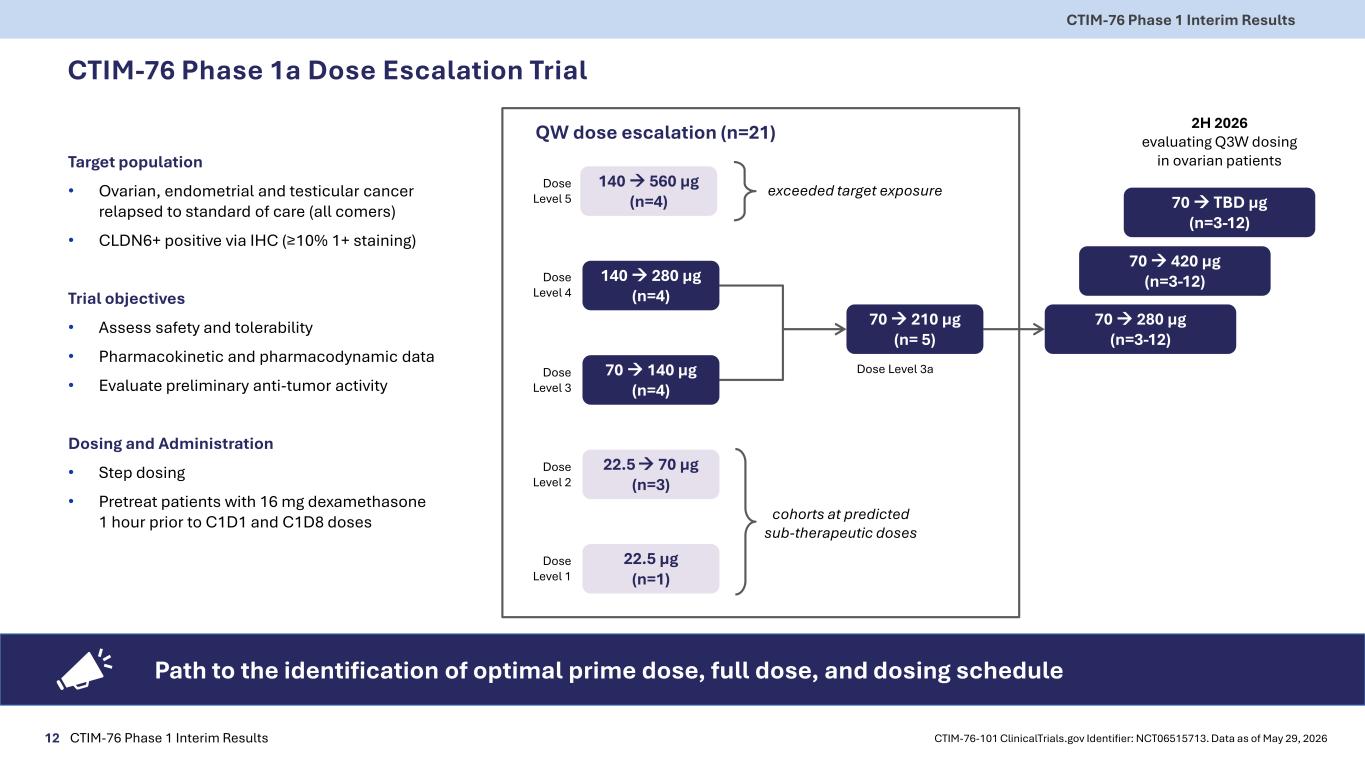
CTIM-76 Phase 1a Dose Escalation Trial Target population • Ovarian, endometrial and testicular cancer relapsed to standard of care (all comers) • CLDN6+ positive via IHC (≥10% 1+ staining) Trial objectives • Assess safety and tolerability • Pharmacokinetic and pharmacodynamic data • Evaluate preliminary anti-tumor activity Dosing and Administration • Step dosing • Pretreat patients with 16 mg dexamethasone 1 hour prior to C1D1 and C1D8 doses CTIM-76 Phase 1 Interim Results Path to the identification of optimal prime dose, full dose, and dosing schedule CTIM-76-101 ClinicalTrials.gov Identifier: NCT06515713. Data as of May 29, 2026 22.5 70 µg (n=3) 70 140 µg (n=4) 22.5 µg (n=1) 140 280 µg (n=4) 140 560 µg (n=4) cohorts at predicted sub-therapeutic doses 70 210 µg (n= 5) 70 280 µg (n=3-12) 70 420 µg (n=3-12) 2H 2026 evaluating Q3W dosing in ovarian patients exceeded target exposure 70 TBD µg (n=3-12) 12 CTIM-76 Phase 1 Interim Results Dose Level 1 Dose Level 2 Dose Level 3 Dose Level 4 Dose Level 5 Dose Level 3a QW dose escalation (n=21)
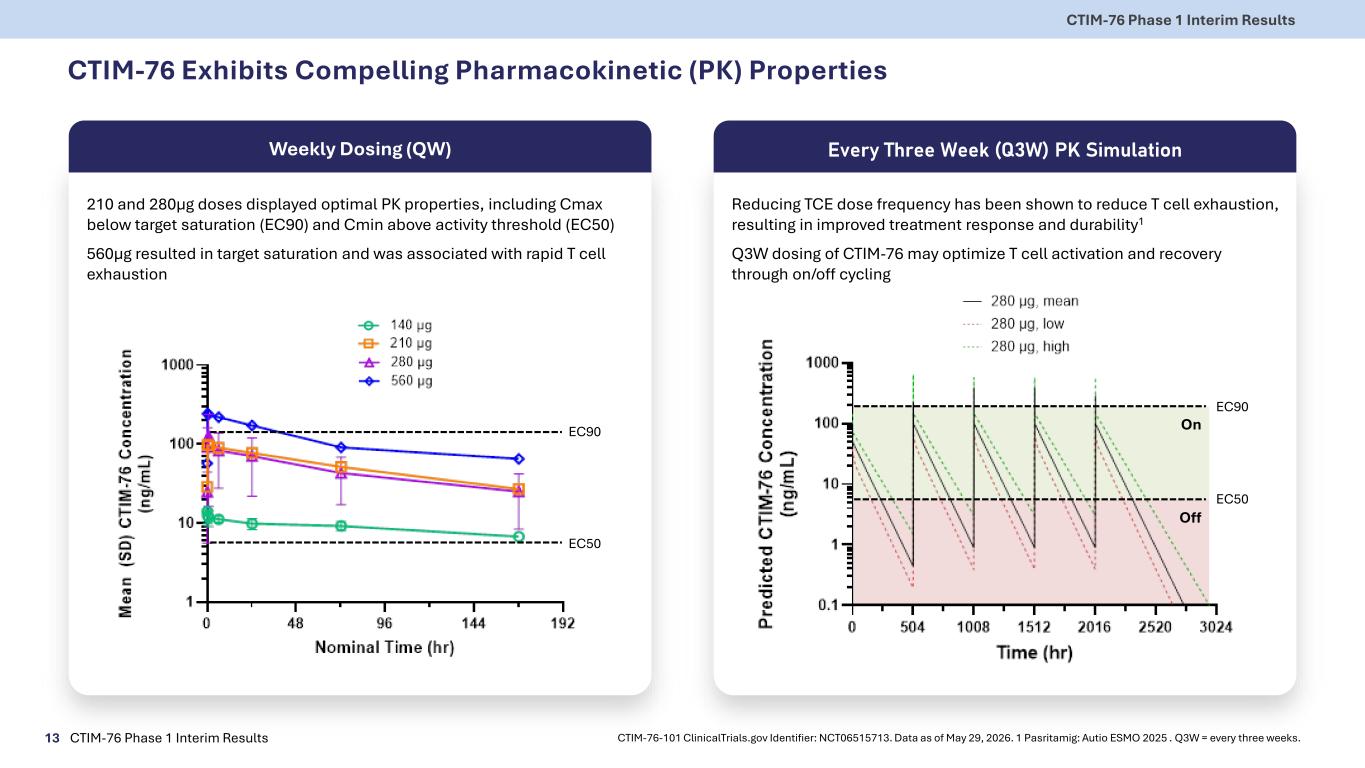
CTIM-76 Exhibits Compelling Pharmacokinetic (PK) Properties CTIM-76 Phase 1 Interim Results CTIM-76 Phase 1 Interim Results13 CTIM-76-101 ClinicalTrials.gov Identifier: NCT06515713. Data as of May 29, 2026. 1 Pasritamig: Autio ESMO 2025 . Q3W = every three weeks. 210 and 280µg doses displayed optimal PK properties, including Cmax below target saturation (EC90) and Cmin above activity threshold (EC50) 560µg resulted in target saturation and was associated with rapid T cell exhaustion Weekly Dosing (QW) Reducing TCE dose frequency has been shown to reduce T cell exhaustion, resulting in improved treatment response and durability1 Q3W dosing of CTIM-76 may optimize T cell activation and recovery through on/off cycling Every Three Week (Q3W) PK Simulation On Off EC50 EC90 EC50 EC90
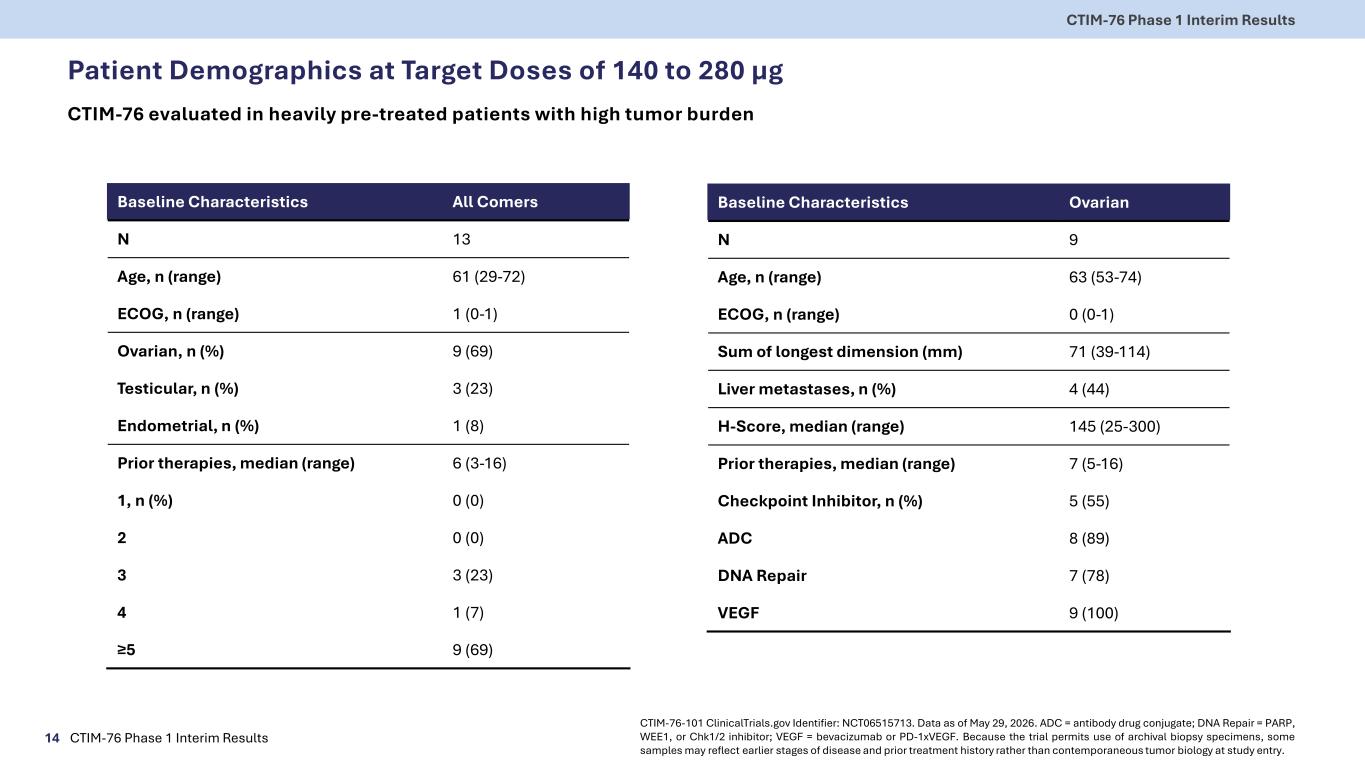
Patient Demographics at Target Doses of 140 to 280 µg CTIM-76 evaluated in heavily pre-treated patients with high tumor burden CTIM-76 Phase 1 Interim Results CTIM-76 Phase 1 Interim Results14 Baseline Characteristics All Comers N 13 Age, n (range) 61 (29-72) ECOG, n (range) 1 (0-1) Ovarian, n (%) 9 (69) Testicular, n (%) 3 (23) Endometrial, n (%) 1 (8) Prior therapies, median (range) 6 (3-16) 1, n (%) 0 (0) 2 0 (0) 3 3 (23) 4 1 (7) ≥5 9 (69) Baseline Characteristics Ovarian N 9 Age, n (range) 63 (53-74) ECOG, n (range) 0 (0-1) Sum of longest dimension (mm) 71 (39-114) Liver metastases, n (%) 4 (44) H-Score, median (range) 145 (25-300) Prior therapies, median (range) 7 (5-16) Checkpoint Inhibitor, n (%) 5 (55) ADC 8 (89) DNA Repair 7 (78) VEGF 9 (100) CTIM-76-101 ClinicalTrials.gov Identifier: NCT06515713. Data as of May 29, 2026. ADC = antibody drug conjugate; DNA Repair = PARP, WEE1, or Chk1/2 inhibitor; VEGF = bevacizumab or PD-1xVEGF. Because the trial permits use of archival biopsy specimens, some samples may reflect earlier stages of disease and prior treatment history rather than contemporaneous tumor biology at study entry.
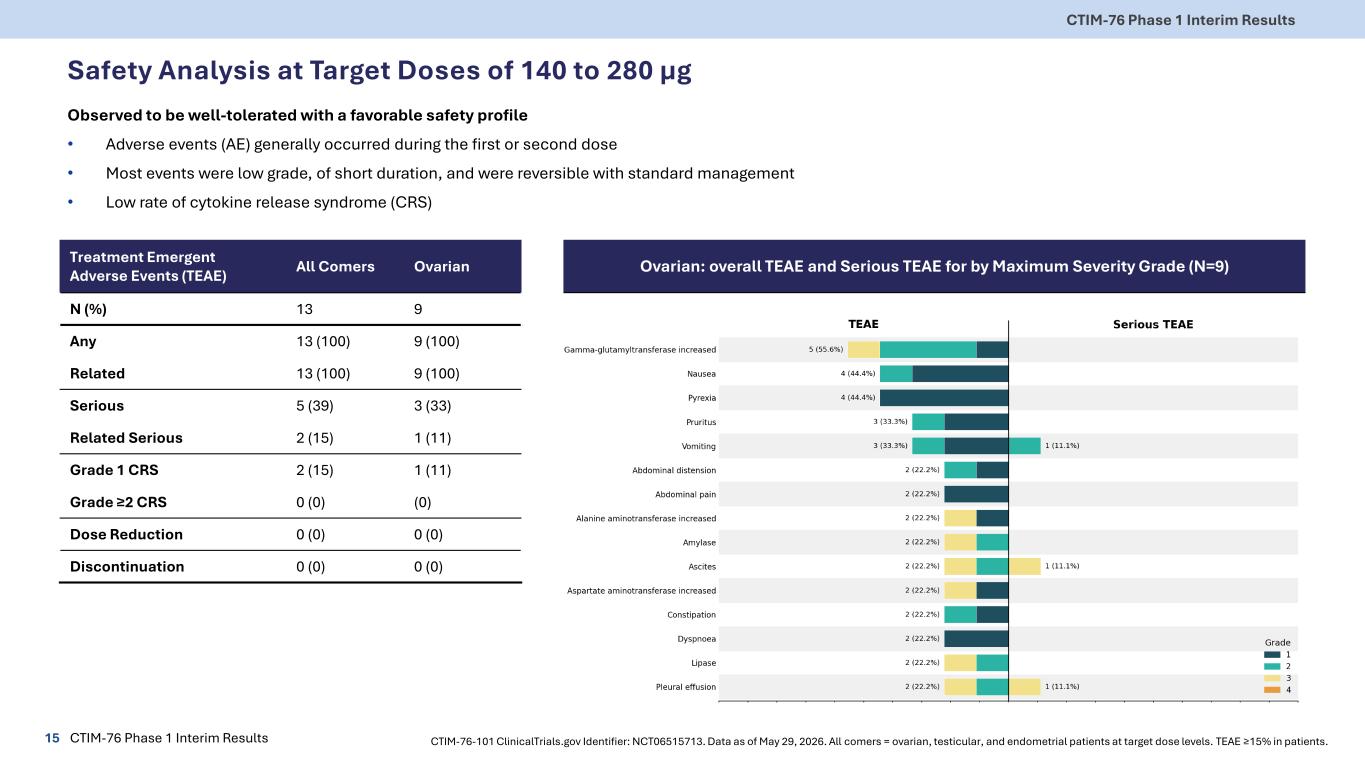
Safety Analysis at Target Doses of 140 to 280 µg Observed to be well-tolerated with a favorable safety profile • Adverse events (AE) generally occurred during the first or second dose • Most events were low grade, of short duration, and were reversible with standard management • Low rate of cytokine release syndrome (CRS) CTIM-76 Phase 1 Interim Results CTIM-76 Phase 1 Interim Results15 CTIM-76-101 ClinicalTrials.gov Identifier: NCT06515713. Data as of May 29, 2026. All comers = ovarian, testicular, and endometrial patients at target dose levels. TEAE ≥15% in patients. Treatment Emergent Adverse Events (TEAE) All Comers Ovarian N (%) 13 9 Any 13 (100) 9 (100) Related 13 (100) 9 (100) Serious 5 (39) 3 (33) Related Serious 2 (15) 1 (11) Grade 1 CRS 2 (15) 1 (11) Grade ≥2 CRS 0 (0) (0) Dose Reduction 0 (0) 0 (0) Discontinuation 0 (0) 0 (0) Ovarian: overall TEAE and Serious TEAE for by Maximum Severity Grade (N=9)
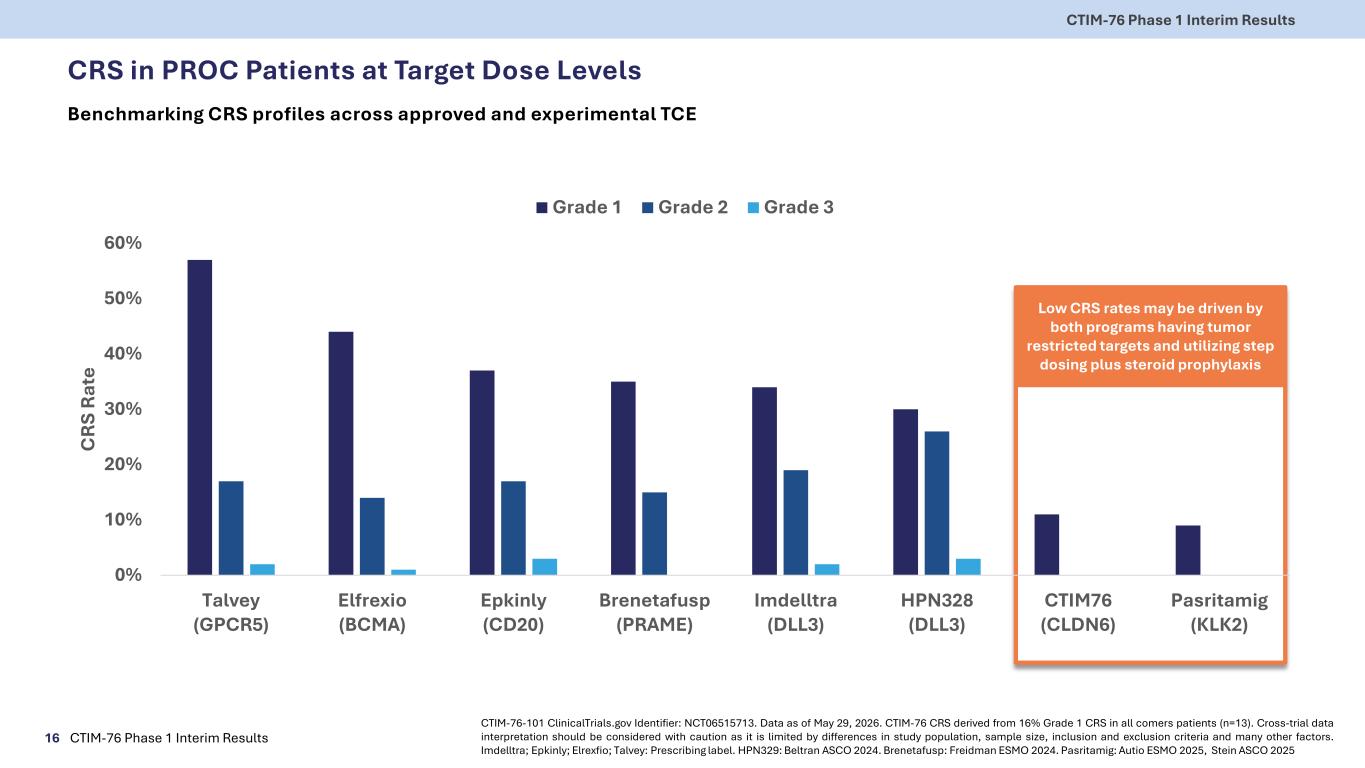
CRS in PROC Patients at Target Dose Levels Benchmarking CRS profiles across approved and experimental TCE 0% 10% 20% 30% 40% 50% 60% Talvey (GPCR5) Elfrexio (BCMA) Epkinly (CD20) Brenetafusp (PRAME) Imdelltra (DLL3) HPN328 (DLL3) CTIM76 (CLDN6) Pasritamig (KLK2) C RS R at e Grade 1 Grade 2 Grade 3 CTIM-76 Phase 1 Interim Results CTIM-76 Phase 1 Interim Results16 CTIM-76-101 ClinicalTrials.gov Identifier: NCT06515713. Data as of May 29, 2026. CTIM-76 CRS derived from 16% Grade 1 CRS in all comers patients (n=13). Cross-trial data interpretation should be considered with caution as it is limited by differences in study population, sample size, inclusion and exclusion criteria and many other factors. Imdelltra; Epkinly; Elrexfio; Talvey: Prescribing label. HPN329: Beltran ASCO 2024. Brenetafusp: Freidman ESMO 2024. Pasritamig: Autio ESMO 2025, Stein ASCO 2025 Low CRS rates may be driven by both programs having tumor restricted targets and utilizing step dosing plus steroid prophylaxis
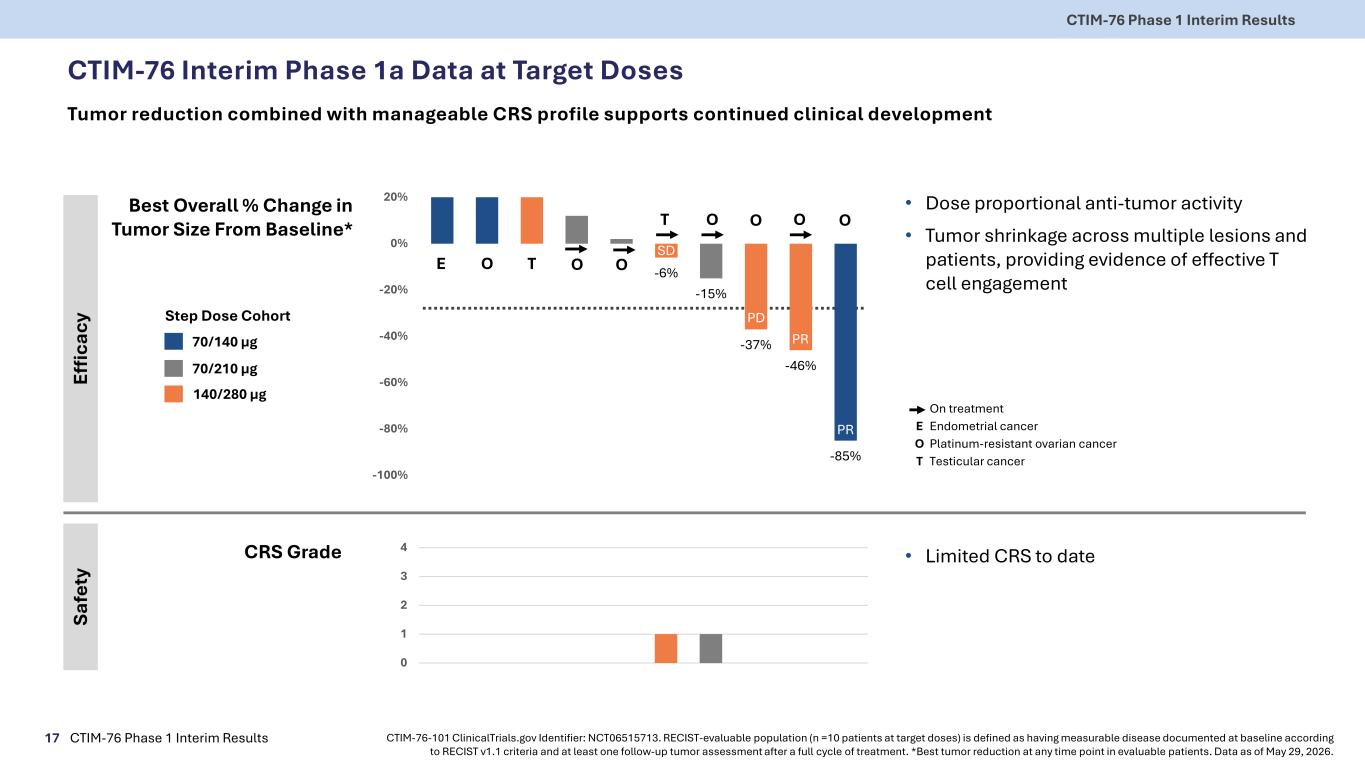
CTIM-76 Interim Phase 1a Data at Target Doses Tumor reduction combined with manageable CRS profile supports continued clinical development CTIM-76 Phase 1 Interim Results CTIM-76 Phase 1 Interim Results17 Best Overall % Change in Tumor Size From Baseline* CRS Grade Ef fic ac y Sa fe ty -6% -15% -37% -46% -85% -100% -80% -60% -40% -20% 0% 20% Step Dose Cohort 70/140 µg 70/210 µg 0 1 2 3 4 • Limited CRS to date • Dose proportional anti-tumor activity • Tumor shrinkage across multiple lesions and patients, providing evidence of effective T cell engagement E O T T O O On treatment E Endometrial cancer O Platinum-resistant ovarian cancer T Testicular cancer PR PR PD SD O CTIM-76-101 ClinicalTrials.gov Identifier: NCT06515713. RECIST-evaluable population (n =10 patients at target doses) is defined as having measurable disease documented at baseline according to RECIST v1.1 criteria and at least one follow-up tumor assessment after a full cycle of treatment. *Best tumor reduction at any time point in evaluable patients. Data as of May 29, 2026. O 140/280 µg O O
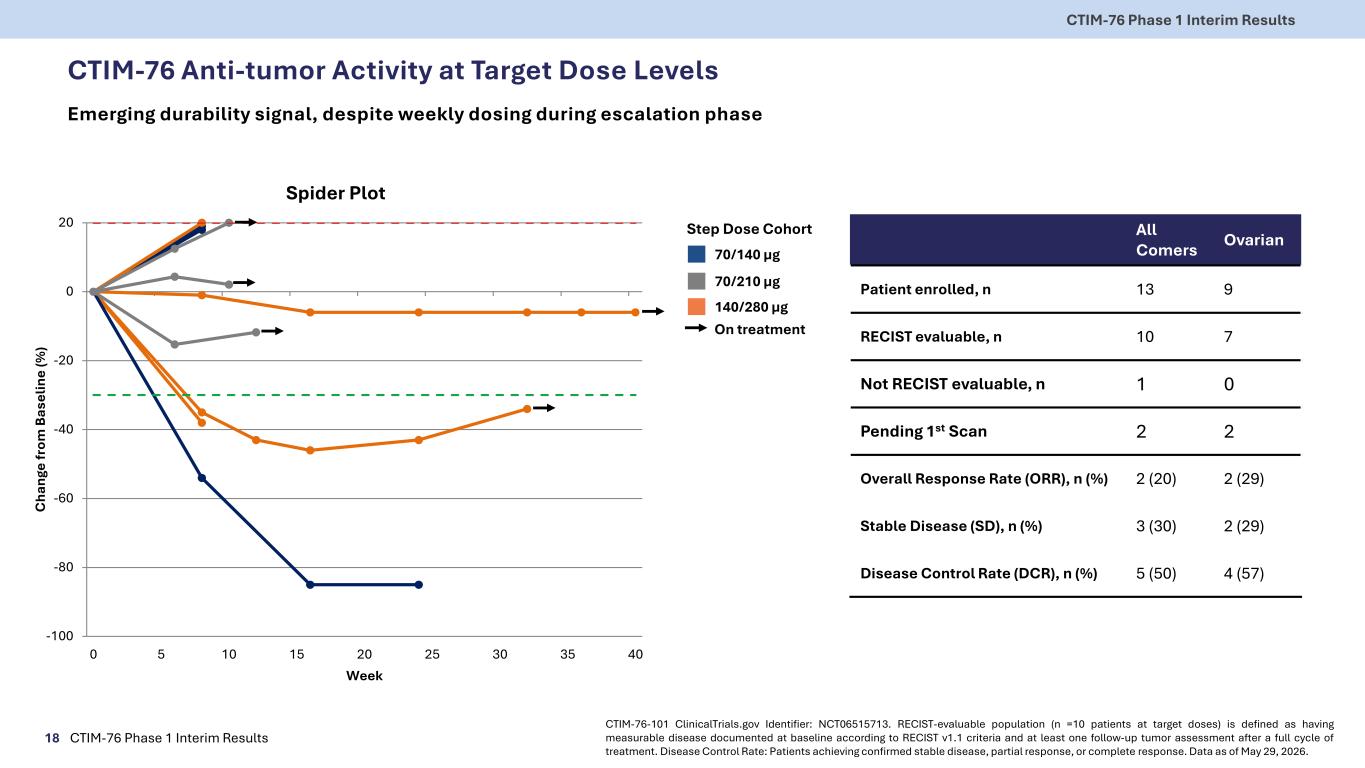
CTIM-76 Anti-tumor Activity at Target Dose Levels Emerging durability signal, despite weekly dosing during escalation phase CTIM-76 Phase 1 Interim Results 18 CTIM-76-101 ClinicalTrials.gov Identifier: NCT06515713. RECIST-evaluable population (n =10 patients at target doses) is defined as having measurable disease documented at baseline according to RECIST v1.1 criteria and at least one follow-up tumor assessment after a full cycle of treatment. Disease Control Rate: Patients achieving confirmed stable disease, partial response, or complete response. Data as of May 29, 2026. All Comers Ovarian Patient enrolled, n 13 9 RECIST evaluable, n 10 7 Not RECIST evaluable, n 1 0 Pending 1st Scan 2 2 Overall Response Rate (ORR), n (%) 2 (20) 2 (29) Stable Disease (SD), n (%) 3 (30) 2 (29) Disease Control Rate (DCR), n (%) 5 (50) 4 (57) CTIM-76 Phase 1 Interim Results 70/140 µg 70/210 µg 140/280 µg Step Dose Cohort -100 -80 -60 -40 -20 0 20 0 5 10 15 20 25 30 35 40 C ha ng e fr om B as el in e (% ) Week Spider Plot On treatment
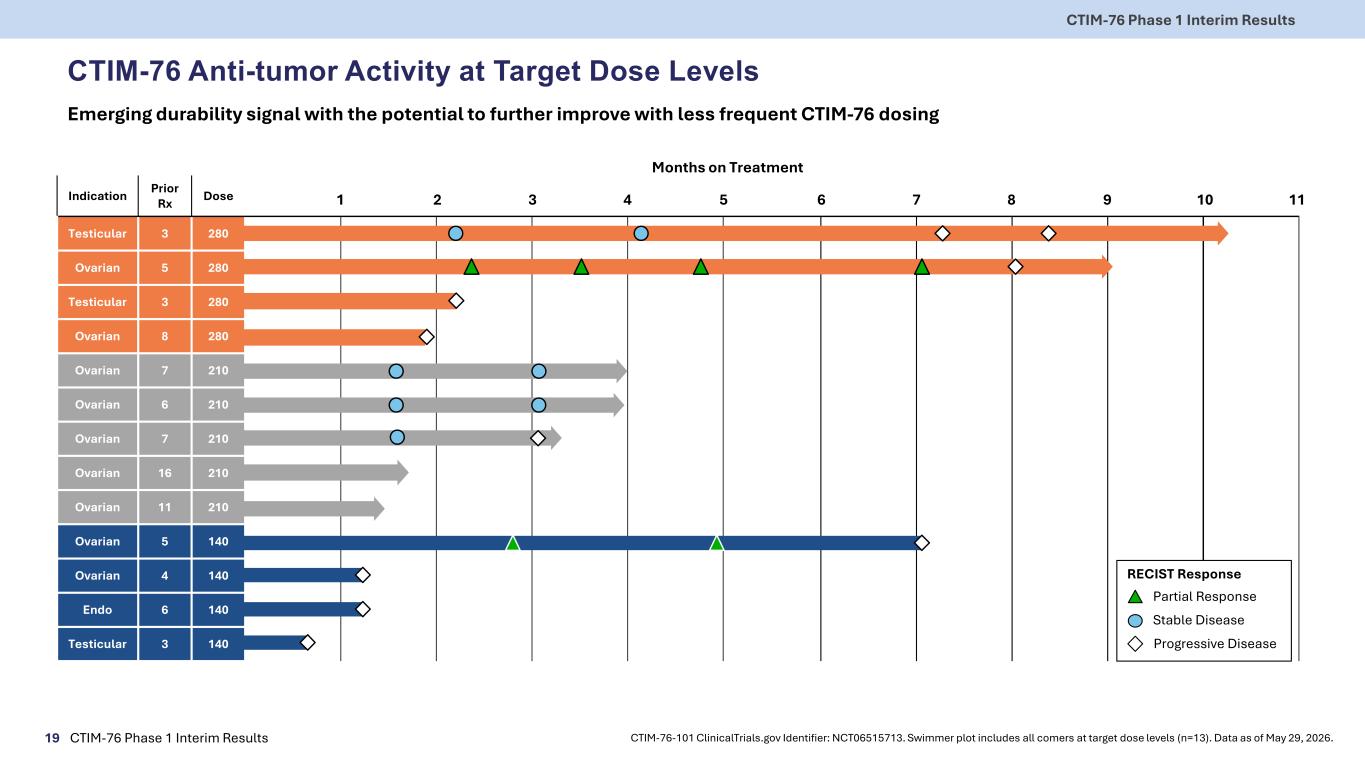
CTIM-76 Phase 1 Interim Results CTIM-76 Phase 1 Interim Results19 CTIM-76 Anti-tumor Activity at Target Dose Levels Emerging durability signal with the potential to further improve with less frequent CTIM-76 dosing CTIM-76-101 ClinicalTrials.gov Identifier: NCT06515713. Swimmer plot includes all comers at target dose levels (n=13). Data as of May 29, 2026. Indication Prior Rx Dose Testicular 3 280 Ovarian 5 280 Testicular 3 280 Ovarian 8 280 Ovarian 7 210 Ovarian 6 210 Ovarian 7 210 Ovarian 16 210 Ovarian 11 210 Ovarian 5 140 Ovarian 4 140 Endo 6 140 Testicular 3 140 1 2 3 4 5 6 Months on Treatment 7 8 9 10 Progressive Disease Stable Disease Partial Response RECIST Response 11
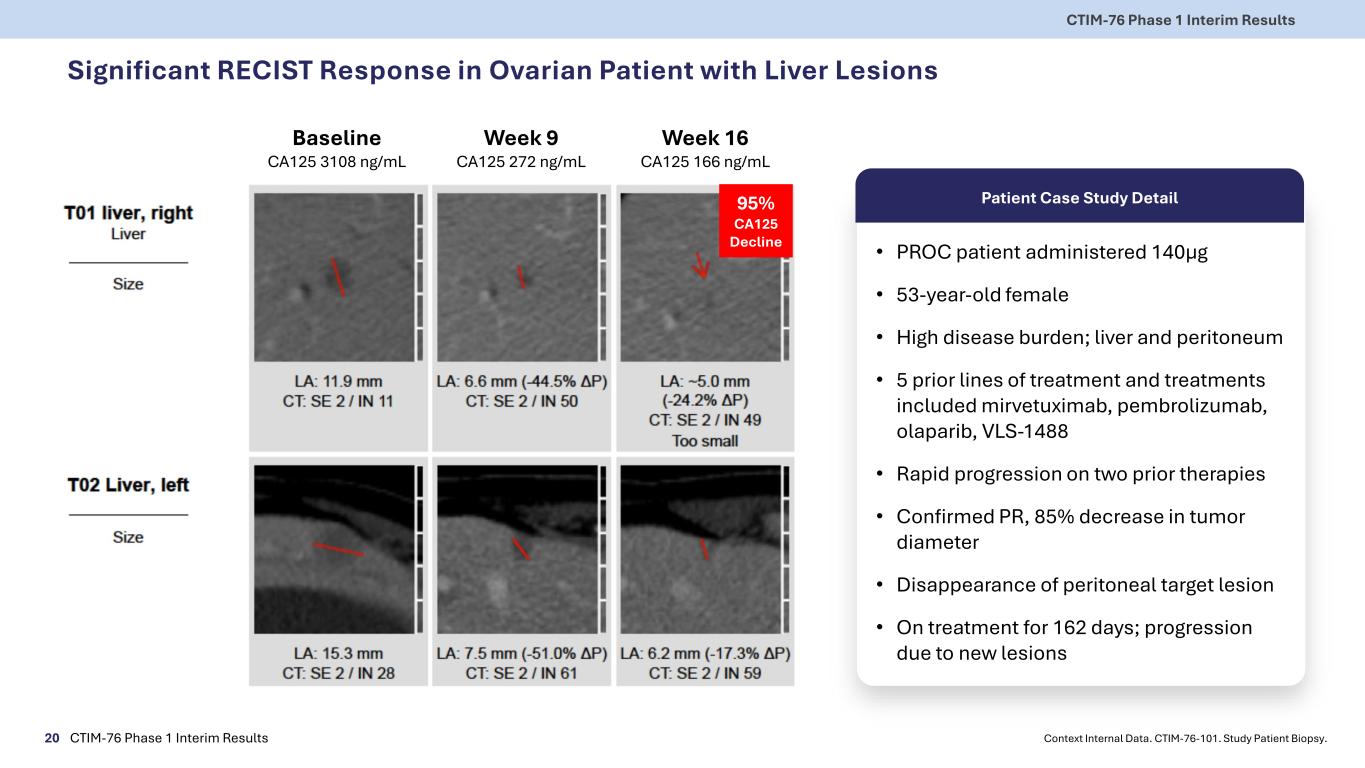
Significant RECIST Response in Ovarian Patient with Liver Lesions CTIM-76 Phase 1 Interim Results CTIM-76 Phase 1 Interim Results20 Baseline CA125 3108 ng/mL Week 9 CA125 272 ng/mL Week 16 CA125 166 ng/mL • PROC patient administered 140µg • 53-year-old female • High disease burden; liver and peritoneum • 5 prior lines of treatment and treatments included mirvetuximab, pembrolizumab, olaparib, VLS-1488 • Rapid progression on two prior therapies • Confirmed PR, 85% decrease in tumor diameter • Disappearance of peritoneal target lesion • On treatment for 162 days; progression due to new lesions 95% CA125 Decline Patient Case Study Detail Context Internal Data. CTIM-76-101. Study Patient Biopsy.
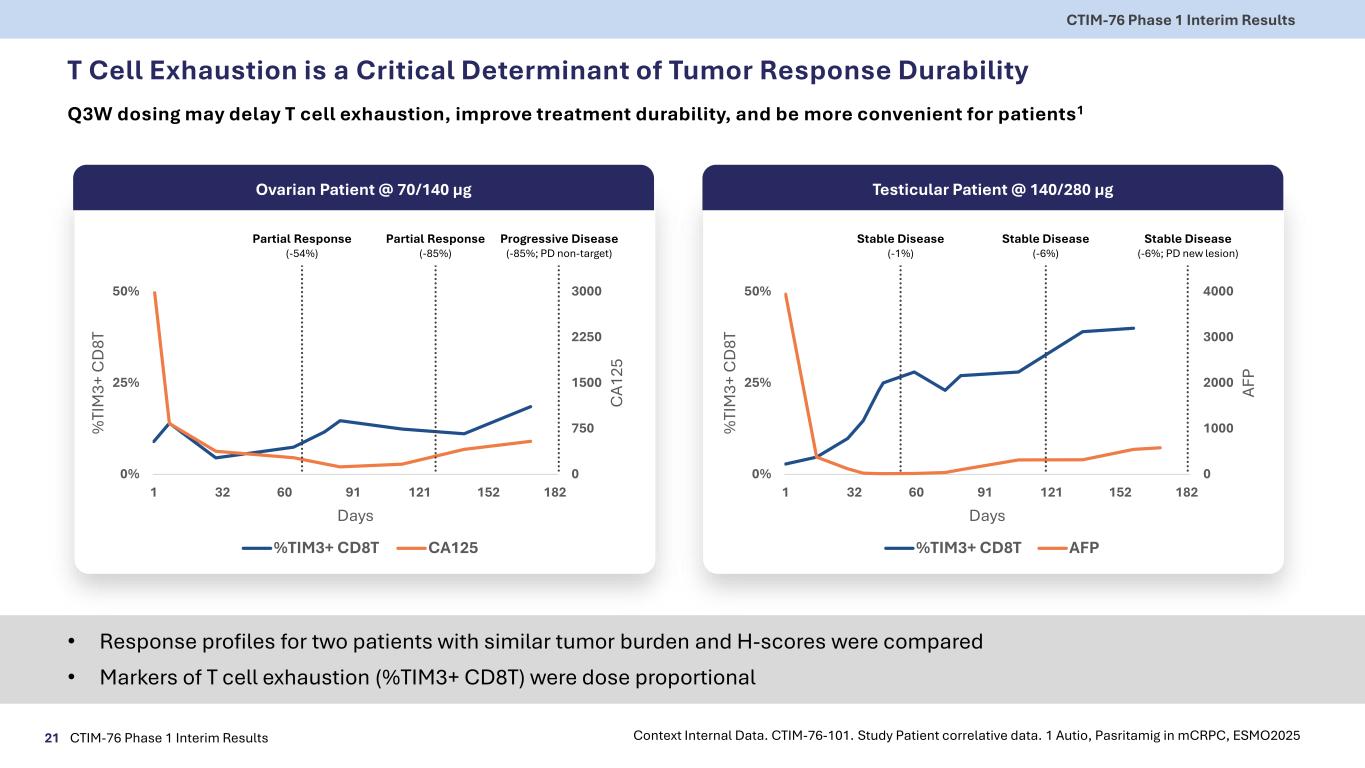
T Cell Exhaustion is a Critical Determinant of Tumor Response Durability Q3W dosing may delay T cell exhaustion, improve treatment durability, and be more convenient for patients1 CTIM-76 Phase 1 Interim Results CTIM-76 Phase 1 Interim Results21 Context Internal Data. CTIM-76-101. Study Patient correlative data. 1 Autio, Pasritamig in mCRPC, ESMO2025 • Response profiles for two patients with similar tumor burden and H-scores were compared • Markers of T cell exhaustion (%TIM3+ CD8T) were dose proportional Ovarian Patient @ 70/140 µg Testicular Patient @ 140/280 µg 0 1000 2000 3000 4000 0% 25% 50% 1 32 60 91 121 152 182 AF P % TI M 3+ C D 8T Days %TIM3+ CD8T AFP 0 750 1500 2250 3000 0% 25% 50% 1 32 60 91 121 152 182 C A1 25 % TI M 3+ C D 8T Days %TIM3+ CD8T CA125 Partial Response (-54%) Partial Response (-85%) Progressive Disease (-85%; PD non-target) Stable Disease (-1%) Stable Disease (-6%) Stable Disease (-6%; PD new lesion)

Rationale for CTIM-76 in PROC Karen Chagin, MD Chief Medical Officer, Context Therapeutics CTIM-76 Phase 1 Interim Results22
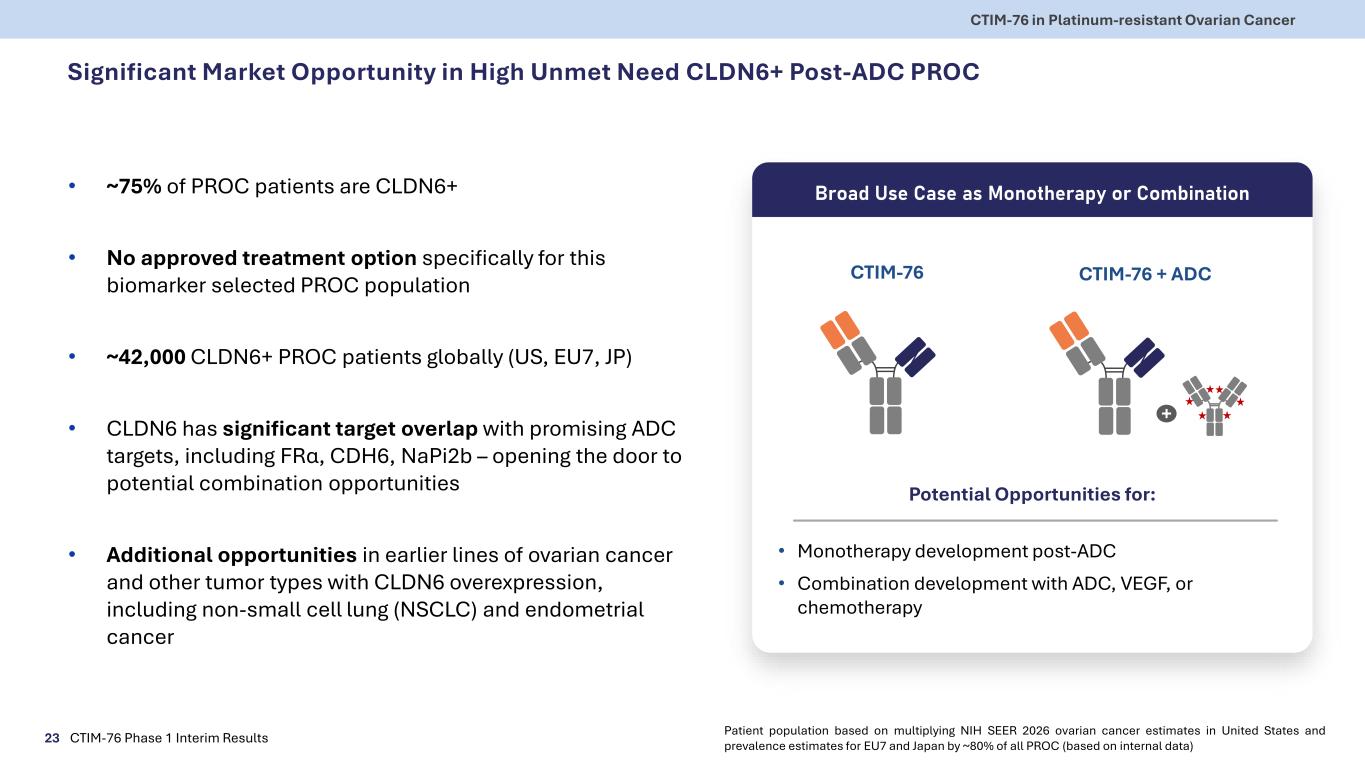
Significant Market Opportunity in High Unmet Need CLDN6+ Post-ADC PROC • ~75% of PROC patients are CLDN6+ • No approved treatment option specifically for this biomarker selected PROC population • ~42,000 CLDN6+ PROC patients globally (US, EU7, JP) • CLDN6 has significant target overlap with promising ADC targets, including FRα, CDH6, NaPi2b – opening the door to potential combination opportunities • Additional opportunities in earlier lines of ovarian cancer and other tumor types with CLDN6 overexpression, including non-small cell lung (NSCLC) and endometrial cancer CTIM-76 in Platinum-resistant Ovarian Cancer CTIM-76 Phase 1 Interim Results23 Broad Use Case as Monotherapy or Combination Potential Opportunities for: • Monotherapy development post-ADC • Combination development with ADC, VEGF, or chemotherapy CTIM-76 + ADC + CTIM-76 Patient population based on multiplying NIH SEER 2026 ovarian cancer estimates in United States and prevalence estimates for EU7 and Japan by ~80% of all PROC (based on internal data)
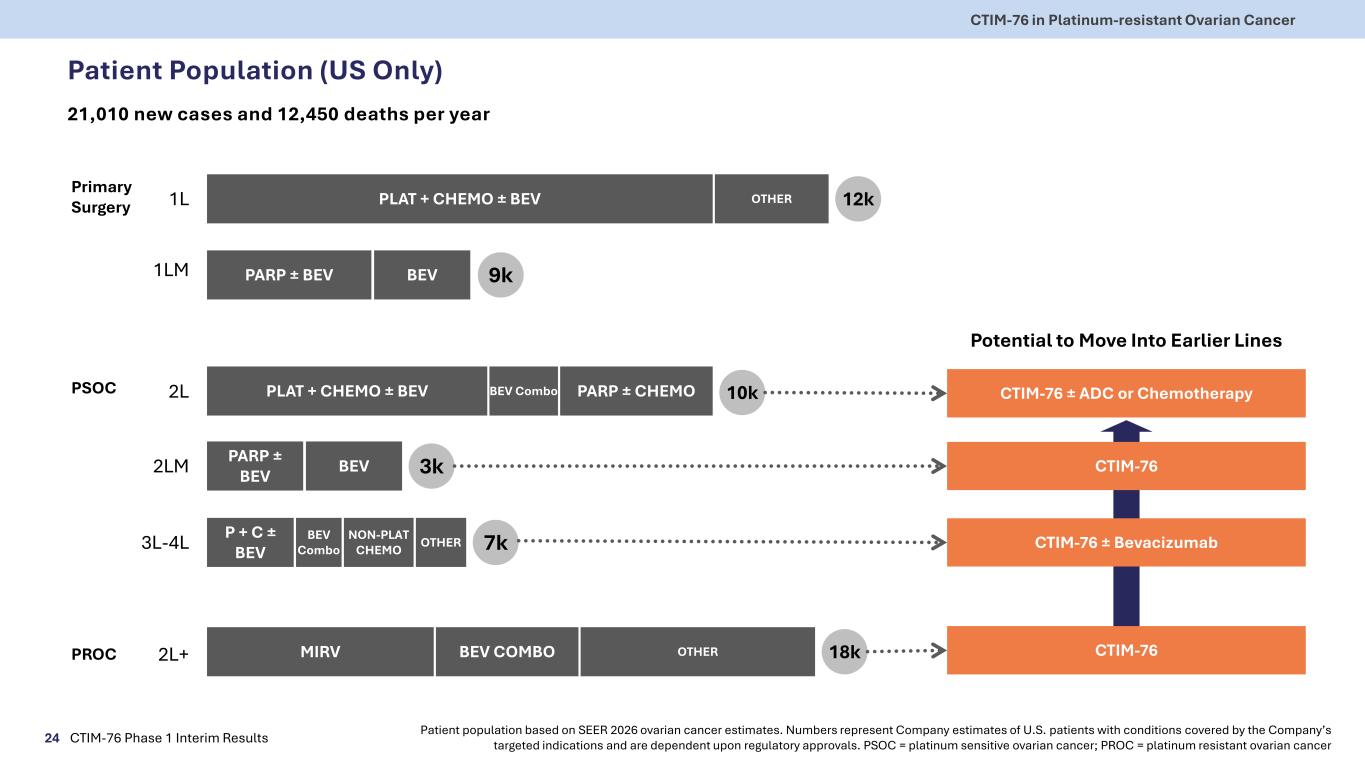
Patient Population (US Only) 21,010 new cases and 12,450 deaths per year CTIM-76 in Platinum-resistant Ovarian Cancer CTIM-76 Phase 1 Interim Results24 PLAT + CHEMO ± BEV P + C ± BEV BEV BEV Combo NON-PLAT CHEMO OTHER PARP ± BEV PARP ± BEV BEV OTHERPLAT + CHEMO ± BEV BEV COMBO OTHERMIRV BEV Combo PARP ± CHEMO 9k 3k 7k 10k 12k 18k 1L 1LM 2L 2LM 3L-4L 2L+ PSOC PROC Patient population based on SEER 2026 ovarian cancer estimates. Numbers represent Company estimates of U.S. patients with conditions covered by the Company’s targeted indications and are dependent upon regulatory approvals. PSOC = platinum sensitive ovarian cancer; PROC = platinum resistant ovarian cancer Primary Surgery CTIM-76 CTIM-76 ± ADC or Chemotherapy CTIM-76 ± Bevacizumab CTIM-76 Potential to Move Into Earlier Lines
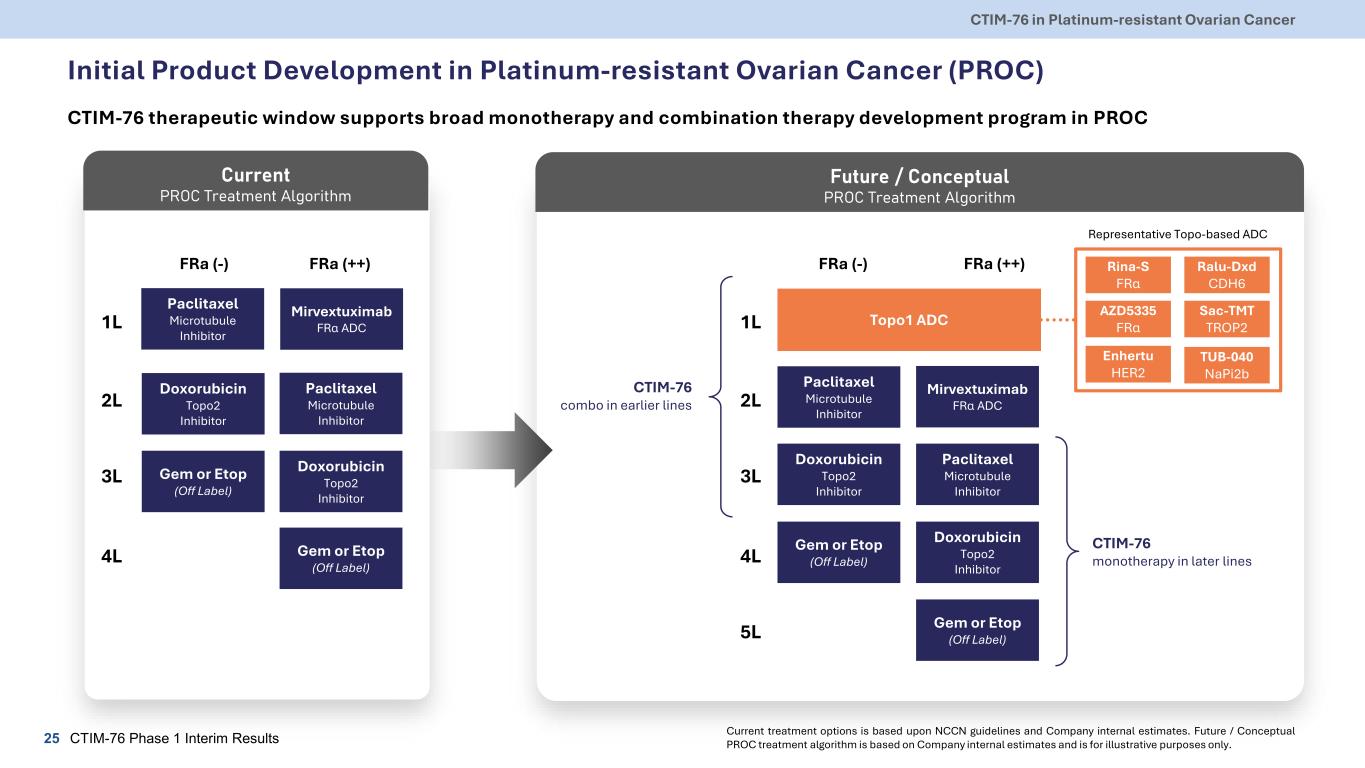
Initial Product Development in Platinum-resistant Ovarian Cancer (PROC) CTIM-76 therapeutic window supports broad monotherapy and combination therapy development program in PROC CTIM-76 in Platinum-resistant Ovarian Cancer CTIM-76 Phase 1 Interim Results25 Doxorubicin Topo2 Inhibitor Mirvextuximab FRα ADC Gem or Etop (Off Label) Rina-S FRα Ralu-Dxd CDH6 Sac-TMT TROP2 AZD5335 FRα TUB-040 NaPi2b Enhertu HER2 Doxorubicin Topo2 Inhibitor FRa (-) FRa (++) Paclitaxel Microtubule Inhibitor 1L 2L 3L 4L Current PROC Treatment Algorithm Future / Conceptual PROC Treatment Algorithm Topo1 ADC Doxorubicin Topo2 Inhibitor Mirvextuximab FRα ADC Gem or Etop (Off Label) Doxorubicin Topo2 Inhibitor FRa (-) FRa (++) Paclitaxel Microtubule Inhibitor Gem or Etop (Off Label) 1L 2L 3L 4L 5L Paclitaxel Microtubule Inhibitor CTIM-76 monotherapy in later lines Gem or Etop (Off Label) Paclitaxel Microtubule Inhibitor Representative Topo-based ADC CTIM-76 combo in earlier lines Current treatment options is based upon NCCN guidelines and Company internal estimates. Future / Conceptual PROC treatment algorithm is based on Company internal estimates and is for illustrative purposes only.
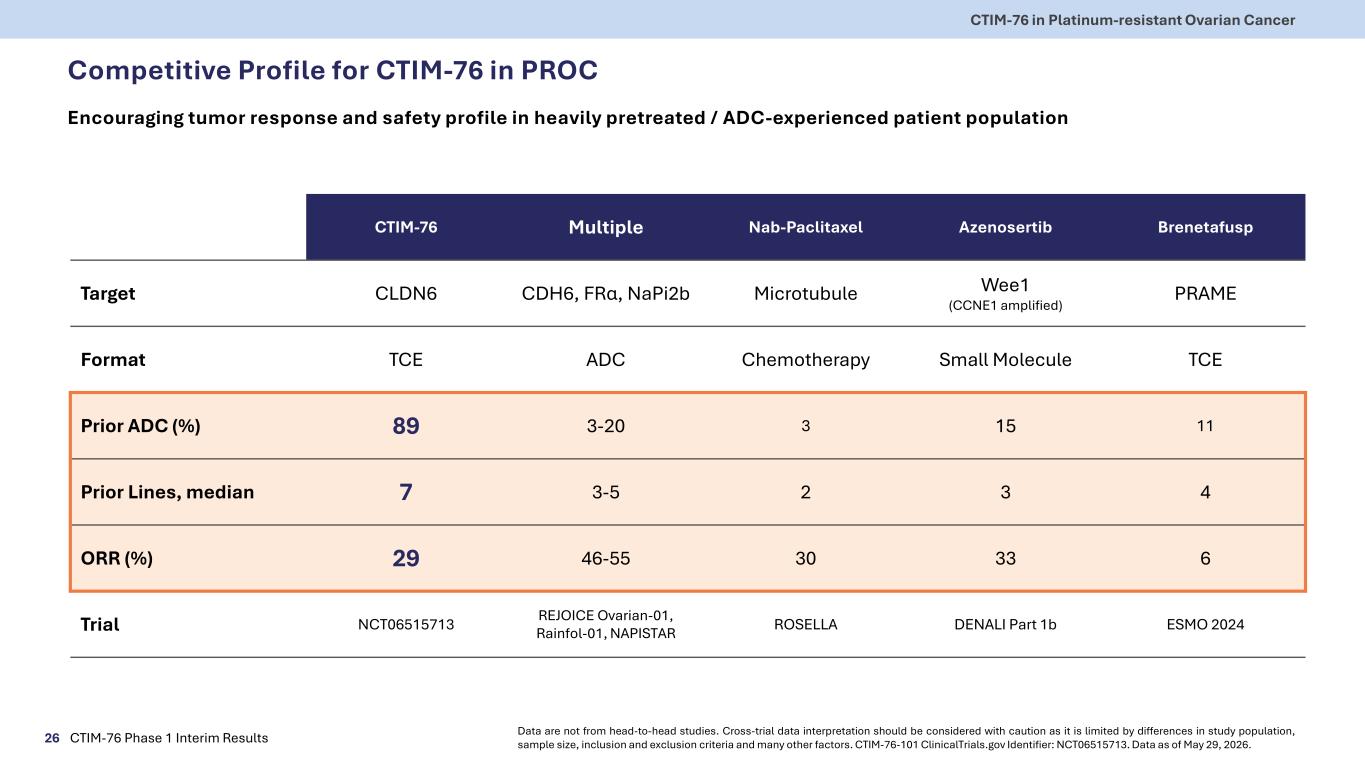
CTIM-76 in Platinum-resistant Ovarian Cancer CTIM-76 Phase 1 Interim Results26 Competitive Profile for CTIM-76 in PROC Encouraging tumor response and safety profile in heavily pretreated / ADC-experienced patient population CTIM-76 Multiple Nab-Paclitaxel Azenosertib Brenetafusp Target CLDN6 CDH6, FRα, NaPi2b Microtubule Wee1 (CCNE1 amplified) PRAME Format TCE ADC Chemotherapy Small Molecule TCE Prior ADC (%) 89 3-20 3 15 11 Prior Lines, median 7 3-5 2 3 4 ORR (%) 29 46-55 30 33 6 Trial NCT06515713 REJOICE Ovarian-01, Rainfol-01, NAPISTAR ROSELLA DENALI Part 1b ESMO 2024 Data are not from head-to-head studies. Cross-trial data interpretation should be considered with caution as it is limited by differences in study population, sample size, inclusion and exclusion criteria and many other factors. CTIM-76-101 ClinicalTrials.gov Identifier: NCT06515713. Data as of May 29, 2026.

Concluding Remarks CTIM-76 Phase 1 Inter im Results27
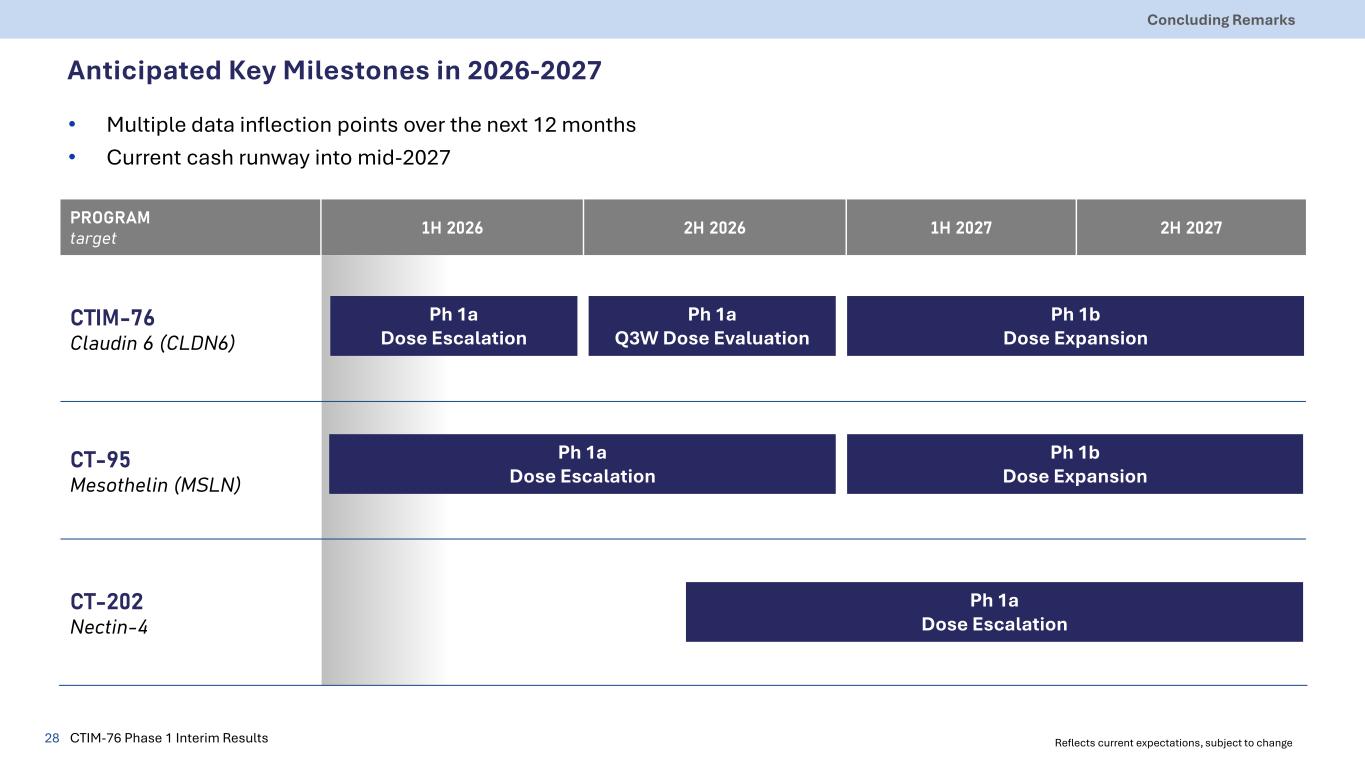
Anticipated Key Milestones in 2026-2027 • Multiple data inflection points over the next 12 months • Current cash runway into mid-2027 Concluding Remarks PROGRAM target 1H 2026 2H 2026 1H 2027 2H 2027 CTIM-76 Claudin 6 (CLDN6) CT-95 Mesothelin (MSLN) CT-202 Nectin-4 Ph 1a Dose Escalation Ph 1a Q3W Dose Evaluation Ph 1b Dose Expansion Ph 1a Dose Escalation Ph 1b Dose Expansion Ph 1a Dose Escalation CTIM-76 Phase 1 Interim Results28 Reflects current expectations, subject to change
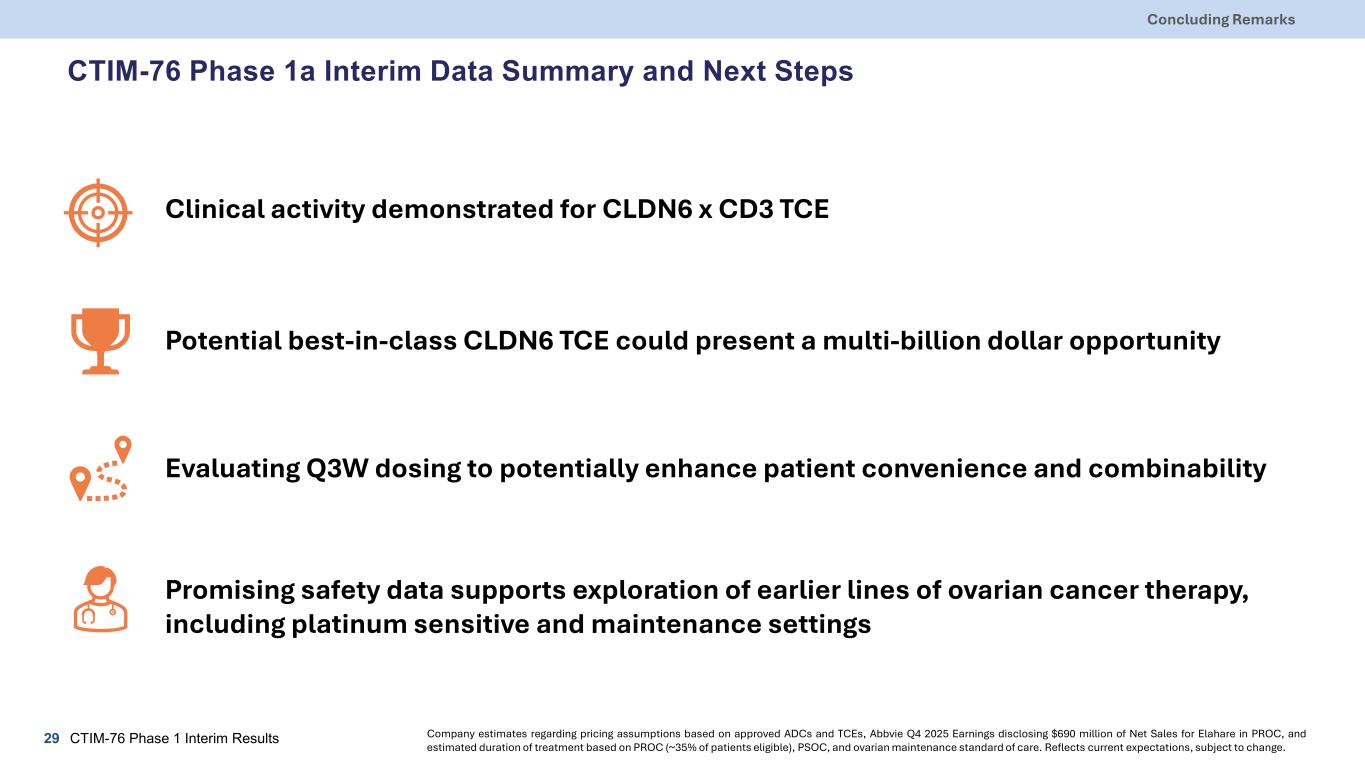
Concluding Remarks CTIM-76 Phase 1a Interim Data Summary and Next Steps CTIM-76 Phase 1 Interim Results29 Clinical activity demonstrated for CLDN6 x CD3 TCE Potential best-in-class CLDN6 TCE could present a multi-billion dollar opportunity Evaluating Q3W dosing to potentially enhance patient convenience and combinability Promising safety data supports exploration of earlier lines of ovarian cancer therapy, including platinum sensitive and maintenance settings Company estimates regarding pricing assumptions based on approved ADCs and TCEs, Abbvie Q4 2025 Earnings disclosing $690 million of Net Sales for Elahare in PROC, and estimated duration of treatment based on PROC (~35% of patients eligible), PSOC, and ovarian maintenance standard of care. Reflects current expectations, subject to change.
c o n t ex t© CONTEXT THERAPEUTICS 2026 context t h e r a p e u t i c s Advancing T Cell Engagers for Solid Tumors 30CTIM-76 Phase 1 Inter im Results
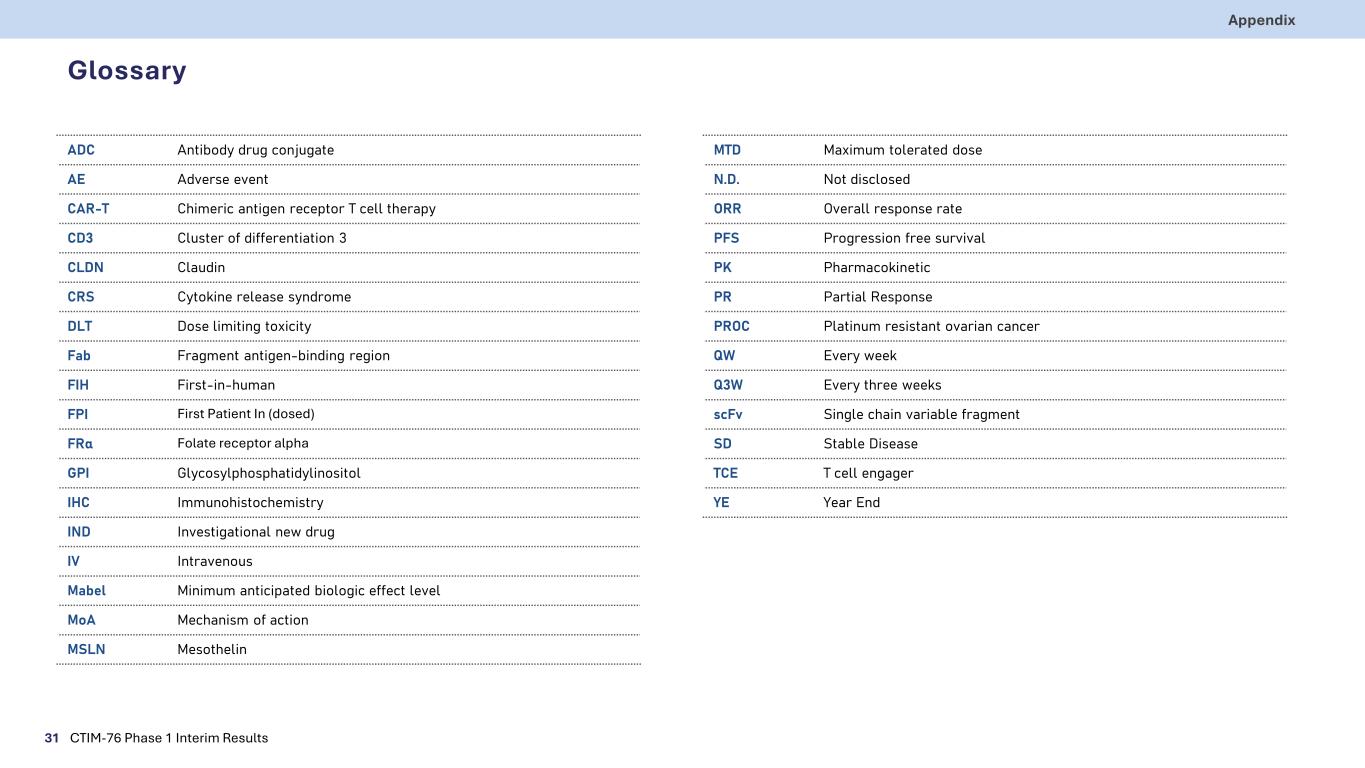
Glossary ADC Antibody drug conjugate AE Adverse event CAR-T Chimeric antigen receptor T cell therapy CD3 Cluster of differentiation 3 CLDN Claudin CRS Cytokine release syndrome DLT Dose limiting toxicity Fab Fragment antigen-binding region FIH First-in-human FPI First Patient In (dosed) FRα Folate receptor alpha GPI Glycosylphosphatidylinositol IHC Immunohistochemistry IND Investigational new drug IV Intravenous Mabel Minimum anticipated biologic effect level MoA Mechanism of action MSLN Mesothelin Appendix MTD Maximum tolerated dose N.D. Not disclosed ORR Overall response rate PFS Progression free survival PK Pharmacokinetic PR Partial Response PROC Platinum resistant ovarian cancer QW Every week Q3W Every three weeks scFv Single chain variable fragment SD Stable Disease TCE T cell engager YE Year End CTIM-76 Phase 1 Interim Results31