Exhibit 3
OPERATING AND FINANCIAL REVIEW
You should read the following discussion of our operating and financial condition and prospects in conjunction with the financial statements and the notes thereto included elsewhere
in this 6-K, as well as in our Annual Report on Form 20-F filed on March 23, 2026, as amended (the “Annual Report”).
On January 30, 2025, we effected a change in the ratio of our ADSs to ordinary shares from one ADS representing 15 ordinary shares to a new ratio of one ADS representing 600
ordinary shares. For ADS holders, the ratio change had the same effect as a one-for-forty reverse ADS split. All ADS and related option and warrant information presented in this report have been retroactively adjusted to reflect the reduced number of
ADSs and the increase in the ADS price which resulted from this action. Unless otherwise indicated, in this report fractional ADSs have been rounded to the nearest whole number.
Forward Looking Statements
The following discussion contains “forward-looking statements,” including statements regarding expectations, beliefs, intentions or strategies for the future. These include
statements regarding management's expectations, beliefs and intentions regarding, among other things, the potential benefits of GLIX1 and motixafortide, the potential success of our out-licensing and collaboration agreements, expectations and
commercial potential of GLIX1 and motixafortide, as well as its potential investigational uses, expectations with regard to clinical trials of GLIX1 and motixafortide, the plans and objectives of management for future operations, and statements as to
results of operations or of financial condition, expected capital needs and expenses. These statements involve known and unknown risks, uncertainties and other factors that may cause our actual results, performance or achievements to be materially
different from any future results, performance or achievements expressed or implied by the forward-looking statements. In some cases, you can identify forward-looking statements by terms including “anticipates,” “believes,” “could,” “estimates,”
“expects,” “intends,” “may,” “plans,” “potential,” “predicts,” “projects,” “should,” “will,” “would,” and similar expressions intended to identify forward-looking statements. Forward-looking statements reflect our current views with respect to future
events and are based on assumptions, and are subject to risks and uncertainties. In addition, certain sections of this report contain information obtained from independent industry and other sources that we have not independently verified. You should
not put undue reliance on any forward-looking statements. Our actual results could differ materially from those discussed in the forward-looking statements. Factors that could cause or contribute to these differences include those listed below as
well as those discussed in our Annual Report (particularly those in “Item 3. Key Information - Risk Factors”). Unless we are required to do so under U.S. federal securities laws or other applicable laws, we do not intend to update or revise any
forward-looking statements. Readers are encouraged to consult the Company’s filings made on Form 6-K, which are periodically filed with or furnished to the SEC.
Factors that could cause our actual results to differ materially from those expressed or implied in such forward-looking statements include, but are not limited to:
|
•
|
the clinical development, commercialization and market acceptance of GLIX1 and motixafortide, including the degree and pace of market uptake of APHEXDA for the mobilization of hematopoietic
stem cells for autologous transplantation in multiple myeloma patients;
|
|
•
|
the initiation, timing, progress and results of our preclinical studies, clinical trials and other therapeutic candidate development efforts;
|
|
•
|
our ability to advance GLIX1 and motixafortide into clinical trials or to successfully complete our preclinical studies or clinical trials;
|
|
•
|
whether the clinical trial results for GLIX1 and motixafortide will be predictive of real-world results;
|
|
•
|
our receipt of regulatory approvals for GLIX1 and motixafortide, and the timing of other regulatory filings and approvals;
|
|
•
|
whether access to GLIX1 and motixafortide is achieved in a commercially viable manner and whether GLIX1 and motixafortide receives adequate reimbursement from third-party payors;
|
|
•
|
our ability to establish, manage, and maintain corporate collaborations, as well as the ability of our collaborators to execute on their development and commercialization plans;
|
|
|
•
|
our ability to integrate new therapeutic candidates and new personnel, as well as new collaborations;
|
|
•
|
the interpretation of the properties and characteristics of our therapeutic candidates and of the results obtained with our therapeutic candidates in preclinical studies or clinical trials;
|
|
•
|
the implementation of our business model and strategic plans for our business and therapeutic candidates;
|
|
•
|
the scope of protection that we are able to establish and maintain for intellectual property rights covering our therapeutic candidates and our ability to operate our business without
infringing the intellectual property rights of others;
|
|
•
|
estimates of our expenses, future revenues, capital requirements and our need for and ability to access sufficient additional financing;
|
|
•
|
risks related to changes in healthcare laws, rules and regulations in the United States or elsewhere;
|
|
•
|
competitive companies, technologies and our industry;
|
|
•
|
our ability to maintain the listing of our ADSs on Nasdaq;
|
|
•
|
statements as to the impact of the political and security situation in Israel on our business, which may exacerbate the magnitude of the factors discussed above; and
|
|
•
|
those factors referred to in “Risk Factors” in our Annual Report.
|
Overview
General
We are a biopharmaceutical company pursuing life-changing therapies in oncology and rare diseases. Our first approved product, APHEXDA® (motixafortide), a novel peptide for the treatment of stem-cell
mobilization and solid tumors, with an indication in the United States for stem cell mobilization for autologous transplantation in multiple myeloma, is being developed and commercialized by Ayrmid Pharma Ltd., or Ayrmid, (globally, excluding Asia)
and Guangzhou Gloria Biosciences Co., Ltd., or Gloria, (in Asia). We are also advancing the development of motixafortide for patients with pancreatic cancer (PDAC) and other solid tumors outside of Asia.
In October 2023, we out-licensed the rights to motixafortide for all indications in substantially all of Asia to Gloria, and in November 2024, we out-licensed the global rights (other than in Asia)
to motixafortide for all indications, other than solid tumors, to Ayrmid. As a result of the November 2024 transaction, we shut down our independent commercialization activities in the United States and refocused our operations on development
activities in Israel in the fields of oncology (including solid tumors) and rare diseases, at a significantly reduced annual cash burn rate.
We have retained the rights to develop motixafortide across all solid tumor indications, in all territories other than Asia, including in PDAC, for which an investigator-initiated Phase 2b trial,
sponsored by Columbia University, and supported equally by us and Regeneron, is ongoing at a relatively minimal cost to us. We expect this program to continue to advance without any significant expense to us.
In September 2025, we entered into a collaboration transaction with Hemispherian AS, or Hemispherian, a Norwegian biotech company focused on small molecule cancer therapeutics, for the development,
clinical evaluation and commercialization of GLIX1, Hemispherian’s lead drug candidate, a first-in-class, oral, small molecule targeting DNA damage response in glioblastoma, or GBM, and other cancers. Under the terms of the collaboration agreement
with Hemispherian, development of GLIX1 is being carried out by Tetragon Biosciences Ltd., a newly created company formed to develop GLIX1.
A key pillar of our growth strategy is to in-license additional assets in the fields of oncology and rare diseases – areas where significant unmet medical needs remain and where innovative therapies
can have a transformative impact on patient lives. We are committed to identifying and advancing therapeutic candidates that demonstrate clear differentiation from currently available treatments, offering the potential for superior efficacy, improved
safety, and novel mechanisms of action. We have generated our pipeline through a systematic process of asset identification, rigorous scientific and clinical validation, and disciplined in-licensing. We believe this methodical approach allows us to
select candidates with a high probability of both therapeutic and commercial success. Drawing on our substantial experience in asset scouting and evaluation and executing transactions structured with back-ended, success-based consideration, we are
seeking to secure assets with modest upfront payments, while aligning incentives with our partners and maintaining a focus on cost-effective clinical development programs. With our deep expertise, strategic focus, and prudent financial management, we
believe we are uniquely positioned to bring forward novel therapies that can redefine standards of care and deliver significant value to patients, healthcare providers, and stakeholders.
Our longer-term vision is to develop innovative assets with significant potential value whose development costs have been offset by the royalties and milestones from our existing motixafortide
partnerships. We aim to continue pursuing new partnerships on these programs to create additional value for our shareholders.
We use “APHEXDA” when referring to our FDA approved drug and “motixafortide” when referring to our development of APHEXDA for additional indications. We refer to the license agreements with Ayrmid
and Gloria as the Ayrmid License Agreement and Gloria License Agreement, respectively.
Our Product Pipeline
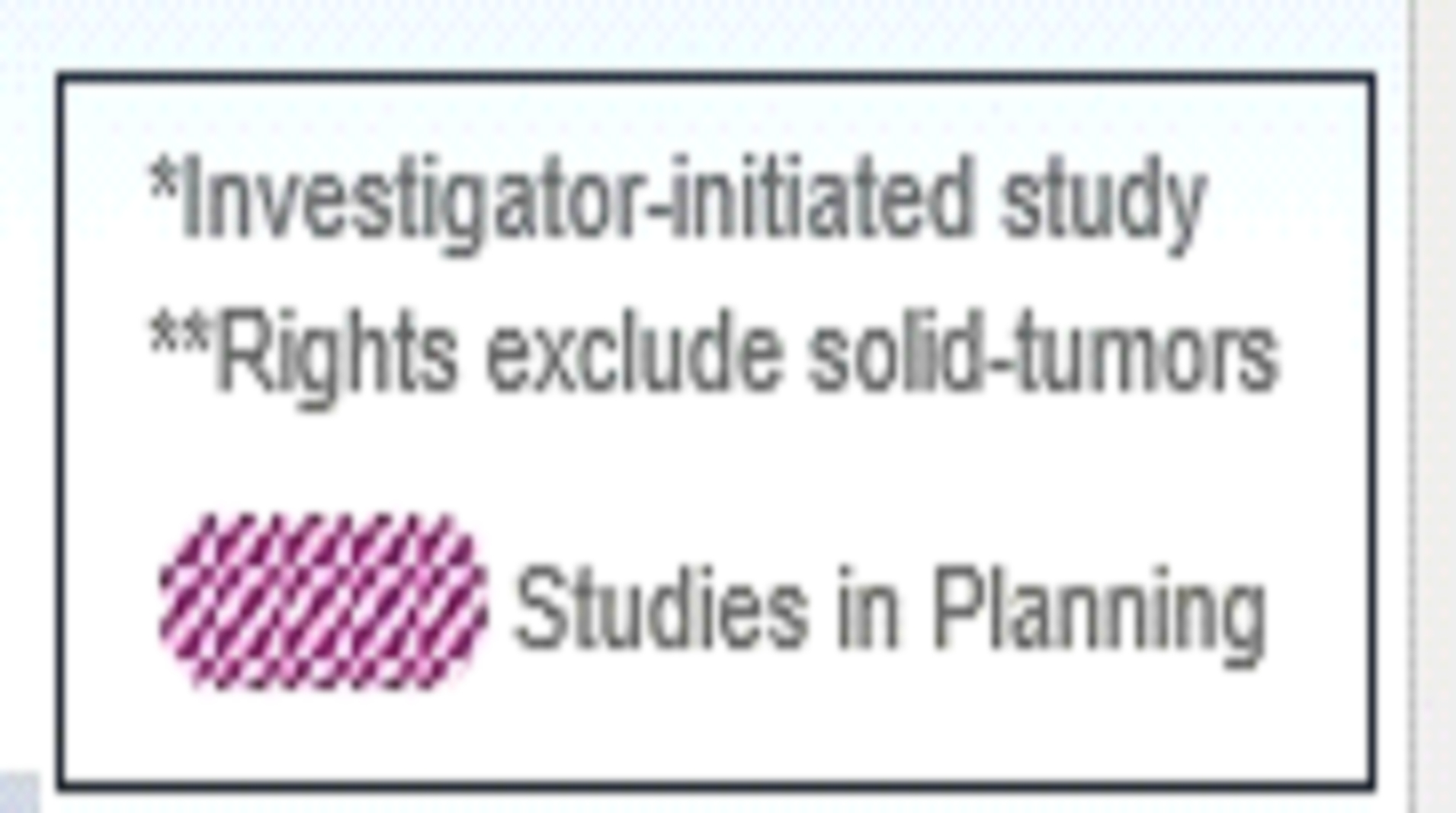
The table below summarizes key information about our products and our clinical programs:
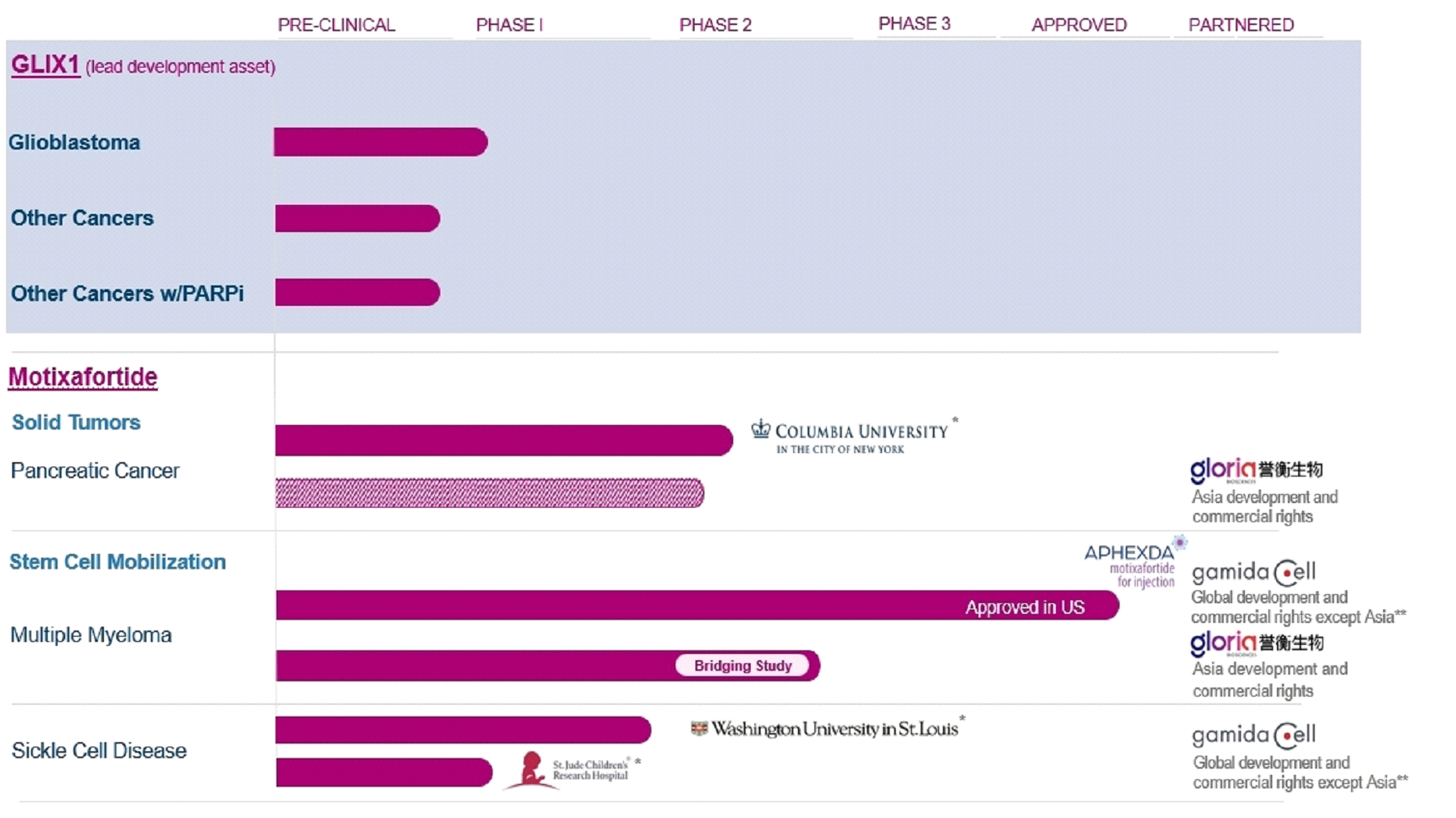
GLIX1
In September 2025, we entered into a collaboration transaction with Hemispherian for the development, clinical evaluation and commercialization of GLIX1, a first-in-class, oral, small molecule
targeting DNA damage response in glioblastoma and other solid tumors. GLIX1 is initially being developed as a potential treatment for newly diagnosed and recurrent GBM.
GBM is the most common and aggressive form of primary brain cancer. The current standard of care (SoC) treatment was established in 2005, with only limited further advancements since. Treatment
includes surgical resection, followed by radiotherapy, and concomitant and adjuvant chemotherapy (Temozolomide), yet most patients will succumb to their disease within less than 18 months (median OS of 12-18 months). GBM occurs at all ages, but peaks
in the fifth and sixth decades of life, with an increasing incidence in light of the aging global population. The current standard of care (SoC) for newly diagnosed GBM, established in 2005, consists of surgical resection followed by radiotherapy and
treatment with temozolomide (TMZ). While the addition of TMZ to radiotherapy has demonstrated a marginal improvement in overall survival—14.6 months with TMZ compared to 12.1 months without—this benefit is primarily observed in patients whose tumors
have a methylated MGMT promoter, a subgroup that comprises only approximately 30% of GBM patients. There is currently no established standard of care for patients with recurrent GBM, further highlighting the urgent need for new therapeutic options in
this patient population. New and better treatments are desperately needed aiming at improving survival, maintaining quality of life and delaying tumor progression and symptoms.
The annual incidence of GBM is expected to be approximately 18,500 patients in the U.S. and approximately 13,400 across the EU5 (France, Germany, Italy, Spain and the United Kingdom) by 2030. Based
on our estimates, we believe the total addressable market for newly diagnosed and recurrent GBM in the U.S., Germany, UK, France, Italy and Spain will reach approximately $3.7 billion by 2030.
GLIX1 is a first-in-class, orally administered therapeutic agent with a novel mechanism of action that targets DNA damage repair by restoring Ten-Eleven Translocation 2 (TET2) activity, making it
applicable to a broad range of cancers. DNA methylation and demethylation are essential processes for normal cellular function. TET2 is a key enzyme responsible for initiating the DNA demethylation cycle, which results in the formation of
single-stranded DNA breaks that are well tolerated in healthy cells. In cancer cells, however, hypermethylation in certain regions is a common feature, and TET2 activity is frequently inhibited by oncometabolites, leading to increased DNA methylation
in close genomic proximity. Restoration of TET2 activity in these cancer cells generates numerous single-stranded DNA breaks at heavily methylated regions, which are subsequently converted into double-stranded DNA breaks. This overwhelms the DNA
repair capacity of the cancer cells, ultimately resulting in cell death. This mechanism underpins the therapeutic rationale for targeting TET2 activity in cancers characterized by reduced TET2 activity.
Preclinical studies of GLIX1 have demonstrated its ability to restore TET2 activity in cancer cells, resulting in increased levels of 5-hydroxymethylcytosine (5hmC) and the induction of
double-stranded DNA breaks, ultimately leading to cancer cell death. In tumor tissue, GLIX1 treatment was associated with a significant increase in 5hmC levels compared to controls (p<0.001), confirming the compound’s on-target activity.
Immunohistochemical analyses further showed that restoration of 5hmC in cancer cells led to the accumulation of DNA damage markers and apoptosis. GLIX1 exhibited high potency, as reflected by low IC50 values, across a variety of cancer cell lines.
Importantly, GLIX1 demonstrated strong synergy with PARP inhibitors (PARPi), sensitizing homologous recombination (HR)-proficient cancer cells to PARPi therapy. This finding suggests that GLIX1 may substantially expand the population of patients who
could benefit from PARP inhibitor-based regimens, beyond the small subset of HR-deficient cancers currently addressed by these agents.
In addition, in May 2026, we announced results from a number of additional pre-clinical studies, whereby GLIX1 demonstrated robust anti-tumor activity in orthotopic cell-derived xenograft (CDX) GBM
models, as well as in a newly completed subcutaneous TMZ-resistant patient-derived xenograft (PDX) GBM model. In the three orthotopic CDX studies, significant tumor growth inhibition and survival benefit were observed following treatment with GLIX1
across all doses tested, with greater benefit at higher dose levels. In these models, mice treated with TMZ also showed significantly decreased tumor volume and survival benefit. Most notably, in the subcutaneous PDX model, GLIX1 demonstrated a
robust anti-tumor effect while TMZ showed no effect.
GBM was selected as the initial clinical indication for GLIX1 based on several lines of evidence. GBM and other high-grade gliomas are characterized by significantly reduced 5hmC levels and increased
DNA methylation compared to healthy brain tissue. GLIX1 demonstrated efficacy in orthotopic GBM xenograft models, with treated animals showing marked tumor reduction compared to controls. Additionally, GLIX1 was effective in cell lines resistant to
TMZ, the current standard of care, addressing a critical unmet need as more than half of GBM patients are TMZ-resistant due to unmethylated MGMT promoter status. Pharmacokinetic studies in healthy mice showed that GLIX1 achieves good blood-brain
barrier penetration following oral administration, with favorable brain and plasma exposure profiles. Collectively, we believe these results support the advancement of GLIX1 into clinical development for GBM and potentially other cancers with reduced
TET2 activity or high HR proficiency. GBM has been selected as the initial target indication, with data from this setting expected to support further development of GLIX1 in central nervous system malignancies as well as additional cancer types.
An IND application was cleared by the U.S. Food and Drug Administration (FDA) in August 2025, and in April 2026 the first patient was dosed in the first-in-human Phase 1/2 study GLIX1 for the
treatment of recurrent and progressive glioblastoma (GBM) and other high-grade gliomas. GLIX1 has also been granted Orphan Drug Designation by both the FDA and the European Medicines Agency, or EMA, underscoring the substantial unmet need in this
indication. Further development in other solid tumors is being planned.
The open-label dose escalation Phase 1 part of the trial is expected to recruit up to 30 patients with recurrent and progressive GBM and other high-grade gliomas. The objective of this part is to
establish a maximum tolerated dose (MTD) and/or a recommended dose based on safety, PK/PD and preliminary efficacy. Updates to the Phase 1/2a trial are anticipated during H2 2026, with full results on the dose escalation part expected in 2027. The
Phase 2a expansion part of the trial is planned to include additional indications, including newly diagnosed GBM, as well as select cancers, with GLIX1 as monotherapy or in combination with standard of care (including in combination with PARP
inhibitors). These cohorts are expected to identify preliminary efficacy, PD assessments and dose optimization data, serving as the basis for a rapid and effective advanced clinical development plan.
Motixafortide
Motixafortide, is a novel, short peptide that functions as a high-affinity antagonist for CXCR4, for the treatment of stem cell mobilization and solid tumors. CXCR4 is expressed by normal
hematopoietic cells and overexpressed in various human cancers where its expression correlates with disease severity. CXCR4 is a chemokine receptor that mediates the homing and retention of hematopoietic stem cells, or HSCs, in the bone marrow, and
also mediates tumor progression, angiogenesis (growth of new blood vessels in the tumor), metastasis (spread of tumor to other organs) and survival. Before “motixafortide” was approved by the World Health Organization, or WHO, in 2019 as an
International Nonproprietary Name, this therapeutic candidate was known as “BL-8040.” In October 2021, we received WHO approval of the United States Adopted Name, or USAN, “motixafortide.” The FDA-approved trade or brand name of motixafortide is
APHEXDA.
Inhibition of CXCR4 by motixafortide leads to the mobilization of HSCs from the bone marrow to the peripheral blood, enabling their collection for subsequent autologous or allogeneic transplantation
in cancer and other patients requiring the mobilization of HSCs. Clinical data has demonstrated the ability of motixafortide to mobilize higher numbers of long-term engrafting HSCs (CD34+CD38-CD45RA-CD90+CD49f+) as compared to G-CSF.
Motixafortide also mobilizes cancer cells from the bone marrow, detaching them from their survival signals and sensitizing them to chemotherapy. In addition, motixafortide has demonstrated a direct
anti-cancer effect by inducing apoptosis (cell death) and inhibiting proliferation in various cancer cell models (multiple myeloma, non-Hodgkin’s lymphoma, leukemia, non-small-cell lung carcinoma, neuroblastoma and melanoma).
In the field of immuno-oncology, motixafortide mediates infiltration of effector T-cells while reducing immune suppressor cells (Tregs and MDSCs) in the tumor microenvironment, or TME.
The following is a summary of our motixafortide principal development activities.
Stem cell mobilization
Multiple Myeloma
In September 2023, the FDA approved motixafortide in combination with G-CSF to mobilize hematopoietic stem cells to the peripheral blood for collection and subsequent autologous transplantation in
patients with multiple myeloma. In March 2025, marketing authorization with the FDA was transferred to Ayrmid.
In November 2023, we initiated pivotal bridging study preparation activities with Gloria, our Asia partner, to support potential approval and commercialization of motixafortide in stem-cell
mobilization in China. In February 2024, an IND was filed with the Center for Drug Evaluation of the National Medical Products Administration, which was approved in May 2024. The study in China was originally planned to commence in the first half of
2025 and was initiated in November 2025, with data approximately 18 months later.
Sickle Cell Disease
In March 2023, we entered into a clinical collaboration with Washington University School of Medicine in St. Louis to advance a Phase 1 clinical trial in which motixafortide would be evaluated as a
monotherapy and in combination with natalizumab (VLA-4 inhibitor), as novel regimens to mobilize CD34+ hematopoietic stem cells (HSC) for gene therapies in Sickle Cell Disease (SCD). The proof-of-concept investigator-initiated study planned to enroll
ten adults with a diagnosis of SCD that were receiving automated red blood cell exchanges via apheresis. The trial’s primary objective was to assess the safety and tolerability of motixafortide alone and in combination with natalizumab in SCD
patients, defined by dose-limiting toxicities. Secondary objectives included determining the number of CD34+ hematopoietic stem and progenitor cells (HSPCs) mobilized via leukapheresis; and determining the pharmacokinetics of CD34+ HSPCs mobilization
to peripheral blood in response to motixafortide alone and motixafortide plus natalizumab in SCD patients. The study began in 2023 and was completed during 2025. Following the out-licensing of motixafortide to Ayrmid, the study was continued under
the Ayrmid License Agreement. Final results from the study were presented in a poster presentation at the 67th American Society of Hematology (ASH) Annual Meeting in December 2025. A summary of the published abstract is set forth below.
Ten subjects were enrolled (median age 29.5 yrs, 50% male, 90% SS). Motixafortide alone and in combination with natalizumab were safe and well tolerated. Common adverse events were transient and
included Grade 1-2 injection site and systemic reactions (pruritic – 90%; tingling/pain – 80%; urticaria – 40%). No Grade 4 adverse events, dose limiting toxicities or complicated vaso-occlusive crises were observed. Motixafortide alone, and in
combination with natalizumab, resulted in robust CD34+ HSC mobilization to the peripheral blood, or PB. Motixafortide alone mobilized a median of 189 CD34+ cells/μl (range 77-690) to the PB at 10-14 hours post motixafortide administration, with a
median 4.22x10⁶ CD34+ cells/kg as part of a single blood volume collection, projecting the collection of 16.9x10⁶ HSCs in a normal, single-day four-blood-volume apheresis collection session. Motixafortide in combination with
natalizumab mobilized a median of 312 CD34+ cells/μl (range 117-447) at 14 hours post motixafortide administration, with median 4.89x10⁶ CD34+ cells/kg collected as part of a single blood volume collection, projecting the collection of
19.6x10⁶ CD34+ HSCs in a single-day four-blood-volume apheresis collection session. In two subjects with prior plerixafor mobilization, motixafortide alone, and in combination with natalizumab led to 2.7-2.8 fold higher PB CD34+ cells/μl
and 2.8-3.2 fold higher CD34+ cells/kg, respectively. Moreover, while all SCD subjects mobilized well, two phenotypic SCD subgroups were identified with distinct mobilization kinetics, “super” (n=4) and “standard” (n=6) mobilizers. Motixafortide
mobilized significantly higher CD34+ HSCs in super vs standard mobilizers (median 481 vs 132 CD34+ cells/μl) (p<0.0001), while with motixafortide in combination with natalizumab the difference in super vs standard was not significant (p=0.1156).
In conclusion, this first-in-human trial demonstrated the potential of motixafortide alone, and in combination with natalizumab, as novel G-CSF-free regimens to safely optimize HSC mobilization in
SCD (median CD34+ cells/μl: plerixafor=73, motixafortide=189, motixafortide+natalizumab=312).
In May 2024, we announced that we entered into a multi-center Phase 1 clinical trial sponsored by St. Jude Children’s Research Hospital, Inc. to evaluate motixafortide for the mobilization of CD34+
hematopoietic stem cells (HSCs) used in the development of gene therapies for patients with SCD. Investigators in the trial from St. Jude Children’s Research Hospital, Inc. and two other clinical sites have extensive SCD gene therapy clinical
development experience and are recognized leaders in the field. Following the out-licensing of motixafortide to Ayrmid, the study is being continued under the Ayrmid License Agreement. The first patient in the study was dosed in February 2025 and
data is expected in 2026.
Pancreatic Cancer
In January 2016, we entered into a clinical collaboration with MSD (a tradename of Merck & Co., Inc., Kenilworth, New Jersey) in the field of cancer immunotherapy. Based on this collaboration, in
September 2016 we initiated a Phase 2a study, known as the COMBAT/KEYNOTE-202 study, focusing on evaluating the mechanism of action and safety of motixafortide in combination with KEYTRUDA® (pembrolizumab), MSD’s anti-PD-1 therapy, in 37 patients
with metastatic PDAC. The study was an open-label, multicenter, single-arm trial designed to evaluate the mechanism of action, safety and tolerability, and clinical response of the combination of these therapies. The mechanistic evaluation consisted
of multiple pharmacodynamic parameters, including the ability to improve infiltration of T-cells into the tumor and their reactivity. Top-line results showed that the dual combination demonstrated encouraging disease control and overall survival in
patients with metastatic pancreatic cancer. In addition, assessment of patient biopsies supported motixafortide’s ability to induce infiltration of tumor-reactive T-cells into the tumor, while reducing the number of immune regulatory cells.
In July 2018, we announced the expansion of the COMBAT/KEYNOTE-202 study under the collaboration to include a triple combination arm investigating the safety, tolerability and efficacy of
motixafortide, KEYTRUDA® and chemotherapy. We initiated this arm of the trial in December 2018. In February 2020, we completed the recruiting of a total of 43 patients for the study and in December 2020, we announced the final results of the study.
The results of the study showed substantial improvement as compared to comparable historical results of other pancreatic cancer studies across all study endpoints. Of the 38 evaluable patients, median overall survival was 6.5 months, median
progression free survival was 4.0 months, confirmed overall response rate was 13.2%, overall response rate was 21.2% and disease control rate was 63.2%. The combination was generally well tolerated, with a safety profile consistent with the
individual safety profile of each component alone; adverse event and severe adverse event profiles were as expected with chemotherapy-based treatment regimens.
In October 2020, we announced that motixafortide will be tested in combination with the anti-PD-1 cemiplimab (LIBTAYO®) and standard-of-care chemotherapy (gemcitabine and nab-paclitaxel) in
first-line PDAC. This investigator-initiated Phase 2, single-arm study (CheMo4METPANC), led by Columbia University and supported equally by BioLineRx and Regeneron, initially enrolled 11 PDAC patients in a pilot phase. In September 2023, we reported
preliminary data from the pilot phase of the study. As of July 2023, of those 11 patients, seven patients (64%) experienced a partial response (PR), of which six (55%) are now confirmed PRs, with one patient experiencing resolution of the hepatic
(liver) metastatic lesion. Three patients (27%) experienced stable disease, resulting in a disease control rate of 91%. These findings compare favorably to historic partial response and disease control rates of 23% and 48%, respectively, reported
with the chemotherapy combination of gemcitabine and nab-paclitaxel. In May 2025, we reported updated results from the pilot phase, indicating that four of 11 patients remained progression free after more than one year. Two patients underwent
definitive treatment for mPDAC – one had complete resolution of all radiologically detected liver lesions and underwent definitive radiation to the primary pancreatic tumor, and one had a sustained partial response and underwent
pancreaticoduodenectomy with pathology demonstrating a complete response. An analysis of pre- and on-treatment biopsies and peripheral blood mononuclear cells (PBMCs) also revealed that CD8+ T-cell tumor infiltration increased across all eleven
patients treated with the motixafortide combination.
Based on the preliminary data from the pilot phase, the planned single-arm study was amended to a significantly larger, randomized multi-center study, with a new planned total of 108 patients. The
amended Phase 2b study is evaluating the combination of motixafortide, PD-1 inhibitor cemiplimab, and standard of care chemotherapies gemcitabine and nab-paclitaxel, versus gemcitabine and nab-paclitaxel alone. The trial's primary endpoint is
progression free survival, and a pre-specified interim futility analysis will be conducted when 40% of progression free survival events are observed, which is planned for 2026. Secondary objectives include safety, response rate, disease control rate,
duration of clinical benefit and overall survival. In February 2024, the first patient was dosed, with full enrollment planned in 2027.
We have also been advancing plans in collaboration with Gloria, our Asia partner, for a Phase 2b randomized study assessing motixafortide in combination with the PD-1 inhibitor zimberelimab and
standard-of-care chemotherapy as first-line treatment in patients with metastatic pancreatic cancer. IND submission and protocol finalization was planned for the first half of 2025. However, Gloria is not currently advancing this study according to
schedule and it is unclear when such study will be initiated, if at all. There can be no assurance that Gloria will meet its obligations under the Gloria License Agreement.
Other Studies
In addition to the above, from time to time a number of Company-sponsored and investigator-initiated studies may be conducted in a variety of indications, to support the interest of the scientific
and medical communities in exploring additional uses for motixafortide. These studies serve to potentially further elucidate the mechanism of action for motixafortide, generate data about motixafortide’s potential use in other indications, and inform
the life-cycle management process of motixafortide. The results of studies such as these are presented from time to time at relevant professional conferences.
Orphan Drug Designations
Motixafortide has been granted three Orphan Drug Designations by the FDA: for use to mobilize HSCs from the bone marrow to peripheral blood for collection in autologous or allogeneic transplantation
(granted in July 2012); for the treatment of AML (granted in September 2013); and for the treatment of pancreatic cancer (granted in February 2019). Orphan Drug Designation is granted to therapeutics intended to treat rare diseases or conditions that
affect not more than 200,000 people in the United States (or diseases or conditions that affect more than 200,000 people but where there is no reasonable expectation that the product development cost will be recovered from product sales in the United
States). If an Orphan Drug-Designated product subsequently receives FDA approval for the disease or condition for which it was designated, the product is entitled to a seven-year marketing exclusivity period, which means that the FDA may not approve
any other applications to market the same drug for the same indication, except in very limited circumstances (such as a showing of clinical superiority to the product with orphan exclusivity by means of greater effectiveness, greater safety or
providing a major contribution to patient care or in instances of drug supply issues), for seven years. In addition, Orphan Drug Designation enables sponsors to apply for certain federal grants and tax credits for clinical trials and provides an
exemption from the Prescription Drug User Fee so long, as the sponsor’s annual revenue is below $50,000,000.
In January 2020, the EMA granted an Orphan Drug Designation to motixafortide for the treatment of pancreatic cancer. In addition, in December 2023, the EMA granted Orphan Drug Designation to
motixafortide for treatment of patients undergoing hematopoietic stem cell transplantation. The EMA grants orphan medicinal product designation to investigational drugs intended to treat, prevent or diagnose a life-threatening or chronically
debilitating disease affecting fewer than five in 10,000 people in the EU and for which no satisfactory treatment is available or, if such treatment exists, the medicine must be of significant benefit to those affected by the condition. Orphan
medicinal product designation provides regulatory and financial incentives for companies to develop and market therapies, including ten years of market exclusivity, protocol assistance, fee reductions and EU-funded research.
BL-5010
Our commercialized, legacy therapeutic product, BL-5010, is a customized, proprietary pen-like applicator containing a novel, acidic, aqueous solution for the non-surgical removal of skin lesions. It
offers an alternative to painful, invasive and expensive removal treatments including cryotherapy, laser treatment and surgery. Since the treatment is non-invasive, it poses minimal infection risk and eliminates the need for anesthesia, antiseptic
precautions and bandaging. The pre-filled device controls and standardizes the volume of solution applied to a lesion, ensuring accurate administration directly on the lesion and preventing both accidental exposure of the healthy surrounding tissue
and unintentional dripping. It has an ergonomic design, making it easy to handle, and has been designed with a childproof cap. BL-5010 is applied topically on a skin lesion in a treatment lasting a few minutes with the pen-like applicator and causes
the lesion to gradually dry out and fall off within one to four weeks.
In December 2014, we entered into an exclusive out-licensing arrangement with Perrigo Company plc, or Perrigo, for the rights to BL-5010 for over-the-counter, or OTC, indications in Europe, Australia
and additional selected countries. In March 2016, Perrigo received CE Mark approval for BL-5010 as a novel OTC treatment for the non-surgical removal of warts. The commercial launch of products for treatment of this first OTC indication
(warts/verrucas) commenced in Europe in the second quarter of 2016. Since then, Perrigo has invested in improving the product and during 2019 launched an improved version of the product in several European countries. In March 2020, we agreed that
Perrigo could relinquish its license rights for certain countries that had been included in its territory according to the original license agreement, and was also no longer obligated to develop, obtain regulatory approval for, and commercialize
products for a second OTC indication. In turn, in March 2020, we agreed with our licensor of the rights to BL-5010, Innovative Pharmaceutical Concepts (IPC) Inc., or IPC, to return to IPC those license rights no longer out-licensed to Perrigo as a
result of the agreement described in the preceding sentence, in consideration of the payment to us of royalties or fees on sublicense receipts.
Expanding our Product Portfolio
Following entry into the Gloria License Agreement and the Ayrmid License Agreement as well as the shutdown of our U.S. commercial operations, we have refocused our operations on development
activities in Israel in the fields of oncology and rare diseases, at a significantly reduced annual cash burn rate.
We are continuing to advance the development of motixafortide for patients with pancreatic cancer and other solid tumors.
In addition, as part of our future growth strategy, we intend to pursue additional in-licensing opportunities as well as other strategic transactions such as co-development agreements, acquisitions,
and technology partnerships, to expand and diversify our product pipeline. We will specifically target innovative therapeutic candidates that complement our existing portfolio and align with our core expertise in oncology and rare disease. Through
these strategic in-licensing efforts, we aim to enhance shareholder value while advancing our mission of bringing novel therapies to patients in need.
Security Situation in Israel
In October 2023, Israel was attacked by the Hamas terrorist organization and entered a state of war on several fronts. In June 2025, following continued nuclear threats and intelligence assessments
indicating imminent attacks, Israel launched a preemptive strike targeting military and nuclear infrastructure inside Iran, aiming to disrupt Iran’s ability to coordinate or escalate hostilities and degrade its nuclear capabilities. Iran responded
with multiple waves of drones and ballistic missiles targeting Israeli cities. While most were intercepted, some caused civilian casualties and infrastructure damage. The Israeli military conducted further operations against Iranian assets. While a
ceasefire was reached in June 2025 following 12 days of hostilities, on February 28, 2026, the United States and Israel launched coordinated military strikes against Iran, including attacks on strategic military infrastructure and leadership targets,
with the stated aim of degrading Iran’s capacity to conduct or support hostile operations against them. In response, Iran has fired missiles and drones toward population centers and military installations in Israel, Europe and neighboring countries
in the Gulf region, and also launched counter-strikes against U.S. forces and allied bases throughout the Gulf region. A temporary ceasefire was brokered in April 2026 to allow the parties to negotiate, but its durability and the prospects for a
successful agreement remain uncertain. In addition, in October 2025, a ceasefire was brokered between Israel and Hamas. Although the security situation in Israel has not had a significant impact on our business, if the ceasefires declared collapse, a
new war commences or hostilities expand to other fronts, our operations may be adversely affected.
Funding
We have funded our operations primarily through the sale of equity securities (both in public and private offerings), payments received under our strategic licensing and collaboration arrangements,
funding received from the Israel Innovation Authority, or IIA, debt financing and interest earned on investments. We expect to continue to fund our operations over the next several years through our existing cash resources, potential future milestone
and royalty payments that we may receive from our existing out-licensing agreements, primarily royalties from the commercialization of APHEXDA by Ayrmid, potential future upfront, milestone or royalty payments that we may receive from Gloria and any
other out-licensing transaction, interest earned on our investments, and additional capital to be raised through public or private equity offerings or debt financings. We may also sell all or part of our potential future royalty or milestone payments
as a potential source of non-dilutive funding. As of March 31, 2026, we had $17.4 million of cash, cash equivalents and short-term bank deposits.
Revenues
Our revenues to date have been generated primarily from upfront and milestone payments under out-licensing agreements and between the fourth quarter of 2023 and November 2024, revenues from product
sales of APHEXDA.
We expect our revenues, if any, for the next several years to be derived primarily from future royalties on product sales, primarily royalties paid by Ayrmid from the commercialization of APHEXDA in
stem cell mobilization in the U.S. and potential milestone payments from the license agreements with Ayrmid and Gloria.
Cost of Revenues
Our cost of revenues to date have consisted of sub-license payments to the licensors in respect of upfront and milestone payments associated with out-licensing agreements, costs associated with the
manufacture of APHEXDA, and royalty payments to the licensor with respect to direct product sales of APHEXDA. Prior to receiving FDA approval for APHEXDA in September 2023, we expensed all manufacturing and material costs as research and development
expenses.
We expect our cost of revenues, if any, for the next several years to be derived primarily from sub-license payments to the licensors in respect of out-licensing agreements and other potential
collaboration arrangements, including future royalties on product sales from such out-licensing agreements.
Research and Development
Our research and development expenses consist primarily of salaries and related personnel expenses, fees paid to external service providers, up-front and milestone payments under our license
agreements, patent-related legal fees, costs of preclinical studies and clinical trials, drug and laboratory supplies and costs for facilities and equipment. We primarily use external service providers to manufacture our therapeutic candidates for
clinical trials and for the majority of our preclinical and clinical development work. We charge all research and development expenses to operations as they are incurred. We expect our research and development expenses to remain one of our primary
expenses in the near future as we continue to develop GLIX1, motixafortide and additional assets we may in license.
The following table identifies our current major research and development projects:
| Project | Status | Expected Near Term Milestones | ||
|
GLIX1
|
1.
|
Phase 1/2a study for the treatment of recurrent and progressive GBM and other high-grade gliomas
|
1.
|
First patient dosed in April 2026; updates to the Phase 1/2a study expected in H2 2026, with full data from the Phase 1 part anticipated in 2027
|
|
Motixafortide
|
2.
|
FDA approval received on September 8, 2023 for stem-cell mobilization in multiple myeloma patients.
|
2.
|
Out-licensed to Ayrmid in November 2024; five-year long-term follow-up of GENESIS patients ongoing
|
|
3.
|
Reported preliminary data in September 2023 from single-arm pilot phase of the investigator-initiated Phase 2 combination trial in first-line PDAC. Of 11 patients with metastatic pancreatic cancer enrolled, 7
patients (64%) experienced partial response (PR), of which 6 (55%) were confirmed PRs with one patient experiencing resolution of the hepatic (liver) metastatic lesion. 3 patients (27%) experienced stable disease, resulting in a disease
control rate of 91%. Based on these encouraging preliminary results, study was substantially revised to a multi-institution, randomized Phase 2b trial of 108 patients. In May 2025, reported updated results from the pilot phase indicating that
four of 11 patients remained progression free after more than one year. Two patients underwent definitive treatment for mPDAC - one had complete resolution of all radiologically detected liver lesions and underwent definitive radiation to the
primary pancreatic tumor, and one had a sustained partial response and underwent pancreaticoduodenectomy with pathology demonstrating a complete response. An analysis of pre- and on-treatment biopsies and peripheral blood mononuclear cells
(PBMCs) also revealed that CD8+ T-cell tumor infiltration increased across all eleven patients treated with the motixafortide combination.
|
3.
|
First patient dosed in randomized study in February 2024. Interim futility analysis planned for 2026 and full enrollment projected for 2027*
|
|
|
4.
|
Phase 1 study for gene therapies in SCD (with Washington University School of Medicine in St. Louis)**, which was initiated in December 2023
|
4.
|
Study completed during 2025. Final results from the study were presented at ASH Annual Meeting in December 2025. A summary of the published abstract is disclosed in this report above - see “Motixafortide”, “Stem
cell mobilization”, “Sickle Cell Disease”
|
|
|
5.
|
Phase 1 study for gene therapies in SCD (with St. Jude Children’s Research Hospital, Inc.)**
|
5.
|
First patient dosed in February 2025, with data planned in 2026*
|
|
|
6.
|
IND approved in China for initiation of pivotal bridging study in SCM under license agreement with Gloria
|
6.
|
First patient dosed in December 2025
|
|
|
7.
|
Phase 2b randomized study in first-line PDAC in China under license agreement with Gloria
|
7.
|
IND submission and protocol finalization is currently delayed***
|
|
|
*
|
These studies are investigator-initiated studies; therefore, the timelines are ultimately controlled by the independent investigators and are subject to change.
|
|
**
|
Study to be continued under the Ayrmid License Agreement
|
|
***
|
The planned study of motixafortide in China under the Gloria License Agreement is currently not advancing according to schedule and it is unclear when such study will be initiated, if at all.
|
We expect that a large percentage of our research and development expenses in the future will be incurred in support of our current and future clinical and pre-clinical development projects. Clinical
development timelines, the probability of success and development costs can differ materially from expectations. We expect to continue to test GLIX1, motixafortide and any other therapeutic candidates in preclinical studies for toxicology, safety and
efficacy, and to conduct additional clinical trials for each such candidate. If we are not able to enter into an out-licensing arrangement with respect to any therapeutic candidate prior to the commencement of later stage clinical trials, we may fund
the trials for the therapeutic candidate ourselves.
Our future research and development expenses will depend on the clinical success of GLIX1, motixafortide (in solid tumor indications) and on other potential therapeutic candidates, as well as ongoing
assessments of each therapeutic candidate’s commercial potential. In addition, we cannot forecast with any degree of certainty which therapeutic candidates may be subject to future out-licensing arrangements, when such out-licensing arrangements will
be secured, if at all, and to what degree such arrangements would affect our development plans and capital requirements.
As we obtain results from clinical trials, we may elect to discontinue or delay clinical trials for certain therapeutic candidates or projects in order to focus our resources on more promising
therapeutic candidates or projects. Completion of clinical trials by us or our licensees may take several years or more, but the length of time generally varies according to the type, complexity, novelty and intended use of a therapeutic candidate.
The cost of clinical trials may vary significantly over the life of a project as a result of differences arising during clinical development, including, among others:
|
|
•
|
the number of sites included in the clinical trials;
|
|
|
•
|
the length of time required to enroll suitable patients;
|
|
|
|
|
|
|
•
|
the number of patients that participate, and are eligible to participate, in the clinical trials;
|
|
|
•
|
the duration of patient follow-up;
|
|
|
|
|
|
|
•
|
whether the patients require hospitalization or can be treated on an outpatient basis;
|
|
|
•
|
the development stage of the therapeutic candidate; and
|
|
|
•
|
the efficacy and safety profile of the therapeutic candidate.
|
The lengthy process of completing clinical trials and seeking regulatory approval for our therapeutic candidates requires expenditure of substantial resources. Any failure or delay in completing
clinical trials, or in obtaining regulatory approvals, could cause a delay in generating product revenue and cause our research and development expenses to increase and, in turn, have a material adverse effect on our operations. Due to the factors
set forth above, we are not able to estimate with any certainty when we would recognize any net cash inflows from our projects.
Sales and Marketing Expenses
In 2023 and 2024, sales and marketing expenses consisted primarily of compensation for employees in commercialization, marketing and business development functions. Other significant costs included
marketing and communication materials, market access activities, professional fees for outside market research and consulting, and legal services related to compliance and to potential business development transactions.
Following the license agreement with Ayrmid and the termination of our commercialization activities in the U.S., we experienced a significant reduction in sales and marketing expenses and, since the
beginning of 2025 through the date of this report, we have not incurred any sales and marketing expenses. We expect that any future sales and marketing expenses will be primarily related to business development.
General and Administrative Expenses
General and administrative expenses consist primarily of compensation for employees in executive and operational functions, including accounting, finance, legal, investor relations, information
technology and human resources. Other significant general and administration costs include facilities costs, professional fees for outside accounting and legal services, travel costs, insurance premiums, depreciation and a provision for doubtful
accounts receivable when relevant.
Non-Operating Expense and Income
Non-operating expense and income includes fair-value adjustments of liabilities on account of the warrants issued in equity financings we carried out in February 2019, September 2022 April 2024,
November 2024 and January 2025. These fair-value adjustments are highly influenced by our share price at each period end (revaluation date). Non-operating expense and income also includes issuance expenses under the “at-the-market” offering
agreement, or ATM Agreement, between us and HCW entered into in September 2021, and the pro-rata share of issuance expenses from the placements related to the warrants. Net sales-based royalties from the license agreement with Perrigo have also been
included as part of non-operating income, as the out-licensed product is not an integral part of our strategy, and the amounts are not material.
Financial Expense and Income
Financial expense and income consist of interest earned on our cash, cash equivalents and short-term bank deposits; interest expense related to our loans from BlackRock, bank fees and other
transactional costs. In addition, it may also include gains/losses on foreign exchange hedging transactions, which we carry out from time to time to protect against a portion of our NIS-denominated expenses (primarily compensation) in relation to the
dollar.
Material Accounting Policies and Estimates
We describe our significant accounting policies more fully in Note 2 to our consolidated financial statements for the year ended December 31, 2025. We believe that such accounting policies are
critical for one to fully understand and evaluate our financial condition and results of operations.
Our consolidated financial statements are prepared in conformity with International Financial Reporting Standards, or IFRS, as issued by the International Accounting Standards Board, or IASB. In
preparing our consolidated financial statements, we make judgements, estimates and assumptions about the application of our accounting policies which affect the reported amounts of assets, liabilities, revenue and expenses. Our critical accounting
judgements and sources of estimation uncertainty are described in Note 4 to the consolidated financial statements included in our Annual Report.
Results of Operations
Comparison of the three-month period ended March 31, 2026 to the three-month period ended March 31, 2025
Revenues
|
Three months ended
March 31,
|
||||||||||||
|
2025
|
2026
|
Increase (decrease)
|
||||||||||
|
(in thousands of U.S. dollars)
|
||||||||||||
|
Royalty revenues
|
255
|
477
|
222
|
|||||||||
Revenues for the three months ended March 31, 2026 were $0.5 million, an increase of $0.2 million, compared to revenues of $0.3 million for the three months ended March 31, 2025. The increase in
revenues from 2025 to 2026 reflects an increase in royalties paid by Ayrmid from the commercialization of APHEXDA in stem cell mobilization in the United States.
Cost of revenues
|
Three months ended
March 31,
|
||||||||||||
|
2025
|
2026
|
Increase (decrease)
|
||||||||||
|
(in thousands of U.S. dollars)
|
||||||||||||
|
Cost of revenues
|
34
|
95
|
61
|
|||||||||
Cost of revenues for the three months ended March 31, 2026 was $0.1 million, compared to immaterial cost of revenues for the three months ended March 31, 2025. The cost of revenues reflects
sub-license fees on royalties paid by Ayrmid from the commercialization of APHEXDA in stem cell mobilization in the U.S.
Research and development expenses
|
Three months ended March 31,
|
||||||||||||
|
2025
|
2026
|
Increase (decrease)
|
||||||||||
|
(in thousands of U.S. dollars)
|
||||||||||||
|
Research and development expenses
|
1,623
|
2,528
|
905
|
|||||||||
Research and development expenses for the three months ended March 31, 2026 were $2.5 million, an increase of $0.9 million, or 55.8%, compared to $1.6 million for the three months ended March 31,
2025. The increase resulted primarily from expenses related to the new GLIX1 project.
General and administrative expenses
|
Three months ended March 31,
|
||||||||||||
|
2025
|
2026
|
Increase (decrease)
|
||||||||||
|
(in thousands of U.S. dollars)
|
||||||||||||
|
General and administrative expenses
|
989
|
858
|
(131
|
)
|
||||||||
General and administrative expenses for the three months ended March 31, 2026 were $0.9 million, a decrease of $0.1 million, or 13.3%, compared to $1.0 million for the three months ended March 31,
2025. The decrease resulted primarily from a decrease in legal expenses as well as a decrease in a number of general and administrative expenses.
Non-operating income (expenses), net
|
Three months ended March 31,
|
||||||||||||
|
2025
|
2026
|
Increase (decrease)
|
||||||||||
|
(in thousands of U.S. dollars)
|
||||||||||||
|
Non-operating income (expenses), net
|
7,644
|
458
|
(7,186
|
)
|
||||||||
We recognized net non-operating income of $0.5 million for the three months ended March 31, 2026, compared to net non-operating income of $7.6 million for the three months ended March 31, 2025.
Non-operating income for the periods primarily relates to fair-value adjustments of warrant liabilities on our balance sheet, as a result of changes in our share price, offset by warrant offering expenses.
Financial income (expenses), net
|
Three months ended March 31,
|
||||||||||||
|
2025
|
2026
|
Increase (decrease)
|
||||||||||
|
(in thousands of U.S. dollars)
|
||||||||||||
|
Financial income
|
294
|
208
|
(86
|
)
|
||||||||
|
Financial expenses
|
(420
|
)
|
(250
|
)
|
170
|
|||||||
|
Net financial income (expenses)
|
(126
|
)
|
(42
|
)
|
84
|
|||||||
Net financial expenses for the three months ended March 31, 2026 were immaterial compared to net financial expenses of $0.1 million for the three months ended March 31, 2025. Net financial income for
the 2026 period primarily relates to investment income earned on our bank deposits, partially offset by interest paid on loans. Net financial expenses for the 2025 period primarily relate to interest paid on loans, partially offset by investment
income earned on our bank deposits.
Liquidity and Capital Resources
Since our inception, we have funded our operations primarily through public and private offerings of our equity securities, payments received under our strategic licensing and collaboration
arrangements, interest earned on investments, debt financing and funding previously received from the IIA. As of March 31, 2026, we held $17.4 million of cash, cash equivalents and short-term bank deposits. We have invested substantially all our
available cash funds in short-term bank deposits.
In September 2021, we entered into the ATM Agreement with HCW pursuant to which we may offer and sell, at our option, up to $25.0 million of our ADSs through an at-the-market equity program under
which HCW agreed to act as sales agent. As of the issuance date of this report, we have sold 825,010 of our ADSs for total gross proceeds of approximately $9.6 million under the ATM program. Under General Instruction I.B.5 to Form F-3 (also known as
the baby shelf rule), we may currently sell up to $4.5 million under the ATM program.
Loan Agreements with BlackRock
In September 2022, we entered into a secured Loan Agreement with BlackRock EMEA Venture and Growth Lending (previously Kreos Capital VII Aggregator SCSP), or BlackRock, under which BlackRock agreed
to provide us with access to term loans in an aggregate principal amount of up to $40 million in three tranches, or the Loans. We drew down the initial tranche of $10 million following execution of the agreement in September 2022 and we drew down the
second tranche of $20 million in April 2024, following fulfilment of the requisite milestones. The third tranche was available for drawdown until October 1, 2024, upon achievement of certain milestones, but was not drawn down.
In November 2024, in connection with the Ayrmid License Agreement, we entered into the Loan Amendment to the Loan Agreement with BlackRock, pursuant to which, (i) we agreed to make aggregate payments
of $16.5 million, as partial repayment of the Loans and in lieu of future revenue-based payments, which were fully cancelled, (ii) effective December 1, 2024, we agreed to pay the remaining amounts outstanding under the Loans (in principal and
interest) over a three year period ending December 1, 2027, and (iii) our minimum cash balance requirement under the Loan Agreement was reduced from $10 million to $4 million. In addition, pursuant to the Loan Amendment, 10% of any future milestone
payments received by us from the out-licensing agreements through December 1, 2027 will be used to repay principal of the Loans, and the repayments in (ii) above will be adjusted accordingly. All other terms of the Loan Agreement remain the same.
Interest on each tranche of the Loans accrues at a fixed rate of 9.5% per annum from the drawdown date until repayment in full of the tranche.
We may prepay all, but not less than all, of the outstanding balance of any of the Loans. In connection with any prepayment, we will also pay an end of loan payment equal to 5% of the amount of each
tranche drawn down upon the final repayment of each such tranche, or the End of Loan Payment, and any other unpaid fees or costs, if any.
The Loans are subject to mandatory accelerated repayment provisions that require repayment of the outstanding principal amount of the Loans, and all accrued and unpaid interest thereon, upon the
occurrence of an event of default, subject to certain limitations and cure rights. In addition, in the event of acceleration upon an event of default (a) we will be required to pay the aggregate of the monthly interest payments scheduled to be paid
by the Company for the period from the date of acceleration to the expiry of the applicable Loan, in each case discounted from the applicable monthly repayment date to the date of prepayment at the rate of 2% per annum and (b) the End of Loan
Payment.
Outstanding borrowings under the Loan Agreement are secured by (a) a first priority fixed charge over certain assets and intellectual property of the Company, as well as all shares held by the
Company in BioLineRx USA, Inc., or the Fixed Charge, (b) a first priority floating charge over all our assets as of the date of the Loan Agreement or thereafter acquired, other than the assets charged under the Fixed Charge or as otherwise
specifically excluded pursuant to the terms of the floating charge, and (c) subject to the provisions of the Fixed Charge, a security interest in our intellectual property.
The Loan Agreement contains customary representations and warranties, indemnification provisions in favor of the Lender, events of default and affirmative and negative covenants, including, among
others, covenants that limit or restrict the Company’s ability to, among other things, incur additional indebtedness, merge or consolidate, make acquisitions, pay dividends or other distributions or repurchase equity, and dispose of assets, in each
case subject to certain exceptions. The Company has also granted BlackRock certain information rights.
Cash Flows
Net cash used in operating activities was $2.3 million for the three months ended March 31, 2026, compared to net cash used in operating activities of $2.6 million for the three months ended March
31, 2025. The $0.3 million decrease in net cash used in operating activities in 2026 was primarily the result of an increase in account payable and accruals, partially offset by an increase in research and development expenses and prepaid expenses.
Net cash provided by investing activities was $2.7 million for the three months ended March 31, 2026, compared to net cash used in investing activities of $8.2 million for the three months ended
March 31, 2025. The changes in cash flows from investing activities relate primarily to investments in, and maturities of, short-term bank deposits.
Net cash used in financing activities was $1.2 million for the three months ended March 31, 2026, compared to net cash provided by financing activities of $9.5 million for the three months ended
March 31, 2025. The net cash used in financing activities in 2026 primarily reflects the repayments of the loan from BlackRock and the repayments of lease liabilities. Net cash provided by financing activities in 2025 primarily reflects the net
proceeds of the registered direct offering and net proceeds from the ATM facility, offset by repayments of the loan from BlackRock and the repayments of lease liabilities.
Funding Requirements
We have incurred accumulated losses in the amount of $403 million through March 31, 2026, and we expect to continue incurring losses and negative cash flows from operations until the cash flows from
our strategic partnerships and collaborations reach a level to offset our ongoing development costs. In this regard, management monitors rolling forecasts of our liquidity reserves on the basis of anticipated cash flows and seeks to maintain
liquidity balances at levels that are sufficient to meet its needs. Our cash flow projections are subject to various risks and uncertainties concerning their fulfilment, and these factors and the risk inherent in our operations, which management has
concluded indicate that a material uncertainty exists, may cast significant doubt on our ability to continue as a going concern. Similarly, our independent registered public accounting firm included a “going concern” explanatory paragraph in its
report on our financial statements as of and for the year ended December 31, 2025.
Developing drugs and conducting clinical trials is expensive and we will need to raise substantial additional funds to achieve our strategic objectives. Based on our current projected cash
requirements, we believe that our existing cash and investment balances and other sources of liquidity, including royalties received from Ayrmid from product sales of APHEXDA and milestone payments from our license agreements with Ayrmid and Gloria,
will be sufficient to meet our capital requirements into the first half of 2027. We expect to also continue to seek to finance our operations through other sources, including out-licensing arrangements for the development and commercialization of our
therapeutic candidates or other partnerships or collaborations, public and private offerings of our equity securities, as well as grants from government agencies and foundations. Our future capital requirements will depend on many factors, including:
|
•
|
the progress and costs of our preclinical studies, clinical trials and other research and development activities;
|
|
•
|
the scope, prioritization and number of our clinical trials and other research and development programs;
|
|
•
|
the amount of revenues we receive, if any, under our collaboration or licensing arrangements;
|
|
•
|
the costs of the development and expansion of our operational infrastructure;
|
|
•
|
the costs and timing of obtaining regulatory approval of our therapeutic candidates;
|
|
•
|
our success in effecting out-licensing arrangements with third parties;
|
|
•
|
the ability of our collaborators and licensees to achieve development milestones, marketing approval and other events or developments under our collaboration and out-licensing agreements;
|
|
•
|
the costs of filing, prosecuting, enforcing and defending patent claims and other intellectual property rights;
|
|
•
|
the costs and timing of securing manufacturing arrangements for clinical or commercial production;
|
|
•
|
the costs of establishing sales and marketing capabilities or contracting with third parties to provide these capabilities for us;
|
|
•
|
the costs of acquiring or undertaking development and commercialization efforts for any future therapeutic candidates;
|
|
•
|
the magnitude of our general and administrative expenses;
|
|
•
|
interest and principal payments on the loan from BlackRock;
|
|
•
|
any cost that we may incur under current and future licensing arrangements relating to our therapeutic candidates; and
|
|
•
|
market conditions.
|
If funds are not available, we may be required to delay, reduce the scope of, or eliminate one or more of our research or development programs.
Off-Balance Sheet Arrangements
Since inception, we have not entered into any transactions with unconsolidated entities whereby we have financial guarantees, subordinated retained interests, derivative instruments or other
contingent arrangements that expose us to material continuing risks, contingent liabilities, or any other obligations under a variable interest in an unconsolidated entity that provides us with financing, liquidity, market risk or credit risk support.
Share and per-share information in ADSs
Share and per-share information in ADSs are presented in the tables below. Each ADS represents 600 ordinary shares.
|
Three months ended
March 31,
|
||||||||
|
2025
|
2026
|
|||||||
|
(in U.S. dollars)
|
||||||||
|
Earnings (loss) per ADS – basic and diluted
|
1.40
|
(0.58
|
)
|
|||||
|
Earnings (loss) per ordinary share – basic and diluted
|
0.00
|
(0.00
|
)
|
|||||
|
December 31, 2025
|
March 31,
2026
|
|||||||
|
(in number of ADSs)
|
||||||||
|
Authorized share capital
|
33,333,333
|
33,333,333
|
||||||
|
Issued and paid-up capital
|
4,351,357
|
4,351,357
|
||||||