
Corporate Presentation May 2026 Exhibit 99.2
This presentation contains “forward-looking” statements within the meaning of the “safe harbor” provisions of the Private Securities Litigation Reform Act of 1995, including, but not limited to, anticipated discovery, preclinical and clinical development activities for Prelude’s product candidates and milestones, the potential safety, efficacy, benefits and addressable market for Prelude Therapeutic Incorporated's (the "Company") product candidates. Any statements contained herein or provided orally that are not statements of historical fact may be deemed to be forward-looking statements. In some cases, you can identify forward-looking statements by such terminology as ‘‘believe,’’ ‘‘may,’’ ‘‘will,’’ ‘‘potentially,’’ ‘‘estimate,’’ ‘‘continue,’’ ‘‘anticipate,’’ “aim,” ‘‘intend,’’ ‘‘could,’’ ‘‘would,’’ ‘‘project,’’ ‘‘plan,’’ ‘‘expect’’ and similar expressions that convey uncertainty of future events or outcomes, although not all forward-looking statements contain these words. Statements, including forward-looking statements, speak only to the date they are provided (unless an earlier date is indicated). These forward-looking statements are based on the beliefs of our management as well as assumptions made by and information currently available to us. Although we believe the expectations reflected in such forward-looking statements are reasonable, we can give no assurance that such expectations will prove to be correct. If such assumptions do not fully materialize or prove incorrect, the events or circumstances referred to in the forward-looking statements may not occur. We undertake no obligation to update publicly any forward-looking statements for any reason after the date of this presentation to conform these statements to actual results or to changes in our expectations, except as required by law. Accordingly, readers are cautioned not to place undue reliance on these forward-looking statements. Additional risks and uncertainties that could affect our business are included under the caption “Risk Factors” in our filings with the Securities and Exchange Commission, including our Annual Report on Form 10-K for the year ended December 31, 2025. This presentation also contains estimates and other statistical data made by independent parties and by us relating to product growth and other data about our industry. This data involves a number of assumptions and limitations, and you are cautioned not to give undue weight to such estimates. In addition, projections, assumptions, and estimates of our future performance and the future performance of the markets in which we operate are necessarily subject to a high degree of uncertainty and risk. This presentation concerns drugs that are under clinical investigation and which have not yet been approved for marketing by the U.S. Food and Drug Administration (the "FDA"). They are currently limited by Federal law to investigational use, and no representation is made as to their safety or effectiveness for the purposes for which they are being investigated. Forward Looking Statements & Disclaimers

Kris Vaddi, PhD Chief Executive Officer Andrew Combs, PhD Chief Chemistry Officer Sean Brusky, MBA Chief Business & Strategy Officer Peggy Scherle, PhD Chief Scientific Officer Bryant Lim, J.D. Chief Financial Officer, Chief Legal Officer, Secretary Experienced Leadership Team With Proven Track Record Charles Morris, MD Chief Medical Officer
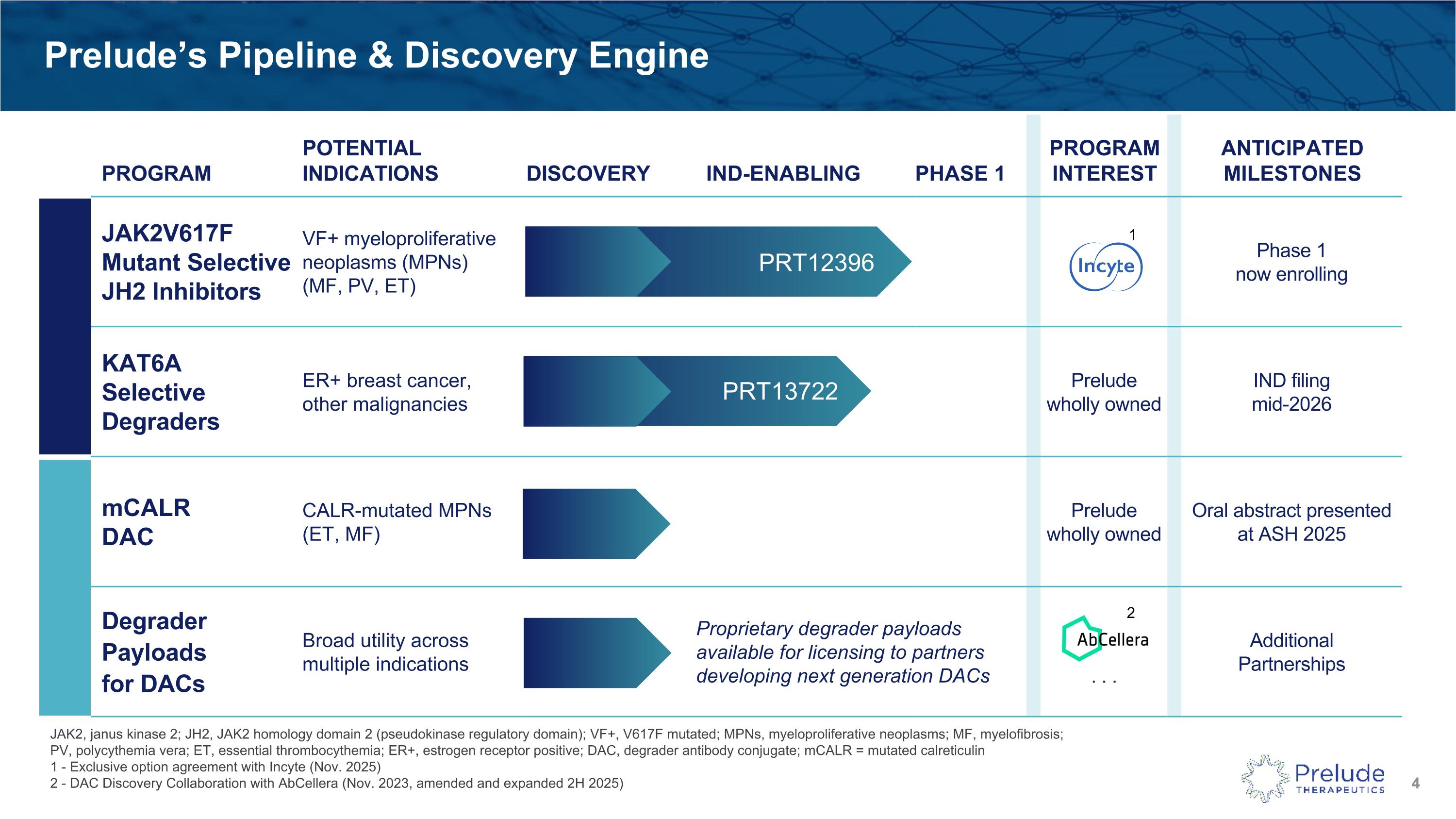
PROGRAM POTENTIAL INDICATIONS DISCOVERY IND-ENABLING PHASE 1 PROGRAM INTEREST ANTICIPATED MILESTONES JAK2V617F Mutant Selective JH2 Inhibitors VF+ myeloproliferative neoplasms (MPNs) (MF, PV, ET) Phase 1 now enrolling KAT6A Selective Degraders ER+ breast cancer, other malignancies Prelude wholly owned IND filing mid-2026 mCALR DAC CALR-mutated MPNs (ET, MF) Prelude wholly owned Oral abstract presented at ASH 2025 Degrader Payloads for DACs Broad utility across multiple indications . . . Additional Partnerships Prelude’s Pipeline & Discovery Engine JAK2, janus kinase 2; JH2, JAK2 homology domain 2 (pseudokinase regulatory domain); VF+, V617F mutated; MPNs, myeloproliferative neoplasms; MF, myelofibrosis; PV, polycythemia vera; ET, essential thrombocythemia; ER+, estrogen receptor positive; DAC, degrader antibody conjugate; mCALR = mutated calreticulin 1 - Exclusive option agreement with Incyte (Nov. 2025) 2 - DAC Discovery Collaboration with AbCellera (Nov. 2023, amended and expanded 2H 2025) Proprietary degrader payloads available for licensing to partners developing next generation DACs 1 2 PRT12396 PRT13722
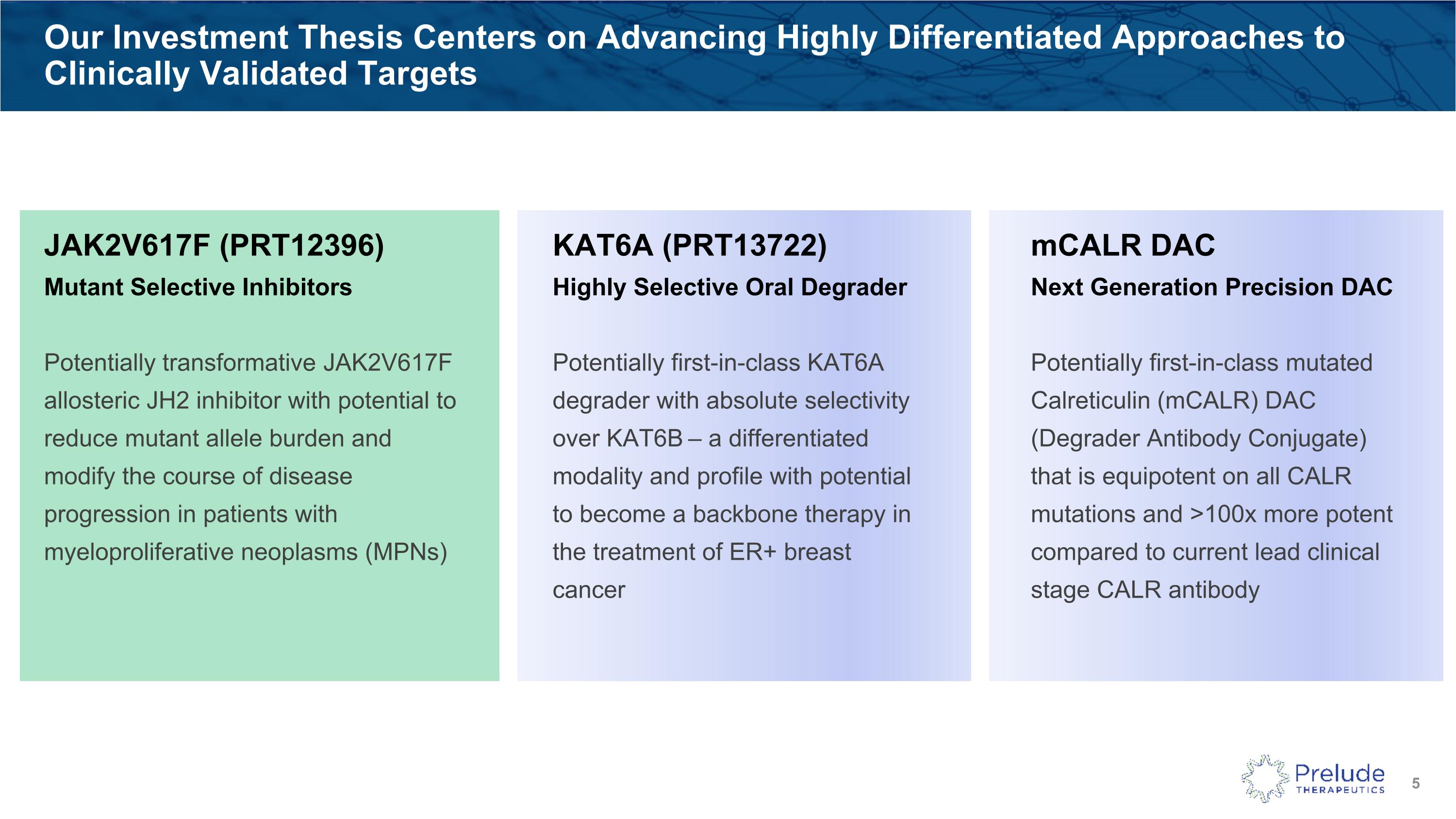
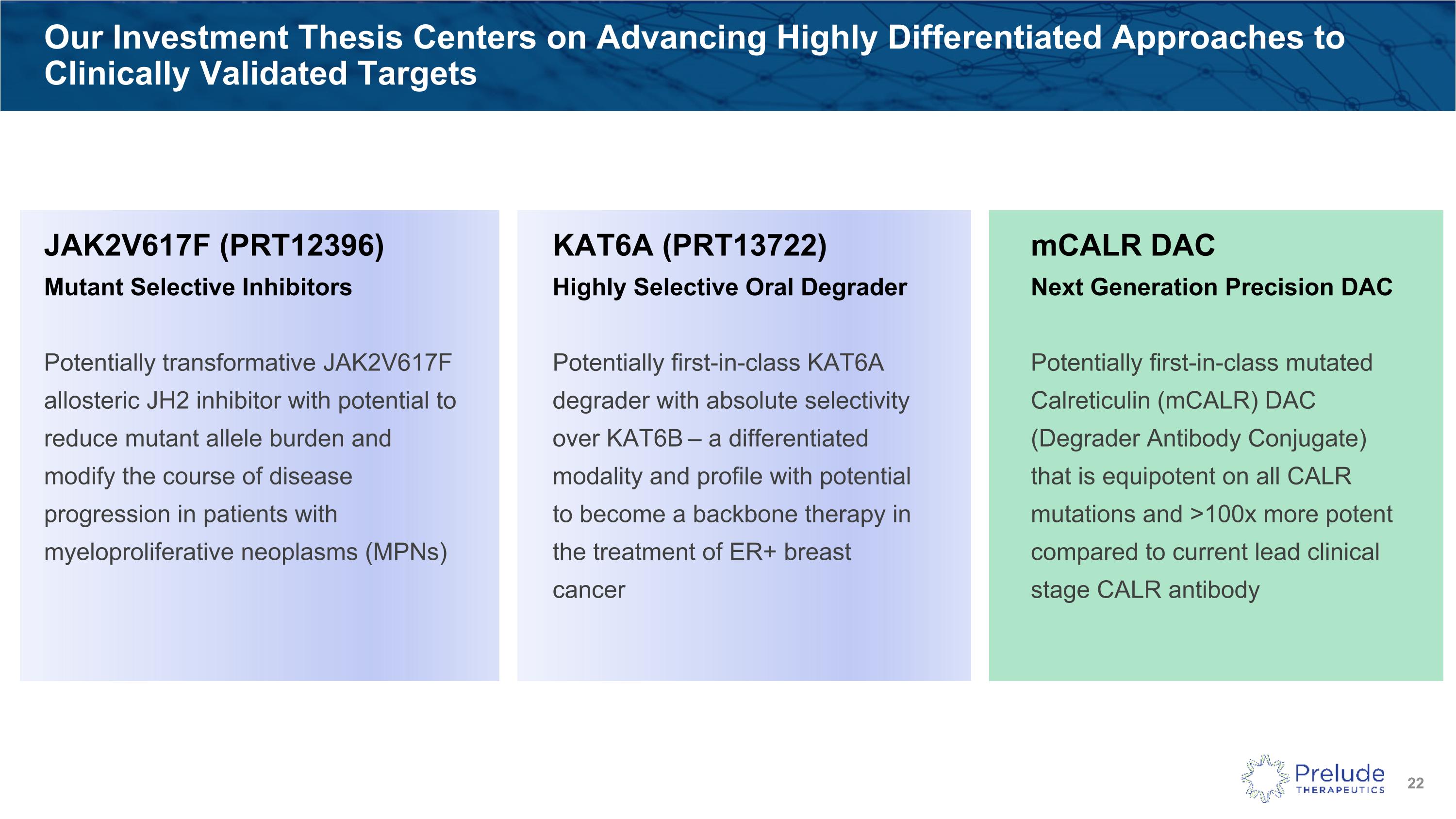
Our Investment Thesis Centers on Advancing Highly Differentiated Approaches to Clinically Validated Targets JAK2V617F (PRT12396) Mutant Selective Inhibitors Potentially transformative JAK2V617F allosteric JH2 inhibitor with potential to reduce mutant allele burden and modify the course of disease progression in patients with myeloproliferative neoplasms (MPNs) KAT6A (PRT13722) Highly Selective Oral Degrader Potentially first-in-class KAT6A degrader with absolute selectivity over KAT6B – a differentiated modality and profile with potential to become a backbone therapy in the treatment of ER+ breast cancer mCALR DAC Next Generation Precision DAC Potentially first-in-class mutated Calreticulin (mCALR) DAC (Degrader Antibody Conjugate) that is equipotent on all CALR mutations and >100x more potent compared to current lead clinical stage CALR antibody
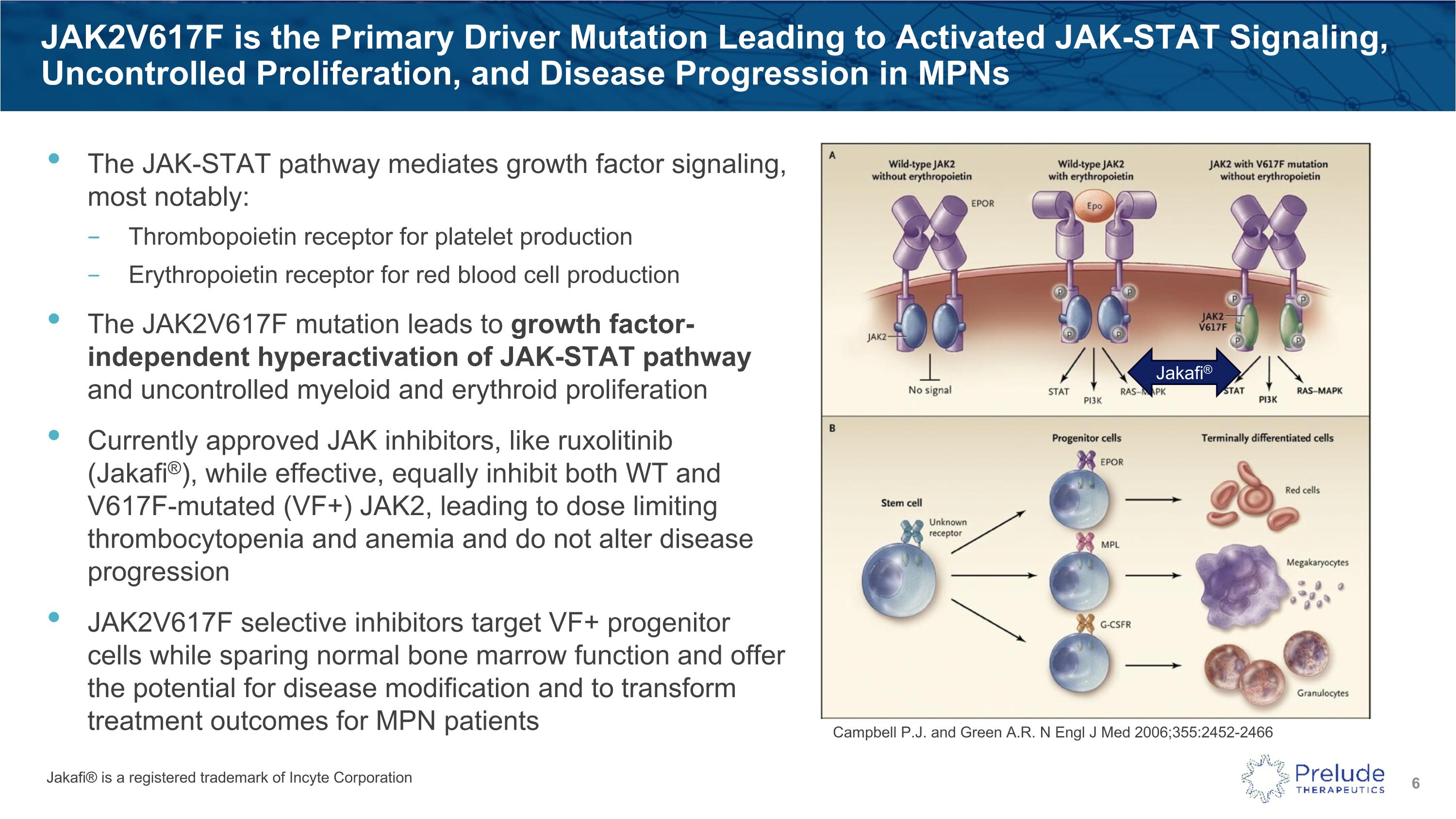
JAK2V617F is the Primary Driver Mutation Leading to Activated JAK-STAT Signaling, Uncontrolled Proliferation, and Disease Progression in MPNs The JAK-STAT pathway mediates growth factor signaling, most notably: Thrombopoietin receptor for platelet production Erythropoietin receptor for red blood cell production The JAK2V617F mutation leads to growth factor-independent hyperactivation of JAK-STAT pathway and uncontrolled myeloid and erythroid proliferation Currently approved JAK inhibitors, like ruxolitinib (Jakafi®), while effective, equally inhibit both WT and V617F-mutated (VF+) JAK2, leading to dose limiting thrombocytopenia and anemia and do not alter disease progression JAK2V617F selective inhibitors target VF+ progenitor cells while sparing normal bone marrow function and offer the potential for disease modification and to transform treatment outcomes for MPN patients Jakafi® is a registered trademark of Incyte Corporation Jakafi® Campbell P.J. and Green A.R. N Engl J Med 2006;355:2452-2466
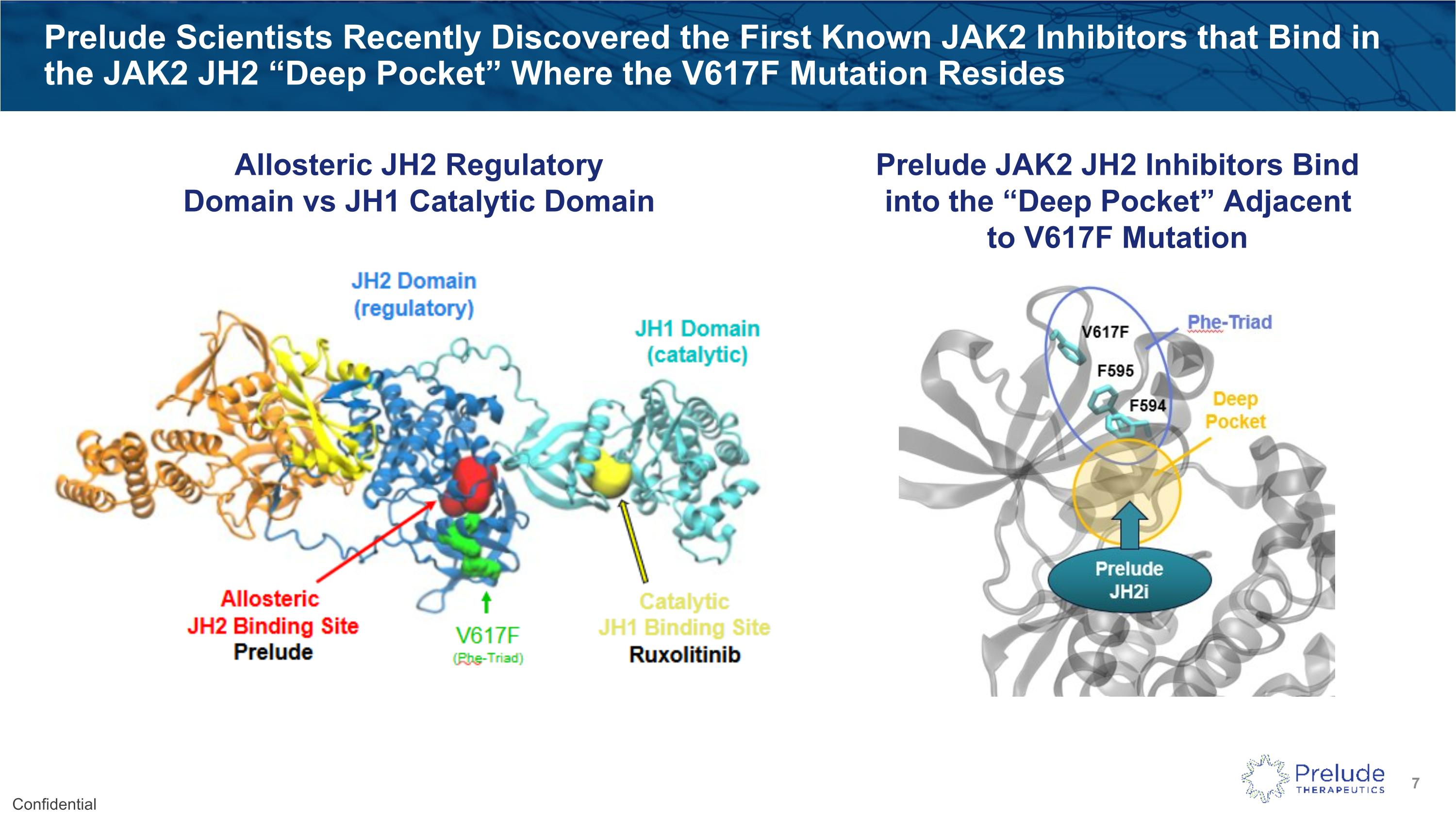
Prelude Scientists Recently Discovered the First Known JAK2 Inhibitors that Bind in the JAK2 JH2 “Deep Pocket” Where the V617F Mutation Resides Prelude JAK2 JH2 Inhibitors Bind into the “Deep Pocket” Adjacent to V617F Mutation Allosteric JH2 Regulatory Domain vs JH1 Catalytic Domain Confidential
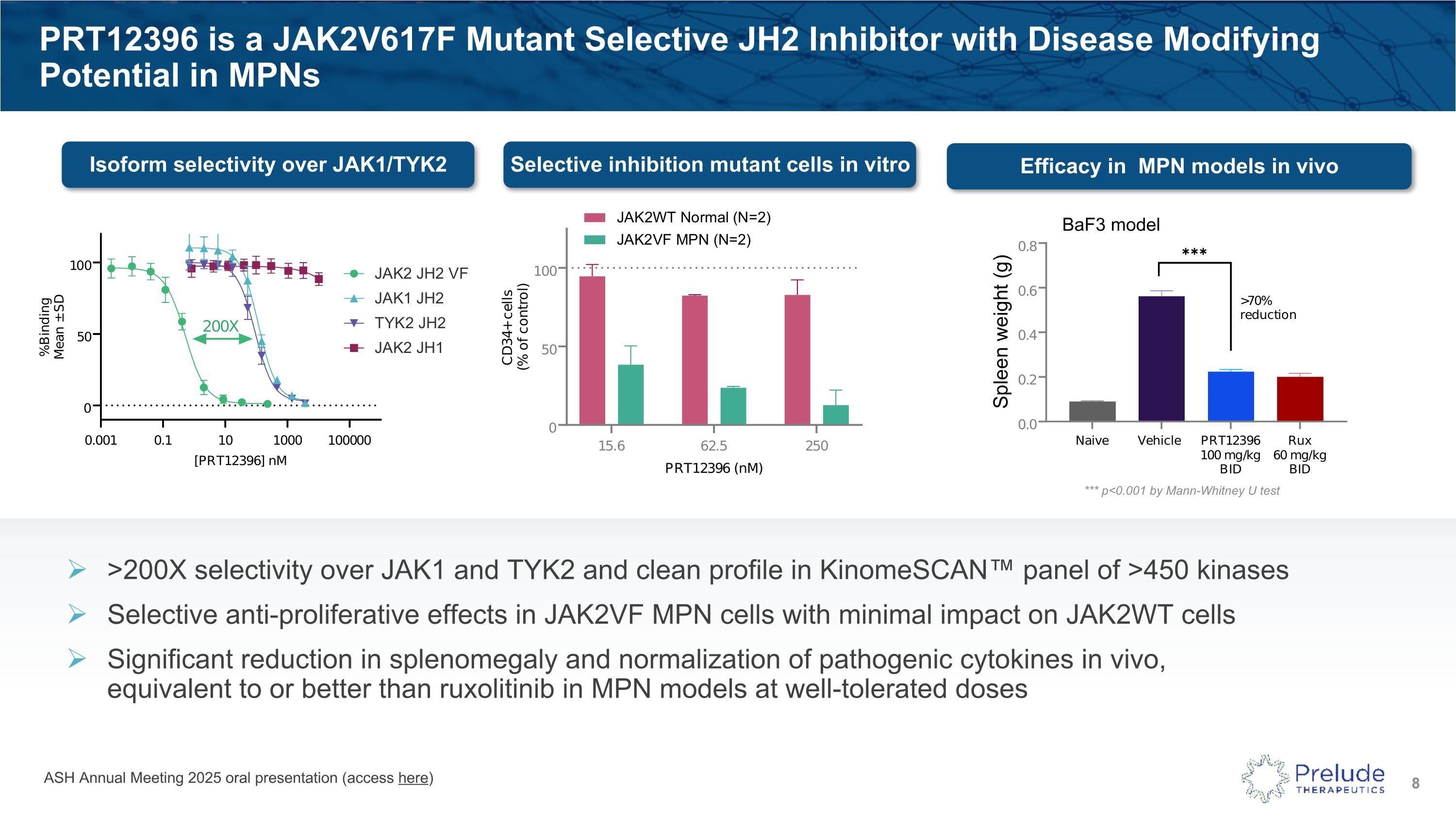
PRT12396 is a JAK2V617F Mutant Selective JH2 Inhibitor with Disease Modifying Potential in MPNs *** p<0.001 by Mann-Whitney U test >200X selectivity over JAK1 and TYK2 and clean profile in KinomeSCAN™ panel of >450 kinases Selective anti-proliferative effects in JAK2VF MPN cells with minimal impact on JAK2WT cells Significant reduction in splenomegaly and normalization of pathogenic cytokines in vivo, equivalent to or better than ruxolitinib in MPN models at well-tolerated doses Isoform selectivity over JAK1/TYK2 Selective inhibition mutant cells in vitro Efficacy in MPN models in vivo BaF3 model ASH Annual Meeting 2025 oral presentation (access here)
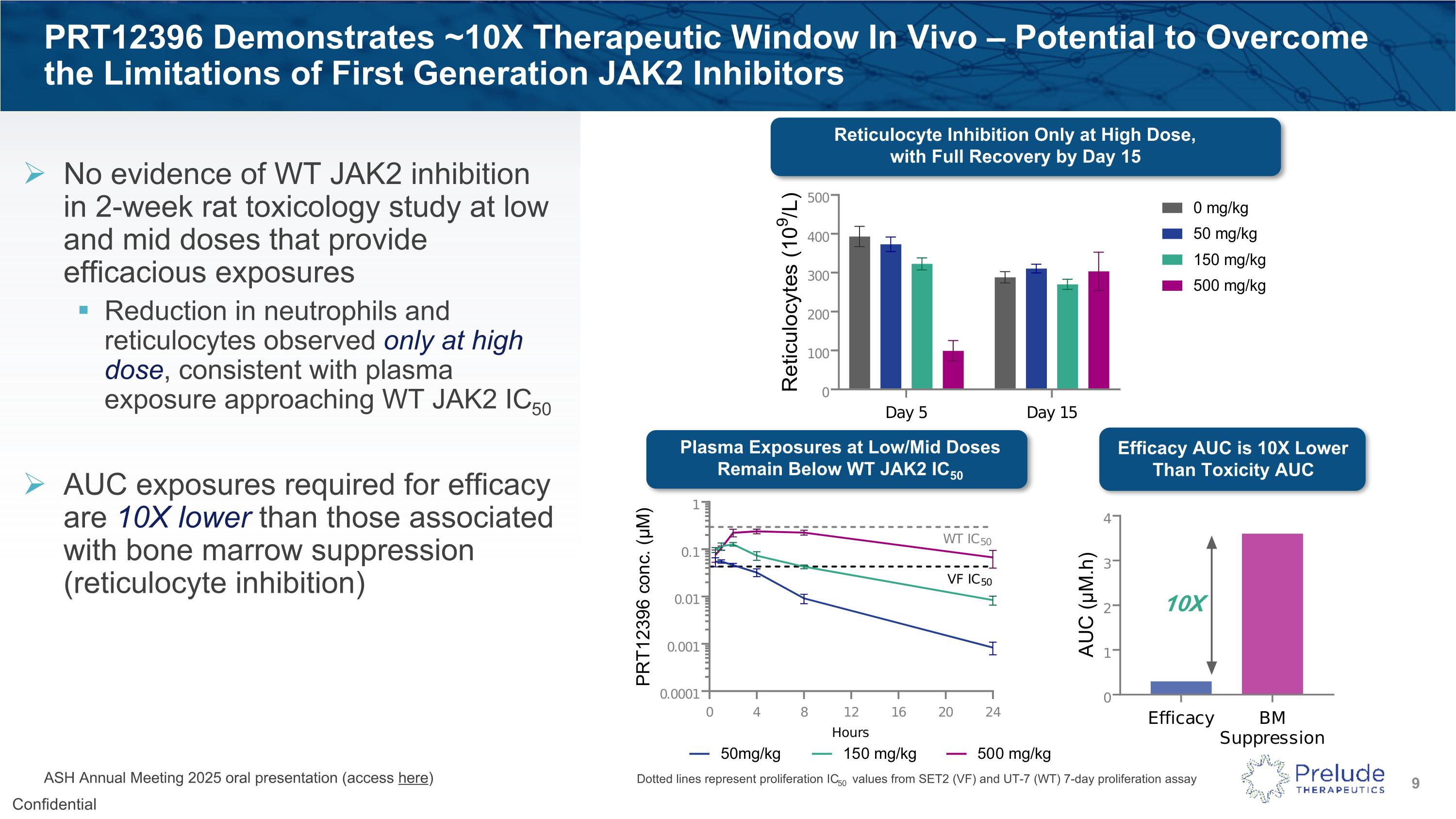
No evidence of WT JAK2 inhibition in 2-week rat toxicology study at low and mid doses that provide efficacious exposures Reduction in neutrophils and reticulocytes observed only at high dose, consistent with plasma exposure approaching WT JAK2 IC50 AUC exposures required for efficacy are 10X lower than those associated with bone marrow suppression (reticulocyte inhibition) PRT12396 Demonstrates ~10X Therapeutic Window In Vivo – Potential to Overcome the Limitations of First Generation JAK2 Inhibitors Dotted lines represent proliferation IC50 values from SET2 (VF) and UT-7 (WT) 7-day proliferation assay Reticulocyte Inhibition Only at High Dose, with Full Recovery by Day 15 Efficacy AUC is 10X Lower Than Toxicity AUC Plasma Exposures at Low/Mid Doses Remain Below WT JAK2 IC50 ASH Annual Meeting 2025 oral presentation (access here) Confidential
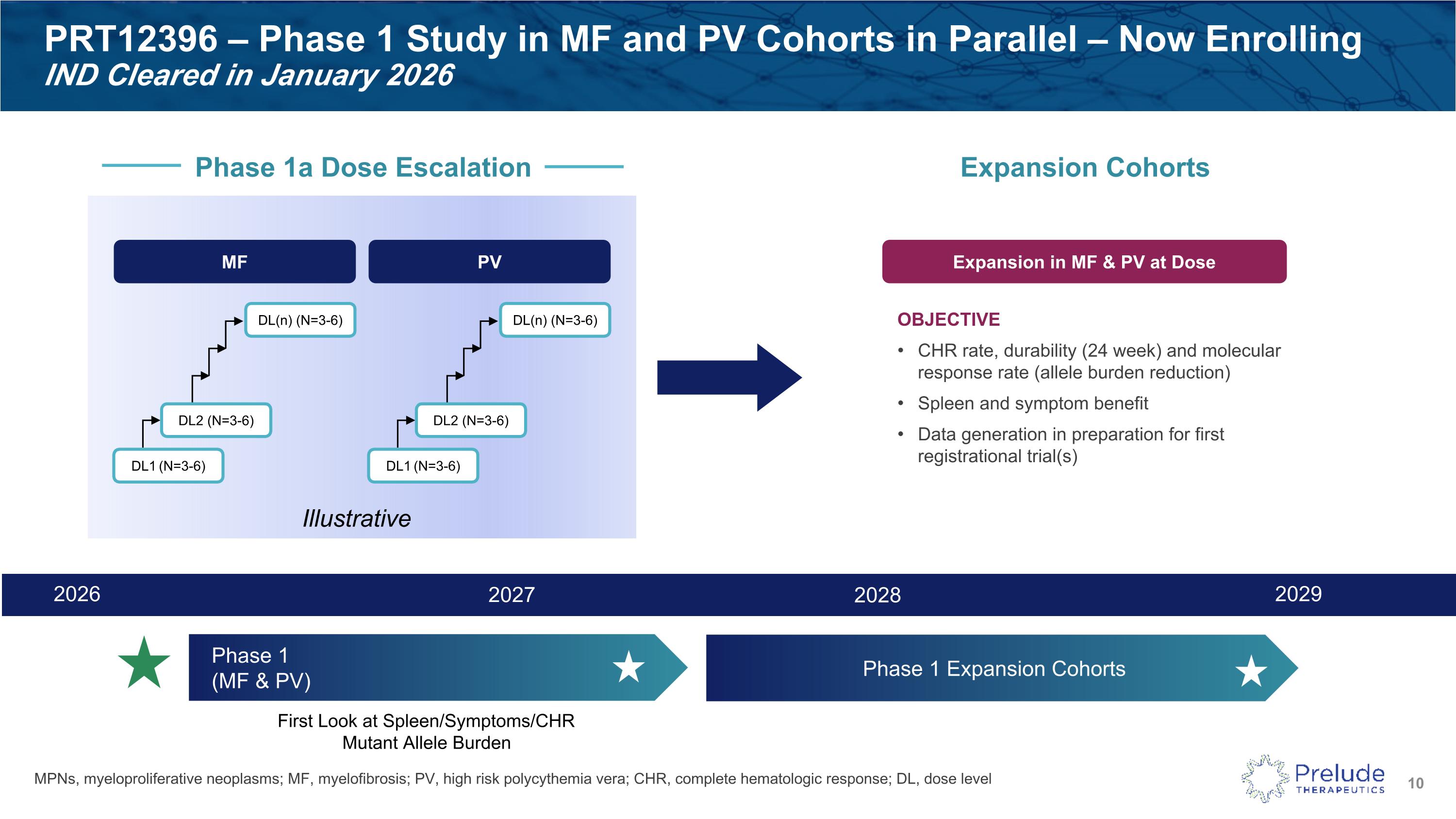
PRT12396 – Phase 1 Study in MF and PV Cohorts in Parallel – Now Enrolling IND Cleared in January 2026 MF 2026 2027 2028 2029 Phase 1 Expansion Cohorts Phase 1 (MF & PV) First Look at Spleen/Symptoms/CHR Mutant Allele Burden Phase 1a Dose Escalation Expansion Cohorts DL(n) (N=3-6) DL1 (N=3-6) DL2 (N=3-6) Expansion in MF & PV at Dose OBJECTIVE CHR rate, durability (24 week) and molecular response rate (allele burden reduction) Spleen and symptom benefit Data generation in preparation for first registrational trial(s) MPNs, myeloproliferative neoplasms; MF, myelofibrosis; PV, high risk polycythemia vera; CHR, complete hematologic response; DL, dose level PV DL(n) (N=3-6) DL1 (N=3-6) DL2 (N=3-6) Illustrative
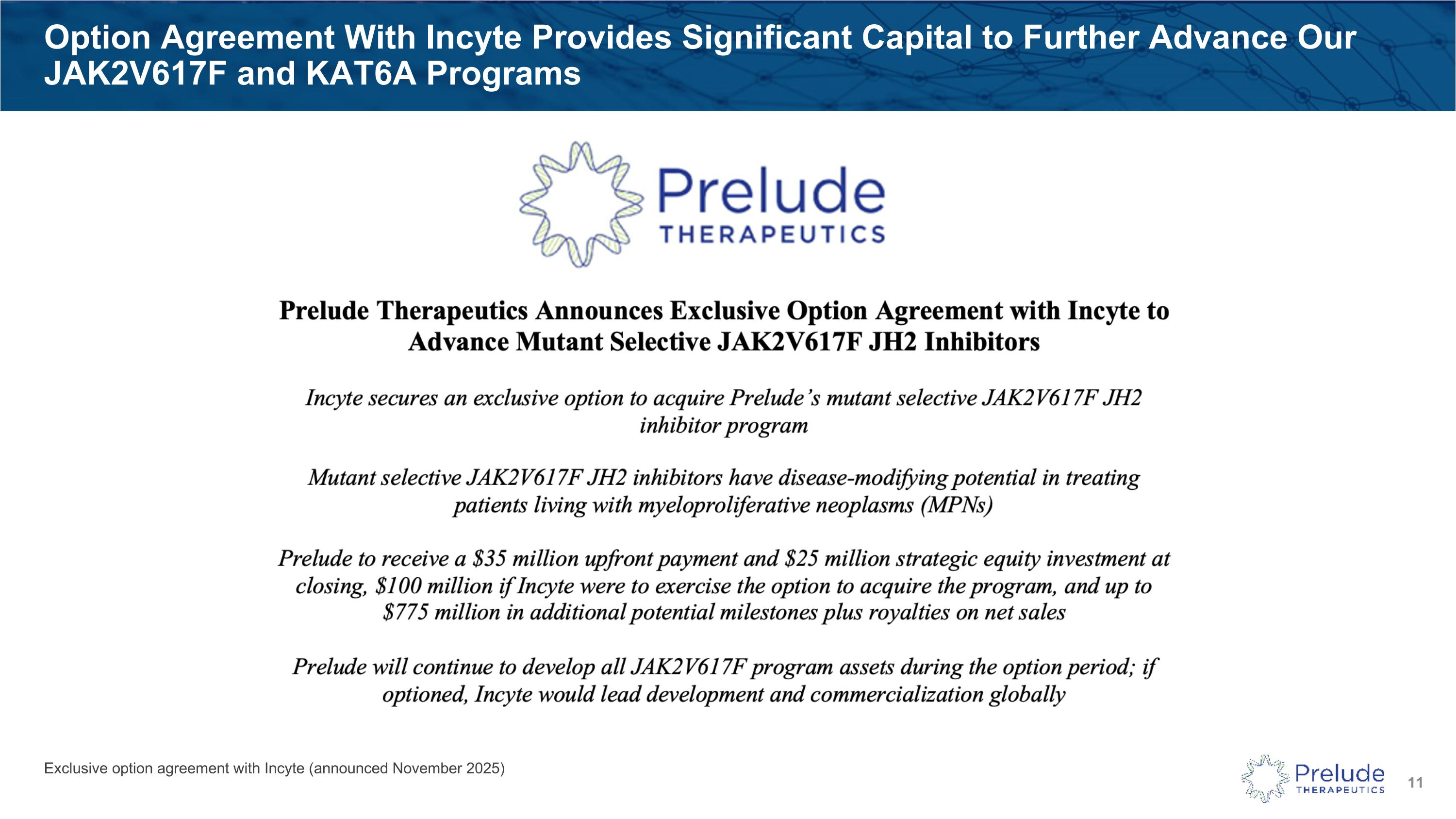
Exclusive option agreement with Incyte (announced November 2025) Option Agreement With Incyte Provides Significant Capital to Further Advance Our JAK2V617F and KAT6A Programs
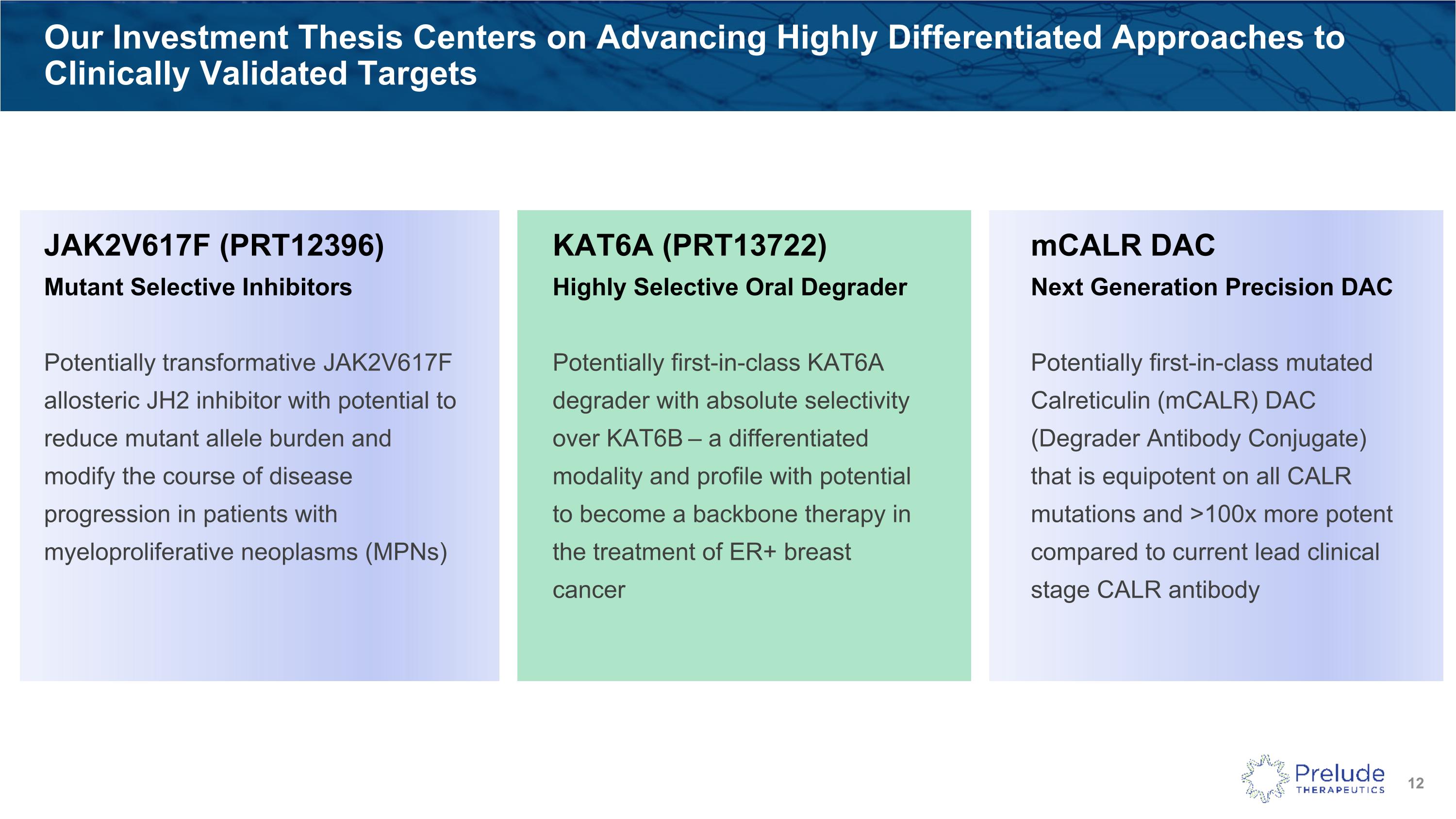
Our Investment Thesis Centers on Advancing Highly Differentiated Approaches to Clinically Validated Targets JAK2V617F (PRT12396) Mutant Selective Inhibitors Potentially transformative JAK2V617F allosteric JH2 inhibitor with potential to reduce mutant allele burden and modify the course of disease progression in patients with myeloproliferative neoplasms (MPNs) KAT6A (PRT13722) Highly Selective Oral Degrader Potentially first-in-class KAT6A degrader with absolute selectivity over KAT6B – a differentiated modality and profile with potential to become a backbone therapy in the treatment of ER+ breast cancer mCALR DAC Next Generation Precision DAC Potentially first-in-class mutated Calreticulin (mCALR) DAC (Degrader Antibody Conjugate) that is equipotent on all CALR mutations and >100x more potent compared to current lead clinical stage CALR antibody
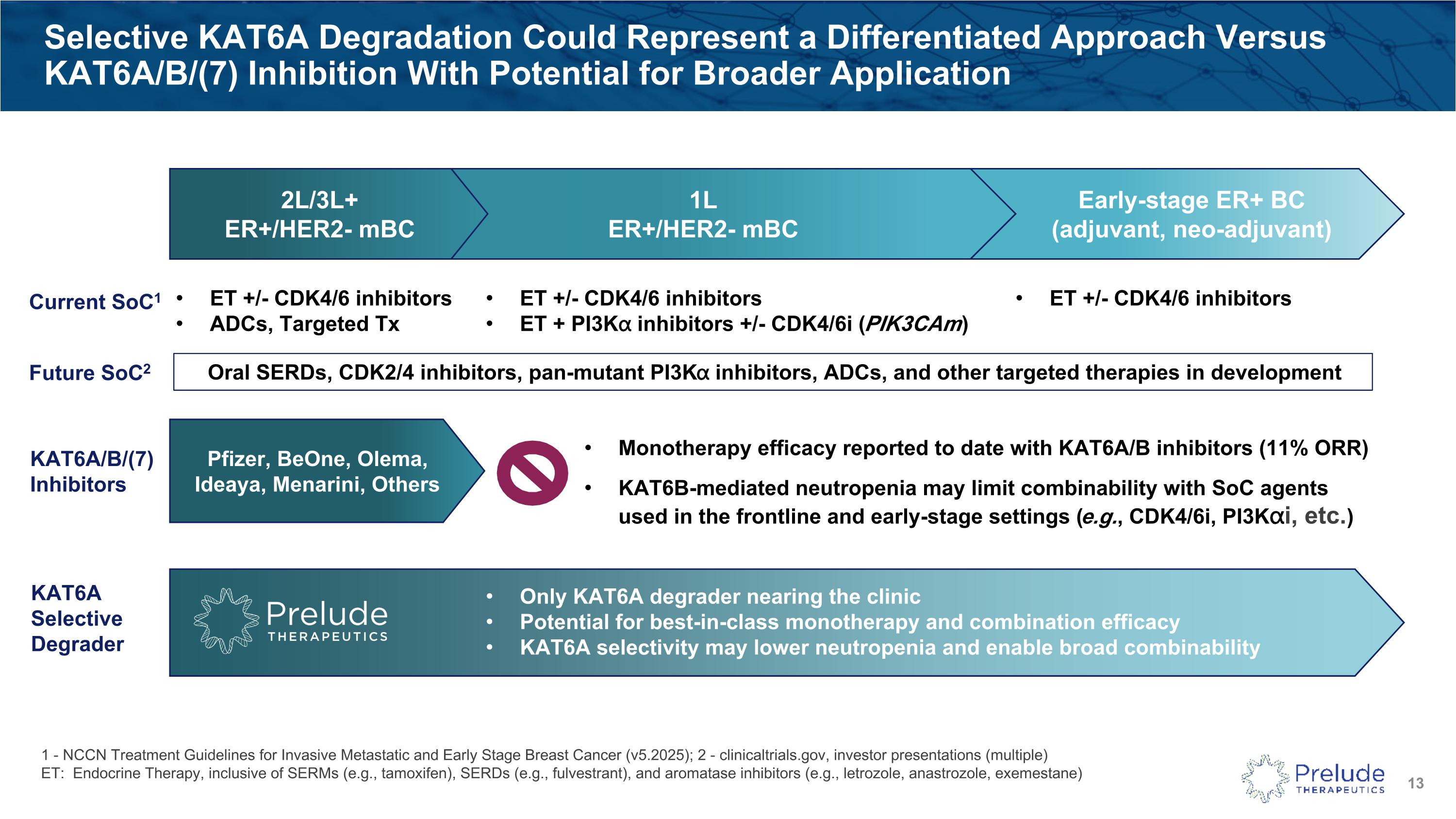
Selective KAT6A Degradation Could Represent a Differentiated Approach Versus KAT6A/B/(7) Inhibition With Potential for Broader Application Early-stage ER+ BC (adjuvant, neo-adjuvant) KAT6A/B/(7) Inhibitors Pfizer, BeOne, Olema, Ideaya, Menarini, Others 1L ER+/HER2- mBC 2L/3L+ ER+/HER2- mBC Current SoC1 Monotherapy efficacy reported to date with KAT6A/B inhibitors (11% ORR) KAT6B-mediated neutropenia may limit combinability with SoC agents used in the frontline and early-stage settings (e.g., CDK4/6i, PI3K⍺i, etc.) KAT6A Selective Degrader Only KAT6A degrader nearing the clinic Potential for best-in-class monotherapy and combination efficacy KAT6A selectivity may lower neutropenia and enable broad combinability ET +/- CDK4/6 inhibitors ADCs, Targeted Tx ET +/- CDK4/6 inhibitors ET + PI3K⍺ inhibitors +/- CDK4/6i (PIK3CAm) ET +/- CDK4/6 inhibitors Future SoC2 Oral SERDs, CDK2/4 inhibitors, pan-mutant PI3K⍺ inhibitors, ADCs, and other targeted therapies in development 1 - NCCN Treatment Guidelines for Invasive Metastatic and Early Stage Breast Cancer (v5.2025); 2 - clinicaltrials.gov, investor presentations (multiple) ET: Endocrine Therapy, inclusive of SERMs (e.g., tamoxifen), SERDs (e.g., fulvestrant), and aromatase inhibitors (e.g., letrozole, anastrozole, exemestane)
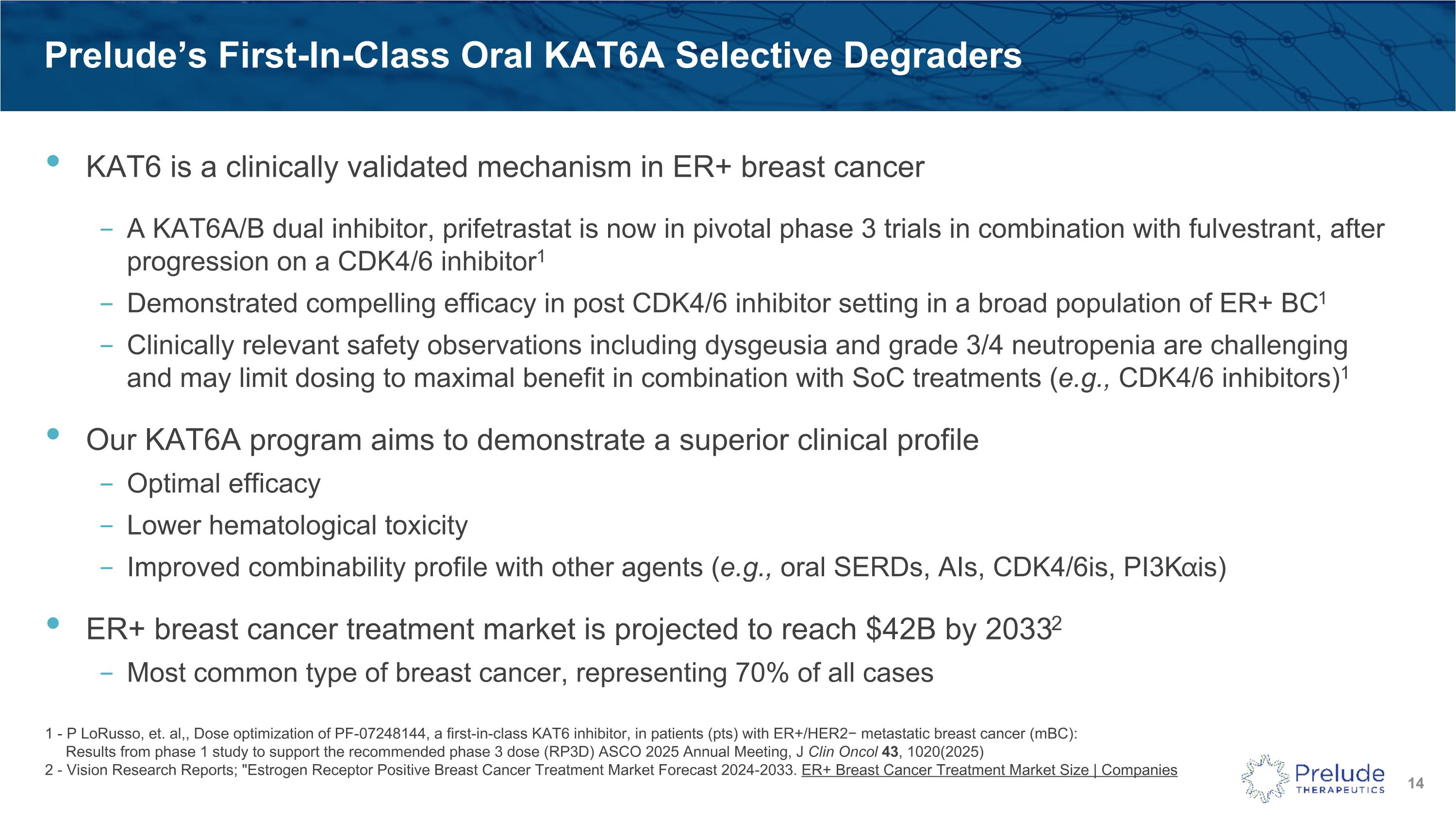
KAT6 is a clinically validated mechanism in ER+ breast cancer A KAT6A/B dual inhibitor, prifetrastat is now in pivotal phase 3 trials in combination with fulvestrant, after progression on a CDK4/6 inhibitor1 Demonstrated compelling efficacy in post CDK4/6 inhibitor setting in a broad population of ER+ BC1 Clinically relevant safety observations including dysgeusia and grade 3/4 neutropenia are challenging and may limit dosing to maximal benefit in combination with SoC treatments (e.g., CDK4/6 inhibitors)1 Our KAT6A program aims to demonstrate a superior clinical profile Optimal efficacy Lower hematological toxicity Improved combinability profile with other agents (e.g., oral SERDs, AIs, CDK4/6is, PI3K⍺is) ER+ breast cancer treatment market is projected to reach $42B by 20332 Most common type of breast cancer, representing 70% of all cases 1 - P LoRusso, et. al,, Dose optimization of PF-07248144, a first-in-class KAT6 inhibitor, in patients (pts) with ER+/HER2− metastatic breast cancer (mBC): Results from phase 1 study to support the recommended phase 3 dose (RP3D) ASCO 2025 Annual Meeting, J Clin Oncol 43, 1020(2025) 2 - Vision Research Reports; "Estrogen Receptor Positive Breast Cancer Treatment Market Forecast 2024-2033. ER+ Breast Cancer Treatment Market Size | Companies Prelude’s First-In-Class Oral KAT6A Selective Degraders
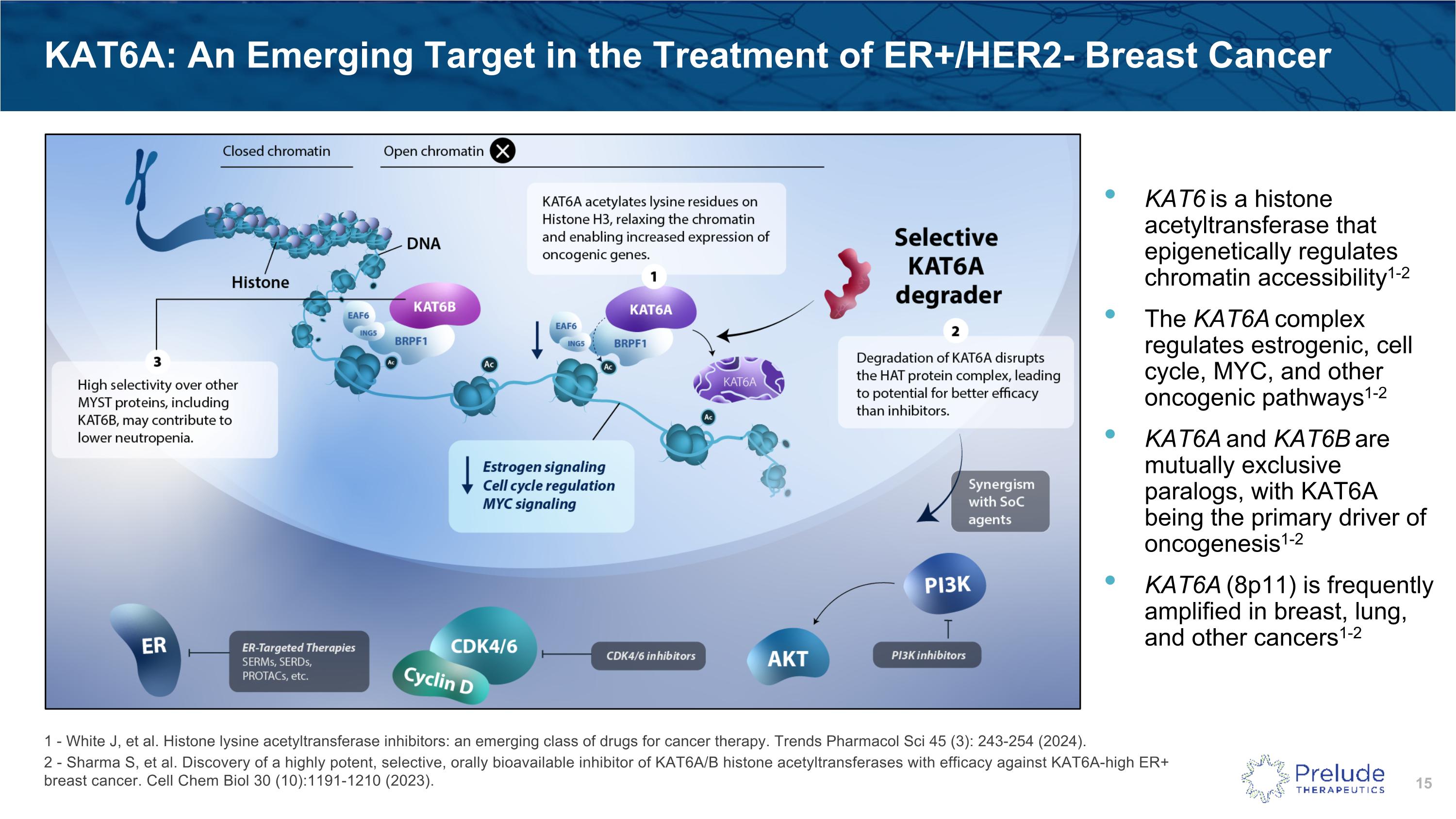
KAT6A: An Emerging Target in the Treatment of ER+/HER2- Breast Cancer 1 - White J, et al. Histone lysine acetyltransferase inhibitors: an emerging class of drugs for cancer therapy. Trends Pharmacol Sci 45 (3): 243-254 (2024). 2 - Sharma S, et al. Discovery of a highly potent, selective, orally bioavailable inhibitor of KAT6A/B histone acetyltransferases with efficacy against KAT6A-high ER+ breast cancer. Cell Chem Biol 30 (10):1191-1210 (2023). KAT6 is a histone acetyltransferase that epigenetically regulates chromatin accessibility1-2 The KAT6A complex regulates estrogenic, cell cycle, MYC, and other oncogenic pathways1-2 KAT6A and KAT6B are mutually exclusive paralogs, with KAT6A being the primary driver of oncogenesis1-2 KAT6A (8p11) is frequently amplified in breast, lung, and other cancers1-2
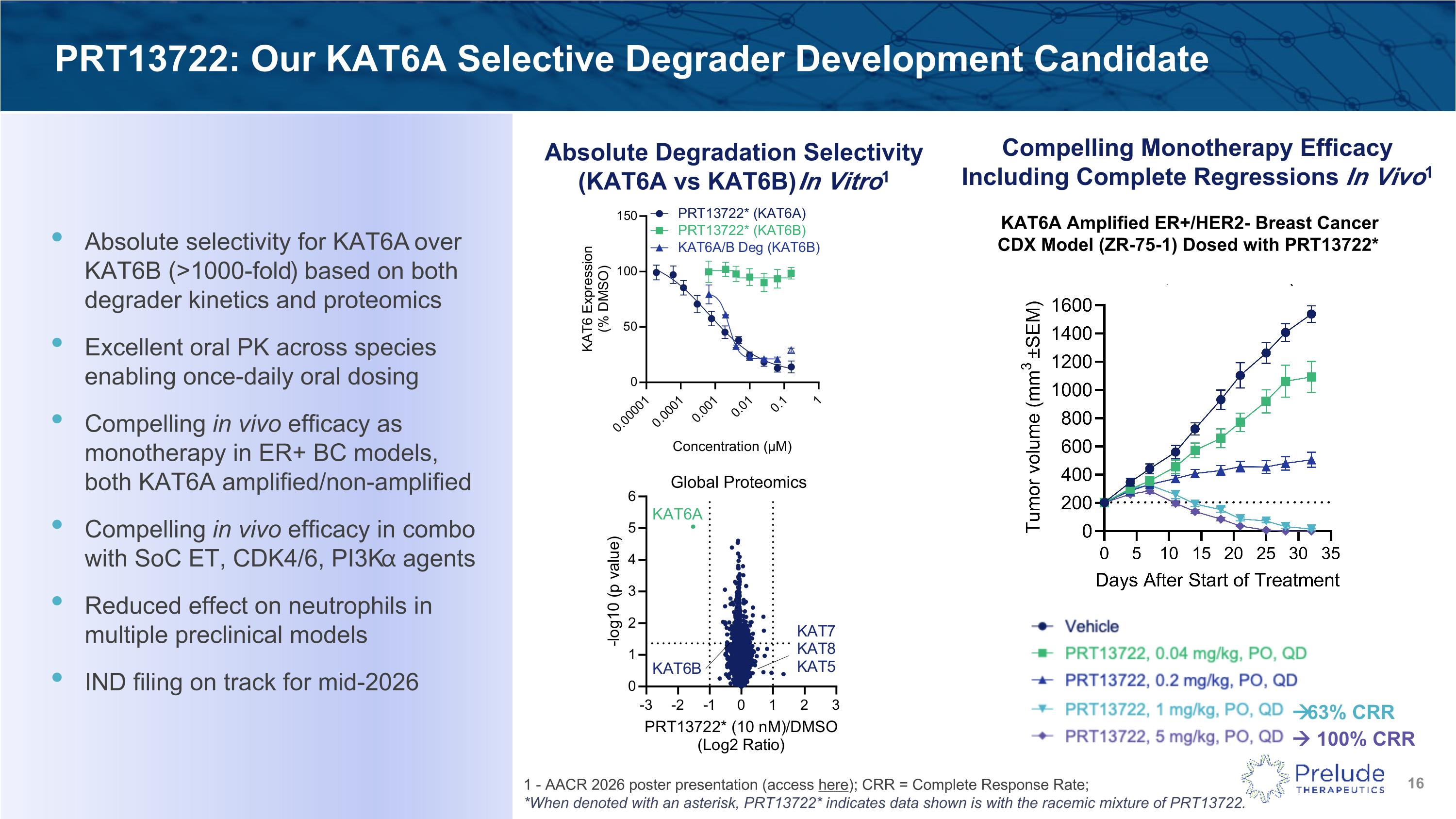
PRT13722: Our KAT6A Selective Degrader Development Candidate Absolute selectivity for KAT6A over KAT6B (>1000-fold) based on both degrader kinetics and proteomics Excellent oral PK across species enabling once-daily oral dosing Compelling in vivo efficacy as monotherapy in ER+ BC models, both KAT6A amplified/non-amplified Compelling in vivo efficacy in combo with SoC ET, CDK4/6, PI3K⍺ agents Reduced effect on neutrophils in multiple preclinical models IND filing on track for mid-2026 Absolute Degradation Selectivity (KAT6A vs KAT6B) In Vitro1 KAT6A Amplified ER+/HER2- Breast Cancer CDX Model (ZR-75-1) Dosed with PRT13722* Compelling Monotherapy Efficacy Including Complete Regressions In Vivo1 1 - AACR 2026 poster presentation (access here); CRR = Complete Response Rate; *When denoted with an asterisk, PRT13722* indicates data shown is with the racemic mixture of PRT13722. 63% CRR 100% CRR Global Proteomics
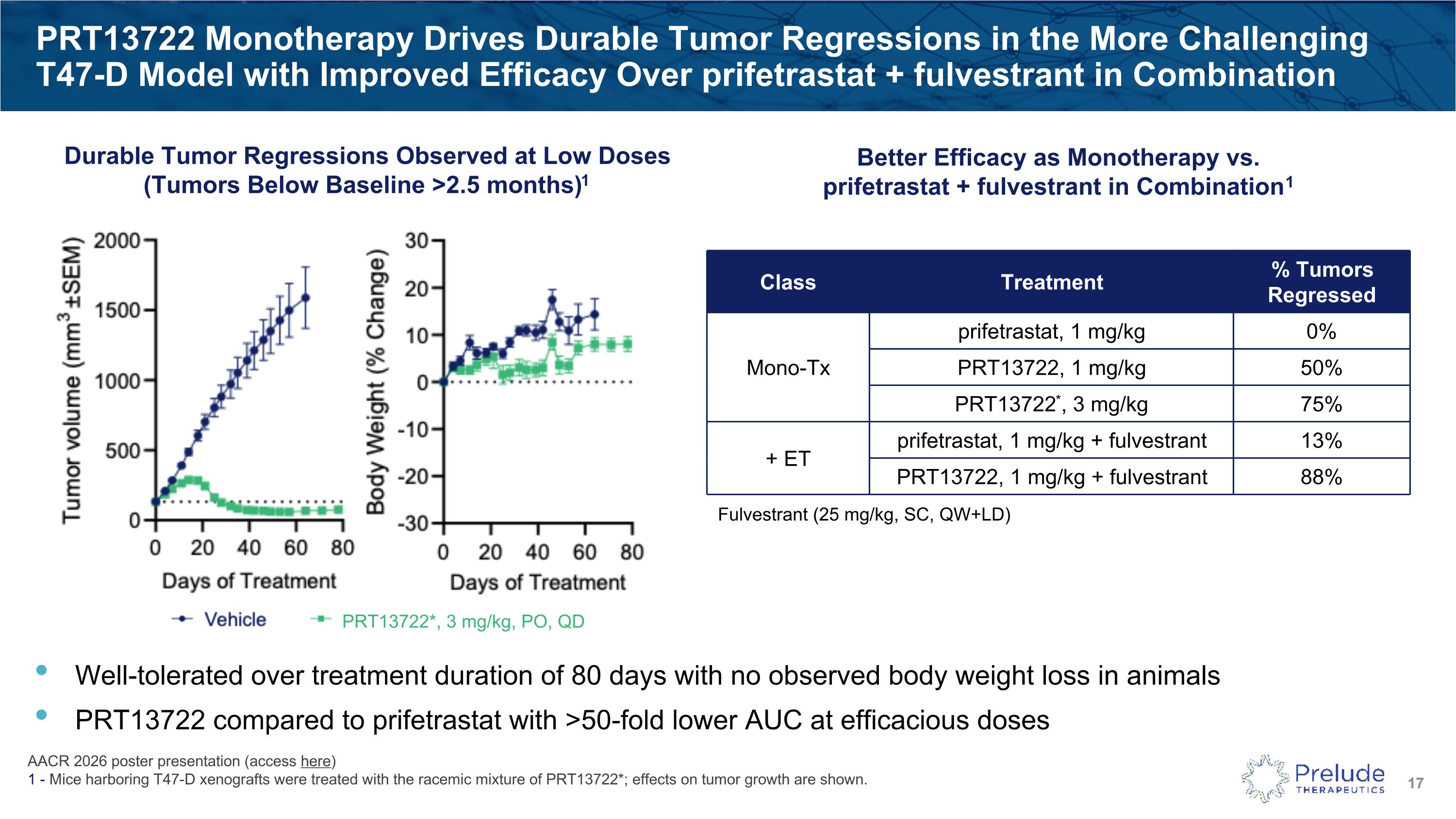
Well-tolerated over treatment duration of 80 days with no observed body weight loss in animals PRT13722 compared to prifetrastat with >50-fold lower AUC at efficacious doses PRT13722 Monotherapy Drives Durable Tumor Regressions in the More Challenging T47-D Model with Improved Efficacy Over prifetrastat + fulvestrant in Combination AACR 2026 poster presentation (access here) 1 - Mice harboring T47-D xenografts were treated with the racemic mixture of PRT13722*; effects on tumor growth are shown. Better Efficacy as Monotherapy vs. prifetrastat + fulvestrant in Combination1 Durable Tumor Regressions Observed at Low Doses (Tumors Below Baseline >2.5 months)1 PRT13722*, 3 mg/kg, PO, QD Class Treatment % Tumors Regressed Mono-Tx prifetrastat, 1 mg/kg 0% PRT13722, 1 mg/kg 50% PRT13722*, 3 mg/kg 75% + ET prifetrastat, 1 mg/kg + fulvestrant 13% PRT13722, 1 mg/kg + fulvestrant 88% Fulvestrant (25 mg/kg, SC, QW+LD)
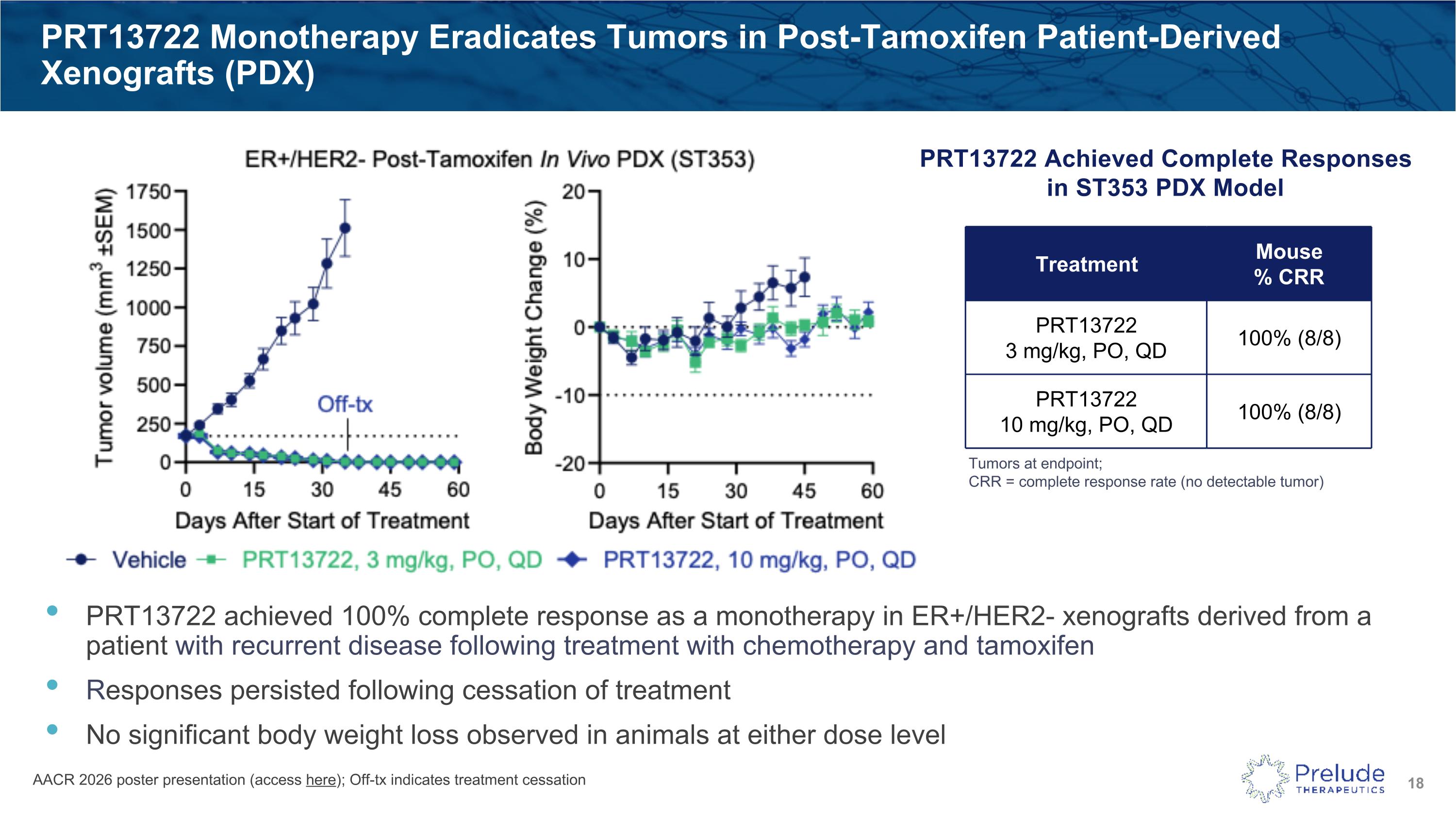
PRT13722 achieved 100% complete response as a monotherapy in ER+/HER2- xenografts derived from a patient with recurrent disease following treatment with chemotherapy and tamoxifen Responses persisted following cessation of treatment No significant body weight loss observed in animals at either dose level PRT13722 Monotherapy Eradicates Tumors in Post-Tamoxifen Patient-Derived Xenografts (PDX) AACR 2026 poster presentation (access here); Off-tx indicates treatment cessation Treatment Mouse % CRR PRT13722 3 mg/kg, PO, QD 100% (8/8) PRT13722 10 mg/kg, PO, QD 100% (8/8) Tumors at endpoint; CRR = complete response rate (no detectable tumor) PRT13722 Achieved Complete Responses in ST353 PDX Model
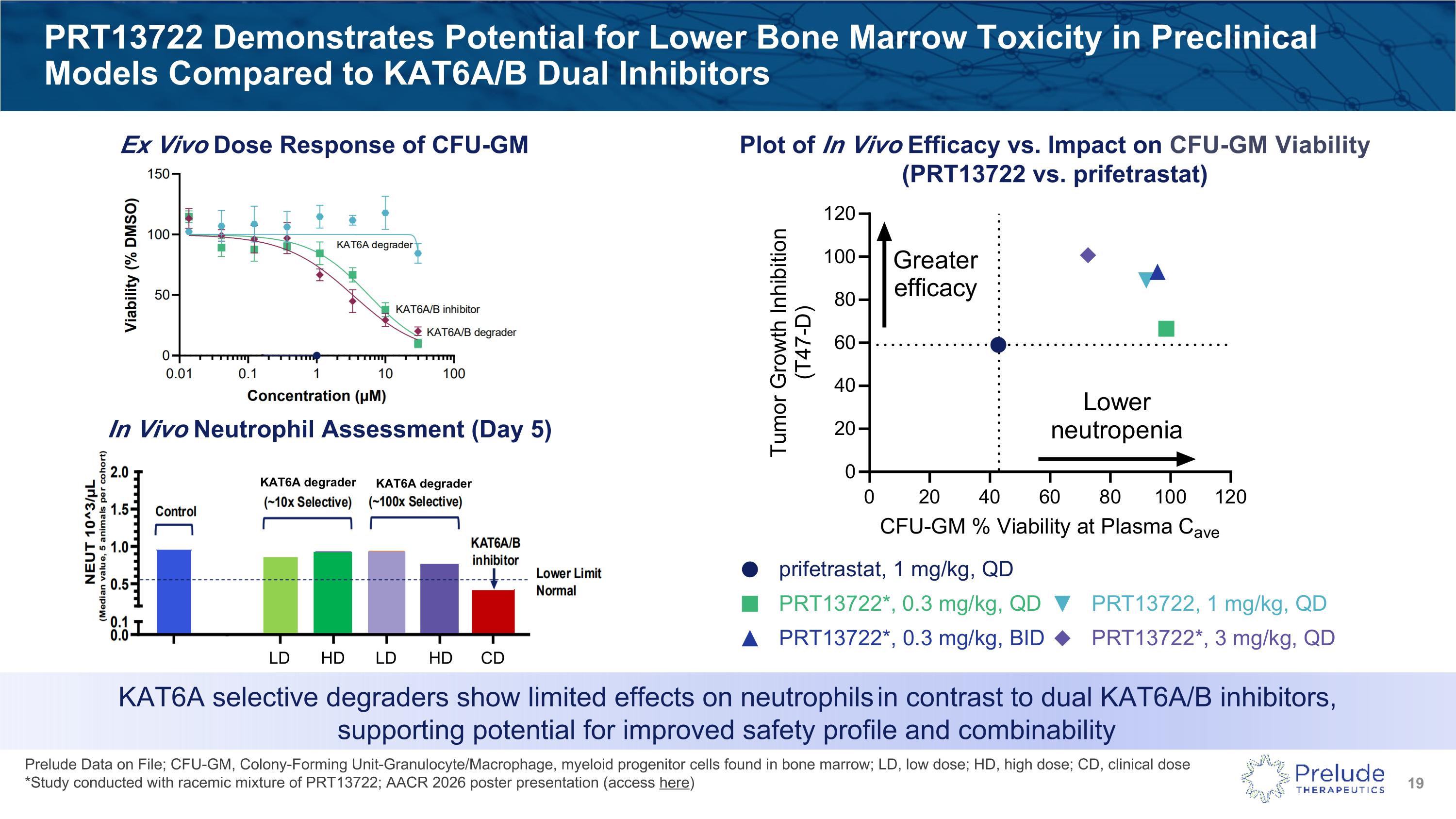
PRT13722 Demonstrates Potential for Lower Bone Marrow Toxicity in Preclinical Models Compared to KAT6A/B Dual Inhibitors Ex Vivo Dose Response of CFU-GM LD KAT6A degrader KAT6A selective degraders show limited effects on neutrophils in contrast to dual KAT6A/B inhibitors, supporting potential for improved safety profile and combinability Prelude Data on File; CFU-GM, Colony-Forming Unit-Granulocyte/Macrophage, myeloid progenitor cells found in bone marrow; LD, low dose; HD, high dose; CD, clinical dose *Study conducted with racemic mixture of PRT13722; AACR 2026 poster presentation (access here) In Vivo Neutrophil Assessment (Day 5) KAT6A degrader Plot of In Vivo Efficacy vs. Impact on CFU-GM Viability (PRT13722 vs. prifetrastat) HD HD LD CD
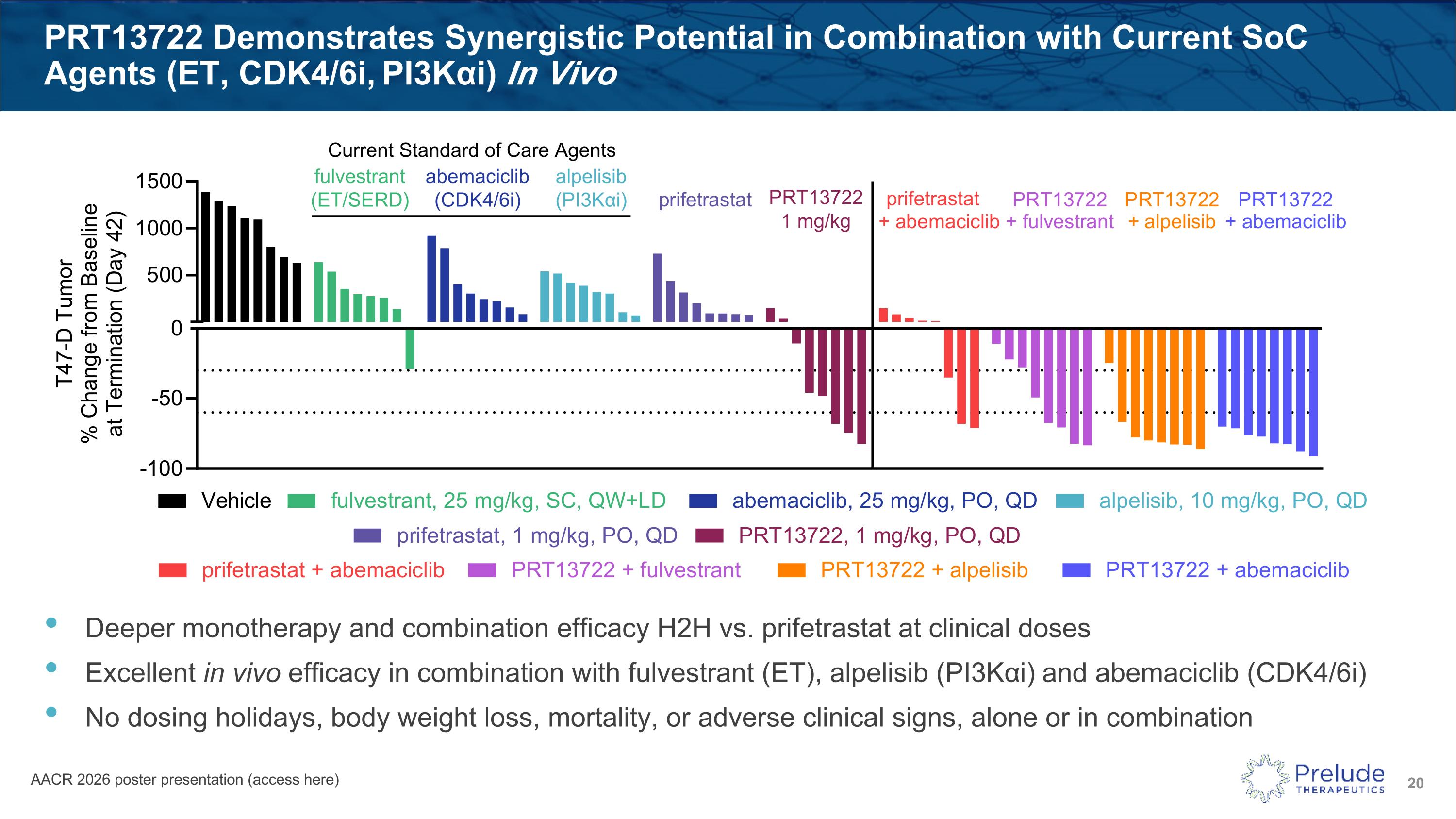
PRT13722 Demonstrates Synergistic Potential in Combination with Current SoC Agents (ET, CDK4/6i, PI3Kαi) In Vivo Deeper monotherapy and combination efficacy H2H vs. prifetrastat at clinical doses Excellent in vivo efficacy in combination with fulvestrant (ET), alpelisib (PI3Kαi) and abemaciclib (CDK4/6i) No dosing holidays, body weight loss, mortality, or adverse clinical signs, alone or in combination AACR 2026 poster presentation (access here) prifetrastat Current Standard of Care Agents fulvestrant (ET/SERD) abemaciclib (CDK4/6i) alpelisib (PI3Kαi) PRT13722 1 mg/kg
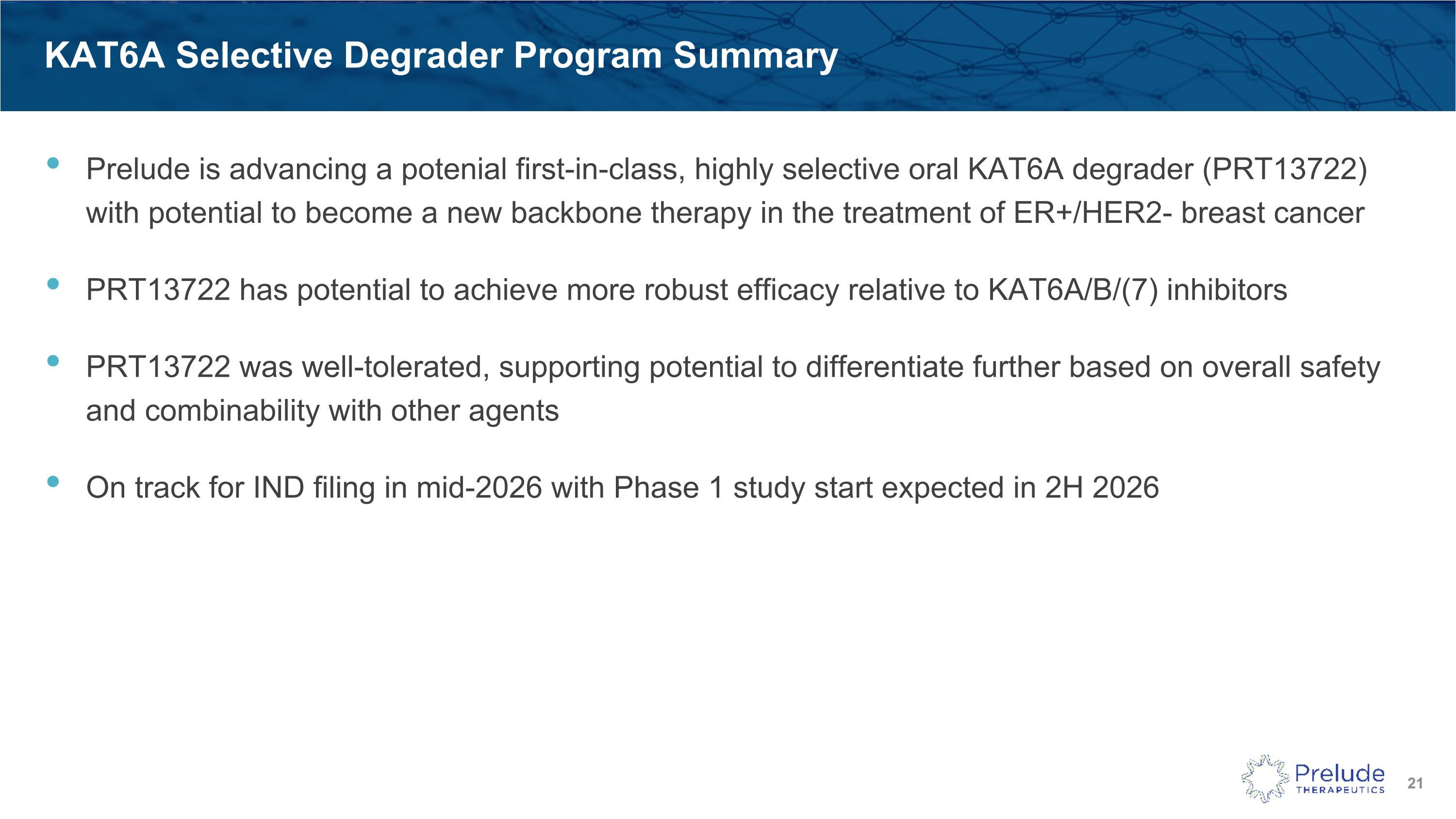
Prelude is advancing a potenial first-in-class, highly selective oral KAT6A degrader (PRT13722) with potential to become a new backbone therapy in the treatment of ER+/HER2- breast cancer PRT13722 has potential to achieve more robust efficacy relative to KAT6A/B/(7) inhibitors PRT13722 was well-tolerated, supporting potential to differentiate further based on overall safety and combinability with other agents On track for IND filing in mid-2026 with Phase 1 study start expected in 2H 2026 KAT6A Selective Degrader Program Summary
Our Investment Thesis Centers on Advancing Highly Differentiated Approaches to Clinically Validated Targets JAK2V617F (PRT12396) Mutant Selective Inhibitors Potentially transformative JAK2V617F allosteric JH2 inhibitor with potential to reduce mutant allele burden and modify the course of disease progression in patients with myeloproliferative neoplasms (MPNs) KAT6A (PRT13722) Highly Selective Oral Degrader Potentially first-in-class KAT6A degrader with absolute selectivity over KAT6B – a differentiated modality and profile with potential to become a backbone therapy in the treatment of ER+ breast cancer mCALR DAC Next Generation Precision DAC Potentially first-in-class mutated Calreticulin (mCALR) DAC (Degrader Antibody Conjugate) that is equipotent on all CALR mutations and >100x more potent compared to current lead clinical stage CALR antibody
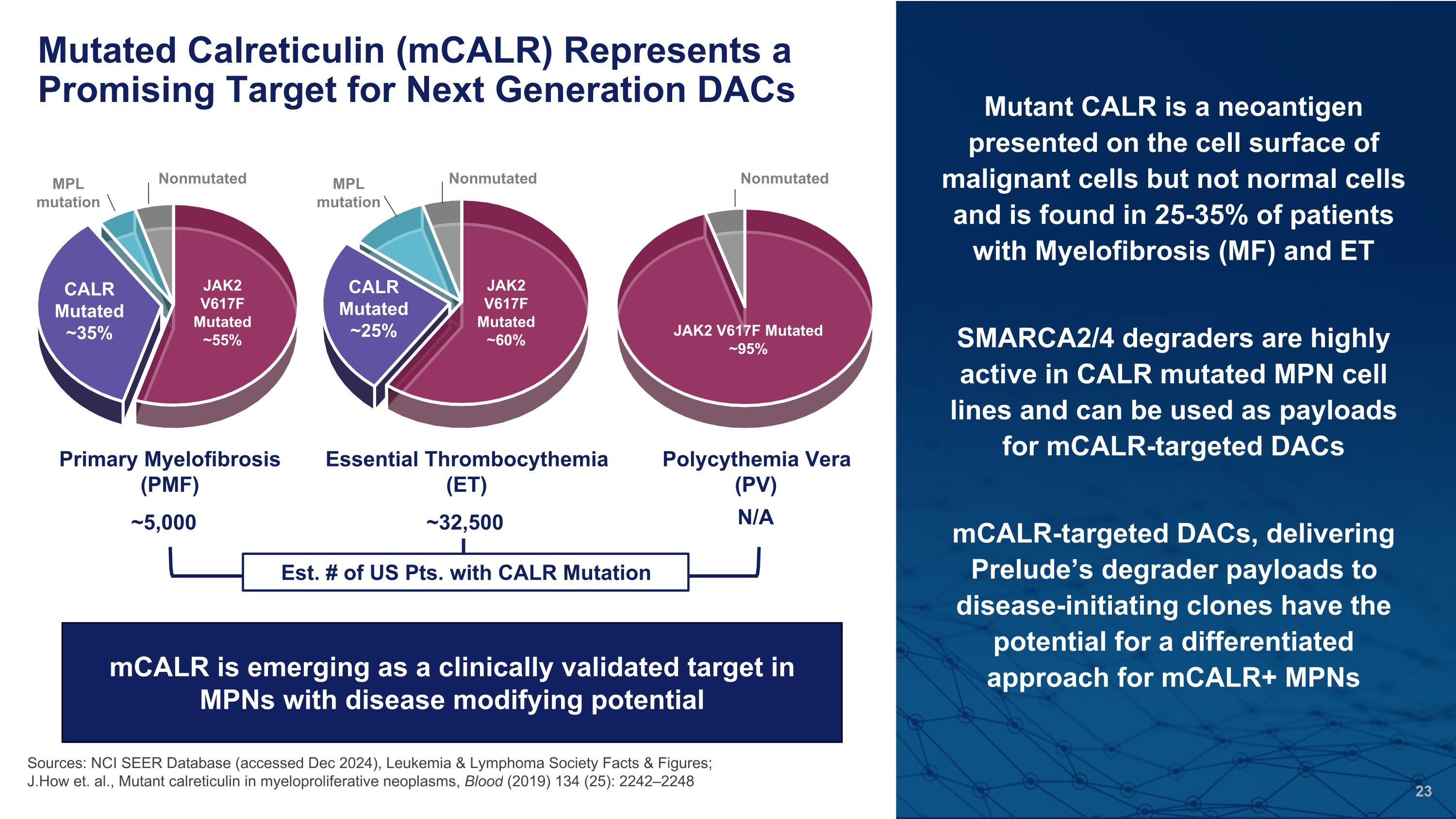
Mutated Calreticulin (mCALR) Represents a Promising Target for Next Generation DACs Mutant CALR is a neoantigen presented on the cell surface of malignant cells but not normal cells and is found in 25-35% of patients with Myelofibrosis (MF) and ET SMARCA2/4 degraders are highly active in CALR mutated MPN cell lines and can be used as payloads for mCALR-targeted DACs mCALR-targeted DACs, delivering Prelude’s degrader payloads to disease-initiating clones have the potential for a differentiated approach for mCALR+ MPNs Primary Myelofibrosis (PMF) Essential Thrombocythemia (ET) Polycythemia Vera (PV) JAK2 V617F Mutated ~95% MPL mutation MPL mutation Nonmutated Nonmutated mCALR is emerging as a clinically validated target in MPNs with disease modifying potential Nonmutated ~5,000 ~32,500 N/A Est. # of US Pts. with CALR Mutation Sources: NCI SEER Database (accessed Dec 2024), Leukemia & Lymphoma Society Facts & Figures; J.How et. al., Mutant calreticulin in myeloproliferative neoplasms, Blood (2019) 134 (25): 2242–2248 JAK2 V617F Mutated ~95% JAK2 V617F Mutated ~60% JAK2 V617F Mutated ~55% CALR Mutated ~35% CALR Mutated ~25%
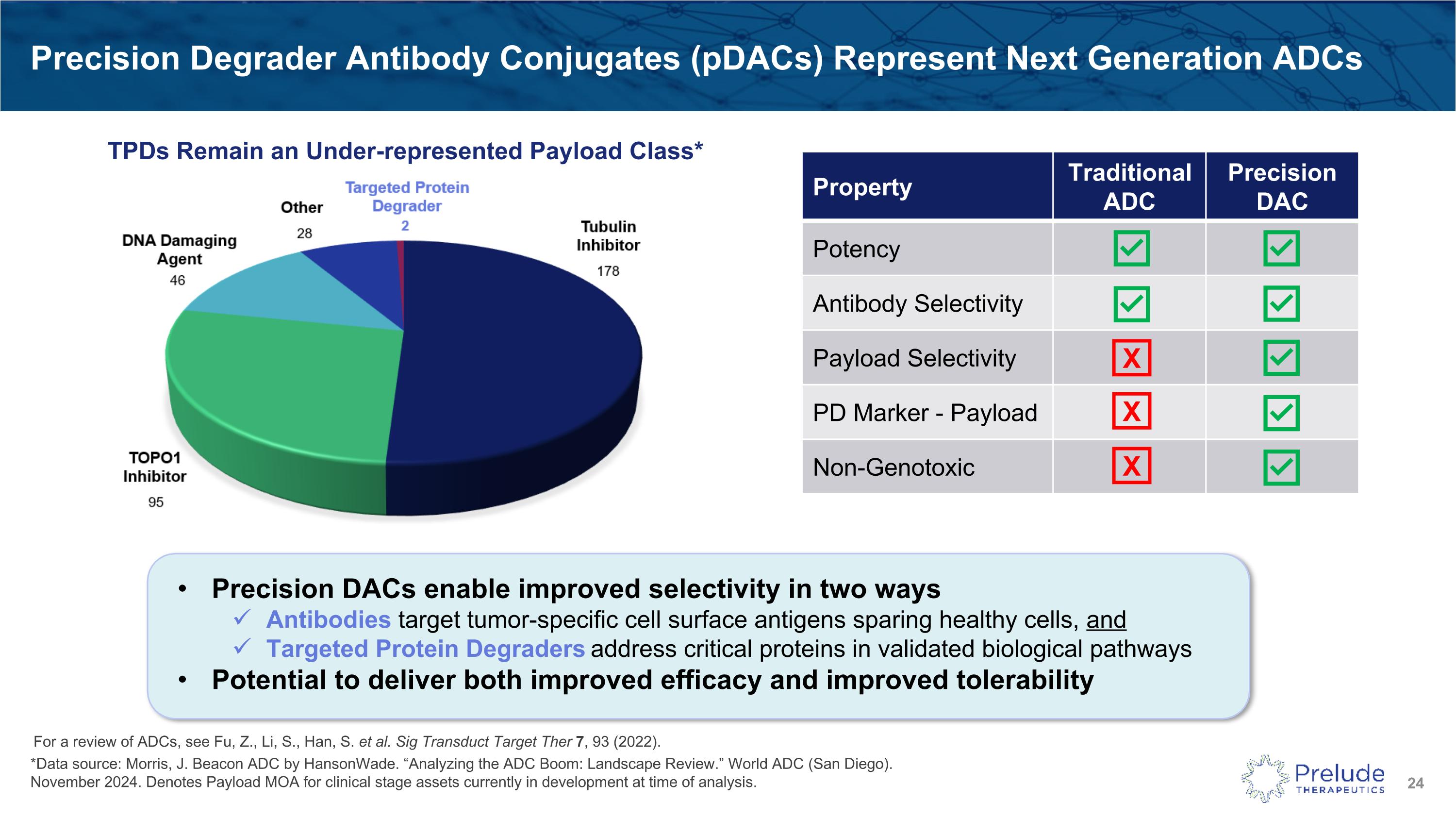
Precision Degrader Antibody Conjugates (pDACs) Represent Next Generation ADCs For a review of ADCs, see Fu, Z., Li, S., Han, S. et al. Sig Transduct Target Ther 7, 93 (2022). Precision DACs enable improved selectivity in two ways Antibodies target tumor-specific cell surface antigens sparing healthy cells, and Targeted Protein Degraders address critical proteins in validated biological pathways Potential to deliver both improved efficacy and improved tolerability Property Traditional ADC Precision DAC Potency Antibody Selectivity Payload Selectivity PD Marker - Payload Non-Genotoxic X X X TPDs Remain an Under-represented Payload Class* *Data source: Morris, J. Beacon ADC by HansonWade. “Analyzing the ADC Boom: Landscape Review.” World ADC (San Diego). November 2024. Denotes Payload MOA for clinical stage assets currently in development at time of analysis.
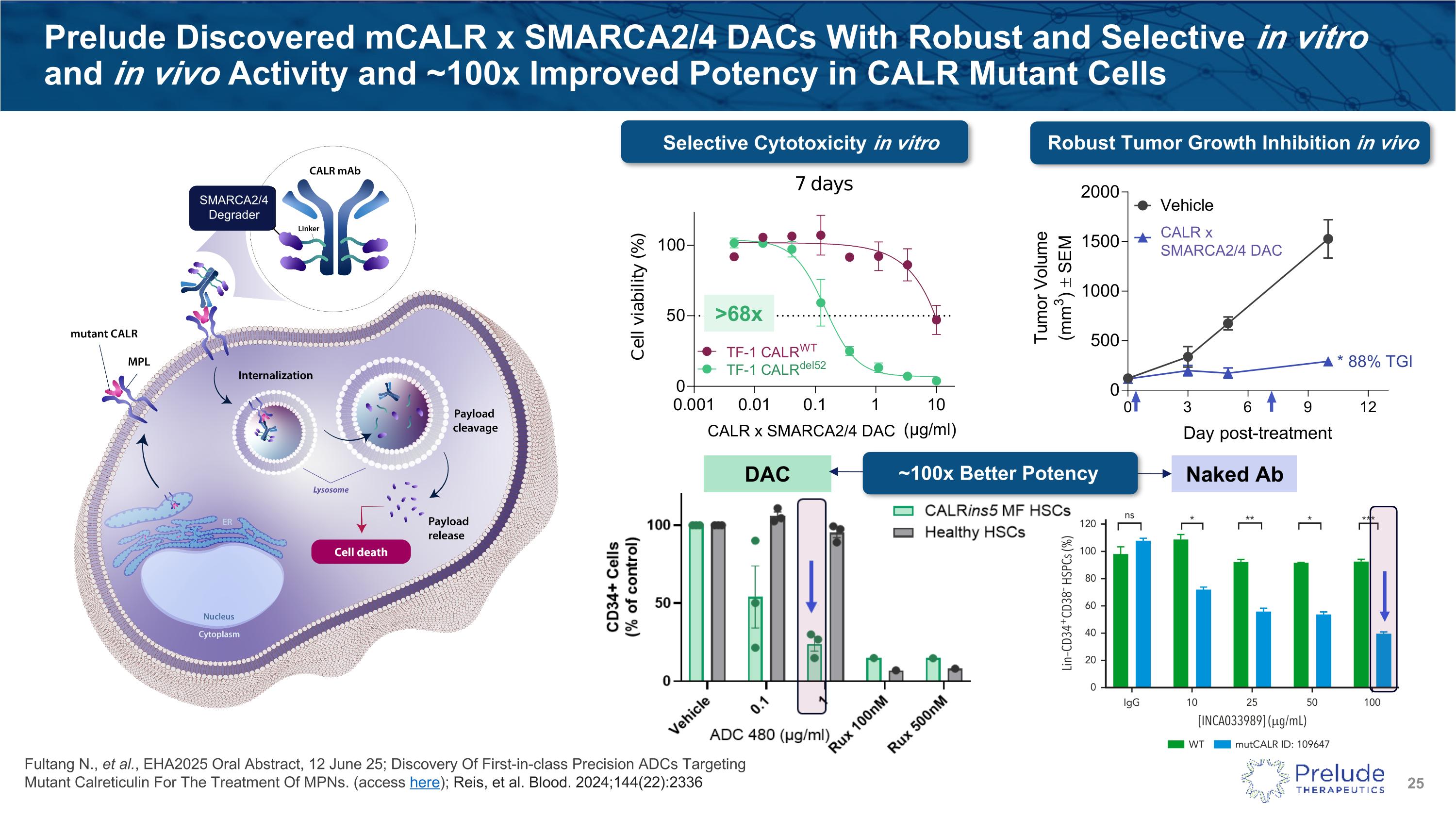
Prelude Discovered mCALR x SMARCA2/4 DACs With Robust and Selective in vitro and in vivo Activity and ~100x Improved Potency in CALR Mutant Cells >68x Selective Cytotoxicity in vitro SMARCA2/4 Degrader Robust Tumor Growth Inhibition in vivo Fultang N., et al., EHA2025 Oral Abstract, 12 June 25; Discovery Of First-in-class Precision ADCs Targeting Mutant Calreticulin For The Treatment Of MPNs. (access here); Reis, et al. Blood. 2024;144(22):2336 CALR x SMARCA2/4 DAC CALR x SMARCA2/4 DAC DAC Naked Ab ~100x Better Potency
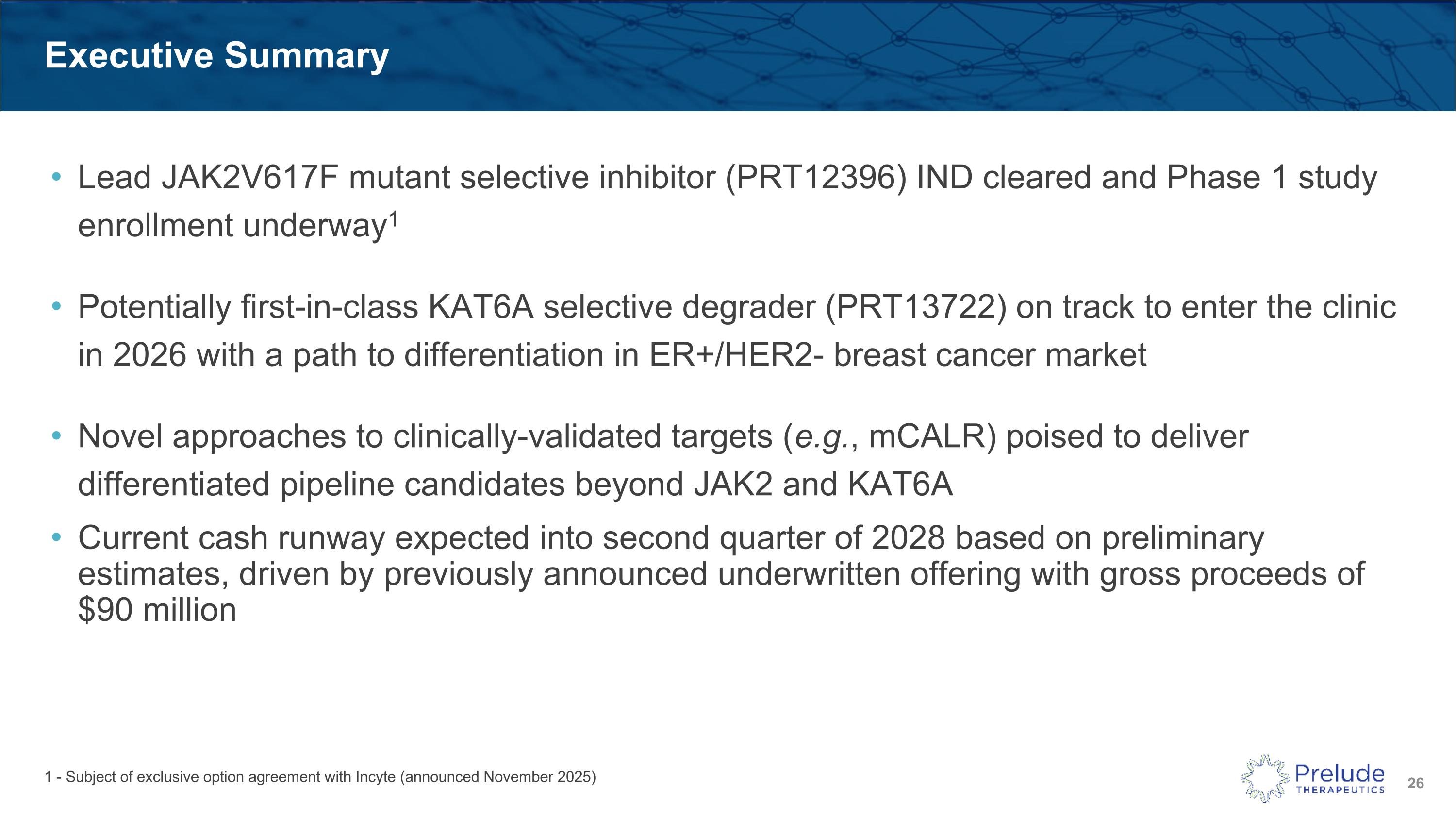
Executive Summary Lead JAK2V617F mutant selective inhibitor (PRT12396) IND cleared and Phase 1 study enrollment underway1 Potentially first-in-class KAT6A selective degrader (PRT13722) on track to enter the clinic in 2026 with a path to differentiation in ER+/HER2- breast cancer market Novel approaches to clinically-validated targets (e.g., mCALR) poised to deliver differentiated pipeline candidates beyond JAK2 and KAT6A Current cash runway expected into second quarter of 2028 based on preliminary estimates, driven by previously announced underwritten offering with gross proceeds of $90 million 1 - Subject of exclusive option agreement with Incyte (announced November 2025)

Thank You Contact Us: Robert Doody SVP, Investor Relations rdoody@preludetx.com