Revenue
Dec. 31, 2025
Significant accounting judgements and estimates Revenue from PGM and zinc retreatment mining activities The determination of PGM and zinc concentrate sales revenue from the time of initial recognition of the sale on a provisional basis through to final pricing requires management to continuously re-estimate the fair value of the price adjustment features. Management determines this with reference to estimated forward prices using consensus forecasts. These adjustments are included in revenue as adjustments to sale of PGM and zinc concentrate. Streaming and other forward sale and prepayment transactions Upon entering into a streaming or other forward sale/prepayment transaction, management applies judgement to determine the most appropriate IFRS Accounting Standard applicable to the transaction. This includes an assessment of whether the transaction is revenue, debt, a lease or the disposal of a portion of an operation. In performing this assessment, management also considers whether the transaction will be settled through physical delivery of metals, including metal credits, and whether there are any embedded derivative features to be accounted for separately. Accounting policy Revenue from mining activities Revenue from gold sales is measured and recognised based on the consideration specified in a contract with a customer. The Group recognises revenue from gold sales when the customer obtains control of the gold. These criteria are typically met when the gold is credited to the customer’s bullion account by Rand Refinery Proprietary Limited (Rand Refinery) and in the case of DRDGOLD, when the gold is transferred to the bullion bank and the sales price is fixed per deal confirmation. The transaction price is determined based on the agreed upon market price and number of ounces delivered. Revenue from PGM concentrate and metal sales is recognised when the buyer, pursuant to a sales contract, obtains control of the mined product, which is typically upon delivery. The sales price is determined on a provisional basis at the date of delivery (related to sale of concentrate). Adjustments to the selling price occur based on changes in the metal content quantities and penalties, which represents variable transaction price components, as well as changes in the metal market price up to the date of final pricing. Final pricing is based on the monthly average market price in the month of settlement. For PGM metal sales, pricing is finalised within the month of sale. For PGM concentrate sales, the period between provisional invoicing and final pricing is typically between and four months. Revenue on provisionally priced sales is initially recognised at the amount of consideration that the Group expects to be entitled to. Revenue from zinc concentrate sales is recognised when the buyer, pursuant to a sales contract, obtains control of the mined product which is typically upon receipt of the bill of lading when the goods are loaded for shipment under Cost, Insurance and Freight (CIF) Incoterms. The sales price is determined on a provisional basis at the date of loading. Adjustments to the selling price occur based on changes in the metal market price up to the date of final pricing. Final pricing is based on the monthly average market price in the month of settlement. For zinc concentrate sales, the period between provisional invoicing and final pricing is typically between and four months. Revenue on provisionally priced sales is initially recognised at the amount of consideration that the Group expects to be entitled to. The revenue adjustment mechanism relating to changes in metal market prices, embedded within provisionally priced PGM and zinc concentrate sale arrangements, has the characteristics of a commodity derivative. Accordingly, the fair value of the final sales price adjustment is re- estimated continuously and changes in fair value are recognised as an adjustment to revenue in profit or loss and trade receivables in the statement of financial position. In all cases, fair value is determined with reference to estimated forward prices using consensus forecasts. Revenue arising from these price adjustments is disclosed separately from revenue from contracts with customers. Revenue from PGM recycling consists of the sales of recycled palladium, platinum and rhodium derived from spent catalytic material and is recognised when control is transferred, which is when metal is transferred from the Group’s metal account to the third party’s metal account. Revenue from PGM recycling also includes revenue from toll processing, which is recognised at the time the returnable metals are returned to the supplier at a third-party refinery. Revenue from e-scrap recycling consists primarily of the sale of precious metals to customers, typically downstream refiners, in the form of bullion as well as partially refined or refined metals. Sales include low-grade and high-grade precious metals bearing material shipped from the Group's refining facilities to downstream refiners, for which the Group is compensated by either returnable metal and/or cash. The transaction price is determined with reference to market prices of the underlying precious metals, adjusted for refining and other applicable charges where appropriate. In certain arrangements, the Group may receive advance payments from customers prior to final settlement. Where such payments are received before control of the material transfers, the amounts received are recognised as deferred revenue (see note 31). Revenue is recognised when control of the material transfers to the customer at the consideration that the Group expects to be entitled to. In assessing the transfer of control, the Group considers, amongst other factors, the point at which the customer obtains the ability to direct the use of the material and obtain its economic benefits, including whether the Group retains exposure to price fluctuations in the underlying metals and substantive decision-making rights over the ultimate sale of the material. |
Revenue from sale of other metals produced in Europe, USA and Australia is measured and recognised based on the consideration specified in a contract with a customer. The Group recognises revenue from these metal sales when the customer obtains control of the product, which is typically upon delivery. Streaming revenue The Group enters into long-term metal streaming transactions whereby it receives advance payments as well as additional cash payments for delivery of future ounces to streaming entities, typically over the entire life-of-mine of the operations subject to the stream. These contracts are typically settled by the Group transferring metal credits, representing underlying refined metals, to the streaming entity's metal account. These transactions provide for settlement in physical commodity ounces or metal credits. Each ounce is identified as a separate performance obligation. The transaction price under IFRS 15 Revenue from Contracts with Customers (IFRS 15), being the advance payment (see note 31) and future cash payments to be received, is recognised as revenue each month when the commodity ounces or metal credits are transferred to the streaming entity's account. It is from this date that the streaming entity has effectively accepted the metal, has physical control of the related metal and has the risk and reward of the respective metal (i.e. control has transferred). Revenue is recognised over the life-of-mine of the relevant operations in line with the timing of control transfer discussed above. To the extent that the life-of-mine changes or other key inputs are changed (see note 31), these changes are recognised prospectively as a cumulative catch-up in revenue in the year that the change occurs. Other forward sale and prepayment transactions The Group also enters into other forward sale or prepayment transactions with counterparties in which a cash payment is received in advance for future delivery of metals to the relevant counterparty. Each metal unit is identified as a separate performance obligation. The transaction price under IFRS 15, being the advance payment and further cash payments received, is recognised as revenue when the metals are delivered or credited to the customer’s account and Sibanye-Stillwater no longer has physical control of the metal, which is also when the risk and rewards are transferred (i.e. control has transferred). |
The Group’s sources of revenue are:
Figures in million – SA rand | 2025 | 2024 | 2023 |
Primary mining: | |||
Gold mining activities | 27,930 | 24,077 | 23,327 |
PGM mining activities1 | 65,568 | 59,682 | 66,275 |
Nickel refining activities | 518 | 2,784 | 3,024 |
Secondary mining: | |||
Zinc retreatment operation2 | 4,763 | 4,220 | 2,580 |
Gold tailings retreatment | 9,129 | 7,068 | 5,816 |
Recycling: | |||
Pennsylvania site and North Carolina site recycling activities | 13,129 | 6,306 | — |
Columbus site recycling activities | 7,218 | 7,574 | 13,318 |
Other: | |||
Stream1 | 1,299 | 581 | 509 |
Total revenue from contracts with customers | 129,554 | 112,292 | 114,849 |
Adjustments relating to sales of PGM concentrate provisional pricing3 | 214 | 74 | (836) |
Adjustments relating to Zinc operation provisional pricing3 | (91) | (237) | (329) |
Total revenue | 129,677 | 112,129 | 113,684 |
1The difference between revenue from PGM mining activities presented above and total revenue from PGM mining activities presented on the segment
report relates to the separate disclosure of revenue from the gold and palladium streaming arrangement with Wheaton Precious Metals International
(Wheaton International) (Wheaton Stream) and the gold and platinum streaming arrangement with Franco-Nevada (Franco-Nevada stream) in the above.
Revenue relating to the Wheaton Stream and Franco-Nevada stream is incorporated in the Group corporate segment as described in the segment report
(see note 2)
2The difference between revenue from the zinc retreatment operation presented above and total revenue from zinc retreatment operation presented on the
segment report relates to the separate disclosure of revenue related to adjustments on the provisional pricing on zinc sales
3These adjustments relate to provisional pricing arrangements resulting from subsequent changes to the amount of revenue recognised
Revenue per geographical region of the relevant operations:
Figures in million – SA rand | 2025 | 2024 | 2023 |
Southern Africa (SA) | 97,942 | 82,402 | 84,736 |
United States (US) | 26,545 | 22,960 | 23,673 |
Europe (EU) | 518 | 2,784 | 3,024 |
Australia (AUS) | 4,672 | 3,983 | 2,251 |
Total revenue | 129,677 | 112,129 | 113,684 |
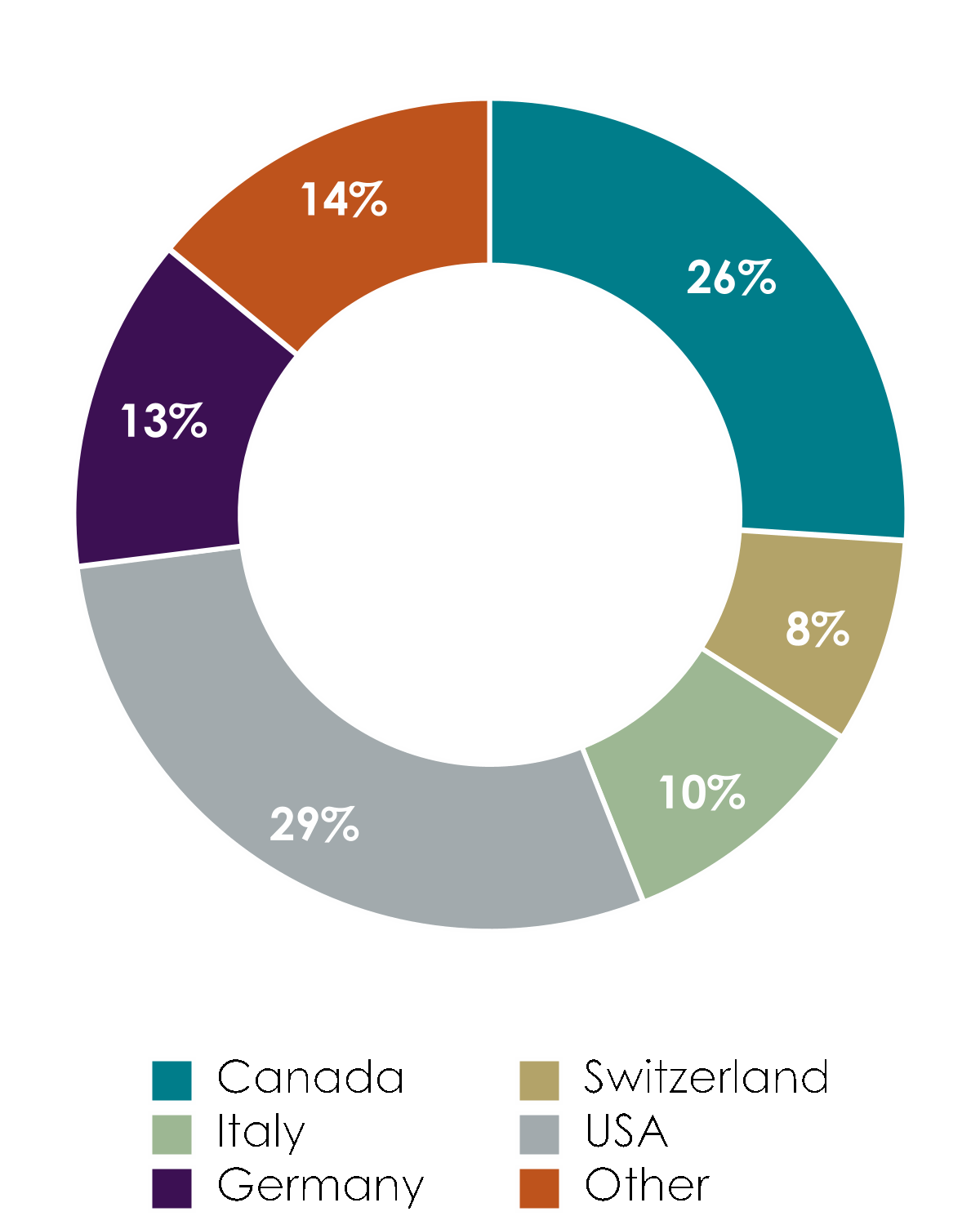
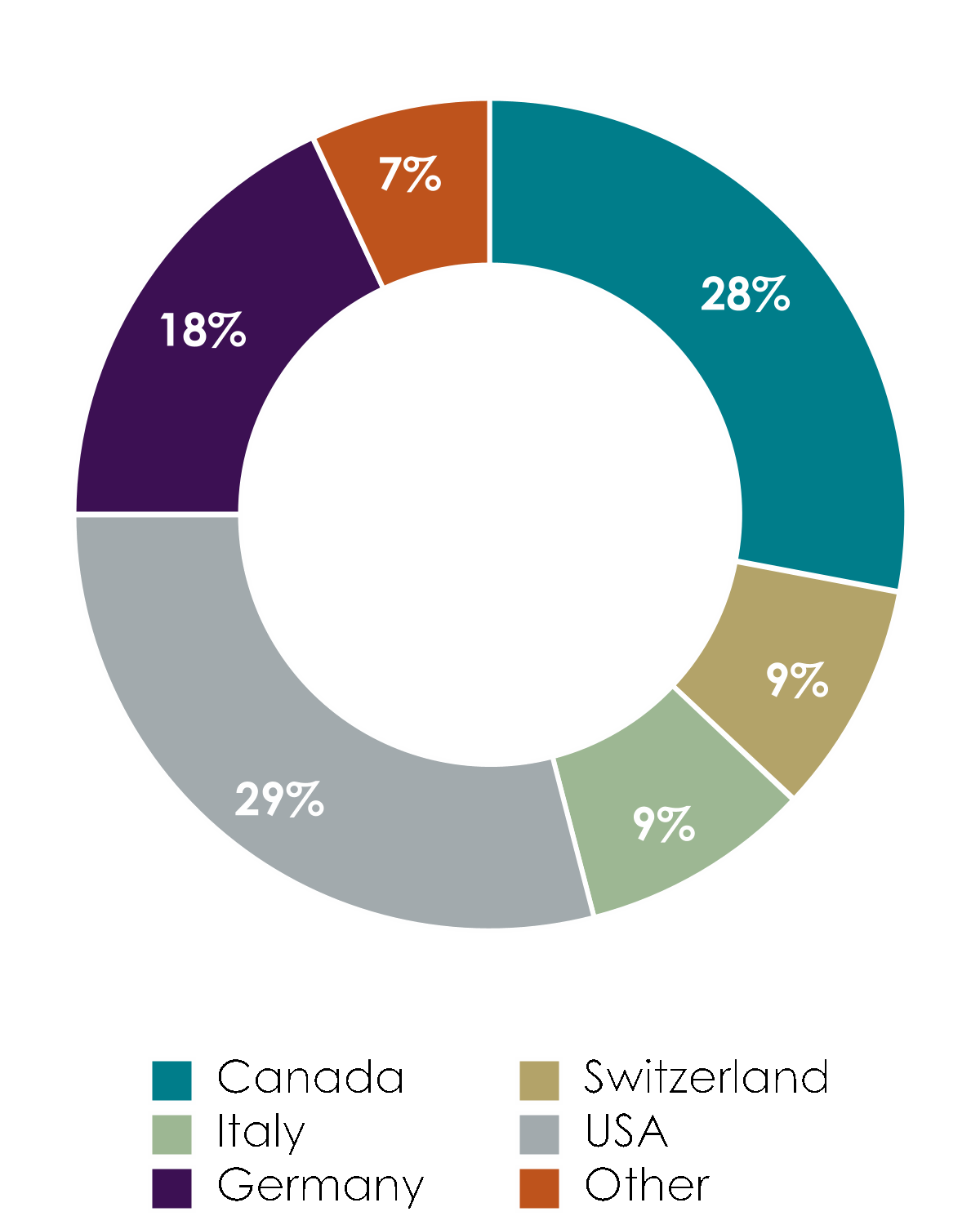
Percentage of revenue per segment based on the geographical location of customers purchasing from the Group
SA Gold
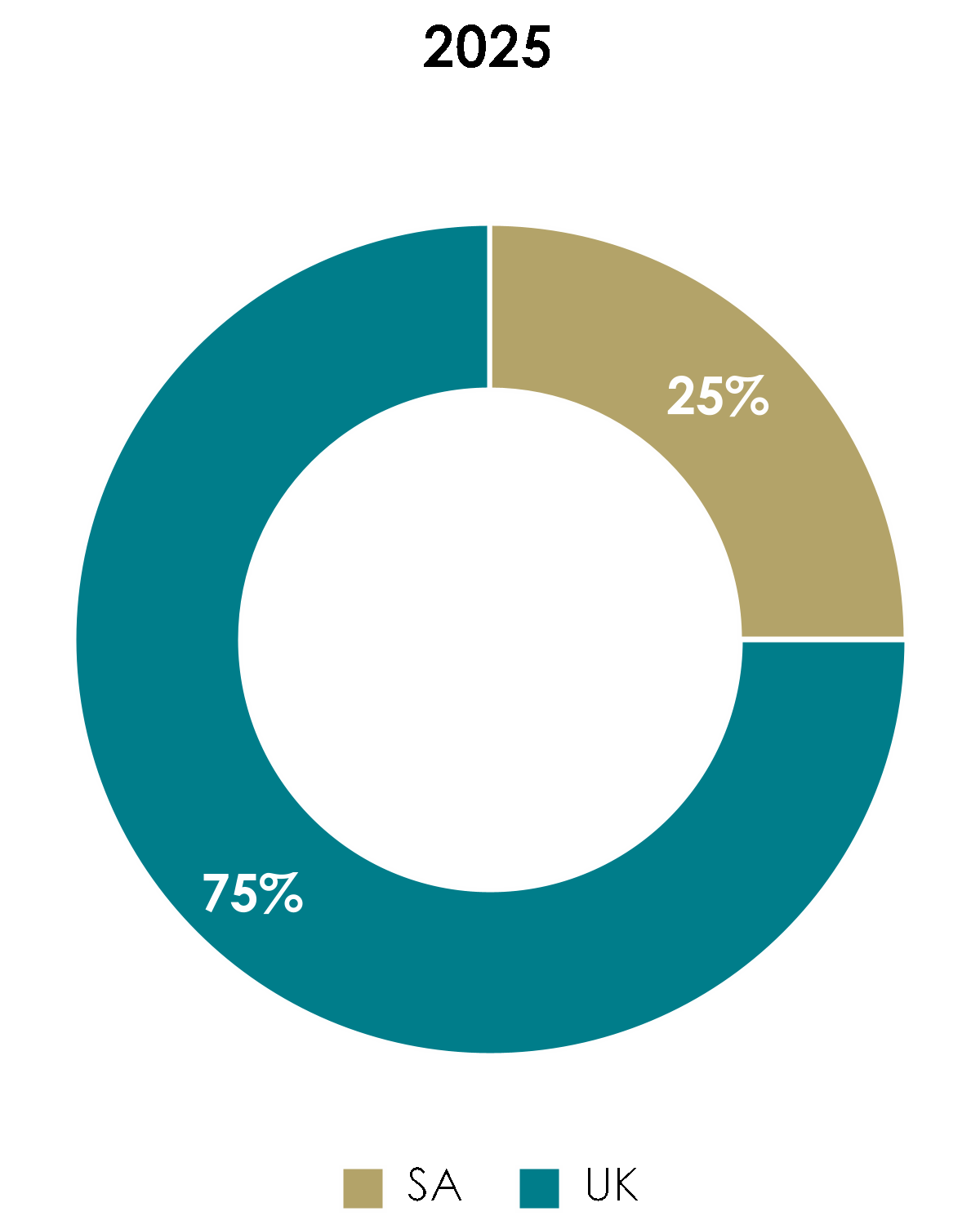
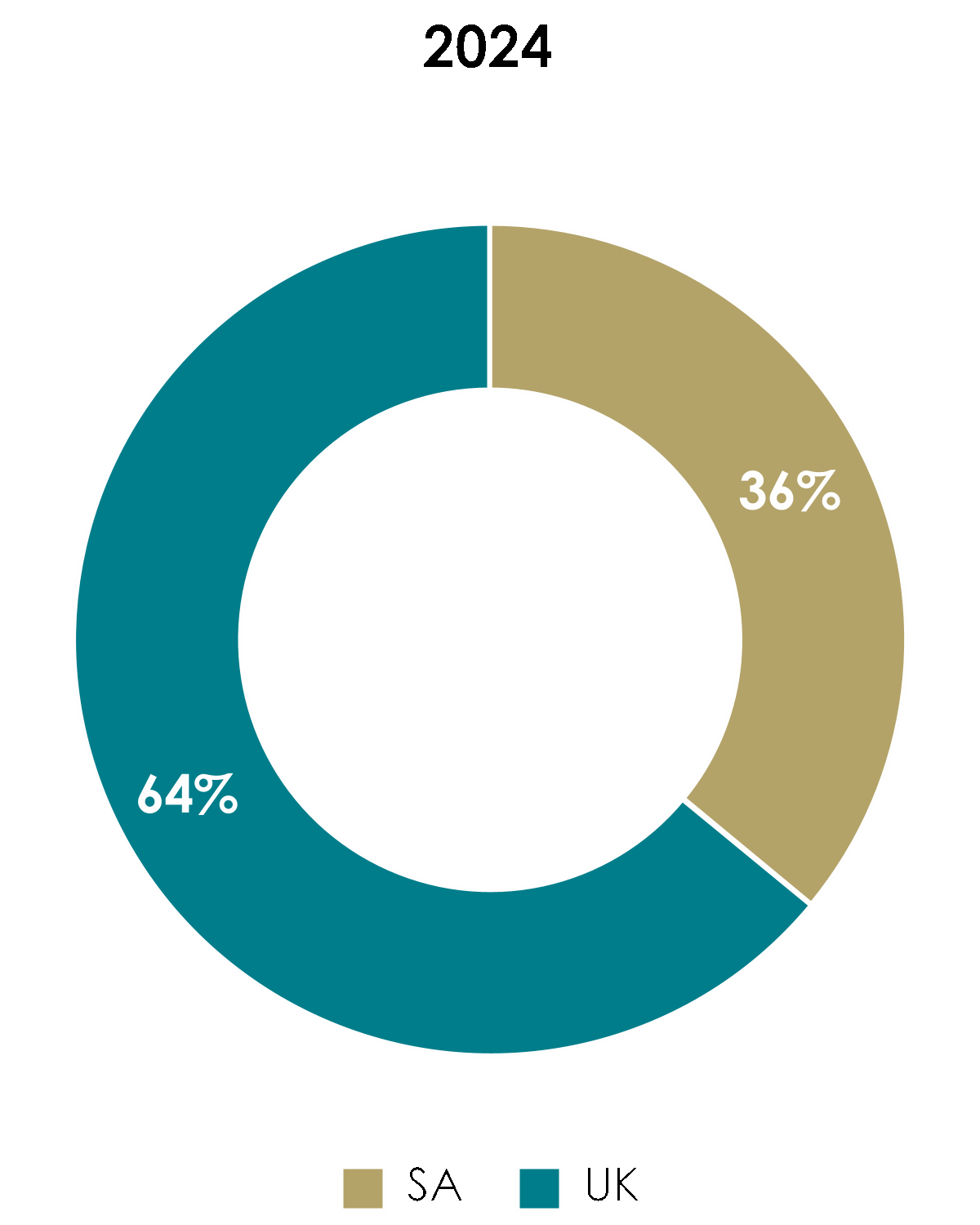
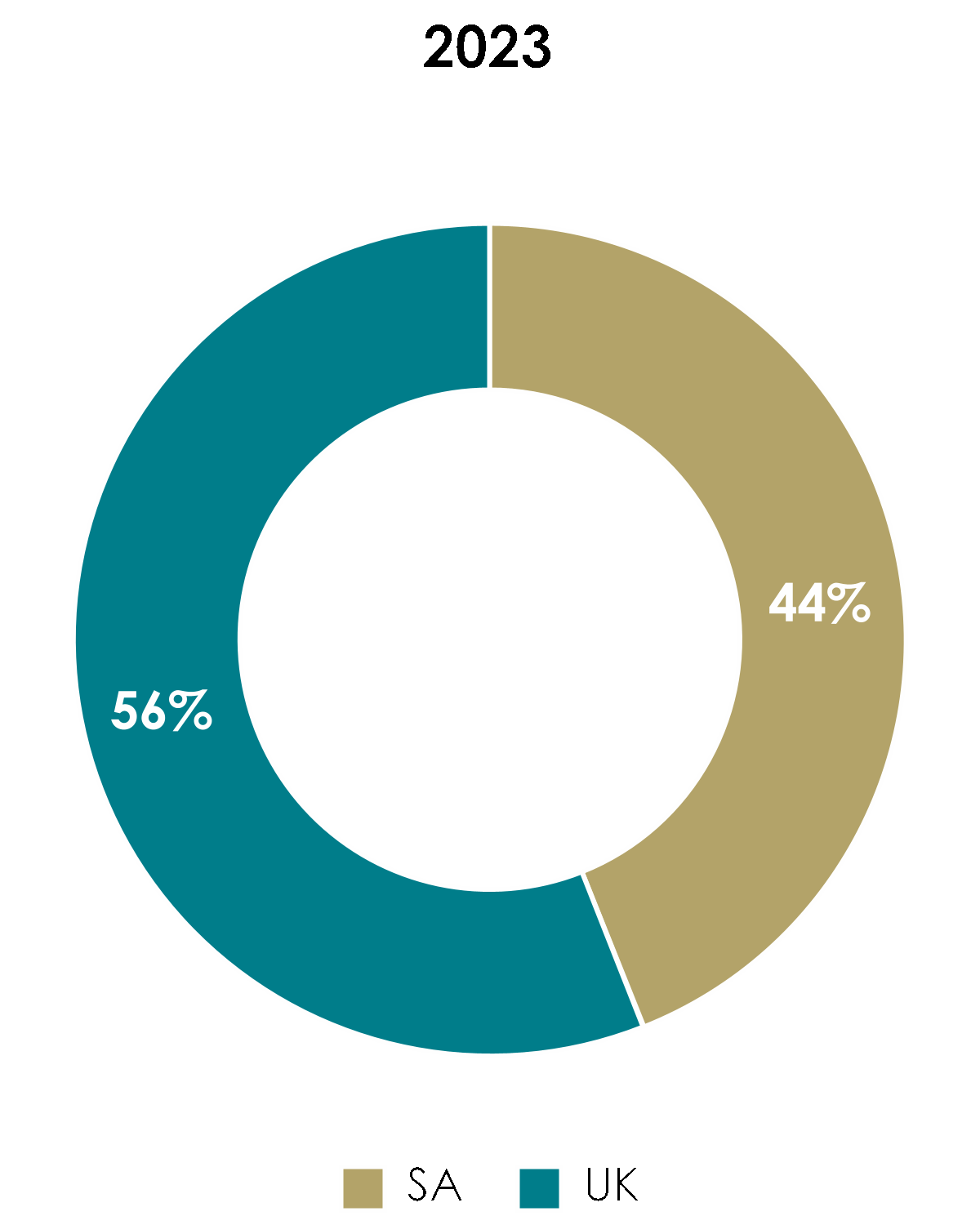
US and SA PGM
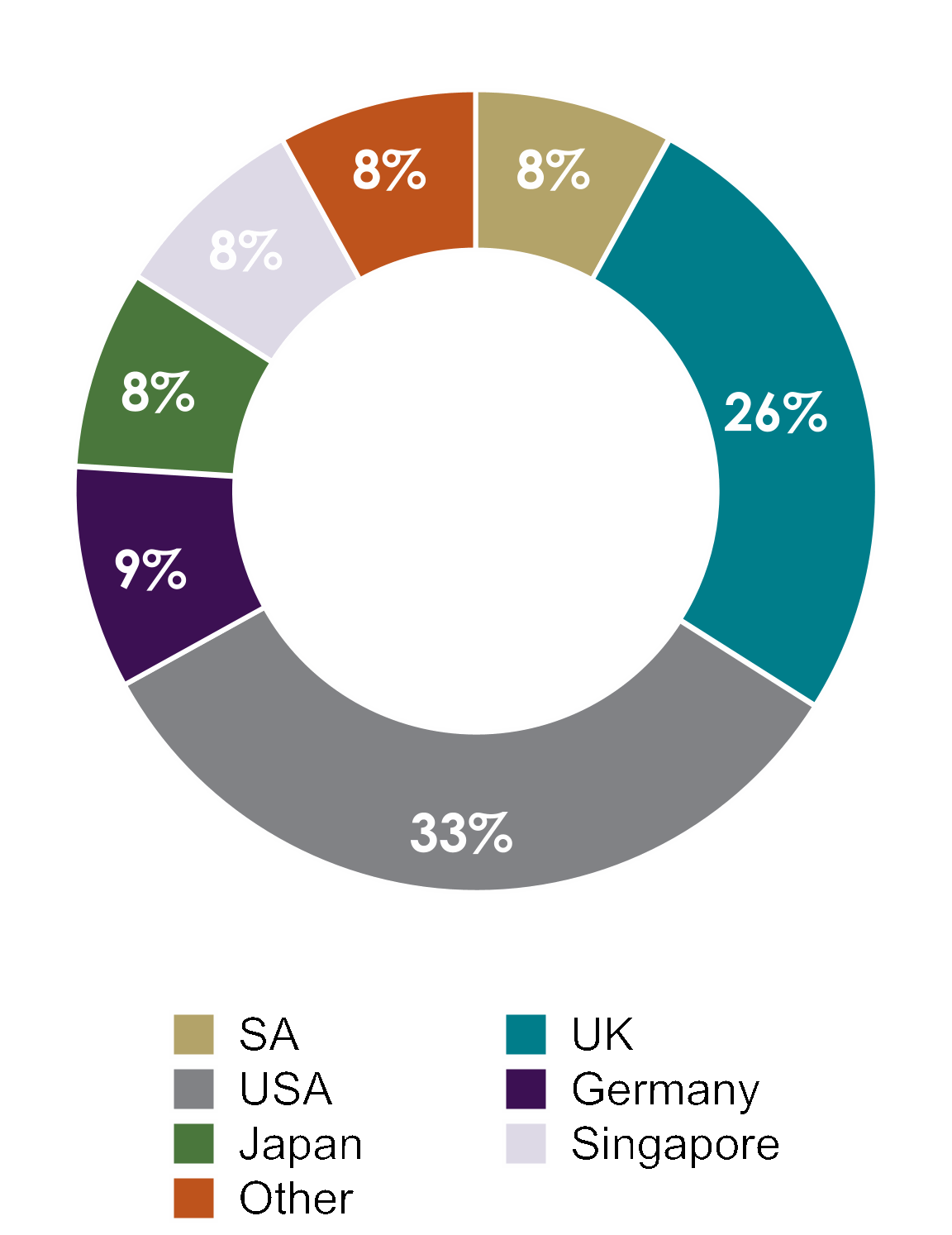
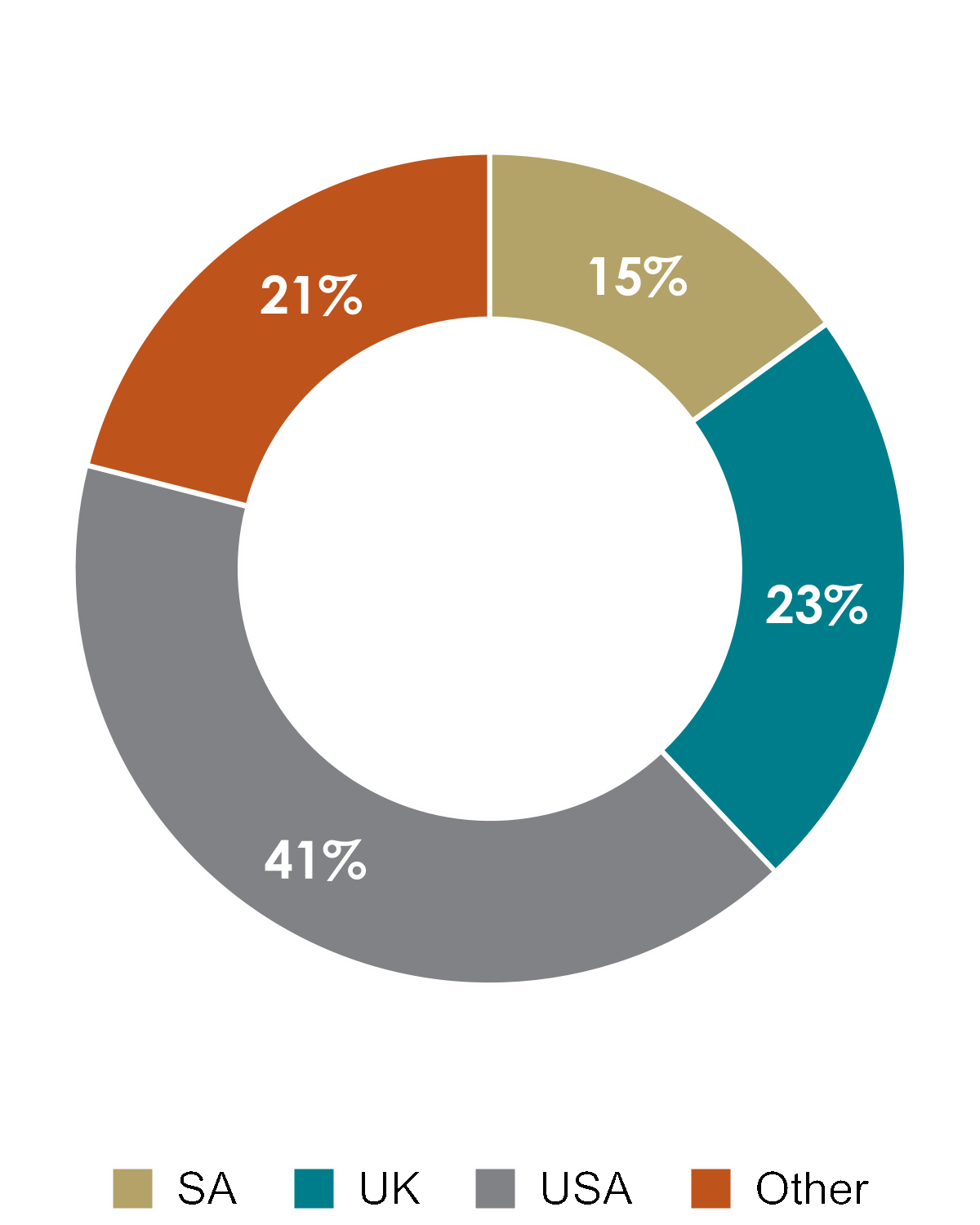
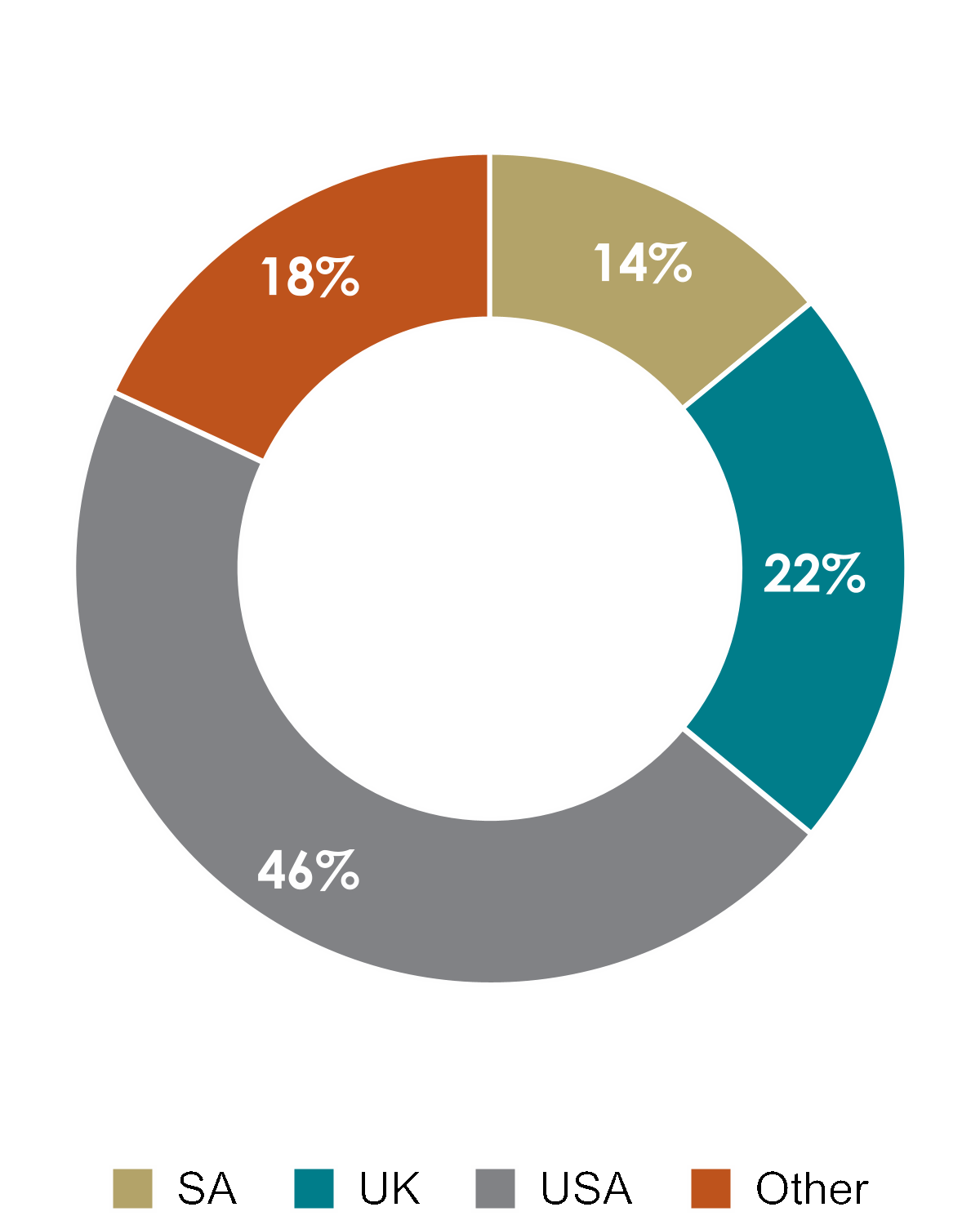
Nickel refining (Europe)
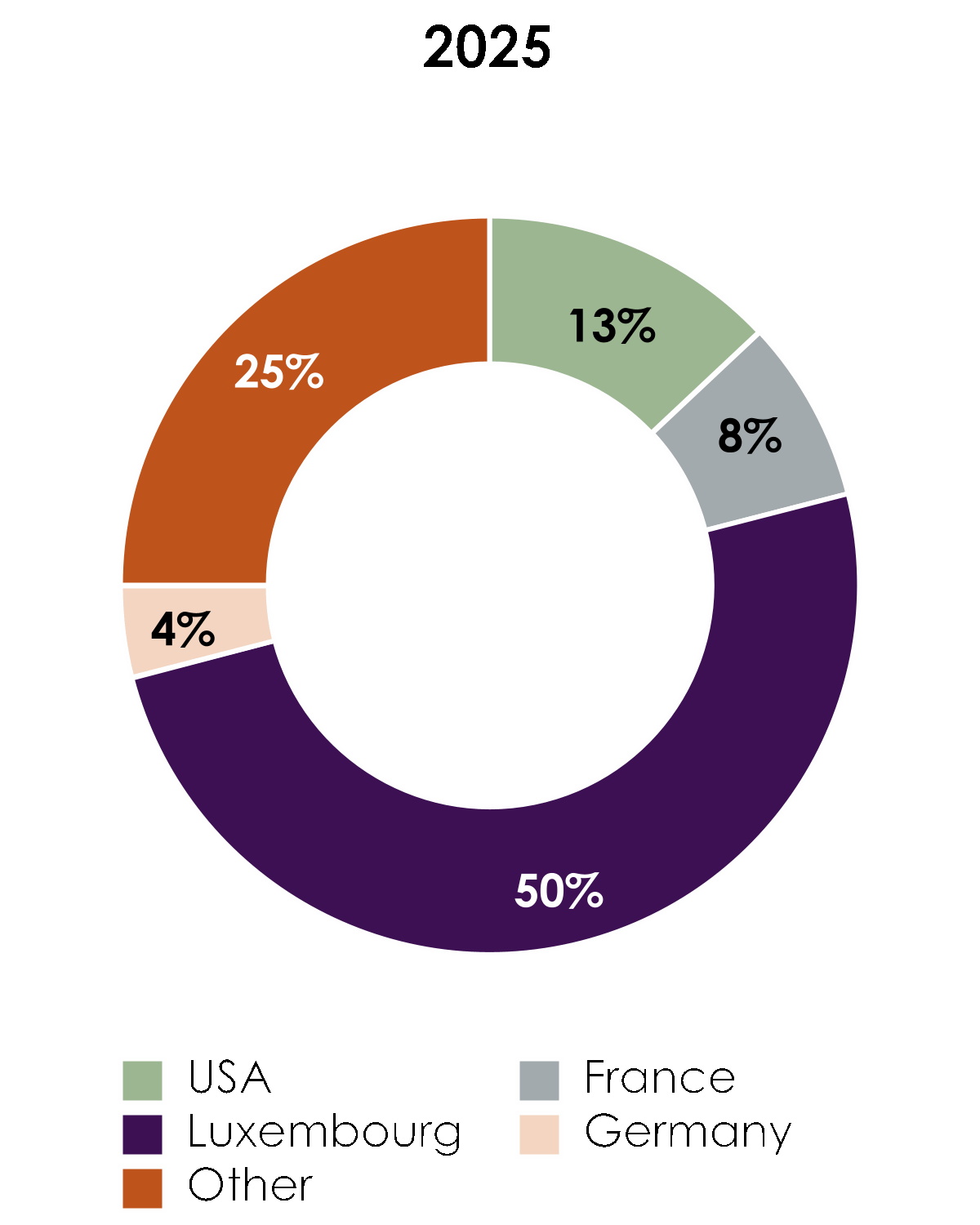
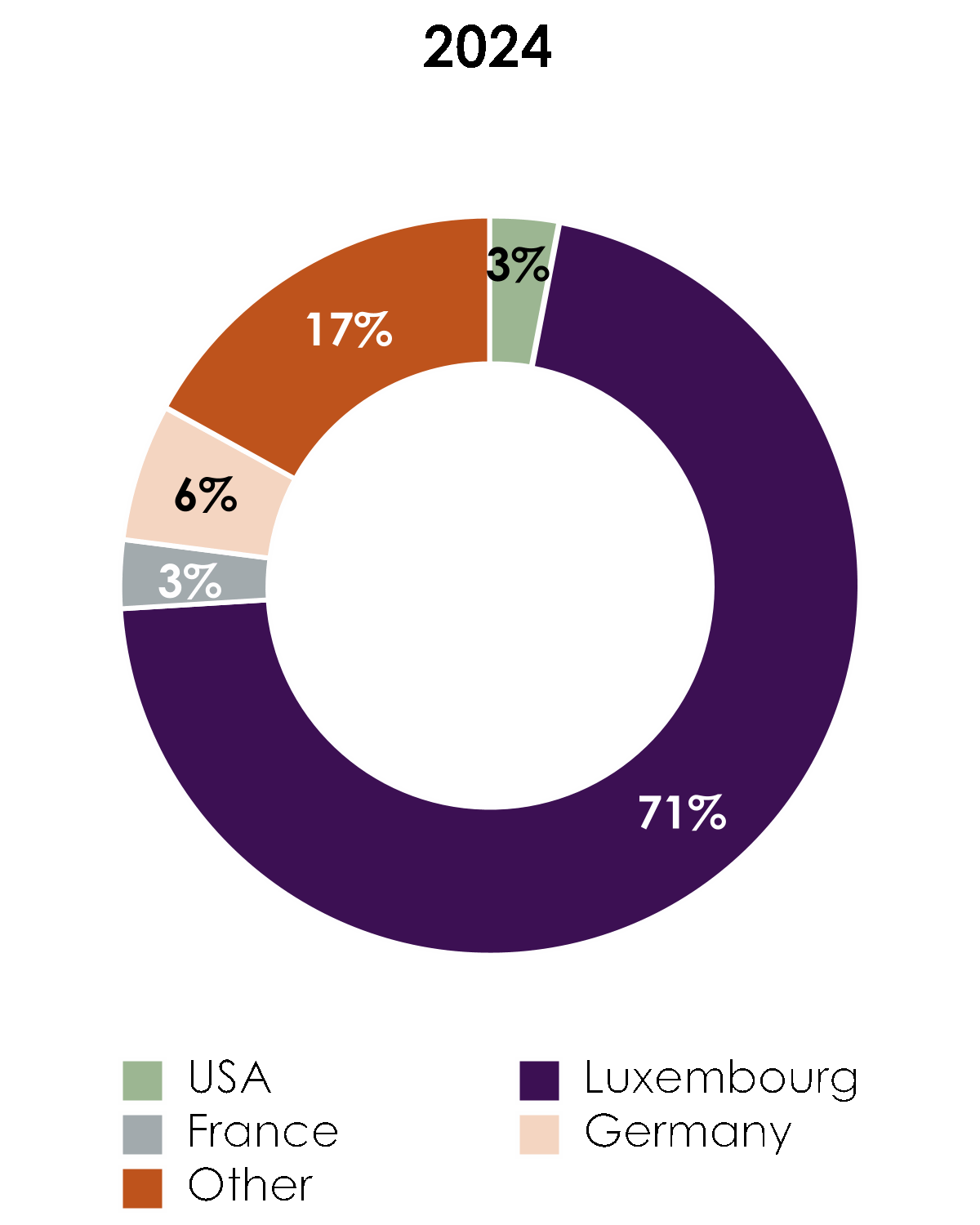
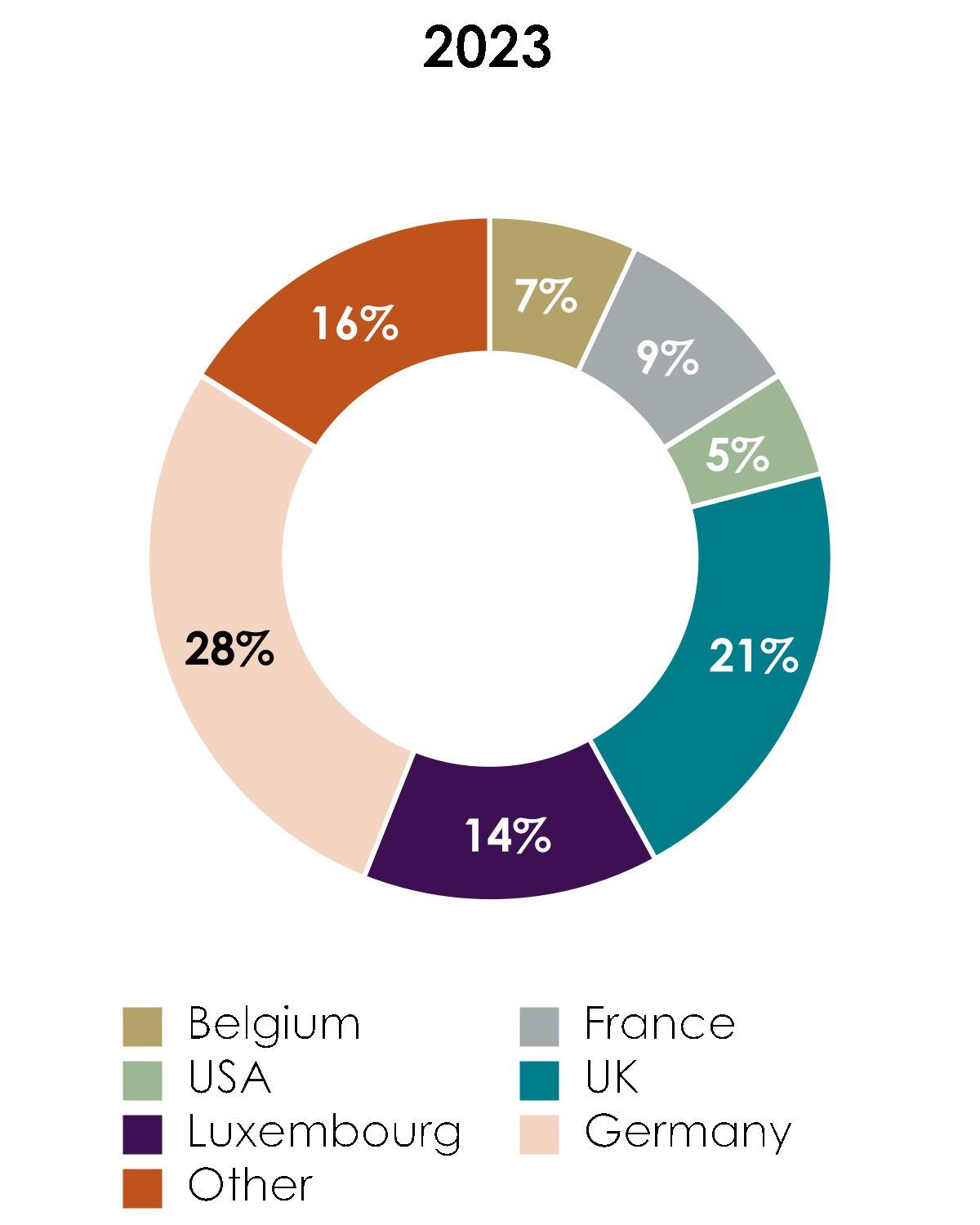
Zinc retreatment (Australia)
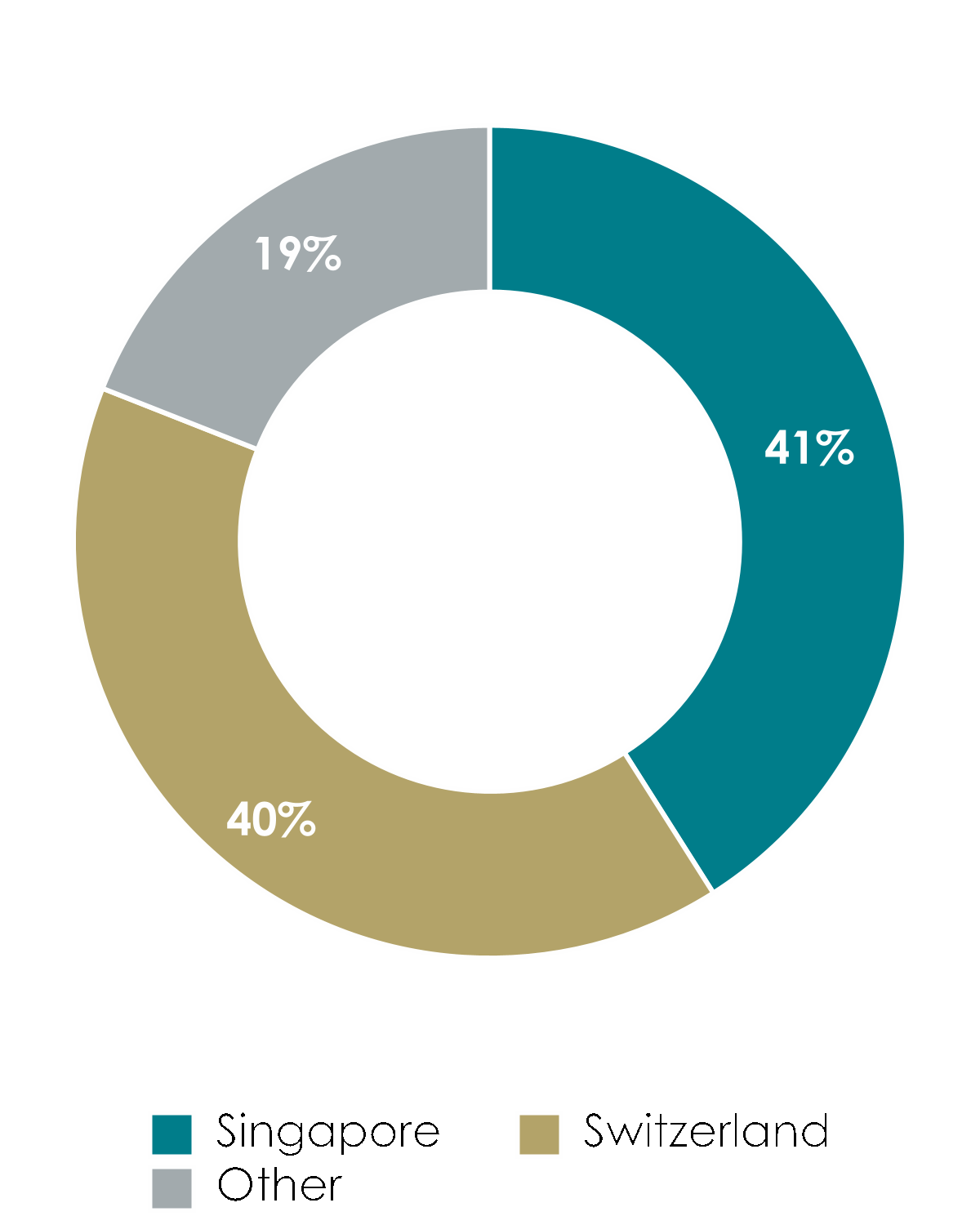
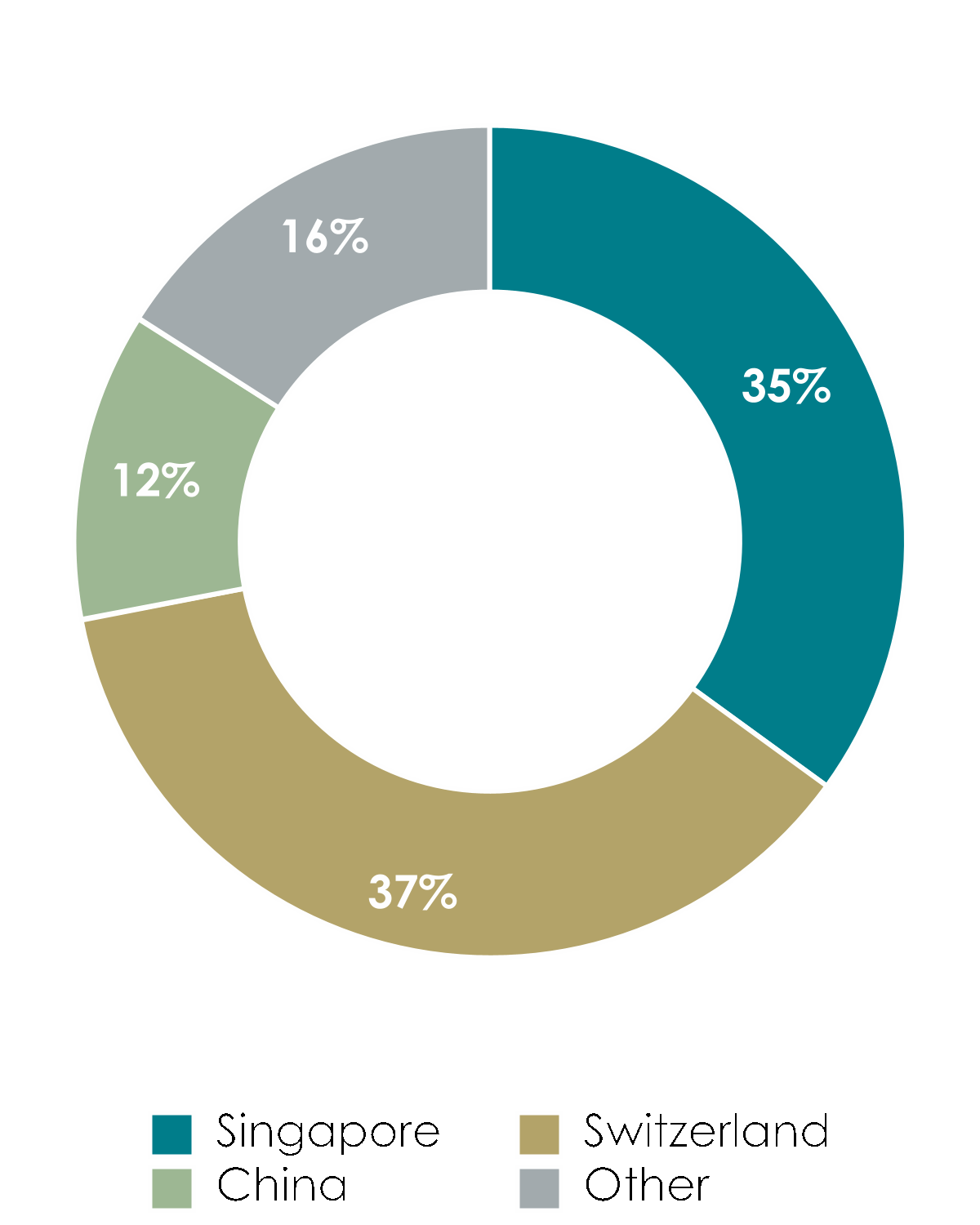
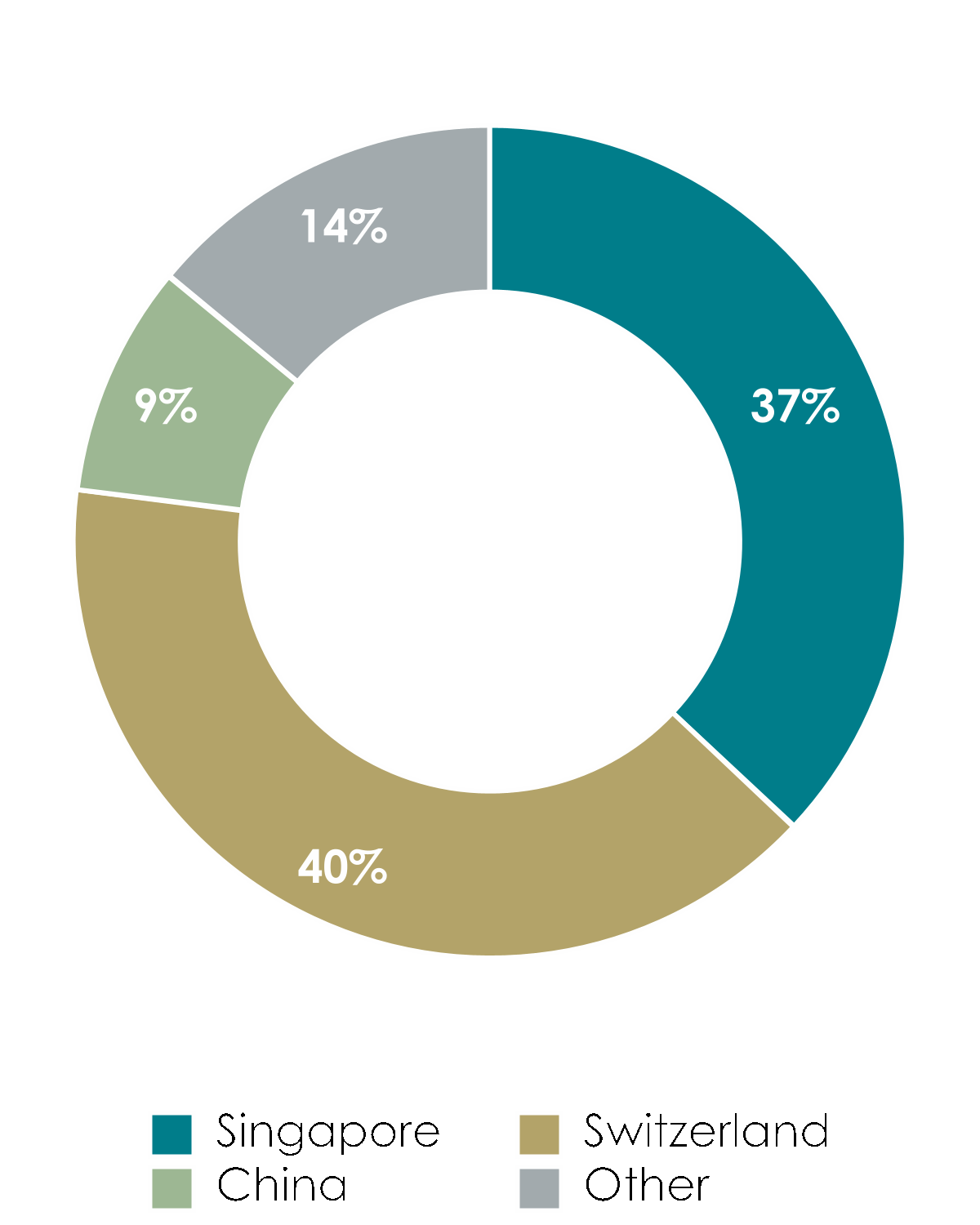
Pennsylvania site and North Carolina site recycling (US)
Revenue generated per product:
Figures in million – SA rand | 2025 | 2024 | 2023 |
Gold | 47,691 | 37,138 | 30,257 |
PGMs | 68,945 | 59,547 | 71,090 |
Platinum | 25,829 | 20,573 | 19,775 |
Palladium | 19,114 | 19,919 | 25,271 |
Rhodium | 17,973 | 14,747 | 21,991 |
Iridium | 3,781 | 2,824 | 2,883 |
Ruthenium | 2,248 | 1,484 | 1,170 |
Chrome | 4,824 | 6,069 | 5,165 |
Nickel | 1,332 | 3,626 | 4,334 |
Zinc | 4,326 | 3,765 | 2,126 |
Silver | 2,146 | 1,008 | 152 |
Other1 | 413 | 976 | 560 |
Total revenue | 129,677 | 112,129 | 113,684 |
1Other primarily includes revenue from cobalt and copper sales
Major customers
The table below illustrates the Group's major customers for the year ended:
Figures in million – SA rand | 2025 | 2024 | 2023 | ||||||
Customers | Customers | Customers | |||||||
Operating segments | A | B | C | A | B | C | A | B | C |
US PGM, SA PGM and Pennsylvania site recycling and North Carolina site recycling | 26,335 | — | — | 24,719 | — | — | — | — | — |
US PGM and SA PGM | — | 13,088 | — | — | 12,332 | — | 28,764 | 13,804 | — |
SA gold | — | — | 14,950 | — | — | 12,183 | — | — | 14,405 |
Market risk
Foreign currency sensitivity
The US, European and Australian regions' revenue (and expenses) are translated from their functional currencies (US dollars, Euros and
Australian dollars, respectively) to the Group’s presentation currency (SA rand) and, therefore, the Group’s “presentation currency”
earnings are sensitive to changes in the exchange rate. A one percentage point change in the SA rand average exchange rate for the
year ended 31 December 2025 of R17.88/US$, R20.17/EUR and R11.52/AUD would have changed profit or loss by approximately R80 million.