
Exhibit 99.2
Consolidated Financial Statements of
INTERMAP TECHNOLOGIES CORPORATION
Years ended December 31, 2025 and 2024
(expressed in thousands of United States dollars, except for per share amounts)
REPORT OF INDEPENDENT REGISTERED PUBLIC ACCOUNTING FIRM |  |
To the Board of Directors and Shareholders of Intermap Technologies Corporation
Opinion on the Consolidated Financial Statements
We have audited the accompanying consolidated statement of financial position of Intermap Technologies Corporation (the “Company”) as at December 31, 2025, and the related consolidated statement of income (loss) and other comprehensive income (loss), changes in shareholders’ equity, and cash flows for the year then ended, and the related notes (collectively referred to as the “consolidated financial statements”).
In our opinion, the consolidated financial statements present fairly, in all material respects, the consolidated financial position of the Company as at December 31, 2025, and the results of its consolidated operation and its consolidated cash flow for the year then ended, in conformity with IFRS® Accounting Standards as issued by the International Accounting Standards Board.
Basis for Opinion
These consolidated financial statements are the responsibility of the Company’s management. Our responsibility is to express an opinion on the Company’s consolidated financial statements based on our audit. We are a public accounting firm registered with the Public Company Accounting Oversight Board (United States) (“PCAOB”) and are required to be independent with respect to the Company in accordance with the U.S. federal securities laws and the applicable rules and regulations of the Securities and Exchange Commission and the PCAOB.
We conducted our audit in accordance with the standards of the PCAOB. Those standards require that we plan and perform the audit to obtain reasonable assurance about whether the consolidated financial statements are free of material misstatement, whether due to error or fraud. The Company is not required to have, nor were we engaged to perform, an audit of its internal control over financial reporting. As part of our audit, we are required to obtain an understanding of internal control over financial reporting, but not for the purpose of expressing an opinion on the effectiveness of the Company’s internal control over financial reporting. Accordingly, we express no such opinion.
Our audit included performing procedures to assess the risks of material misstatement of the consolidated financial statements, whether due to error or fraud, and performing procedures that respond to those risks. Such procedures included examining, on a test basis, evidence regarding the amounts and disclosures in the consolidated financial statements. Our audit also included evaluating the accounting principles used and significant estimates made by management, as well as evaluating the overall presentation of the consolidated financial statements. We believe that our audit provides a reasonable basis for our opinion.
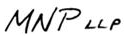
Chartered Professional Accountants
Licensed Public Accountants
March 31, 2026
We have served as the company’s auditor since 2025.
1 Adelaide Street East, Suite 1900, Toronto ON, M5C 2V9 | 1.877.251.2922 T: 416.596.1711 F: 416.596.7894 |
REPORT OF INDEPENDENT REGISTERED PUBLIC ACCOUNTING FIRM
To the Shareholders of Intermap Technologies Corporation
Opinion on the Consolidated Financial Statements
We have audited the accompanying consolidated statement of financial position of Intermap Technologies Corporation (the Entity) as at December 31, 2024, the related consolidated statement of income (loss) and other comprehensive income (loss), shareholders’ equity, and cash flows for the year then ended, and the related notes (collectively, the consolidated financial statements). In our opinion, the consolidated financial statements present fairly, in all material respects, the financial position of the Entity as at December 31, 2024, and its financial performance and its cash flows for the year then ended, in conformity with International Financial Reporting Standards (IFRS) as issued by the International Accounting Standards Board (IASB).
Basis for Opinion
These consolidated financial statements are the responsibility of the Entity’s management. Our responsibility is to express an opinion on these consolidated financial statements based on our audit. We are a public accounting firm registered with the Public Company Accounting Oversight Board (United States) (PCAOB) and are required to be independent with respect to the Entity in accordance with the U.S. federal securities laws and the applicable rules and regulations of the Securities and Exchange Commission and the PCAOB.
We conducted our audit in accordance with the standards of the PCAOB. Those standards require that we plan and perform the audit to obtain reasonable assurance about whether the consolidated financial statements are free of material misstatement, whether due to error or fraud. The Entity is not required to have, nor were we engaged to perform, an audit of its internal control over financial reporting. As part of our audit, we are required to obtain an understanding of internal control over financial reporting but not for the purpose of expressing an opinion on the effectiveness of the Entity’s internal control over financial reporting. Accordingly, we express no such opinion. Our audit included performing procedures to assess the risks of material misstatement of the consolidated financial statements, whether due to error or fraud, and performing procedures that respond to those risks. Such procedures included examining, on a test basis, evidence regarding the amounts and disclosures in the consolidated financial statements. Our audit also included evaluating the accounting principles used and significant estimates made by management, as well as evaluating the overall presentation of the consolidated financial statements. We believe that our audit provides a reasonable basis for our opinion.
/s/ KPMG LLP
Chartered Professional Accountants, Licensed Public Accountants
We have served as the Entity’s auditor from 1996 to 2025.
Ottawa, Canada
March 31, 2026
Intermap Technologies corporation
Consolidated Statements of Financial Position
(In thousands of United States dollars)
| December 31, | December 31, | |||||||
| 2025 | 2024 | |||||||
| Assets | ||||||||
| Current assets: | ||||||||
| Cash | $ | $ | ||||||
| Amounts receivable (Note 18) | ||||||||
| Contract asset | ||||||||
| Prepaid expenses | ||||||||
| Prepaid expenses | ||||||||
| Property and equipment (Note 5) | ||||||||
| Intangible assets (Note 6) | ||||||||
| Right of use assets (Note 7) | ||||||||
| Investment (Note 8) | ||||||||
| Total assets | $ | $ | ||||||
| Liabilities and Shareholders’ Equity | ||||||||
| Current liabilities: | ||||||||
| Accounts payable and accrued liabilities (Note 9) | $ | $ | ||||||
| Bank loan (Note 10(a)) | ||||||||
| Current portion of government loans (Note 10(d)) | ||||||||
| Loan payable (Note 10(b)) | ||||||||
| Lease obligations (Note 11) | ||||||||
| Contract liability | ||||||||
| Income taxes payable | ||||||||
| Defined benefit plan (Note 12) | ||||||||
| Long-term project financing (Note 10(c)) | ||||||||
| Long-term government loans (Note 10(d)) | ||||||||
| Loan payable (Note 10(b)) | ||||||||
| Contract liability | ||||||||
| Lease obligations (Note 11) | ||||||||
| Total liabilities | ||||||||
| Shareholders’ equity: | ||||||||
| Share capital (Note 15(b)) | ||||||||
| Warrants (Note 16) | ||||||||
| Accumulated other comprehensive loss | ( | ) | ( | ) | ||||
| Contributed surplus (Note 15(c)) | ||||||||
| Deficit | ( | ) | ( | ) | ||||
| Total shareholders’ equity | ||||||||
| Total liabilities and shareholders’ equity | $ | $ | ||||||
Subsequent event (Note 22)
See accompanying notes to consolidated financial statements.
Intermap Technologies corporation
Consolidated Statements of Income (Loss) and Other Comprehensive Income (Loss)
(In thousands of United States dollars, except per share information)
| For the years ended December 31, | 2025 | 2024 | ||||||
| Revenue (Note 13) | $ | $ | ||||||
| Expenses: | ||||||||
| Operating costs (Note 14(a)) | ||||||||
| Depreciation of property and equipment (Note 5) | ||||||||
| Amortization of intangible assets (Note 6) | ||||||||
| Depreciation of right of use assets (Note 7) | ||||||||
| Operating (loss) income | ( | ) | ||||||
| Gain on derecognition of right of use assets (Note 7) | ||||||||
| Gain (loss) on fair value of investment (Note 8) | ( | ) | ||||||
| Financing costs (Note 14(b)) | ( | ) | ( | ) | ||||
| Financing income | ||||||||
| Loss on foreign currency | ||||||||
| (Loss) income before income taxes | ( | ) | ||||||
| Income tax expense: | ||||||||
| Current | ( | ) | ||||||
| Deferred | ||||||||
| ( | ) | |||||||
| (Loss) income for the year | $ | ( | ) | $ | ||||
| Other comprehensive income (loss) income: | ||||||||
| Items that are or may be reclassified subsequently to profit or loss: | ||||||||
| Foreign currency | ( | ) | ||||||
| Comprehensive (loss) income for the year | $ | ( | ) | $ | ||||
| Basic (loss) income per share | $ | ( | ) | $ | ||||
| Diluted (loss) income per share | $ | ( | ) | $ | ||||
| Weighted average number of Class A common | ||||||||
| shares - basic (Note 15(d)) | ||||||||
| shares - diluted (Note 15(d)) | ||||||||
See accompanying notes to consolidated financial statements.
Intermap Technologies corporation
Consolidated Statements of Changes in Shareholders’ Equity
(In thousands of United States dollars)
| Share Capital | Warrants | Contributed Surplus | Accumulated Other Comprehensive Loss | Deficit | Total | |||||||||||||||||||
| Balance at December 31, 2023 | $ | $ | $ | $ | ( | ) | $ | ( | ) | $ | ( | ) | ||||||||||||
| Comprehensive income for the year | ||||||||||||||||||||||||
| Share-based compensation | ||||||||||||||||||||||||
| Private placement proceeds (Note 15(b)) | ||||||||||||||||||||||||
| Issuance costs | ( | ) | ( | ) | ||||||||||||||||||||
| Exercise of warrants | ( | ) | ||||||||||||||||||||||
| Balance at December 31, 2024 | $ | $ | $ | $ | ( | ) | $ | ( | ) | $ | ||||||||||||||
| Balance at December 31, 2024 | $ | $ | $ | $ | ( | ) | $ | ( | ) | $ | ||||||||||||||
| Comprehensive loss for the year | ( | ) | ( | ) | ( | ) | ||||||||||||||||||
| Share-based compensation | ||||||||||||||||||||||||
| Private placement proceeds (Note 15(b)) | ||||||||||||||||||||||||
| Issuance costs | ( | ) | ( | ) | ||||||||||||||||||||
| Exercise of warrants | ( | ) | ||||||||||||||||||||||
| Repurchase of share-based awards | ( | ) | ( | ) | ||||||||||||||||||||
| Balance at December 31, 2025 | $ | $ | $ | $ | ( | ) | $ | ( | ) | $ | ||||||||||||||
See accompanying notes to consolidated financial statements.
Intermap Technologies corporation
Consolidated Statements of Cash Flows
(In thousands of United States dollars)
| For the twelve months ended December 31, | 2025 | 2024 | ||||||
| Operating activities: | ||||||||
| Net (loss) income for the year | $ | ( | ) | $ | ||||
| Interest paid | ( | ) | ( | ) | ||||
| Income tax refunded (paid) | ( | ) | ||||||
| Adjustments for: | ||||||||
| (Gain) loss on fair value of investment (Note 8) | ( | ) | ||||||
| Depreciation of property and equipment (Note 5) | ||||||||
| Amortization of intangible assets (Note 6) | ||||||||
| Depreciation of right of use assets (Note 7) | ||||||||
| Share-based compensation expense (Note 15(g)) | ||||||||
| Gain on derecognition of right of use assets (Note 7) | ( | ) | ||||||
| Financing costs (Note 14(b)) | ||||||||
| Current income tax expense | ||||||||
| Unrealized gain on foreign currency translation | ( | ) | ( | ) | ||||
| Change in defined benefit plan (Note 12) | ||||||||
| Changes in working capital: | ||||||||
| Amounts receivable | ( | ) | ||||||
| Contract asset and prepaid expenses | ( | ) | ||||||
| Accounts payable and accrued liabilities | ( | ) | ||||||
| Contract liability | ( | ) | ||||||
| Cash flows used in operating activities | ( | ) | ( | ) | ||||
| Investing activities: | ||||||||
| Purchase of property and equipment | ( | ) | ( | ) | ||||
| Additions to intangible assets | ( | ) | ( | ) | ||||
| Cash flows used in investing activities | ( | ) | ( | ) | ||||
| Financing activities: | ||||||||
| Proceeds from private placement | ||||||||
| Issuance costs | ( | ) | ( | ) | ||||
| Exercise of warrants | ||||||||
| Repurchase of share-based awards | ( | ) | ||||||
| Payment of lease obligations | ( | ) | ( | ) | ||||
| Repayment of bank loan | ( | ) | ( | ) | ||||
| Repayment of loan payable | ( | ) | ( | ) | ||||
| Repayment of government loans | ( | ) | ( | ) | ||||
| Cash flows provided by financing activities | ||||||||
| Effect of foreign exchange on cash | ||||||||
| Increase (decrease) in cash | ( | ) | ||||||
| Cash, beginning of year | ||||||||
| Cash, end of year | $ | $ | ||||||
See accompanying notes to consolidated financial statements.
Intermap Technologies corporation
Notes to Consolidated Financial Statements
(In thousands of United States dollars, except per share information)
For the years ended December 31, 2025 and 2024 | Page 1 |
| 1. | Reporting entity: |
Intermap Technologies ® Corporation (the “Company”) is incorporated under the laws of Alberta, Canada. The head office of Intermap is located at 385 Inverness Parkway, Suite 105, Englewood, Colorado, USA 80112. Its registered office is located at 734, 7th Avenue SW, Suite 604, Calgary, Alberta, Canada T2P 3P8.
Intermap is a global location-based geospatial intelligence company, creating a wide variety of geospatial solutions and analytics for its customers. Intermap’s geospatial solutions and analytics can be used in a wide range of applications including, but not limited to, location-based information, geospatial risk assessment, geographic information systems, engineering, utilities, global positioning systems maps, oil and gas, renewable energy, hydrology, environmental planning, wireless communications, transportation, advertising, and 3D visualization.
| 2. | Basis of preparation: |
| (a) | Statement of compliance: |
These consolidated financial statements have been prepared in accordance with IFRS® Accounting Standards (“IFRS”) as issued by the International Accounting Standards Board (IASB).
The Board of Directors approved the consolidated financial statements on March 31, 2026.
| (b) | Measurement basis: |
The consolidated financial statements have been prepared based on the historical cost, except for investment which is measured at fair value. Other measurement bases used are described in the applicable notes.
| (c) | Use of estimates and judgments: |
Preparing consolidated financial statements in conformity with IFRS as issued by the IASB requires management to make judgments, estimates and assumptions that affect the application of accounting policies and reported amounts of assets and liabilities, disclosure of contingent assets and liabilities at the date of the consolidated financial statements, and the reported amounts of revenue and expenses during the period. Actual results could differ from these estimates.
Estimates and underlying assumptions are reviewed on an on-going basis. Revisions to accounting estimates are recognized in the period in which the estimates are reviewed and in any future periods affected.
Intermap Technologies corporation
Notes to Consolidated Financial Statements
(In thousands of United States dollars, except per share information)
For the years ended December 31, 2025 and 2024 | Page 2 |
Information about assumptions and estimation uncertainties that have a significant risk of resulting in a material adjustment within the next financial year include the following:
| i. | Going concern: |
At the end of each reporting period, management exercises judgment in assessing the Company’s ability to continue as a going concern and operate in the normal course by reviewing the Company’s performance, resources and future obligations. The conclusion that the Company will be able to continue as a going concern is subject to critical judgments of management with respect to assumptions surrounding the short and long-term operating budgets, expected profitability, investment and financing activities and management’s strategic planning. The assumptions used in management’s assessment are derived from actual operating results along with industry and market trends.
| ii. | Depreciation and amortization rates: |
In calculating the depreciation and amortization expense, management is required to make estimates of the expected useful lives of property and equipment and intangible assets.
| iii. | Expected credit losses: |
The Company uses historical trends and performs specific account assessments when determining the expected credit losses. These accounting estimates are in respect to the amounts receivables line item in the Company’s consolidated statements of financial position.
The Company monitors the financial stability of its customers and the environment in which they operate to make estimates regarding the likelihood that the individual trade receivable balances will be paid. The Company reviews the components of these accounts on a regular basis to evaluate and monitor this risk. The Company also reviews current economic conditions from time to time and assesses whether there would be any impact on the expected credit losses.
| iv. | Investments: |
The valuation of the Company’s investment in a privately held company requires the application of management estimates and judgments with respect to the determination of appropriate valuation method applied at each reporting date. The assumptions for estimating fair value of the investment are disclosed in Note 8.
| v. | Share-based compensation: |
The Company uses the Black-Scholes option-pricing model to determine the grant date fair value of share-based compensation. The following assumptions are used in the model: dividend yield; expected volatility; risk-free interest rate; expected option life; and fair value.
Changes to assumptions used to determine the grant date fair value of share-based compensation awards can affect the amounts recognized in the consolidated financial statements.
Intermap Technologies corporation
Notes to Consolidated Financial Statements
(In thousands of United States dollars, except per share information)
For the years ended December 31, 2025 and 2024 | Page 3 |
| vi. | Revenue: |
Revenue from acquisition service contracts, which are fixed-price contracts, is recognized over time based on the ratio of costs incurred to estimated total contract costs. The determination of estimated total contract costs of acquisition services contracts requires the use of significant assumptions related to estimated purchased services, materials, and labor costs. Changes to the assumptions used to measure revenue could impact the amount of revenue recognized in the consolidated financial statements (see Note 3(k)).
| vii. | Impairment: |
The carrying value of long-lived assets are reviewed for impairment whenever events or changes in circumstances indicate that their carrying amounts may not be recoverable and assesses the impairment for intangible assets not yet available for use on an annual basis. The Company has determined that its long-lived assets belong to two distinct cash-generating units (“CGUs”). The Company determines the value in use based on estimated discounted future cash flows and an impairment is recognized if the carrying value exceeds that estimate. The assumptions used in determining estimated discounted future cash flows include projected revenues and discount rates. Judgment is required in determining the level at which to test impairment, including the grouping of CGUs that generate cash inflows (see Note 3(j)).
| viii. | Defined benefit plan: |
The cost of the defined benefit plan is determined using actuarial valuations. An actuarial valuation involves making various assumptions that may differ from actual developments in the future. These include the determination of the discount rate, future salary increases and mortality rates. Due to the complexities involved in the valuation and its long-term nature, a defined benefit obligation is highly sensitive to changes in these assumptions. All assumptions are reviewed at each reporting date.
The calculation is most sensitive to changes in the discount rate. In determining the appropriate discount rate, management considers the interest rates of corporate bonds in currencies consistent with the currencies of the post-employment benefit obligation. Governmental bonds denominated in that currency are used where there is no deep market in high quality corporate bonds. The mortality rate is based on publicly available mortality tables for the specific countries. Those mortality tables tend to change only at intervals in response to demographic changes. Future salary increases are based on expected future inflation rates.
Intermap Technologies corporation
Notes to Consolidated Financial Statements
(In thousands of United States dollars, except per share information)
For the years ended December 31, 2025 and 2024 | Page 4 |
| ix. | Leases: |
The Company determines the lease term as the non-cancellable term of the lease, together with any periods covered by an option to extend the lease if it is reasonably certain to be exercised, or any periods covered by an option to terminate the lease, if it is reasonably certain not to be exercised. The Company has several lease contracts that include extension options. The Company applies judgment in evaluating whether it is reasonably certain whether or not to exercise the option to renew the lease. That is, it considers all relevant factors that create an economic incentive for it to exercise the renewal.
The Company cannot readily determine the interest rate implicit in the lease, therefore, it uses its incremental borrowing rate (IBR) to measure lease liabilities. The IBR is the rate of interest that the Company would have to pay to borrow over a similar term, and with a similar security, the funds necessary to obtain an asset of a similar value to the right-of-use asset in a similar economic environment. The IBR therefore reflects what the Company ‘would have to pay’, which requires estimation when no observable rates are available.
| 3. | Summary of material accounting policies: |
| (a) | Consolidation: |
The accompanying consolidated financial statements include the accounts of the Company and its wholly owned subsidiaries, Intermap Technologies Inc. (a U.S. corporation); Intermap Insurance Solutions Inc. (a U.S. corporation), Intermap Technologies PTY Ltd (an Australian corporation); Intermap Technologies s.r.o. (a Czech Republic corporation); and PT ExsaMap Asia (an Indonesian corporation).
Inter-company balances and transactions, and any unrealized income and expenses arising from intra-group transactions, are eliminated in preparing the consolidated financial statements. The accounting policies of all subsidiaries are consistent with the Company’s policies.
| (b) | Cash: |
Cash includes unrestricted cash balances.
| (c) | Property and equipment: |
Property and equipment are measured at cost less accumulated depreciation. Cost includes expenditures that are directly attributable to the acquisition of the asset. The cost of aircraft overhauls is capitalized and depreciated over the period until the next overhaul. When parts of an item of property and equipment have different useful lives, they are accounted for as separate items. Depreciation is calculated over the depreciable amount, which is the cost of an asset, less its residual value. Depreciation is provided on the straight-line basis over the following useful lives of the assets:
Intermap Technologies corporation
Notes to Consolidated Financial Statements
(In thousands of United States dollars, except per share information)
For the years ended December 31, 2025 and 2024 | Page 5 |
| Assets | Years | ||
| Aircraft – avionics and airframe | |||
| Aircraft engines | |||
| Aircraft components – hydraulics, electrical and mechanical | |||
| Mapping equipment – hardware and software | |||
| Radar equipment | |||
| Furniture and fixtures | |||
| Leasehold improvements |
Depreciation methods, useful lives and residual values are reviewed at each financial year end and adjusted, if appropriate.
Assets under construction are not depreciated until available for use by the Company. Expenditures for maintenance and repairs are expensed when incurred.
The cost of replacing an item of property and equipment is recognized in the carrying amount of the item if it is probable that the future economic benefits embodied within the part will flow to the Company, and its cost can be measured reliably. The carrying amount of the replaced part is derecognized. The costs of the day-to-day servicing of property and equipment are recognized in profit or loss as incurred.
Gains and losses on disposal of property and equipment are determined by comparing the proceeds from disposal with the carrying amount and are recognized net of costs associated with the disposal within other income in net loss for the period.
| (d) | Intangible assets: |
Intangible assets include data library products the Company builds with the use of proprietary software and intellectual property for use in software subscription sales and data license sales. Intangible assets are measured at cost less accumulated amortization, and they are amortized over a straight-line basis of three to five years. The amortization method, estimate of the useful life, and residual values of intangible assets are reviewed annually.
Development expenditures on an individual project are recognized as an intangible asset when the Company can demonstrate:
| ● | the technical feasibility of completing the intangible asset so that the asset will be available for use or sale |
| ● | its intention to complete and its ability and intention to use or sell the asset |
| ● | how the asset will generate future economic benefits |
| ● | the availability of resources to complete the asset |
| ● | the ability to measure reliably the expenditure during development. |
Intermap Technologies corporation
Notes to Consolidated Financial Statements
(In thousands of United States dollars, except per share information)
For the years ended December 31, 2025 and 2024 | Page 6 |
Following initial recognition of the development expenditure as an asset, the asset is carried at cost less any accumulated amortization and accumulated impairment losses.
| (e) | Research and development: |
Research costs are expensed as incurred. Development costs are expensed in the year incurred unless management believes a development project meets the specified criteria for deferral and amortization.
| (f) | Investments: |
Investments include the common and preferred shares of a privately held company over which the Company exercises no control or significant influence. The investment is carried at fair value, with the change recognized in profit or loss.
| (g) | Leases: |
At inception of a contract, the Company assesses the right to control the use of an identified asset for a period of time in exchange for consideration to determine if the contract is a lease. The Company recognizes a right of use asset and a lease liability at the lease commencement date. The right of use asset is initially measured based on the initial amount of the lease liability adjusted for any lease payments made at or before the commencement date, plus any initial direct costs incurred and an estimate of costs to dismantle and remove the underlying asset or to restore the underlying asset or the site on which it is located, less any lease incentives received. The asset is depreciated to the earlier of the end of the useful life or the lease term using the straight-line method. The lease term includes periods covered by an option to extend if the Company is reasonably certain to use that option. Lease terms range from two to five years for offices and data facilities. The right of use asset is periodically reduced by impairment losses, if any, and adjusted for certain remeasurements of the lease liability.
The lease liability is initially measured at the present value of the lease payments that are not paid at commencement date, discounted using the interest rate implicit in the lease or, if that rate cannot be determined, the Company’s incremental borrowing rate. Variable lease payments that do not depend on an index or rate are not included in the measurement of the lease liability. The lease liability is measured at amortized cost using the effective interest method. It is remeasured when there is a change in the future lease payments, if there is a change in the Company’s estimated amount expected to be paid, or if the Company changes its assessment of if it will exercise a purchase, extension, or termination option. When the lease liability is remeasured in this way, a corresponding adjustment is made to the carrying amount of the right-of-use asset or is recorded in profit or loss if the carrying amount of the right-of-use asset has been reduced to zero.
The Company has elected to apply the practical expedient not to recognize right of use assets and lease liabilities for short-term leases that have a lease term of 12 months or less and leases of low-value assets. The lease payments associated with these leases is recognized as an expense on a straight-line basis over the lease term.
Intermap Technologies corporation
Notes to Consolidated Financial Statements
(In thousands of United States dollars, except per share information)
For the years ended December 31, 2025 and 2024 | Page 7 |
| (h) | Provisions: |
A provision is recognized, if as a result of a past event, the Company has a present legal or constructive obligation that can be estimated reliably, and it is probable that an outflow of economic benefits will be required to settle the obligation. Provisions are determined by discounting the expected future cash flows at a pre-tax rate that reflects the current market assessments of the time value of money and the risks specific to the liability. The unwinding of the discount is recognized as finance cost.
| i. | Onerous contracts: |
A provision for onerous contracts is recognized when the expected benefits to be derived by the Company from a contract are lower than the unavoidable cost of meeting its obligations under the contract. The provision is measured at the present value of the lower of the expected cost of terminating the contract and the expected net cost of continuing with the contract. Before a provision is established, the Company recognizes any impairment loss on the assets associated with the contract.
| (i) | Income taxes: |
Income tax expense comprises current and deferred tax. Current tax and deferred tax are recognized in profit or loss except to the extent that it relates to a business combination, or items recognized directly in equity or in other comprehensive income.
Current tax is the expected tax payable or receivable on the taxable income or loss for the year, using tax rates enacted or substantively enacted at the reporting date, and any adjustment to tax payable in respect of previous years.
Deferred tax is recognized in respect of temporary differences between the carrying amounts of assets and liabilities for financial reporting purposes and the amounts used for taxation purposes. Deferred tax liabilities are not recognized if they arise from initial recognition of goodwill. Deferred tax assets and liabilities are recognized whether the carrying amount of an asset or liability differs from its tax base, except for taxable temporary differences arising on the initial recognition of goodwill, temporary differences arising from investments in subsidiaries that are not expected to reverse in the foreseeable future and the initial recognition of assets or liabilities that affect neither accounting nor taxable loss which at the time of the transaction, does not give rise to equal taxable and deductible temporary differences. Deferred tax is measured at the tax rates that are expected to be applied to temporary differences when they reverse, based on the laws that have been enacted or substantively enacted by the reporting date. Deferred tax assets and liabilities are offset if there is a legally enforceable right to offset current tax liabilities and assets, and they relate to income taxes levied by the same tax authority on the same taxable entity, or on different tax entities, but they intend to settle current tax liabilities and assets on a net basis or their tax assets and liabilities will be realized simultaneously. A deferred tax asset is recognized for unused tax losses, tax credits and deductible temporary differences, to the extent that it is probable that future taxable profits will be available against which they can be utilized. Deferred tax assets are reviewed at each reporting date and are reduced to the extent that it is no longer probable that the related tax benefit will be realized.
Intermap Technologies corporation
Notes to Consolidated Financial Statements
(In thousands of United States dollars, except per share information)
For the years ended December 31, 2025 and 2024 | Page 8 |
| (j) | Impairment: |
The carrying amount of the Company’s non-financial assets is reviewed at each financial reporting date to determine whether there is any indication of impairment. Intangible assets that are not yet available for use are assessed annually regardless of whether there is an indication that the related assets may be impaired. In testing for impairment, the recoverable amount of the CGU is estimated in order to determine the extent of the impairment loss, if any.
The recoverable amount of an asset or cash generating unit is the greater of its value in use and its fair value less costs to sell. In assessing value in use, the estimated future cash flows are discounted to their present value using a pre-tax discount rate that reflects current market assessments of the time value of money and the risks specific to the asset. For impairment testing, assets that cannot be tested individually are grouped together into the smallest group of assets that generates cash inflows from continuing use that are largely independent of the cash inflows of other assets or groups of assets (the cash-generating unit, or CGU).
An impairment loss is recorded when the recoverable amount of an asset or its CGU is less than its carrying amounts. Impairment losses are evaluated for potential reversals when events or changes in circumstances warrant such consideration.
| (k) | Revenue recognition: |
Revenue is recognized upon transfer of control of goods or services to the buyer in an amount that reflects the consideration the Company expects to receive in exchange for those good or services. The Company’s goods and services are generally distinct and accounted for as separate performance obligations. Billings in excess of revenue are recorded as contract liability. Revenue recognized in excess of billings is recorded as contract asset.
The Company recognizes an asset related to the incremental costs of obtaining a contract with a customer. The Company has elected to make use of the practical expedient and will expense sales commission costs when incurred if the amortization period is less than 12 months.
Intermap Technologies corporation
Notes to Consolidated Financial Statements
(In thousands of United States dollars, except per share information)
For the years ended December 31, 2025 and 2024 | Page 9 |
| i. | Data licenses: |
Revenue from the sale of data licenses in the ordinary course of business is measured at the fair value of the consideration received or receivable. Customers obtain control of data products upon receipt of a physical hard drive or download of the data from a web link provided. Invoices are generated, and revenue is recognized when control is transferred. Invoices are generally paid within 30 days.
| ii. | Software subscriptions: |
Software subscriptions are generally at least one year, with invoices issued and paid at the beginning of the license term. Revenue is recognized over time, and payments for future months of service are recognized in contract liability. While the license agreements are for a fixed term, some agreements also contain a limited number of clicks or uses. If the limit is reached prior to the end of the term, the license ends early.
| iii. | Fixed-price contracts: |
Revenue from acquisition service contracts is recognized over time based on the ratio of costs incurred to estimated total contract costs. Provisions for estimated losses, if any, are recognized in the period in which the loss is determined. Contract losses are measured in the amount by which the estimated costs of the related project exceed the estimated total revenue for the project. Invoices are issued according to contractual terms and are usually payable within 30 days. Revenue recognized in excess of billings is recorded as contract asset. Billings in excess of revenue is recorded as contract liability.
| (l) | Share-based compensation: |
The grant date fair value of equity-settled share-based payment awards granted to employees or contractors is recognized as expense, with a corresponding increase in equity, over the period the employees or contractors unconditionally become entitled to the awards. The amount recognized as an expense is adjusted to reflect the number of awards for which the related service and non-market vesting conditions are expected to be met, such that the amount ultimately recognized as an expense is based on the number of awards that do meet the related service and non-market performance conditions at the vesting date. For share-based payment awards with non-vesting conditions, the grant date fair value of the share-based payment is measured to reflect such conditions and there is no true-up for differences between expected and actual outcomes.
Share-based payment arrangements in which the Company receives goods or services as consideration for its own equity instruments are accounted for as equity-settled share-based payment transactions.
| (m) | Earnings per share: |
The basic earnings per share is computed by dividing net earnings (loss) by the weighted average number of common shares outstanding during the reporting period. Diluted earnings per share is computed similar to basic earnings per share, except the weighted average number of common shares outstanding are increased to include additional shares from the assumed exercise of share options and warrants, if dilutive.
Intermap Technologies corporation
Notes to Consolidated Financial Statements
(In thousands of United States dollars, except per share information)
For the years ended December 31, 2025 and 2024 | Page 10 |
| (n) | Financial instruments: |
| i. | Initial measurement and classification: |
Non-derivative financial assets: All other financial assets are recognized initially on the date at which the Company becomes a party to the contractual provisions of the instrument. The Company determines the classification of its financial assets on the basis of both the business model for managing financial assets and the contractual cash flow characteristics of the financial assets. Financial assets are not reclassified subsequent to their initial recognition unless the Company changes its business model for managing financial assets.
Assets at amortized cost: Amounts receivable are financial assets with fixed or determinable payments that are not quoted in an active market. Such assets are recognized initially at fair value plus any directly attributable transaction costs. A financial asset is measured at amortized cost if it is held within a business model whose objective is to hold assets to collect contractual cash flows and its contractual terms give rise on specified dates to cash flows that are solely payments of principal and interest on the principal amount outstanding.
Financial assets at fair value through profit and loss (“FVTPL”): Assets that do not meet the criteria to be measured at amortized cost, or fair value through other comprehensive income, are measured at FVTPL.
Financial liabilities at amortized cost: Financial liabilities are recognized initially on the date at which the Company becomes a party to the contractual provisions of the instrument.
| ii. | Subsequent measurement: |
Non-derivative financial assets: The Company derecognizes a financial asset when the contractual rights to the cash flows from the asset expire, or it transfers the rights to receive the contractual cash flows on the financial asset in a transaction in which substantially all the risks and rewards of ownership of the financial asset are transferred. Any interest in transferred financial assets that is created or retained by the Company is recognized as a separate asset or liability.
Financial assets and liabilities are offset, and the net amount presented in the consolidated statements of financial position when, and only when, the Company has a legal right to offset the amounts and intends either to settle on a net basis or to realize the asset and settle the liability simultaneously.
Assets at amortized cost: Subsequent to initial recognition, amounts receivable are measured at amortized cost using the effective interest method, less any impairment losses.
Intermap Technologies corporation
Notes to Consolidated Financial Statements
(In thousands of United States dollars, except per share information)
For the years ended December 31, 2025 and 2024 | Page 11 |
Financial assets at fair value through profit and loss: Equity investments are measured at fair value. Net changes in the fair value are recognized in profit and loss.
Financial liabilities at amortized cost: The Company derecognizes a financial liability when its contractual obligations are discharged, cancelled or expire.
Such financial liabilities are recognized initially at fair value plus any directly attributable transaction costs. Subsequent to initial recognition, these financial liabilities are measured at amortized cost using the effective interest method.
| iii. | Fair value measurement: |
Financial instruments recorded at fair value on the consolidated statements of financial position are classified using a fair value hierarchy that reflects the significance of the inputs used in making the measurements. The fair value hierarchy has the following levels:
Level 1 – valuations based on quoted prices (unadjusted) in active markets for identical assets or liabilities;
Level 2 – valuation techniques based on inputs other than quoted prices included in Level 1 that are observable for the asset or liability, either directly (i.e., as prices) or indirectly (i.e., derived from prices);
Level 3 – valuation techniques using inputs for the asset or liability that are not based on observable market data (unobservable inputs).
During the reporting periods, there were no transfers between Level 1 and Level 2 fair value measurements.
The following is a summary of the classification the Company has applied to each of its significant categories of financial instruments outstanding:
| Financial instrument: | Classification: | |
| Cash | ||
| Amounts receivable | ||
| Unbilled revenue | ||
| Investments | ||
| Accounts payable and accrued liabilities | ||
| Bank loan | ||
| Long-term project financing | ||
| Long-term government loans | ||
| Loan payable | ||
| Lease obligations under finance leases |
| iv. | Impairment of financial assets: |
Loss allowances are measured based on the lifetime expected credit losses (ECLs). When determining whether the credit risk of a financial asset has increased significantly since initial recognition and then estimating ECLs, the Company considers reasonable and supportable information that is relevant and available without undue cost or effort. This includes both quantitative and qualitative information and analysis, based on historical experience and forward-looking information. The Company considers a financial asset to be in default when the customer is highly unlikely to pay its obligation in full and then impairs the asset.
Intermap Technologies corporation
Notes to Consolidated Financial Statements
(In thousands of United States dollars, except per share information)
For the years ended December 31, 2025 and 2024 | Page 12 |
| (o) | Share capital: |
Ordinary shares are classified as equity. Incremental costs directly attributable to the issue of ordinary shares are recognized as a deduction from equity, net of any tax effects.
| (p) | Warrants: |
Warrants are classified as equity. Proceeds from the sale of combined financial instruments that include warrants are allocated to their components based on their relative fair values. The fair value of warrants is estimated using the Black-Scholes option pricing model at the time of their issuance. If warrants are exercised, a pro-rata portion of the amount recognized at their original issuance is transferred to common shares. If warrants expire unexercised, the amount recognized at their original issuance is transferred to contributed surplus.
| (q) | Defined benefit plan: |
The Company has a defined benefit plan in PT ExsaMap Asia (an Indonesian corporation) which is governed by employment laws of Indonesia. The cost of providing benefits under the defined benefit plan is determined using the projected unit credit method. Remeasurements, comprising of actuarial gains and losses, the effect of the asset ceiling, excluding amounts included in net interest on the net defined benefit liability and the return on plan assets (excluding amounts included in net interest on the net defined benefit liability), are recognized immediately in the statement of financial position with a corresponding debit or credit to retained earnings through OCI in the period in which they occur. Remeasurements are not reclassified to profit or loss in subsequent periods. Past service costs are recognized in profit or loss on the earlier of: the date of the plan amendment or curtailment, and the date that the Company recognizes related restructuring costs. Net interest is calculated by applying the discount rate to the net defined benefit liability or asset.
| (r) | Functional and presentation currency: |
These consolidated financial statements are presented in United States dollars, which is the Company’s functional currency. The Company’s subsidiaries’ functional currency is United States dollars, except for the Intermap Technologies s.r.o entity which has a functional currency of Czech Koruna.
Intermap Technologies corporation
Notes to Consolidated Financial Statements
(In thousands of United States dollars, except per share information)
For the years ended December 31, 2025 and 2024 | Page 13 |
| (s) | Foreign currency translation: |
Items included in the financial statements of each of the Company’s subsidiaries are measured using the currency of the primary economic environment in which the entity operates (the functional currency). Foreign currency transactions are translated into the functional currency using the exchange rates prevailing at the dates of the transaction. Foreign exchange gains and losses resulting from the settlement of such transactions and from the translation of monetary assets and liabilities not denominated in the functional currency of an entity are recognized in net loss for the period.
Assets and liabilities of entities with functional currencies other than United States dollars are translated at the period end rates of exchange, and the results of their operations are translated at exchange rates prevailing at the dates of transactions. The resulting translation adjustments are included in accumulated other comprehensive income in shareholders’ equity.
| 4. | New and revised IFRS accounting pronouncements: |
| (a) | New accounting standards, amendments and interpretations adopted: |
The Company has adopted the amendments effective January 1, 2025 related to IAS 21 The Effects of Changes in Foreign Exchange Rates relating to instances where exchangeability of a foreign currency is lacking. These amendments did not have a material impact on the Company’s financial statements, additional disclosures were provided as required.
| (b) | New accounting standards, amendments and interpretations not yet adopted: |
A number of new standards, and amendments to standards and interpretations, are not yet effective for the year ended December 31, 2025, and have not been early adopted in preparing these consolidated financial statements.
In April 2024, the IASB issued IFRS 18 Presentation and Disclosure in Financial Statements to improve reporting of financial performance. IFRS 18 replaces IAS 1 Presentation of Financial Statements. It carries forward many requirements from IAS 1. IFRS 18 applies to annual reporting periods beginning on or after January 1, 2027. Earlier application is permitted. The standard must be applied retrospectively with restatement of comparative information. The key new concepts introduced in IFRS 18 relate to: the structure of the statement of profit or loss; required disclosures in the financial statements for certain profit or loss performance measures that are reported outside an entity’s financial statements; and enhanced principles on aggregation and disaggregation which apply to the primary financial statements and notes. The Company is currently assessing the impact and efforts related to adopting IFRS 18. The Company expects the standard will primarily affect the presentation and disclosure of information within the consolidated financial statements.
Intermap Technologies corporation
Notes to Consolidated Financial Statements
(In thousands of United States dollars, except per share information)
For the years ended December 31, 2025 and 2024 | Page 14 |
In May 2024, the IASB issued amendments to IFRS 9 and IFRS 7 Classification and Measurement of Financial Instruments. These amendments clarify the date of recognition and derecognition of some financial assets and liabilities, with a new exception for some financial liabilities settled through an electronic cash transfer system; add new disclosures for certain instruments with contractual terms that can change cash flows (such as some instruments with features linked to the achievement of environment, social and governance targets); and update the disclosures for equity instruments designated at fair value through other comprehensive income. These amendments apply to annual reporting periods beginning on or after January 1, 2026. Earlier application is permitted and the amendments are to be applied retrospectively. The Company does not expect these amendments to have a material impact on its consolidated financial statements.
For annual reporting periods beginning on or after January 1, 2025, the IASB issued Lack of Exchangeability, amendments to IAS 21 The Effects of Changes in Foreign Exchange Rates. The amendments clarify how an entity should assess whether a currency is exchangeable and how to determine the appropriate spot exchange rate when exchangeability is lacking. The amendments also require additional disclosures to help users of the financial statements understand how the inability to exchange one currency for another affects, or is expected to affect, the entity’s financial position, financial performance, and cash flows. The Company does not expect these amendments to have a material impact on its consolidated financial statements.
Other accounting standards or amendments to existing accounting standards that have been issued but have future effective dates and are not expected to have a significant impact on the Company’s consolidated financial statements.
Intermap Technologies corporation
Notes to Consolidated Financial Statements
(In thousands of United States dollars, except per share information)
For the years ended December 31, 2025 and 2024 | Page 15 |
| 5. | Property and equipment: |
| Aircraft and engines | Radar
and mapping equipment | Furniture and fixtures | Leasehold improvements | Under construction | Total | |||||||||||||||||||
| Balance at December 31, 2023 | $ | $ | $ | $ | $ | $ | ||||||||||||||||||
| Additions | ||||||||||||||||||||||||
| Depreciation | ( | ) | ( | ) | ( | ) | ( | ) | ( | ) | ||||||||||||||
| Transfer | ( | ) | ||||||||||||||||||||||
| Balance at December 31, 2024 | $ | $ | $ | $ | $ | $ | ||||||||||||||||||
| Additions | ||||||||||||||||||||||||
| Depreciation | ( | ) | ( | ) | ( | ) | ( | ) | ( | ) | ||||||||||||||
| Transfer | ( | ) | ( | ) | ||||||||||||||||||||
| Balance at December 31, 2025 | $ | $ | $ | $ | $ | $ | ||||||||||||||||||
| Aircraft and engines | Radar
and mapping equipment | Furniture and fixtures | Leasehold improvements | Under construction | Total | |||||||||||||||||||
| Cost | $ | $ | $ | $ | $ | $ | ||||||||||||||||||
| Accumulated depreciation | ( | ) | ( | ) | ( | ) | ( | ) | ( | ) | ||||||||||||||
| Balance at December 31, 2024 | $ | $ | $ | $ | $ | $ | ||||||||||||||||||
| Cost | $ | $ | $ | $ | $ | $ | ||||||||||||||||||
| Accumulated depreciation | ( | ) | ( | ) | ( | ) | ( | ) | ( | ) | ||||||||||||||
| Balance at December 31, 2025 | $ | $ | $ | $ | $ | $ | ||||||||||||||||||
During
the twelve months ended December 31, 2025, the Company purchased $
Intermap Technologies corporation
Notes to Consolidated Financial Statements
(In thousands of United States dollars, except per share information)
For the years ended December 31, 2025 and 2024 | Page 16 |
| 6. | Intangible assets: |
| Data library | Data
library not yet available for use | Total | ||||||||||
| Balance at December 31, 2023 | $ | $ | $ | |||||||||
| Additions | ||||||||||||
| Transfer | ( | ) | ||||||||||
| Amortization | ( | ) | ( | ) | ||||||||
| Balance at December 31, 2024 | $ | $ | $ | |||||||||
| Additions | ||||||||||||
| Transfer | ( | ) | ||||||||||
| Amortization | ( | ) | ( | ) | ||||||||
| Balance at December 31, 2025 | $ | $ | $ | |||||||||
| Data library | Data
library not yet available for use | Total | ||||||||||
| Cost | $ | |||||||||||
| Accumulated amortization | ( | ) | ( | ) | ||||||||
| Balance at December 31, 2024 | $ | $ | $ | |||||||||
| Cost | ||||||||||||
| Accumulated amortization | ( | ) | ( | ) | ||||||||
| Balance at December 31, 2025 | $ | $ | $ | |||||||||
| 7. | Right of use assets: |
| December 31, | December 31, | |||||||
| 2025 | 2024 | |||||||
| Beginning Balance | $ | $ | ||||||
| Depreciation | ( | ) | ( | ) | ||||
| New leases | ||||||||
| Termination | ( | ) | ||||||
| Ending Balance | $ | $ | ||||||
During
the year ended December 31, 2025, the Company terminated their facility leases in Calgary, Jakarta and Prague. During the same period,
the Company entered into new five-year facility leases in Calgary and Prague and extended leases of Jakarta and the colocation facility.
The incremental borrowing rate used in the determination of the lease liability and right of use assets of the new leases was
Intermap Technologies corporation
Notes to Consolidated Financial Statements
(In thousands of United States dollars, except per share information)
For the years ended December 31, 2025 and 2024 | Page 17 |
| 8. | Investment: |
The
Company has an investment in a privately held company over which the Company exercises no control or significant influence.
| 9. | Accounts payable and accrued liabilities: |
| December 31, | December 31, | |||||||
| 2025 | 2024 | |||||||
| Accounts payable | $ | $ | ||||||
| Accrued liablities | ||||||||
| VAT payable | ||||||||
| $ | $ | |||||||
During
the twelve months ended December 31, 2025, the Company reversed excess vendor payables of $
During
the third quarter of 2024, the Company executed a supplier financing arrangement with a financing company in Canada to finance vendor
invoices. Interest accrued at
| December 31, | December 31, | |||||||
| 2025 | 2024 | |||||||
| Carrying amount of supplier financing arrangement: | ||||||||
| Presented in accounts payable | $ | $ | ||||||
| - of which suppliers have received payment | ||||||||
| from finance supplier | ||||||||
| Range of payment due dates: | ||||||||
| Liabilities that are part of the arrangements | ||||||||
| Comparable accounts payable that are not part of the | ||||||||
| arrangements | ||||||||
Intermap Technologies corporation
Notes to Consolidated Financial Statements
(In thousands of United States dollars, except per share information)
For the years ended December 31, 2025 and 2024 | Page 18 |
| 10. | Financial liabilities: |
The following table provides a reconciliation of movements of liabilities to cash flows arising from financing activities and balances at December 31, 2025 and 2024:
| Bank Loan | Loan Payable | Project Financing | Government Loans | Lease (Note 11) | Total | |||||||||||||||||||
| Balance at December 31, 2023 | $ | $ | $ | $ | $ | $ | ||||||||||||||||||
| Changes from financing activities: | ||||||||||||||||||||||||
| Repayment of bank loan | ( | ) | ( | ) | ||||||||||||||||||||
| Repayment of loan payable | ( | ) | ( | ) | ||||||||||||||||||||
| Payment of lease obligations | ( | ) | ( | ) | ||||||||||||||||||||
| Repayment of government loans | ( | ) | ( | ) | ||||||||||||||||||||
| Total changes from financing activities | ( | ) | ( | ) | ( | ) | ( | ) | ( | ) | ||||||||||||||
| Foreign exchange | ( | ) | ( | ) | ( | ) | ( | ) | ||||||||||||||||
| Other changes: | ||||||||||||||||||||||||
| Financing costs | ||||||||||||||||||||||||
| Interest paid | ( | ) | ( | ) | ( | ) | ( | ) | ( | ) | ||||||||||||||
| New loan | ||||||||||||||||||||||||
| New leases (Note 7) | ||||||||||||||||||||||||
| Balance at December 31, 2024 | $ | $ | $ | $ | $ | $ | ||||||||||||||||||
| Changes from financing activities: | ||||||||||||||||||||||||
| Repayment of bank loan | ( | ) | ( | ) | ||||||||||||||||||||
| Repayment of loan payable | ( | ) | ( | ) | ||||||||||||||||||||
| Payment of lease obligations | ( | ) | ( | ) | ||||||||||||||||||||
| Repayment of government loans | ( | ) | ( | ) | ||||||||||||||||||||
| Total changes from financing activities | ( | ) | ( | ) | ( | ) | ( | ) | ( | ) | ||||||||||||||
| Foreign exchange | ||||||||||||||||||||||||
| Other changes: | ||||||||||||||||||||||||
| Financing costs | ( | ) | ||||||||||||||||||||||
| Interest paid | ( | ) | ( | ) | ( | ) | ( | ) | ||||||||||||||||
| New loan | ||||||||||||||||||||||||
| New leases (Note 7) | ||||||||||||||||||||||||
| Adjustment (Note 7) | ( | ) | ( | ) | ||||||||||||||||||||
| Balance at December 31, 2025 | $ | $ | $ | $ | $ | $ | ||||||||||||||||||
| (a) | Bank loan: |
On
August 8, 2022, the Company executed a bank loan in the Czech Republic to finance the purchase of foundation data for
Intermap Technologies corporation
Notes to Consolidated Financial Statements
(In thousands of United States dollars, except per share information)
For the years ended December 31, 2025 and 2024 | Page 19 |
| (b) | Loan payable: |
During
2024, the Company executed two equipment financing loans to purchase $
| December 31, | December 31, | |||||||
| 2025 | 2024 | |||||||
| Loan payable | $ | $ | ||||||
| Less current portion | ( | ) | ( | ) | ||||
| Long-term portion of loan payable | $ | $ | ||||||
| (c) | Project financing: |
Reimbursable
project development funds provided by a corporation designed to enable the development and commercialization of geomatics solutions in
Canada. The funding is repayable upon the completion of a specific development project and the first sale of any of the resulting product(s).
| (d) | Government loans: |
| December 31, | December 31, | |||||||
| 2025 | 2024 | |||||||
| SBA loan | $ | $ | ||||||
| Western Development Canada loan | ||||||||
| Less current portion | ( | ) | ||||||
| Long-term portion of government loans | $ | $ | ||||||
| i. | SBA loan: |
On
July 17, 2020, the Company received a $
| ii. | Western Development Canada loan: |
On
December 29, 2020, the Company received a $
Intermap Technologies corporation
Notes to Consolidated Financial Statements
(In thousands of United States dollars, except per share information)
For the years ended December 31, 2025 and 2024 | Page 20 |
| 11. | Lease obligations: |
The following table presents the contractual undiscounted cash flows for lease obligations which require the following payments for each period ending December 31:
| 2026 | $ | |||
| 2027 | ||||
| 2028 | ||||
| 2029 | ||||
| 2030 | ||||
| $ |
The following table presents payments for lease obligations:
| December 31, | December 31, | |||||||
| 2025 | 2024 | |||||||
| Principal payments | $ | $ | ||||||
| Interest payments | ||||||||
| Short-term lease payments | ||||||||
| $ | $ | |||||||
The
Company also has contractual undiscounted cash flows for short-term and low-value operating leases for equipment and maintenance that
are not on the statements of financial position which require payments of $
| 12. | Defined benefit plan: |
The
principal assumptions used in determining the defined benefit obligation for the year ended December 31, 2025 are: discount rate of
| 2025 | ||||
| Net benefit expense (recognized in profit or loss) | ||||
| Current service cost | $ | |||
| Net interest on liabilities | ||||
| Net benefits expense | $ | |||
| Changes in the present value of defined benefit obligations | ||||
| Defined benefit obligation at December 31, 2024 | $ | |||
| Current service cost | ||||
| Net interest on liabilities | ||||
| Acturial loss | ||||
| Defined benefit obligation at December 31, 2025 | $ | |||
Intermap Technologies corporation
Notes to Consolidated Financial Statements
(In thousands of United States dollars, except per share information)
For the years ended December 31, 2025 and 2024 | Page 21 |
| 13. | Revenue: |
Details of revenue are as follows:
| For the twelve months ended December 31, | 2025 | 2024 | ||||||
| Acquisition services | $ | $ | ||||||
| Value-added data | ||||||||
| Software and solutions | ||||||||
| $ | $ | |||||||
| Primary geographical market | ||||||||
| United States | $ | $ | ||||||
| Asia/Pacific | ||||||||
| Europe | ||||||||
| $ | $ | |||||||
| Timing of revenue recognition | ||||||||
| Upon delivery | $ | $ | ||||||
| Services overtime | ||||||||
| $ | $ | |||||||
Changes in the contract asset balance are as follows:
| For the twelve months ended December 31, | 2025 | 2024 | ||||||
| Contract asset, beginning of year | $ | $ | ||||||
| Increase in contract asset recognized | ||||||||
| Amounts invoiced included in the | ||||||||
| beginning balance | ( | ) | ||||||
| Amounts invoiced in the current year | ( | ) | ( | ) | ||||
| Foreign exchange | ||||||||
| Contract asset, end of year | $ | $ | ||||||
Changes in the contract liability balance are as follows:
| For the twelve months ended December 31, | 2025 | 2024 | ||||||
| Contract liability, beginning of year | $ | $ | ||||||
| Recognition of contract liability included in the | ||||||||
| beginning balance | ( | ) | ( | ) | ||||
| Recognition of contract liability in the current year | ( | ) | ( | ) | ||||
| Amounts invoiced and contract liability | ||||||||
| Foreign exchange | ( | ) | ||||||
| Contract liability, end of year | $ | $ | ||||||
The
Company recognizes an asset for the incremental costs of obtaining a contract with a customer if the expected benefit of those costs
is longer than one year. The Company determined that certain commissions paid to sales employees meet the requirement to be capitalized.
Total capitalized contract acquisition costs included in prepaid expenses and other assets to obtain contracts at December 31, 2025 was
$
Intermap Technologies corporation
Notes to Consolidated Financial Statements
(In thousands of United States dollars, except per share information)
For the years ended December 31, 2025 and 2024 | Page 22 |
Changes in contract acquisition costs, included in prepaid expenses, are as follows:
| December 31, | December 31, | |||||||
| 2025 | 2024 | |||||||
| Contract acquisition costs, beginning of period | $ | $ | ||||||
| Additions | ||||||||
| Amortization | ( | ) | ( | ) | ||||
| Contract acquisition costs, end of period | $ | $ | ||||||
| 14. | Operating and non-operating costs: |
| (a) | Operating costs: |
| For the twelve months ended December 31, | 2025 | 2024 | ||||||
| Personnel | $ | $ | ||||||
| Purchased services & materials(1) | ||||||||
| Travel | ||||||||
| Facilities and other expenses | ||||||||
| $ | $ | |||||||
| (1) |
| (b) | Financing costs: |
| For the twelve months ended December 31, | 2025 | 2024 | ||||||
| Interest on bank loan | $ | $ | ||||||
| Interest on government loans | ||||||||
| Interest on lease obligations | ||||||||
| Interest on loan payable | ||||||||
| Interest on accounts payable | ||||||||
| $ | $ | |||||||
| 15. | Share capital: |
| (a) | Authorized: |
The authorized share capital of the Company consists of an unlimited number of Class A common shares and an unlimited number of Class A participating preferred shares. There are no Class A participating preferred shares outstanding.
Intermap Technologies corporation
Notes to Consolidated Financial Statements
(In thousands of United States dollars, except per share information)
For the years ended December 31, 2025 and 2024 | Page 23 |
| (b) | Issued: |
| December 31, 2025 | December 31, 2024 | |||||||||||||||
| Number of | Number of | |||||||||||||||
| Class A common shares | Shares | Amount | Shares | Amount | ||||||||||||
| Balance, beginning of year: | $ | $ | ||||||||||||||
| Private placement | ||||||||||||||||
| Issuance costs | ( | ) | ( | ) | ||||||||||||
| Exercise of warrants | ||||||||||||||||
| Balance, end of year: | $ | $ | ||||||||||||||
During
the fourth quarter of 2025, warrants were exercised for consideration of $
In
September 2025, the Company received gross proceeds of $ under the “bought deal” offering issuing a total of
Class A common shares at a price of C$. The Company recorded issuance costs of $, including
During
the third quarter of 2025, warrants were exercised for consideration of $
In
May 2025, warrants were exercised for consideration of $
In February 2025, the Company closed a “bought deal” Listed Issuer Financing Exemption offering and concurrent private placement issuing a total of Class A common shares at a price of C$ for aggregate gross proceeds of $. The Company recorded issuance costs of $, including warrants. The warrants were valued at $ using the Black-Scholes pricing model with the following main assumptions: share price - C$ - C$, volatility – %- %, risk free rate – %, dividend %.
During
the fourth quarter of 2024, warrants were exercised for consideration of $
During
the third quarter of 2024, the Company completed a private placement resulting in the issuance of Class A common shares at
a price of C$ per common share for aggregate gross proceeds of $. The Company recorded issuance costs of $, including
Class A common shares issued as finder’s fees. Also, warrants were exercised for consideration of $
During
the first quarter of 2024, warrants were exercised for consideration of $
Intermap Technologies corporation
Notes to Consolidated Financial Statements
(In thousands of United States dollars, except per share information)
For the years ended December 31, 2025 and 2024 | Page 24 |
On January 4, 2024, the Company completed a private placement resulting in the issuance of Units for aggregate consideration of $. Each Unit had a purchase price of C$ and consisted of one Class A common share of the Corporation and one Class A common share purchase warrant. Each warrant entitles the holder to purchase one Class A common share at a purchase price of US$ per share for a period of two years from the issue date. The total consideration received was allocated to Share Capital and Warrants on a relative fair value basis. The fair value of the warrants was determined using the Black-Scholes pricing model based on the risk-free rate of %, average expected warrant life of years, share price estimated volatility of % and expected dividend payments of . The Company recorded non-cash issuance costs related to this award based on the fair value of the award at the date of the closing of $, bringing the total costs of the issuance to $.
| (c) | Contributed surplus: |
| December 31, | December 31, | |||||||
| 2025 | 2024 | |||||||
| Balance, beginning of year | $ | $ | ||||||
| Share-based compensation | ||||||||
| Issuance costs | ||||||||
| Exercise of warrants | ||||||||
| RSU and options surrenders | ( | ) | ||||||
| Balance, end of year | $ | $ | ||||||
| (d) | Earnings (loss) per share: |
| 2025 | 2024 | |||||||
| Issued Common Shares at beginning of year | ||||||||
| Effect of shares issued from private placement | ||||||||
| Effect of shares issued from warrant exercises | ||||||||
| Weighted average number of basic Common Shares | ||||||||
| Effect of share options outstanding | ||||||||
| Effect of RSUs outstanding | ||||||||
| Effect of warrants outstanding | ||||||||
| Weighted average number of diluted Common Shares | ||||||||
The calculation of earnings (loss) per share is based on the weighted average number of Class A common shares outstanding. Where the impact of the exercise of options or warrants is anti-dilutive, they are not included in the calculation of diluted loss per share.
For the year ended December 31, 2025, there were outstanding share options (December 31, 2024 – ), RSUs (December 31, 2024 – ) and outstanding warrants (December 31, 2024 – ) that were excluded from the diluted weighted average number of shares calculation as their effect would have been anti-dilutive.
Intermap Technologies corporation
Notes to Consolidated Financial Statements
(In thousands of United States dollars, except per share information)
For the years ended December 31, 2025 and 2024 | Page 25 |
The average market value of the Company’s shares for purposes of calculating the dilutive effect of the share options and warrants was based on quoted market prices for the period during which the share options and warrants were outstanding.
| (e) | Share option plan: |
The Company established a share option plan to provide long-term incentives to attract, motivate, and retain certain key employees, officers, directors, and consultants providing services to the Company. The plan permitted granting options to purchase up to 10% of the outstanding Class A common shares of the Company. The share option plan was replaced by the Omnibus Incentive Plan at the Annual General Meeting on March 15, 2018 (see Note 15(f)), and all options issued and outstanding at that time will remain until such time they are exercised, expired, or forfeited. At December 31, 2025, share options are issued and outstanding, and no additional options will be issued under this plan.
| December 31, 2025 | December 31, 2024 | |||||||||||||||
| Weighted | Weighted | |||||||||||||||
| Number of | average | Number of | average | |||||||||||||
| shares | exercise | shares | exercise | |||||||||||||
| under option | price (CDN) | under option | price (CDN) | |||||||||||||
| Options outstanding, beginning of year | $ | $ | ||||||||||||||
| Expired | ( | ) | ||||||||||||||
| Surrender | ( | ) | ||||||||||||||
| Options outstanding, end of year | $ | $ | ||||||||||||||
| Options exercisable, end of year | $ | $ | ||||||||||||||
During
the twelve months ended December 31, 2025 and 2024, the Company recognized $ of non-cash compensation expense related to the share
option plan. In May 2025, the Company settled all vested stock options through cash payments in lieu of issuing equity instruments. The
total cash paid to employees for the surrender of vested awards was $
| (f) | Omnibus Incentive Plan: |
The Omnibus Incentive Plan (Omnibus Plan) was approved by the shareholders at the Annual General Meeting on March 15, 2018 and replaces the share option plan, the employee share compensation plan and the director’s share compensation plan, which provided for shares to be issued to employees and directors as compensation for services. The Omnibus Plan permits the issuance of options, stock appreciation rights, restricted share units and other share-based awards under one single plan.
Intermap Technologies corporation
Notes to Consolidated Financial Statements
(In thousands of United States dollars, except per share information)
For the years ended December 31, 2025 and 2024 | Page 26 |
The maximum number of common shares reserved under the Omnibus Plan was . Any common shares reserved under the predecessor share option plan related to awards that expire or forfeit will be rolled into the Omnibus Plan. At the Annual General Meeting on June 29, 2021, shareholders approved replenishment of Common Shares reserved for issuance under the Omnibus Plan. At the Annual General Meeting on June 29, 2023, shareholders approved replenishment of Common Shares reserved for issuance under the Omnibus Plan, for a total reserve of . As of December 31, 2025, share options (December 31, 2024 – ) and RSUs (December 31, 2024 – ) are issued and outstanding. In addition, Class A common shares were issued during 2018, Class A common shares were issued during 2020, and shares were issued during 2021 under the plan, leaving awards remain available for future issuance.
The following tables summarize information regarding RSUs outstanding:
| December 31, | December 31, | |||||||
| 2025 | 2024 | |||||||
| Number of | Number of | |||||||
| RSUs | RSUs | |||||||
| RSUs outstanding, beginning of year | ||||||||
| Issued | ||||||||
| Forfeitures | ( | ) | ||||||
| Surrenders | ( | ) | ||||||
| RSUs outstanding, end of year | ||||||||
During the twelve months ended December 31, 2025, RSUs were issued (twelve months ended December 31, 2024 – ). During the twelve months ended December 31, 2025, the Company recognized $ (twelve months ended December 31, 2024 – $) of non-cash compensation expense related to the RSUs.
In
May 2025, the Company settled vested RSUs through cash payments in lieu of issuing equity instruments. The total cash paid to
employees and directors for the surrender of vested awards was $
| (g) | Share-based compensation expense: |
| For the twelve months ended December 31, | 2025 | 2024 | ||||||
| Employees | $ | $ | ||||||
| Directors and advisors | ||||||||
| Non-cash compensation | $ | $ | ||||||
Intermap Technologies corporation
Notes to Consolidated Financial Statements
(In thousands of United States dollars, except per share information)
For the years ended December 31, 2025 and 2024 | Page 27 |
| 16. | Class A common share purchase warrants: |
| Number of | Number of | |||||||||||||||||||||||||||||
| Warrants | Warrants | |||||||||||||||||||||||||||||
| Outstanding | Outstanding | |||||||||||||||||||||||||||||
| Expiry | Exercise | December 31, | December 31, | |||||||||||||||||||||||||||
| Grant Date | Date | Price | Granted | 2024 | Issued | Expired | Exercised | 2025 | ||||||||||||||||||||||
| $ | ( | ) | ||||||||||||||||||||||||||||
| $ | ( | ) | ||||||||||||||||||||||||||||
| $ | ( | ) | ||||||||||||||||||||||||||||
| $ | ( | ) | ||||||||||||||||||||||||||||
| $ | ( | ) | ||||||||||||||||||||||||||||
| $ | ( | ) | ||||||||||||||||||||||||||||
| $ | ( | ) | ||||||||||||||||||||||||||||
| $ | ( | ) | ||||||||||||||||||||||||||||
| $ | ||||||||||||||||||||||||||||||
| $ | ( | ) | ||||||||||||||||||||||||||||
| $ | ( | ) | ||||||||||||||||||||||||||||
| $ | ||||||||||||||||||||||||||||||
| $ | ||||||||||||||||||||||||||||||
| ( | ) | |||||||||||||||||||||||||||||
| Non-Broker | Broker | Total | ||||||||||||||||||||||
| Number of | Number of | Number of | ||||||||||||||||||||||
| Warrants | Value | Warrants | Value | Warrants | Value | |||||||||||||||||||
| Balance at December 31, 2023 | $ | $ | $ | |||||||||||||||||||||
| Issued | ||||||||||||||||||||||||
| Exercised | ( | ) | ( | ) | ( | ) | ( | ) | ( | ) | ( | ) | ||||||||||||
| Balance at December 31, 2024 | $ | $ | $ | |||||||||||||||||||||
| Issued | ||||||||||||||||||||||||
| Exercised | ( | ) | ( | ) | ( | ) | ( | ) | ( | ) | ( | ) | ||||||||||||
| Balance at December 31, 2025 | $ | $ | $ | |||||||||||||||||||||
Each warrant entitles its holder to purchase one Class A common share.
Intermap Technologies corporation
Notes to Consolidated Financial Statements
(In thousands of United States dollars, except per share information)
For the years ended December 31, 2025 and 2024 | Page 28 |
| 17. | Income Taxes: |
| (a) | Current tax (expense) recovery: |
| December 31, | 2025 | 2024 | ||||||
| Current period | $ | ( | ) | $ | ||||
| $ | ( | ) | $ | |||||
| (b) | Reconciliation of effective tax rate: |
Income tax expense varies from the amount that would be computed by applying the basic federal and provincial income tax rates to the net income (losses) before taxes as follows:
| December 31, | 2025 | 2024 | ||||||
| (Loss) income for the year | $ | ( | ) | $ | ||||
| Tax rate | % | % | ||||||
| Expected Canadian income tax recovery (expense) | $ | $ | ( | ) | ||||
| Decrease resulting from: | ||||||||
| Change in unrecognized temporary differences | ( | ) | ||||||
| Share issuance costs in equity | ( | ) | ||||||
| Difference between Canadian statutory rate and those applicable to U.S. and other foreign subsidiaries | ( | ) | ( | ) | ||||
| Non-deductible expenses and non-taxable income | ( | ) | ( | ) | ||||
| Adjustment for prior years income tax matters | ( | ) | ||||||
| Expiry of tax losses | ( | ) | ||||||
| Other | ( | ) | ||||||
| $ | ( | ) | $ | |||||
| (c) | Recognized deferred tax assets and liabilities: |
Deferred income taxes reflect the impact of temporary differences between amounts of assets and liabilities for financial reporting purposes and such amounts as measured by tax laws. Deferred tax assets and liabilities recognized at December 31, 2025 and 2024, are as follows:
| Assets | Liabilities | Net | ||||||||||||||||||||||
| December 31, | 2025 | 2024 | 2025 | 2024 | 2025 | 2024 | ||||||||||||||||||
| Property and equipment | $ | - | $ | - | $ | $ | $ | $ | ||||||||||||||||
| Right of use assets | - | - | 39 | - | 39 | - | ||||||||||||||||||
| Intangible assets | - | - | $ | |||||||||||||||||||||
| Investments at fair value | - | - | - | |||||||||||||||||||||
| Note payable | - | - | ||||||||||||||||||||||
| Tax loss carryforwards | ( | ) | ( | ) | - | ( | ) | ( | ) | |||||||||||||||
| Tax (assets) liabilities | $ | ( | ) | $ | ( | ) | $ | $ | $ | $ | ||||||||||||||
| Set off of tax | ( | ) | ( | ) | ||||||||||||||||||||
| Net tax (assets) liabilities | $ | $ | $ | $ | $ | $ | ||||||||||||||||||
Intermap Technologies corporation
Notes to Consolidated Financial Statements
(In thousands of United States dollars, except per share information)
For the years ended December 31, 2025 and 2024 | Page 29 |
| (d) | Unrecognized deferred tax assets: |
Deferred tax assets have not been recognized in respect of the following items:
| December 31, | 2025 | 2024 | ||||||
| Deductible temporary differences | $ | $ | ||||||
| Tax loss carryforwards | ||||||||
| Property plant and equipment | ||||||||
| Lease liability | ||||||||
| Share issuance costs | ||||||||
| R&D tax credits | ||||||||
| $ | $ | |||||||
The deferred tax asset is recognized when it is probable that future taxable profit will be available to utilize the benefits. The Company has not recognized deferred tax assets with respect to these items due to the uncertainty of future Company earnings.
Loss carry forwards:
At
December 31, 2025, approximately $
| Twelve months ended December 31, | ||||
| 2026 | $ | |||
| 2027-2044 | ||||
| Indefinite | ||||
| $ | ||||
| (e) | Movement in deferred tax balances during the year: |
| Balance at | Recognized in | Recognized | Balance at | |||||||||||||
| December 31, 2024 | Profit and Loss | in Equity | December 31, 2025 | |||||||||||||
| Property and equipment | $ | ( | ) | $ | $ | $ | ( | ) | ||||||||
| Intangible assets | ( | ) | ( | ) | ( | ) | ||||||||||
| Investments at fair value | ( | ) | ( | ) | ||||||||||||
| Right of use assets | ( | ) | ( | ) | ||||||||||||
| Tax reserves and other | ( | ) | ( | ) | ||||||||||||
| Tax loss carryforwards | ( | ) | ||||||||||||||
| Net tax (assets) liabilities | $ | $ | $ | $ | ||||||||||||
| 18. | Segmented information: |
The operations of the Company are in one industry segment: digital mapping and related services. Revenue by geographic segment is included in Note 13.
Intermap Technologies corporation
Notes to Consolidated Financial Statements
(In thousands of United States dollars, except per share information)
For the years ended December 31, 2025 and 2024 | Page 30 |
Property and equipment of the Company are located as follows:
| December 31, 2025 | December 31, 2024 | |||||||
| United States | $ | $ | ||||||
| Europe | ||||||||
| Asia/Pacific | ||||||||
| $ | $ | |||||||
A summary of sales to major customers that exceeded 10% of total sales during each period are as follows:
| Year ended December 31, | 2025 | 2024 | ||||||
| Customer A | $ | $ | ||||||
| Customer B | ||||||||
| $ | $ | |||||||
| 19. | Financial risk management: |
The Company has exposure to the following risks from its use of financial instruments: credit risk, market risk, liquidity risk, and capital risk. Management, the Board of Directors, and the Audit Committee monitor risk management activities and review the adequacy of such activities. This note presents information about the Company’s exposure to each of the risks as well as the objectives, policies and processes for measuring and managing those risks.
The Company’s risk management policies are established to identify and analyze the risks faced by the Company, to set appropriate risk limits and controls, and to monitor risks and adherence to limits. Risk management policies and systems are reviewed regularly to reflect changes in market conditions and the Company’s activities. The Company, through its training and management standards and procedures, aims to develop a disciplined and constructive control environment in which all employees understand their roles and obligations.
| (a) | Credit risk |
Credit risk is the risk of financial loss to the Company if a customer or counterparty to a financial instrument fails to meet its contractual obligations. Such risks arise principally from certain financial assets held by the Company consisting of outstanding trade receivables.
The Company’s exposure to credit risk is influenced mainly by the individual characteristics of each customer. However, management also considers the demographics of the Company’s customer base, including the default risk of the industry and country in which customers operate, as these factors may have an influence on credit risk.
Approximately
Intermap Technologies corporation
Notes to Consolidated Financial Statements
(In thousands of United States dollars, except per share information)
For the years ended December 31, 2025 and 2024 | Page 31 |
The Company has established a credit policy under which each new customer is analyzed individually for creditworthiness before the Company’s standard payment and delivery terms and conditions are offered.
A significant portion of the Company’s customers have transacted with the Company in the past or are reputable large Companies and losses have occurred infrequently.
The maximum exposure to credit risk of the Company at period end is the carrying value of these financial assets.
| i. | Amounts receivable |
Expected credit losses are made on a customer-by-customer basis. All write downs against receivables are recorded within sales, general and administrative expense in the statement of operations. The Company is exposed to credit-related losses on sales to customers outside North America, due to potentially higher risks of collectability.
Amounts receivable consist of:
| December 31, | December 31, | |||||||
| 2025 | 2024 | |||||||
| Trade receivables | $ | $ | ||||||
| Other miscellaneous receivables | ||||||||
| $ | $ | |||||||
Trade receivables by geography consist of:
| December 31, | December 31, | |||||||
| 2025 | 2024 | |||||||
| United States | $ | $ | ||||||
| Europe | ||||||||
| Asia/Pacific | ||||||||
| $ | $ | |||||||
An aging of the Company’s trade receivables are as follows:
| December 31, | December 31, | |||||||
| 2025 | 2024 | |||||||
| Current | $ | $ | ||||||
| 31-60 days | ||||||||
| 61-90 days | ||||||||
| Over 91 days | ||||||||
| $ | $ | |||||||
The balance of the past due amounts relates to recurring customers and are considered collectible.
| ii. | Cash |
The Company manages its credit risk surrounding cash by dealing solely with what management believes to be reputable banks and financial institutions and limiting the allocation of excess funds into financial instruments that management believes to be highly liquid, low risk investments. The balance at December 31, 2025, is held in unrestricted cash at banks within the United States, Canada, Europe, and Asia to facilitate the payment of operations in those jurisdictions.
Intermap Technologies corporation
Notes to Consolidated Financial Statements
(In thousands of United States dollars, except per share information)
For the years ended December 31, 2025 and 2024 | Page 32 |
| (b) | Market risk |
Market risk is the risk that changes in market prices, such as foreign exchange rates and interest rates, will affect the Company’s income or the value of its holding of financial instruments.
| i. | Foreign exchange risk |
The Company operates internationally and is exposed to foreign exchange risk from various currencies, primarily the Canadian dollar, Euro, British pound, Indonesian rupiah, Czech Republic koruna, and Australian dollar. Foreign exchange risk arises from sales and purchase transactions as well as recognized financial assets and liabilities that are denominated in a currency other than the United States dollar, which is the functional currency of the Company and most its subsidiaries.
The Company’s primary objective in managing its foreign exchange risk is to preserve sales values and cash flows and reduce variations in performance. The fair value of the foreign currency forward contract was $Nil, and was determined based on Level 2 inputs, which included period-end mid-market quotations for each underlying contract. The quotations are based on bid/ask quotations and represent the discounted future settlement amounts based on current market rates. The notional principal of the foreign exchange contract was nil as at December 31, 2025.
The balances in foreign currencies at December 31, 2025, are as follows:
| (in USD) | Australian Dollar | Canadian Dollar | Euro | British Pound | Indonesian Rupiah | Czech Republic Koruna | ||||||||||||||||||
| Cash | $ | $ | $ | $ | $ | $ | ||||||||||||||||||
| Trade receivables | ||||||||||||||||||||||||
| Accounts payable and | ||||||||||||||||||||||||
| accrued liabilities | ( | ) | ( | ) | ( | ) | ( | ) | ( | ) | ( | ) | ||||||||||||
| Project financing | ( | ) | ||||||||||||||||||||||
| $ | $ | $ | $ | $ | $ | |||||||||||||||||||
Intermap Technologies corporation
Notes to Consolidated Financial Statements
(In thousands of United States dollars, except per share information)
For the years ended December 31, 2025 and 2024 | Page 33 |
The balances in foreign currencies at December 31, 2024, are as follows:
| (in USD) | Australian Dollar | Canadian Dollar | Euro | British Pound | Indonesian Rupiah | Czech Republic Koruna | ||||||||||||||||||
| Cash | $ | $ | $ | $ | $ | $ | ||||||||||||||||||
| Trade receivables | ||||||||||||||||||||||||
| Accounts payable and | ||||||||||||||||||||||||
| accrued liabilities | ( | ) | ( | ) | ( | ) | ( | ) | ( | ) | ( | ) | ||||||||||||
| Project financing | ( | ) | ||||||||||||||||||||||
| Government loans | ( | ) | ||||||||||||||||||||||
| Bank loan | ( | ) | ||||||||||||||||||||||
| $ | $ | ( | ) | $ | $ | $ | $ | ( | ) | |||||||||||||||
Based on the net exposures at December 31, 2025 and 2024, and if all other variables remain constant, a 10% depreciation or appreciation of the United States dollar against the following currencies would result in an increase / (decrease) in net earnings by the amounts shown below:
| December 31, 2025 | ||||||||||||||||||||||||
| Australian Dollar | Canadian Dollar | Euro | British Pound | Indonesian Rupiah | Czech Republic Koruna | |||||||||||||||||||
| United States dollar: | ||||||||||||||||||||||||
| Depreciates 10% | $ | $ | ( | ) | $ | ( | ) | $ | ( | ) | $ | ( | ) | $ | ( | ) | ||||||||
| Appreciates 10% | ||||||||||||||||||||||||
| December 31, 2024 | ||||||||||||||||||||||||
| Australian Dollar | Canadian Dollar | Euro | British Pound | Indonesian Rupiah | Czech Republic Koruna | |||||||||||||||||||
| United States dollar: | ||||||||||||||||||||||||
| Depreciates 10% | $ | $ | $ | ( | ) | $ | ( | ) | $ | ( | ) | $ | ||||||||||||
| Appreciates 10% | ( | ) | ( | ) | ||||||||||||||||||||
| ii. | Interest rate risk |
Interest rate risk is the risk that the fair value or future cash flows of a financial instrument will fluctuate because of changes in market interest rates.
Financial assets and financial liabilities with variable interest rates expose the Company to cash flow interest rate risk. The Company does not have any debt instruments outstanding with variable interest rates at December 31, 2025, or December 31, 2024.
Financial liabilities that bear interest at fixed rates are subject to fair value interest rate risk. No currency hedging relationships have been established for the related monthly interest and principal payments.
The Company manages its interest rate risk by minimizing financing costs on its borrowings and maximizing interest income earned on excess funds while maintaining the liquidity necessary to conduct operations on a day-to-day basis.
Intermap Technologies corporation
Notes to Consolidated Financial Statements
(In thousands of United States dollars, except per share information)
For the years ended December 31, 2025 and 2024 | Page 34 |
| (c) | Liquidity risk |
Liquidity risk is the risk that the Company will not be able to meet its obligations as they become due. The Company’s approach to managing capital is to ensure, as far as possible, that it will have sufficient liquidity to meet its obligations.
The
Company manages its liquidity risk by evaluating working capital availability and forecasting cash flows from operations and anticipated
investing and financing activities. At December 31, 2025, the Company has a cash balance of $
The following are the contractual maturities of the undiscounted cash flows of financial liabilities as of December 31, 2025:
| Payment due: | ||||||||||||||||||||||||
| In less than 3 months | Between
3 months and 6 months | Between
6 months and 1 year | Between
1 year and 2 years | Between
2 years and 5 years | Greater than 5 years | |||||||||||||||||||
| Accounts payable and accrued liabilities | $ | $ | $ | $ | $ | $ | ||||||||||||||||||
| Project financing | ||||||||||||||||||||||||
| Loan payable | ||||||||||||||||||||||||
| Lease obligations | ||||||||||||||||||||||||
| $ | $ | $ | $ | $ | $ | |||||||||||||||||||
The following are the contractual maturities of the undiscounted cash flows of financial liabilities as of December 31, 2024:
| Payment due: | ||||||||||||||||||||||||
| In less than 3 months | Between
3 months and 6 months | Between
6 months and 1 year | Between
1 year and 2 years | Between
2 years and 5 years | Greater than 5 years | |||||||||||||||||||
| Accounts payable and accrued liabilities | $ | $ | $ | $ | $ | $ | ||||||||||||||||||
| Project financing | ||||||||||||||||||||||||
| Government loans | ||||||||||||||||||||||||
| Bank loan | ||||||||||||||||||||||||
| Loan payable | ||||||||||||||||||||||||
| Lease obligations | ||||||||||||||||||||||||
| $ | $ | $ | $ | $ | $ | |||||||||||||||||||
| (d) | Capital risk |
The Company’s objectives when managing its capital risk is to safeguard its assets, while at the same time maintaining investor, creditor, and market confidence, and to sustain future development of the business and ultimately protect shareholder value. The Company manages its risks and exposures by implementing the strategies below.
The
Company includes shareholders’ deficiency, long-term bank loan, long-term portion of project financing, long-term government loans,
and long-term portion of lease obligations in the definition of capital. Total capital at December 31, 2025, was positive $
The Company has established a budgeting and planning process with a focus on cash, working capital, and operational expenditures and continuously assesses its capital structure considering current economic conditions and changes in the Company’s short-term and long-term plans. Neither the Company nor any of its subsidiaries are subject to externally imposed capital requirements.
Intermap Technologies corporation
Notes to Consolidated Financial Statements
(In thousands of United States dollars, except per share information)
For the years ended December 31, 2025 and 2024 | Page 35 |
| 20. | Fair values: |
Set out below is a comparison by class of the carrying amounts and fair value of the Company’s financial instruments that are carried in the consolidated statement of financial position:
| December 31, 2025 | December 31, 2024 | |||||||||||||||
| Carrying | Fair | Carrying | Fair | |||||||||||||
| Amount | Value | Amount | Value | |||||||||||||
| Financial assets | ||||||||||||||||
| Cash | $ | $ | $ | $ | ||||||||||||
| Amounts receivable | ||||||||||||||||
| Unbilled revenue | ||||||||||||||||
| Investments | ||||||||||||||||
| $ | $ | $ | $ | |||||||||||||
| Financial liabilities | ||||||||||||||||
| Accounts payable and accrued liabilities | ||||||||||||||||
| Project financing | ||||||||||||||||
| Bank loan | ||||||||||||||||
| Government loans | ||||||||||||||||
| Loan payable | ||||||||||||||||
| $ | $ | $ | $ | |||||||||||||
The fair values of the financial assets and liabilities are determined at the amount at which the instrument could be exchanged in a current transaction between willing parties, other than in a forced or liquidation sale.
The following methods and assumptions were used to estimate the fair values:
| ● | Cash, amounts receivable, accounts payable and accrued liabilities and provisions approximate their carrying amounts largely due to the short-term maturities of these instruments. | |
| ● | The fair value of the project financing, bank loan, government loans, and loan payable were calculated based on the present value of expected payments, discounted using a risk-adjusted discount rate. |
| 21. | Related Parties: |
The Company’s compensation program specifically provides for total compensation for executive officers, which is a combination of base salary, performance-based incentives and benefit programs that reflect aggregated competitive pay considering business achievement, fulfillment of individual objectives and overall job performance. Executive officers participate in the Company’s Omnibus Plan (Note 15(f)).
The compensation of non-employee directors consists of a cash component and an equity component. Directors participate in the Company’s Omnibus Plan (Note 15(f)).
Intermap Technologies corporation
Notes to Consolidated Financial Statements
(In thousands of United States dollars, except per share information)
For the years ended December 31, 2025 and 2024 | Page 36 |
The following summarizes key management personnel and directors’ compensation for the years ended December 31, 2025 and 2024:
| Year ended December 31, | 2025 | 2024 | ||||||
| Compensation and benefits | $ | $ | ||||||
| Repurchase of share-based awards | ||||||||
| Share-based compensation | ||||||||
| $ | $ | |||||||
During the second quarter of 2025, the Company paid $ to related parties to surrender vested share-based awards (see Notes 15(e) and (f)).
| December 31, | 2025 | 2024 | ||||||
| Number of Class A Common shares held | ||||||||
| Percentage of total Class A Common shares issued | % | % | ||||||
| 22. | Subsequent Event: |
In
January 2026, the Company settled vested RSUs through cash payments in lieu of issuing equity instruments. The total cash paid
for the surrender of vested awards was $