1.0001.0001.0001.0001.0001.0001.0001.0001.0001.0001.0001.0001.0001.0001.0001.0001.0001.0001.0001.0001.000127000000127000000154800015480000.01000.01000.01000.102284000000.3480.348P40Y9.610.512.613.59.29.511.811.8

Table of Contents

Exhibit 99.2

Management’s Responsibility for the Financial Statements

The preparation and presentation of the accompanying consolidated financial statements, Management’s Discussion and Analysis of Financial Condition and Results of Operations (“MD&A”) and all financial information are the responsibility of management and have been approved by the Board of Directors (the “Board”).

The consolidated financial statements have been prepared in accordance with International Financial Reporting Standards as issued by the International Accounting Standards Board. Financial statements, by nature, are not precise since they include certain amounts based upon estimates and judgments. When alternative methods exist, management has chosen those it deems to be the most appropriate in the circumstances.

We, as Fairfax’s Chief Executive Officer and Chief Financial Officer, have certified Fairfax’s annual disclosure documents filed with the Canadian Securities Administrators and the United States Securities and Exchange Commission (Form 40-F) in accordance with Canadian securities legislation and the United States Sarbanes-Oxley Act of 2002, respectively.

The Board is responsible for ensuring that management fulfills its responsibilities for financial reporting and is ultimately responsible for reviewing and approving the consolidated financial statements and MD&A. The Board carries out this responsibility principally through its Audit Committee which is independent from management.

The Audit Committee is appointed by the Board and reviews the consolidated financial statements and MD&A; considers the report of the independent registered public accounting firm; assesses the adequacy of the internal controls of the company, including management’s assessment described below; examines the fees and expenses for audit services; and recommends to the Board the independent registered public accounting firm for appointment by the shareholders. The independent registered public accounting firm has full access to the Audit Committee and meet with it to discuss their audit work, Fairfax’s internal control over financial reporting and financial reporting matters. The Audit Committee reports its findings to the Board for consideration when approving the consolidated financial statements for issuance to the shareholders and management’s assessment of the internal control over financial reporting.

Management’s Report on Internal Control over Financial Reporting

Management is responsible for establishing and maintaining adequate internal control over financial reporting.

Management has assessed the effectiveness of the company’s internal control over financial reporting as of December 31, 2025 using criteria established in Internal Control - Integrated Framework (2013) issued by the Committee of Sponsoring Organizations of the Treadway Commission (“COSO”). Based on this assessment, management concluded that the company’s internal control over financial reporting was effective as of December 31, 2025.

The effectiveness of the company’s internal control over financial reporting as of December 31, 2025 has been audited by PricewaterhouseCoopers LLP, an independent registered public accounting firm, as stated in their report which appears herein.

March 6, 2026

Graphic

  ​ ​ ​

Graphic

V. Prem Watsa

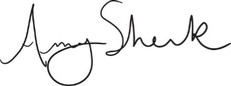
Amy Sherk

Chairman and Chief Executive Officer

Vice President and Chief Financial Officer

1

Table of Contents

FAIRFAX FINANCIAL HOLDINGS LIMITED

Report of Independent Registered Public Accounting Firm

To the Shareholders and Board of Directors of Fairfax Financial Holdings Limited

Opinions on the Financial Statements and Internal Control over Financial Reporting

We have audited the accompanying consolidated balance sheets of Fairfax Financial Holdings Limited and its subsidiaries (the Company) as of December 31, 2025 and 2024, and the related consolidated statements of earnings, of comprehensive income, of changes in equity and of cash flows for the years then ended, including the related notes (collectively referred to as the consolidated financial statements). We also have audited the Company’s internal control over financial reporting as of December 31, 2025, based on criteria established in Internal Control ‒ Integrated Framework (2013) issued by the Committee of Sponsoring Organizations of the Treadway Commission (COSO).

In our opinion, the consolidated financial statements referred to above present fairly, in all material respects, the financial position of the Company as of December 31, 2025 and 2024, and its financial performance and its cash flows for the years then ended in conformity with International Financial Reporting Standards as issued by the International Accounting Standards Board. Also in our opinion, the Company maintained, in all material respects, effective internal control over financial reporting as of December 31, 2025, based on criteria established in Internal Control ‒ Integrated Framework (2013) issued by the COSO.

Basis for Opinions

The Company’s management is responsible for these consolidated financial statements, for maintaining effective internal control over financial reporting, and for its assessment of the effectiveness of internal control over financial reporting, included in the accompanying Management’s Report on Internal Control over Financial Reporting. Our responsibility is to express opinions on the Company’s consolidated financial statements and on the Company’s internal control over financial reporting based on our audits. We are a public accounting firm registered with the Public Company Accounting Oversight Board (United States) (PCAOB) and are required to be independent with respect to the Company in accordance with the U.S. federal securities laws and the applicable rules and regulations of the Securities and Exchange Commission and the PCAOB.

We conducted our audits in accordance with the standards of the PCAOB. Those standards require that we plan and perform the audits to obtain reasonable assurance about whether the consolidated financial statements are free of material misstatement, whether due to error or fraud, and whether effective internal control over financial reporting was maintained in all material respects.

Our audits of the consolidated financial statements included performing procedures to assess the risks of material misstatement of the consolidated financial statements, whether due to error or fraud, and performing procedures that respond to those risks. Such procedures included examining, on a test basis, evidence regarding the amounts and disclosures in the consolidated financial statements. Our audits also included evaluating the accounting principles used and significant estimates made by management, as well as evaluating the overall presentation of the consolidated financial statements. Our audit of internal control over financial reporting included obtaining an understanding of internal control over financial reporting, assessing the risk that a material weakness exists, and testing and evaluating the design and operating effectiveness of internal control based on the assessed risk. Our audits also included performing such other procedures as we considered necessary in the circumstances. We believe that our audits provide a reasonable basis for our opinions.

Definition and Limitations of Internal Control over Financial Reporting

A company’s internal control over financial reporting is a process designed to provide reasonable assurance regarding the reliability of financial reporting and the preparation of financial statements for external purposes in accordance with generally accepted accounting principles. A company’s internal control over financial reporting includes those policies and procedures that (i) pertain to the maintenance of records that, in reasonable detail, accurately and fairly reflect the transactions and dispositions of the assets of the company; (ii) provide reasonable assurance that transactions are recorded as necessary to permit preparation of financial statements in accordance with generally accepted accounting principles, and that receipts and expenditures of the company are being made only in accordance with authorizations of management and directors of the company; and (iii) provide reasonable assurance regarding prevention or timely detection of unauthorized acquisition, use, or disposition of the company’s assets that could have a material effect on the financial statements.

2

Table of Contents

Because of its inherent limitations, internal control over financial reporting may not prevent or detect misstatements. Also, projections of any evaluation of effectiveness to future periods are subject to the risk that controls may become inadequate because of changes in conditions, or that the degree of compliance with the policies or procedures may deteriorate.

Critical Audit Matters

The critical audit matter communicated below is a matter arising from the current period audit of the consolidated financial statements that was communicated or required to be communicated to the audit committee and that (i) relates to accounts or disclosures that are material to the consolidated financial statements and (ii) involved our especially challenging, subjective, or complex judgments. The communication of critical audit matters does not alter in any way our opinion on the consolidated financial statements, taken as a whole, and we are not, by communicating the critical audit matter below, providing a separate opinion on the critical audit matter or on the accounts or disclosures to which it relates.

The measurement of the liability and asset for incurred claims for insurance and reinsurance contracts under IFRS 17, Insurance Contracts

As described in Notes 3, 4, 8, 9 and 22 to the consolidated financial statements, insurance contract liabilities and reinsurance contract assets held as of December 31, 2025 amounted to $50,441.0 million and $11,251.0 million respectively. These amounts included estimates of future cash flows for losses on claims and expenses that have not yet been paid, which form part of the liability for incurred claims of $46,159.0 million, and the associated recoveries from reinsurance, which form part of the asset for incurred claims of $10,946.2 million, respectively. The Company has applied varying actuarial projection methodologies in determining the estimates of future cash flows for losses on claims. These methodologies require the Company to develop assumptions including expected loss ratios and loss development patterns, which are based on the assessment of facts and circumstances then known, a review of historical settlement patterns, trends in claim severity and frequency and other factors.

The principal considerations for our determination that performing procedures relating to the measurement of the liability and asset for incurred claims for insurance and reinsurance contracts under IFRS 17, Insurance Contracts is a critical audit matter are (i) significant judgment by management in developing the estimates of future cash flows for losses on claims based on the assessment of facts and circumstances then known, a review of historical settlement patterns, trends in claim severity and frequency and other factors, and (ii) a high degree of auditor judgment, subjectivity and effort in evaluating audit evidence relating to the appropriateness of the Company’s actuarial projection methodologies and reasonableness of assumptions including the expected loss ratios and loss development patterns. In addition, the audit effort involved the use of professionals with specialized skill and knowledge.

Addressing the matter involved performing procedures and evaluating audit evidence in connection with forming our overall opinion on the consolidated financial statements. These procedures included testing the effectiveness of controls relating to the Company’s measurement of the liability for incurred claims and asset for incurred claims, including controls over the selection of actuarial projection methodologies and the development of assumptions. These procedures also included, among others, the involvement of professionals with specialized skill and knowledge to assist in testing a significant portion of the estimates of future cash flows for losses on claims by developing independent estimates and comparing the independent estimates to the Company’s actuarially determined estimates, with the remaining portion subjected to other procedures, including a review of management’s methods and assumptions applied in developing the actuarially determined estimates. Developing independent estimates involved (i) selecting the actuarial projection methodologies; (ii) developing assumptions based on data provided by the Company and where there was limited historical data, considering market views and peer company benchmarking to further inform independent development of assumptions; and (iii) testing the completeness and accuracy of the data provided by management.

Graphic

Chartered Professional Accountants, Licensed Public Accountants

Toronto, Canada

March 6, 2026

We have served as the Company’s auditor since at least 1985. We have not been able to determine the specific year we began serving as auditor of the Company.

3

Table of Contents

FAIRFAX FINANCIAL HOLDINGS LIMITED

Consolidated Financial Statements

Consolidated Balance Sheets

as at December 31, 2025 and December 31, 2024

(US$ millions)

  ​ ​ ​

  ​ ​ ​

December 31,

  ​ ​ ​

December 31,

Notes

2025

2024

Assets

Holding company cash and investments (including assets pledged for derivative obligations – $207.8; December 31, 2024 – $193.6)


5, 25

2,724.9

2,502.7

Insurance contract receivables


11

1,006.2

780.4

Portfolio investments


Subsidiary cash and short term investments (including restricted cash and cash equivalents – $640.4; December 31, 2024 – $1,240.7)


5, 25

8,979.2

7,620.5

Bonds (cost $39,655.2; December 31, 2024 – $37,852.9)


5

39,988.8

37,390.3

Preferred stocks (cost $957.4; December 31, 2024 – $944.6)


5

2,307.4

2,365.0

Common stocks (cost $7,926.0; December 31, 2024 – $7,116.1)


5

9,204.0

7,464.2

Investments in associates (fair value $11,057.7; December 31, 2024 – $8,144.8)


5, 6

8,362.3

7,153.3

Derivatives and other invested assets (cost $1,312.7; December 31, 2024 – $903.9)


5, 7

1,764.3

1,159.7

Assets pledged for derivative obligations (cost $187.2; December 31, 2024 – $154.8)


5, 7

190.8

150.8

Fairfax India cash, portfolio investments and associates (fair value $3,685.1; December 31, 2024 – $3,163.3)


5, 6, 25

2,125.0

1,916.6

72,921.8

65,220.4

Assets held for sale

21

3,445.9

Reinsurance contract assets held

9

11,251.0

10,682.6

Deferred income tax assets


18

367.1

325.0

Goodwill and intangible assets


12

8,339.4

8,278.2

Other assets


13

7,731.4

8,988.0

Total assets


107,787.7

96,777.3

See accompanying notes.

Signed on behalf of the Board

Graphic

Graphic

Director

Director

4

Table of Contents

  ​ ​ ​

  ​ ​ ​

December 31,

  ​ ​ ​

December 31,

Notes

2025

2024

Liabilities


  ​


  ​


  ​

Accounts payable and accrued liabilities


14


6,119.7

6,078.3

Derivative obligations


5, 7


786.9

356.9

Liabilities associated with assets held for sale

21

3,638.1

Deferred income tax liabilities


18


1,946.7

1,714.0

Insurance contract payables


11


338.3

923.0

Insurance contract liabilities


8


50,441.0

47,602.2

Borrowings – holding company and insurance and reinsurance companies


15


10,455.7

8,858.2

Borrowings – non-insurance companies


15


3,187.2

2,895.5

Total liabilities


  ​


76,913.6

68,428.1

Equity


16


Common shareholders’ equity


  ​


26,282.6

22,959.8

Preferred stock


  ​


231.7

1,108.2

Shareholders’ equity attributable to shareholders of Fairfax


  ​


26,514.3

24,068.0

Non-controlling interests


  ​


4,359.8

4,281.2

Total equity


  ​


30,874.1

28,349.2


107,787.7

96,777.3

See accompanying notes.

5

Table of Contents

FAIRFAX FINANCIAL HOLDINGS LIMITED

Consolidated Statements of Earnings

for the years ended December 31, 2025 and 2024

(US$ millions except per share amounts)

  ​ ​ ​

Notes

  ​ ​ ​

2025

  ​ ​ ​

2024

Insurance

Insurance revenue

23

31,595.0

31,064.1

Insurance service expenses

24

(26,051.5)

(24,866.8)

Net insurance result

5,543.5

6,197.3

Cost of reinsurance

(5,522.1)

(6,197.7)

Recoveries of insurance service expenses

24

3,826.6

4,453.2

Net reinsurance result

(1,695.5)

(1,744.5)

Insurance service result

23

3,848.0

4,452.8

Other insurance operating expenses

23, 24

(1,150.7)

(1,182.9)

Net finance expense from insurance contracts

10

(2,450.6)

(1,754.9)

Net finance income from reinsurance contract assets held

10

613.8

475.0

860.5

1,990.0

Investment income

Interest and dividends


5


2,574.0


2,511.9

Share of profit of associates


6


816.1


956.3

Net gains on investments


5


3,151.4


1,067.2

6,541.5

4,535.4

Other revenue and expenses

Non-insurance revenue

8,537.6

6,682.8

Non-insurance expenses

24

(8,196.9)

(6,470.5)

Interest expense


(821.9)


(649.0)

Corporate and other expenses

24

(480.5)

(450.2)

(961.7)

(886.9)

Earnings before income taxes


6,440.3


5,638.5

Provision for income taxes


18


(1,156.5)


(1,375.6)

Net earnings


5,283.8


4,262.9

Attributable to:


Shareholders of Fairfax


4,772.4


3,874.9

Non-controlling interests


16


511.4


388.0


5,283.8


4,262.9

Net earnings per share


17


$

230.07

$

173.41

Net earnings per diluted share


17


$

213.78

$

160.56

Cash dividends paid per share


16

$

15.00

$

15.00

Shares outstanding (000) (weighted average)


17

21,450

22,373

See accompanying notes.

6

Table of Contents

Consolidated Statements of Comprehensive Income

for the years ended December 31, 2025 and 2024

(US$ millions)

  ​ ​ ​

Notes

  ​ ​ ​

2025

  ​ ​ ​

2024

Net earnings


  ​


5,283.8


4,262.9

Other comprehensive income (loss), net of income taxes


16


Items that may be subsequently reclassified to net earnings


Net unrealized foreign currency translation gains (losses) on foreign subsidiaries


278.9


(652.5)

Gains (losses) on hedge of net investment in Canadian subsidiaries


22

(110.1)


173.9

Gains (losses) on hedge of net investment in European operations


22

(103.6)


51.5

Share of other comprehensive income (loss) of associates, excluding net losses on defined benefit plans


6

240.6


(135.3)

Other

(2.1)

(6.3)

303.7


(568.7)

Net unrealized foreign currency translation losses on foreign subsidiaries reclassified to net earnings


21

18.9


Net unrealized foreign currency translation losses on associates reclassified to net earnings


6, 21

2.1


6.5

324.7


(562.2)

Items that will not be subsequently reclassified to net earnings


Net gains on defined benefit plans


54.3


44.3

Share of net losses on defined benefit plans of associates


6

(0.7)


(1.6)

Other


(3.7)


21.1

49.9

63.8

Other comprehensive income (loss), net of income taxes


  ​


374.6


(498.4)

Comprehensive income


  ​


5,658.4


3,764.5

Attributable to:


  ​


Shareholders of Fairfax


  ​


5,197.0


3,455.3

Non-controlling interests


  ​


461.4


309.2


5,658.4


3,764.5

See accompanying notes.

7

Table of Contents

FAIRFAX FINANCIAL HOLDINGS LIMITED

Consolidated Statements of Changes in Equity

for the years ended December 31, 2025 and 2024

(US$ millions)

  ​ ​ ​

  ​ ​ ​

  ​ ​ ​

Share-

  ​ ​ ​

  ​ ​ ​

  ​ ​ ​

  ​ ​ ​

  ​ ​ ​

Equity

  ​ ​ ​

  ​ ​ ​

based

Accumulated

attributable

Treasury

payments

other

Common

to

Non-

Common

shares

and other

Retained

comprehensive

shareholders’

Preferred

shareholders

controlling

Total

shares(1)

at cost

reserves

earnings

income (loss)

equity

shares

of Fairfax

interests

equity

Balance as at January 1, 2025


5,662.2

(1,038.8)

732.9

18,987.5

(1,384.0)

22,959.8

1,108.2

24,068.0

4,281.2

28,349.2

Net earnings for the year


4,772.4


4,772.4


4,772.4


511.4


5,283.8

Other comprehensive income (loss), net of income taxes:

Net unrealized foreign currency translation gains (losses) on foreign subsidiaries


347.2


347.2


347.2


(68.3)


278.9

Losses on hedge of net investment in Canadian subsidiaries


(110.1)


(110.1)


(110.1)


(110.1)

Losses on hedge of net investment in European operations


(103.6)


(103.6)


(103.6)


(103.6)

Share of other comprehensive income of associates, excluding net losses on defined benefit plans


221.3


221.3


221.3


19.3


240.6

Net unrealized foreign currency translation losses on foreign subsidiaries reclassified to net earnings

18.9

18.9

18.9

18.9

Net unrealized foreign currency translation losses on associates reclassified to net earnings


2.1


2.1


2.1


2.1

Net gains on defined benefit plans


53.6


53.6


53.6


0.7


54.3

Share of net losses on defined benefit plans of associates


(0.7)


(0.7)


(0.7)


(0.7)

Other

(4.1)

(4.1)

(4.1)

(1.7)

(5.8)

Issuances for share-based payments


122.9


(121.5)


1.4


1.4


1.4

Purchases and amortization for share-based payments (note 16)


(189.1)


176.6


(12.5)


(12.5)


(12.5)

Redemptions and purchases for cancellation (note 16)


(249.3)


(1,375.9)


(1,625.2)


(876.5)


(2,501.7)


(2,501.7)

Common share dividends (note 16)


(343.6)


(343.6)


(343.6)


(181.8)


(525.4)

Preferred share dividends (note 16)


(24.5)


(24.5)


(24.5)


(24.5)

Deconsolidation of subsidiaries (note 21)

(51.2)

(51.2)

Net changes in capitalization (note 16 and note 21)

(9.0)

131.5

1.4

123.9

123.9

(189.1)

(65.2)

Other


(46.7)


53.0


6.3


6.3


39.3


45.6

Balance as at December 31, 2025

5,412.9

(1,105.0)

779.0

22,100.7

(905.0)

26,282.6

231.7

26,514.3

4,359.8

30,874.1


Balance as at January 1, 2024


5,995.9


(906.7)


612.7


16,875.3


(962.2)


21,615.0


1,335.5


22,950.5


4,750.4


27,700.9

Net earnings for the year


3,874.9


3,874.9


3,874.9


388.0


4,262.9

Other comprehensive income (loss), net of income taxes:

Net unrealized foreign currency translation losses on foreign subsidiaries


(574.9)


(574.9)


(574.9)


(77.6)


(652.5)

Gains on hedge of net investment in Canadian subsidiaries


173.9


173.9


173.9


173.9

Gains on hedge of net investment in European operations


51.5


51.5


51.5


51.5

Share of other comprehensive loss of associates, excluding net losses on defined benefit plans


(127.7)


(127.7)


(127.7)


(7.6)


(135.3)

Net unrealized foreign currency translation losses on associates reclassified to net earnings


5.5


5.5


5.5


1.0


6.5

Net gains on defined benefit plans


41.6


41.6


41.6


2.7


44.3

Share of net losses on defined benefit plans of associates


(1.3)


(1.3)


(1.3)


(0.3)


(1.6)

Other

11.8

11.8

11.8

3.0

14.8

Issuances for share-based payments


108.3


(106.6)


1.7


1.7


1.7

Purchases and amortization for share-based payments (note 16)


(240.4)


164.9


(75.5)


(75.5)


(75.5)

Redemptions and purchases for cancellation (note 16)


(333.7)


(1,254.7)


(1,588.4)


(227.3)


(1,815.7)


(1,815.7)

Common share dividends (note 16)


(363.1)


(363.1)


(363.1)


(294.7)


(657.8)

Preferred share dividends (note 16)


(48.6)


(48.6)


(48.6)


(48.6)

Net changes in capitalization (note 16 and note 21)

61.9

(106.3)

2.4

(42.0)

(42.0)

(513.5)

(555.5)

Other


10.0


(4.6)


5.4


5.4


29.8


35.2

Balance as at December 31, 2024

5,662.2

(1,038.8)

732.9

18,987.5

(1,384.0)

22,959.8

1,108.2

24,068.0

4,281.2

28,349.2

(1)Includes multiple voting shares with a carrying value of $3.8 at January 1, 2024, December 31, 2024 and December 31, 2025.

See accompanying notes.

8

Table of Contents

Consolidated Statements of Cash Flows

for the years ended December 31, 2025 and 2024

(US$ millions)

  ​ ​ ​

Notes

  ​ ​ ​

2025

  ​ ​ ​

2024

Operating activities

  ​ ​ ​

  ​

  ​ ​ ​

  ​

  ​ ​ ​

  ​

Net earnings


  ​


5,283.8


4,262.9

Depreciation, amortization and impairment charges


783.8


753.8

Net bond discount amortization


(258.5)


(310.2)

Amortization of share-based payment awards


16


176.6


164.9

Share of profit of associates


6


(816.1)


(956.3)

Deferred income taxes


18


201.9


255.0

Net gains on investments


5


(3,151.4)


(1,067.2)

Net purchases of investments classified at FVTPL


25


(4,059.1)


(515.8)

Changes in operating assets and liabilities


25


4,258.4


1,406.8

Cash provided by operating activities


2,419.4


3,993.9

Investing activities


Sales of investments in associates


6


630.0


682.7

Distributions and dividends from investments in associates

6

740.0

419.6

Purchases of investments in associates


6


(1,281.7)


(630.0)

Net purchases of premises and equipment and intangible assets


(586.2)


(408.8)

Net purchases of investment property


(22.7)

(33.0)

Purchases of subsidiaries, net of cash acquired


21


(222.8)


(1,421.0)

Proceeds from sale of non-insurance subsidiaries, net of cash divested


278.6


67.4

Deconsolidation of non-insurance subsidiaries

21

(59.0)

Cash used in investing activities


(523.8)


(1,323.1)

Financing activities


Borrowings - holding company and insurance and reinsurance companies:


15


Proceeds, net of issuance costs


1,458.8


2,430.9

Repayments


(212.1)


(1,209.8)

Net borrowings on other revolving credit facilities


84.9


Borrowings - non-insurance companies:


15


Proceeds, net of issuance costs


603.8


1,380.9

Repayments


(560.0)


(665.2)

Net borrowings (repayments) on revolving credit facilities and short term loans


239.4


(51.2)

Principal payments on lease liabilities - holding company and insurance and reinsurance companies


(71.9)


(62.6)

Principal payments on lease liabilities - non-insurance companies


(147.9)


(139.8)

Subordinate voting shares:


16


Purchases for treasury


(189.1)


(240.4)

Purchases for cancellation


(1,625.2)


(1,588.4)

Common share dividends


16


(343.6)


(363.1)

Preferred shares:

16

Redemptions

(689.4)

(173.8)

Dividends


(24.5)


(48.6)

Subsidiary shares:


16


Issuances to non-controlling interests, net of issuance costs


14.9


1.3

Purchases of non-controlling interests


(181.3)


(539.9)

Sales to non-controlling interests


0.9

Dividends paid to non-controlling interests


(181.8)


(294.7)

Cash used in financing activities

(1,825.0)

(1,563.5)

Increase in cash and cash equivalents


70.6


1,107.3

Cash and cash equivalents – beginning of year


6,112.5


5,121.4

Foreign currency translation


59.7


(116.2)

Cash and cash equivalents – end of year


25


6,242.8


6,112.5

See accompanying notes.

9

Table of Contents

FAIRFAX FINANCIAL HOLDINGS LIMITED

Index to Notes to Consolidated Financial Statements

1.

  ​ ​ ​

Business Operations

  ​ ​ ​

11

2.

Basis of Presentation

11

3.

Summary of Material Accounting Policies

11

4.

Critical Accounting Estimates and Judgments

24

5.

Cash and Investments

27

6.

Investments in Associates

35

7.

Derivatives

40

8.

Insurance Contract Liabilities

41

9.

Reinsurance Contract Assets Held

47

10.

Net Finance Income or Expense from Insurance Contracts and Reinsurance Contract Assets Held

50

11.

Insurance Contract Receivables and Payables

51

12.

Goodwill and Intangible Assets

52

13.

Other Assets

54

14.

Accounts Payable and Accrued Liabilities

55

15.

Borrowings

56

16.

Total Equity

58

17.

Earnings per Share

62

18.

Income Taxes

63

19.

Statutory Requirements

65

20.

Contingencies and Commitments

66

21.

Acquisitions and Divestitures

67

22.

Financial Risk Management

69

23.

Segmented Information

90

24.

Expenses

96

25.

Supplementary Cash Flow Information

98

26.

Related Party Transactions

99

27.

Subsidiaries

100

10

Table of Contents

Notes to Consolidated Financial Statements

for the years ended December 31, 2025 and 2024

(in US$ and $ millions except per share amounts and as otherwise indicated)

1.

Business Operations

Fairfax Financial Holdings Limited (“the company” or “Fairfax”) is a holding company which, through its subsidiaries, is primarily engaged in property and casualty insurance and reinsurance and the associated investment management. The holding company is federally incorporated and domiciled in Ontario, Canada.

2.

Basis of Presentation

The company’s consolidated financial statements for the year ended December 31, 2025 are prepared in accordance with International Financial Reporting Standards as issued by the International Accounting Standards Board (“IFRS Accounting Standards”).

The consolidated balance sheets of the company are presented on a non-classified basis. Assets expected to be realized and liabilities expected to be settled within the company’s normal operating cycle of one year are considered current, including the following balances: cash, short term investments, assets held for sale, derivative obligations and liabilities associated with assets held for sale. The following balances are considered non-current: deferred income tax assets, goodwill and intangible assets and deferred income tax liabilities. All other balances are comprised of current and non-current amounts.

The holding company has significant liquid resources that are generally not restricted by insurance regulators. The subsidiary insurance and reinsurance companies are typically subject to a variety of insurance and other laws and regulations that vary by jurisdiction and that are intended to protect policyholders rather than investors. These laws and regulations may limit the ability of the insurance and reinsurance companies to pay dividends or make distributions to parent companies. The company’s consolidated balance sheet and consolidated statement of cash flows therefore make a distinction in classification between the holding company and the insurance and reinsurance companies for cash and investments to provide additional insight into the company’s liquidity, financial leverage and capital structure.

These consolidated financial statements were approved for issue by the company’s Board of Directors on March 6, 2026.

3.Summary of Material Accounting Policies

The principal accounting policies applied to the presentation of these consolidated financial statements and the methods of computation have been consistently applied to all periods presented unless otherwise stated, and are as set out below.

Consolidation

Subsidiaries - The company’s consolidated financial statements include the assets, liabilities, equity, income, expenses and cash flows of the holding company and its subsidiaries. A subsidiary is an entity that the company controls. The company controls an entity when it has power over the entity, is exposed to, or has rights to, variable returns from its involvement with the entity and has the ability to affect those returns through its power over the entity. The operating results of subsidiaries acquired are included in the consolidated financial statements from the date control is acquired (typically the acquisition date), and the operating results of subsidiaries divested are included up to the date control ceased. Any difference between the fair value of the consideration received and the carrying value of a divested subsidiary is recognized in the consolidated statement of earnings, and foreign currency translation gains (losses) of that subsidiary are recycled from accumulated other comprehensive income (loss) to the consolidated statement of earnings.

The consolidated financial statements were prepared as of December 31, 2025 and 2024 based on individual holding companies’ and subsidiaries’ financial statements at those dates. Accounting policies of subsidiaries have been aligned with those of the company where necessary. The company’s significant operating subsidiaries are identified in note 27.

11

Table of Contents

FAIRFAX FINANCIAL HOLDINGS LIMITED

Non - controlling interests - Subsequent to initial recognition in a business combination, the carrying value of non - controlling interests is adjusted for the non - controlling interest’s share of the subsidiary’s comprehensive income (loss) and equity transactions. A non - controlling interest’s share of such adjustments is based on its present ownership interest in the subsidiary after consideration of any applicable shareholders’ agreements and other contractual arrangements. Effects of transactions with non - controlling interests are recorded in common shareholders’ equity if there is no change in control.

Business combinations

Business combinations are accounted for using the acquisition method of accounting whereby at the date of acquisition the consideration transferred is measured at fair value and the company recognizes the identifiable assets acquired and the liabilities assumed at fair value. For each business combination, where applicable, the company determines whether to initially record non - controlling interest at fair value or as the proportionate share of the identifiable net assets of the acquired subsidiary.

An existing equity interest in an acquired subsidiary is remeasured to fair value at the date of the business combination with any gain or loss recognized in the consolidated statement of earnings, either in net gains (losses) on investments for a non - insurance subsidiary or in gain on consolidation of insurance subsidiaries for an insurance or reinsurance subsidiary.

Goodwill and intangible assets

Goodwill - Goodwill is recorded as the excess of consideration transferred over the fair value of the identifiable net assets acquired in a business combination, less accumulated impairment charges, and is allocated to the cash - generating units expected to benefit from the acquisition for impairment testing. Goodwill is assessed annually for impairment or more frequently if there are indicators of impairment by comparing the carrying value of a cash - generating unit, inclusive of its allocated goodwill, to its recoverable amount, with any goodwill impairment measured as the excess of the carrying amount over the recoverable amount. An impairment loss is recorded in other insurance operating expenses or non - insurance expenses in the consolidated statement of earnings. Goodwill is derecognized on disposal of a cash - generating unit to which goodwill was previously allocated.

Intangible assets - Intangible assets are initially recognized at cost, or at fair value when acquired through a business combination. Intangible assets with a finite life are subsequently measured at cost less accumulated amortization and impairment, where amortization is calculated using the straight - line method over the estimated useful life, and carrying value is re - assessed when there are indicators of impairment. Indefinite - lived intangible assets are not subject to amortization and are assessed annually for impairment or more frequently if there are indicators of impairment. When the carrying value of an intangible asset exceeds its recoverable amount, an impairment loss is recorded in other insurance operating expenses or non - insurance expenses in the consolidated statement of earnings.

Investments in associates

Investments in associates are accounted for using the equity method and are comprised of investments in corporations, limited partnerships and trusts where the company has the ability to exercise significant influence but not control. An investment in associate is initially recognized at cost and adjusted thereafter for the post - acquisition change in the company’s share of net assets of the associate. An existing equity interest in an acquired associate is remeasured to fair value at the date significant influence is obtained and included in the carrying value of the associate.

The fair value of associates is estimated at each reporting date using valuation techniques consistent with those applied to the company’s other investments in equity instruments. See “Determination of fair value” under the heading of “Investments” in this note for further details. If there is objective evidence that the carrying value of an associate is impaired, it is written down to its recoverable amount, being the higher of the associate’s fair value and value - in - use. The unrealized impairment loss is recognized in share of profit (loss) of associates in the consolidated statement of earnings and may be reversed, subject to certain limits, in future periods if the circumstances that led to the impairment no longer exist.

Upon loss of significant influence, any retained equity interest classified as a financial asset is remeasured to fair value and all amounts previously recognized in other comprehensive income (loss) are recycled to the consolidated statement of earnings except those related to defined benefit pension or post retirement plans which are reclassified to retained earnings. Gains and losses on loss of significant influence or disposition of an associate are recognized in net gains (losses) on investments in the consolidated statement of earnings.

12

Table of Contents

Investments in joint ventures

Investments in joint ventures are accounted for using the equity method and are comprised of investments in corporations and limited partnerships where the company has joint control together with one or more third parties by contractual agreement. Joint control requires the unanimous consent of all parties sharing control to make decisions regarding the joint venture’s relevant activities. Upon loss of joint control, any retained equity interest classified as a financial asset is remeasured to fair value and all amounts previously recognized in other comprehensive income (loss) are reclassified to the consolidated statement of earnings except those related to defined benefit pension or post retirement plans which are reclassified to retained earnings. Gains and losses on loss of joint control or disposition of a joint venture are recognized in net gains (losses) on investments in the consolidated statement of earnings. Investments in joint ventures and all related activity are presented with investments in associates in these consolidated financial statements.

Consolidated statement of cash flows

The company’s consolidated statement of cash flows is prepared in accordance with the indirect method, classifying cash flows by operating, investing and financing activities.

Cash and cash equivalents - Cash and cash equivalents consist of holding company, subsidiary and Fairfax India cash on hand, demand deposits with banks and other short term highly liquid investments with maturities of three months or less when purchased, and exclude cash and short term highly liquid investments that are restricted.

Investments

Investments include cash and cash equivalents, short term investments, bonds, equity instruments, investments in associates, derivative assets, other invested assets (primarily investment property) and derivative obligations. Management determines the appropriate classifications of investments at their acquisition date.

Classification - Short term investments, bonds, preferred stocks, common stocks, and derivatives are classified at fair value through profit or loss (FVTPL). The company manages these investments on a fair value basis, using fair value information to assess investment performance and to make investment decisions. The company has not elected to irrevocably designate any of its common stocks or preferred stocks at fair value through other comprehensive income. The company classifies its short term investments and bonds based on both the company’s business model for managing those financial assets and their contractual cash flow characteristics. While the contractual cash flows of certain of the company’s short term investments and bonds are solely principal and interest, those investments are neither held for the purpose of collecting contractual cash flows nor held both for collecting contractual cash flows and for sale. The collection of contractual cash flows is incidental to the company’s business model of maximizing total investment return on a fair value basis.

Recognition and measurement - The company recognizes purchases and sales of investments on the trade date, the date on which the company commits to purchase or sell the investment. Transactions pending settlement are reflected on the consolidated balance sheet in other assets or in accounts payable and accrued liabilities. Investments classified at FVTPL are initially recognized at fair value with transaction costs recorded as investment expenses (a component of interest and dividends) in the consolidated statement of earnings.

Subsequent to initial recognition, investments classified at FVTPL are measured at fair value with changes in fair value reported in the consolidated statement of earnings as investment income, comprised of interest and dividends and net gains (losses) on investments. Interest and dividends represent interest income on short term investments and bonds calculated using the effective interest method, and dividends received on holdings of common stocks and preferred stocks, net of investment expenses. All other changes in fair value are reported in net gains (losses) on investments in the consolidated statement of earnings. For short term investments and bonds, the sum of their interest income and net gains (losses) on investments is equal to their total change in fair value for the reporting period.

13

Table of Contents

FAIRFAX FINANCIAL HOLDINGS LIMITED

For investments classified at FVTPL, the company further disaggregates net gains (losses) on investments into realized and unrealized components in note 5. Where a financial instrument continues to be held by the company at the end of a reporting period, changes in the fair value of that instrument during the reporting period, excluding those changes reported as interest and dividends, are presented in net change in unrealized gains (losses). On disposition or as a result of a change in accounting for that financial instrument, its inception - to - date net gain (loss), excluding those changes previously reported as interest and dividends, is presented as net realized gains (losses). The cumulative unrealized net gain (loss) recognized in prior periods on that financial instrument is then reversed in net change in unrealized gains (losses). The sum of the inception - to - date net gain (loss) and the cumulative reversal of prior period net unrealized gains (losses) equals that financial instrument’s net gain (loss) on investment for the current reporting period as presented in the consolidated statement of earnings.

Interest and dividends and net gains (losses) on investments are reported as operating activities in the consolidated statement of cash flows.

Derecognition - An investment is derecognized when the rights to receive cash flows from the investment have expired or have been transferred and when the company has transferred substantially the risks and rewards of ownership.

Short term investments - Highly liquid debt instruments with maturity dates between three months and twelve months when purchased are classified as short term investments.

Bonds - Debt instruments with maturity dates greater than twelve months when purchased, or illiquid debt instruments with maturity dates of twelve months or less when purchased, are classified as bonds.

Derivatives - Derivatives may include interest rate, credit default, currency and total return swaps, futures, forwards, warrants and consumer price index linked (“CPI - linked”) and option contracts, all of which derive their value primarily from changes in underlying interest rates, foreign exchange rates, credit ratings, commodity values, inflation indexes or equity instruments. A derivative contract may be traded on an exchange or over - the - counter (“OTC”). Exchange - traded derivatives are standardized and include futures and certain warrants and option contracts. OTC derivative contracts are individually negotiated between contracting parties and may include the company’s forwards, CPI - linked derivatives and total return swaps.

The company uses derivatives for investment purposes and to mitigate financial risks arising from its investment holdings and reinsurance contracts, and monitors its derivatives for effectiveness in achieving their risk management objectives where applicable.

The fair value of derivatives in a gain position are presented on the consolidated balance sheet in holding company cash and investments, and in portfolio investments as derivatives and other invested assets. The fair value of derivatives in a loss position are presented on the consolidated balance sheet in derivative obligations. The initial premium paid for a derivative contract, if any, is recorded as a derivative asset and subsequently adjusted for changes in the fair value of the contract at each reporting date. Changes in the fair value of derivatives are recorded as net gains (losses) on investments in the consolidated statement of earnings.

Cash received from counterparties as collateral for derivative contracts is recognized on the consolidated balance sheet in holding company cash and investments or subsidiary cash and short term investments, and a corresponding liability is recognized in accounts payable and accrued liabilities. Securities received from counterparties as collateral are not recorded as assets.

Cash and securities delivered to counterparties as collateral for derivative contracts continue to be reflected as assets on the consolidated balance sheet in holding company cash and investments or in portfolio investments as assets pledged for derivative obligations. The portion of the collateral related to changes in fair value of derivative contracts may be repledged by the counterparties holding the collateral.

14

Table of Contents

Determination of fair value - Fair values for substantially all of the company’s financial instruments are measured using market or income approaches. Considerable judgment may be required in interpreting market data used to develop estimates of fair value. Accordingly, actual values realized in future market transactions may differ from the estimates presented in these consolidated financial statements. The use of different market assumptions and/or valuation methodologies may have a material effect on the estimated fair values. The fair values of financial instruments are based on bid prices for financial assets and ask prices for financial liabilities. The company categorizes its fair value measurements using a three - level fair value hierarchy in accordance with IFRS as described below:

Level 1 - Inputs represent unadjusted quoted prices for identical instruments exchanged in active markets. The fair values of the majority of the company’s common stocks, equity call options and certain warrants are based on published quotes in active markets.

Level 2 - Inputs include directly or indirectly observable inputs (other than Level 1 inputs) such as quoted prices for similar financial instruments exchanged in active markets, quoted prices for identical or similar financial instruments exchanged in inactive markets and other market observable inputs. The fair value of the vast majority of the company’s investments in bonds are priced based on information provided by independent pricing service providers while much of the remainder, along with most derivative contracts (including total return swaps, U.S. treasury bond forward contracts and certain warrants) are based primarily on non - binding third party broker - dealer quotes that are prepared using Level 2 inputs. Where third party broker - dealer quotes are used, typically one quote is obtained from a broker - dealer with particular expertise in the instrument being priced. Preferred stocks are priced using a combination of independent pricing service providers and internal valuation models that rely on directly or indirectly observable inputs.

The fair values of investments in certain limited partnerships classified as common stocks on the consolidated balance sheet are based on the net asset values received from the general partner, adjusted for liquidity as required and are classified as Level 2 when they may be liquidated or redeemed within three months or less of providing notice to the general partner. All other such investments in limited partnerships are classified as Level 3.

Level 3 - Inputs include unobservable inputs that management uses to develop assumptions for which market data is limited or unavailable at the measurement date. In some instances, such as for private company preferred shares, management will use limited recent market transactions that are corroborated by industry accepted discounted cash flow models that incorporate one or more unobservable inputs.

Transfers between fair value hierarchy levels are considered effective from the beginning of the annual reporting period in which the transfer is identified.

Valuation techniques used by the company’s independent pricing service providers and third party broker - dealers include use of prices from similar instruments where observable market prices exist, discounted cash flow analysis, option pricing models, and other valuation techniques commonly used by market participants. The company assesses the reasonableness of pricing received from these third party sources by comparing the fair values received to recent transaction prices for similar assets where available, to industry accepted discounted cash flow models (that incorporate estimates of the amount and timing of future cash flows and market observable inputs such as credit spreads and discount rates) and to option pricing models (that incorporate market observable inputs including the quoted price, volatility and dividend yield of the underlying security and the risk free rate).

The company employs specialist personnel for the valuation of its investment portfolio. Detailed valuations are prepared for those financial instruments that are priced internally, while external pricing received from independent pricing service providers, third party broker - dealers and industry experts are evaluated by the company for reasonableness. The company’s Chief Financial Officer oversees the valuation function and regularly reviews valuation processes and results, including at each quarterly reporting period. Significant valuation matters, particularly those requiring extensive judgment, are communicated to the company’s Audit Committee.

Foreign currency translation

Functional and presentation currency - The consolidated financial statements are presented in U.S. dollars which is the holding company’s functional currency and the presentation currency of the consolidated group.

15

Table of Contents

FAIRFAX FINANCIAL HOLDINGS LIMITED

Foreign currency transactions - Foreign currency transactions are translated into the functional currencies of the holding company and its subsidiaries using the exchange rates prevailing at the dates of the transactions. Foreign exchange gains and losses resulting from the settlement of such transactions and from the translation at period - end exchange rates of monetary assets and liabilities denominated in foreign currencies are recognized in the consolidated statement of earnings in net gains (losses) on investments. Non - monetary items carried at cost are translated using the exchange rate at the date of the transaction. Non - monetary items carried at fair value are translated using the exchange rate at the date the fair value is determined.

Translation of foreign subsidiaries - The functional currency of some of the company’s subsidiaries (principally in Canada, Europe, India, other parts of Asia and South America) differ from the consolidated group’s U.S. dollar presentation currency. Assets and liabilities of these foreign subsidiaries (including goodwill and fair value adjustments arising on their acquisition, where applicable) are translated on consolidation using exchange rates at the balance sheet date. Income and expenses are translated at average exchange rates for the period. The net unrealized gain or loss resulting from this translation is recognized in accumulated other comprehensive income (loss), and recycled to the consolidated statement of earnings upon loss of control of a foreign subsidiary.

Hedging

At the inception of a hedge transaction the company documents the economic relationship between the hedged item and hedging instrument, and its risk management objective and strategy for undertaking the hedge.

Net investment hedge - The company has designated the principal amount of its Canadian dollar denominated borrowings as a hedge of its net investment in its Canadian subsidiaries with a Canadian dollar functional currency, and has designated the principal amount of its euro denominated borrowings as a hedge of its net investment in its European operations with a euro functional currency. Unrealized gains or losses relating to the effective portions of the hedges are initially recognized in other comprehensive income (loss), and recycled from accumulated other comprehensive income (loss) to the consolidated statement of earnings upon disposal of an investment in a hedged foreign subsidiary or associate. Gains and losses relating to any ineffective portion of the hedges are recorded in net gains (losses) on investments in the consolidated statement of earnings.

Insurance contracts and reinsurance contract assets held

Definition and classification

Insurance contracts - Insurance contracts are those contracts that have significant insurance risk at the inception of the contract. Insurance risk arises when the company agrees to compensate a policyholder if a specified uncertain future event adversely affects the policyholder, with the possibility of paying, including variability in the timing of payments, significantly more in a scenario where the insured event occurs than when it does not occur. Contracts not meeting the definition of an insurance contract are classified as investment contracts, derivative contracts or service contracts, as appropriate. Insurance contracts include both direct and assumed (reinsurance) insurance contracts issued by the company.

Reinsurance contract assets held - Ceded reinsurance contracts are those contracts under which the company transfers significant insurance risk arising from underlying insurance contracts to another insurer (the reinsurer). Ceded reinsurance contracts do not relieve the company of its liability associated with underlying insurance contracts. Reinsurance contract assets held are presented separately on the consolidated balance sheet to indicate the extent of credit risk and the obligations of the company to its policyholders.

Insurance contracts acquired in a transfer or in a business combination - Insurance contracts acquired in a transfer or in a business combination bear insurance risk on both the future development of incurred claims which have not yet settled and on any unexpired insurance coverage remaining on the acquired contracts.

Unit of account and recognition - Insurance contracts and reinsurance contract assets held are required to be aggregated into portfolios of insurance contracts, based on underlying risk and the management of those risks, then further aggregated into groups based on the underlying expected profitability and date of issuance, with groups not containing contracts issued more than one year apart.

Insurance contracts are recognized from the earliest of: the beginning of the insurance contract’s coverage period; when payment from the policyholder becomes due or, if there is no contractual due date, when it is received; and when a contract is onerous.

16

Table of Contents

Reinsurance contract assets held that provide proportionate reinsurance coverage are recognized from the later of: the beginning of the reinsurance contract’s coverage period; and when underlying insurance contracts are initially recognized.

Reinsurance contract assets held that do not provide proportionate reinsurance coverage are recognized at the beginning of the coverage period for the reinsurance contract unless the company recognizes onerous insurance contracts at an earlier date which are reinsured and the related reinsurance contract was entered into prior to the onerous contract being recognized, in which case the reinsurance contract assets held are recognized at the date the onerous groups of underlying insurance contracts are recognized.

When insurance contracts and reinsurance contract assets held are recognized, they are added to an existing group of contracts where possible. If the insurance contract cannot be added to an existing group based on the criteria set out above, a new group is formed. Groups of contracts are established on initial recognition and their composition is not revised once all contracts have been added to the group.

For insurance contracts acquired with incurred claims and remaining coverage, the company is considered to have issued a new, separate insurance contract with two coverages: coverage for claims events that have yet to occur and coverage for the development of claims events that have already occurred. For acquired contracts in their settlement period which are fully earned, the company is considered to have issued an adverse development cover for the acquired claim liability. These types of insurance contracts are accounted for as if they were entered into at the date of acquisition or transfer.

Measurement

The company measures its insurance contracts and reinsurance contract assets held, depending on the types of contracts written, using principally two models: Premium Allocation Approach (“PAA”) and to a lesser extent the General Measurement Model (“GMM”), primarily at its Life insurance and Run-off operations. Short - duration contracts where there is no significant variability in cash flows are primarily measured using the PAA, while long - duration contracts, which often include acquired contracts, are primarily measured using the GMM. The principles for initial and subsequent measurement when applying the GMM or the PAA are applicable to property and casualty insurance contracts and life insurance contracts. The measurement components are:

Contract boundary - The contract boundary determines the cash flows that are included in the measurement of a group of insurance contracts and reinsurance contract assets held and is determined by the substantive rights and obligations that exist during the reporting period in which the company can compel the receipt of payments or services or has a substantive obligation to make payments or provide services including insurance coverage.

Fulfillment cash flows within the contract boundary - Fulfillment cash flows are current estimates of cash flows within the contract boundary of a group of contracts which include premiums, claims, acquisition costs and other expenses that the company expects, adjusted to reflect the timing and uncertainty of those amounts with an explicit risk adjustment for non - financial risk.

There are two types of directly attributable costs that are included in the contract boundary:

Acquisition costs - Certain costs of acquiring insurance contracts, consisting of broker commissions, premium taxes, underwriting costs and related overhead are deferred and amortized into earnings as the related premiums are earned. Insurance acquisition cash flows are allocated to groups of insurance contracts based on the contracts that generated the expenses. Insurance acquisition cash flows paid before the recognition of the related group of contracts are recognized as an asset and subsequently derecognized and included within the group of insurance contracts when the related contracts are recognized. At each reporting date, the company assesses for impairment and will recognize impairment losses when the carrying amount of the asset exceeds the expected net cash inflows for the related group of insurance contracts. The company reverses any impairment losses and increases the carrying amount of the asset to the extent that the impairment conditions have reversed.

Other costs that are incurred in fulfilling insurance contracts - These comprise all remaining directly attributable costs that are not categorized as acquisition costs and include losses on claims, together with both allocated and unallocated loss adjustment expenses, and related overhead.

17

Table of Contents

FAIRFAX FINANCIAL HOLDINGS LIMITED

Contracts measured under the Premium Allocation Approach

The company’s insurance contracts are predominantly measured using the PAA, a simplified method permitted under IFRS 17 that is typically applied to short - duration contracts or when it provides a reasonable approximation of the GMM. The company uses the PAA for measuring all insurance contracts and reinsurance contract assets held which are eligible for the simplified methodology. Insurance contracts and reinsurance contract assets held are eligible when the coverage period of each contract in the group is one year or less or the company reasonably expects that the resulting measurement of the liability for remaining coverage (“LRC”) would not differ materially from that of applying the GMM. When comparing the different possible measurements, the company considers the impact of different release patterns of the LRC to the consolidated statement of earnings, the impact of discounting and financial risks, and whether significant variability in the cash flows exists.

Insurance contracts

Initial measurement - On initial recognition of each group of insurance contracts, the carrying amount of the LRC is measured as the premiums received on initial recognition minus any insurance acquisition cash flows allocated to the group, adjusted for any amounts previously recognized for cash flows related to the group (including assets for insurance acquisition cash flows). The company defers and amortizes insurance acquisition cash flows for all groups of contracts. Unless the contracts are onerous, the explicit risk adjustment for non - financial risk is only estimated for the measurement of the liability for incurred claims (“LIC”).

If there are indications that a group of insurance contracts is onerous, then the company recognizes a loss in insurance service expense in the consolidated statement of earnings and increases the LRC if the current estimates of the fulfillment cash flows that relate to remaining coverage exceed the carrying amount of the LRC. This excess is recognized as a loss component within the LRC, which is reported in insurance contract liabilities on the consolidated balance sheet.

Subsequent measurement - The carrying amount of a group of insurance contracts at each reporting date is the sum of the LRC and the LIC. On subsequent measurement, the carrying amount of the LRC is increased by any premiums received and the amortization of insurance acquisition cash flows recognized as expenses, and decreased by the amount recognized as insurance revenue for services provided and any additional insurance acquisition cash flows allocated after initial recognition.

The LIC includes the fulfillment cash flows for losses on claims and expenses that have not yet been paid, including claims that have been incurred but not reported (“IBNR”). It reflects both a risk adjustment for non - financial risk and the time value of money as most of the company’s insurance contracts issued and measured under the PAA typically have a settlement period of over one year.

In each reporting period, the company remeasures the loss component using the same calculation as on initial recognition and reflects any changes by adjusting the loss component as required until the loss component is reduced to zero, with such adjustments recognized in insurance service expenses. If a loss component did not exist on initial recognition but there are indications that a group of contracts is onerous on subsequent measurement, then the company establishes the loss component using the same methodology as on initial recognition.

Reinsurance contract assets held

Initial measurement - On initial recognition of each group of reinsurance contracts, the carrying amount of the asset for remaining coverage (“ARC”) is measured as the premiums paid (i.e. premiums ceded) on initial recognition, adjusted for ceding commissions that are not contingent on claims and any amounts previously recognized for cash flows related to the group. The company does not recognize any insurance acquisition cash flows for reinsurance contract assets held. For contracts measured under the PAA, the explicit risk adjustment for non - financial risk is only estimated for the measurement of the asset for incurred claims (“AIC”).

When there is an onerous group of underlying contracts, a loss - recovery component is created for the group of reinsurance contract assets held which adjusts the ARC, and determines the amounts that are subsequently presented in the consolidated statement of earnings within net reinsurance result as reversals of recoveries of losses and removed from the cost of reinsurance.

Subsequent measurement - The carrying amount of a group of reinsurance contract assets held at each reporting date is the sum of the ARC and the AIC. On subsequent measurement, the carrying amount of the ARC is increased by any premiums paid, and reduced by the amount recognized as cost of reinsurance for services received.

18

Table of Contents

For contracts measured under the PAA, the asset for incurred claims is measured consistent with the asset for incurred claims under the GMM and reflects a risk adjustment for non - financial risk and the time value of money as most of the company’s reinsurance contract assets held and measured under the PAA typically have a settlement period of over one year.

If a loss - recovery component exists, it is adjusted on subsequent measurement to reflect changes in the loss component of the onerous group of underlying contracts to the extent that it impacts reinsured cash flows, but it cannot exceed the portion of the loss component of the onerous group of underlying contracts that the company expects to recover from the reinsurance contract assets held.

Contracts measured under the General Measurement Model

For insurance and reinsurance contracts which do not meet the eligibility criteria to apply the simplified methodology under the PAA due to longer coverage periods or cash flows which can vary significantly over the term of the insurance contract, the company applies the GMM when determining the carrying amount of the LRC and ARC. The LIC and AIC under both the PAA and GMM are measured consistently.

Measurement of insurance and reinsurance contracts under the GMM differs from the PAA as follows:

Estimate of cash flows for future services

The carrying amount of LRC and ARC include an estimate of all future cash flows of an insurance contract over the life of the contract, including premiums, claims, and associated expenses, and these projections are updated at each reporting date to reflect current estimates.

Discounting

Future cash flows included within the LRC and ARC are discounted to reflect the time value of money and the financial risks associated with those cash flows. Discount rates applied reflect market conditions and the characteristics of the insurance contract liabilities and are updated at each reporting date.

Risk adjustment for non - financial risk

An explicit risk adjustment is included within the LRC and ARC to represent the compensation required for bearing non-financial insurance risks whereas under the PAA, this is not required. The risk adjustment captures the uncertainty in cash flows arising from claims and other non-financial risks.

Contractual service margin (CSM)

The CSM, which is included within the LRC and ARC, represents the unearned profit of an insurance or reinsurance contract that is earned over the coverage period. Changes to future cash flow estimates and the risk adjustment, except those attributable to financial risks, will lead to an adjustment of the CSM.

Insurance contracts acquired in a transfer or in a business combination

Initial measurement - On initial recognition of insurance contracts that are acquired in a transfer or in a business combination, the company records the contracts as if it had entered into them on the acquisition date. For insurance contracts acquired in a transfer, the consideration received or paid represents the premium deemed to be received. For insurance contracts acquired in a business combination, the consideration is deemed to be the insurance contracts’ fair value at the acquisition date. Acquired contracts which are in their settlement period are included within the LRC and their coverage period extended to reflect the expected settlement of these claims.

Subsequent measurement – On subsequent measurement of insurance contracts that are acquired in a transfer or in a business combination, the company accounts for the contracts using the same measurement principles as applied to other insurance contracts. For contracts which have unexpired risk, the LRC will be recognized in insurance revenue as coverage is provided. For contracts which have claims which have already occurred, the LRC will be recognized in insurance revenue over the expected claims settlement pattern with the claims being recognized within insurance service expenses as those claims are settled.

19

Table of Contents

FAIRFAX FINANCIAL HOLDINGS LIMITED

Derecognition and contract modification

An insurance contract is derecognized when it is extinguished, i.e. when the specified obligations in the contract expire or are discharged or cancelled. An insurance contract is also derecognized if its terms are modified in a way that would have significantly changed the accounting for the contract had the new terms always existed, in which case a new contract based on the modified terms is recognized. If an insurance contract modification does not result in derecognition, then the changes in cash flows caused by the modification are treated as changes in estimates of fulfillment cash flows.

Presentation

Any assets or liabilities recognized for cash flows arising before the recognition of the related group of contracts (including any assets for insurance acquisition cash flows) are included in the carrying amount of the related portfolios of contracts (see note 8).

Amounts recognized in the consolidated statement of earnings for insurance contracts are disaggregated into (i) an insurance service result, comprised of insurance revenue and insurance service expenses (“net insurance result”), (ii) cost of reinsurance and recoveries of insurance service expense (“net reinsurance result”), and (iii) net finance income or expenses from insurance contracts.

Changes in the risk adjustment for non - financial risk are not disaggregated between the insurance service result and net finance income or expenses from insurance contracts. All changes in the risk adjustment for non - financial risk are included in the insurance service result in the consolidated statement of earnings.

Consolidated Statement of Earnings

Insurance revenue

Contracts measured under the PAA

For contracts measured under the PAA, the company recognizes insurance revenue based on the expected premium receipts and the passage of time over the coverage period of a group of contracts unless the release of risk differs significantly from the passage of time, such as with certain acquired contracts. In those instances insurance revenue is recognized based on the release of risk.

Contracts measured under the GMM

Insurance revenue is recognized over the coverage terms of the underlying policies in accordance with the level of protection provided, which is represented by the total of the changes in the LRC for which consideration is expected, comprised of the following:

a release of the CSM, measured based on services provided as described below;
changes in the risk adjustment for non - financial risk relating to current services;
claims and other insurance service expenses incurred in the period, measured at the amounts expected at the beginning of the year;
insurance revenue would be reduced by systematic allocations to the loss component for changes in risk adjustment and incurred claims and other insurance service expenses;
amortization of insurance acquisition cash flows; and
other amounts, including premium experience adjustments related to current or past service.

The amount of the CSM that is recognized as insurance revenue in each period is determined by calculating the amount of insurance services provided in the current period compared to future periods over the expected coverage period. The expected coverage period reflects the coverage term and expectations of insured events occurring to the extent that they affect the expected coverage period.

Insurance service expense

Insurance service expenses arising from insurance contracts are recognized in the consolidated statement of earnings as they are incurred and include losses on claims, other insurance service expenses, amortization of insurance acquisition costs, losses and reversals of losses on onerous contracts, and impairment losses and reversals of those impairment losses on insurance acquisition cash flow assets.

20

Table of Contents

Net reinsurance result

Net reinsurance result comprises the cost of reinsurance less recoveries of insurance service expenses from reinsurers. The cost of reinsurance is recognized in the consolidated statement of earnings as services are received from the reinsurer over the coverage period. Recoveries of insurance service expenses from reinsurers are recognized in the consolidated statement of earnings as claims and other insurance service expenses are recovered, including any changes in expectations for these amounts, and recoveries and reversals of recoveries of the loss - recovery component. The establishment of the loss - recovery component and subsequent increases or decreases in the loss - recovery component related to future service are presented in net reinsurance result.

Net finance income or expense from insurance contracts and reinsurance contract assets held

Net finance income or expense from insurance contracts and reinsurance contract assets held as presented in the consolidated statement of earnings are principally comprised of changes in the carrying amounts of insurance and reinsurance contracts arising from the effects of the time value of money. The sources of the insurance finance income and expense arise from the effects of discounting the fulfillment cash flows within the ARC and LRC under the GMM and the AIC and LIC under all measurement models at current rates; discounting the ARC and LRC under the PAA where a significant financing component exists and accreting interest on the CSM at locked - in rates.

Insurance contract receivables and payables

Insurance contract receivables and payables primarily consist of amounts owing from and to agents, brokers, third party administrators and other intermediaries that are not directly attributable to a specific group of insurance or reinsurance contracts.

Foreign currency transactions in insurance contracts and reinsurance contract assets held

Foreign currency transactions within groups of insurance contracts and reinsurance contract assets held are accounted for using a multi-currency approach whereby each group’s underlying cash flows are accounted for in their transactional currencies and each group of contracts, including a group’s CSM, is considered a monetary item. The underlying currencies within a group are therefore translated at the end of a reporting period into the functional currency of the respective insurance operating company at period-end exchange rates.

Income taxes

The provision for income taxes for the period comprises current and deferred income tax. Income taxes are recognized in the consolidated statement of earnings, except when related to items recognized in other comprehensive income (loss) or in equity. In those cases, the income taxes are also recognized in other comprehensive income (loss) or in equity, respectively, except for dividends where the income taxes are recognized in earnings, other comprehensive income (loss) or equity according to where the transactions that generated the distributable profits were recognized.

Current income tax is calculated on the basis of the tax laws enacted or substantively enacted at the end of the reporting period in the countries where the company’s subsidiaries and associates operate and generate taxable income.

Deferred income tax is calculated under the liability method whereby deferred income tax assets and liabilities are recognized for temporary differences between the financial statement carrying amounts of assets and liabilities and their respective income tax bases at current substantively enacted tax rates. With the exception of initial recognition of deferred income tax arising from business combinations, changes in deferred income tax associated with components of other comprehensive income (loss) are recognized in other comprehensive income (loss) while all other changes in deferred income tax are included in the provision for income taxes in the consolidated statement of earnings.

Deferred income tax assets are recognized to the extent that it is probable that future taxable profits will be available against which the temporary differences can be utilized. Carry forwards of unused losses or unused tax credits are tax effected and recognized as deferred tax assets when it is probable that future taxable profits will be available against which these losses or tax credits can be utilized.

Deferred income tax is not recognized on unremitted earnings of subsidiaries where the company has determined it is not probable those earnings will be repatriated in the foreseeable future.

21

Table of Contents

FAIRFAX FINANCIAL HOLDINGS LIMITED

Current and deferred income tax assets and liabilities are offset when the income taxes are levied by the same taxation authority and there is a legally enforceable right of offset.

Current income tax includes Pillar Two global minimum taxes. The company has applied the mandatory exception to recognizing and disclosing information about deferred income tax related to Pillar Two global minimum taxes.

Assets held for sale and liabilities associated with assets held for sale

Non-current assets and disposal groups are classified as held for sale if their carrying amount will be recovered through sale rather than through continuing use. A disposal group consists of assets to be transferred as a group, liabilities directly related to those assets and any goodwill acquired in a business combination allocated to the disposal group if the disposal group is a cash-generating unit. Classification as held for sale requires that management be committed to the sale, the sale is highly probable, the asset or disposal group is available for immediate sale in its present condition, and the sale is expected to be completed within one year from the date of classification.

Non-current assets and disposal groups classified as held for sale are measured at the lower of carrying value and fair value less costs to sell.

Investment property

Investment property consists of real estate held by the company for capital appreciation, rental income, or both, and is initially recorded at cost, including transaction costs, and subsequently measured at fair value. On the consolidated balance sheet investment property is included in portfolio investments by the insurance and reinsurance companies and in other assets by the non - insurance companies. In the consolidated statement of earnings, insurance and reinsurance companies record investment property rental income and direct expenses in interest and dividends, and changes in fair value in net gains (losses) on investments, while non - insurance companies record investment property rental income and changes in fair value in non - insurance revenue, and direct expenses in non - insurance expenses.

Non - insurance revenue

Non - insurance revenue is primarily comprised of revenue earned by the non - insurance companies. Revenue from restaurant and retail sales is recognized when the company provides goods to the customer and receives payment. Revenue from the sale of other goods is typically recognized when shipped to the customer, with payment received in advance of shipment. The shipping and handling performance obligation is recorded as a contract liability and recognized as revenue once the services have been performed. Revenue from providing travel, hospitality and other non - insurance services is recognized over time based on measured progress towards complete satisfaction of the related performance obligations. Payment is usually received at the time of initial booking for travel and hospitality services, and received in installments for other services. Unconditional payments due from customers for satisfied performance obligations are recorded as non - insurance revenue receivables within other assets on the consolidated balance sheet. Customer prepayments are recorded as deferred revenue within accounts payable and accrued liabilities on the consolidated balance sheet and are not recognized as revenue until the shipment of goods or provision of services occurs. Certain contracts include multiple deliverables which are accounted for as separate performance obligations, with the transaction price allocated to the performance obligations based on their individual selling prices.

Non - insurance expenses

Non - insurance expenses is primarily comprised of the cost of inventories sold or services provided and the operating expenses of the non - insurance companies.

22

Table of Contents

Equity

Common stock issued by the company is classified as equity when there is no contractual obligation to transfer cash or other financial assets to the holder of the shares. Incremental costs directly attributable to the issue or repurchase of equity instruments are recognized in equity, net of tax.

Treasury shares are equity instruments repurchased by the company which have not been canceled and are deducted from equity on the consolidated balance sheet, irrespective of the objective of the purchase. The company acquires its own subordinate voting shares on the open market for its share - based payment awards. No gain or loss is recognized in the consolidated statement of earnings on the purchase, sale, issue or cancellation of treasury shares. Consideration paid or received is recognized directly in equity.

Dividends and other distributions to holders of the company’s equity instruments are recognized directly in equity.

Net earnings per share attributable to shareholders of Fairfax

Net earnings (loss) per share - Basic net earnings (loss) per share is calculated by dividing the net earnings (loss) attributable to shareholders of Fairfax, after the deduction of preferred share dividends declared and the excess over stated value of preferred shares redeemed, by the weighted average number of subordinate and multiple voting shares issued and outstanding during the period, excluding subordinate voting shares purchased by the company and held as treasury shares.

Net earnings (loss) per diluted share - Diluted net earnings (loss) per share is calculated in the same manner as basic net earnings (loss) per share except that the weighted average number of subordinate and multiple voting shares outstanding during the period is adjusted for the dilutive effect, if any, of share - based payments.

New accounting pronouncements issued but not yet effective

The following new pronouncements have been issued by the IASB and were not yet effective for the fiscal year beginning January 1, 2025. The company does not expect to adopt them in advance of their effective dates.

Amendments to the Classification and Measurement of Financial Instruments (Amendments to IFRS 9 and IFRS 7)

On May 30, 2024 the IASB issued targeted amendments to IFRS 9 Financial Instruments and IFRS 7 Financial Instruments: Disclosures which included clarifying the date of recognition and derecognition of some financial assets and liabilities, with an exception relating to the derecognition of financial liabilities that are settled using an electronic payment system, and additional required disclosures for financial assets and liabilities with contractual terms that reference a contingent event (including environmental, social and governance linked features). The amendments are applied retrospectively on or after January 1, 2026 with early application permitted. An entity is not required to restate comparative information when it first applies these amendments, however, is permitted to do so only if possible without the use of hindsight. If an entity does not restate prior periods, the cumulative effect of initially applying the amendments is recognized as an adjustment to opening equity. The amendments will not have a significant impact on the company’s consolidated financial statements.

IFRS 18 Presentation and Disclosure in Financial Statements

On April 9, 2024 the IASB issued IFRS 18 which replaces IAS 1 Presentation of Financial Statements while carrying forward many of the requirements in IAS 1. IFRS 18 introduces new requirements to present specified categories and defined subtotals in the statement of earnings and to provide disclosures on management-defined performance measures (“MPMs”) in the notes to the financial statements, and also makes certain amendments to IAS 7 Statement of Cash Flows and IAS 33 Earnings per Share.

23

Table of Contents

FAIRFAX FINANCIAL HOLDINGS LIMITED

The adoption of IFRS 18 is expected to result in changes to the presentation of the company’s consolidated financial statements, principally within the consolidated statement of earnings where income and expenses will be classified into specified categories (i.e. operating, investing, financing, income taxes and discontinued operations) and new defined subtotals will be required, including “operating earnings” and “earnings before interest expense and income taxes”. Certain income and expenses, such as share of profit of associates, must be presented under investing and not operating, which is a different category than the company’s current presentation, and foreign exchange differences will be presented within the same category as the related income or expense. The company has determined that its main business activities under IFRS 18 include the specified main business activity of investing in assets, which will affect the classification of the company’s investment income and expenses within the categories in its consolidated statement of earnings. Changes to the presentation of the consolidated balance sheet are expected to be limited and primarily relate to enhanced disaggregation of certain balance sheet line items. Certain non-GAAP and other financial measures not specified by IFRS Accounting Standards that are used by the company outside of its consolidated financial statements to communicate the company’s financial performance may be identified as MPMs under IFRS 18. MPMs must be disclosed in a single note in the company’s consolidated financial statements and each MPM will include a reconciliation to the most directly comparable subtotal or total required by IFRS Accounting Standards. The standard is to be applied retrospectively, with specific transition provisions, for annual reporting periods beginning on or after January 1, 2027, with earlier application permitted. The company is currently evaluating the impact of IFRS 18 on its consolidated financial statements.

4.

Critical Accounting Estimates and Judgments

In the preparation of the company’s consolidated financial statements, management has made a number of critical accounting estimates and judgments as described below, and in certain notes to the consolidated financial statements: measurement of insurance contracts and reinsurance contract assets held in notes 8 and 9 respectively; determination of fair value for financial instruments in note 5; carrying value of goodwill and intangibles in note 12; and contingencies in note 20. Estimates and judgments are continually evaluated and are based on historical experience and other factors, including expectations of future events that are believed to be reasonable.

Insurance contracts and reinsurance contract assets held

Fulfillment cash flows - Fulfillment cash flows comprise estimates of future cash flows, adjusted to reflect the time value of money for both financial and non-financial risk. These estimates reflect a range of possible scenarios and outcomes, where the cash flows from each scenario are discounted and weighted by the estimated probability of that outcome to derive an expected present value. The estimates of future cash flows reflect the company’s view of current conditions at the reporting date. This information includes both internal and external historical data about claims and other experience, updated to reflect current expectations of future events that might affect those cash flows.

The model to value the fulfillment cash flows may also include certain qualitative adjustments using professional judgment in circumstances where, in the company’s view, the existing inputs, assumptions, or modelling techniques do not capture all relevant risk factors. Where, through model development, the company identifies that the existing models do not capture all relevant risk factors or have other input or data limitations, post-model adjustments are used to address temporary shortcomings. Such adjustments may require significant judgment and may affect the amounts recognized.

24

Table of Contents

The most significant judgments within the estimates of fulfillment cash flows are for property and casualty insurance provision for losses and loss adjustment expenses, which include estimates of future cash flows from losses on claims which have not yet been paid and that are included within the LIC. The judgments used to determine the future cash flows from losses on claims include the ultimate cost of resolution and administration of claims based on an assessment of facts and circumstances then known, a review of historical settlement patterns, estimates of trends in claim severity and frequency, developing case law and other factors, including inflation. These balances are estimated using generally accepted actuarial standards, which are designed to ensure the company establishes an appropriate reserve on the consolidated balance sheet to cover insured losses and related claims expenses for both reported claims and IBNR claims as at each balance sheet date. The assumptions underlying the estimation of provision for losses and loss adjustment expenses are regularly reviewed and updated by the company to reflect recent and emerging trends in experience and changes in the risk profile of the business. The estimation techniques employed by the company in determining provision for losses and loss adjustment expenses and the inherent uncertainties associated with insurance contracts are described in the “Insurance contracts” and “Reinsurance contract assets held” sections of note 3 of these consolidated financial statements, and in the “Underwriting Risk” section of note 22 and in note 8 for the historic development of the company’s insurance contract liabilities (adjustments to LIC).

Risk adjustment for non-financial risk - The risk adjustment for non-financial risk represents the compensation that the company requires for bearing uncertainty with respect to both the amount and the timing of cash flows that arise from the non-financial risk of the company’s insurance contracts issued and reinsurance contract assets held. The risk adjustment is measured at each of the company’s insurance and reinsurance subsidiaries, reflecting their estimates of uncertainty, diversification benefits and expected favourable and unfavourable outcomes. For reinsurance contract assets held, the risk adjustment for non-financial risk represents the amount of risk being transferred by the company to the reinsurer. The company aggregates the sum of risk adjustments across its insurance and reinsurance subsidiaries and does not redistribute further benefits of diversification achieved at a consolidated level between subsidiaries. The insurance and reinsurance subsidiaries generally use stochastic bootstrapping for claims loss reserves and combines the resulting loss distributions with distributions for premiums, expenses, catastrophe losses and other risks provided using an appropriate dependency structure such as correlation matrices and copula. When determining their risk adjustments two quantile techniques are primarily used: value-at-risk and conditional tail expectation. The company then consolidates using stochastic methods, applying expected correlation structures between subsidiaries to produce a consolidated distribution. The aggregate risk adjustment is compared to the consolidated distribution to determine the confidence level using a value-at-risk quantile technique, with the confidence level presented in note 8.

Determination of fair value for financial instruments classified as Level 3 in the fair value hierarchy

Fair values for substantially all of the company’s financial instruments are measured using market or income approaches. Considerable judgment may be required in developing estimates of fair value, particularly for financial instruments classified as Level 3 in the fair value hierarchy as such estimates incorporate unobservable inputs that require management to use its own assumptions. In particular, for private placement debt securities the company uses industry accepted discounted cash flow models to value the instruments. Significant judgments and assumptions are required to determine the discounted cash flows, including discount rates, long term growth rates and credit spreads, as applicable. See note 5 for details of the company’s Level 3 financial instruments and the valuation assumptions applied.

25

Table of Contents

FAIRFAX FINANCIAL HOLDINGS LIMITED

Impairment assessments of goodwill and indefinite-lived intangible assets

Goodwill and indefinite-lived intangible assets are assessed annually for impairment, or more frequently if there are indicators of impairment, by comparing the carrying value of the cash-generating unit (“CGU”) or group of CGUs to which these assets are allocated to their recoverable amounts. The company principally uses discounted cash flows to estimate the recoverable amount of a CGU or group of CGUs to which goodwill or indefinite-lived intangible assets have been allocated, and market approaches inclusive of a control premium are used when applicable. Significant judgments and assumptions are required to determine the discounted cash flows, including discount rates, long term growth rates and working capital requirements, and also (i) for goodwill, net insurance revenue, investment returns, regulatory capital ratios, other revenues and expenses, and (ii) for indefinite-lived intangible assets, net insurance revenue, other revenues and royalty rates. Discounted cash flows are subject to sensitivity analysis given the uncertainty in preparing forecasts. Details of goodwill and indefinite-lived intangible assets, including the results of annual impairment tests, are presented in note 12.

Determination of significant influence, joint control and control

The determination of whether an investment is an associate, a joint arrangement or a subsidiary requires consideration of all facts and circumstances, and typically begins with an analysis of the company’s proportion of the investee’s voting rights. Judgment may be required to determine the existence of significant influence, joint control or control when it involves elements such as contractual arrangements between shareholders, currently exercisable potential voting rights through warrants or convertible instruments, significant shareholdings relative to other third party shareholders, and regulatory restrictions on board representation, voting rights, or relevant activities of the investee. De facto control over an investee without holding the majority of its voting rights may occur due to dispersion of third party shareholdings and other factors. Conversely, having significant influence over an investee when holding the majority of its voting rights may occur due to regulatory and other restrictions that limit the application of voting and other rights. The company also holds investments in associates and unconsolidated structured entities where the company provides significant funding and contractual arrangements rather than voting power govern the decision-making over relevant activities of the investee. Structured entities are not consolidated when the company does not have unilateral power to direct their relevant activities to influence returns. The company regularly reviews its exposure to risks arising from its investees and discloses the nature, extent and financial effects of those interests in other entities where material. The company’s investments in associates and joint ventures are presented in note 6, business combinations and divestitures are presented in note 21 and subsidiaries are presented in note 27.

26

Table of Contents

5.

Cash and Investments

Presented in the table below are holding company cash and investments and portfolio investments, net of derivative obligations, all of which are classified at FVTPL except for investments in associates and other invested assets.

  ​ ​ ​

December 31,

  ​ ​ ​

December 31,

2025

2024

Holding company


  ​


  ​

Cash and cash equivalents(1)


197.2


663.2

Short term investments


19.5


51.6

Bonds


328.7


444.8

Preferred stocks


12.7


20.2

Common stocks(2)


141.4


92.5

Derivatives (note 7)


1,817.6


1,036.8


2,517.1


2,309.1

Assets pledged for derivative obligations:


Cash equivalents

101.1

Bonds


207.8


92.5

207.8

193.6


Holding company cash and investments as presented on the consolidated balance sheet


2,724.9


2,502.7

Derivative obligations (note 7)


(8.0)


(0.6)


2,716.9


2,502.1

Portfolio investments(3)


Cash and cash equivalents(1)


6,563.7


6,662.1

Short term investments


2,415.5


958.4

Bonds


39,988.8


37,390.3

Preferred stocks


2,307.4


2,365.0

Common stocks(2)


9,204.0


7,464.2

Investments in associates (note 6)


8,362.3


7,153.3

Derivatives (note 7)


1,029.5


538.0

Other invested assets(4)


734.8


621.7


70,606.0


63,153.0

Assets pledged for derivative obligations:

Bonds


190.8


150.8


Fairfax India cash, portfolio investments and associates:


Cash and cash equivalents(1)


22.0


86.2

Bonds

42.6

157.1

Common stocks


445.1


321.0

Investments in associates (note 6)


1,615.3


1,352.3


2,125.0


1,916.6


Portfolio investments as presented on the consolidated balance sheet

72,921.8

65,220.4

Derivative obligations (note 7)


(778.9)


(356.3)


72,142.9


64,864.1

Total cash and investments, net of derivative obligations

74,859.8


67,366.2

(1)Includes aggregate restricted cash and cash equivalents at December 31, 2025 of $644.6 (December 31, 2024 - $1,400.1). See note 25.
(2)Includes aggregate investments in limited partnerships with a carrying value at December 31, 2025 of $2,368.8 (December 31, 2024 – $2,282.3).
(3)Excludes portfolio investments of the Eurolife Life Operations totaling $1,663.6, comprised principally of bonds of $1,403.8, that were classified as held for sale on the consolidated balance sheet at December 31, 2025. See note 21.
(4)Comprised primarily of investment property.

27

Table of Contents

FAIRFAX FINANCIAL HOLDINGS LIMITED

Restricted cash and cash equivalents

Restricted cash and cash equivalents at December 31, 2025 of $644.6 (December 31, 2024 – $1,400.1) was comprised of amounts required to be maintained on deposit with various regulatory authorities to support the operations of the insurance and reinsurance subsidiaries. Restricted cash at December 31, 2024 included $835.0 held at a depository that was released on January 1, 2025 in connection with the company’s investments in Blizzard Vacatia Equity Partners LLC (“Blizzard Vacatia”).

On January 1, 2025 the company acquired a 50.0% equity interest in Blizzard Vacatia as described in note 6. The company’s total cash investment of $835.0 was comprised of a senior secured loan of $365.0, preferred shares of $275.0 (which were classified as bonds due to their redemption features), a mortgage - backed loan of $170.0 (subsequently sold on December 12, 2025) and common shares of $25.0. Refer to note 25 for details of restricted cash and cash equivalents presented on the consolidated balance sheet.

Pledged cash and investments

The company’s subsidiaries have pledged cash and investments, inclusive of trust funds and regulatory deposits, as security for their own obligations to pay claims or make premium payments (these pledges are either direct or collateral for letters of credit). In order to write insurance business in certain jurisdictions (primarily U.S. states) the company’s subsidiaries must deposit funds with local insurance regulatory authorities to provide security for future claims payments as ultimate protection for the policyholder. Additionally, some of the company’s subsidiaries provide reinsurance to primary insurers, for which funds must be posted as security for losses that have been incurred but not yet paid. These pledges are in the normal course of business and are generally released when the payment obligation is fulfilled.

The table that follows summarizes assets pledged to third parties by the nature of the pledge requirement (excluding assets pledged in favour of Lloyd’s (note 20), for derivative obligations and for certain intercompany reinsurance arrangements). Pledged assets primarily consist of cash and cash equivalents, short term investments and bonds within portfolio investments on the consolidated balance sheet.

  ​ ​ ​

December 31,

  ​ ​ ​

December 31,

2025

2024

Regulatory deposits


7,817.8


6,714.4

Security for reinsurance and other


1,877.4


1,809.5


9,695.2


8,523.9

28

Table of Contents

Fixed Income Maturity Profile

Bonds are summarized by their earliest contractual maturity date in the table below. Actual maturities may differ from maturities shown below due to the existence of call and put features. At December 31, 2025 bonds containing call, put and both call and put features represented $8,766.5, $671.3 and $5.7 respectively (December 31, 2024 - $9,657.6, $148.9 and $448.1) of the total fair value of bonds. The table below excludes: at December 31, 2025, the impact of U.S. treasury bond forward contracts to sell long - dated U.S. treasury bonds with a notional amount of $246.6 that economically hedge the company’s exposure to interest rate risk (December 31, 2024 - nil); at December 31, 2024, the impact of interest rate swaps with a notional amount of $1,900.0 that provided the company the right to receive fixed rates in exchange for the obligation to pay floating rates in relation to a majority of the net purchases of first mortgage loans completed during 2023; and at December 31, 2024, the impact of U.S. treasury bond forward contracts to buy long-dated U.S. treasury bonds with a notional amount of $1,330.2.

December 31, 2025

December 31, 2024


Amortized

Fair

Amortized

Fair


cost(1)(2)

value(1)(2)

  ​ ​ ​

cost(1)

value(1)

Due in 1 year or less(3)

  ​ ​ ​

9,473.6

  ​ ​ ​

9,182.3

9,324.8

  ​ ​ ​

9,117.2

Due after 1 year through 3 years(3)(4)


13,652.3


13,720.5

8,110.9


7,975.6

Due after 3 years through 5 years(3)(5)

14,796.8

15,196.6

6,939.6

7,004.5

Due after 5 years through 10 years(6)


2,233.2


2,225.4

12,309.6


12,273.6

Due after 10 years(7)


415.7


433.9

2,036.2


1,864.6


40,571.6


40,758.7

38,721.1


38,235.5

Effective interest rate(8)


  ​


5.4

%

  ​


5.2

%

(1)Includes bonds held by the holding company and Fairfax India.
(2)Excludes the bonds of the Eurolife Life Operations totaling $1,403.8 that were classified as held for sale on the consolidated balance sheet at December 31, 2025. See note 21.
(3)Includes the company’s investments in first mortgage loans at December 31, 2025 of $5,402.5 (December 31, 2024 - $4,777.8) secured by real estate predominantly in the U.S., Europe and Canada.
(4)Includes U.S. treasury bonds at December 31, 2025 of $7,372.2 (December 31, 2024 - $1,379.4) with maturities between 1 to 3 years.
(5)Includes U.S. treasury bonds at December 31, 2025 of $11,575.7 (December 31, 2024 - $2,314.5) with maturities between 3 to 5 years.
(6)Includes U.S. treasury bonds at December 31, 2025 of $372.1 (December 31, 2024 – $10,222.4) with maturities between 5 to 7 years.
(7)Includes U.S. treasury bonds at December 31, 2025 of $0.9 (December 31, 2024 – $1,204.7) with maturities between 28 to 30 years.
(8)The effective interest rate is the rate that discounts estimated future cash payments or receipts through the expected life of the fixed income investment to its gross carrying amount at initial recognition. The effective interest rate does not reflect changes in market interest rates that affect the fair value of the fixed income investment over time.

The increase in the company’s holdings of bonds due after 1 year through 3 years was primarily due to net purchases of U.S. treasury bonds of $5,740.5, corporate and other bonds of $994.5 and Canadian government bonds of $561.6, partially offset by the reclassification of bonds of the Eurolife Life Operations to assets held for sale (see note 21). The increase in the company’s holdings of bonds due after 3 years through 5 years was primarily due to the passage of time impacting their earliest maturity date. The decrease in the company’s holdings of bonds due after 5 years through 10 years was primarily due to the passage of time impacting their earliest maturity date and net sales of U.S. treasury bonds of $431.0 and corporate and other bonds of $291.9, partially offset by net purchases of other government bonds of $917.9. The decrease in the company’s holdings of bonds due after 10 years was primarily due to net sales of U.S. treasury bonds with maturities principally between 28 to 30 years for net proceeds of $1,173.2.

29

Table of Contents

FAIRFAX FINANCIAL HOLDINGS LIMITED

Fair Value Disclosures

The company’s use of quoted market prices (Level 1), valuation models with significant observable market information as inputs (Level 2) and valuation models with significant unobservable information as inputs (Level 3) in the valuation of securities and derivative contracts by type of issuer was as follows:

December 31, 2025

December 31, 2024


  ​ ​ ​

  ​ ​ ​

Significant

  ​ ​ ​

  ​ ​ ​

  ​ ​ ​

  ​ ​ ​

Significant

  ​ ​ ​

  ​ ​ ​


other

Significant

Total fair

other

Significant

Total fair


Quoted

observable

unobservable

value

Quoted

observable

unobservable

value


prices

inputs

inputs

asset

prices

inputs

inputs

asset


(Level 1)

(Level 2)

(Level 3)

(liability)

(Level 1)

(Level 2)

(Level 3)

(liability)


Cash and cash equivalents(1)

6,782.9

6,782.9

7,512.6

7,512.6

Short term investments:

  ​

  ​

  ​

  ​

  ​

  ​

Canadian government and provincials

1,542.8

1,542.8

98.5

98.5

U.S. treasury

107.2

107.2

217.8

217.8

Other government

93.6

282.5

376.1

55.7

171.0

226.7

Corporate and other

408.9

408.9

467.0

467.0

1,743.6

691.4

2,435.0

372.0

638.0

1,010.0

Bonds:

  ​

  ​

  ​

  ​

  ​

  ​

Canadian government and provincials

2,609.8

2,609.8

2,741.0

2,741.0

U.S. treasury

20,081.9

20,081.9

15,863.9

15,863.9

U.S. states and municipalities

163.1

163.1

179.6

179.6

Other government

6,027.5

54.0

6,081.5

6,087.4

45.9

6,133.3

Corporate and other(2)

4,826.0

6,996.4

11,822.4

7,601.0

5,716.7

13,317.7

33,708.3

7,050.4

40,758.7

32,472.9

5,762.6

38,235.5

Preferred stocks:

  ​

  ​

  ​

  ​

  ​

  ​

Canadian

18.7

12.1

30.8

16.3

19.2

35.5

U.S.

444.9

444.9

398.9

398.9

Other(3)

16.2

1,527.0

301.2

1,844.4

12.3

1,936.7

1.8

1,950.8

34.9

1,527.0

758.2

2,320.1

28.6

1,936.7

419.9

2,385.2

Common stocks:

  ​

  ​

  ​

  ​

  ​

  ​

Canadian

1,737.7

101.3

245.7

2,084.7

1,264.5

175.4

332.4

1,772.3

U.S.

1,341.0

39.4

1,640.0

3,020.4

902.4

34.3

1,396.0

2,332.7

Other

2,536.9

644.8

1,503.7

4,685.4

1,757.0

575.7

1,440.0

3,772.7

5,615.6

785.5

3,389.4

9,790.5

3,923.9

785.4

3,168.4

7,877.7

Derivatives and other invested assets:

Derivatives

2,340.4

506.7

2,847.1

1,354.2

220.6

1,574.8

Other invested assets(4)

734.8

734.8

621.7

621.7

2,340.4

1,241.5

3,581.9

1,354.2

842.3

2,196.5

Derivative obligations (note 7)

(331.4)

(455.5)

(786.9)

(222.7)

(134.2)

(356.9)

Holding company cash and investments and portfolio investments measured at fair value

14,177.0

38,721.2

11,984.0

64,882.2

11,837.1

36,964.5

10,059.0

58,860.6

21.9

%

59.7

%

18.4

%

100.0

%

20.1

%

62.8

%

17.1

%

100.0

%

Investments in associates (note 6)(5)

6,217.6

735.8

7,279.7

14,233.1

4,420.5

679.5

5,643.8

10,743.8

(1)Includes restricted cash and cash equivalents of $644.6 at December 31, 2025 (December 31, 2024 – $1,400.1). Aggregate restricted cash and cash equivalents at December 31, 2024 included cash of $835.0 held at a depository in connection with the company’s investments in Blizzard Vacatia that closed on January 1, 2025 as described earlier. See also note 6 and note 25.
(2)Included in Level 3 are the company’s investments in first mortgage loans at December 31, 2025 of $5,402.5 (December 31, 2024 – $4,777.8) secured by real estate predominantly in the U.S., Europe and Canada.
(3)Primarily comprised of the company’s investment in compulsory convertible preferred shares of Go Digit Infoworks Services Limited (“Digit”). The company also holds a 49.0% equity interest in Digit as described in note 6.
(4)Comprised primarily of investment property.
(5)The fair value of investments in associates is presented separately as such investments are measured using the equity method of accounting.

30

Table of Contents

In the preceding table certain limited partnerships included in common stocks are classified as Level 3 because their net asset values are unobservable or because they contractually require greater than three months to liquidate or redeem. During 2025 and 2024 there were no significant transfers of financial instruments between Level 1 and Level 2. There were no other significant transfers of financial instruments in or out of Level 3 as a result of changes in the observability of valuation inputs except as described in the following table which summarizes changes in Level 3 financial assets measured at fair value on a recurring basis. During 2024 the company’s holdings in common shares and compulsory convertible preferred shares of Digit were transferred from investments in associates and preferred stocks classified as Level 3 to Level 2, respectively, due to the completion of the initial public offering of Digit’s general insurance subsidiary, Go Digit General Insurance Limited (“Digit Insurance”) as described in note 6. Also, during 2024 Fairfax India’s holdings in CSB Bank Limited common shares were transferred from investments in associates classified as Level 3 to Level 1 as a result of the release of selling restrictions in August 2024.

  ​ ​ ​

2025

Private

  ​ ​ ​

Private

  ​ ​ ​

  ​ ​ ​

  ​ ​ ​

  ​ ​ ​

Derivatives,

  ​ ​ ​

  ​ ​ ​

placement

company

Limited

Private

net of

Other

debt

preferred

partnerships

equity

Common

derivative

invested

securities

shares

and other(1)

funds(1)

shares

obligations

assets

Total

Balance - January 1

5,762.6


419.9


2,104.8


70.9


992.7


86.4


621.7

10,059.0

Net realized and unrealized gains (losses) included in the consolidated statement of earnings

(5.8)

25.6

152.0

8.2

41.4

259.0

(8.1)

472.3

Purchases(2)(3)

3,181.2

11.5

274.0

83.8

39.7

131.3

3,721.5

Transfer into category(4)


299.6


299.6

Sales and distributions(2)(3)


(1,859.0)


(1.4)


(262.8)


(14.6)


(58.6)


(334.0)


(17.0)

(2,547.4)

Unrealized foreign currency translation gains on foreign subsidiaries included in other comprehensive income (loss)


78.6


4.6


16.0


6.6


10.0


0.1


6.9

122.8

Deconsolidation of non-insurance subsidiary

(1.6)

(11.5)

(13.1)

Assets held for sale (note 21)

(107.2)

(23.5)

(130.7)

Balance - December 31


7,050.4


758.2


2,284.0


71.1


1,034.3


51.2


734.8

11,984.0

  ​ ​ ​

2024

  ​ ​ ​

Private

  ​ ​ ​

Private

  ​ ​ ​

  ​ ​ ​

  ​ ​ ​

  ​ ​ ​

Derivatives,

  ​ ​ ​

  ​ ​ ​

placement

company

Limited

Private

net of

Other

debt

preferred

partnerships

equity

Common

derivative

invested

securities

shares

and other(1)

funds(1)

shares

obligations

assets

Total

Balance - January 1

5,797.0


2,142.0


1,998.2


72.8


957.5


(84.5)


577.0

11,460.0

Net realized and unrealized gains (losses) included in the consolidated statement of earnings

29.4

57.8

125.1

9.0

80.4

207.2

(28.4)

480.5

Purchases(2)

1,306.3

12.7

203.6

160.6

94.0

1,777.2

Sales and distributions(2)


(1,280.3)


(1.4)


(203.5)


(8.6)


(191.7)


(35.7)


(7.3)

(1,728.5)

Transfer out of category(5)


(31.8)


(1,784.3)


(1,816.1)

Unrealized foreign currency translation losses on foreign subsidiaries included in other comprehensive income (loss)


(58.0)


(6.9)


(18.6)


(2.3)


(14.1)


(0.6)


(13.6)

(114.1)

Balance - December 31


5,762.6


419.9


2,104.8


70.9


992.7


86.4


621.7

10,059.0

(1)Included in common stocks in the fair value hierarchy table presented on the previous page and in holding company cash and investments or common stocks on the consolidated balance sheets.
(2)Private placement debt securities include net purchases of first mortgage loans of $662.6 (2024 – $103.5).
(3)On January 1, 2025 the company acquired a 50.0% equity interest in Blizzard Vacatia. The company’s total cash investment of $835.0 was comprised of a senior secured loan of $365.0, preferred shares of $275.0 (classified as bonds due to their redemption features), a mortgage-backed loan of $170.0 (subsequently sold on December 12, 2025) and common shares of $25.0. The common shares are recorded and measured using the equity method of accounting. See note 6 for details.
(4)During 2025 the company’s investment in Atlas Corp. preferred shares was transferred from Level 2 to Level 3 following a change in the observability of the instrument’s credit spread which is used in the valuation of the instrument.
(5)During 2024 the company’s investment in Digit compulsory convertible preferred shares was transferred from Level 3 to Level 2 following the completion of Digit Insurance’s initial public offering as described above.

31

Table of Contents

FAIRFAX FINANCIAL HOLDINGS LIMITED

The table below presents the valuation techniques and unobservable inputs used to estimate fair values for the company’s significant Level 3 financial assets at December 31, 2025:

  ​ ​ ​

  ​ ​ ​

  ​ ​ ​

  ​ ​ ​

  ​ ​ ​

Effect on fair

value if input

Carrying

Input range used

value is

Asset class

value

Valuation technique

Significant unobservable input

Low

High

increased

Bonds(a):

Private placement debt securities(1)


1,520.1


Discounted cash flow


Credit spread


2.7

%

9.5

%  

Decrease

Mortgage loans(2)


5,402.5


Market approach


Recent transaction price


N/A

N/A

Increase


Discounted cash flow


Credit spread

2.3

%

9.8

%  

Decrease

Other

127.8

Various

Various

N/A

N/A

N/A

7,050.4

Preferred stocks(b):

Private placement preferred shares(1)


676.6


Discounted cash flow


Credit spread


2.7

%

4.6

%  

Decrease

Other

81.6

Various

Various

N/A

N/A

N/A

758.2

Common stocks(c):


Limited partnerships and other(3)

2,284.0

Net asset value

Net asset value

N/A

N/A

Increase

Private equity funds(3)

492.4

Net asset value

Net asset value

N/A

N/A

Increase

Other


613.0


Various


Various


N/A


N/A


N/A

3,389.4


Derivatives, net of derivative obligations(d)

51.2

Various

Various

N/A

N/A

N/A

Other invested assets(d):

Investment property(4)

383.2

Income capitalization

Terminal capitalization rate

6.3

%

9.0

%  

Decrease

Discount rate

8.0

%

10.3

%  

Decrease

Market rent growth rate

2.2

%

3.0

%  

Increase

Overall capitalization rate

5.5

%

5.5

%  

Decrease

215.1

Sales comparison

Price per acre (Cdn$ thousands)

40.2

183.6

Increase

Price per square foot (US$)

120.0

120.0

Increase

Discount rate

18.0

%

18.0

%

Decrease

Other

136.5

Various

Various

N/A

N/A

N/A

734.8

Total

11,984.0

(a)Included in holding company cash and investments or bonds on the consolidated balance sheet.
(b)Included in holding company cash and investments or preferred stocks on the consolidated balance sheet.
(c)Included in holding company cash and investments or common stocks on the consolidated balance sheet.
(d)Included in holding company cash and investments or derivatives and other invested assets, net of derivative obligations, on the consolidated balance sheet.
(1)At December 31, 2025 these private placement debt securities and private placement preferred shares were valued using industry accepted discounted cash flow models that incorporated unobservable credit spreads of the issuers. Private placement debt securities consisted of 11 investments, the three largest being $369.3 (Orla Mining Ltd.), $365.0 (Blizzard Vacatia) and $275.0 (Blizzard Vacatia) (December 31, 2024 – 11 investments, the three largest being $125.6 (construction and home building), $121.0 (Amynta Group) and $114.6 (Duke Capital Limited)). By increasing (decreasing) the credit spreads applied at December 31, 2025 by 100 basis points, the fair value of private placement debt securities would collectively decrease by $43.6 (increase by $43.0). Private placement preferred shares consisted of 3 investments, the largest being $299.2 (global containership owner-operator) (December 31, 2024 - 2 investments, the largest being $191.0 (real estate management and development)). By increasing (decreasing) the credit spreads applied at December 31, 2025 by 100 basis points, the fair value of private placement preferred shares would collectively decrease by $49.5 (increase by $74.3).

32

Table of Contents

(2)At December 31, 2025 these mortgage loans consisted of 112 investments, the largest being $374.2 (December 31, 2024 – 93 investments, the largest being $235.0). By increasing (decreasing) the credit spreads applied at December 31, 2025 by 100 basis points, the fair value of this asset class would collectively decrease by $38.1 (increase by $10.1).
(3)Limited partnerships and other, and certain private equity funds, are investment funds managed by third party fund managers and general partners that invest in a diverse range of industries and geographies. These investment funds were valued primarily using net asset value statements provided by those third party fund managers and general partners. The fair values in those statements are determined using quoted prices of the underlying assets, and to a lesser extent, observable inputs where available and unobservable inputs, in conjunction with industry accepted valuation models, where required. Typically investment funds, when they otherwise meet the criteria to be classified as Level 2, are instead classified as Level 3 if they require at least three months’ notice to liquidate or redeem. At December 31, 2025 limited partnerships and other consisted of 45 investments, the three largest being $488.8 (industrials), $283.5 (industrials) and $261.6 (industrials) (December 31, 2024 - 44 investments, the three largest being $320.1 (industrials), $288.4 (oil and gas extraction) and $265.6 (industrials)). By increasing (decreasing) net asset values at December 31, 2025 by 10%, the fair value of limited partnerships and other would collectively increase (decrease) by $228.4.
(4)These investment property were primarily valued by third party appraisers using an industry accepted income capitalization approach that incorporated unobservable capitalization rates, discount rates and market rent growth rates, as applicable. Certain investment property were valued using an industry accepted direct sales comparison approach that incorporated sale prices from recent comparable market transactions in similar locations.

Investment Income

An analysis of investment income for the years ended December 31 follows:

Interest and dividends and Share of profit of associates

  ​ ​ ​

2025

2024

Interest income:


  ​


  ​

Cash and short term investments


341.0


359.8

Bonds


2,109.2


2,055.3

Derivatives and other invested assets


(23.3)


(68.5)


2,426.9


2,346.6

Dividends:


Preferred stocks(1)


57.0


164.7

Common stocks


170.2


98.2


227.2


262.9

Investment expenses


(80.1)


(97.6)

Interest and dividends


2,574.0


2,511.9

Share of profit of associates (note 6)


816.1


956.3

(1)On October 30, 2024 the company received a dividend of $112.3 from Digit on the company’s investment in Digit compulsory convertible preferred shares. See note 6 for details.

33

Table of Contents

FAIRFAX FINANCIAL HOLDINGS LIMITED

Net gains (losses) on investments

2025

2024

  ​ ​ ​

Net change in

  ​ ​ ​

Net gains

  ​ ​ ​

  ​ ​ ​

Net change in

  ​ ​ ​

Net gains

Net realized

unrealized

(losses) on

Net realized

unrealized

(losses) on

gains (losses)

gains (losses)

investments

gains (losses)

gains (losses)

investments

Common stocks(1)

  ​ ​ ​

391.3

1,099.9

1,491.2

  ​ ​ ​

507.0

(210.2)

296.8

Bonds and preferred stocks - convertible

100.2

78.5

178.7

18.2

(3.6)

14.6

Other equity derivatives(2)(3)


210.1

838.4

1,048.5


375.3

564.0

939.3

Disposition of non-insurance associates(4)(5)(6)(7)


233.8


233.8


575.5


575.5

Other

97.9

97.9

32.8

32.8

Long equity exposures and financial effects


1,033.3


2,016.8


3,050.1

1,508.8


350.2


1,859.0

Bonds


(190.6)


573.8


383.2

(16.5)


(590.8)


(607.3)

U.S. treasury bond forward contracts


(42.7)


44.9


2.2


(90.0)


(34.0)


(124.0)

Total bonds

(233.3)

618.7

385.4

(106.5)

(624.8)

(731.3)

Foreign currency(8)


(377.3)


(62.4)


(439.7)


166.6


(191.8)


(25.2)

Other

(59.3)

214.9

155.6

(17.9)

(17.4)

(35.3)

Net gains (losses) on investments


363.4


2,788.0


3,151.4


1,551.0


(483.8)


1,067.2

(1)During 2025 the company sold 25 million common shares of Orla Mining Ltd. (“Orla Mining”) for cash proceeds of $316.5 (Cdn$441.1) and recorded a realized gain of $228.1, of which $52.5 was recognized as unrealized gains in prior years. The company continued to hold Orla Mining common shares with a fair value of $423.6 at December 31, 2025.
(2)Other equity derivatives include long equity total return swaps and equity warrants and options. Net change in unrealized gains (losses) in 2025 included $782.7 of unrealized gains (2024 - $515.8) on the company’s investment in long equity total return swaps on Fairfax subordinate voting shares principally related to the increase in market value movement on Fairfax subordinate voting shares in the period for which collateral was pledged by the counterparties, with the fair value of $1,815.4 at December 31, 2025 (December 31, 2024 - $1,032.7) recorded in holding company cash and investments, as described in note 7.
(3)Amounts recorded in net realized gains (losses) include net gains (losses) on total return swaps where the counterparties are generally required to cash-settle monthly or quarterly the market value movement since the previous reset date notwithstanding that the total return swap positions remain open subsequent to the cash settlement. Net realized gains (losses) in 2025 included $57.9 of realized gains (2024 - $517.7) on the company’s investment in long equity total return swaps on Fairfax subordinate voting shares, which represented cash-settlement amounts on market value movement since previous reset date of $57.9 (2024 - $295.3). Realized gains in 2024 also included the cash - settlement of $222.4 on closing $68.5 original notional amount of contracts, recorded in holding company cash and investments.
(4)On March 28, 2025 the company sold its investment in Sigma Companies International Corp. for total consideration of $327.1 and recorded a net realized gain of $178.7 as described in note 6.
(5)During 2025 the company sold 96.9 million shares of Eurobank for cash consideration of $248.5 (€232.9) and recorded a net realized gain of $58.5 as described in note 6.
(6)On November 1, 2024 the company sold its investment in Stelco for total consideration of $638.1 and recorded a net realized gain of $343.7 as described in note 6.
(7)On December 20, 2024 the company acquired additional interests in Peak Achievement, increasing its ownership from 42.6% to 100.0%. Accordingly, the company commenced consolidating Peak Achievement and recorded a realized remeasurement gain of $203.4 in the consolidated statement of earnings as described in note 21.
(8)Foreign currency net losses during 2025 were primarily related to foreign currency net losses on foreign currency contracts, underwriting activities and investing activities. Foreign currency net losses on investing activities during 2025 primarily related to the strengthening of the U.S. dollar relative to the Indian rupee on Indian rupee denominated investments. Foreign currency net losses on investing activities during 2024 primarily related to the strengthening of the U.S. dollar relative to the Brazilian real, Canadian dollar and Egyptian pound on investments denominated in those currencies.  

34

Table of Contents

6.Investments in Associates

The company’s investments in associates and joint ventures were comprised as follows:

  ​ ​ ​

December 31, 2025

  ​ ​ ​

Year ended

  ​ ​ ​

  ​ ​ ​

December 31,

Carrying value

2025

Associates

Share of

Ownership

Fair

and joint

Fairfax India

profit

percentage(a)

value(b)

ventures

  ​ ​ ​

associates(c)

  ​ ​ ​

Total

(loss)

Insurance and reinsurance:

  ​

  ​

  ​

  ​

  ​

  ​

Go Digit Infoworks Services Private Limited (“Digit”)

49.0

%

512.1

362.1

362.1

55.1

Albingia SA (“Albingia”)(1)

33.0

%

246.3

254.0

254.0

7.5

Other


320.3


223.3


223.3

4.3

1,078.7

839.4

839.4

66.9

Non-insurance(3):


India


Bangalore International Airport Limited (“Bangalore Airport”)(14)


74.0

%

2,187.4


1,038.6


1,038.6


43.8

CSB Bank Limited (“CSB Bank”)


40.0

%

353.6


209.2


209.2


25.8

Quess Corp Limited (“Quess”)(3)(4)


34.7

%

118.3

190.9

(d)


190.9


(23.4)

IIFL Capital Services Limited (“IIFL Capital”, formerly IIFL Securities)


30.6

%

383.5

17.3

131.2


148.5


22.4

Seven Islands Shipping Limited (“Seven Islands”)


48.5

%

162.4


126.6


126.6


33.3

Sanmar Chemical Enterprises Limited (“Sanmar”, formerly Sanmar Chemicals Group)


39.3

%

101.6

78.5


78.5


(45.2)

Other


152.5


202.1

31.2


233.3


1.6


3,459.3


410.3

1,615.3


2,025.6

58.3


Real estate


KWF Real Estate Ventures Limited Partnerships (“KWF LPs”)


125.6


125.6

(d)


125.6


(4.4)

Other


223.0


223.0


223.0

13.9


348.6


348.6


348.6


9.5

Other


Eurobank S.A. (“Eurobank”)(3)(5)

32.2

%

4,703.0

2,728.2

2,728.2

474.1

Poseidon Corp. (“Poseidon”, formerly Atlas)


45.3

%

2,640.4


2,046.4


2,046.4


286.9

EXCO Resources Inc. (“EXCO”)


49.3

%

591.6


512.6


512.6


52.5

Waterous Energy Fund III(3)(6)

75.6

%

390.2

390.2

390.2

(64.7)

Helios Fairfax Partners Corporation (“HFP”)

36.2

%

54.1

155.8

155.8

(7.1)

Partnerships, trusts and other(7)(8)(9)


967.2


930.8


930.8

(60.3)

9,346.5

6,764.0

6,764.0

681.4

13,154.4

7,522.9

1,615.3

9,138.2

749.2

Investments in associates


14,233.1


8,362.3


1,615.3


9,977.6


816.1


  ​


  ​


  ​

As presented on the consolidated balance sheet:


Investments in associates

11,057.7

8,362.3

Fairfax India investments in associates

3,175.4

1,615.3

14,233.1

9,977.6

35

Table of Contents

FAIRFAX FINANCIAL HOLDINGS LIMITED

Year ended

December 31, 2024

December 31, 

Carrying value

2024

Associates

Share of

Ownership

Fair

and joint

Fairfax India

profit

  ​ ​ ​

percentage(a)

  ​ ​ ​

value(b)

  ​ ​ ​

ventures

  ​ ​ ​

associates(c)

  ​ ​ ​

Total

  ​ ​ ​

(loss)

Insurance and reinsurance:

Go Digit Infoworks Services Private Limited (“Digit”)(2)

49.0

%

434.9

325.3

325.3

59.7

Other


311.0


207.5


207.5

(2.0)

745.9

532.8

532.8

57.7

Non-insurance(3):


India


Bangalore International Airport Limited (“Bangalore Airport”)


64.0

%

1,632.0


787.5


787.5


27.4

CSB Bank Limited (“CSB Bank”)


40.0

%

254.8


197.2


197.2


24.9

Quess Corp Limited (“Quess”)


34.6

%

397.3

426.4

(d)


426.4


10.4

IIFL Capital Services Limited (“IIFL Capital”, formerly IIFL Securities)


30.7

%

362.7

15.8

120.4


136.2


26.1

Seven Islands Shipping Limited (“Seven Islands”)


48.5

%

146.0


134.3


134.3


34.4

Sanmar Chemical Enterprises Limited (“Sanmar”, formerly Sanmar Chemicals Group)


42.9

%

201.4

81.6


81.6


(72.7)

Other


55.9


10.8

31.3


42.1


1.9


3,050.1


453.0

1,352.3


1,805.3

52.4

Real estate


KWF Real Estate Ventures Limited Partnerships (“KWF LPs”)


106.4


106.4

(d)


106.4


7.8

Other


165.8


167.1


167.1

(17.5)


272.2


273.5


273.5


(9.7)

Other


Eurobank S.A. (“Eurobank”)


34.4

%

2,923.5


2,374.8


2,374.8


515.0

Poseidon Corp. (“Poseidon”, formerly Atlas)


43.3

%

2,046.3


1,858.5


1,858.5


212.6

EXCO Resources Inc. (“EXCO”)


49.3

%

459.6


458.1


458.1


39.6

Waterous Energy Fund III

77.4

%

218.0

218.0

218.0

(40.0)

Helios Fairfax Partners Corporation (“HFP”)


36.3

%

73.3

162.7

162.7

(34.8)

Peak Achievement Athletics Inc. (“Peak Achievement”)(10)

57.0

Stelco Holdings Inc. (“Stelco”)(11)


18.3

Partnerships, trusts and other(12)(13)


954.9


821.9


821.9

88.2


6,675.6

5,894.0

5,894.0

855.9


9,997.9

6,620.5

1,352.3

7,972.8

898.6

Investments in associates


10,743.8


7,153.3


1,352.3


8,505.6


956.3


  ​


  ​


As presented on the consolidated balance sheet:


  ​


  ​


Investments in associates


8,144.8

7,153.3

Fairfax India investments in associates

2,599.0

1,352.3

10,743.8

8,505.6

(a)Ownership percentages include the effects of financial instruments that are considered in-substance equity.
(b)See note 5 for fair value hierarchy information.
(c)Fairfax India’s associates are domiciled in India.
(d)These investments are joint ventures.

36

Table of Contents

Insurance and reinsurance associates and joint ventures

(1)On May 13, 2025 the company acquired a 33.0% indirect equity interest in Albingia for cash consideration of $236.5 (209.7) and commenced applying the equity method of accounting to its investment. Albingia is a French insurance company that writes specialty property and casualty insurance.
(2)On May 23, 2024 Digit Insurance, the general insurance subsidiary of the company’s investment in associate Digit, completed an initial public offering comprised of an issuance of new equity and an offer for sale of existing equity shares held by Digit and other shareholders, which valued Digit Insurance at approximately $3 billion (249.5 billion Indian rupees or 272 Indian rupees per common share). As a result of the initial public offering, the company recorded a pre-tax gain of $106.3 in net changes in capitalization in the consolidated statement of changes in equity on the company’s 49.0% equity interest in Digit (related to Digit’s equity interest in Digit Insurance decreasing from 83.3% to 73.6%, resulting in the recognition of a dilution gain for excess of fair value over the carrying value of Digit Insurance on the offer for sale and a dilution gain on new equity issuance from the initial offering). Digit Insurance’s common shares are traded on both the BSE and NSE in India.

On October 30, 2024 the company received a dividend of $112.3 from Digit on the company’s investment in Digit compulsory convertible preferred shares which the company recognized as dividend income, with a corresponding amount recognized as a net loss on investments, both in the consolidated statement of earnings.

Non-insurance associates and joint ventures

(3)During 2025 the company recognized distributions and dividends of $938.1 (2024 - $409.8) from its non-insurance associates and joint ventures, of which $365.6 was the company’s share of cash distributions paid by Waterous Energy Fund III described in footnote (6), $203.8 (€179.3) was the company’s share of dividends paid by Eurobank and $200.9 was the company’s share of the non-cash spin-off by Quess described in footnote (4).
(4)On April 21, 2025 Quess spun off two of its wholly-owned subsidiaries, Digitide Solutions Limited (“Digitide”), which provides information technology and business process solutions, and Bluspring Enterprises Limited (“Bluspring”), which operates as an asset management and integrated services company, in a non-cash distribution. The company recorded its initial investments in Digitide and Bluspring at their fair values of $148.3 and $52.6, and applied the equity method of accounting to its 34.8% equity interest in each of Quess, Digitide and Bluspring. The common shares of Digitide and Bluspring commenced publicly trading on both the BSE and NSE in India on June 11, 2025.
(5)During 2025 the company sold 96.9 million shares in Eurobank for gross proceeds of $248.5 (€232.9), which decreased the company’s equity interest to 32.2% and resulted in the recognition of a realized gain of $58.5 in the consolidated statement of earnings. The sales were primarily to maintain the company’s significant equity interest in Eurobank below the regulatory threshold of 33.3%.
(6)During 2025 the company made additional investments of $588.4 in, and received cash distributions of $365.6 from, Waterous Energy Fund III, a limited partnership that invests in the Canadian oil and gas sector.
(7)On January 1, 2025 the company acquired a 50.0% equity interest in Blizzard Vacatia for $25.0 as described in note 5. Blizzard Vacatia is a newly formed company with Vacatia Inc. (“Vacatia”) engaged in the development, sales, marketing and rental of timeshare resorts. Vacatia has extensive experience in the hospitality industry as a provider of solutions for timeshare resorts. The company has limited decision-making power over the relevant activities of Blizzard Vacatia and therefore does not have the ability to exert unilateral control. The company has significant influence over Blizzard Vacatia and accordingly commenced applying the equity method of accounting to its investment in the common shares of Blizzard Vacatia.
(8)On March 28, 2025 the company sold its equity interest in Sigma Companies International Corp. (“Sigma”) for total consideration of $327.1, comprised of cash consideration of $284.1 and a retained ownership interest in Sigma of 16.1% with a fair value of $43.0 at closing of the sale, and recorded a realized gain of $178.7 in the consolidated statement of earnings. The retained ownership interest is held through a new limited partnership interest which is classified as FVTPL.
(9)During 2025 the company commenced applying the equity method of accounting to its investment in Keg Restaurants Ltd. as described in note 21.

37

Table of Contents

FAIRFAX FINANCIAL HOLDINGS LIMITED

(10)On December 20, 2024 the company increased its equity interest in Peak Achievement from 42.6% to 100% and commenced consolidating Peak Achievement as described in note 21.
(11)On November 1, 2024 Cleveland-Cliffs Inc. (“Cliffs”) acquired all outstanding common shares of Stelco for a combination of cash consideration of Cdn$60.00 and 0.454 Cliffs common shares per Stelco common share. The company received total consideration of $638.1, inclusive of cash consideration and the fair value of the Cliffs common shares received at close of the transaction in exchange for its Stelco common shares, and recorded a realized gain of $343.7 in the consolidated statement of earnings.
(12)During 2024 the company increased its common equity interest in John Keells Holdings PLC (“John Keells”), a publicly listed conglomerate in Sri Lanka, to 19.5% with a substantive potential voting interest of 24.5%. Accordingly, the company commenced applying the equity method of accounting to its common equity interest in John Keells which had a fair value of $175.3 (54.3 billion Sri Lankan rupees).
(13)During 2024 an insurance subsidiary of the company invested $100.4 in the Marval Guru Fund at the applicable net asset value of the fund on the transaction date, in addition to the company’s previously disclosed investment of $50.0 in 2017, pursuant to an investment management contract with the holding company whereby Benjamin Watsa, the CEO, CIO and Founder of Marval Capital Ltd. and a member of the company’s Board of Directors and the son of Prem Watsa, the company’s Chairman and CEO and effectively controlling shareholder, manages the investments in the fund.

Fairfax India

(14)On February 20, 2025 Fairfax India acquired an additional 10.0% equity interest in Bangalore International Airport Limited (“Bangalore Airport”) from Siemens Project Ventures GmbH (“Siemens”) for purchase consideration of $255.0, payable in three installments, with the initial installment paid on closing, the second installment paid on August 26, 2025 and the balance to be paid during the third quarter of 2026. The company continued to apply the equity method of accounting for Fairfax India’s 74.0% equity interest in Bangalore Airport due to the ongoing extensive Indian government regulation of, and participation in, Bangalore Airport’s relevant activities.

38

Table of Contents

Annual changes in carrying value

Changes in the carrying value of investments in associates for the years ended December 31 were as follows:

2025

Joint

Fairfax India

  ​ ​ ​

Associates

  ​ ​ ​

ventures

  ​ ​ ​

associates

  ​ ​ ​

Total

Balance - January 1

6,472.2


681.1


1,352.3


8,505.6

Share of pre-tax comprehensive income (loss):


Share of profit (loss)


746.6


(9.6)


79.1


816.1

Share of other comprehensive income (loss), excluding gains (losses) on defined benefit plans


284.4


(6.4)


7.5


285.5

Share of losses on defined benefit plans


(0.4)


(0.5)


(3.4)


(4.3)


1,030.6


(16.5)


83.2


1,097.3

Dividends and distributions recognized


(699.2)


(209.0)


(36.3)


(944.5)

Purchases and acquisitions(1)


1,242.1


129.1


273.1


1,644.3

Divestitures and other net changes in capitalization(2)


(399.4)


(44.7)


19.2


(424.9)

Reclassifications(3)


131.7


131.7

Foreign exchange effect and other


35.1


9.2


(76.2)


(31.9)

Balance - December 31


7,813.1


549.2


1,615.3


9,977.6

2024

  ​ ​ ​

  ​ ​ ​

Joint

  ​ ​ ​

Fairfax India

  ​ ​ ​

Associates

ventures

associates

Total

Balance - January 1


5,865.8


741.8


1,429.7


8,037.3

Share of pre-tax comprehensive income (loss):


Share of profit


871.1


46.2


39.0


956.3

Share of other comprehensive income (loss), excluding gains (losses) on defined benefit plans


(146.6)


(7.5)


1.0


(153.1)

Share of losses on defined benefit plans


(0.7)


(0.7)


(0.4)


(1.8)


723.8


38.0


39.6


801.4

Dividends and distributions recognized


(308.1)


(88.2)


(32.9)


(429.2)

Purchases and acquisitions


573.6


126.7


700.3

Divestitures and other net changes in capitalization(2)


(253.6)


(3.2)


(45.1)


(301.9)

Reclassifications(3)


(97.4)


(127.4)


(224.8)

Foreign exchange effect and other


(31.9)


(6.6)


(39.0)


(77.5)

Balance - December 31


6,472.2


681.1


1,352.3


8,505.6

(1)Includes the company’s investments in Digitide and Bluspring received from a noncash spinoff distribution by Quess, with initial fair values of $148.3 and $52.6, respectively.
(2)Primarily reflects the partial sale of Eurobank and the sale of Sigma in 2025. Primarily reflects the sale of Stelco, partially offset by a net gain recorded in net changes in capitalization in the consolidated statement of changes in equity in connection with the initial public offering of Digit Insurance in 2024.
(3)Primarily reflects the commencement of the equity method of accounting for Keg Restaurants Ltd. in 2025 (see note 21). Primarily reflects the consolidations of Peak Achievement and Meadow Foods (see note 21) and the commencement of the equity method of accounting for John Keells and the Marval Guru Fund in 2024.

39

Table of Contents

FAIRFAX FINANCIAL HOLDINGS LIMITED

Subsequent to December 31, 2025

Acquisition of Kennedy-Wilson Holdings, Inc.

On February 16, 2026 the company and Kennedy-Wilson Holdings, Inc. (“Kennedy Wilson”) entered into a definitive merger agreement pursuant to which Kennedy Wilson will be acquired, in an all cash-transaction, by a consortium led by William McMorrow, Chairman and Chief Executive Officer of Kennedy Wilson, and certain other senior executives of Kennedy Wilson, together with the company (collectively, the “Consortium”). Under the merger agreement, the Consortium will acquire all outstanding common shares of Kennedy Wilson not already owned by members of the Consortium for $10.90 per share in cash. Concurrent with the merger agreement, the company also committed to provide the Consortium with funding of up to $1.65 billion, principally to fund the transaction’s cash purchase price. The transaction is subject to customary closing conditions, including shareholder approvals, and is expected to close in the second quarter of 2026.

7.

Derivatives

The following table summarizes the company’s derivative financial instruments:

  ​ ​ ​

December 31, 2025

  ​ ​ ​

December 31, 2024

Notional

Fair value

Notional

Fair value

amount

  ​ ​ ​

Cost

  ​ ​ ​

Assets

  ​ ​ ​

Liabilities

amount

  ​ ​ ​

Cost

  ​ ​ ​

Assets

  ​ ​ ​

Liabilities

Equity derivative contracts


6,186.4

269.8

2,090.2


1.4


4,156.1

140.5

1,121.2


0.4

Foreign currency derivative contracts


51.1


147.4


3.1

204.2


134.3

Other derivative contracts


135.7

705.8


638.1


137.3

249.4


222.2

Total


2,847.1


786.9


1,574.8


356.9

The company is exposed to significant market risk (comprised of foreign currency risk, interest rate risk and other price risk) through its investing activities. Derivative contracts entered into by the company, with limited exceptions, are considered investments or economic hedges and are not designated as hedges for financial reporting.

Equity derivative contracts

Long equity total return swaps

At December 31, 2025 the company held long equity total return swaps on individual equities for investment purposes with an original notional amount of $981.6 (December 31, 2024 - $981.6). Long equity total return swaps provide a return which is directly correlated to changes in the fair values of the underlying individual equities. At December 31, 2025 and 2024 these derivative contracts included an aggregate of 1,760,355 Fairfax subordinate voting shares with an original notional amount of $664.0 (Cdn$846.1) or approximately $377.19 (Cdn$480.62) per share, where the counterparties are Canadian banks.

During 2025 the long equity total return swaps on Fairfax subordinate voting shares produced net gains of $840.6 (2024 - $1,033.5), comprised of $57.9 in realized gains (2024 - $517.7) and $782.7 in unrealized gains (2024 - $515.8). The realized gains related to cash-settlement of $57.9 (2024 - $295.3) on market value movement since the previous reset date. The realized gains in 2024 also included cash-settlement of $222.4 on closing contracts during 2024 on 203,800 Fairfax subordinate voting shares with an original notional amount of $68.5 (Cdn$88.9). The unrealized gains principally related to the increase in market value movement on Fairfax subordinate voting shares in the period for which collateral was pledged by the counterparties.

Foreign currency derivative contracts

Foreign currency forward contracts

Long and short foreign currency forward contracts, primarily denominated in the euro, the British pound sterling and the Canadian dollar, are used to manage certain foreign currency exposures arising from foreign currency denominated transactions. These contracts have an average term to maturity of less than one year and may be renewed at market rates.

40

Table of Contents

Other derivative contracts

U.S. treasury bond forward contracts

The company has held forward contracts to buy U.S. treasury bonds, where the contracts held would provide an investment opportunity to buy U.S. treasury bonds as other fixed income investments mature, but no longer held any at December 31, 2025 (December 31, 2024 - notional amount of $1,330.2).

The company held forward contracts to sell long dated U.S. treasury bonds with a notional amount at December 31, 2025 of $246.6 (December 31, 2024 - nil) to reduce its exposure to interest rate risk (primarily exposure to certain long dated U.S. corporate bonds and U.S. state and municipal bonds held in its fixed income portfolio).

Interest rate swap contracts

The company has held interest rate swap contracts that provided the company the right to receive fixed rates in exchange for the obligation to pay floating rates in relation to a majority of the amount of net purchases of first mortgage loans completed in 2023, but no longer held any at December 31, 2025 (December 31, 2024 - notional amount of $1,900.0).

Counterparty collateral

Collateral deposits on derivative contracts for the benefit of the company

The company endeavours to limit counterparty risk through diligent selection of counterparties to its derivative contracts and through the terms of negotiated agreements. The fair value of collateral deposited for the benefit of the company at December 31, 2025 consisted of cash of $51.5 and government securities of $1,919.2 (December 31, 2024 - $50.0 and $1,015.1). The cash is recorded on the consolidated balance sheet in holding company cash and investments and in subsidiary cash and short term investments with a corresponding liability recorded in accounts payable and accrued liabilities. The company had not exercised its right to sell or repledge collateral at December 31, 2025. The company’s exposure to counterparty risk and the management thereof are discussed in note 22.

Collateral deposits on derivative contracts for the benefit of the derivative counterparties

At December 31, 2025 the fair value of collateral deposited for the benefit of derivative counterparties included in holding company cash and investments and in assets pledged for derivative obligations was $398.6 (December 31, 2024 - $344.4), comprised of collateral of $378.1 (December 31, 2024 - $271.6) required to be deposited to enter into such derivative contracts (principally related to total return swaps), and collateral of $20.5 (December 31, 2024 - $72.8) securing amounts owed to counterparties in respect of fair value changes since the most recent reset date.

8.

Insurance Contract Liabilities

December 31, 2025

December 31, 2024

  ​ ​ ​

PAA

  ​ ​ ​

GMM(1)(2)

  ​ ​ ​

Total(3)

  ​ ​ ​

PAA

  ​ ​ ​

GMM(1)(2)

  ​ ​ ​

Total(3)

Insurance contracts issued

48,228.3

2,383.5

50,611.8

42,989.4

4,793.3

47,782.7

Assets for insurance acquisition cash flows


(170.8)

(170.8)

(176.8)

(3.7)

(180.5)

Insurance contract liabilities


48,057.5

2,383.5

50,441.0

42,812.6

4,789.6

47,602.2

(1)Comprised at December 31, 2025 of insurance contracts issued measured under the GMM at Global Insurers and Reinsurers of $705.0, International Insurers and Reinsurers of $284.0 and Life insurance and Run-off of $1,394.5 (December 31, 2024 - $941.4, $303.0 and $3,548.9, respectively). The decrease at Life insurance and Runoff primarily reflected the classification of the Eurolife Life Operations as held for sale (see note 21). Eurolife’s insurance contract liabilities measured under the GMM at December 31, 2025 were $2,739.4 (December 31, 2024 - $2,276.3).
(2)Insurance contracts issued measured under the GMM at December 31, 2025 was comprised of LRC of $834.4 and LIC of $1,549.1 (December 31, 2024 - $3,104.5 and $1,688.8).
(3)Total insurance contracts issued at December 31, 2025 was comprised of LRC of $4,452.8 and LIC of $46,159.0 (December 31, 2024 - $5,878.1 and $41,904.6).

41

Table of Contents

FAIRFAX FINANCIAL HOLDINGS LIMITED

Insurance contracts issued, measured under the PAA by reporting segment and excluding intercompany balances, were as follows:

Property and Casualty Insurance and Reinsurance

Life

North American

Global Insurers

International Insurers

insurance

Insurers

and Reinsurers

and Reinsurers

Total

and Run-off

Consolidated

  ​ ​ ​

LRC

  ​ ​ ​

LIC

  ​ ​ ​

Total

  ​ ​ ​

LRC

  ​ ​ ​

LIC

  ​ ​ ​

Total

  ​ ​ ​

LRC

  ​ ​ ​

LIC

  ​ ​ ​

Total

  ​ ​ ​

  ​ ​ ​

  ​ ​ ​

2025

January 1


1,117.8

9,676.2

10,794.0

891.8

26,298.6

27,190.4

737.5

4,187.1

4,924.6

42,909.0

80.4

42,989.4

December 31


1,168.5

10,960.9

12,129.4

1,774.0

28,563.0

30,337.0

678.2

5,080.4

5,758.6

48,225.0

3.3

48,228.3

2024


  ​


  ​


  ​


  ​


  ​


  ​


  ​


  ​


  ​


  ​


  ​

January 1


1,140.8

9,005.2

10,146.0

1,071.0

25,937.2

27,008.2

1,399.0

3,239.5

4,638.5

41,792.7

70.7

41,863.4

December 31


1,117.8

9,676.2

10,794.0

891.8

26,298.6

27,190.4

737.5

4,187.1

4,924.6

42,909.0

80.4

42,989.4

Movements in insurance contracts issued

An analysis of the liability for remaining coverage and the liability for incurred claims for insurance contracts issued by the property and casualty insurance and reinsurance reporting segments measured under the PAA for the year ended December 31 were as follows:

Year ended December 31, 2025

Property and Casualty Insurance and Reinsurance

Liability for incurred claims (LIC)

Liability for

Estimates of

Risk adjustment

remaining

present value of

for non-financial

  ​ ​ ​

coverage (LRC)(1)

  ​ ​ ​

future cash flows

  ​ ​ ​

risk

  ​ ​ ​

Total

Balance - January 1

  ​ ​ ​

2,747.1

37,370.7

2,791.2

42,909.0

Changes in the consolidated statement of comprehensive income:


Insurance revenue


(30,835.6)

(30,835.6)

Incurred claims and other insurance service expenses


1.0

19,377.1

1,094.3

20,472.4

Amortization of acquisition costs


5,878.6

5,878.6

Prior year reserve development and release of risk adjustment on prior year claims(2)


(388.8)

(864.3)

(1,253.1)

Insurance service expenses


5,879.6

18,988.3

230.0

25,097.9

Net insurance result


(24,956.0)

18,988.3

230.0

(5,737.7)

Net finance expense from insurance contracts


26.1

2,291.5

2,317.6

Foreign exchange effects(3)


70.6

772.5

65.5

908.6

Total changes in the consolidated statement of comprehensive income


(24,859.3)

22,052.3

295.5

(2,511.5)

Cash flows:


Premiums received


31,781.4

31,781.4

Claims and other insurance service expenses paid, including investment components


(18,450.2)

(18,450.2)

Insurance acquisition cash flows


(5,926.5)

(5,926.5)

Changes in funds withheld


492.3

(499.2)

(6.9)


26,347.2

(18,949.4)

7,397.8

Investment components and other


(614.3)

989.1

54.9

429.7

Balance - December 31


3,620.7

41,462.7

3,141.6

48,225.0

(1)Includes loss components of $184.6 at January 1, 2025 and $68.3 at December 31, 2025.

42

Table of Contents

(2)

Reflects the release of risk adjustment for non-financial risk as claims are paid, comprised of the Global Insurers and Reinsurers ($603.5), North American Insurers ($141.0) and International Insurers and Reinsurers ($119.8) reporting segments. When claims are initially incurred, the risk adjustment is included within incurred claims and other insurance service expenses in the table above. Prior year reserve development, included within estimates of present value of future cash flows, comprised favourable prior year reserve development in the International Insurers and Reinsurers ($452.5) reporting segment, partially offset by adverse prior year development in the Global Insurers and Reinsurers ($58.4) and North American Insurers ($5.3) reporting segments.

(3)

Foreign exchange effects included within the estimates of present value of future cash flows primarily reflected the weakening of the U.S. dollar relative to the company’s insurance contract liabilities denominated in foreign currencies, primarily the euro, Canadian dollar, British pound sterling and the Brazilian real, within the Global Insurers and Reinsurers ($458.5), the International Insurers and Reinsurers ($186.4) and the North American Insurers ($127.6) reporting segments.

Year ended December 31, 2024

Property and Casualty Insurance and Reinsurance

Liability for incurred claims (LIC)

Liability for

Estimates of

Risk adjustment

remaining

present value of

for non-financial

  ​ ​ ​

coverage (LRC)(1)

  ​ ​ ​

future cash flows

  ​ ​ ​

risk

  ​ ​ ​

Total

Balance - January 1

3,610.8

35,530.6

2,651.3

41,792.7

Changes in the consolidated statement of comprehensive income:


Insurance revenue (2)


(29,589.0)

(29,589.0)

Incurred claims and other insurance service expenses(2)


119.5

18,406.2

1,051.9

19,577.6

Amortization of acquisition costs


5,124.9

5,124.9

Prior year reserve development and release of risk adjustment on prior year claims(3)


(232.8)

(846.0)

(1,078.8)

Insurance service expenses


5,244.4

18,173.4

205.9

23,623.7

Net insurance result


(24,344.6)

18,173.4

205.9

(5,965.3)

Net finance expense (income) from insurance contracts


(0.6)

1,634.6

1,634.0

Foreign exchange effects(4)


(127.3)

(625.6)

(53.9)

(806.8)

Total changes in the consolidated statement of comprehensive income


(24,472.5)

19,182.4

152.0

(5,138.1)

Cash flows:


Premiums received


29,692.6

29,692.6

Claims and other insurance service expenses paid, including investment components


(17,848.0)

(17,848.0)

Insurance acquisition cash flows


(5,569.1)

(5,569.1)

Changes in funds withheld


(78.3)

37.2

(41.1)


24,045.2

(17,810.8)

6,234.4

Investment components and other


(436.4)

468.5

(12.1)

20.0

Balance - December 31


2,747.1

37,370.7

2,791.2

42,909.0

(1)Includes loss components of $64.7 at January 1, 2024 and $184.6 at December 31, 2024.
(2)Insurance contracts acquired on the acquisition of Gulf Insurance were primarily accounted for as if the company had entered into the contracts on the acquisition date of December 26, 2023, with the fair value of the contracts deemed as the premium received. Consequently, the fair value of the insurance contracts acquired, comprising claims in their settlement period and unearned premiums, are included within the LRC, except settled claims that remain unpaid, which are included within the LIC. Claims acquired in their settlement period and included within the LRC are recognized in insurance revenue based on the expected amount and timing of claims settlements, and the actual settlement of claims is included within incurred claims and other insurance service expenses. Unearned premiums are recognized in insurance revenue over the remaining coverage period. During 2024 Gulf Insurance contributed insurance revenue of $3,239.0, including $665.3 related to acquired contracts, and insurance service expenses of $2,920.6, including $713.2 related to acquired contracts. The effect of acquired contracts decreased the net insurance result by $47.9. Conversely, acquired contracts benefited the net reinsurance result by $54.1 as described in note 9.
(3)Reflects the release of risk adjustment for non-financial risk as claims are paid, comprised of the Global Insurers and Reinsurers ($630.2), North American Insurers ($156.5) and International Insurers and Reinsurers $(59.3) reporting segments. When claims are initially incurred, the risk adjustment is included within incurred claims and other insurance service expenses in the table above. Prior year reserve development, included within estimates of present value of future cash flows, comprised favourable prior year reserve development in the Global Insurers and Reinsurers ($211.5) and International Insurers and Reinsurers ($149.6) reporting segments, partially offset by adverse prior year development in the North American Insurers ($128.3) reporting segment.
(4)Foreign exchange effects included within the Total primarily reflected the strengthening of the U.S. dollar relative to the company’s insurance contract liabilities denominated in foreign currencies, primarily the Canadian dollar, euro, Brazilian real and the British pound sterling, within the Global Insurers and Reinsurers ($254.0), the North American Insurers ($220.7) and the International Insurers and Reinsurers ($150.9) reporting segments.

43

Table of Contents

FAIRFAX FINANCIAL HOLDINGS LIMITED

Discount rates

Cash flows are discounted using risk-free yield curves, adjusted to reflect the characteristics of the cash flows and the liquidity of the insurance contracts and reinsurance contract assets held. The company determines the yield curves using commercially available currency-specific rates and illiquidity premiums.

The table below set out the primary yield curves that were used to discount the cash flows of insurance contracts and reinsurance contract assets held for currencies in which the company’s insurance revenue is principally based.

December 31, 2025

  ​

December 31, 2024


Currencies

1 year

  ​ ​ ​

5 years

  ​ ​ ​

10 years

  ​ ​ ​

15 years

  ​ ​ ​

1 year

  ​ ​ ​

5 years

  ​ ​ ​

10 years

  ​ ​ ​

15 years


United States dollar

  ​ ​ ​

3.82

%

4.06

%

4.65

%

5.08

%  

4.64

%

4.83

%

5.17

%

5.37

%

Canadian dollar


2.70

%

3.76

%

4.47

%

4.76

%  

3.36

%

3.82

%

4.43

%

4.60

%

Euro


2.04

%

2.63

%

3.33

%

3.79

%  

2.38

%

2.50

%

2.91

%

3.23

%

British pound sterling


3.89

%

4.29

%

4.97

%

5.46

%  

4.74

%

4.68

%

5.14

%

5.51

%

Risk adjustment for non-financial risk

The risk adjustment for non-financial risk represents the compensation that the company requires for bearing uncertainty with respect to both the amount and the timing of cash flows that arise from the non-financial risk of the company’s insurance contracts issued and reinsurance contract assets held. The calculated risk adjustment corresponds to a consolidated confidence level at December 31, 2025 of 85.1% (December 31, 2024 - 84.6%).

Development of insurance losses

The development of insurance liabilities illustrates the estimation uncertainty associated with these liabilities and provides a measure of the company’s ability to estimate the ultimate value of claims. The loss development tables below present the estimates of undiscounted cumulative claims, excluding the risk adjustment, on both a gross and net of reinsurance basis for insurance contracts issued by the property and casualty insurance and reinsurance reporting segments at the end of each calendar year, the cumulative payments made in respect of those claims in subsequent years and the re-estimated amount of each calendar year’s cumulative claims as at December 31, 2025.

44

Table of Contents

Estimates of undiscounted gross cumulative claims

Calendar year

  ​ ​ ​

2017

  ​ ​ ​

2018

  ​ ​ ​

2019

  ​ ​ ​

2020

  ​ ​ ​

2021

  ​ ​ ​

2022

  ​ ​ ​

2023

  ​ ​ ​

2024

  ​ ​ ​

2025

Property and casualty provision for outstanding losses and loss adjustment expenses at December 31


25,284.5


25,426.9

26,528.3

28,700.5

32,329.1

36,306.4

41,221.8

44,110.0

48,221.2

Cumulative payments as of:


One year later


6,917.3


7,191.0

7,018.7

6,986.7

8,410.7

10,341.7

11,386.6

12,061.2

Two years later


11,052.3


11,487.9

11,133.7

11,990.6

14,571.5

17,308.6

18,995.0

Three years later


13,928.6


14,318.9

14,702.8

16,410.5

19,487.3

22,368.9

Four years later


15,843.4


16,807.6

17,959.2

19,797.6

22,968.0

Five years later


17,528.7


19,121.9

20,332.7

22,304.0

Six years later


19,141.7


20,755.7

22,133.7

  ​


  ​


  ​


  ​


  ​


  ​

Seven years later

20,301.2

22,128.5

Eight years later

21,289.1

Reserves re-estimated as of:


  ​


  ​

  ​

  ​


  ​


  ​


  ​


  ​


  ​

One year later


24,131.2

25,256.3

26,259.1

28,119.8

31,640.8

36,470.5

40,421.4

44,145.8


  ​

Two years later


24,091.7

25,124.0

26,052.6

27,894.1

32,041.6

36,493.3

41,138.8


  ​

Three years later


23,949.9

25,132.6

25,961.4

28,468.4

32,525.5

37,329.7


  ​

Four years later


24,046.1

25,286.7

26,611.8

29,118.6

33,503.8


  ​

Five years later


24,202.6

25,851.6

27,152.9

30,136.5


  ​

Six years later


24,554.7

26,226.1

27,983.3


  ​

Seven years later


24,824.2

26,928.0


  ​

Eight years later


25,333.7


  ​

  ​

  ​


  ​


  ​


  ​


  ​


  ​

Favourable (adverse) development


(49.2)

(1,501.1)

(1,455.0)

(1,436.0)

(1,174.7)

(1,023.3)

83.0

(35.8)

  ​

Favourable (adverse) development comprised of:


  ​

Effect of foreign currency translation


254.7

93.4

230.4

234.9

141.3

(2.9)

135.8

(500.4)

  ​

Favourable (adverse) loss reserve development


(303.9)

(1,594.5)

(1,685.4)

(1,670.9)

(1,316.0)

(1,020.4)

(52.8)

464.6


(49.2)

(1,501.1)

(1,455.0)

(1,436.0)

(1,174.7)

(1,023.3)

83.0

(35.8)

Reconciliation to the liability for incurred claims at the property and casualty insurance and reinsurance reporting segments

Property and casualty provision for outstanding losses and loss adjustment expenses as presented above

48,221.2

Effect of discounting

(6,485.4)

Risk adjustment for non-financial risk

3,704.1

Other(1)

(105.5)

Liability for incurred claims (PAA & GMM)

45,334.4

Less: Liability for incurred claims (GMM)

(730.1)

Liability for incurred claims (PAA)

44,604.3

Liability for incurred claims (PAA) as presented in the table above

Estimates of present value of future cash flows

41,462.7

Risk adjustment for non-financial risk


3,141.6

Liability for incurred claims (PAA)


44,604.3

(1)Primarily includes funds withheld and reinstatement premiums payable, partially offset by settled losses payable.

The effect of foreign currency translation in the table above primarily arose on translation of the provisions for losses to U.S. dollars of subsidiaries with functional currencies other than the U.S. dollar. The company’s exposure to foreign currency risk and the management thereof are discussed in note 22.

Loss reserve development in the table above excludes the loss reserve development of a subsidiary in the year it is acquired whereas the consolidated statement of earnings includes the loss reserve development of a subsidiary from its acquisition date.

Favourable loss reserve development in calendar year 2025 of $464.6 in the table above was principally comprised of favourable loss experience on more recent accident years, partially offset by continued emergence related to asbestos and other latent claims and unfavourable loss experience related to accident years 2020 and prior.

45

Table of Contents

FAIRFAX FINANCIAL HOLDINGS LIMITED

Estimates of undiscounted net cumulative claims(1)

Calendar year

  ​ ​ ​

2017

  ​ ​ ​

2018

  ​ ​ ​

2019

  ​ ​ ​

2020

  ​ ​ ​

2021

  ​ ​ ​

2022

  ​ ​ ​

2023

  ​ ​ ​

2024

  ​ ​ ​

2025

Property and casualty provision for outstanding losses and loss adjustment expenses at December 31


19,750.1


19,334.7

19,858.9

21,468.6

24,068.6

27,800.1

31,618.1

34,197.6

37,865.6

Cumulative payments as of:


One year later


5,297.4


5,407.0

5,339.8

5,426.1

6,415.3

7,791.6

8,508.8

9,227.9

Two years later


8,394.6


8,606.4

8,480.3

9,269.8

11,042.3

13,108.6

14,318.1

Three years later


10,562.7


10,719.0

11,216.3

12,456.8

14,770.8

16,975.5

Four years later


12,010.0


12,624.3

13,473.3

14,979.6

17,406.7

Five years later


13,291.3


14,142.2

15,227.4

16,854.8

Six years later

14,348.9

15,378.5

16,579.7

Seven years later

15,221.8

16,416.0

Eight years later

15,979.0

Reserves re-estimated as of:


  ​


One year later

18,642.9

19,052.8

19,587.2

21,233.4

23,808.7

27,534.6

30,843.5

34,267.2

Two years later

18,411.4

18,937.4

19,585.7

21,342.5

24,151.8

27,593.1

31,464.6

Three years later

18,275.8

19,052.3

19,845.5

21,728.2

24,570.4

28,306.1

Four years later

18,392.0

19,227.2

20,269.4

22,194.9

25,355.3

Five years later

18,589.3

19,589.3

20,657.3

22,944.7

Six years later

18,839.6

19,891.7

21,252.2

Seven years later

19,059.1

20,312.1

Eight years later

19,339.1

Favourable (adverse) development


411.0


(977.4)

(1,393.3)

(1,476.1)

(1,286.7)

(506.0)

153.5

(69.6)

Favourable (adverse) development comprised of:


Effect of foreign currency translation


125.8

(22.3)

87.8

111.8

143.4

(20.1)

94.5

(435.3)

Favourable (adverse) loss reserve development


285.2

(955.1)

(1,481.1)

(1,587.9)

(1,430.1)

(485.9)

59.0

365.7


411.0

(977.4)

(1,393.3)

(1,476.1)

(1,286.7)

(506.0)

153.5

(69.6)

Reconciliation to the liability for incurred claims, net of reinsurance, at the property and casualty insurance and reinsurance reporting segments

Property and casualty provision for outstanding losses and loss adjustment expenses as presented above

37,865.6

Effect of discounting

(5,043.5)

Risk adjustment for non-financial risk

2,640.8

Other(2)

(731.8)

Liability for incurred claims, net of reinsurance (PAA & GMM)

34,731.1

Less: Liability for incurred claims, net of reinsurance (GMM)

(701.5)

Liability for incurred claims, net of reinsurance (PAA)

34,029.6

Liability for incurred claims, net of reinsurance (PAA) as presented in the preceding table and in note 9

LIC (PAA)

AIC (PAA) (note 9)

LIC less AIC (PAA)

Estimates of present value of future cash flows

41,462.7

9,659.0

31,803.7

Risk adjustment for non-financial risk

3,141.6

915.7

2,225.9

Liability for incurred claims, net of reinsurance (PAA)

44,604.3

10,574.7

34,029.6

(1)Net of asset for incurred claims for reinsurance contract assets held.
(2)Primarily includes settled losses payable, net of reinsurance, less the reclassification of certain retrospective contracts to the ARC.

46

Table of Contents

9.

Reinsurance Contract Assets Held

December 31, 2025

December 31, 2024

PAA

GMM(1)

Total(2)

PAA

GMM(1)

Total(2)

Reinsurance contract assets held

  ​ ​ ​

10,337.7

  ​ ​ ​

913.3

  ​ ​ ​

11,251.0

  ​ ​ ​

9,757.2

  ​ ​ ​

925.4

  ​ ​ ​

10,682.6

(1)Comprised at December 31, 2025 of reinsurance contract assets held measured under the GMM at Global Insurers and Reinsurers of $245.7, International Insurers and Reinsurers of $252.6 and Life insurance and Run-off of $415.0 (December 31, 2024 - $261.3, $263.5 and $400.6, respectively).
(2)Total at December 31, 2025 was comprised of ARC of $304.8 and AIC of $10,946.2 (December 31, 2024 - $15.8 and $10,666.8).

Reinsurance contract assets held, measured under the PAA by reporting segment and excluding intercompany balances, were as follows:

Property and Casualty Insurance and Reinsurance

Life

North American

Global Insurers

International Insurers

insurance

Insurers

and Reinsurers

and Reinsurers

Total

and Run-off

Consolidated

  ​ ​ ​

ARC

  ​ ​ ​

AIC

  ​ ​ ​

Total

  ​ ​ ​

ARC

  ​ ​ ​

AIC

  ​ ​ ​

Total

  ​ ​ ​

ARC

  ​ ​ ​

AIC

  ​ ​ ​

Total

  ​ ​ ​

  ​ ​ ​

  ​ ​ ​

2025

January 1


(87.0)

1,236.2

1,149.2

(1.7)

6,750.2

6,748.5

(460.0)

2,310.6

1,850.6

9,748.3

8.9

9,757.2

December 31


(55.4)

1,409.7

1,354.3

91.7

6,880.5

6,972.2

(280.5)

2,284.5

2,004.0

10,330.5

7.2

10,337.7

2024


  ​


  ​


  ​


  ​


  ​


  ​


  ​


  ​


  ​


  ​


  ​


  ​

January 1


(70.0)

1,250.3

1,180.3

(46.6)

7,007.2

6,960.6

296.7

1,416.1

1,712.8

9,853.7

2.6

9,856.3

December 31


(87.0)

1,236.2

1,149.2

(1.7)

6,750.2

6,748.5

(460.0)

2,310.6

1,850.6

9,748.3

8.9

9,757.2

47

Table of Contents

FAIRFAX FINANCIAL HOLDINGS LIMITED

Movements in reinsurance contract assets held

An analysis of the asset for remaining coverage and the asset for incurred claims for reinsurance contract assets held by the property and casualty insurance and reinsurance reporting segments measured under the PAA for the years ended December 31 were as follows:

Year ended December 31, 2025

Property and Casualty Insurance and Reinsurance

Asset for incurred claims (AIC)

Asset for

remaining

Estimates of

Risk adjustment

  ​ ​ ​

coverage

  ​ ​ ​

present value of

for non-financial

  ​ ​ ​

(ARC)(1)

future cash flows

  ​ ​ ​

risk

Total

Balance - January 1

(548.7)

  ​ ​ ​ ​

9,449.8


847.2


9,748.3

Changes in the consolidated statement of comprehensive income:


  ​


  ​


  ​


  ​

Cost of reinsurance


(5,418.4)


(5,418.4)

Recoveries of incurred claims and other insurance service expenses


(1.6)


3,684.6


309.4


3,992.4

Prior year reserve development and release of risk adjustment on prior year claims(2)


(120.0)


(275.4)


(395.4)

Recoveries of insurance service expenses


(1.6)


3,564.6


34.0


3,597.0

Net reinsurance result


(5,420.0)


3,564.6


34.0


(1,821.4)

Net finance income from reinsurance contract assets held


0.5


562.6


563.1

Foreign exchange effects


(1.9)


174.5


17.3


189.9

Total changes in the consolidated statement of comprehensive income


(5,421.4)


4,301.7


51.3


(1,068.4)

Cash flows:


  ​


  ​


  ​


  ​

Premiums paid


5,643.6


5,643.6

Claims and other insurance service expenses recovered


(3,939.3)


(3,939.3)

Changes in funds withheld


(5.9)


(30.9)


(36.8)


5,637.7


(3,970.2)


1,667.5

Investment components and other


88.2


(122.3)


17.2


(16.9)

Balance - December 31


(244.2)


9,659.0


915.7


10,330.5

(1)

Includes loss recovery components of $73.4 at January 1, 2025 and $1.9 at December 31, 2025.

(2)

Reflects the release of risk adjustment for non-financial risk as claims are recovered, comprised of the Global Insurers and Reinsurers ($163.3), International Insurers and Reinsurers ($72.0) and the North American Insurers ($40.1) reporting segments. When claims are initially incurred, the risk adjustment is included within recoveries of incurred claims and other insurance service expenses in the table above. Prior year reserve development, included within estimates of present value of future cash flows, comprised adverse prior year reserve development at the International Insurers and Reinsurers ($206.1) reporting segment, partially offset by of favourable prior year reserve development at the North American Insurers ($46.2) and Global Insurers and Reinsurers ($39.9) reporting segments.

48

Table of Contents

Year ended December 31, 2024

Property and Casualty Insurance and Reinsurance

Asset for incurred claims (AIC)

Asset for

remaining

Estimates of

Risk adjustment

  ​ ​ ​

coverage

  ​ ​ ​

present value of

for non-financial

  ​ ​ ​

(ARC)(1)

future cash flows

  ​ ​ ​

risk

Total

Balance - January 1

180.1

8,821.0

852.6

9,853.7

Changes in the consolidated statement of comprehensive income:


Cost of reinsurance(2)


(6,004.8)


(6,004.8)

Recoveries of incurred claims and other insurance service expenses(2)


51.0


4,123.9


305.6


4,480.5

Prior year reserve development and release of risk adjustment on prior year claims(3)


73.4


(291.9)


(218.5)

Recoveries of insurance service expenses(2)


51.0


4,197.3


13.7


4,262.0

Net reinsurance result


(5,953.8)


4,197.3


13.7


(1,742.8)

Net finance income (expense) from reinsurance contract assets held


(0.2)


461.1


460.9

Foreign exchange effects


7.9


(181.6)


(15.7)


(189.4)

Total changes in the consolidated statement of comprehensive income


(5,946.1)


4,476.8


(2.0)


(1,471.3)

Cash flows:


Premiums paid


5,804.4


5,804.4

Claims and other insurance service expenses recovered


(4,403.2)


(4,403.2)

Changes in funds withheld


(4.7)


(35.7)


(40.4)


5,799.7


(4,438.9)


1,360.8

Investment components and other


(582.4)


592.2


(3.4)


6.4

Contracts recognized on acquisition of subsidiary

(1.3)

(1.3)

Balance - December 31


(548.7)


9,449.8


847.2


9,748.3

(1)Includes loss recovery components of $23.0 at January 1, 2024 and $73.4 at December 31, 2024.
(2)Reinsurance contracts acquired on the acquisition of Gulf Insurance were primarily accounted for as if the company had entered into the contracts on the acquisition date of December 26, 2023, with the fair value of the contracts deemed as the premiums paid. Consequently, the fair value of the reinsurance contracts acquired, comprising ceded claims in their settlement period and unearned ceded premiums, are included within the ARC, except settled ceded claims where payment has not yet been received, which are included within the AIC. Ceded claims acquired in their settlement period and included within the ARC are recognized in cost of reinsurance based on the expected amount and timing of ceded claims settlements, and the actual settlement of ceded claims is included within recoveries of incurred claims and other insurance service expenses. Unearned ceded premiums are recognized in cost of reinsurance over the remaining coverage period. During 2024 Gulf Insurance contributed cost of reinsurance of $1,301.3, including $338.8 related to acquired contracts, and recoveries of insurance service expenses of $1,064.5, including $392.9 related to acquired contracts. The effect of acquired contracts benefited the net reinsurance result by $54.1.
(3)Reflects the release of risk adjustment for non-financial risk as claims are recovered, primarily at the Global Insurers and Reinsurers ($217.4) and the North American Insurers ($43.2) reporting segments. When claims are initially incurred, the risk adjustment is included within recoveries of incurred claims and other insurance service expenses in the table above. Prior year reserve development, included within estimates of present value of future cash flows, is comprised of favourable prior year reserve development at the North American Insurers ($81.7) and Global Insurers and Reinsurers ($32.0) reporting segments, partially offset by adverse prior year reserve development at the International Insurers and Reinsurers ($40.3) reporting segment.

49

Table of Contents

FAIRFAX FINANCIAL HOLDINGS LIMITED

10.Net Finance Income or Expense from Insurance Contracts and Reinsurance Contract Assets Held

2025

2024

Net finance income (expense) from insurance contracts

  ​ ​ ​

  ​

  ​ ​ ​

  ​

Interest accreted to insurance contracts(1)(3)


(1,856.9)


(2,027.7)

Effect of changes in interest rates and other financial assumptions


(593.7)


272.8


(2,450.6)


(1,754.9)

Net finance income (expense) from reinsurance contract assets held


Interest accreted to reinsurance contract assets held(2)(3)


464.0


546.4

Effect of changes in interest rates and other financial assumptions


149.8


(71.4)


613.8


475.0

Net finance expense from insurance contracts and reinsurance contract assets held


(1,836.8)


(1,279.9)

(1)Primarily includes interest accretion on the opening balance of the LIC using discount rates in effect at the beginning of the year and interest accretion on incurred claims and other insurance service expenses recorded during the year using current period average discount rates.
(2)Primarily includes interest accretion on the opening balance of the AIC using discount rates in effect at the beginning of the year and interest accretion on recoveries of incurred claims and other insurance service expenses recorded during the year using current period average discount rates.
(3)The decrease in interest accreted to insurance contracts and reinsurance contract assets held in 2025 from 2024 primarily reflected the effects of decreased discount rates in effect at the beginning of the year as claims progressed toward settlement.

Insurance contracts and reinsurance contract assets held are subject to interest rate risk, as discussed in note 22, and changes in the company’s net finance income (expense) from insurance contracts and reinsurance contract assets held due to changes in market interest rates may not correspond directly with net gains or losses on certain of the company’s investments, principally within the fixed income portfolio. While net insurance finance income or expense reflects the effects and changes in time value of money and financial risk related to those net liabilities, investment returns are based on the company’s overall investment strategy. The company’s capital management objectives, which are discussed in the Capital Management section of note 22, include maintaining sufficient liquid resources at the holding company and operating company levels to meet company obligations while remaining opportunistic in deploying capital. As a result, there is not a direct relationship between the company’s net finance income or expenses from insurance contracts and reinsurance contract assets held and the investment return on the portfolio investments. Generally, an increase (decrease) in interest rates will result in a decrease (increase) to the carrying values of both the company’s fixed income portfolio and the liability for incurred claims, net of reinsurance. While the change to the carrying value of each will not necessarily be equal in magnitude when there is a movement in interest rates, the impact on the company’s net earnings is typically partially mitigated.

The table below presents the company’s net effects from changes in discount rates on insurance contracts and reinsurance contract assets held and net gains (losses) on bonds recognized in the consolidated statement of earnings for the years ended December 31, 2025 and 2024.

  ​ ​ ​

2025

  ​ ​ ​

2024

Effect of changes in discount rates on total bonds (recognized in net gains (losses) on investments)


385.4


(731.3)

Effect of changes in discount rates on insurance contracts and reinsurance contract assets held (recognized in net finance income (expense) from insurance contracts and reinsurance contract assets held)


(443.9)


201.4

Net loss from changes in discount rates in the consolidated statement of earnings


(58.5)


(529.9)

50

Table of Contents

11.

Insurance Contract Receivables and Payables

Insurance contract receivables were comprised as follows:

  ​ ​ ​

December 31,

  ​ ​ ​

December 31,

2025

2024

Insurance premiums receivable from agents, brokers and other intermediaries

273.5

428.8

Insurance contract receivables from third party administrators and other

732.7

351.6

1,006.2

780.4

Current


671.6


761.3

Non-current


334.6


19.1


1,006.2


780.4

Insurance contract payables were comprised as follows:

  ​ ​ ​

December 31,

  ​ ​ ​

December 31,

2025

2024

Payable to agents and brokers

161.0

199.5

Investment contracts associated with life insurance products(1)


577.3

Other insurance contract payables


177.3


146.2


338.3


923.0

Current


290.4


337.1

Non-current


47.9


585.9


338.3


923.0

(1)

Contracts issued by the company’s life insurance operations which do not transfer significant insurance risk, but do transfer financial risk from the policyholder to the company, represent a financial liability. The decrease in investment contracts associated with life insurance products in 2025 from 2024 reflects the classification of the Eurolife Life Operations as held for sale (see note 21).

51

Table of Contents

FAIRFAX FINANCIAL HOLDINGS LIMITED

12.Goodwill and Intangible Assets

Goodwill and intangible assets were comprised as follows:

Goodwill

Intangible assets

Total

  ​ ​ ​

  ​ ​ ​

Lloyd’s

  ​ ​ ​

Customer

  ​ ​ ​

  ​ ​ ​

Computer

  ​ ​ ​

  ​ ​ ​

participation

and broker

Brand

software

rights(1)

relationships(2)

names(1)(2)

and other(1)(2)

Subtotal

Balance - January 1, 2025


4,124.9


503.2


1,203.5


1,844.6


602.0

4,153.3


8,278.2

Additions(3)


140.1


3.8


268.7


172.4

444.9


585.0

Disposals(3)


(76.8)


(236.4)


(25.8)

(262.2)


(339.0)

Amortization


(132.9)


(10.4)


(121.8)

(265.1)


(265.1)

Impairments(4)


(32.0)


(2.1)


(67.3)

(69.4)


(101.4)

Foreign exchange effect and other


74.2


21.4


65.0


21.1

107.5


181.7

Balance - December 31, 2025


4,230.4


503.2


1,093.7


1,931.5


580.6

4,109.0


8,339.4

Gross carrying amount


4,553.3


503.2


2,064.7


1,997.3


1,284.8

5,850.0


10,403.3

Accumulated amortization


(942.5)


(31.1)


(674.2)

(1,647.8)


(1,647.8)

Accumulated impairment and other


(322.9)


(28.5)


(34.7)


(30.0)

(93.2)


(416.1)


4,230.4


503.2


1,093.7


1,931.5


580.6

4,109.0


8,339.4

Goodwill

Intangible assets

Total

  ​ ​ ​

  ​ ​ ​

Lloyd’s

  ​ ​ ​

Customer

  ​ ​ ​

  ​ ​ ​

Computer

  ​ ​ ​

  ​ ​ ​

participation

and broker

Brand

software

rights(1)

relationships(2)

names(1)(2)

and other(1)(2)

Subtotal

Balance - January 1, 2024


3,121.9


503.2


1,070.6


1,169.9

510.7


3,254.4


6,376.3

Additions(3)


1,152.5


335.8


777.9

272.5


1,386.2


2,538.7

Disposals


(22.9)


(17.0)


(1.0)

(3.2)


(21.2)


(44.1)

Amortization


(125.0)


(2.8)

(138.7)


(266.5)


(266.5)

Impairments


(30.3)


(52.0)


(2.6)

(10.6)


(65.2)


(95.5)

Foreign exchange effect and other


(96.3)


(8.9)


(96.8)

(28.7)


(134.4)


(230.7)

Balance - December 31, 2024


4,124.9


503.2


1,203.5


1,844.6

602.0


4,153.3


8,278.2

Gross carrying amount


4,488.0


503.2


2,039.4


1,901.3

1,839.9


6,283.8


10,771.8

Accumulated amortization


(803.7)


(20.1)

(1,209.6)


(2,033.4)


(2,033.4)

Accumulated impairment and other


(363.1)


(32.2)


(36.6)

(28.3)


(97.1)


(460.2)


4,124.9


503.2


1,203.5


1,844.6

602.0


4,153.3


8,278.2

(1)

Indefinite-lived intangible assets not subject to amortization had an aggregate carrying value at December 31, 2025 of $2,345.7 (December 31, 2024 - $2,294.7), which included brand names of $1,753.2 (December 31, 2024 - $1,700.5). Brand names and Lloyd’s participation rights are considered to be indefinite-lived based on their strength, history and expected future use.

(2)

Intangible assets with a finite life, including customer and broker relationships (8 to 20 years) and computer software (3 to 15 years), had an aggregate carrying value at December 31, 2025 of $1,763.3 (December 31, 2024 - $1,858.6).

(3)

On August 13, 2025 the company acquired The Keg Royalties Income Fund (“The Keg Fund”) and recorded the transaction as an asset purchase substantially comprised of the brand name and other intellectual property used in the operation of The Keg restaurants. On September 25, 2025 the company deconsolidated Keg Restaurants Ltd. During 2024 the company acquired Sleep Country and acquired additional interests in Meadow Foods and Peak Achievement, and consolidated their assets and liabilities on their respective acquisition dates. See note 21.

(4)

Primarily reflects non-cash impairment charges of $108.6 recorded at Boat Rocker in relation to its strategic transaction with Blue Ant. See note 21.

52

Table of Contents

Goodwill and intangible assets were allocated to the company’s cash-generating units (“CGUs”) as follows:

December 31, 2025

December 31, 2024

  ​ ​ ​

  ​ ​ ​

Intangible

  ​ ​ ​

  ​ ​ ​

  ​ ​ ​

Intangible

  ​ ​ ​

Goodwill

assets

Total

Goodwill

assets

Total

Insurance and reinsurance companies


  ​


  ​


  ​


  ​


  ​


  ​

Allied World


940.0

387.6

1,327.6

940.0

431.0

1,371.0

Gulf Insurance

346.3

513.4

859.7

346.6

542.9

889.5

Brit(1)


169.1

520.9

690.0

167.3

521.6

688.9

Zenith National


317.6

55.0

372.6

317.6

62.6

380.2

Crum & Forster


132.6

73.3

205.9

132.6

84.0

216.6

Northbridge


77.8

101.6

179.4

76.9

110.9

187.8

Odyssey Group


107.9

56.2

164.1

107.9

49.8

157.7

All other(1)(2)


98.1

126.2

224.3

92.5

112.3

204.8


2,189.4

1,834.2

4,023.6

2,181.4

1,915.1

4,096.5

Non-insurance companies


Recipe


266.6

899.7

1,166.3

264.0

835.3

1,099.3

Sleep Country

613.8

455.3

1,069.1

517.3

398.3

915.6

Peak Achievement


270.9

434.7

705.6

279.0

443.0

722.0

Meadow Foods


240.0

320.6

560.6

222.0

322.2

544.2

AGT


154.4

58.4

212.8

148.2

55.5

203.7

Thomas Cook India


117.5

51.9

169.4

123.4

46.0

169.4

Boat Rocker(3)


29.4

78.1

107.5

All other(4)

377.8

54.2

432.0

360.2

59.8

420.0

2,041.0

2,274.8

4,315.8

1,943.5

2,238.2

4,181.7


4,230.4

4,109.0

8,339.4

4,124.9

4,153.3

8,278.2

(1)On January 1, 2025 Ki completed the separation from its parent company Brit and became a separate operating company within the Global Insurers and Reinsurers reporting segment.
(2)Comprised primarily of balances related to Ki, AMAG Insurance, Eurolife General and Fairfax Central and Eastern Europe.
(3)On August 1, 2025 the company deconsolidated Boat Rocker upon its strategic transaction with Blue Ant. See note 21.
(4)Comprised primarily of balances related to Dexterra Group, Grivalia Hospitality and Fairfax India’s subsidiaries.

Impairment tests for goodwill and indefinite-lived intangible assets were completed during 2025 and it was concluded that no significant impairments had occurred. When testing for impairment, the recoverable amount of each CGU or group of CGUs was based on the higher of (i) fair value less costs of disposal, determined using market prices inclusive of a control premium or discounted cash flow models, and (ii) value-in-use, determined using discounted cash flow models.

In preparing discounted cash flow models, cash flow projections typically covering a five year period were derived from financial budgets approved by management. A number of other assumptions and estimates including net insurance revenue, investment returns, regulatory capital ratios, other revenues, expenses, royalty rates and working capital requirements were required to be incorporated into the discounted cash flow models. The forecasts were based on best estimates of future net insurance revenue or other revenues and operating expenses using historical trends, general geographical market conditions, industry trends and forecasts and other available information. These assumptions and estimates were reviewed by the applicable CGU’s management and by Fairfax management. The cash flow forecasts were adjusted by applying appropriate discount rates within a range of 9.8% to 11.8% for insurance and reinsurance subsidiaries, and 10.7% to 14.7% for non-insurance subsidiaries. A long term investment return within a range of 5.0% to 7.0% was applied to the investment portfolios of insurance and reinsurance subsidiaries. The long term growth rates used to extrapolate cash flows beyond five years for the majority of the CGUs ranged from 2.3% to 3.7%.

53

Table of Contents

FAIRFAX FINANCIAL HOLDINGS LIMITED

13.Other Assets

Other assets were comprised as follows:

December 31, 2025

December 31, 2024

Insurance

Insurance

and

Non-

and

Non-

reinsurance

insurance

reinsurance

insurance

  ​ ​ ​

companies(1)

  ​ ​ ​

companies

  ​ ​ ​

Total

  ​ ​ ​

companies(1)

  ​ ​ ​

companies

  ​ ​ ​

Total

Premises and equipment, right-of-use assets and non-insurance companies’ investment property

849.7

2,704.5

3,554.2

811.5

2,818.7

3,630.2

Inventories


913.2

913.2

857.6

857.6

Non-insurance revenue receivables


757.7

757.7

835.4

835.4

Accrued interest and dividends


512.7

3.4

516.1

473.7

9.5

483.2

Prepaid expenses


198.9

261.9

460.8

154.9

227.8

382.7

Call options on non-controlling interests(2)

211.0

211.0

177.8

177.8

Finance lease receivables

4.5

172.5

177.0

6.1

173.7

179.8

Income tax, sales tax and subsidies receivable

89.5

87.5

177.0

86.6

165.6

252.2

Assets associated with unit-linked insurance and other products(3)(4)


156.8

156.8

1,368.3

1,368.3

Pension surplus


133.5

133.5

100.4

100.4

Other(5)


526.5

147.6

674.1

604.9

115.5

720.4


2,683.1

5,048.3

7,731.4

3,784.2

5,203.8

8,988.0

Current


1,264.1

2,150.3

3,414.4

1,374.0

2,206.6

3,580.6

Non-current


1,419.0

2,898.0

4,317.0

2,410.2

2,997.2

5,407.4


2,683.1

5,048.3

7,731.4

3,784.2

5,203.8

8,988.0

(1)Includes Life insurance and Run-off, and the group holding companies.
(2)Comprised of call options on the non-controlling interests in Allied World and Odyssey Group, which expire in 2026 and 2029, respectively. At certain dates subsequent to expiry of a call option, the non-controlling interests may request an initial public offering of their shares, the structure, process and timing of which will be controlled by the company; in certain circumstances, the non-controlling interests may request a sale of the respective operating company to a third party.
(3)Primarily includes investment assets held for insurance contracts written by the company’s life insurance operations that transfer the market risk associated with the underlying investment performance which supports the benefit payments to the policyholder (“unit-linked”). The liability for the associated life policy benefits are included within insurance contract liabilities (note 8). The company measures the underlying investments for these unit-linked contracts at fair value.
(4)At December 31, 2025 Eurolife’s unit-linked assets of $1,710.4 (December 31, 2024- $1,241.7) are presented as assets held for sale on the consolidated balance sheet. See note 21.
(5)Principally comprised of other receivables, deposits and deferred compensation plans.

54

Table of Contents

14.Accounts Payable and Accrued Liabilities

Accounts payable and accrued liabilities were comprised as follows:

December 31, 2025

December 31, 2024

Insurance

Insurance

and

Non-

and

Non-

reinsurance

insurance

reinsurance

insurance

  ​ ​ ​

companies(1)

  ​ ​ ​

companies

  ​ ​ ​

Total

  ​ ​ ​

companies(1)

  ​ ​ ​

companies

  ​ ​ ​

Total

Payables related to cost of sales


1,217.4

1,217.4

1,209.8

1,209.8

Lease liabilities(2)

338.8

852.2

1,191.0

348.2

956.6

1,304.8

Salaries and employee benefit liabilities


741.3

174.6

915.9

709.8

157.4

867.2

Income taxes payable


404.4

35.5

439.9

376.0

56.3

432.3

Deferred gift card, hospitality and other revenue(2)


16.8

338.9

355.7

24.5

417.5

442.0

Put options held by non-controlling interests(3)

256.3

24.1

280.4

176.6

25.1

201.7

Amounts payable for securities purchased but not yet settled(4)

164.1

76.5

240.6

69.9

69.9

Accrued taxes


116.4

32.9

149.3

92.4

40.6

133.0

Pension and post retirement liabilities


86.2

10.7

96.9

96.1

13.2

109.3

Administrative and other(5)


906.0

326.6

1,232.6

1,015.0

293.3

1,308.3


3,030.3

3,089.4

6,119.7

2,908.5

3,169.8

6,078.3

Current


2,248.7

2,072.3

4,321.0

1,950.5

1,995.1

3,945.6

Non-current


781.6

1,017.1

1,798.7

958.0

1,174.7

2,132.7


3,030.3

3,089.4

6,119.7

2,908.5

3,169.8

6,078.3

(1)Includes Life insurance and Run-off, and the group holding companies.
(2)The decrease during 2025 principally reflected the deconsolidation of The Keg. See note 21.
(3)Principally comprised of a put option held by Eurobank on the non-controlling interest in Eurolife. Upon sale of the Eurolife Life Operations pursuant to the proposed transaction described in note 21, the put option would have a value of nil.
(4)The increase during 2025 primarily reflected Fairfax India’s deferred consideration of $76.5 related to its additional investment in Bangalore Airport. See note 6.
(5)Principally comprised of accrued operating expenses, accrued interest expense, advances from customers and liabilities related to business acquisitions.

55

Table of Contents

FAIRFAX FINANCIAL HOLDINGS LIMITED

15.Borrowings

December 31, 2025

December 31, 2024

  ​ ​ ​

Carrying

  ​ ​ ​

Fair

  ​ ​ ​

  ​ ​ ​

Carrying

  ​ ​ ​

Fair

Principal

value(a)

value(b)

Principal

value(a)

value(b)

Borrowings - holding company

  ​ ​ ​

  ​

  ​ ​ ​

  ​

  ​ ​ ​

  ​

  ​ ​ ​

  ​

  ​ ​ ​

  ​

  ​ ​ ​

  ​

Fairfax unsecured notes(d):


  ​


  ​


  ​


  ​


  ​


  ​

8.30% due April 15, 2026(e)


91.8

91.8

92.9

91.8

91.8

95.4

4.70% due December 16, 2026 (Cdn$450.0)(f)


328.3

328.0

332.4

312.9

312.4

319.1

4.25% due December 6, 2027 (Cdn$650.0)(f)


474.2

473.7

482.4

452.0

451.3

459.0

2.75% due March 29, 2028 (€750.0)(g)


880.8

877.0

874.3

776.6

771.7

767.5

4.85% due April 17, 2028


600.0

598.7

608.7

600.0

598.1

596.3

4.23% due June 14, 2029 (Cdn$500.0)(f)


364.8

364.1

373.0

347.7

346.8

353.0

4.625% due April 29, 2030


650.0

647.8

652.9

650.0

647.3

634.7

3.375% due March 3, 2031


596.8

588.4

563.5

596.8

586.8

532.4

3.95% due March 3, 2031 (Cdn$840.0)(f)


612.8

610.3

615.8

584.1

581.2

579.9

5.625% due August 16, 2032

741.2

736.9

774.0

741.2

736.2

749.9

6.00% due December 7, 2033

750.0

747.8

796.7

750.0

747.5

773.5

4.73% due November 22, 2034 (Cdn$450.0)(f)(1)

312.9

311.2

317.0

5.75% due May 20, 2035(2)

500.0

494.8

521.0

4.45% due August 14, 2035 (Cdn$400.0)(f)(3)

291.8

290.0

291.0

7.75% due July 15, 2037(e)


91.3

90.8

107.3

91.3

90.8

104.4

6.35% due March 22, 2054

1,000.0

988.8

1,039.0

1,000.0

988.3

1,031.1

5.23% due November 23, 2054 (Cdn$250.0)(f)(1)

173.8

172.8

179.0

6.50% due May 20, 2055(2)

400.0

395.2

423.9

5.10% due August 16, 2055 (Cdn$300.0)(f)(3)

218.9

216.8

214.5

Notes payable

330.0

307.2

307.2

495.0

448.2

448.2

Revolving credit facility(4)


8,922.7

8,848.1

9,070.5

7,976.1

7,882.4

7,940.4

Borrowings - insurance and reinsurance companies


Allied World primary co-obligor on 6.10% unsecured senior notes due March 15, 2055


600.0

594.3

605.0

600.0

594.2

597.4

Gulf Insurance floating rate long term loans due 2027

183.8

183.8

183.5

165.0

165.0

166.7

Zenith National 8.55% debentures due August 1, 2028(d)


38.5

38.4

38.5

38.5

38.4

38.5

Brit primary co-obligor on 4.73% unsecured senior notes due November 22, 2034 (Cdn$450.0)(f)(1)

328.3

331.4

337.0

Brit primary co-obligor on 5.23% unsecured senior notes due November 23, 2054 (Cdn$250.0)(f)(1)

182.4

183.1

183.3

Brit 3.6757% subordinated notes due December 9, 2030 (£127.0)


170.8

170.8

154.9

159.0

159.0

135.9

Other borrowings, credit facilities and loans

103.7

105.8

106.3

16.7

19.2

19.3


1,607.5

1,607.6

1,608.5

979.2

975.8

957.8

Borrowings - non-insurance companies(c)


Fairfax India 5.00% unsecured senior notes due 2028


441.6

440.5

423.6

441.6

439.9

414.3

Fairfax India subsidiary borrowings


111.3

111.3

111.3

96.3

96.3

96.3

Sleep Country credit facilities, unsecured senior notes and loans(5)

563.1

556.3

573.5

468.7

456.6

468.7

AGT credit facilities, senior notes and loans


480.3

478.4

480.2

467.5

464.8

465.0

Peak Achievement credit facilities, unsecured senior notes and loans(6)

377.5

373.8

377.5

436.0

432.7

436.0

Recipe credit facilities, senior notes and loans(7)(8)


449.5

441.3

447.3

309.6

308.2

299.2

Grivalia Hospitality bond loans


262.8

261.9

262.8

235.1

234.1

234.1

Loans and revolving credit facilities primarily at floating rates(9)


527.0

523.7

527.0

464.0

462.9

464.0


3,213.1

3,187.2

3,203.2

2,918.8

2,895.5

2,877.6

Total debt


13,743.3

13,642.9

13,882.2

11,874.1

11,753.7

11,775.8

(a)

Principal net of unamortized issue costs and discounts (premiums).

(b)

Based principally on quoted market prices with the remainder based on discounted cash flow models using market observable inputs (Levels 1 and 2 respectively in the fair value hierarchy).

(c)

These borrowings are non-recourse to the holding company.

(d)

Issuer may redeem any time at prices specified in the instrument’s offering document, except those disclosed in footnote (e) below.

(e)Not redeemable prior to the contractual maturity date.

(f)Designated as a hedge of the company’s net investment in its Canadian subsidiaries. See note 22 under the heading of “Market risk”.

(g)Designated as a hedge of the company’s net investment in its European operations. See note 22 under the heading of “Market risk”.

56

Table of Contents

During and subsequent to 2025 the company and its subsidiaries completed the following debt transactions:

Holding company

(1)On June 17, 2025, pursuant to an agreement and in exchange for cash and cash equivalents received from the holding company of $335.9 (Cdn$456.0) and $185.6 (Cdn$251.9), including accrued interest, Brit became the primary co-obligor of Fairfax’s Cdn$450.0 principal amount of 4.73% unsecured senior notes due November 22, 2034 (the “2034 notes”) and Cdn$250.0 principal amount of 5.23% unsecured senior notes due November 23, 2054 (the “2054 notes”), respectively. The 2034 notes and 2054 notes are the joint and several obligations of the company and Brit, with Brit being the primary co-obligor and at first instance responsible for payment of principal, premium (if any) and interest on the 2034 notes and the 2054 notes.
(2)On May 20, 2025 the company completed offerings of $500.0 and $400.0 principal amounts of 5.75% and 6.50% unsecured senior notes due May 20, 2035 and May 20, 2055 for net proceeds of $494.5 and $395.1, respectively, after discount, commissions and expenses.
(3)On August 14, 2025 the company completed offerings of $290.0 (Cdn$400.0) and $217.5 (Cdn$300.0) principal amounts of 4.45% and 5.10% unsecured senior notes due August 14, 2035 and August 16, 2055 for net proceeds of $288.2 and $215.5, respectively, after discount, commissions and expenses. Contemporaneously with the issuances, the company designated the carrying value of its Cdn$400.0 and Cdn$300.0 unsecured senior notes due August 14, 2035 and August 16, 2055, respectively, as a hedge of a portion of its net investment in Canadian subsidiaries. See note 22 under the heading of “Market risk” for details.
(4)On July 16, 2025 the company amended and extended its $2.0 billion unsecured revolving credit facility with a syndicate of lenders on substantially the same terms and extended the expiry from July 17, 2029 to July 16, 2030. The revolving credit facility contains certain financial covenants that require the company to maintain a ratio of consolidated debt to consolidated capitalization not exceeding 0.35:1 and consolidated shareholders’ equity of not less than $11.5 billion, both calculated as defined in such financial covenants. At December 31, 2025 and 2024, the revolving credit facility was undrawn and the company was in compliance with its financial covenants.

Subsequent to December 31, 2025, on February 27, 2026 the company completed offerings of $291.8 (Cdn$400.0) principal amount of 4.40% unsecured senior notes due 2036 and an additional $182.4 (Cdn$250.0) principal amount of its previously issued 5.10% unsecured senior notes due 2055, for net proceeds of $290.3 and $180.4, respectively, after discount, commissions and expenses.

Non-insurance companies

(5)On May 8, 2025 Sleep Country completed a re-opening of its offering of Cdn$450.0 principal amount of 6.625% unsecured senior notes due November 28, 2032, completed on November 28, 2024, for $107.9 (Cdn$150.0) principal amount for net proceeds, excluding accrued interest, of $104.6 (Cdn$145.3) after discount, commissions, and expenses. The net proceeds were used to repay borrowings under Sleep Country’s credit facilities.
(6)On September 11, 2025 Peak Achievement completed a private placement offering of $198.7 (Cdn$275.0) principal amount of 6.125% unsecured senior notes due September 11, 2033 for net proceeds of $193.6 (Cdn$267.9) after discount, commissions and expenses. The net proceeds were used to partially repay borrowings under Peak Achievement’s credit facilities.
(7)On October 30, 2025 Recipe completed a private placement offering of $286.1 (Cdn$400.0) principal amount of 5.70% unsecured senior notes due January 29, 2033 for net proceeds of $279.1 (Cdn$390.3) after commissions and expenses. The net proceeds were used to partially repay borrowings under Recipe’s credit facilities.
(8)On March 14, 2025 Recipe increased its borrowings by $132.1 (Cdn$190.0) to partially fund the repurchase and cancellation of its common shares not owned by Fairfax. See note 16.

57

Table of Contents

FAIRFAX FINANCIAL HOLDINGS LIMITED

(9)During 2025 Fairfax India amended its revolving credit facility to increase the limit from $175.0 to $245.0 to allow for the issuance of letters of credit and to extend the maturity from October 2, 2026 to November 13, 2028.

Changes in the carrying values of borrowings for the years ended December 31 were as follows:

2025

2024

Insurance

Insurance

and

Non-

 and

Non-

Holding

reinsurance

insurance

Holding

 reinsurance

insurance

  ​ ​ ​

 company

  ​ ​ ​

 companies

  ​ ​ ​

 companies

  ​ ​ ​

Total

  ​ ​ ​

 company

  ​ ​ ​

 companies

  ​ ​ ​

 companies

  ​ ​ ​

Total

Balance – January 1

7,882.4

975.8

2,895.5

11,753.7

6,928.9

895.6

1,899.0

9,723.5

Cash inflows from issuances


1,393.3

65.5

603.8

2,062.6

2,430.9

1,380.9

3,811.8

Cash outflows from repayments


(165.0)

(47.1)

(560.0)

(772.1)

(702.1)

(507.7)

(665.2)

(1,875.0)

Net cash inflows (outflows) from credit facilities and short term loans


84.9

239.4

324.3

(51.2)

(51.2)

Non-cash changes:


Acquisitions of subsidiaries (note 21)


466.6

466.6

Deconsolidation of subsidiaries (note 21)

(135.2)

(135.2)

Transfers(1)

(519.8)

519.8

(594.2)

594.2

Foreign exchange effect and other


257.2

8.7

143.7

409.6

(181.1)

(6.3)

(134.6)

(322.0)

Balance – December 31


8,848.1

1,607.6

3,187.2

13,642.9

7,882.4

975.8

2,895.5

11,753.7

(1)

On June 17, 2025, pursuant to an agreement and in exchange for cash and cash equivalents received from the holding company of $335.9 (Cdn$456.0) and $185.6 (Cdn$251.9), including accrued interest, Brit became the primary co-obligor of the 2034 notes and 2054 notes, respectively, as described in footnote 1 above. On July 19, 2024, pursuant to an agreement and in exchange for cash received from the holding company of $596.6, including accrued interest, Allied World became the primary co-obligor of the $600.0 principal amount of 6.10% unsecured senior notes due March 15, 2055.

Principal repayments on borrowings are due as follows:

  ​ ​ ​

2026

  ​ ​ ​

2027

  ​ ​ ​

2028

  ​ ​ ​

2029

  ​ ​ ​

2030

  ​ ​ ​

Thereafter

  ​ ​ ​

Total

Holding company


585.1

639.2

1,480.8

364.8

650.0

5,202.8

8,922.7

Insurance and reinsurance companies


114.1

76.1

55.5

29.8

204.5

1,127.5

1,607.5

Non-insurance companies


264.3

939.5

513.3

199.1

286.9

1,010.0

3,213.1

Total


963.5

1,654.8

2,049.6

593.7

1,141.4

7,340.3

13,743.3

Interest Expense

Interest expense in 2025 of $821.9 (2024 – $649.0) was comprised of interest on borrowings by the holding company and the insurance and reinsurance companies of $524.7 (2024 - $456.6), interest on borrowings by the non-insurance companies (which are non-recourse to the holding company) of $223.3 (2024 – $136.7) and accretion of lease liabilities of $73.9 (2024 - $55.7).

16.Total Equity

Equity attributable to shareholders of Fairfax

Authorized capital

The authorized share capital of the company consists of an unlimited number of preferred shares issuable in series, an unlimited number of multiple voting shares (cumulatively carrying 41.8% voting power) and an unlimited number of subordinate voting shares carrying one vote per share.

Issued capital

Issued capital at December 31, 2025 was comprised of 1,548,000 multiple voting shares and 21,880,169 subordinate voting shares without par value prior to deducting 1,772,853 subordinate voting shares reserved in treasury for share-based payment awards (December 31, 2024 – 1,548,000, 22,886,704 and 1,967,008 respectively). The multiple voting shares are not traded.

58

Table of Contents

Common stock

The number of shares outstanding was as follows:

  ​ ​ ​

2025

  ​ ​ ​

2024

Subordinate voting shares – January 1


20,919,696


22,254,478

Purchases for cancellation


(1,006,535)


(1,346,953)

Treasury shares acquired


(117,918)


(207,974)

Treasury shares reissued


312,073


220,145

Subordinate voting shares – December 31


20,107,316

20,919,696

Multiple voting shares – beginning and end of year


1,548,000


1,548,000

Interest in multiple and subordinate voting shares held through ownership interest in shareholder – beginning and end of year


(799,230)


(799,230)

Common stock effectively outstanding – December 31


20,856,086


21,668,466

During 2025 the company purchased for cancellation 1,006,535 subordinate voting shares (2024 – 1,346,953) principally under the terms of its normal course issuer bids at a cost of $1,625.2 (2024 – $1,588.4), of which $1,375.9 (2024 – $1,254.7) was charged to retained earnings. Included in the subordinate voting shares purchased for cancellation during 2024 were 275,000 shares purchased from Prem Watsa, the company’s Chairman and CEO, for $304.3 pursuant to an exemption from the issuer bid requirements contained in applicable Canadian securities laws.

Subsequent to December 31, 2025, the company purchased for cancellation 226,694 subordinate voting shares under the terms of its normal course issuer bids at a cost of $384.0.

Dividends paid by the company on its outstanding multiple voting and subordinate voting shares were as follows:

Date of declaration

  ​ ​ ​

Date of record

  ​ ​ ​

Date of payment

  ​ ​ ​

Dividend per share

  ​ ​ ​

Total cash payment

January 5, 2026

January 15, 2026

January 22, 2026

$

15.00

$

329.1

January 3, 2025

January 16, 2025

January 23, 2025

$

15.00

$

343.6

January 3, 2024

January 18, 2024

January 25, 2024

$

15.00

$

363.1

Treasury shares and share-based payment awards

During 2025 the company acquired for treasury 117,918 subordinate voting shares at a cost of $189.1 (2024 - 207,974 subordinate voting shares at a cost of $240.4) for use in its share-based payment awards. Additionally, during 2025 the company reissued 312,073 subordinate voting shares from treasury, which were previously acquired at a cost of $122.9, in settlement of vested share-based payment awards (2024 - reissued 220,145 subordinate voting shares from treasury previously acquired at a cost of $108.3).

Share-based payment awards comprise a portion of the company’s annual bonus to its senior employees at the holding company and at the insurance and reinsurance operating companies. All of the company’s share-based payment awards of Fairfax subordinate voting shares are accounted for as equity settled plans and generally vest over a five-year service period.

The fair value of share-based payment awards on the grant date is amortized to compensation expense over the vesting period, with a corresponding increase to the share-based payments equity reserve in common shareholders’ equity. During 2025 compensation expense of $176.6 (2024 - $164.9) related to share-based payment awards was recorded in the consolidated statement of earnings.

59

Table of Contents

FAIRFAX FINANCIAL HOLDINGS LIMITED

Preferred stock

The terms of the company’s cumulative five-year rate reset preferred shares at December 31, 2025 were as follows:

Next possible

Fixed

redemption and

Number of

Liquidation

 dividend

 conversion 

shares

Carrying

preference per

 rate per

  ​ ​ ​

date(1)(2)

  ​ ​ ​

outstanding(3)

  ​ ​ ​

value(3)

  ​ ​ ​

Stated capital(3)

  ​ ​ ​

 share

  ​ ​ ​

annum(4)

  ​ ​ ​

Series K

March 31, 2027


9,500,000

$

231.7


Cdn $

237.5


Cdn $

25.00


5.05

%  

(1)Redeemable by the company at the stated redemption date and on each subsequent five-year anniversary date at Cdn $25.00 per share.
(2)Holders have the option to convert their shares into Series L floating rate cumulative preferred shares at the specified conversion date and on each subsequent five-year anniversary date.
(3)The number of shares outstanding, carrying value and stated capital remained unchanged during 2025 and 2024.
(4)Series K preferred shares have a fixed dividend rate equal to the five-year Government of Canada bond yield plus 3.51%, with rate resets on each subsequent five-year anniversary date. Series L preferred shares, of which none are currently issued, have a floating dividend rate equal to the three-month Government of Canada treasury bill yield plus 3.51%, with rate resets at the end of each calendar quarter.

During 2025 the company redeemed the following cumulative five-year reset preferred shares, all with stated capital and redemption values of Cdn$25.00 per share:

  ​ ​ ​

  ​ ​ ​

  ​ ​ ​

  ​ ​ ​

  ​ ​ ​

Gain recognized in 

Number of shares 

equity (net changes in 

Redemption date

redeemed

Carrying value

Redemption cost

capitalization)

Series E

March 31, 2025


5,440,132

124.5

94.5

30.0

Series F

March 31, 2025


2,099,046

48.0

36.5

11.5

Series G

September 30, 2025


7,719,843

182.1

138.7

43.4

Series H

September 30, 2025


2,280,157

53.8

41.0

12.8

Series I

December 31, 2025


10,420,101

250.5

190.1

60.4

Series J

December 31, 2025


1,579,899

38.0

28.8

9.2

Series M

March 31, 2025


9,200,000

179.6

159.8

19.8

876.5

689.4

187.1

During 2024 the company redeemed the following cumulative five-year reset preferred shares, all with stated capital and redemption values of Cdn$25.00 per share:

  ​ ​ ​

  ​ ​ ​

  ​ ​ ​

  ​ ​ ​

  ​ ​ ​

Gain recognized in 

Number of shares 

equity (net changes in 

Redemption date

redeemed

Carrying value

Redemption cost

capitalization)

Series C

December 31, 2024

7,515,642

170.8

130.6

40.2

Series D

December 31, 2024


2,484,358

56.5

43.2

13.3

227.3

173.8

53.5

During 2025 the company paid preferred share dividends of $24.5 (2024 - $48.6).

60

Table of Contents

Accumulated other comprehensive income (loss)

Accumulated other comprehensive income (loss) attributable to shareholders of Fairfax was comprised as follows:

December 31, 2025

December 31, 2024

Income tax

Income tax

Pre-tax

(expense)

After-tax

Pre-tax

(expense)

After-tax

  ​ ​ ​

 amount

  ​ ​ ​

recovery

  ​ ​ ​

amount

  ​ ​ ​

amount

  ​ ​ ​

recovery

  ​ ​ ​

amount

Items that may be subsequently reclassified to net earnings

Foreign currency translation losses


(1,196.3)


58.3


(1,138.0)


(1,333.2)


42.8


(1,290.4)

Share of accumulated other comprehensive loss of associates, excluding net gains (losses) on defined benefit plans


(41.9)


(14.2)


(56.1)


(307.7)


28.2


(279.5)


(1,238.2)


44.1


(1,194.1)


(1,640.9)


71.0


(1,569.9)

Items that will not be subsequently reclassified to net earnings


Net gains (losses) on defined benefit plans


159.9


(35.8)


124.1


57.8


(8.2)


49.6

Share of net gains (losses) on defined benefit plans of associates


(10.5)


1.7


(8.8)


(8.2)


0.1


(8.1)

Other


217.7


(43.9)


173.8


178.2


(33.8)


144.4


367.1


(78.0)


289.1


227.8


(41.9)


185.9

Accumulated other comprehensive income (loss) attributable to shareholders of Fairfax


(871.1)


(33.9)


(905.0)


(1,413.1)


29.1


(1,384.0)

Non-controlling interests

Details of non-controlling interests as at and for the years ended December 31 were as follows:

Net earnings (loss) 

attributable to non-

December 31, 2025

December 31, 2024

controlling interests


Economic


Economic


ownership

Carrying 

ownership

Carrying 

percentage(5)


value


percentage(5)


value

2025


2024

Insurance and reinsurance companies(1)

  ​ ​ ​

  ​

  ​ ​ ​

  ​

  ​ ​ ​

  ​

  ​ ​ ​

  ​

  ​ ​ ​

  ​

  ​ ​ ​

  ​

Allied World(2)


16.6

%

1,121.7


16.6

%

989.0


204.5

176.1

Odyssey Group(2)


9.99

%

735.3


9.99

%

665.7


129.5

128.1

Ki(3)(5)


80.0

%

589.7


80.0

%

532.6


70.6

137.4

Gulf Insurance

2.9

%

496.6

2.9

%

494.1

27.9

1.7

All other


62.1


58.8


11.0

7.3


3,005.4


2,740.2

443.5

450.6

Non-insurance companies


  ​


  ​


Restaurants and retail(4)


3.3


147.7


1.4

9.2

Fairfax India(5)


57.1

%

1,074.4


57.3

%

1,029.9


124.0

(63.7)

Thomas Cook India


35.5

%

99.5


35.5

%

97.1


12.8

11.7

All other


177.2


266.3


(70.3)

(19.8)


1,354.4


1,541.0


67.9

(62.6)


4,359.8


4,281.2

511.4

388.0

(1)Includes property and casualty insurance and reinsurance companies, Life insurance and Run-off, and the group holding companies.
(2)During 2025 the subsidiaries comprising the Global Insurers and Reinsurers reporting segment paid aggregate dividends of $146.3 (2024 - $256.3) to non-controlling interests.
(3)On January 1, 2025 Ki completed the separation from its parent company Brit and became a separate operating company within the Global Insurers and Reinsurers reporting segment.
(4)During 2025 Recipe repurchased and cancelled its common shares not owned by Fairfax, which increased Fairfax’s ownership interest in Recipe from 84.0% to 100.0%.

61

Table of Contents

FAIRFAX FINANCIAL HOLDINGS LIMITED

(5)At December 31, 2025, Ki’s non-controlling interest economic ownership percentage was 80.0% (December 31, 2024 - 80.0%) which differed from its non-controlling interest voting percentage of 49.0% (December 31, 2024 - 49.0)% and Fairfax India’s non-controlling interest economic ownership percentage was 57.1% (December 31, 2024 - 57.3%) which differed from its non-controlling interest voting percentage of 4.8% (December 31, 2024 – 4.8%).

Subsequent to December 31, 2025

On February 27, 2026 AGT filed a prospectus with Canadian securities regulatory authorities in respect of a Cdn$449.5 offering of its common shares, consisting of a Cdn$425.0 treasury issuance and a Cdn$24.5 secondary sale, at a price of Cdn$23.00 per common share (the “Offering”). Neither Fairfax nor AGT’s CEO are selling any common shares in the Offering. The company holds warrants to purchase an aggregate Cdn$340.0 of AGT common shares at Cdn$22.50 per share and also holds a Cdn$340.0 loan to AGT. Immediately prior to closing of the Offering the company will exercise its warrants and the proceeds will be used by AGT to repay the principal amount of the loan. Concurrent with the closing of the Offering, the company will purchase Cdn$200.0 of AGT common shares at Cdn$23.00 per share in a private placement and will continue to have a controlling equity interest in AGT.

Net changes in capitalization

The impact on common shareholders’ equity and non-controlling interests of certain capital transactions and changes in ownership interests of the company’s consolidated subsidiaries for the years ended December 31, 2025 and 2024 are included in net changes in capitalization in the consolidated statement of changes in equity as shown in the table below. See also note 6, and under the headings “Preferred stock” and “Non-controlling interests” earlier in this note, for details.

2025

2024

  ​ ​ ​

Common

  ​ ​ ​

Non-

  ​ ​ ​

Common

  ​ ​ ​

Non-

shareholders’

controlling

shareholders’

controlling

equity

interests

equity

interests

Redemption of Series E, F, G, H, I, J and M cumulative preferred shares

187.1

Repurchase and cancellation by Recipe of shares held by non-controlling interests

4.3

(147.7)

Acquisition of non-controlling interests in Brit

(76.0)

(449.9)

Additional interest acquired in Gulf Insurance through mandatory tender offer

(41.2)

(85.5)

Redemption of Series C and D cumulative preferred shares

53.5

Partial disposition of Digit Insurance by Digit on completion of Digit Insurance’s initial public offering (note 6)

97.5

Other


(67.5)

(41.4)

(75.8)

21.9

As presented in net changes in capitalization in the consolidated statement of changes in equity


123.9

(189.1)

(42.0)

(513.5)

17.Earnings per Share

Net earnings per share is calculated using the weighted average common shares outstanding as follows:

  ​ ​ ​

2025

  ​ ​ ​

2024

Net earnings attributable to shareholders of Fairfax


4,772.4


3,874.9

Preferred share dividends (note 16)


(24.5)


(48.6)

Excess of carrying value over redemption cost of preferred shares redeemed (note 16)

187.1

53.5

Net earnings attributable to common shareholders – basic and diluted


4,935.0


3,879.8

Weighted average common shares outstanding – basic


21,449,822


22,373,092

Share-based payment awards


1,634,205


1,790,368

Weighted average common shares outstanding – diluted


23,084,027


24,163,460

Net earnings per common share – basic

$

230.07

$

173.41

Net earnings per common share – diluted

$

213.78

$

160.56

62

Table of Contents

18.Income Taxes

The company’s provision for income taxes for the years ended December 31 were comprised as follows:

  ​ ​ ​

2025

  ​ ​ ​

2024

Current income tax:


  ​


  ​

Current year expense(1)


1,008.5


1,132.0

Adjustments to prior years’ income taxes


(53.9)


(11.4)


954.6


1,120.6

Deferred income tax:


Origination and reversal of temporary differences


193.7


291.3

Adjustments to prior years’ deferred income taxes


8.2


(36.3)


201.9


255.0

Provision for income taxes


1,156.5


1,375.6

(1)Includes Pillar Two global minimum taxes of $41.8 in 2025 which primarily related to income earned in Singapore and Bermuda and $93.7 in 2024 which primarily related to income earned in Bermuda.

A significant portion of the company’s earnings before income taxes may be earned or incurred outside of Canada. The statutory income tax rates for jurisdictions outside of Canada generally differ from the Canadian statutory income tax rate, and may be significantly higher or lower. The company’s earnings before income taxes by jurisdiction and the associated provision for income taxes for the years ended December 31 are summarized in the following table:

2025

2024

  ​ ​ ​

Canada(1)

  ​ ​ ​

U.S.(2)

  ​ ​ ​

U.K.(3)

  ​ ​ ​

Other(4)

  ​ ​ ​

Total

  ​ ​ ​

Canada(1)

  ​ ​ ​

U.S.(2)

  ​ ​ ​

U.K.(3)

  ​ ​ ​

Other(4)

  ​ ​ ​

Total

Earnings before income taxes

1,619.7

2,072.4

577.0

2,171.2

6,440.3

1,089.9

2,182.8

662.5

1,703.3

5,638.5

Provision for income taxes


350.6

408.7

58.3

338.9

1,156.5

499.9

454.0

81.2

340.5

1,375.6

Net earnings


1,269.1

1,663.7

518.7

1,832.3

5,283.8

590.0

1,728.8

581.3

1,362.8

4,262.9

(1)Includes Fairfax India.
(2)Principally comprised of Crum & Forster, Zenith National, Odyssey Group (notwithstanding that Odyssey Group has operations outside of the U.S.), U.S. Run-off and other associated holding company results.
(3)Comprised of Brit, Ki, and Meadow Foods.
(4)Primarily includes companies in India, Asia and Europe (excluding the U.K.), and Allied World, which has operations in multiple jurisdictions, and also includes Gulf Insurance which is based in Kuwait and operates through its subsidiaries throughout the Middle East and North Africa region.

Reconciliations of the provision for income taxes calculated at the Canadian statutory income tax rate to the provision for income taxes at the effective tax rate in the consolidated financial statements for the years ended December 31 are summarized in the following table:

  ​ ​ ​

2025

  ​ ​ ​

2024


Canadian statutory income tax rate


26.5

%  

26.5

%

Provision for income taxes at the Canadian statutory income tax rate


1,706.7

1,494.2

Non-taxable investment income and losses


(163.0)

(88.2)

Tax rate differential on income and losses outside Canada


(347.1)

(140.0)

Change in unrecorded tax benefit of losses and temporary differences


(26.9)

87.3

Change in tax rate for deferred income taxes


(1.2)

49.1

Recovery relating to prior years


(45.7)

(47.7)

Foreign exchange effect


27.7

(23.3)

Other including permanent differences


6.0

44.2

Provision for income taxes


1,156.5

1,375.6

Non-taxable investment income of $163.0 in 2025 and $88.2 in 2024 were principally comprised of dividend income, non-taxable interest income and long term or exempt capital gains, and the 50% of net capital gains and losses which are not taxable or deductible in Canada.

63

Table of Contents

FAIRFAX FINANCIAL HOLDINGS LIMITED

The tax rate differential on income and losses outside Canada of $347.1 in 2025 principally related to income taxed at lower rates in the U.S., Bermuda and Mauritius, partially offset by Pillar Two global minimum taxes of $41.8. The tax rate differential on income and losses outside Canada of $140.0 in 2024 principally related to income taxed at lower rates in the U.S. and Bermuda, partially offset by losses tax effected at lower rates in Mauritius and by Pillar Two global minimum taxes of $93.7.

Income taxes refundable and payable were as follows:

  ​ ​ ​

December 31,

  ​ ​ ​

December 31,

2025

2024

Income taxes refundable


86.9


86.7

Income taxes payable


(439.9)


(432.3)

Net income taxes payable


(353.0)


(345.6)

Changes in net income taxes payable during the years ended December 31 were as follows:

  ​ ​ ​

2025

  ​ ​ ​

2024

Balance - January 1


(345.6)


(247.9)

Amounts recorded in the consolidated statements of earnings


(954.6)


(1,120.6)

Payments made during the year


953.5


1,005.6

Foreign exchange effect and other


(6.3)


17.3

Balance - December 31


(353.0)


(345.6)

Changes in the net deferred income tax asset (liability) during the years ended December 31 were as follows:

2025

Insurance

Operating

contracts and

and

reinsurance

capital

contract

Intangible

Tax

  ​ ​ ​

losses

  ​ ​ ​

Investments

  ​ ​ ​

assets held

  ​ ​ ​

assets

  ​ ​ ​

credits

  ​ ​ ​

Other

  ​ ​ ​

Total

Balance - January 1

254.1

(767.5)

(476.8)

(442.8)

59.0

(15.0)

(1,389.0)

Amounts recorded in the consolidated statement of earnings

(19.8)

(440.6)

188.7

(9.6)

(5.5)

84.9

(201.9)

Amounts recorded in total equity

6.3

(33.2)

(22.2)

(49.1)

Acquisitions of subsidiaries (note 21)

15.8

(9.7)

(2.1)

4.0

Divestitures of non-insurance subsidiaries (note 21)

(8.8)

0.1

(13.3)

43.3

21.3

Foreign exchange effect and other


3.6

52.4

0.5

(15.4)

(0.7)

(5.3)

35.1

Balance - December 31


251.2

(1,188.8)

(287.6)

(490.8)

52.8

83.6

(1,579.6)

2024

Insurance

Operating

contracts and

and

reinsurance

capital

contract

Intangible

Tax

  ​ ​ ​

losses

  ​ ​ ​

Investments

  ​ ​ ​

assets held

  ​ ​ ​

assets

  ​ ​ ​

credits

  ​ ​ ​

Other

  ​ ​ ​

Total

Balance - January 1


313.4

(611.8)

(358.0)

(308.3)

33.6

(18.1)

(949.2)

Amounts recorded in the consolidated statement of earnings


(59.8)

(183.7)

(119.0)

36.3

25.5

45.7

(255.0)

Amounts recorded in total equity


5.8

14.4

(27.8)

(7.6)

Acquisitions of subsidiaries (note 21)


10.7

0.1

(0.3)

(186.1)

(0.3)

(31.1)

(207.0)

Foreign exchange effect and other


(16.0)

13.5

0.5

15.3

0.2

16.3

29.8

Balance - December 31


254.1

(767.5)

(476.8)

(442.8)

59.0

(15.0)

(1,389.0)

64

Table of Contents

Management expects that recognized deferred income tax assets will be realized in the normal course of operations. The most significant temporary differences included in the net deferred income tax liability at December 31, 2025 related to investments (primarily related to net unrealized investment gains at the holding company), intangible assets, and insurance contracts and reinsurance contract assets held, partially offset by deferred income tax assets related to operating and capital losses and tax credits. Insurance contracts and reinsurance contract assets held are recorded on a discounted basis in these consolidated financial statements but are calculated at different discount rates or on an undiscounted basis in certain jurisdictions for income tax, resulting in temporary differences. Deferred income tax liabilities on intangible assets primarily relate to intangible assets recognized on acquisitions (principally Brit, Recipe, and Meadow Foods) that are typically not deductible in the determination of income taxes payable. In these consolidated financial statements, investment gains and losses are primarily recognized on a mark-to-market basis but are typically only recognized for income tax purposes when realized (particularly in the U.S. and several other jurisdictions). The deferred income tax asset related to operating and capital losses arises primarily at Brit and Northbridge. Tax credits are primarily in the U.S. and principally relate to foreign taxes paid that will reduce U.S. taxes payable in the future. Other deferred income tax includes taxable and deductible temporary differences related to pensions, restricted interest and financing expenses and premises and equipment.

Management conducts ongoing reviews of the recoverability of the deferred income tax asset and adjusts, as necessary, to reflect its anticipated realization. At December 31, 2025 deferred income tax assets of $935.9 (December 31, 2024 - $965.7), which relate principally to operating and capital losses, have not been recorded. The losses for which deferred income tax assets have not been recorded are comprised of losses in Canada of $2,134.3 (December 31, 2024 - $2,016.5), losses in Europe of $732.1 (December 31, 2024 - $703.6), losses in the U.S. of $355.8 (December 31, 2024 - $375.6), and losses at Allied World, Falcon, and Farmers Edge of $169.1 across various jurisdictions (December 31, 2024 - $208.1). The losses in Canada expire between 2029 and 2045. The losses and foreign tax credits in the U.S. primarily expire between 2026 and 2045. Substantially all of the losses in Europe do not have an expiry date. Allied World’s losses are primarily in Asia, with no expiry date, and in Switzerland which expire within seven years.

Deferred income tax has not been recognized for the withholding tax and other taxes that could be payable on the unremitted earnings of certain subsidiaries, which at December 31, 2025 amounted to approximately $18.7 billion (December 31, 2024 - approximately $16.2 billion) and are not likely to be repatriated in the foreseeable future.

19.Statutory Requirements

The retained earnings of the company are largely represented by retained earnings at the company’s insurance and reinsurance subsidiaries. Those subsidiaries are subject to certain requirements and restrictions under their respective insurance company Acts including minimum capital requirements and dividend restrictions. The company’s capital requirements and management thereof are discussed in note 22, under the heading “Capital Management”. The company’s share of dividends paid in 2025 by the insurance and reinsurance subsidiaries, which were eliminated on consolidation, was $1,678.1 (2024 - $1,955.6).

65

Table of Contents

FAIRFAX FINANCIAL HOLDINGS LIMITED

Based on the surplus and net earnings of the primary insurance and reinsurance subsidiaries as at and for the year ended December 31, 2025, the maximum dividend capacity available in 2026 at each of those subsidiaries, payable to all shareholders (including non-controlling interests) is as follows:

  ​ ​ ​

December 31,

2025

North American Insurers


Northbridge(1)

550.9

Crum & Forster

315.2

Zenith National

69.9

936.0

Global Insurers and Reinsurers

Allied World

1,684.3

Odyssey Group

953.0

Brit

258.6

Ki

58.7

2,954.6


International Insurers and Reinsurers


Gulf Insurance

175.3


4,065.9

(1)Subject to prior regulatory approval.

When determining the amount of dividends to be paid from its insurance and reinsurance subsidiaries, the company considers regulatory capital requirements, and also rating agency capital tests, future capital levels required to support growth and tax planning matters, among other factors. The non-controlling interests in Allied World and Odyssey Group have a dividend in priority to the company.

20.Contingencies and Commitments

The company and its subsidiaries, in the ordinary course of their business, are or may be anticipated to be defendants, or named as third parties, in damage suits. The uninsured exposure to the company is not considered to be material to the company’s financial position, financial performance or cash flows.

Odyssey Group, Brit, Ki and Allied World (“the Lloyd’s participants”) underwrite in the Lloyd’s of London insurance market through their participation in certain Lloyd’s syndicates. The Lloyd’s participants have pledged cash and cash equivalents of $109.7 and securities with a fair value of $2,065.8 at December 31, 2025 as capital to support those underwriting activities. Pledged securities primarily consist of short term investments, bonds and equity investments presented within portfolio investments on the consolidated balance sheet. The Lloyd’s participants have the ability to substitute other securities for these pledged securities, subject to certain admissibility criteria. The Lloyd’s participants’ liability in respect of assets pledged as capital is limited to the aggregate amount of the pledged assets and their obligation to support these liabilities will continue until such liabilities are settled or are reinsured by a third party approved by Lloyd’s. The company believes that the syndicates for which the Lloyd’s participants are capital providers maintain sufficient liquidity and financial resources to support their ultimate liabilities and does not anticipate that the pledged assets will be utilized.

At December 31, 2025 the company’s maximum capital commitments for potential investments was $4,931.9 for first mortgage loans and $918.5 for common stocks, limited partnerships, associates and joint ventures.

66

Table of Contents

21.Acquisitions and Divestitures

Subsequent to December 31, 2025

Sale of Eurolife life insurance operations to Eurobank

On October 13, 2025 the company announced that it had entered into a term sheet with Eurobank pursuant to which Eurobank will acquire the company’s 80.0% equity interest in the life insurance operations of Eurolife (the “Eurolife Life Operations”) for cash consideration of approximately $955 (€813.0). The company will continue to maintain its 80.0% equity interest in Eurolife General, the property and casualty insurance business operated by Eurolife. Concurrently, the company will purchase a 45.0% equity interest in Eurobank’s Cyprus non-life insurance company ERB Asfalistiki (“ERBA”) for cash consideration of approximately $69 (€59.0), with an option to acquire the remainder of ERBA in the future. The proposed transactions are subject to entry into definitive agreements and customary closing conditions and are expected to close in the second quarter of 2026.

Assets held for sale and liabilities associated with assets held for sale as presented on the company’s consolidated balance sheet at December 31, 2025 were comprised of the assets and liabilities of the Eurolife Life Operations as follows:

  ​ ​ ​

  ​ ​ ​

As presented on the

Eurolife Life

  ​ ​ ​

Consolidation

consolidated

Operations

adjustments(1)

balance sheet

Assets held for sale:


  ​


  ​


  ​

Portfolio investments(2)

2,338.8

(675.2)

1,663.6

Reinsurance contract assets held

5.5

5.5

Deferred income tax assets

0.9

0.9

Goodwill and intangible assets

9.0

9.0

Other assets

2,158.2

(391.3)

1,766.9

4,512.4

(1,066.5)

3,445.9

Liabilities associated with assets held for sale:


Accounts payable and accrued liabilities

142.0

(34.5)

107.5

Derivative obligations

Deferred income tax liabilities

83.6

83.6

Insurance contract payables

643.7

643.7

Insurance contract liabilities

2,803.3

2,803.3

3,672.6

(34.5)

3,638.1

(1)Primarily reflects portfolio investments held through various investment funds which Fairfax will continue to consolidate after closing of the proposed sale, certain investments which are expected to be retained by Fairfax and investments in Fairfax subsidiaries.
(2)Includes cash and cash equivalents of $104.6. See note 25.

Year ended December 31, 2025

Acquisition of The Keg Royalties Income Fund and subsequent re-organization of Keg Restaurants Ltd.

On August 13, 2025 the company, through a subsidiary holding company, completed the acquisition of all of the issued and outstanding units of The Keg Royalties Income Fund (“The Keg Fund”) that it did not already own for cash consideration of Cdn$18.60 per unit or $150.1 (Cdn$206.5) and recorded the transaction as an asset purchase substantially comprised of the brand name and other intellectual property used in the operation of The Keg restaurants. Subsequently, on September 25, 2025 the company completed a re-organization whereby its subsidiary Keg Restaurants Ltd., which was held through Recipe, amalgamated with the acquirer of The Keg Fund and the amalgamated entity was renamed Keg Restaurants Ltd. (“The Keg”). The company then partnered with a strategic third party who assumed operational control of The Keg by subscribing for shares and entering into a shareholders agreement, resulting in the company deconsolidating the assets and liabilities of The Keg from its Non-insurance companies reporting segment and recording its retained interest in The Keg as an investment in associate.

67

Table of Contents

FAIRFAX FINANCIAL HOLDINGS LIMITED

Reverse take-over of Boat Rocker by Blue Ant Media Inc. and Boat Rocker management buyout

On August 1, 2025 Blue Ant Media Inc. (“Blue Ant”) became a public company via a reverse take-over of Boat Rocker, pursuant to which Boat Rocker acquired all shares of Blue Ant by exchanging 1.25 Boat Rocker shares for each share of Blue Ant. Concurrently, Boat Rocker sold certain of its production and distribution assets to a privately owned company controlled by certain members of Boat Rocker’s management. Prior to transaction close Boat Rocker had recorded impairment charges of $108.6 in 2025. Upon closing, Boat Rocker was renamed Blue Ant Media Corporation (“Blue Ant Media”) and the company deconsolidated the assets and liabilities of Blue Ant Media from its Non-insurance companies reporting segment and recorded its retained interest in Blue Ant Media at FVTPL within portfolio investments.

Year ended December 31, 2024

Acquisition of additional interest in Peak Achievement Athletics Inc.

On December 20, 2024 the company increased its equity interest in Peak Achievement Athletics Inc. (“Peak Achievement”) to 100.0% by acquiring the 42.6% equity interest owned by Sagard Holdings Inc. and the 14.8% equity interest owned by other minority shareholders for purchase consideration of $765.0, comprised of new non-recourse borrowings of $339.0 (by a newly formed purchasing entity, which amalgamated with Peak Achievement upon close), the company’s existing 42.6% equity interest in Peak Achievement with a fair value of $325.7 and cash consideration of $100.3. The assets acquired and liabilities assumed of Peak Achievement were consolidated in the company’s Non-insurance companies reporting segment, pursuant to which the company remeasured its existing 42.6% equity accounted investment in Peak Achievement to its fair value of $325.7 and recorded a pre-tax gain of $203.4 in net gains on investments in the consolidated statement of earnings. Peak Achievement is engaged in the design, manufacture and distribution of performance sports equipment and related apparel and accessories for ice hockey, roller hockey and lacrosse, under brands such as Bauer Hockey, Cascade Lacrosse and Maverik Lacrosse.

Acquisition of additional interest in Meadow Foods Limited

On November 29, 2024 the company increased its equity interest in Meadow Foods Limited (“Meadow Foods”) to 93.2% for purchase consideration of $333.1, comprised of the company’s existing equity interest in Meadow Foods with a fair value of $250.5197.1, which approximated carrying value) and additional consideration of $82.665.0). The assets acquired and liabilities assumed of Meadow Foods were consolidated in the company’s Non-insurance companies reporting segment. Meadow Foods is a value-added milk, fats, fresh confectionery and plant-based bulk ingredients business.

Acquisition of Sleep Country Canada Holdings Inc.

On October 1, 2024 the company acquired all of the issued and outstanding common shares of Sleep Country Canada Holdings Inc. (“Sleep Country”) for purchase consideration of $880.6 (Cdn$1.2 billion) or Cdn$35.00 per common share, and commenced consolidating the assets, liabilities and results of operations of Sleep Country in its Non-insurance companies reporting segment. The purchase consideration was comprised of cash of $562.7 (Cdn$759.9) and new non-recourse borrowings of $317.9 (Cdn$429.2) by a newly formed purchasing entity, which amalgamated with Sleep Country upon close. On January 1, 2025 Sleep Country Canada Holdings Inc. amalgamated with its subsidiary Sleep Country Canada Inc., with the amalgamated entity renamed Sleep Country Canada Inc. (“Sleep Country”). Sleep Country is a specialty sleep retailer with a national retail store network and multiple e-commerce platforms.

68

Table of Contents

The determination of the fair value of assets acquired and liabilities assumed in connection with the acquisitions described above are summarized in the table that follows.

  ​ ​ ​

Sleep Country(1)

  ​ ​ ​

Meadow Foods(1)

  ​ ​ ​

Peak Achievement

Total

Acquisition date

October 1, 2024

November 29, 2024

December 20, 2024

Percentage equity interest in acquiree

100.0

%  

93.2

%  

100.0

%  

Assets:

  ​

Portfolio investments(2)

27.9

12.5

64.1

104.5

Deferred income tax assets

16.7

0.3

17.0

Goodwill and intangible assets(3)

969.9

553.8

714.0

2,237.7

Other assets(4)

455.9

204.0

332.0

991.9

Total assets

1,470.4

770.3

1,110.4

3,351.1

Liabilities:

Accounts payable and accrued liabilities(5)

382.0

107.5

194.7

684.2

Deferred income tax liabilities

77.2

89.8

68.3

235.3

Borrowings - non-insurance companies(6)

130.6

239.5

82.4

452.5

Total liabilities

589.8

436.8

345.4

1,372.0

Non-controlling interests

0.4

0.4

Purchase consideration(6)

880.6

333.1

765.0

1,978.7

1,470.4

770.3

1,110.4

3,351.1

(1)Amounts translated into U.S. dollars at the acquisition date.
(2)Portfolio investments include subsidiary cash and cash equivalents of $100.7.
(3)Comprised of goodwill of $547.6 and intangible assets of $422.3 (primarily brand names of $365.4) at Sleep Country, goodwill of $271.0 and intangible assets of $443.0 (primarily brand names of $342.6) at Peak Achievement, and goodwill of $226.8 and intangible assets of $327.0 (primarily customer relationships of $241.1) at Meadow Foods.
(4)Primarily comprised of premises and equipment and right-of-use assets of $311.0 and inventory of $94.5 at Sleep Country, non-insurance revenue receivables of $116.0 and inventory of $133.7 at Peak Achievement, and premises and equipment and right-of-use assets of $85.9 and non - insurance revenue receivables of $78.1 at Meadow Foods.
(5)Primarily comprised of lease liabilities of $226.3 and payables related to costs of sales of $108.8 at Sleep Country, and payables related to costs of sales of $78.8 at Meadow Foods.
(6)Borrowings - non-insurance companies excludes the new borrowings described above that were drawn by the newly formed purchasing entities which amalgamated with Sleep Country and Peak Achievement upon close of the respective transactions. The new borrowings included in the respective purchase consideration, together with the borrowings assumed on the acquisitions, are included in Borrowings - non insurance companies on the consolidated balance sheet at December 31, 2024. See note 15 for details.

22.Financial Risk Management

Overview

The primary goals of the company’s financial risk management are to ensure that the outcomes of activities involving elements of risk are consistent with the company’s objectives and risk tolerance, while maintaining an appropriate balance between risk and reward and protecting the company’s consolidated balance sheet from events that have the potential to materially impair its financial strength. The company’s exposure to potential loss from its insurance and reinsurance operations and investment activities primarily relates to underwriting risk, credit risk, liquidity risk and various market risks. Balancing risk and reward is achieved through identifying risk appropriately, aligning risk tolerances with business strategy, diversifying risk, pricing appropriately for risk, mitigating risk through preventive controls and transferring risk to third parties. There were no significant changes to the types of the company’s risk exposures or the processes used by the company for managing those risk exposures at December 31, 2025 compared to those identified at December 31, 2024, except as discussed below.

69

Table of Contents

FAIRFAX FINANCIAL HOLDINGS LIMITED

Financial risk management objectives are achieved through a two tiered system, with detailed risk management processes and procedures at the company’s primary operating subsidiaries and its investment management subsidiary combined with the analysis of the company- wide aggregation and accumulation of risks at the holding company. In addition, although the company and its operating subsidiaries each have an officer with designated responsibility for risk management, the company regards each Chief Executive Officer as the chief risk officer of their company; each Chief Executive Officer is the individual ultimately responsible for risk management for their company and its subsidiaries.

The company’s President and Chief Operating Officer reports on risk considerations to the company’s Executive Committee and provides a quarterly report on key risk exposures to the company’s Board of Directors. The Executive Committee, in consultation with the President and Chief Operating Officer, approves certain policies for overall risk management, as well as policies addressing specific areas such as investments, underwriting, catastrophe risk and reinsurance. The company’s Investment Committee approves policies for the management of market risk (including currency risk, interest rate risk and other price risk) and the use of derivative and non-derivative financial instruments, and monitors to ensure compliance with relevant regulatory guidelines and requirements. A discussion of the company’s risks and the management of those risks is an agenda item for every regularly scheduled meeting of the Board of Directors.

United States Tariffs

The imposition of tariffs by the United States (the “U.S. Tariffs”) and retaliatory measures between governments may cause multifaceted effects on the economy. The U.S. Tariffs may adversely impact the company’s operations by causing supply chain disruptions, economic downturn, inflationary pressures, and uncertainty in capital markets. The company has performed assessments of the direct impacts of the U.S. Tariffs to its operations and concluded that there are no significant impacts at this time. The company continues to assess the indirect impacts to its operations of these tariffs and potential retaliatory tariffs and other trade protectionist measures that may arise, and such impacts may be significant, including inflationary pressures on insurance claim settlements, particularly for raw materials in the automobile and construction industries. Failure to mitigate the negative effects of the U.S. Tariffs on the company’s business could have a material adverse impact on the company’s operating results and financial condition. While the company is taking steps to seek to mitigate the potential impact on its business, given that developments are ongoing with respect to these tariffs and other measures, their impacts are uncertain and could adversely affect the company’s business, financial condition and results of operations.

Underwriting Risk

Property and casualty insurance and reinsurance

Underwriting risk is the risk that insurance service expenses will exceed insurance revenue and can arise as a result of numerous factors, including pricing risk, reserving risk and catastrophe risk. There were no significant changes to the company’s exposure to underwriting risk, and there were no changes to the framework used to monitor, evaluate and manage underwriting risk, at December 31, 2025 compared to December 31, 2024.

For acquired claims and ceded claims resulting from the acquisition of Gulf Insurance on December 26, 2023 that are in their settlement period, the insured event is the determination of the ultimate cost and timing of the claims. The company’s underwriting risk for such claims is therefore limited to the potential for adverse development over the settlement period; however, IFRS 17 Insurance Contracts (“IFRS 17”) requires the fair value of those claims and ceded claims at acquisition to be recorded in the liability for remaining coverage (“LRC”) and the asset for remaining coverage (“ARC”), respectively, similar to newly written contracts. As a result, the acquisition accounting related to Gulf Insurance increased reported amounts in the company’s consolidated statement of earnings as those claims and ceded claims ran off, particularly in 2024 (the first full year following acquisition), including impacts to insurance revenue, insurance service expenses, cost of reinsurance and recoveries of insurance service expenses. In subsequent periods, including 2025, these incremental effects diminish as the acquired claims continue to settle and the related acquisition‑date fair value adjustments continue to amortize. See notes 8 and 9 for details.

70

Table of Contents

Principal lines of business

The company’s principal insurance and reinsurance lines of business and the significant insurance risks inherent therein are as follows:

Property, which insures against losses to property from (among other things) fire, explosion, natural perils (for example, earthquake, windstorm and flood), terrorism and engineering problems (for example, boiler explosion, machinery breakdown and construction defects). Specific types of property risks underwritten by the company include automobile, commercial and personal property and crop;
Casualty, which insures against accidents (including workers’ compensation and automobile) and also includes employers’ liability, accident and health, medical malpractice, cyber, professional liability and umbrella coverage; and
Specialty, which insures against marine, aerospace and surety risk, and other various risks and liabilities that are not identified above.

The table that follows presents the company’s concentration of insurance risk by geographic region and line of business based on net insurance revenue (calculated by the company as insurance revenue less cost of reinsurance). The company’s exposure to general insurance risk varies by geographic region and may change over time.

Middle East

Other

Canada

United States

and Asia(1)

International(2)

Total

  ​ ​ ​

2025

  ​ ​ ​

2024

  ​ ​ ​

2025

  ​ ​ ​

2024

  ​ ​ ​

2025

  ​ ​ ​

2024

  ​ ​ ​

2025

  ​ ​ ​

2024

  ​ ​ ​

2025

  ​ ​ ​

2024

Property


1,397.3


1,392.4


4,071.0


3,828.1


1,338.7

1,320.3


2,201.9


1,983.6


9,008.9


8,524.4

Casualty


1,040.2


1,113.8


10,316.7


9,582.3


1,336.0

1,274.1


1,881.5


1,769.4


14,574.4


13,739.6

Specialty(3)


101.4


96.8


900.2


886.8


589.4

864.7


898.6


754.1


2,489.6


2,602.4

Total


2,538.9


2,603.0


15,287.9


14,297.2


3,264.1


3,459.1


4,982.0


4,507.1


26,072.9


24,866.4

Insurance


2,796.6


2,868.9


18,143.6


17,167.9


4,401.1

5,249.6


6,253.7


5,777.7


31,595.0


31,064.1

Reinsurance


(257.7)


(265.9)


(2,855.7)


(2,870.7)


(1,137.0)

(1,790.5)


(1,271.7)


(1,270.6)


(5,522.1)


(6,197.7)


2,538.9


2,603.0


15,287.9


14,297.2


3,264.1


3,459.1


4,982.0


4,507.1


26,072.9


24,866.4

(1)The Middle East and Asia geographic segment is primarily comprised of countries that Gulf Insurance, based in Kuwait, operates in through its subsidiaries across the MENA region, and countries throughout Asia, including Japan, India, Sri Lanka, Malaysia, Singapore, Indonesia, China and Thailand.
(2)The Other International geographic segment is primarily comprised of countries located in South America, Europe, Africa and Oceania.
(3)Includes net insurance revenue from life insurance, from the company’s Life insurance and Run - off reporting segment, in the Middle East and Asia and Other International geographic regions of $181.5 (2024 - $151.9).

Pricing risk

Pricing risk arises because actual claims experience may differ adversely from the assumptions used in pricing insurance risk. Historically, the underwriting results of the property and casualty industry have fluctuated significantly due to the cyclical nature of the insurance market. Market cycles are affected by the frequency and severity of losses, levels of capacity and demand, general economic conditions, including inflationary pressures, and competition on rates and terms of coverage. The operating companies focus on profitable underwriting using a combination of experienced underwriting and actuarial staff, pricing models and price adequacy monitoring tools.

Reserving risk

Reserving risk arises because actual claims experience may differ adversely from the assumptions used in setting reserves, in large part due to the length of time between the occurrence of a loss, the reporting of the loss to the insurer and the ultimate resolution of the claim. The degree of uncertainty will vary by line of business according to the characteristics of the insured risks, with the ultimate cost of a claim determined by the actual insured loss suffered by the policyholder. Claims provisions reflect expectations of the ultimate cost of resolution and administration of claims based on an assessment of facts and circumstances then known, a review of historical settlement patterns, estimates of trends in claim severity and frequency, developing case law and other factors.

71

Table of Contents

FAIRFAX FINANCIAL HOLDINGS LIMITED

The time required to learn of and settle claims is often referred to as the “tail” and is an important consideration in establishing the company’s reserves. Short-tail claims are those for which losses are normally reported soon after the incident and are generally settled within months following the reported incident. This would include, for example, most property, automobile and marine and aerospace damage. Long-tail claims are considered by the company to be those that often take three years or more to develop and settle, such as asbestos, environmental pollution, workers’ compensation, professional liability and product liability. Information concerning the loss event and ultimate cost of a long-tail claim may not be readily available, making the reserving analysis of long-tail lines of business more difficult and subject to greater uncertainties than for short-tail lines of business. In the extreme cases, such as long-tail claims involving asbestos and environmental pollution, it may take upwards of 40 years to settle. The company employs specialized techniques to determine such provisions using the extensive knowledge of both internal and external asbestos and environmental pollution experts and legal advisors.

The establishment of provisions for losses and loss adjustment expenses is an inherently uncertain process that can be affected by internal factors such as: the risk in estimating loss development patterns based on historical data that may not be representative of future loss payment patterns; assumptions built on industry loss ratios or industry benchmark development patterns that may not reflect actual experience; the intrinsic risk as to the homogeneity of the underlying data used in carrying out the reserve analyses; and external factors such as trends relating to jury awards; economic inflation; medical cost inflation; worldwide economic conditions; tort reforms; court interpretations of coverage; the regulatory environment; underlying policy pricing; claims handling procedures; inclusion of exposures not contemplated at the time of policy inception; and significant changes in severity or frequency of losses relative to historical trends. Due to the amount of time between the occurrence of a loss, the actual reporting of the loss and the ultimate settlement of the claim, provisions may ultimately develop differently from the actuarial assumptions made when initially estimating the provision for losses.

While headline economic inflation moderated from the elevated levels seen in prior periods, claims cost inflation remained a key reserving consideration across a number of lines of business during 2025. The company continued to focus on inflation and claims trend assumptions used in both pricing of new business and within the company’s reserving process, including when setting initial loss estimates and projecting the ultimate costs to settle claims. In addition to economic inflationary pressures on its costs to settle claims throughout 2025 and 2024 the company continued to monitor social inflation including claims severity and settlement cost pressures arising from litigation and other related factors. These factors can be particularly relevant for longer-tail casualty lines of business. Actual claims experience may differ from these assumptions, and adverse changes in inflationary conditions, claims severity or settlement patterns could result in reserve development.

The diversity of insurance risk within the company’s portfolio of issued policies makes it difficult to predict whether material prior year reserve development will occur and, if it does occur, the location and timing of such an occurrence.

Catastrophe risk

Catastrophe risk arises from exposure to large losses caused by either man-made or natural catastrophes that could result in significant underwriting losses. Weather-related catastrophe losses are also affected by climate change which increases the unpredictability of both frequency and severity of such losses. As the company does not establish reserves for catastrophes in advance of the occurrence of such events, these events may cause volatility in the levels of incurred losses and reserves, subject to the effects of reinsurance recoveries. This volatility may also be contingent upon political and legal developments after the occurrence of the event. The company evaluates potential catastrophic events and assesses the probability of occurrence and magnitude of these events predominantly through probable maximum loss (“PML”) modeling techniques and through the aggregation of limits exposed. A wide range of events are simulated using the company’s proprietary and commercial models, including single large events and multiple events spanning the numerous geographic regions in which the company assumes insurance risk.

72

Table of Contents

Each operating company has developed and applies strict underwriting guidelines for the amount of catastrophe exposure it may assume as a standalone entity for any one risk and location, and those guidelines are regularly monitored and updated. Operating companies also manage catastrophe exposure by diversifying risk across geographic regions, catastrophe types and other lines of business, factoring in levels of reinsurance protection, adjusting the amount of business written based on capital levels and adhering to risk tolerance guidelines. The company’s head office aggregates catastrophe exposure company-wide and continually monitors the group’s aggregate exposure. Independent exposure limits for each entity in the group are aggregated to produce an exposure limit for the group as there is presently no model capable of simultaneously projecting the magnitude and probability of loss in all geographic regions in which the company operates. Currently the company’s objective is to limit its company-wide catastrophe loss exposure such that one year’s aggregate pre-tax net catastrophe losses would not exceed one year’s normalized net earnings before income taxes. The company takes a long term view and generally considers a 15% return on common shareholders’ equity, adjusted to a pre-tax basis, to be representative of one year’s normalized net earnings. The modeled probability of aggregate catastrophe losses in any one year exceeding this amount is generally more than once in every 250 years.

Management of underwriting risk

To manage exposure to underwriting risk, and the pricing, reserving and catastrophe risks contained therein, operating companies have established limits for underwriting authority and requirements for specific approvals of transactions involving new products or transactions involving existing products which exceed certain limits of size or complexity. The company’s objective of operating with a prudent and stable underwriting philosophy with sound reserving is also achieved through the establishment of goals, delegation of authorities, financial monitoring, underwriting reviews and remedial actions to facilitate continuous improvement. The company’s liability for incurred claims for insurance contracts is reviewed separately by, and must be acceptable to, internal actuaries at each operating company and the company’s Chief Actuary. Additionally, independent actuaries are periodically engaged to review an operating company’s reserves or reserves for certain lines of business. The company purchases reinsurance protection for risks assumed when it is considered prudent and cost effective to do so at the operating companies for specific exposures and, if needed, at the holding company for aggregate exposures. Steps are taken to actively reduce the volume of insurance and reinsurance underwritten on particular types of risks when the company desires to reduce its direct exposure due to inadequate pricing.

As part of its overall risk management strategy, the company cedes insurance risk through proportional, non-proportional and facultative reinsurance treaties. With proportional reinsurance, the reinsurer shares a pro rata portion of the company’s losses and premium, whereas with non-proportional reinsurance, the reinsurer assumes payment of the company’s loss above a specified retention, subject to a limit. Facultative reinsurance is the reinsurance of individual risks as agreed by the company and the reinsurer. The company follows a policy of underwriting and reinsuring contracts of insurance and reinsurance which, depending on the type of contract, generally limits the liability of an operating company on any policy to a maximum amount on any one loss. Reinsurance decisions are made by operating companies to reduce and spread the risk of loss on insurance and reinsurance written, to limit multiple claims arising from a single occurrence and to protect capital resources. The amount of reinsurance purchased can vary among operating companies depending on the lines of business written, their respective capital resources and prevailing or expected market conditions. Reinsurance is generally placed on an excess of loss basis and written in several layers, the purpose of which is to limit the amount of one risk to a maximum amount acceptable to the company and to protect from losses on multiple risks arising from a single occurrence. This type of reinsurance includes what is generally referred to as catastrophe reinsurance. The company’s reinsurance does not, however, relieve the company of its primary obligation to the policyholder.

The majority of reinsurance contracts purchased by the company provide coverage for a one-year term and are negotiated annually. The ability of the company to obtain reinsurance on terms and prices consistent with historical results reflects, among other factors, recent loss experience of the company and of the industry in general. The effects of increased catastrophes, uncertainty surrounding the impact of climate change on the nature of catastrophe losses and rising claims costs are elevating reinsurance pricing, which has affected the company’s reinsurance cost for loss affected business and retroactive reinsurance. Notwithstanding the significant catastrophe losses experienced by the industry in recent years, global insured catastrophe losses in 2025 were moderately lower than in certain prior years (with industry estimates of approximately $130 billion), particularly for primary perils due to a more benign hurricane season. Capital adequacy within the reinsurance market remains strong, supported by retained earnings and continued inflows of both traditional and alternative capital (including catastrophe bonds and other insurance-linked securities). The company remains opportunistic in its use of reinsurance including alternative forms of reinsurance, balancing capital requirements and the cost of reinsurance.

73

Table of Contents

FAIRFAX FINANCIAL HOLDINGS LIMITED

Life Insurance

Life insurance risk in the company arises principally through Eurolife and Gulf Insurance’s life insurance operations and their exposure to actual experience in the areas of mortality, morbidity, longevity, policyholder behaviour and expenses which is adverse to expectations. Exposure to underwriting risk is managed by underwriting procedures that have been established at each life insurance operation to determine the insurability of applicants and to manage aggregate exposures for adverse deviations in assumptions. These underwriting requirements are regularly reviewed by each life insurance operation’s actuaries.

Credit Risk

Credit risk is the risk of loss resulting from the failure of a counterparty to honour its financial obligations to the company. Credit risk arises predominantly on cash and short term investments, investments in debt instruments, insurance contract receivables, reinsurance contract assets held and receivables from counterparties to derivative contracts (primarily long equity total return swaps and foreign currency forward contracts). There were no significant changes to the company’s exposure to credit risk (except as set out in the discussion which follows) or the framework used to monitor, evaluate and manage credit risk at December 31, 2025 compared to December 31, 2024.

The company’s gross credit risk exposure (without consideration of amounts held by the company as collateral) was comprised as follows:

December 31,

December 31,

  ​ ​ ​

2025(1)

  ​ ​ ​

2024

Cash and short term investments


9,217.9


8,522.6

Investments in debt instruments:


U.S. sovereign government(2)


20,081.9


15,863.9

Other sovereign government rated AA/Aa or higher(2)(3)


4,801.5


4,378.7

All other sovereign government(4)


3,477.9


4,048.7

Canadian provincials


411.9


446.9

U.S. states and municipalities


163.1


179.6

Corporate and other(5)(6)


11,822.4


13,317.7

Receivable from counterparties to derivative contracts


2,081.9


1,291.4

Insurance contract receivables


1,006.2


780.4

Reinsurance contract assets held

11,251.0

10,682.6

Other assets(7)

2,167.5

2,199.2

Total gross credit risk exposure

66,483.2

61,711.7

(1)Excludes assets of the Eurolife Life Operations that were classified as held for sale on the consolidated balance sheet at December 31, 2025. See note 21.
(2)Represents in aggregate 33.2% of the company’s total investment portfolio at December 31, 2025 (December 31, 2024 – 30.0%) and considered by the company to have nominal credit risk.

(3)

Comprised primarily of bonds issued by the governments of Canada, Australia and the United Kingdom with fair values at December 31, 2025 of $2,197.9, $571.6 and $453.1 respectively (December 31, 2024 - $2,294.1, $479.1 and $363.8).

(4)

Comprised primarily of bonds issued by the governments of Brazil, South Africa and Poland with fair values at December 31, 2025 of $1,006.2, $462.0 and $411.6, respectively (December 31, 2024 - governments of Greece, Brazil and India of $1,130.8, $673.9 and $628.5, respectively).

(5)Represents 15.8% of the company’s total investment portfolio at December 31, 2025 (December 31, 2024 – 19.8%).
(6)Includes the company’s investments in first mortgage loans at December 31, 2025 of $5,402.5 (December 31, 2024 - $4,777.8) secured by real estate predominantly in the U.S., Europe and Canada as described in note 5.
(7)Excludes assets associated with unit-linked insurance products of $156.8 at December 31, 2025 (December 31, 2024 – $1,368.3) for which credit risk is not borne by the company, and income taxes refundable of $86.9 at December 31, 2025 (December 31, 2024 - $86.7) that are considered to have nominal credit risk.

Cash and short term investments

The company’s cash and short term investments (including those of the holding company) are primarily held at major financial institutions in the jurisdictions in which the company operates. The company continues to monitor risks associated with cash and short term investments by regularly reviewing the financial strength and creditworthiness of the financial institutions with which it transacts. From these reviews, the company determined it had limited exposure to financial institutions where it perceived heightened credit risk.

74

Table of Contents

At December 31, 2025, 71.5% of these balances were held in Canadian and U.S. financial institutions, 17.4% in European financial institutions and 11.1% in other foreign financial institutions (December 31, 2024 – 69.4%, 17.4% and 13.2% respectively). The company monitors risks associated with cash and short term investments by regularly reviewing the financial strength and creditworthiness of these financial institutions and more frequently during periods of economic volatility. From these reviews, the company may transfer balances from financial institutions where it perceives heightened credit risk to others considered to be more stable.

Investments in debt instruments

The company’s risk management strategy for debt instruments is to invest primarily in those of high credit quality issuers and to limit the amount of credit exposure to any one corporate issuer. Management considers high quality debt instruments to be those with a S&P or Moody’s issuer credit rating of BBB/Baa or higher. While the company reviews third party credit ratings, it also performs its own analysis and does not delegate the credit decision to rating agencies. The company endeavours to limit credit exposure by monitoring fixed income portfolio limits on individual corporate issuers and on credit quality and may, from time to time, initiate positions in certain types of derivatives to further mitigate credit risk exposure.

The composition of the company’s investments in debt instruments classified according to the higher of each security’s respective S&P and Moody’s issuer credit rating is presented in the table that follows:

December 31, 2025

December 31, 2024

  ​ ​ ​

Amortized

  ​ ​ ​

Fair

  ​ ​ ​

  ​

  ​ ​ ​

Amortized

  ​ ​ ​

Fair

  ​ ​ ​

  ​

Issuer Credit Rating

cost(1)

value(1)

%

cost

value

%

AAA/Aaa


3,477.0


3,507.3


8.6


19,394.3


19,168.0


50.1

AA/Aa


22,253.5


22,629.2

55.5


2,333.6


2,325.3

6.1

A/A


2,227.5


2,301.5

5.6


4,241.9


4,273.3

11.2

BBB/Baa


2,520.0


2,556.2

6.3


4,783.6


4,778.8

12.5

BB/Ba


1,789.6


1,784.1

4.4


1,316.4


1,128.4

3.0

B/B


212.2


221.7

0.5


167.4


171.7

0.4

Lower than B/B


363.3


353.1

0.9


291.4


364.6

1.0

Unrated(2)


7,728.5


7,405.6

18.2


6,192.5


6,025.4

15.7

Total


40,571.6


40,758.7

100.0


38,721.1


38,235.5

100.0

(1)Excludes debt instruments of the Eurolife Life Operations totaling $1,403.8 that were classified as held for sale on the consolidated balance sheet at December 31, 2025. See note 21.
(2)Includes the company’s investments in first mortgage loans at December 31, 2025 of $5,402.5 (December 31, 2024 - $4,777.8) secured by real estate predominantly in the U.S., Europe and Canada. Unrated debt instruments include the fair value of the company’s investments in Blizzard Vacatia of $640.0 (December 31, 2024- nil), Orla Mining of $369.3 (December 31, 2024 - nil), Amynta Group of $161.2 (December 31, 2024 – $156.2), Duke Capital Limited of $135.6 (December 31, 2024 - $114.6), Mosaic Capital Corporation of $92.1 (December 31, 2024 - $95.2) and Metlen Energy & Metals S.A. of nil (December 31, 2024 - $86.8).

At December 31, 2025, 76.0% (December 31, 2024 – 79.9%) of the fixed income portfolio’s carrying value was rated investment grade or better, with 64.1% (December 31, 2024 – 56.2%) rated AA or better (primarily consisting of government bonds). The decrease in bonds rated AAA/Aaa and corresponding increase in bonds rated AA/Aa was primarily due to the credit rating downgrade of U.S. treasury bonds from AAA/Aaa to AA/Aa. The decrease in bonds rated AAA/Aaa was also due to net sales of Canadian government bonds of $233.1, partially offset by net purchases of other government bonds of $270.8. The increase in bonds rated AA/Aa was also due to net purchases of U.S. treasury bonds of $3,746.2. The decrease in bonds rated A/A was primarily due to net sales of corporate and other bonds of $1,835.0, partially offset by net purchases of other government bonds of $107.5. The decrease in bonds rated BBB/Baa was primarily due to net sales of corporate and other bonds of $1,076.9, net sales of other government bonds of $632.0 and the reclassification of bonds of the Eurolife Life Operations to assets held for sale (see note 21). The increase in bonds rated BB/Ba was primarily due to net purchases of other government bonds of $727.4, partially offset by net sales of corporate and other bonds of $115.0. The increase in unrated bonds primarily reflected the net investments made in Blizzard Vacatia as described in note 5 and net purchases of first mortgage loans of $662.6.

75

Table of Contents

FAIRFAX FINANCIAL HOLDINGS LIMITED

At December 31, 2025 holdings of bonds in the ten issuers to which the company had the greatest exposure (excluding U.S., Canadian, and U.K. sovereign government bonds) totaled $4,686.7 (December 31, 2024 - $4,931.0), which represented approximately 6.3% (December 31, 2024 – 7.3%) of the total investment portfolio. Exposure to the largest single issuer of corporate debt and related instruments at December 31, 2025 was the company’s investments in Blizzard Vacatia of $640.0 (December 31, 2024 - BP Capital Markets America Inc. of $444.7), which represented approximately 0.9% (December 31, 2024 – 0.7%) of the total investment portfolio.

Counterparties to derivative contracts

Counterparty risk arises from the company’s derivative contracts primarily in three ways: first, a counterparty may be unable to honour its obligation under a derivative contract and have insufficient collateral pledged in favour of the company to support that obligation; second, collateral deposited by the company to a counterparty as a prerequisite for entering into certain derivative contracts (also known as initial margin) may be at risk should the counterparty face financial difficulty; and third, excess collateral pledged in favour of a counterparty may be at risk should the counterparty face financial difficulty (counterparties may hold excess collateral as a result of the timing of the settlement of the amount of collateral required to be pledged based on the fair value of a derivative contract).

The company endeavours to limit counterparty risk through diligent selection of counterparties to its derivative contracts and through the terms of negotiated agreements. Pursuant to these agreements, counterparties are contractually required to deposit eligible collateral in collateral accounts (subject to certain minimum thresholds) for the benefit of the company based on the daily fair value of the derivative contracts. The company’s exposure to risk associated with providing initial margin is mitigated where possible through the use of segregated third party custodian accounts that only permit counterparties to take control of the collateral in the event of default by the company.

Agreements negotiated with counterparties provide for a single net settlement of all financial instruments covered by the agreement in the event of default by the counterparty, thereby permitting obligations owed by the company to a counterparty to be offset against amounts receivable by the company from that counterparty (the “net settlement arrangements”). The following table sets out the company’s net derivative counterparty risk assuming all derivative counterparties are simultaneously in default:

  ​ ​ ​

December 31,

  ​ ​ ​

December 31,

2025

2024

Total derivative assets(1)


2,081.9


1,291.4

Obligations that may be offset under net settlement arrangements


(99.8)


(38.2)

Fair value of collateral deposited for the benefit of the company


(1,931.3)


(1,063.4)

Excess collateral pledged by the company in favour of counterparties


5.4


9.2

Net derivative counterparty exposure after net settlement and collateral arrangements


56.2


199.0

(1)Excludes equity warrants and other derivatives which are not subject to counterparty risk.

Collateral deposited for the benefit of the company at December 31, 2025 consisted of cash of $51.5 and government securities of $1,919.2 (December 31, 2024 - $50.0 and $1,015.1), which includes excess collateral pledged by counterparties. The company had not exercised its right to sell or repledge collateral at December 31, 2025.

Reinsurance contract assets held

Credit risk on the company’s reinsurance contract assets held existed at December 31, 2025 to the extent that any reinsurer may be unable or unwilling to reimburse the company under the terms of the relevant reinsurance arrangements. The company is also exposed to the credit risk assumed in fronting arrangements and to potential reinsurance capacity constraints. The company regularly assesses the creditworthiness of reinsurers with whom it transacts business; internal guidelines generally require reinsurers to have strong financial strength ratings and to maintain capital and surplus in excess of $500.0. Where contractually provided for, the company has collateral for outstanding balances in the form of cash, letters of credit, guarantees or assets held in trust accounts. This collateral may be drawn on when amounts remain unpaid beyond contractually specified time periods for each individual reinsurer.

76

Table of Contents

The company’s reinsurance analysts collect and maintain individual operating company and group reinsurance exposures across the company and conduct ongoing detailed assessments of current and potential reinsurers, perform annual reviews of impaired reinsurers, and provide recommendations for the group on the risk of non-performance by the reinsurer. Reinsurers rated A- or higher by A.M. Best represented 91% (2024 - 88)% of the total reinsurance exposure at December 31, 2025, with the remaining 9% (2024 - 12)% primarily representing unrated reinsurers, which are substantially collateralized, and pools and associations, which generally consist of government or similar insurance funds carrying limited credit risk. The company had the benefit of $0.8 billion in the form of letters of credit or trust funds to fully or partially collateralize certain reinsurance assets.

There were no significant changes to the company’s gross exposure to credit risk from its reinsurers during 2025, with reinsurance contract assets held of $11,251.0 at December 31, 2025 (December 31, 2024 - $10,682.6).

Liquidity Risk

Liquidity risk is the potential for loss if the company is unable to meet financial commitments in a timely manner at reasonable cost as they fall due. The company’s cash flows in the near term may be impacted by the need to provide capital to support growth in the insurance and reinsurance companies in a favourable pricing environment and to support fluctuations in their investment portfolios. The company’s policy is to ensure that sufficient liquid assets are available to meet financial commitments, including liabilities to policyholders and debt holders, dividends on preferred shares and investment commitments. Cash flow analysis is performed regularly at both the holding company and operating companies to ensure that future cash needs are met or exceeded by cash flows generated by operating companies.

Holding Company

The holding company’s known significant commitments for 2026 consist of payment of a common share dividend of $329.1 ($15.00 per common share, paid in January 2026), a capital contribution to Run-off of $115.0 (made in February 2026), redemptions of the April 2026 unsecured senior notes of $91.8 principal amount and the December 2026 unsecured senior notes of Cdn$450.0 principal amount, an annual payment of $165.0 on the note payable to Burgan Bank and First Abu Dhabi Bank of $330.0 principal amount relating to the acquisition of Gulf Insurance in 2023, payment of interest and corporate overhead expenses, income tax payments, potential payments on amounts borrowed, if any, from the revolving credit facility, and other investment related activities. The company may also make payments related to its derivative contracts and to provide capital support to its insurance and reinsurance companies (for underwriting initiatives in favourable insurance markets).

The company believes that holding company cash and investments, net of holding company derivative obligations, at December 31, 2025 of $2,716.9 provides adequate liquidity to meet the holding company’s known commitments in 2026. The holding company expects to continue to receive investment management and administration fees and dividends from its insurance and reinsurance subsidiaries, and investment income on its holdings of cash and investments. To further augment its liquidity, the holding company can borrow from its $2.0 billion unsecured revolving credit facility, which was undrawn at December 31, 2025.

The holding company may experience cash inflows or outflows on occasion related to its derivative contracts, including collateral requirements. During 2025 the holding company received net cash of $57.9 (2024 - $517.7) (excluding the impact of collateral requirements) in connection with the company’s investment in long equity total return swaps on Fairfax subordinate voting shares, where the counterparties are Canadian banks. See note 7 for details.

Insurance and reinsurance subsidiaries

The liquidity requirements of the insurance and reinsurance subsidiaries principally relate to liabilities associated with underwriting, operating expenses, the payment of dividends to the holding company, contributions to their subsidiaries, payment of principal and interest on their outstanding debt obligations, income tax payments, investment commitments and certain derivative obligations (described below). Liabilities associated with underwriting include the payment of claims and commissions. Historically, the insurance and reinsurance subsidiaries have used cash inflows from operating activities (primarily the collection of premiums and reinsurance commissions) and investment activities (primarily repayments of principal on debt investments, sales of investment securities and investment income) to fund their liquidity requirements. The insurance and reinsurance subsidiaries may also receive cash inflows from financing activities (primarily distributions received from their subsidiaries).

77

Table of Contents

FAIRFAX FINANCIAL HOLDINGS LIMITED

The company’s insurance and reinsurance subsidiaries, and the holding company at a consolidated level, focus on the stress that could be placed on liquidity requirements as a result of severe disruption or volatility in the capital markets or extreme catastrophe activity, or a combination of both. The insurance and reinsurance subsidiaries maintain investment strategies intended to provide adequate funds to pay claims or withstand disruption or volatility in the capital markets without forced sales of investments. The insurance and reinsurance subsidiaries hold highly liquid, high quality short term investment securities and other liquid investment grade fixed maturity securities to fund anticipated claim payments, operating expenses and commitments related to investments.

At December 31, 2025 portfolio investments, including investments held by non-insurance companies and net of derivative obligations, was $72.1 billion (December 31, 2024 - $64.9 billion). Portfolio investments include investments that may lack liquidity or are inactively traded, including corporate debentures, first mortgage loans, preferred stocks, common stocks, limited partnership interests, other invested assets and investments in associates. At December 31, 2025 these asset classes represented approximately 21.8% (December 31, 2024 – 20.7%) of the carrying value of the insurance and reinsurance subsidiaries’ portfolio investments.

Non-insurance companies

The non-insurance companies have principal repayments coming due in 2026 of $264.3, primarily related to Dexterra Group, Peak Achievement, Sporting Life Group’s credit facilities and borrowings of Fairfax India’s subsidiaries. Borrowings of the non-insurance companies are non-recourse to the holding company and are generally expected to be settled through a combination of refinancing and operating cash flows.

Fairfax India held investments that may lack liquidity or are inactively traded with a carrying value of $1,250.7 at December 31, 2025 (December 31, 2024 - $1,020.7).

Maturity profile of insurance contract liabilities

The following table sets out the maturity profile of the company’s insurance contract liabilities based on the expected undiscounted future cash flows, excluding the risk adjustment:

  ​ ​ ​

Maturity profile of insurance contract liabilities(1)

1 year or less

  ​ ​ ​

1-2 years

  ​ ​ ​

2-3 years

  ​ ​ ​

3-4 years

  ​ ​ ​

4-5 years

  ​ ​ ​

More than 5 years(2)

  ​ ​ ​

Total

December 31, 2025


15,067.9


9,130.7


6,419.1


4,557.3


3,231.5


11,378.9


49,785.4

December 31, 2024


14,226.5


8,462.3


6,100.6


4,511.5


3,206.0


12,158.3


48,665.2

(1)Excludes the liability for remaining coverage for contracts measured under the PAA.
(2)The decrease in amounts due after more than 5 years at December 31, 2025 compared to December 31, 2024 reflects the classification of the Eurolife Life Operations as held for sale, with related balances presented as liabilities associated with assets held for sale (see note 21). A significant portion of Eurolife’s insurance contract liabilities relate to traditional life and retirement-type products which generally give rise to cash flows extending beyond five years.

The timing of claims payments is not fixed and represents the company’s best estimate.

78

Table of Contents

Maturity profile of financial liabilities

The following tables set out the maturity profile of the company’s financial liabilities based on the expected undiscounted cash flows from the balance sheet date to the contractual maturity date or the settlement date:

December 31, 2025

3 months

3 months

1 - 3 

3 - 5 

More than

or less

to 1 year

years

years

5 years

Total

Accounts payable and accrued liabilities(1)

  ​ ​ ​

2,271.7

1,527.4

792.4

344.9

806.5

5,742.9

Insurance contract payables(2)


227.7


62.7


21.2


2.6


24.1


338.3

Borrowings - holding company and insurance and reinsurance companies:


Principal


37.5

661.7


2,251.6


1,249.1


6,330.3

10,530.2

Interest(3)


140.2


383.9


938.7


753.5


4,082.4

6,298.7

Borrowings - non-insurance companies:


Principal


96.8


167.5


1,452.8


486.0


1,010.0


3,213.1

Interest


29.8


136.1


250.2


154.5


142.5


713.1


2,803.7

2,939.3

5,706.9

2,990.6

12,395.8

26,836.3

December 31, 2024

3 months

3 months

1 - 3 

3 - 5 

More than

or less

to 1 year

years

years

5 years

Total

Accounts payable and accrued liabilities(1)

  ​ ​ ​

2,148.2

1,263.4

970.5

423.6

799.5

5,605.2

Insurance contract payables


261.8


75.3


342.8


21.5


221.6


923.0

Borrowings - holding company and insurance and reinsurance companies:


Principal


17.1

198.4


1,302.2


1,763.4


5,674.2

8,955.3

Interest(3)


123.5


314.1


838.3


656.3


3,239.7

5,171.9

Borrowings - non-insurance companies:


Principal


62.5


209.9


723.0


1,049.4


874.0


2,918.8

Interest


33.5


117.9


295.6


131.0


119.8


697.8


2,646.6

2,179.0

4,472.4

4,045.2

10,928.8

24,272.0

(1)Excludes pension and post retirement liabilities, deferred gift card, hospitality and other revenue, accrued interest expense and other.
(2)The decrease in insurance contract payables at December 31, 2025 compared to December 31, 2024 primarily reflects the classification of the Eurolife Life Operations as held for sale (see note 21).
(3)Interest payments due after more than 5 years at December 31, 2024 principally reflect interest on borrowings in 2024 that mature in 2054 and 2055, and at December 31, 2025 also reflect borrowings in 2025 that mature in 2055. See note 15.

The payment obligations which are due beyond one year in insurance contract payables primarily relate to certain payables to brokers and reinsurers not expected to be settled in the short term.

The following table provides a maturity profile of the company’s derivative obligations based on the expected undiscounted cash flows from the balance sheet date to the contractual maturity date or the settlement date:

December 31, 2025

December 31, 2024

  ​ ​ ​

3 months

  ​ ​ ​

3 months

  ​ ​ ​

More than

  ​ ​ ​

  ​ ​ ​

3 months

  ​ ​ ​

3 months

  ​ ​ ​

More than

  ​ ​ ​

or less

to 1 year

1 year

Total

or less

to 1 year

1 year

Total

Long equity total return swaps


1.4


1.4


0.4


0.4

Foreign currency forward and swap contracts


77.3


6.6


63.5


147.4


58.9


8.8


66.6


134.3

Other derivative contracts


184.8


412.9


40.4


638.1


102.9


84.4


34.9


222.2


263.5


419.5


103.9


786.9


162.2


93.2


101.5


356.9

79

Table of Contents

FAIRFAX FINANCIAL HOLDINGS LIMITED

Market Risk

Market risk, comprised of foreign currency risk, interest rate risk and other price risk, is the risk that the fair value or future cash flows of a financial instrument will fluctuate because of changes in market prices. The company is exposed to market risk principally in its investing activities, and also in its underwriting activities where those activities expose the company to foreign currency risk. The company’s investment portfolios are managed with a long term, value-oriented investment philosophy emphasizing downside protection, with policies to limit and monitor individual issuer exposures and aggregate equity exposure at the subsidiary and consolidated levels. The following is a discussion of the company’s primary market risk exposures and how those exposures are managed.

Interest rate risk

Interest rate risk is the risk that the fair value or future cash flows of a financial instrument will fluctuate because of changes in market interest rates.

Fixed Income Portfolio

Typically, as interest rates rise, the fair value of fixed income investments decline and, conversely, as interest rates decline, the fair value of fixed income investments rise. In each case, the longer the maturity of the financial instrument, the greater the consequence of a change in interest rates. The company’s interest rate risk management strategy is to position its fixed income portfolio based on its view of future interest rates and the yield curve, balanced with liquidity requirements. The company may reposition the portfolio in response to changes in the interest rate environment. At December 31, 2025 the company’s investment portfolio included fixed income securities with an aggregate fair value of approximately $40.8 billion (December 31, 2024 - $38.2 billion) that is subject to interest rate risk.

The company’s exposure to interest rate risk decreased during 2025 through the decrease in duration of the fixed income portfolio primarily as a result of investments in short-dated U.S. treasury bonds, funded principally by net cash generated from insurance and reinsurance underwriting operations, interest and dividends received on the investment portfolio and sales of long-dated U.S. treasury bonds. The company also no longer held forward contracts to buy U.S. treasury bonds, as described below.

The company held forward contracts to sell long dated U.S. treasury bonds with a notional amount at December 31, 2025 of $246.6 (December 31, 2024 - nil) to reduce its exposure to interest rate risk (primarily exposure to certain long dated U.S. corporate bonds and U.S. state and municipal bonds held in its fixed income portfolio).

The company has held forward contracts to buy U.S. treasury bonds, where the contracts held would provide an investment opportunity to buy U.S. treasury bonds as other fixed income investments mature, but no longer held any at December 31, 2025 (December 31, 2024 - notional amount of $1,330.2). In addition, the company has held interest rate swap contracts that provided the company the right to receive fixed rates in exchange for the obligation to pay floating rates in relation to a majority of the amount of net purchases of first mortgage loans completed in 2023, but no longer held any at December 31, 2025 (December 31, 2024 - notional amount of $1,900.0). See note 5 for details of the company’s fixed income maturity profile.

There were no other significant changes to the company’s framework used to monitor, evaluate and manage interest rate risk at December 31, 2025 compared to December 31, 2024.

Movements in the term structure of interest rates affect the level and timing of recognition in earnings of gains and losses on fixed income securities held. Generally, the company’s investment income may be reduced during sustained periods of lower interest rates as higher yielding fixed income securities are called, mature, or sold, and the proceeds reinvested at lower interest rates. During periods of rising interest rates, the market value of the company’s existing fixed income securities will generally decrease and gains on fixed income securities will likely be reduced. Losses are likely to be incurred following significant increases in interest rates. General economic conditions, political conditions and many other factors can also adversely affect the bond markets and, consequently, the value of fixed income securities held. These risks are monitored by the company’s senior portfolio managers and Chief Executive Officer, and taken into consideration when managing the consolidated bond portfolio.

80

Table of Contents

The table below displays the potential impact of changes in interest rates on the company’s fixed income portfolio based on parallel 200 basis points shifts up and down, in 100 basis points increments, which the company believes to be reasonably possible in the current economic environment given the continued uncertainty caused by increased inflationary pressures and interest rates. This analysis was performed on each individual security to determine the hypothetical effect on net earnings.

December 31, 2025

December 31, 2024

Fair value of

Hypothetical

Hypothetical

Fair value of

Hypothetical

Hypothetical

fixed income

change in net

% change

fixed income

change in net

% change

  ​ ​ ​

portfolio(1)

  ​ ​ ​

earnings(1)(2)

  ​ ​ ​

in fair value(1)(2)

  ​ ​ ​

portfolio

  ​ ​ ​

earnings(2)

  ​ ​ ​

in fair value(2)

Change in interest rates

  ​

  ​

  ​

  ​

  ​

  ​

200 basis point increase


38,838.3


(1,535.6)


(4.7)


35,484.7


(2,209.6)


(7.2)

100 basis point increase


39,779.3


(783.1)


(2.4)


36,801.1


(1,152.1)


(3.8)

No change


40,758.7


38,235.5


100 basis point decrease


41,776.9


814.8


2.5


39,791.1


1,250.2


4.1

200 basis point decrease


42,839.1


1,664.4


5.1


41,539.4


2,654.3


8.6

(1)

Excludes the fixed income portfolio of the Eurolife Life Operations totaling $1,403.8 that is classified as held for sale on the consolidated balance sheet at December 31, 2025. See note 21.

(2)

Includes the impact of forward contracts to sell long dated U.S. treasury bonds with a notional amount of $246.6 (December 31, 2024 – nil). At December 31, 2024 included the impact of forward contracts to buy U.S. treasury bonds with a notional amount at of $1,330.2 and certain interest rate swaps to receive fixed rates in exchange for the obligation to pay floating rates on a notional amount of $1,900.0.

Certain shortcomings are inherent in the method of analysis presented above. Computations of the prospective effects of hypothetical interest rate changes are based on numerous assumptions, including the maintenance of the level and composition of fixed income securities at the indicated date, and should not be relied on as indicative of future results. Actual values may differ from the projections presented should market conditions vary from assumptions used in the calculation of the fair value of individual securities; such variations may include non-parallel shifts in the term structure of interest rates and changes in individual issuer credit spreads.

Liability for incurred claims of insurance contracts, net of reinsurance

The company has exposure to interest rate risk on its insurance contracts, principally in the liability for incurred claims of insurance contract liabilities, net of the asset for incurred claims of reinsurance contract assets held (“liability for incurred claims, net of reinsurance”), of the company’s property and casualty and run-off operations, and in the liability for remaining coverage of the company’s life insurance operations (as a provision for life policy benefits is principally included therein).

The company’s exposure to interest rate risk on the company’s liability for incurred claims, net of reinsurance, excluding the company’s life insurance operations (as a provision for life policy benefits is principally included within the LRC), increased to $36,035.5 at December 31, 2025 from $32,453.7 at December 31, 2024, primarily reflecting increased business volumes at the property and casualty insurance and reinsurance companies (and the normal delay between the occurrence and payment of claims) and increased current period catastrophe losses, partially offset by increased net paid losses settled at Run-off.

Generally, an increase (decrease) in interest rates will result in a decrease (increase) to the carrying values of both the company’s fixed income portfolio and the liability for incurred claims, net of reinsurance. While the change to the carrying value of each will not necessarily be equal in magnitude when there is a movement in interest rates, the impact on the company’s net earnings is typically partially mitigated.

81

Table of Contents

FAIRFAX FINANCIAL HOLDINGS LIMITED

The table below displays the potential effects of parallel 200 basis points shifts up and down, in 100 basis points increments, in interest rates on the liability for incurred claims, net of reinsurance, excluding the company’s life insurance operations (as a provision for life policy benefits is principally included within the LRC), at December 31, 2025 and 2024, and the hypothetical effect on net earnings.

December 31, 2025

December 31, 2024

Liability for

Liability for

incurred

Hypothetical

incurred

Hypothetical

claims, net of

change in net

claims, net of

change in net

  ​ ​ ​

reinsurance(1)

  ​ ​ ​

earnings

  ​ ​ ​

reinsurance(1)

  ​ ​ ​

earnings

Change in interest rates

200 basis point increase

34,179.9

1,468.9

30,794.9

1,324.2

100 basis point increase


35,074.7


760.7


31,594.1


686.2

No change


36,035.5


32,453.7


100 basis point decrease


37,070.9


(819.8)


33,381.8


(741.0)

200 basis point decrease


38,191.1


(1,706.8)


34,387.9


(1,544.4)

(1)

Calculated as the liability for incurred claims of insurance contract liabilities less the asset for incurred claims of reinsurance contract assets held, excluding other net receivable balances, primarily comprising the receivable from reinsurers on paid losses, funds withheld, and other.

Certain shortcomings are inherent in the method of analysis presented above. Computations of the prospective effects of hypothetical interest rate changes are based on numerous assumptions, including the consistent duration in future periods of the liability for incurred claims, net of reinsurance, and should not be relied on as indicative of future results. Actual values may differ from the projections presented should market conditions vary.

Market price fluctuations

Market price fluctuation is the risk that the fair value or future cash flows of a financial instrument will fluctuate because of changes in market prices (other than those arising from interest rate risk or foreign currency risk), whether those changes are caused by factors specific to the individual financial instrument or its issuer, or other factors affecting all similar financial instruments in the market. The company’s risk management objective for market price fluctuations places primary emphasis on the preservation of invested capital. The company holds significant investments in equity and equity-related instruments. As discussed in the preceding sections, increased inflationary pressures and interest rates have increased market uncertainty and may adversely impact the fair values or future cash flows of the company’s equity and equity-related holdings. The company’s exposure to equity price risk through its equity and equity-related holdings increased at December 31, 2025 compared to December 31, 2024 as shown in the table below.

82

Table of Contents

The company holds significant investments in equity and equity-related instruments. The market value and the liquidity of these investments are volatile and may vary dramatically either up or down in short periods, and their ultimate value will therefore only be known over the long term or on disposition. The following table summarizes the effect of the company’s equity and equity-related holdings on the company’s financial position as at December 31, 2025 and 2024 and results of operations for the years then ended. In that table the company considers its non-insurance investments in associates (note 6) with a fair value at December 31, 2025 of $13,154.4 (December 31, 2024 – $9,997.9) as a component of its equity and equity-related holdings when assessing its equity exposures.

Year ended

Year ended

December 31, 

December 31, 

December 31, 2025

December 31, 2024

2025

2024

Exposure/

Exposure/

Notional

Carrying

Notional

Carrying

Pre-tax

Pre-tax

  ​ ​ ​

amount(1)

  ​ ​ ​

value(1)

  ​ ​ ​

amount

  ​ ​ ​

value

  ​ ​ ​

earnings (loss)

  ​ ​ ​

earnings (loss)

Long equity exposures:

Common stocks(2)


9,371.1


9,371.1


7,487.8


7,487.8


1,491.2


296.8

Bonds and preferred stocks – convertible(3)


417.1


417.1


273.6


273.6


178.7


14.6

Investments in associates(3)(4)(5)(6)(7)(8)


13,154.4


9,138.2


9,997.9


7,972.8


233.8


575.5

Equity derivatives(9)

3,657.6

2,088.8

2,588.0

1,120.8

1,048.5

939.3

Other

97.9

32.8

Long equity exposures and financial effects

26,600.2

21,015.2

20,347.3

16,855.0

3,050.1

1,859.0

(1)Excludes equity and equity-related holdings of the Eurolife Life Operations totaling $200.7 that were classified as held for sale on the consolidated balance sheet at December 31, 2025. See note 21.
(2)During 2025 the company sold 25 million common shares of Orla Mining for cash proceeds of $316.5 (Cdn$441.1) and recorded a net realized gain of $228.1, of which $52.5 was recorded as net unrealized gains in prior years.
(3)Excludes the company’s insurance and reinsurance investments in associates and joint ventures and certain other equity and equity-related holdings which are considered long term strategic holdings. See note 6.
(4)Pre-tax earnings (loss) excludes share of profit (loss) of associates and includes gain (loss) on sale of non-insurance associates and joint ventures.
(5)On March 28, 2025 the company sold its investment in Sigma for total consideration of $327.1 and recorded a net realized gain of $178.7 as described in note 6.
(6)During 2025 the company sold 96.9 million shares of Eurobank for cash consideration of $248.5 (232.9) and recorded a net realized gain of $58.5 as described in note 6.
(7)On November 1, 2024 the company sold its investment in Stelco for total consideration of $638.1 and recorded a net realized gain of $343.7. See note 6.
(8)On December 20, 2024 the company acquired additional interests in Peak Achievement, increasing its ownership from 42.6% to 100.0%. Accordingly, the company commenced consolidating Peak Achievement and recorded a realized remeasurement gain of $203.4 in the consolidated statement of earnings as described in note 21.
(9)Includes net gains on investments of $840.6 (2024 - $1,033.5) recognized on the company’s investment in long equity total return swaps on Fairfax subordinate voting shares. See note 7.

The table that follows illustrates the potential impact on net earnings of changes in the fair value of the company’s equity and equity-related holdings as a result of changes in global equity markets at December 31, 2025 and 2024. The analysis assumes variations of 10% and 20% (December 31, 2024 - 10% and 20%) which the company believes to be reasonably possible in the current economic environment based on analysis of the return on various equity indexes and management’s knowledge of global equity markets.

December 31, 2025

Change in global equity markets(1)

  ​ ​ ​

20% increase

  ​ ​ ​

10% increase

  ​ ​ ​

No change

  ​ ​ ​

10% decrease

  ​ ​ ​

20% decrease

Fair value of equity and equity-related holdings


16,033.0

14,722.2

13,445.8

12,206.0

11,011.6

Hypothetical $ change in net earnings

2,121.0

1,046.6

(1,017.5)

(1,998.4)

Hypothetical % change in fair value

19.2

9.5

(9.2)

(18.1)

December 31, 2024

Change in global equity markets

  ​ ​ ​

20% increase

  ​ ​ ​

10% increase

  ​ ​ ​

No change

  ​ ​ ​

10% decrease

  ​ ​ ​

20% decrease

Fair value of equity and equity-related holdings


12,355.7

11,344.2

10,349.4

9,378.4

8,431.8

Hypothetical $ change in net earnings


1,648.7

817.5

(798.2)

(1,576.4)

Hypothetical % change in fair value


19.4

9.6

(9.4)

(18.5)

(1)Excludes the equity and equity-related holdings of the Eurolife Life Operations that were classified as held for sale on the consolidated balance sheet at December 31, 2025. See note 21.

83

Table of Contents

FAIRFAX FINANCIAL HOLDINGS LIMITED

The change in fair value of non-insurance investments in associates and joint ventures has been excluded from each of the scenarios presented above as any change in the fair value of an investment in associate is generally recognized in the company’s consolidated financial reporting only upon disposition of the associate. Changes in fair value of equity and equity-related holdings related to insurance and reinsurance investments in associates and joint ventures and certain other equity and equity-related holdings have also been excluded from each of the scenarios presented above as those investments are considered long term strategic holdings.

At December 31, 2025 the company’s ten largest holdings within common stocks and non-insurance investments in associates and joint ventures, excluding long equity total return swaps, totaled $9,149.9 or 12.2% of the total investment portfolio (December 31, 2024 - $7,418.2 or 11.0%), of which the largest single holding was the company’s investment in Eurobank of $2,728.2 (note 6) or 3.6% of the total investment portfolio (December 31, 2024 - $2,374.8 or 3.5%).

Foreign currency risk

Foreign currency risk is the risk that the fair value or cash flows of a financial instrument or another asset or liability will fluctuate because of changes in foreign currency exchange rates and produce an adverse effect on earnings or equity when measured in a company’s functional currency. The company is exposed to foreign currency risk through transactions conducted in currencies other than the U.S. dollar, including insurance revenue and insurance service expenses that are denominated in foreign currencies. Investments in associates and net investments in subsidiaries with functional currencies other than the U.S. dollar also result in exposure to foreign currency risk. There were no significant changes to the company’s exposure to foreign currency risk or the framework used to monitor, evaluate and manage foreign currency risk at December 31, 2025 compared to December 31, 2024.

The company’s foreign currency risk management objective is to mitigate the impact of foreign currency exchange rate fluctuations on total equity, notwithstanding the company’s exposure to the Indian rupee from its investment in Fairfax India. The company monitors its invested assets for exposure to foreign currency risk and limits such exposure as deemed necessary. At the consolidated level the company accumulates and matches all significant asset and liability foreign currency exposures to identify net unmatched positions, whether long or short. To mitigate exposure to an unmatched position, the company may: enter into long and short foreign currency forward contracts (primarily denominated in the euro, the British pound sterling and the Canadian dollar) to manage exposure on foreign currency denominated transactions; identify or incur foreign currency denominated liabilities to manage exposure to investments in associates and net investments in subsidiaries with functional currencies other than the U.S. dollar; and purchase investments denominated in the same currency as foreign currency exposed liabilities. Despite such efforts, the company may experience gains or losses resulting from foreign currency fluctuations, which may favourably or adversely affect operating results.

Hedge of net investment in Canadian subsidiaries

At December 31, 2025 the company has designated the carrying value of Cdn$3,840.0 principal amount of its Canadian dollar denominated unsecured senior notes with a fair value of $2,829.4 (December 31, 2024 - principal amount of Cdn$3,140.0 with a fair value of $2,207.0) as a hedge of a portion of its net investment in Canadian subsidiaries with a Canadian dollar functional currency. During 2025 the company recognized after-tax losses of $110.1 (2024 – after-tax gains of $173.9) related to exchange rate movements on the Canadian dollar denominated unsecured senior notes in gains (losses) on hedge of net investment in Canadian subsidiaries in the consolidated statement of comprehensive income. On August 14, 2025 the company issued Cdn$400.0 and Cdn$300.0 principal amount of unsecured senior notes due August 14, 2035 and August 16, 2055. Contemporaneously with the issuances, the company designated the aggregate carrying value of these unsecured senior notes as a hedge of a portion of its net investment in Canadian subsidiaries.

Hedge of net investment in European operations

At December 31, 2025 the company has designated the carrying value of €750.0 principal amount of its euro denominated unsecured senior notes with a fair value of $874.3 (December 31, 2024 - principal amount of €750.0 with a fair value of $767.5) as a hedge of a portion of its net investment in European operations with a euro functional currency. During 2025 the company recognized after-tax losses of $103.6 (2024 - after-tax gains of $51.5) related to exchange rate movements on the euro denominated unsecured senior notes in gains (losses) on hedge of net investment in European operations in the consolidated statement of comprehensive income.

84

Table of Contents

Pre-tax foreign exchange effects included in net gains (losses) on investments

The pre-tax foreign exchange effects included in net gains (losses) on investments in the company’s consolidated statements of earnings for the years ended December 31 were as follows:

  ​ ​ ​

2025

  ​ ​ ​

2024

Net gains (losses) on investments:


  ​


  ​

Investing activities


(69.0)


(350.4)

Underwriting activities


(128.1)


91.1

Foreign currency contracts


(242.6)


234.1

Foreign currency net losses


(439.7)


(25.2)

Foreign currency net losses on investing activities during 2025 primarily related to the strengthening of the U.S. dollar relative to the Indian rupee on Indian rupee denominated investments. Foreign currency net losses on investing activities during 2024 primarily related to the strengthening of the U.S. dollar relative to the Brazilian real, Canadian dollar and Egyptian pound on investments denominated in those currencies.

Foreign currency net losses on foreign currency contracts during 2025 primarily related to the strengthening of the euro, Canadian dollar and British pound sterling relative to the U.S. dollar. Foreign currency net gains on foreign currency contracts during 2024 primarily related to strengthening of the U.S. dollar relative to the euro, Canadian dollar and British pound sterling.

Hypothetical effects of foreign currency movements

The tables below present, in U.S. dollars, the foreign currency assets and liabilities to which the company is principally exposed, showing separately those assets and liabilities that result in foreign currency transaction gains and losses in the consolidated statement of earnings and those that result in foreign currency translation gains and losses in the consolidated statement of other comprehensive income. The tables also present the approximate effect of a 10% appreciation of the U.S. dollar against each of the principal foreign currencies on pre-tax earnings (loss), net earnings (loss), pre-tax other comprehensive income (loss) and other comprehensive income (loss). Certain shortcomings are inherent in the method of analysis presented, including the assumption that the 10% appreciation of the U.S. dollar occurred at December 31, 2025 with all other variables held constant.

Foreign currency effects on the consolidated statements of earnings

British

Canadian dollar

Euro

pound sterling

Indian rupee

  ​ ​ ​

2025

  ​ ​ ​

2024

  ​ ​ ​

2025

  ​ ​ ​

2024

  ​ ​ ​

2025

  ​ ​ ​

2024

  ​ ​ ​

2025

  ​ ​ ​

2024

Assets

4,838.1

3,366.5

1,694.3

1,186.9

1,861.7

1,512.9

1,638.4

2,292.0

Liabilities

(1,812.6)

(792.3)

(1,659.4)

(1,489.0)

(2,260.4)

(2,022.6)

(217.8)

(284.9)

Net asset (liability) exposure


3,025.5


2,574.2


34.9


(302.1)


(398.7)


(509.7)


1,420.6


2,007.1

Notional long (short) amount of foreign currency forward contracts


(3,480.4)


(2,734.6)


(3,875.8)


(847.7)


(101.4)


(99.6)


3.4


3.8

Net asset (liability) exposure after foreign currency forward contracts

(454.9)

(160.4)

(3,840.9)

(1,149.8)

(500.1)

(609.3)

1,424.0

2,010.9

Hypothetical change in pre-tax earnings (loss)


45.5


16.0


384.1


115.0


50.0


60.9


(142.4)


(201.1)

Hypothetical change in net earnings (loss)


40.8


17.0


298.1


93.8


39.8


48.5


(119.9)


(189.7)

85

Table of Contents

FAIRFAX FINANCIAL HOLDINGS LIMITED

The hypothetical effects at December 31, 2025 of the foreign currency movements on pre-tax earnings (loss) in the table above principally related to the following:

Canadian dollar: Net liability exposure after foreign currency forward contracts at December 31, 2025 primarily related to net liabilities at Odyssey Group, Crum & Forster, Brit, Allied World, Zenith National and non-insurance companies (principally at Peak Achievement), partially offset by net assets at the group holding companies. The increase in net liability exposure after foreign currency forward contracts at December 31, 2025 compared to December 31, 2024 primarily reflected an increase in the notional short amount of Canadian dollar foreign currency forward contracts at Allied World and Odyssey Group and an increase in net liabilities at Peak Achievement (issuance of Cdn$275.0 principal amount of unsecured senior notes in 2025 as described in note 15), partially offset by higher investments at the majority of the property and casualty insurance and reinsurance companies.

Euro: Net liability exposure after foreign currency forward contracts at December 31, 2025 primarily related to net liabilities at Odyssey Group, Crum & Forster, Allied World, Group Re and the group holding companies. The increase in net liability exposure after foreign currency forward contracts at December 31, 2025 compared to December 31, 2024 primarily reflected an increase in the notional short amount of euro currency forward contracts.

British pound sterling: Net liability exposure after foreign currency forward contracts at December 31, 2025 primarily related to net liabilities at Odyssey Group, Brit and Allied World, partially offset by net assets at non-insurance companies (principally Sleep Country). The decrease in net liability exposure after foreign currency forward contracts at December 31, 2025 compared to December 31, 2024 primarily reflected an increase in net assets at Sleep Country (principally from an acquisition).

Indian rupee: Net asset exposure after foreign currency forward contracts at December 31, 2025 primarily related to net assets at Odyssey Group and Fairfax Asia. The decrease in net asset exposure after foreign currency forward contracts at December 31, 2025 compared to December 31, 2024 primarily reflected net sales of Indian government bonds during 2025.

Foreign currency effects on the consolidated statements of other comprehensive income

British

Canadian dollar

Euro

pound sterling

Indian rupee

  ​ ​ ​

2025

  ​ ​ ​

2024

  ​ ​ ​

2025

  ​ ​ ​

2024

  ​ ​ ​

2025

  ​ ​ ​

2024

  ​ ​ ​

2025

  ​ ​ ​

2024

Assets

13,145.2

12,226.6

10,752.4

9,488.8

3,014.3

2,699.4

4,389.4

4,183.8

Liabilities

(7,922.8)

(7,164.8)

(7,369.6)

(6,800.3)

(2,042.9)

(1,854.6)

(1,461.9)

(1,366.2)

Net asset exposure before hedge of net investment


5,222.4


5,061.8


3,382.8


2,688.5


971.4


844.8


2,927.5


2,817.6

Hedge of net investment


(2,797.4)


(2,175.7)


(877.0)


(771.7)


Net asset exposure after hedge of net investment

2,425.0

2,886.1

2,505.8

1,916.8

971.4

844.8

2,927.5

2,817.6

Hypothetical change in pre-tax other comprehensive income (loss)


(242.5)


(288.6)


(250.6)


(191.7)


(97.2)


(84.5)


(292.8)


(281.8)

Hypothetical change in other comprehensive income (loss)


(232.4)


(284.9)


(183.4)


(147.4)


(94.8)


(83.1)


(277.1)


(263.2)

86

Table of Contents

The hypothetical effects at December 31, 2025 of the foreign currency movements on pre-tax other comprehensive income (loss) in the table above principally related to the translation of the company’s non-U.S. dollar net investments in subsidiaries and investments in associates as follows:

Canadian dollar: Primarily related to net investments in Northbridge and Canadian non-insurance companies (principally Recipe, Sleep Country and Dexterra Group) and the company’s investments in associates, partially offset by Canadian dollar denominated borrowings applied as a hedge of net investment in Canadian subsidiaries. The decrease in net asset exposure after hedge of net investment at December 31, 2025 compared to December 31, 2024 primarily reflected an increase in Canadian dollar denominated borrowings applied as a hedge as described in note 15 and decreased net investments in Canadian non-insurance companies (primarily the deconsolidation of The Keg and Boat Rocker during 2025 as described in note 21), partially offset by increased net investments in associates (primarily Waterous Energy Fund III (note 6)), increased net investment in Canadian insurance companies (primarily Northbridge (reflecting increased net earnings, partially offset by dividends paid to the holding company) and Odyssey Group’s Canadian branch) and the impact of the strengthening of the Canadian dollar relative to the U.S. dollar.

Euro: Primarily related to the company’s investments in associates (principally Eurobank) and net investments in Eurolife, Odyssey Group’s net investment in its European branches, and Grivalia Hospitality, partially offset by euro denominated borrowings applied as a hedge of net investment in European operations. The increase in net asset exposure after hedge of net investment at December 31, 2025 compared to December 31, 2024 principally reflected increased net investments in associates (primarily the increase in carrying value of Eurobank and the acquisition of Albingia (note 6)), and the impact of the strengthening of the euro relative to the U.S. dollar.

British pound sterling: Primarily related to Odyssey Group’s net investment in its Newline syndicate and net investment in Meadow Foods. The increase in net asset exposure at December 31, 2025 compared to December 31, 2024 principally reflected increased net investment within Odyssey Group’s Newline syndicate’s insurance business, increased net investments in associates and the impact of the strengthening of the British pound sterling relative to the U.S. dollar.

Indian rupee: Primarily related to net investments in Fairfax India and Thomas Cook India, and the company’s investments in associates (principally Quess and Digit). The increase in net asset exposure at December 31, 2025 compared to December 31, 2024 primarily reflected Fairfax India’s increased net investment in Bangalore Airport (reflecting the acquisition of an additional 10% equity interest as described in note 6), net gains on investments and strong net earnings from operations at Fairfax India’s subsidiaries, partially offset by the weakening of the Indian rupee relative to the U.S. dollar.

Capital Management

The company’s capital management framework is designed to protect, in the following order, its policyholders, its bondholders and its preferred shareholders and then finally to optimize returns to common shareholders. Effective capital management includes measures designed to maintain capital above minimum regulatory levels, above levels required to satisfy issuer credit ratings and financial strength ratings requirements, and above internally determined and calculated risk management levels. Total capital, comprising total debt, shareholders’ equity attributable to shareholders of Fairfax and non-controlling interests, was $44,517.0 at December 31, 2025 compared to $40,102.9 at December 31, 2024.

87

Table of Contents

FAIRFAX FINANCIAL HOLDINGS LIMITED

The company manages its capital based on the following financial measurements and ratios:

Excluding consolidated non-


Consolidated

insurance companies


  ​ ​ ​

December 31,

  ​ ​ ​

December 31,

  ​ ​ ​

December 31,

  ​ ​ ​

December 31,


2025

2024

2025

2024

Holding company cash and investments (net of derivative obligations)

2,716.9

2,502.1

2,716.9

2,502.1

Borrowings – holding company

8,848.1

7,882.4

8,848.1

7,882.4

Borrowings – insurance and reinsurance companies

1,607.6

975.8

1,607.6

975.8

Borrowings – non-insurance companies

3,187.2

2,895.5

Total debt

13,642.9

11,753.7

10,455.7

8,858.2

Net debt(1)

10,926.0

9,251.6

7,738.8

6,356.1

Common shareholders’ equity

26,282.6

22,959.8

26,282.6

22,959.8

Preferred stock

231.7

1,108.2

231.7

1,108.2

Non-controlling interests

4,359.8

4,281.2

3,005.4

2,740.2

Total equity

30,874.1

28,349.2

29,519.7

26,808.2

Net debt/total equity

35.4

%

32.6

%  

26.2

%

23.7

%  

Net debt/net total capital(2)

26.1

%

24.6

%  

20.8

%

19.2

%  

Total debt/total capital(3)

30.6

%

29.3

%  

26.2

%

24.8

%  

Interest coverage(4)

9.6x

10.5x

12.6x

(6)

13.5x

(6)

Interest and preferred share dividend distribution coverage(5)

9.2x

9.5x

11.8x

(6)

11.8x

(6)

(1)Net debt is calculated by the company as total debt less holding company cash and investments (net of derivative obligations).
(2)Net total capital is calculated by the company as the sum of total equity and net debt.
(3)Total capital is calculated by the company as the sum of total equity and total debt.
(4)Interest coverage is calculated by the company as earnings (loss) before income taxes and interest expense on borrowings, divided by interest expense on borrowings.
(5)Interest and preferred share dividend distribution coverage is calculated by the company as earnings (loss) before income taxes and interest expense on borrowings divided by the sum of interest expense on borrowings and preferred share dividend distributions adjusted to a pre-tax equivalent at the company’s Canadian statutory income tax rate.
(6)Excludes earnings (loss) before income taxes, and interest expense on borrowings, of consolidated non-insurance companies.

The company’s capital management objectives include maintaining sufficient liquid resources at the holding company to be able to pay interest on debt, dividends to preferred shareholders and all other holding company obligations. Accordingly, the company monitors its interest and preferred share dividend distribution coverage ratio calculated as described in footnote 5 of the table above.

Common shareholders’ equity increased to $26,282.6 at December 31, 2025 from $22,959.8 at December 31, 2024, primarily reflecting net earnings attributable to shareholders of Fairfax of $4,772.4 and other comprehensive income of $424.6, primarily related to unrealized foreign currency translation gains, net of hedges, as a result of the strengthening of foreign currencies against the U.S. dollar, partially offset by purchases of 1,006,535 subordinate voting shares for cancellation for cash consideration of $1,625.2, and payments of common and preferred share dividends of $368.1. Changes in borrowings and non-controlling interests are described in note 15 and note 16 respectively.

The changes in borrowings and common shareholders’ equity affected the company’s leverage ratios as follows: The consolidated net debt/net total capital ratio increased to 26.1% at December 31, 2025 from 24.6% at December 31, 2024, primarily as a result of increased net debt and redemptions of the company’s Series E, F, G, H, I, J and M preferred shares, partially offset by increased common shareholders’ equity as discussed above. The increase in net debt was principally due to increased net borrowings at the holding company reflecting various issuances and redemptions of Fairfax unsecured senior notes as described in note 15, partially offset by increased holding company cash and investments. The consolidated total debt/total capital ratio increased to 30.6% at December 31, 2025 from 29.3% at December 31, 2024, primarily as a result of increased total debt and redemptions of the company’s preferred shares, partially offset by increased common shareholders’ equity as discussed above.

88

Table of Contents

In the United States, the National Association of Insurance Commissioners (“NAIC”) applies a model law and risk-based capital (“RBC”) formula designed to help regulators identify property and casualty insurers that may be inadequately capitalized. Under the NAIC’s requirements, an insurer must maintain total capital and surplus above a calculated threshold or face varying levels of regulatory action. The threshold is based on a formula that attempts to quantify the risk of a company’s insurance and reinsurance, investment and other business activities. At December 31, 2025 Odyssey Group, Crum & Forster, Zenith National, Allied World and U.S. Run-off subsidiaries had capital and surplus that met or exceeded the regulatory minimum requirement of two times the authorized control level; each subsidiary had capital and surplus of at least 3.3 times (December 31, 2024 – 3.3 times) the authorized control level, except for TIG Insurance which had at least 2.0 times (December 31, 2024 – 2.1 times).

In Bermuda, insurance and reinsurance companies are regulated by the Bermuda Monetary Authority and are subject to the statutory requirements of the Bermuda Insurance Act 1978. There is a requirement to hold available statutory economic capital and surplus equal to or in excess of an enhanced capital and target capital level as determined under the Bermuda Solvency Capital Requirement model. The target capital level is measured as 120% of the enhanced capital requirements. At December 31, 2025 and 2024 Allied World’s subsidiary was in compliance with Bermuda’s regulatory requirements.

In Canada, property and casualty companies are regulated by the Office of the Superintendent of Financial Institutions on the basis of a minimum supervisory target of 150% of a minimum capital test (“MCT”) formula. At December 31, 2025 Northbridge’s subsidiaries had a weighted average MCT ratio of 249% (December 31, 2024 – 227%) of the minimum supervisory target.

Brit is subject to the solvency and regulatory capital requirements of the Prudential Regulatory Authority in the U.K. for its Lloyd’s business and the Bermuda Monetary Authority for its Bermudan business. The management capital requirements for Brit are set using an internal model based on the prevailing regulatory framework in these jurisdictions. At December 31, 2025 Brit’s total capital consisted of net tangible assets (total assets less any intangible assets and all liabilities), subordinated debt, senior debt and contingent funding from its revolving credit facility and amounted to $3,551.3 (December 31, 2024 - $2,541.7). This represented a surplus of $1,524.7 (December 31, 2024 - $823.1) over Brit’s management capital requirements.

Ki is subject to the solvency and regulatory capital requirements of the Prudential Regulatory Authority in the U.K. for its Lloyd’s business. The management capital requirements for Ki are set using an internal model based on the prevailing regulatory framework in this jurisdiction. At December 31, 2025 Ki’s total capital consisted of net tangible assets (total assets less any intangible assets and all liabilities) and contingent funding from its letter of credit facility and amounted to $802.1 December 31, 2024 - $728.4). This represented a surplus of $126.3 (December 31, 2024 - $203.6) over Ki’s management capital requirements.

Gulf Insurance is governed by the local capital adequacy regulations issued by the Insurance Regulatory Unit (“IRU”) in the State of Kuwait. At December 31, 2025 Gulf Insurance had Regulatory Solvency Capital of 1,516.1% (December 31, 2024 – 960.2)% of the minimum capital required.

In countries other than the U.S., Bermuda, Canada, the U.K. and Kuwait where the company operates, the company met or exceeded the applicable regulatory capital requirements at December 31, 2025 and 2024.

89

Table of Contents

FAIRFAX FINANCIAL HOLDINGS LIMITED

23.

Segmented Information

The company is a holding company which, through its subsidiaries, is primarily engaged in property and casualty insurance and reinsurance and the associated investment management.

Reporting segments

Property and Casualty Insurance and Reinsurance

North American Insurers comprising Northbridge, Crum & Forster and Zenith National, this reporting segment provides a full range of commercial insurance in property, casualty, and specialty risks, principally within the United States and Canada.

Global Insurers and Reinsurers comprising Allied World, Odyssey Group, Brit and Ki (completed its separation from its parent company Brit on January 1, 2025 and became a separate operating company), this reporting segment provides diverse insurance and reinsurance coverage to its global customers including specialty insurance, treaty and facultative reinsurance and other risk management solutions.

International Insurers and Reinsurers comprising a collection of international insurers, this reporting segment provides coverage for diverse insurance and reinsurance risks in local markets, primarily across Asia, Europe (excluding the U.K.), Latin America and the MENA region. The International Insurers and Reinsurers reporting segment’s business is underwritten by individual companies within Fairfax Asia, Fairfax Latin America and Fairfax Central and Eastern Europe, as well as by Group Re, Bryte Insurance, Eurolife’s property and casualty insurance operations and Gulf Insurance.

Life insurance and Run-off

This reporting segment is comprised of the life insurance operations of Eurolife and Gulf Insurance, and U.S. Run-off, which includes TIG Insurance Company. Eurolife’s life insurance operations were classified as held for sale on October 13, 2025 as described in note 21.

Non-insurance companies

This category includes other operating segments as follows:

Restaurants and retail – Comprised principally of Recipe (including its subsidiary The Keg, which was deconsolidated on September 25, 2025 pursuant to the transaction described in note 21), Sleep Country (consolidated on October 1, 2024) and Sporting Life Group.

Fairfax India – Comprised of Fairfax India and its subsidiaries.

Thomas Cook India – Comprised of Thomas Cook India and its subsidiaries, including Sterling Resorts.

Other – Comprised primarily of AGT, Boat Rocker (deconsolidated on August 1, 2025 pursuant to the transaction described in note 21), Dexterra Group, Farmers Edge, Grivalia Hospitality, Meadow Foods (consolidated on November 29, 2024) and Peak Achievement (consolidated on December 20, 2024).

Segment performance

Reporting segment revenue is principally evaluated using insurance revenue, a measure of gross underwriting activity.

Profitability of reporting segments is evaluated using operating income (loss), a pre-tax performance measure of operations that is comprised of insurance service result and other insurance operating expenses of the insurance and reinsurance operations, and the revenue and expenses of the non-insurance companies. Also included are interest and dividends and share of profit of associates, which the company considers to be more predictable sources of investment income.

90

Table of Contents

Insurance revenue and operating income (loss) by reporting segment for the years ended December 31 were as follows:

2025

Property and Casualty Insurance and Reinsurance

North

Global

International

Life insurance

Non-

American

Insurers and

Insurers and

and

insurance

  ​ ​ ​

Insurers

  ​ ​ ​

Reinsurers

  ​ ​ ​

Reinsurers

  ​ ​ ​

Total

  ​ ​ ​

Run-off

  ​ ​ ​

 companies

  ​ ​ ​

Total

Reporting segment insurance revenue

9,212.2

16,388.6

6,178.4

31,779.2

253.3

32,032.5

Intercompany insurance revenue

(62.0)

(166.6)

(208.9)

(437.5)

(437.5)

Insurance revenue


9,150.2


16,222.0


5,969.5


31,341.7


253.3


31,595.0

Insurance service result

1,128.9

2,413.4

608.8

4,151.1

(303.6)

3,847.5

Other insurance operating expenses

(322.6)

(427.4)

(293.1)

(1,043.1)

(107.6)

(1,150.7)

Interest and dividends(1)


538.7


1,343.1


359.7


2,241.5


113.5


(22.3)


2,332.7

Share of profit of associates


51.2


371.6


148.9


571.7


84.0


79.0


734.7

Non-insurance revenue

8,537.6

8,537.6

Non-insurance expenses


(8,196.9)


(8,196.9)

Operating income (loss)


1,396.2


3,700.7


824.3


5,921.2


(213.7)


397.4


6,104.9

Net finance expense from insurance contracts and reinsurance contract assets held

(1,836.8)

Net gains on investments


3,151.4

Interest expense


(821.9)

Corporate overhead and other(2)


(157.3)

Pre-tax income


6,440.3

Provision for income taxes

(1,156.5)

Net earnings


  ​


  ​


  ​


5,283.8

Attributable to:


  ​


  ​


  ​


  ​


  ​


  ​


Shareholders of Fairfax


  ​


  ​


  ​


  ​


  ​


  ​


4,772.4

Non-controlling interests


  ​


  ​


  ​


  ​


  ​


  ​


511.4

5,283.8

91

Table of Contents

FAIRFAX FINANCIAL HOLDINGS LIMITED

2024

Property and Casualty Insurance and Reinsurance

  ​ ​ ​

North

  ​ ​ ​

Global

  ​ ​ ​

International

Life insurance

  ​ ​ ​

Non-

  ​ ​ ​

  ​ ​ ​

American

  ​ ​ ​

Insurers and

  ​ ​ ​

Insurers and

  ​ ​ ​

  ​ ​ ​

and

  ​ ​ ​

insurance

Insurers

Reinsurers

Reinsurers

Total

Run-off

companies

Total

Reporting segment insurance revenue


8,779.9

15,684.7

6,825.5

31,290.1

200.0

31,490.1

Intercompany insurance revenue


(48.1)

(171.7)

(195.8)

(415.6)

(10.4)

(426.0)

Insurance revenue

8,731.8


15,513.0


6,629.7


30,874.5


189.6


31,064.1

Insurance service result


1,101.1

3,037.4

463.6

4,602.1

(149.9)

4,452.2

Other insurance operating expenses


(318.7)

(434.6)

(284.8)

(1,038.1)

(144.8)

(1,182.9)

Interest and dividends(1)


512.9


1,259.4


452.3


2,224.6


126.4


(9.1)


2,341.9

Share of profit of associates


143.1


450.3


151.7


745.1


76.2


38.2


859.5

Non-insurance revenue


6,682.8

6,682.8

Non-insurance expenses


(6,470.5)


(6,470.5)

Operating income (loss)


1,438.4


4,312.5


782.8


6,533.7


(92.1)


241.4


6,683.0

Net finance expense from insurance contracts and reinsurance contract assets held


(1,279.9)

Net gains on investments


1,067.2

Interest expense


(649.0)

Corporate overhead and other(2)


(182.8)

Pre-tax income


5,638.5

Provision for income taxes


(1,375.6)

Net earnings


  ​


  ​


  ​


4,262.9

Attributable to:


  ​


  ​


  ​


  ​


  ​


  ​


Shareholders of Fairfax


  ​


  ​


  ​


  ​


  ​


  ​


3,874.9

Non-controlling interests


  ​


  ​


  ​


  ​


  ​


  ​


388.0


4,262.9

(1)Presented net of investment management and administration fees paid to the holding company. These intercompany fees are eliminated in corporate overhead and other as shown in the footnote below.
(2)Comprised principally of the expenses of the group holding companies, net of investment management and administration fees earned by the holding company, interest and dividends earned on holding company cash and investments and holding company share of profit of associates, as shown below.

  ​ ​ ​

2025

  ​ ​ ​

2024

Corporate overhead as presented in the consolidated statements of earnings


480.5


450.2

Holding company interest and dividends


(8.0)


15.9

Holding company share of profit of associates


(81.4)


(96.8)

Investment management and administration fee income and other


(233.8)


(186.5)

Corporate overhead and other as presented in the tables above


157.3


182.8

92

Table of Contents

Investments in Associates, Additions to Goodwill, Segment Assets and Segment Liabilities

Investments in associates, segment assets and segment liabilities at December 31, and additions to goodwill for the years then ended, by reporting segment, were as follows:

Investments in

Additions to

associates

goodwill

Segment assets

Segment liabilities

  ​ ​ ​

2025

  ​ ​ ​

2024

  ​ ​ ​

2025

  ​ ​ ​

2024

  ​ ​ ​

2025

  ​ ​ ​

2024

  ​ ​ ​

2025

  ​ ​ ​

2024

Property and Casualty Insurance and Reinsurance


  ​


  ​

  ​


  ​


  ​


  ​


  ​


  ​

North American Insurers


1,416.7


1,274.2


21,262.0


18,962.6


12,784.5


11,377.6

Global Insurers and Reinsurers


4,035.9


3,384.4


54,721.5


48,653.7


35,116.9


30,983.7

International Insurers and Reinsurers


1,102.1


1,084.1


17.0


14,311.1


13,004.5


7,344.6


6,487.5


6,554.7


5,742.7


17.0


90,294.6


80,620.8


55,246.0


48,848.8

Life insurance and Run-off


430.1


410.4


0.8


7,214.2


6,489.4


6,038.9


5,312.8

Non-insurance companies


1,695.0


1,369.1

140.1


1,134.7


12,018.4


11,767.4


6,924.2


6,727.5

Holding company and eliminations and adjustments


1,297.8


983.4


(1,739.5)


(2,100.3)


8,704.5


7,539.0

Consolidated


9,977.6


8,505.6

140.1


1,152.5


107,787.7


96,777.3


76,913.6


68,428.1

Product Line

Insurance revenue on a third party basis by product line for the years ended December 31 were as follows:

Property

Casualty

Specialty

Total


  ​ ​ ​

2025

  ​ ​ ​

2024

  ​ ​ ​

2025

  ​ ​ ​

2024

  ​ ​ ​

2025

  ​ ​ ​

2024

  ​ ​ ​

2025

  ​ ​ ​

2024


Property and Casualty Insurance and Reinsurance


  ​


  ​


  ​


  ​


  ​


  ​


  ​


  ​

North American Insurers


2,291.6


2,282.2


6,332.5


5,929.3


526.1


520.3


9,150.2


8,731.8

Global Insurers and Reinsurers


5,911.8


5,665.1


8,940.9


8,600.6


1,369.3


1,247.3


16,222.0


15,513.0

International Insurers and Reinsurers(1)


2,925.8


2,849.6


1,968.5


2,279.7


1,075.2


1,500.4


5,969.5


6,629.7


11,129.2


10,796.9


17,241.9


16,809.6


2,970.6


3,268.0


31,341.7


30,874.5

Life insurance and Run-off


1.3


35.4


10.9


216.6


178.7


253.3


189.6

Insurance revenue

11,130.5

10,796.9

17,277.3

16,820.5

3,187.2

3,446.7

31,595.0

31,064.1

Distribution of insurance revenue

35.2

%

34.8

%

54.7

%

54.1

%

10.1

%

11.1

%

100.0

%

100.0

%

(1)Insurance revenue in the International Insurers and Reinsurers reporting segment in 2024 included $665.3 related to insurance contracts acquired in their settlement period as a result of Fairfax’s acquisition of Gulf Insurance, where insurance revenue is recognized based on the expected amount and timing of claim settlements. As a significant portion of these acquired claims were settled during 2024, insurance revenue in 2025 was comparatively lower.

93

Table of Contents

FAIRFAX FINANCIAL HOLDINGS LIMITED

Geographic Region

Insurance revenue on a third party basis by geographic region for the years ended December 31 were as follows:

Middle East and

Other

Canada

United States

Asia(1)

International(2)

Total


  ​ ​ ​

2025

  ​ ​ ​

2024

  ​ ​ ​

2025

  ​ ​ ​

2024

  ​ ​ ​

2025

  ​ ​ ​

2024

  ​ ​ ​

2025

  ​ ​ ​

2024

  ​ ​ ​

2025

  ​ ​ ​

2024


Property and Casualty Insurance and Reinsurance


  ​


  ​


  ​


  ​


  ​


  ​


  ​


  ​


  ​


  ​

North American Insurers


2,403.0


2,441.7


6,707.4


6,240.3


2.5


3.7


37.3


46.1


9,150.2


8,731.8

Global Insurers and Reinsurers


393.1


427.1


11,398.3


10,912.7


956.0


945.2


3,474.6


3,228.0


16,222.0


15,513.0

International Insurers and Reinsurers


0.6


0.3


1.1


3.7


3,382.6


4,258.6


2,585.2


2,367.1


5,969.5


6,629.7


2,796.7

2,869.1


18,106.8


17,156.7


4,341.1


5,207.5


6,097.1


5,641.2


31,341.7

30,874.5

Life insurance and Run-off


36.7


10.9


59.9


42.0


156.7


136.7


253.3

189.6

Insurance revenue

2,796.7

2,869.1

18,143.5

17,167.6

4,401.0

5,249.5

6,253.8

5,777.9

31,595.0

31,064.1

Distribution of insurance revenue

8.9

%

9.2

%  

57.4

%

55.3

%  

13.9

%

16.9

%  

19.8

%

18.6

%  

100.0

%

100.0

%

(1)The Middle East and Asia geographic segment is primarily comprised of countries that Gulf Insurance, based in Kuwait, operates in through its subsidiaries across the MENA region, and countries throughout Asia, including Japan, India, Sri Lanka, Malaysia, Singapore, Indonesia, China and Thailand.
(2)The Other International geographic segment is primarily comprised of countries located in South America, Europe, Africa and Oceania.

Non-insurance companies

Revenue and expenses of the non-insurance companies were comprised as follows for the years ended December 31:

Restaurants


and retail(1)

Fairfax India(2)

Thomas Cook India(3)

Other(4)

Total

  ​ ​ ​

2025

  ​ ​ ​

2024

  ​ ​ ​

2025

  ​ ​ ​

2024

  ​ ​ ​

2025

  ​ ​ ​

2024

  ​ ​ ​

2025

  ​ ​ ​

2024

  ​ ​ ​

2025

  ​ ​ ​

2024

Revenue


2,486.0


1,953.9


403.5


319.2


1,031.8


973.4


4,616.3


3,436.3


8,537.6


6,682.8

Expenses


(2,266.5)


(1,797.9)


(365.4)


(281.9)


(988.3)


(929.3)


(4,576.7)


(3,461.4)


(8,196.9)


(6,470.5)

Pre-tax income (loss) before interest expense and other(5)


219.5


156.0


38.1


37.3


43.5


44.1


39.6


(25.1)


340.7


212.3

Interest and dividends


8.9


10.0


(35.1)


(21.3)


3.9


2.2


(22.3)


(9.1)

Share of profit (loss) of associates


0.1


79.1


39.0


0.4


0.5


(0.5)


(1.4)


79.0


38.2

Operating income (loss)


228.4


166.1


82.1


55.0


43.9


44.6


43.0


(24.3)


397.4


241.4

(1)On September 25, 2025 the company deconsolidated the assets and liabilities of The Keg from its Non-insurance companies reporting segment and recorded its retained interest in The Keg as an investment in associate. Sleep Country was consolidated on October 1, 2024. See note 21.
(2)These results differ from those published by Fairfax India primarily due to Fairfax India’s application of investment entity accounting under IFRS Accounting Standards.
(3)These results differ from those published by Thomas Cook India primarily due to differences between IFRS Accounting Standards and Ind AS, and acquisition accounting adjustments.
(4)Boat Rocker recorded impairment charges of $108.6 in 2025 in relation to its strategic transaction with Blue Ant, which culminated in Boat Rocker being renamed Blue Ant Media and the company deconsolidating Blue Ant Media on August 1, 2025. Meadow Foods and Peak Achievement were consolidated on November 29, 2024 and December 20, 2024, respectively. See note 21.
(5)Excludes interest and dividends, share of profit (loss) of associates and net gains (losses) on investments.

94

Table of Contents

Segmented Balance Sheet

The company’s segmented balance sheets as at December 31, 2025 and 2024 present the assets, liabilities and non-controlling interests of each reporting segment in accordance with the company’s accounting policies and includes, where applicable, acquisition accounting adjustments principally related to goodwill and intangible assets which arose on initial acquisition of the subsidiaries or on a subsequent step acquisition. Certain of the company’s subsidiaries hold equity interests in other Fairfax subsidiaries (“affiliates”) which are carried at cost. In the table below, the company’s three property and casualty insurance and reinsurance reporting segments have been presented in aggregate, and affiliated insurance and reinsurance balances, which are not shown separately, are eliminated in “Corporate and eliminations”.

December 31, 2025

December 31, 2024

  ​ ​ ​

Property

  ​ ​ ​

  ​ ​ ​

  ​ ​ ​

  ​ ​ ​

  ​ ​ ​

Property

  ​ ​ ​

  ​ ​ ​

  ​ ​ ​

  ​ ​ ​

and casualty

Life

and casualty

Life

insurance and

insurance

Non-

Corporate 

insurance and

insurance

Non-

  ​ ​ ​

Corporate 

reinsurance 

and

insurance 

and 

reinsurance 

and

insurance 

and 

companies

Run-off

companies

eliminations(4)

Consolidated

companies

Run-off

companies

eliminations(4)

Consolidated

Assets

Holding company cash and investments


423.5


2,301.4


2,724.9


391.9


2,110.8


2,502.7

Insurance contract receivables


940.7


65.5


1,006.2


763.6


16.8


780.4

Portfolio investments(1)


69,961.1


1,819.6


2,545.6


(1,404.5)


72,921.8


61,369.4


4,090.6


2,291.9


(2,531.5)


65,220.4

Assets held for sale(2)

4,211.8

(765.9)

3,445.9

Reinsurance contract assets held

11,727.5

427.2

(903.7)

11,251.0

11,203.0

413.7

(934.1)

10,682.6

Deferred income tax assets


273.1


107.2


(13.2)


367.1


229.3


0.9


88.6


6.2


325.0

Goodwill and intangible assets


4,016.4


7.1


4,315.8


0.1


8,339.4


4,083.3


12.8


4,181.7


0.4


8,278.2

Due from affiliates


440.6


397.3


1.5


(839.4)


242.0


347.4


1.4


(590.8)


Other assets


2,023.7


271.3


5,048.3


388.1


7,731.4


1,858.8


1,585.2


5,203.8


340.2


8,988.0

Investments in Fairfax insurance and reinsurance affiliates(3)


488.0


14.4


(502.4)


479.5


22.0


(501.5)


Total assets


90,294.6


7,214.2


12,018.4


(1,739.5)


107,787.7


80,620.8


6,489.4


11,767.4


(2,100.3)


96,777.3

Liabilities


Accounts payable and accrued liabilities


2,175.1


338.2


3,089.2


517.2


6,119.7


2,054.3


346.3


3,170.4


507.3


6,078.3

Derivative obligations


709.6


0.7


68.6


8.0


786.9


265.5


8.1


82.7


0.6


356.9

Liabilities associated with assets held for sale(2)

3,638.6

(0.5)

3,638.1

Deferred income tax liabilities


1,047.1


3.2


520.4


376.0


1,946.7


958.1


64.4


514.3


177.2


1,714.0

Insurance contract payables


301.5


36.8


338.3


309.2


613.8


923.0

Insurance contract liabilities

49,339.1

2,021.4

(919.5)

50,441.0

44,261.7

4,280.2

(939.7)

47,602.2

Due to affiliates

66.0

65.7

(131.7)

24.2

71.2

(95.4)

Borrowings - holding company and insurance and reinsurance companies

1,607.6

8,848.1

10,455.7

975.8

7,882.4

8,858.2

Borrowings - non-insurance companies

3,180.3

6.9

3,187.2

2,888.9

6.6

2,895.5

Total liabilities


55,246.0


6,038.9


6,924.2


8,704.5


76,913.6


48,848.8


5,312.8


6,727.5


7,539.0


68,428.1

Equity


Shareholders’ equity attributable to shareholders of Fairfax


32,048.6


1,169.9


3,739.8


(10,444.0)


26,514.3


29,036.2


1,172.2


3,498.9


(9,639.3)


24,068.0

Non-controlling interests


3,000.0


5.4


1,354.4


4,359.8


2,735.8


4.4


1,541.0


4,281.2

Total equity


35,048.6


1,175.3


5,094.2


(10,444.0)


30,874.1


31,772.0


1,176.6


5,039.9


(9,639.3)


28,349.2

Total liabilities and total equity


90,294.6


7,214.2


12,018.4


(1,739.5)


107,787.7


80,620.8


6,489.4


11,767.4


(2,100.3)


96,777.3

(1)Includes intercompany investments in Fairfax non-insurance subsidiaries carried at cost that are eliminated on consolidation.
(2)Life insurance and Run-off’s assets held for sale and liabilities associated with assets held for sale at December 31, 2025 exclude assets of $300.6 and liabilities of $34.0, respectively, reflecting certain portfolio investments held through various investment funds which Fairfax will continue to consolidate after closing of the proposed sale and certain investments which are expected to be retained by Fairfax. See note 21.
(3)Intercompany investments in Fairfax insurance and reinsurance subsidiaries carried at cost that are eliminated on consolidation.
(4)Corporate and eliminations includes the Fairfax holding company, subsidiary intermediate holding companies, and consolidating and eliminating entries. The most significant of those entries are the elimination of intercompany reinsurance provided by Group Re, and reinsurance provided by Odyssey Group and Allied World to affiliated primary insurers.

95

Table of Contents

FAIRFAX FINANCIAL HOLDINGS LIMITED

24.Expenses

Expenses for the company’s insurance and reinsurance companies and non-insurance companies for the years ended December 31 were comprised as follows:

2025

Non-insurance

Insurance and reinsurance companies(1)

companies

Total

Non-directly

Directly attributable

attributable

Total

expenses of

insurance

Insurance

Total directly

Other

and

Non-

acquisition

Other

attributable

operating

reinsurance

insurance

cash flows

  ​ ​ ​

expenses

  ​ ​ ​

expenses

  ​ ​ ​

expenses

  ​ ​ ​

companies

  ​ ​ ​

expenses

  ​ ​ ​

Losses on claims, net(2)(3)

  ​ ​ ​


14,463.5


14,463.5


14,463.5


14,463.5

Commissions


4,525.8


4,525.8


4,525.8


4,525.8

Cost of sales(4)


5,194.4


5,194.4

Compensation expense(4)


816.3


1,137.3


1,953.6


916.6


2,870.2


1,391.9


4,262.1

Administrative expense and other(4)


692.0


590.0


1,282.0


714.6


1,996.6


1,610.6


3,607.2

Total


6,034.1


16,190.8


22,224.9


1,631.2


23,856.1


8,196.9


32,053.0

As presented in the consolidated statement of earnings:


Insurance service expenses


6,034.1


20,017.4


26,051.5


26,051.5


26,051.5

Recoveries of insurance service expenses


(3,826.6)


(3,826.6)


(3,826.6)


(3,826.6)

Other insurance operating expenses and Corporate and other expenses


1,631.2


1,631.2


1,631.2

Non-insurance expenses


8,196.9


8,196.9

Total


6,034.1


16,190.8


22,224.9


1,631.2


23,856.1


8,196.9


32,053.0

96

Table of Contents

2024

Non-insurance

Insurance and reinsurance companies(1)

companies

Total

Non-directly

Directly attributable

attributable

  ​ ​ ​

  ​ ​ ​

  ​ ​ ​

  ​ ​ ​

  ​ ​ ​

Total

  ​ ​ ​

  ​ ​ ​

expenses of

insurance

Insurance

Total directly

Other

and

Non-

acquisition

Other

attributable

operating

reinsurance

insurance

cash flows

expenses

expenses

expenses

companies

expenses

Losses on claims, net(2)(3)

  ​ ​ ​


13,336.6


13,336.6


13,336.6


13,336.6

Commissions


4,039.0


4,039.0


4,039.0


4,039.0

Cost of sales


4,145.6


4,145.6

Compensation expense


765.4


1,030.5


1,795.9


850.9


2,646.8


1,162.3


3,809.1

Administrative expense and other


630.5


611.6


1,242.1


782.2


2,024.3


1,162.6


3,186.9

Total


5,434.9


14,978.7


20,413.6


1,633.1


22,046.7


6,470.5


28,517.2

As presented in the consolidated statement of earnings:


  ​


  ​


  ​


  ​


  ​


  ​


  ​

Insurance service expenses


5,434.9


19,431.9


24,866.8


24,866.8


24,866.8

Recoveries of insurance service expenses


(4,453.2)


(4,453.2)


(4,453.2)


(4,453.2)

Other insurance operating expenses and Corporate and other expenses


1,633.1


1,633.1


1,633.1

Non-insurance expenses


6,470.5


6,470.5

Total


5,434.9


14,978.7


20,413.6


1,633.1


22,046.7


6,470.5


28,517.2

(1)Includes Life insurance and Run-off, and the group holding companies.

(2)Includes the effects of discounting losses and ceded losses on claims recorded during the year, changes in loss components and changes in risk adjustment.

(3)

Comprised primarily of losses on claims, net during 2025 at Global Insurers and Reinsurers of $7,849.9 (2024 - $6,807.3), North American Insurers of $4,025.0 (2024 - $3,807.6) and International Insurers and Reinsurers of $2,170.5 (2024 - $2,460.9).

(4)

The increase in non-insurance expenses in 2025 compared to 2024 primarily relates to the acquisition of Sleep Country (October 1, 2024) and the consolidation of Meadow Foods (November 29, 2024) and Peak Achievement (December 20, 2024), partially offset by the deconsolidation of The Keg and Boat Rocker. See note 21.

97

Table of Contents

FAIRFAX FINANCIAL HOLDINGS LIMITED

25.Supplementary Cash Flow Information

Cash, cash equivalents and bank overdrafts as presented in the consolidated statements of cash flows excludes restricted cash and cash equivalents that are amounts primarily required to be maintained on deposit with various regulatory authorities to support the operations of the property and casualty insurance and reinsurance subsidiaries, and at December 31, 2024 included restricted cash of $835.0 held at a depository which was released on January 1, 2025 in connection with the company’s investments in Blizzard Vacatia as described in note 5. Cash equivalents are comprised of treasury bills and other eligible bills.

December 31, 2025

Unrestricted cash and cash


equivalents included in the

Cash and cash equivalents included on

consolidated statement of cash flows

Restricted cash and cash equivalents

the consolidated balance sheet

  ​ ​ ​

  ​ ​ ​

Cash

  ​ ​ ​

  ​ ​ ​

  ​ ​ ​

Cash

  ​ ​ ​

  ​ ​ ​

  ​ ​ ​

Cash

  ​ ​ ​

Cash


equivalents

Total

Cash


equivalents

Total

Cash


equivalents

Total

Holding company cash and investments


89.1


108.1


197.2


89.1


108.1


197.2

Subsidiary cash and short term investments


2,265.1


3,658.2


5,923.3


344.6


295.8


640.4


2,609.7


3,954.0


6,563.7

Fairfax India


17.4


0.4


17.8


4.2


4.2


17.4


4.6


22.0

Assets held for sale (note 21)

9.4

95.1

104.5

0.1

0.1

9.5

95.1

104.6


2,381.0


3,861.8


6,242.8


344.7


300.0


644.7


2,725.7


4,161.8


6,887.5

December 31, 2024

Unrestricted cash and cash 


equivalents  included in the 

Cash and cash equivalents included on 

consolidated statement  of cash flows

Restricted cash and cash equivalents

the consolidated balance sheet

  ​ ​ ​

  ​ ​ ​

Cash

  ​ ​ ​

  ​ ​ ​

  ​ ​ ​

Cash

  ​ ​ ​

  ​ ​ ​

  ​ ​ ​

Cash

  ​ ​ ​

Cash

equivalents

Total

Cash

equivalents

Total

Cash

equivalents

Total

Holding company cash and investments


146.2


362.0


508.2


155.0


155.0


301.2


362.0


663.2

Holding company assets pledged for derivative obligations


101.1


101.1


101.1


101.1

Subsidiary cash and short term investments


2,411.2


3,010.2


5,421.4


1,000.1


240.6


1,240.7


3,411.3


3,250.8


6,662.1

Fairfax India


55.1


26.7


81.8


4.4


4.4


55.1


31.1


86.2


2,612.5


3,500.0


6,112.5


1,155.1


245.0


1,400.1


3,767.6


3,745.0


7,512.6

98

Table of Contents

Details of certain cash flows included in the consolidated statement of cash flows for the years ended December 31 were as follows:

  ​ ​ ​

2025

  ​ ​ ​

2024

Net (purchases) sales of investments classified at FVTPL


  ​


  ​

Short term investments


(1,268.6)


1,267.0

Bonds


(2,589.6)


(1,888.1)

Preferred stocks


(9.1)


(11.3)

Common stocks


(169.6)


(248.5)

Net derivatives and other invested assets


(22.2)


365.1


(4,059.1)


(515.8)

Changes in operating assets and liabilities


Net (increase) decrease in restricted cash and cash equivalents


746.5


(733.3)

Insurance contract receivables

(231.0)

144.2

Reinsurance contract assets held

(377.2)

17.2

Insurance contract payables


61.3


(273.8)

Insurance contract liabilities

4,329.4

2,388.4

Other receivables


62.9


(36.9)

Accounts payable and accrued liabilities


47.4


312.5

Other


(380.9)


(411.5)


4,258.4


1,406.8

Net interest and dividends received


Interest and dividends received


2,584.2


2,570.6

Interest paid on borrowings


(677.4)


(508.8)

Interest paid on lease liabilities


(73.0)


(57.3)


1,833.8


2,004.5

Net income taxes paid


(953.5)


(1,005.6)

26.Related Party Transactions

Management and Director Compensation

Compensation expense for the company’s key management team for the years ended December 31 was as follows:

  ​ ​ ​

2025

  ​ ​ ​

2024

Salaries and other short-term employee benefits


15.0


17.3

Share-based payments


7.5


7.2


22.5


24.5

Compensation for the company’s Board of Directors for the years ended December 31 was as follows:

  ​ ​ ​

2025

  ​ ​ ​

2024

Retainers and fees


1.4


1.8

Share-based payments


0.2


0.2


1.6


2.0

99

Table of Contents

FAIRFAX FINANCIAL HOLDINGS LIMITED

Investments

During 2024 an insurance subsidiary of the company invested $100.4 in the Marval Guru Fund, which is managed by a related party as described in note 6.

Fairfax subordinate voting shares

During 2024 the company purchased for cancellation 275,000 Fairfax subordinate voting shares from Prem Watsa, the company’s Chairman and CEO, as described in note 16.

27.Subsidiaries

The company’s principal operating subsidiaries are presented in the tables below. During 2025 Ki completed its separation from its parent company Brit, and the company deconsolidated The Keg and Boat Rocker as described in note 21. Excluded from these tables are intermediate holding companies of investments in subsidiaries and intercompany balances that are eliminated on consolidation.

  ​ ​ ​

  ​ ​ ​

Fairfax’s ownership


(100% other than as


December 31, 2025

Domicile

shown below)


Property and casualty insurance and reinsurance


  ​


  ​

North American Insurers

Northbridge Financial Corporation (Northbridge)


Canada


  ​

Crum & Forster Holdings Corp. (Crum & Forster)


United States


  ​

Zenith National Insurance Corp. (Zenith National)


United States


  ​

Global Insurers and Reinsurers

Odyssey Group Holdings, Inc. (Odyssey Group)


United States


90.0

%

Brit Group Holdings Limited (Brit)


England and Wales


  ​

Ki Financial Limited (Ki)

England and Wales

20.0

% (1)

Allied World Assurance Company Holdings, Ltd (Allied World)


Bermuda


83.4

%

International Insurers and Reinsurers

Fairfax Central and Eastern Europe, which consists of:


  ​


  ​

Polskie Towarzystwo Reasekuracji Spólka Akcyjna (Polish Re)


Poland


  ​

Colonnade Insurance S.A. (Colonnade Insurance)


Luxembourg


  ​

FFH Ukraine Holdings (Fairfax Ukraine), which consists of:


Ukraine


ARX Insurance Company (ARX Insurance)


Ukraine


  ​

Private Joint Stock Company Insurance Company Universalna (Universalna)


Ukraine


  ​

Fairfax Latin America, which consists of:


  ​


  ​

Fairfax Brasil Seguros Corporativos S.A. (Fairfax Brasil)


Brazil


  ​

La Meridional Compañía Argentina de Seguros S.A. (La Meridional Argentina)


Argentina


  ​

SBS Seguros Colombia S.A. (Southbridge Colombia)


Colombia


  ​

SBI Seguros Uruguay S.A. (Southbridge Uruguay)


Uruguay


  ​

Southbridge Compañía de Seguros Generales S.A. (Southbridge Chile)


Chile


  ​

Bryte Insurance Company Ltd (Bryte Insurance)


South Africa


  ​

Eurolife FFH General Insurance Single Member S.A. (Eurolife General)


Greece


80.0

%

Gulf Insurance Group K.S.C.P. (Gulf Insurance)

Kuwait

97.1

%

Group Re, which underwrites business in:


  ​


  ​

CRC Reinsurance Limited (CRC Re)


Barbados


  ​

Wentworth Insurance Company Ltd. (Wentworth)


Barbados


  ​

Connemara Reinsurance Company Ltd. (Connemara)


Barbados


  ​

Fairfax Asia, which consists of:


  ​


  ​

Falcon Insurance Company (Hong Kong) Limited (Falcon)


Hong Kong


The Pacific Insurance Berhad (Pacific Insurance)


Malaysia


85.0

%

PT Asuransi Multi Artha Guna Tbk (AMAG Insurance)


Indonesia


80.9

%

Fairfirst Insurance Limited (Fairfirst Insurance)


Sri Lanka


The Falcon Insurance Public Company Limited (Falcon Thailand)

Thailand

99.8

%

Singapore Reinsurance Corporation Limited (Singapore Re)


Singapore


  ​

Life insurance and Run-off


  ​


  ​

Eurolife FFH Insurance Group Holdings S.A. (Eurolife)


Greece


80.0

%

Run-off, which is principally comprised of:


  ​


  ​

U.S. Run-off: TIG Insurance Company (TIG Insurance)


United States


  ​

Investment management


  ​


  ​

Hamblin Watsa Investment Counsel Ltd. (Hamblin Watsa)


Canada


  ​

(1)

The company holds 51.0% of the voting rights of Ki. On January 1, 2025 Ki completed its separation from Brit and is presented as a separate operating company within the Global Insurers and Reinsurers reporting segment.

100

Table of Contents

  ​ ​ ​

  ​ ​ ​

Fairfax’s

  ​ ​ ​

December 31, 2025

Domicile

ownership

Primary business

Non-insurance companies


  ​


  ​


  ​

Restaurants and retail


  ​


  ​


  ​

Recipe Unlimited Corporation (Recipe)


Canada


100.0

%

Franchisor, owner and operator of restaurants

Sleep Country Canada Inc. (Sleep Country)

Canada

100.0

%

Specialty sleep retailer

Sporting Life Group Limited (Sporting Life Group)

Canada

88.0

%

Canadian sports lifestyle retail organization

Fairfax India


  ​


  ​

Fairfax India Holdings Corporation (Fairfax India)


Canada


42.9

% (1)

Invests in public and private Indian businesses

Thomas Cook India


  ​


  ​

Thomas Cook (India) Limited (Thomas Cook India), which owns:


India


64.5

%

Provider of integrated travel and travel-related financial services

100.0% of Sterling Holiday Resorts Limited (Sterling Resorts)


India


64.5

%

Owner and operator of holiday resorts

Other


  ​


  ​

AGT Food and Ingredients Inc. (AGT)


Canada


65.7

% (2)

Originator, processor and distributor of value-added pulses and staple foods

Dexterra Group Inc. (Dexterra Group)


Canada


50.4

%

Provider of infrastructure support services

Farmers Edge Inc. (Farmers Edge)

Canada

70.5

%

Provider of advanced digital tools for agriculture

Grivalia Hospitality S.A. (Grivalia Hospitality)


Greece


83.6

%

Hospitality real estate investor, developer and manager

Meadow Foods Limited (Meadow Foods)

England and Wales

94.7

%

Provider of value-added milk, fats, fresh confectionery and plant-based bulk ingredients

Peak Achievement Athletics Inc. (Peak Achievement)

Canada

100.0

%

Designer, manufacturer and distributor of performance sports equipment and related apparel and accessories

(1)The company owns multiple voting shares and subordinate voting shares of Fairfax India that give it voting rights of 95.2%.
(2)Subsequent to December 31, 2025, AGT filed for an offering of its common shares as described in note 16.

101